
The National Biodiversity Centre is this incredible organisation punching way above its weight when it comes to the application of scientific principles to the assessment and preservation of Ireland’s natural heritage. They are also brilliant communicators, involving individuals, farming organisations and community groups in the effort to maintain and enhance our biodiversity.
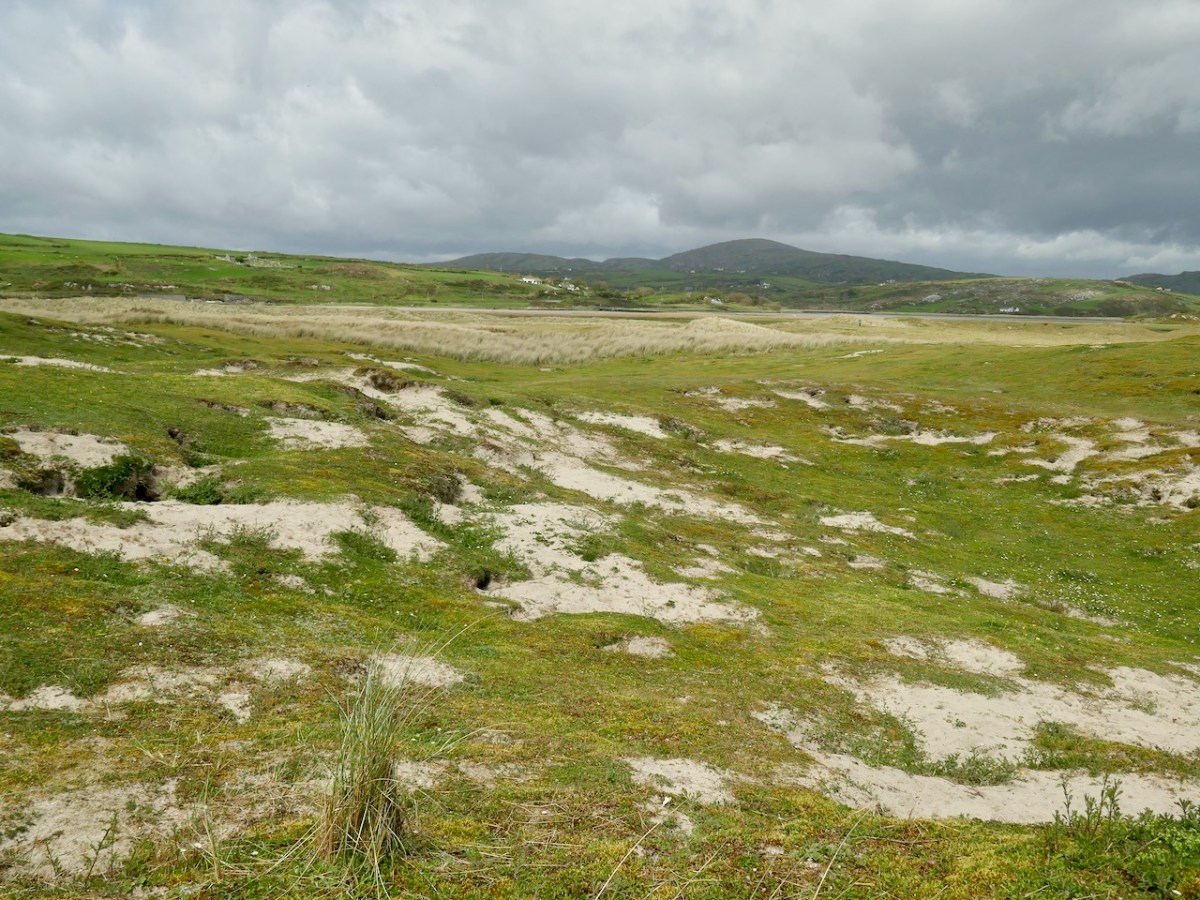
I signed up a few years ago to monitor some rare plants and it’s been an eye-opening experience. Doing this, you see first hand the challenges facing our native wildflowers in the face of loss of habitat, competition from other plants (sometimes alien invaders), herbicides, and now of course, climate change. Sometimes the plant populations aren’t so much threatened as just inherently rare. That’s the case with Early Sand-grass. According to one of my favourite sites, Irish Wildflowers, Jenny Seawright , this little plant is Very rare in Ireland, only one known location on SW coast. Found by T.O’Mahony in 2005 on disturbed ground among coastal sand-dunes. T O’Mahony, by the way, is another of my botanical Heroes, author of The Wildflowers of Cork City and County. Happily for me, that one known location is Barley Cove, above. (In fact I’ve just seen it is found in Dublin Bay as well.)

Not very exciting, is it? Scrubby little patches of brown grass scattered in the sand. But every plant plays its part in the complex web of life and in this highly specialised sand dune habitat who knows what tiny insects depend on the particular sustenance this unassuming little grass provides?

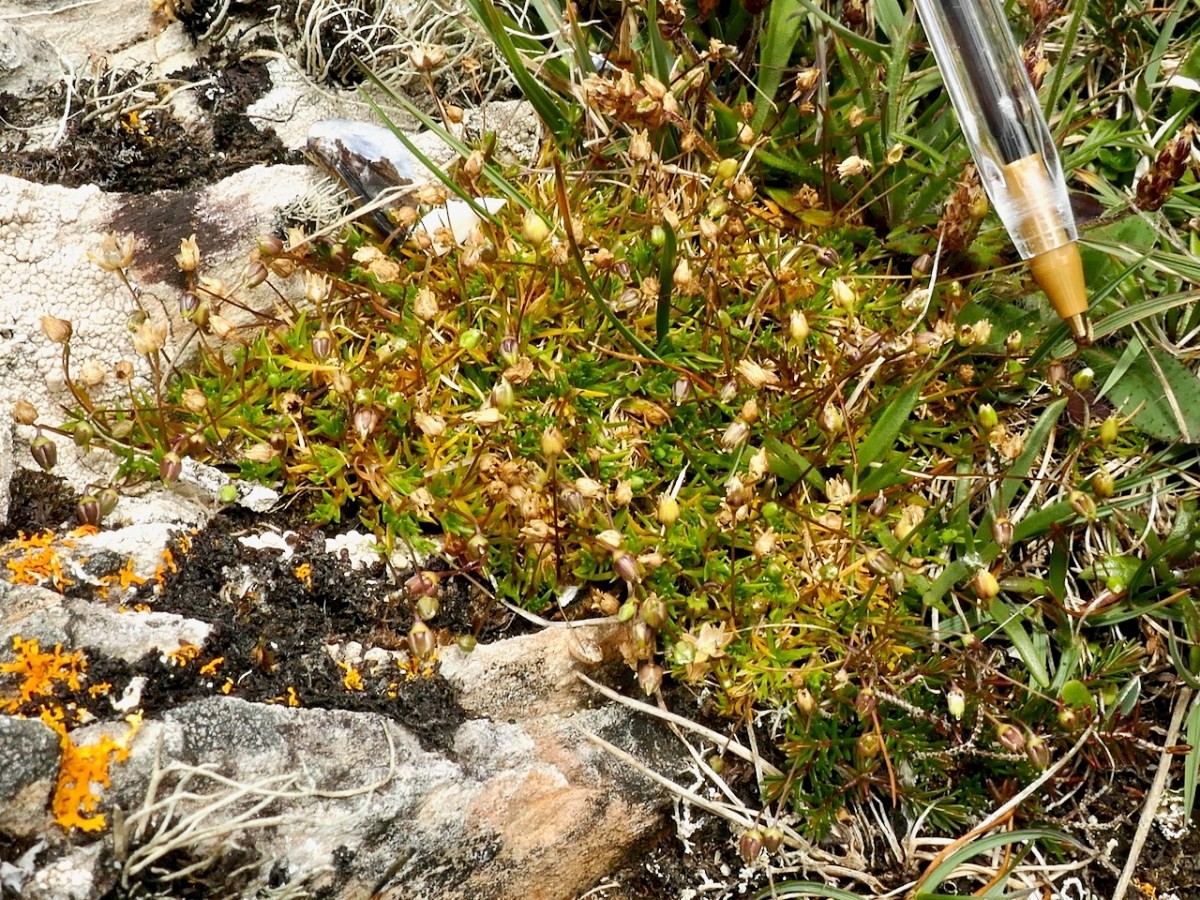
And actually, once you get up close, it’s quite a handsome little cluster of surprisingly colourful stalks, with little while filaments emerging from the heads.

One of my monitoring days was in the company of my friend Damaris and we were also looking for Heath Pearlwort. Paul Green had shown it to us during the workshop the previous year (below) but finding it again was a different matter. It was raining and cold and we were crawling over the exposed hill above Barley Cove looking for a tiny plant. We hardly noticed, until we turned blue.

A much easier assignment for me is Vervain, a beautiful, fragile-looking but surprisingly tough flower that happens to grow near me.
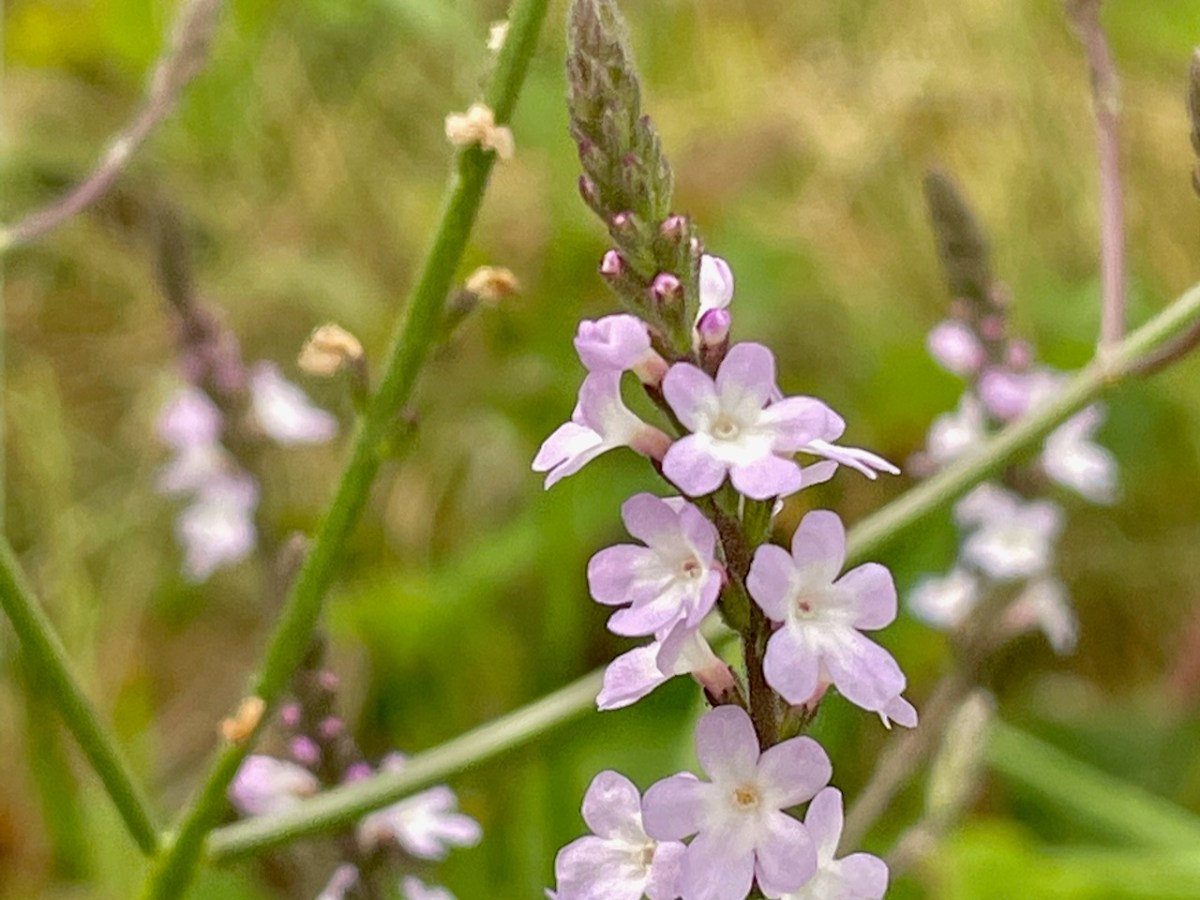
Three years ago, one of the spots where it was growing was scraped clean and covered in tarmac. It had been a dangerous corner and the Vervain was simply overlooked. I was devastated – this little location was completely wiped out. Imagine my surprise and delight when I found it again the following summer, struggling up through the tarmac! And by this summer, not only had the population recovered but far from struggling, large and vigorous plants were growing up, finding their way through the pavement and flourishing.

But overall the story of the Vervain populations I have been monitoring is emblematic of the difficulties facing many wildflowers. Of the three original locations I started with, I am down to one (above). The good news is that this year I found a new location – all fingers crossed this one manages to hang in there.

My final plant is the lovely member of the mint family called Calamint.
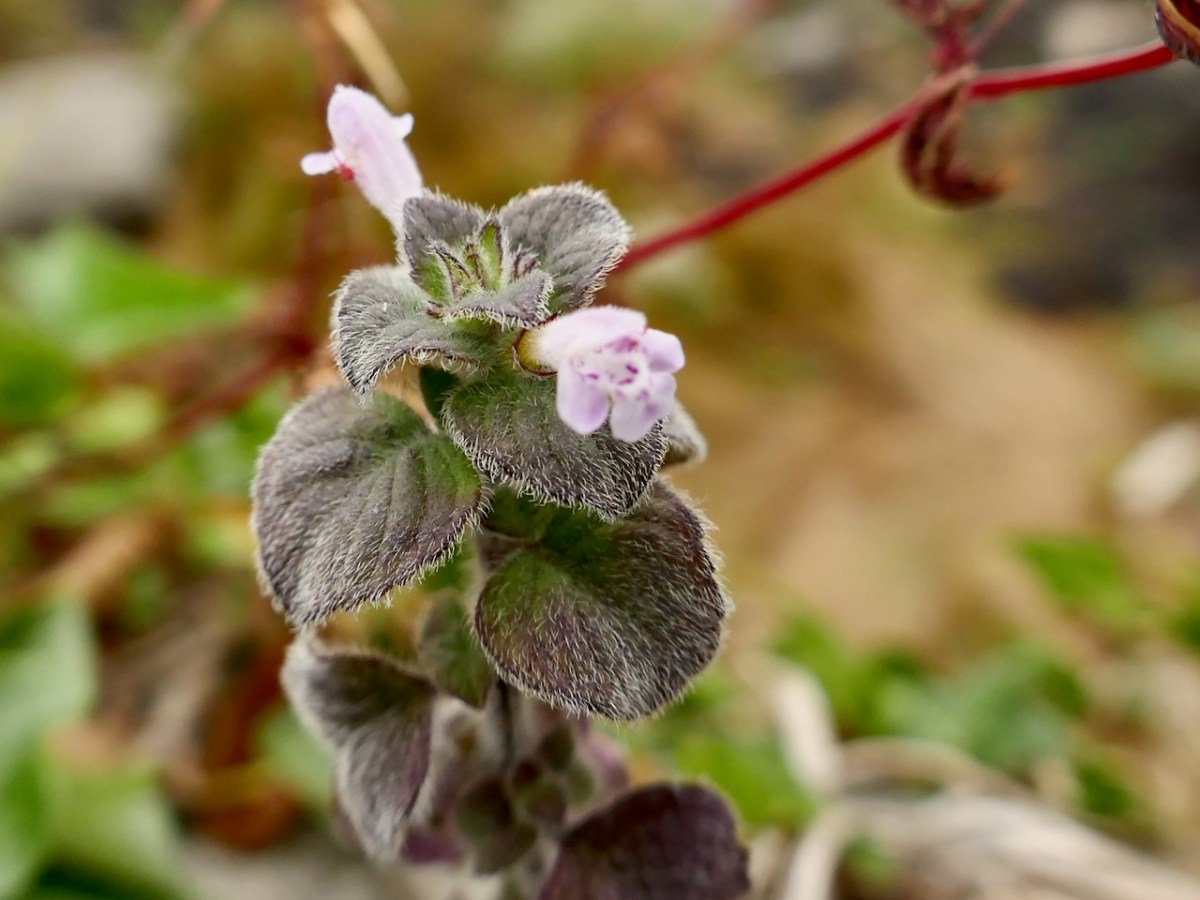
It’s facing two challenges. The first is that it’s growing on a stone wall, and so is Pellitory-of-the-wall, which has a habit if spreading and taking over all available space. In fact that’s what’s happening.

In the photo above the flower with the reddish spikes is Pellitory-of-the-wall, while the patch of brighter green in the middle is Calamint, trying to hold on to its territory. The Calamint has another problem, though.
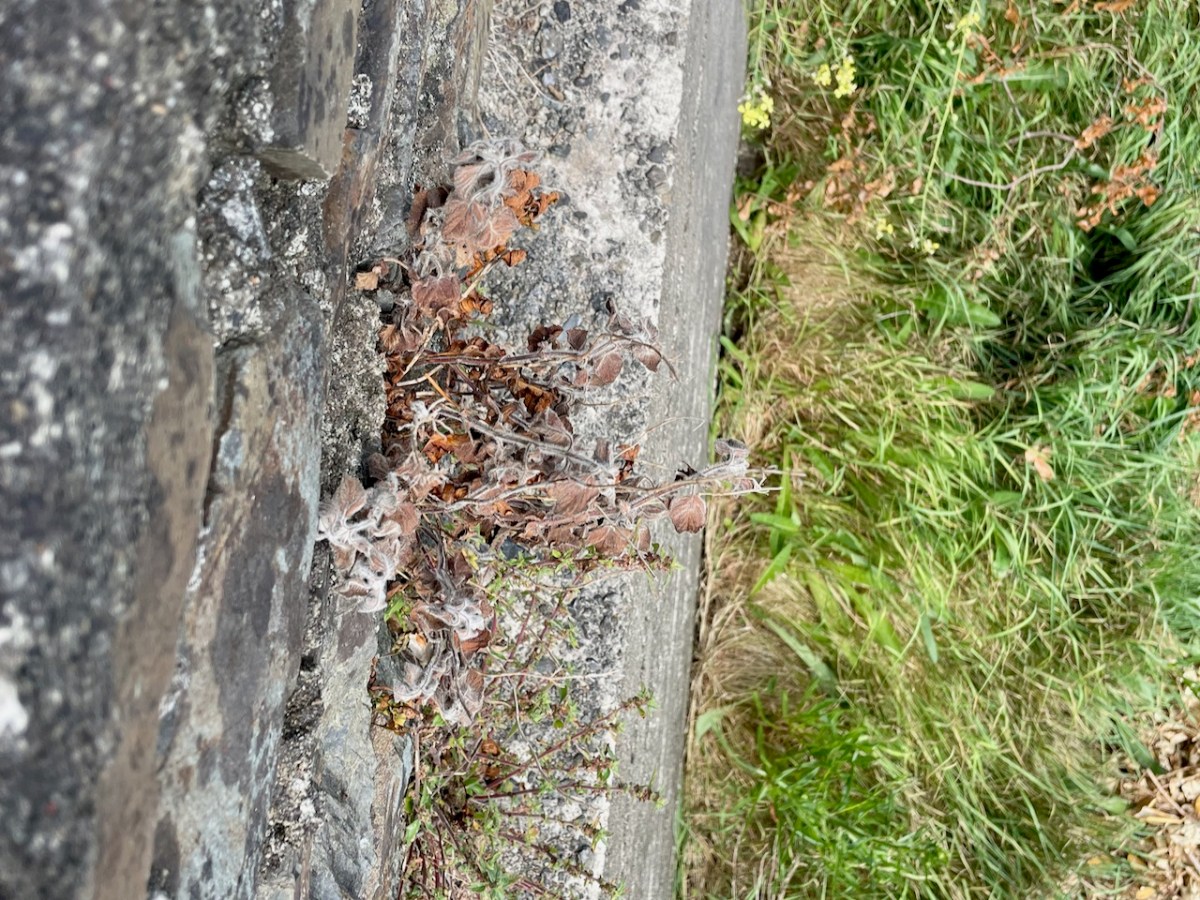
Someone has decided the wall needs to be kept tidy and has dosed it liberally with Roundup, killing some of the Calamint (above). Sigh.
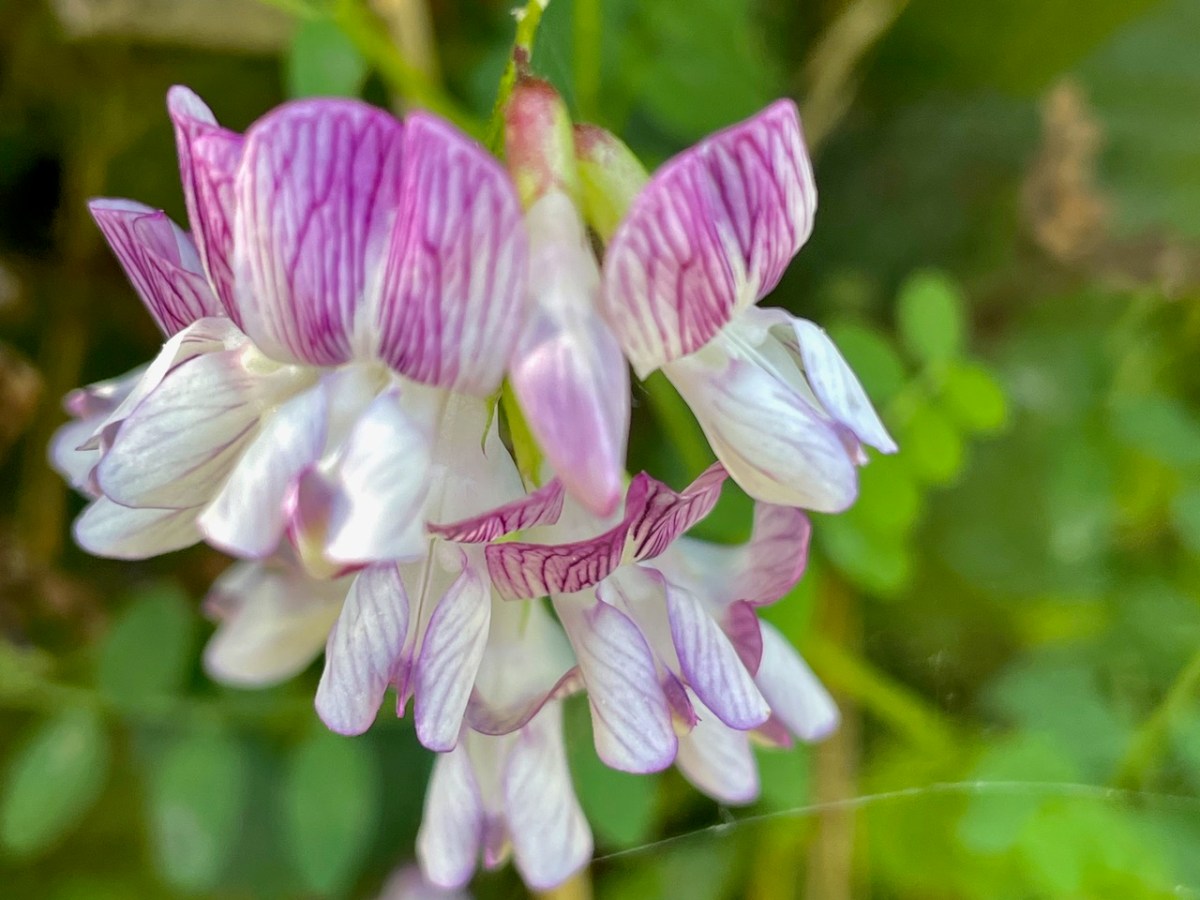
I’m going to leave you with a couple of pics of rare wildflowers I’ve seen this year – just to cheer us up and remind us of the beauties that manage to survive here and there against the odds. This is Wood Vetch.
And this is Yellow Horned-poppy.

And finally, the incredible Bee Orchid.

Discover more from Roaringwater Journal
Subscribe to get the latest posts sent to your email.


The Wood Vetch is a delightful plant; one I’ve never seen; Very beautiful.
LikeLike
Pellitory in the wall, what a wonderful name even though it’s a bit of a thug. It pays to keep your eyes peeled!
LikeLike
It certainly does – I was so thrilled to find the new site for Vervain.
LikeLike
Hello! We met on an Ellen Hutchins geology outing on Sheep’s Head recently! Interested to read about your hunt for rare wildflowers in this area. When we lived in Norfolk and near the Brecks (an outstanding and unique microclimate in E Anglia), we found quite a few of your rarities: Vervain, calamint, bee orchid, yellow horned poppy. Much drier and colder in E Anglia. I have found Knotted Pearlwort on Sheep’s Head. Also Yellow Centaury, 6 kinds of insectivorous plants (including bladderwort), Lesser Water Plantain, Pale Dog Violet … I have now collected together my flora and fauna photos for Sheep’s Head and you are very welcome to visit and view! No pressure, of course. Vivien Bradley (Kilcrohane)
PS We have rare bees and butterflies as well as wonderful birds on Sheep’s Head too!
LikeLiked by 1 person
Replied by email. Thank
You!
LikeLike