Air India Disaster 40 Years On – Dignity, Love, Remembrance

I keep coming back to this story. I wrote about it first when the anniversary was the 30 year mark. And again two years ago when there were new developments in Canada. If you are not familiar with the story, please go now and read Amid Unbearable Tragedy – a Model for the World (Updated).
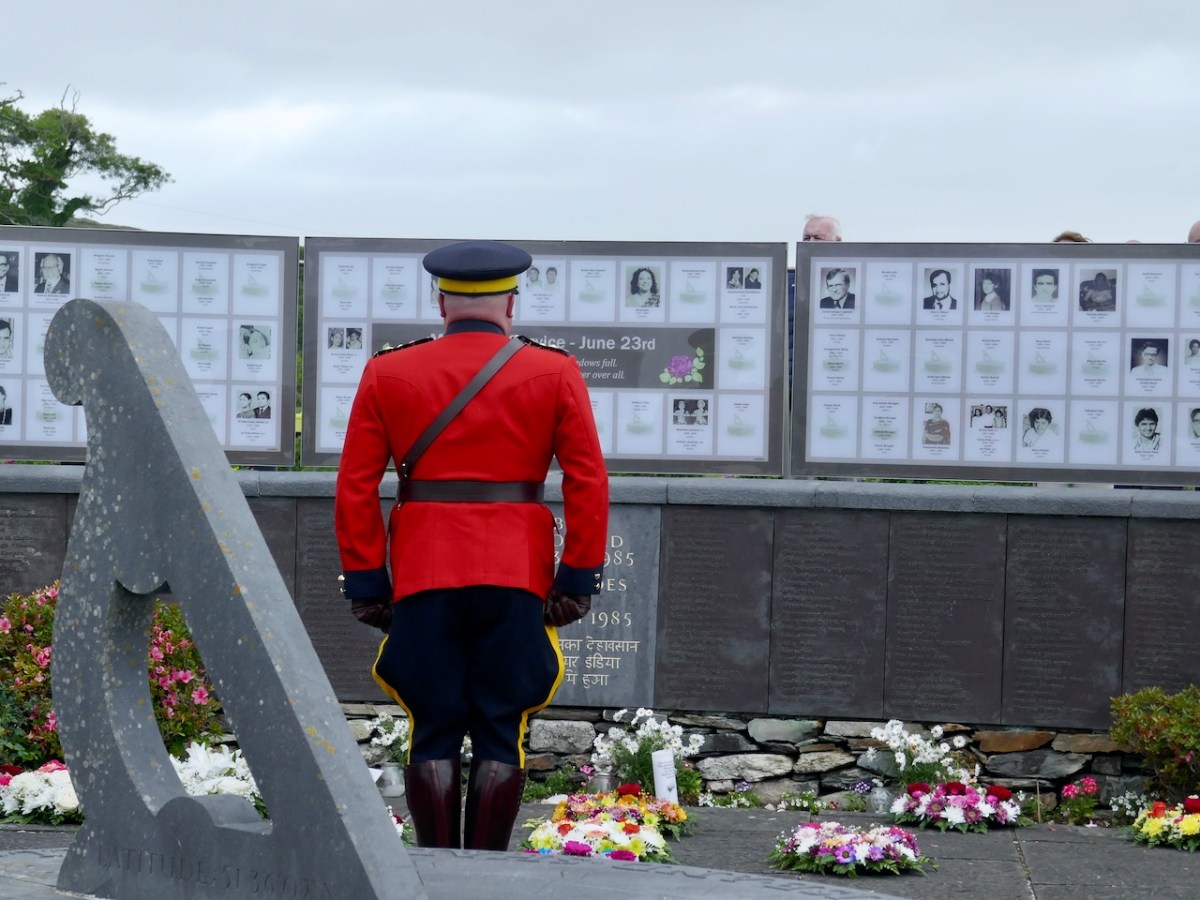
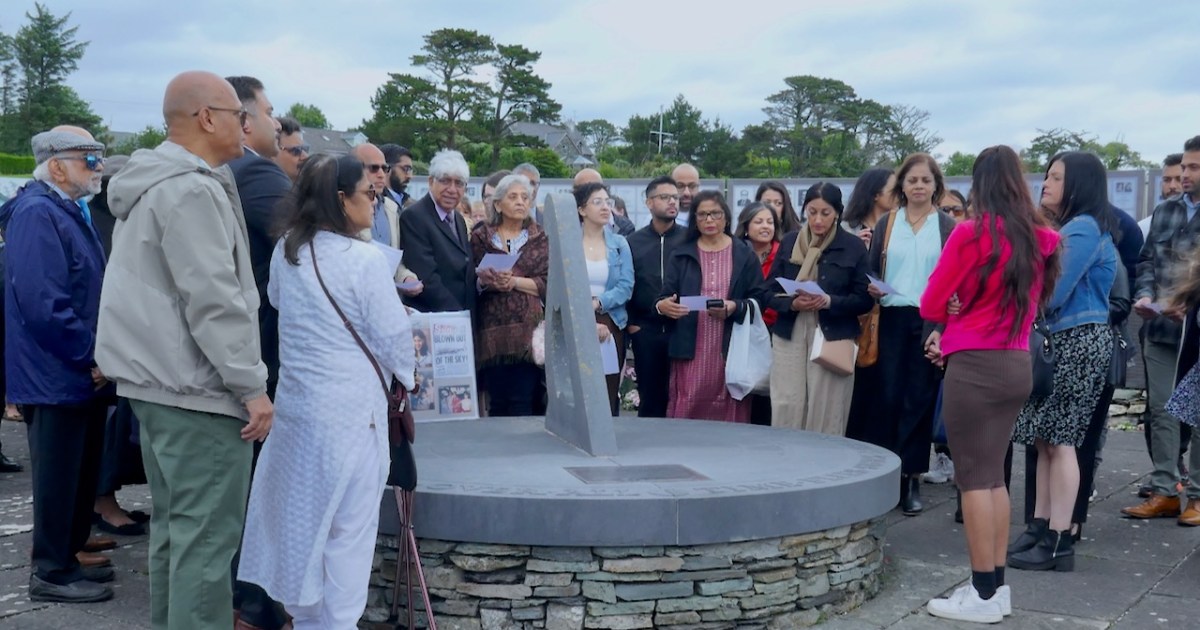
I attended this year’s ceremony – the 40th anniversary. It remains the single largest mass murder in Canadian history and the deadliest aircraft bombing ever. In fact, it remained the deadliest terrorist attack involving an airplane until September 11, 2001. 
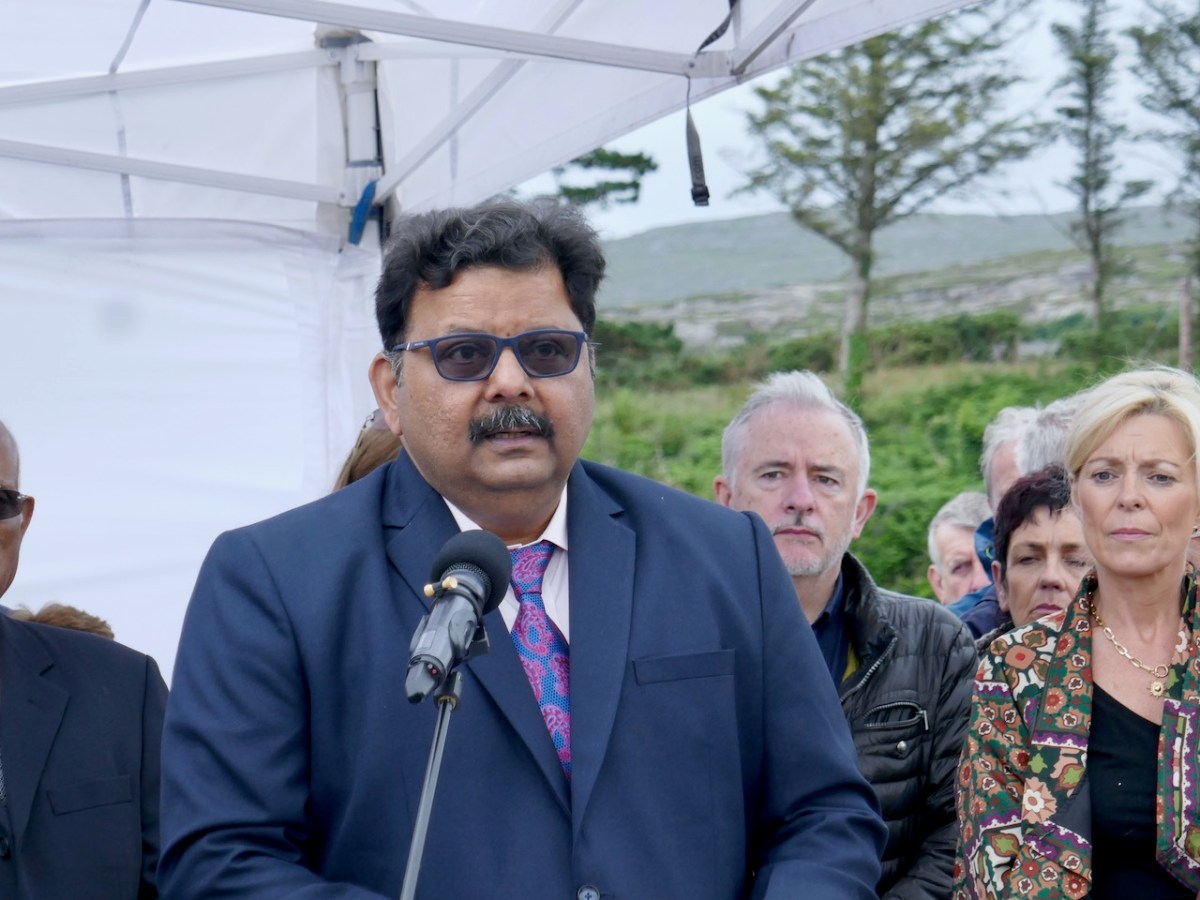
There was a large turnout this year. Family members still come, including my new friend Sanjay Lazar, who contacted me in advance of the ceremony. His is a story tragic beyond belief – he lost his parents and his sister in the bombing, and became in time a spokesperson for airline safety and a trade union champion. 
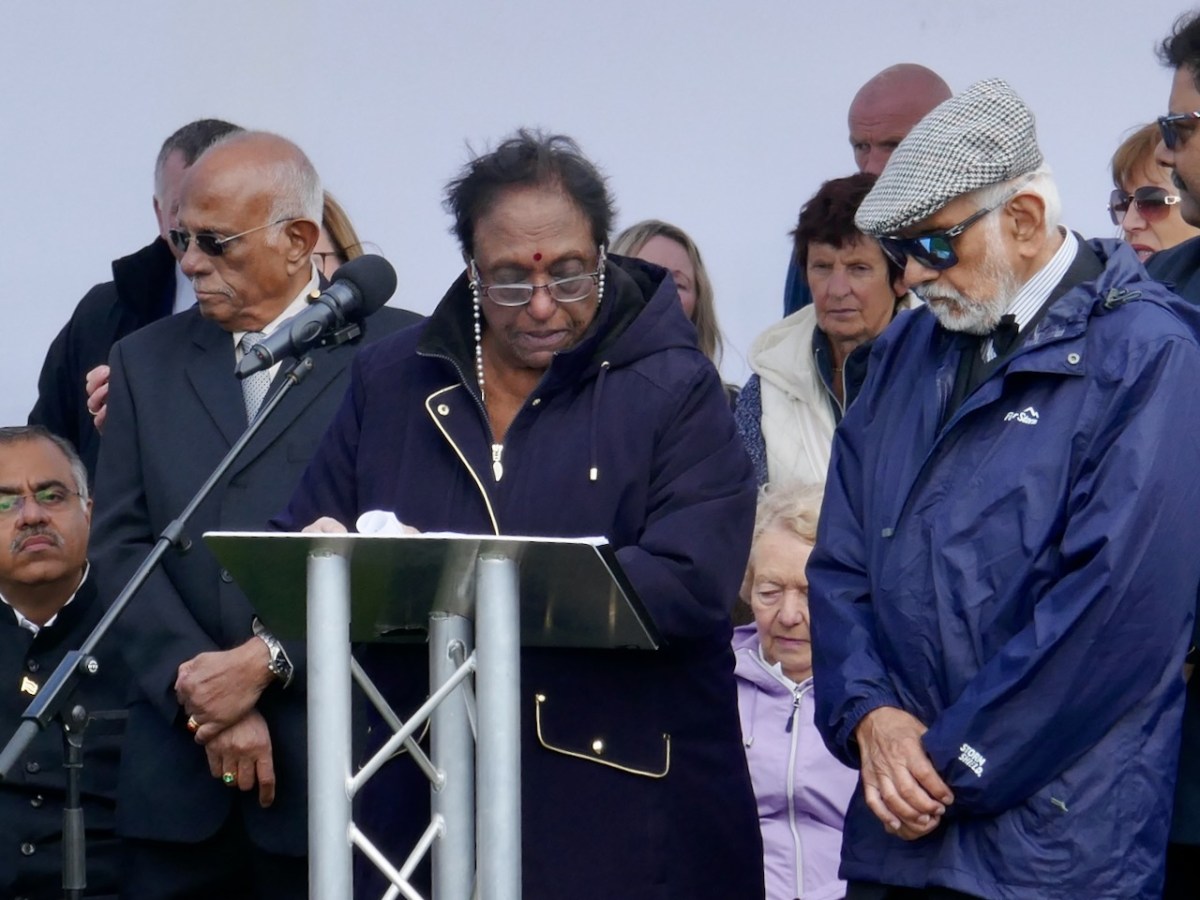
He comes every year, as does Dr. Padmini Turlapati, who spoke about her two sons, Sanjay, whose body was recovered, and Deepak, who is still out there. Unbelievably, she made us laugh with her funny stories about the boys.
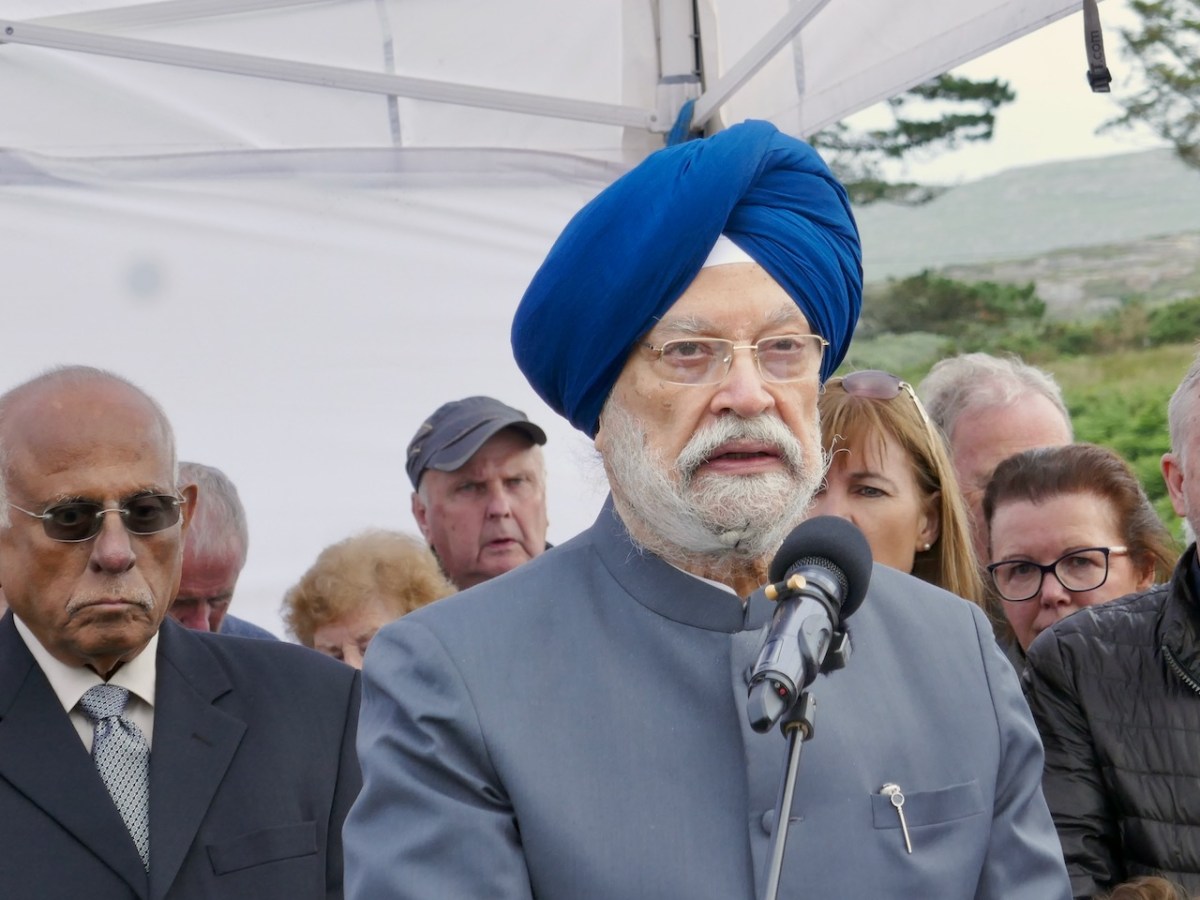
One particularly moving speaker was Hardeep Singh Puri, Indian Minister of Petroleum and Natural Gas. Himself a Sikh, what he said was captured beautifully by Amanda in her daily blip:

Towards the end one of the speakers spoke of the utter futility and horror of terrorism and urged us to look around  – here he said was what it was all about –  kindness, goodness and love. I looked – a very multi-cultural gathering, Sikhs, Christians, Muslims, Hindus, Indian, Canadian, British, Irish from all walks of life-  all joined in sorrow and support, humanity at its best.
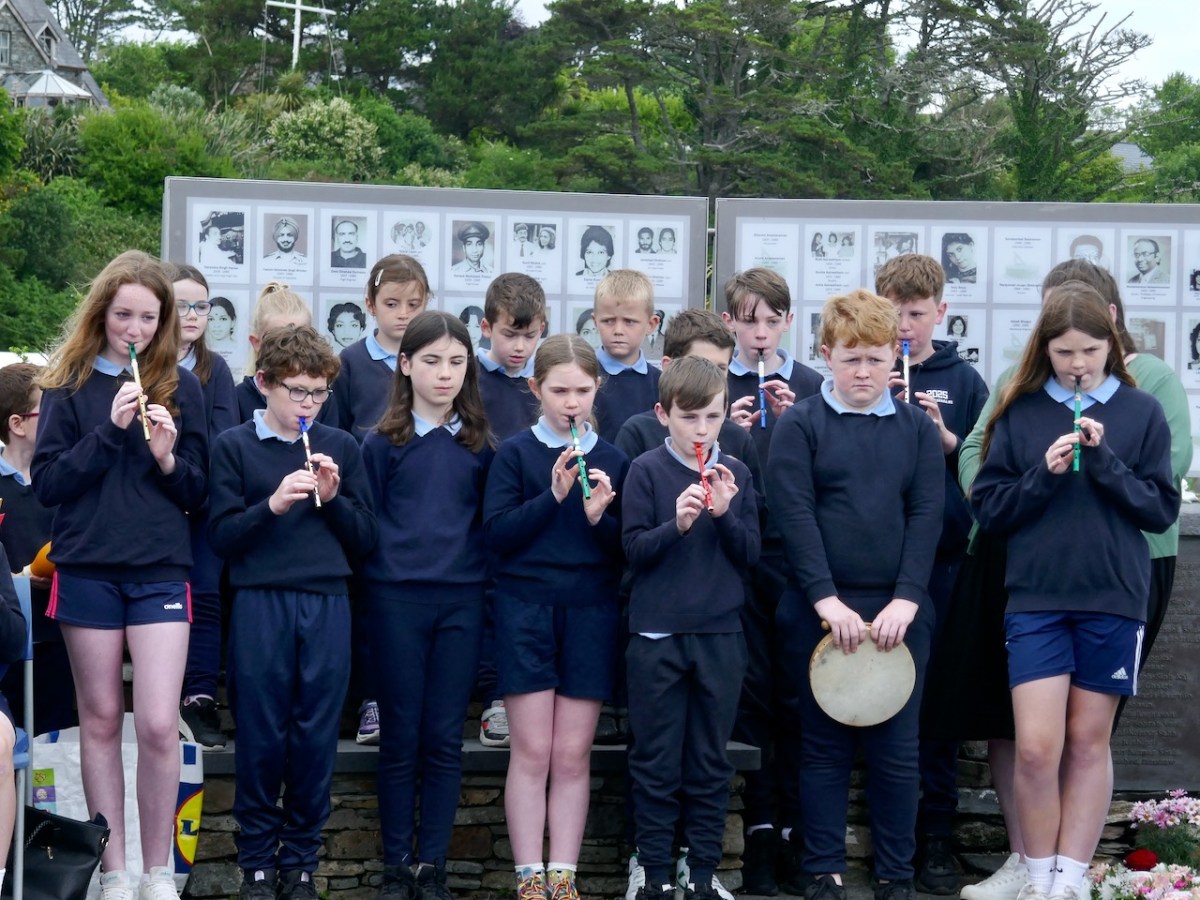
Amanda was undone by the performance of the local schoolchildren. As she mopped her eyes a very large Mountie in full dress uniform put his arm around her and patted her shoulder. It was a lovely moment.
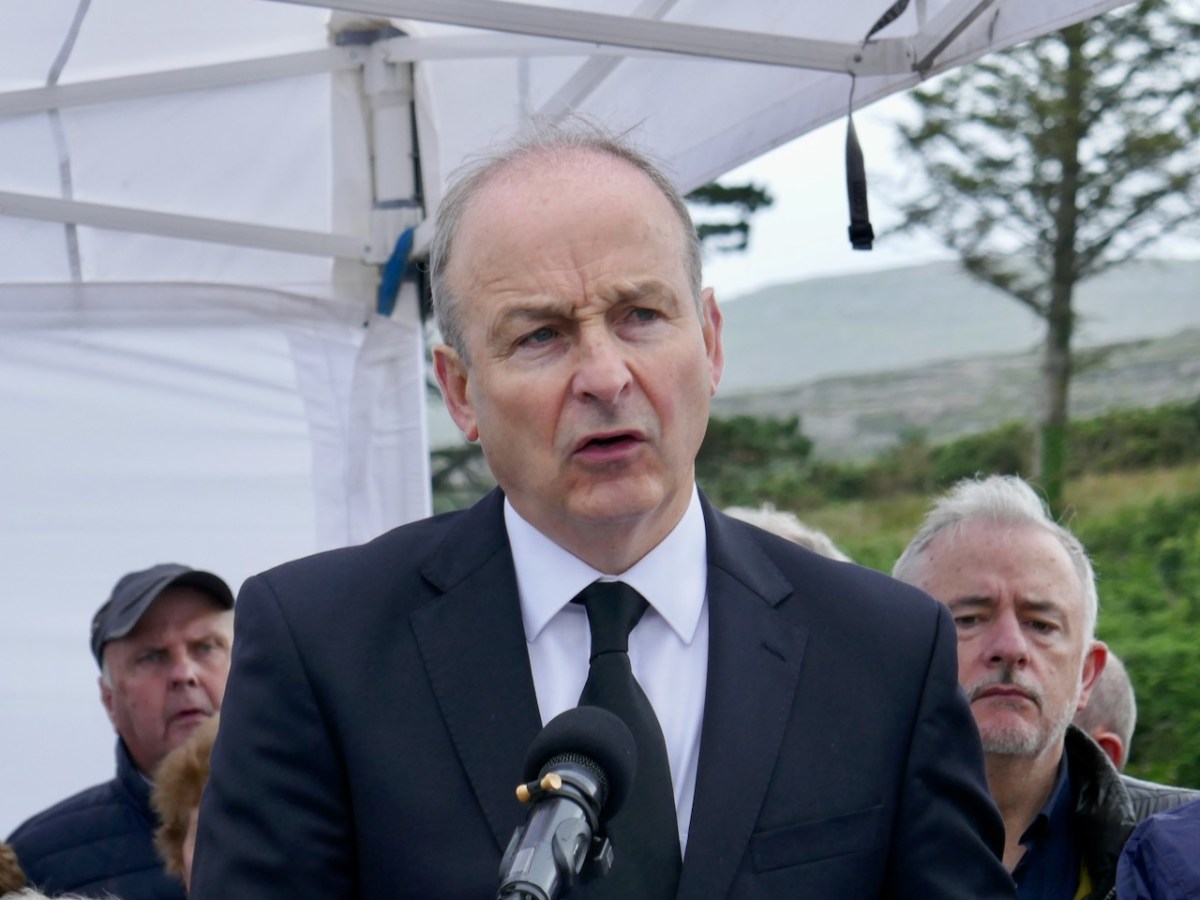
Micheál Martin, grave and respectful, spoke the words I have used in my heading, dignity, love and remembrance. It perfectly summed up the feeling of the day. It was echoed by Gary Anandasangaree, Canadian Minister of Public Safety, who came to Canada as a child refugee, fleeing terrorism in Sri Lanka, who condemned terrorism in all its forms and spoke to the frustration of the family members who are still without answers. 
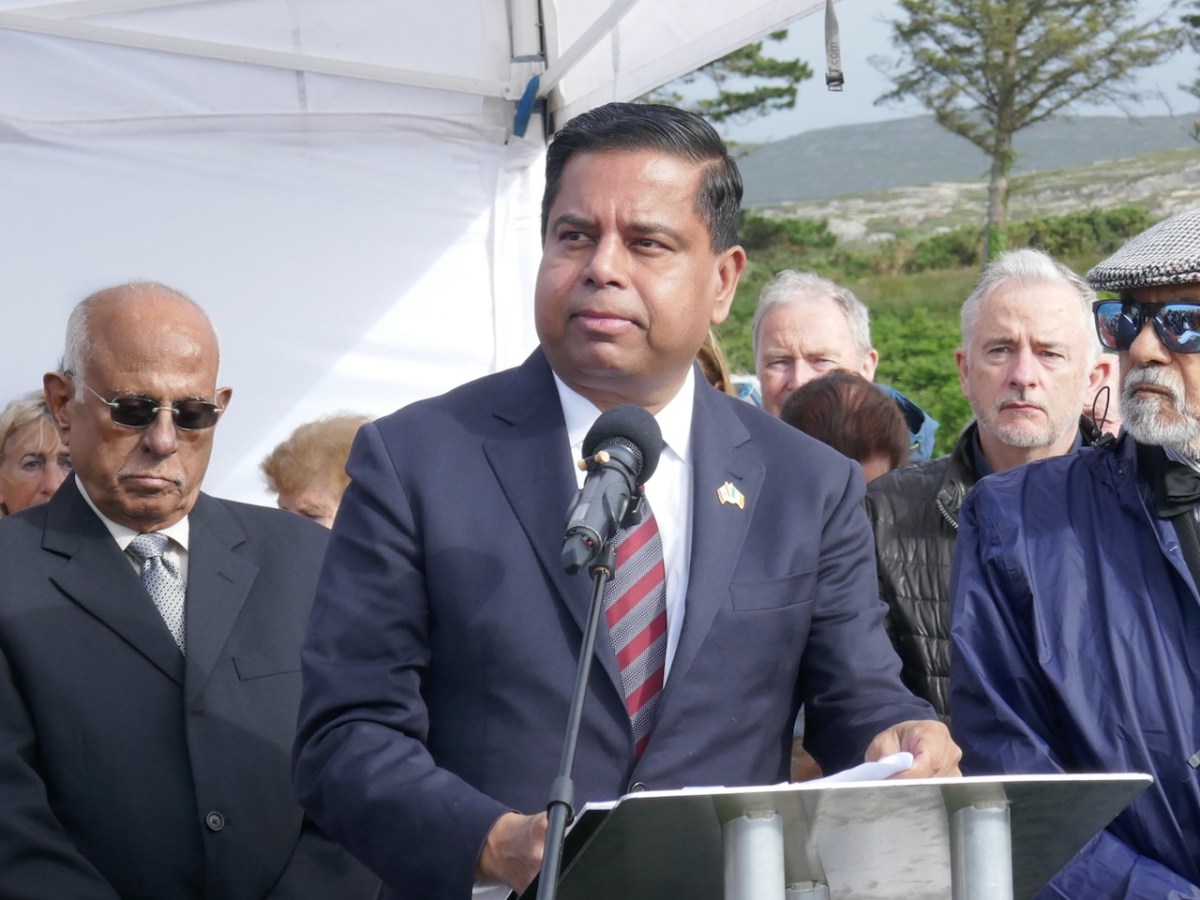
In the last three years there have been high-profile assassinations of Sikh leaders in Canada, including the chief suspect in the bombing, and this has led to the closure of each others embassies in the midst of accusations by Canada that India was behind the murders. Meanwhile, India accused Canada of harbouring terrorists. Mark Carney, the new Prime Minister, has been working quietly behind the scenes to normalise relations again, with success. 
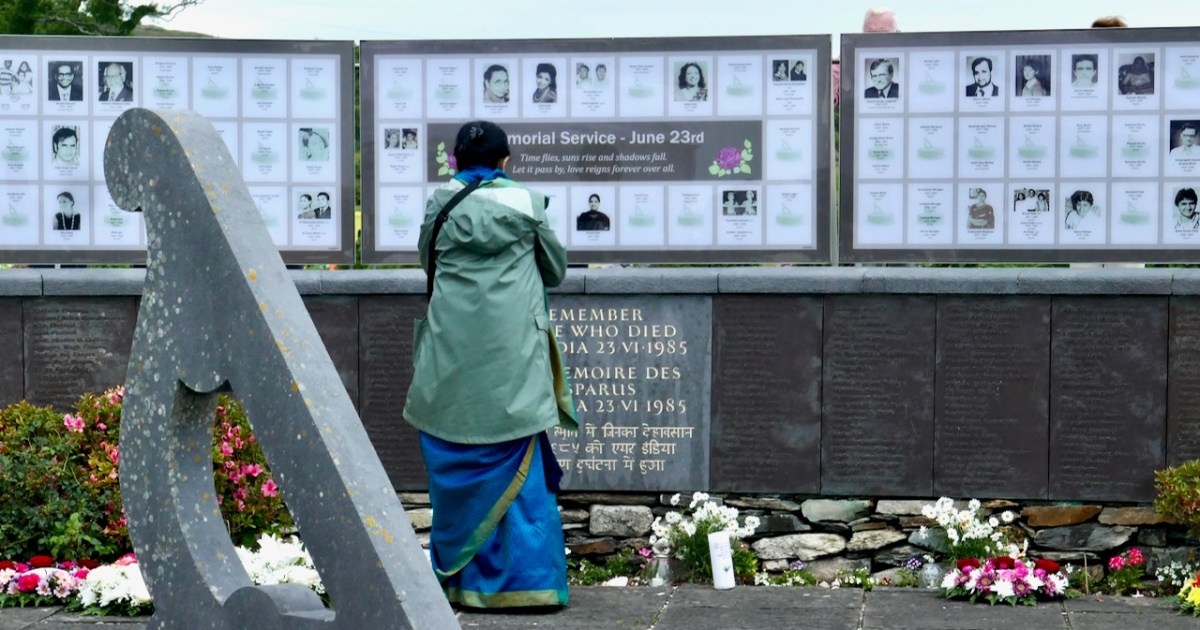
This year it seemed that something has shifted – ten years ago, even two years ago, there was more emphasis on the anger at the botched investigation, the utter frustration at the lack of answers and the failure of the Canadian government to hold anyone to account. This year people spoke mainly about moving towards a sense of peace. The emphasis was on support and love, on getting along in our multi-cultural societies, on respecting each others’ cultures and on mourning with each other for those who will never return.
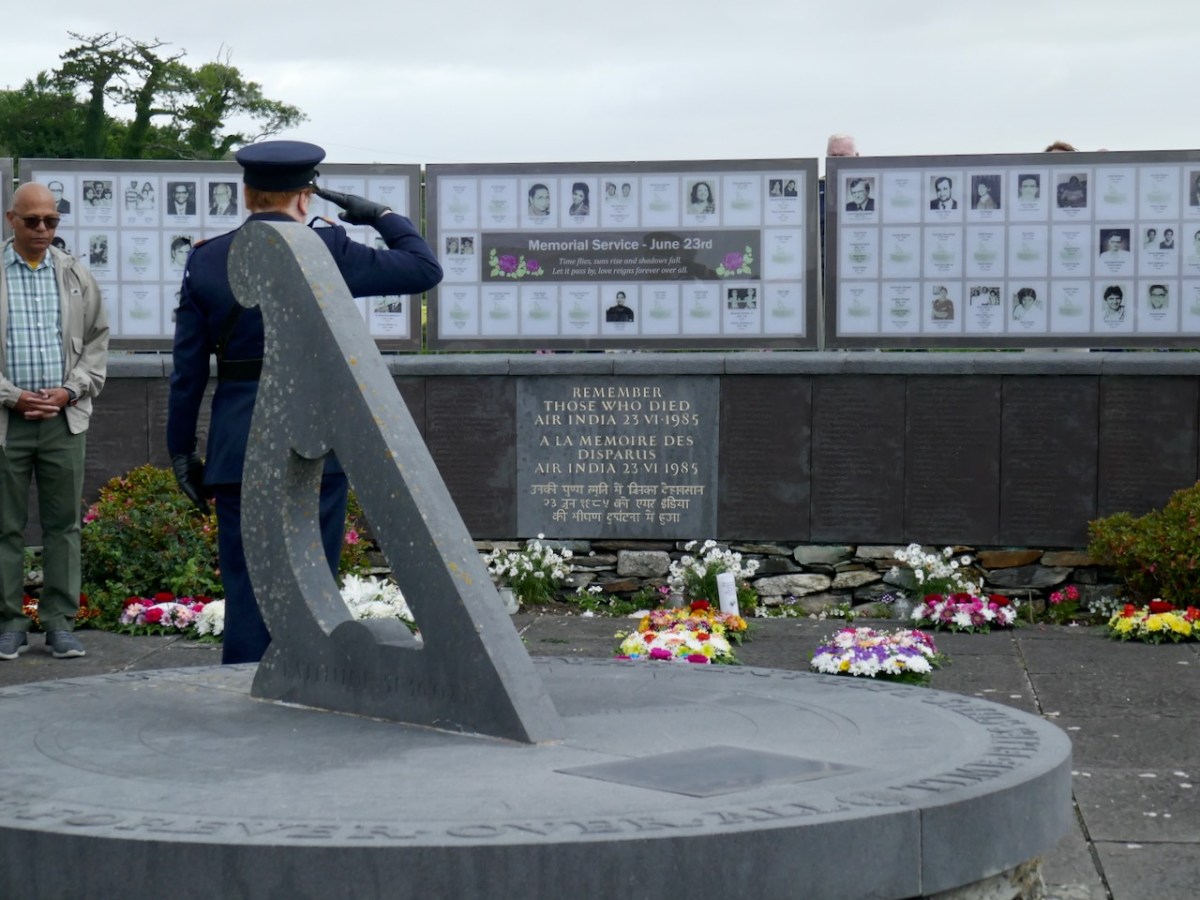
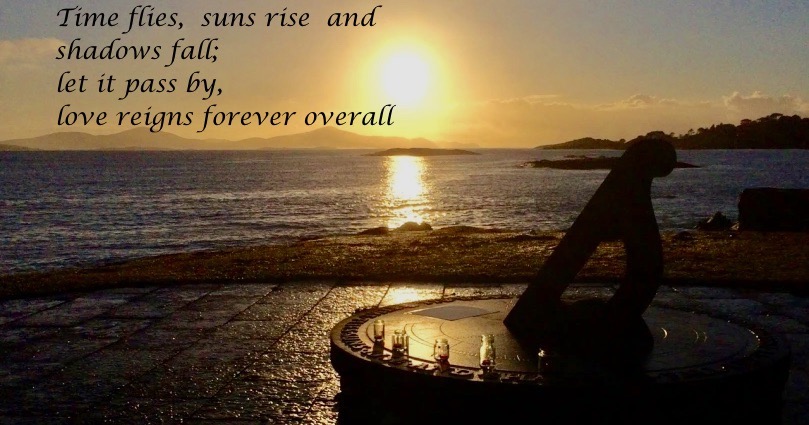
The central point of the commemoration is Ken Thomson’s beautiful sculpture, a sun dial set to the exact time the bomb went off.
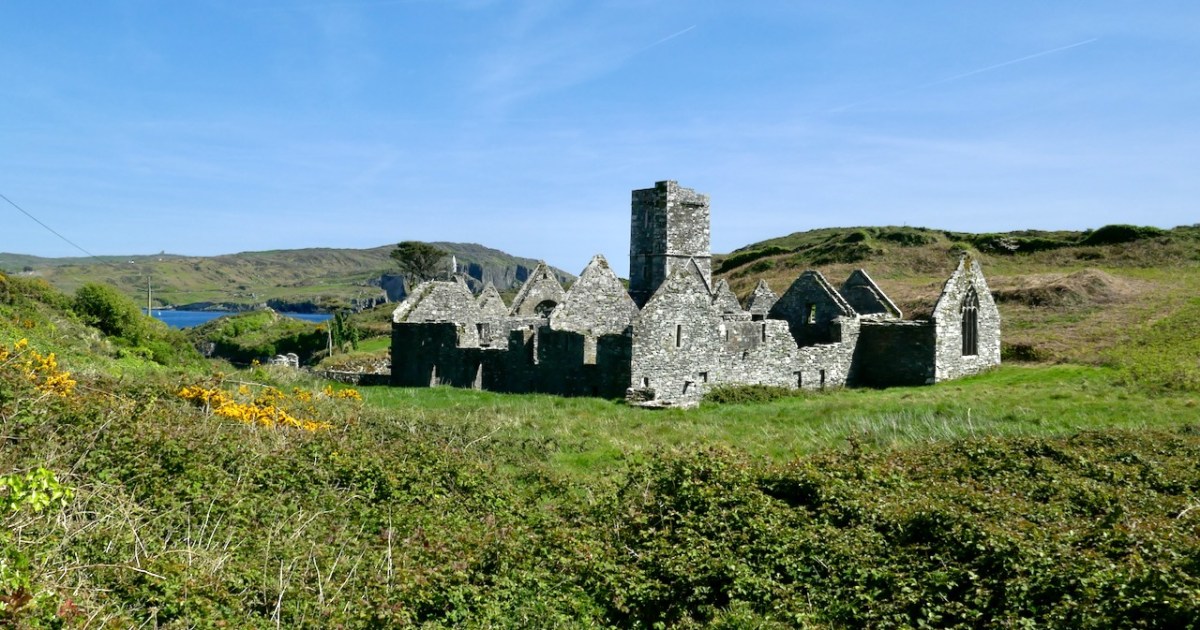
Sherkin Friary

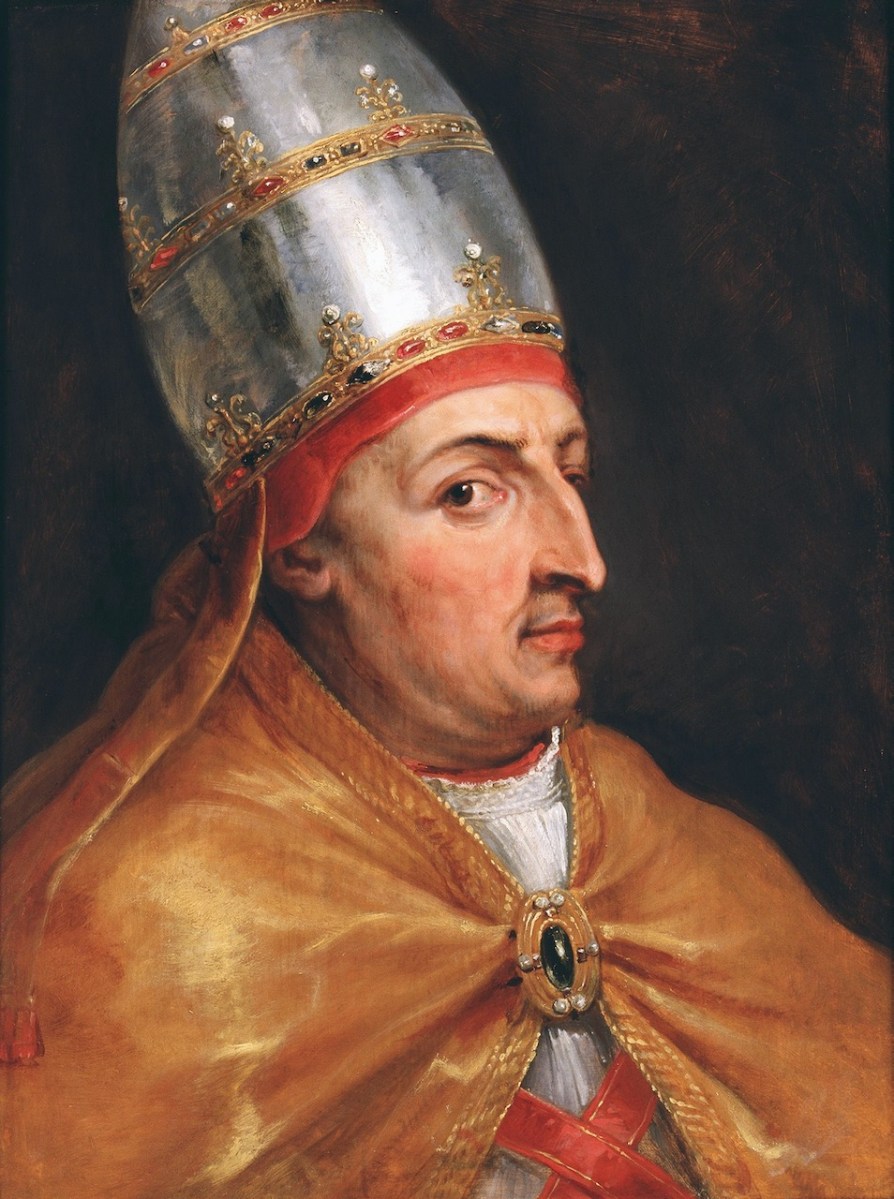
The Franciscan Friary on Sherkin Island (also called the Abbey) was established by Fineen (Florence) O’Driscoll, chief of the wealthy O’Driscoll clan, which had its headquarters in what is now Baltimore, but which, in the middle ages, answered to the name of Dún na Séad – Fort of the Jewels (how’s that for flaunting your wealth?). We know this because Fineen applied to the Pope himself for permission to found a friary. The Pope was Nicolas V, here seen in his portrait by Rubens. Although he was only Pope for eight years he was highly influential and responsible for many church innovations (such as the Vatican Library) and buildings (he started St Peter’s Basilica). He’s certainly giving Rubens the side-eye.
Ann Lynch, who excavated the Friary between 1987 and 1990 (source of much of the information below) tells us that Nicolas, despite being so busy in Rome,  

. . .in 1449, mandated Jordan Purcell, bishop of Cork, his dean, and a canon of Ross to license and to found a friary in his territory in honour of God, St. John and St. Francis. . . This reference is thought to refer to Sherkin Island (also known as Inis Arcain) and the licence explicitly states that the friars are to be under the jurisdiction of the Observant movement. There is no reference to building the friary however until 1460-2 when the  founder is given as Florence O’Driscoll.

The Franciscan Friary on Sherkin Island, Co. Cork, Excavations 1987-1990,

Ann Lynch, 

Journal of the Cork Historical and Archaeological Society, 2018, 55–127

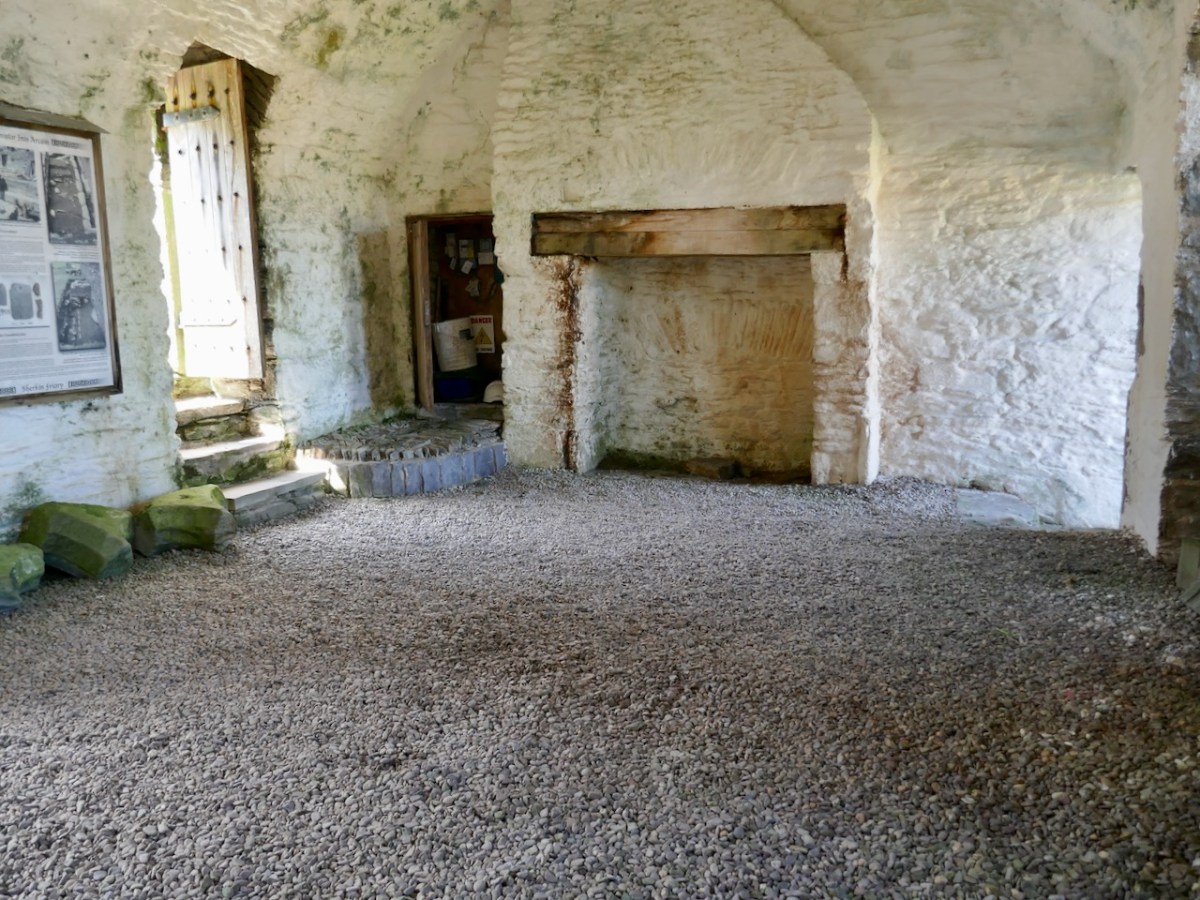
The Observant Movement aimed to restore the order’s focus on poverty, simplicity, and communal living as originally envisioned by Saint Francis. They did indeed seem to have lived a simple life – the only comfortable room in the place, and one use for communal living, was the chapter house, below.

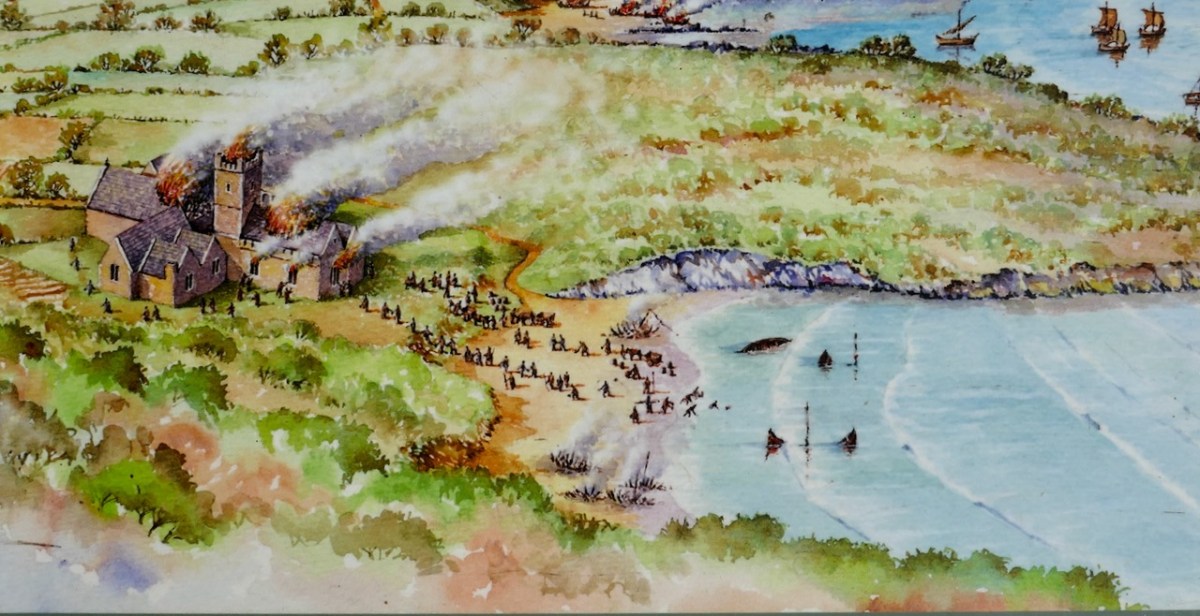
The siting of the Friary, close to Dun na Long Castle (see last week’s post) was not unusual in medieval Ireland, apparently. The castle was supposed to provide protection for the Friary, while the Friary afforded spiritual benefits to the castle inhabitants and the O’Driscoll chiefs. However, as we have seen last week, this didn’t go according to plan. The Waterford men sacked the castle in 1538 and plundered the Friary, setting it alight, and leaving it badly damaged.

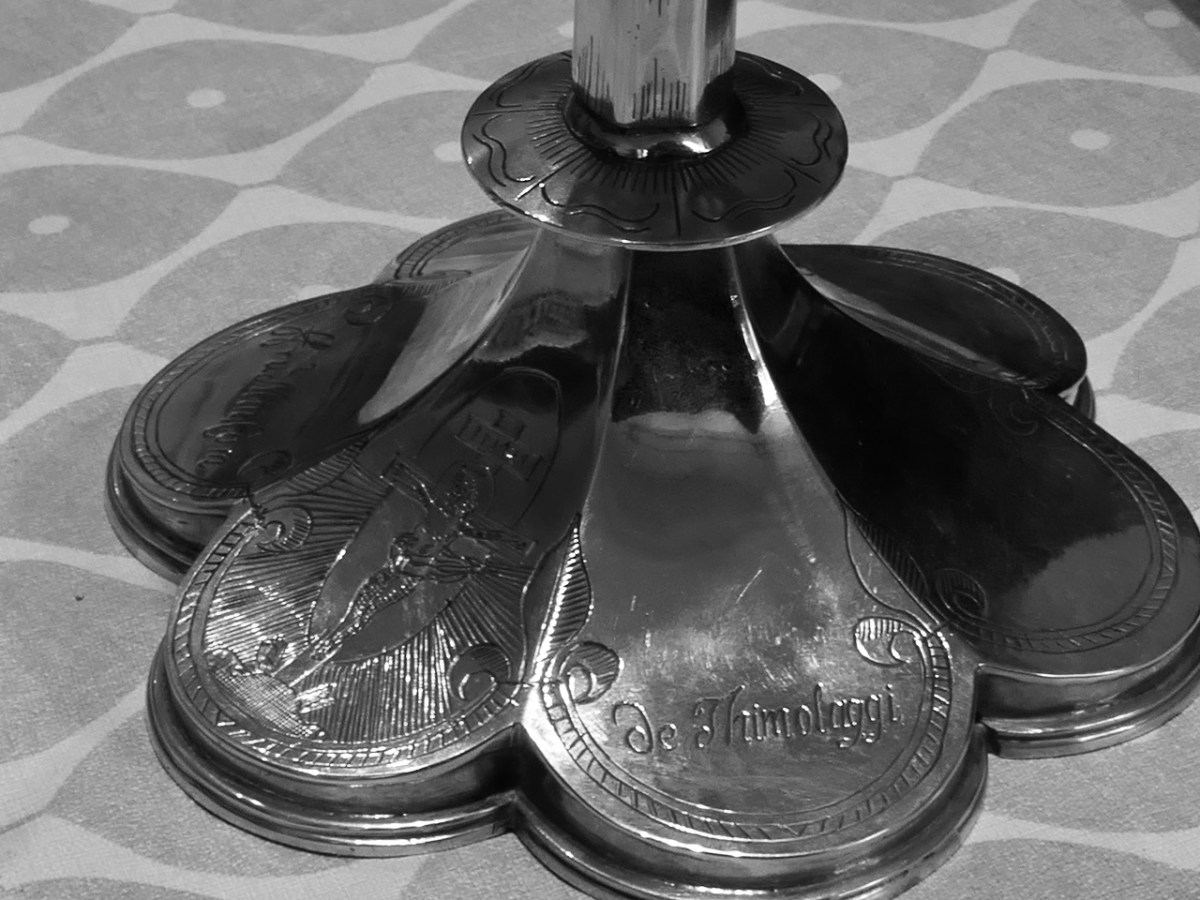
They also made away with the Friary bell, as well as some chalices and other valuables. Below is the base of the famous Timoleague Chalice, probably very similar to what was stolen. You can read the story of the Timoleague chalice here.

While the Friars fled for a while, they did return and lived at the friary until the last of them, Fr Patrick Hayes, died sometime after 1766. The Bechers took possession of it at that point and held on to it until they handed it over to the Commissioners of Public Works in 1892. It has been in the care of the State since then.

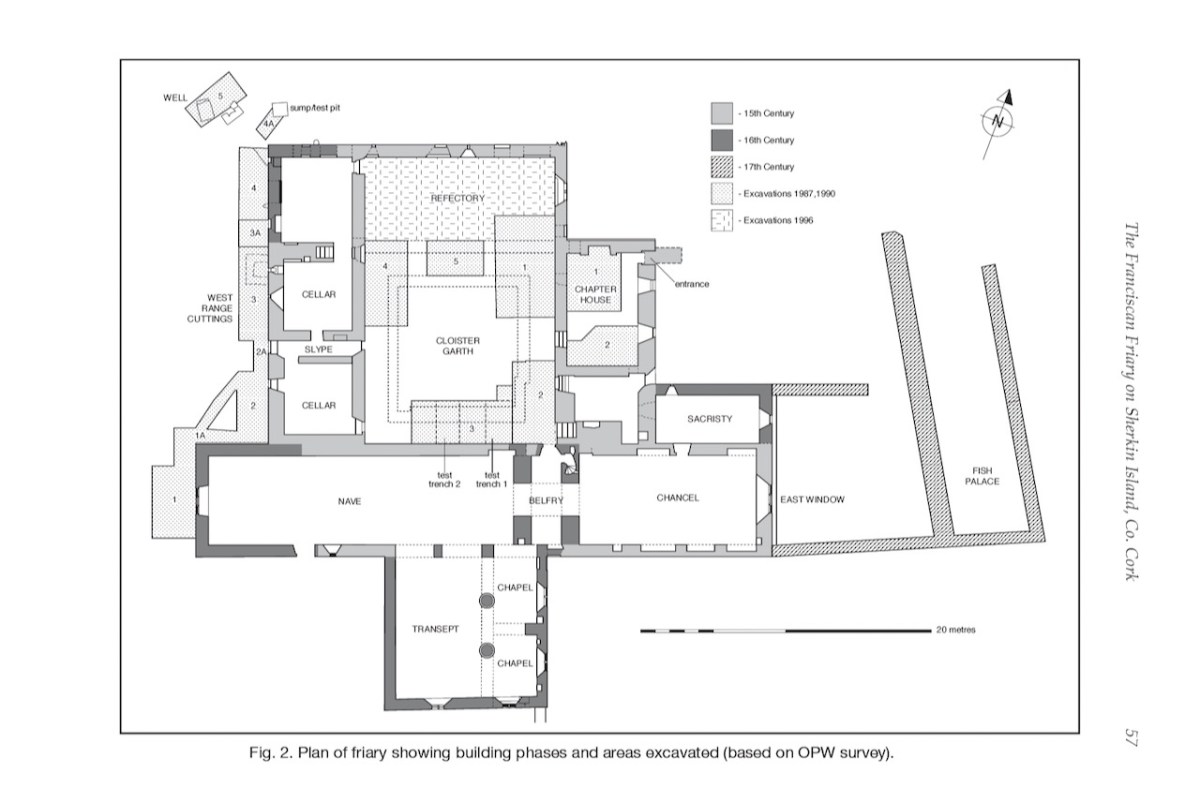
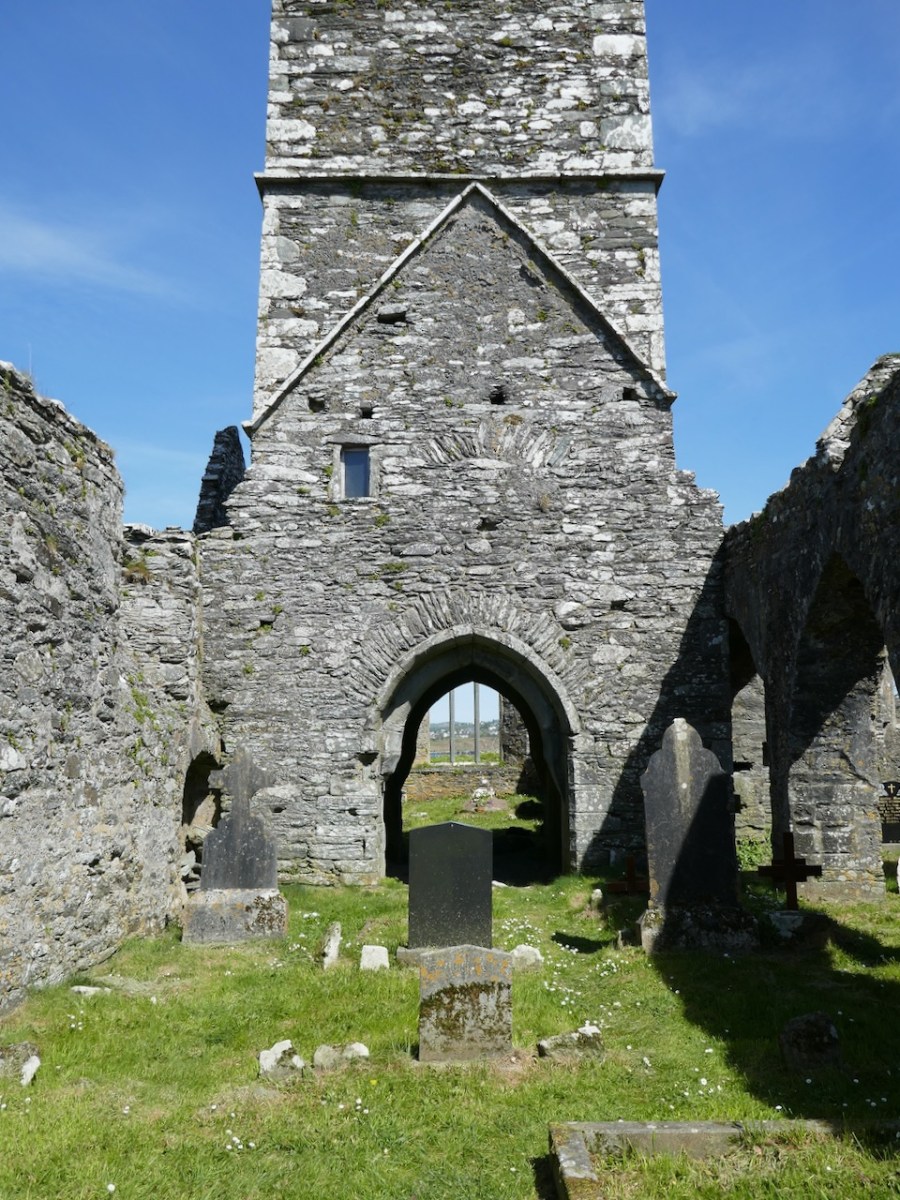
In form, the Friary is fairly typical of Franciscan houses in Ireland, with a long nave and chancel church, a bell tower, a cloister, side chapels, and a chapter house and refectory. 

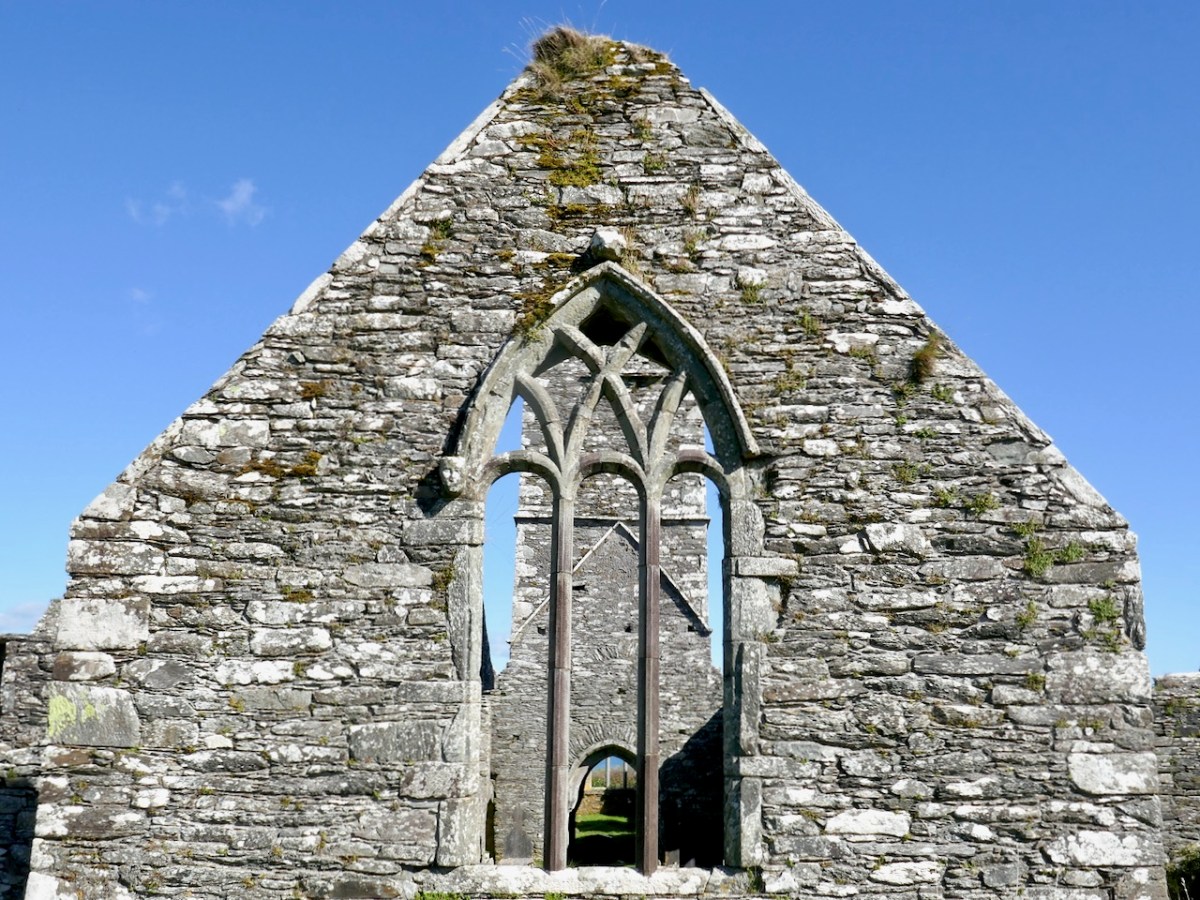
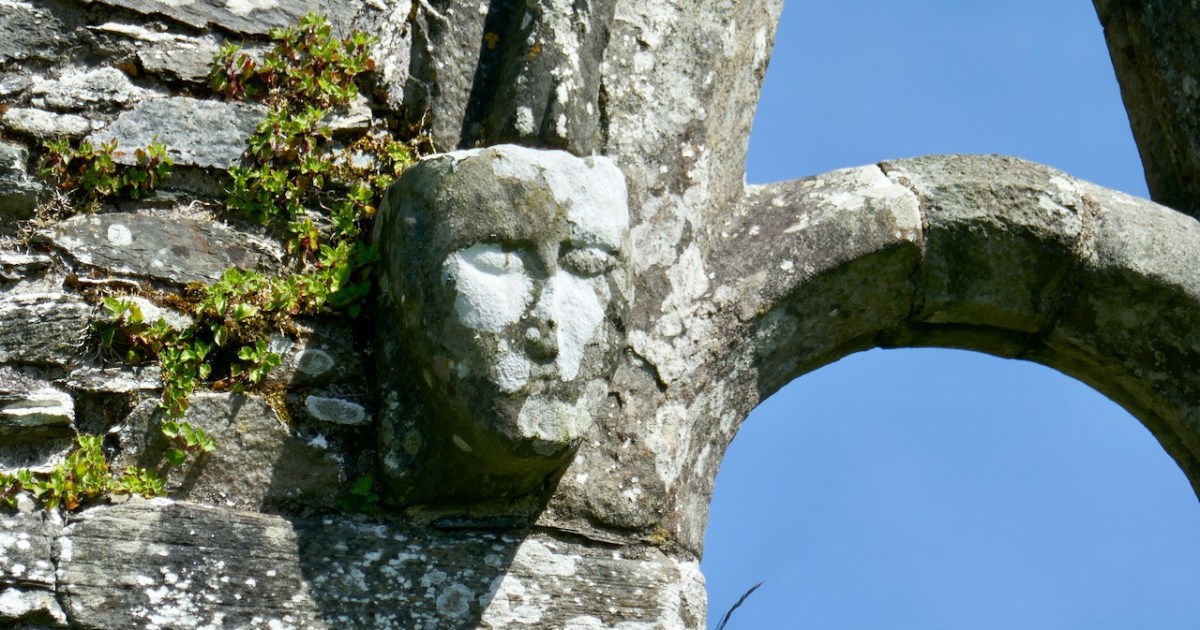
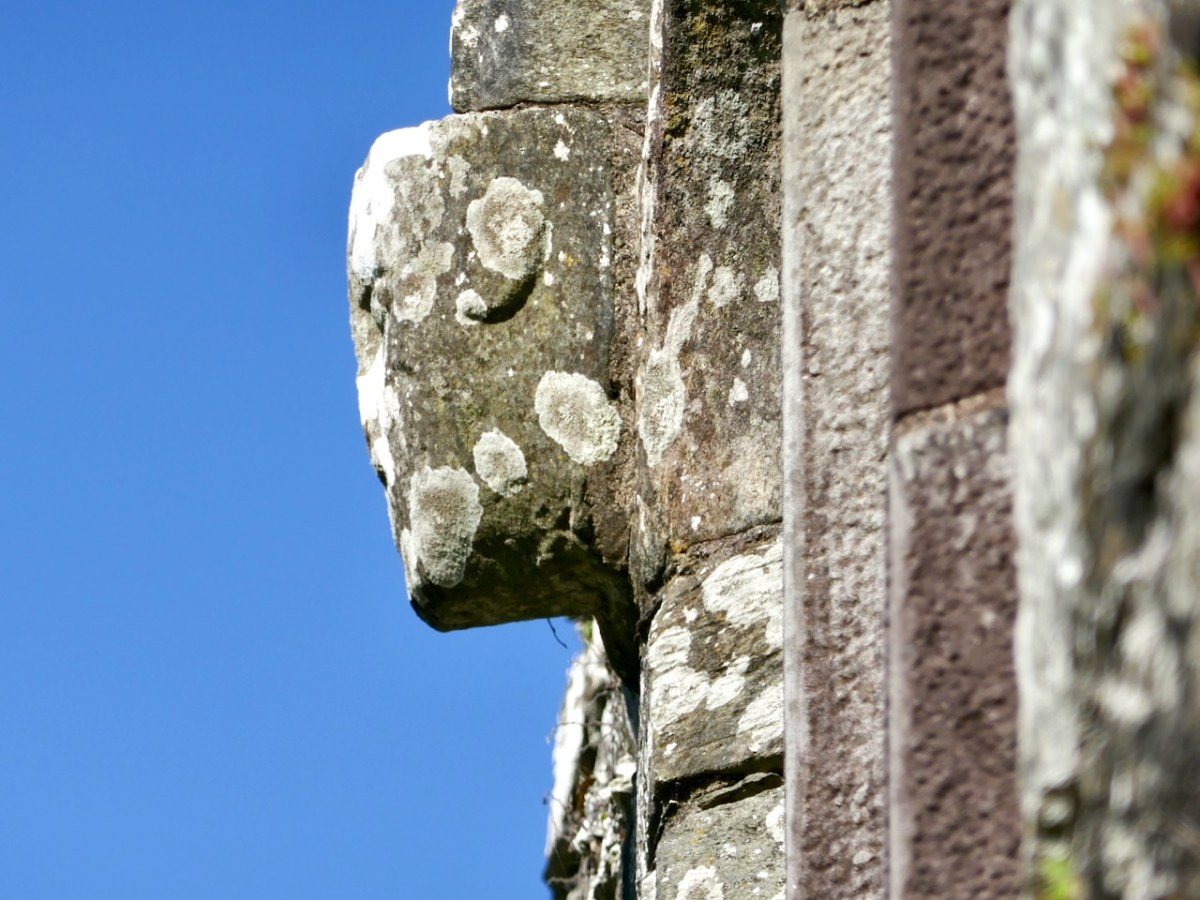
The nave and chancel run slightly north of east-west, due to the lie of the land. The West window has three lights and attractive tracery. We know that these would have contained stained glass, since fragments were found during the excavation, but we don’t know what they would have depicted. One of the charming features of this window are the heads – two still present although the one at the apex is too worn to make out, and a third indicated by a gap at the base of the hood moulding.

I am tempted to see a female saint in  the one head that is still fairly complete. After all, St Mona is the patron saint of Sherkin, so why would it not be her?

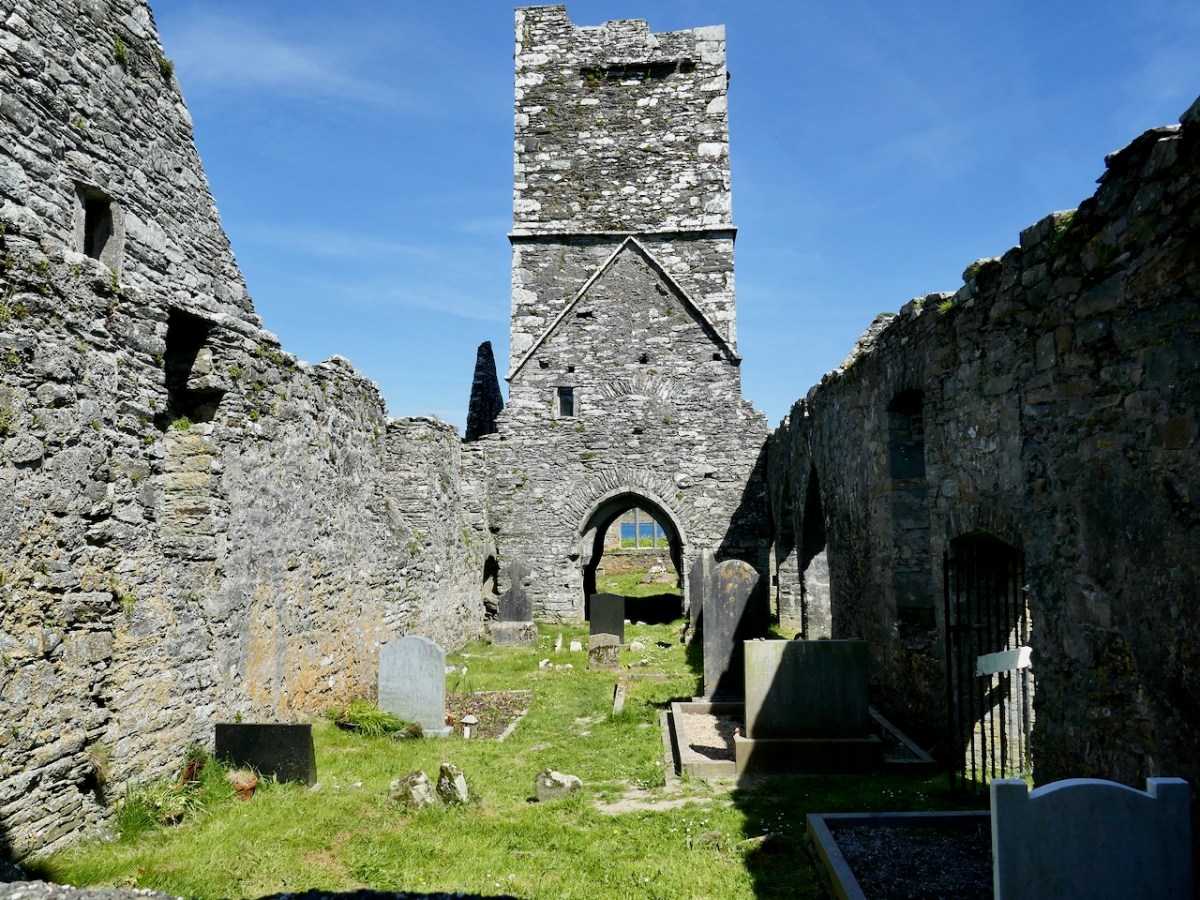
The tower or belfry, situated between the nave and the chancel, is a familiar feature of Franciscan Friaries – we see the same thing (although on a larger scale) in Timoleague.

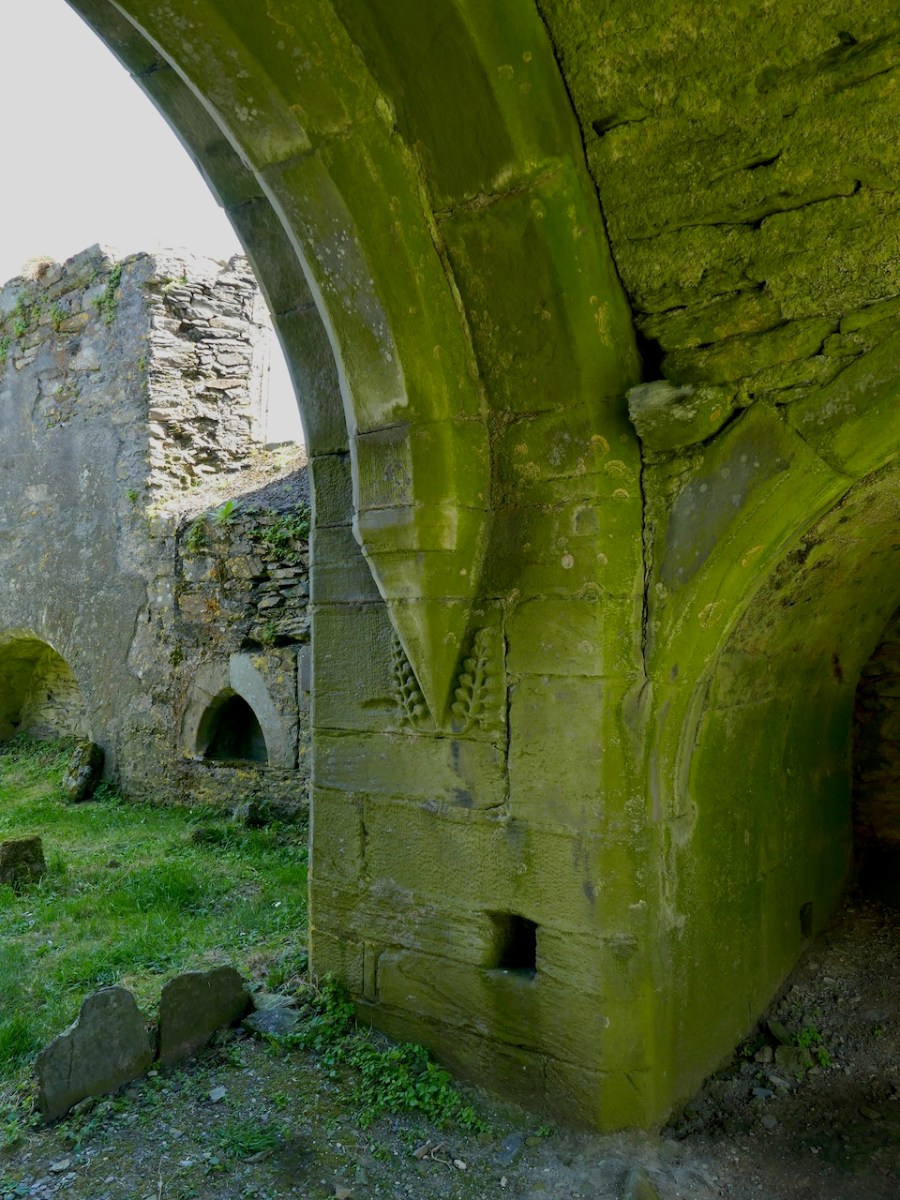
The base of this Sherkin tower has a little decorative carving – a very welcome note of frivolity in what is overall a plain building. Although, of course, we do not know how it was decorated: it may have had frescoes and painted walls and have been quite colourful, although generally the strictly observant friaries were not highly decorated.

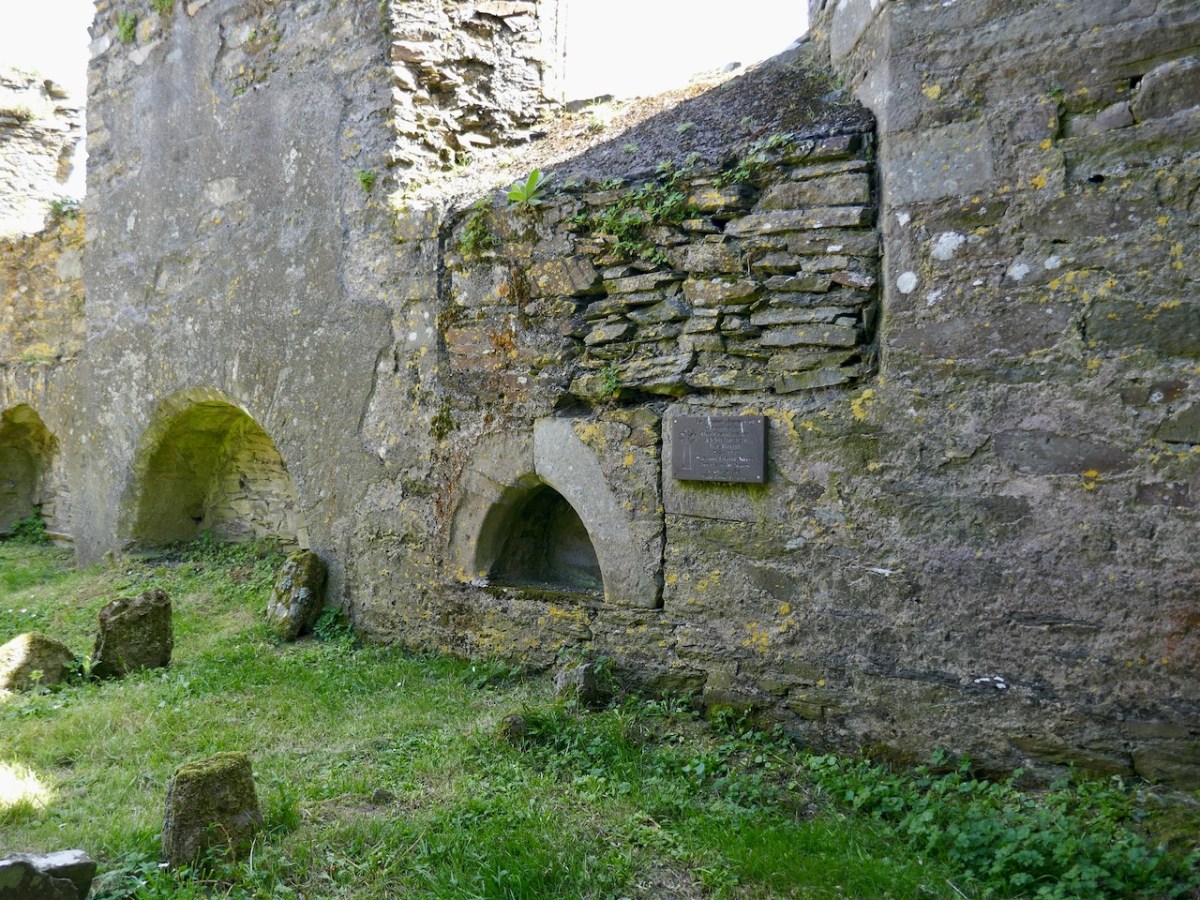
The chancel (the inner sanctum) also has an eastern three-light tracery window, identical to the one at the west end. There are various niches in the walls in the chancel, and I am wondering if one of them might be an Easter Sepulchre. I have just been learning about these in the latest Archaeology Ireland magazine, in a fascinating piece by Christiaan Corlett. You can read more about them here. In essence they were resting places, from Good Friday to Easter Sunday, of the crucifix, the Host and various other sacred elements, all of which would have been contained in a carved box, which was then deposited in the niche. This niche certainly fits the bill, except that it is on the south wall, rather than the more normal north wall.

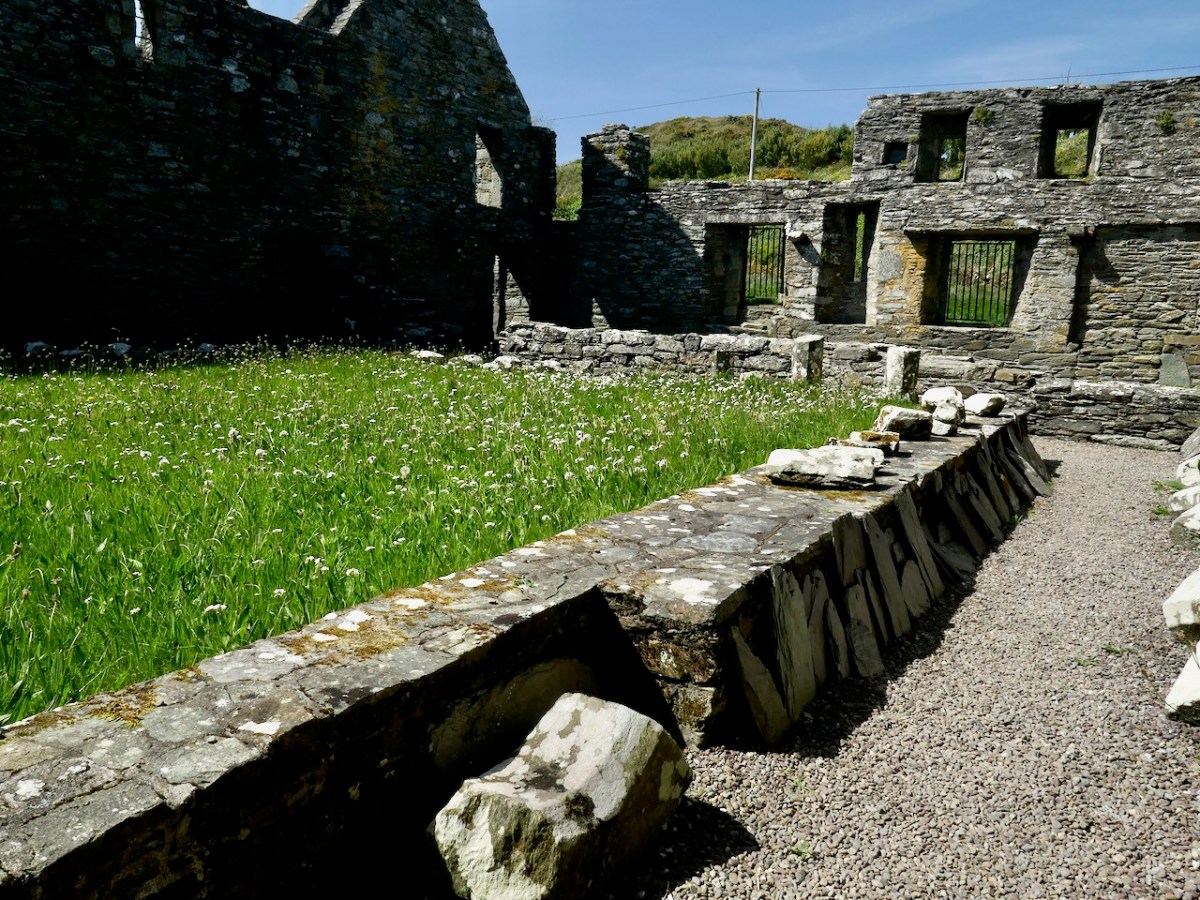
The cloister was filled with rubble when Ann Lynch started her excavations. Nothing of it was to be seen, but as you can see the excavation revealed a small but perfectly formed feature.

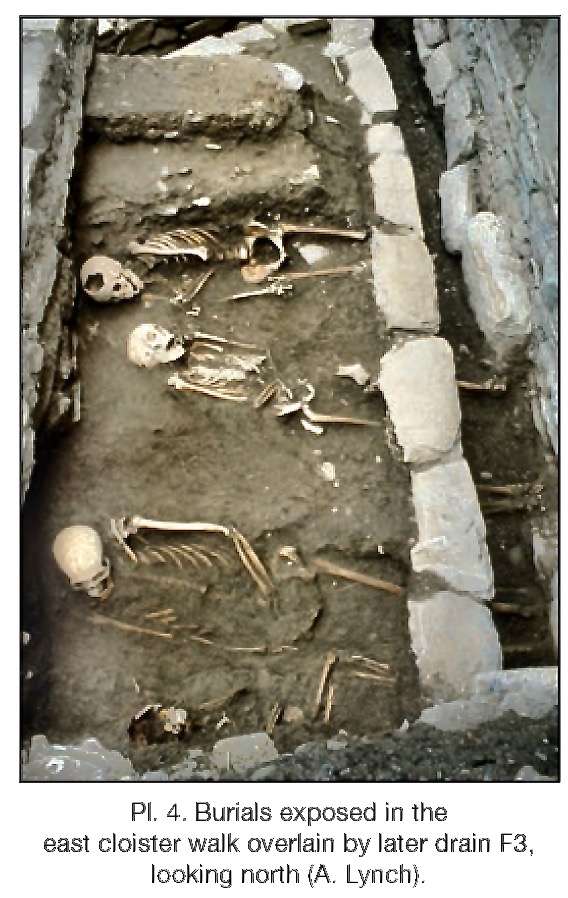
And it seems that this is where the monks were buried! As the friars were pacing the cloister walk, intoning their office, they were walking on ground above the bones of their brethren who had died before them. Twenty four of them were found, aligned with their heads to the west and their feet to the east. There were no grave goods: they were buried as simply as they had lived.

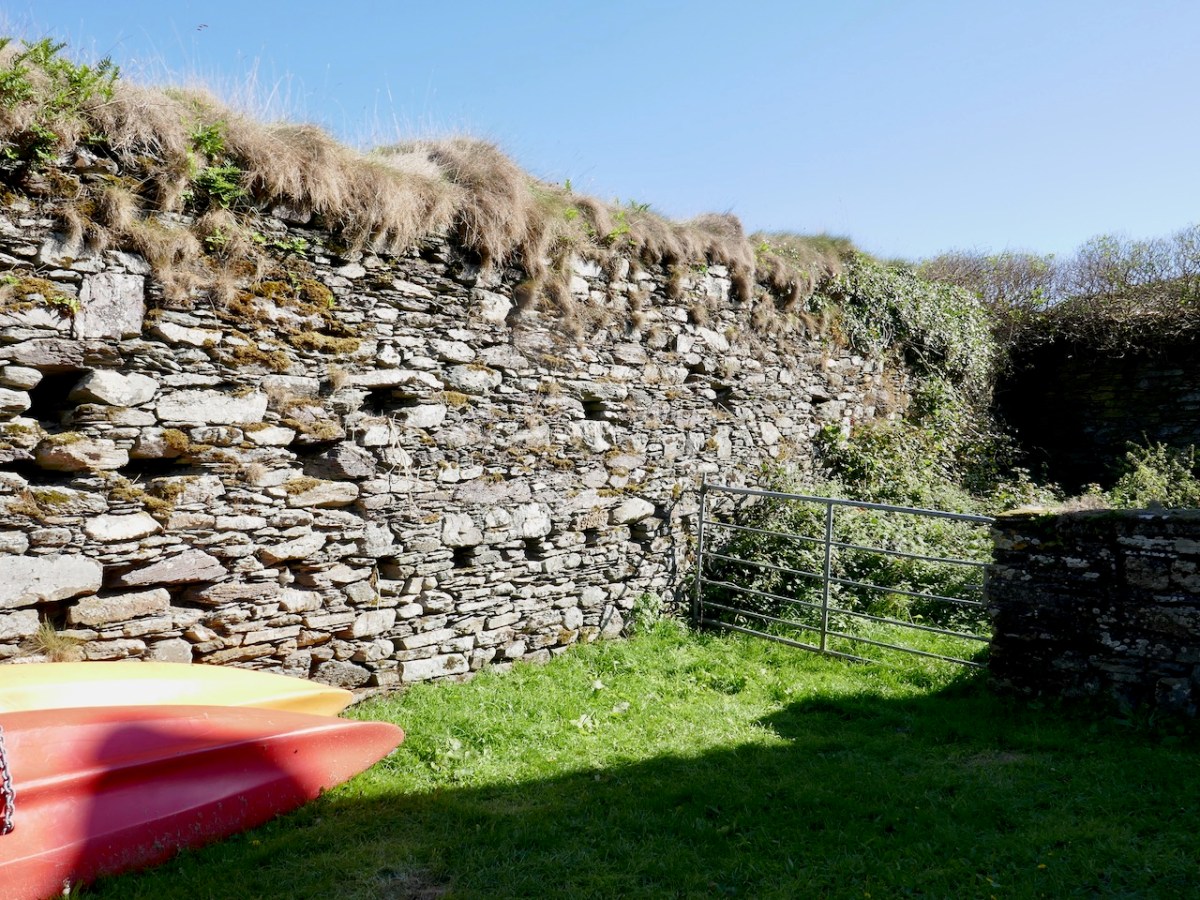
Later, in the 17th and eighteenth centuries, the west end of the friary was used as a fish palace – a place for curing fish and packing them into barrels. The holes in the walls in the image below would have held press-beams. See Robert’s post Fish Palaces and How They Worked, for more on this. Somehow that seems like an ignominious end for a place built as a focus of worship. 

Today, the first thing you see as you step off the ferry is the friary, peaceful and beautiful in its island setting. It has seen its fair share of turbulence, of industry and of neglect. Now it reminds us that life goes on despite all that, but it never stays the same.

Dún na Long Castle, Sherkin Island

Last week I left you at the threshold of the Castle and Friary on Sherkin, promising to come back to them this week. As I read up about them, though, I realise that each deserves a post of its own, so we are going to look at the Castle first.

What we see now is a pale shadow of what the castle looked like in the 15th century. The Friary was built in 1460 and the castle, or tower house, around the same time, maybe a few years later.

The builder of both was Florence O’Driscoll, chief of the wealthy and warlike O’Driscoll clan, whose headquarters were in Baltimore. It was one of a series of O’Driscoll Castles, which also included Oldcourt, Rincolisky, Lough Hyne and Ardagh, as well as Dún an Óir on Cape Clear, Dún na nGall on Ringarory Island. If you have not already done so, take a look at my posts on Dún an Óir, the Fort of Gold, on Cape Clear Island – it will give you some background into the operations of the O’Driscolls and their network of Castles. And this page has a list of all my castle posts and browsing them will explain all the terminologies, such as bawn, or raised entry

Like the O’Mahonys to the west of them, the O’Driscolls derived their income from control of the waters of the eastern side of Roaringwater bay – and specifically control of the fisheries. And that income was considerable: enough to build all those castles, to mount a fleet of ships, to import the finest wines from France and Spain, and enough to endow a friary where Franciscans could pray for the souls of Florence and his descendants so they could be assured of safe passage to Heaven.

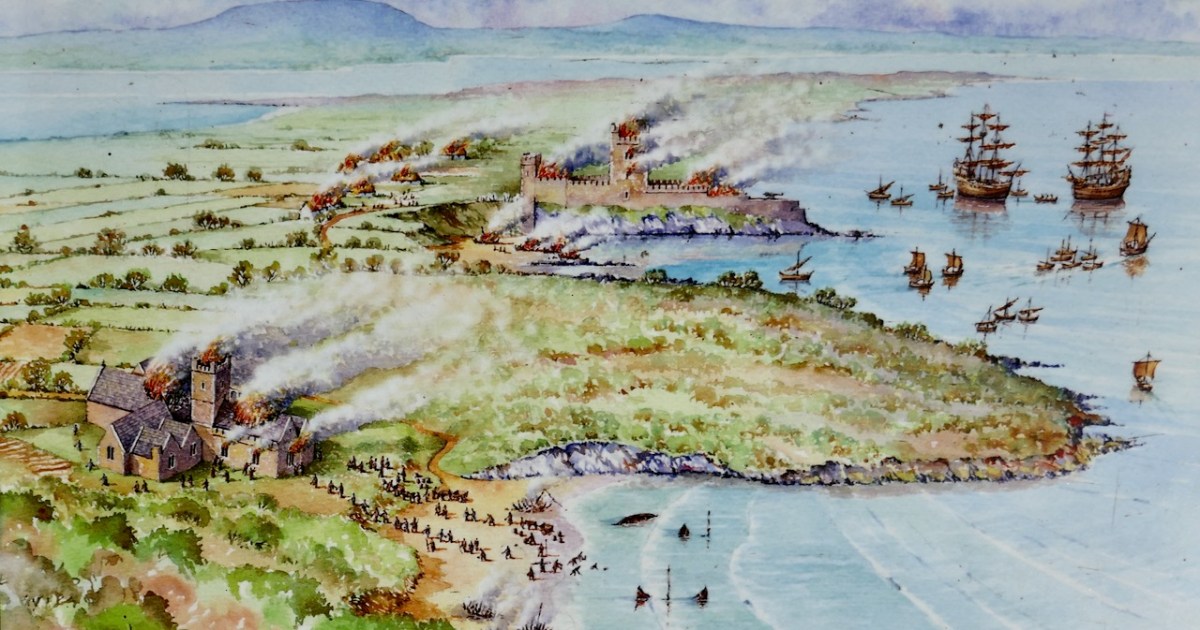
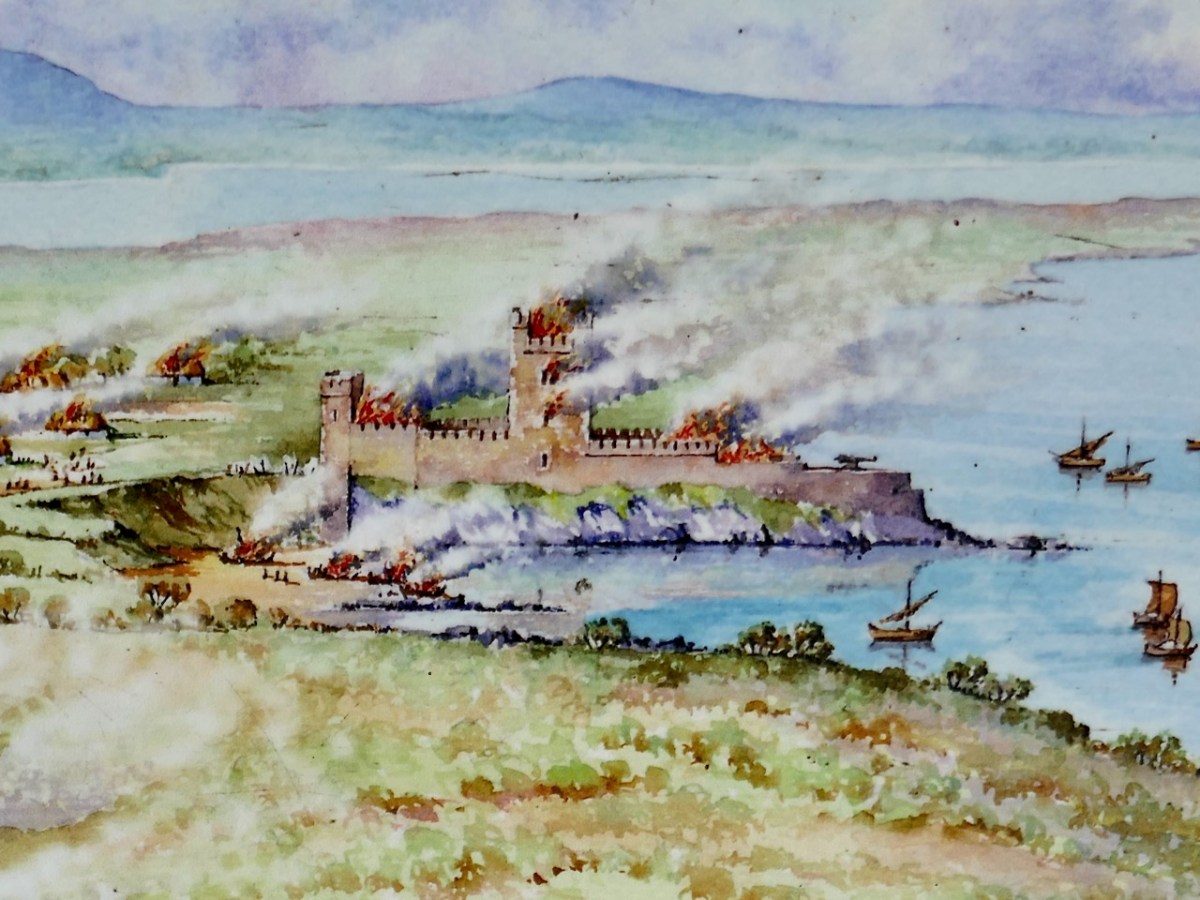
Dún na Long (Fort of the Ships) was strategically sited indeed. It had a good view across to Baltimore but more importantly of the entrance to the inner waters – anything that sailed between Sherkin and the mainland was immediately spotted. It was also very close to the Friary, and could defend it if necessary – although that didn’t quite go according to plan, as can be seen from the top photo, a picture of the Battle of the Wine Barrels that took place in 1537 between the O’Driscolls and a force from Waterford, come to take their revenge on the O’Driscolls for their constant raiding of the cargo ships.

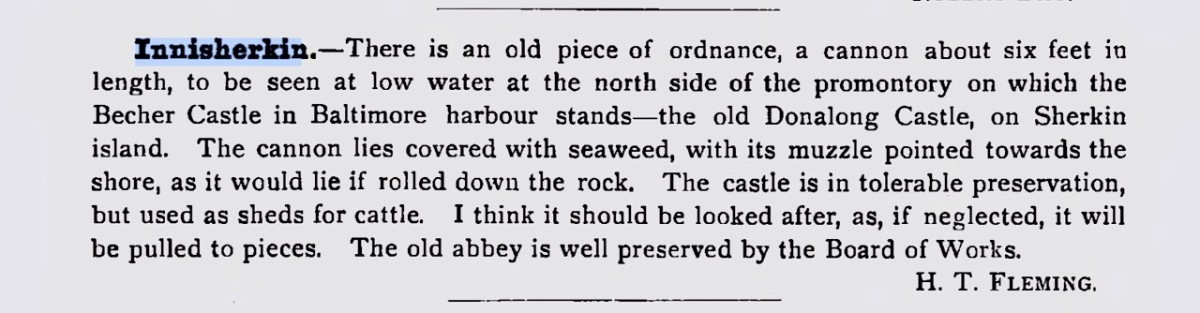
Let’s take a closer look at that drawing to see how the artist represents what Dún na Long looked like originally. Due to the shape of the promontory it occupies a long and narrow space, rather than the square or rectangular area we have come to expect, of a tower house surrounded by a Bawn wall (see Illustrating the Tower House). So the bawn wall is there, but elongated to run the length of the promontory. The tower house itself occupies a central position and there is one corner tower on the landward end. Note that the artist shows a huge cannon on the seaward end of the castle. This would have been unusual for an Irish castle, but there is some evidence for it. In the 1895 Journal of the Cork Historical and Archaeological Society, a  Mr H T Fleming notes this:

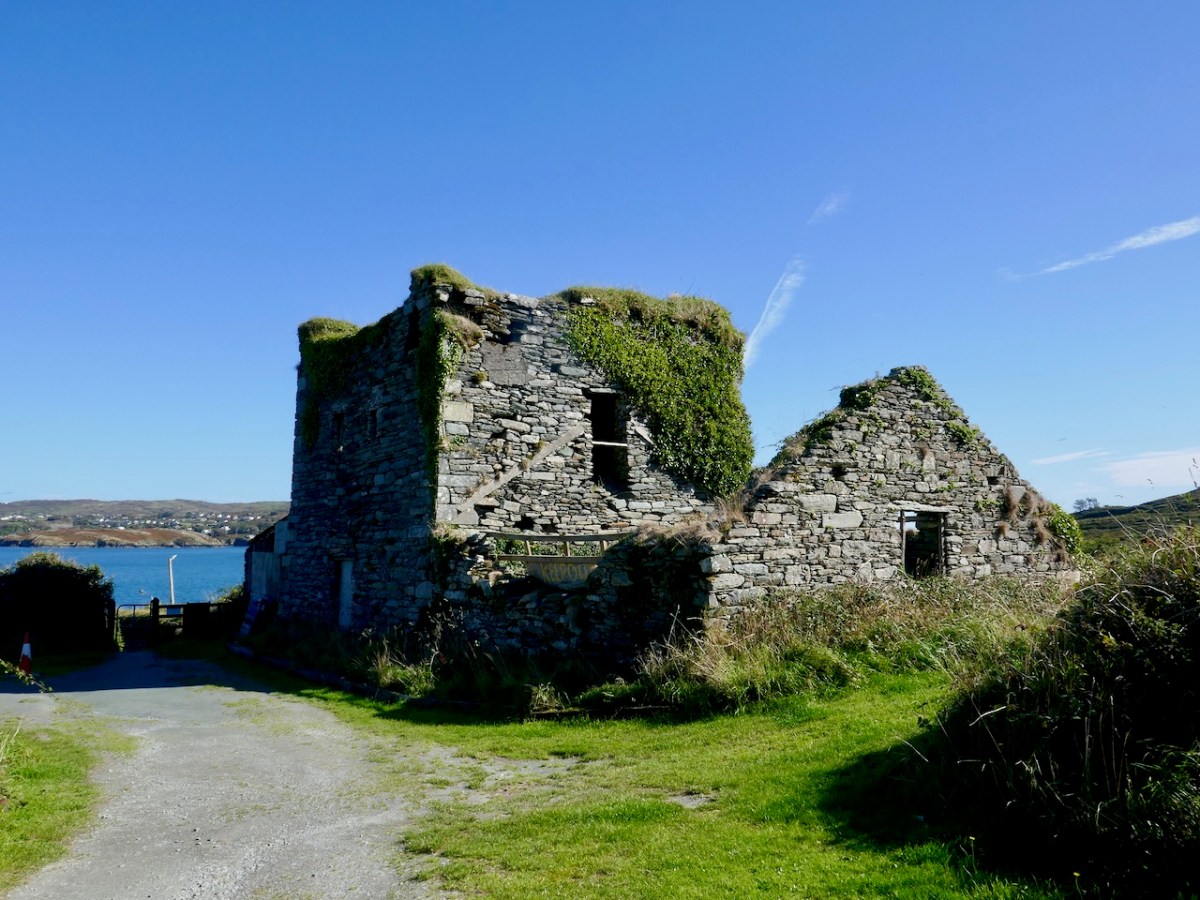
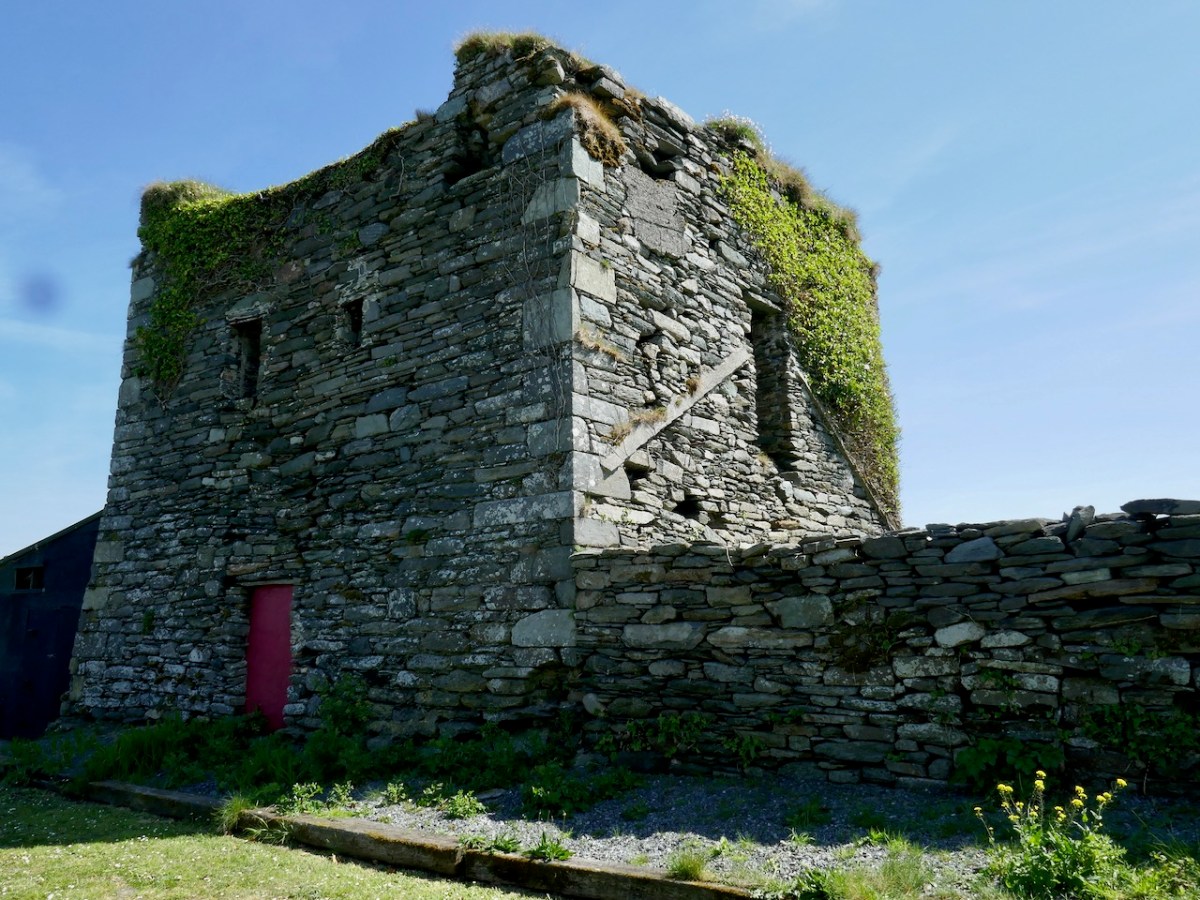
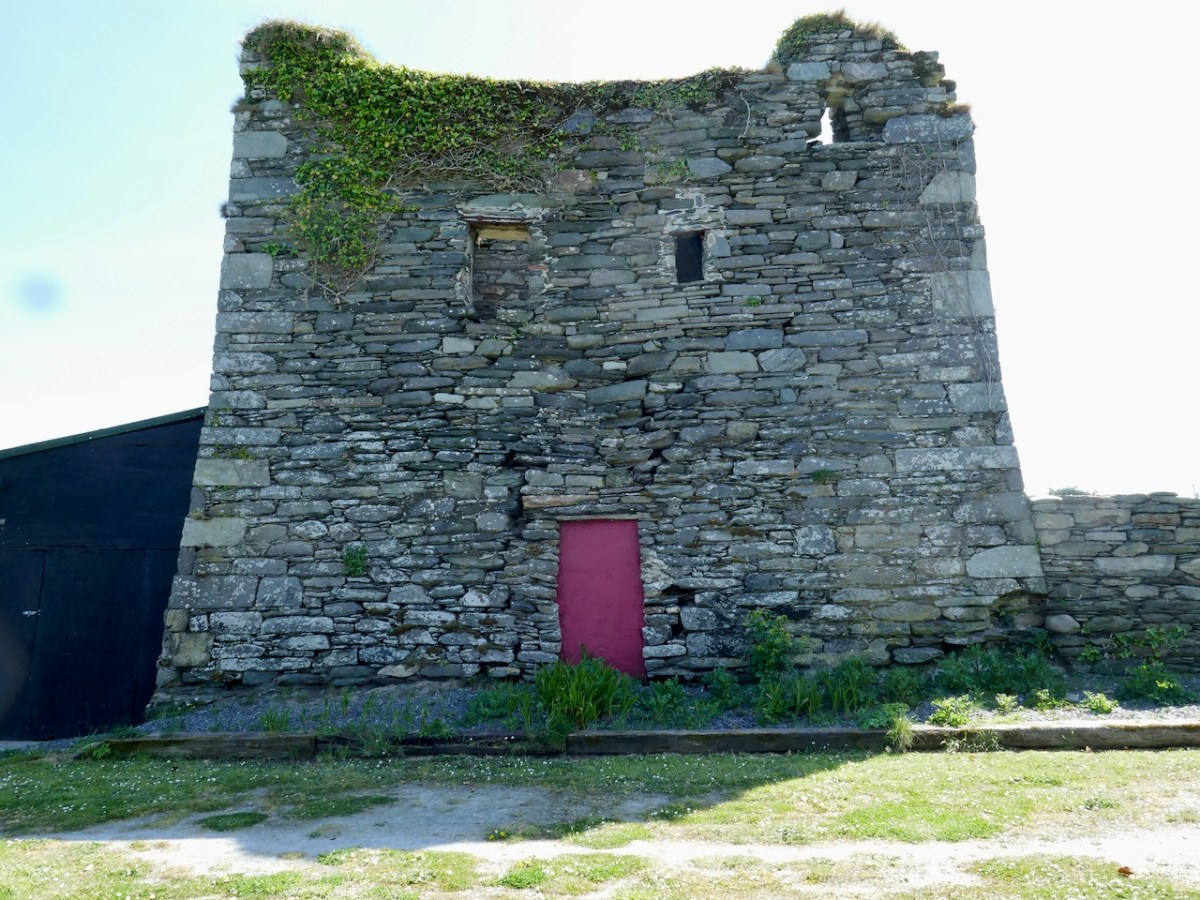
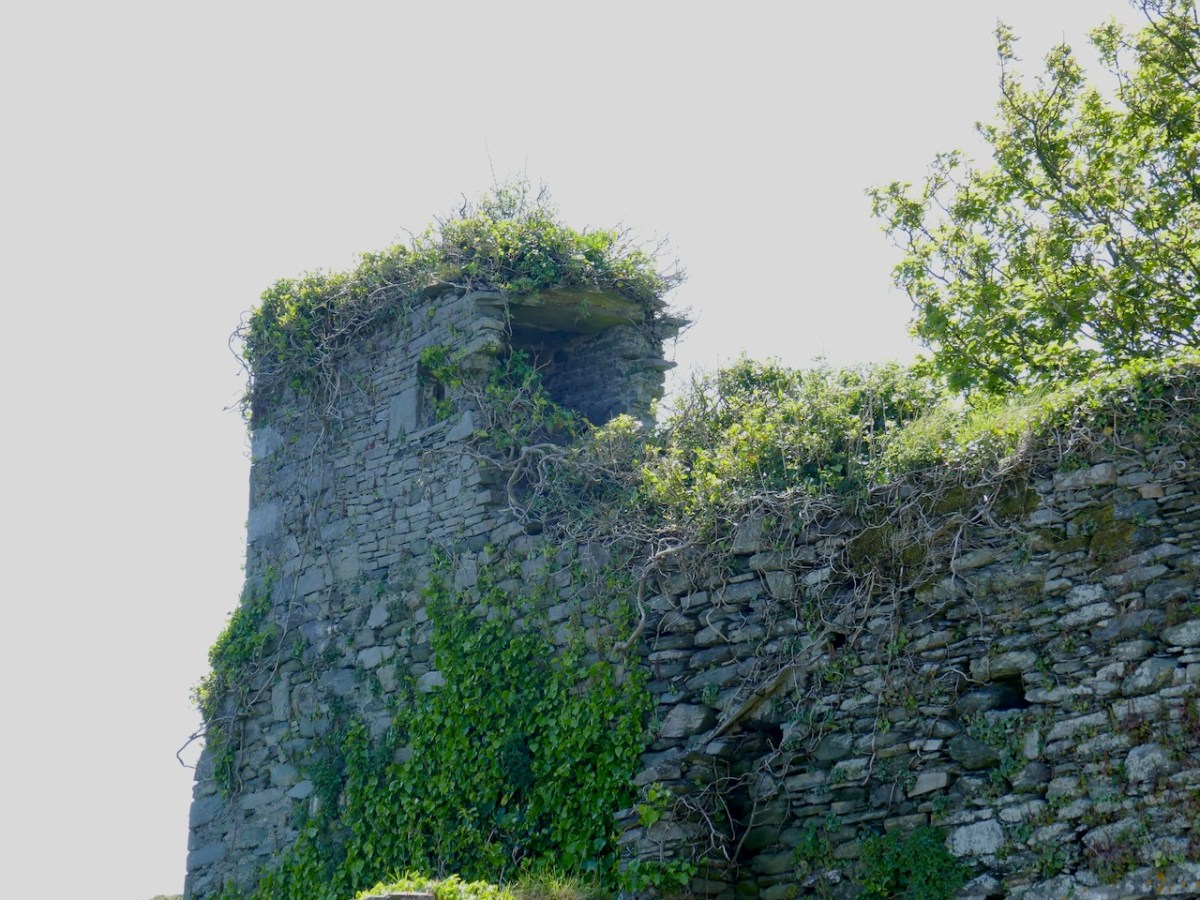
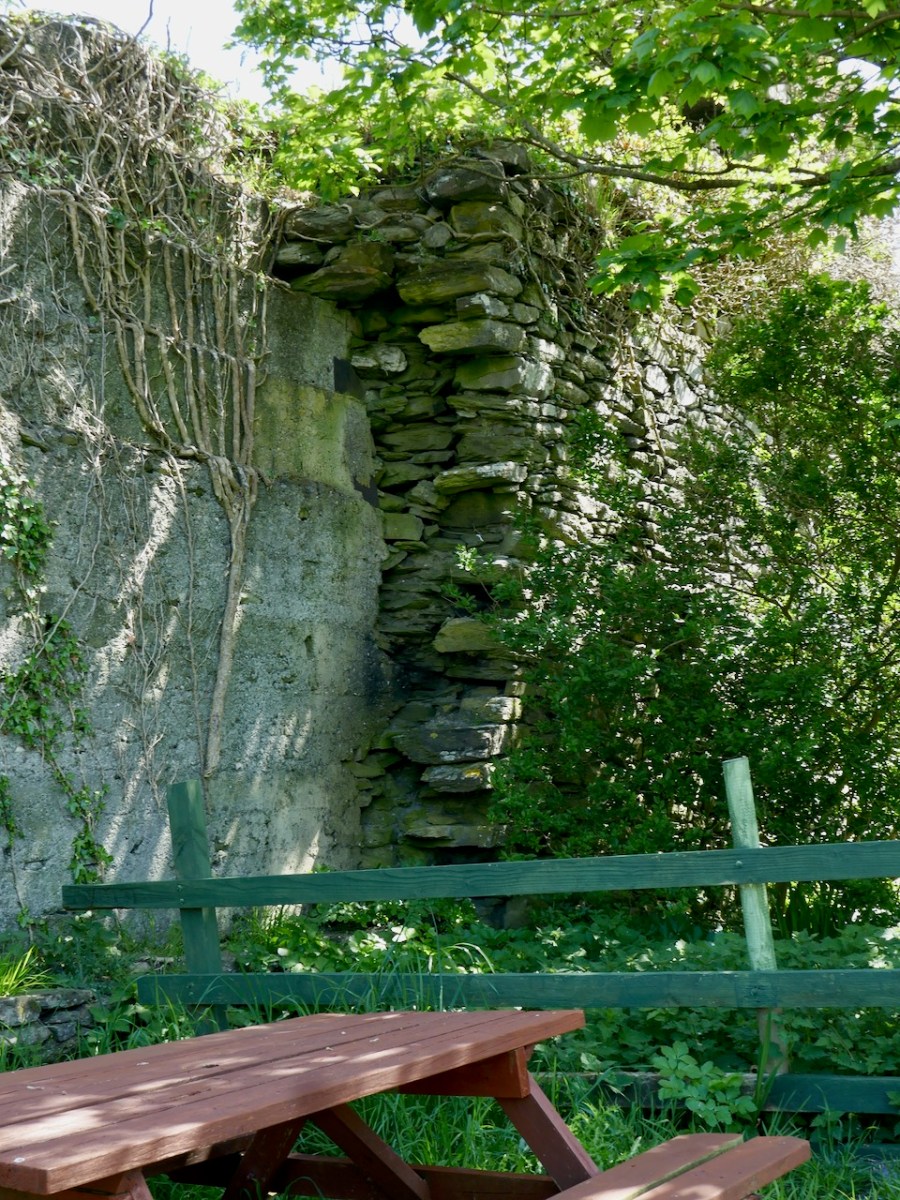
Wandering around the ruins, it is possible to see the remains of what was once there. The central tower now stands to only two stories. There is an entrance on the ground level, but this is an enlargement of what was originally a window ope. The actual raised entry was in the west wall – you can see it in the photograph below, although it has been much altered. It probably looked like the ground floor and raised entry configuration at Dunmanus Castle.

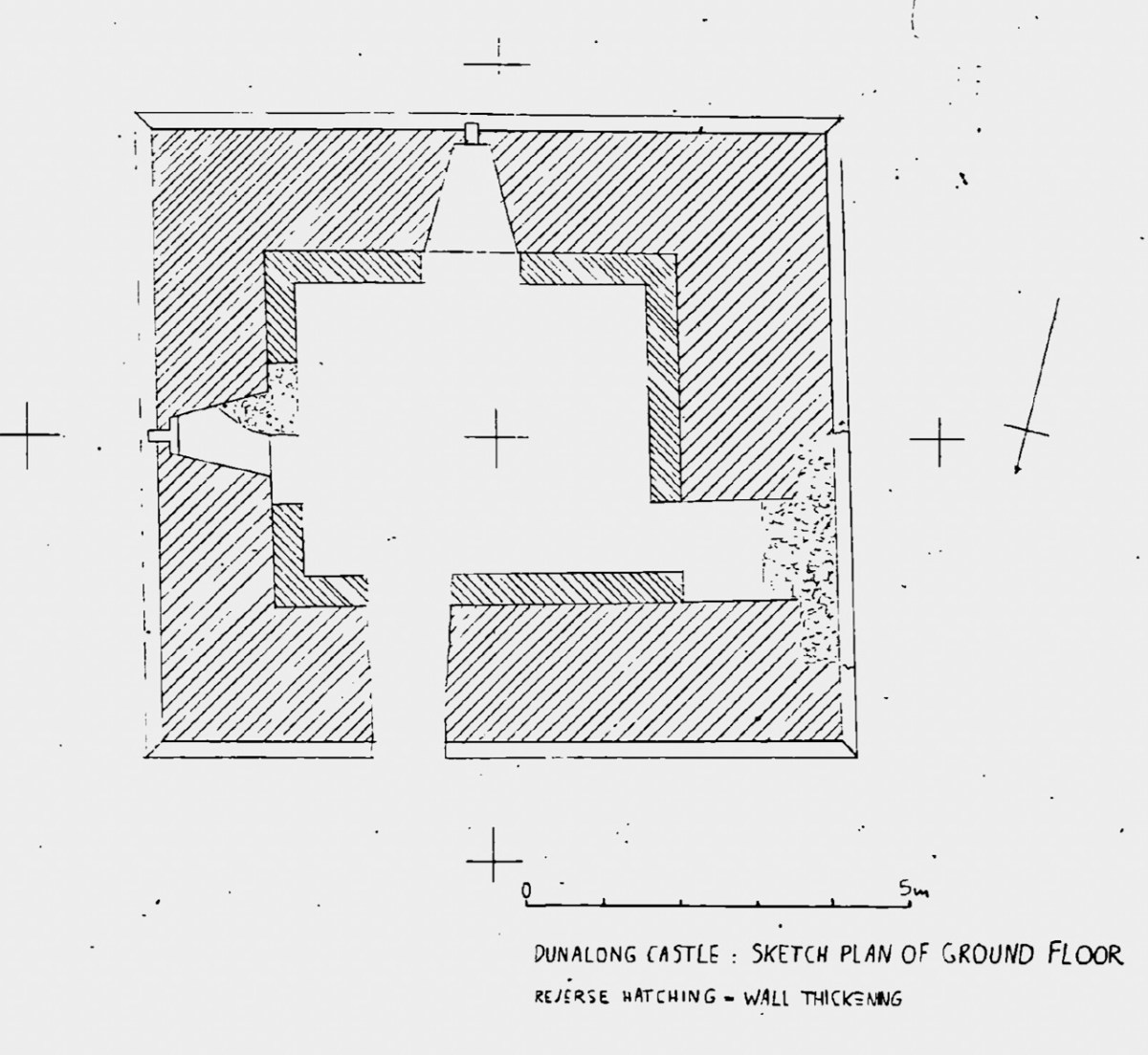
There is a pronounced base batter, Samuels, in his Tower Houses of West Cork, provides a sketch plan which shows how impressively thick the walls are. 

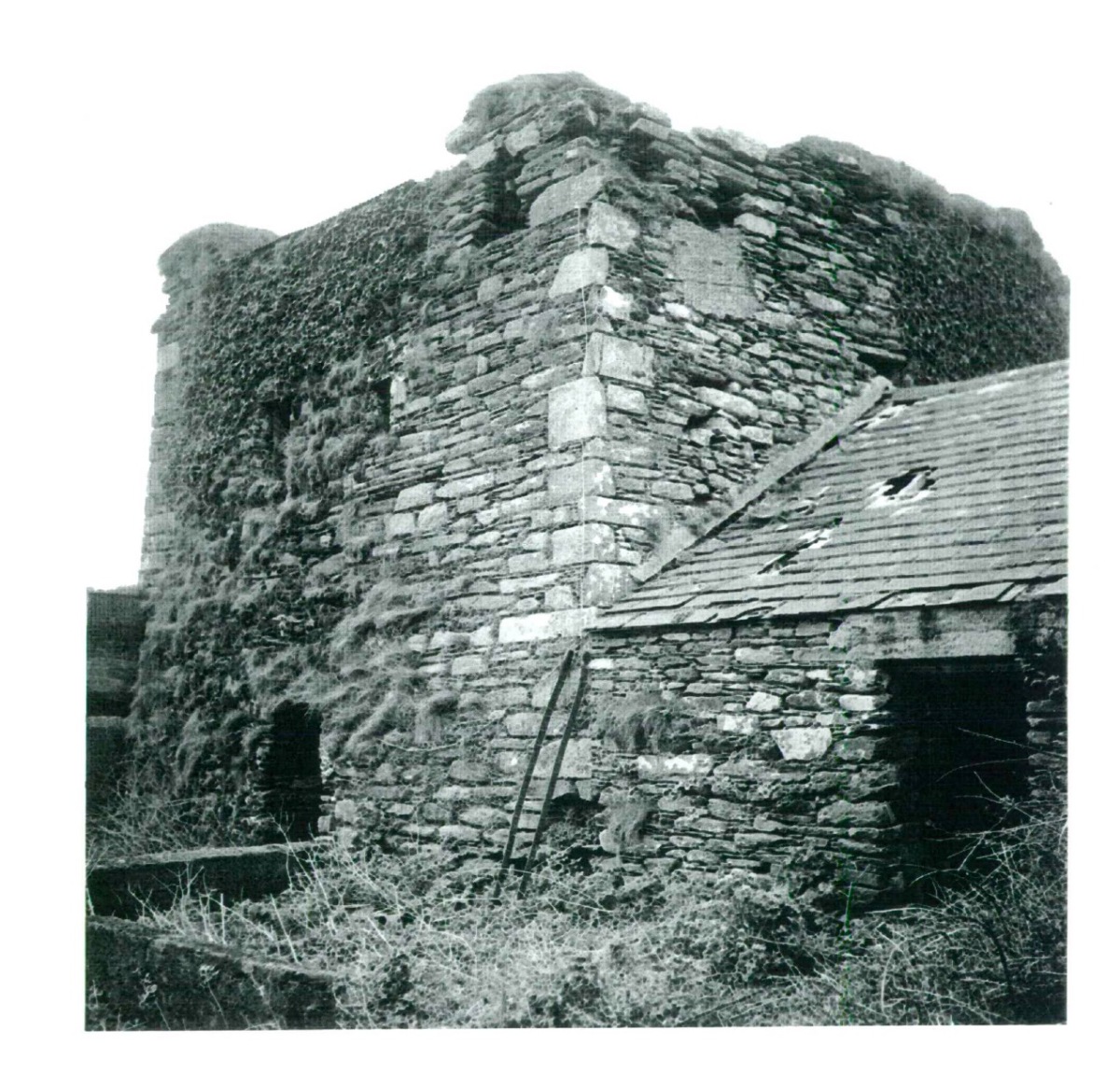
When he was doing his field work, in the 90s, there was still a roof on the pig shed built onto the west wall and he provides this photograph of how the central tower looked at that time.

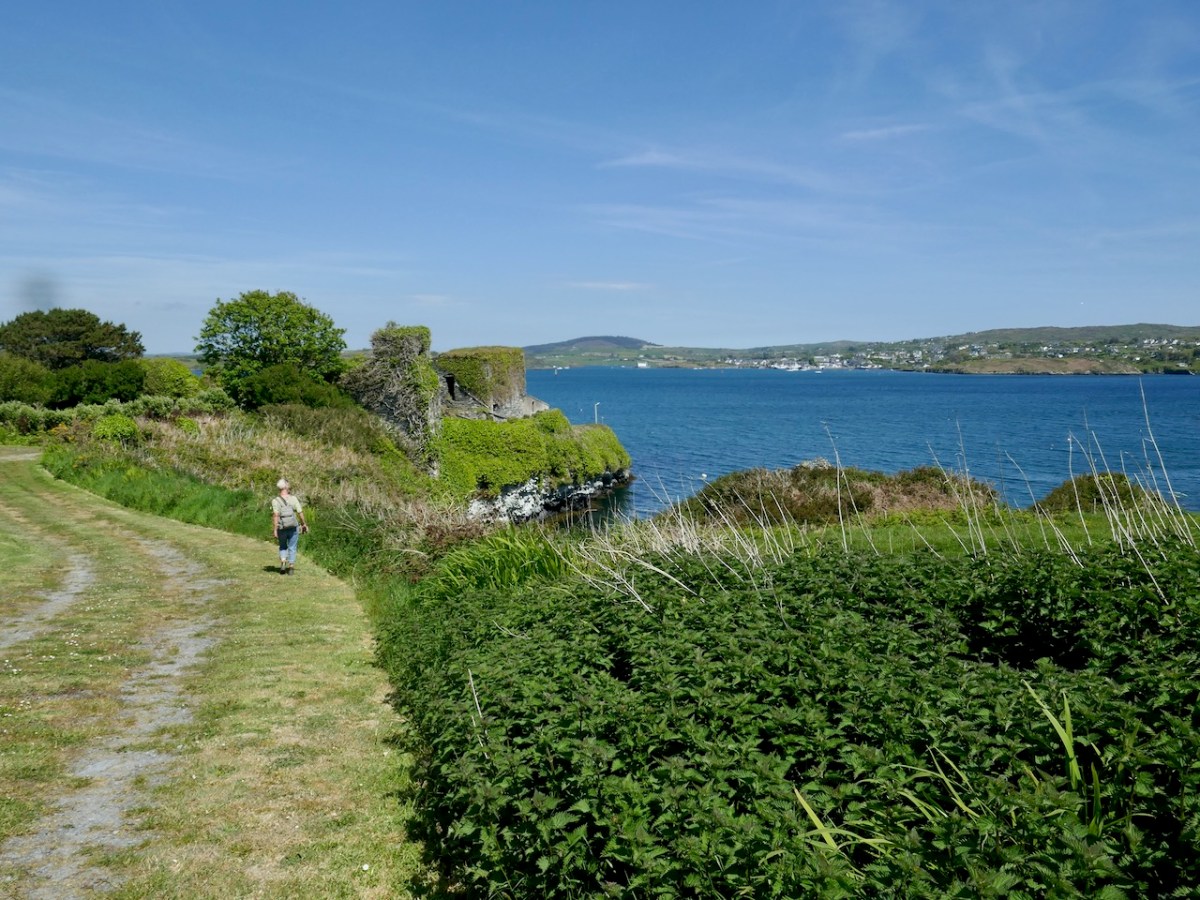
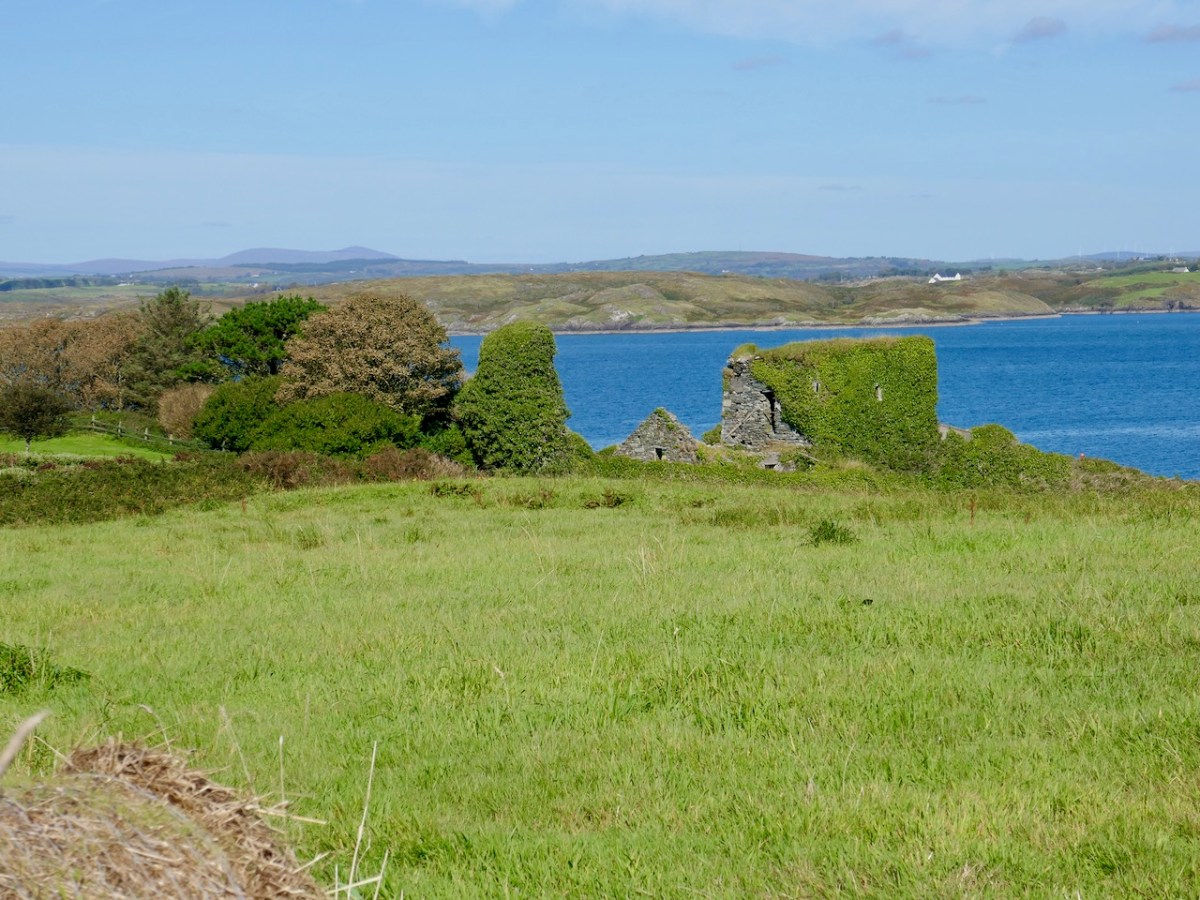
The small corner tower can be clearly seen in the photo below as Amanda is wandering down to the castle. 

That tower occupies the corner position on the bawn where the wall that runs along the landward side meets the wall that runs along the sea, closest to the Friary.

In the sketch, you can see the Waterford force has made its way onto the land and is firing at the castle from that side. What is left of this wall has been extended using modern concrete block.

After the battle of Kinsale in 1601, the current clan chief, another Finghín, handed over the castle to the Spaniards, who in turn surrendered it to the English under Captain Harvey. Since that time it has led an anonymous and ignominious existence as a cattle or pig shed.

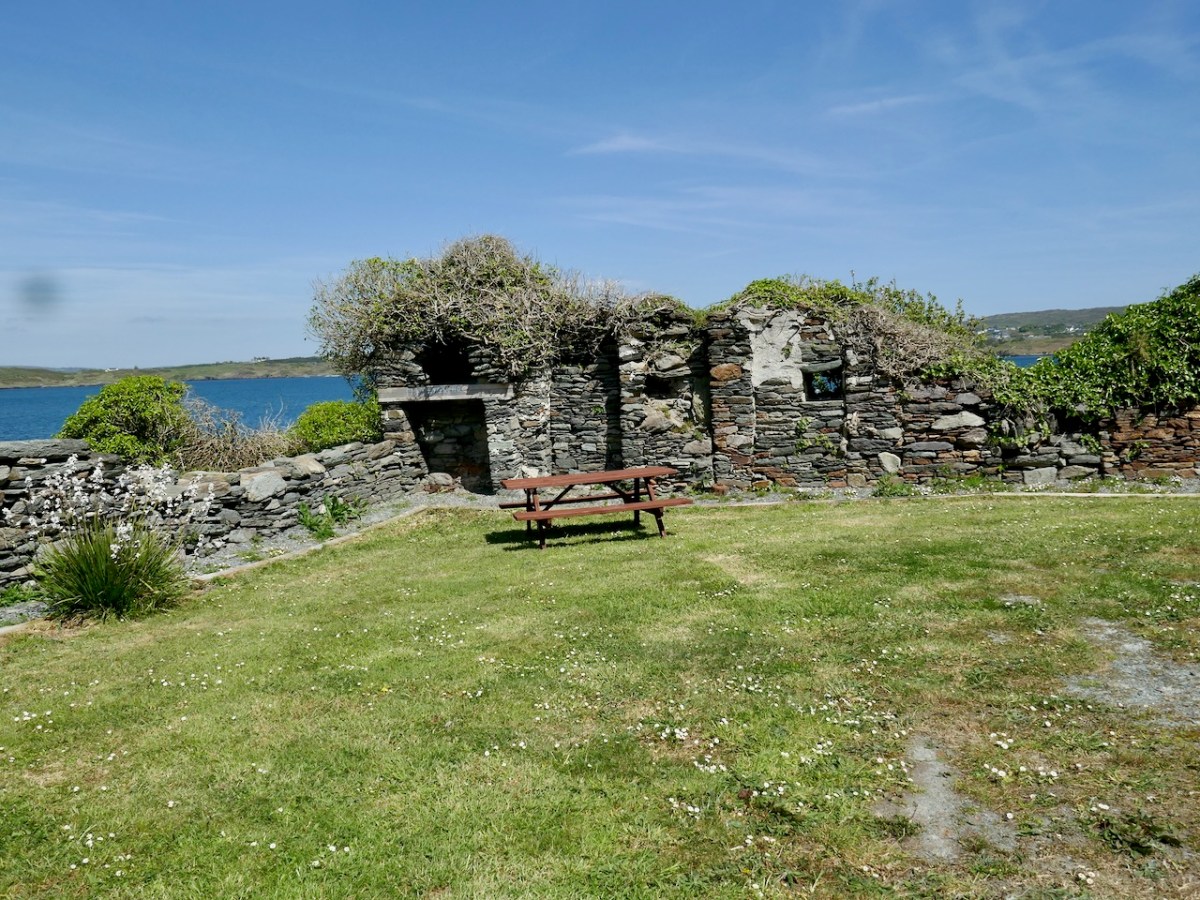
Nowadays, the site is much tidier than when I have visited in the past. A picnic table provides a pleasant spot to look out over the sea and think about what life was like in this castle in the 15th and 16th centuries. 

Exploring Sherkin

On  a gorgeous day in May, Amanda and I set off to have a day for ourselves on Sherkin Island. No reason, just because it’s there and it’s wild and beautiful and historic.

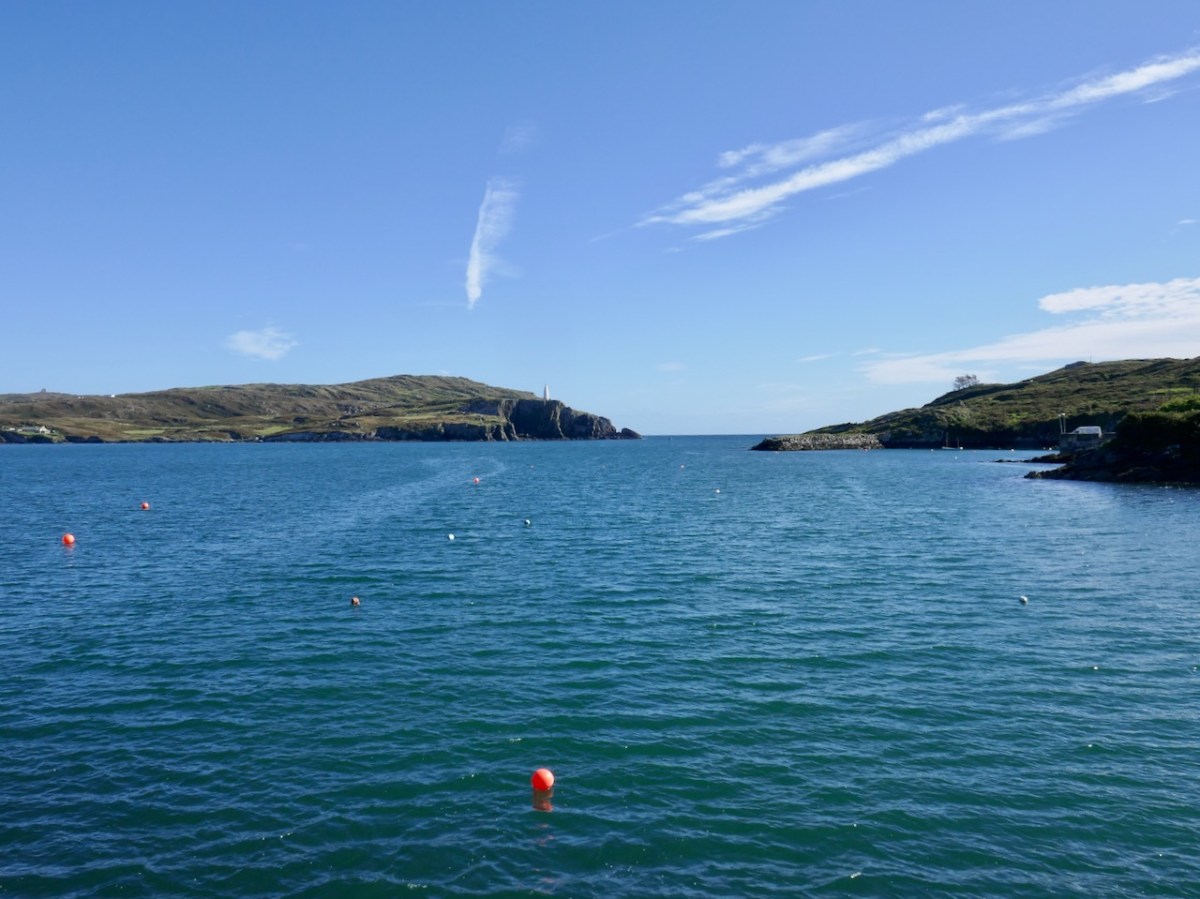
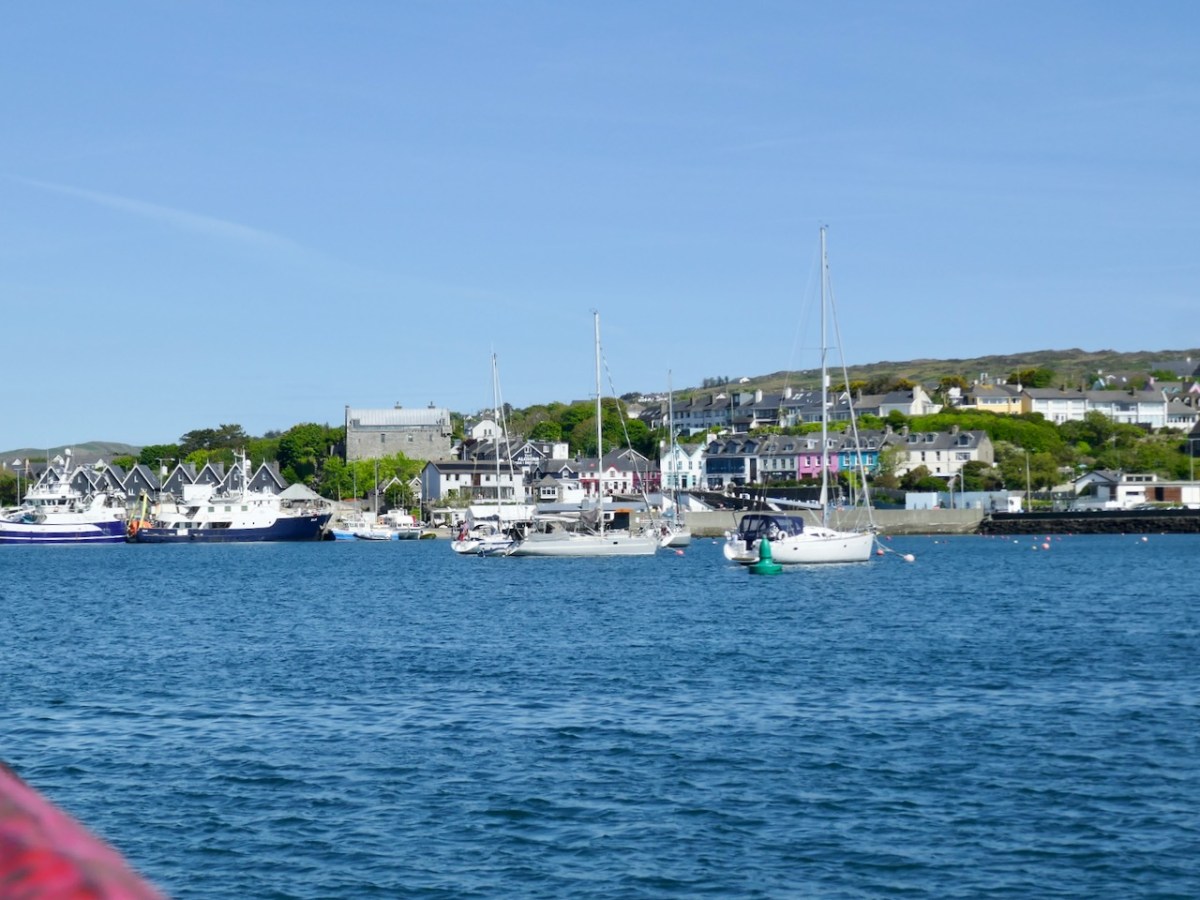
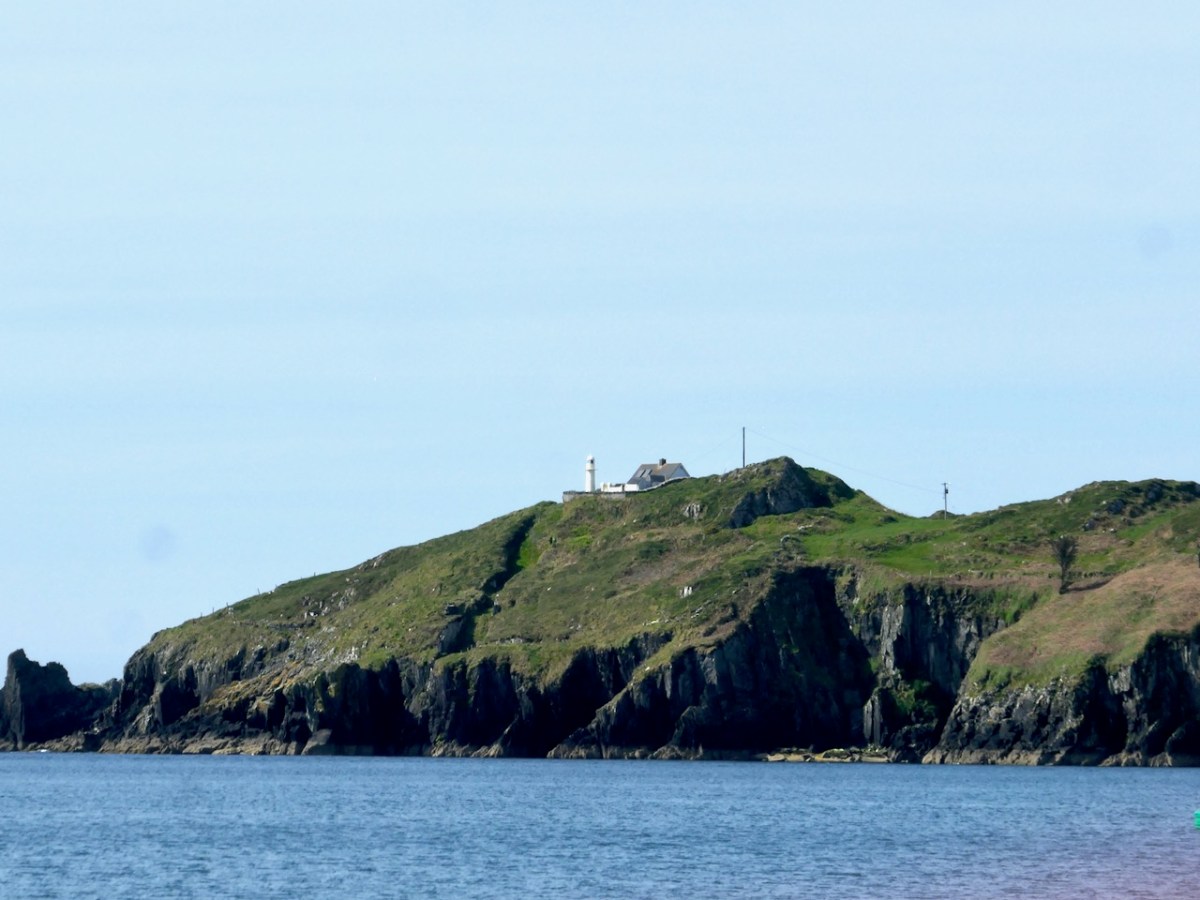
We caught the 10:30 ferry from Baltimore. It’s a short ride, but along the way you pass the Beacon and get a great view of the Sherkin lighthouse.

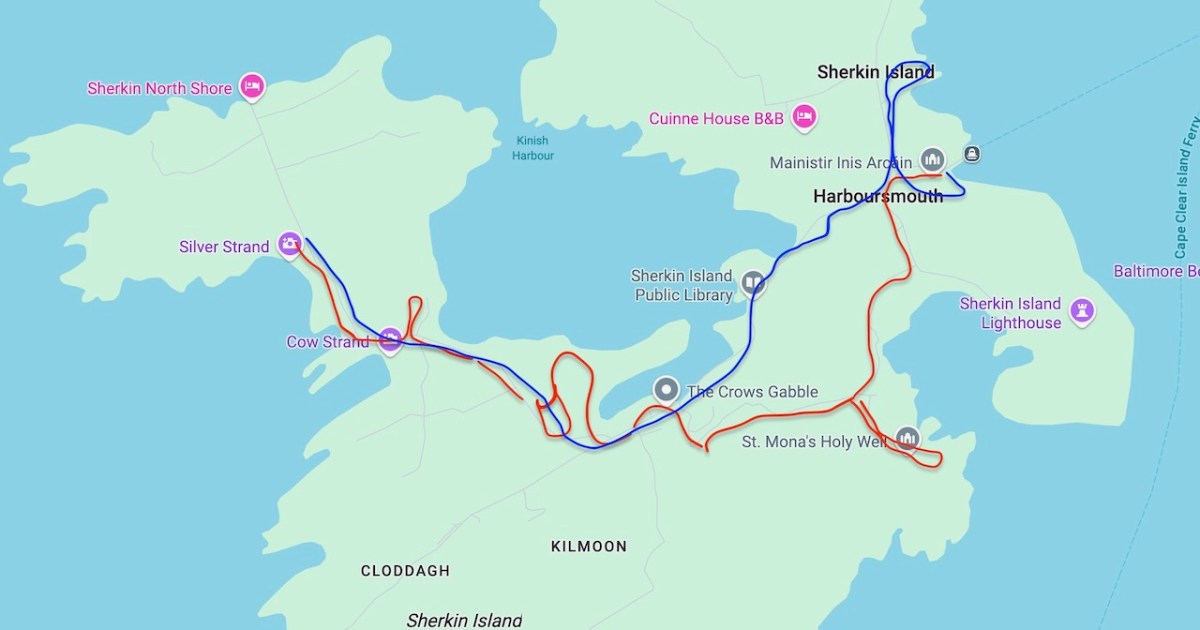
We decided to take a Horseshoe Trail – I have provided a map showing our outbound walk in red and our return walk in Blue. It was all easy walking, no steep hills, and since the weather had been so clement in May we didn’t need boots (although Amanda is seldom parted from her wellies).

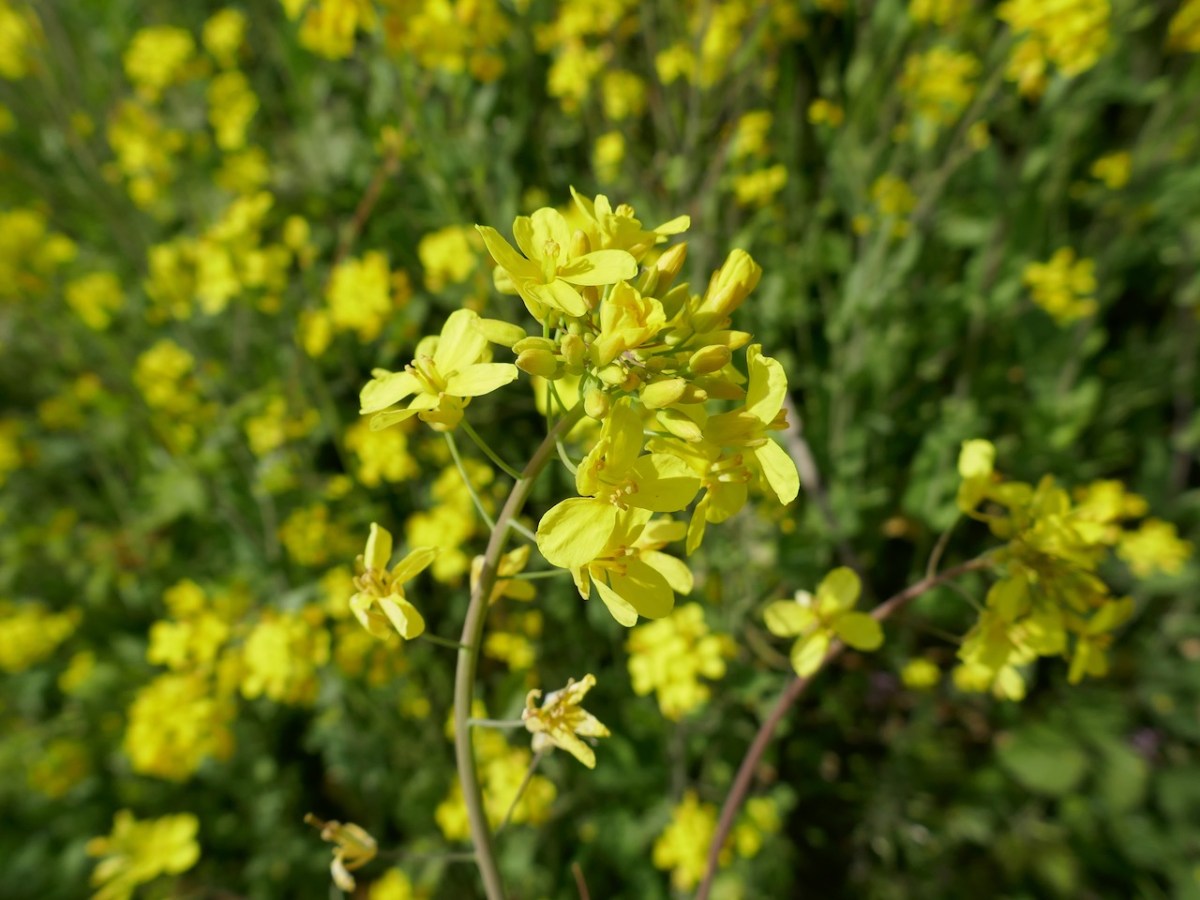
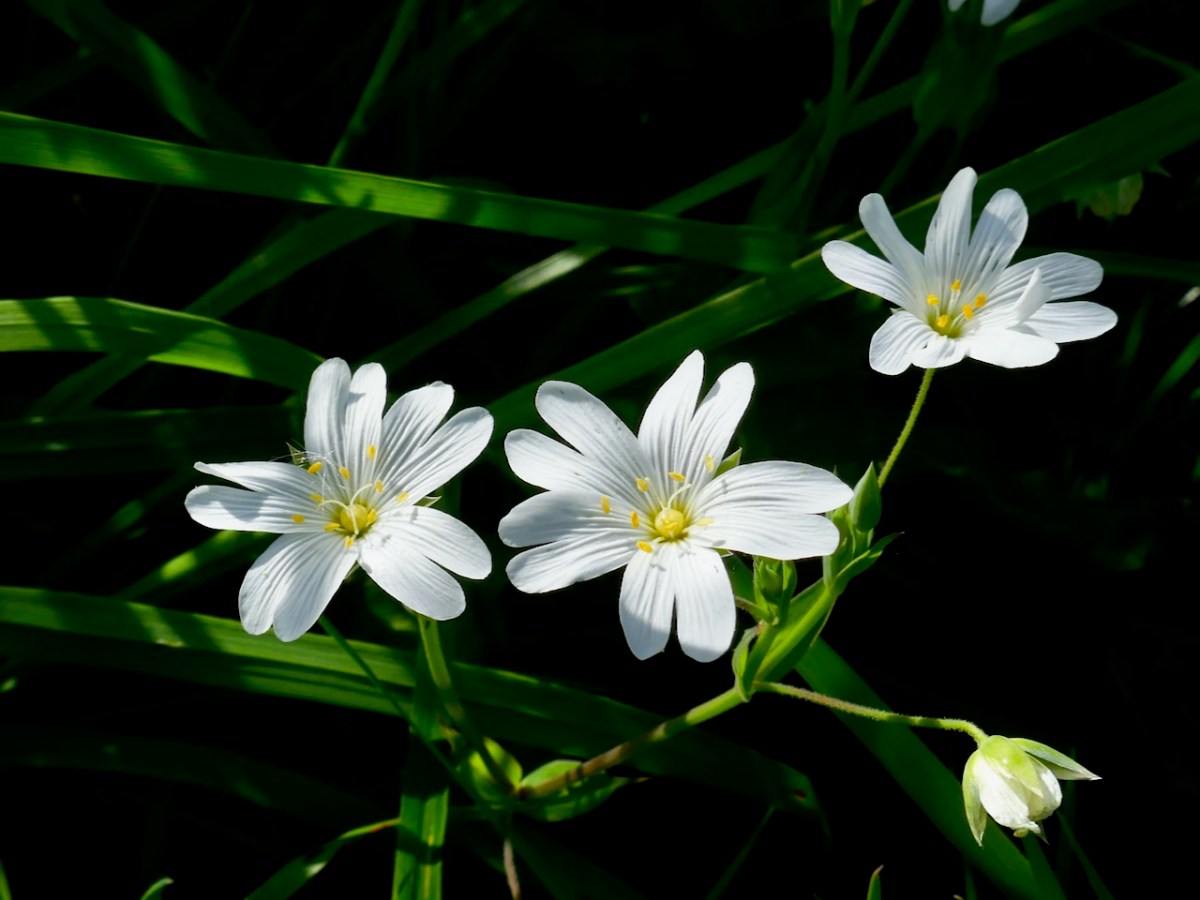
The Horseshoe Trail is well marked, but narrow, and fringed by wildflowers. I had trouble identifying this one – is it Charlock? Or some kind of Mustard? 

The trail leads down to vistas over Horseshoe Harbour on the south side of the island – a secluded and beautiful cove with Thrift covering the foreshore and Bluebells and Stitchwort in abundance everywhere.

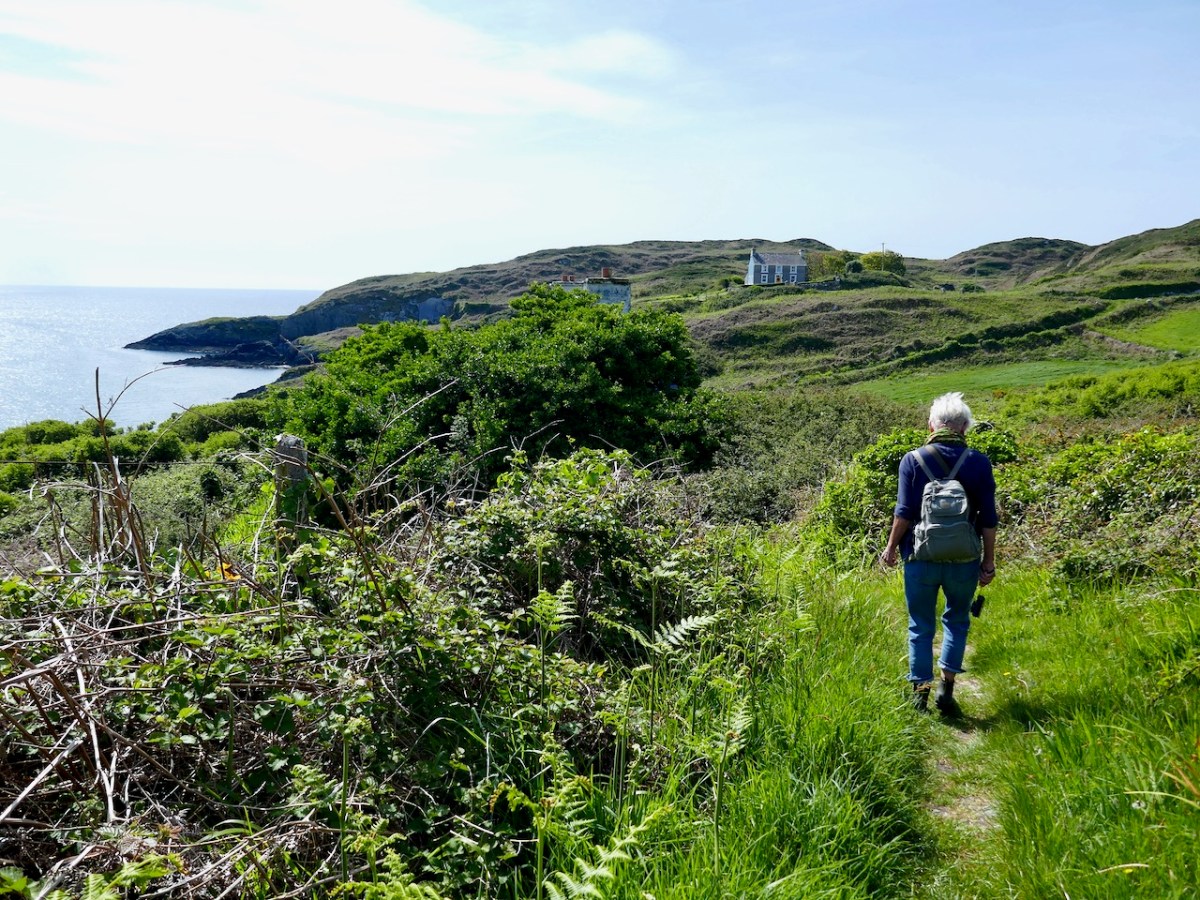
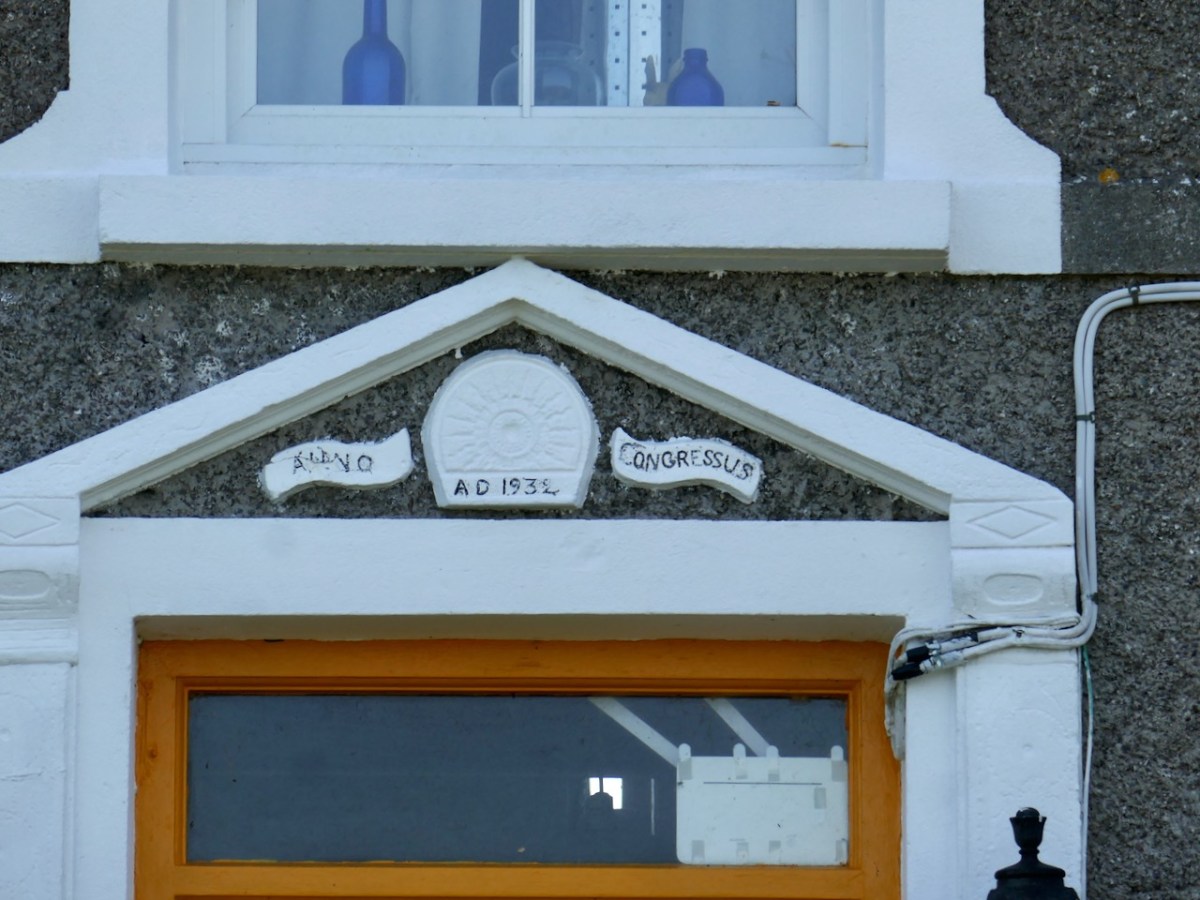
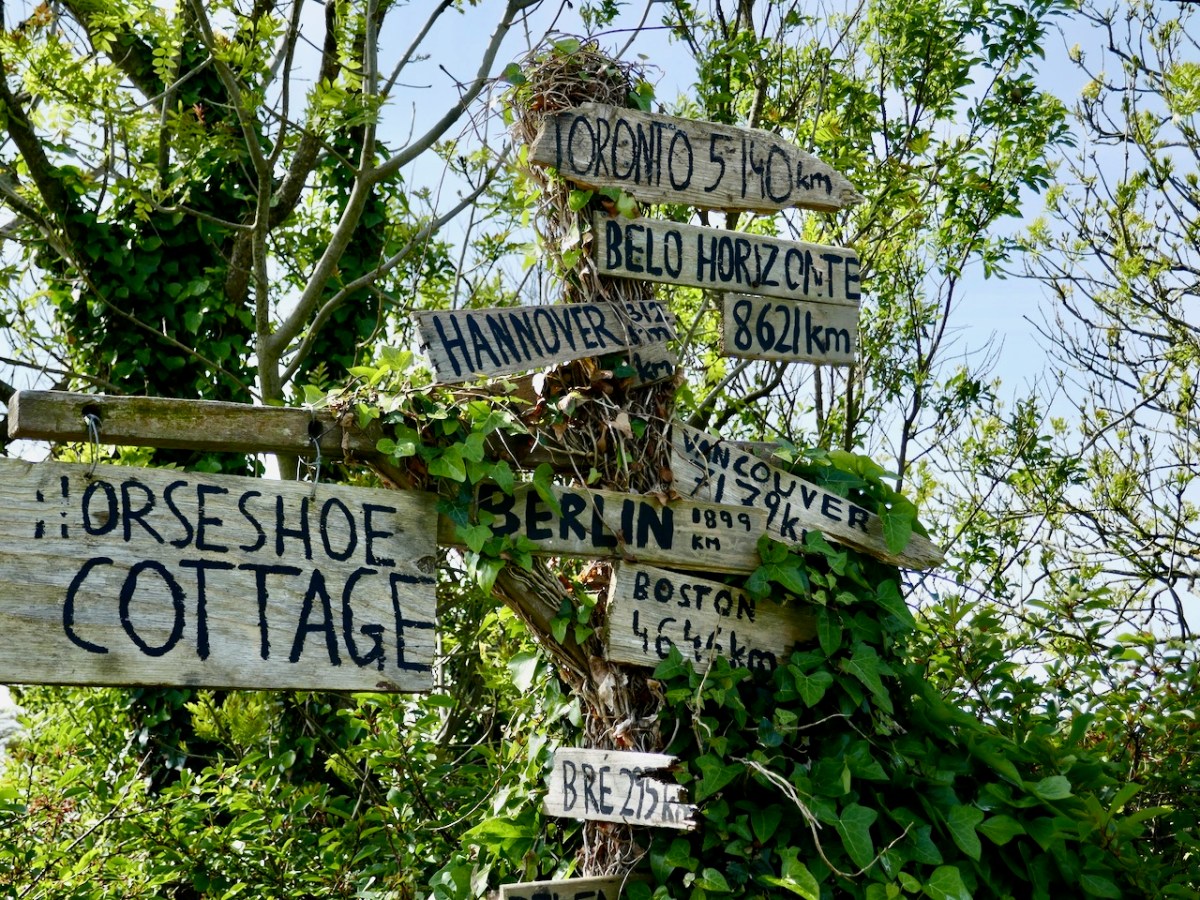
I was fascinated by this little house, standing sentinel over the harbour. What a situation – and it obviously has a history. Above the door is the Papal insignia along with Anno 1932 Congressus

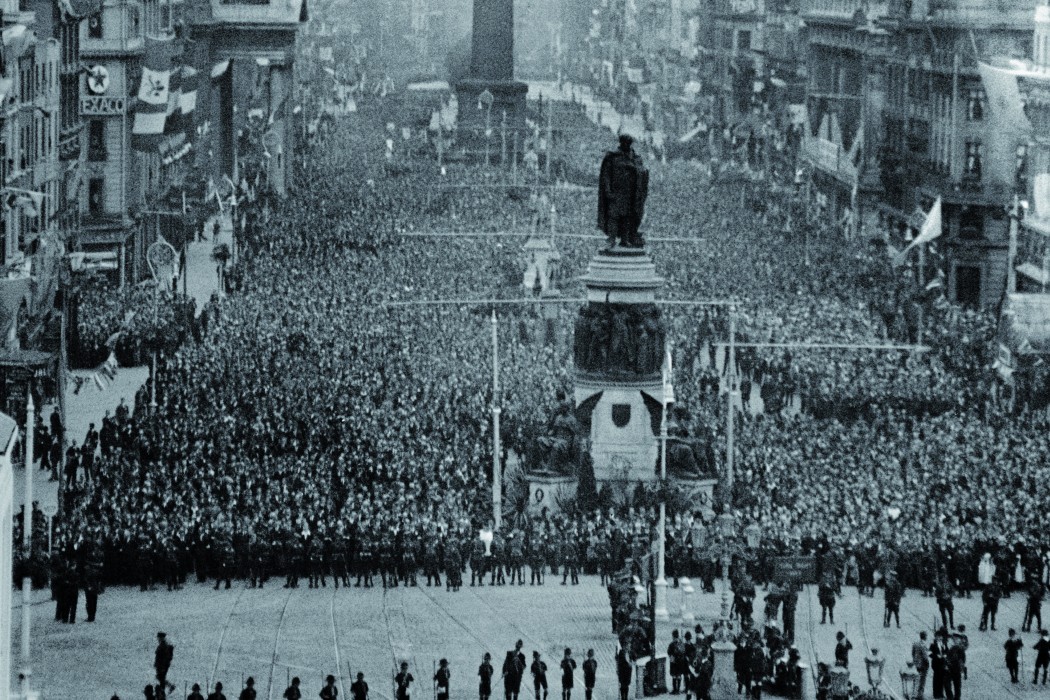
This, of course, is a reference to the Eucharistic Congress, held in Dublin in 1932. Here’s a wonderful account of that time by West Cork Historian, Kieran Doyle

It was the biggest thing to happen in the new state. My parents used to talk about it. Dad was in the Phoenix Park (along with a quarter of Ireland’s population) to hear John McCormack singing Panis Angelicus. Perhaps it was that experience that persuaded him to study for the priesthood. Fortunately for this blog, he discovered his error after a year, and my mother a few years later. But take a listen to what my father heard in 1932.

My mother, by the way, was found of quoting Brendan Behan who said that during the Eucharistic Congress, “Grafton Street was lousy with Bishops”.

But I digress! Let’s get back to Sherkin – although if anyone knows more about why this attractive cottage sports a 1932 Eucharistic Congress sign, do leave a comment.

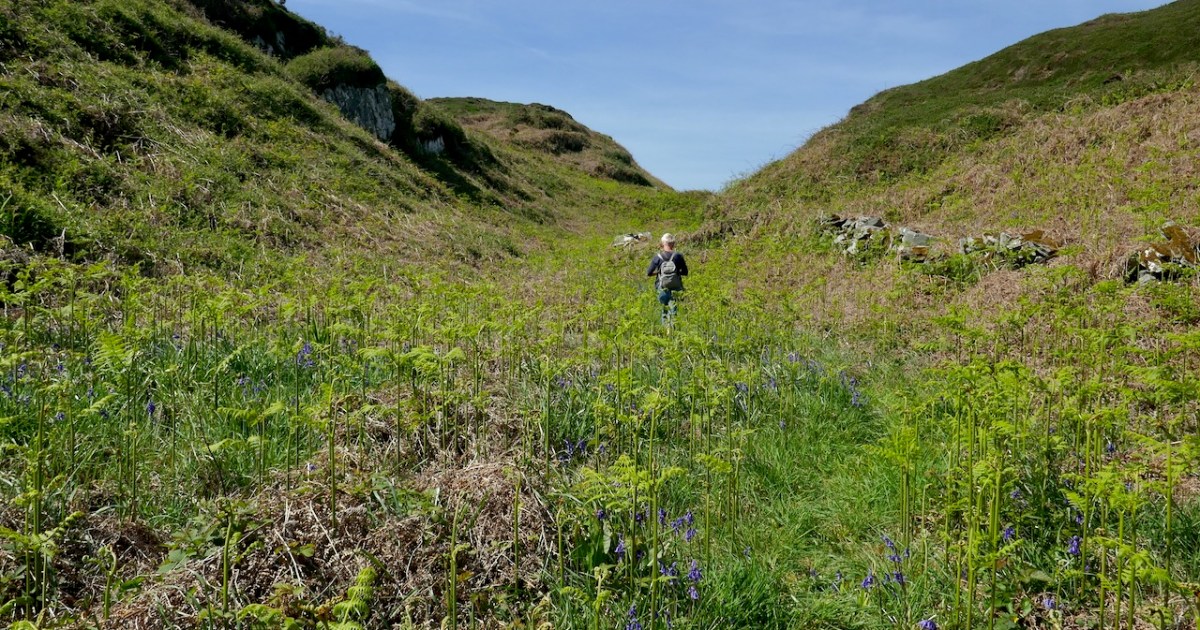
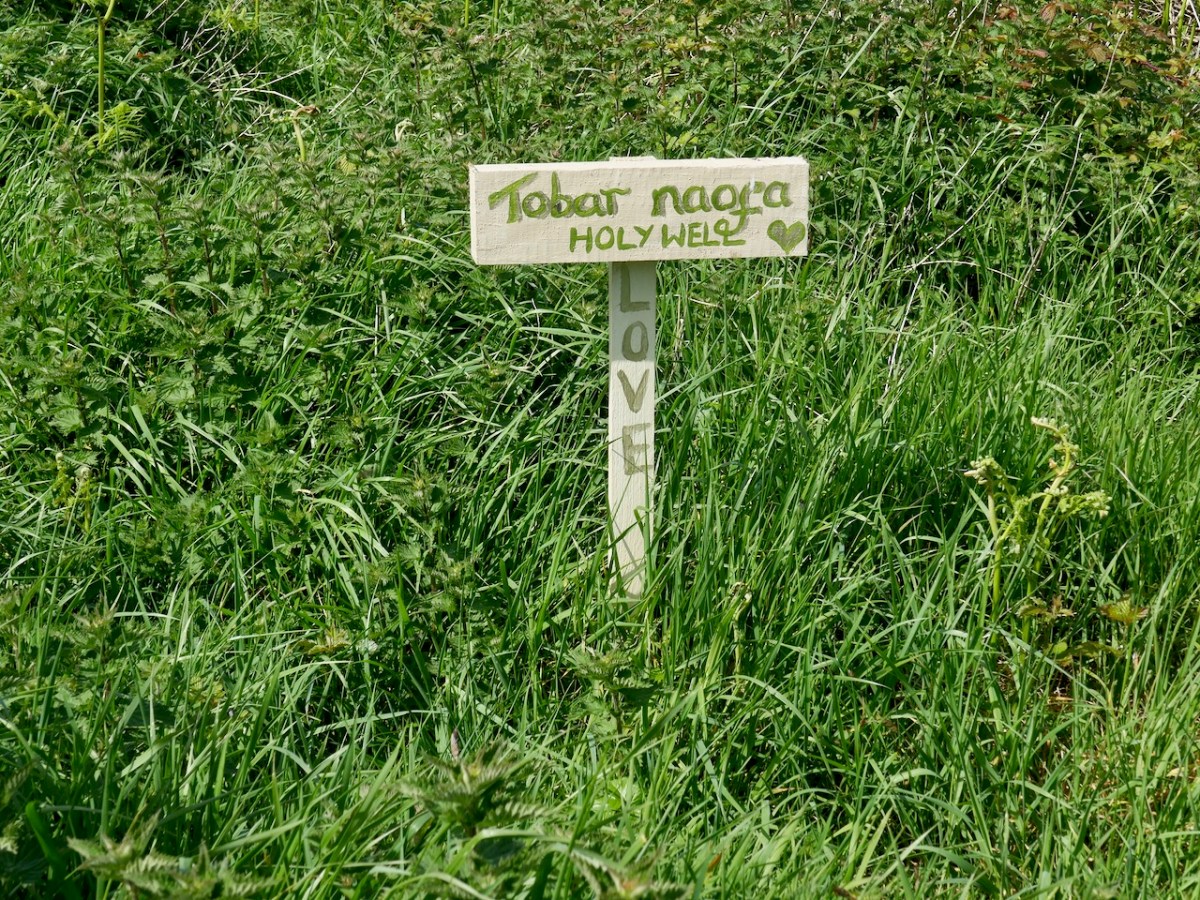
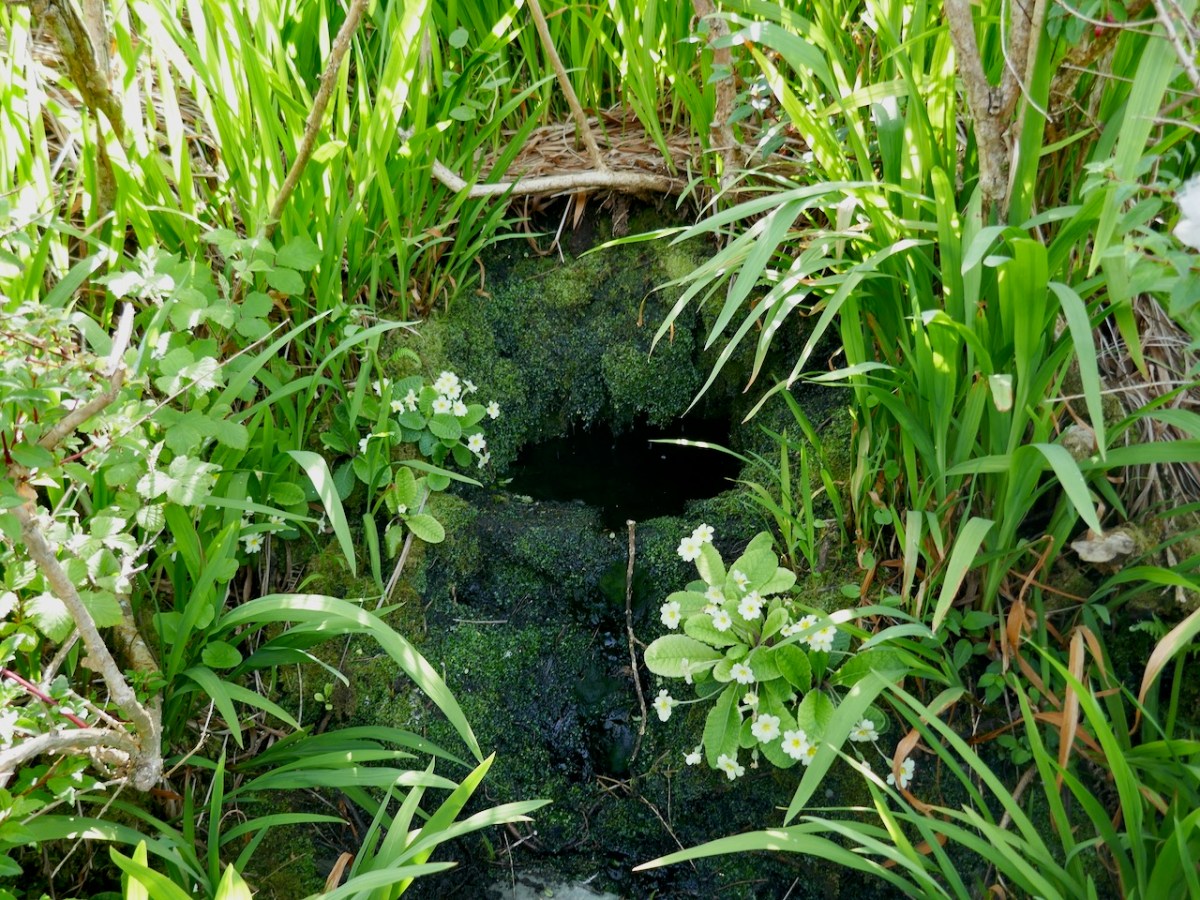
Our next stop was St Mona’s Holy Well. This is a discrete little well tucked into the hillside of a fern-covered valley. Although Amanda had to battle her way to this well when she first visited, this time we discovered that a recent pilgrim had cleaned up the well and provided very welcome signage. Amanda’s blog provides lots of detail and a link to more information about St Mona, patron saint of the island, who has given her name to the townland of Kilmoon. 

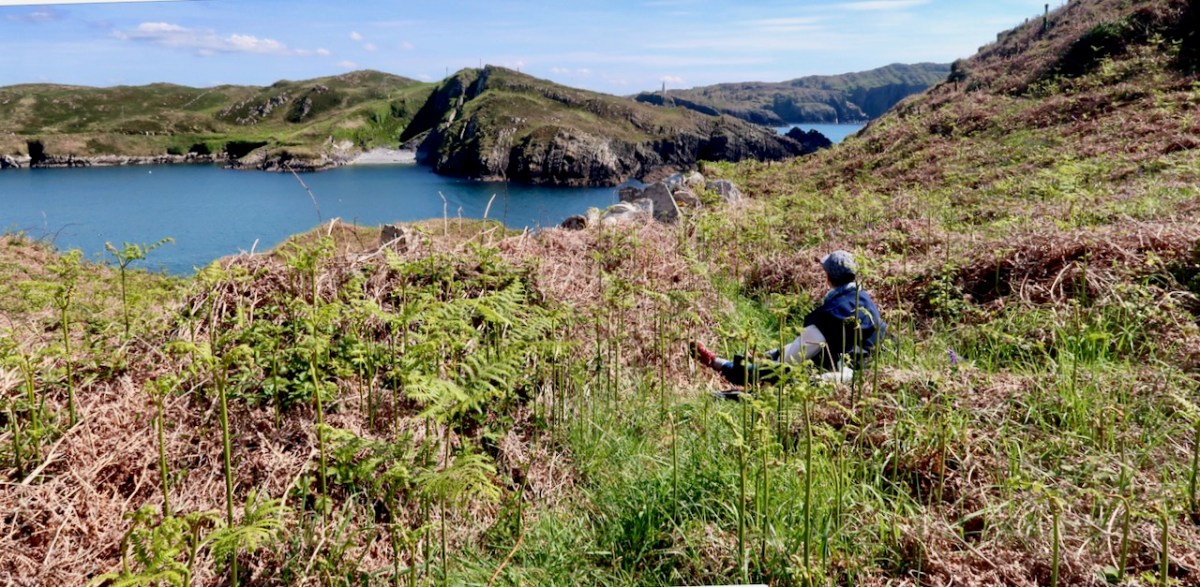
We enjoyed a coffee (I had packed a flask, fearful of a caffeine withdrawal) overlooking Horseshoe Harbour (photo by Amanda) before setting off back to join the main road through the island. My top photo shows the terrain leading to and from the well – we had the real sense of being in a hidden valley.

A detour brought us to a piece of archaeology – a cupmarked stone. Robert and I visited this several years ago and he wrote about it here, so you can take a look at the stone with its 14 cupmarks. I am not giving the location of this as it is on private land

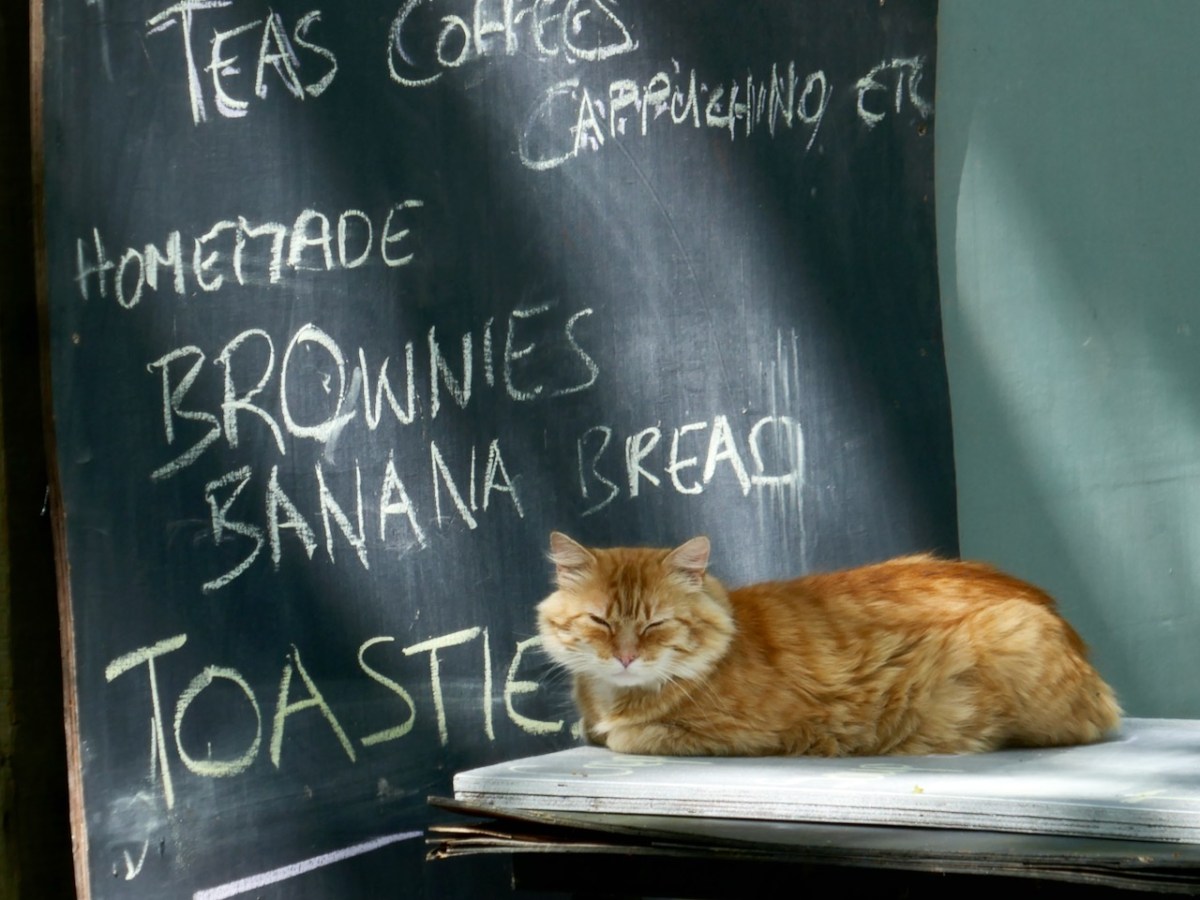
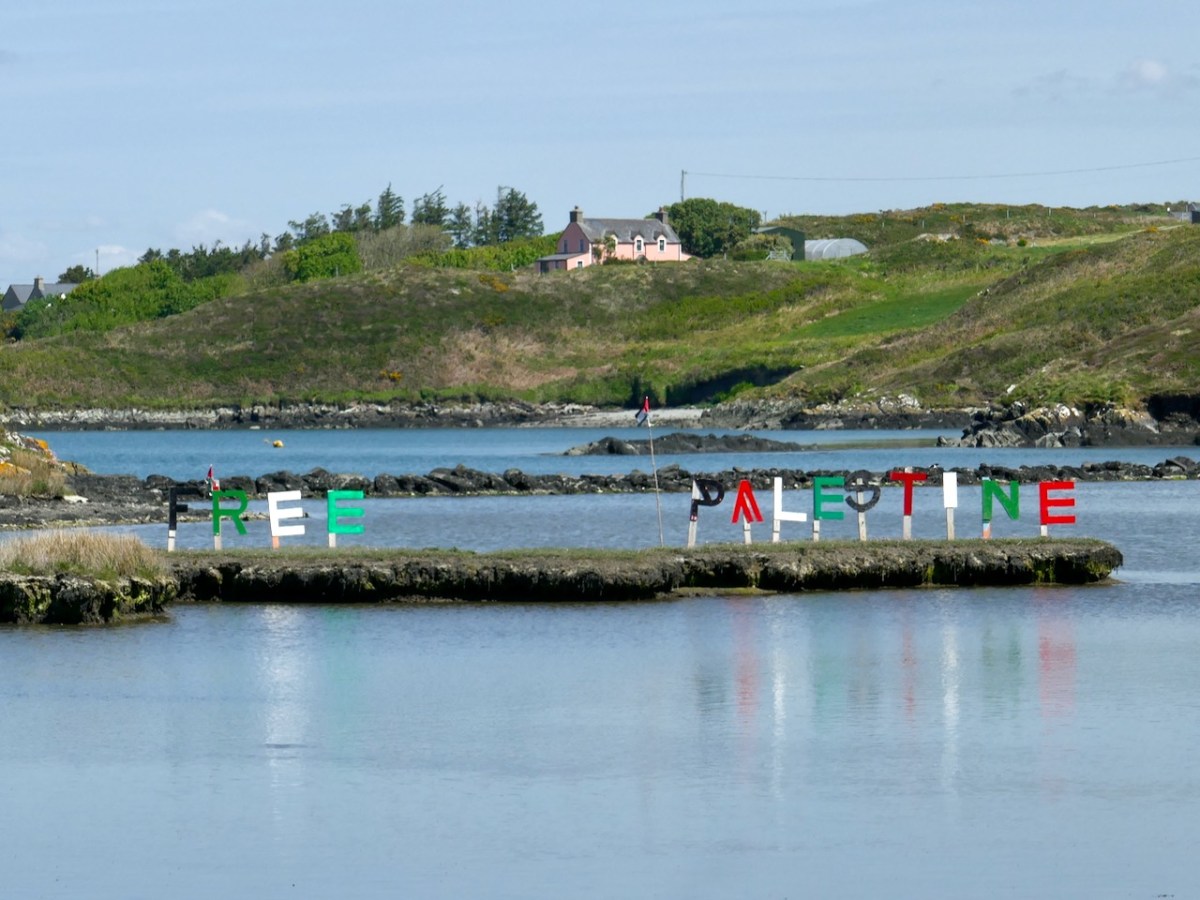
We stopped for a sit-down along the way – the little cafe wasn’t open, but a sleepy cat presided over our rest stop and the Free Palestine sign provided the backdrop.  

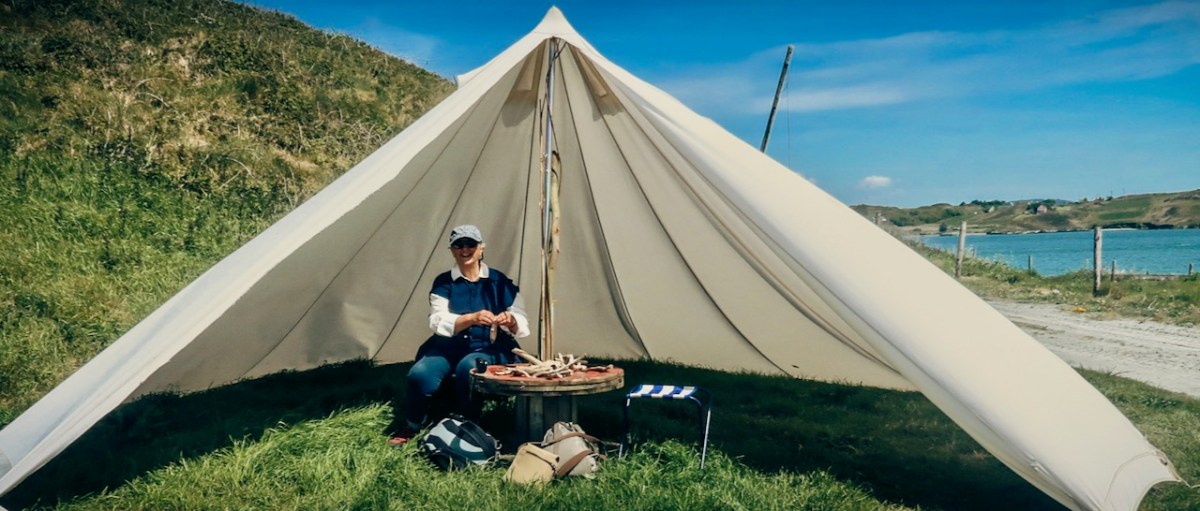
On we went then, to Cow Strand where a lovely surprise awaited – good coffee and snacks and a teepee to sit under – it was pretty hot by now (photo by Amanda).

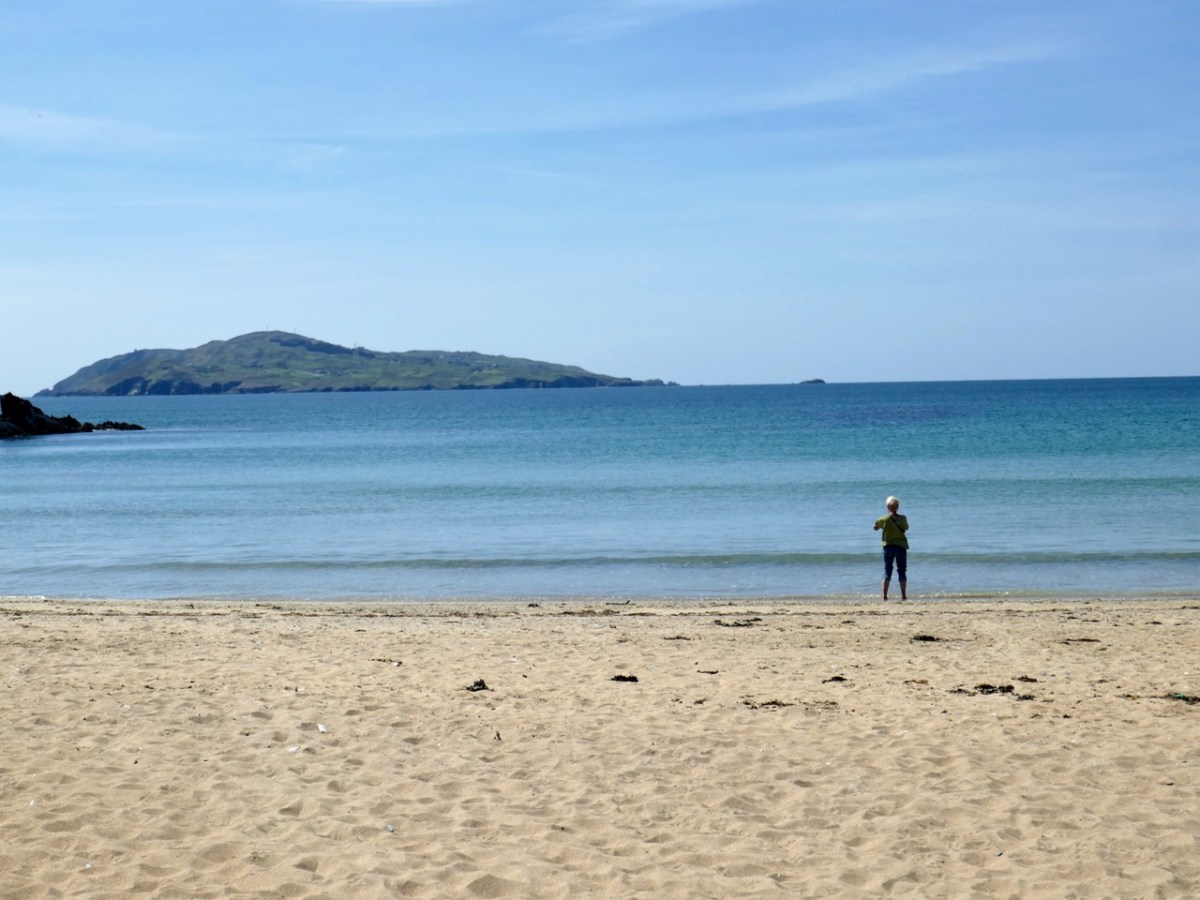
From there we walked to the magnificent Silver Strand, with a view to Cape Clear. 

Sherkin Island is home to the medieval castle, Dún na Long (Fort of the Ships) and a magnificent ruined Friary. A wander around these two monuments was our final destination and to my enormous surprise, as it had never happened before, we were able to go inside the friary. The next blog will take up the story from there.