West Cork Rocks 2

Every now and then I republish one of Robert’s classic pieces. This one is from five years ago. We were both fascinated by the West Cork landscape and, being Robert, he wanted to get under the skin of it all. So what follows is his exploration of what makes West Cork, well, West Cork.
West Cork Rocks, by Robert, from 2021

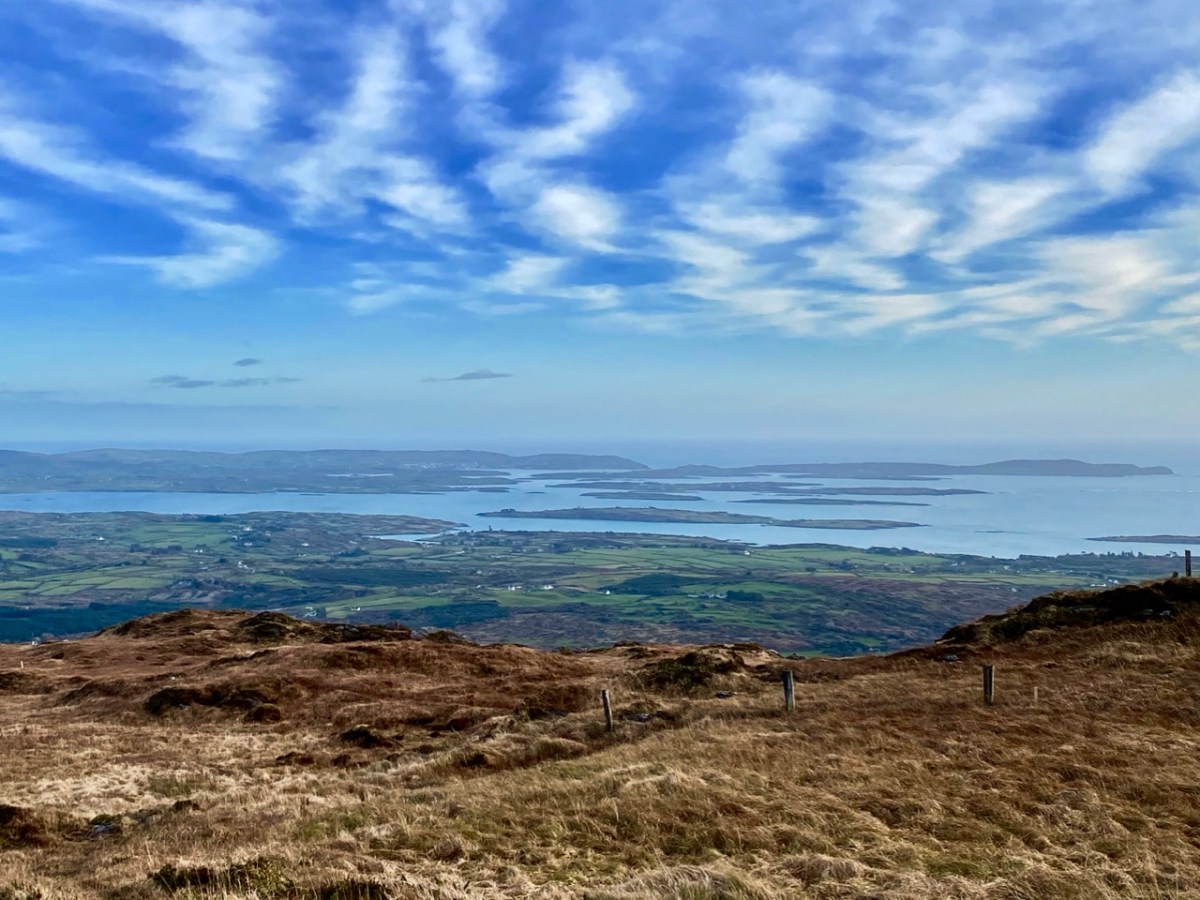
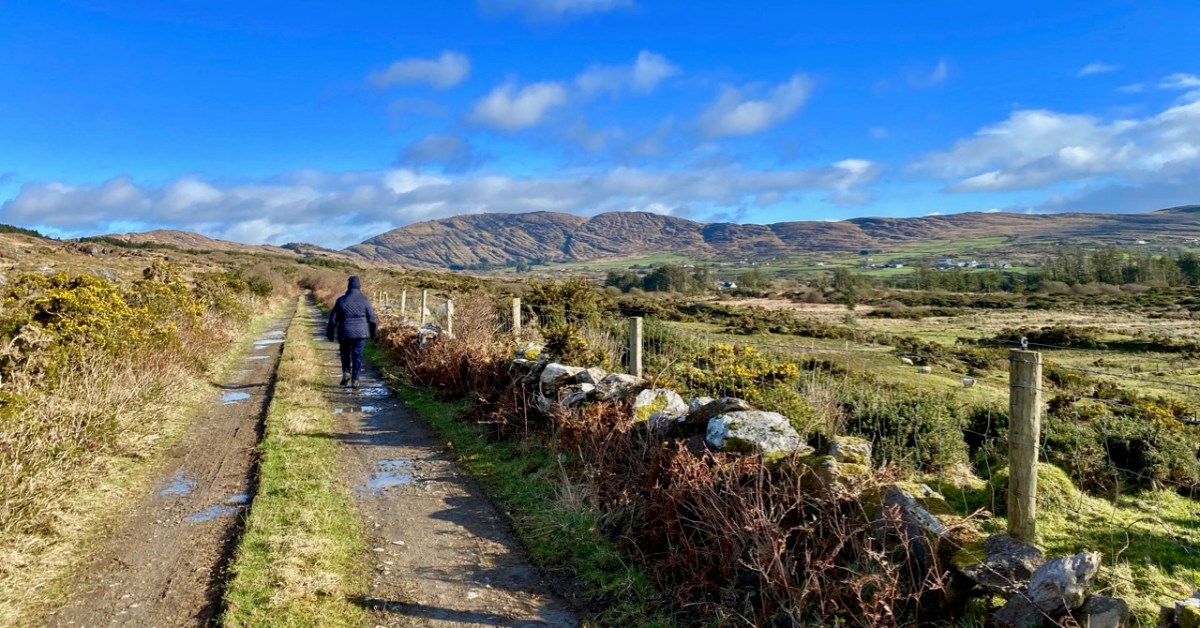
It certainly does! But this post is – literally – about rock: the hard, knobbly kind that is underneath us, surrounds us, and which has historically built our environment. In the picture above, taken on a clear February day during the most severe Covid lockdown, Finola is walking through beautiful West Cork. Beyond her is the great, gaunt outcrop of Mount Gabriel. Beside her is a traditional stone wall: its design unchanged over centuries. In the landscape all around her are rocks – large and small – scattered in the rough pasture.
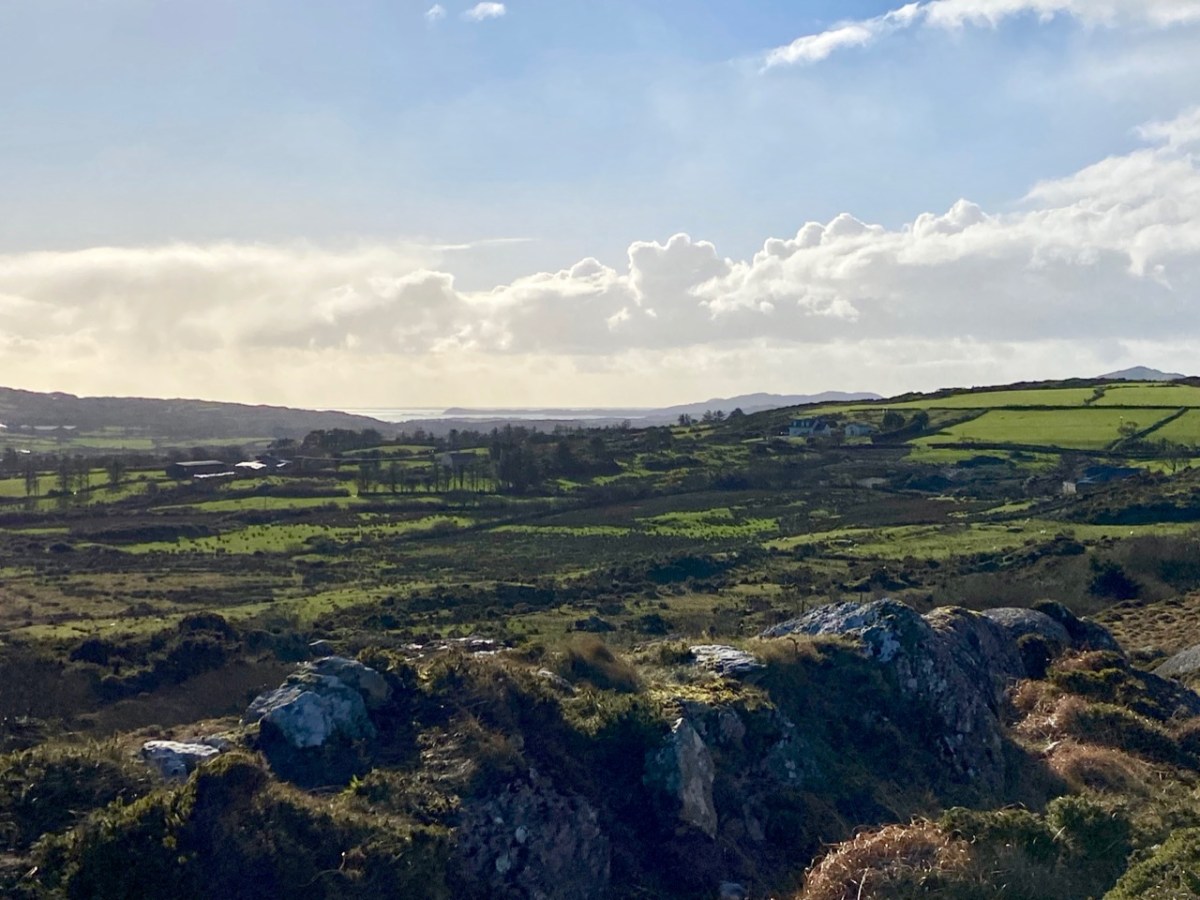
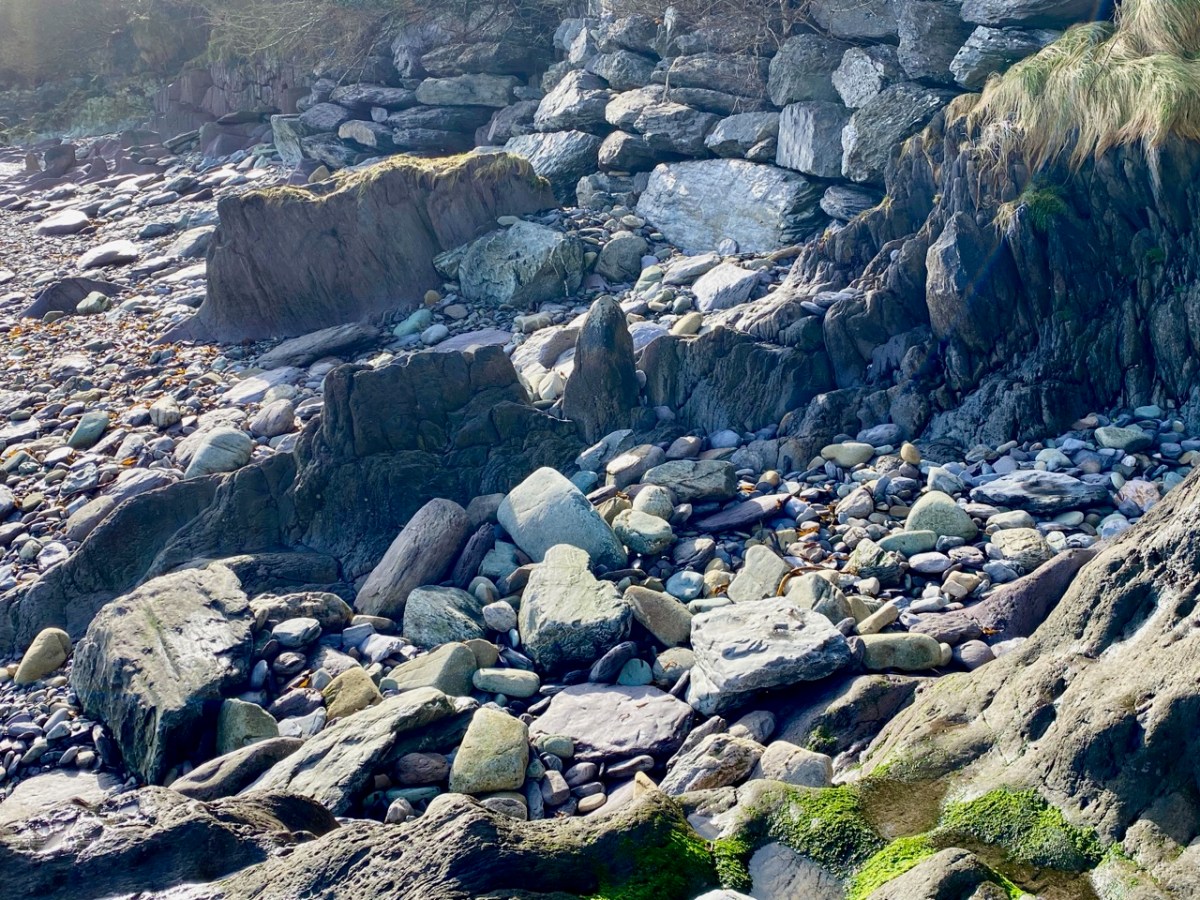
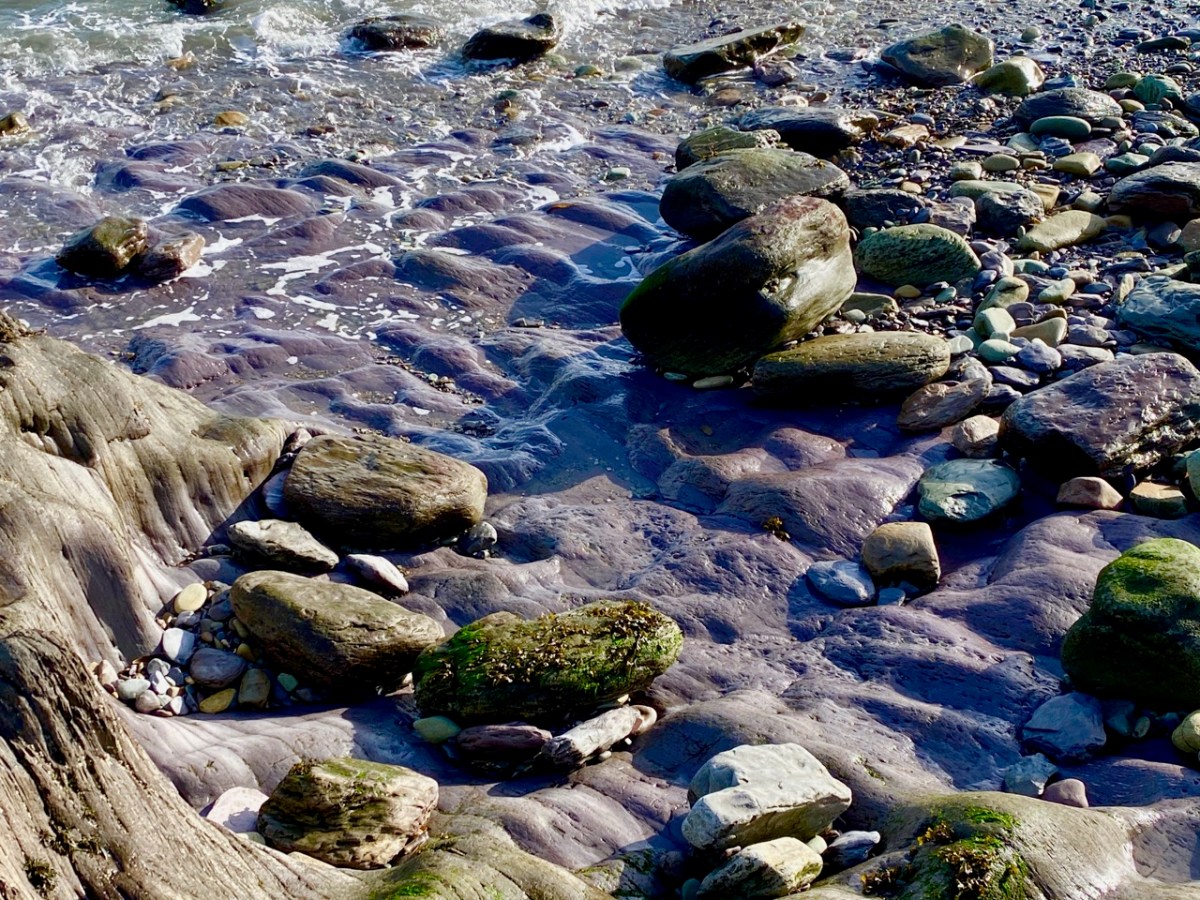
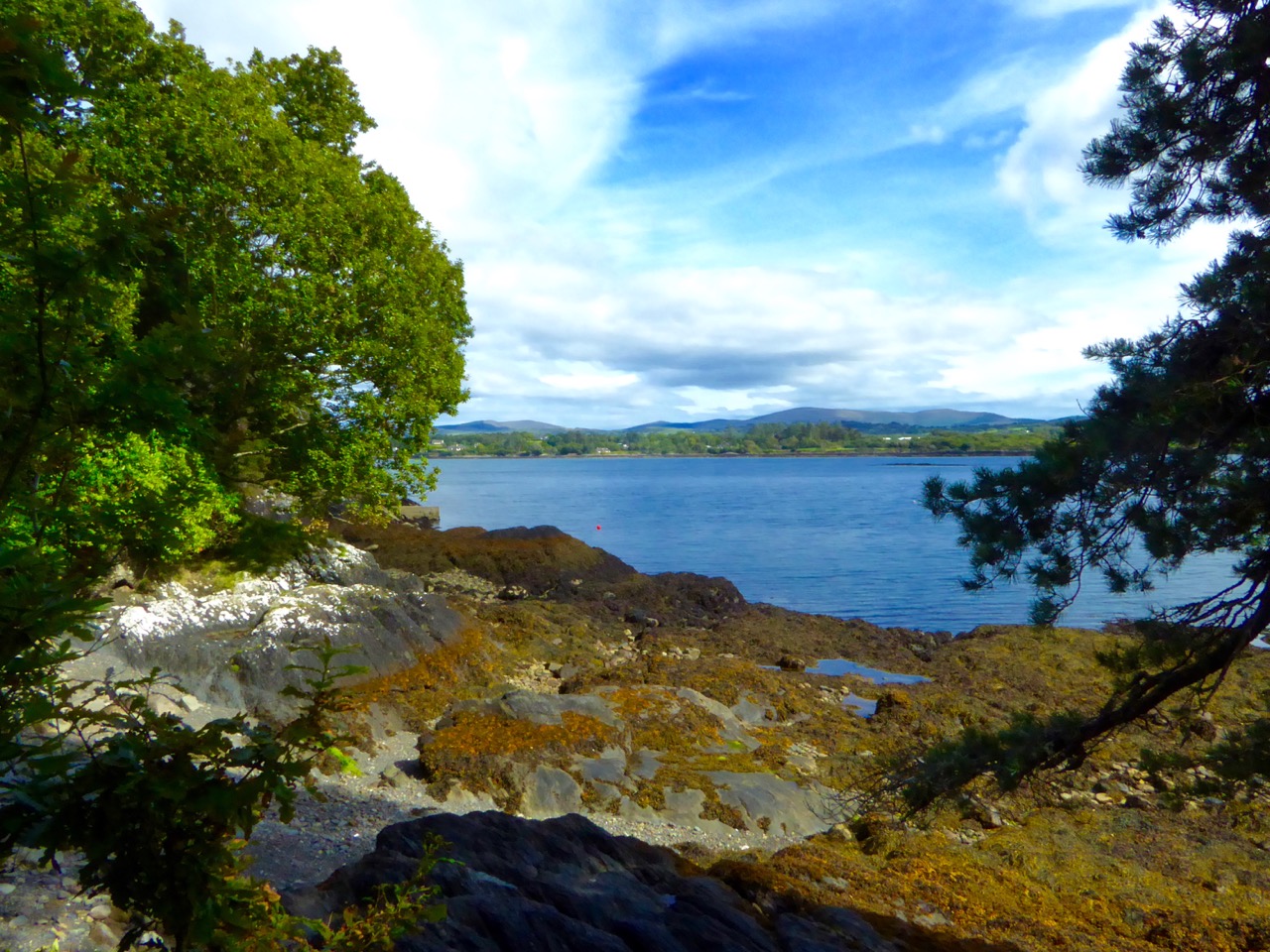
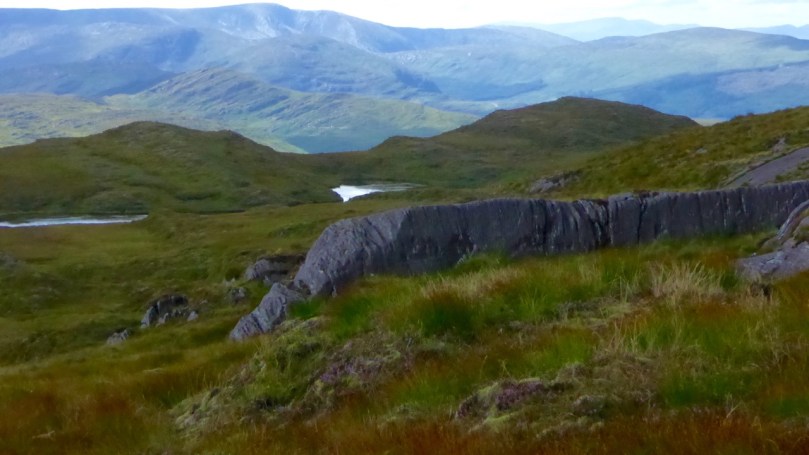
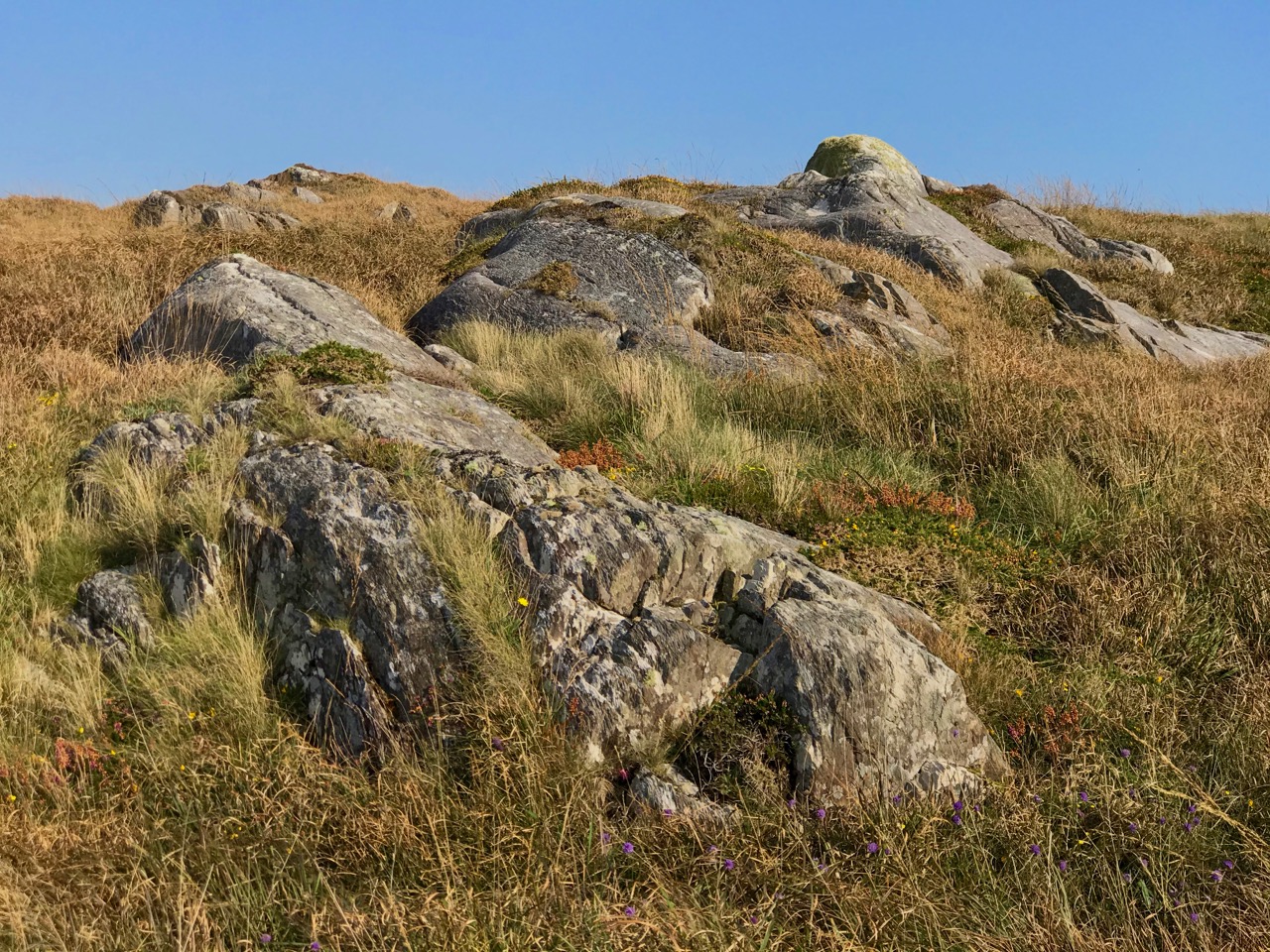
In the distance, of course, is the coast: there are very few places in West Cork where you cannot, at least, catch a glimpse of the sea – and so many where you can immerse yourself in it, or stand on its shore and admire the infinite textures which those same rocks display. It’s mostly Old Red Sandstone: that’s the correct geological term. It was laid down in the Devonian period – a while ago now: between 400 and 300 million years, in fact. This followed an era during which our mountains were built, known as the Silurian times. Continents were shifting and separating, and what was to become Ireland was a great arid desert – deserted: there was no-one around to see it!
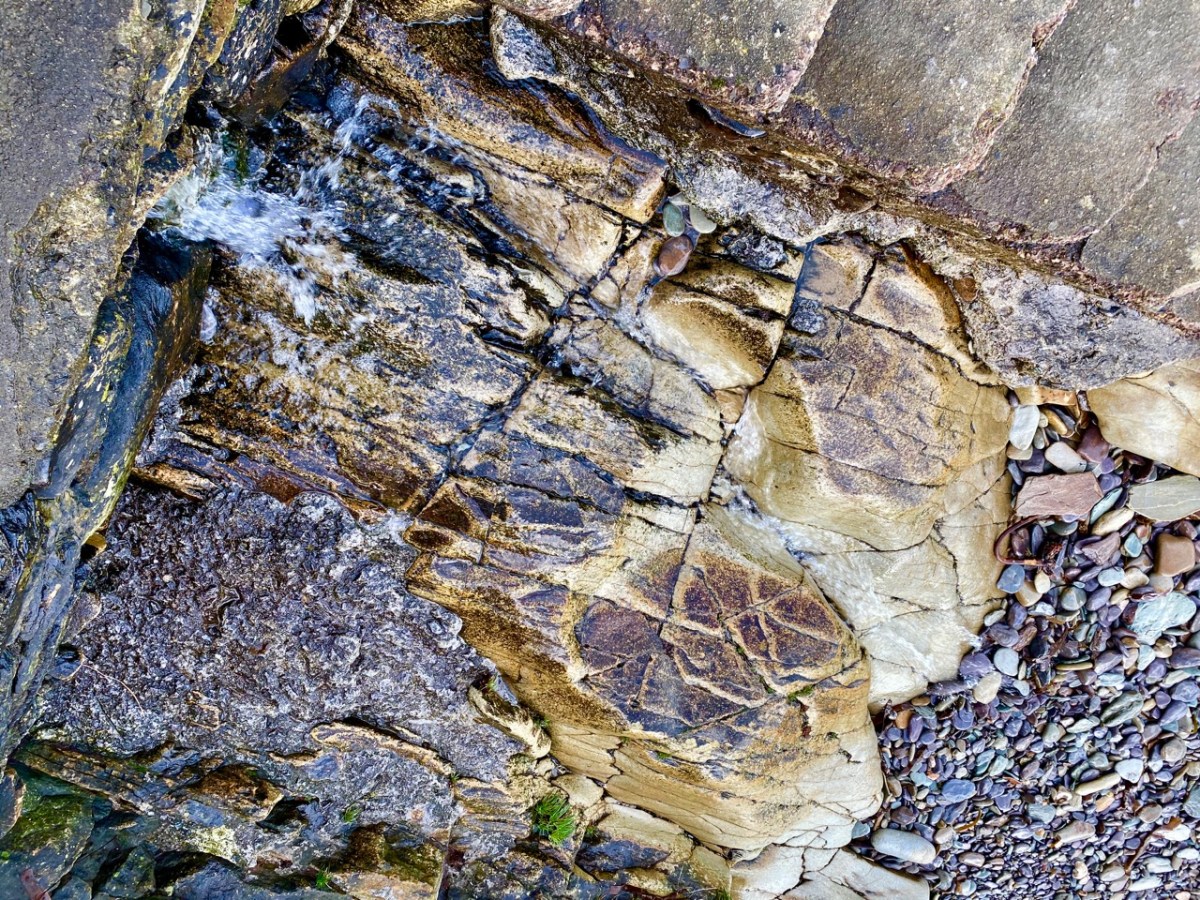
Old Red Sandstone: in fact it varies in colour depending on its local history. Broadly, some of the mountain rocks are purple-grey, while those closer to the sea could be greeny-red, but that is probably far too wide a generalisation. The sheer beauty is in the infinite shapes and colours. What artist needs any finer palette?

In those deserted times, an ‘Old Red Sandstone Continent’ extended over what is now northwest Europe, but it is worth noting that in ‘our’ part of it – the Munster Basin, covering today’s Kerry and Cork – we have one of the densest masses of this rock in the world: at least 6 kilometres thick. And we have to appreciate what it has given to us – high mountain spines sweeping steeply down to an indented shoreline of coves, creeks and inlets, with the myriad mottled islands that we oversee. An unparalleled, unfolded world.
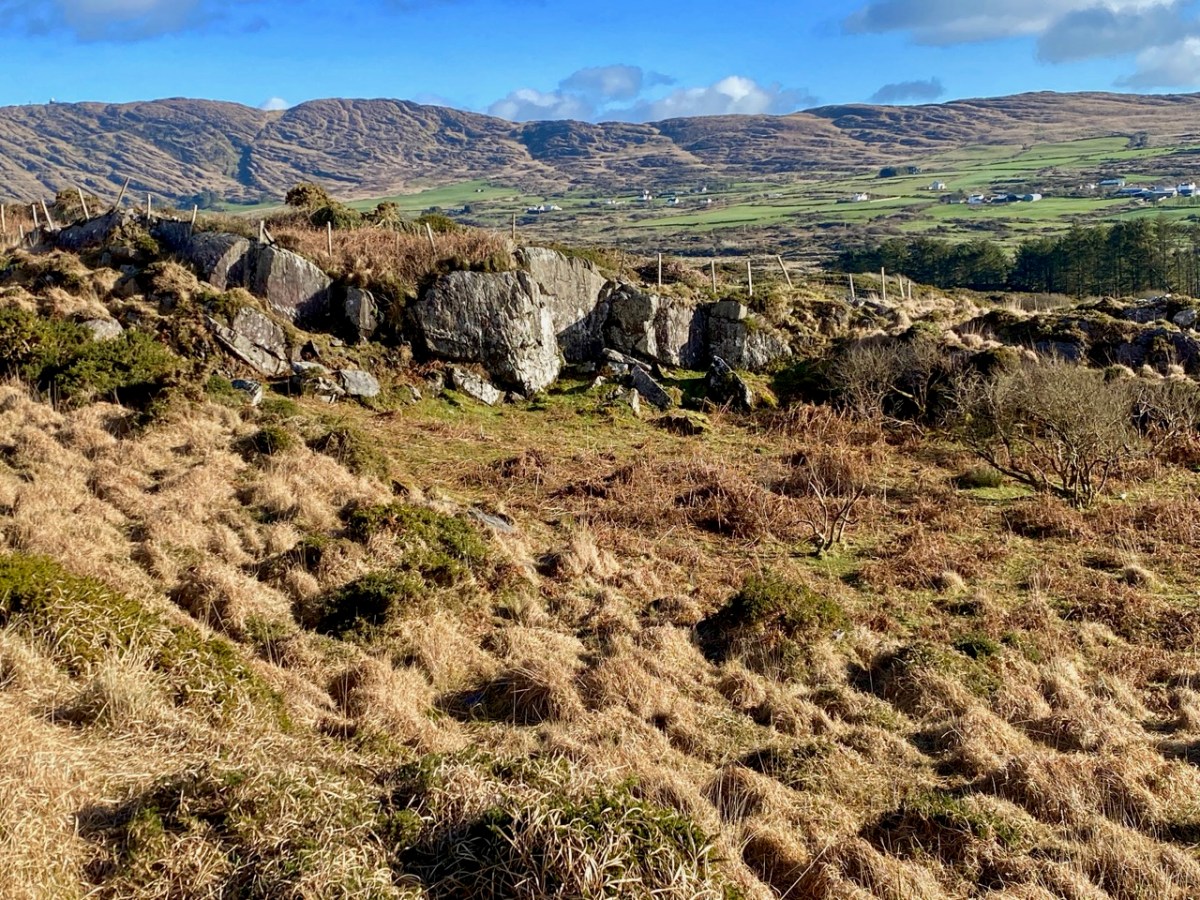
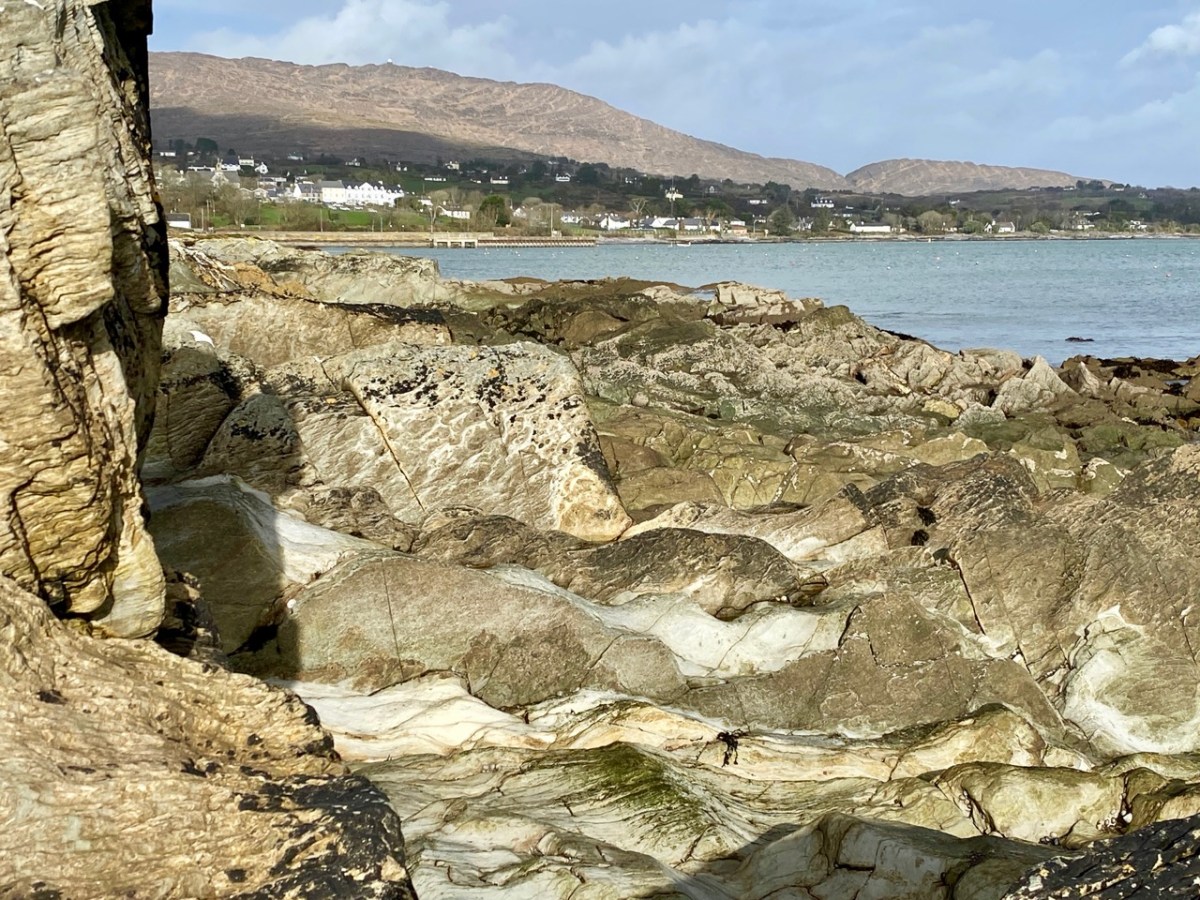
After the ‘desert’ period, but much later – only about a million and a half years ago – came the Pleistocene Epoch. the word is from the Greek pleistos and kainos – meaning ‘most recent’ – and that brings us almost up to date. That was a time of great climate events: deserts were inundated and then covered in ice sheets 3 kilometres thick, while moving glaciers tore up the rock surfaces, advancing and retreating several times. Eventually, what had been desert became arctic tundra. It is supposed that the ancestors of our present day life forms happened along during this epoch, and managed to survive. But we don’t find any traces of them until after the last ice sheet retreated in our part of the world – only about 12,000 years ago. The landscape that was left behind was inundated by rising sea levels, and the very last land bridge (between Cornwall and the eastern tip of Wexford) was washed away after that, but not before the Giant Elk and its mammal relations had got a foothold on the western side. The snakes, however, didn’t make it. And what of the humans?

Well, the humans embraced the rocky landscape. They made their marks on the outcrops; then they moved the rocks about, and made architecture from them. We can still see their efforts, some 5,000 years later.
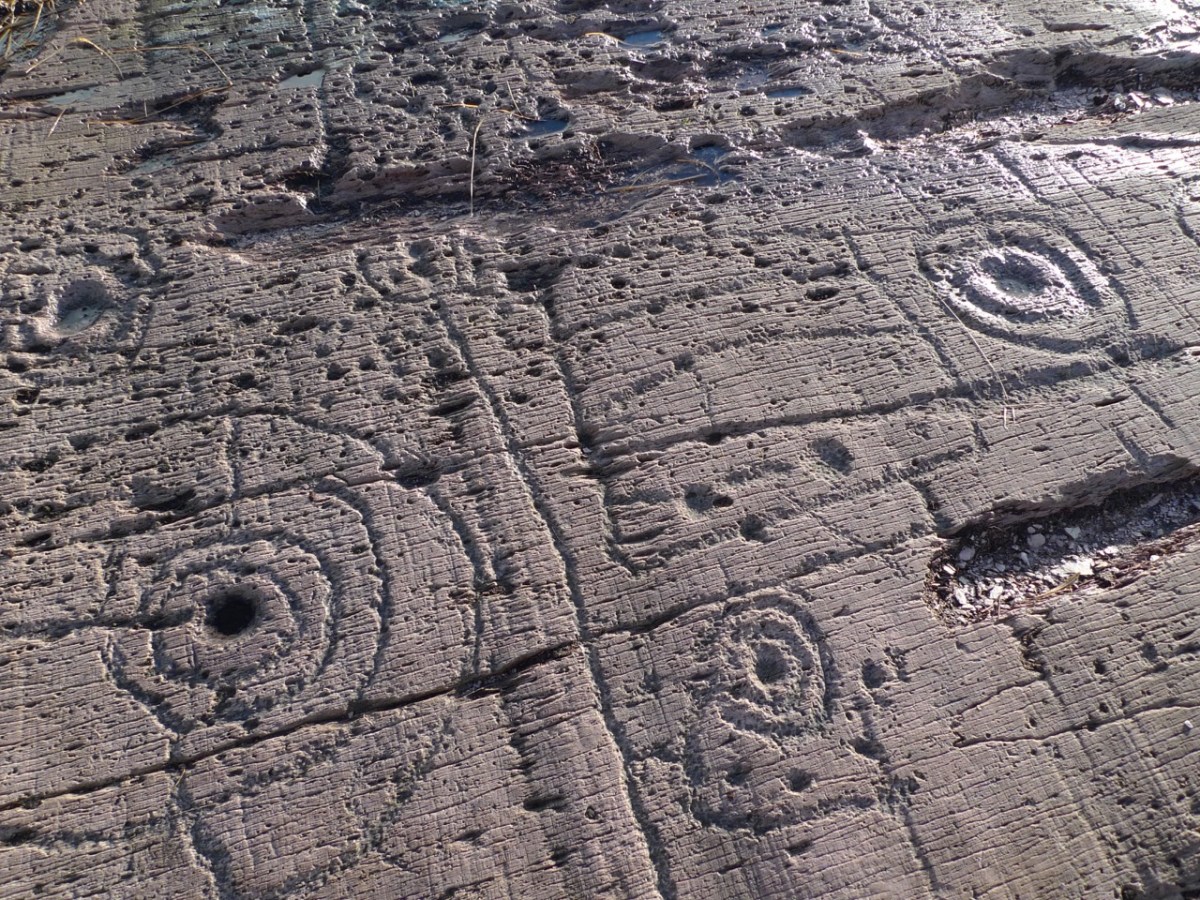
These Neolithic carved motifs could be the earliest human interventions on the natural Irish landscape: they might date from 3,000 BC. These examples are from West Cork, and were only discovered a few years ago. Finola wrote the definitive thesis on Rock Art when she studied at UCC in the 1970s, and we have staged exhibitions and given talks on the topic.
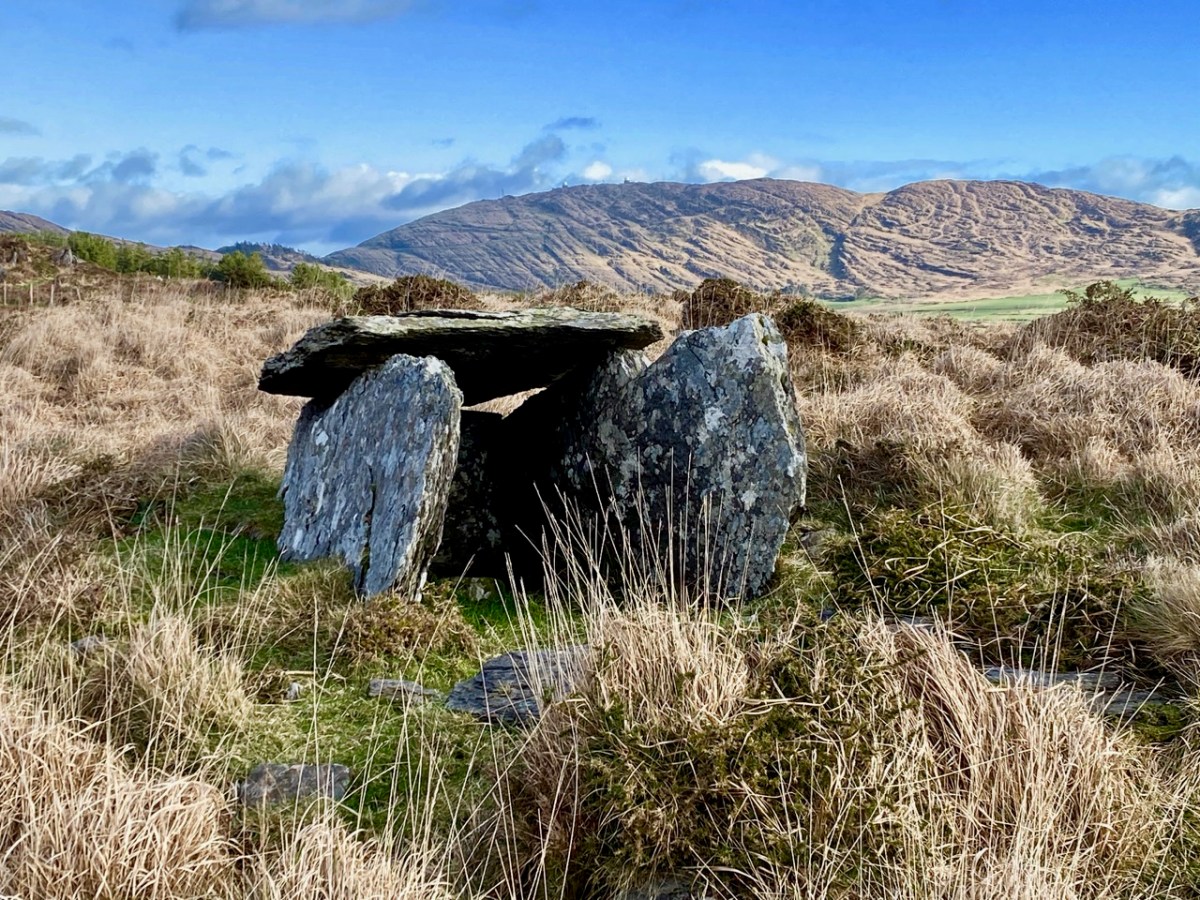
A couple of thousand years later, Irish people started to build things with the stones they found around them. This wedge tomb under the backdrop textures of Mount Gabriel at Ratooragh has rested here since the Bronze Age. Finola’s post today uncovers the fascinating folklore stories that generations have told about such artefacts. But restlessly working the fabric of the landscape – Old Red Sandstone – into walls, shelters, tower houses, temples and towns has never ceased.

Ellen Hutchins: The Short and Remarkable Life of Ireland’s First Female Botanist

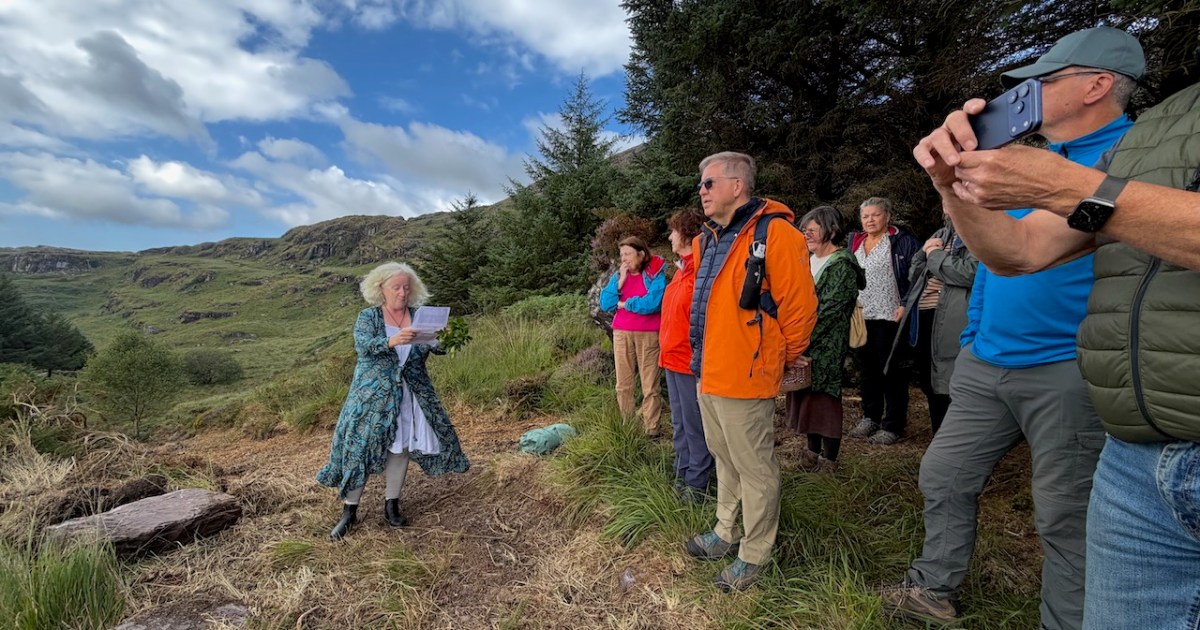
Working with the Ellen Hutchins Festival over the last few years, I have come to think of Ellen as a ghost-friend. Having just finished this year’s involvement (above, Karen Minihane reads one of Ellen’s letters on Esk Mountain) I was looking over my posts about the Festival over the years and realised it had been over ten years since I wrote and posted about her life. So I am reposting this account from 2015, unchanged, to show you our excitement at what we were discovering. It’s also a good introduction to Ellen.

Ballylickey House, Home of Ellen Hutchins. Although the burned down, it was rebuilt exactly as the original.
Ballylickey House, Home of Ellen Hutchins. Although the house burned down, it was rebuilt exactly as the original

Re-posted from 2015

In West Cork, we have been celebrating the short but extraordinary life of Ellen Hutchins who died 200 years ago this year. Acknowledged in her lifetime as one of the most knowledgeable and accomplished botanists in the British Isles, she contributed specimens and drawings to the great collections in Glasnevin and Kew and kept up a lively and learned correspondence with some of the leading botanical scientists of the day. When she died, aged only 29, her name had already been memorialised: several plant specimens bore the title hutchinsia.

Looks and character

It’s been a fantastic week of lectures, guided walks, exhibitions and demonstrations. Jointly organised by the Bantry Historical Society, the National Parks and Wildlife Service and the Hutchins family, the week has been a marvellous success, with all the events well attended and everyone eager to learn more about Ellen. For a program of what was available, take a look at the excellent Ellen Hutchins website and the Facebook page.

Dublin Botanic Gardens

While many of Ellen’s specimens ended up in Kew Gardens, some went to what has become the Dublin Botanical Gardens

The website contains biographical data about Ellen, her accomplishments, her family and her place in the scientific community, and a links and resources section leading to much more information. Ellen Hutchins was born in Ballylickey, near Bantry, in 1785 and spent most of her life there. During schooldays in Dublin she lived with family friend Dr Whitley Stokes who introduced her to the discipline of botanizing. She became an avid and scholarly collector of plants and seaweed, annotating, sorting and cataloguing as she went, and an expert illustrator of marine and terrestrial specimens.

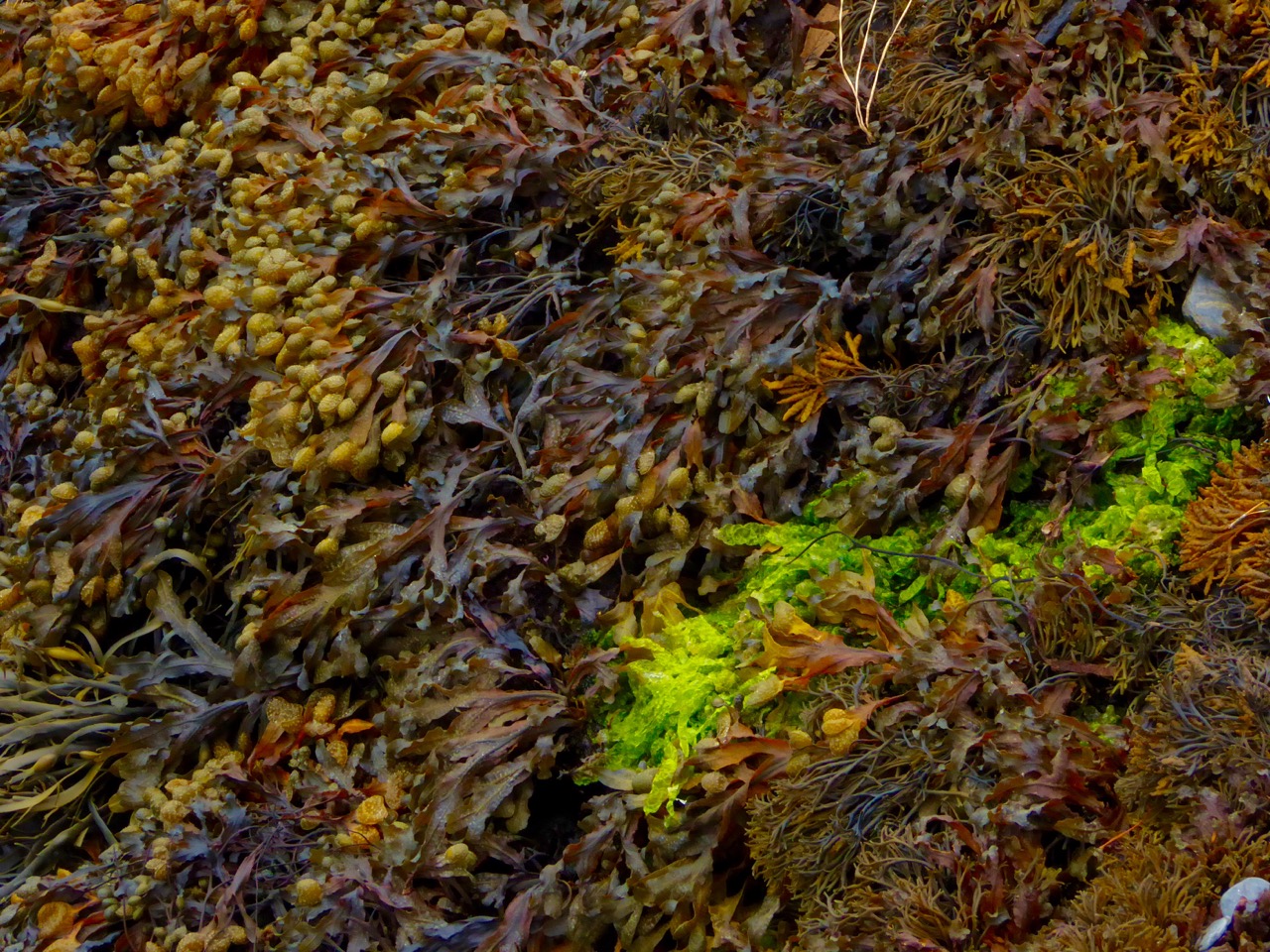
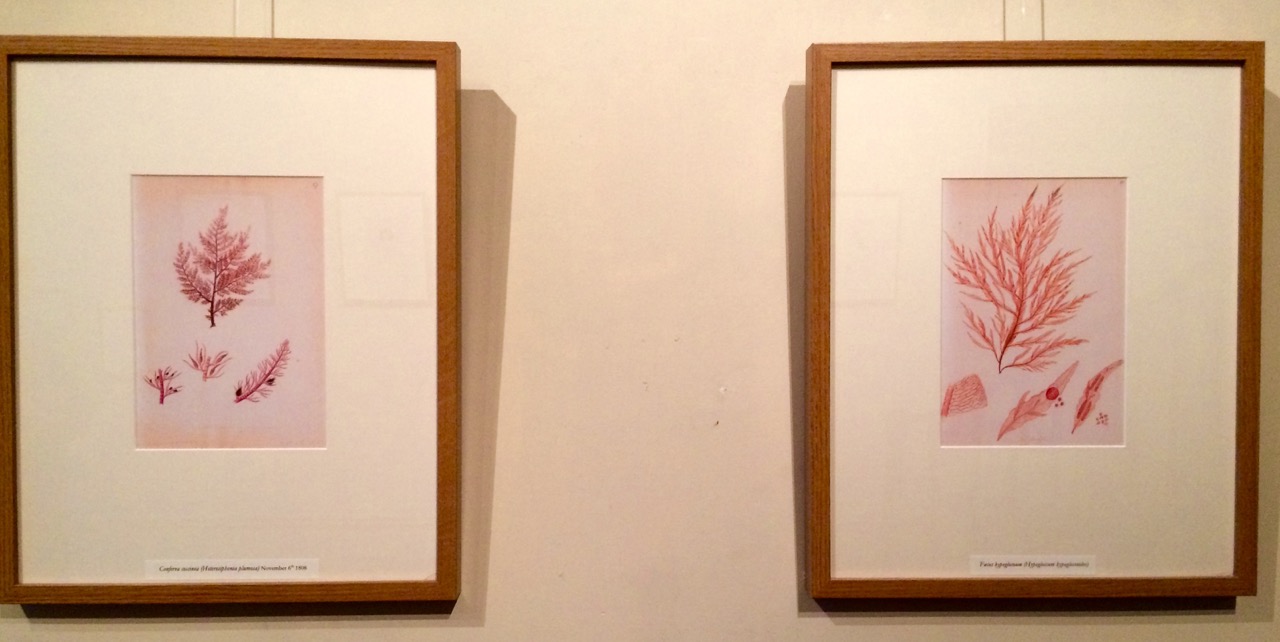
Ellen identified new species of seaweeds on the shores around Bantry Bay

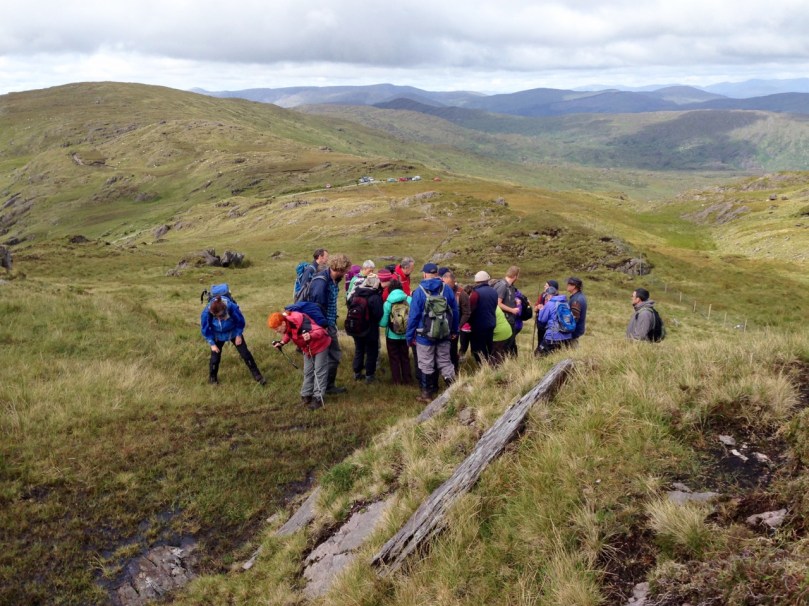
She roamed freely around the shores of Bantry Bay and took her family’s boat out to Whiddy Island. She also climbed (we’re not sure how) to the top of Knockboy, the highest mountain in Cork at 700m, identifying new species of plants right at the top. We followed her footsteps last weekend, led by Wildlife Officer Clare Heardman of Glengarriff Nature Reserve, botanist Rory Hodd, writer Kevin Corcoran, and Madeline Hutchins, great great grandniece of Ellen, who has been uncovering all kinds of new material on her ancestor.

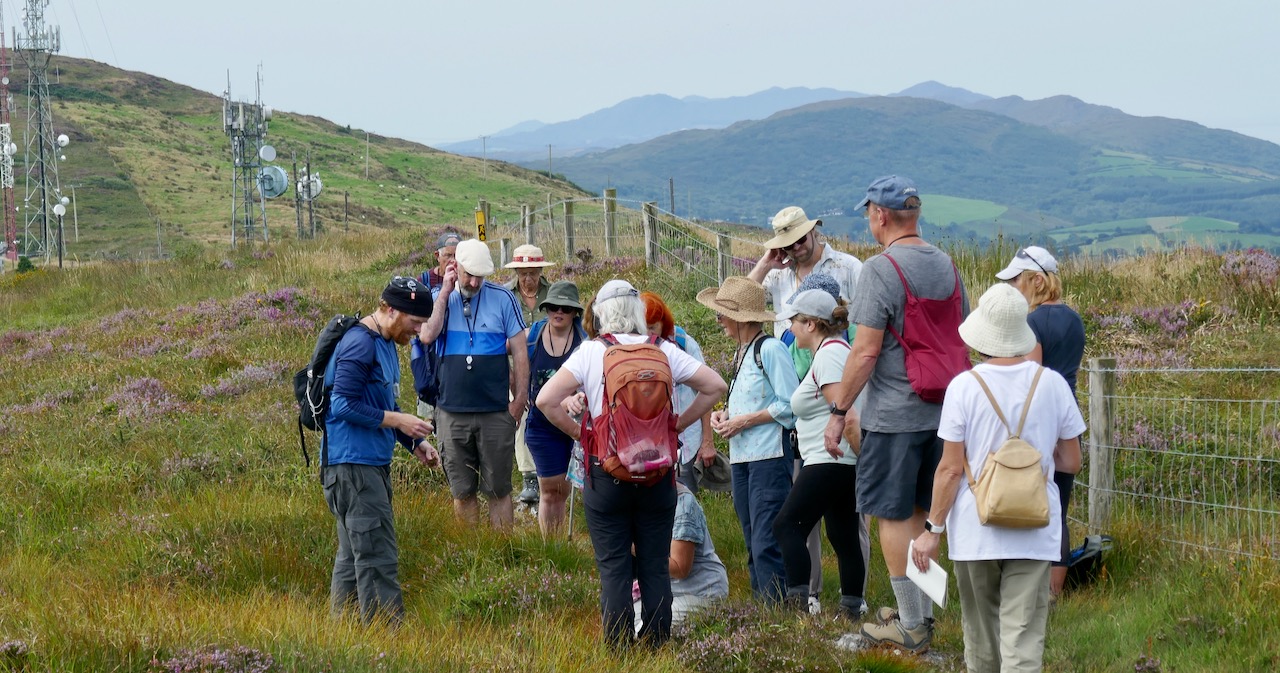
group botany

What a day we had! It was warm and dry until we got to the top, where we were subjected to a hailstorm for form’s sake before the sun re-emerged. It was an insight into what gets botanists excited – tiny plants, apparently, with subtle variations from other tiny plants.
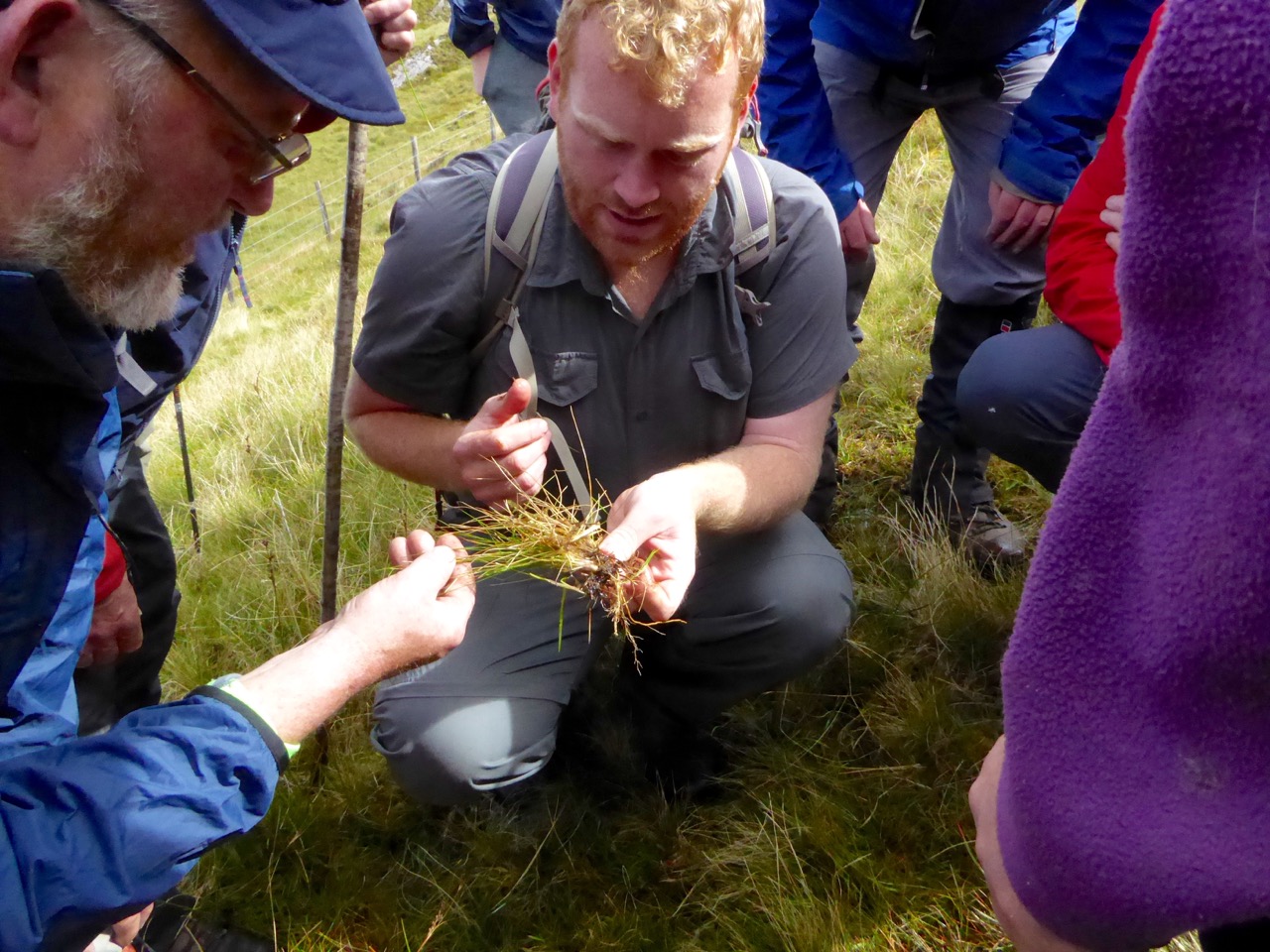
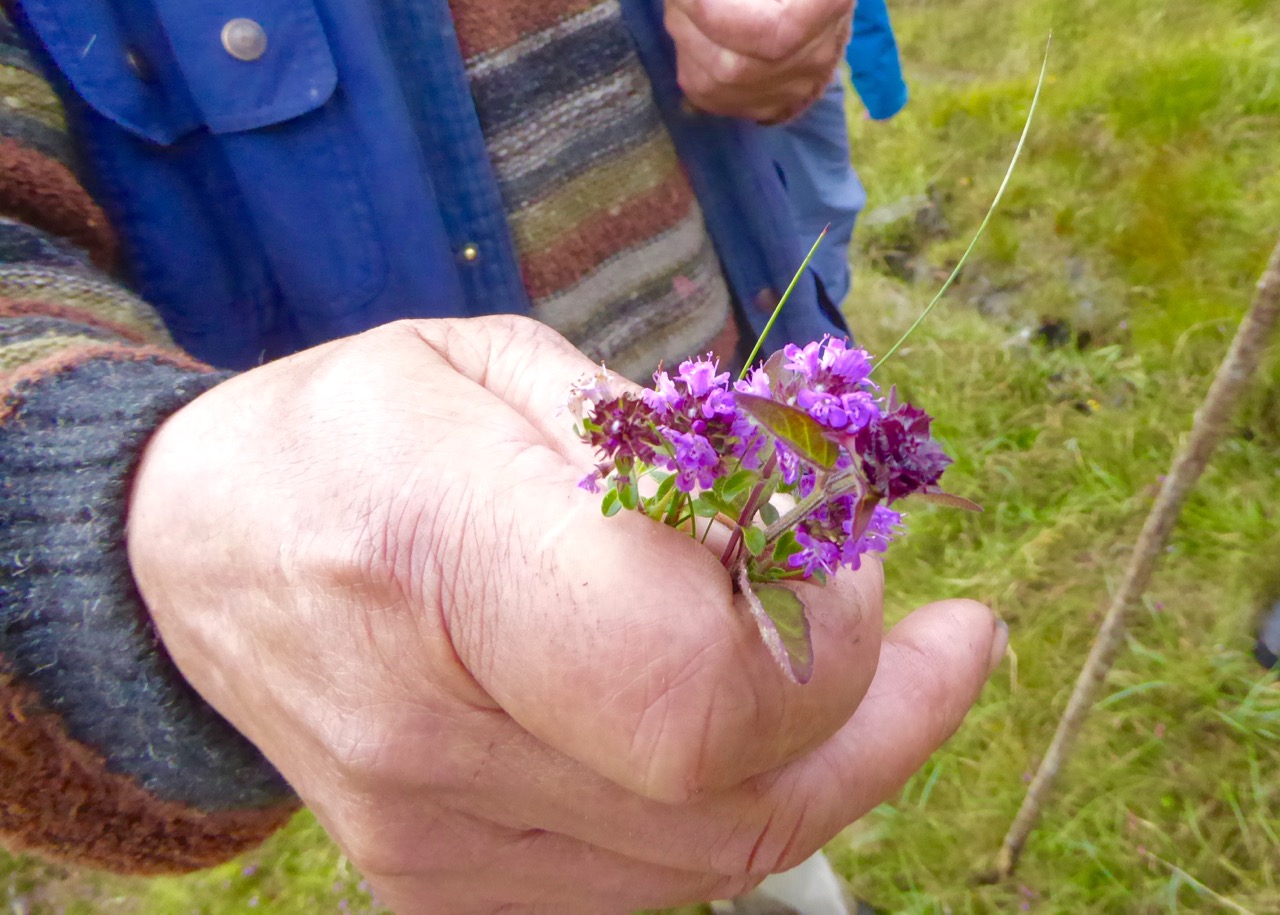
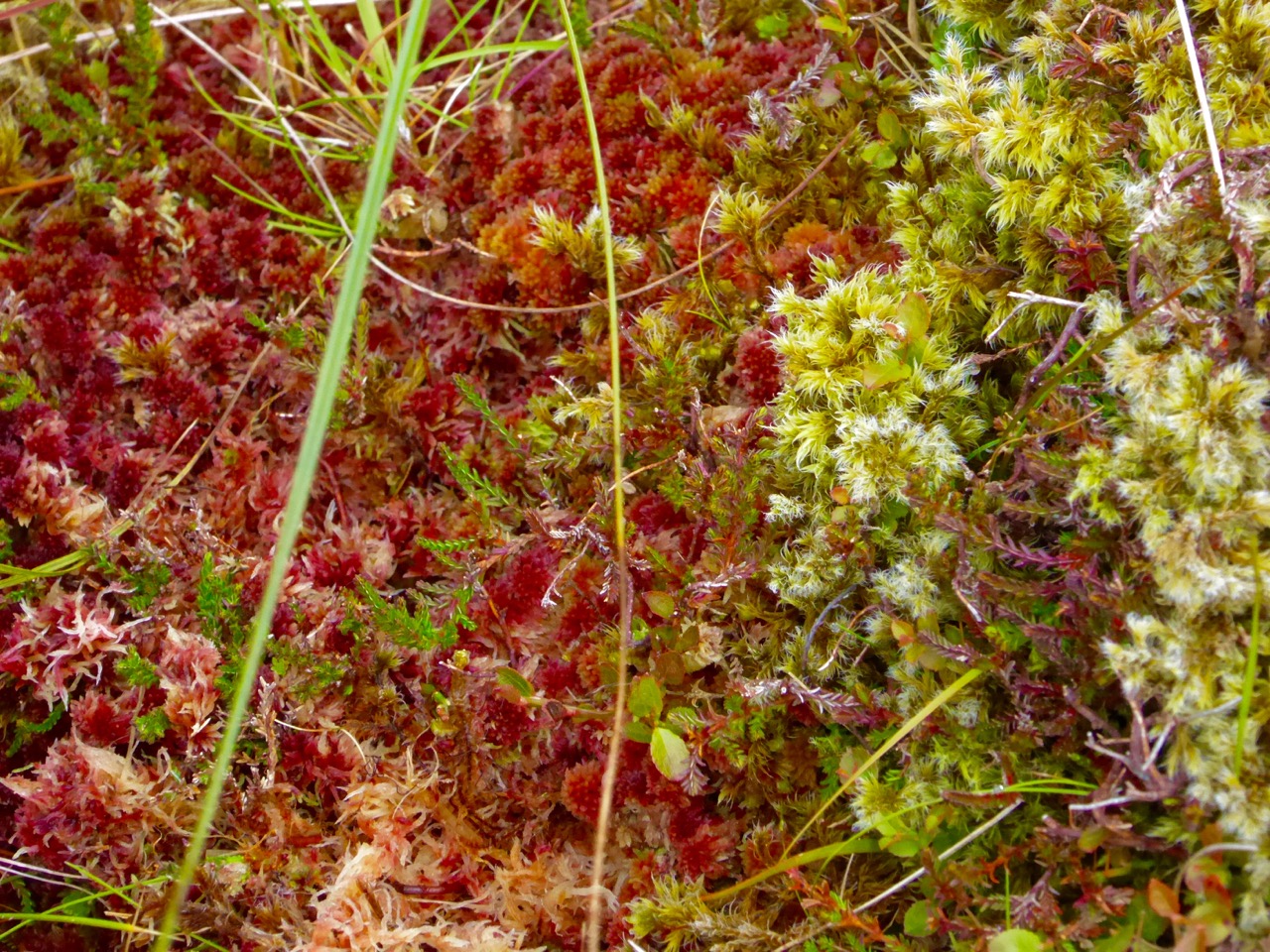
We were in awe of the knowledge on display, and the boundless enthusiasm of all the plant experts in the group. The highlights for them were finding some of the species that bore Ellen’s name, although Rory and Clare were particularly pleased to find a dwarf willow at the summit that had originally been identified by Ellen over 200 years ago. Along the way, we also learned a lot about the characteristics of that kind of high mountain environment, with its burden of boggy moss and highly acidic environment.

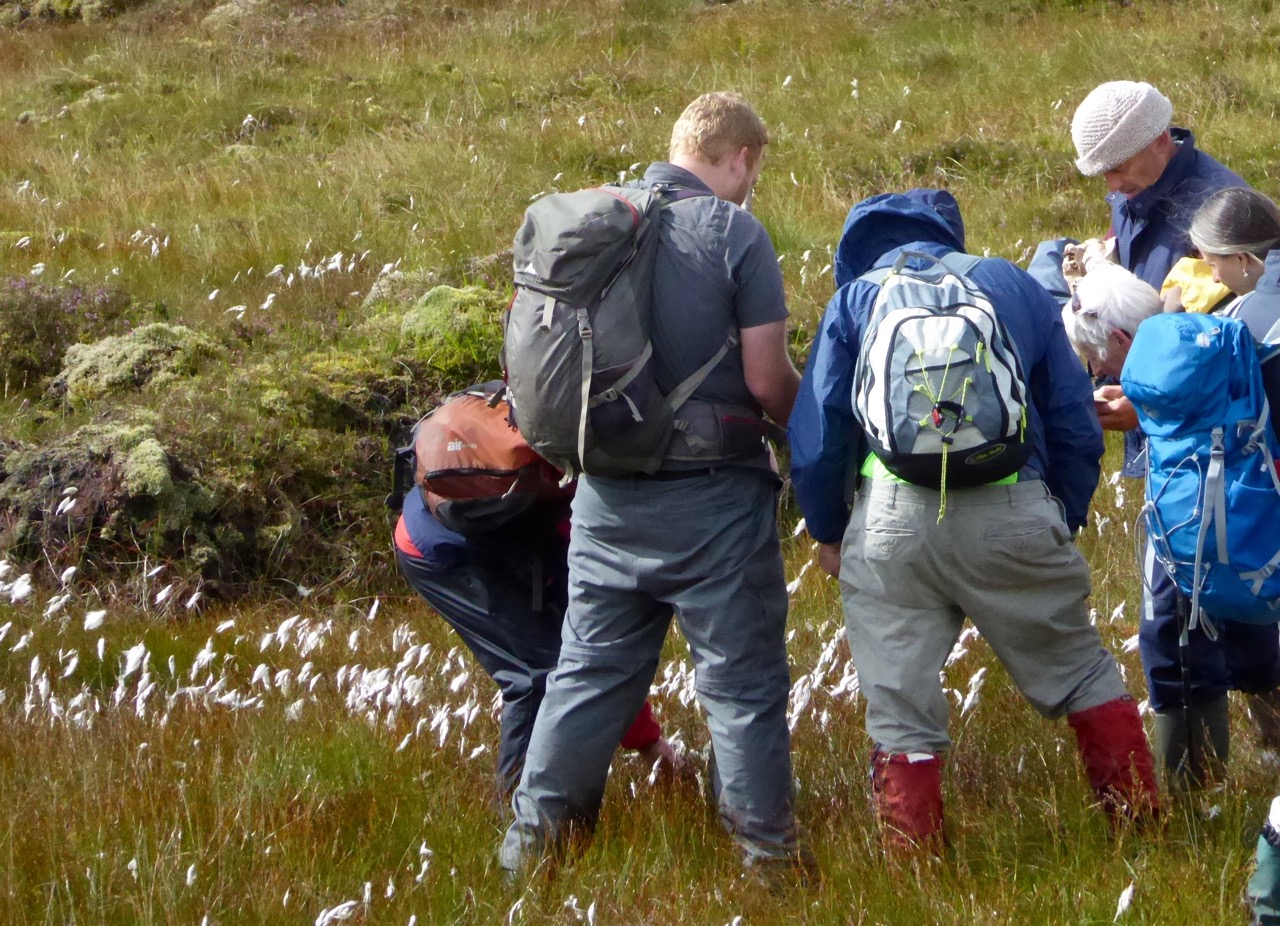
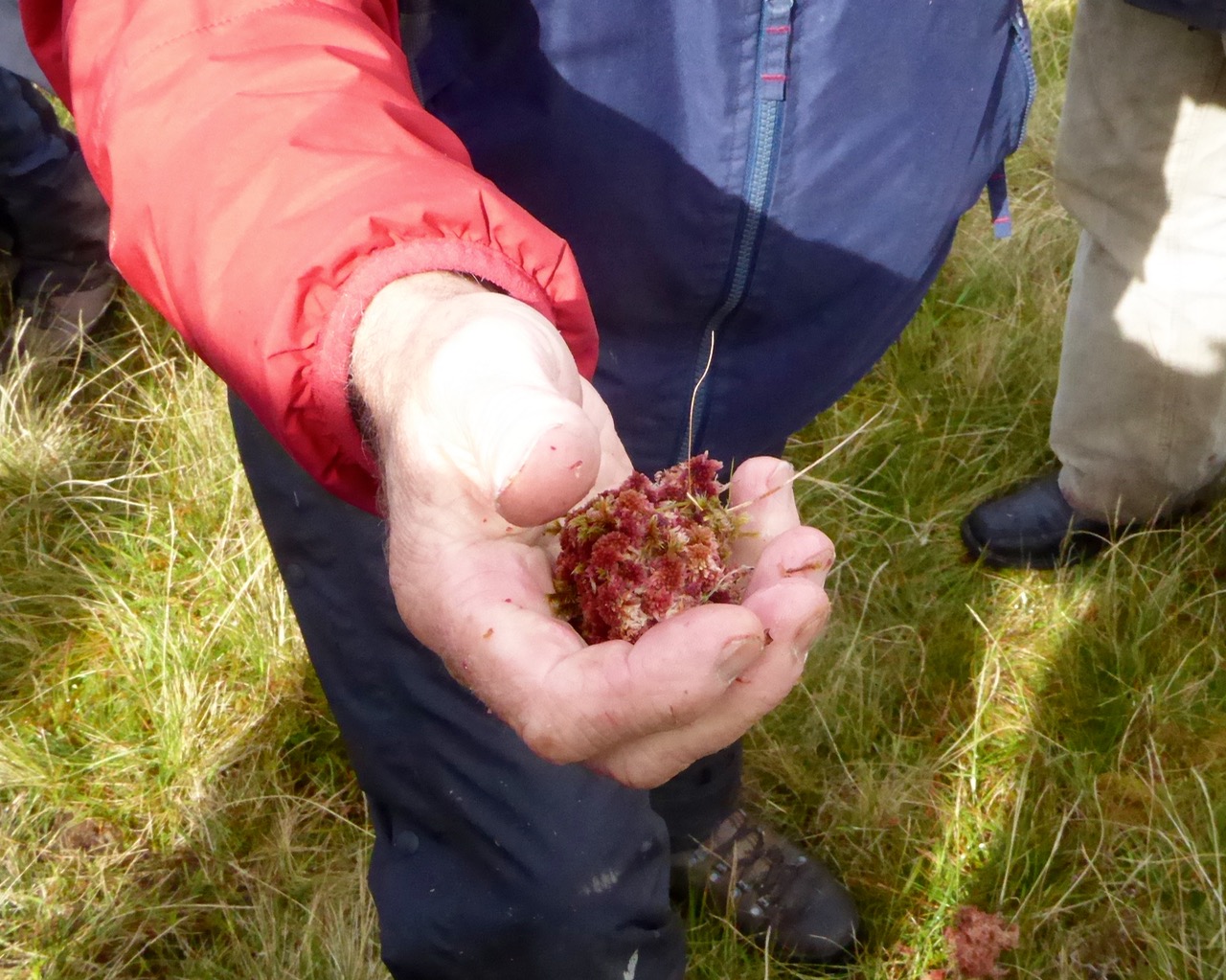
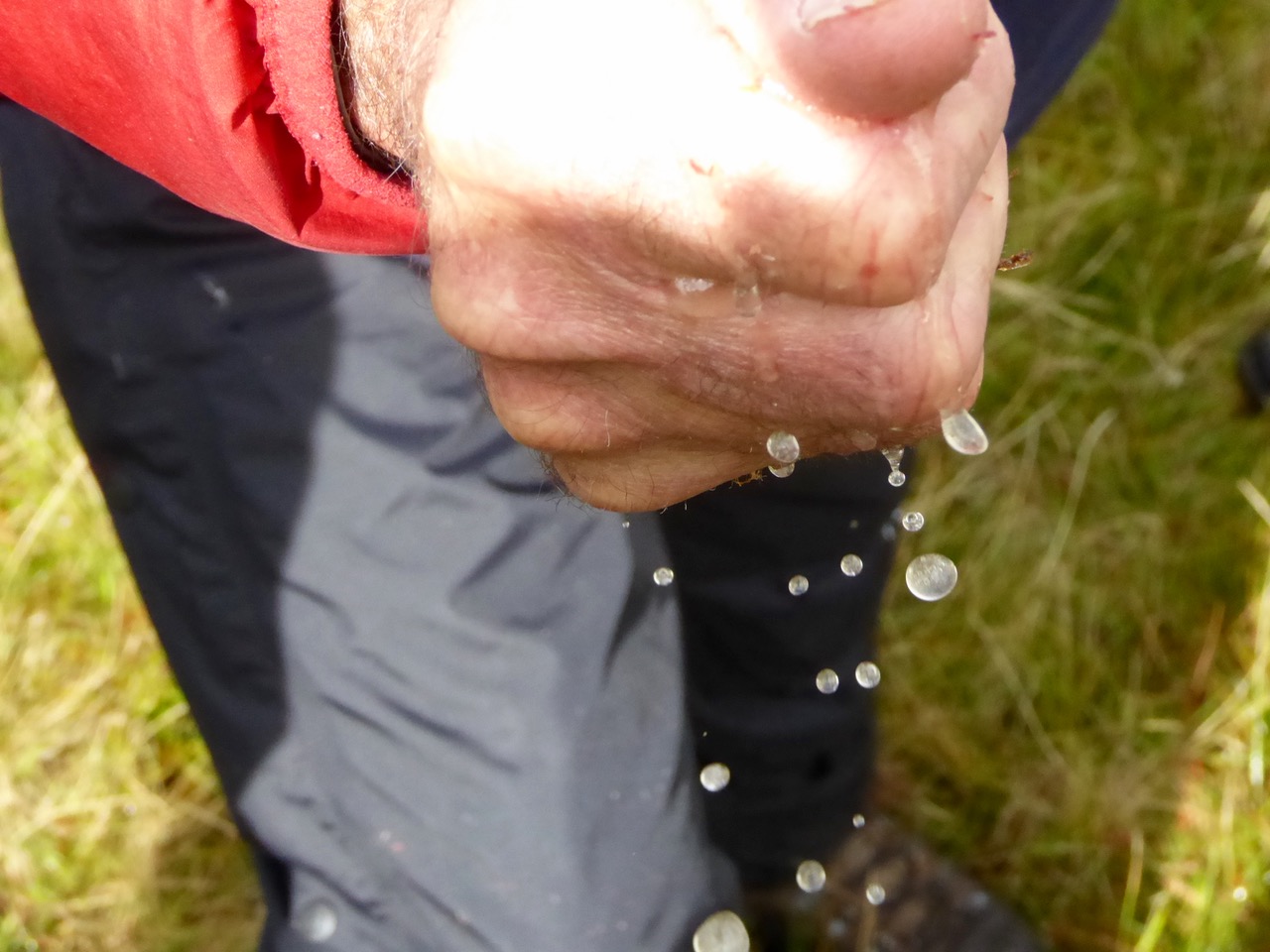
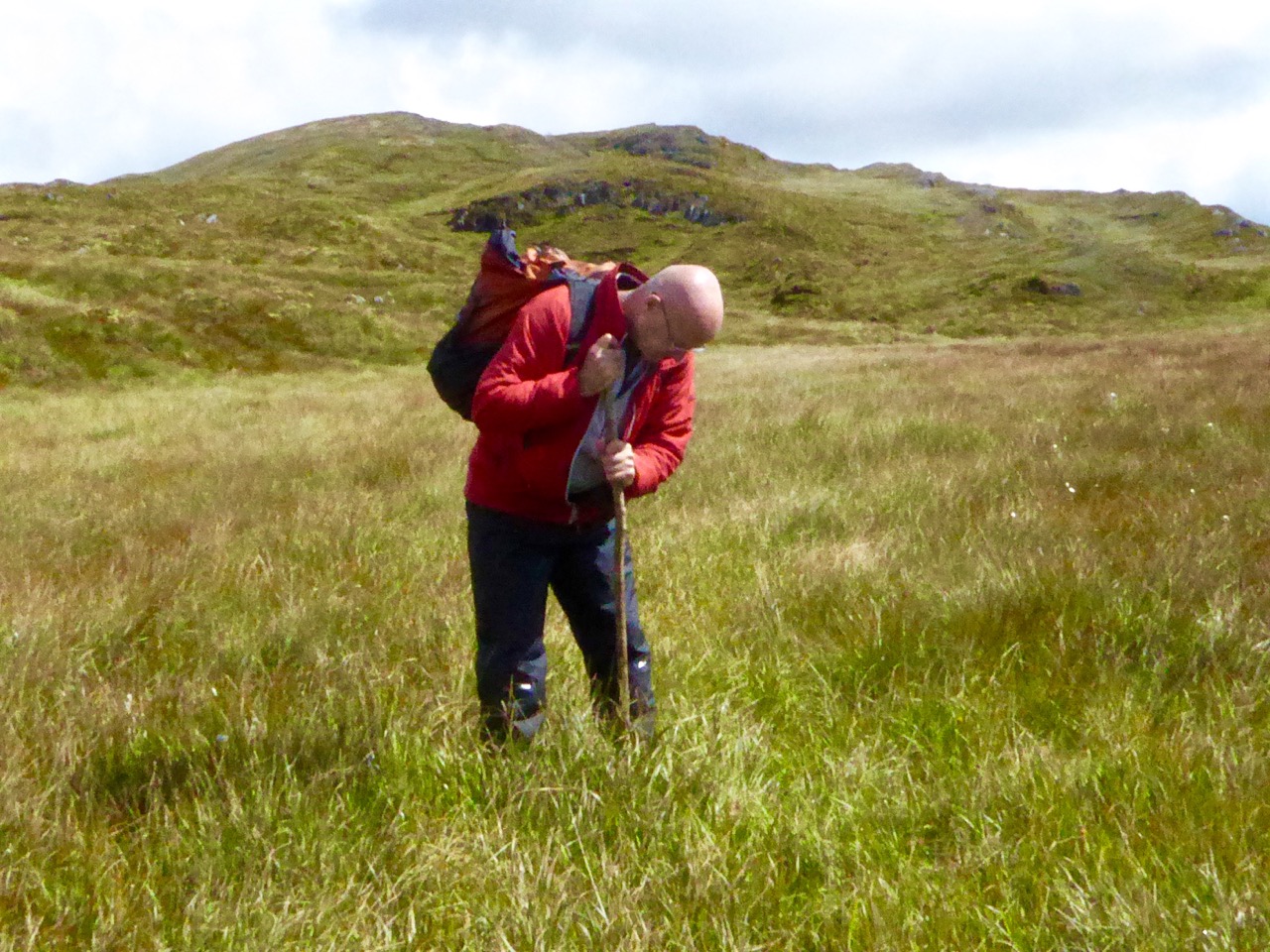
Kevin Corcoran demonstrated the properties of sphagnum moss, and showed us how soft the bog underneath us was, by probing with his staff
Knockboy descent

We felt on top of the world on Knockboy. We drove up to Priest’s Leap and only climbed the final 300m.  But how did Ellen get up there, with her long skirts and her intermittent poor health?

In Bantry House we viewed Ellen’s drawings, beautifully framed and presented and on loan from their permanent homes in Kew Gardens, Trinity College, Dublin and elsewhere. Her drawings were used by other botanists to illustrate books and were considered to be superior in their exactitude.

The Bantry Library hosted an exhibition about her life. This was curated by Madeline Hutchins and here we came closer to appreciating the woman herself, of whom no portrait exists. We learned, through her letters, of the struggles of a home life dominated by an ailing mother, a disabled younger brother and two bitterly feuding older brothers. She suffered from intermittent ill health, which often prevented her from collecting, but when she was strong her delight in her outdoors pursuits was palpable. One of her greatest pleasures was her correspondence with fellow botanists, among whom she earned true respect, especially Dawson Turner.

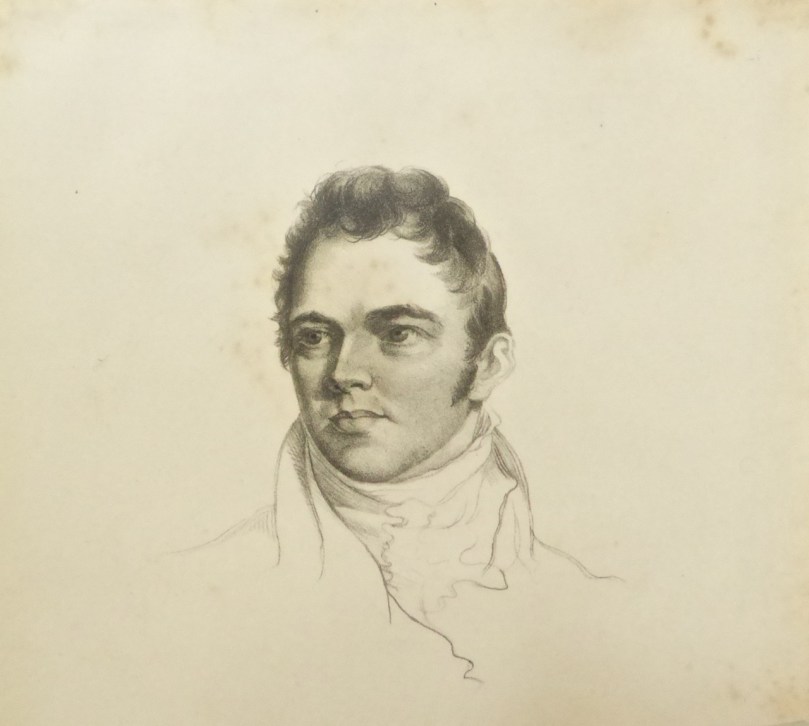
Dawson Turner

Dawson Turner: Although they never met, he thought of Ellen as a beloved sister and was devastated when she died

Although we were not able to join the group tour of the Ardnagashel Arboretum, we ventured down there on our own and were shown around the east section by the gracious Arethusa Greacen, herself a Hutchins on her mother’s side. The arboretum was started by Ellen’s brother and was maintained and added to by succeeding generations of Hutchins – the botany gene was obviously strongly embedded in the family!

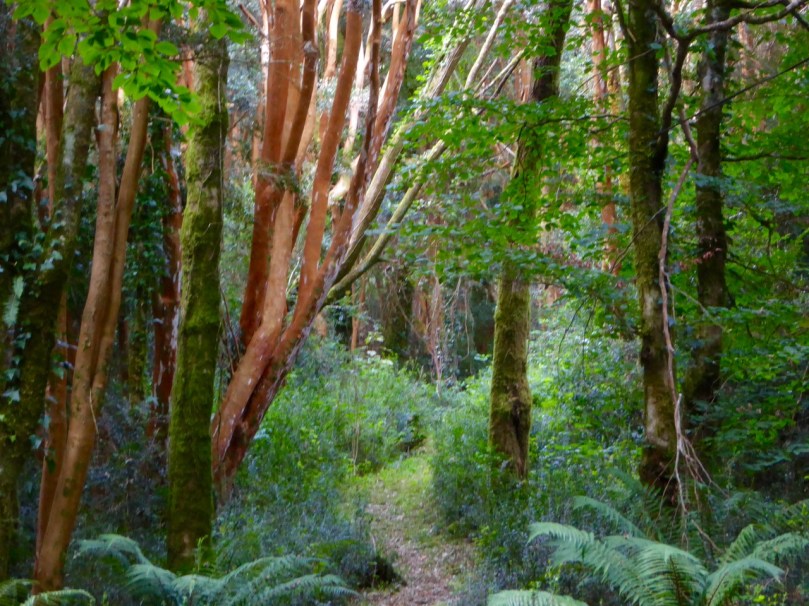
Myrtle Woods Path

Ardnagashel colour
Myrtle groves and colour at Ardnagashel

The enormous contribution made by Ellen Hutchins to science has languished in obscurity for two centuries, known only to a few experts in the field (a bit like that other West Cork woman of science, Agnes Clerke of Skibbereen). All that changed last week. West Cork, and Bantry/Ballylickey in particular, has celebrated and honoured Ellen Hutchins in style. There is talk of future events, perhaps even a summer school.

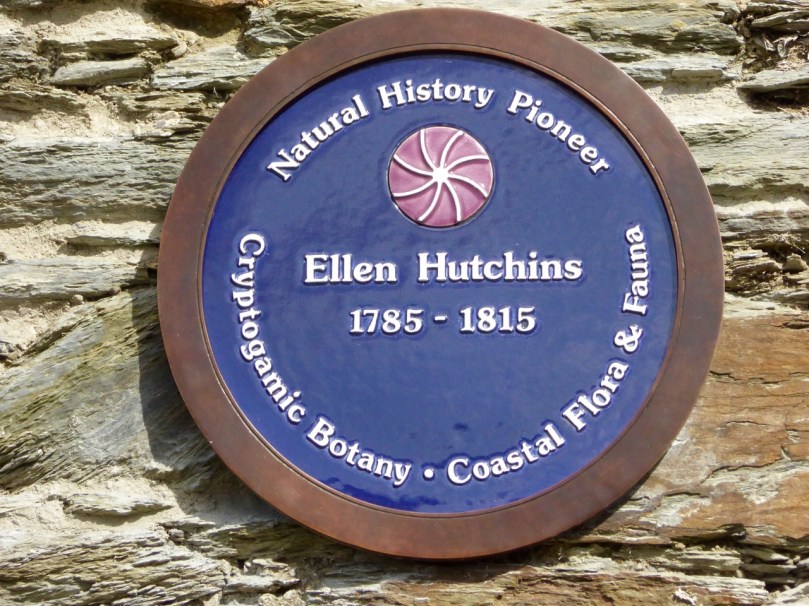
Ellen Plaque

A new plaque has been erected on the wall of the old ruined church in Garryvurcha graveyard, final resting place of Ellen Hutchins

Well done to the hardworking organisers of this exceptional festival! Thank you to them for illuminating the life of this remarkable woman and to helping us appreciate, in the most hands-on and interesting way, her enormous contributions to science.

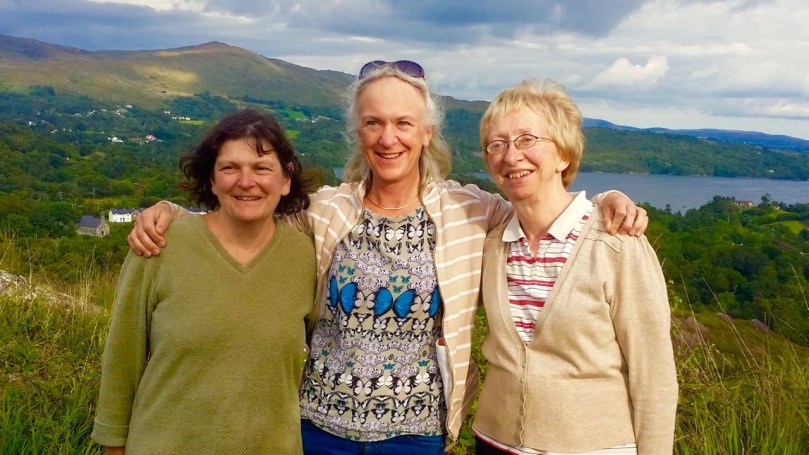
Madeline Clare Angela

The team behind the Ellen Hutchins Two Hundred Year Celebration: Madeline Hutchins, great great grandniece and biographer of Ellen; Clare Heardman of the National Parks and Wildlife Service; Angela O’Donovan of the Bantry Historical Society. This photo was taken from the Ellen Hutchins 200 Years Facebook Page, with appreciation

Don’t forget to check out the website Ellen Hutchins: Ireland’s First Female Botanist for so much more detail than I could give you in a blog post.

Birds and Beasts

Swallows 12 – Table 0

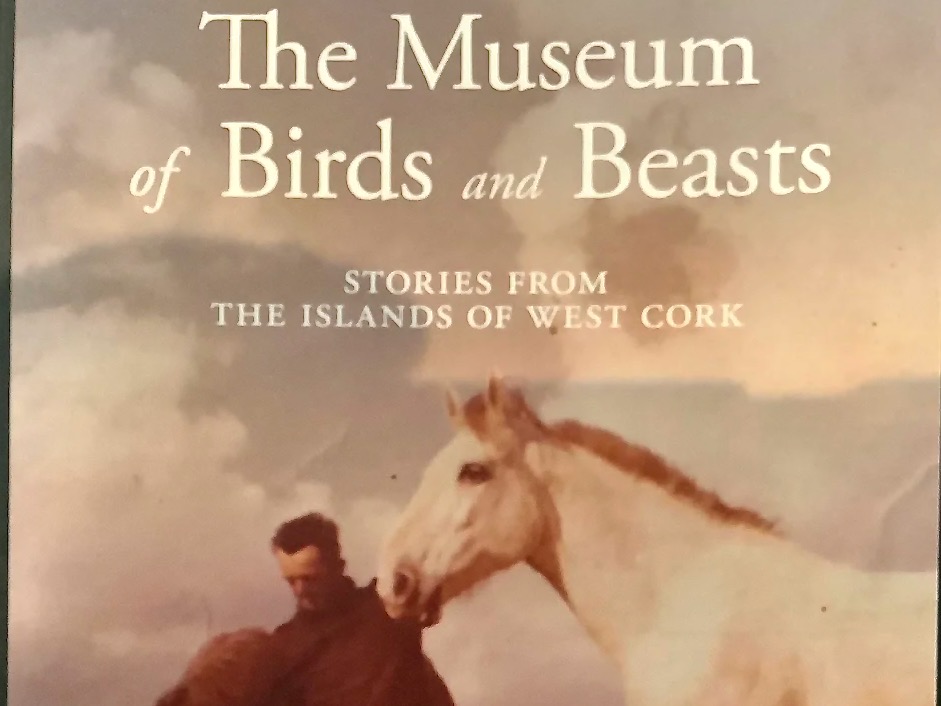
You are all in total agreement that I need to cherish my swallows. More on that topic below, but first, I want to introduce you to The Museum of Birds and Beasts.

Yes, it’s a quirky title for a book, but it is also part of a wider project that involved exhibitions and workshops.

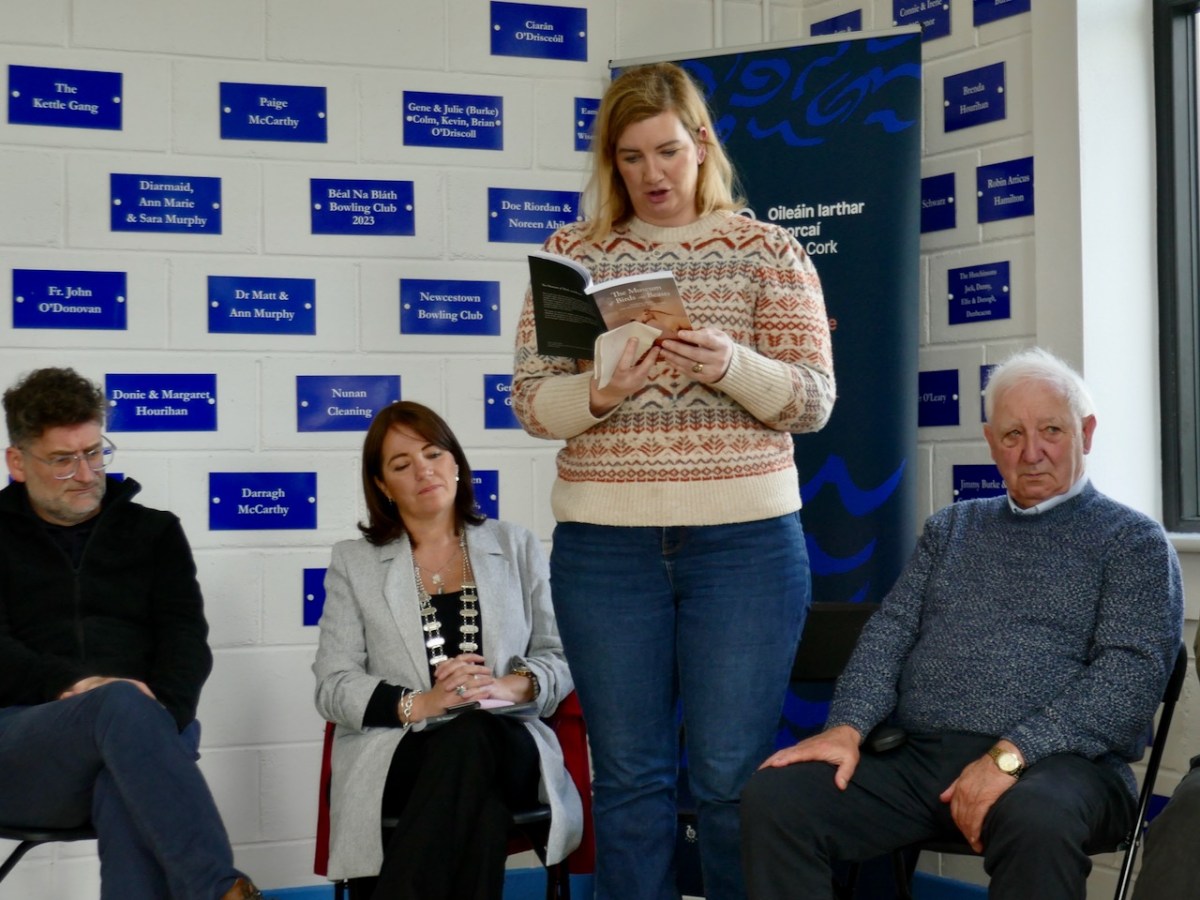
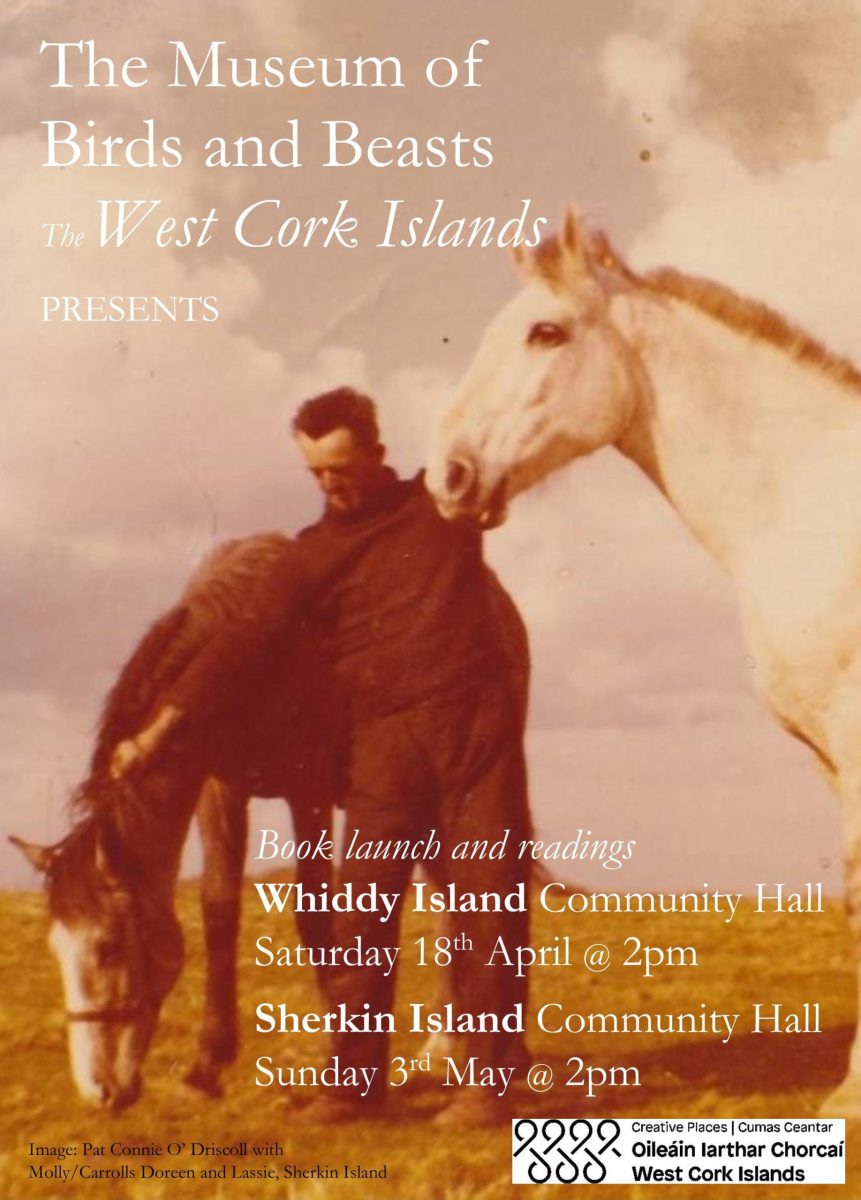
Tess Leak and Sharon Whooley are the two genii behind it all, and last week I participated in an event on Whiddy where the book was launched and some of the writers were there to read their stories. It’s one of several projects of Arts Council-funded Creative Places, West Cork Islands, which aims to build sustained arts investment and create opportunities for local arts programmes across the 7 [inhabited] islands of West Cork.

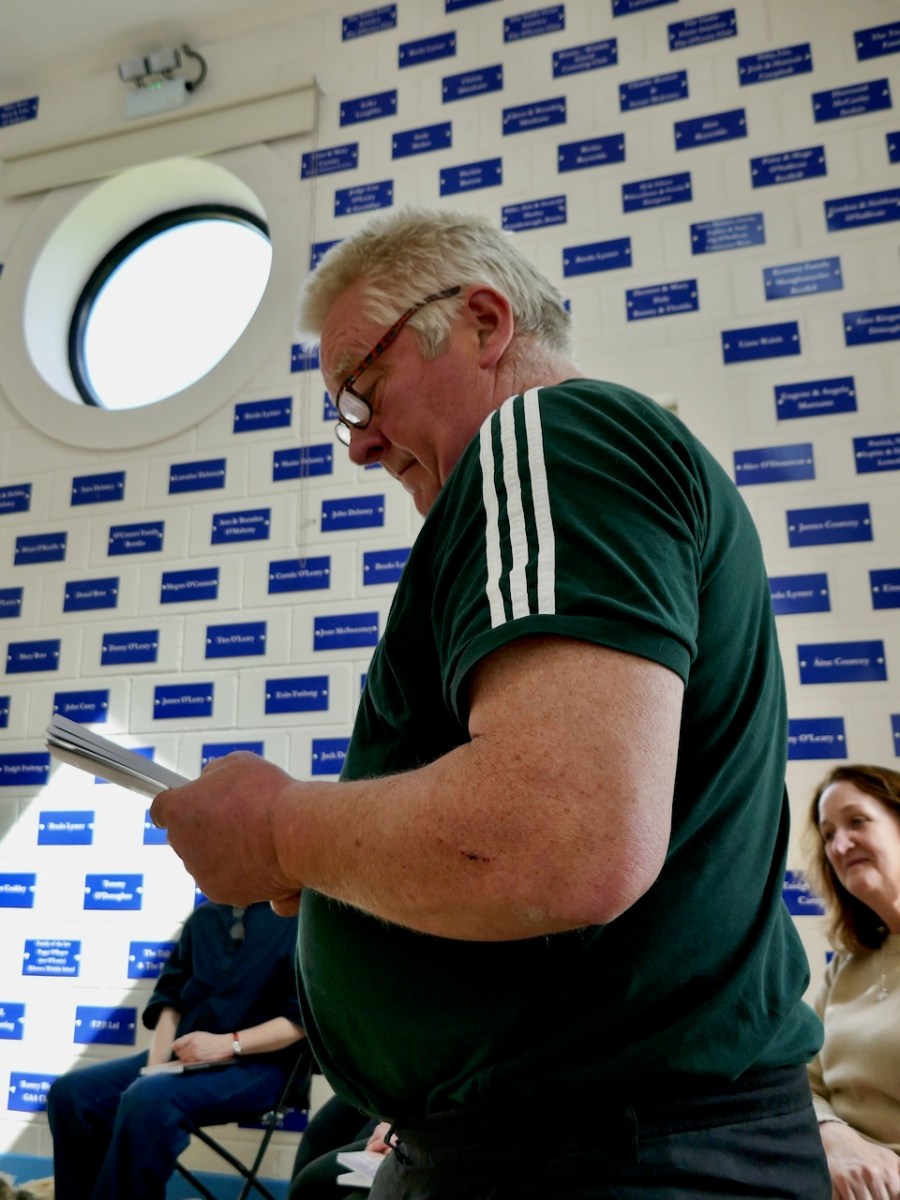
These are all stories collected from the inhabited Islands of West Cork. As you will remember from my series on the Skeams, life revolved around the sea, working the land, and keeping animals and birds. Danny O’Leary (below) talked about his life on the sea. He gave up a place in UCC to go picking winkles. He could make a good living: They’re totally gone. There used to be crowds of people at them, all over the island.
Rose O’Sullivan told us about raising turkeys.
The 8th of December was when the islanders would sell the live turkeys in Bantry and each family would have about two dozen to sell. There would be a bit of an auction in Bantry for them. Every family had their own boat to take out their turkeys for the fair. I remember our Aunt Ellie talking about the 1930s and how it was the grandest sight to see the turkeys, they’d be gathered and gobbled and headed down the road on the island and that was your money then for Christmas.

And then one or two of them would be plucked and prepped and sent to England in the post. We had two aunts in England and our mothers here would be sending the turkeys over and I once asked our cousin, “How were the turkeys when they arrived?” and he said “They were bloody green! My father would be down in the back garden digging a hole and there must have been about 20 of them buried there over the years.” Nobody had the heart to tell them this at home.

Take a look at this RTE story about the Aer Lingus’s annual Turkey Lift. I remember my own father getting the annual turkey from his cousins in Kerry every Christmas. My mother was a bit grim-faced at the prospect of all that plucking and gutting.

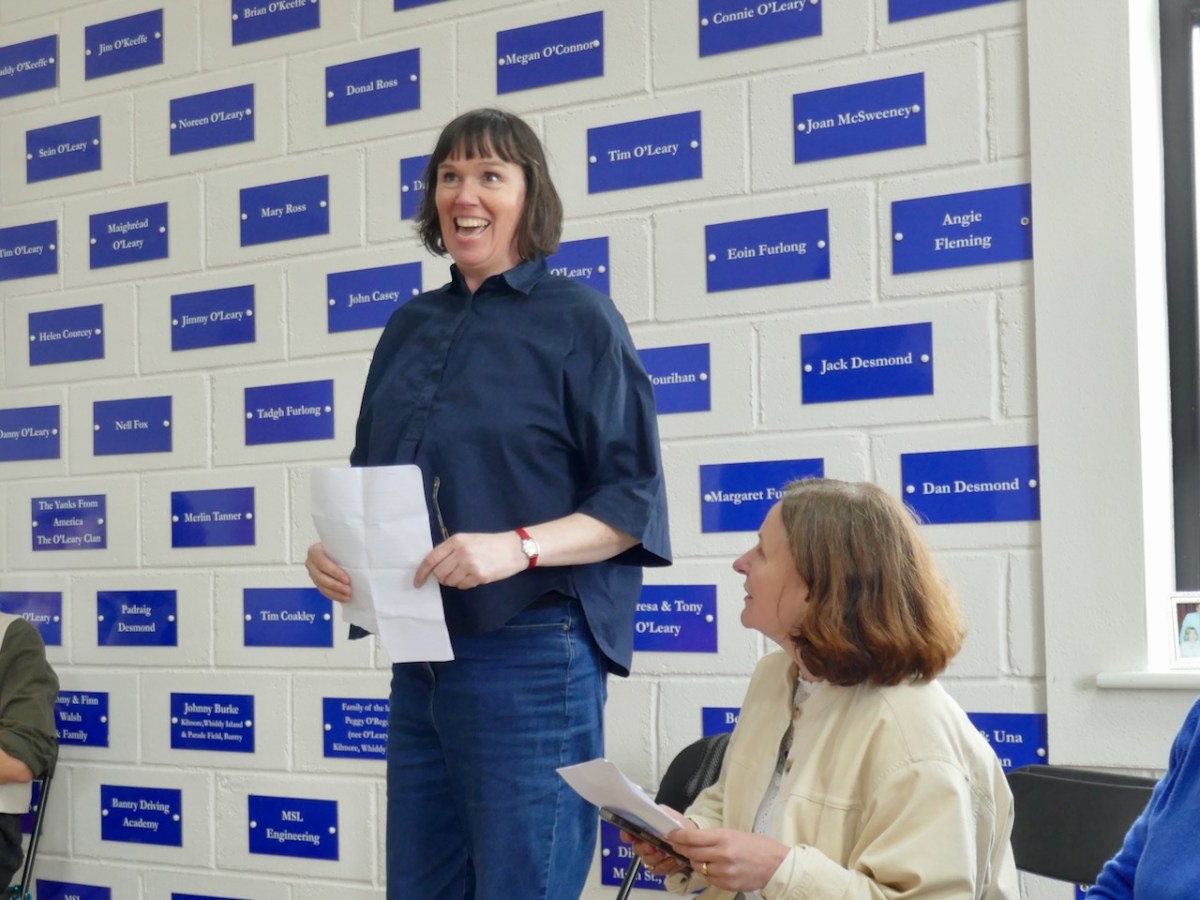
I was very taken with Sheila McCarthy’s story about being the only girl on the mussel raft. She was 15 when she started and she gave us a detailed account of what the work was like. That’s her, reading her story, above.

Even though I was the only girl, I was the tallest on the raft, so I was always given the job of tying on the socks. I would be lying flat on my belly on the wooden raft leaning over into the bay tying the socks on. I’d have two lads sitting on my legs to make sure I wouldn’t fall in. I couldn’t swim either. There was no health and safety then! it was great fun but looking back I wonder how in the name of God we were allowed to do itI

If you want to know what the socks were, you’ll have to buy the book! It’s an absolute delight – the charm of it lies in its authenticity and the true voices of the islanders. It’s the kind of book you will keep by the bedside and dip into, marvelling and chuckling as you do so. You can get it at the wonderful Worm Books in Schull – they will be happy to mail it to you if you aren’t lucky enough to live here.

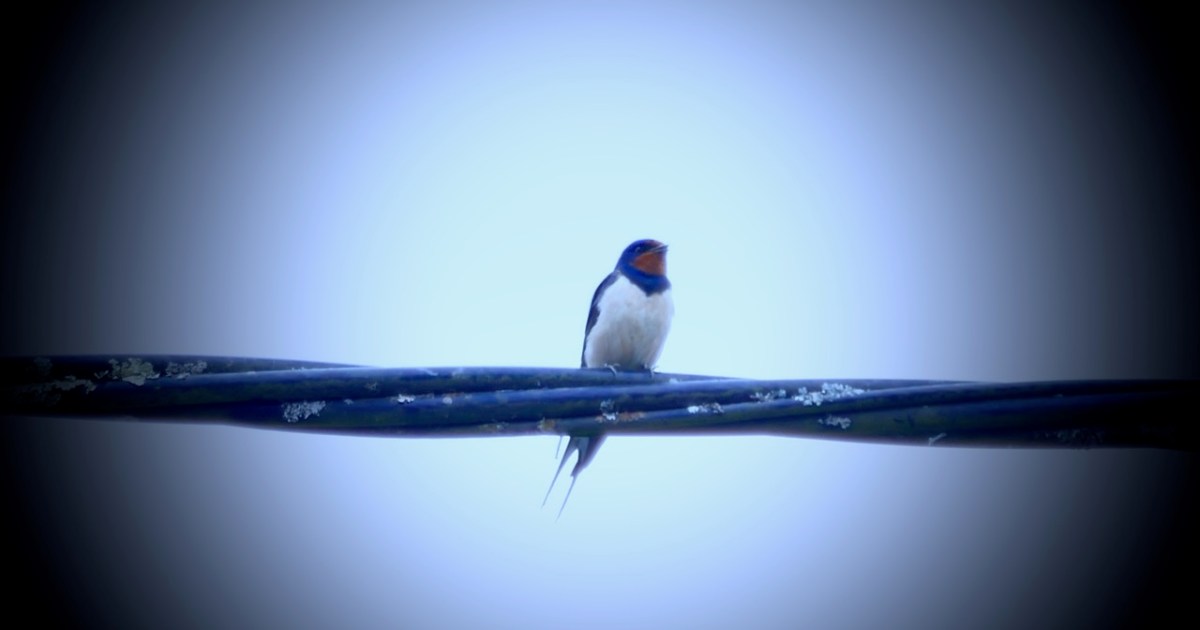
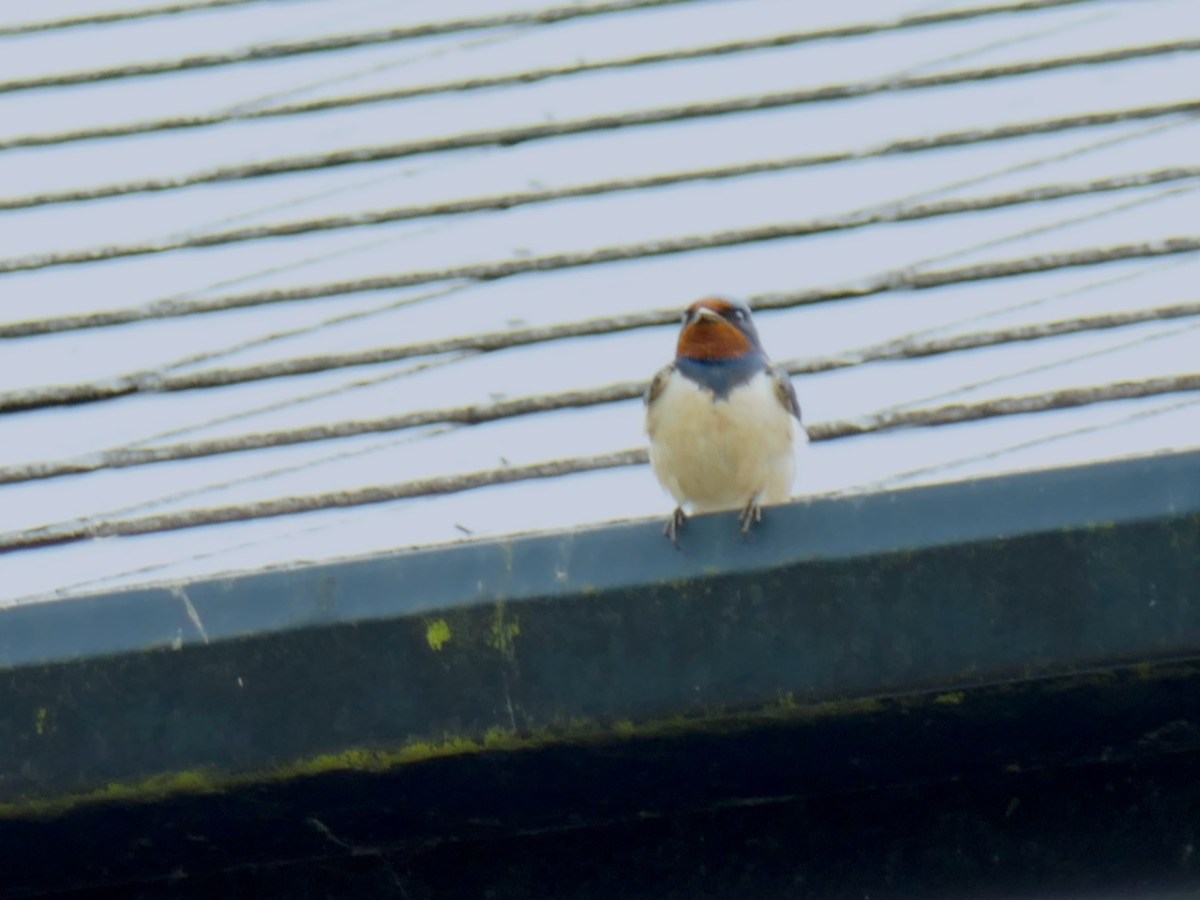
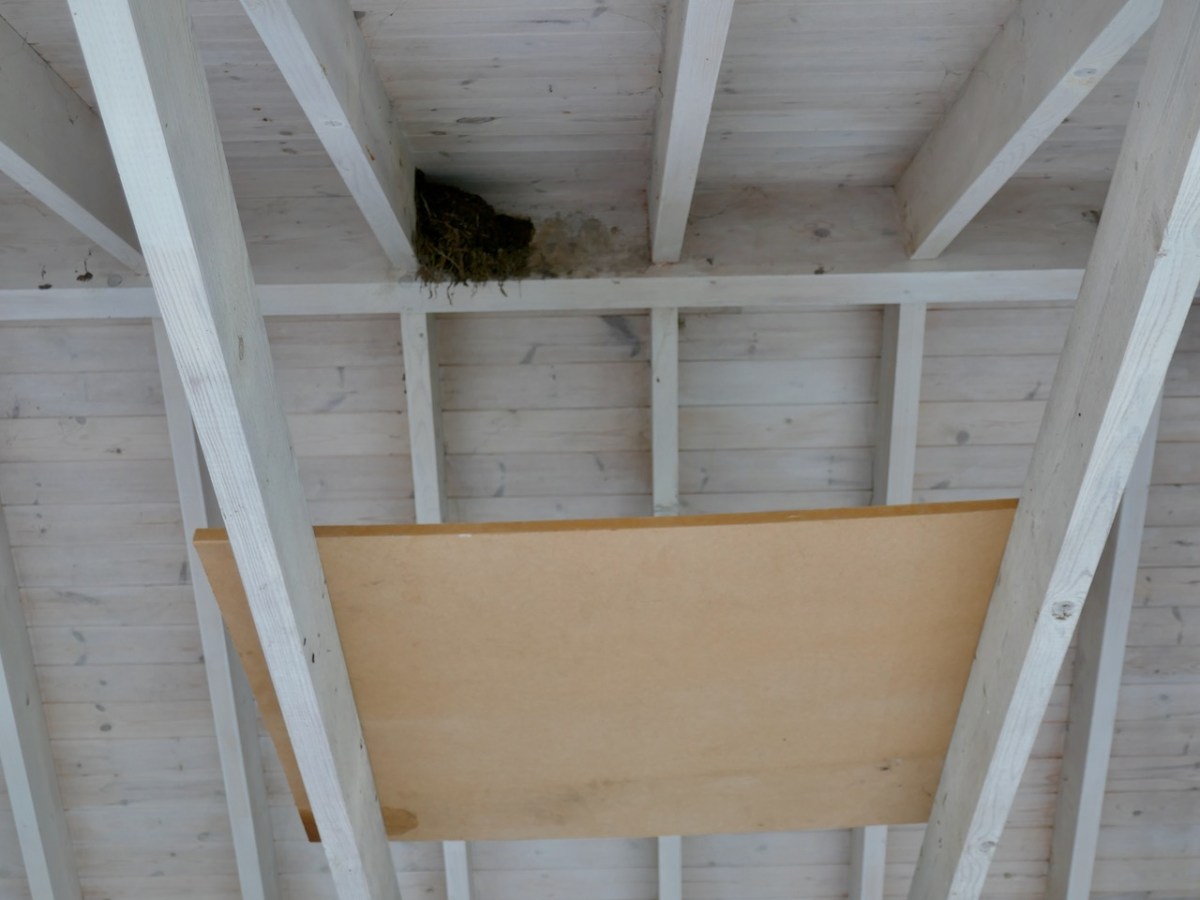
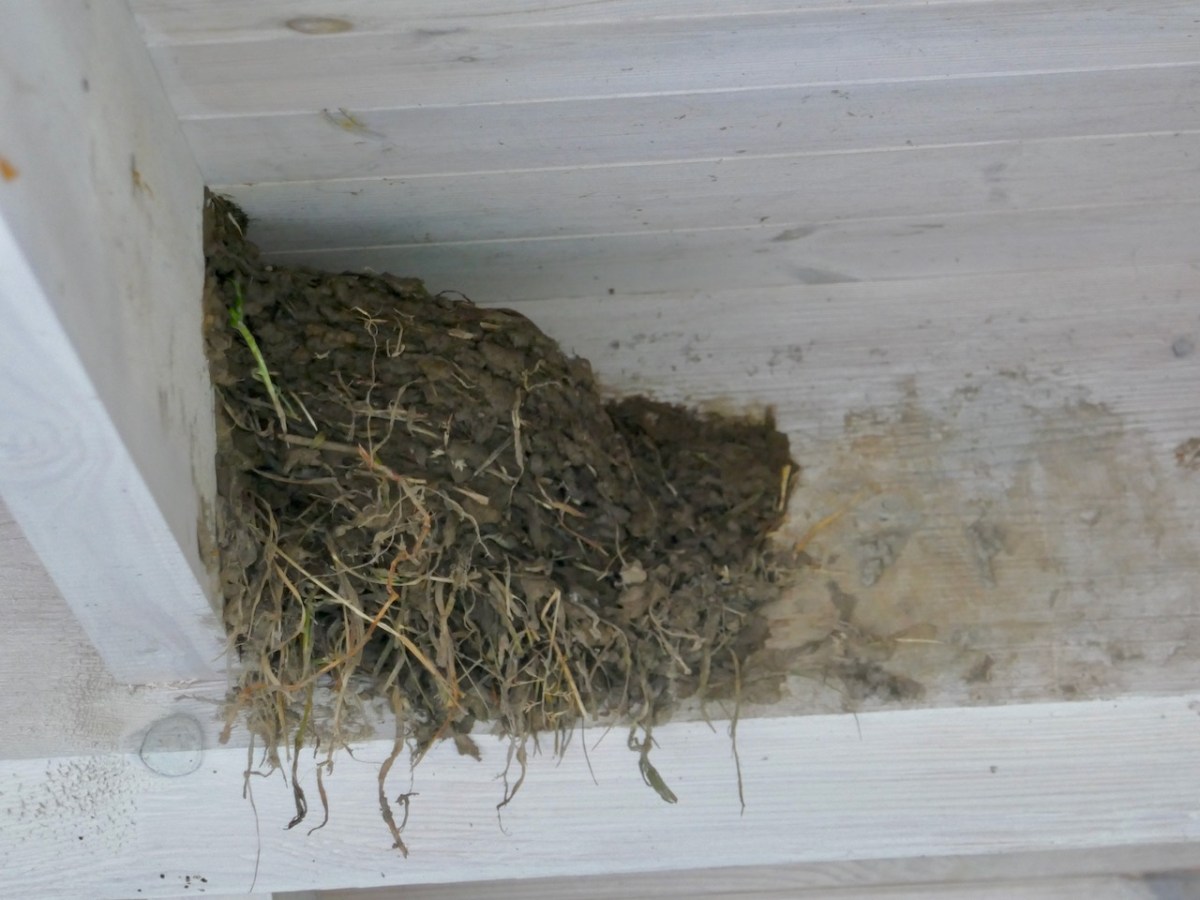
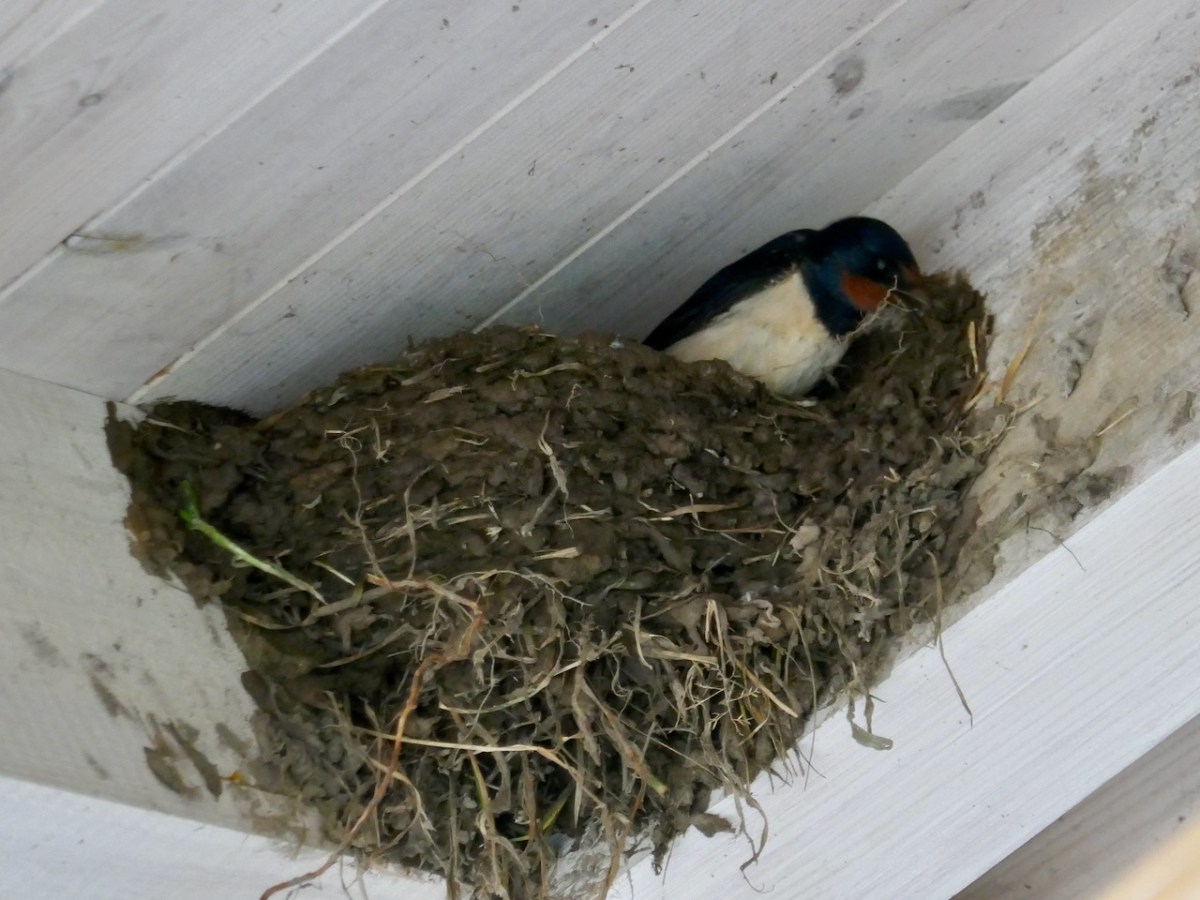
Now – back to the swallows. You will be relieved to hear, I know, that I have a simple and elegant solution to the droppings. I found a board in the attic and dragged it down. It was heavy, but I had your voices in my head, urging me to do what I could to ensure the swallows could stay. I then hauled it up a stepladder (the effort!) and placed it carefully across the beams under the nest. Voilá! Are you happy now?

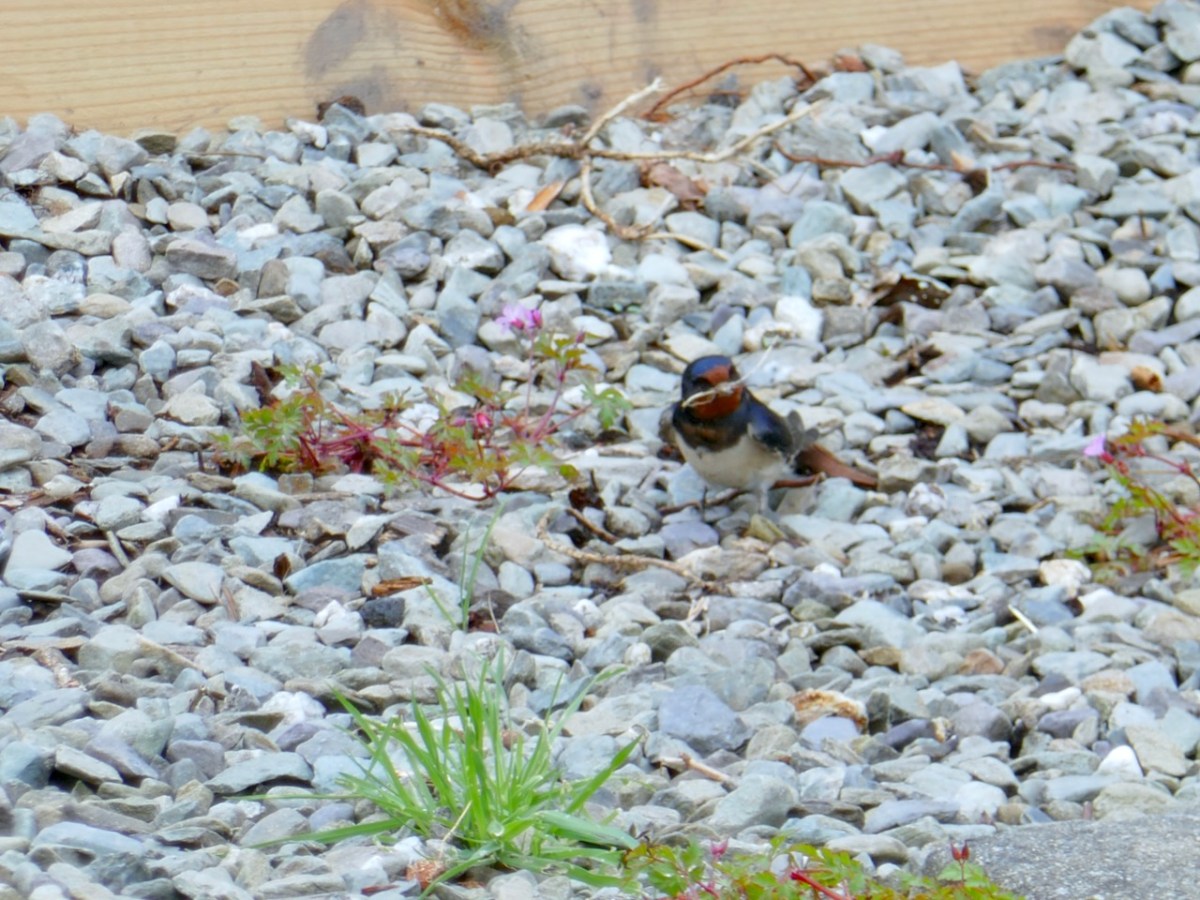
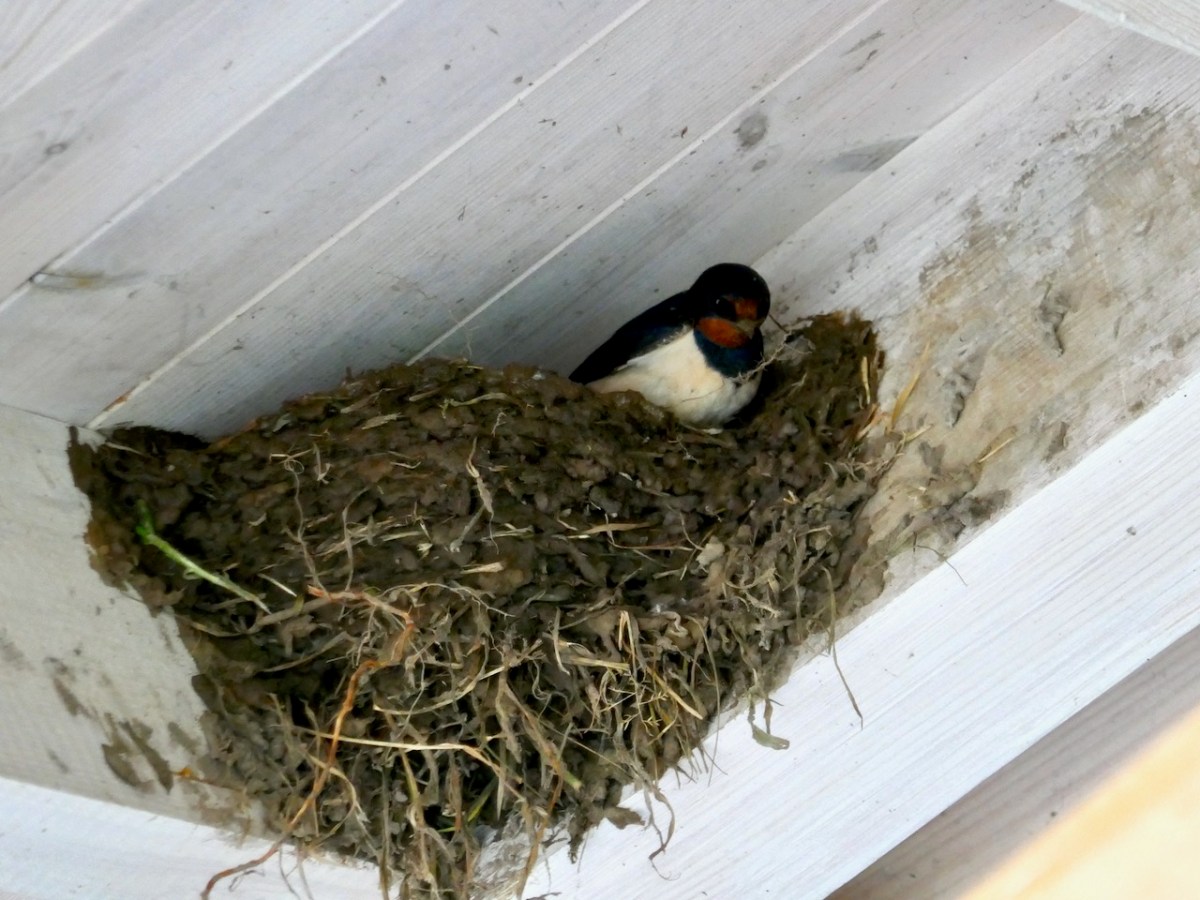
The swallows are.  They are busily stitching and attaching and adding twiggy bits. There was high drama today as they saw off a Magpie with much swooping and twittering and dive-bombing. 

Himself appears to spend most of the time in a lordly surveying of the area, while Herself is busy gathering and constructing. However, all my sources say they work together to nest-build so I am probably projecting feminist sensibility onto my observations. 

I sat in there for a while today and was glad to see that my presence did not deter them from their work. This all bodes well for a peaceful cohabitation. I hope to announce the nestling count in due course.

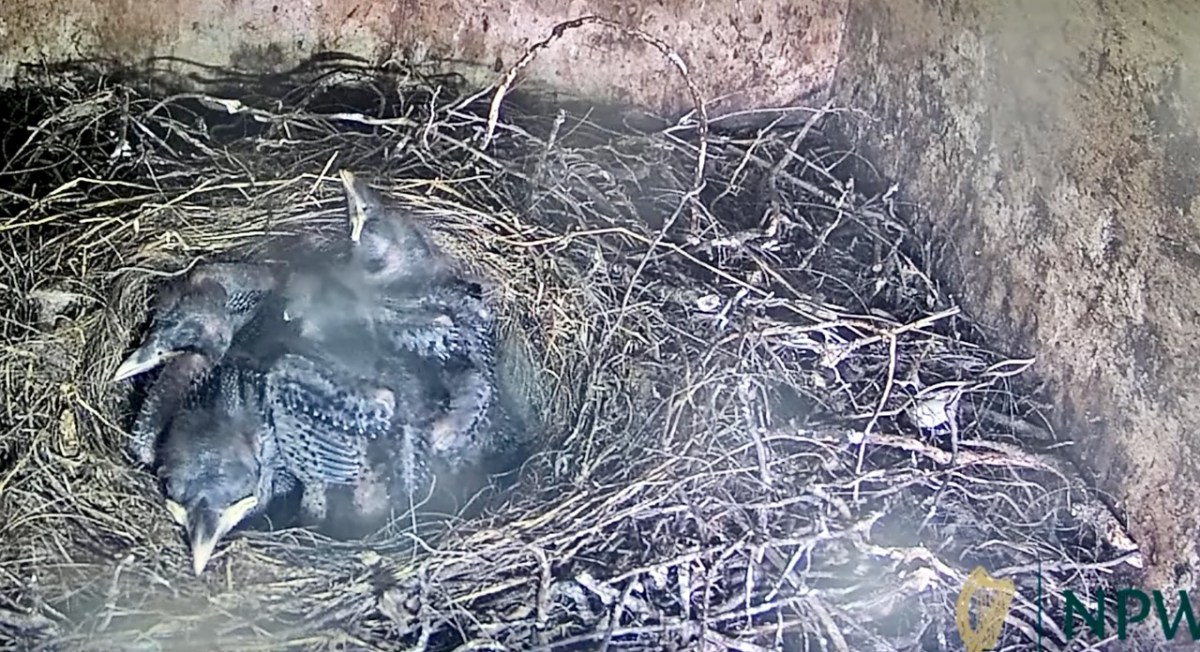
And if you can’t wait for that, why not tune in to the live camera trained on the Chough’s nest, not too far from here. There are four babies, all curled up together – but watch for the electric moment they sense Mum arriving with food. 

Grove Orchard: My Half-Acre

I did a series of posts, Rewilding my One Acre about my last house, Nead an Iolair, in which I charted over several years all the wild flowers that grew on our property. That included my wildflower meadow (more of a patch in reality) as well as all the little plants that just showed up in the grass and the gravel. 

I want to do the same at Grove Orchard – that’s the name of my new house and it’s a name with some pedigree, deserving perhaps of a future post. So I have been out with my camera, lying in the grass, which is not the greatest choice for someone prone to hay fever, but I grudge my readers no sacrifice. Here is the result and I hope you enjoy it. You can click on Watch on YouTube for full screen.

The music is An Droichead /The Bridge by Liam O’Flynn, used with permission.
It was originally commissioned to reflect the theme of President Mary McAleese’s presidency, ‘Building Bridges’ and performed for her inauguration as President of Ireland. This version features Mark Knopfler on guitar.

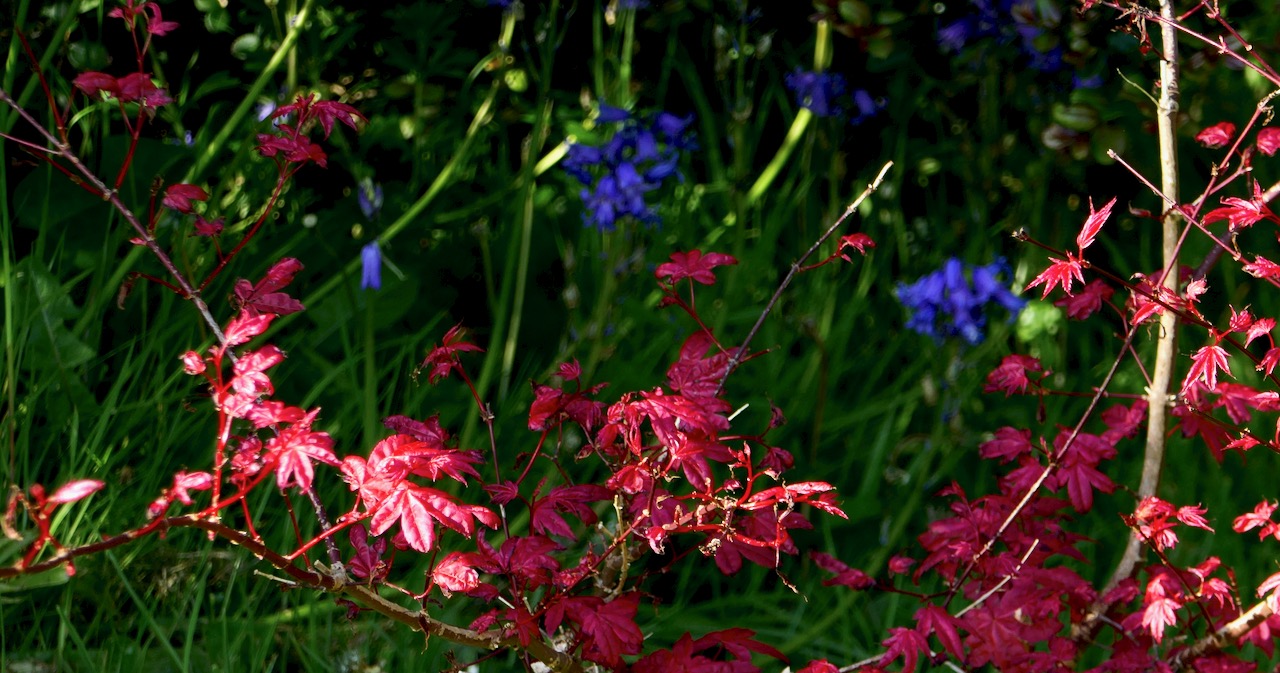
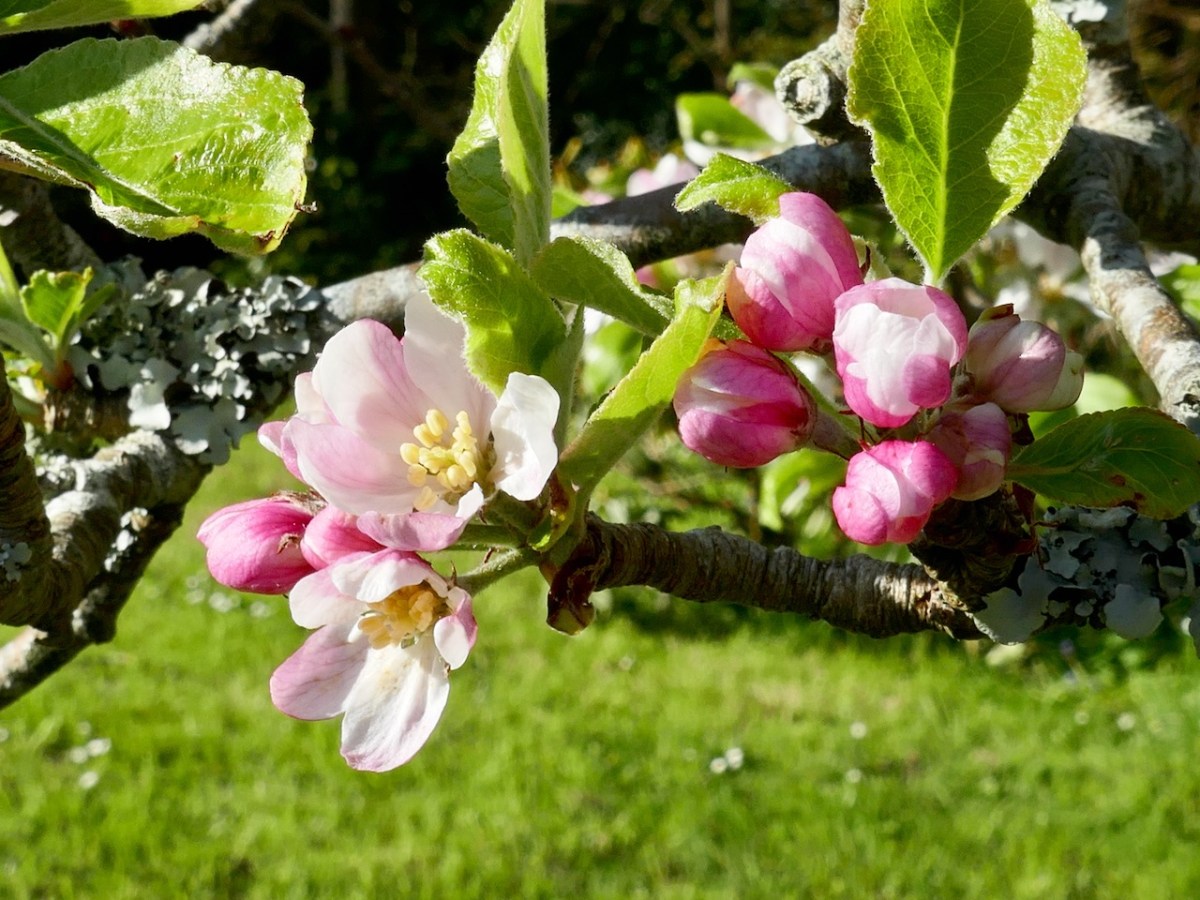
Because this is an established garden/orchard, I have included what flowers are blooming now, be they wild or cultivated. And sometimes just leaves, because they are so eye-catching (that Japanese Maple! Those apple blossoms!) and also any critters that hove into view. I don’t know who owns the cat, but he (she?) owns my garden. There’s a twice-daily patrol to make sure all is in order.

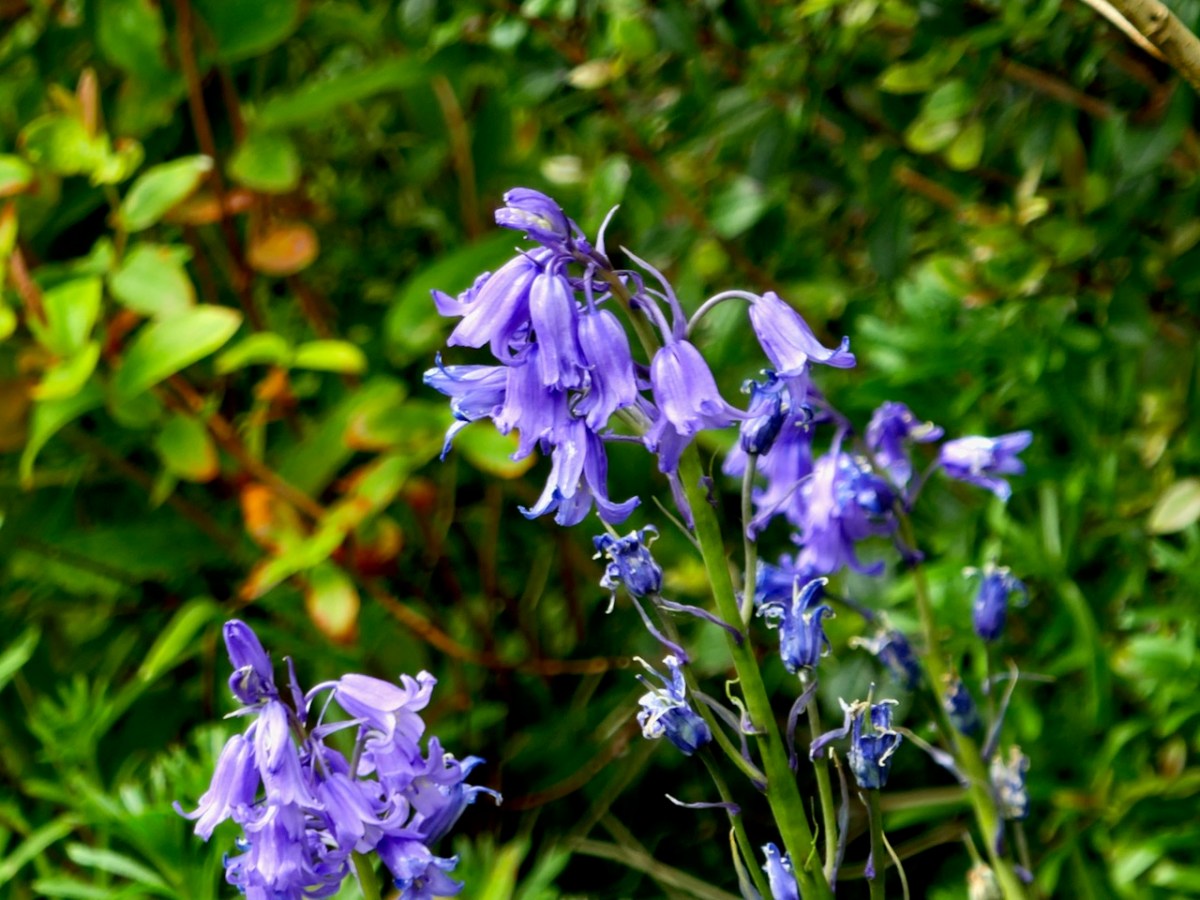
By no means is every plant native. Or benign. I have discovered some aliens – Chilean Iris and Three Cornered Leek for example are both non-native but at the moment they are alive with bees so I am reconciling to their presence in my garden. And alas, my Bluebells are not native, but the Spanish imports. Darn.

I have a wilderness area (ok, an unkempt part of the garden) and in it I have discovered Mock Strawberry (Potentilla indica) aka Yellow-flowered Strawberry. It’s rare and invasive and I have submitted a report to the Biodiversity Data Centre.

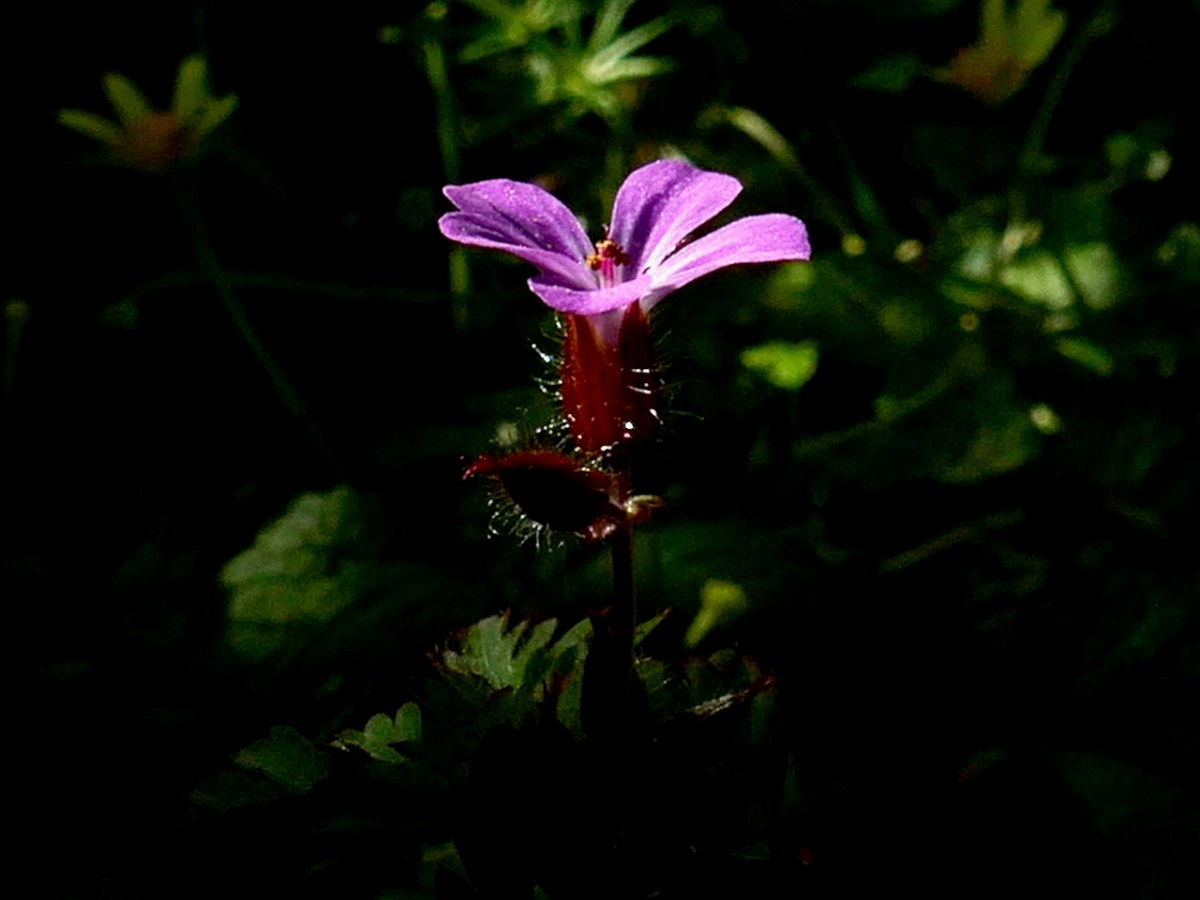
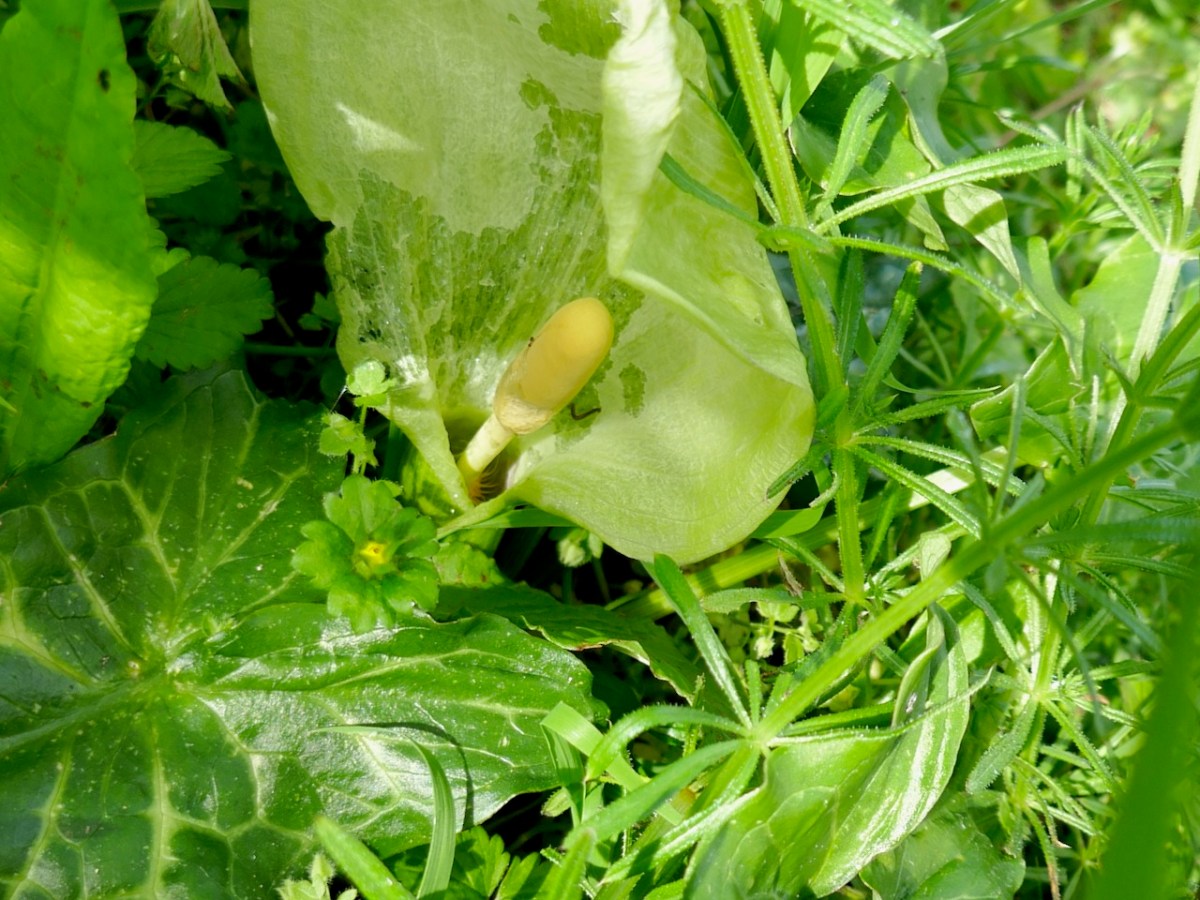
And I seem to have LOTS of Lords-and-Ladies, aka Cuckoo Pint, or Arum maculatum. It’s native but very poisonous to humans and pets. BUT – birds love it, apparently, so I’ll keep it but keep an eye on it. The Irish name for it is Cluas Chaoin (Kloo-us keen) – it means smooth-surfaced ear and isn’t that just the perfect descriptor? The image above shows both Lords-and Ladies and a Mock Strawberry.

On the whole, the garden is alive with native wild plants – it’s most of what you will see in the slideshow. It’s also alive with birds – I have just downloaded the Merlin App so I know I have far more birds than the ones I can actually see. And I need advice, Dear Readers! A swallow pair is busy building a nest in my garden room – right over the table. I hate to knock it down, but I am not fond of bird poop in my tea. What to do?

Planning a Hedgerow

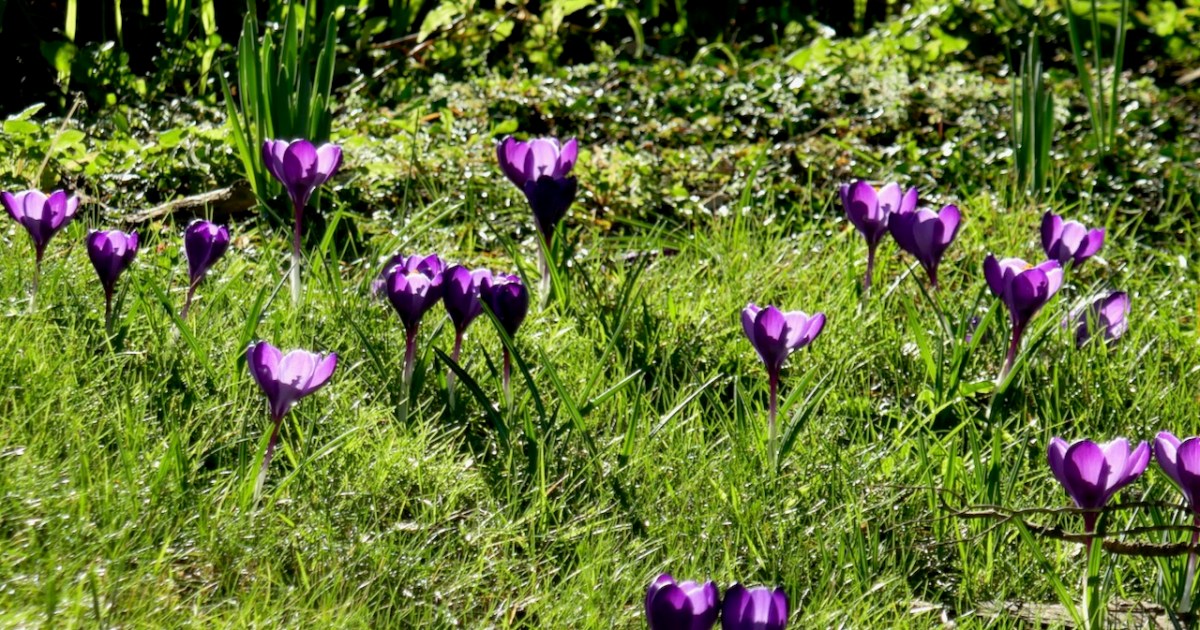
A very quick post tonight – the ‘settling in’ is taking a little longer that I planned. I know everyone understands how that is, when you move house. Today I discovered that my driveway is lined with crocuses (OK, croci for the purists) – enough to lift your heart.

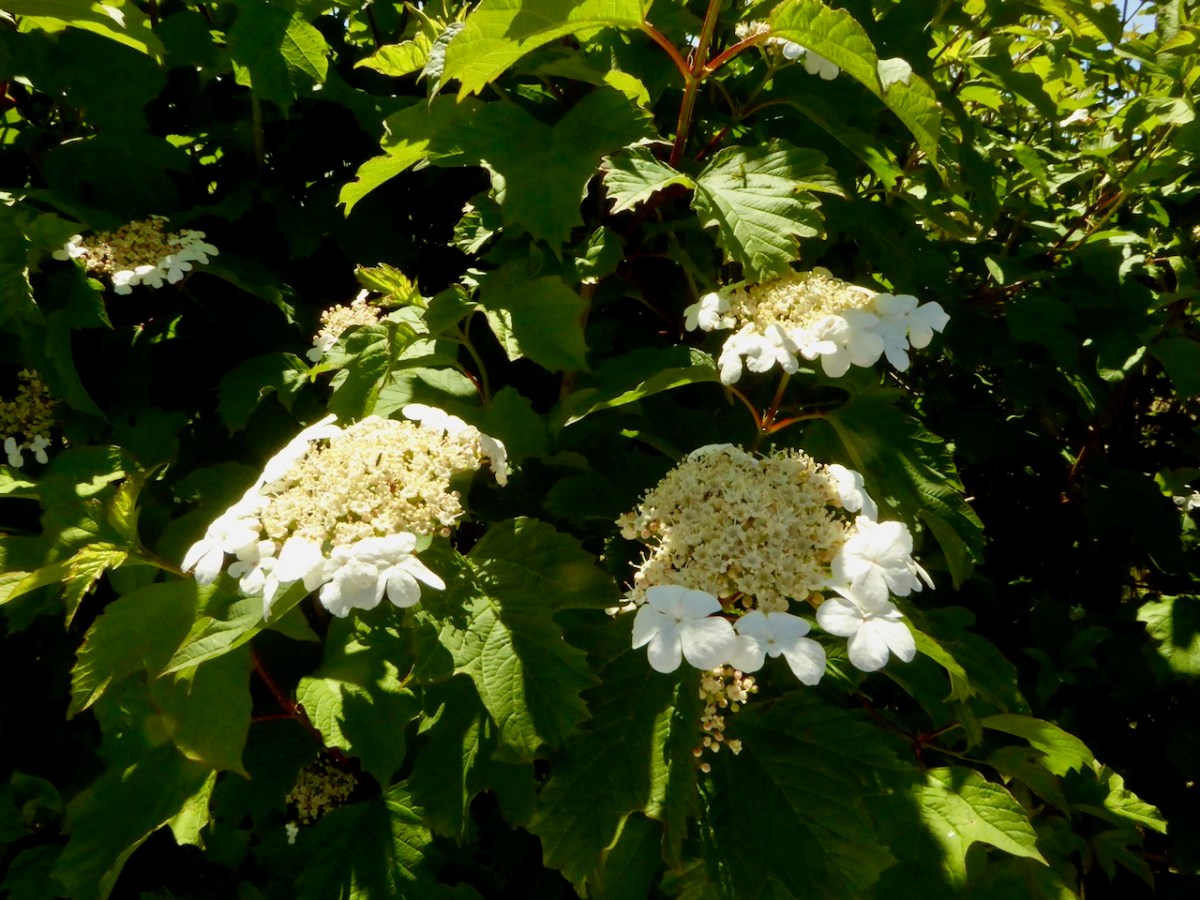
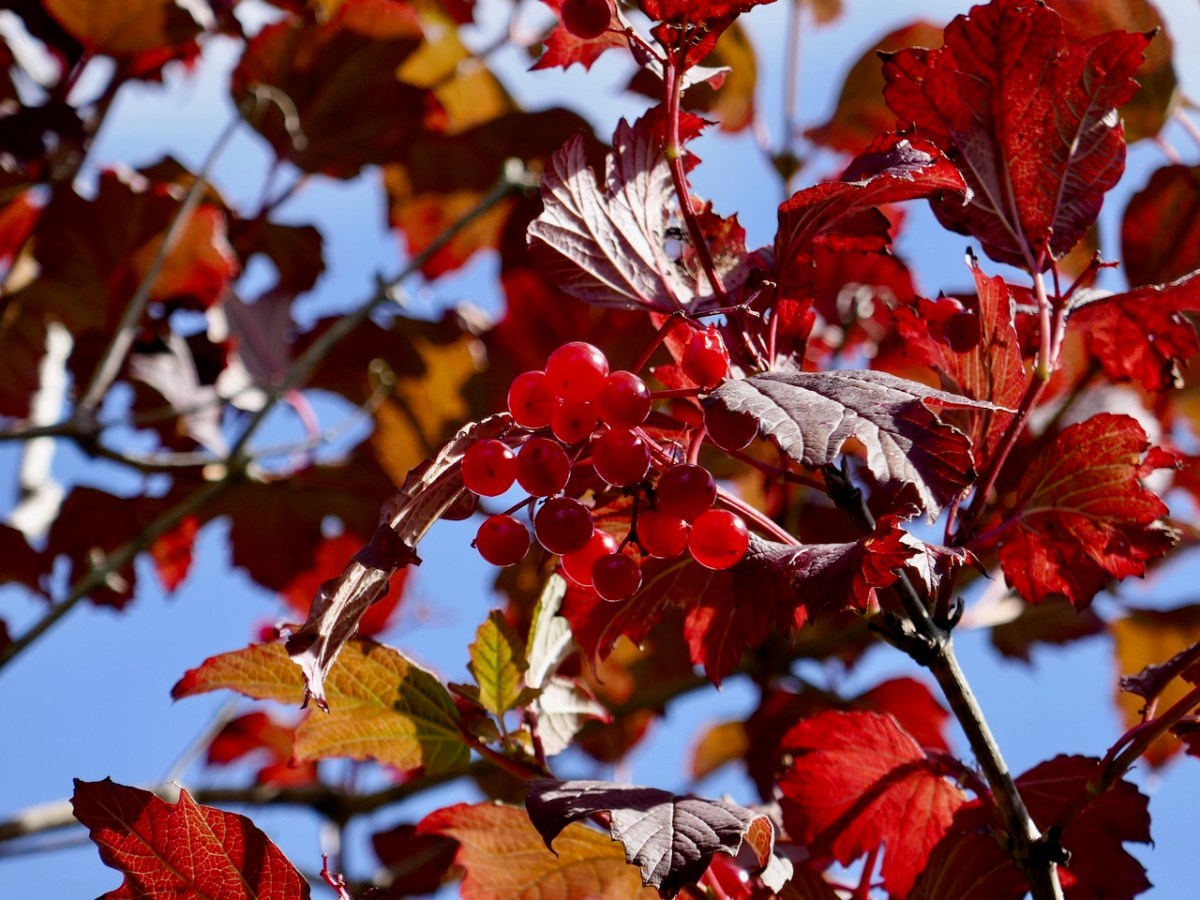
One of the things I need to do is plan a hedgerow for the back of the house. Of course, I want it to be instant and consisting of all native Irish species. Like the Guelder Rose, above and below. Turns out, those two things are not compatible, so my plan is to plant a fast growing hedge, preferably evergreen and intersperse it with native Irish trees, which are mostly deciduous.

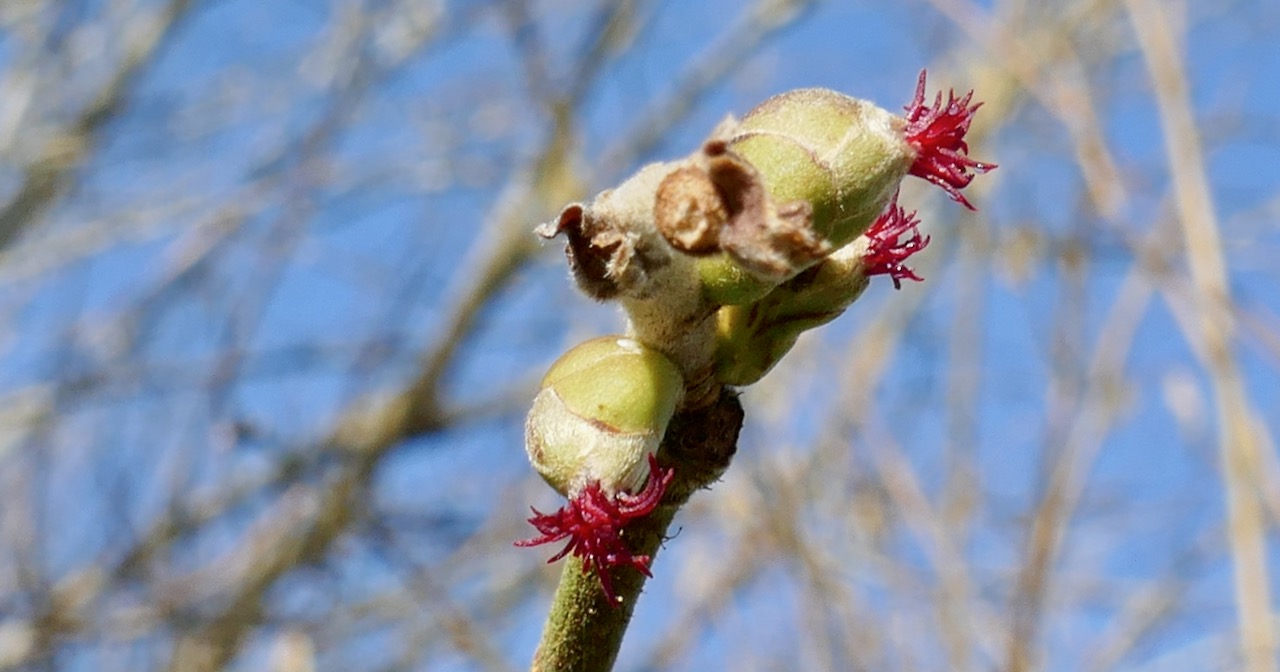
Fortunately, there’s a lot of helpful information available to anyone wanting to do this, on the Hedgerows Ireland website, and I will be following their advice as much as I can. I have a head start in that I have several Hazel trees – my feature photo today is the tiny scarlet female flowers that appear above the catkins on Hazel trees in the spring.

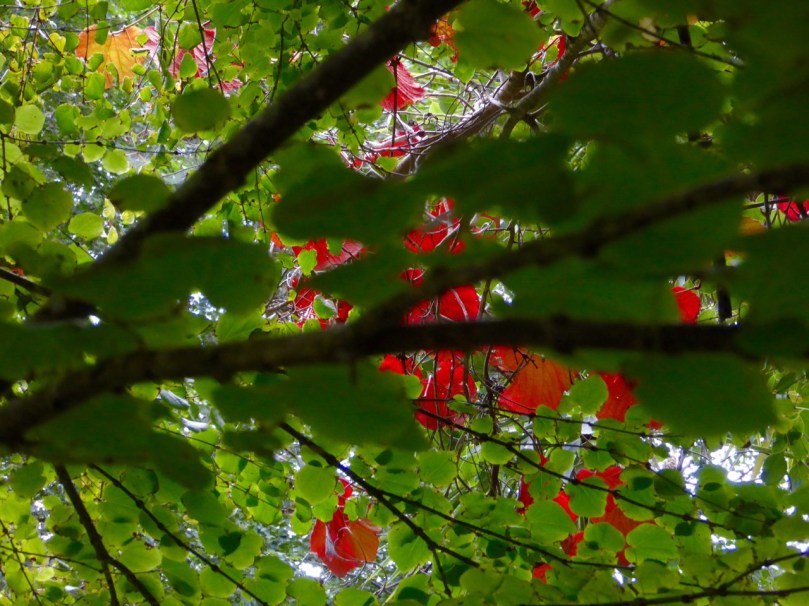
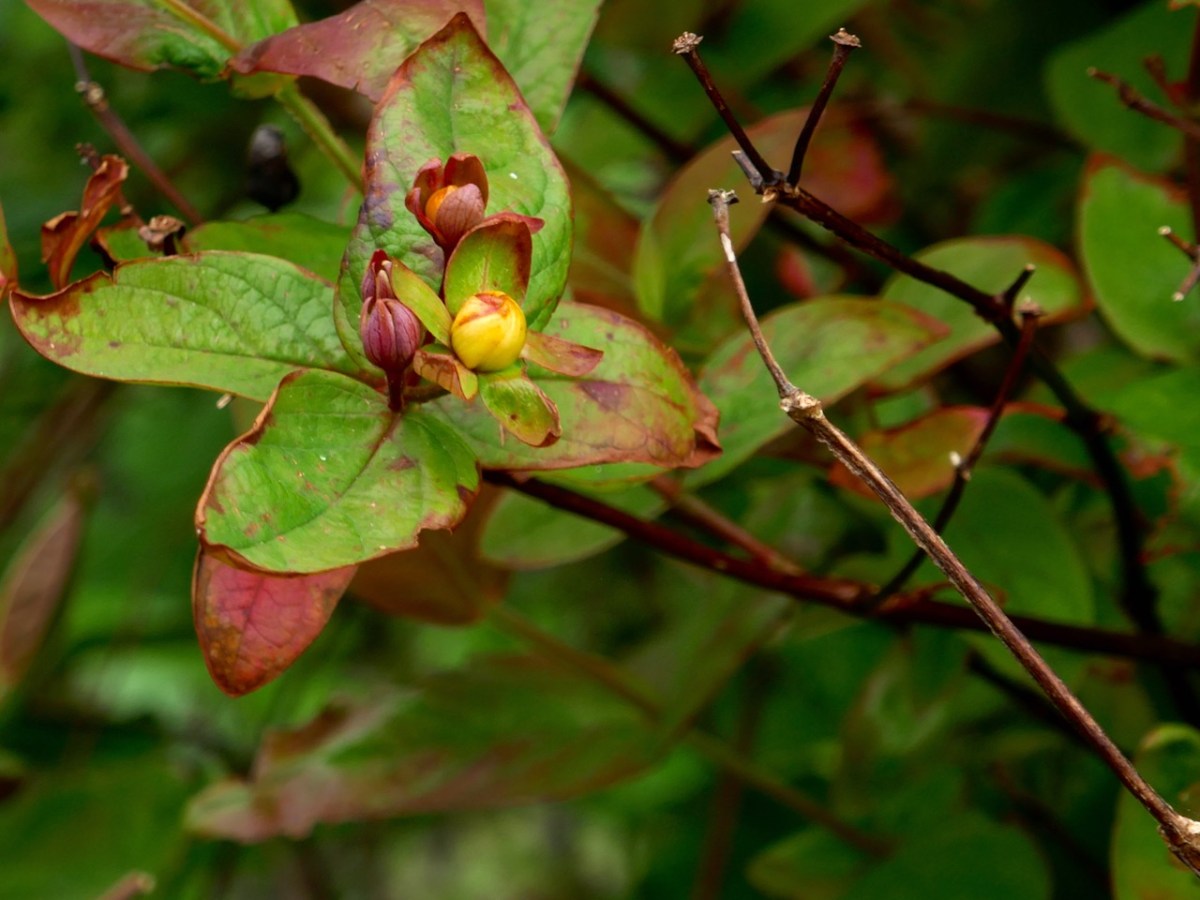
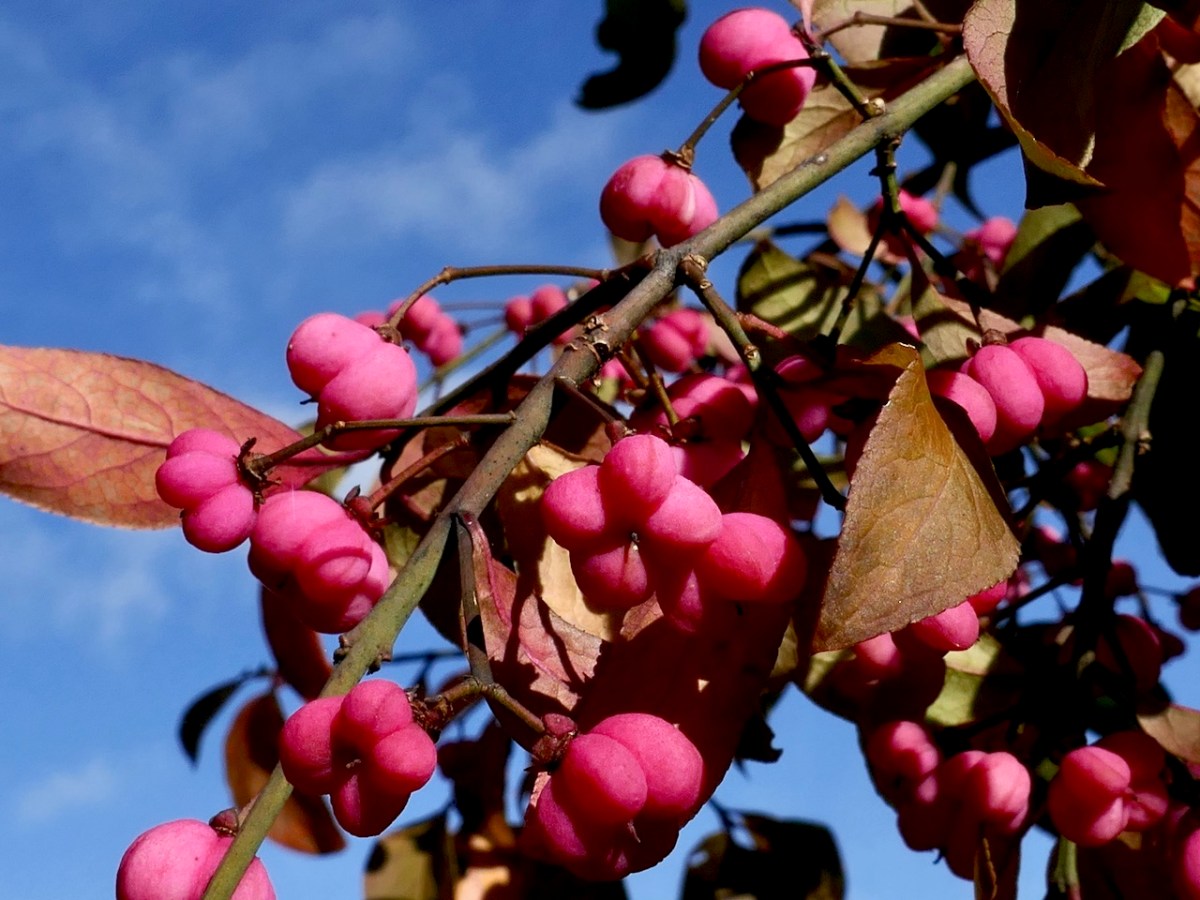
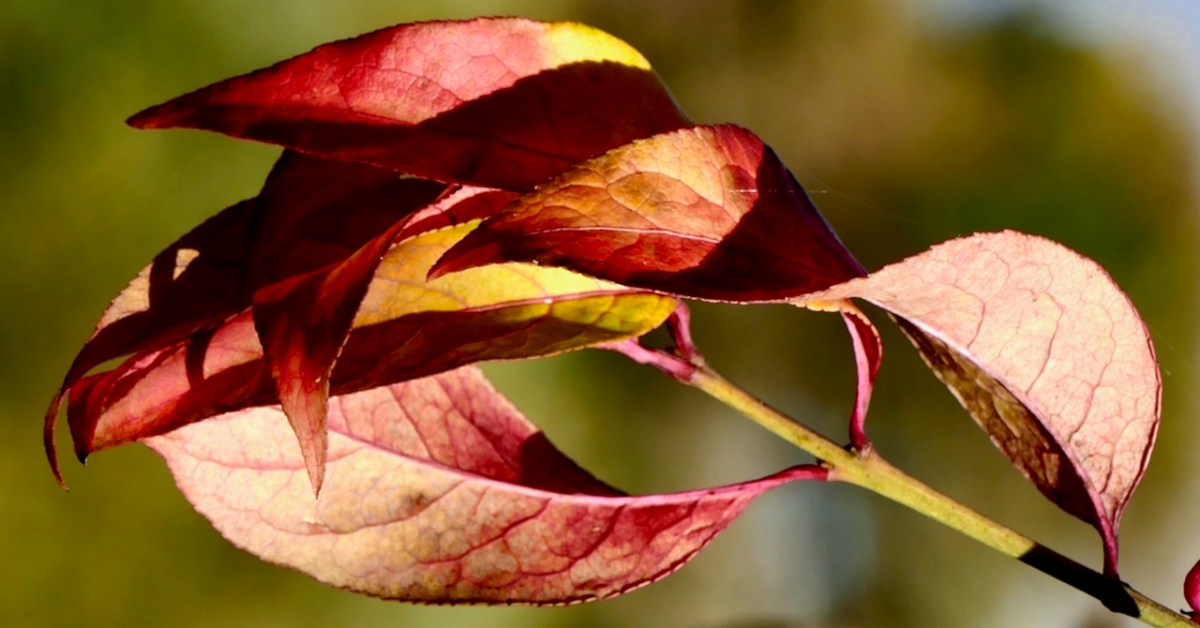
One of the trees I will be ordering is the spectacular Spindle – above is the fruit and below the autumn leaves. I only know of one wild tree near here and I visit it every year.

I am also planning a wildflower patch, like in my last place – take a look at these posts:

Lying In The Grass*

Weeds: A Matter of Perspective

One Acre

One Acre – One Year On

One Acre – Three Years On

One Acre – Four Years On

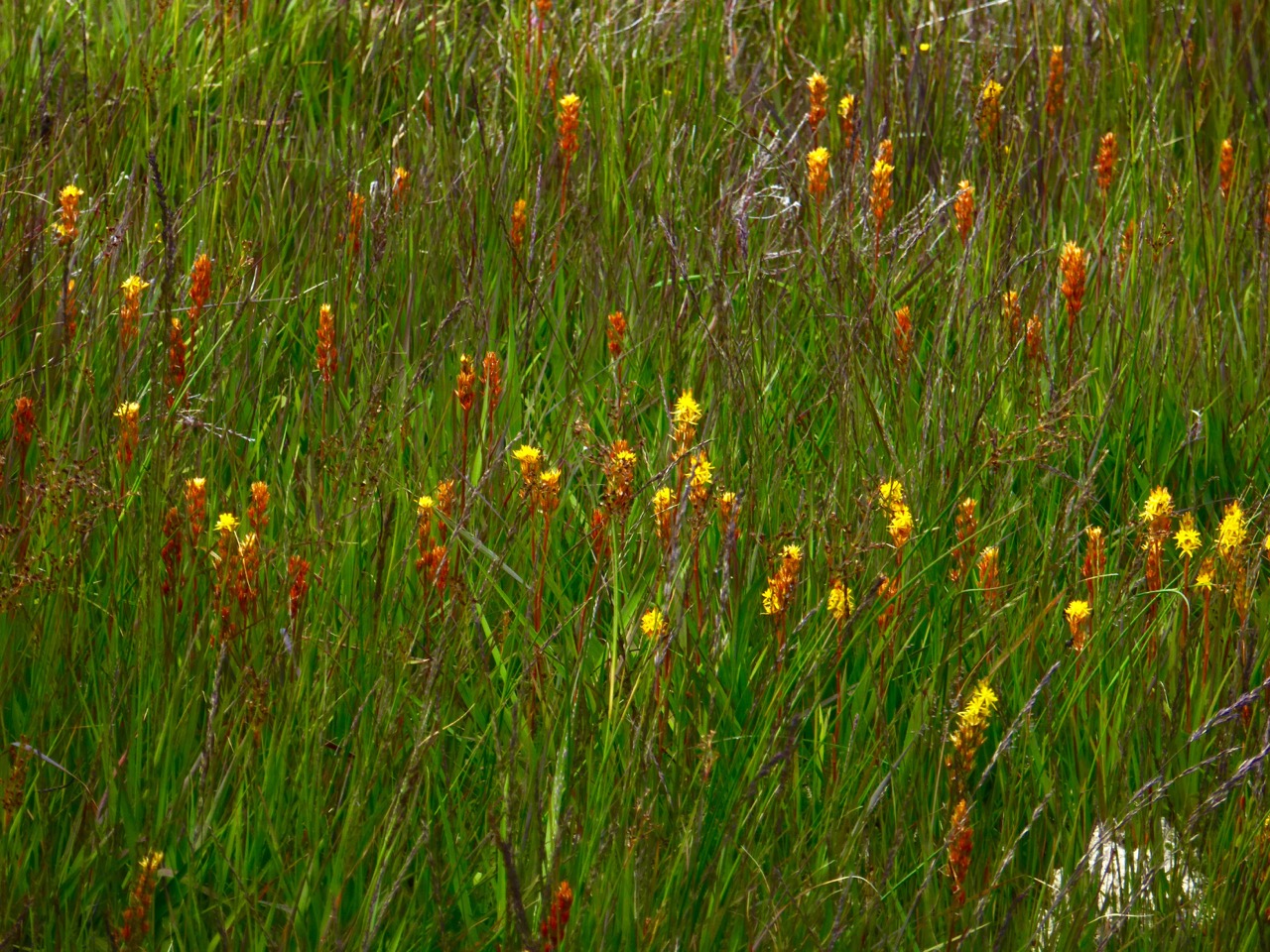
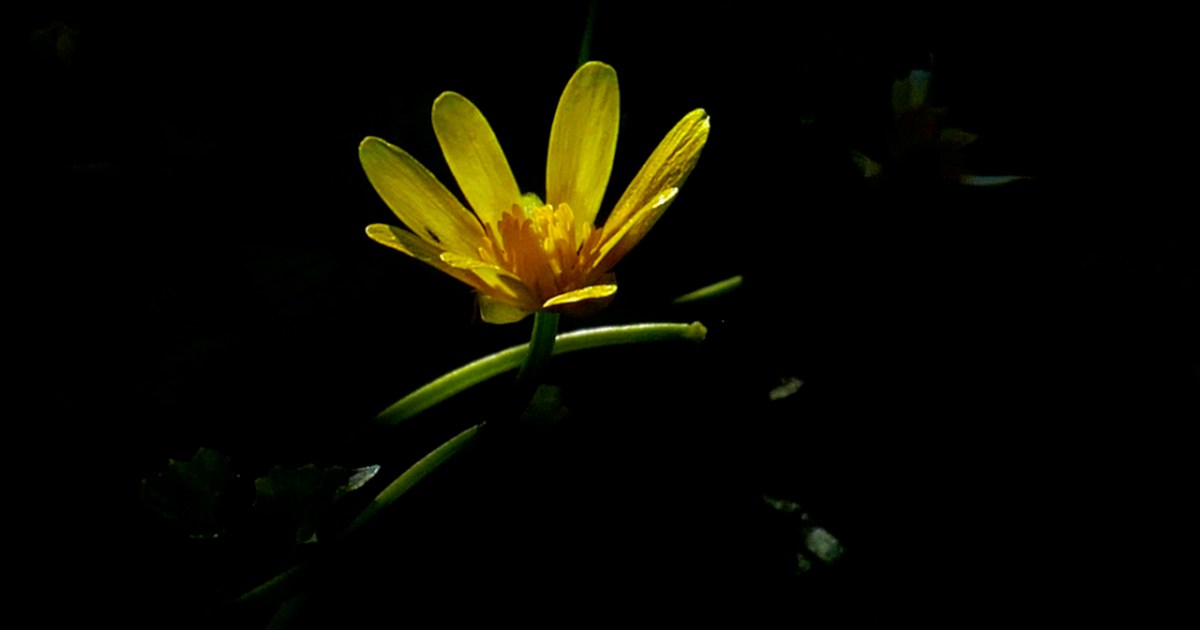
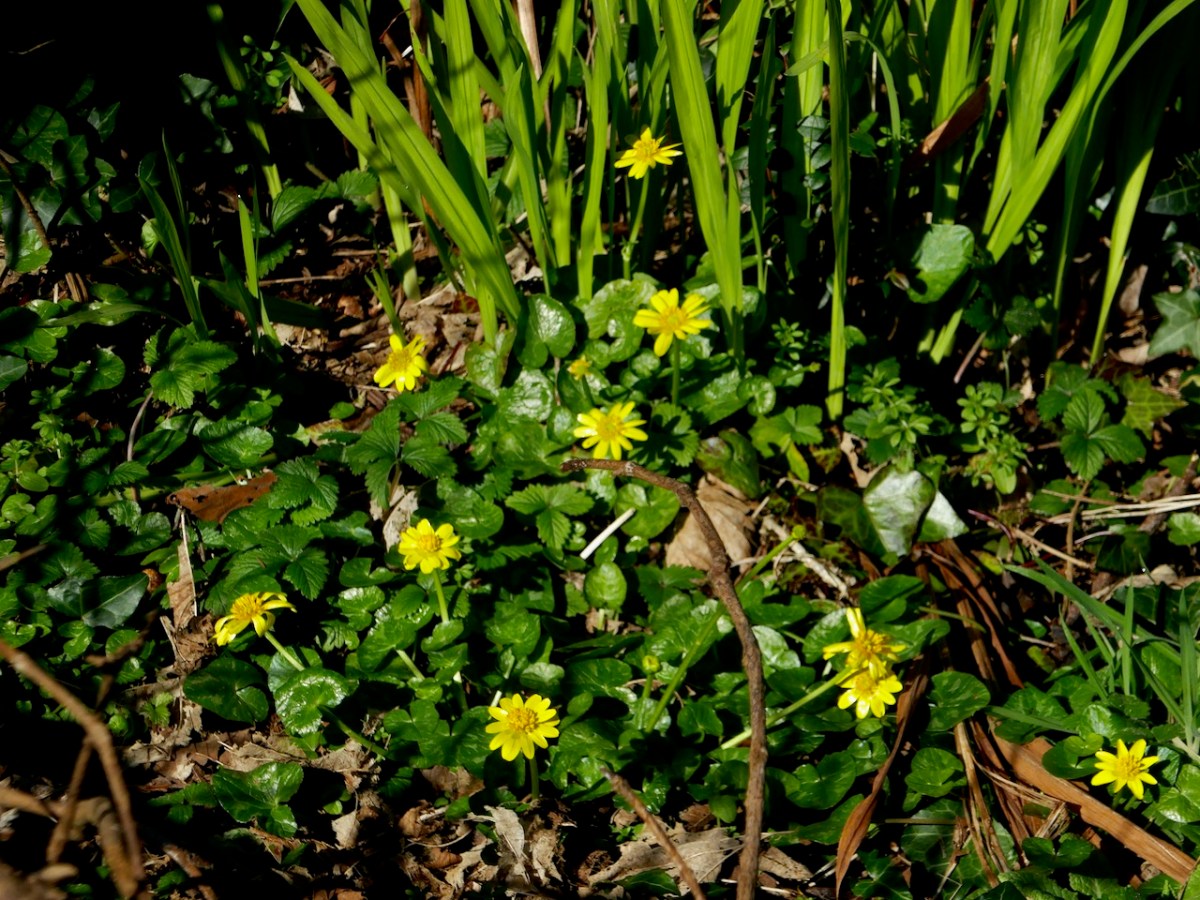
Every year in West Cork I start my wildflower posts when the Celandine comes out – well, it’s out in my garden already!

I’ll document my hedgerow as I progress.

Crookhaven Through Time

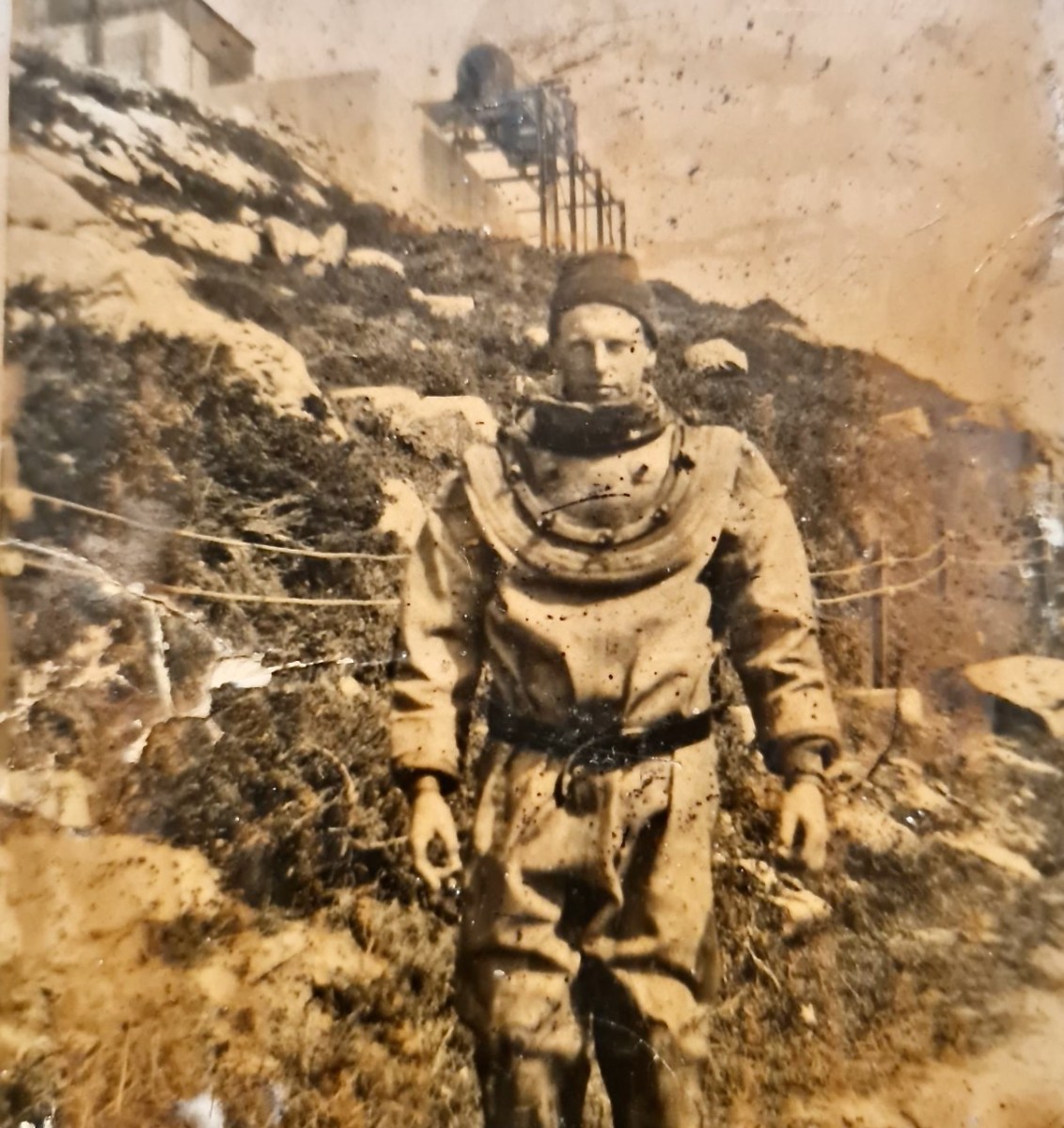
I’ve had the most marvellous emails from James Goggin – thank you James! Three of his grandparents came from Crookhaven – and the fourth, well that’s him in this spectacular photograph. Yes, he’s in a diving suit. James tells me: His name was Allen G Tyson, and he had come from Wales to work at the Crookhaven Quarry, seconded from Flintshire council in North Wales. Aggregates from the quarry were sent to North Wales amongst other places. He was a tall man and brilliant mathematician and civil engineer and lived with us in later life until his death in ’79. He designed the first dual carriageway in N.Wales and worked on the blue jubilee bridge in Queensferry (similar to and at the same time as Sydney and Newcastle bridges). 

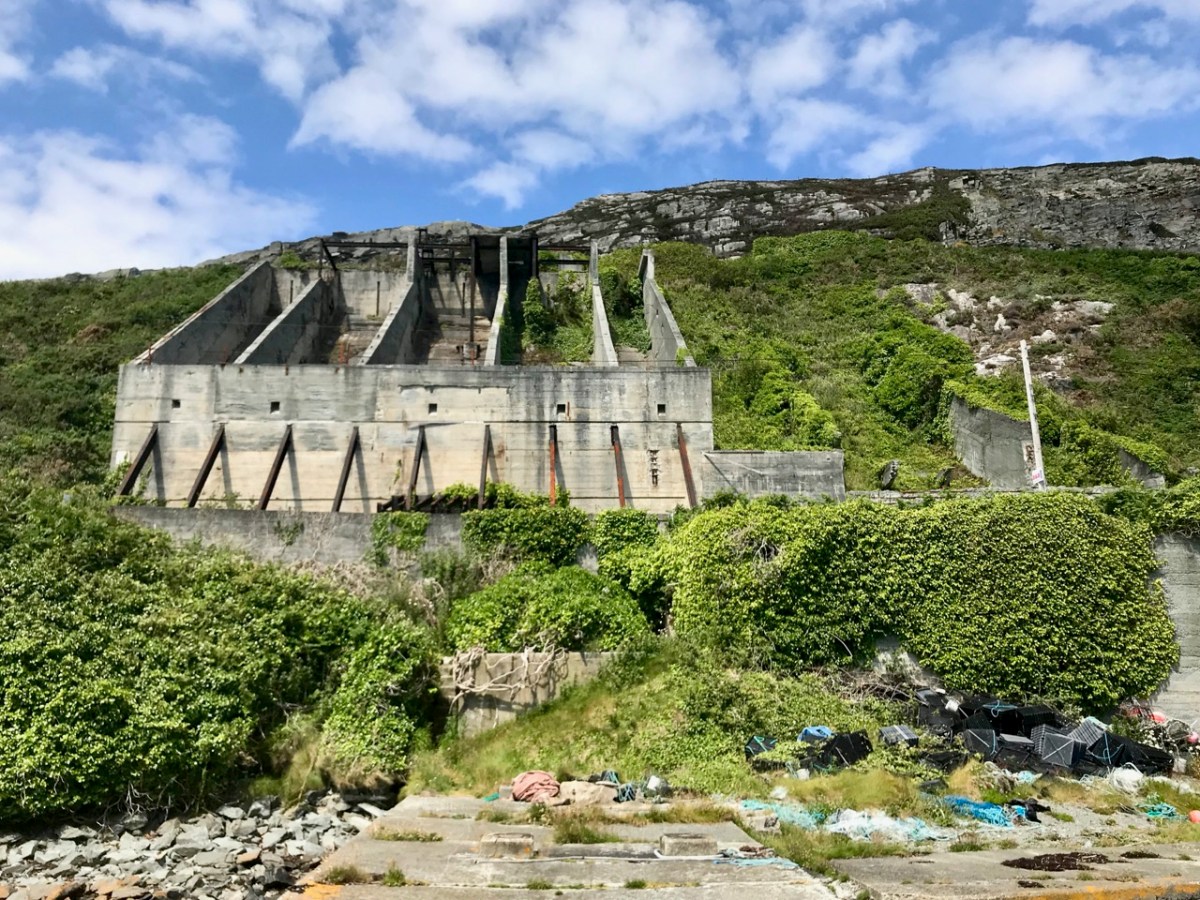
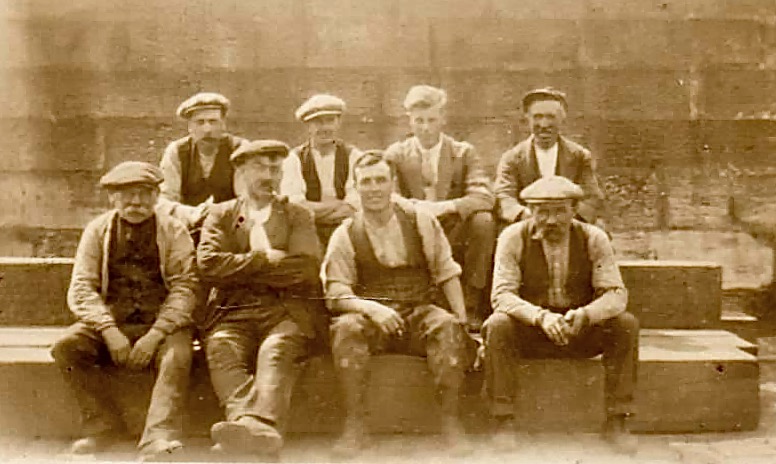
The quarry, of course, is the monumental structure, above, that Robert wrote about in his post Industrial Archaeology in Crookhaven, one of our most popular posts. It seems that anyone who has ever been to Crookhaven has wondered about that wall of concrete across the bay. James also sent me this shot of a group of men who worked at the quarry. Cloth caps and moustaches were the order of the day – except for Allen Tyson – he’s the suited and coiffed individual in the back row.

Once in Crookhaven, Allen met and married Bridget O’Driscoll. They had 5 children, including James’s mother Phyllis, who married Joe Goggin. Joe died not too long ago at the age of 91 and still has a sibling in Clonakilty, James remembers happy family holidays in his Nana’s house, the old Barracks next to the Marconi House in the village. He is full of stories and precious memories.

My father used to row coal to the Fastnet for a shilling or two.  He told me of an uncle who used to shoot the sea mines ( like prickly conkers) with a .303 from Carrigeen cliffs off Rock Street. Nana would climb down to the sea for driftwood for the fire into her 70s. I remember the sacred heart picture and light, and the lights would flicker as I believe there was a generator in the village for power. A large old transistor radio in the kitchen with all the valves visible. Cold cupboard (a safe) under the stairs. Soda bread (and marmalade daily made in the range.  

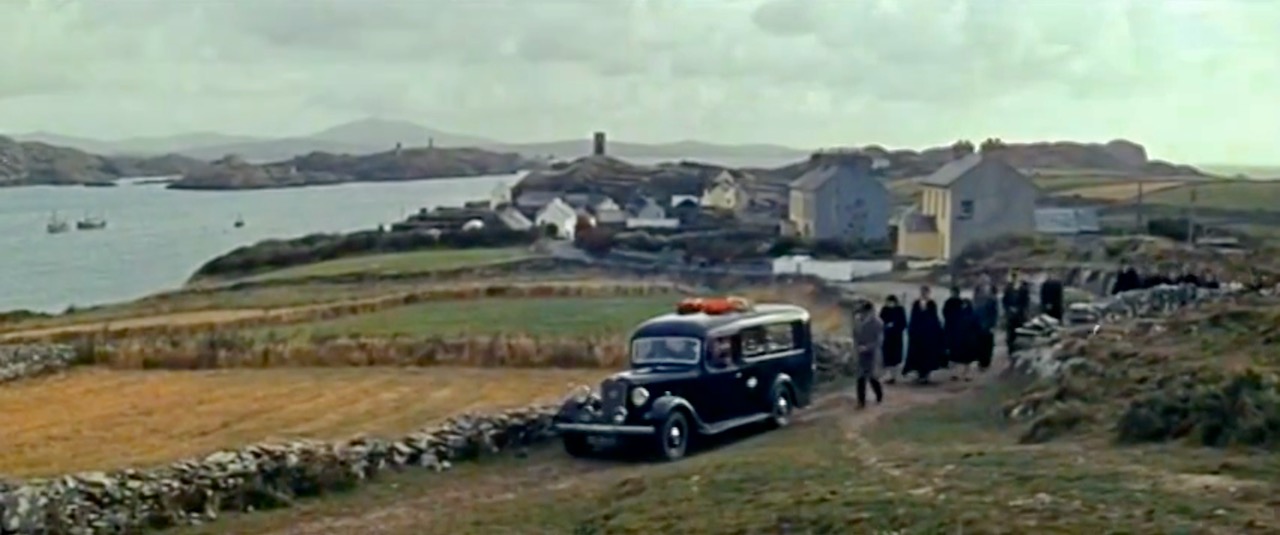
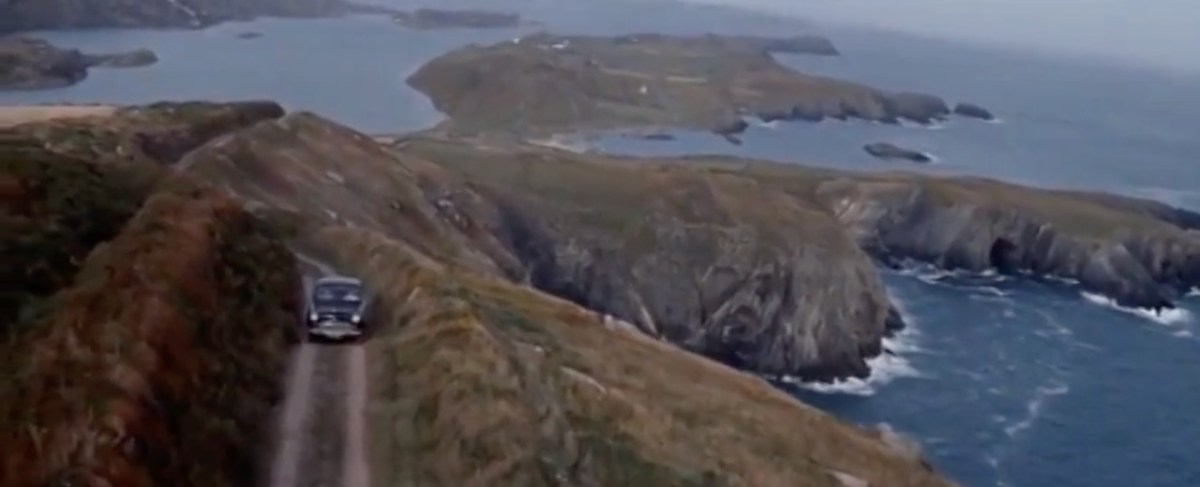
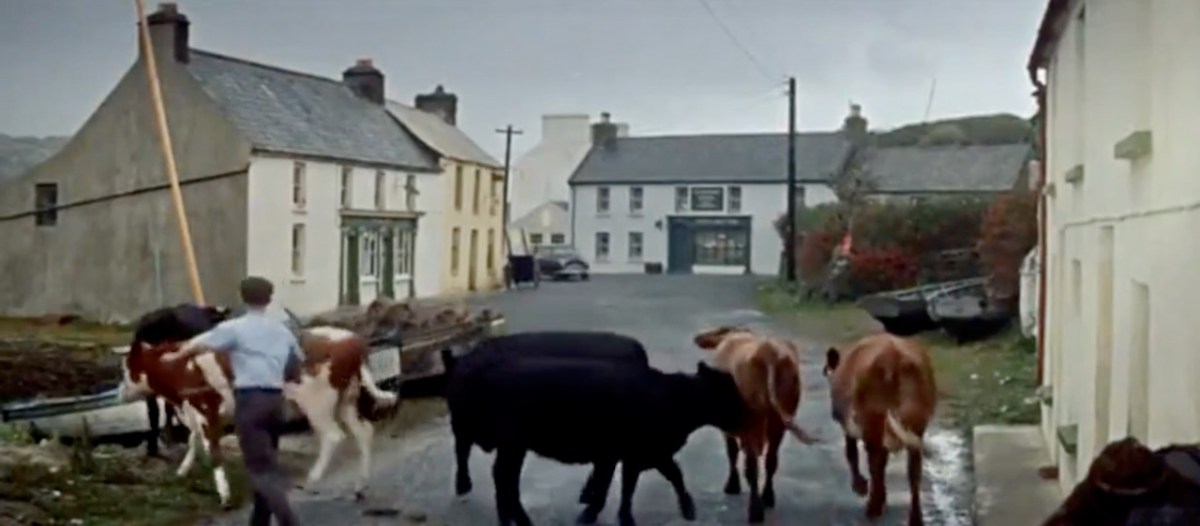
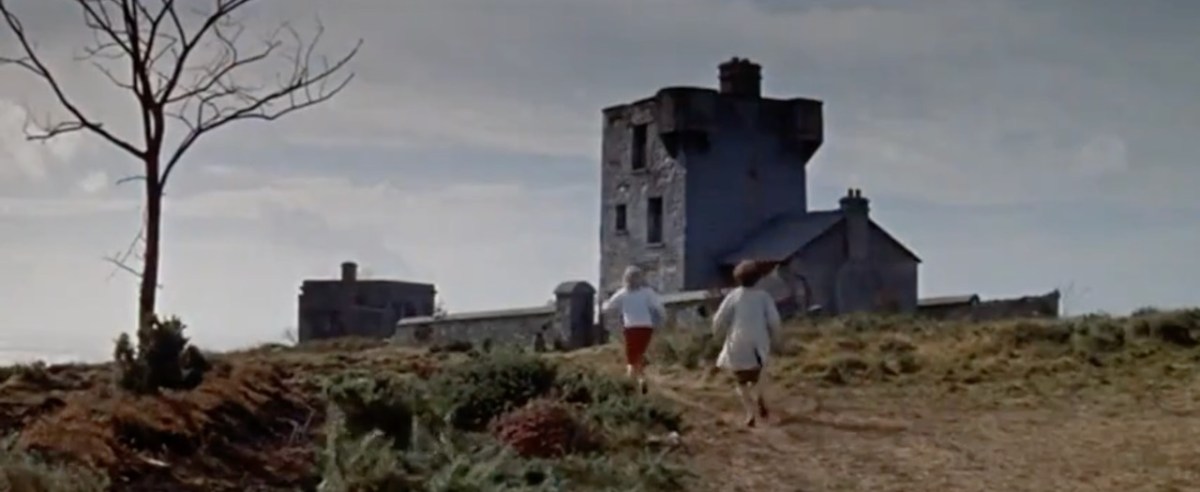
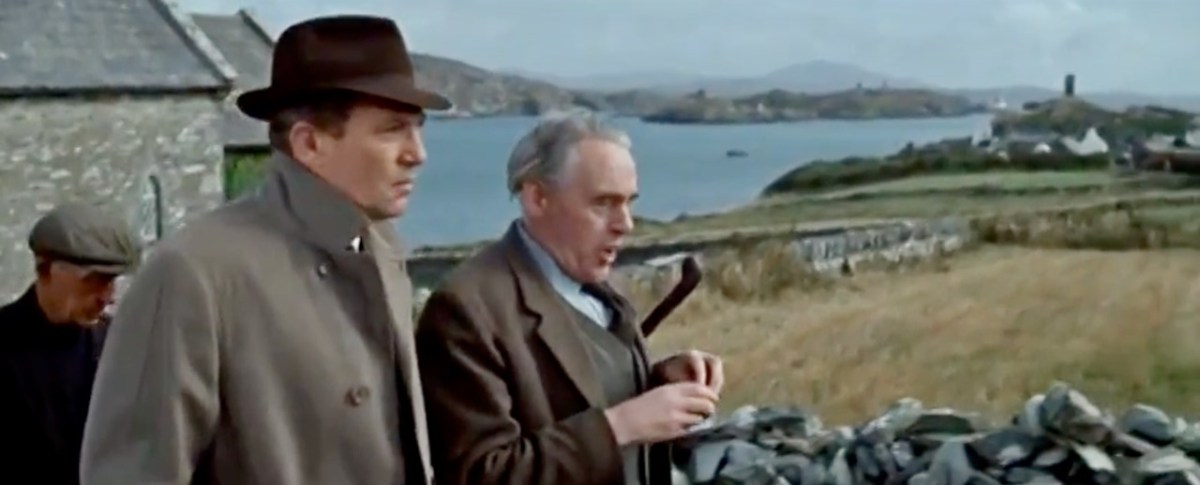
James told me several other stories about his father, whom he admired and loved. But he also sent me another gem! A link to a movie, I Thank a Fool, made partly in Crookhaven, and released in 1962. You can watch it here – the Crookhaven parts start around the 1:09 mark and it is a complete nostalgia fest for those of us who love this part of the world. Here are some screen captures.

The village is still totally recognisable.

The 1804 Brow Head Signal Station is used as a ‘house’ where some of the action takes place. You can see Marconi’s Wireless Telegraph station in the background. For more on these structures go here for Marconi and here for the Signal Station.

There is also a funeral at St Brendan’s Church. The procession gives us a marvellous opportunity to see back to Crookhaven and the mining magazine that was once clearly visible behind the town, but which is no longer a mark on the landscape. I’ve used that as my feature image at the top of the post, but here’s another take. That’s Peter Finch as the leading man.

I love it when this kind of serendipity happens – thanks again, James. I know that anyone who loves Crookhaven, as we do, will really like this walk through past times.