Swallows 12 – Table 0
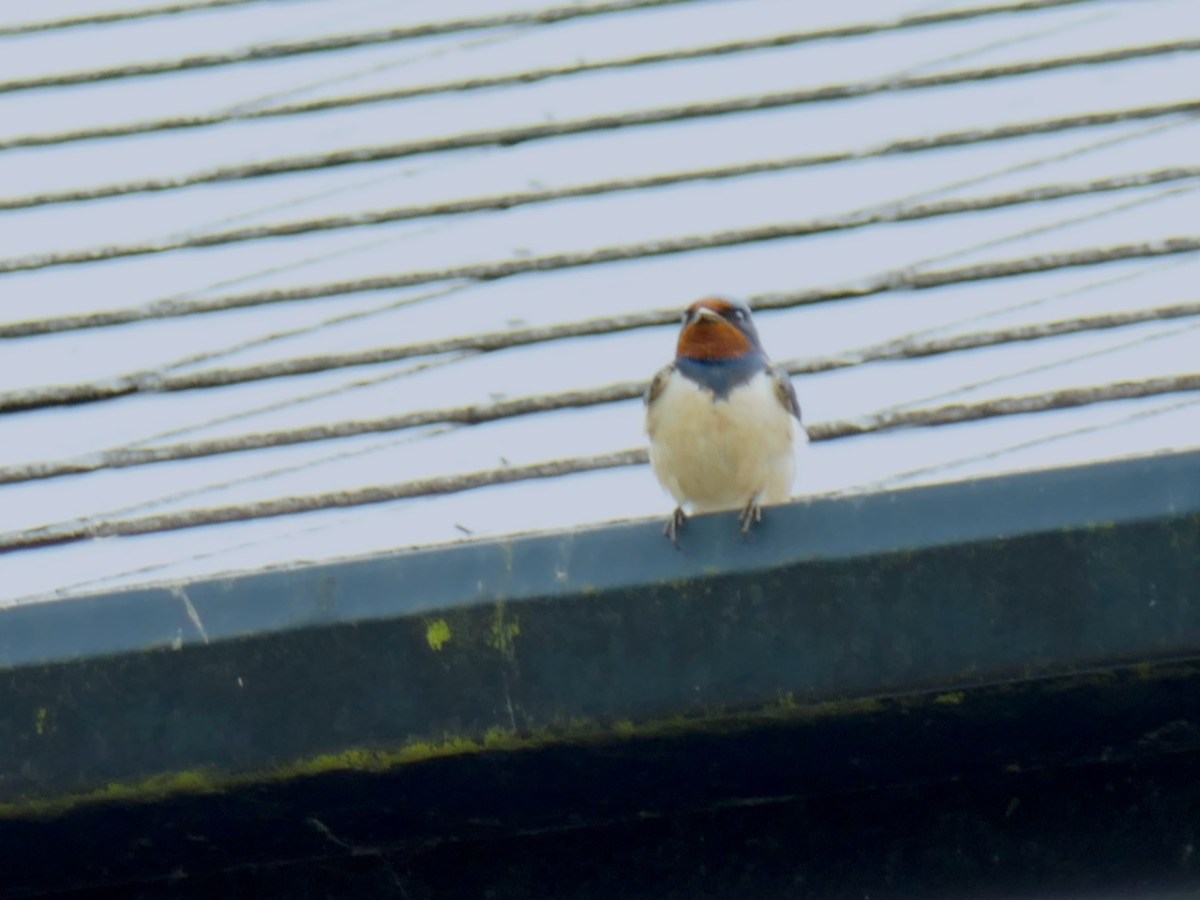
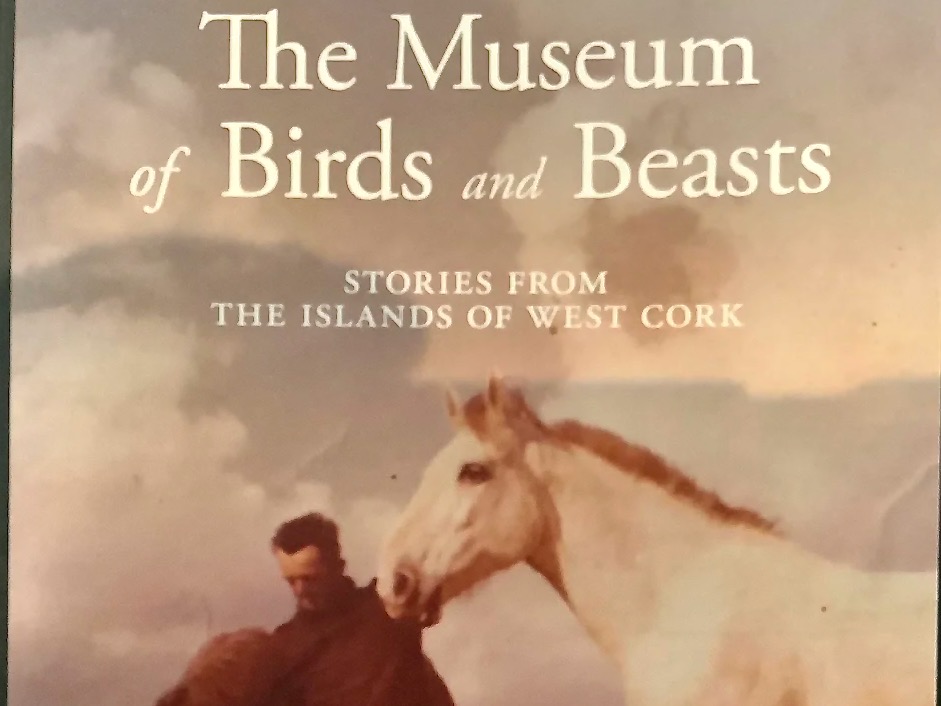
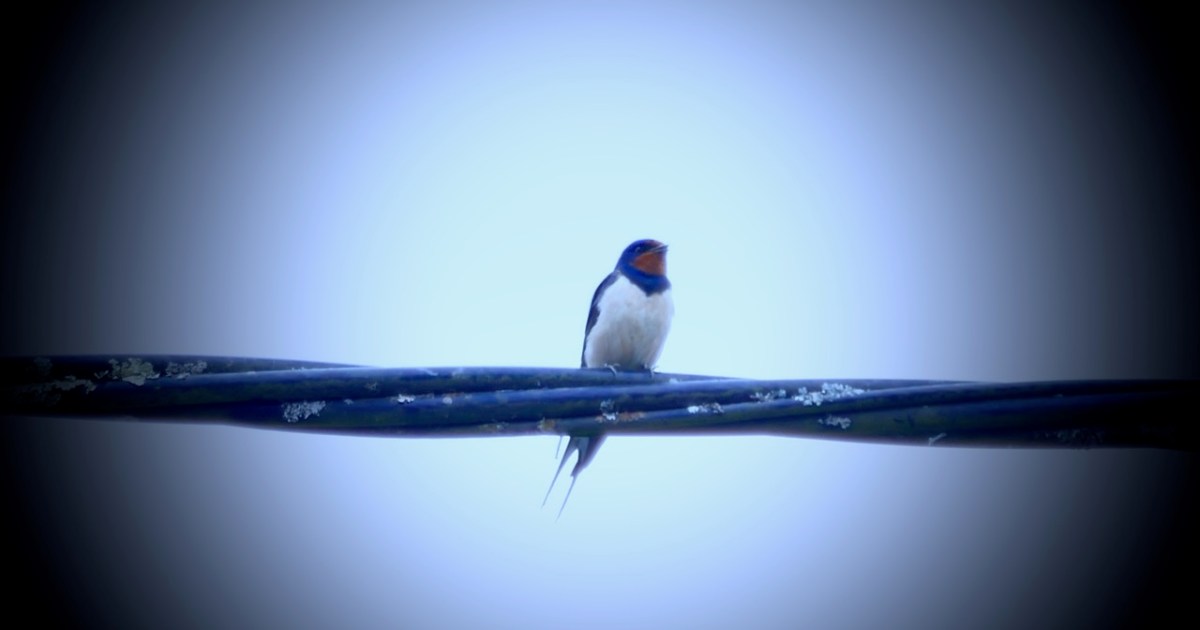
You are all in total agreement that I need to cherish my swallows. More on that topic below, but first, I want to introduce you to The Museum of Birds and Beasts.
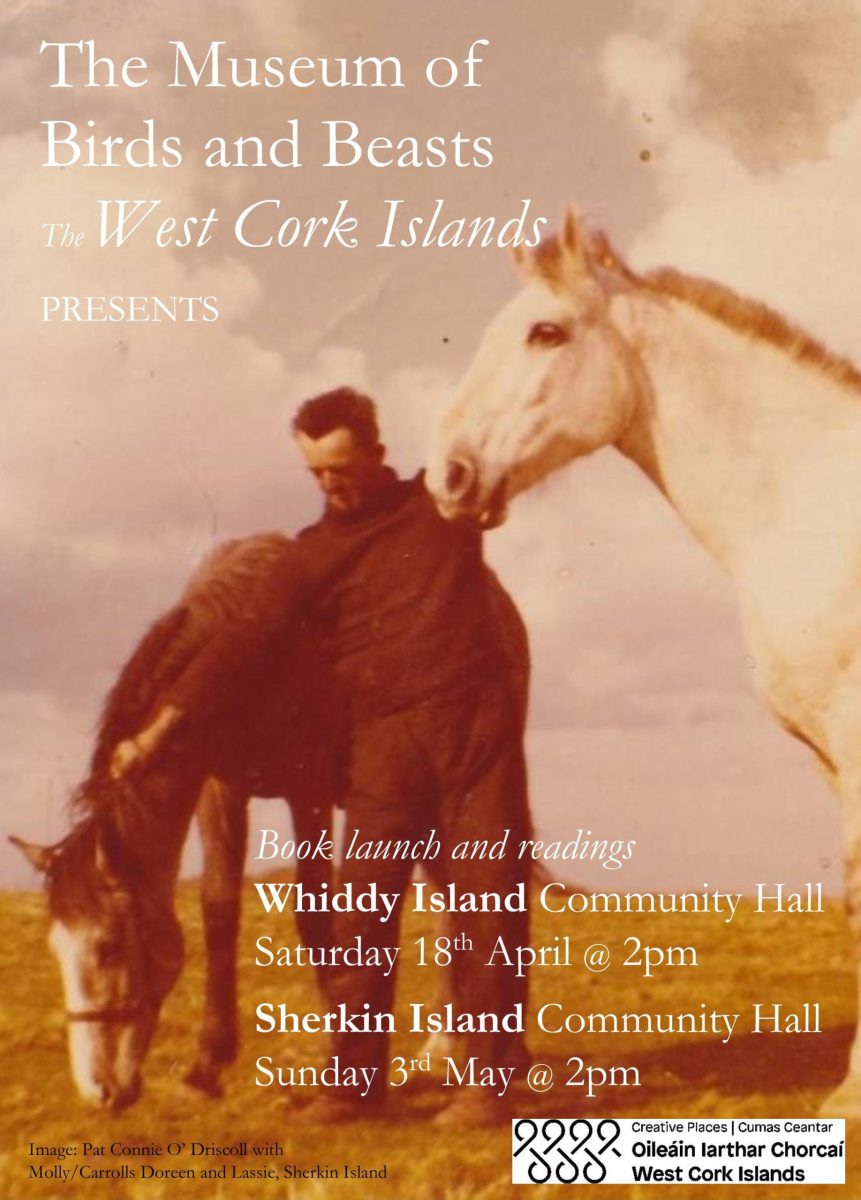
Yes, it’s a quirky title for a book, but it is also part of a wider project that involved exhibitions and workshops.
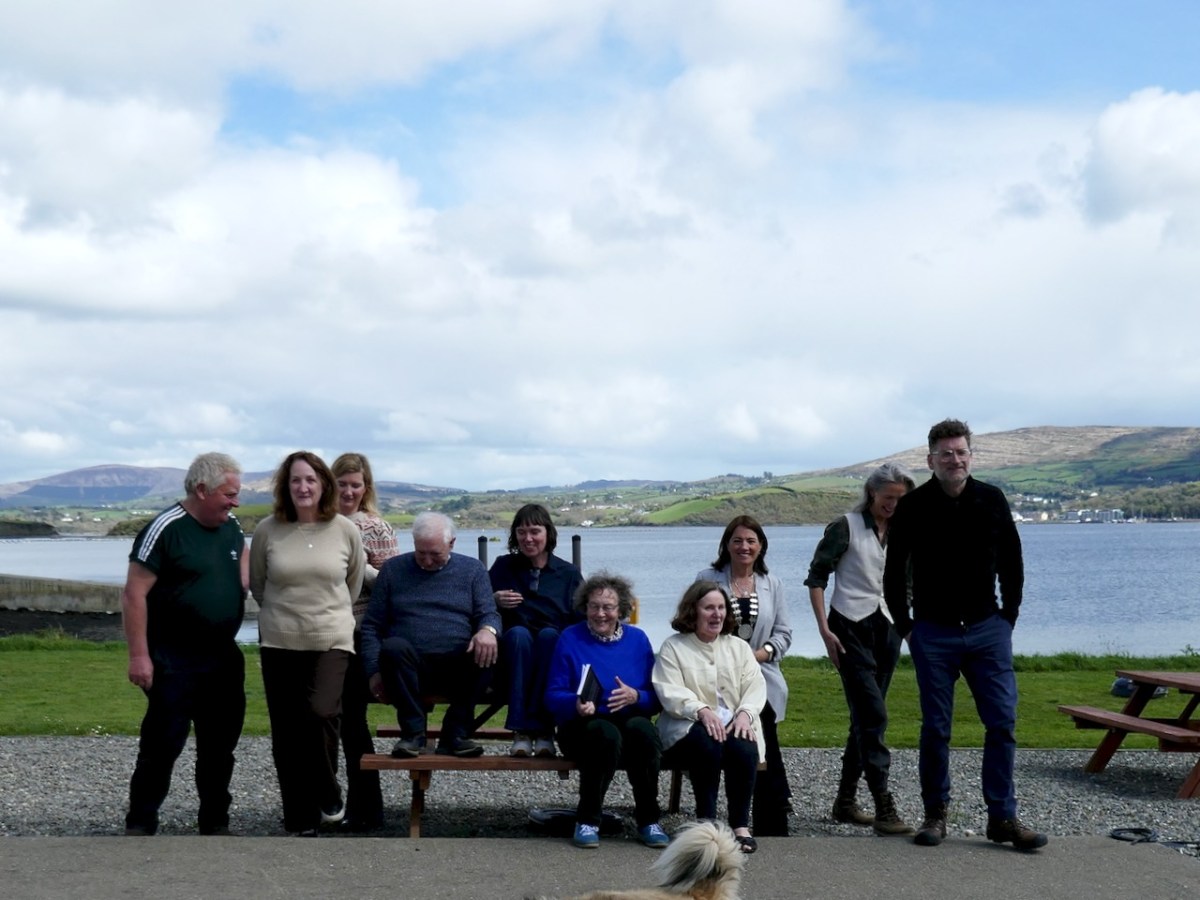
Tess Leak and Sharon Whooley are the two genii behind it all, and last week I participated in an event on Whiddy where the book was launched and some of the writers were there to read their stories. It’s one of several projects of Arts Council-funded Creative Places, West Cork Islands, which aims to build sustained arts investment and create opportunities for local arts programmes across the 7 [inhabited] islands of West Cork.
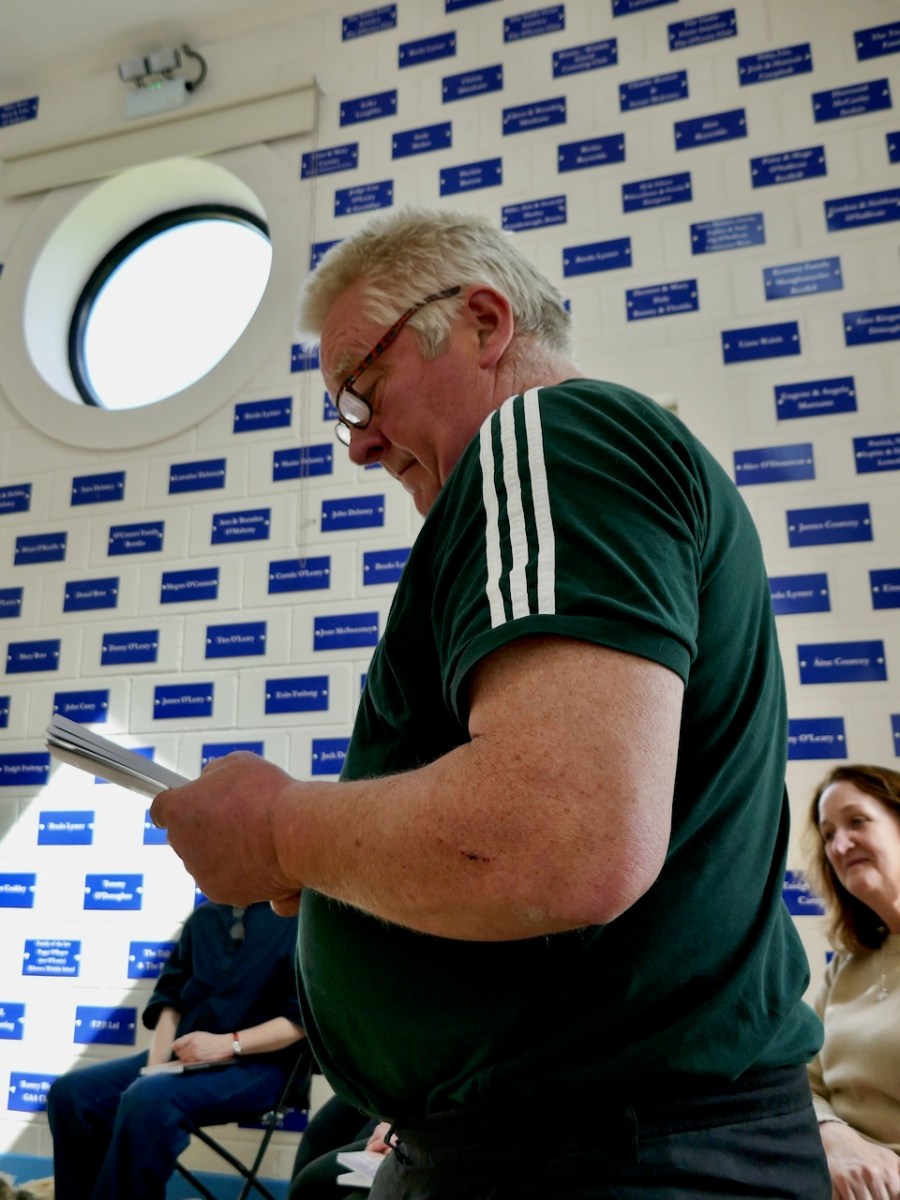
These are all stories collected from the inhabited Islands of West Cork. As you will remember from my series on the Skeams, life revolved around the sea, working the land, and keeping animals and birds. Danny O’Leary (below) talked about his life on the sea. He gave up a place in UCC to go picking winkles. He could make a good living: They’re totally gone. There used to be crowds of people at them, all over the island.
Rose O’Sullivan told us about raising turkeys.
The 8th of December was when the islanders would sell the live turkeys in Bantry and each family would have about two dozen to sell. There would be a bit of an auction in Bantry for them. Every family had their own boat to take out their turkeys for the fair. I remember our Aunt Ellie talking about the 1930s and how it was the grandest sight to see the turkeys, they’d be gathered and gobbled and headed down the road on the island and that was your money then for Christmas.
And then one or two of them would be plucked and prepped and sent to England in the post. We had two aunts in England and our mothers here would be sending the turkeys over and I once asked our cousin, “How were the turkeys when they arrived?” and he said “They were bloody green! My father would be down in the back garden digging a hole and there must have been about 20 of them buried there over the years.” Nobody had the heart to tell them this at home.
Take a look at this RTE story about the Aer Lingus’s annual Turkey Lift. I remember my own father getting the annual turkey from his cousins in Kerry every Christmas. My mother was a bit grim-faced at the prospect of all that plucking and gutting.
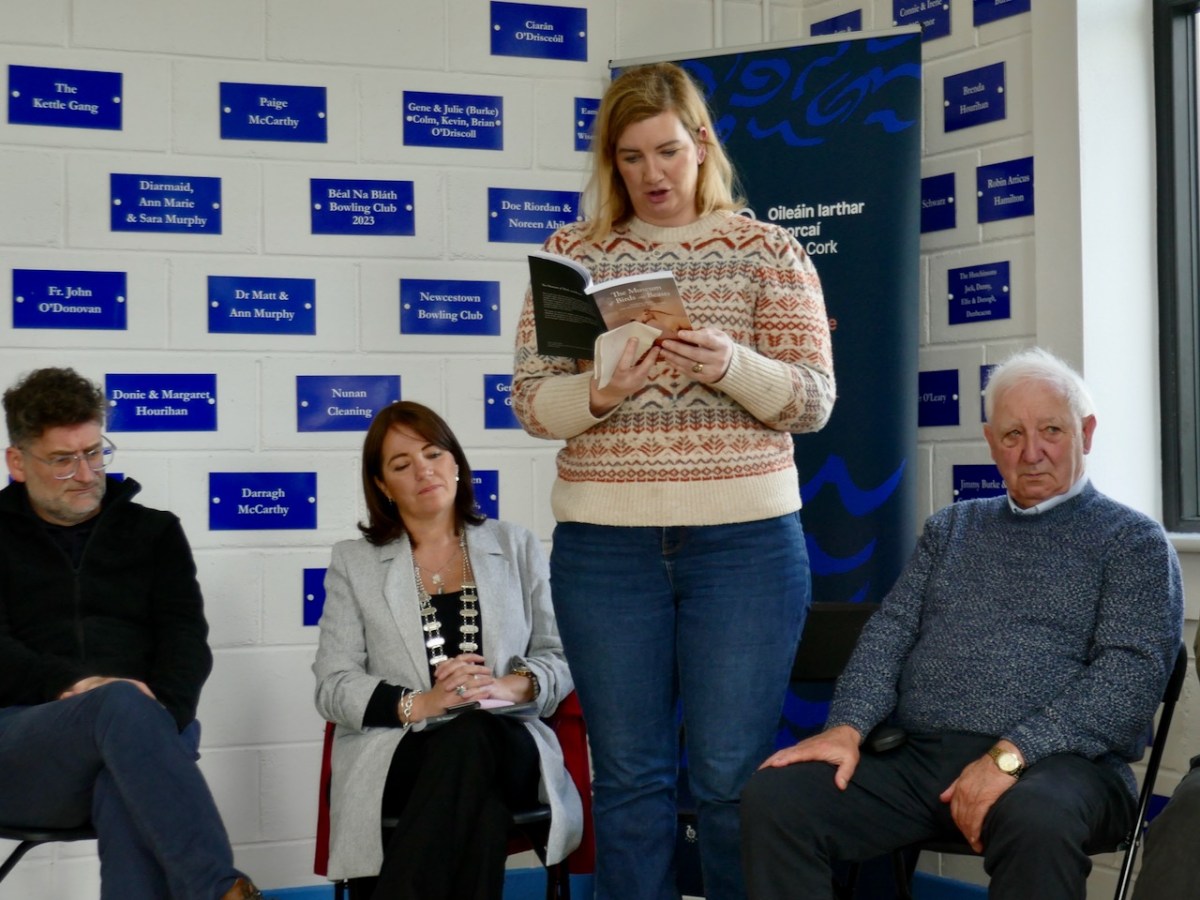
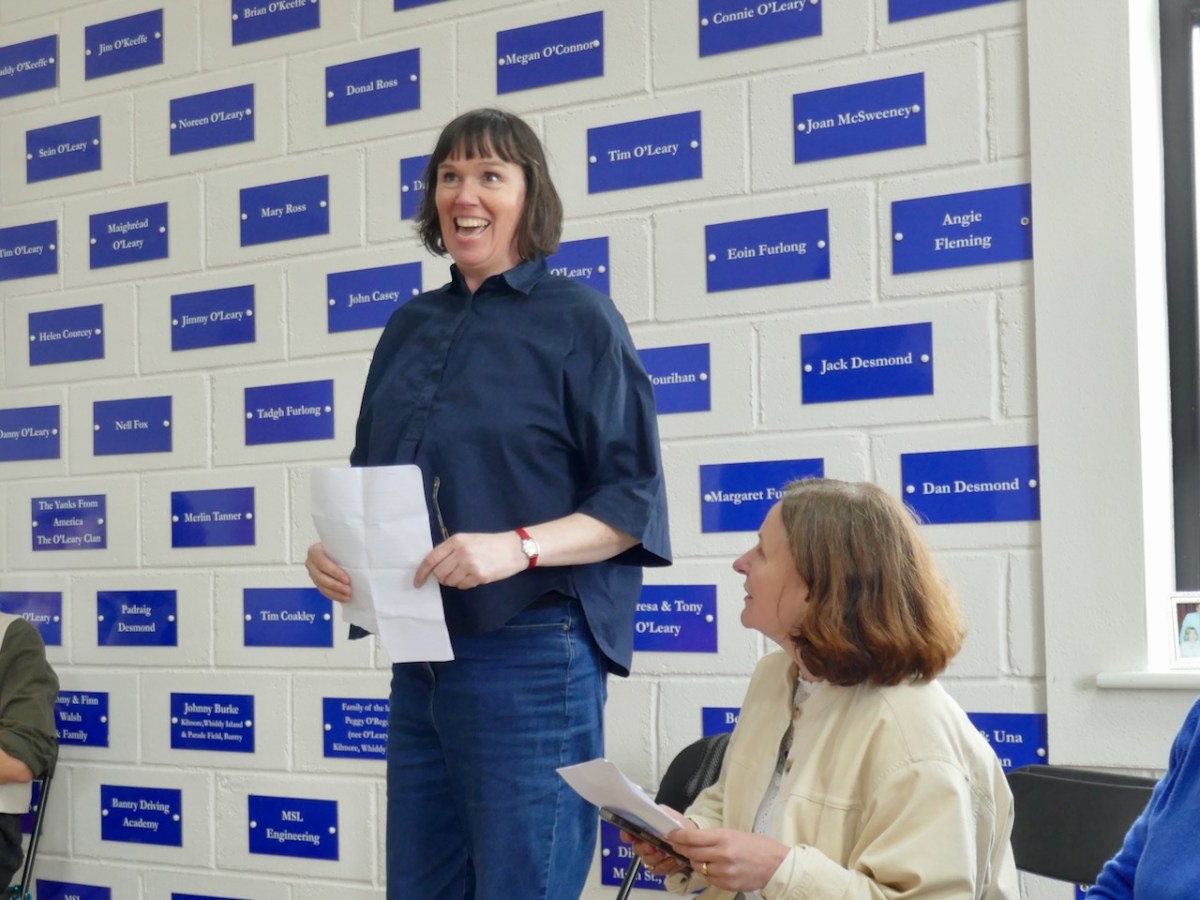
I was very taken with Sheila McCarthy’s story about being the only girl on the mussel raft. She was 15 when she started and she gave us a detailed account of what the work was like. That’s her, reading her story, above.
Even though I was the only girl, I was the tallest on the raft, so I was always given the job of tying on the socks. I would be lying flat on my belly on the wooden raft leaning over into the bay tying the socks on. I’d have two lads sitting on my legs to make sure I wouldn’t fall in. I couldn’t swim either. There was no health and safety then! it was great fun but looking back I wonder how in the name of God we were allowed to do itI
If you want to know what the socks were, you’ll have to buy the book! It’s an absolute delight – the charm of it lies in its authenticity and the true voices of the islanders. It’s the kind of book you will keep by the bedside and dip into, marvelling and chuckling as you do so. You can get it at the wonderful Worm Books in Schull – they will be happy to mail it to you if you aren’t lucky enough to live here.
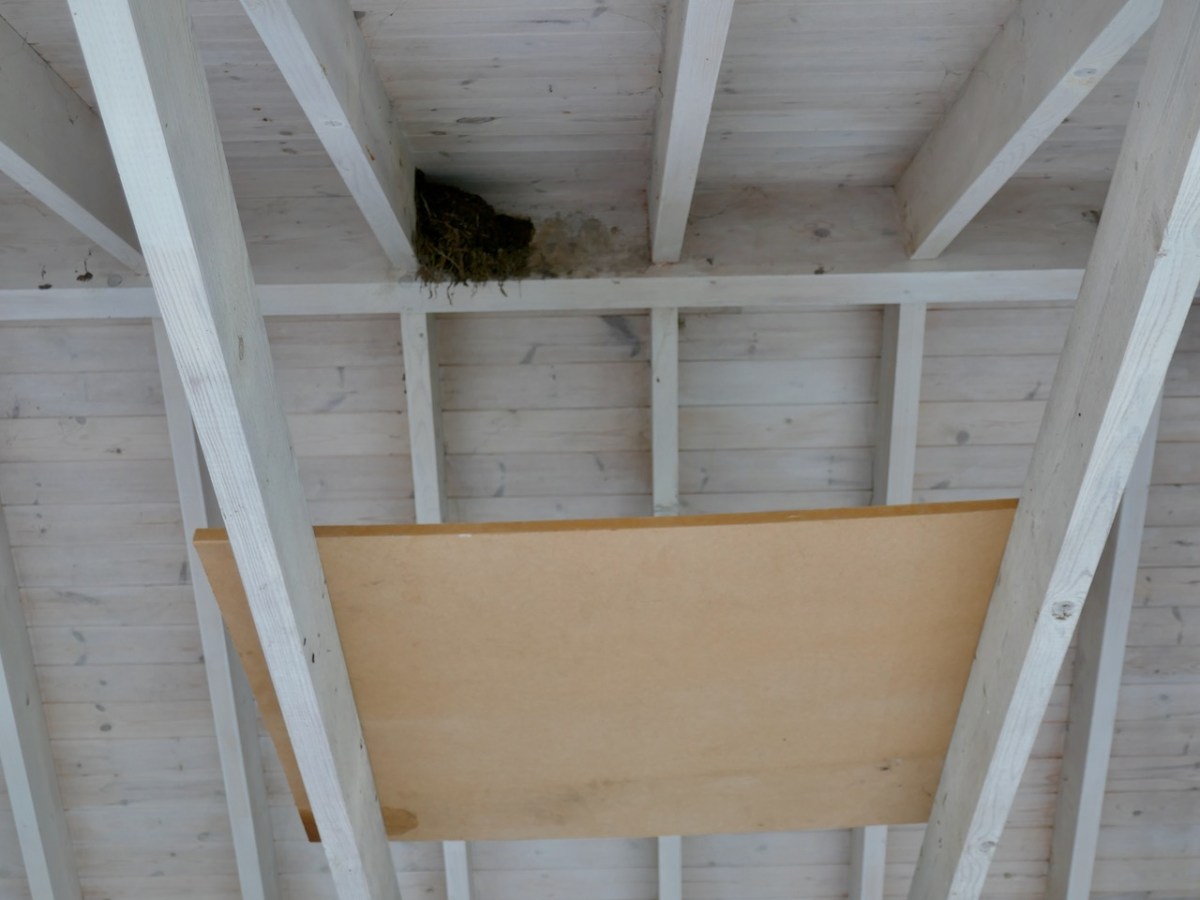
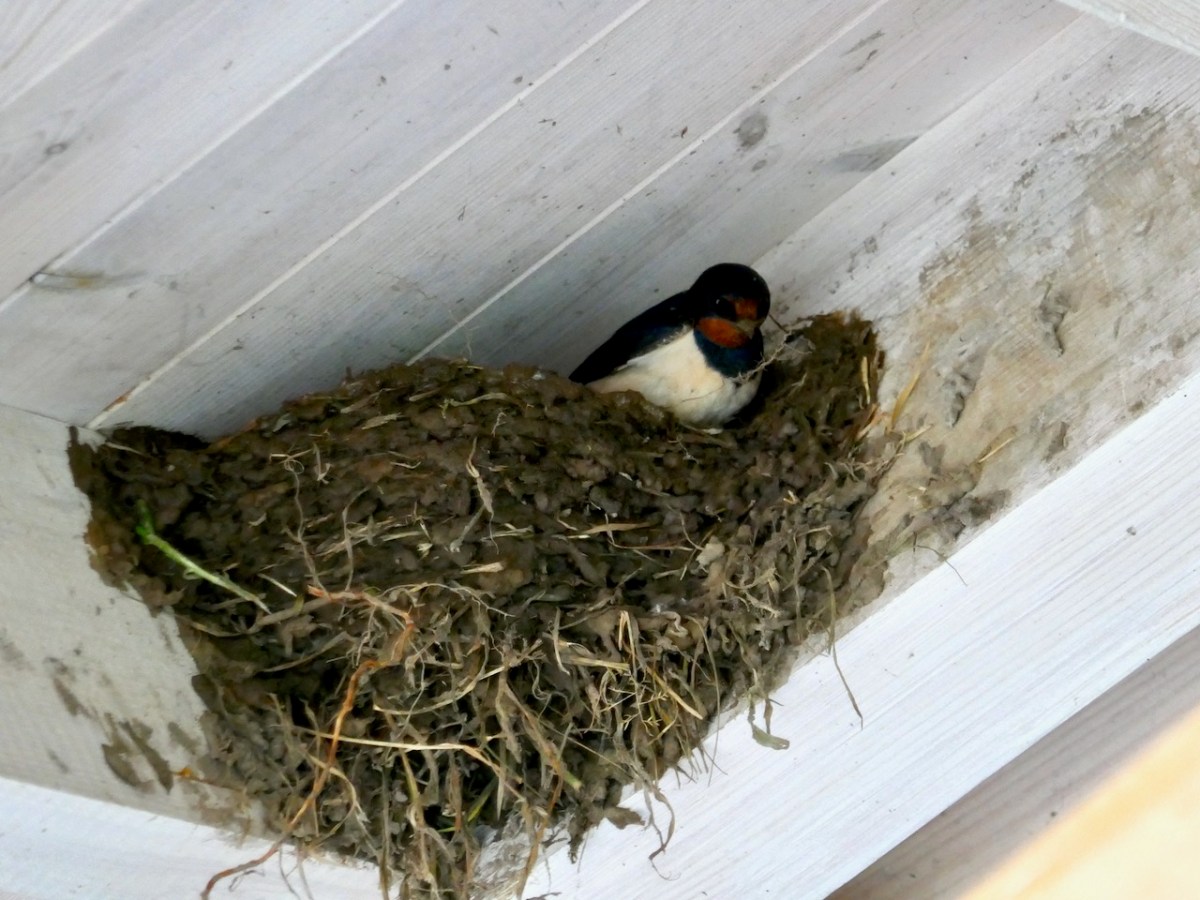
Now – back to the swallows. You will be relieved to hear, I know, that I have a simple and elegant solution to the droppings. I found a board in the attic and dragged it down. It was heavy, but I had your voices in my head, urging me to do what I could to ensure the swallows could stay. I then hauled it up a stepladder (the effort!) and placed it carefully across the beams under the nest. Voilá! Are you happy now?
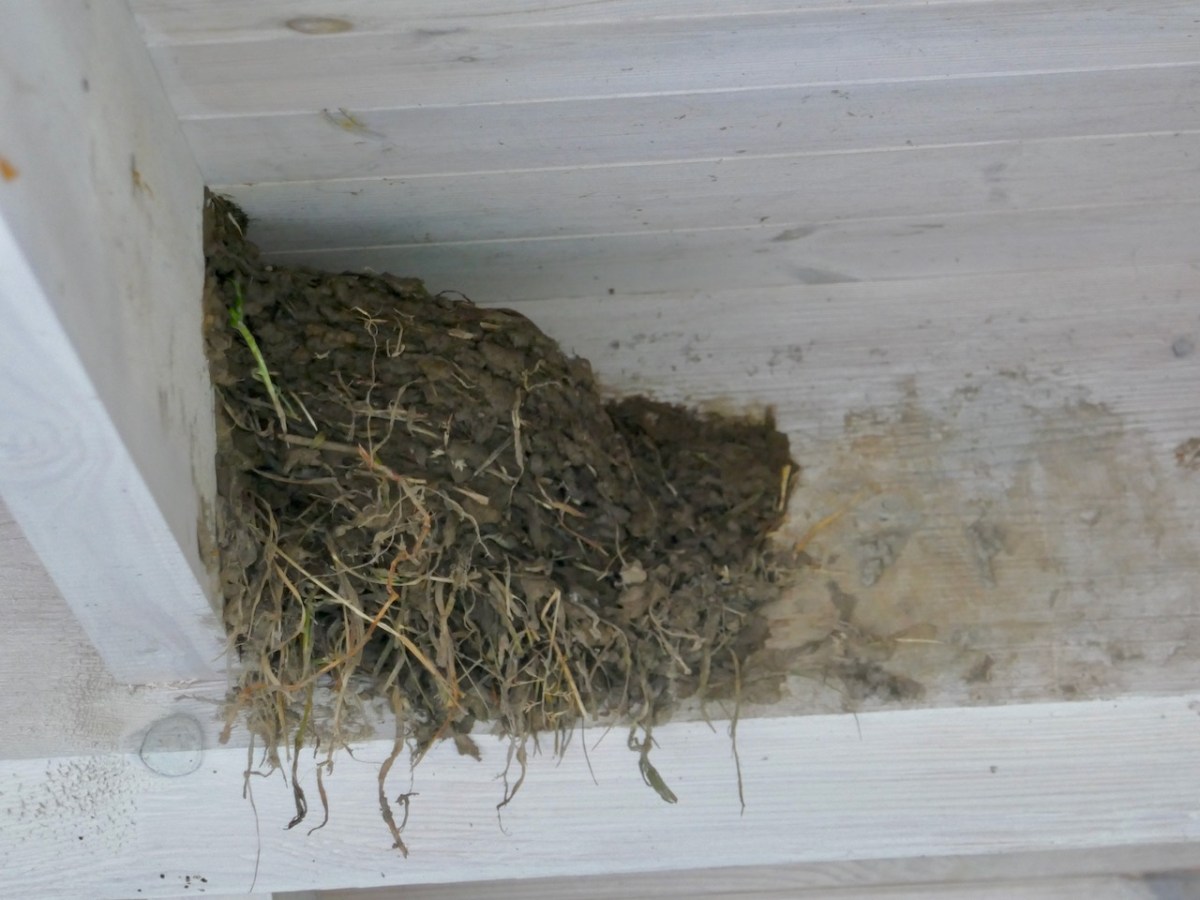
The swallows are. They are busily stitching and attaching and adding twiggy bits. There was high drama today as they saw off a Magpie with much swooping and twittering and dive-bombing.
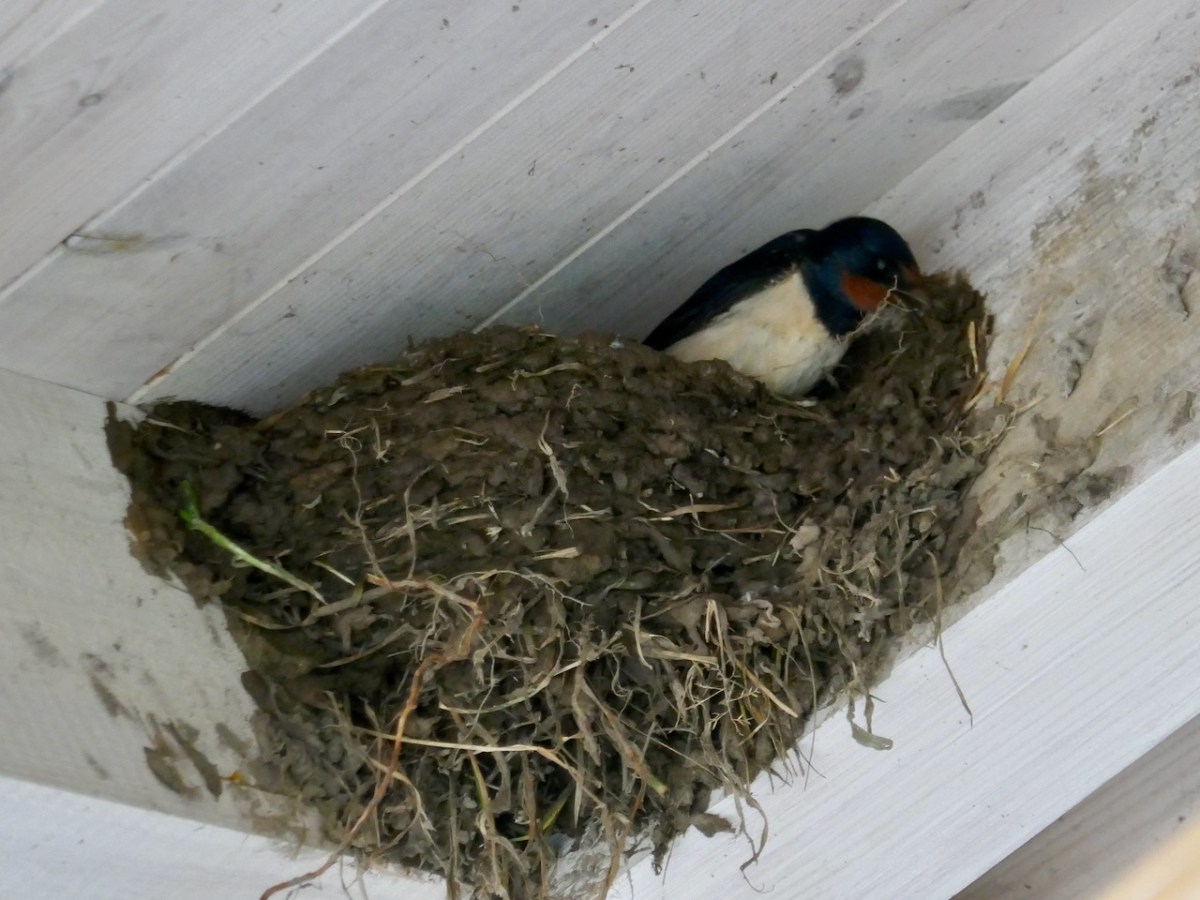
Himself appears to spend most of the time in a lordly surveying of the area, while Herself is busy gathering and constructing. However, all my sources say they work together to nest-build so I am probably projecting feminist sensibility onto my observations.
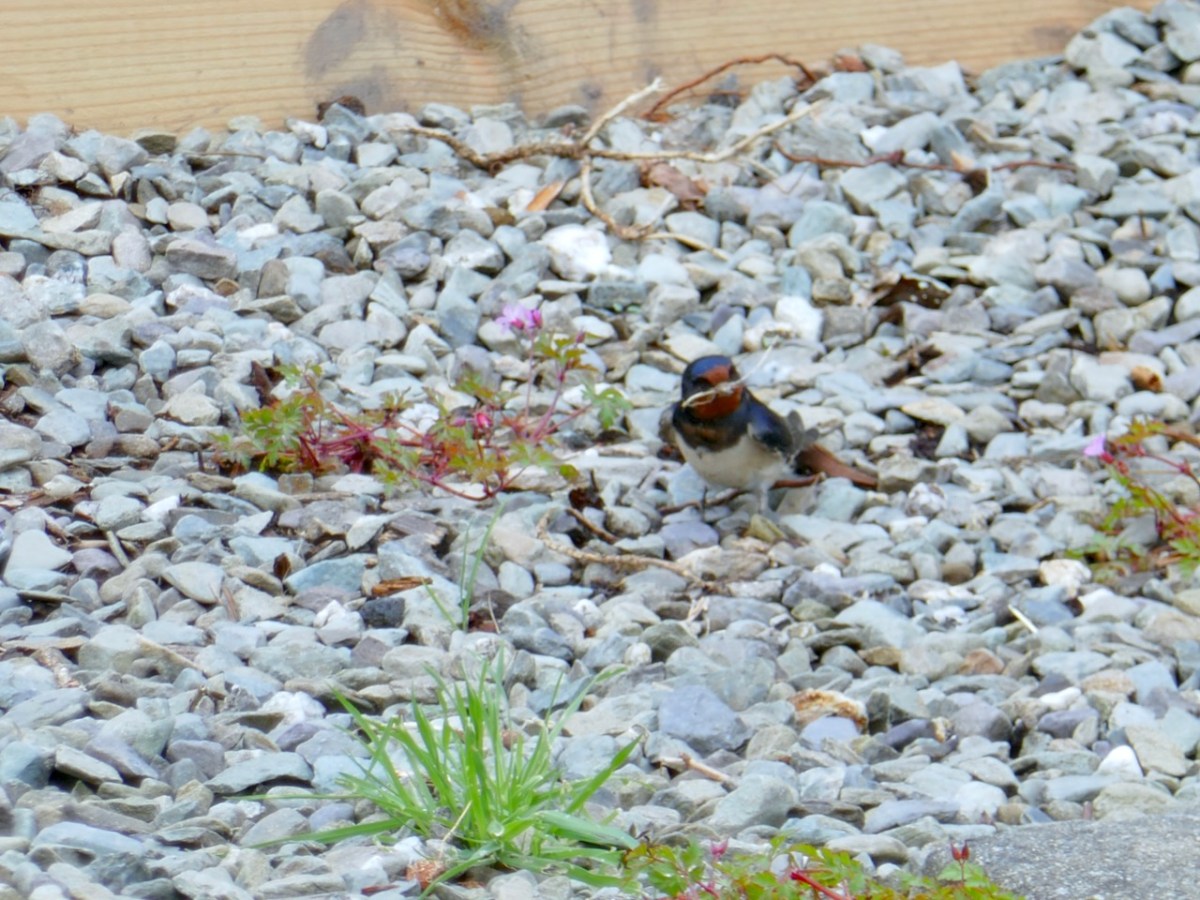
I sat in there for a while today and was glad to see that my presence did not deter them from their work. This all bodes well for a peaceful cohabitation. I hope to announce the nestling count in due course.
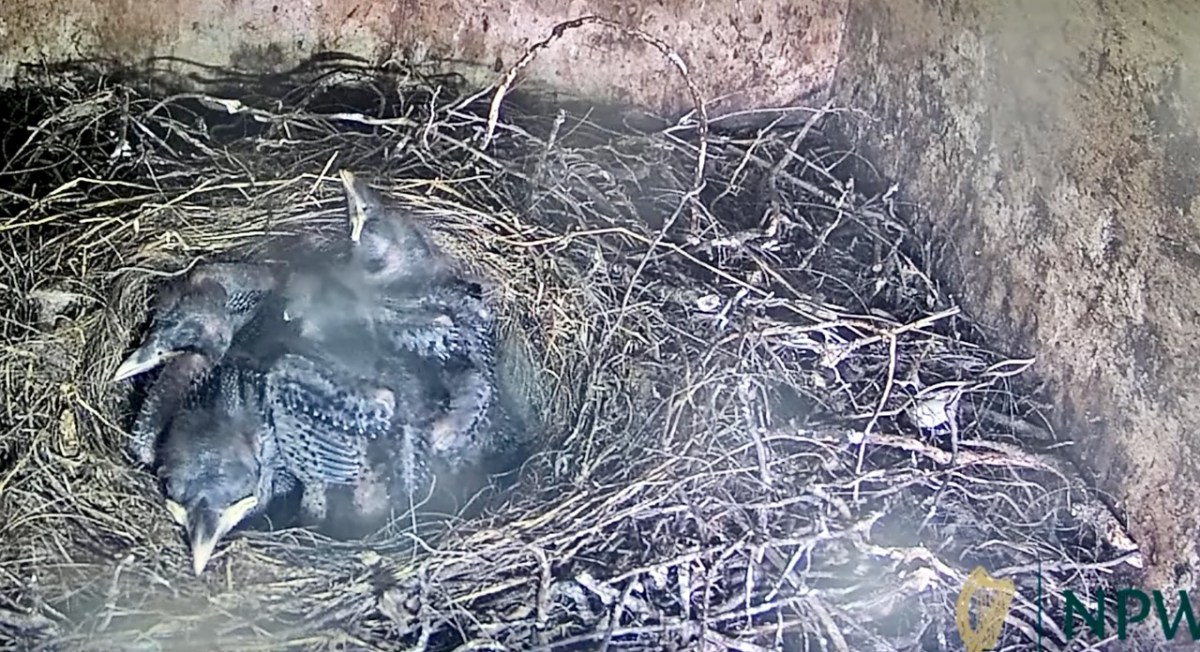
And if you can’t wait for that, why not tune in to the live camera trained on the Chough’s nest, not too far from here. There are four babies, all curled up together – but watch for the electric moment they sense Mum arriving with food.