Ballinacarriga Castle Part 1

It’s been a long time since I wrote about a castle – you might like to refresh your memory about castles in West Cork, with a quick read of some of the posts on this page. They contain all kinds of details about castle architecture and lay-out, as well as the history of many of our West Cork castles.
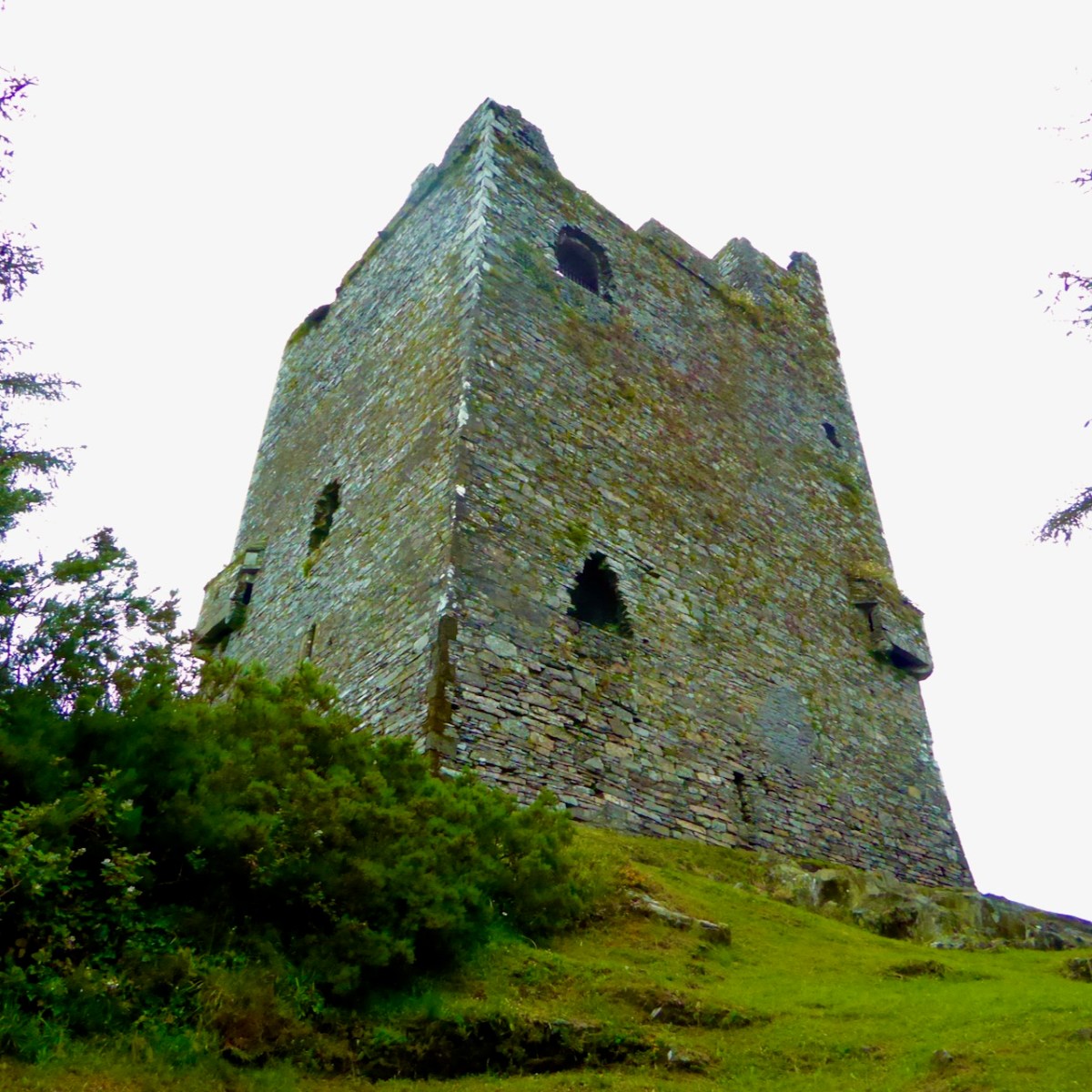
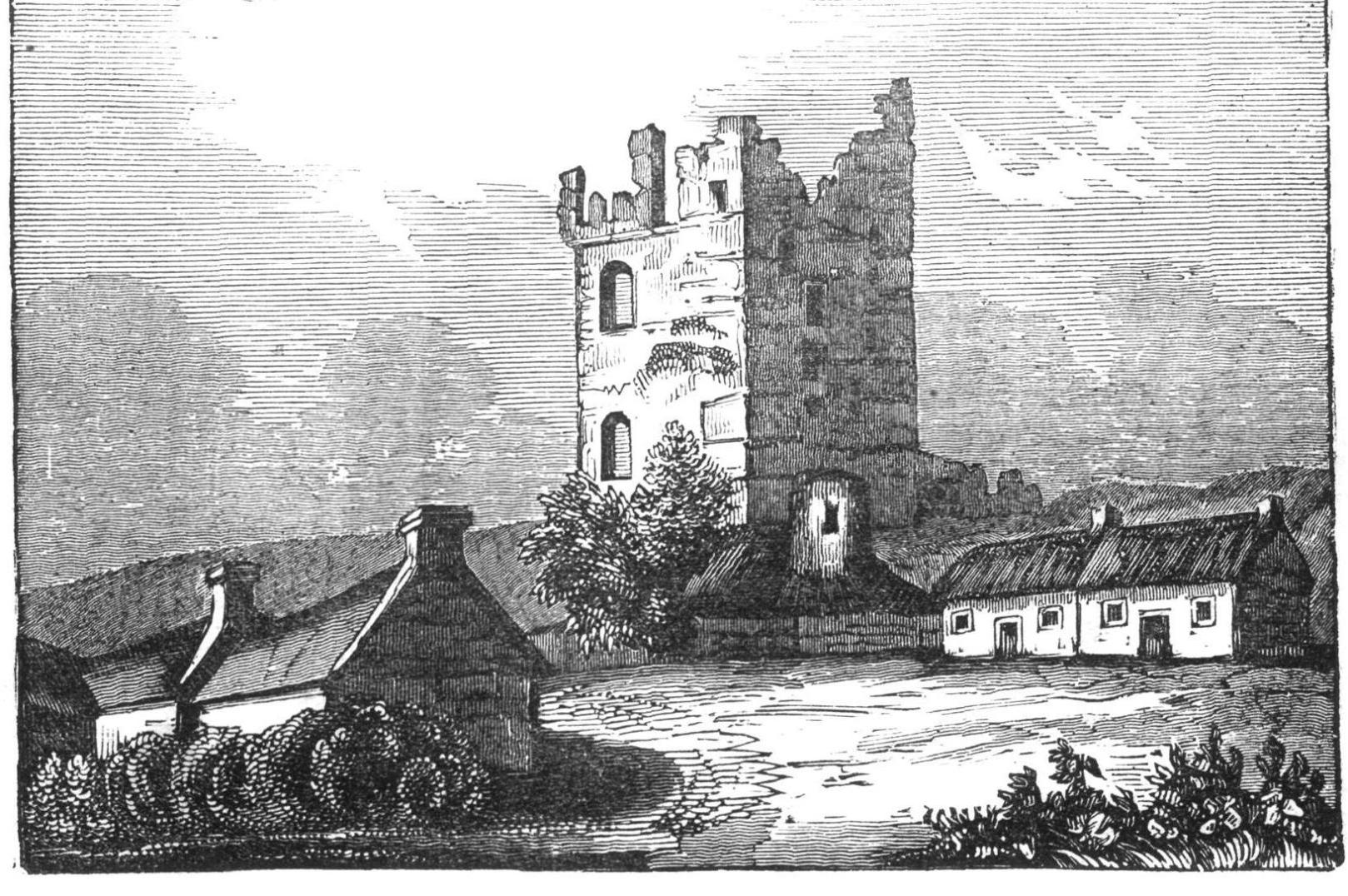
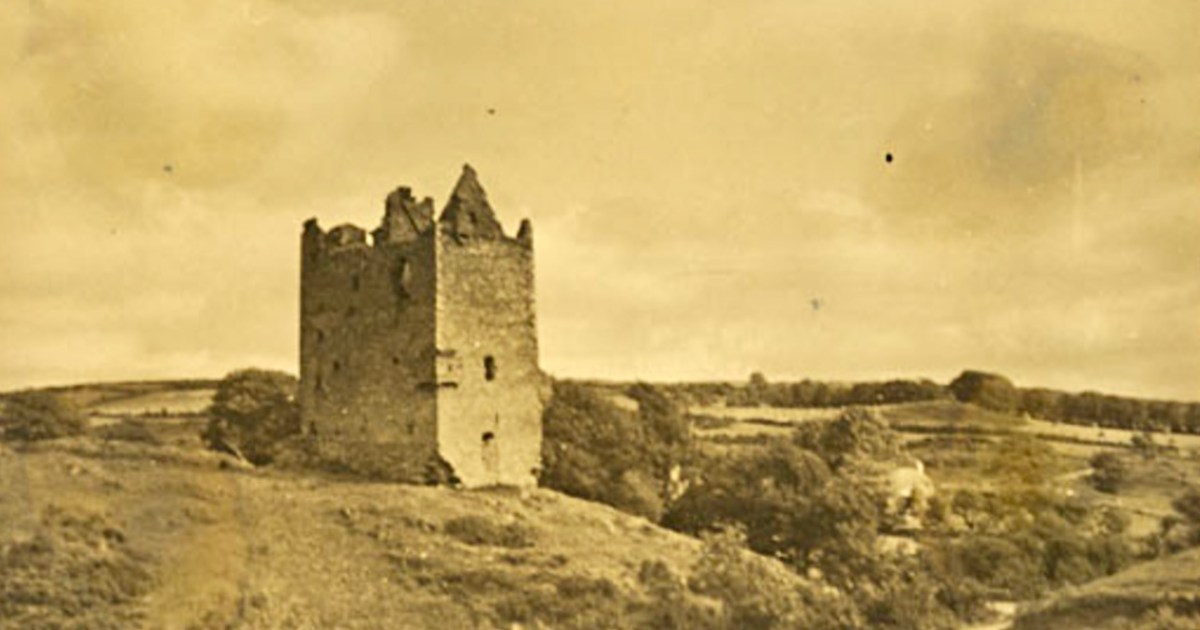
The castle I am writing about today, Ballinacarriga, is one of the best preserved and has many unusual details. It’s located just south of the Bandon River, between Dunmanway and Enniskean. The black and white illustration at the top of the post is from The Dublin Penny Journal of 1834. The sepia photo is from James Healy’s notebook, upon which he based his book Castles of Cork. (Reproduced by kind permission of Cork County Council Library and Arts Service.) Unfortunately, the castle is normally only really viewable from the outside, as it is quite hazardous to navigate internally. I have been very lucky indeed to have been able to visit it, including the interior, a couple of times, most recently in the company of eminent archaeologist and medievalist, Con Manning. Con was able to point out to me several features that I would not have understood on my own. 
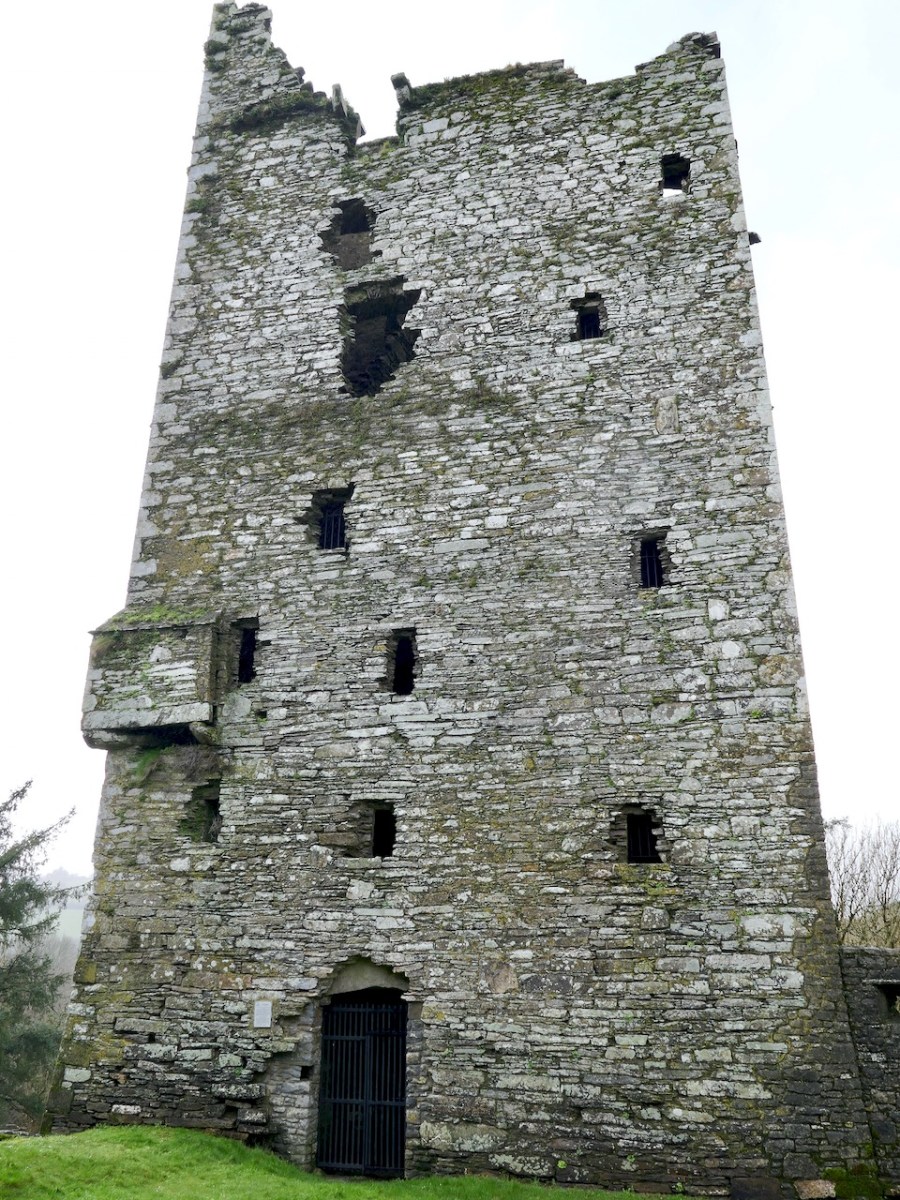
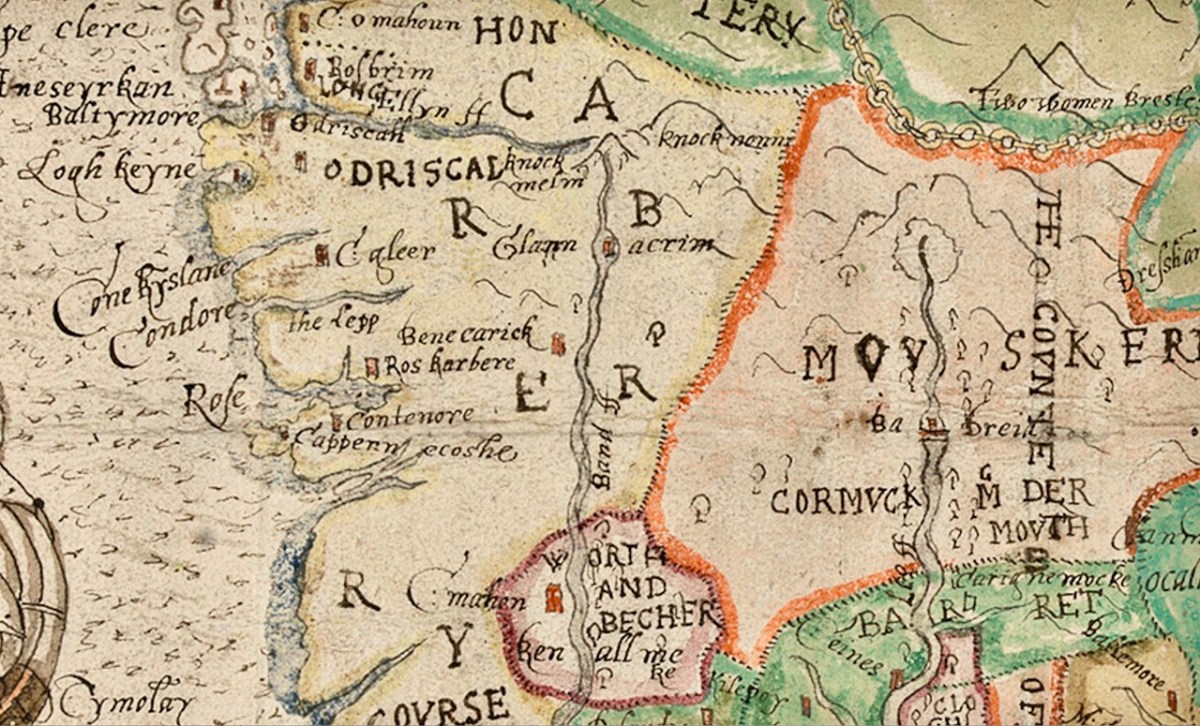
This is a ‘ground entry’ castle – they were built later than the ‘raised entry’ castles of the O’Mahonys and are consequently more designed for comfort (fireplaces!) and more likely to be inland rather than coastal. This one was a castle of the Hurley (Ó Muirthile) clan, although it may also have been built (or acquired, or relinquished) by the McCarthys. The Hurleys managed to hang on to it until the mid-1600s when it was seized by forfeiture and handed over to the Crofts. The castle shows up in Jobson’s Map of Munster, completed around 1584, noted as Benecarick Castle – can you see it? It’s right where it should be, but don’t forget that this map has south on the left and north on the right.
One authority says that the tower was probably built in the late 1400s and the upper floors modified in the later 1500s but that is not obvious from an examination of the architecture. Let’s look at the outside first for some of the unusual features of this castle – beginning with the Sheela-na-gig (for more on Sheelas see our post Recording the Sheelas).
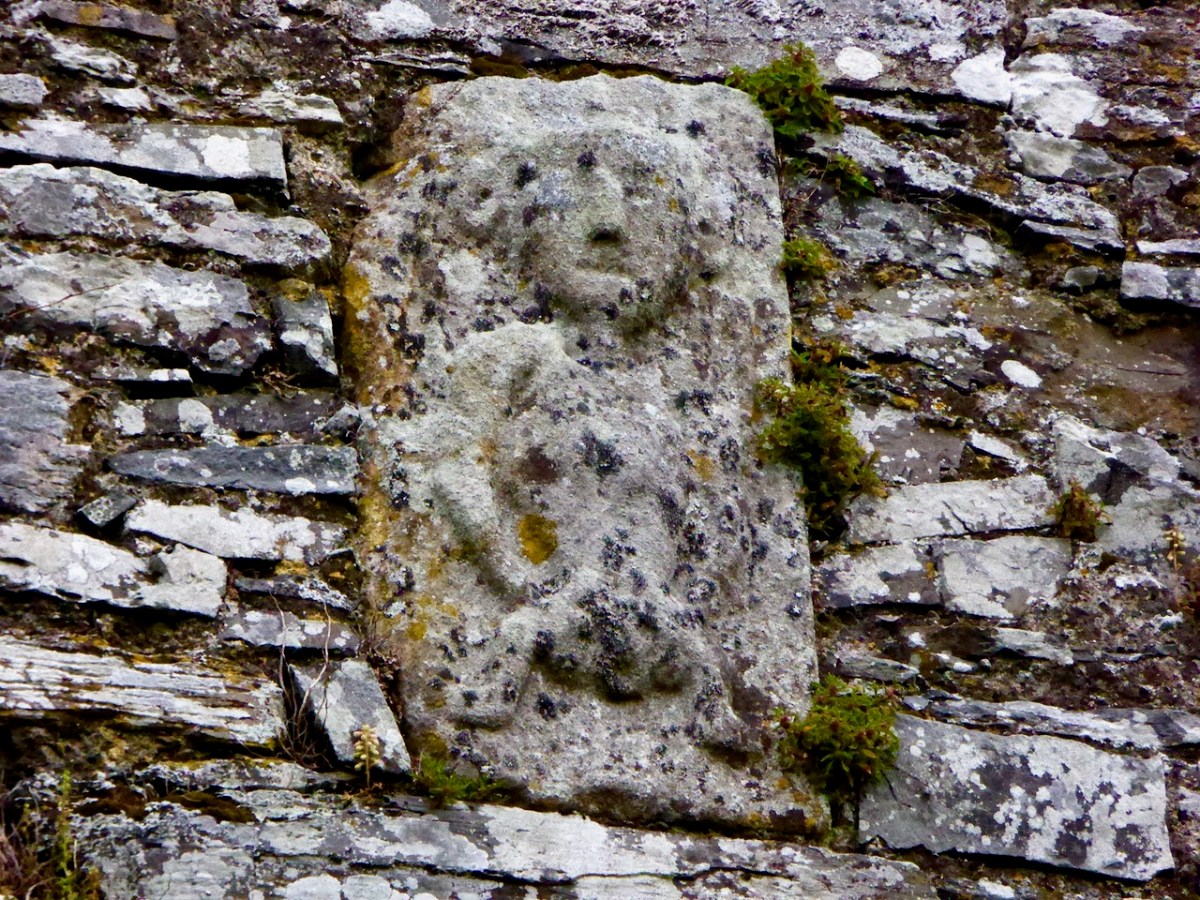
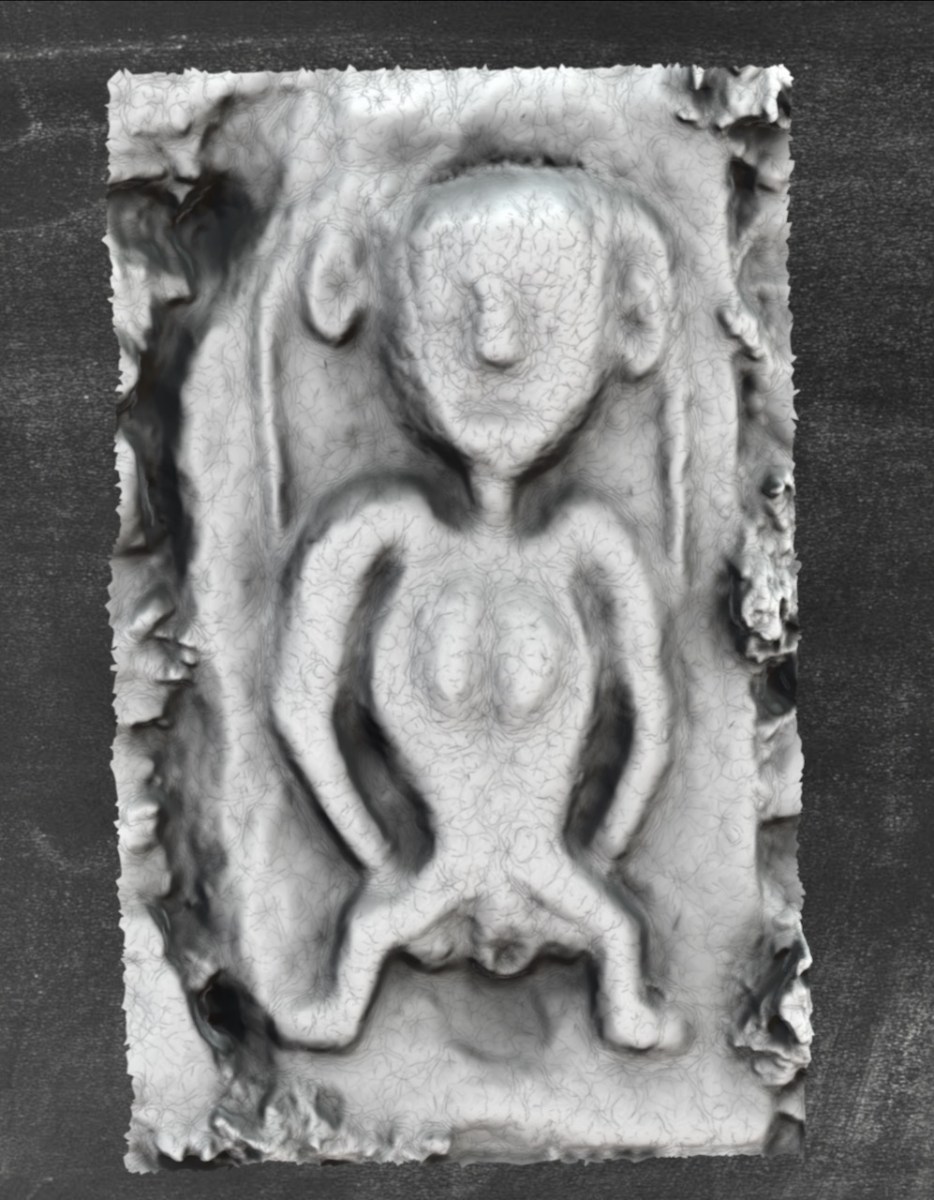
The Sheela can be seen in the image of the front of the castle above, between the second and third windows (from the bottom) on the right hand side. Here’s a 3D rendering by the marvellous Digital Heritage Age 3D Sheela project. It’s great to have this, as the Sheela on the castle is high up and hard to see in any detail. Its placement does seem to suggest that it was there to ward off the evil eye, one of the many theories about the function of Sheela-na-gigs.
The door, as mentioned above, is at ground level – this necessitated different kinds of defences than a raised entry which could only be accessed via a stairway that could be detached and thrown away from the castle. Ballinacarriga had an iron gate that could be pulled across the door from inside, via a hole in the stone surround. 
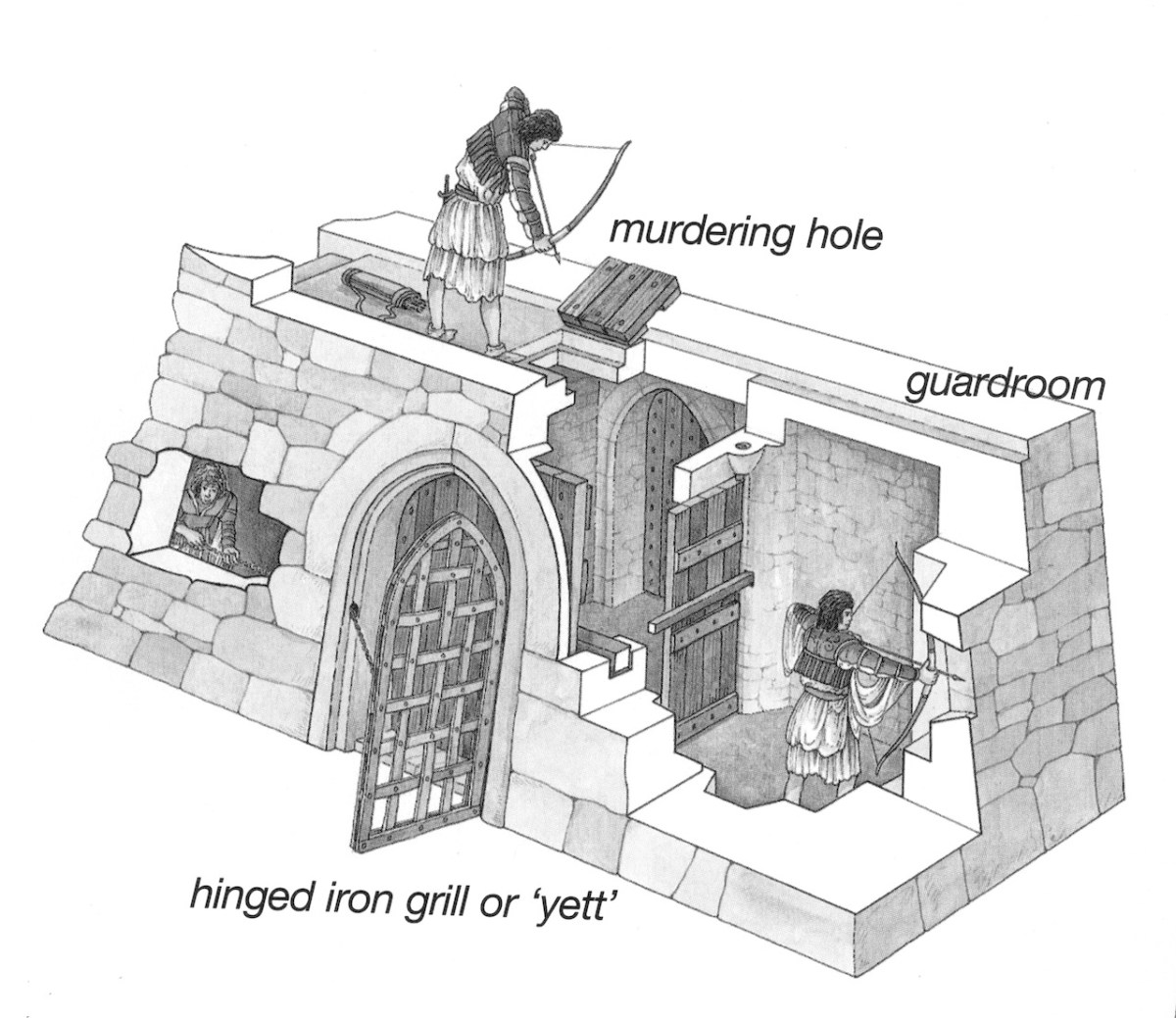
This feature was known as a yett. The chain that pulled it closed was managed by a sentry in a small sentry room to the left of the doorway. There is no sign of a murder hole above the entry lobby, as there is, for example, at Kilcrea. 
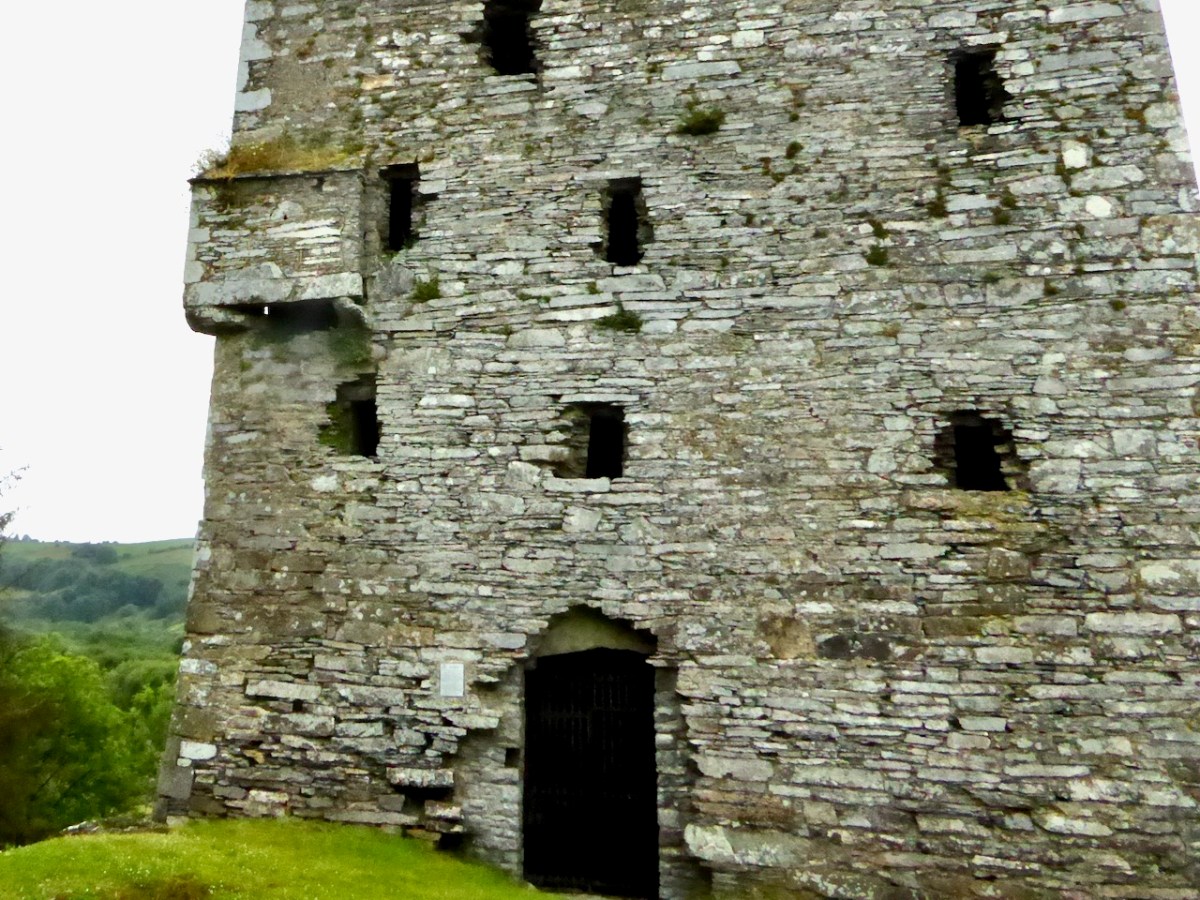
Outside, we can see other defensive feature – bartizans, which are small projecting turrets at the corners, and a space that probably held a machicolation (like a bartizan but on a straight stretch of wall) over the door. 
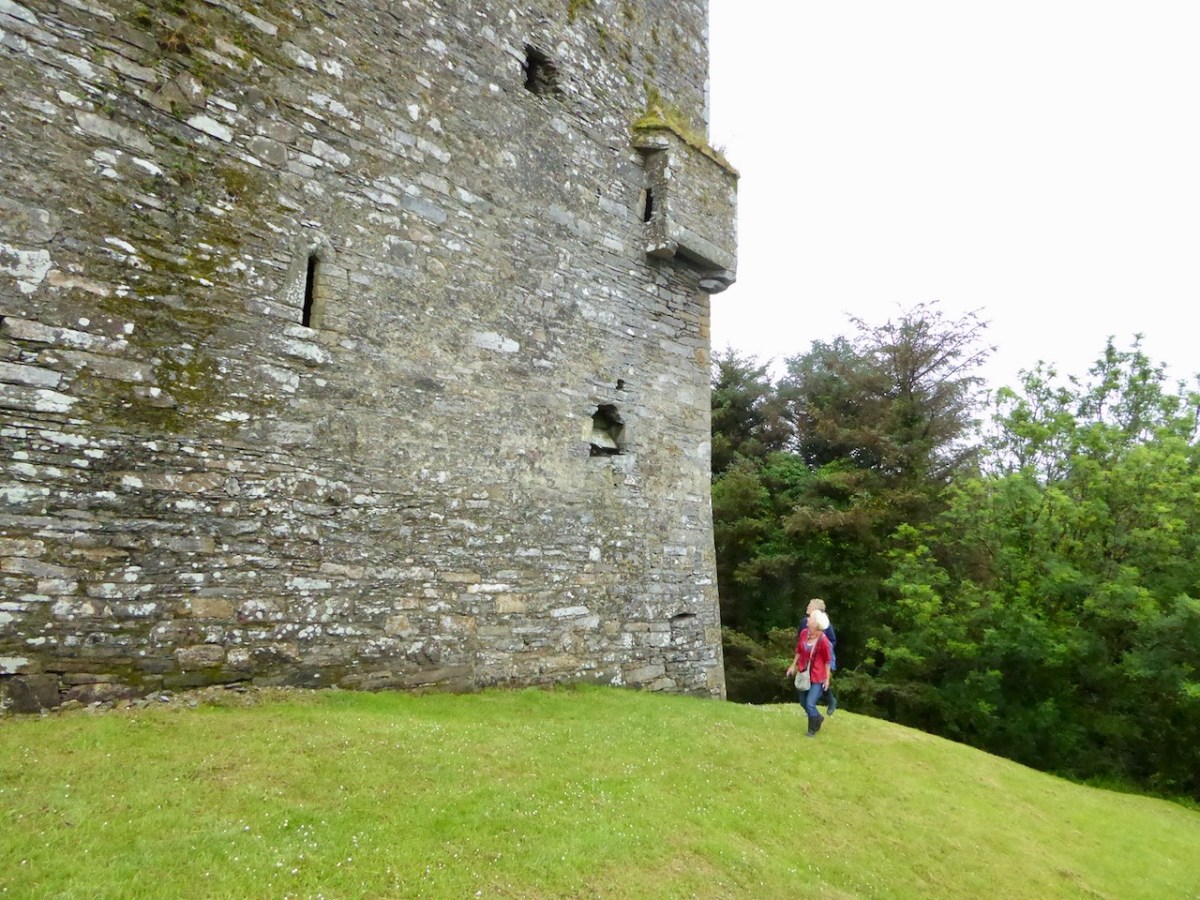
We also see the base batter and a garderobe chute (above) – chute exits are normally near the ground but this one emptied its content at first floor level, leading no doubt to a foul-smelling area that had to be regularly cleaned by an unfortunate individual. 
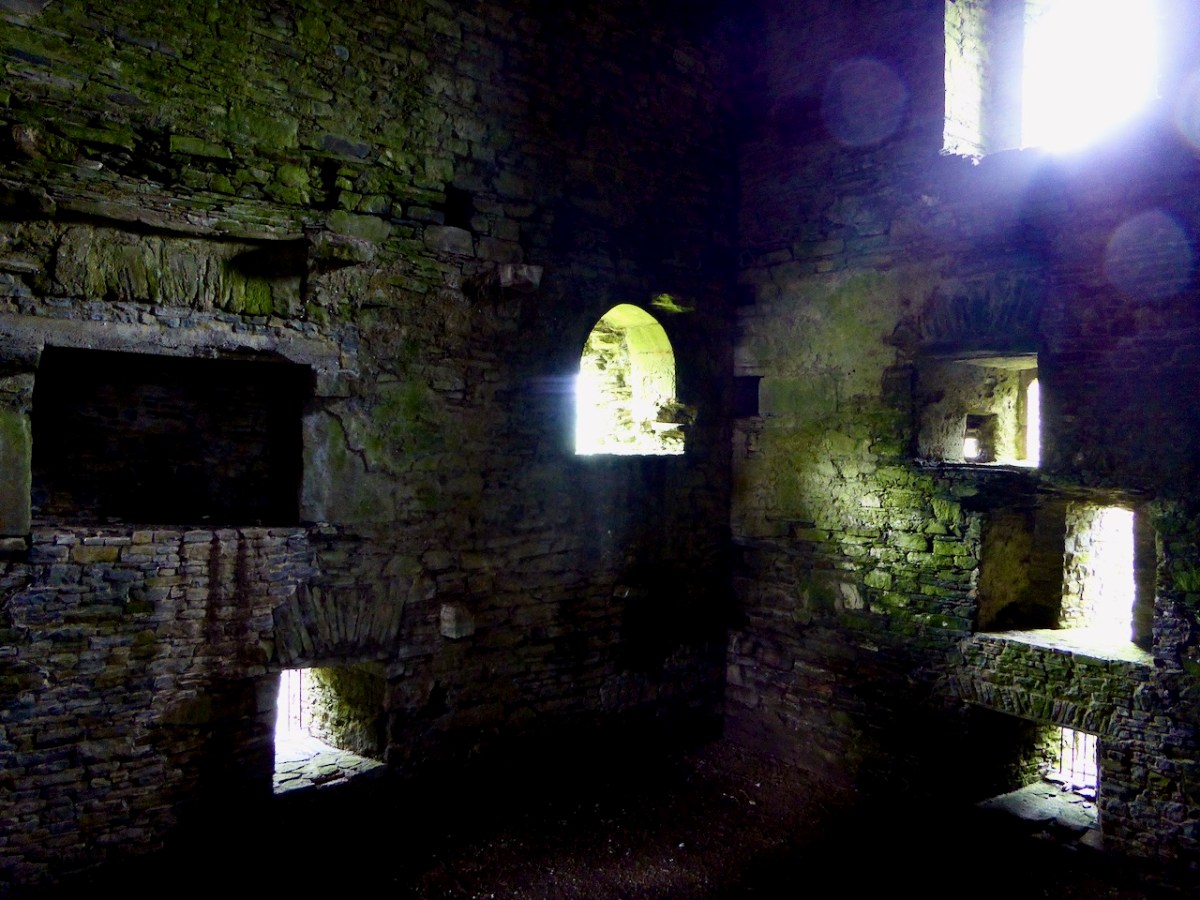
Inside the main space is vaulted and there are at least two floors under it and a possible third or mezzanine floor. The second floor must have been a residential space as it contains an impressive fireplace.
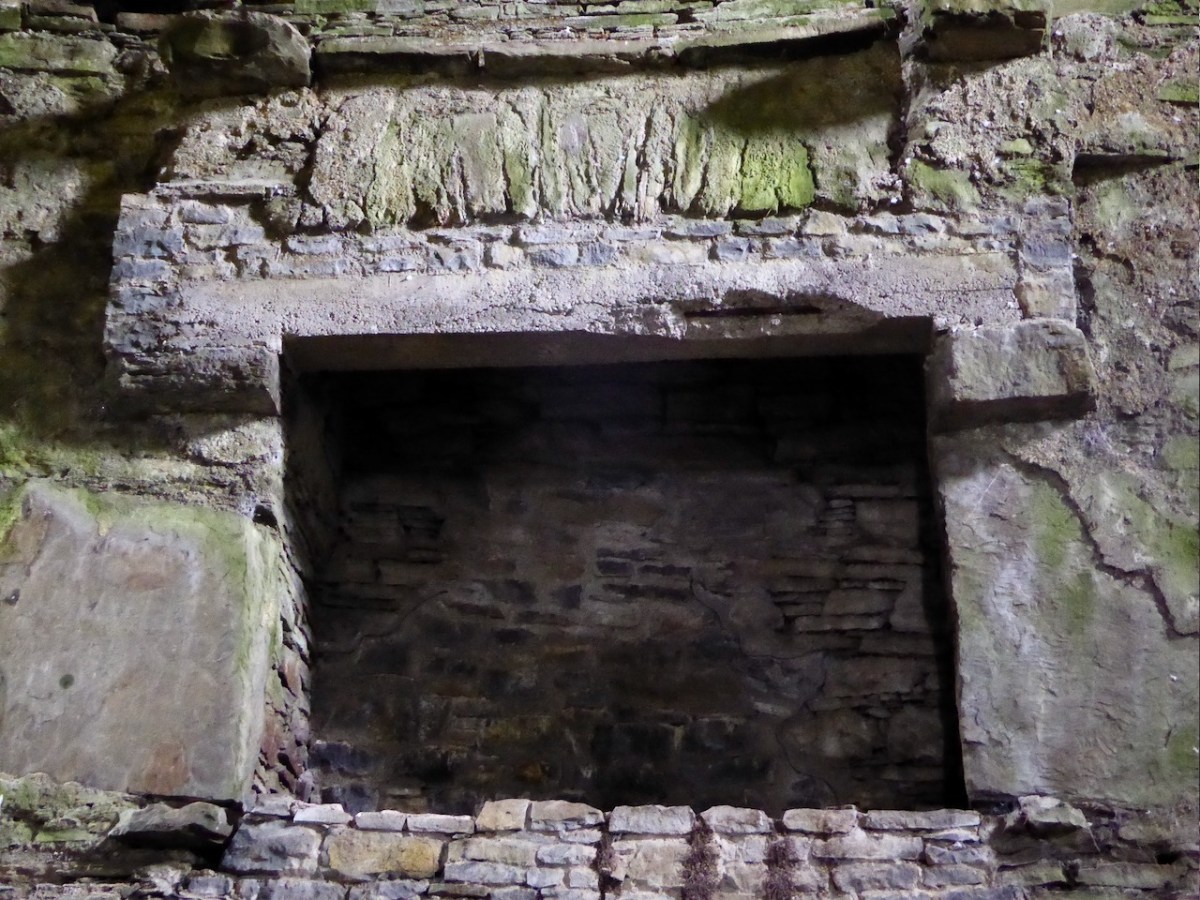
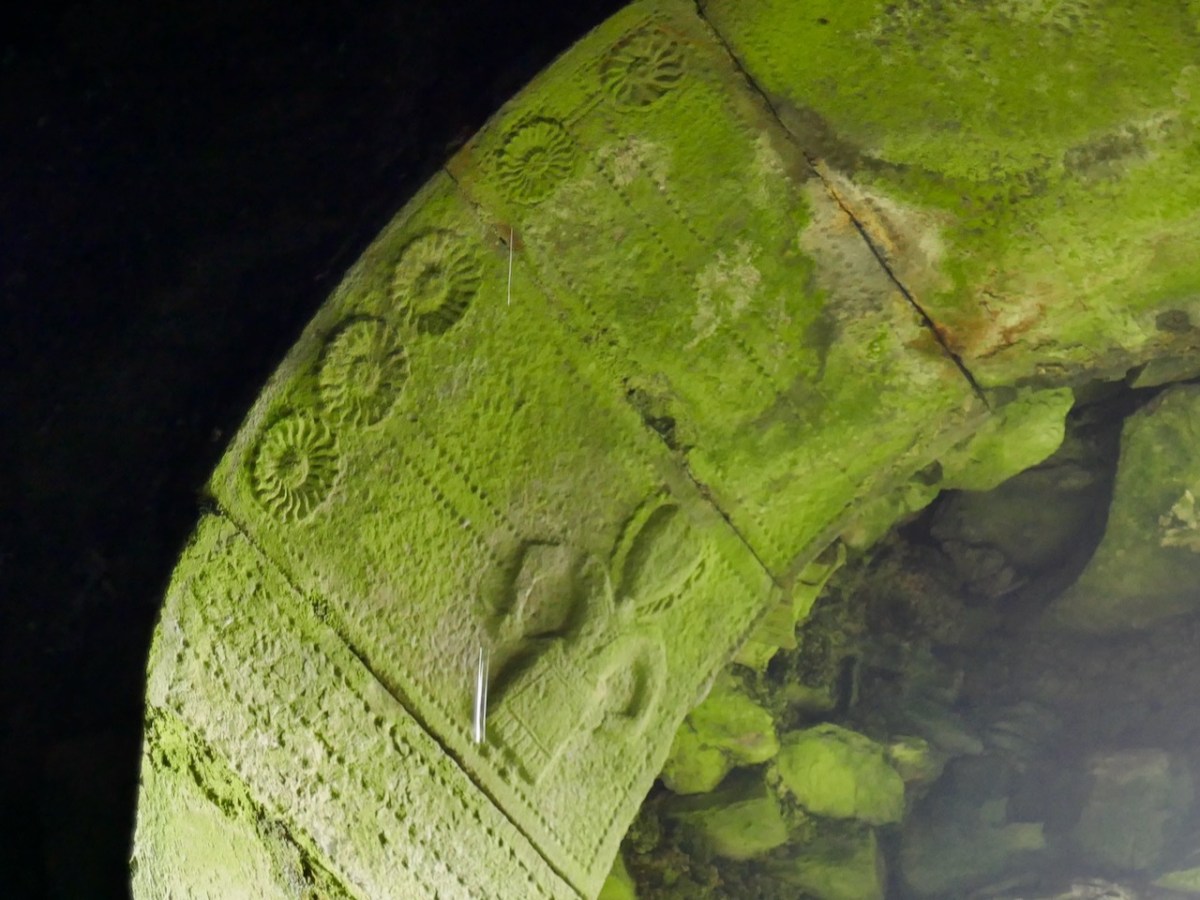
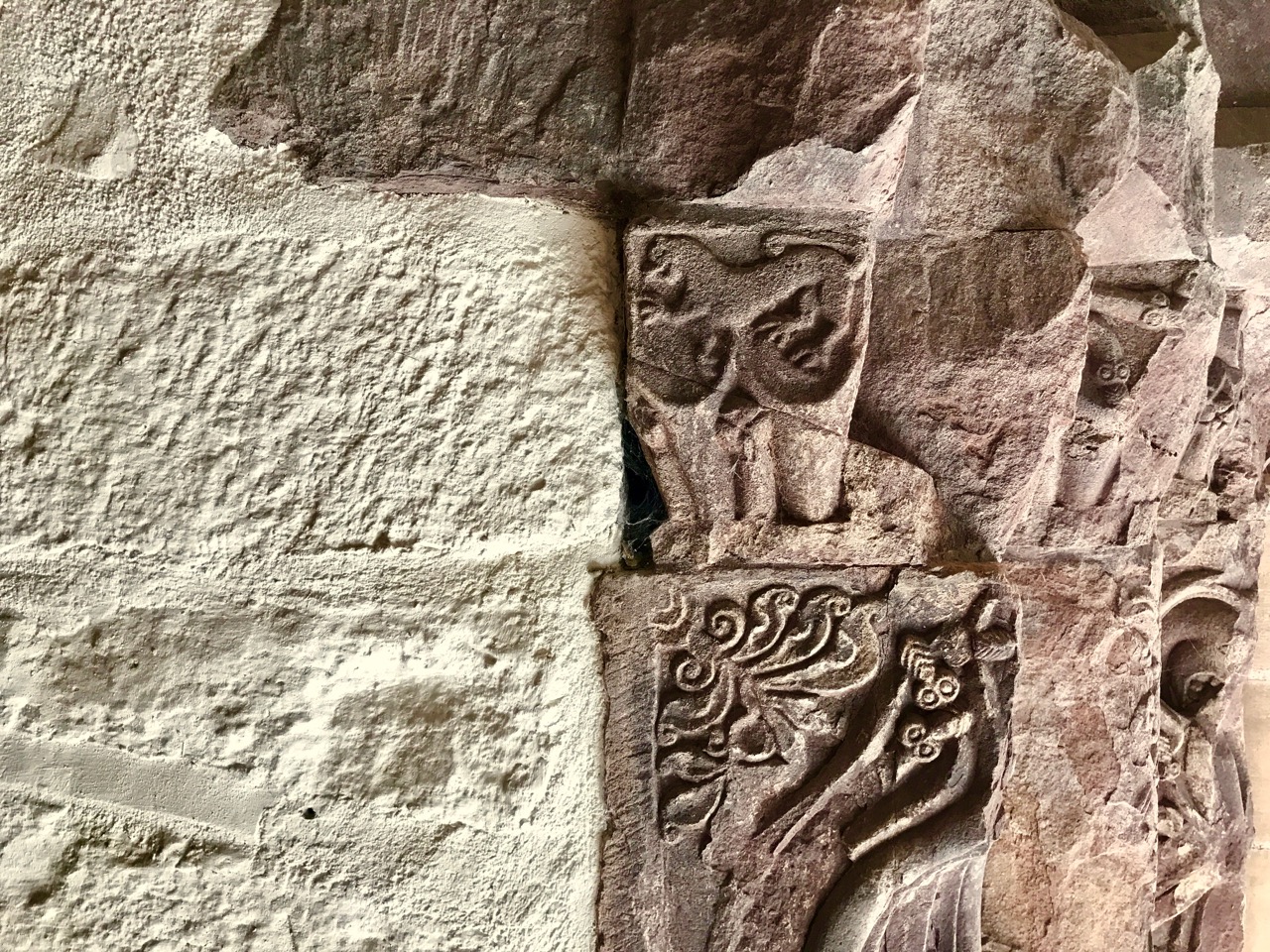
In a window surround at this same level (the arched one to the right of the fireplace) we can see the first of several carvings. It’s a figure of a woman with five rosettes, interpreted as Catherine O Cullane and her children. It’s an extraordinary detailed carving and I couldn’t help searching the internet to see if I could find analogous illustrations – and I did!
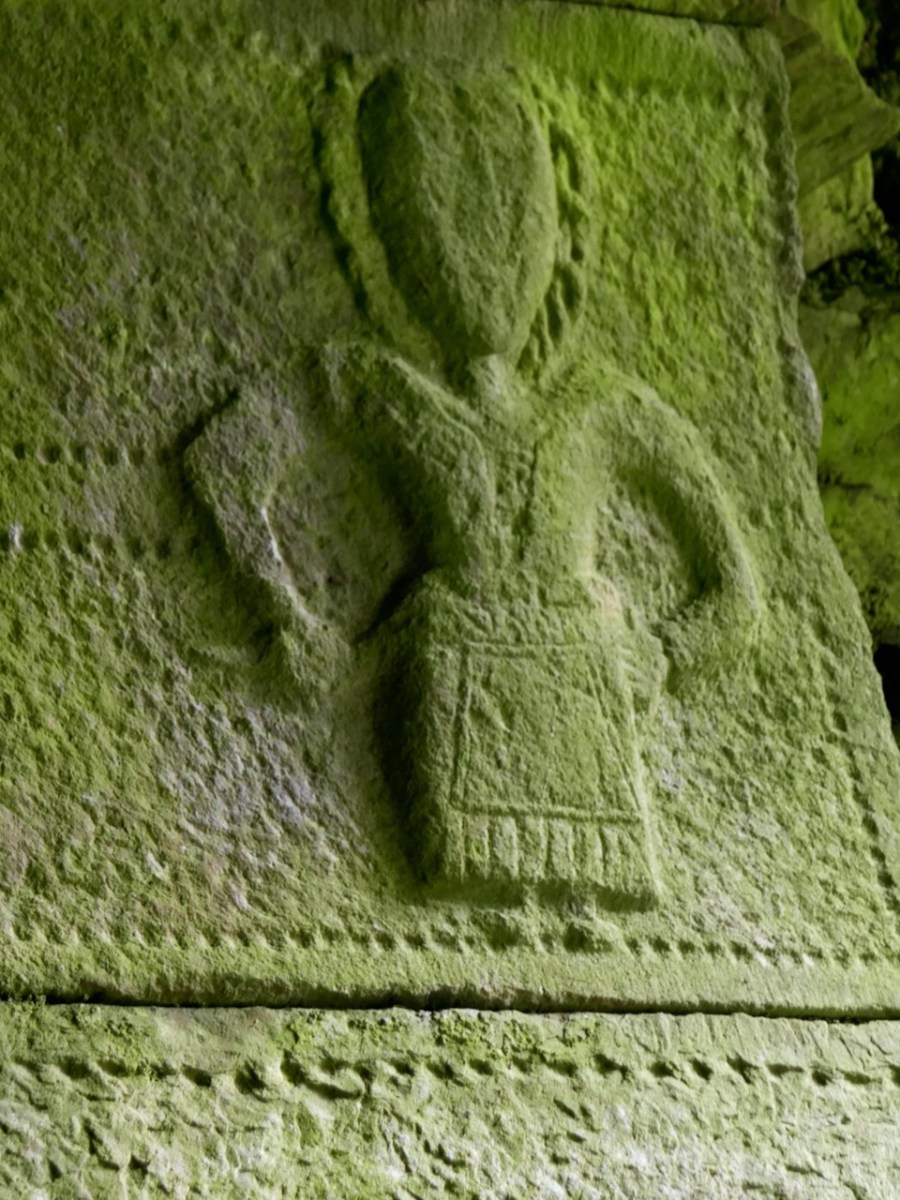
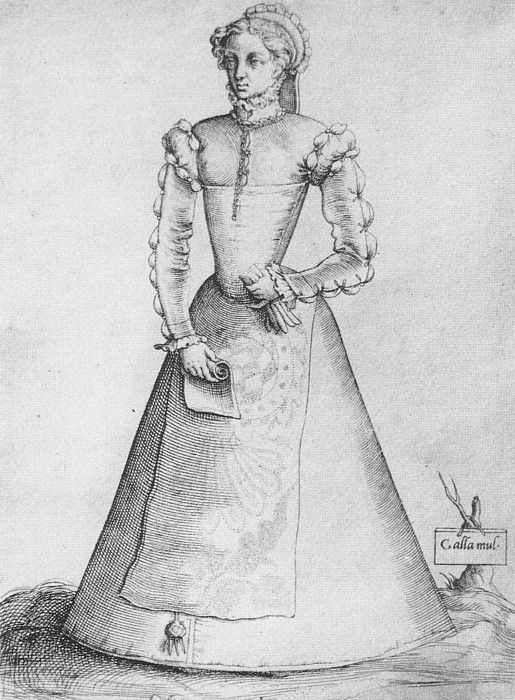
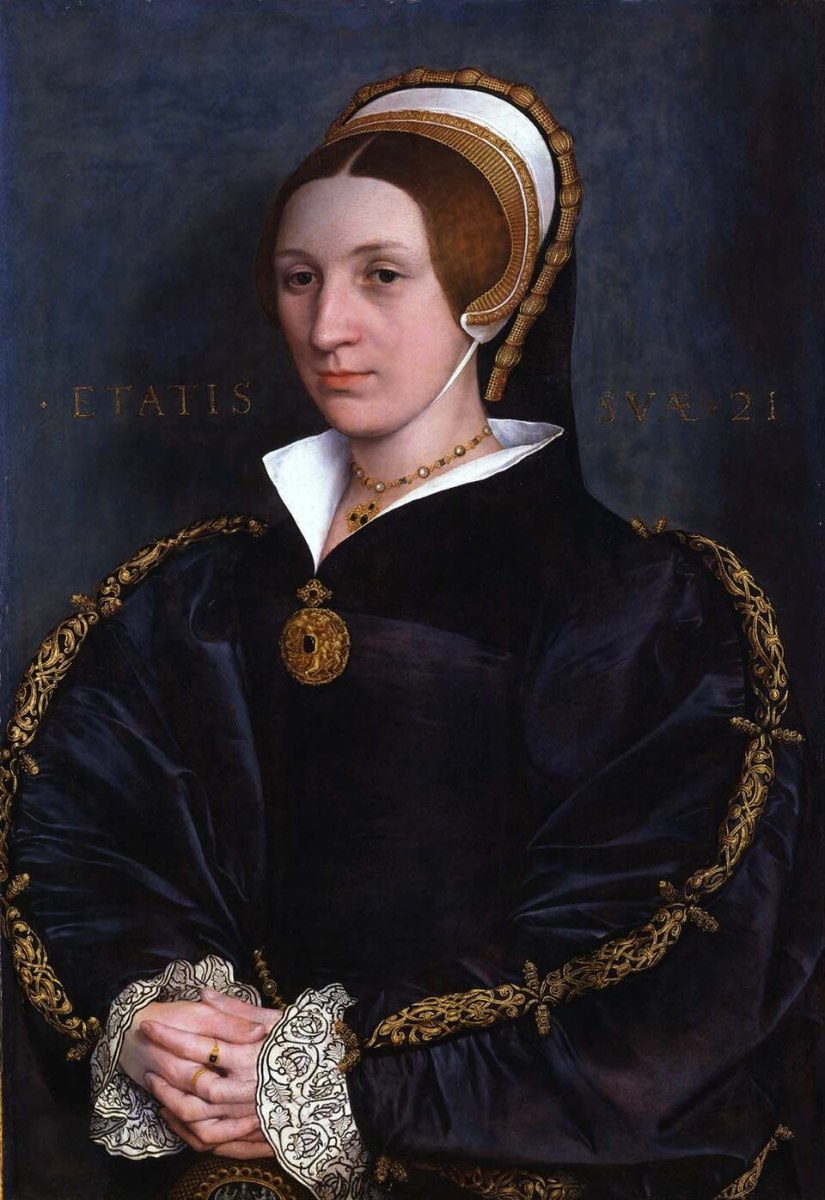
Obviously Catherine enjoyed the height of contemporary fashion. The black and white illustration shows her French hood and apron, while the Holbein portrait is a good representation of her puffy sleeves and open collar.
There are more carvings and more features to come – part 2 next week!
First: French woman from Habitus Nostrae Aetatis by Enea Vico, c. 1556. Available here: https://www.meisterdrucke.ie/fine-art-prints/Enea-Vico/1328771/Galla-Woman-%28title-on-object:-Galla-mul%28ier%29%29-A-Married-Woman-from-France,-Dressed-in-the-Fashion-of-ca.-1550-%28series-title:-Diversarum-gentium-nostrae-aetatis-habitus%29.html
Second: Holbein, Hans 1535. Portrait of a lady, probably of the Cromwell Family formerly known as Catherine Howard. Public Domain

Fading Treasures

For me, Ireland’s greatest treasures are those that are shy of publicity. There’s nothing more rewarding than turning off the beaten track and negotiating a narrow boreen with a lush growth of grass down the middle and brambles scratching your car on either side to find – often by chance – a stunning piece of medieval architecture, perhaps just the fragments of a ruin in a field, but revealing the beauty of a decorated doorway or an ornately carved corbel. Always these items are discernible but fading. Their splendour – and the exquisite craftsmanship that created them – are manifest. But there’s a melancholy in these finds: you see them, and wonder at them, yet you ask: how many more generations will be able to appreciate these works of ancient hands?

A classic case study would be the medieval high crosses. There are a remarkable number of these still intact on the island of Ireland, and many more fragmentary remains. We go out of our way to search for all these traces in our travels: some of those we have visited to date can be found through this link. It’s such a rich archive, and there are many more to be written up.

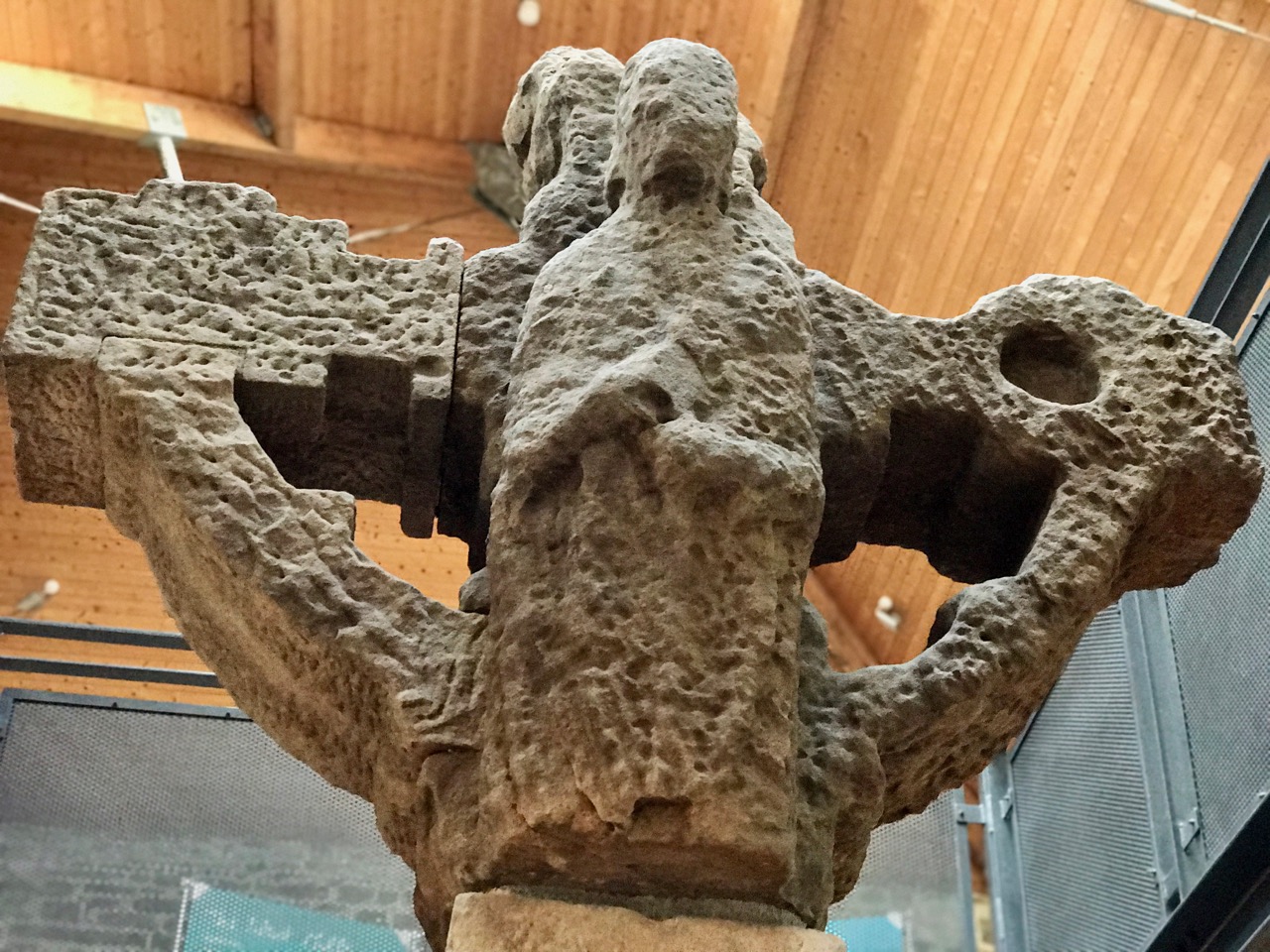
Above is St Cronan’s High Cross, Roscrea, Co Tipperary. As you can see, this example has been removed to an indoor location (Black Mills Heritage Centre), to protect it from further weather deterioration, although all the fine detail has been lost. In fact, this example has been assembled from sections of two different medieval crosses for purposes of display. I am an advocate of protecting these artefacts in this way, as acid rain and modern pollution seem to be accelerating the decay of the stone monuments. As in many cases with the protection measures, a high quality reproduction cross has been placed on the original site in the churchyard of St Cronan’s, just a few metres away. Have a look at my post on Monasterboice for a further discussion on the arguments for preservation of these monuments – and compare the condition of the as yet unprotected high crosses there with the wear and tear above.

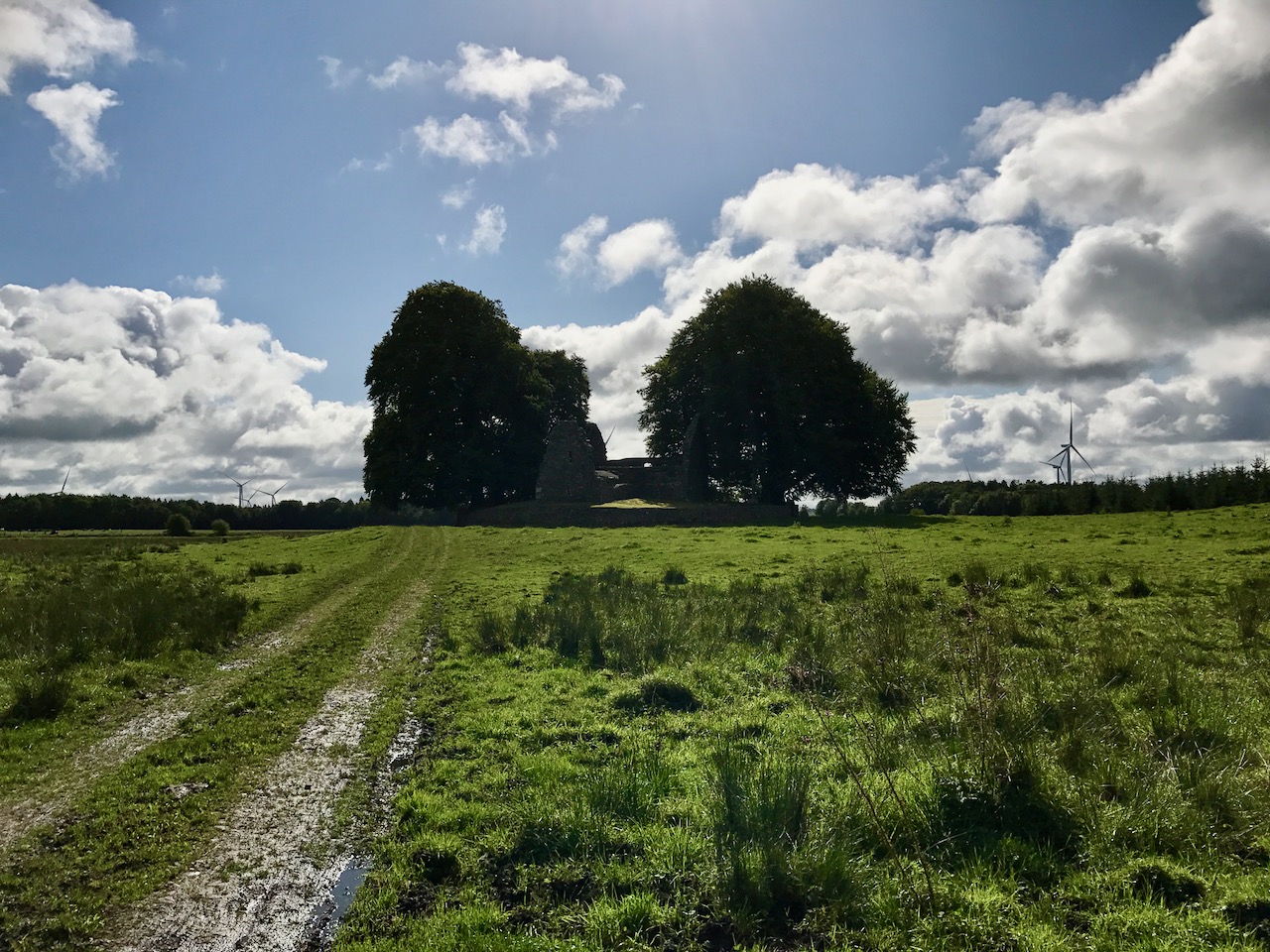
While in Roscrea, you can take your own journey along a ‘secret track’ to find treasures. Visit Inis na mBeo (Island of the Living) at Monaincha, just a stone’s throw from the town: you are likely to be the only visitors there and can fully appreciate the solitude of the location while exploring a ruined Romanesque church and a reconstructed high cross (above). The monastic site was founded in the 6th century, and was then a true island, only accessible by boat; now you can walk to it. Not least of its attractions is the fact that you are immortal while you are there (so they say). Certainly, we came back alive, but I was concerned to read later that another tradition has it that when the now dry lough contained water, no woman or female animal could ever set foot in or cross it without dying instantly. (Below – looking along the remote trackway that takes you to the former Island of the Living at Monaincha).

Another ‘rescued’ high cross can be found quietly located in the far less remote (but still a little unsung) Cathedral of St Flannan in Killaloe, Co Clare. Megalithic Ireland has a good account of the history of this cross, which can be seen in the images below (while the header picture at the top of this post shows exquisitely carved detailing from a Romanesque doorway in the same Cathedral):

. . . The High Cross in St Flannan’s Cathedral was moved to Killaloe from Kilfenora in 1821. Originally the cross stood on the highest point south of Kilfenora Cathedral, and became known as the cross on the hill. Dr Richard Mant who was appointed Bishop of Killaloe and Kilfenora in 1820, was appalled by the condition and lack of respect shown for the antiquities in Kilfenora. The cross, which had fallen in 1820, was sent to the Bishop the following year. He had it erected on the grounds of his residence Clarisford Palace. The cross was moved at a later date by a Bishop Ludlow and moved back within the Palace grounds in 1850. In 1934 the cross fell again and this time broke into three pieces. It was re-erected inside the cathedral and fixed against the west gable. In 1998 the cross was repaired and erected as a free standing cross. It stands over four metres high and bears a figure of christ in the centre of the head . . .

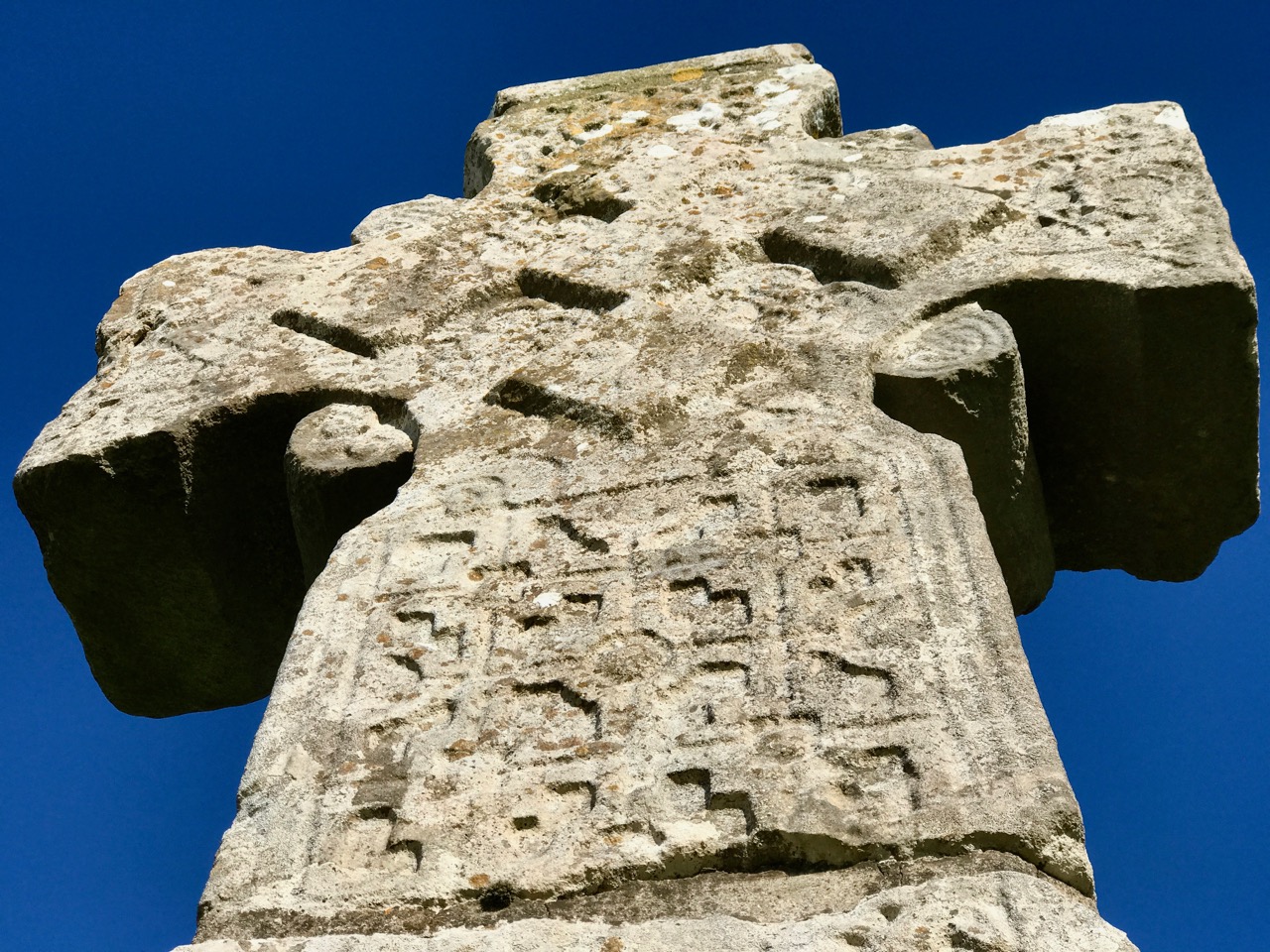
The White Cross of St Tola (images below) may not be on everyone’s list of things to see at Dysert O’Dea in Co Clare (you are more likely to be channelled to Corofin), but it’s easy to visit from the better known Romanesque monastery ruins: the ecclesiastical centre was founded by the saint in the 8th century. Cromwell’s forces destroyed the monastery and demolished the cross, but the cross was repaired by Michael O’Dea in 1683. The Synge family restored the cross again in 1871, and in 1960 it was temporarily dismantled and shipped to Barcelona for an exhibition on Irish art.

Clonmacnoise is likely to be on everyone’s list, and rightly so. It was one of Europe’s most important religious centres in medieval times. Ireland’s Ancient East website describes it thus:

. . . The whole of this early Christian site – including ruins of a cathedral, seven churches (10th–13th century), two round towers, high crosses and the largest collection of early Christian grave slabs in Western Europe – is a vast story in stone that keeps alive the spirit of Ireland as a Land of Saints and Scholars . . .

There are three conserved high crosses at Clonmacnoise – all are placed inside the visitor centre, while quality replicas are positioned on the original sites: this is a good exemplar of how to look after ancient stones and, while perhaps the seasonal crowds can be off-putting, I believe it’s the only answer for maintaining access to and displaying this valuable history. Ancient East mentions the important grave slab collection: after the high crosses (and, of course, Romanesque architecture) I feel these are the most beautiful representations of art and craftsmanship that connect us across the centuries to our remarkably focussed forebears.

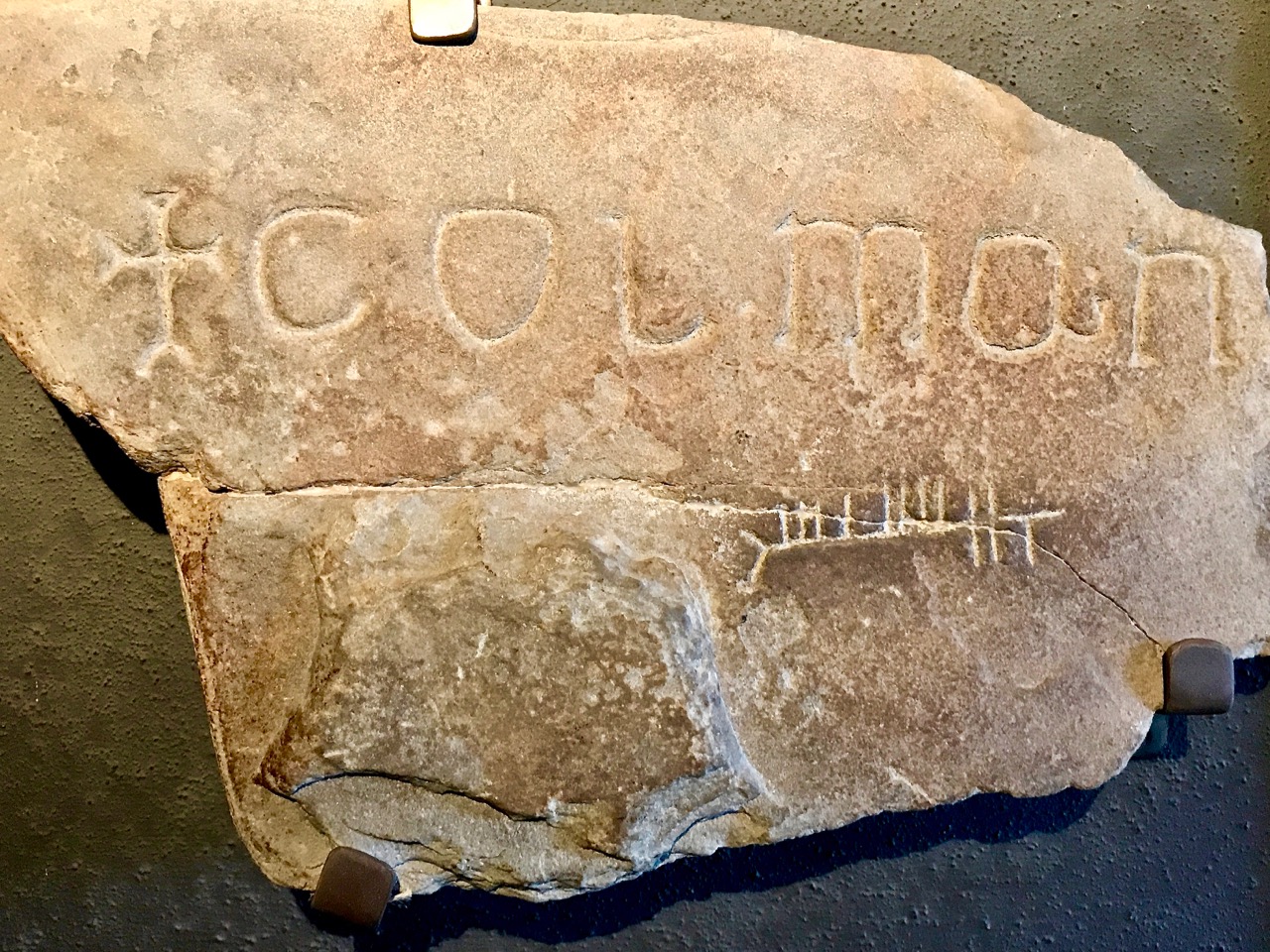
These are just a few examples of the many grave slabs which are fortunately conserved at Clonmacnoise. But there are many more monuments that are less fortunate, albeit they may enjoy some sort of state care. There are just not enough resources to look after the huge historical heritage of Ireland: we can only hope that, in time, they will all be fully appreciated and that not too many treasures will fade away.

The Wonders of Monasterboice

In our recent journeys around Ireland we both had opportunities to indulge our particular interests. Among them, Finola was able to take in some fine examples of stained glass and Romanesque architecture, while I concentrated on the beautiful medieval carving of a number of Irish High Crosses, to add to the examples I have written about recently.

For any Irish High Cross enthusiasts (I suspect that there are many of you out there), Monasterboice in County Louth has to be on the list of ‘must see’ places. It was founded in the 5th century by Saint Buithe, a follower of St Patrick – the Irish Mainistir Bhuithe means Monastery of Buithe – and was an active and important Christian settlement through to the 12th century, when its importance was eclipsed by Mellifont. I found out that St Buithe ascended into Heaven by climbing a ladder that was lowered down to him for the purpose.

Left – a photograph of the great cross at Monasterboice – known as  Muiredach’s Cross – taken in 1905 and, right – the same west face seen today. Finola is there to show its true scale: remarkably it is 5.5m tall

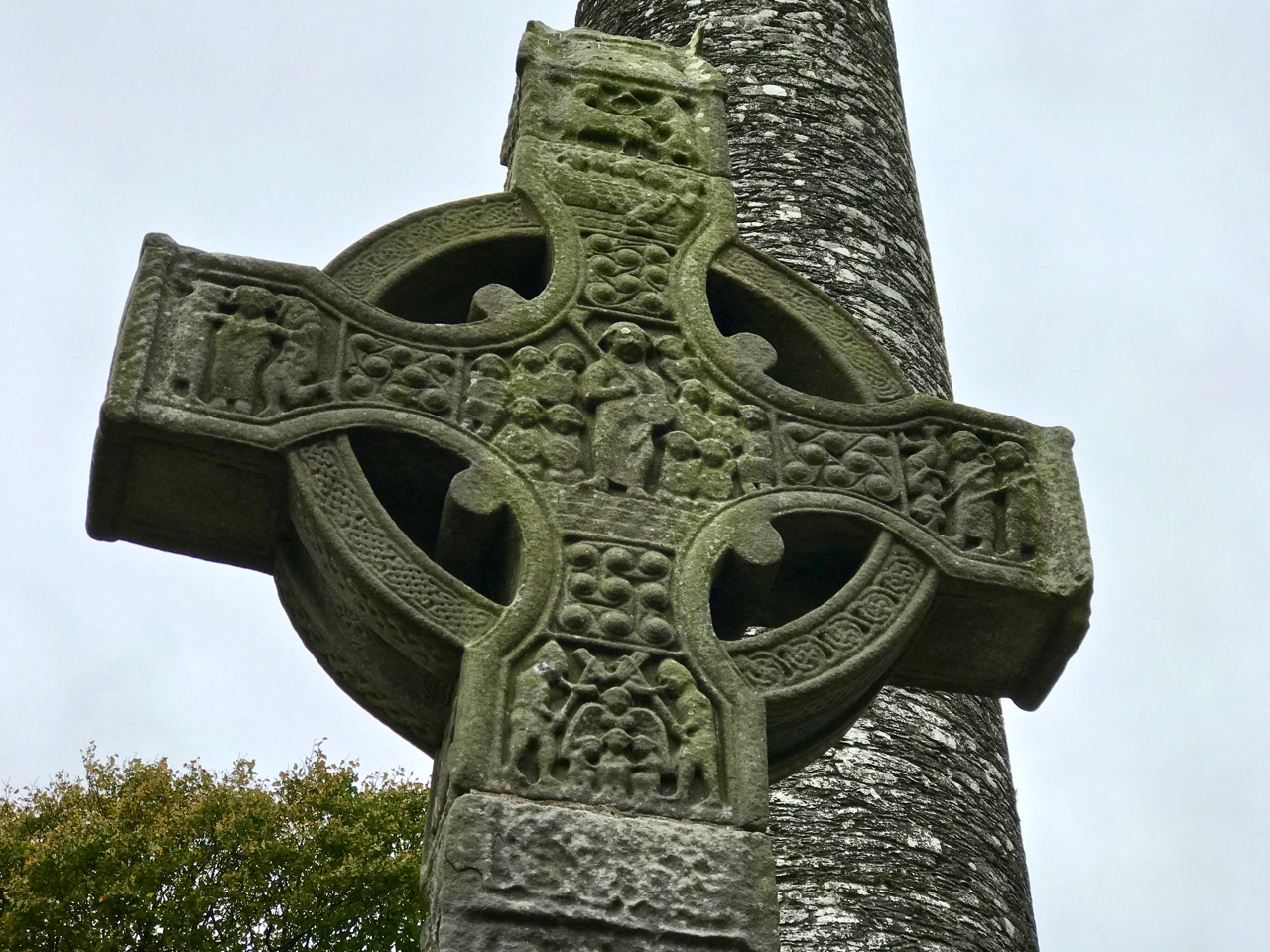
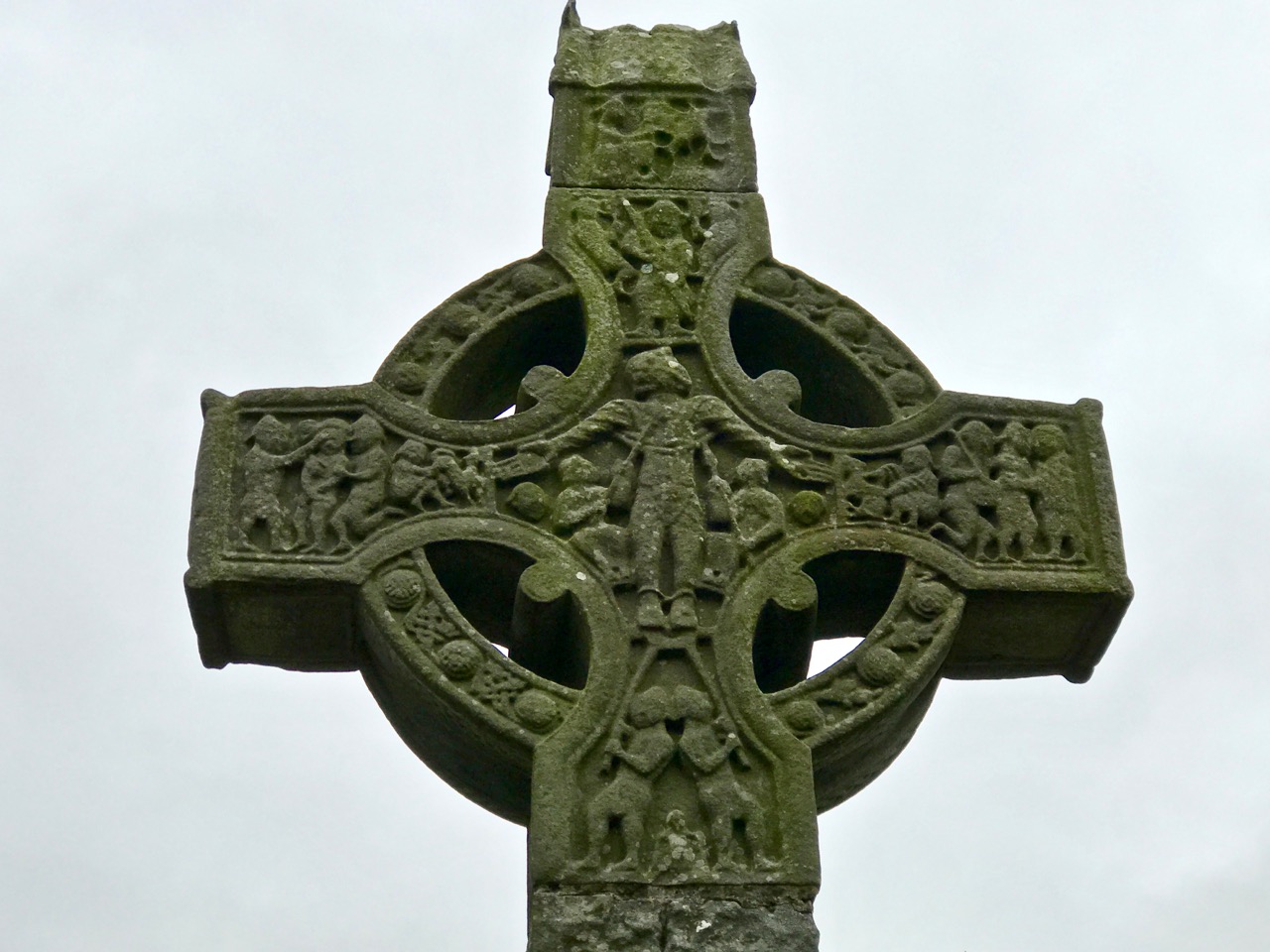
Muiredach mac Domhnaill, who died in 923, was an Abbot at Monasterboice. He is  credited with commissioning the great cross, shown above. It’s not quite the tallest high cross in Ireland, but it’s said to be the finest, probably because of its stature and remarkable state of preservation. The carved panels are all legible, and the biblical stories illustrated have all been identified. An inscription on the lower section of the cross shaft states: OR DU MUIREDACH LASNDERNAD IN CHROS – A prayer for Muiredach under whose auspices this cross was made. Confusingly there was also a king, Muiredach mac Cathail, who owned the lands on which the monastery was built. He died around 867, so it is possible that the cross was commissioned by him, or was made in commemoration of him, rather than by the Abbot.

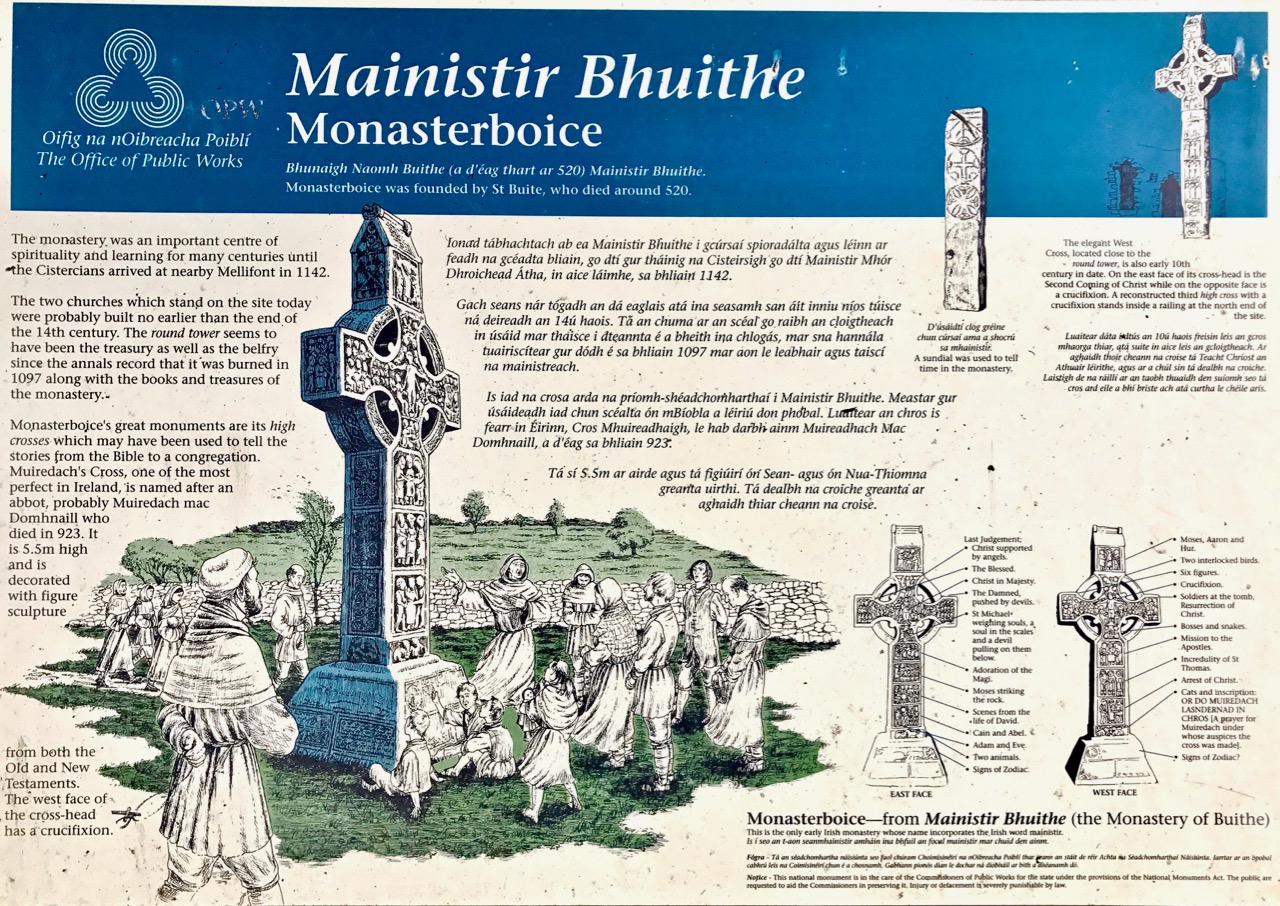
The Office of Public Works has responsibility for overseeing the site at Monasterboice. The well produced information panel details the carvings on Muiredach’s Cross

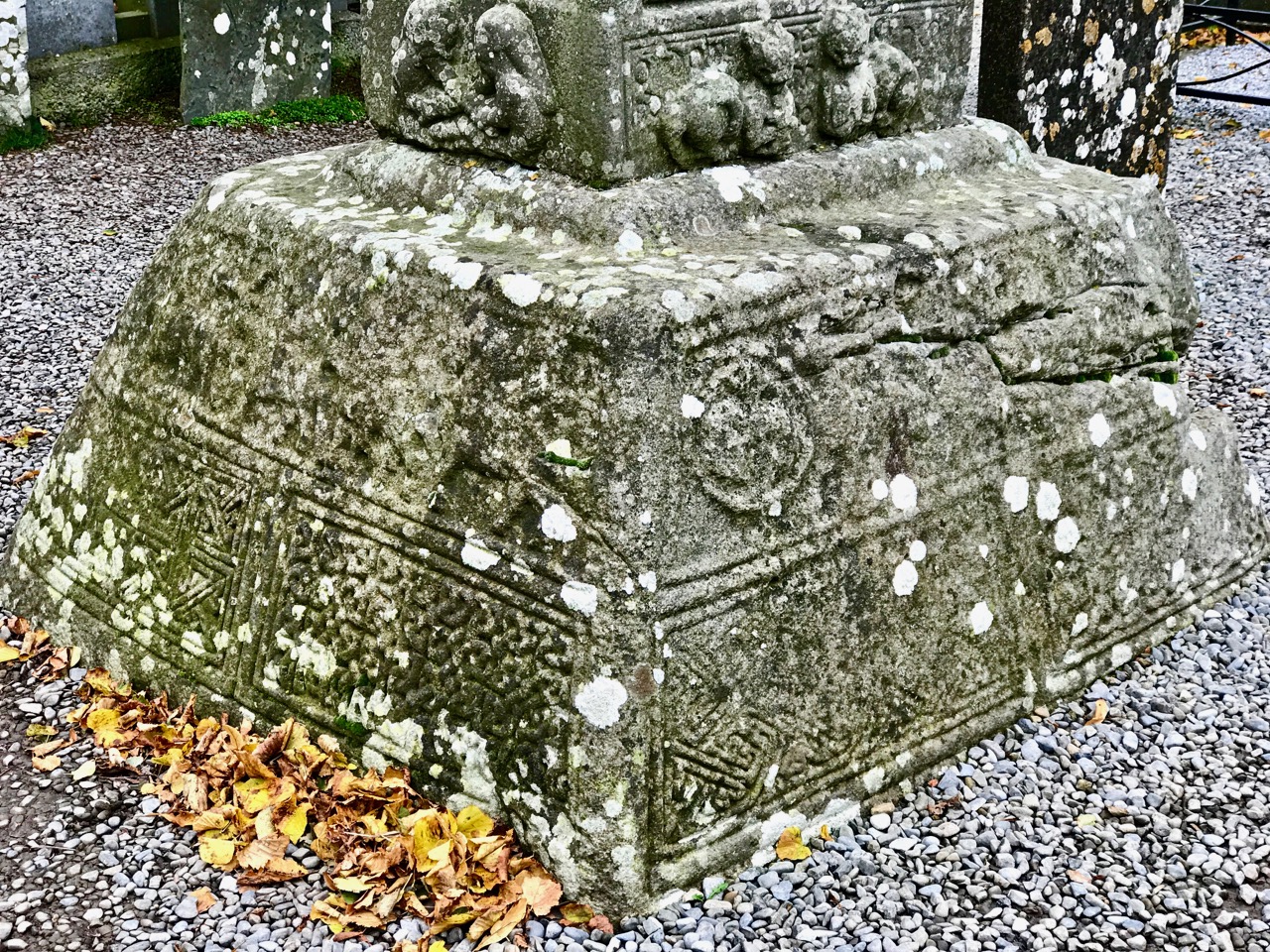
A gallery of detailed carving work from Muiredach’s great cross: the subjects include Adam and Eve and Cain and Abel; Celtic knotwork; Moses striking the rock; the crucifixion and (header) nativity scene with the Magi. The lowest picture, above, shows the decorated base, which is shaped like a saint’s reliquary and the panel with two cats and the prayer for Muiredach

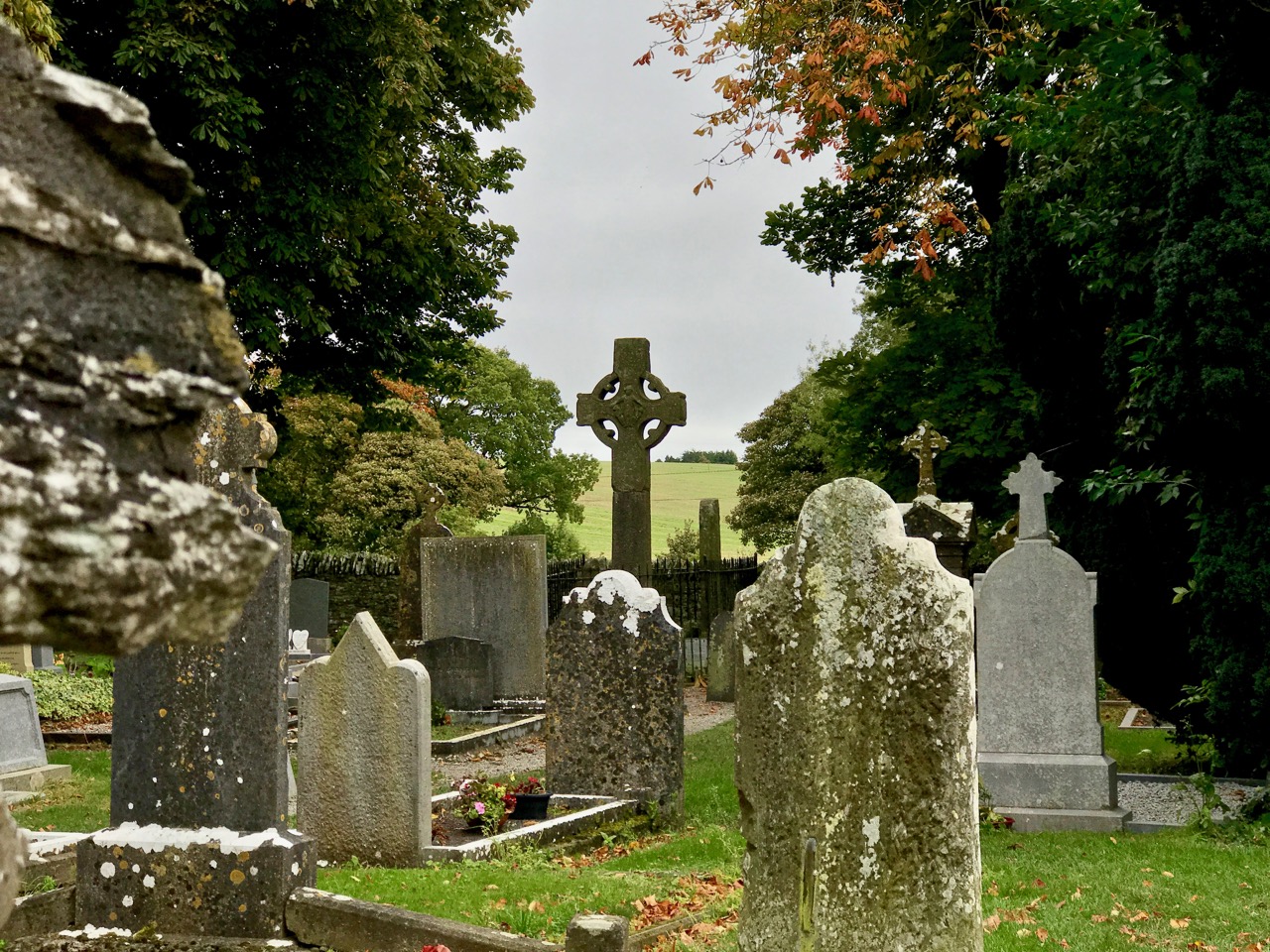
This wealth of medieval art is only part of the site’s wonders. There are two more complete High Crosses, fragments of other carvings and slabs, and a round tower. The Tall Cross or West Cross is the highest in Ireland, at nearly 7 metres. Because of its size it has the greatest number of carved panels of any Irish High Cross. However, these panels are suffering from weathering much more than Muiredach’s Cross, and their present state must raise concerns for all the carvings at Monasterboice. At other sites, crosses have been sheltered (Moone) or moved into buildings (Clonmacnoise, Durrow).

The Tall Cross (or West Cross) at Monasterboice; left – in context with the round tower beyond; right – an example of a badly weathered panel on the Tall Cross

Upper – the west face of the Tall Cross cross-wheel, which is in comparatively good condition, and lower – the east face. The number of scenes depicted on these panels alone is remarkable

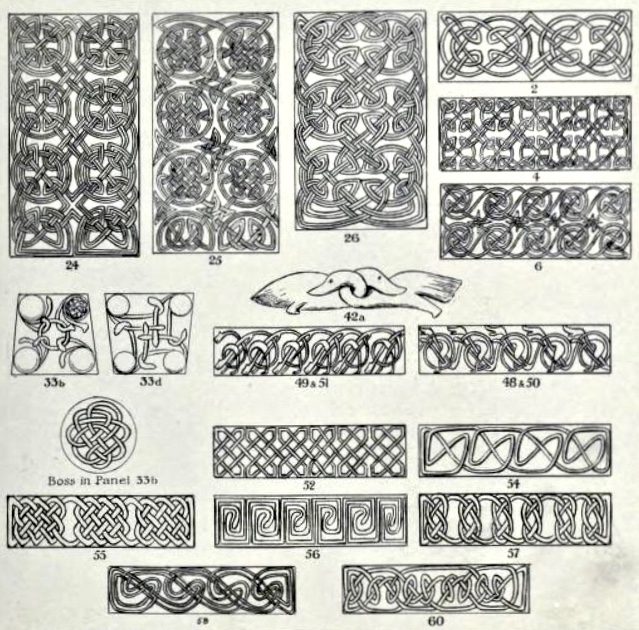
Carved panels on the Tall Cross at Monasterboice and – lower – a study of Celtic knotwork found on Irish High Crosses, taken from MUIREDACH – Abbot of Monasterboice 890-923 AD by R A S McAlister MA FSA, Dublin 1914

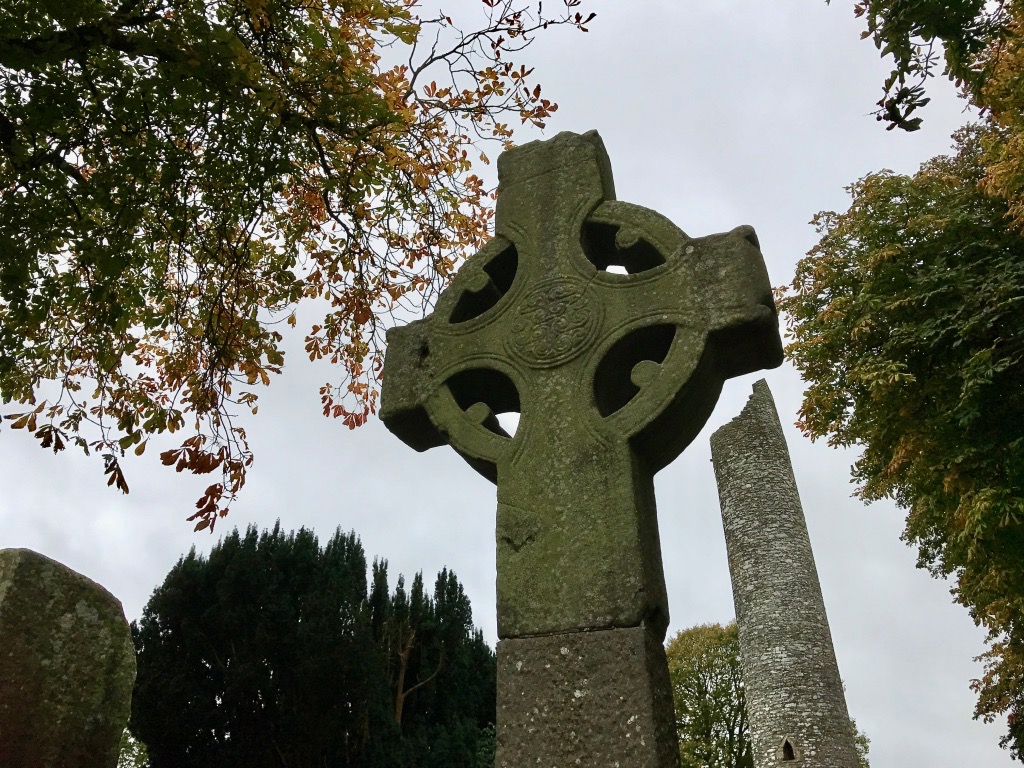
There is a third High Cross at Monasterboice, known as the North Cross. It is less spectacular, perhaps, than the large ones, and the carvings are comparatively minimal. Nevertheless, its modesty gives it a somewhat more refined character. Close to the North Cross are some fragments, including part of a medieval sundial – reminiscent of the one we saw at Kilmalkedar, County Kerry, earlier this year.

Upper – the North Cross with the round tower in the background; lower left – North Cross east face and, lower right – nearby fragment of a medieval sundial

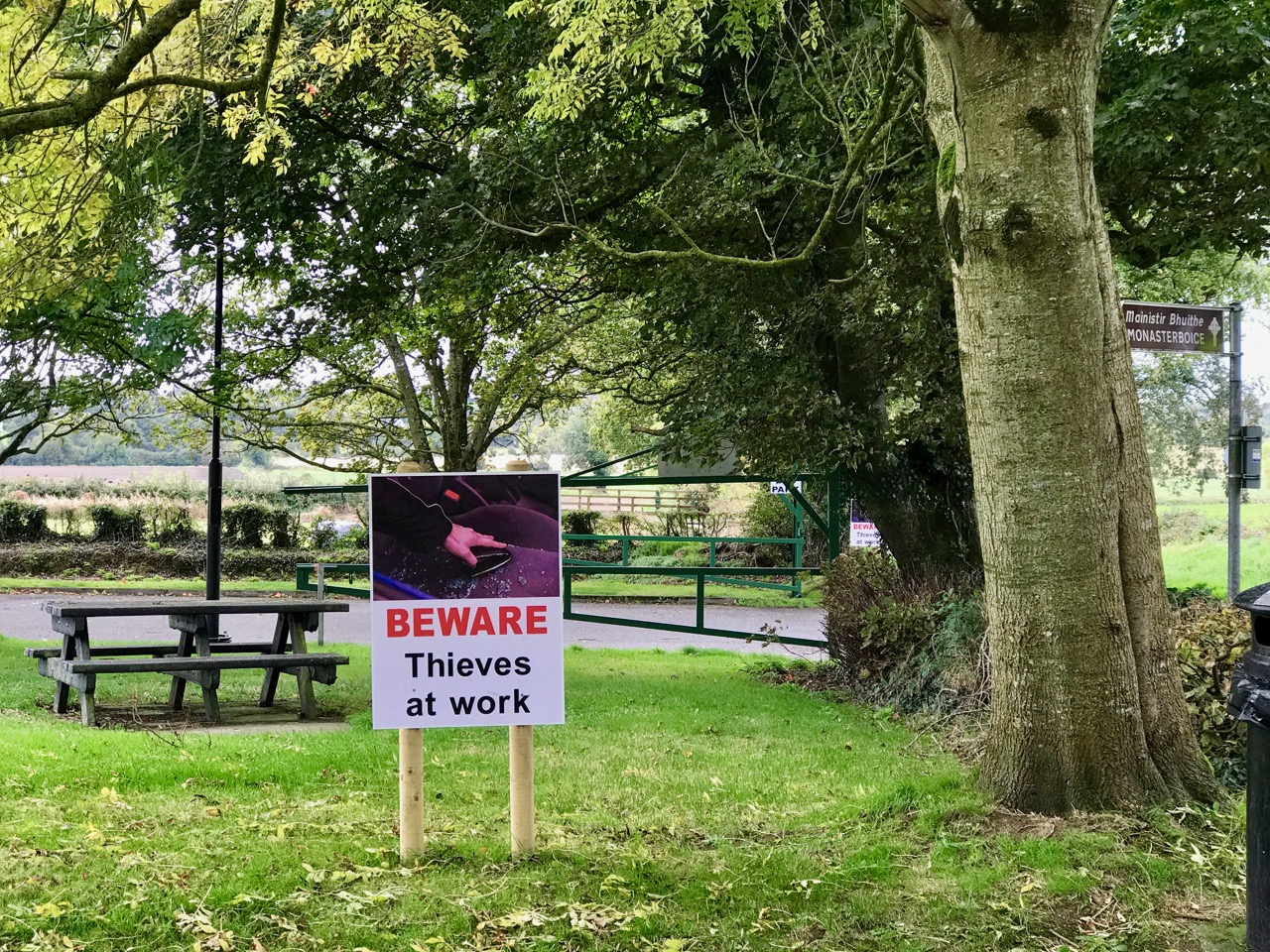
Monasterboice displays so many wonders. Yet, in some ways, it’s an uneasy site. It’s probably not helpful – but perhaps essential – that the parking area a little way off is rife with warnings about thieves, and broken glass is evident. There have also been reports of vandalism against the monuments themselves – emphasising their vulnerability. The place is of major importance: during the summer season the site is attended, and guides are available. We were there in early October, when no-one was around.

This site – and similar ones all across Ireland – are vitally important to the heritage of this country. The artefacts are irreplaceable, yet too little resource is given to protecting them – from weather and people. As we know from our forays into the world of Prehistoric Rock Art, stone carvings are fragile, and under-appreciated. There’s no obvious easy solution, apart from them being given higher status and priority by the empowered bodies such as the Office of Public Works. They, in turn, need to be given more support by the State, particularly in terms of funding: they do the best they can with very limited resources.

Cats on the base of Muiredach’s Cross, recorded  by McAlister in 1914: