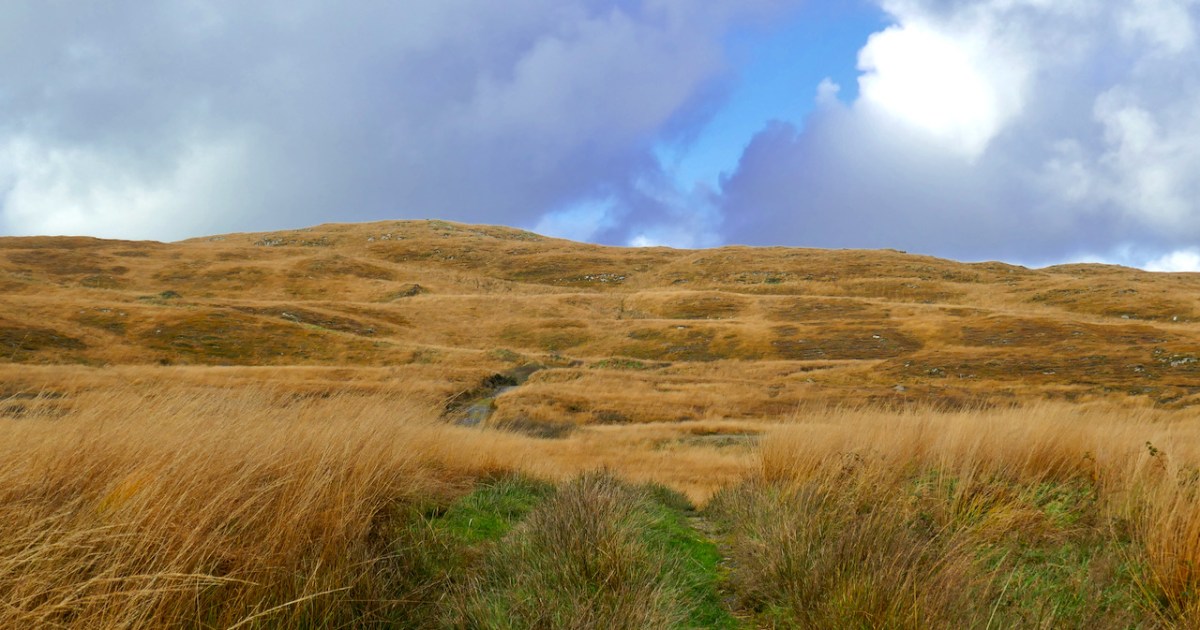
Fionnán: an Autumn Walk

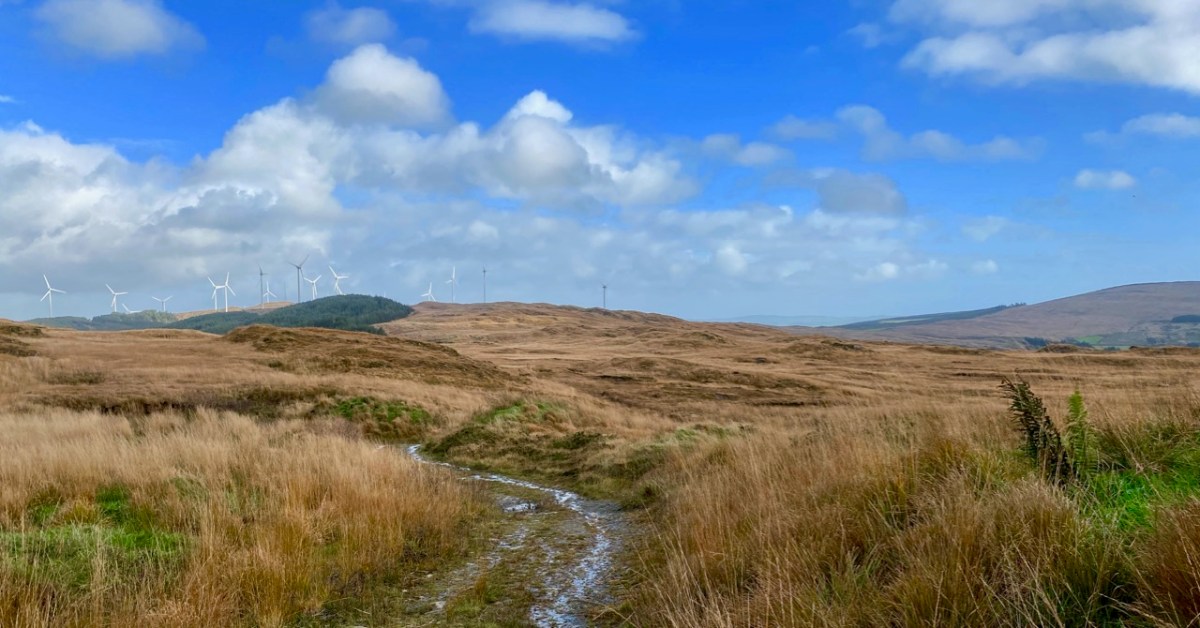
All across West Cork, at higher elevations, autumn heralds the emergence of vast carpets of amber grass. Shading from yellow to red and everything in between, it is the distinctive colour of the uplands. We call it Fionnán (pronounced fyuh-nawn).
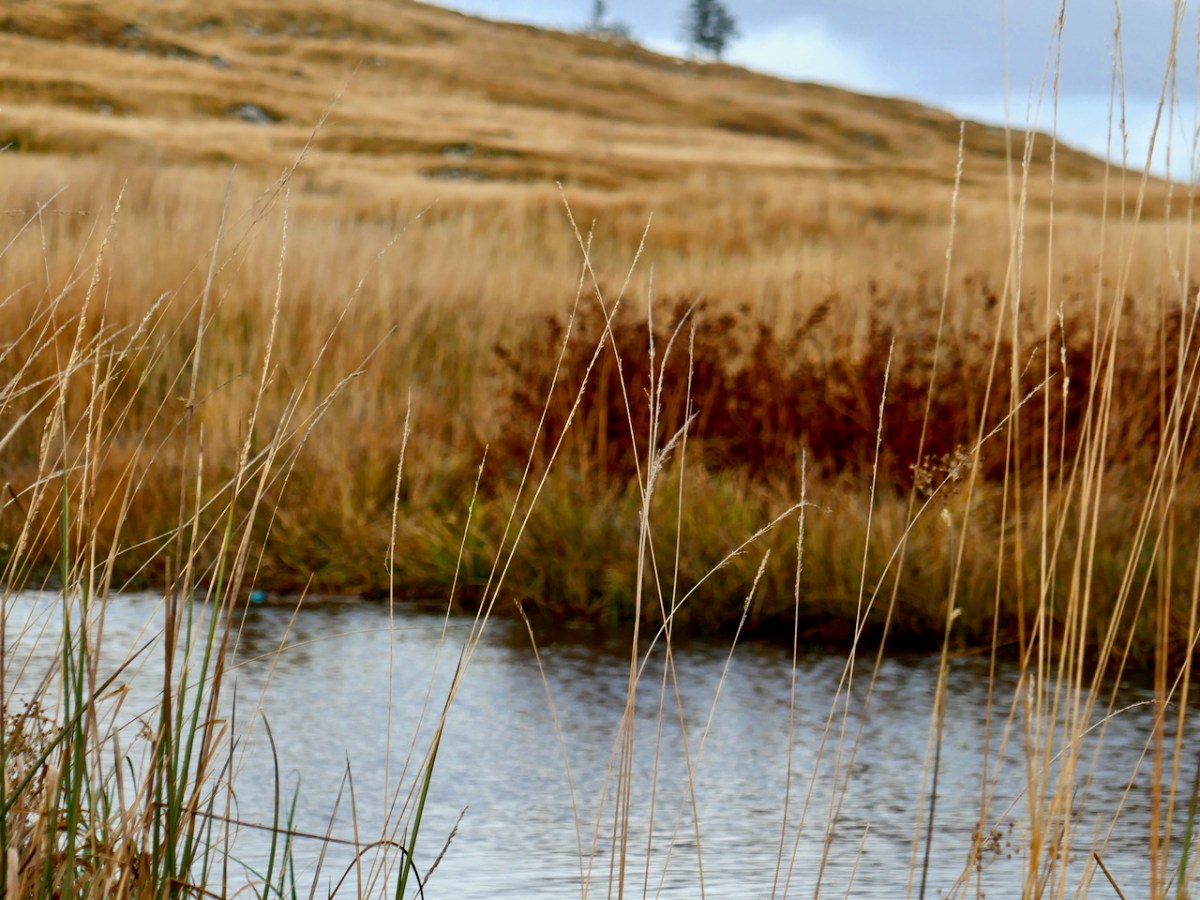
Fionnán is a particularly apt name because the root, fionn, means blonde, but fionnadh can mean shaggy animal hair. In English, this is the far less romantic and puzzling Purple Moor Grass. Actually, when it’s young, the first spikes can have a purplish hue, but that colour certainly does not spring to mind in the autumn. In Latin, it’s Molinia caeruleaMolinea after the man who named it, a Chilean naturalist, and caerulea meaning blue. Right – that’s more than you wanted to know about the name.
A Fionnán and Rush pasture is a recognised and important habitat, and should be rich in wildflowers, sedges, and other grasses. But it’s a delicate balance that can be upset by a number of factors – too much or too little drainage, under- or over-grazing, grazing by the wrong animals, and too-frequent burning.
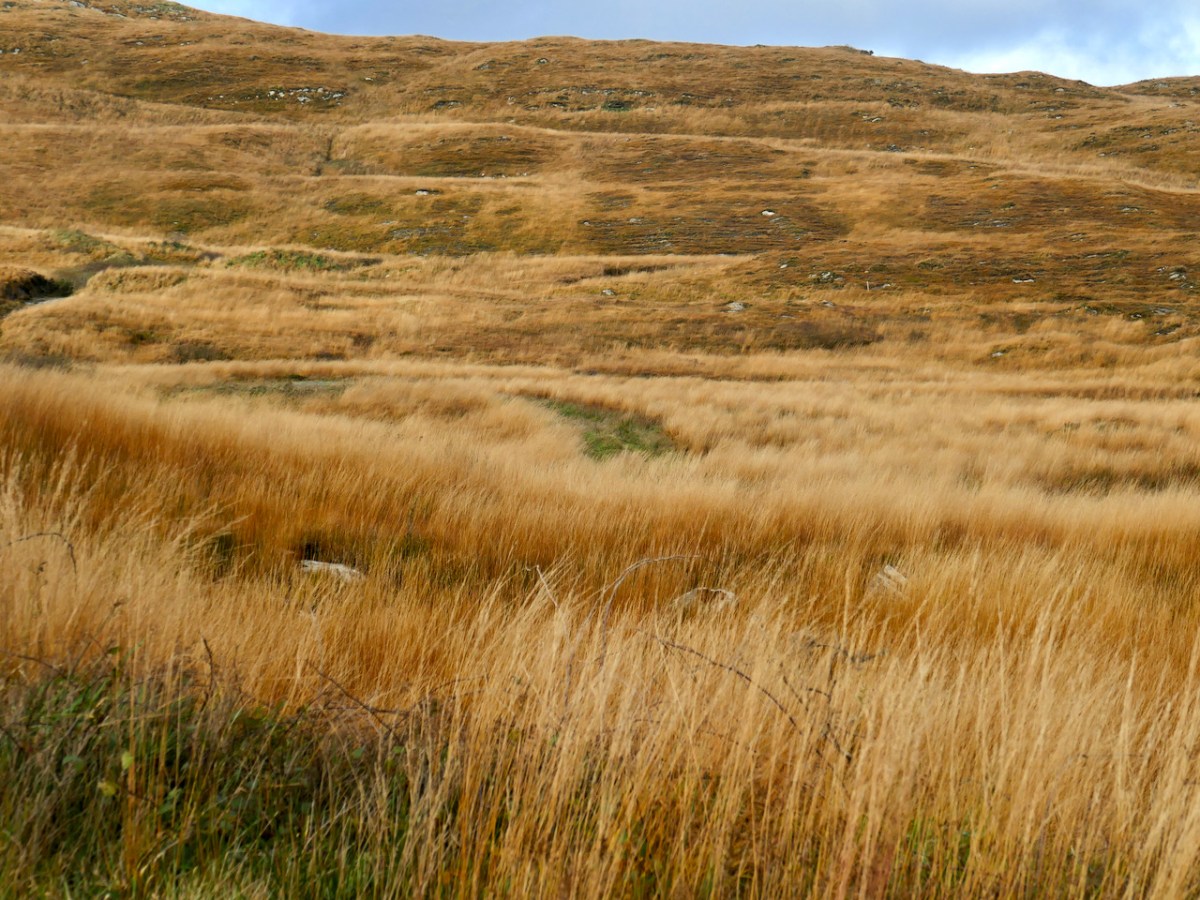
Burning and over-grazing by sheep have affected many of our Fionnán pastures in West Cork. Repeat burning (often done in the belief that it improves grazing and gets rid of gorse) in particular allows the Fionnán and bracken to take over at the expense of other species and in the end degrades the soil.
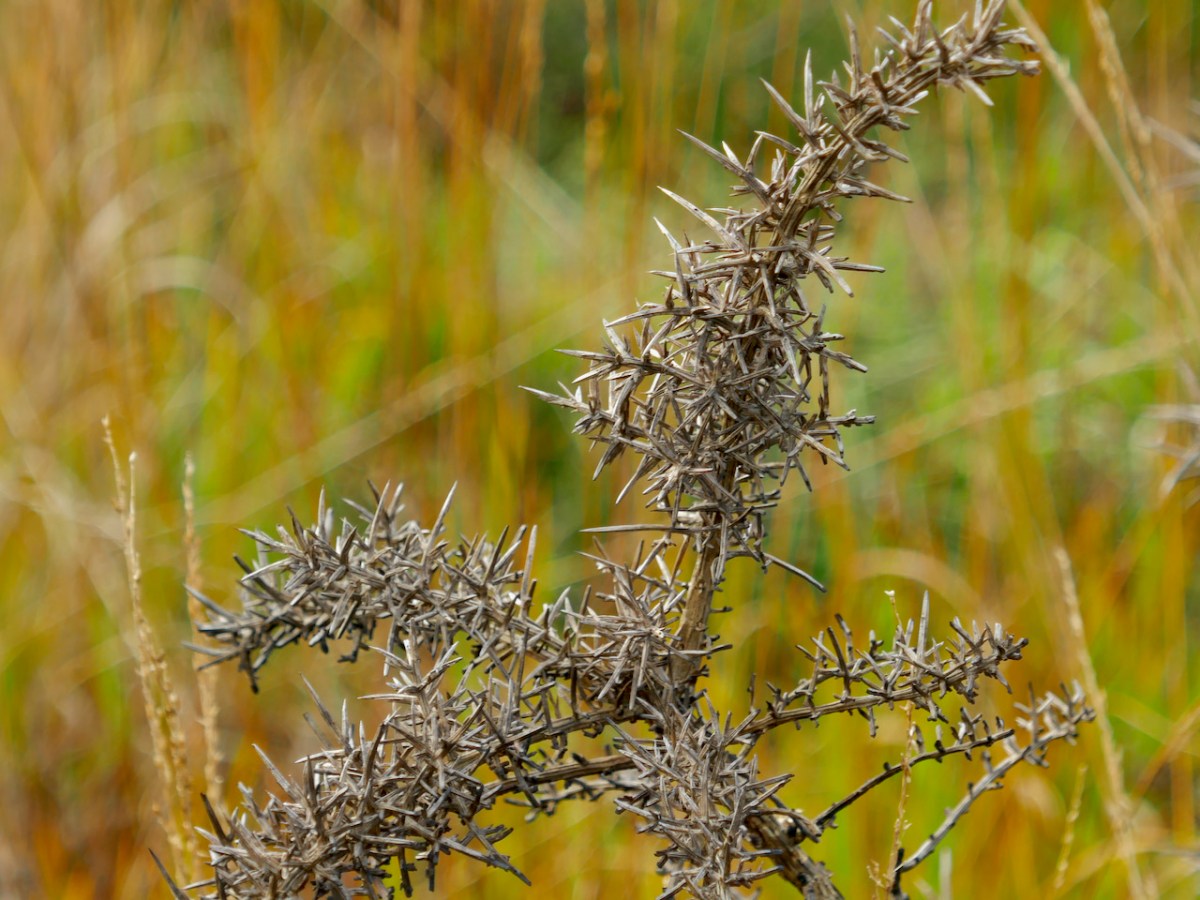
Birdwatch Ireland says that the answer is sustainable grazing levels to keep certain bog grasses in check, such as Purple Moor Grass (Molinia caerulea). Too little grazing and the grasses can become rank, smothering the important bog mosses, heathers and sedges. This reduces the species diversity and the ability to be an active, peat-forming bog.
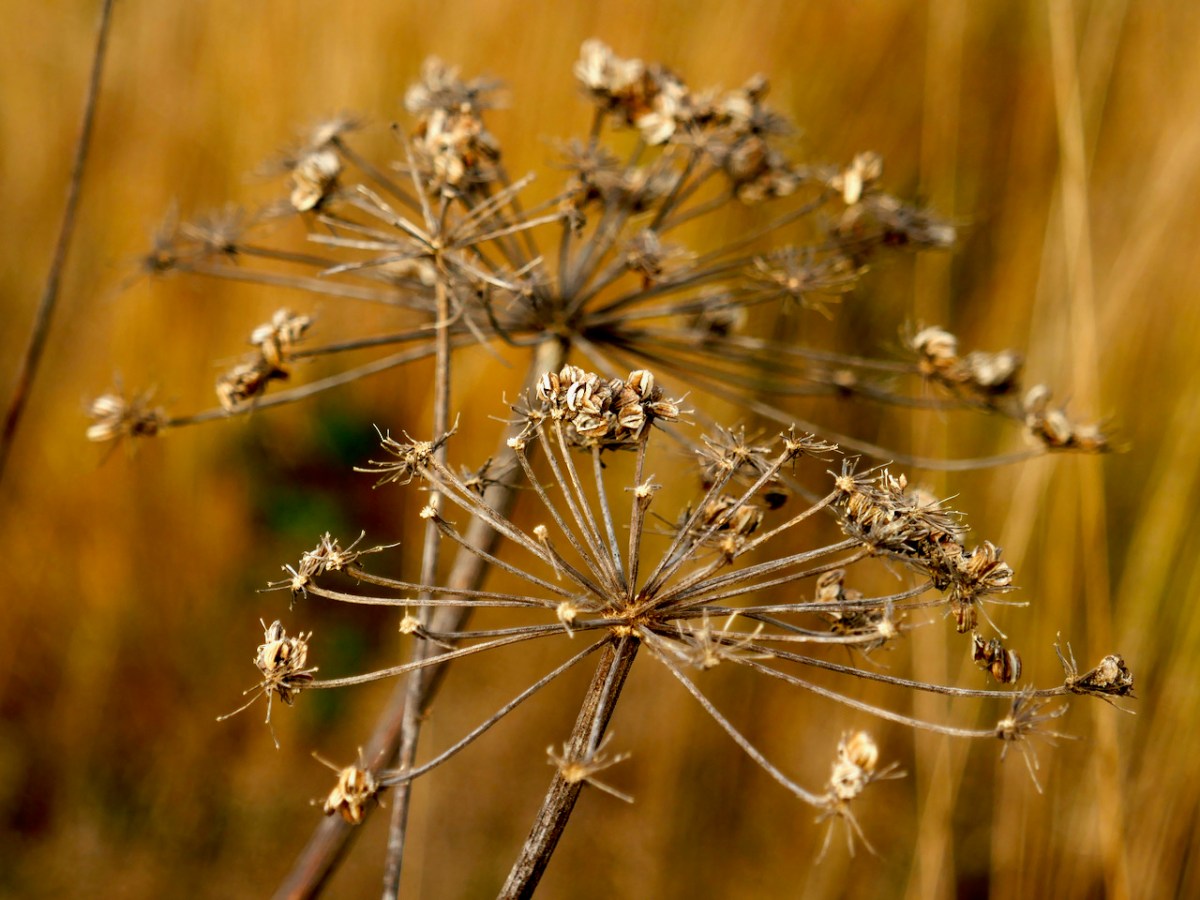
On our walk this week it was difficult to assess the health of this particular pasture, since nothing much is still blooming. However, I have walked it before and am happy to report that I have noted many of the species that are indicators of a healthy moor-grass pasture – Meadow Thistle, Heath spotted-orchid,  Lousewort, and Cross-leaved Heath. 
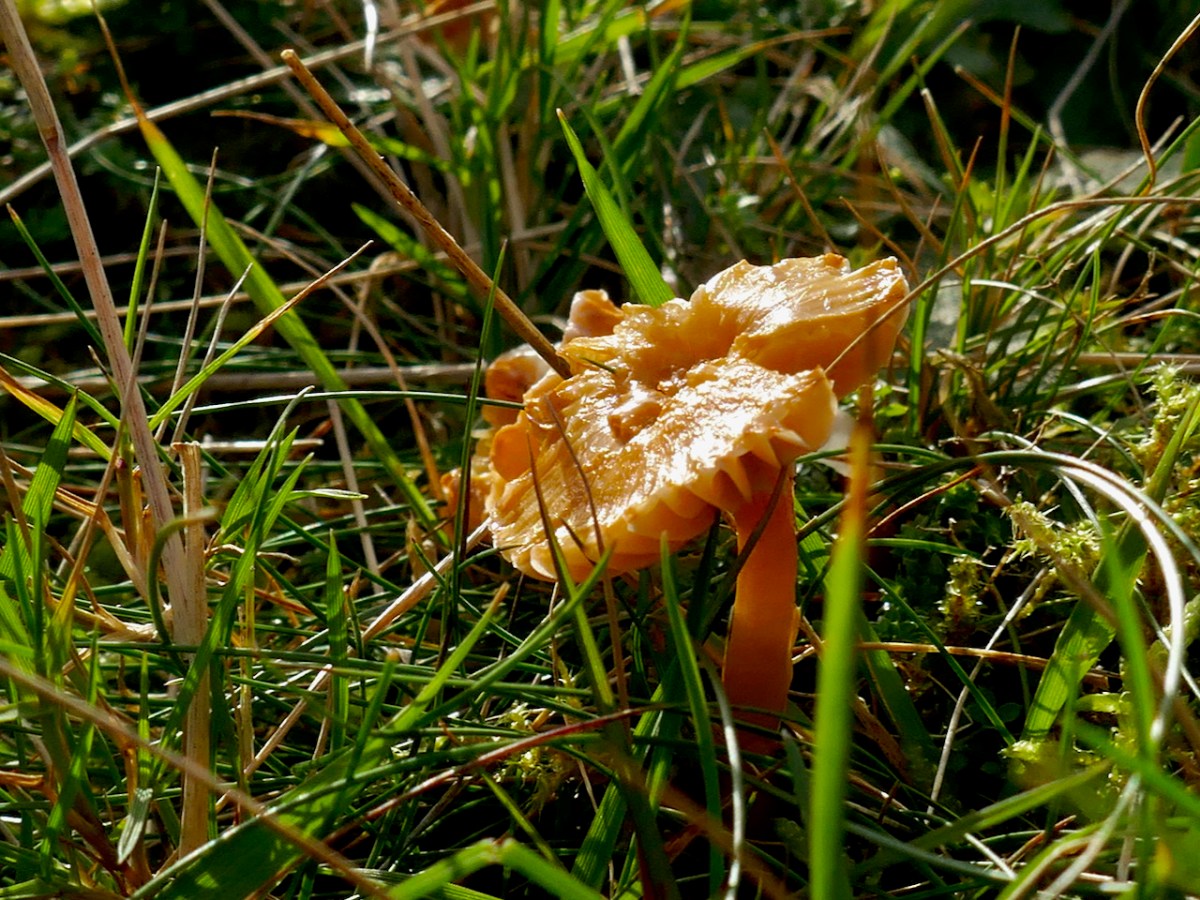
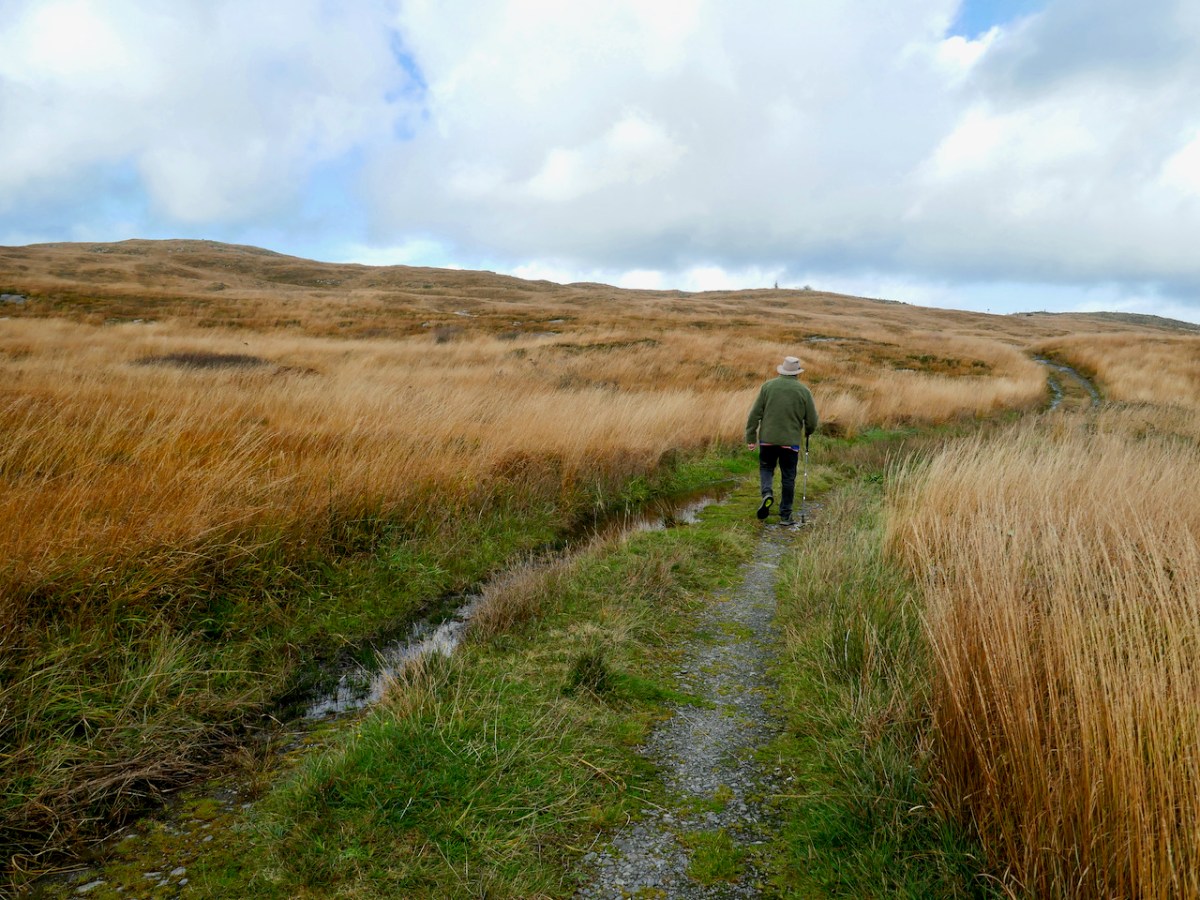
To walk in a Fionnán pasture is a deeply pleasurable experience. There is something about being surrounded by waving expanses of golden grasses – perhaps Sting’s Fields of Gold was influenced by such an experience. The weather has been very variable but we did manage to catch some sun, and evade the inevitable downpour by getting back to the car in the nick of time.
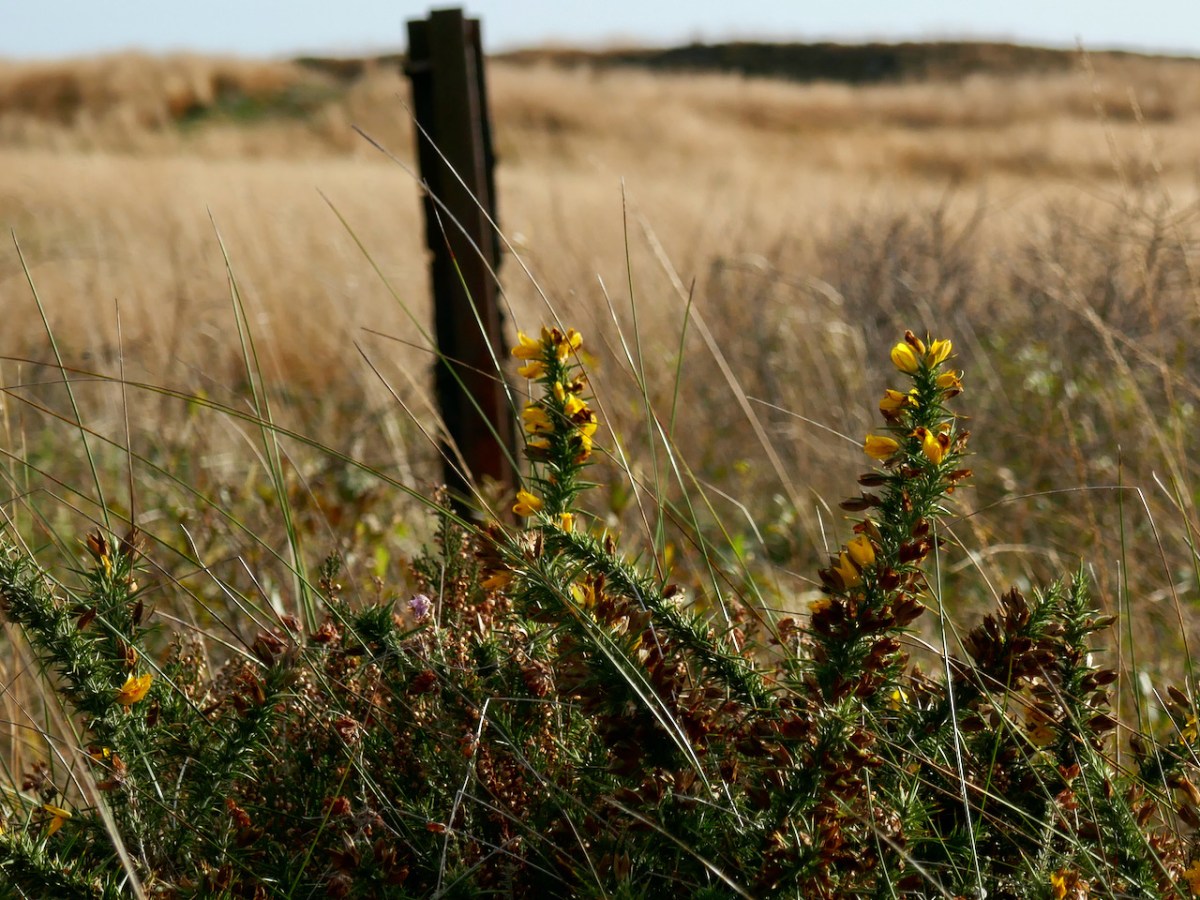
As I said, not a lot was still in bloom – except the gorse because, you know, when gorse is out of blossom, kissing’s out of fashion. But there is still lots to see and sense. Chamomile grows abundantly along the track and its heady scent drifts upwards as you tramp over it. 
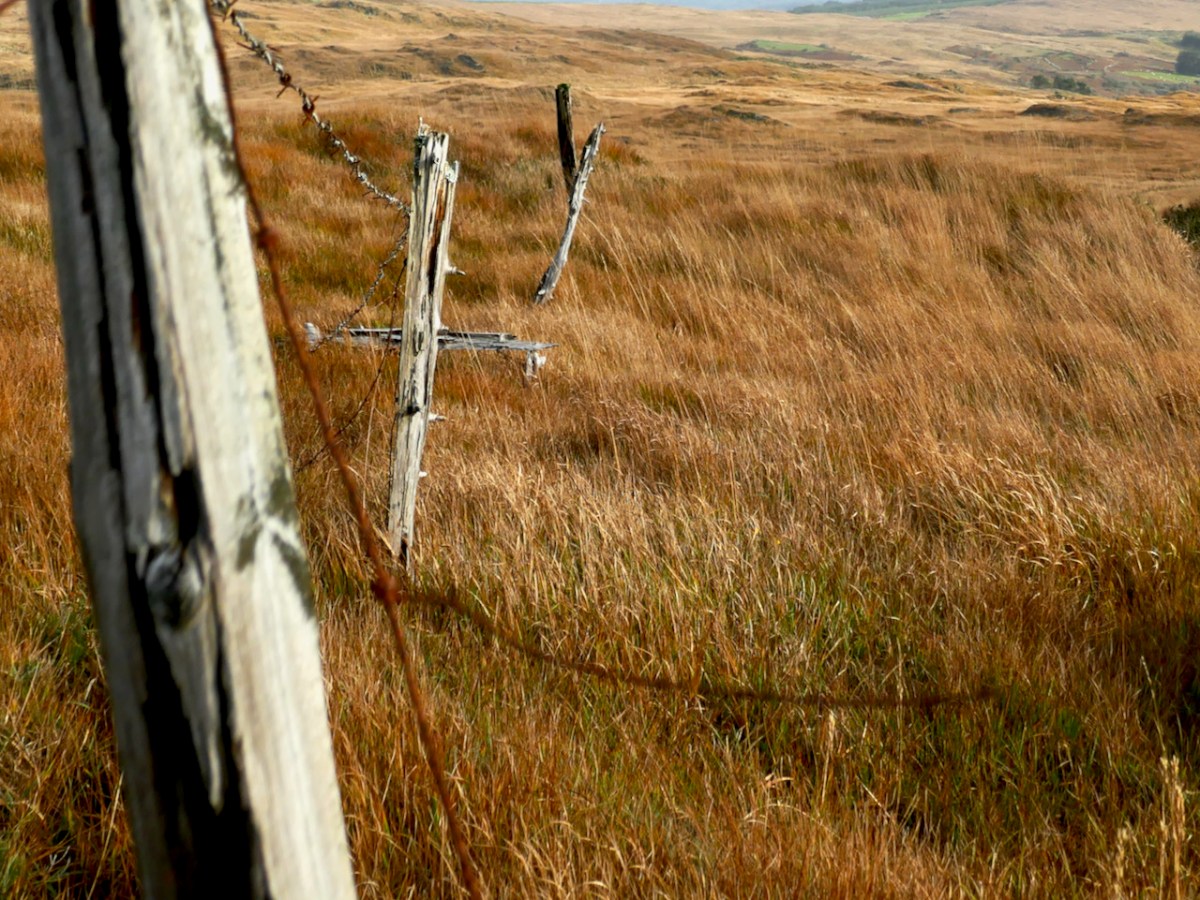
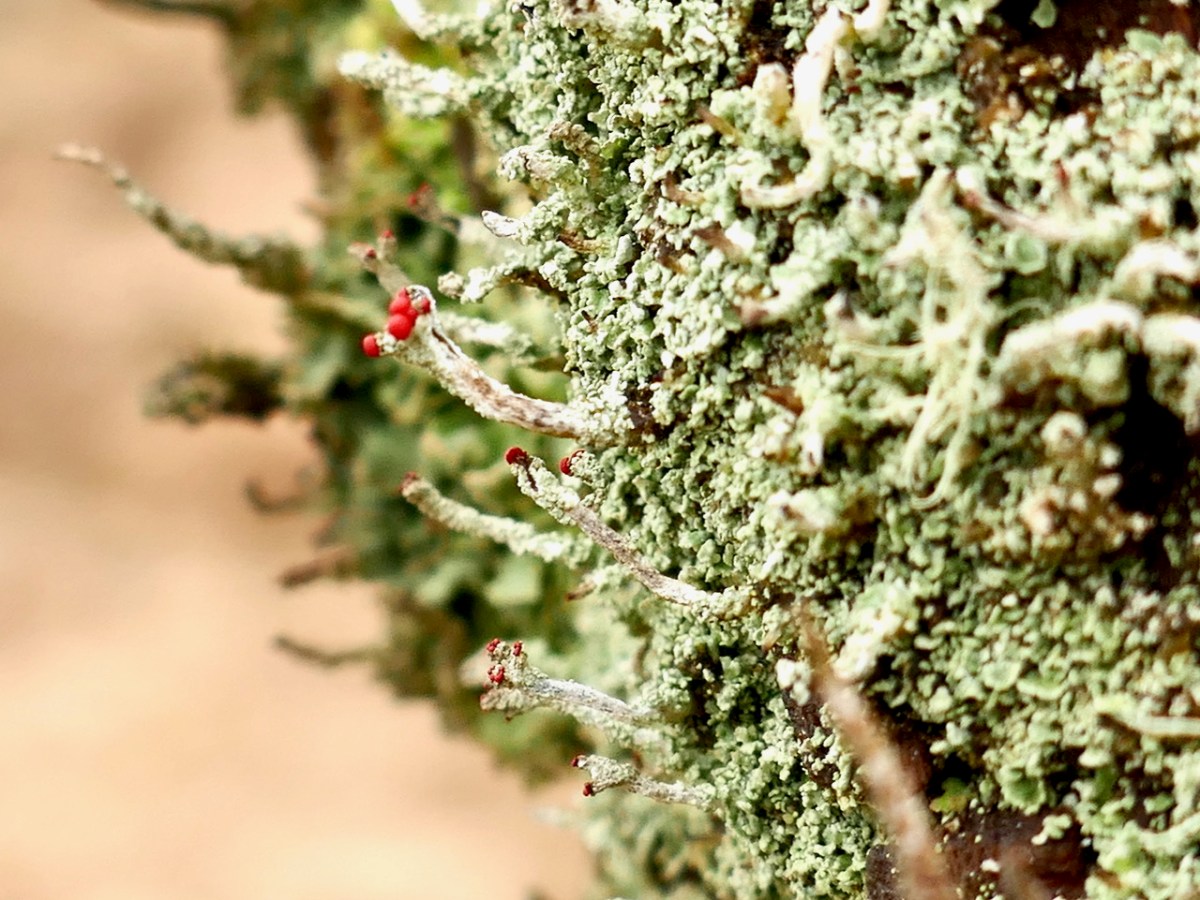
Old fence posts still hang on, with their rusted barbed wire still attached, along with lichens. I was especially delighted to see Devil’s Matchstick lichen on one of the old posts.
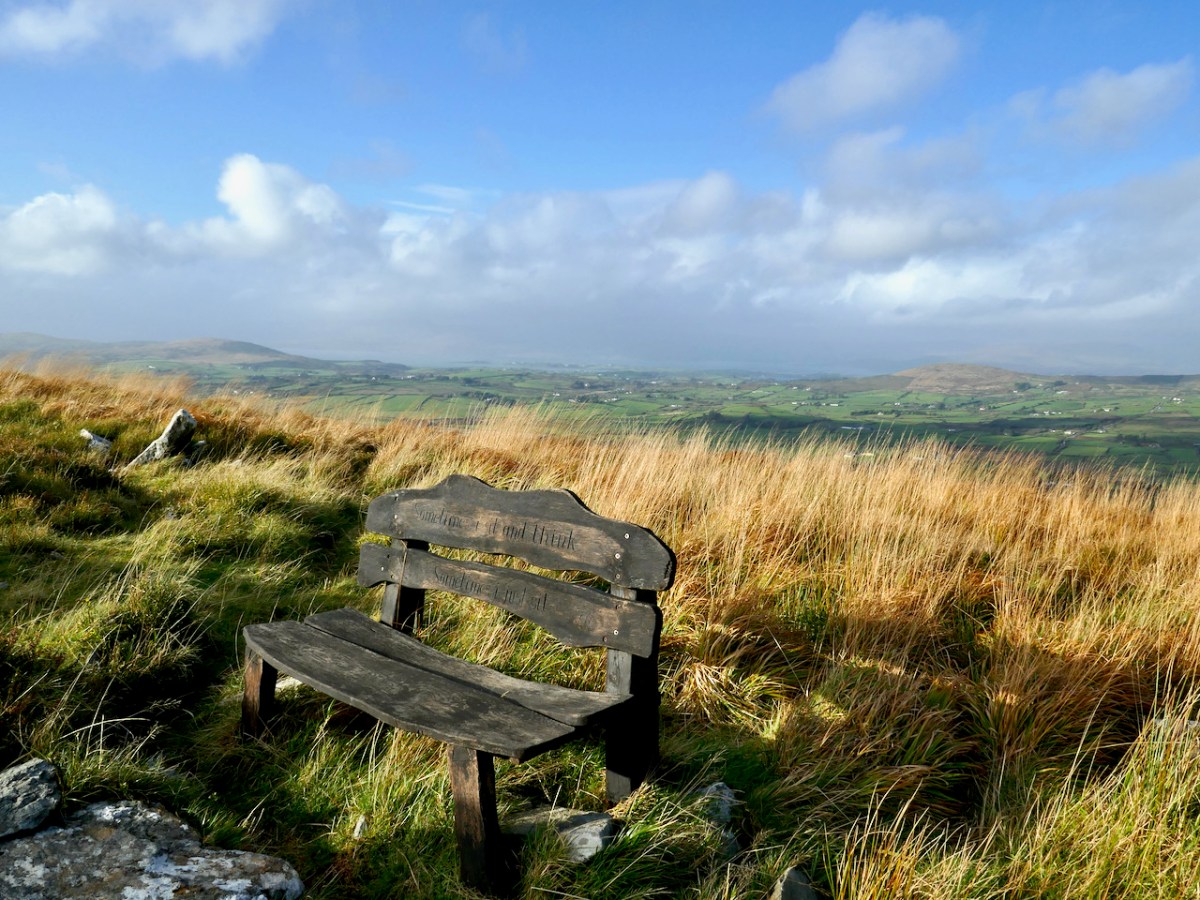
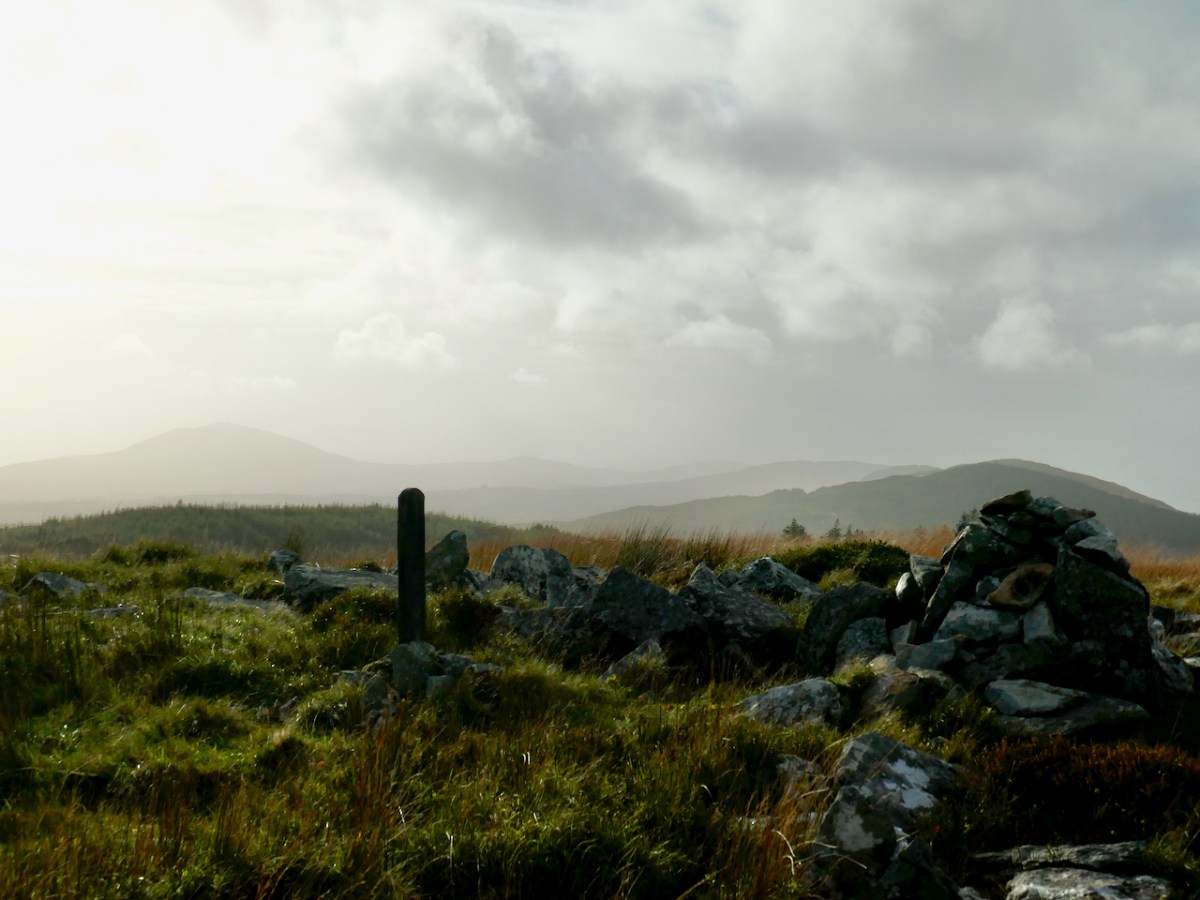
This track leads upwards to an intriguing cairn (another of the anomalous structures that I wrote about last week). There’s a memorial bench to a man who used to come here to commune with nature – and you can see why he would. Last time we were there, the bench needed repair but it’s now perfect again – thank you, anonymous fixer!
There are fabulous vistas from the top – on this occasion it afforded us a magnificent view of the squall that was heading our direction, over Mounts Corrin and Gabriel. It was our cue to dash back down again. 
The Politics of Peat

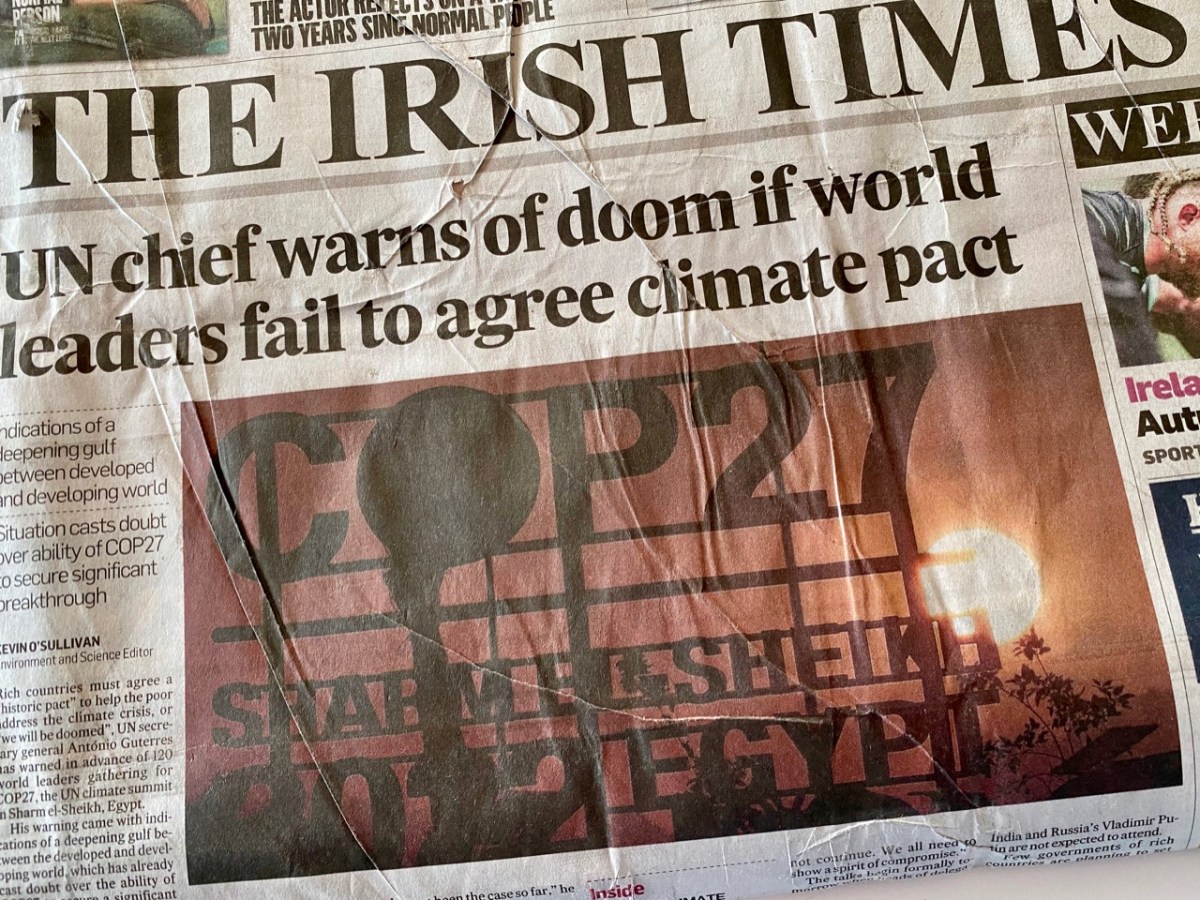
It’s a poignant juxtaposition, perhaps: the old turf road that leads into the peat cuttings at Letterlickey, here in West Cork, with – beyond – our newest energy technology lining the distant hills. On October 31st this year, the sale of turf, smoky coal, and wet wood in shops or online was banned in Ireland as part of the drive to improve our climate.

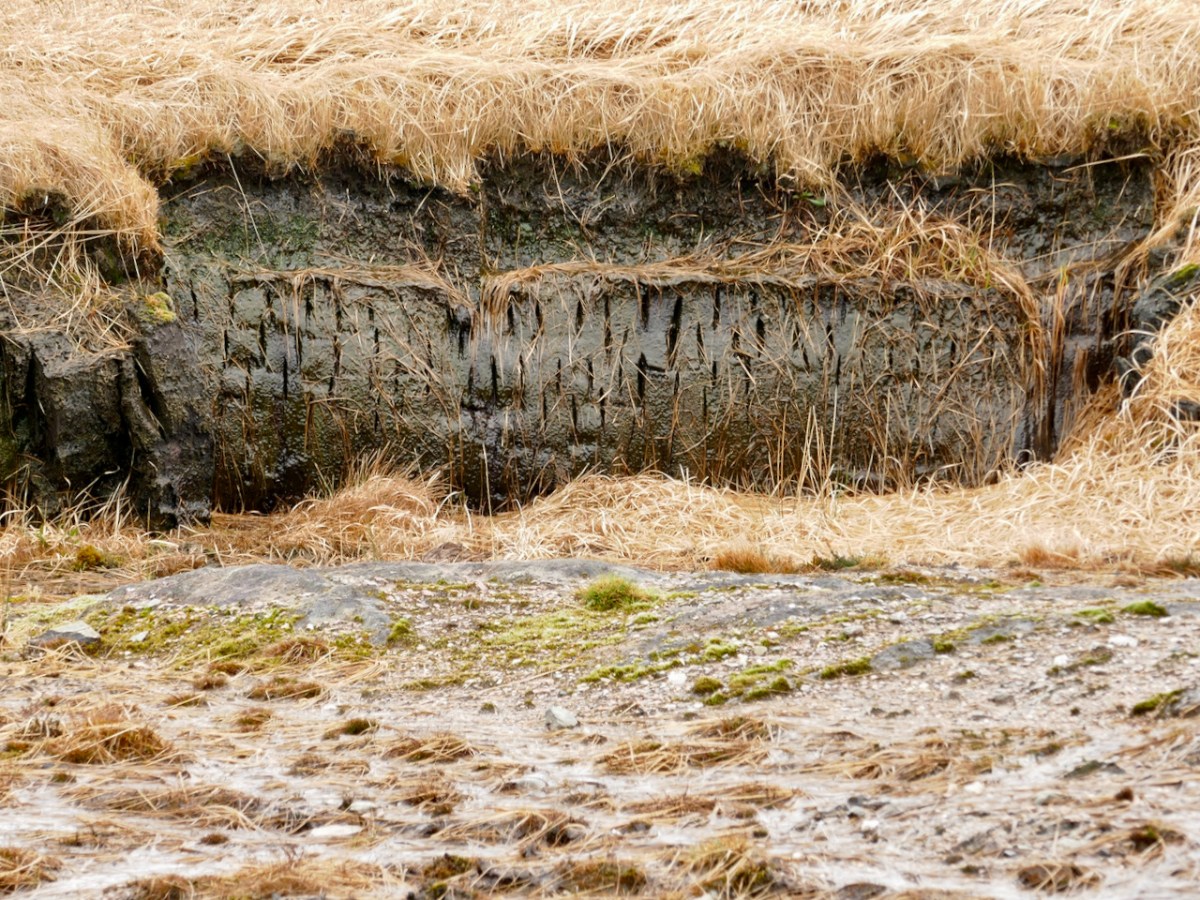
The move marks the loss of an ancient tradition in Ireland. ‘Turf’ – or peat – has been harvested from our bogs for countless generations. But it’s a resource that can’t be readily renewed. It’s also relatively inefficient: the gruelling labour required to cut, dry, store and transport turf on a domestic scale is hardly justified by the output of heat which it provides. However, such work has been deeply ingrained in family life for centuries by those who have always accessed the bogs. The word ‘bog’ derives from the Irish bógach, or “soft place,” and 17 percent of Ireland’s 27,000-square-mile national territory was originally covered in peatland. Commercial extraction, however, has significantly diminished this resource. What has been realised – in comparatively recent times – is that peatlands, including bogs, store twice as much carbon as all the world’s forests – if left intact.

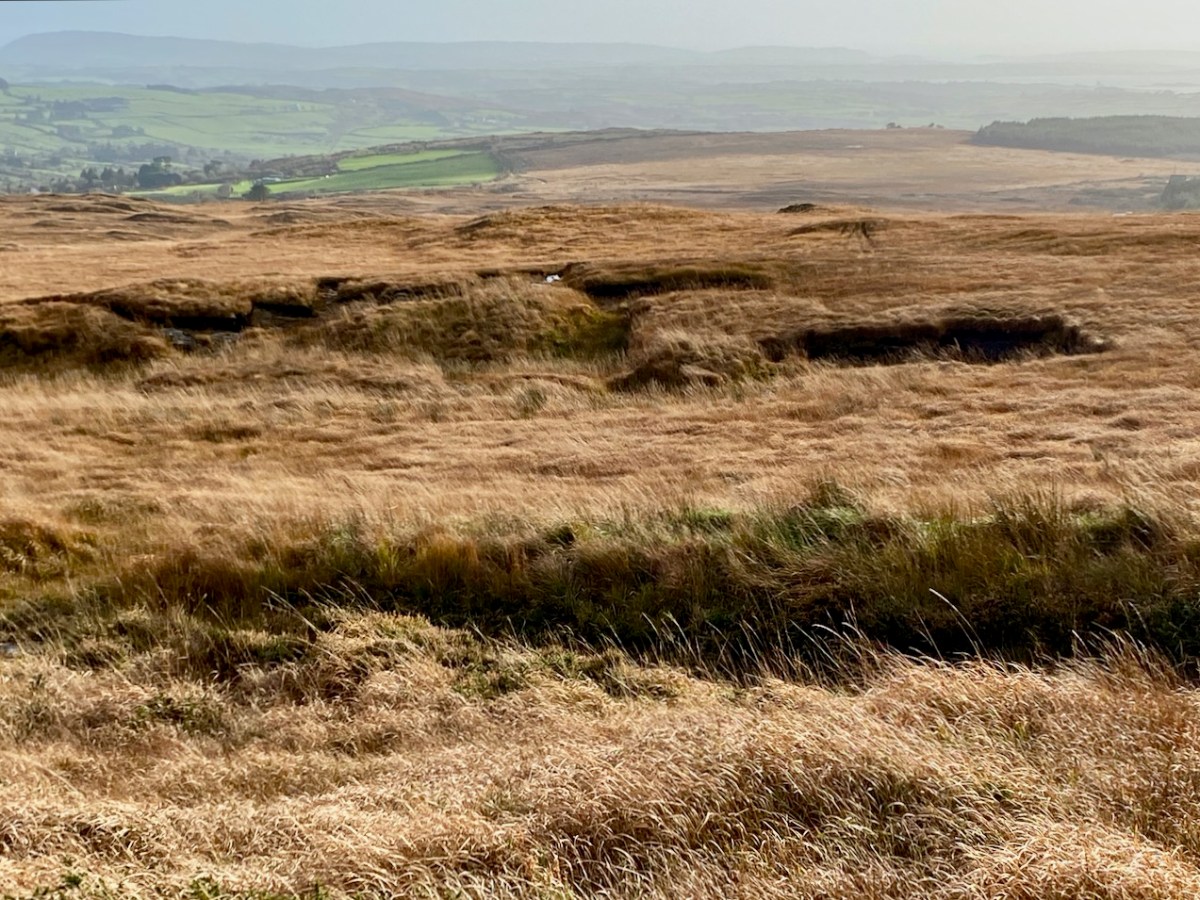
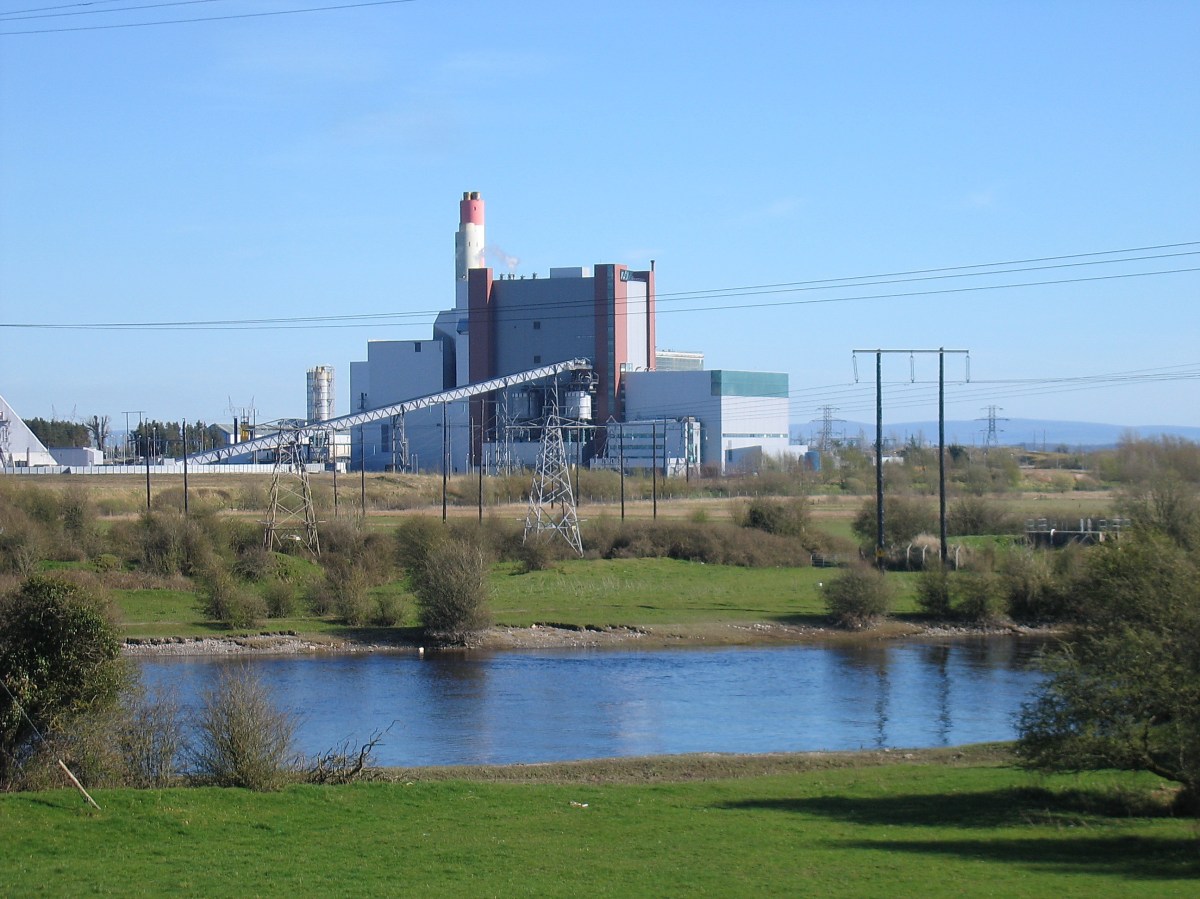
The turf workings at Letterlickey: the significant and ancient bog there has been in use in very recent times – perhaps it still is active. The new ban doesn’t prevent families who have always had turf-cutting rights from continuing to gather it for their own use. But all commercial peat extraction has now ended. It’s a sobering thought that electricity was generated by peat-fired power stations in Ireland for many years: ‘peat power’ peaked in the 1960s, providing 40% of Ireland’s electricity. But burning peat for electricity emits more carbon dioxide than coal, and nearly twice as much as natural gas. In 2016, peat generated nearly 8% of Ireland’s electricity, but was responsible for 20% of that sector’s carbon emissions. Today all of the peat-fired powers stations here have been closed. The West Offaly power station at Shannonbridge (below) was the largest in Ireland: it shut down in December 2020.

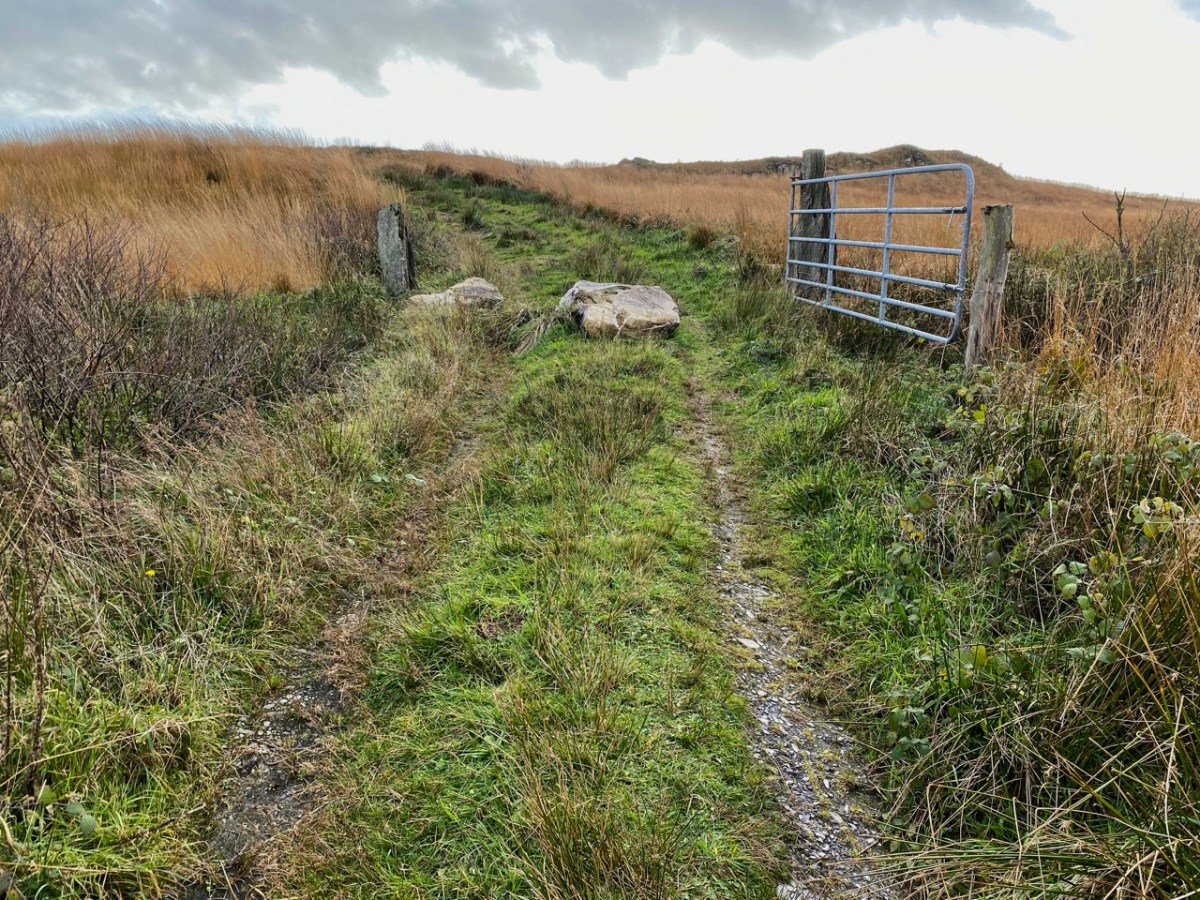
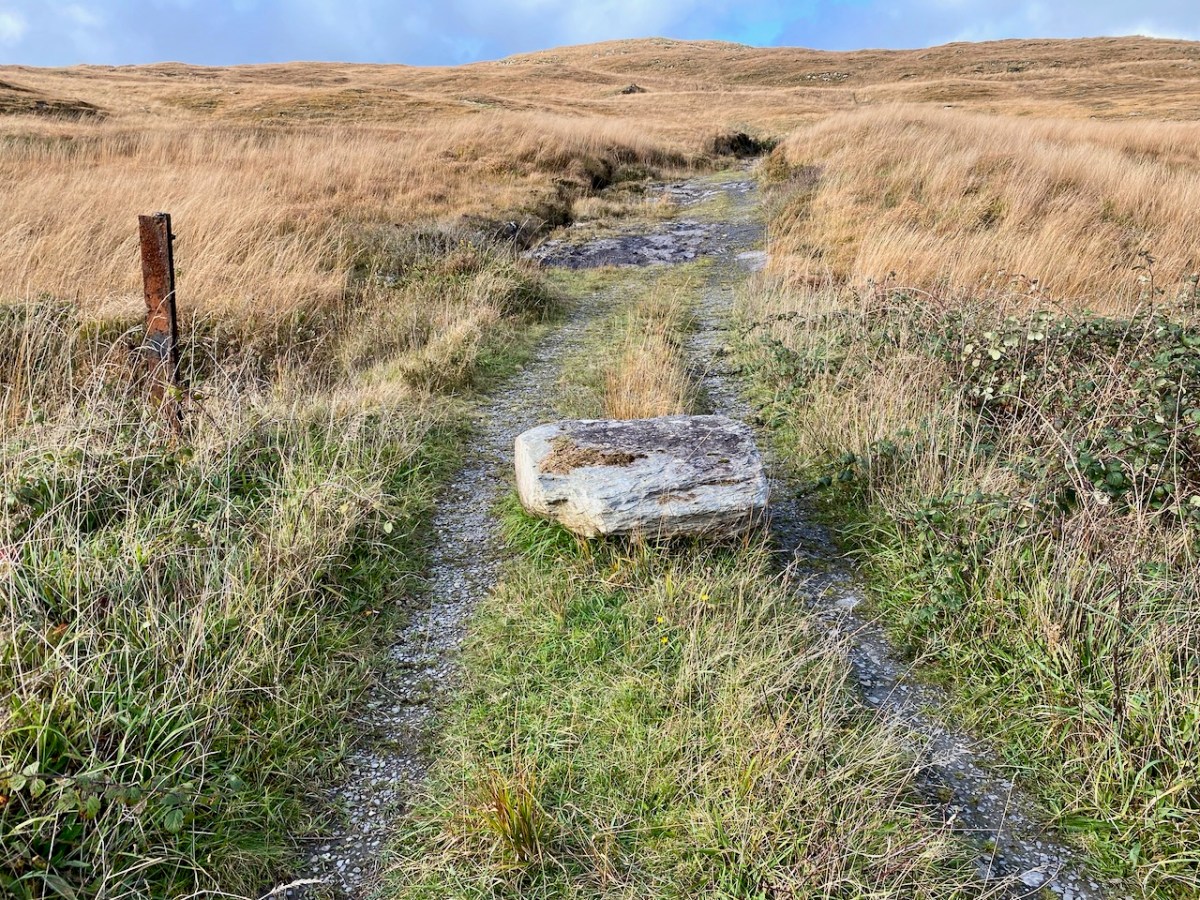
We are witnessing the end of an era here in Ireland. At the same time we are embracing the search for new technologies: we are harnessing the wind – that will never stop blowing! PV cells are now commonplace, and we know that it’s likely we will mostly be driving electric cars as the decade advances. Other ways forward are still waiting in the wings. We were interested to see – when we were walking the Letterlickey turf road yesterday – that the trackway has been deliberately blocked by large boulders:

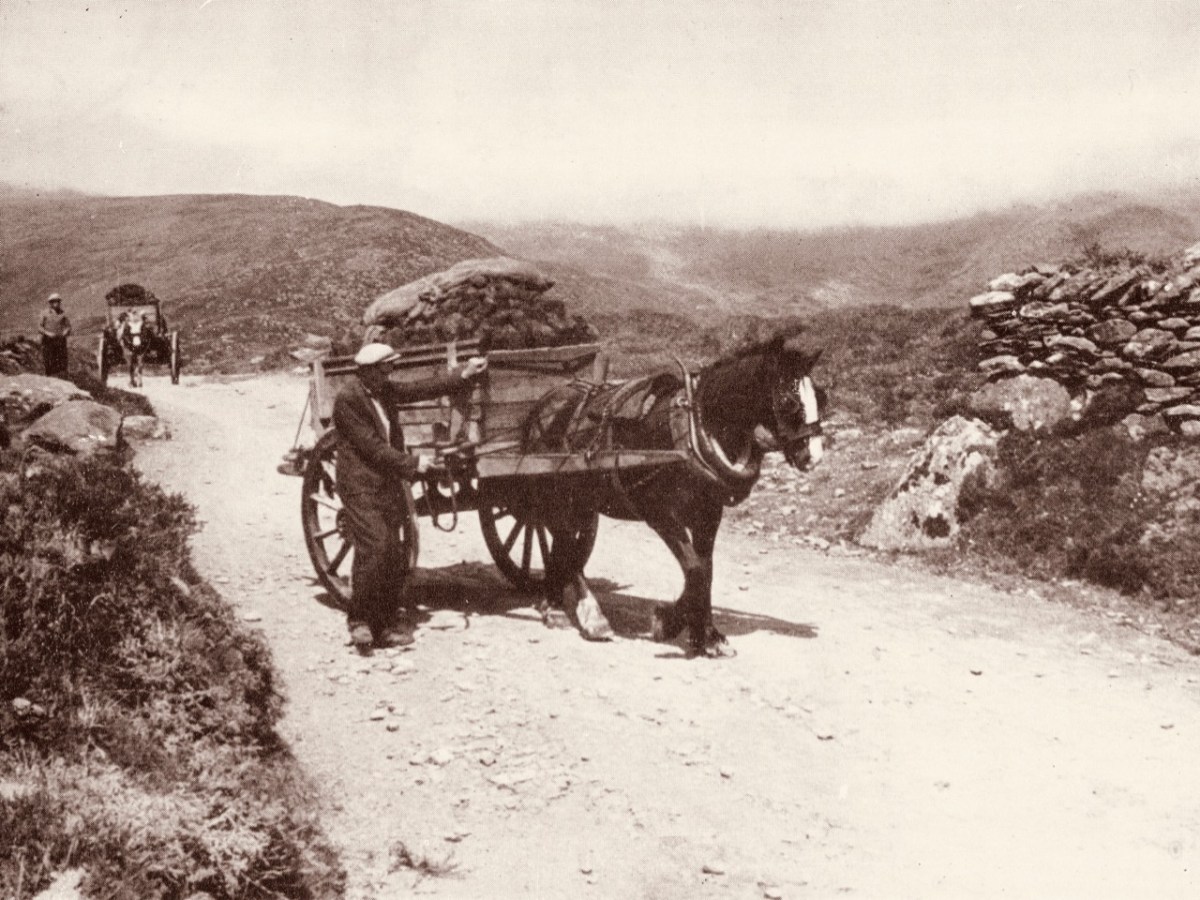
These blockages have been put in place since we last visited – and, probably, fairly recently. There could be local access issues: we don’t know. It could be to do with neighbours or trespassing, but it’s also possible that current political preoccupations are being practically addressed. It’s certainly interesting that significant moves are under way since the importance of peat bog preservation as carbon sinks has been fully understood. ‘Bringing home the turf’ will soon become a solely historical concept. The image below is by Tomás Ó Muircheartaigh:

“. . . Ireland has more than half the European Union’s remaining area of a type of peatland known as raised bog, one of the world’s rarest habitats and, scientists say, the most effective land form on earth for sequestering carbon . . .”

New York Times 04/10/2022