Ireland 50 Years Ago: Jack B Yeats Special Edition 1

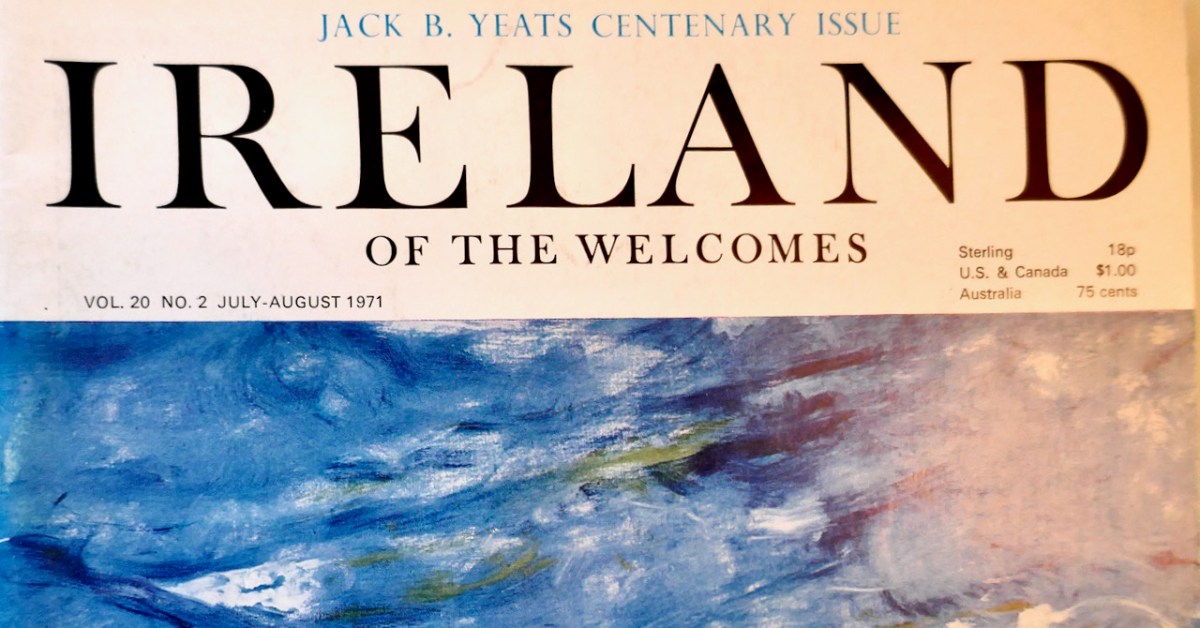
A special edition of Ireland of the Welcomes, July-August 1971, was devoted to Jack B Yeats, in honour of the hundredth anniversary of his birth. Having been intensely moved recently by the National Gallery’s exhibition, Jack B Yeats: Painting and Memory, I was interested to look at how he was viewed in 1971, as part of my Ireland 50 Years Ago series.

The illustrations are all from this issue and sorry – photographing from an old magazine doesn’t guarantee the greatest quality. This post will take us up to the beginning of his career as an expressionist painter, after he honed his drawing and watercolour skills and started to exhibit. This part of Yeats’ work is not really covered in the National Gallery Exhibition, which is almost entirely devoted to his oil paintings and is organised thematically rather than chronologically.

Island Funeral, rendered in the magazine in black and white

The long article is by Roger McHugh, based on his Introduction to the Dolmen Press book Jack B Yeats, A Centenary Gathering. Roger McHugh was himself an esteemed academic at UCC, a writer, playwright and critic, an ardent republican, and according to his bio in the Dictionary of Irish Biography, ‘an enthralling dinner-table raconteur.’ His analysis is insightful and evocative. I will simply use his words after the poem by MacDonagh and through the rest of the post, indicated by italics.
The article begins with a poem by Donagh MacDonagh (an equally  erudite man with an impressive literary and nationalist pedigree) which I will quote in full as it expresses wonderfully what it is to look at a Yeats painting.

Love of the dusty rose 

Blooming above the Square 

Lights the whole studio 

And singer, fisher, clown, 

Horseman and Saddled Horse

Surge through the winter air

Razing the years and the walls 

For the wild man of the fair

To snatch the wagered purse

And bring the champion down.

The women by Liffey side,

The pig-buyer home from the fair,

The horse taking time in its stride

Are dead, with the big-muscled men

Who bullied their way into sight

And froze in an arrogant stare;

But they and the sailors of Sligo

Are bright in a memory where

Colour condenses in light

And the starved rose blushes again.

Donagh MacDonagh

Create? The painter had his reservations: ‘No one creates’, he wrote; ‘the artist assembles memories’. By this I think he meant that the intense moment is always already past but that observation, memory and technique can recapture it. . . He thought that ‘painting was the freest and greatest means of communication we have’ and that the finest paintings always had ‘some of the living ginger of life in them’.
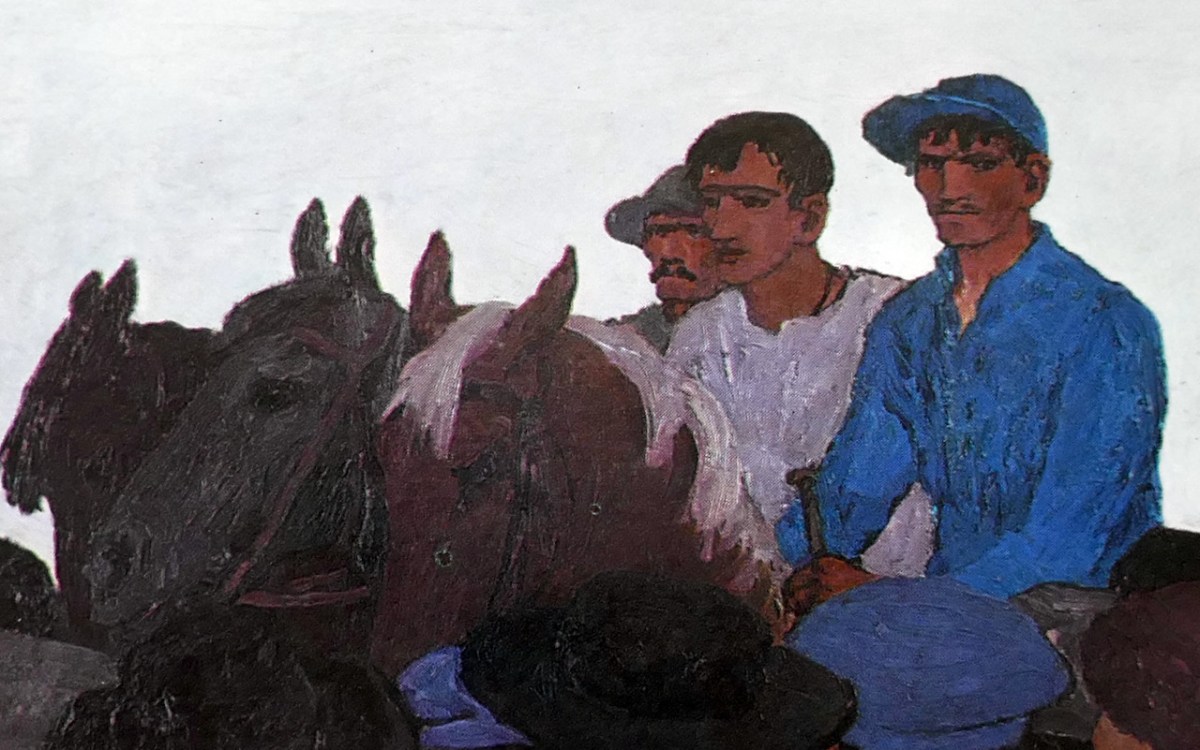
As a youth in Sligo He preferred to play around the quays and the streets, inspecting with due reverence sea captains, sailors and pilots, or at country fairs and sports observing and sketching small farmers, pig-jobbers, worried shopkeepers, untamed tinkers, shouting ballad singers, exultant jockeys surrounded  by triumphant or sullen wild faces, or the stirring arrivals of Bianconi long cars, of bands, of circuses.
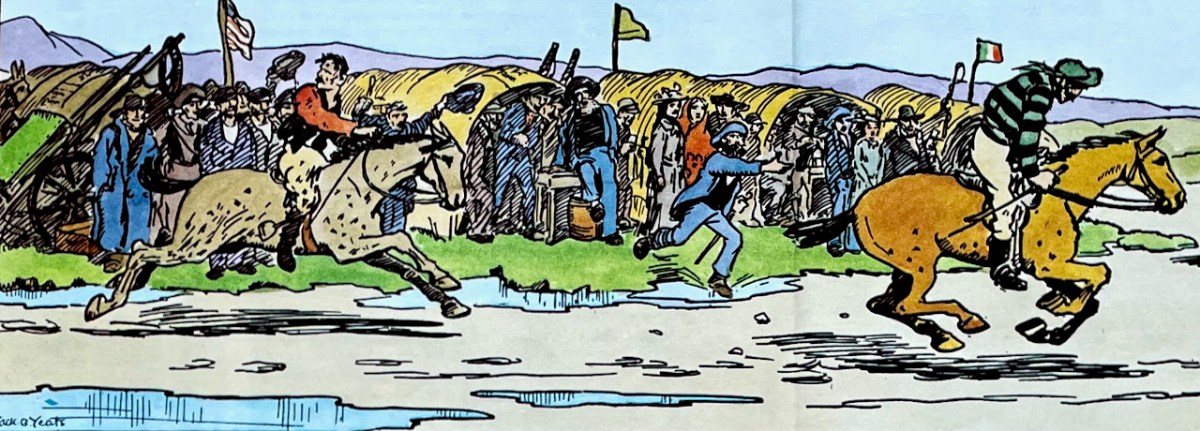
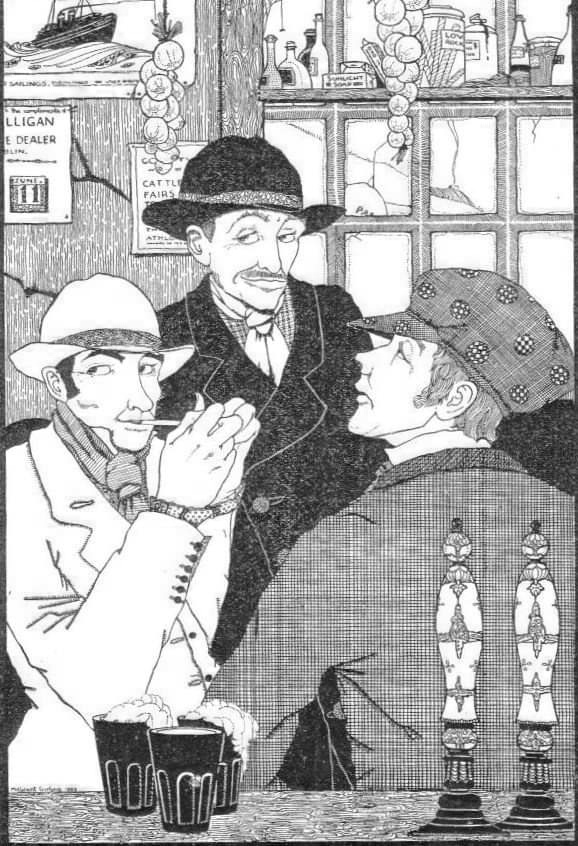
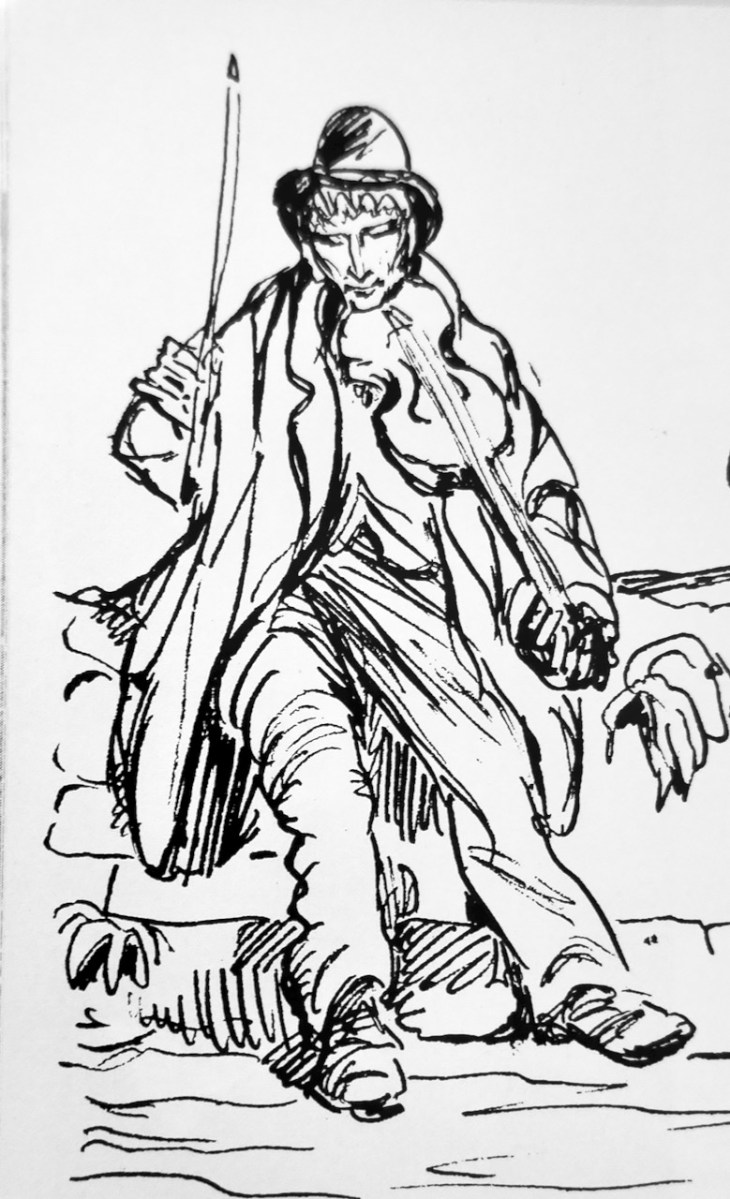
This drawing (also reproduced from Ireland of the Welcomes) is an illustration from Synge’s The Playboy of the Western World. Read more about Yeats’ and Synge’s collaborations in this post

As a background to these assorted characters was a setting of great variety; cliffs whose wildness was accentuated by the ‘crashing wind and lashing sea’ . . . legended mountains like Ben Bulben and Knocknarea, long reaches of sand sometimes marked ominously by wrecks perhaps dating to the Armada.
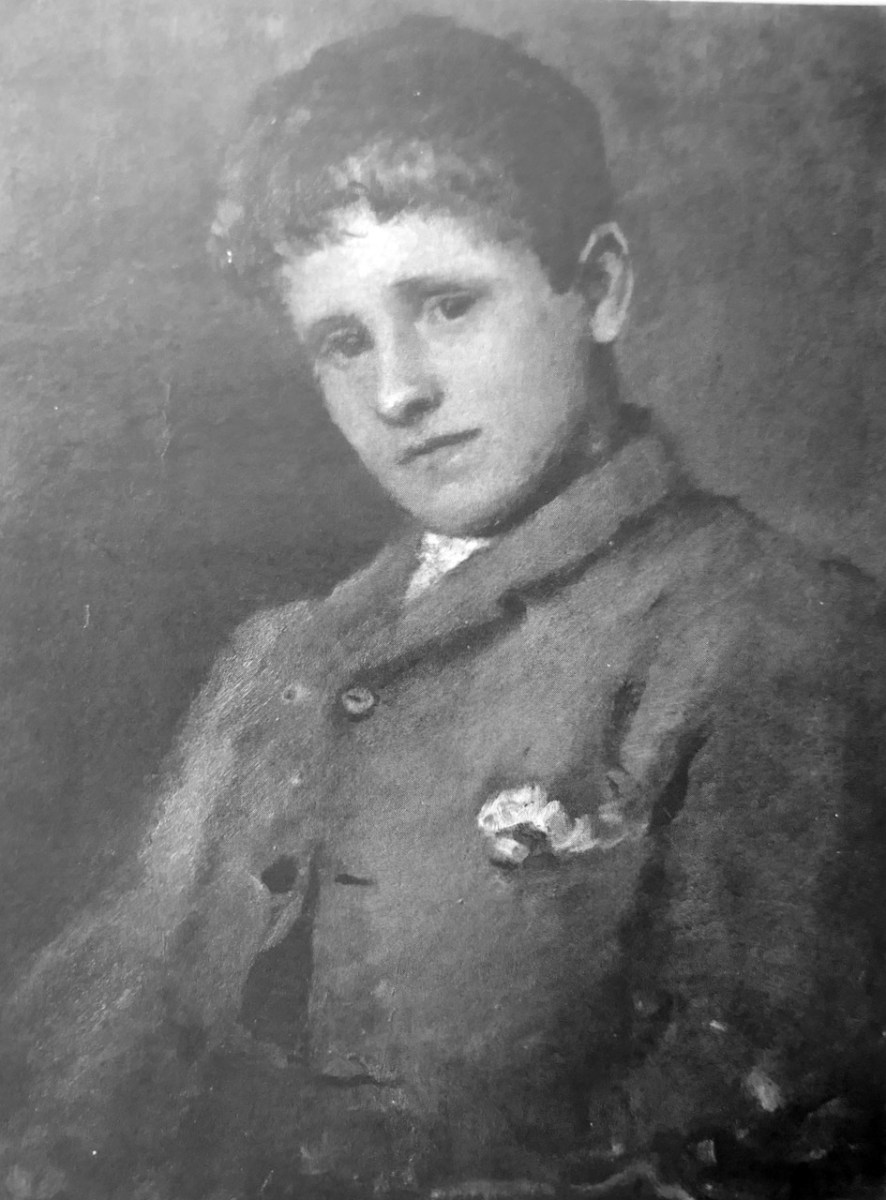
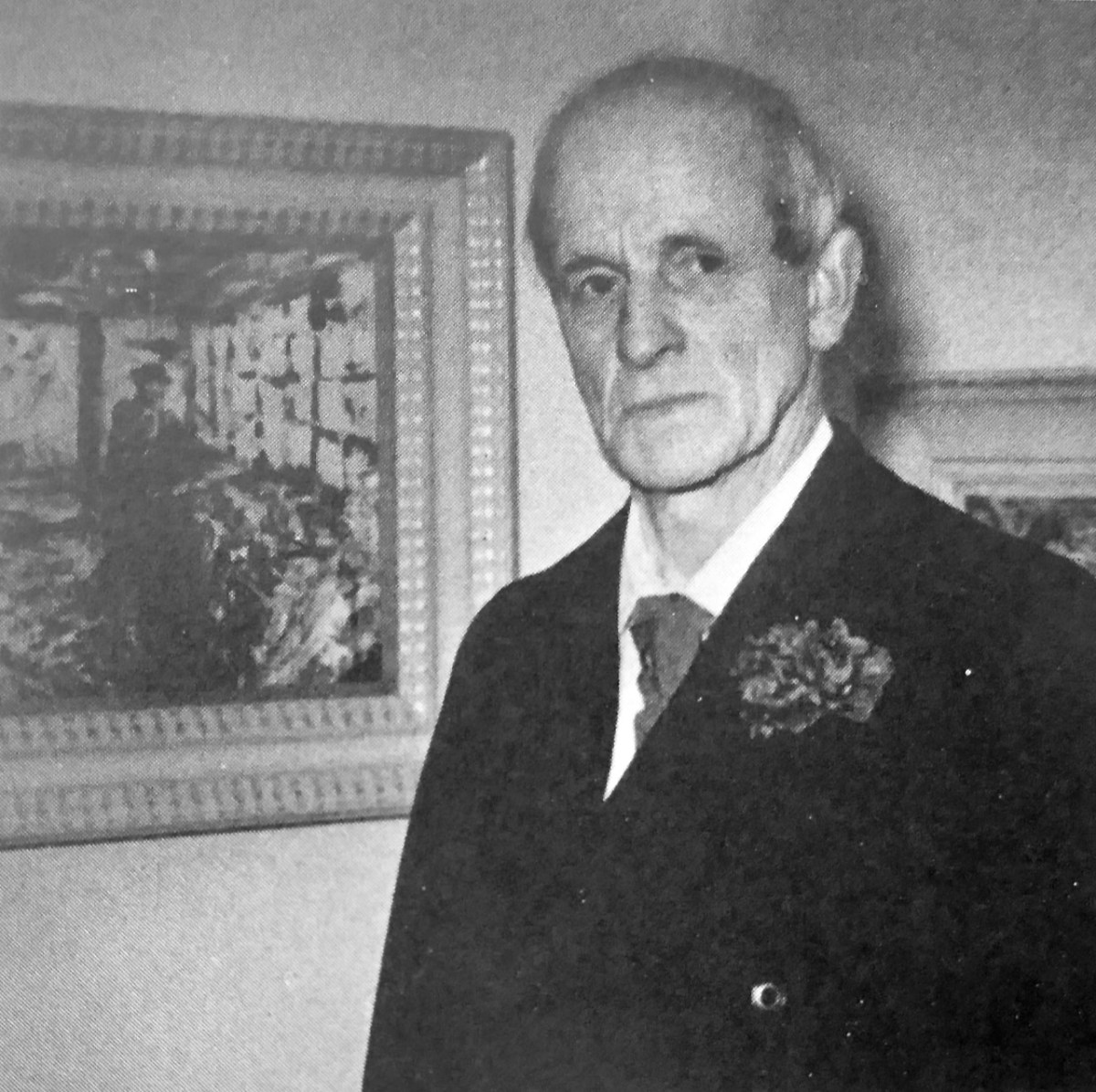
Jack B Yeats as painted by his father, John Butler Yeats. I find it uncanny how little his expression changed between this boyhood image and a photograph taken of him as an older man (below)
Even at sixteen he had started his career as a professional illustrator . . . he illustrated school-books, newspapers, periodicals, comic-cuts, racing papers.

Where England gave him many subjects for his illustrations and sketches, Ireland provided almost all those for the drawings and watercolours which he exhibited up to 1911 in Dublin and London. The Painters who exhibited at the Royal Hibernian Academy at that time were either English or Irish imitators of the Leightons and the Poynters, titled men who set the standard. ‘It was into their varnished world where it was nice to see a bit of Normandy or something from Surrey painted by an Irish artist,’ wrote C. P. Curran, ‘that Jack Yeats broke with his troop of tinkers and maggie-men, jockeys and drovers, pig-jobbers and purse-proud horse dealers, stout farmers and sea-faring men, the whole life of a little western town by the sea. It was very exciting, but was it art?
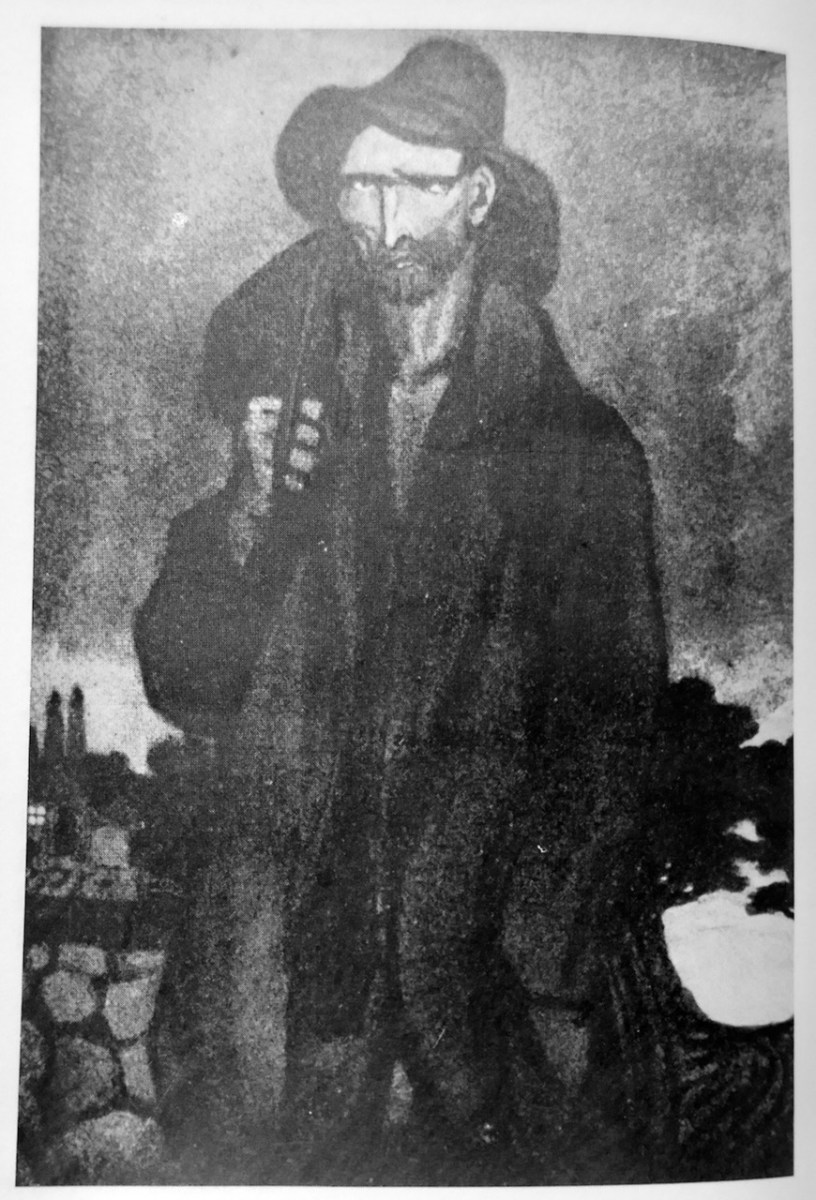
Following his own lead about the affectionate zest for life that is the basis of artistic achievement, I think that people untutored in technique but with some sensitivity can catch the essential elements of those early works. . . . They depict individuals. . . . but in such a way as to capture some essential quality which lifts the picture above its particulars. A tinker is painted in black garb which is set against the black of rock and the dark sky, relieved by a glimpse of white sea-foam. His wild eyes gleam from a ‘black-avised narrow face; he seems the embodiment of some wild night spirit.

The line-drawing of the squireen, bowler-hatted, gloomily assertive, owes much to the sharp, sure vertical lines of his coat and umbrella set against the curve of road, wall and mountain.

The next post will take us through his life as the greatest of Irish painters. Here’s a sample image from the article.

Clarke-style Windows

“In no time there was a large studio successfully producing Clarke-style windows to his designs or under his supervision.”

This post and this slide show is about a set of windows in a church in Leixlip, Co Kildare. The music is How Can I Keep from Singing by Enya ©, used with permission. I am hoping she will like me using her transcendent sound for this purpose. (You may need to click on Watch on YouTube for the full screen version.)

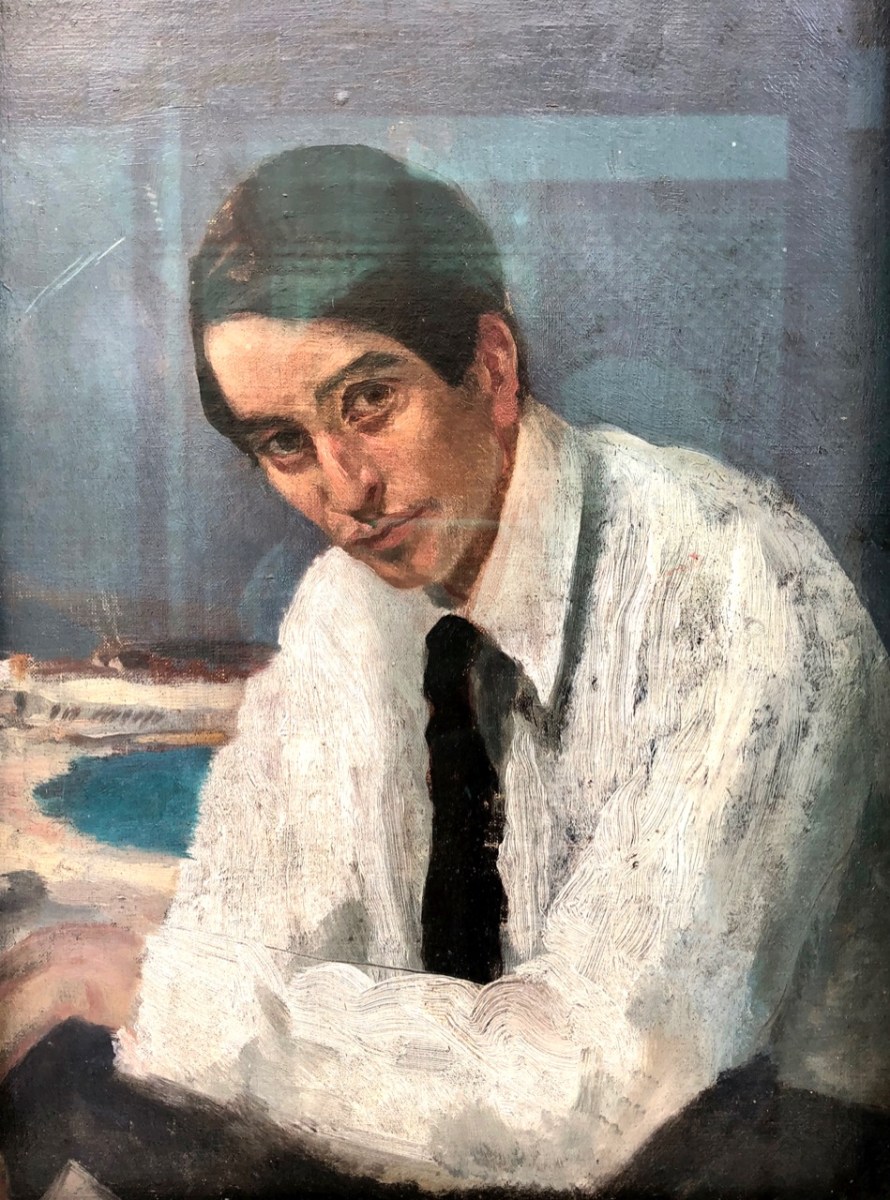
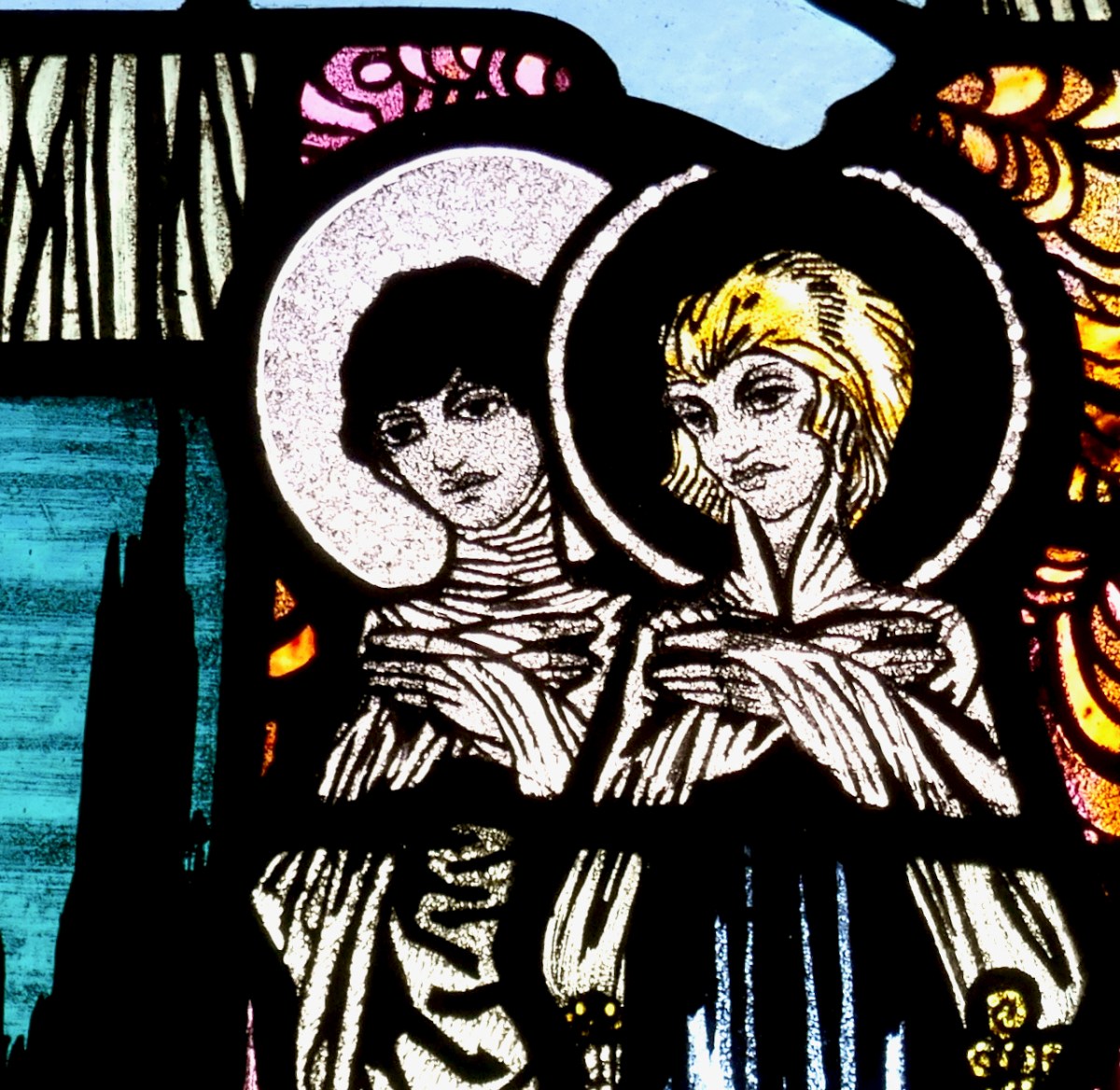
The Leixlip stained glass perfectly illustrates what a Clarke-style window is all about. The quote in the first paragraph is from Nicola Gordon Bowe’s Introduction to the Gazetteer of Irish Stained Glass. The foremost scholar on all matters relating to Harry Clarke (above, in a portrait by his wife, Margaret Clarke) and stained glass of the Irish Arts and Crafts era, she has researched his output exhaustively, and helped us to understand that he ran a busy studio with over 30 employees and was by no means able to design or paint all the windows himself. 

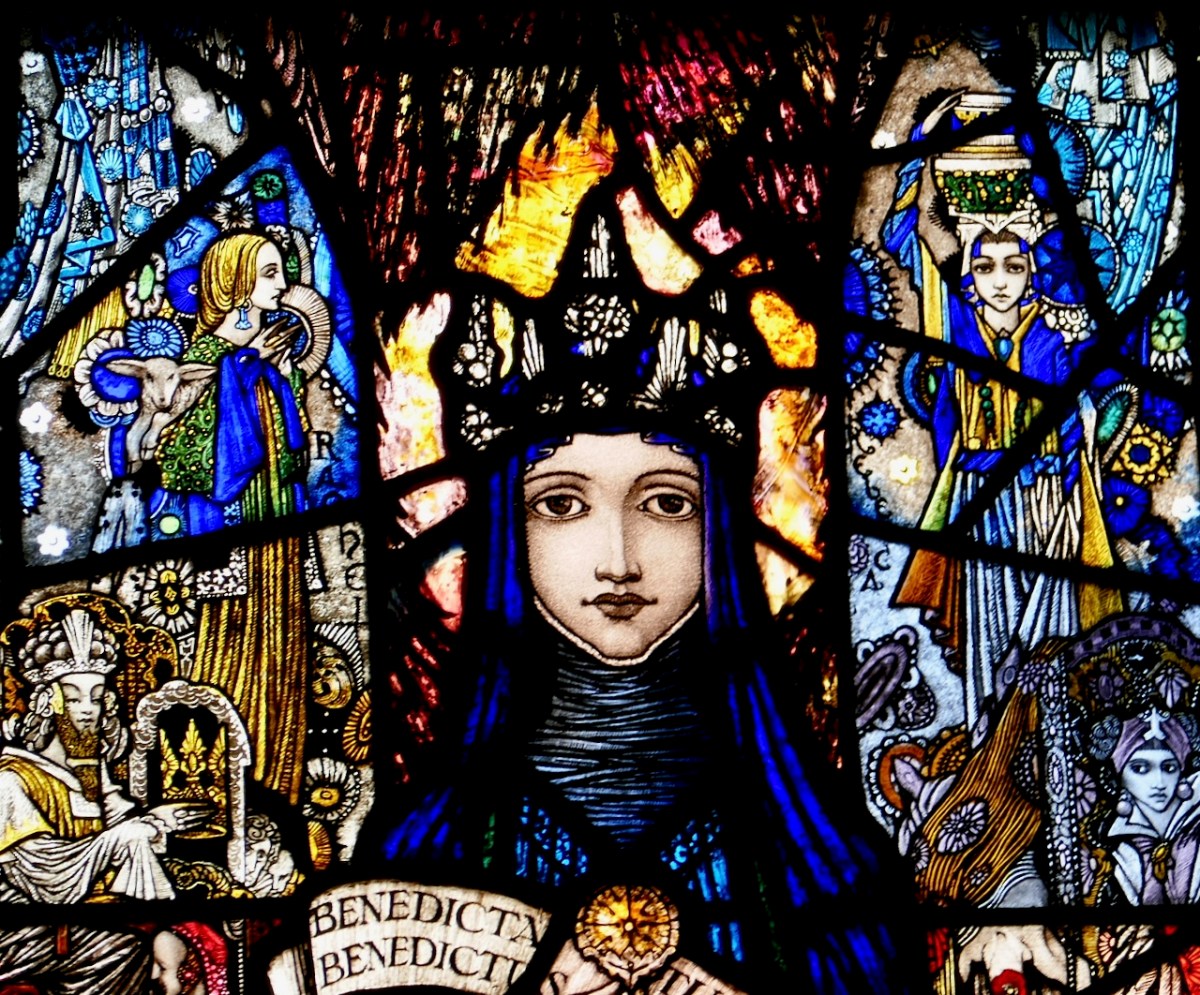
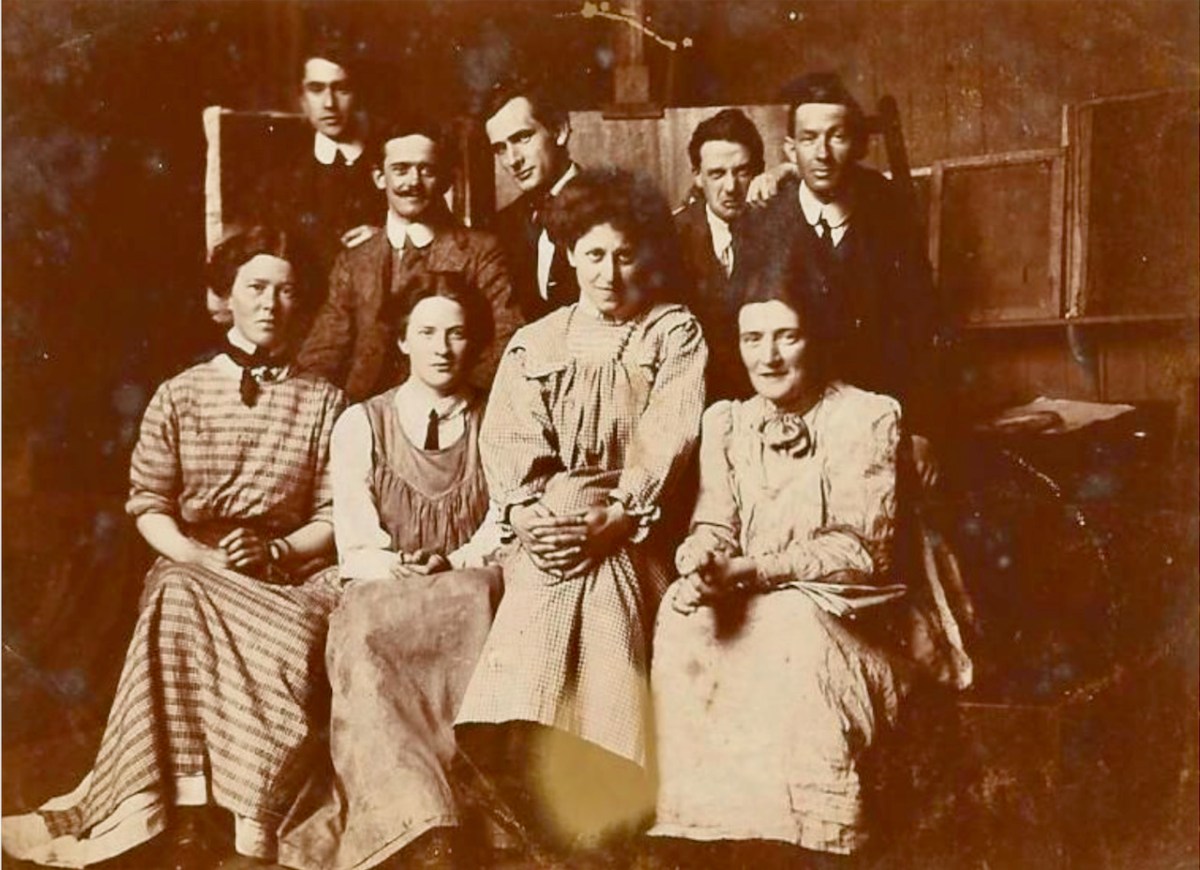
Of course he did many windows – about 150 in all – but if they were his windows, he signed them and they were expensive. Above is a detail from his Terenure masterpiece, The Virgin in Glory, to give you an idea of the difference between the real thing and a Clarke-style window. In addition to that, after his father died in 1921, he and his brother Walter ran the business – Joshua Clarke and Sons (it wasn’t called The Harry Clarke Studios until 1930) – with Walter looking after the business end and Harry in charge of the artistic output. Harry produced his own windows on the side, as it were, paying for materials and glazing time, but charging differently. To fulfil the demand for stained glass windows from around the country (and indeed from the USA, Australia, Britain, and other countries) Harry gathered around him a group of talented artists and trained some of them to reproduce his style. Some of the artists he found himself – they were either fellow students/friends at the Dublin Metropolitan School of Art (like Austin Molloy, or the group below showing Harry top left) or had arrived through recommendations (Philip Deegan from Worthing), or, like Millicent Girling, had taken one of Harry’s own classes. He taught design at the DMSA for a couple of years in the early 1920s and according to Nano Reid, one of his students, all the students were under his spell and there was a wave of Harry Clarke Style illustrations.*

However they got there, in the mid-1920s Kathleen Quigly and Leo Cartwright had joined the other accomplished artists working under Harry’s supervision. While not all the windows the Joshua Clarke studios produced in this period were ‘in the Clarke style,’ many were, and there was huge pressure to produce a Harry Clarke window although not always the budget to go with the aspiration. 

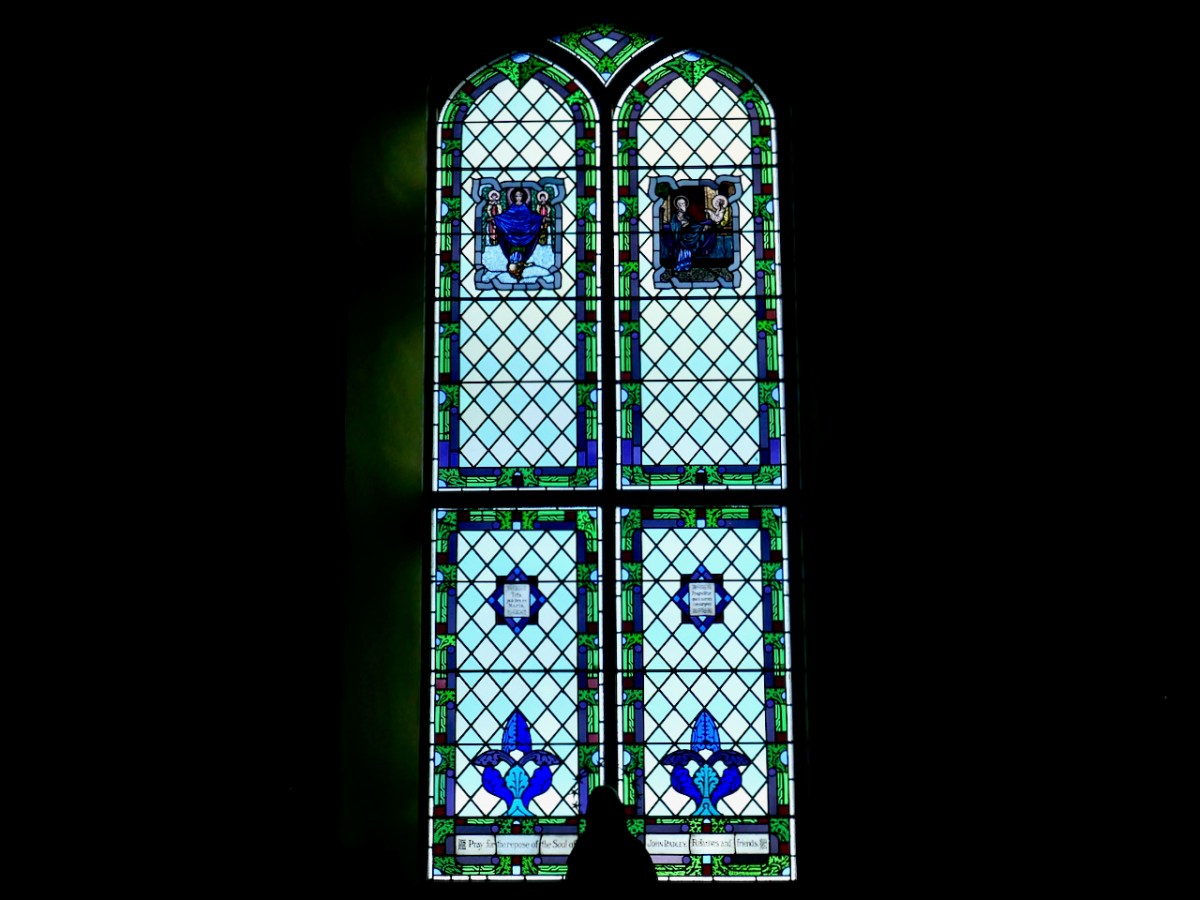
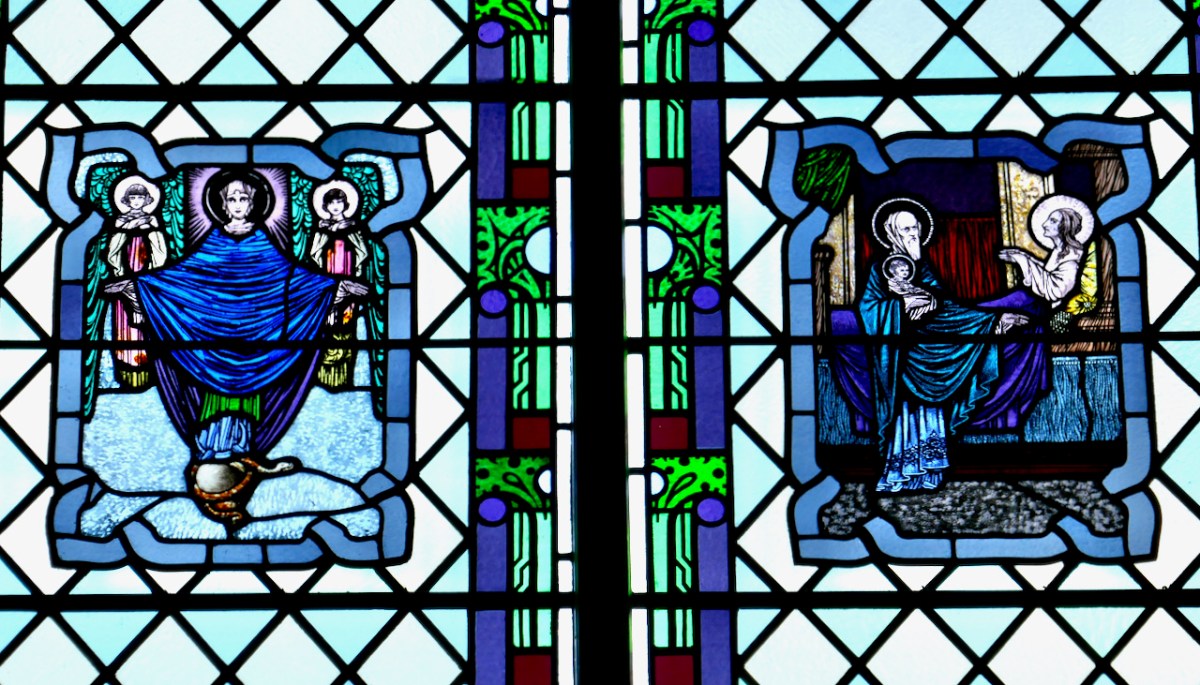
The windows in Our Lady’s Nativity Church in Leixlip, Co Kildare, fall into this category. They were installed in 1925 by Joshua Clarke and Sons and consist mainly of clear and light green quarries, with decorative borders. Each two-light window has a fleur-de-lis design in blue and a Latin inscription at the bottom, while the top panels feature two small scenes from the lives of Mary and Christ. The glass is of the inexpensive kind and the repetitiveness of the decoration meant that most of the windows could be assembled by apprentices or glaziers, while one of the studio artists produced the small scenes.

Who did them? On balance, my guess would be Philip Deegan. He seems to have been the go-to artist for Clarke-style windows. Kathleen Quiqly was also there at the time, but she was mainly assisting Harry with his own windows. Deegan was very capable of designing a near-Harry, as some of the drawings attributed to him in the TCD Clarke Archive attest. Take a look at his sketches for windows here, here and here, for example (sorry, not allowed to reproduce the images online). Not only was he working at the studios, he also signed up for Harry’s design classes and provided illustrations for the Dublin Magazine. I’ve only managed to find one of these (thank you, the amazing Patrick Hawe!) but the facial expressions remind me forcibly of the scourger in the Scourging of Christ window. 

However, that’s speculation on my part and it could have been one of the other artists, or even more than one artist. The small scenes are lacking in Harry’s signature complexity and deeply emotive expression, but taken as a whole they make a charming sequence and deserve to be more visible than they are. 

For much more on Harry Clarke and on stained glass, go to our Stained Glass Navigation Page.

*Quoted in The Metropolitan School of Art, 1900-1923: (Part 2) by John Turpin. Dublin Historical Review, Vol 38, No 2, Mar 1985

The Season for Signs

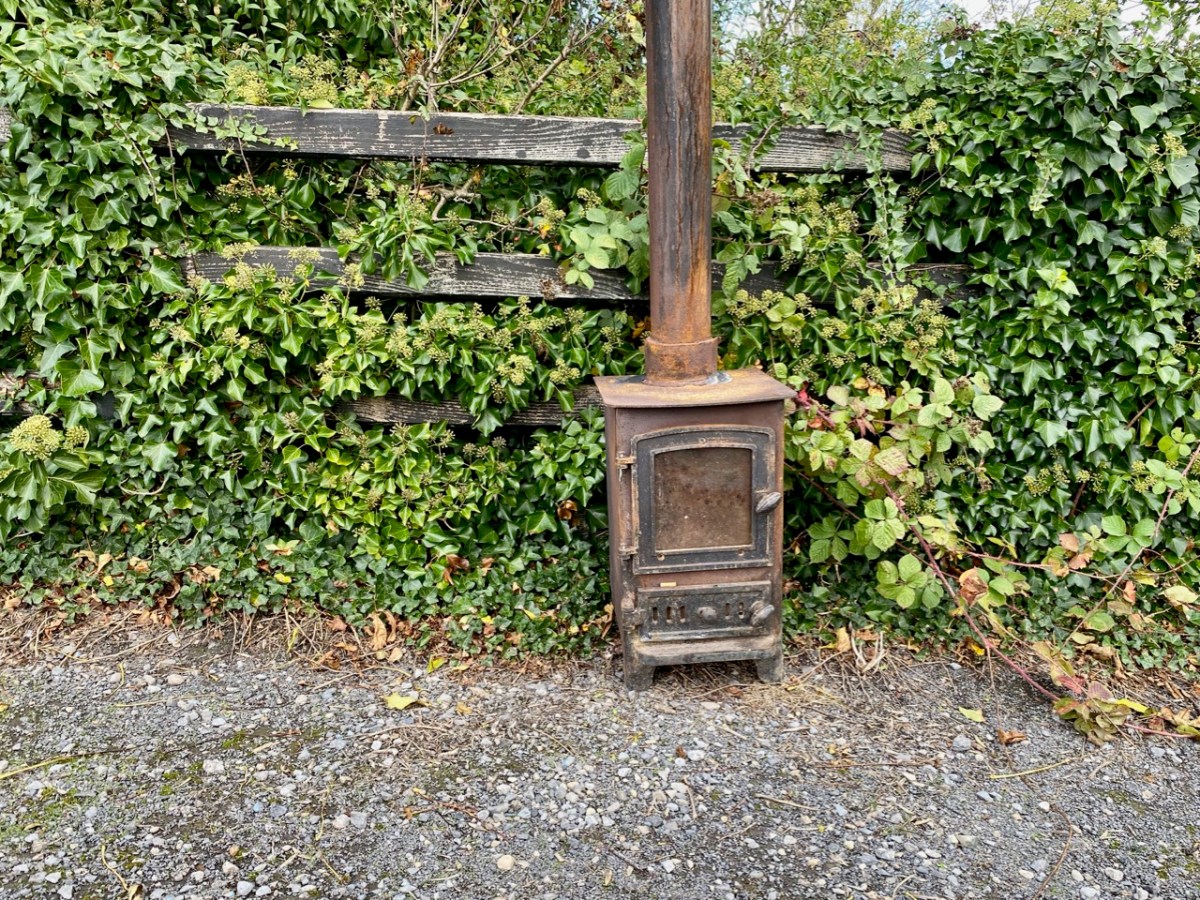
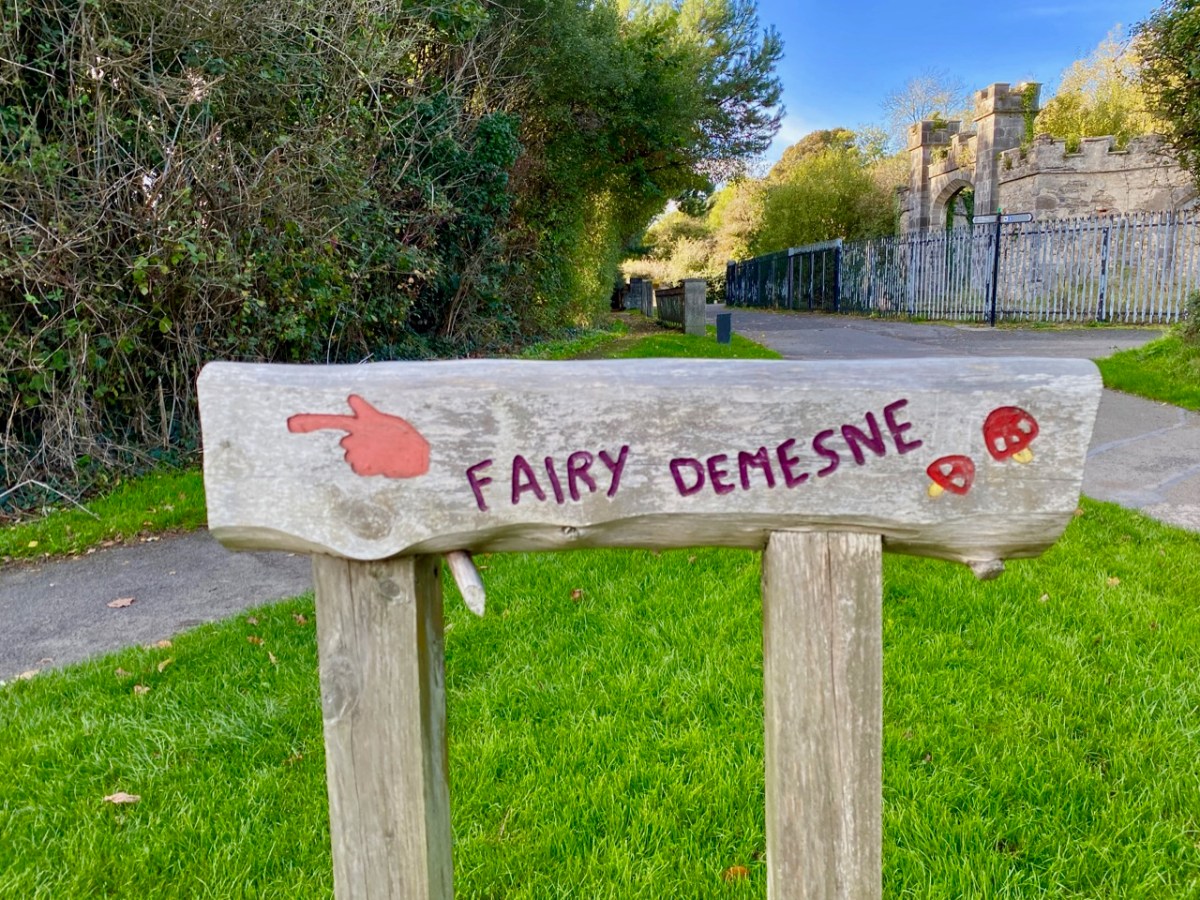
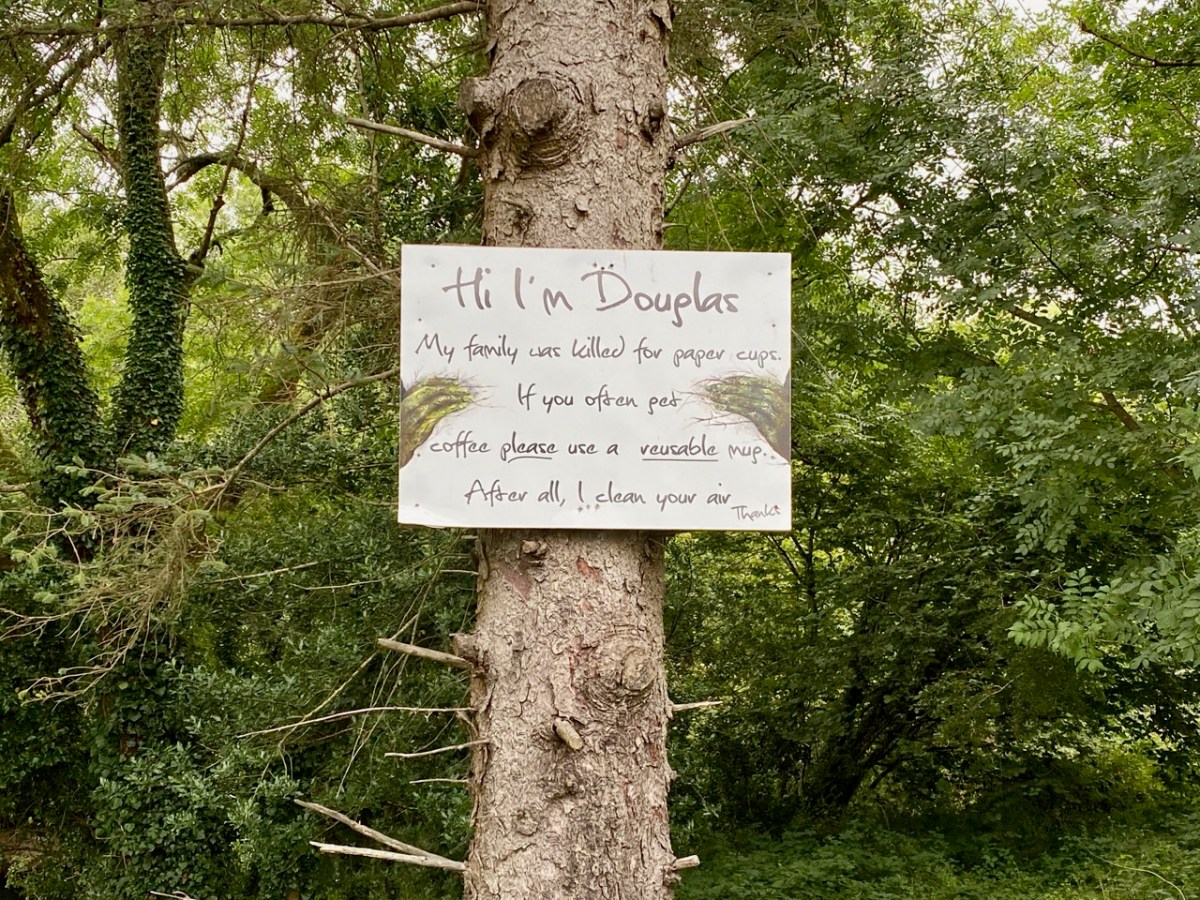
Yes – it’s ‘Sign’ season again. I’ll make an excuse that any season is, in fact, ok to put up another selection of signs from Ireland. But not just signs: I use the opportunity to add in a few peculiarities which we encounter on our wanderings. Here’s one I saw only yesterday – a roadside stove! I’m not sure how much it would be adding to our global warming . . .

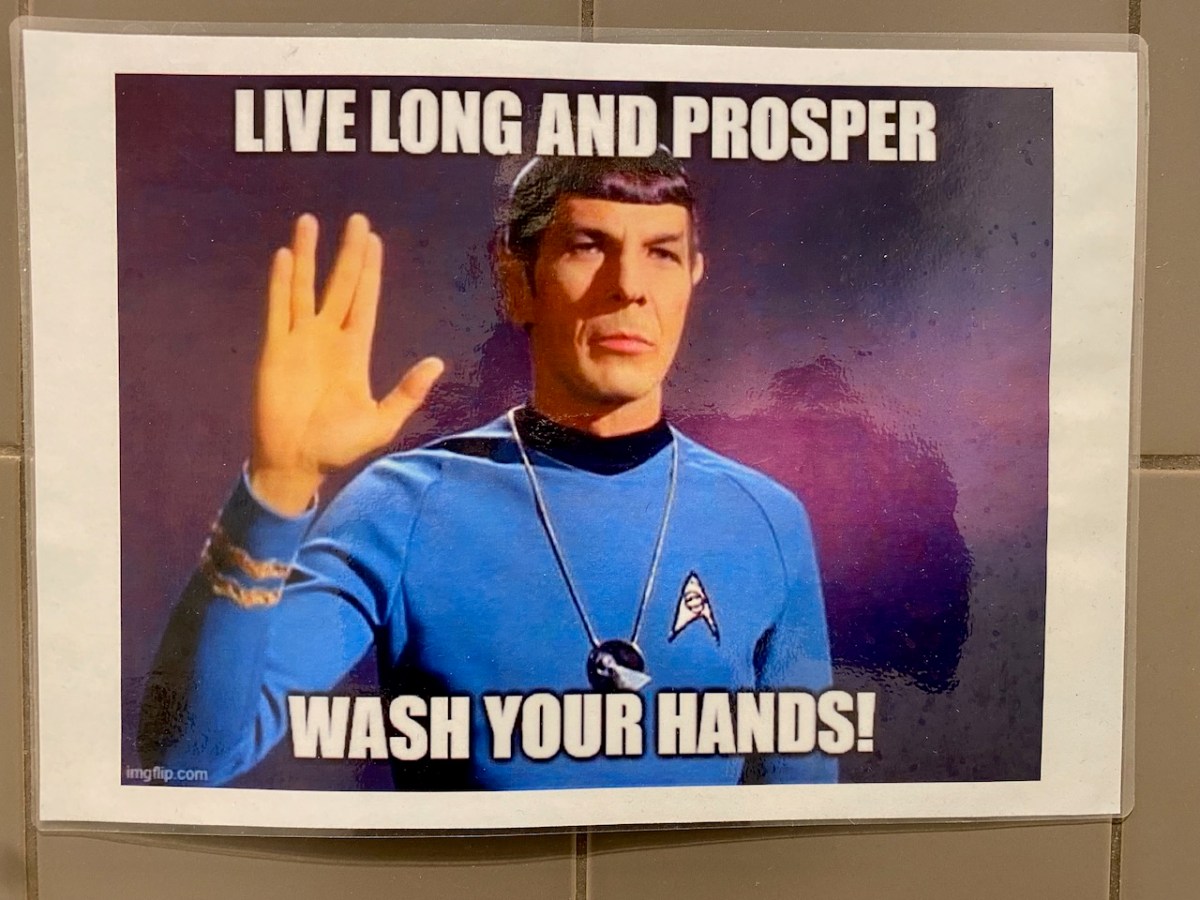
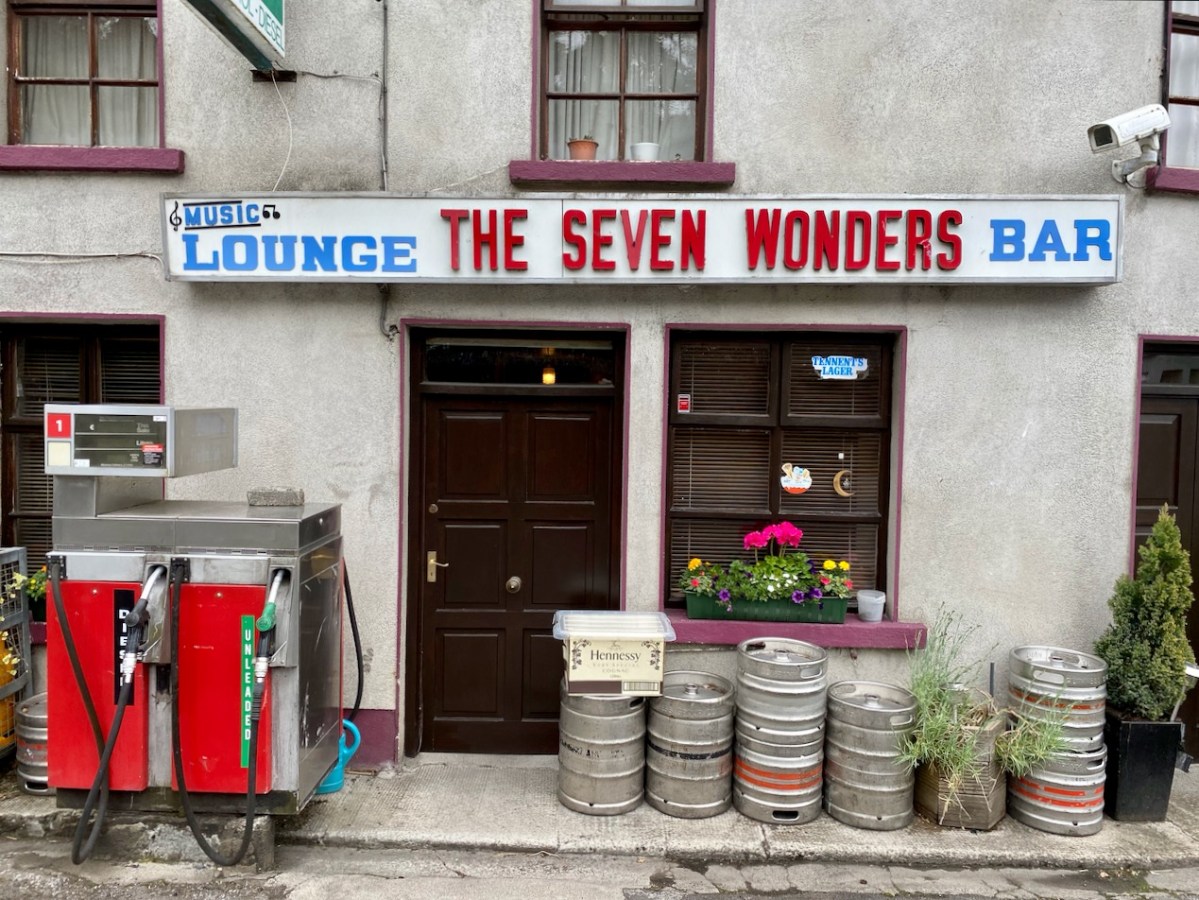
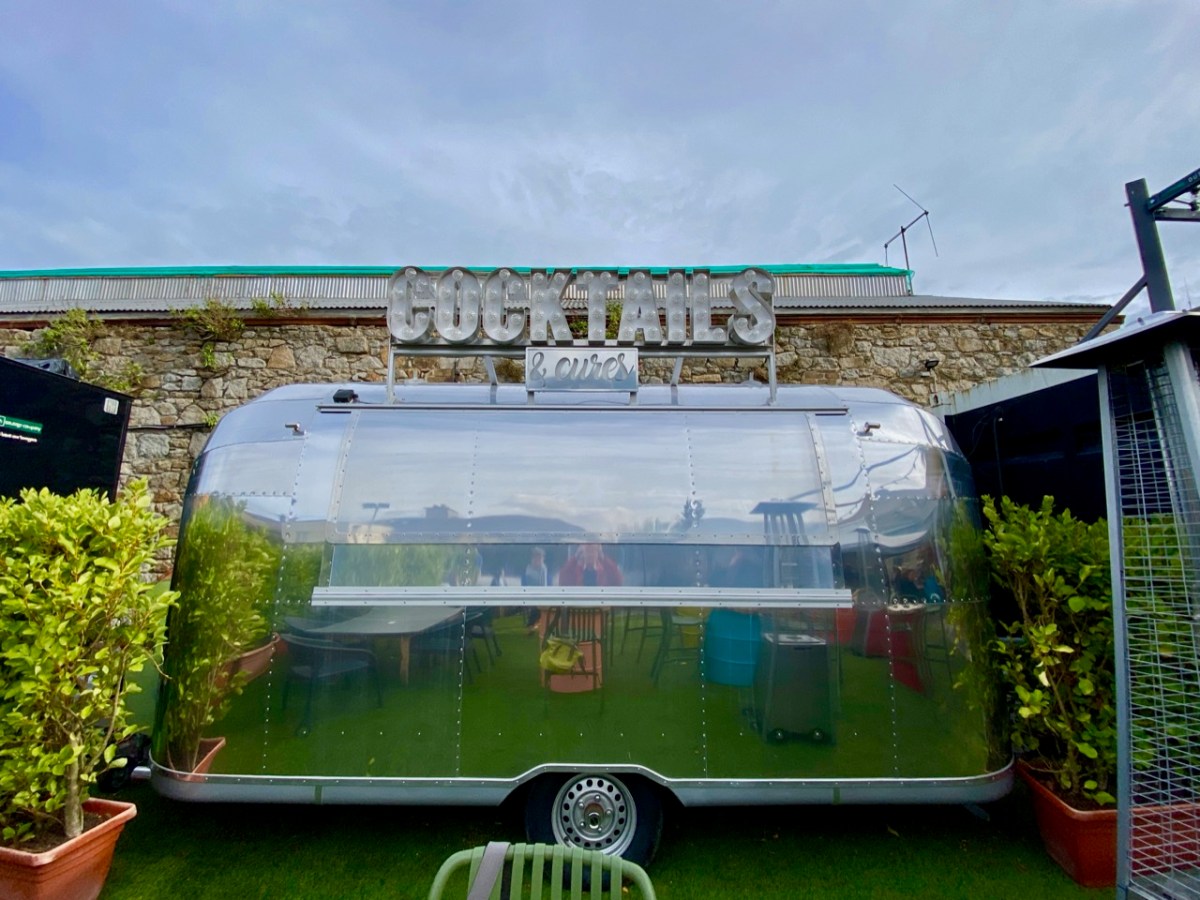
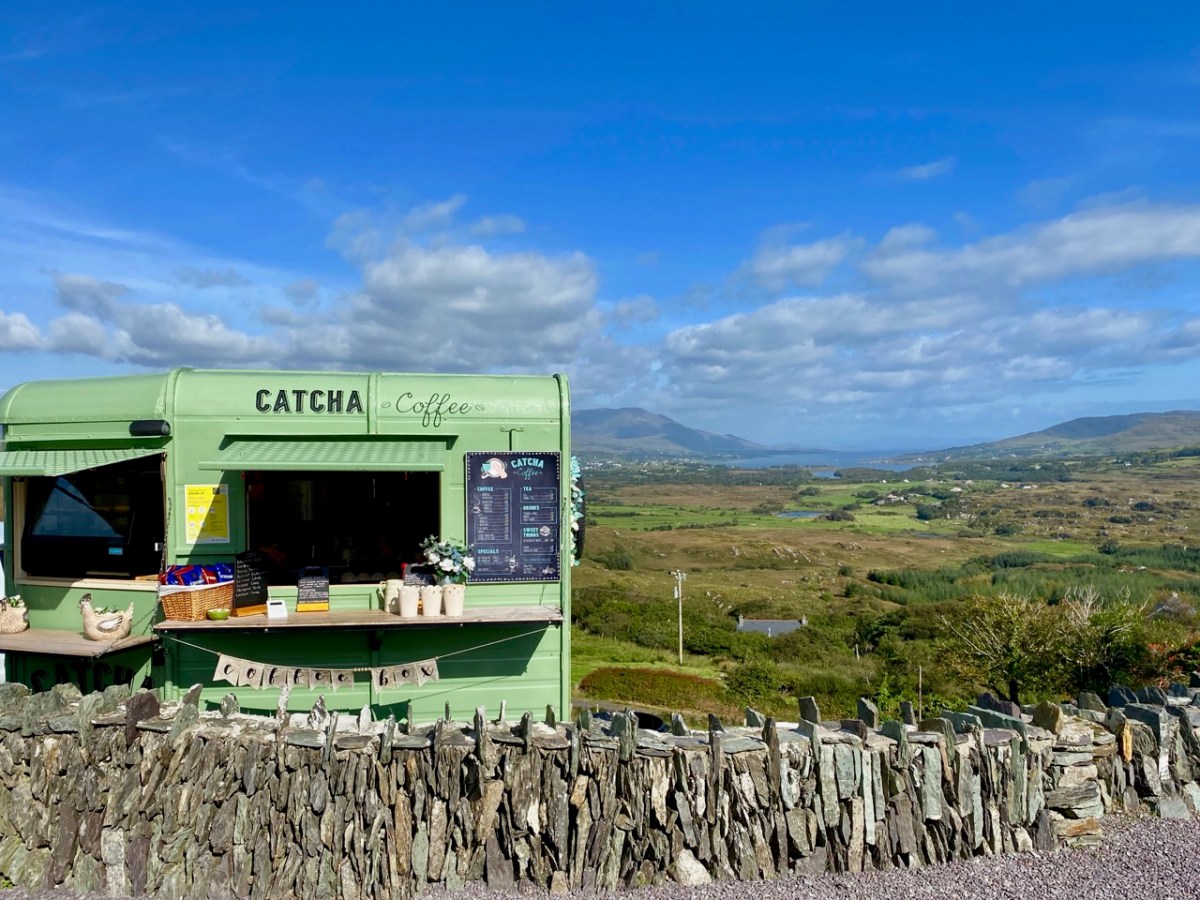
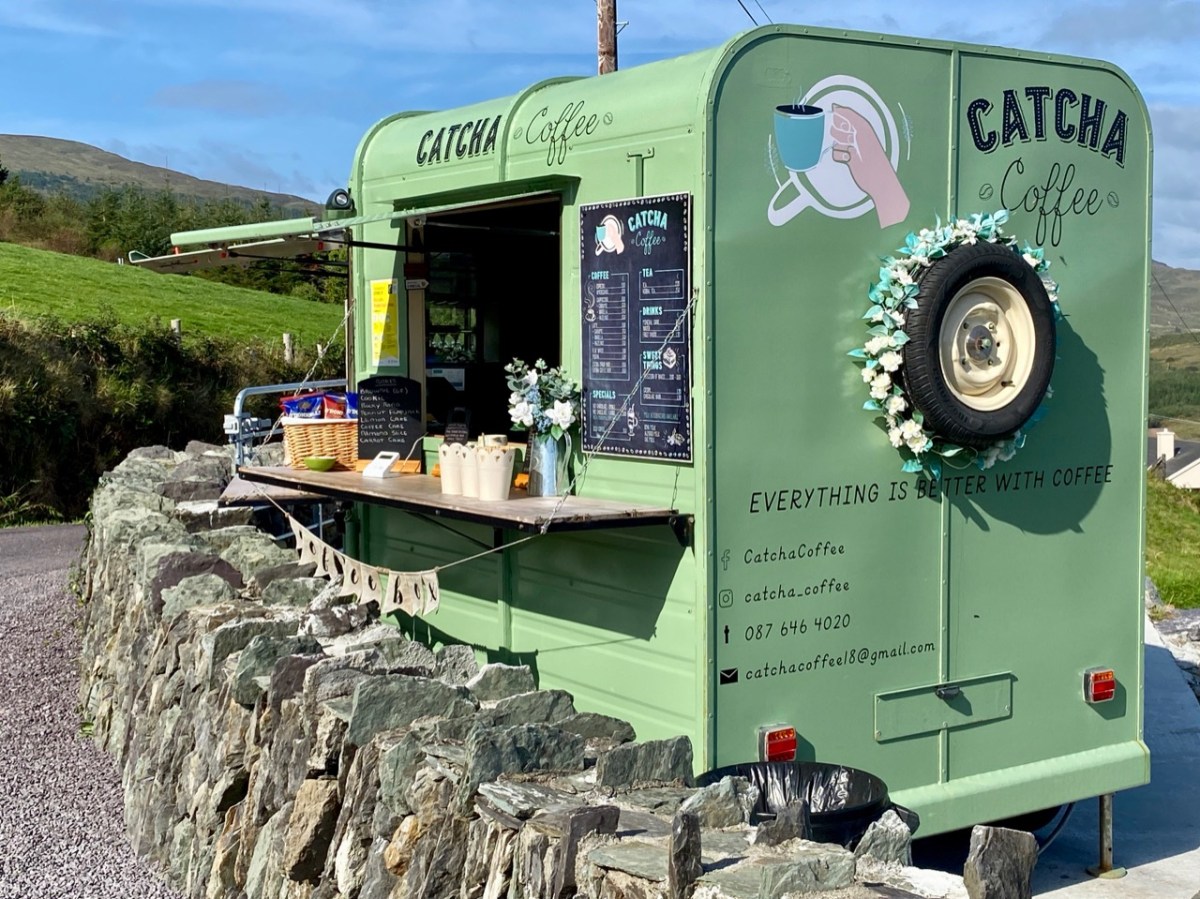
Good advice abounds – and it’s certainly pertinent that we should remember to wash our hands, particularly if we are off to see the Seven Wonders. During these Covid times ‘food trucks’ have proliferated on our streets, and in the country. The one below is a fine, shining example – and offers ‘cures’ as well as cocktails, while the lower coffee stop must be situated in one of the finest viewpoints on the Beara Peninsula.

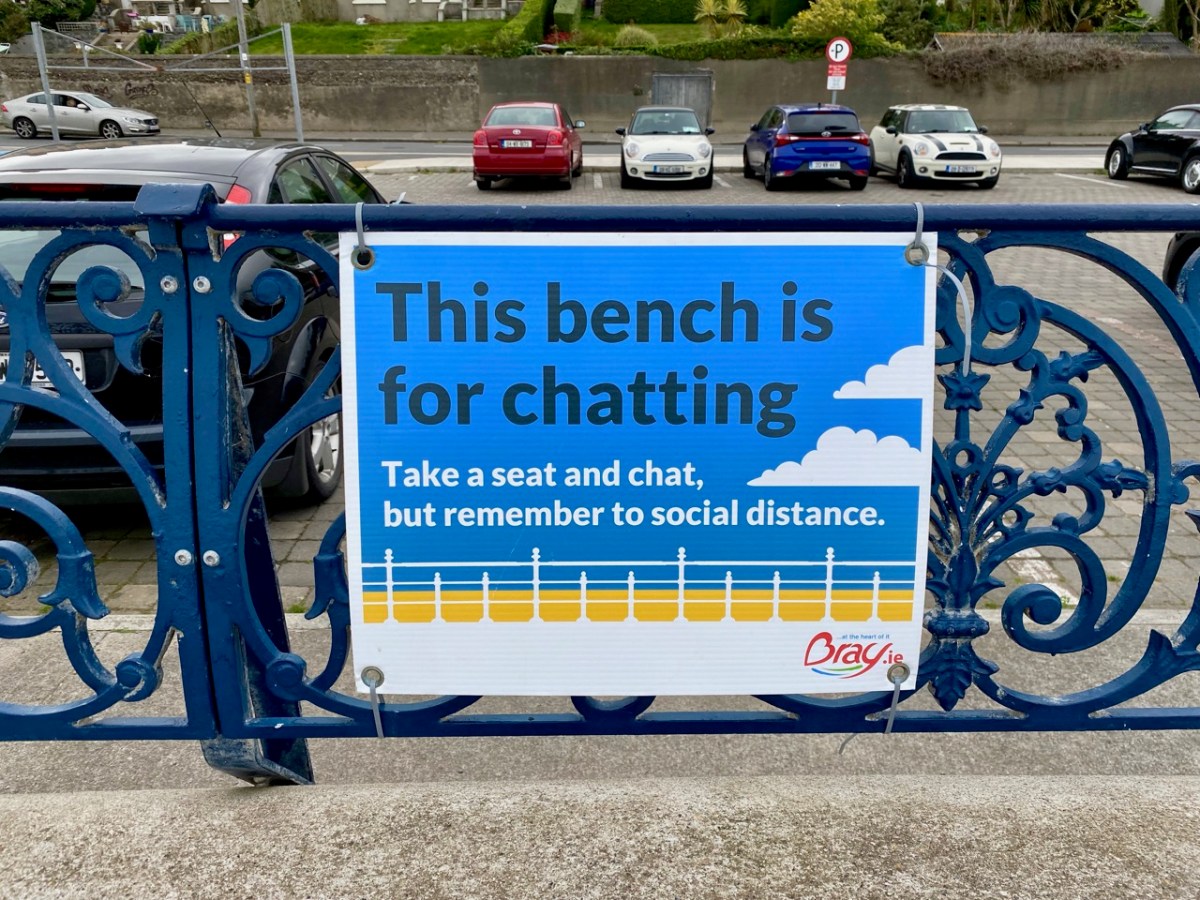
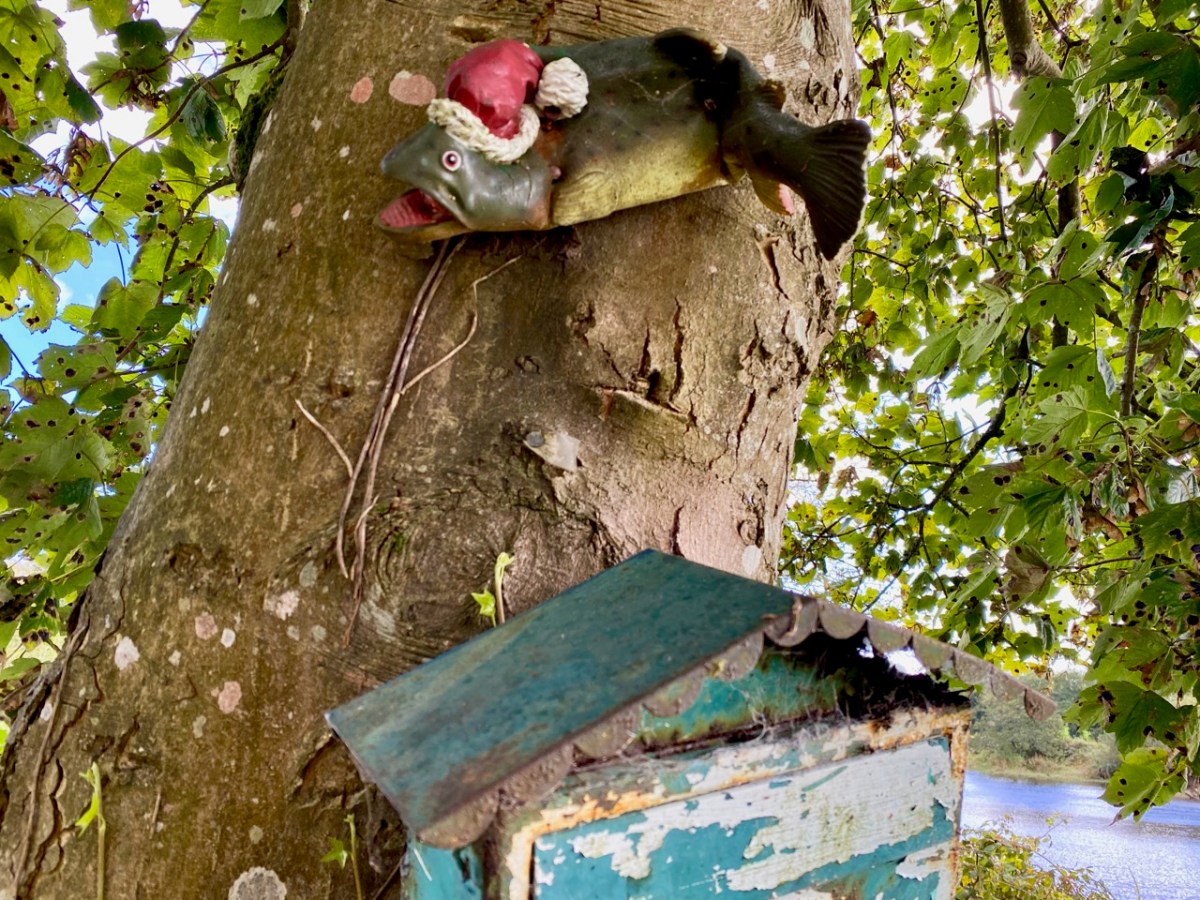
Always time for a chat in Ireland! And – a reminder that Christmas is nearly upon us . . .

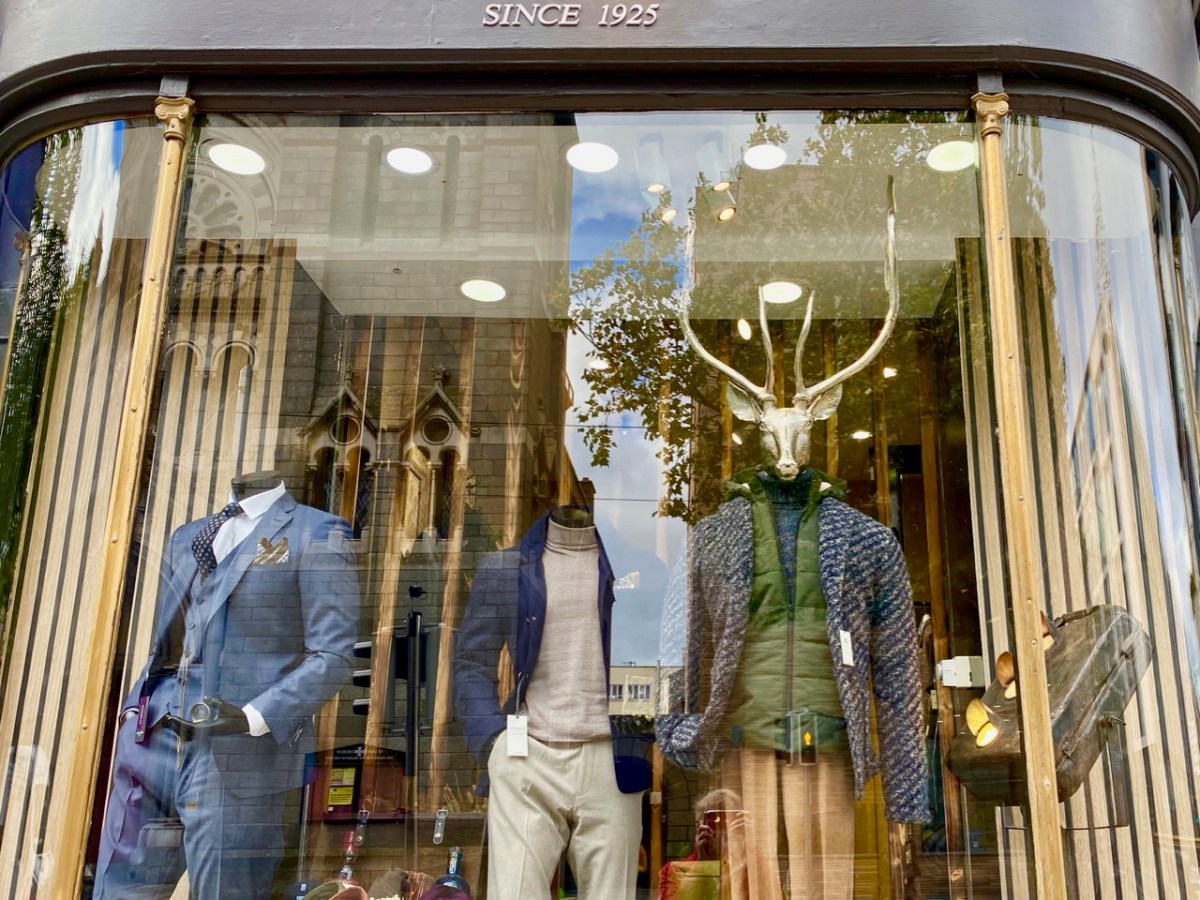
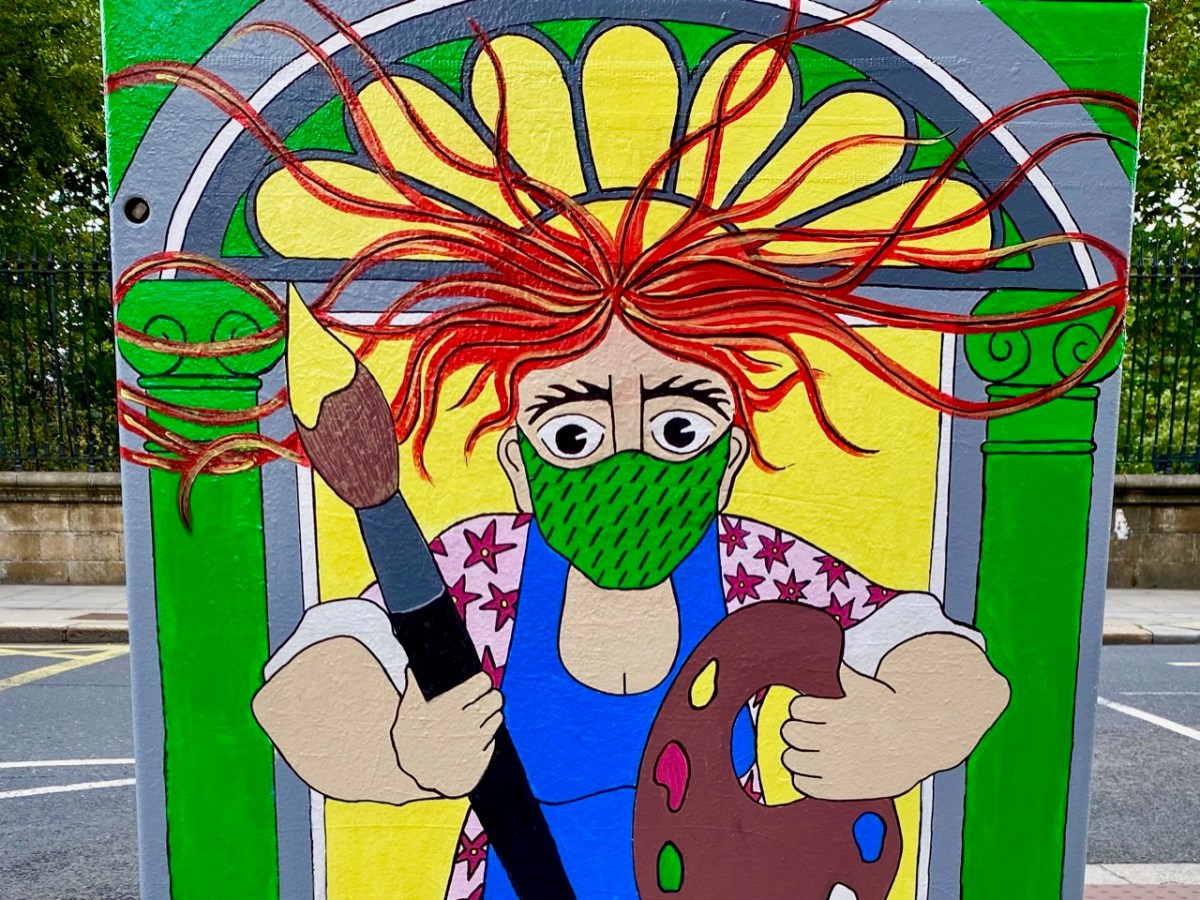
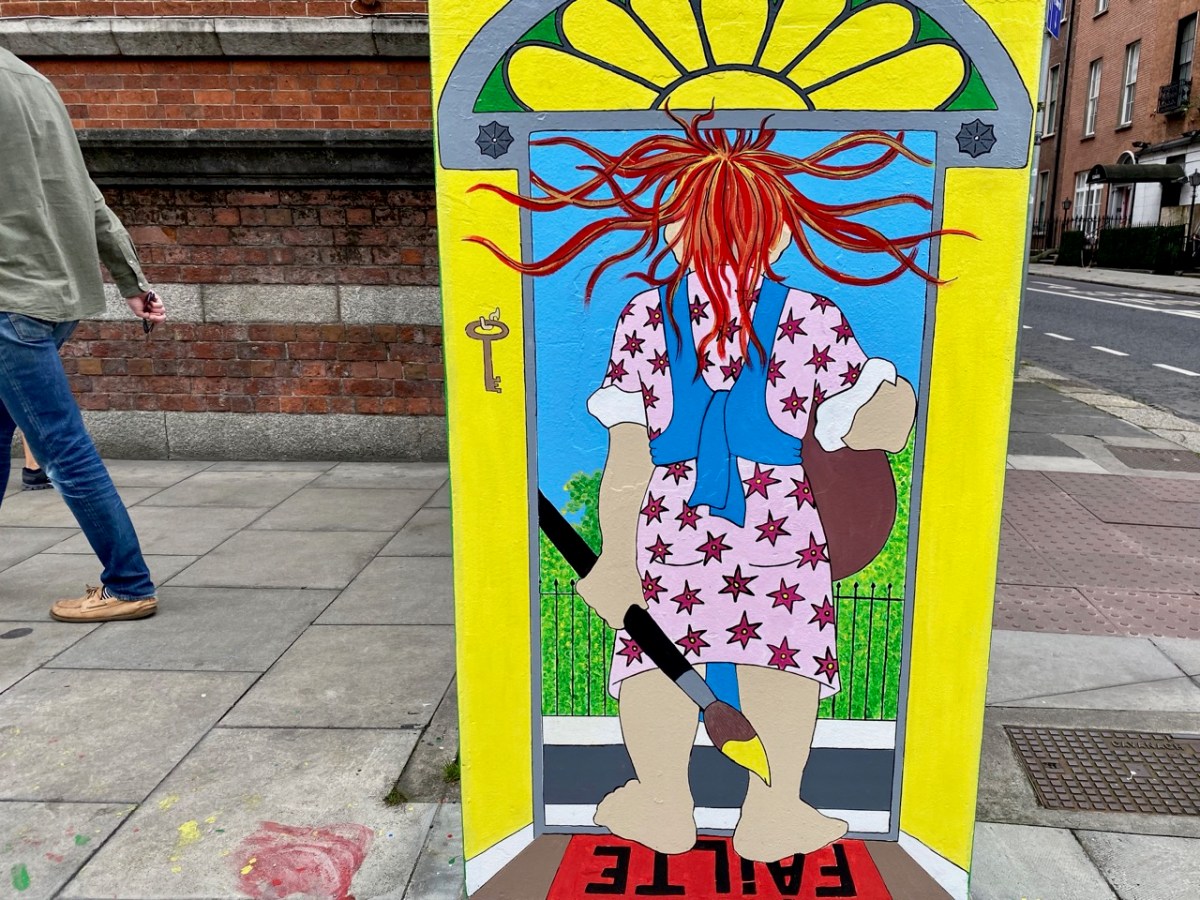
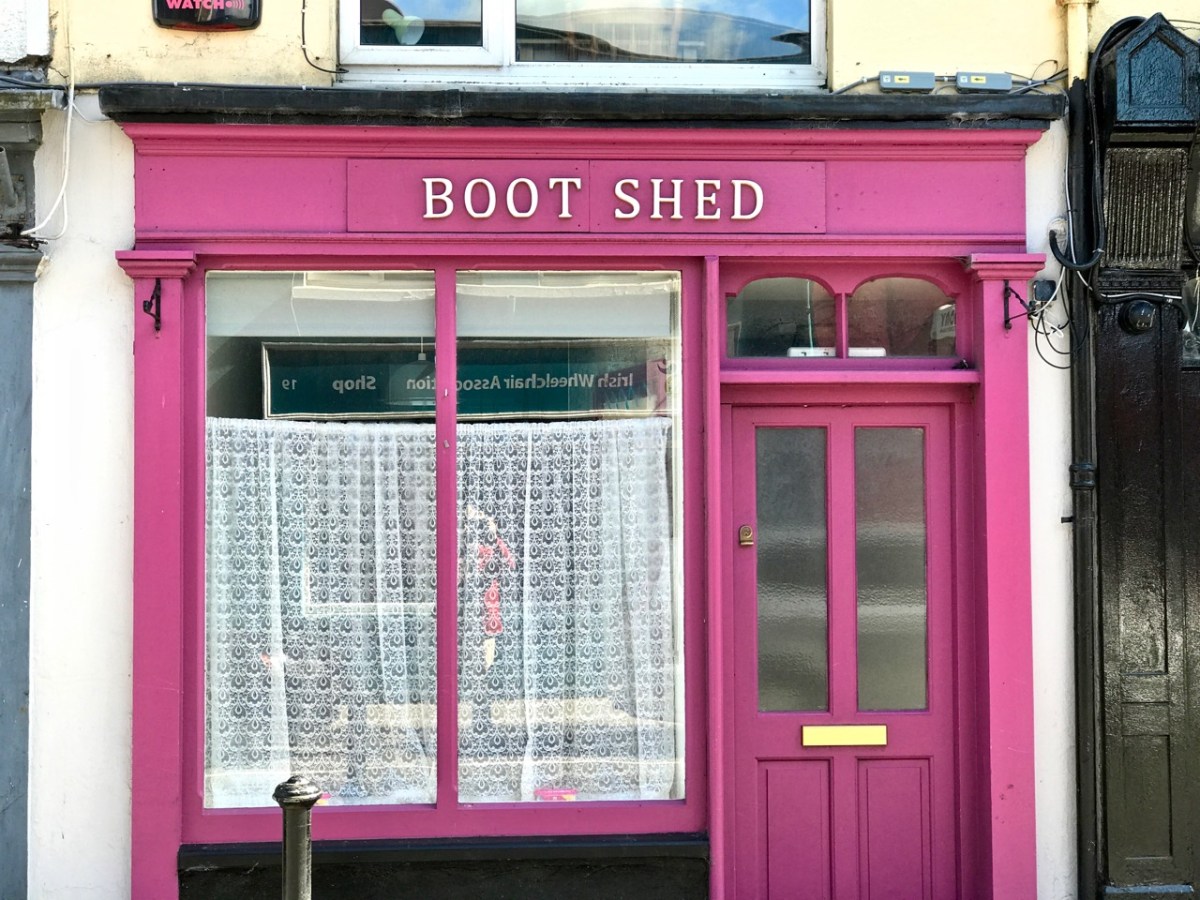
Everywhere we go, there’s a double-take to be taken. In the city, I felt that there was something a bit pagan in this outfitter’s window . . .

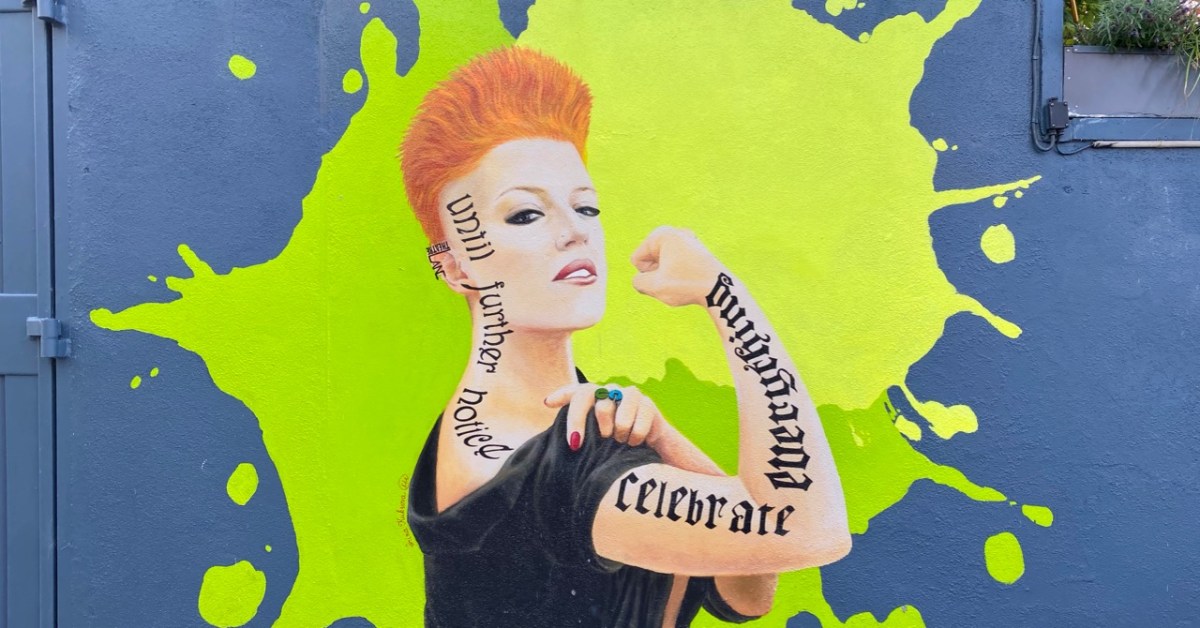
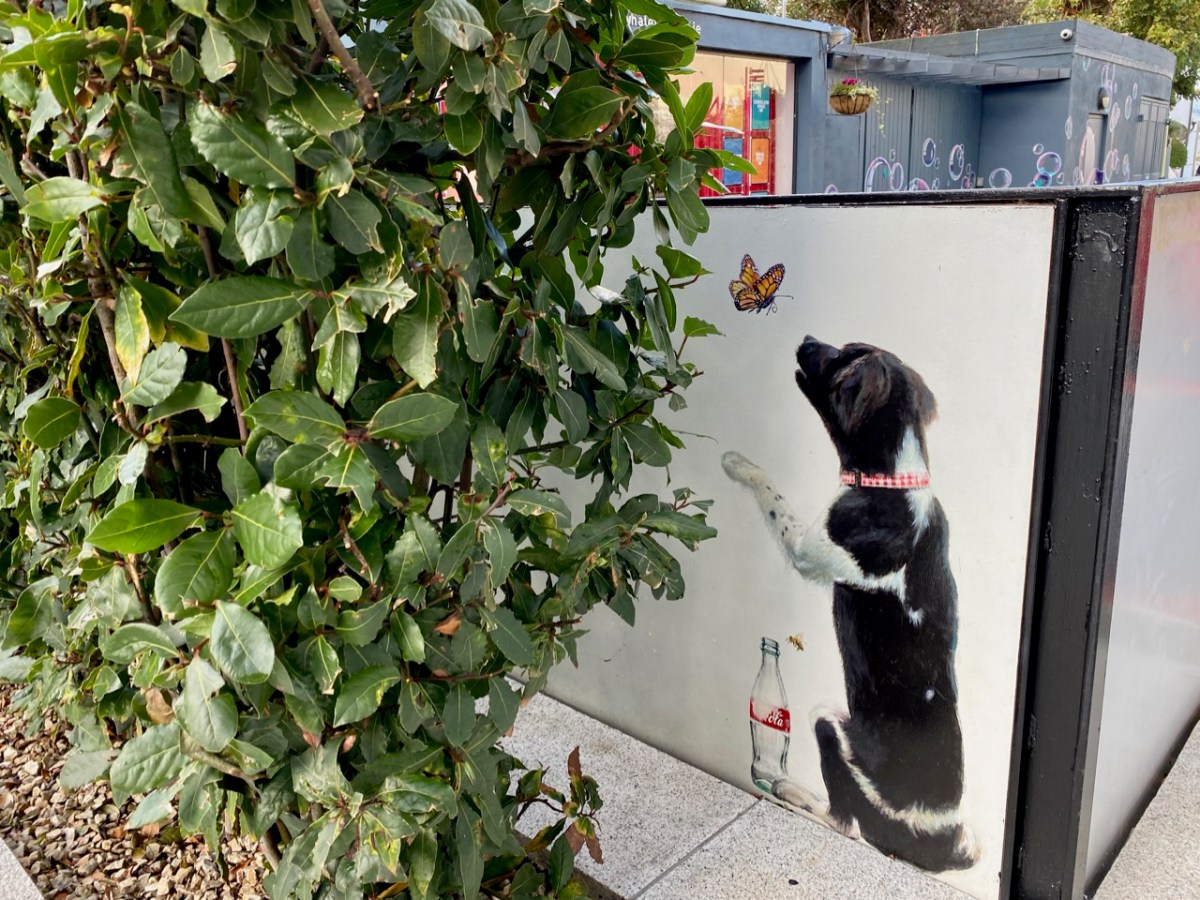
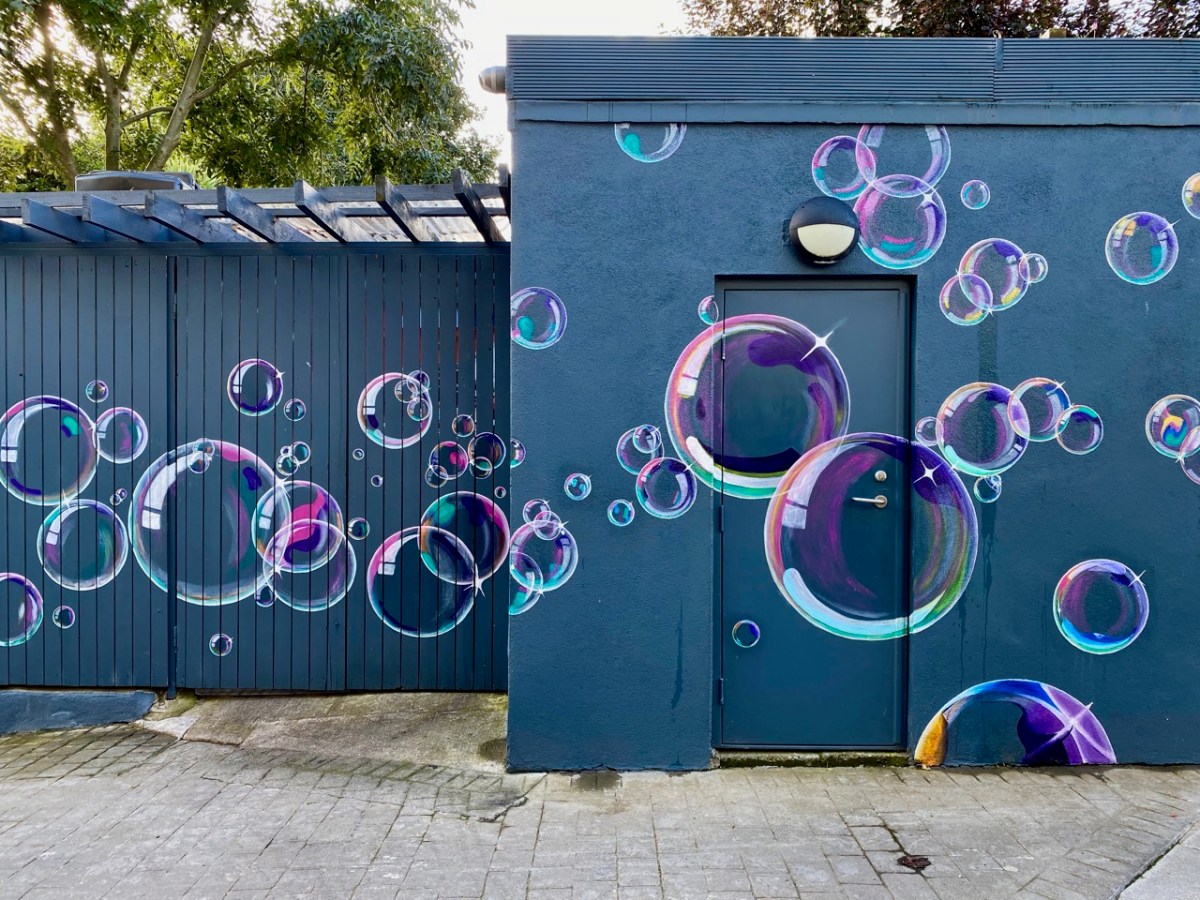
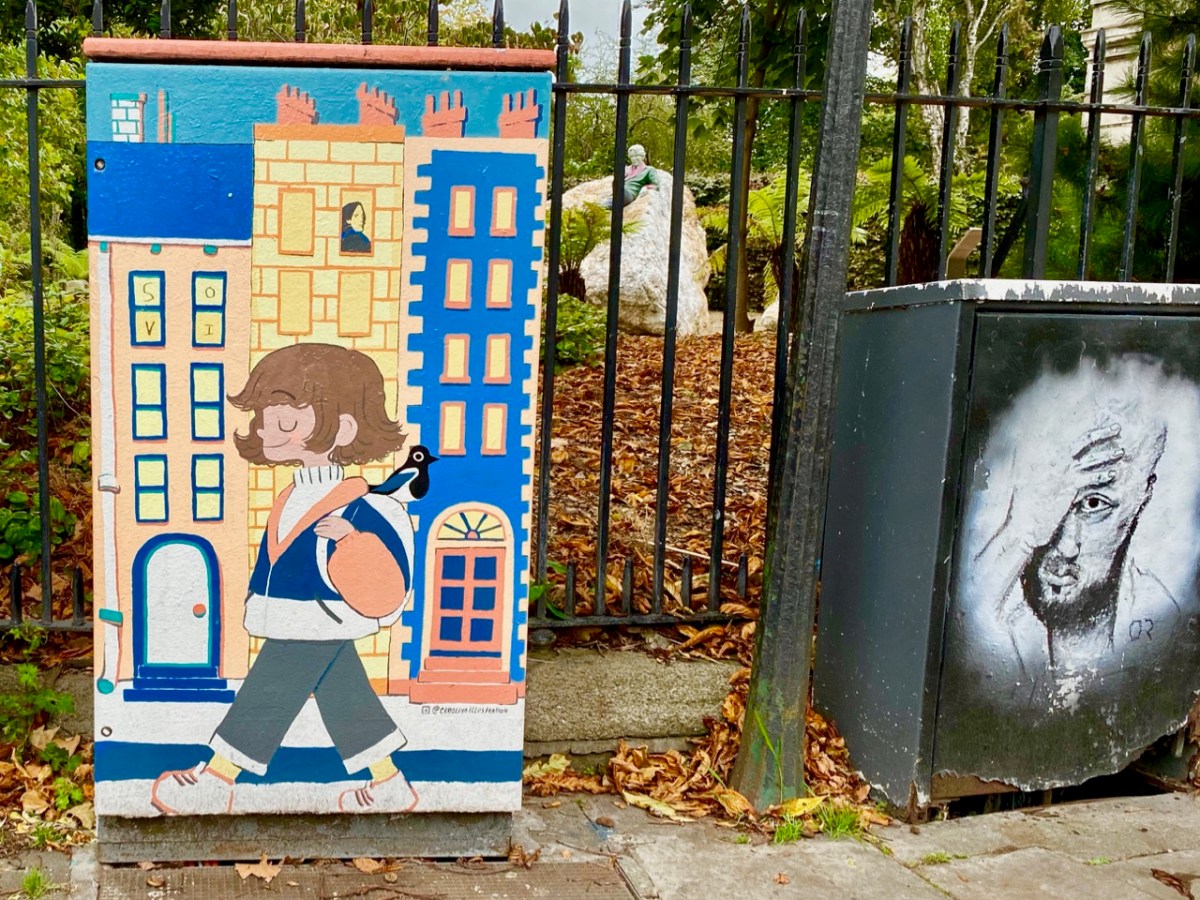
The hairy lady artist, above, topically reminds us to wear our masks. Personally, I welcome the colours on the streets: hopefully we can always have cheerful moments in troubled times.

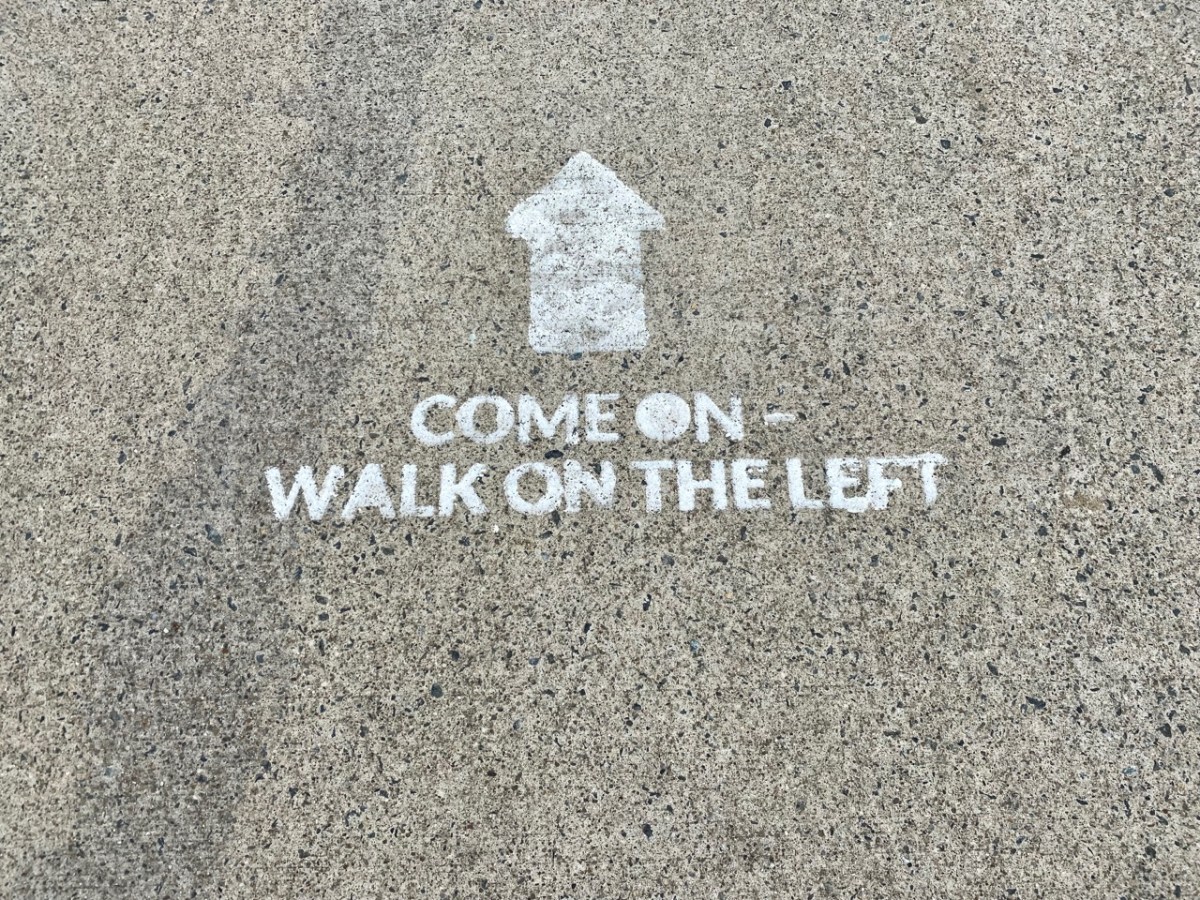
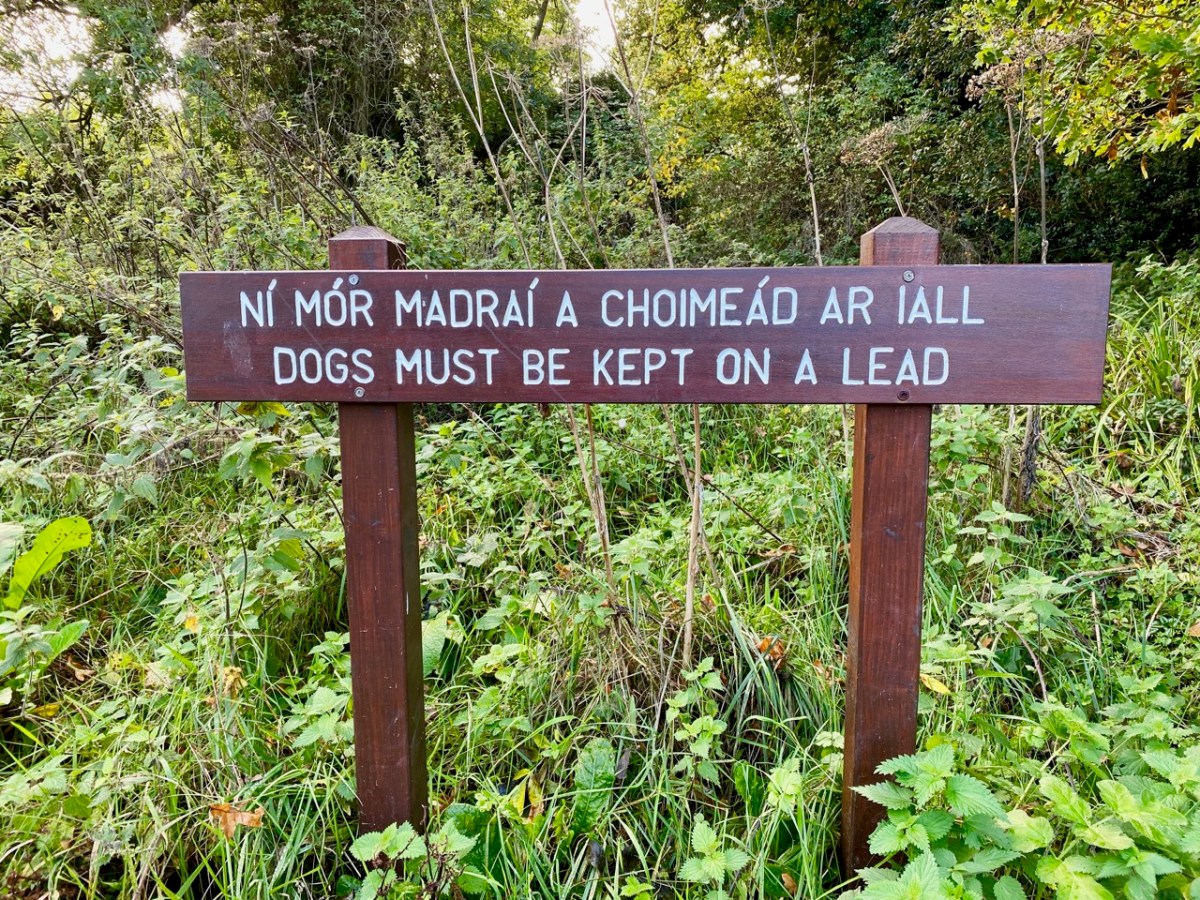
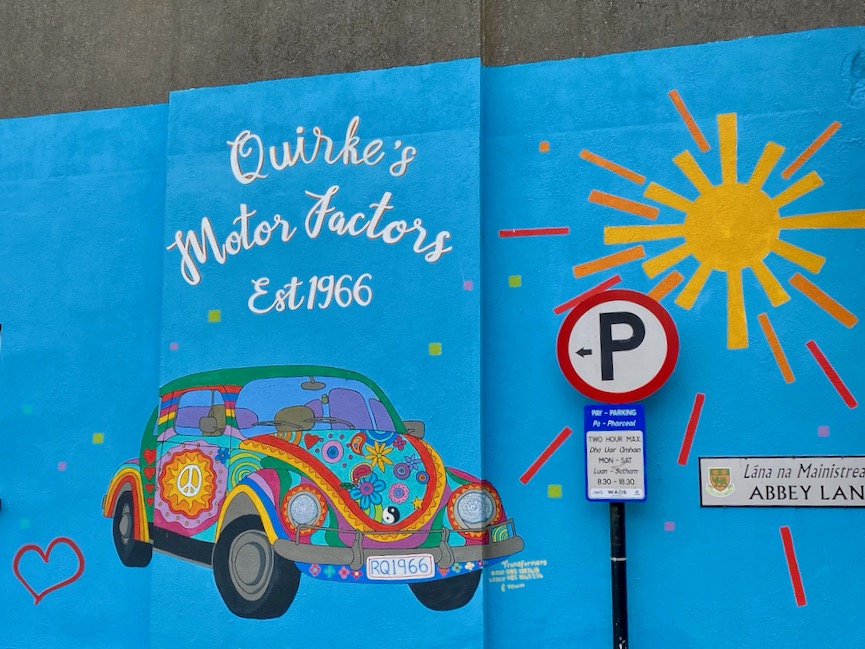
Getting the official message across always has to be done in both languages here in Ireland. I have to admit that, in this case, the Irish version seems something of a mouthful! A few more images to finish off this little exploration: they speak for themselves . . .

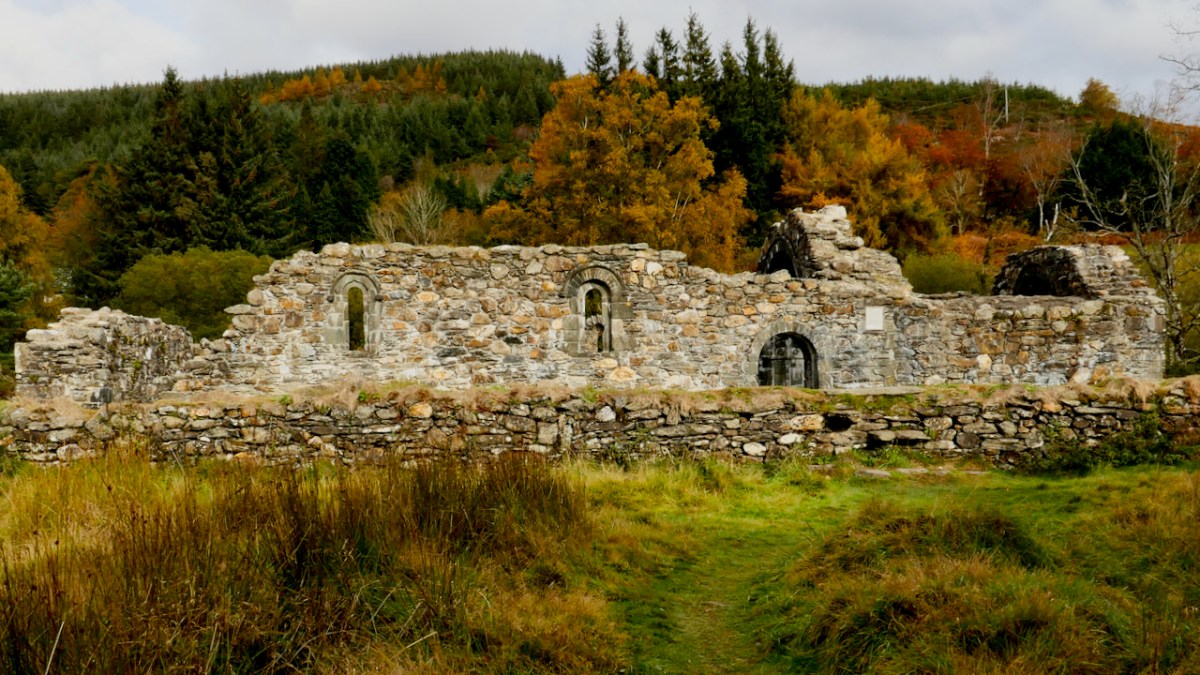
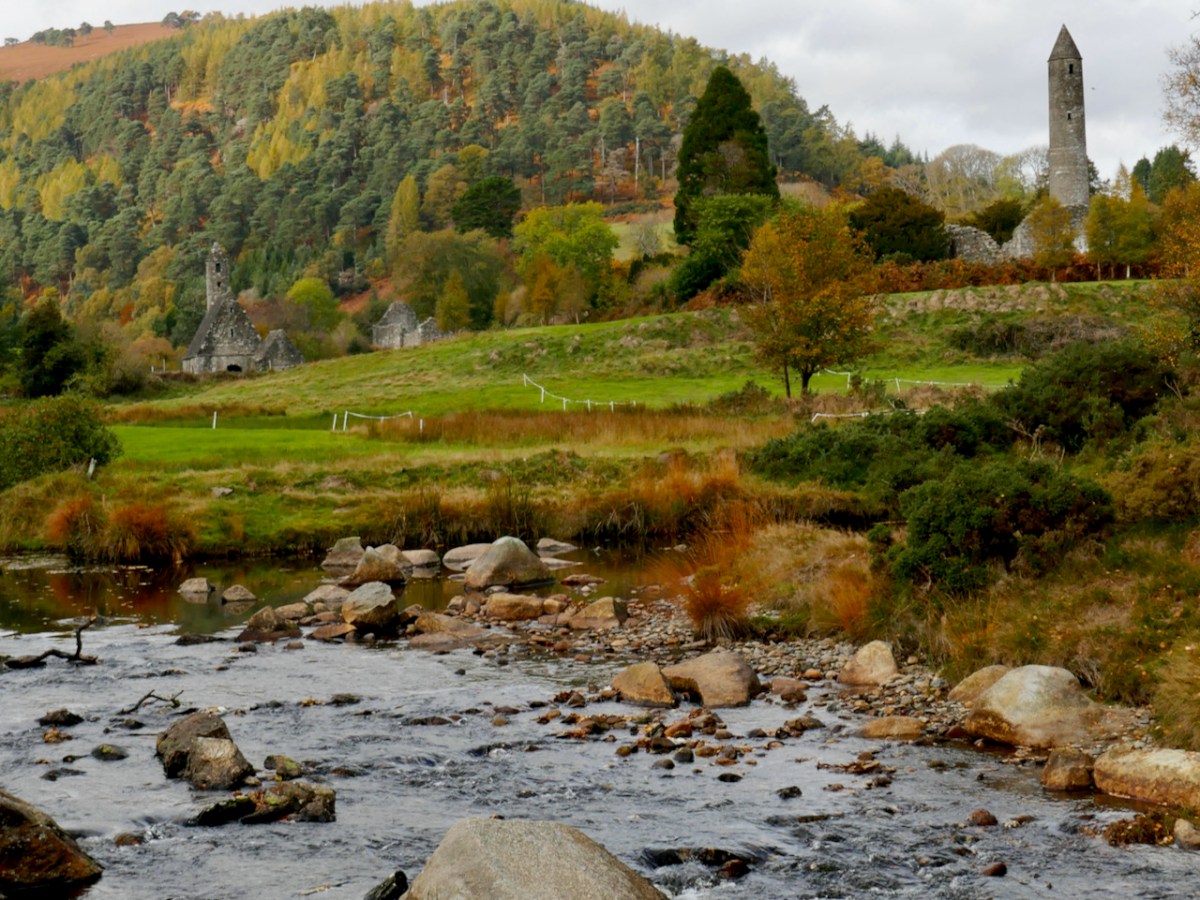
Autumn in Glendalough

Having grown up in Wicklow, I miss the autumn colour. We have beautiful autumns in West Cork although the colour doesn’t come so much from the trees turning as from the changing landscape.

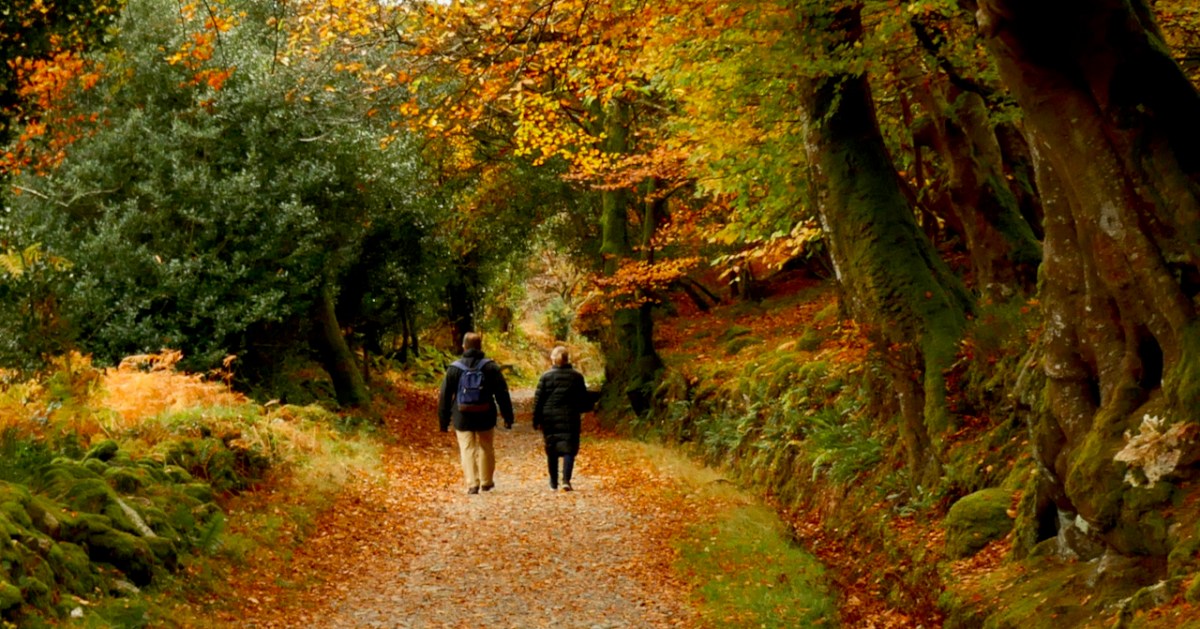
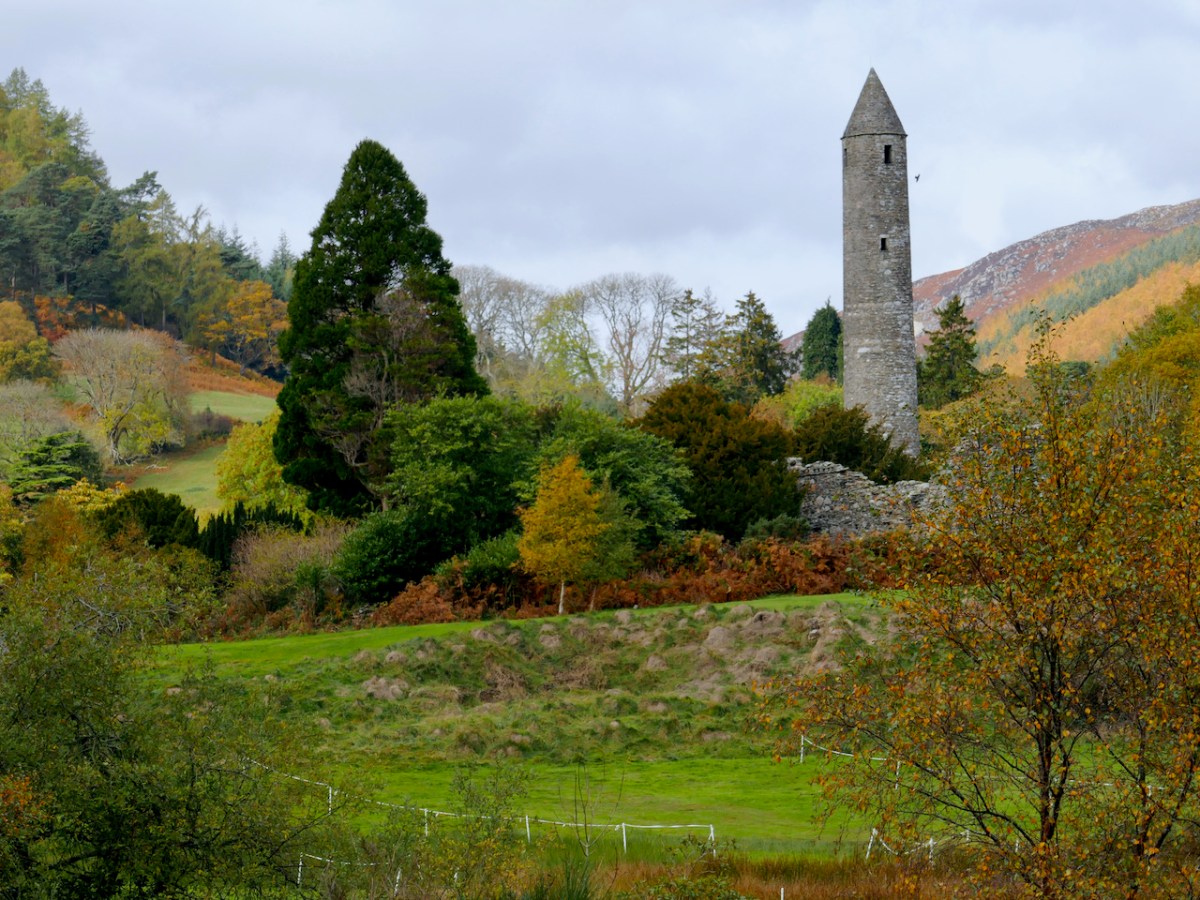
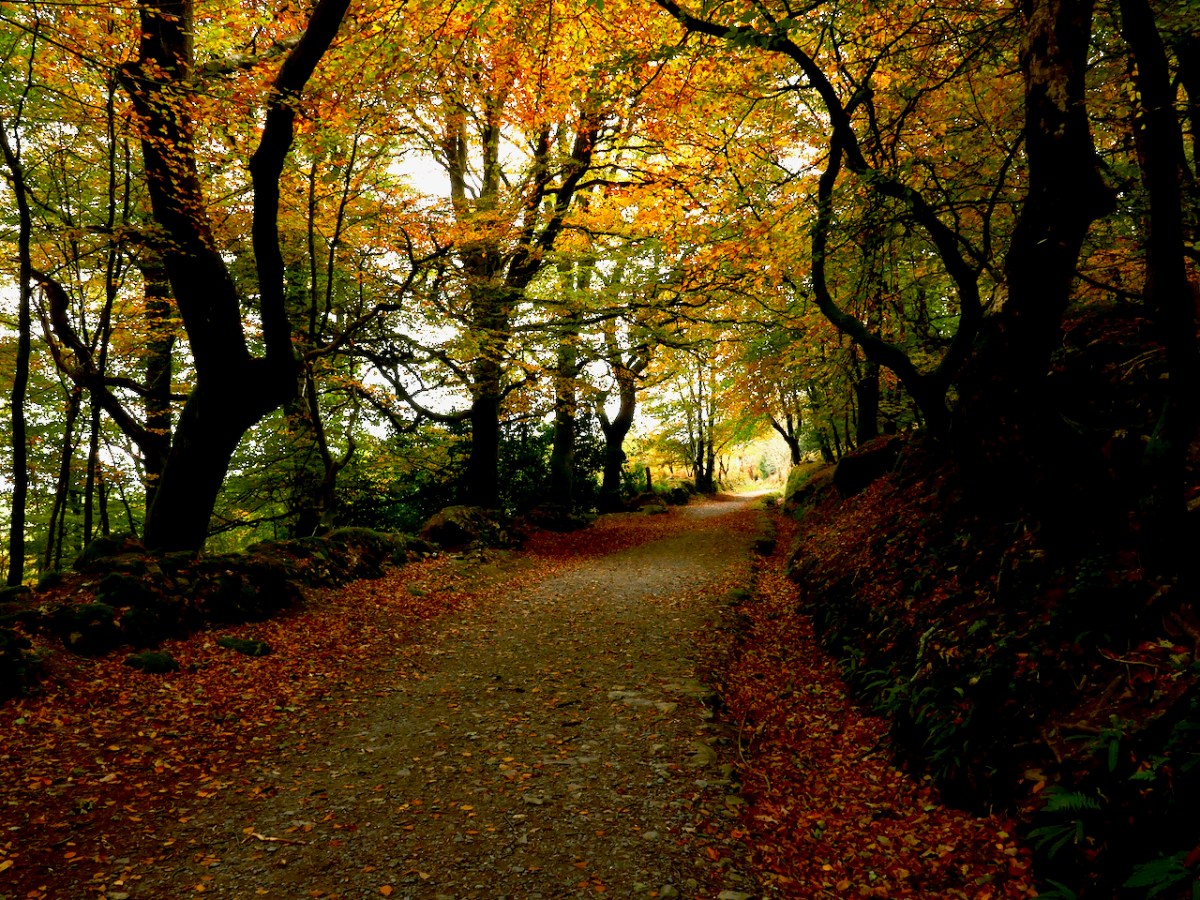
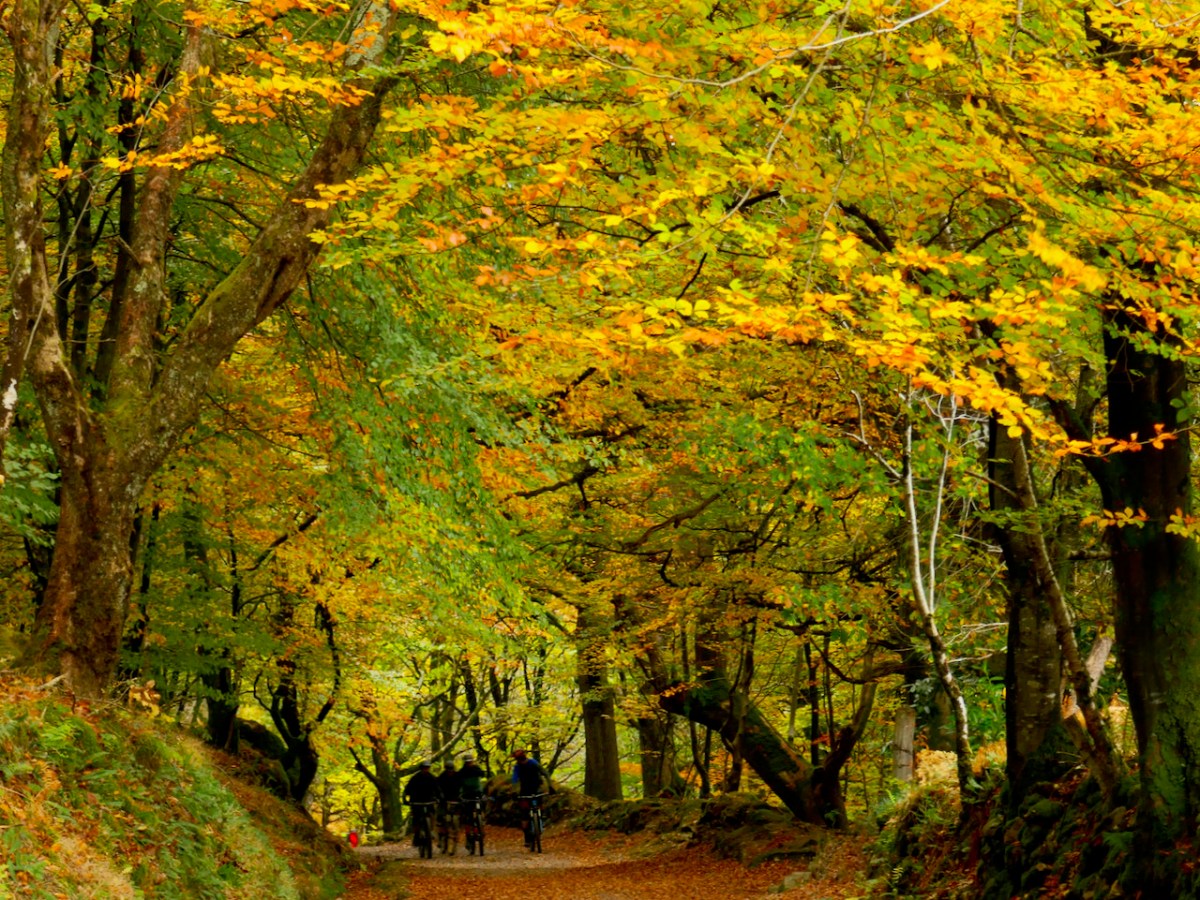
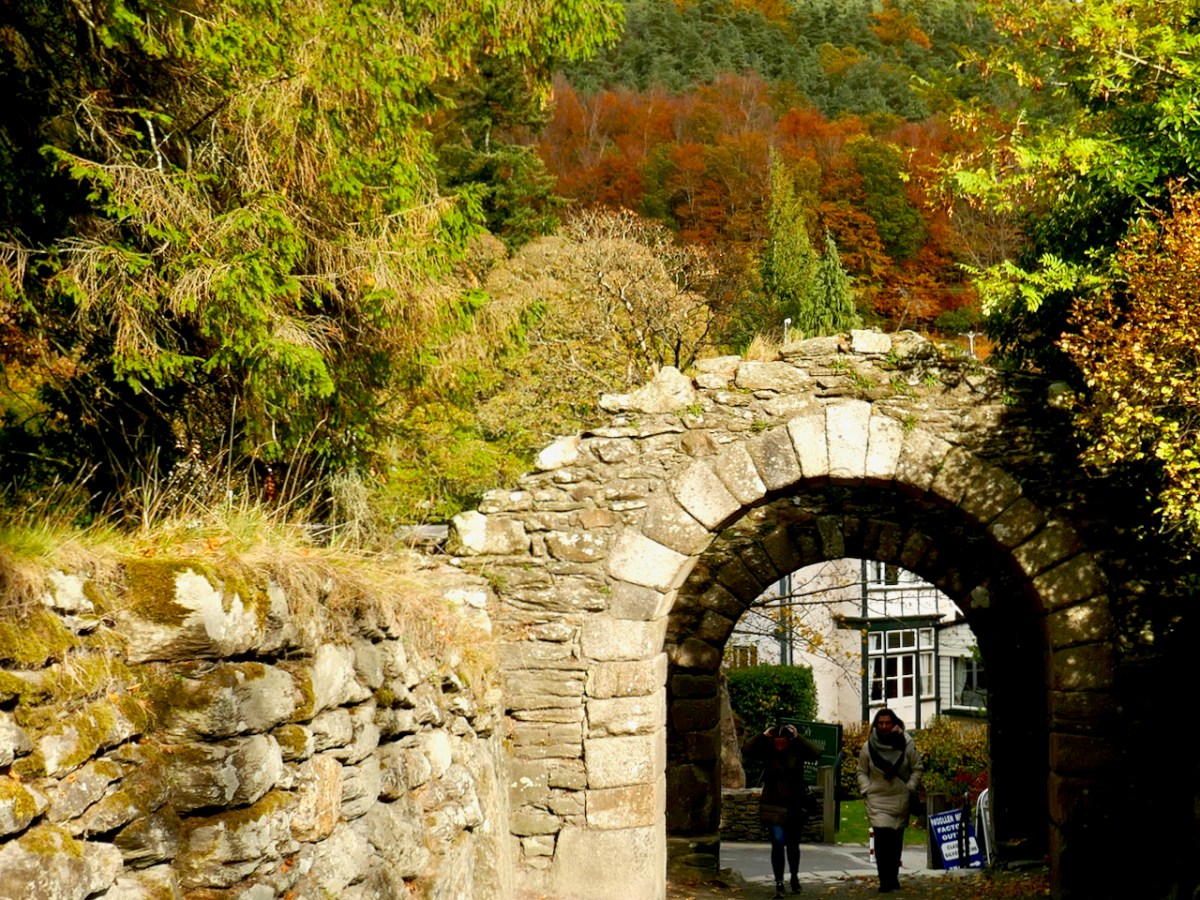
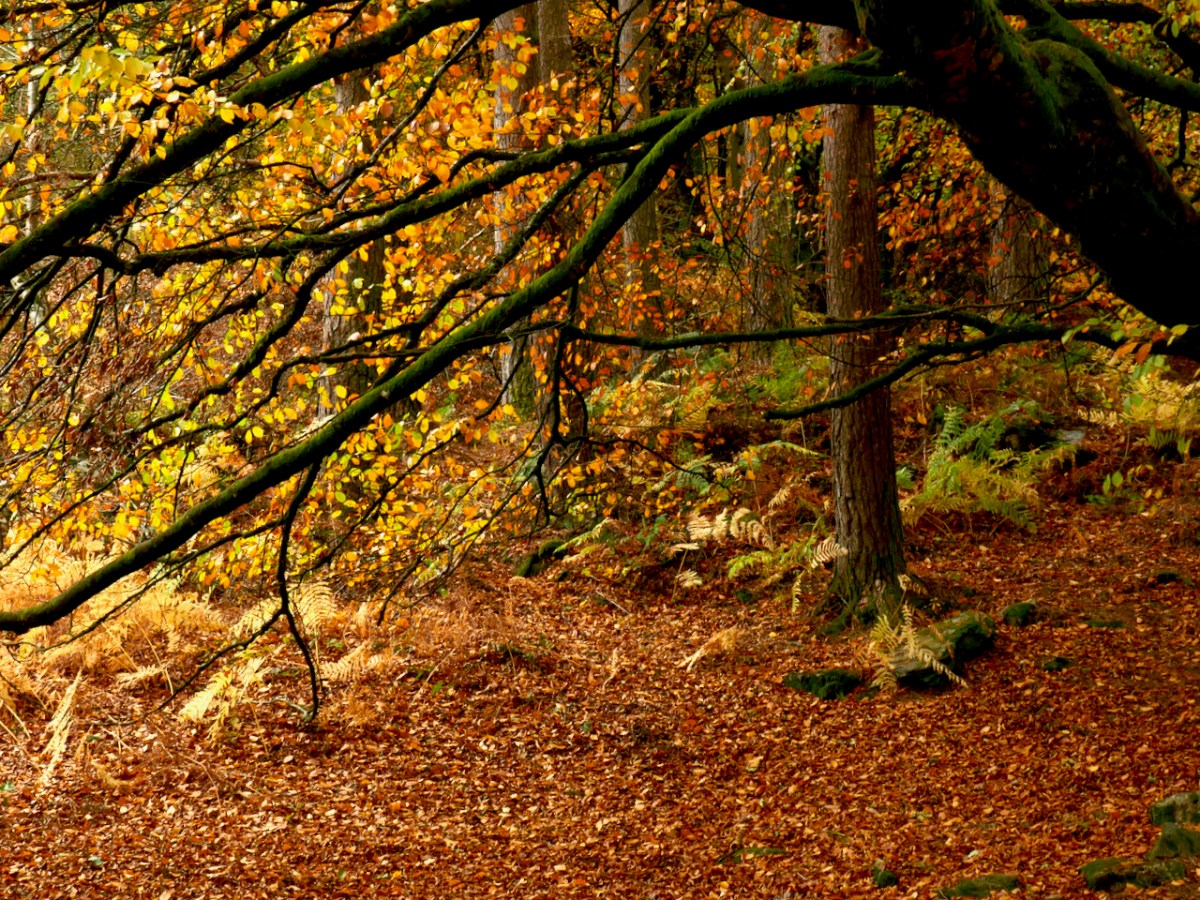
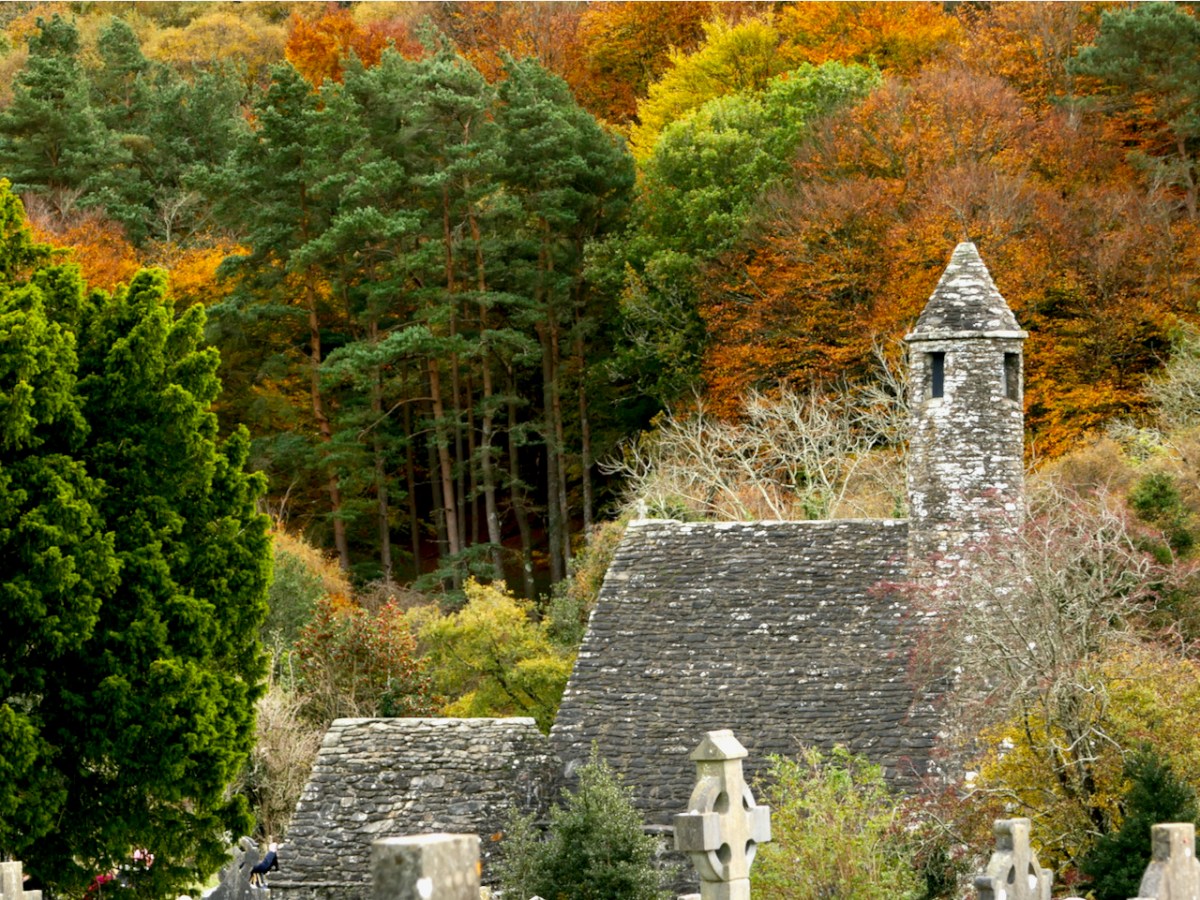
Wicklow is a classic Autumn Colour location and nowhere is better for the experience that Glendalough. It’s just starting at the moment, with some of the trees turning, but it will be in full swing over the next two weeks. These photographs were taken on our last autumn visit.

Glendalough is particularly gorgeous because it has many woodland walks. It’s in the Wicklow Mountains National Park, so the woodlands are well protected and accessible.

Many people who visit Glendalough only see the main area (the location of the round tower), but a walk to Trinity Church is a magical experience. You even pass a holy well on the way – that’s our pal Amanda of Holy Wells of Cork and Kerry, delighted with the discovery of this one.

The ancient churches and towers of Glendalough, with their walls of cool grey granite, make the perfect counterpoint to the red and yellows of the autumn leaves.

What follows is really a photographic homage to a Glendalough autumn – no more words, just scroll and enjoy. Oh – and try to get there in the autumn sometime.

Portobello

We have been spending a little time over on the east side of the country, not too far from Dublin. We like exploring, and the built-up areas have much to offer in terms of history so I’m returning – for a brief moment – to one of my favourite subjects: the canals of Ireland. You may remember my forays back in 2016 to seek out the journeys taken by L T C Rolt seventy years before that, and recorded in his classic book Green & Silver. You can find all those posts here. Earlier this year I added a further post to the series, examining in greater detail the meeting of the waters of Grand and Royal Canals, within Dublin. Today I’m simply concentrating mainly on one place, to the south of the city: Portobello.

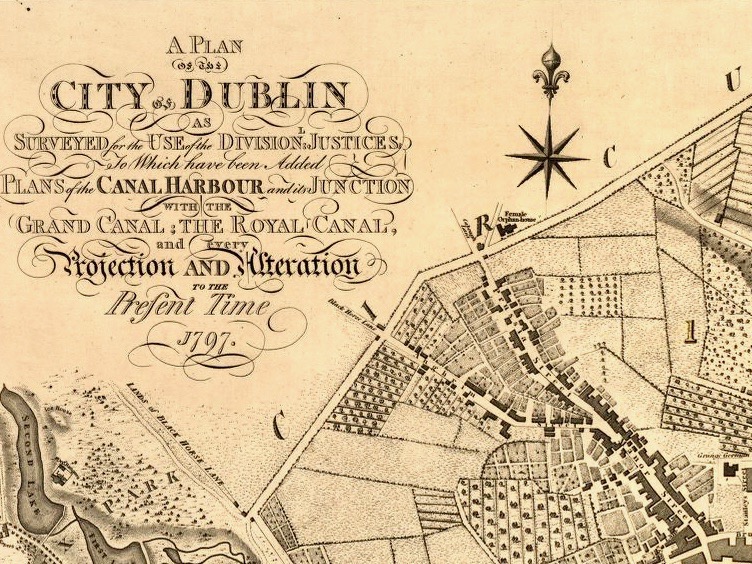
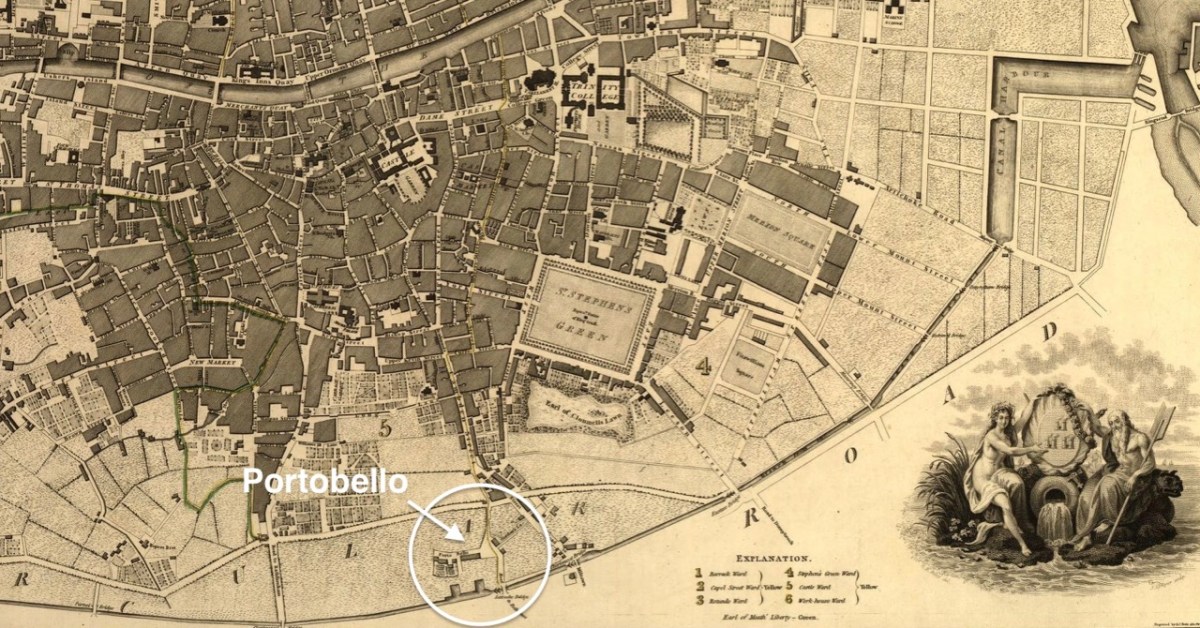
This wonderfully drawn map (the two extracts above) dates from 1797, and was complied by William Faden (1749-1836) and Samuel John Neele (1758-1824): it was published in London and Dublin. You can see from it that the Grand Canal at that time virtually created the southern boundary of the city, with the canal basin at Portobello being a significant location to serve the growing conurbation south of the River Liffey.

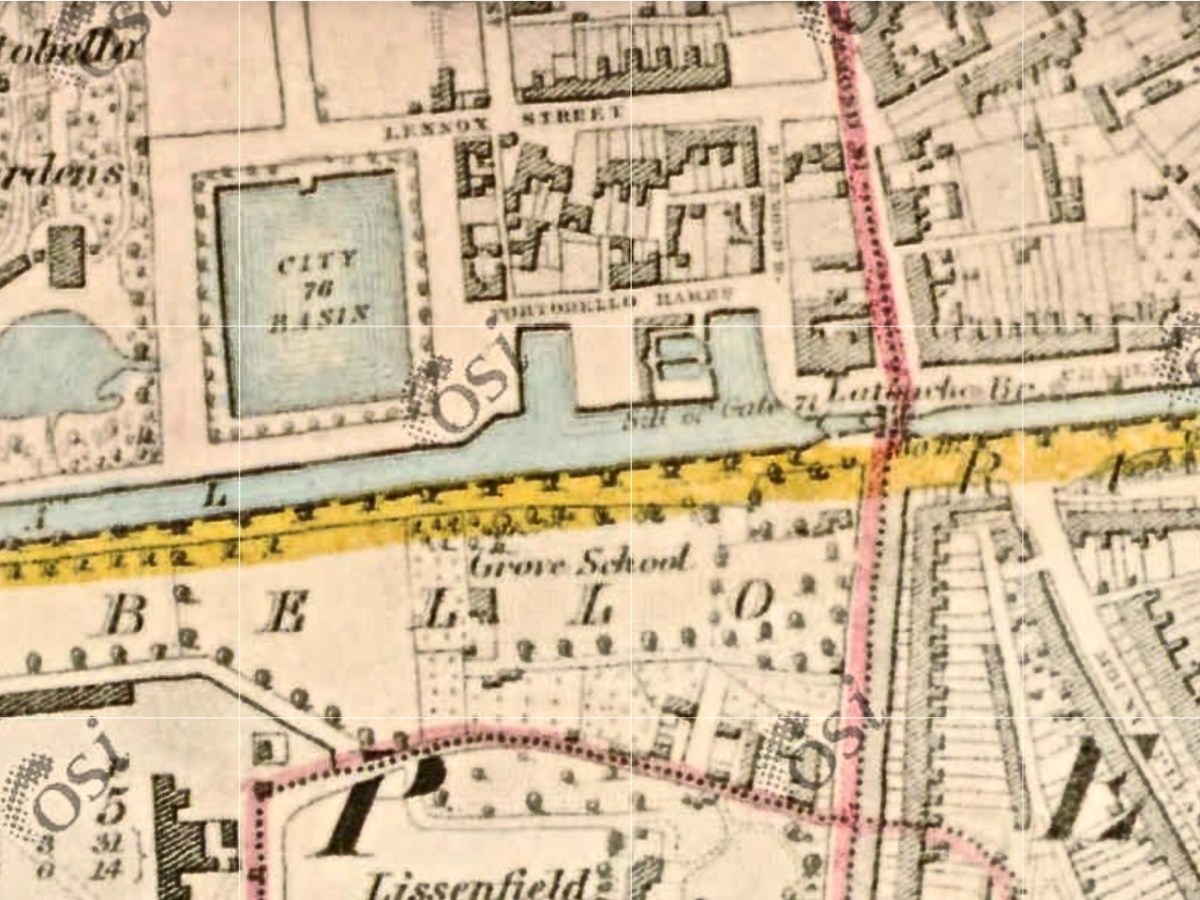
This extract from the 6″ first edition of the Ordnance Survey shows Portobello Harbour with its significant warehouses, the ‘City Basin’ and a lock and bridge – known as La Touche Bridge. We have encountered the La Touche family in an earlier post – Glen of the Downs – and learned there that the family had built a big house – ‘Bellevue’ – on their estates near Greystones and Delgany.

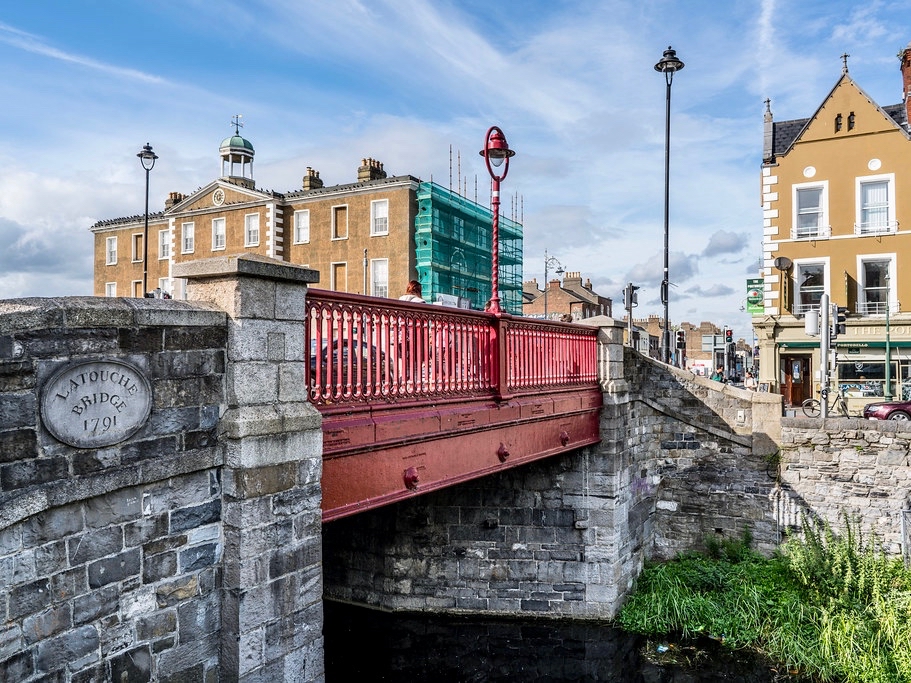
The bridge (photo courtesy of excellentstreetimages.com) was named after William Digges La Touche (1747–1803), a director of the Grand Canal Company. The waterway was, of course, an important business venture in its heyday, contributing to the prosperity of the city merchants. Prior to its construction the area was farmland, and the name Portobello is said (curiously) to have come from the Irish Cuan Aoibhinn, meaning ‘beautiful harbour’. Note the ‘City Basin’ marked on the OS map: this was used from 1812 to provide a drinking water reservoir for the south side of the city. In the 1860s the water was found to contain a high concentration of sulphuric acid, and this source was eventually superseded by the new reservoir at Dartry, in Co Wicklow.

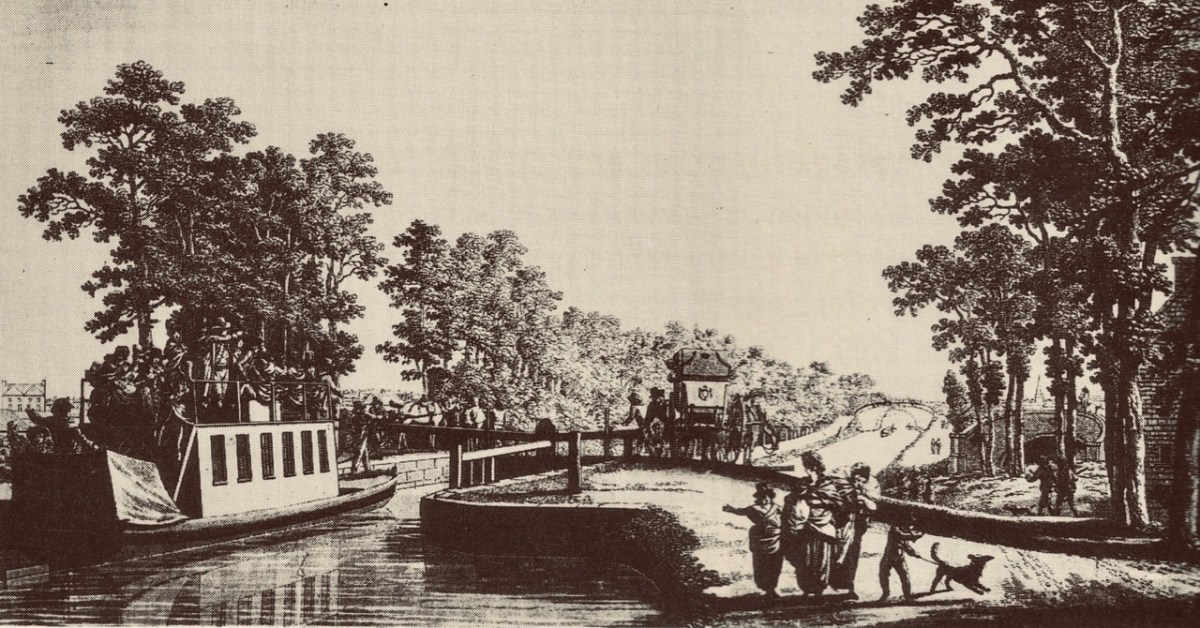
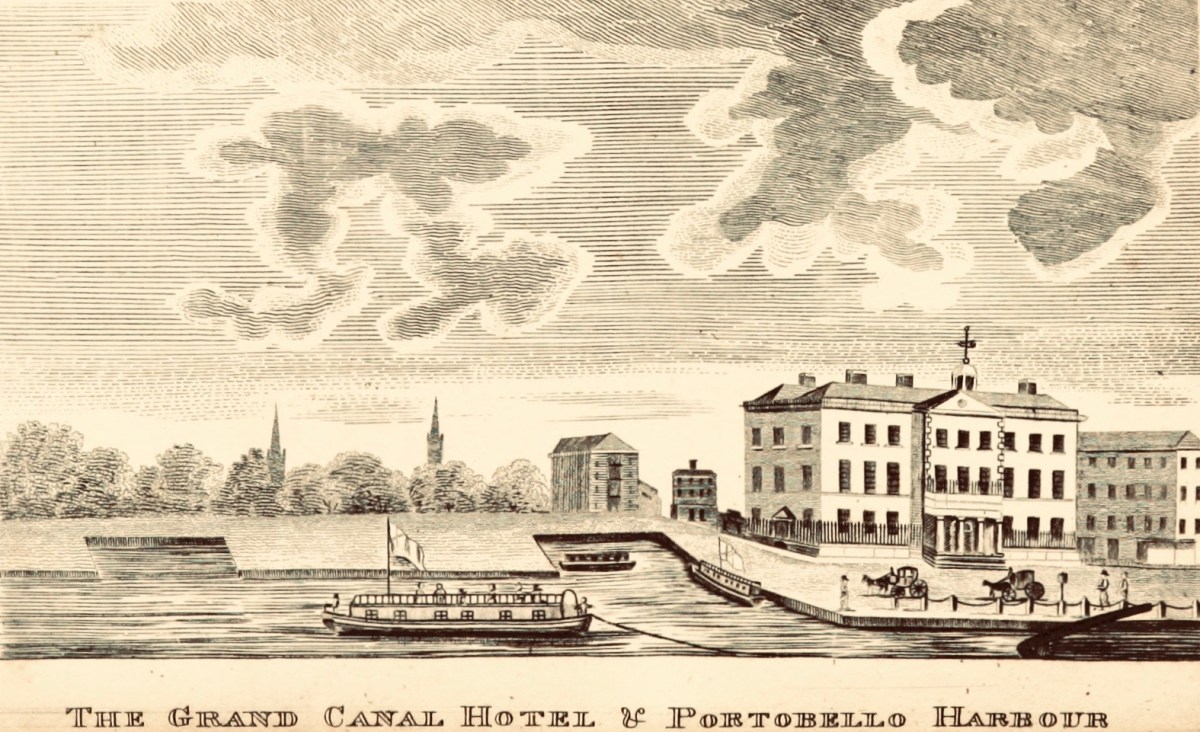
This is a fine early print of the Harbour, showing the Grand Canal Hotel designed by James Colbourne and opened in 1797. In the foreground is a passenger or ‘packet’ boat. We might forget how important the transport of people was in the early days of canal transport, before the advent of railways (see Trollope’s account in my post here): roads were often in a poor state and the boats provided a smooth – if not exactly speedy – way of getting about.

…the company’s hotels were simply the posting houses of this water-road …There was considerable interchange of passenger as well as goods traffic at Shannon Harbour. Travellers changed here from the Dublin passage boats into Bianconi’s ‘long cars’ which operated between Birr, Shannon Harbour and Athlone in connection with the boats. Alternatively they might board the paddle steamers The Lady Lansdowne or The Lady Burgoyne which plied between Killaloe pier head and Athlone, calling at a jetty on the river near the mouth of the canal. Smaller craft sailed from Killaloe pier head to the transatlantic port of Limerick, and so the Grand Canal became a link in the route between Dublin and America…

L T C ROLT, Green & Silver, 1949

The hotel at Portobello was one of five constructed along the length of the Grand Canal: all were fine buildings – probably state-of-the-art in terms of accommodation for travellers by water. You will find a post which I wrote about them here. On the header picture is a view of a packet boat at Harcourt Lock, and you can see a stage-coach there waiting to transfer passengers. The Portobello hotel closed in 1835 but the building has survived to the present day through many incarnations.

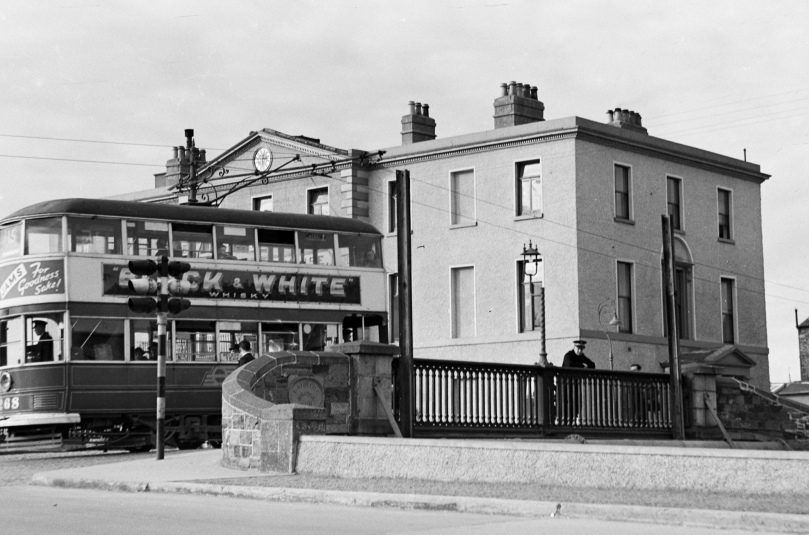
This is a great photo if you are a transport history enthusiast! It must date from the 1940s, as the Dublin tram system declined at that time, the last one in the city being phased out on 9 July 1949. The bridge and former canal hotel are clearly seen.

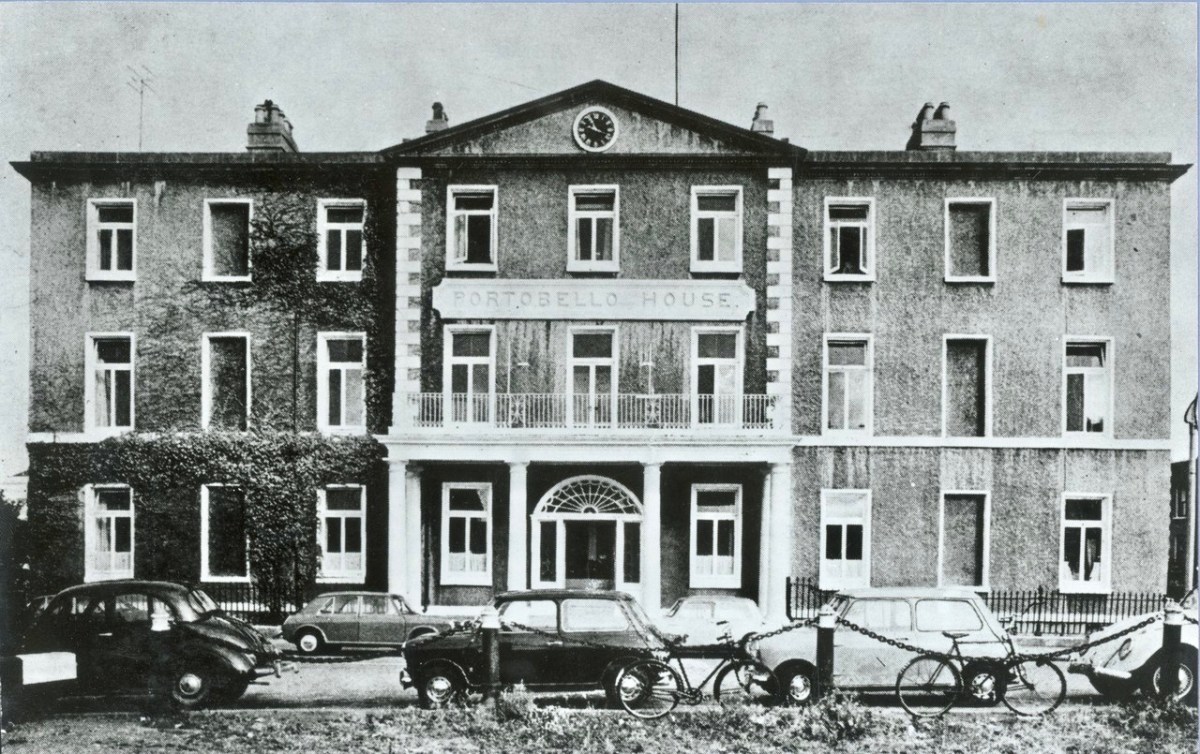
Portobello House – the canal hotel in the 1960s. Some fine classic cars in this picture! At this time it was a nursing home: one of its elderly residents was Jack B Yeats, the celebrated Irish painter who currently has a major exhibition in the National Gallery.

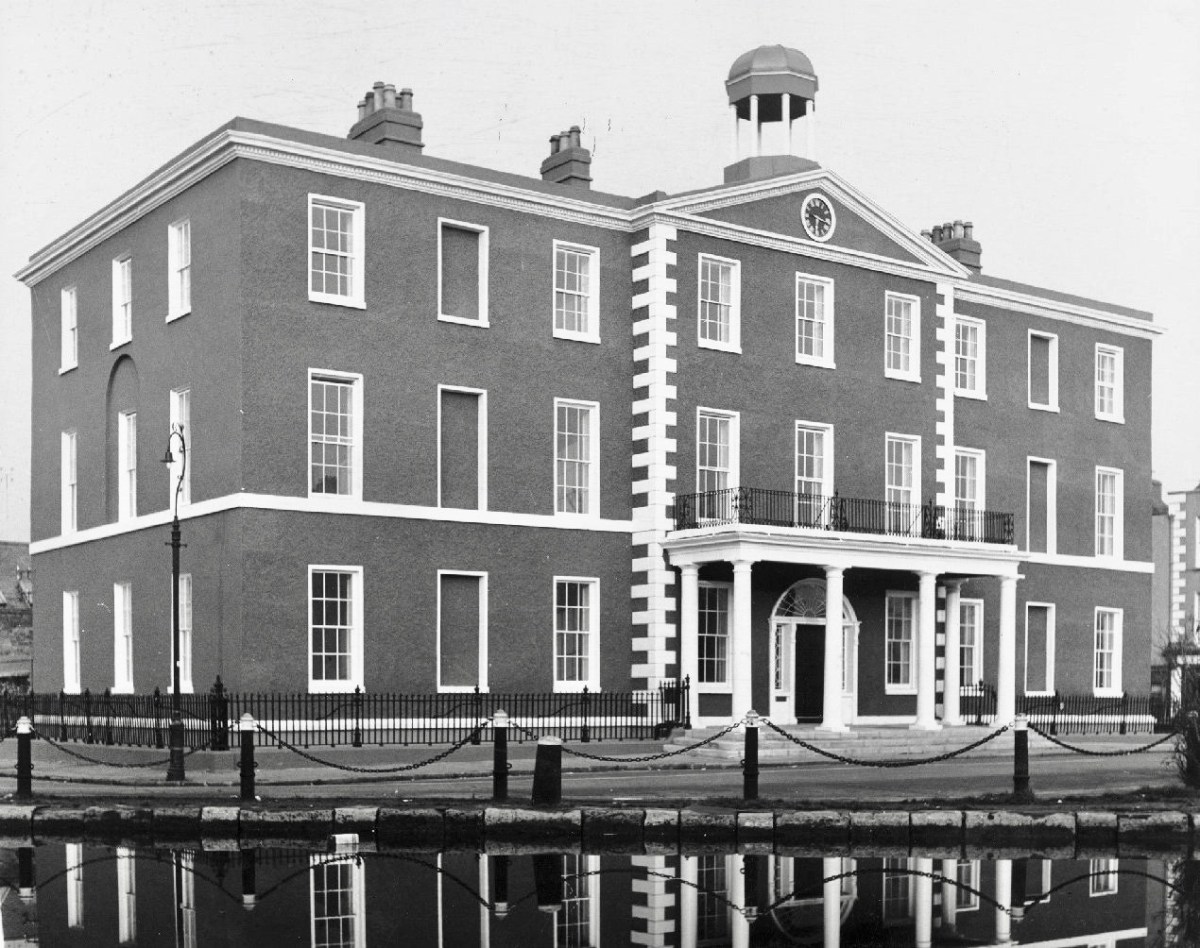
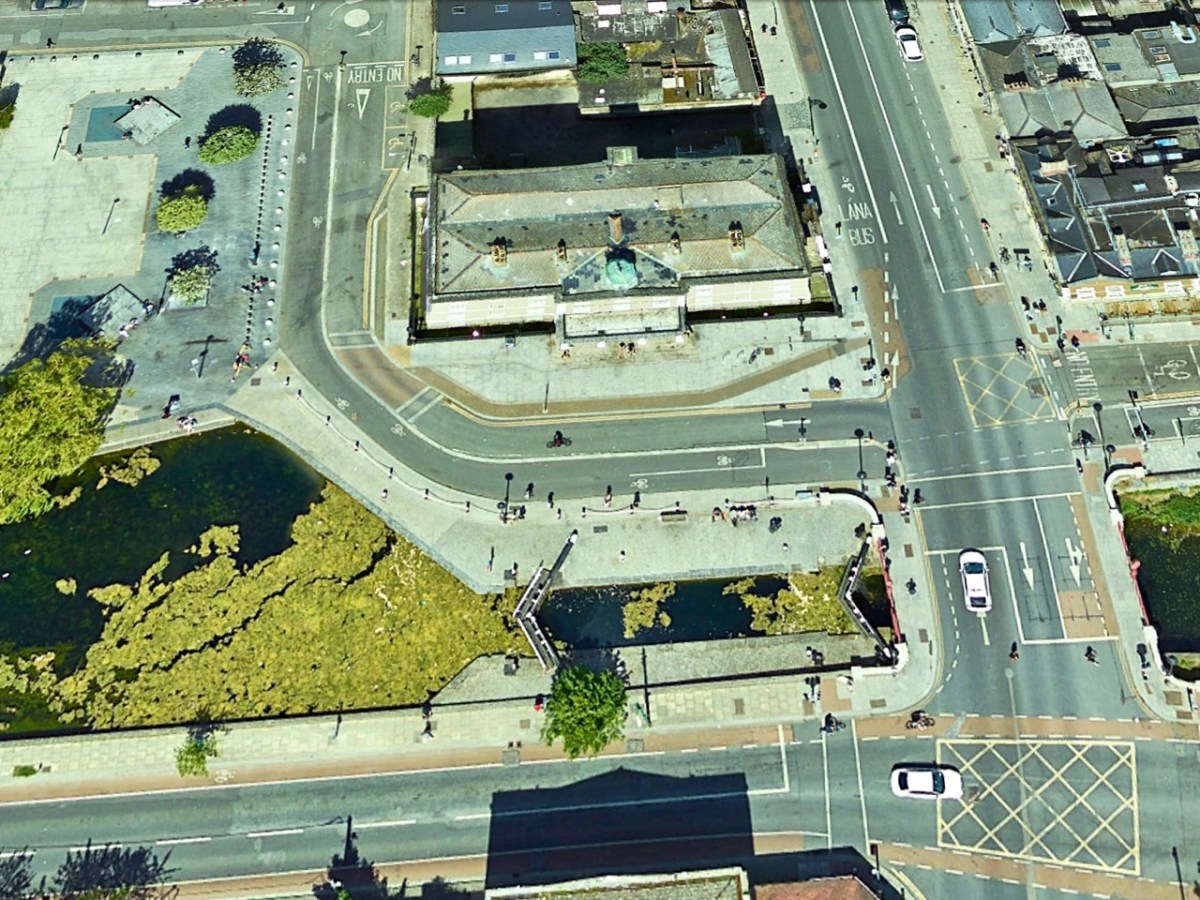
The former canal hotel was completely refurbished in 1972 (the photograph above dates from that year) and survives today – in good order – as a private educational establishment. Here it is again (below), as you’ve never seen it before – through the eagle-eye of Google Earth!

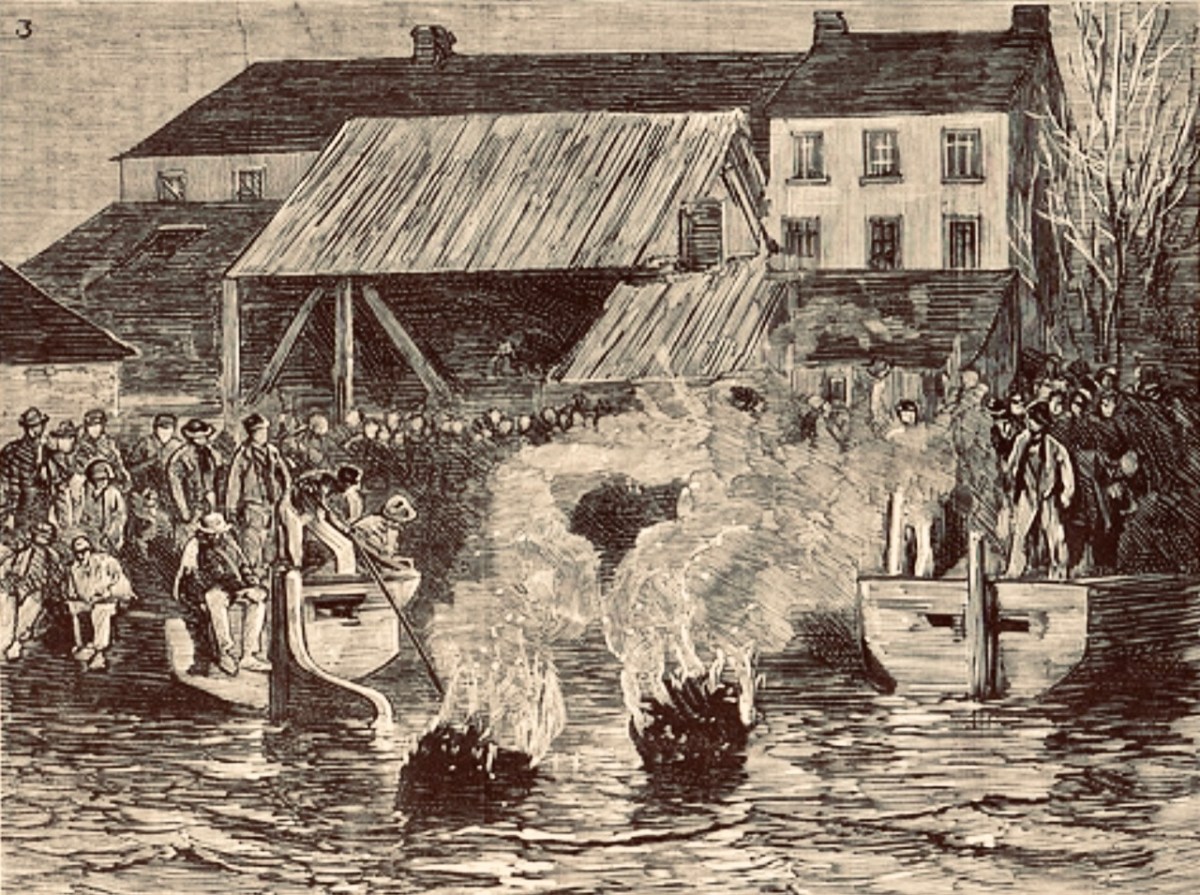
I can’t resist finishing with this plate from from The Graphic, a British weekly newspaper set up to rival the popular Illustrated London News. Published on May 13, 1882, this shows “. . . the lighting of tar-barrels in Portobello Harbour, on the Grand Canal in Dublin, to celebrate the release from prison of Charles Stewart Parnell and two colleagues . . .”

West Cork Villages and Towns – Skibbereen

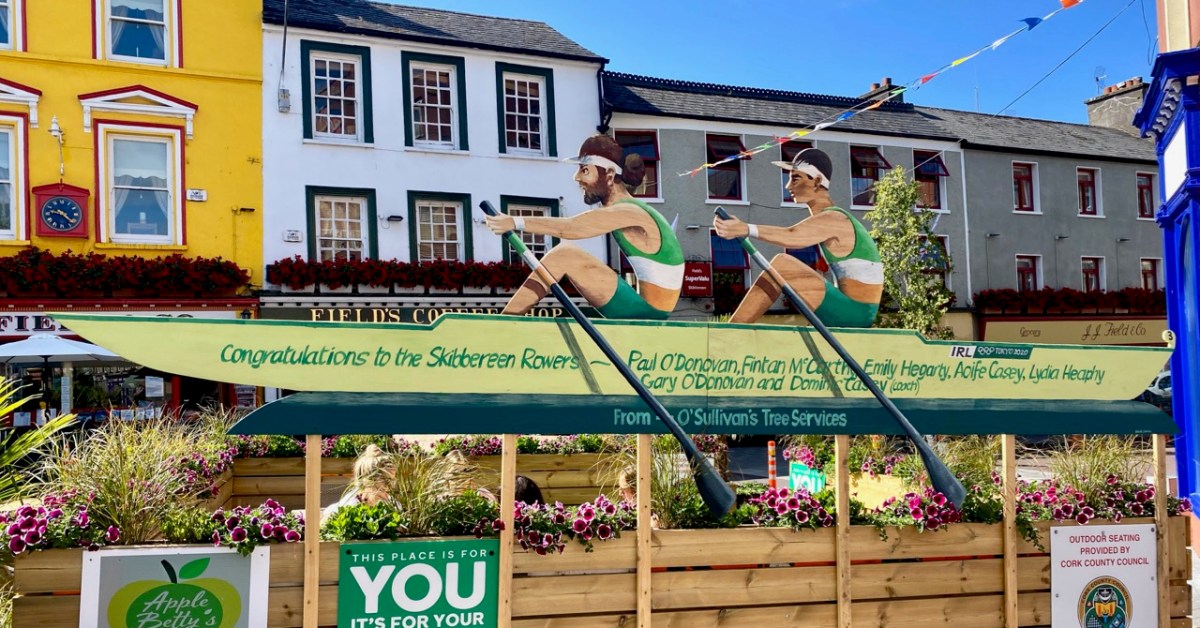
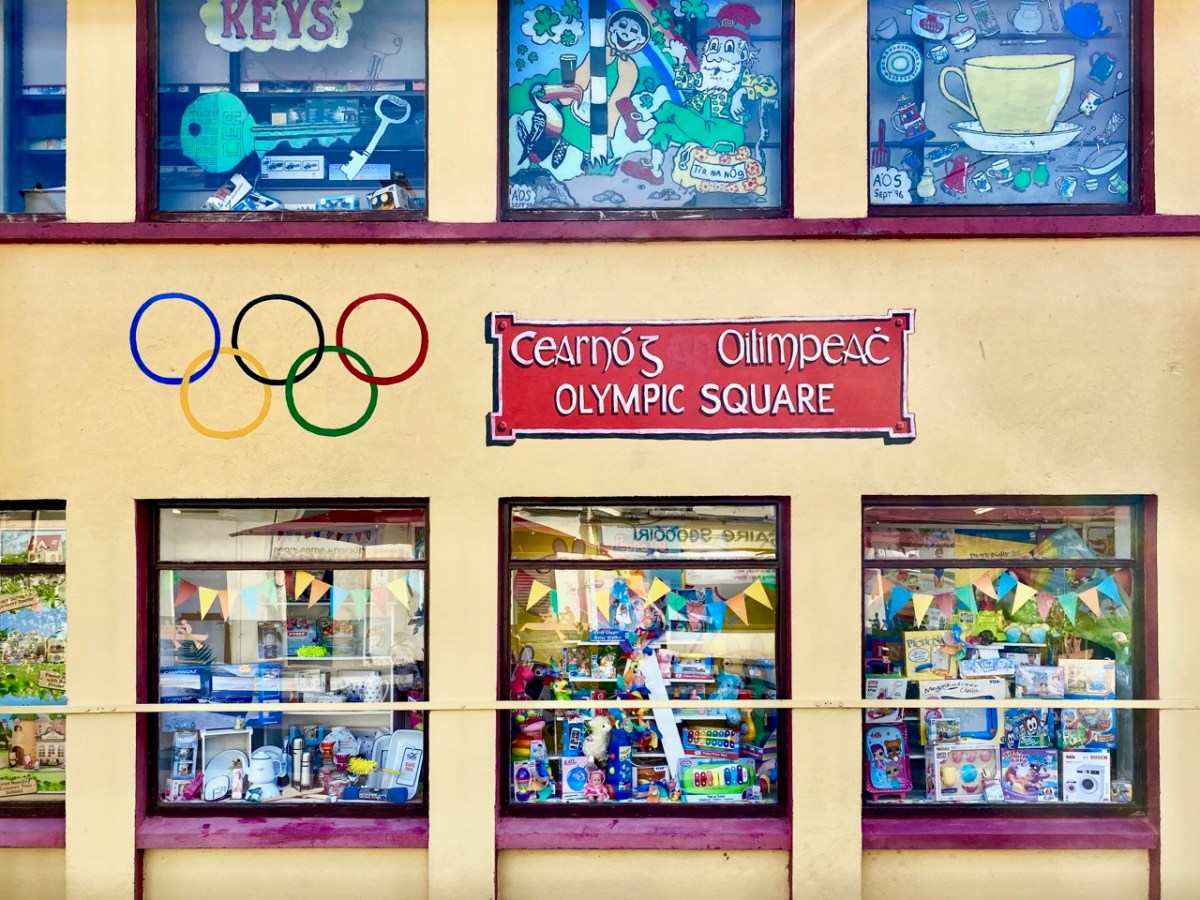
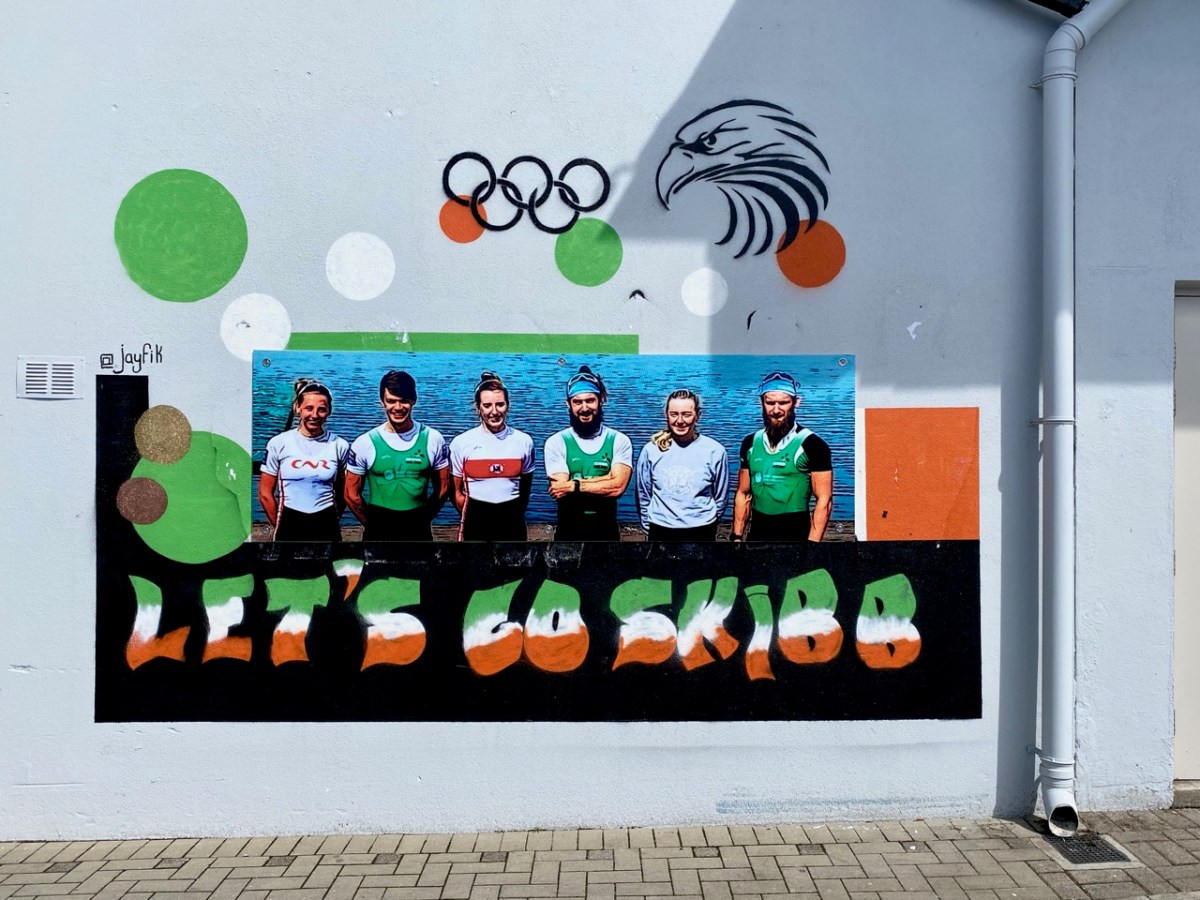
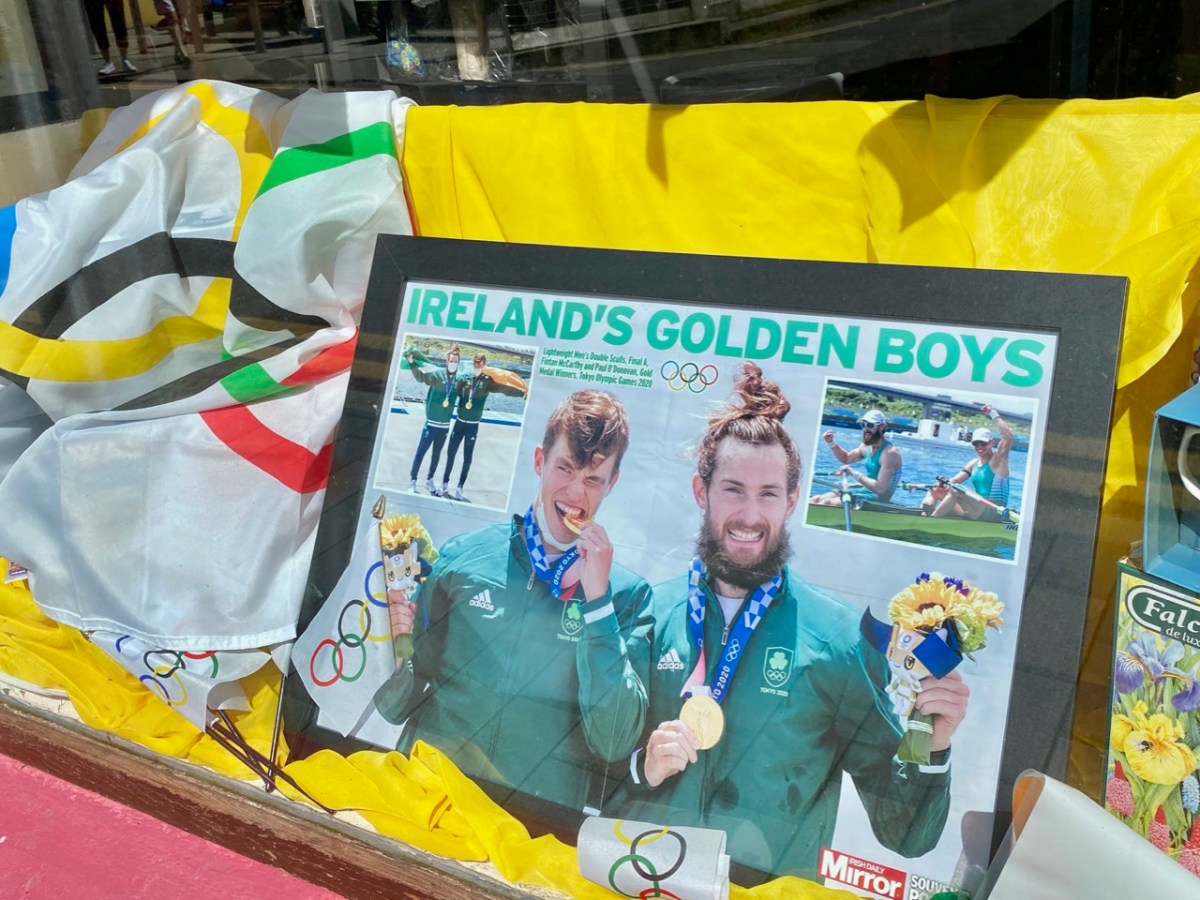
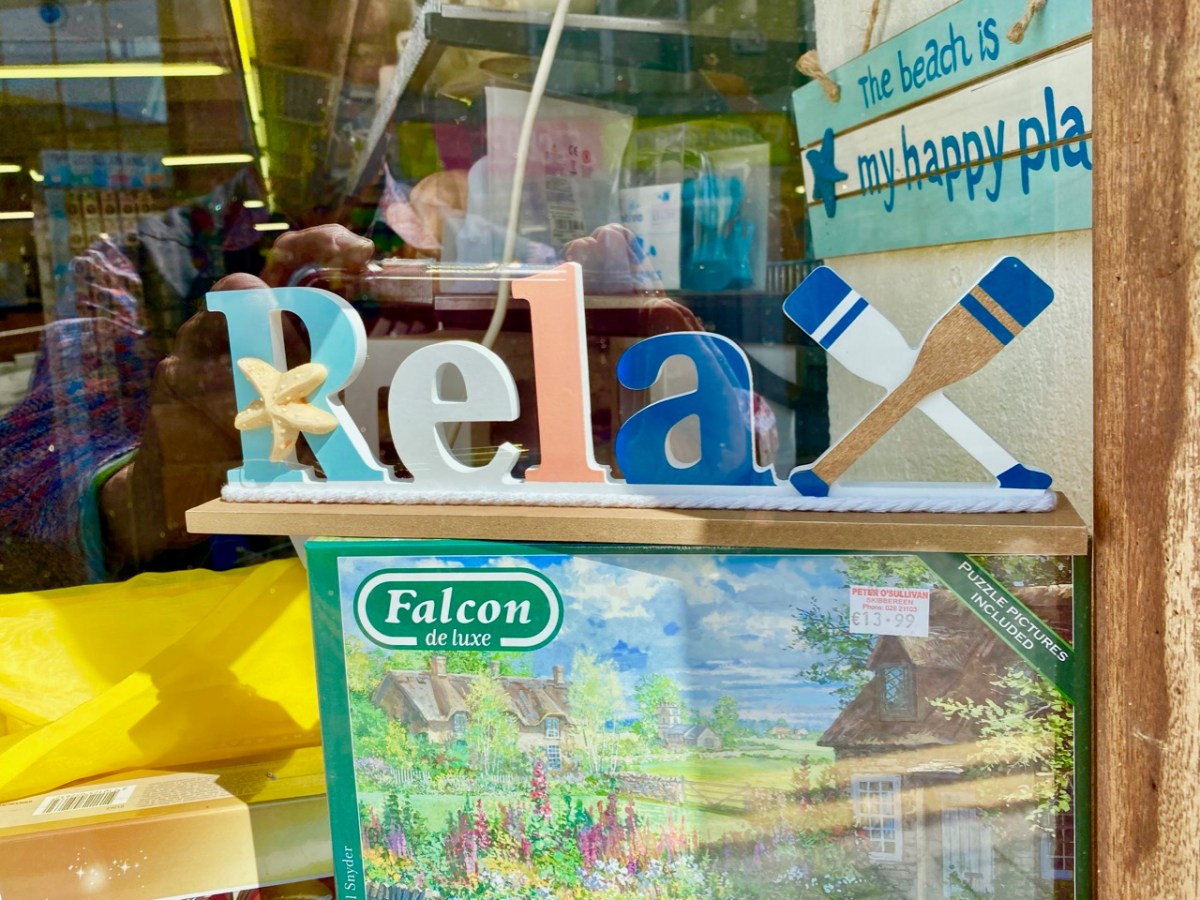
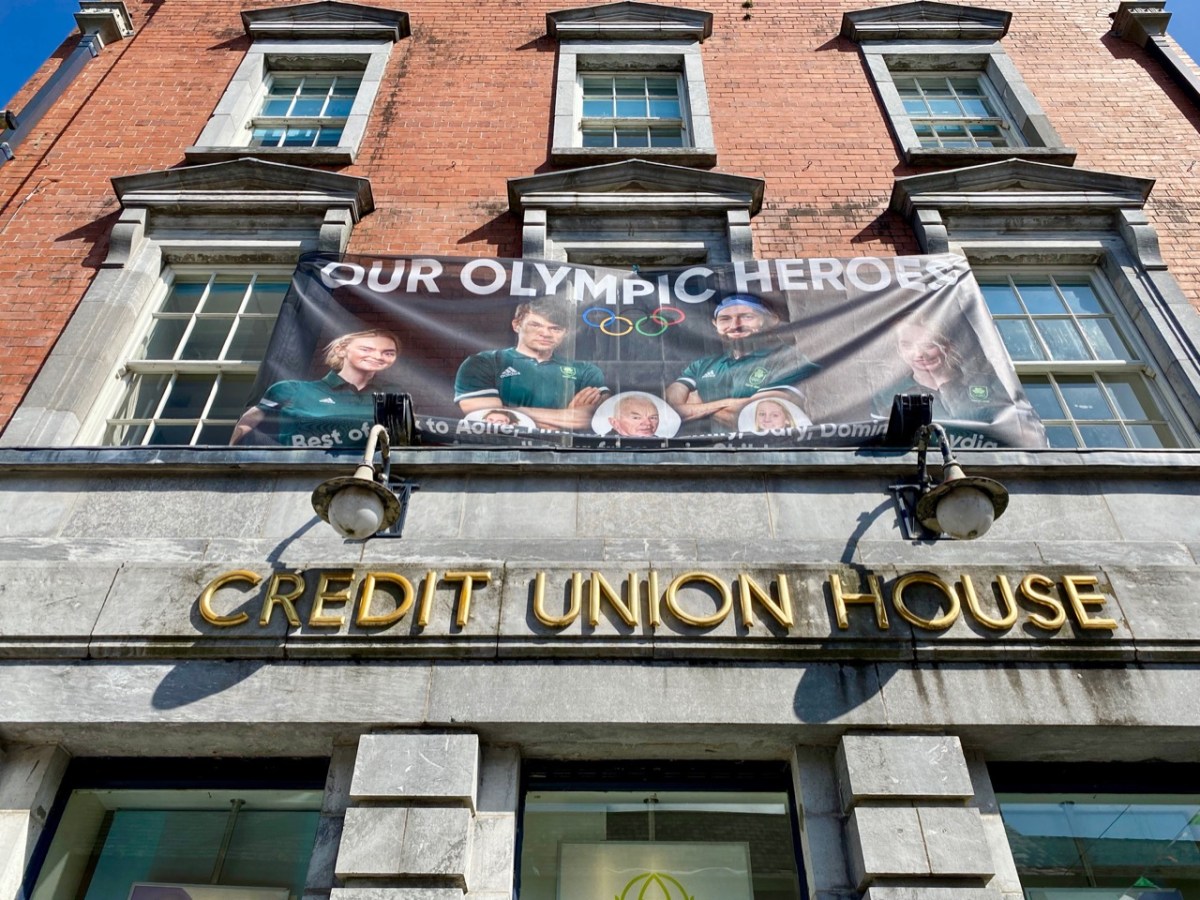
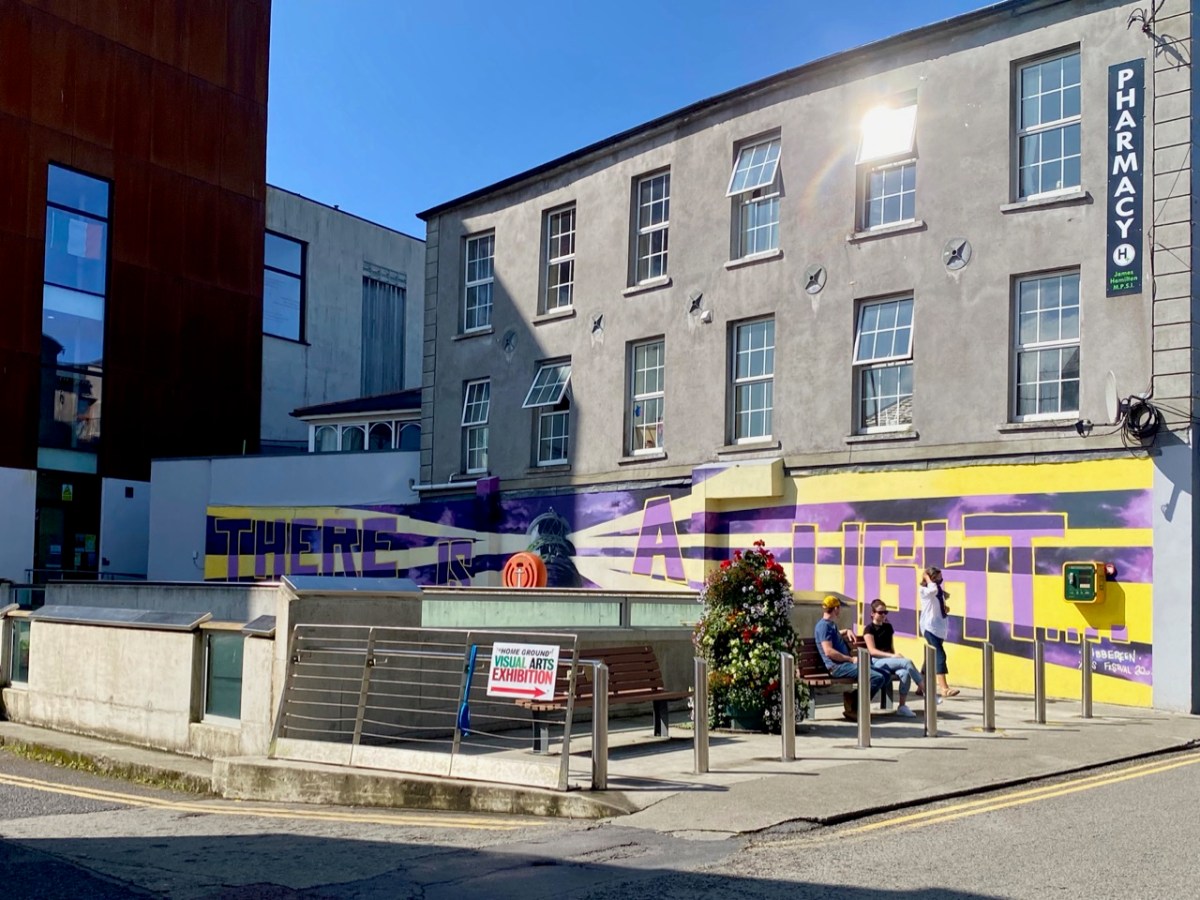
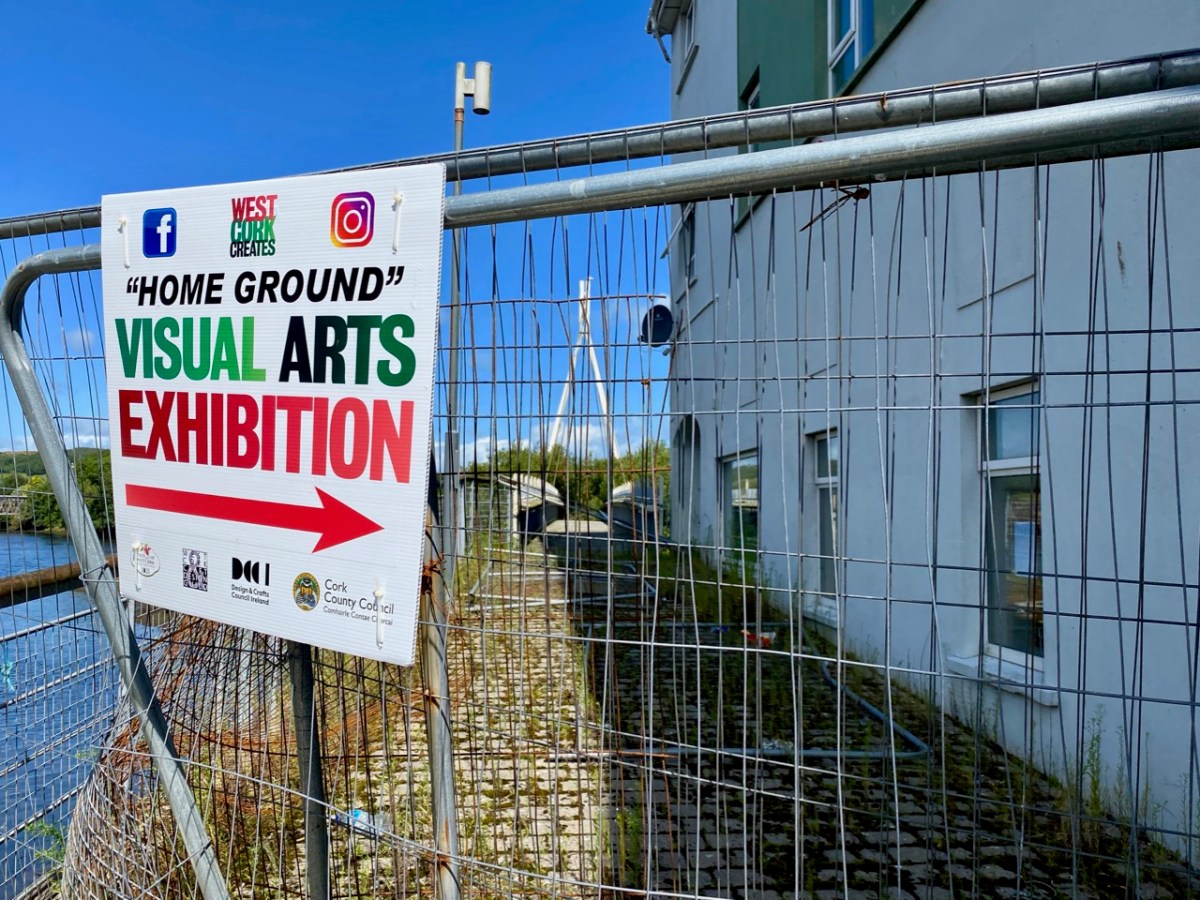
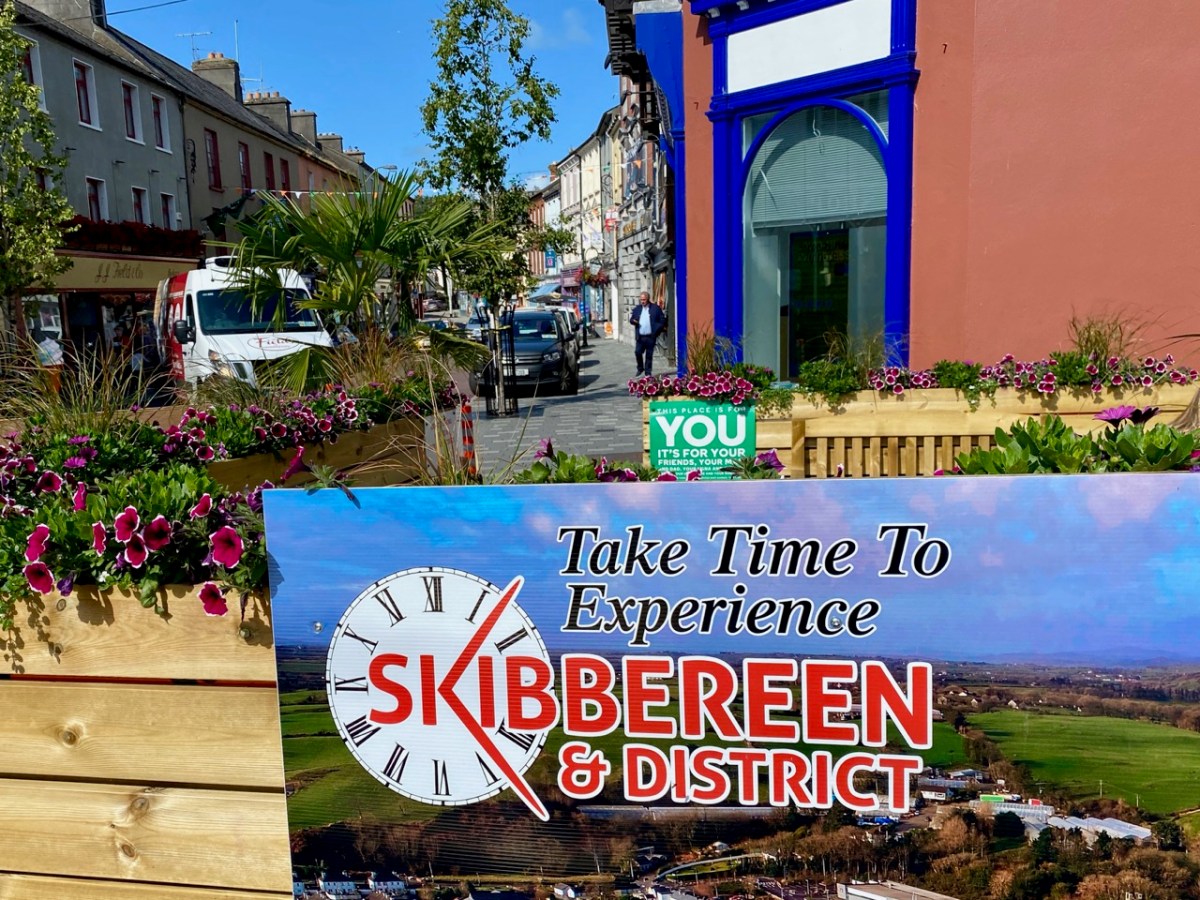
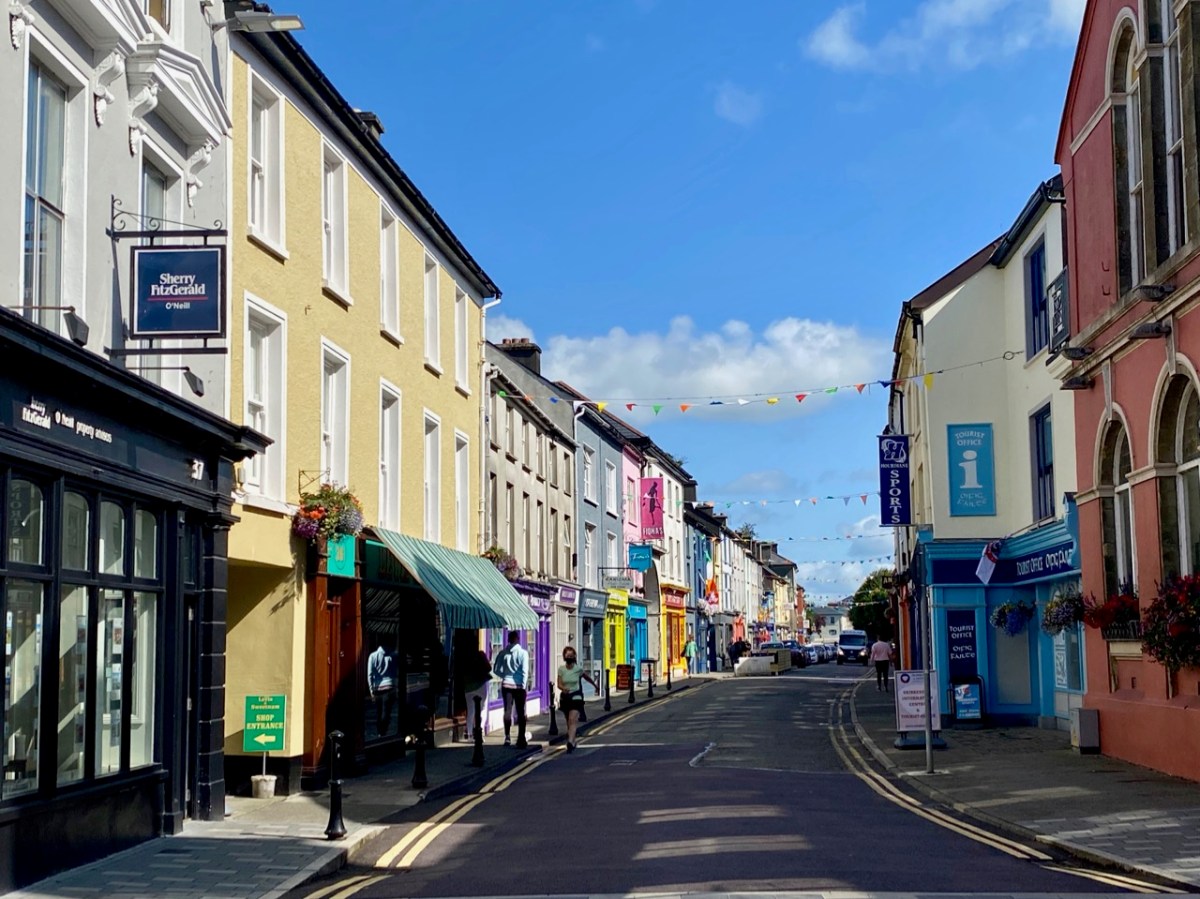
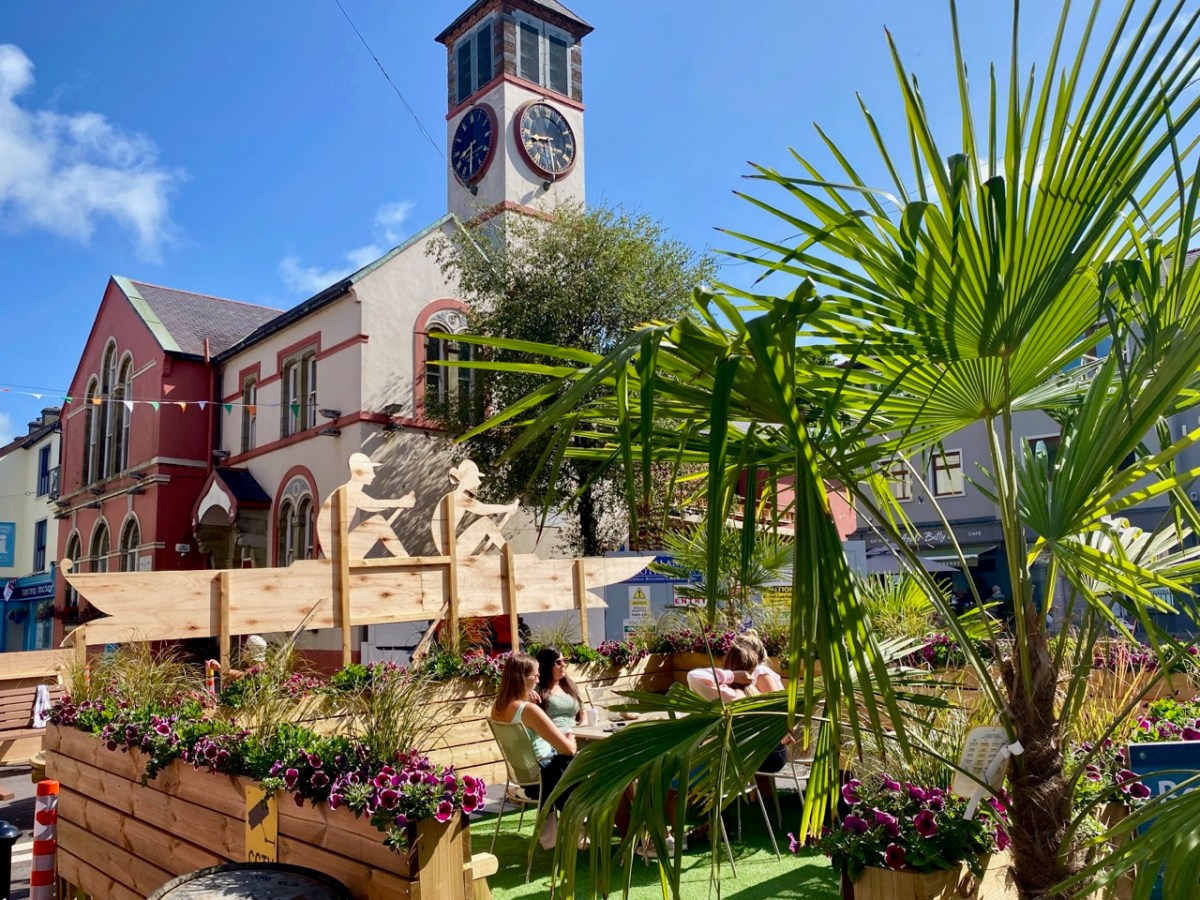
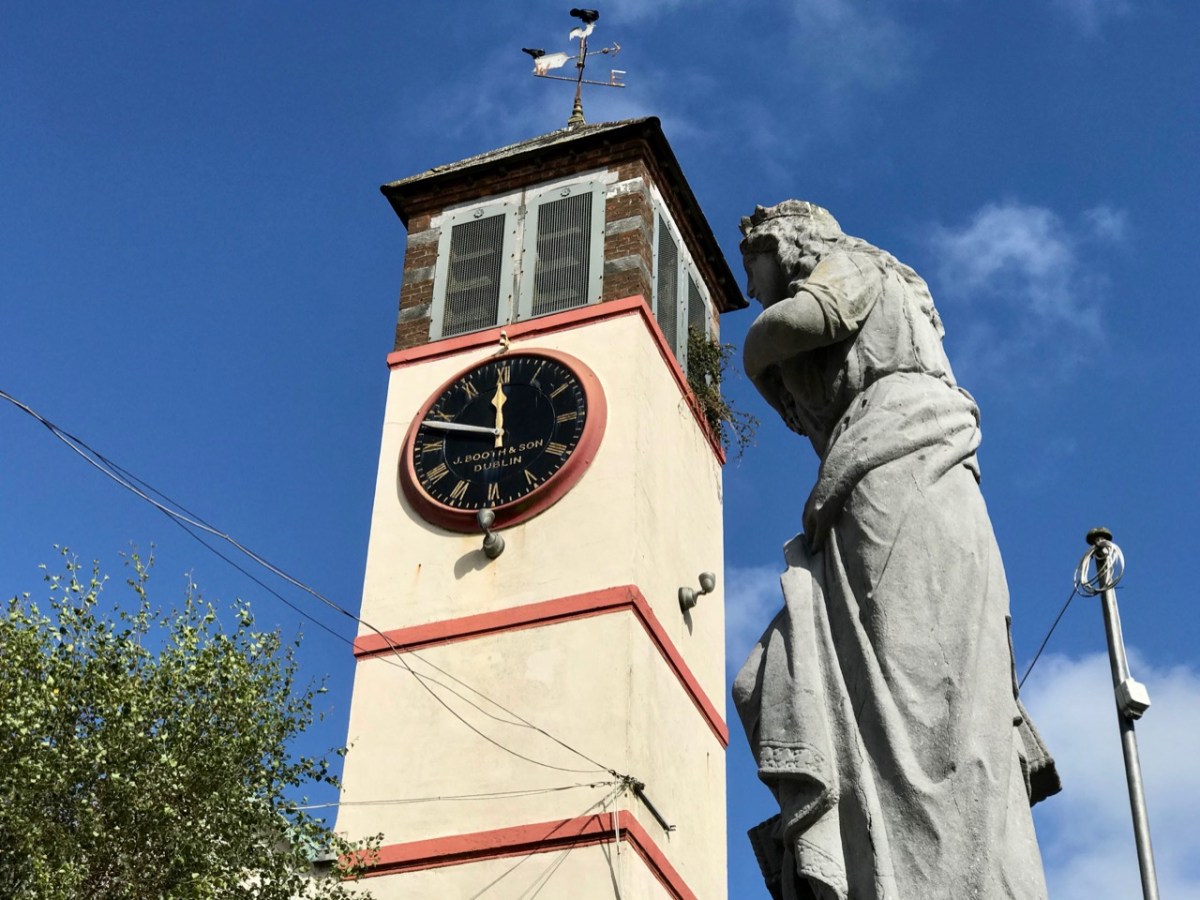
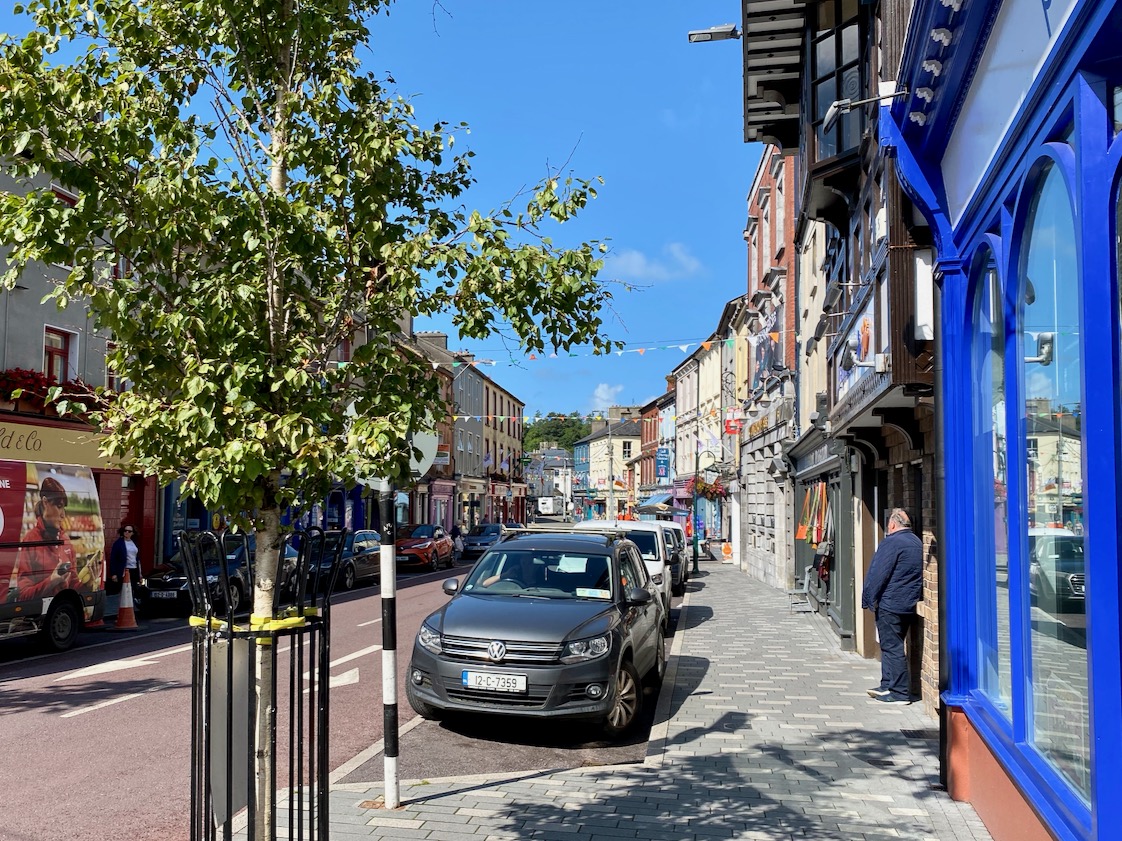
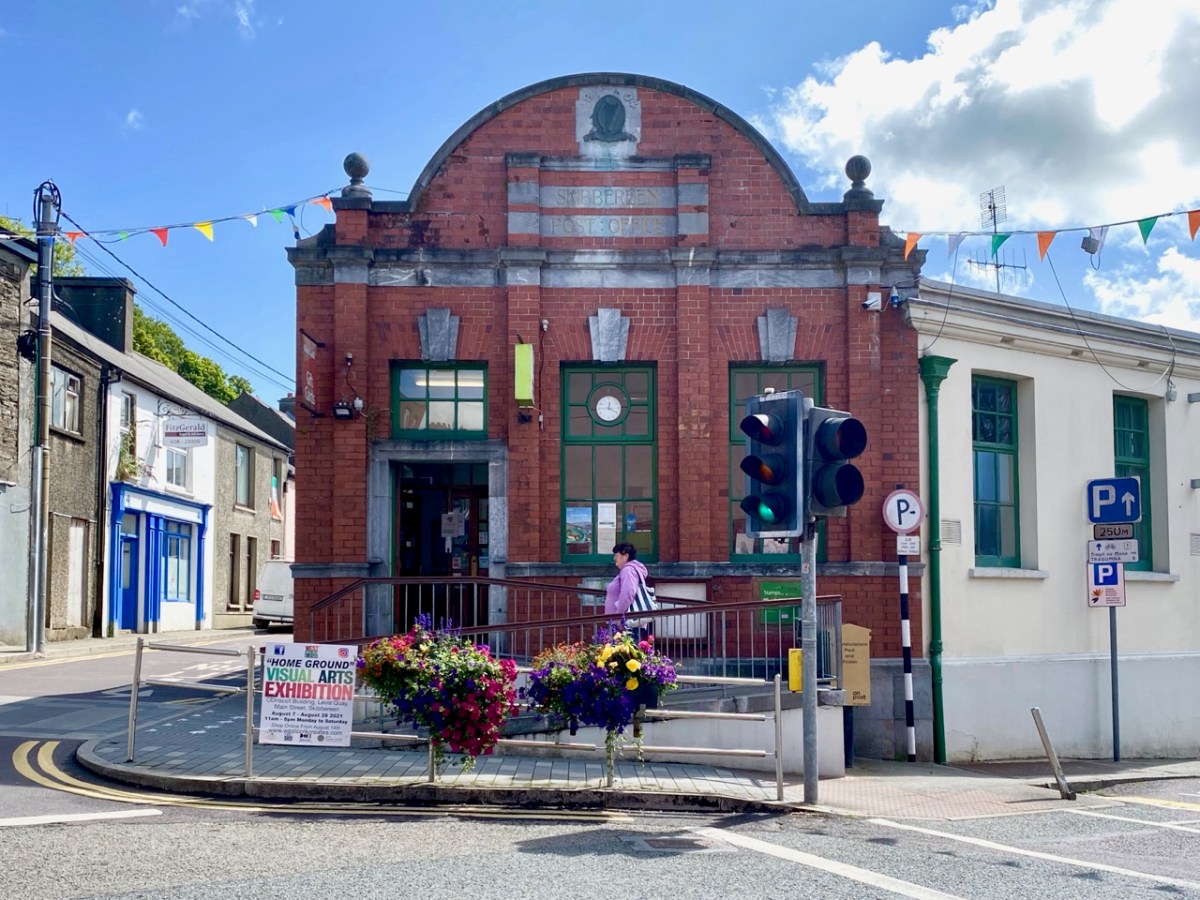
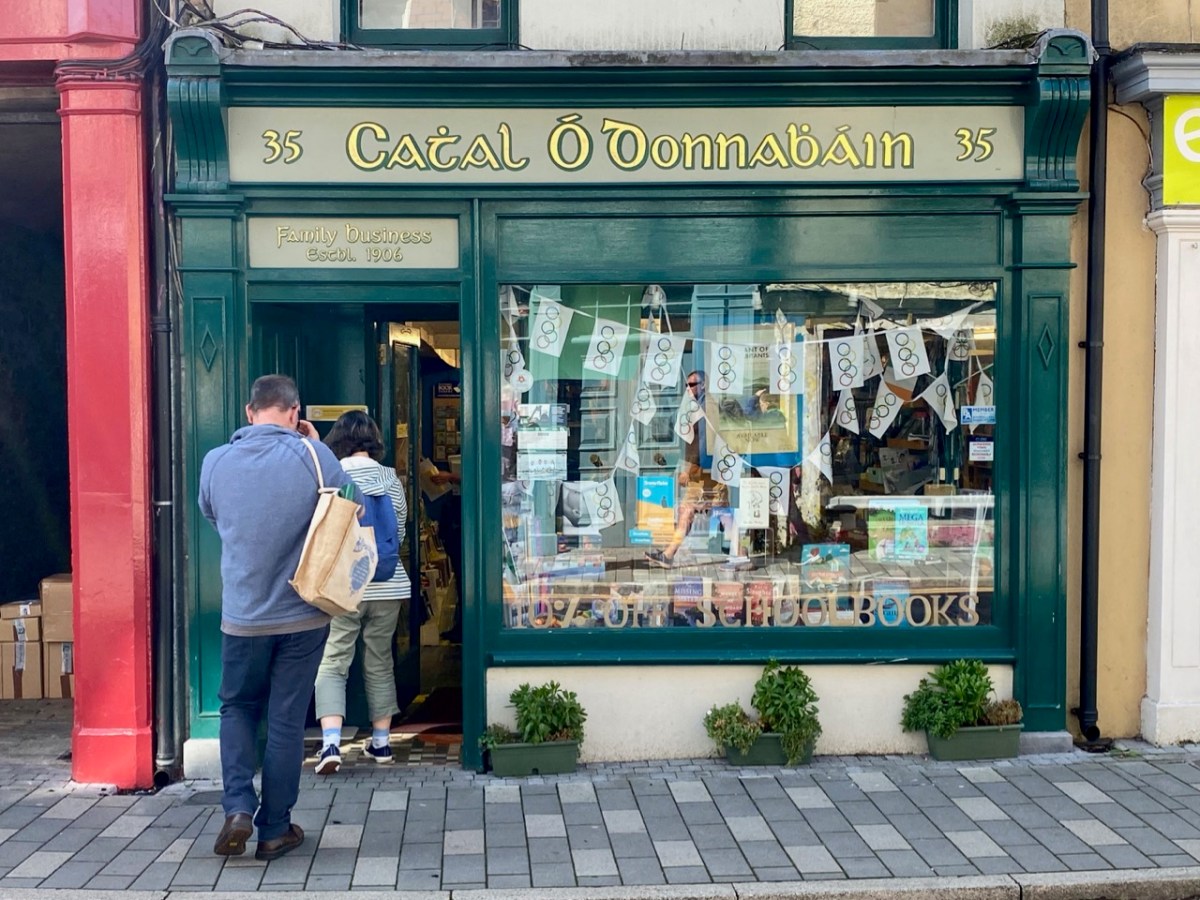
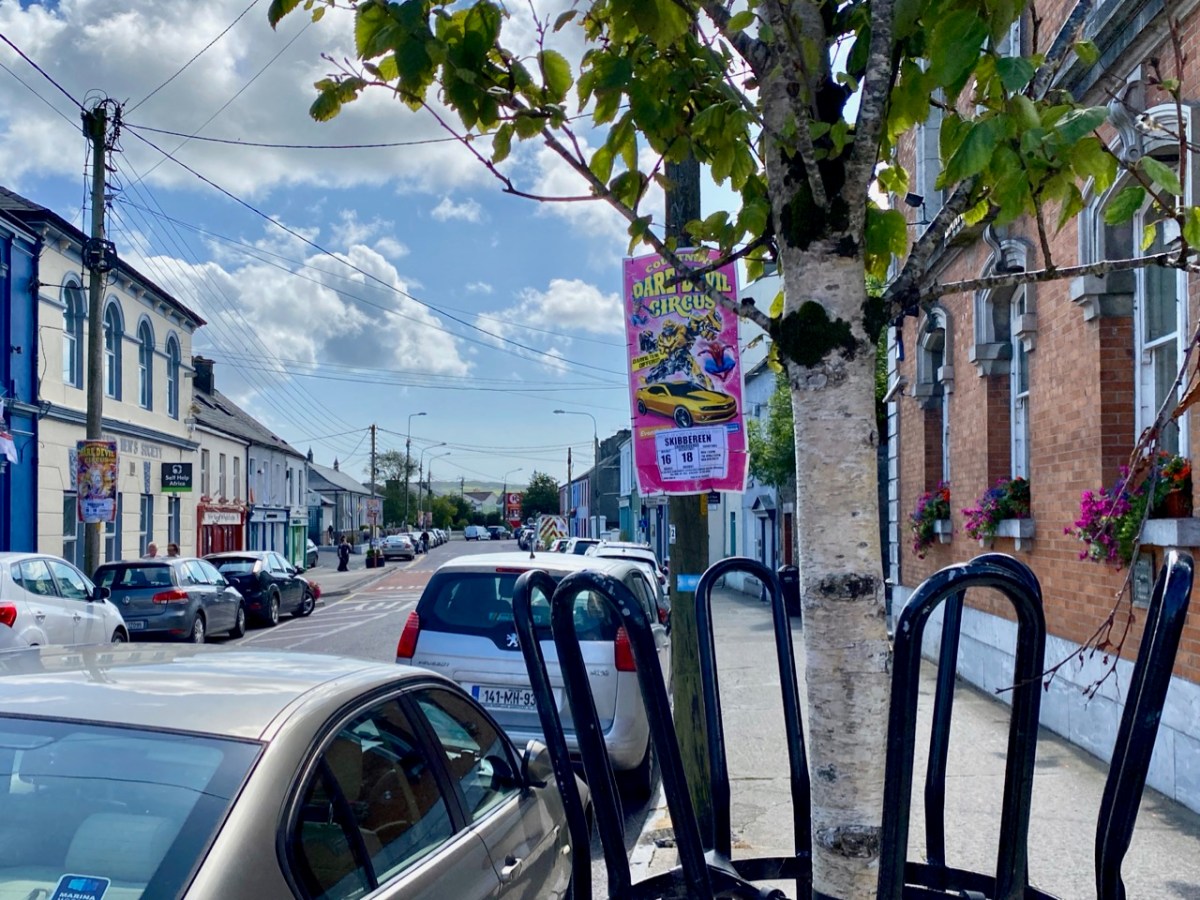
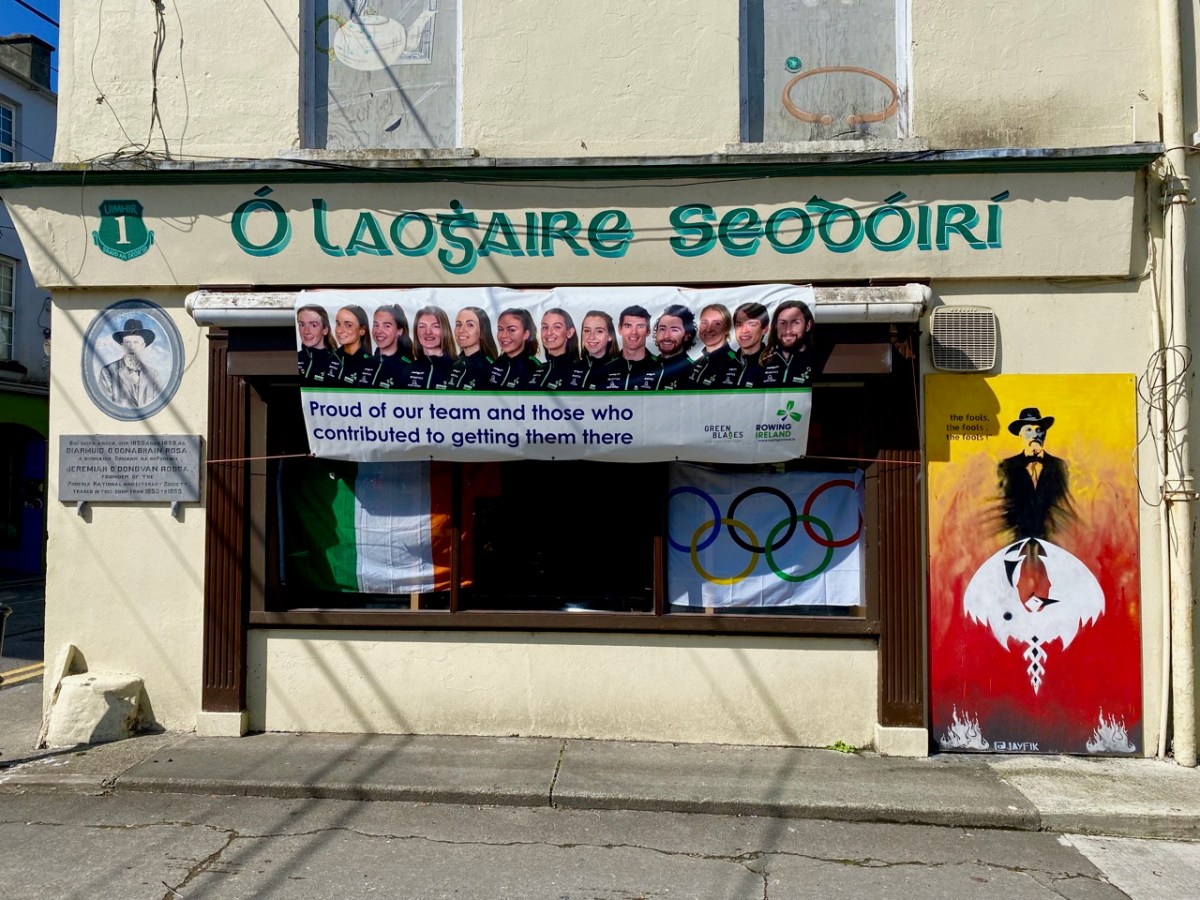
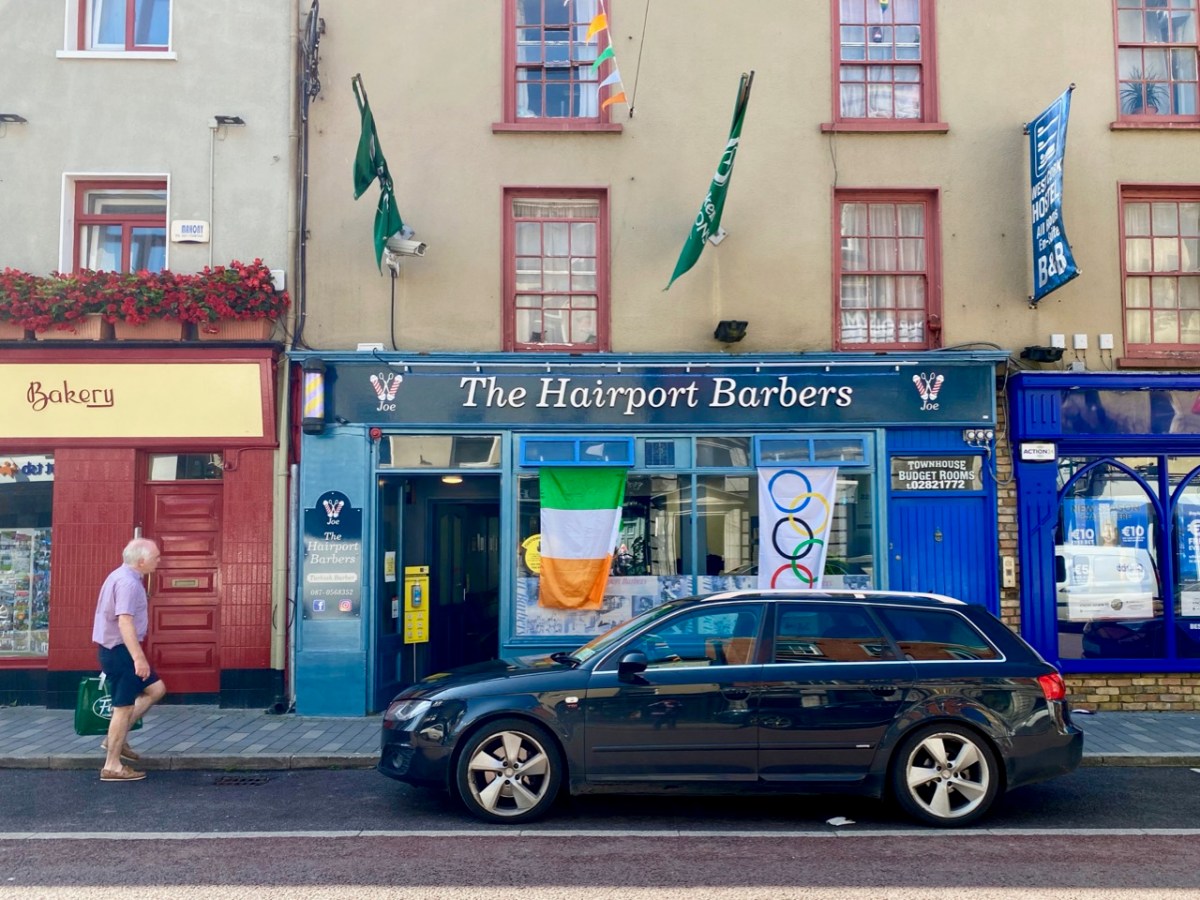
It was an ‘odd’ Olympic year – 2021. Firmly etched in my mind is the knowledge that years in which Olympic Games are held – like leap years – are divisible by 4! This one was different, because of Covid. But that didn’t prevent Ireland producing its heroes: gold for rowing and boxing, and bronze, also for rowing and boxing: a total of 8 sports heroes bringing medals home. If you will forgive the pun, the small country of Ireland punched well above its weight! All the rowers trained at the Skibbereen Rowing Club in West Cork, under the expert eye of their coach Dominic Casey. No surprise, then, that the town was in celebratory mood for weeks after the event, as you can see from many of my photographs, taken around the town at the end of August.

The town, from its situation in a wild, unenclosed part of the country, has frequently been the rendezvous of disaffected parties, but it has been much improved of late years, and is now a very flourishing place. It is situated on the southern bank of the river Ilen, and comprises seven streets; that part which extends into the parish of Abbeystrowry is called Bridgetown, and consists of three streets, one of which has been recently formed. The number of houses in the whole town is 1014, many of which, in the eastern part and in the parish of Creagh, are large and well built: the approaches have been much improved by the formation of new lines of road at each extremity . . .

LEWIS TOPOGRAPHICAL DICTIONARY OF IRELAND 1837

It’s interesting that Lewis – in 1837 – describes the number of houses as just over a thousand. He also states elsewhere that there were 4,429 inhabitants in 1691: in the 2011 census the town recorded a population of 2,568.

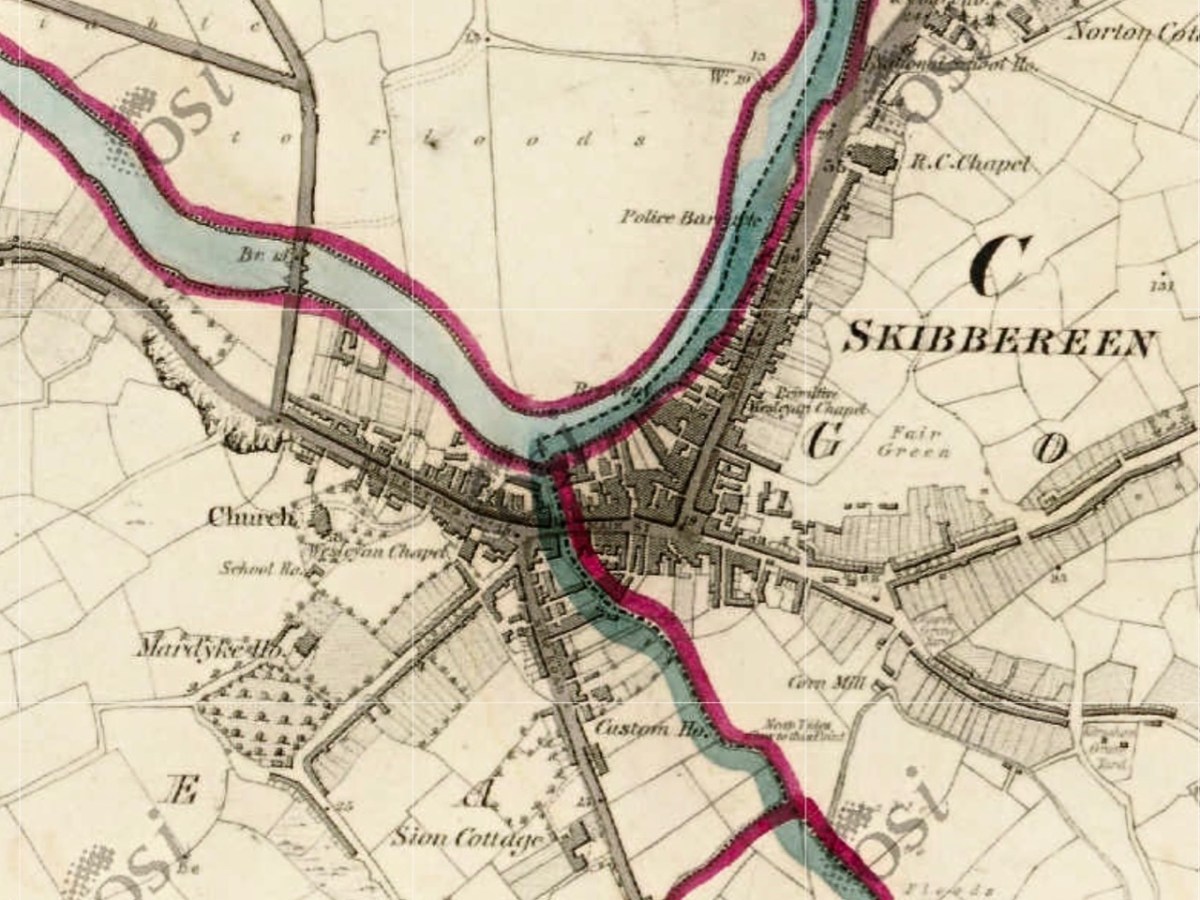
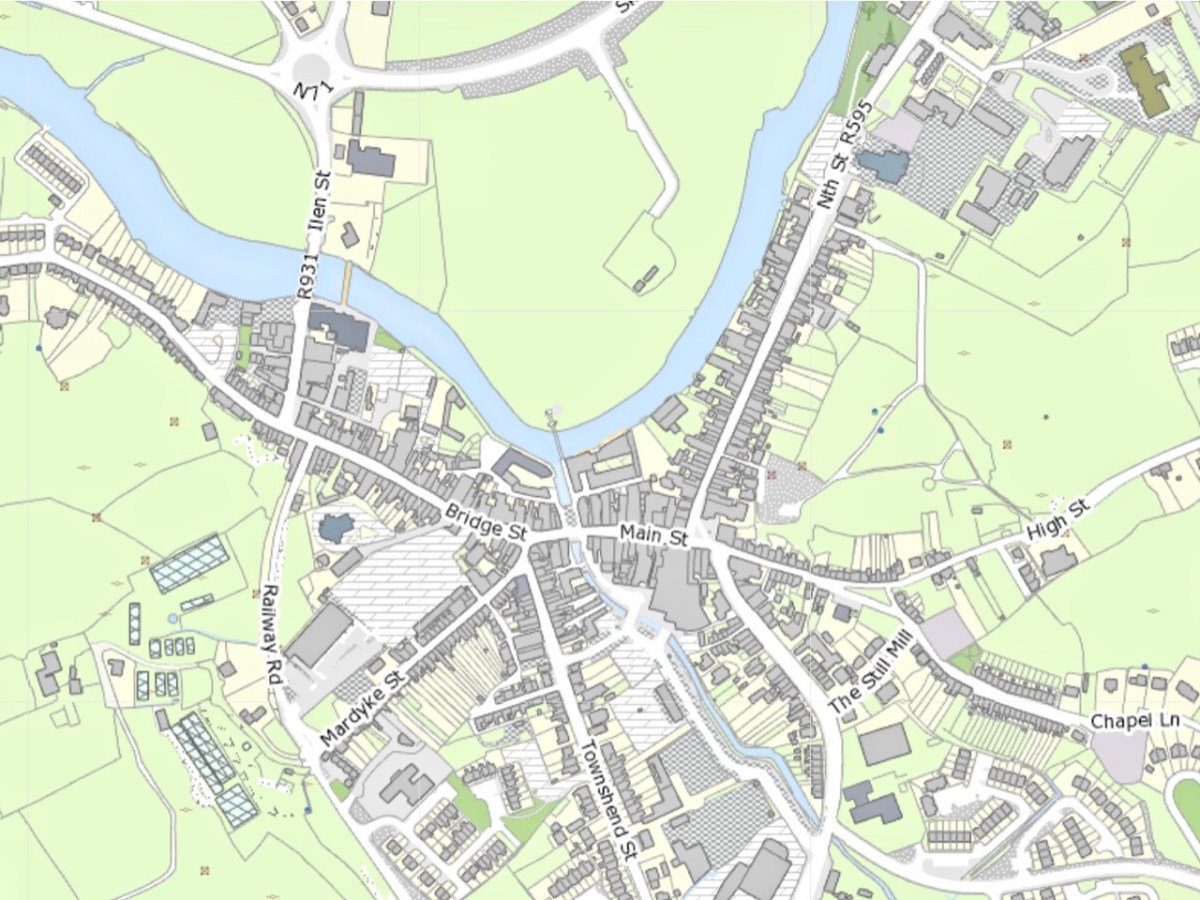
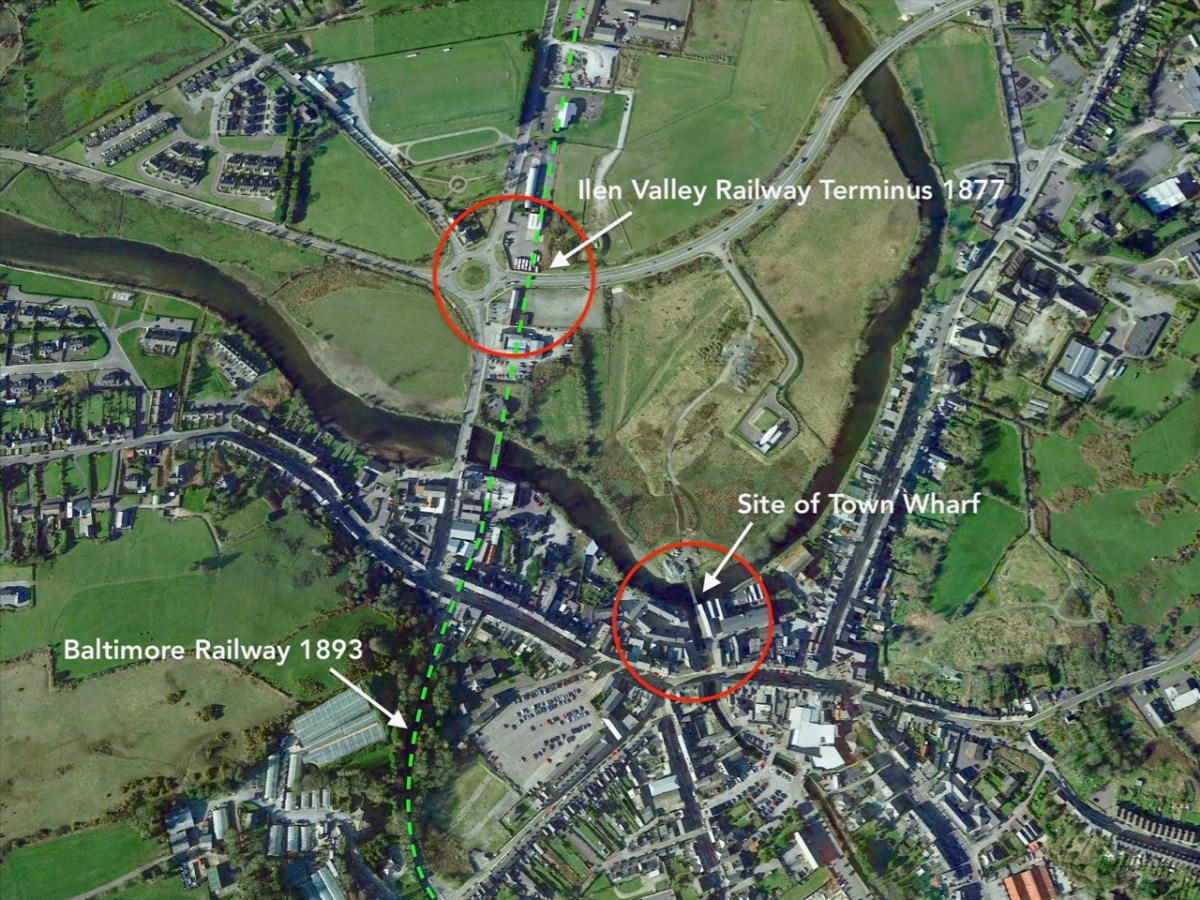
The first edition of the Ordnance Survey 6″ map was produced around 1840, just after the Lewis Topographical Dictionary was published. From the extract above, the layout of the town we know today had been broadly established by then. Compare this to today’s OS map (below) and the annotated aerial view.

There are a few theories as to the earliest origins of the town. Oft quoted is the story of the survivors from the sacking of Baltimore by Barbary Pirates in 1631 having moved upriver to found, or expand, the settlement that is now Skibbereen. It is likely that there was already a community on this part of the river, which was tidal and probably easily navigable up to its sheltered reaches at this point: at one time there were no less than five quays, warehouses and a Customs House within the town – this post will tell you more.

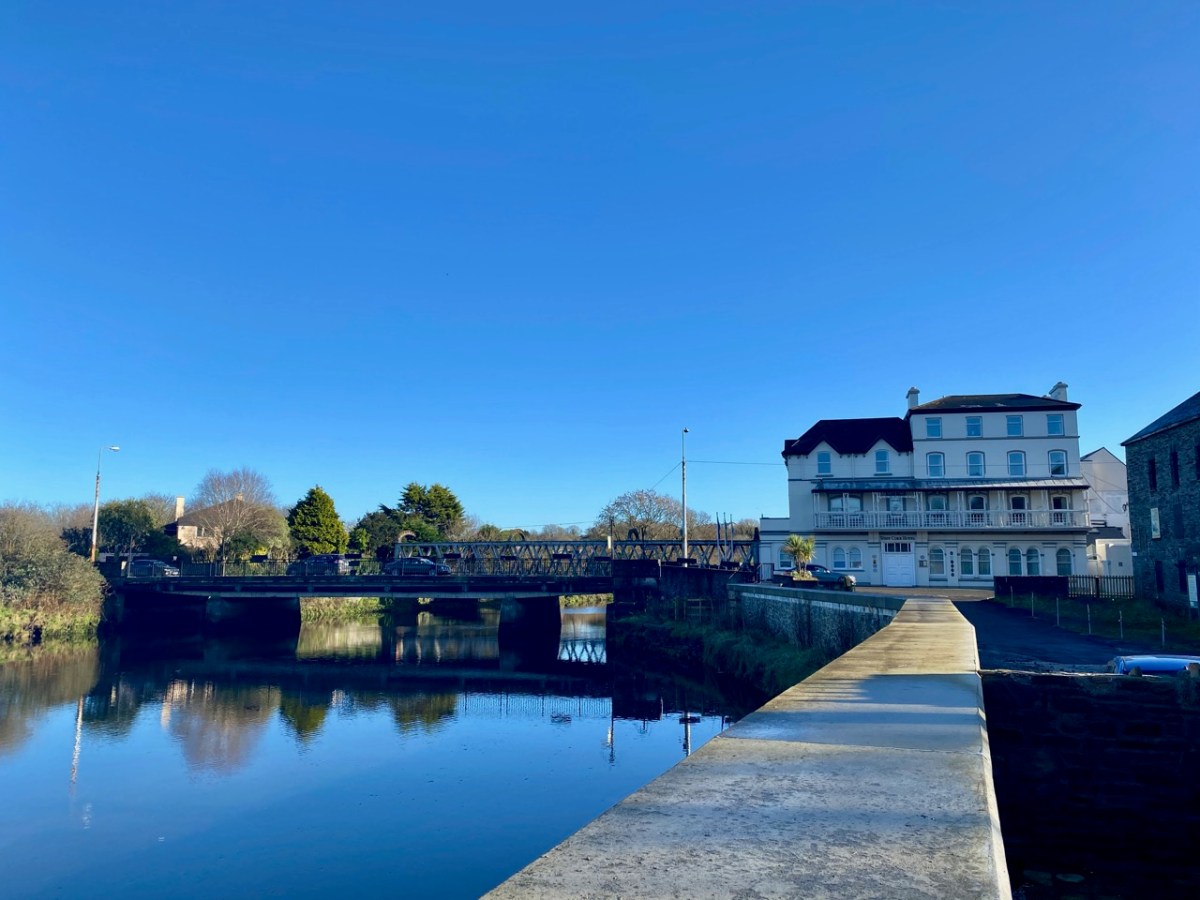
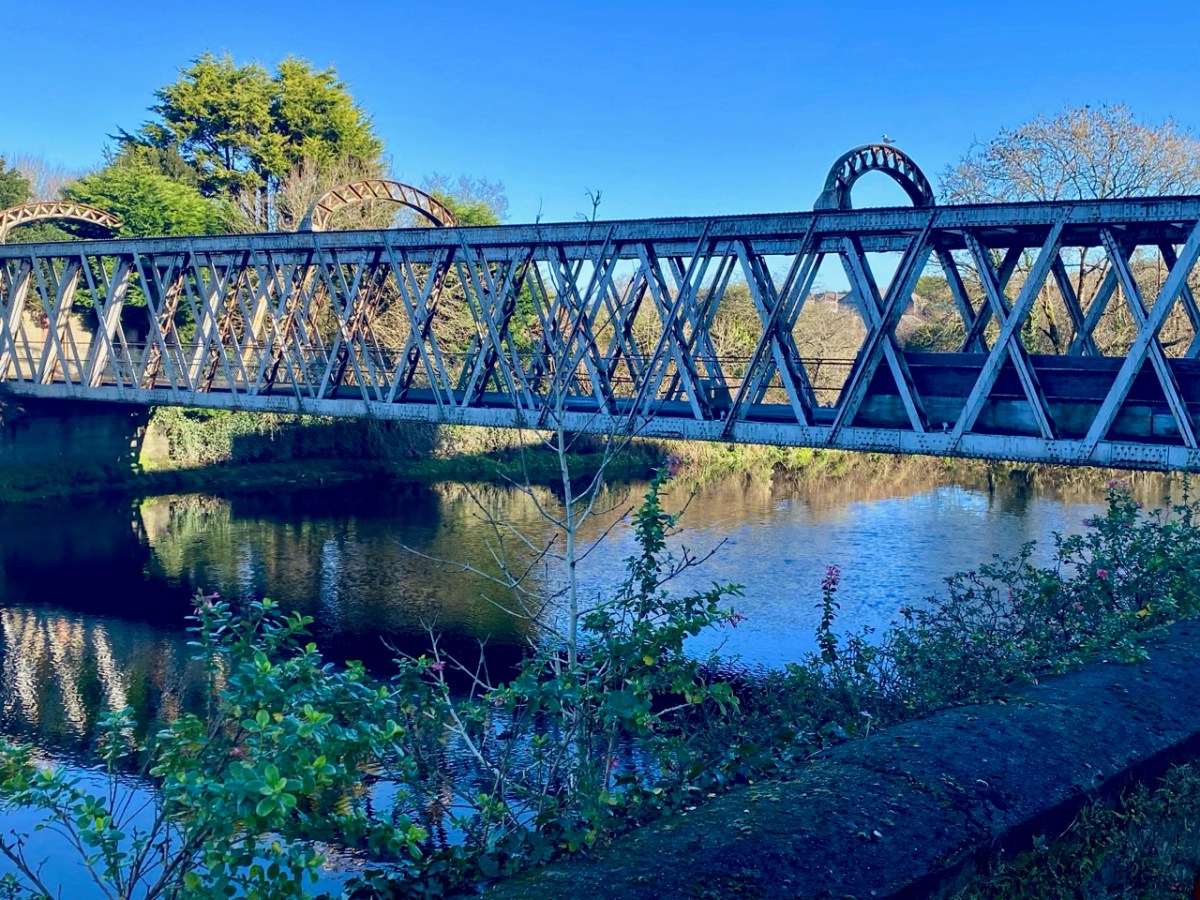
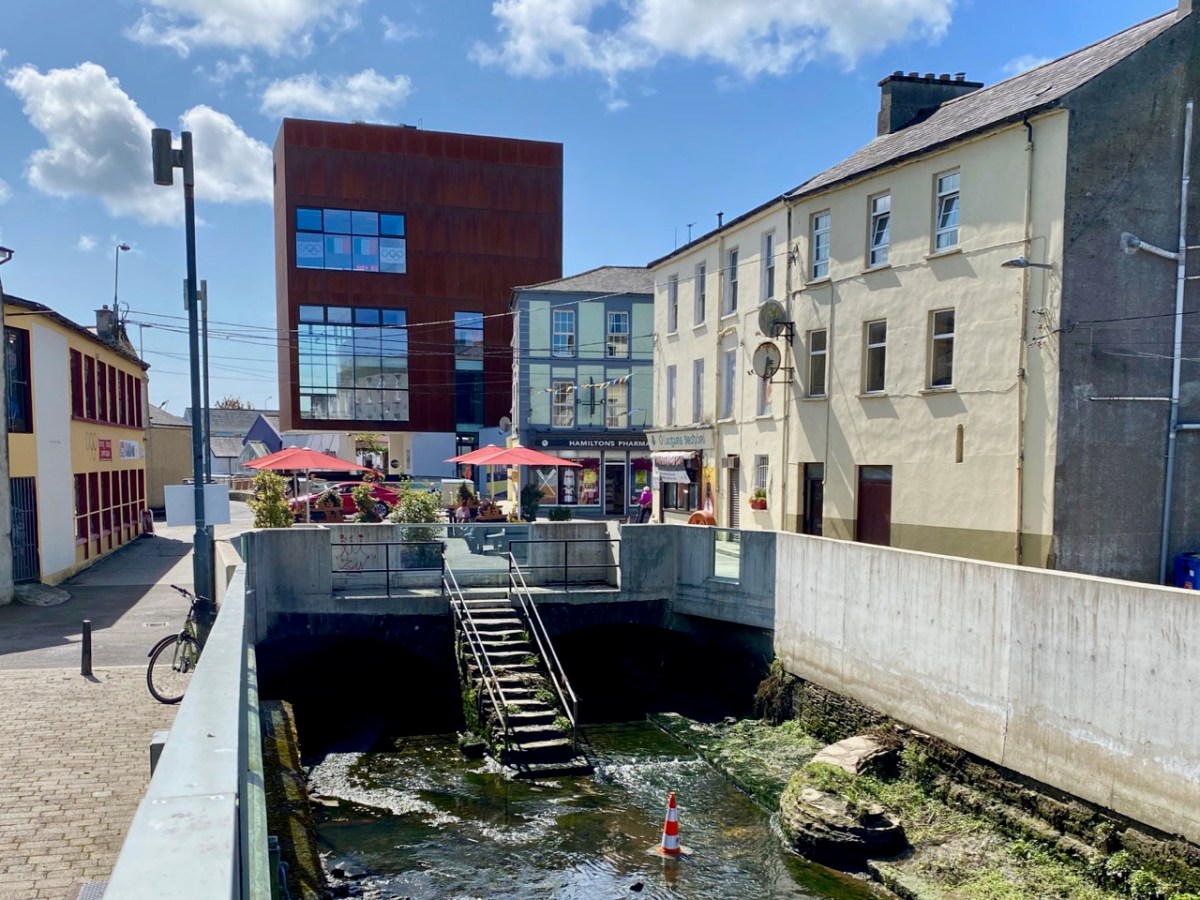
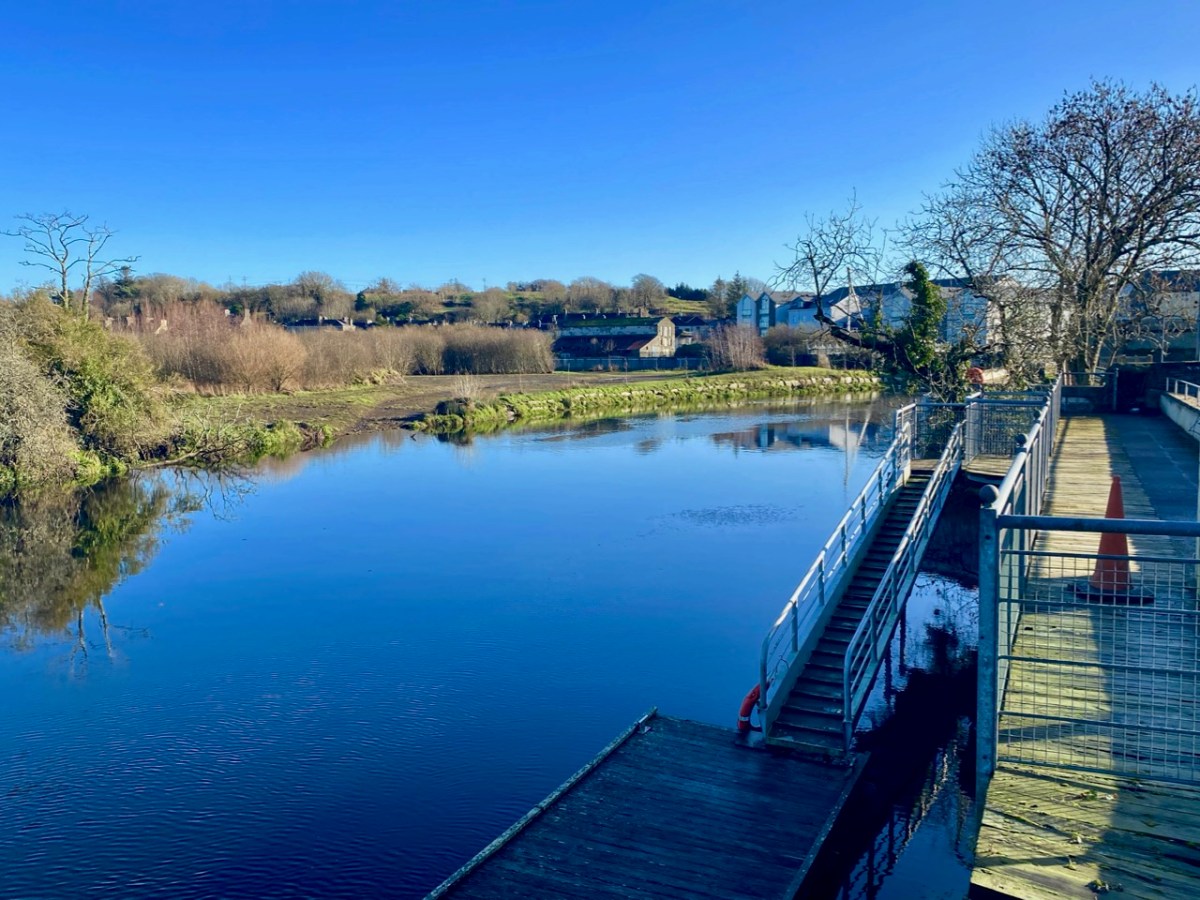
Skibbereen today is defined by its river – as it always has been. The waterside deserves a bit more attention – and is being opened up a little in some of the new civic improvement schemes that have been enabled by major flood relief works in the town. There are many opportunities yet to be explored.

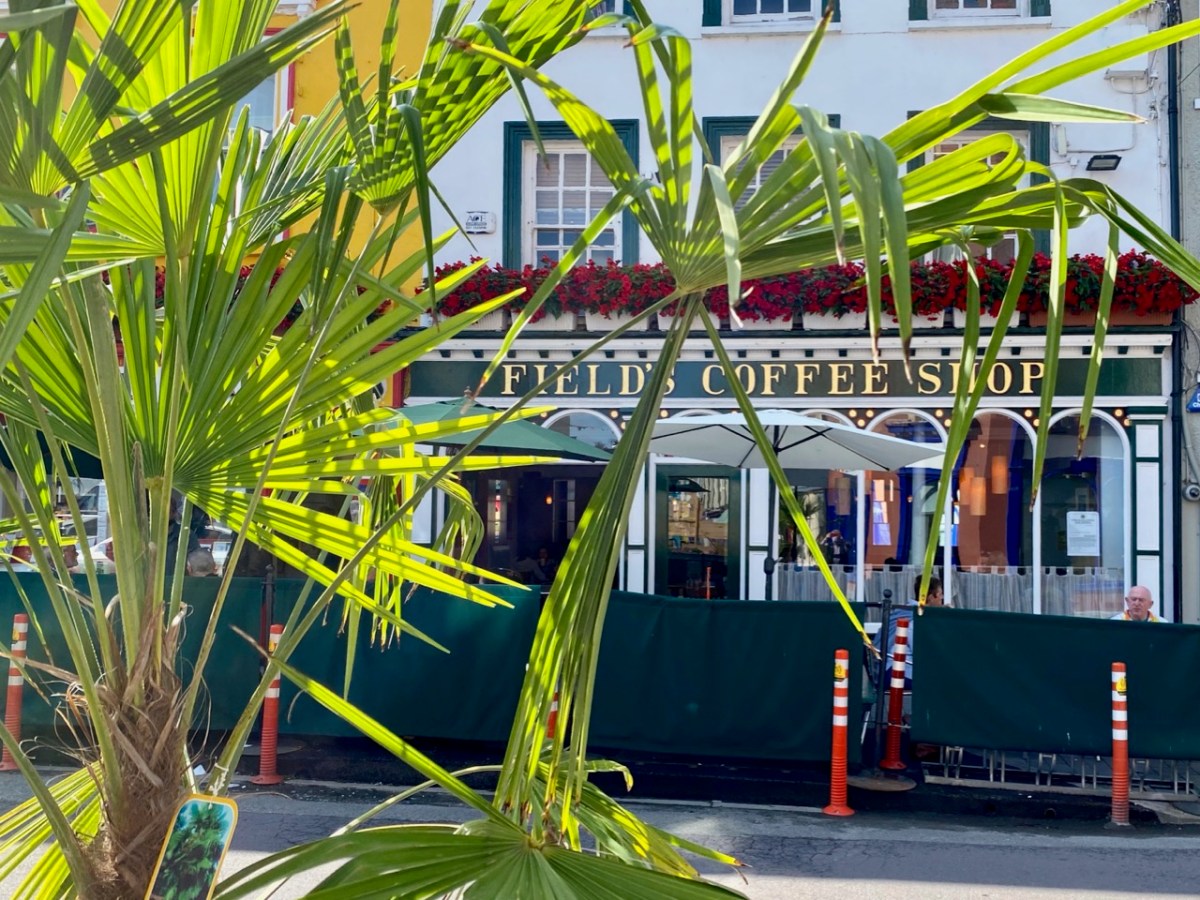
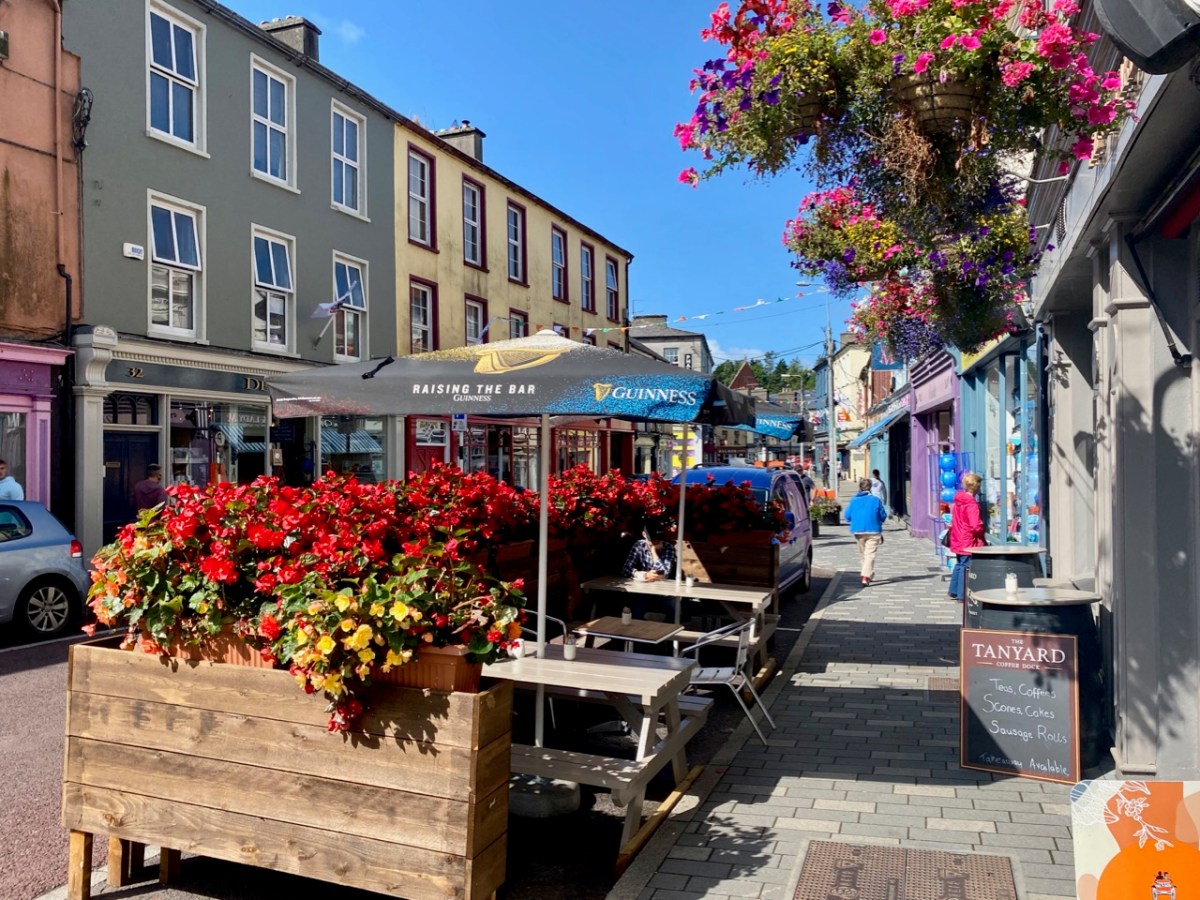
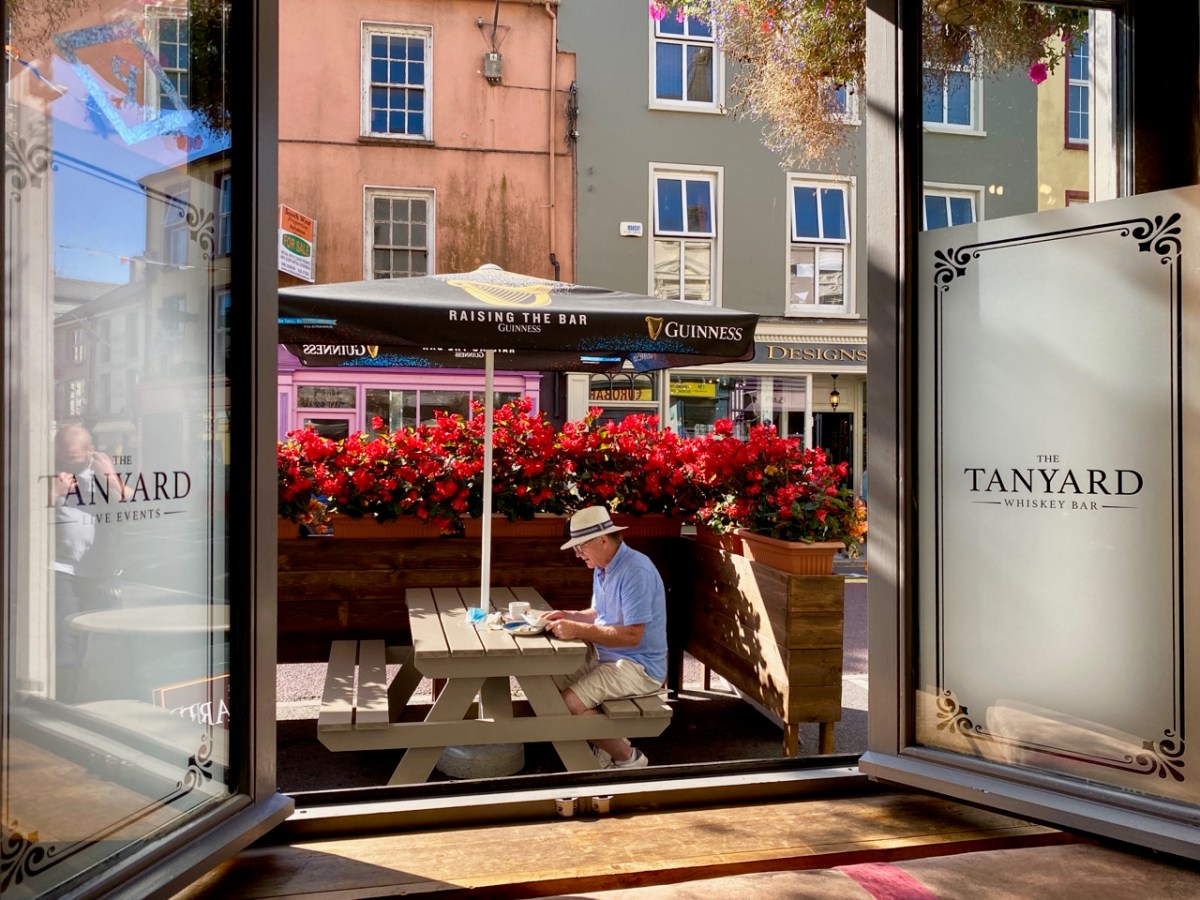
All towns evolve and, hopefully, move into the future: Skibbereen – we’ll be keeping an eye on you! But it’s a great town already: it has the busiest market in West Cork on a Saturday; lively shopping streets; easy (and free) parking – and a very healthy ‘pavement cafe’ culture that has grown up during the pandemic, and is likely to continue to flourish. Let’s walk the streets and see the town as its best in the late summer sunshine . . .

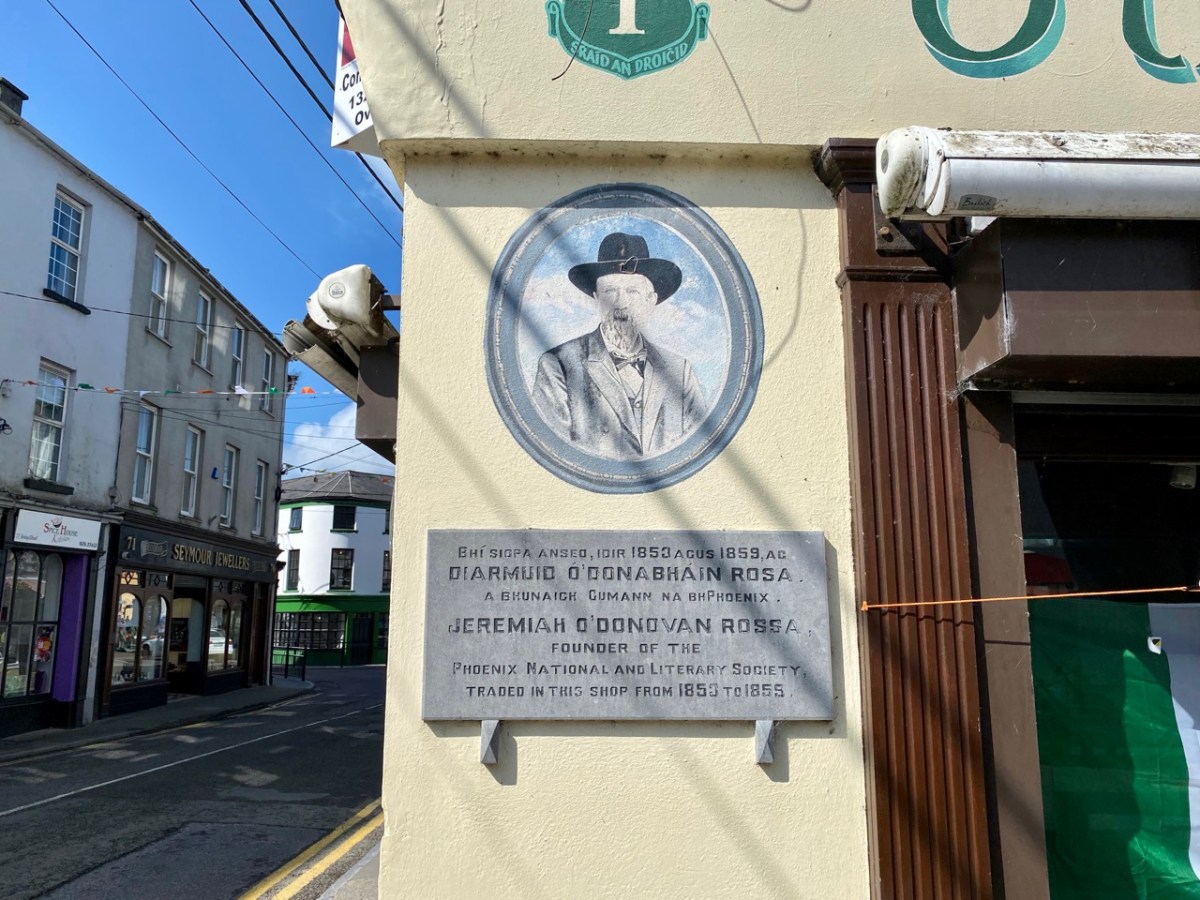
Here at Roaringwater Journal we will always sing the praises of this town, and it has been the subject of a good deal of our historical research and writing. Have a look at our posts on Agnes Clerke, Ireland’s first and foremost female astronomer;  Jeremiah O’Donovan Rossa, the famed nationalist and Fenian: Uillinn – one of Ireland’s most innovative art galleries – here, here and here. We also must not forget that Skibbereen was at one time an important part of Ireland’s railway network: you could travel to and from Cork and Baltimore, and it was a terminus for the narrow gauge railway that trundled off to Schull, and whose loss is now much mourned.

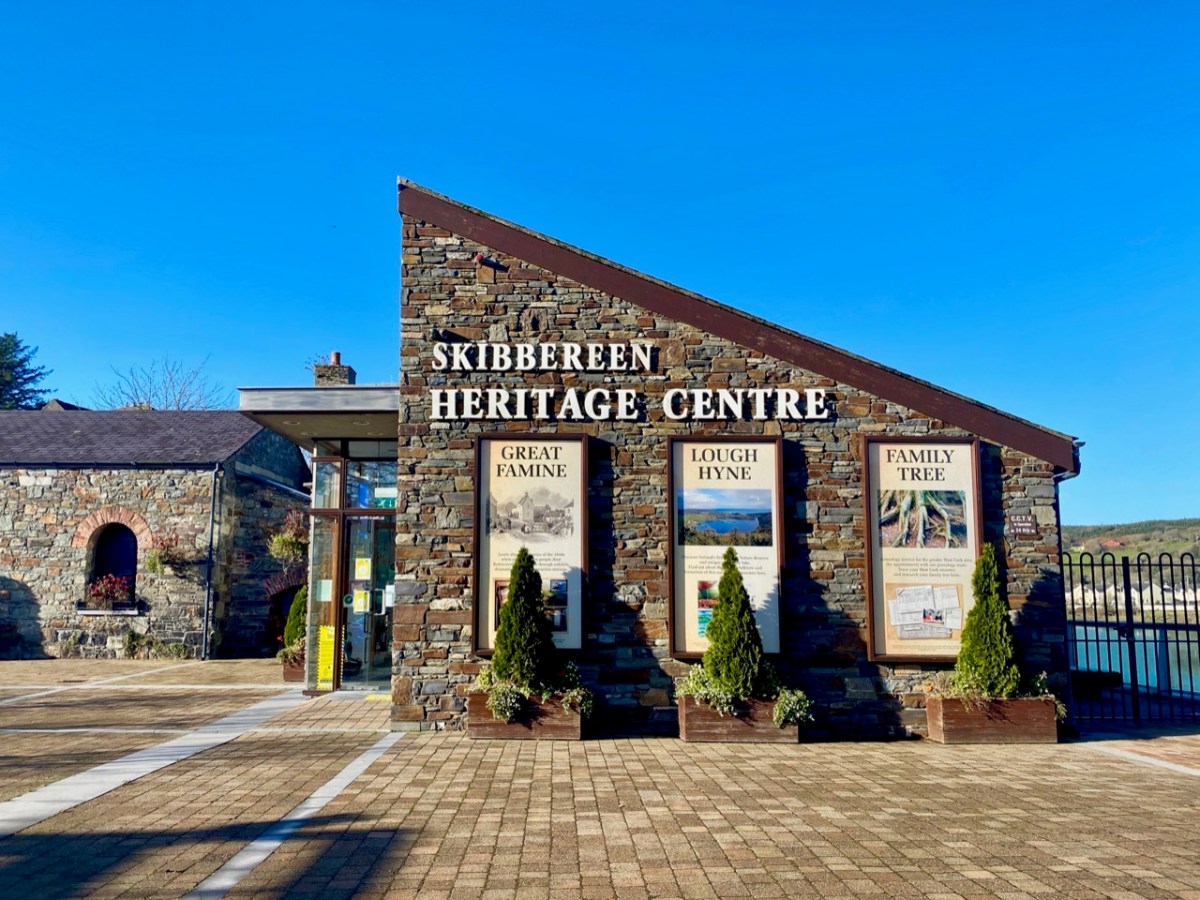
I hope my post inspires you to explore this prominent West Cork town, if you haven’t already done so. It has historic foundations – too numerous to list in this one, short article. Choose a sunny afternoon – or go there to shelter from the infrequent showers. Whatever the day, make the Skibbereen Heritage Centre your starting point: you will find a wealth of information which will help to guide you on your way. The building itself is a piece of history: it used to be Skibbereen’s gas works!
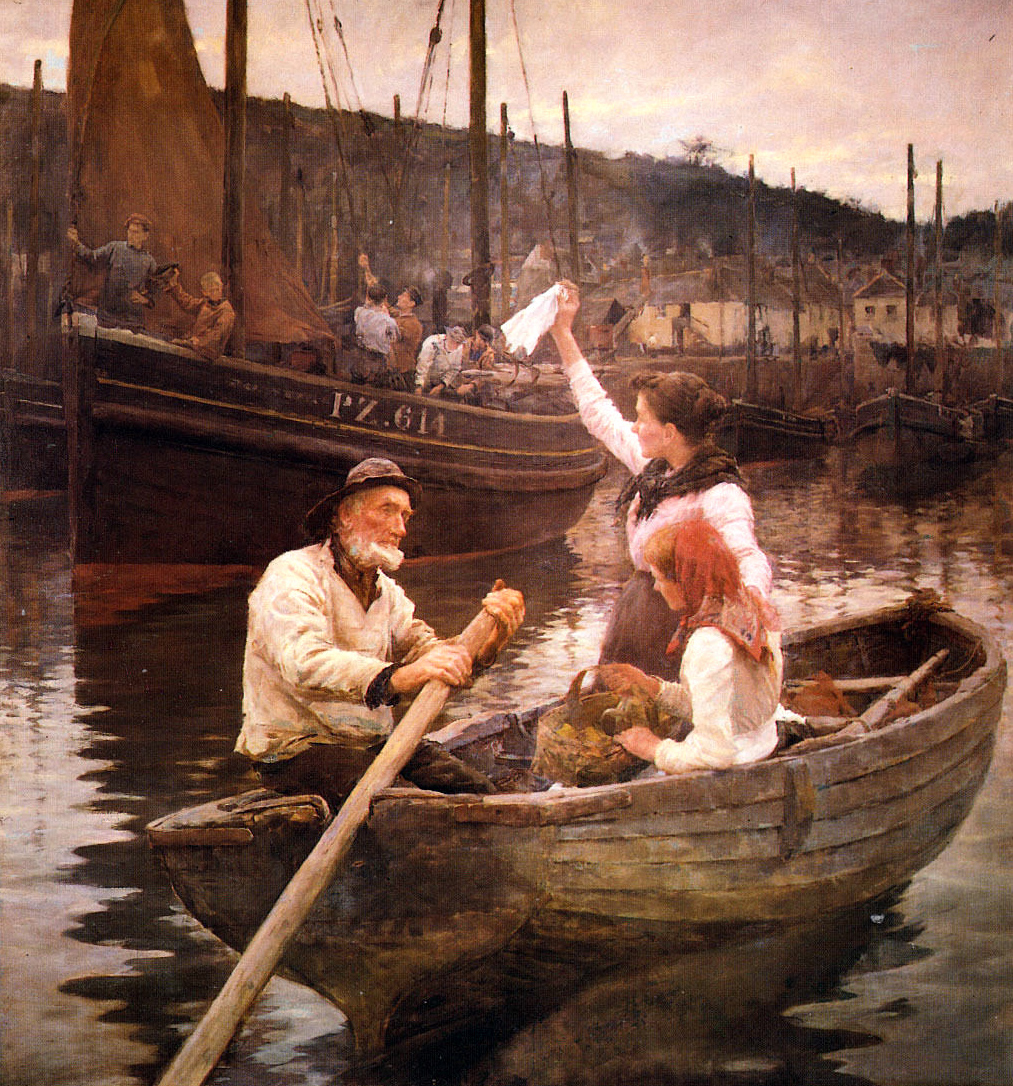
The town name was familiar to me long before I settled in Ireland a decade ago. I lived in the fishing village of Newlyn, Cornwall, for many years and got to know the history of the artists’ colony in West Penwith, centred on that town and St Ives. One artist – Stanhope Alexander Forbes – was known as ‘The Father of the Newlyn School of Artists’ – he was Irish born, and lived from 1857 to 1947. I vividly remember one of his works, displayed in the Penlee Gallery in Penzance. It shows fishermen leaving Newlyn to follow the shoals of herring and pilchards to the waters of Roaringwater Bay. The title of that picture? Goodbye – Off To Skibbereen!
Previous posts in this series:

Bantry

Schull