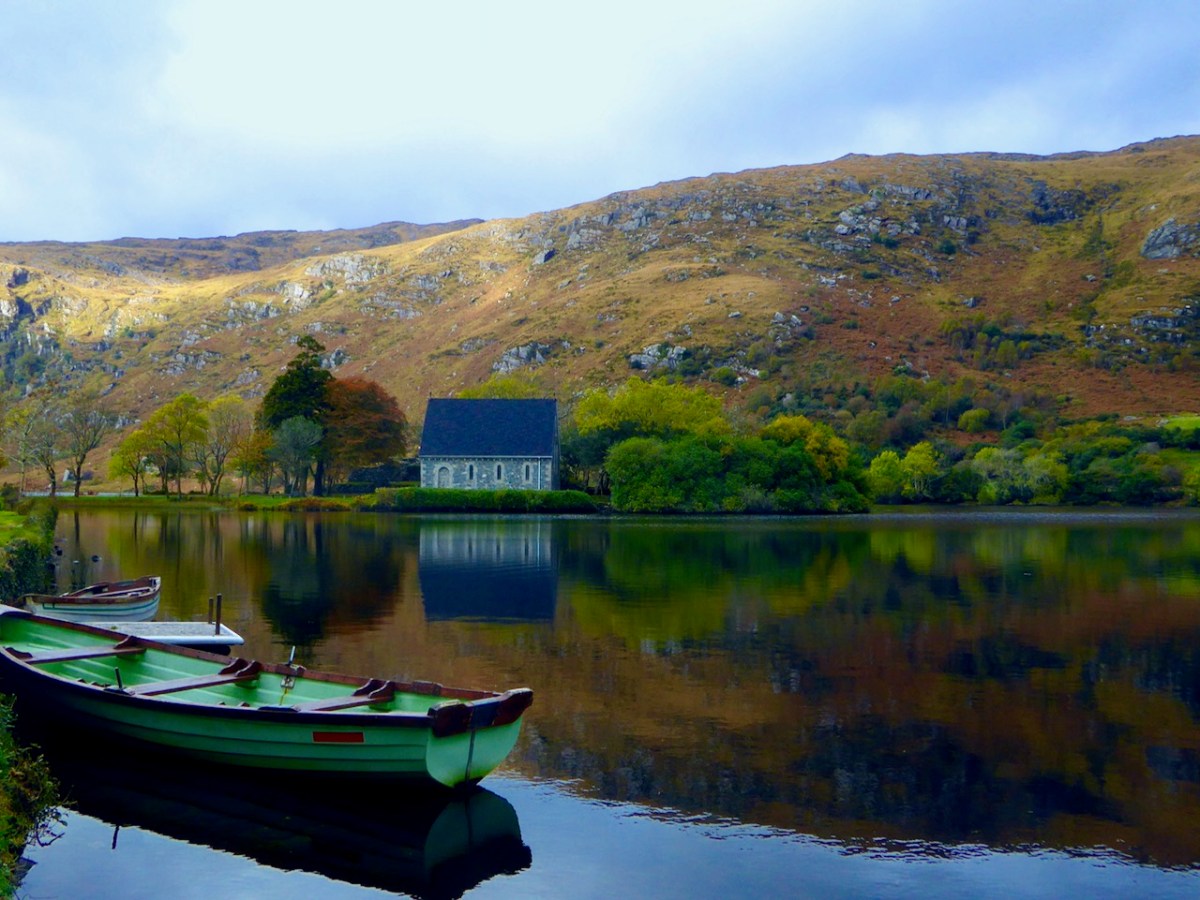
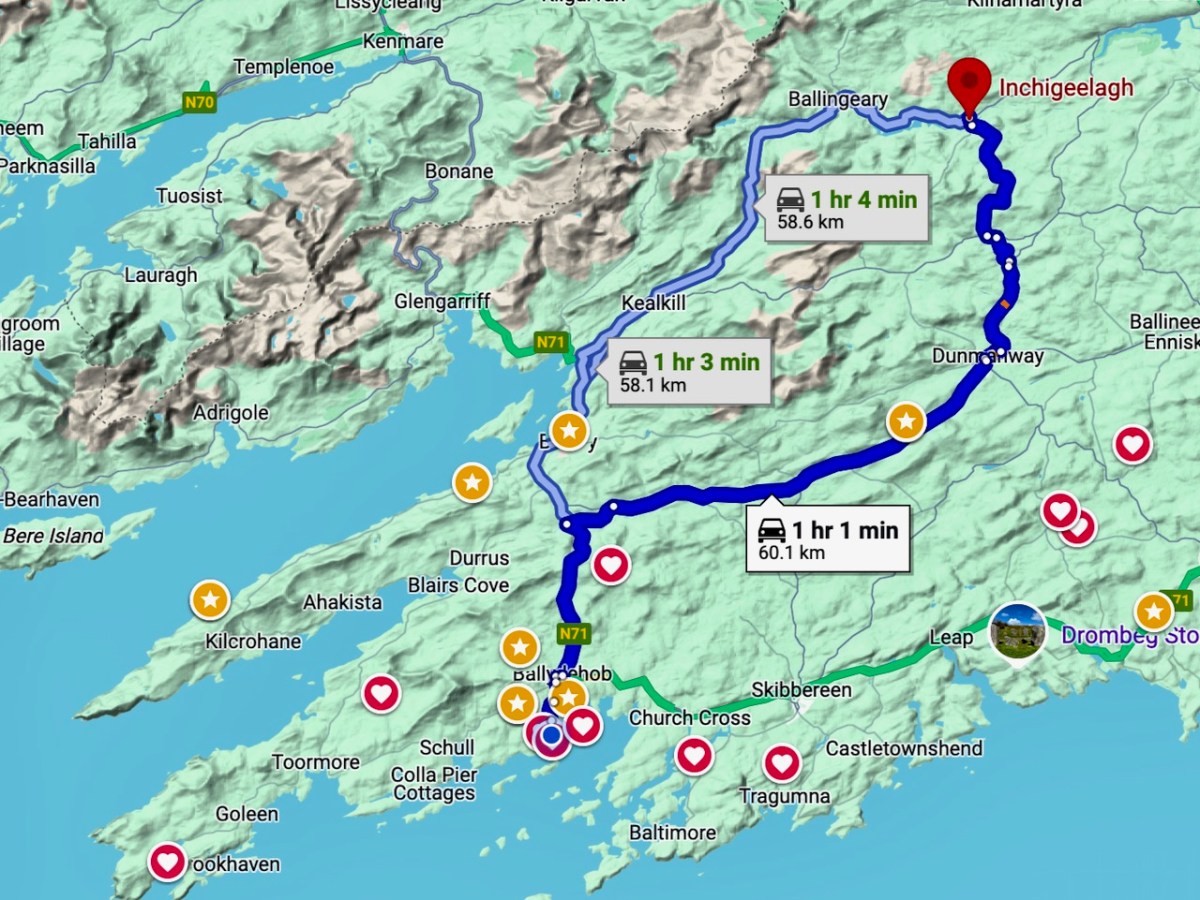
I’ve had the most marvellous Muskerry weekend! Muskerry (pronounced Muss-cree), or Múscraí as it is more properly spelled in Irish, encompasses a large area in west Cork and much of it is Irish speaking. This weekend my two destinations were Ballingeary and Inchigeelagh. We didn’t stop at Gougane Barra on the way this time, but can’t resist including this photo to remind you of the stunning scenery there.
Ballingeary was Saturday and our destination was the village hall, for the last night of the original ceoldráma (musical), Gobnait! This production is by the same team who mounted An Tuairin Dubh a couple of years ago and I was dying to see their new musical. I wasn’t disappointed!
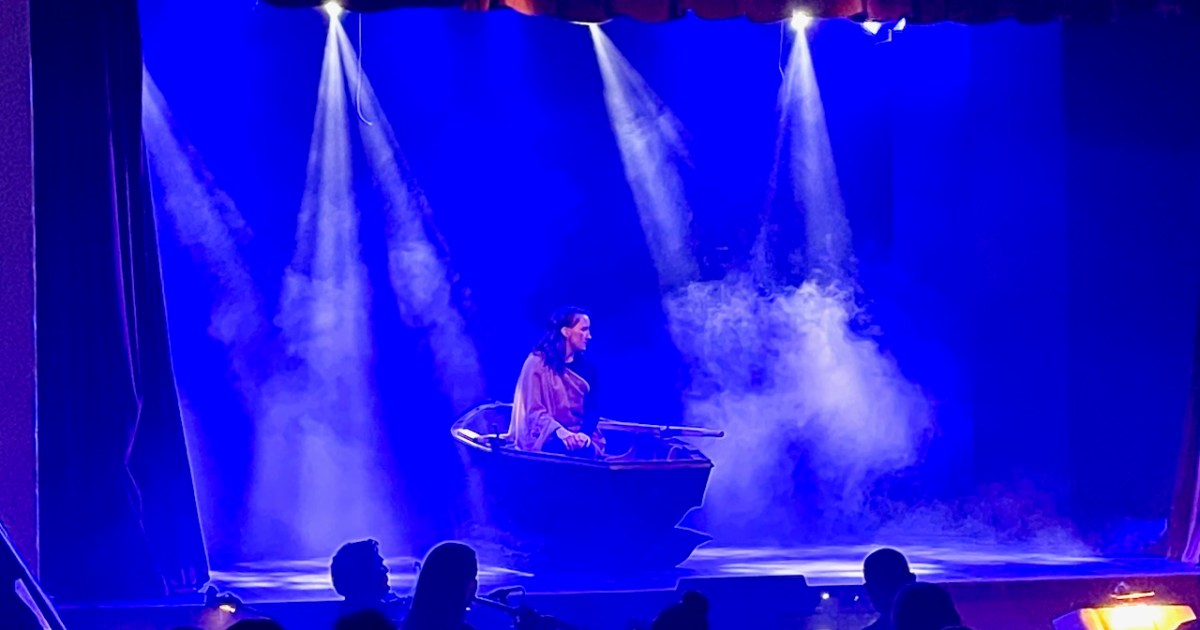
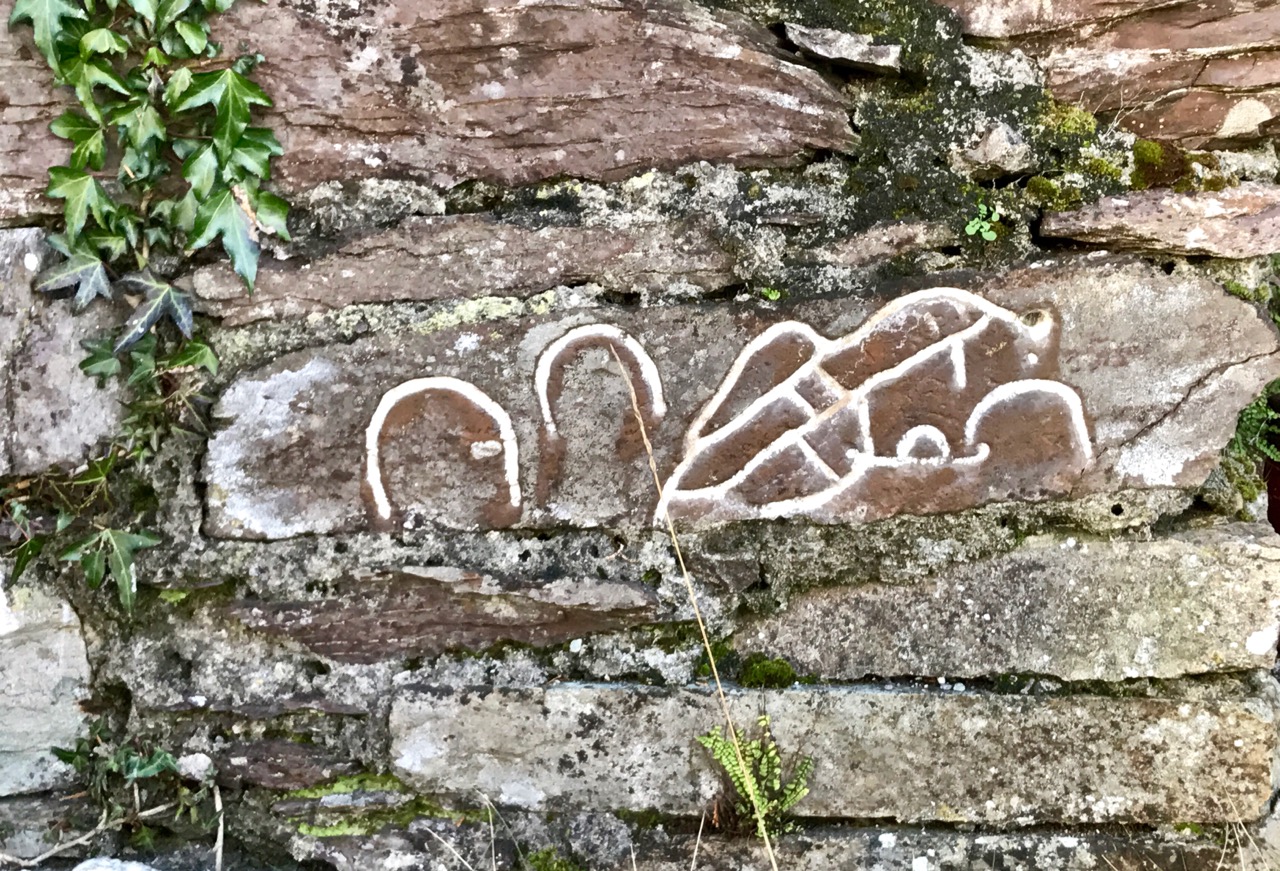
The story tells of the legend of St Gobnait, who travels from the Aran Islands to Ballyvourney – she knows she will have reached the “site of her resurrection” when she sees nine white deer (below). Patron saint of smiths and beekeepers, stories abound and are kept alive with an annual pilgrimage. We have written about Gobnait several times. Here’s a link to a post from only last year, one of the last posts that Robert wrote, in fact.
But to really understand how St Gobnait journeyed to Ballyvourney, you must read Amanda’s 3 part post (Part 1 and Part 2 and Part 3) where she traces her peregrination from the Aran Islands to Ballyvourney, stopping along the way to lend her name to churches and holy wells. This is followed by a summary of her life and work in Ballyvourney.
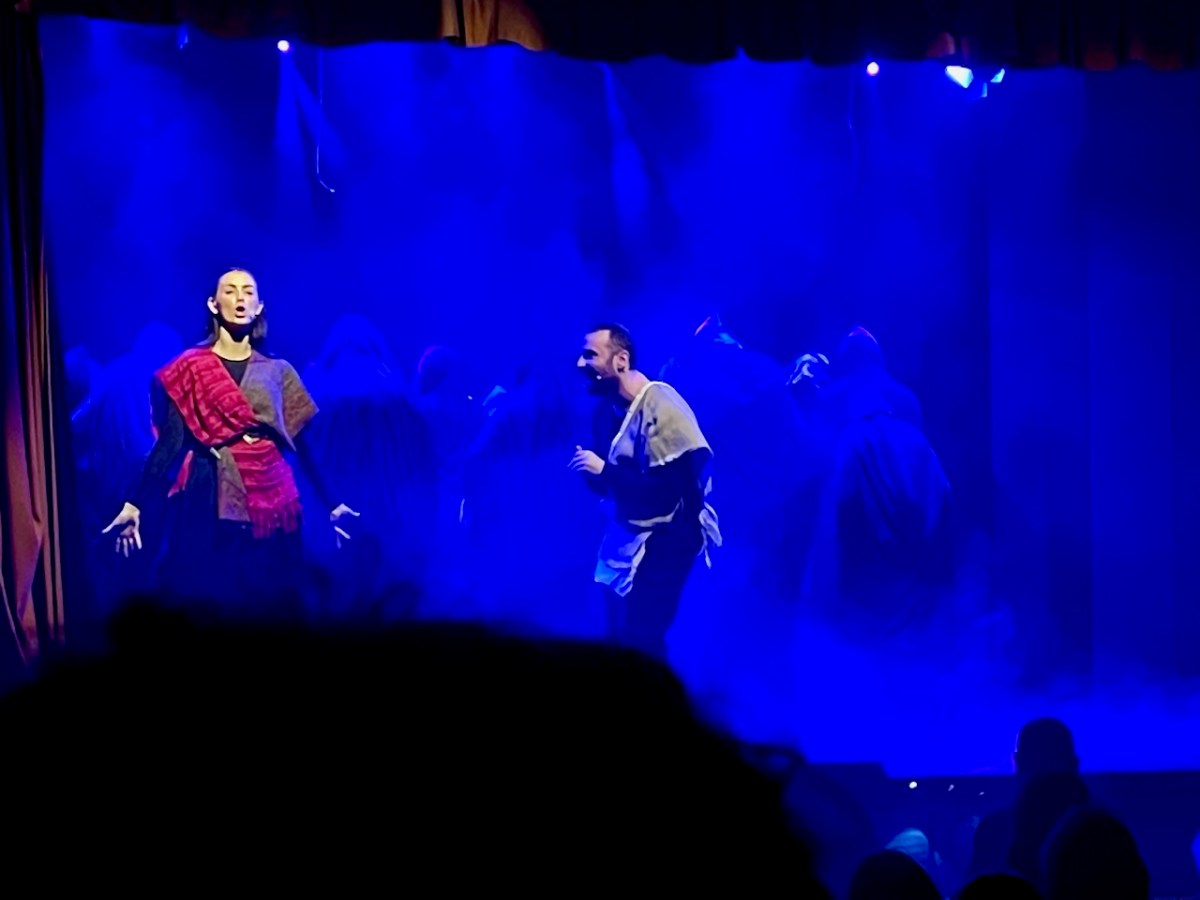
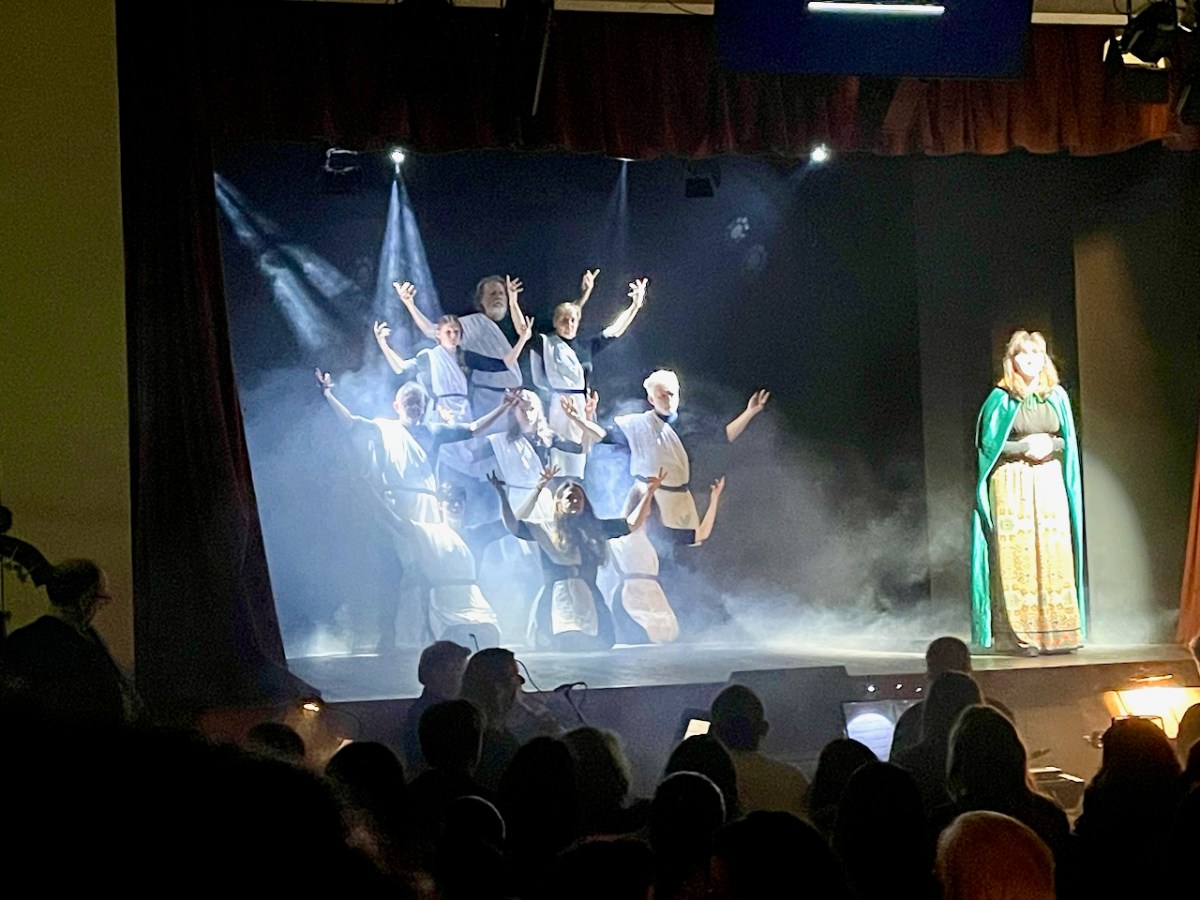
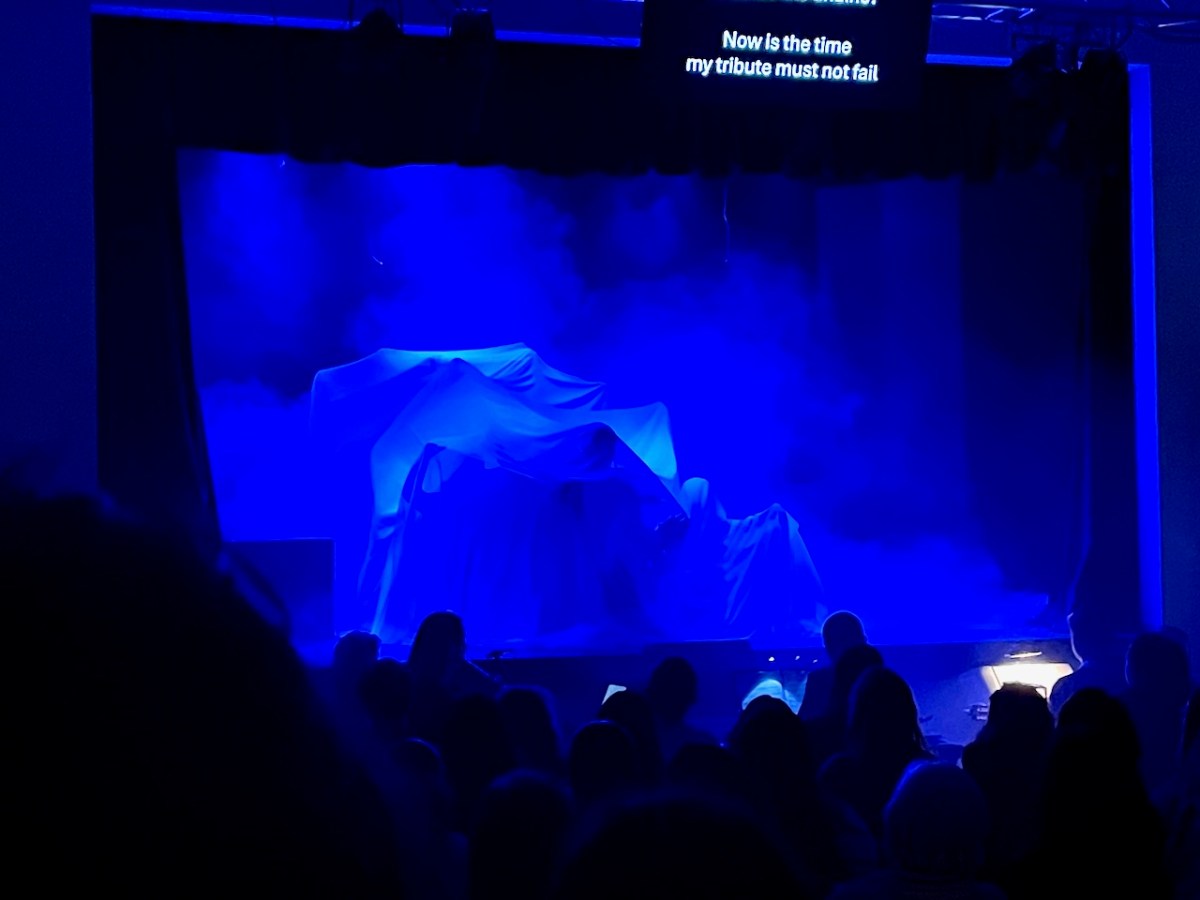
The Musical – it’s an opera, really, told the story very dramatically and with great liveliness and enthusiasm from the cast. The singing was lovely and there was lots of interesting choreography and stage settings – the Sulán River, for example, was very effectively rendered by means of moving actors and a huge gauze sheet (below). The words were projected as sur-titles, so even though my Irish is not a strong as I would wish, I could follow along with no problem.
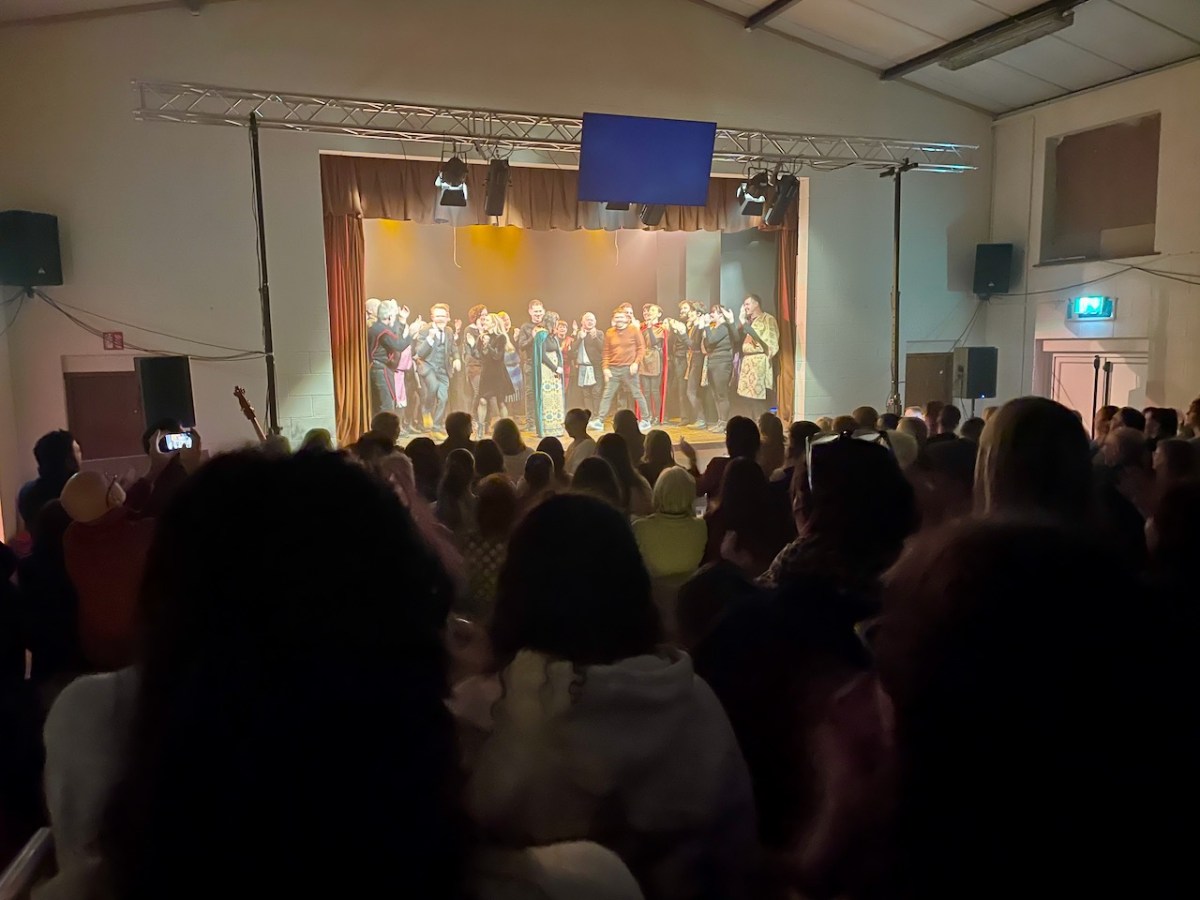
It seems like the whole village of Ballingeary was involved – from those directing us to parking to those at the desks and tea-counter, everyone from miles around was joining in the fun and the effort. The hall was packed, as it has been every night, and we delivered a standing ovation at the end of the evening – so well deserved.
And it’s coming to Cork – one night only at the Opera House, on March 8th. If you can, see it there.
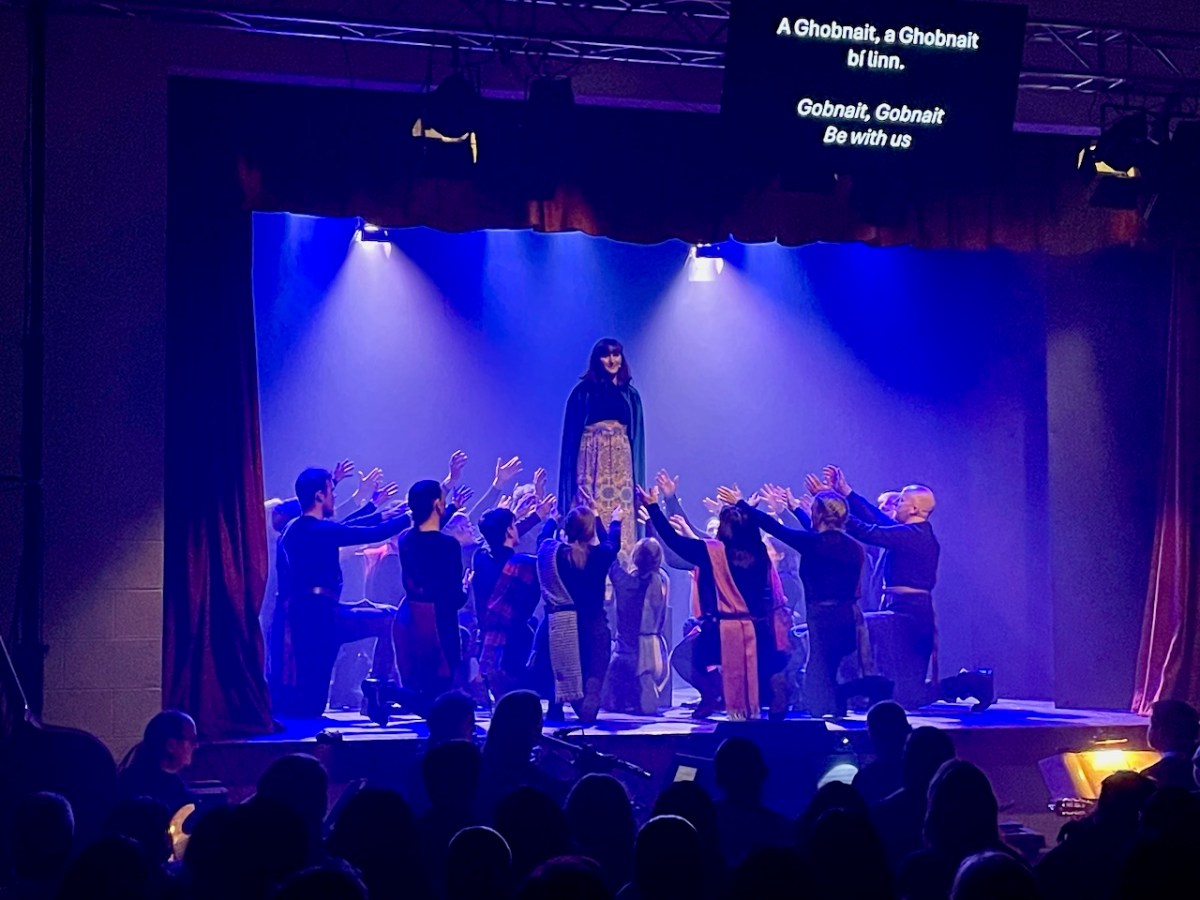
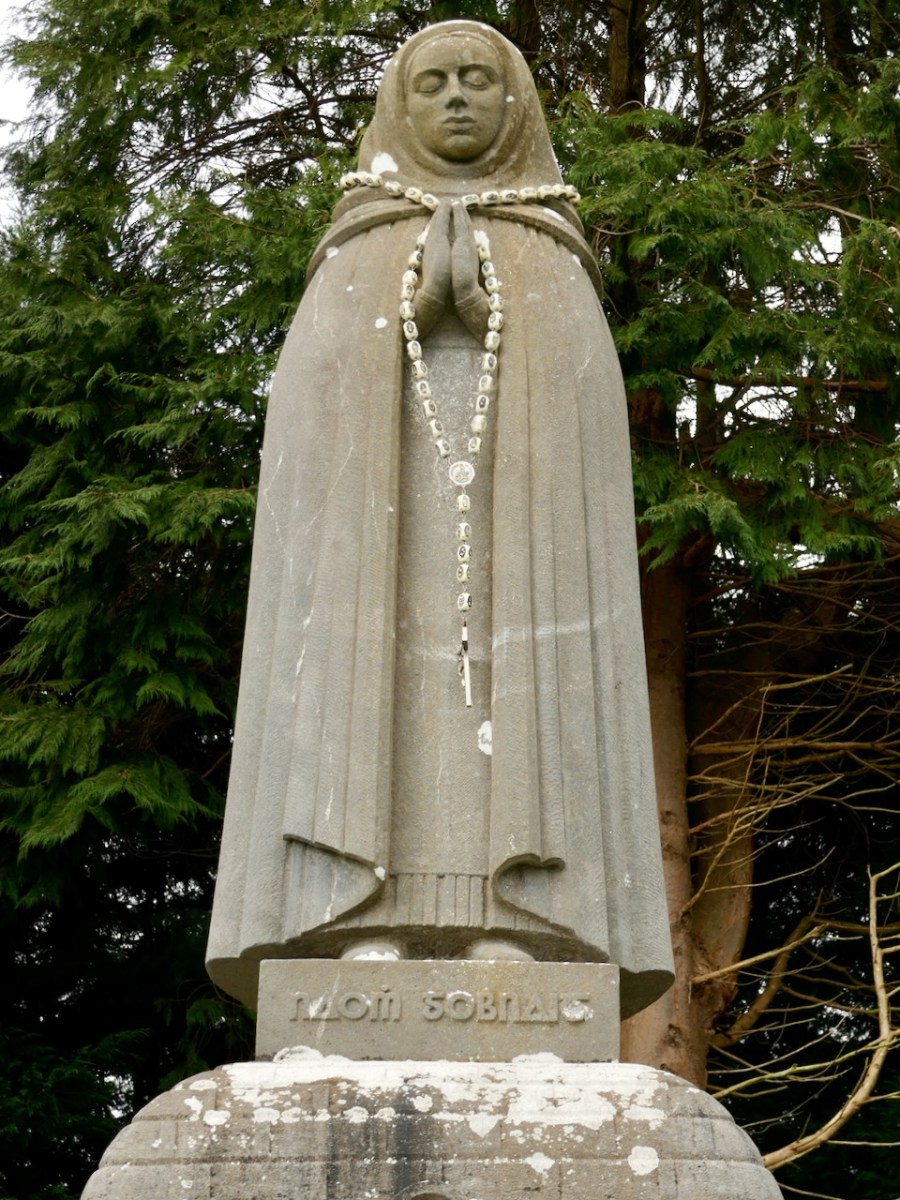
I loved how Gobnait’s costume in the second half was based on Seamus Murphy’s famlous statue of her at her holy well in Ballyvourney.
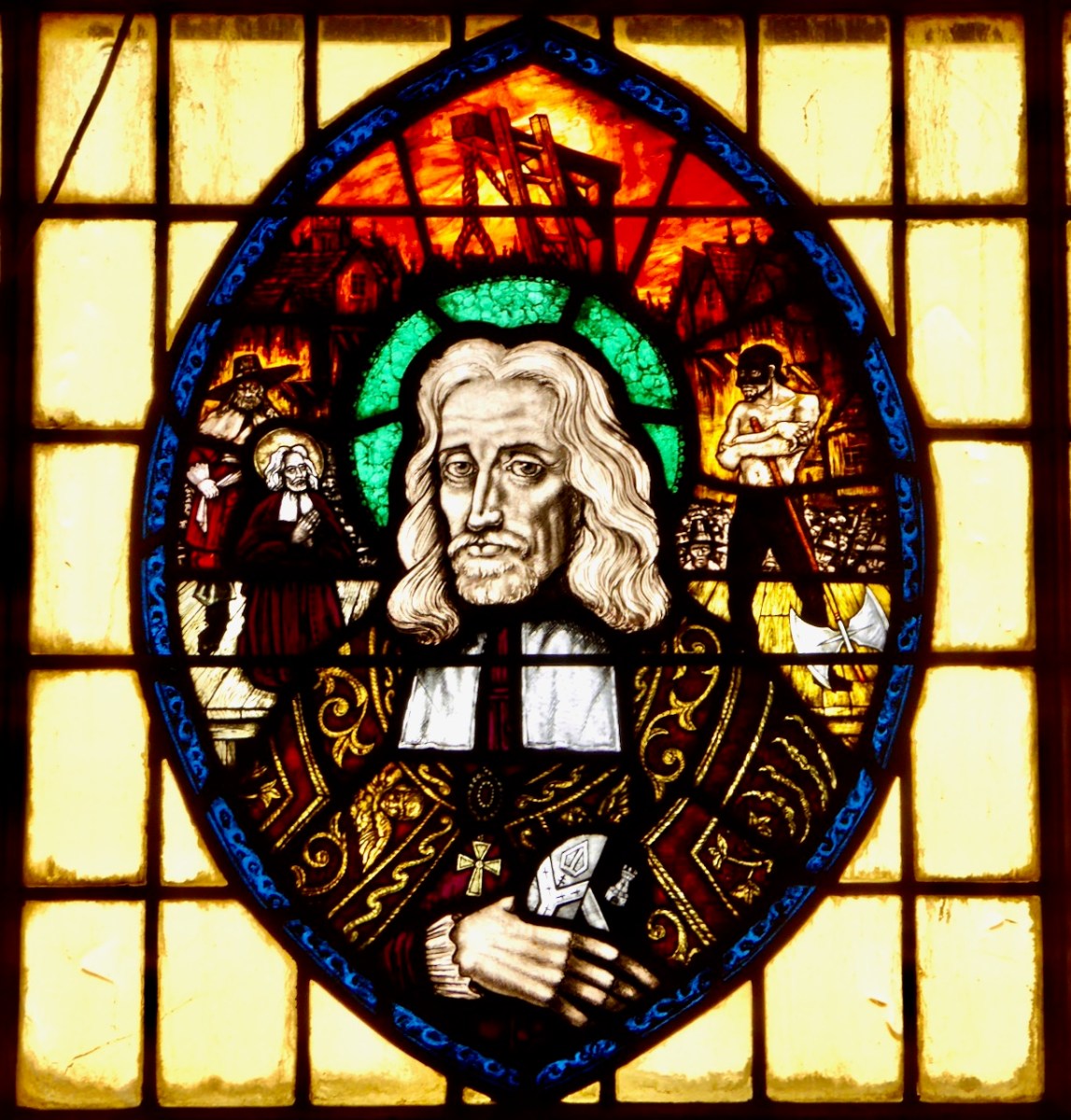
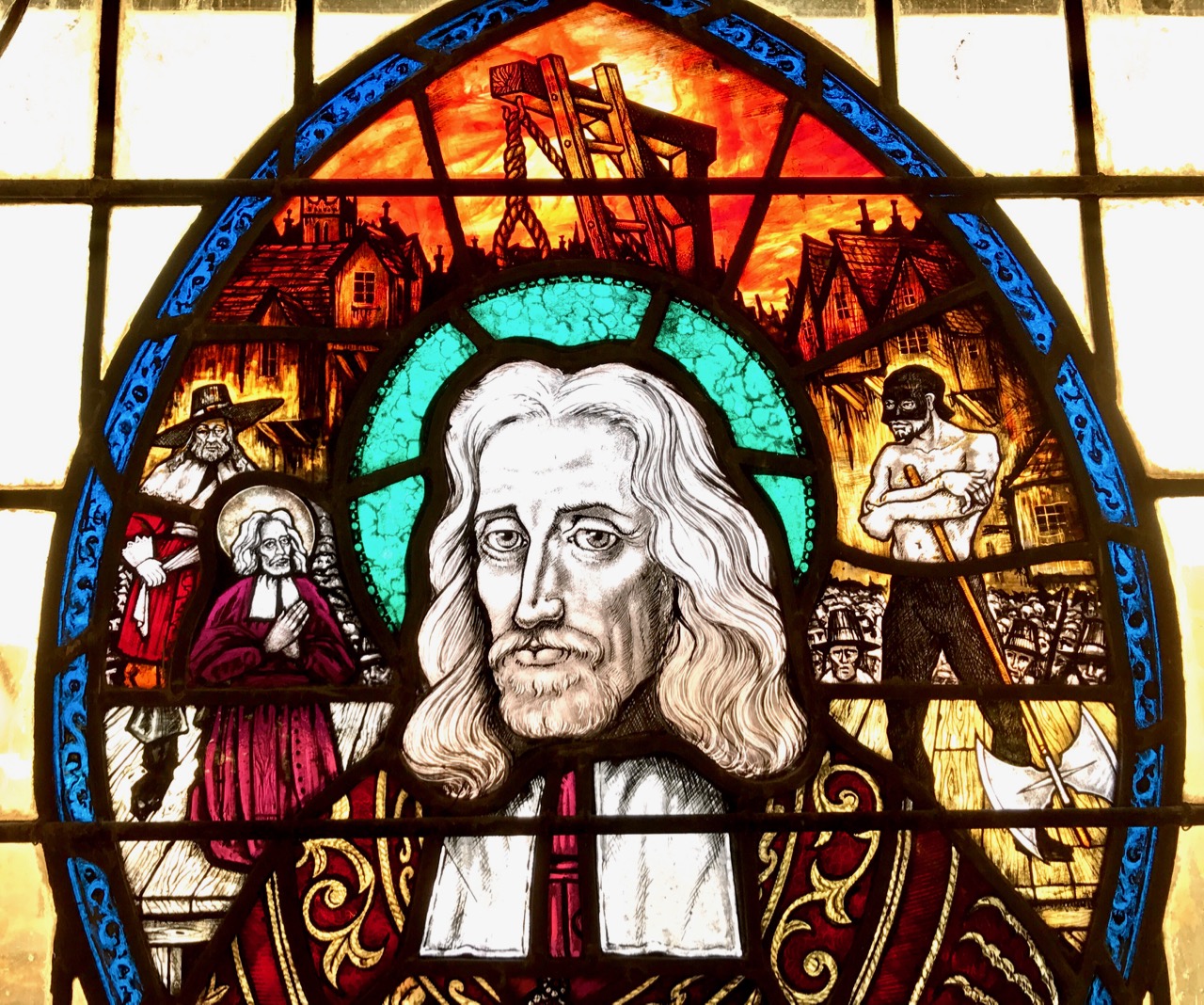
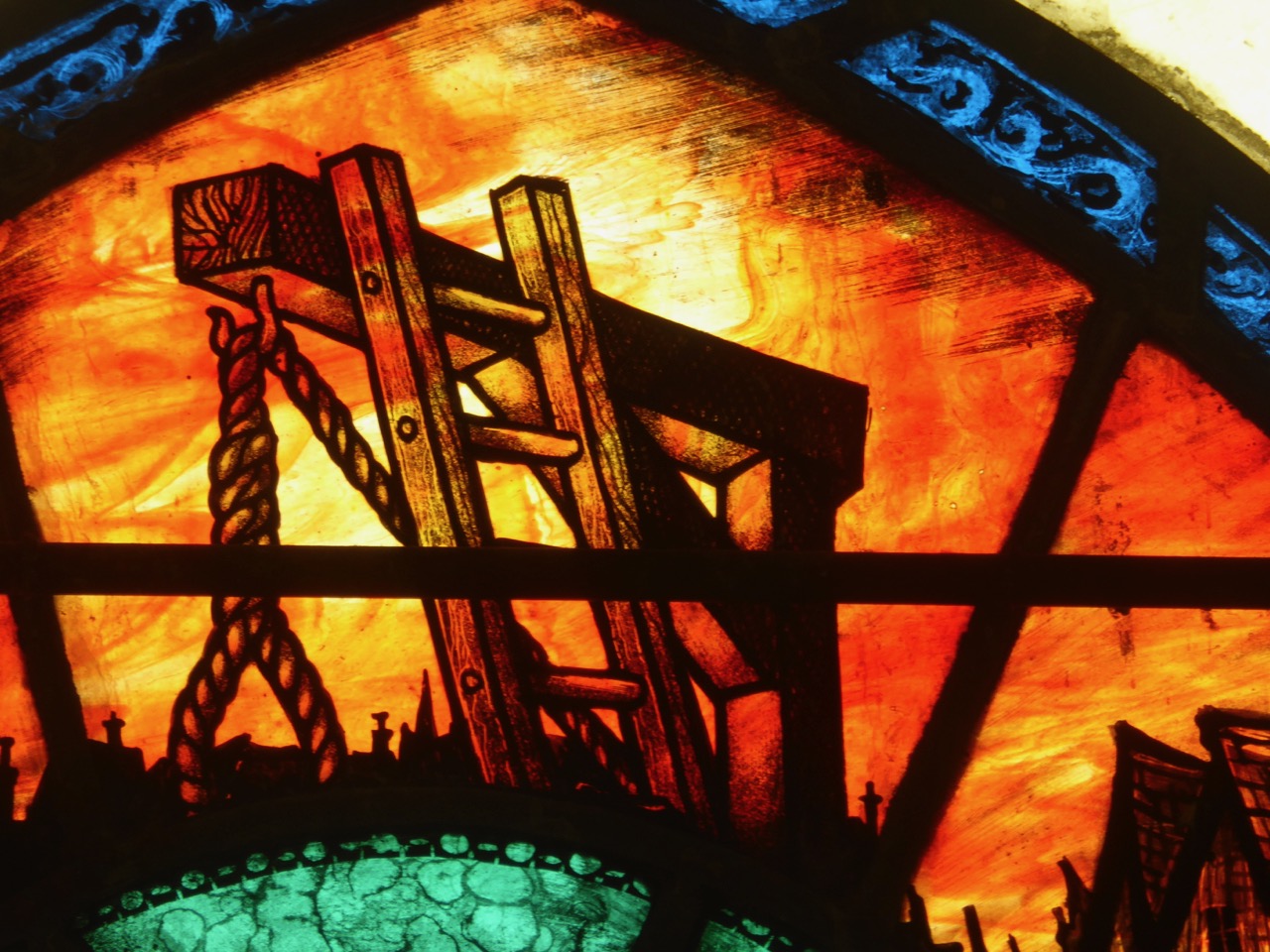
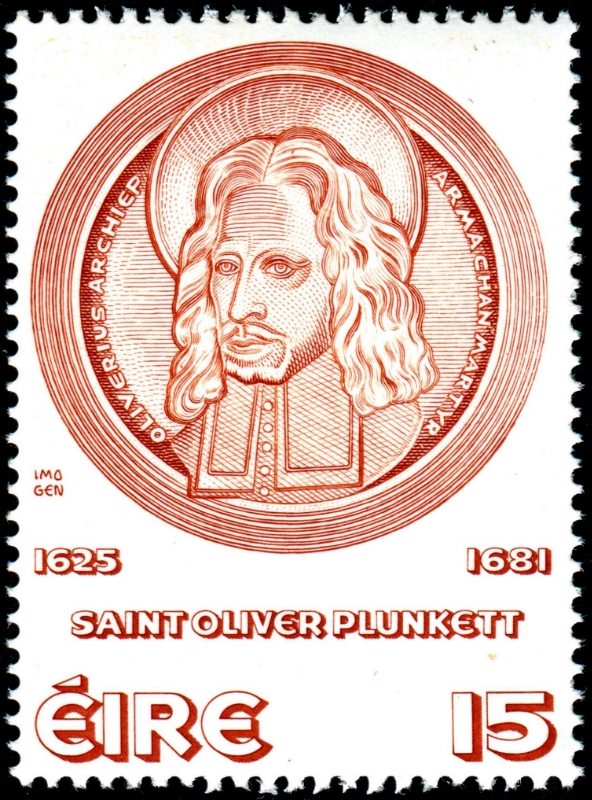
Having gone home and slept, I got in the car again this morning for another trip to Múscraí – this time to Inchigeelagh and to one of my favourite West Cork churches. Before I tell you about the trip, here are two reasons I like this church. The first is this little gem of St Oliver Plunkett. It’s the work of Kevin Kelly, of the Abbey Studios – and my photograph of it features on the front cover of a book! I haven’t got my copy of the book yet – it’s on its way.
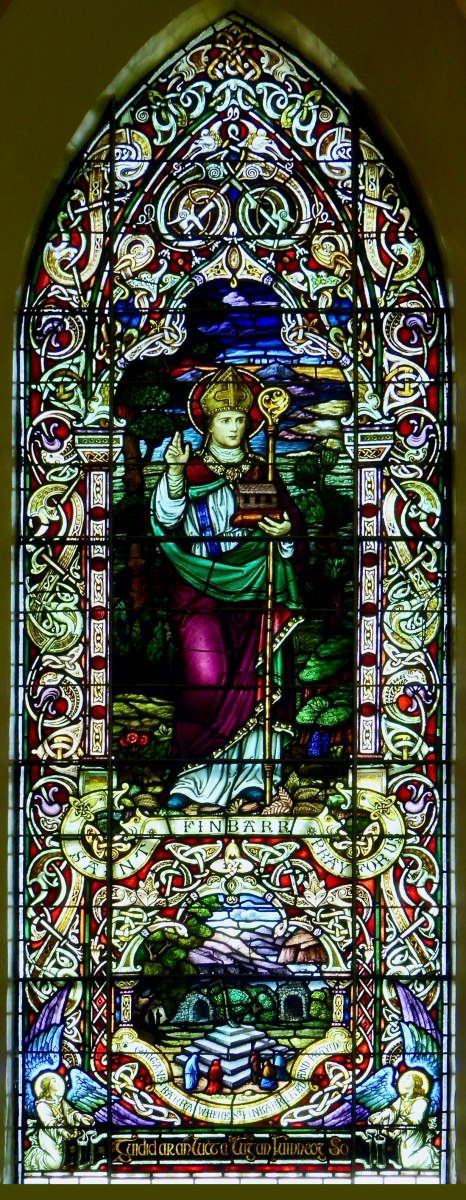
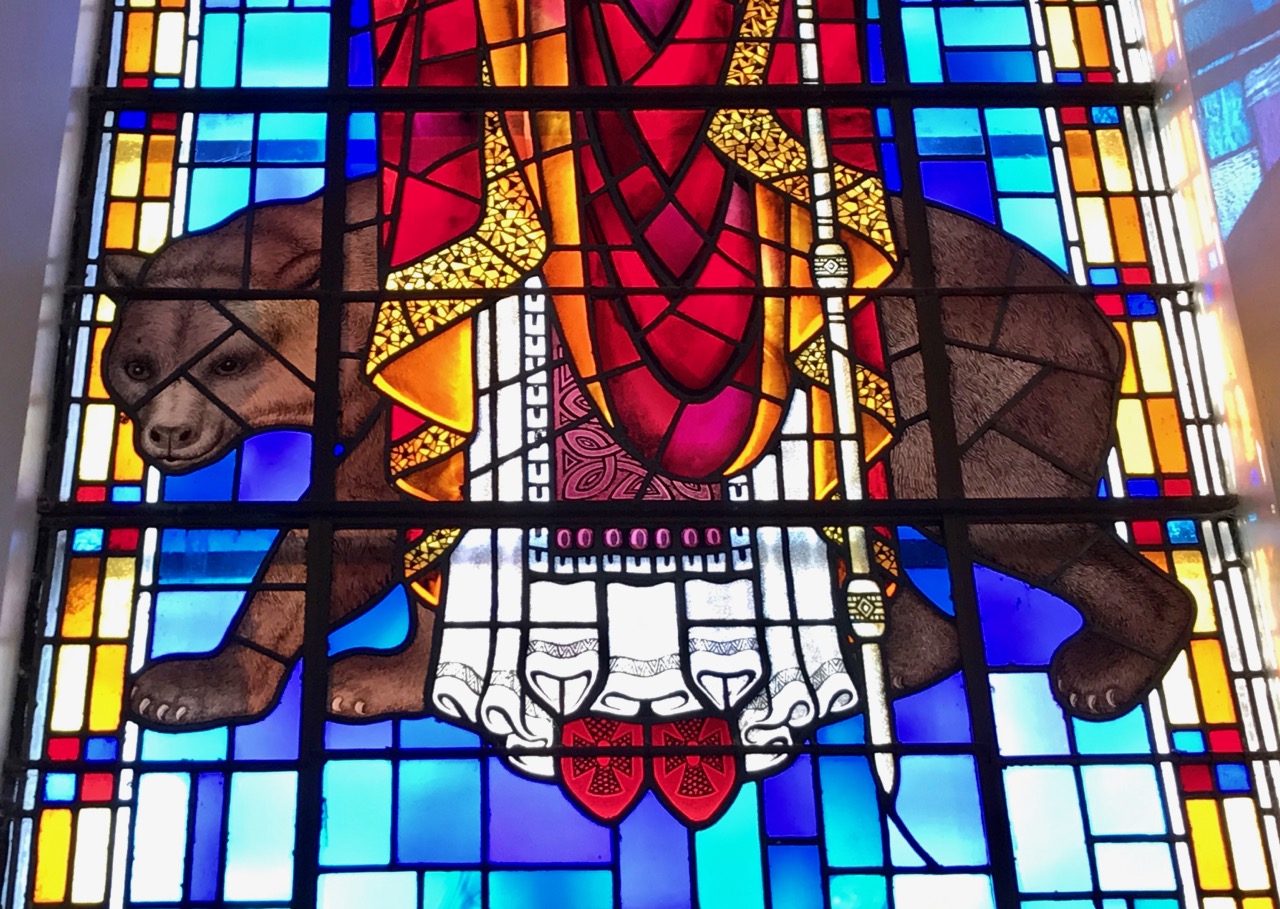
The second is this enormous and spectacular St Finbarr window – it’s an outstanding example of the Celtic Interlacing style that Watson of Youghal developed and perfected.
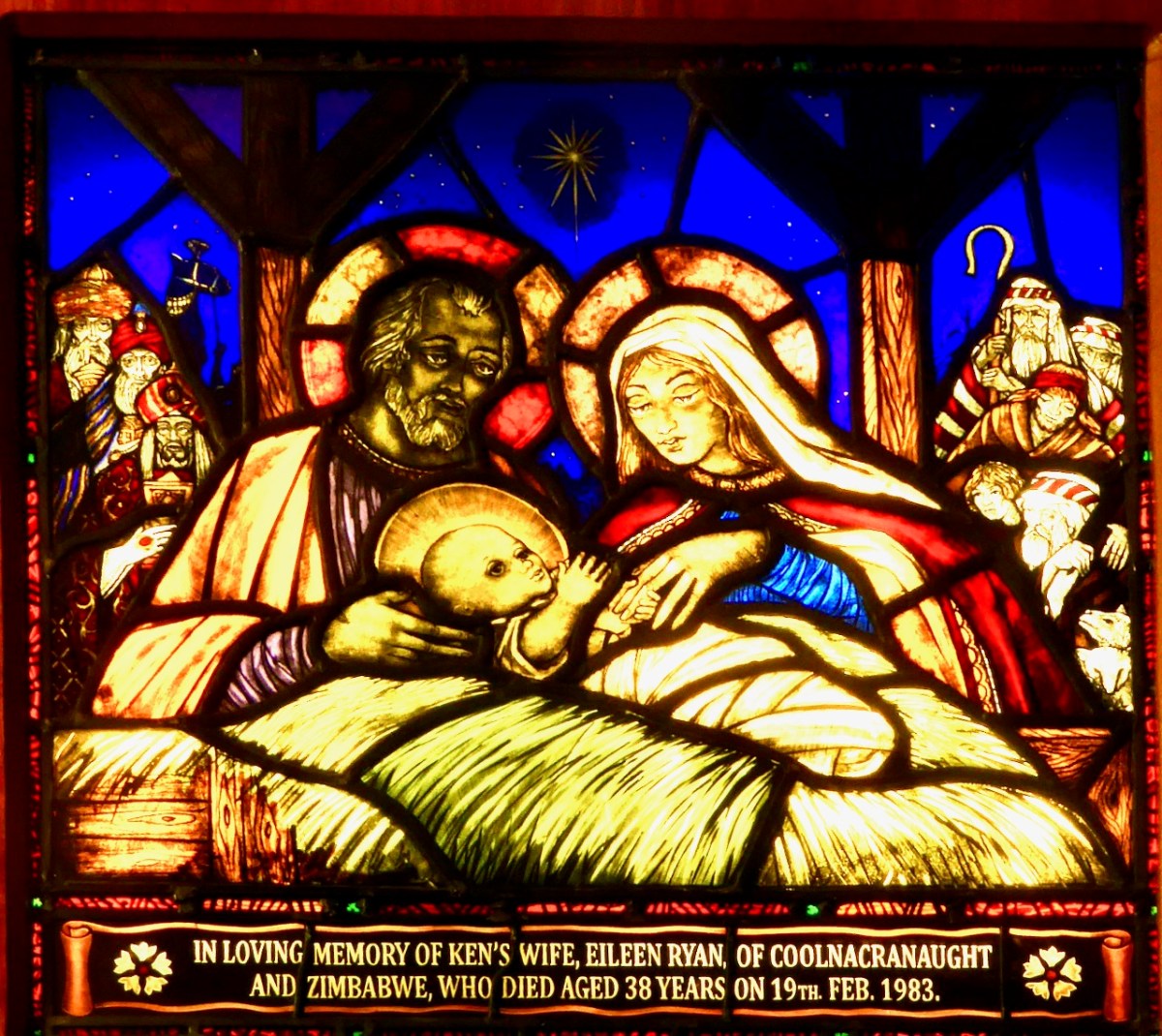
The purpose of my trip was to attend a mass in memory of Eileen Ryan. Eileen died in Zimbabwe, aged only 38, in 1983. and each year since, her husband Ken makes the journey from Dublin to attend the mass. Ken, a friend from the stained glass world (he’s the Chairman of Abbey Stained Glass Studios), had invited me to attend, since I live ‘nearby.’ I am so glad I did.
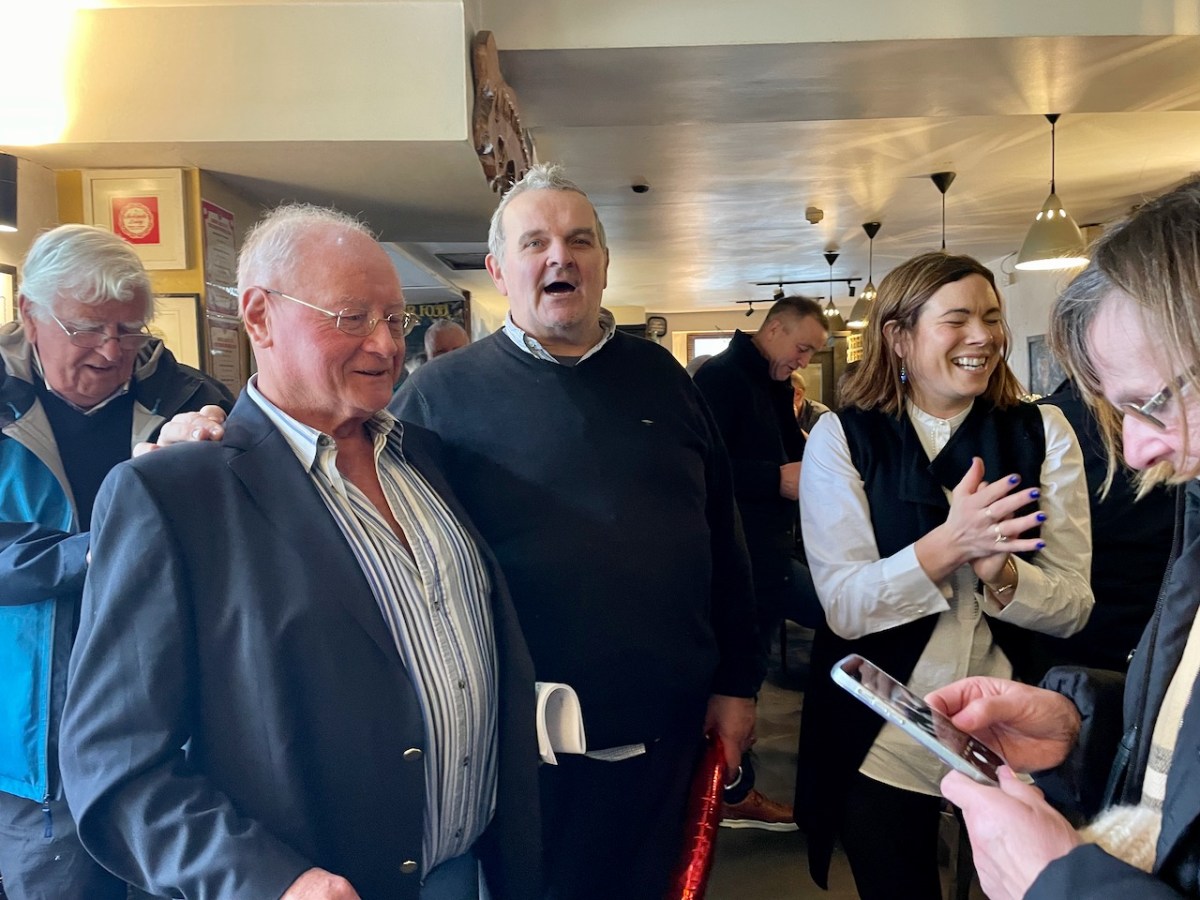
Y’know, you forget how life is lived and celebrated in rural Ireland – the ritual, followed by the release, the laughter, and food and the friendliness. As a total stranger, I was included in all of that – we were singing in a pub an hour after the mass ended, and eating delicious soup and brown bread and cake in a family member’s house an hour after that. I felt like I had made new friends – and have already promised to give a stained glass talk at their annual festival next year.




 Roaringwater Journal