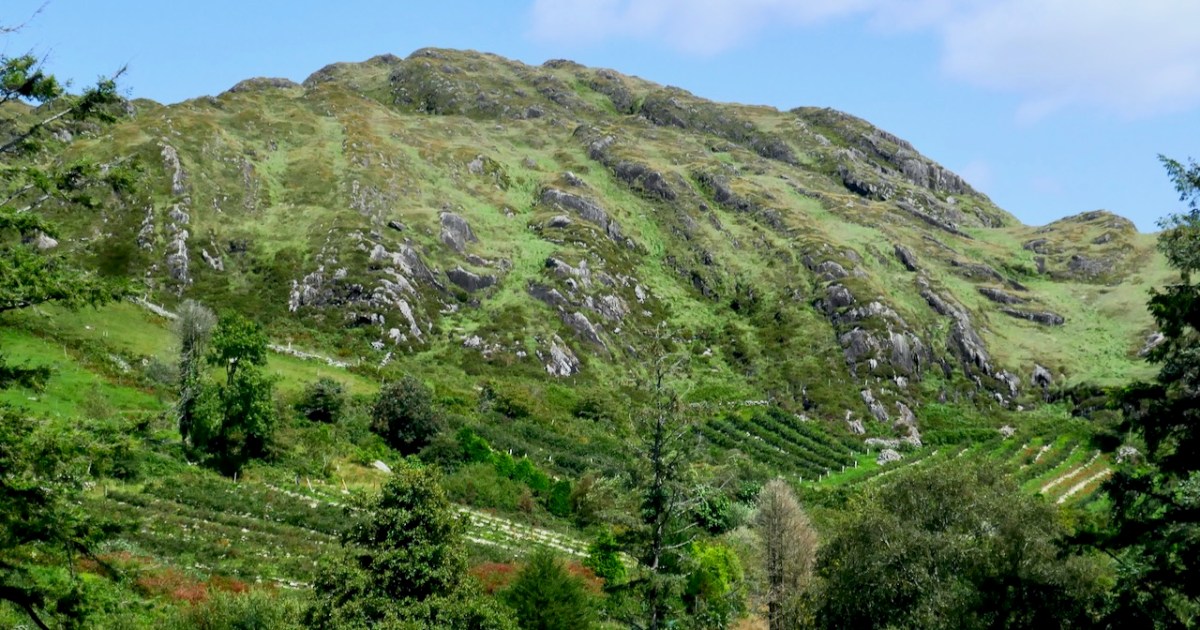
Last week I finally managed to make it to one of Derry Duff Farm’s open days – something I have been trying to do for a couple of years, ever since I started reading about what Steve and Claire Collins are accomplishing up in the mountains above Coomhola.
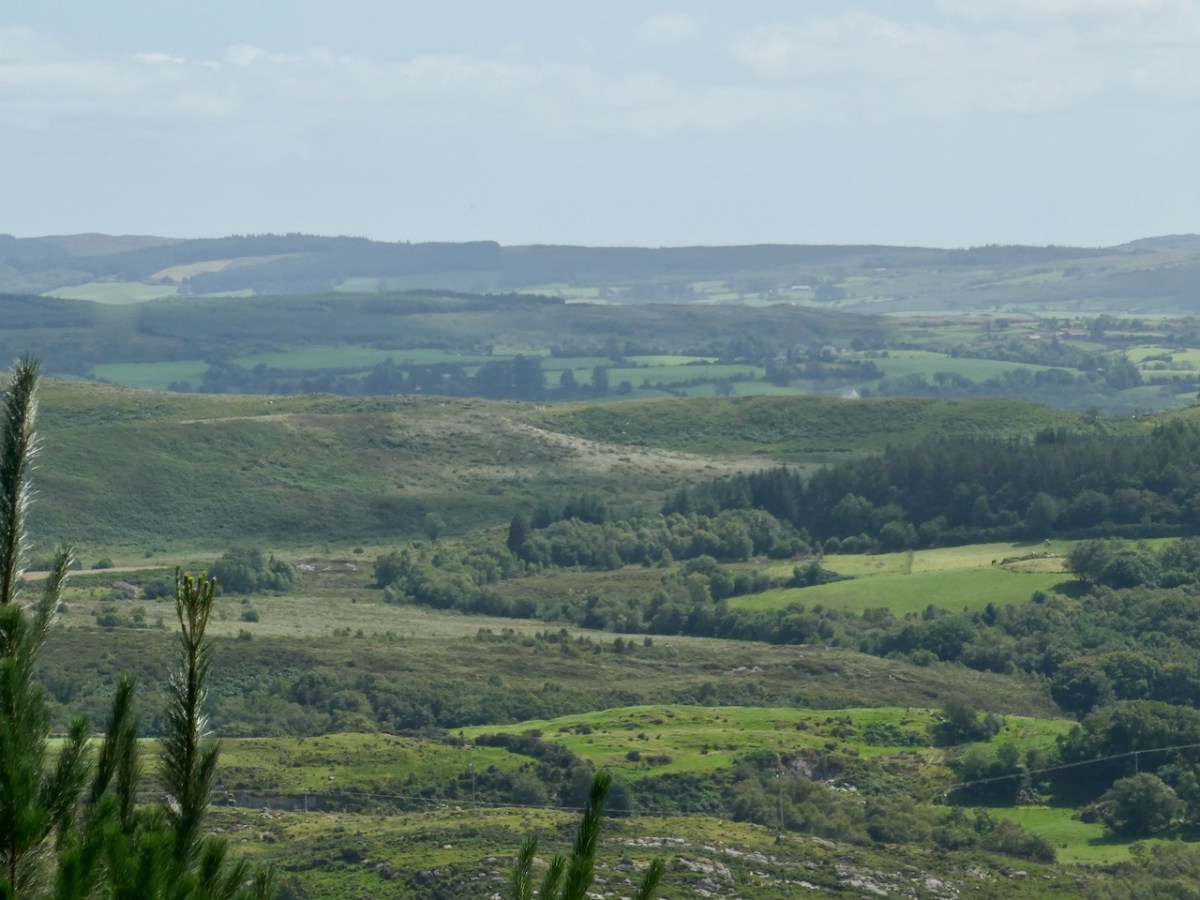
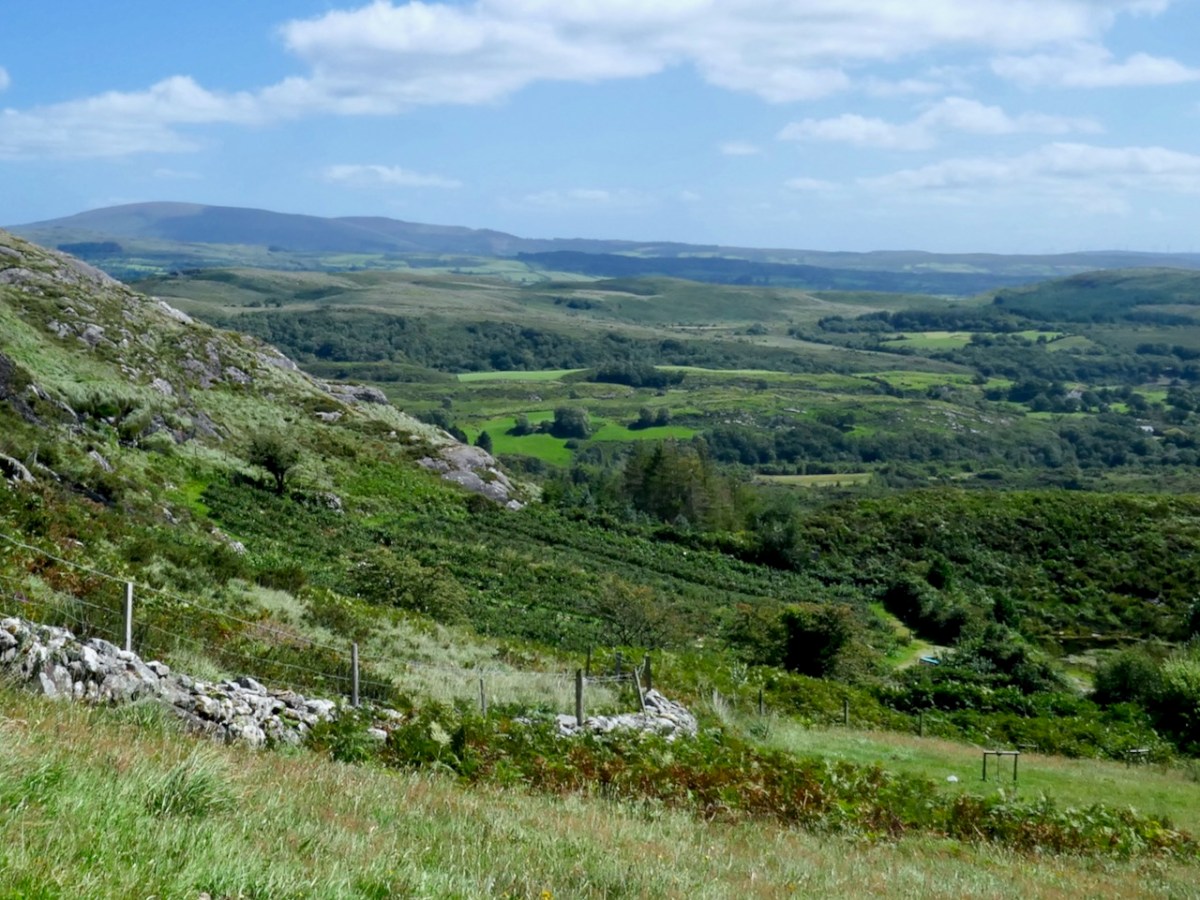
The first thing to know is that Derry Duff is one of the highest farms in West Cork, occupying very marginal land – the kind we mostly see being used as sheep range or simply covered in heather and fionnán grass. Certainly not the kind of location where you can imagine a thriving and productive berry farm.
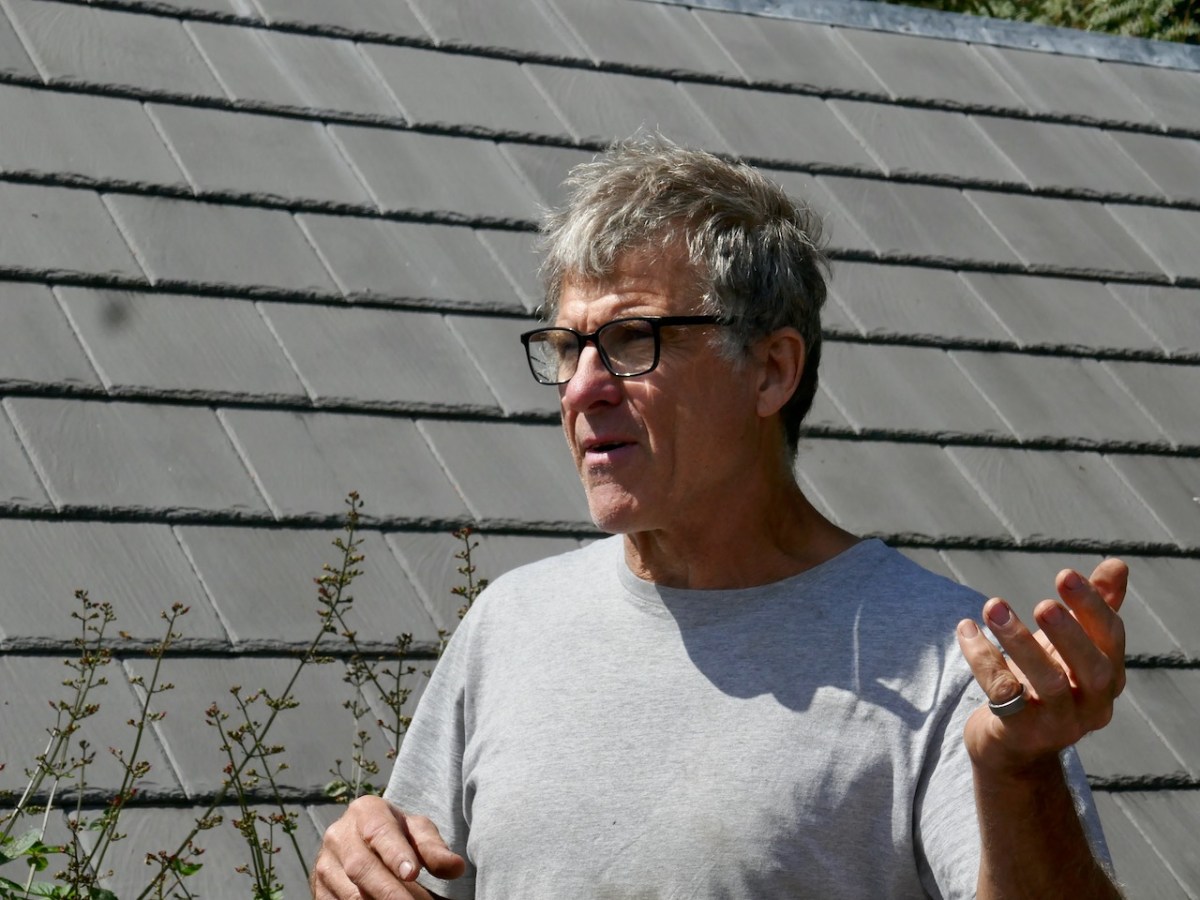
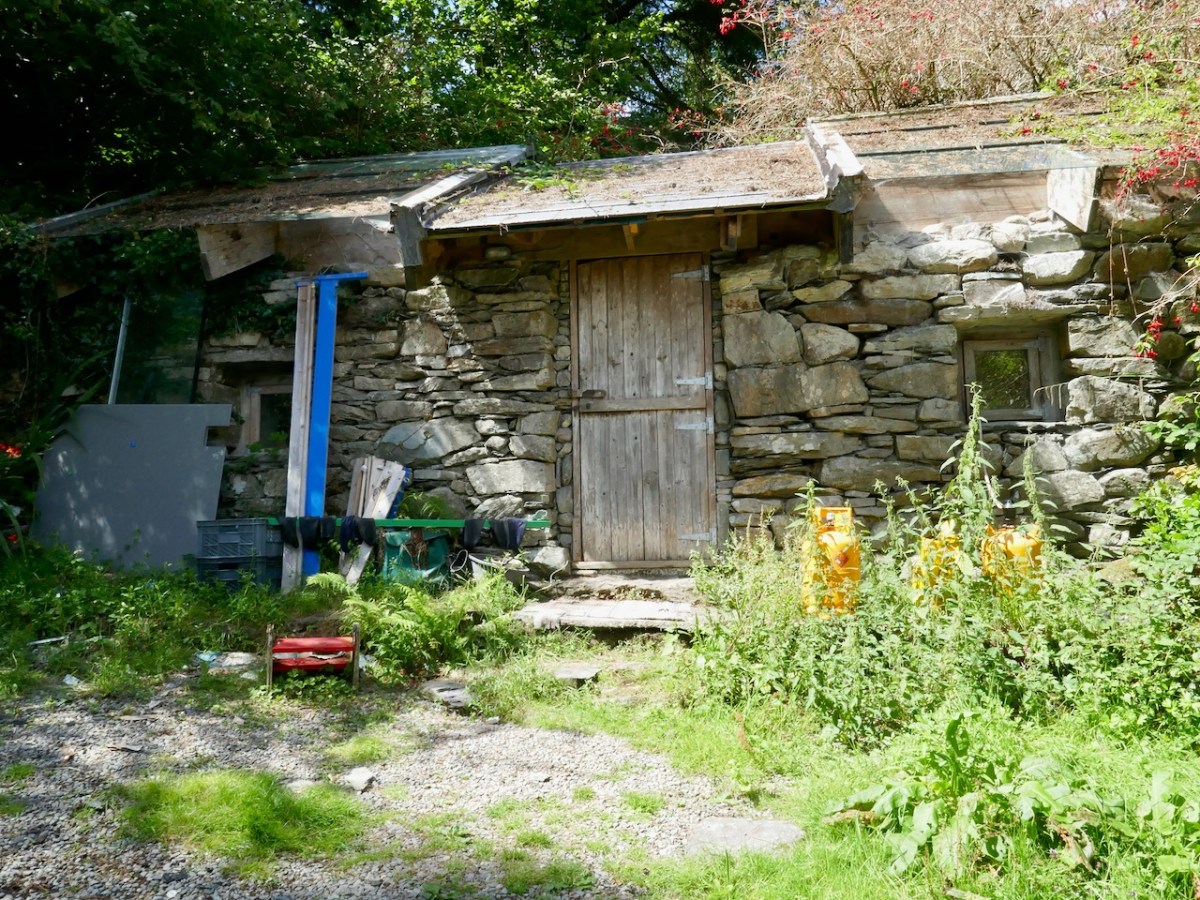
The second is that Steve Collins is a man on a mission. A highly-educated dynamo, he has spent his working life in the trenches of famine-stricken regions, teaching local people the value of diversifying their crops so that when one fails, they do not starve. There a lovely irony in this, as it is very likely that those who lived on this land in the mid-nineteenth century surely were victims of the Great Hunger, when the potato crop failed for several years in a row. The Derry Duff farm still has its old farm buildings to show how long people have been making a living on this mountain.
Steve is convinced that Ireland has fallen into a false sense of security, with our reliance on mono-cropped grass. In years when the price of silage and hay soar, as they do, or when feed is scarce (remember the fodder crisis of two years ago?), cattle and dairy farming become precarious. He set out to see what he could grow that could make money, was not vulnerable to rainfall and climate change, was ecologically sound, and which helped to drive diversity.
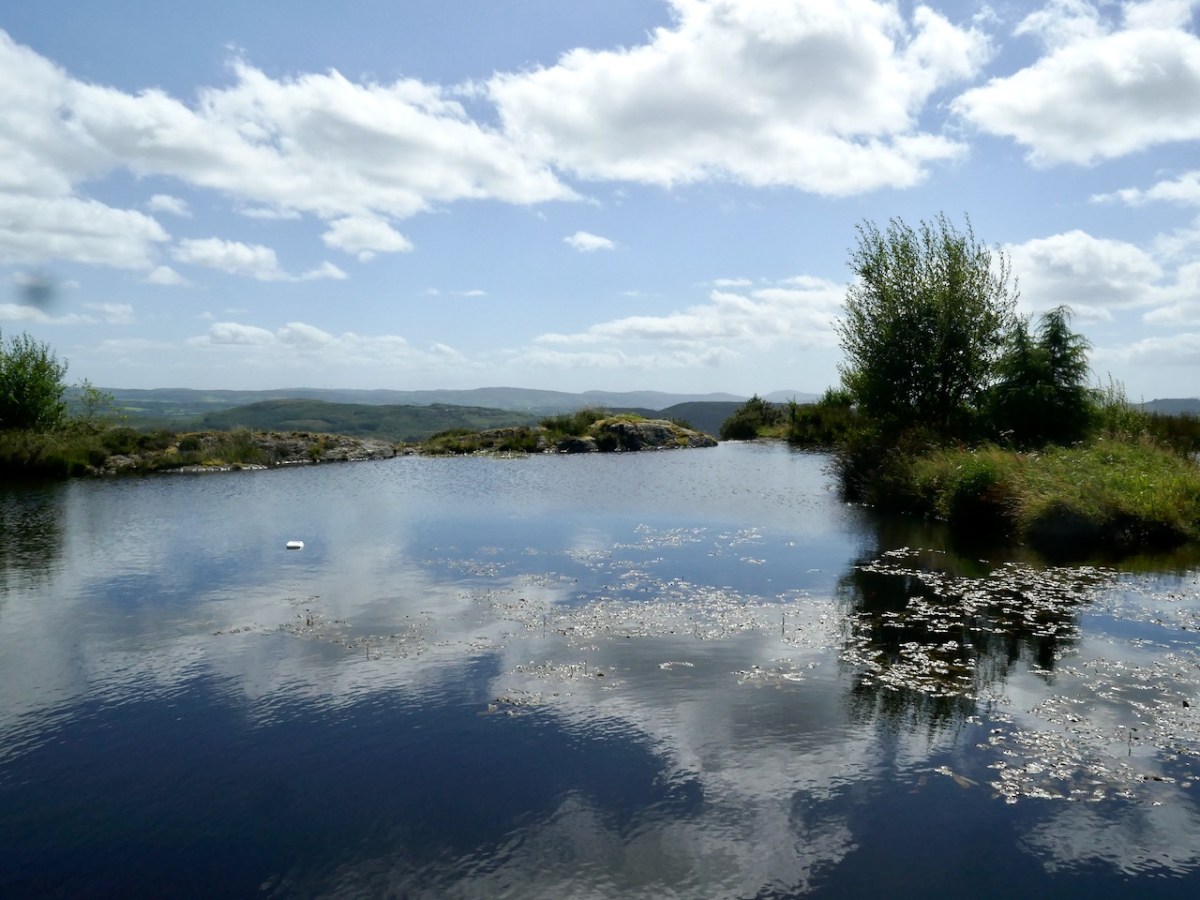
Along the way there has been experimenting, and not everything has been successful (anyone for Irish walnuts?), but he has landed now on two main cash crops – blueberries and aronia berries – and a huge variety of fruit trees and vegetables that are grown mainly for themselves.
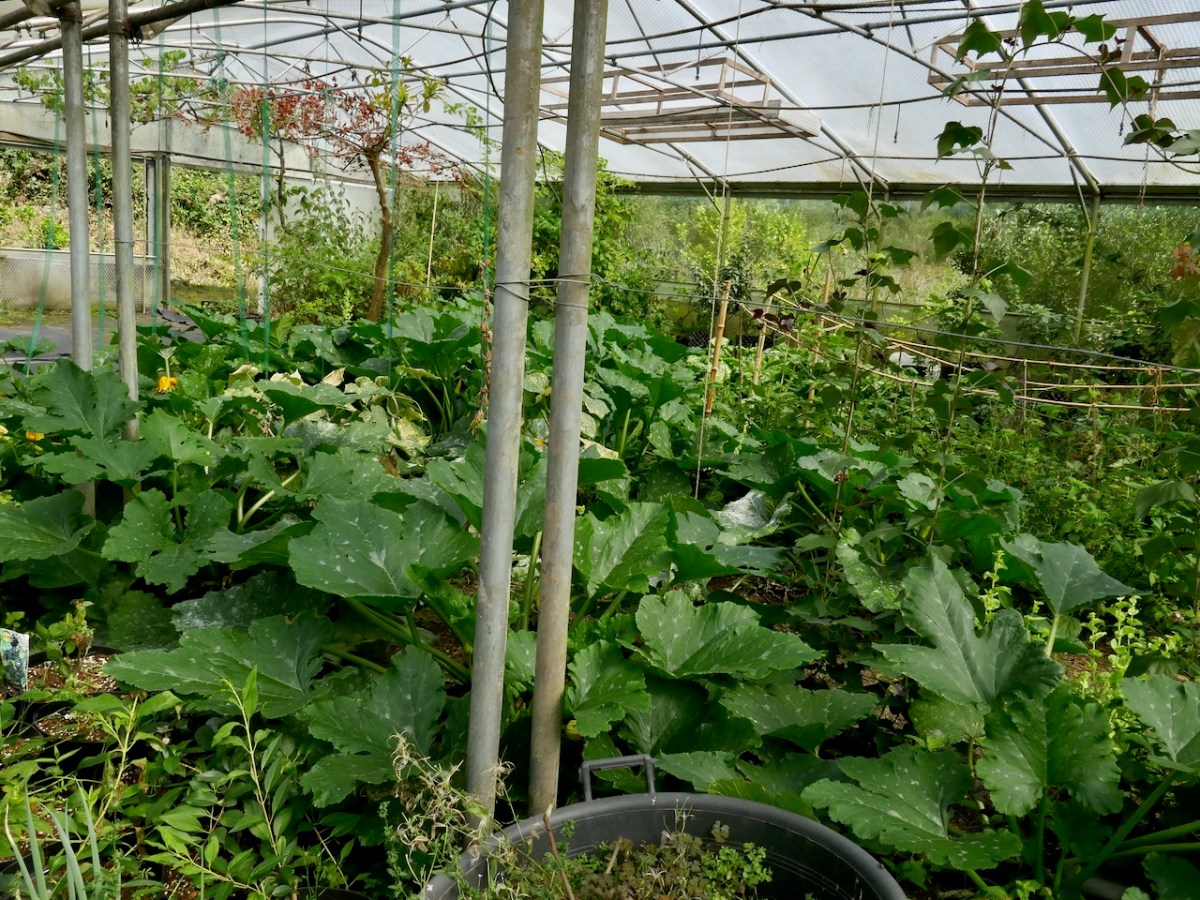
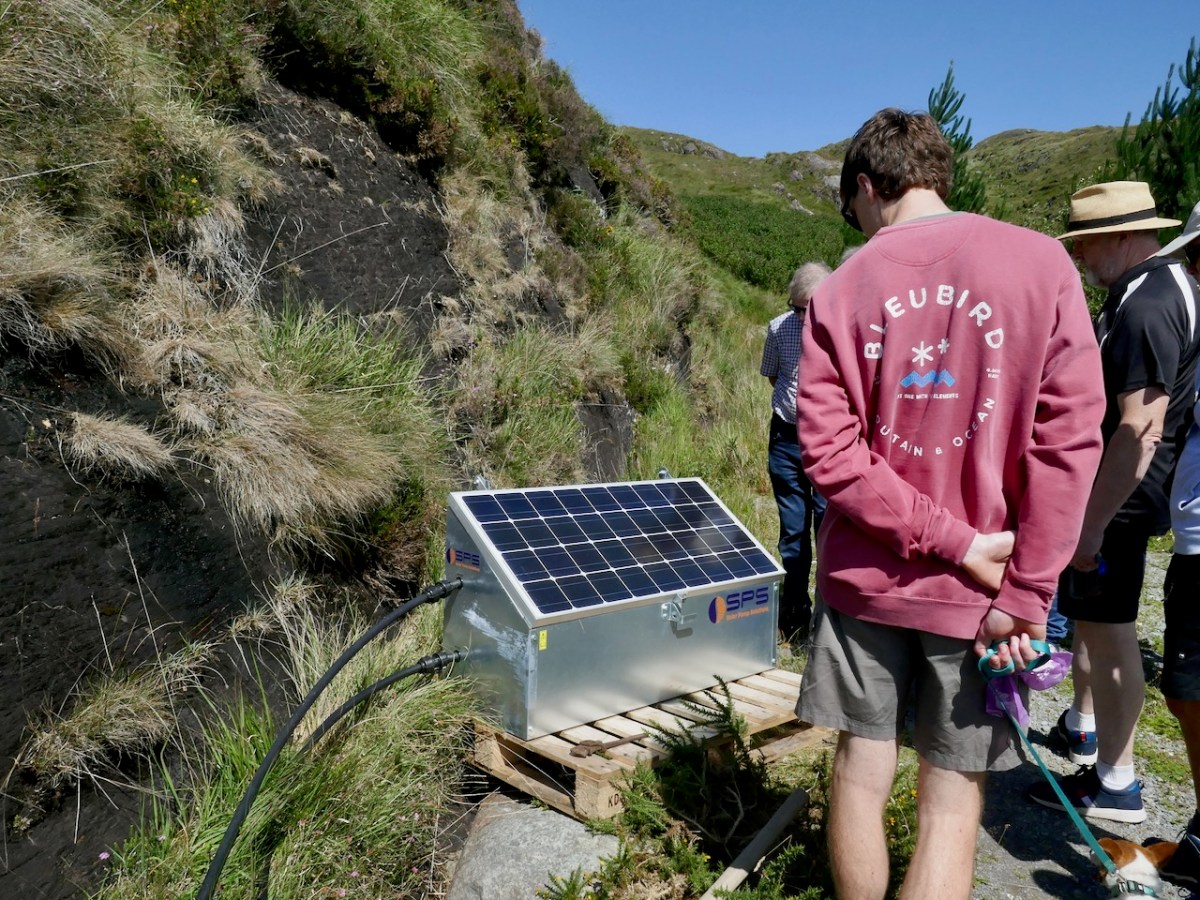
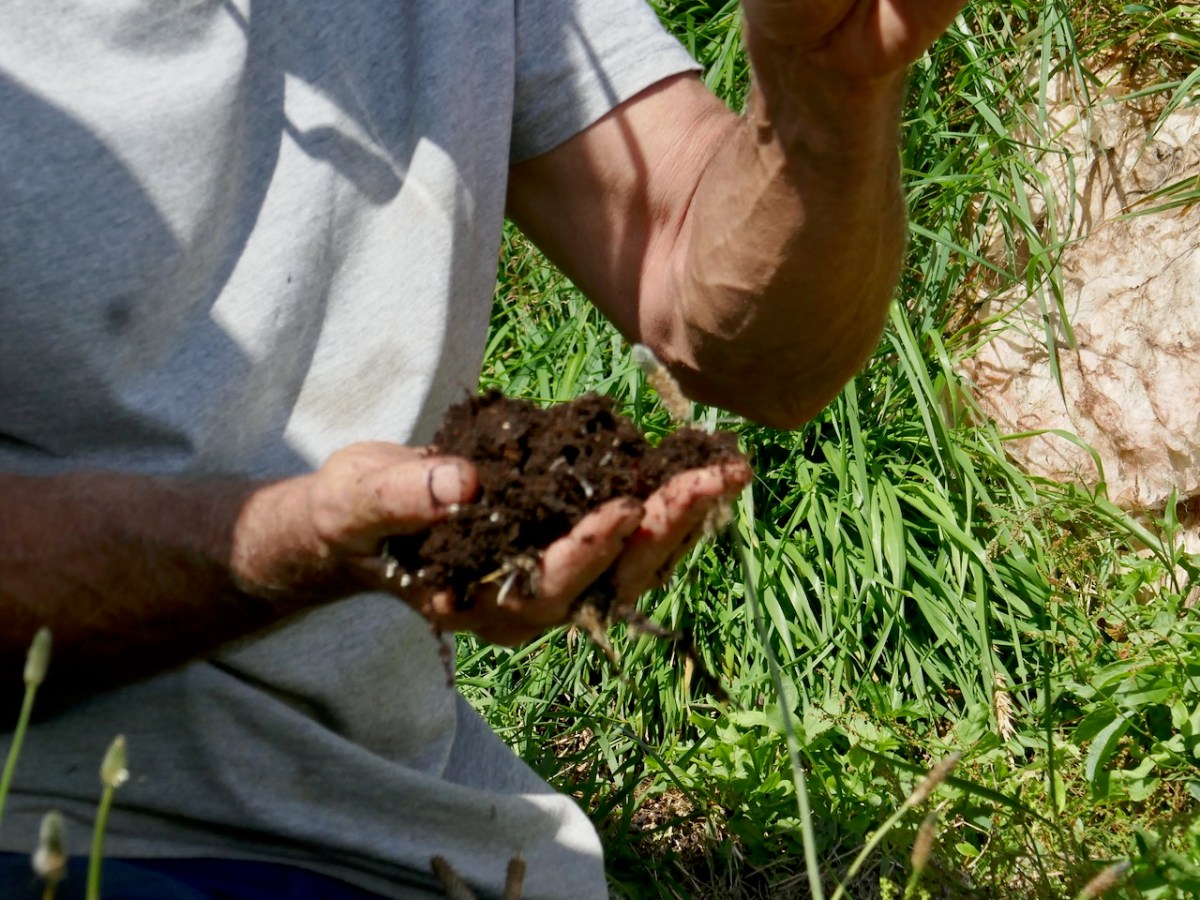
The farm is very impressive indeed. Steve has harnessed streams from the mountain, and dug ponds, and using solar-powered pumps, has a steady supply of water. He ‘grows’ his own soil using compost, wood chips and sheeps’ wool, which produces earth at the right Ph level for the crops he plants.
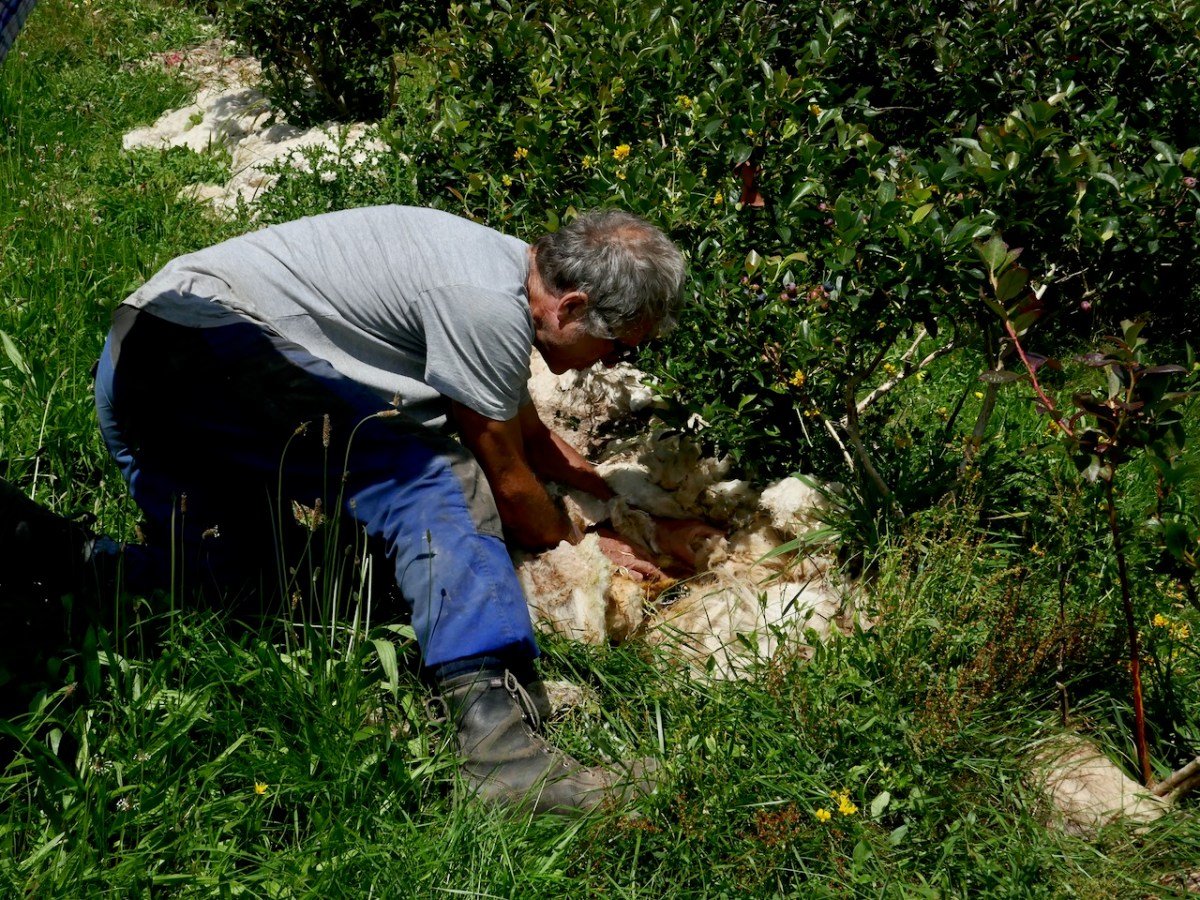
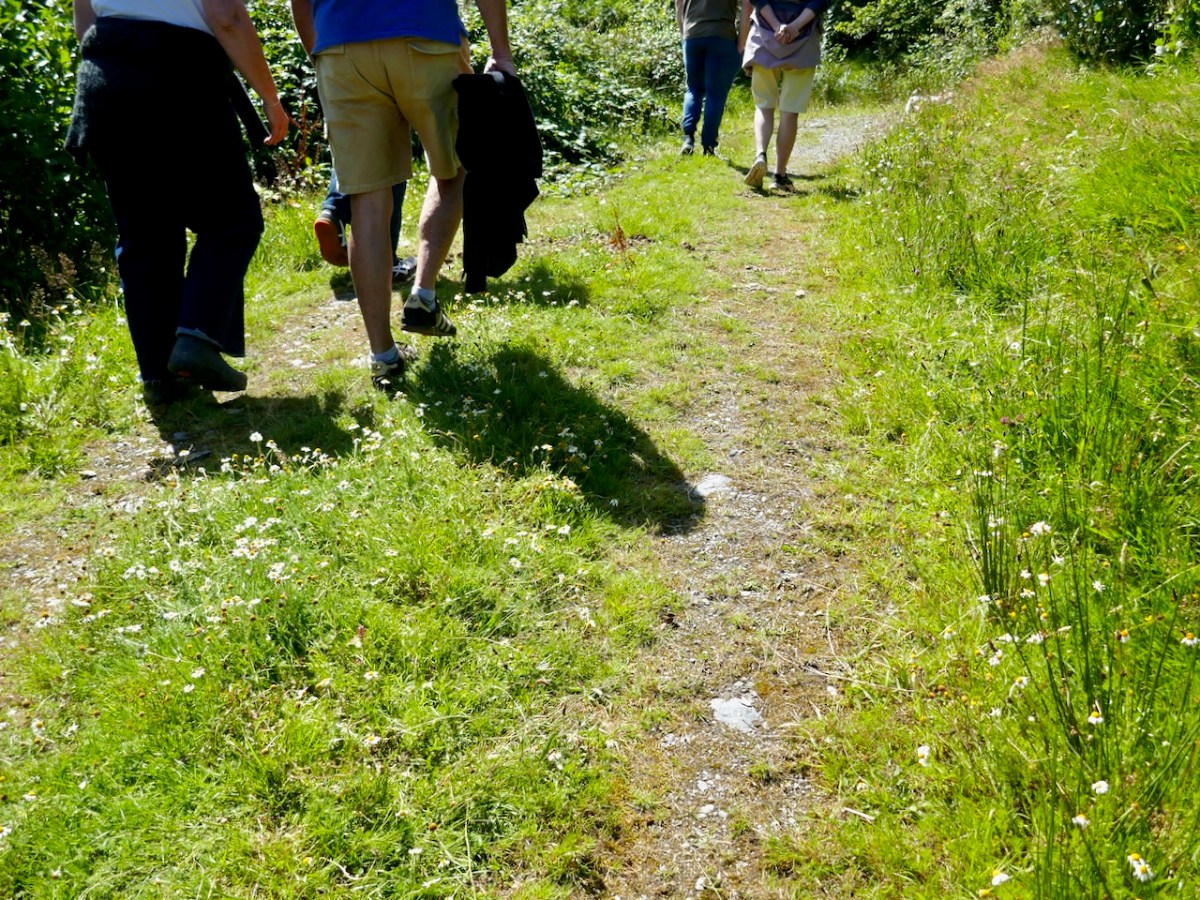
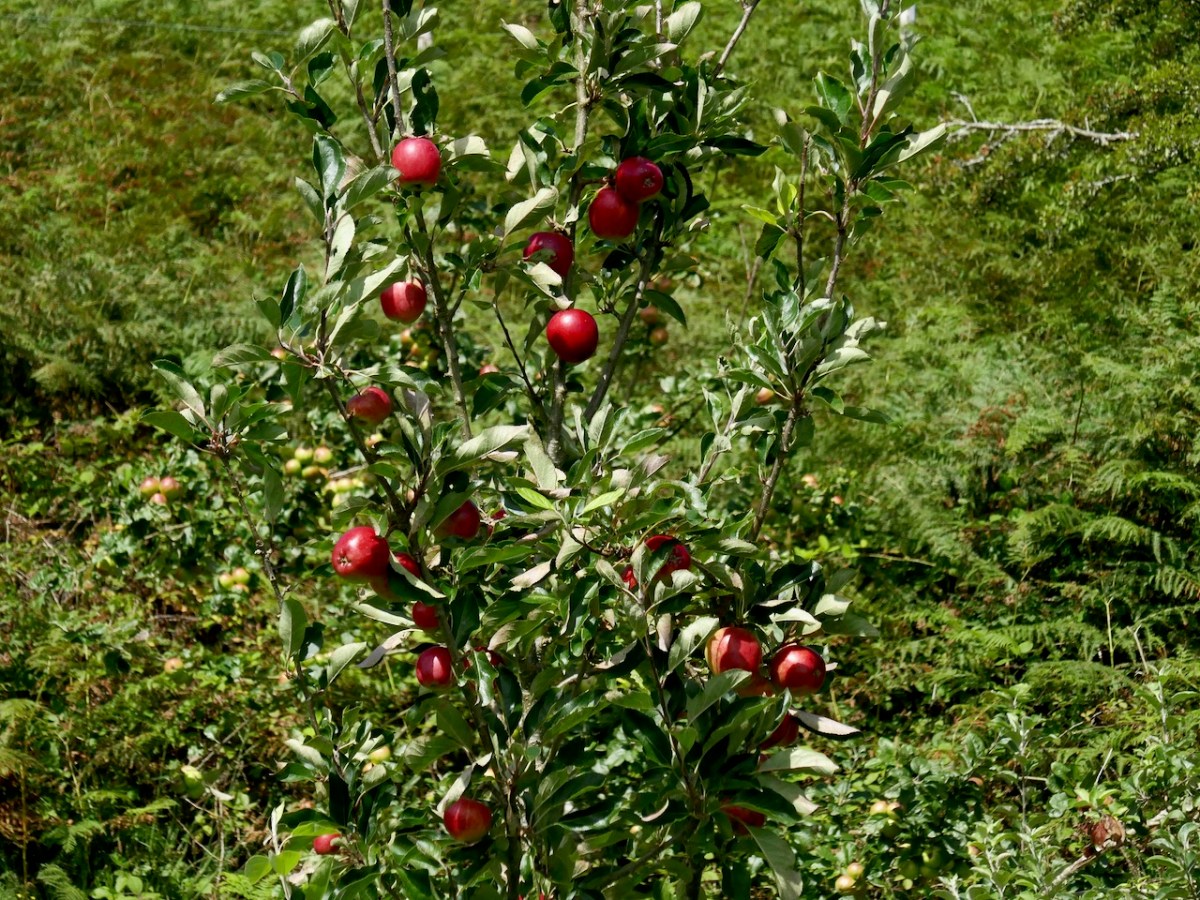
The paths that wend through the growing areas (you can’t really call them fields) are fragrant with chamomile, and at this time of year loaded with blackberries, heather, meadowsweet and cat’s-ear. The impression is of a living hillside, bursting with life. Apple trees grow all over the place, hens cluck here and there, and many different tree species have space to see if they can flourish at this altitude and in this climate.
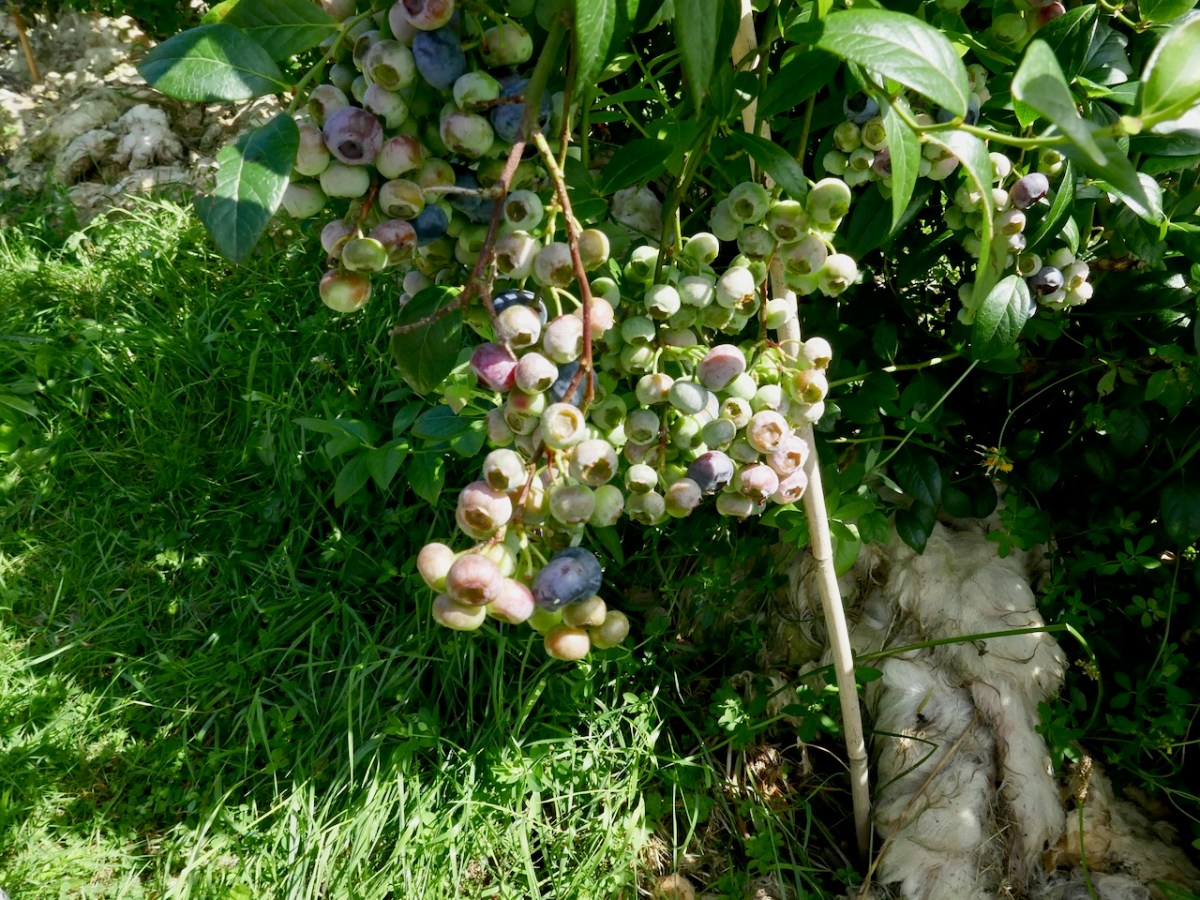
To eat a fresh Derry Duff blueberry (you can buy them at select stores locally) is to rediscover what a blueberry is supposed to taste like – large, juicy, sweet and substantial. It’s a labour intensive crop but there are picking machines which may be part of the process at some point. They were just ripening for our visit.
Aronia berries are new to us here in Ireland. A north American native, they have the highest level of polyphenols of any plant or vegetable.
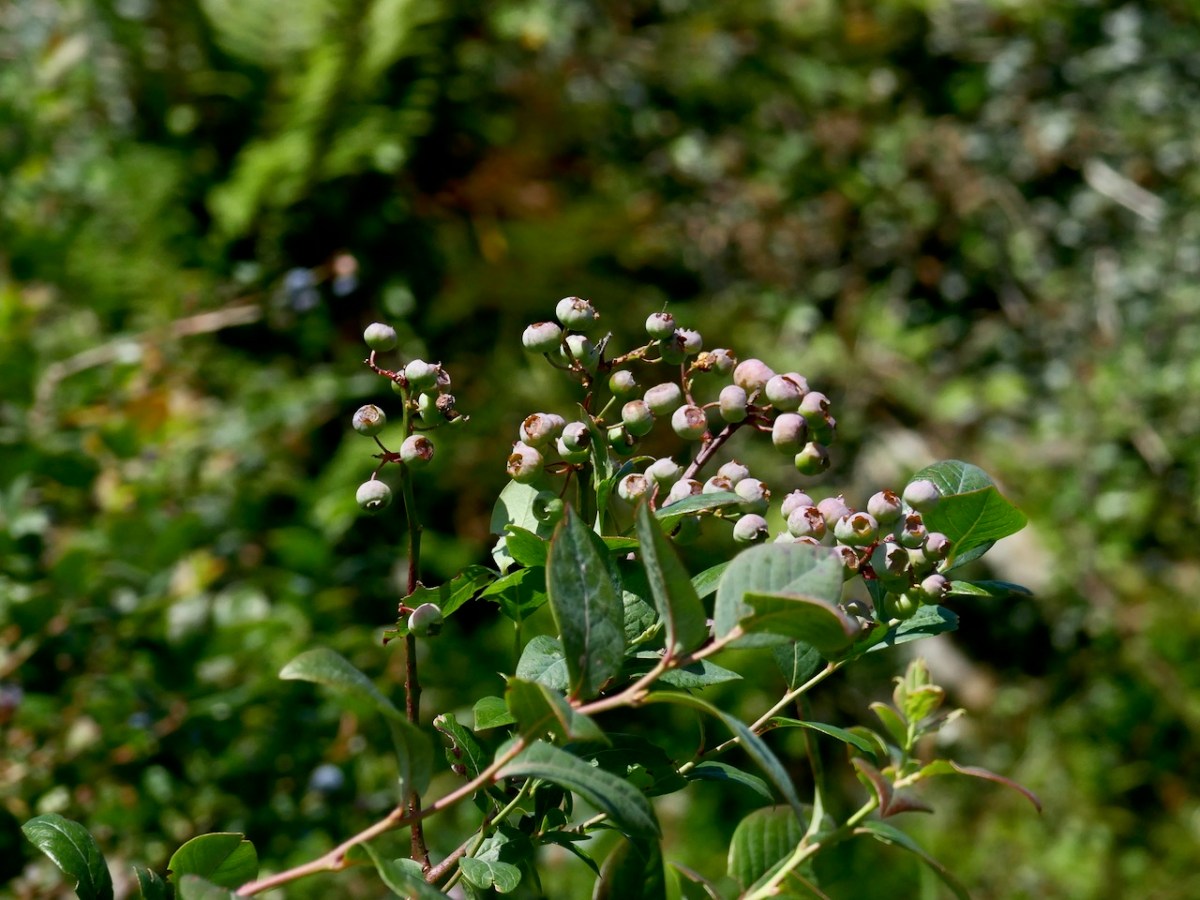
Here’s the information from the Derry Duff website:
These benefits come from four distinct but inter related mechanisms; their ability to improve glucose metabolism; their positive effects on the microbiome; their anti-inflammatory properties; and their antioxidant power. Research shows they can prevent metabolic syndrome; the combination of central obesity, high blood pressure, diabetes or pre-diabetes and deranged blood fats; the greatest source of chronic ill health in Ireland and the developed world.
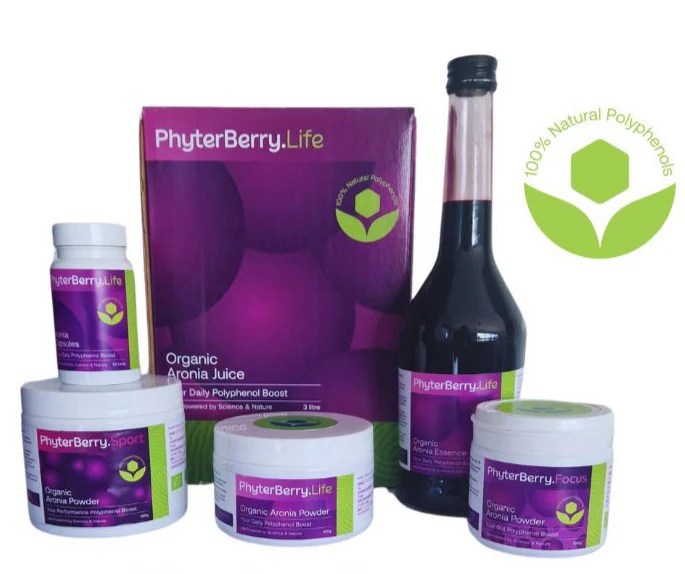
I came home with a large box of aronia juice, and I’ve been working my way through it. I like it – it’s not too sweet and tastes great mixed with some sparkling water. As regular readers know, I had Covid last week and I do wonder if the aronia juice got me back on my feet sooner than I might have without it. I remember feeling tired and listless for ages after my last bout of Covid and I seemed to bounce back more quickly this time. But of course that’s an anecdote (or a scientific survey with a population of one) and for the real science behind aronia, you can take a look at all the evidence here.
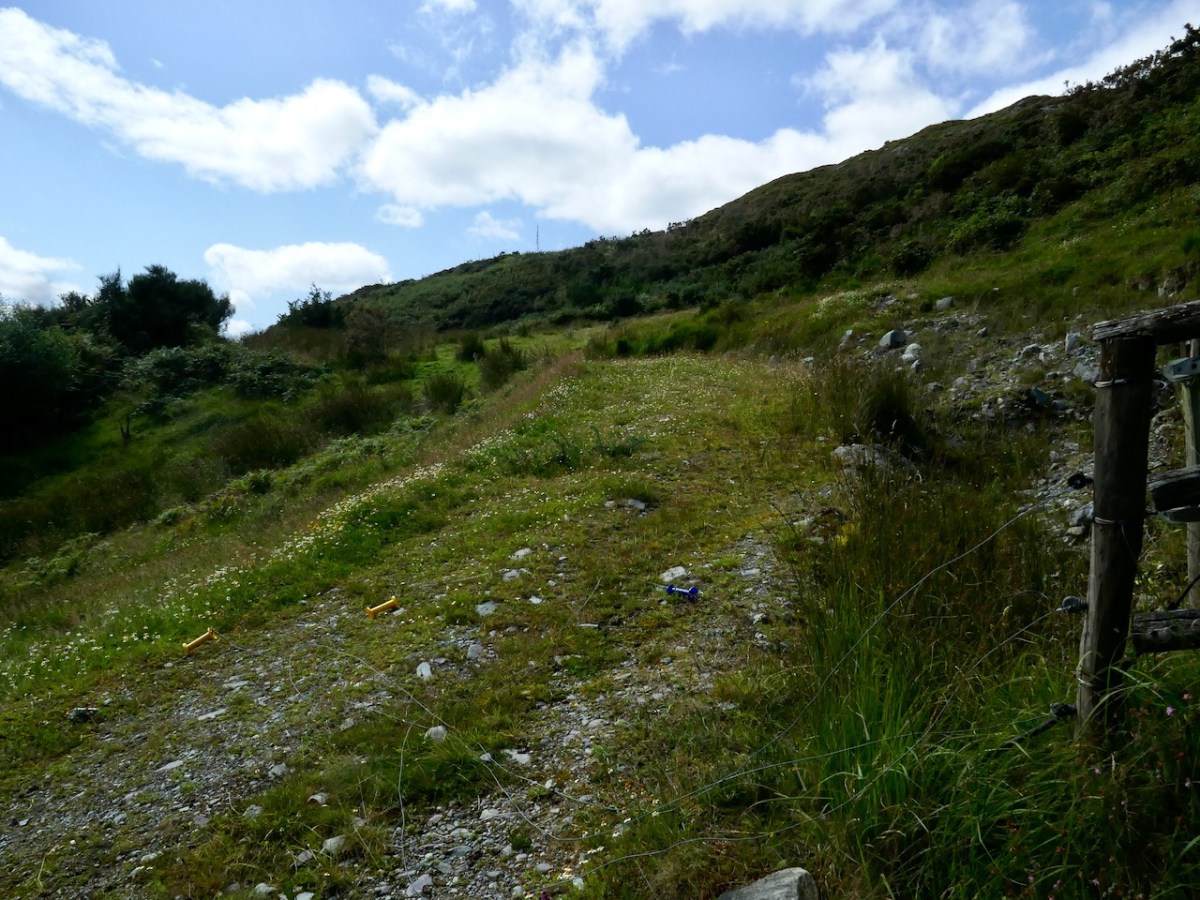
I came away from Derry Duff with a sense of awe that Steve and Claire and their family have taken on a challenge like this – to take a piece of marginal Irish hillside and turn it into a small miracle of abundance and fertility. Oh and by the way, up there ranging over the hills is also a small herd of Dexter cattle. The emphasis is on sustainability and biodiversity. Nothing is wasted and everything they do addresses their aim, to live in harmony with the hills.
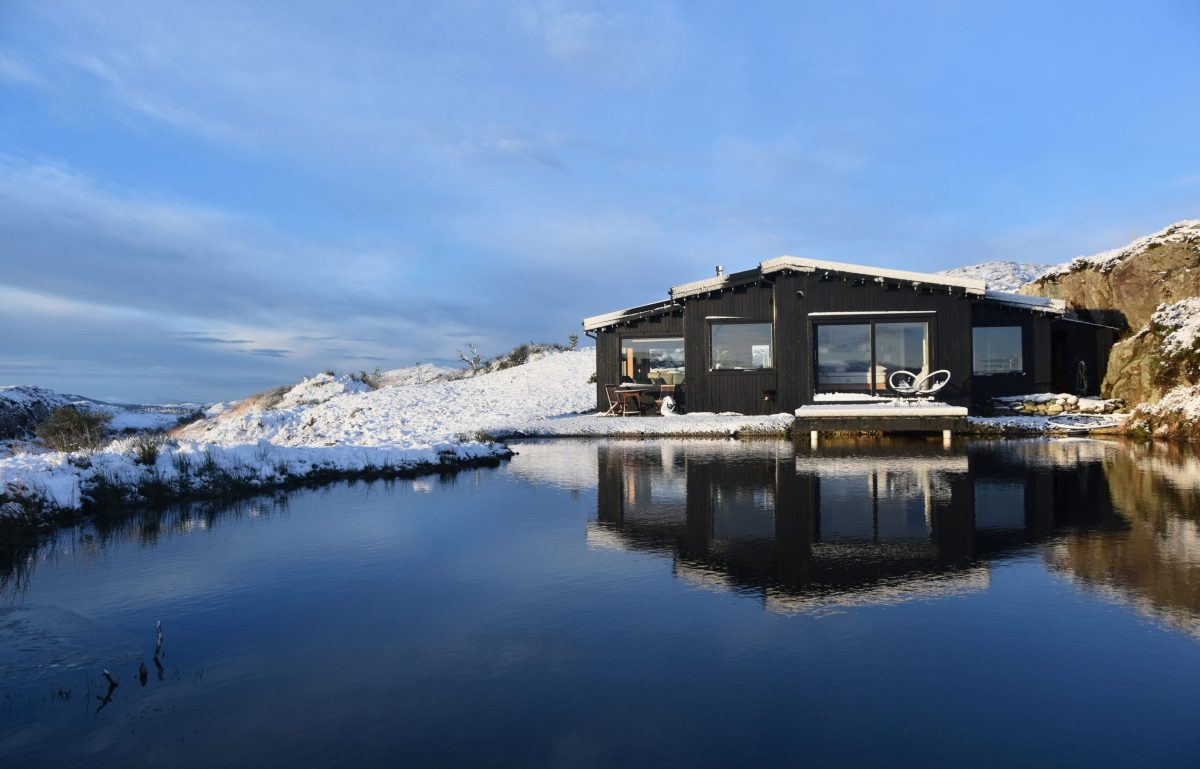
If you want to experience this yourself, you can stay at Derry Duff! They have a wonderful, luxurious, cabin called the Hidden Haven and it gets rave reviews in all the usual sites and magazines. The photo above is taken from their website. If you want to visit on an open day, contact them through the website to add your name to the list.
 Roaringwater Journal