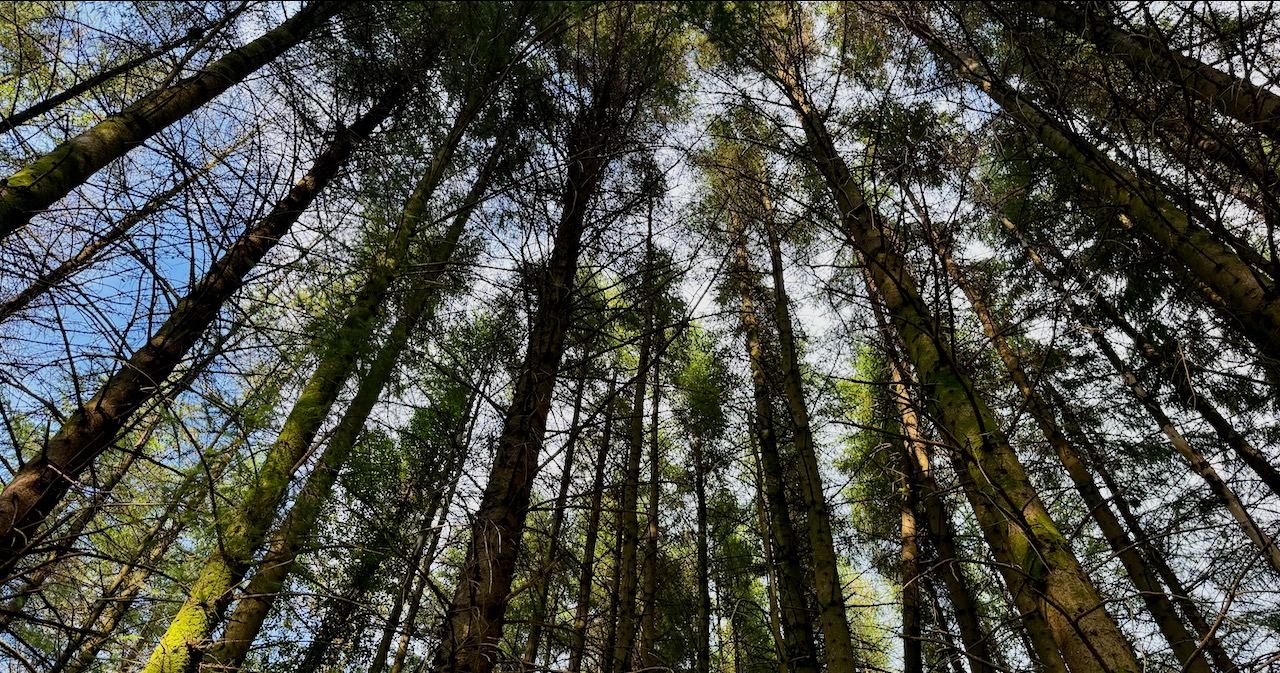
I have had two experiences in the last couple of weeks that have both been outstanding, instructive, beautiful and unsettling.
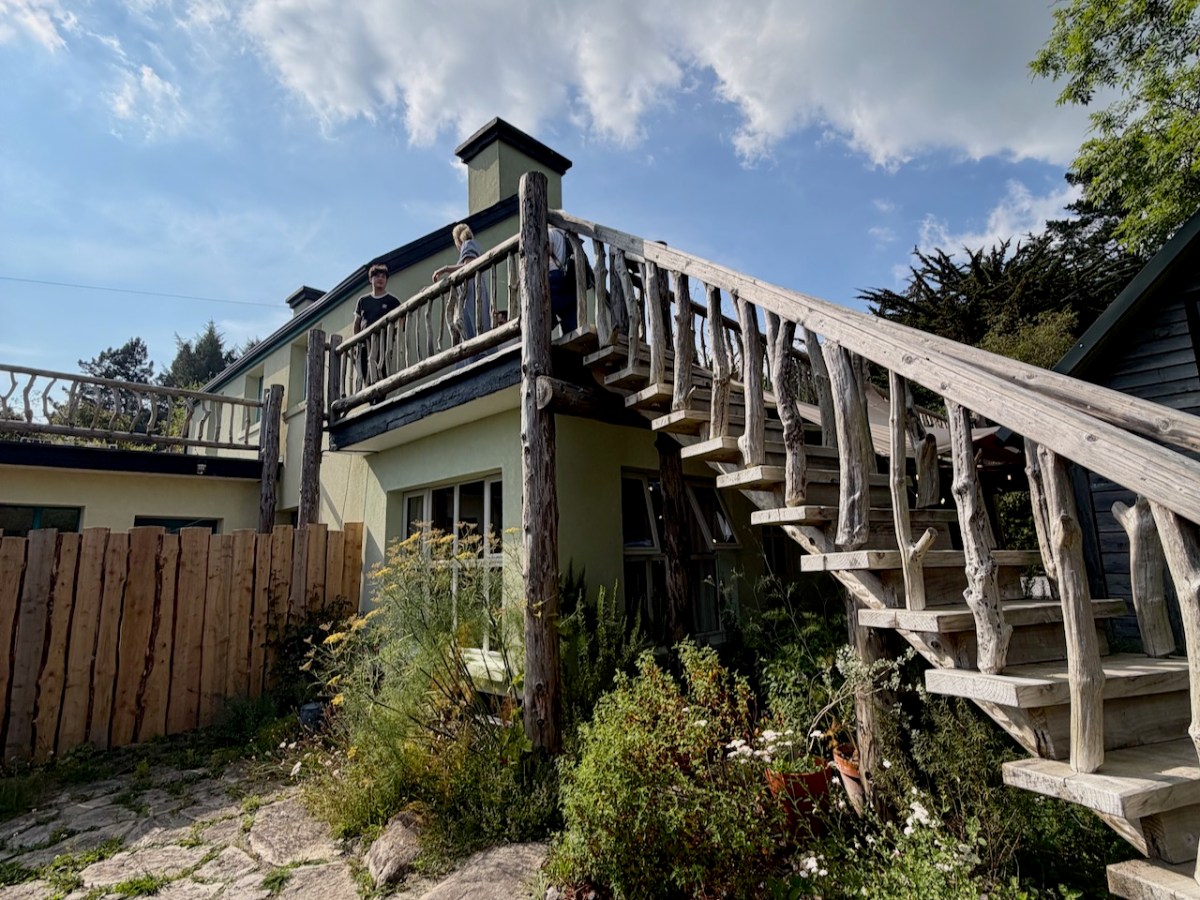
Let’s start with Esk Mountain. Long term readers will remember Finbarr, our Bug Hotel and lockdown mascot (not Finbarr the pheasant, that’s another story). This Finbarr was designed and built for us by Kloe and Adam, the Two Green Shoots. We visited them in 2020 and were hugely impressed by what they were accomplishing in their gardens and their passion for conservation.
Kloe is now immersed in an enormous and significant undertaking, having expanded her holdings and diversified into animals. What I saw on the walk-and-lunch I did recently is her transformative vision in progress. Her project is called Esk Mountain and you can find it and read all about it here: https://eskmountain.com/.
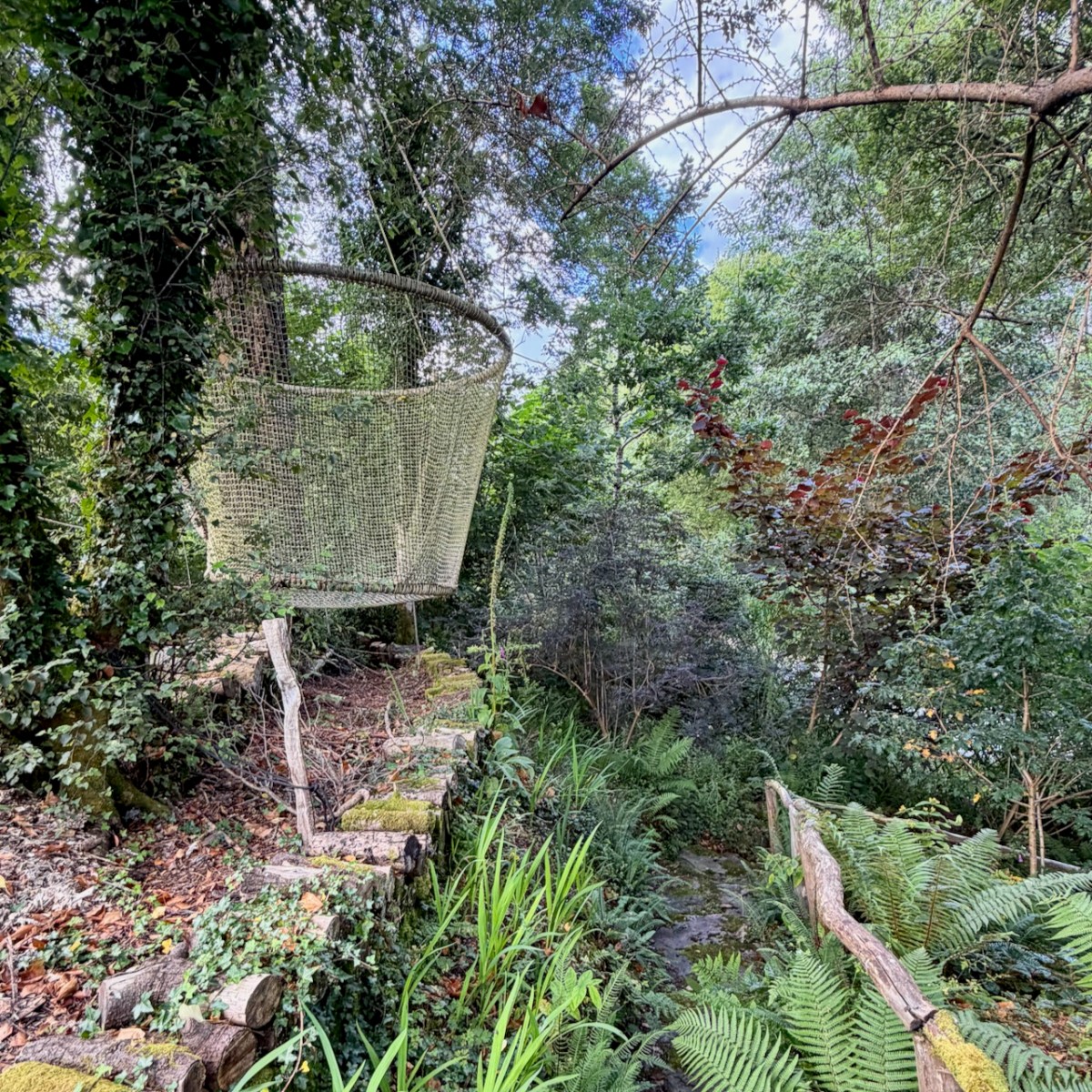
But you can do better than read about it – you can stay here in an utterly charming studio apartment with the best accessory to a B and B I have ever seen – a nest swing! This is typical Kloe – full of imagination and using materials that would otherwise go in the landfill.
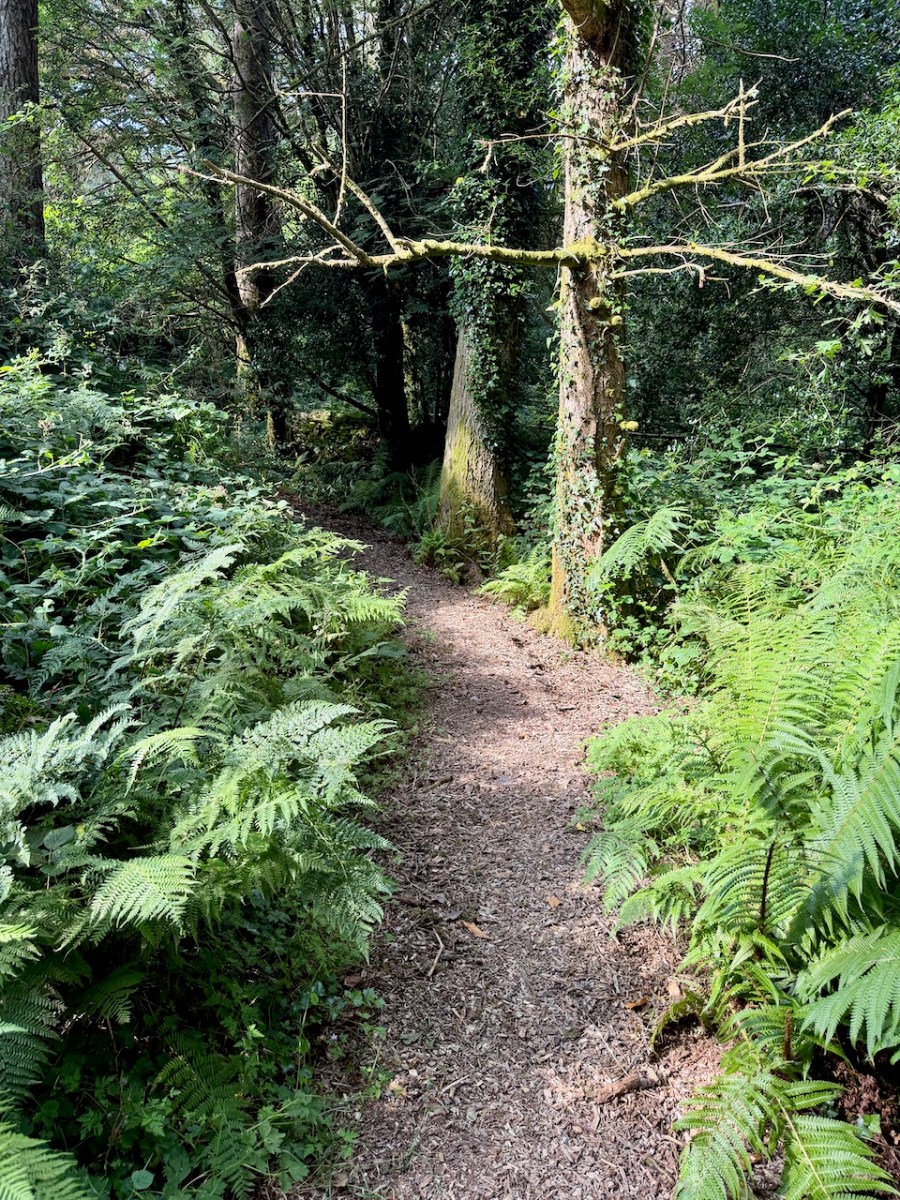
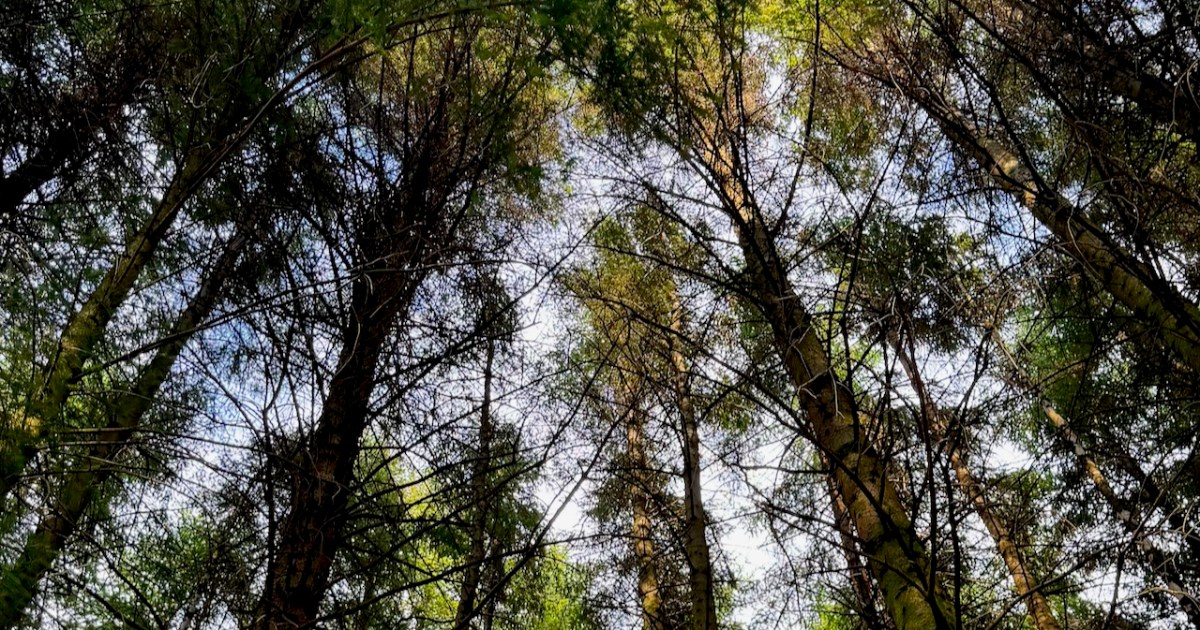
Kloe has 270 acres and it was set up over 100 years ago with tree species to attract deer and provide good habitat for hunting. Then the rhododendrons arrived, smothering everything in their path. Her work now is restoration and it is very hard work indeed. She and her workers and volunteers have been clearing rhodos and felling trees and letting the light in so that the native species have a chance to grow – and they do! We saw all kinds of oak and holly seedling as we wended our way through the trees.
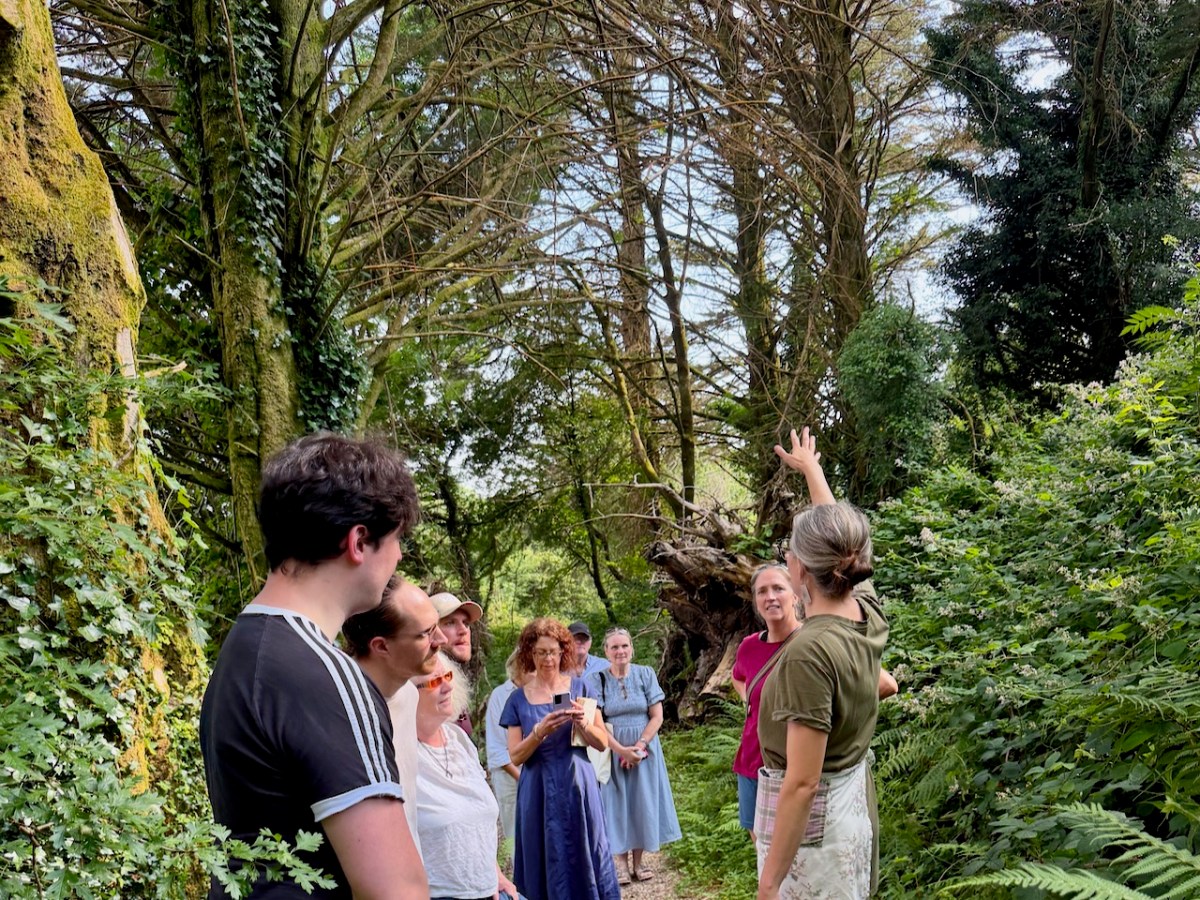
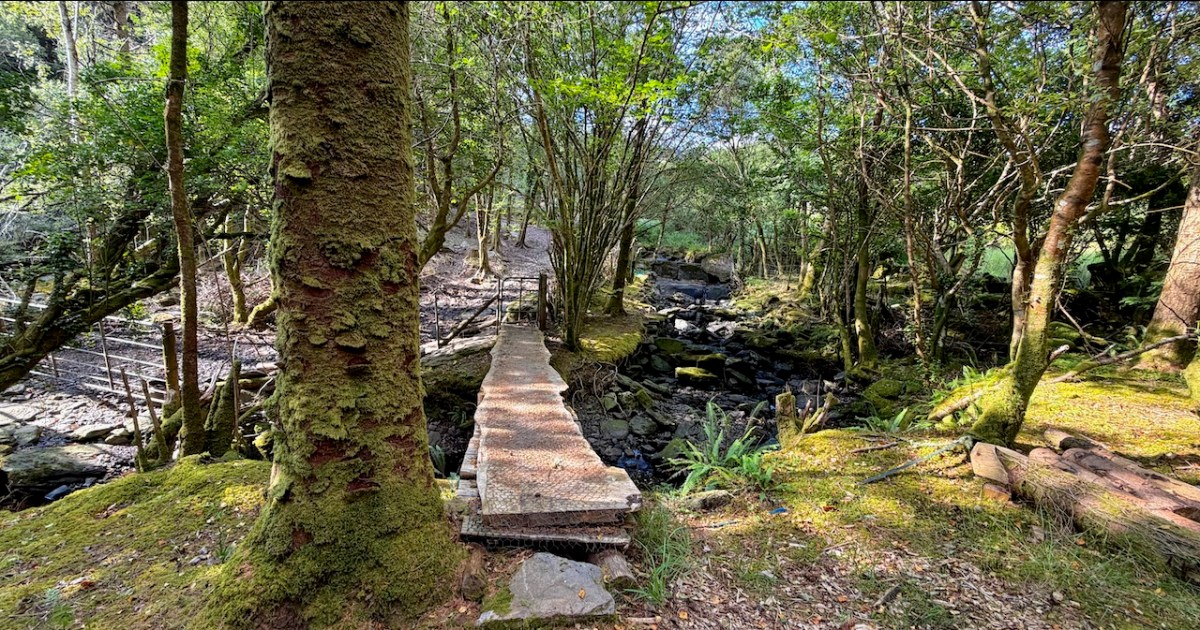
There are bridges and planks and stone steps and trails – the sense is of winding your way along magical little paths through the forest. Kloe is a great guide, stopping to tell us what we were looking at, pointing out plants, old walls, new shoots, old water courses. And then we reached the place where the mountain comes into view, green and dramatic – and being grazed by Dexter Cattle! It’s all part of the plan – the Dexters came from Derry Duff Farm, about which I wrote in my post Miracle in the Mountains.
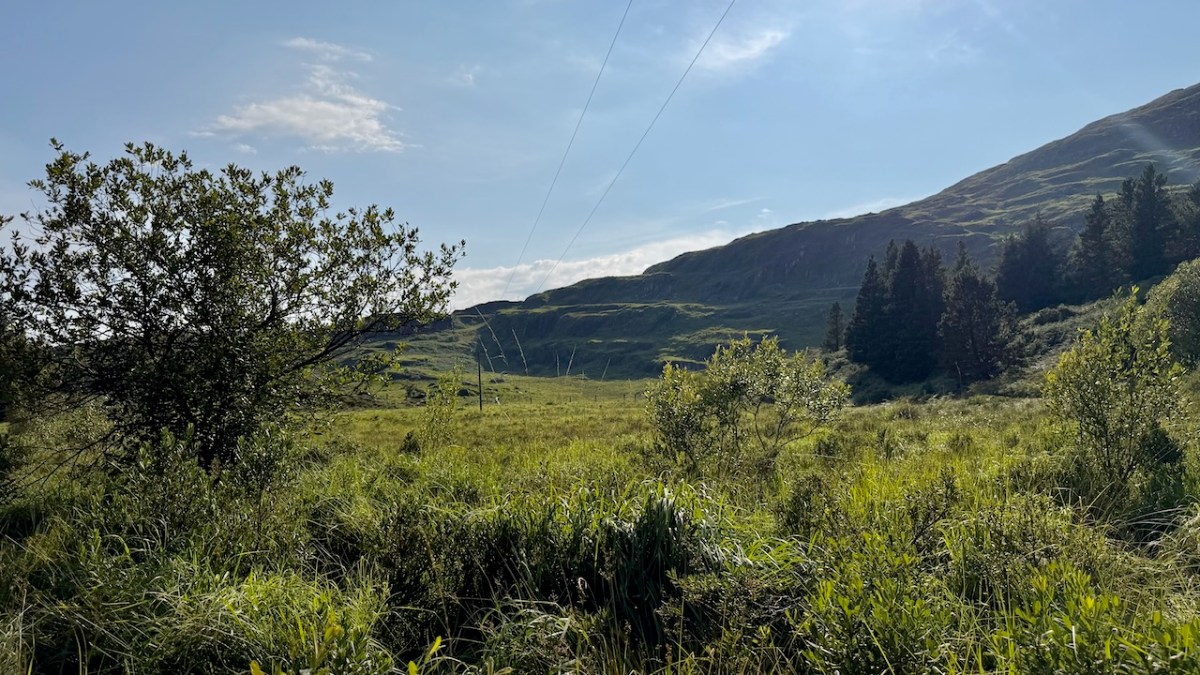
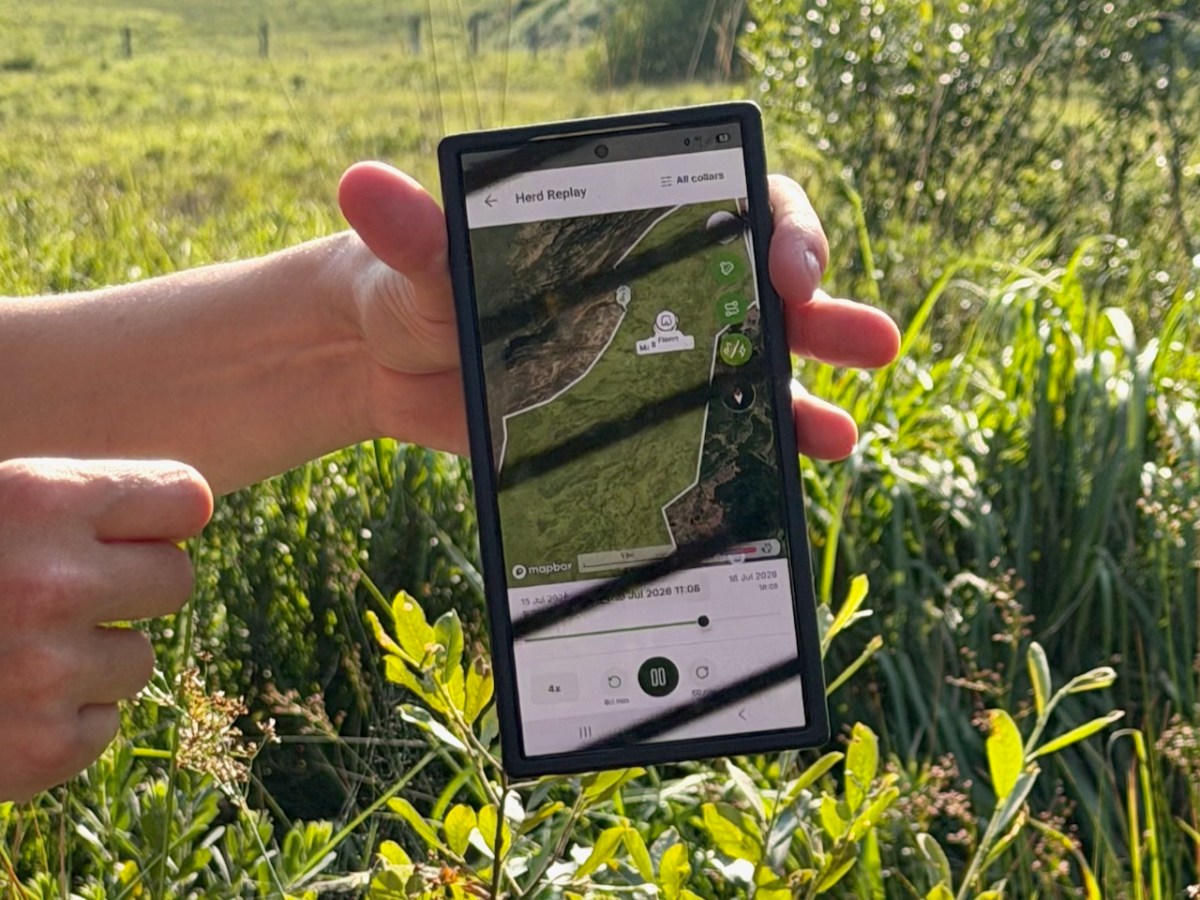
We could see them far away – but Kloe showed us how you do this now with Technology. Each animal wears a collar, so it’s always findable on your phone and you can move them around from grazing spot to spot, using this technology. Amazing!
The walk ended with home made pizza in the outdoor pavilion, using a pizza oven and wood fire. We all made our own, using some of the materials we had foraged along the way, and very good local meats and cheeses. The most delicious pizza I have ever eaten!
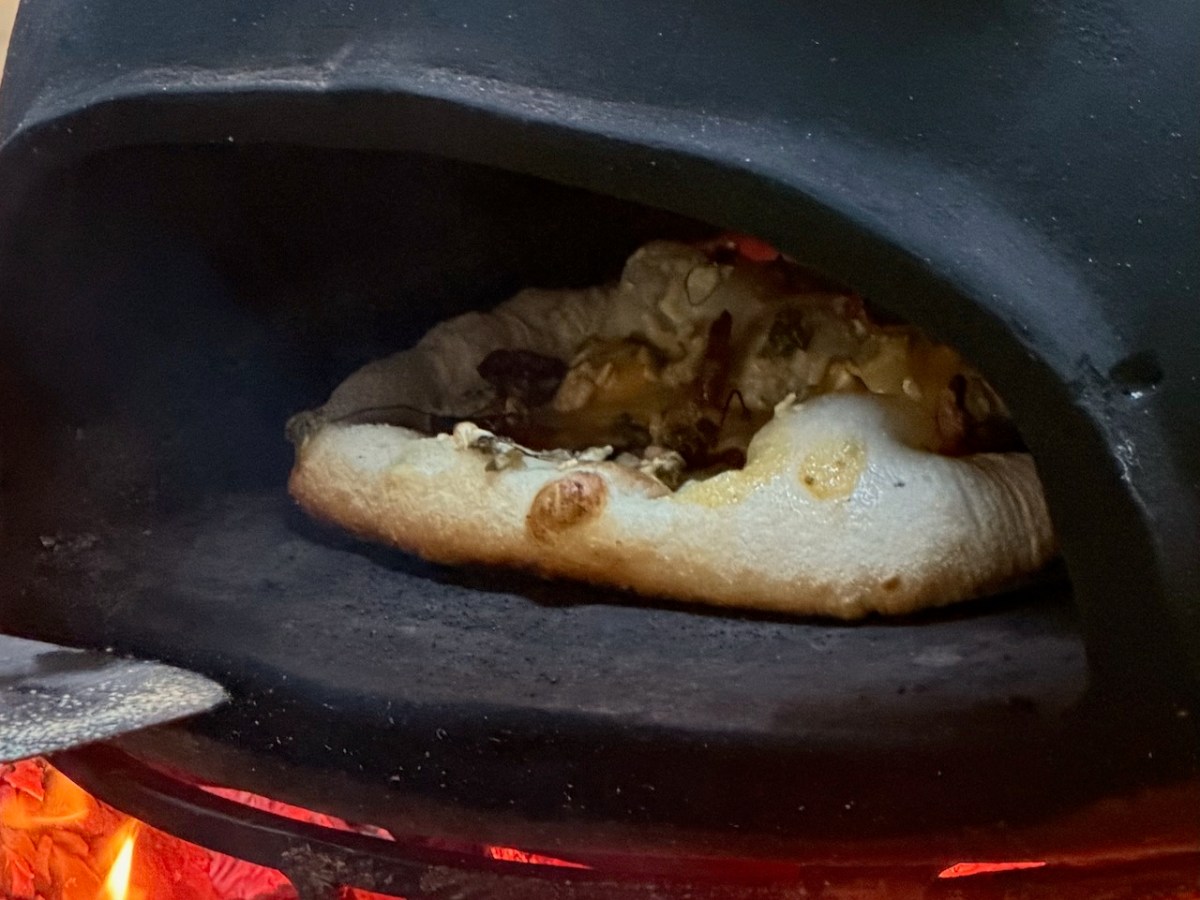
Kloe’s aim is to restore Esk Mountain to a natural and healthy habitat. It’s a daunting task but if anyone is up to it, it is Kloe. Her passion for the forest and the land is obvious, as is her commitment to getting the job done.
(Photo below courtesy of Esk Mountain)
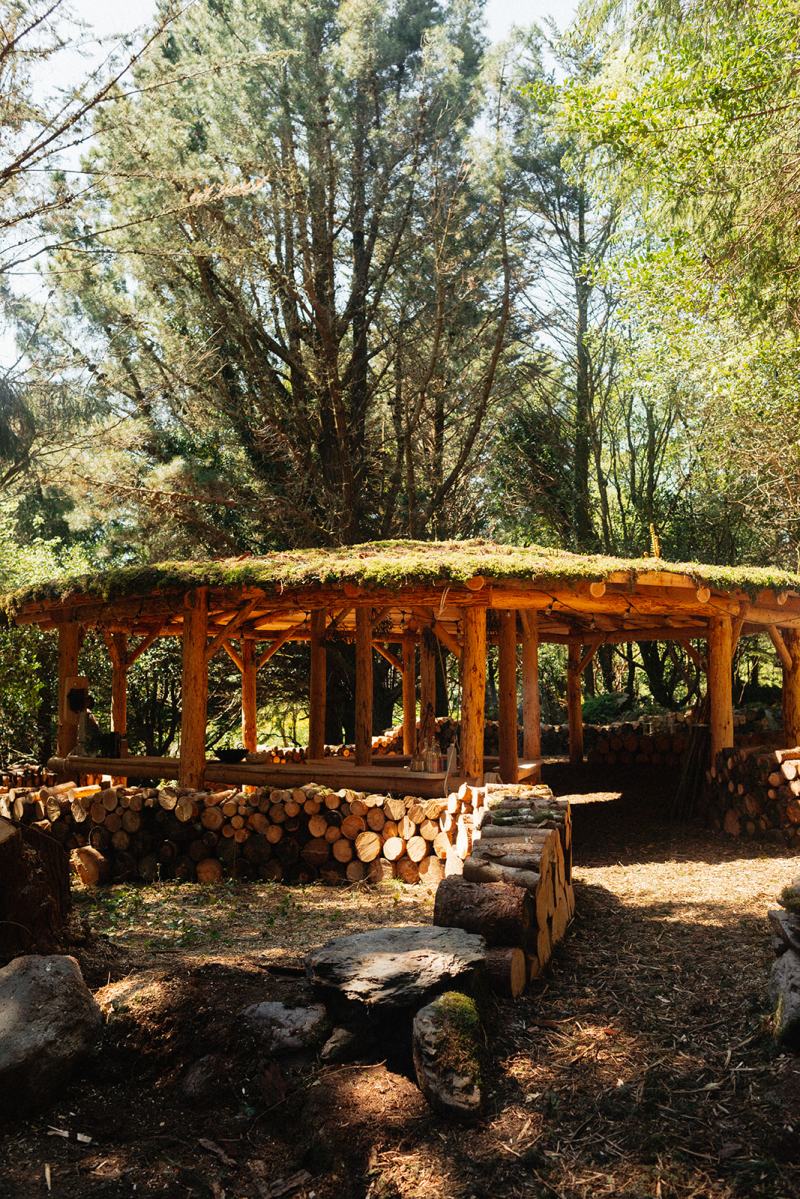
If you would like to help, book an experience or if you can’t do that, sponsor a stake to help build their deer fence – after all the early years of trying to attract deer for hunting, it is now imperative to keep them out. That’s a lot of fencing!
After that inspiring visit, it was an interesting contrast to drop into Derreen Garden on the Beara, with my friends Peter and Amanda (the Holy Wells champion). This is the other side of gardening. The home page describes it thus: A network of winding paths passes through a mature woodland garden laid out 150 years ago with subtropical plants from around the world and incomparable views of the sea and mountains.

This is where the ‘unsettling’ part comes in – I am not sure I should have enjoyed Derreen as much as I did. After all, it is the antithesis of a place that seeks to regenerate and restore – Derreen is a celebration of the ambition of wealthy Victorians to create an exotic garden from imported and unusual plants. These kinds of garden were status markers, providing gentlefolk with a designed landscape full of meandering strolls and lovely vistas.

Rhododendron, the same plant that Kloe’s team is exhausting themselves felling is, at Derreen, doing the ornamental job it was planted for, and in the brochure we are encouraged to spot the Sika Deer. So – one century’s status symbol becomes the next century’s problem and my head tells me I should be reserved about this.
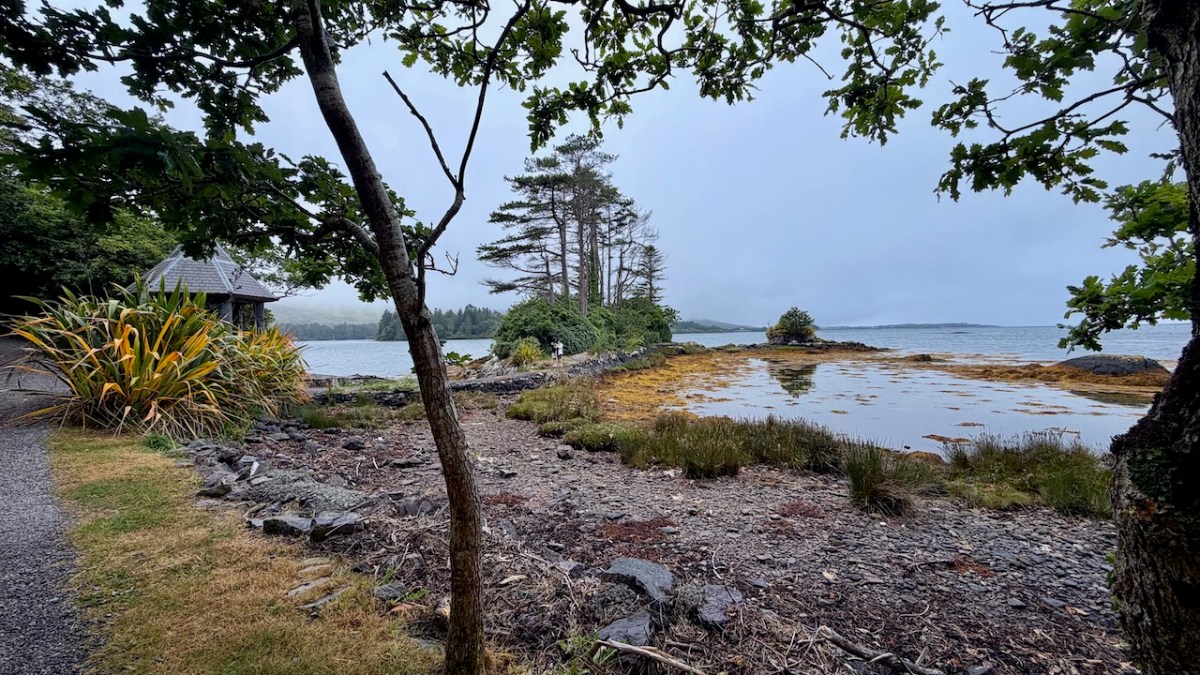
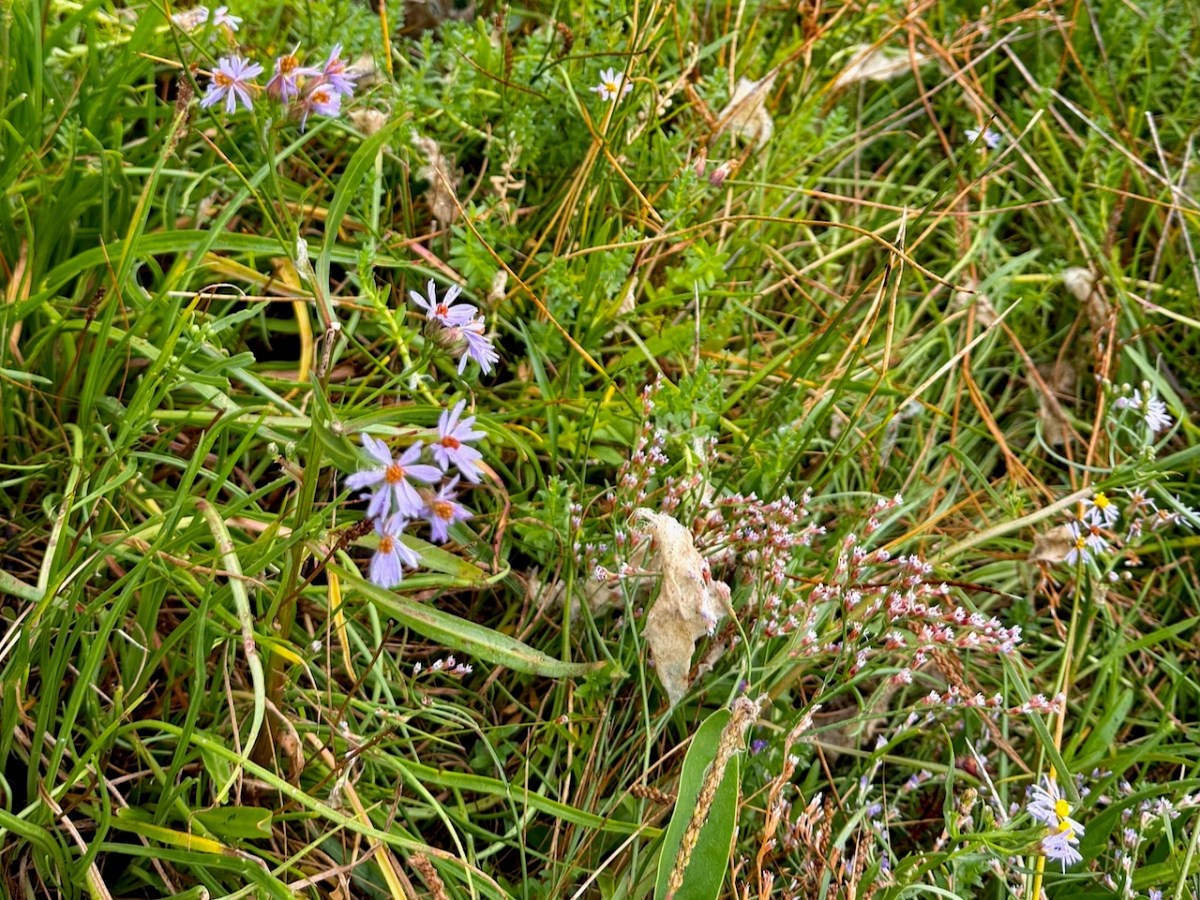
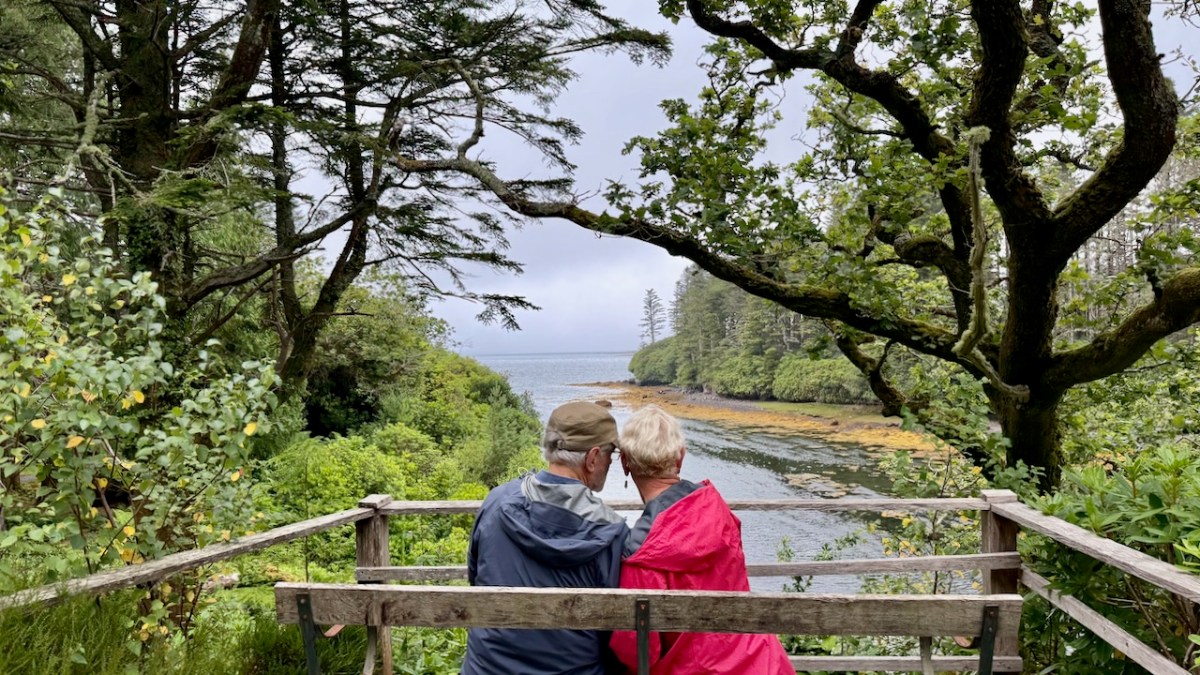
And yet, and yet . . . To walk among these towering trees, every now and then coming upon the sea lapping at the shore, with views across to the Kerry mountains offers a sort of transcendence. It reminds you of your place in the world, and that we are as humans driven to ‘improve’ our own part of it. It’s the kind of setting where you want to settle down with your back to one of those giant cedars, gaze across the water, and write poetry. And in among the foreign plants native ferns and wildflowers are also flourishing, like the Sea Asters and Sea Lavender below. Whatever about my head, my walk through Derreen did my heart good.
It strikes me that both places are someone’s answer to what do we do with land we love, as it is now? Esk’s answer is restoration and participation; Derreen’s is curation and contemplation. I am definitely still unsettled, with my head and my heart jostling for my attention.
PS I am hoping for a response from my friend Paddy Tobin, An Irish Gardener. I KNOW he will have opinions about this piece.
Discover more from Roaringwater Journal
Subscribe to get the latest posts sent to your email.


That looks like a wonderful place to stay. There’s always going to be a balance between regeneration and the income to do it with, like Isabella Tree you have to pay the bills. Lundy had a massive community effort to remove all the rhodos and it feels wilder now.
LikeLiked by 1 person
The rhodos have been a scourge in the south west, particularly in Killarney National Park
LikeLike
It takes more than a village to get rid of them.
LikeLike
270 acres!!!
I do wonder whether the Victorian aspect still has any application. Surely Kloe and team’s work has cut that back to insignificance, like the Rhodo.
LikeLike
It’s a long and painstaking process Michael.
LikeLike
Hmm, it seems to me that whether you are restoring a landscape ( Esk Mountain) or curating one (Derreen) it costs a lot of cash either way. You have to derive a bit of income from the touristy bit, surely. The history of Derreen is actually very interesting, and you didn’t write anything about it. I happen to know the house pretty well anmd visit the gardens pretty regularly, and the house is of course substantial yet entrancing inside. As for regeneration, there has recently been a lot of new planting in the gardens, much of it fenced against the deer. In other words, pretty active curating ! And the touristy bits are all in the best possible taste – no pizza oven but a very good tea-room indeed ! Overall, I think you might have slightly missed the point about Derreen ?? The sheer size of those non-native conifers from the Himalayas etc is breath-taking , for a start. The Victorian boathouse which you don’t mention is another charm. I doubt very much that those vast trees were planted as status symbols – more as a glorious and creative project with no government subsidy whatsoever. In this egalitarian-minded world such “ambitions” simply don’t happen, so we should be immensely grateful that they happened in the past. That’s what I think, anyway !
LikeLike
What a great comment, Julian. I must indeed research the history of Derreen better than I have. I am so glad to hear that conservation work is going on there too. And we enjoyed our lunch very much.
LikeLike
I understand your concerns but heart and head both need to be kept happy – Derreen was somehow so tranquil and restorative and Kloe’s work looks inspirational. I liked Paddy’s thoughtful response too.
LikeLiked by 1 person
Oh, my response wasn’t all that thoughtful, a spur of the moment reaction. Re Esk Mountain: a good project, the restoration of habitat, but I would prefer they simply got on with it quietly with far, far, far less of the hullabaloo. Its development as a tourist attraction takes from its genuineness in my eyes. It’s a money-maker dressed up as do-gooder.
LikeLike
Ah Paddy, I thought you had reached peak curmudgeon a while back but apparently I was wrong. Nothing could be further from the truth. Kloe and her team are the real thing. But they don’t have access to private wealth. This is not a tourist trap but a genuine set of lovely experiences designed to get people into the woods and thinking about conservation.
LikeLiked by 2 people
Curmudgeon? Who me? Never! Surely, you exaggerate! I’ll take you at your word though I do prefer those who go about their business quietly. Best wishes to them.
LikeLiked by 1 person
Yes, I’ll remember that – the head and the heart both need to be kept happy.
LikeLike
Oh, your last line hit me between the eyes. I was enjoying, simply enjoying the read first thing on this Monday morning and now feel you have forced me to put my brain into gear far too early in the day. I’m a slow starter, brain and humour wise, in the mornings…which continues through the day. And, this is an essential aspect of how we experience places we visit. I would, and have, enjoyed Derreen because it is quiet and peaceful. It has now “declined” from its original design and planting to the bones of what it once was and that suits me perfectly. Although the planting is completely unnatural, introduced species, it creates an atmosphere of simple nature, of ease and gentleness. On the other hand, and it is important to say I have not visited, Esk Mountain – from reading through their website – is just too busy for me. There is too much going on, too much activity – let’s forage, make tea, pizza, preserve this and that etc. Oh, let my head rest. I wouldn’t visit for that experience. On the other hand, were it done quietly, the overall restoration of the landscape is certainly laudable, the clearing of the invasive Rhododendron (R. ponticum, I presume) and the removal of introduced tree species in order to allow the native to re-establish is a wonderful project – even the cows! Yet, the “touristy” aspects clash with me. The visitors will be brought on foraging walks, will make their way along raised wooden pathway, across newly constructed bridges and dine in a newly constructed eating area. This area was originally planted and developed to attract and hold deer and now is being redeveloped to attract and hold tourists! Perfectly natural in west Cork and Kerry, I suppose! I wouldn’t visit in a million years! Well, you asked! I’d have said nothing otherwise – you know, if you have nothing good to say etc.
LikeLike
Hi Paddy and All – important to bear in mind that at Esk mountain and in other similar places, owners are also needing to make a living from the land in a way that also allows it to be preserved. And all while sharing conservation messages with a broader and often maybe more urban population who may not be aware of many issues. This is their way of trying to do this.
LikeLiked by 2 people
Thanks for the comment, Sonia. Nobody knows about this stuff more than you do.
LikeLike
every once in a while when I find the time, I find myself truly grateful for your posts. Thank you for all that you explore and share, and thank you especially for this beautifully expressed post – timely 🙏🏽
LikeLike
Thank you so much, Sam for this lovely comment
LikeLike
The Break near my house was the most amazing place I ever did see
my Great Grand father planted it around a stream and hill
today it is gone destroyed by buildings and men who refused to leave it alone
LikeLike
Was it a wood, Sarah? That’s a tragedy.
Finola
LikeLike