I was dubious, but I have decided to go for it. Following on from the excellent advice you, our readers, sent me, I have embarked on the new adventure of creating a Substack newsletter. Essentially, every time I post on the blog, I will send the same post to Substack, so if you already subscribe to the blog, there’s no need to subscribe at Substack too. If you don’t already subscribe to the blog, you can do so now either by clicking on the cog icon at the top of this page and entering your email address, or by subscribing at Substack. Don’t do both or you’ll be driven demented by getting the same post twice.
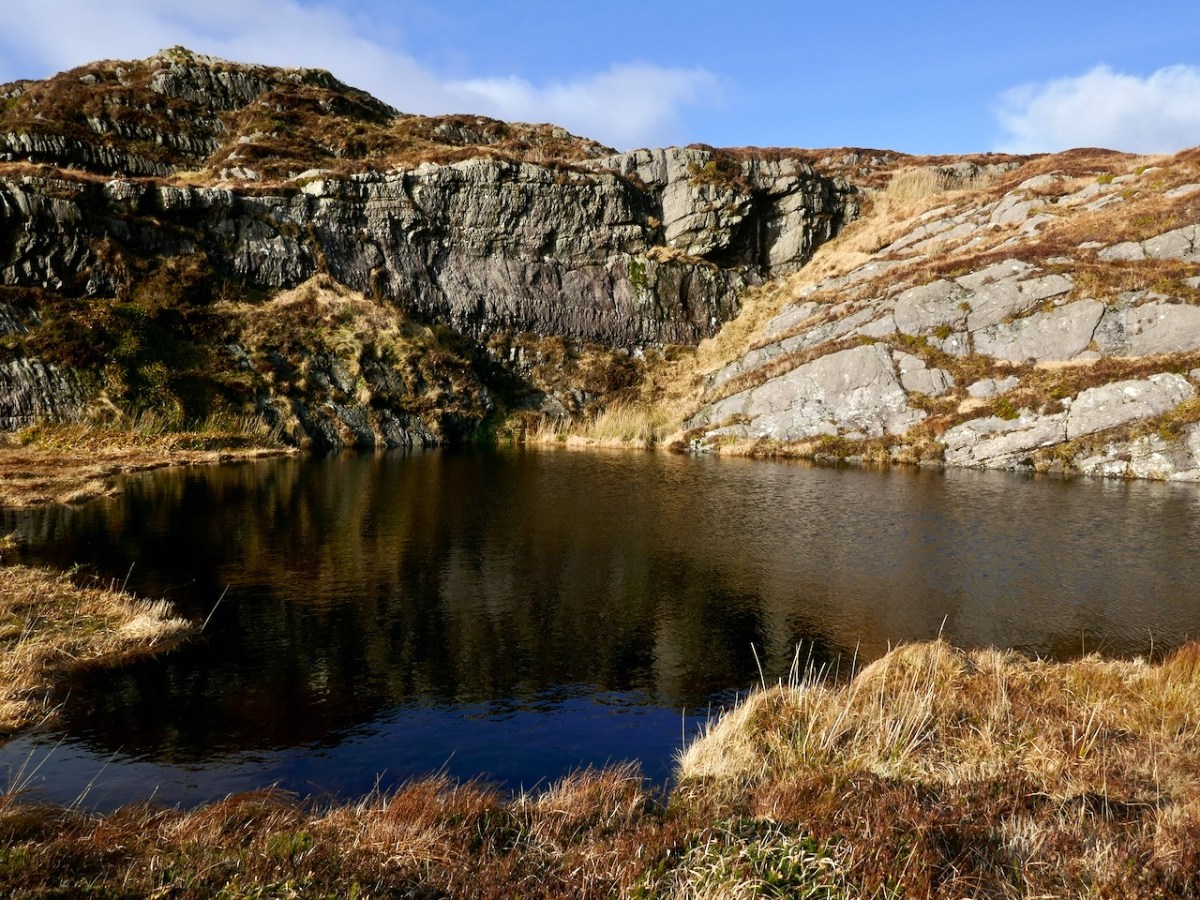
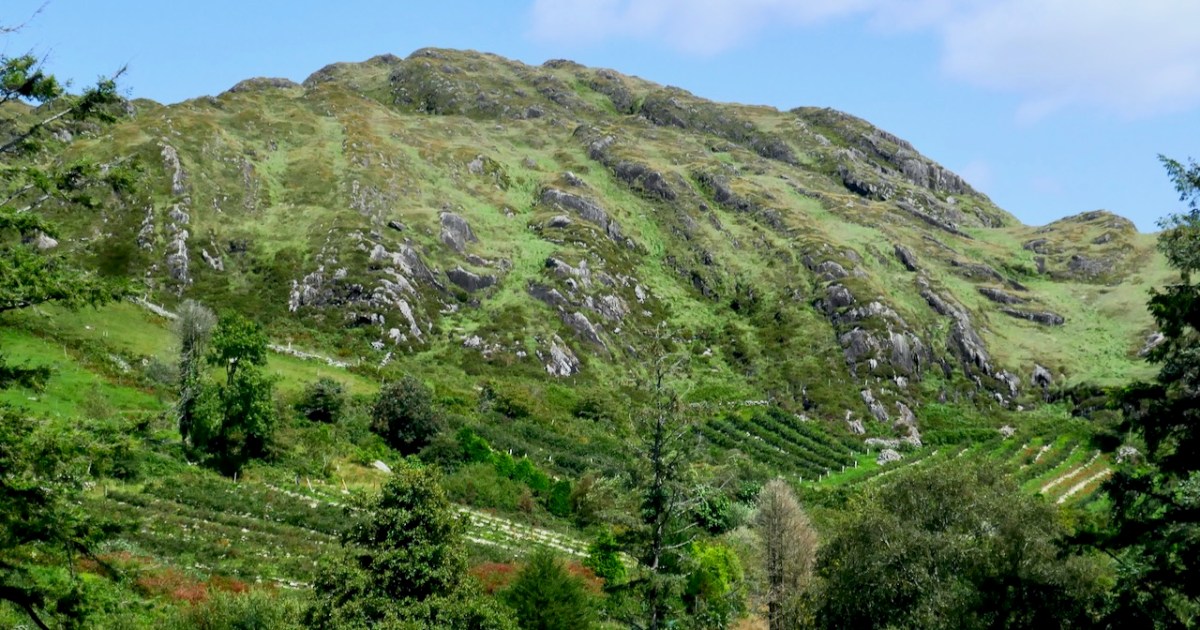
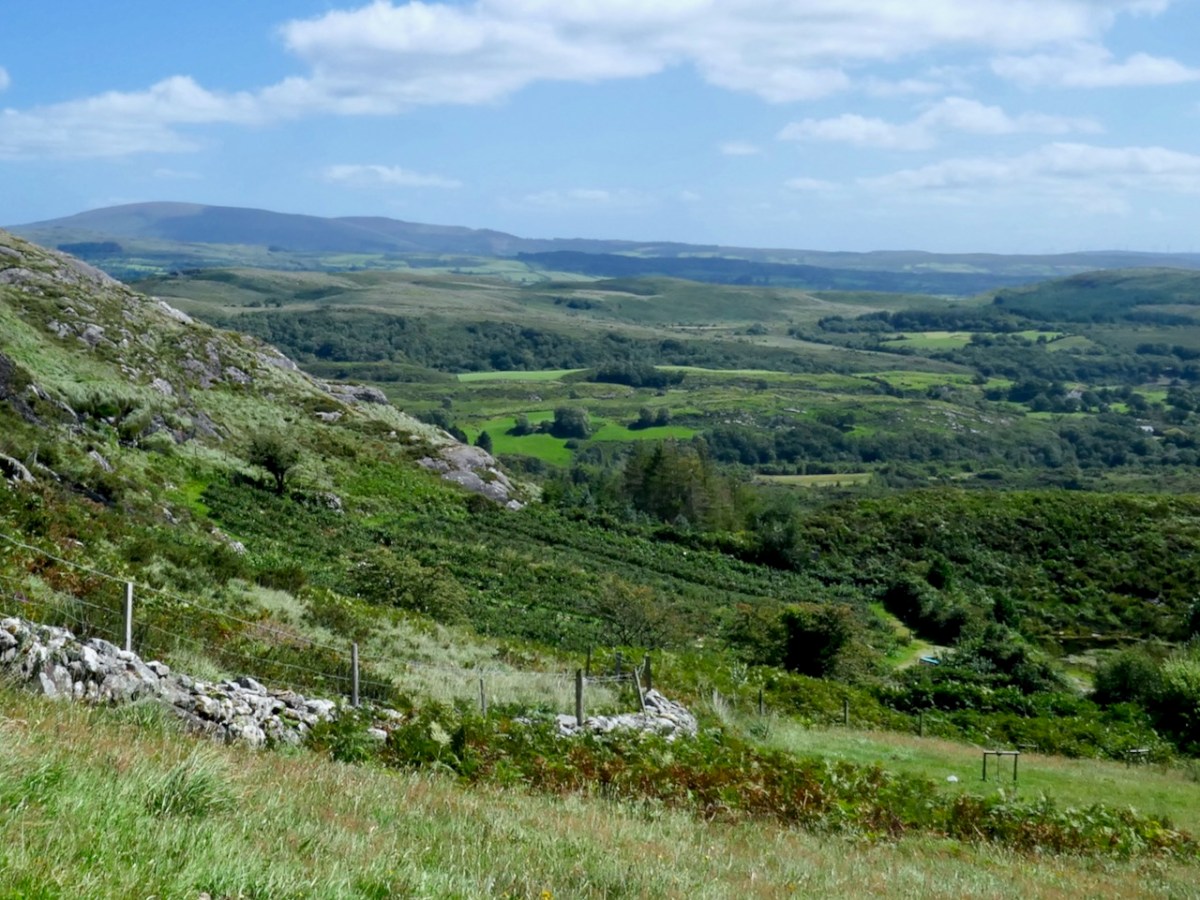
For my first Substack post I have selected one of our classic posts – and one of our most popular – about the time we almost got lost on Mount Gabriel looking for Poul an Oigheannn, the Cauldron Pool, and all the floklore that goes with that enchanting little glacial lake.
It’s taken me so long to learn how to do this, there’s no time for a new post today. To check out our new presence on Substack, go here:
Finally getting back to good old St Brendan and his voyage. (You can catch up on Part 1 and Part 2 if you haven’t read them already.) While writing this post I have been listening to one of my all time favourite pieces of music – The Brendan Voyage by Sean Davey, with the great Liam O’Flynn on the uillinn pipes. Robert wrote about the thrilling experience we had at the National Concert Hall where we attended a memorial concert for Liam O’Flynn which featured the whole Brendan Voyage, with Mark Redmond on the pipes. That post, Piper to the End, has several links to extracts from the Brendan voyage, but I will just post one movement here, and because I am half Canadian it has to be the Newfoundland Suite. Turn the volume up.
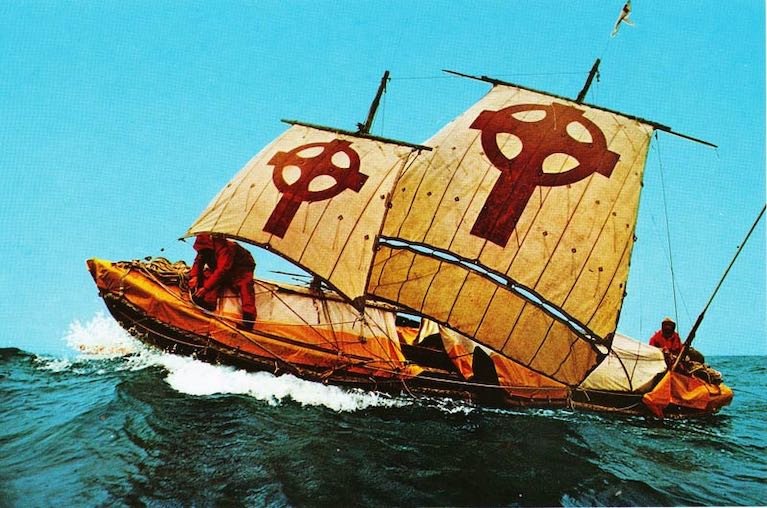
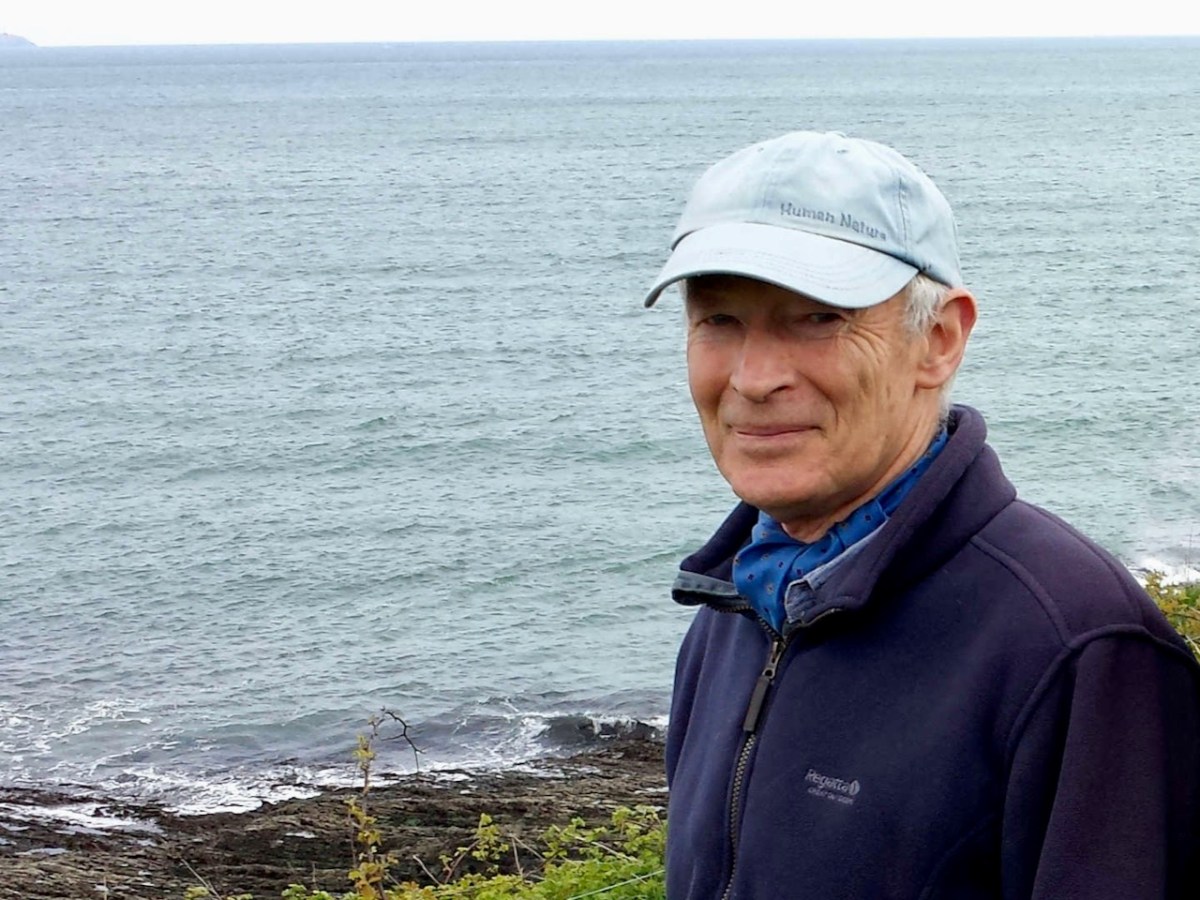
This music was written to celebrate the extraordinary journey taken by the late Tim Severin, tracing St Brendan’s voyage across the Atlantic. You can read the book (it’s a great read) or watch the documentary – I found part 1 and Part 2 online. Tim was an incredible explorer – the Brendan Voyage was one of many epic adventures he undertook to trace the footsteps of early voyageurs and travellers – you can read much more about him at his website, from which this photo, and the lead photo above, was taken, with thanks.
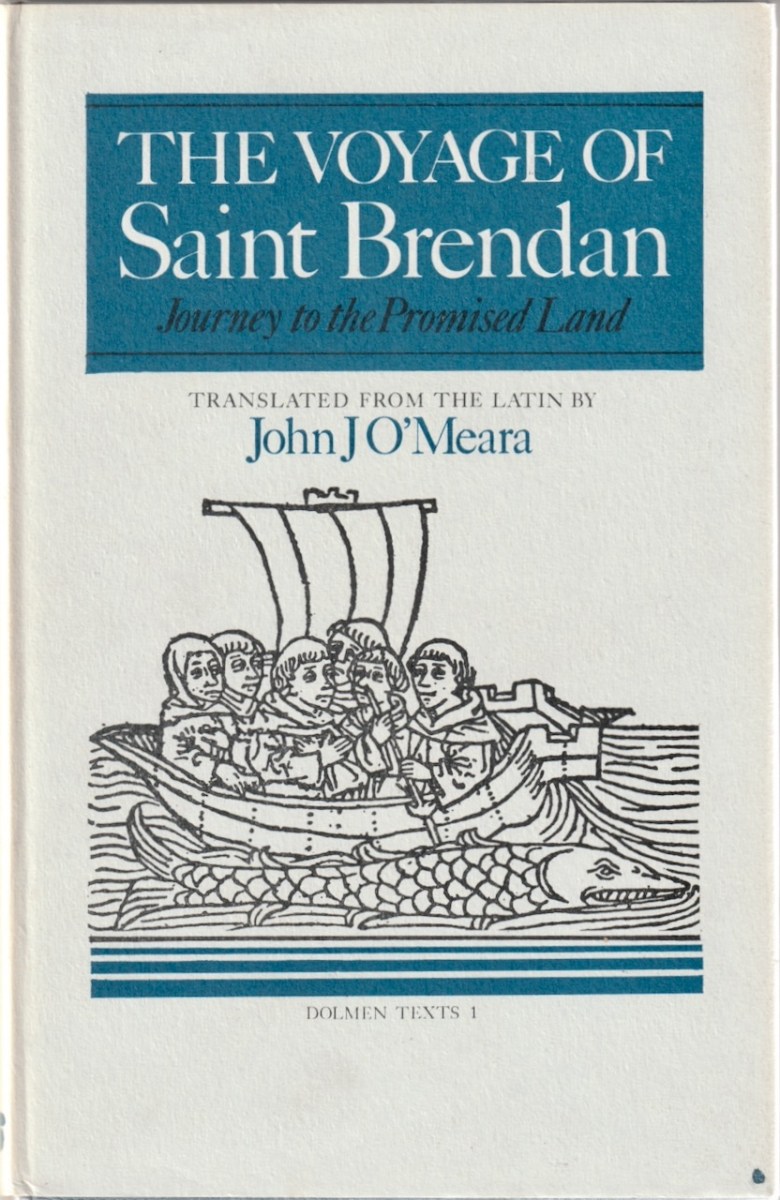
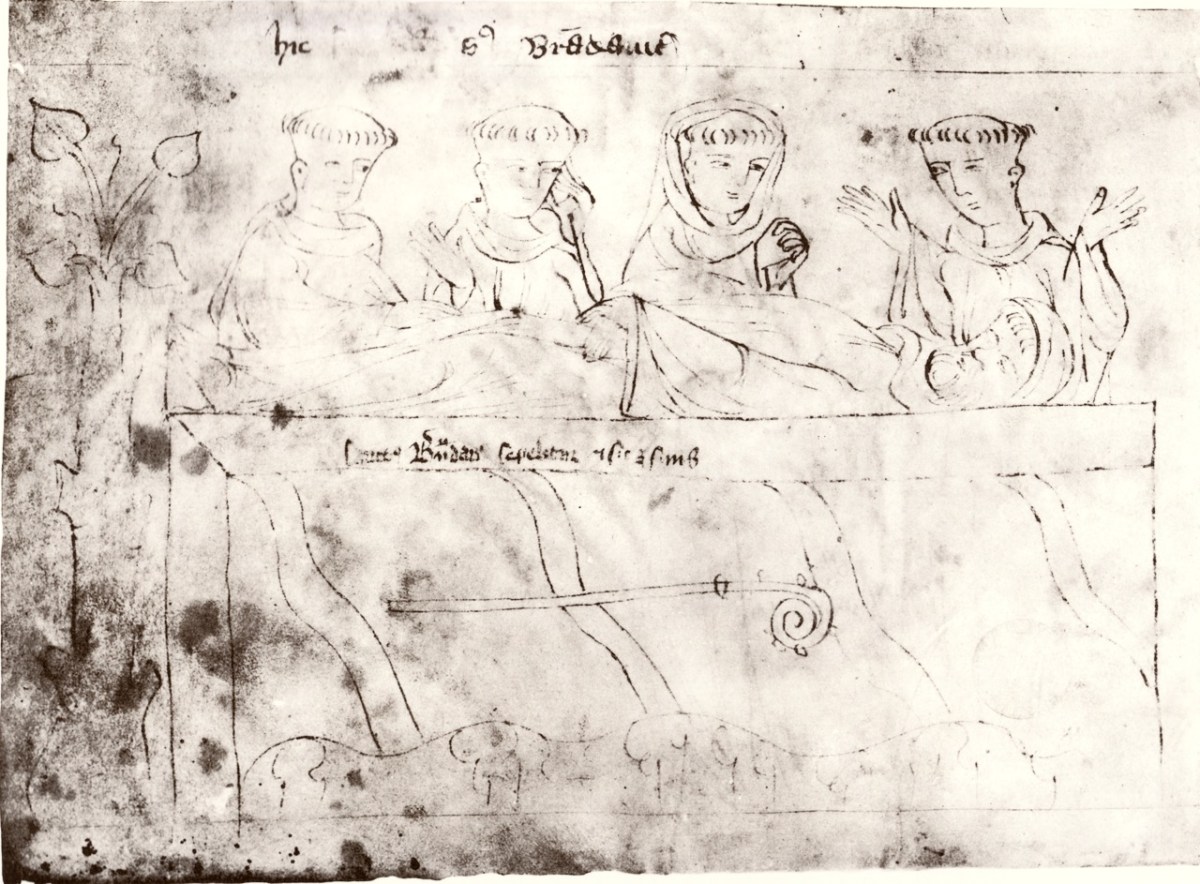
OK – back to S Brandanus and the 1360 graphic novel that illustrated his adventures for a medieval audience. For my final series of images from the book, I am using the translation this time of the great Irish scholar, John J O’Meara. In 1976 he translated the Navigatio into English, published by the Dolmen Press. He explains in his Introduction:
. . .within a hundred years of his death there already existed a primitive account in Latin of Brendan’s quest for that happy land [the Land of Promise]. This account was ecclesiastical in general character, but influenced the creation of the secular, heroic Voyage of Bran, written in Irish, which goes back to the late 600’s or early 700’s.The Latin Voyage of St Brendan, which is here translated, was written in Ireland perhaps as early as 800.
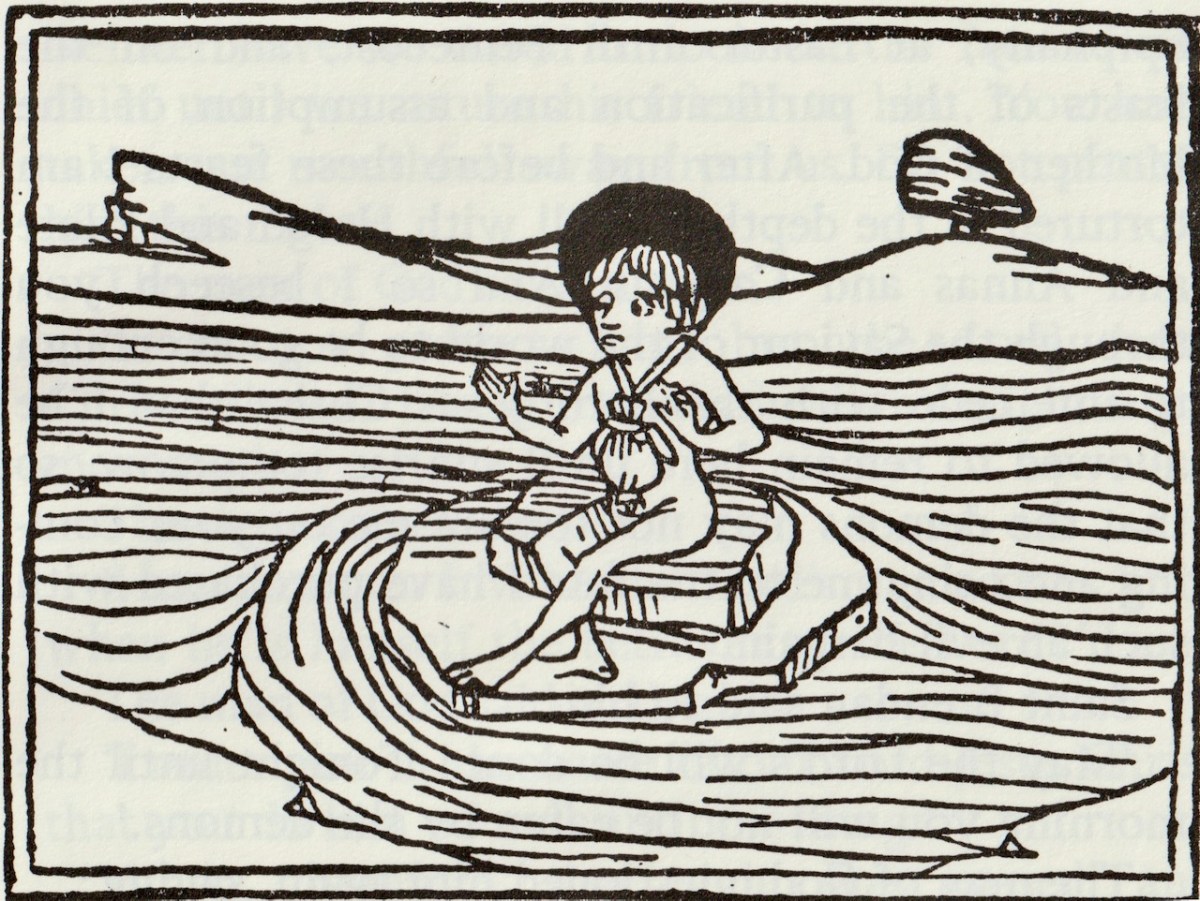
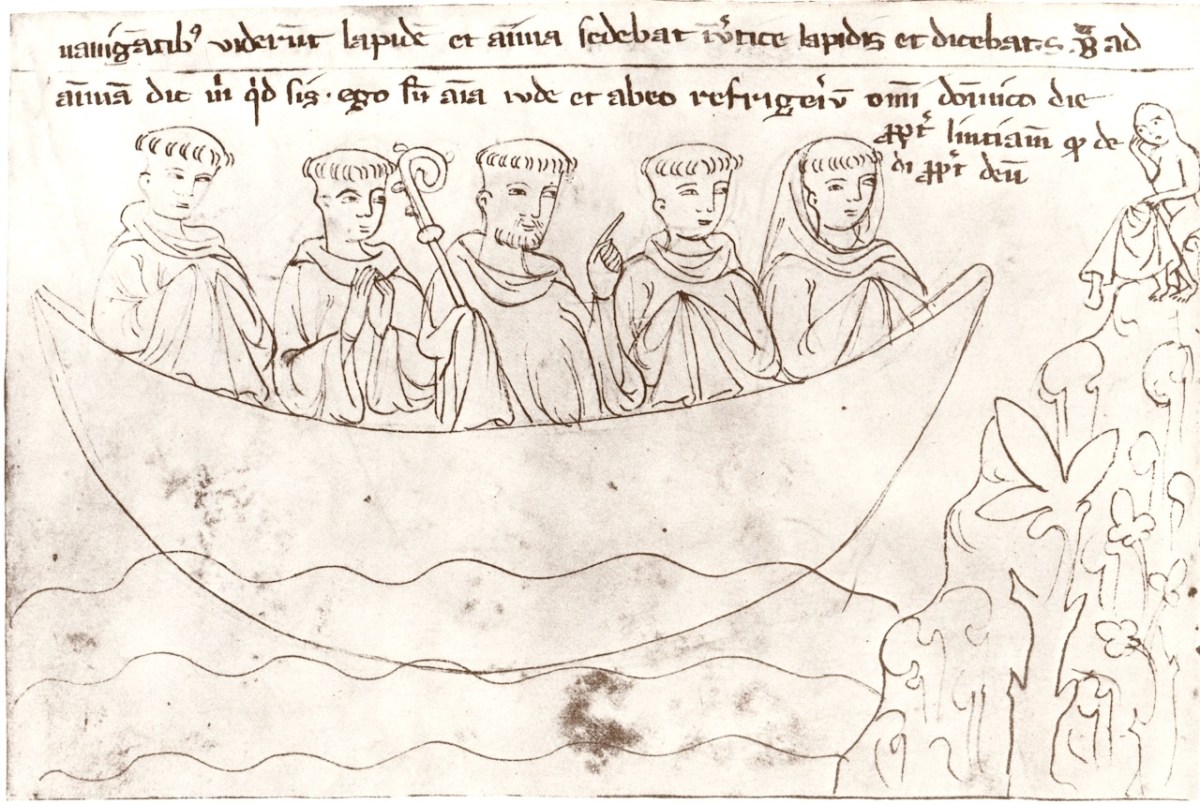
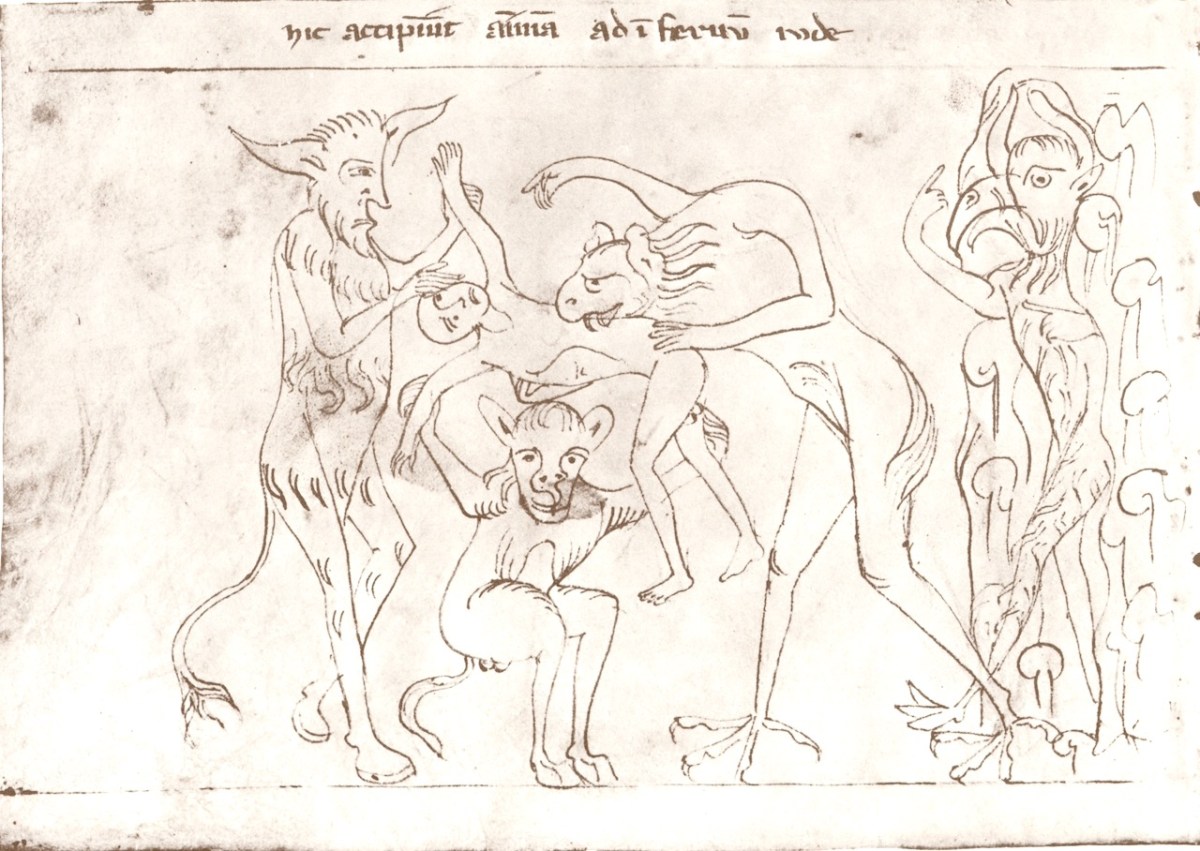
O’Meara illustrated his book with woodcuts from Sankt Brandans Seefahrt, printed by Anton Sorg at Augsburg in 1476. As you can see, they are different in character from our manuscript, being woodcuts for one thing, rather than pen and ink drawings. For example, the illustration on the cover is of the famous incident with the whale, covered in Part 2 of this series, while the illustration below is of the Unhappy Judas on a rock in the sea. Contrast it with the same scene from S Brandanus, below the first quote.
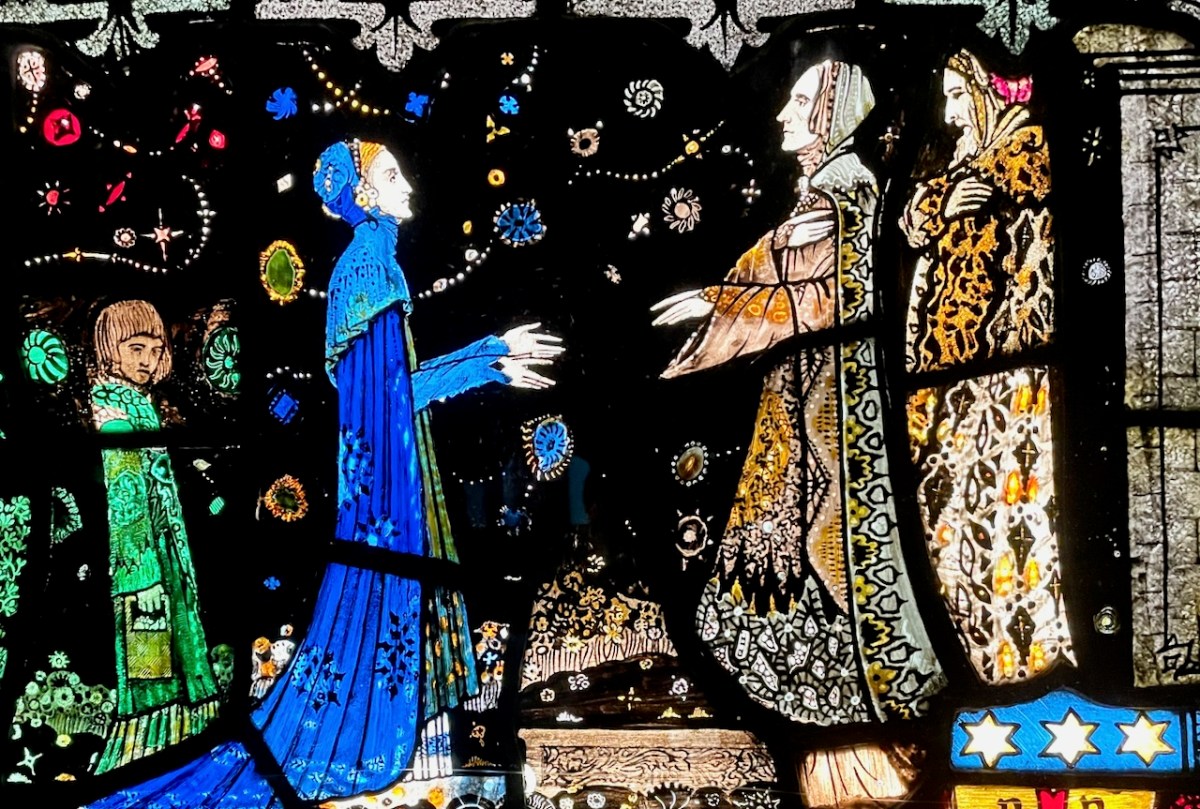
Nevertheless, O’Meara’s translation and the S Brandanus illustrations correspond perfectly, indicating that both were based on the same text. I am using the story of Brendan’s meeting with the Unhappy Judas. Regular readers will remember that I wrote about this once before, in my post Harry Clarke, Brendan, Judas – and Matthew Arnold. While the stories are the same, Arnold’s poem ends with Judas disappearing, while the story from the Voyage carries on. Here goes.
When Saint Brendan had sailed towards the south for seven days, there appeared to them in the sea the outline as it were of a man sitting on a rock with a cloth suspended between two small fork-shaped supports about a cloak’s lengths in front of him. The object was being tossed about by the waves just like a little boat in a whirlwind. Some of the brothers said it was a bird, others a boat. . .
Blessed Brendan questioned him as to who he was, or for what fault he was sent here, or what he deserved to justify the imposition of such penance?
The man replied: “I am unhappy Judas, the most evil trader ever. I am not here in accordance with my desert but because of the ineffable mercy of Jesus Christ. This place is not reckoned as punishment but as an indulgence of the Saviour in honour of the Lord’s resurrection.. . .
When I am sitting here I feel as if I were in a paradise of delights in contrast with my fear of the torments that lie before me this evening. For I burn, like a lump of molten lead in a pot, day and night, in the centre of the mountain that you have seen. . . .
But here I have a place of refreshment every Sunday from evening to evening, after Christmas until the epiphany, at Easter until Pentecost, and on the feast of the purification and assumption of the Mother of God. After and before these feasts I am tortured in the depths of hell with Herod and Pilate and Annas and Caiphas. And so I beseech you through the Saviour of the world to be good enough to intercede with the Lord Jesus Christ that I be allowed to remain here until sunrise tomorrow, so that the demons may not torture me on your coming and bring me to the fate I have purchased with such an evil bargain.
Saint Brendan said to him, May the Lord’s will be done! Tonight until the morning you will not be eaten by the Demons.
The man of God questioned him again saying what is the meaning of this cloth?
The other replied I gave this cloth to a leper when I was procurator for the Lord. But it was not mine to give. It belonged to the Lord and the Brothers. And so it gives me no relief but rather it does me hurt. Likewise the iron forks on which it hangs I gave to the priests of the temple to hold up cooking pots. With the rock on which I sit I filled a trench in the public road to support the feet of those passing by, before I was a disciple of the Lord.
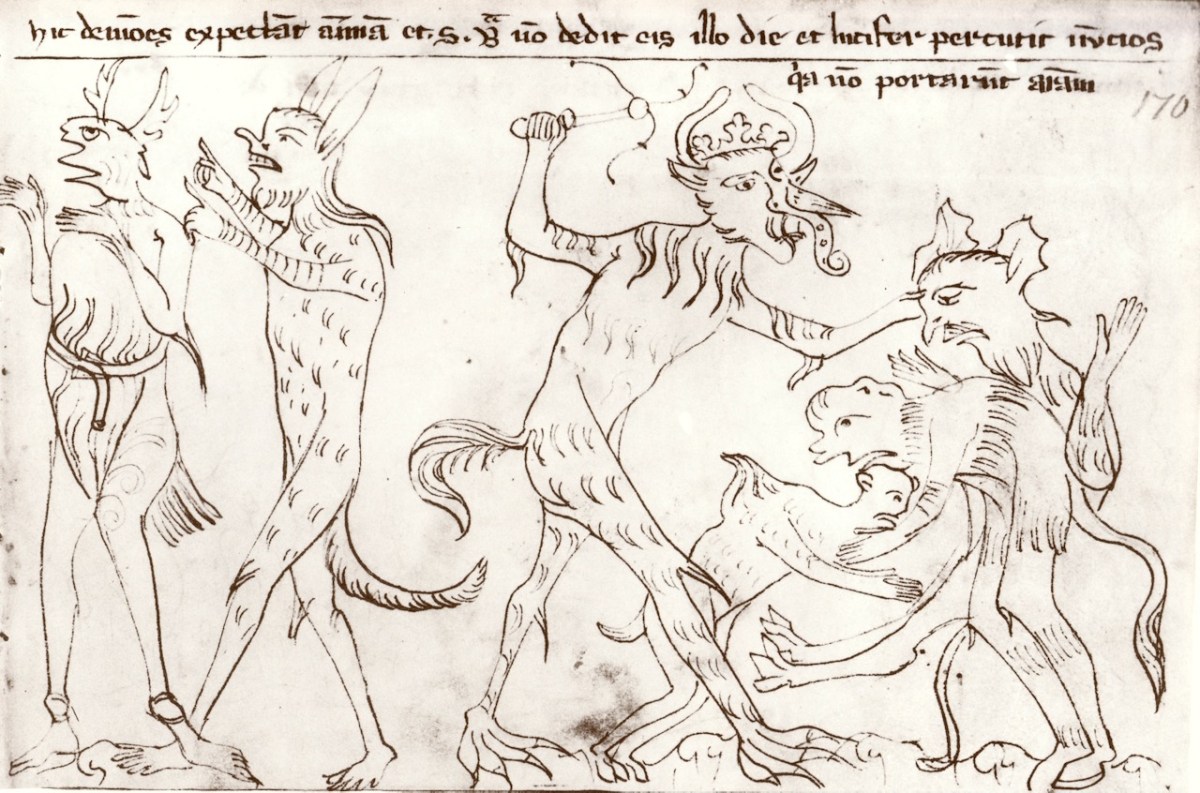
The story continues, with the demons coming to take Judas back to hell, upon which Brendan forbids them to do so. The following morning, when they come to fetch Judas,
. . . an infinite number of Demons was seen to cover the face of the ocean emitting dire sounds and saying ‘Man of God, we curse your coming as well as your going, since our chief whipped us last night with terrible scourges because we did not bring to him that accursed prisoner.
They tell him that Judas will suffer double punishment for the next six days because of this, but this also Brendan forbids, in the name of God, saying:
I am his servant and whatever I order, I order in his name. My service lies in those matters which he has assigned to me.
The Demons followed him until Judas could no longer be seen. They then returned and lifted up the unhappy soul among them with great force and howling.
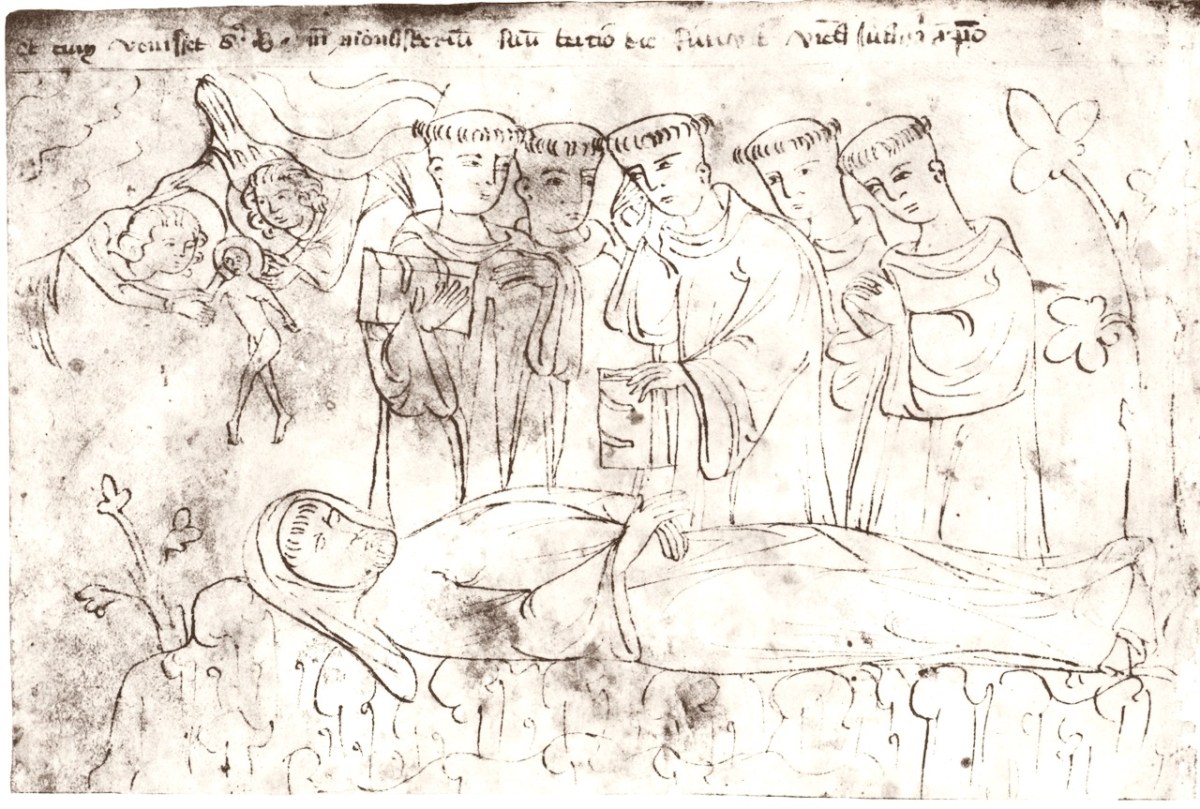
Eventually the voyage ends and Brendan returned home, relating everything that had happened on the voyage and saying that his own time had now come to an end. His dying and death are given less than half a page – an unseemly short few words to bring the voyage to a close.
For when he had made all arrangements for after his death, and a short time had intervened, fortified by the divine sacraments, he migrated from among the hands of his disciples in glory to the Lord, to whom is honour and glory from generation to generation. Amen. End.
Last week I finally managed to make it to one of Derry Duff Farm’s open days – something I have been trying to do for a couple of years, ever since I started reading about what Steve and Claire Collins are accomplishing up in the mountains above Coomhola.
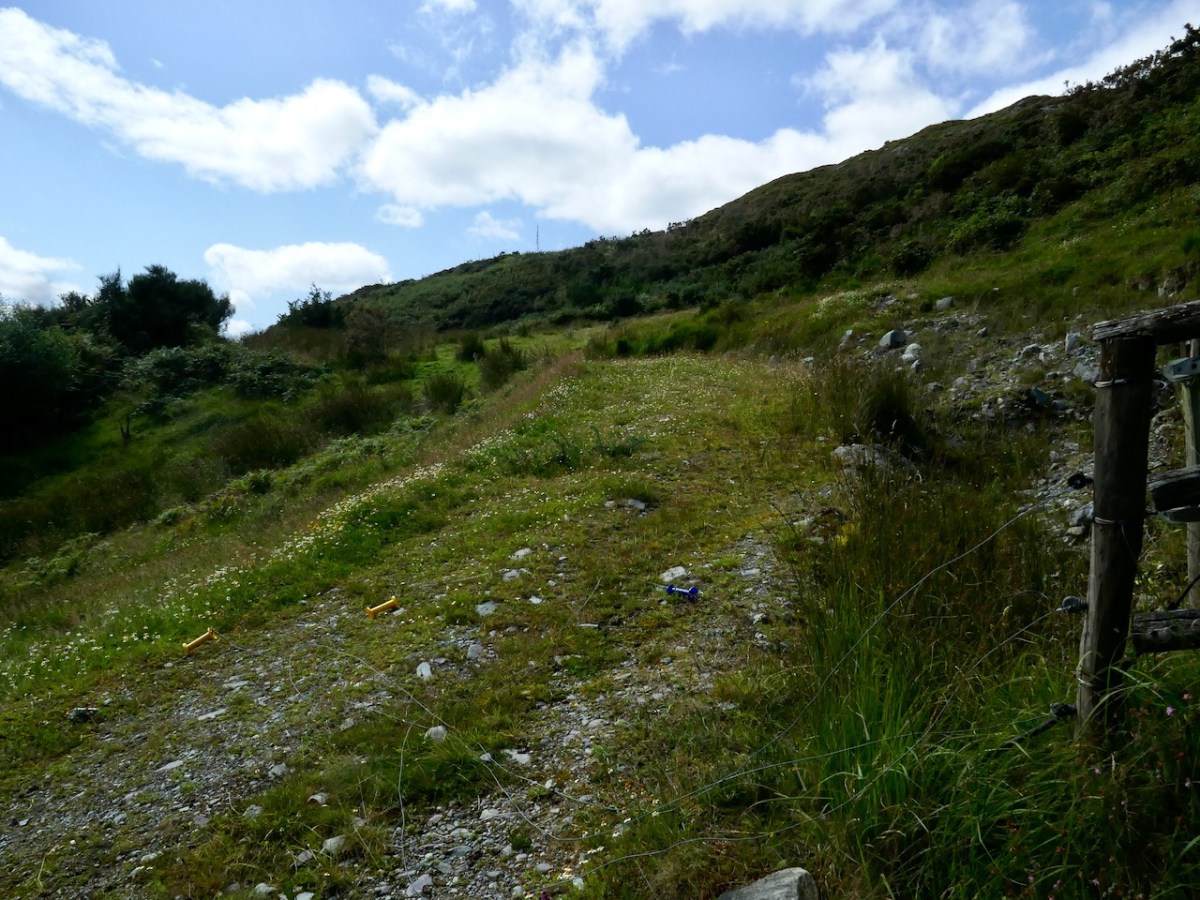
The first thing to know is that Derry Duff is one of the highest farms in West Cork, occupying very marginal land – the kind we mostly see being used as sheep range or simply covered in heather and fionnán grass. Certainly not the kind of location where you can imagine a thriving and productive berry farm.
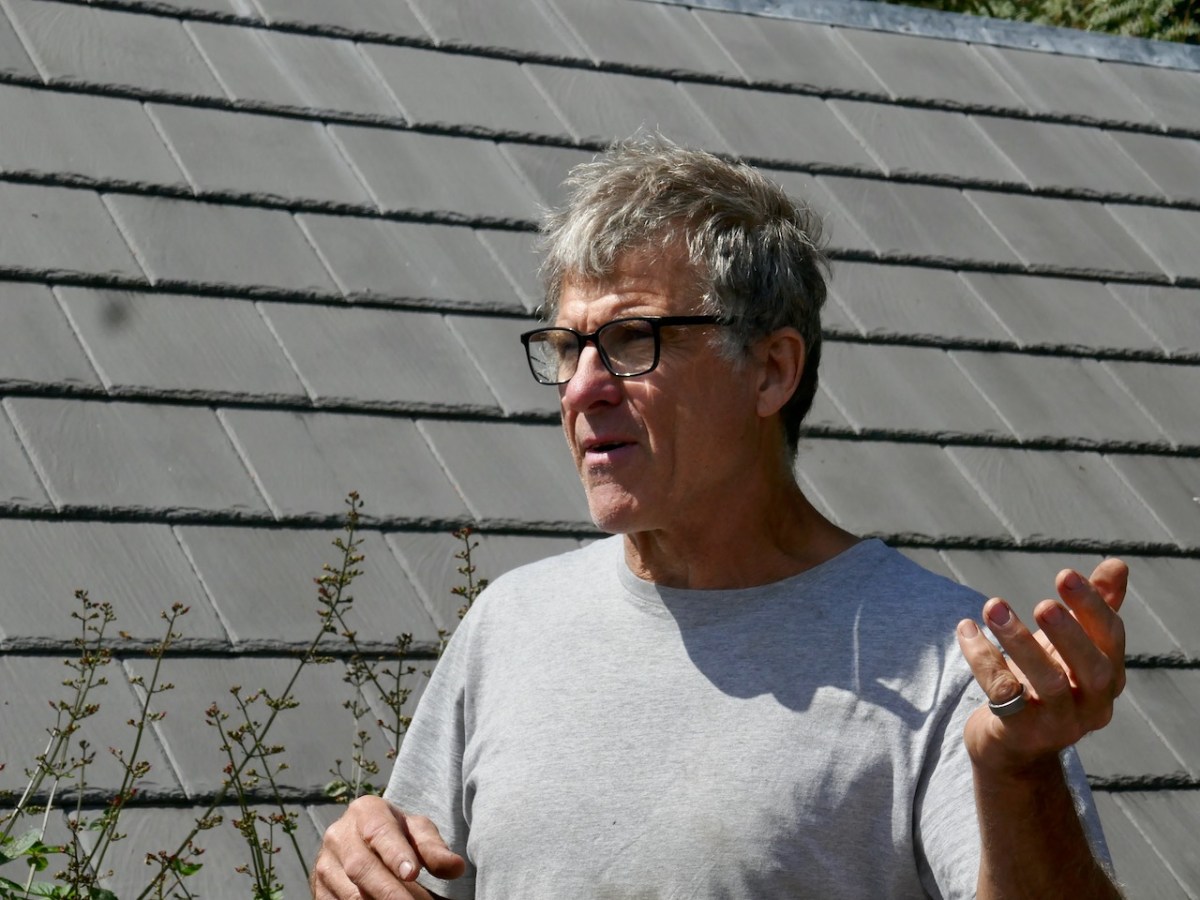
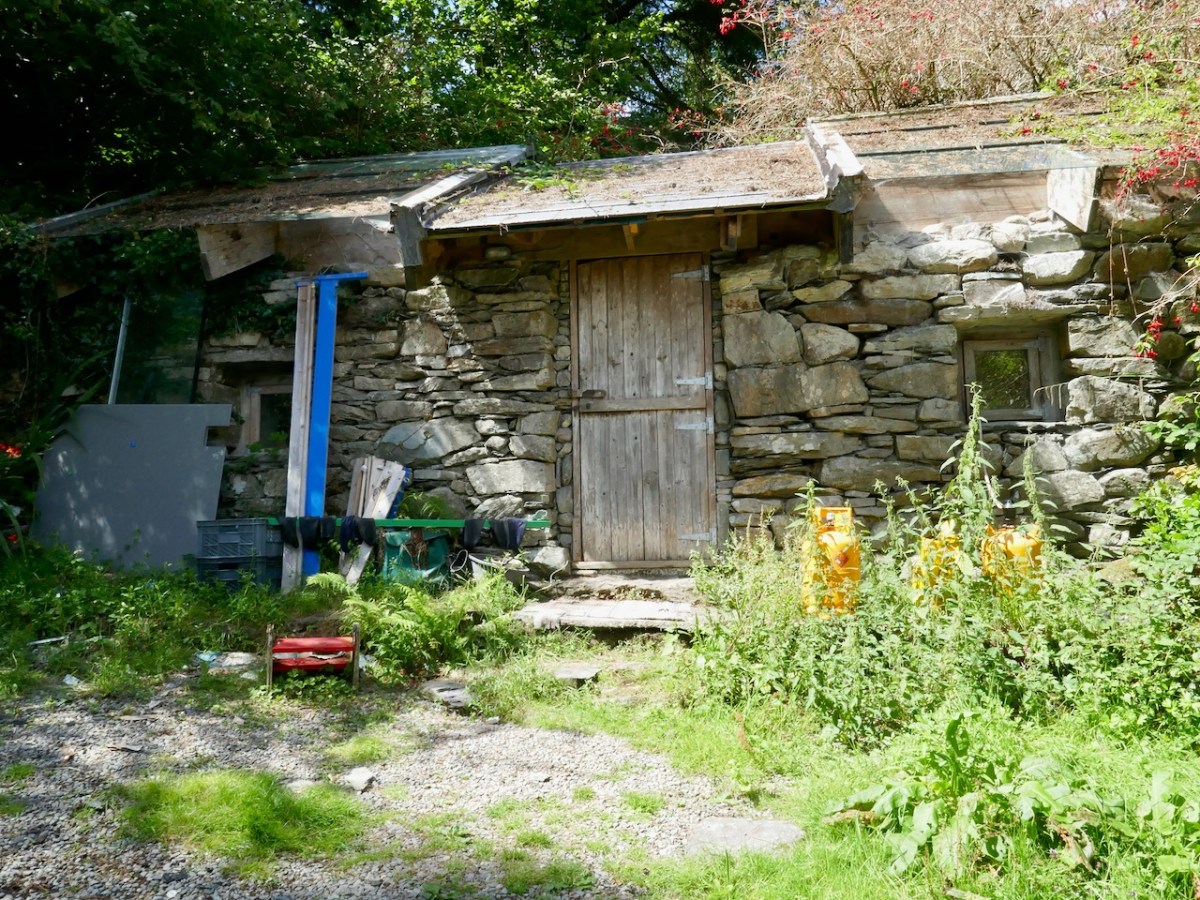
The second is that Steve Collins is a man on a mission. A highly-educated dynamo, he has spent his working life in the trenches of famine-stricken regions, teaching local people the value of diversifying their crops so that when one fails, they do not starve. There a lovely irony in this, as it is very likely that those who lived on this land in the mid-nineteenth century surely were victims of the Great Hunger, when the potato crop failed for several years in a row. The Derry Duff farm still has its old farm buildings to show how long people have been making a living on this mountain.
Steve is convinced that Ireland has fallen into a false sense of security, with our reliance on mono-cropped grass. In years when the price of silage and hay soar, as they do, or when feed is scarce (remember the fodder crisis of two years ago?), cattle and dairy farming become precarious. He set out to see what he could grow that could make money, was not vulnerable to rainfall and climate change, was ecologically sound, and which helped to drive diversity.
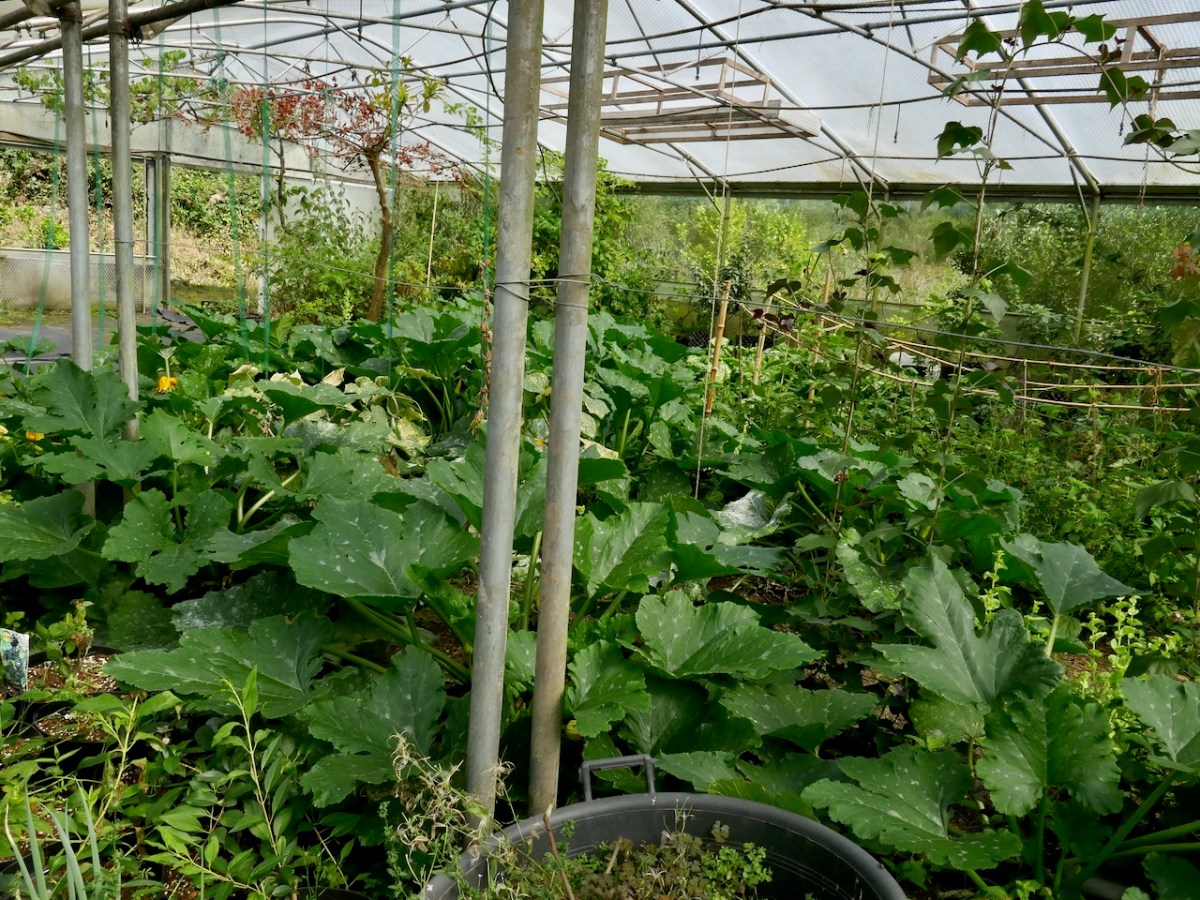
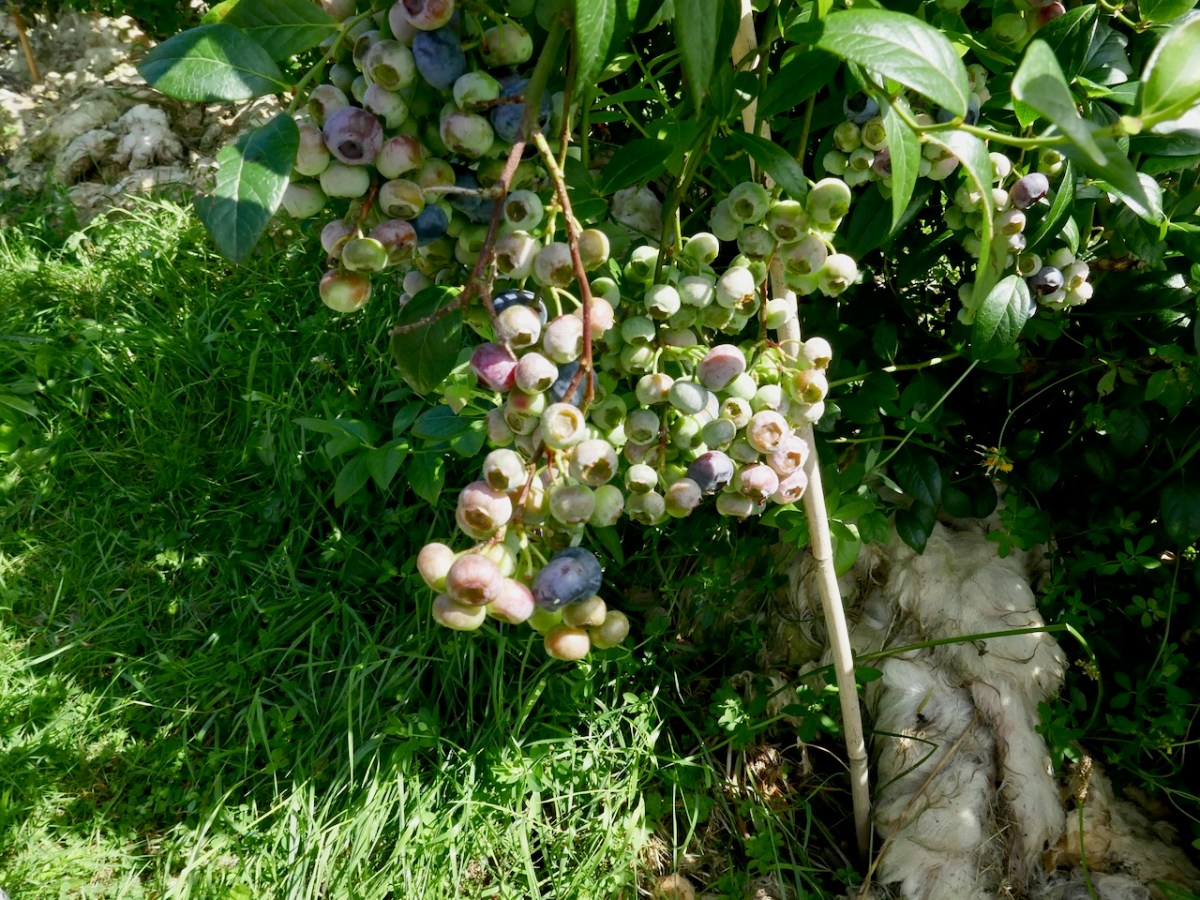
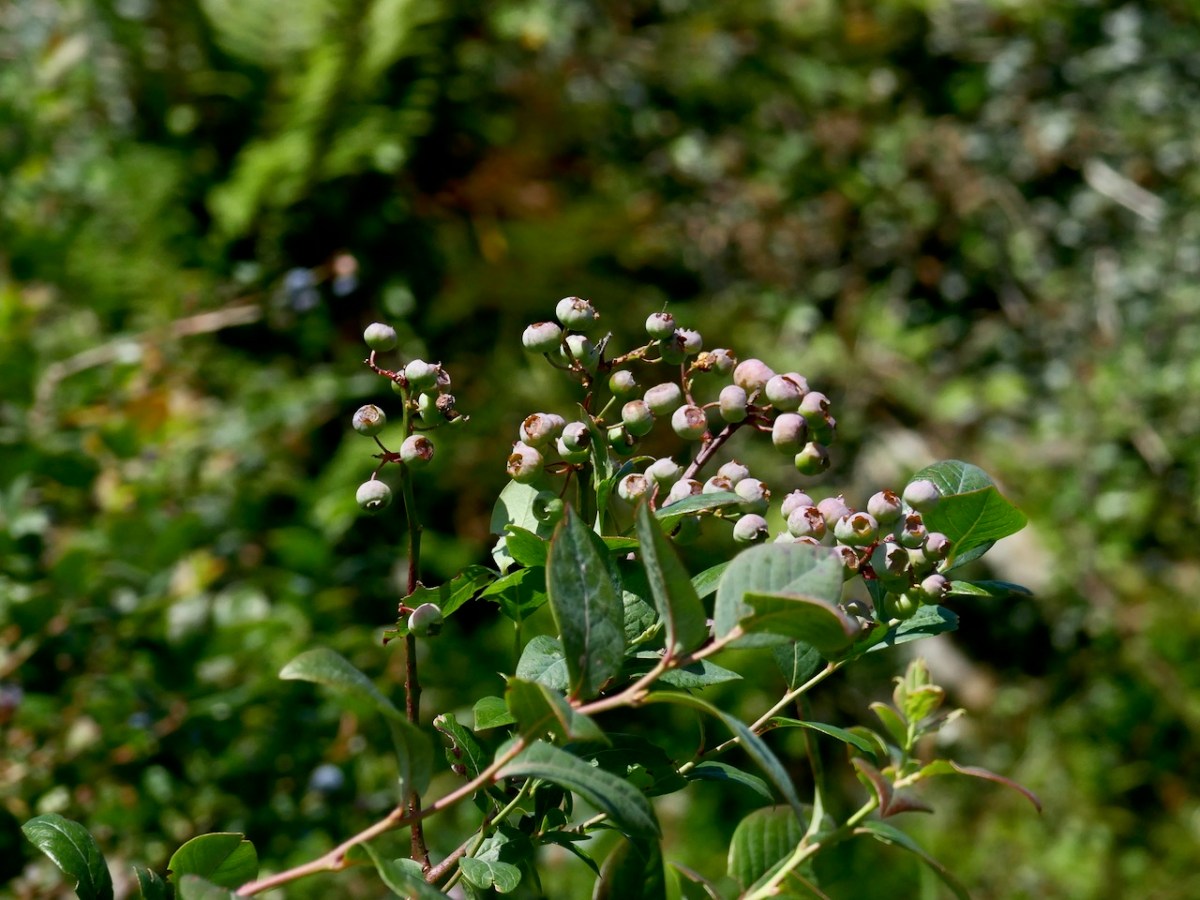
Along the way there has been experimenting, and not everything has been successful (anyone for Irish walnuts?), but he has landed now on two main cash crops – blueberries and aronia berries – and a huge variety of fruit trees and vegetables that are grown mainly for themselves.
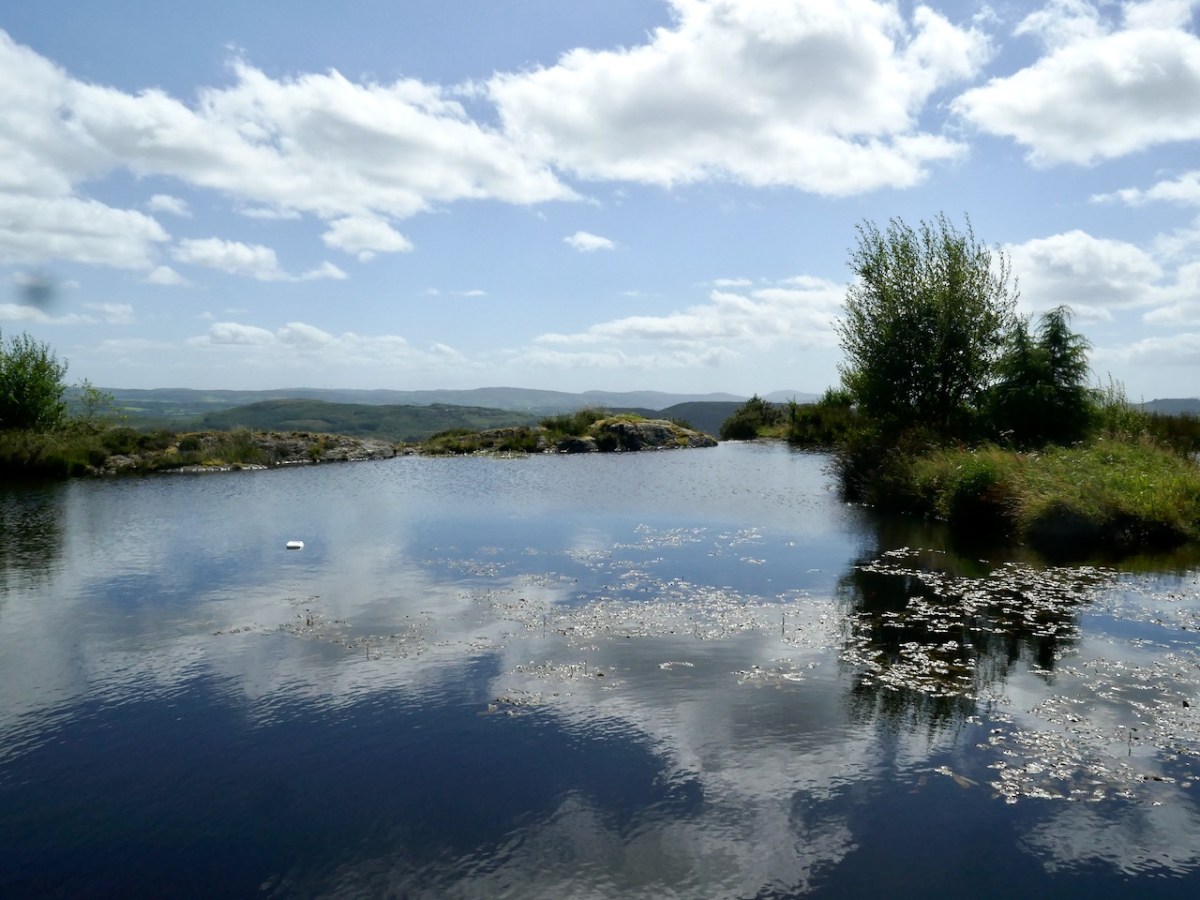
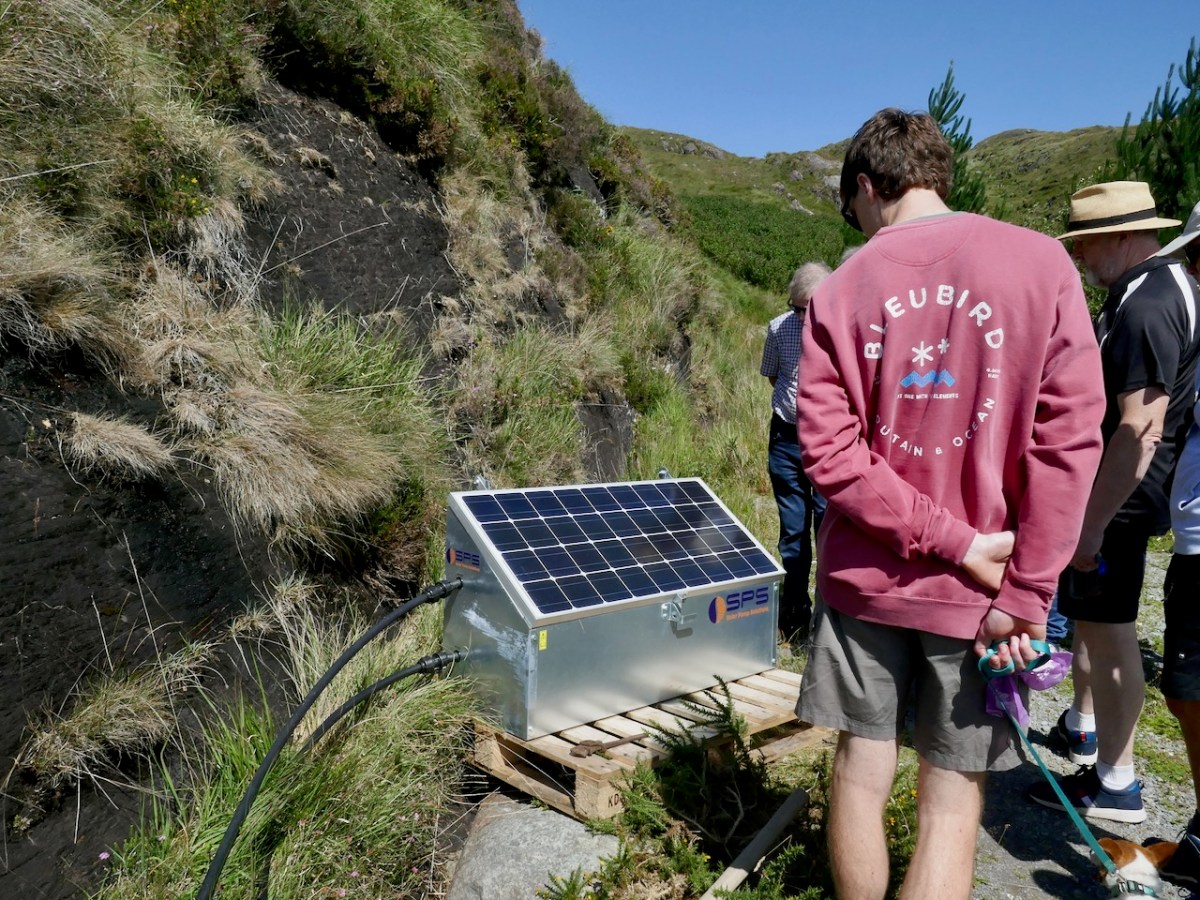
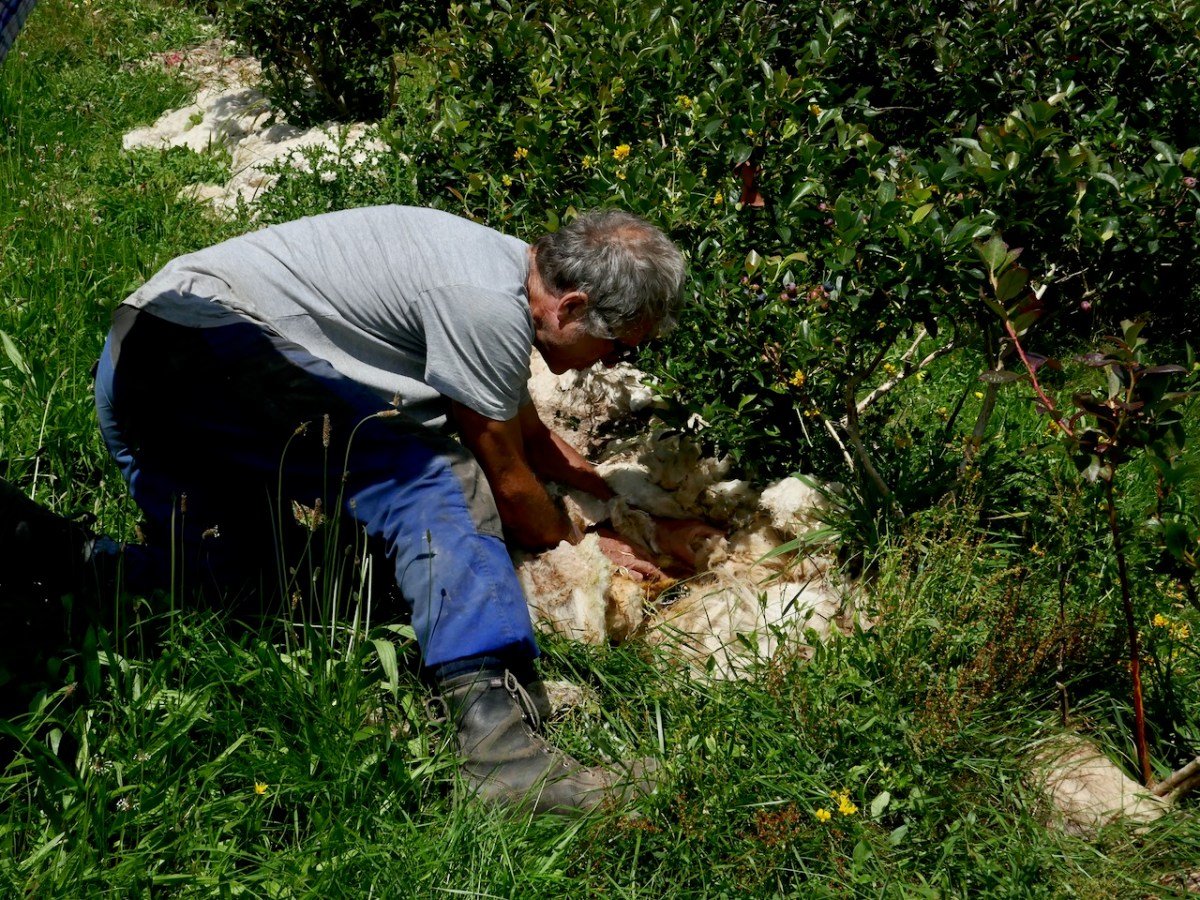
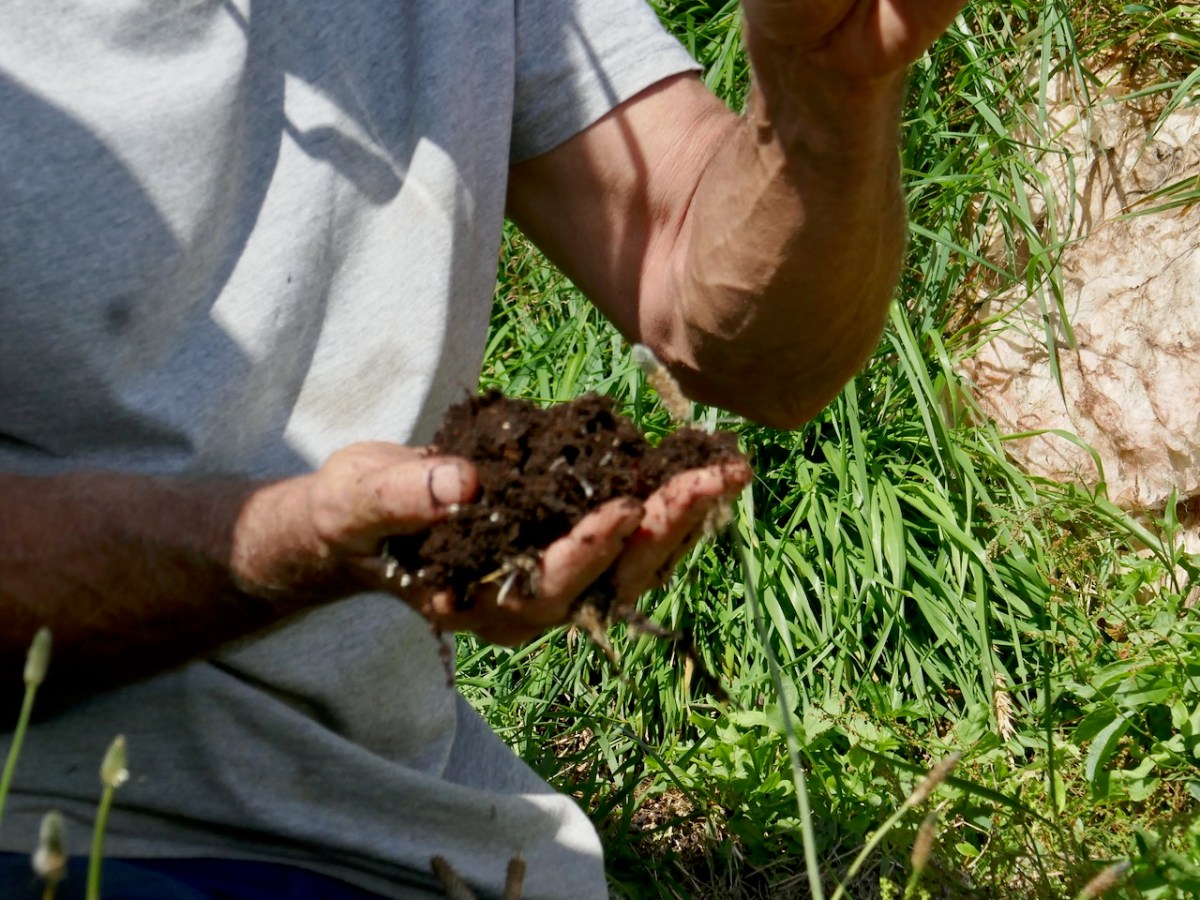
The farm is very impressive indeed. Steve has harnessed streams from the mountain, and dug ponds, and using solar-powered pumps, has a steady supply of water. He ‘grows’ his own soil using compost, wood chips and sheeps’ wool, which produces earth at the right Ph level for the crops he plants.
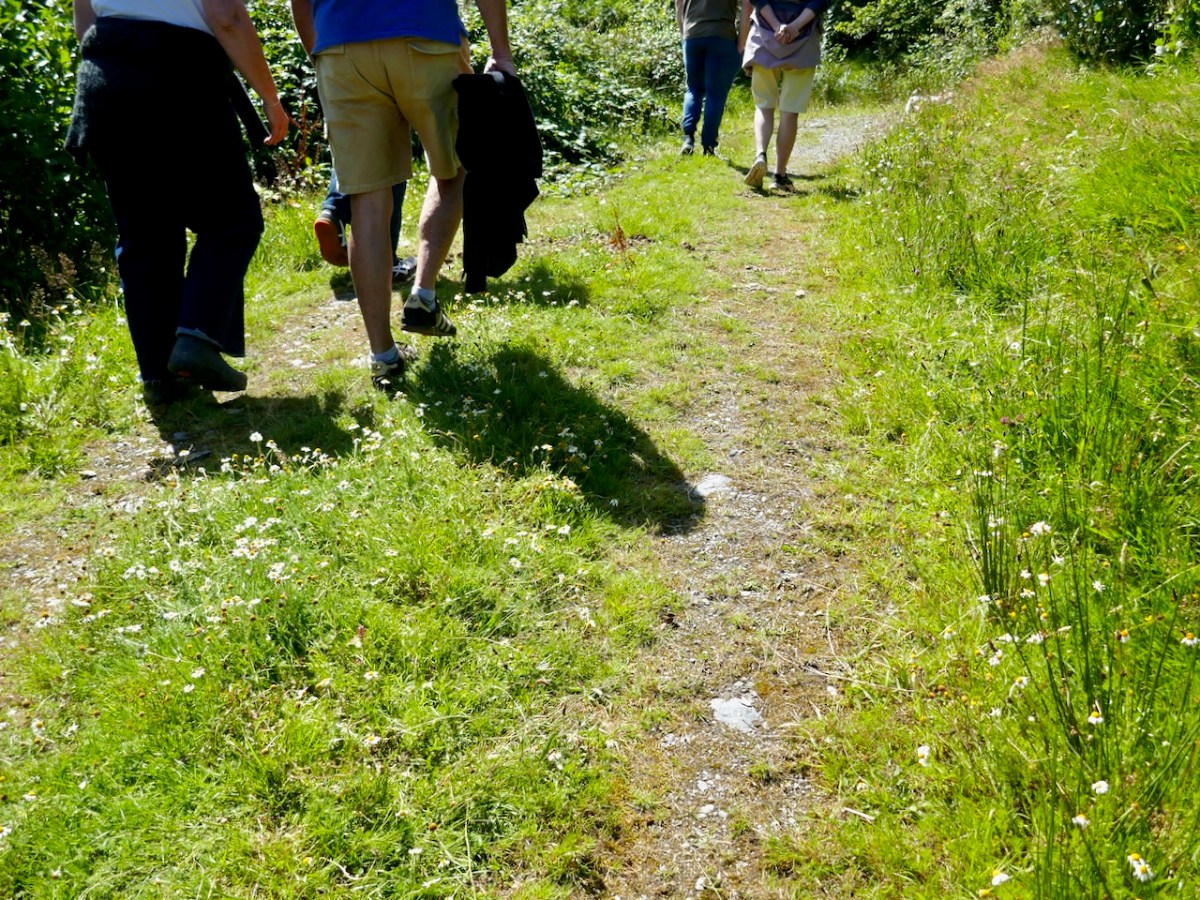
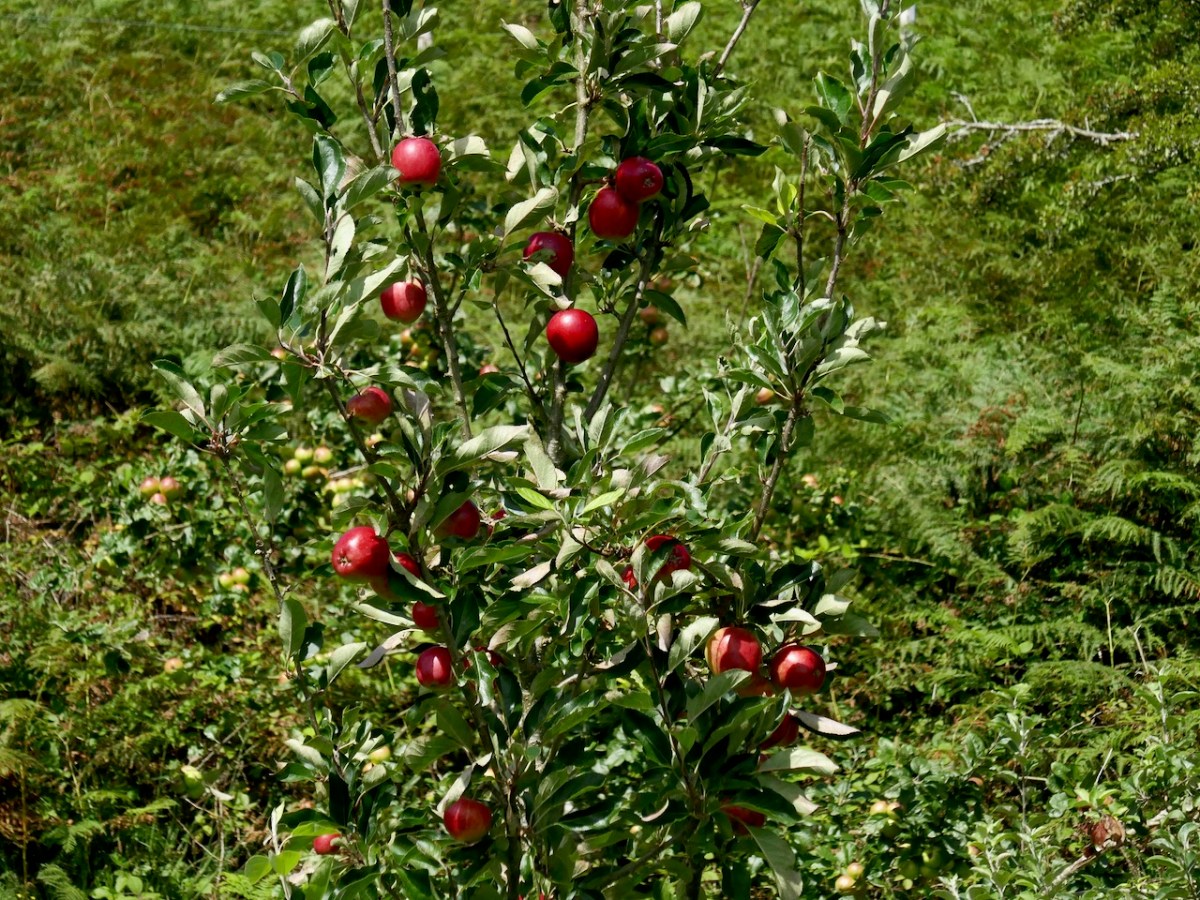
The paths that wend through the growing areas (you can’t really call them fields) are fragrant with chamomile, and at this time of year loaded with blackberries, heather, meadowsweet and cat’s-ear. The impression is of a living hillside, bursting with life. Apple trees grow all over the place, hens cluck here and there, and many different tree species have space to see if they can flourish at this altitude and in this climate.
To eat a fresh Derry Duff blueberry (you can buy them at select stores locally) is to rediscover what a blueberry is supposed to taste like – large, juicy, sweet and substantial. It’s a labour intensive crop but there are picking machines which may be part of the process at some point. They were just ripening for our visit.
Aronia berries are new to us here in Ireland. A north American native, they have the highest level of polyphenols of any plant or vegetable.
Here’s the information from the Derry Duff website:
These benefits come from four distinct but inter related mechanisms; their ability to improve glucose metabolism; their positive effects on the microbiome; their anti-inflammatory properties; and their antioxidant power. Research shows they can prevent metabolic syndrome; the combination of central obesity, high blood pressure, diabetes or pre-diabetes and deranged blood fats; the greatest source of chronic ill health in Ireland and the developed world.
I came home with a large box of aronia juice, and I’ve been working my way through it. I like it – it’s not too sweet and tastes great mixed with some sparkling water. As regular readers know, I had Covid last week and I do wonder if the aronia juice got me back on my feet sooner than I might have without it. I remember feeling tired and listless for ages after my last bout of Covid and I seemed to bounce back more quickly this time. But of course that’s an anecdote (or a scientific survey with a population of one) and for the real science behind aronia, you can take a look at all the evidence here.
I came away from Derry Duff with a sense of awe that Steve and Claire and their family have taken on a challenge like this – to take a piece of marginal Irish hillside and turn it into a small miracle of abundance and fertility. Oh and by the way, up there ranging over the hills is also a small herd of Dexter cattle. The emphasis is on sustainability and biodiversity. Nothing is wasted and everything they do addresses their aim, to live in harmony with the hills.
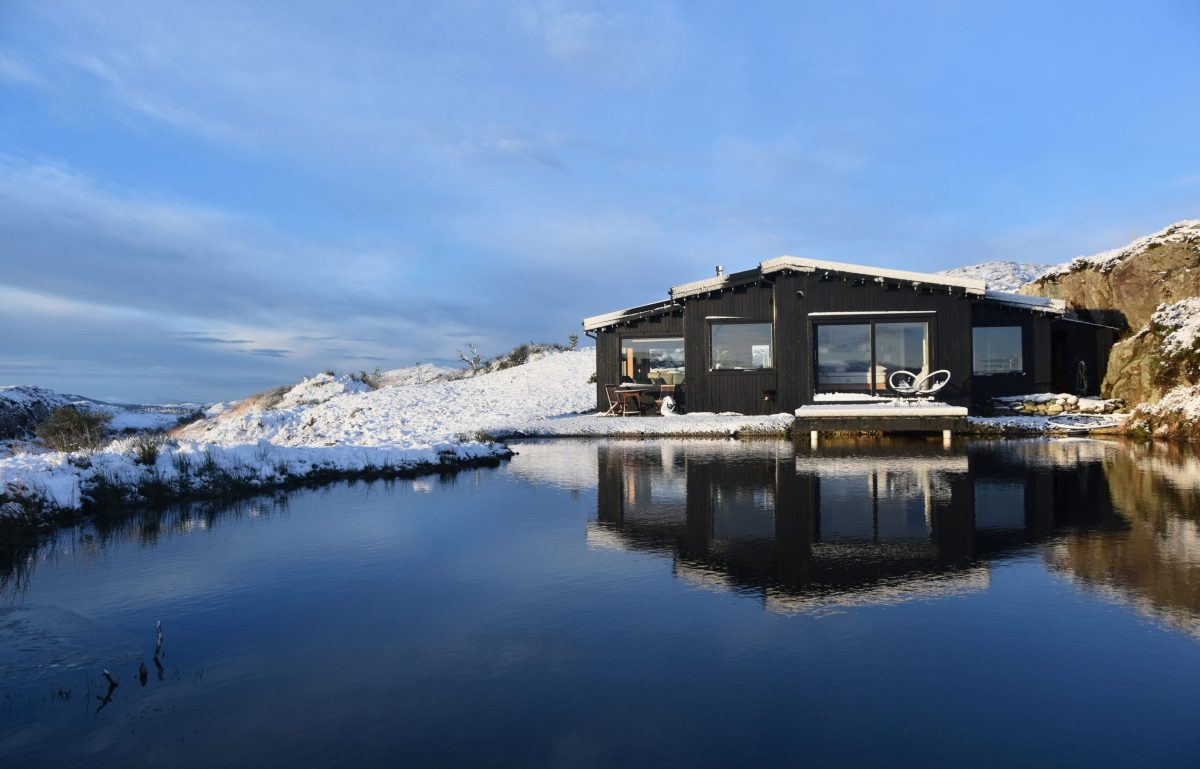
If you want to experience this yourself, you can stay at Derry Duff! They have a wonderful, luxurious, cabin called the Hidden Haven and it gets rave reviews in all the usual sites and magazines. The photo above is taken from their website. If you want to visit on an open day, contact them through the website to add your name to the list.
I’ve been stricken with Covid, so the post I was planning to write – about my visit to the amazing Derry Duff Farm will have to wait a week. And no – I haven’t forgotten I need to get back to the Skeams and St Brandanus! Instead I bring you one of Robert’s posts from a few years ago in which he leads us along some of the smallest roads you can encounter in West Cork. I’ve swapped in a few photos.
Small Roads
Road repairs in rural Ireland peak in the summer months. Favourable weather is responsible. Always be ready for holdups and diversions. ‘Boreens’ – narrow roads in country areas – are often unable to take the machines required to cut edges, fill potholes and restore surfaces while letting traffic through at the same time. In the worst cases, alternative routes can add many kilometres to a journey. So, when setting out, always leave yourselves plenty of time.
Here’s our Yeti straddling the border between Cork and Kerry on the Priest’s Leap road. That’s one of our favourites: the scenery is outstanding, but there can be problems if you meet someone coming the other way. In fact, that difficulty is present on very many of our local byways: hone your reversing skills!
It’s not always other vehicles you have to watch out for . . .
A rural road can be a challenge: never be in a hurry. You just have to go with the flow, even if that means reversing for half a mile. In that situation, of course, the main difficulty is making the decision as to who will have to reverse: you, or the vehicle coming the other way. If that oncoming vehicle is a large tractor and trailer, you may not have much choice.
Yes, there are still a few roads around in very out-of-the-way places which are not surfaced as you might expect. They fit well into their rural surroundings!
Take care not to get lost . . . Some of these boreens are not even marked on the map!
Give a thought to those who built these byways: quite a lot of engineering has been involved in carving through rocks to create a more or less level route.
Some roads lead to a dead end. I prefer those that fly high – over the mountain passes; the scenery never disappoints.
. . . The Road goes ever on and on Down from the door where it began. Now far ahead the Road has gone, And I must follow, if I can, Pursuing it with eager feet, Until it joins some larger way Where many paths and errands meet. And whither then? I cannot say . . .
from ‘the old Walking Song’ by J R R Tolkein
There’s always a reward to be had for travelling uphill: it’s the view from the top!
I was so struck and overwhelmed by the wisdom and kindness of the responses to my last post, AI and the Future of Roaringwater Journal, that I decided to write a follow up. Then, I promise, I will let this matter drop and go back to my usual diet of history and archaeology and art and flowers and West Cork.
First of all thank you to everyone who took the time to respond – it was heartening and heartwarming to see your thoughtful and encouraging comments, both on the blog and on the Facebook Page. My blog readership is down, at this point about 20% over this time last year. This seems to be about average for what many are reporting, although some have seen far steeper declines. Your comments reminded me that to look at this in terms of readership stats is missing the point – what you told me is that each time a post is read, the reader and I are making a human connection. This was brought home to me at a function last night where I met a woman who told me that although she never comments, Roaringwater Journal has been a ‘lifeline’ for her both during Covid and in times away from West Cork. It was also underscored by the fact that one of the comments was from a high school teacher in Canada that I taught in elementary school in the far north of Canada in the early 1980s! (Hello, Shannon!)
The second theme that emerged takes shape around the concept of a Voice – a real, human voice, with opinions and insight and well-researched content and occasional humour and its own quirky personality. No content generated by a chatbot, you said, can equate to reading something that a human has written with creativity, clarity, passion and curiosity. And you are right – I love what Paddy Tobin said about the essay on West Cork History written by ChatGPT
as soon as I began to read the AI generated text, you were gone, absent. I suppose had I not read your blogs over time this would not have registered. It would be a reasonably interesting if bland presentation of facts but when you write there is opinion, interpretation, reaction, feeling…style and personality
Several of you share my worry in a general sense and resent the intrusion of AI into our daily lives, although as Francis observed, the genie’s out of the bottle now and there’ll be no getting it back in again As I have been reading a little more about what’s happening, there is a glimmer of hope – it has become obvious very quickly that the internet is an ecosystem with a delicate balancing act. If the chatbots and AI search engines cut traffic to writers and publishers, (who, in turn cease to write and publish) they are ultimately undermining what make the internet actually work – that is, without content creators there is no longer information to harvest. Way back in 2016 we already were expressing this in our post Tech is Cool and Content is King. Some are advocating a system of monetary compensation for scraping content. While that might suit some creators, those whose livelihoods depend on their writing, it does nothing for those of us who are motivated not by commercial considerations but by the sharing of stories and interests with our readers. I can’t help feeling too that it just turns writers into employees or ‘suppliers’ for the large AI companies.
Thank you for the encouragement to explore other options. I’ve looked into Substack and I don’t think it’s the answer for me for a number of reasons. That could be another post so I will leave it there. Regarding writing a book – yes, I will give this serious consideration (after I finish the one I am currently writing about George Walsh), but perhaps some of you don’t realise that the book, which seems like it has the protection of being a physical entity, is also in danger from the exact same issue. In recent years, major AI companies have admitted or been revealed to have used vast libraries of published books (usually without permission or compensation) to train their models. This includes both e-books and scanned print books. Just because something exists in a printed form does not mean it is safe from digital scraping. If you want to check out whether your favourite book has been scraped, do a search in The Atlantic database. I only have my name on the spine of one book – a now very-outdated and somewhat turgid volume of academic essays co-edited with a professor from the University of British Columbia. I found it in that database.
Finally, you reminded me that I must hang onto why I do this, week after week and so I have asked myself that question. Here’s my answer – I write this blog for a whole host of reasons. I do it for me, and I do it for Robert so that his wonderful lyrical writing and unique ruminations on all kinds of subjects will be available for as long as the blog is alive. I do it as a creative outlet and to give my life a sense of purpose. I do it to give back to the wonderful West Cork community that embraced us and supported us when we moved here in 2012. I do it to get down in writing, for the enjoyment and edification of myself and others what makes West Cork the rich and fascinating environment we have discovered here. I do it to celebrate the joy of researching the wide and varied history, archaeology, culture and environment of this special part of the world. I do it to give a shape and discipline to my week. I do it because it gets me out amuigh féin spéir, scrambling over stone walls, lying in bogs, exploring ruins, running from bulls, sometimes alone but often with Amanda and Peter of Holy Wells of Cork and Kerry. I do it because it has led me into subjects and places about which I knew nothing but which have become all-consuming interests – wildflowers and stained glass for example. I do it because it has become my life and my pastime and my passion. I do it because I have readers like you, all over the world, who let me know my words do not go into a void. I do it because.
AI is a double-edged sword and the future for Roaringwater Journal, and blogs like it, is looking grim.
First, the not-so-bad news.
I’ve made no secret of the fact that I have been exploring various AI tools – chatbots and search engines and research tools like NotebookLM. My first foray was when I asked ChatGPT to write an 800 word essay on the history of West Cork. Although a cursory read left an impression that was persuasive, in fact it was riddled with errors. That was in 2023. Today I asked it to do the same again and I append the results below. MUCH better and in fact this time very accurate.
I’ve also used image-generation software – I had fun with a St Brigid Post a while back – the results, although amusing, were a mixed bag – I’d say this aspect of AI has a lot of catching up to do.
Finally, I used NotebookLM to keep track of all my references when I did the series on Charles Vallancey. NotebookLM is an excellent research tool which uses the sources you upload yourself. I had 15 different sources for this series, mostly lengthy academic articles, and I was able to use NotebookLM to tease out threads across the articles, each statement referenced back to its source.
Now for the other side of the coin.
When you did a Google search in the past, it came up with a list of Blue Links – clicking on a link brought you to the source website. Search engines drove a lot of traffic to our website.
If you do a search now, the first thing you are likely to see is what’s called an AI Overview. Although there are still links (for now) to Roaringwater Journal and other local sites, many people just read the AI Overview and go no further. If you use ChatGPT the information will simply be served up to you in a condensed form, with no link to sources or to further information.
Perplexity includes links in the form of tiny numbers at the end of paragraphs which you may or may not notice or click on. Claude does something similar but seems to get most of its information from Wikipedia.
The AI companies have drag-netted the internet to train their Large Language Models (LLMs). Where information is scraped from Roaringwater Journal, it has happened without my knowledge or consent. This was not a problem in the past – Google gathered the information, but drove the searcher back to Roaringwater Journal – ‘click on this blue link for more information.’ Now, all my hard work and careful research is simply fodder for huge search engines who present it as if it’s their own. This is even more of an issue for bloggers who rely on traffic to generate income (I do not).
While traffic to the Journal (people landing on pages and actually reading what we have written) is a significant incentive to keep at it, it’s not the be-all-and-end-all for me, as I have all kind of other motivations for writing it. However, if the trend continues downwards, I can see myself and others taking stock at some point and wondering whether all our hard work is simply now providing content to enrich a bunch of tech-bro gazillionaires.
The ultimate irony? My story image was generated by ChatGPT!
The History of West Cork: A Story of Resilience, Rebellion, and Rich Culture
West Cork, the southwestern region of County Cork in Ireland, is a landscape of rugged coastlines, rolling hills, ancient stone forts, and vibrant villages. Though often celebrated today for its natural beauty and bohemian charm, West Cork’s history is layered with tales of prehistoric settlers, Gaelic chieftains, Norman invaders, rebellions, famines, and a profound cultural resilience that still defines the area. The history of West Cork is, in many ways, a microcosm of Ireland’s wider historical experience—marked by both hardship and heroism.
Prehistoric and Early Settlements
The earliest traces of human habitation in West Cork date back over 6,000 years, to the Neolithic period. Megalithic tombs, stone circles, and standing stones—such as those found in Drombeg near Glandore—attest to the ritual and communal life of these early settlers. The Bronze Age (c. 2500–500 BCE) and Iron Age (c. 500 BCE–400 CE) left their mark in the form of wedge tombs, fulacht fiadh (ancient cooking sites), and ring forts, which still dot the countryside.
By the early medieval period, West Cork was part of the powerful kingdom of the Eóganachta, a Gaelic dynasty that ruled much of southern Ireland. The area was divided among local chieftains, with clans such as the O’Driscolls, O’Mahonys, and O’Donovans holding sway. These families established fortified homes and controlled trade routes, especially around the coast. The influence of Christianity also spread during this period, and monastic sites such as Timoleague Abbey were founded, becoming centers of learning and religious life.
Viking and Norman Incursions
Beginning in the late 8th century, Viking raiders arrived along Ireland’s coasts, including the bays and inlets of West Cork. Though initially destructive, the Vikings eventually integrated into Irish society, intermarrying and establishing trading posts.
In the late 12th century, the Anglo-Normans began their invasion of Ireland. West Cork, with its remote and rugged terrain, resisted complete conquest for some time, but eventually Norman influence took root. Towns such as Bandon and Kinsale (just on the border of what is traditionally considered West Cork) grew under Norman control. These new settlers introduced stone castles, new agricultural practices, and English legal structures, which often clashed with traditional Gaelic customs.
The Tudor Reconquest and the Flight of the Earls
The 16th century saw the English Crown intensify its efforts to control Ireland. West Cork became embroiled in the resistance movements of local Gaelic lords. One of the most notable figures of this period was Donal Cam O’Sullivan Beare, chieftain of the O’Sullivan clan. After the defeat of Irish forces at the Battle of Kinsale in 1601—a key turning point in Irish history—O’Sullivan Beare led his people on a harrowing 500-kilometer march to Leitrim, seeking sanctuary. Only a handful survived. This event symbolized the collapse of the old Gaelic order and the increasing dominance of English rule.
Following the Nine Years’ War and the “Flight of the Earls” in 1607, many Gaelic lords fled Ireland, paving the way for the Plantation of Ulster and further colonization. In West Cork, land was confiscated from Irish families and given to English settlers loyal to the Crown. This deepened divisions and planted the seeds for centuries of unrest.
18th and 19th Century: Rebellion and Famine
By the 18th century, West Cork had developed a mixed population of Protestant landowners and Catholic tenant farmers. Tensions over land and religious discrimination simmered, culminating in episodes of violence such as the Whiteboy movements—agrarian protests against unfair rents and evictions.
The 1798 Rebellion, inspired by revolutionary ideals from America and France, saw some activity in West Cork, though it was largely suppressed by British forces. Still, the spirit of resistance remained alive.
The most devastating period in West Cork’s history came with the Great Famine (1845–1852). The failure of the potato crop, coupled with British government inaction, led to mass starvation, disease, and emigration. Skibbereen, one of the region’s principal towns, became infamous for the horror it witnessed during the Famine—its name now synonymous with suffering. Over 8,000 people died in the town alone, and many more fled aboard “coffin ships” bound for America, Canada, and Australia.
Twentieth Century: War, Revolution, and Renewal
West Cork played a significant role in the Irish War of Independence (1919–1921). The region was a hotbed of IRA activity, led by figures like Tom Barry and Michael Collins, the latter born in Clonakilty. Notable events included the Kilmichael Ambush, where IRA volunteers killed 17 members of the British Auxiliary Division. These actions helped push the British government toward negotiating the Anglo-Irish Treaty.
The subsequent Civil War (1922–1923) divided communities, including those in West Cork. Collins himself was assassinated at Béal na Bláth in 1922 by anti-Treaty forces, marking one of the most traumatic events in modern Irish history.
Modern West Cork: Culture, Community, and Creativity
In the post-independence era, West Cork remained primarily agricultural, though economic struggles persisted well into the 20th century. By the 1970s and 80s, however, the area began to attract artists, writers, and European settlers drawn to its wild beauty and affordability. This influx helped revitalize the region’s cultural life.
Today, West Cork is known for its lively arts scene, local food movement, and commitment to community sustainability. Towns like Bantry, Skibbereen, and Ballydehob host festivals, markets, and environmental initiatives, while smaller villages retain a sense of timeless rural life.
Though its history has often been marked by hardship, conflict, and change, West Cork has preserved a deep sense of identity. Its landscape holds the memory of centuries—of castles and cairns, abbeys and ambushes—and its people continue to reflect the tenacity, independence, and creativity that have long defined this corner of Ireland.
Welcome to the UCD Library Cultural Heritage Collections blog. Discover and explore the historical treasures housed within our Archives, Special Collections, National Folklore Collection and Digital Library