Revisiting BAM

BAM is the Ballydehob Arts Museum, and regular readers will know that this is a project which has involved us over the past few years. The Museum was curated to collect, conserve and celebrate the work of artists who came to West Cork and – particularly – Ballydehob during the second half of the twentieth century, some of them settling in the hills around the village and living a Bohemian lifestyle based around the principles of John Seymour’s seminal work Self Sufficiency published in 1973. At that time I was involved in running an eccentric small bookshop in rural Devon, and that book was our all-time best-seller!

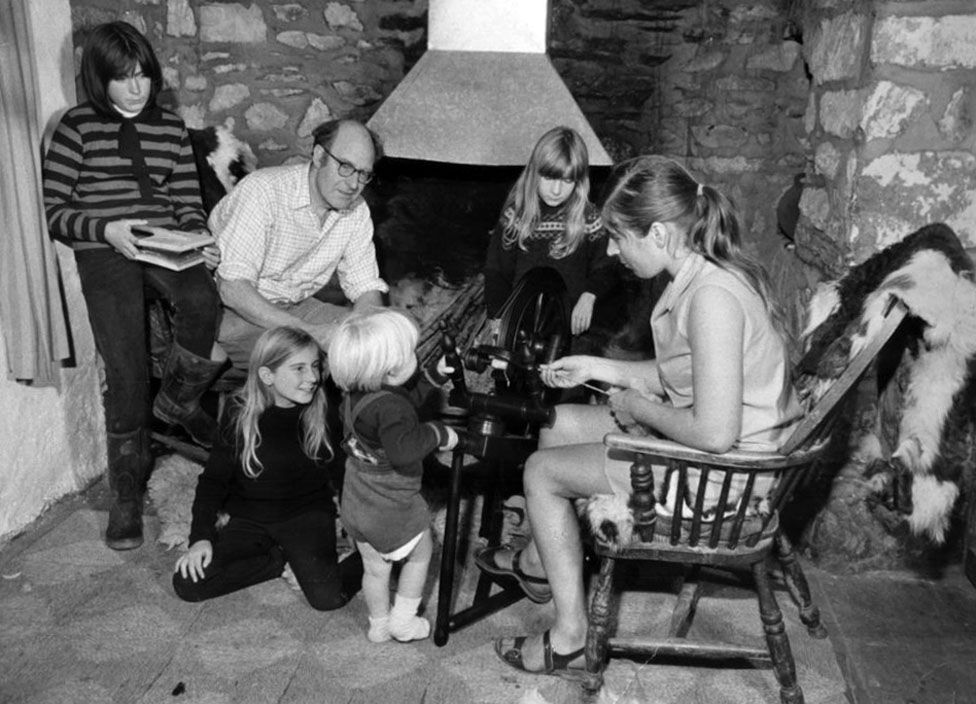
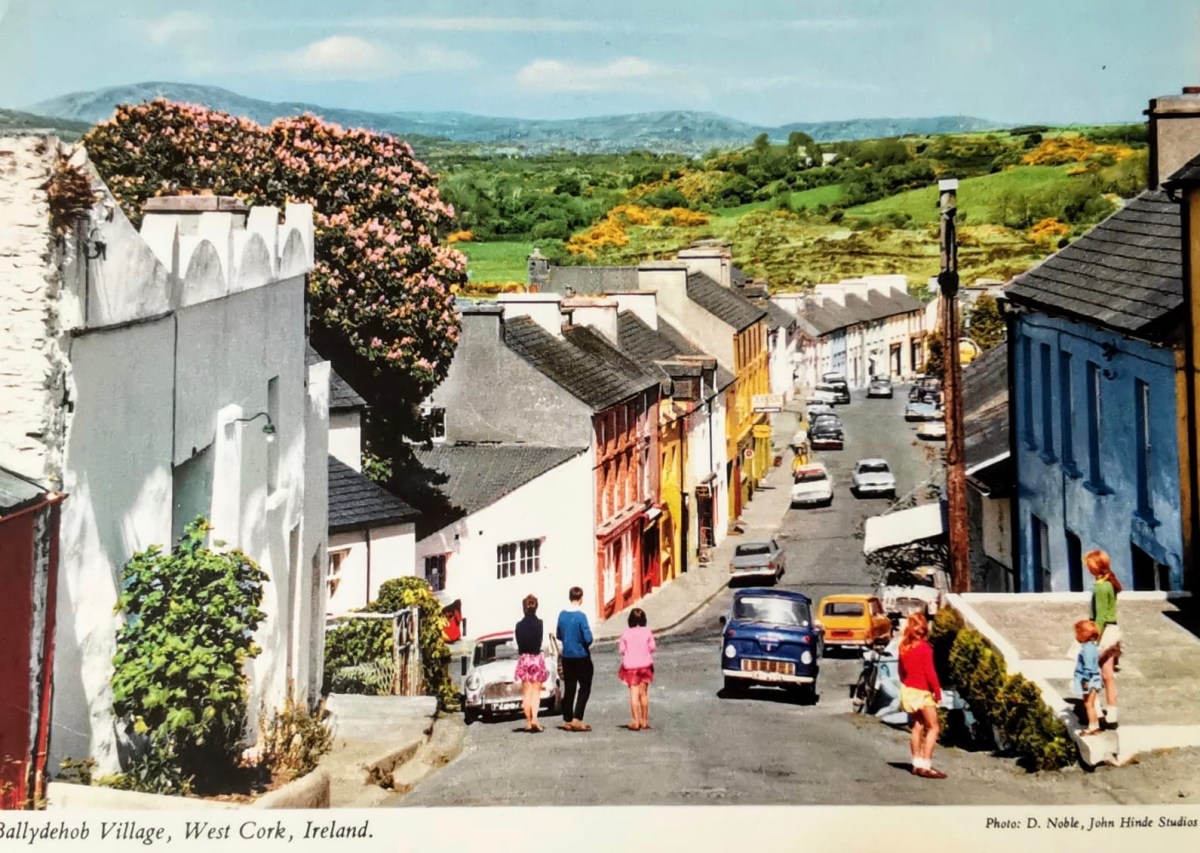
That’s John Seymour and his family in 1973, when the book was first published (upper picture) while the lower picture is a John Hinde postcard from around the same period showing Ballydehob. It looks a thriving, lively place with its coloured houses and shops, and I think those ‘Bohemians’ who are still with us today – and still have their homes in the village – would agree that it was in those days the centre of a very special world – of artists and craftspeople making a living and producing some exceptional work. Work that is being recognised, now, for its quality and unique character.

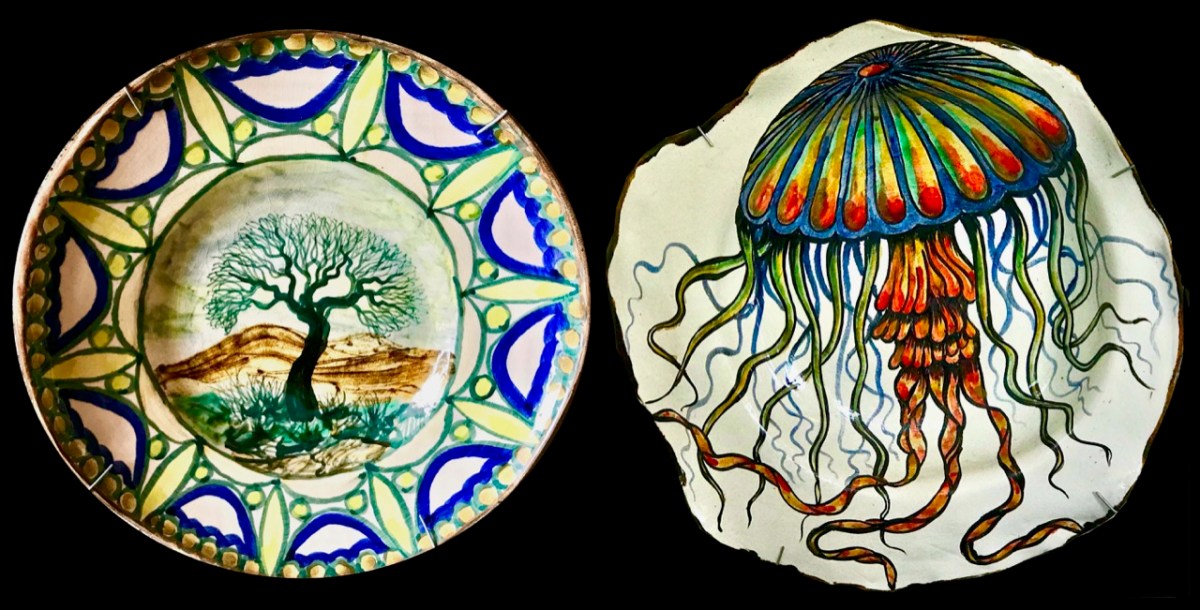
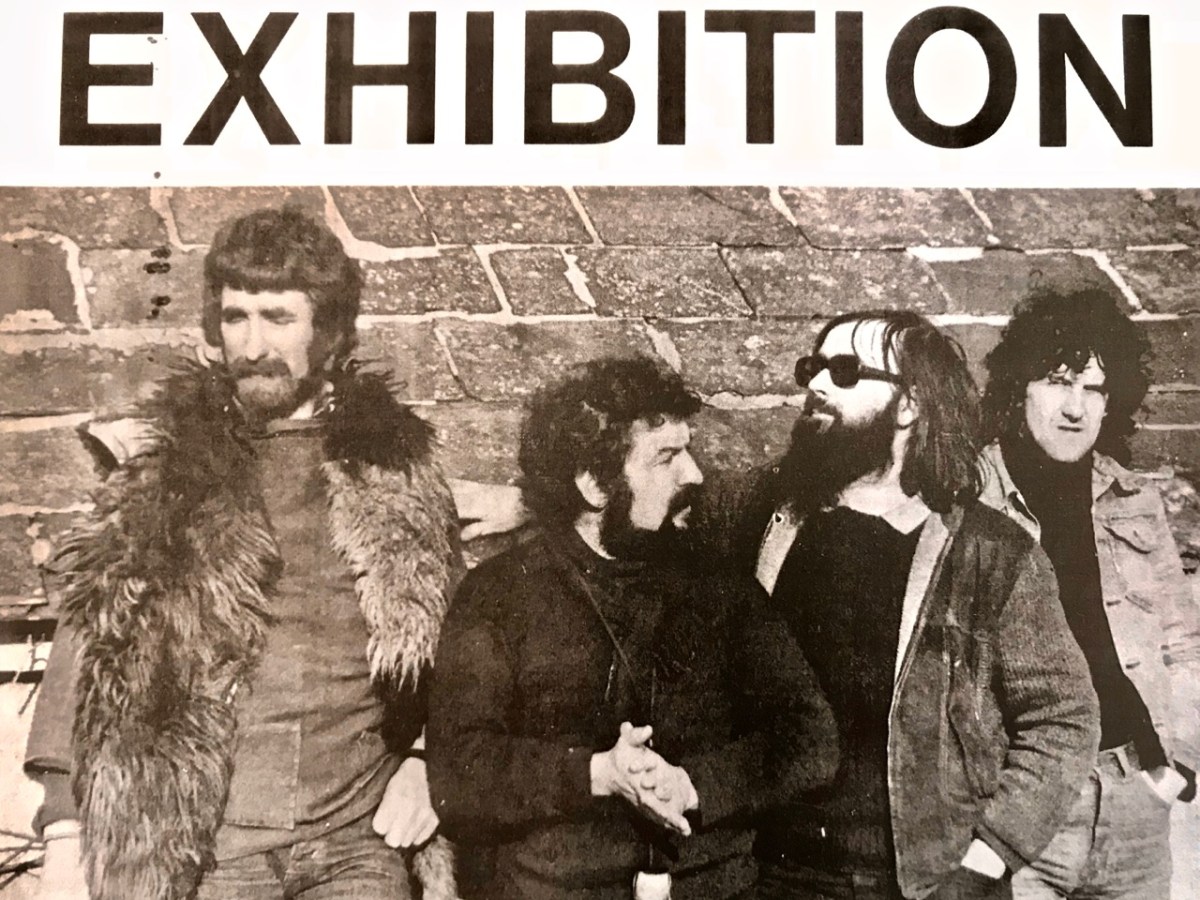
This is a wonderful photograph from the Museum archives: here you see four of the ‘Bohemians’ who were crucial to the Ballydehob project. On the left is John Verling – he and his wife Noelle produced the two plates on the header, Tree of Life and Jellyfish, and were central to the community, establishing their pottery at Gurteenakilla just outside Ballydehob in the early 1970s. John died in 2009, but Noelle still thrives in the area. Next is Pat Connor, still living and working – as an award winning ceramicist and sculptor – in West Cork. Beside him is Brian Lalor who, since those Bohemian days – has established a formidable reputation in Ireland as print-maker, artist and writer. Also, very relevant to this post, he is a co-founder and Curator of the Ballydehob Arts Museum! Fourth in line in the photo is watercolourist, David Chechovich, no longer with us. Here’s a photo from a couple of years ago showing Brian (left) with Leda May, another early arrival in Ballydehob and living and working right in the village to this day; also Pat Connor, and Carol James, who came over from England in 1974 and stayed on. They haven’t changed a bit, have they?

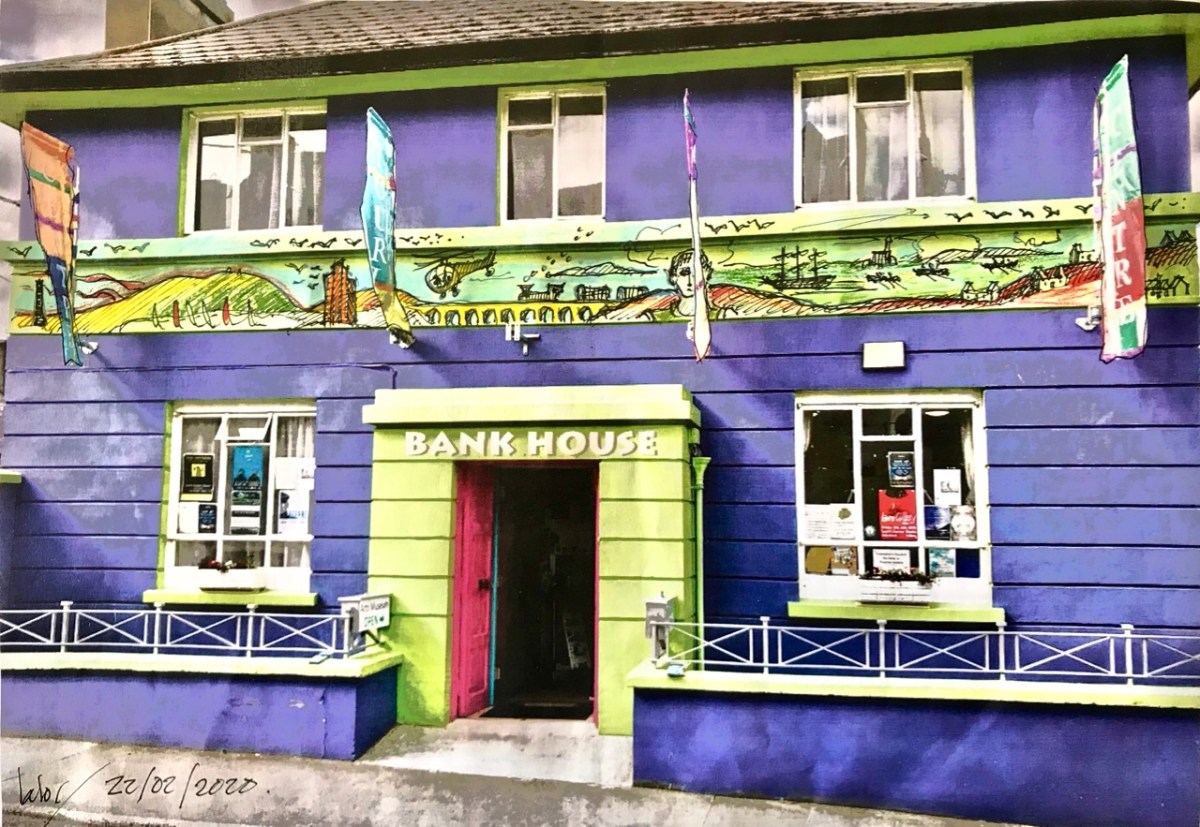
The Museum has a permanent home in Bank House, right in the centre of the village. As you might expect, it was once the local bank but – after closure – it was bought by the community and is currently finding fresh uses. This montage (above) is by Brian Lalor: he and I are imagining the building being livened up by a mural from Brian’s brush. Unfortunately, Covid has put a check on the Museum’s development over the last couple of years. But we are looking forward to getting things going again with a new exhibition for 2022. The photo below shows the Museum interior set up for the 2019 show.

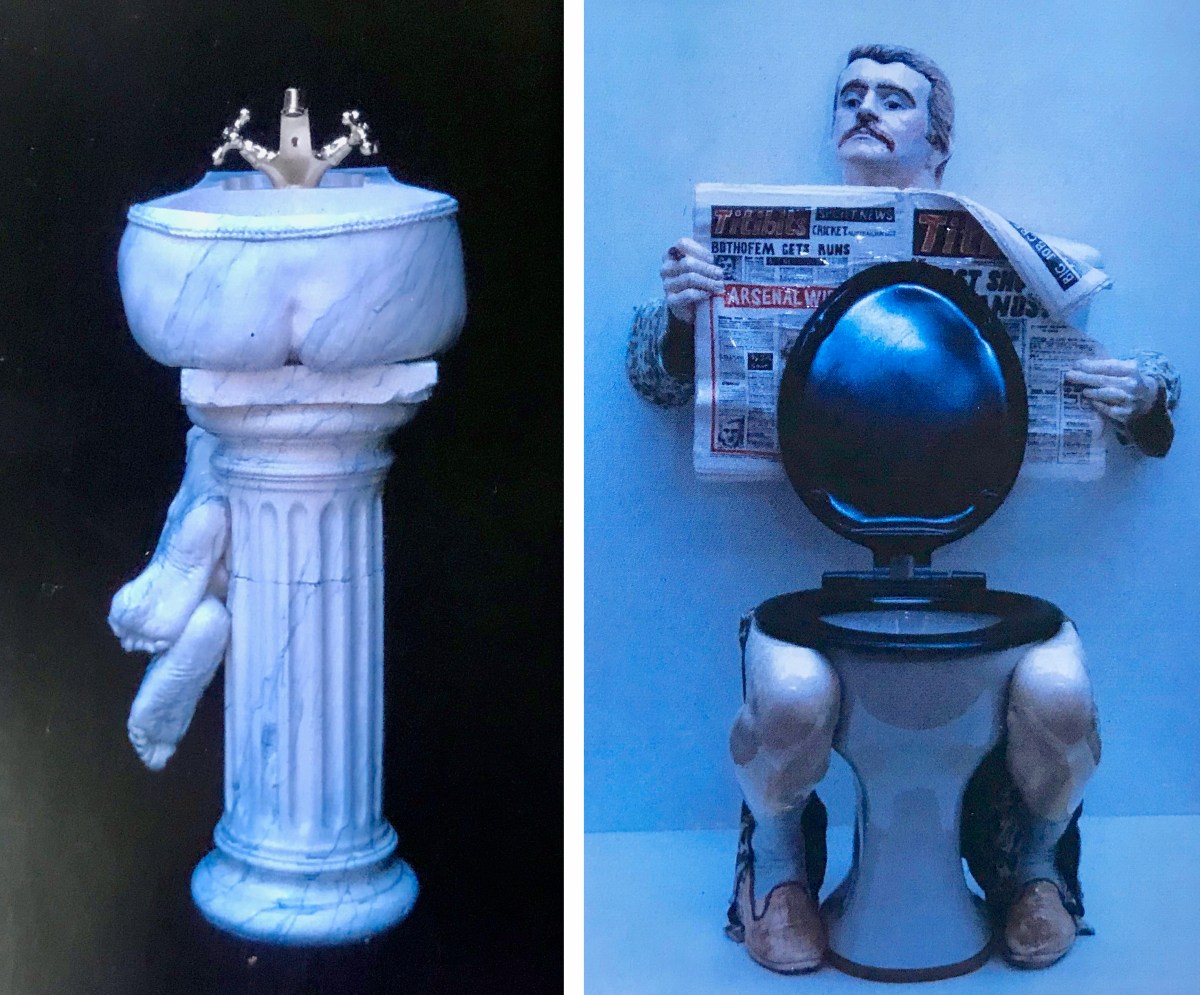
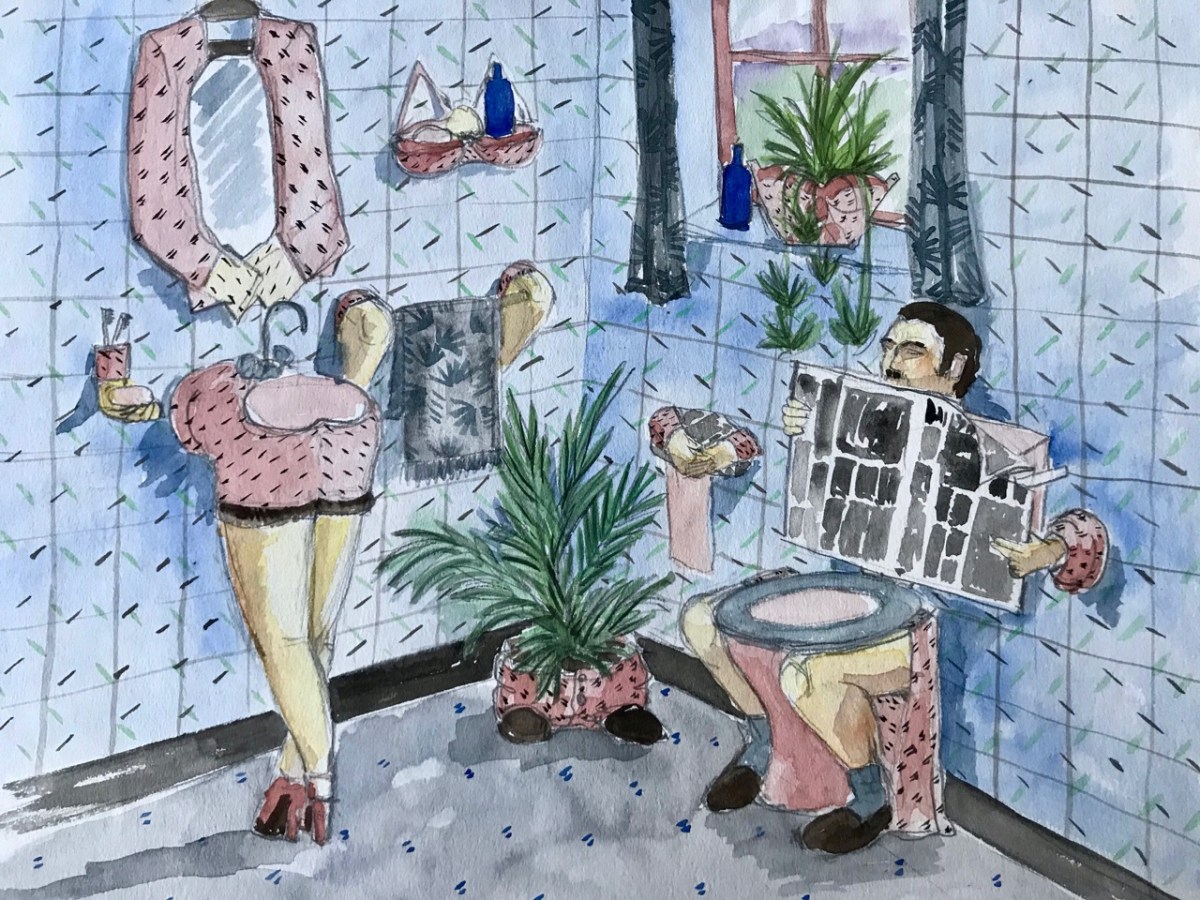
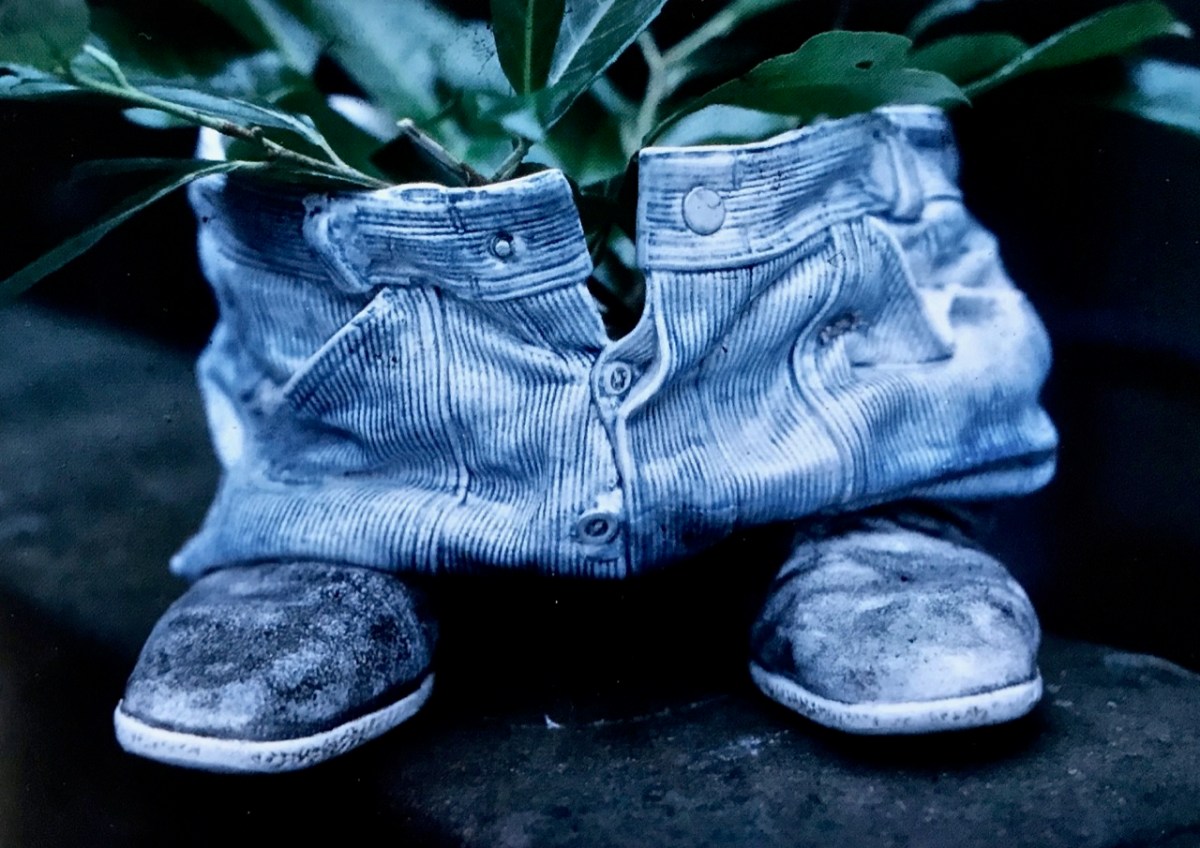
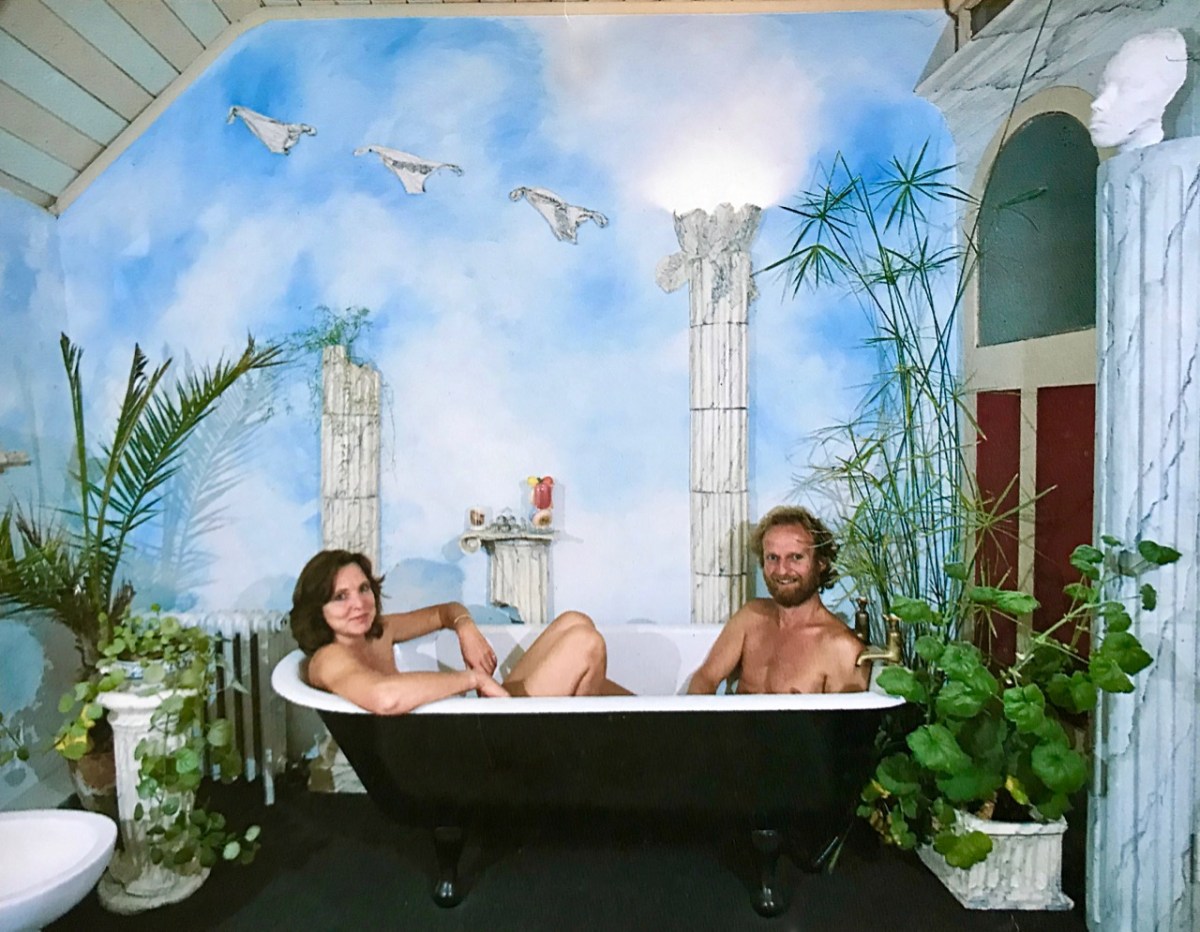
Here is an article – well worth reading – on the West Cork artists and our Museum (thank you, Peter , for pointing me to this). Mentioned in the article are the subjects of our next proposed exhibition, to be held in 2022, if all is well. They are Ian and Lynne Wright. They arrived in West Cork in 1973 and established their home, ceramics studio and an environmentally sound habitat at Kilnaclasha, Skibbereen. They are still there, although Ian spends much of his time on another environmental project in Tobago. Using the name Cors’ it’s Ceramics they experimented with body casting slipware and began to produce specialised one-off bathroom fittings – humorous and often erotic. They were hugely successful. Here’s a pictorial review of some of their work to give you a taster:

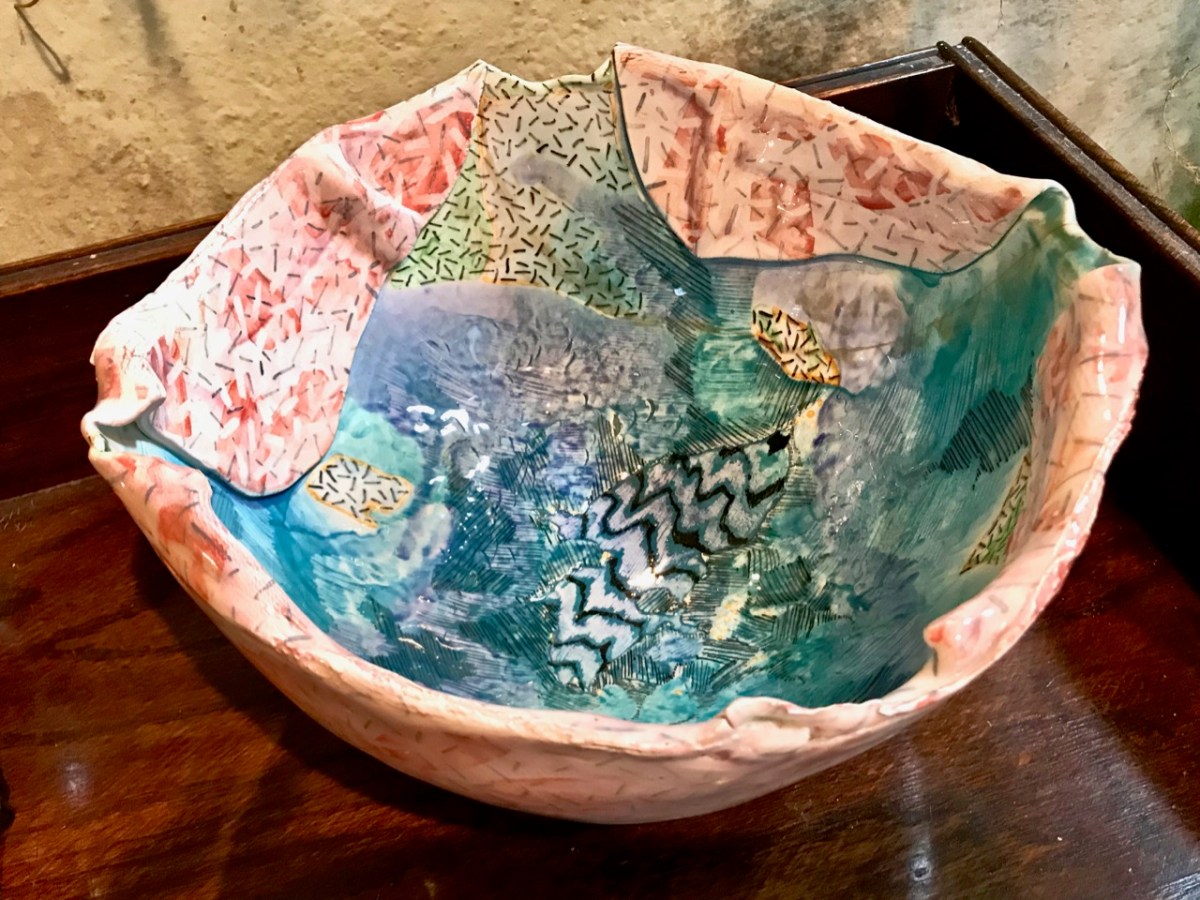
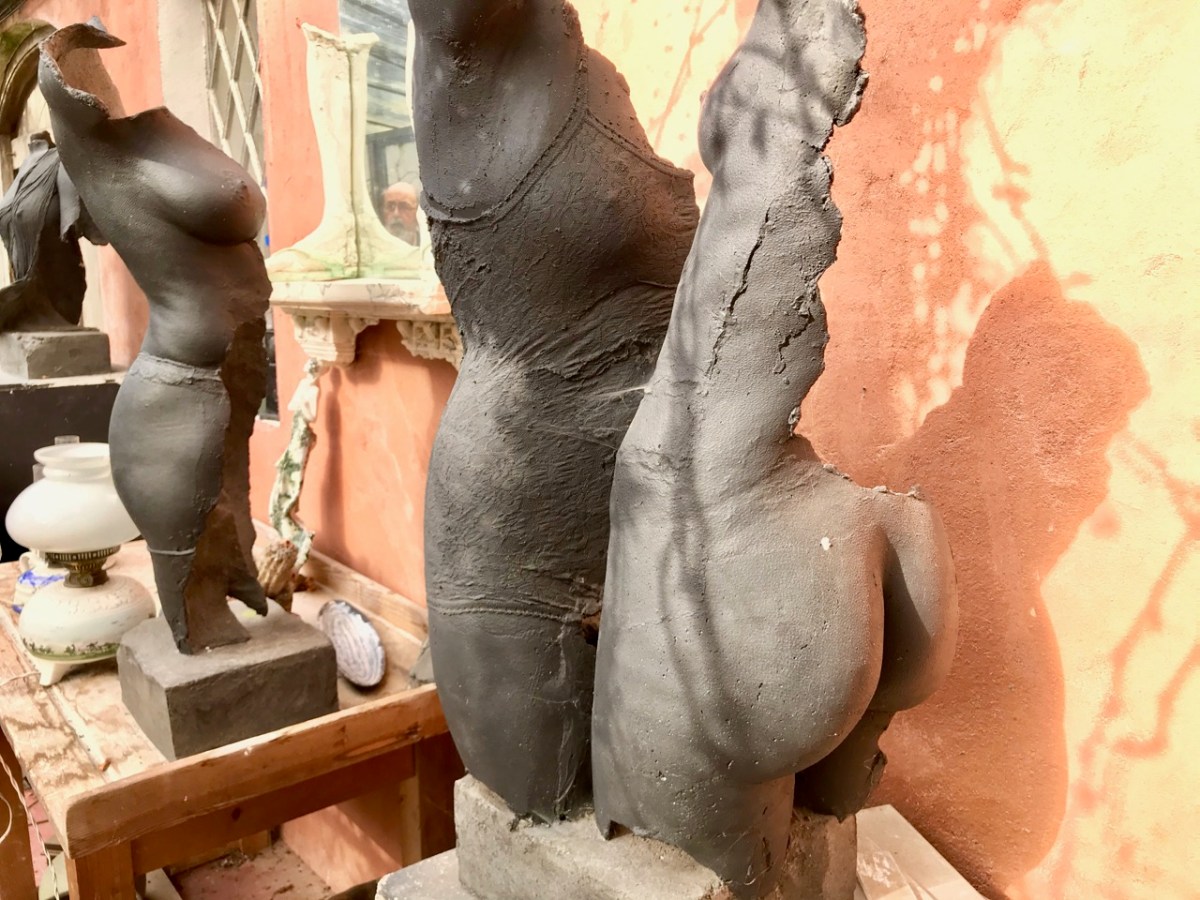
Ian and Lynne (above, from one of their bathroom product catalogues) gave up their ‘cheeky’ ceramics in 2002 but both are still producing; Lynne with large, colourful bowls and Ian with body casts (pics below). BAM hopes to show a significant selection of examples from their lifetime of work. It promises to be a spectacular exhibition: Roaringwater Journal will keep you up-to-date with progress.

You can find out more about the Ballydehob Arts Museum on the dedicated website, here

Frank, Jack and Eibhlín Dubh: The Lament for Art O’Leary

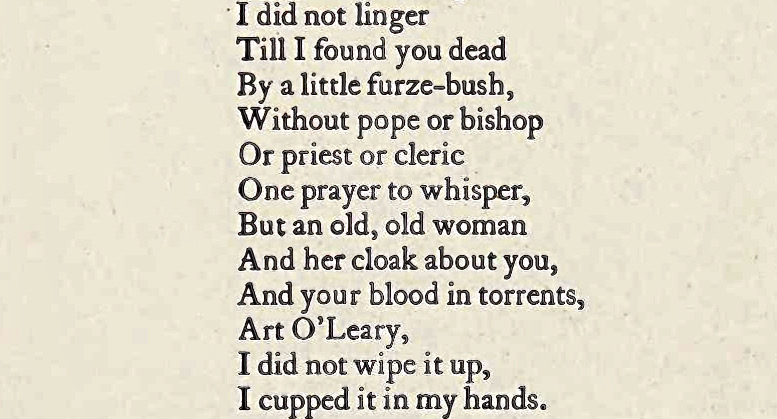
Caoineadh Áirt Úi Laoghaire (The Lament for Art O’Leary) is a classic work of Irish literature. Composed as a keen by his widow, Eibhlín Dubh Ní Chonail (Dark Eileen O’Connell, pronounced Eileen Duv), in the immediate aftermath of his death in 1773, it survived in oral tradition until it was finally collected from an aged professional keener in Millstreet and written down about 1800. Here are the opening lines in Irish followed by Frank O’Connor’s translation. (For those who would like to read the full text in Irish, you can find it here, with a translation by Thomas Kinsella.)

Mo ghrá go daingean tu!

Lá dá bhfaca thu

ag ceann tí an mhargaidh,

thug mo shúil aire dhuit,

thug mo chroí taitnearnh duit,

d’éalaíos óm charaid leat

i bhfad ó bhaile leat.

Keening was a women’s prerogative and tradition, and this keen is powerful and poetic, with long sonorous vowels, patterns of repetitive phrases, and all the devastated grief of a heartbroken woman. To get a sense of the pronunciation in Irish, the best reading I have come across is this one by Joanne Ryan.

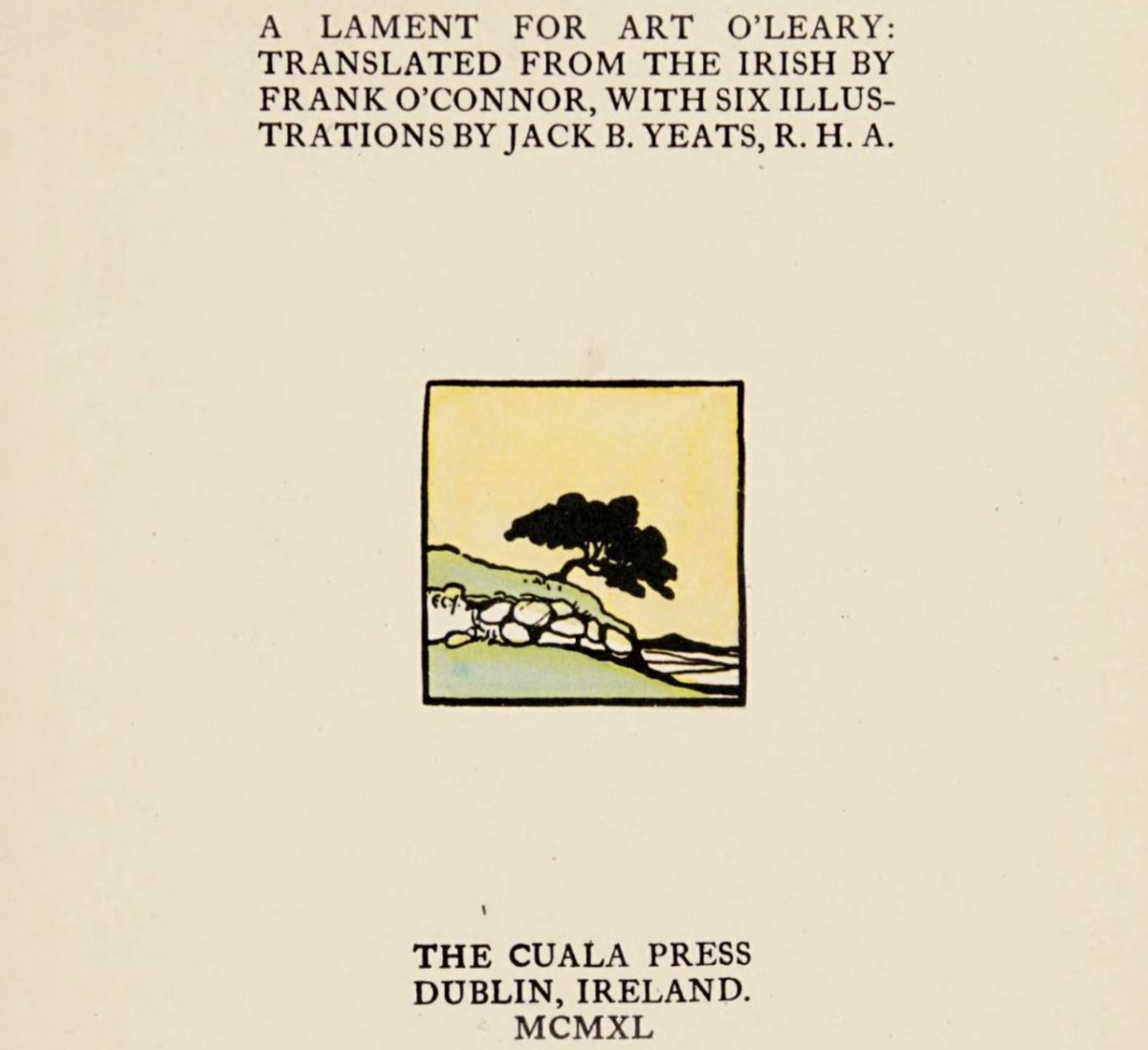
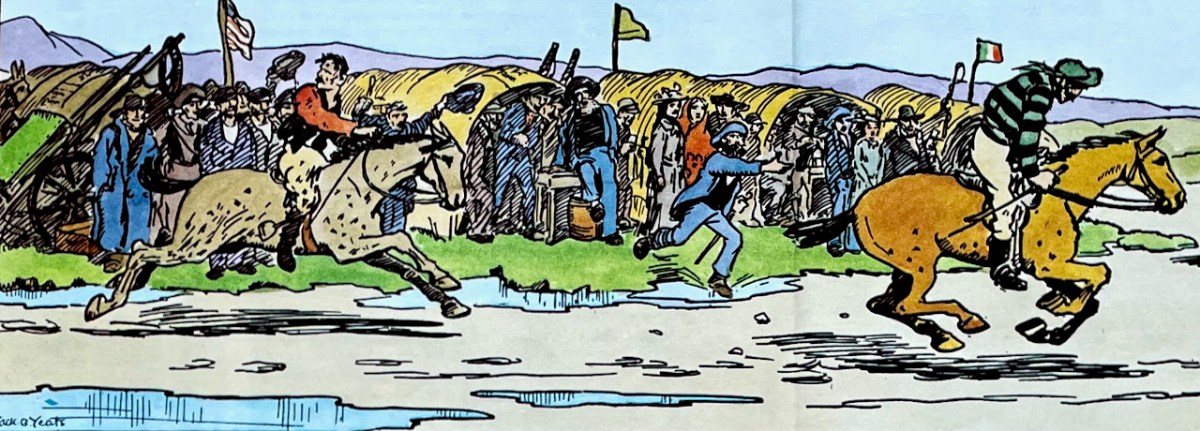
The Lament has been translated many times, including by Thomas Kinsella, Brendan Kennelly, Vona Groarke and Eilís Dillon. In 1940, the Cuala Press brought out a special limited edition of the poem, in a translation by Frank O’Connor and with illustrations by Jack B Yeats. The Cuala Press was run by Elizabeth (Lolly) Yeats, sister of Jack B and William B, and was a driving force in the proliferation of printed material, beautifully produced, related to the Irish literary and artistic revival. 

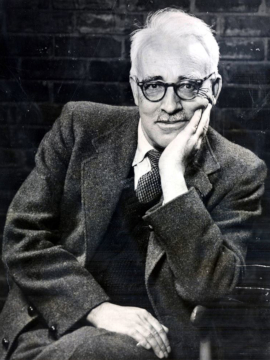
Frank O’Connor (above), although better known for his short stories, was a scholar of the Irish language and translated many poems into English. His version is magnificent, capturing Eibhlín Dubh’s passion and fierceness and the rhythm and cadence of her keen. 

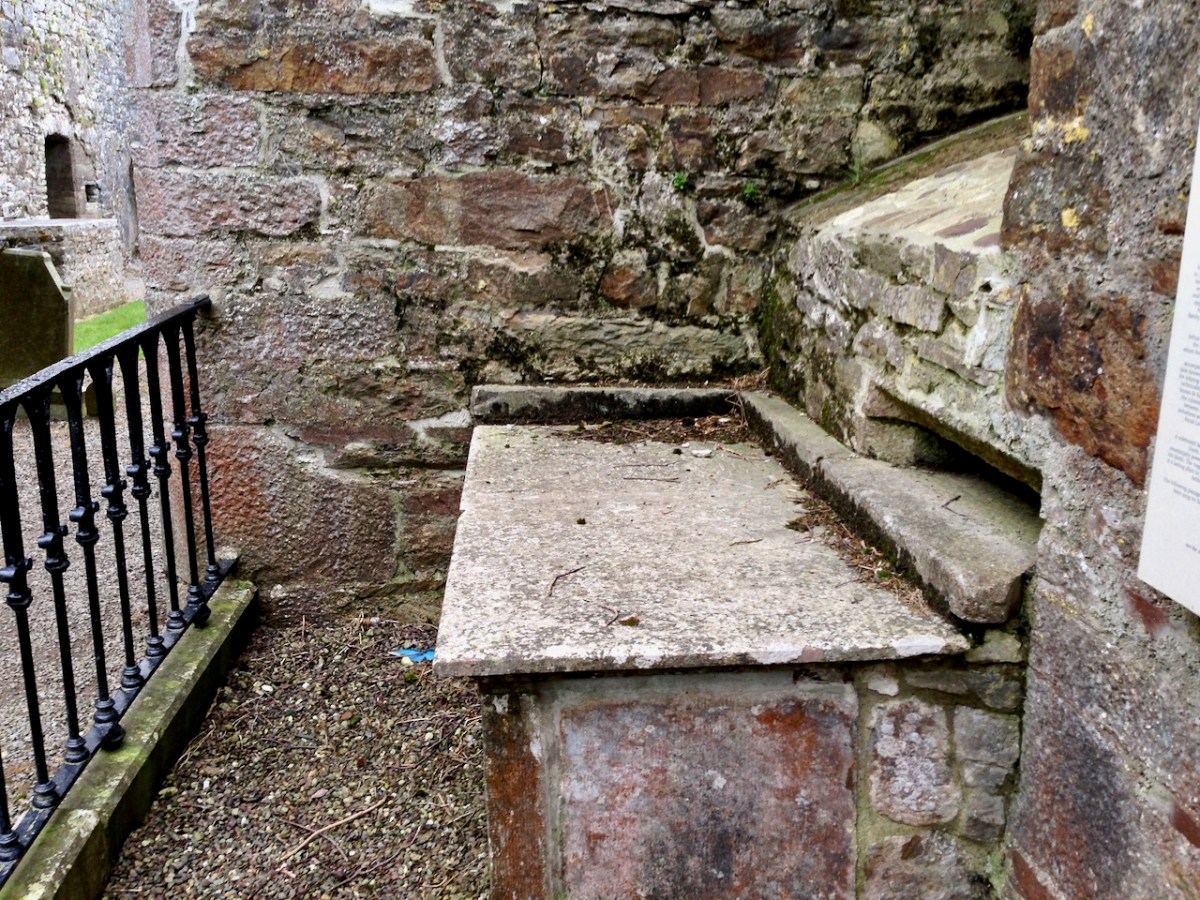
Art O’Leary was a handsome young cavalry officer in the army of Maria Theresa of Austria. He returned to Ireland upon his marriage to Eibhlín and they had two children. She was pregnant with a third (who did not survive) when he was shot dead by Abraham Morris, a local magistrate, when Art refused to sell Morris his horse for £5, as required by the Penal Laws. Art O’Leary is buried at Kilcrea Friary, above. His grave can be seen there (below).

The Lament lauds Art’s many virtues and paints a picture of him as brave and handsome, in the flower of his manhood.

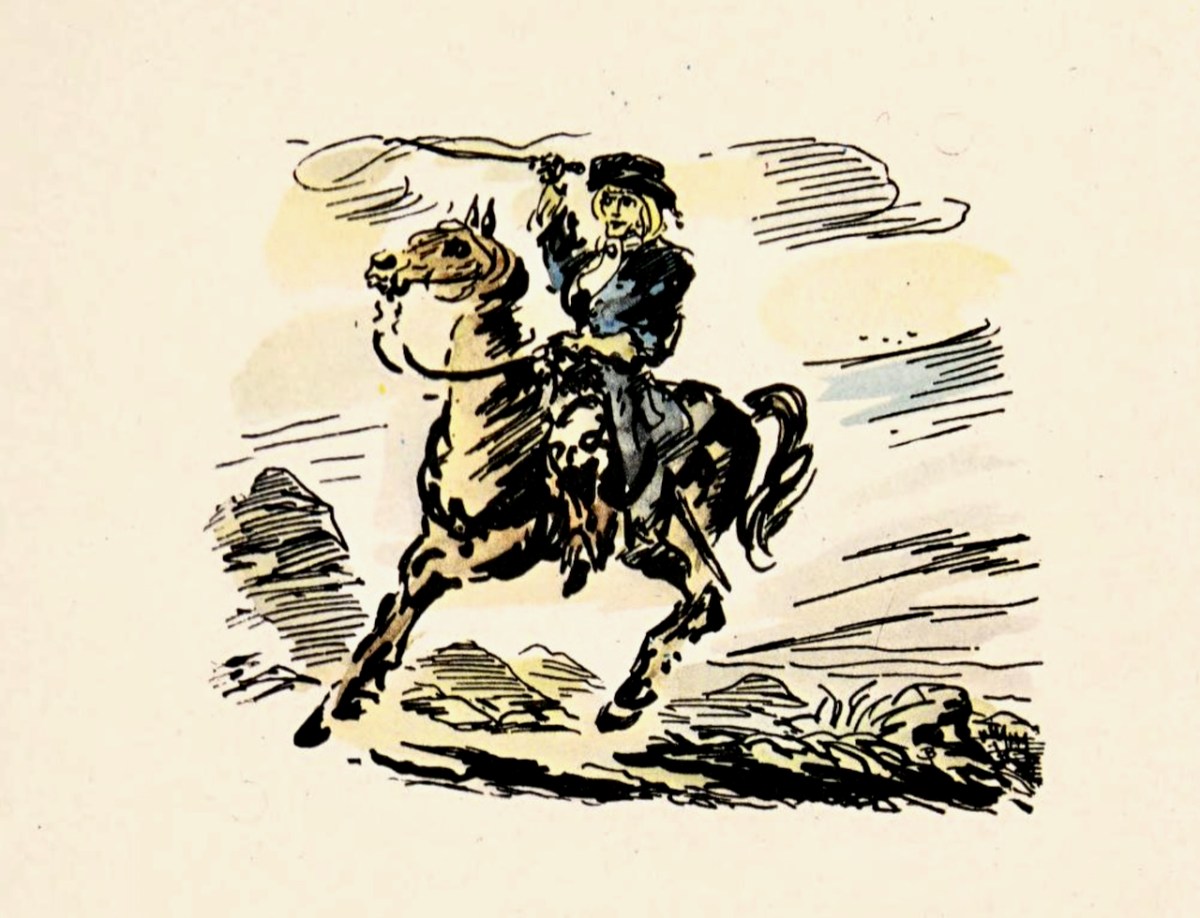
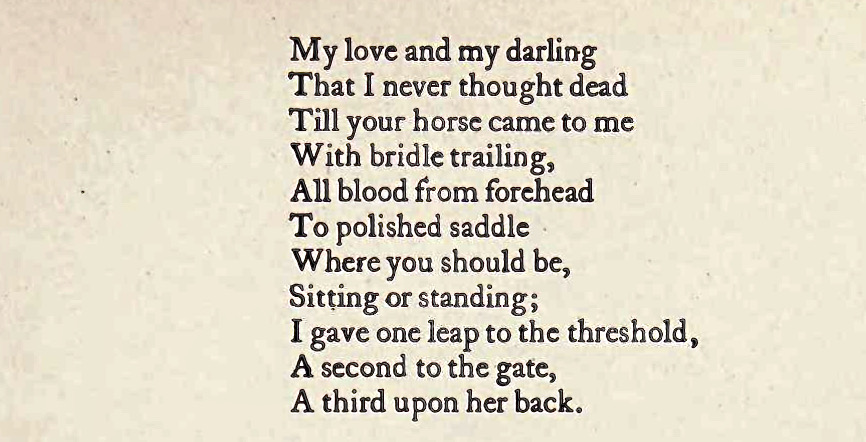
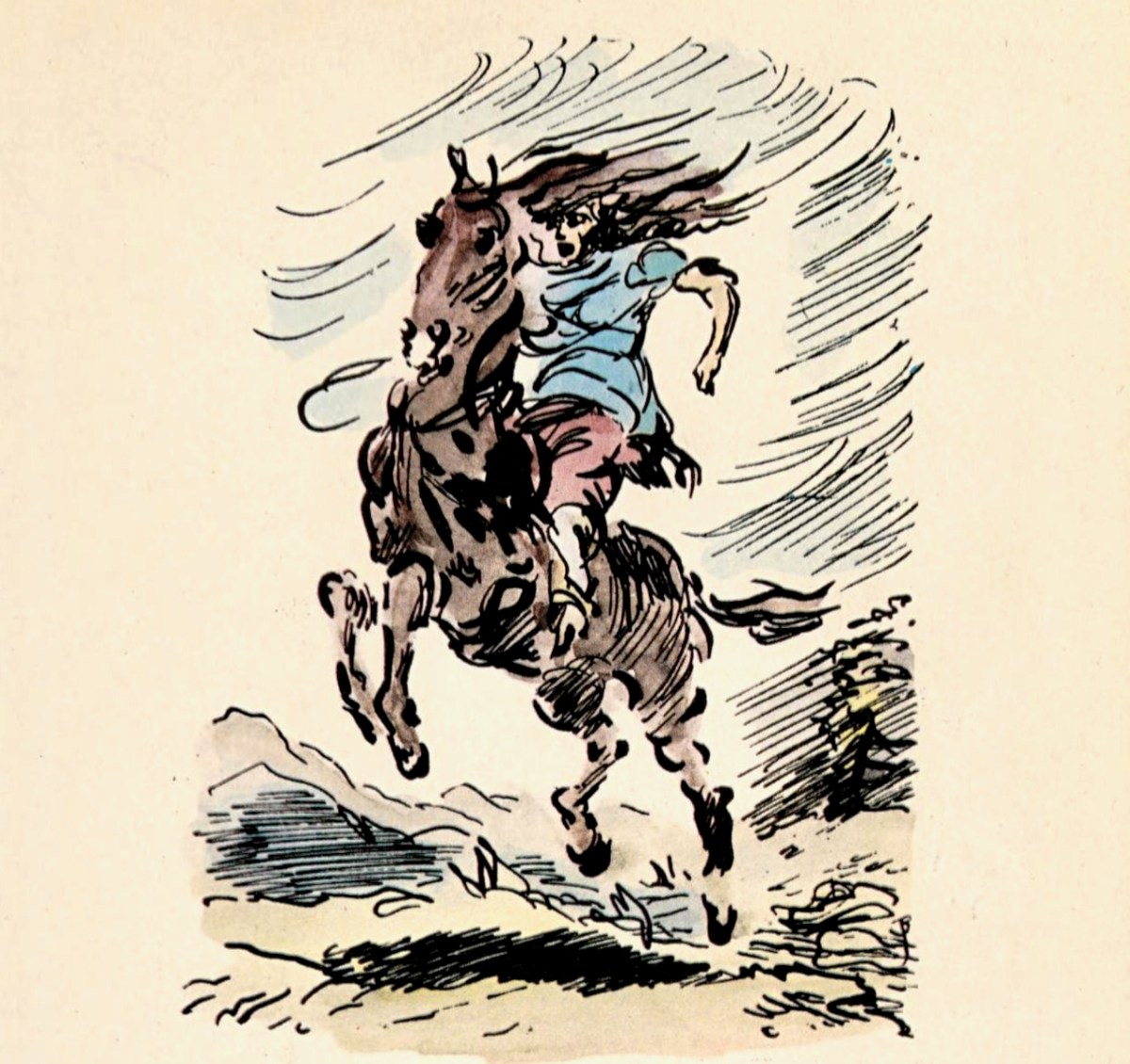
Eibhlín curses Morris, and tells how, when Art’s horse came home alone, she leapt into the saddle to search for him.

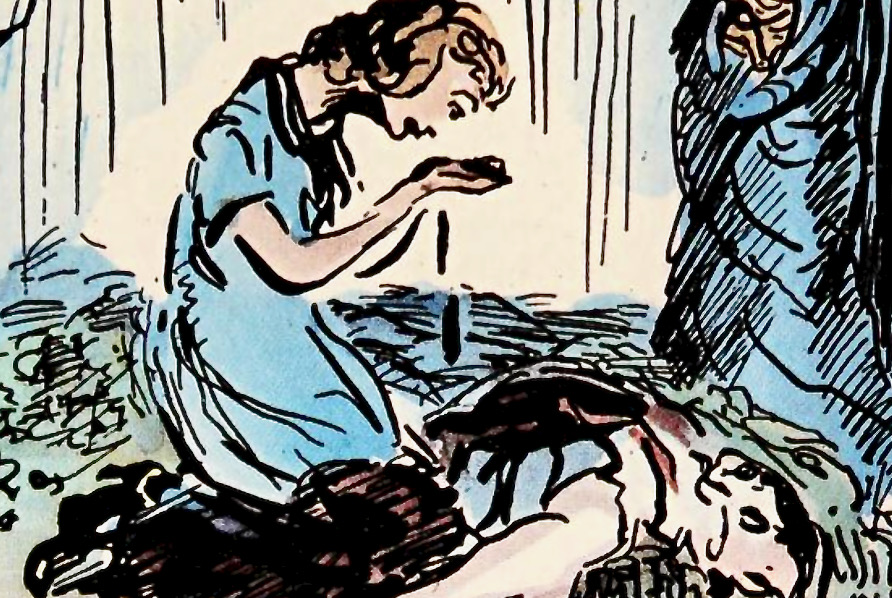
She found him lying dead in a pool of blood, which she cupped in her hands and drank.

Jack B Yeats’ illustrations have the same wild quality that we imagine was characteristic of Eibhlín Dubh – an untamed spirit who expressed the extremes of great joy and pride and deep anguish. They are pen and ink drawings, hand coloured at the Cuala Press with light washes in blues, yellows and browns for the limited edition. Very little of Yeats’ illustrative work is included in the current, must-see, exhibition of his paintings in the National Gallery, and I was very pleased indeed to find this book online as part of the Internet Archives digital library.

Ireland 50 Years Ago: Jack B Yeats Special Edition 1

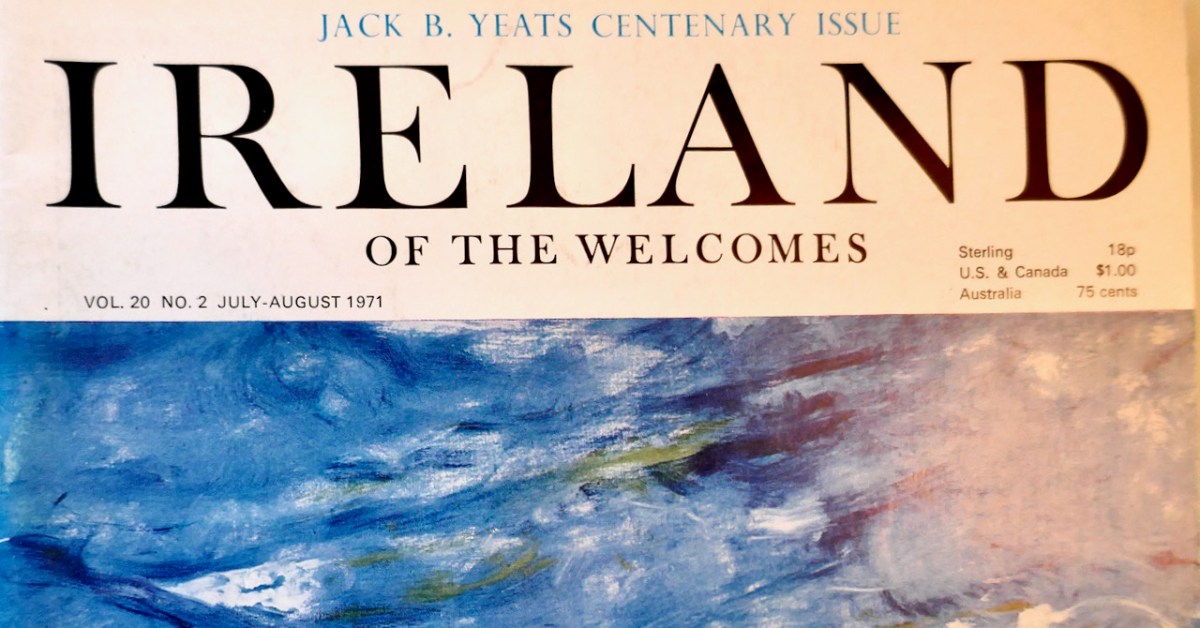
A special edition of Ireland of the Welcomes, July-August 1971, was devoted to Jack B Yeats, in honour of the hundredth anniversary of his birth. Having been intensely moved recently by the National Gallery’s exhibition, Jack B Yeats: Painting and Memory, I was interested to look at how he was viewed in 1971, as part of my Ireland 50 Years Ago series.

The illustrations are all from this issue and sorry – photographing from an old magazine doesn’t guarantee the greatest quality. This post will take us up to the beginning of his career as an expressionist painter, after he honed his drawing and watercolour skills and started to exhibit. This part of Yeats’ work is not really covered in the National Gallery Exhibition, which is almost entirely devoted to his oil paintings and is organised thematically rather than chronologically.

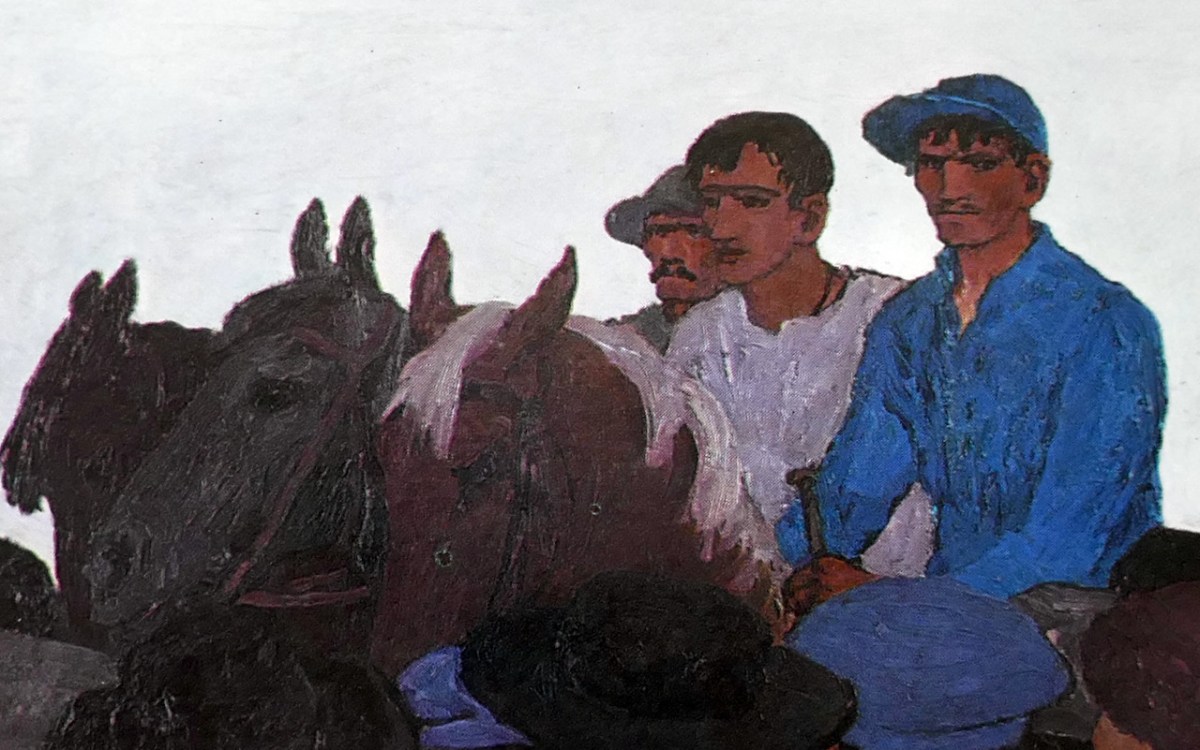
Island Funeral, rendered in the magazine in black and white

The long article is by Roger McHugh, based on his Introduction to the Dolmen Press book Jack B Yeats, A Centenary Gathering. Roger McHugh was himself an esteemed academic at UCC, a writer, playwright and critic, an ardent republican, and according to his bio in the Dictionary of Irish Biography, ‘an enthralling dinner-table raconteur.’ His analysis is insightful and evocative. I will simply use his words after the poem by MacDonagh and through the rest of the post, indicated by italics.

The article begins with a poem by Donagh MacDonagh (an equally  erudite man with an impressive literary and nationalist pedigree) which I will quote in full as it expresses wonderfully what it is to look at a Yeats painting.

Love of the dusty rose 

Blooming above the Square 

Lights the whole studio 

And singer, fisher, clown, 

Horseman and Saddled Horse

Surge through the winter air

Razing the years and the walls 

For the wild man of the fair

To snatch the wagered purse

And bring the champion down.

The women by Liffey side,

The pig-buyer home from the fair,

The horse taking time in its stride

Are dead, with the big-muscled men

Who bullied their way into sight

And froze in an arrogant stare;

But they and the sailors of Sligo

Are bright in a memory where

Colour condenses in light

And the starved rose blushes again.

Donagh MacDonagh

Create? The painter had his reservations: ‘No one creates’, he wrote; ‘the artist assembles memories’. By this I think he meant that the intense moment is always already past but that observation, memory and technique can recapture it. . . He thought that ‘painting was the freest and greatest means of communication we have’ and that the finest paintings always had ‘some of the living ginger of life in them’.

As a youth in Sligo He preferred to play around the quays and the streets, inspecting with due reverence sea captains, sailors and pilots, or at country fairs and sports observing and sketching small farmers, pig-jobbers, worried shopkeepers, untamed tinkers, shouting ballad singers, exultant jockeys surrounded  by triumphant or sullen wild faces, or the stirring arrivals of Bianconi long cars, of bands, of circuses.

This drawing (also reproduced from Ireland of the Welcomes) is an illustration from Synge’s The Playboy of the Western World. Read more about Yeats’ and Synge’s collaborations in this post

As a background to these assorted characters was a setting of great variety; cliffs whose wildness was accentuated by the ‘crashing wind and lashing sea’ . . . legended mountains like Ben Bulben and Knocknarea, long reaches of sand sometimes marked ominously by wrecks perhaps dating to the Armada.

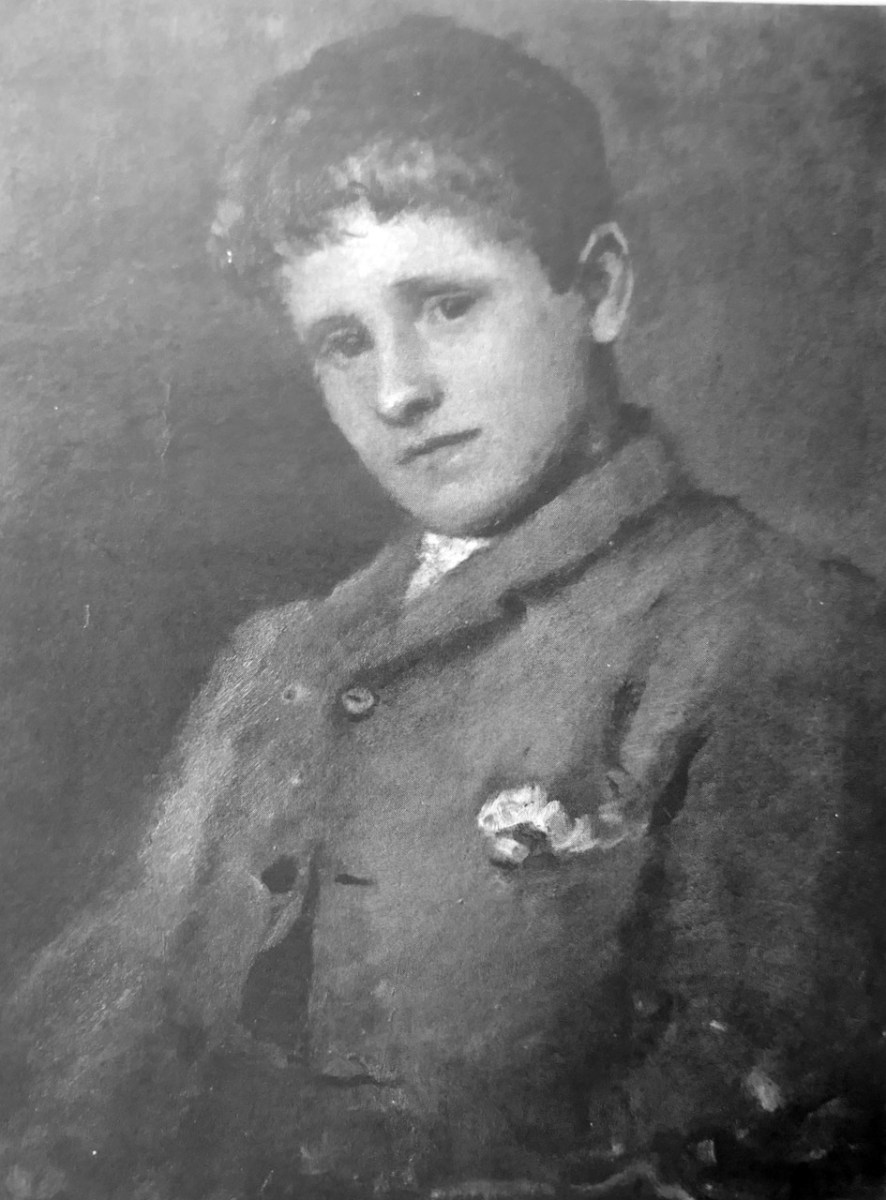
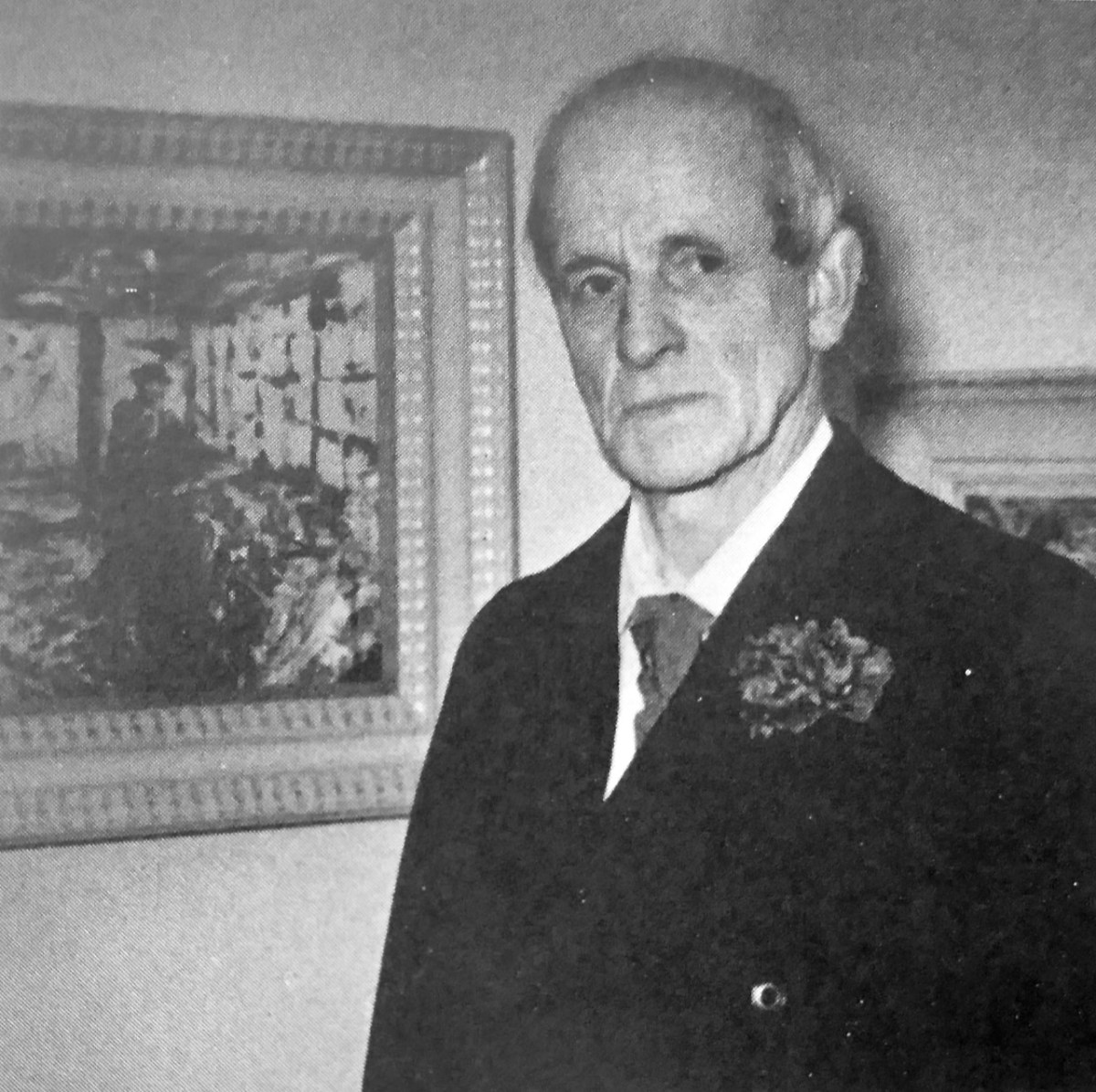
Jack B Yeats as painted by his father, John Butler Yeats. I find it uncanny how little his expression changed between this boyhood image and a photograph taken of him as an older man (below)

Even at sixteen he had started his career as a professional illustrator . . . he illustrated school-books, newspapers, periodicals, comic-cuts, racing papers.

Where England gave him many subjects for his illustrations and sketches, Ireland provided almost all those for the drawings and watercolours which he exhibited up to 1911 in Dublin and London. The Painters who exhibited at the Royal Hibernian Academy at that time were either English or Irish imitators of the Leightons and the Poynters, titled men who set the standard. ‘It was into their varnished world where it was nice to see a bit of Normandy or something from Surrey painted by an Irish artist,’ wrote C. P. Curran, ‘that Jack Yeats broke with his troop of tinkers and maggie-men, jockeys and drovers, pig-jobbers and purse-proud horse dealers, stout farmers and sea-faring men, the whole life of a little western town by the sea. It was very exciting, but was it art?

Following his own lead about the affectionate zest for life that is the basis of artistic achievement, I think that people untutored in technique but with some sensitivity can catch the essential elements of those early works. . . . They depict individuals. . . . but in such a way as to capture some essential quality which lifts the picture above its particulars. A tinker is painted in black garb which is set against the black of rock and the dark sky, relieved by a glimpse of white sea-foam. His wild eyes gleam from a ‘black-avised narrow face; he seems the embodiment of some wild night spirit.

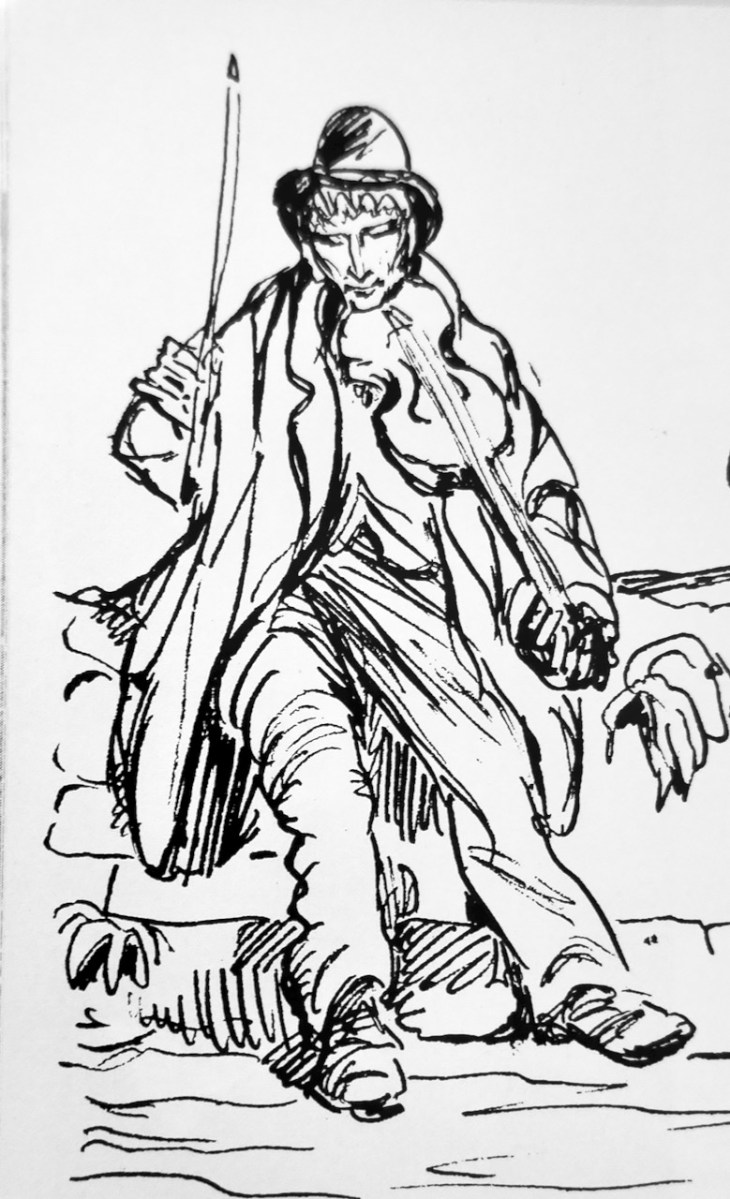
The line-drawing of the squireen, bowler-hatted, gloomily assertive, owes much to the sharp, sure vertical lines of his coat and umbrella set against the curve of road, wall and mountain.

The next post will take us through his life as the greatest of Irish painters. Here’s a sample image from the article.

West Cork Villages and Towns – Skibbereen

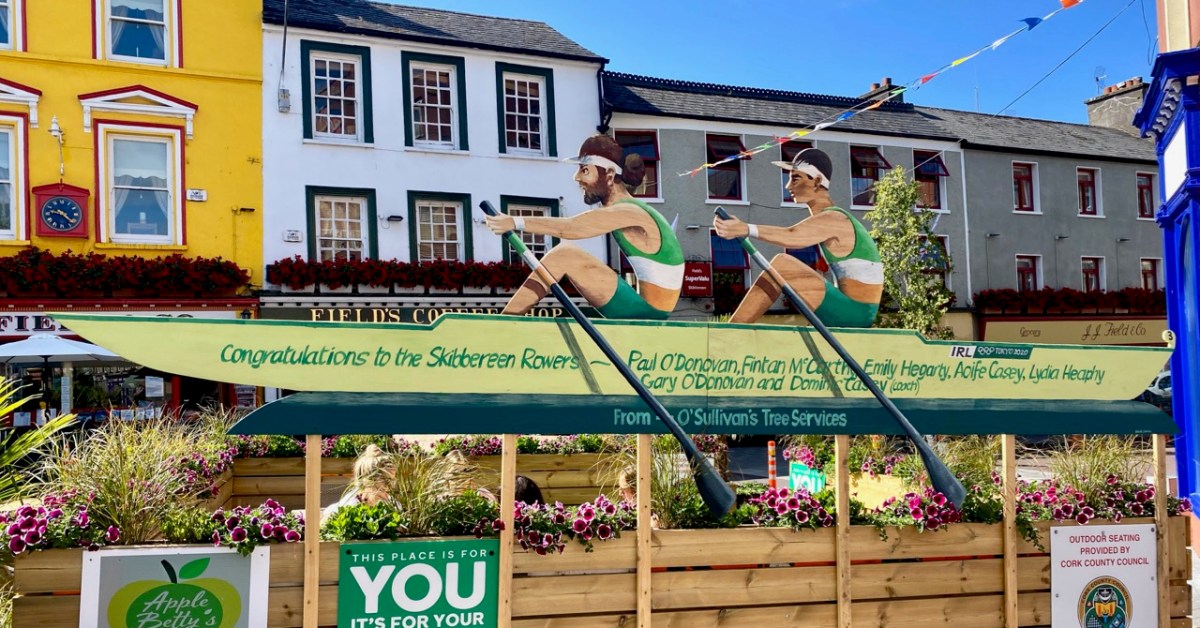
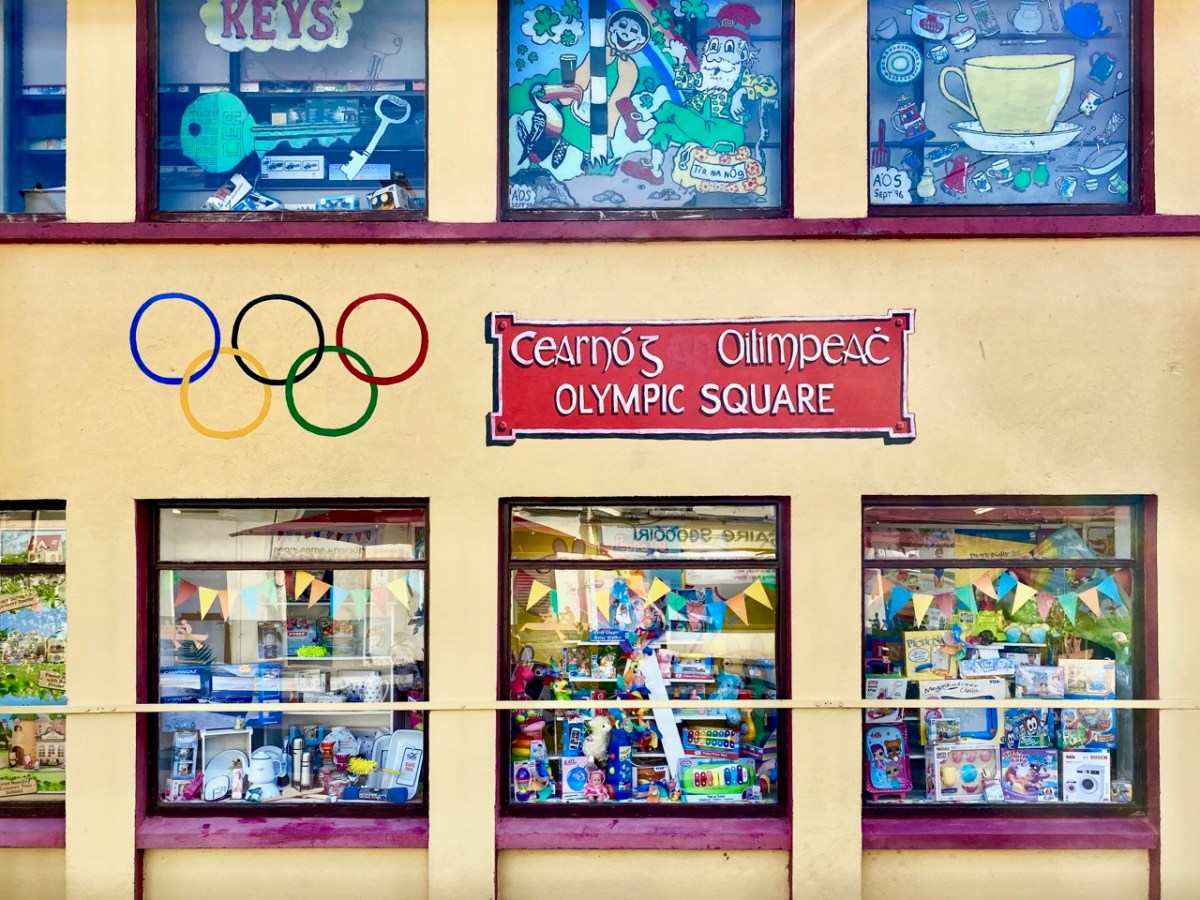
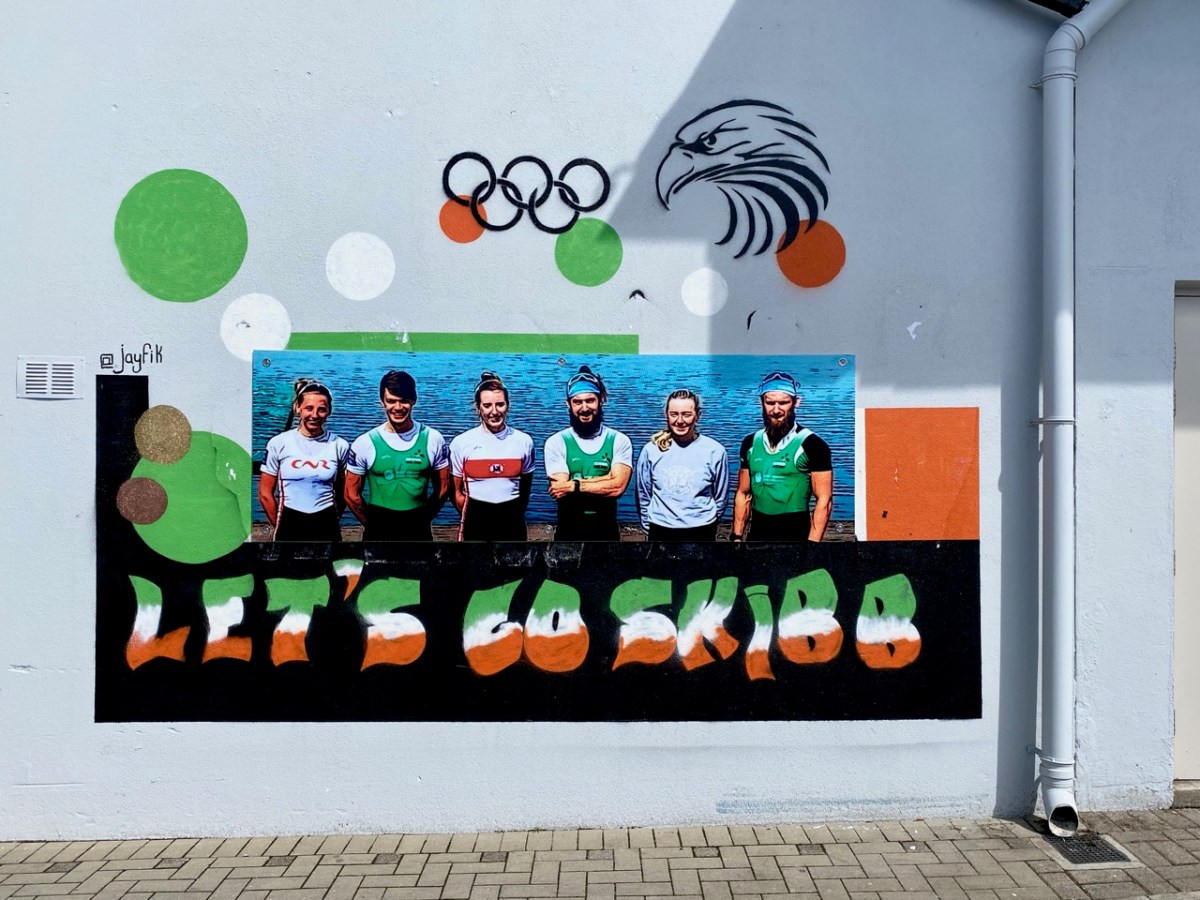
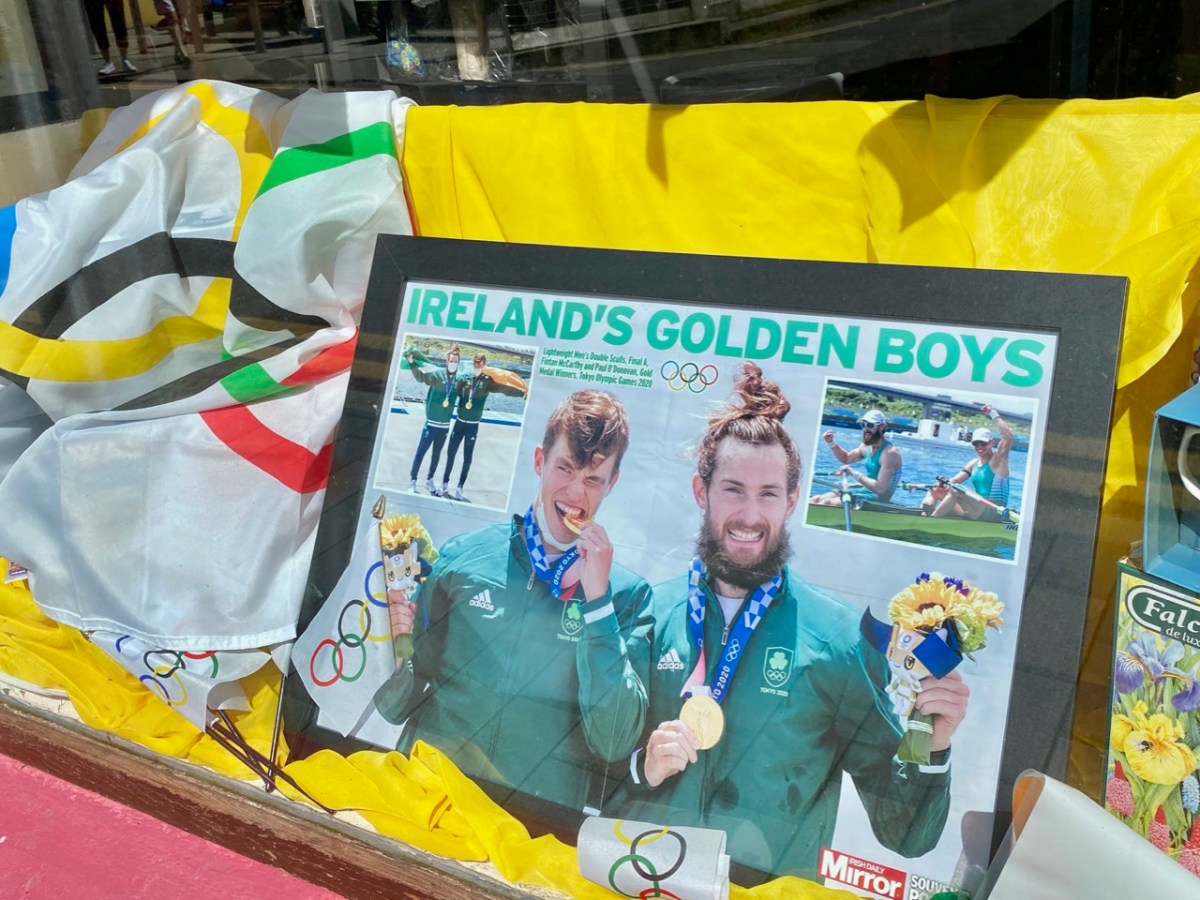
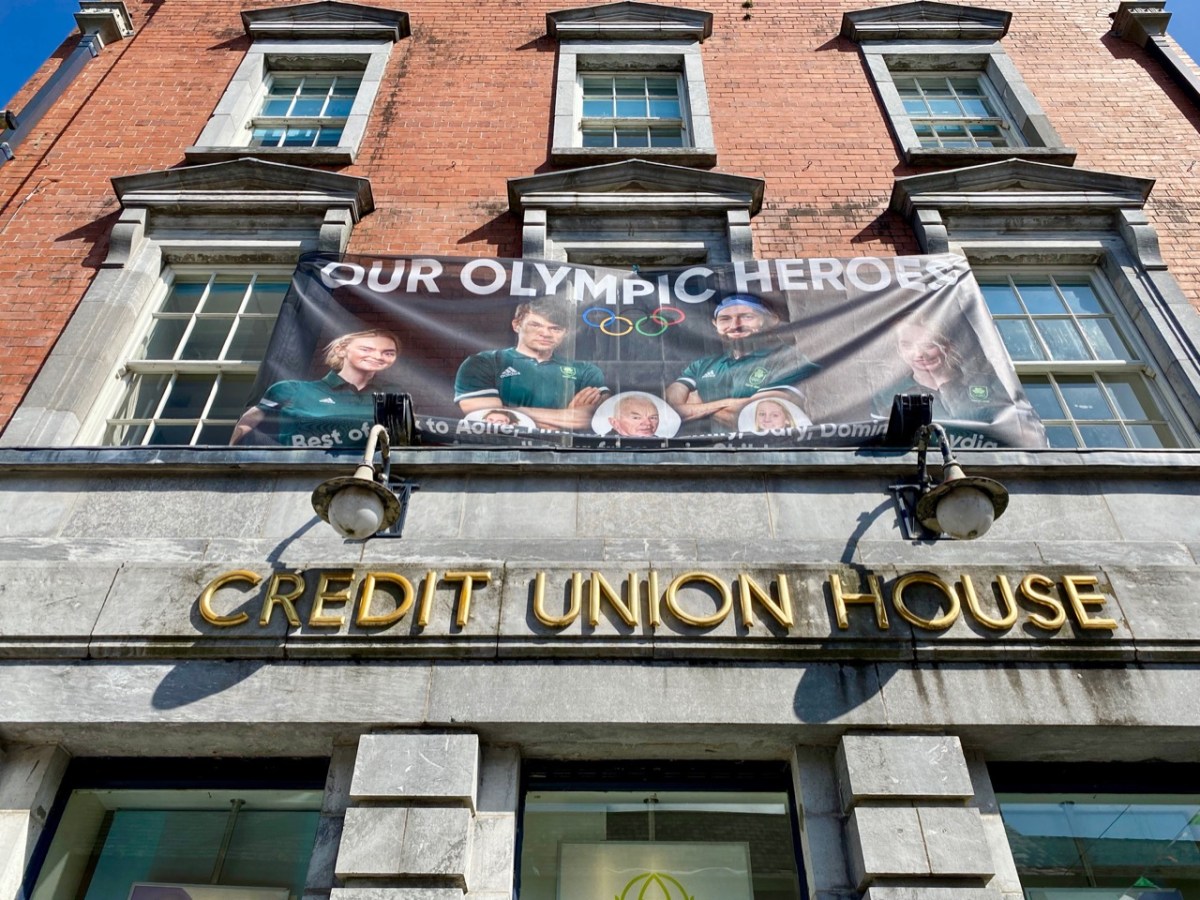
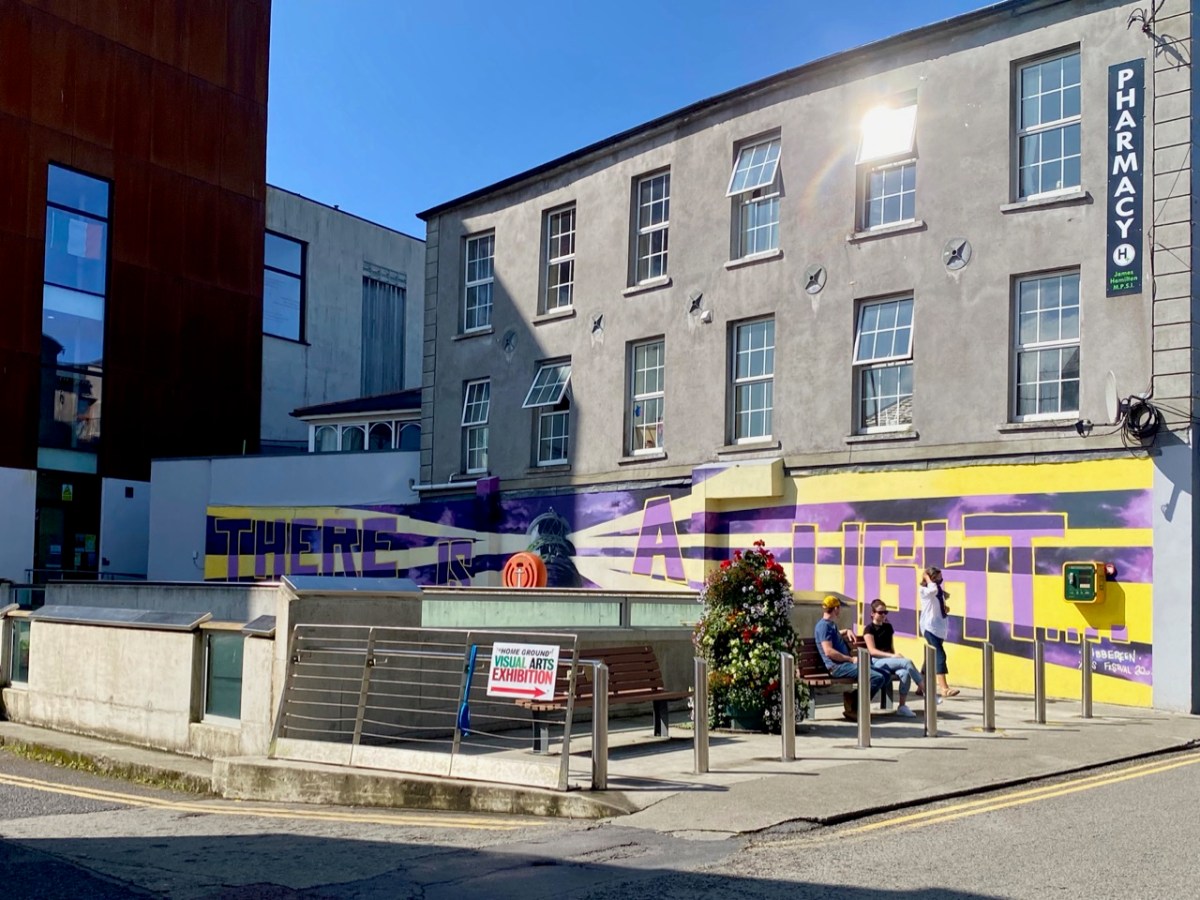
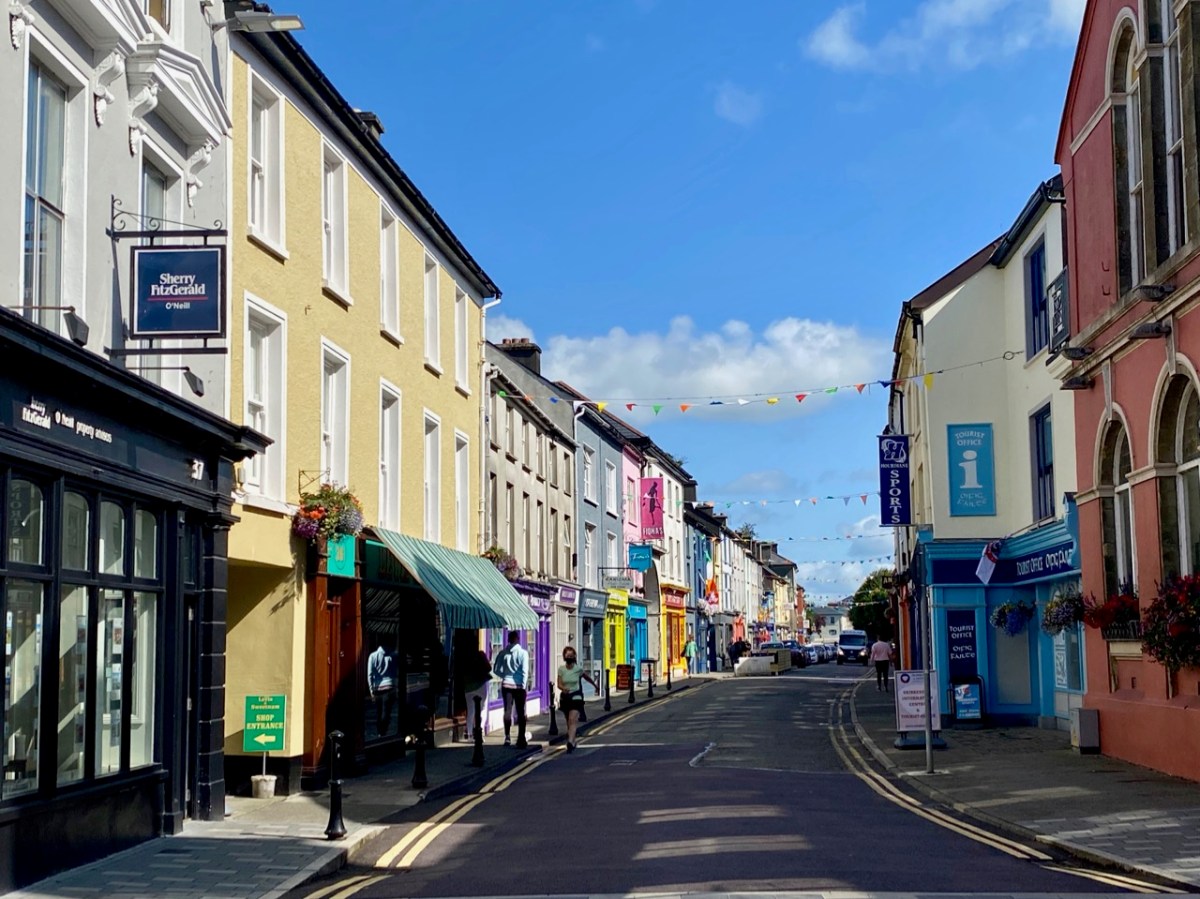
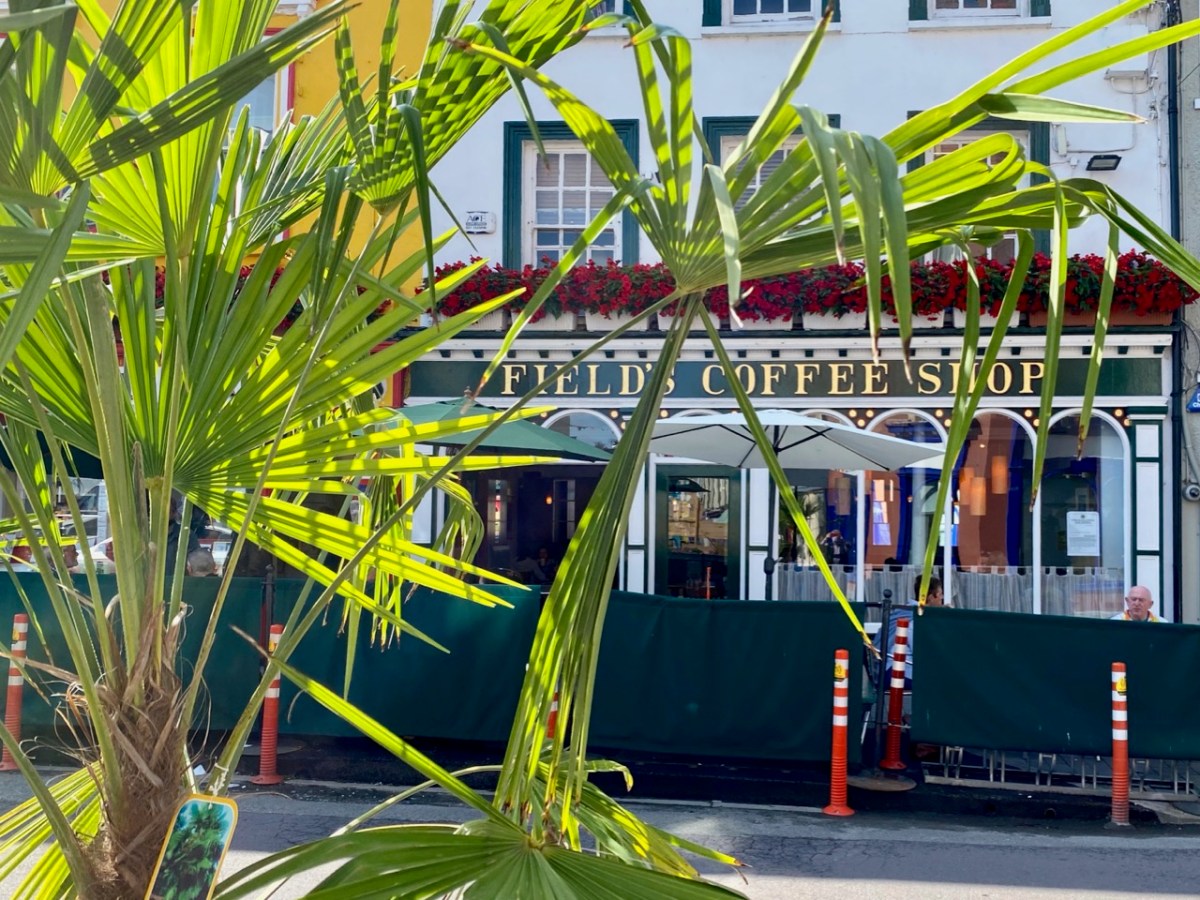
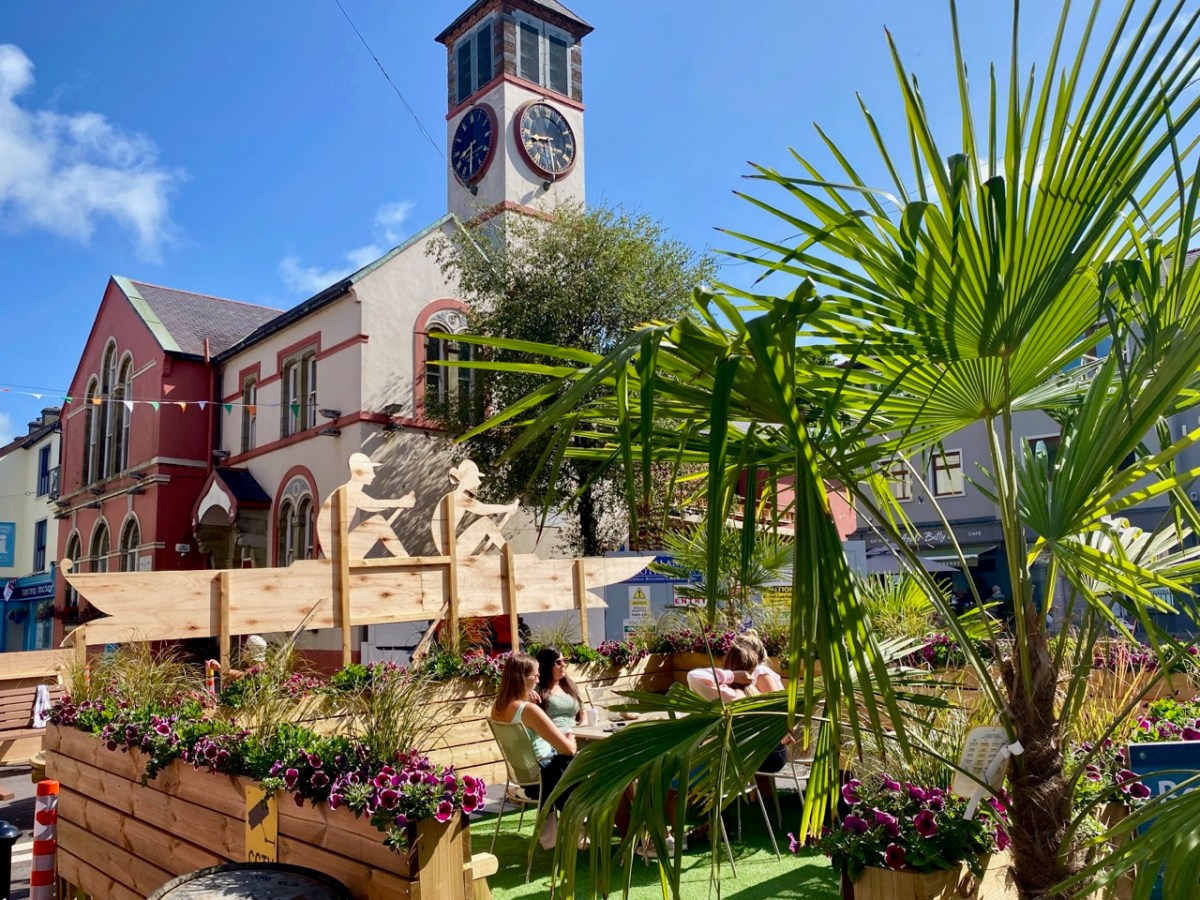
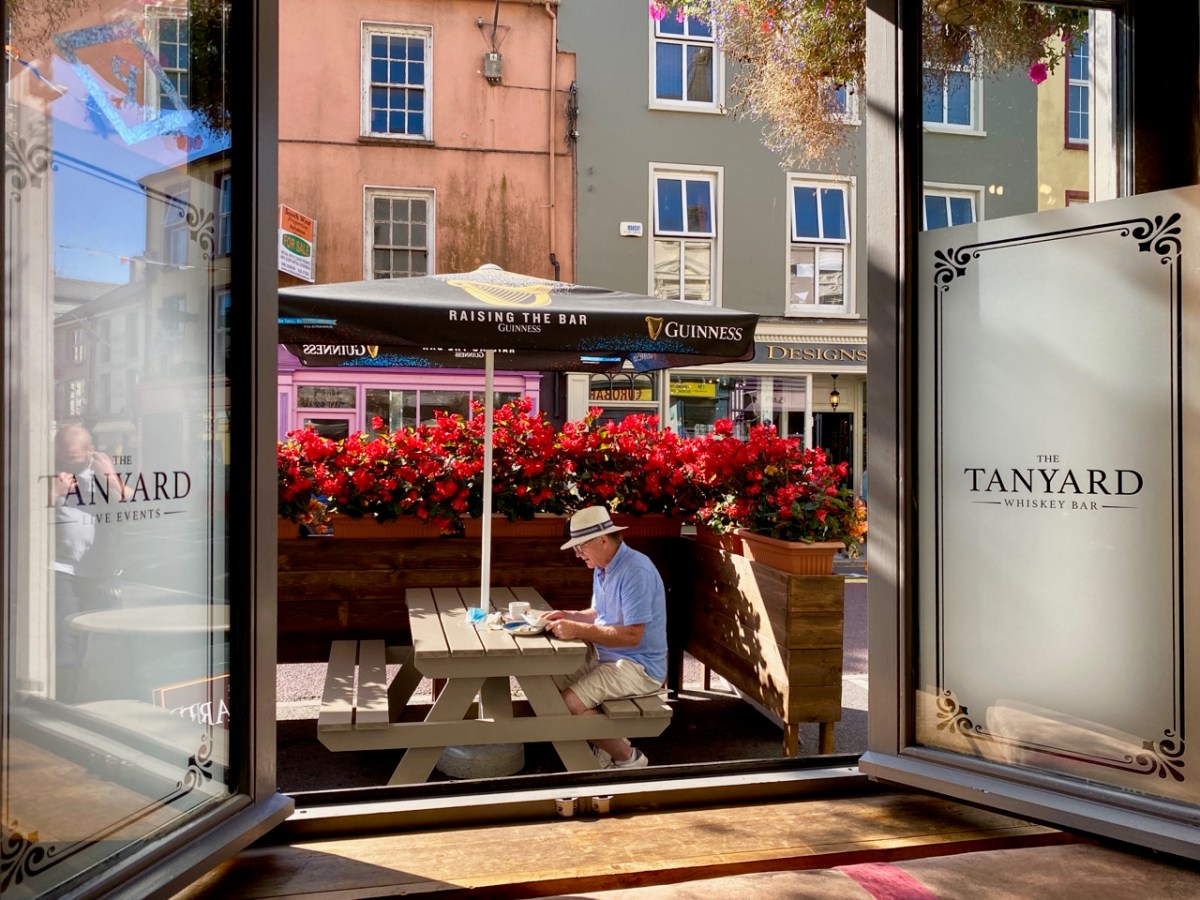
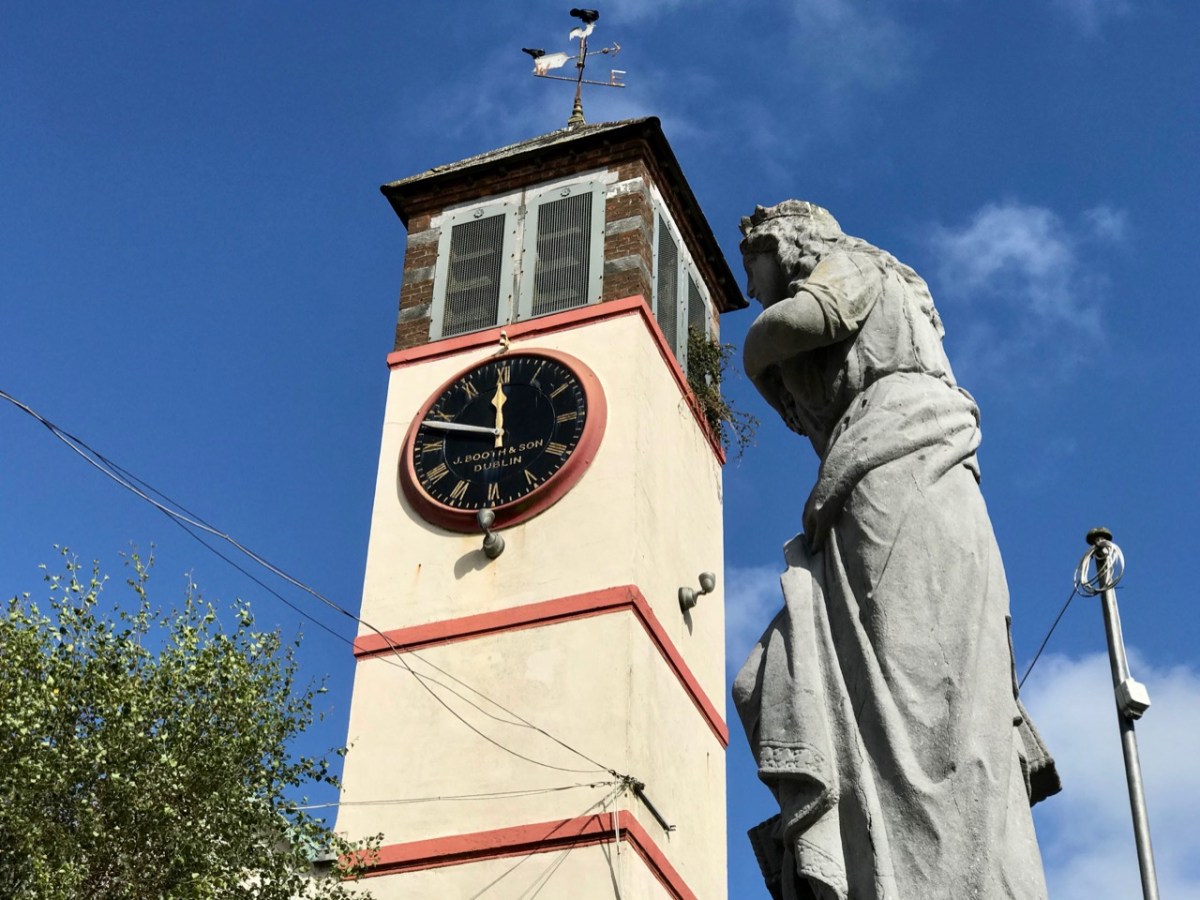
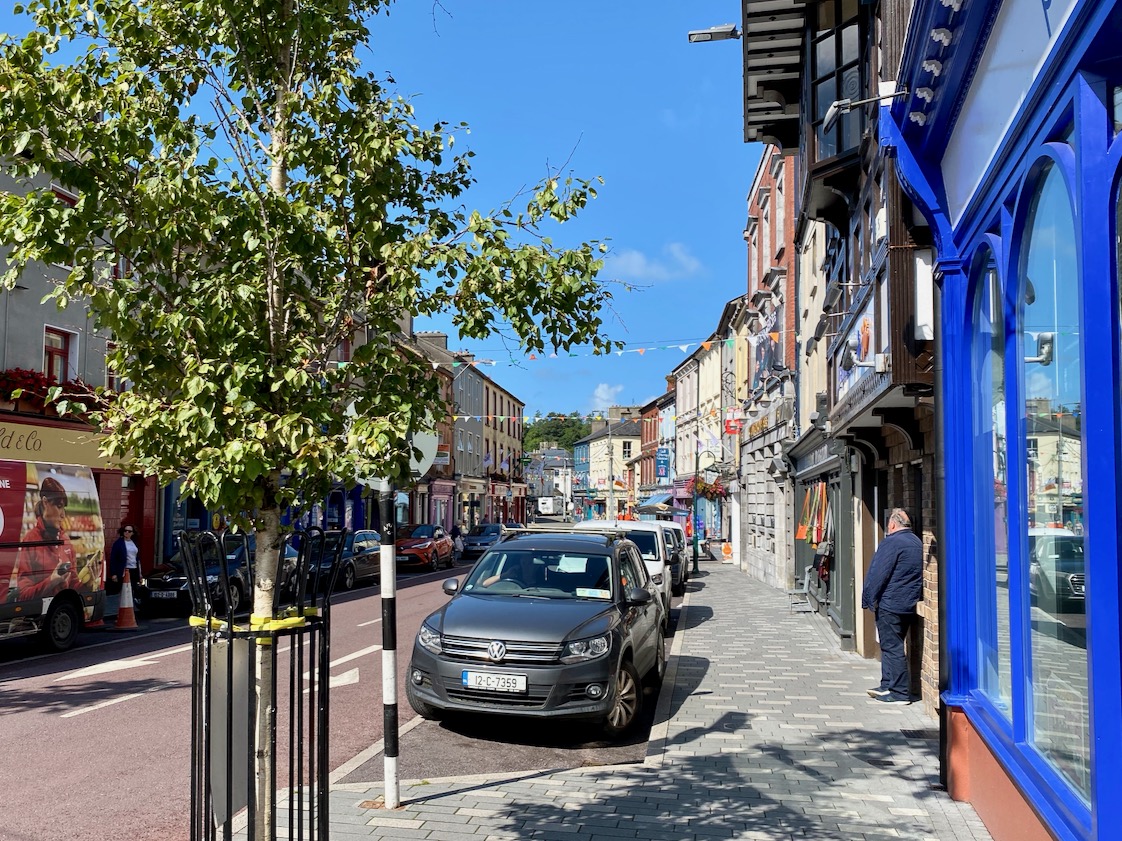
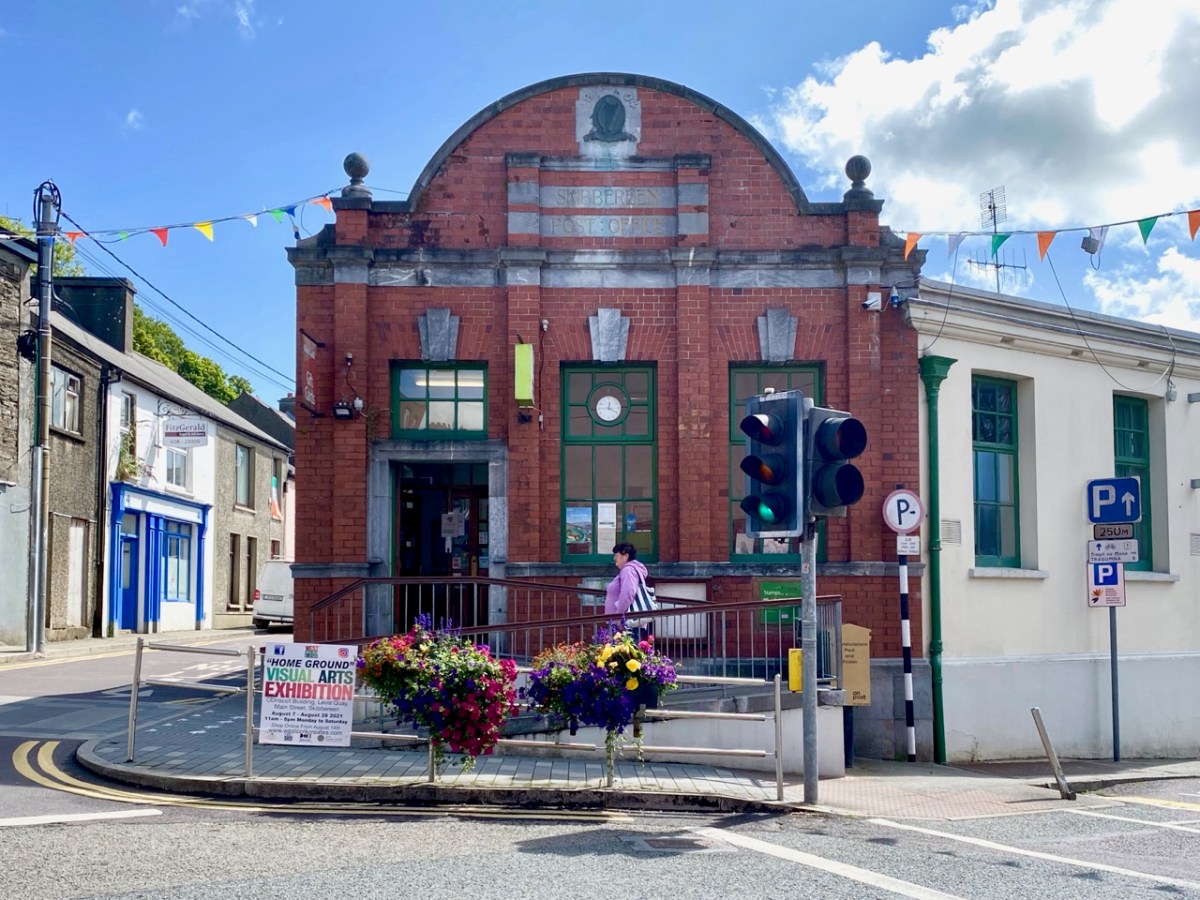
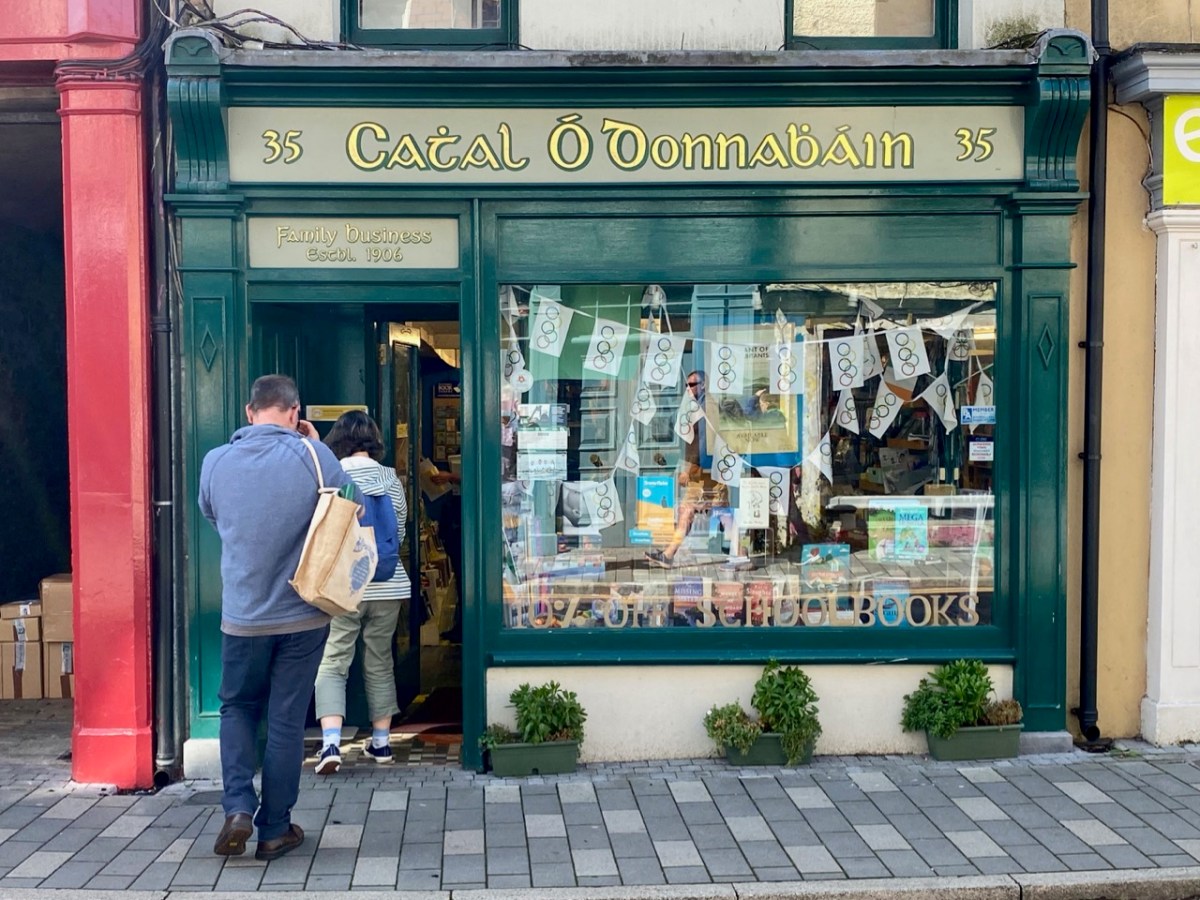
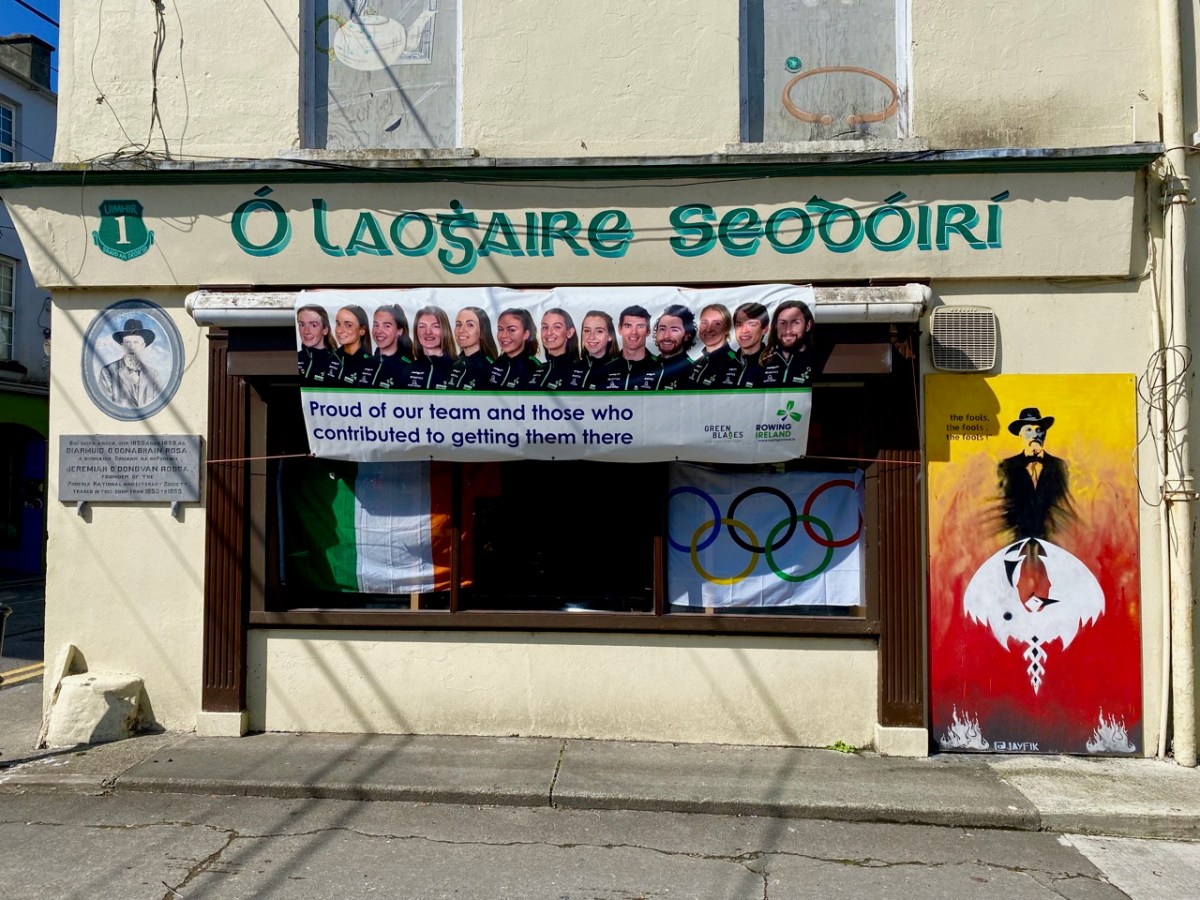
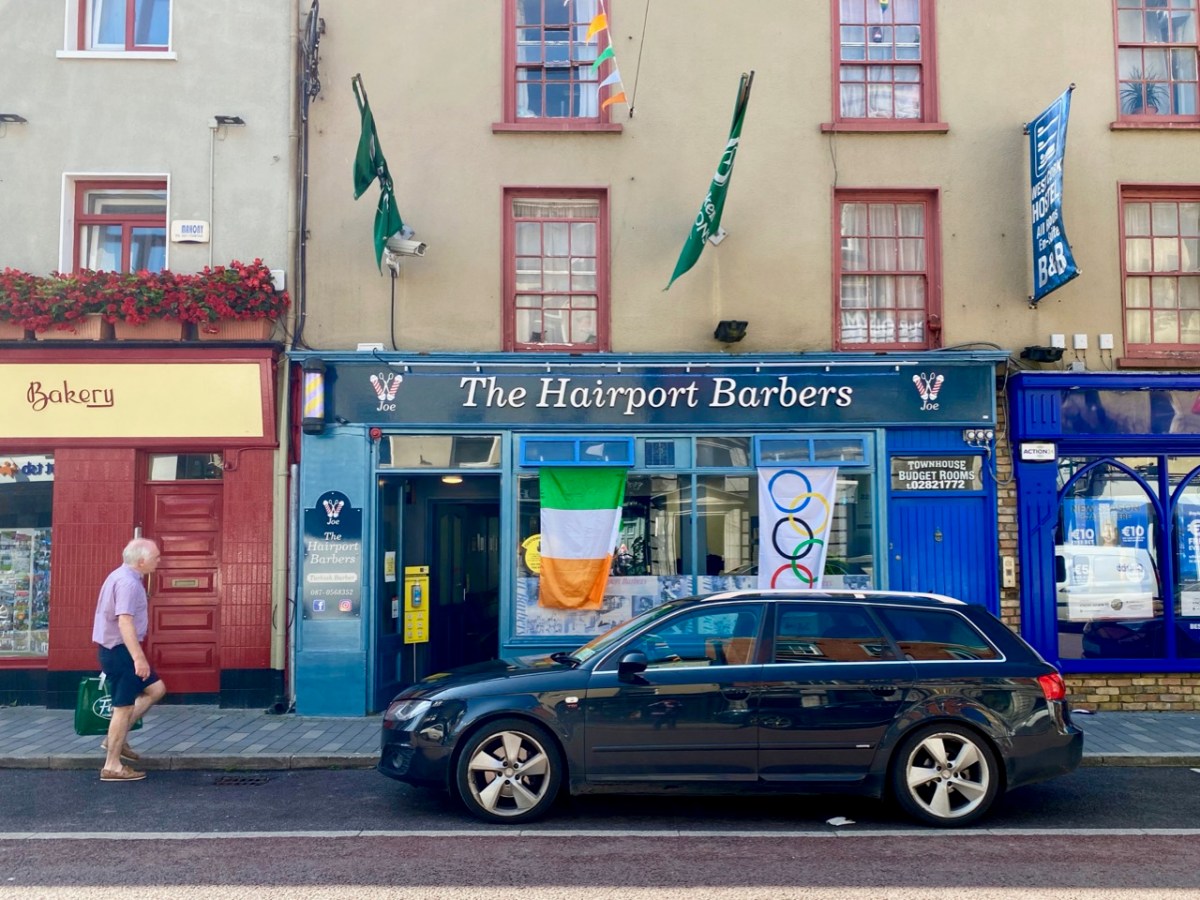
It was an ‘odd’ Olympic year – 2021. Firmly etched in my mind is the knowledge that years in which Olympic Games are held – like leap years – are divisible by 4! This one was different, because of Covid. But that didn’t prevent Ireland producing its heroes: gold for rowing and boxing, and bronze, also for rowing and boxing: a total of 8 sports heroes bringing medals home. If you will forgive the pun, the small country of Ireland punched well above its weight! All the rowers trained at the Skibbereen Rowing Club in West Cork, under the expert eye of their coach Dominic Casey. No surprise, then, that the town was in celebratory mood for weeks after the event, as you can see from many of my photographs, taken around the town at the end of August.
The town, from its situation in a wild, unenclosed part of the country, has frequently been the rendezvous of disaffected parties, but it has been much improved of late years, and is now a very flourishing place. It is situated on the southern bank of the river Ilen, and comprises seven streets; that part which extends into the parish of Abbeystrowry is called Bridgetown, and consists of three streets, one of which has been recently formed. The number of houses in the whole town is 1014, many of which, in the eastern part and in the parish of Creagh, are large and well built: the approaches have been much improved by the formation of new lines of road at each extremity . . .

LEWIS TOPOGRAPHICAL DICTIONARY OF IRELAND 1837

It’s interesting that Lewis – in 1837 – describes the number of houses as just over a thousand. He also states elsewhere that there were 4,429 inhabitants in 1691: in the 2011 census the town recorded a population of 2,568.

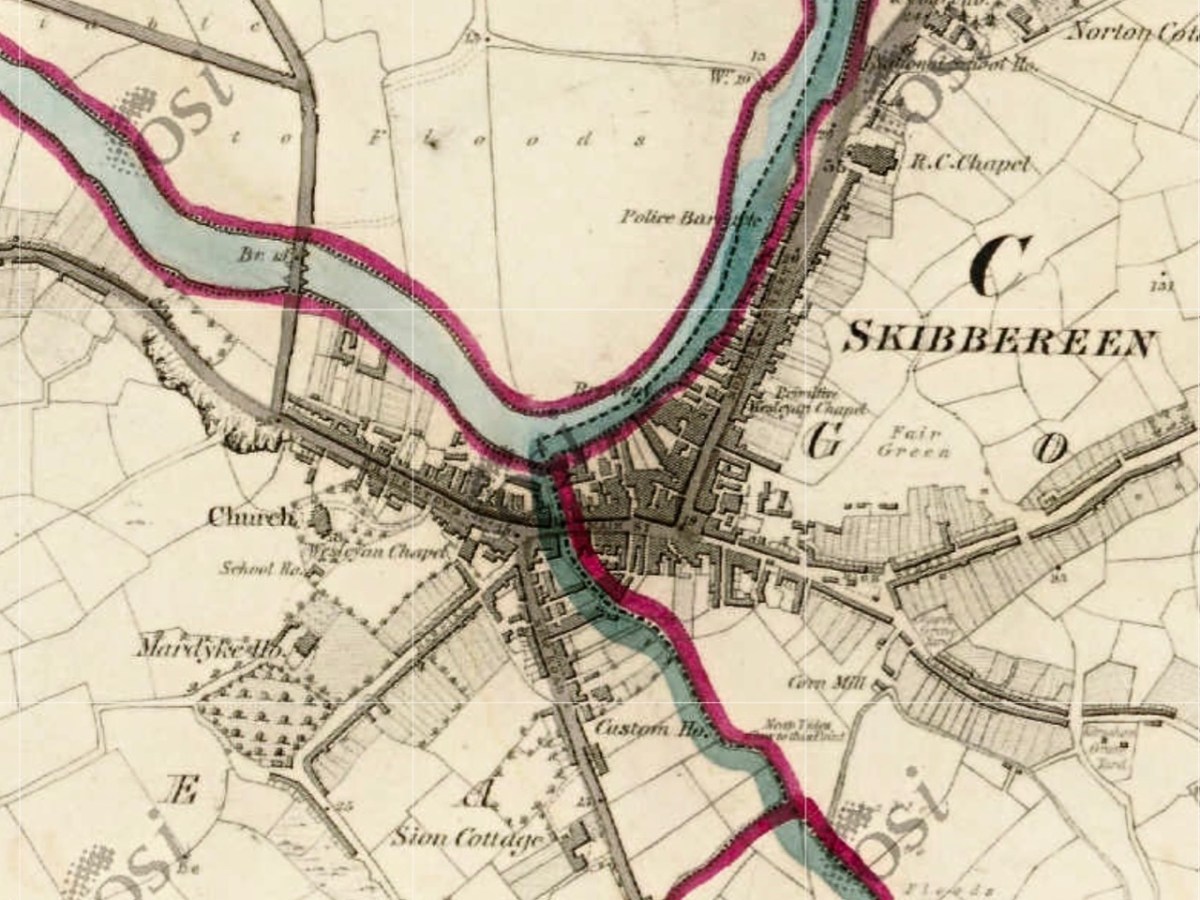
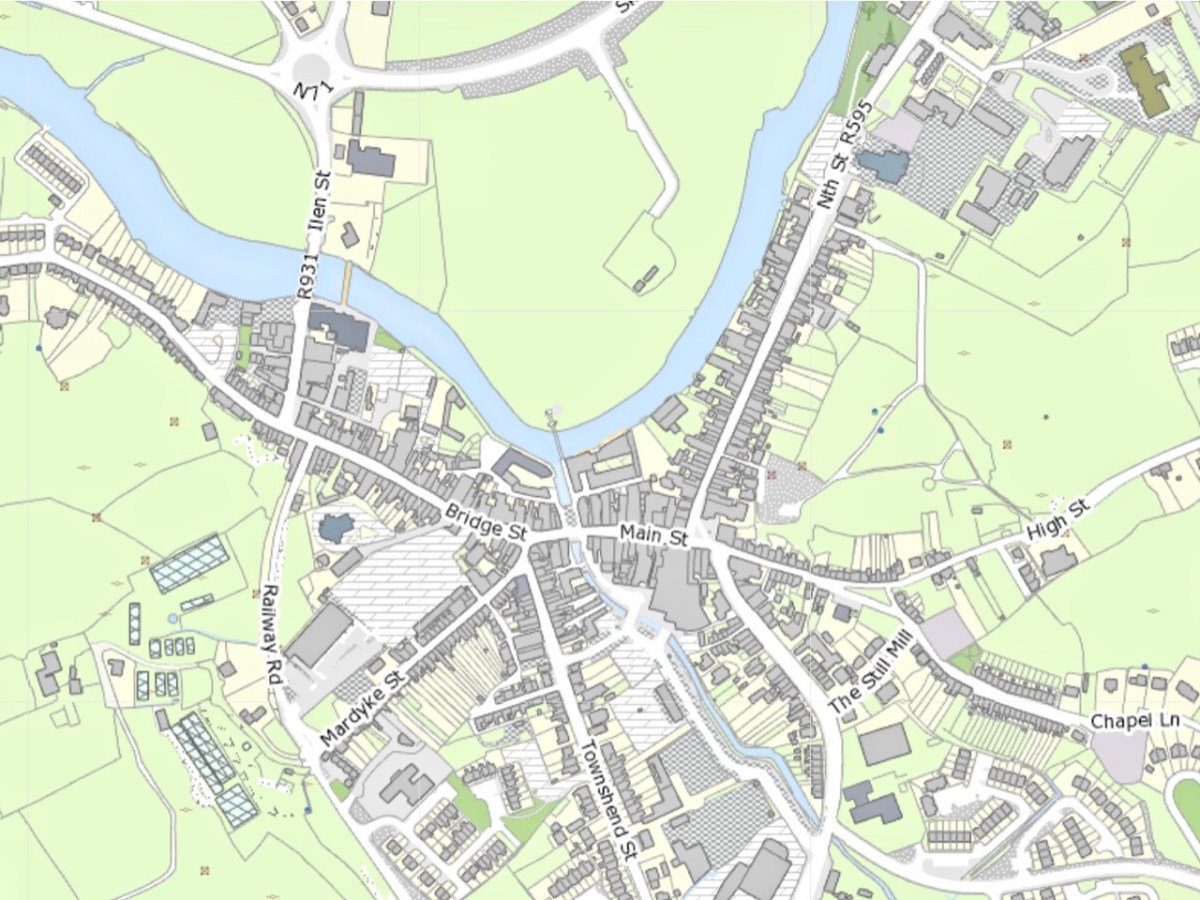
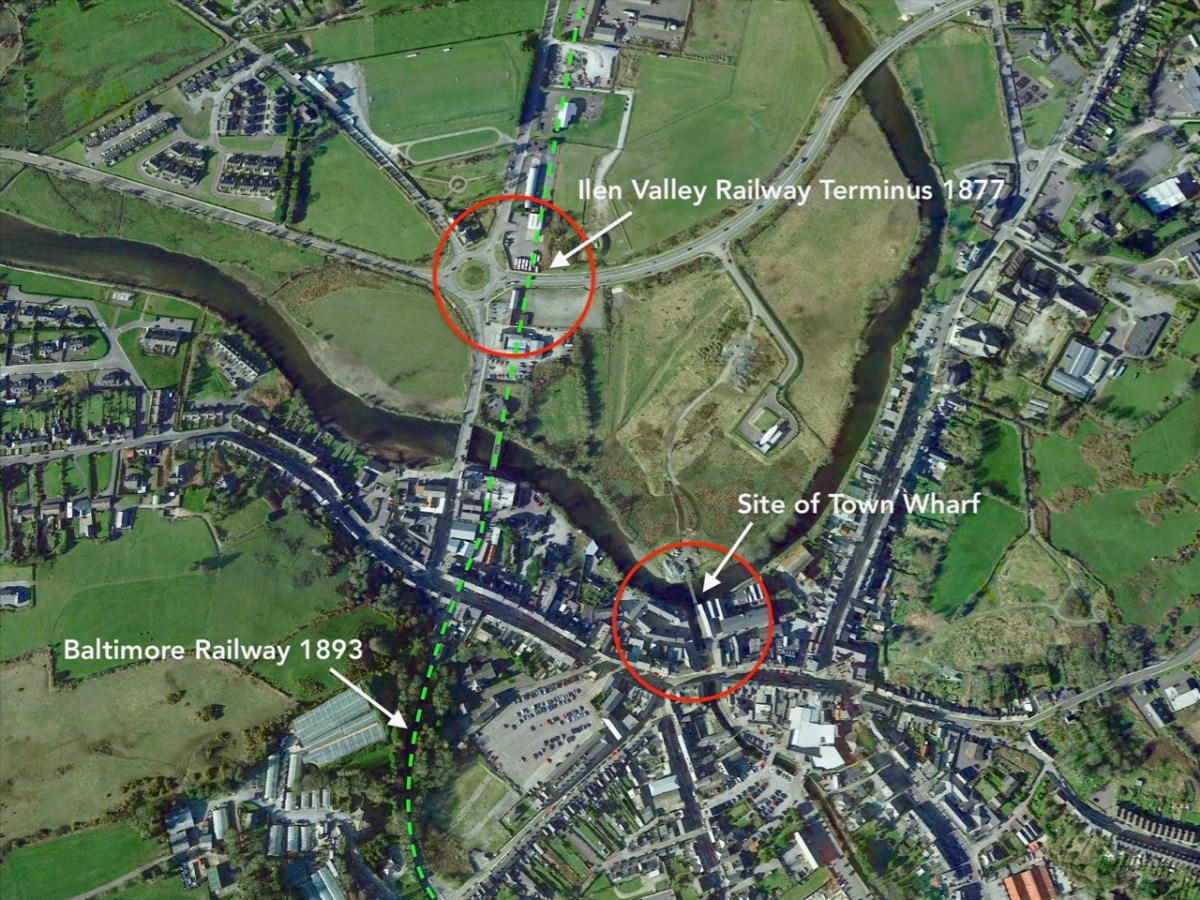
The first edition of the Ordnance Survey 6″ map was produced around 1840, just after the Lewis Topographical Dictionary was published. From the extract above, the layout of the town we know today had been broadly established by then. Compare this to today’s OS map (below) and the annotated aerial view.

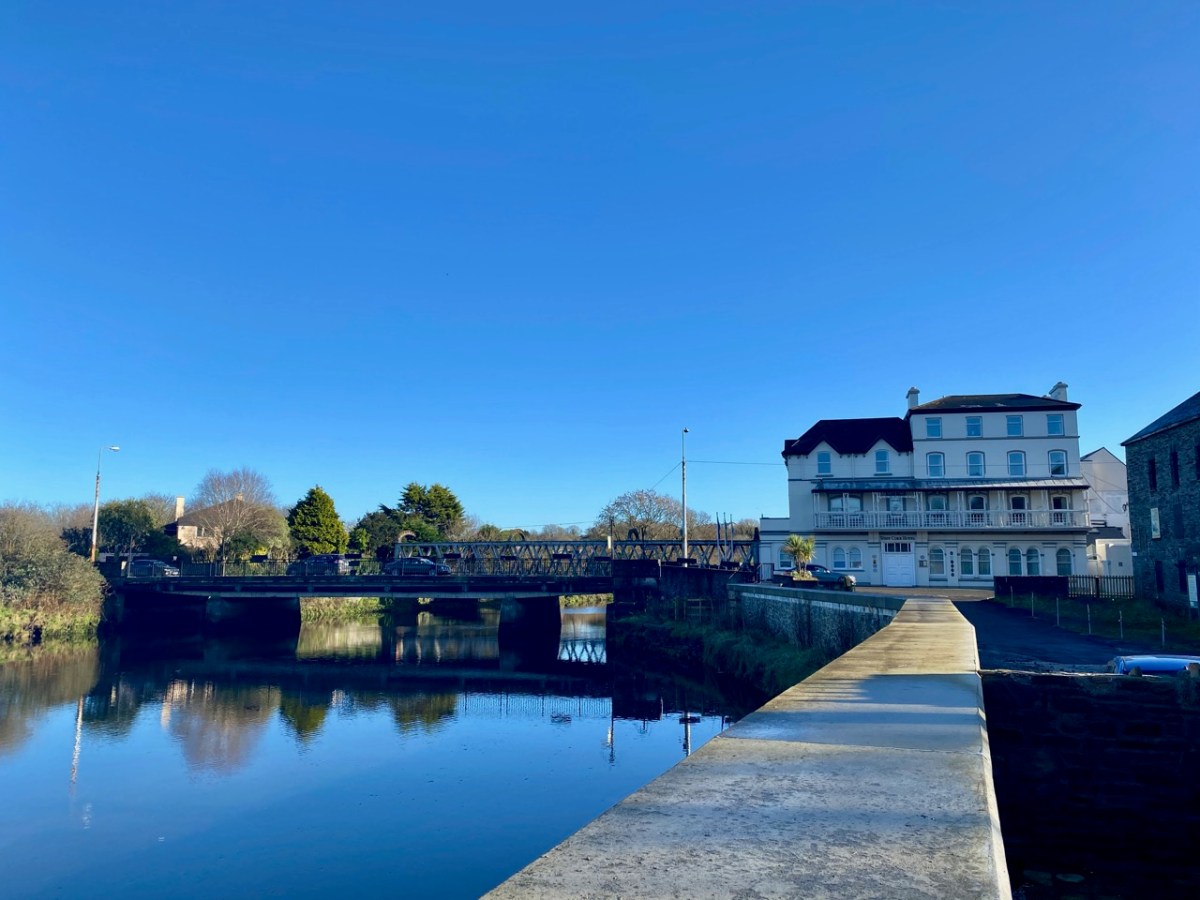
There are a few theories as to the earliest origins of the town. Oft quoted is the story of the survivors from the sacking of Baltimore by Barbary Pirates in 1631 having moved upriver to found, or expand, the settlement that is now Skibbereen. It is likely that there was already a community on this part of the river, which was tidal and probably easily navigable up to its sheltered reaches at this point: at one time there were no less than five quays, warehouses and a Customs House within the town – this post will tell you more.

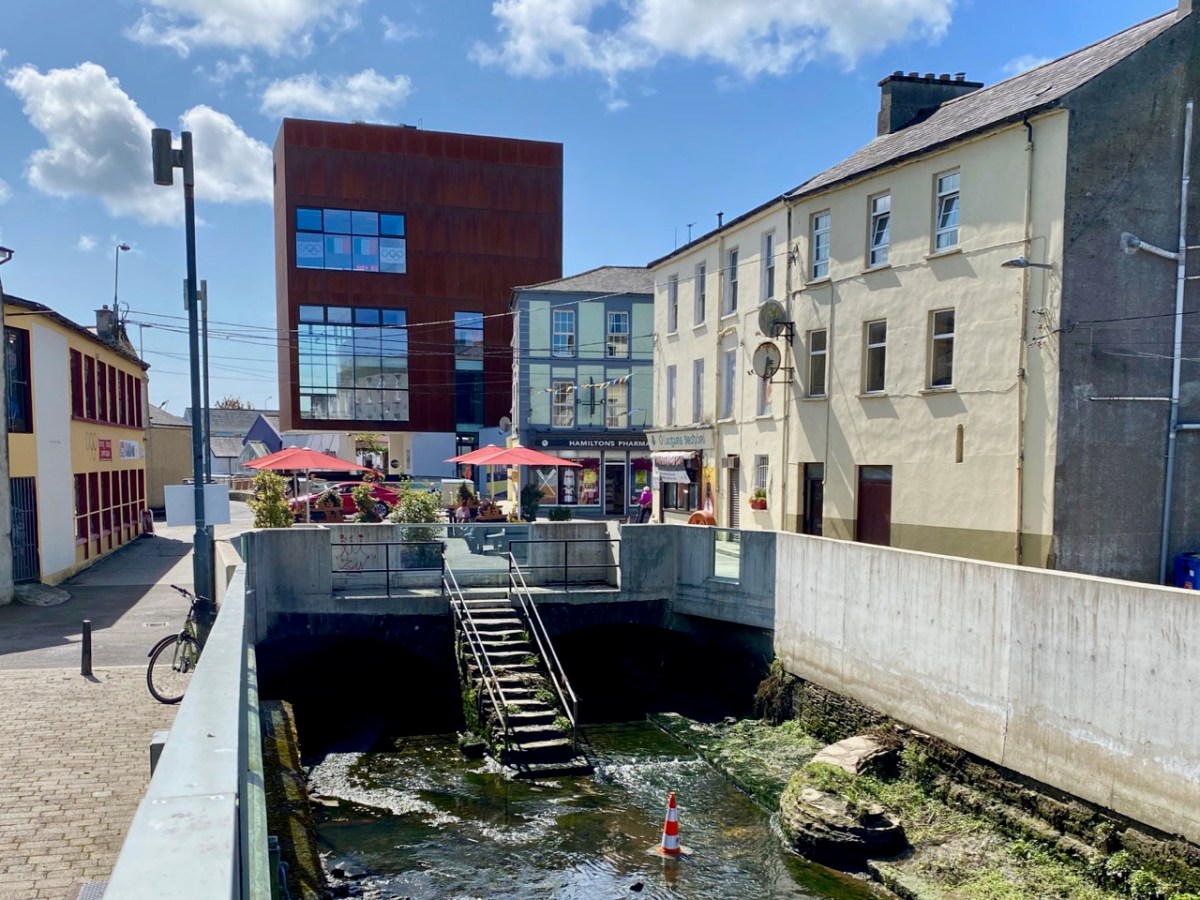
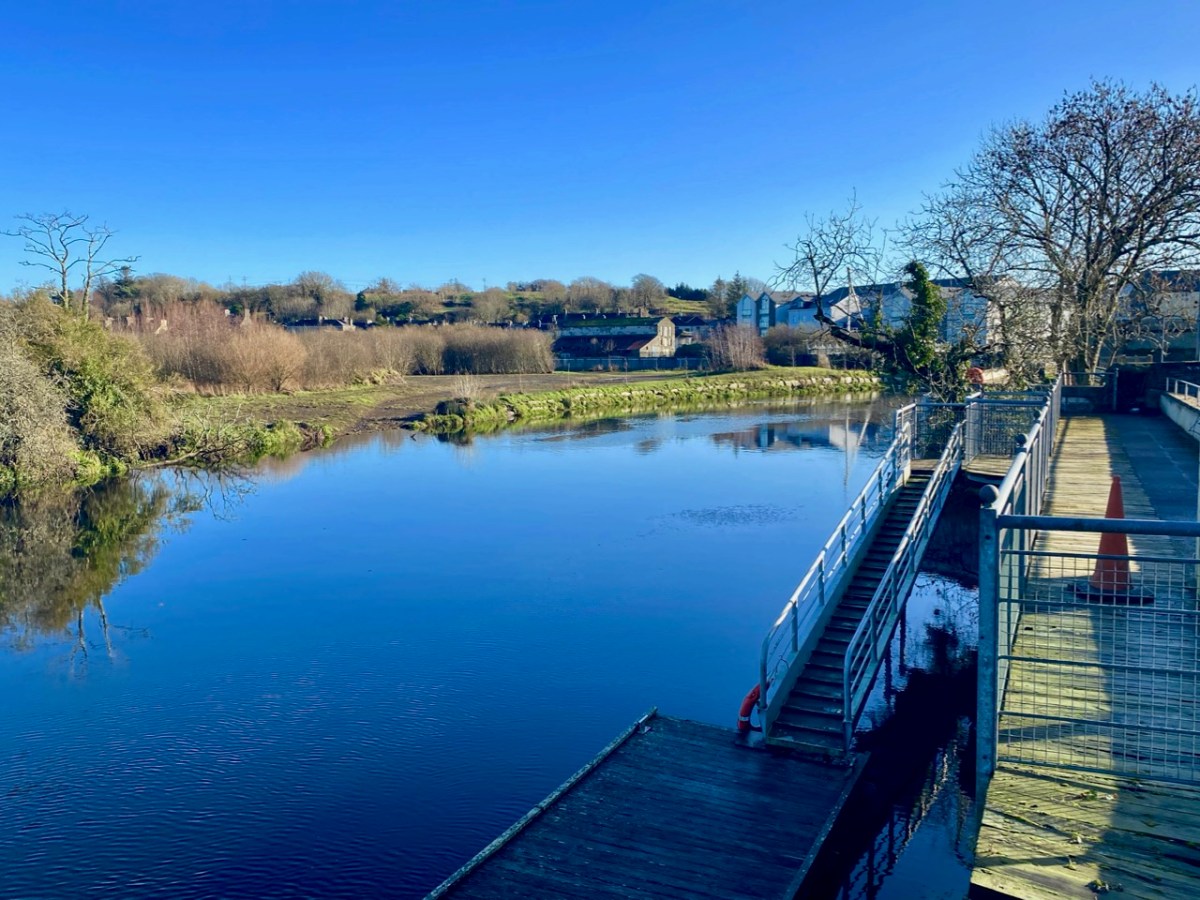
Skibbereen today is defined by its river – as it always has been. The waterside deserves a bit more attention – and is being opened up a little in some of the new civic improvement schemes that have been enabled by major flood relief works in the town. There are many opportunities yet to be explored.

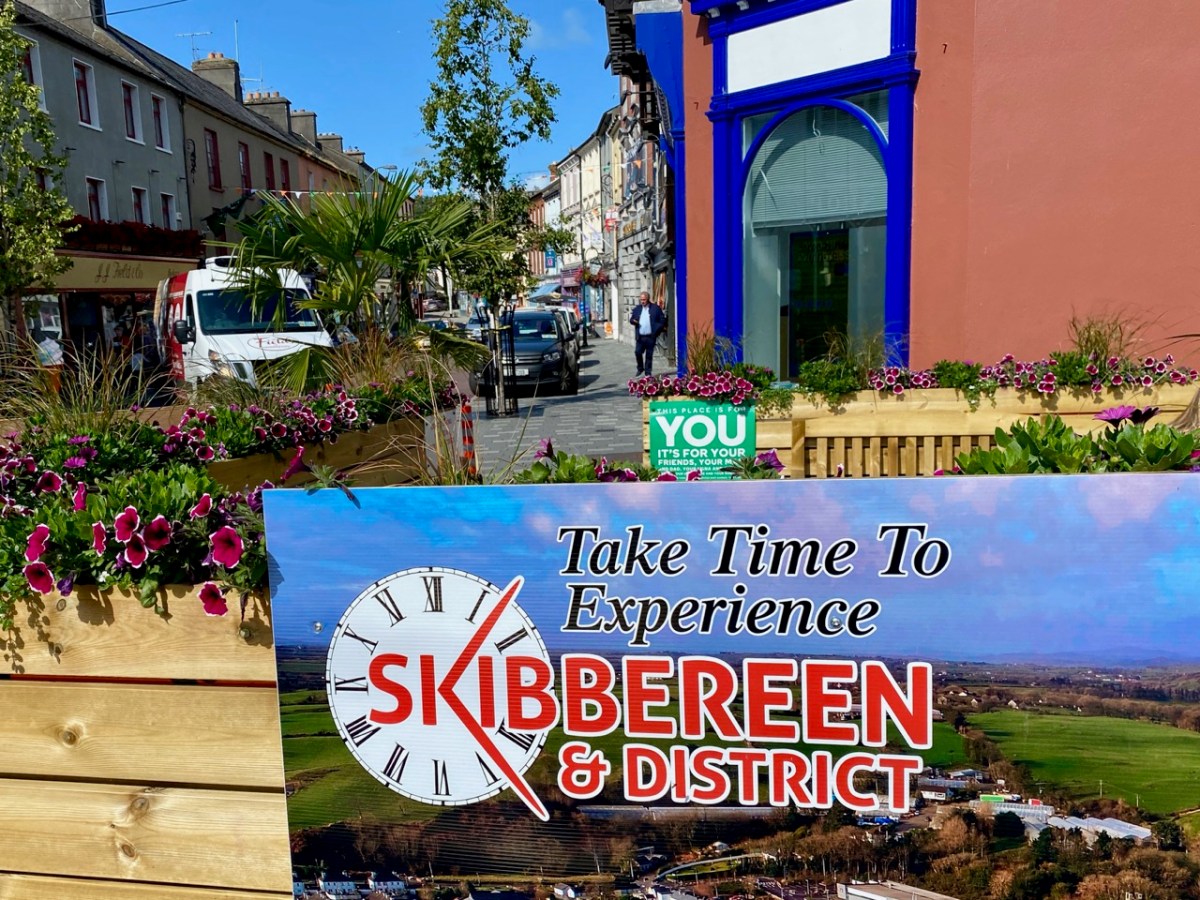
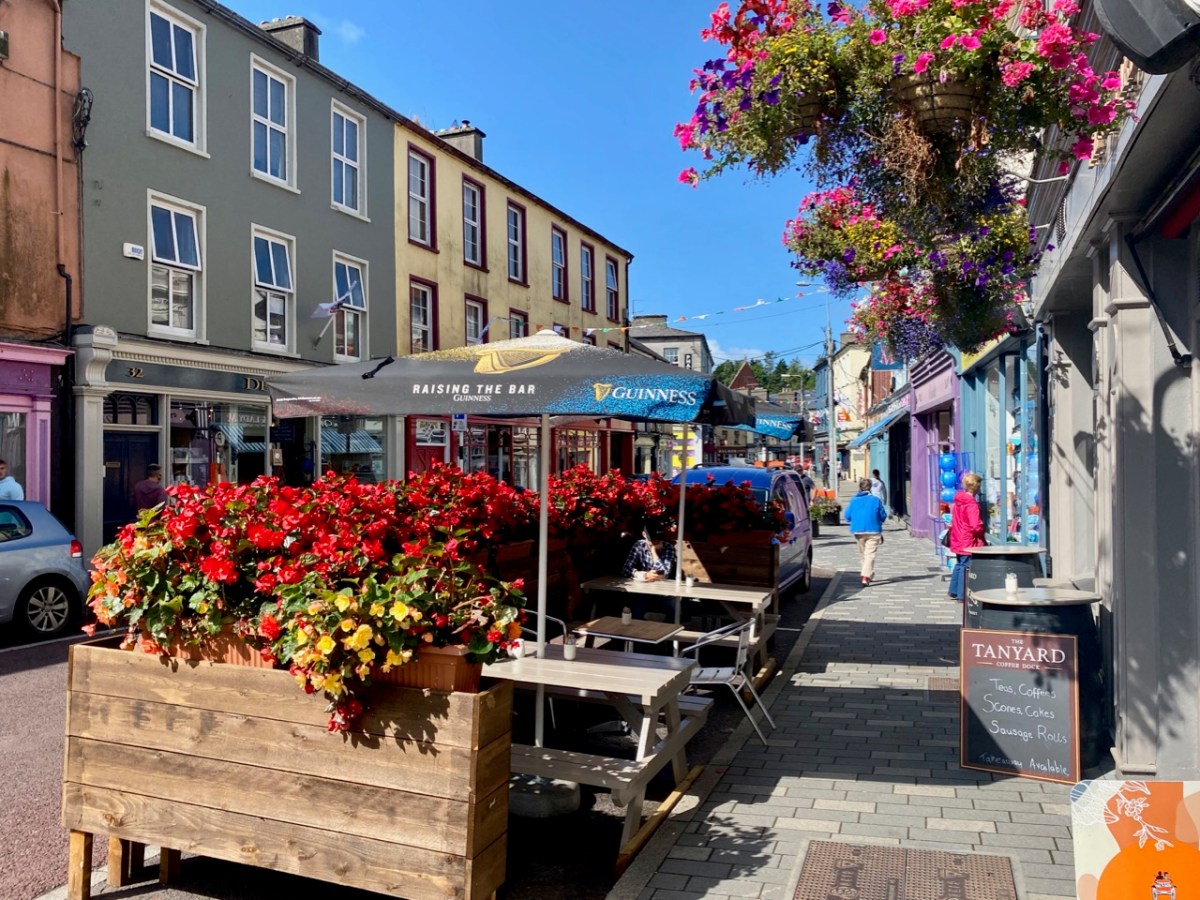
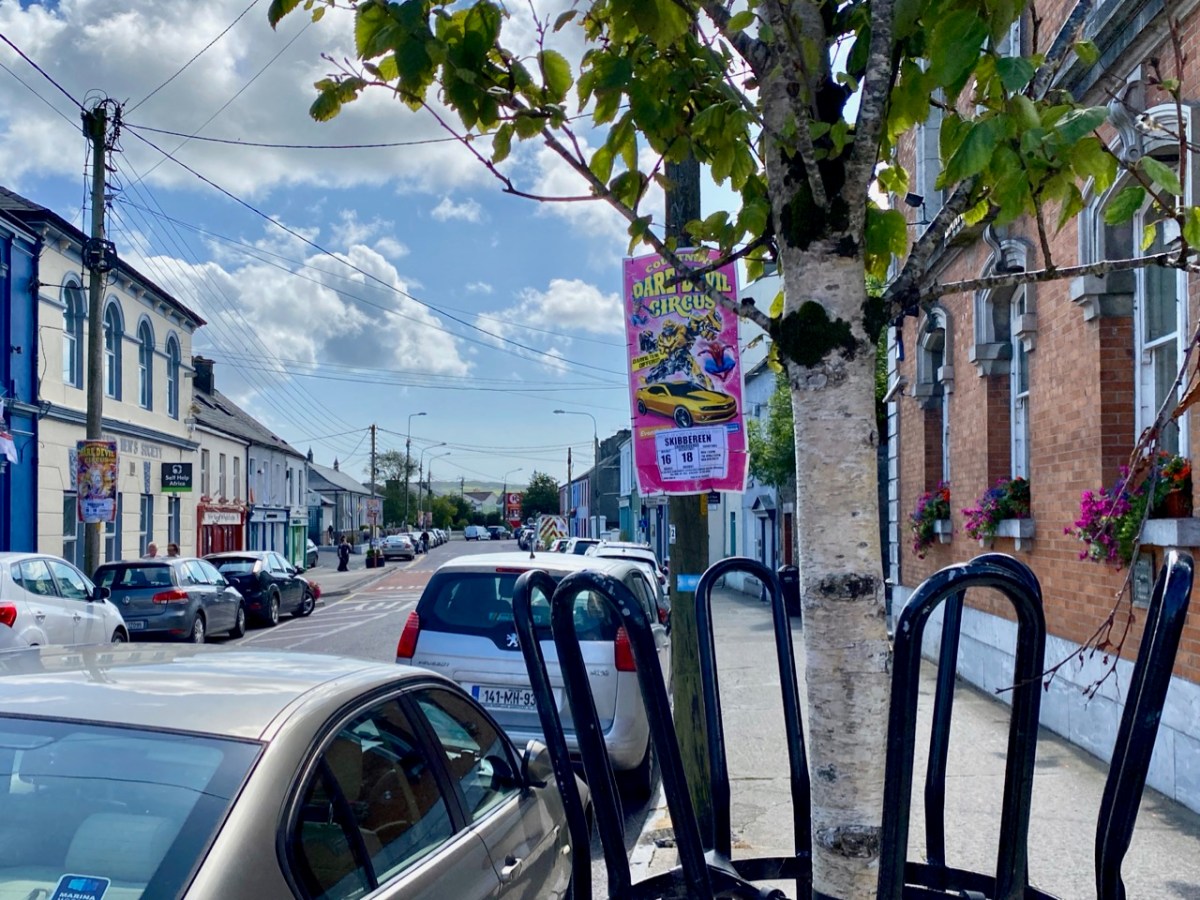
All towns evolve and, hopefully, move into the future: Skibbereen – we’ll be keeping an eye on you! But it’s a great town already: it has the busiest market in West Cork on a Saturday; lively shopping streets; easy (and free) parking – and a very healthy ‘pavement cafe’ culture that has grown up during the pandemic, and is likely to continue to flourish. Let’s walk the streets and see the town as its best in the late summer sunshine . . .

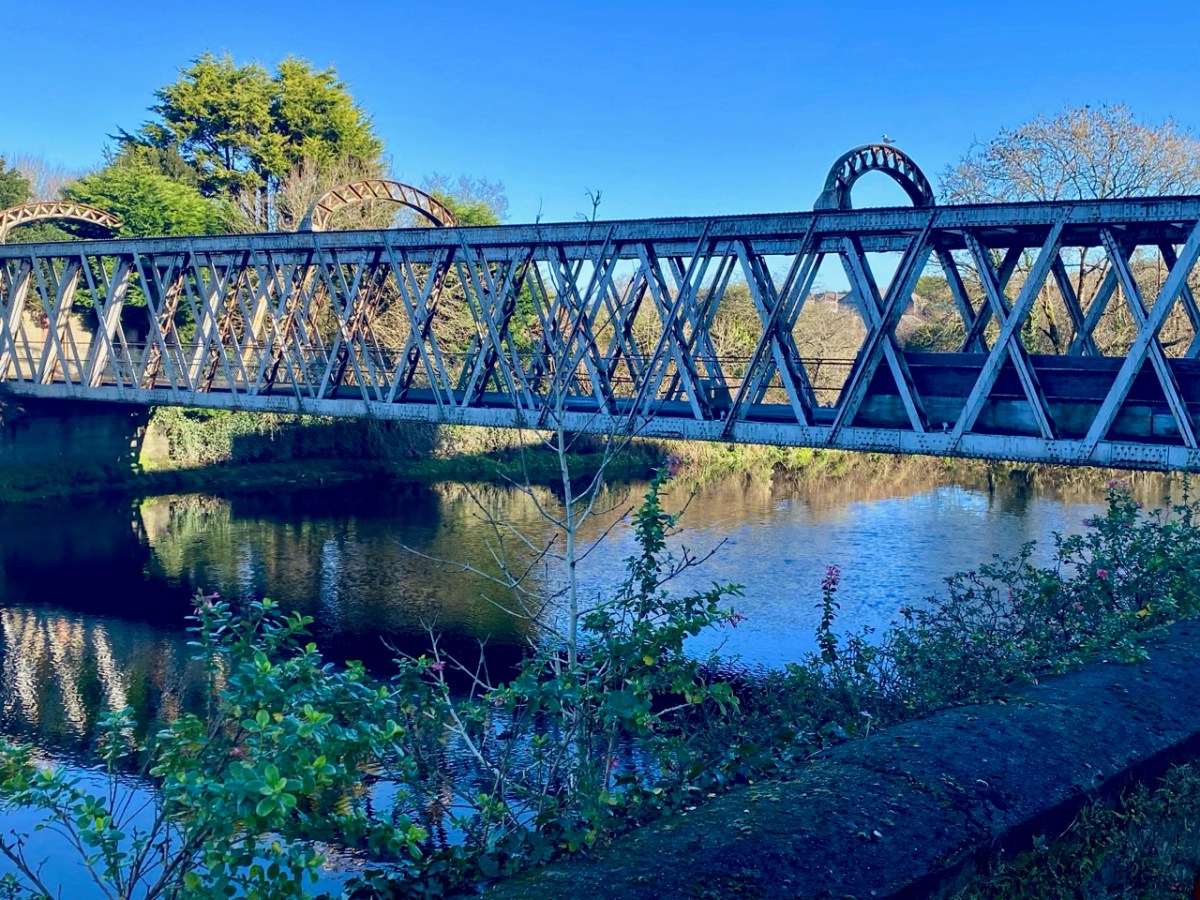
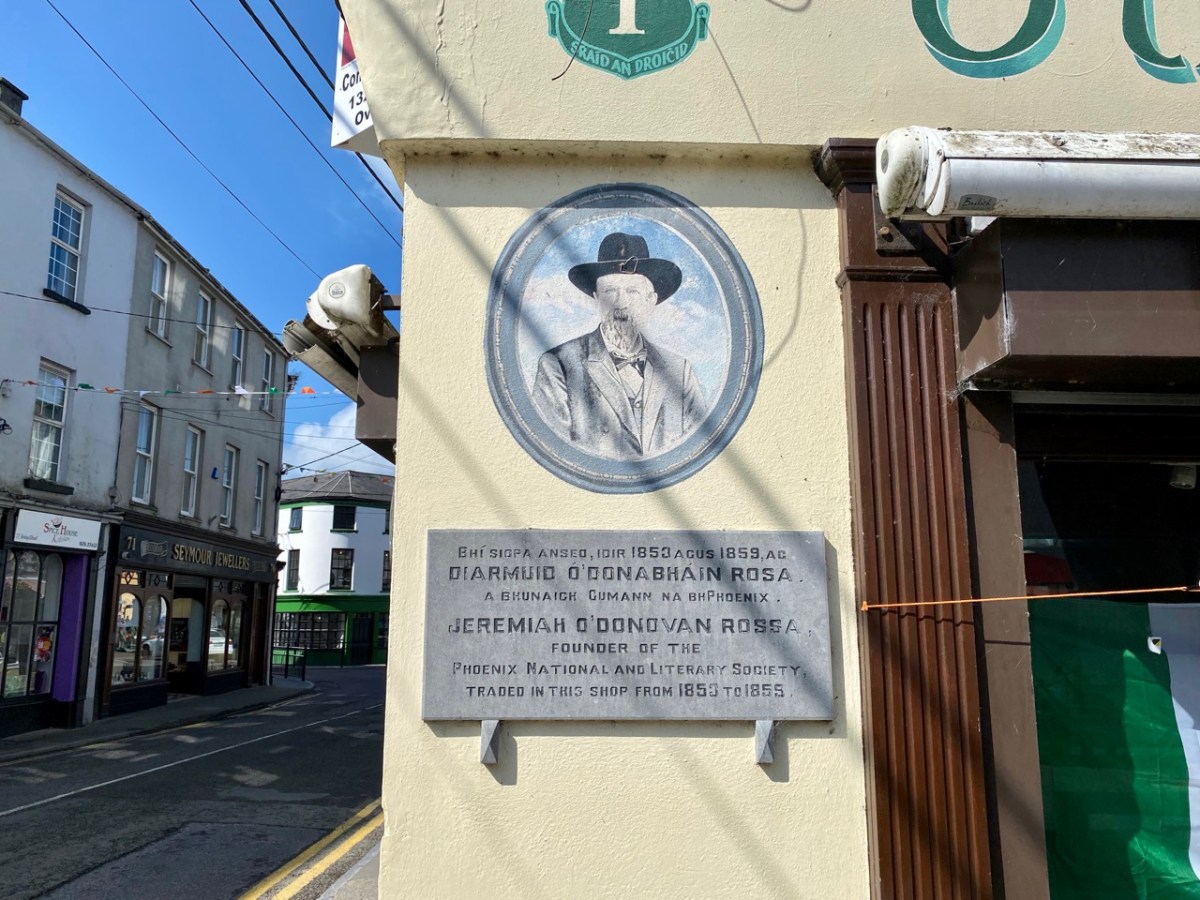
Here at Roaringwater Journal we will always sing the praises of this town, and it has been the subject of a good deal of our historical research and writing. Have a look at our posts on Agnes Clerke, Ireland’s first and foremost female astronomer;  Jeremiah O’Donovan Rossa, the famed nationalist and Fenian: Uillinn – one of Ireland’s most innovative art galleries – here, here and here. We also must not forget that Skibbereen was at one time an important part of Ireland’s railway network: you could travel to and from Cork and Baltimore, and it was a terminus for the narrow gauge railway that trundled off to Schull, and whose loss is now much mourned.

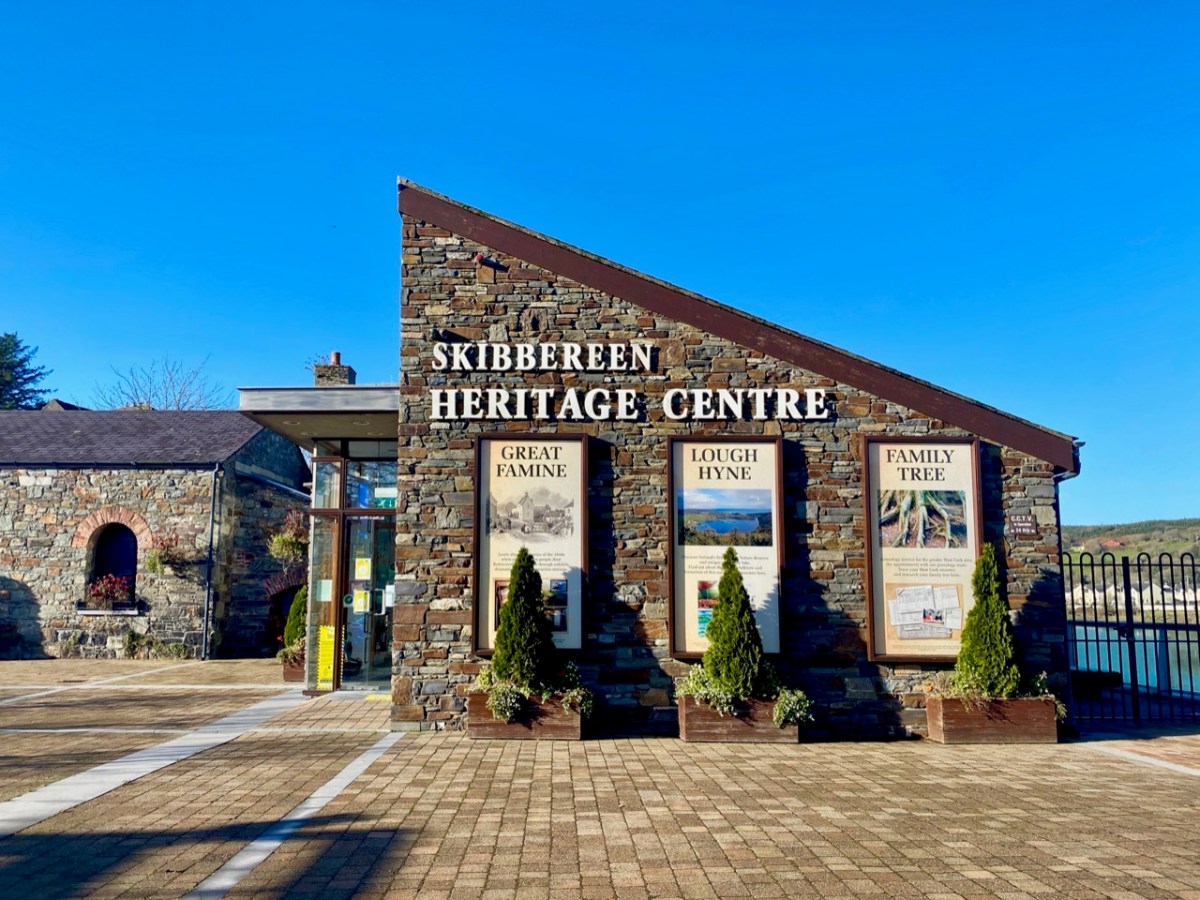
I hope my post inspires you to explore this prominent West Cork town, if you haven’t already done so. It has historic foundations – too numerous to list in this one, short article. Choose a sunny afternoon – or go there to shelter from the infrequent showers. Whatever the day, make the Skibbereen Heritage Centre your starting point: you will find a wealth of information which will help to guide you on your way. The building itself is a piece of history: it used to be Skibbereen’s gas works!

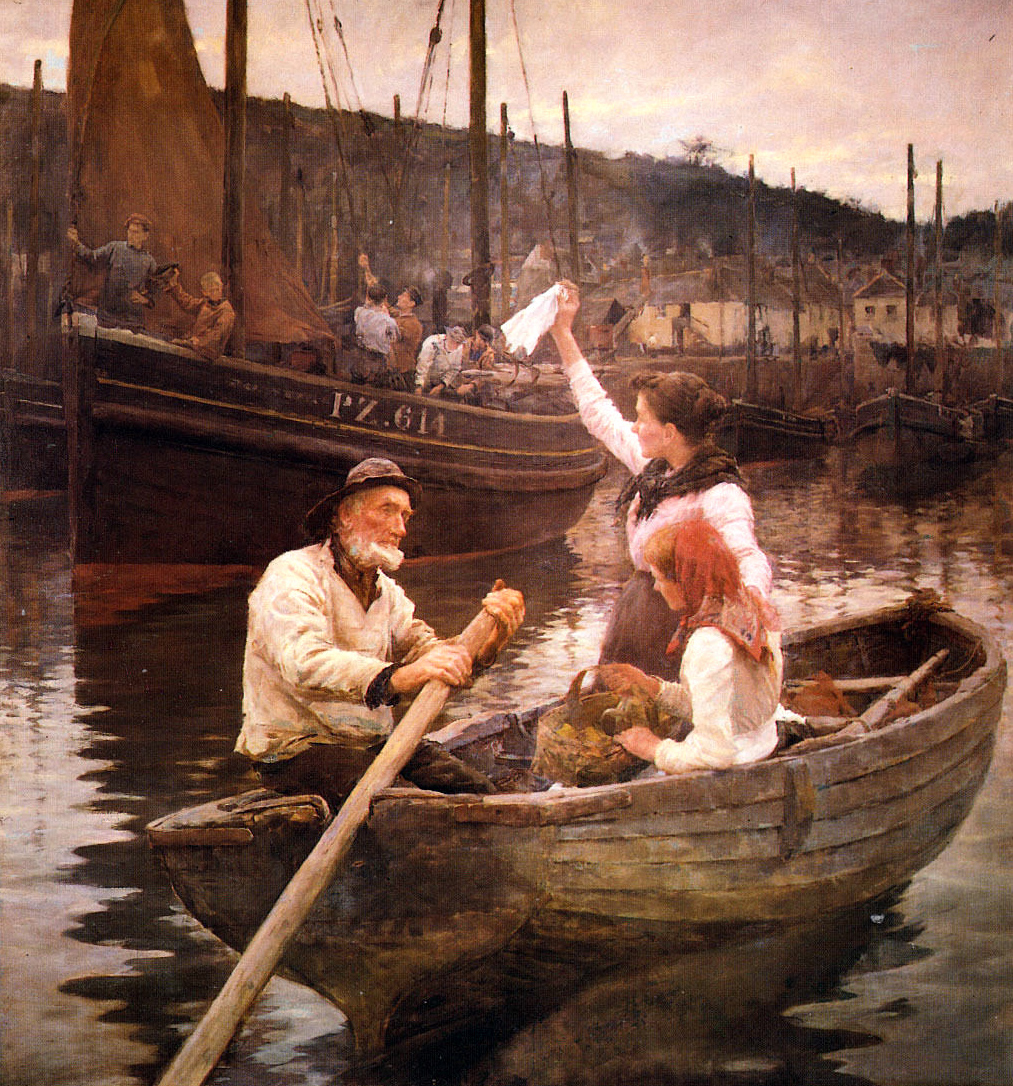
The town name was familiar to me long before I settled in Ireland a decade ago. I lived in the fishing village of Newlyn, Cornwall, for many years and got to know the history of the artists’ colony in West Penwith, centred on that town and St Ives. One artist – Stanhope Alexander Forbes – was known as ‘The Father of the Newlyn School of Artists’ – he was Irish born, and lived from 1857 to 1947. I vividly remember one of his works, displayed in the Penlee Gallery in Penzance. It shows fishermen leaving Newlyn to follow the shoals of herring and pilchards to the waters of Roaringwater Bay. The title of that picture? Goodbye – Off To Skibbereen!

Previous posts in this series:

Bantry

Schull

Dzogchen Beara

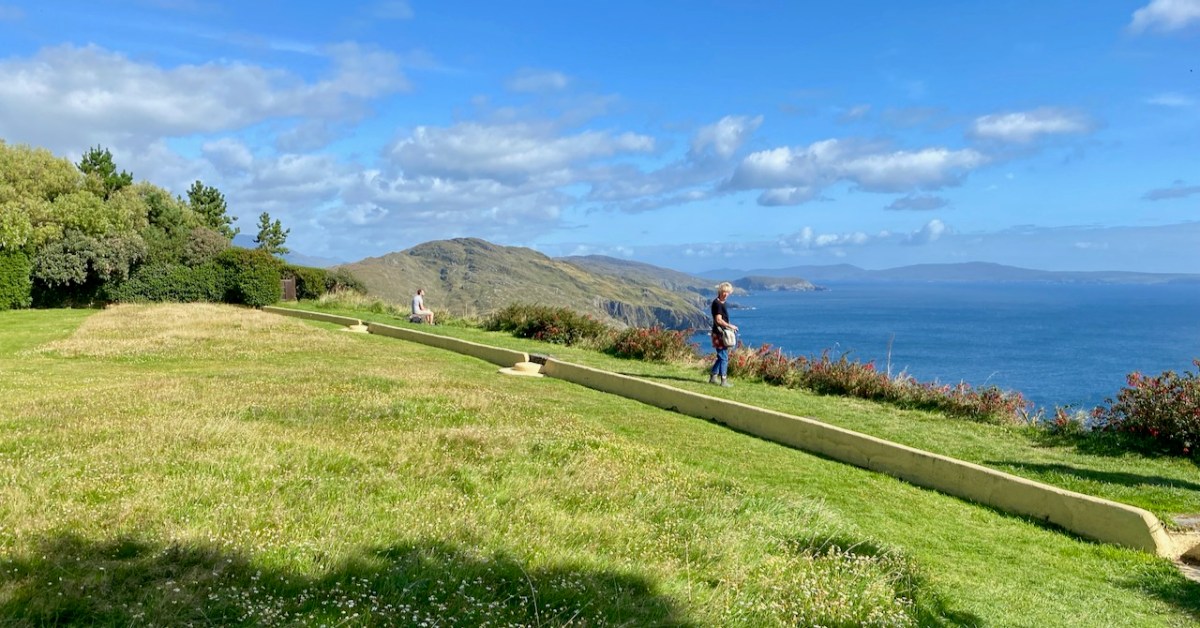
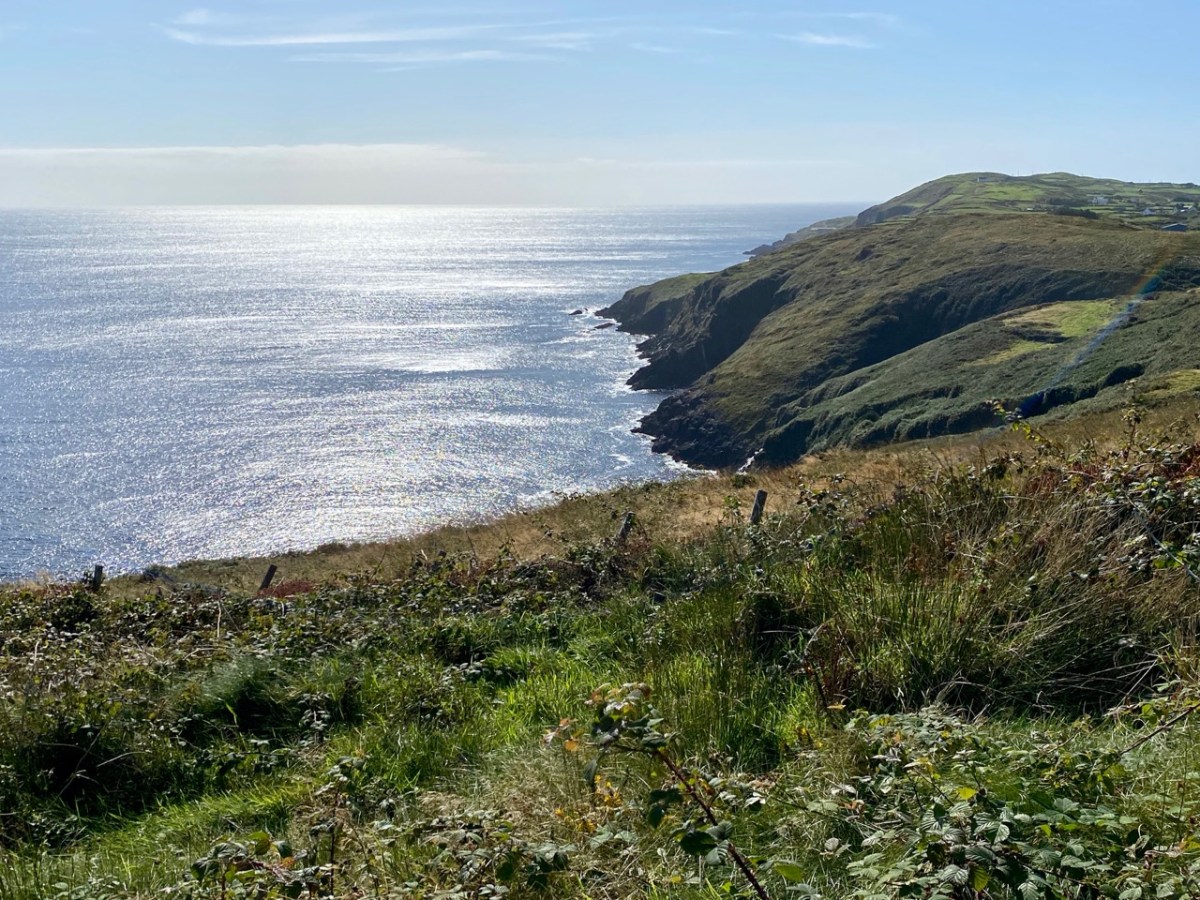
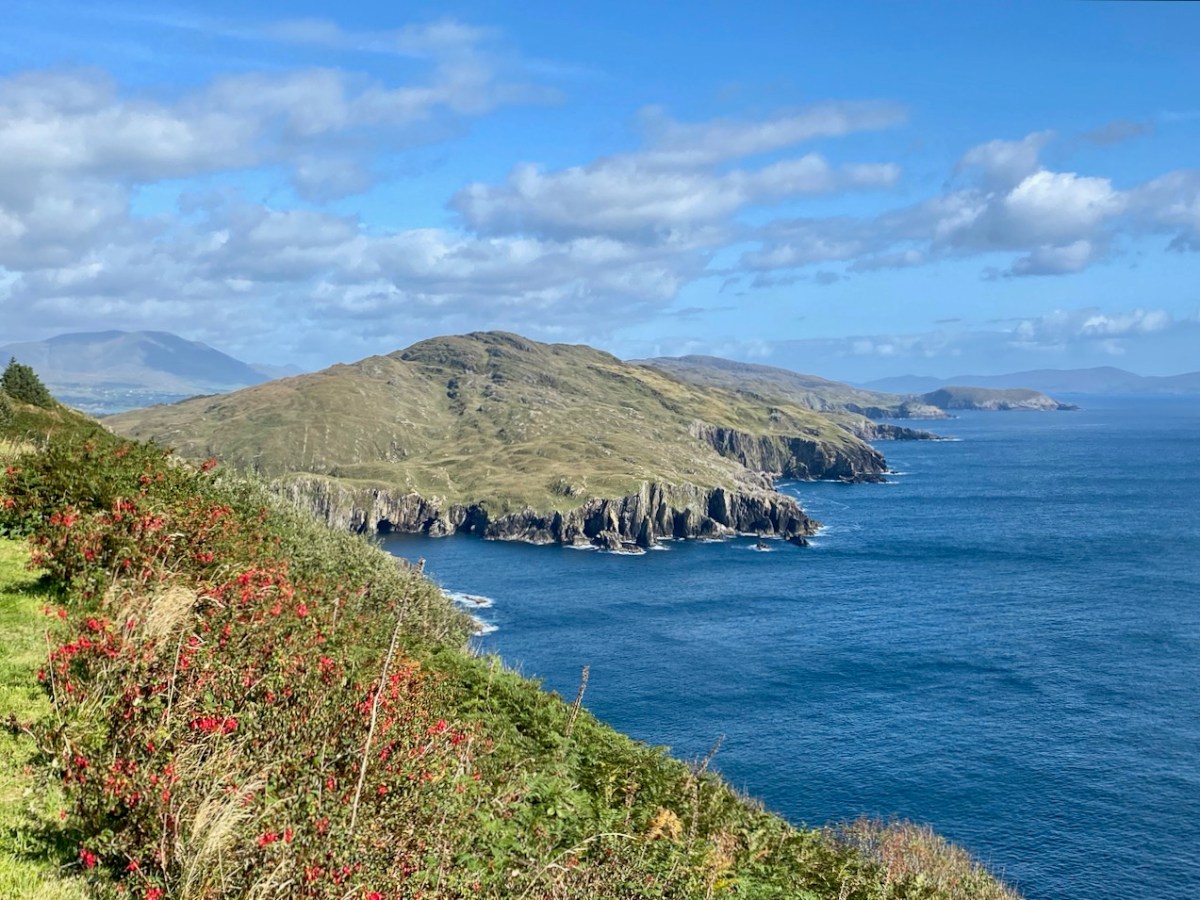
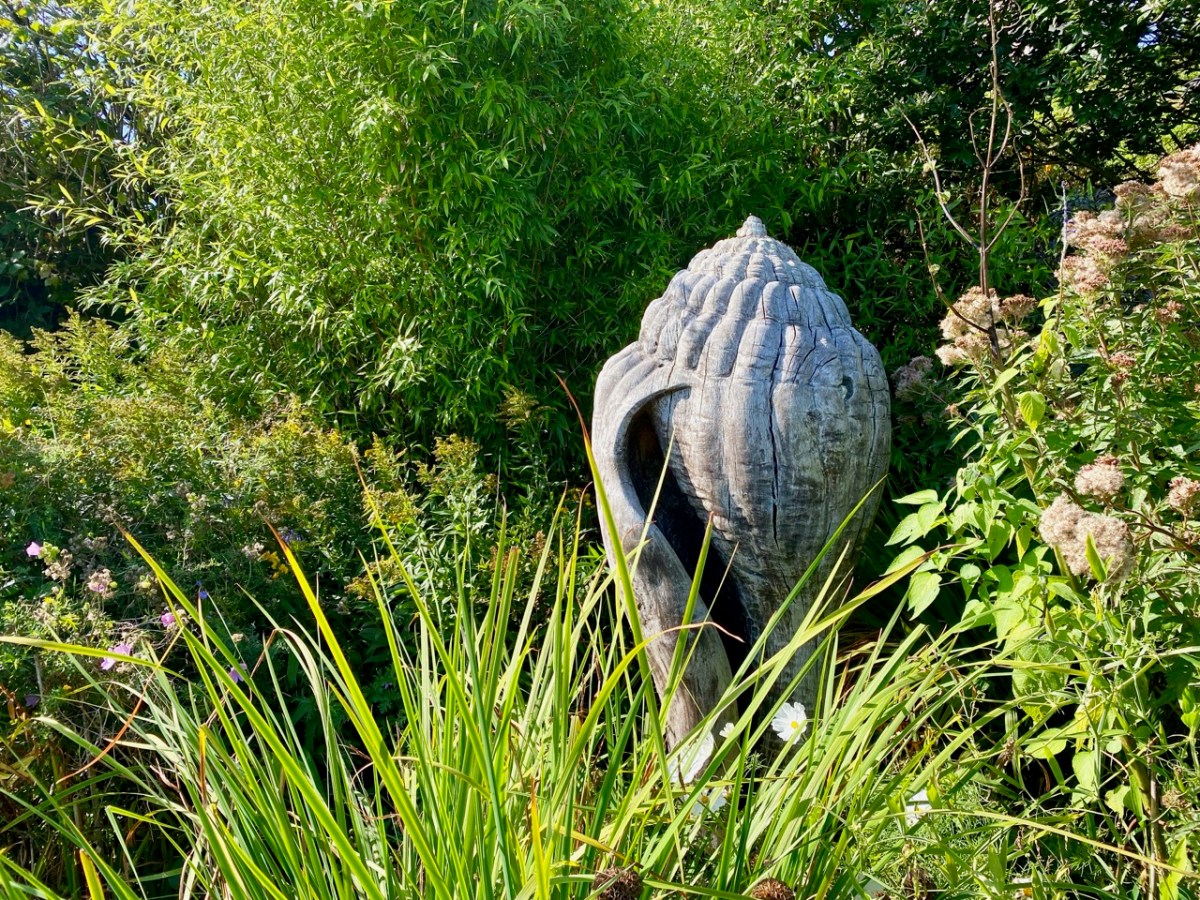
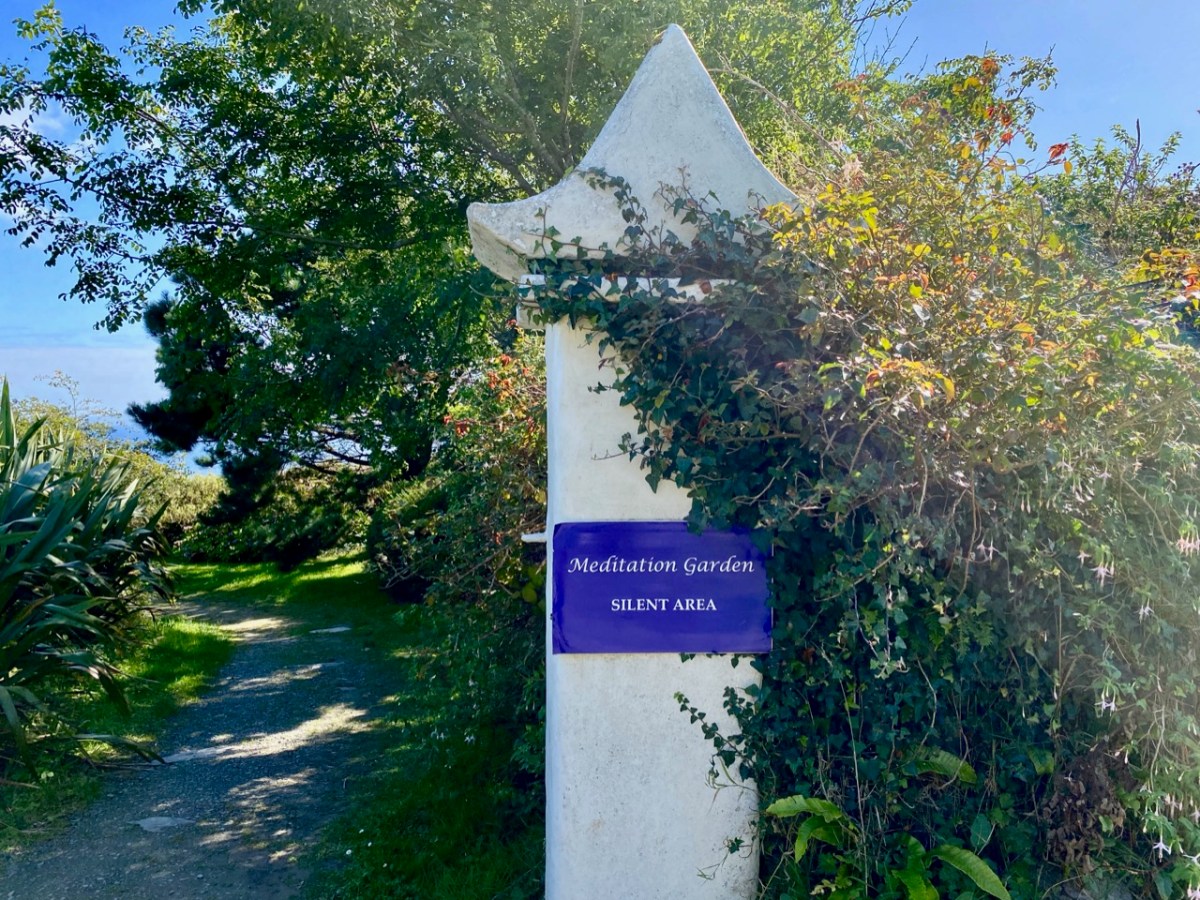
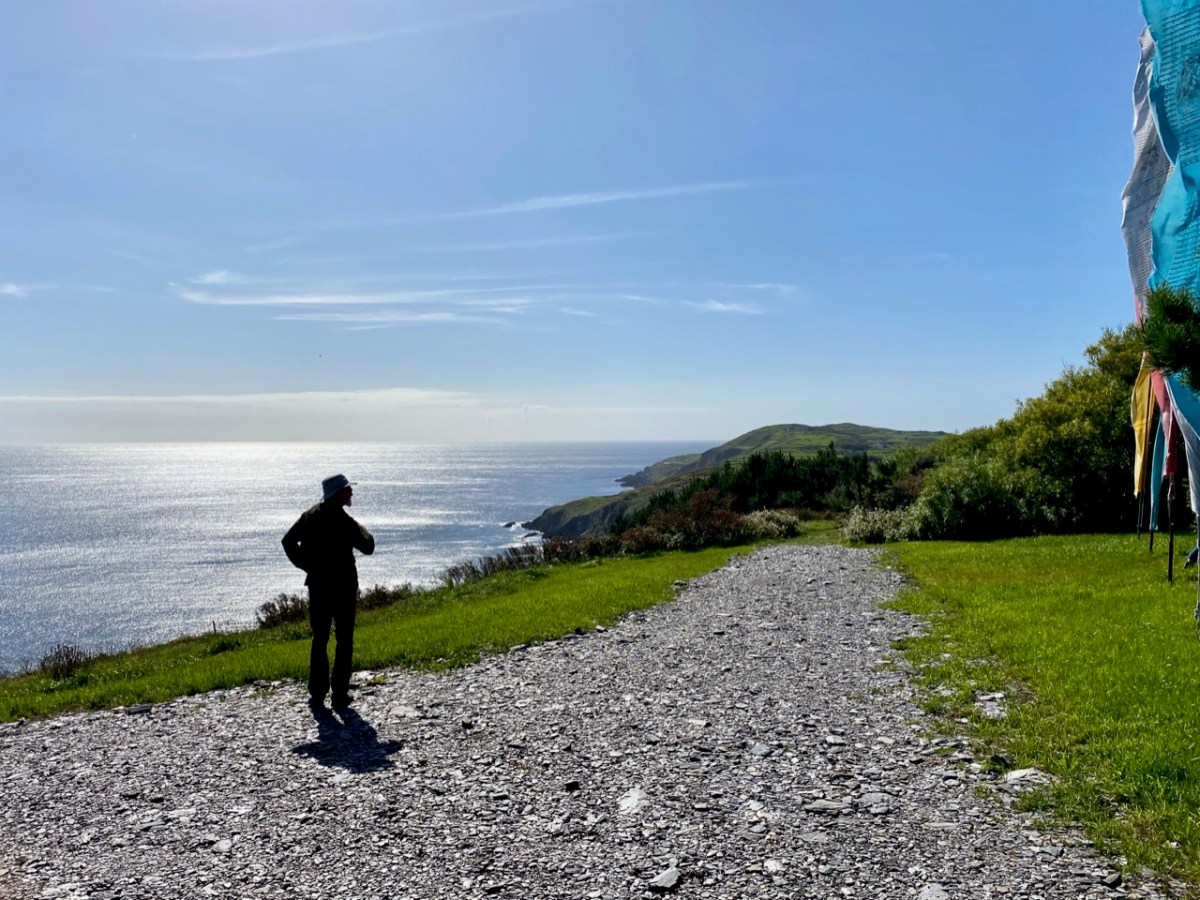
There is a centre of Buddhism on the Beara Peninsula: we visited it for the first time during the week. It is very beautifully situated on the coast south of Allihies. You only have to look at the photograph above, taken at the centre, to realise that the location is a very important aspect of the whole project.

Sa Che or Tibetan Geomancy is the analysis of the earth — including water, space, air, light, trees, garden and home. The principles of Sa Che are to bring harmony and equilibrium, both in the natural environment and within the being, affording good health, wealth and enjoyment. These benefits flow on to our relationships and lifestyle
Pure Land Farms, California

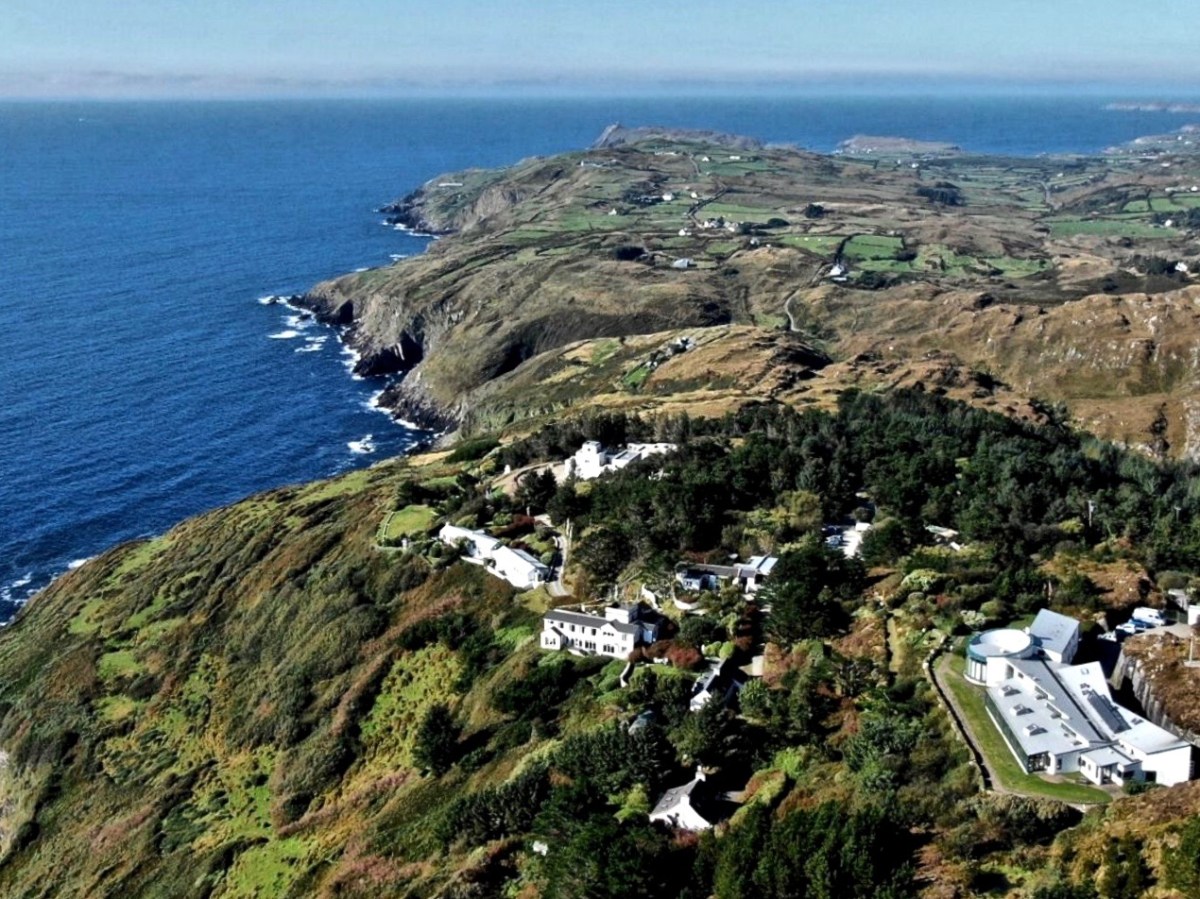
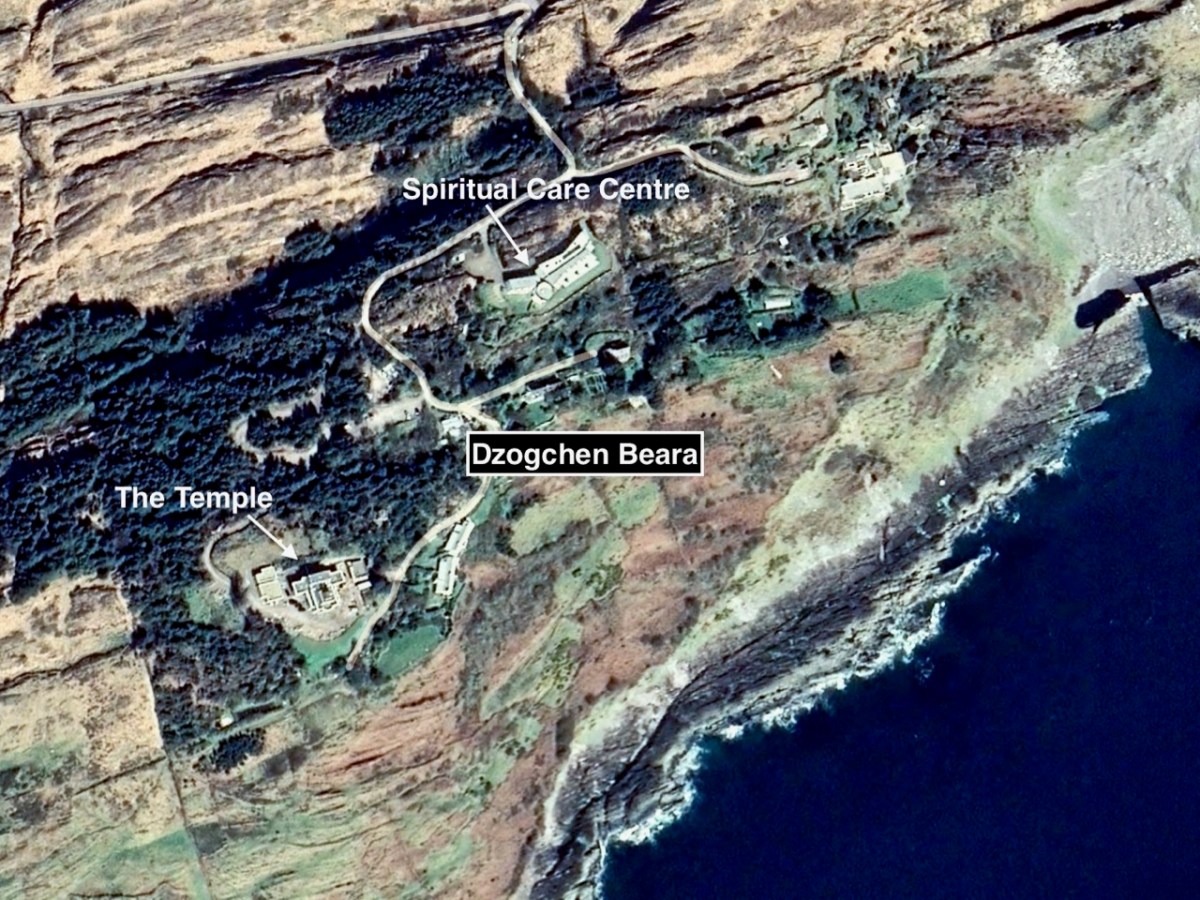
I am using the aerial view, above, courtesy of Dzogchen Beara Tibetan Buddhist Retreat Centre. All the buildings in the lower part of the picture are within the centre, which was founded by Sogyal Rinpoche in 1987. On the lower right is The Spiritual Care Centre – opened by Ireland’s President, Mary McAleese in 2007 – which provides a safe and supportive environment for people living with a life-altering illness, recovering from treatment, facing the end of their life or experiencing bereavement, as well as their families, loved ones and others who care for them. It’s a special, culturally significant place – and you can see how its siting takes the fullest advantage of the impressive scenery.

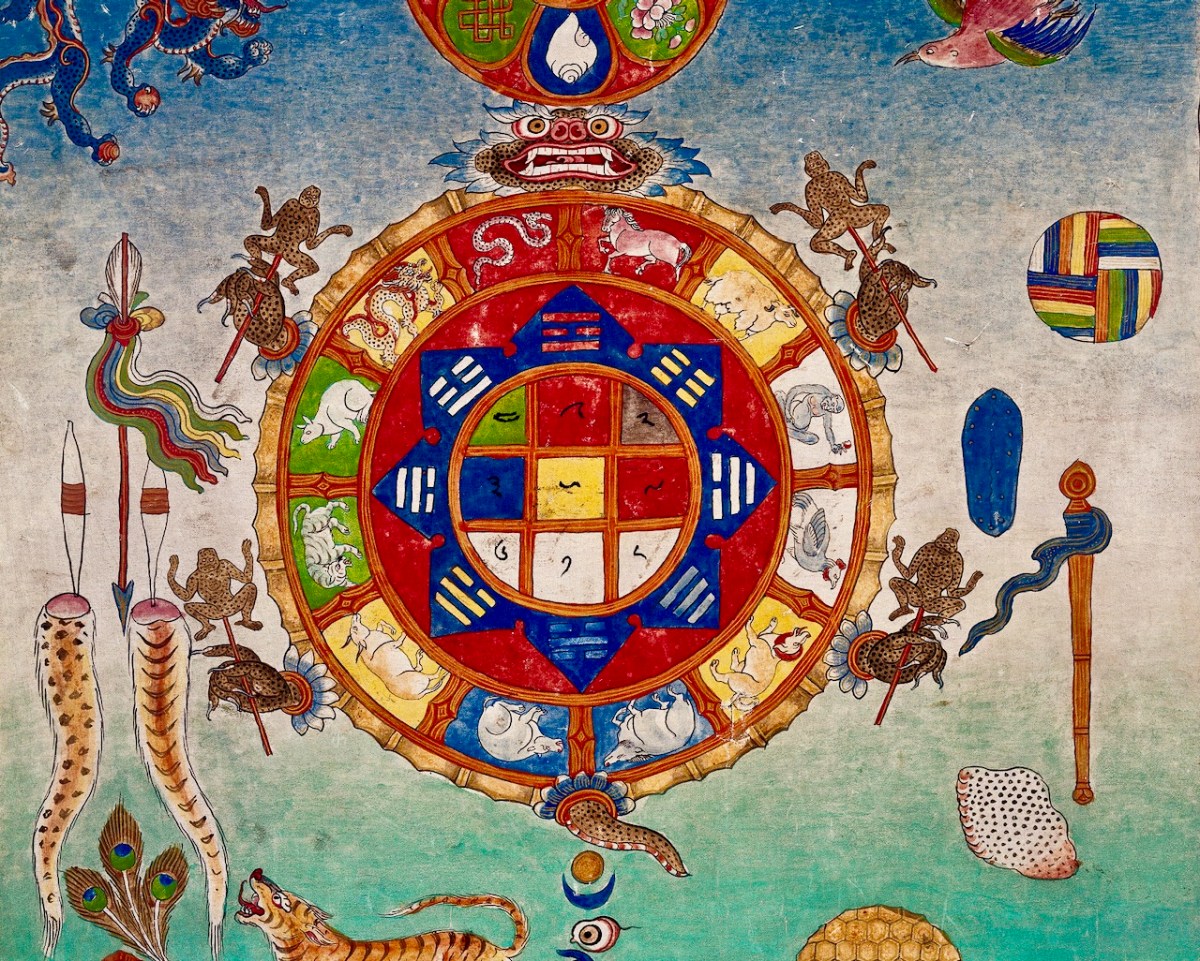
That’s a Tibetan geomancy chart, above (courtesy of The Wellcome Foundation). It is traditionally used to work out how and where you should build your house – or any important structure: as you can see there is a Zodiac at its heart. As an architectural student back in the 1960s I was fascinated by this concept – then popularly termed Feng Shui – we all were. Throughout my working life I was always seeking to justify my clients’ demands to build in a certain place or in a certain way; I wince, today, when I see the building processes we have here in Ireland – our countryside is ravaged, in my view, by the excavator and the rock-breaker carving out great flat platforms whereon are placed ‘anywhere style’ bungalows or houses, rather than structures which try to flow and blend into the uneven natural landscapes. But I’d better get off my high horse, I suppose. This Buddhist centre on the Beara is an excellent example of buildings ‘fitting in’ to their surroundings.

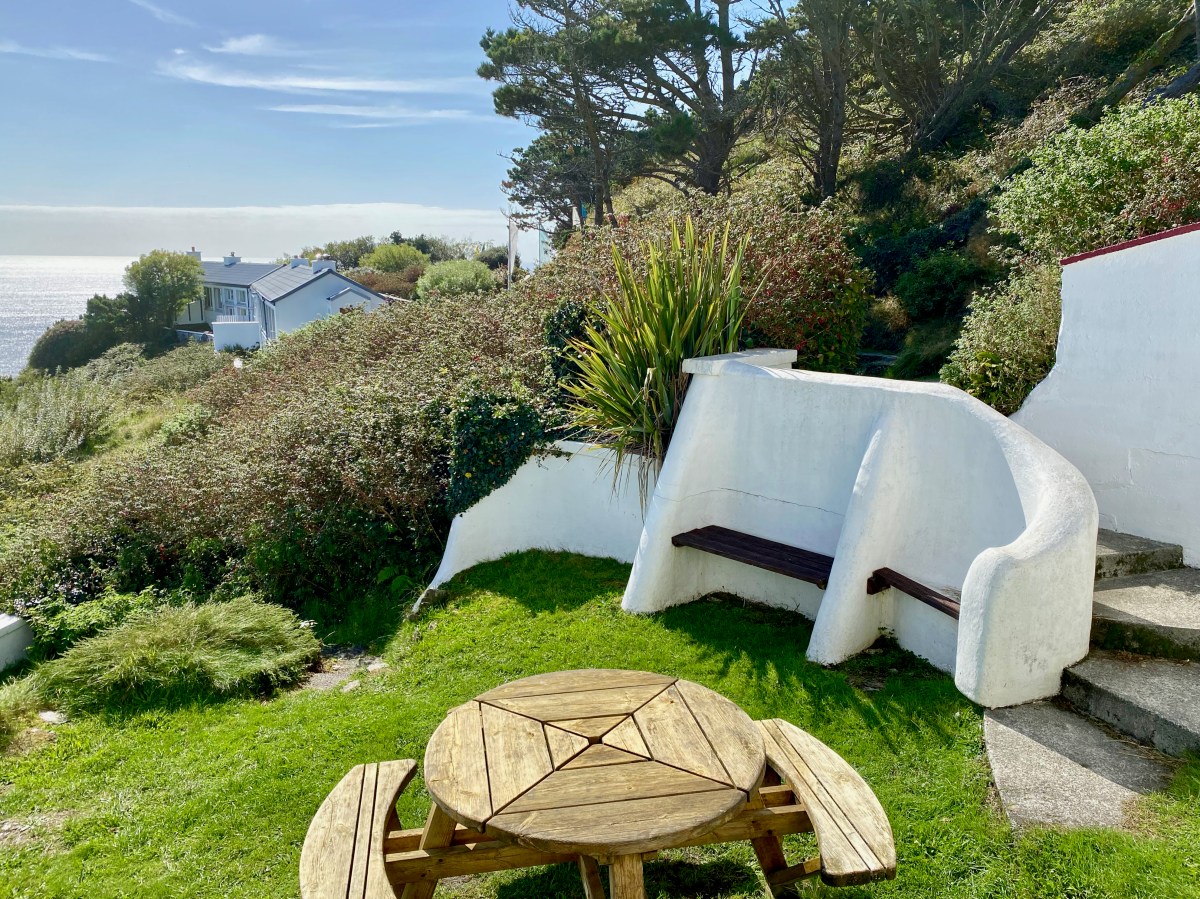
Anyone can visit the centre: it has an excellent cafe which enjoys the unparalleled views, for a start, but there are gardens and grounds to wander around, and many events which everyone can attend: keep an eye on the website.

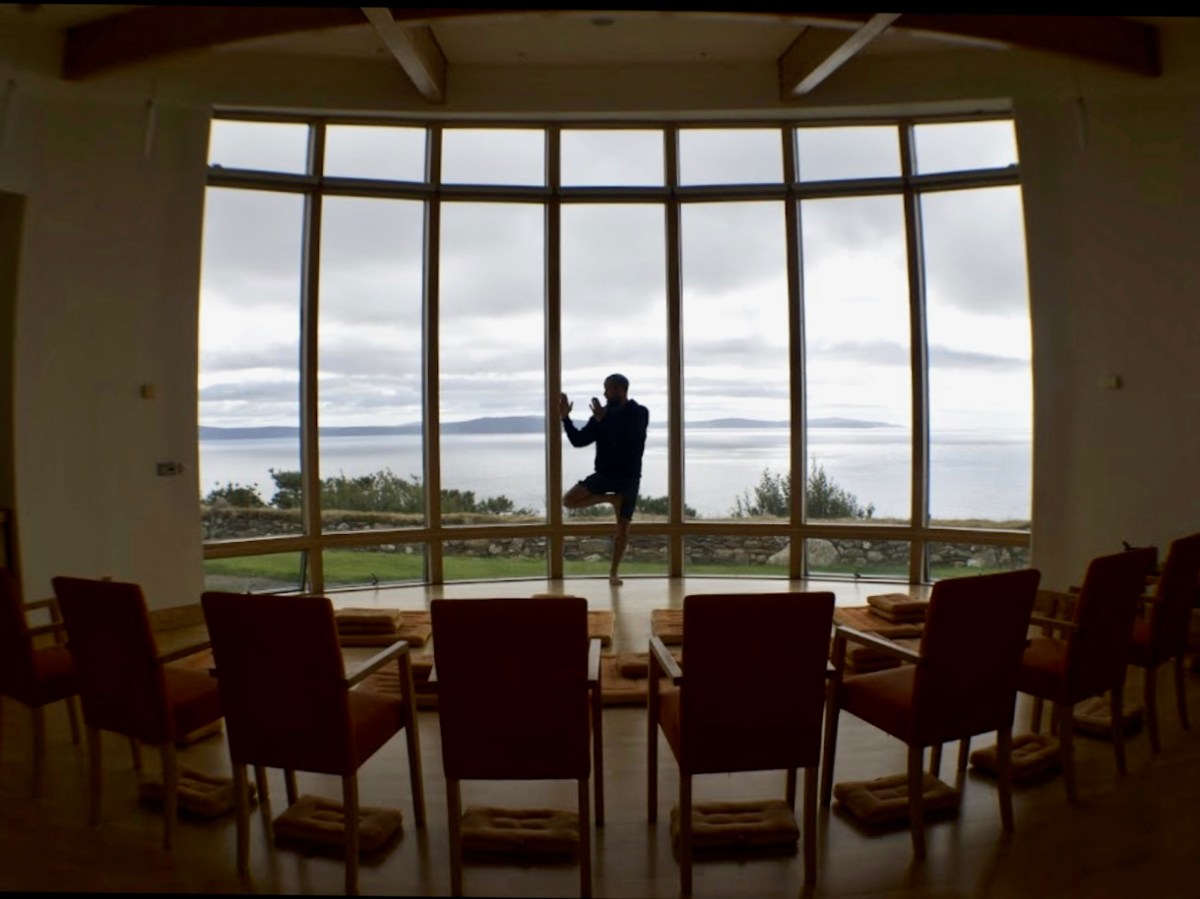
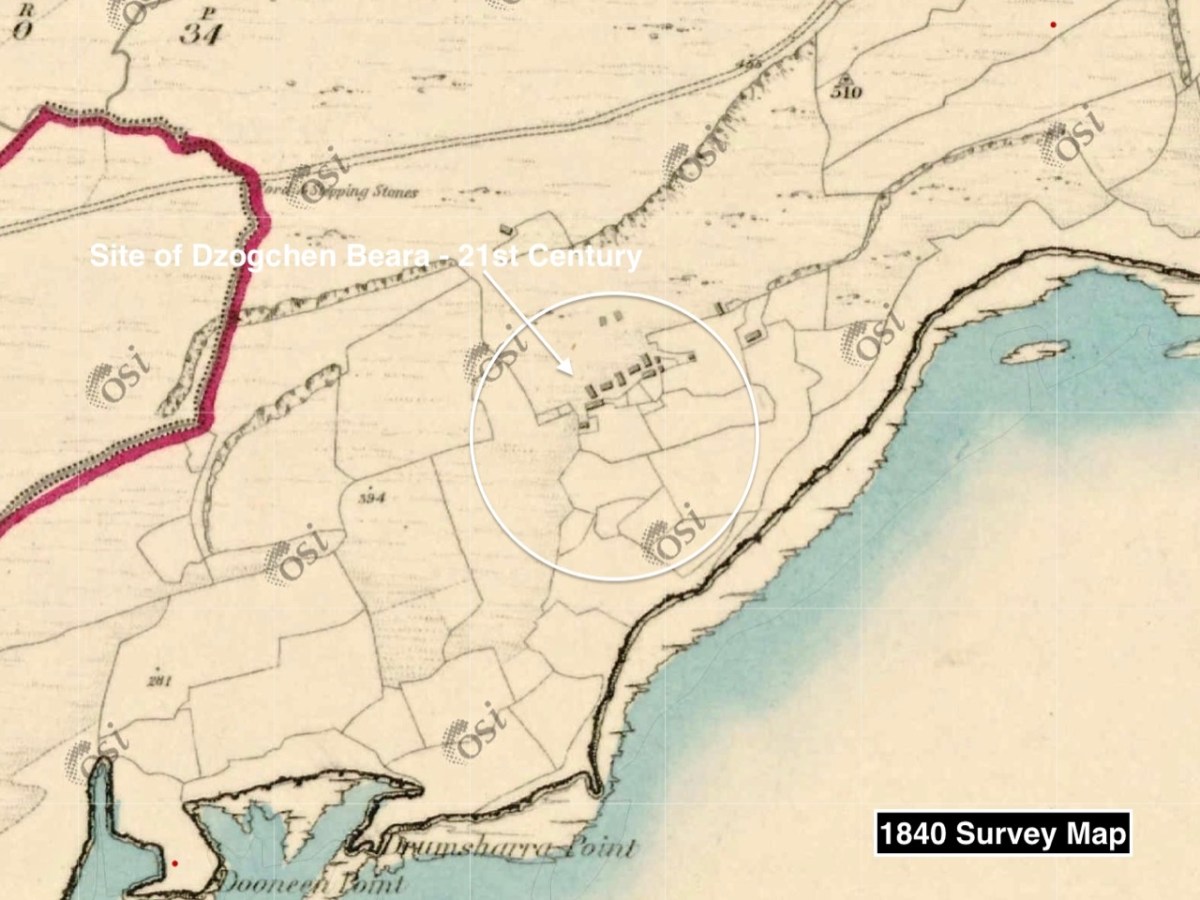
This shows one of the meditation rooms (courtesy of Dzogchen Beara Tibetan Buddhist Retreat Centre), with Pi Jun Taiwa in meditative posture. Below is a satellite image of the site showing its proximity to the coast and, below that, an extract from the 1840 OS map. I was intrigued to know what the buildings are that are shown occupying the site in those times. I have been unable to find the answer but wonder if they were connected to mining: the great copper-mining centre of Allihies is situated inland from here, but there are said to be ore-bearing lodes at Dooneen point, south-west of the new Centre.

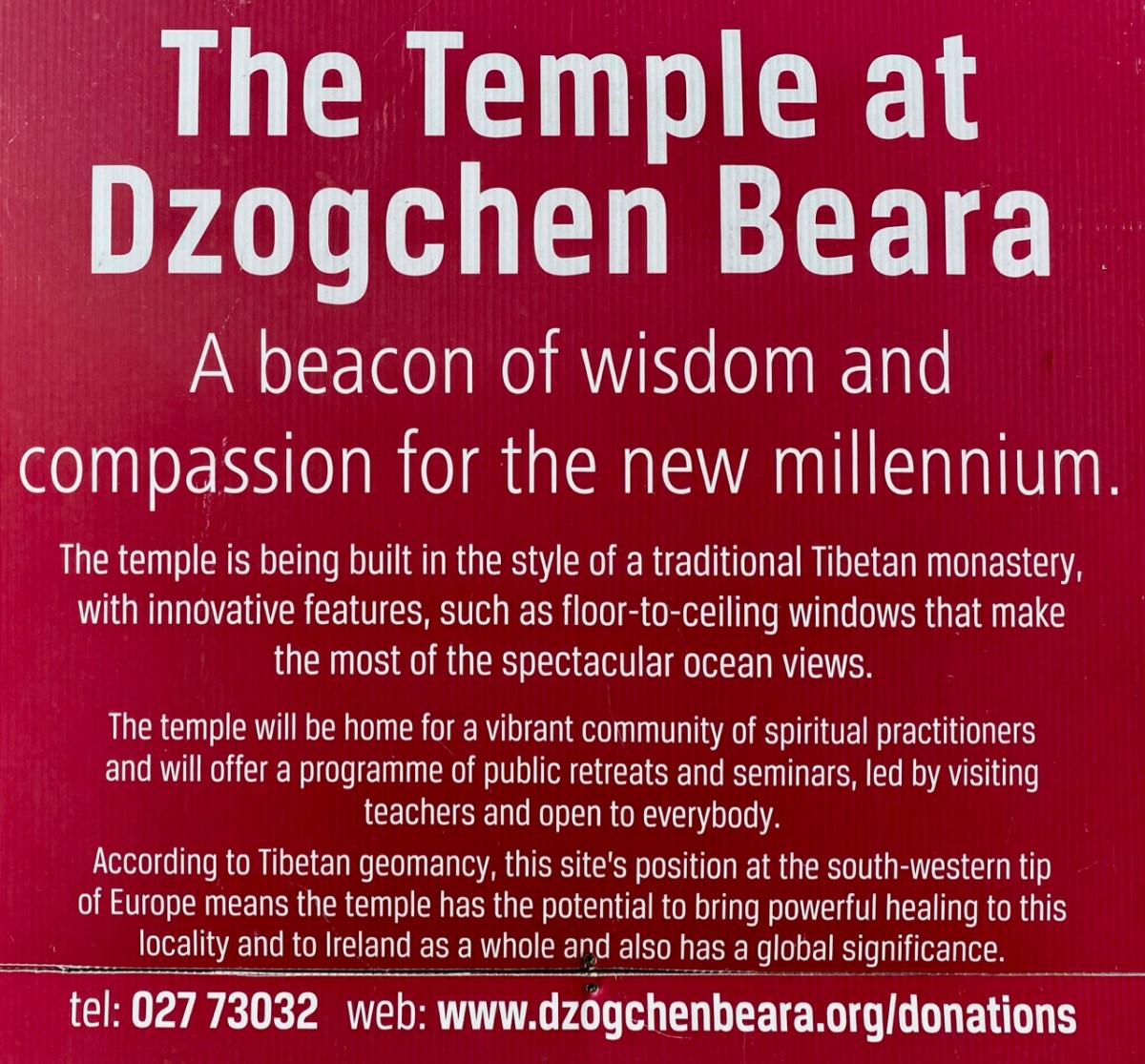
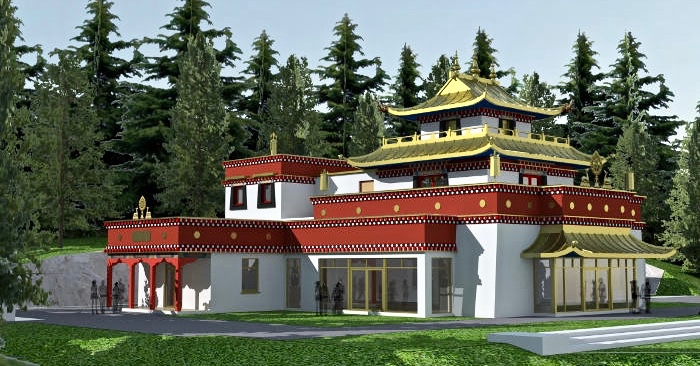
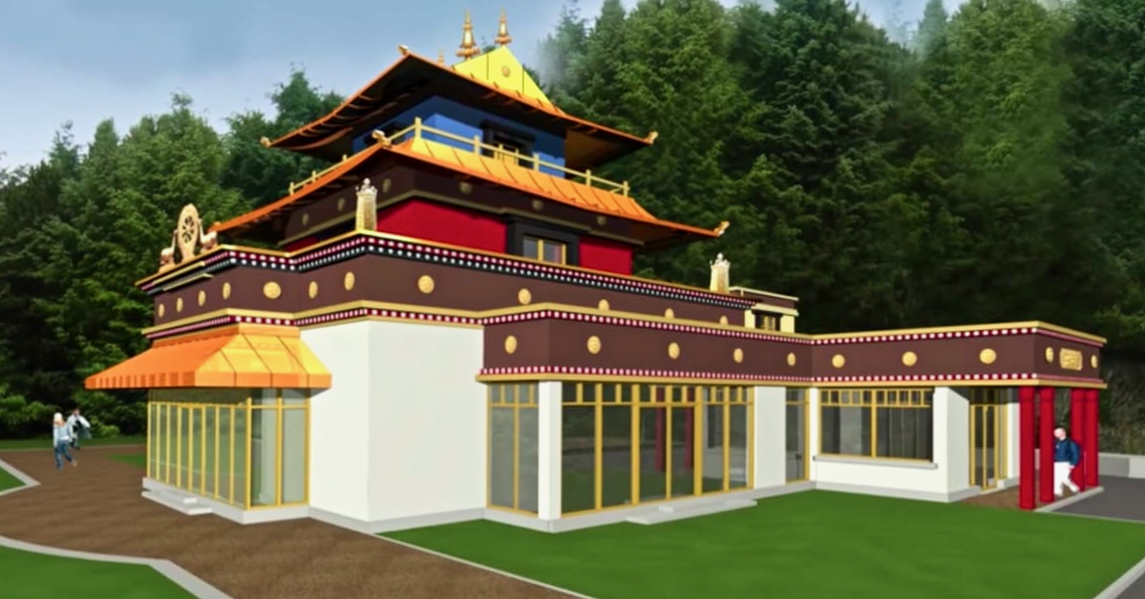
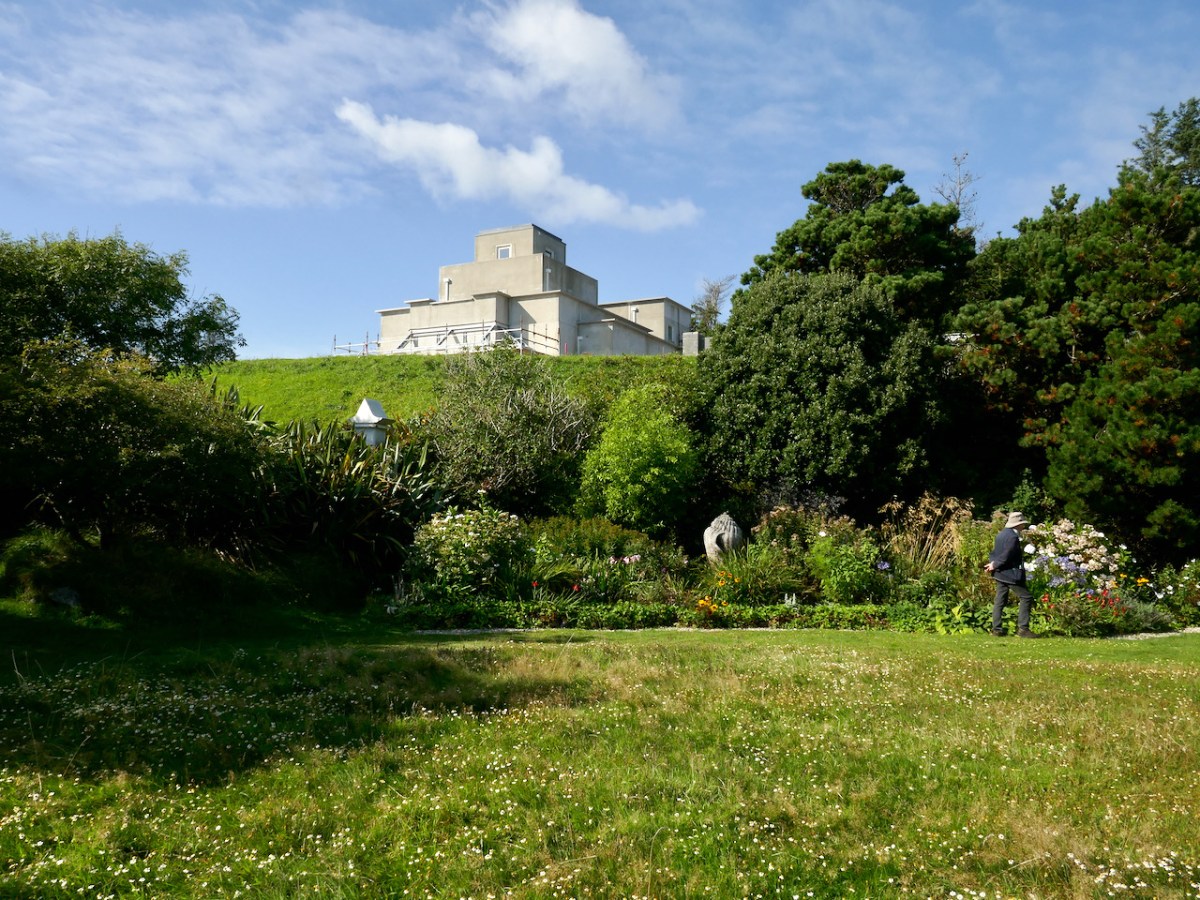
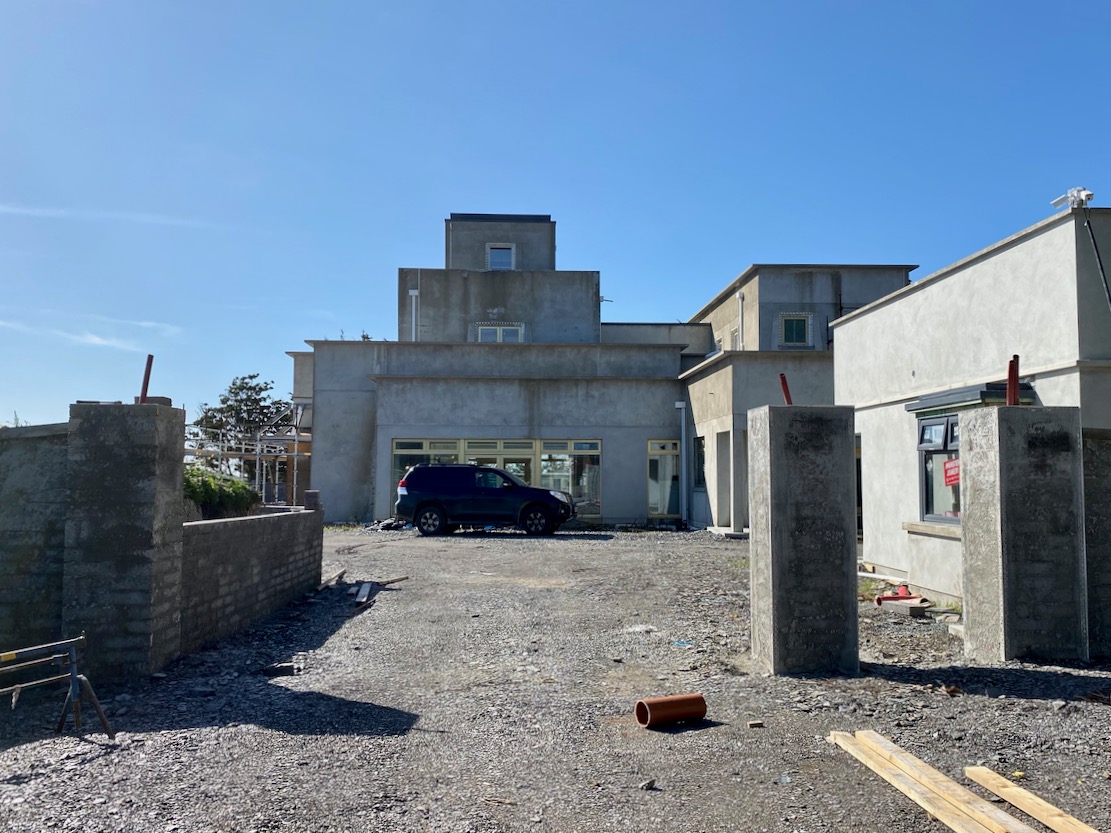
An exciting venture happening at Dzogchen Beara right now is the construction of the first Buddhist temple in Ireland! It’s a relatively long-term project – with progress held up by the Covid crisis. But we saw it under way and it promises to be an impressive modern building based in Tibetan tradition.

The site of the temple was consecrated in 2010 with a sacred fire ceremony. I was intrigued to read that the curving overhanging roofs are to be constructed from ‘Nordic Royal Copper’, a specially developed alloy containing zinc and aluminium: this should ensure that the copper retains its shining colour through all weathers: a traditional copper roof would become dulled and turn green after a few years. Instead, the roofs of this temple will shine like the ‘Beacon of Wisdom and Compassion’ that the architect imagined. At present, the building works are still very much in their unadorned basic form, but moving forward (below).

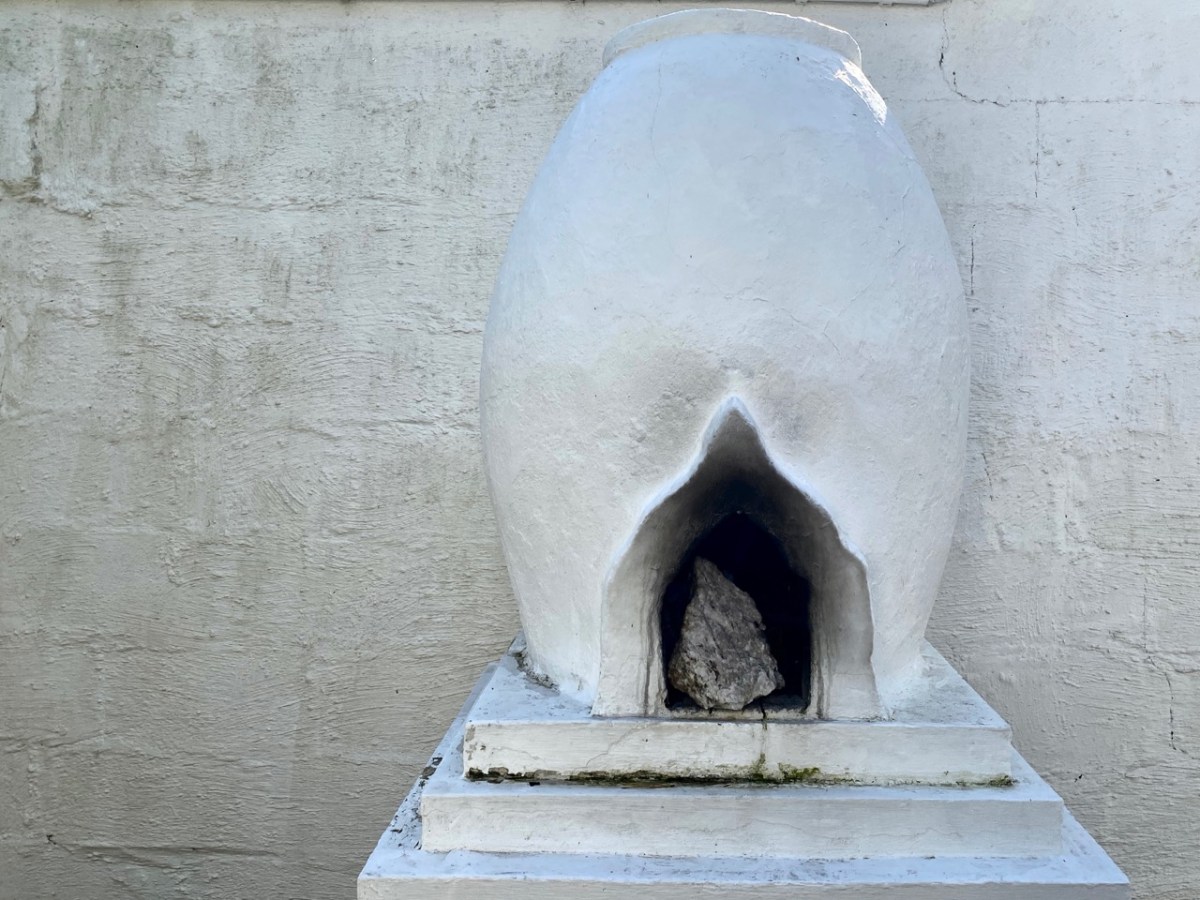
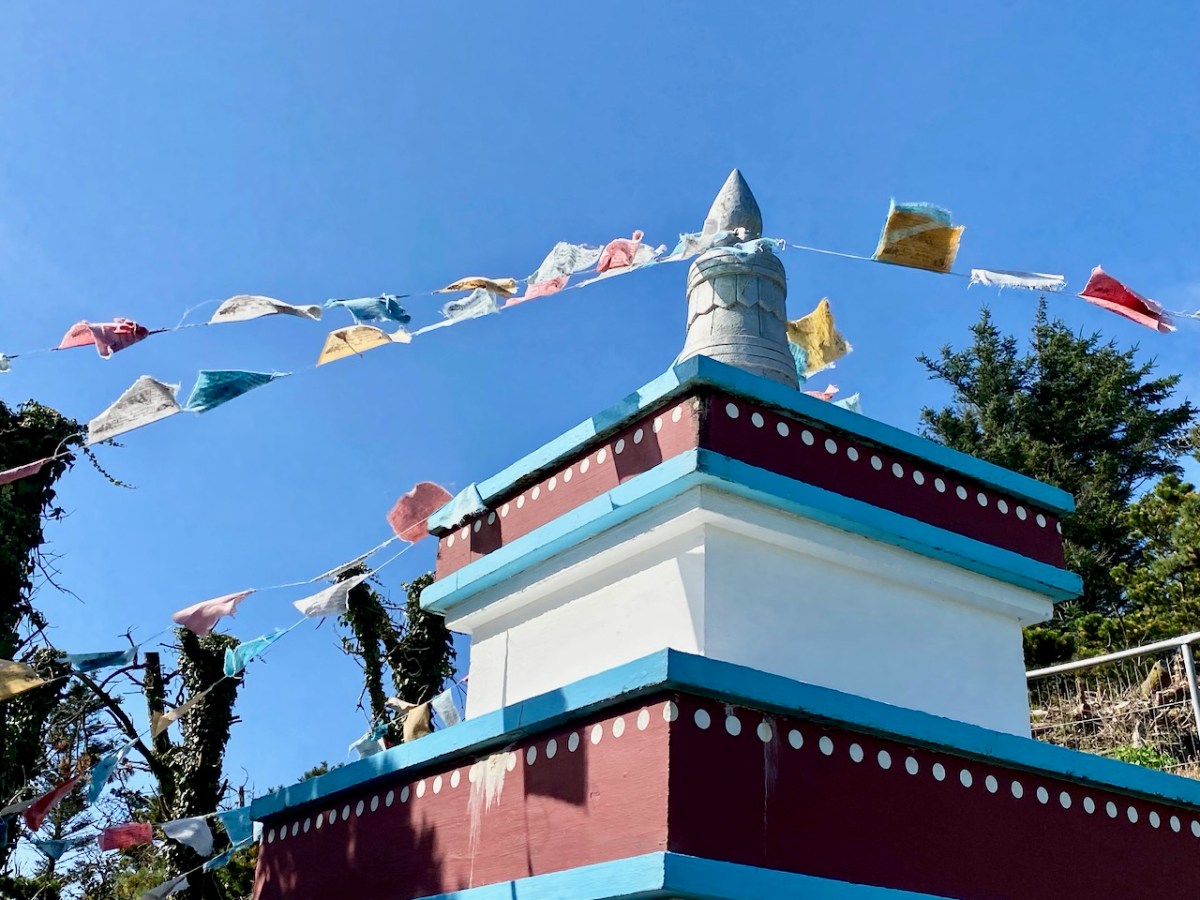
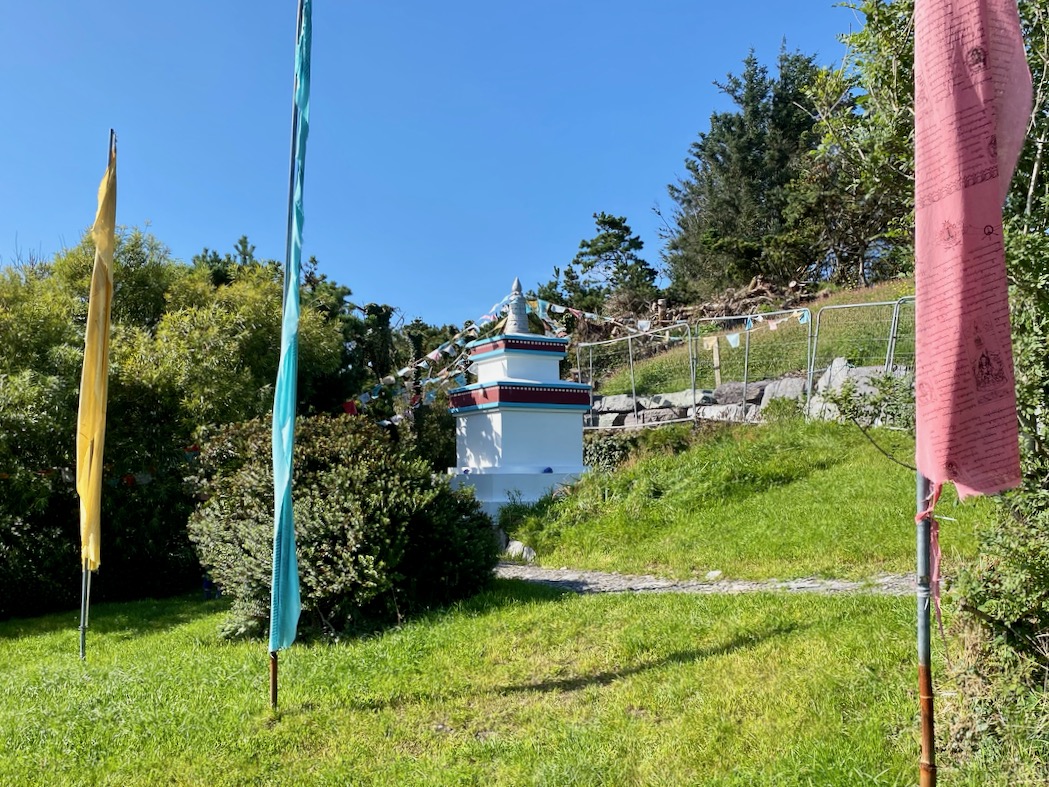
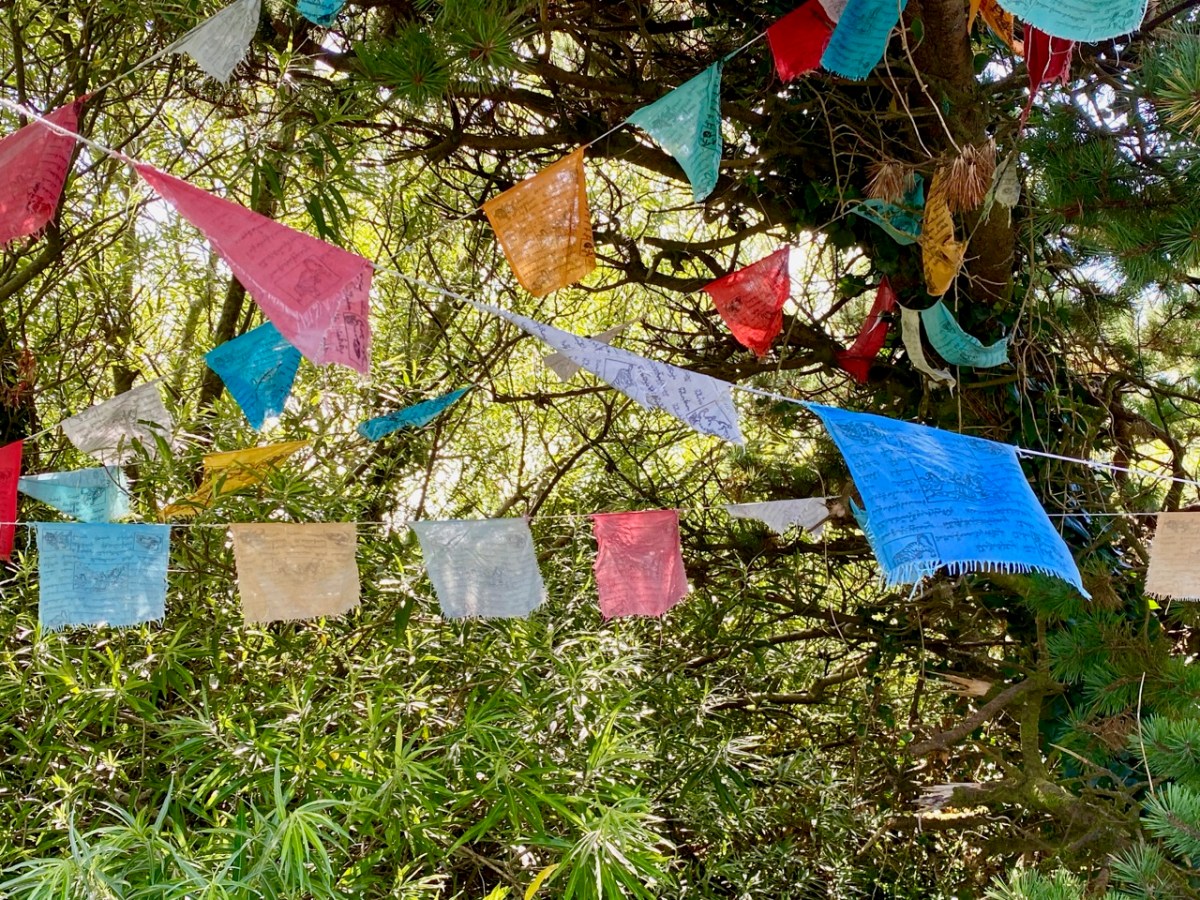
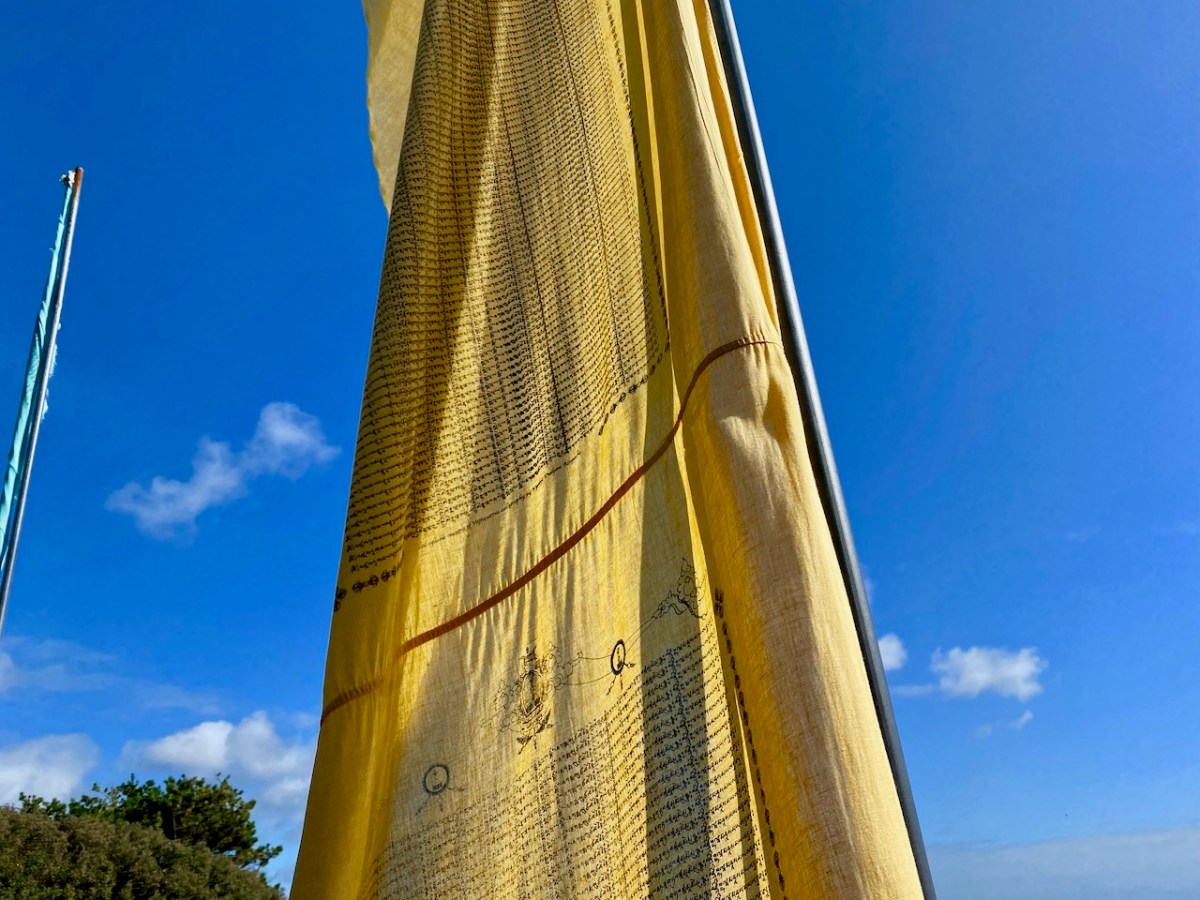
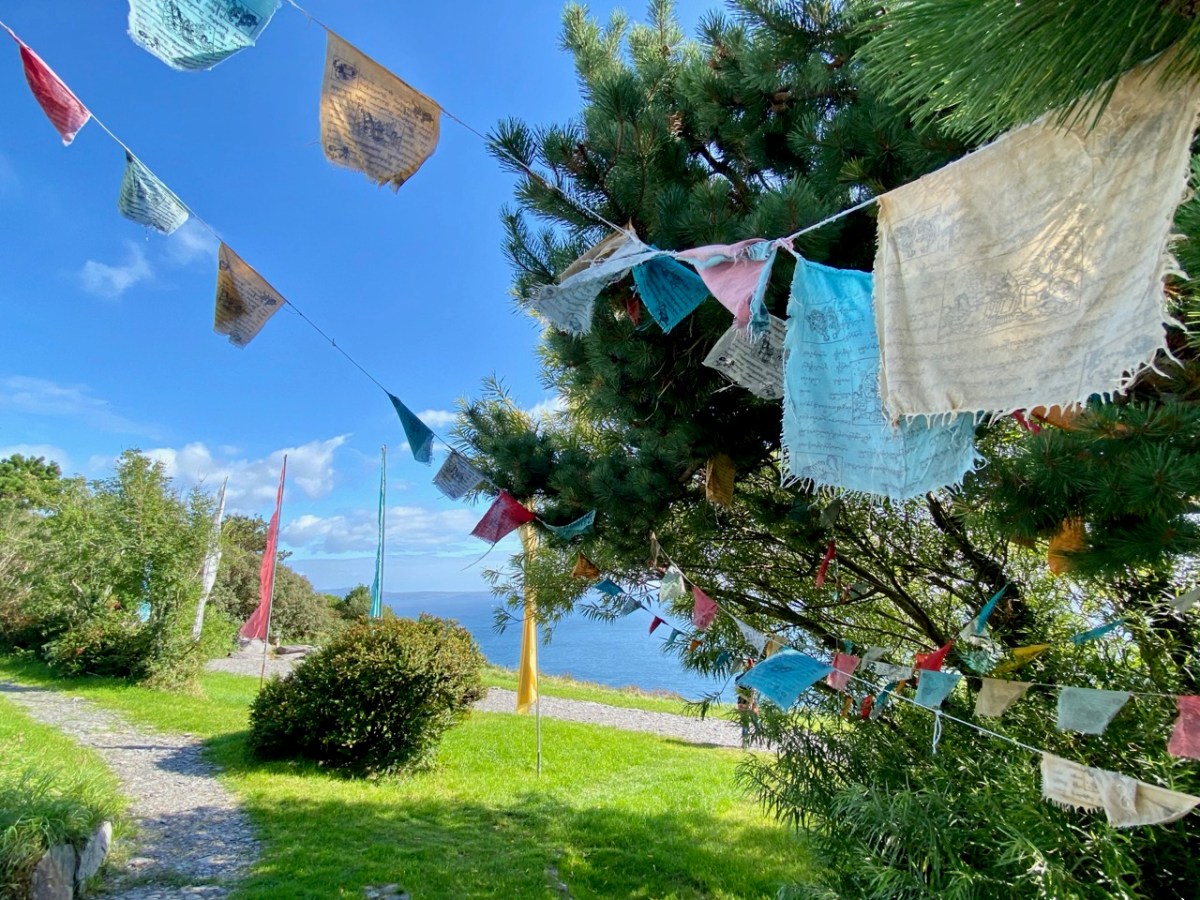
The Centre grounds already display a traditional ‘Stupa’. Originally, stupas stared out as sacred mounds or domes which were used to house the relics of the Buddha. Now they are symbolic structures which give special significance to their location, as here. They are always decorated with colourful prayer flags which serve to bless the surroundings. I can’t help seeing these flags in the same light as ‘rag trees’ often found by holy wells in Ireland. The processional way to the stupa is lined with tall prayer banners. And the whole stupa site also enjoys the wonderful views to the ocean.

The year continues to pour down on us glorious golden days – and we embrace them. Our journey to the Beara was memorable, and I have no doubt that we will be calling into the Dzogchen Centre on many future occasions: I certainly want to keep an architectural eye on the progress of the temple. By the way, an apt translation of Dzogchen is “great perfection”.

Working With Glass

Finola and I went to a workshop on creative fused-and-painted glass. It was wonderful! We were guinea-pigs in that the glass artist – Angela Brady – was keen to try running an event and we were privileged to be invited, joining our friends Brian and Clair Lalor.

Top: that’s Angela introducing us to the medium of glass and showing us some of her own work. Centre: she’s encouraging Brian to turn his artist’s mind to the possibilities of the material. Above: Angela Brady and Robin Mallalieu (who are also architects) have taken over the former Brush Fire Pottery, just outside Ballydehob. This was the home and workplace of dynamic artists John and Noelle Verling, who bought the Gurteenakilla premises in 1973 and lived and worked there for very many years. John died in 2009 and Noelle now lives not too far away. To spend the workshop day in such hallowed surroundings added to the ambience, and could only have inspired us in our artistic endeavours!

Back in the 1960s – the heyday of the Ballydehob Artists’ community – the pottery at Gurteenakilla was established by Christa Reichel who – together with her partner Nora Golden – went on to set up the Flower House on the main street in the village as a gallery and meeting place for the artists. They painted the vivid facade of the Flower House (the photo below dates from 1963, and is reproduced with the permission of Andrew Street): similar decorations were applied to the Brush Fire studio, where they survived and are now being restored by Angela and Robin.

Below the Flower House picture is Nora Golden outside the studio at Gurteenakilla; and here are pics of Robin painting the studio building, and Angela’s restoration of the Reichel / Golden decorations. But back to the job in hand: in these venerable surroundings we learned how to cut glass, paint on it and prepare pieces for the kiln. We all had our own ideas: Finola and I decided to paint glass tiles with ancient motifs: Rock Art from Ireland and Scandinavia, some thousands of years old. Brian chose to use cut glass to enhance one of his exquisite sketches, while Clair was perhaps the most ambitious, planning a flower from cut pieces of glass which would require two sessions in the kiln to allow it to be ‘slumped’ to a three-dimensional shape. My view is that all the pieces were equally successful in their execution (but I am prejudiced!)

Top: Angela instructs Finola in the technique of cutting glass shapes, although Finola chose to use glass paint to reproduce some of her own Rock Art images traced during her studies in the 1970s. Above: Clair cuts and assembles a flower shape.

Top: my own pieces: on the left are attendants pushing the sun across the sky, while on the right is a ship carrying souls to the land of the Gods under a potent sun. All these Bronze Age images are found in Norway. Above, Brian working on his cut-glass sketch.

Artists at work in the studio – and the kiln room at Brush Fire. Before going in the kiln, we laminated our pieces with additional glass, to provide a stable background and – in some instances – colour. The firing is carried out overnight at a temperature of at least 760 degrees C. During that time the glass fuses and – hopefully – does not crack.. Angela was firing some of her own pieces at the same time: if you went to the West Cork Creates exhibition in Skibbereen during August of this year you would have seen many examples of Angela’s brilliant work, together with the work of other artists using glass as a medium.

In Angela’s studio are many reminders of past times. John and Noelle Verling specialised in fish imagery – here’s the Brush Fire Ceramics sign that they made back in the day (above – since presented by Noelle to the Ballydehob Arts Museum), while above that is one of Angela’s glass pieces which pays due respect to her predecessors at Brush Fire. Below is a quirky example of Angela’s experimentation: she collected some interestingly shaped bottles from the recycling centre, and fused them together in the kiln:

The following day, Angela took our pieces out of the kiln once it had cooled, and washed them (above). Then we assembled at Nead an Iolair for the reveal. Thank you to Robin for the photos. Clair’s work had to be refired to allow it to ‘slump’, so that was unveiled later on.

Pieces (top to bottom) by Brian, Finola and myself. And – to finish as we started – Clair’s magnificent flower – before and after the second firing! Thank you to Angela for enabling each one of us to experience this most satisfying process. We would all like to take part again another day – and expand our new-found skills!