Wrens and Rhymers

troglodytes

…..…In comes I the Wran,

The Wran, the Wran, the king of all birds.

On St Stephen’s Day I was caught in the furze.

Although I am little my family is great,

Rise up landlady and give us a trate.

Up with the kettle and down with the pan,

Give a few pence to bury the Wran.

Then I’ll dip my wings in a barrel of beer,

And I’ll wish you all a happy New Year.

St Stephen - the stoning
Stoning of St Stephen by Uccello

– St Stephen was the very first Christian martyr: in the same year that Christ was crucified he claimed to have a vision of Jesus in heaven standing at the right hand of God. To Stephen’s enemies this was a blasphemy, and he was forced into hiding. But his hiding place was given away by the song of a little Wren, and St Stephen was publicly stoned to death. In retribution for this the Wren is traditionally hunted in Ireland  (and some other Celtic countries) on St Stephen’s Day – December 26th, and groups of Wrenboys carry the bird from door to door – slung from a pole or interred in a small wooden coffin: there was a time when the poor Wren himself would have been stoned to death. An old story also blames the Wren for alerting a band of Vikings to the approach of the Irish army by pecking on a drum; yet another claims that when Cromwell’s soldiers were asleep and the Irish were about to attack, a flock of Wrens rose into the air and wakened the enemy with the sounds of their wingbeats. So there has always been a strong connection with betrayal.

Wrenboys in Cork - 19thC and Wren Boys by Jack Yeats
Wrenboys in Cork – C19th and The Wren Boys by Jack Yeats

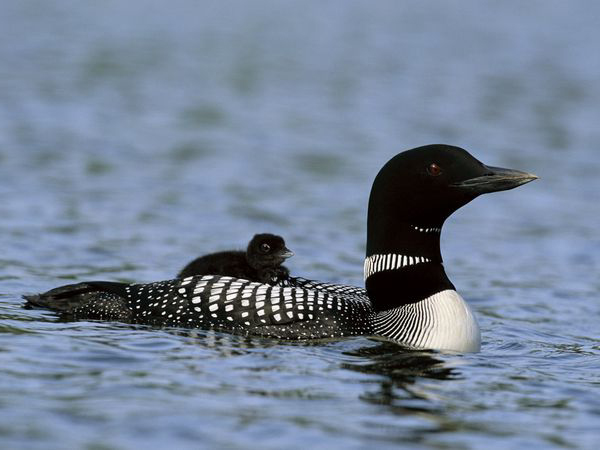
Troglodytidae (cave dweller) is such a small bird: here at Nead an Iolair we occasionally catch sight of him darting out from thick, seemingly impenetrable bushes close to the bird feeder – his movements seem more like a mouse. Small, yet in mythology he’s a giant – King of the Birds in several traditions: Koning Vogel in German, Konije in Dutch, Reytelet in French, Bren in Welsh – all mean King or Little King. When the birds were electing their king they decided that whoever could fly the highest would win the contest; the Eagle easily outflew everyone else but the Wren was hiding in his wings until the Eagle had exhausted himself and then flew on up to claim the title. But there’s more: the Wren is forever associated with that turning point of the year when everything goes topsy turvy: the Twelve Days of Christmas. At this time the Lord of Misrule presides and traditional roles are reversed; it’s not surprising, then, that the tiniest of the birds should become the most important. But, like all kings, his reign is finite – and he is sacrificed at the dark year’s end to ensure that the sun will rise again.

wren song

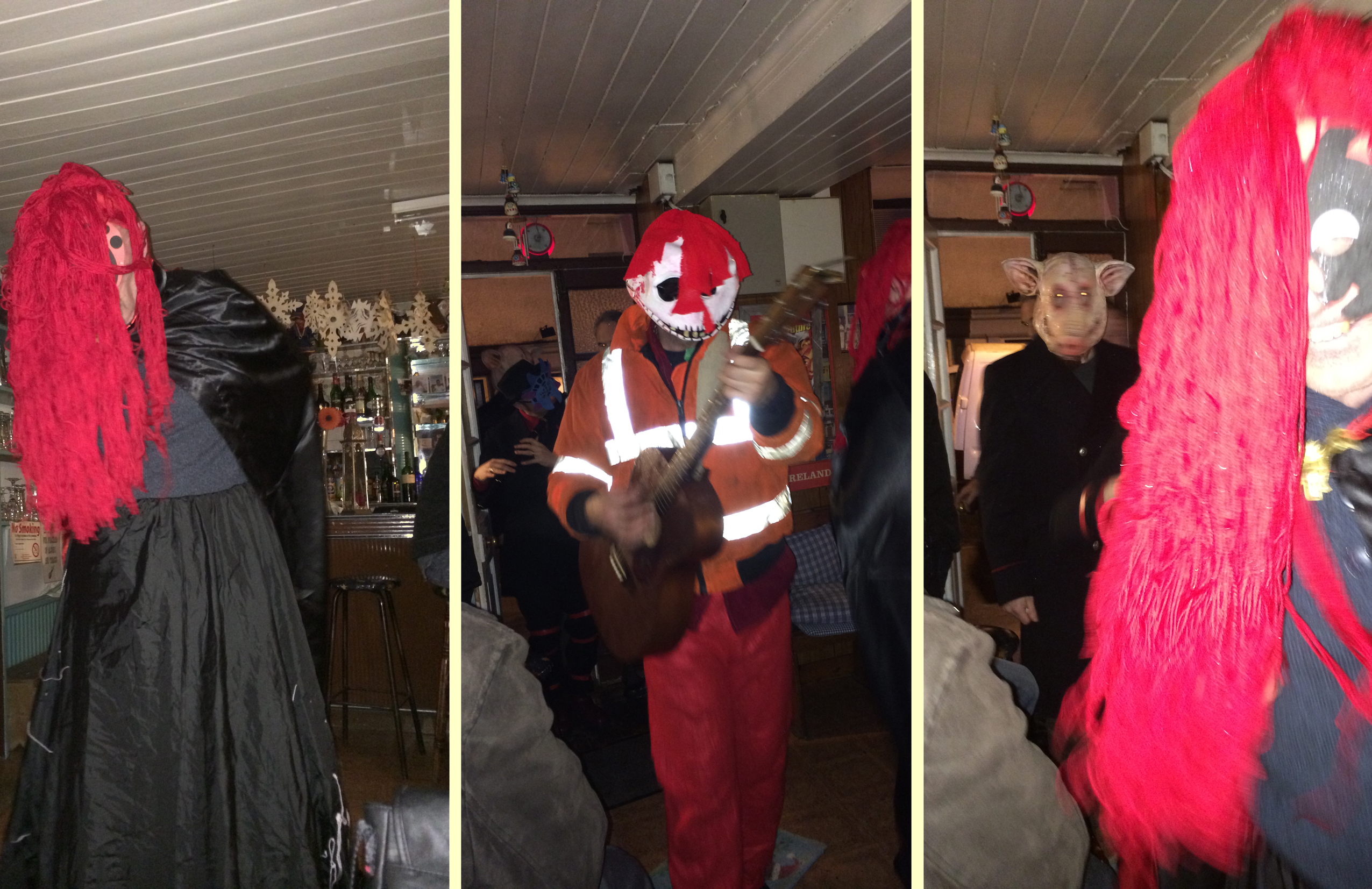
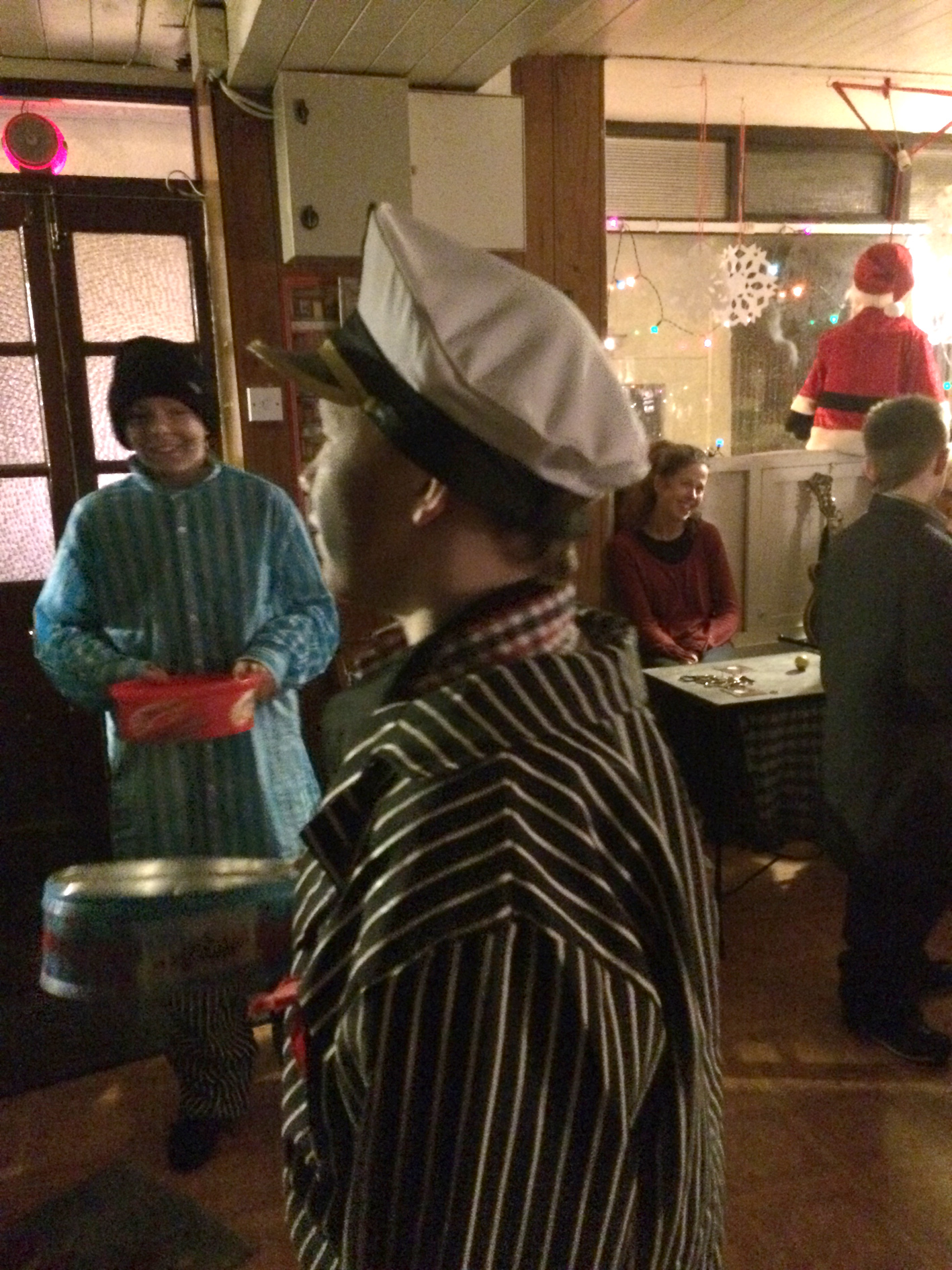
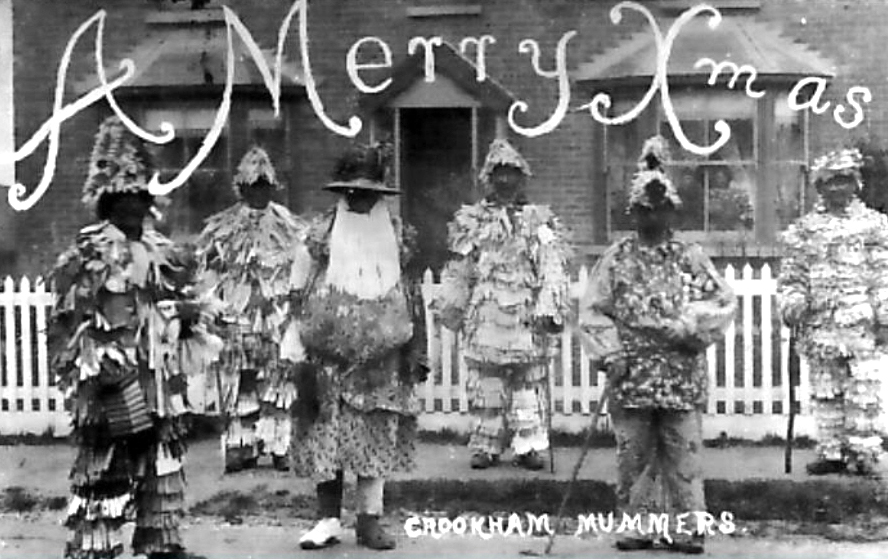
Which brings us to Rhymers… and Wrenboys, Strawboys, Guisers and Mummers… The Feast of Stephen is their day too. When I was a boy we went out every Boxing Day morning to Crookham in Hampshire to watch King George slaying Bold Slasher, who was miraculously brought back to life by the quack Doctor, after which the young fertility figure Trim Tram Jolly Jack ‘…wife and family on my back…’ killed Old Father Christmas – something which must have seemed odd to a child, who might not have understood the symbolism of the  old, dark winter giving way to the new life of spring. Danny tells me that when he was growing up in Limerick he saw the Strawboys or Rhymers performing the same play on the streets – and he remembers the Wren being paraded in procession, too.

crookham mummers
Mummers in Hampshire, England, above – and Wrenning in Kerry, Carrigaline and Dingle below
wren day

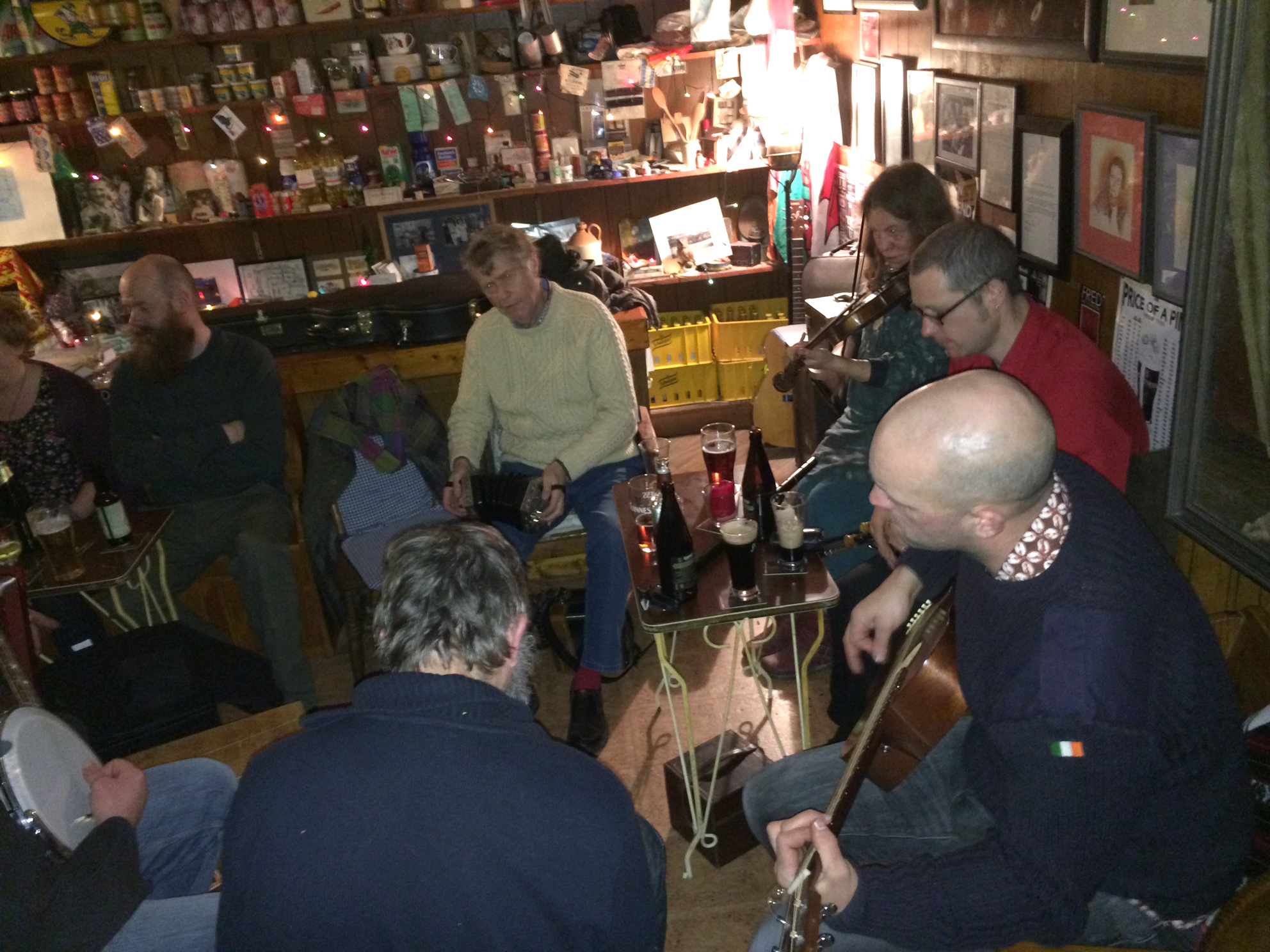
The folk play is alive in Ireland: there are Mummers in Wexford, Cork and Dingle, and the Armagh Rhymers travel across the world to perform their rituals. Here at Nead an Iolair I shall be reciting ‘…In comes I…’ around Christmas time: the words of all the characters are locked firmly in my brain – I have never seen them written down. It’s a true oral tradition – and a surviving one. Who knows – if I don’t repeat those words, the sun might just stop shining… It’s not worth the risk.

The Armagh Rhymers
The Armagh Rhymers

And – on St Stephen’s day – I shall be on the lookout for a Chime of Wrens, but I love all our birds, so it will only be a token ‘hunt’.

Theme and Variations

November sky at Nead an Iolair

Prelude: November sky over Nead an Iolair

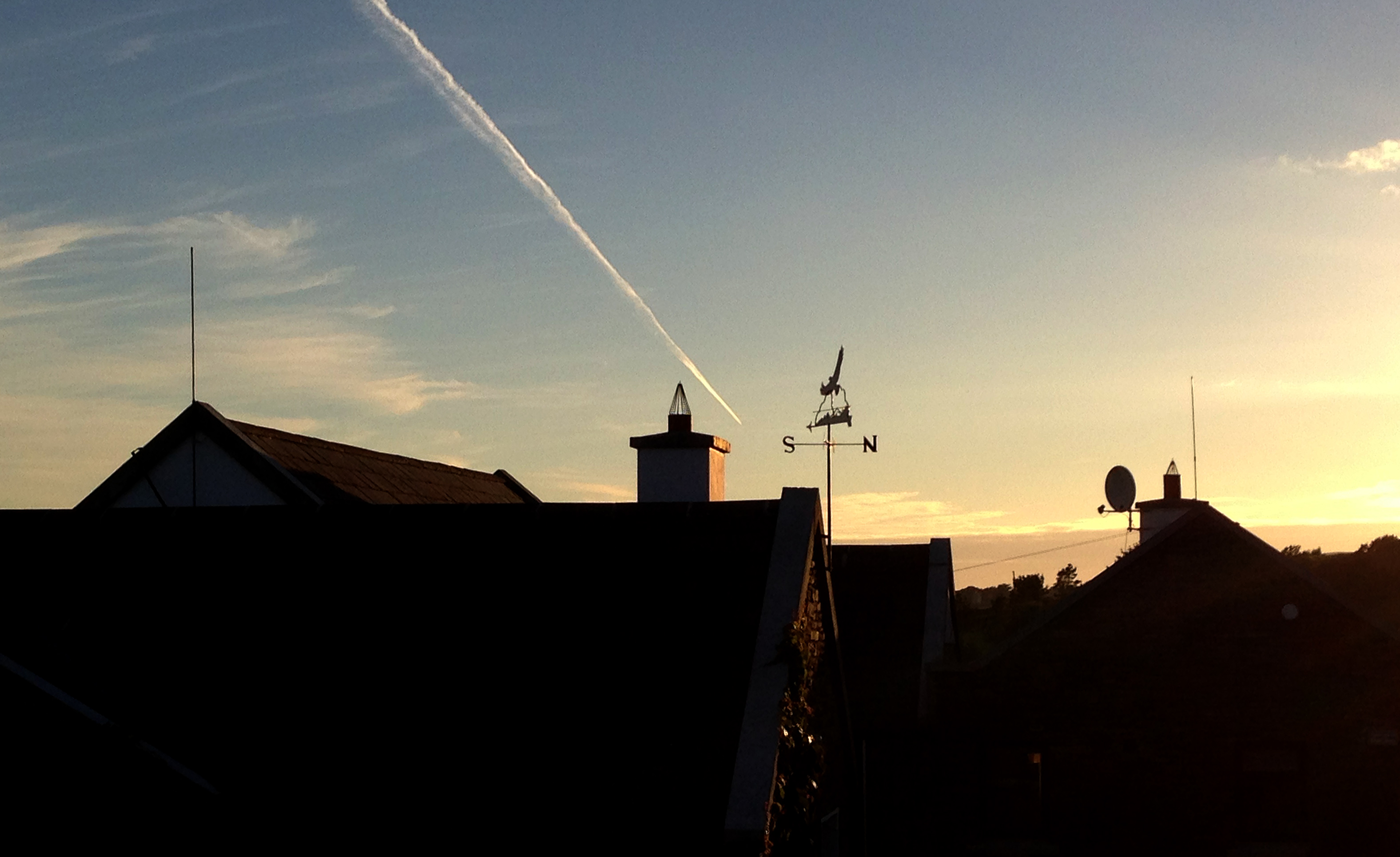
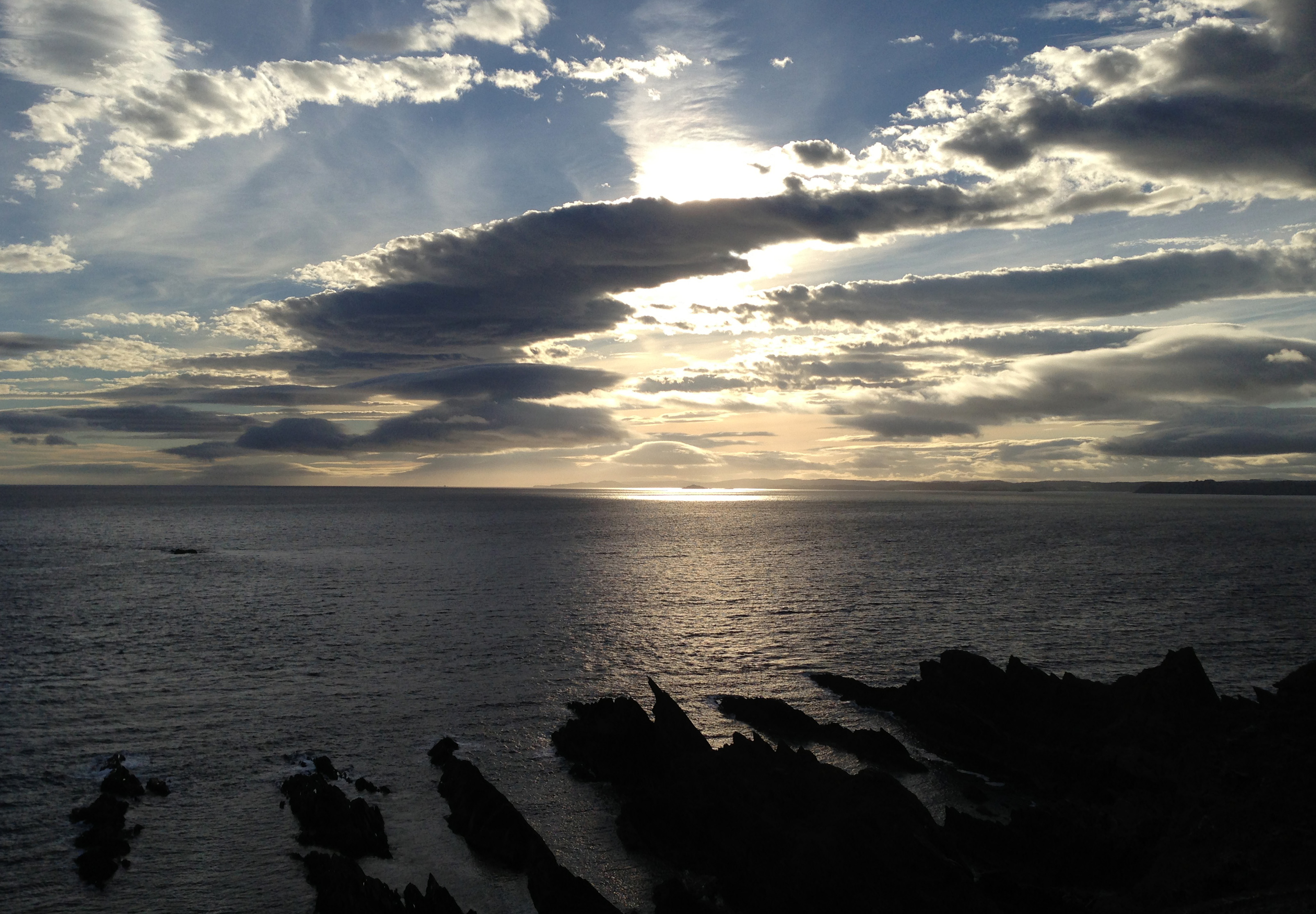
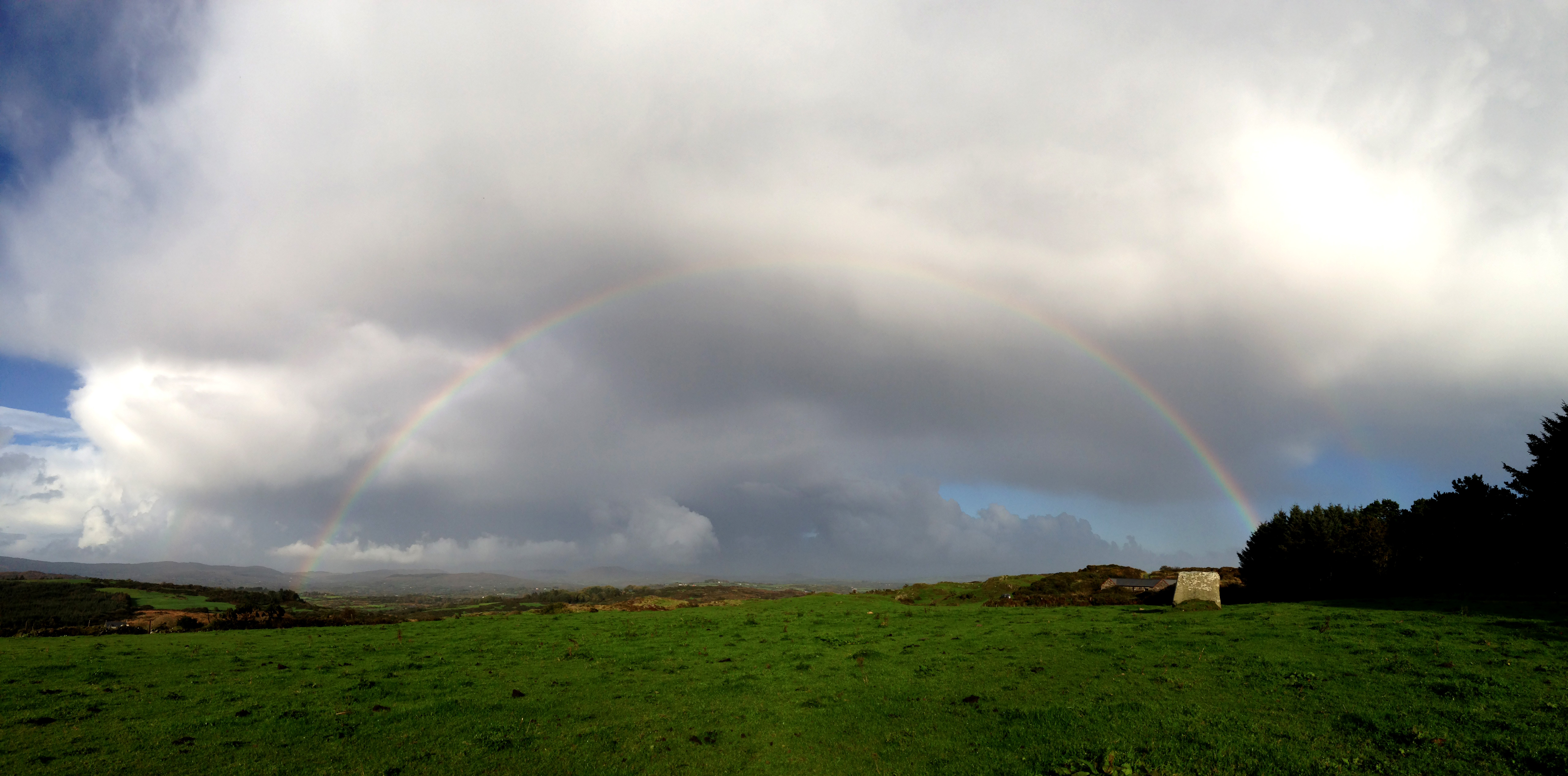
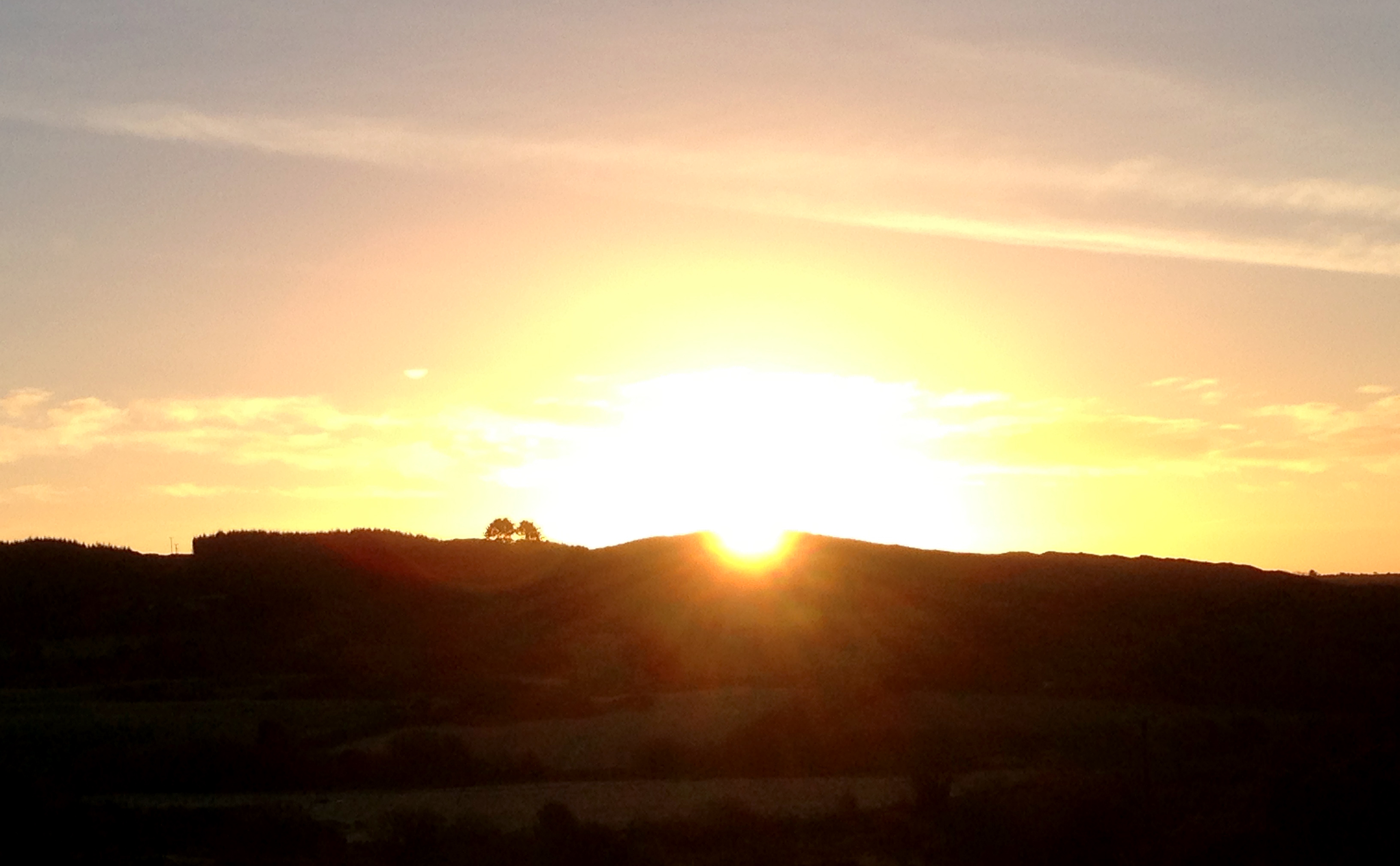
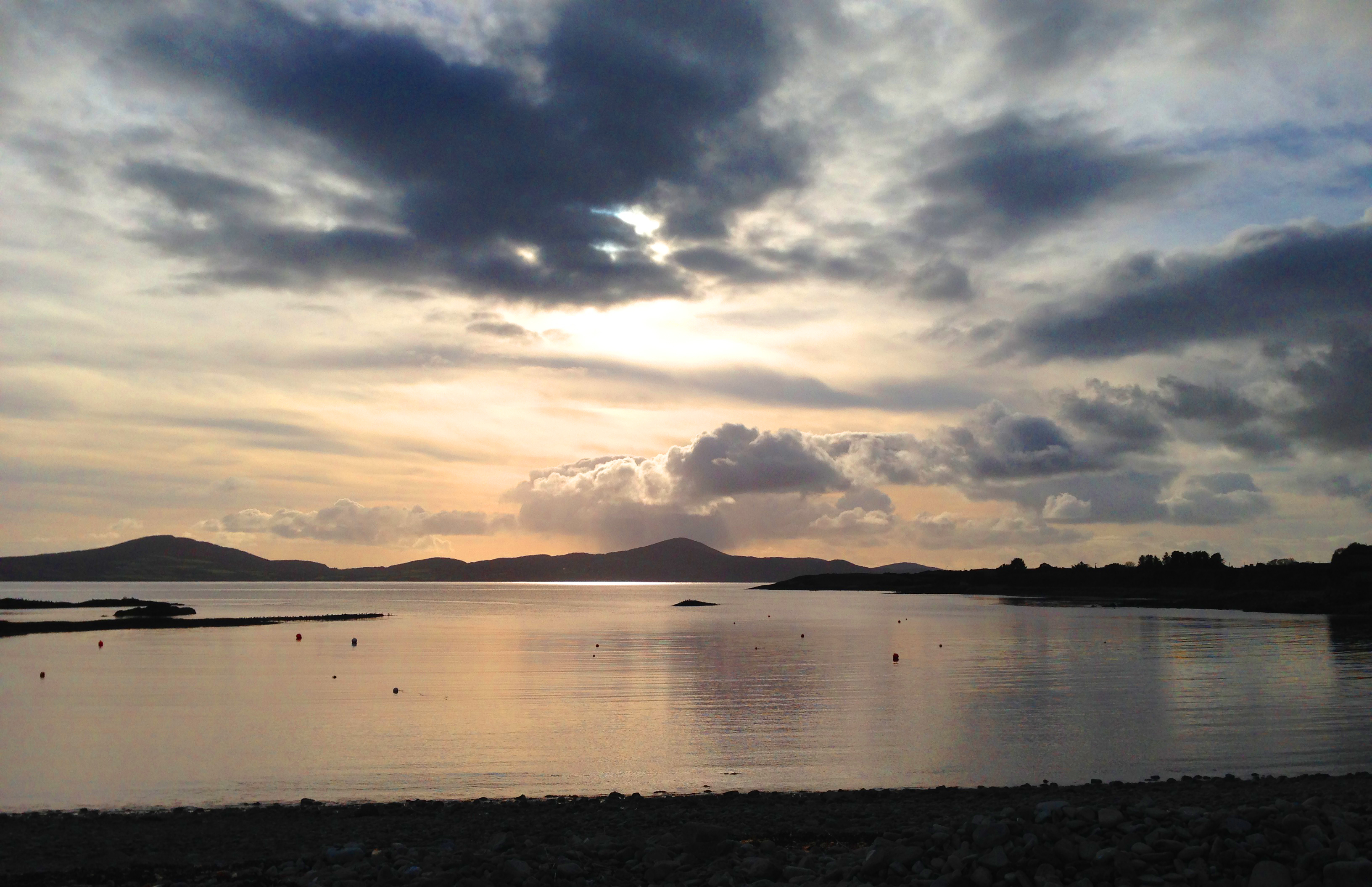
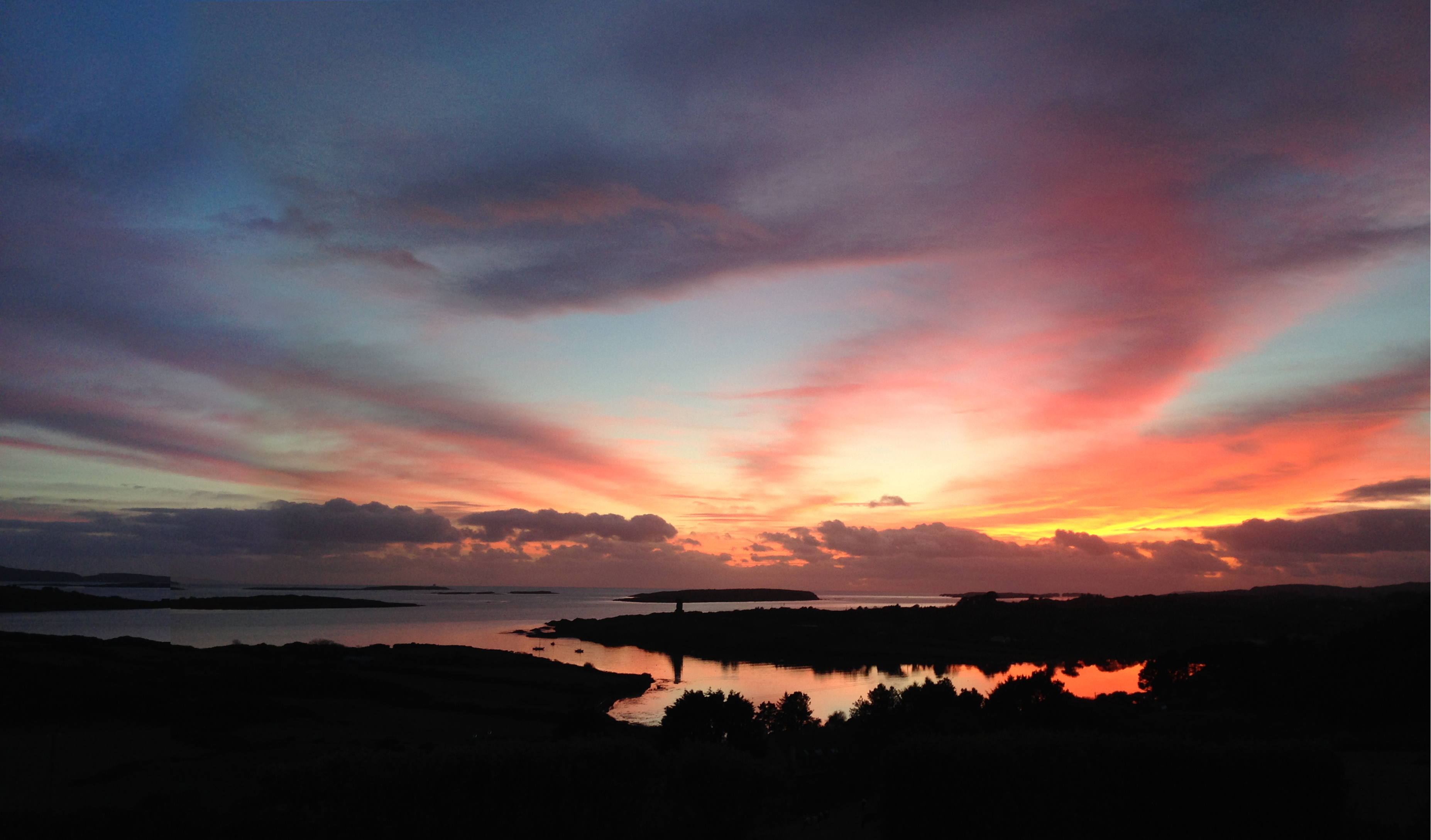
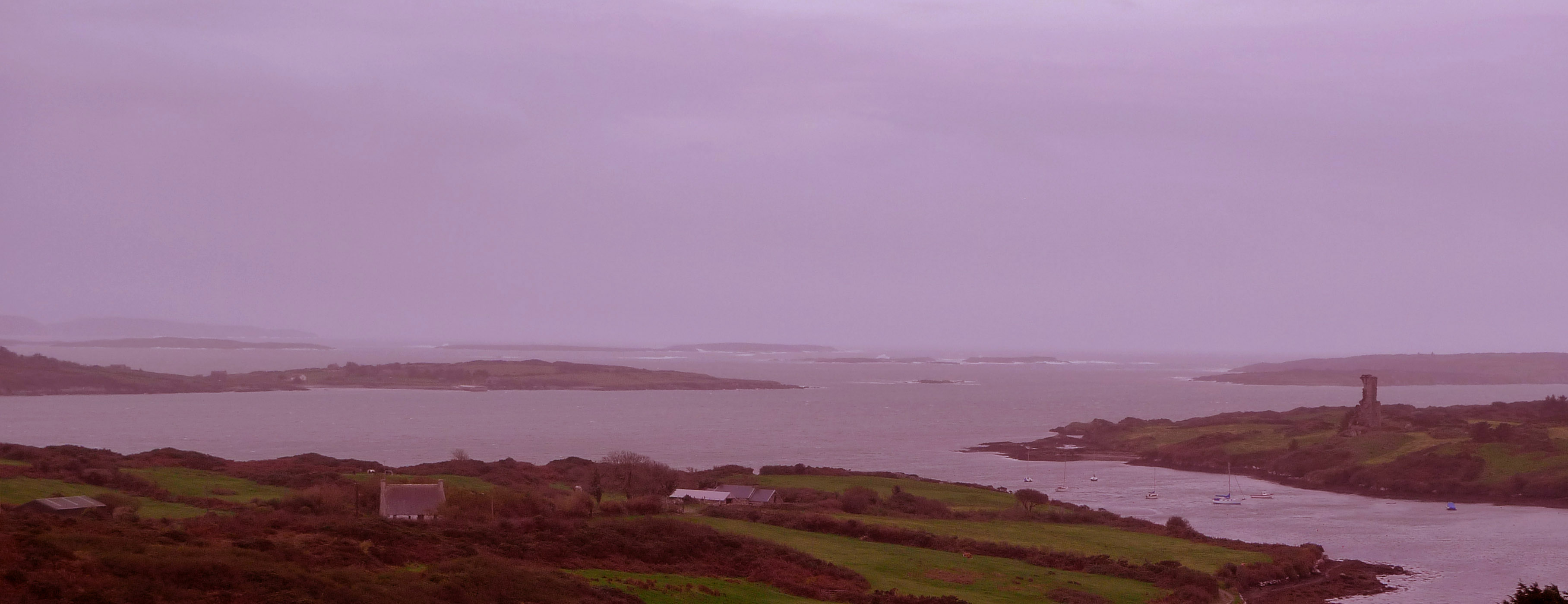
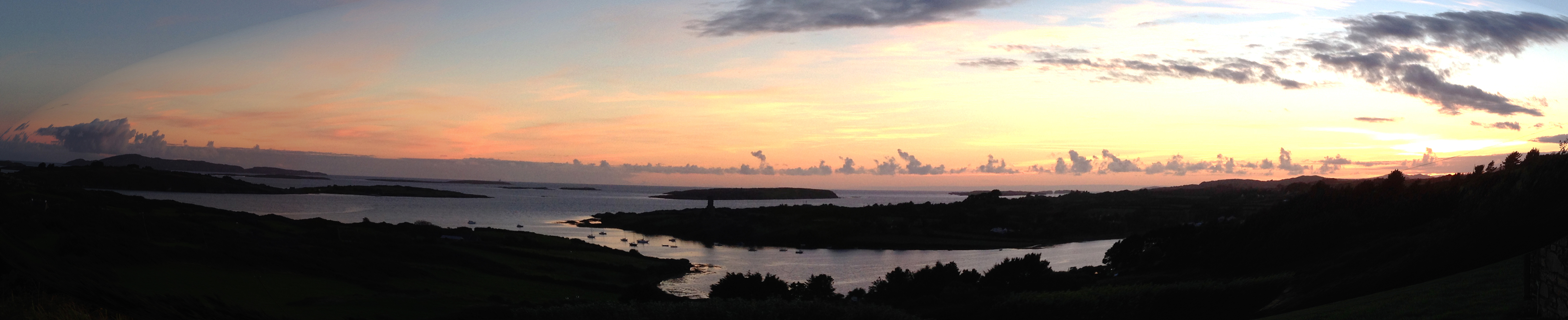
Up on our hill above the Cove we are constantly treated to painterly skies. We could fill a whole blog with these changing skyscapes, and now – in late November – we have an extended period of clear cold weather which offers us spectacular sunsets: each day seems to outdo the previous one. On our walks we can’t resist using our cameras to record the wide West Cork skies, although these pictures are barely adequate to recreate the full celestial symphony. We have tried to come up with words to express to ourselves how magnificent these are: somehow the words seem trivial…. Stunning crops up frequently, as do mesmerising, awe-inspiring, exquisite, sublime, unsurpassed. Perhaps it’s best just to let the images speak for themselves: we feel privileged to be living in this incomparable land.
Bay rainbow

Overture: Bay rainbow

Sheep's Head sky

Arietta: Sheep’s Head horizon

Bow over Bishops Luck

Intermezzo: Bow over Bishops Luck

Ballybane sunrise

Crescendo: Ballybane sunrise

Silver sky

A bocca chiusa: silver Mizen sky

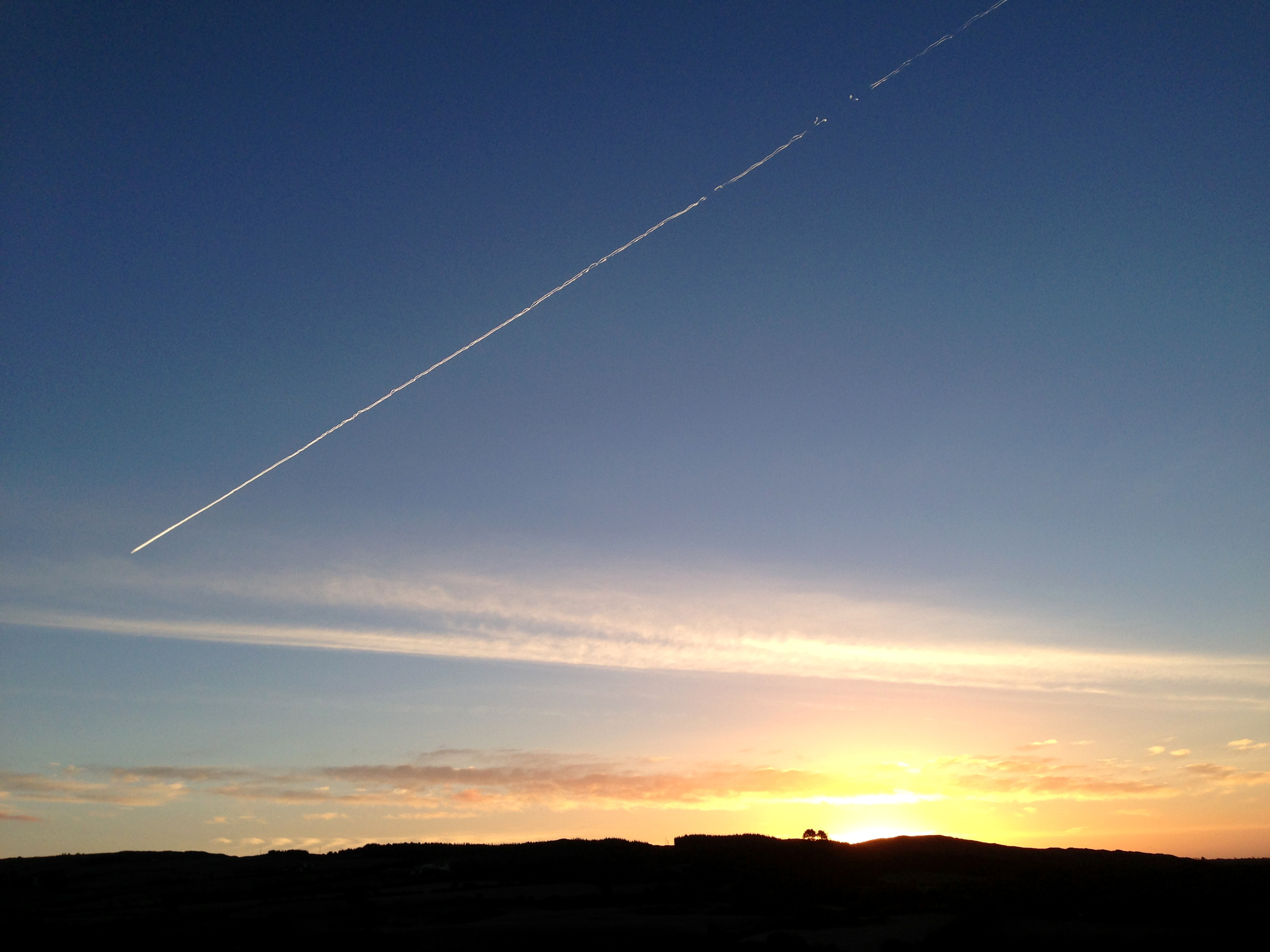
Sky trail

Segue: Meteoric dawn

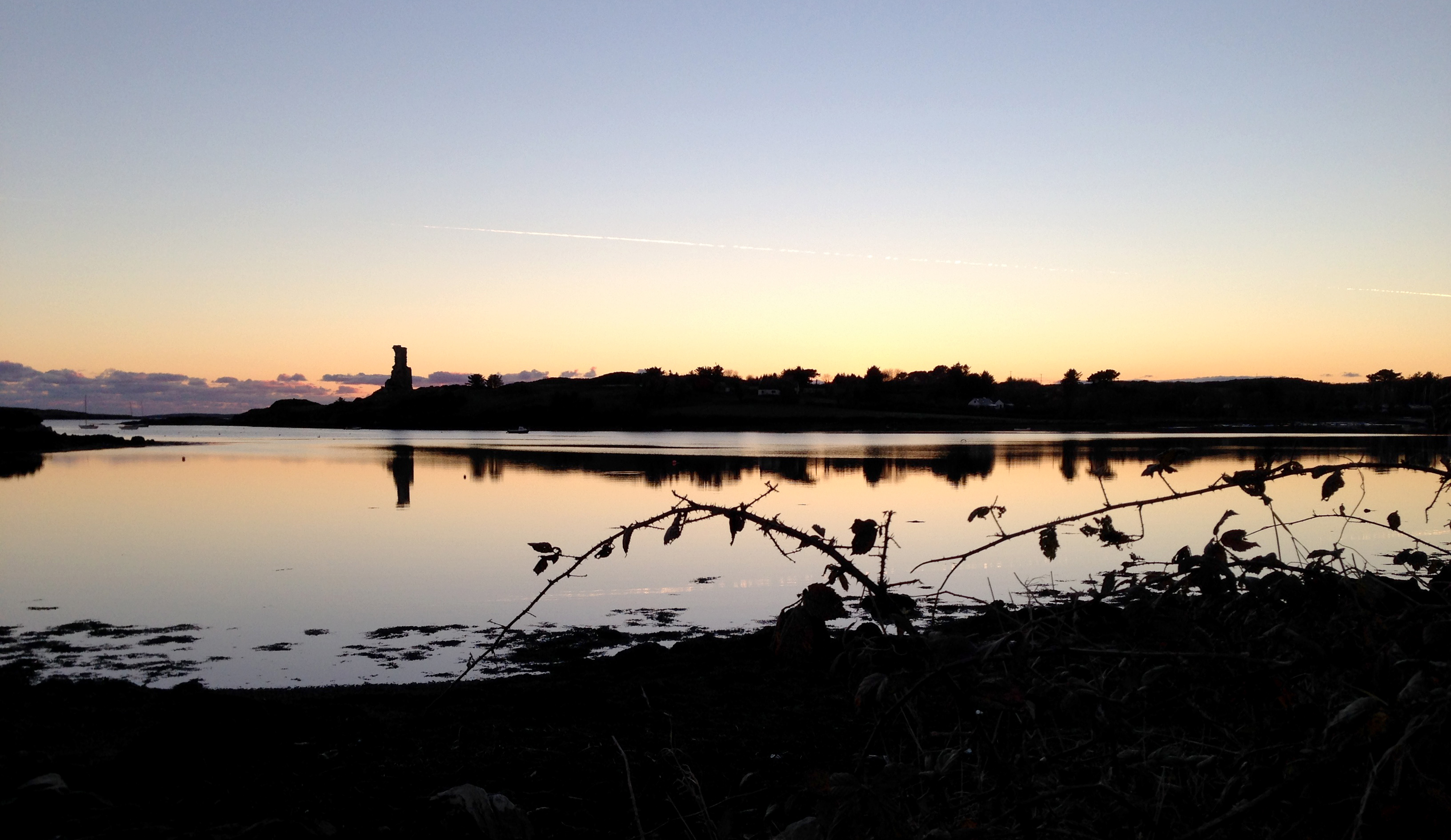
Rossbrin, dusk

Tranquillo: dusk at Rossbrin

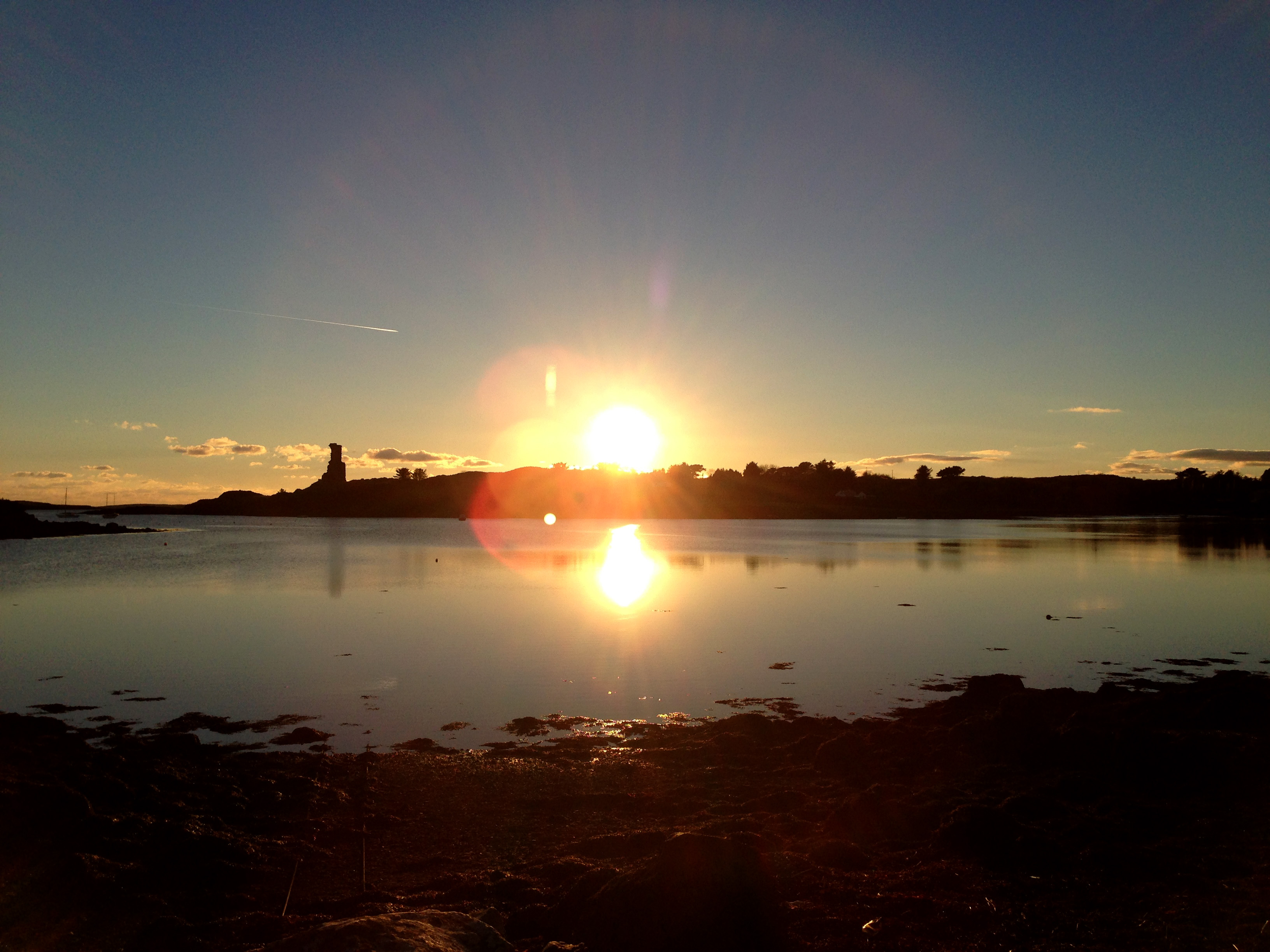
Two suns

Caballeta: two suns

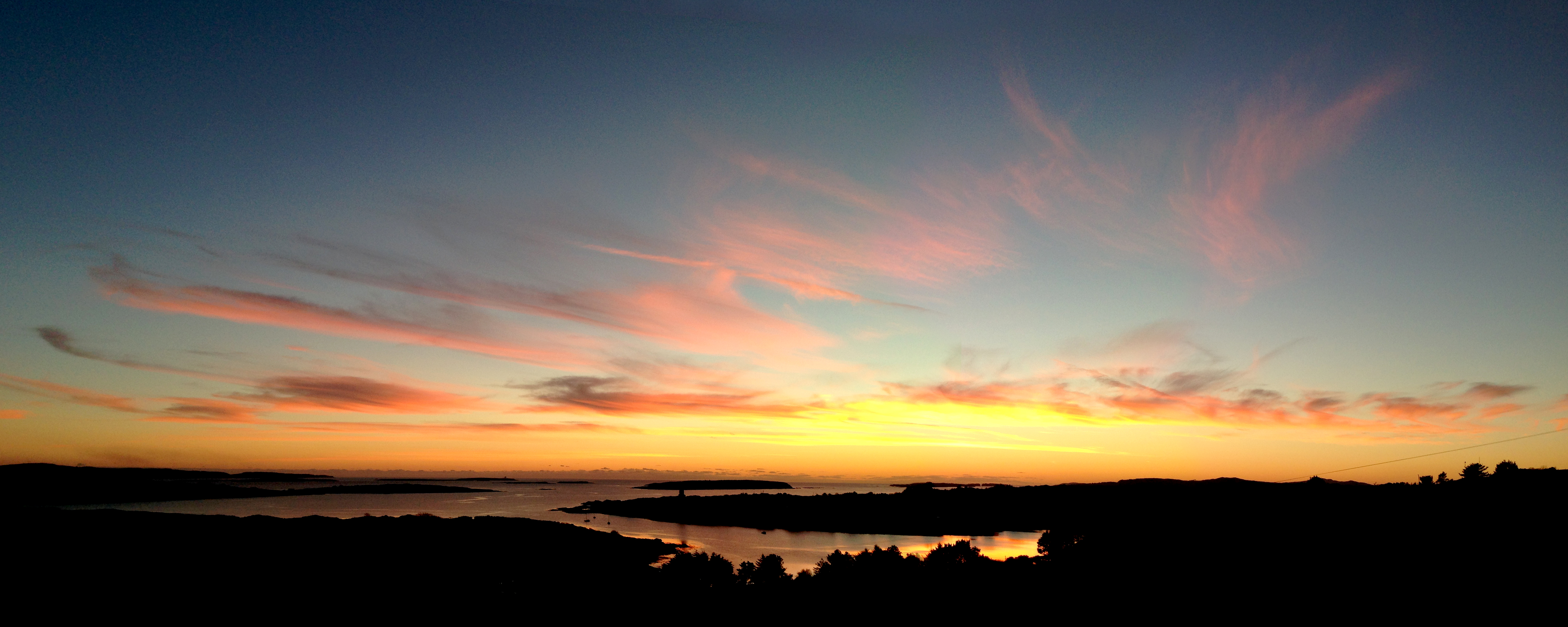
Wide sky

Con fuoco: Roaring Water resplendent

Peninsula

Cadenza: transcendental times

Finale

Finale and Coda

A Charm of Goldfinches

Carduelis Carduelis

Carduelis Carduelis

Ferdia demolished our beautiful bird-table – made for us by Danny – by jumping up and hanging on to the peanut feeder, swinging there until the whole thing came down: and he showed not one ounce of contrition! After his peanut feast he licked his lips, stared at us brazenly and seemed to say “Now, so – that was a grand game”…. The outcome is an architect-designed, post-modern, deconstructivist bird feeding station made from two broom handles (total cost 3 euros) that is painted green (of course) and is Fox proof!

redhanded

Caught redhanded!

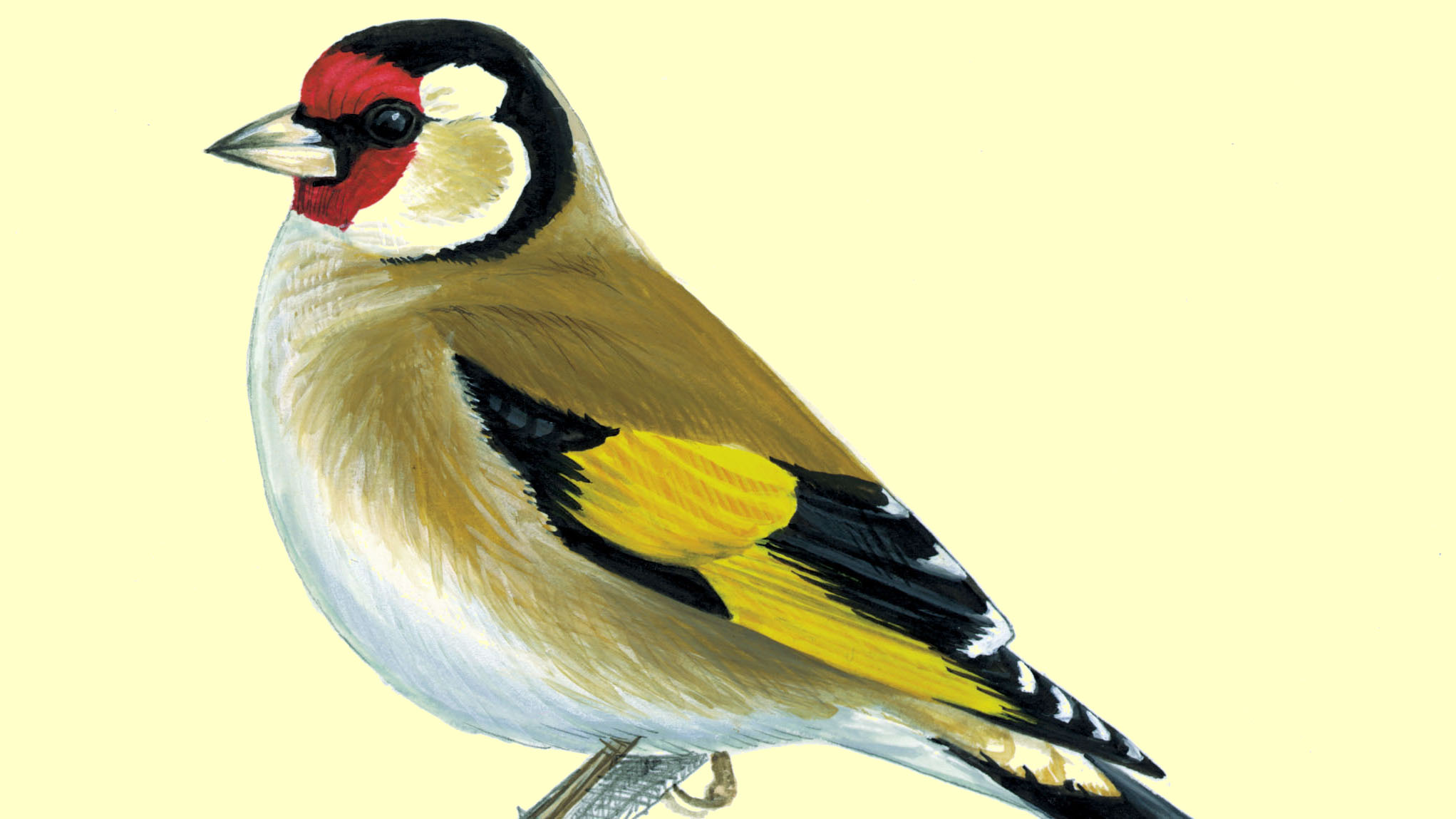
Ferdia may feel thwarted, but our resident Goldfinches are delighted. I was delighted, also, when I found out the collective noun for Goldfinches: a Charm. How apt – the birds are vivacious, colourful and noisy. The word might come from the latin Camina – song.

It’s hard to keep up with them as they fall out of the sky (literally – they just appear suddenly, flap around the feeders, hang on – often upside down, constantly squabble with each other, and then vanish just as quickly) but I have counted up to 20 in one ‘sitting’. The Chaffinches, Robin and Tits edge in occasionally, but when the Charm is around then it’s all-pervasive. Only the Greenfinches seem oblivious to the crowd and staunchly carry on with their meal through all the mad tumblings and twitterings.

gfinch2

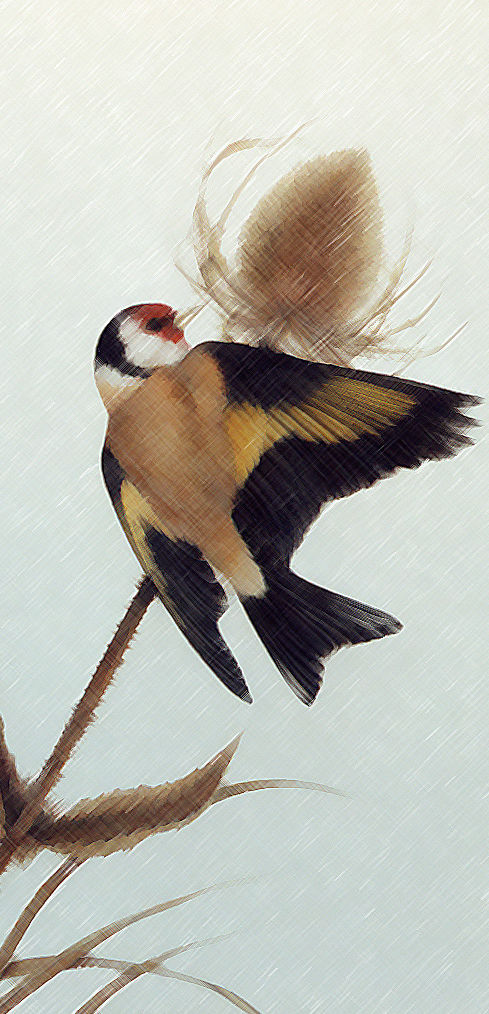
‘Teasel-tweaker’

Goldfinches have a folk name: Thistle-tweaker. Evidently their preference is for the thin seeds of thistles and teasels which they prise out with their beaks. We provide exactly the right seeds (purchased at the bird shop at great expense) but will they have them? Not a bit of it! Only one thing interests them and that’s the peanuts  – just like Ferdia. But their supposed liking for sharp seeds, and thorns for their nests, has given them a place in Christian iconography – and folklore.

A medieval legend tells that when Christ was carrying the cross to Calvary a Goldfinch came down and plucked a thorn from the crown around his head. Some of Christ’s blood splashed onto the bird as it drew the thorn out, and to this day Goldfinches have spots of red on their plumage (a similar story is told about the Robin). Certainly, Renaissance artists frequently depicted the Christ child with a Goldfinch, and it is suggested that the bird is linked to a foretelling by Christ of the manner of his death – something often attributed to the great Folk Heroes.

Chaucer’s Cook is thus described: “…gaillard he was as a goldfynch in the shawe…” – as merry as a goldfinch in the woods. In some parts of England the popular name for the bird was Proud Tailor – which picturesquely sums up the patchwork appearance of this busy and brightly colourful little character.

There is a Valentine’s Day tradition based around birds. If the first bird a girl sees on that day is a Bluetit, she will live in poverty; a Blackbird foretells marrying a clergyman; a Robin tells of a sailor; and if she sees a Woodpecker she will be left an old maid. If the first bird she sees is a Goldfinch, however, she is promised a wealthy marriage…

Goldfinches in Rennaissance art

Goldfinches in Renaissance art

John Keats wrote this verse in ‘I stood tip-toe upon a Little Hill’

…Sometimes goldfinches one by one will drop

From low hung branches; little space they stop;

But sip, and twitter, and their feathers sleek;

Then off at once, as in a wanton freak:

Or perhaps, to show their black, and golden wings,

Pausing upon their yellow flutterings…

Here in Ireland there is a tradition that Goldfinches – under their other folk name: Redcaps – haunt the realms of The Other Crowd, and they will always be seen around the raths (Fairy Forts), ancient mounds and in thorn trees. I will have to research that one.

Autumn Comes to Roaringwater

leaves

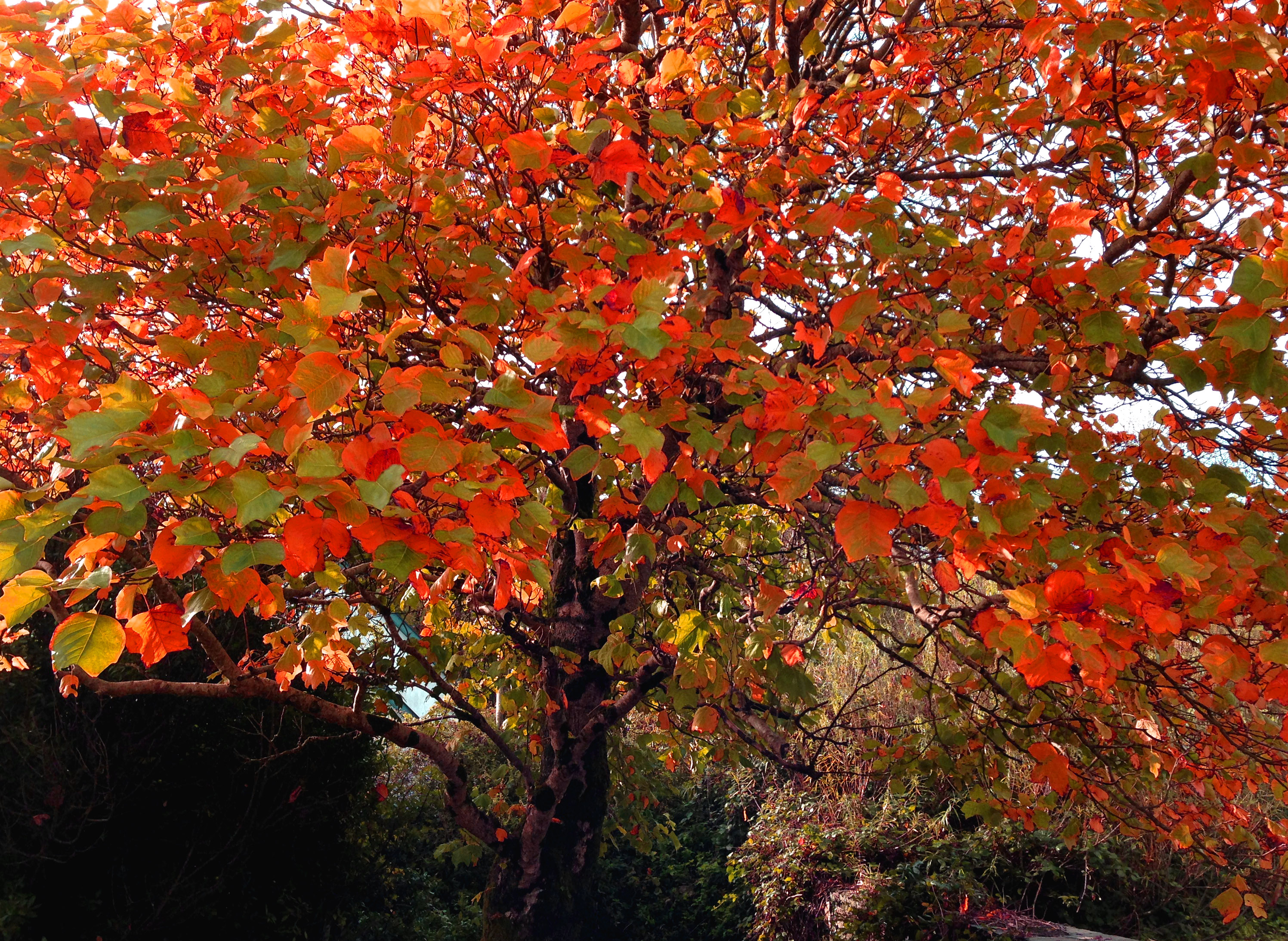
Just as the leaves begin to turn, the gales have come to tear them away and send them flying all over the Bay. Autumn is bringing angry seas with wild white horses, while the trees on our exposed acre are bending sideways. I admire the small birds who manage to find their way to our bird-table in the face of it all: we have just been visited by a whole flock of ravenous Goldfinches who hang on to the wildly swaying feeders in a determined frenzy to fatten themselves up for the coming winter and squabble noisily with any Great-tits, Chaffinches or Robins who try to get in on the act.

Byway in Ballydehob

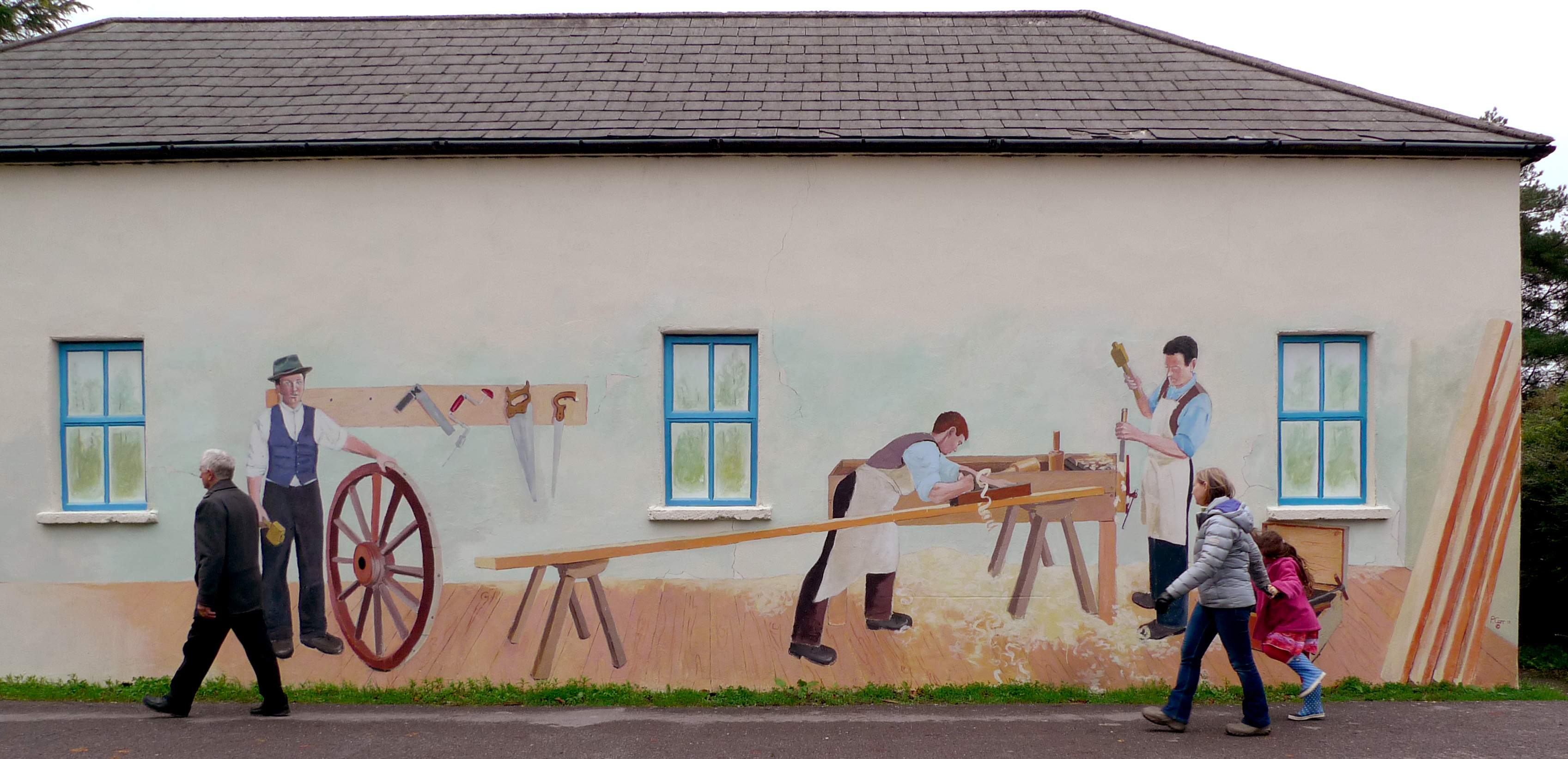
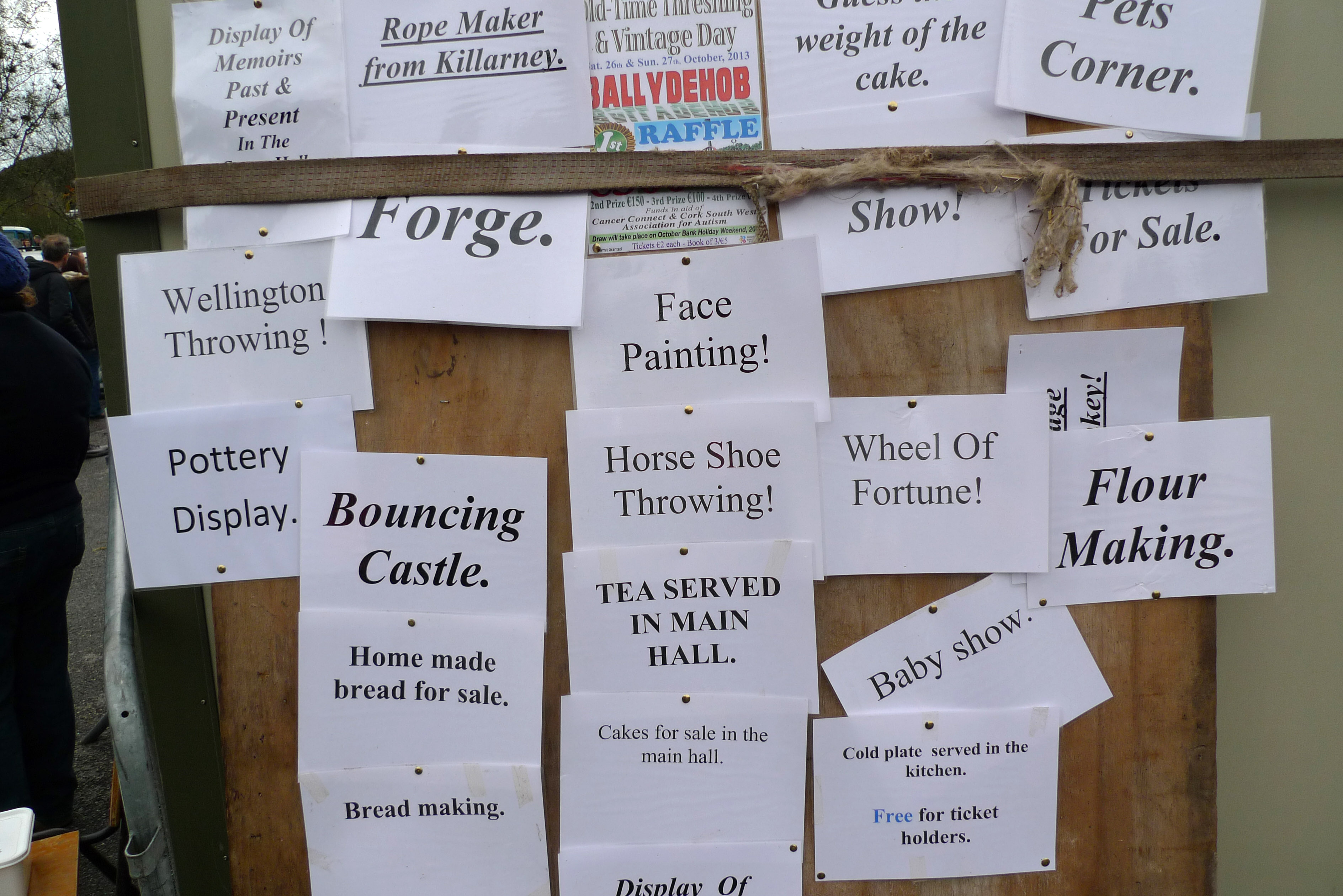
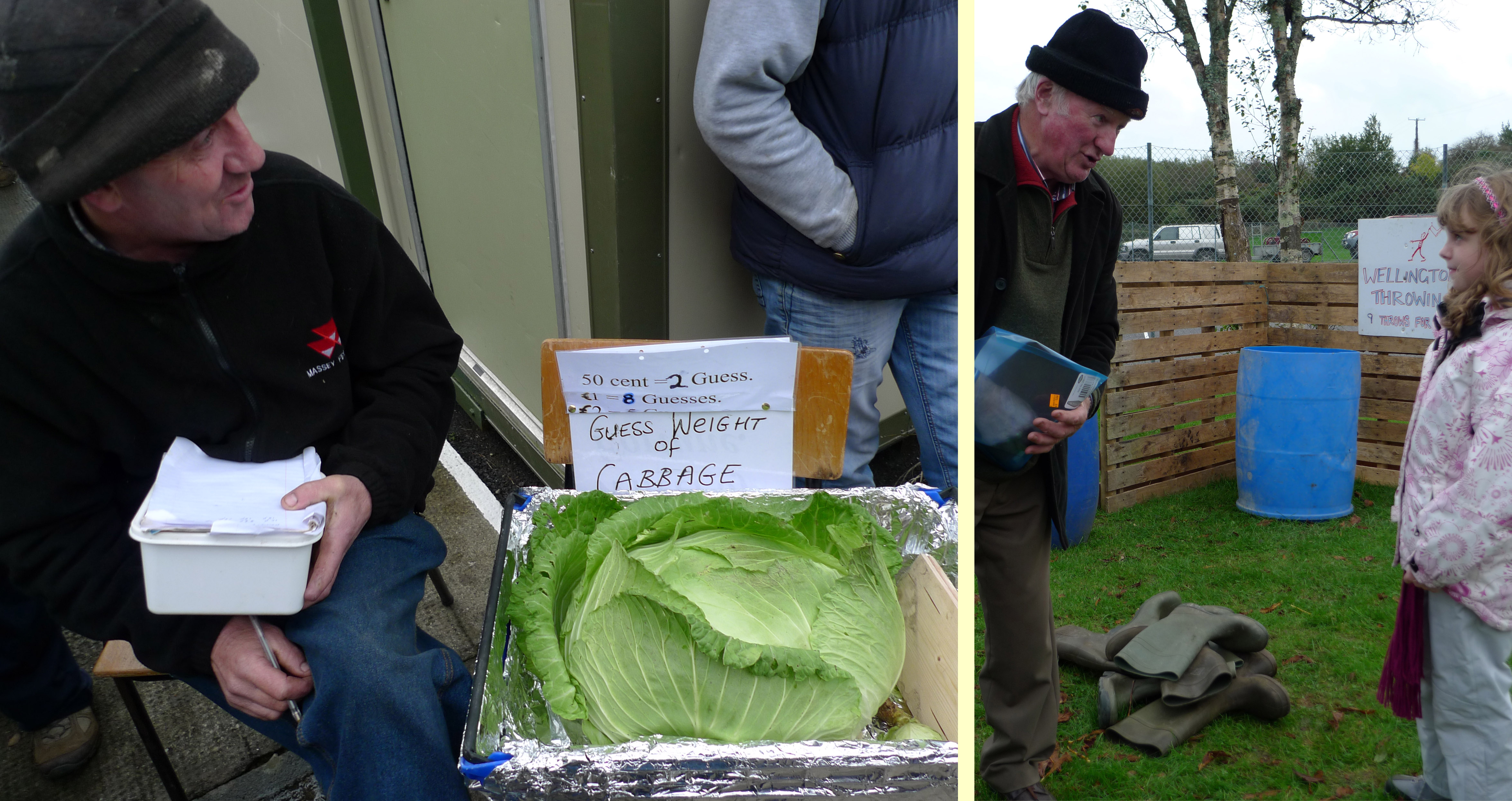
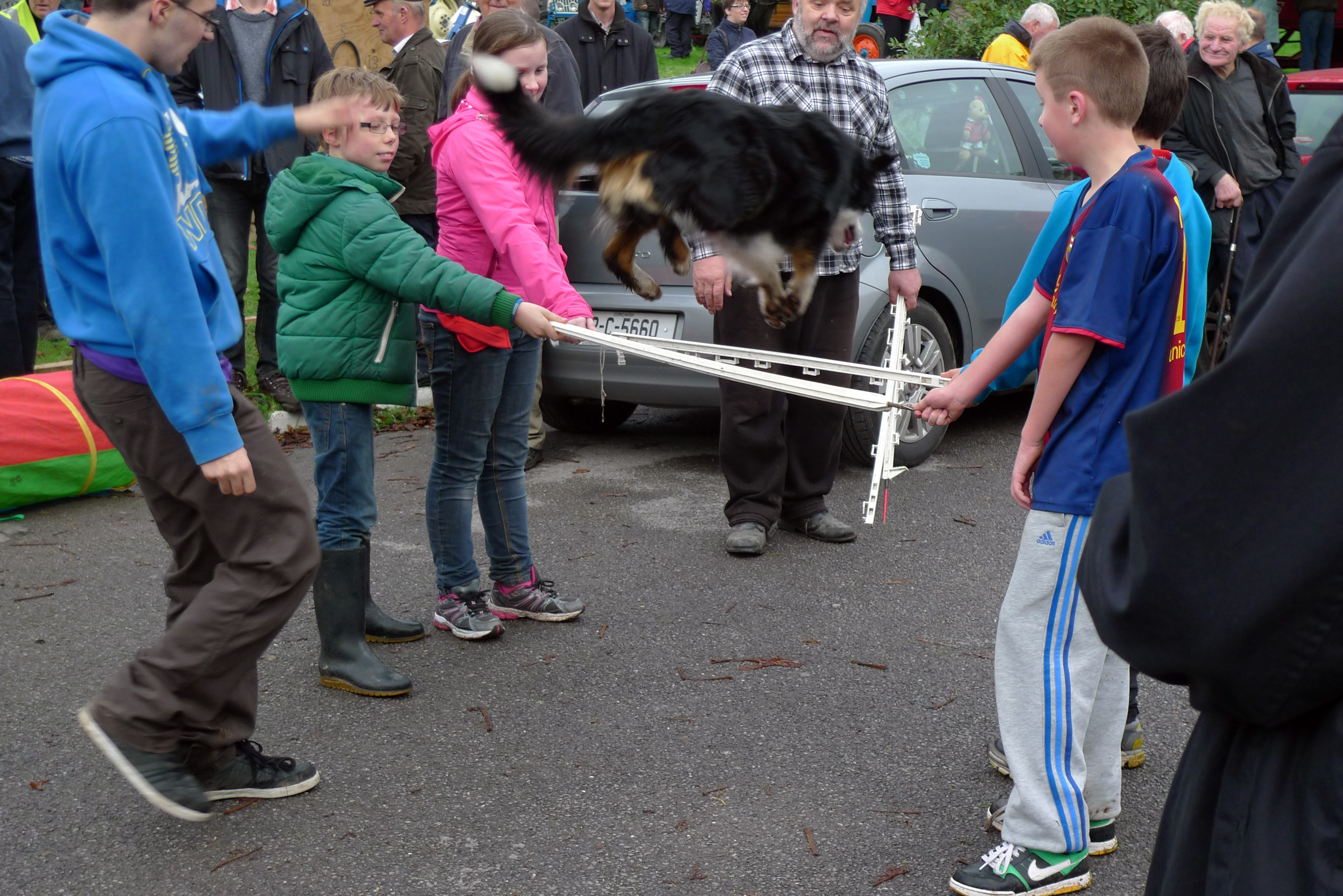
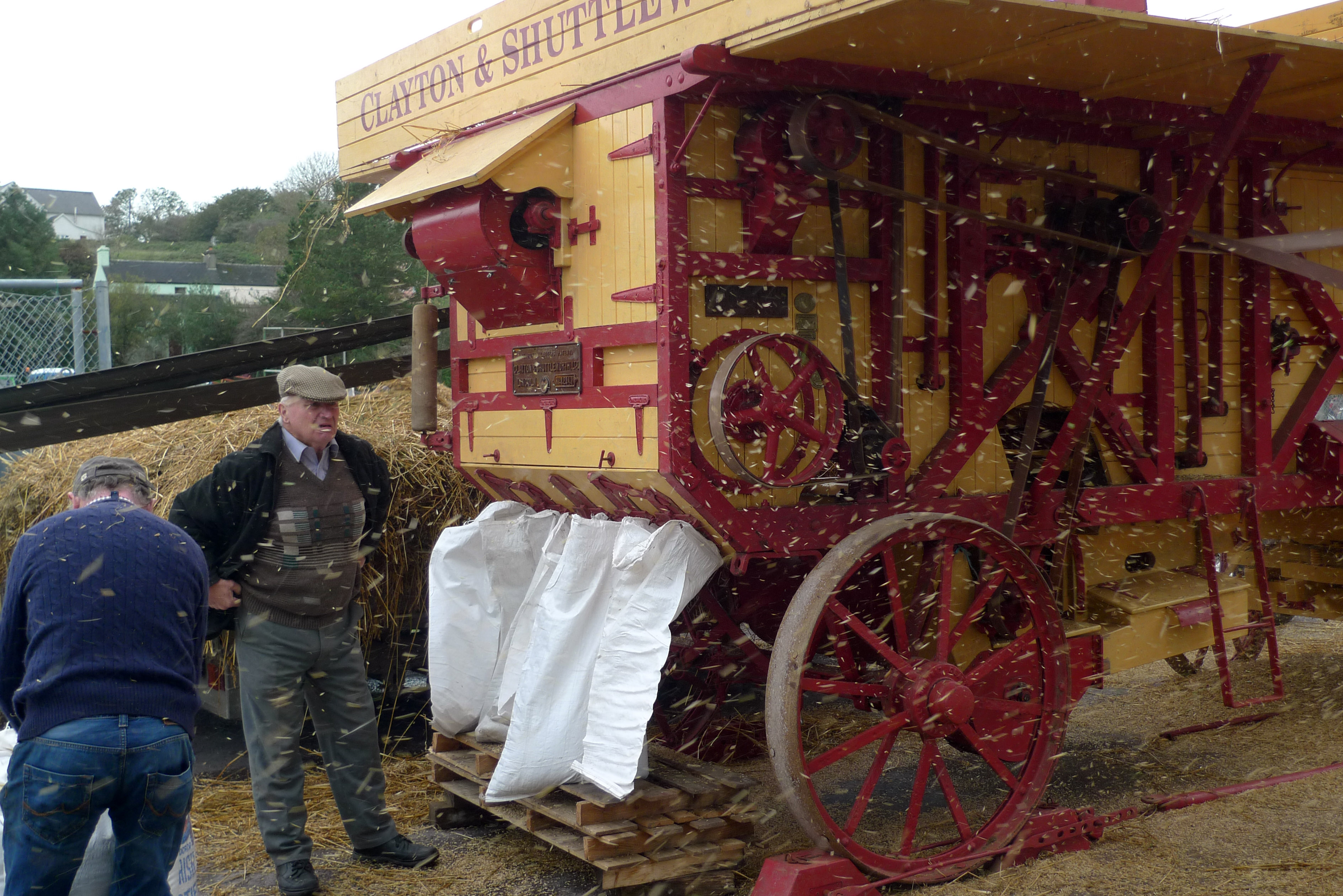
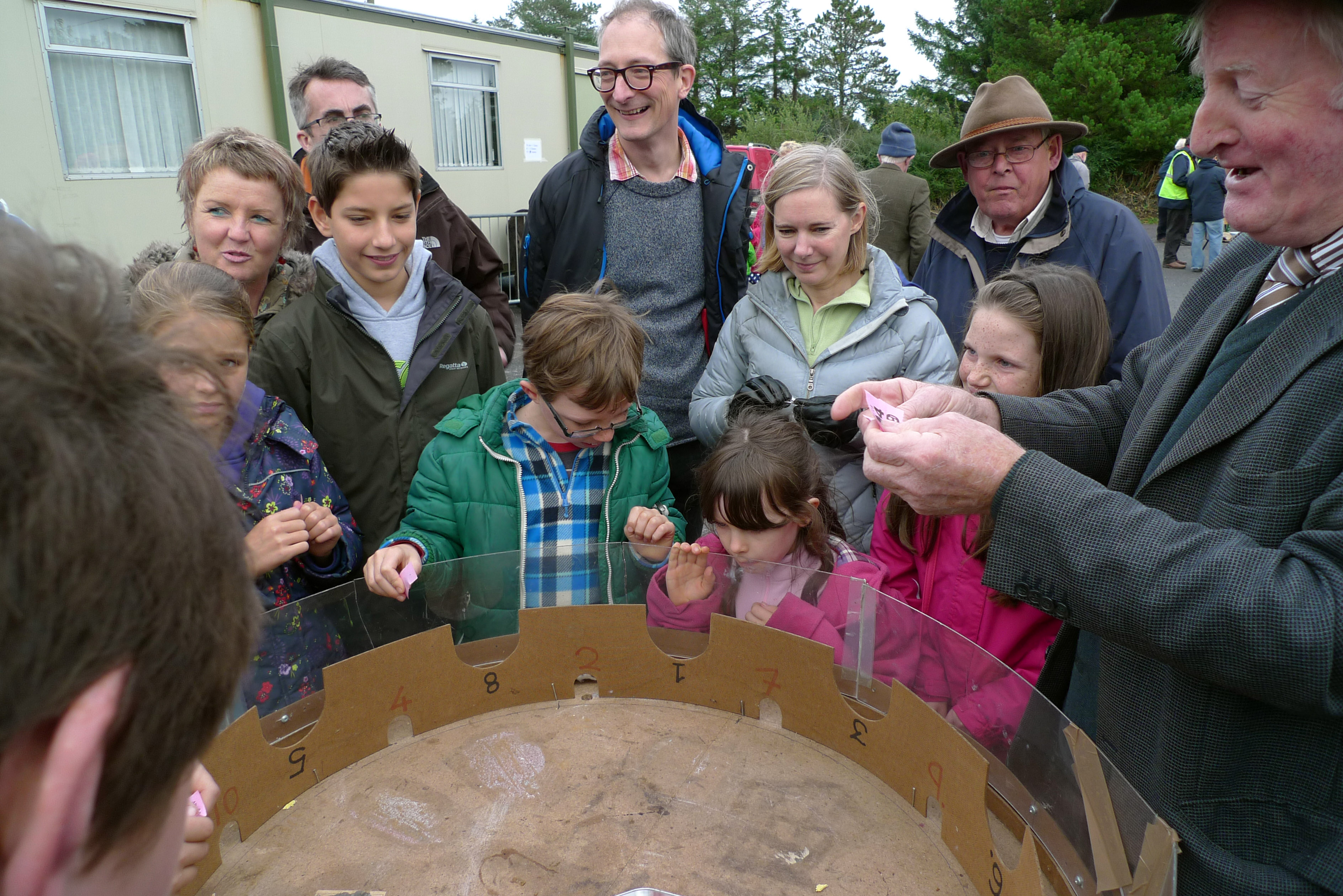
In Ballydehob (our local community) it’s time for the annual Thrashing. This event always takes place just before Hallowe’en, a festival which nowadays overlays the old Celtic Samhain (1 November) – when the souls of the departed are remembered. Here it’s a good time to bring in the threshing machine and lay up sacks of grain in the barn. It’s also a reason to hold a fair and show off vintage cars and tractors, to make butter, to watch performing dogs, to gamble on mouse racing – or just to chat over a cup of tea.

Byway in Ballydehob

Byway in Ballydehob

show

Don’t miss it!

fair

dog

thrashing

The Thrashing

mice

Mouse Bookie

We look forward to the turning seasons: what we see from Nead an Iolair changes constantly, is never dull, and can’t be taken for granted. Skies can be steel grey – or still as gloriously blue as they were in the summer; and our sunsets can be even more beautiful.

rwpan

Gorse, of Course

The battle begins

The battle begins

In a previous post Finola mentioned gorse wine and it struck us that non-Irish readers may not be familiar with gorse – that ubiquitous, loved and hated shrub that covers the Irish countryside above a certain elevation.

gorse and heatherWe love gorse because of the flowers – bright yellow flowers that bloom all year long and lend vibrancy to the landscape. In summer and autumn when the heather is also in bloom the contrast between the yellow of the gorse and the purples and pinks of the heather makes the countryside come alive with colour. In the spring and early summer when the flowers burst forth the hillsides look as if they are lit from within, but many bushes hold on to hints of yellow right through the winter. This property of gorse is immortalised in the Irish saying when gorse is not in blossom, kissing’s out of fashion.

We hate gorse for two reasons – the thorns and the way it takes over everything. To cut it back, chop it down, venture near it, you have to wear a suit of armour. Hiking through it is painful or impossible – even the low-growing strands manage to weasel their way into your socks and the thorns can pierce a sturdy boot and make every step torture.

Before and after

Before and after

Here at Nead an Iolair the garden has grown wild over the years. In a garden on an Irish hillside, this means that the gorse has taken over. The hill behind the house was covered in it, some even encroaching on the back wall. Given the local farmers’ habit of setting fire to the hillsides in the spring, this was a significant hazard.

Burning hills

Burning hills

The area to the left of the driveway was sporting enormous stands of gorse, some as tall as trees. We could see the tips of other plants struggling for survival in this jungle but, apart from a small island of grass, the area was impenetrable.

We can see the house!

We can see the house!

This week we tackled the problem. It has taken several days, a digger, chainsaws and copious amounts of sweat but by Friday victory was declared and where there had been a gorse forest there is now a haggart (an Irish word for a small field beside the house) surrounded by a beautiful stone wall that we knew was in there but couldn’t see. We also unearthed a standing stone, giving us our own enigma to ponder. While we are not contemplating a goat herd for the haggart, we do have dreams of a field of bluebells one day. And maybe some gorse wine.

Our haggart emerges

Our haggart emerges