The Barnacle Goose – and Other Wonders

Barnacle Geese portrayed on canvas by Charles Tunnicliffe

Barnacle Geese portrayed on canvas by Charles Tunnicliffe

Here we are in Lent and the butchers are feeling the pinch.

Excuse me?

Well, strictly speaking we shouldn’t eat any meat or animal products during the 40 days of Lent. So that’s a lean time for the milk sellers, the cheese makers and the egg producers as well as the butchers. 

Surely that’s not still the case?

Depends on how strictly you observe the ‘abstinences’. But – I have to be honest – these rules were officially relaxed by the Catholic Church in Ireland in 1917. Still within living memory, however – just. And old habits die hard… 

So, tell me a bit more about Lenten traditions.

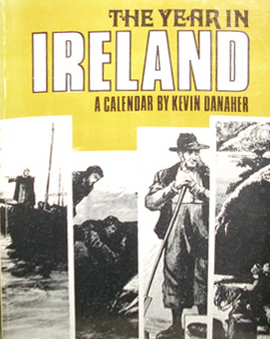
Published by Mercier Press, 1972

Published by Mercier Press, 1972

I will: I’m relying for much of this on The Year in Ireland, an excellent book published in 1972 and written by Kevin Danaher, who at that time was Lecturer in Irish Folklore at University College, Dublin. While he derived some of his material from printed sources he cites ‘…memories of a childhood spent in a district where old beliefs and customs still survived vigorously…’ and ‘…more than thirty years of research into Irish folk tradition…’ so it’s reasonable to say that much of the popular culture he describes was alive and well in the middle of the twentieth century – at least around his native part of the West of Ireland, County Limerick.

Now, the butchers….?

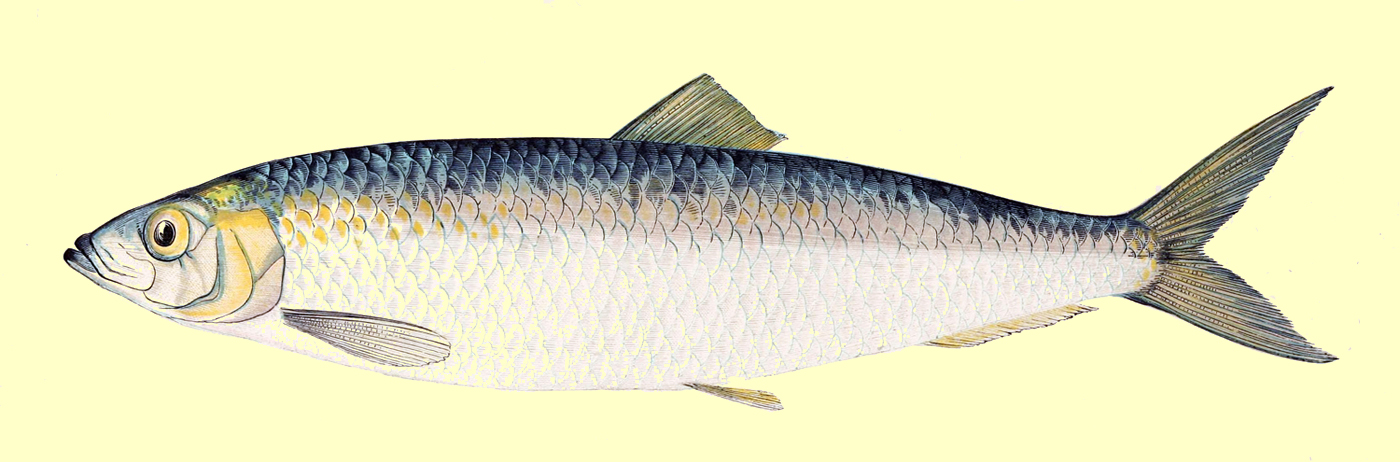
Yes – so pleased were they that Lent was over that on Easter Saturday in Cork, Drogheda and a few other towns they held a mock funeral for the Herring (for salted Herrings became a staple diet during the ‘abstinence’). The butchers put a Herring on the end of a nine foot long lath and carried it through the streets, insulting the poor fish as they went. When they got to the bridge the Herring was hurled into the water and they hung up a quartered Lamb decorated with ribbons and flowers instead.

herring

Another commentator in 1916 describes a remembered ceremony in County Monaghan:

whippingtheherring‘…On Easter Sunday morning, immediately after last Mass, all the young men and maidens, dressed in their best, flocked into the town of Carrickmacross, where they formed into a procession, headed by one of their number carrying a long pole, from the top of which dangled a Herring, and marched to the tune of whatever musical instruments they could muster (fiddles were the most common in those days) till they came down to the lake just outside the town, when the Herring was taken down from the pole and thrown into the water amidst the cheers and laughter of the spectators… The Herring, being the cheapest and most plentiful fish, was the principal dish of the poorer classes, and of some of the better-off people, too; consequently the people grew so tired of seeing him day after day on their tables that they conceived the idea of getting rid of him by drowning, after which they would indulge in all kinds of games and pastimes, amply making up for the quiet time they spent during Lent, as no one would think of enjoying themselves during the Holy Season…’

Enjoyment being another ‘abstinence’ then?

Certainly. Danaher again: ‘…there was no merrymaking during Lent, no music, dancing, card playing or visiting friends. No mother would visit her daughter newly married at Shrove until Lent was over. Musical instruments were stored away. In many houses the pack of playing cards was burned and a new pack was bought at Easter. Many people, women (who were equally addicted) as well as men, gave up smoking and some in excess of zeal broke or burned their tobacco pipes. And although some topers found solace in the old couplet:

 – Good luck and long life to the Council of TrentIt took away meat but it left us the drink –

large numbers took a pledge against alcoholic drinks ‘for the duration’…’

The Council of Trent

The Council of Trent

I’m getting dizzy – just tell me about the Barnacle Goose.

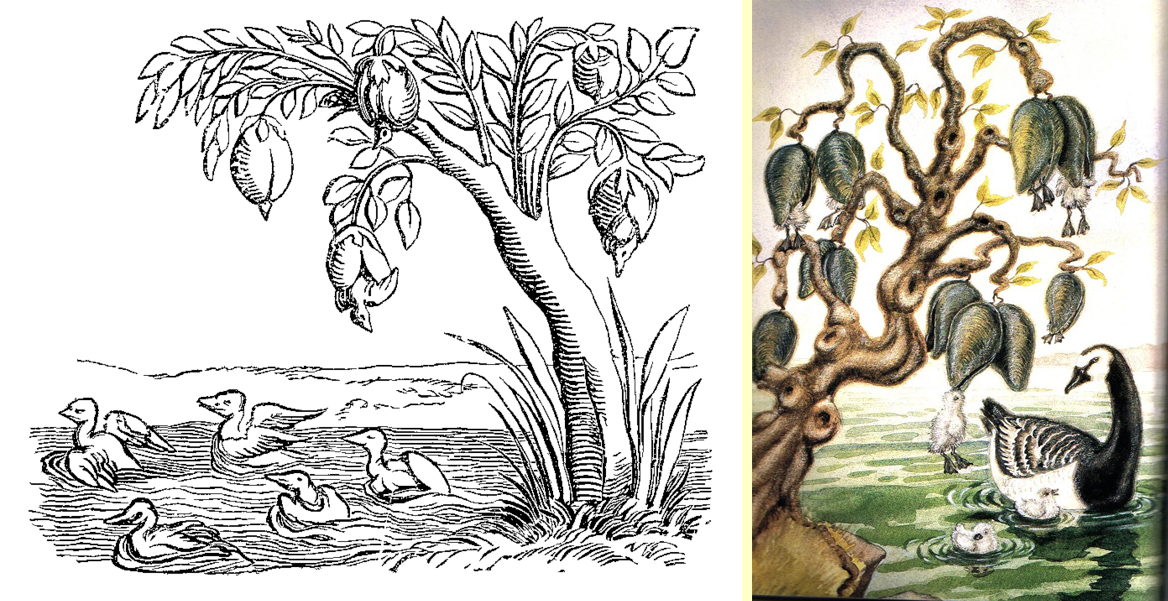
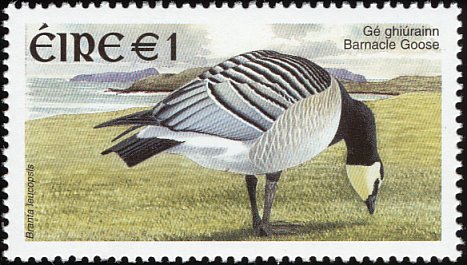
Human ingenuity has a way of overcoming all difficulties and we find that the clergy were eating Geese throughout Lent! This was because it was once thought that the Barnacle Goose (and the Brent Goose) – both of which winter on our west coast but don’t breed here – should be classified as fish. This is first mentioned by Geraldus Cambrensis who visited Ireland in the twelfth century and described the wonderful way in which these Geese came not from eggs but from Shellfish – or grew on trees!.

img4465-1

He goes on to say ‘…Accordingly in some parts of Ireland bishops and religious men eat them without sin during a fasting time, regarding them as not being flesh, since they were not born of flesh..’ More recently – shortly before the 1914-18 Great War – Martin Duncan, librarian of the Zoological Society, was lecturing in the North of Ireland on marine mammals when he was asked by a local Parish Priest ‘…whether he had told the whole story of the Barnacle “because his people were in the habit of eating the Barnacle Goose during Lent under the impression that it was more fish than fowl”, and stating that a comparatively recent pope had granted a dispensation to the people of Derry to continue to eat the Barnacle Goose during Lent as an ancient and established custom…’ The same licence obtained all along the Kerry coast ‘…not because they had any belief in the mythical story of its origin, but because they knew that it lived more on the sea than on the land, and so acquired fishy character…’

In fact it is true that a pope commented on the topic, but that was Innocent III in 1215 – and he condemned it. As Danaher relates, ‘…news of this does not seem to have yet reached the people of the west of Ireland…’

Good for them! Oh – and what is the collective noun for Barnacle Geese?

A Crustacean of Barnacle Geese…

BarnacleGooseIE

Code Red

A joint post by Robert and Finola

By Rossbrin Cove, after Storm Darwin

By Rossbrin Cove, after Storm Darwin

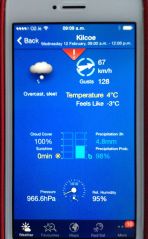
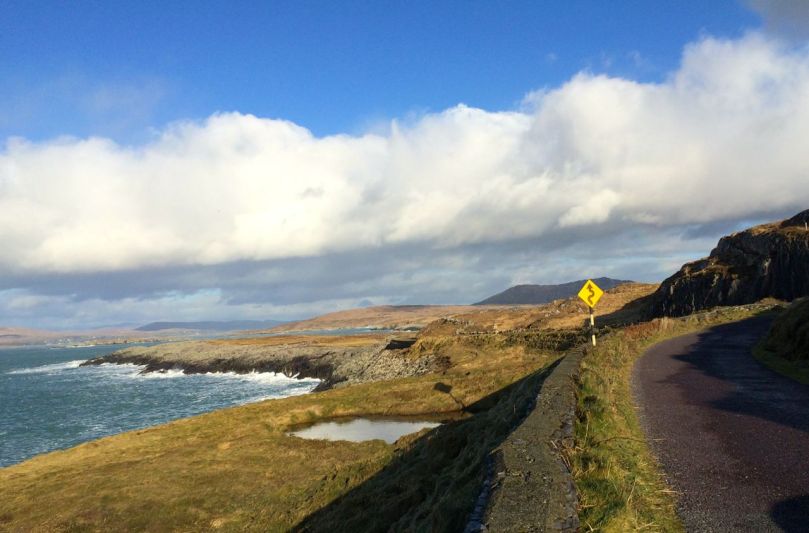
Weather apWe looked back recently and counted the number of posts both of us have done on the subject of the weather, and decided not to do any more on pain of boring our readership to death. But this week Met Eireann issued a rare Code Red warning and their direst predictions came true. The Southwest of Ireland was pounded by hurricane force winds, the like of which many people had never experienced before. Storm Darwin wreaked havoc in our corner of the world.

We were lucky! Our power was off for several hours, but our house is set up so we can still stay warm, run water, and cook. We lost a few more trees, including two that fell over the road, blocking access. Our terrific landscaper, Thomas, chainsawed them off so that at least cars could get by. Trees that came down in our neighbour’s property severed our telephone cable and we have been told that it could be ten days before this is fixed – so we have no landline and no internet. We use our cell phones to connect whenever we can in cafes in town or in friends’ houses, but reception has been spotty all week due to storm damage.

We're almost out of trees now in the haggard

We’re almost out of trees now in the haggard

Many of our neighbours have not been so fortunate and are still without power. For some this can also mean no water and no way to cook. The County Council has issued a warning to boil drinking water amid fears that water supplies have been contaminated. All over the countryside crews are out clearing away trees and restoring cables. Two young men were swept to their deaths by huge waves on the north side of the Sheep’s Head. Another man, part of a telephone repair crew, has died while working on the high wires. Roads and towns flooded although this time the storm surges did not coincide with high spring tides so the water damage was not as bad as it had been earlier in the year.

Boats blown down

Boats blown down

And what do we do in Ireland when the storm hits? We hunker down next to the fire in a warm dry pub, of course, and sing our hearts out! This week, an old friend of Robert’s arrived from Cornwall with his Lifeboat Choir – singers associated with lifeboat stations around Cornwall. The group has developed a long-term relationship with a similar group here in West Cork and this was their annual visit. So we found ourselves holed up in a hospitable establishment in the village of Ballinadee, with musicians and singers from both sides of the Irish Channel, singing and playing and hooting and cheering the night away, and then driving home beneath a clear brilliant moonlit sky that looked as if it had never held a drop of rain.

Cornwall comes to West Cork

Cornwall comes to West Cork

Life in West Cork is nothing if not variety!

This post has been brought to you courtesy of a friend’s internet. Lack of internet and a planned trip to Clare will disrupt the regular posting schedule over the next couple of weeks but normal service will resume as soon as possible.

Mizen Magic 2: The North Side

A pet day on The Mizen

A pet day on The Mizen

We are once again being battered by Atlantic storms, but on a sparkling day earlier this week we drove, on a whim, to Durrus for breakfast. The day was so pure and sunny that it seemed a crime to go home again, so we set out to drive along the north side of the Mizen Peninsula.

Dunbeacon Castle

Dunbeacon Castle

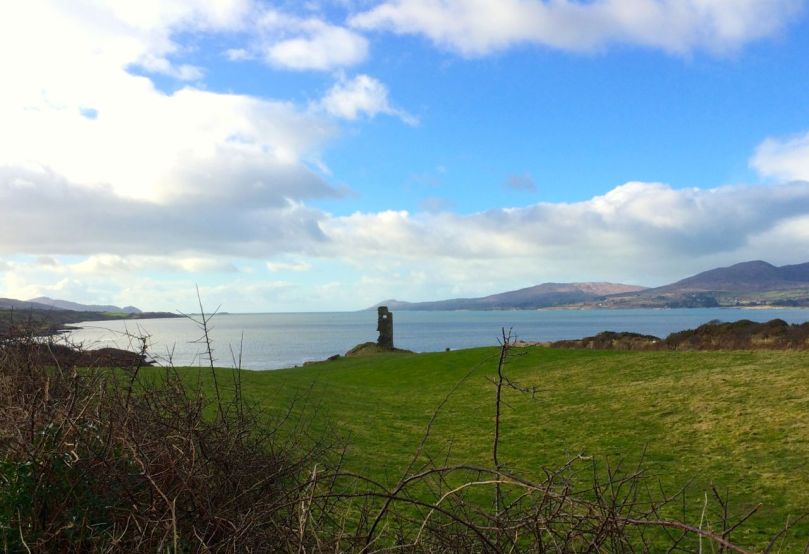
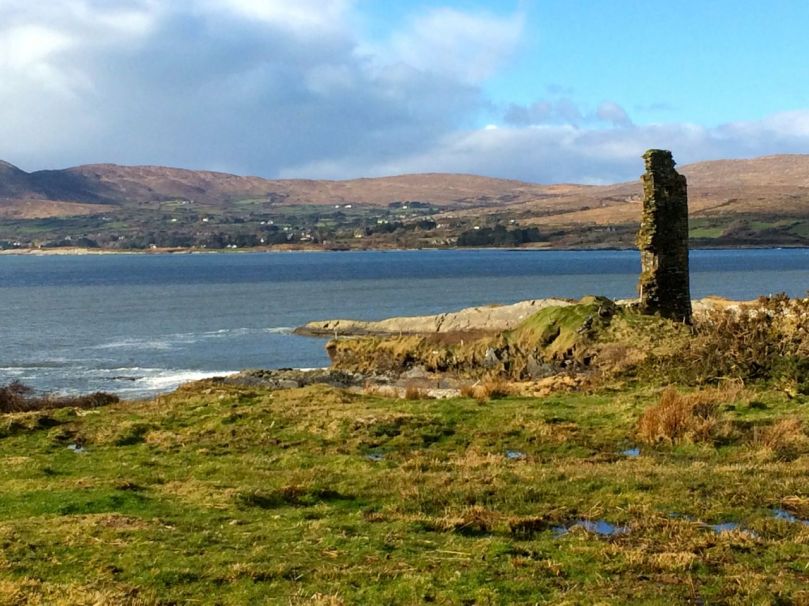
What a day! We rambled down to the shore to investigate the 15th Century Dunbeacon Castle. There’s nothing left except one tall wall, standing sentinel against the wind, facing down the length of Dunmanus Bay. Its commanding position would have given its builders, the O’Mahonys, a strategic advantage in protecting and controlling their territory from adventurers arriving from the Atlantic.

Not much left

Not much left

Further along we explored an abandoned cottage, and found one of the water pumps that were once ubiquitous in the irish countryside. We saw few other cars, but we weren’t alone – our movements were observed from above by interested parties.

Preserved. Observed.

Preserved, Observed

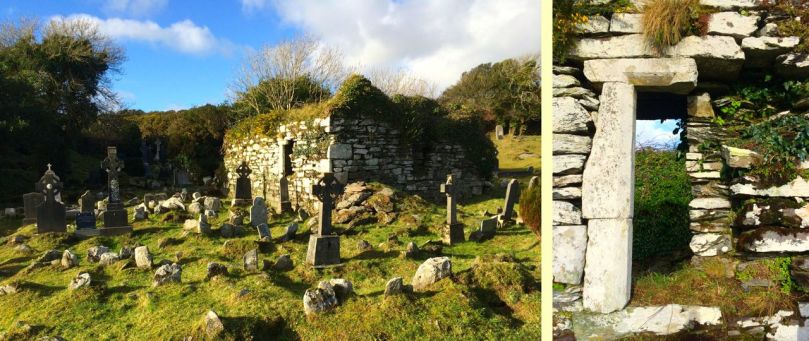
Heading towards Dunmanus Harbour we stopped to pay our respects at the little ruined church and graveyard, beautifully called in Irish Kilheangul – the Little Chuch of the Angel. This was a curious mixture of cillín and modern graveyard: rough unmarked stones stood shoulder to shoulder with more recent granite headstones and lovingly tended graves.

The Little Church of the Angel

The Little Church of the Angel

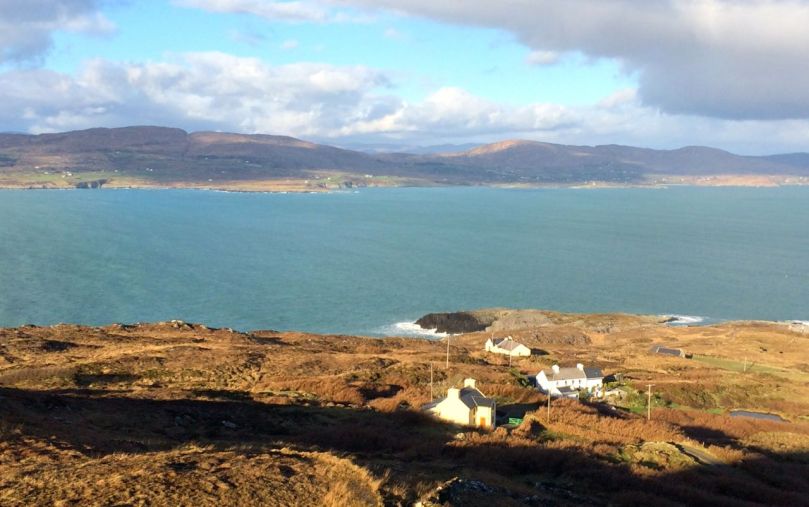
We headed west along the road that skirts the sea and eventually leads to Barley Cove. We are convinced that this is one of the most breathtaking drives in Ireland – and, in a land as scenic as this, that’s a tall order! To the east we looked back up Dunmanus Bay to the Kerry Mountains in the far distance.

Looking East up Dunmanus Bay

Looking East up Dunmanus Bay

To the north lay the Sheep’s Head and beyond it the looming presence of the Beara Peninsula.

Across to the Sheep's Head and Beara Peninsula

Across to the Sheep’s Head and Beara Peninsula

To the west, Knocknamadree (the Mountain of the Dogs) and the wild Atlantic.

Bird Island and the Atlantic beyond

Bird Island and the Atlantic beyond

Once home to hundreds of families, this is a depopulated area now. There are some small farms, but many of the houses are holiday homes, seldom used. Sobering, that such a wildly beautiful place is no longer economically viable to support a thriving community.

The North Side of the Mizen

Northside of the Mizen

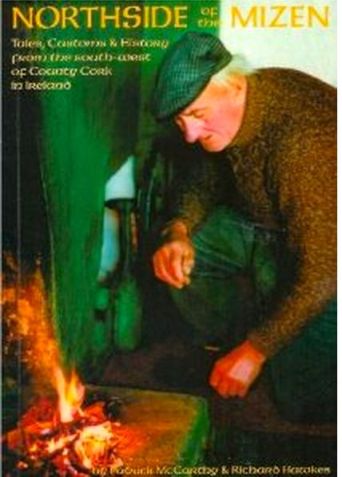
But thanks to the foresight and hard work of local writers, we can have a true appreciation of what life was like here. Northside of the Mizen has its own book! Recorded, edited and written by Patrick McCarthy and Richard Hawkins, and illustrated by Thelma Ede and with old photographs, it’s a charming, quirky compendium of character sketches, folktales, customs and traditions, poems and songs, and descriptions of country life. With chapters organised by month, it’s the kind of book you keep by the bedside and dip into when the spirit moves you. In January, for example, there’s a section on scoriachting, or visiting neighbours. It’s accompanied by a photo of a man and his jennet in somebody’s kitchen, with the caption Michael and Tom McCarthy out scoriachting. Once the neighbours arrived (but not on Saturday night as you would have to get ready for mass early the next morning) the night…

“…would start with games, blackguarding (horseplay) and sometimes dancing, then progress on to songs and poems. Storytelling was the preserve of an evening by the fire. With flames flickering and the wind and rain howling like the Banshee, the imagination of the storyteller and his forebears was let loose on a delighted and spellbound audience of children and adults alike. This, in turn, would lead to stories of a more superstitious nature, into a world of small folk, púcas (sprites), mermaids and of people’s misfortune when they interfered with the fairy ways.”

Look out for future posts about the Mizen – we’re only scratching the surface of this marvellous region of West Cork.

Where once were farms

Where once were farms

Outlook: Changeable

storm

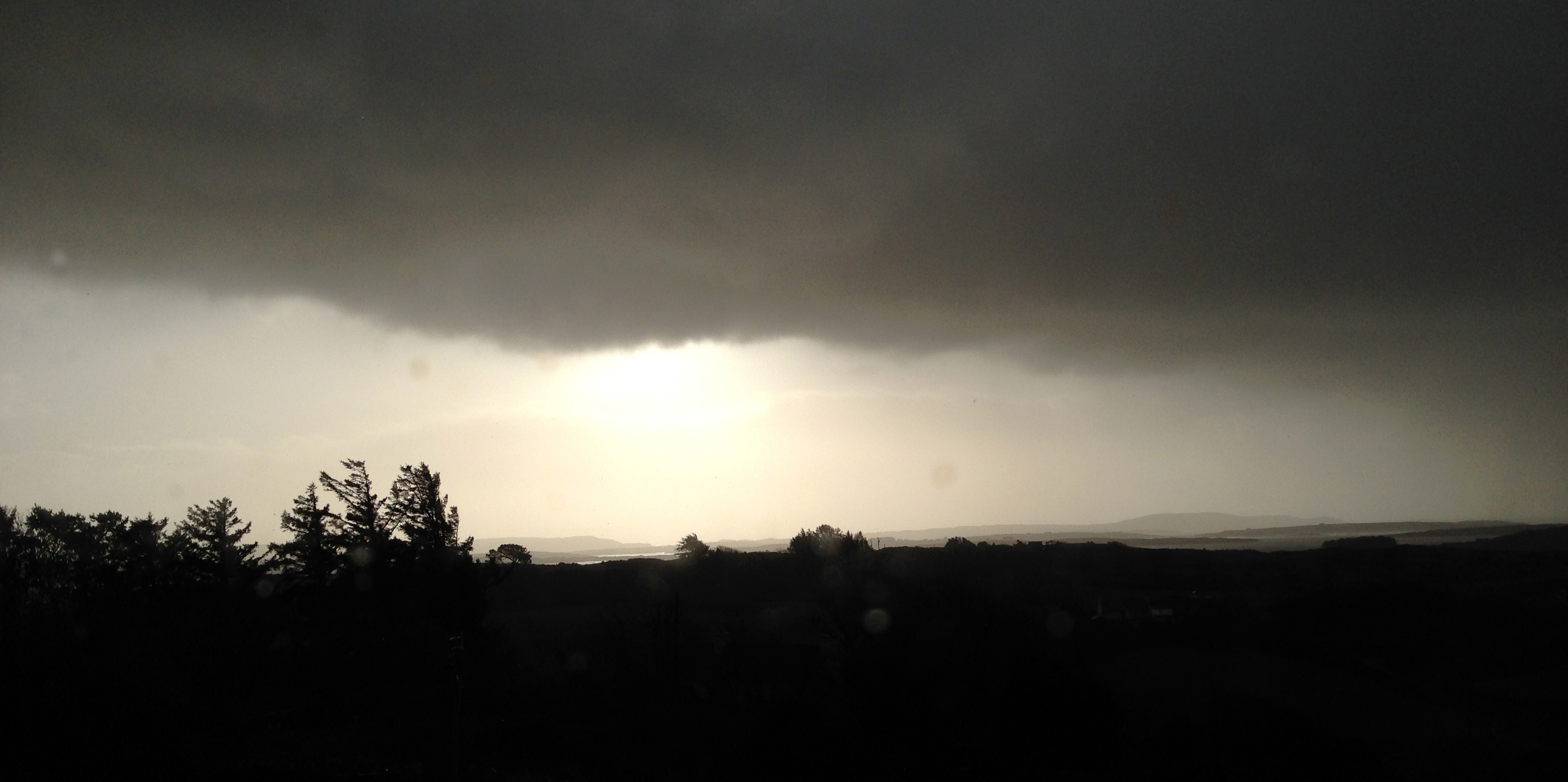
Sunday morning sky over Nead an Iolair

One of my favourite expressions about the weather was learned from an elderly gentleman who had lived all his life in Hampshire, England. …Tis black over Will’s Mother’s… This would have described very well the scene above, which was taken from Nead an Iolair when we awoke this morning. As an Englishman I would be expected to talk about the weather all the time; Irish people are not far behind in this, probably because there is such a variety of weather – even in a single day – that it demands to be described. …Is iomaí athrú a chuireann lá Márta dhe… means: …There is a lot of weather in a March day… This might just as well refer to a January day, or a day in any month in our experience. To illustrate this I decided to try a time lapse video, using my iPhone and a tripod. I had to shoot it through the window, hence the reflections – just as well because during the process we had torrential hail to add to the variety. So this is a thirty minute session of Irish weather coming in to Roaringwater Bay compressed to thirty seconds, each frame being shot a second apart:

By asking around the locality I have compiled some Irish expressions for weather. These are ones that I particularly like:

A snipe won’t stand in the morning… (meaning icy weather)

It’s a hure of a day… (meaning it’s a hure of a day – Finola has her own version here)

 Bad aul’ day isn’t it?

And – occasionally – The Sun does be splittin’ the stones

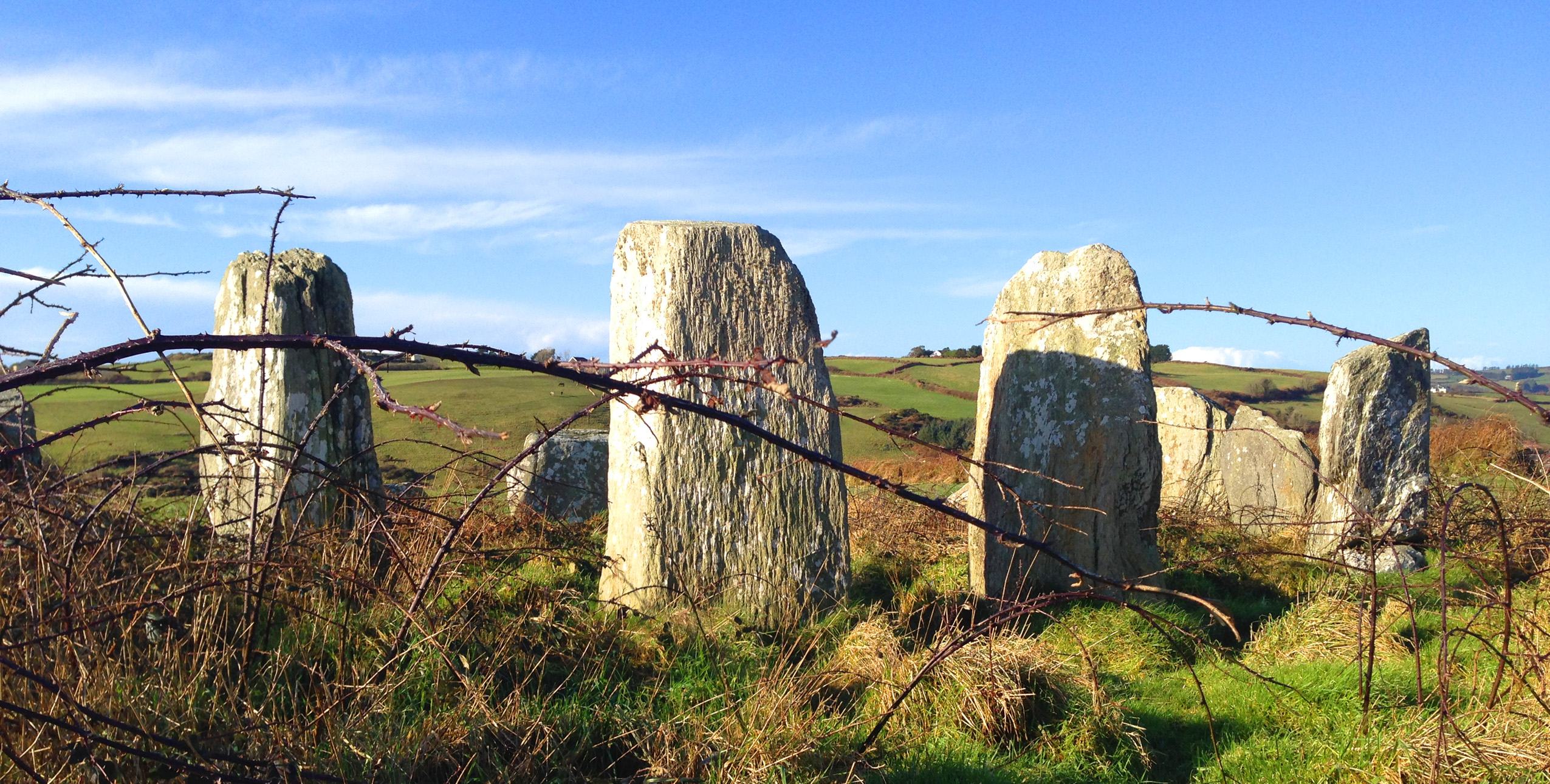
Sun circle, Bohanogh, a week ago

Sun circle, Bohonagh, a week ago

Now, as we get near to St Brigid’s Day – more on that next week – we can truly be saying:

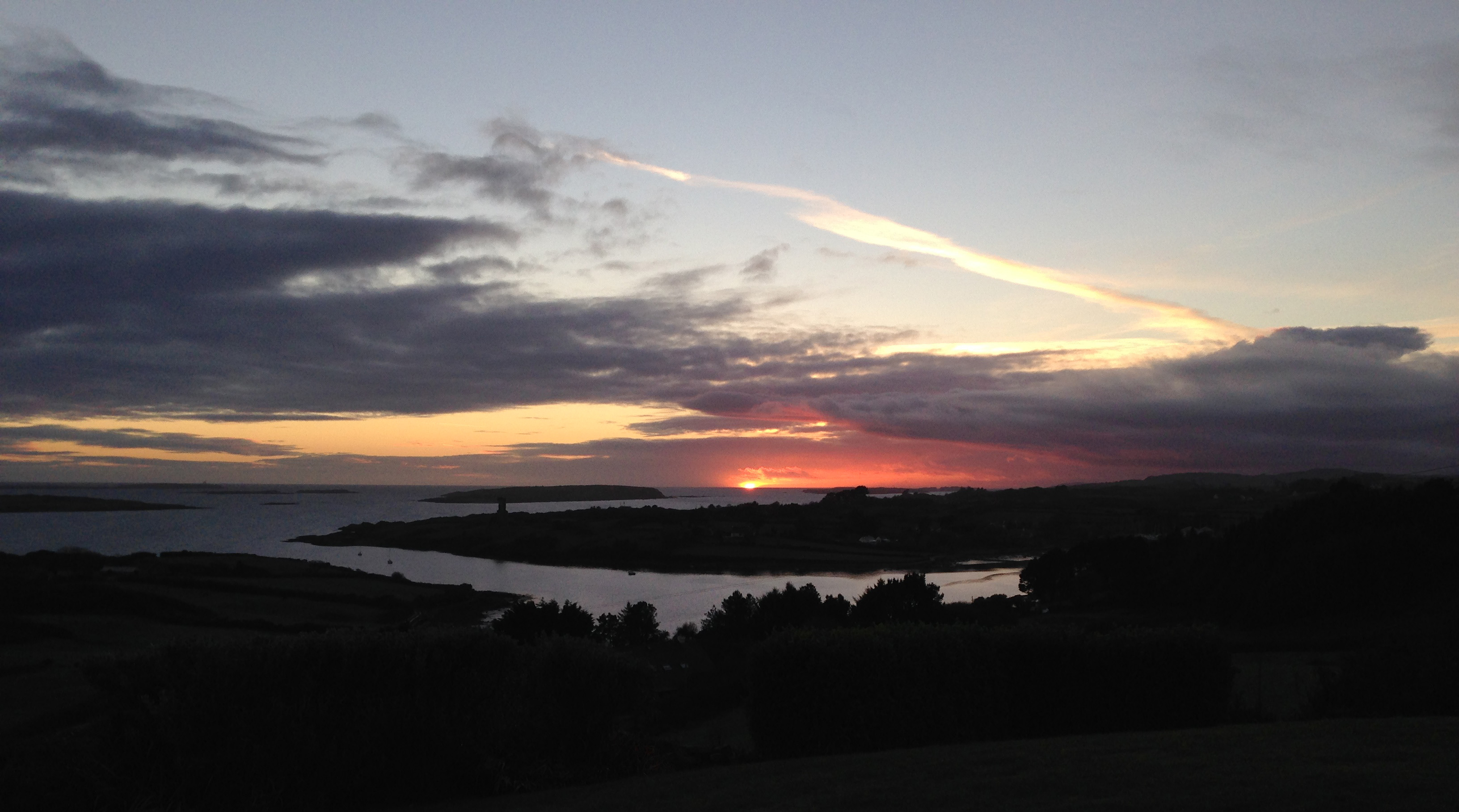
There’s a grand aul’ stretch to the evening… (the days are getting longer)

sunset

Loon the Sentinel

loon print

Our friend Julian lives beside the water in the Cove, and we were excited when he told us there were Great Northern Divers in the bay. During the recent storms he saw a large number of them – fourteen or fifteen – huddled together for shelter close by the shore. He called this gathering a ‘Raft’: In fact the collective noun is usually said to be Asylum, Cry or (more attractive) Water-dance. We saw them too, but distantly through our spotting scope up in Nead an Iolair, although we came across them close to when we were walking by the shore in Ahakista on the Sheep’s Head. Here they were mixed up with Cormorants (collective noun Flight of…) and Shags (Hangout of…) – but their markings were distinctive enough for us to be sure.

loonie

In Canada the same birds are known as Loons. Believe it or not, the International Ornithological Committee met especially to consider the problem of the differing names in America and Europe and proposed a compromise: the Great Northern Loon. I like the term Loon: supposedly this name comes about because the bird has large webbed feet set well to the back to assist diving but is clumsy on land. In Icelandic the word for ‘lame’ is lúinn, and in Swedish it is lam – this could well have been an influence. The Canadian Loon is featured on the one dollar coin – which is therefore know as a ‘loonie’ – the two dollar coin is a ‘toonie’.

When Finola and I were on a road trip up to the north of British Columbia (through spectacular scenery) we stopped by a lake and we could see diving birds a considerable distance away. Finola told me they were Loons and I said I really wanted to have a good look at them. She immediately put her hands up to her mouth and produced the distinctive wavering call:

I couldn’t believe it when a few seconds later a Loon surfaced right beside us! I was full of admiration (as always) for Finola’s many talents…

An endearing habit of the adult bird is that it carries its chick on its back until it can swim on its own.

Hitching a ride...

Hitching a ride…

I can’t find any Irish legends mentioning Loons, Great Northern Divers or any other variants, but there are plenty of Canadian ones among the First Nation cultures. There the Loon is invariably a ‘good guy’, and even helps Raven the Creator to make the world, and to bring Sun, Moon and Water to it. It has various names in these tales, including Big Loon, Black-billed Loon, Call-up-a-storm, Ember-goose, Greenhead, Guinea Duck, Imber Diver, Ring-necked Loon, and Walloon. We also have a very fine carved Loon on our living room wall, from Finola’s First Nation art collection.

loononwall

I call Loon the Sentinel because he seems to stay just outside our Cove, swimming and diving across the entrance – keeping it safe for us. When our spring comes (and we can begin to feel the sun getting stronger already) he will be off to colder climes to breed.

Stormy Weather

neadwinter

This picture of Nead an Iolair is here to create a seasonal feel: it was taken by our neighbour Dietrich in the Great Winter of 2010 – 2011 when the extremes were all about deep snow, frozen roads and frozen pipes, unusual for this little corner of the island normally kept mild by the Gulf Stream. This winter we have a different extreme – hurricane force winds!

spiked

‘Hurricane’ on the Beaufort scale means wind speeds of 118 km/hour or more. We went to bed on St Stephen’s Day evening, having measured the wind speed outside as 87 km/h. That seemed wild to us: the trees were bent over and the salt laden rain and sleet were coming in horizontally and lashing our south west facing windows. It was hard to sleep: the slates were rattling loudly above us and the aerials and lightning conductors on our roof were shrieking and bending. The noises got louder and more terrifying as the night went on. I wanted to venture outside with my little hand-held anemometer but I couldn’t face it. The violent storm began to abate only in the early hours of the morning and, when we did creep out, it was to find some damage: two trees down in the haggart, sadly, and our beautiful weather vane collapsed. It was as well that we weren’t underneath when the flying Eagle and its sharply pointed arrow came crashing on to the lawn, just missing our door.

levissession

St Stephen’s Day Session, Ballydehob


Earlier in the day we had enjoyed an unexpected visit by the Wren Boys to Levis’s pub, where we were involved in an improvised session. Two groups of Wren Boys in fact: the first an adult company with musicians, colourful costumes and bizarre masks, and the second a group of boys dressed in old coats turned inside out, pyjamas and sailor caps, carrying large collecting tins. All were welcomed and the festivities grew merrier as the wind strengthened.

wrenners

wrenboys

Keeping traditions going: outlandish Wrenners visiting Ballydehob – top – and local lads collecting in Levis’s Bar – below

As I lay in bed at the height of the storm I found myself worrying about our birds: how on earth could the Goldfinches, Chaffinches, Robins and Wrens (any Wrens who had escaped the St Stephen’s Day hunt that is) have survived that terrible gale – which stripped the bird feeders of everything moveable and the bushes and shrubs of their sheltering leaves? In the morning, there they were back again, and noisily demanding a refill which, naturally, I was delighted to provide.

message