The Great Hunger

2012-05-19 16.04.23

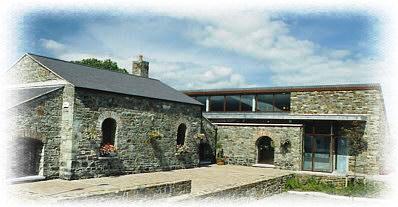
Skibbereen Heritage Centre

Skibbereen Heritage Centre

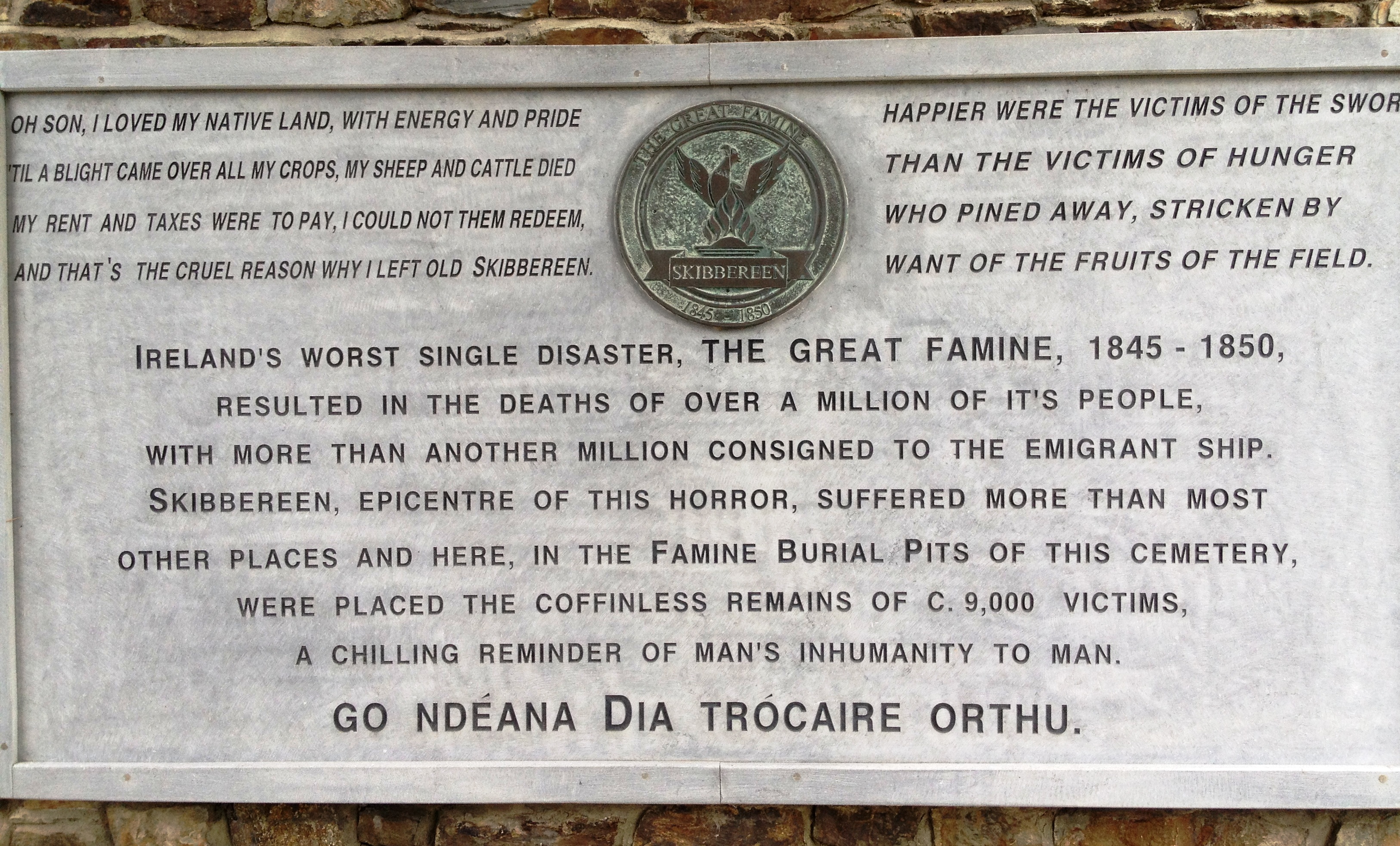
I have mentioned the Irish Famine in previous posts. West Cork and the area around Skibbereen in particular was greatly affected by this national disaster. In the period of the failure of the potato crop between 1845 and 1850 it is estimated that one in three people in this area died through starvation or disease. A million people perished in the island as a whole while another million emigrated. By the end of the nineteenth century the population of Ireland had halved, from just over 8 million to just over 4 million, as a traumatised race filled the Coffin Ships to America, Canada and Australia, or took the mail boats to Britain. This time in Irish history has left deep wounds in the Irish soul, and a legacy of distrust of Britain that fuelled much of the subsequent nationalistic fervour.

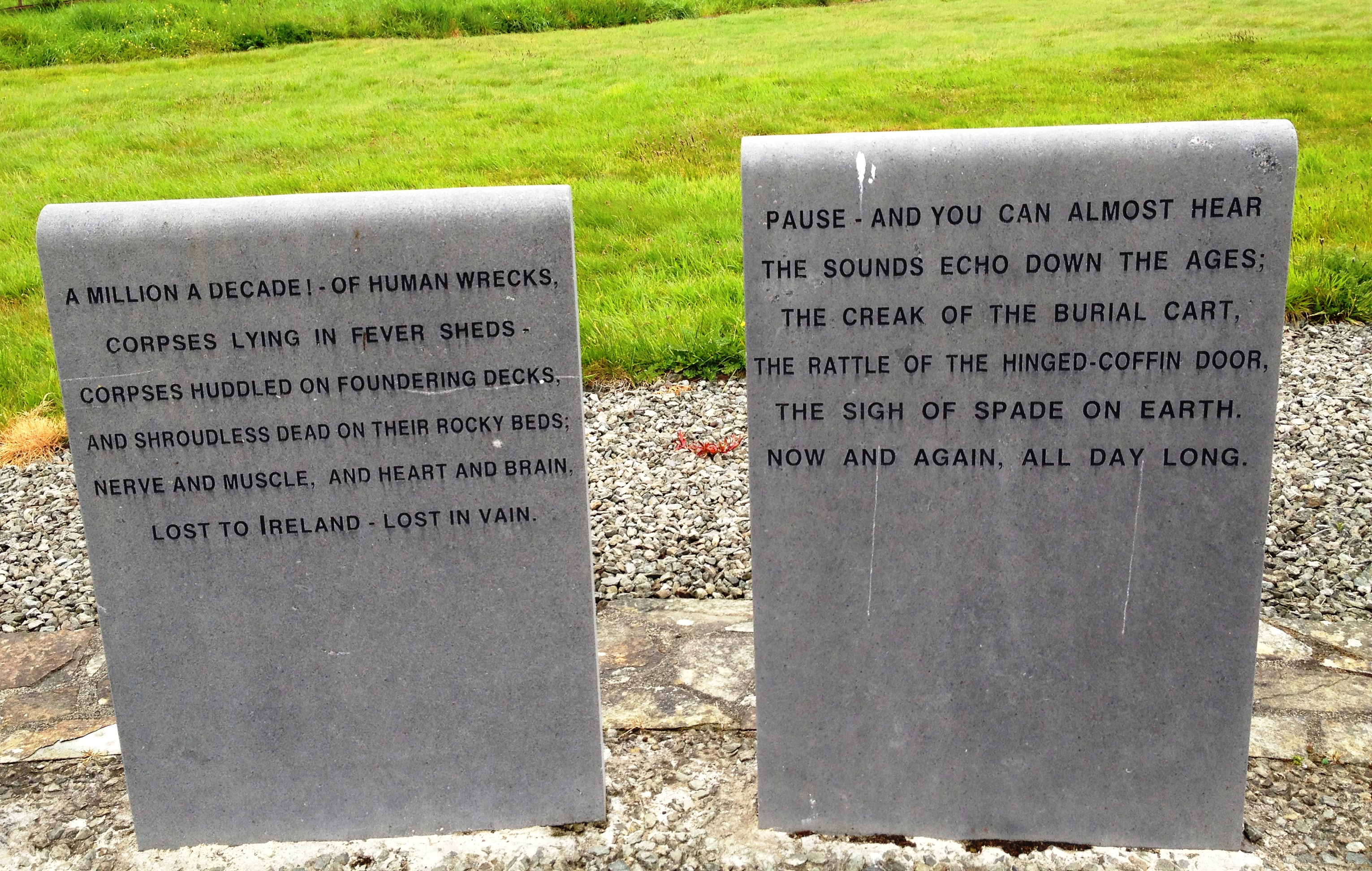
The Heritage Centre in Skibbereen has an excellent, if harrowing, Famine exhibition. Even more moving, perhaps, is the Abbeystrewry Graveyard, site of mass and unmarked graves of thousands of victims.
2012-05-19 16.02.27

In 1997 when events commemorating the 150th anniversary of the Famine were being planned new research turned up many previously unknown stories of the time. While most, understandably, turned on the wretchedness of the people and the political and social context, one small tale fired the imagination of the historian who discovered that the Chocktaw Indians of America had made what must have been for them an enormous donation to hunger relief. Having been deprived of their ancestral homeland, and with their population decimated by European diseases, this faraway people collected and sent $710 to the starving Irish. Since this discovery, a special relationship has been nurtured between the Chocktaw and the Irish.
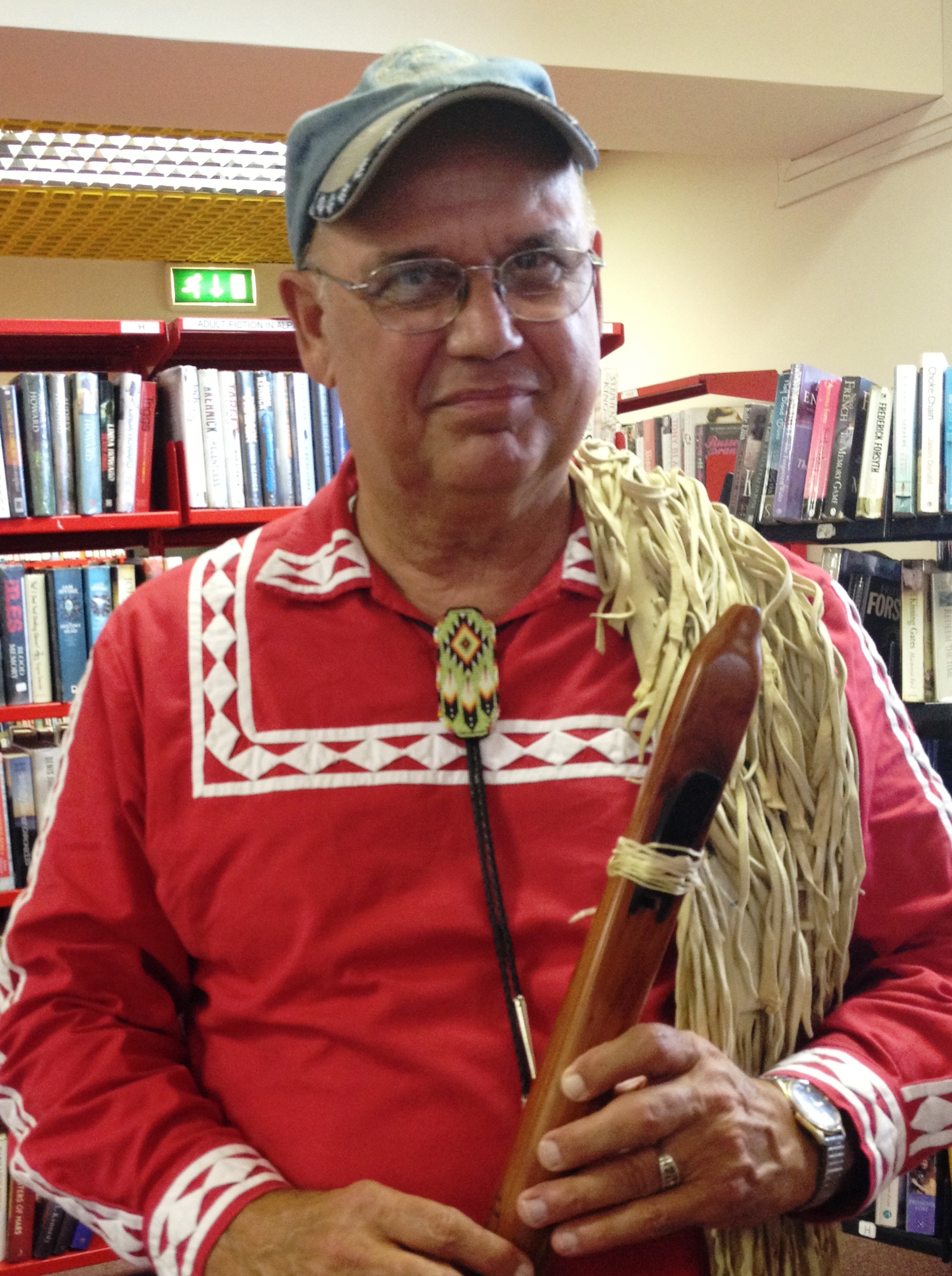
Tim Tingle, Chocktaw Story Teller

Tim Tingle, Chocktaw Story Teller

We were lucky, recently, to be present at a session by Tim Tingle, a Chocktaw writer and storyteller, in the Skibbereen library. Relaxed and humourous and with the aid of his drum he told us of his people and their relationship with the land and the animals. Slowly he drew us in to a deeper story from the time of the Chocktaw Trail of Tears: a story universal in its appeal and its humanity. His message: “Look ahead, keep moving forward.”
Tuning In

sharonshannon

Sharon Shannon in concert, Dalkey

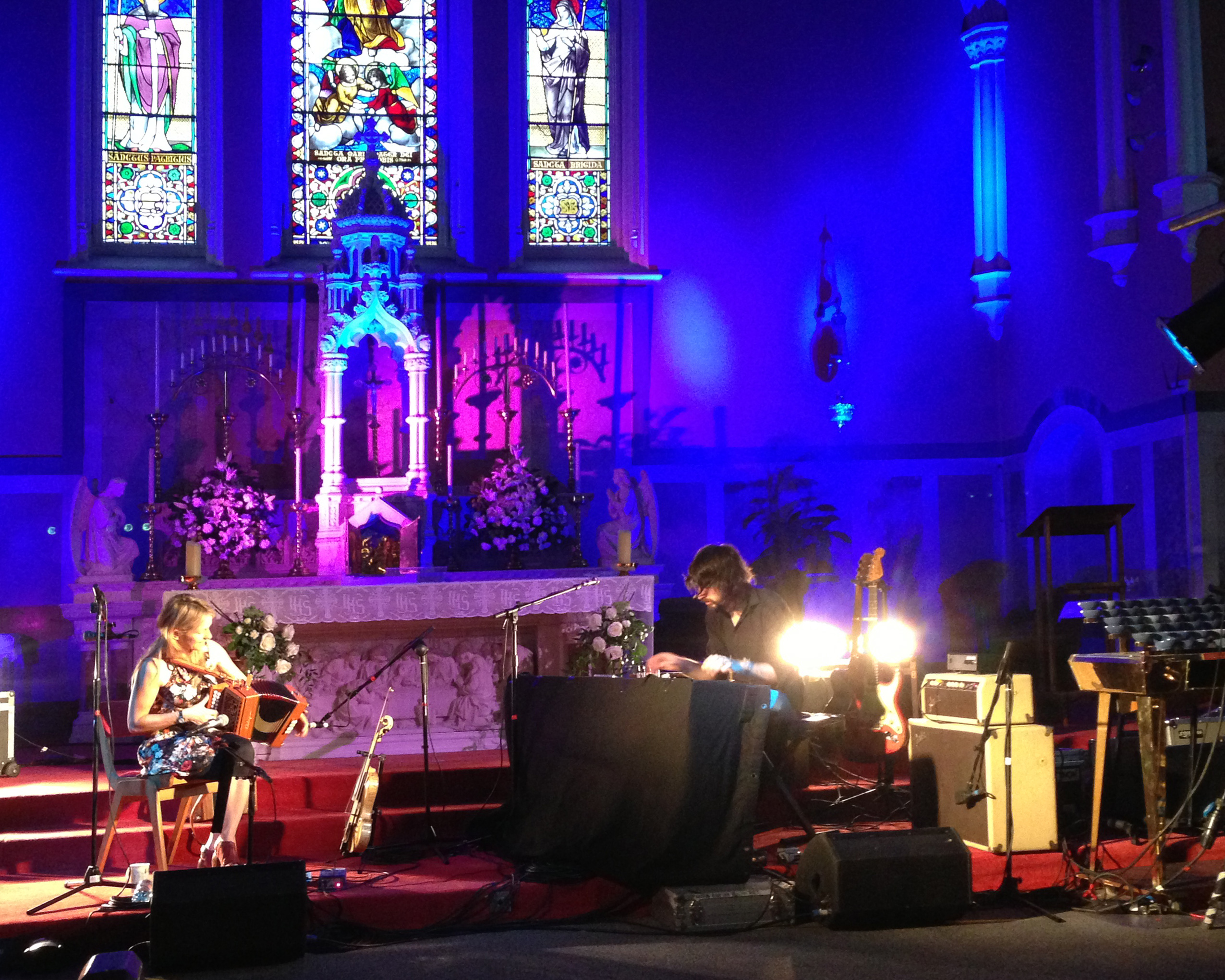
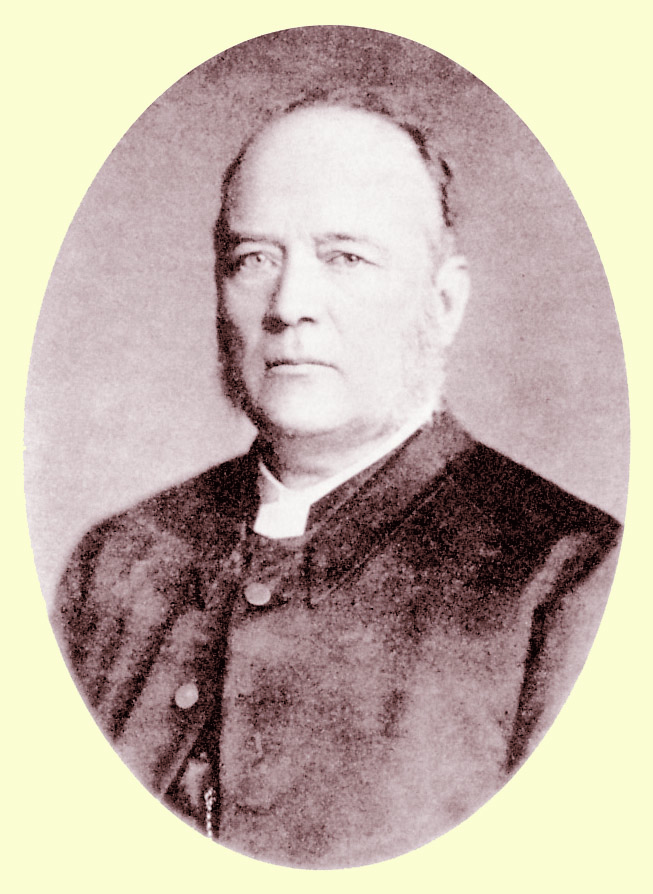
We are safely home in Nead an Iolair – and have immediately become immersed in music. We are making our own – with guests on the doorstep and at the local Friday sessions in Ballydehob – but also attending the many events which take place in West Cork in the summer. On our second night here we couldn’t miss a Skibbereen Festival event in the Abbeytsrewery Church: a concert in memory of Canon James Goodman, a cleric of the Church of Ireland who served the Skibbereen Parish for 30 years until his death in 1896.

james-goodman

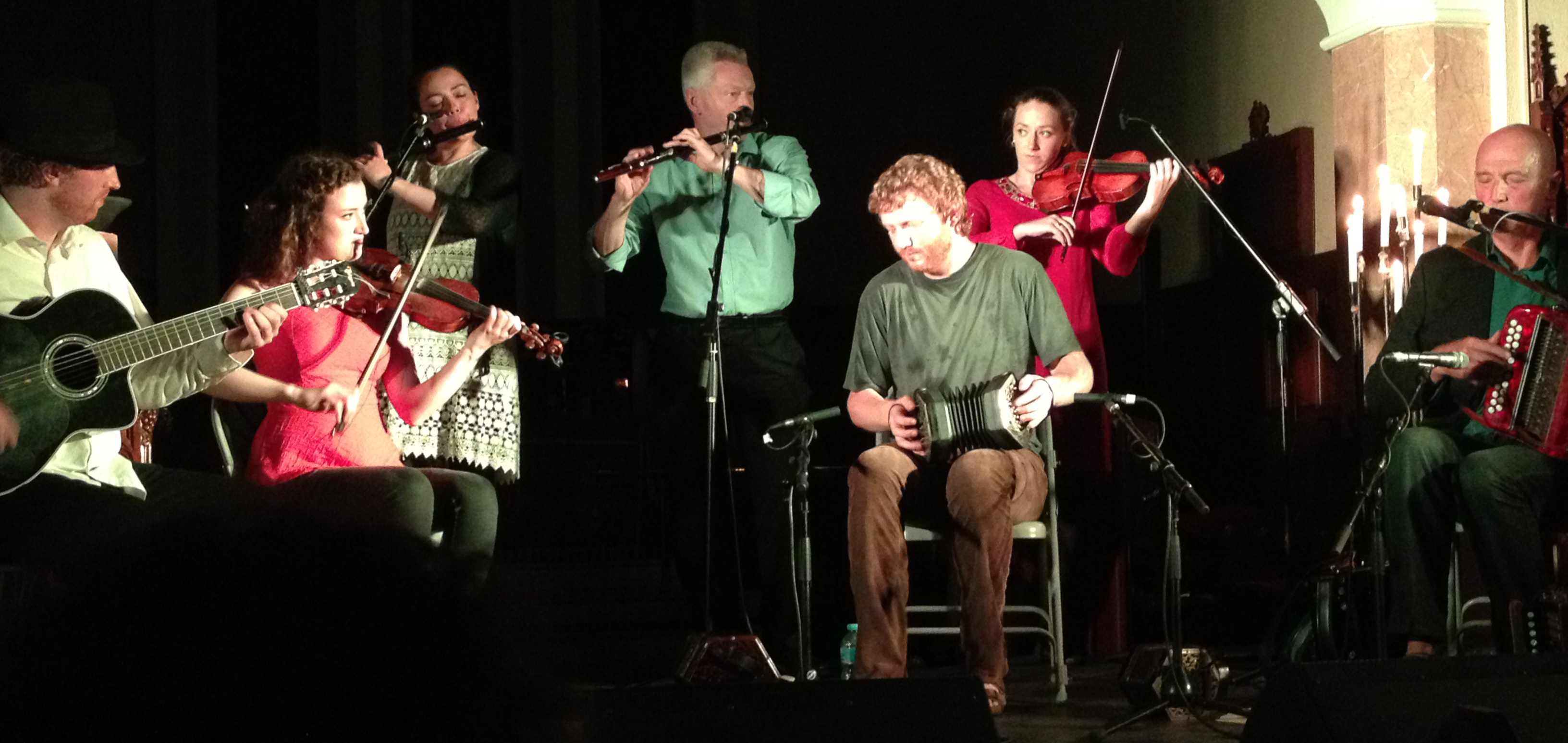
There is a statue of the Canon by the gates of the church, where he can be seen with his Uillean pipes: he was a proficient player of this most complicated of all instruments. He is best known, though, for having produced one of the earliest collections of Irish traditional music – transcribing over 2000 tunes which he gathered from local players. All his known manuscripts are now in the library of Trinity College Dublin, where Goodman was also appointed Professor of Irish in 1879, but have only recently been brought to light and performed. Our Skibbereen concert celebrated the Canon and was devoted to his collected music. As Goodman was born in 1828 and starting collecting in his youth, we were listening to music as it would have been played in Ireland before the famine! But this is what The Music is all about – continuity of a timeless cultural tradition passed down through the generations and still very much alive.

The Canon Goodman concert

The Canon Goodman concert

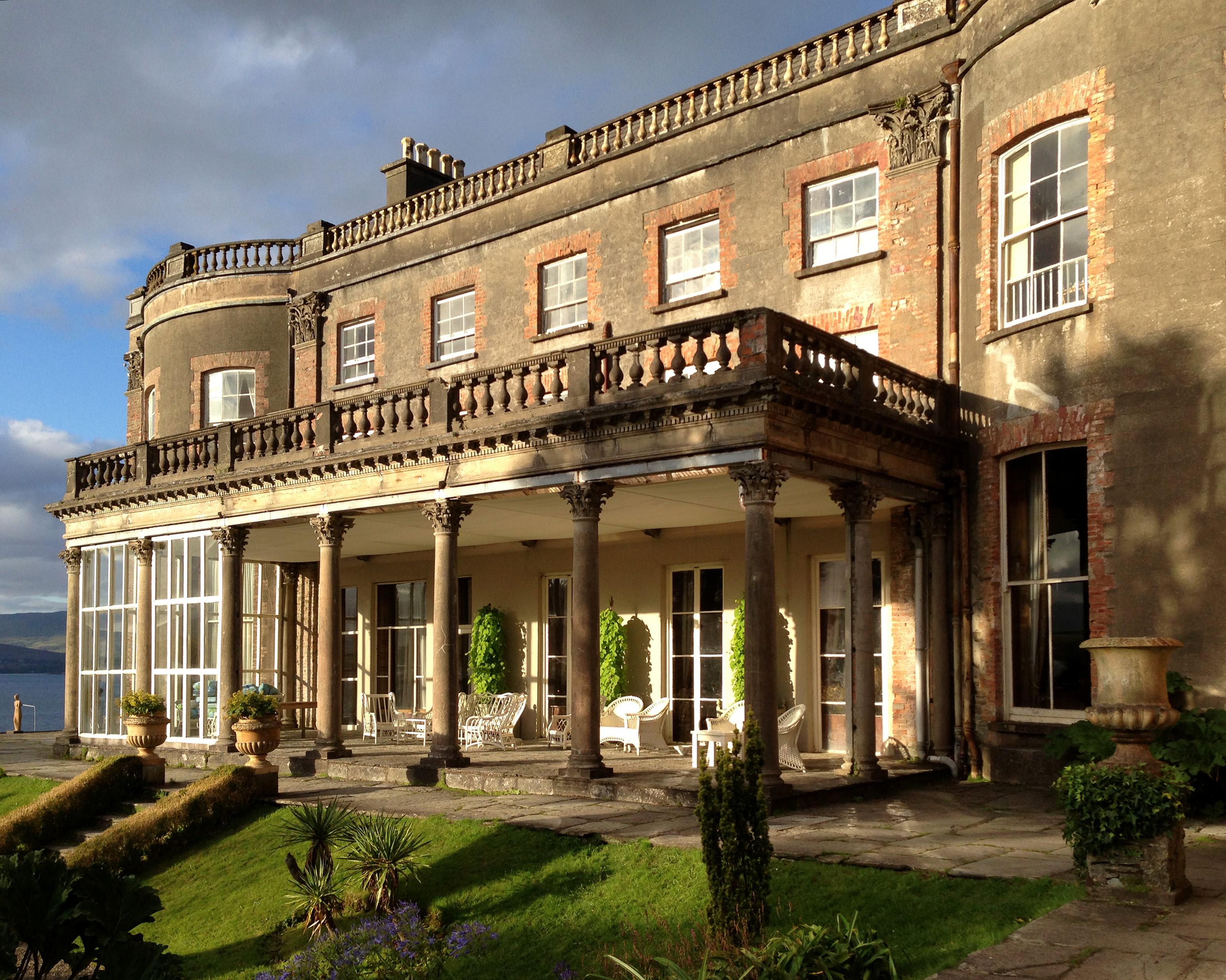
August was the month for the Masters of Tradition Festival, organised and run by Martin Hayes who hales from East Clare. For me, he is one of the world’s greatest musicians of the Irish tradition: his playing is captivatingly lyrical and seems to carry with it the soul of this ancient land. We attended all the concerts, many of which took place in Bantry House, a gently fading edifice which was once the home of the Earls of Bantry and is still occupied by their descendants. This stately home hosts many artistically based events through the year and provides an impressive – if incongruous – background to the activities. Some of the traditional musicians seemed slightly uncomfortable in the polite ambience of the candlelit Library, being more used to the ‘dancing in the aisles’ atmosphere of pubs and village halls: nevertheless, all the performances were memorable.

bantryhouse

Bantry House, built in 1690 with a spectacular setting overlooking Bantry Bay

There have been so many events within easy reach of our home here in Cappaghglass through the summer: we have had to miss a few because they overlap. We are keeping those for next year – or the years after that! We visited Finola’s family in Dublin and arrived to find a Sharon Shannon concert happening just down the road. This was wonderfully located in the Catholic Church of the Assumption. Sharon is an outstanding accordion player who has been performing professionally for very many years. In this incarnation of her music we were treated to heavy amplification, a brilliant pianist and singer – Alan Connor (who almost stole the show!) – and a disco light display which was enhanced by the ornate Victorian richness of the altar and reredos. There was very nearly ‘dancing in the aisles’ on this night!

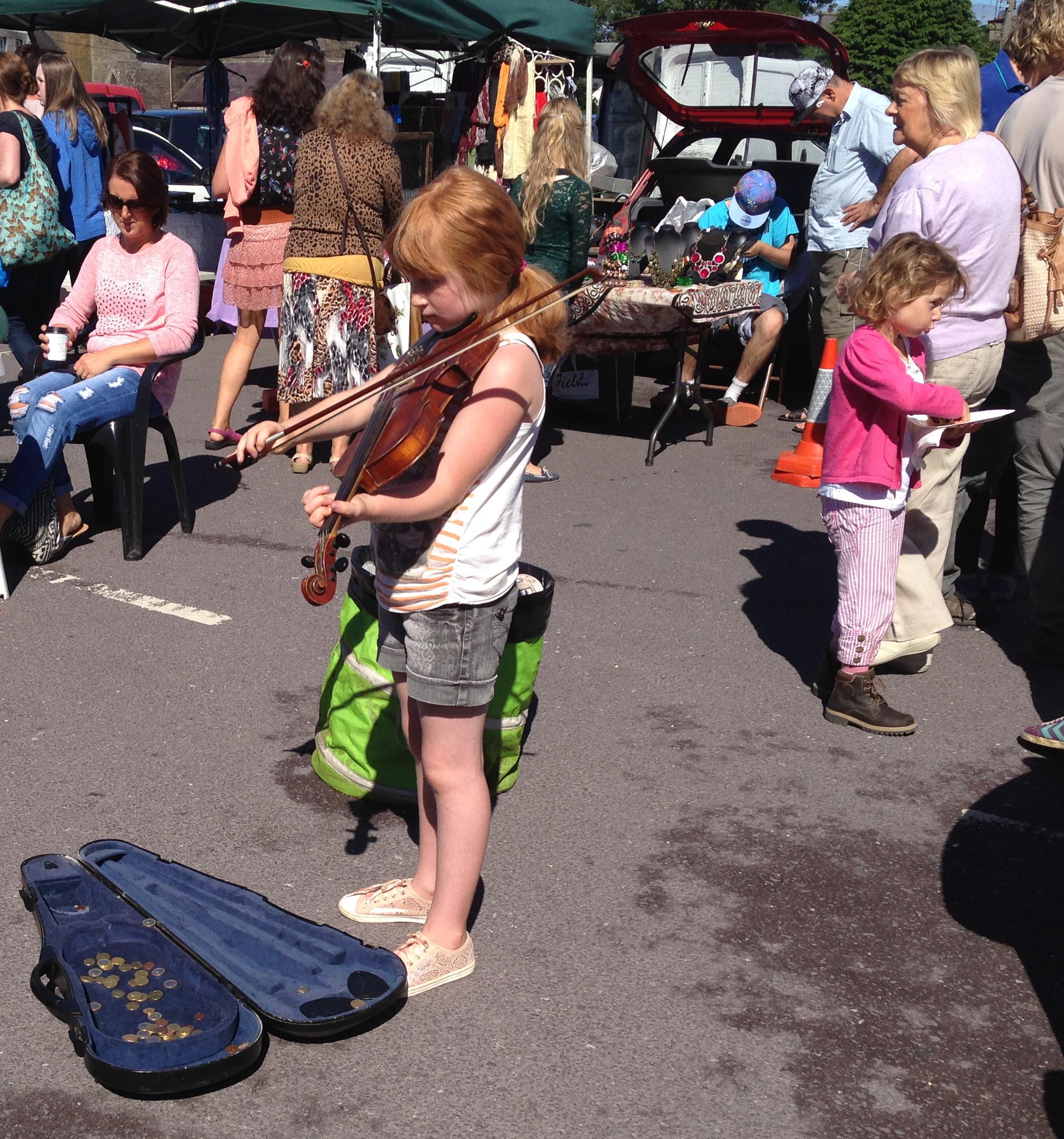
Keeping alive The Music - in the market at Skibbereen

Keeping alive The Music – in the market at Skibbereen

In what seems like just a few whirlwind days we have progressed from music on the doorstep to world calibre concerts in beautiful settings: this is only the beginning of our new life here…

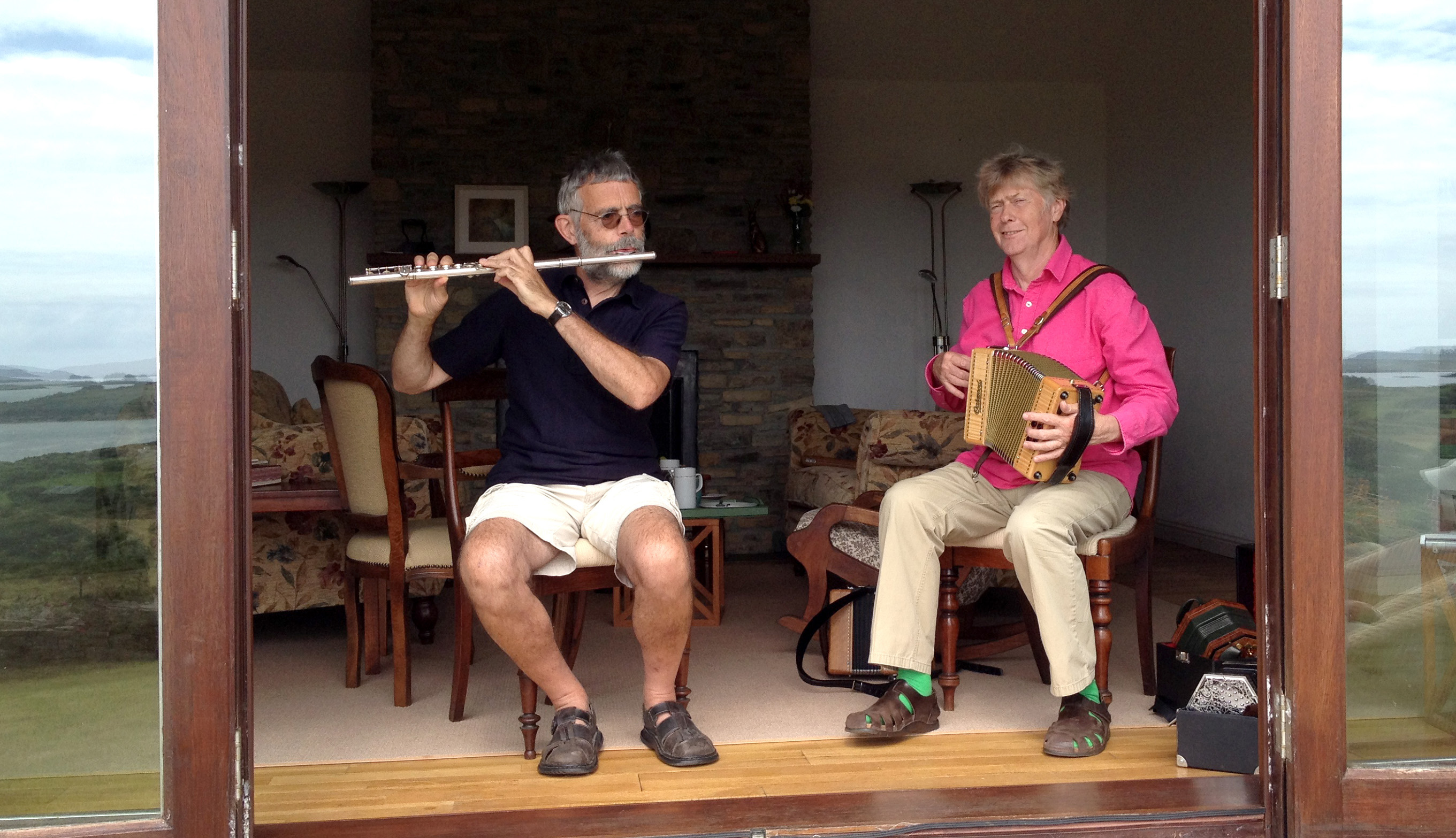
On the doorstep: Nead an Iolair

On the doorstep: Nead an Iolair