Timoleague Tour

We had a great afternoon yesterday, exploring aspects of the history of Timoleague, in West Cork. Our Finola Finlay (above) was involved in an event organised by the Glass Society of Ireland . . . a professional all-island, non-profit association that opens a window onto the contemporary Irish Glass Community . . . The day’s proceedings were centred around the ecclesiastical buildings in the town, the earliest of which is the Franciscan Friary, now a substantial ruin beside the Argideen River.
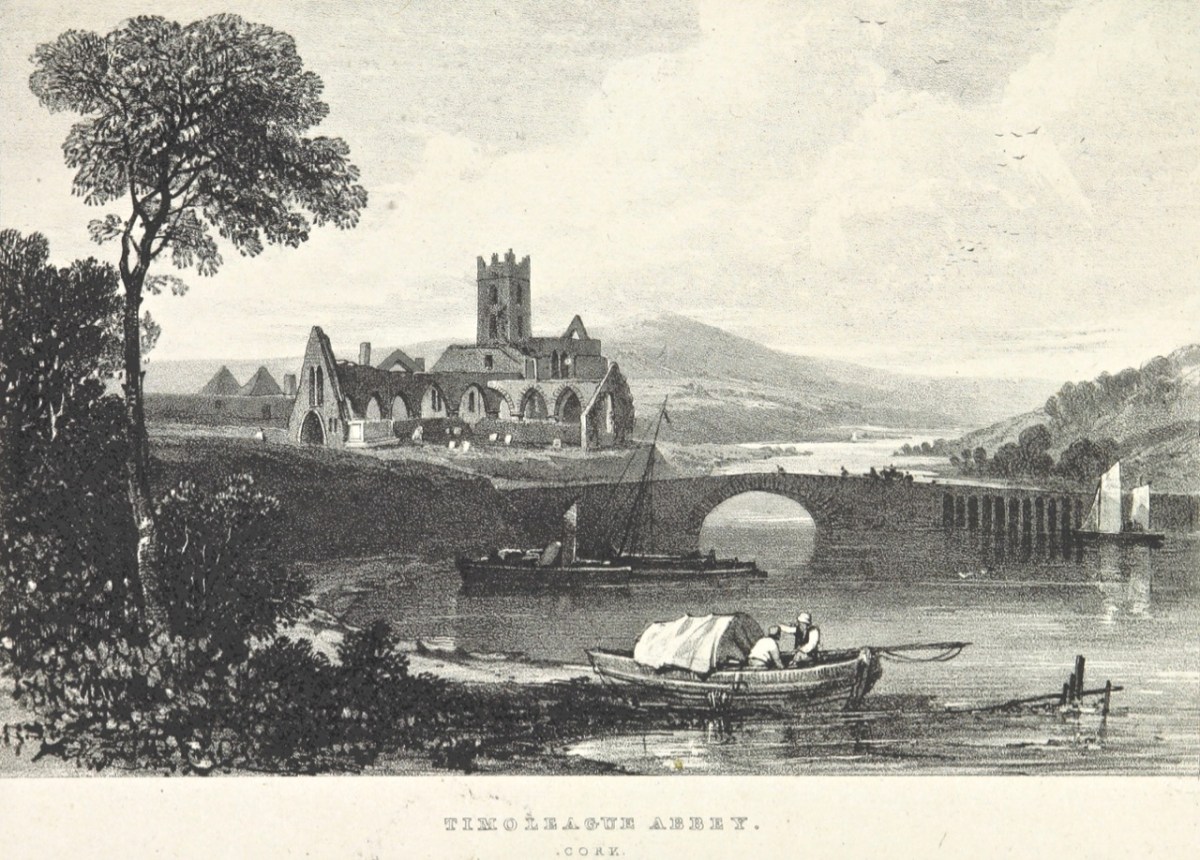
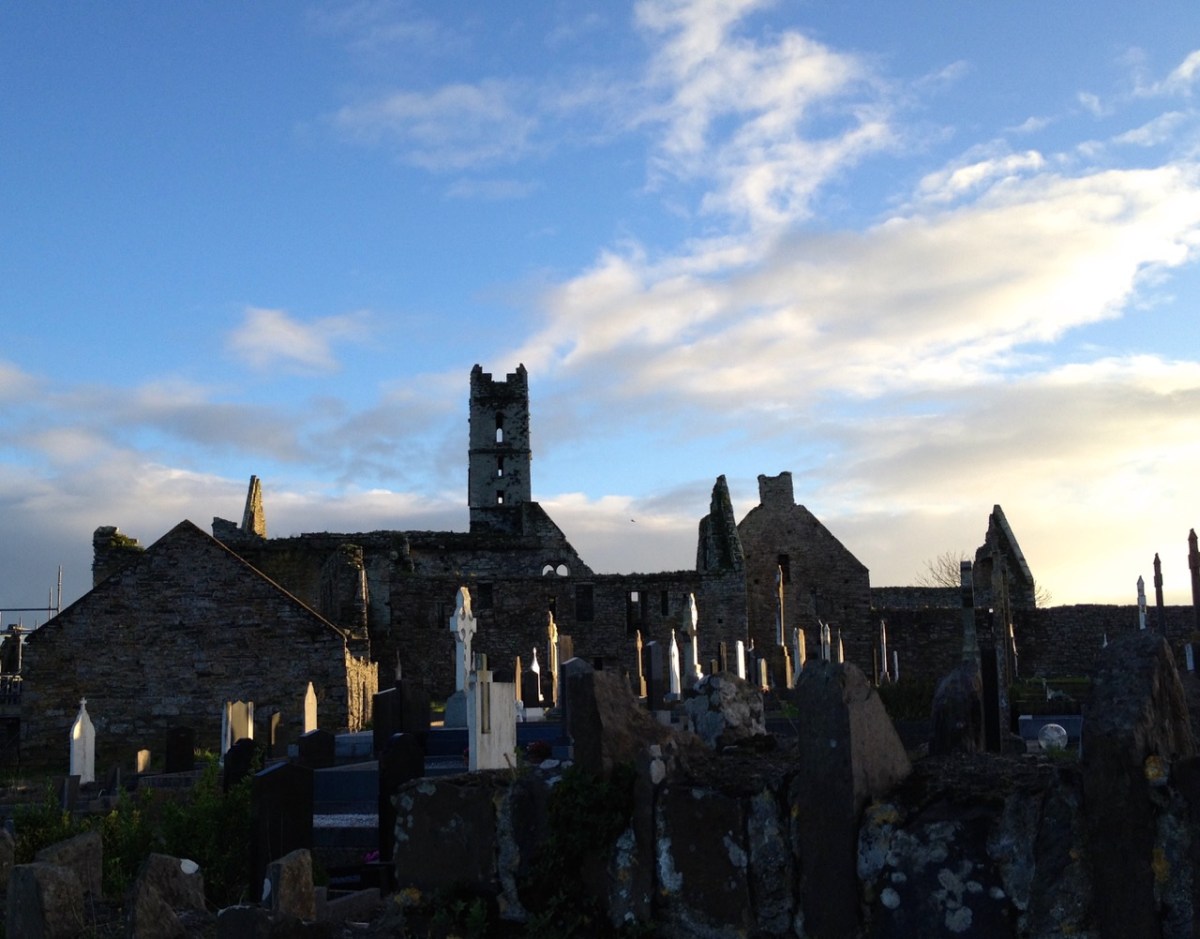
This view of the ruined ‘abbey’, above, dates from 1830. It is located on the site of an early Christian monastic settlement founded by Saint Molaga, from whom the town of Timoleague derives its name. A story that I heard for the first time yesterday was told by local historian Donal Whooley: the Saint was trying to found his community back in the sixth century, but everything that he and his followers built fell down the following day. According to legend, it was originally to be built a mile west of Timoleague, but all work done on that site by day would fall down by morning. Interpreting this as God’s wish that the church should be built elsewhere, Molaga fixed a blessed candle on a sheaf of corn, and floated it down the Argideen river, siting his settlement on the spot that it came ashore, on the big bend in the waterway where the Friary ruins can be found today. Here is a view from the great three-light window which looks out to the east over the river. Finola told us that, in its heyday, this window would have been filled with beautiful medieval glass, bringing light and colour into the substantial nave of the church.

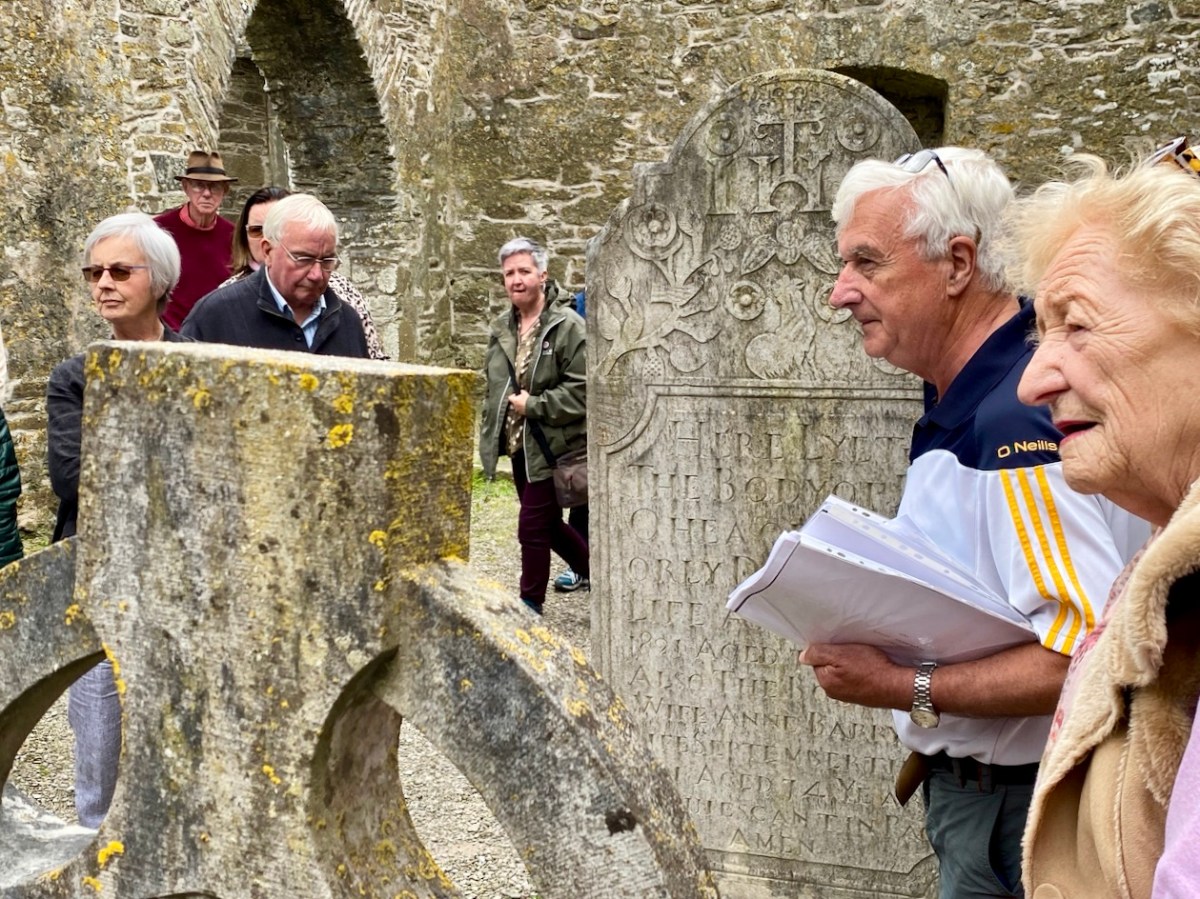
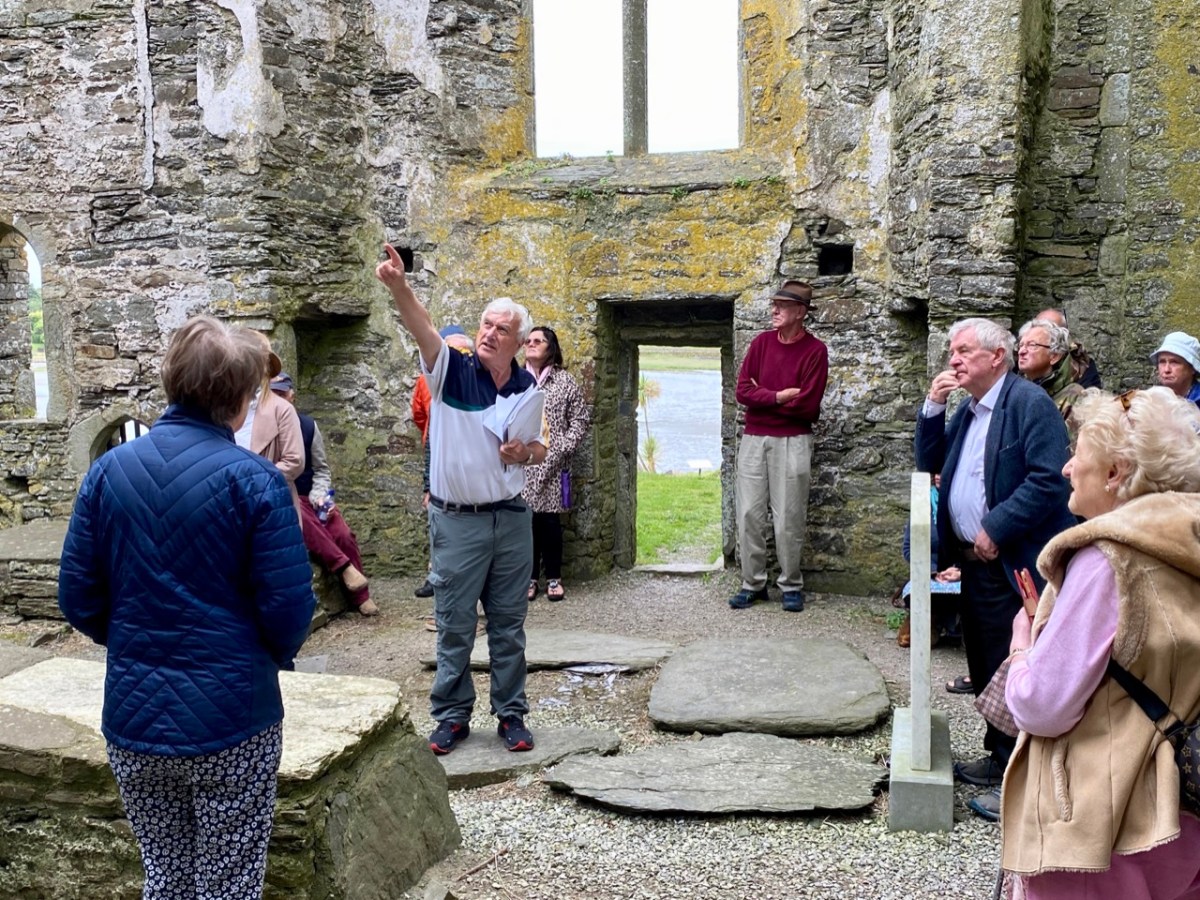
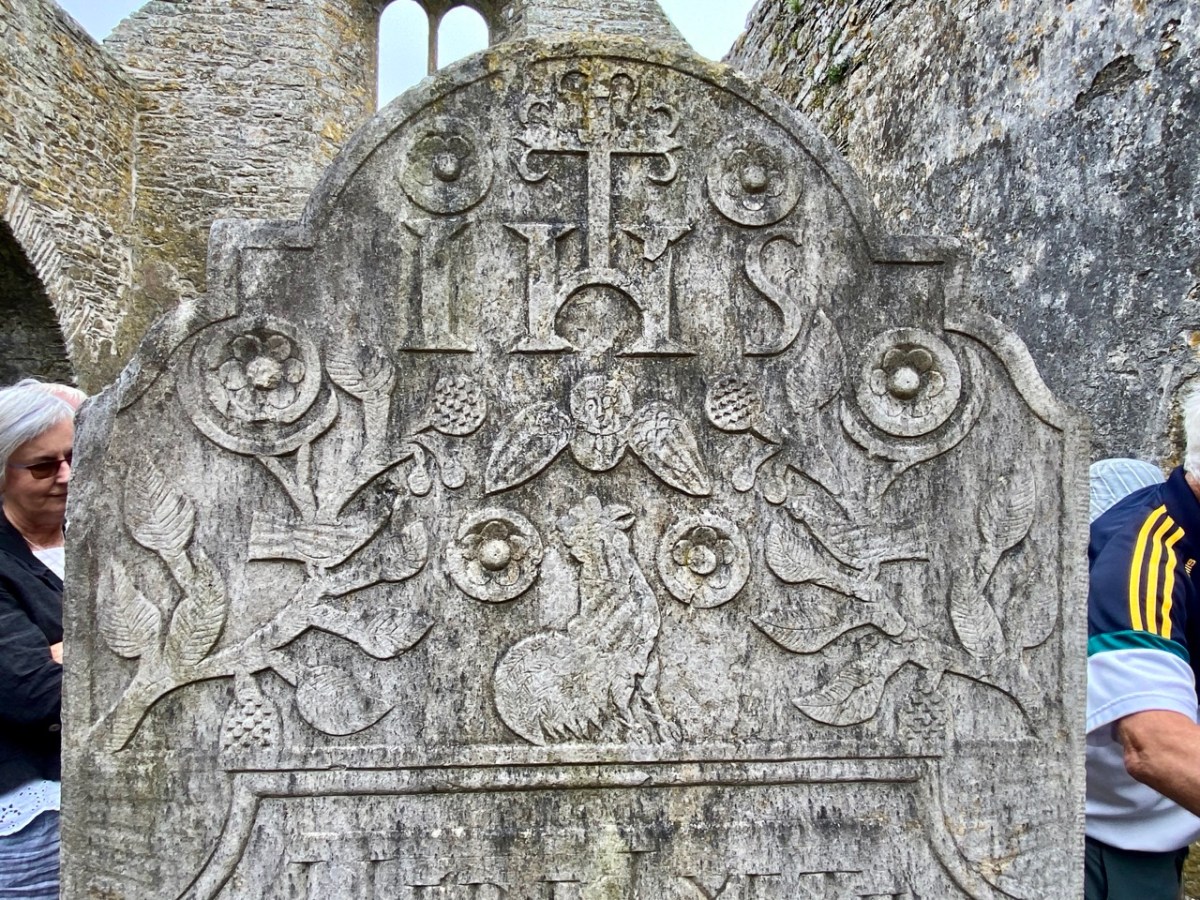
That’s Donal, above, leading our group of almost fifty keenly attentive people who shared an interest in the town and its history. To the right (in a blue jacket) is Father Patrick Hickey. He told us of the symbolism of the cockerel you can see on the large headstone in the nave (below), dating from 1821. Evidently some of the disciples were standing together while Christ was being crucified: nearby stood a pot in which a rooster was being boiled for supper. Judas reportedly said: do you think there’s any chance that our Lord will rise again? Mrs Judas retorted: there’s about as much chance of that as there is of that rooster jumping out of the pot and crowing! At which point – of course – the cockerel did just that!
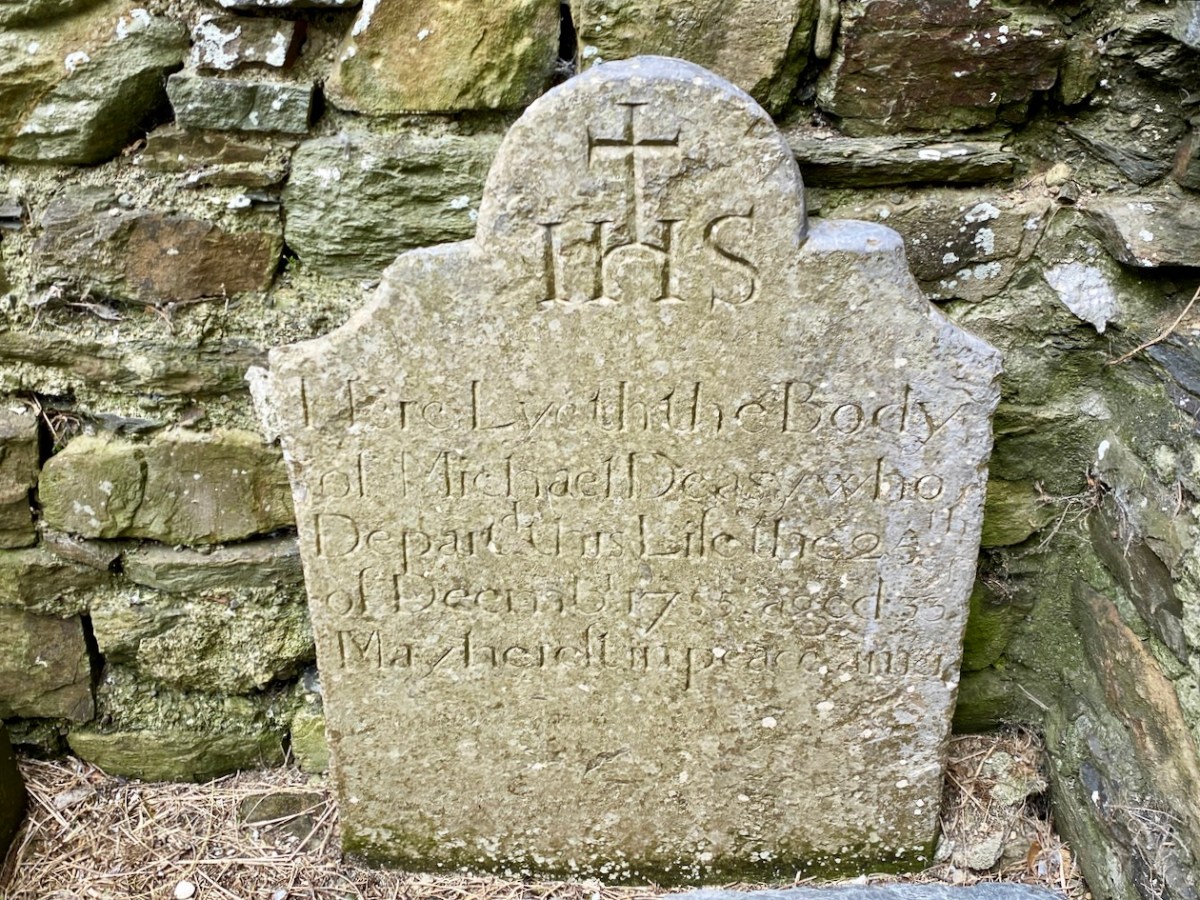
It was the custom to place burials in ruined church buildings. Here’s another fine headstone in Timoleague Abbey, to Michael Deasy, ” . . . who departed this life on the 23 December 1755, aged 33. May he rest in peace. Amen . . . “
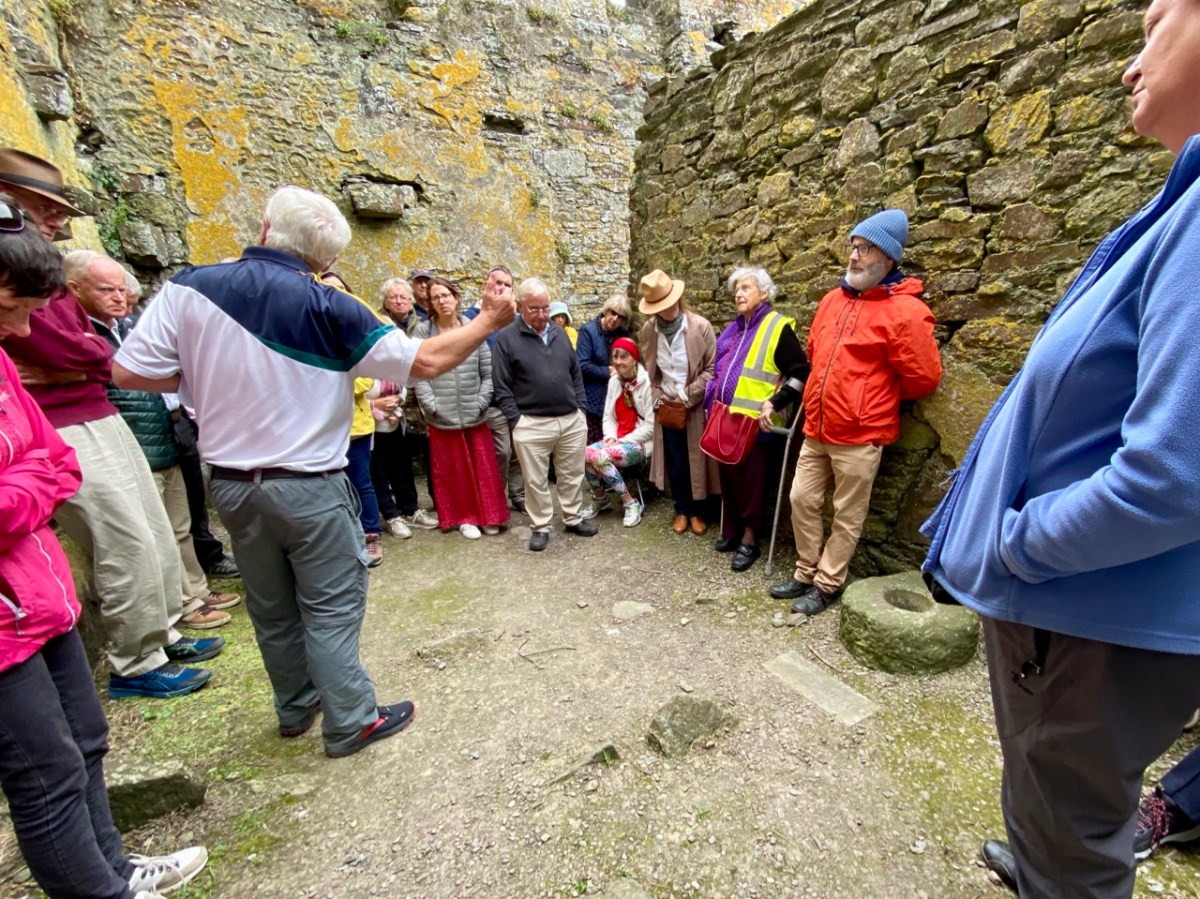
Lively discussions ensued on the efficacy of wart wells, and Donal suggested that this repurposed bullaun stone, above could be the oldest human element on the whole site!

Here’s an aerial overview of the geography of Timoleague. The Friary ruin is only one of many historic sites of interest which caught our interest yesterday. It was Finola’s task to introduce us (or those of us who had never seen it) to the little Church of the Ascension.
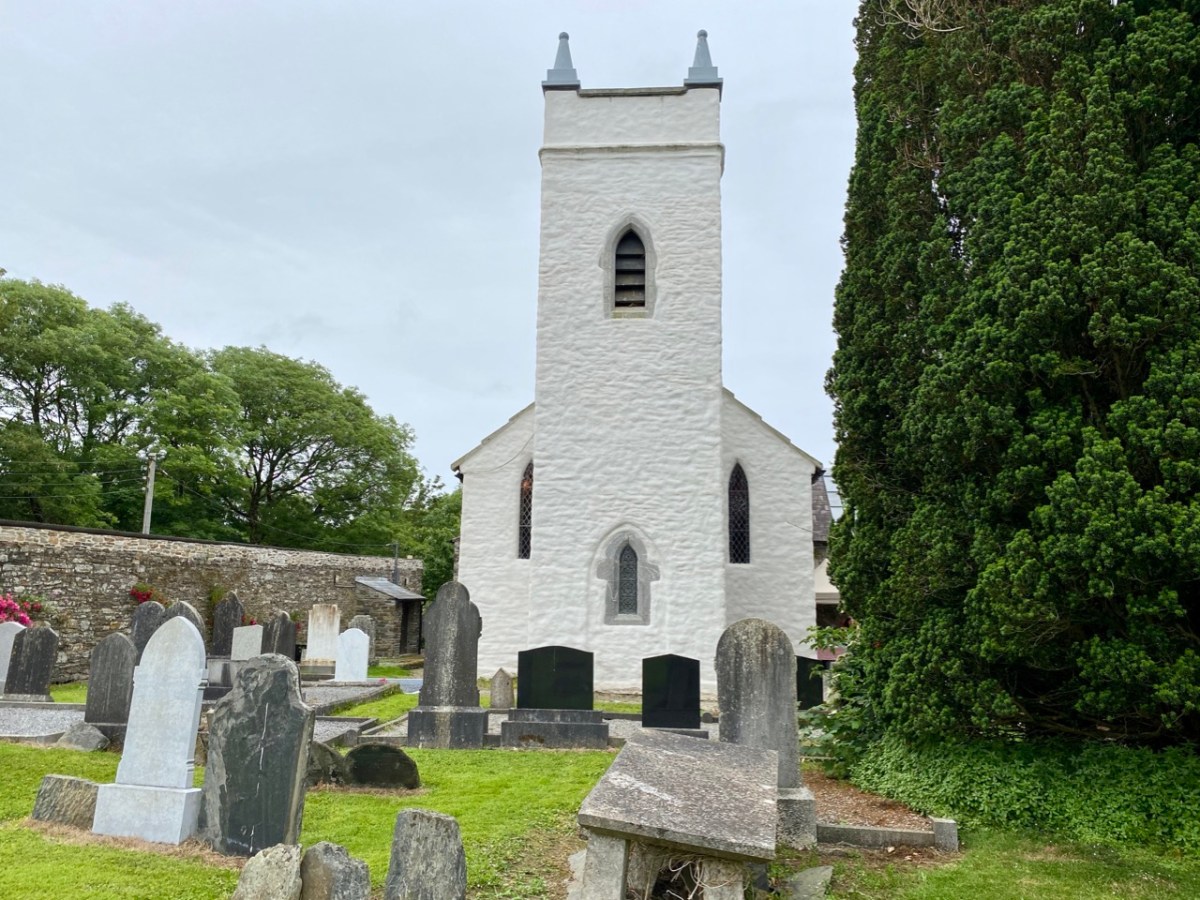
This building is currently undergoing major improvement works: the lime rendered tower has created a striking landmark in the town. This work has become necessary by water penetration through the stonework leading to deterioration of the fabric. The conservation project is led by a hard-working Parish committee who also served us delicious tea and cakes since the tour was a fund-raiser for their efforts.

You can see Finola addressing us in this little Protestant church in the header picture. Above is one example of the fine early glass here, this one by Clayton and Bell. For a fuller description of this church and its many stories, read our post here.

The early OS map extracts, above, give further context to the town’s history. The top map dates from the 1830s and comparison of the plan forms of the Church and Chapel buildings with those in the lower map, which dates from c1900, and then the present day aerial view (higher up the page) shows the degree of change which has taken place. We finished our town tour in the Church of the Nativity of the Blessed Virgin Mary. Here’s Finola standing outside it, below, prior to giving us an introduction to the history of the building, and its windows.
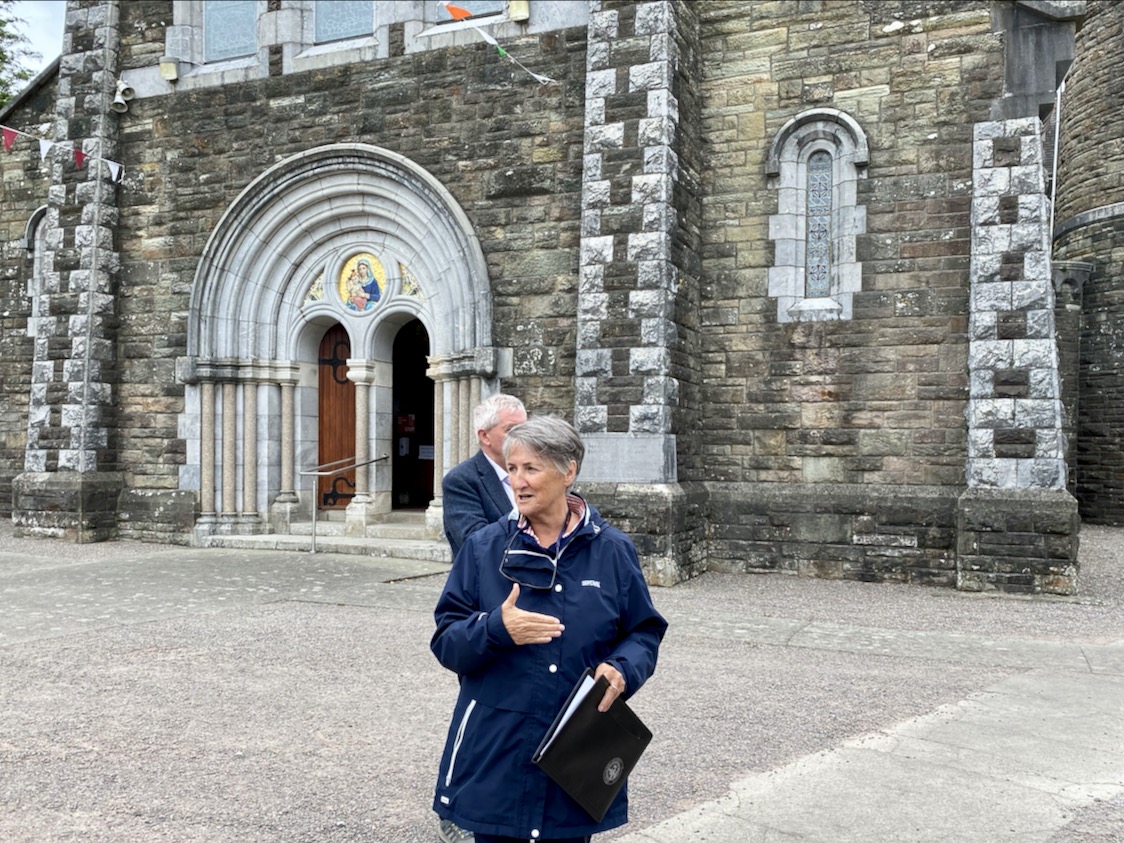
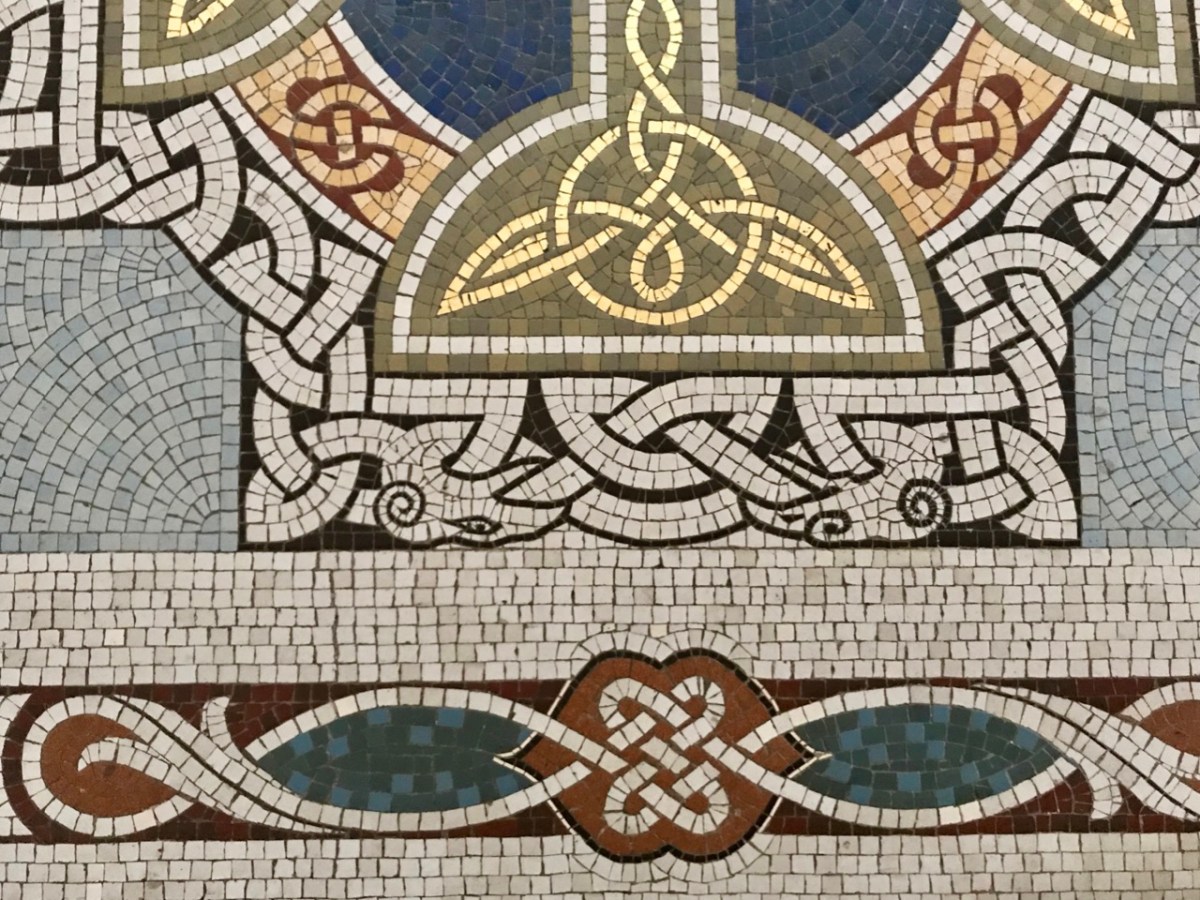
The fine Harry Clarke Studio window (one panel of which is shown in the upper picture) is a ‘must-see’, as is the mosaic work from the same church. The building work for this Catholic church, replacing an earlier chapel, dates from 1912.

Father Patrick Hickey nicely rounded off our day of Timoleague history by showing us the replica of the ‘Timoleague Chalice’ (above). The replica is kept in this Catholic church. According to Fr Hickey, ‘back in the penal days’ three monks were found floating in an open boat just off the island of Cape Clear. They had with them a box, or trunk. They were brought ashore but two of them died. The other asked that the box be kept on the island – but unopened – until he could return to retrieve it. He never returned, and in later years another visiting Priest said it could be opened. Inside was a gold chalice – blackened with age – and some liturgical vestments. The vestments fell to dust immediately, but the chalice was sent away for inspection, and was confirmed as coming from the Friary at Timoleague, where the replica is now kept.

Here is another ‘souvenir’ of Timoleague – it’s an extract from a poem written in Irish: The Mourner’s Soliloquy in the Ruined Abbey of Timoleague. The poet, Seághan Ó Coileáin, ” . . . was a Gaelic-language poet born in County Cork, in a time of faded Irish glory. He lived as a village schoolmaster, with a large family and no patron . . . “

Abroad one night in loneliness I stroll’d,
Along the wave-worn beach my footpath lay;
Struggling the while with sorrows yet untold,
Yielding to cares that wore my strength away:
On as I mov’d, my wayward musings ran
O’er the strange turns that mark the fleeting life of man.

The little stars shone sweetly in the sky;
Not one faint murmur rose from sea or shore;
The wind with silent wing went slowly by,
As tho’ some secret on its path it bore:
All, all was calm, — tree, flower, and shrub stood still,
And the soft moonlight slept on valley and on hill.
Midsummer Music

Here’s a little burst from our traditional session in Rosie’s, Ballydehob, last Friday, with a great crowd of players and singers filling the pub with Irish music, as they do every week through the year. Sometimes the session takes place at a different venue in the village, but you will soon find it, between seven and nine on a Friday evening. The music is to remind us that the The 9th Fastnet Maritime and Folk Festival will be held from the 17th – 19th June this year, after an enforced ‘Covid’ break. Hopefully it will be ‘just like old times’. There is a great programme to look forward to – don’t miss it! To get you into the spirit here’s Festival regular Matt Cranitch leading a rendering of the beautiful air Sliabh na mBan.

There’s a tale attached to all good songs, and Sliabh na mBan is no exception. This is from the Dúchas Schools Folklore Collection 1936 . . .

. . . Finn mac Cumail, having come of age, took upon himself the task of choosing a wife. A public man like him had to cater to the popular expectations and he was in sore straits fearing to give hurt to any of the noble families wishing to link their daughter with Finn in the bonds of Holy Matrimony. Having tasted of the Salmon of Knowledge, he was all wise, so he hit upon a good plan. A race would decide who to wed him. He sat on the top of Slievenamon, (Sliabh na mBan – Mountain of the Women). All the ladies were to race from the Anner and the first up was to become his wife. Then the gathering began – old, young, fair, dark, ugly, beautiful, sprightly and lame all came to try and become Finn’s wife. “They’re off!” – what a view as all the maidens of Munster set off on the race. The beautiful girls began well, but soon got tired and as some old hag would limp past them she’d sneer “Fair and go easy goes far in a day”. On they went, the latter tripping the former – three remained to do the east climb – two beautiful girls and a worn, old hag: up, still up – who’ll win what? Wait! the fair girl has fallen, now just a dark-haired caílin and the old woman. Oh look, she’s down – the girl hurts her ankle and tries to creep along, but faints. Now the old hag has an open field. Finn must marry her – But no, up the slope comes a lovely girl and reaches Finn first and like all nice stories, they were married and lived happily ever afterwards. (Nobody knew that Finn had instructed his lady love to run over to Boherbee where the mountain is low and go along the gradual slope, instead of trying to climb the steep precipitous mountain face) . . .

Schools Folklore Collection – Miss H Noonan Aged 70 – Cloneen, Co Tipperary

A reminder of pre-Covid days (above, in Levis’ Bar) – folk legend Martin McCarthy (now aged 81) was a regular at the Ballydehob Festival. There’s some good ‘new blood’ there this year, and the launch of an album of the best Sliabh Luachra music from Pat Fleming with Maria Cotter, Tim Browne, Gary O’Brien and Timmy O’Connor. A special event will take place in Bank House in the main street at 7.15 on Thursday 16th June: festival organiser Dick Miles will give a talk on the ‘folk revival’ – (A musical journey from England to Ireland). There will be plenty of opportunities for all musicians to participate over the weekend, starting with the regular Friday folk session in Rosie’s at 5pm (note the earlier-than-usual time) on the 17th.

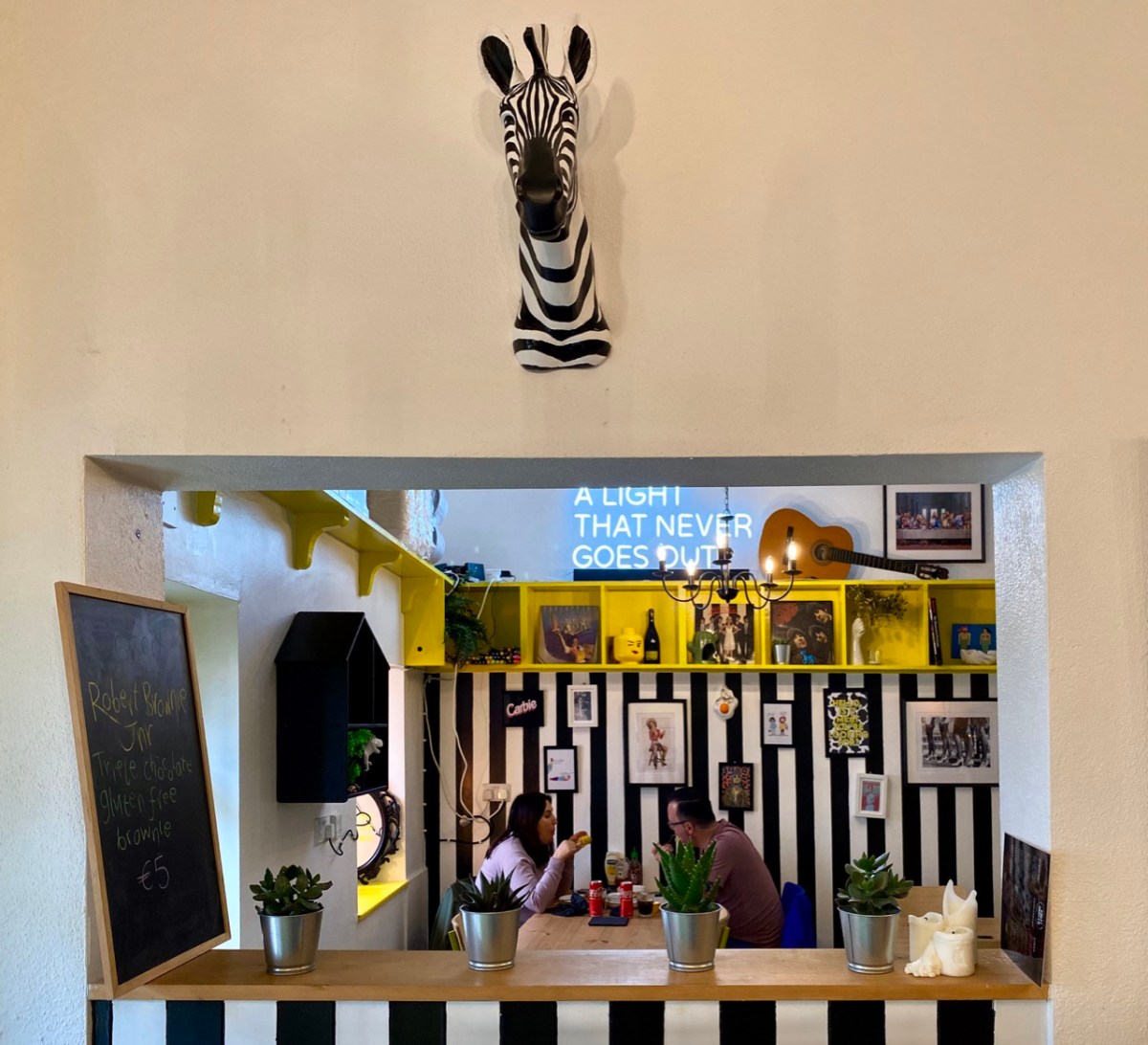
There are plenty of good food opportunities in Ballydehob: all will be available over the Festival weekend: the wonderful Yay Burger (top), Budds (above) and Bally Bia (below). Don’t forget Antonio’s and – if you want Michelin Star (why wouldn’t you?) there’s the Chestnut.

But the festival is – first and foremost – all about the music. We hope to see you there over this coming weekend. We’ll finish with more Sliabh Luachra tunes from Jackie Daly and Matt Cranitch, who will be there to serenade us. Enjoy!

Weeds: A Matter of Perspective

A weed is a wildflower whose name we haven’t learned yet, in the same way that a stranger is a friend we haven’t met yet. Like the hogweed above – a plant, by the way, that is in the top ten percent of the most nectar-rich and valuable-for-pollinator wild plants, a plant that is also edible by humans and animals – ‘weeds’ are plants we mostly love to hate.

Ah yes – weeds! Those wreckers of manicured lawns and tidy driveways. Those nasty undesirables that must be dug up or, as with the seldom-used holiday home above, Rounded-Up. 

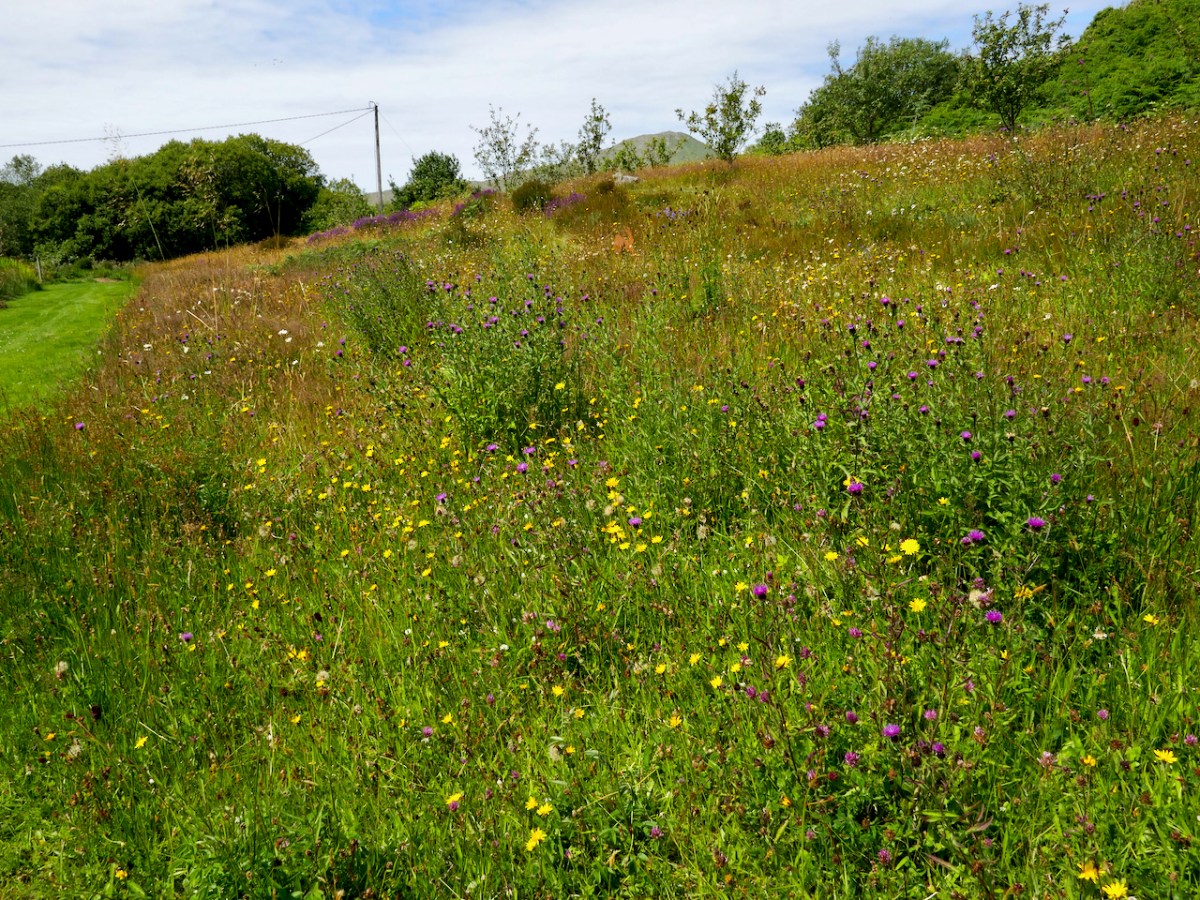
But wait – what’s this? All over Ireland people are letting the ‘weeds’ take over! Just look at this fabulous example at the Heron Gallery on the Sheep’s Head (above). It’s like we’ve had a mad rush of blood to the head and are changing life-long attitudes. What has caused this? Was it the pandemic, like we account for so many other changes in our lives? 

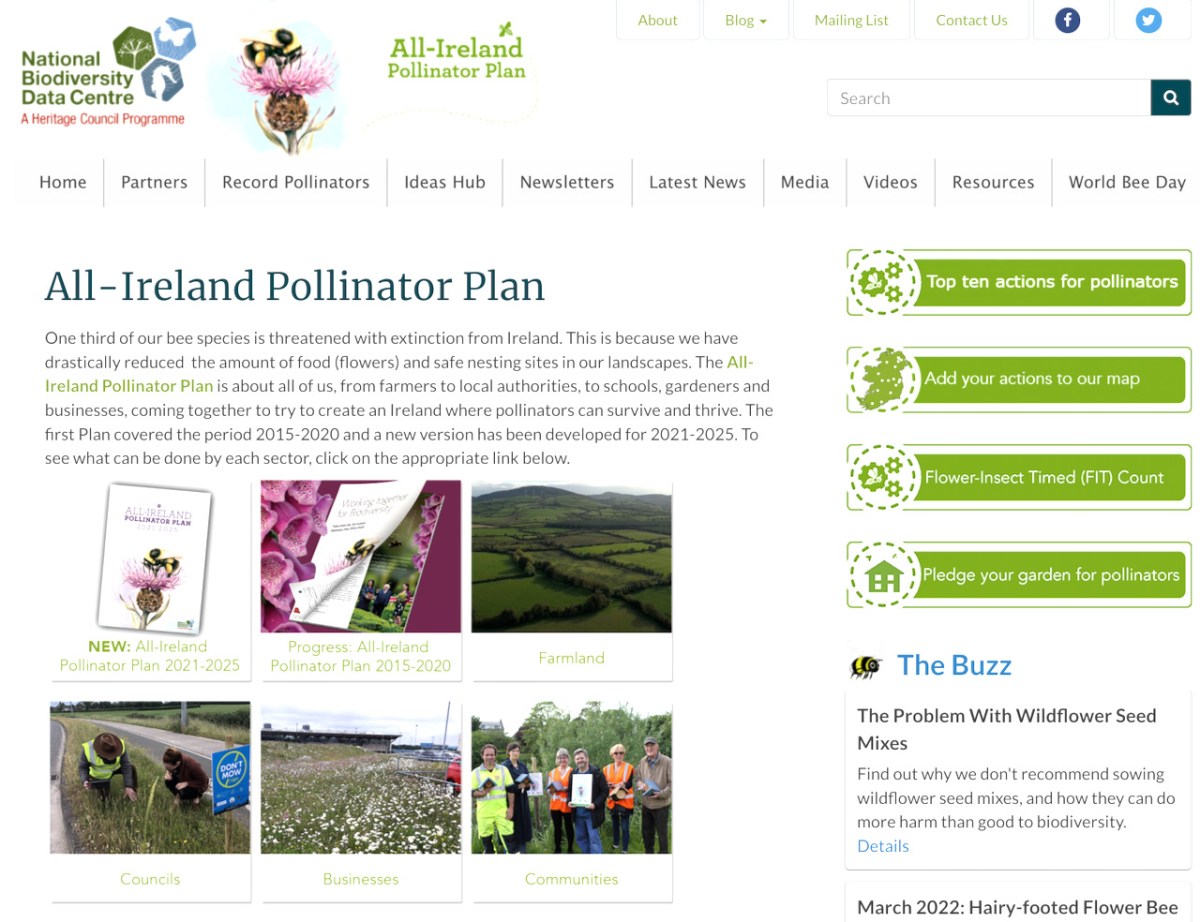
Mostly, it’s down to the incredible work of the All-Ireland Pollinator Plan, a program devised by the National Biodiversity Data Centre and two lead researchers, Dr Úna FitzPatrick of the Centre and Prof Jane Stout of Trinity College. (I had the immense pleasure of a day with Úna recently.) It’s been very successful, with many county and town councils signing up and pledging to implement pollinator-friendly horticultural and agricultural practices. For the last few years, The National Tidy Towns Handbook is on board too, with an emphasis on native species and pollinator-friendly planting.

And this is urgent!

Pollinators are in decline, with one-third of our 98 wild bee species threatened with extinction from the island of Ireland. The problem is serious and requires immediate attention to ensure the sustainability of our food, avoid additional economic impact on the agricultural sector, and protect the health of the environment. 

Working together for Biodiversity:
Tales from the All-Ireland Pollinator Plan 2015-2020

Each of us with any little patch of ground can do our bit too. All you have to do is set aside whatever portion of your garden you’re comfortable with (10%? 50%?) and turn it into a perennial wildflower patch. I’ve been doing this in my garden (above) now since 2017, so this is my 6th year. in 2018 I introduced Yellow Rattle from seeds bought from Sandro Cafolla at The National Wildflower Seed Collection. Called the meadow maker, Yellow Rattle (below) parasitises on grass roots, thinning them out and providing space for other wild seeds to take root. Apart from that, I have had to keep an eye on incursions of bracken and nettles. 

The results have been all that I hoped for. Every day I am tempted out to my little mini-meadow with my camera. The rest of the lawn I try to leave as long as possible between cuts and it’s amazing what comes up there too. Take a look at my video, Lying in the Grass, for a sense of the sheer wonder and variety of what has appeared all over my One Acre.

The driveway and all around the house is gravelled and I have resisted the temptation to tidy it up in any way. In return, a huge variety of wildflowers have appeared – Groundsel and Pineapple-weed, Scarlet and Yellow Pimpernel, Silverweed, Cat’s-ear and Autumn Hawkbit, Germander and Thyme-leaved Speedwells, Herb-Robert and Keel-fruited Cornsalad, Dove’s-foot and Cut-leaved Crane’s-bills, Common and Bush Vetch, Sowthistles (Prickly and Smooth), Sheep’s-bit, Sorrels and Chamomile. 

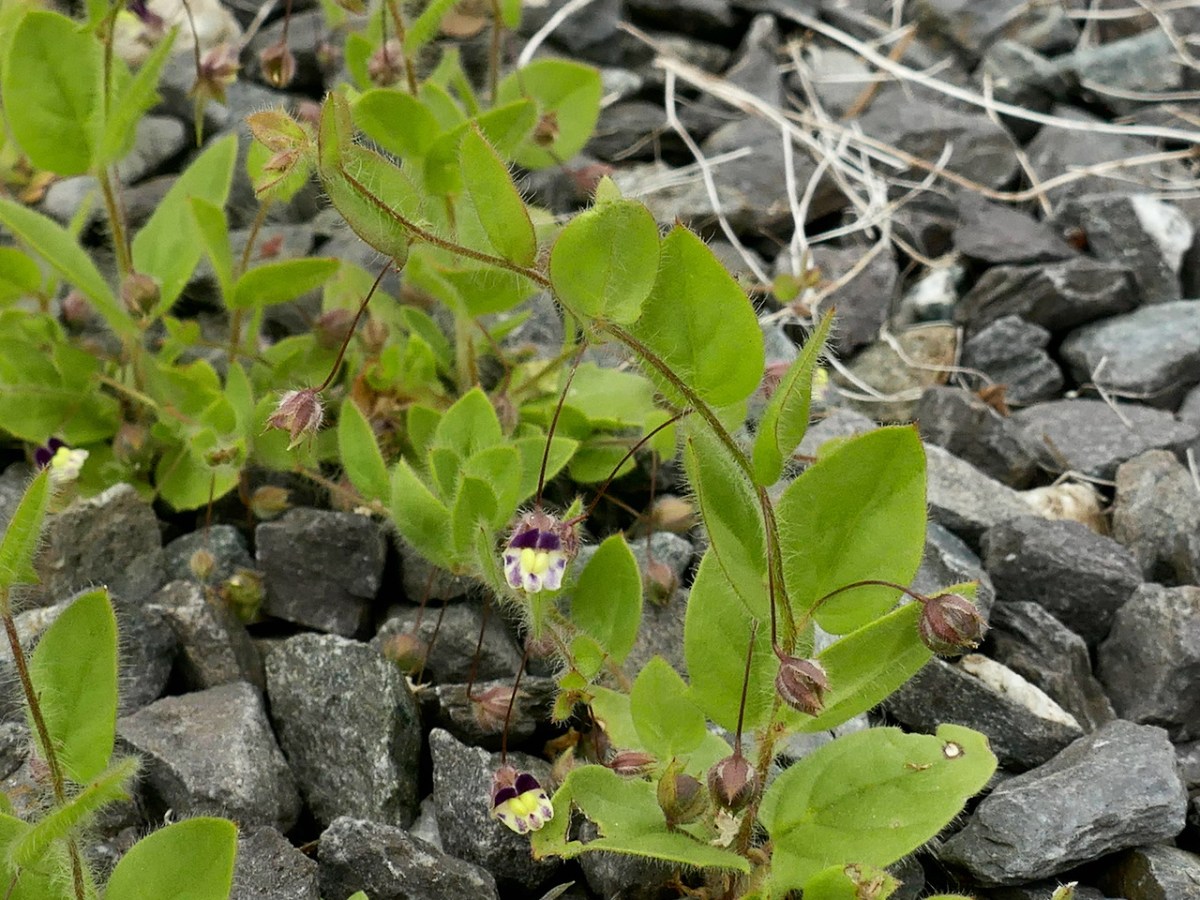
I even discovered a rare little plant popping up in my driveway – the gorgeous and curious Sharp-leaved Fluellen. According to the distribution maps it’s been slowly making its way west from Wexford over the years – but how on earth did it land in my driveway? It’s a mystery like that, that keeps me fascinated with wildflowers.

See what I did there? I named the ‘weeds’ – and naming something gives it presence and personality. Once you know the name, there’s a natural curiosity to know more about the plant itself and to keep an eye on it. Thus, they turn into old friends and your heart lifts as you watch a Painted Lady Butterfly feeding on the humble Knapweed, or a Bumble Bee hover over the vetch, choosing which blossom to settle on.

We need to adjust our notions of what’s beautiful if we are to avoid a biodiversity catastrophe. Each one of us can do something to help. If you want to grow your own perennial wildflower patch, there are simple steps you can take – see my posts on my One Acre (then, One Year on, Three Years on, and Four Years On) for what I have done, or follow the Guidance of the Pollinator Plan.

Here’s what NOT to do – don’t buy ‘Bee Bombs’ or packets of ‘wildflower mix’ seeds. As this excellent paper puts it: Wildflower seed mixtures do not help address biodiversity loss. Rather, they cause further disruption to what remains of the natural environment. Follow best practice – mow once a year and remove the cuttings, try to keep down nettles, dock and bracken (and Ragwort if it’s threatening to take over) – and then let it be. Every now and then, go lie down in the grass beside it and listen for buzzing.

And if you’re a keen gardener and want to just make your garden more pollinator-friendly – there’s a guide for that too!

‘This is Our History’: The Abbey Graveyard Project in Bantry

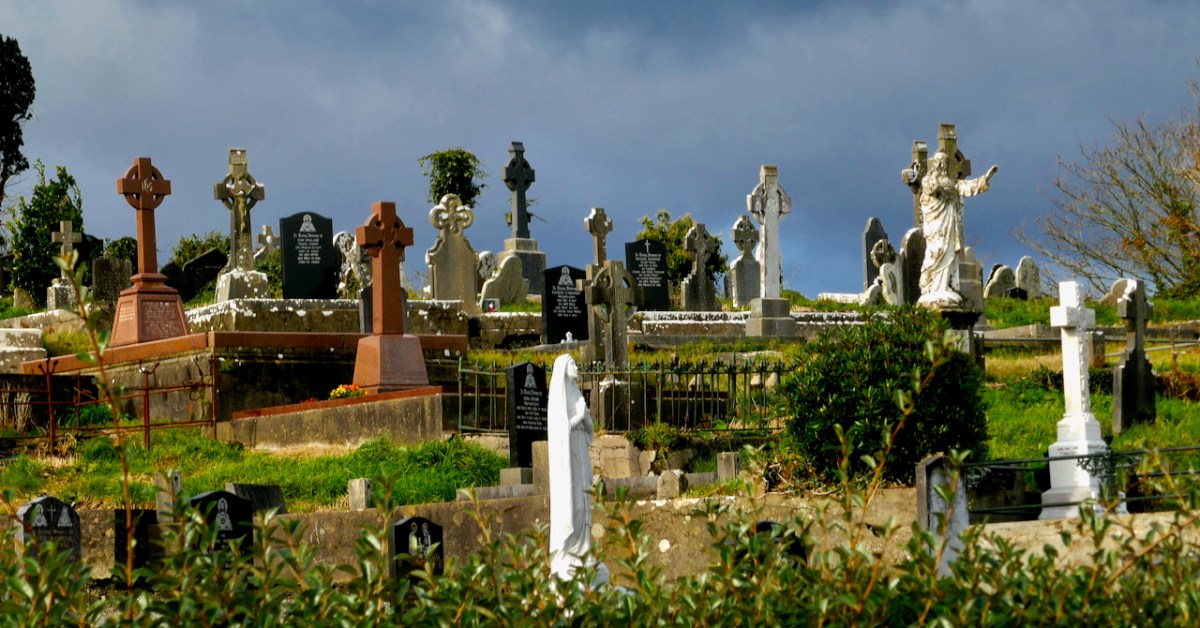
All over Ireland there are local history heroes working to recover the heritage represented in the numerous historic graveyards that dot the country. Few groups have taken on as daunting or as important a task as the Abbey Graveyard Project Team in Bantry.

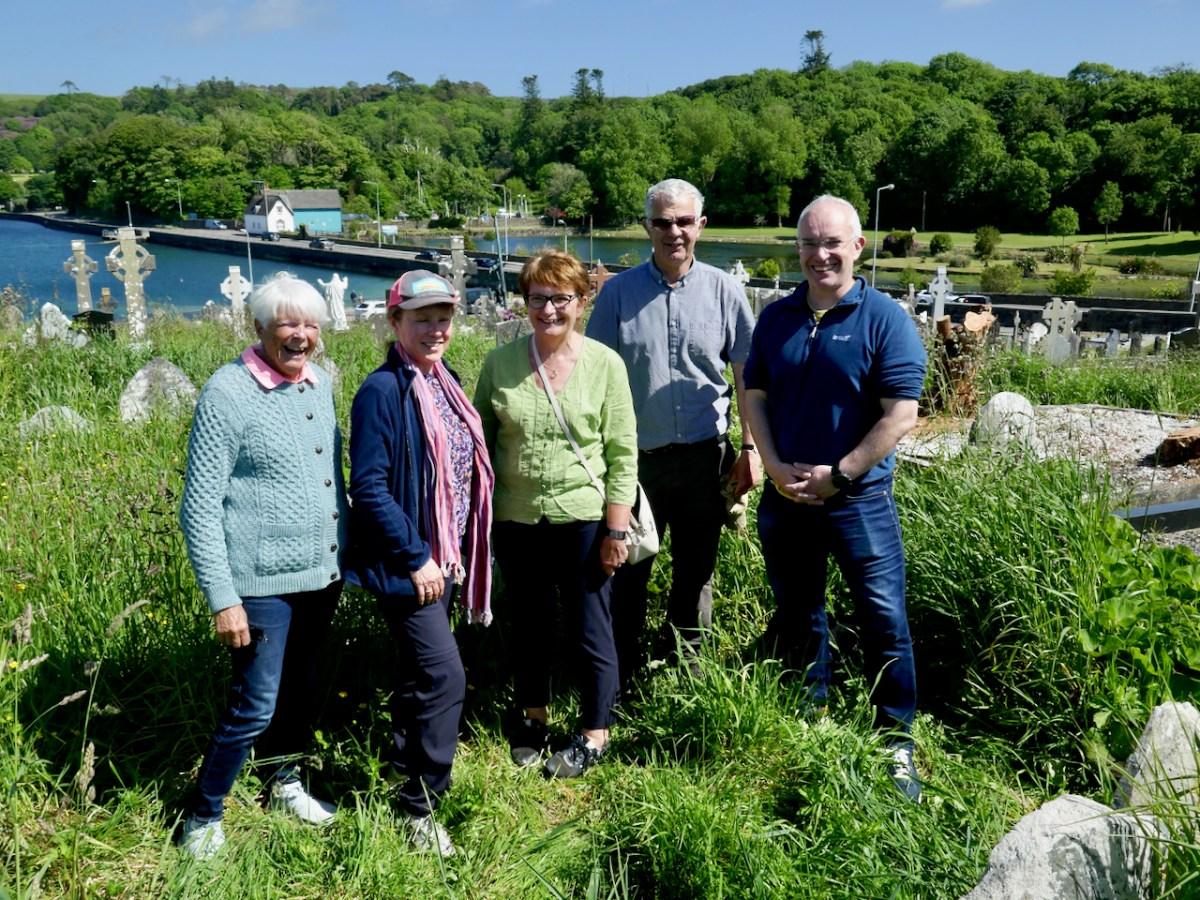
Team members Dorann Cafaro, Teresa Moran, Geraldine Mullins, Bernard O’Leary and Seamus O’Shea

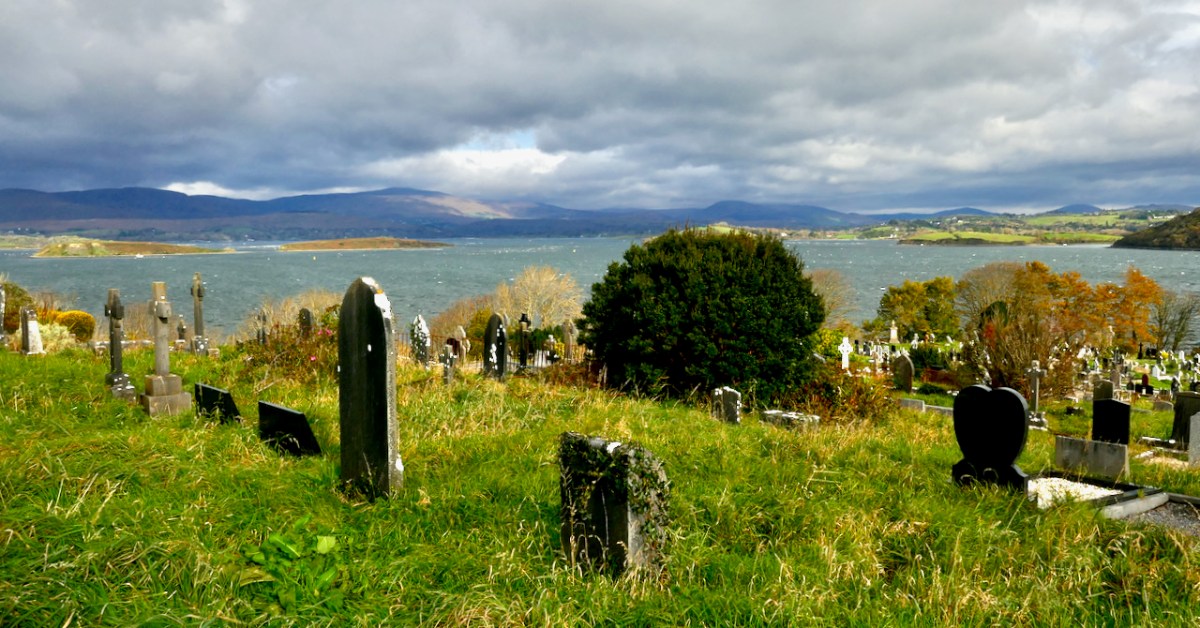
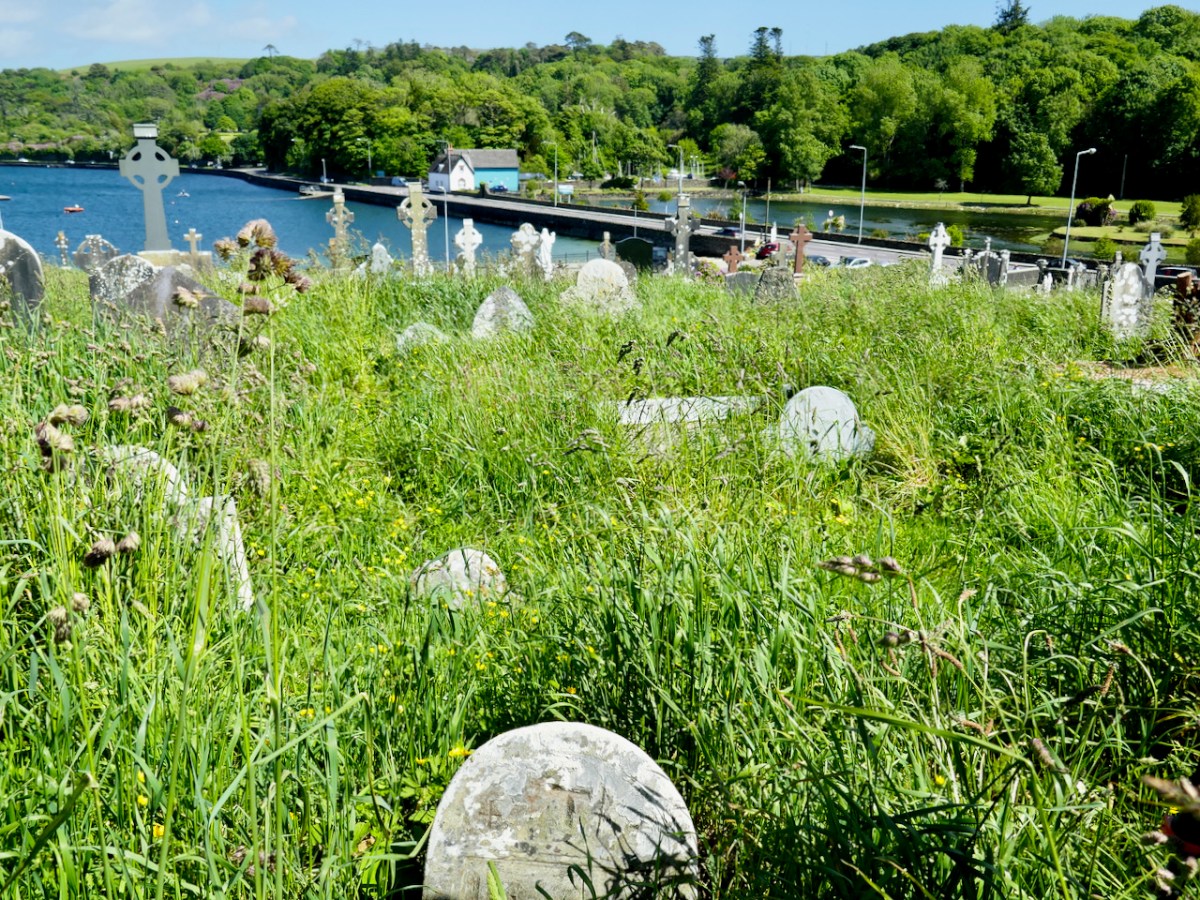
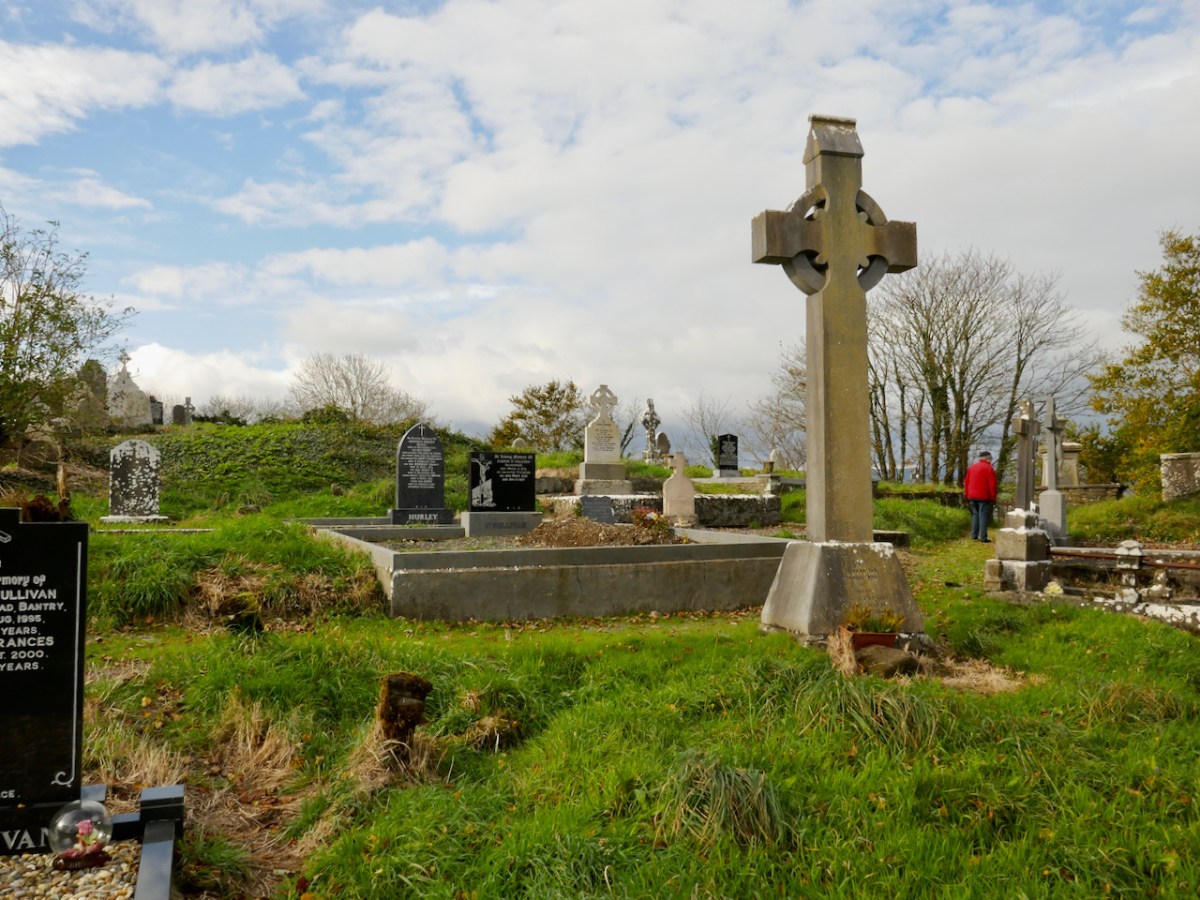
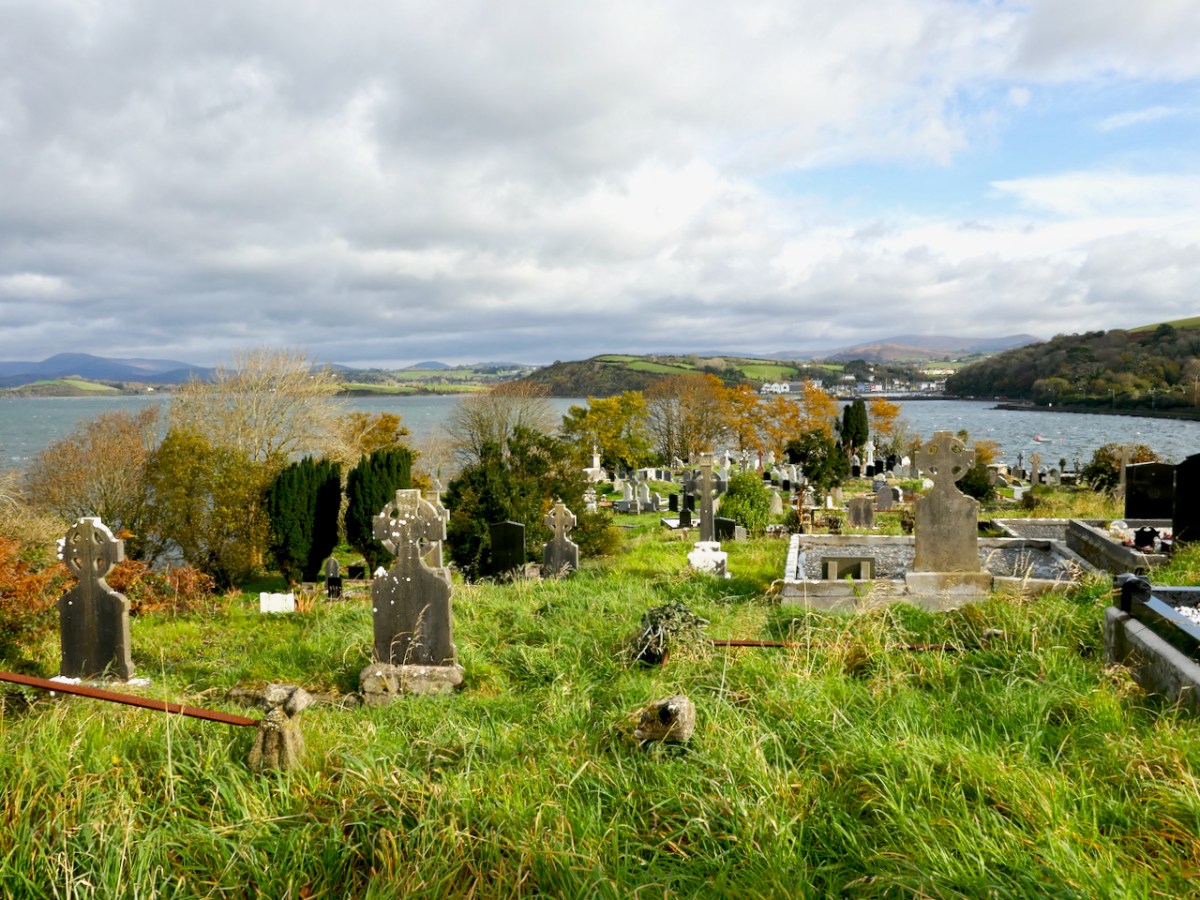
First of all, this graveyard is enormous, stretching over several acres, and secondly, the ‘old’ section has been largely untended over the centuries and so is characterised by long grass, lichen growth and tumble-down headstones. While this is understandable, as the families of those buried here have themselves passed or moved away, it makes for a very challenging environment. It also provides a startling contrast to the ‘new’ sections, where all is order and neatness, for the most part. In the image below the ‘old’ section is at the back.

The team, however, is undaunted! If anything, they seem energised by the task ahead of them. After all, as Teresa Moran said in the Zoom presentation on the projectthis is our history. 

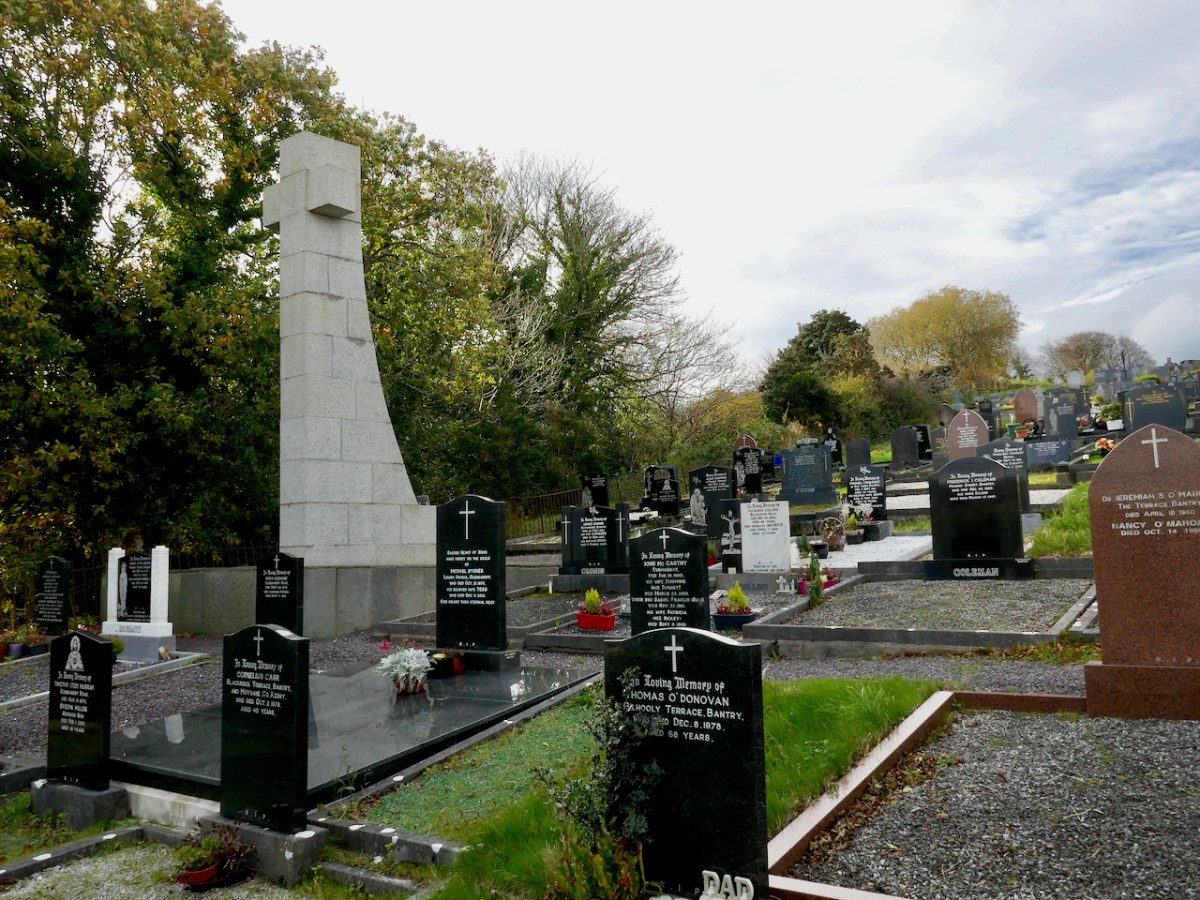
More recent history – this is the moving and beautiful memorial to those who died in the Whiddy Island Disaster of 1979

I was privileged to spend some time with them recently, on the invitation of the project team. Besides an extraordinary level of commitment, the group has a wide variety of skills between them, something that is key to a project like this – historians, computer folk, genealogy experts, keen-eyed decipherers of faint inscriptions. 

In the background is Pat Crowley, the indefatigable researcher behind the Durrus History/West Cork History website – following up on clues and names and records in his own inimitable way.

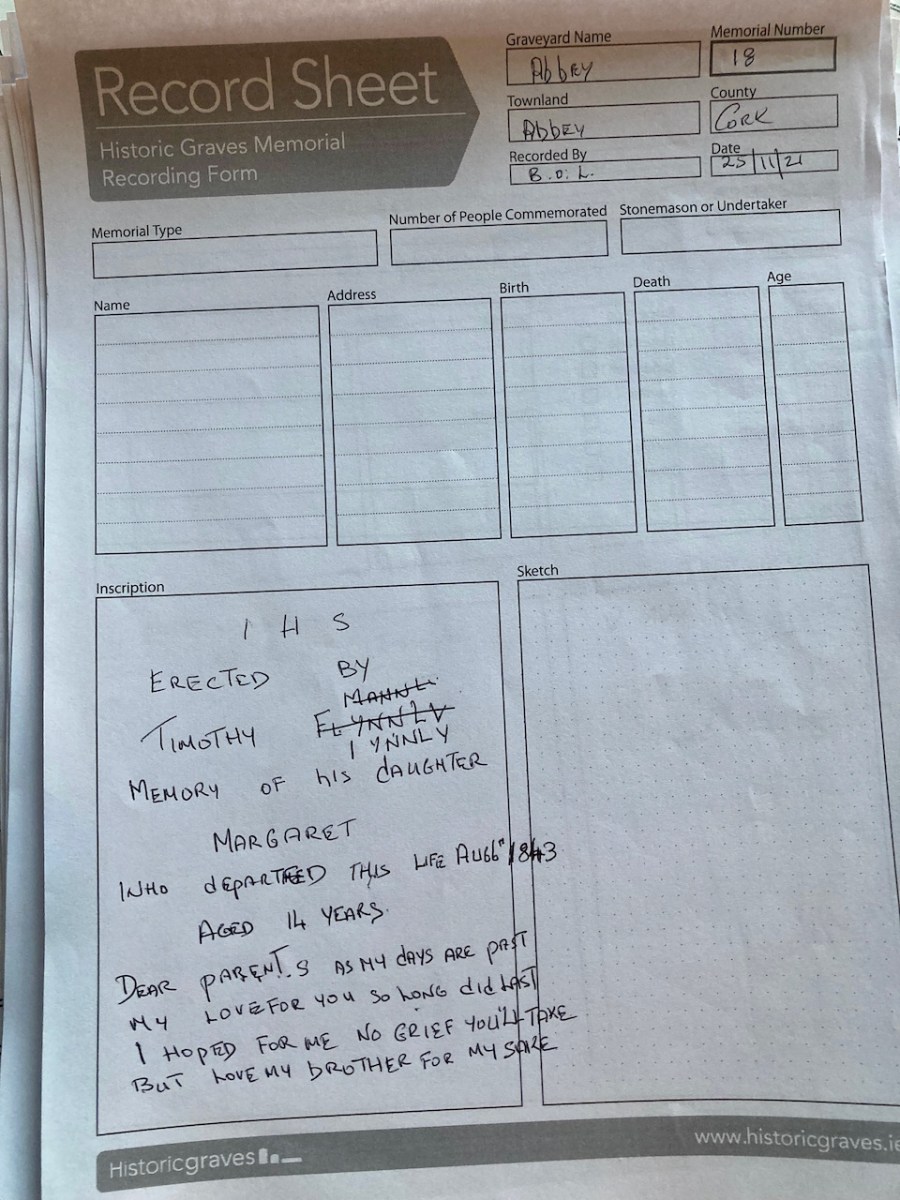
This is a project that is being done properly – that is, using best practice as developed by Eachtra, an archaeological consulting company that provides training on this type of survey and which maintains the site Historic Graves.

An example of a recording sheet

On this website, take a look, for example at Grave 31 from the Abbey Graveyard – photographed, numbered, geo-located on the map. It’s the headstone of Cornelius Leary Senior, who died in 1797 aged 88. The script is beautifully incised – the work of a master carver. Such a headstone is a real treasure, both for the information it contains and as evidence of the craftsmanship that went into a memorial like this for those who could afford it.

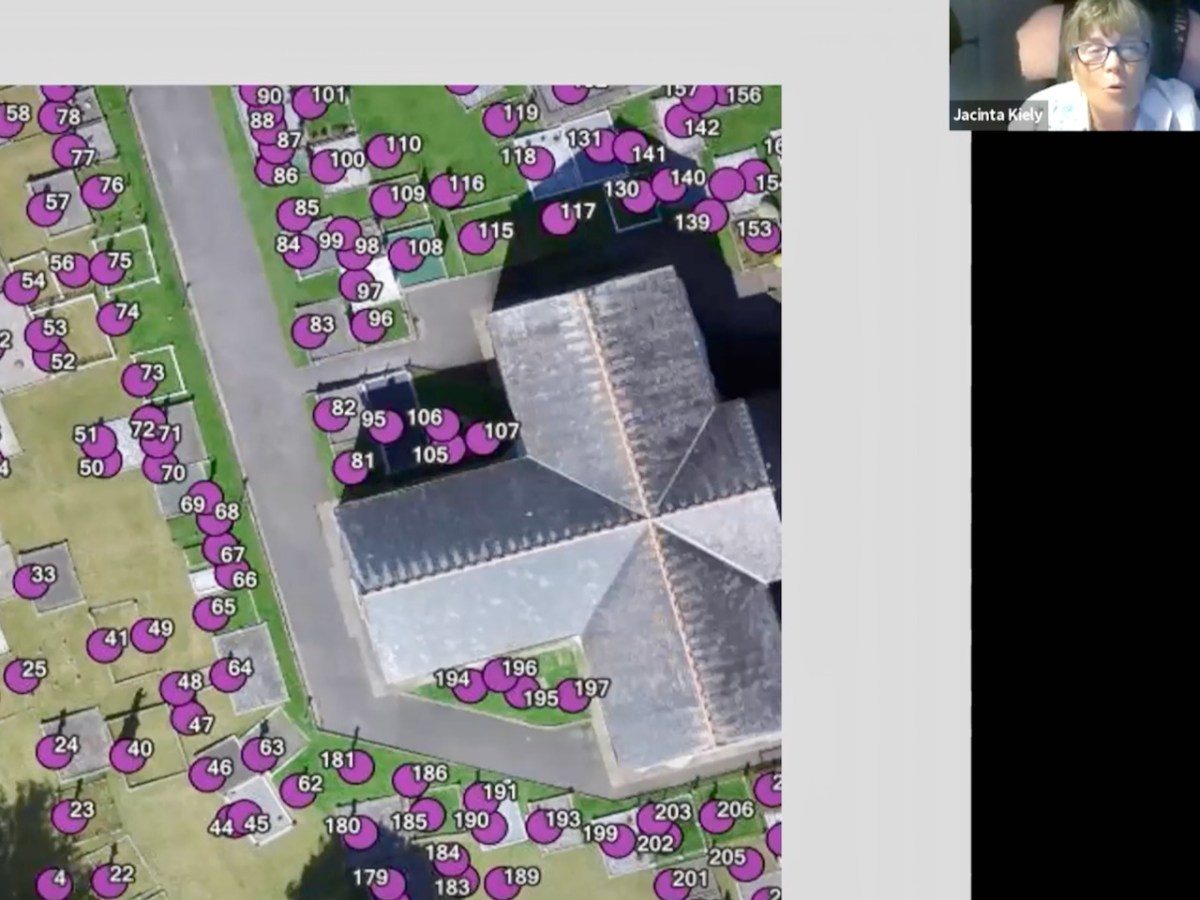
In this still from the Zoom presentation, Jacinta shows how a Drone Survey, using geo-tagging technology, can assist in providing a super-accurate map of a graveyard. Drone surveys are expensive, but the Bantry Team successfully raised the funds to commission one.

Sadly, many of those buried in the Abbey Graveyard, and in similar graveyards across the country, lie under stones with no inscription. But that does not mean that that is always impossible to identify them. Amazingly, in some areas, the knowledge of who lies under what stone is held by the elders of the area, who remember the size and shape of a field stone, especially chosen for a burial plot. That’s one of the reasons this kind of project is so vital to undertake before those memories disappear forever.

Dorann Cafaro takes the recording exercise  one step further and uploads all the records into the massive international website Find a Grave. This is particularly helpful for the descendants of emigrants who are searching for family and cannot access the information any other way. So many people now are becoming expert in genealogy and this is one of the major tools that the advent of the internet has provided for them. It’s an enormous undertaking though, to upload all those records – we are all grateful for people like Dorann!

This chest tomb is the grave of Honoria O’Sullivan, sister of Daniel O’Connell

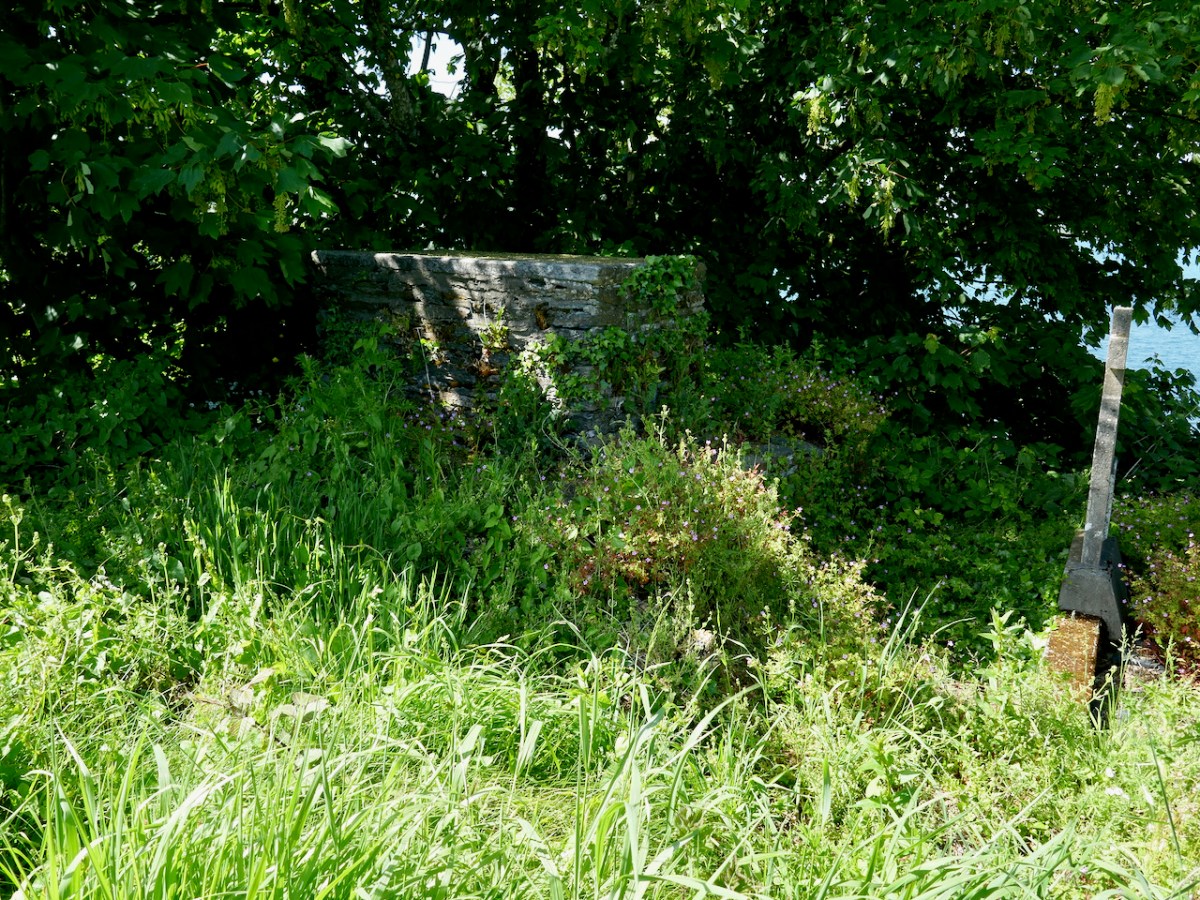
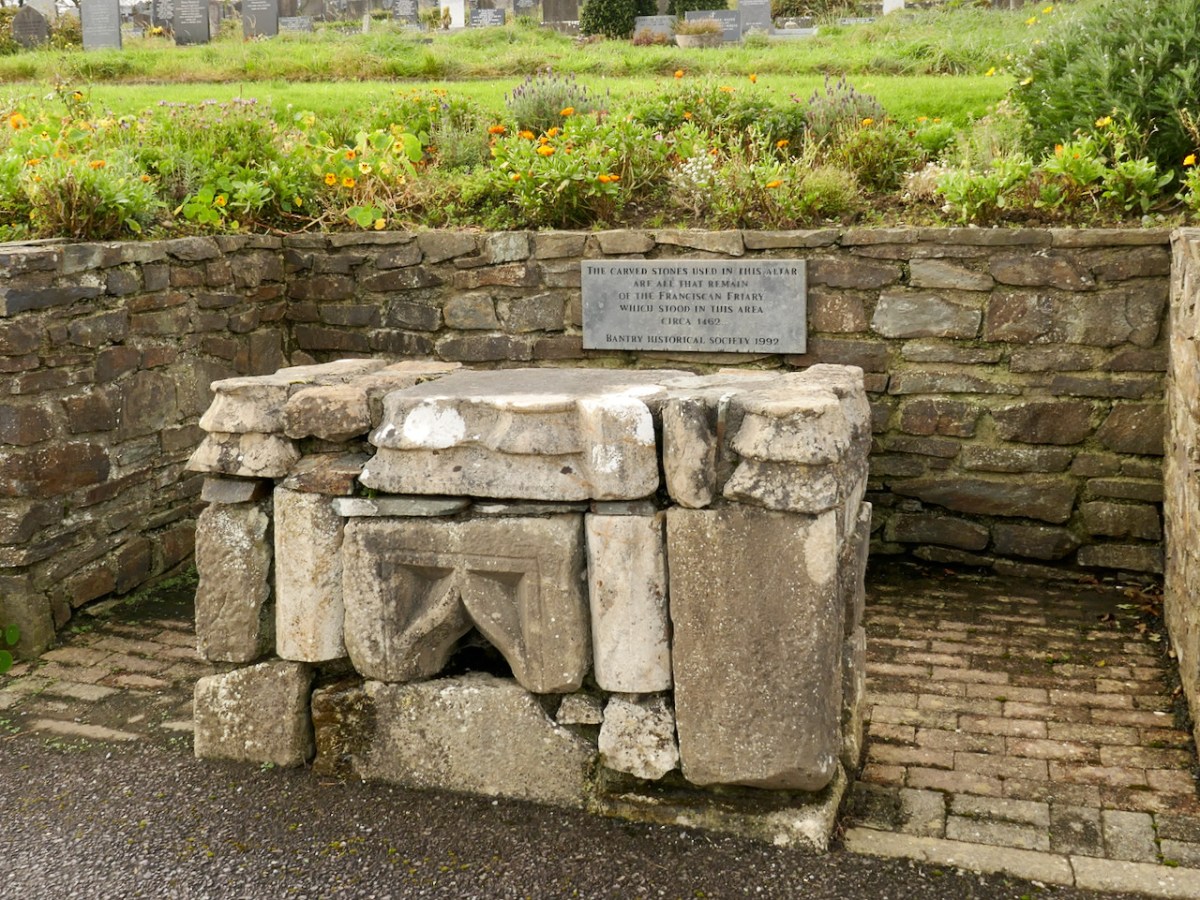
The Abbey Graveyard, as its name suggests, began as a burial ground surrounding a Franciscan Abbey, built in 1460 by Dermot O’Sullivan and demolished in 1602 by his descendant, the tragic Donal Cam O’Sullivan Beare, in order to prevent the Earl of Thomond from taking it over. Only a few random stone remain, now incorporated into an altar.

This area was one of the epicentres of the Famine – a period rigorously researched and chronicled by Geraldine Powell in her new book A Want of Inhabitants. Bodies from the workhouse – 3,000 in all, most of whom died of infectious diseases between 1847 and 1850 – lie buried in the Famine Pits, and were unmarked until Tim Healy caused a Celtic Cross to be erected in 1899 (below). However, as one of the team members, Bernard O’Leary reminds us, there were other horrendous period when large numbers of people died – of cholera in the 1820s, yet another mini-famine on the 1880s, and of TB, which was still killing thousands of people every year in Ireland up to the 1950s.

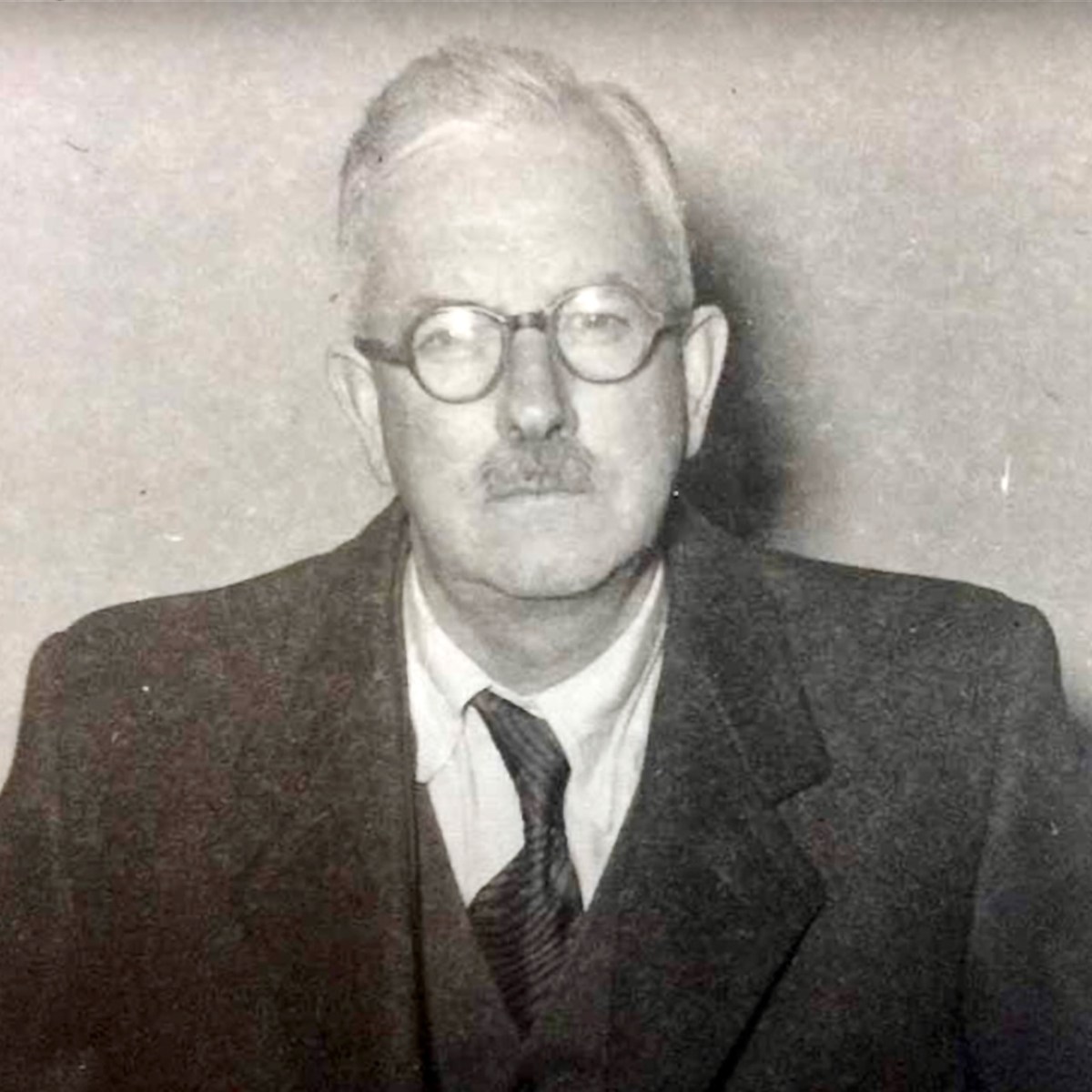
Paddy O’Keefe, noted Bantry historian, conducted the first survey of the graveyard in the 1950s and the project team has mined the database he created. This has been particularly useful, since it was done 70 years ago and some headstones that have since eroded were readable then.

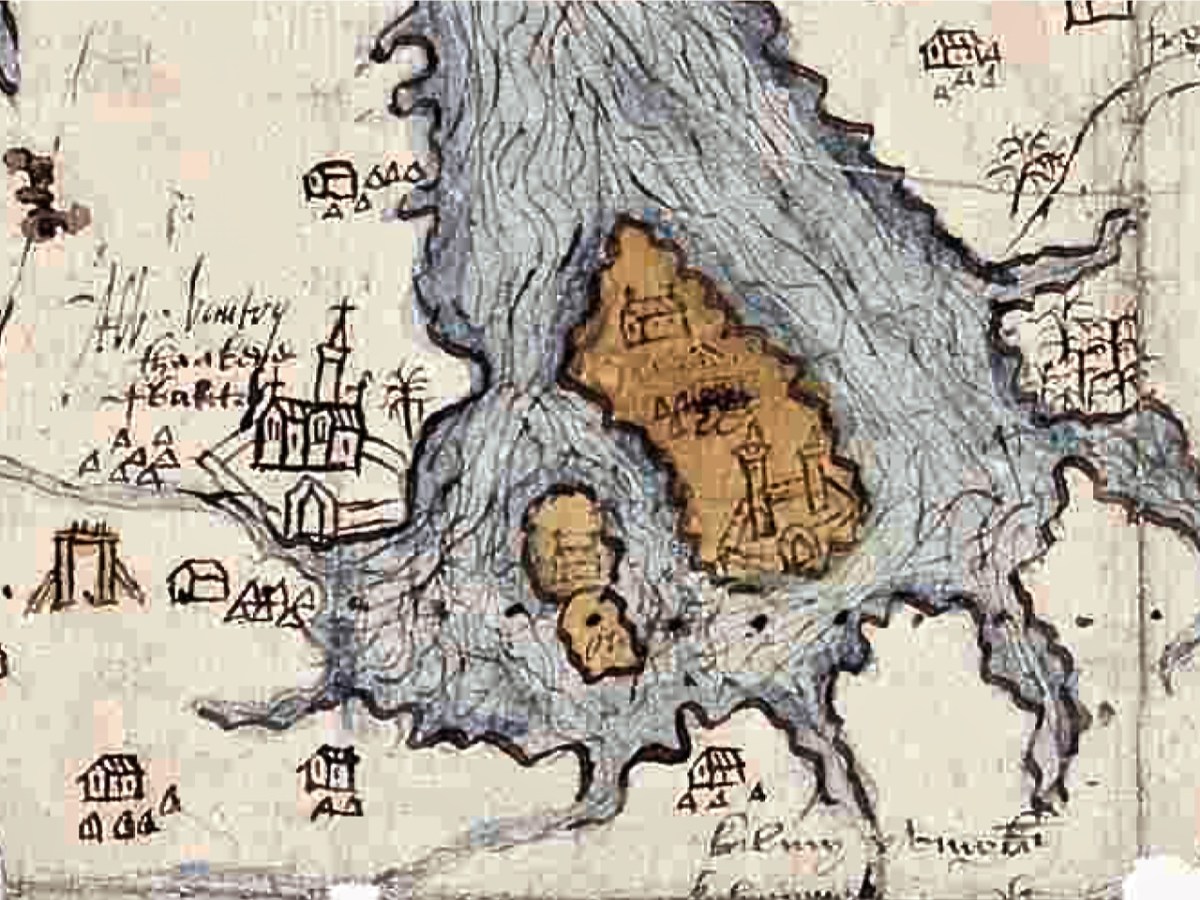
Paddy also wrote about the early map of Bantry and Beare (see my post Elizabethan Map of a Turbulant West Cork and Elizabethan Map of a Turbulent West Cork 2: The Story) on which the Franciscan Friary is clearly shown (below).

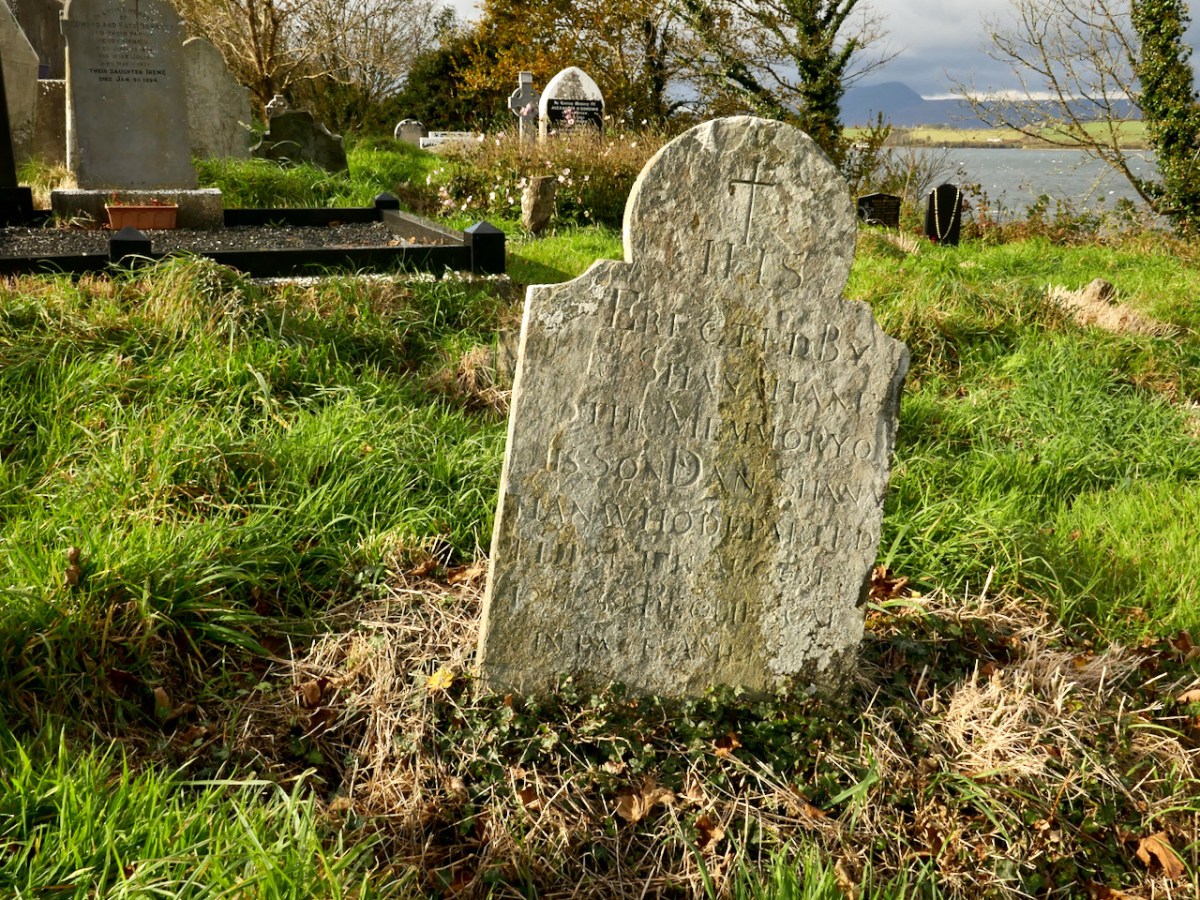
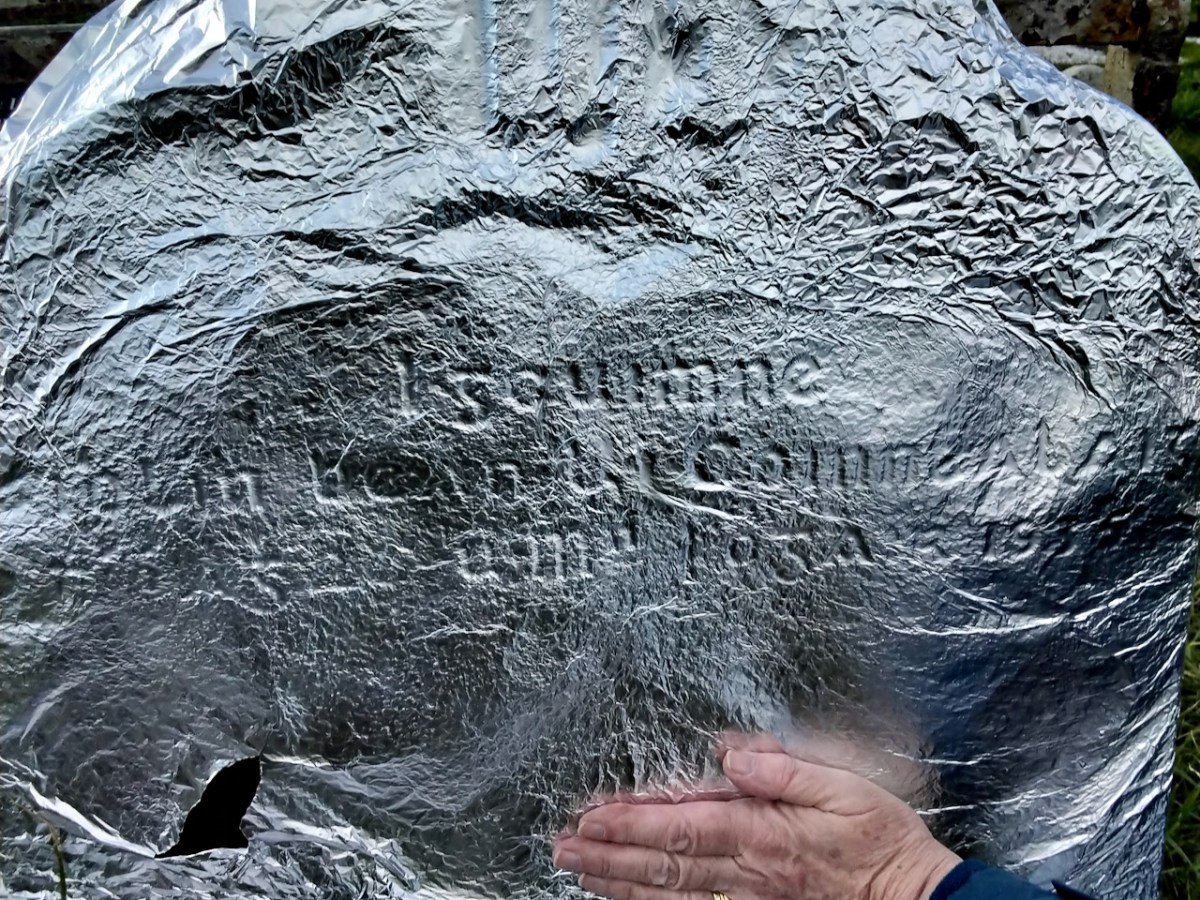
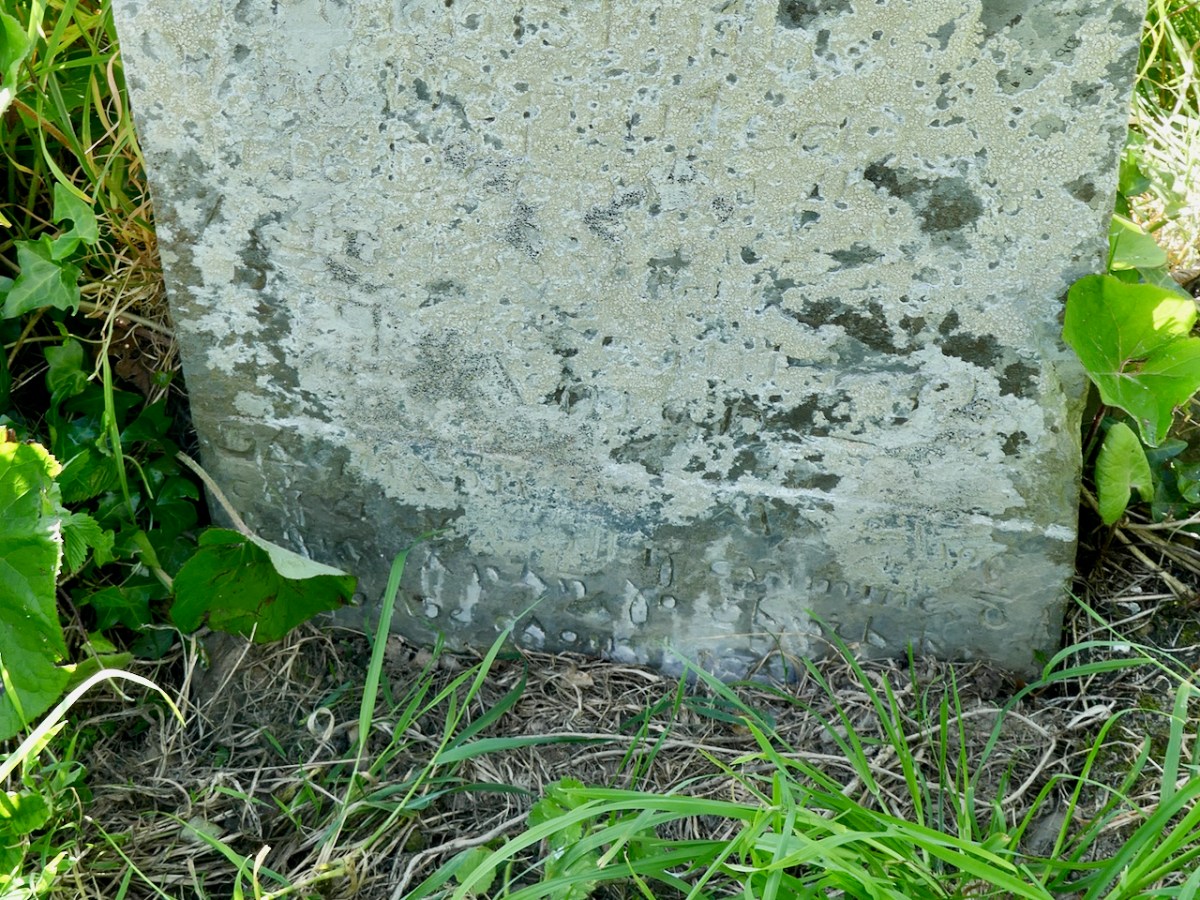
Deciphering a headstone can be a real head-scratcher, especially if it’s badly weathered or covered in lichen. Geraldine Mullins showed me several where she had figured out the inscription – she has been developing a real eye for it. Lighting becomes important – strong slanting sunlight does wonders, or a bright torch shining from the side. One particular example only became clear under tinfoil! As with best archaeological practice, the team do not advocate the use of rubbing, chalking or cleaning with stiff brushes or chemicals, all of which can promote further deterioration of a headstone in the long run.

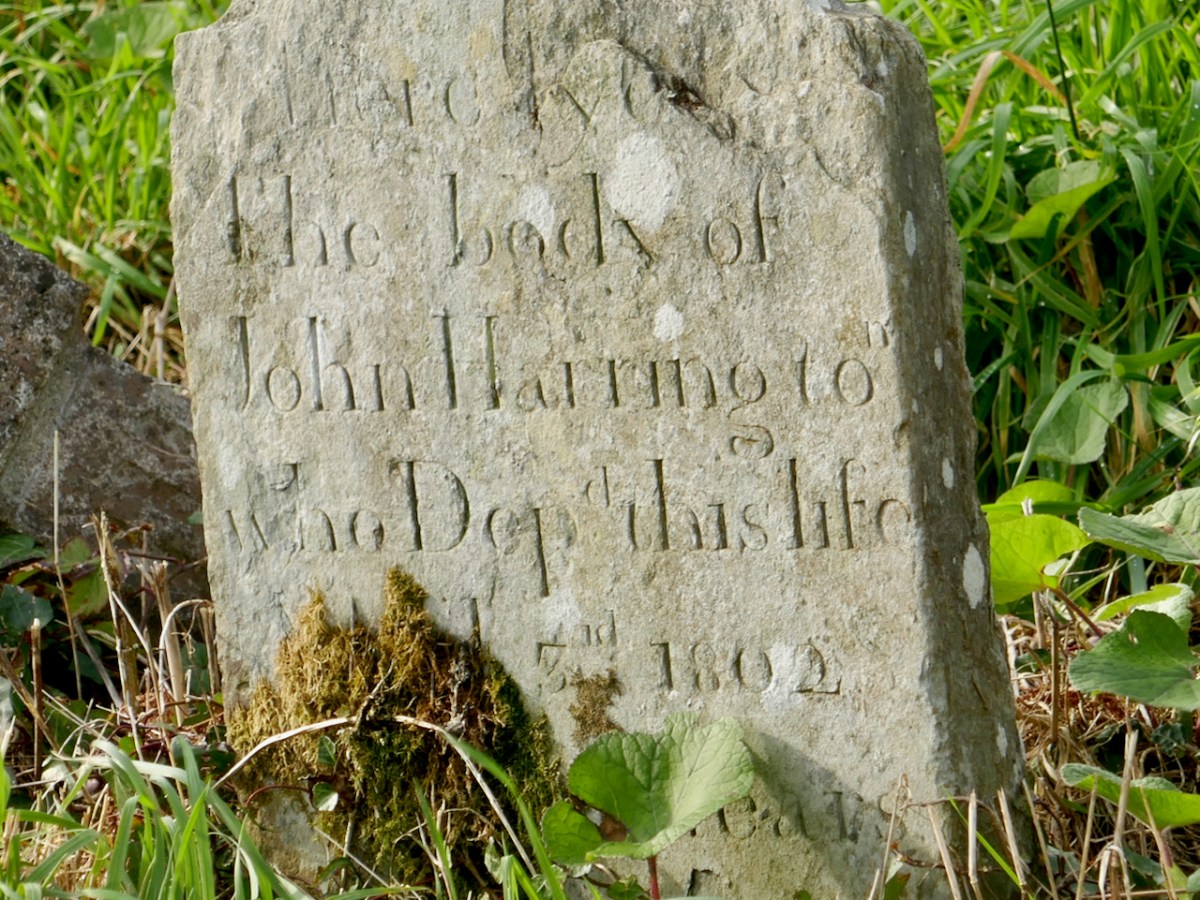
One of the exciting finds has been that of a headstone with an inscription in Irish – highly unusual! This might seem strange, since Irish was the language of most of the people buried in this graveyard, but it has to be viewed within the context of the colonial administration. Headstones were considered an official record, and the official language, under British rule, was English. After the foundation of the State, of course, Irish inscription became much more common. Geraldine has sent me the text and translation and I append it at the end of this post. As you can see (below) it took real study to make out this inscription!

Have a look at the Zoom Seminar on the Bantry Historical Society’s website, and browse what’s been uploaded so far to the Historic Graves website. It’s very much a work in progress. And if you have any information at all that might help the committee, do get in touch with them through the Bantry Historical Society contact page.

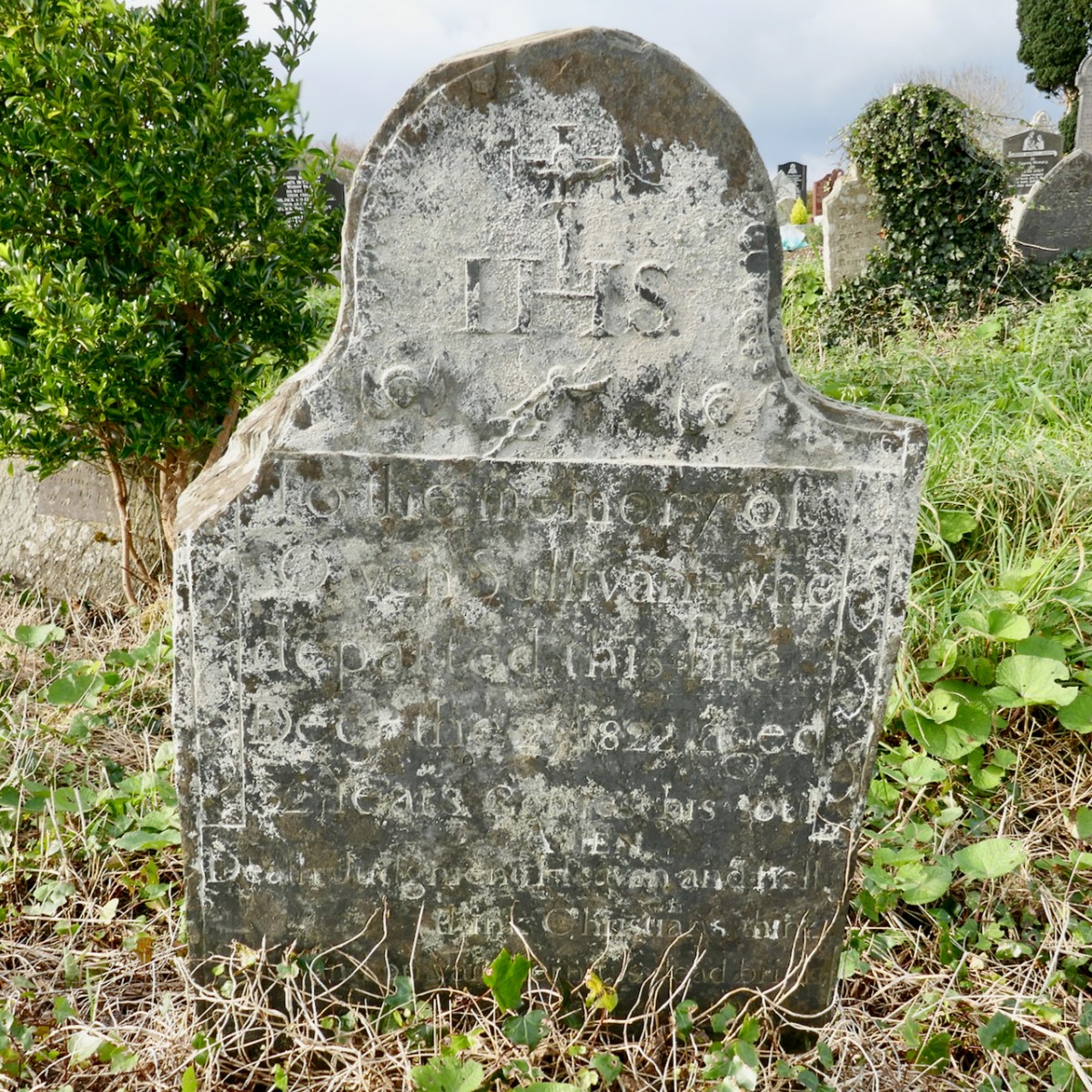
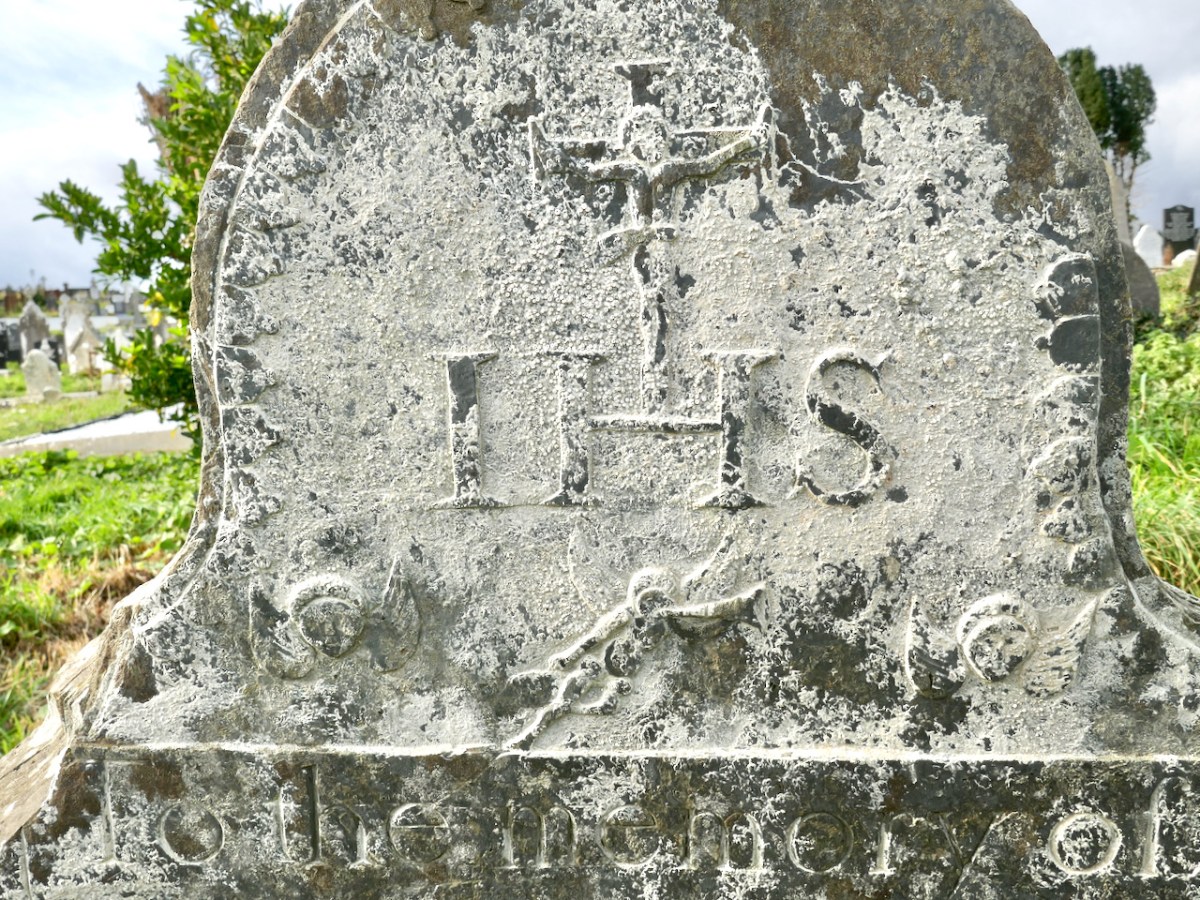
Headstone of Owen O’Sullivan, who died in 1822 has a carved top section featuring a crucifixion, two winged heads and an angel blowing a trumpet

Or better yet, take a wander through the graveyard itself and see what you can find.

Many thanks to Geraldine Mullins for sharing resources used in this post, and to all the committee members for so graciously spending time with me and answering questions.

Text and Translation of Irish Inscription

Gac naon do calam liocht /  

cathuil ui neill is cuimhine d/  

leifis an rann so g[e above]arrtha an /  

gaoghalge caoin le cheile an tathair /  

an mac 7 an naomh spriod /  

[g]uidheach do rai[.]h Dia trochurac /  

air anom do bhi ansa corp so /  

ata fan liag Amen 

Everyone of the noble, warlike line of Ó Néill and Conn, who will read this verse inscribed in beautiful Irish, pray to the Father, Son and Holy Spirit together, that God may be merciful to the soul that was in the body that is beneath this stone. Amen. 

Sure Signs

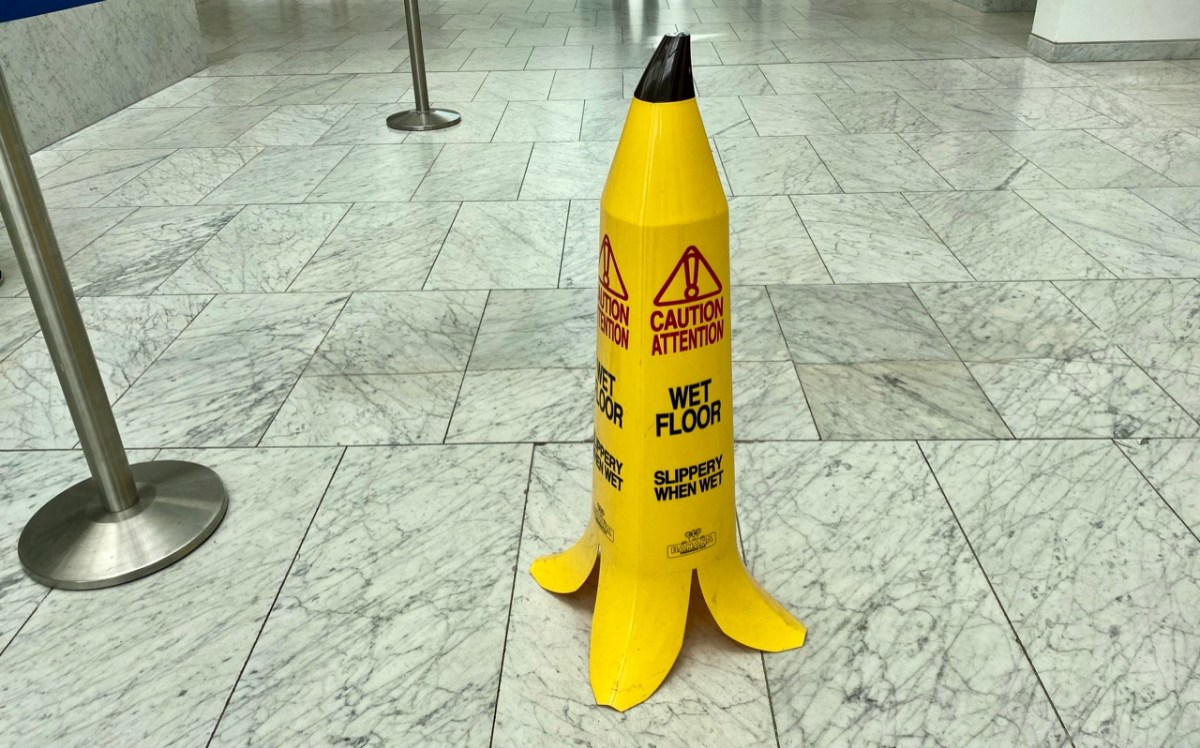
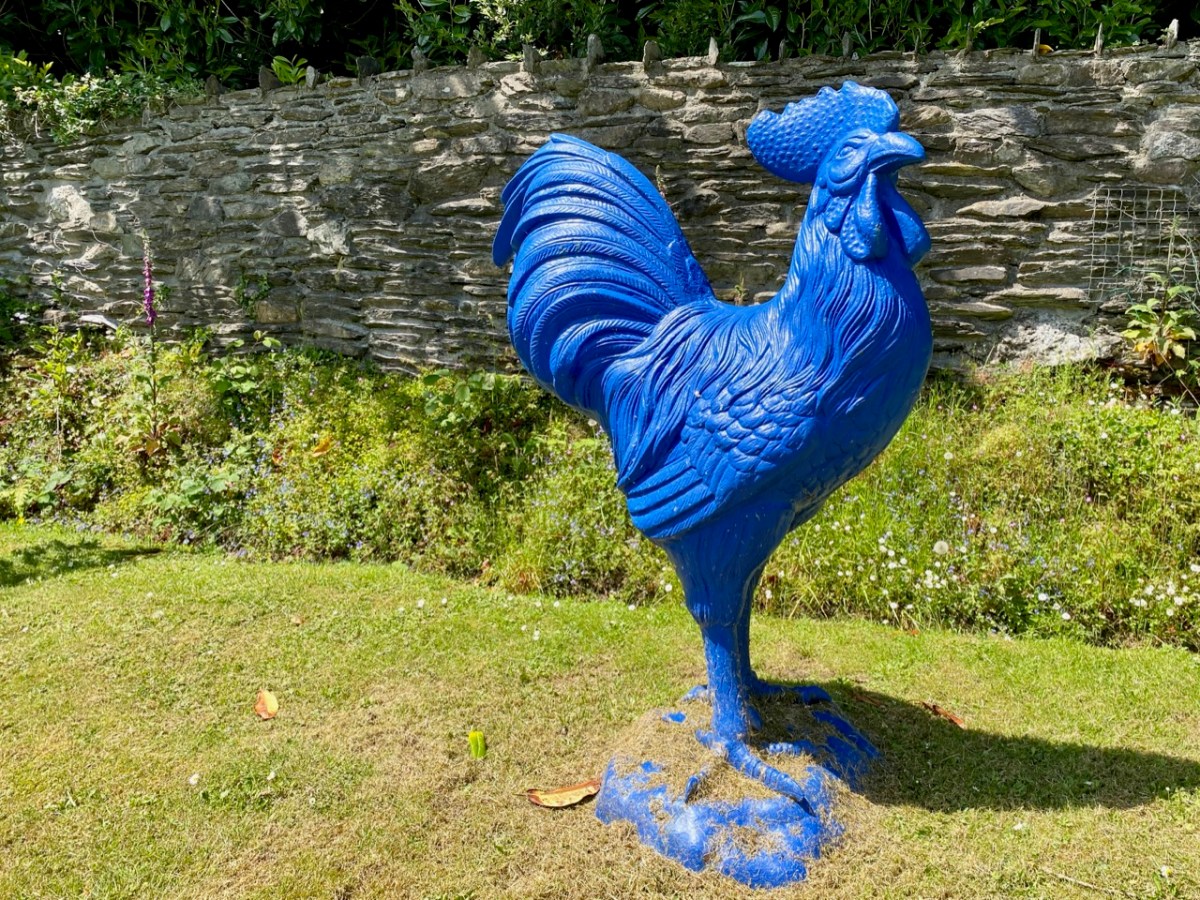
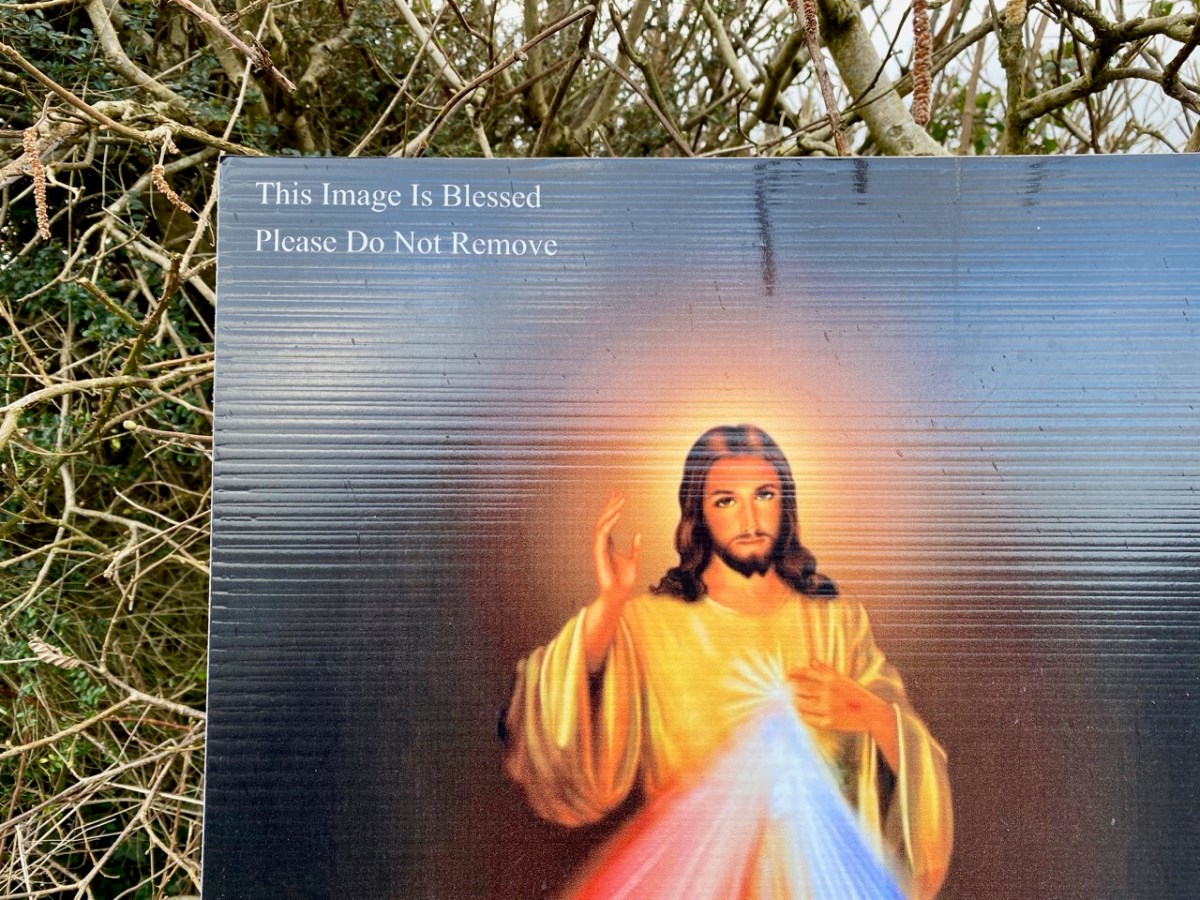
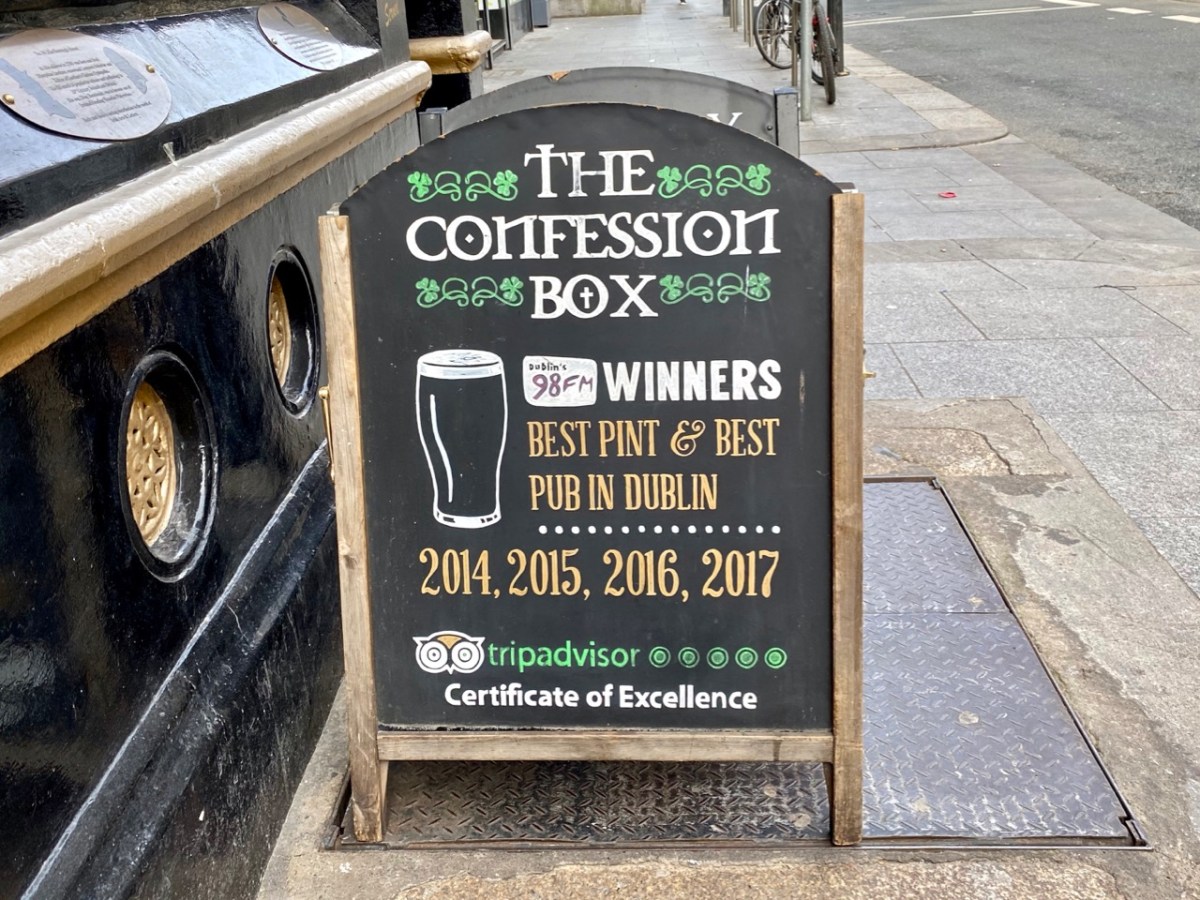
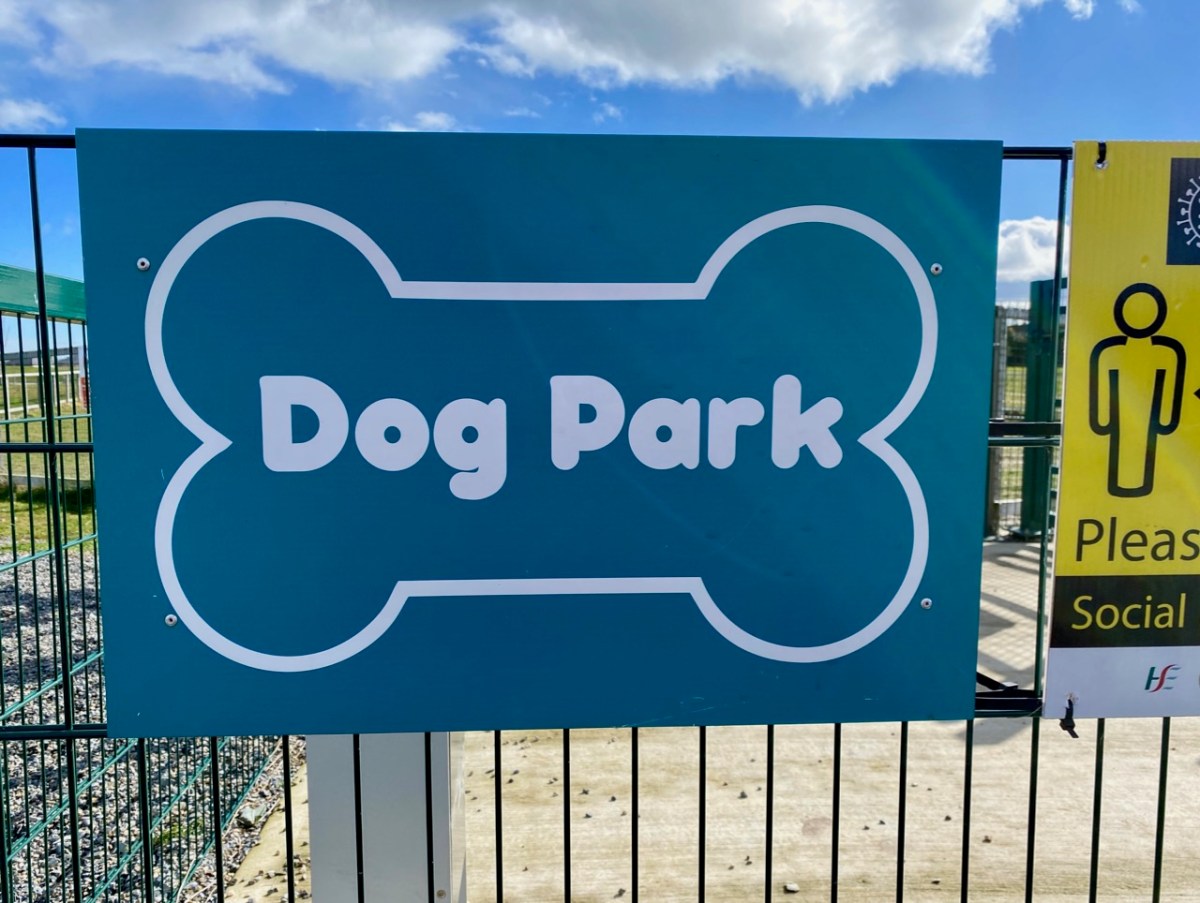
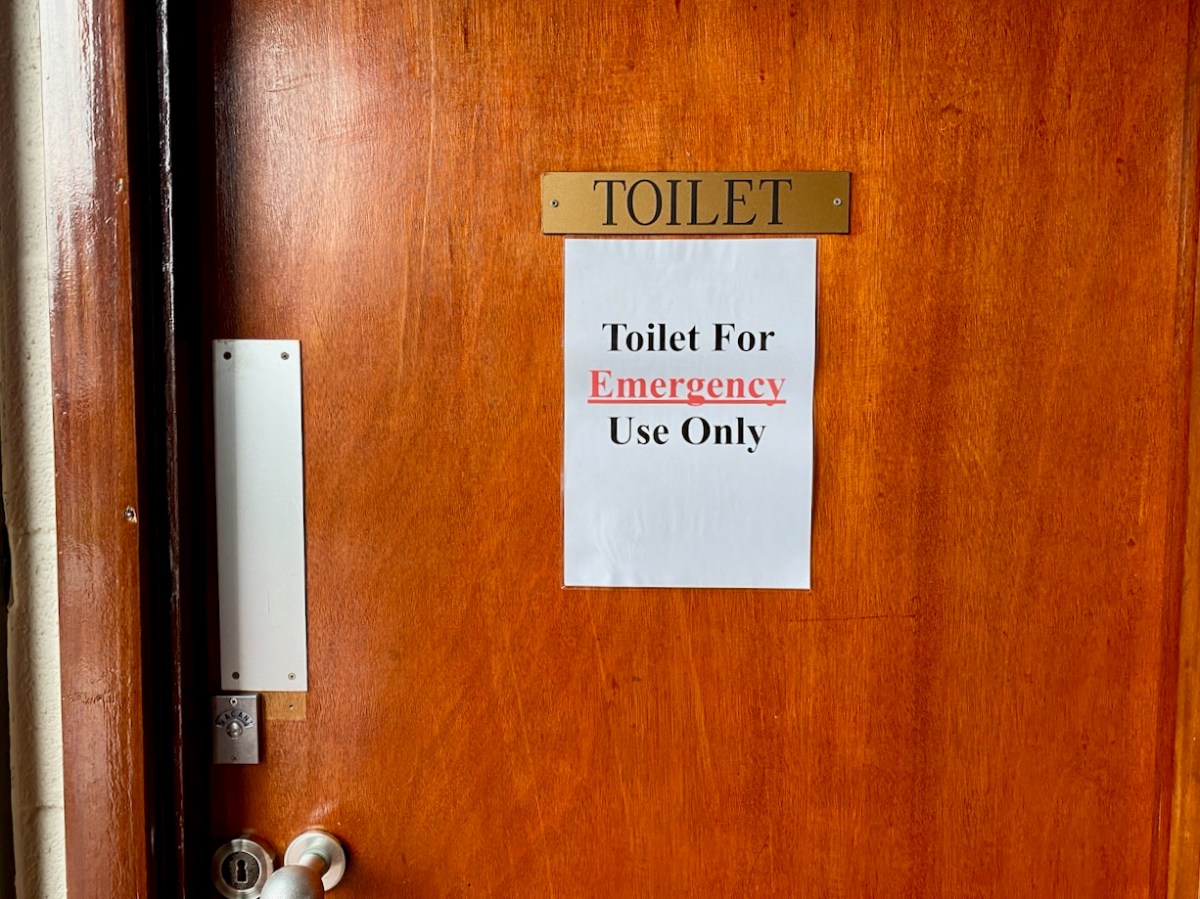
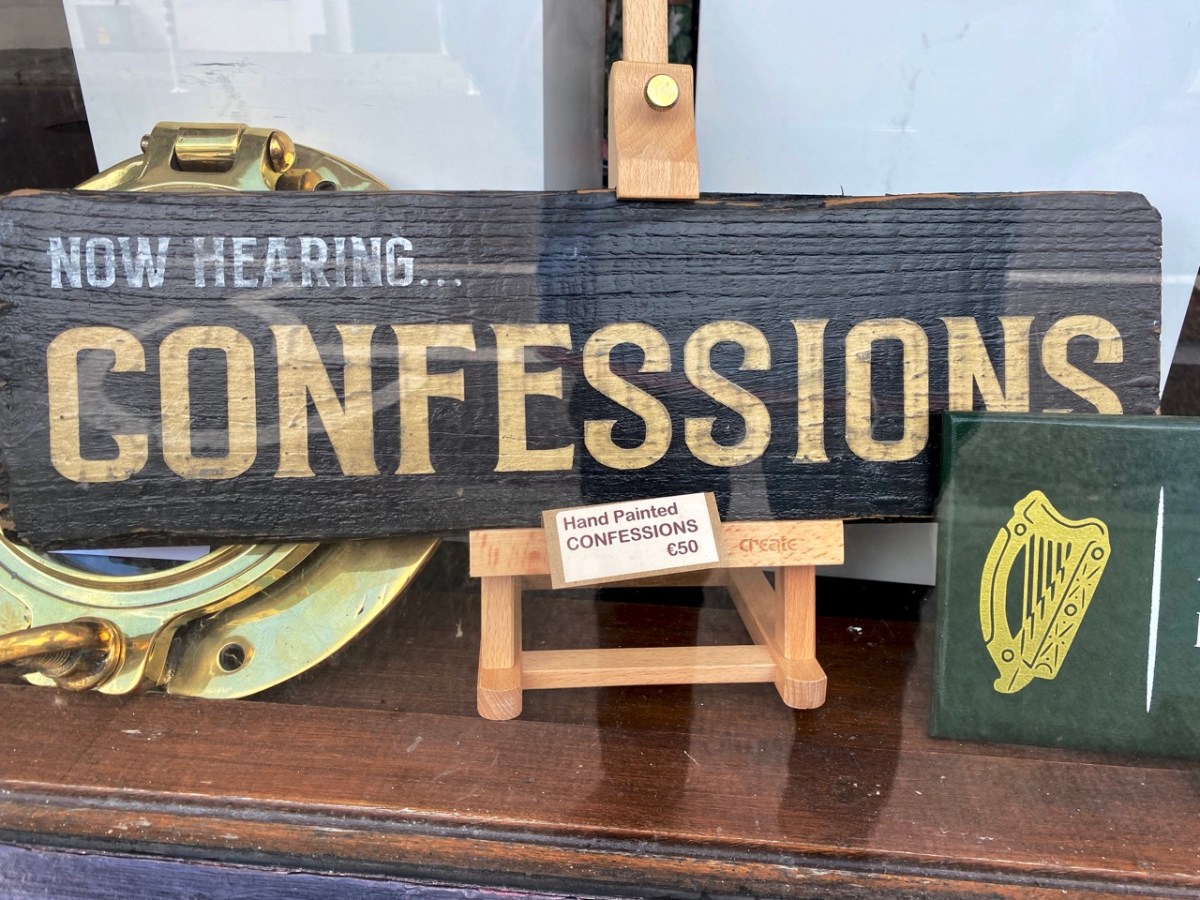
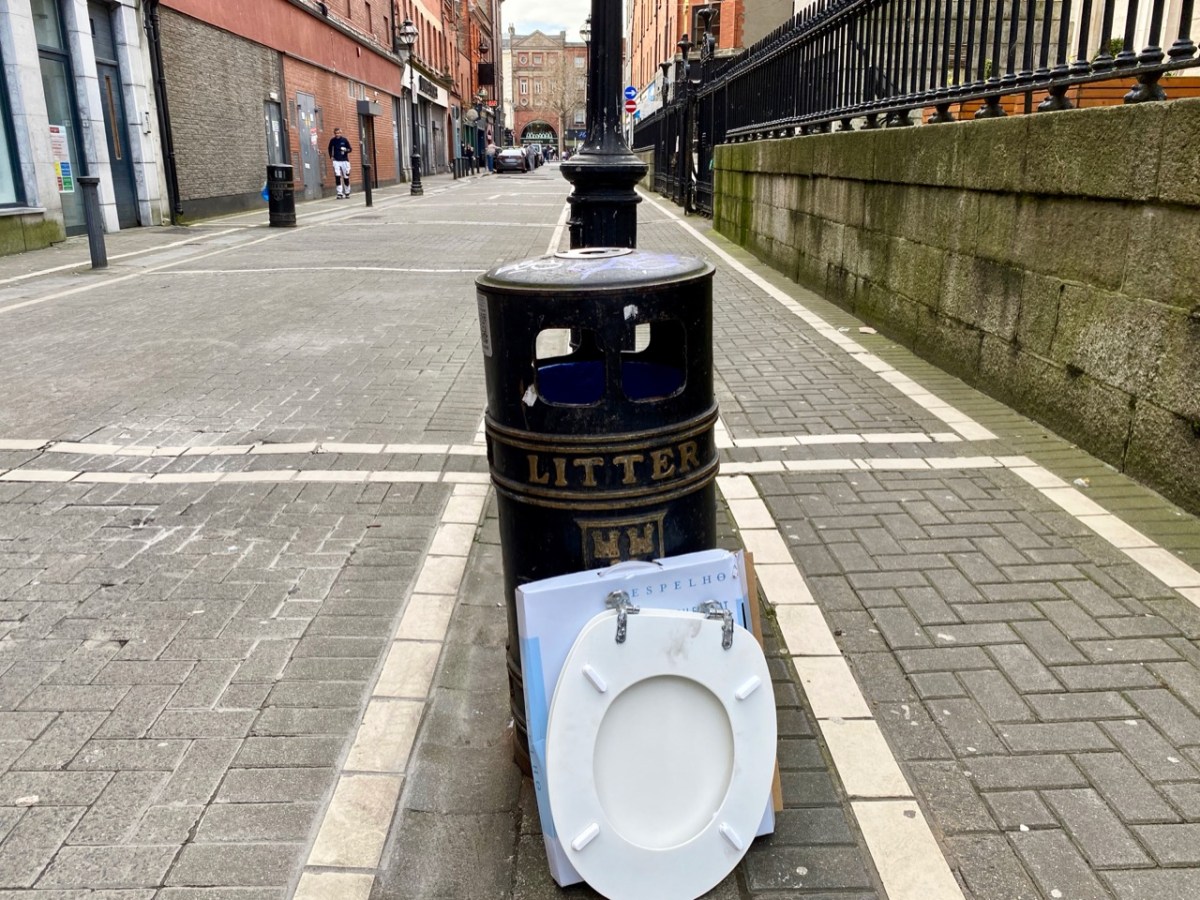
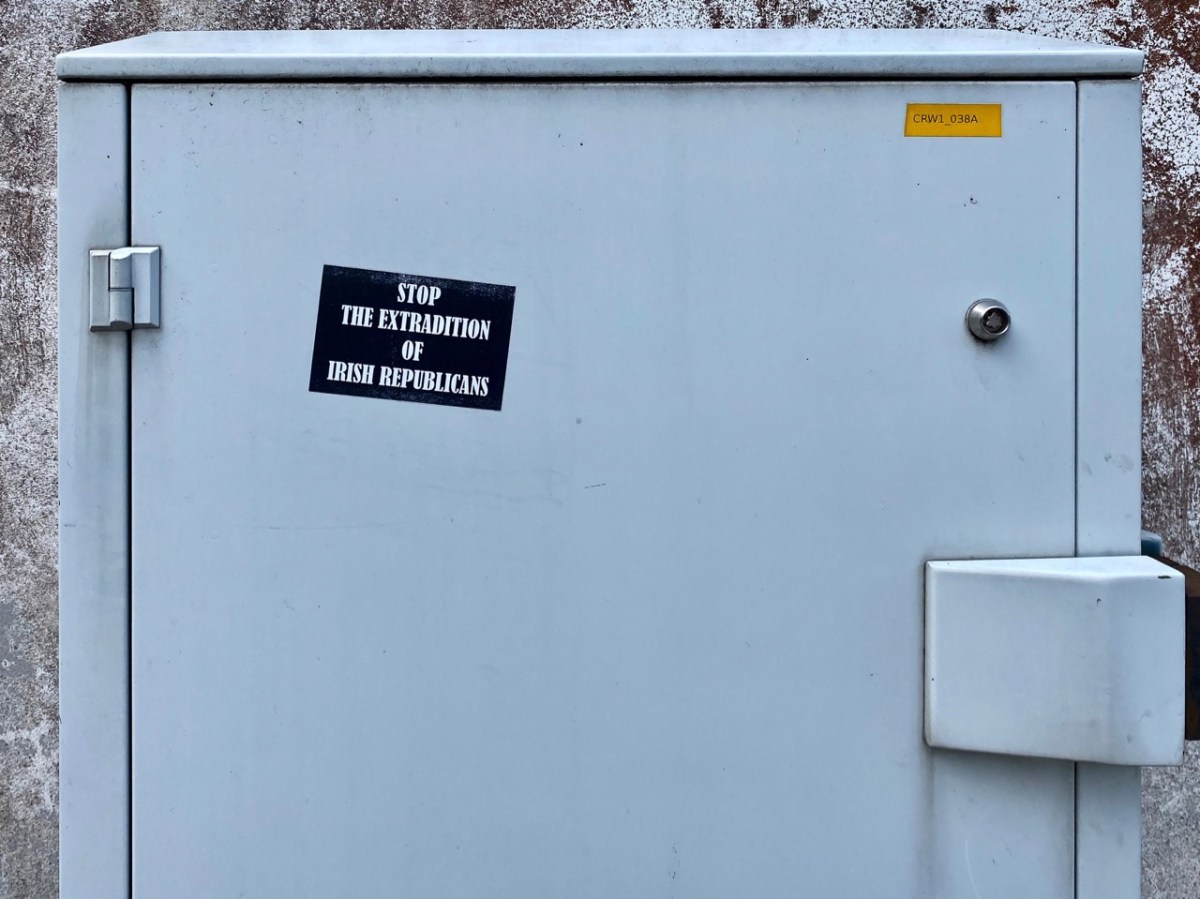
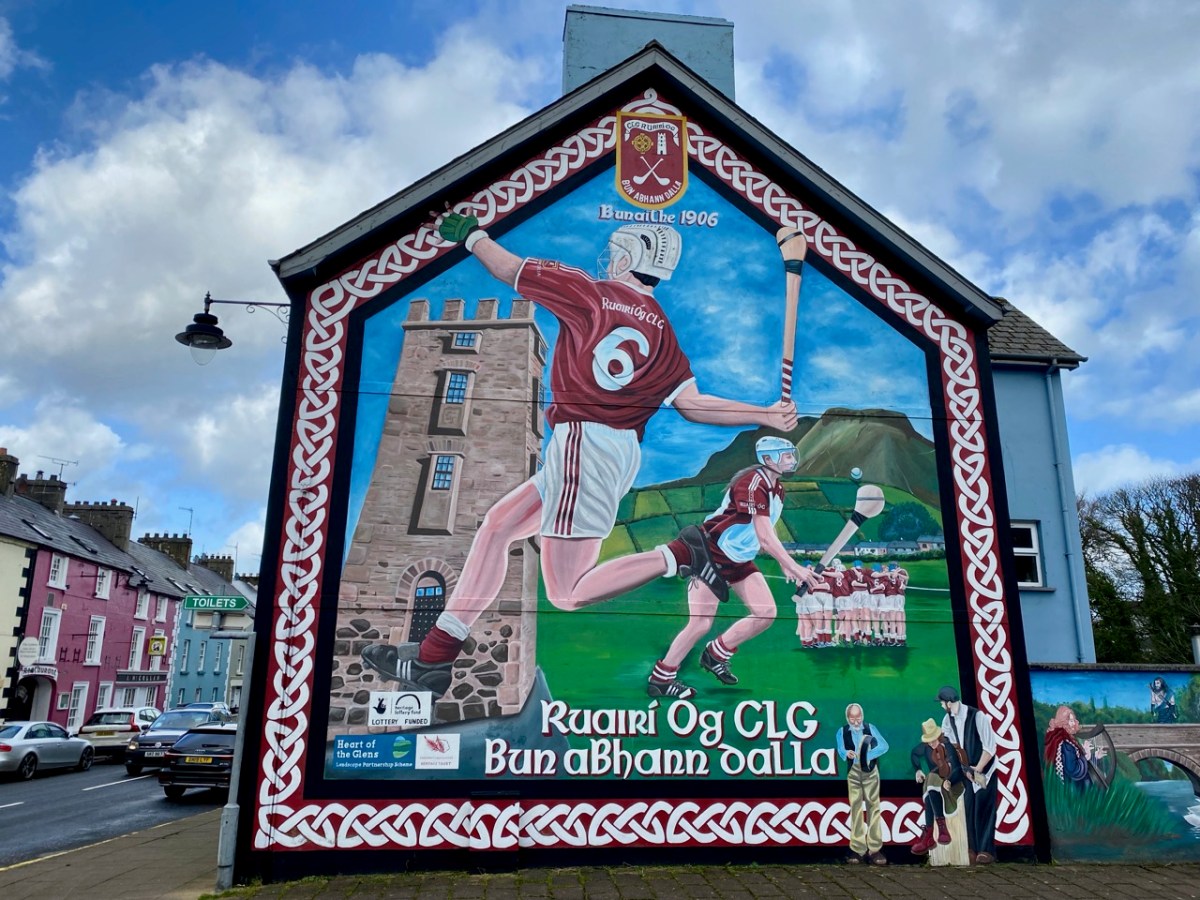
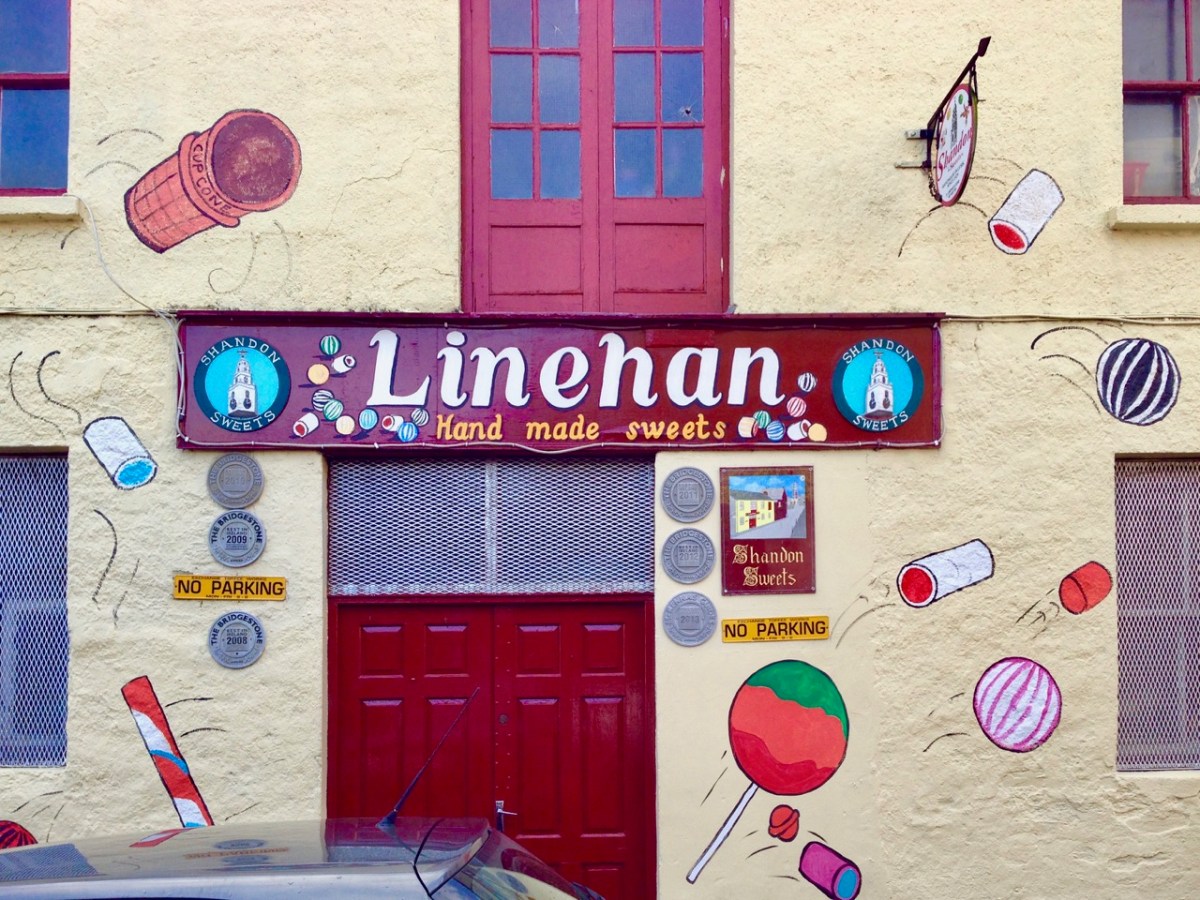
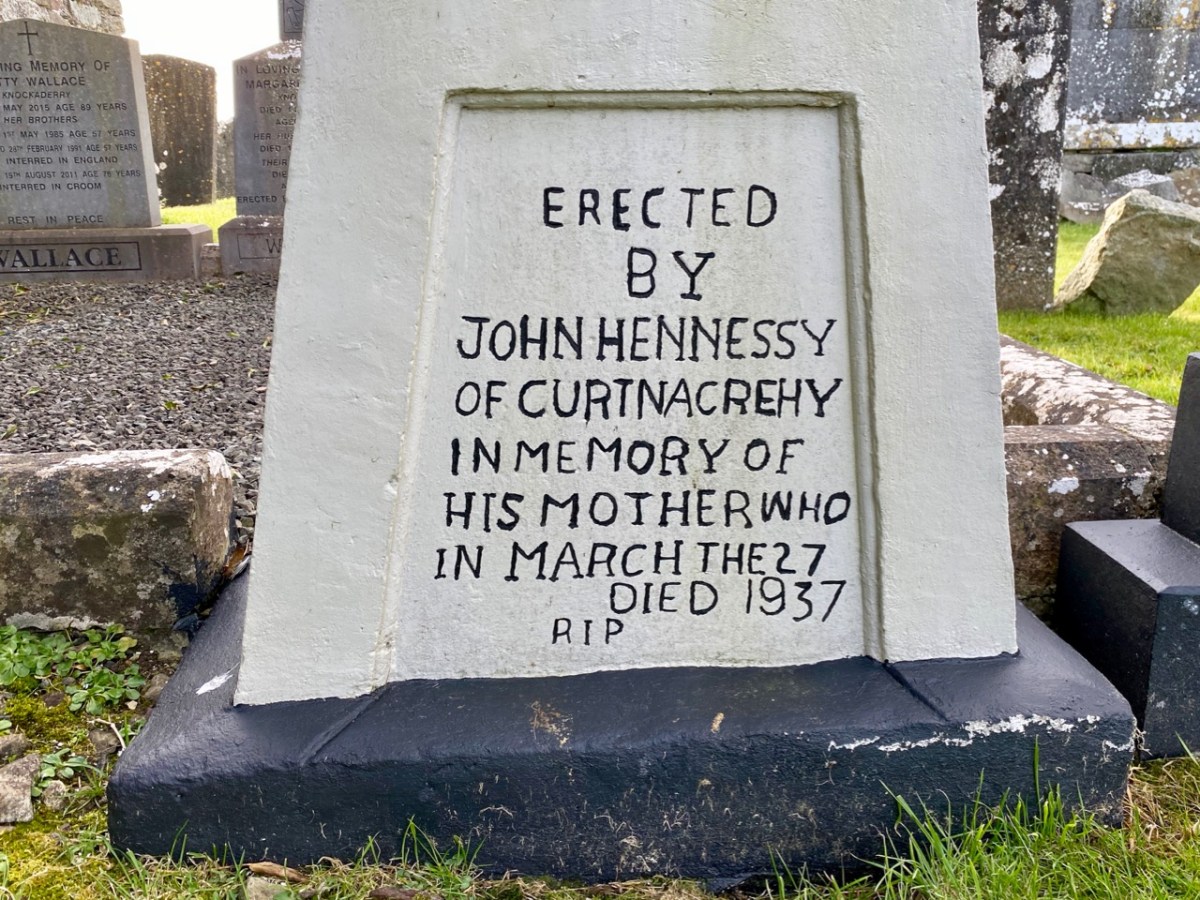
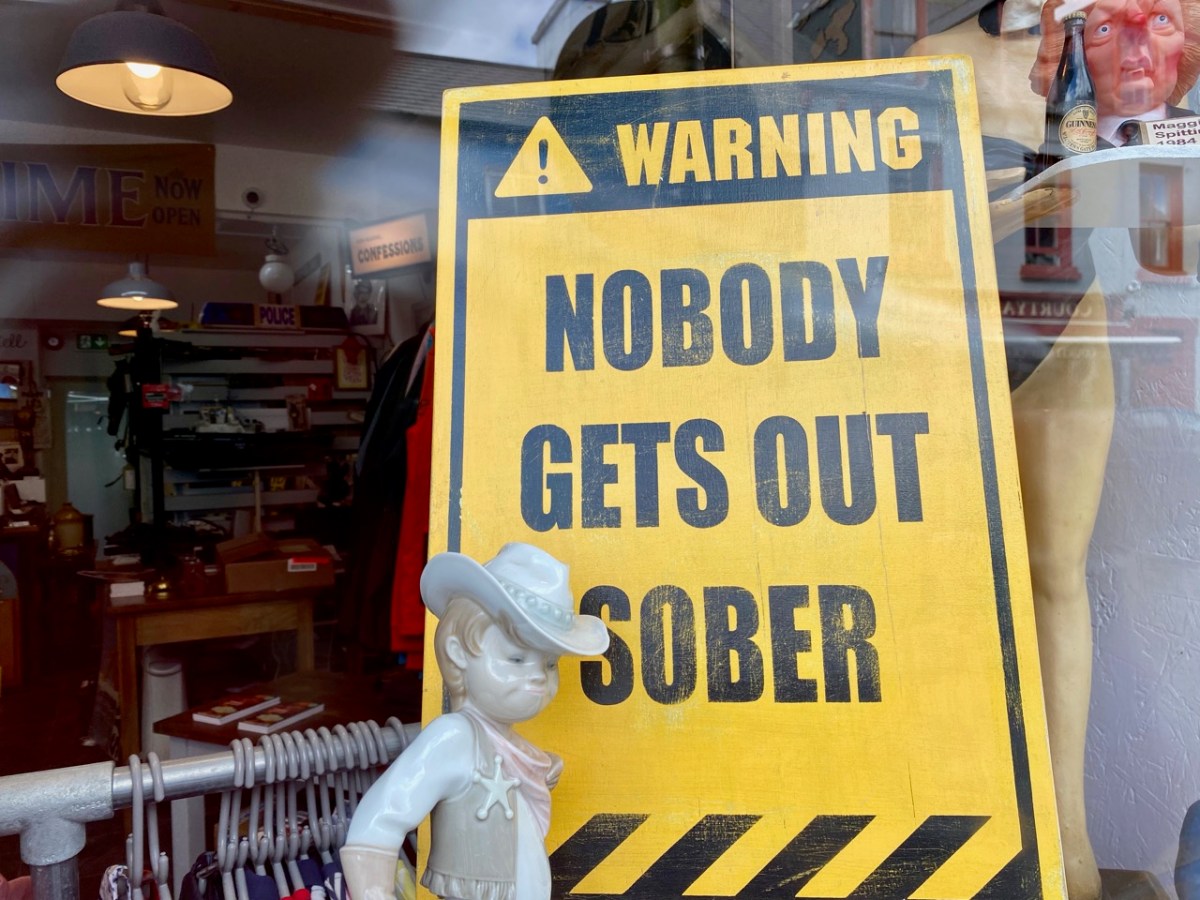
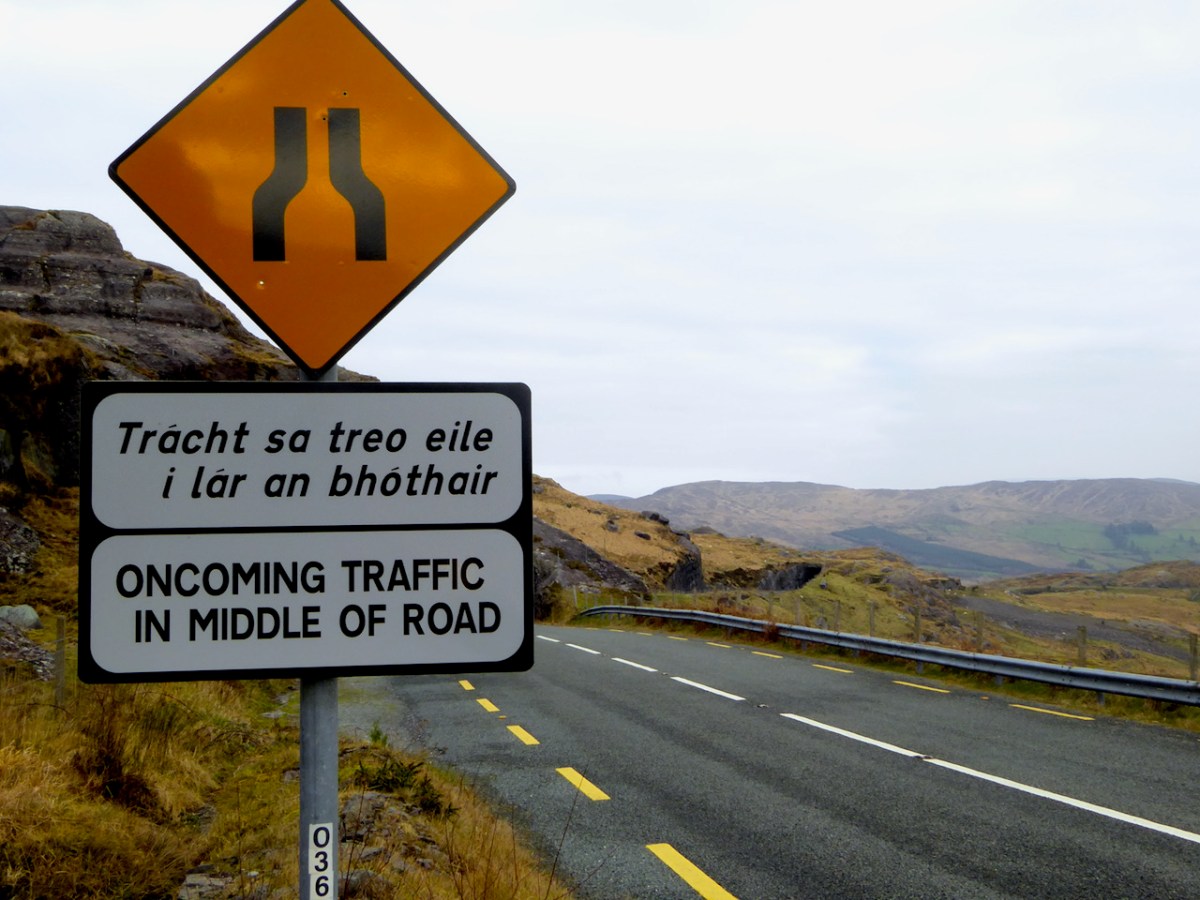
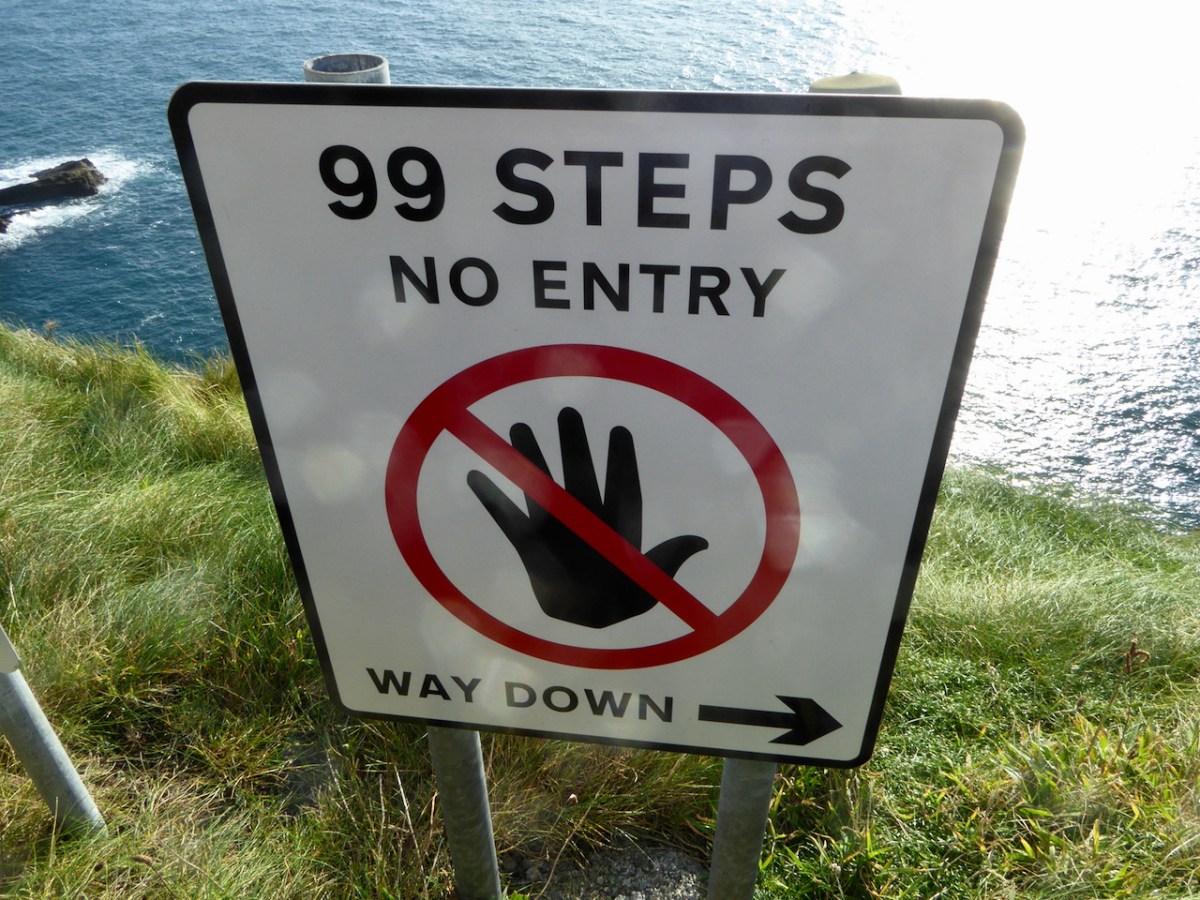
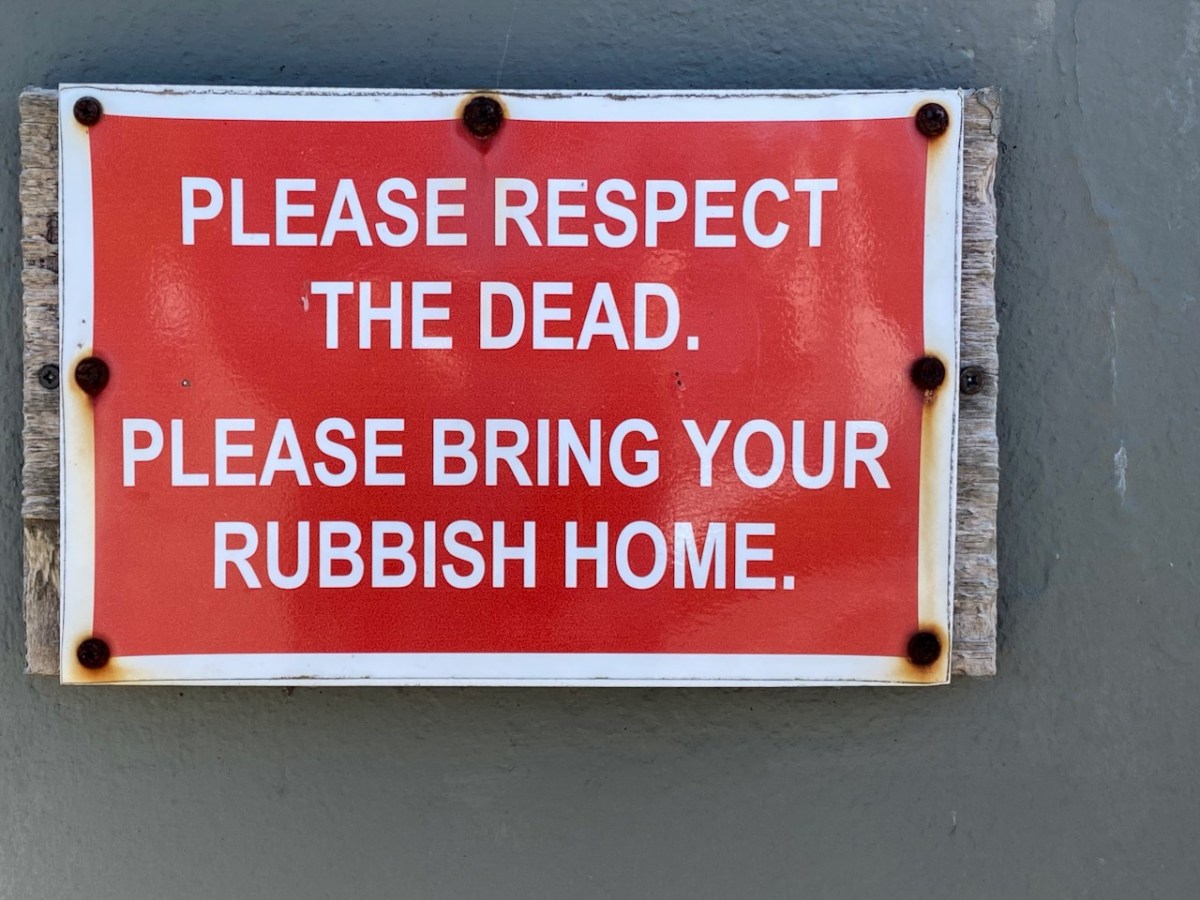
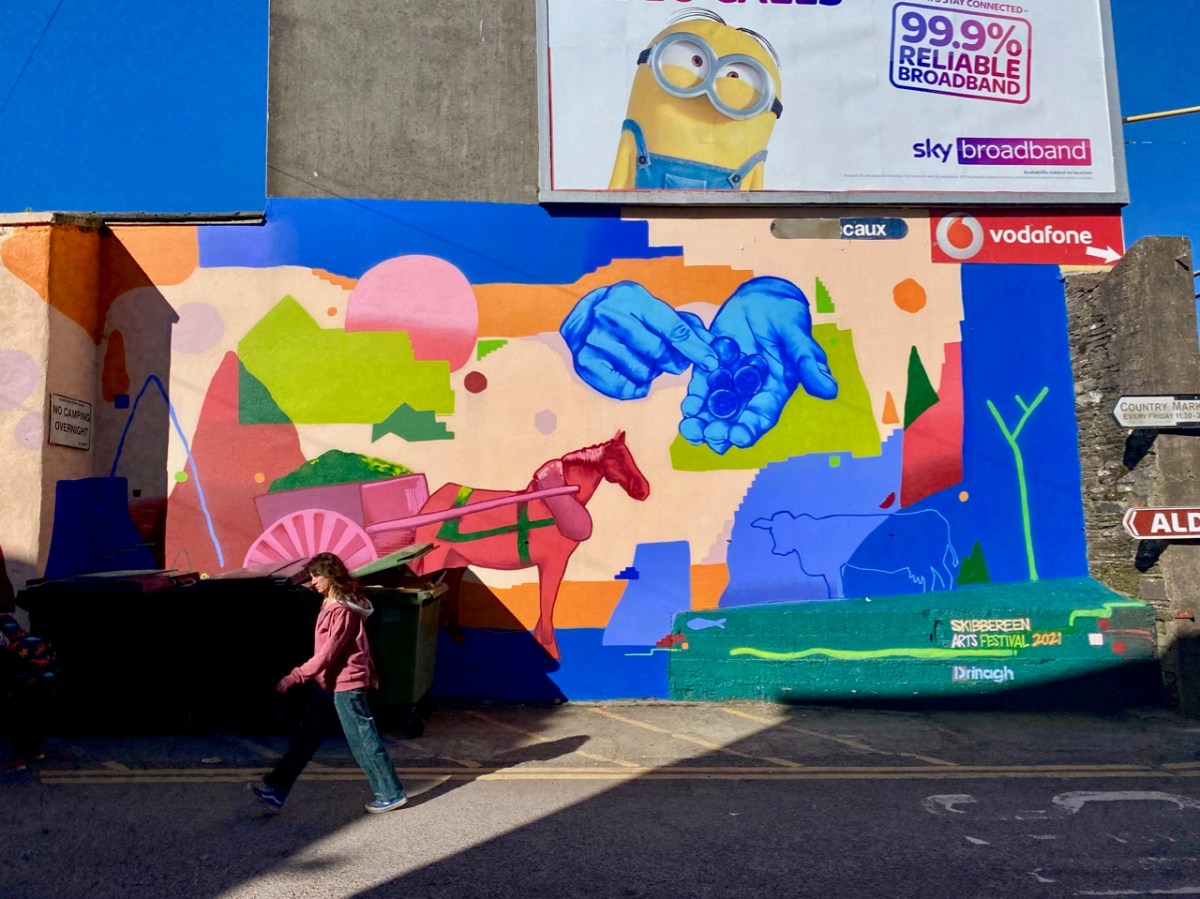
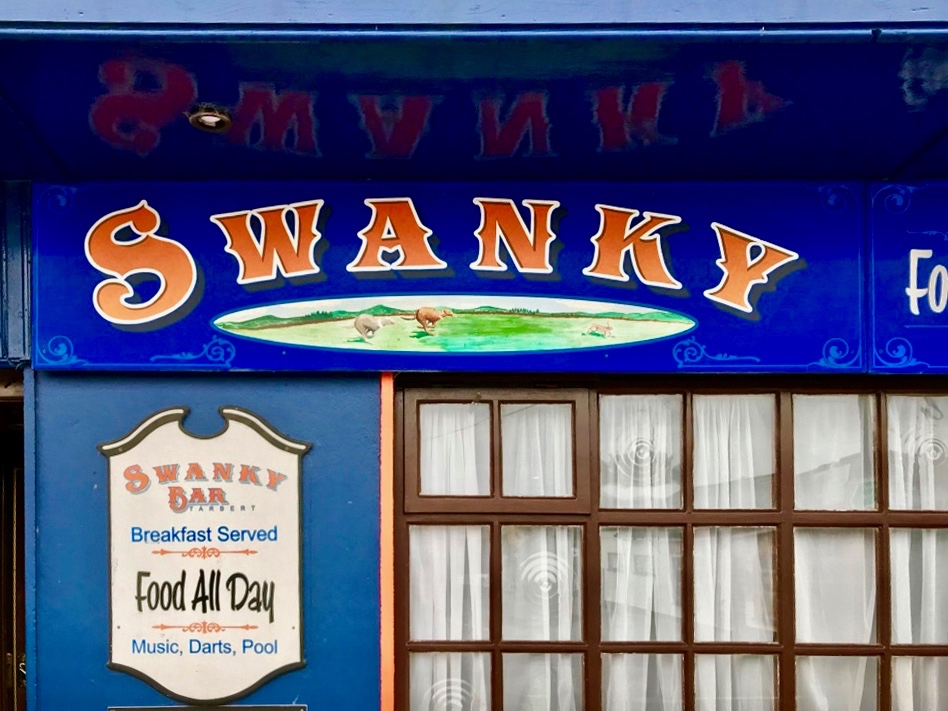
Another post about signs in Ireland: I ‘collect’ them and update them every few months. The slippery banana – above – is a classic and is to be found in the City Hall in Cork. Following it are a whole variety of examples with – hopefully – some touches of humour about them. Others have to be classified as eye-catching curiosities, including this magnificent bright blue cockerel.

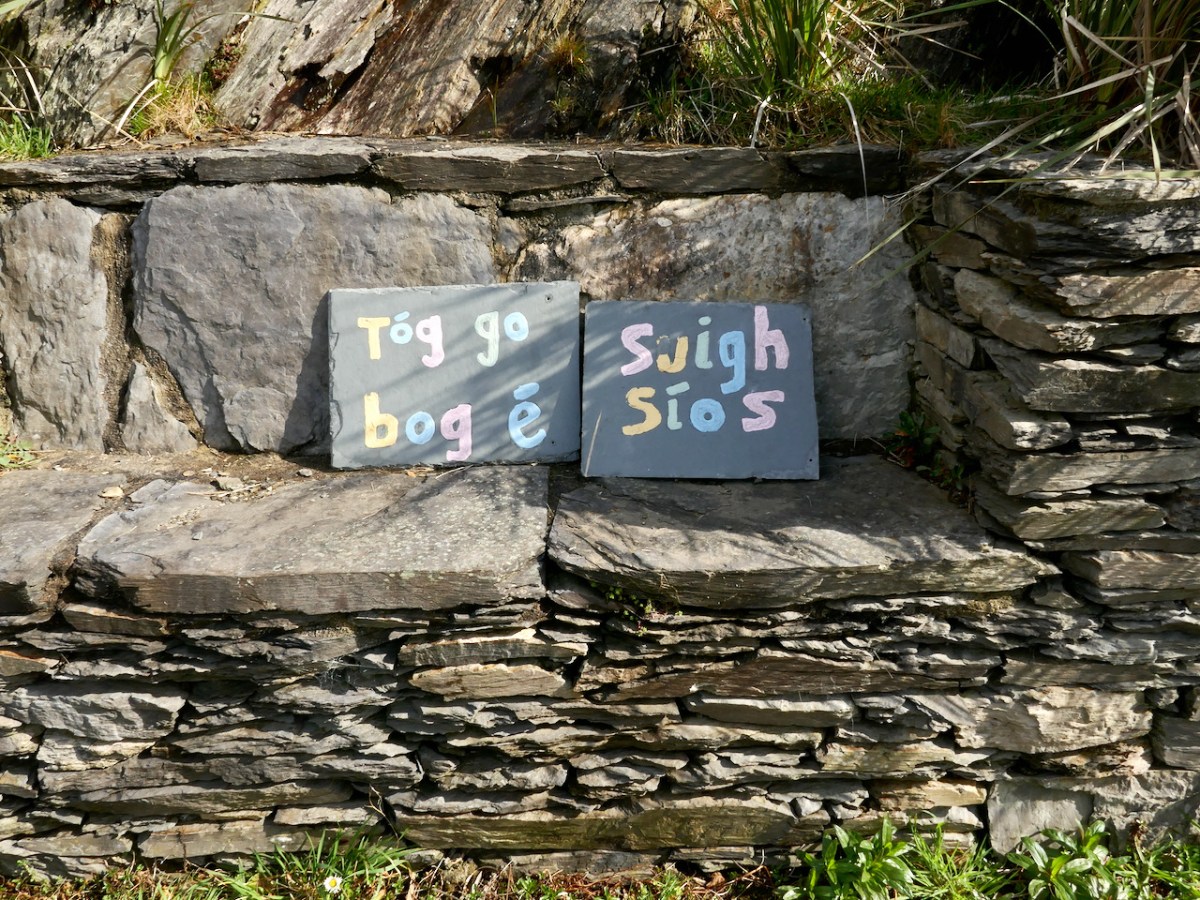
Mostly, the signs just speak for themselves…

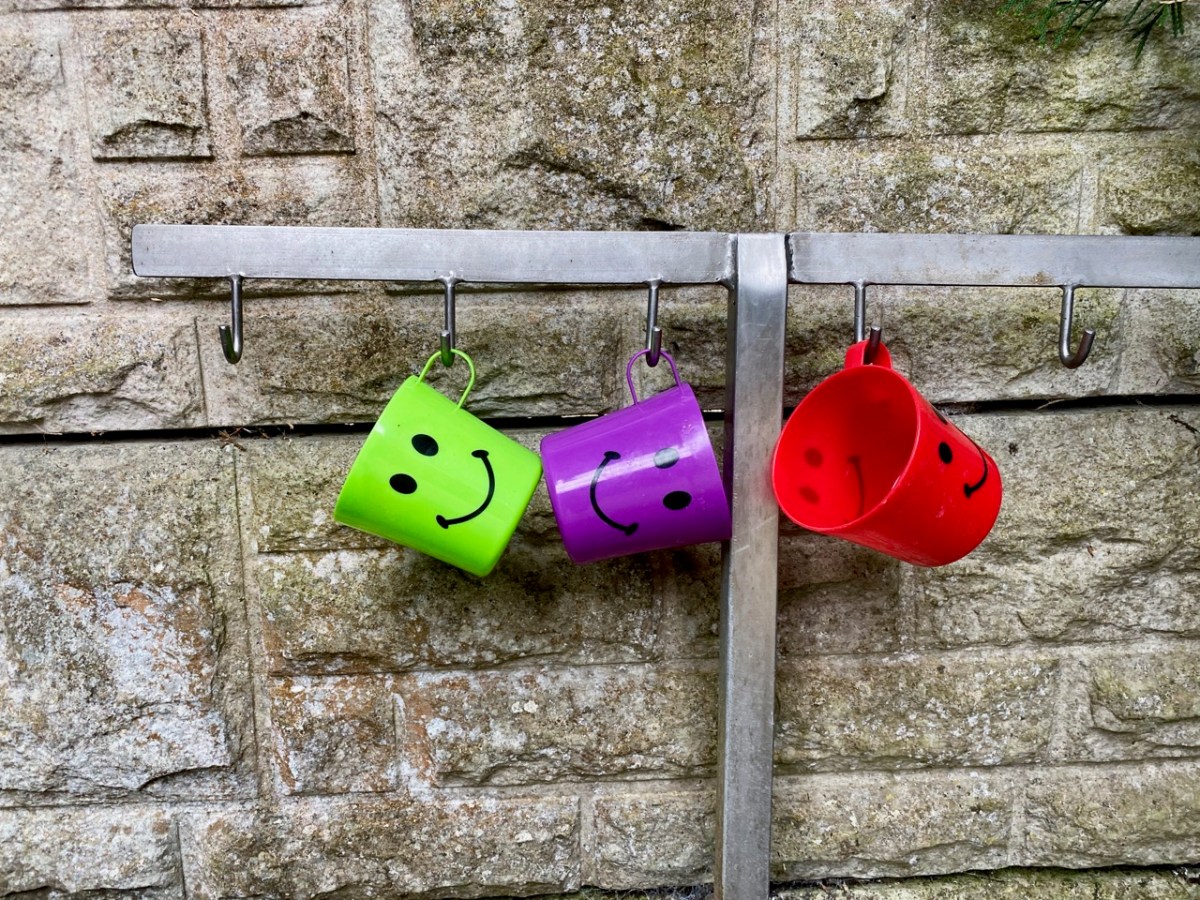
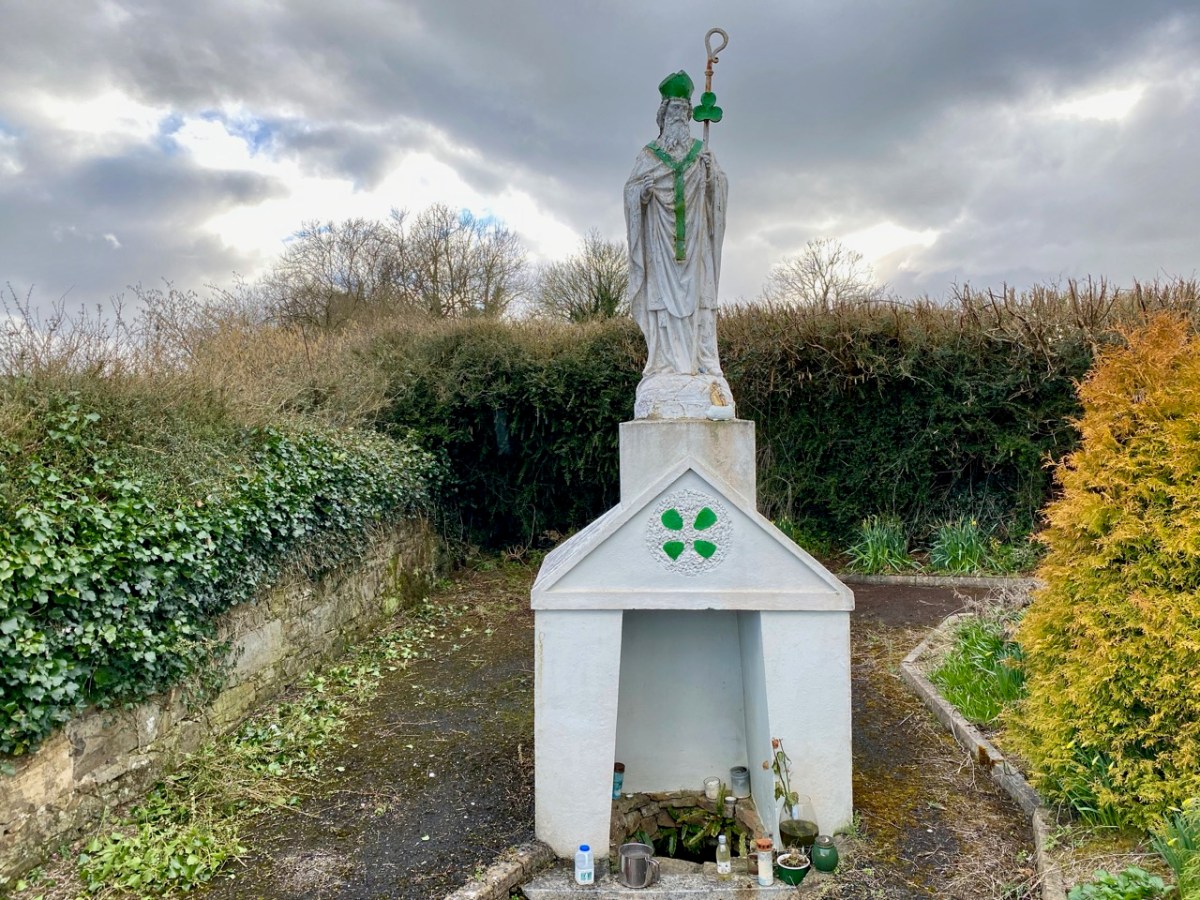
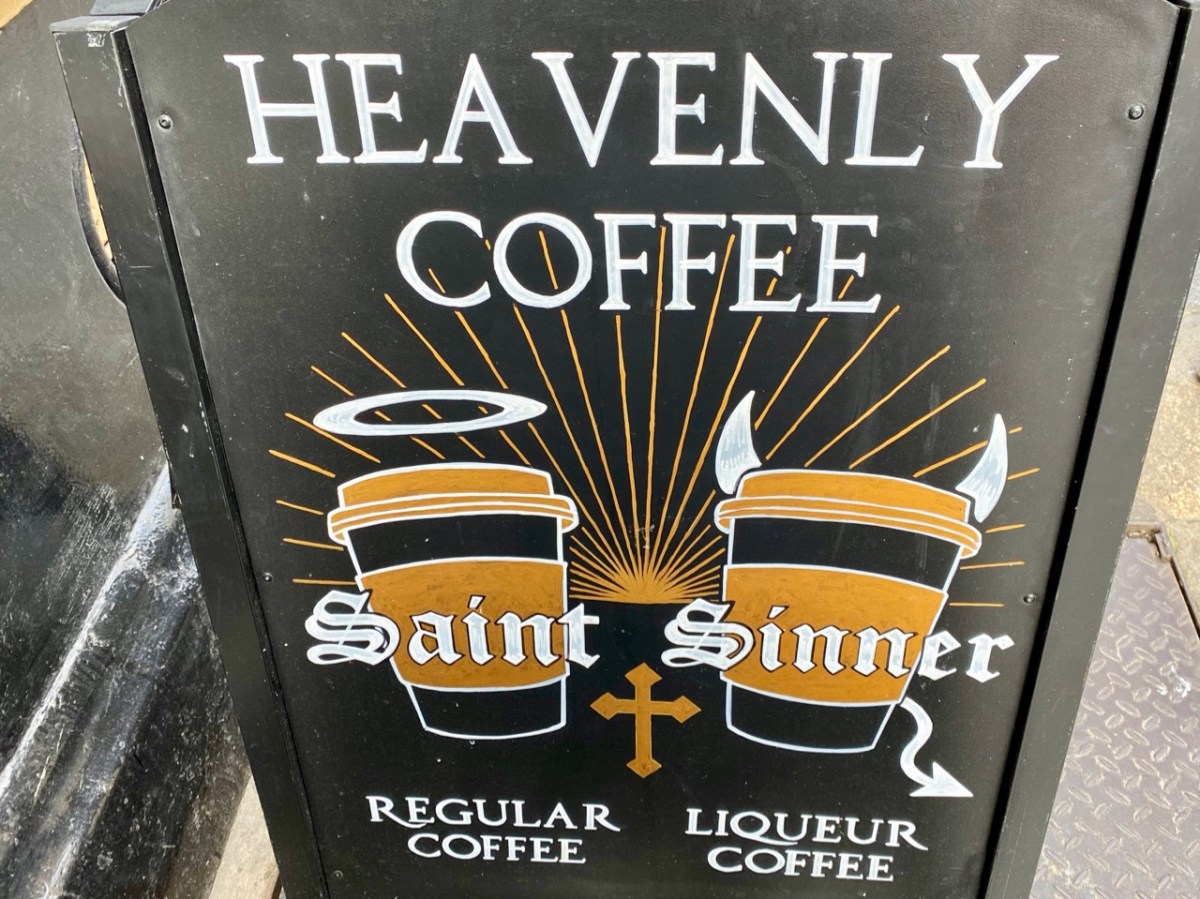
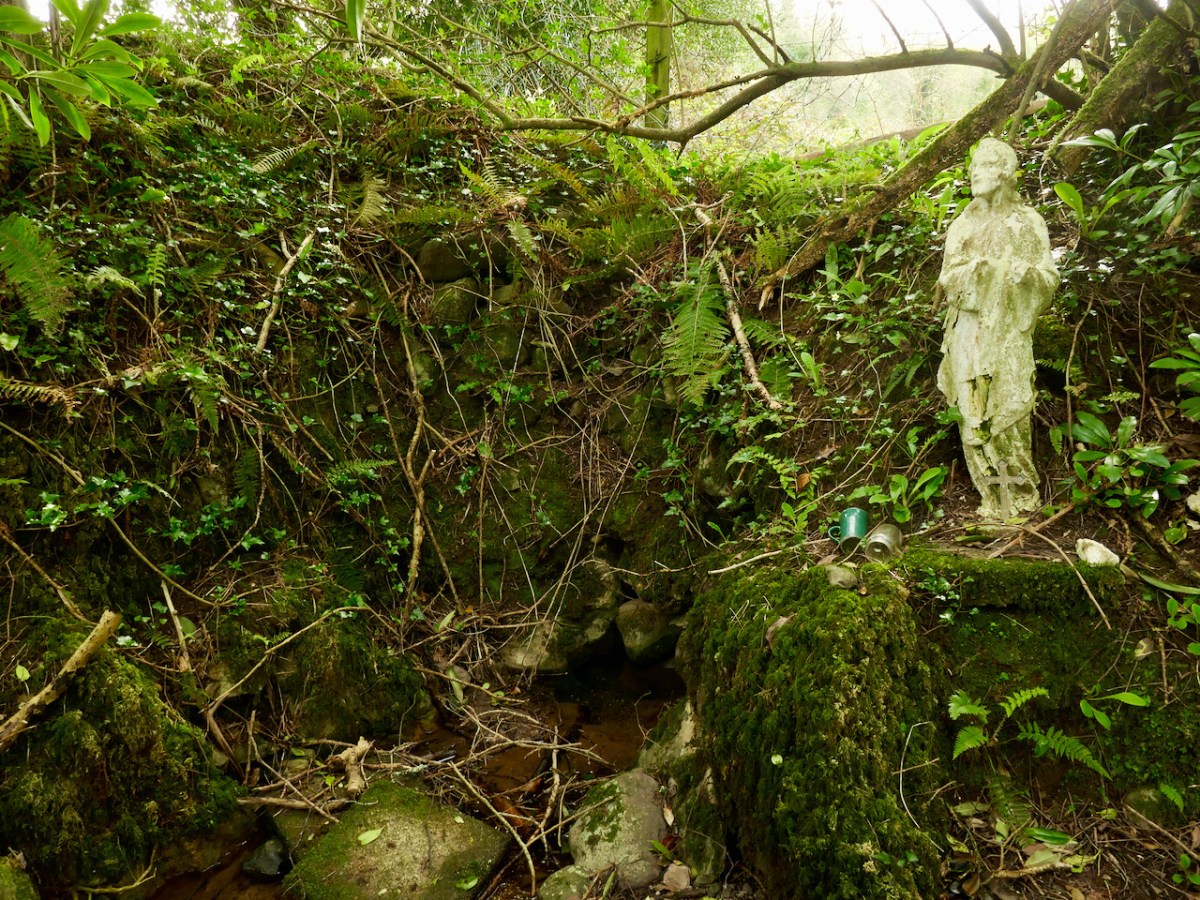
These cheerful cups can be found at a wayside Holy Well.
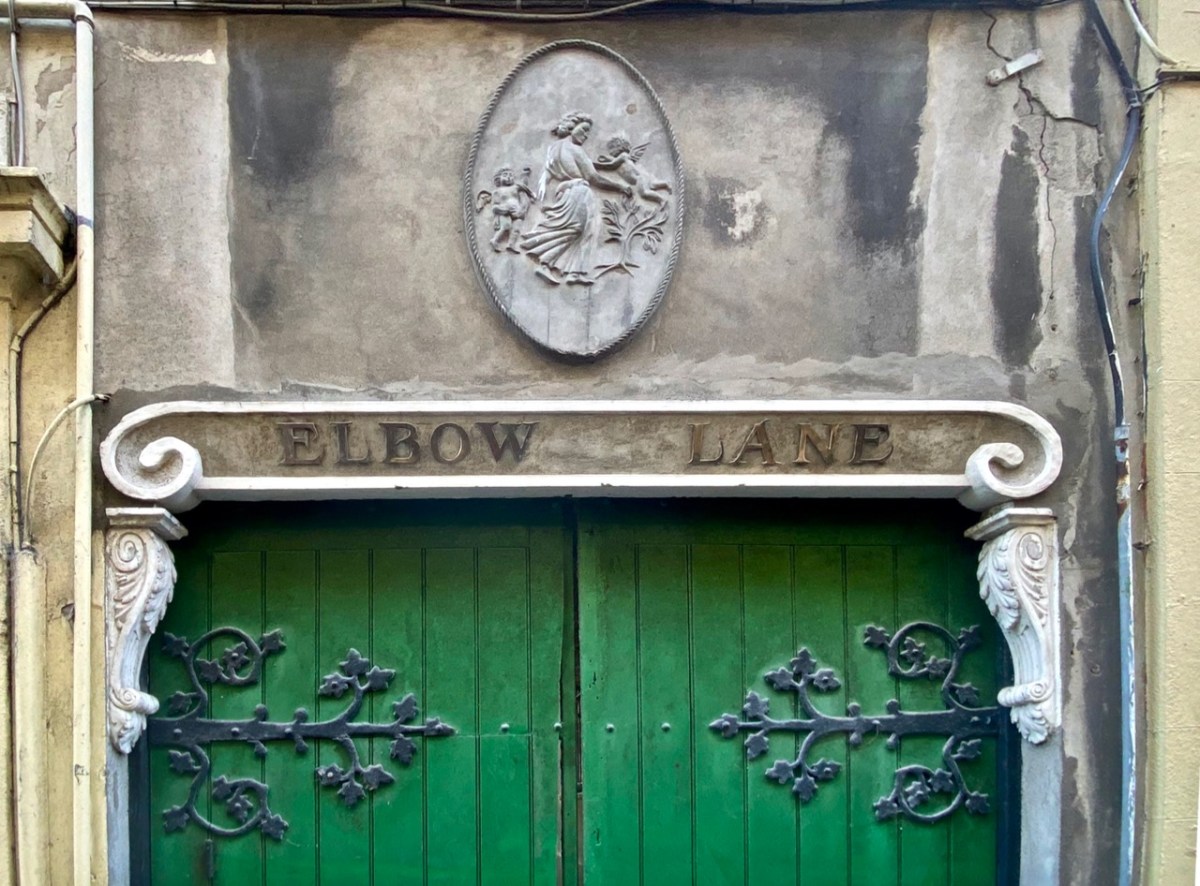
The gate above, also from Cork city, shows what architectural gems are waiting to be discovered on the streets. I was pleased – and puzzled – to come across the following:

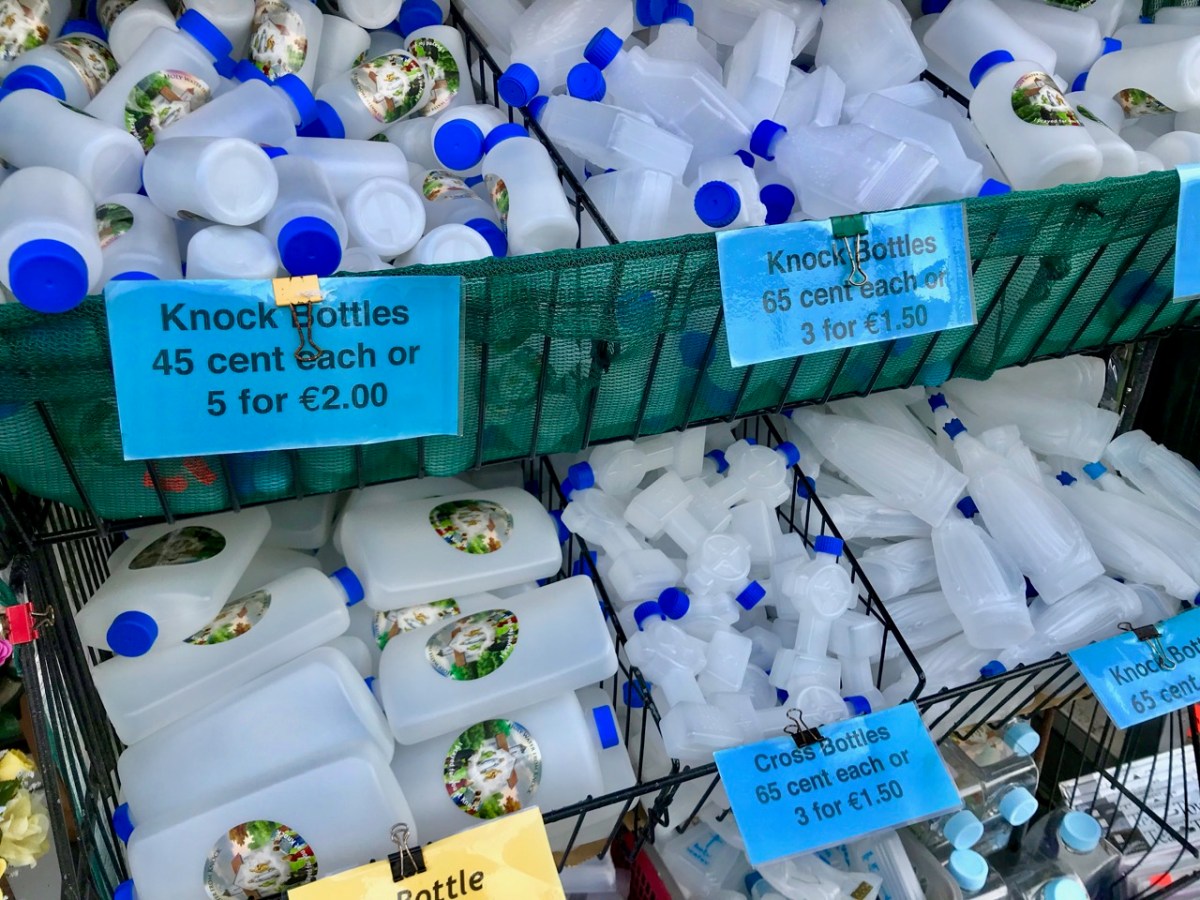
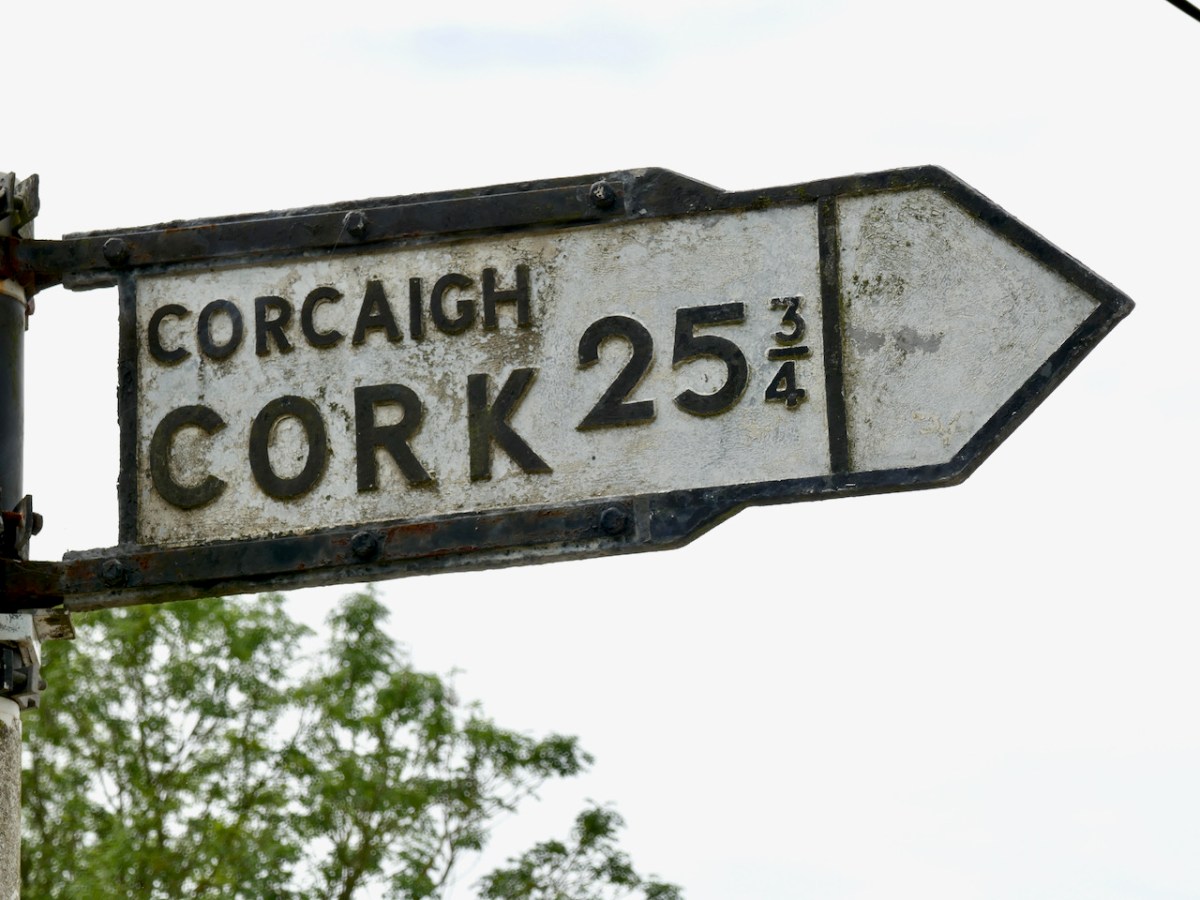
If you visit Knock (above) you can collect your own holy water. This is my report on the place. Here (below) is a curiosity – not far from our West Cork home: an old signpost marking the distance in miles. You might say it’s one that got away!

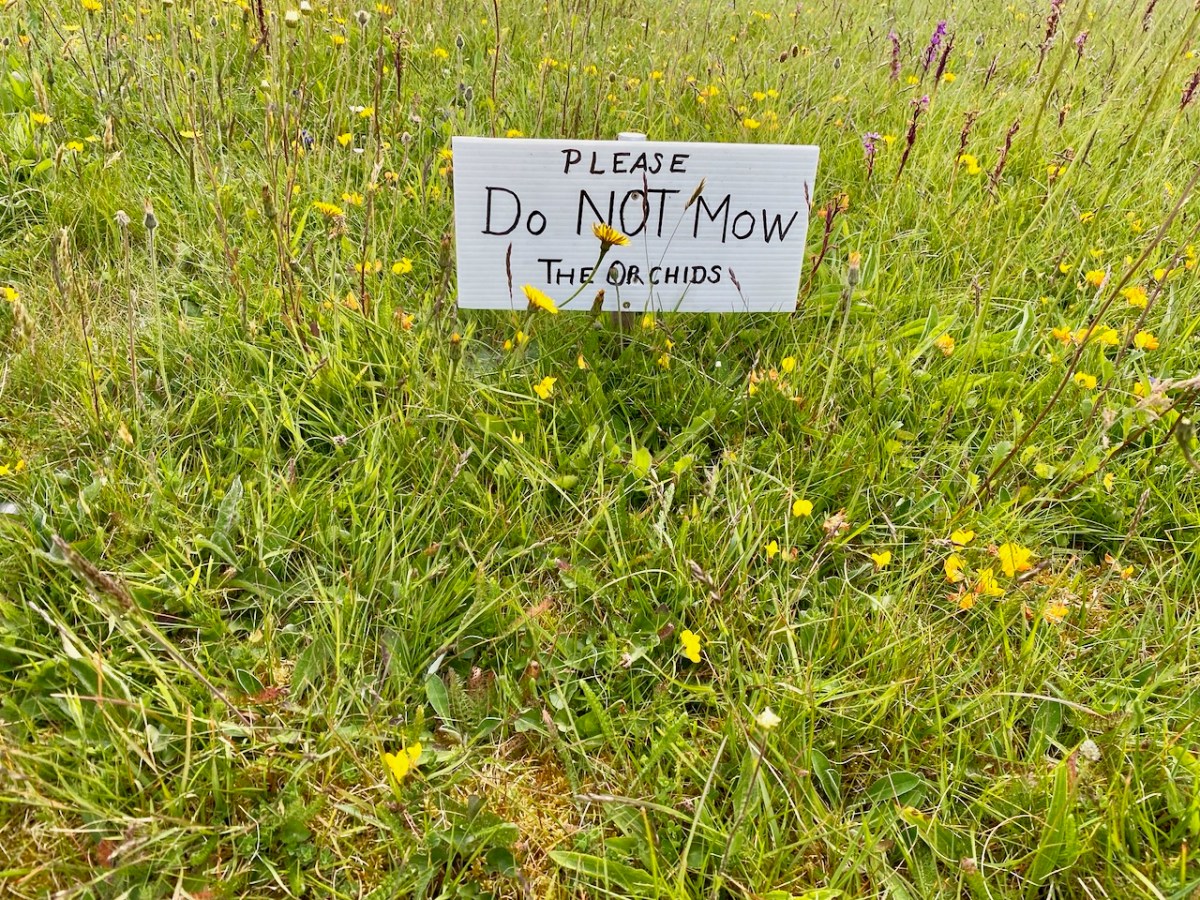
Quite right! The orchids at Toormore Church are spectacular, and have to be looked after.

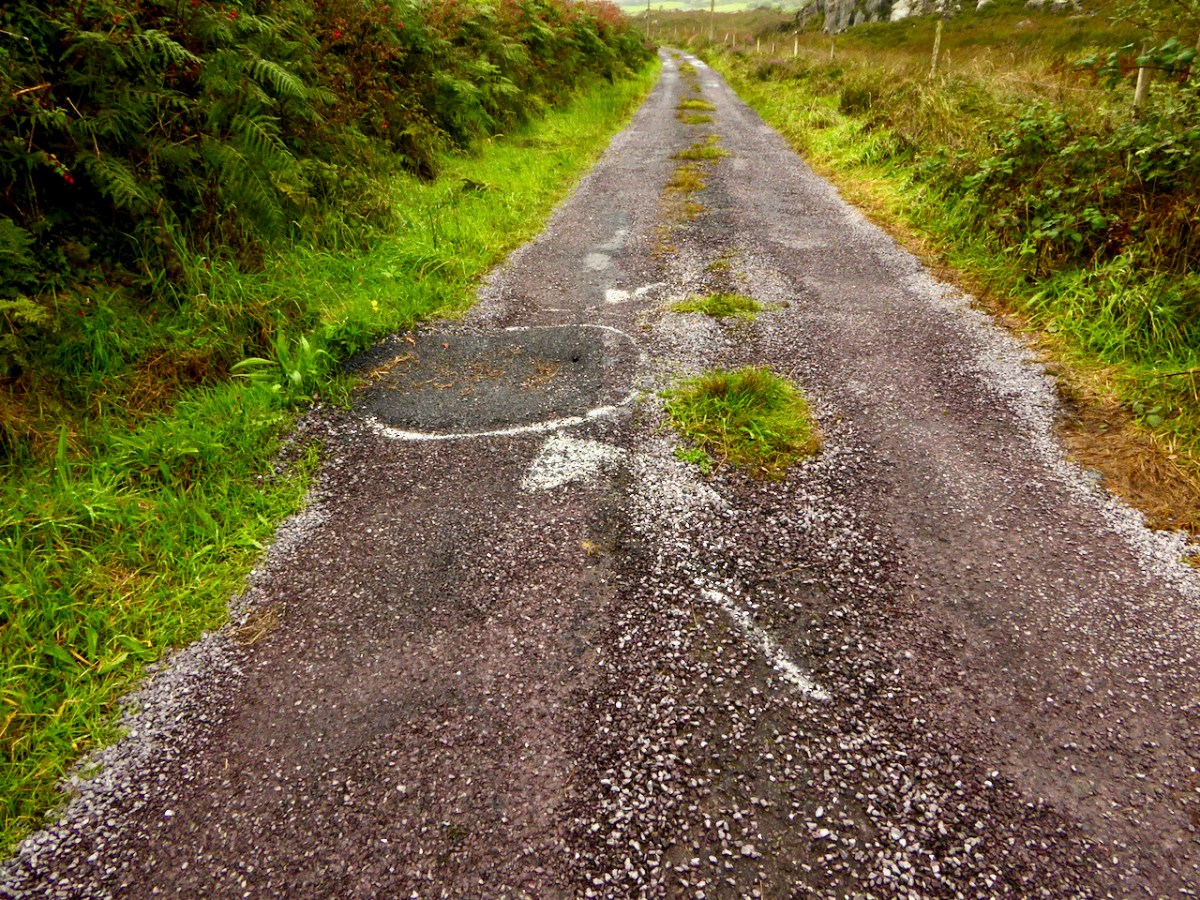
A coded message from another world, perhaps?

Signs can be enigmatic here in Ireland. There’s usually a reasonable explanation for them, though.

There’s plenty more where these came from (in fact they come from all over Ireland). Keep a watch out yourselves!

In Search of Wells and Railway Lines

We are often invited to join our friends Amanda and Peter Clarke on their journeys of exploration into the wild places of West Cork and Kerry. We even stray over into Limerick on occasion! And it’s usually all to do with Holy Wells. Amanda has been writing about them for years, and you can find her accounts of them in Holy Wells of Cork & Kerry, here.

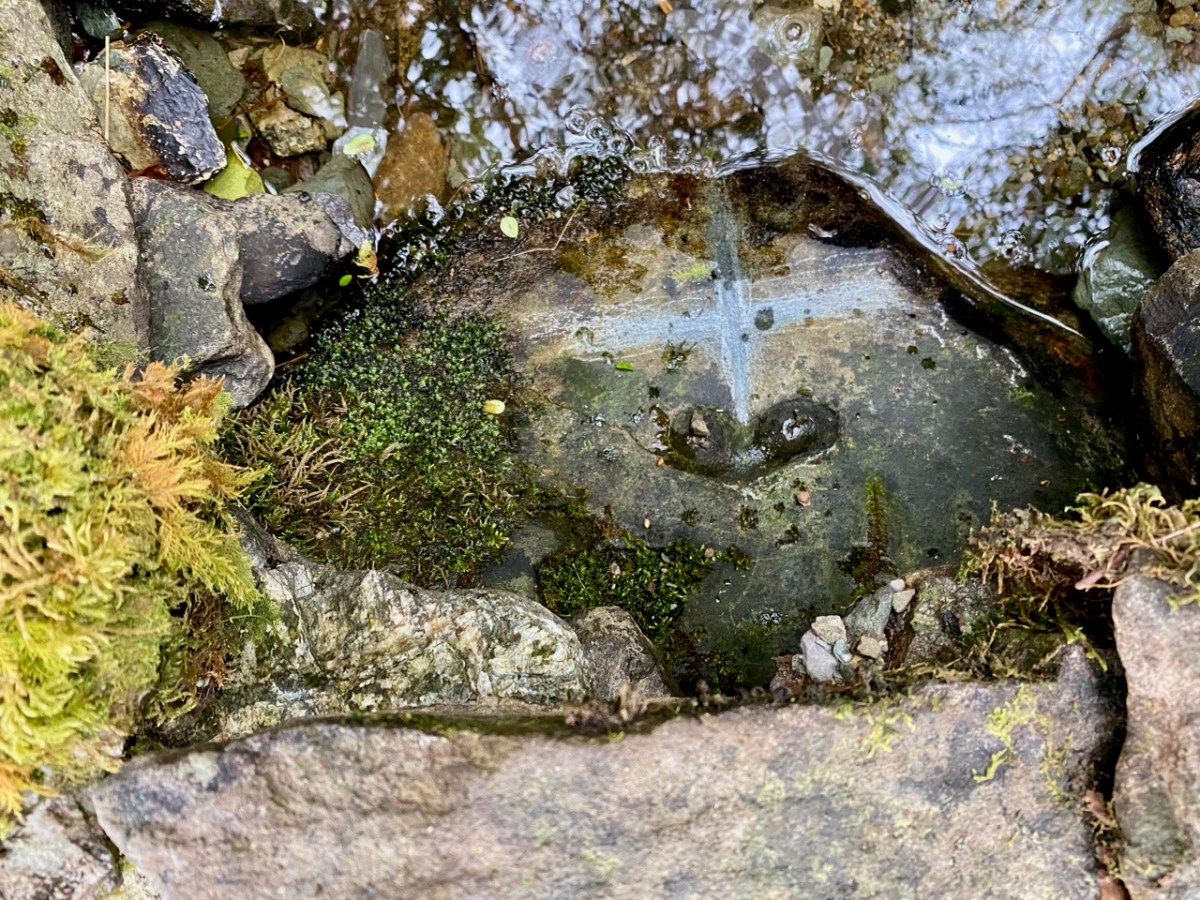
Recently we were at Loo Bridge, near Kilgarvan, Co Kerry. There’s a well there – Tobar na Naomh – All Saint’s Well, and there’s a lively account of it in the Dúchas Schools Folklore Collection. Evidently a ‘band of Saints’ travelling over the mountain to Gougane Barra stopped at this well for refreshment. One of them (St Finnbarr) left his spectacles behind and didn’t realise it until he was a long way up the steep path. Fortunately, there were so many of his companions that he was able to pass a message back down to those who were still starting off from the well and the spectacles were retrieved! But – because they were holy spectacles, they left their imprint on the rock at the well – forever. There it is in the picture above.

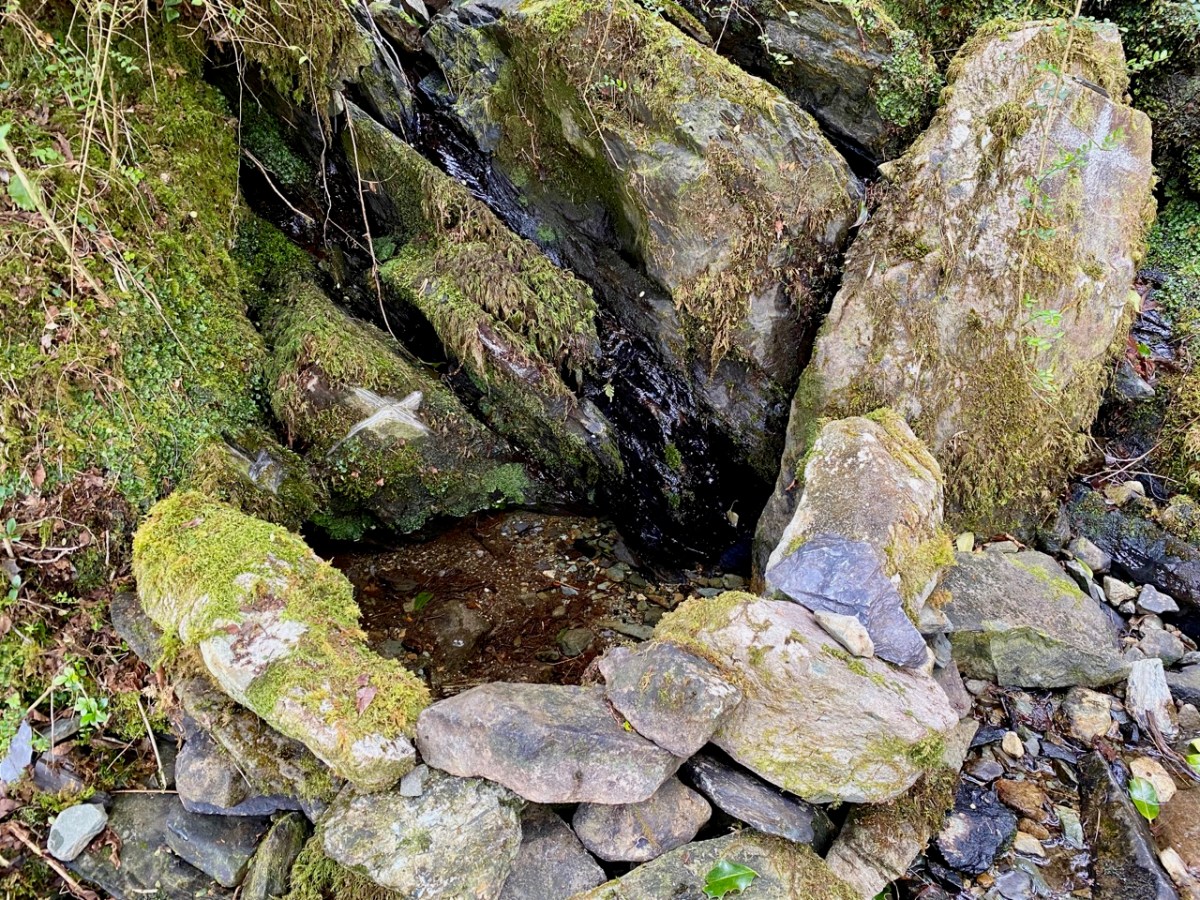
There are several crosses etched into the stones around this well by visitors. It’s wonderful to think of the continuity of those pilgrims seeking out the well and keeping its veneration alive – probably through countless generations.

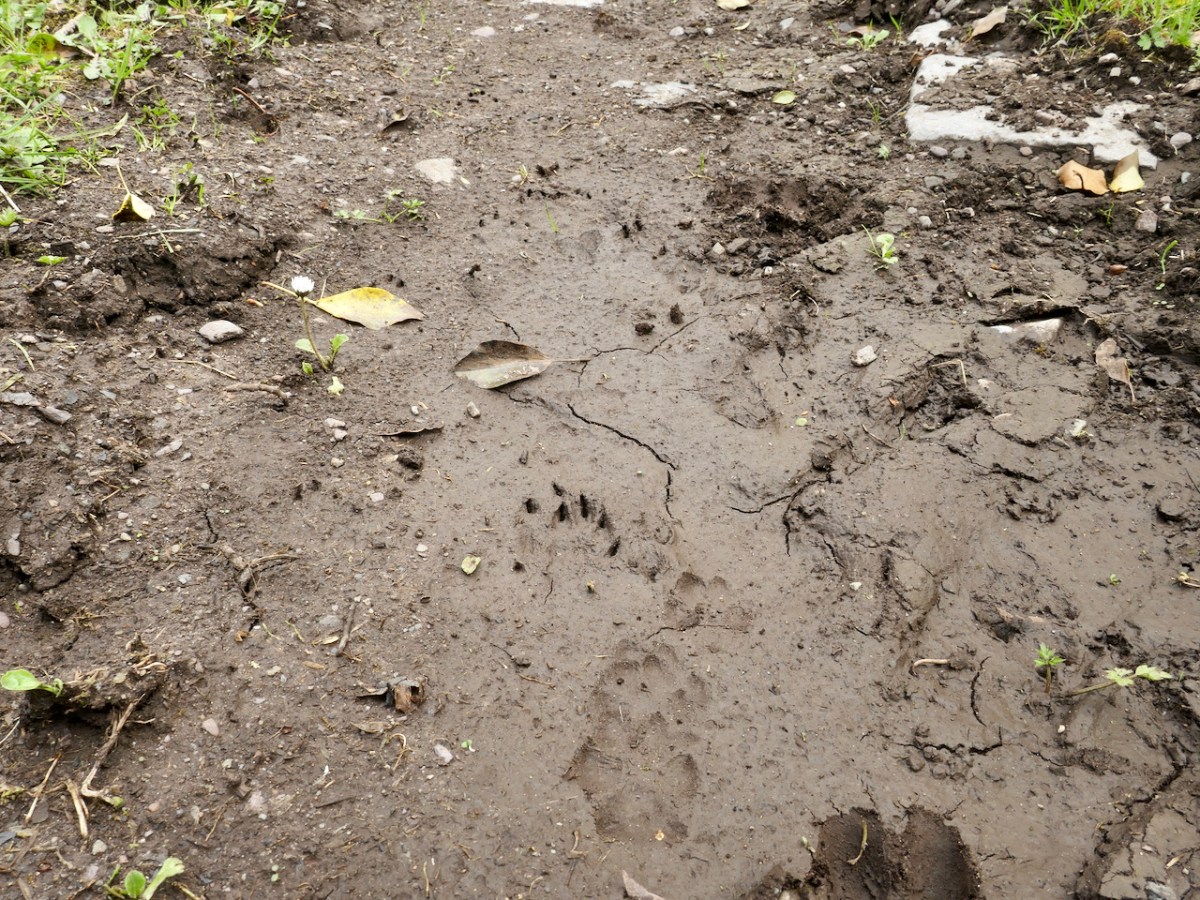
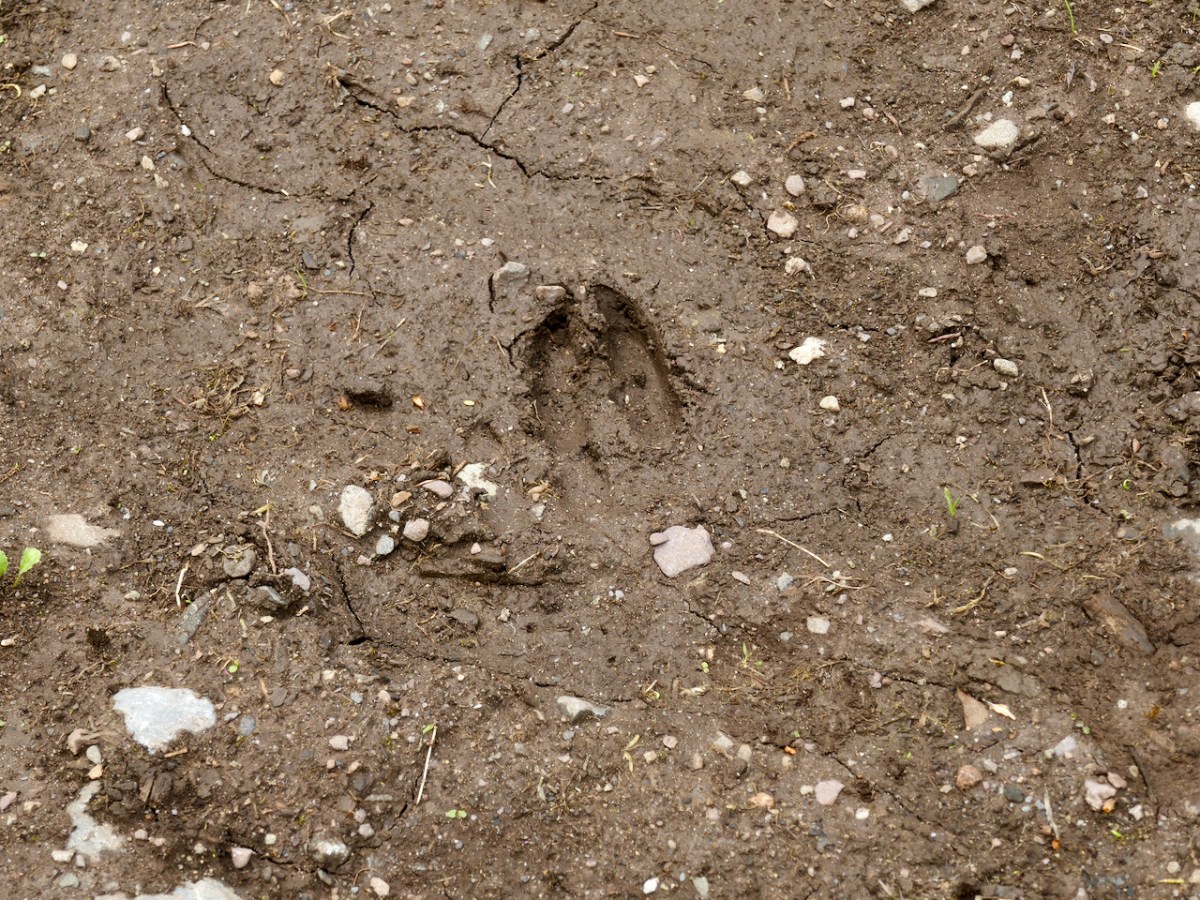
Another well on our agenda involved us walking over a long, muddy trackway. We could see the prints of the feet of other travellers: the top pic looks like bear paws (although perhaps more likely to be badgers), whereas the cloven hoof above is either Satan or a deer. We met none of these on the path that led, eventually, towards the Wells of St Peter and St Paul.
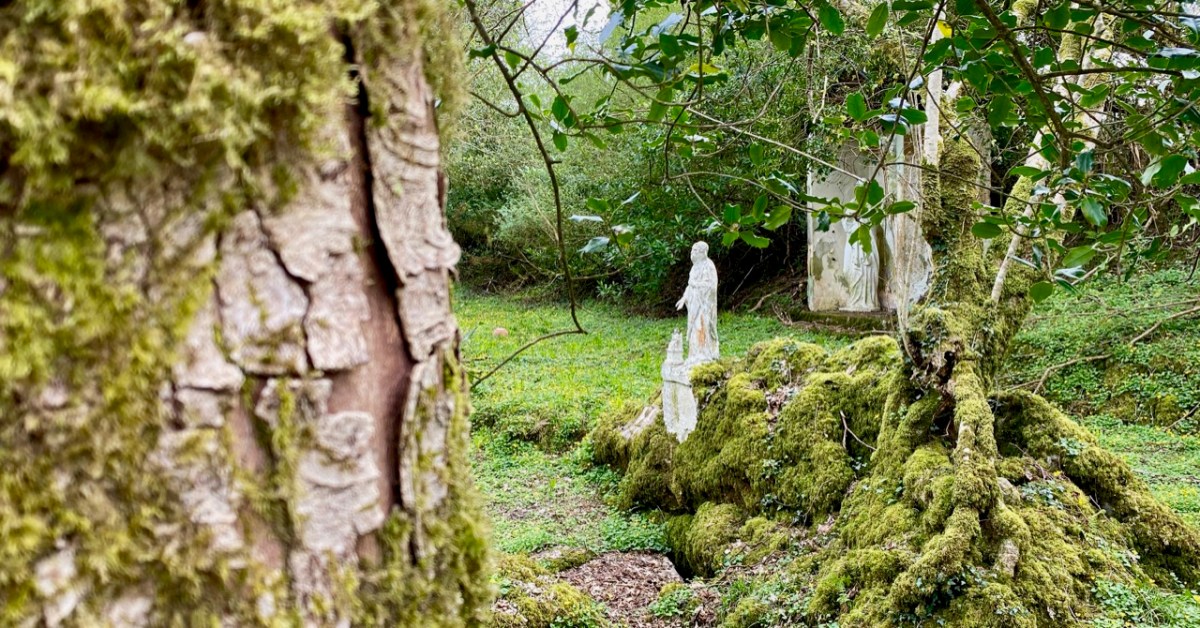
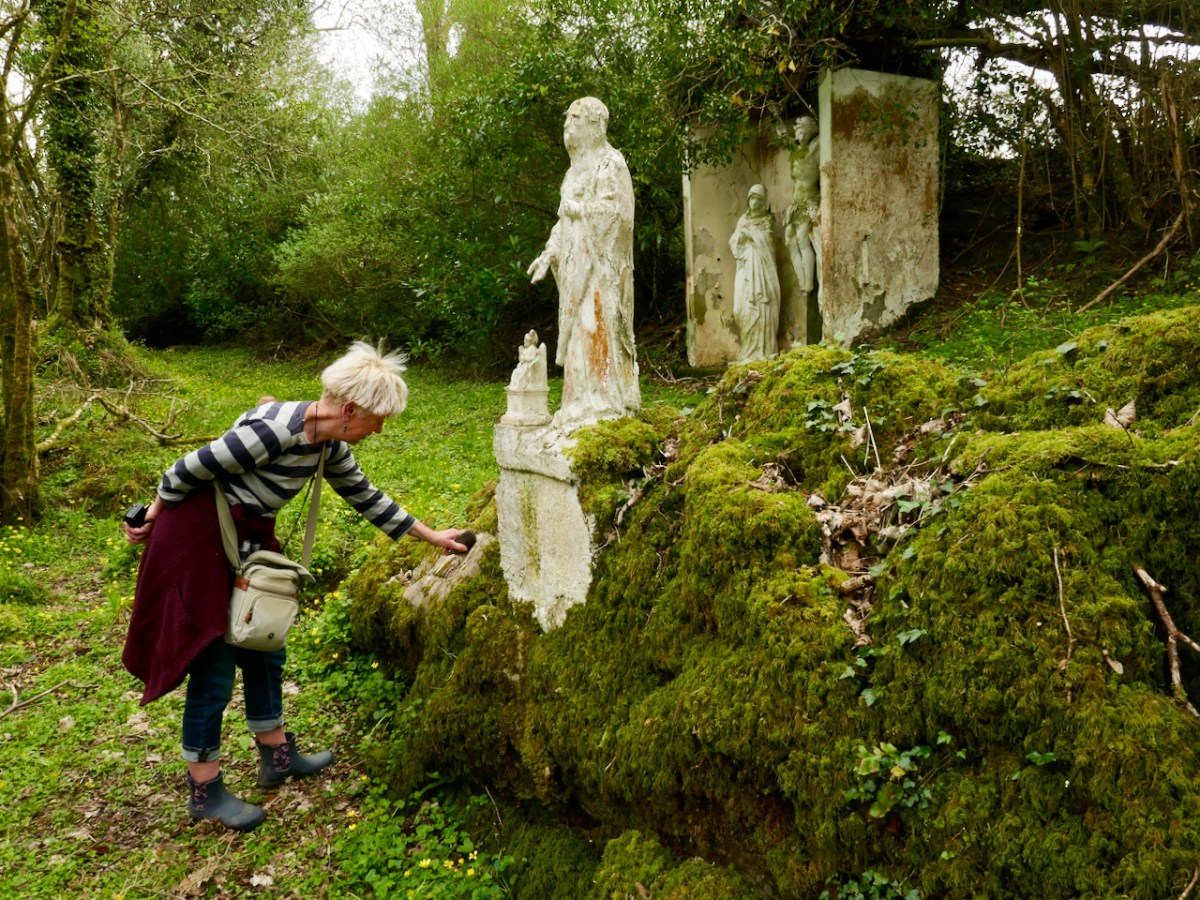
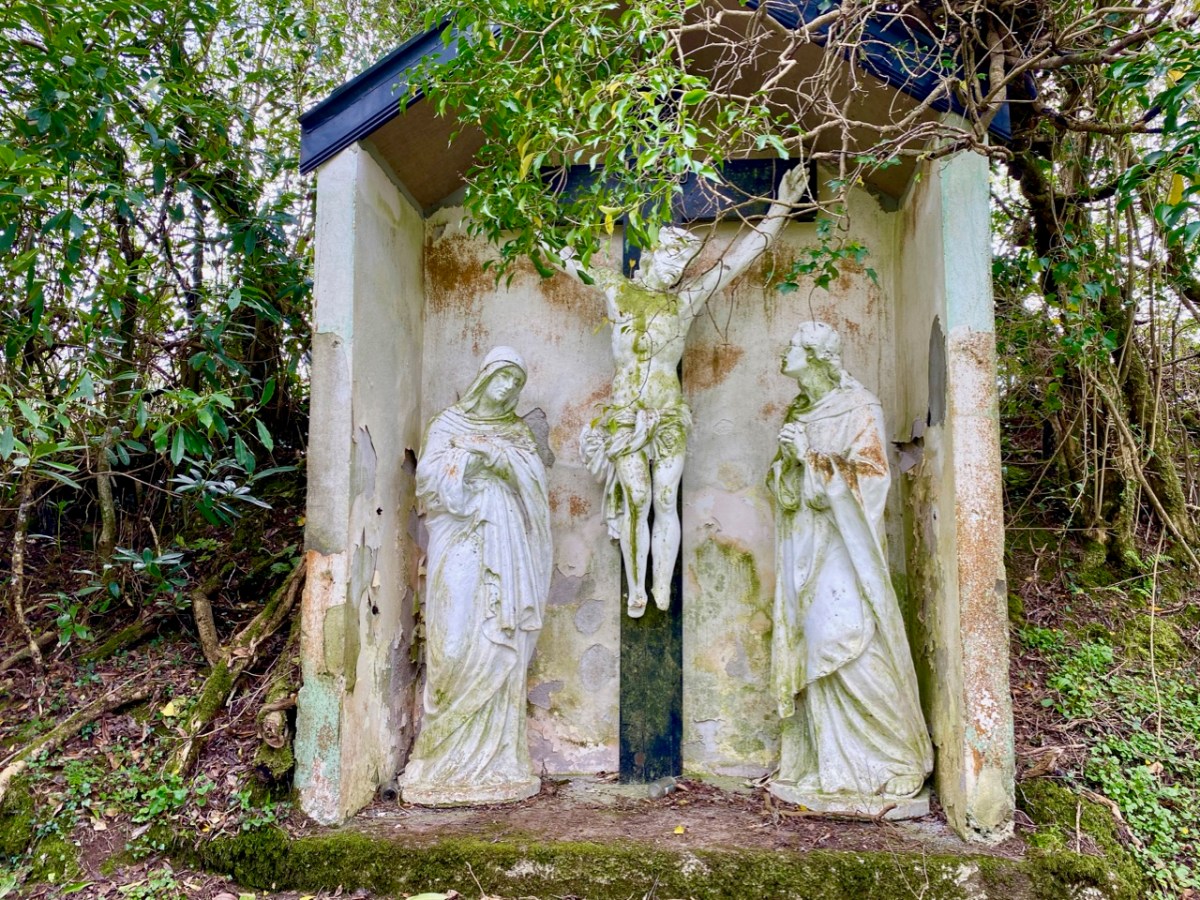
St Peter’s well is clearly defined (above, with Amanda looking on). Beyond it is a weather-worn shrine with a Calvary depiction. It’s quite a surprise to find such a substantial life-sized scene in a remote wood.
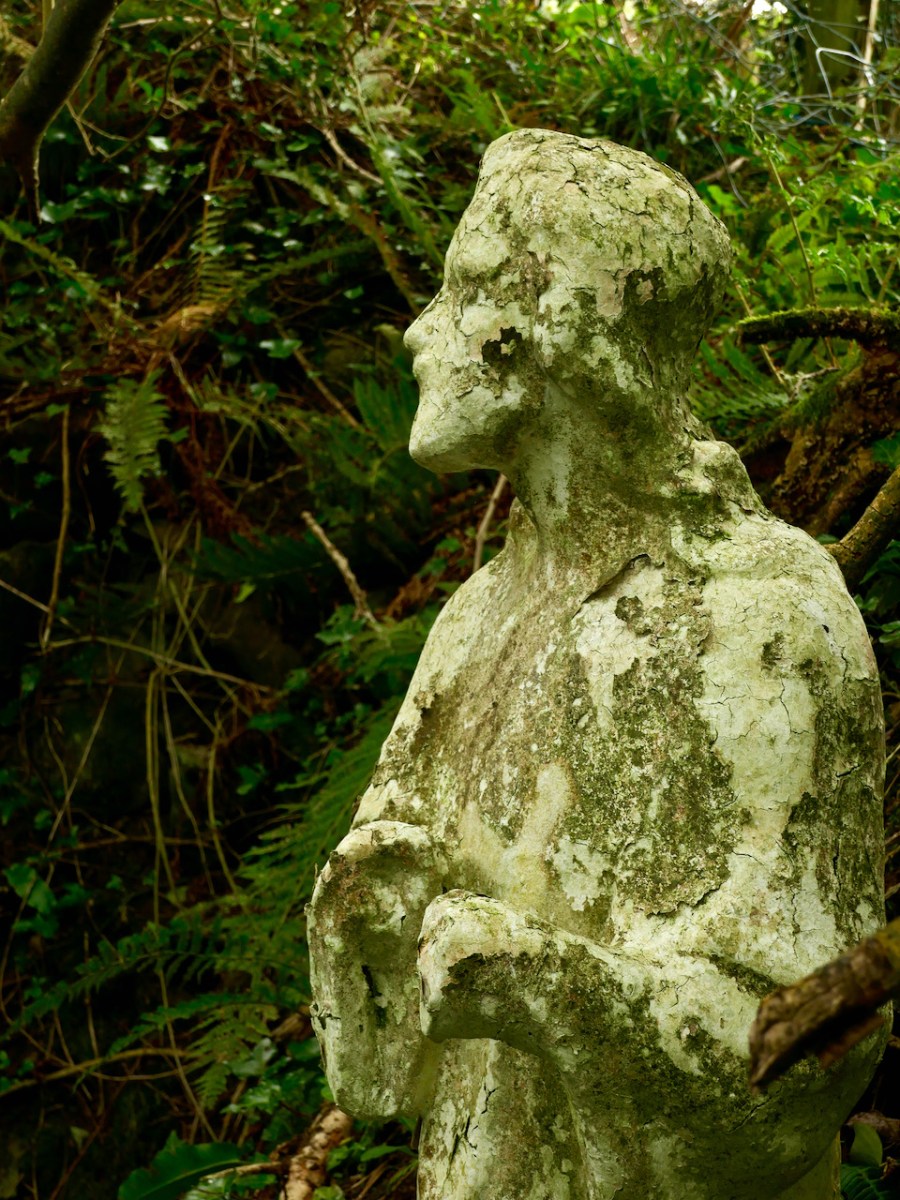
A little way to the east of St Peter is St Paul (above). He looks down on his own well. Note the modern mugs, implying that the well is still in use.

Both St Peter and St Paul share their feast day on 29th June. This is the day when these wells should be visited.

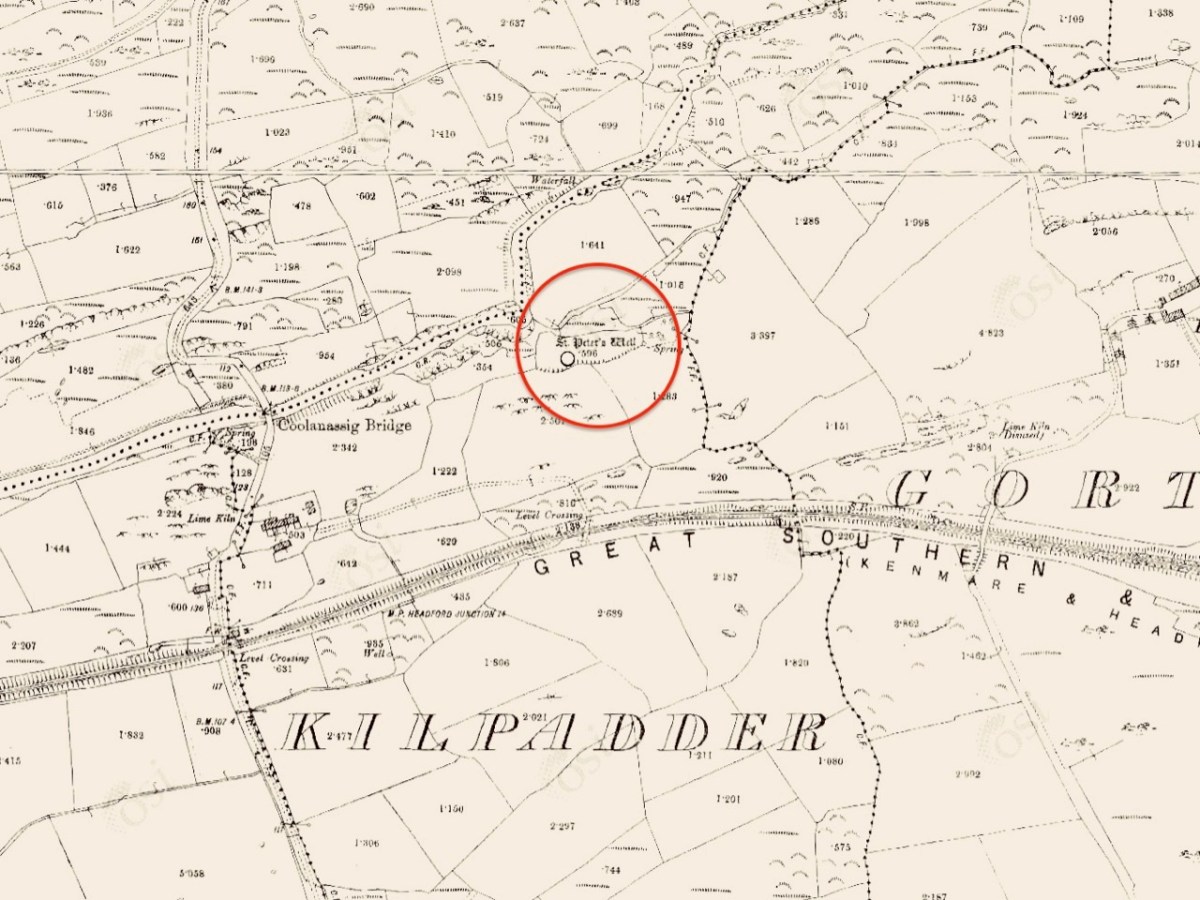
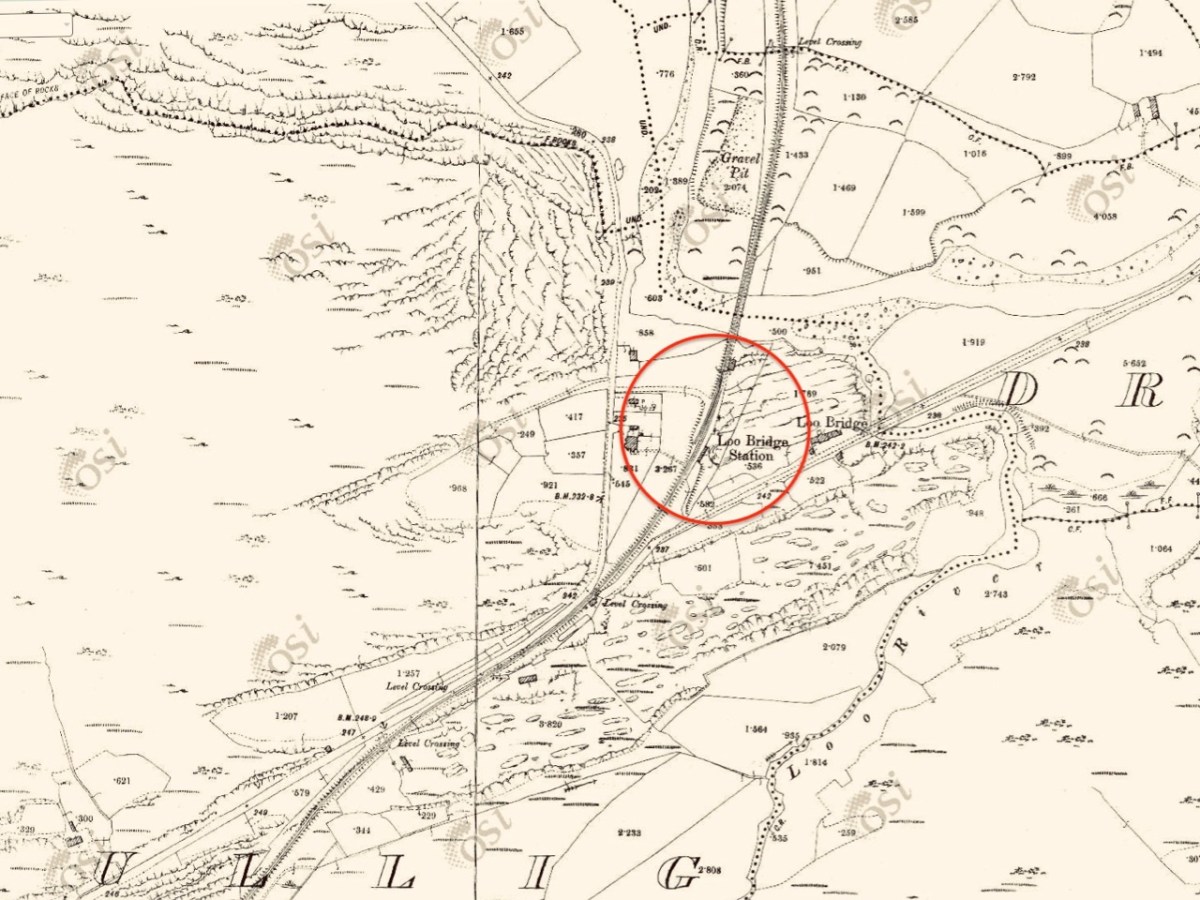
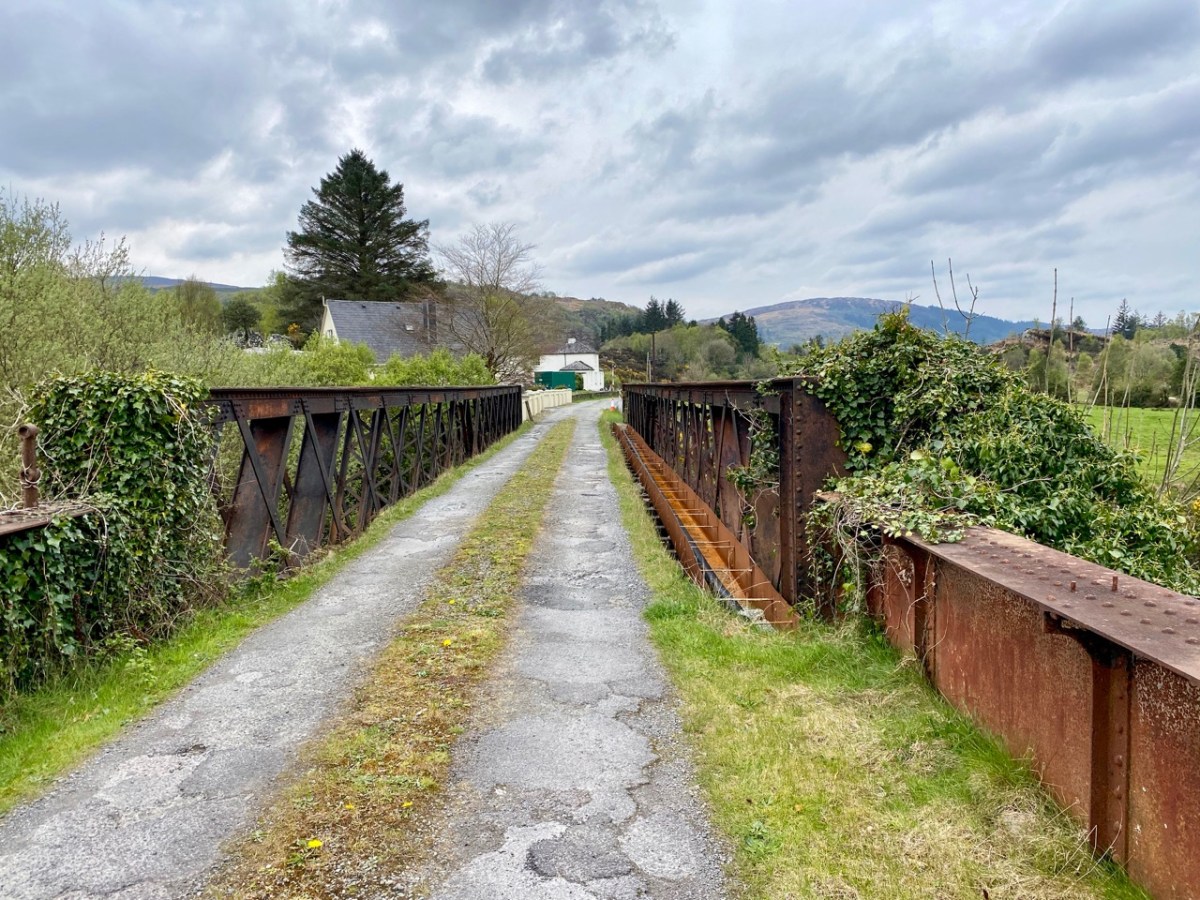
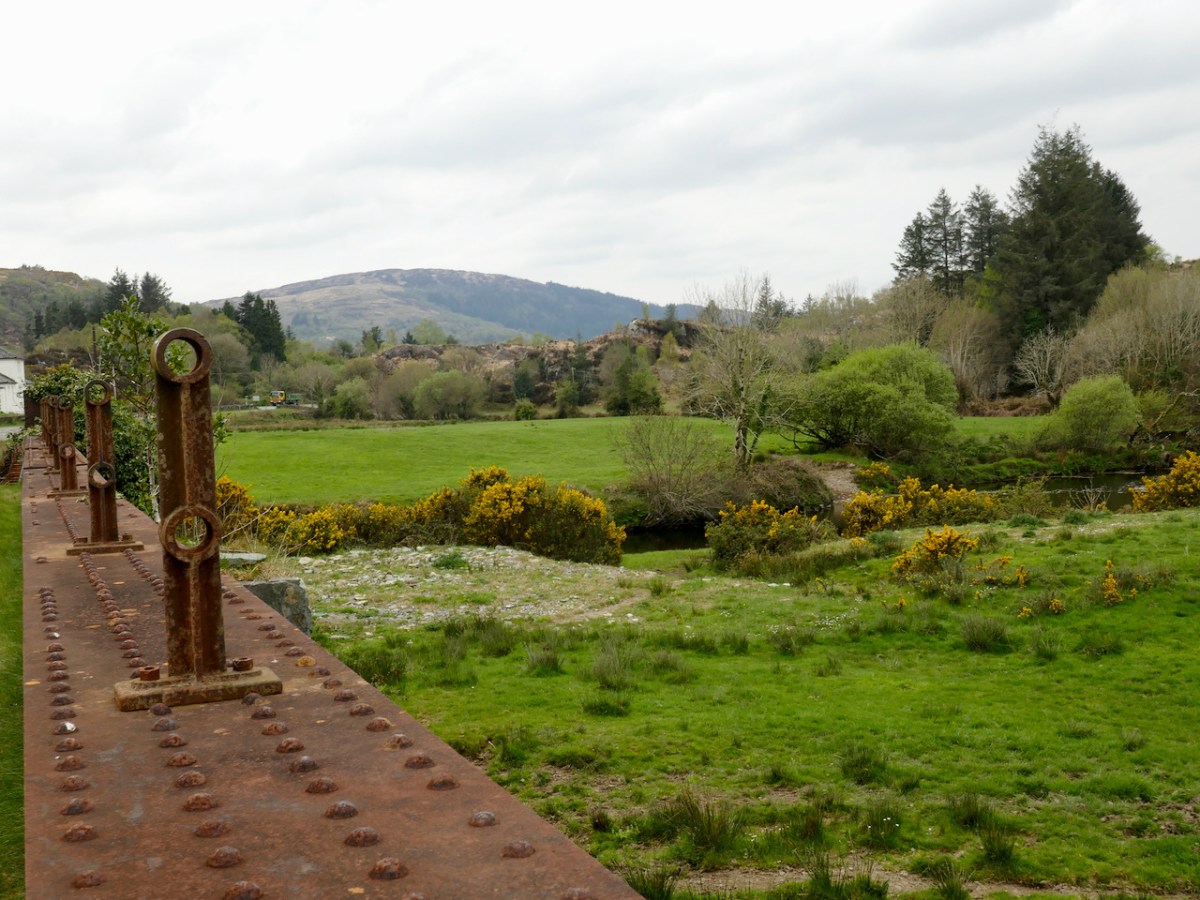
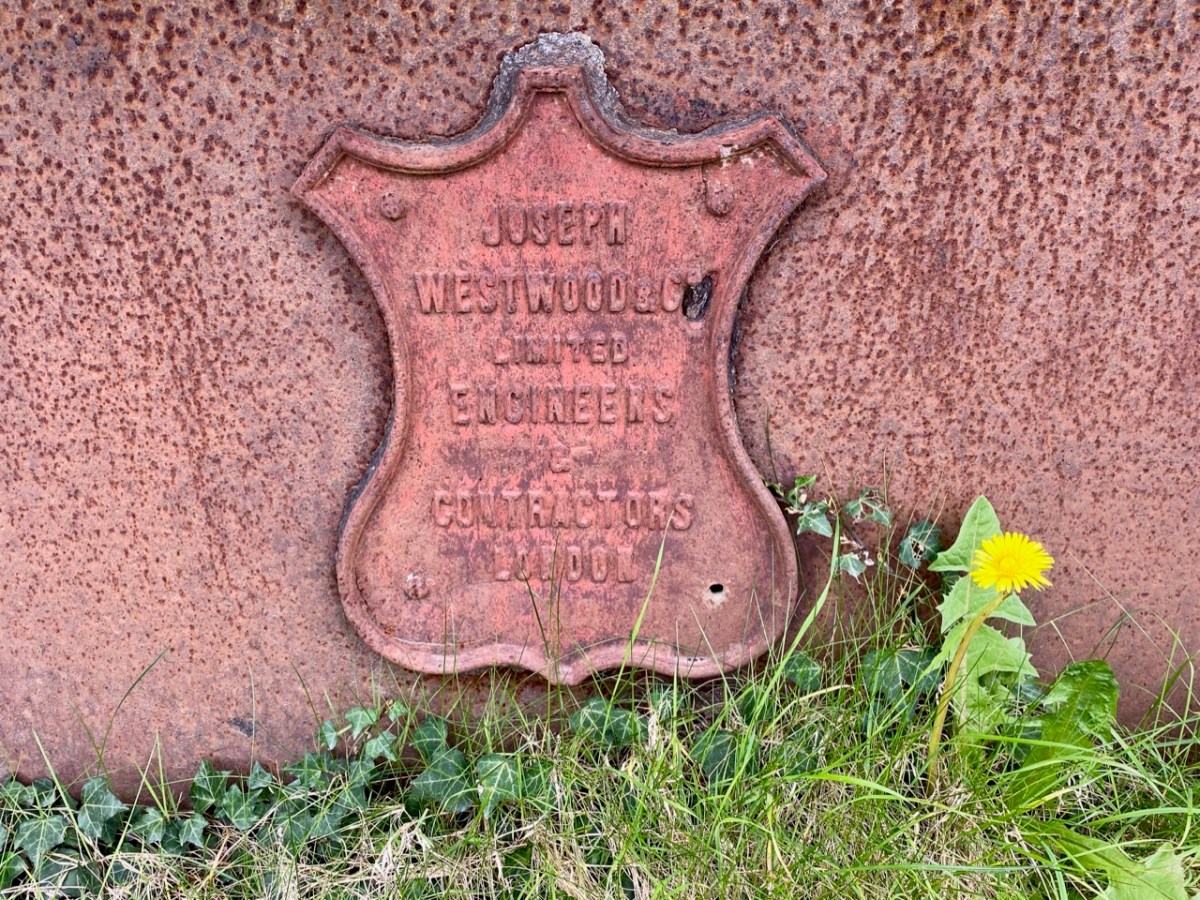
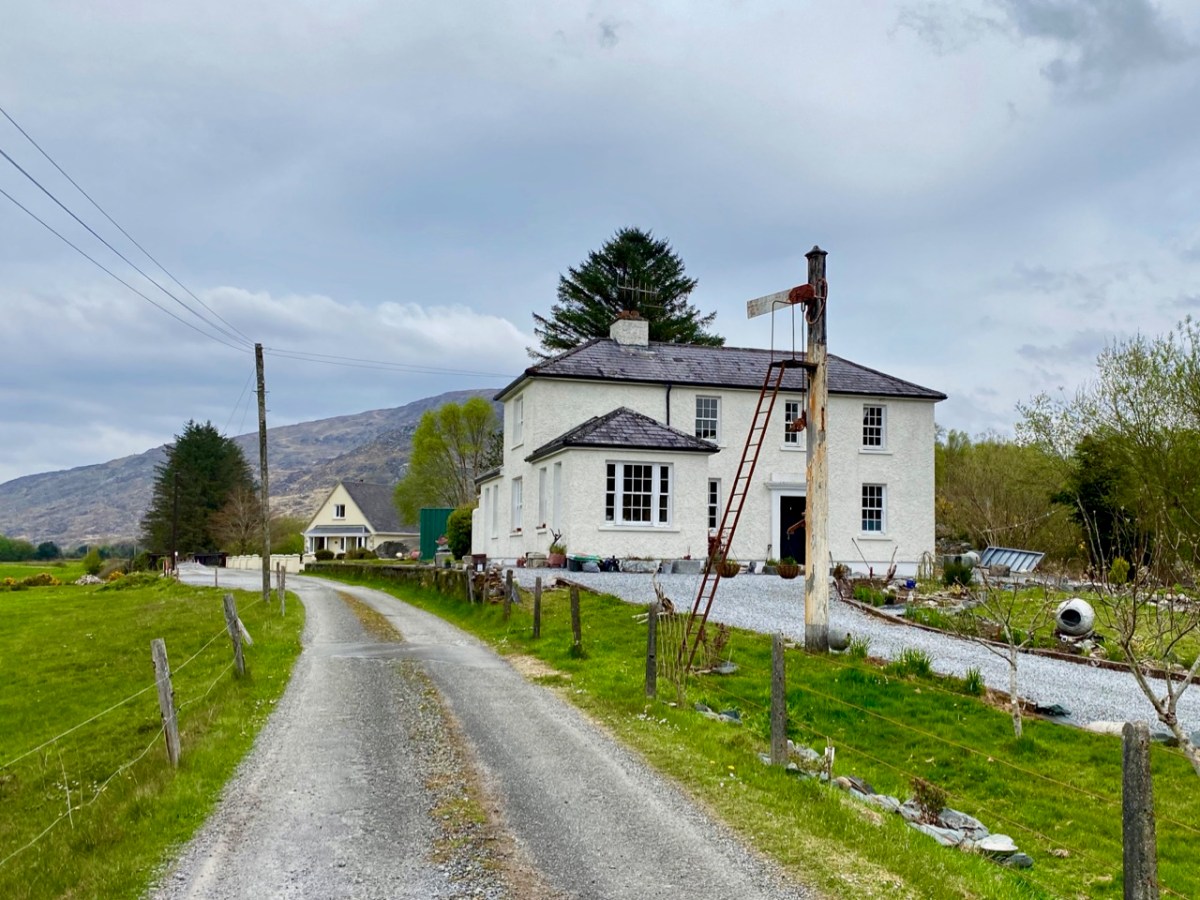
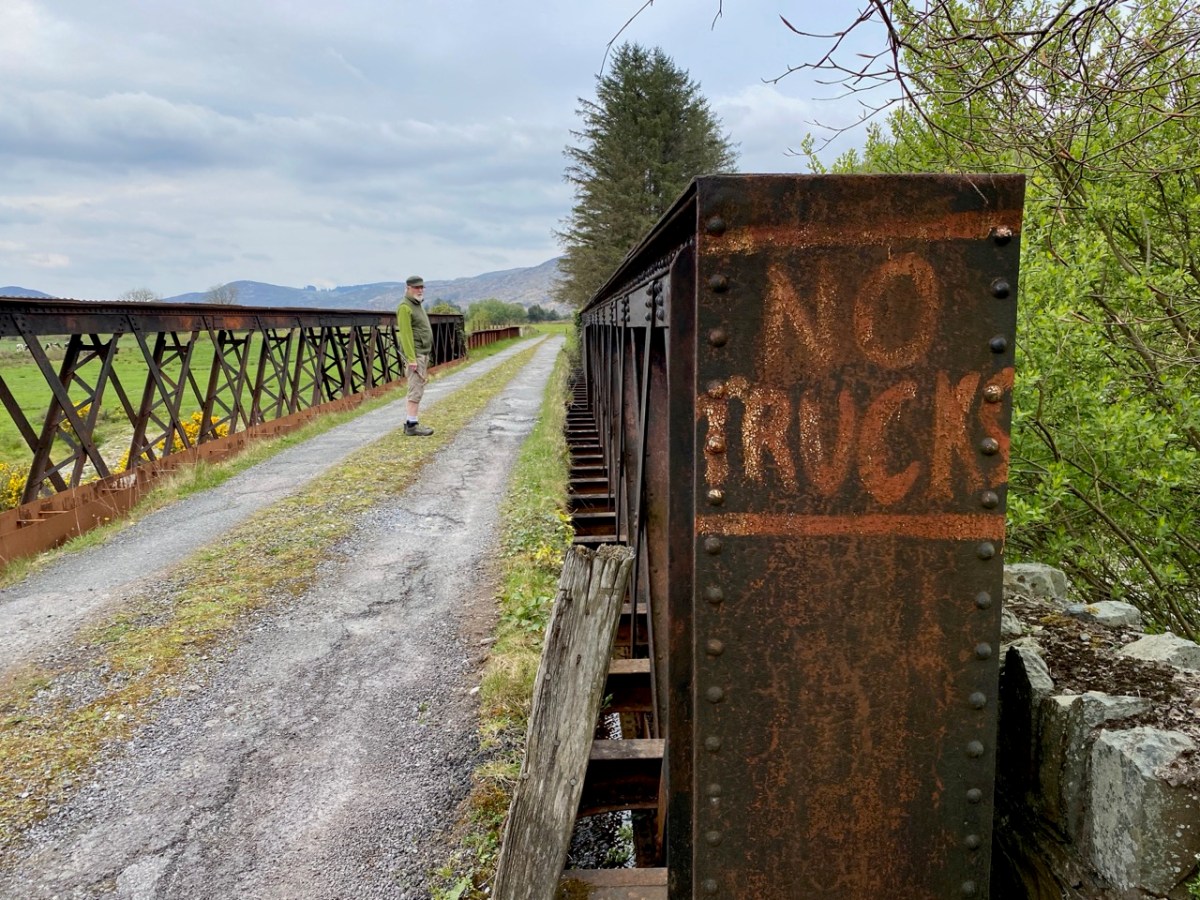
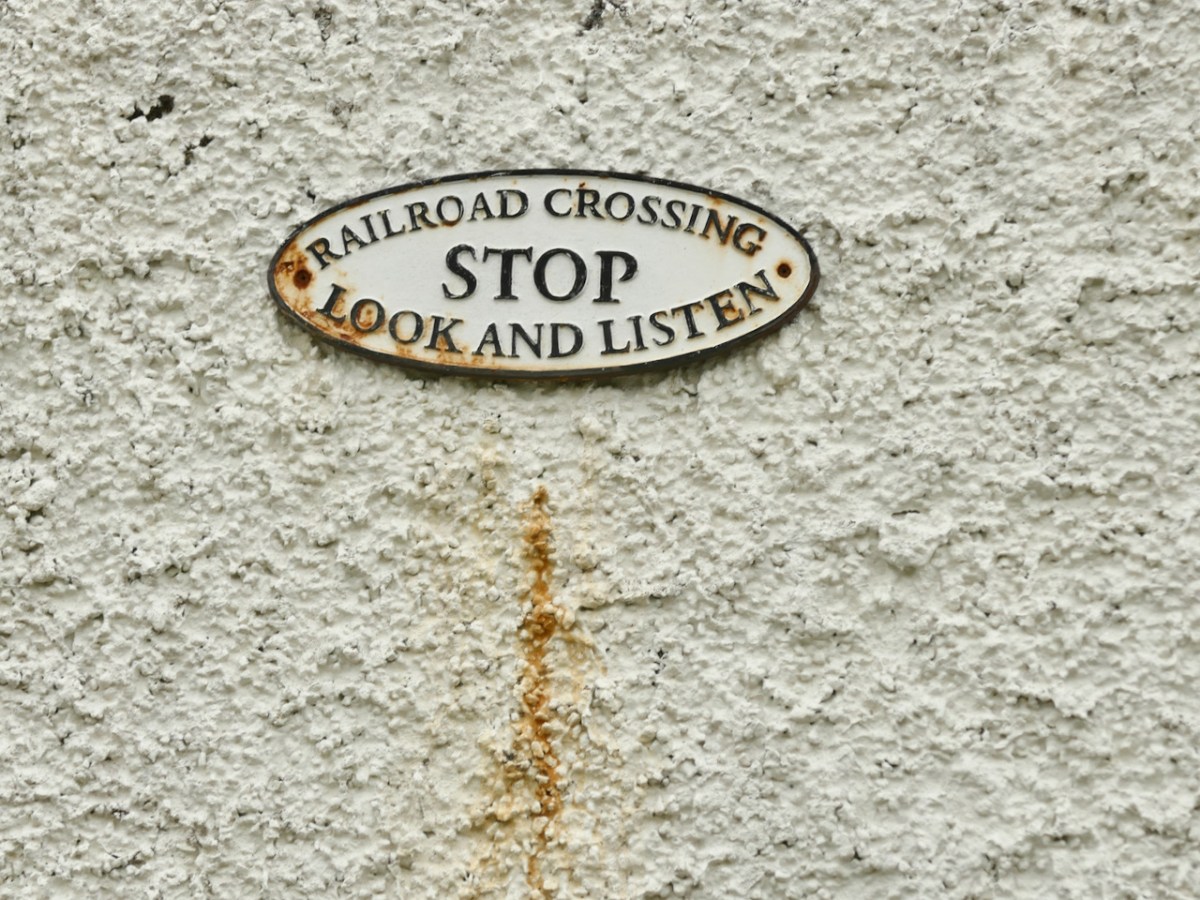
The 6″ OS map, above, dates from the late 19th century. St Peter’s well is marked on it, while St Paul’s only gets mentioned as a spring. Not far to the south is a railway line: The Great Southern Railway: Headford Junction to Kenmare. This was opened in 1890 and closed in 1959. While the track itself is long gone, many features can be traced. We stopped at Loo Bridge where the old station remains, as does an adjacent steel river crossing.

I am always saddened to see abandoned railway lines: they could so easily have had a new lease of life in our present environmentally conscious world. Regardless of their potential functionality, ‘heritage railways’ are also highly popular tourist destinations. I’m afraid, however, that the work and costs now required to recover them is unlikely to be invested any time soon, unless there is a big change in attitude and priority.

Lost railways and fading wells: unlikely bedfellows for a day out in Kerry. But our travels are always fulfilling, and diversity is the essence. In Ireland we can never run out of places to visit, or matters to be researched and recorded. Join us again, on our next expedition!