Cnoc Buí Arts Centre and 20th Century Irish Art

We have a major new player in the arts scene in West Cork. Over the last couple of years, Cnoc Buí (cnoc buí – yellow hill) Arts Centre in Union Hall, has quietly established itself as a significant focus for the arts. I have attended several exhibitions there, always marvelling at the space, the light, the curation and the excellence of the art on exhibit. Here’s the list for 2024, although it doesn’t include the current exhibition, and that’s the one I want to write about today. 
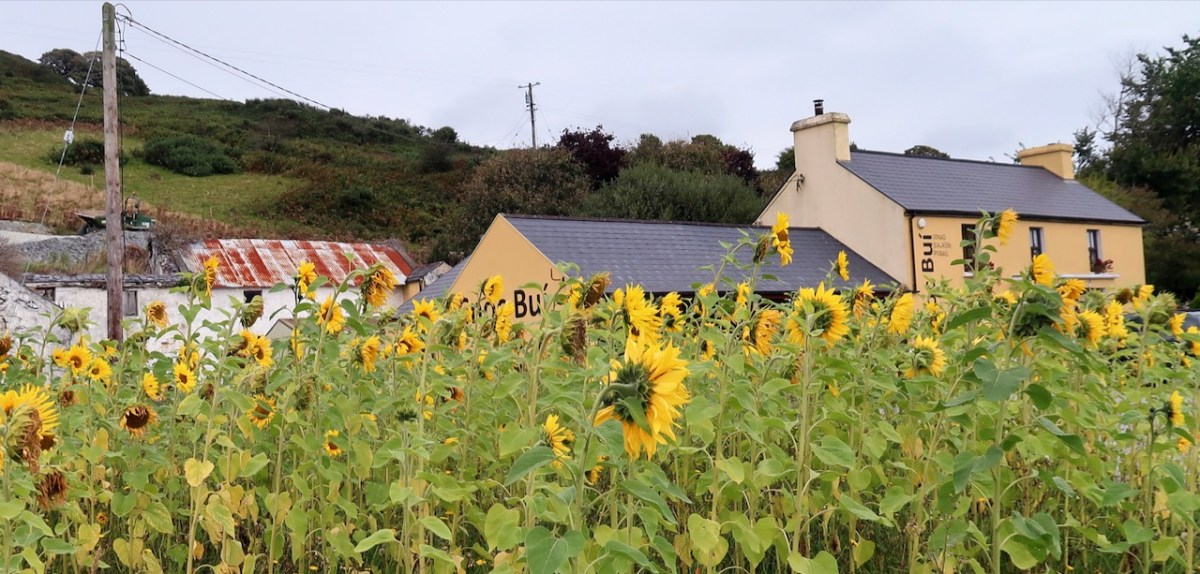
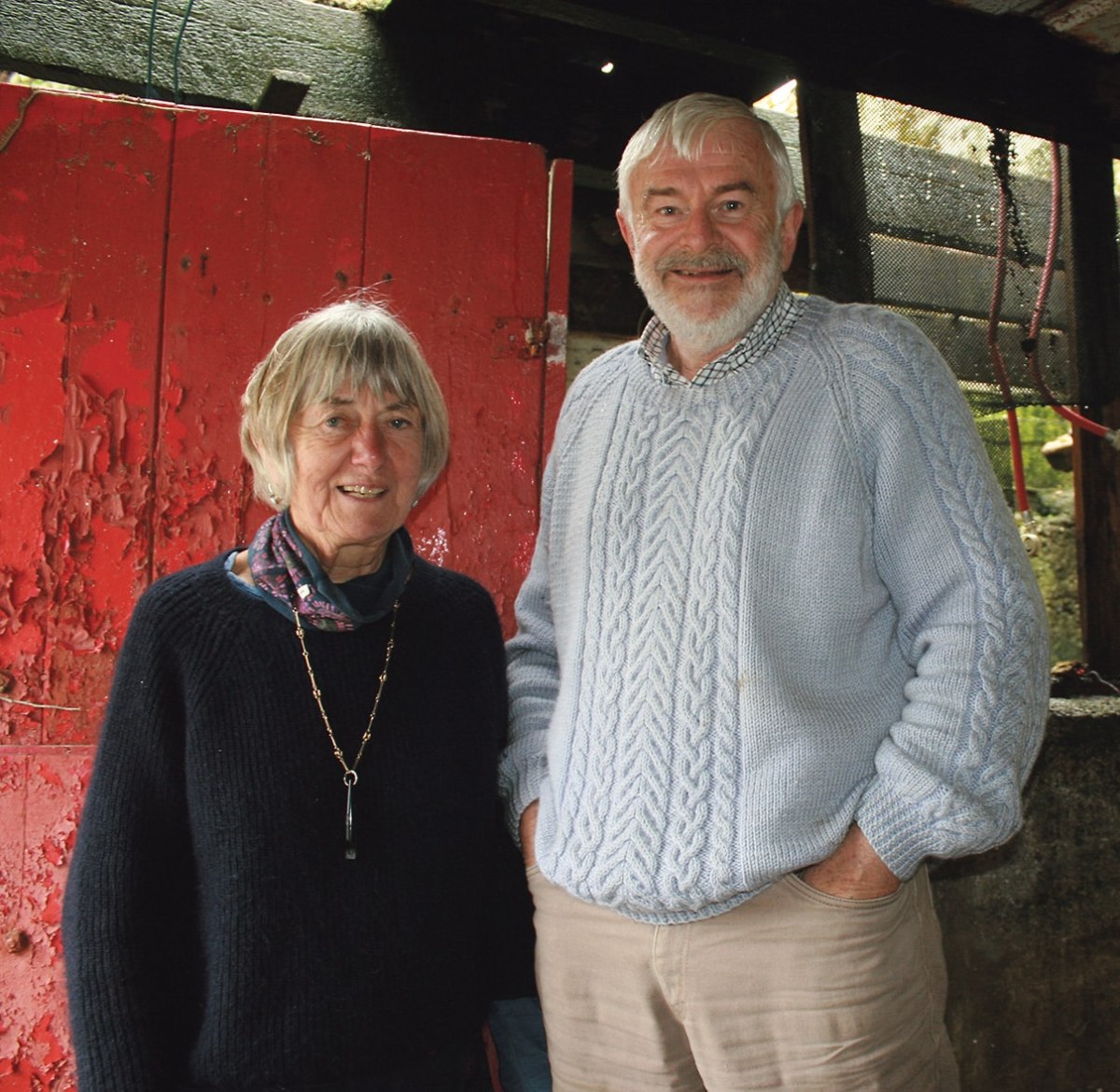
First of all, a little about Cnoc Buí itself (photo above by Amanda Clarke). As the name suggests, it’s a yellow house, beside the sea in in Union Hall, renovated and fitted out for the arts. It’s the brainchild of Paul and Aileen Finucane, who have come to live in Union Hall permanently, after owning a house here for forty years. Passionate about art, and avid collectors, they are ‘giving back’ in the most magnificent way possible through their philanthropic efforts. Read more about them and Cnoc Buí in this story from the West Cork People. (Photo below courtesy of the West Cork People.)
Those of you not living in West Cork – you have no idea how rare it is to come face to face, in your own backyard, with the great Irish artists of the 20th century. Normally we have to go to Dublin, to the National Gallery, or the Hugh Lane.
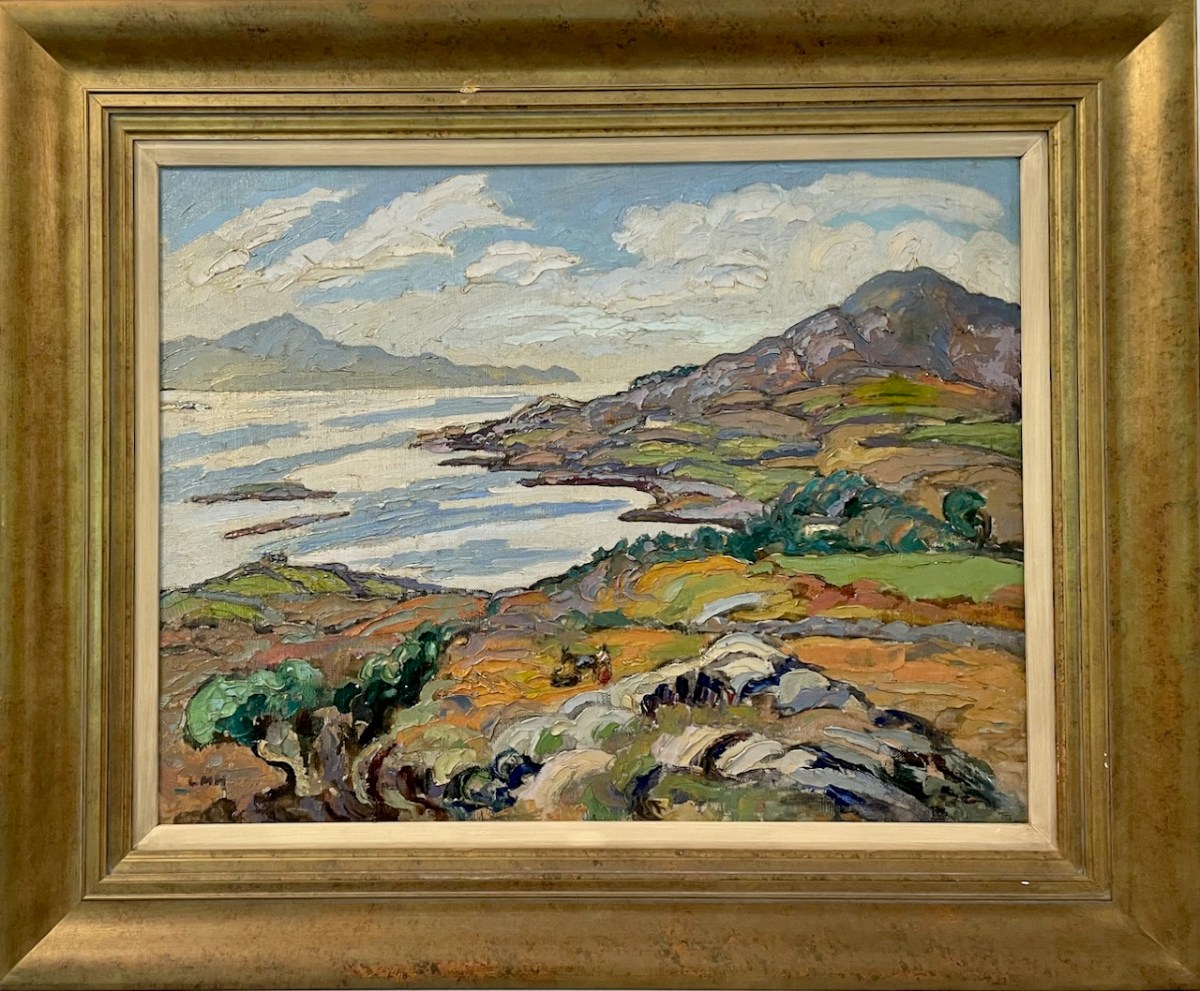
Ahakista by Letitia Hamilton

I often get my fix from the wonderful Facebook Page 20th Century Irish Art, and I have come, thanks to that source, to recognise many of the names and styles of our leading artists.
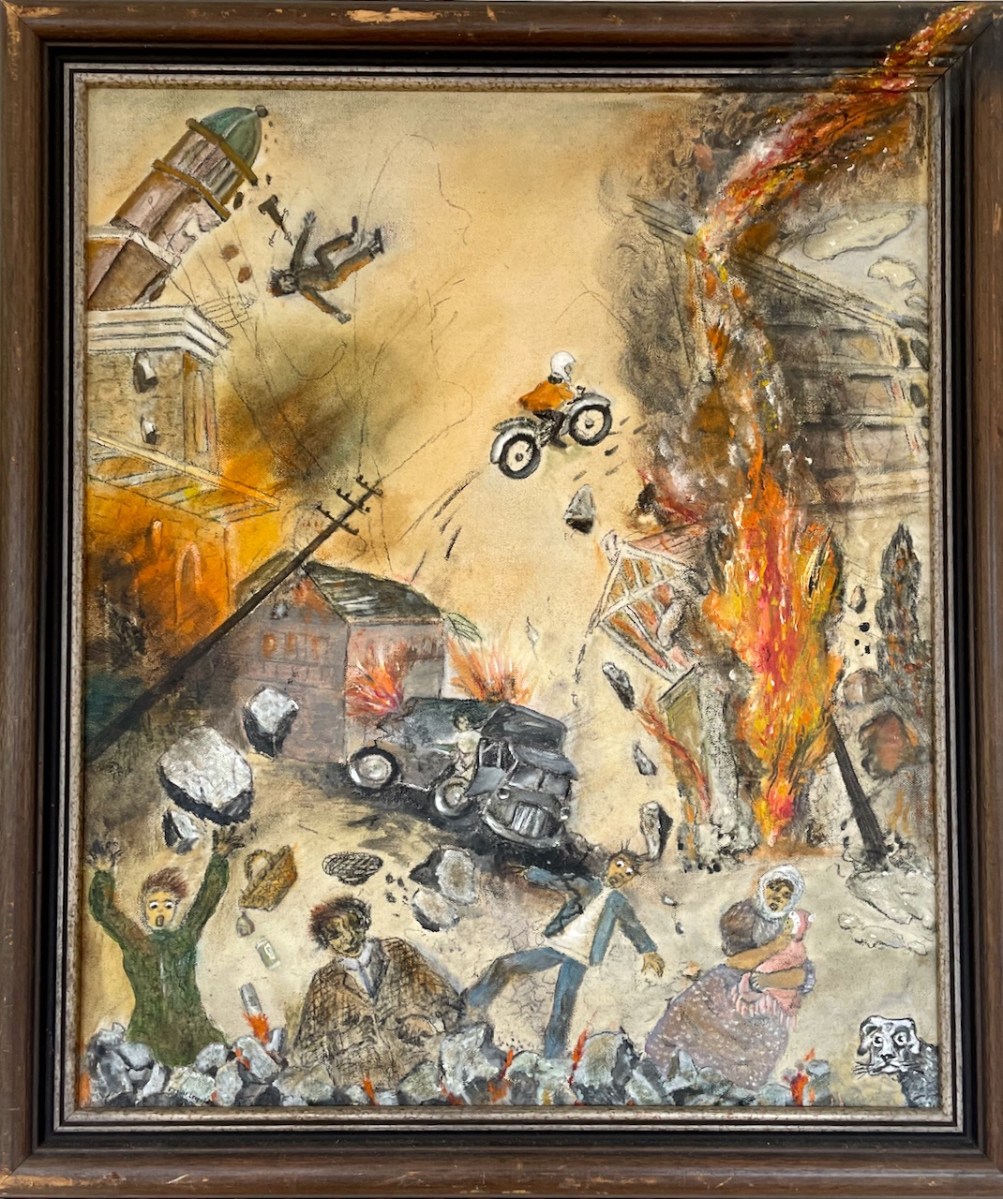
Phyllis Leopold’s The Belfast Blitz

The only other comparable experience I have had here in West Cork was with the Coming Home expedition in 2018. Don’t get me wrong – I love 21st century art and we have SO many excellent artists and great venues here in West Cork, and we have written about and reviewed many, many shows. Remember The Souvenir Shop? Rita Duffy is here as well.

Kathleen Fox, Still Life with Bust

This show emphasises Irish women artists – over half of the pieces are by women. We are all rediscovering the superb women artists who were in the shadow of famous husbands (Grace Henry, Margaret Clarke) or unjustly neglected (Kathleen Bridle, Hilda Roberts, Gladys Mccabe), better known as stained glass ‘craftswomen’ (Evie Hone, Sarah Purser, Olive Henry, Kathleen Fox), written off as mere ‘Illustrators’ (Norah McGuinness), or who were even actively discriminated against by the male establishment and dominating figures like Sean Keating. Some are getting the last laugh now – there’s a new exhibition opening now in the National Gallery devoted to Mildred Anne Butler, who is represented in this exhibition.
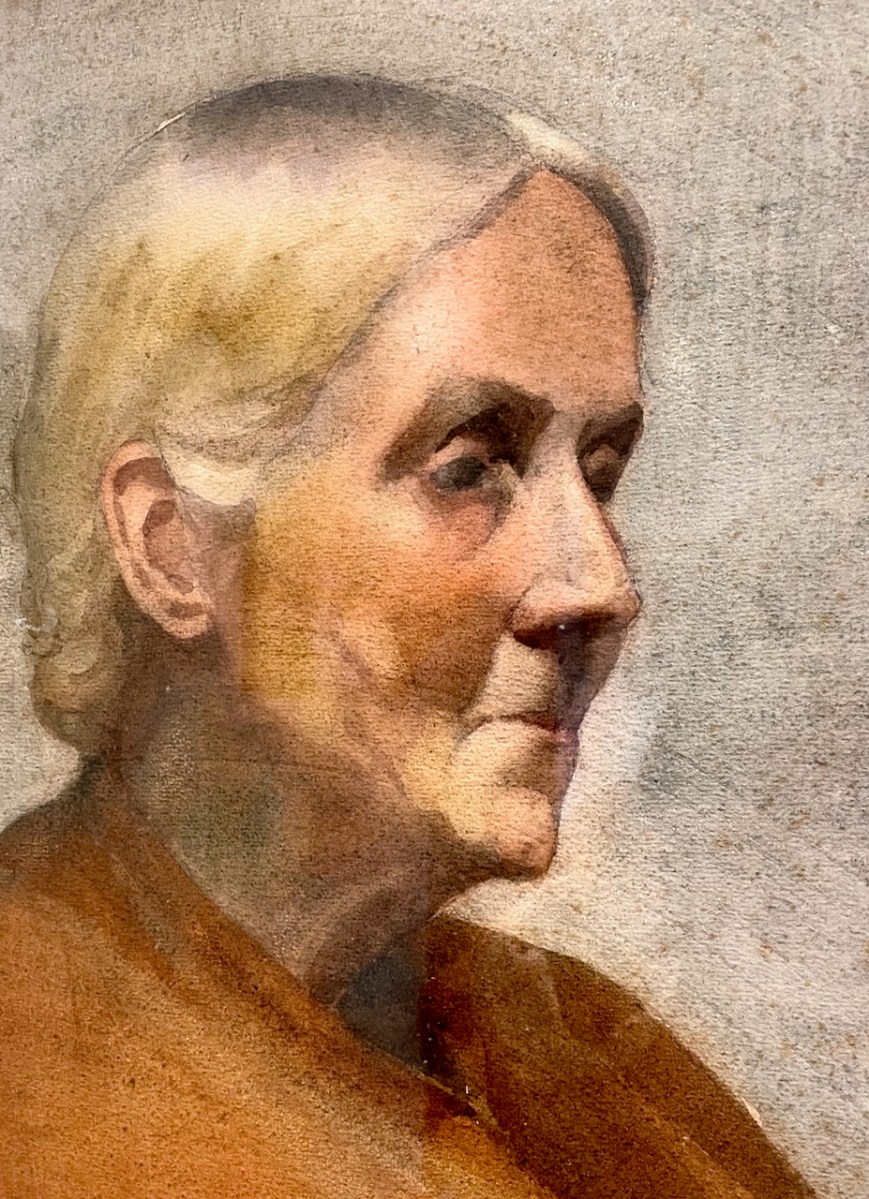
Olive Henry is more familiar to me as a stained glass artist, so I was delighted to see this fine portrait

But it was women who led the Irish art world into the modern era: The Irish Exhibition of Living Art was founded by women who had been able to afford to go abroad to study  and had picked up newfangled ideas on the continent – women like Evie Hone and Mainie Jellett. Young artists flocked to their exhibitions, while the old guard stuck to their conservative, academic forms – echoed, of course, in the suppression of women and modernism in the new Irish State.
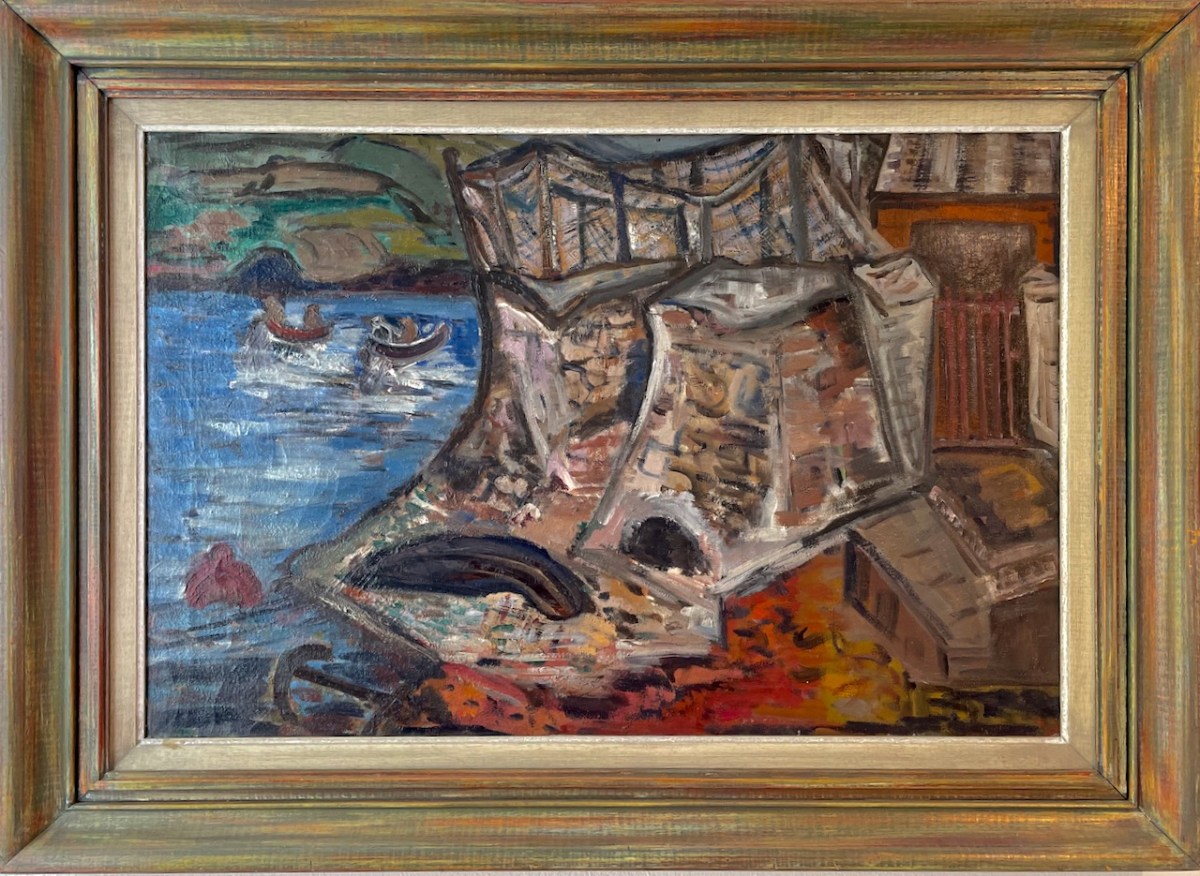
Evie Hone, Drying Nets – The Harbour Wall, Youghal

But here they all are, in Union Hall! The pioneering, courageous, persistent, driven, women of the new State. 
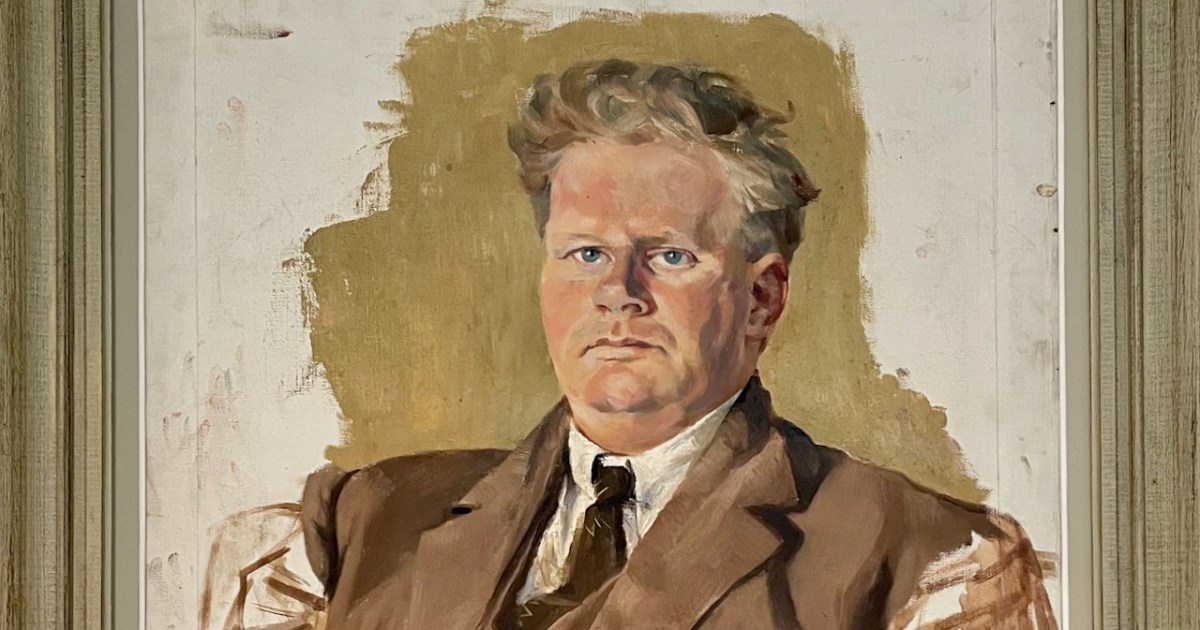
Portrait by Hilda Roberts

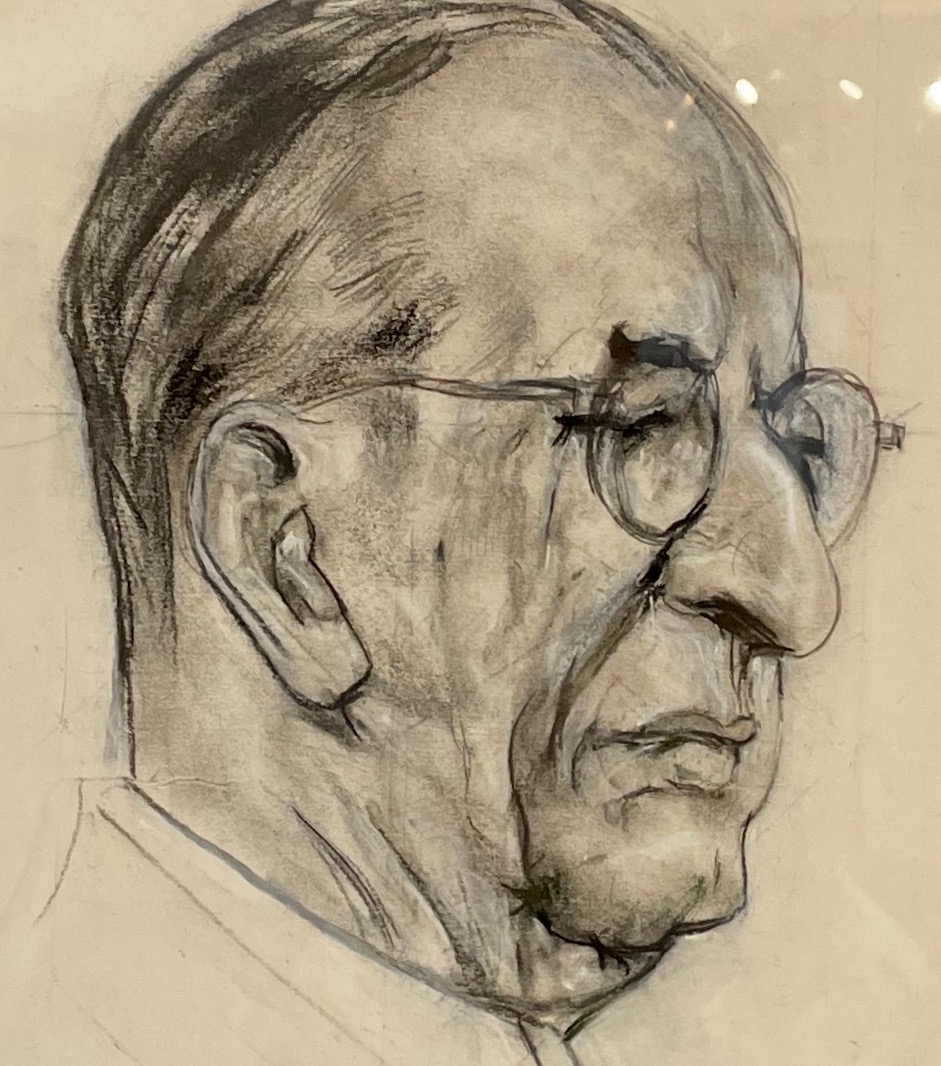
There are lots of men here too, of course – even Sean Keating, with a marvellous charcoal portrait of deValera. Did they grumble together about the goings-on over at the IELA?
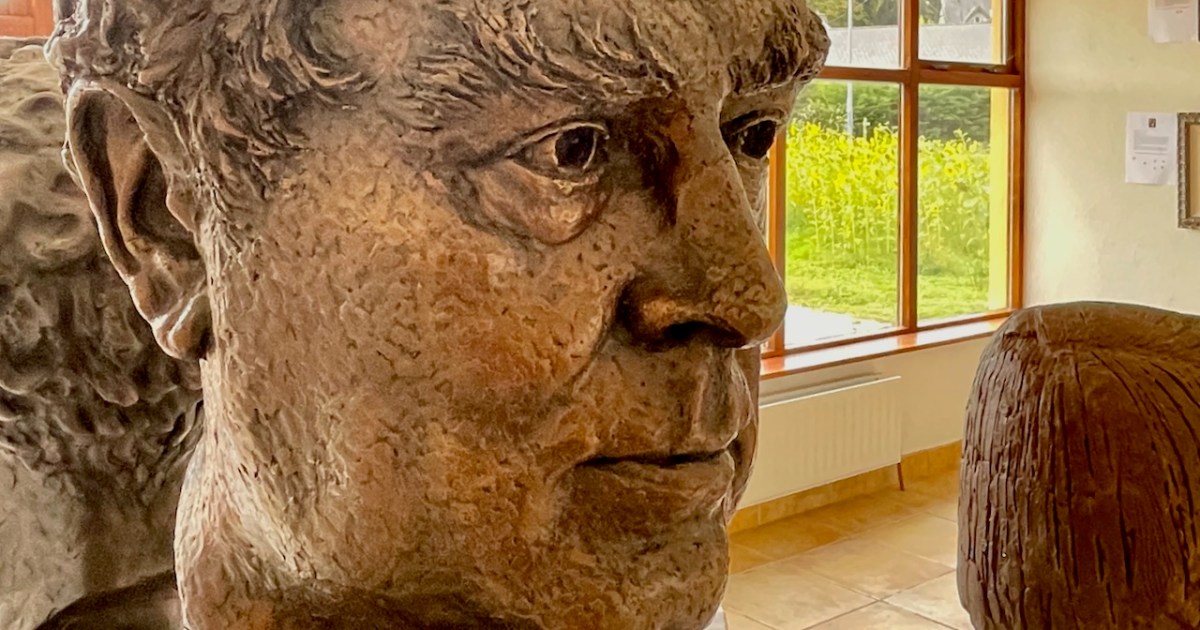
John Sherlock was new to me and a great discovery – I have used his bust of John Hume as my lead image. 
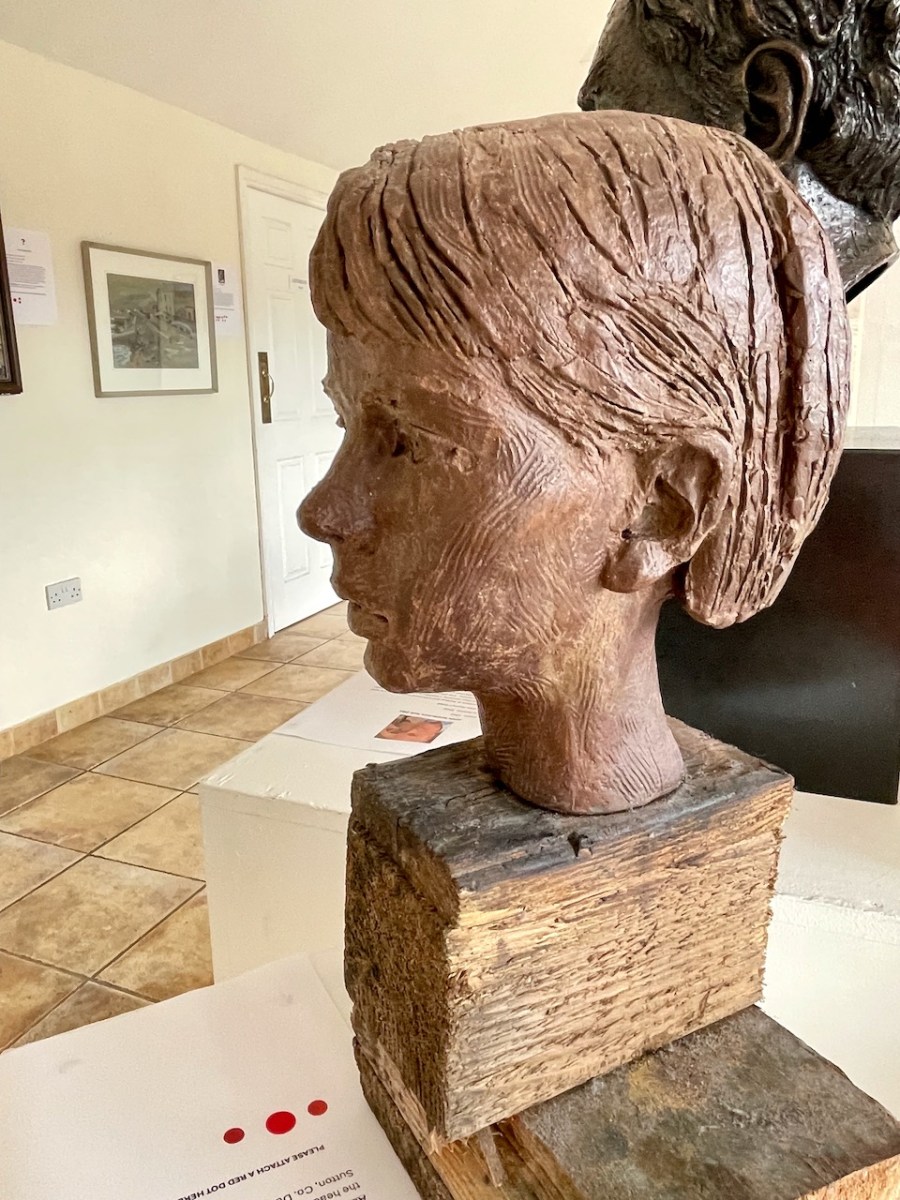
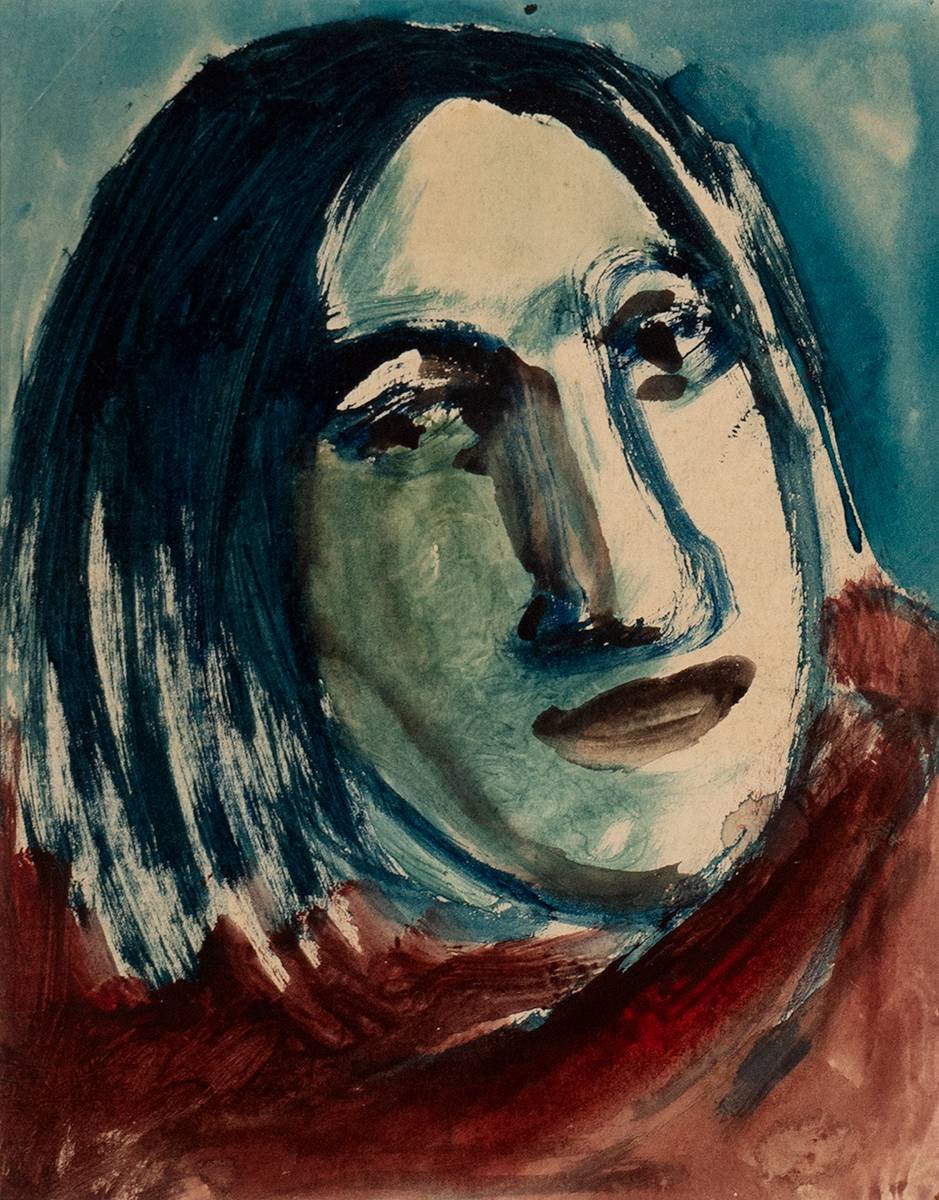
Oisín Kelly (above, Bust of a Young Girl) is a personal favourite, and I have mentioned Thomas Ryan in another context: he is also, perhaps, under-appreciated. George Campbell, despite designing windows for Abbey Studios in the 60s and 70s, never got written off as a stained glass craftsman. The portrait (below) is of his mother, Greta Bowen, who only began painting at 70 and exhibited well into her 90s.
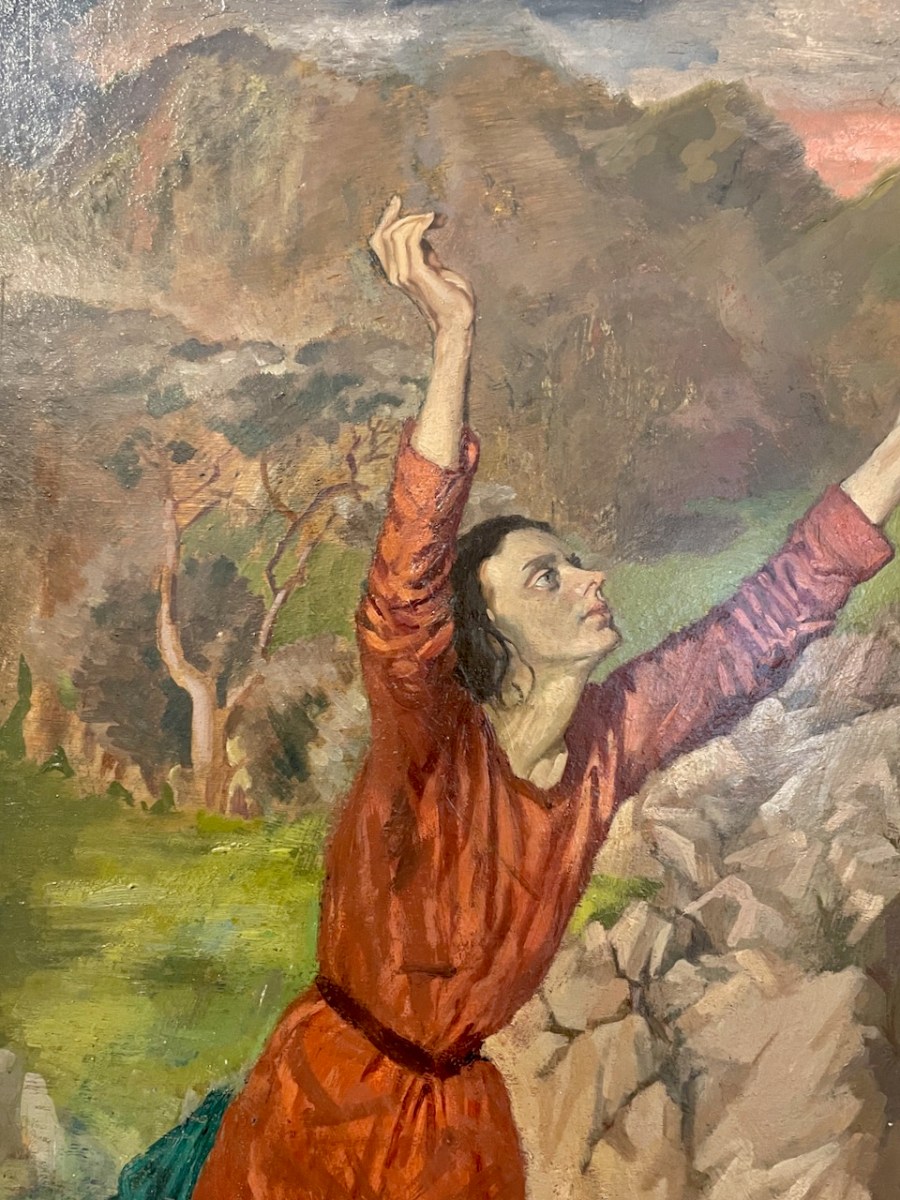
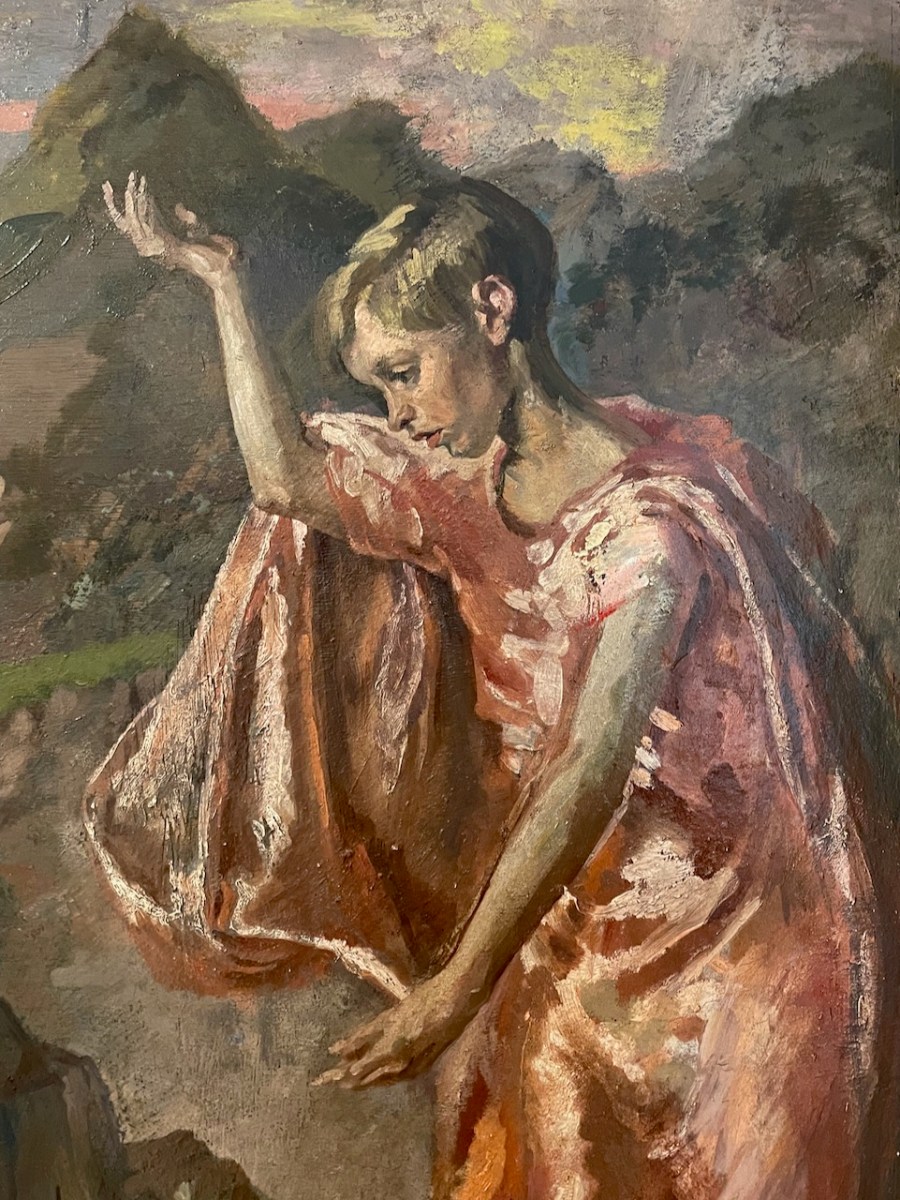
I recognised this painting, Mary Magdalen (below) as a Margaret Clarke right away, even though I had never seen it before.
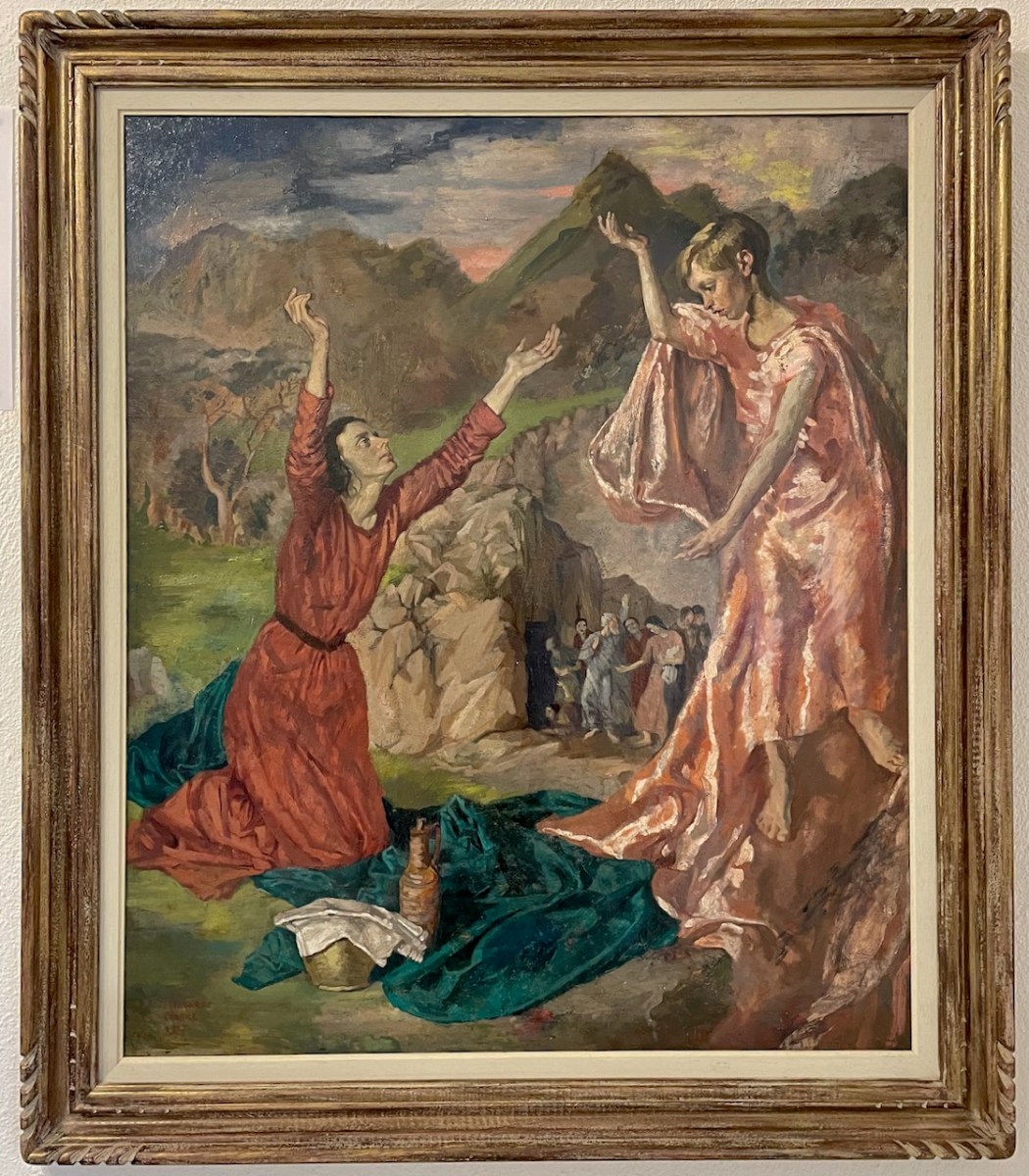
It’s that combination of exact portraiture (I am willing to bet the angel was based on one of her children), the haunting expression in the eyes of Mary Magdalen, and the way the gestures mirror the scenery and shrubbery behind the figures.
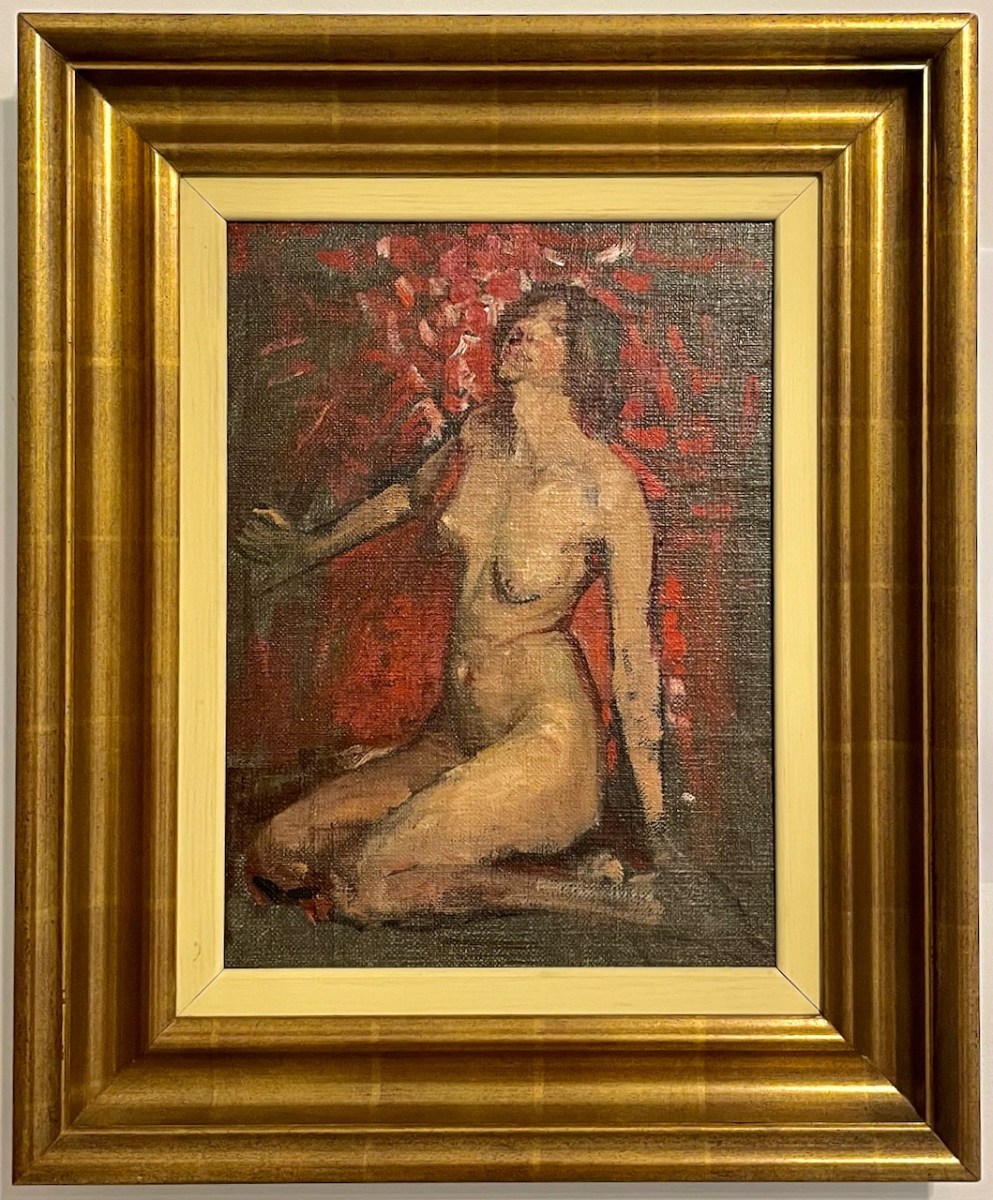
The Sarah Purser is interesting on a number of fronts. Purser made her name with portraiture, using her connections to obtain many commissions – she herself said she went through the British nobility ‘like the measles.’ But this nude (below) is of Kathleen Kearney, ‘Mother of All the Behans’, who worked for Purser as a young (and very beautiful) woman. Sarah Purser’s many talents (she was a superb manager of An Túr Gloine Stained Glass Studio among many other things) are currently on full display at the Hugh Lane Gallery.
I have only given you a flavour of what’s in this exhibition. If you can, get down to Union Hall and take a wander through it yourself. If you get there on a weekend, the charming Nolan’s Coffee House will be open. 
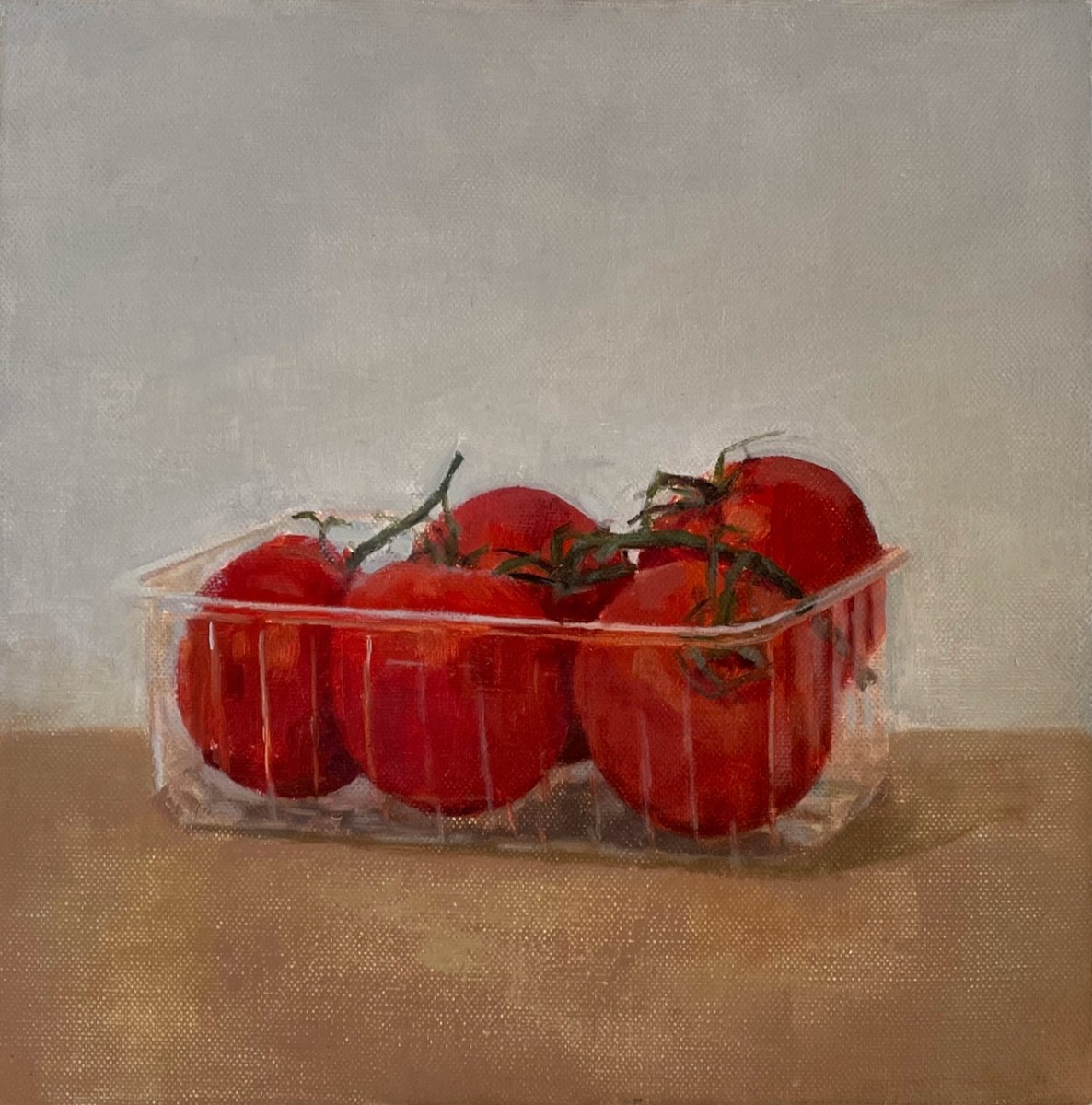
Maeve McCarthy’s Tomatoes

A Medieval High Cross – Out of Place

I was intrigued by this advertisement in the current edition of the Irish Arts Review (March – May 2020). Morgan O’Driscoll is based in Skibbereen, West Cork and specialises in Irish art. Paul Henry (1876 – 1958) fought an uphill battle in his own lifetime to get his work recognised. In 1911 Paul Henry and his wife Grace exhibited in Leinster Hall, Dublin. One critic commented that the Henrys: ‘ . . . seldom rise above the dead level of mediocrity and too often fall below it . . . ‘  In that exhibition was a work, The Potato Diggers: it didn’t sell until the 1930s. In 2013 it was included in a sale by James Adams & Sons, Dublin – and fetched €400,000! Just a decade ago, a Paul Henry might have been expected to sell for a few thousand – now, 40 years after his death, he’s a star!

Paul Henry painted by his wife Grace in 1899

So why am I intrigued by the O’Driscoll advertisement? Take another look – the title of the painting is given as Celtic Cross at Lough Derg. I have taken an interest in Irish medieval High Crosses, and published a few articles on them in this Journal. In particular, this one – The Wonders of Monasterboice. Here’s a couple of photos from that post: the left one is an image of the west face of Muiredach’s Cross taken in the early years of the twentieth century – when the carving appears to be more clearly defined than it is today – and on the right is Finola, giving scale to the same cross just a couple of years ago. This cross – named after Abbot Muiredach mac Domhnaill, who died in 923AD – is one of the finest in the country, standing 5.5 metres tall.

Looking at a detail from the Paul Henry painting (above), there is a remarkable similarity between the ‘Lough Derg’ cross and Muiredach’s Cross at Monasterboice. So – I hear you suggest – are they twins? Not exactly: in fact, through the medium of painting, one cross can be in two places at once! There is no ‘Celtic Cross’ at Lough Derg, so our artist has taken Muiredach’s Cross and placed it in his picture. Why?

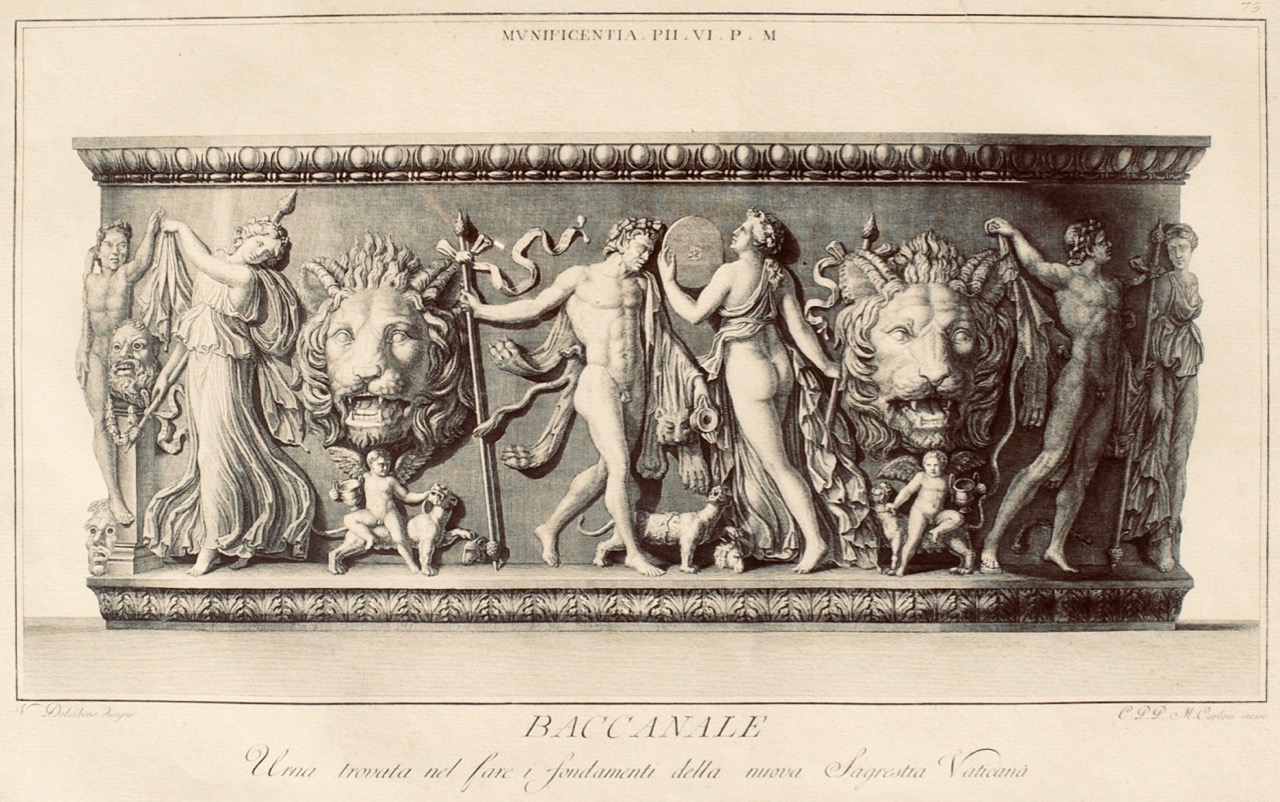
At this point I can’t resist showing you this antiquarian drawing of Muiredach’s Cross (above), probably dating from the eighteenth century, although I haven’t been able to find the author of it. It’s fascinating that all the elements of the cross are portrayed: the central figure in the roundel – presumably Christ – the various figures on the  panels above and below and on either side, and the two cats on the base looking very much like comfortable fireside moggies. But look how all the images have become stylised: medieval has been transported to Georgian neo-classical!

Baccanale – an example of a 1782 copperplate engraving by Marco Carloni, Rome

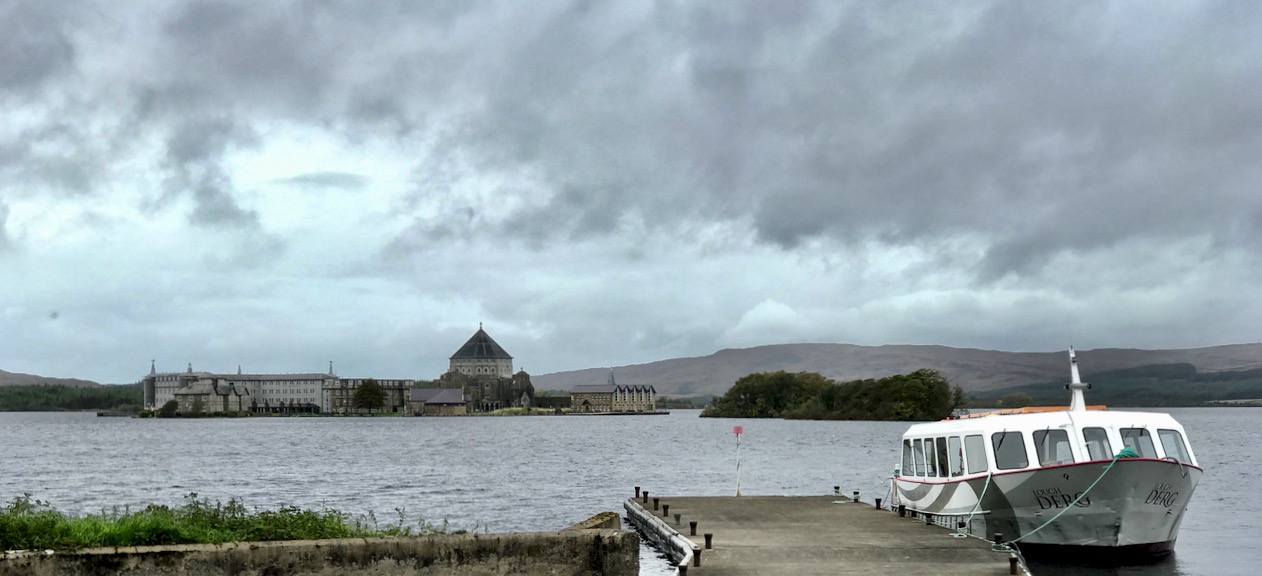
Before we explain Paul Henry’s stretching of the truth, let’s consider something else: there are a few Lough Dergs in the country, but the most famous – and the one most likely to be depicted by an artist who is showing off Ireland might be Saint Patrick’s Purgatory, which I covered in this post, also from two years ago.

Lough Derg, showing the pilgrimage site of Station island, and the surrounding landscape

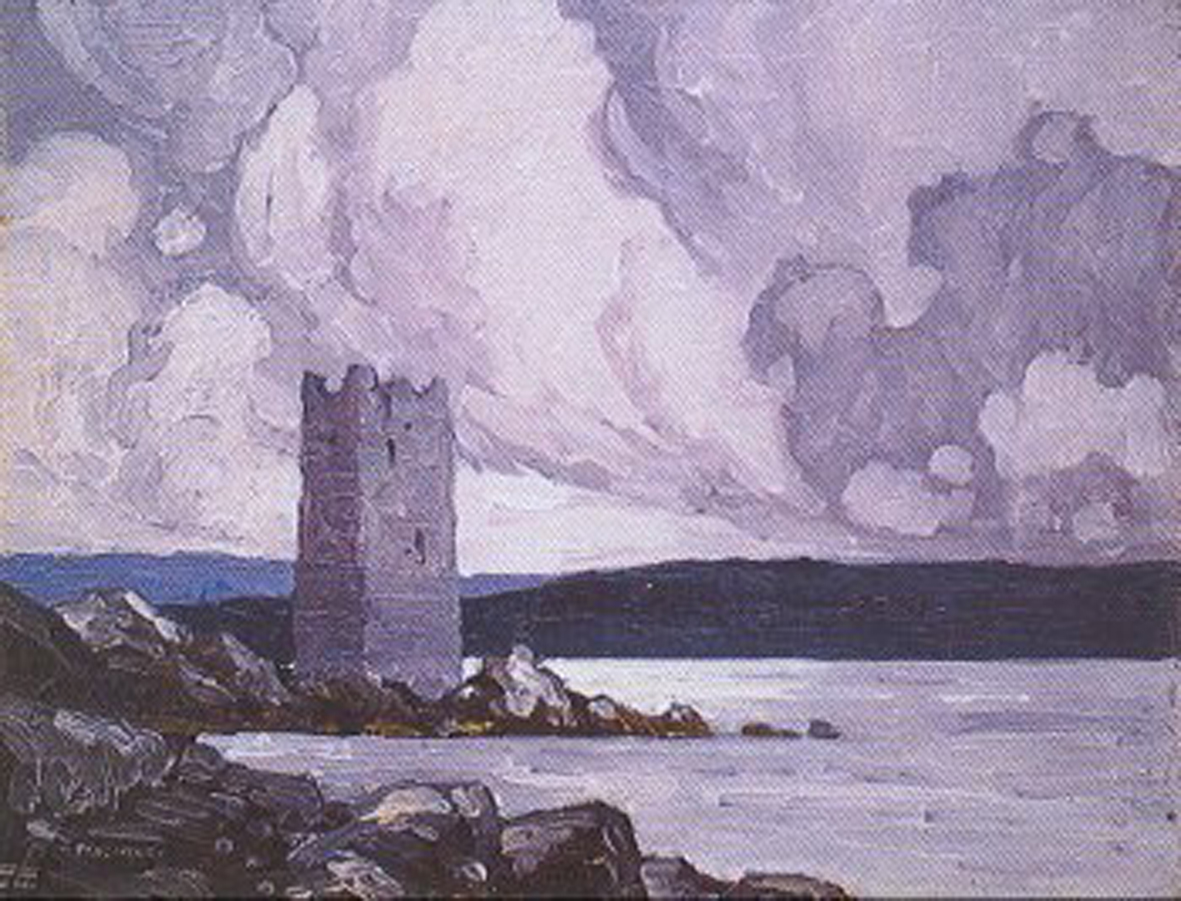
It’s a bit of a stretch of the imagination to see the setting of Lough Derg, with its fairly low-lying hills, in the background of Paul Henry’s painting. And where is that little tower house on the spit of land behind the ‘Celtic Cross’? Well – maybe it’s here:

This painting by Paul Henry is known as Grace O’Malley’s Castle: it is picturesquely situated at Kildavnet, in the south-east corner of Achill Island, County Mayo, which Paul and Grace first visited in 1910. So inspired were they by the landscape and the apparently idyllic simple way of life that they remained on Achill for a decade. Here’s another view of the O’Malley castle by Paul Henry:

So the ‘Celtic Cross at Lough Derg’ is, in fact, a medieval high cross from Monasterboice, County Louth, and it is set against the stunning scenery of Achill, County Mayo. We can’t blame Morgan O’Driscoll (or anyone else who can be identified) for giving the painting a misleading name. It seems that originally the work was just titled ‘Celtic Cross’: here are some insights from Paul Henry’s biographer, Brian Kennedy, in the Irish Arts Review Yearbook 1989 / 1990 –

. . . Henry was egocentric and occasionally used artistic licence with historical facts in the same way he might have done in a painted composition . . .

. . . In 1917 the Irish Times thought he was developing a decorative treatment of the landscape whereby his imagery was not realistic but was symbolically Irish . . .

And the following is from Paul Henry: With a Catalogue of the Paintings, Drawings, Illustrations, by S B Kennedy, Paul HenryYale University Press, 2007: it tells us that the painting was clearly known as ‘Celtic Cross’ in 1924, and was in the collection of Seán T O’Kelly, Ireland’s second President (between  June 1945 and June 1959). When sold by Adams in 1984 the painting had acquired the additional wording . . . at Lough Derg . . .

. . . 611 Celtic Cross 1924. Oil on board 24 x 22 (61 x 56). Signed ‘PAUL HENRY’ . . .

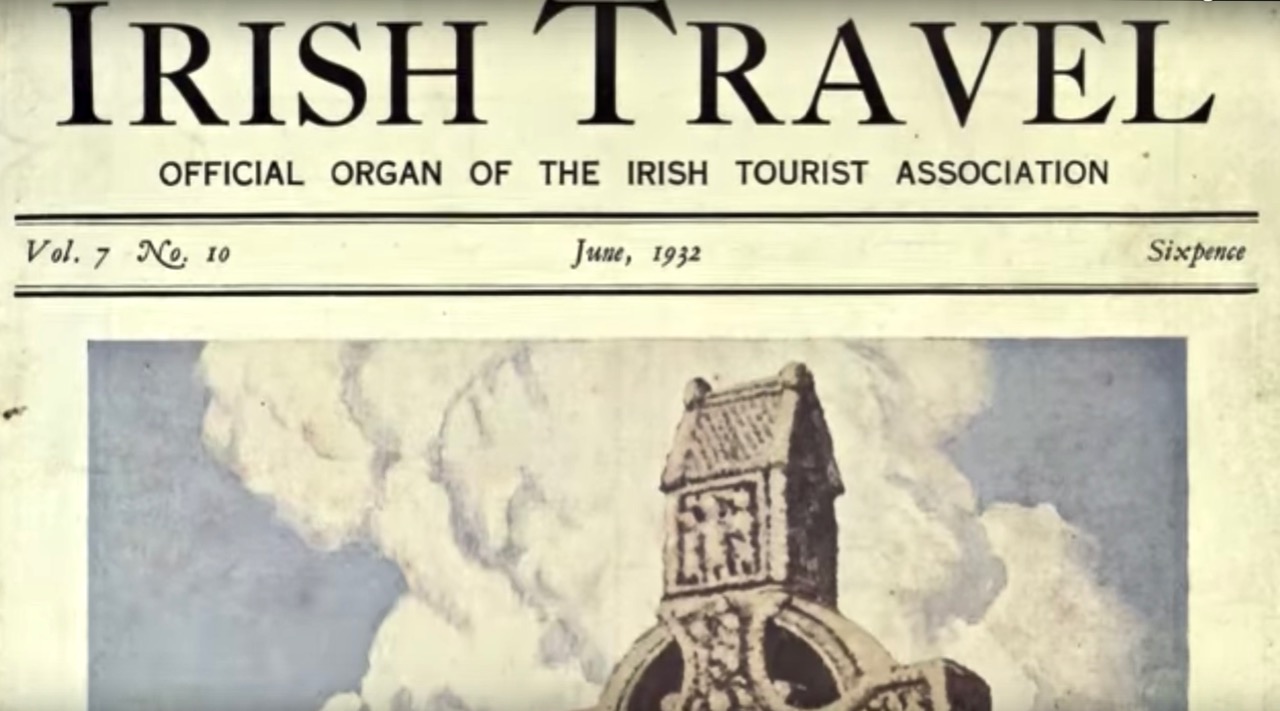
Private collection. Prov: Sean T O’Kelly; sale, Adams, Dublin 19 July 1984. Lot 86, as Celtic Cross at Lough Derg, repr. Irish Travel, vol 7, no 10, June 1937 repr. on front cover. Almost certainly a composite composition . . .

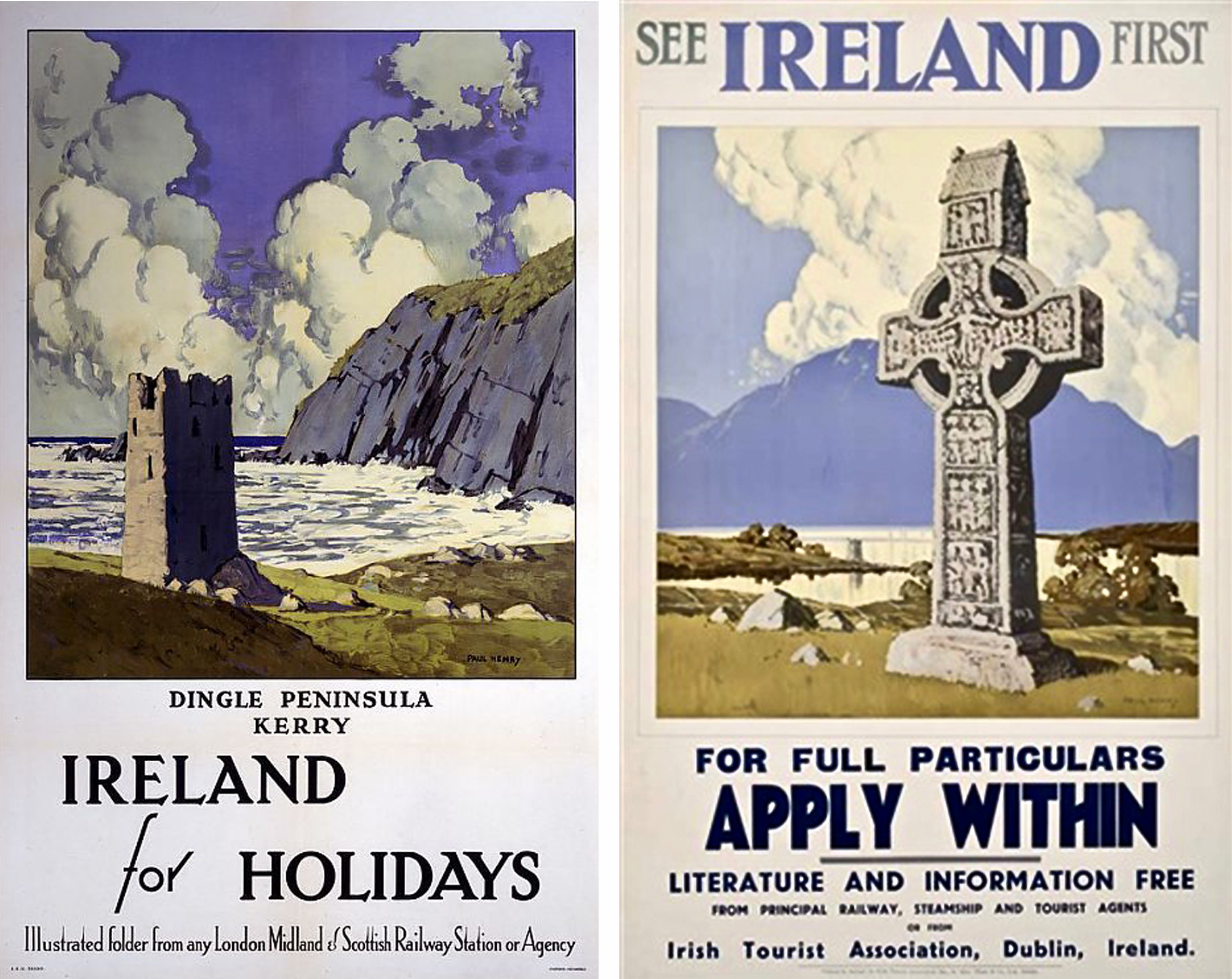
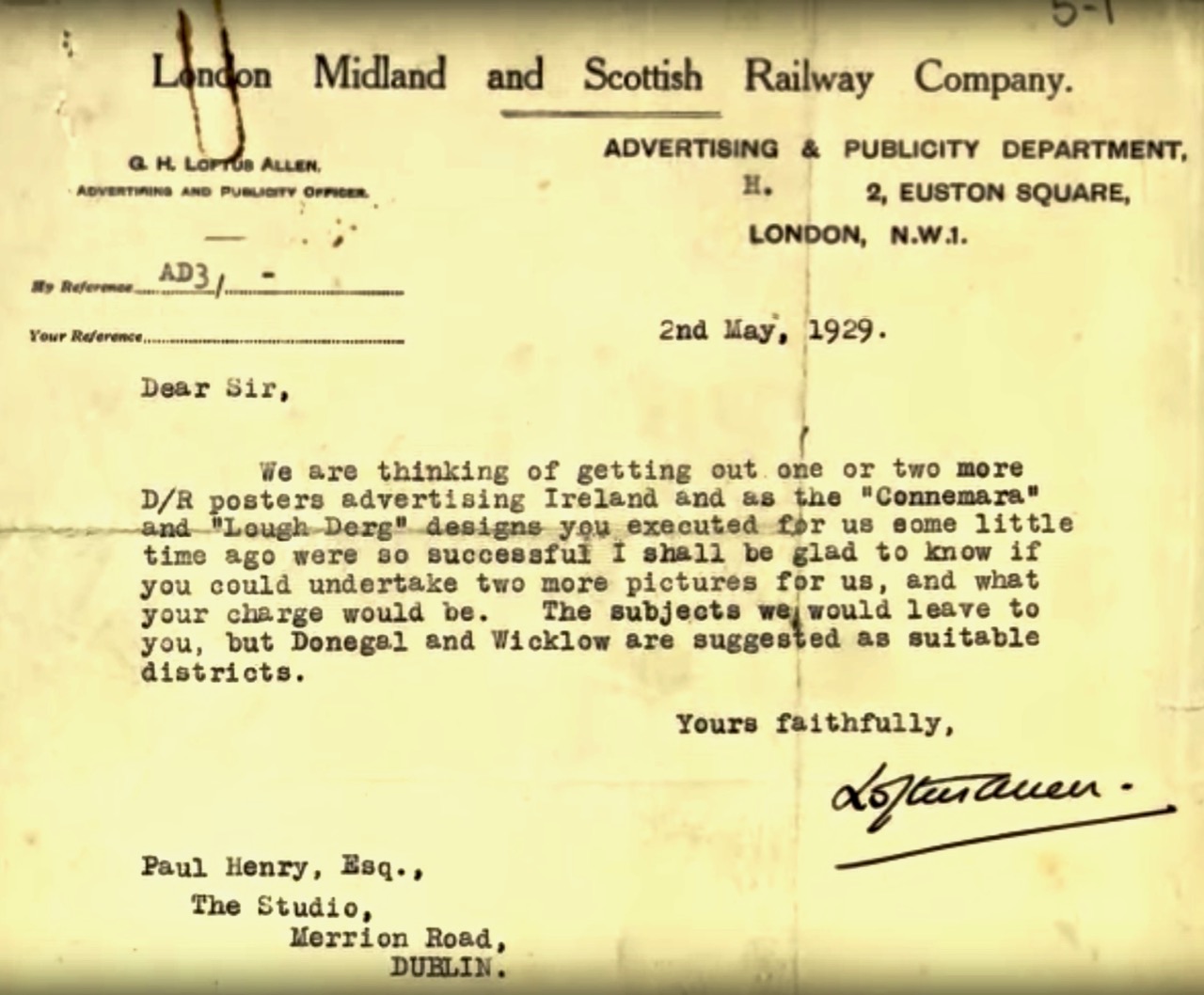
As with most artists – who need to earn a living – Paul Henry willingly accepted commissions. He was successful in selling ‘popular’ work to railway companies and the Irish Tourist Association (above – 1920s and 30s).

A “Lough Derg” design is mentioned in the Railway Company’s letter (above). Below is another – for British Railways: this is more likely to be the Lough Derg on the Shannon.

Has this helped to unravel the enigma of Paul Henry’s Celtic Cross at Lough Derg? Whether or not you are convinced, I’m sure you would like to have the painting hanging on your wall – me too! Although it would be so much better if it could go permanently into a public collection The sale is coming up in April . . .