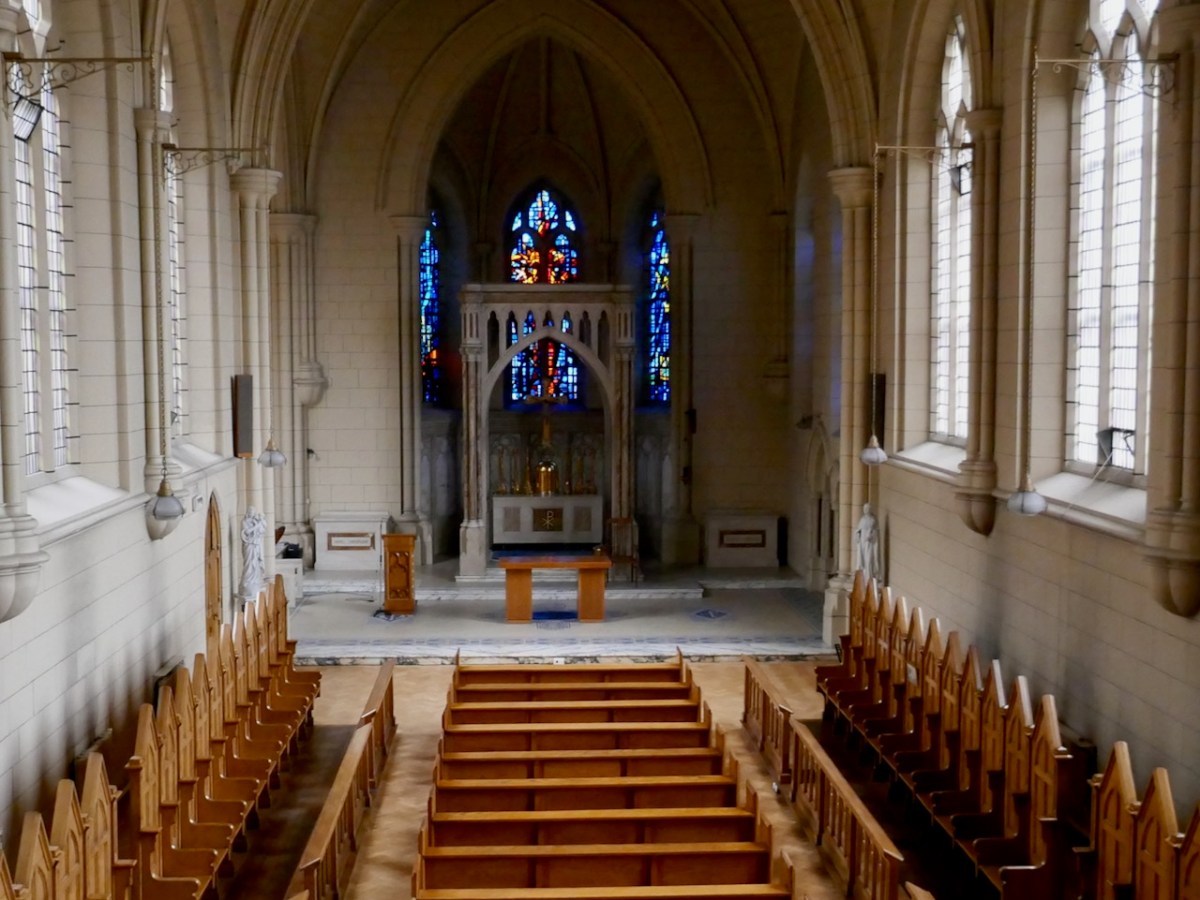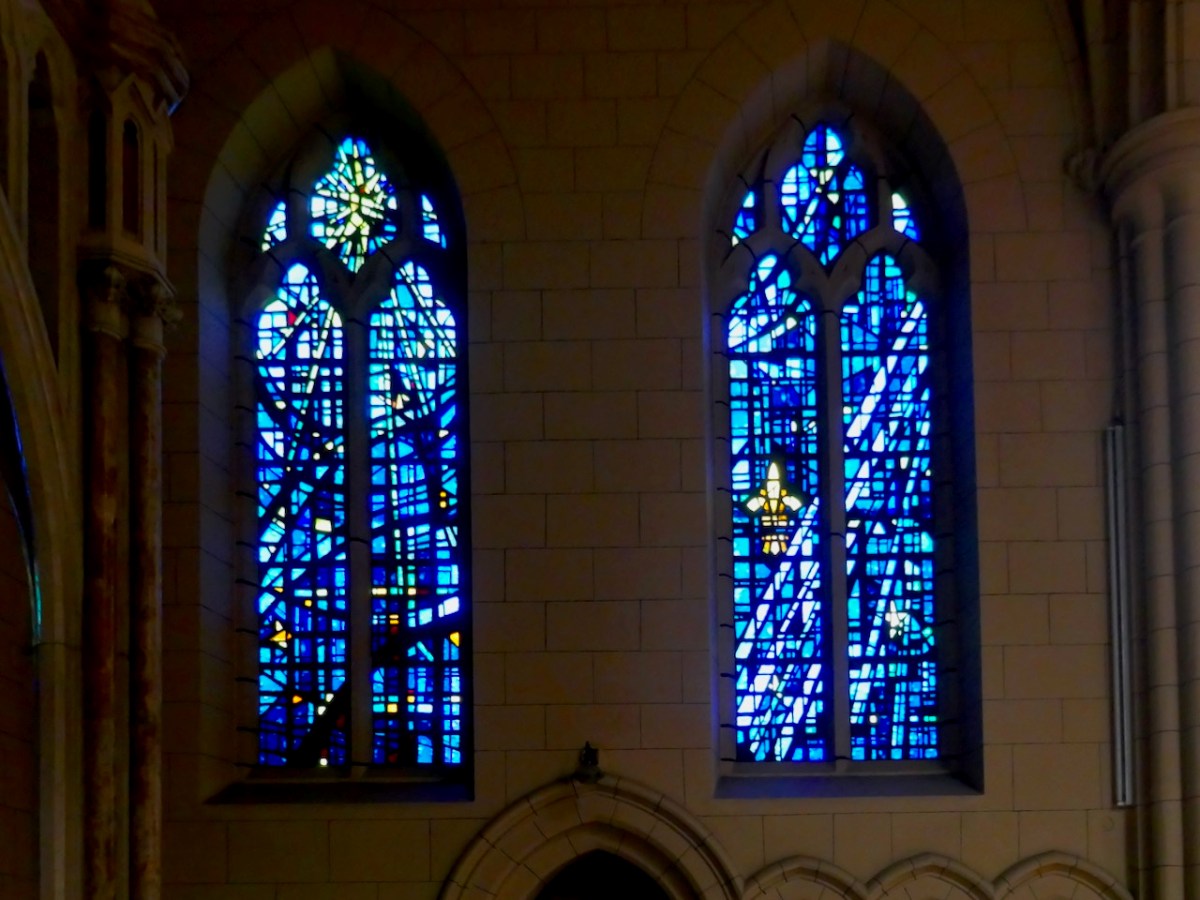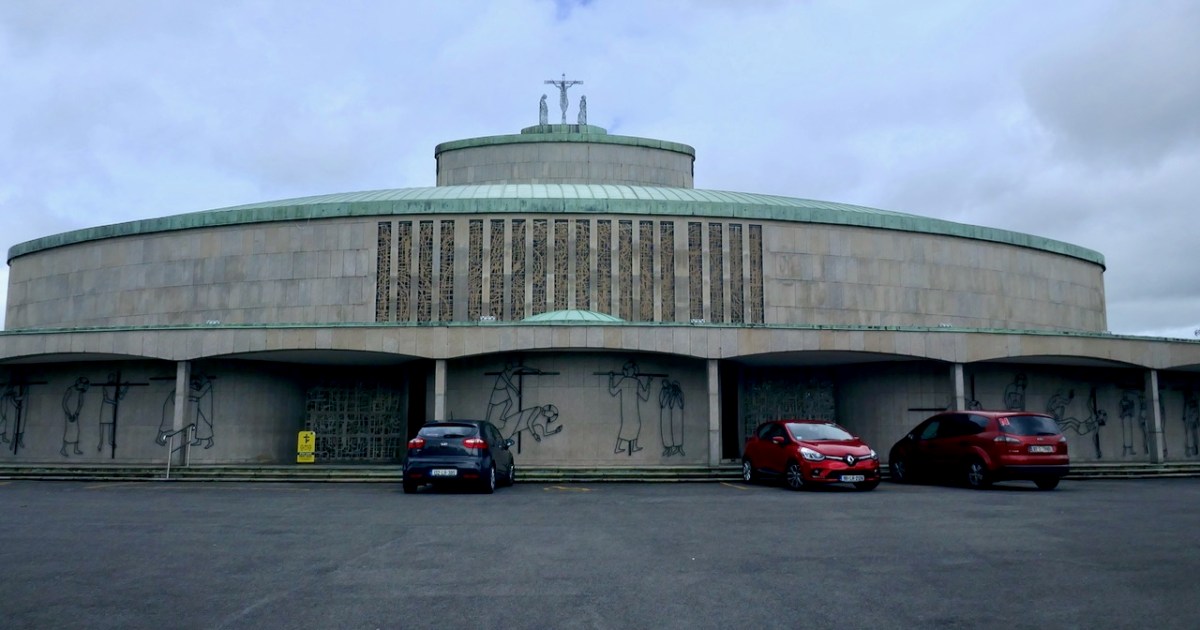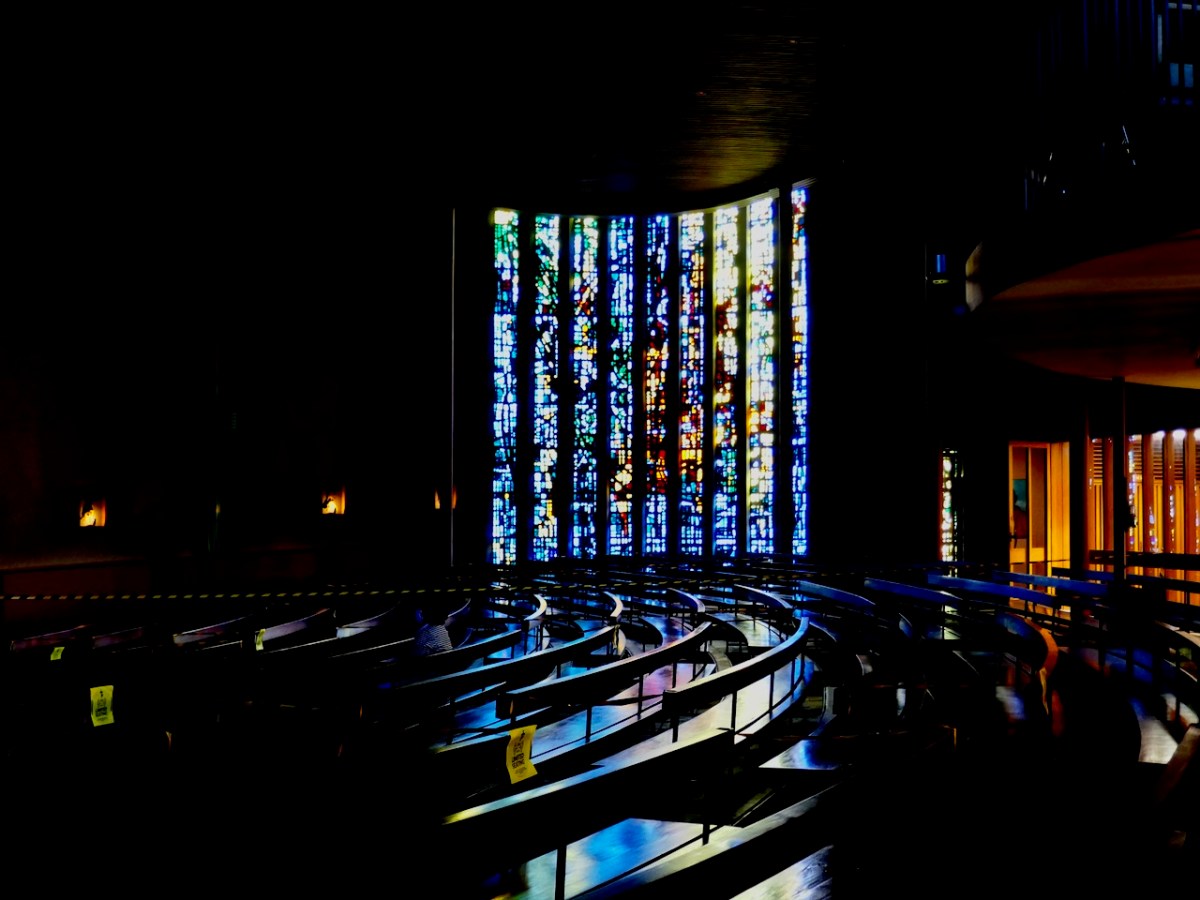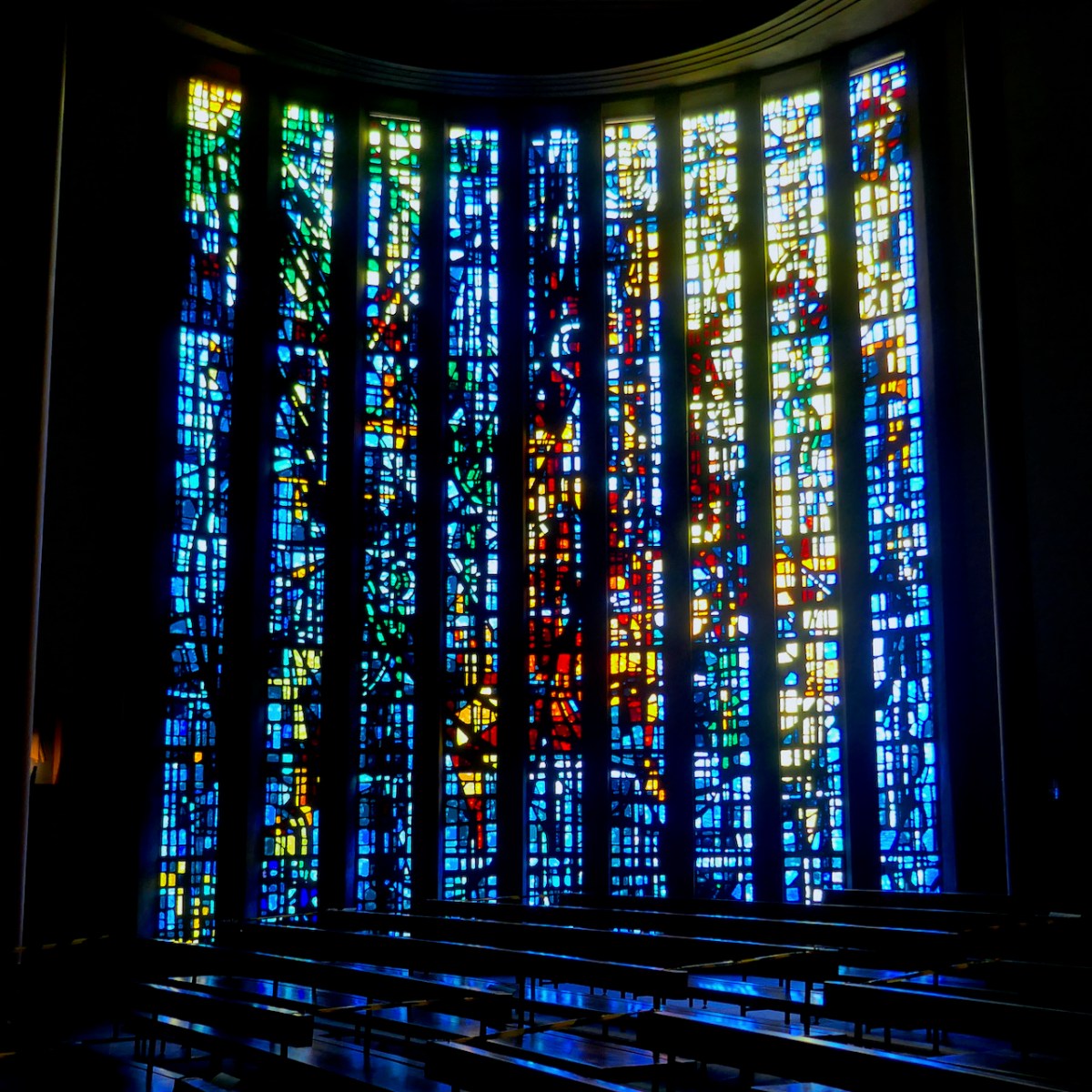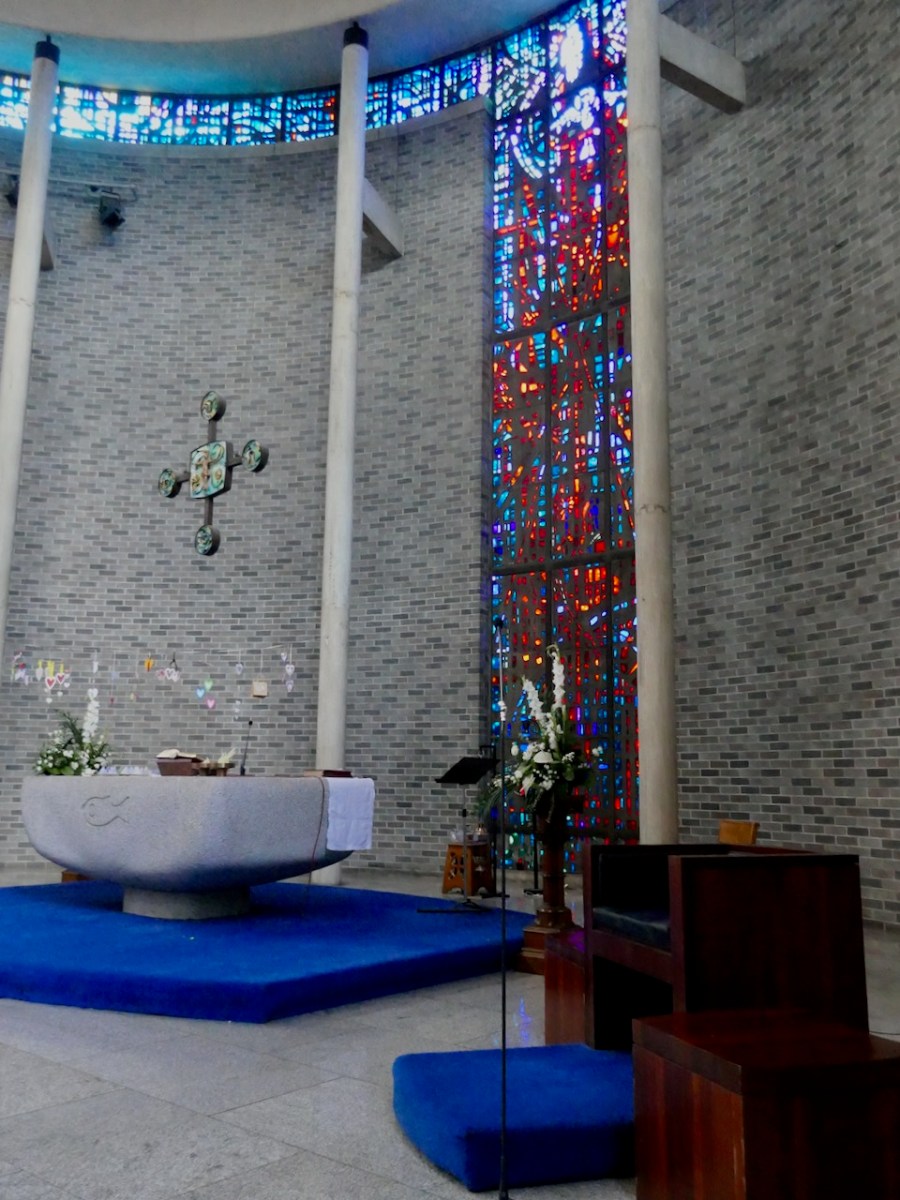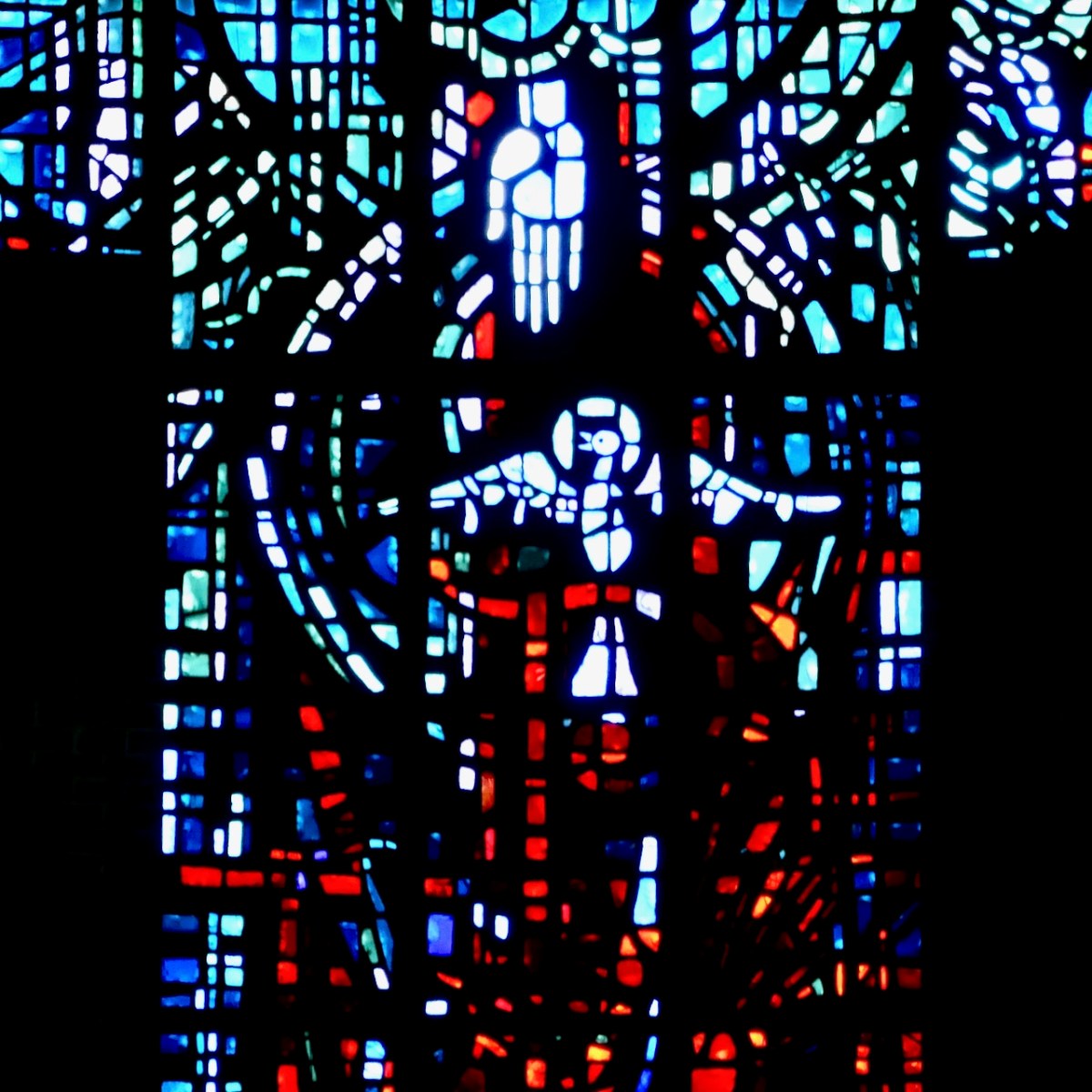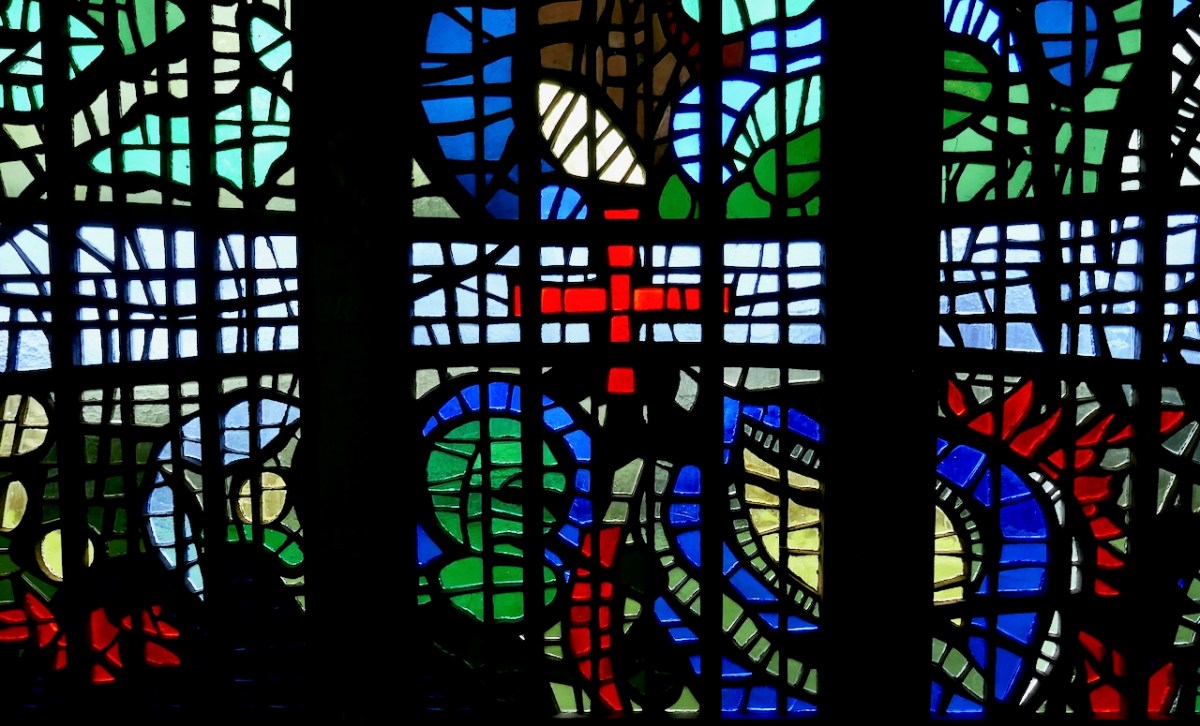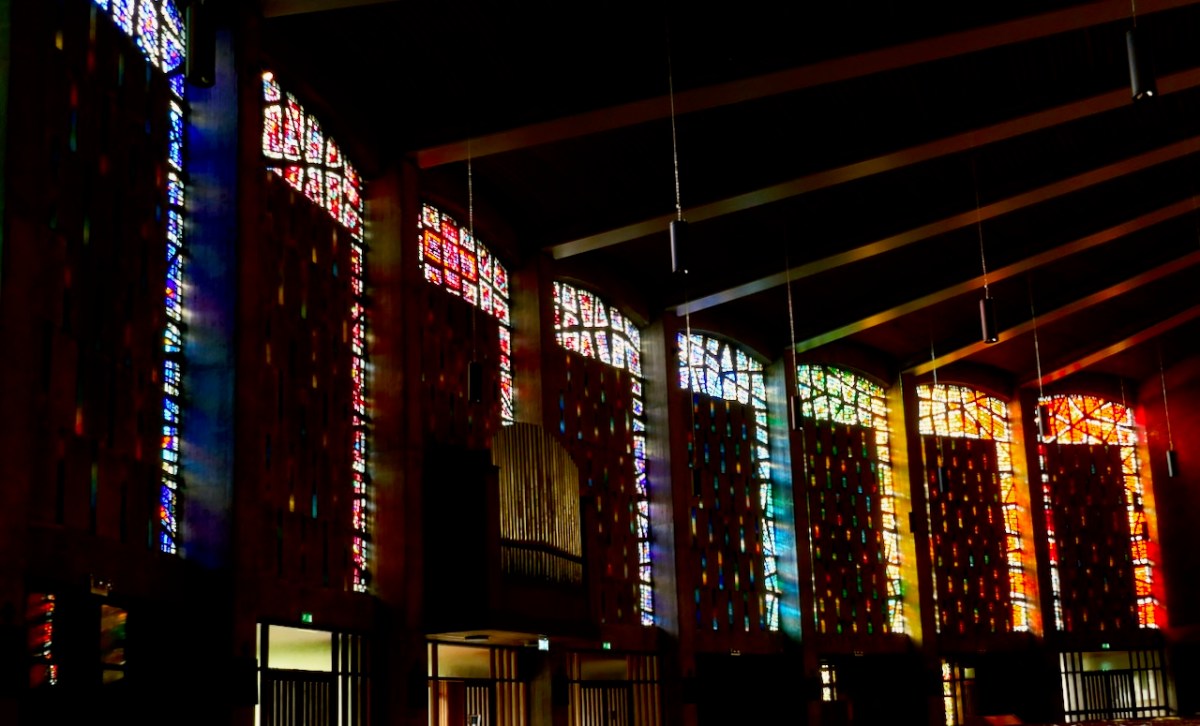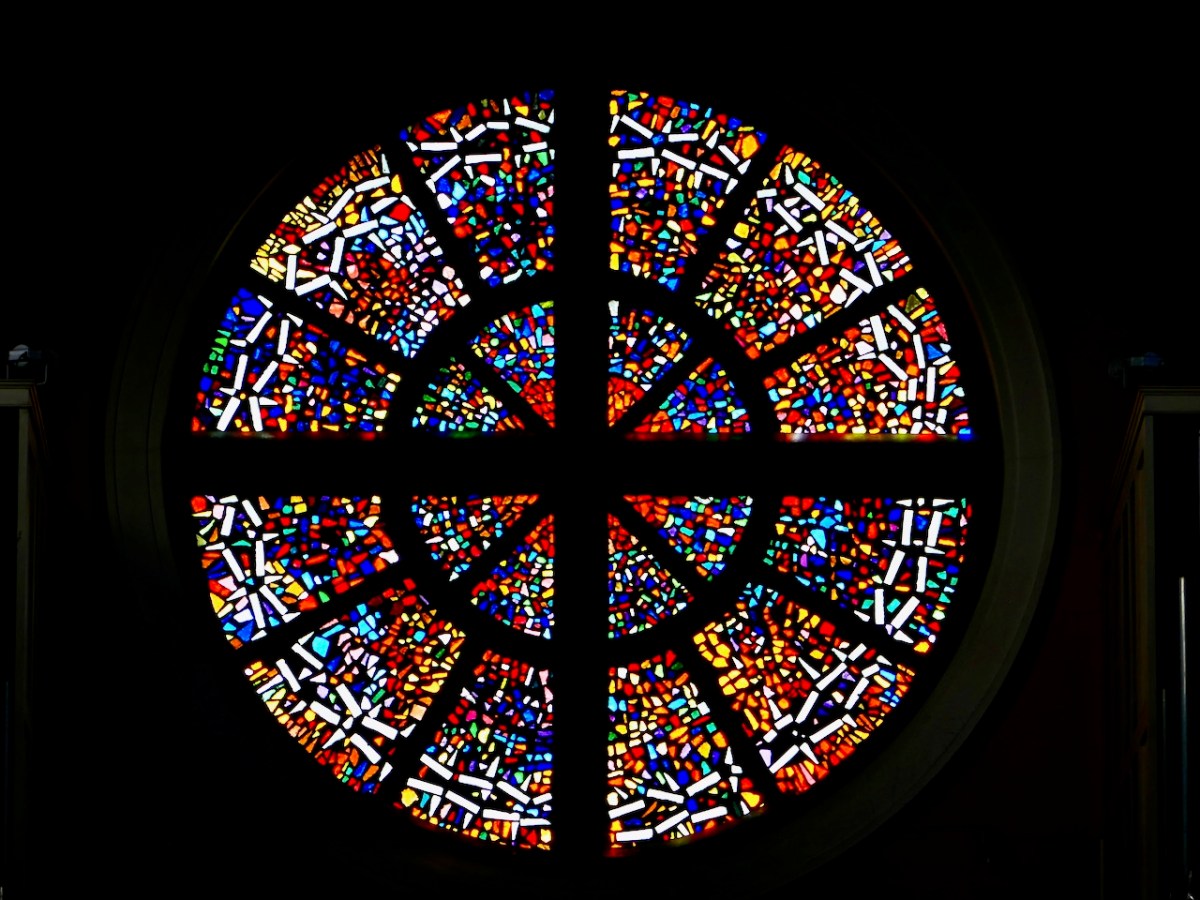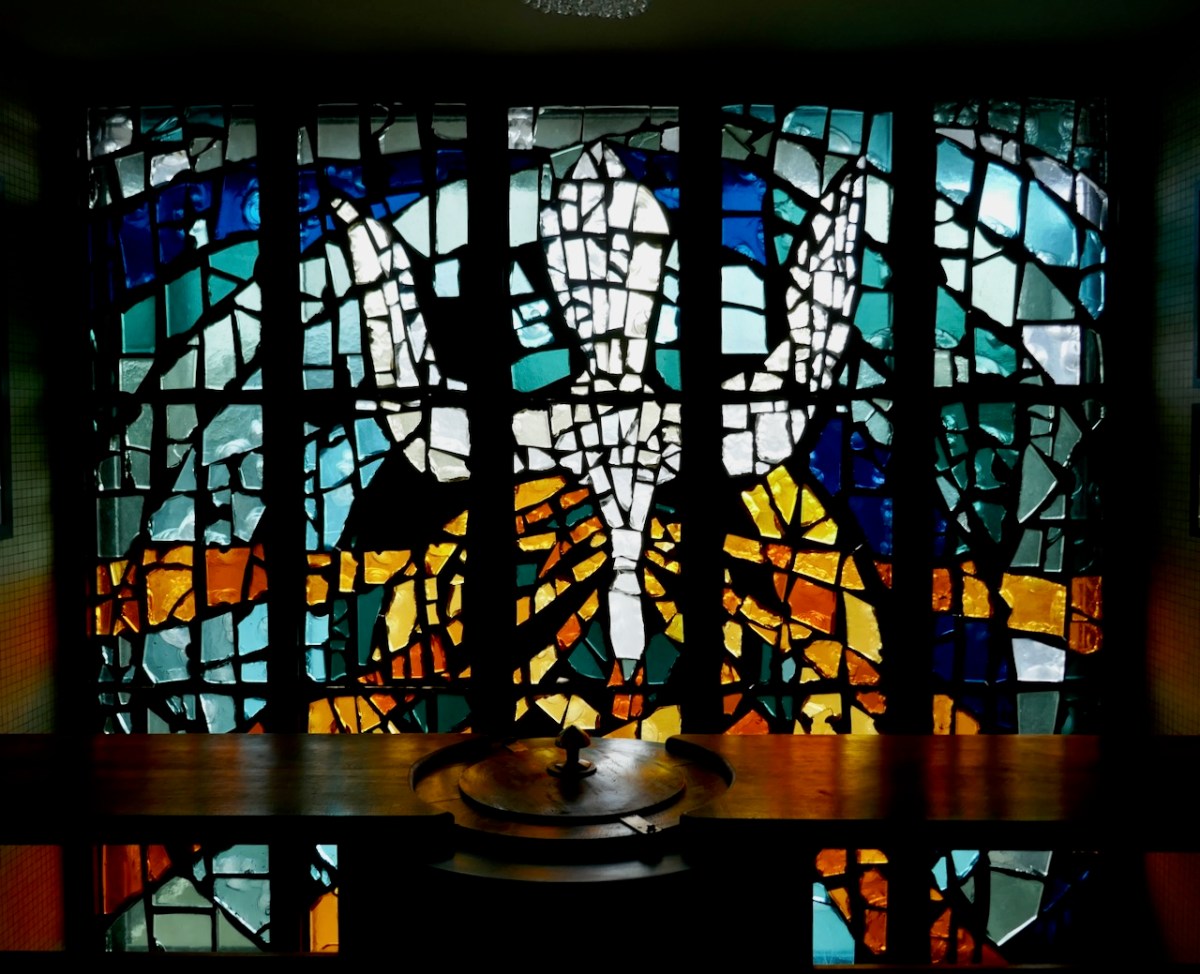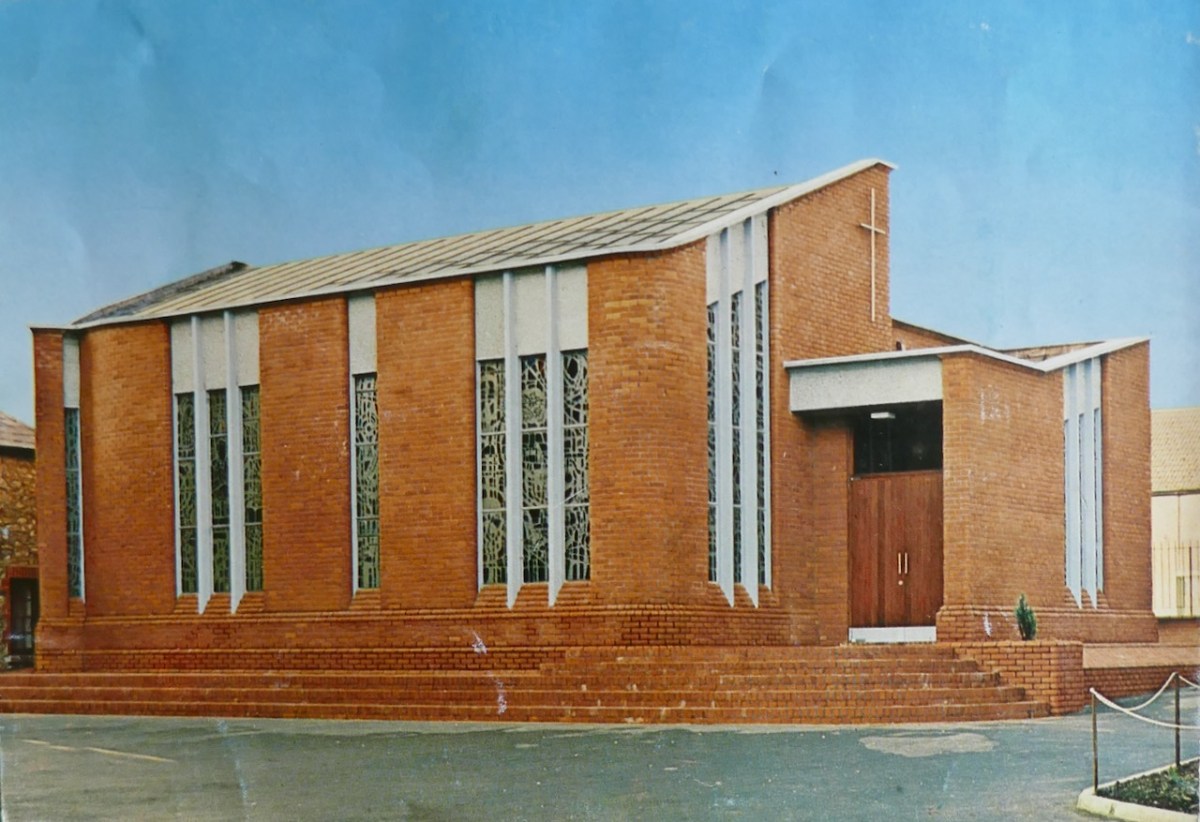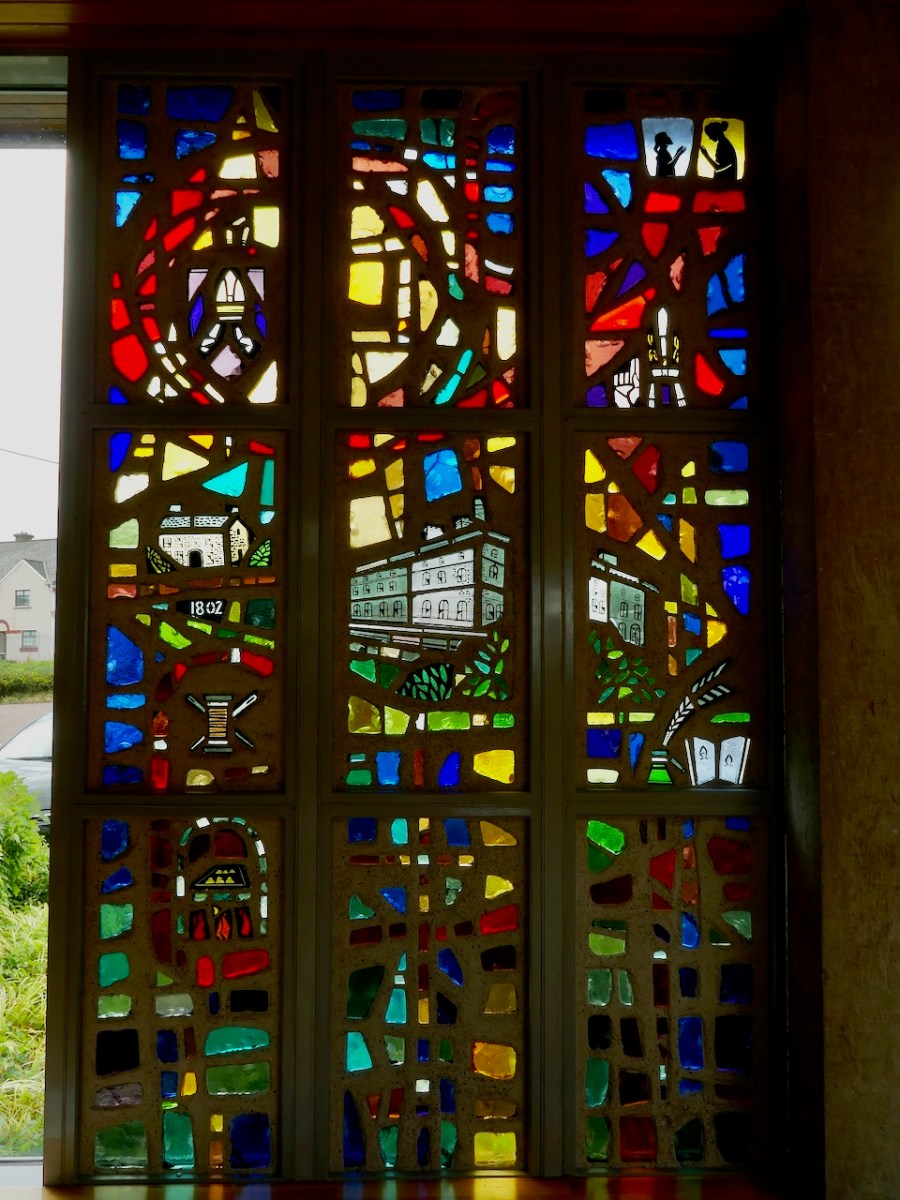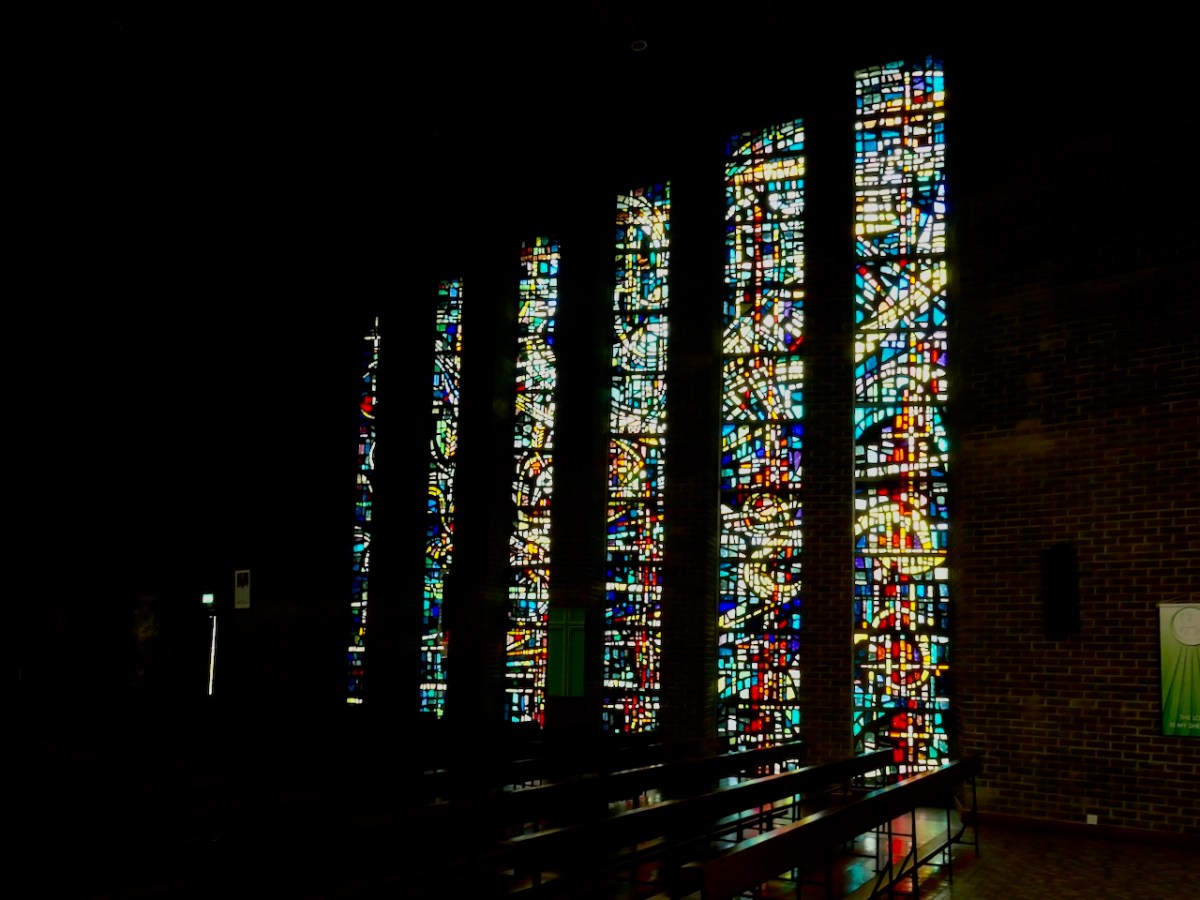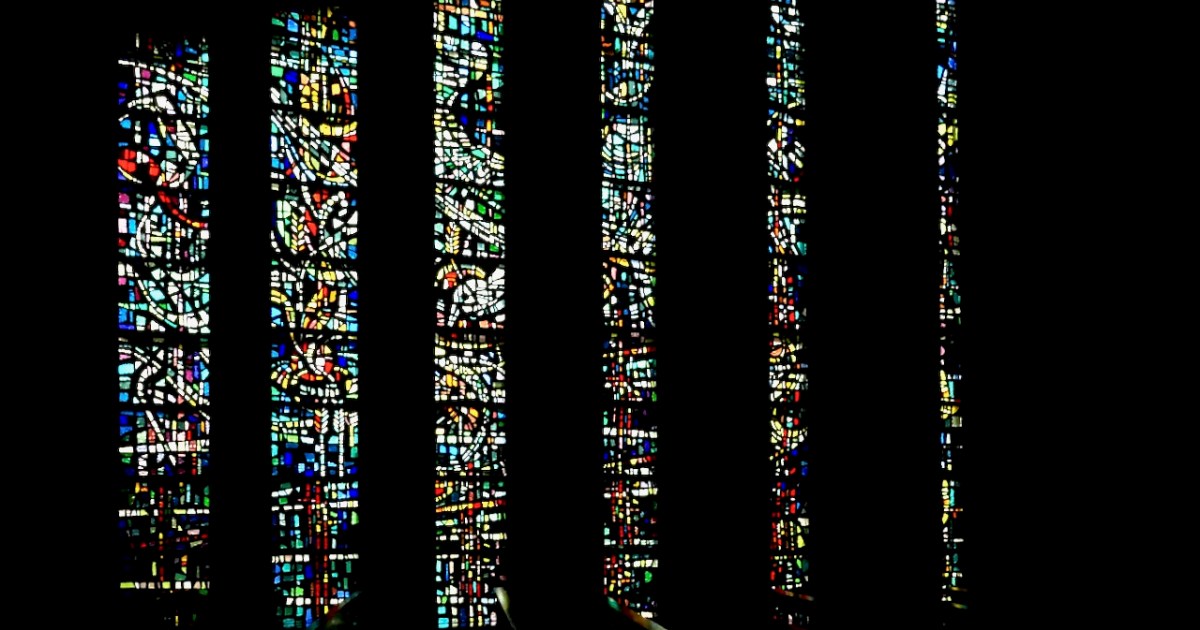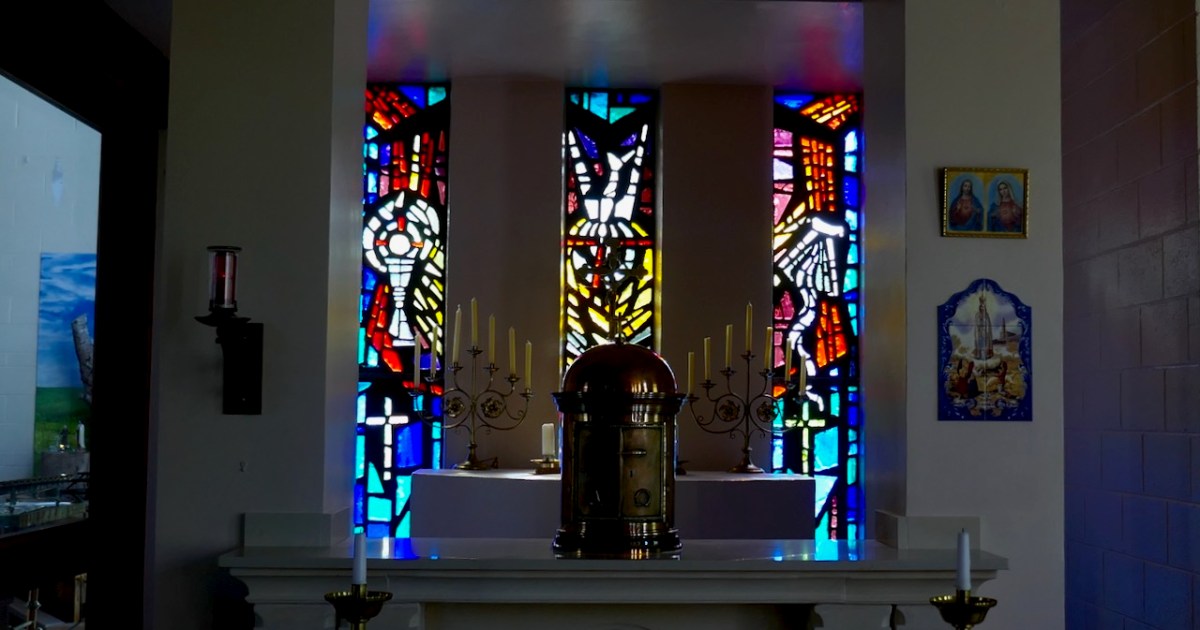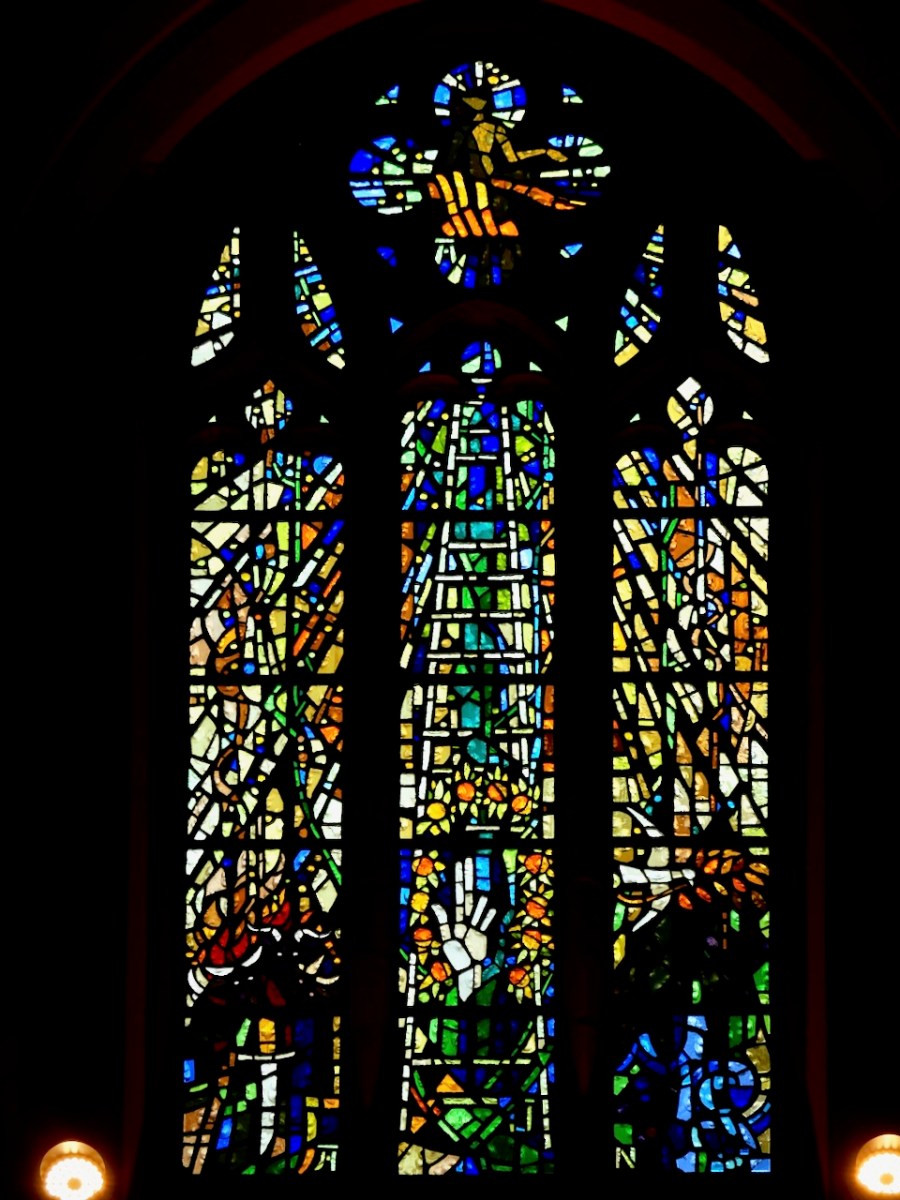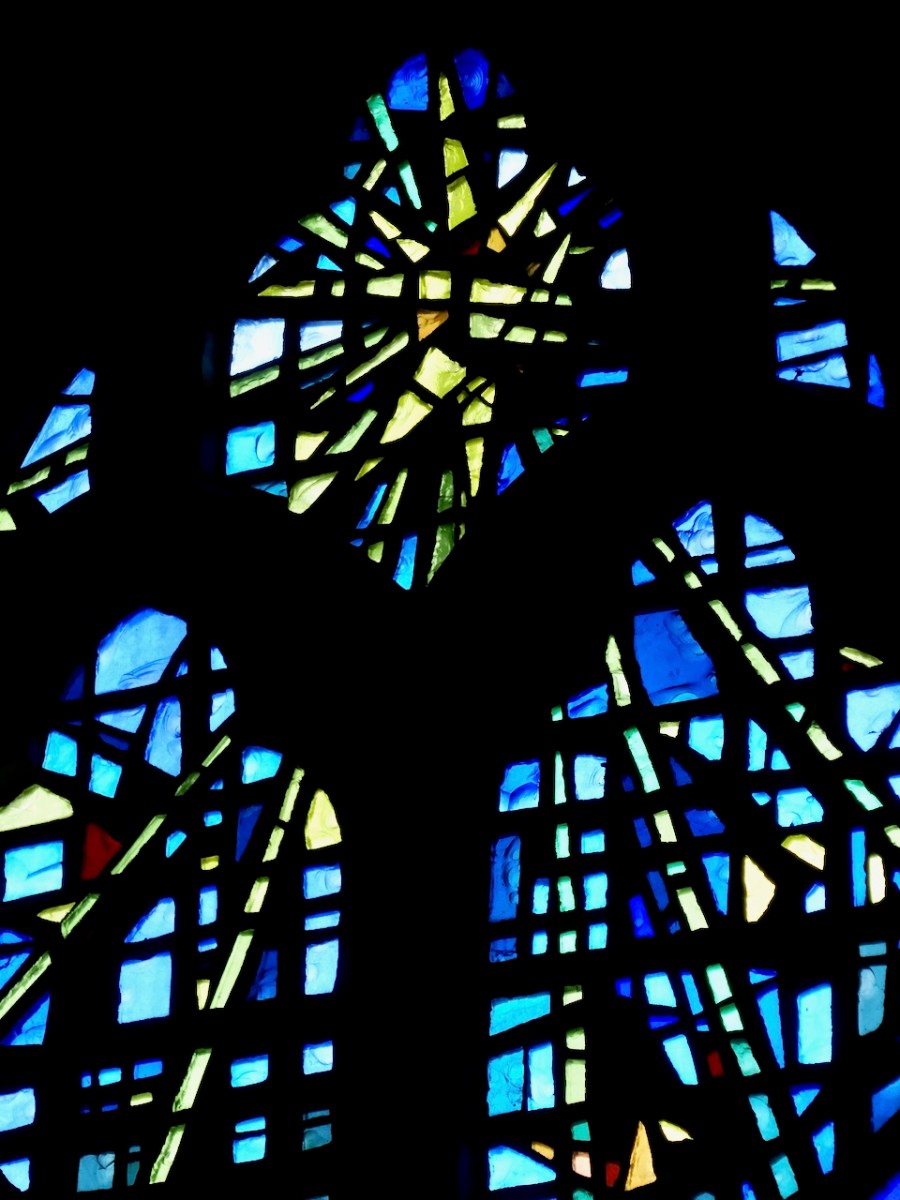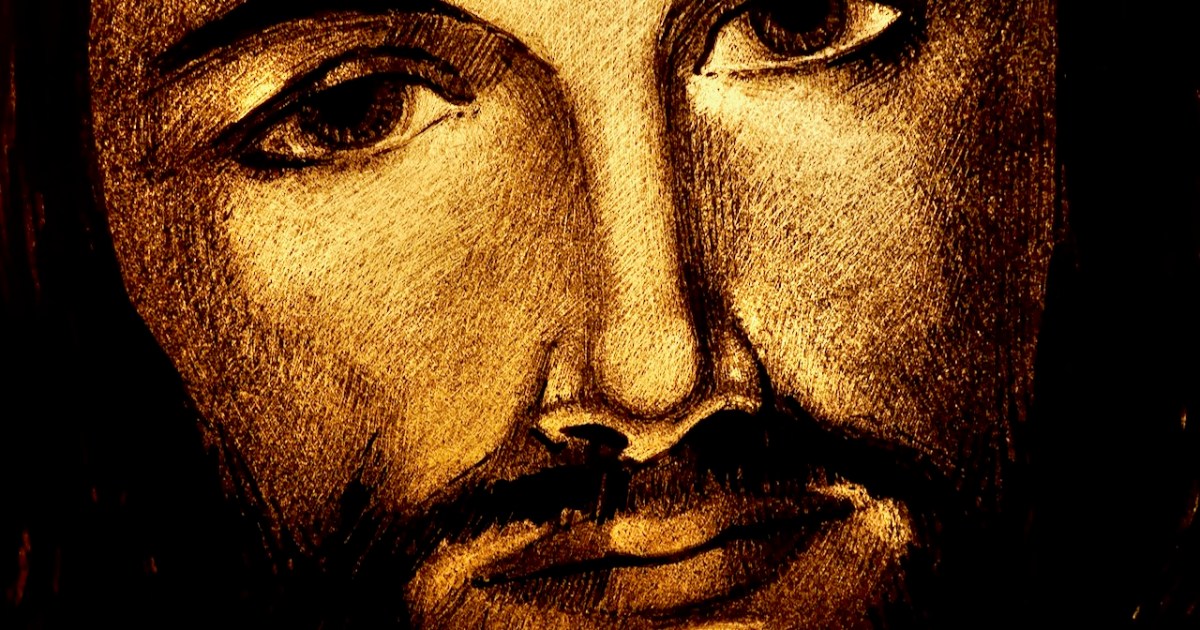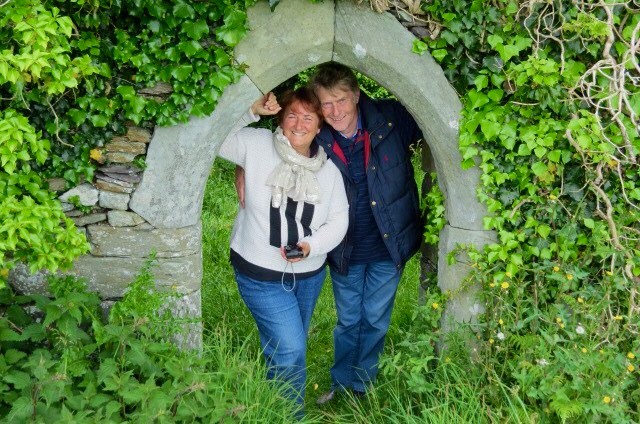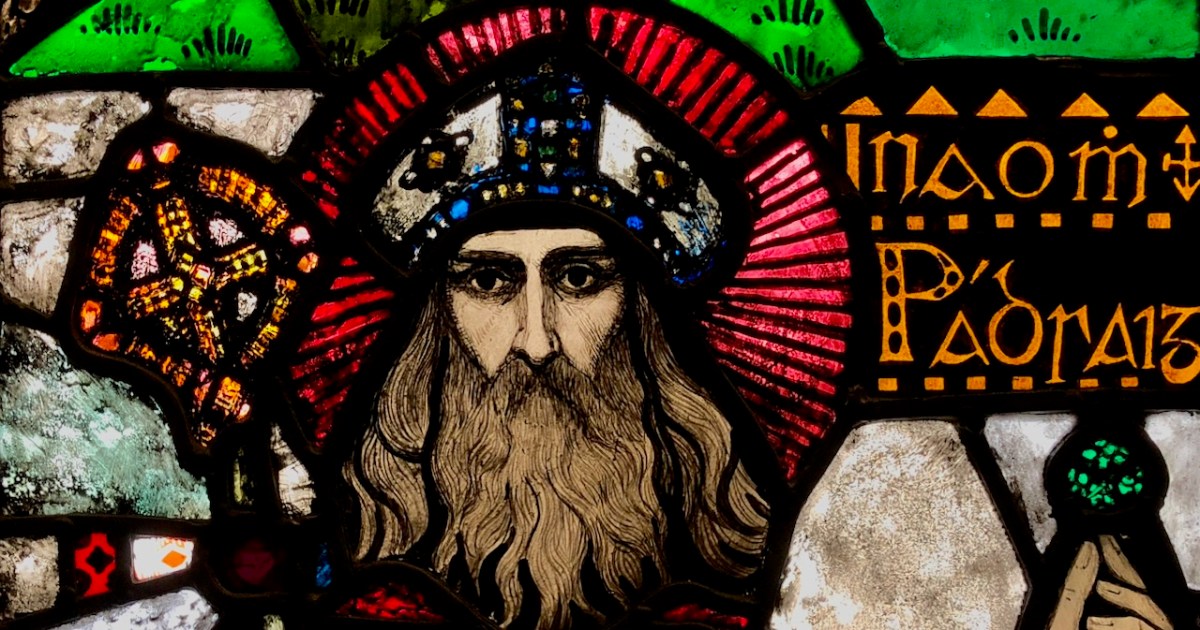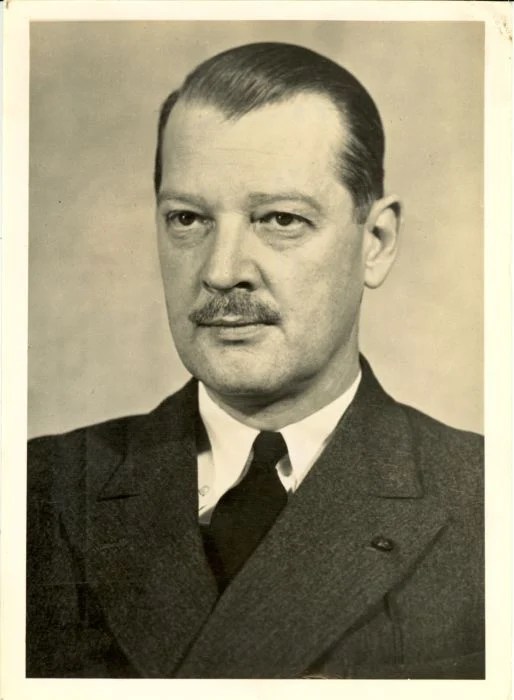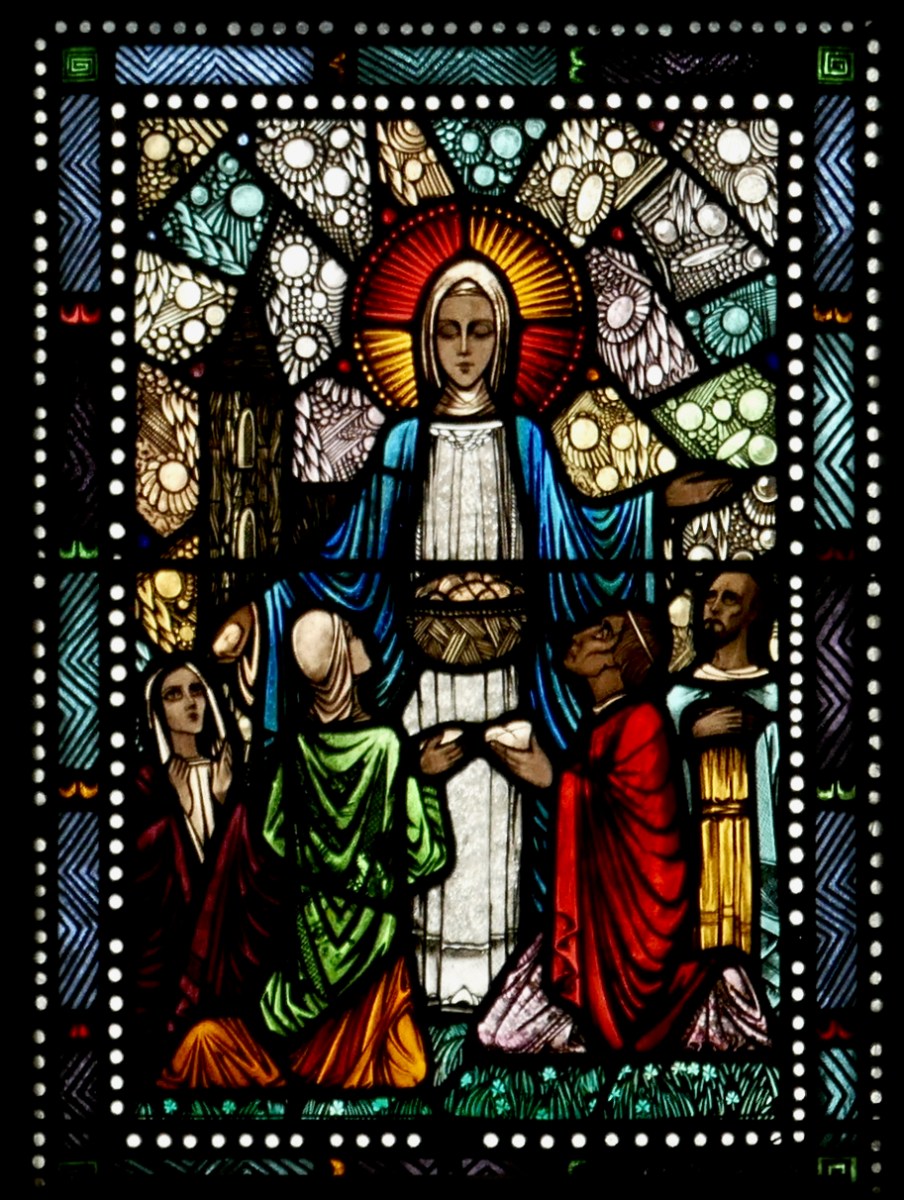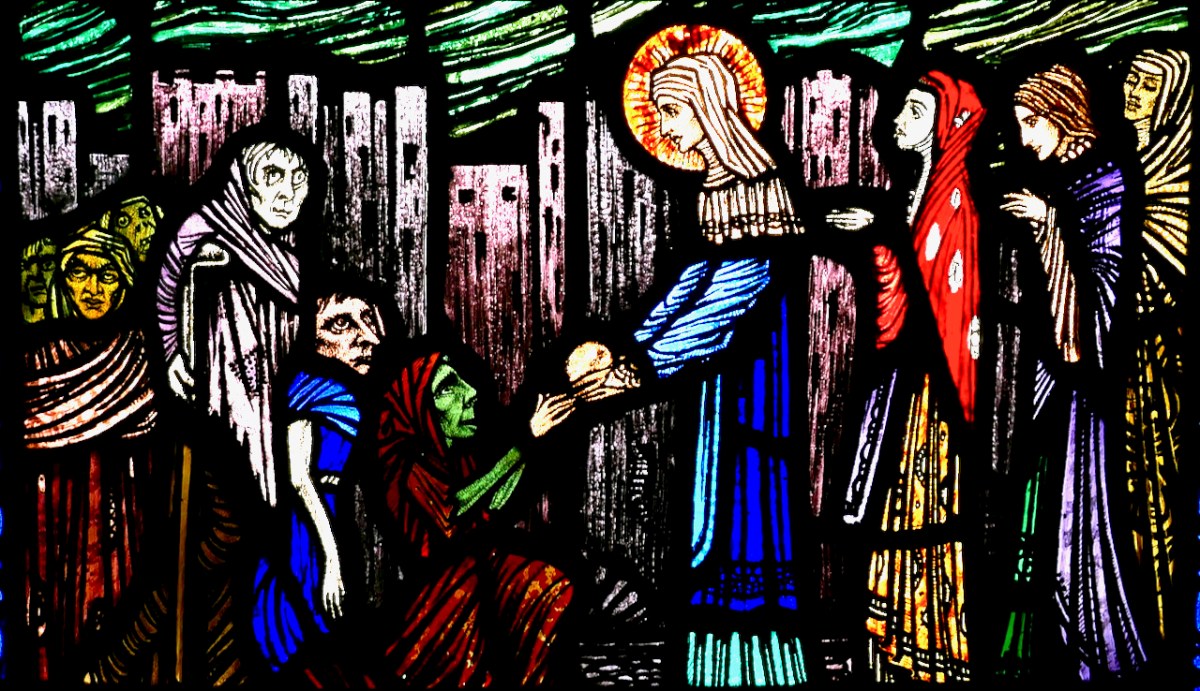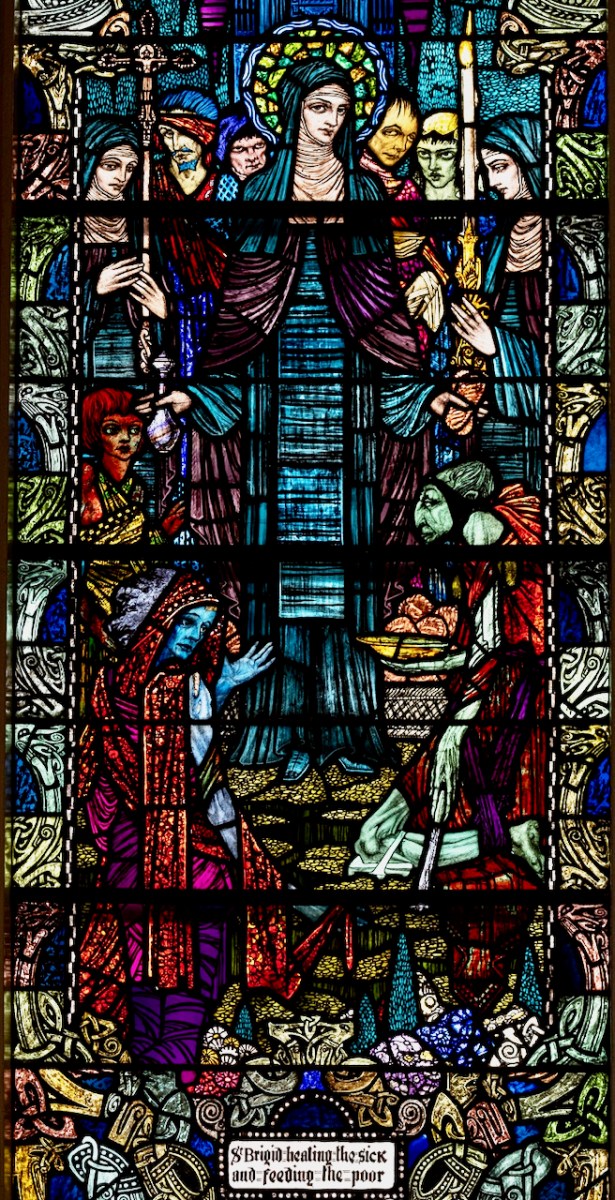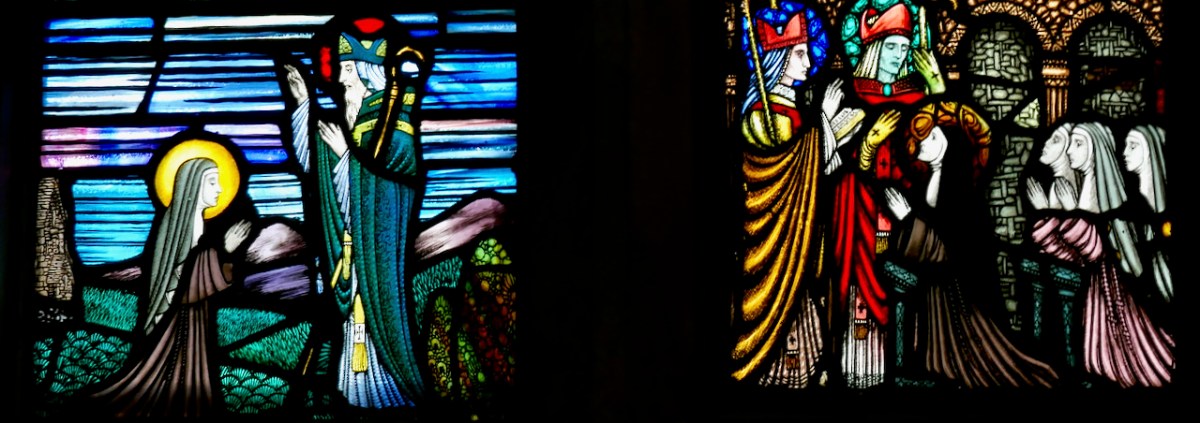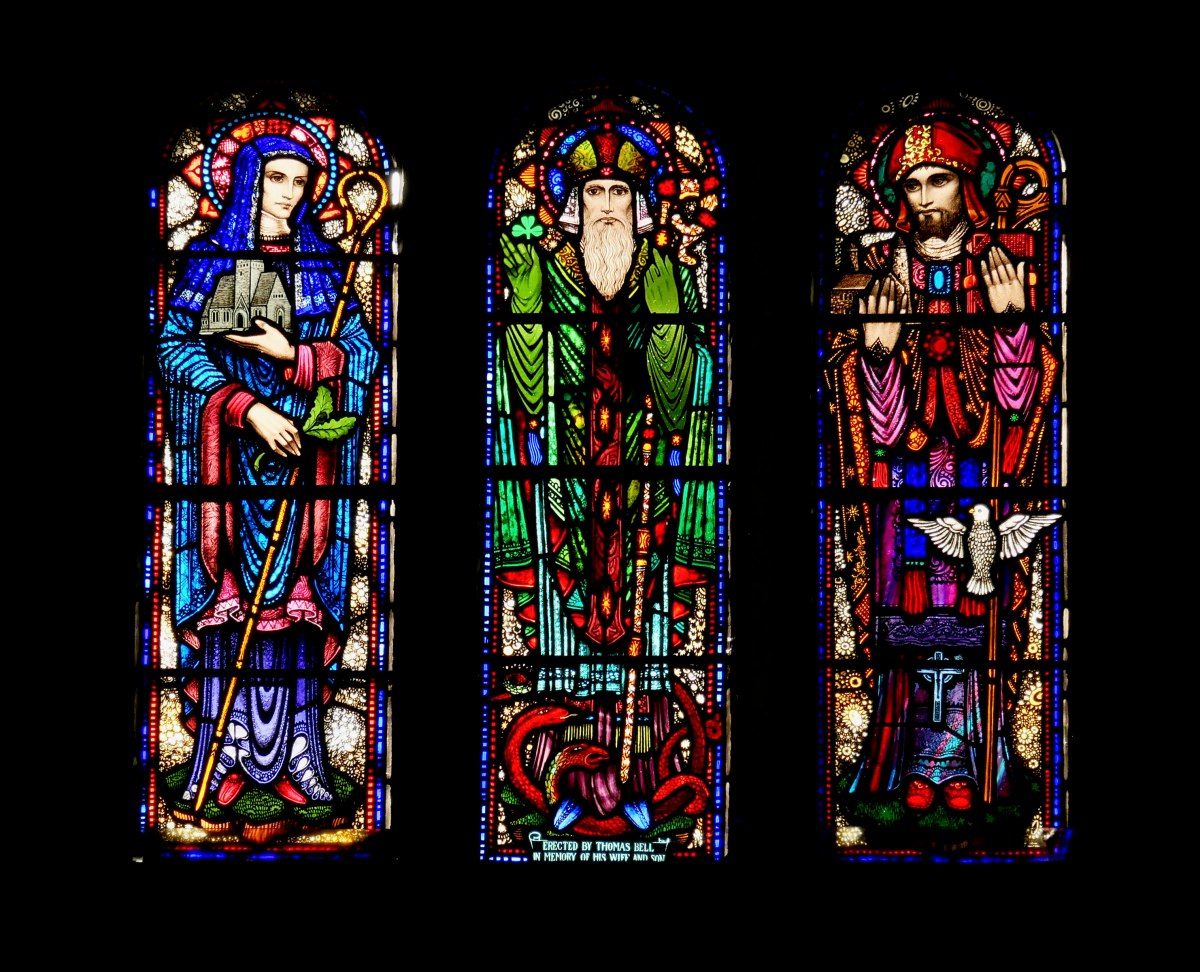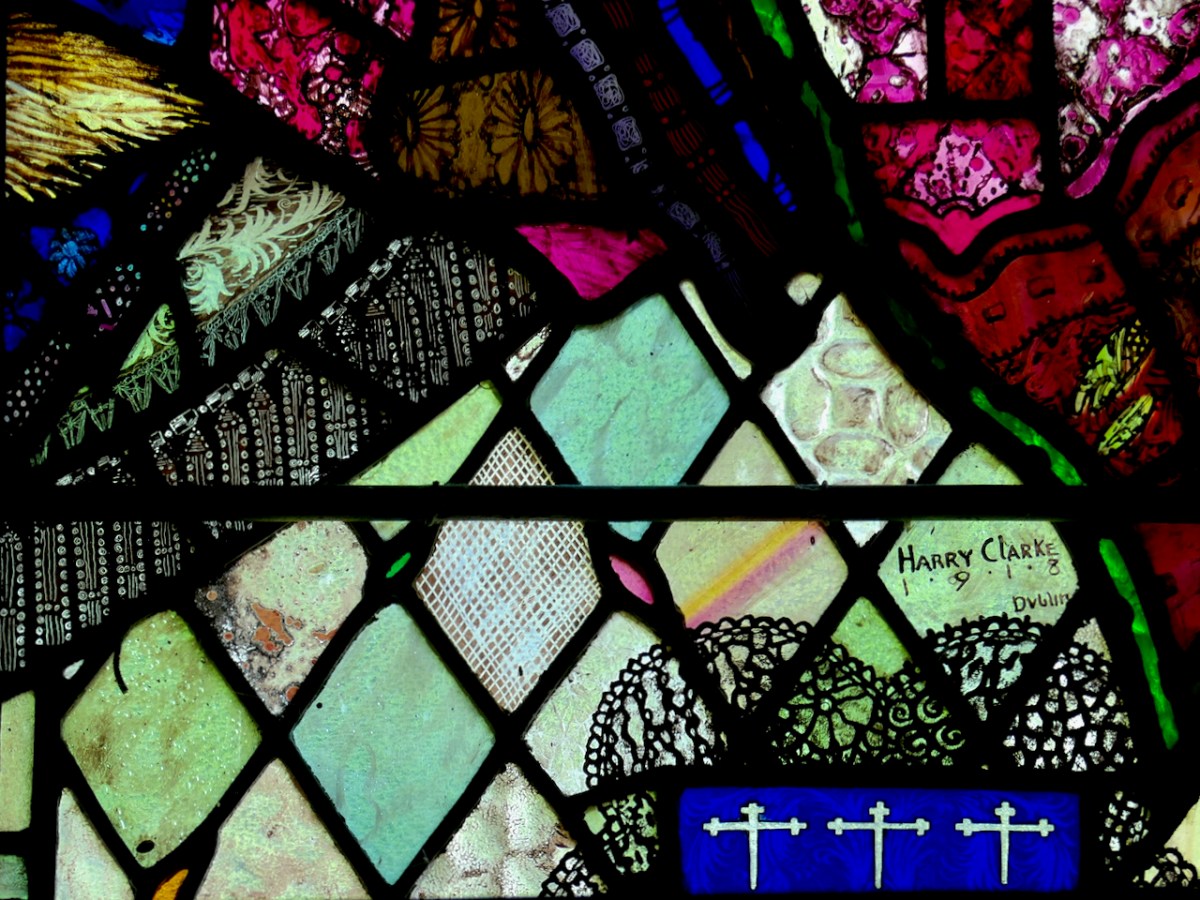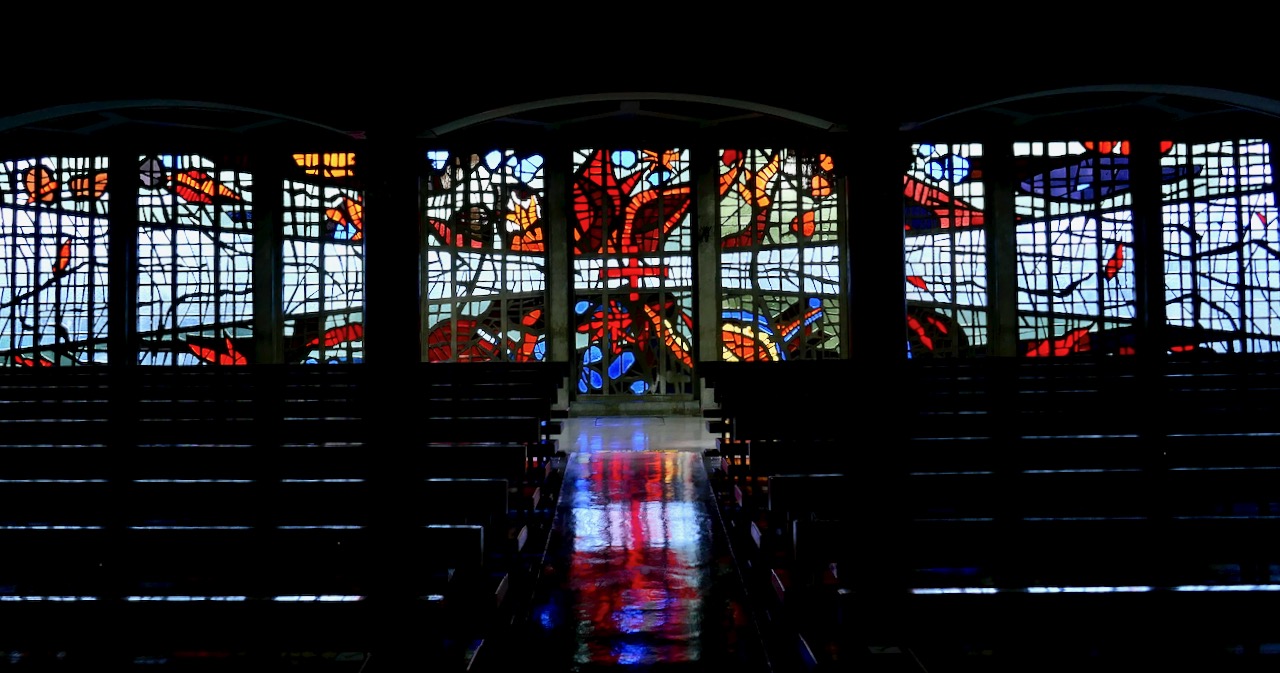
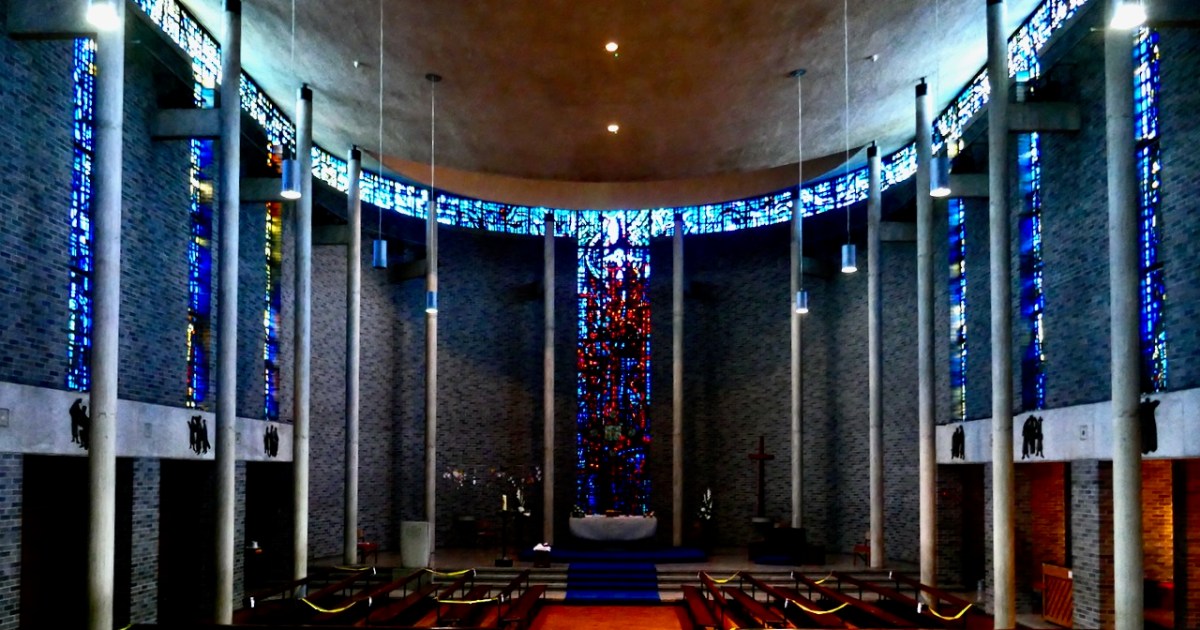
This wasn’t the post I planned to write for today, but it’s the one, in the end , I felt I wanted to do more than any other. It would have been Robert’s birthday on Wednesday (March 5) and somehow a contemplative post filled with beautiful images (many of which he helped me to process), and set to sublime music, was calling out to me. Watch it on YouTube for the best experience. I hope you enjoy it.
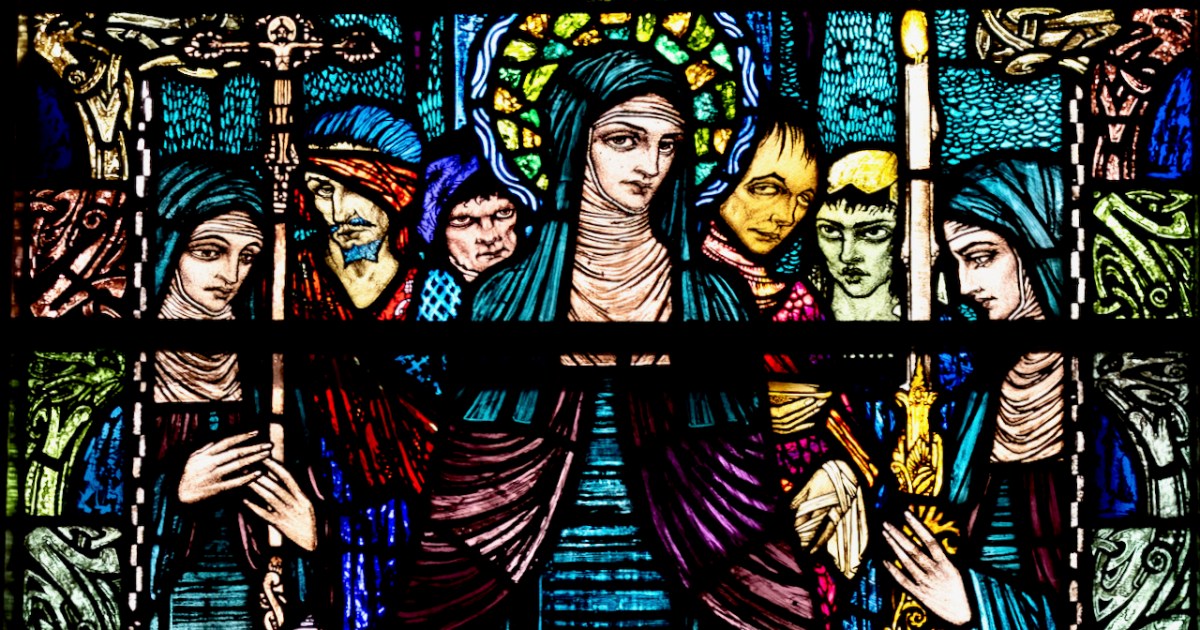
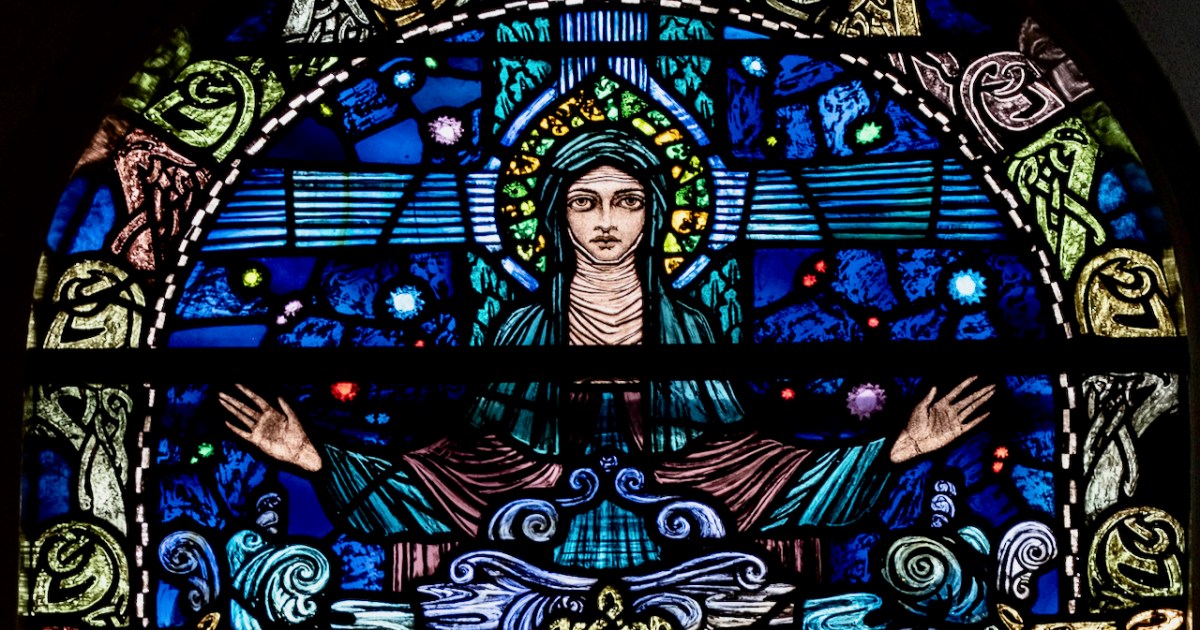
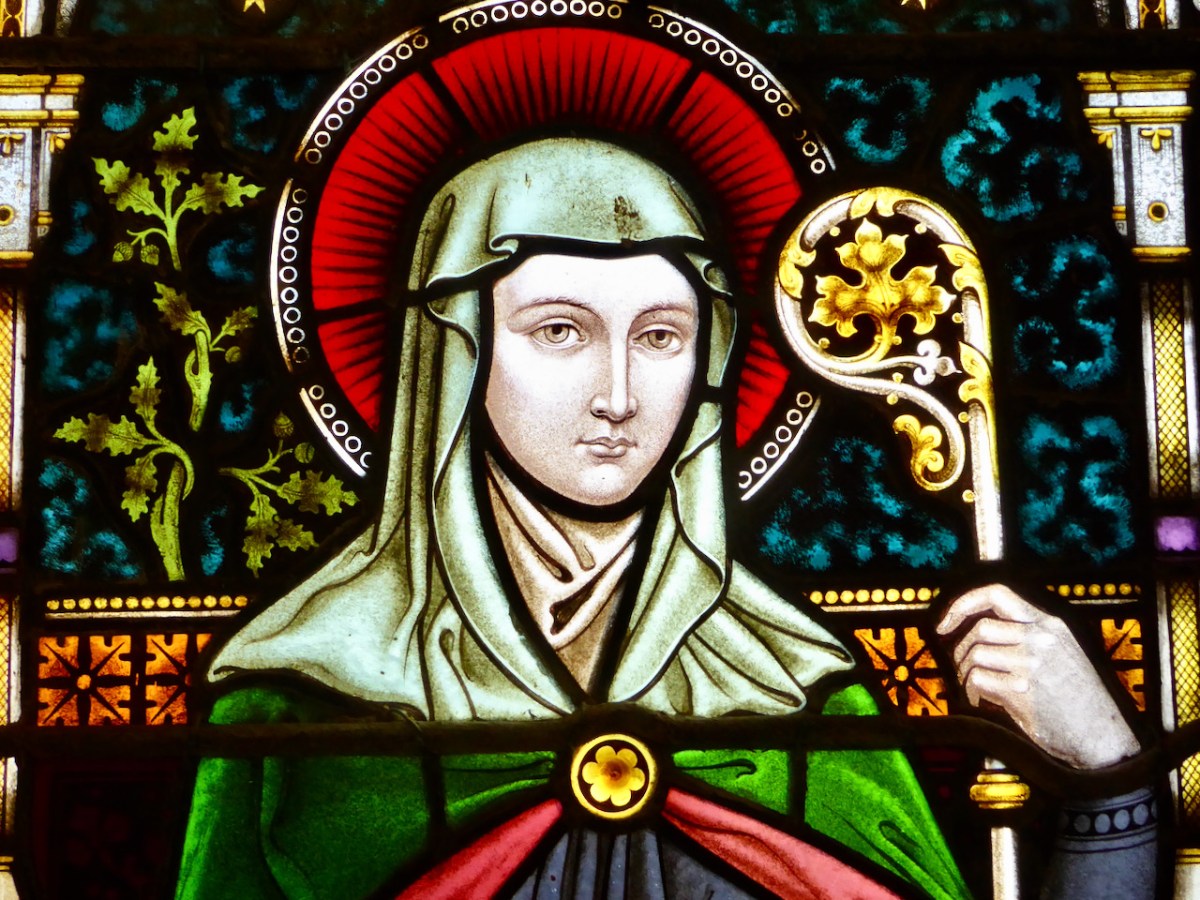
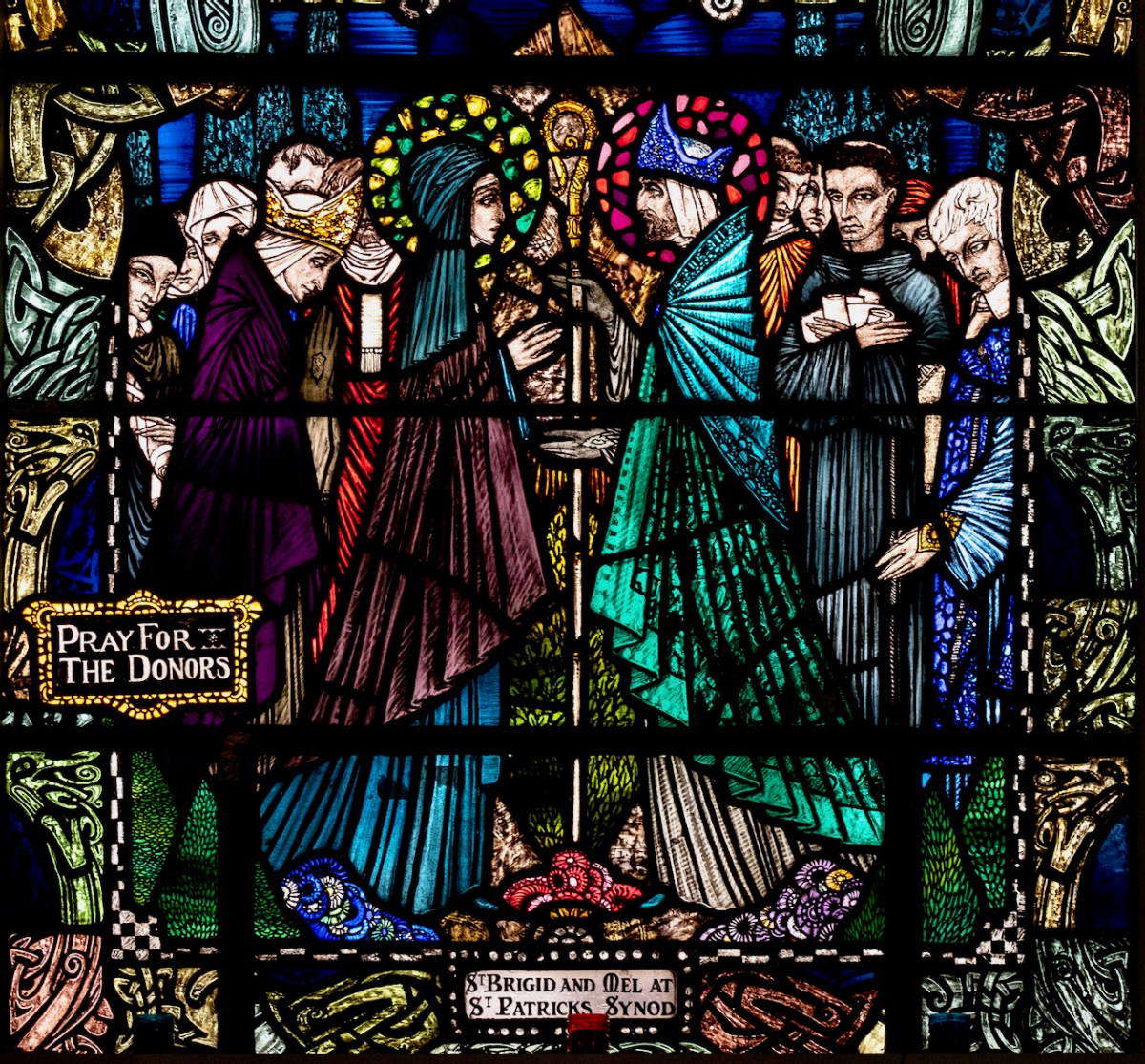
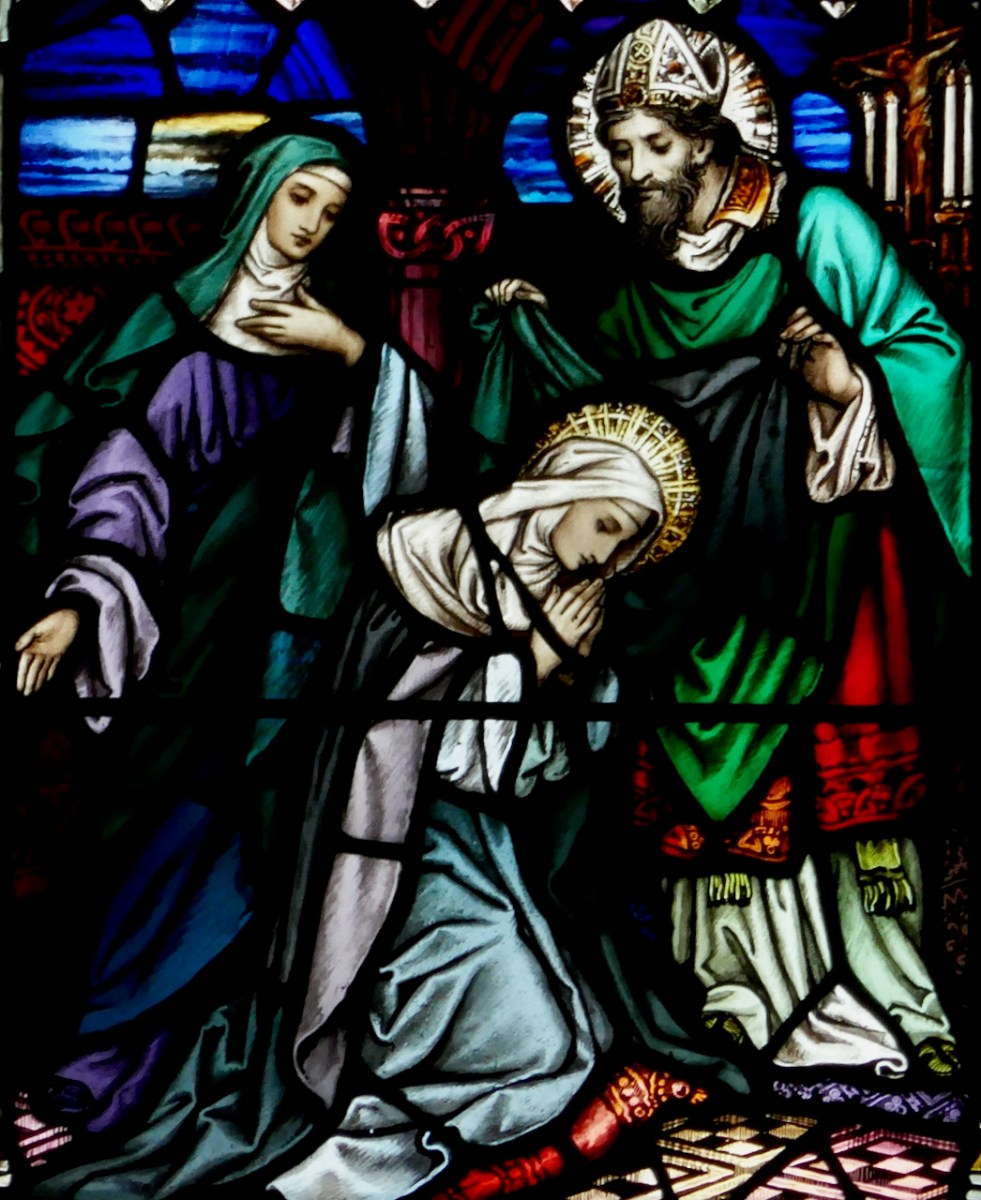
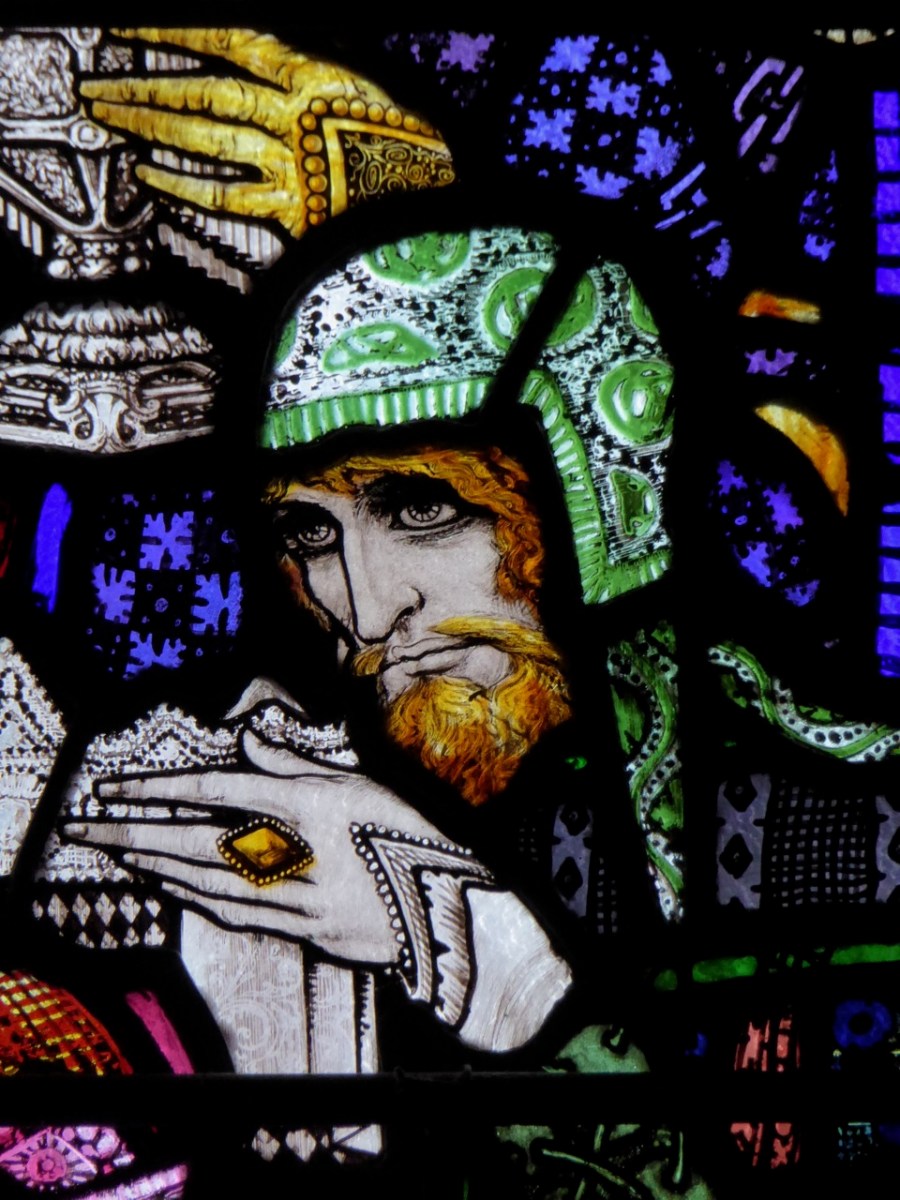
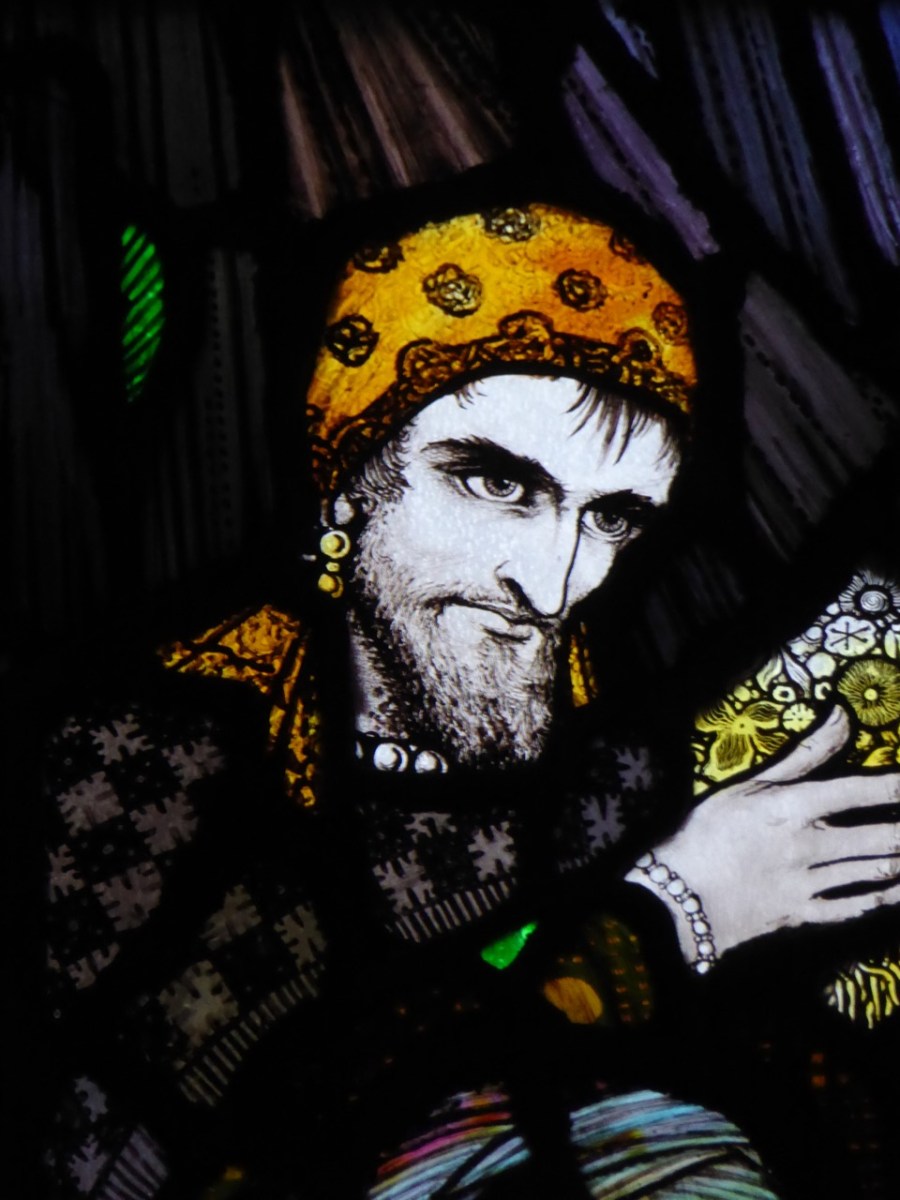
One way to think about a piece of stained glass is that, for the artist, light serves as the canvas, while glass is the medium. Additional materials may include glass paint, acid, and other treatments used to enhance the design or respond to the context of the window or panel. Throughout the ages, stained glass has surrounded us—adorning churches and public spaces—yet we don’t often pause to look beyond its surface. We admire the light it casts without considering the artist’s hand, the vision, and the craftsmanship that bring it to life. I have tried to do that in this quirky set of photos. I wandered though my (embarrassingly) huge archive and chose the ones that spoke to me. As I look at what I have chosen I see I am drawn to abstractions and faces – a duality that Robert the sociable architect would approve of.
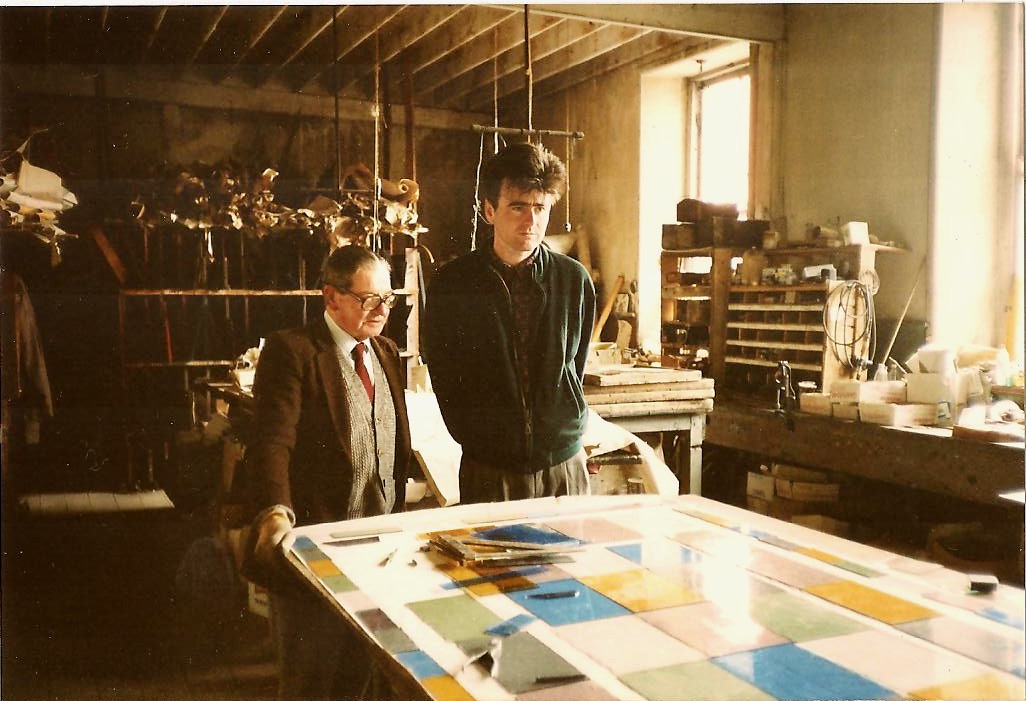
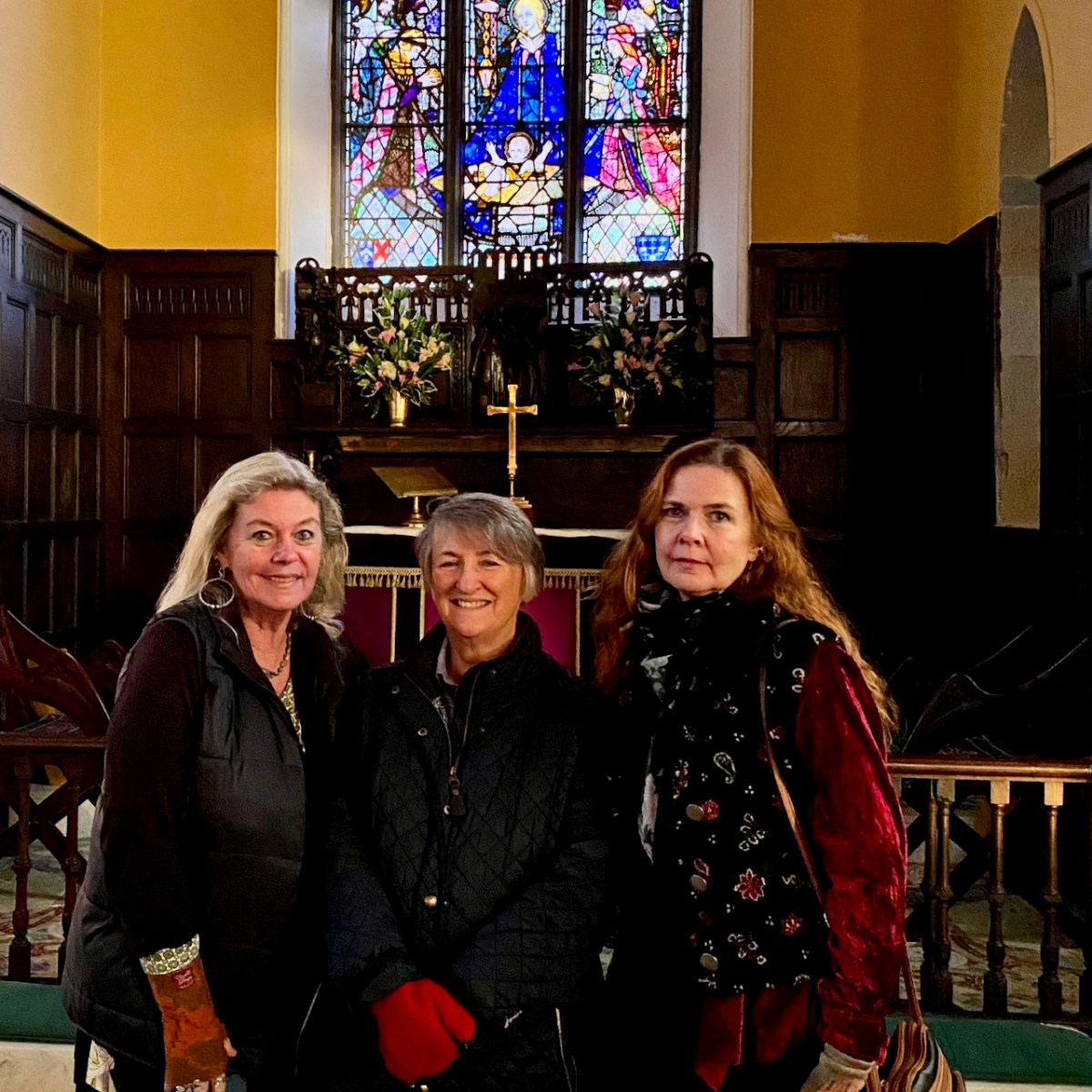
This photo of us was taken ten years ago. The music is Ave Maria Stella by the late great Mícheál Ó Súilleabháin. It’s available here, and is used with permission.
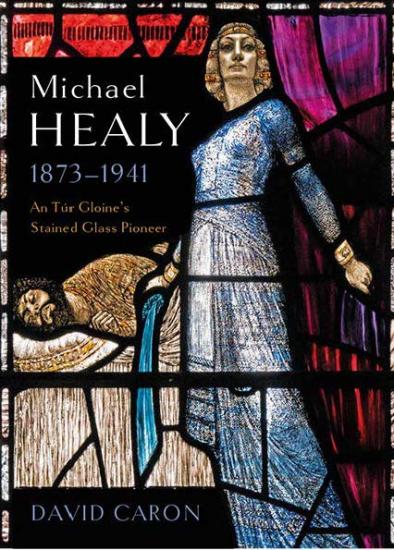
This book – MIchael Healy: An Túr Gloine’s Stained Glass Pioneer – is nothing short of a miracle. It’s beautifully written by David Caron, with superb photography mainly by Jozef Vrtiel, and outstanding production values by Four Courts Press. But a miracle? Yes – because David Caron uses his scholarship and knowledge of stained glass as well as the history and art movements of the period to produce an immensely readable book about an intensely private man who left behind practically nothing about his life except his magnificent work.
I will declare an interest right away – David Caron is a friend and mentor, editor and principal writer of the Gazetteer of Irish Stained Glass, to which I am one of the contributors. I have been looking forward to this book for a long time, as have all his friends, colleagues and collaborators. It was launched to great acclaim in Dublin on November 1 – all the available copies were snapped up at the launch, including mine (stowed behind the desk), so I had to wait until December to get my hands on it.
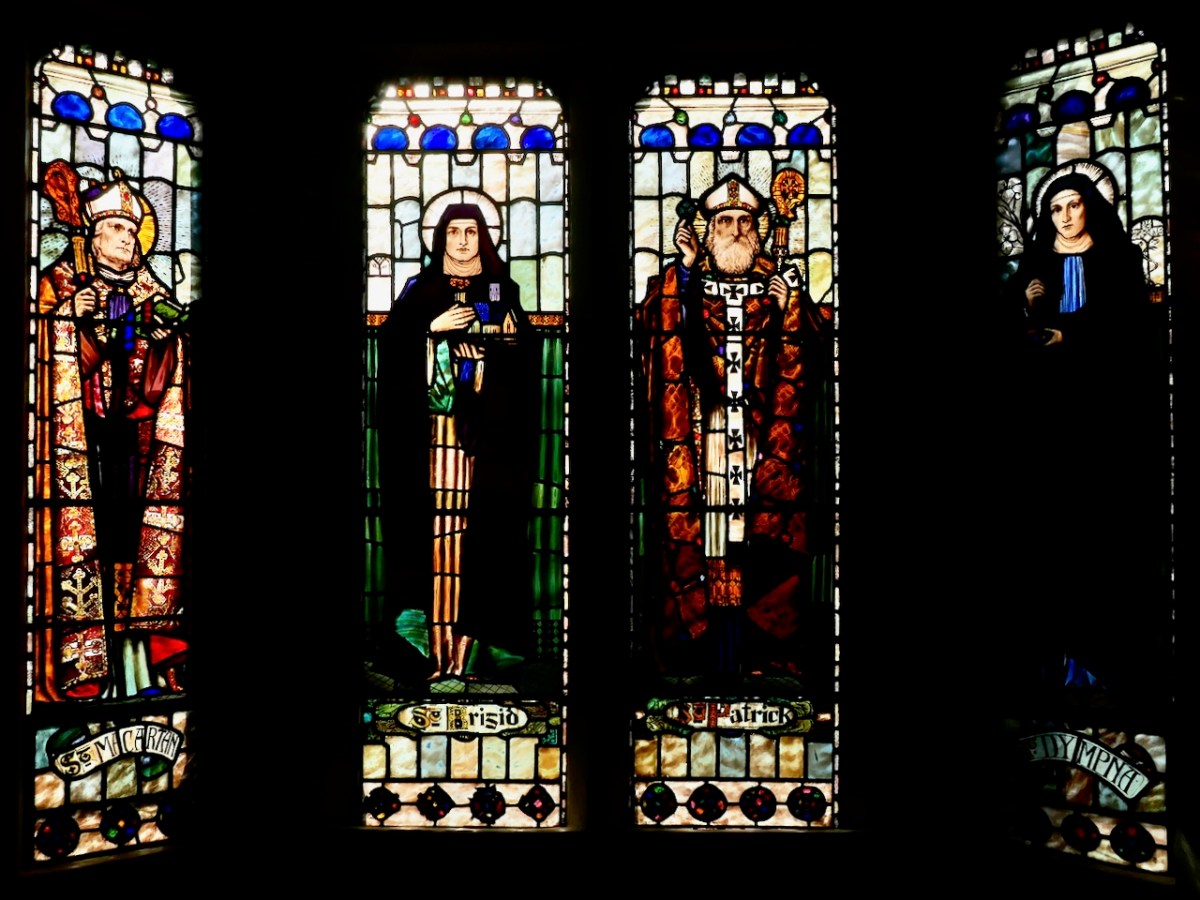
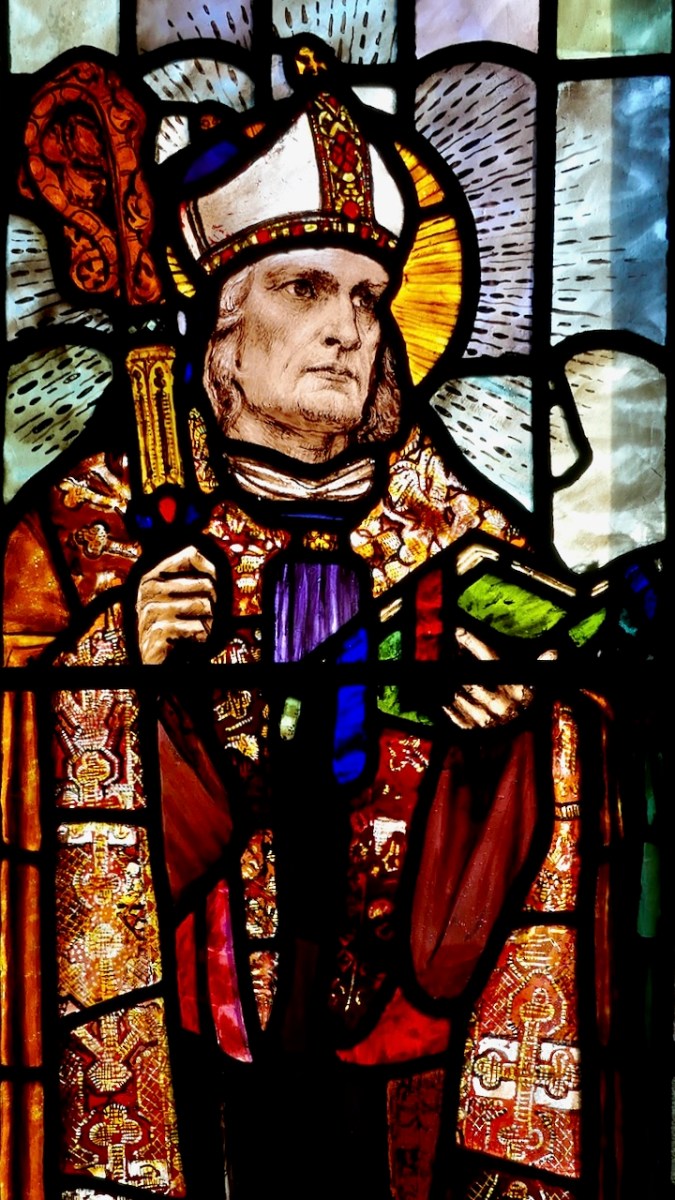
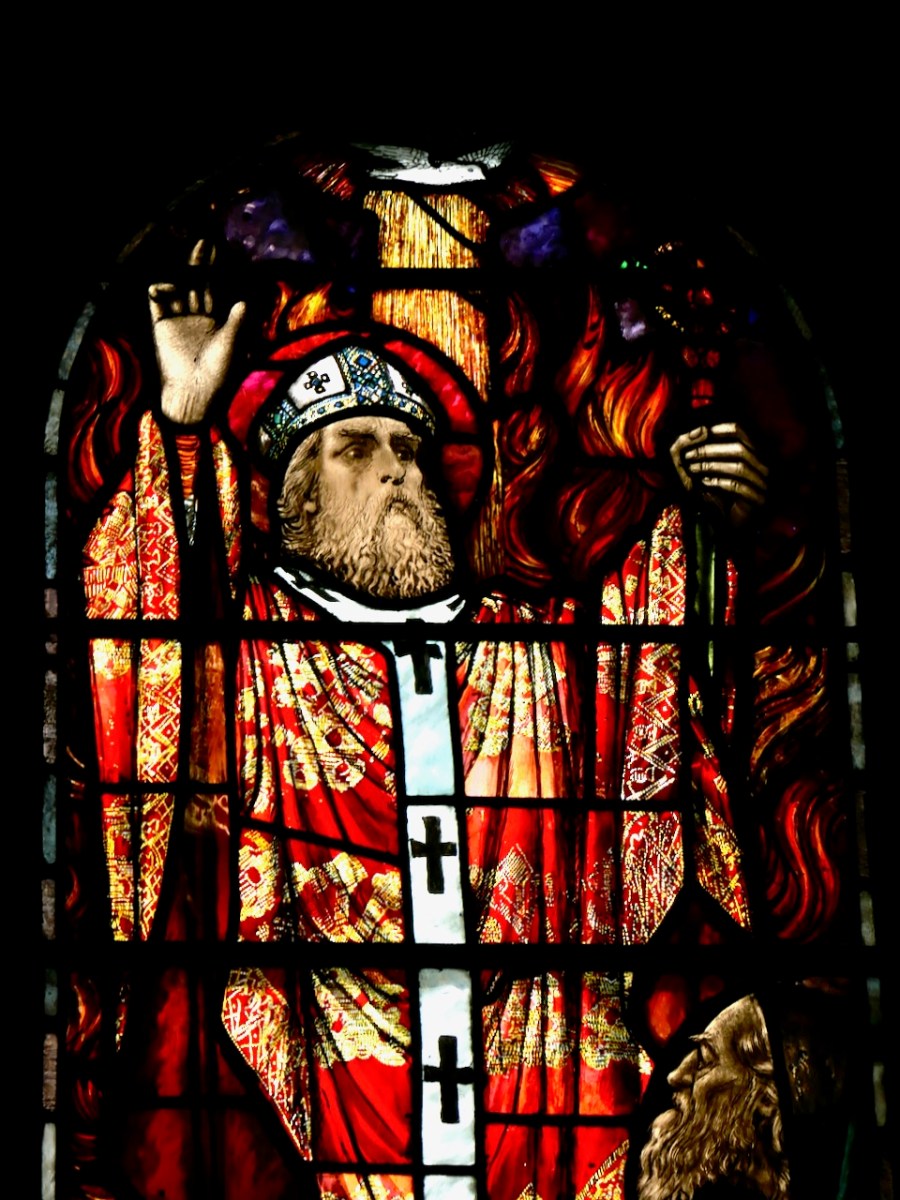
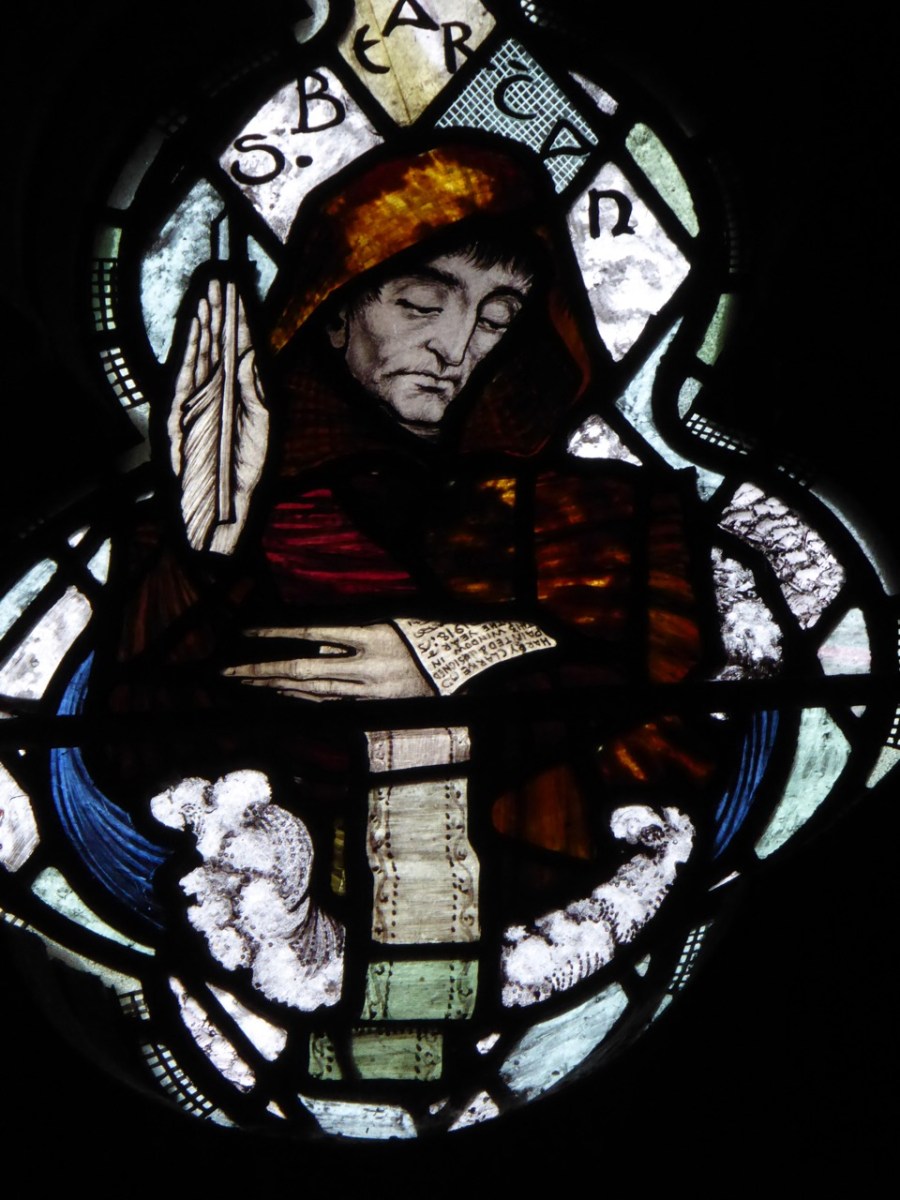
From a private bishop’s oratory, Sts Macartan, Brigid, Patrick and Dympna. Detail of Macartan, below. The rich reds and yellow shading of Macartan’s robes are the result of aciding and silver stain, described further down
All the photographs in this post are my own – but I haven’t seen that many Healy windows, and my photography does not bear comparison with Jozef’s magnificent images. The book is profusely illustrated – it’s one of its many strengths – with many photographs of the tiny details in which Healy delighted and which distinguish his windows from those of other artists. Healy spent all his working life at An Túr Gloine (The Tower of Glass) the Studio founded by Sarah Purser. If you are unfamiliar with this period in Irish stained glass, you might like to read my post Loughrea Cathedral and the Irish Arts and Crafts Movement before continuing.
Born in 1873 into grinding poverty in a Dublin tenement, through a combination of great good luck and his own prodigious talent and hard work, Michael Healy turned himself into one of the foremost stained glass artists of his time. Reading David’s account, it is difficult not to be overwhelmed at times by the hardship endured by Healy and his family in turn-of-the-20th-century Dublin. Packed into one room with miserably inadequate sanitation, whole families succumbed to disease and early death. Consumption was rampant and the only recourse for anything approaching treatment was the dreaded workhouse. Infant mortality rates were high and so we read about several Healy babies who failed to survive into adulthood, as well as adults carried to early graves, leaving widows and widowers to try to cope.
Christ with Doubting Thomas, St Joseph’s, Mayfield, Cork
In the midst of all this was the First World War, the Easter Rising, the War of Independence and the Civil War, followed by the emergence of the new Irish State. David chronicles all of this, and the effect it was having on citizens, like Healy, who were trying to go about their business, but who also had deep convictions about politics and religion.
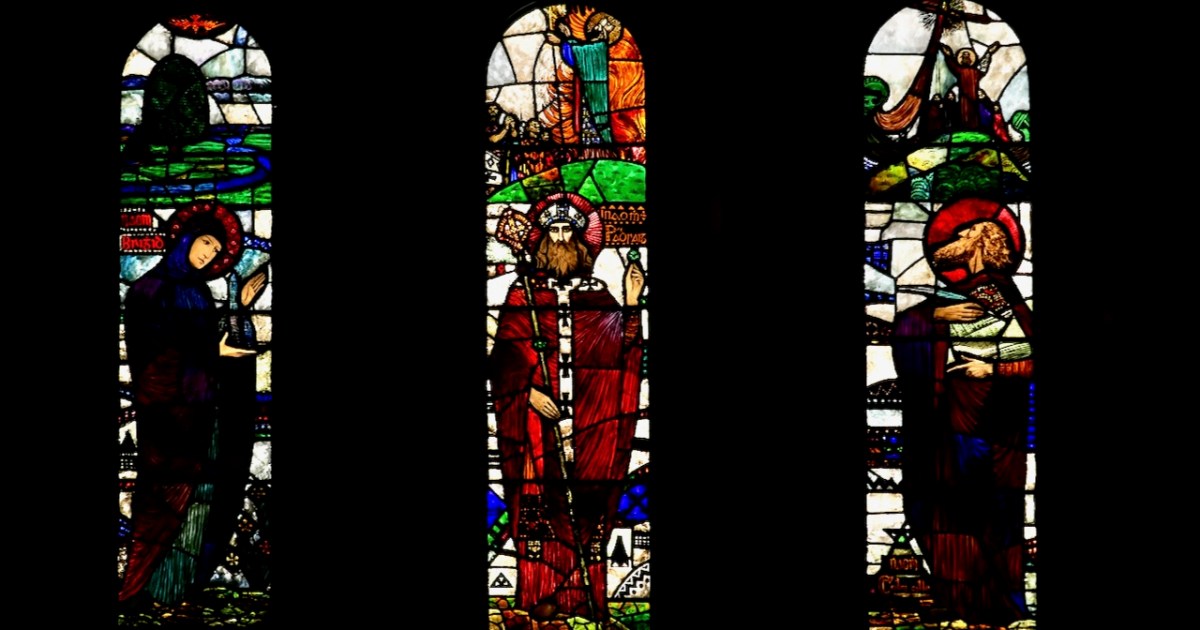
These windows, Sts Brigid, Patrick and Columcille, are in the National Gallery
In some ways, Healy was a typical young man of his time. Deeply religious, he spent some time in a seminary before deciding he was unsuited to the vocation. He belonged to a Catholic men’s lay organisation. David provides many instances where his working class Dublin accent, his republicanism, and his Catholicism must have put him at odds with his fellow artists at An Túr Gloine, mostly female, Protestant and from well-to-do backgrounds. They found him brooding and introverted, although they acknowledged his exceptional talent, and until Evie Hone arrived he did not make true friends with any of them.
The Annunciation, Loughrea Cathedral. This window was closely based on a design by the great arts and crafts stained glass master, Christopher Whall. Whall came over from England to supervise the execution of it by the Túr Gloine artists, including Healy. Celtic revival interlacing was very popular at the time, and a way of putting a nationalistic stamp on a window – note the subtle inclusions of interlacing here and there
I mentioned that he had strokes of good luck in his life, two in particular. One was the patronage of a perceptive priest, Fr Glendon, who enabled him to study in Florence for a period of time and who procured illustration work for him in Dublin. David points out here and there in the text the influence of Italian painters discernible in Healy’s windows, gained from his sojourn in Italy.
Detail of a Patrick window in Donnybrook
The other was that he found lodgings with a landlady, Elizabeth Kelly, and over time they grew close. Eventually, they become lovers and had a son, Diarmuid, together. Although the relationship was never publicly acknowledged (she was married, although her husband left her) it provided both of them with stability and comfort, and Healy was close to his son. In the 30s Diarmuid O’Kelly (although his mother went by Kelly) bought a Ford Model T and he and Michael would go on sketching expeditions up into the Dublin Mountains and out along the canals.
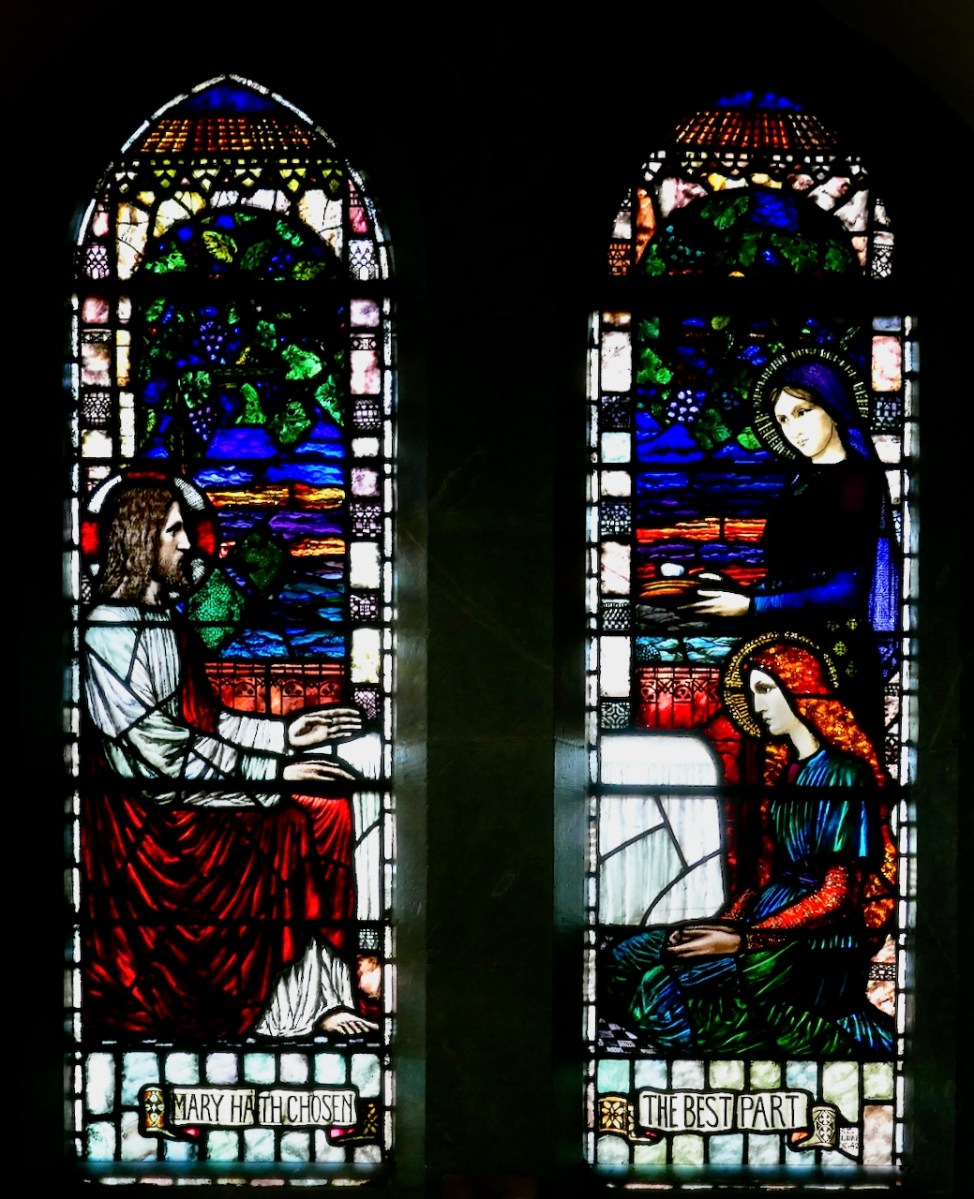
Christ with Mary and Martha, Mayfield, Cork
Because of the opprobrium that such a scandal would have visited upon both Elizabeth Kelly and Michael Healy, Diarmuid was never told that Healy was his father, but he must have suspected, and in more recent times DNA testing confirmed the relationship. Reading about the frequent tragedies that befell the Healy family and the privations under which he grew up, I find it very comforting to know that Michael enjoyed the security and love of his adopted family as he got older.
St Simeon, one of Healy’s early windows for Loughrea Cathedral
David leads us on a measured journey through Healy’s life and work. He was the first recruit to An Túr Gloine, Sarah Purser’s stained glass studio, and later co-op. There, he worked alongside AE Child (also his instructor at the Dublin Metropolitan School of Art), Catherine O’Brien, Beatrice Elvery, Ethel Rhind and Hubert McGoldrick. All of them looked up to him as the finest painter at the Studio. He, in turn, admired the work of Wilhelmina Geddes, and when her health caused problems he finished some of her windows, trying to respect her style and designs. But it wasn’t until Evie Hone arrived that he found a true colleague – Nikki Gordon Bowe described Hone as “his devoted disciple and admirer” and she finished some of his windows after he died.
Healy designed many Patrick windows – this one is in Glenariff Co Antrim
Each commission is described and through David’s detailed accounts we come to understand Healy’s style – what iconography he was attracted to, how he decided on the myriad details with which he embellished his windows, and most of all, his decorative methods.
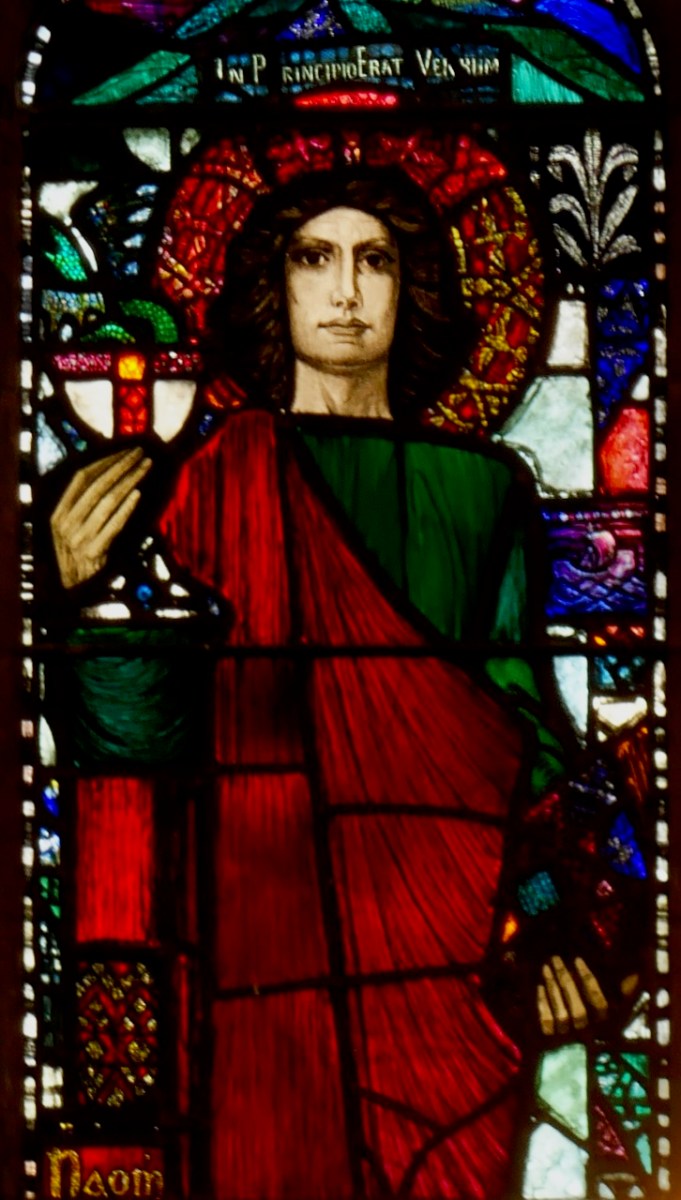
John the Evangelist, Loughrea Cathedral
Long before Harry Clarke made it is his signature, Healy was a master of aciding, a difficult (and dangerous) process used to remove colour from the surface of flashed glass. Flashed glass is clear glass which has a skim of coloured glass fired onto its surface. This top layer could be removed by scratching or etching it away, or by immersing the glass in a bath of hydrofluoric acid, having first applied beeswax to any surface where the colour should remain intact. By waxing and immersing, often several times, colour could be altered from, for example, a rich ruby red to the merest hint of pink, and all shades in between.
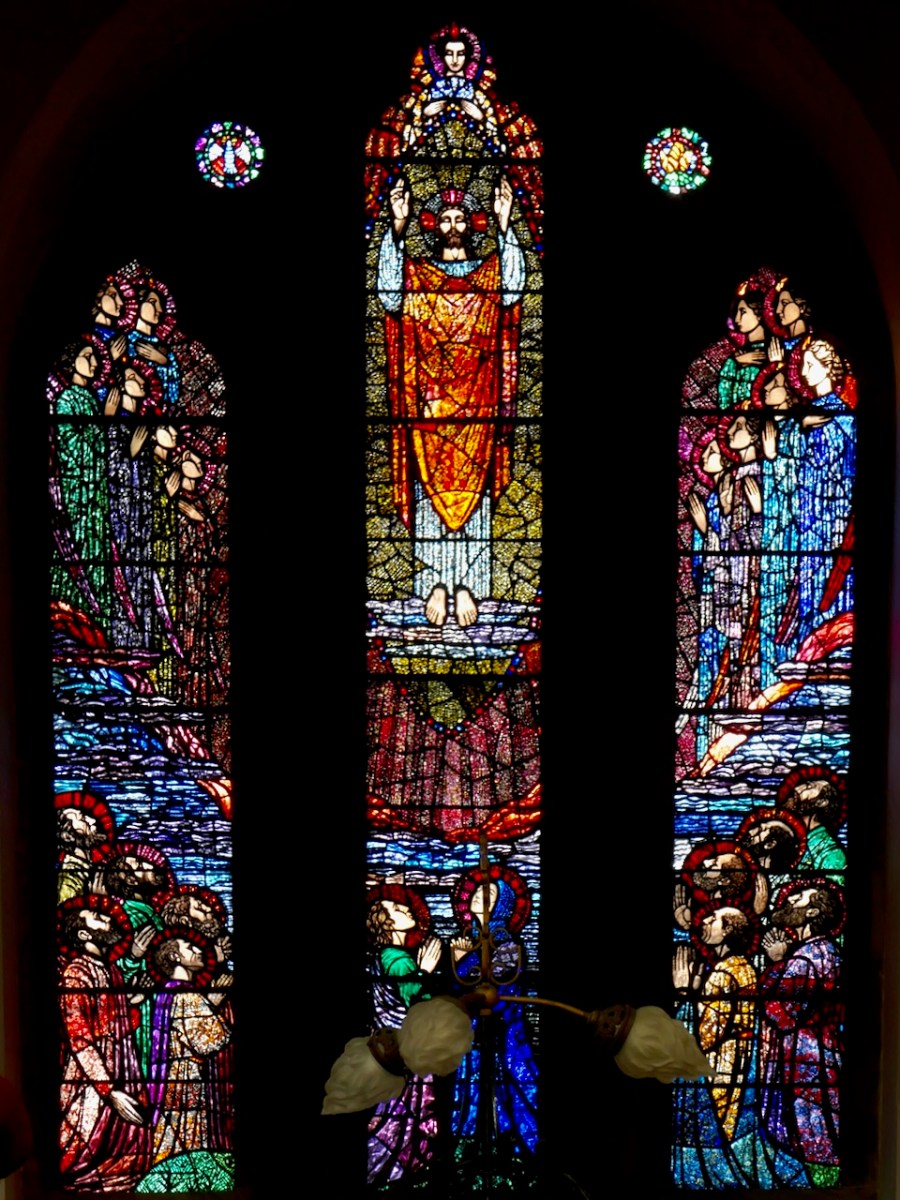
Healy’s Ascension, in Loughrea Cathedral
Healy would often plate two sheets of glass together – for example, one red and the other blue – each one carefully acided, and could by this means achieve an astonishing array of colours from the red-blue side of the spectrum. Added to this, he would often use silver stain on the back of the glass. Once heated in the kiln, the silver stain would permeate the glass, turning it yellow (repeated firings could deepen this from bright yellow to a rich amber colour). Finally, all the figuration would be painted and stippled on to the surface of the glass and the individual pieces of glass would be assembled and leaded together to produce the finished window. Healy was a perfectionist and Purser would despair of ever making enough money to keep the studio going since he spent so long on each commission.
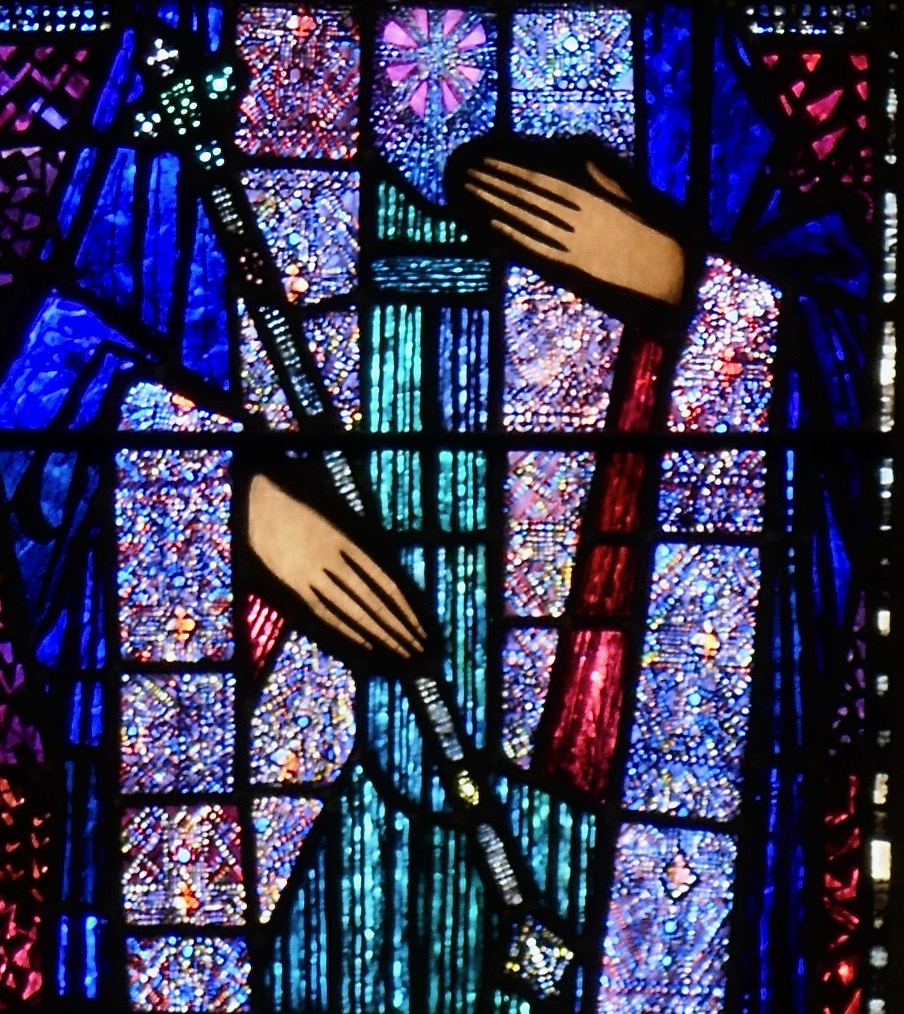
This detail from Healy’s Virgin Mary window in Loughrea illustrates well his aciding technique using red and blue flashed glass plated together to produce not only infinite shades of colour but a sparkling jewel-like effect
It is through David’s lively analysis of each window that we truly come to appreciate Healy’s genius and his evolution as an artist, his style developing according to his exposure to more modern influences.
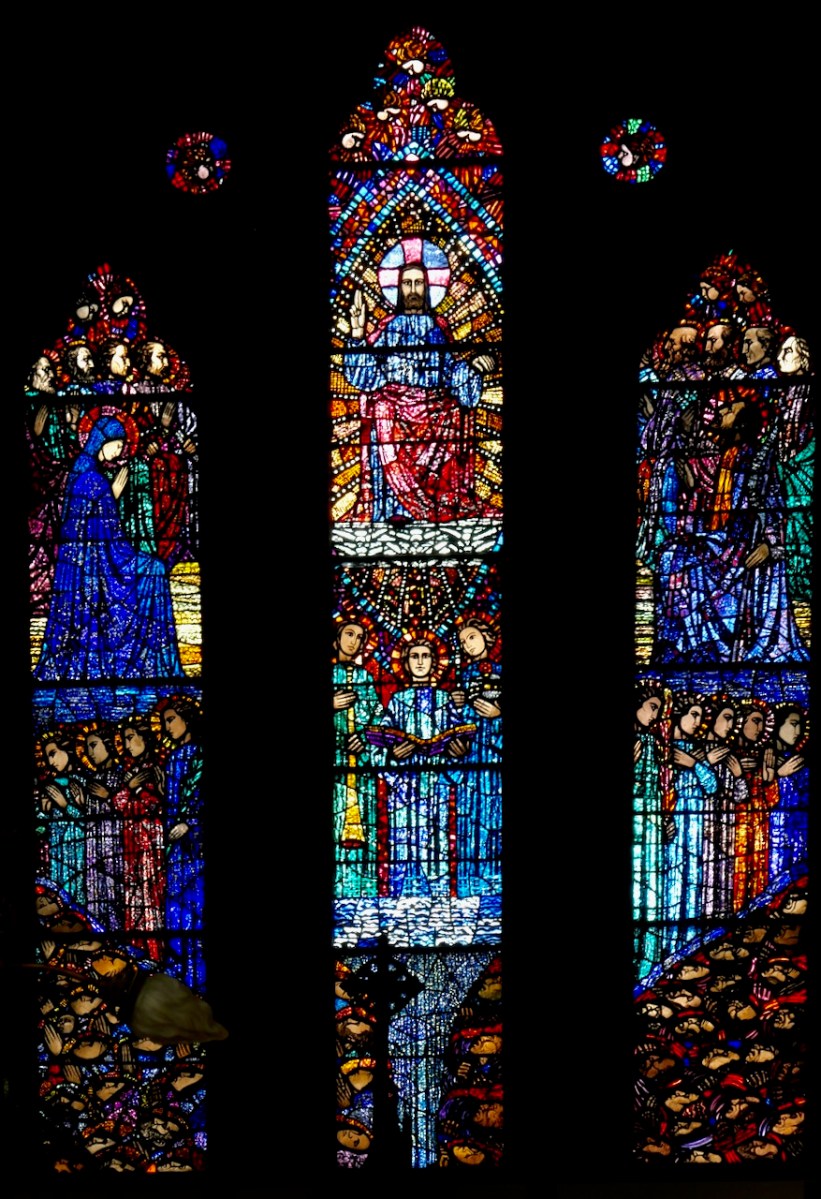
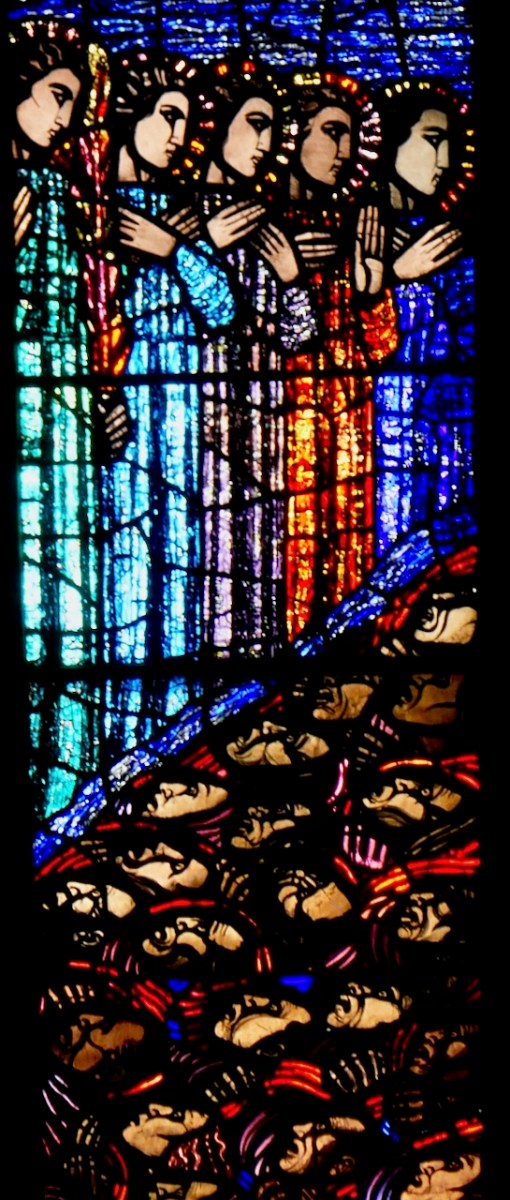
Considered one of his masterpieces, this is the Last Judgement Window in Loughrea, completed towards the end of his life. A detail from The Damned(right -hand light)is below
David wears his erudition lightly and when he dissects a window, pointing out elements that are easy to miss, and explaining what they mean and why Healy used them, I found myself pouring over Jozef’s wonderful photographs, picking out each separate item of iconography, and marvelling anew at the depths of learning that Healy brought to his designs. For example, David devotes five pages to the St Augustine and St Monica window in John’s Lane Church in Dublin and not a word is wasted.
Along the way we meet a host of characters – the redoubtable Sarah Purser and his colleagues at An Túr Gloine, enterprising priests and bishops, citizens memorialising their dead family members (CS Lewis!), art critics such as C P Curran, American heiresses, patrons of the arts, Celtic Revival influencers (OK, modern word, but you know who I mean). We get insights into the inner workings of the studio, wherein frequent bouts of unprofessional behaviour created tensions, and where Sarah Purser often had to crack the whip when productivity lagged. We come to understand the difficulties of soliciting business, agreeing on final designs and delivering orders, especially to overseas clients, in days when postal service to American and New Zealand took weeks.
A detail from the Patrick window in the National Gallery
We also come to see Healy as a rounded artist who did more than stained glass. His quick sketches of Dublin characters, drawn from life have all the attraction of immediacy and familiarity, while his watercolour landscapes are charming.
An early Loughrea window, Virgin and Child with Irish Saints
Healy died in 1941. By the time you finish the book, you feel you have lost a friend – a difficult and complicated one to be sure, but one whom you admire and will never forget. While obviously a gruff character on the outside, David allows us access to his humanity, and points out the obvious sympathy with which he portrays some of his subjects. His Loughrea St Joseph (below), for example, shows, in the words of the art critic Thomas McGreevy, a “Joseph who knows the tragedy of the world and who has some special understanding of the destiny. . . of the child”. We are, of course tempted to see in the tenderness with which Joseph gazes down at Jesus a revelation of Healy’s suppressed feelings for his own son.
This book is not just for stained glass enthusiasts, though they will delight in it, but for anyone interested in life in Ireland at the end of the 19th and beginning of the 20th century, and indeed for anyone who enjoys good writing and a story that propels you through almost 70 years of the life of a significant artist. Available from the publisher or in all good bookstores.
The first story concerns Jasmine Allen – she is the charming and erudite Curator of the Stained Glass Museum in Ely, in the UK. At a recent Stained Glass Symposium in Trinity, she showed us how stained glass studios were advertising their artistry and products at exhibitions in the late nineteenth and early twentieth centuries in Britain and Ireland, starting with the Great Exhibition in 1851, but happening at regular intervals after that. The Irish International Exhibition was held in Dublin in 1907. It was inspired by the success of the Cork International Exhibition of 1902 (see Robert’s post about that here) and even copied their thrilling water slide! For a marvellous collection of images from that exhibition, see this Flikr Album from the Church of Ireland. The story of their discovery is also fascinating.
Irish international exhibition from Herbert Park, by National Library of Ireland on The Commons
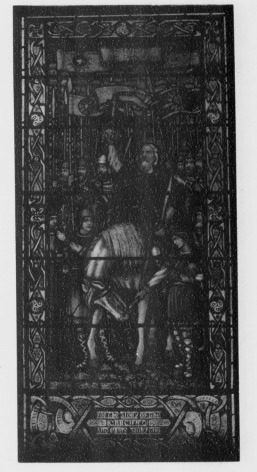
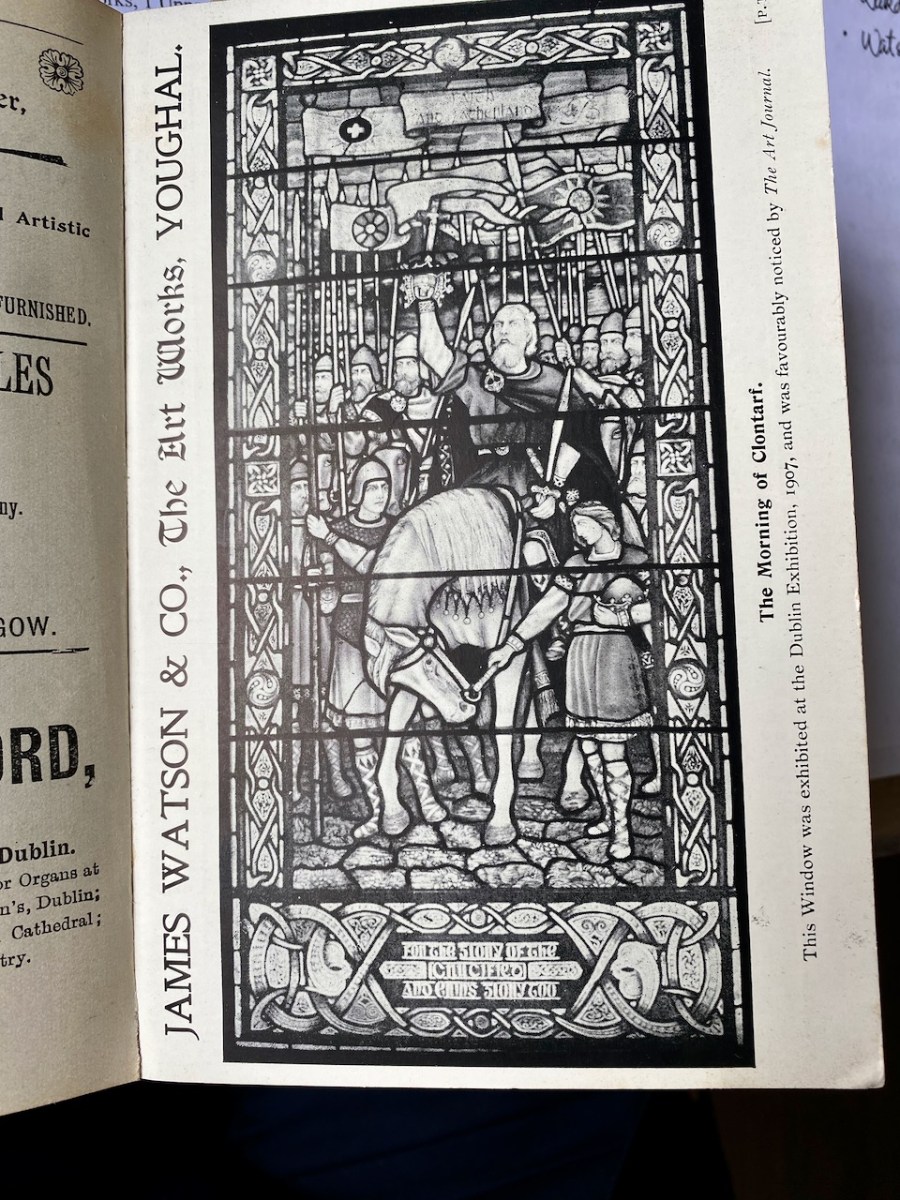
One of the exhibitors was James Watson and Co of Youghal. Jasmine subsequently sent me this image, saying: Catalogues of these exhibitions are all too brief and I would love to know what happened to it. Is it in a church or secular building in Clontarf? I only have a very bad image from the Art Journal (early b+w photography was worse than engraving for capturing stained glass!)
Story 2: Michael
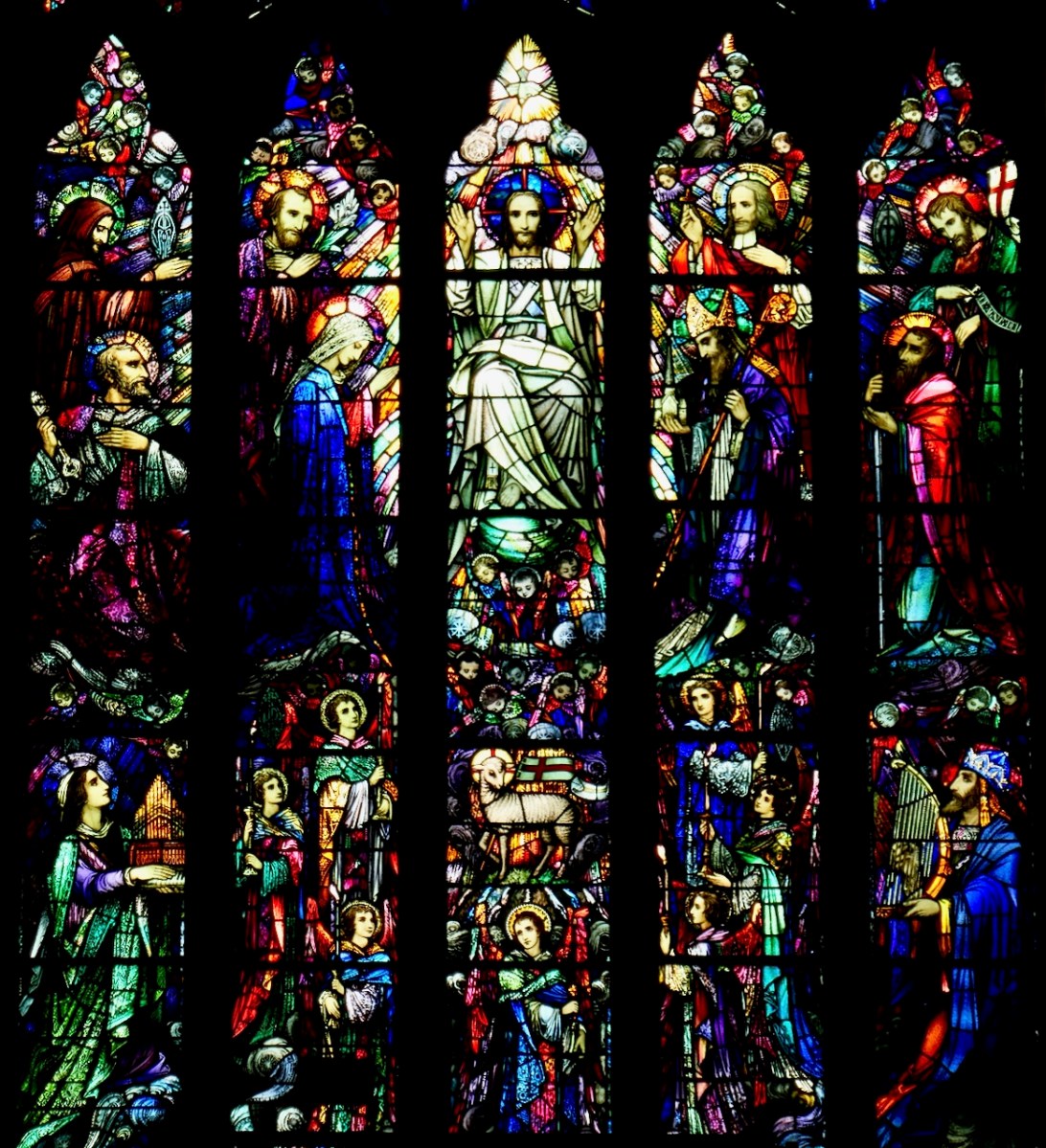
I sent the photo to the group of colleagues, mostly contributors to the Gazetteer of Irish Stained Glass with whom I correspond on a regular basis and who are always helpful, asking if any of them knew the fate of the window. I got several “no idea” responses and then I heard from Michael Earley. Anyone interested in Irish stained glass will be familiar with the name of Earley, and Michael Earley, a great-grandson of the founders, has just completed doctoral studies on the Studios. I’ve featured Earley windows here and there in my blog posts, but here’s an example of their work – you will find it everywhere throughout Ireland, often distinguished by glass of unique and brilliant colour, enormous packed scenes of multiple angels and saints surrounding a central images, and beautifully rendered figures. Here’s one from St Aidan’s Cathedral in Enniscorthy.
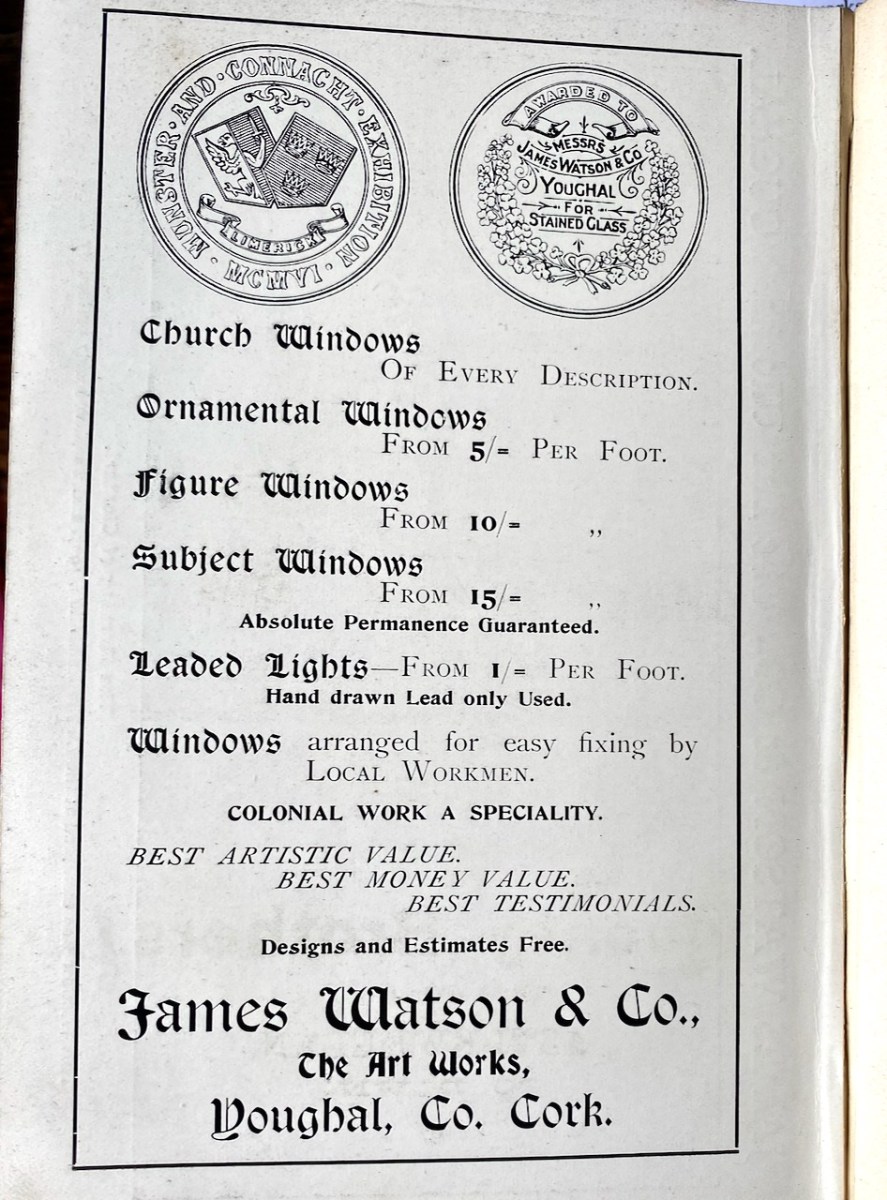
Michael didn’t know what had happened to the window, but he did send me two pages from the Irish Catholic Directory of 1908. The first page was an advertisement for James Watson and Co, The Art Work, Youghal, Co. Cork. Here it is:
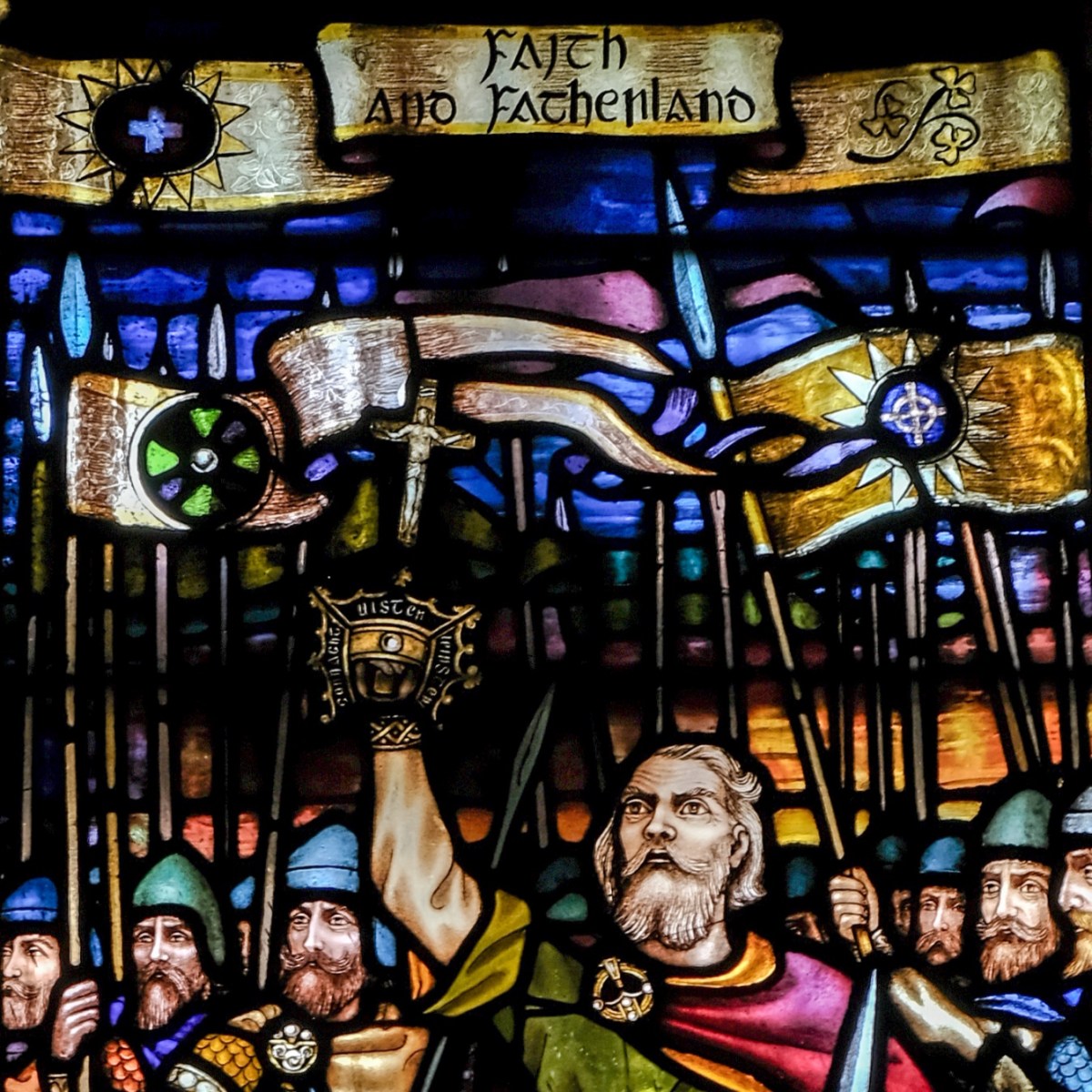
Much to savour in this ad – the prices, the variety of windows, “colonial work”. . . The second page, though, hit the jackpot. It was from the same Directory, and was a full scale black-and-white photograph of the window. Titled The Morning of Clontarf, a subtitle reads “This window was exhibited at the Dublin Exhibition, 1907, and was favourably noticed by The Art Journal”.
Now I had an excellent image with which to pursue my inquiries – and I knew exactly who to consult!
Story 3: Vera
The art historian who knows more than anyone else about Watson of Youghal is Vera Ryan. In fact, it was Vera who curated the Crawford Gallery 2015 exhibition of the Watson Archive, when the Crawford acquired the Archive. She also wrote the piece on Watsons: Divine Light: A Century of Stained Glass, in the Summer 2015 edition of the Irish Arts Review. A couple of years ago, when I was trying to find information on a Watson window which was the centrepiece of an article I was writing for the Clonakilty Historical and Archaeological Journal (now published and available here), Vera mentored me as I tried to dig my way through the archive. We have been exchanging information ever since.
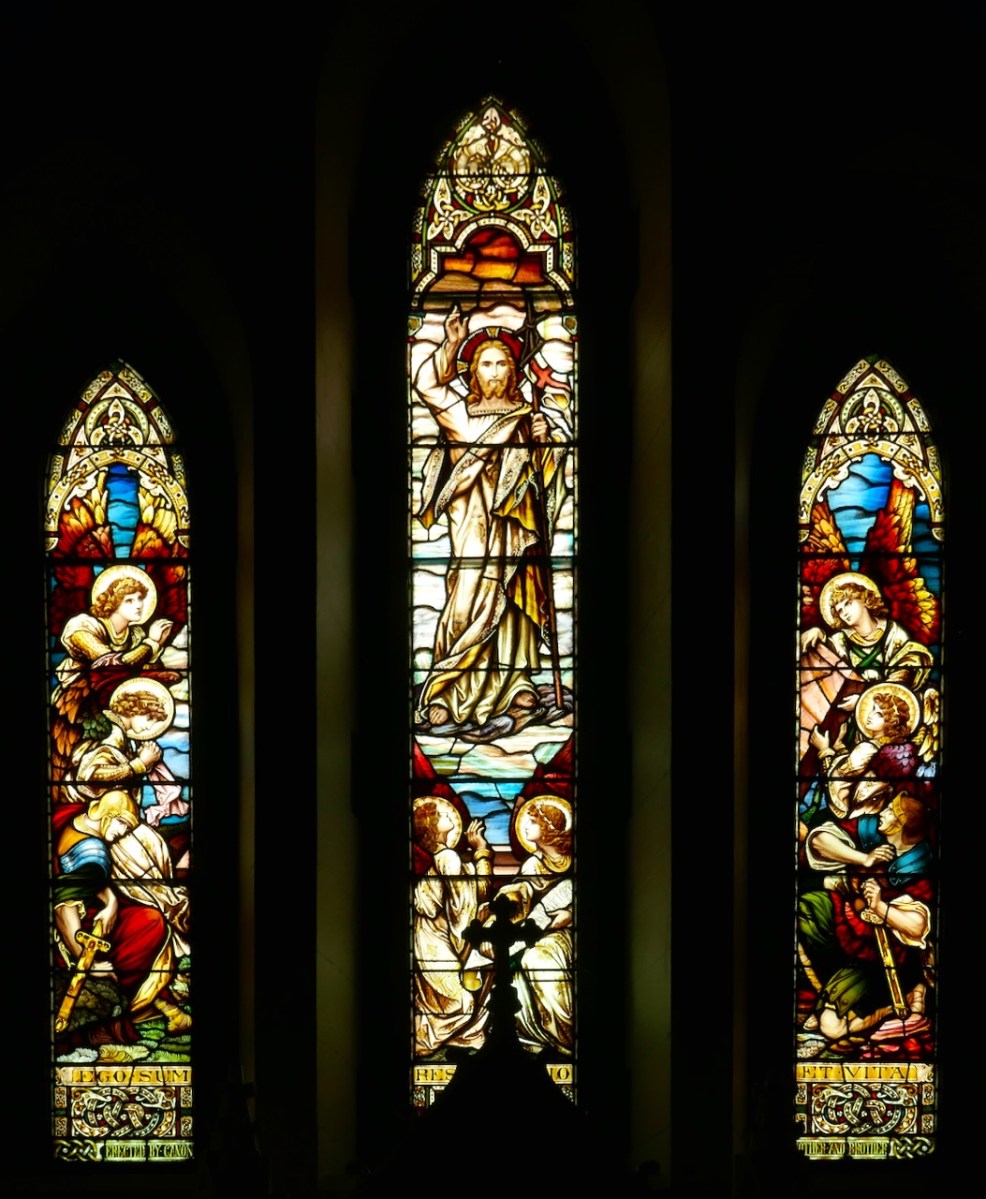
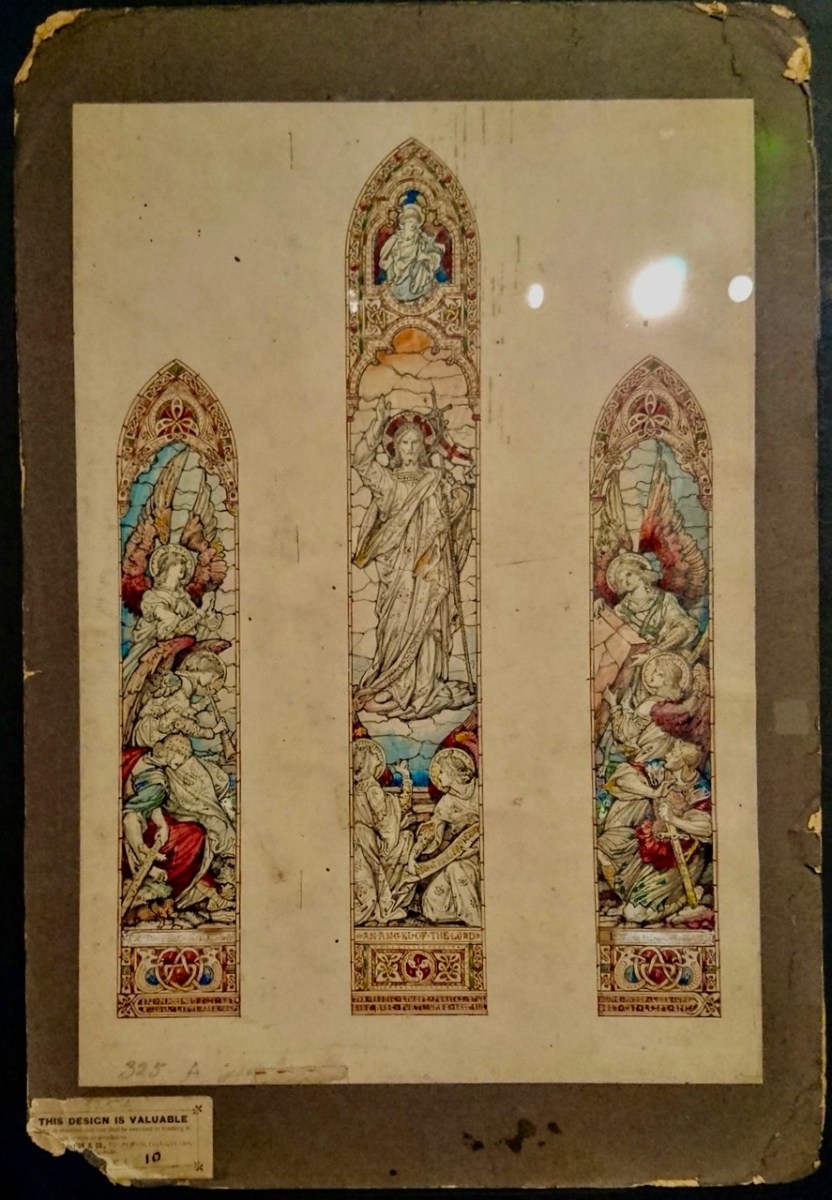
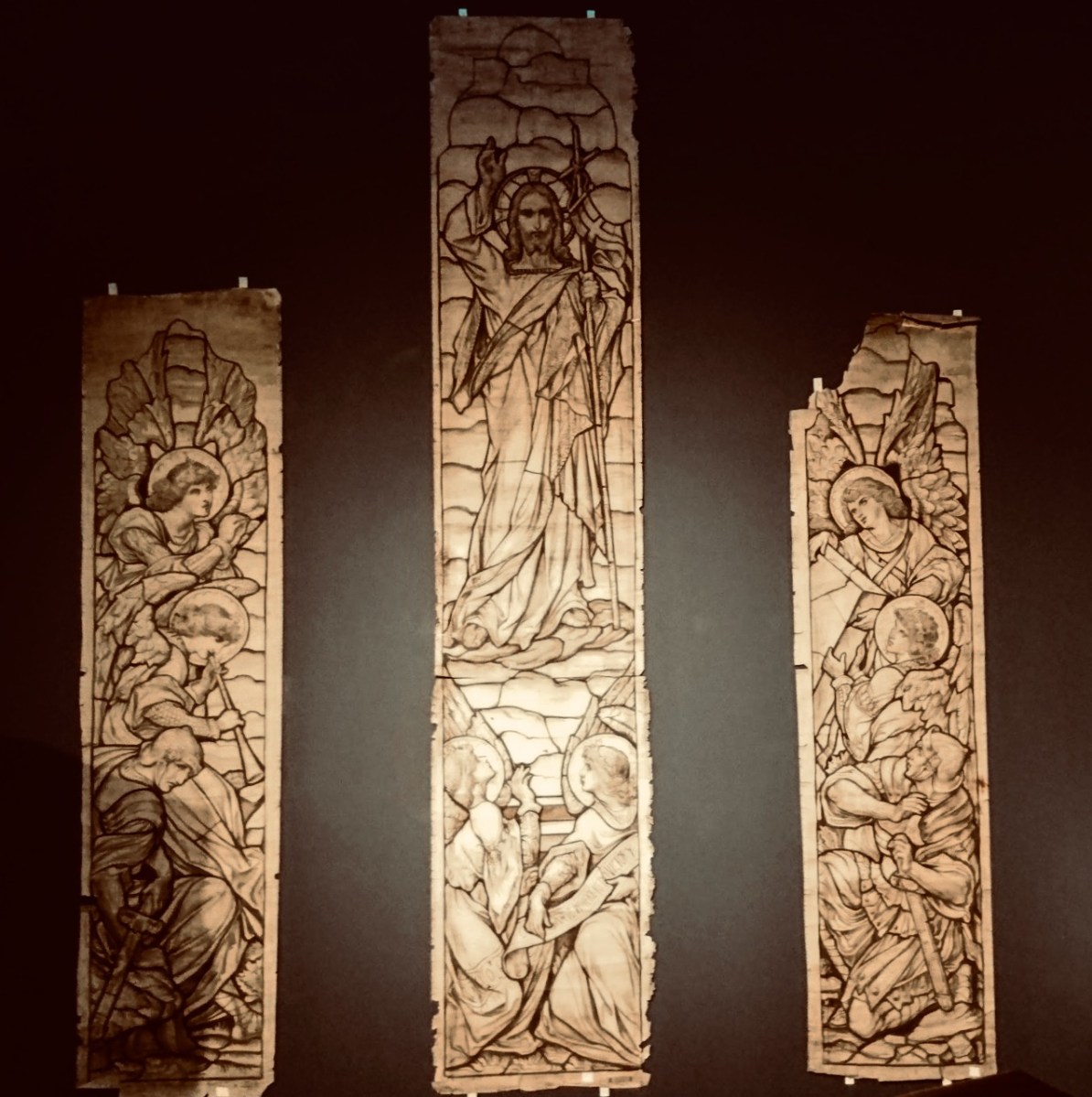
Above is a window in St Michael’s Church, Tipperary, erected in 1914. The design (below) and cartoon (below below) for this window were still in the Watson Archive and were displayed in the Crawford Exhibition. This represents a special opportunity to see the evolution of a stained glass window from concept to completion.
This opportunity is relatively rare in stained glass studies – there aren’t many collections like this, so it is wonderful that the Crawford rescued the archive, which has now been passed on for expert conservation, to the National Gallery of Ireland.
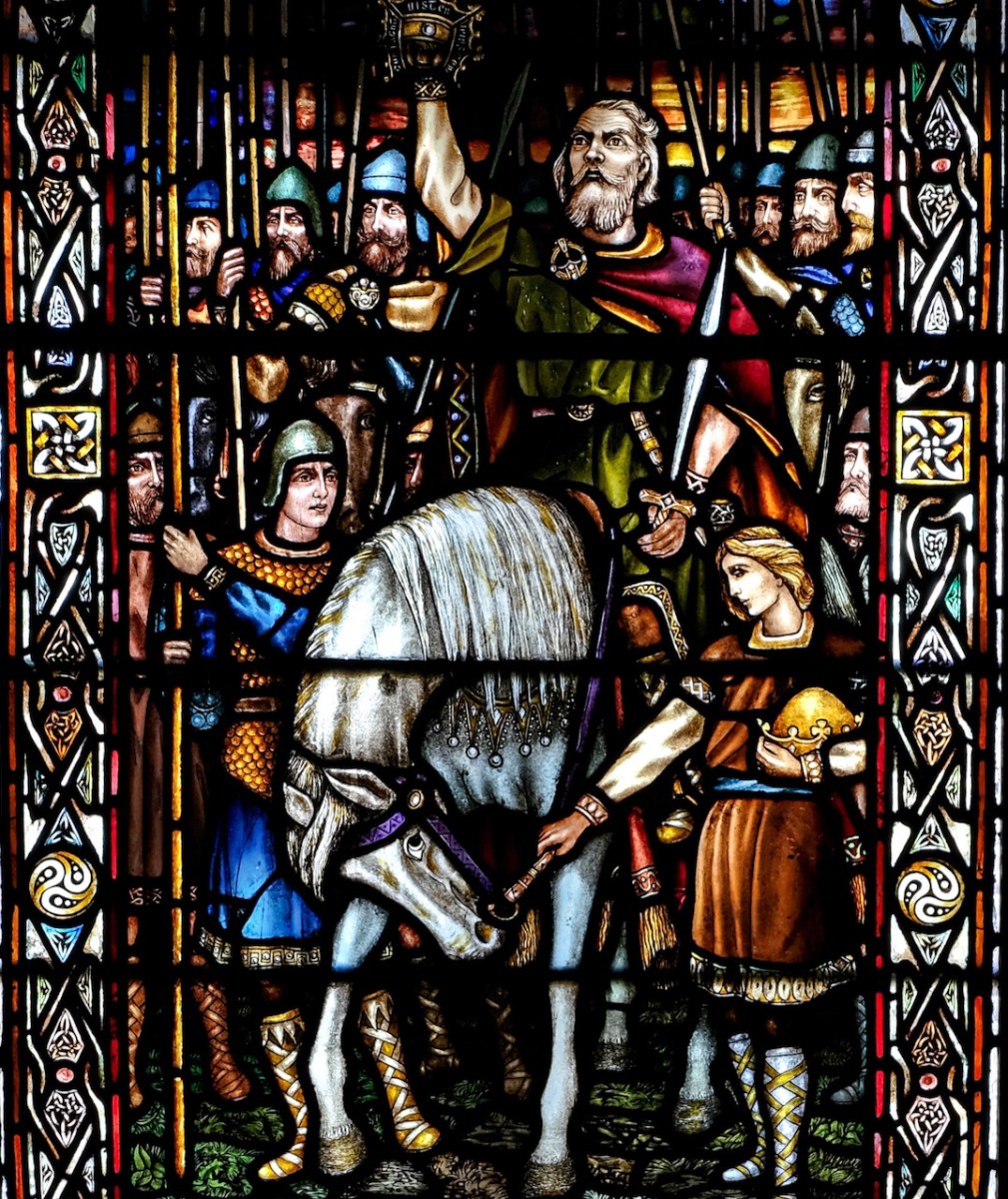
When I contacted Vera, she remembered the Brian Boru window well, and told me that the cartoon was part of what came to the archive, although in a very fragile state. The window, itself, she thought, was still extant, and possibly in Knappogue Castle. The important person to talk to, she said, was Antony Watson, great-grandson of James Watson and the executor of the Watson Estate. Before I did that, I tried some detective work of my own.
Story 4: Jody
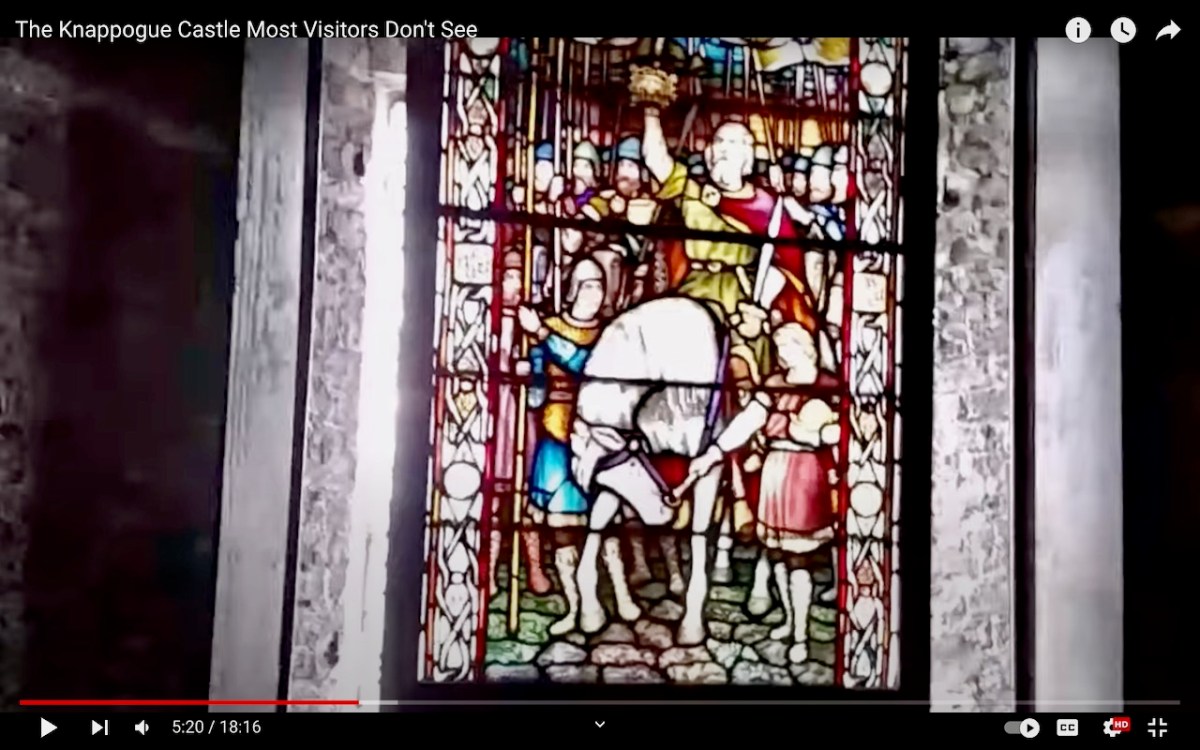
I don’t know Jody Halstead, but in 2016 she stayed at Knappogue Castle and posted a video to YouTube, titled The Knappogue Castle Most Visitors Don’t See. At about the 5 minute mark she arrives at a landing and as her camera roams around, it captures a stained glass window – and there it was! Here’s a screenshot from the video.
Because of Jody, now I had proof that the window was still in existence. The next challenge was how to get a good photograph of it. Once again, thanks to the glorious (and relatively small) world of Irish stained glass scholars and enthusiasts, I knew who to turn to.
Story 5: John
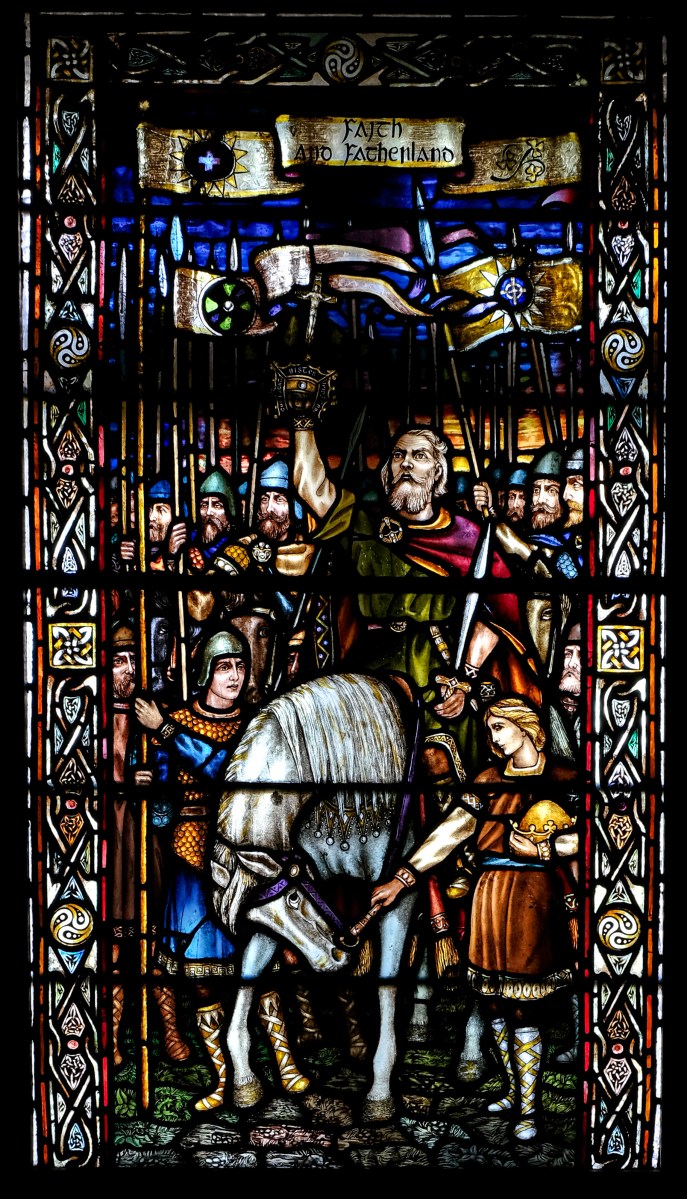
John Glynn is an outstanding photographer with an interest in stained glass. His was the excellent image from Kilrush I used in my post on Brigid: A Bishop In All But Name, and he lives in West Clare, about an hour by car from Quinn, where Knappogue Castle is located. I thought he might already have taken a photograph of the window – he hadn’t but promised to do so as soon as he could. To my great delight, he did it right away. Here is what he sent me.
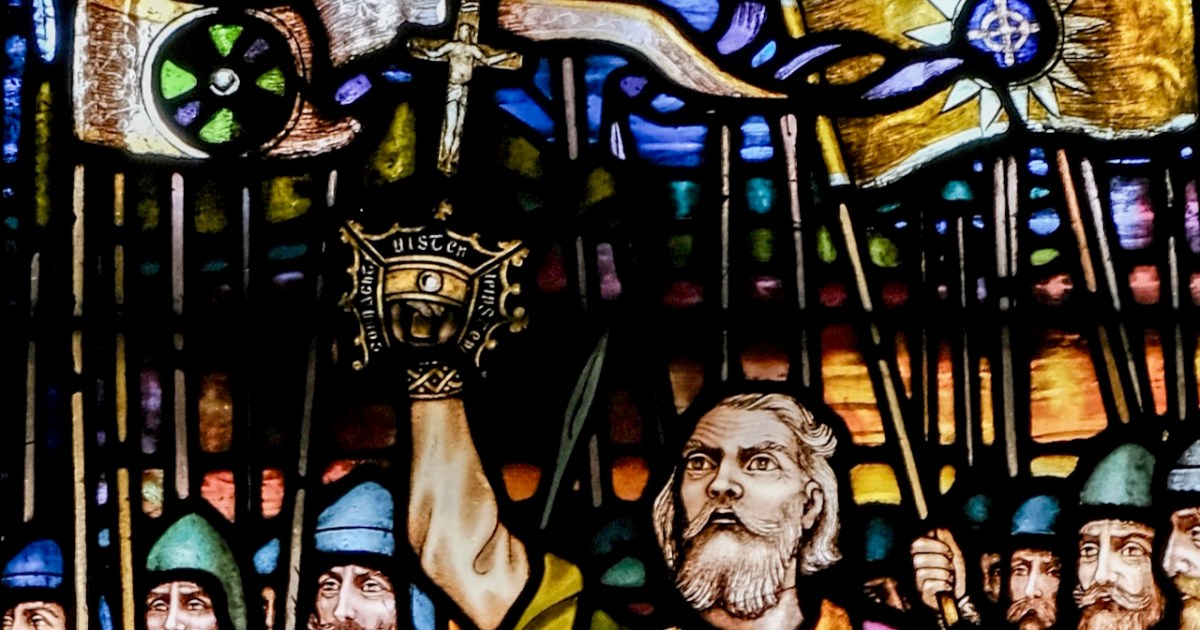
This and all detailed images of the Brian Boru window in Knappogue, are the work of John Glynn, and used with his permission
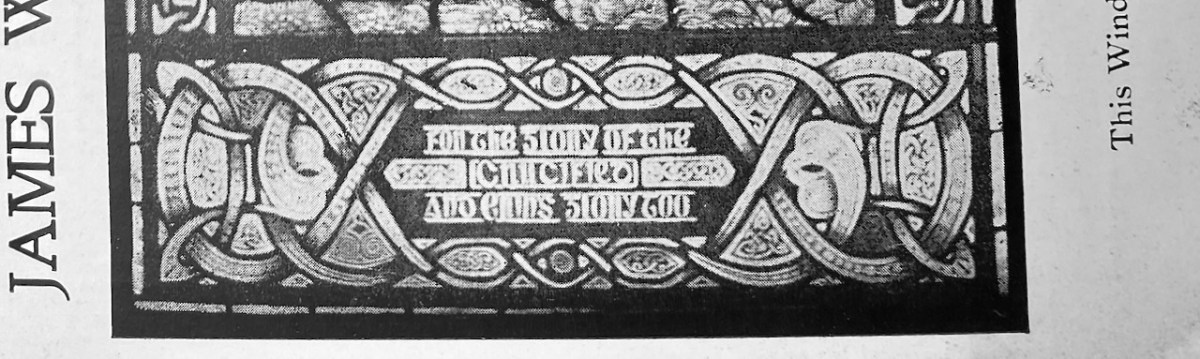
Isn’t it an amazing photograph! What’s also clear in this photograph is that the window is incomplete. To make it fit the opening, the predella, or bottom section, has been removed. Here’s what’s missing.
The text, in old Irish script, reads FOR THE GLORY OF THE CRUCIFIED AND ERIN’S GLORY TOO. The Celtic Revival interlacing that surrounds it is beautiful, and accomplished – it’s the thing that Watson’s were to become most famous for. So that’s a loss. Perhaps it was felt that the script was not suitable for a secular building: however it is more likely that it had to go in order to make the window fit. The rest of the window, comparing it to the original black and white images, seems to be intact. I was curious as to how the window came to be there, and this brings me to my second-to-last story.
Story 6: Antony
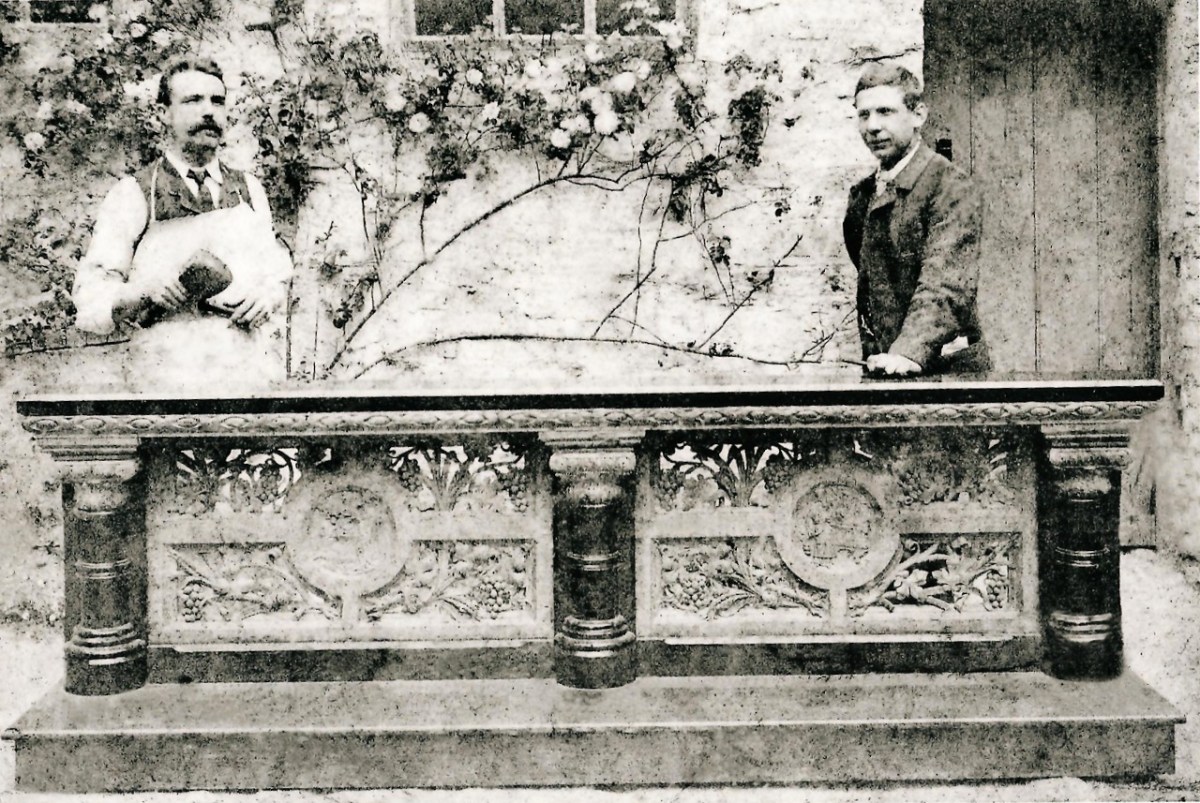
Vera kindly put me in touch with Antony Watson, and yesterday we had a long talk on the phone. Antony’s father was John Watson, Manager and Chief Designer for Watson of Youghal. John’s father was Clement, universally known as Capt Watson (he was an officer in the RFC/RAF), and Clement’s father was James Watson, seen here with a marble altar carver.
James had come from Yorkshire to run the Irish office of Cox, Sons, Buckley & Co, Church Outfitters, and eventually bought the Irish branch of the company. Here’s one of their early windows, in Ballingeary, from the 1880s, when they were still being signed as Cox, Sons, Buckley, Youghal and London.
Antony told me the most enthralling stories, and I want to devote more posts to cover some of that treasure trove in the future, but I don’t want to get too distracted from Brian Boru now. Antony loved his life in and around the studios and workshops when he was young and has a very clear memory of the Brian Boru window. It stood, he said, in a rack in what was called the Great Hall (a grand name for a storage area for tall items). Here’s Jack, Antony’s father, with a client, in the early 1990s.
Watsons got the job of installing leaded windows into Knappogue Castle when it was bought by wealthy Americans – Mark and Lavonne Andrews. He remembers the day they arrived to see the Brian Boru window – there was a frantic tidy-up beforehand and the whole of Youghal turned out to witness two stretch limos arriving in state and disgorging the ‘Texas millionaires’ and their retinue.
Story 7: Mark and Lavone
This is Mark Edwin Andrews, highly educated (Princeton) and cultured, and at one time Assistant Secretary of the Navy under Truman. He went on to become an industrialist and oil producer. His wife, Lavone Dickensheets Andrews (so sad I can’t find a photograph of Lavone) was a prominent architect. Together they purchased Knappogue Castle in 1966 and set about restoring it from a ruinous state. Knappogue is located in Quinn, Co Clare, the heart of Brian Boru country. It’s now owned and managed by Shannon Heritage.
It was Mark and Lavone who rescued the Brian Boru window and had it fitted into Knappogue Castle, some time in the 1970s. And there it still is, a testament to the enduring attraction (and durability) of stained glass windows and their power to enchant and intrigue us.
It’s a highly unusual window in so many ways, not least that it is a secular rather than a religious subject. It showed off, when it was exhibited, one of our historic heroes, Brian Boru (for more about Boru, see Robert’s post, Battling it Out), as well as the Celtic Revival decoration which Watsons mastered: both the subject matter and the treatment established them firmly in the Nationalist Camp. This of course, was a canny move designed to appeal to Irish Catholic church-builders. Antony tells me that nobody espoused Irish Nationalism more enthusiastically (or astutely) than James Watson, in the broad Yorkshire accent he kept to the end.
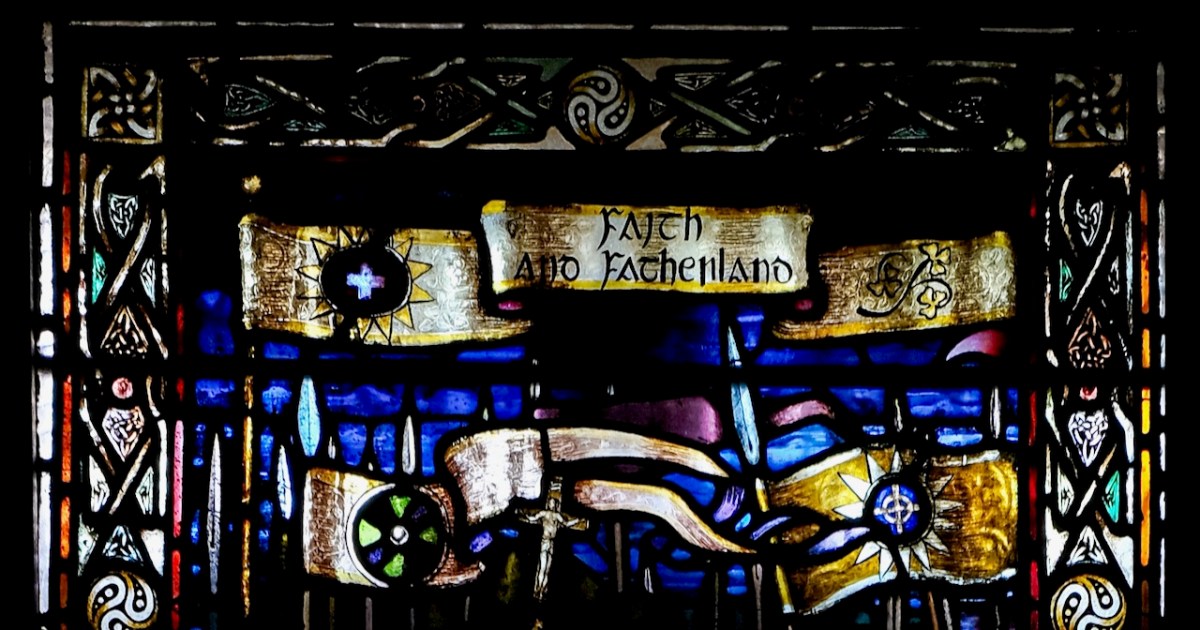
As an image of Faith and Fatherland, this window knew exactly who it was appealing to. It appeals to us still.
This year, I am taking the Vita Prima as my starting point. It’s the Life of Brigid that was written about the middle of the 700s. As we saw in my first post about St Brigid, a year ago, Cogitosus wrote his Life in about 650, about 125 years after the death of Brigid. So this Life, the Vita Prima, was written 225 years after her death – but there is sound evidence that it is was based on the writings of St Ultan, who died around 650. In fact, the author of the Vita Prima and Cogitosus may both have drawn from this common source. *
My illustrations are all taken from stained glass and all the images are my own except for the wonderful Kilrush window, kindly shared with me by the photographer, John Glynn. John has undertaken extensive new research on this window and is now convinced that it was mostly designed by Harry Clarke, even though it has been up to now designated as by his Studio rather than by himself.
St Brigid, detail from St Fachtna’s Church, Rosscarbery, Co Cork, unknown artist
St Brigid – and yes, the evidence also points overwhelmingly to the fact that she was a real person – was born around 452 and died in either 524, 26 or 28, in her 70s. That means, by the way, that next year is the 1,500th anniversary of her death.
This version assigns her ‘veiling’ as a nun to Bishop Mel, but does not include the story of his accidentally making her a bishop. The image above shows him handing her a crozier, this referencing the story I included in last year’s post.
Then saint Brigit taking three nuns with her went to the territory of the Ui Neill to the two holy bishops, Mel and Melchu, who were disciples of St Patrick and lived in the towns of Mide. And they had a certain disciple called Mac Caille who said to Mel, ‘Look, there are holy virgins outside who wish to receive the veil of virginity from your hands.’
Then he ushered them into the bishop’s presence, and while bishop Mel was gazing intently at them, a column of fire suddenly appeared rising from Brigit’s head up to the very top of the church in which she dwelt. Then the holy bishop Mel placed the veil on saint Brigit’s head and when the prayers had been read Brigit bowed her head and seized the wooden foot of the altar in her hand and since that moment the altar foot has permanently remained fresh without any decay or blemish. And saint Brigit’s eye was healed forthwith when she received the veil. Then eight other virgins also received the veil together with saint Brigit and the virgins with their parents said, ‘Don’t leave us. Instead stay with us and make your home in these parts.’ Thereafter saint Brigit stayed with them.
Brigid’s veiling, Earley Studios, Drumcong, Co Mayo
The reference to eye healing, by the way, related to another story. When she was pressured to marry a man
Saint Brigit asked God to afflict her body with some deformity in order that men might stop paying suit to her. Thereupon one of her eyes burst and liquefied in her head. For she preferred to lose her bodily eye than the eye of her soul and loved beauty of soul more than that of the body.
Predella of Brigid window in Carnew, Co Wicklow
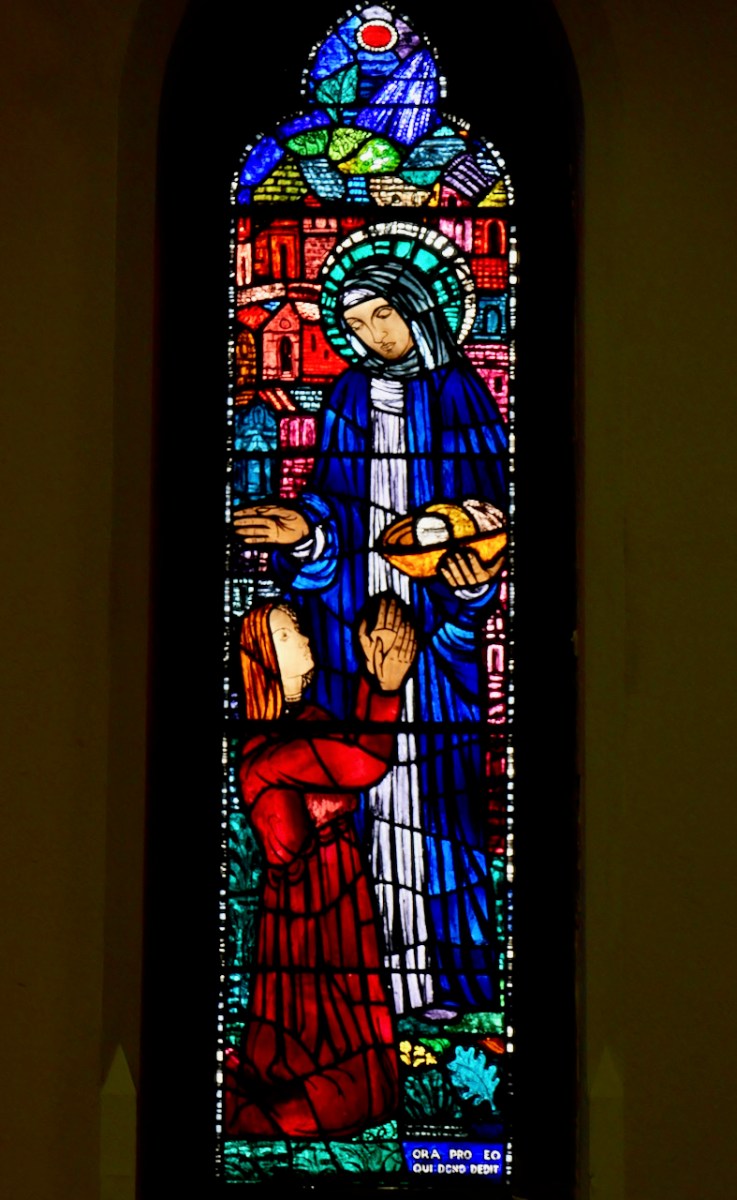
You’ll be pleased to hear I don’t have an illustration of this episode. But this book (like the Life in The Book of Lismore, see last year’s post) rather than a biography, is a relating of miracle after miracle. Many deal with her ability to provide food – bread, meat and beer – to hungry people (as above). Here’s just one:
At this time saint Brigit was a guest at the monastery of St Laisre. Now one day towards evening St Patrick came with a large crowd to put up at that monastery. Thereupon the local community was worried and said to Brigit, ‘What are we going to do. We don’t have food for such a large crowd.’ But Brigit said to them, ‘How much do you have?’ They said to her, ‘All we have is twelve loaves and a little milk and one sheep which we have cooked for you and your folk.’ But Brigit said, ‘These will be enough for the whole lot of us, for the sacred scriptures will be read to us, thanks to which will we shall forget about bodily food.’ Whereupon the two groups of people, namely, Patrick’s and Brigit’s, ate together and had their fill and the amount of scraps they had left over was greater than the supplies which St Laisre had offered them in the first place, and later St Laisre offered herself and her place to saint Brigit in perpetuity.
Knockainy, Co Limerick, window by William Dowling for the Harry Clarke Studios
She was also famed for her ability to heal – the blind, maimed, mute, paralysed, deranged, bulimic (I’m not making this up) and leprous all came to her in their afflictions and were healed. She healed the poor and the kingly equally.
Here’s an interesting instance of her using her powers to ‘heal’ a pregnancy:
Another day saint Brigit by the very powerful strength of her faith blessed a woman who had fallen after a vow of integrity and whose womb was pregnant and swelling and the conception in the woman’s womb decreased and she restored her to health and repentance without childbirth or its pangs. The woman was healed and gave thanks to God.
From the Brigid window, Collon, Co Louth, probably by the Harry Clarke Studios
The Vita Prima has Brigid and Patrick as contemporaries who knew each other and there are several stories of them together. Here is one:
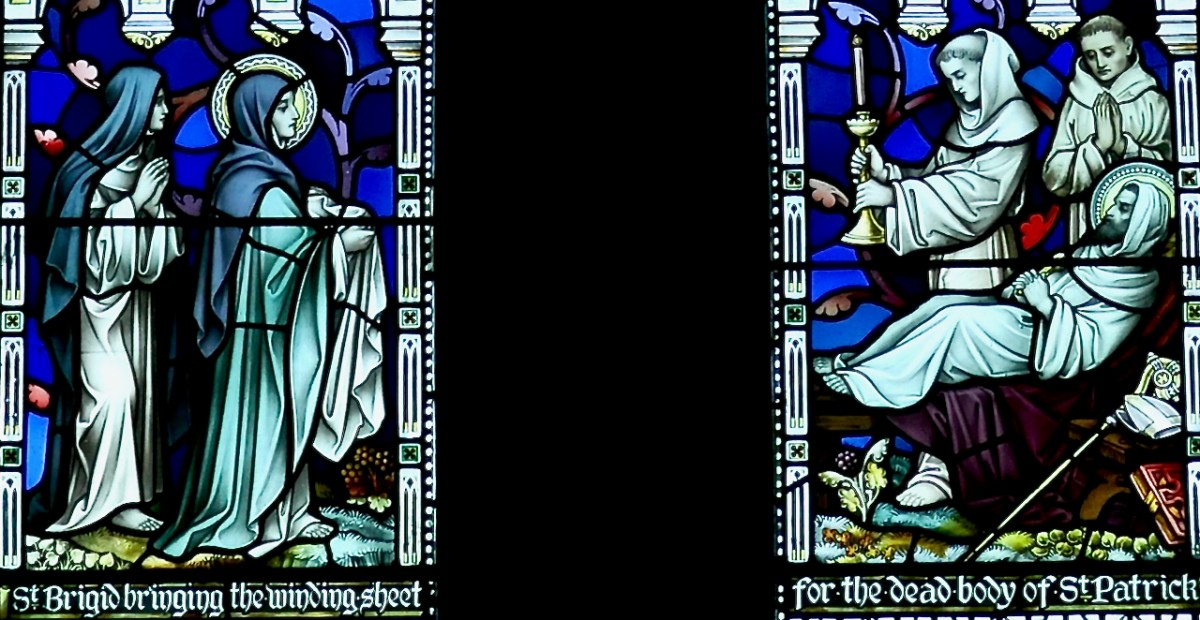
Patrick was preaching the word of God one day to the crowds and saint Brigit. Then everyone saw a very bright cloud coming down from the sky to the dark earth on a rainy day. Gleaming from an enormous flash of lightning, it paused for a little while at a spot nearby beside the crowd. Afterwards it went to Dun Lethglaisse where Patrick is buried. Lingering there a while longer the cloud then disappeared and the crowds did not dare ask what this extraordinary apparition meant but asked saint Brigit. And Brigit said, ‘Ask Patrick.’ When Patrick heard this he said, ‘You and I know equally well. Reveal this mystery to them.’ And Brigit said, ‘This cloud, in my opinion, is the spirit of our father St Patrick who has come to visit the places where his body will be buried and rest after his death. For his body will rest for a short while in a place nearby, and afterwards will be taken to be buried in Dun Lethglaisse and there his body will remain till the day of judgement.’ Then Patrick told Brigit to make with her own hands a linen shroud to cover his body with after his death, as he desired to rise to eternal life with that shroud. Brigit accordingly made the shroud and it was in it that St Patrick’s body was later wrapped and it is still in that place.
I have used St Brigid bringing the winding sheet for St Patrick in last year’s Brigid post, but here it is again. It’s from Killarney Cathedral and by Hardman.
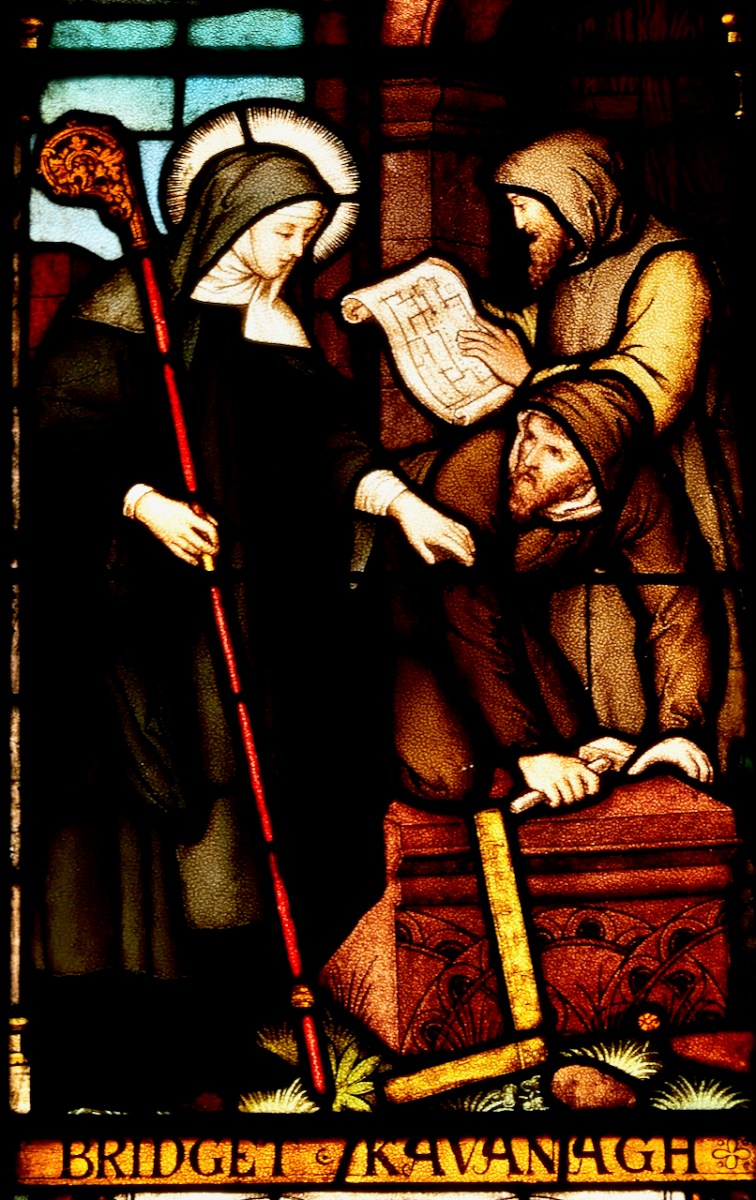
Interestingly, the Vita Prima contains only one direct reference to Kildare, where St Brigid established her foundation. Here she is instructing her masons in how she wants it built (as a 15th century church, apparently). This one is from Armagh Cathedral and I think it’s by Mayer of Munich.
The author of the Vita Prima brings us to the end of Brigid’s life in surprisingly modern language.
But after having fought the good fight and run a successful race, saint Brigit departed this life for the kingdom of heaven escorted thither by the ranks of angels and archangels and having been accorded a place amid the choirs of patriarchs and prophets and apostles and martyrs and confessors and virgins she now possesses everlasting joy with Christ to whom, with God the Father and the Holy Spirit, be praise and glory forever and ever. Amen.
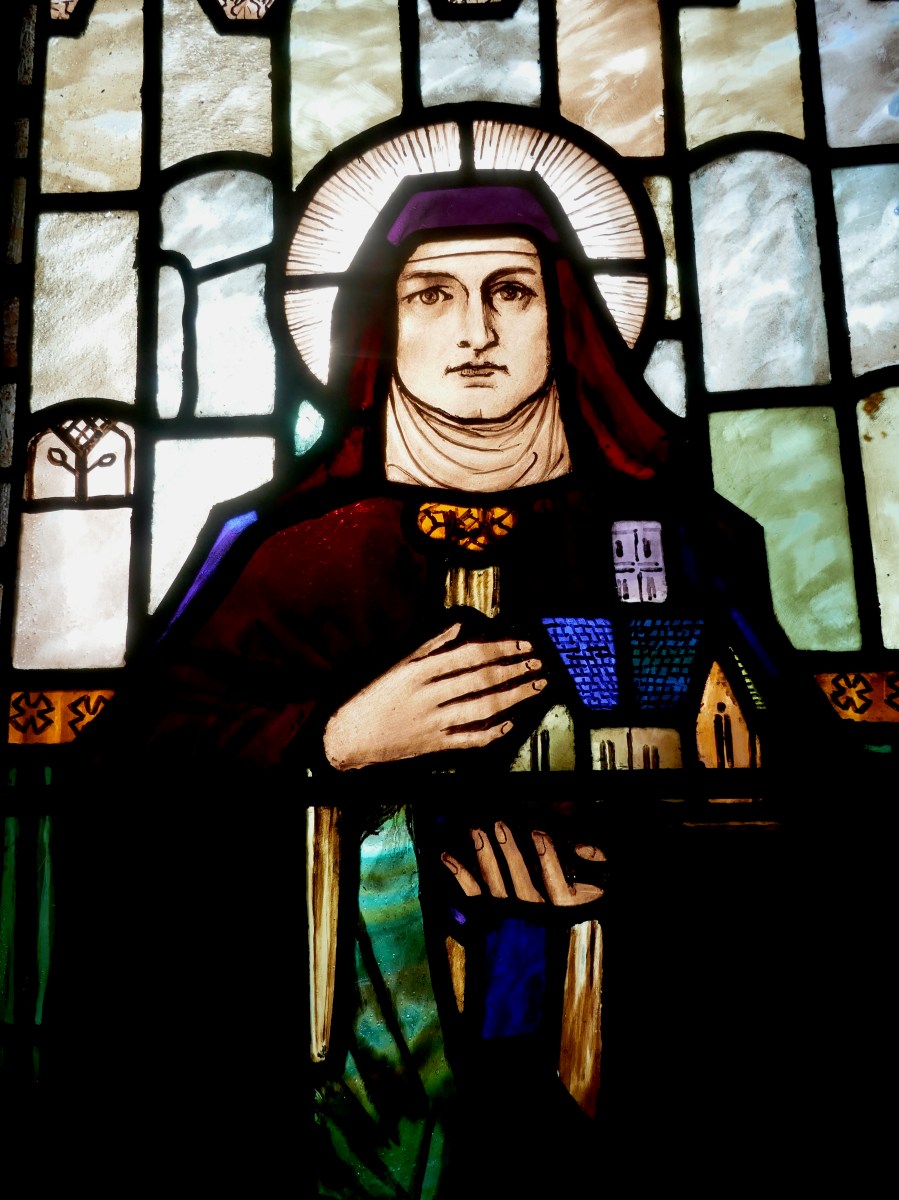
This image of Brigid is from a window by Michael Healy, in the Bishop’s Palace in Monaghan
St Brigid, I am discovering, can be all things to all people – a pagan goddess for the New Agers, a saint for devout Catholics, and an empowering symbol of female leadership. While there has been much speculation (some of it offered as assertion) about her links with a pagan goddess, Brigantia, the evidence is very slight and the goddess connection mostly lies in the realm of conjecture, leaps of imagination and wishful thinking.
Evie Hone’s St Brigid, from Loughrea Cathedral
What the various writings about Brigid do point to is a powerful, benevolent and influential ecclesiastical woman who established a centre of devotion and learning and a city in Kildare, and whose cult spread across Europe in the centuries that followed her life. That, in itself, is more than enough, to mark her out as momentous, and worthy of commemoration. Here’s how Padraig O’Riain, the pre-eminent scholar on Irish saints, puts it:
For all her dubious origins, therefore, Brighid’s record shows that she stood alone among the women saints of Ireland, a rival in importance to Patrick and Colum Cille, an abbess whom all other abbesses revered, a bishop in all but name, of such high status that she came to be regarded, possibly as early as the seventh century, as “Mary of the Irish”.
Brigid, Patrick and Columcille from Lusk, Co Dublin, by the Harry Clarke Studios
Therefore, tomorrow, Feb 6th, 2023, no matter which version of her you prefer, let us celebrate together our first National Holiday in her honour. She deserves it – finally!
*I am relying for this post on three main sources:
Vita Prima Sanctae Brigitae Background and Historical Value Author(s): Seán Connolly Source: The Journal of the Royal Society of Antiquaries of Ireland , 1989, Vol. 119 (1989), pp. 5-49 Stable URL: https://www.jstor.org/stable/25508969
St Brigid of Kildare, Life, Legend and Cult by Noel Kissane. Four Courts Press 2017
A Dictionary of Irish Saints by Pádraig Ó Riain. Four Courts Press, 2011
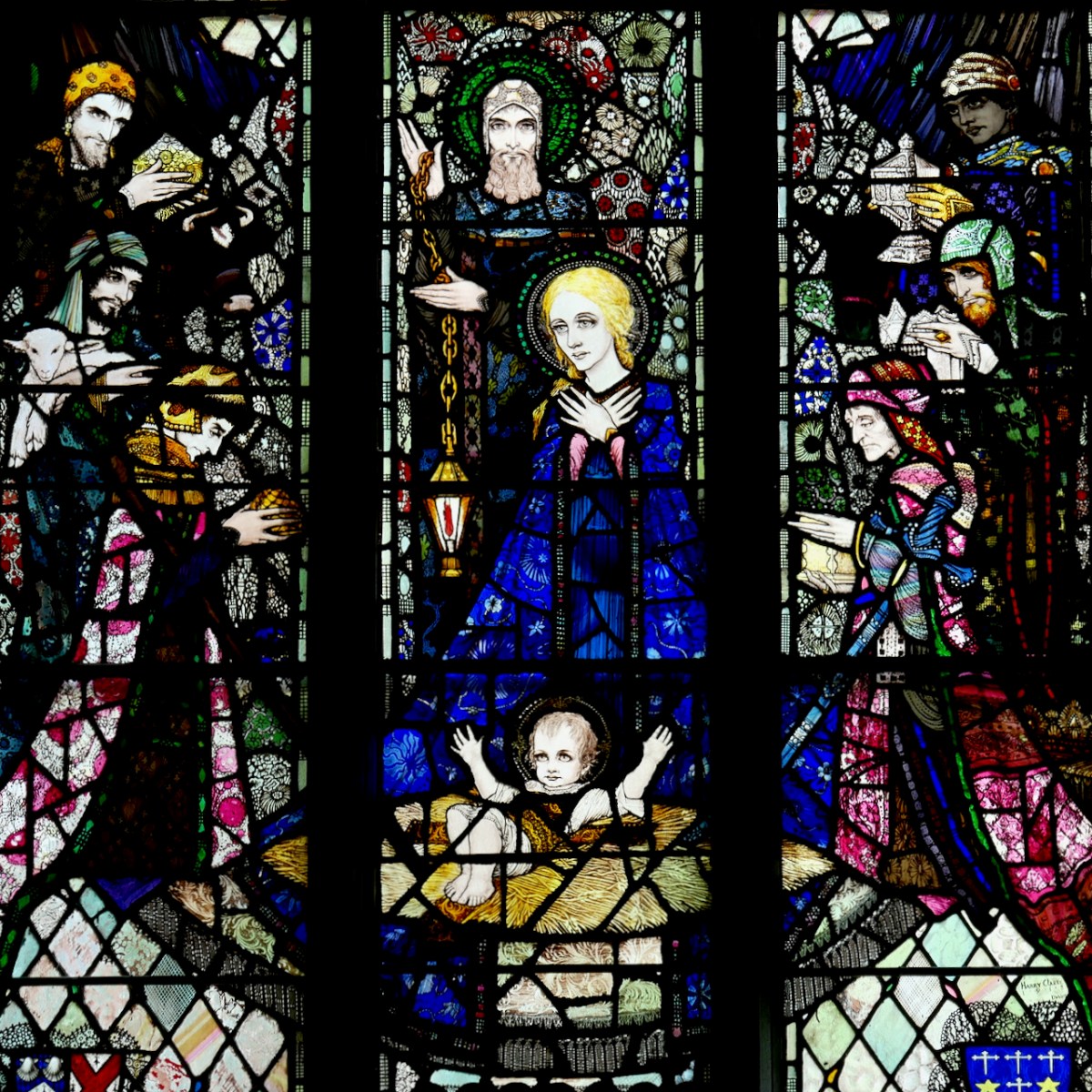
The Nativity that Harry designed for St Barrahane’s is, according to Nicola Gordon Bowe*, technically remarkable, but let’s look at the design, starting from the top. Here I am relying on Gordon Bowe’s extraordinary design vocabulary – all the quotes in italics are hers. (If you haven’t yet read them, Part 1 is here and Part 2 is here.)
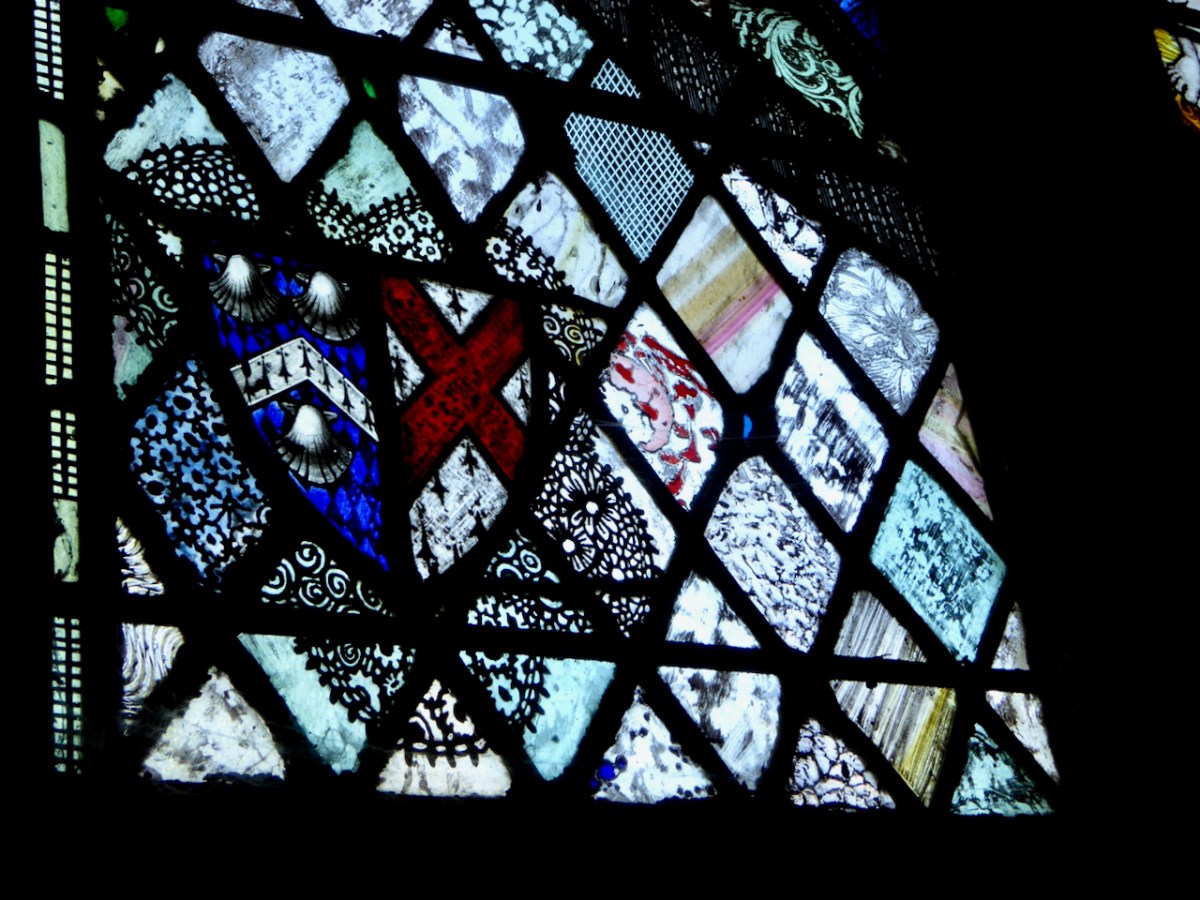
Harry’s re-designed and very Gothic tracery is filled with clear quarries – pieces of glass, leaded together in a diamond pattern, joined here and there with tiny coloured ovals. The use of clear glass was necessitated by the lack of light filtering from behind the east window, as there is a bank with tall trees immediately outside. However, this is not clear, or plain, transparent glass as we know it. Each quarry has been worked in some way. Those that started out life as clear glass have been chosen for their irregularities and have been treated with matt washes, stipples and semi-abstract lacework sequences so that each differs from its neighbour. Some of the quarries were not clear to begin with, but were flashed in pinks, blues or green, and these have been acided to the barest shimmer of colour. The result is that each individual quarry is intrinsically interesting without detracting from the overall effect of a subtly embroidered patchwork quilt in which the light lingers. These quarries occupy most areas of the window except for the main nativity scene and provide the backdrop for the top two sections – the saints and the angels. The signature panel at the bottom of the window is a good place to observe the quarries up close.
Edith was very much in tune with the Arts and Crafts Movement in Ireland but also with the Celtic Revival (see my posts on the work of Watson of Youghal for a thorough discussion on this style and the term). Within the literary tradition of the Revival there was a focus on the study of our ancient saints and a scholarly emphasis on translating various Lives and Martyrologies, many of whom were alive in the folklore and memory of the countryside. Of the three saints depicted here, Brigid is considered one of our three National or Founding Saints (see this post for more on Brigid), while Fachtna and Barrahane (or Béarchán) are local to West Cork.
Harry used Revivalist interlacing as a supporting device for Brigid and Béarchán. Interlacing – so popular in Ireland at the time – was in fact quite rare in his work, although it had appeared in a couple of the Honan windows, such as the Joseph window, above, in a similar position. Harry was much more influenced by Continental art movements than by the conventions of Revivalist decoration, but Edith was still keen on it, as witness her later design for a mosaic floor in the chancel of the church, so this element may have been at her suggestion, or at least responding to what he saw as her preferences.
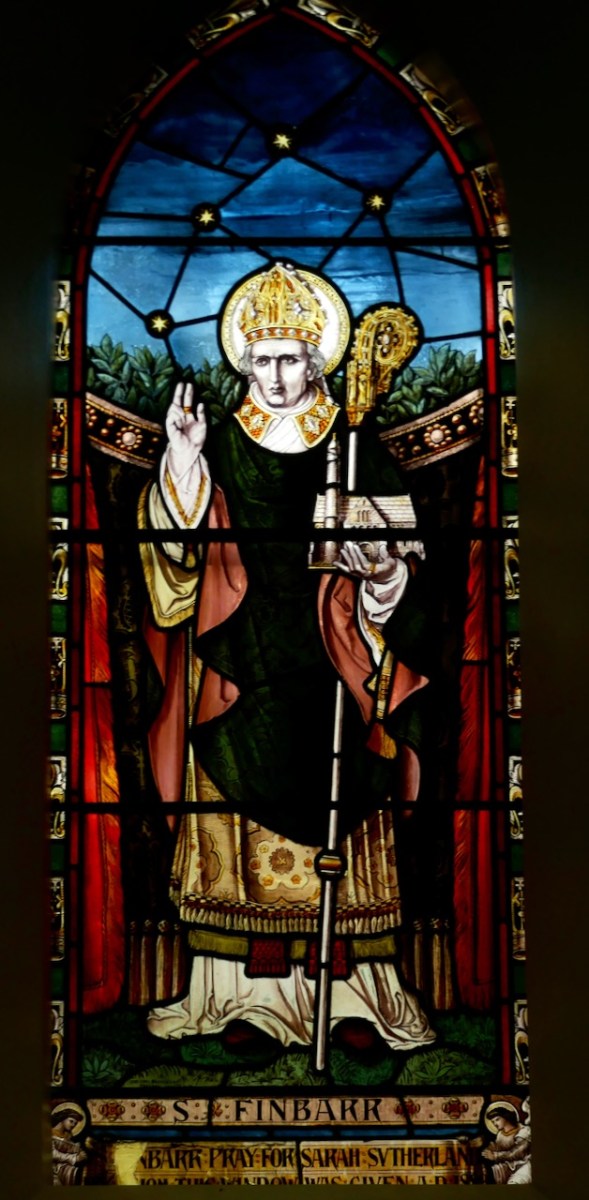
For her turn, Edith had done her homework and knew what saints she wanted, discarding Finbarr (Patron Saint of Cork) after an initial dalliance with him. Barrahane had given his name to the area around Castletownshend, Glenn Barrahane, as well as a medieval church (now ruined) and a popular Holy Well pilgrimage (in which I participated in December). Edith’s informant was James Bourke – I have laid out all that information in my post Honouring St Barrahane, so I won’t repeat it here, but do take a look at the detailed photos of the St Barrahane window in that post, including the little surprise that Harry inserted in this window. Interestingly, while Brigid and Fachtna are underpinned by revivalist interlacing, Barrahane is floating on a cloud.
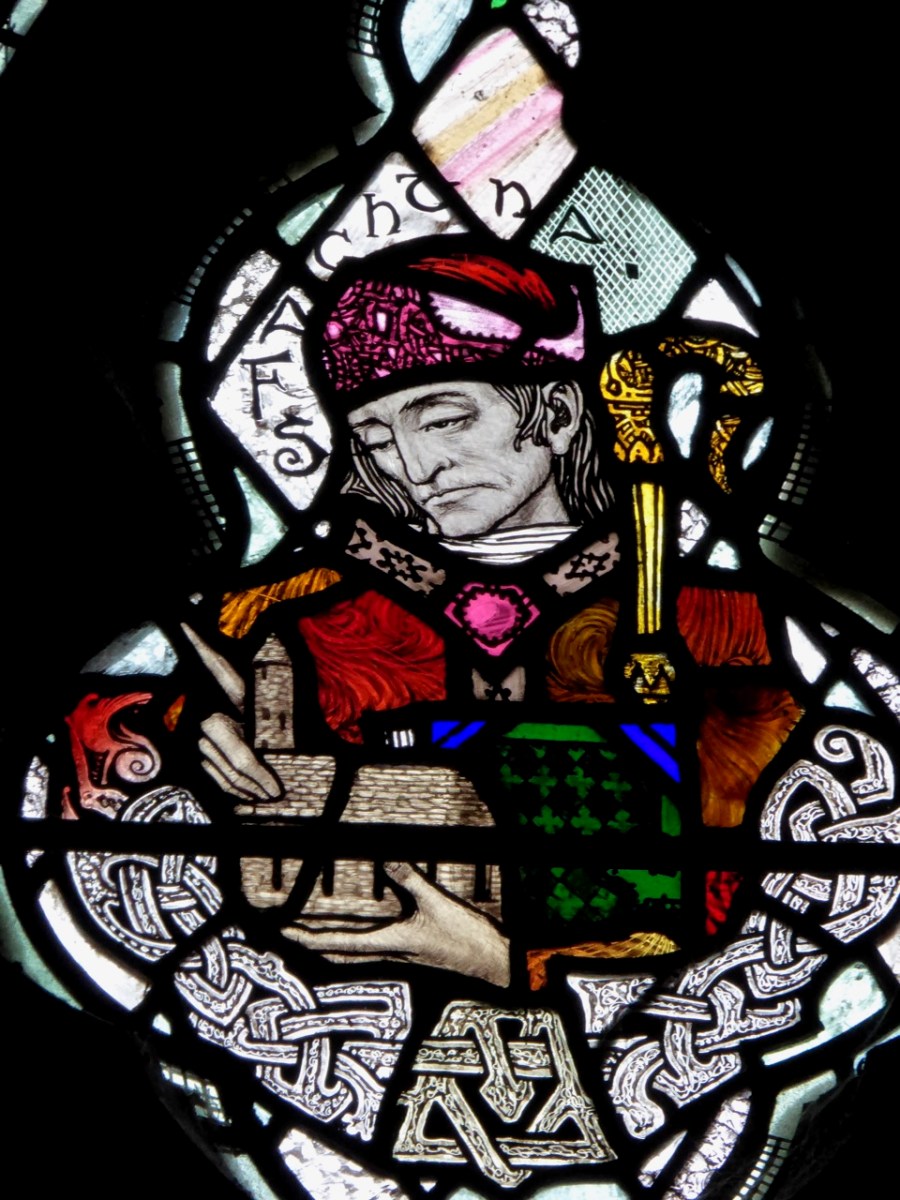
Fachtna was the saint who had founded Rosscarbery and was patron of the diocese of Ross; Harry depicts him holding a church and with his bishop’s crozier. He is gazing contemplatively downwards as if on the Nativity. Notice how the interlacing below him ends in a bird’s head finial.
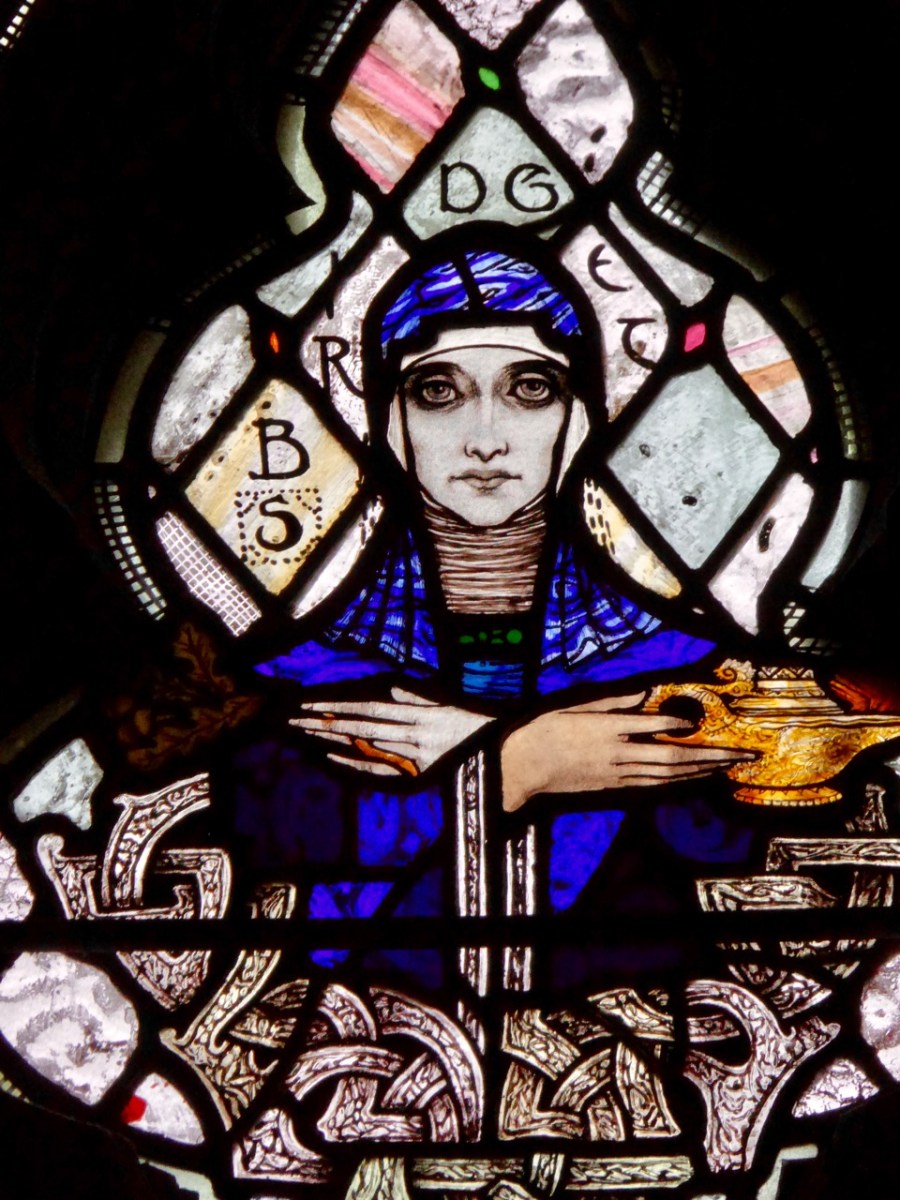
Brigid is clad in blue (perhaps that same blue that Edith had said ‘hits your eye like a living flame or a blast of wind’. She looks directly out, calm and wise. In her right hand she holds a golden lamp (looking suspiciously like an illustration from the Arabian Nights) and between the fingers of her left hand is entwined the stem of a twig of oak leaves, another of her attributes, tying her to Kildare (or Cill Dara, the Church of the Oaks).
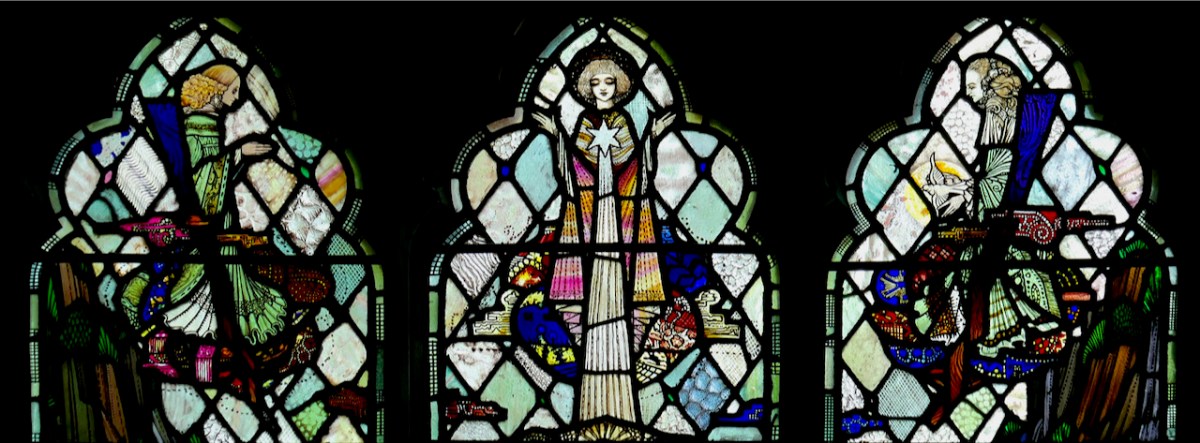
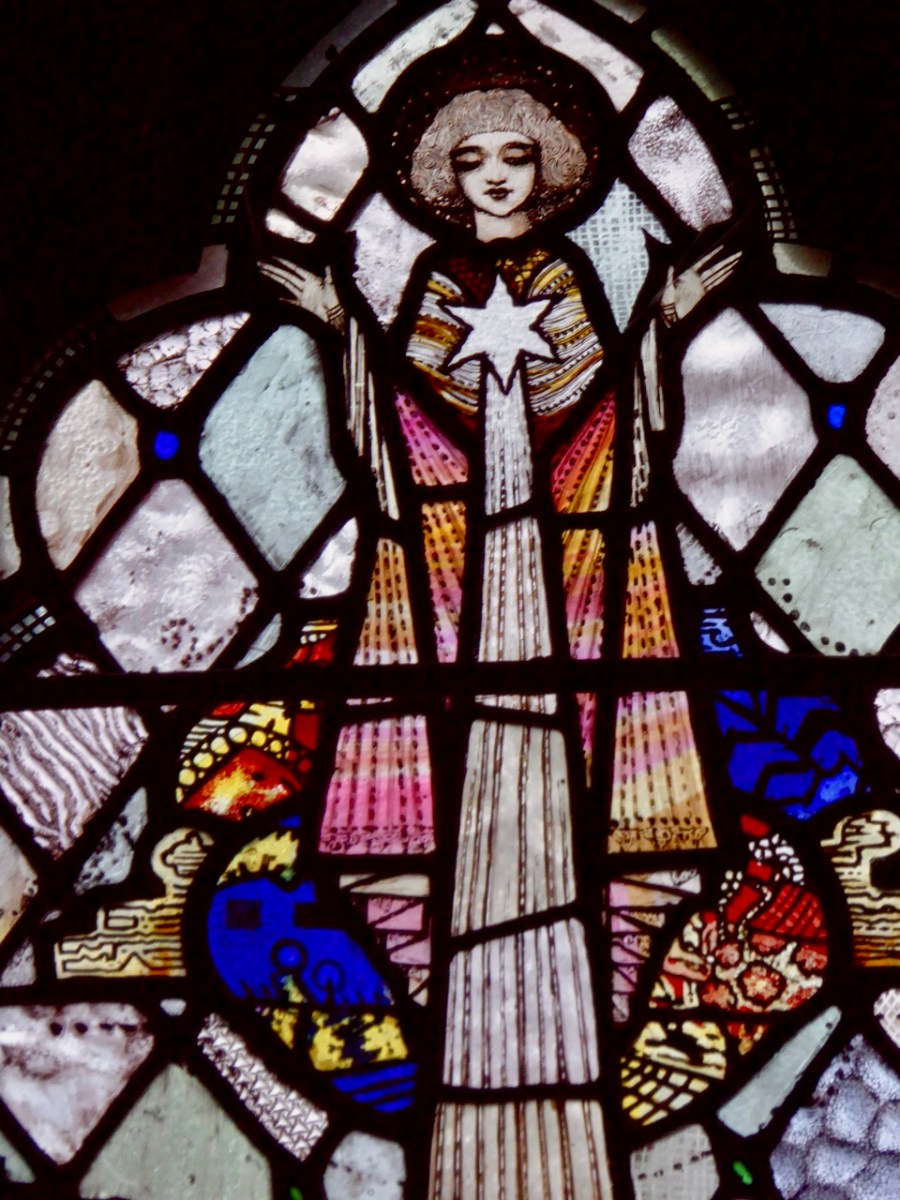
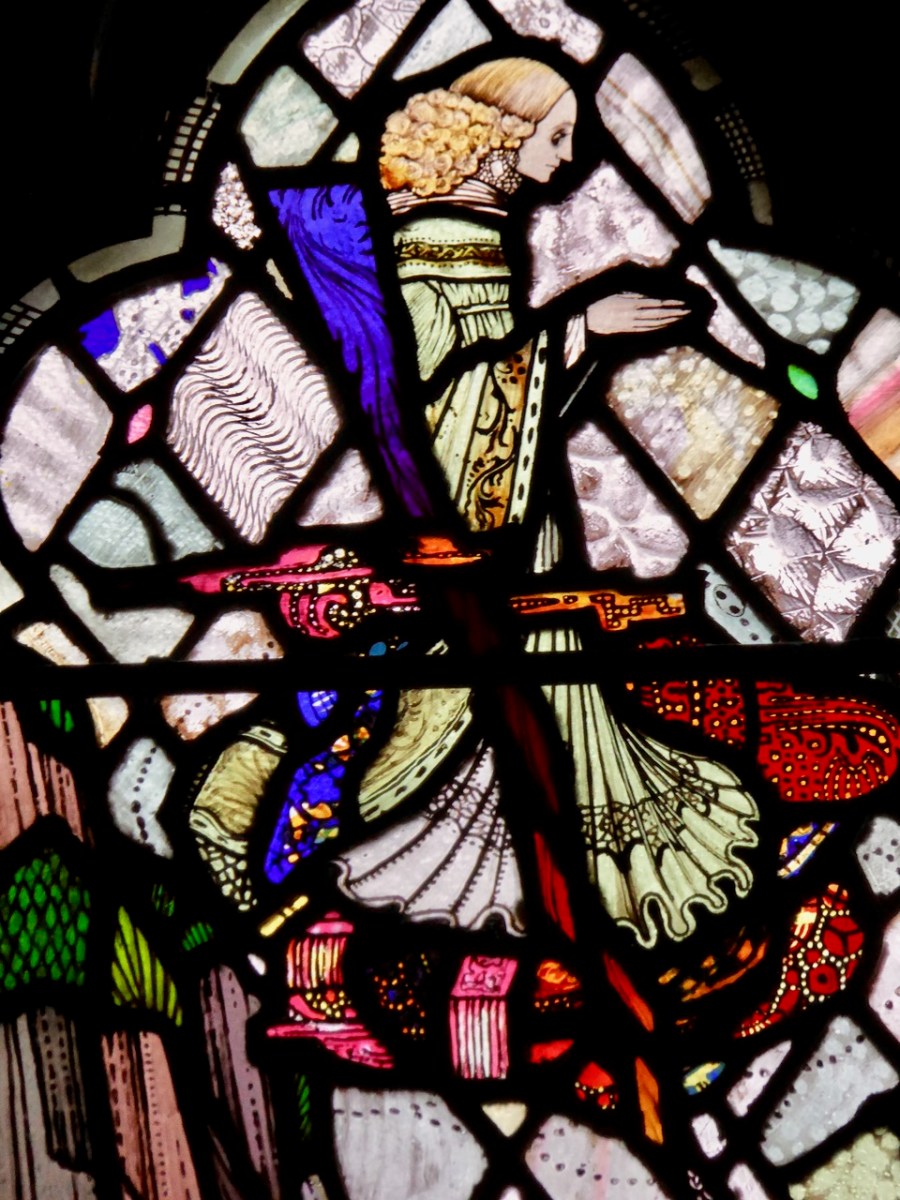
Beneath the three saints are three angels, floating above the Nativity. Although they form a wonderful trio, each is remarkably individual. The middle angel (with a fashionable bob) incorporates the star which is a traditional element in Nativity scenes.
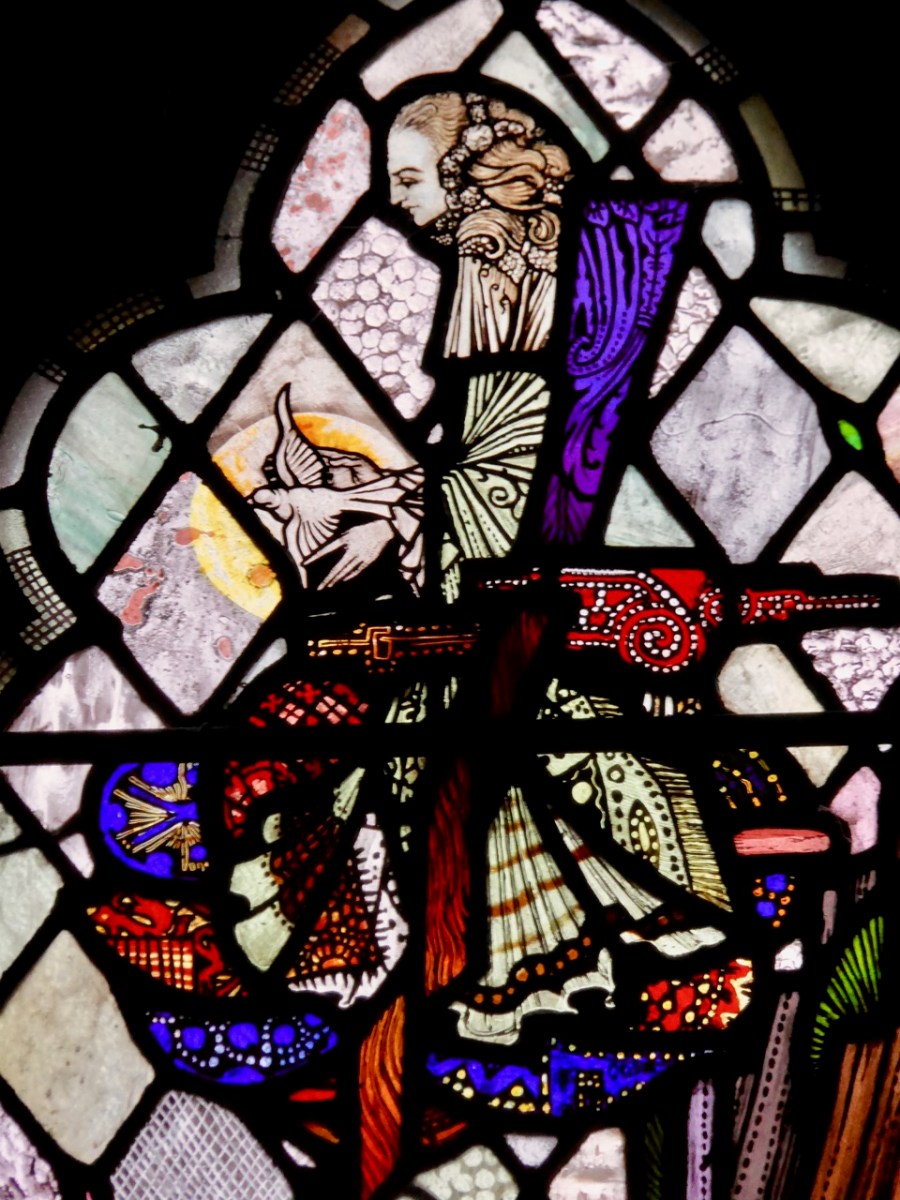
The left and right angels have elaborate, flowing or pleated robes and complicated coiffures. One holds a dove while the other has hands held in prayer. Gordon Bowe, in trying to analyse the decorative element at the centre of these angels says in her thesis Both seem to be manipulating jewelled levers, similar to the studded gun holsters favoured by cowboys.
I love this sentence but perhaps understandably it didn’t make it into her book, where she merely remarks that the saints and angels abound in intriguing decorative detail.
The central scene, of the Nativity, is beautifully constructed. Besides the angels above it, the framing devices consist of three elements. The first is an arc of silver chain upon which everything rests, most importantly the manger. You can see a close up of it in the signature panel above. The second is the rock face which stretches above and behind the Magi and the Shepherds. The third is one of Harry’s typical expanses of ‘floral ornamentation’ – one of his future hallmarks. Of this fantastical conglomeration of flowers, leaves, mosses, jewels, geometric shapes Gordon Bowe says always inventive and subtle in his pen and ink and watercolour illustrations, ingenious when painted or acided onto his glass by himself, but too often repetitive and lifeless . . . when imitated by his followers.
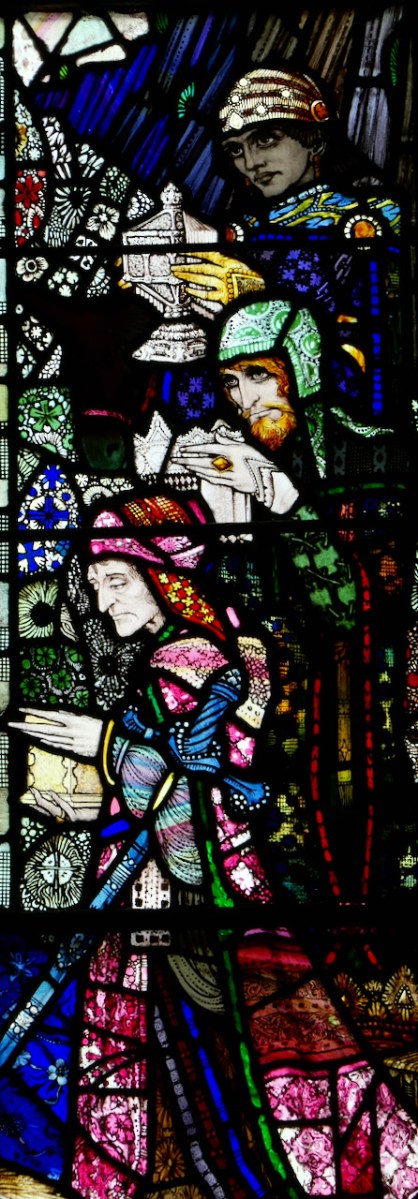
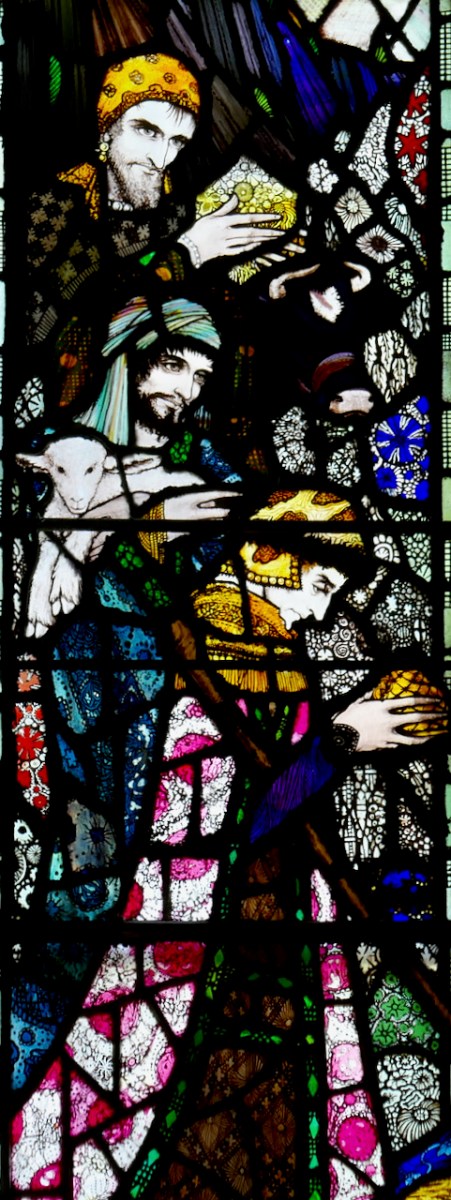
The robes of the lowest Magi and the lowest shepherd extend beyond the supporting chain-like arc, bringing a slight sense of perspective to the composition. Gordon Bowe likens the rich treatment of the fabric to the work of
Gustav Klimt here and his flat treatment of interlocking decorative patterned, often symbolic planes, in which he would sometimes use coral, gold, mosaic, turquoise and semi-precious stones with casein paint to make up his richly mantled figures . . .Both men rely on the faces and hands of their figures to convey a human expressiveness and only here does any attempt at modelling occur. The eyes of their figures transport the spectator into a world of opulent trance. Both artists are equally unconcerned with perspective, reality or a third dimension. In the tradition of the best purely decorative work, background and foreground, figure and setting are equally important and integral. Any light is reflected from within the fabric of the design. Movement is created by how the light affects the surface of the picture and by the sinuous symbolic fluidity of the line. This is what W Hoffman has called Synaesthesia – a stylised ornamented style, where people are statues, backgrounds are wallpaper and interchangeable linear formulate are used as arrangements for figures and settings in different colour relationships, so that obstruction and symbol interrelate.
The Life and Work of Harry Clarke Ph D Thesis by Nicola Gordon Bowe, 1981, P 249
As Gordon Bowe shows us, Harry was totally tuned in to the modern movements of his day – decorative and symbolist traditions that envisioned an idealised, stylised and imagined-medievalist form of representation that was the opposite of realistic depiction. She notes – there is no attempt whatsoever to suggest that the kneeling shepherd has ever set hands on the earth or worked as a shepherd.
Three gorgeously apparelled Kings are balanced by equally splendorous shepherds, each holding gifts. Almost hidden to the right of the upper shepherds is the head of a cow – it is hard to see as it is done in a dark purple glass. Local lore is adamant that this is an homage to Edith who apparently pioneered the introduction of Friesian Cattle into Ireland.
Joseph stands guard over Mary and the Baby, holding a chain with a lantern and gazing out directly at the viewer. Mary’s expression is gentle, her hair is a golden blond, surrounded by a halo of pearls, her robe, in traditional blue, studded with star-like flowers.
The baby, looking more like a wise elder than a newborn, lies in the manger, his hands up to embrace the world, his halo a delicate filigree. The coats of arms lie at the bottom of the panel – they were done and installed after the rest of the window was finished and Harry came down to supervise their insertion. That probably explains why this window has two signatures (did you go back and check the St Barrahane post?). Unfortunately, the wooden screen that stands behind the altar obscures the base of the window and makes it impossible to photograph the Townsend coat of arms (below) except from the side, but it’s another good opportunity to view the quarries.
Let us remember that Edith had misgivings about the choice of Harry to do this window. She was concerned about the “hellish splendour” of his Honan windows, the “burning and furious brilliance” of his glass, which she found “perfectly amazing but not quite pleasant.” In a letter referred to by Rauchbauer she “insists again that something a little less intense is required than the Bertie windows.” She may well have been concerned about the effect of full-on Harry on elderly parishioners, who had to be onside for the windows to go ahead. In any event, it looks like she managed to communicate well with Harry, and that he understood the brief – to “adapt his work to the church & to realise how to get harmony into it.”
It is, indeed, charming and harmonious. No macabre beings peer out from behind the figures (as they do in the Honan and in the St Louis window down the aisle in St Barrahane’s), there are no Aubrey Beardsley stern and “horrible” faces and no predella scenes of sacrifice or death (see St Dympna, for example). All is gentleness and serenity, compassion and contemplation. One wonders if Harry would have been so biddable a few years later.
A final special photograph to finish this series. Here I am in front of the window, with Harry’s two granddaughters, Etain and Veronique, during a recent visit to Castletownshend
In this post I am relying both on Gordon Bowe’s Life and Work of Harry Clarke and on her Doctoral Thesis, lodged at NIVAL. I am deeply grateful to David Caron for facilitating my viewing of this material.
At this stage in his career, as we saw in the last letter in Part 1, Harry was making his own windows – that is, he was designing, cartooning (making the life-size drawings and laying out the cutlines) and choosing and painting the glass. He worked in his father’s studio, Joshua Clarke and Sons, where he used the assistants and glaziers to cut and lead the glass, and to fire it in the kilns. A few years later, he was so busy that many of his designs were mostly executed by talented apprentices, under his close supervision. He was also teaching in the Dublin Metropolitan School of Art – here he is with colleagues Sean Keating, James Golden and James Sinton Sleator about this time.*
That’s one of the reasons the Castletownshend Nativity window is so special – it is Harry’s vision and Harry’s work, and only Harry’s. It’s also the reason he had to come to new terms with his father. Harry was a perfectionist who demanded only the best quality glass and worked on each tiny piece of it to make it unique and exactly how he wanted it. His father (above) was a businessman who despaired of making even a tiny profit from this laborious way of work, especially when the war had made everything scarce and expensive. Harry had quoted a price of £315 for the window as it was currently sized, or £252 if it was shortened. Gordon-Bowe** says that Joshua had worked that it would actually cost £2,300 for the time and materials involved. He was probably factoring in the cost of all the changes to the frame, discussed below, but even so, this was a huge amount for a window at that time. His father suggested that Nagle (below, with Harry and Joshua) should do some or most of the work, but as Gordon Bowe says, Harry would never have accepted [this suggestion] at this point in his career. Given the huge disparity between what it would cost and what Harry proposed charging, this window was a significant loss to the Studio, but they must have felt that it was worth it, and that it would lead to other commissions.
The arrangement Harry and Joshua came to was that Harry would pay his father for the glass, the facilities and the glazier’s time, but that he would work on his own windows, and charge his clients, independently. But it was complicated, because at the same time, Harry was, by this time, effectively running the stained glass side of his father’s business, as Joshua’s health was declining (he died in 1921). Harry’s hand and eye can be discerned occasionally in some of the other glass being produced from Joshua Clarke and Sons at this time, but mostly his role was to manage the work of others.
Here’s an example of Harry’s influence, perhaps, in a window for Charleville Catholic Church – the windows are all from Joshua Clarke and Sons, but this one in particular bears some Harry hallmarks in the sensitive drawing of the features and the elaborate decoration of every piece of glass.
15 April 1917
Dear Miss Somerville
Thank you for your letter & enclosure of cheques value 15/. – I have been knocked up with a cold since Wednesday and have not been able to work – which will I know postpone my sending you my proposals for the Castlehaven window for a few days – the Nativity would be a jolly subject for the three lights – However this is a matter you can discuss among yourselves –
But – – you as an artist can understand that these three tall narrow windows would not suit any subject – for example an Ascension or Crucifixion would be most suitable, tho’ I think a charming little nativity might be done.
LETTER FROM HARRY CLARKE TO EDITH SOMERVILLE Somerville Archives, Drishane House***
The design that Edith and Harry eventually settled on was an unusual one for a Church of Ireland church. The main scene is that of the Nativity, also sometimes knows as the Adoration of the Magi. While this is certainly part of the iconography of Protestant churches at this time, it is a tiny proportion, representing fewer than 3% of all Church of Ireland windows and often as a small scene within larger windows, or as part of a Life of Christ assemblage.
Interior of St Barrahane’s Church. In this photo you can see that the windows along the nave are longer – that is, the bottom of the windows are closer to the ground than in the east window
Edith was still determined to shorten the window, and some of the correspondence between her and Harry is taken up with details of measurements and proposals for how to get the work done – Harry will not embark on the window until he has a completely accurate set of measurements from the final shape of the changed windows.
24 April 1917
Dear Miss Somerville
I send you herewith a drawing of the alterations I suggest in the tracery of the East window of Castlehaven church – I have worked with the idea of getting some good tracery with the very least amount of carpentry work. You will see marked in red on the drawing the parts which will have to be made in new wood and these should present no real difficulties to a carpenter of ordinary skill and intelligence.
This tracery will need to be made and fixed in the position before I start the actual making of the glass as I will work from templates taken from the real openings
LETTER FROM HARRY CLARKE TO EDITH SOMERVILLE Somerville Archives, Drishane House
So – Harry not only designed the stained glass, but also re-designed the window itself. A casual visitor to St Barrahane’s would look at the window and assume that it was carved in stone and was entirely original. However, a closer examination reveals that the east window is different from all the other windows in the church in two important ways – it is shorter (foreshortened from the bottom up) and the tracery is more elaborate. In fact, it is made of wood, as are all the windows in the church, although this is more apparent from the outside than the inside, since the wood has been painted and sanded to look like stone.
From the outside, it can be discerned that the window has been shortened from the bottom up. The wooden window frame was re-built to include Harry’s elaborate tracery design, painted white outside, and inside (below) sanded to look like stone.
I am glad the proposed window has been sanctioned and bearing in mind your views and those of your brother expressed in your last letter, I hope to send you the design in September or early October. The coats of arms will do any time between this and then.
Re – re making of window frames; I suggest that it would be better if it were made in Cork and I understand that Messrs Sisk and Son of that city – who built the Honan Chapel are excellent builders and must employ efficient carpenters.
Sisk’s man could measure the job and could make it either in Skibbereen or Cork – I propose this as you would be sure of a good job if the man who measures the window either makes it or has opportunity of personally explaining the alterations and measurements to another – this would rule out any chance of miscalculation – Also – It could I think be made cheaper in Cork – and the cost of carriage from Dublin to Skibbereen for the finished wood would be considerable – If it suits you and would save you any bother I will write Sisk and explain matters – there is no hurry I suppose if you remember that the new tracery will have to be finalised before I start my window early in 1918.
LETTER FROM HARRY CLARKE TO EDITH SOMERVILLE, June 10, 1917 Somerville Archives, Drishane House
By this time (June 1917) the elements of the window have also been agreed – that is, that the main scene will be a Nativity, and that Irish saints will have a place in the window. The price has also been negotiated and even though that sum seems paltry now, it was enough to give some members of the family heartburn. Hildegard was apparently ‘scandalised at the family’s extravagance’ and Edith says she is probably right “but such fears have never yet curbed my extravagance & as I have often said, I have only regretted my economies” (Rauchbauer, p179). A woman after my own heart.
One more drama ensued before the work could start – Cameron lost the sketch design! He may have left it on a train. Desperate searches (even at Scotland Yard) turned up nothing, so Edith was in the embarrassing position of having to ask Harry to produce a new one. Harry, ever the gentleman, responded on Dec 7th.
Dear Miss Somerville
Thank you for your letter. I will do the new Nativity sketch the first time I can put my mind to it to the exclusion of my other work – I am behind time with everything now, but at any rate I will undertake to give it to you at latest on the 7 January next. – possibly I will finish sooner – I will ask you to understand the delay is not entirely my own fault – the publisher of Poe’s Tales is persecuting me for the drawings – I would have been glad long ago to have taken up your happier work but business men always nail me to a date.
LETTER FROM HARRY CLARKE TO EDITH SOMERVILLE Somerville Archives, Drishane House
It will be better in every way if I do the sketch for the 7 January – I hardly think I can do a replica of the missing drawing but if I work to this date at any rate I will and do remember the scheme, drawing, and general colour.
LETTER FROM HARRY CLARKE TO EDITH SOMERVILLE Somerville Archives, Drishane House
This second drawing is, or was, extant, although I cannot now trace where it might be. However, Nicola Gordon-Bowe must have seen it, as she describes it as being done in charcoal only and drawn surprisingly loosely and sketchily . . . in comparison with those for the Honan Chapel. However, it is perhaps not so surprising that Harry, under pressure to produce a duplicate of work he had already done in detail, should produce only a charcoal drawing. He was relying on his memory for all the details and the colour.
In this photo you can see the size, shape and relatively simple tracery of the other windows in St Barrahane’s Church. The two windows on the left are by Powells of London and pre-date the Harry Clarke windows in the church. The window on the right is Harry’s Kendall Coghill window, about which I have written here. My supposition is that the east window, although three-lights instead of two, had very similar tracery to these windows, before the changes I describe above and was of course the same length. Such elongated dimensions are well suited, as Harry pointed out, to a crucifixion or a resurrection, where the movement of the eye is upwards to the heavens. Below is Harry’s Crucifixion in Terenure as an example of what he meant. It was dedicated in 1920 but he had already won the commission when he was working on the St Barrahane Nativity.
The shortening of the window, the inclusion of the Irish saints, the addition of three angels above the scene and of coats of arms below it – all these design devices resulted in Harry giving Edith what she really wanted – a painterly canvas for the main scene, rather than a composition constrained by tall, narrow dimensions.
What Edith got, in fact was a cleverly constructed division of space in the window. The main Nativity scene is located within a square, while her saints and Harry’s angels occupy the elaborate new tracery that Harry designed to be constructed by Sisk’s ‘carpenter of ordinary skill and intelligence.’
In the end the carpentry work did not get underway until the following spring, and once it was done Harry was able to start on the glass painting in April. By the end of July, the window was finished and exhibited in his studio at North Frederick Street to great acclaim.
Gordon Bowe quotes the review by Bodkin in the Dublin Evening Mail.
It has not the sumptuousness of colour which we are accustomed to associate with [Clarke], for it is especially designed to hang in the comparative dimness of an eastern light. But it has an appropriate beauty of colour second to none of this earlier works and a suavity of design and strength of drawing that shows, if that be possible, an advance in the artist’s power.
The Freemans Journal also had a review of the window by Bodkin (he signed it A.C. for “A Critic”), under the title Genius in Stained Glass
In part 3 we will look in detail at the Nativity. I’m sorry – I know this is taking forever and perhaps few will find talk of tracery and window dimensions as fascinating as I do. All I can say is that it wasn’t until I read the real-time correspondence that I realised all the changes that had been made to the windows, and the corresponding effect that this had had on Harry’s final design. But we have finally arrived at the point where we can talk about the window itself. I think it will be worth the wait.
*My thanks to Patrick Hawe and David Britton for assistance with the first three photographs.
**Anything I write about Harry Clarke is informed by Nicola Gordon Bowe’s authoritative text The Life and Work of Harry Clarke. All of us who write about Harry owe debts of gratitude to her keen insights, formidable scholarship and her command of descriptive language.
***Once again, huge thanks to Tom Somerville and the Somerville Archives for permission to read and quote from the letters.
Welcome to the UCD Library Cultural Heritage Collections blog. Discover and explore the historical treasures housed within our Archives, Special Collections, National Folklore Collection and Digital Library