Up the Round Tower

Republishing one of Robert’s classic posts. This one was originally published in May, ten years ago, under the title High Drama. tower in context

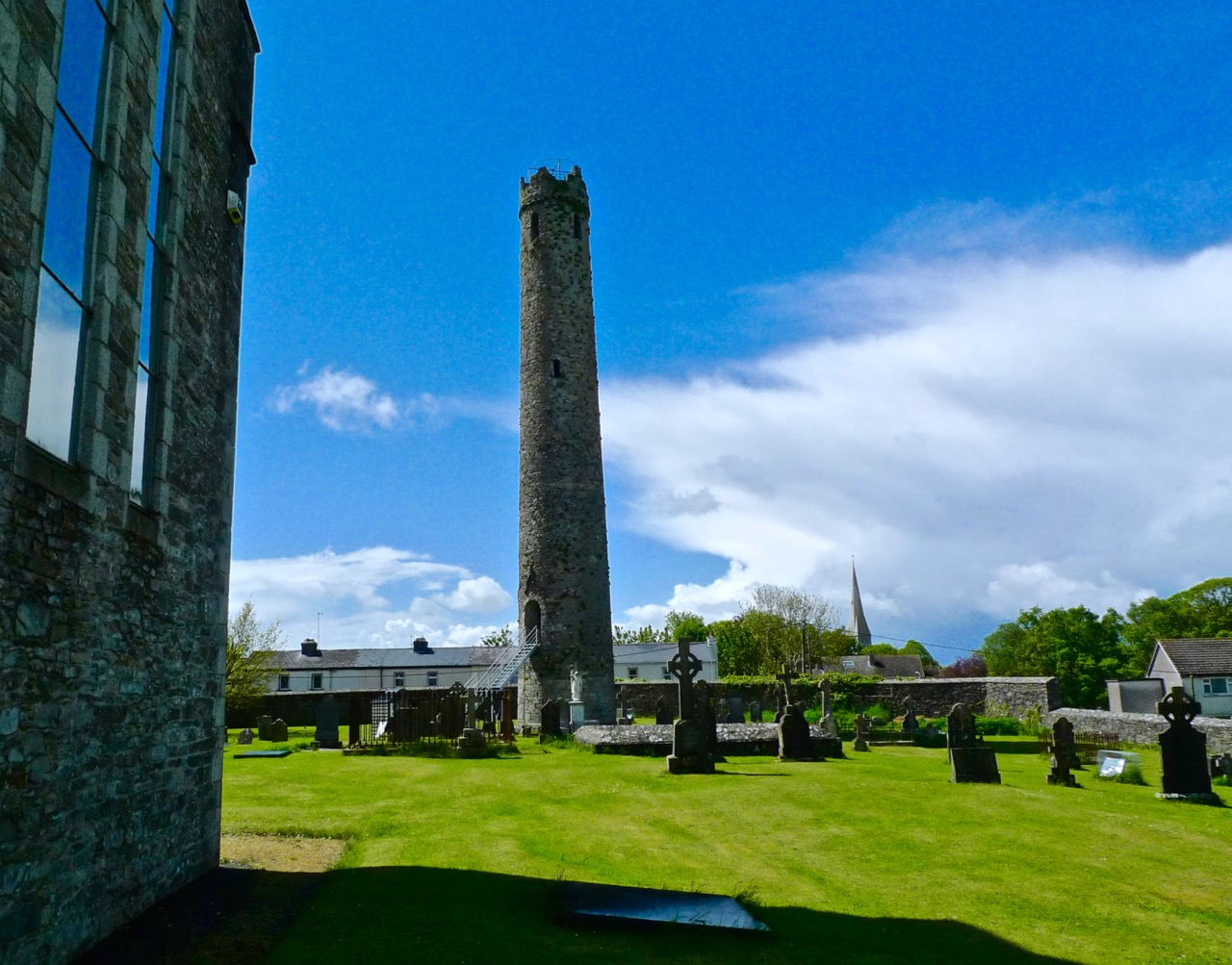
If you suffer from vertigo or claustrophobia – or both – then you won’t want to follow us in the adventure we had this week while returning from a visit to Dublin: climbing to the top of an Irish Round Tower! Overcoming any tendencies we might have had towards these phobias, we arrived at the roof of the 32.6 metre high Kildare tower and marvelled at being able to stand on the summit of a piece of architecture over a thousand years old. Kildare has the second highest Round Tower still extant in Ireland: the highest is at Kilmacduagh, Co Galway, at 34.9 metres; however, Kildare now lacks a conical cap, which it might once have had. If so, it would just tip in as the highest of all the towers.

Kildare Round Tower: note the battlemented top - probably added in an 18th century restoration, the romanesque doorway and the granite base. The upper stonework is limestone and sandstone

Kildare Round Tower: note the battlemented top – probably added in an 18th century restoration, the romanesque doorway and the granite base. The upper stonework is limestone and sandstone

The print above – dating from 1788 – shows the ruins of St Brigid’s Church, which was fully restored as a Church of Ireland Cathedral a hundred years later. We looked down on this from our vantage point atop the Tower – and had a good view of the (also restored) Fire Temple where a perpetual flame, lit by the Saint, was kept burning for hundreds of years, finally being extinguished by the shenanigans of Henry VIII.

Looking down on Kildare Cathedral, with St Brigid's 'Fire Temple' in the grounds

Looking down on Kildare Cathedral, with St Brigid’s ‘Fire Temple’ in the grounds

You’ll have heard me talk about St Brigid many times: she’s second only to St Patrick in the Irish Martyrology. In fact, as probably the most influential woman in Irish history, I’m going to declare her as quite the equal of St Patrick: she’s often enough described as one of the Patron Saints of Ireland. You will also know that she is surrounded by folklore and traditional customs, such as the making of her Cross on her day, the First of February.
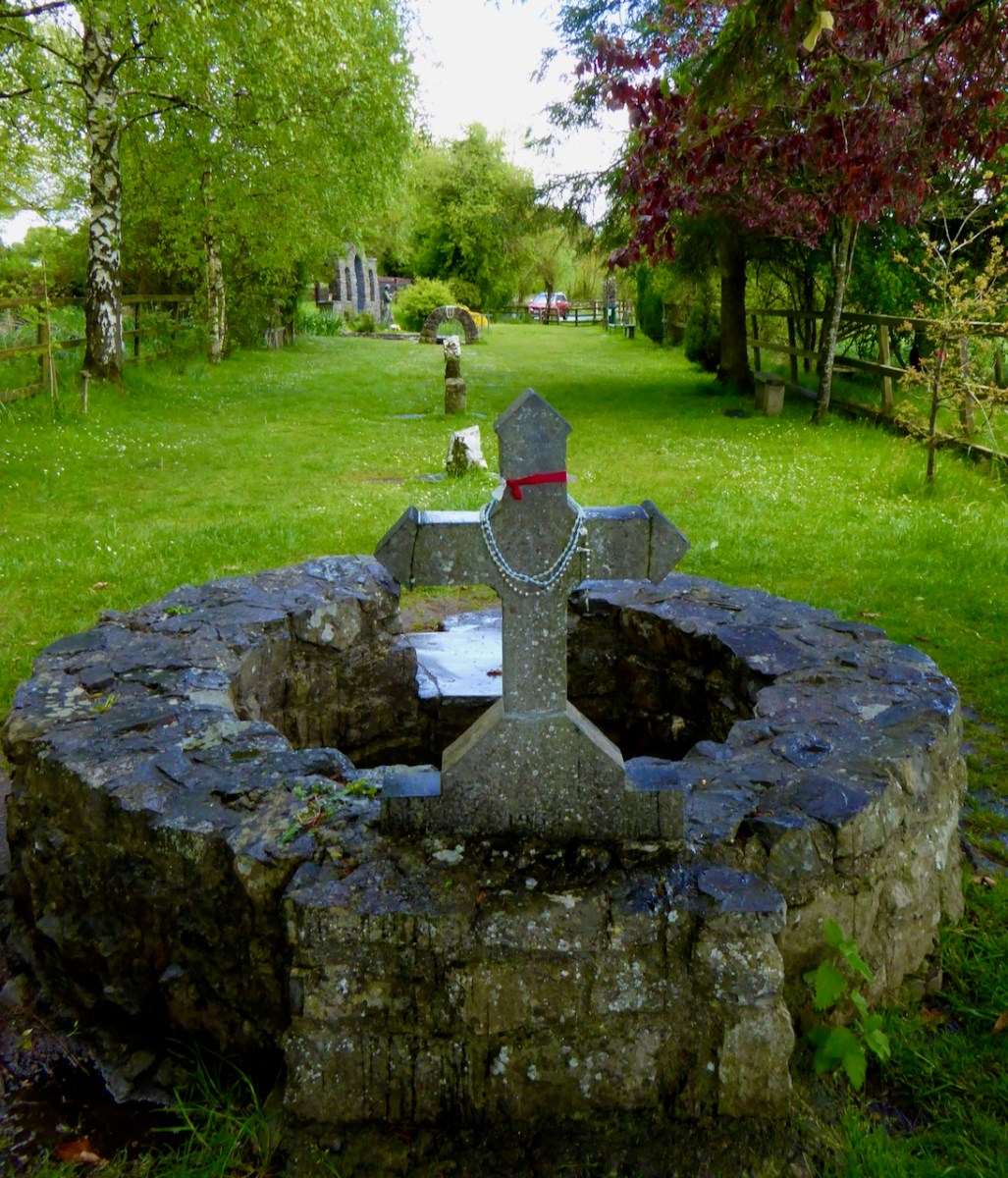
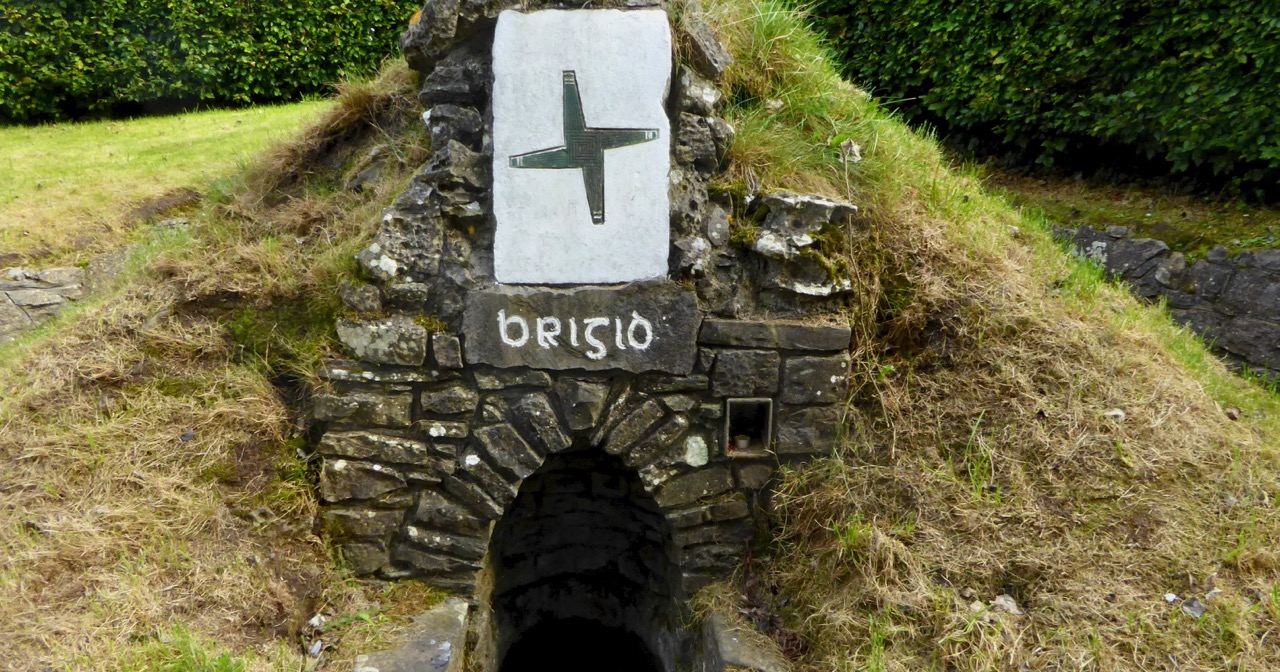
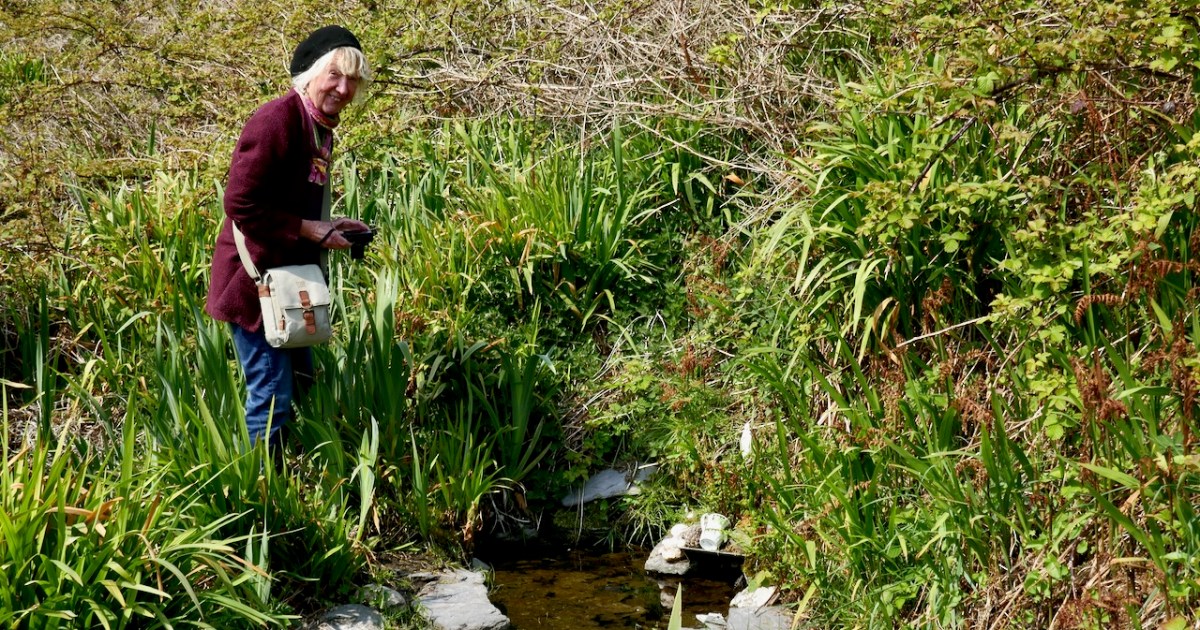
St Brigid’s Cross – left, at her Holy Well and right, a textile in the Solas Bhride Centre, Kildare

Back to the adventure (although the whole day was adventurous!) – climbing the tower was hard going. There were a series of near-vertical ladders to be negotiated: each one took us to a higher timber platform, six floors in all. At the top of each ladder we had to squeeze ourselves through a narrow opening; this, and the confines of the tower interior – only two metres or so across – certainly challenged the claustrophobiac in me.

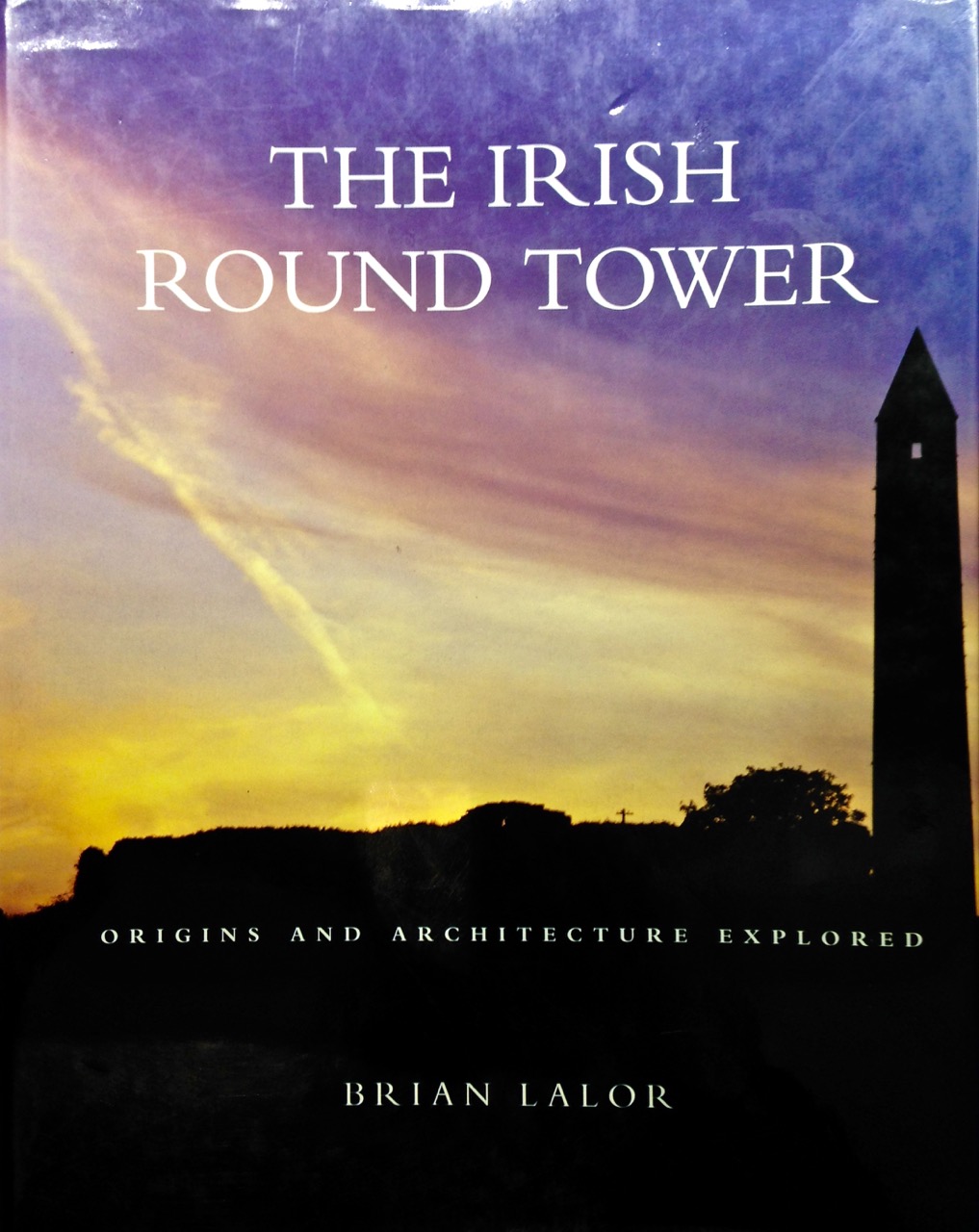
The restricted space also made us question some of the theories about the uses of these towers, which are always located at ecclesiastical sites. The definitive work on them is, as it happens, written by someone who also lives in West Cork – just a little distance from Nead an Iolair: Brian Lalor. Brian has led a very full life, involving architecture, archaeology, sketching and printing (his etchings are exquisite). He is also the author of a number of books, many of which are on our own shelves, including The Irish Round Tower, published by The Collins Press, 1999 and 2005.

lalor

Brian is unequivocal in his assertion that the primary purpose for round towers was to house the monastery bell. He also suggests that a secondary function would be as a safe storage place for the monastic treasures: the entrance door was always raised at a considerable height above the surrounding ground level, requiring steps or a ladder to gain access. In the times when they were constructed they would have been visually impressive – and could be seen from a great distance. They would have acted as signposts for travellers who might have been searching for the hospitality which monastic communities always offered. Brian discounts some of the more bizarre theories for the towers – for example, that they might have been places of safe refuge for the monks if under threat of attack by Vikings – or that they are simply phallic symbols! Lastly, Brian considers – and gives some credence to – the idea that the towers were monumental buildings of prestige and local aristocratic patronage: certainly, they required considerable expense and effort to construct.

centre entrance

As is often the case with our days out, one adventure led on to another. When we came down from the tower we found that St Brigid’s Cathedral had closed for lunch. But we knew that the Saint’s trail also involved a Holy Well and we had heard that there was a new building devoted to the work of Brigid just outside Kildare.

Solas Brhíde Centre

Solas Brhíde Centre

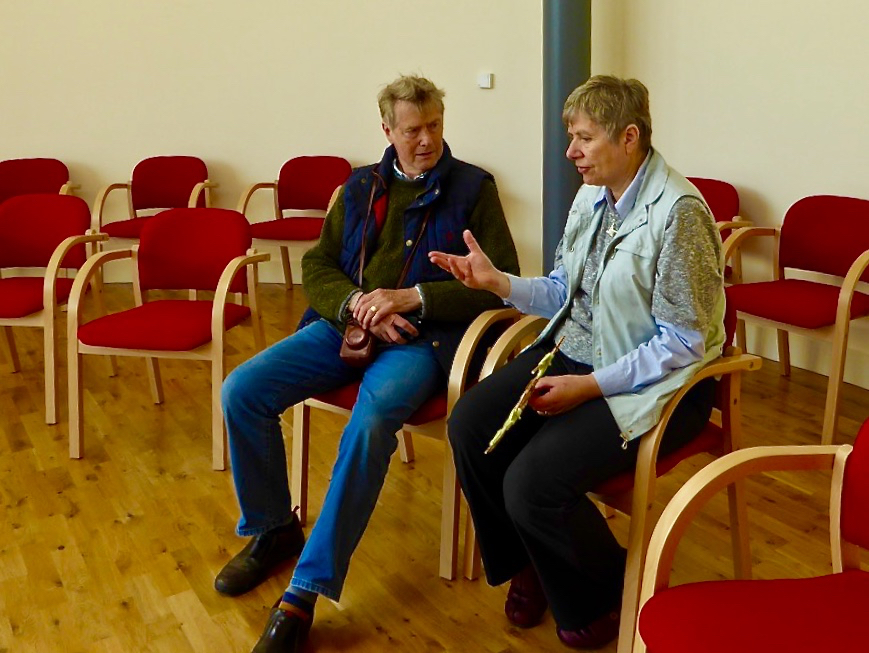
Robert with Phil, one of the Sisters who conceived the project

Robert with Phil, one of the Sisters who conceived the project

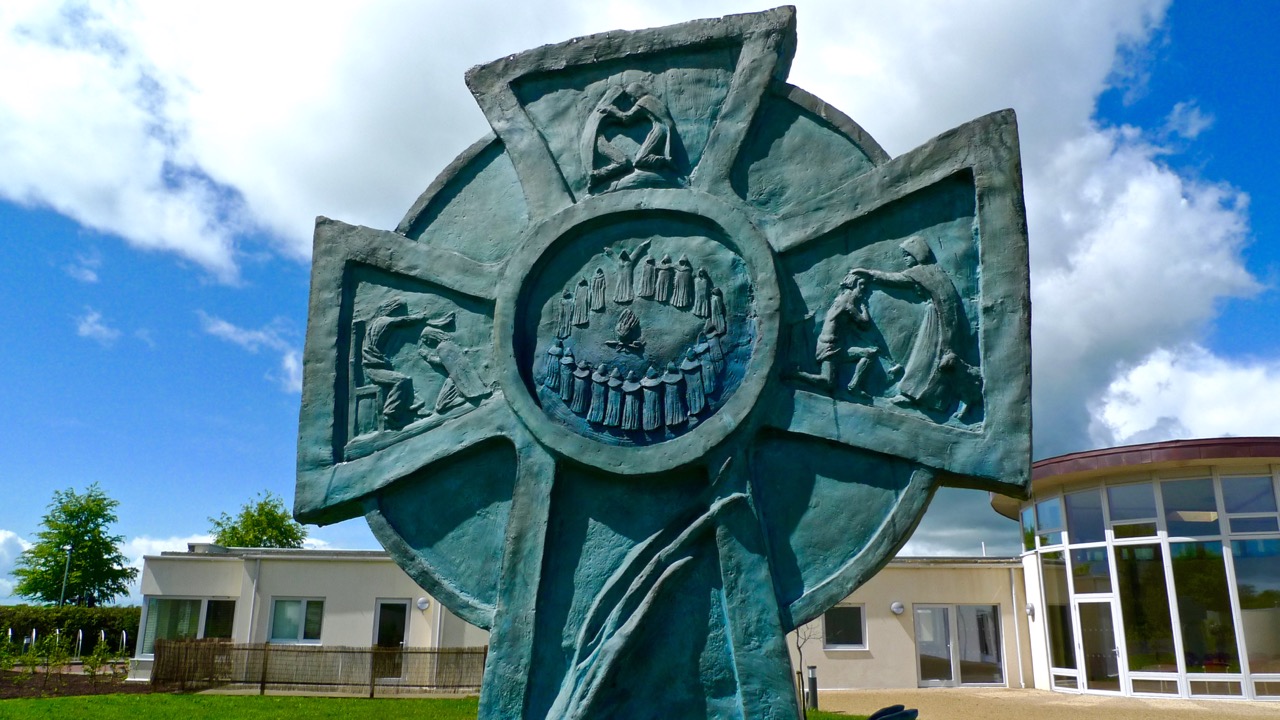
We were very impressed with the Solas Bhríde Centre: a small group of Brigidine Sisters has put together the project to build a Christian Spirituality Centre which unfolds the legacy of St Brigid and shows that it is still relevant in the present day. We were shown around the Centre by one of these Sisters, Phil, who pointed out that Brigid was attuned to the natural world and would have appreciated that the new building (designed by Solearth Ecological Architecture) is conceived on ecologically sound terms using sustainable materials and techniques which care for the wellbeing of the Earth. The plan of the building is appropriately inspired by the shape of a St Brigid’s Cross.

Architect's drawing of the newly completed building

Architect’s drawing of the newly completed building

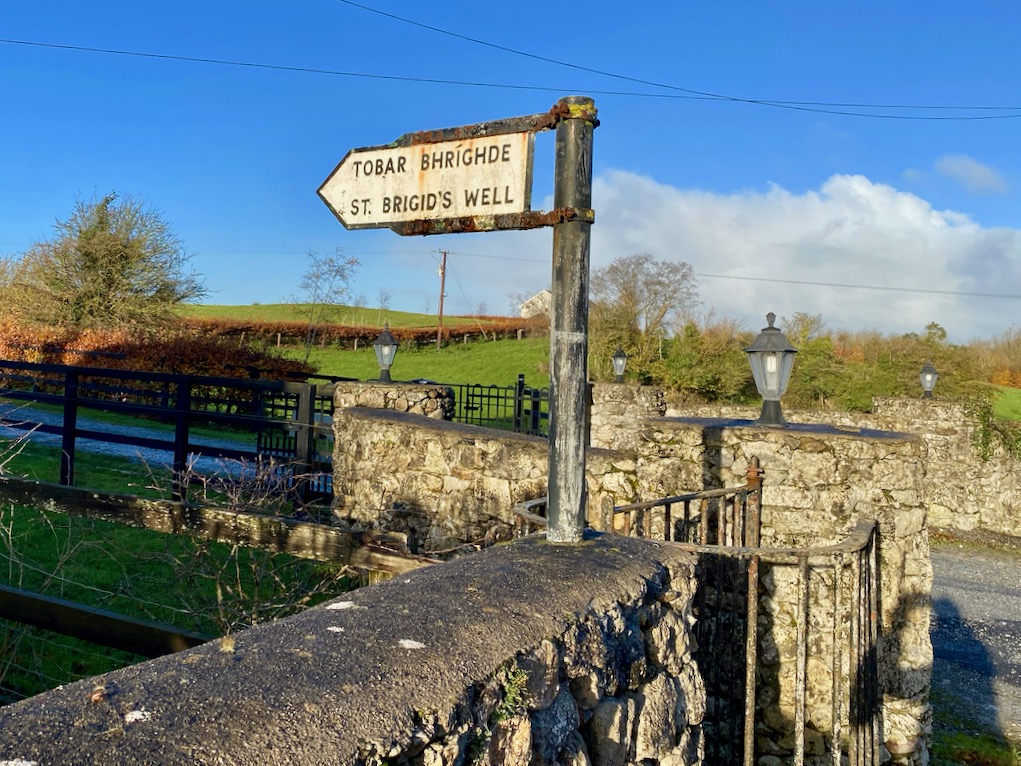
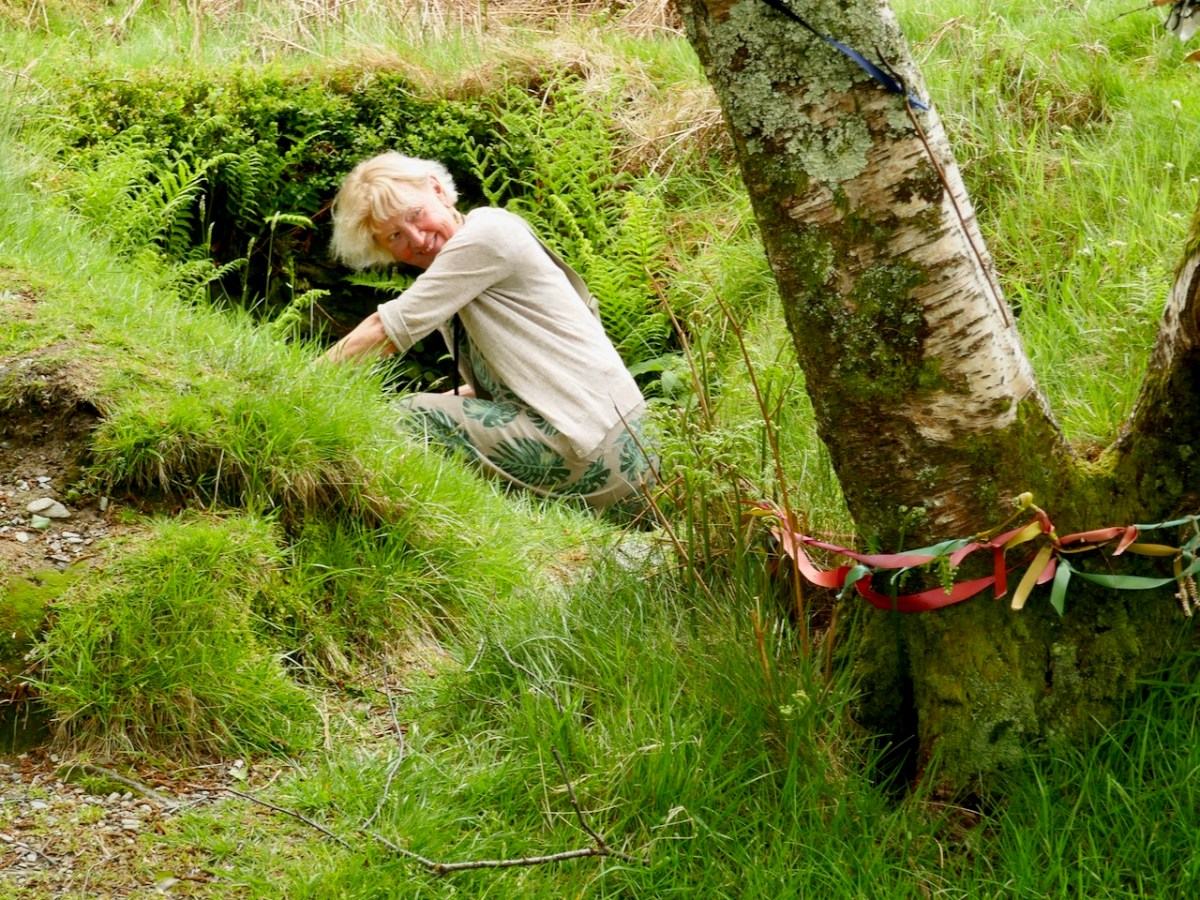
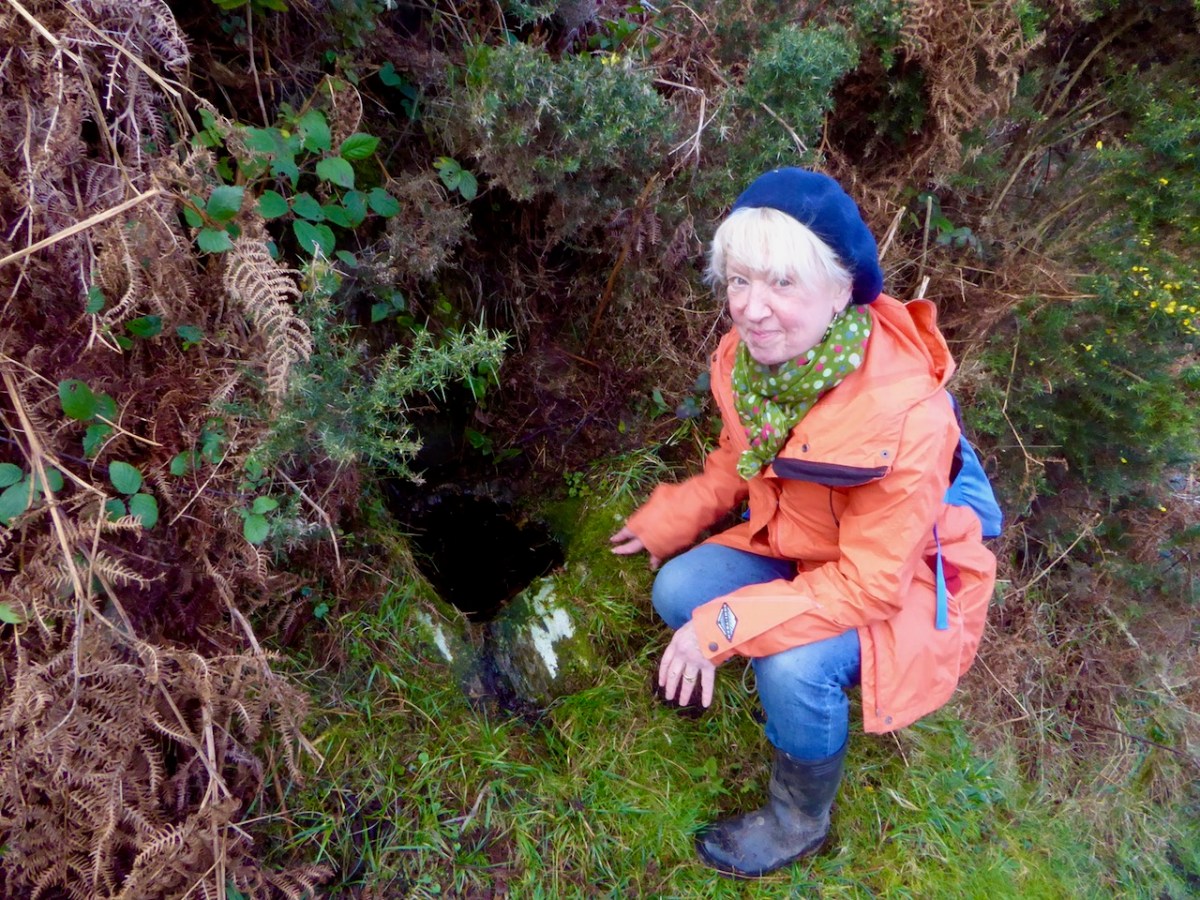
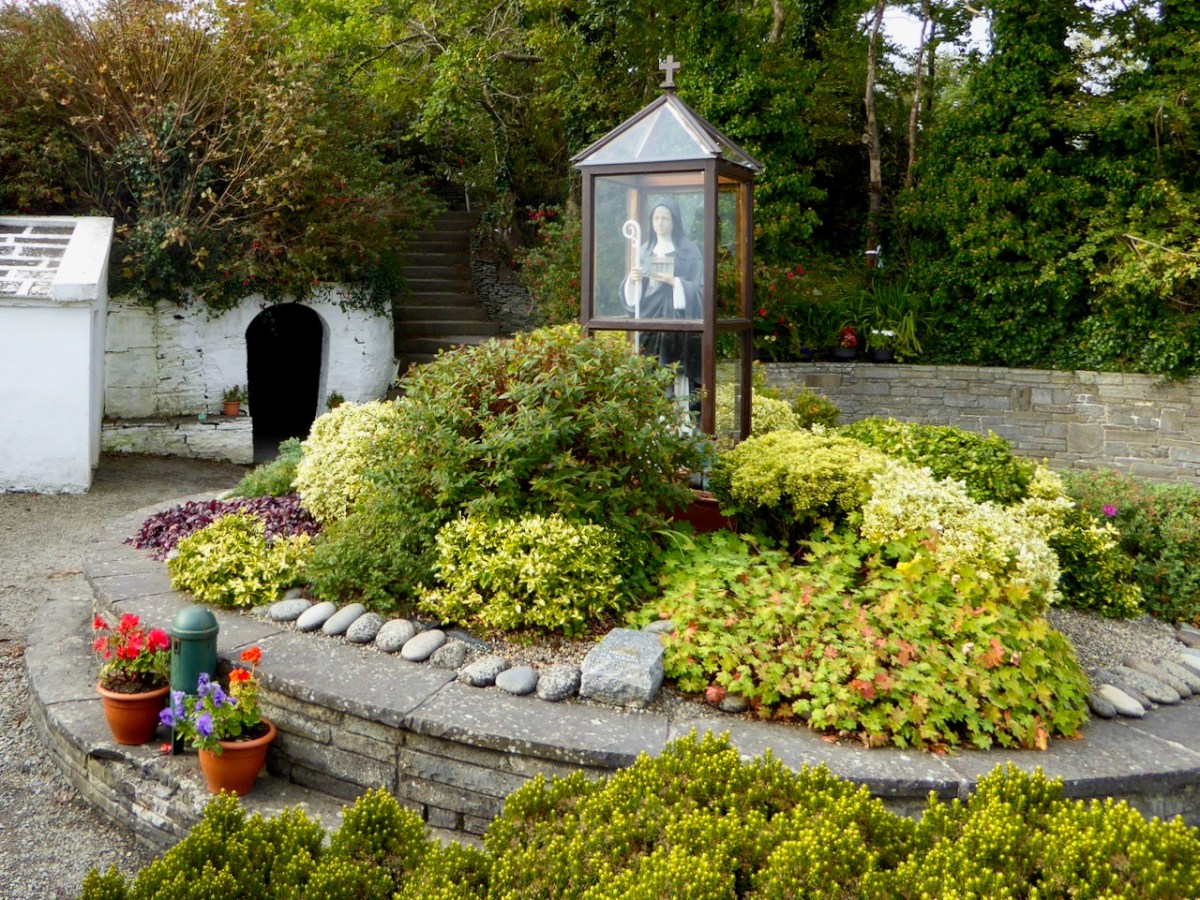
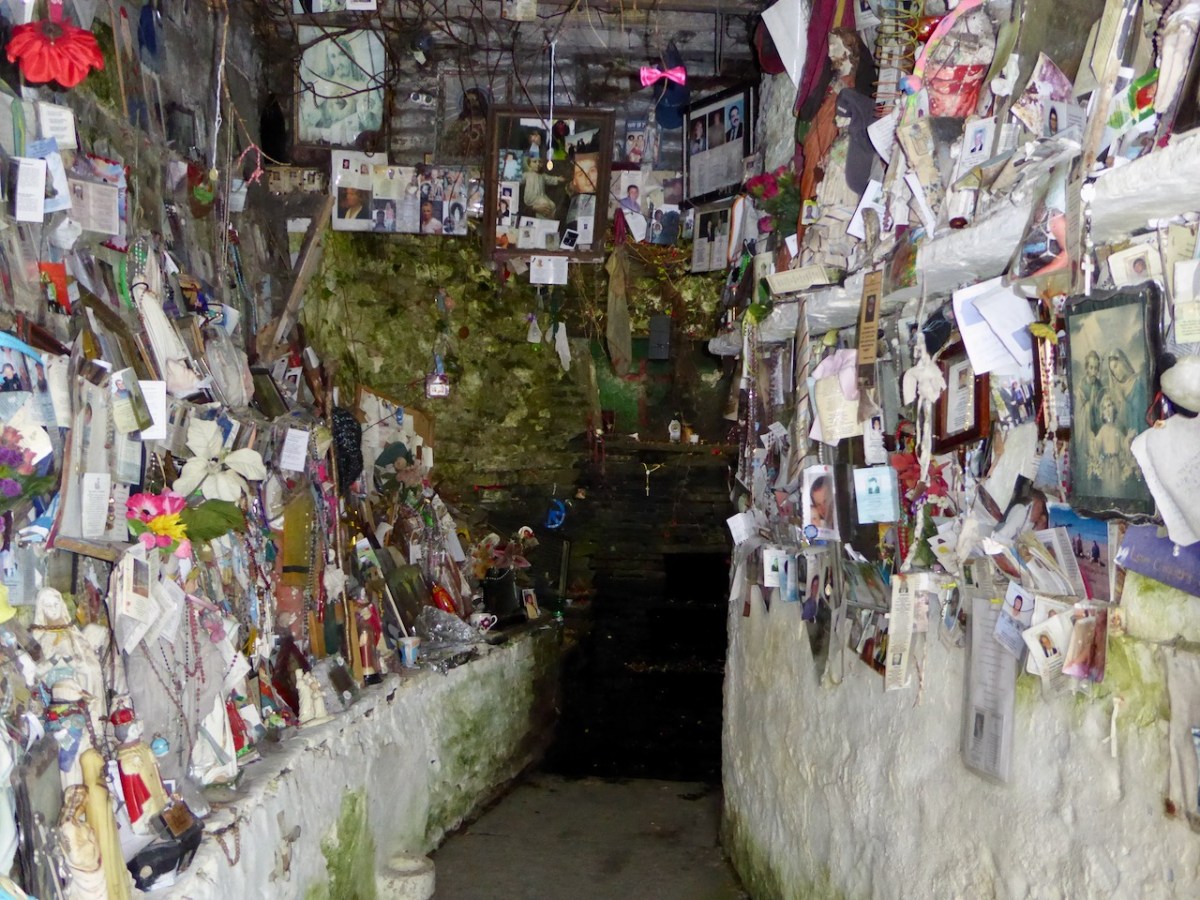
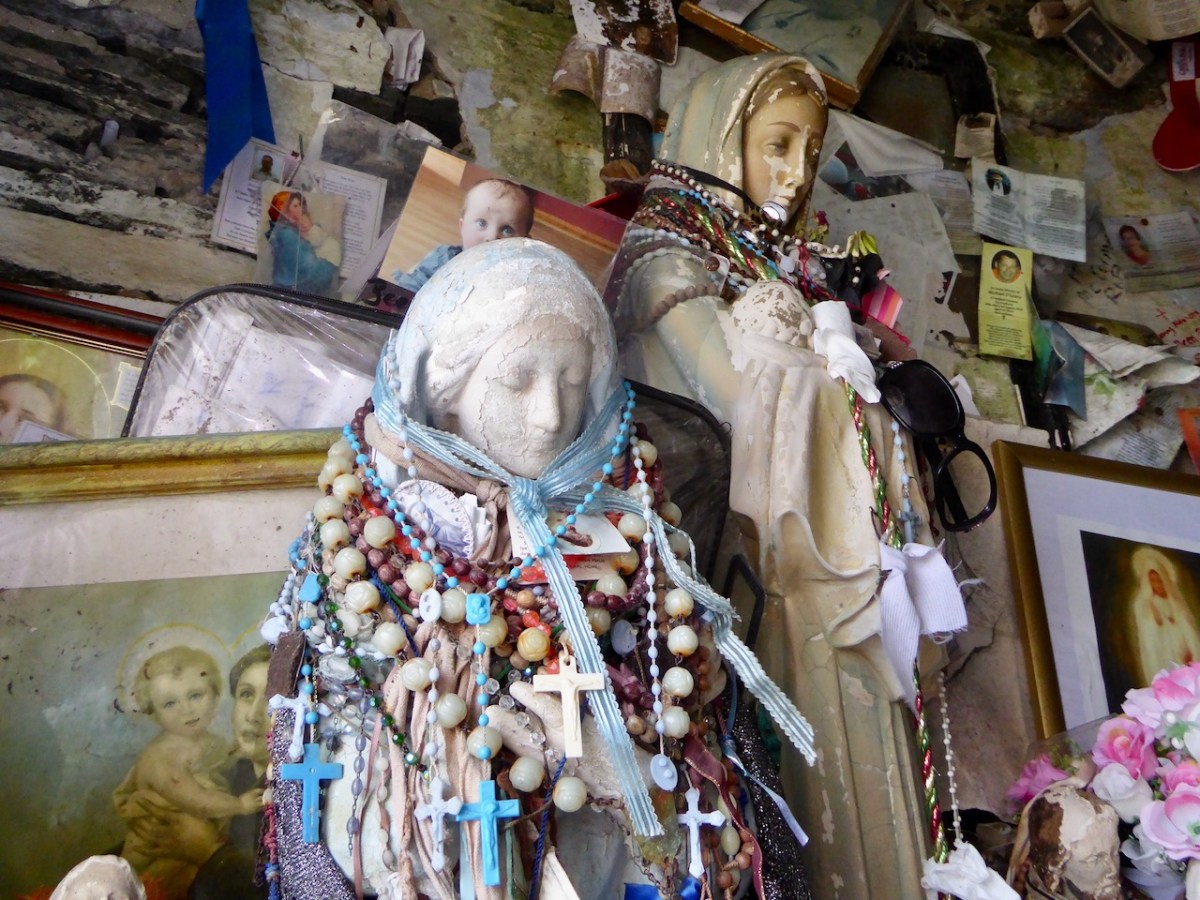
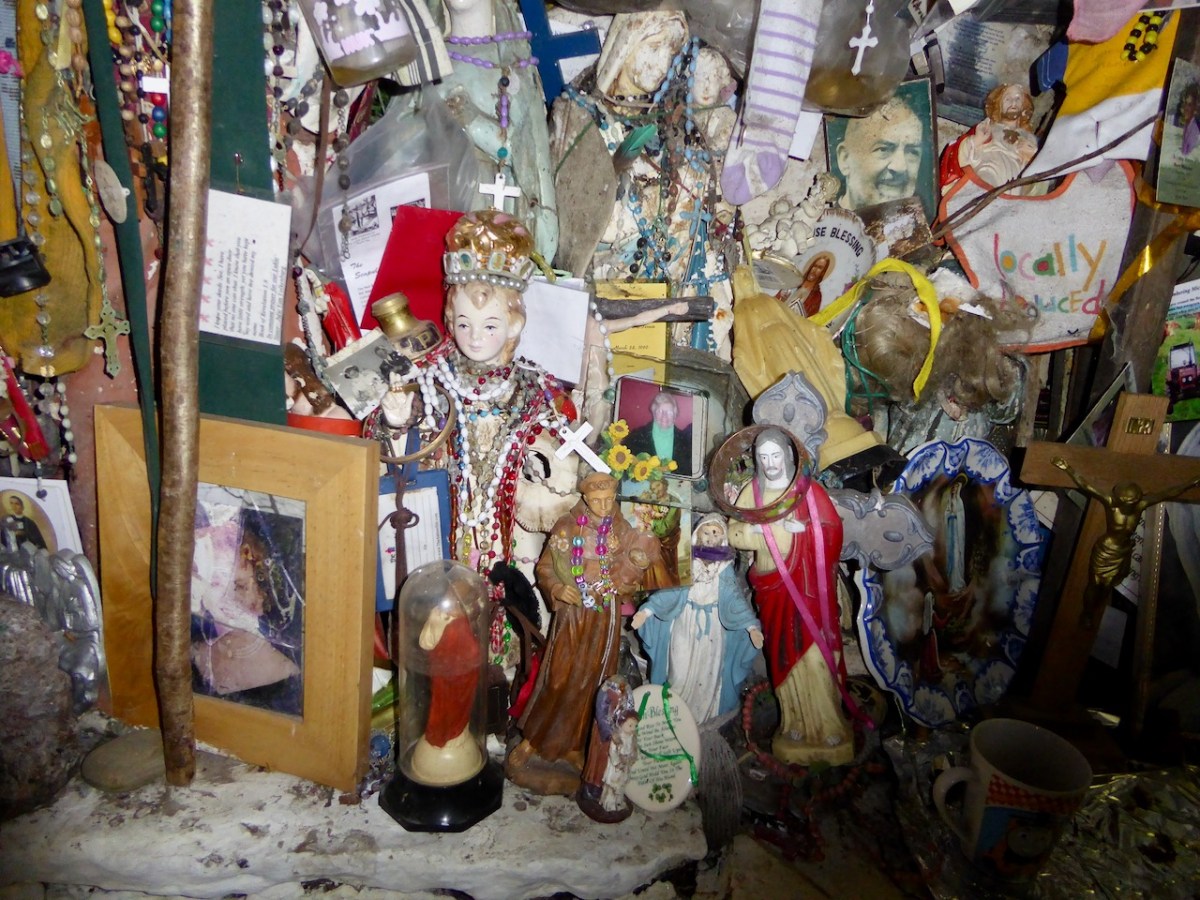
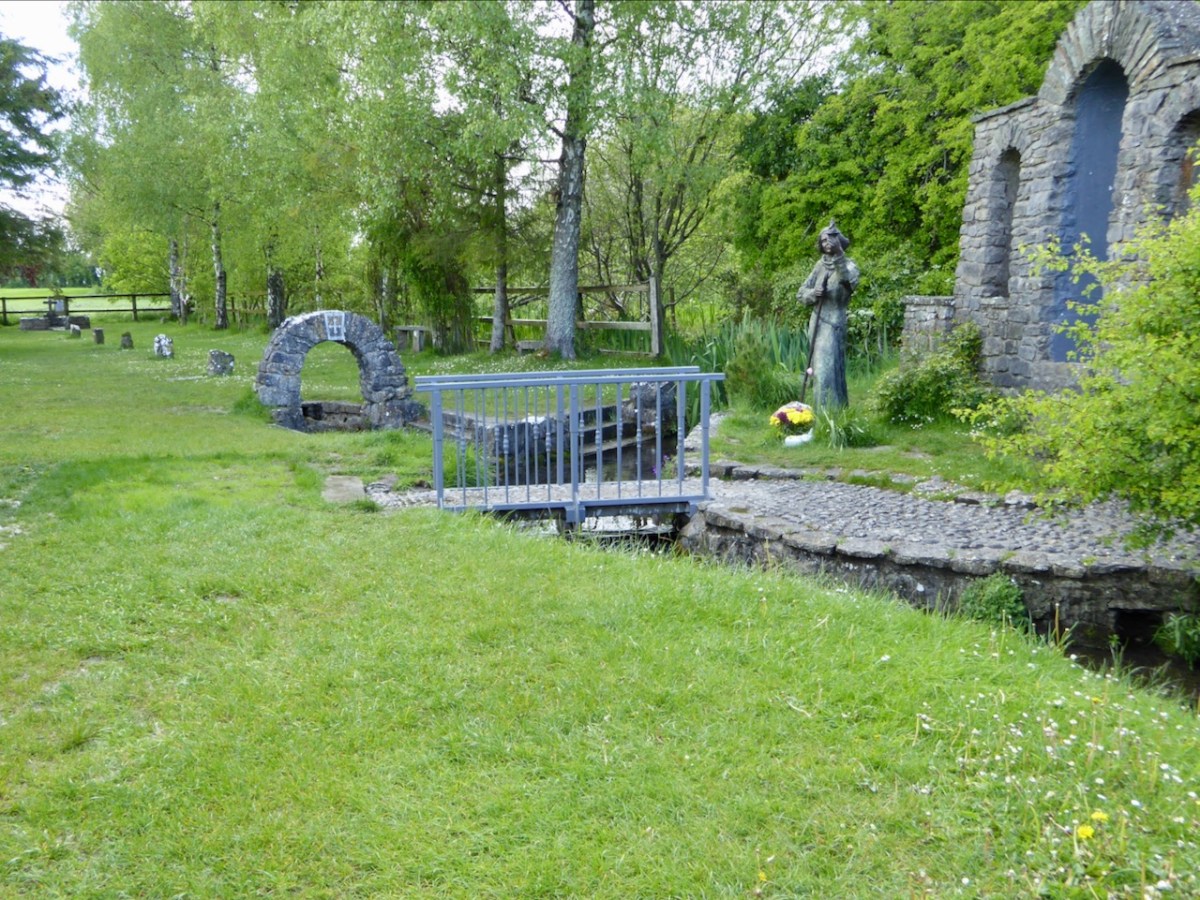
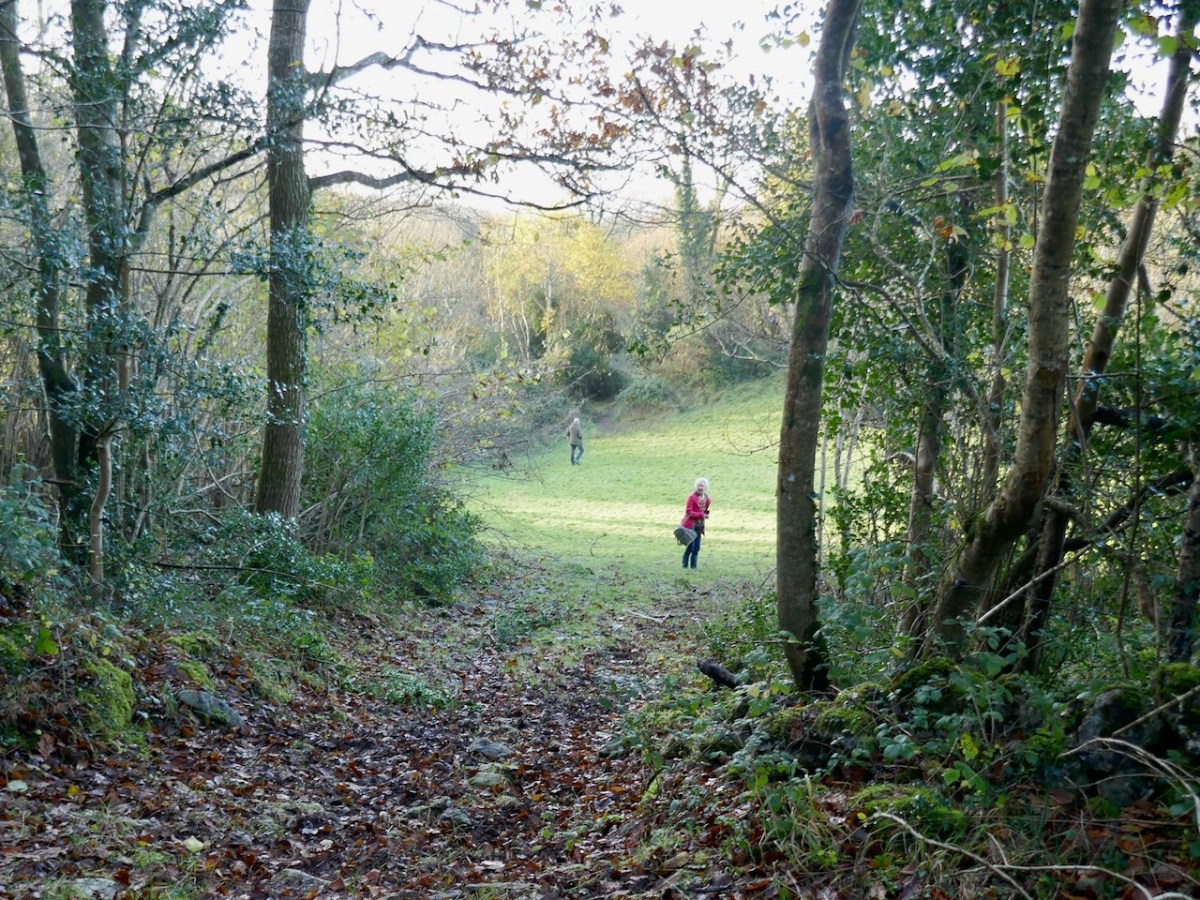
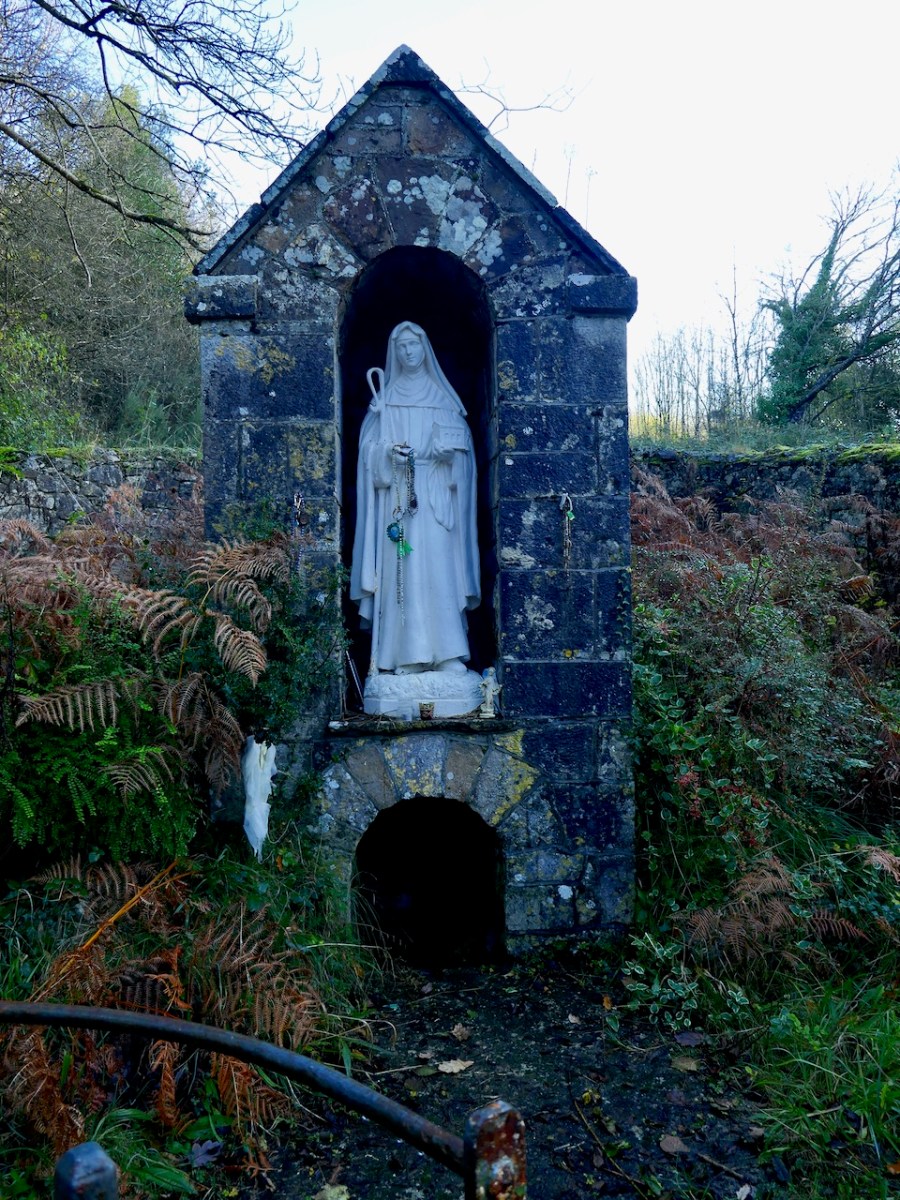
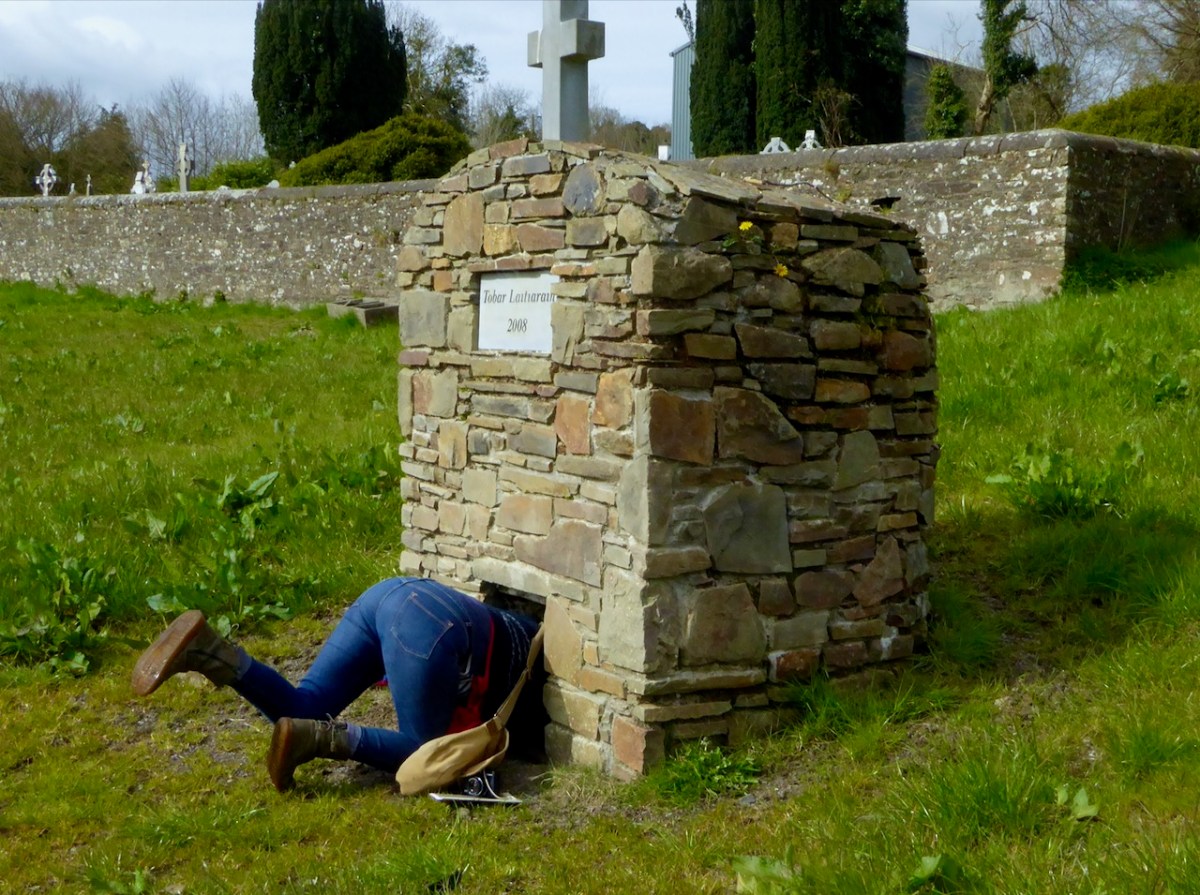
The next stop on our itinerary was the nearby Holy Well – a popular place of pilgrimage and veneration on St Brigid’s Day:

Finally, we arrived back at the Cathedral. I’m always a little disappointed by restorations – particularly those which were carried out in Victorian times; nevertheless there are some impressive features. The possibly twelfth century font is one of them (below left), and another has to be the hidden Sheelagh-na-gig under the lip of Bishop Wellesley’s tomb (below right). I reached under to feel this little carving, and was then told by the Cathedral’s guardian that anyone who touches the effigy is ensured everlasting fertility!

The excellent Heritage Centre opposite the Cathedral entrance is informative about the town’s history and the important connections with this special Saint. There is much more to be discovered – and written – in respect of St Brigid, and other places in Ireland which are connected with her still to be visited. Do go to Kildare and, at the very least, suspend your phobias sufficiently to allow you to climb the ancient Round Tower. But make sure you go between May and September – and not during the lunch hour…

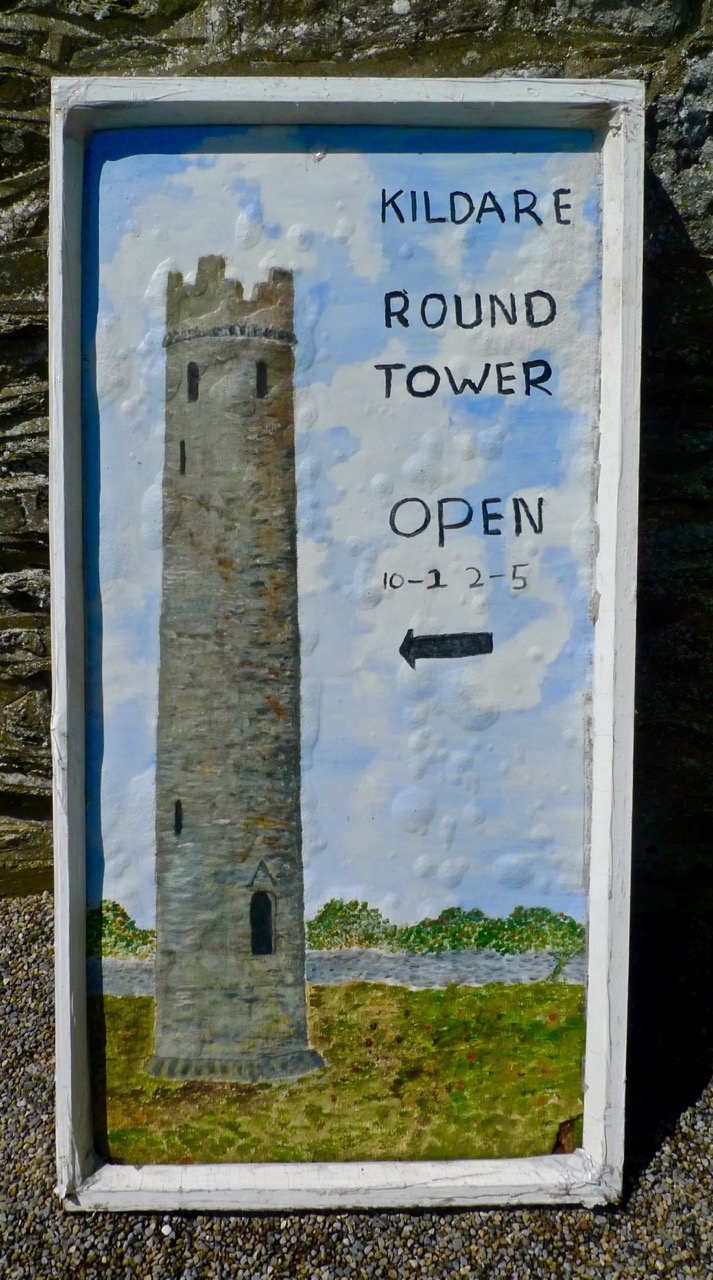
tower poster

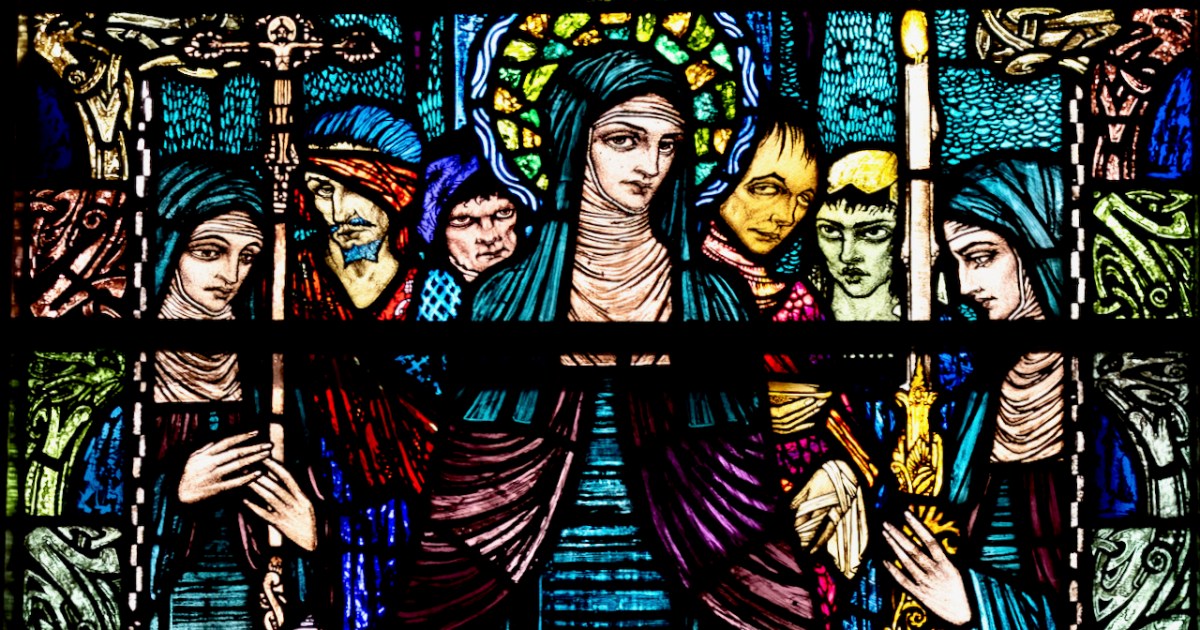
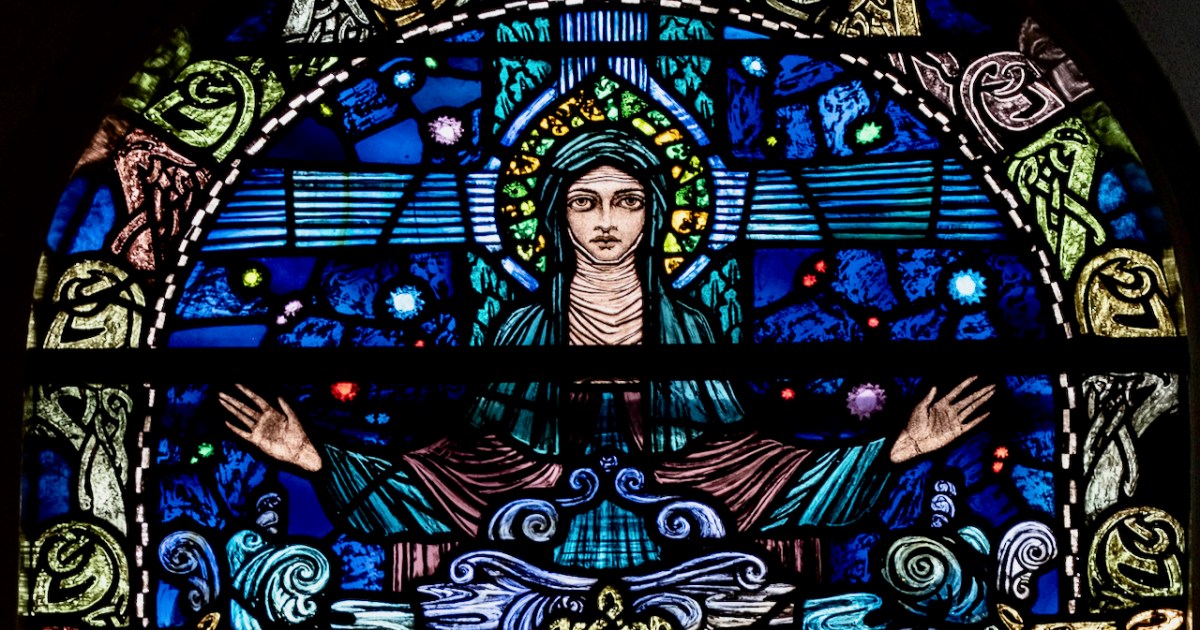
Harry Clarke’s Brigid

Harry did several wonderful St Brigid windows, and included Brigid as a saint in larger scenes. There are also Brigid windows attributed to him that he actually didn’t do, but that’s a blog for another time. Today I want to give you a flavour of his take on Brigid, because this was a saint that must have been especially meaningful to him – his mother was a Brigid!

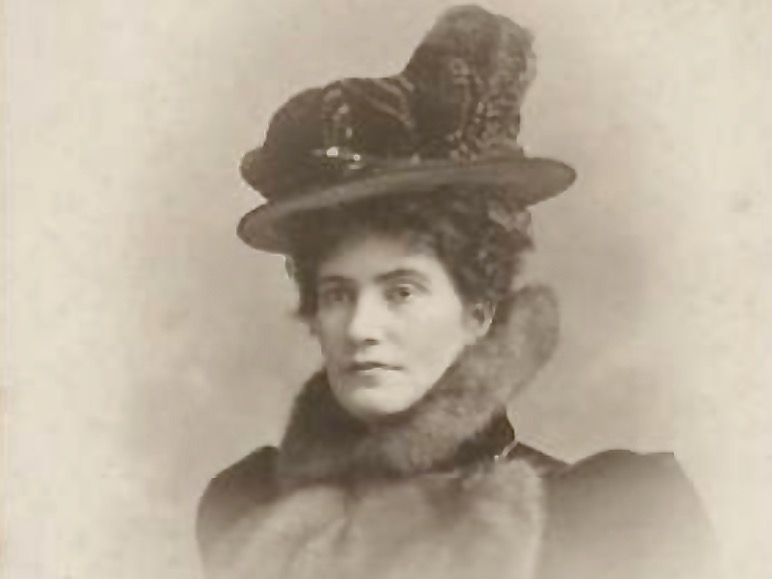
Brigid (sometimes given as Bridget) MacGonigal was born in Sligo and married Joshua Clarke, then an up-and-coming church decorator in Dublin and they had four children. Harry, their third child arrived in 1889. Brigid was never strong and died in Bray in August 1903, leaving her family bereft. Harry was 14 and that year marked the end of his schooling at Belvedere as he and his older brother Walter joined the family business to help run it. Harry was a sensitive child and it is likely that he missed and mourned his mother for many years. He also inherited her weak lungs and struggled, as she did, with his health.

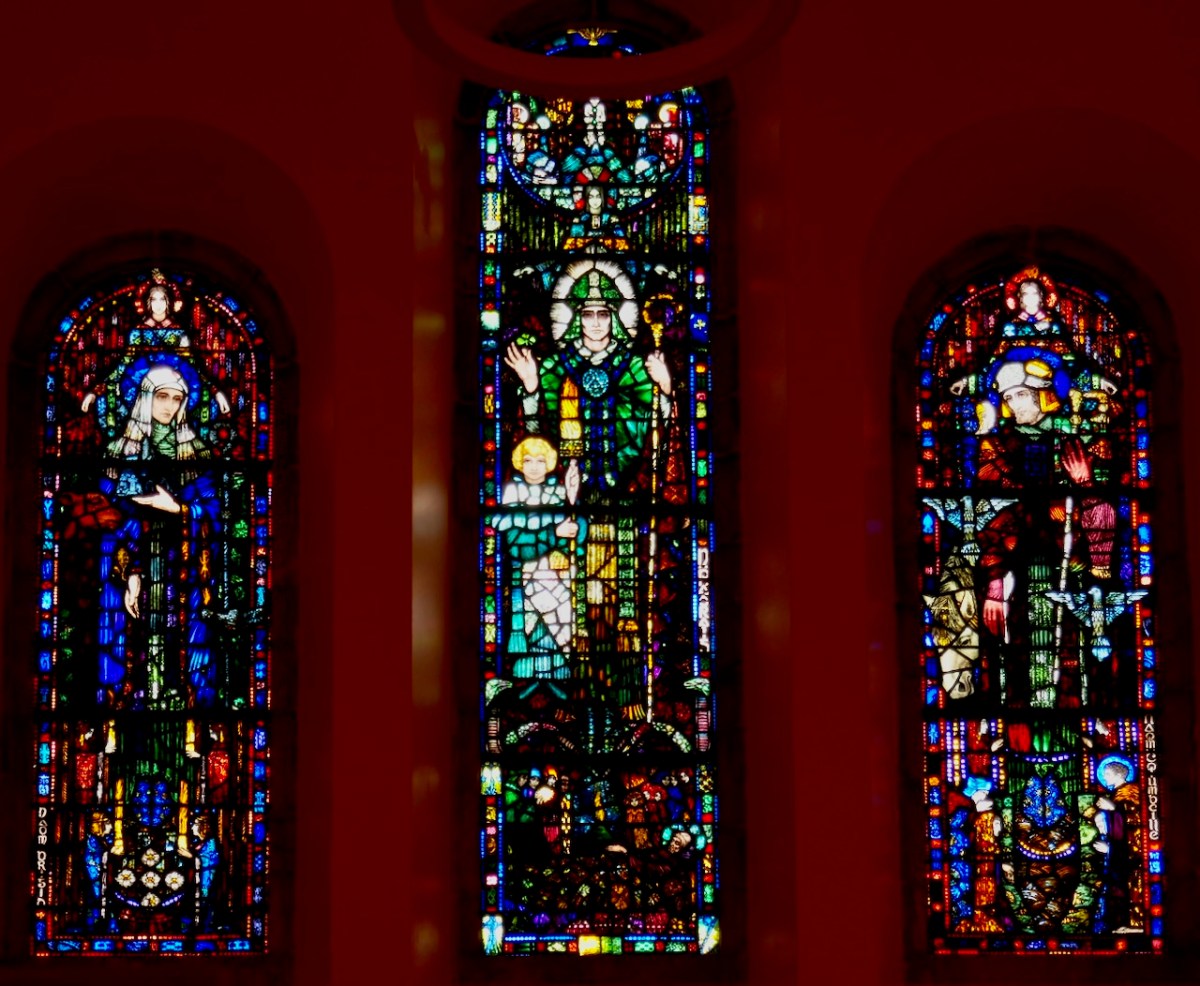
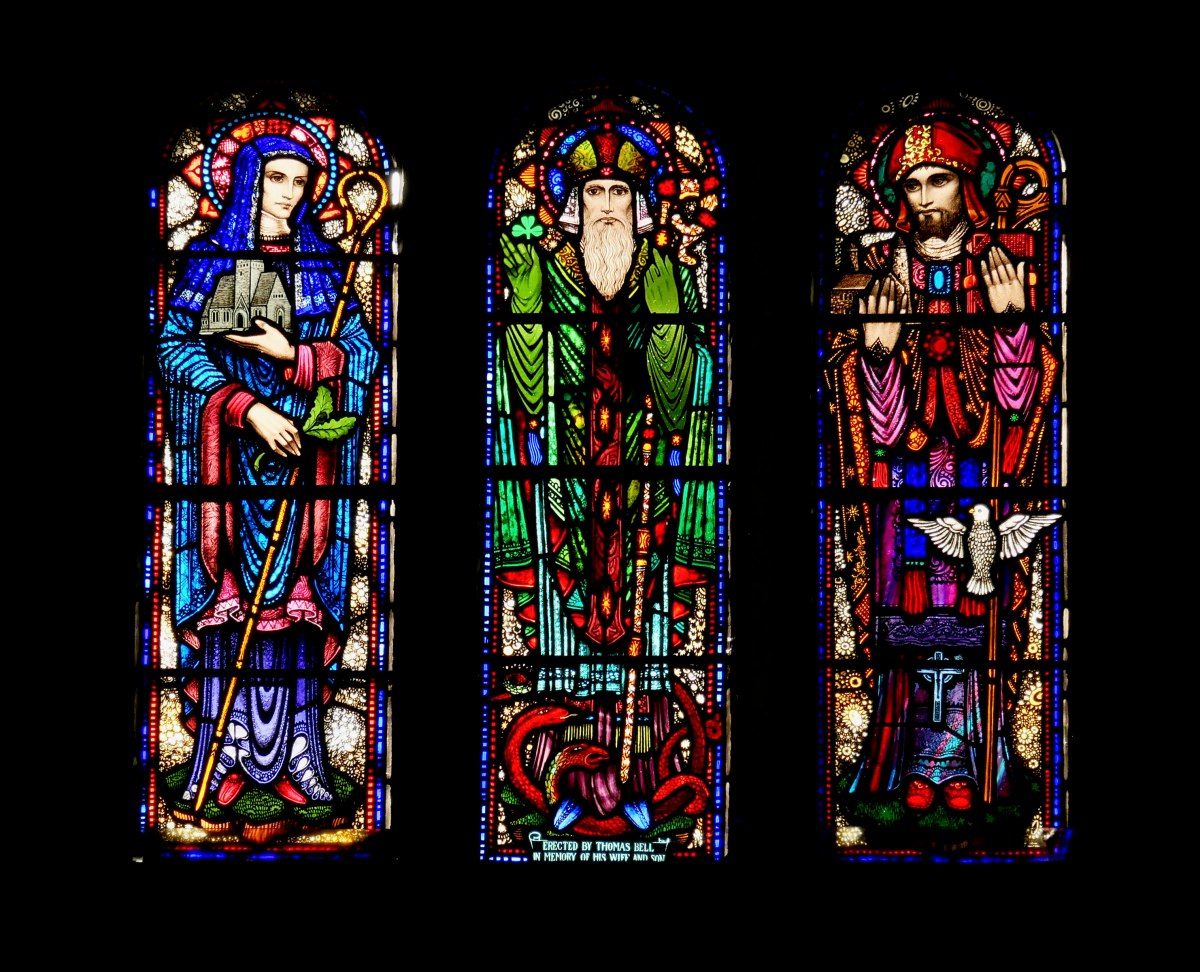
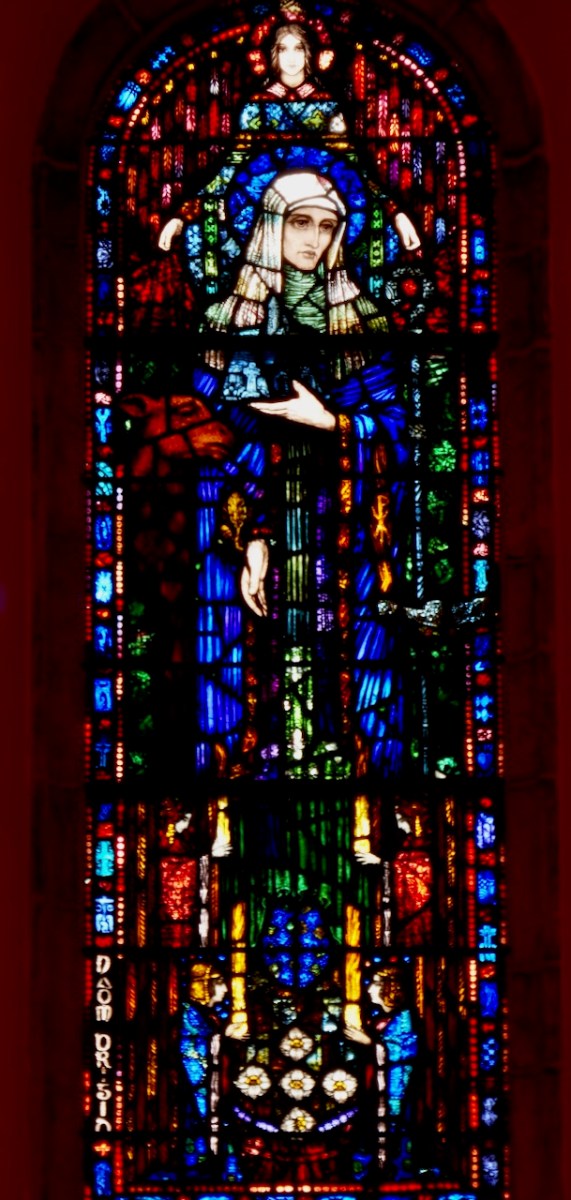
I will start with the place that launched Harry’s career, the Honan Chapel at University College Cork (I’ll finish with the one that is on my lead photo). And in fact it is his first windows for that Chapel – a three light, depicting Brigid, Patrick and Columcille, our three Patron Saints. This window is over the entrance, facing west, which, with Harry’s preference for dark colours and some internal lighting issues in the chapel, makes it hard to photograph.

Harry had completed a detailed sketch design for this window in 1914 (Nicole Gordon Bowe has an image of that design in her magnificent The Life and Work of Harry Clarke) and the window was made in 1915. There are a few differences between the sketch design and the finished window, but on the whole, the window is true to Harry’s original vision for it. His notes for the window refer to 

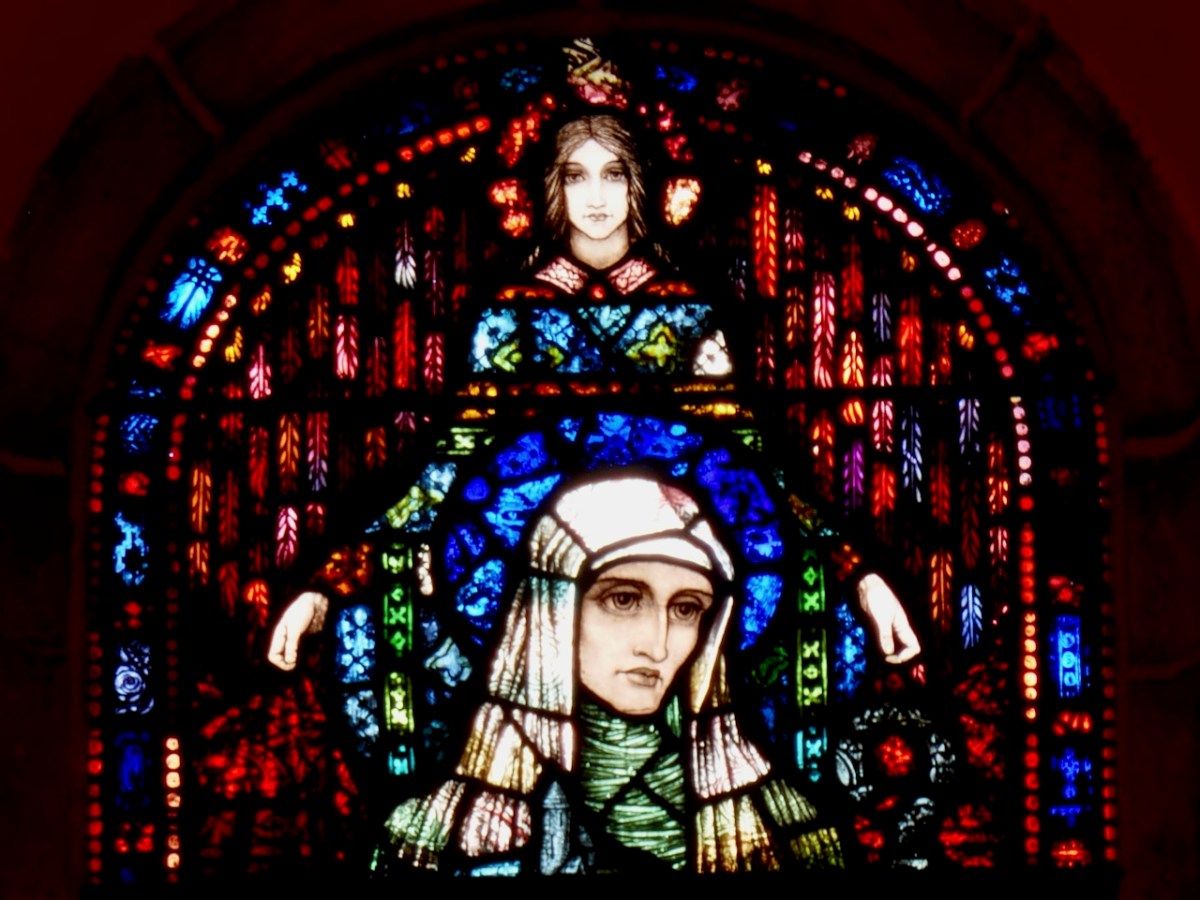
Top: The Angel with the cloth of heaven forming background

The Figure: With emblems – the church, the inextinguishable spiritual lamp – the calf and the oak.

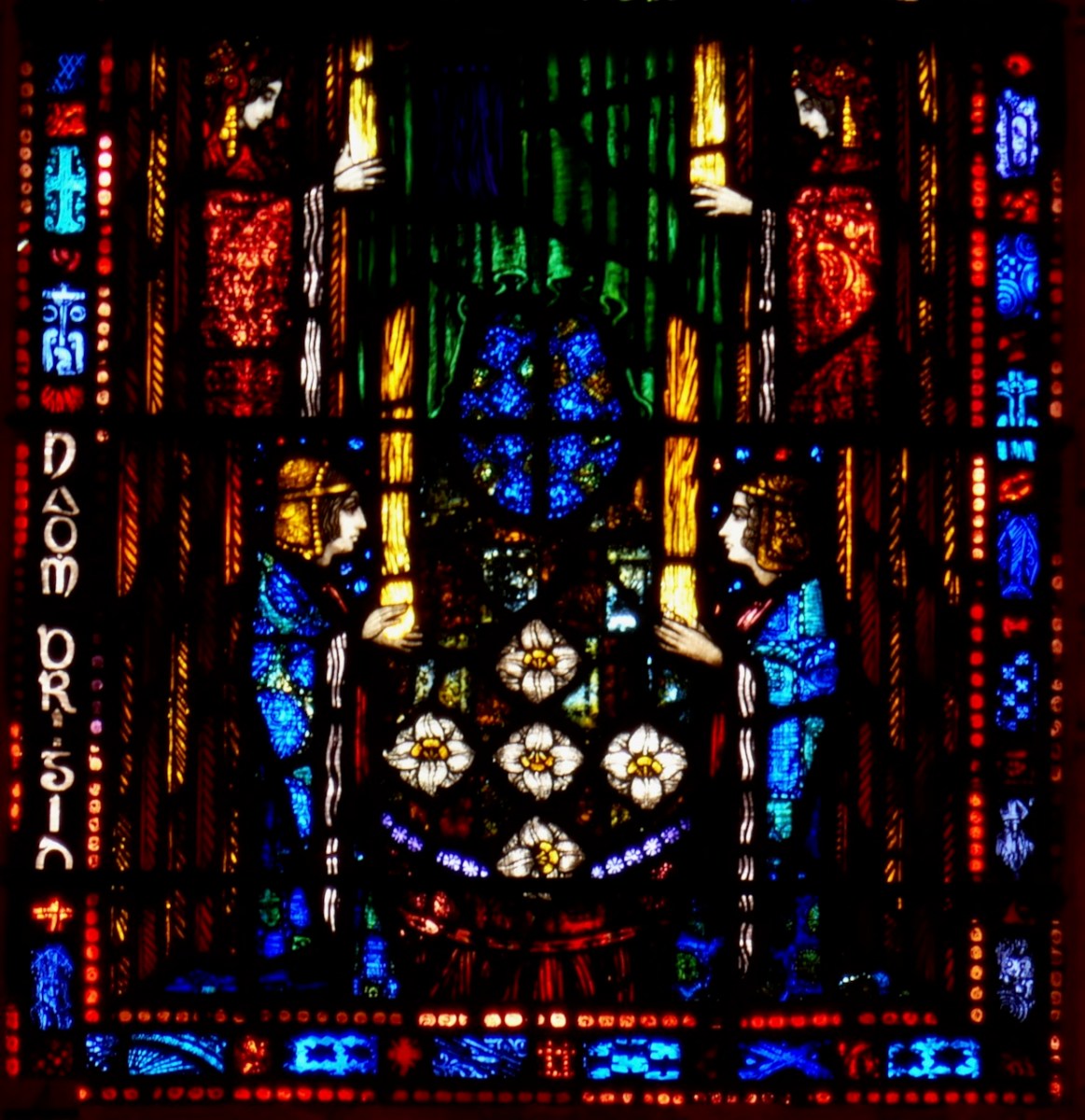
The Base: Are four angels carrying the prayers, prophesies, miracles and charities of St Brigid, also are shown the five lilies – she has been called the Mary of Ireland and these lilies symbolise the five provinces of Ireland over which she held spiritual control.

The cloth of heaven has been imagined as fronds in deeps reds, while St Brigid is shown as mature, wise and compassionate. She is holding a church which looks a lot like St Kevin’s Kitchen in Glendalough. In her other hand is a brown oak leaf, threaded through her fingers. The calf peers out from her right side. As befits a Mary of the Gael, she wears a deep blue robe. 

The predella (lowest section, above) shows four angels, but what they are carrying are torches – a reference to the spiritual lamp and the fire associated with Brigid. The symbols of the five provinces, recognisably lilies in the sketch design, have changed to another flower I can’t name. Note the tiny details, though – the crucifixion scene in the borders on the left and the right. The other detail to note here is that the fingers, of Brigid and the angels are ‘normal’ – Harry has not yet developed his signature long tapering fingers and pointed sleeves (among the idiosyncratic elements he called his “gadgets’).

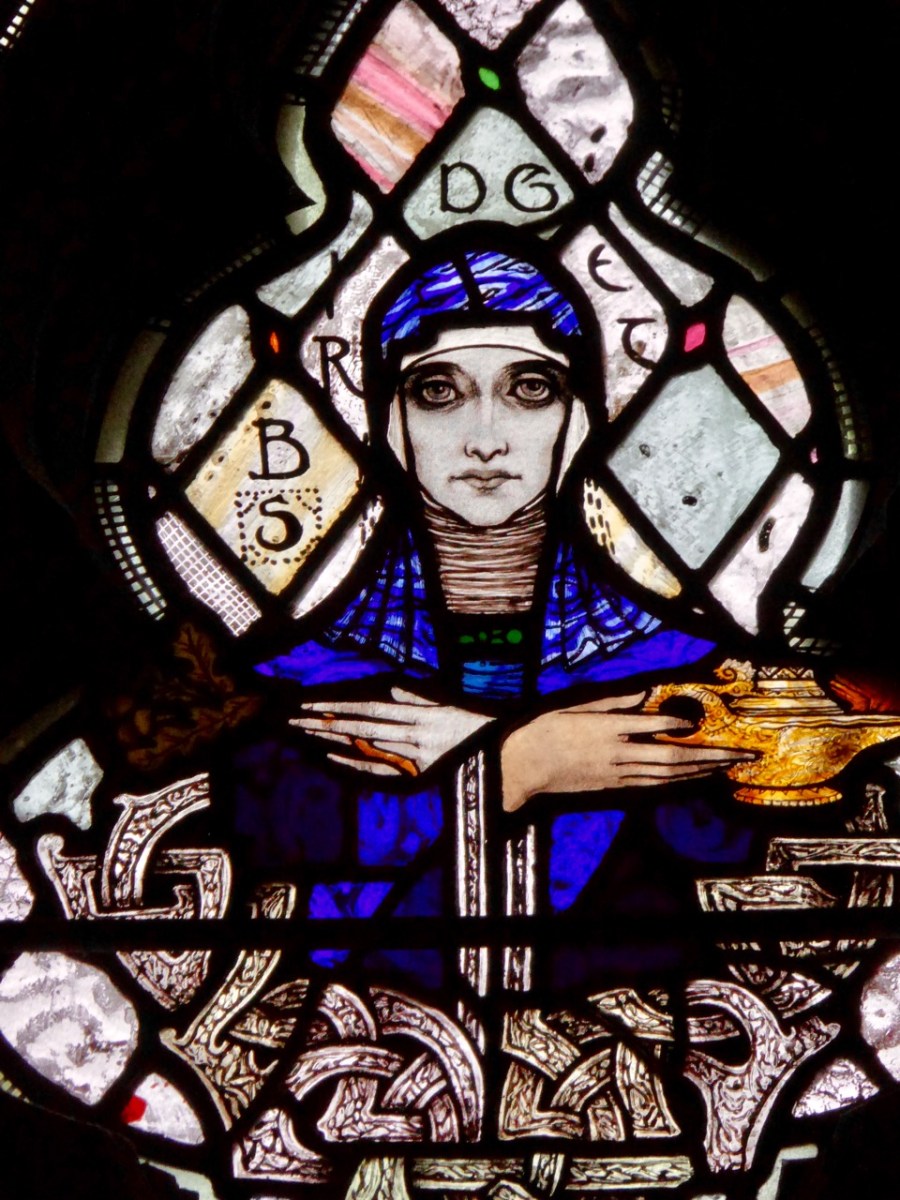
His next Brigid (above) was for the Nativity window in Castletownsend – I have written about that window extensively here so pop over and have a browse if you fancy. The Castletownsend Brigid, done in 1918, looks quite similar to the Honan Brigid and has the same oak leaf entwined in her fingers. The difference is that she is carrying the sacred lamp, has the Harry Clarke fingers, and is spelled S Bridget – the English version rather than the Irish Naomh Brighid of the Honan. [For non-Irish speaking readers – the small dot on top of consonants in Irish is now normally rendered as H – as in Briġid is now Brighid.]

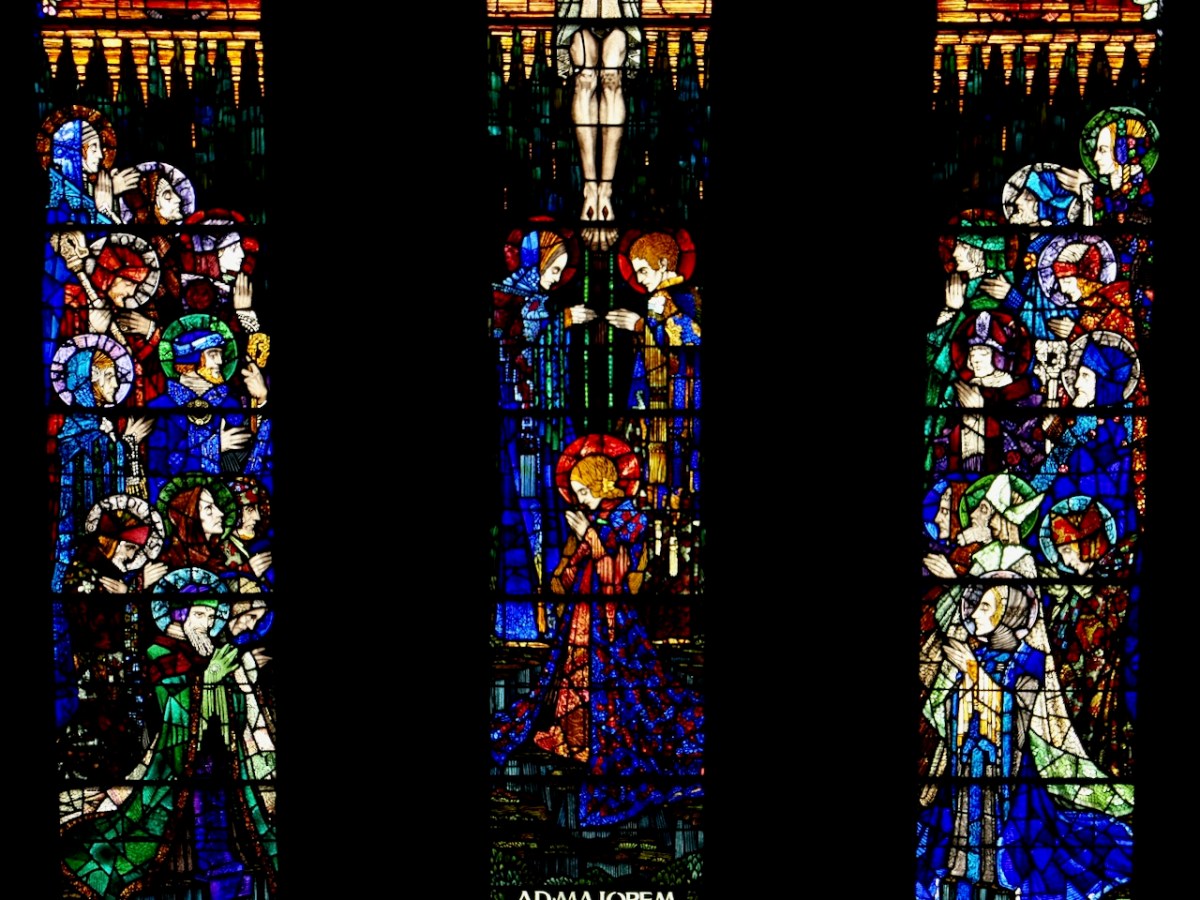
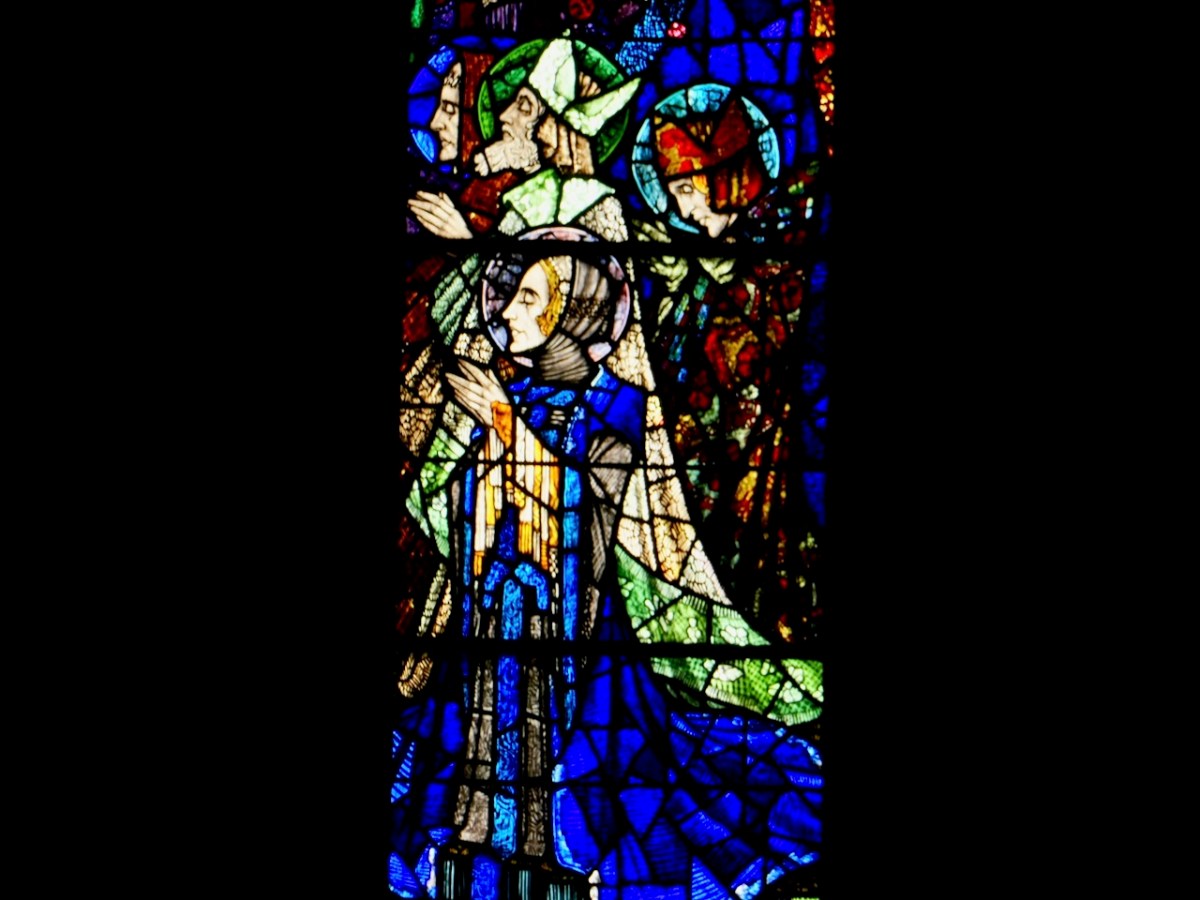
The next two windows, Terenure (above and below, details) from 1920 and Cloughjordan from 1924, show Brigid among a host of other saints. In Terenure the subject of the large window is The Crucifixion and the Adoration of the Cross by Irish Saints, and this is a large, three-light window behind the main altar. The saints are not all easy to identify, despite having their names in their haloes, but first and foremost among them are Patrick on the left and Brigid on the right.

Brigid is dressed in a blue robe which drapes on the ground around her, and has a golden trim to her sleeves.

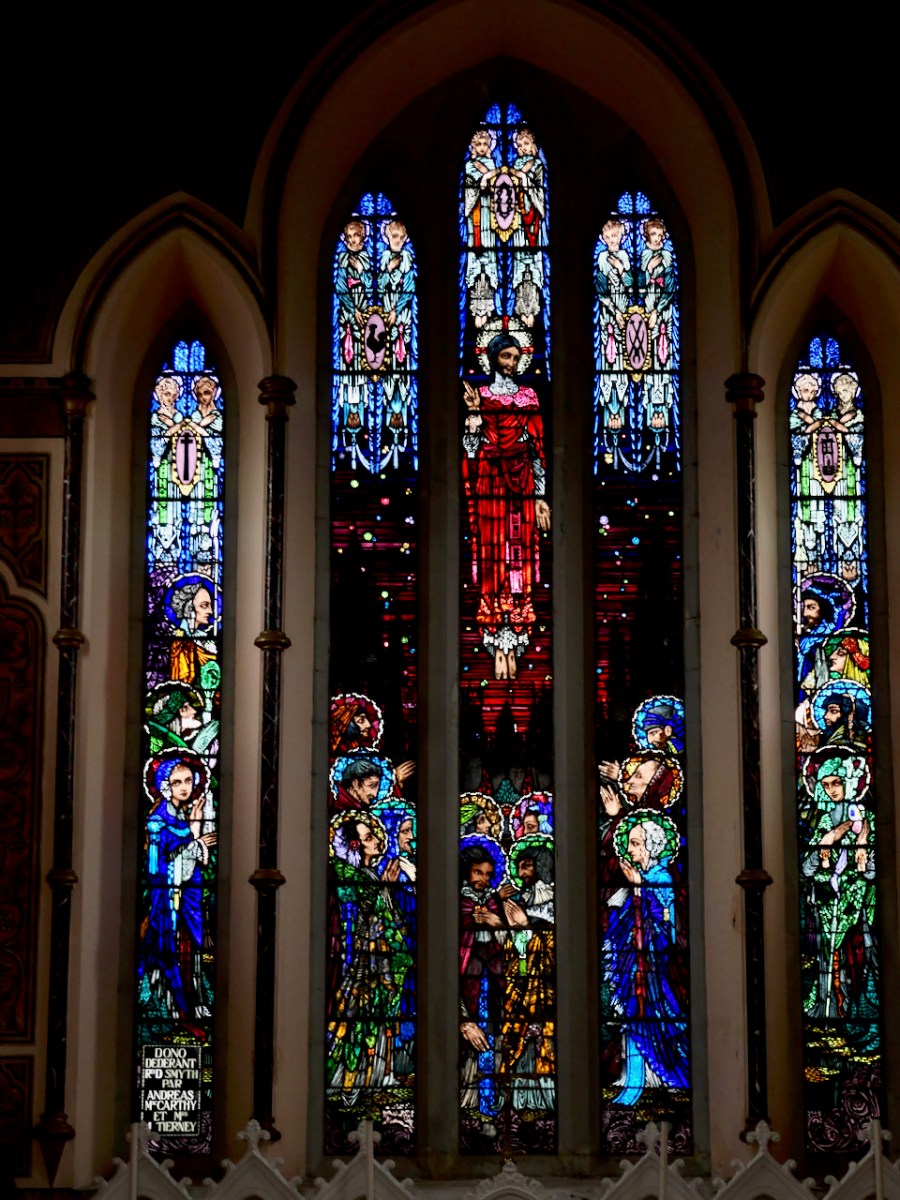
In St Michael and St John’s Church in Cloughjordan, Co Tipperary, the theme of the large, five-light, window is The Ascension with Irish Saints and St Michael and St James. Gordon Bowe designates this one a Harry Clarke (B). That means that this window was initially conceived and designed by him but executed by his studio under his close supervision. This is the first window we have come across, in this series, that is not wholly Harry’s own work, and this is a measure of how busy the Studios had become with Harry at the helm. 

As in Terenure, Brigid is here as one of the Irish saints. She is depicted as very young, wide-eyed, and carrying a church which now looks more medieval than Romanesque (neither would have been appropriate to her era) and is probably a nod to the Cathedral in Kildare.

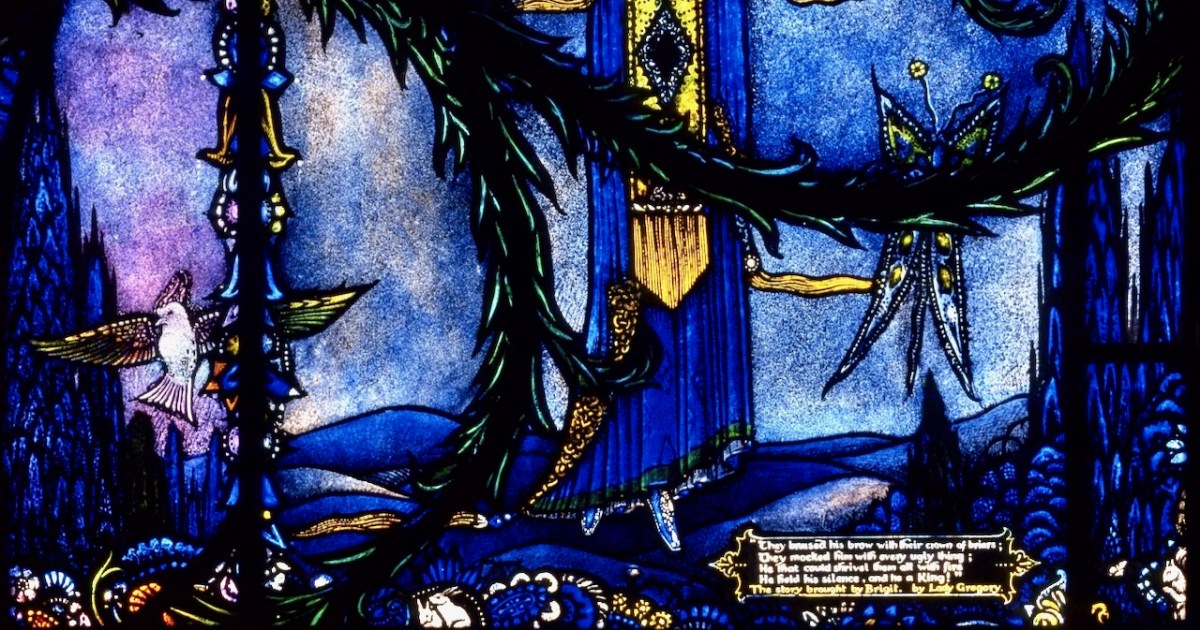
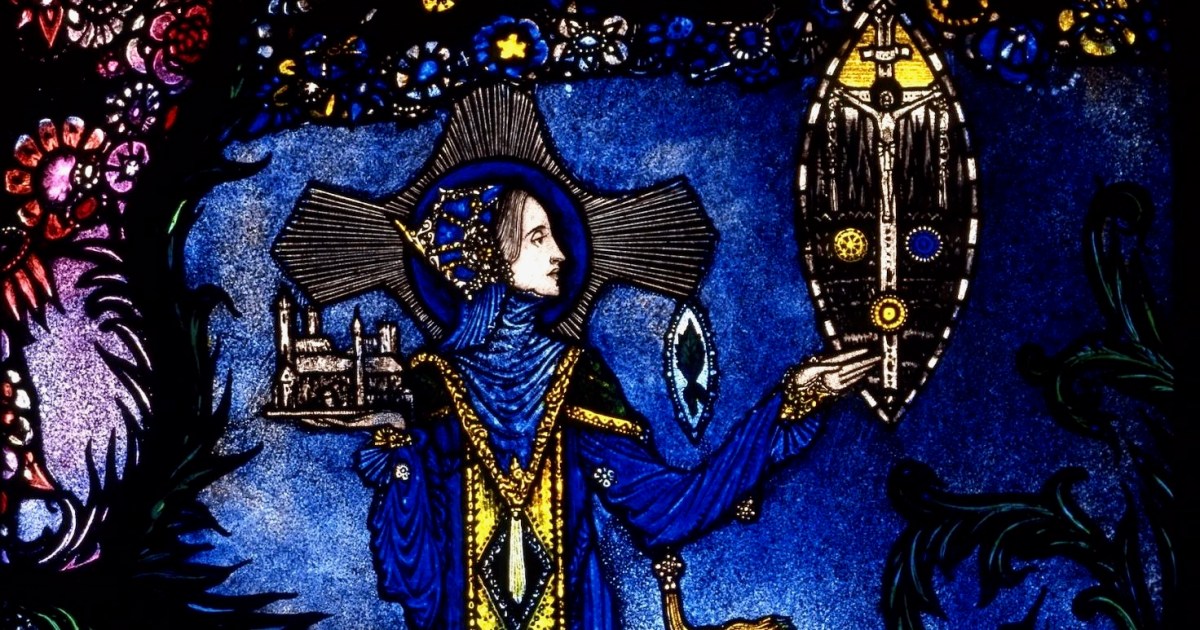
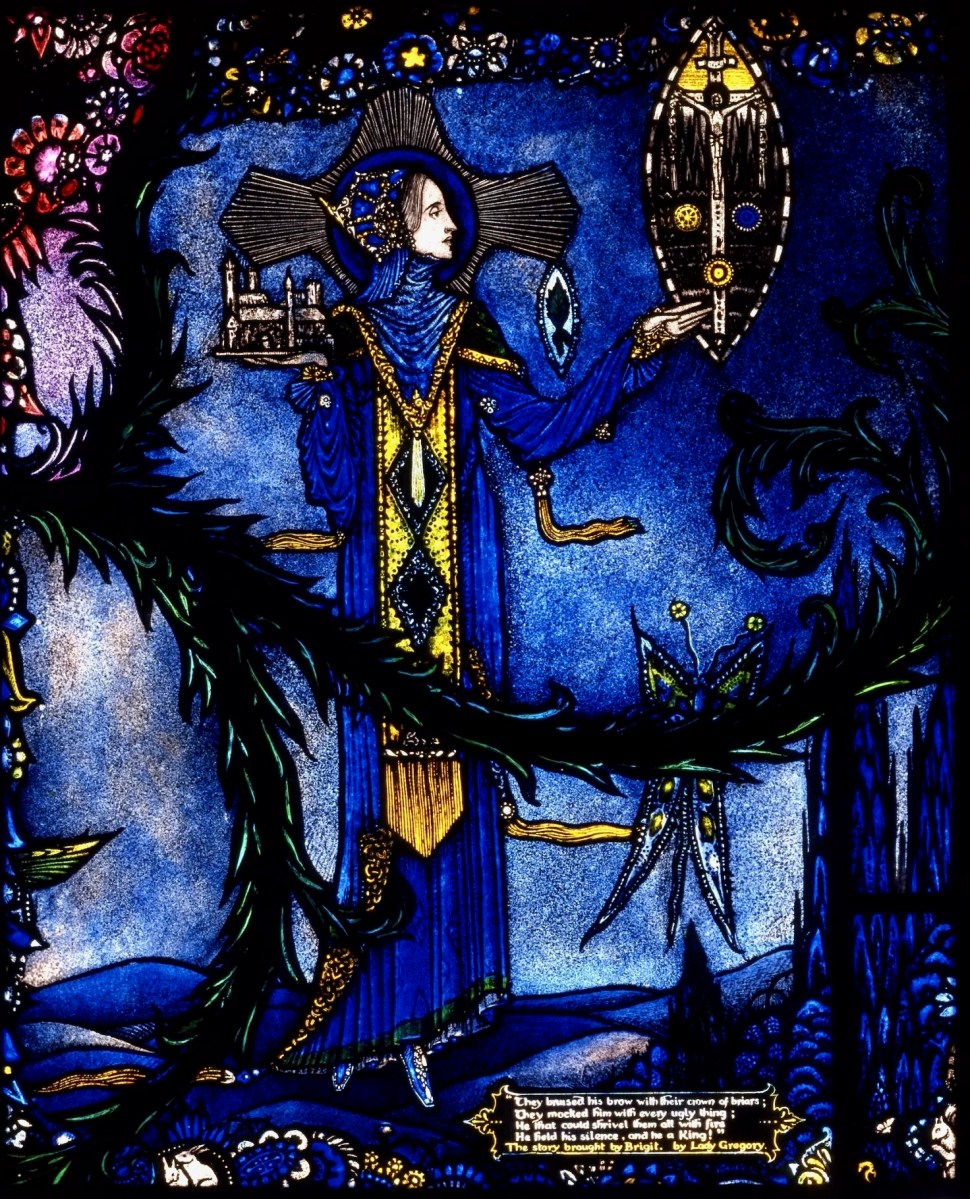
And so we come to the last Brigid that Harry ever did*. It is from the famous and controversial Geneva window, now in the Wolfsonian Museum in Miami. If you have not yet seen the marvellous documentary that Ardall O’Hanlon has made about this, I highly recommend you do. It’s available on the RTE Player as of this time of writing. The Brigid panel is among the less controversial images in the whole window. It’s based on a play by Lady Gregory called The Story Brought by Brigit. According to Marie T Mullan in her lovely book, Exiled from Ireland: Harry Clarke’s Geneva Window

The play is a passion play, but it is based on the legend, popular in Ireland and Scotland, that St Brigit was present at the birth and crucifixion of Jesus. Brigit mingles with the crowds from the time of Jesus’s triumphant entry into Jerusalem until after his death. She is a foreigner, observing and commenting. She tells people she is Jesus’s foster mother and brought Mary and Jesus to Ireland to escape Herod. . . The icon of Christ Crucified is a the vesica, a shape used often in art for a picture within a picture, and has the traditional beaded frame. Brigit is absorbed in the icon.

Note Brigid’s golden scapular and elaborate headdress. Also the stylised butterfly and the little woodland creatures in the scene.

I think that’s a good place to stop. Harry did another Brigid, for the Oblate Fathers in north Dublin’s Belcamp Hall. This is a sorry tale in which the buildings, once left by the priests were subject to appalling vandalism and the windows are in storage, and haven’t been seen for years. This is tragic. 

* Thanks to my friend Jack Zagar for the Photos of the Geneva Window.

St Brigid and AI

As might be obvious by now, I am having fun playing around with DALL·E, the image-generating arm of ChatGPT. In its own words, DALL·E 2 is an AI system that can create realistic images and art from a description in natural language. I am experimenting by asking DALL·E to serve me up illustrations of St Brigid, and learning, in the process what it can do well, and where it seems to lack, well, a brain. On the whole it’s very impressive indeed, but also quite unreliable. Here are my requests and what I got in response – and notice how polite we are! Note also that DALL·E often responds with two images, but I usually only choose one of them to reproduce here.

ME: Can you design a Saint Brigid image for me, in the style of Harry Clarke, please?
DALL·E I can create an image inspired by the style of Harry Clarke, which would incorporate detailed, intricate patterns, rich colors, and a unique, stylized approach. Since Harry Clarke’s most recent work was after 1912, I’ll focus on aspects of his style like detailed stained glass art, with a gothic and Art Nouveau influence. For Saint Brigid, would you like her depicted in a specific setting or with certain attributes? Also, would you prefer a full-body portrait or a more focused image?
ME: Full body, with a lamp, oak leaves and a fox
DALL·E: Here are two images of Saint Brigid created in a style inspired by Harry Clarke. They feature her with a lamp, oak leaves, and a fox, all depicted in a detailed and vibrant manner characteristic of Clarke’s influence. Feel free to select the one that best suits your needs.

AI is trained by scanning all the images that it can consume on the internet, and obviously Harry Clarke has not yet been studied in detail by DALL·E – this image is nowhere close to his style. I award some marks for getting the attributes in there, and the early 20th century period art nouveau styling. What on earth is that caption, though, and what’s going on in her gown? On the whole, despite the halo, this illustration leans more to the Celtic Goddess end of the spectrum, and as you know I am not sympathetic to that version of her. Let me explain what I mean by that – there may well have been a Pagan or Pre-Christian Goddess figure with a name similar (we have Brigantia from Roman writings and the daughter of the Dagda from Irish mythology) but there is good evidence that the Saint Brigid we are talking about here was a real woman. A recent paper by Elva Johnston of UCD lays out the argument very well. Johnston says:

Brigit of Kildare is the first Irish saint to be celebrated in detail by Irish writers. Her cult enjoyed great depth and popularity. Nevertheless, Brigit’s very existence has been doubted; she has been recast as a pre-Christian goddess despite an overwhelming disparity in evidence . . . Brigit has been treated differently to Irish male saints, becoming a secondary character in her own biographies, reductively overshadowed by a barely attested goddess. It is time for a revitalised appreciation of Brigit as an actual woman, depicted by her first hagiographers as pushing against the grain of an elitist and patriarchal society.


Making St Brigit real in the early middle ages
Elva Johnston
Proceedings of the Royal Irish Academy: Advance Access,

I highly recommend this paper for anyone interested in learning more about the actual historicity. I also asked for a version of St Brigid in the style of a Rosetti Pre-Raphaelite painting and here’s what I got. Once again, although a beautiful depiction, it would be easier to see a Pagan Goddess reflection in this illustration than a devout saint. I decided to be more directive.

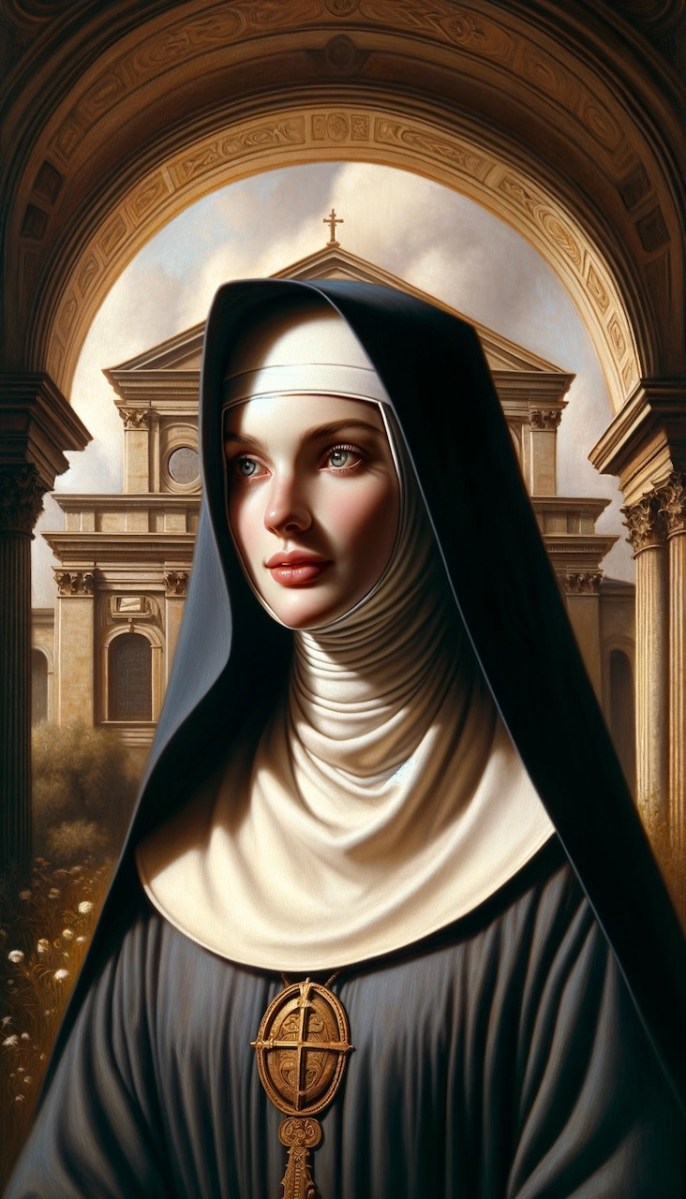
ME: can you create one that looks more like renaissance painting, depicting Brigid as a nun, with a church in the background
DALL·E: Certainly! For a Renaissance-style painting of Saint Brigid, I’ll focus on the distinct characteristics of that era: realistic proportions, a harmonious composition, and a depth of emotion and spirituality often found in Renaissance art. Saint Brigid will be depicted as a nun, with her habit and serene expression. The background will feature a church, possibly with architectural details reflective of the period, adding to the authenticity of the Renaissance style.
Here are two images of Saint Brigid depicted in the style of a Renaissance painting. In each image, she is portrayed as a nun, with a church in the background, capturing the essence of Renaissance artistry. Feel free to select the one that resonates most with your vision.
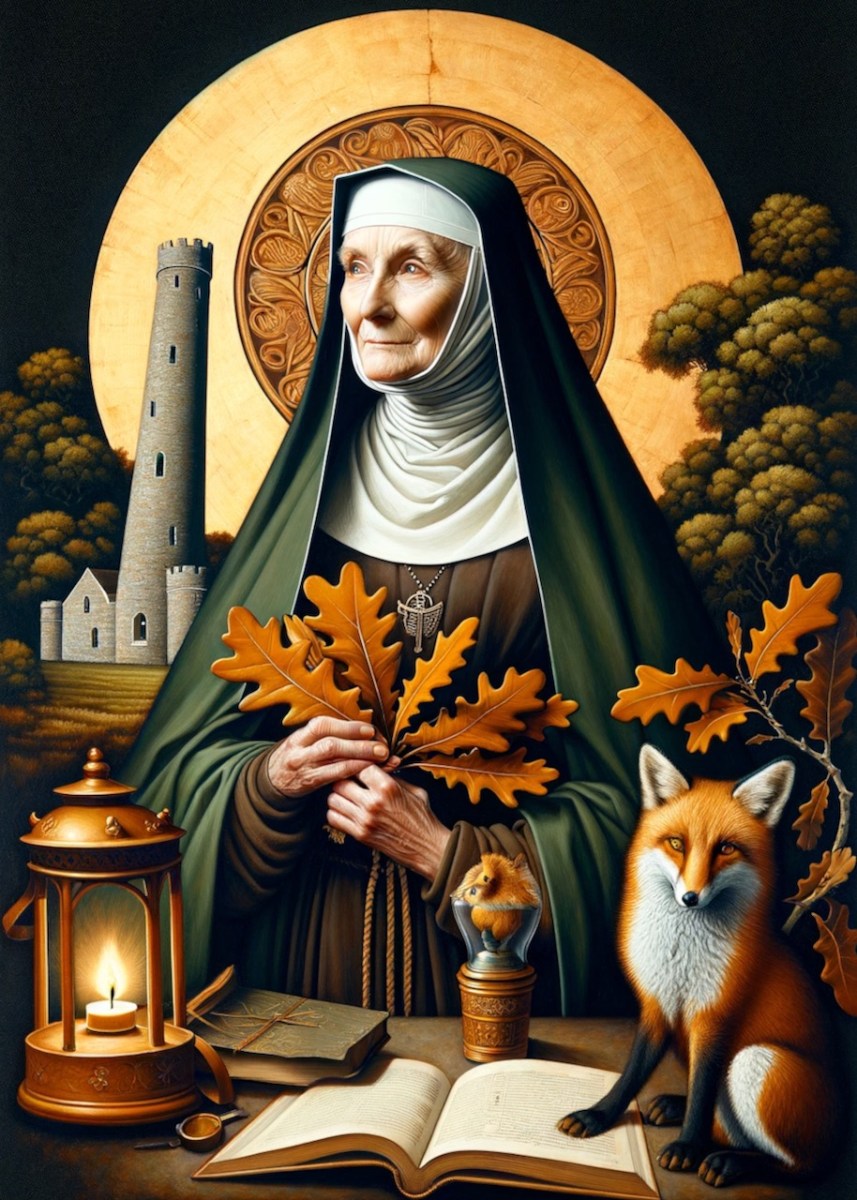
ME: The first one is a good start. Perhaps she could be older, and with her attributes, oak leaves, a lamp and a fox. Instead of the church, can you reproduce this St Brigid with only an Irish round tower in the background?
DALL·E: I’m glad to hear the first image is a good starting point. To modify it according to your suggestions, I’ll create a new image where Saint Brigid appears older, reflecting more maturity and wisdom. This change can be subtly conveyed through her facial features and expression, akin to the way a seasoned tree shows its age through deeper grooves in its bark.
Additionally, I’ll ensure her attributes are prominently featured. The oak leaves, symbolizing strength and endurance, can be woven into her attire or held in her hands, like leaves carried by a gentle breeze. The lamp, a beacon of light and guidance, could be in her other hand, casting a soft, illuminating glow. Lastly, the fox, a symbol of cleverness and adaptability, will be included, perhaps sitting loyally by her side or in a protective stance, akin to a faithful companion.

Hmmm – that round tower looks like something Rapunzel might be hiding out in. And – what on earth is that thing in the glass object? Love the fox and the lamp, though – and that little crucifix she’s wearing. She really does look like a wise old nun. In fact, I think she taught me.

ME: The last one is perfect – just one more modification, please, can you incorporate some Celtic interlacing or knotwork into the design
DALL·E: Absolutely! Adding Celtic interlacing or knotwork will infuse the image with a rich layer of cultural depth, typical of Irish art. This intricate detailing can be woven into Saint Brigid’s attire, the border of the image, or even subtly integrated into the background, including the structure of the Irish round tower. This will not only enhance the visual appeal but also pay homage to the rich heritage associated with Saint Brigid.

As with Harry Clarke, AI has not been trained on Irish round towers. Another issue with this image is that the fox’s head has been weirdly disconnected from his body. The interlacing looks more like basketweaving than anything else, but the richness of some of the details is impressive. I spent a lot of time asking DALL-E to refine this image to get a better round tower but I gave up after numerous failures and asked this instead.

ME: Please design an new image of St Brigid as an elderly nun with the following elements – a lamp, oak leaves, Celtic knotwork, and a romanesque-style church in the background
DALL·E: For this new image, I will design Saint Brigid as an elderly nun incorporating the elements you’ve requested: a lamp, oak leaves, Celtic knotwork, and a Romanesque-style church in the background. The image will capture the essence of an aged Saint Brigid, reflecting wisdom and serenity. The lamp will symbolize guidance, the oak leaves strength, and the Celtic knotwork will add a touch of cultural depth. The background will feature a Romanesque-style church, known for its semi-circular arches and sturdy appearance, providing a historical and architectural context to the scene.
ME: I like the left one – can you put in some colour and insert a small fox
DALL·E: I can create a new version of the image you prefer, incorporating color and adding a small fox to the composition. The addition of color will bring vitality and depth to the scene, and the fox, a symbol of cleverness and adaptability, will enhance the storytelling aspect of the image. Let’s see how this updated, colorful version with the fox turns out.

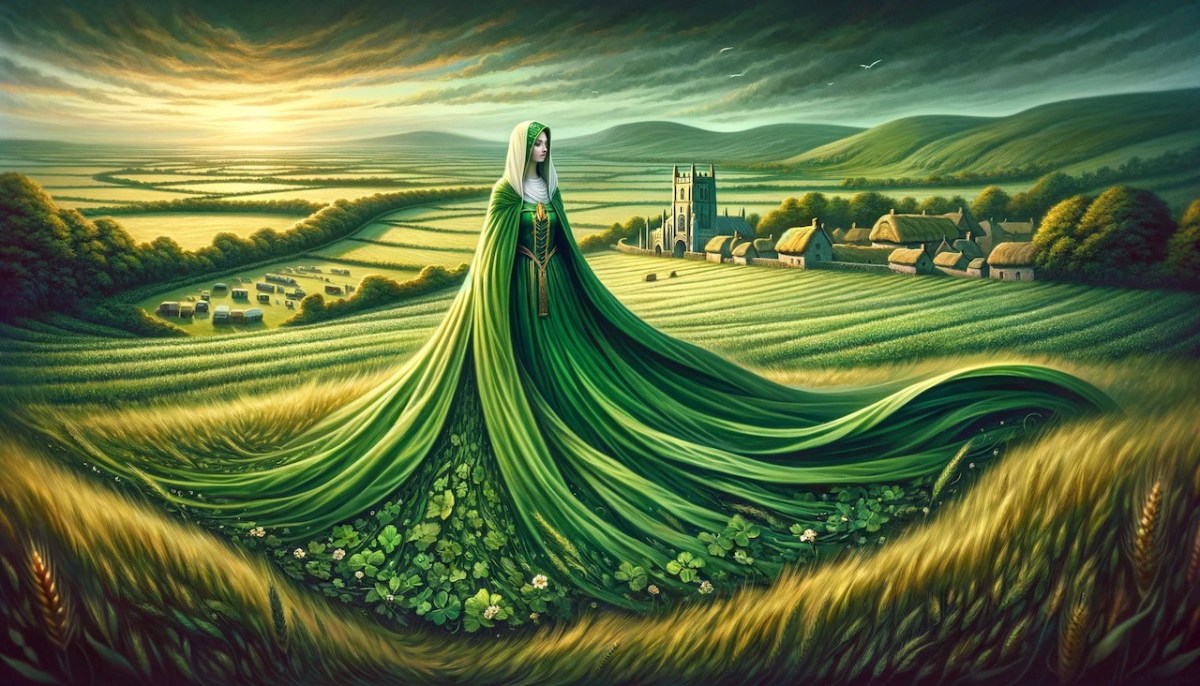
Jeepers – she’s aging before my eyes! I took a rest after that, but came back to it again later. The image at the top of my post came from this second session and is one of two (the second is below) that resulted from this request:

Please illustrate St Brigid in a flowing green cloak which spreads out behind her to create fields, with a medieval village in the distance.

I decided to try to illustrate some scenes from her life – stories taken from my previous blog posts about Brigid (you can read them by clicking this link). The first is a story from her childhood, concerning butter.

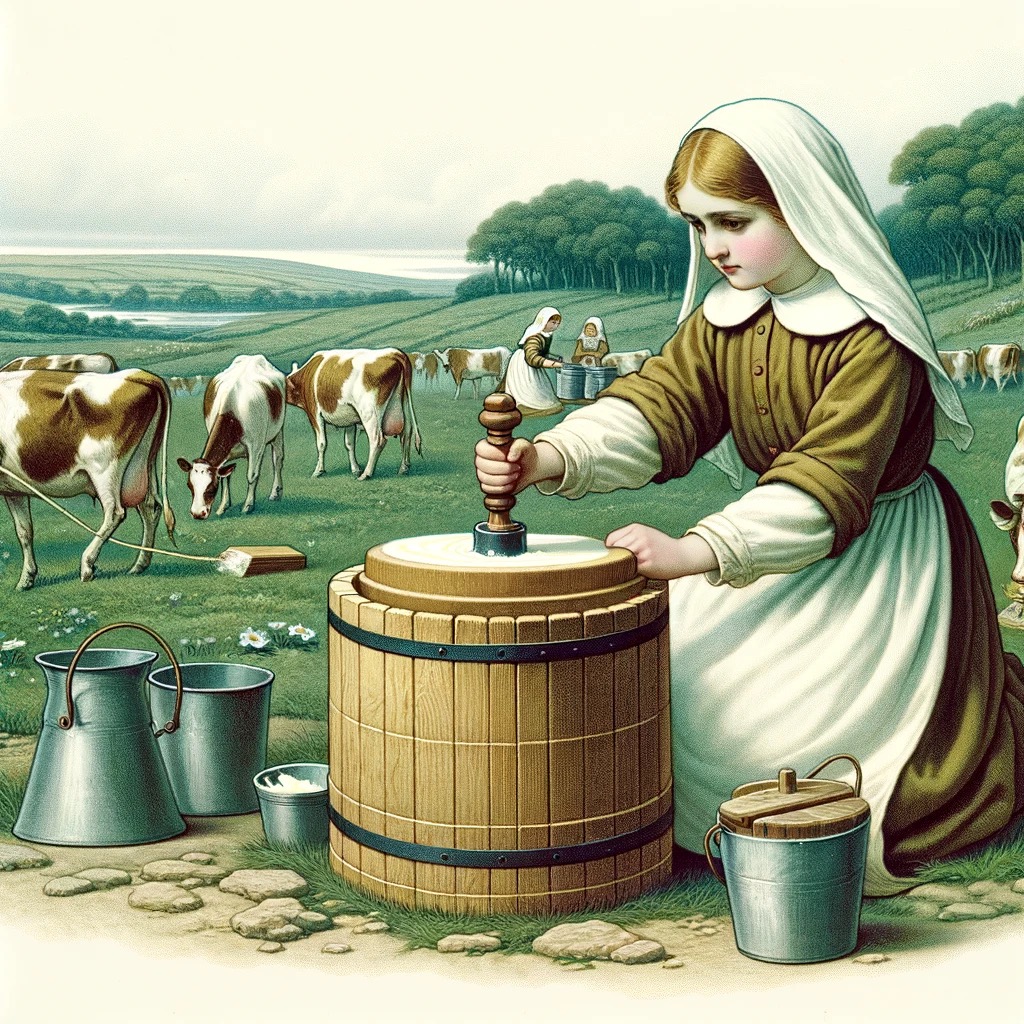
ME: St Brigid as a young girl churning butter, with other maids milking cows.
DALL·E: Here are two illustrations of St. Brigid as a young girl churning butter, set in a pastoral Irish setting. Around her, other maids are engaged in milking cows, all within the beautiful, green Irish countryside. This scene captures the simplicity and beauty of rural Irish life and St. Brigid’s early connection to service and the land.
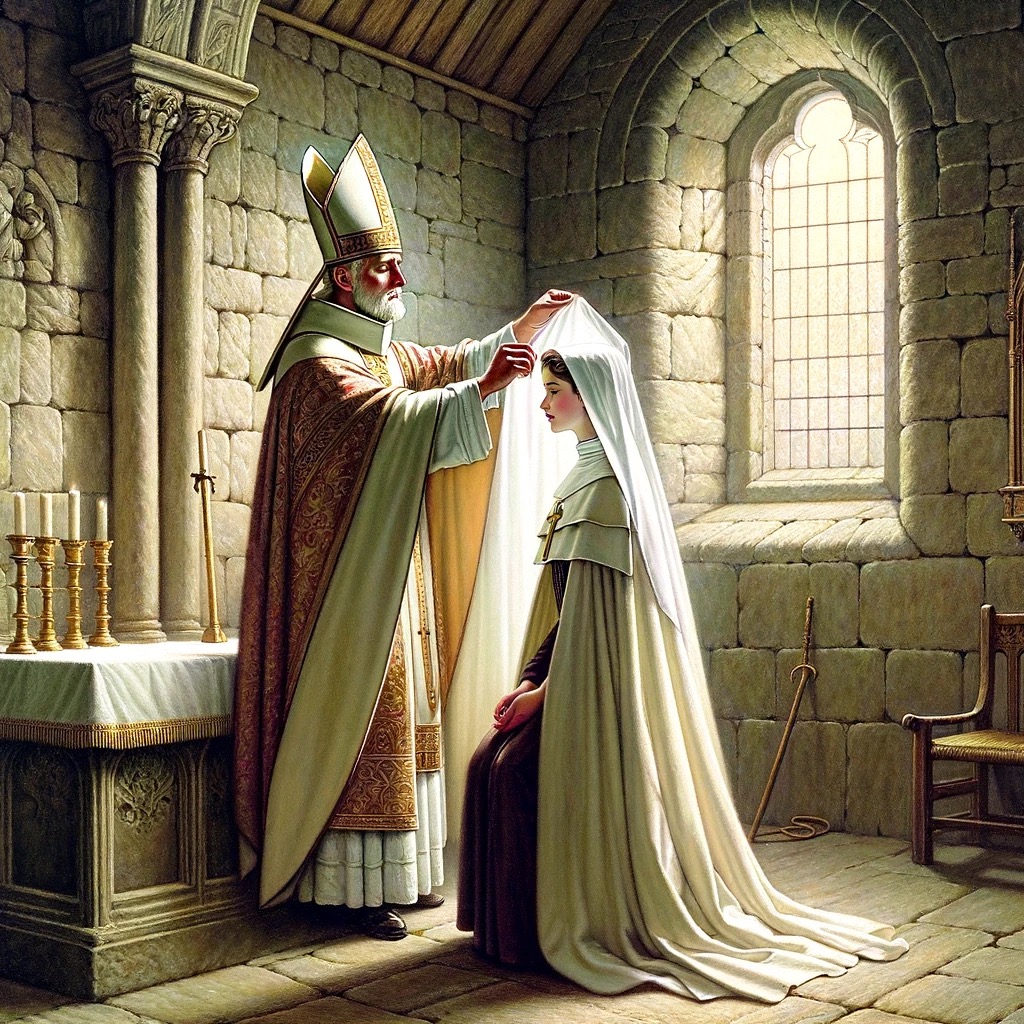
Me: Thank you! Now, I would like an illustration of St Patrick anointing St Brigid as a nun, by putting the veil on her head. [I know it wasn’t St Patrick, but St Mel, but I wanted to keep it simple.]
DALL·E: Here are two illustrations depicting the moment St. Patrick anoints St. Brigid as a nun by placing a veil on her head, set inside an ancient stone chapel. This sacred and timeless scene captures the solemnity and grace of the ceremony, with St. Brigid kneeling in humility and determination.

But of course St Brigid was a bishop herself so I thought I would like to see what DALL·E made of that.

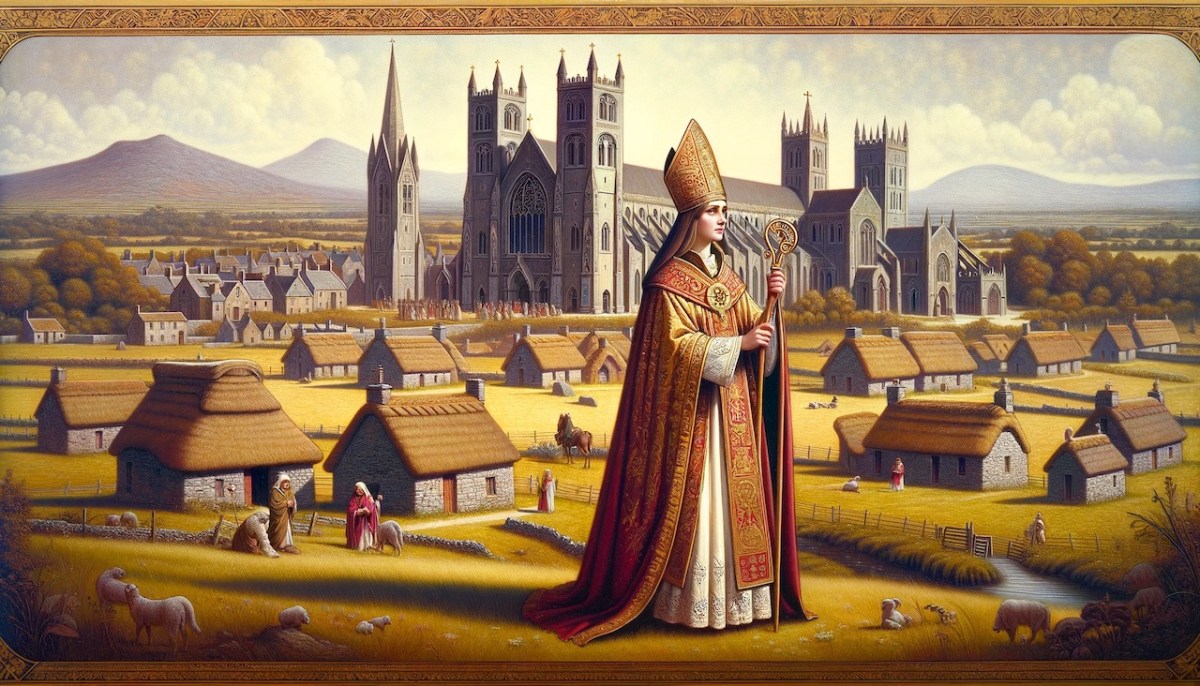
ME: St Brigid was recognised as a bishop and ruled over the ecclesiastical city of Kildare in the 6th century. Can you illustrate that?
DALL·E: Here are two illustrations depicting St. Brigid recognized as a bishop and ruling over the ecclesiastical city of Kildare in the 6th century. The scenes capture her majestic presence in bishop’s robes, holding a crozier, with the ancient city of Kildare and its community bustling with activity in the background. These images reflect the historical significance of St. Brigid’s role and the thriving spiritual community she led.

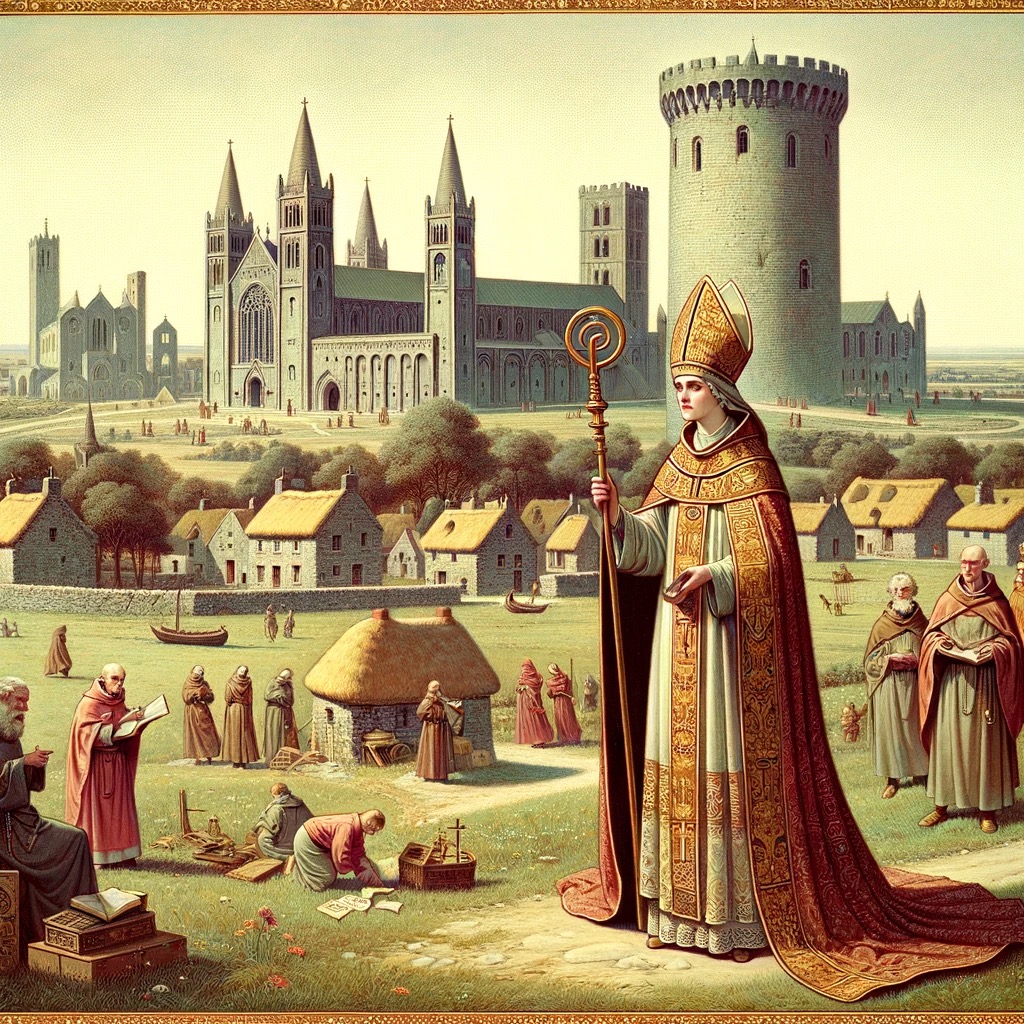
I tried several times to get DALL·E to remove the cathedral, but it was unable to do so, producing in all 8 different versions, all slightly different but all with an enormous church in the background – asserting each time that there was no church in the image. Here’s one version, in which the church gets even more enormous.

And here’s perhaps the strangest one – a cross between the Infant of Prague and a twee ye olde English village scene – and still with the enormous gothic cathedral!

I will finish with a final image, one of two generated when I said:

Me: I’m working on a piece about St Brigid of Ireland – her national holiday this year is Feb 5. Can you produce an image for me that celebrates that?
DALL·E: Here are two illustrations celebrating St. Brigid of Ireland for her national holiday on February 5th, set in an idyllic Irish landscape. Each image captures the essence of peace, heritage, and Irish culture, featuring St. Brigid in her iconic green robe, holding a lantern and staff, with a Celtic cross around her neck, amidst a beautiful backdrop of the Irish countryside.

I’ll leave it at that. I’d be really keen to hear what you, dear readers, think of DALL·E and its potential as a blogging tool.

Posts about St Brigid

Brigid: A Bishop in All But Name

The Brigid window, detail, Kilrush, Co Clare. Photo courtesy of John Glynn

This year, I am taking the Vita Prima as my starting point. It’s the Life of Brigid that was written about the middle of the 700s. As we saw in my first post about St Brigid, a year ago, Cogitosus wrote his Life in about 650, about 125 years after the death of Brigid. So this Life, the Vita Prima, was written 225 years after her death – but there is sound evidence that it is was based on the writings of St Ultan, who died around 650. In fact, the author of the Vita Prima and Cogitosus may both have drawn from this common source. * 

The Brigid window, detail, Kilrush, Co Clare. Photo courtesy of John Glynn

My illustrations are all taken from stained glass and all the images are my own except for the wonderful Kilrush window, kindly shared with me by the photographer, John Glynn. John has undertaken extensive new research on this window and is now convinced that it was mostly designed by Harry Clarke, even though it has been up to now designated as by his Studio rather than by himself. 

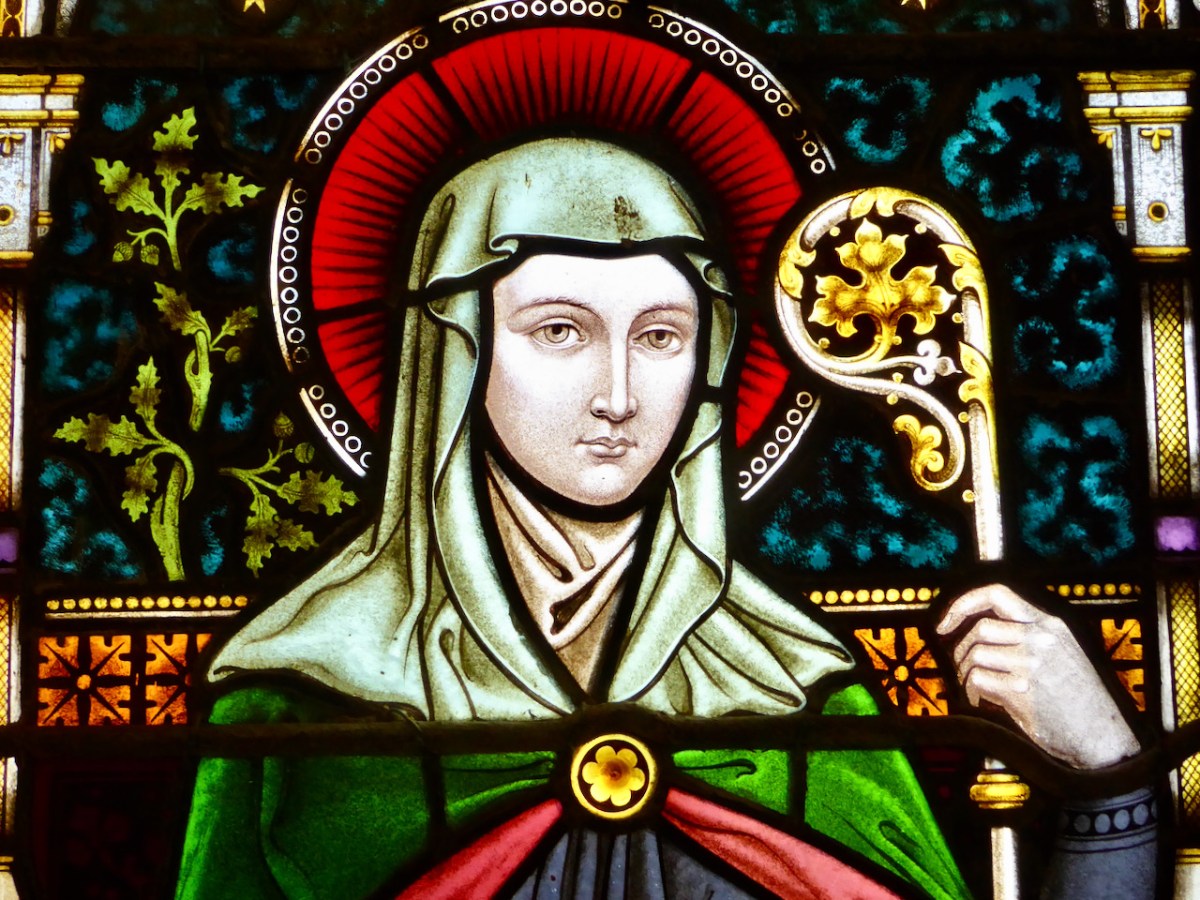
St Brigid, detail from St Fachtna’s Church, Rosscarbery, Co Cork, unknown artist

St Brigid – and yes, the evidence also points overwhelmingly to the fact that she was a real person – was born around 452 and died in either 524, 26 or 28, in her 70s. That means, by the way, that next year is the 1,500th anniversary of her death.

The Brigid window, detail, Kilrush, Co Clare. Photo Courtesy of John Glynn

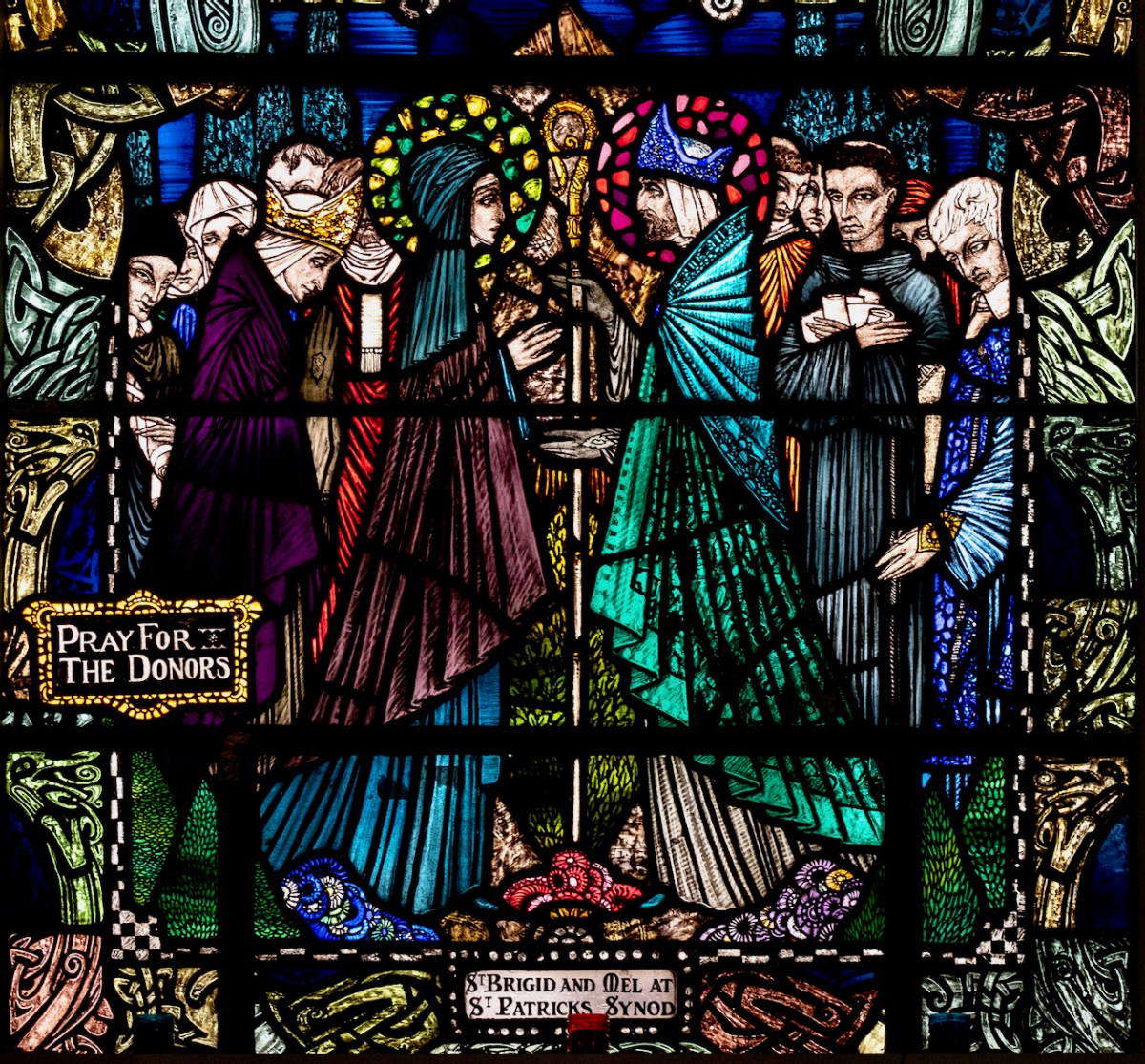
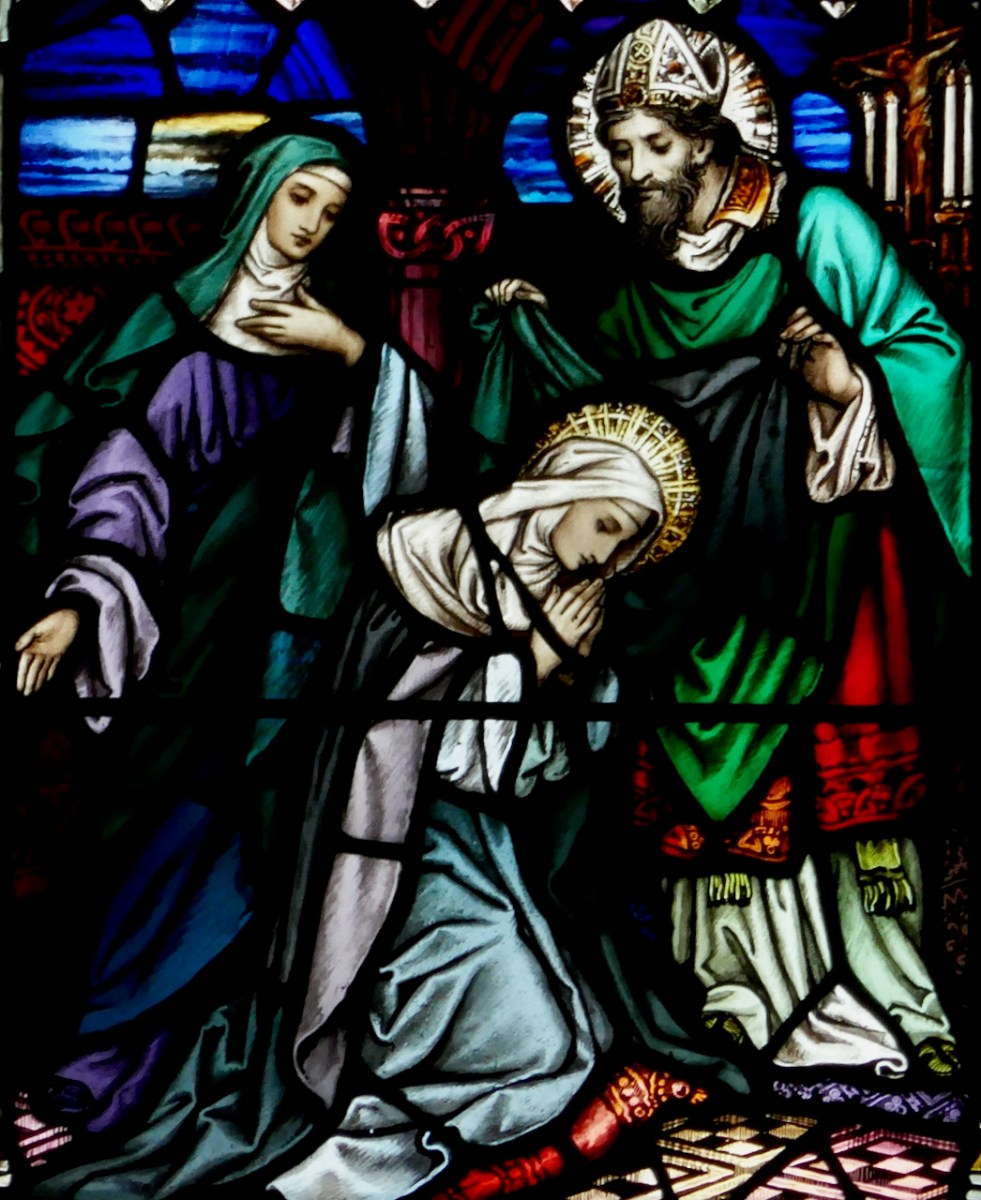
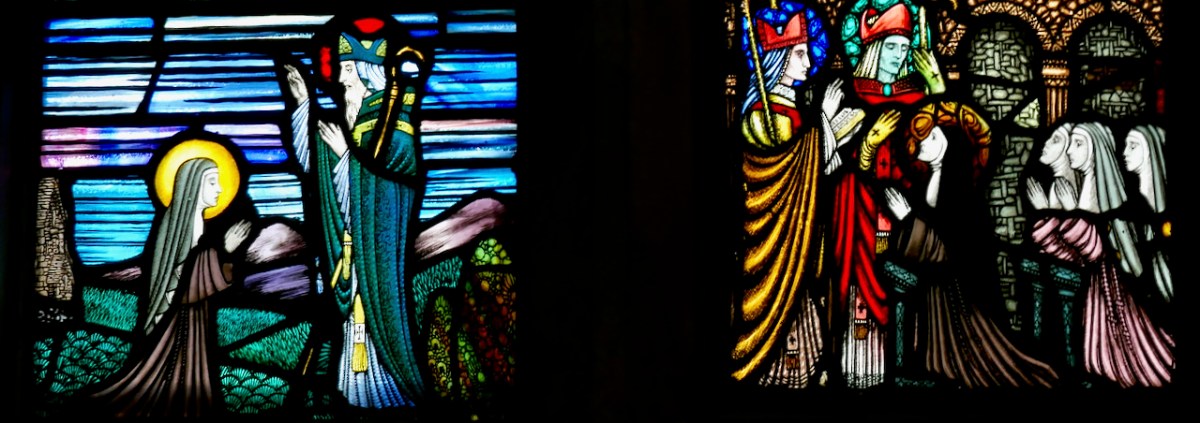
This version assigns her ‘veiling’ as a nun to Bishop Mel, but does not include the story of his accidentally making her a bishop. The image above shows him handing her a crozier, this referencing the story I included in last year’s post.

Then saint Brigit taking three nuns with her went to the territory of the Ui Neill to the two holy bishops, Mel and Melchu, who were disciples of St Patrick and lived in the towns of Mide. And they had a certain disciple called Mac Caille who said to Mel, ‘Look, there are holy virgins outside who wish to receive the veil of virginity from your hands.’ 

Then he ushered them into the bishop’s presence, and while bishop Mel was gazing intently at them, a column of fire suddenly appeared rising from Brigit’s head up to the very top of the church in which she dwelt. Then the holy bishop Mel placed the veil on saint Brigit’s head and when the prayers had been read Brigit bowed her head and seized the wooden foot of the altar in her hand and since that moment the altar foot has permanently remained fresh without any decay or blemish. And saint Brigit’s eye was healed forthwith when she received the veil. Then eight other virgins also received the veil together with saint Brigit and the virgins with their parents said, ‘Don’t leave us. Instead stay with us and make your home in these parts.’  Thereafter saint Brigit stayed with them.

Brigid’s veiling, Earley Studios, Drumcong, Co Mayo

The reference to eye healing, by the way, related to another story. When she was pressured to marry a man

Saint Brigit asked God to afflict her body with some deformity in order that men might stop paying suit to her. Thereupon one of her eyes burst and liquefied in her head. For she preferred to lose her bodily eye than the eye of her soul and loved beauty of soul more than that of the body. 

Predella of Brigid window in Carnew, Co Wicklow

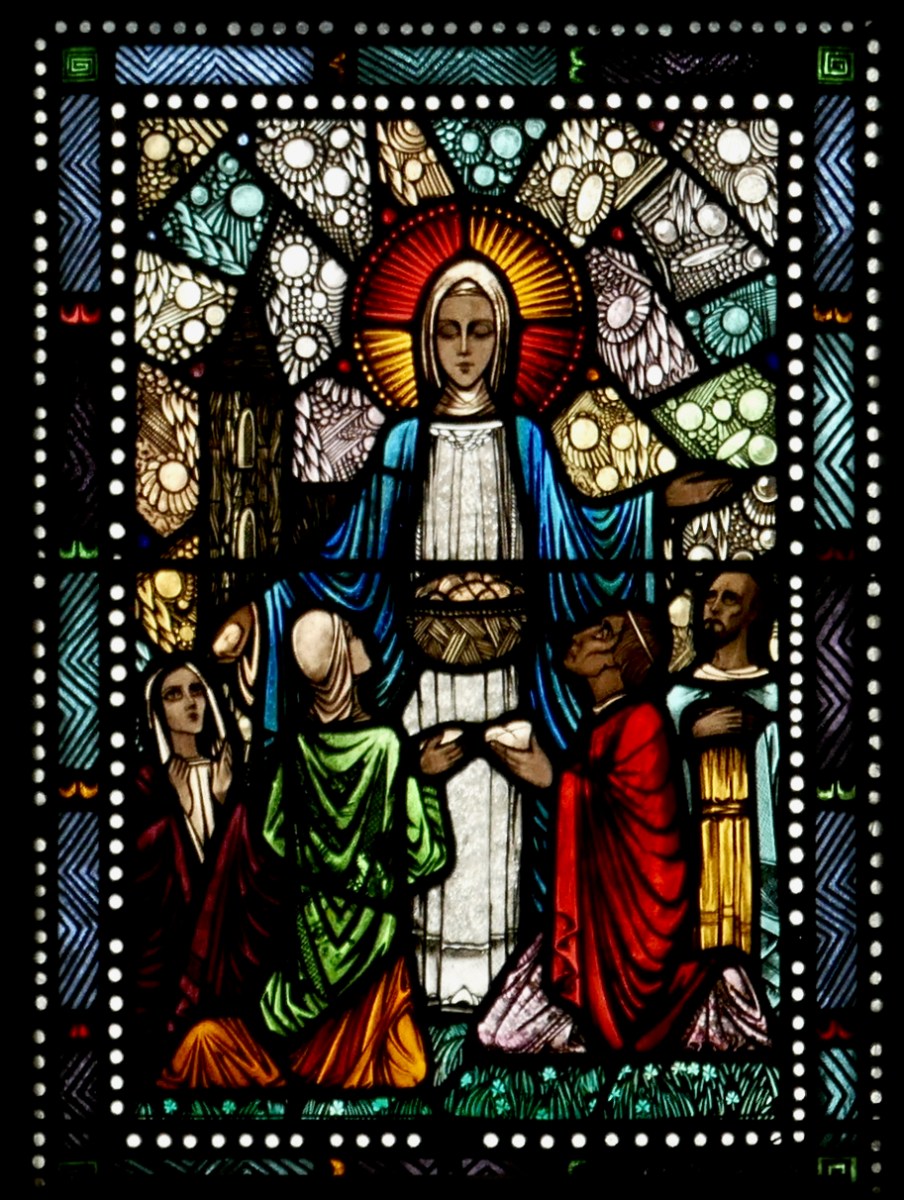
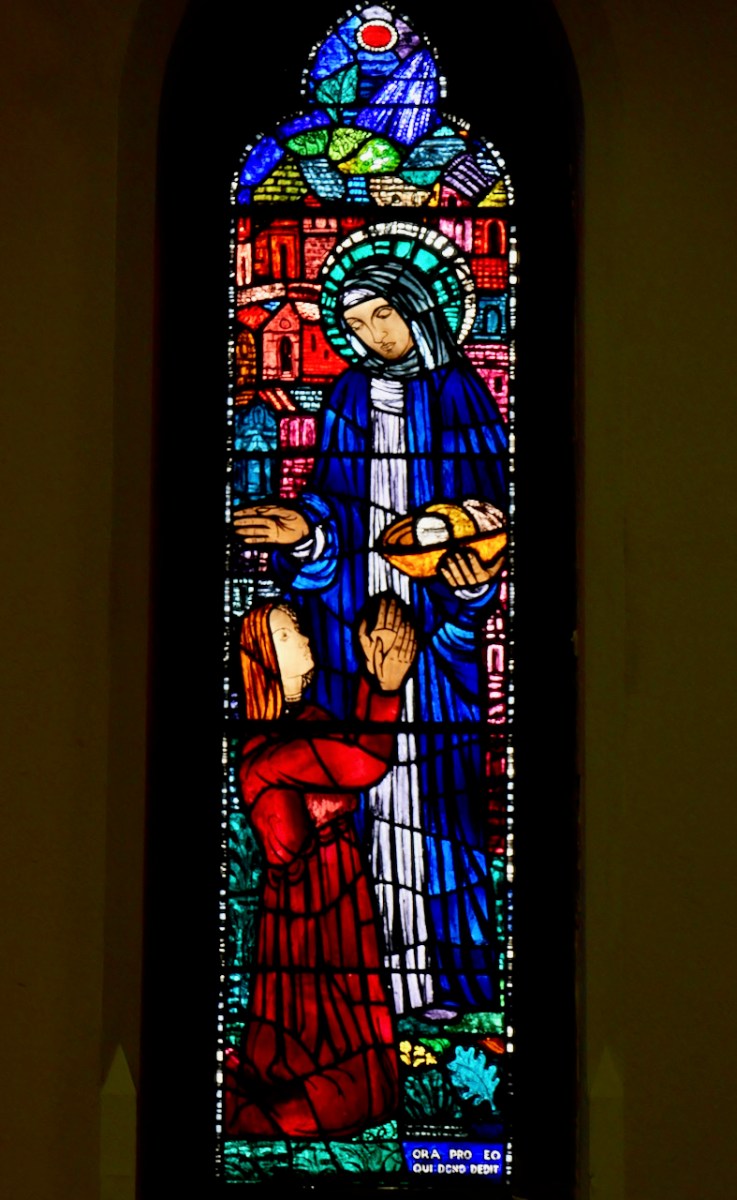
You’ll be pleased to hear I don’t have an illustration of this episode. But this book (like the Life in The Book of Lismore, see last year’s post) rather than a biography, is a relating of miracle after miracle. Many deal with her ability to provide food – bread, meat and beer – to hungry people (as above). Here’s just one: 

At this time saint Brigit was a guest at the monastery of St Laisre. Now one day towards evening St Patrick came with a large crowd to put up at that monastery. Thereupon the local community was worried and said to Brigit, ‘What are we going to do. We don’t have food for such a large crowd.’ But Brigit said to them, ‘How much do you have?’ They said to her, ‘All we have is twelve loaves and a little milk and one sheep which we have cooked for you and your folk.’ But Brigit said, ‘These will be enough for the whole lot of us, for the sacred scriptures will be read to us, thanks to which will we shall forget about bodily food.’ Whereupon the two groups of people, namely, Patrick’s and Brigit’s, ate together and had their fill and the amount of scraps they had left over was greater than the supplies which St Laisre had offered them in the first place, and later St Laisre offered herself and her place to saint Brigit in perpetuity.

Knockainy, Co Limerick, window by William Dowling for the Harry Clarke Studios

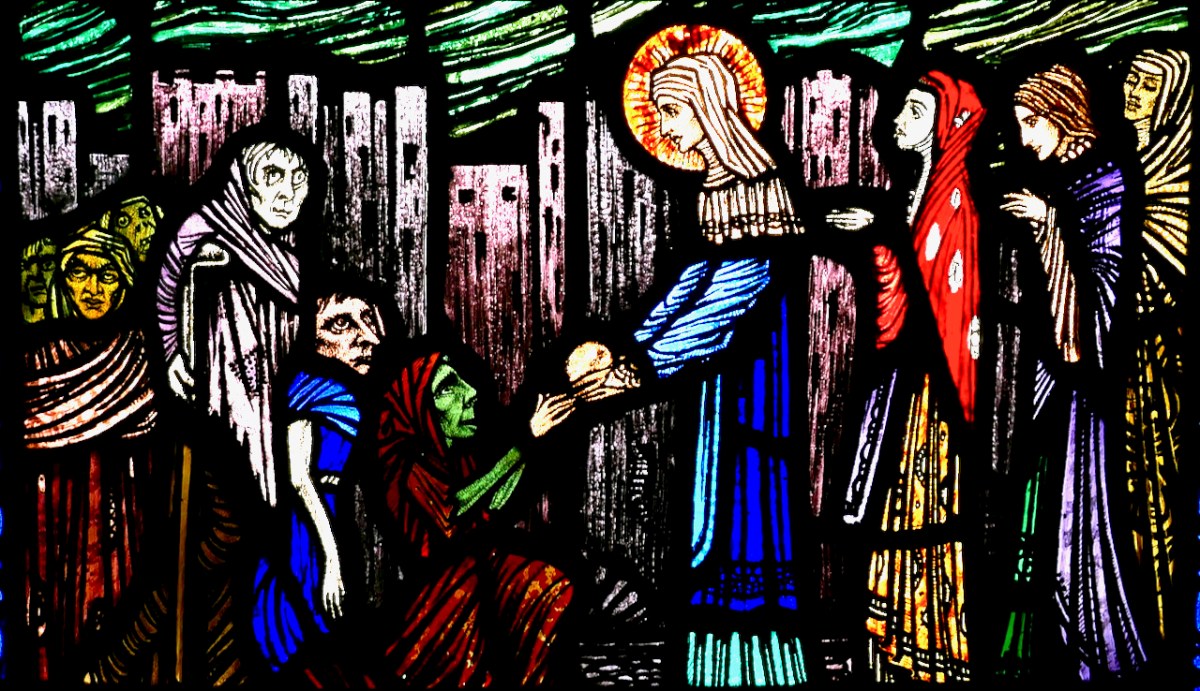
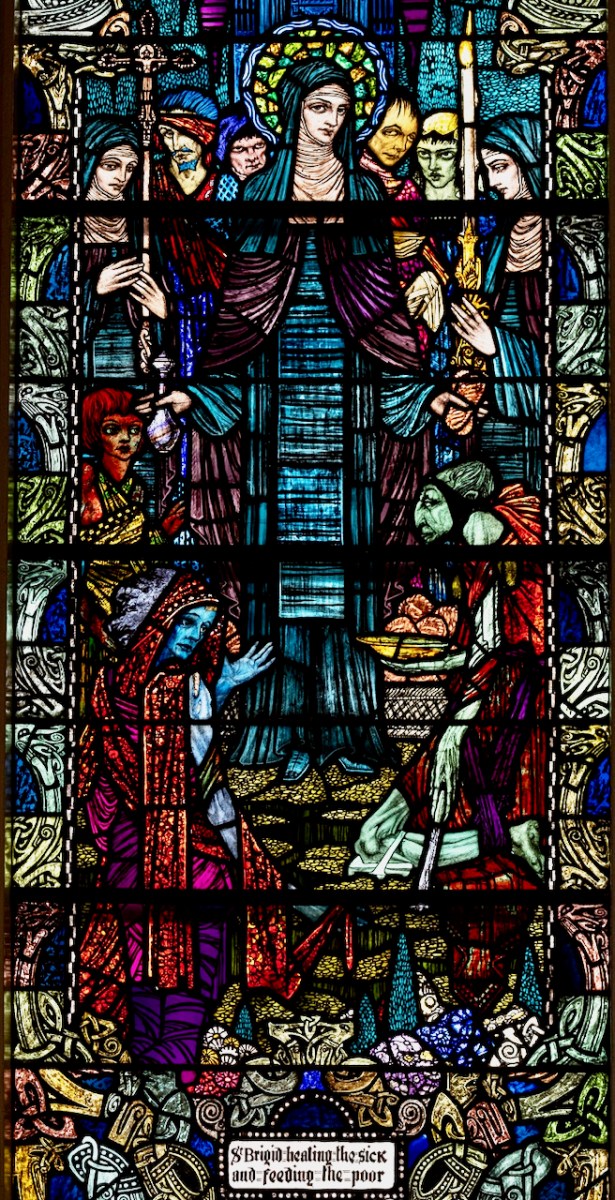
She was also famed for her ability to heal – the blind, maimed, mute, paralysed, deranged, bulimic (I’m not making this up) and leprous all came to her in their afflictions and were healed. She healed the poor and the kingly equally.

The Brigid window, main panel, Kilrush, Co Clare. Photo courtesy of John Glynn

Here’s an interesting instance of her using her powers to ‘heal’ a pregnancy:

Another day saint Brigit by the very powerful strength of her faith blessed a woman who had fallen after a vow of integrity and whose womb was pregnant and swelling and the conception in the woman’s womb decreased and she restored her to health and repentance without childbirth or its pangs. The woman was healed and gave thanks to God.

From the Brigid window, Collon, Co Louth, probably by the Harry Clarke Studios

The Vita Prima has Brigid and Patrick as contemporaries who knew each other and there are several stories of them together. Here is one:

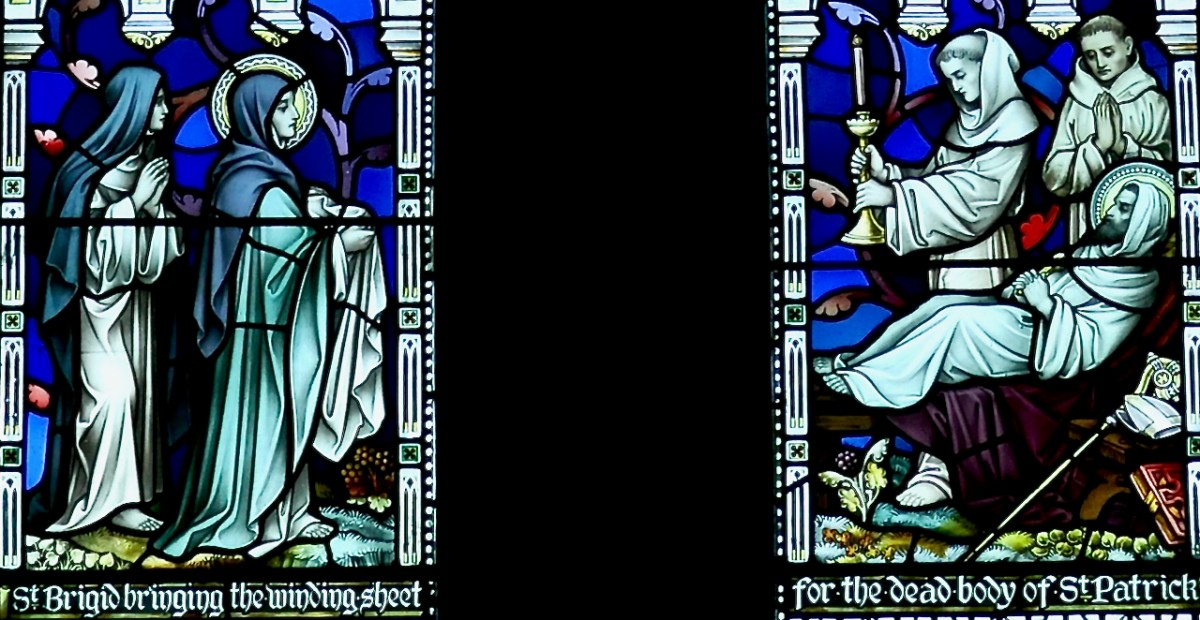
Patrick was preaching the word of God one day to the crowds and saint Brigit. Then everyone saw a very bright cloud coming down from the sky to the dark earth on a rainy day. Gleaming from an enormous flash of lightning, it paused for a little while at a spot nearby beside the crowd. Afterwards it went to Dun Lethglaisse where Patrick is buried. Lingering there a while longer the cloud then disappeared and the crowds did not dare ask what this extraordinary apparition meant but asked saint Brigit. And Brigit said, ‘Ask Patrick.’ When Patrick heard this he said, ‘You and I know equally well. Reveal this mystery to them.’ And Brigit said, ‘This cloud, in my opinion, is the spirit of our father St Patrick who has come to visit the places where his body will be buried and rest after his death. For his body will rest for a short while in a place nearby, and afterwards will be taken to be buried in Dun Lethglaisse and there his body will remain till the day of judgement.’ Then Patrick told Brigit to make with her own hands a linen shroud to cover his body with after his death, as he desired to rise to eternal life with that shroud. Brigit accordingly made the shroud and it was in it that St Patrick’s body was later wrapped and it is still in that place. 

I have used St Brigid bringing the winding sheet for St Patrick in last year’s Brigid post, but here it is again. It’s from Killarney Cathedral and by Hardman.

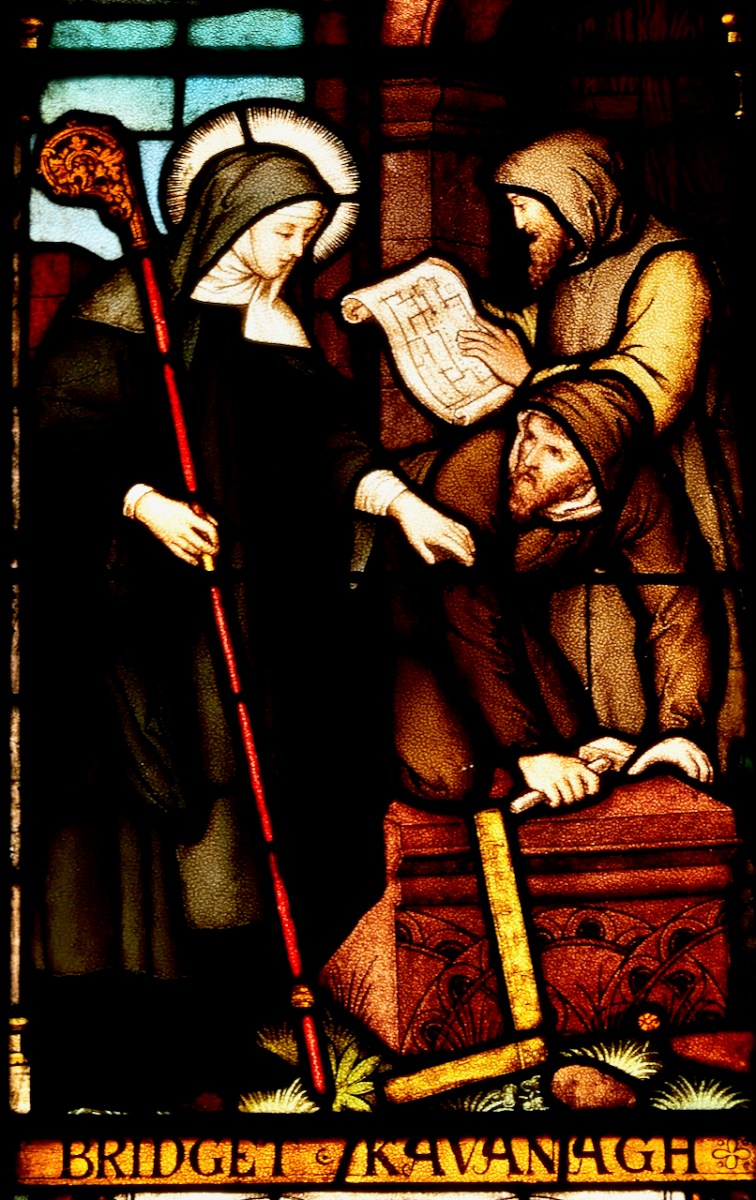
Interestingly, the Vita Prima contains only one direct reference to Kildare, where St Brigid established her foundation. Here she is instructing her masons in how she wants it built (as a 15th century church, apparently). This one is from Armagh Cathedral and I think it’s by Mayer of Munich.

The author of the Vita Prima brings us to the end of Brigid’s life in surprisingly modern language.

But after having fought the good fight and run a successful race, saint Brigit departed this life for the kingdom of heaven escorted thither by the ranks of angels and archangels and having been accorded a place amid the choirs of patriarchs and prophets and apostles and martyrs and confessors and virgins she now possesses everlasting joy with Christ to whom, with God the Father and the Holy Spirit, be praise and glory forever and ever. Amen. 

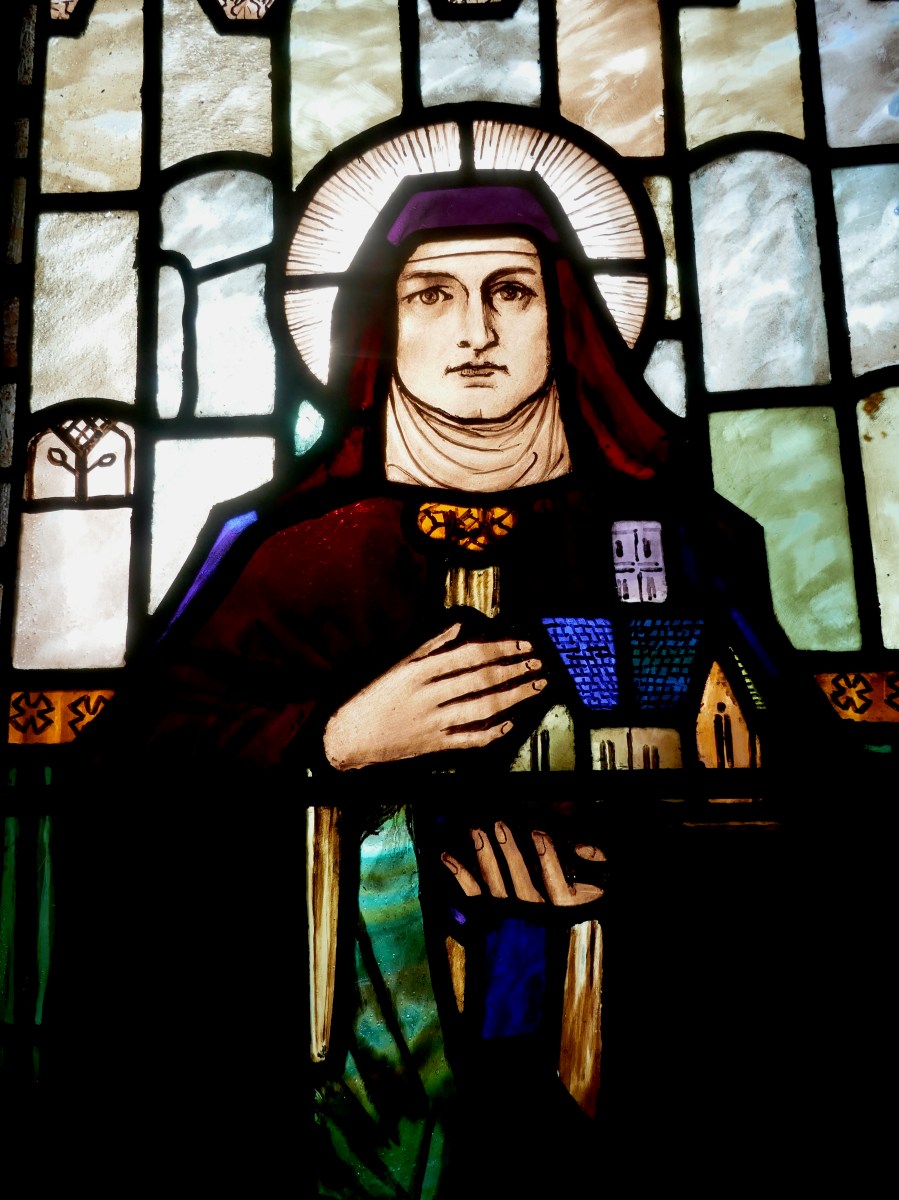
This image of Brigid is from a window by Michael Healy, in the Bishop’s Palace in Monaghan

St Brigid, I am discovering, can be all things to all people – a pagan goddess for the New Agers, a saint for devout Catholics, and an empowering symbol of female leadership. While there has been much speculation (some of it offered as assertion) about her links with a pagan goddess, Brigantia, the evidence is very slight and the goddess connection mostly lies in the realm of conjecture, leaps of imagination and wishful thinking. 

Evie Hone’s St Brigid, from Loughrea Cathedral

What the various writings about Brigid do point to is a powerful, benevolent and influential ecclesiastical woman who established a centre of devotion and learning and a city in Kildare, and whose cult spread across Europe in the centuries that followed her life.  That, in itself, is more than enough, to mark her out as momentous, and worthy of commemoration. Here’s how Padraig O’Riain, the pre-eminent scholar on Irish saints, puts it:

For all her dubious origins, therefore, Brighid’s record shows that she stood alone among the women saints of Ireland, a rival in importance to Patrick and Colum Cille, an abbess whom all other abbesses revered, a bishop in all but name, of such high status that she came to be regarded, possibly as early as the seventh century, as “Mary of the Irish”.

Brigid, Patrick and Columcille from Lusk, Co Dublin, by the Harry Clarke Studios

Therefore, tomorrow, Feb 6th, 2023, no matter which version of her you prefer, let us celebrate together our first National Holiday in her honour. She deserves it – finally!

*I am relying for this post on three main sources:

Vita Prima Sanctae Brigitae Background and Historical Value Author(s): Seán Connolly Source: The Journal of the Royal Society of Antiquaries of Ireland , 1989, Vol. 119 (1989), pp. 5-49 Stable URL: https://www.jstor.org/stable/25508969  
St Brigid of Kildare, Life, Legend and Cult by Noel Kissane. Four Courts Press 2017
A Dictionary of Irish Saints by Pádraig Ó Riain. Four Courts Press, 2011

Posts about St Brigid

St Brigid and AI

Brigid 1500: Mary of the Gael

Brigid: A Bishop in All But Name

St Brigid: Dove Among Birds, Vine Among Trees, Sun Among Stars

Get The Message!

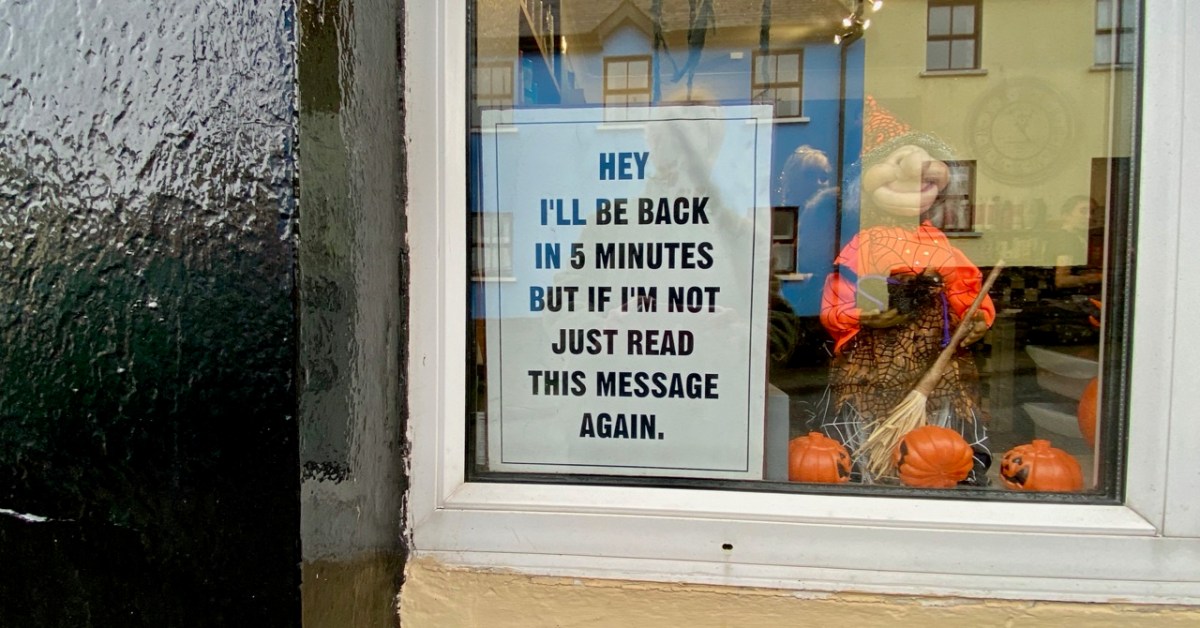
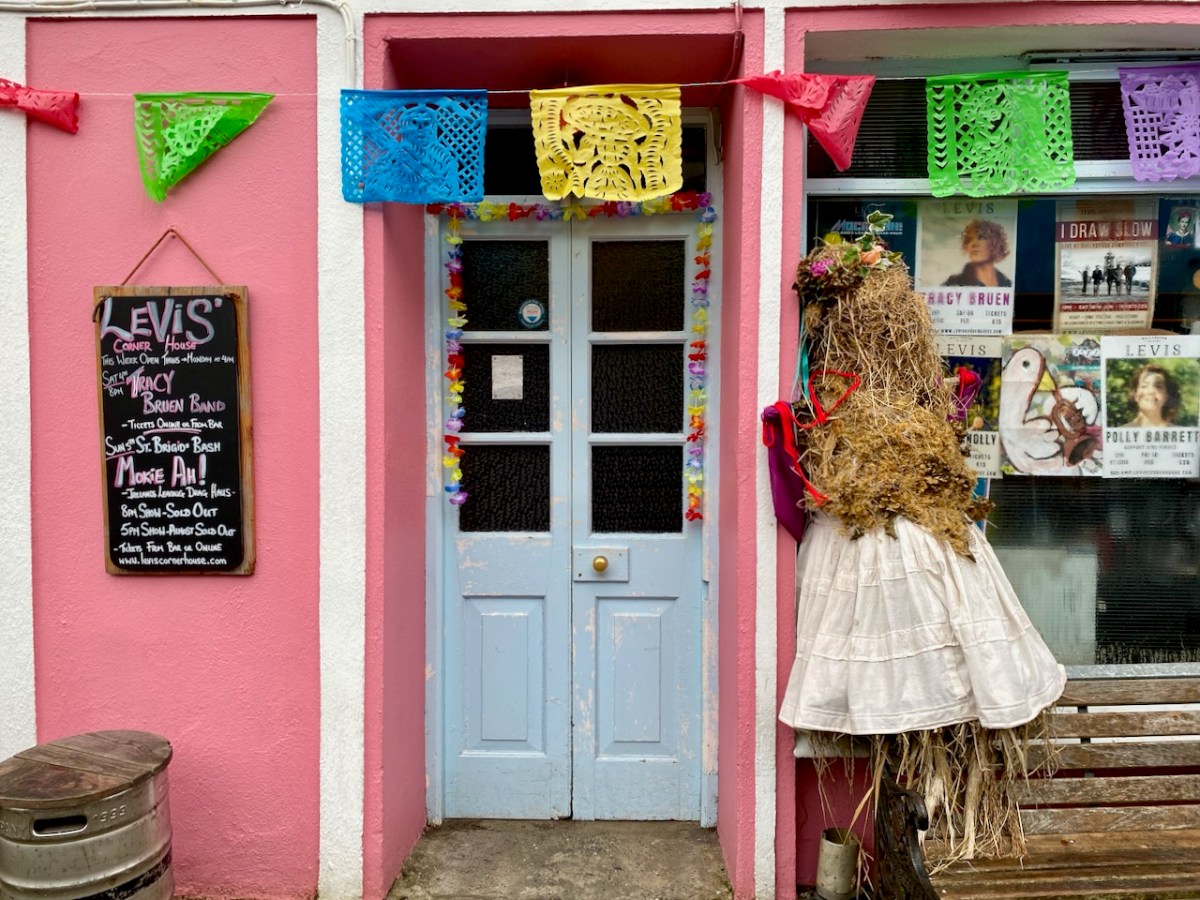
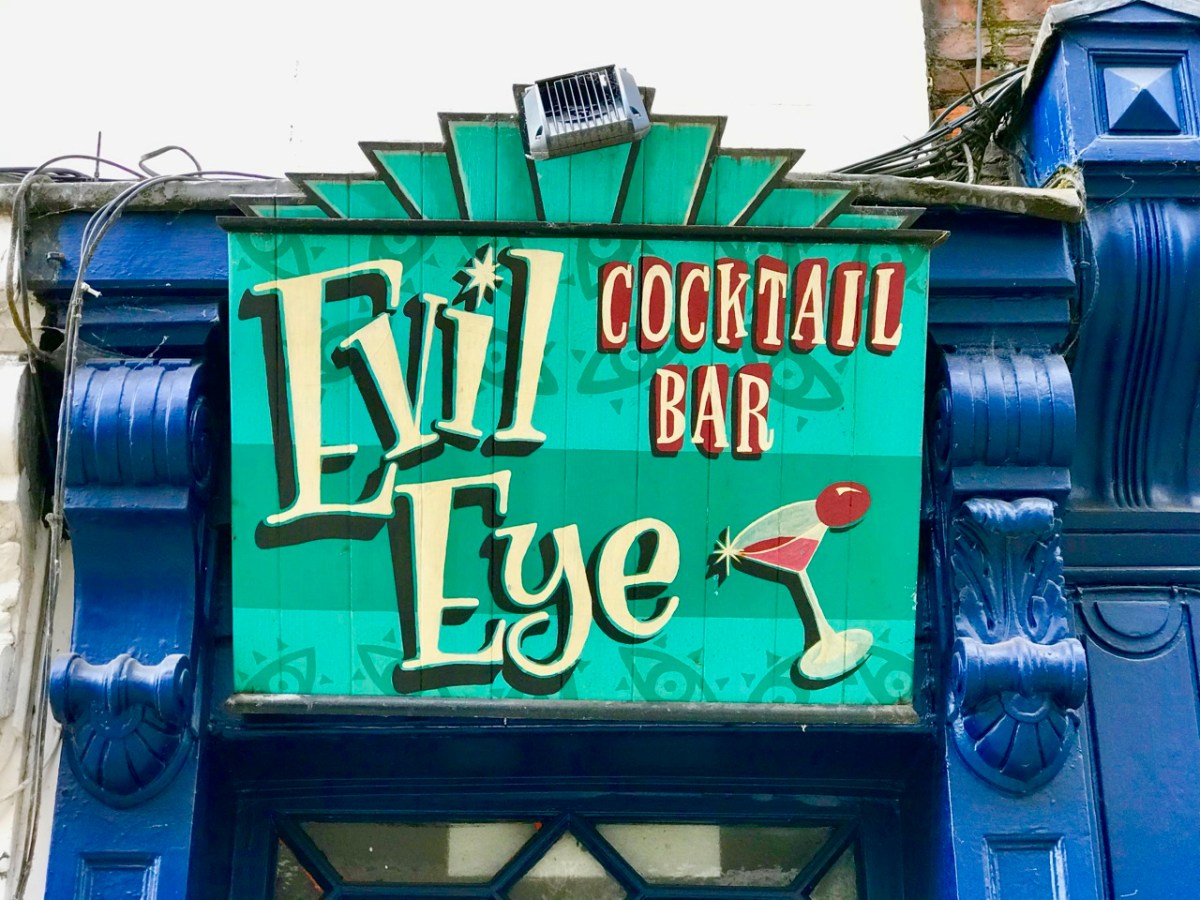
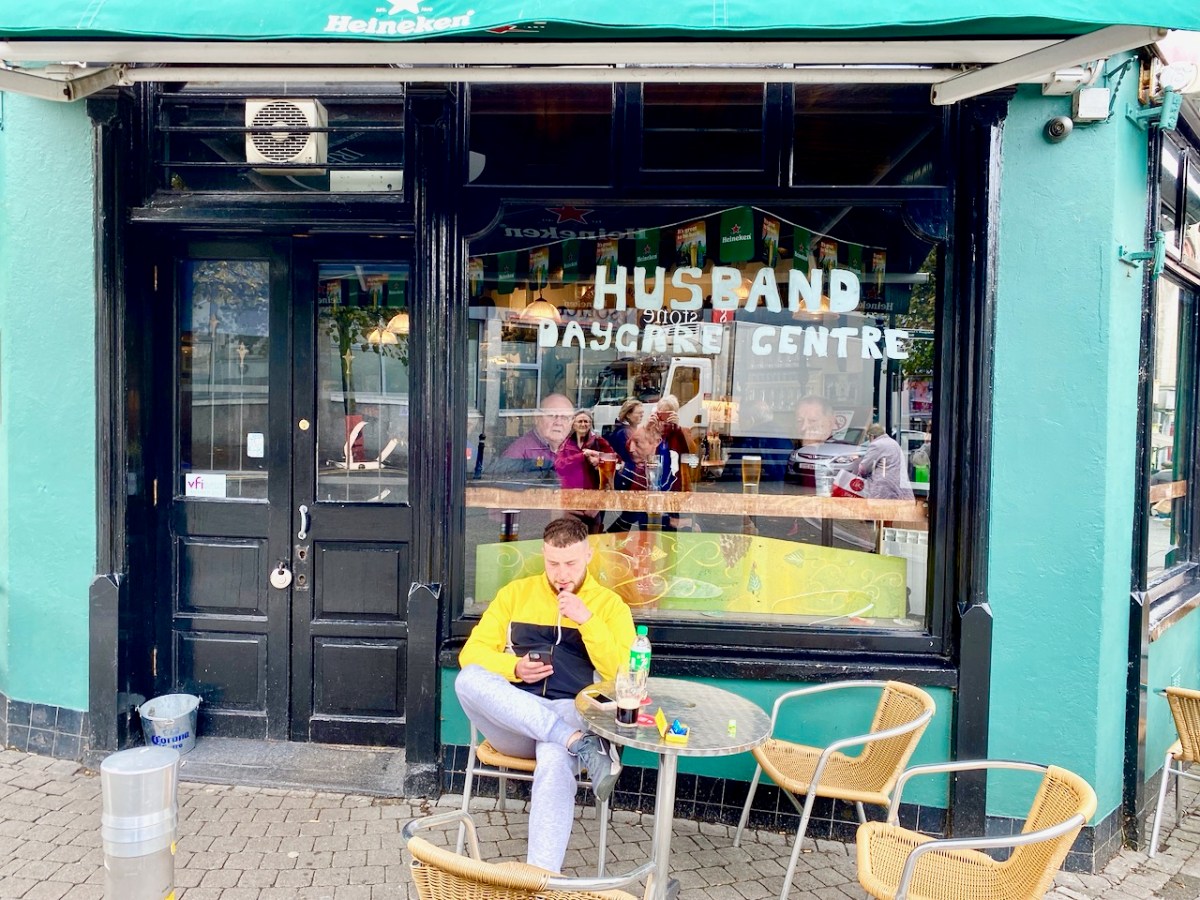
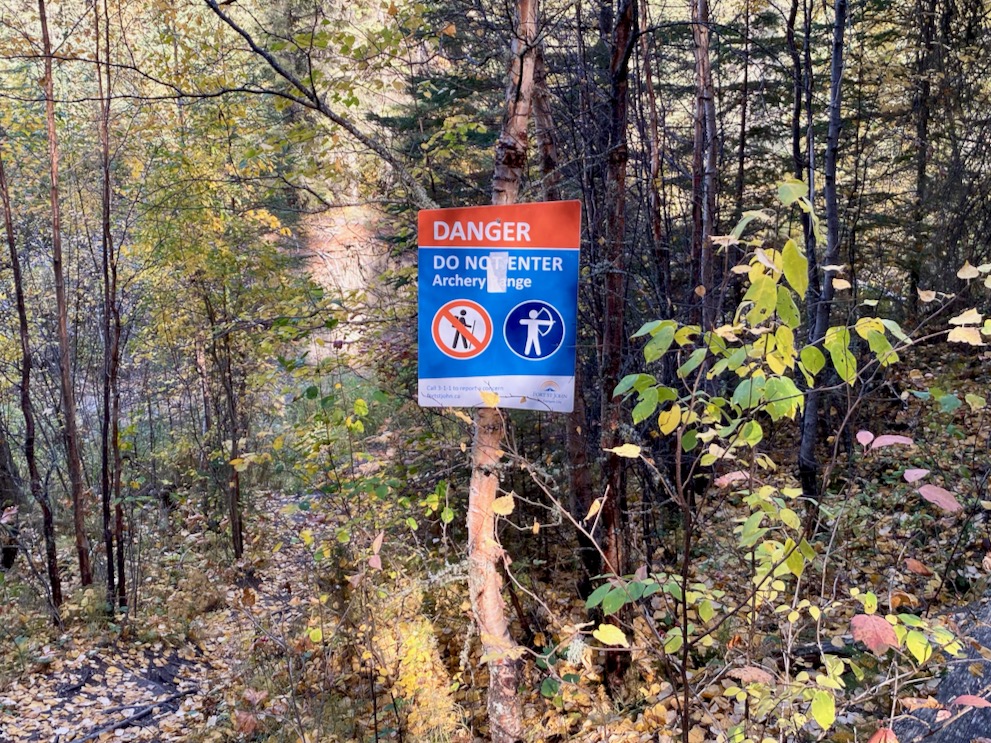
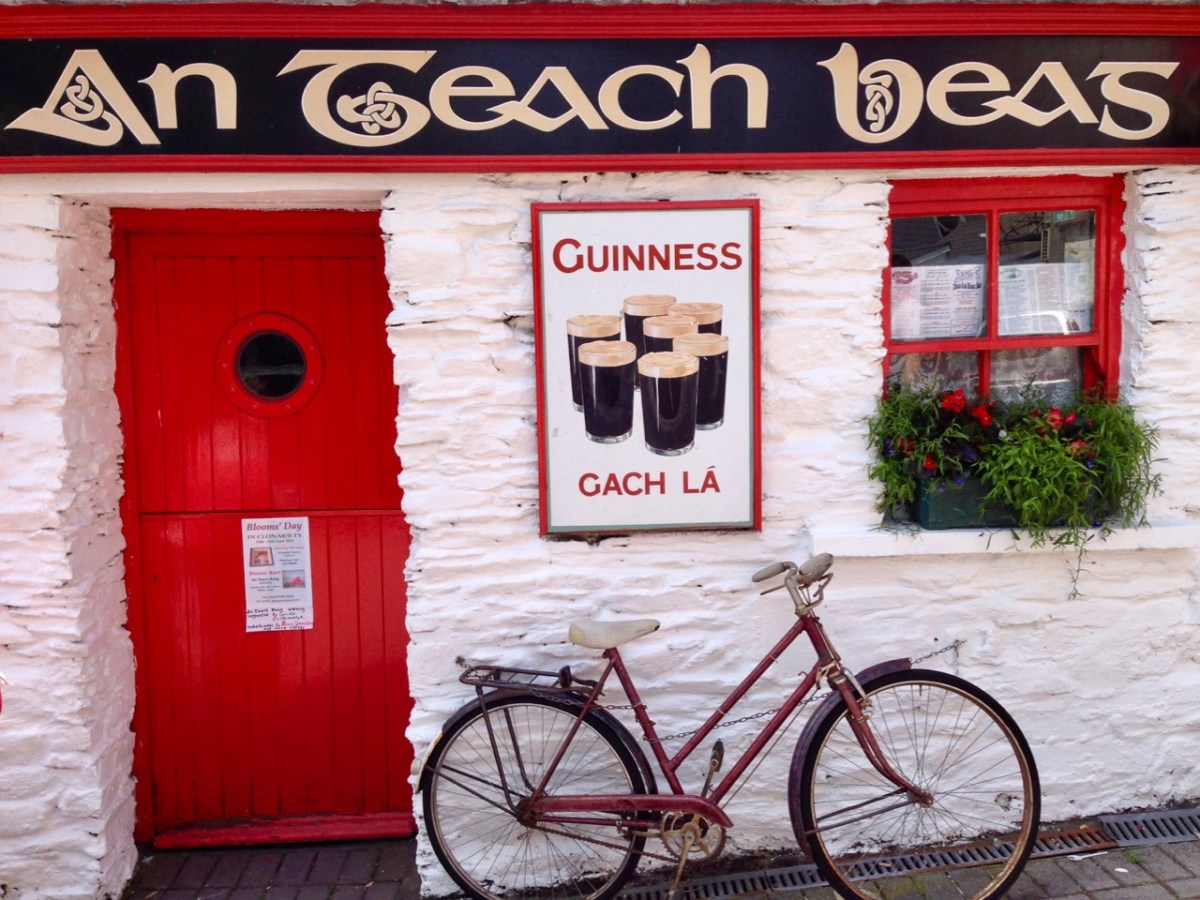
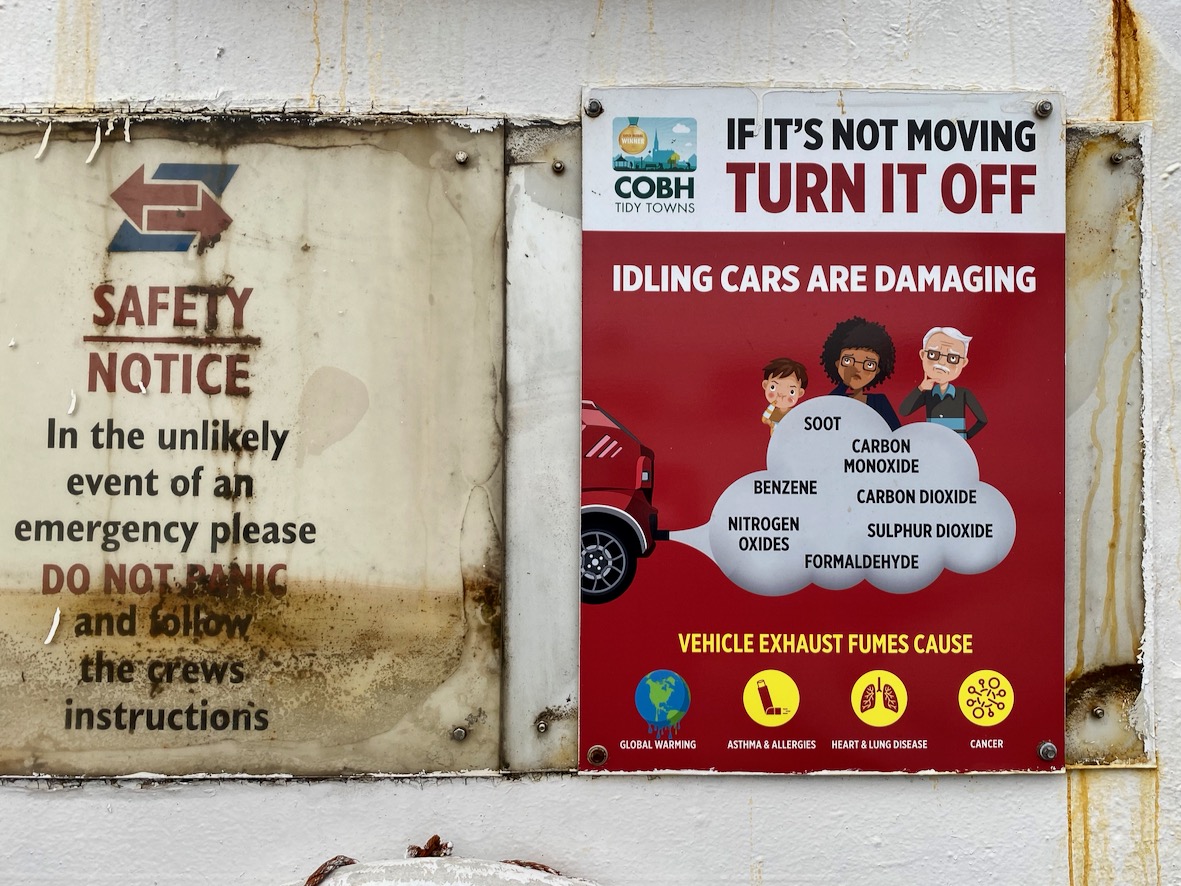
My collections of signs, posters and visual images expands all the time. If I see something quirky, I can’t resist a photo. I share these with you every so often. Today’s selection comes from far and wide: mainly here in Ireland (principally West Cork) with the odd stray from outside. I will only explain something if I feel an image demands it. The example above – from our own Ballydehob – certainly doesn’t, but the one below, which I also came across today in our little village, probably does.

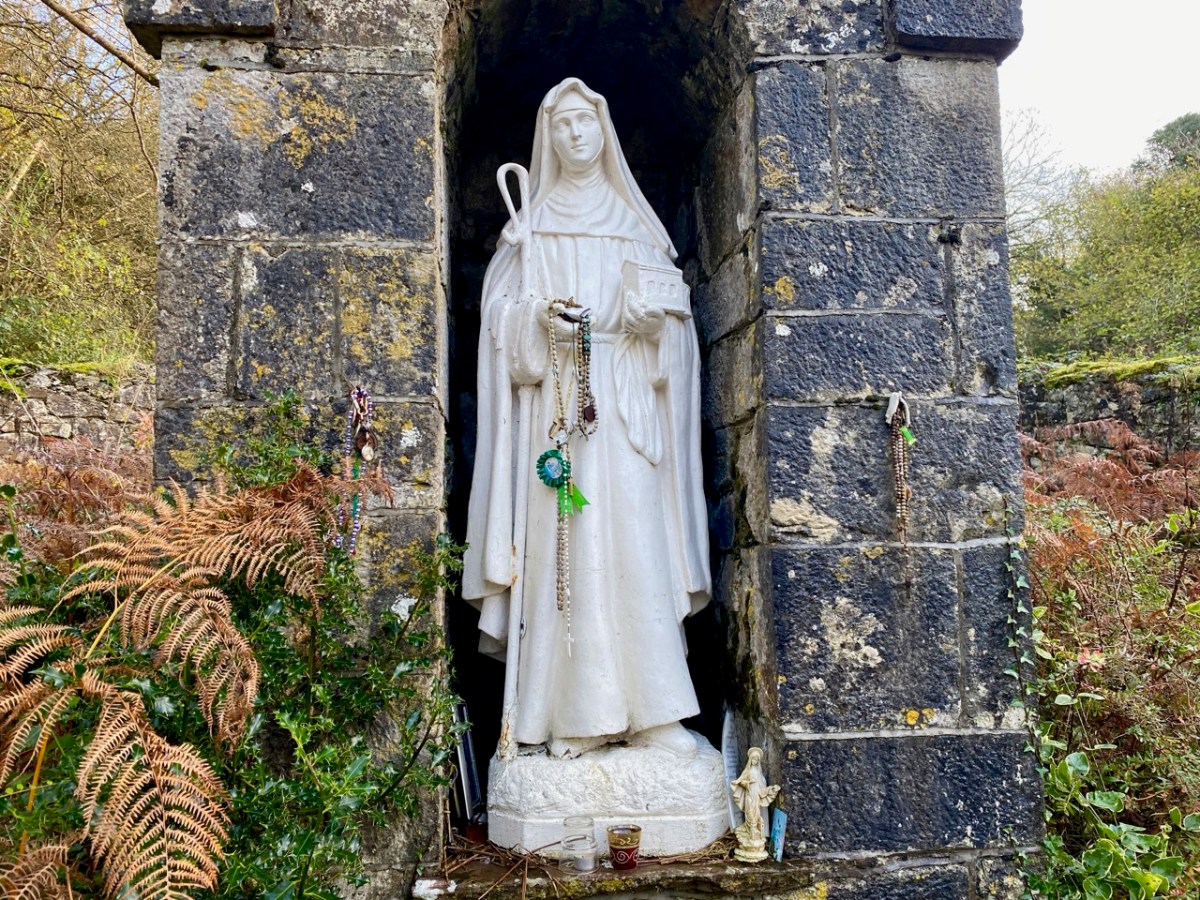
It’s a straw doll representing St Brigid. Often also known as Brídeóg, ‘Breedhoge‘ or ‘Biddy‘, it was once common to see these made to celebrate spring (which traditionally begins on her day, February 1st). This year Ireland has its first ever St Brigid’s bank holiday (tomorrow), to balance out St Patrick’s Day which we have always celebrated around his own feast, March 17th.

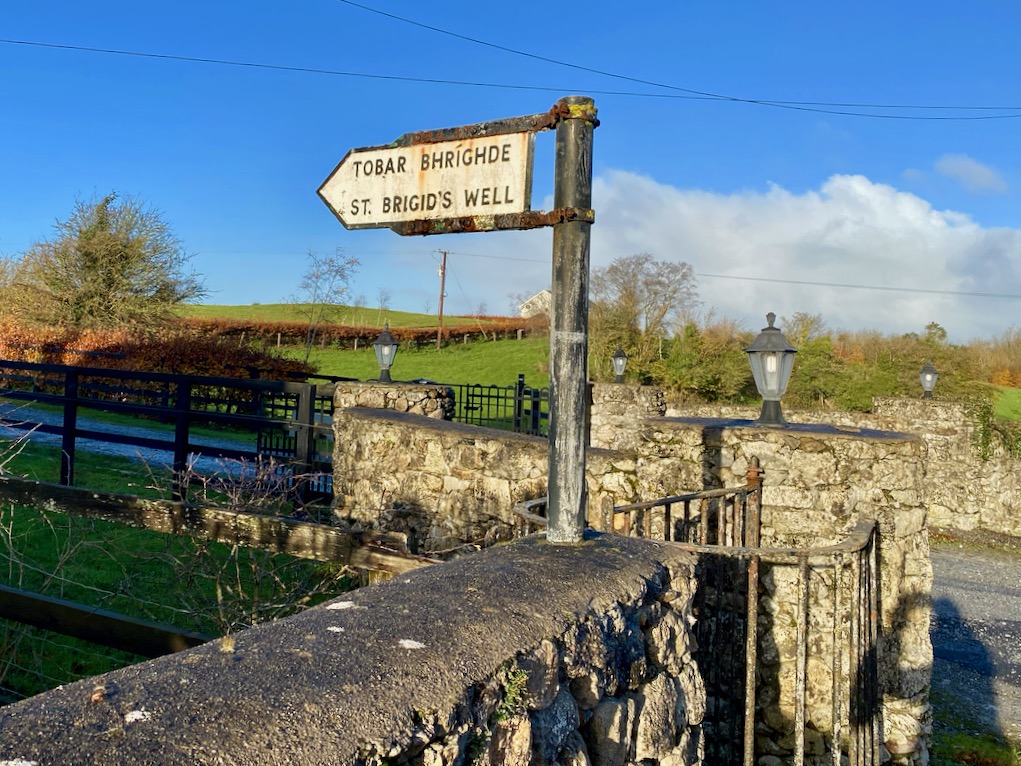
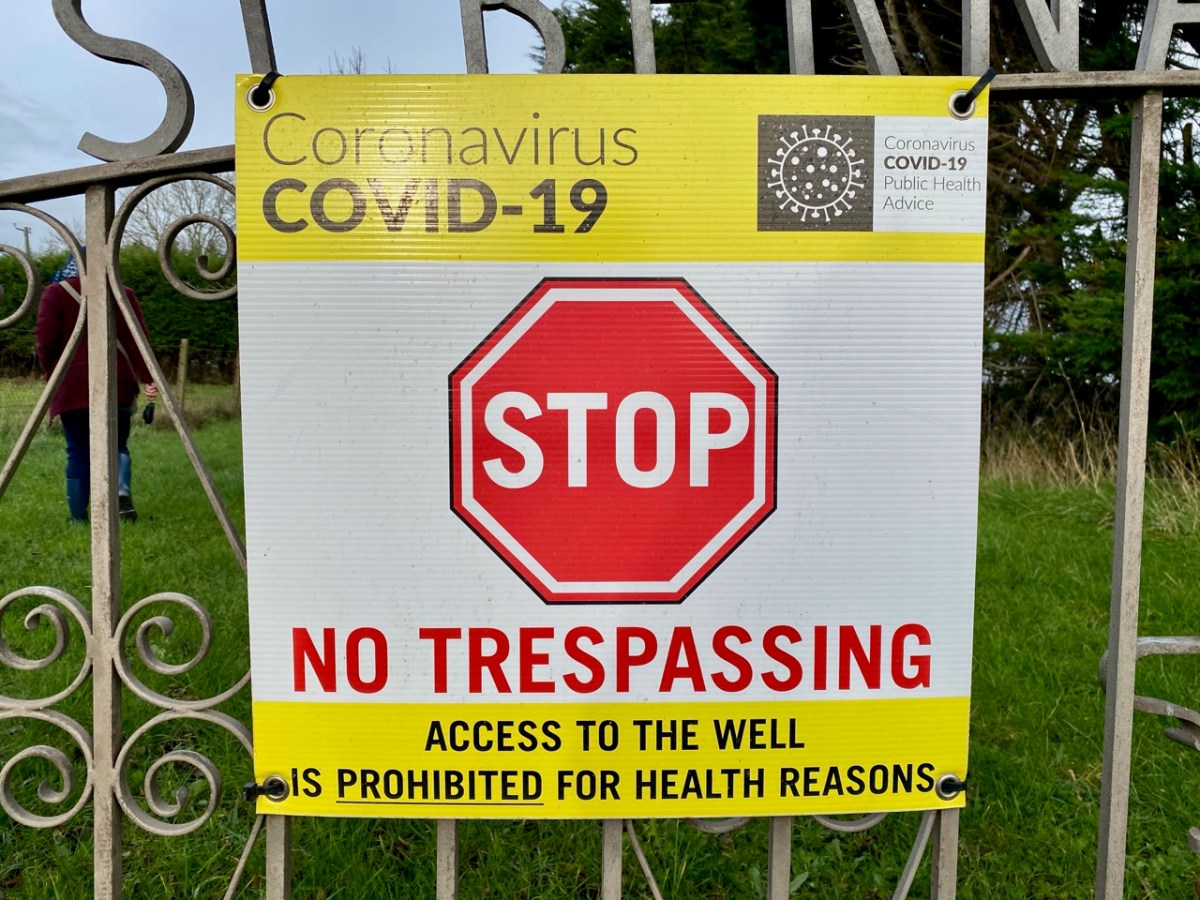
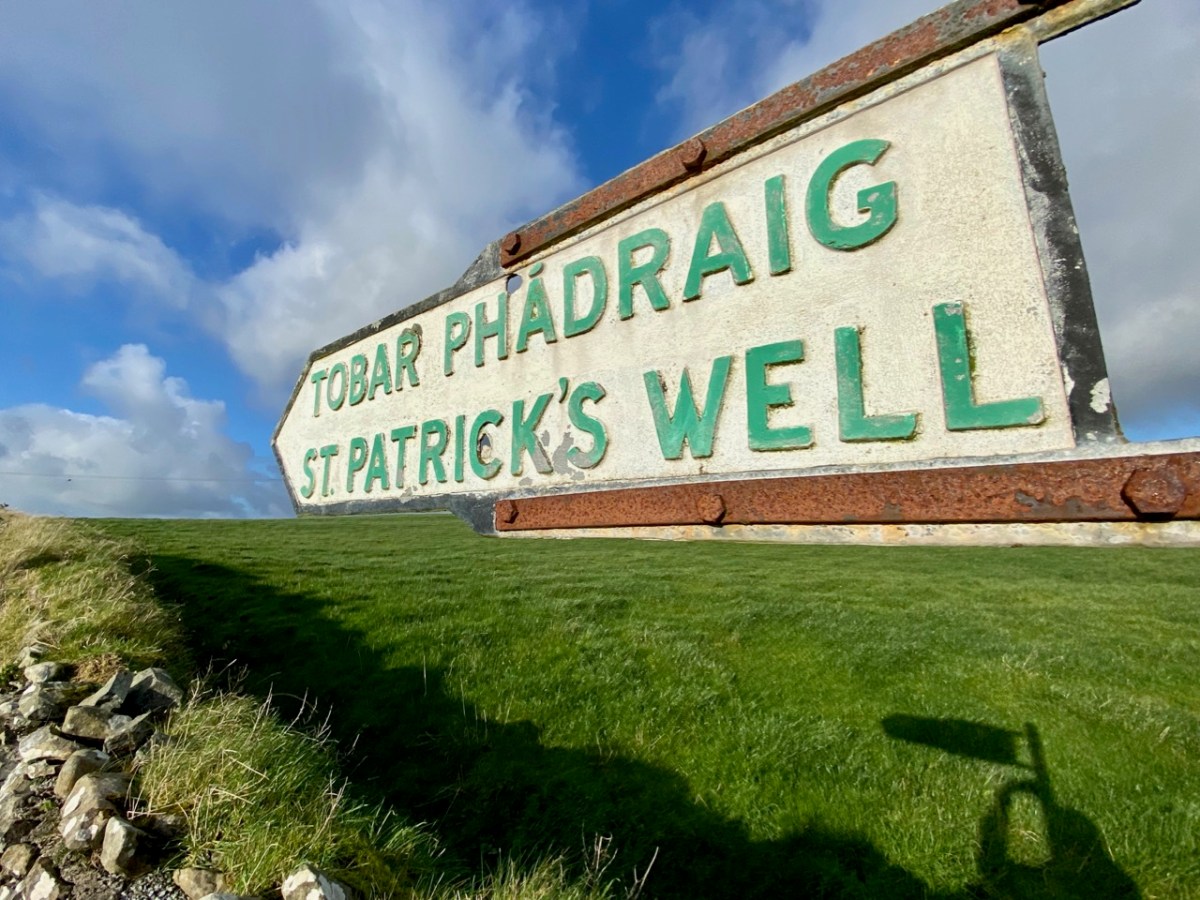
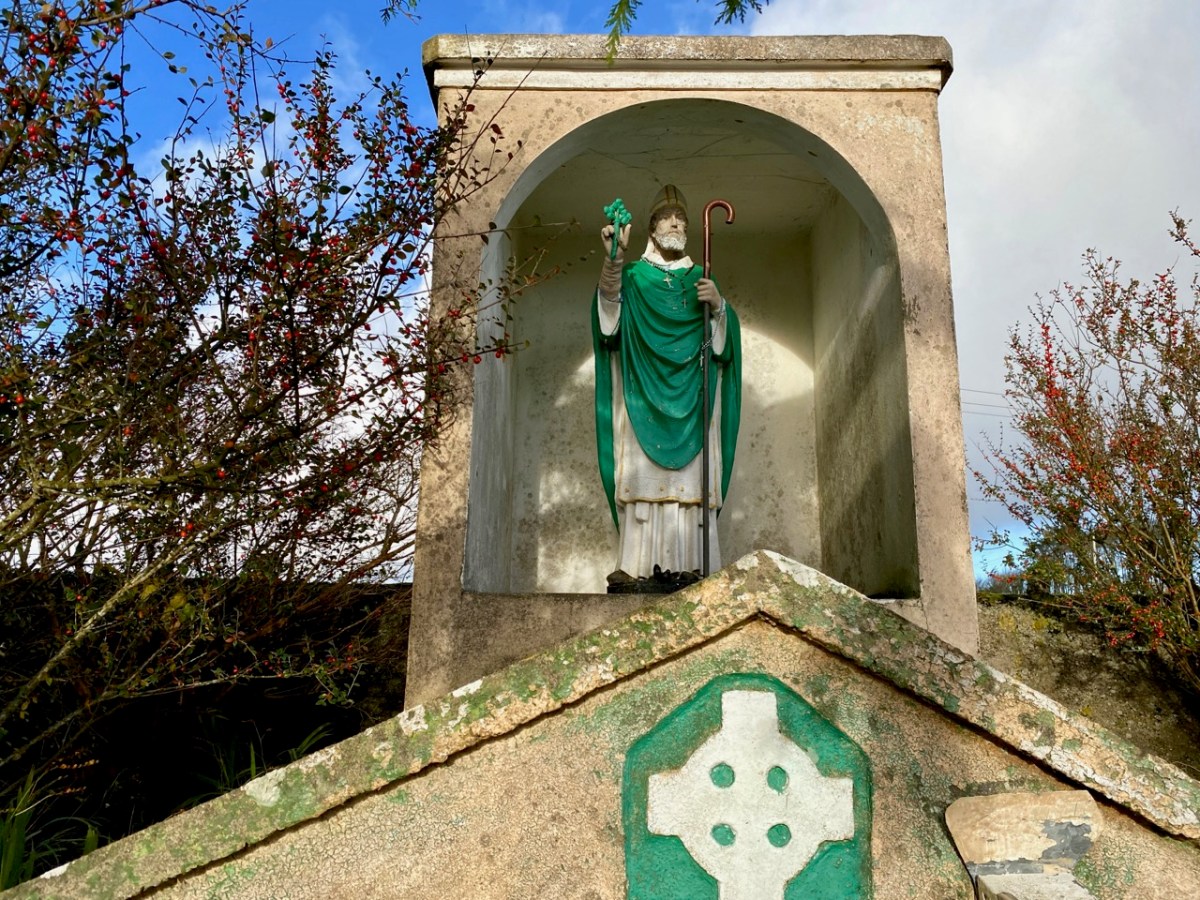
Let’s get back to signs. Wouldn’t you expect that one might visit a holy well for health reasons?

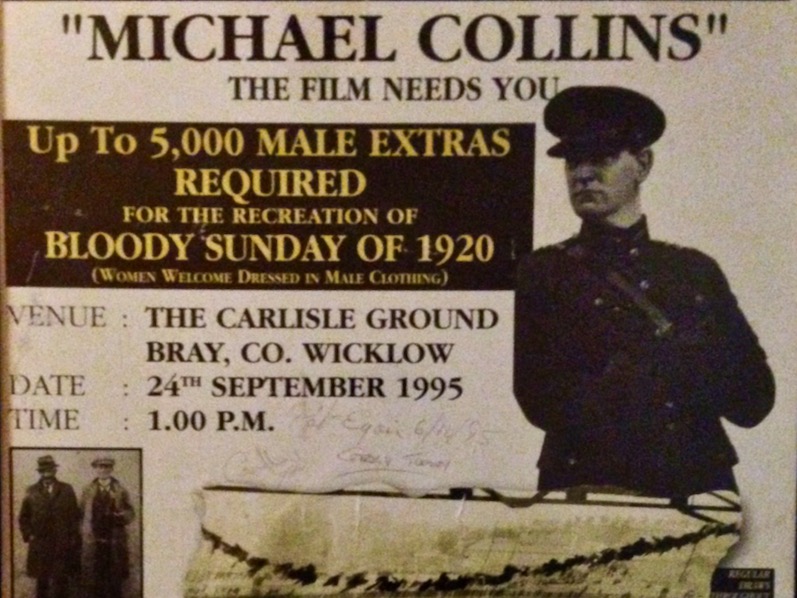
This surviving poster in Bray, Co Wicklow, somewhat irreverently makes light of the Bloody Sunday events of 1920. I can’t help being amused by the little insertion underneath Up To 5,000 Male Extras Required“Women Welcome Dressed in Male Clothing”.

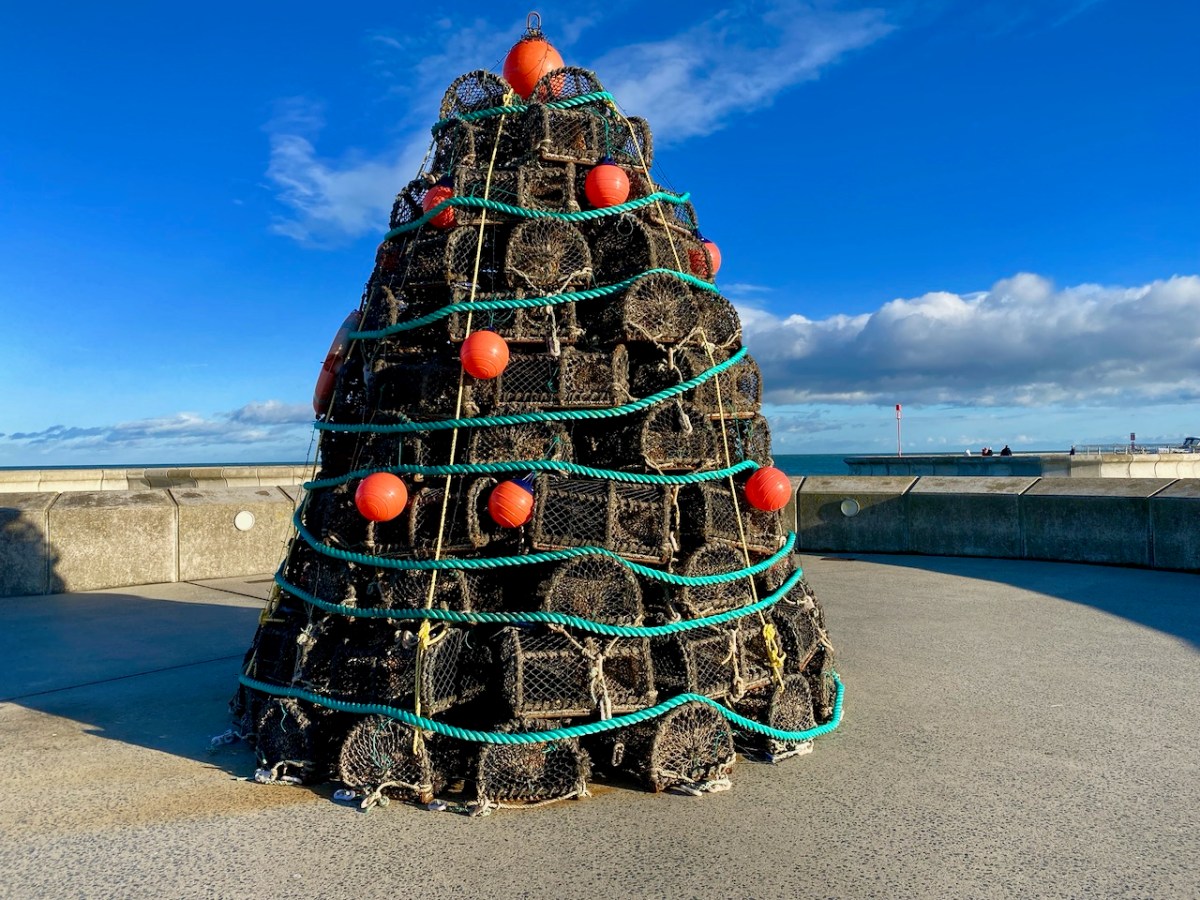
An impressive Christmas tree, built by the artistic fishermen of Greystones, Co Wicklow.

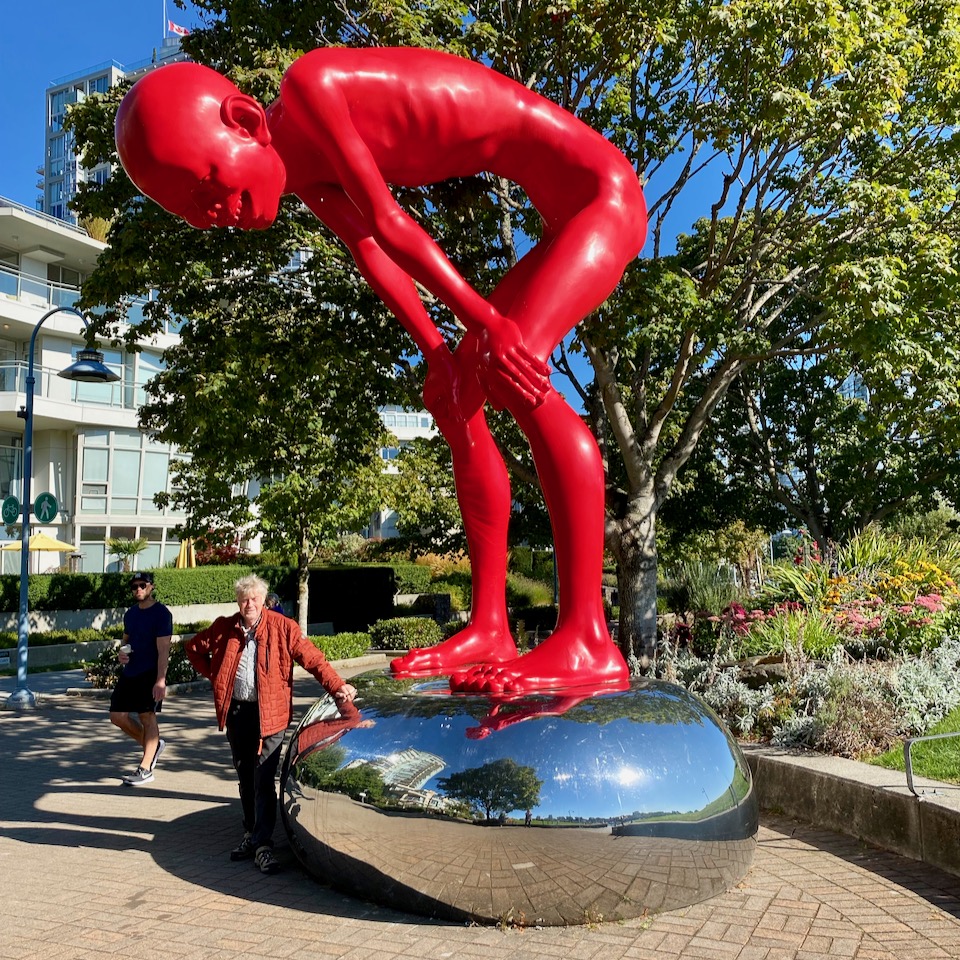
A long way from West Cork, we found this sculpture in False Creek, Vancouver last autumn. Titled “The Proud Youth,” the six metre high figure was created by Chinese sculptor Chen Wenling.

. . . Simple and truthful, this work creates a direct communication between man and nature, and initiates a sincere conversation between people and society. The cheeky expression and arresting pose are a celebratory call to the audiences, inviting them to embrace their inner child . . .

Vancouver Biennale

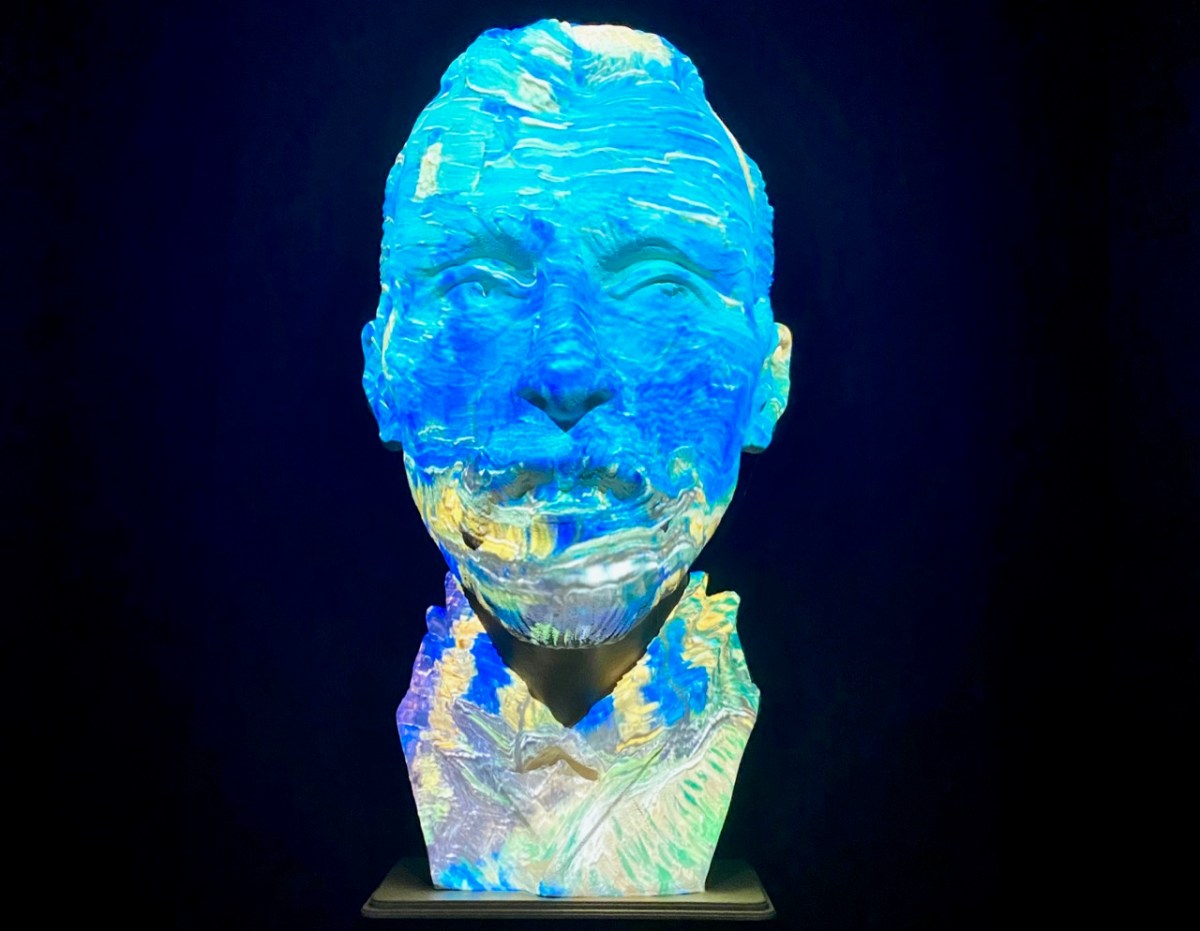
This may seem out of place, but we visited a Van Gogh exhibition while in Dublin recently. Described as an ‘Immersive Experience’ it is quite mind-blowing and we recommend the immersion if you are in the area.

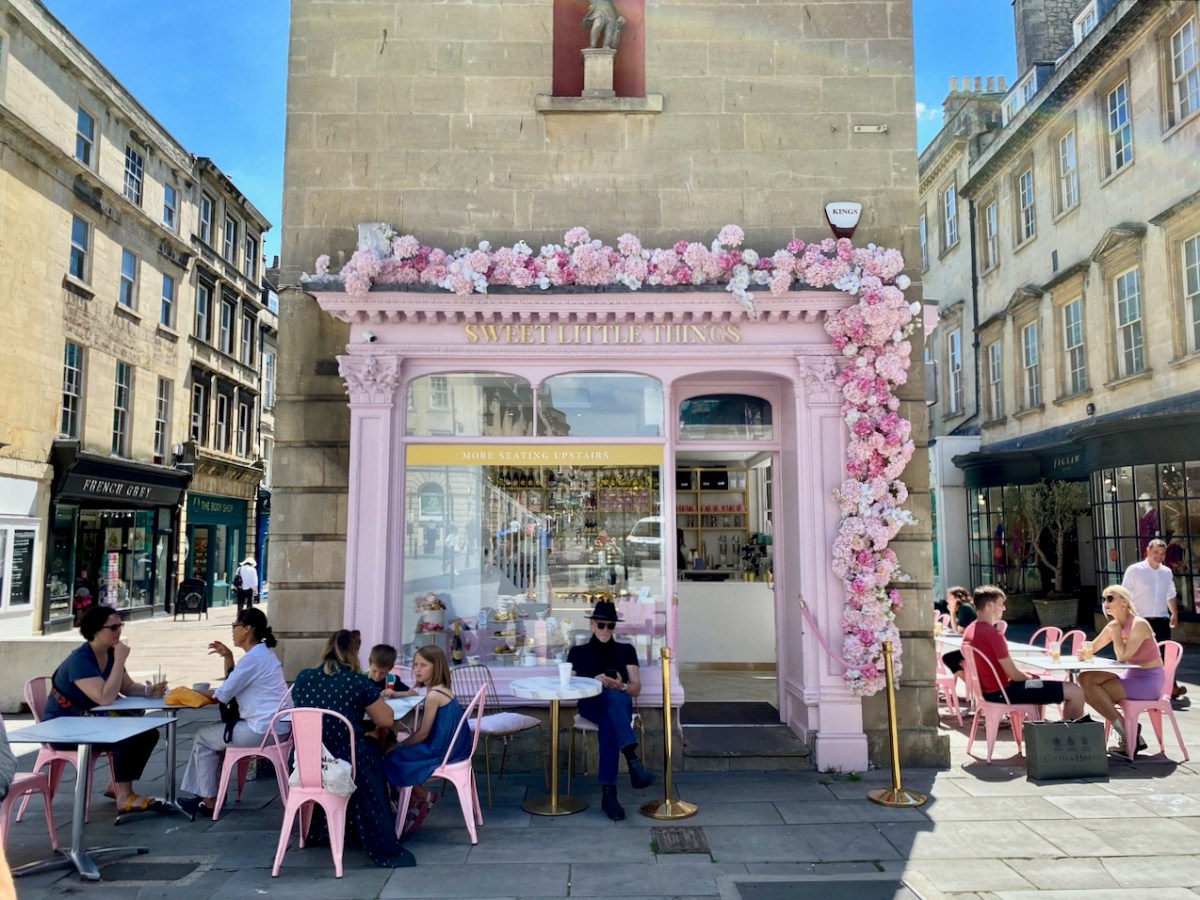
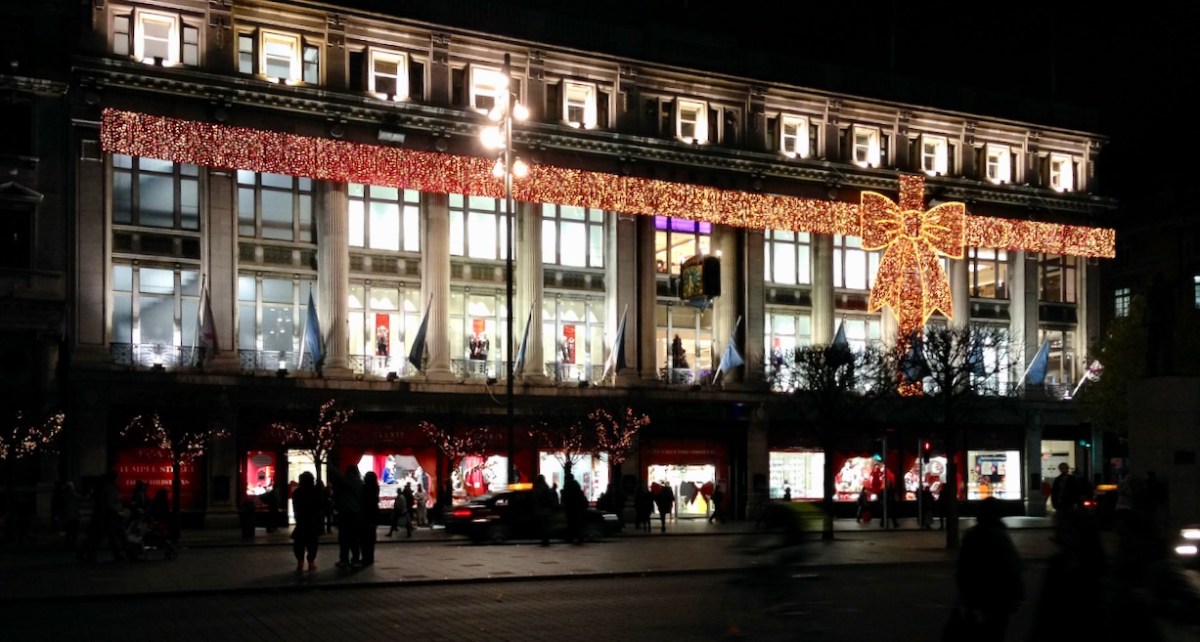
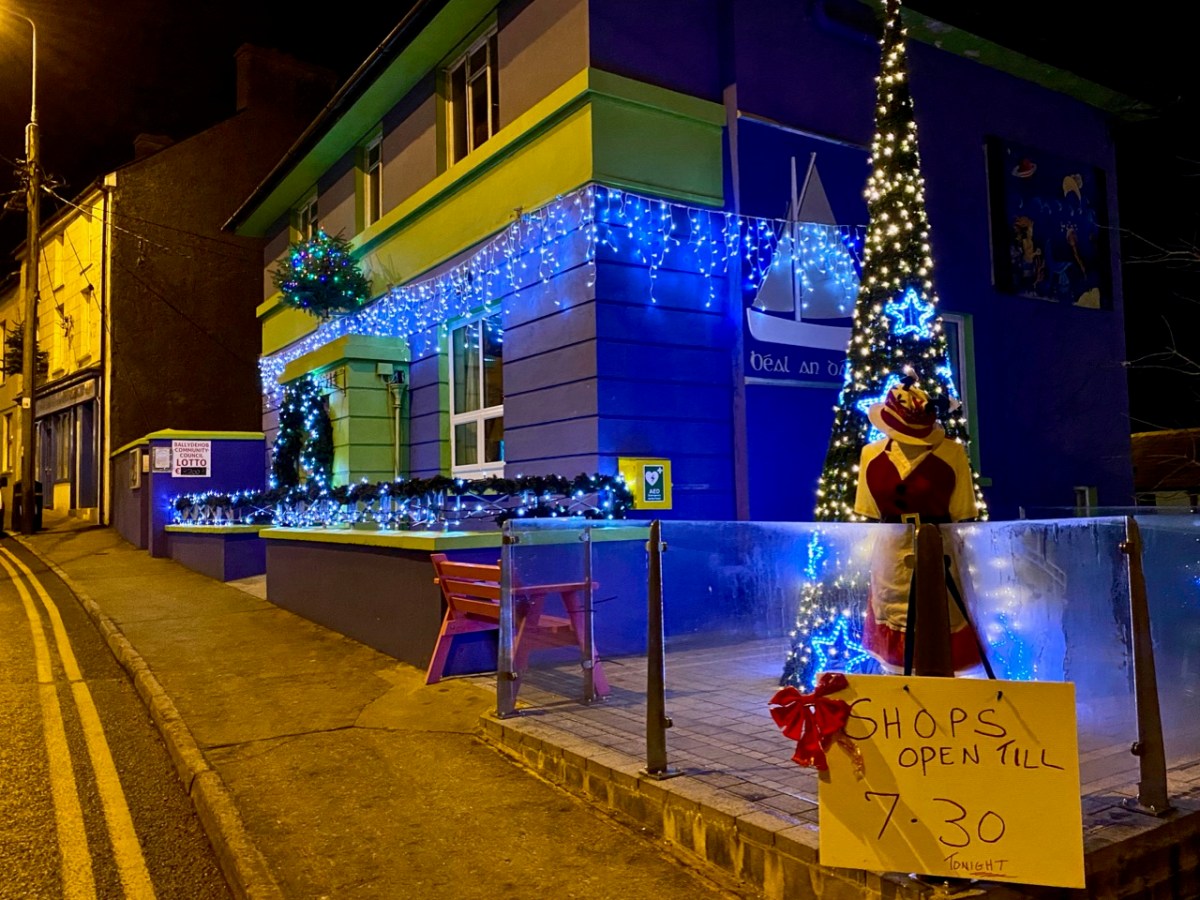
We’ll finish today with some shopfronts decorated for Christmas: in Dublin, and back in picturesque Ballydehob.

When Harry Met Edith: Part 3: “A Charming Little Nativity”

The Nativity that Harry designed for St Barrahane’s is, according to Nicola Gordon Bowe*, technically remarkable, but let’s look at the design, starting from the top. Here I am relying on Gordon Bowe’s extraordinary design vocabulary – all the quotes in italics are hers. (If you haven’t yet read them, Part 1 is here and Part 2 is here.)

Harry’s re-designed and very Gothic tracery is filled with clear quarries – pieces of glass, leaded together in a diamond pattern, joined here and there with tiny coloured ovals. The use of clear glass was necessitated by the lack of light filtering from behind the east window, as there is a bank with tall trees immediately outside. However, this is not clear, or plain, transparent glass as we know it. Each quarry has been worked in some way. Those that started out life as clear glass have been chosen for their irregularities and have been treated with matt washes, stipples and semi-abstract lacework sequences so that each differs from its neighbour. Some of the quarries were not clear to begin with, but were flashed in pinks, blues or green, and these have been acided to the barest shimmer of colour. The result is that each individual quarry is intrinsically interesting without detracting from the overall effect of a subtly embroidered patchwork quilt in which the light lingers. These quarries occupy most areas of the window except for the main nativity scene and provide the backdrop for the top two sections – the saints and the angels. The signature panel at the bottom of the window is a good place to observe the quarries up close.

Edith was very much in tune with the Arts and Crafts Movement in Ireland but also with the Celtic Revival (see my posts on the work of Watson of Youghal for a thorough discussion on this style and the term). Within the literary tradition of the Revival there was a focus on the study of our ancient saints and a scholarly emphasis on translating various Lives and Martyrologies, many of whom were alive in the folklore and memory of the countryside. Of the three saints depicted here, Brigid is considered one of our three National or Founding Saints (see this post for more on Brigid), while Fachtna and Barrahane (or Béarchán) are local to West Cork. 

Harry used Revivalist interlacing as a supporting device for Brigid and Béarchán. Interlacing – so popular in Ireland at the time – was in fact quite rare in his work, although it had appeared in a couple of the Honan windows, such as the Joseph window, above, in a similar position. Harry was much more influenced by Continental art movements than by the conventions of Revivalist decoration, but Edith was still keen on it, as witness her later design for a mosaic floor in the chancel of the church, so this element may have been at her suggestion, or at least responding to what he saw as her preferences.

For her turn, Edith had done her homework and knew what saints she wanted, discarding Finbarr (Patron Saint of Cork) after an initial dalliance with him. Barrahane had given his name to the area around Castletownshend, Glenn Barrahane, as well as a medieval church (now ruined) and a popular Holy Well pilgrimage (in which I participated in December). Edith’s informant was James Bourke – I have laid out all that information in my post Honouring St Barrahane, so I won’t repeat it here, but do take a look at the detailed photos of the St Barrahane window in that post, including the little surprise that Harry inserted in this window. Interestingly, while Brigid and Fachtna are underpinned by revivalist interlacing, Barrahane is floating on a cloud.

Fachtna was the saint who had founded Rosscarbery and was patron of the diocese of Ross; Harry depicts him holding a church and with his bishop’s crozier. He is gazing contemplatively downwards as if on the Nativity. Notice how the interlacing below him ends in a bird’s head finial.

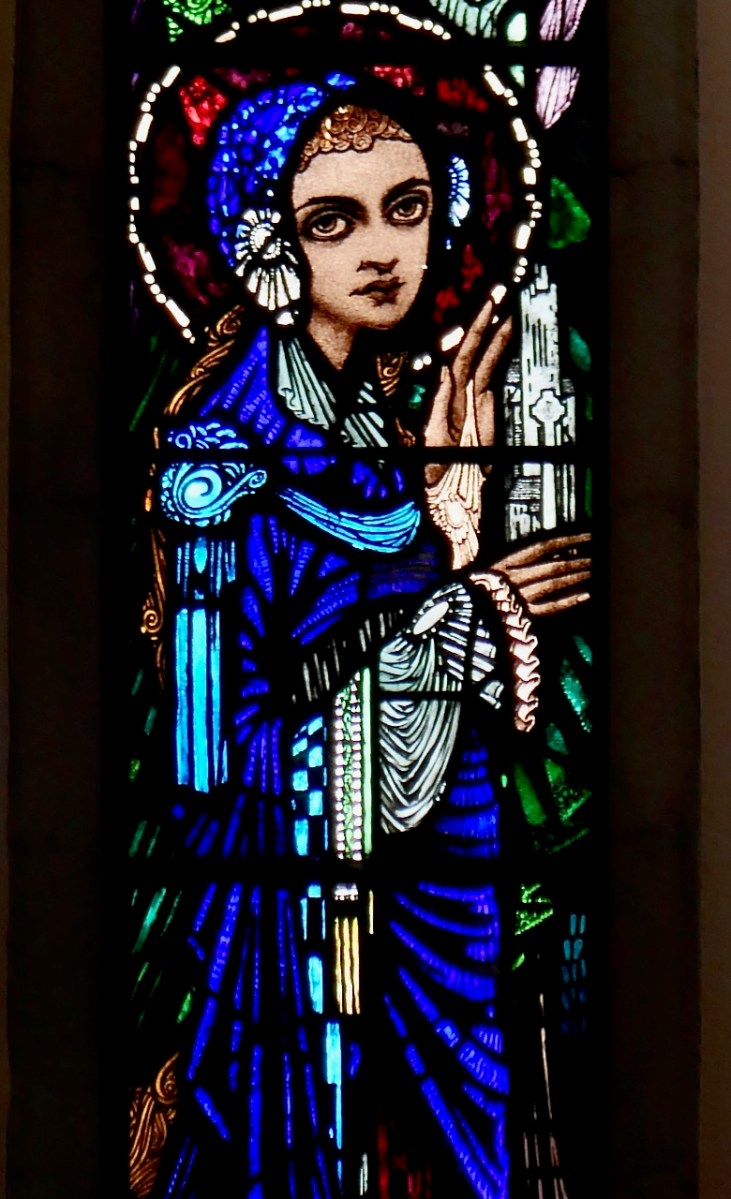
Brigid is clad in blue (perhaps that same blue that Edith had said ‘hits your eye like a living flame or a blast of wind’. She looks directly out, calm and wise. In her right hand she holds a golden lamp (looking suspiciously like an illustration from the Arabian Nights) and between the fingers of her left hand is entwined the stem of a twig of oak leaves, another of her attributes, tying her to Kildare (or Cill Dara, the Church of the Oaks).

Beneath the three saints are three angels, floating above the Nativity. Although they form a wonderful trio, each is remarkably individual. The middle angel (with a fashionable bob) incorporates the star which is a traditional element in Nativity scenes. 

The left and right angels have elaborate, flowing or pleated robes and complicated coiffures. One holds a dove while the other has hands held in prayer. Gordon Bowe, in trying to analyse the decorative element at the centre of these angels says in her thesis Both seem to be manipulating jewelled levers, similar to the studded gun holsters favoured by cowboys.

I love this sentence but perhaps understandably it didn’t make it into her book, where she merely remarks that the saints and angels abound in intriguing decorative detail.

The central scene, of the Nativity, is beautifully constructed. Besides the angels above it, the framing devices consist of three elements. The first is an arc of silver chain upon which everything rests, most importantly the manger. You can see a close up of it in the signature panel above. The second is the rock face which stretches above and behind the Magi and the Shepherds. The third is one of Harry’s typical expanses of ‘floral ornamentation’ – one of his future hallmarks. Of this fantastical conglomeration of flowers, leaves, mosses, jewels, geometric shapes Gordon Bowe says always inventive and subtle in his pen and ink and watercolour illustrations, ingenious when painted or acided onto his glass by himself, but too often repetitive and lifeless . . . when imitated by his followers.

The robes of the lowest Magi and the lowest shepherd extend beyond the supporting chain-like arc, bringing a slight sense of perspective to the composition. Gordon Bowe likens the rich treatment of the fabric to the work of 

Gustav Klimt here and his flat treatment of interlocking decorative patterned, often symbolic planes, in which he would sometimes use coral, gold, mosaic, turquoise and semi-precious stones with casein paint to make up his richly mantled figures . . .Both men rely on the faces and hands of their figures to convey a human expressiveness and only here does any attempt at modelling occur. The eyes of their figures transport the spectator into a world of opulent trance. Both artists are equally unconcerned with perspective, reality or a third dimension. In the tradition of the best purely decorative work, background and foreground, figure and setting are equally important and integral. Any light is reflected from within the fabric of the design. Movement is created by how the light affects the surface of the picture and by the sinuous symbolic fluidity of the line. This is what W Hoffman has called Synaesthesia – a stylised ornamented style, where people are statues, backgrounds are wallpaper and interchangeable linear formulate are used as arrangements for figures and settings in different colour relationships, so that obstruction and symbol interrelate.

The Life and Work of Harry Clarke
Ph D Thesis by Nicola Gordon Bowe, 1981, P 249

As Gordon Bowe shows us, Harry was totally tuned in to the modern movements of his day – decorative and symbolist traditions that envisioned an idealised, stylised and imagined-medievalist form of representation that was the opposite of realistic depiction. She notes – there is no attempt whatsoever to suggest that the kneeling shepherd has ever set hands on the earth or worked as a shepherd.

Three gorgeously apparelled Kings are balanced by equally splendorous shepherds, each holding gifts. Almost hidden to the right of the upper shepherds is the head of a cow – it is hard to see as it is done in a dark purple glass. Local lore is adamant that this is an homage to Edith who apparently pioneered the introduction of Friesian Cattle into Ireland. 
Joseph stands guard over Mary and the Baby, holding a chain with a lantern and gazing out directly at the viewer. Mary’s expression is gentle, her hair is a golden blond, surrounded by a halo of pearls, her robe, in traditional blue, studded with star-like flowers. 

The baby, looking more like a wise elder than a newborn, lies in the manger, his hands up to embrace the world, his halo a delicate filigree. The coats of arms lie at the bottom of the panel – they were done and installed after the rest of the window was finished and Harry came down to supervise their insertion. That probably explains why this window has two signatures (did you go back and check the St Barrahane post?). Unfortunately, the wooden screen that stands behind the altar obscures the base of the window and makes it impossible to photograph the Townsend coat of arms (below) except from the side, but it’s another good opportunity to view the quarries.

Let us remember that Edith had misgivings about the choice of Harry to do this window. She was concerned about the “hellish splendour” of his Honan windows, the “burning and furious brilliance” of his glass, which she found “perfectly amazing but not quite pleasant.” In a letter referred to by Rauchbauer she “insists again that something a little less intense is required than the Bertie windows.” She may well have been concerned about the effect of full-on Harry on elderly parishioners, who had to be onside for the windows to go ahead. In any event, it looks like she managed to communicate well with Harry, and that he understood the brief – to “adapt his work to the church & to realise how to get harmony into it.” 
It is, indeed, charming and harmonious. No macabre beings peer out from behind the figures (as they do in the Honan and in the St Louis window down the aisle in St Barrahane’s), there are no Aubrey Beardsley stern and “horrible” faces and no predella scenes of sacrifice or death (see St Dympna, for example). All is gentleness and serenity, compassion and contemplation. One wonders if Harry would have been so biddable a few years later.
A final special photograph to finish this series. Here I am in front of the window, with Harry’s two granddaughters, Etain and Veronique, during a recent visit to Castletownshend

In this post I am relying both on Gordon Bowe’s Life and Work of Harry Clarke and on her Doctoral Thesis, lodged at NIVAL. I am deeply grateful to David Caron for facilitating my viewing of this material.