More Books for Christmas!

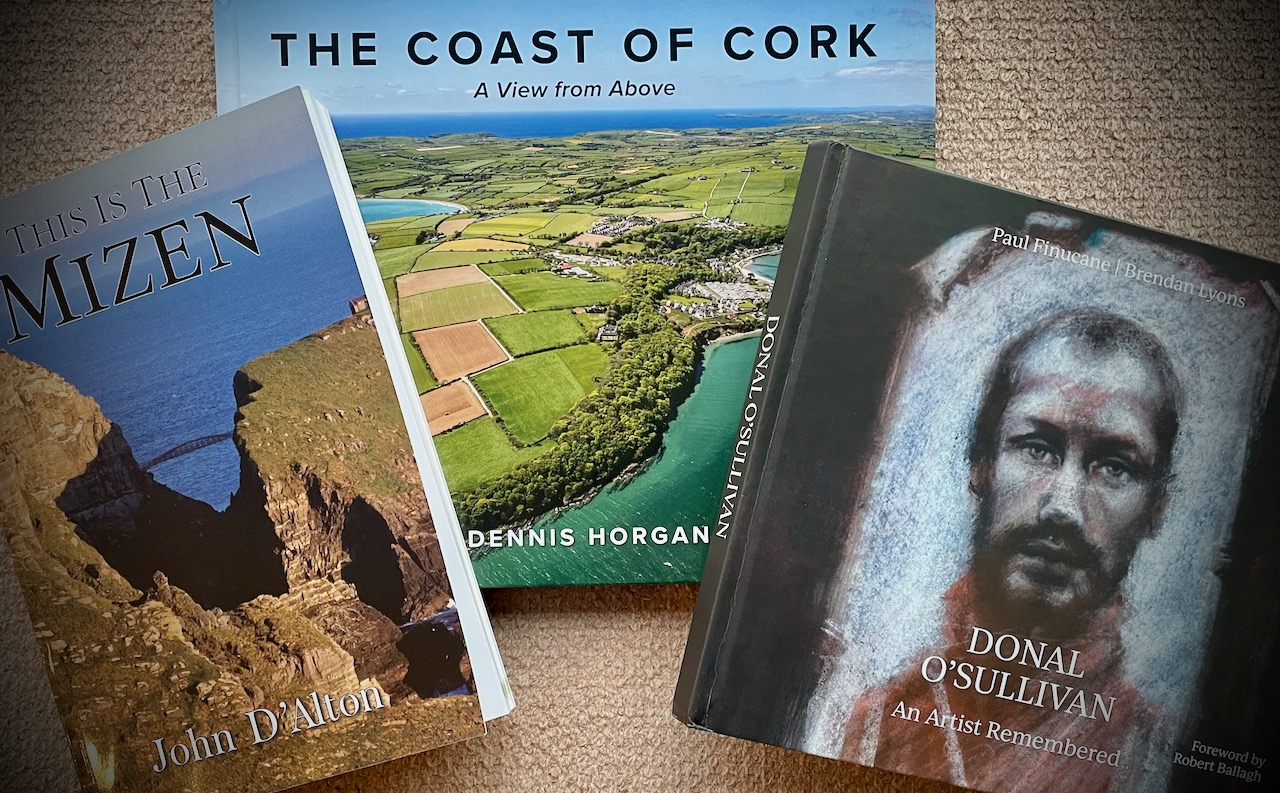
The three books I am recommending today are ideal for the person in your life who loves West Cork and/or fine art. All three are by West Cork men and all three are self-published. Even though self-publishing is increasingly common, distribution is often monopolised by the large publishing houses, so I am delighted to have the opportunity to bring these three to your attention. 
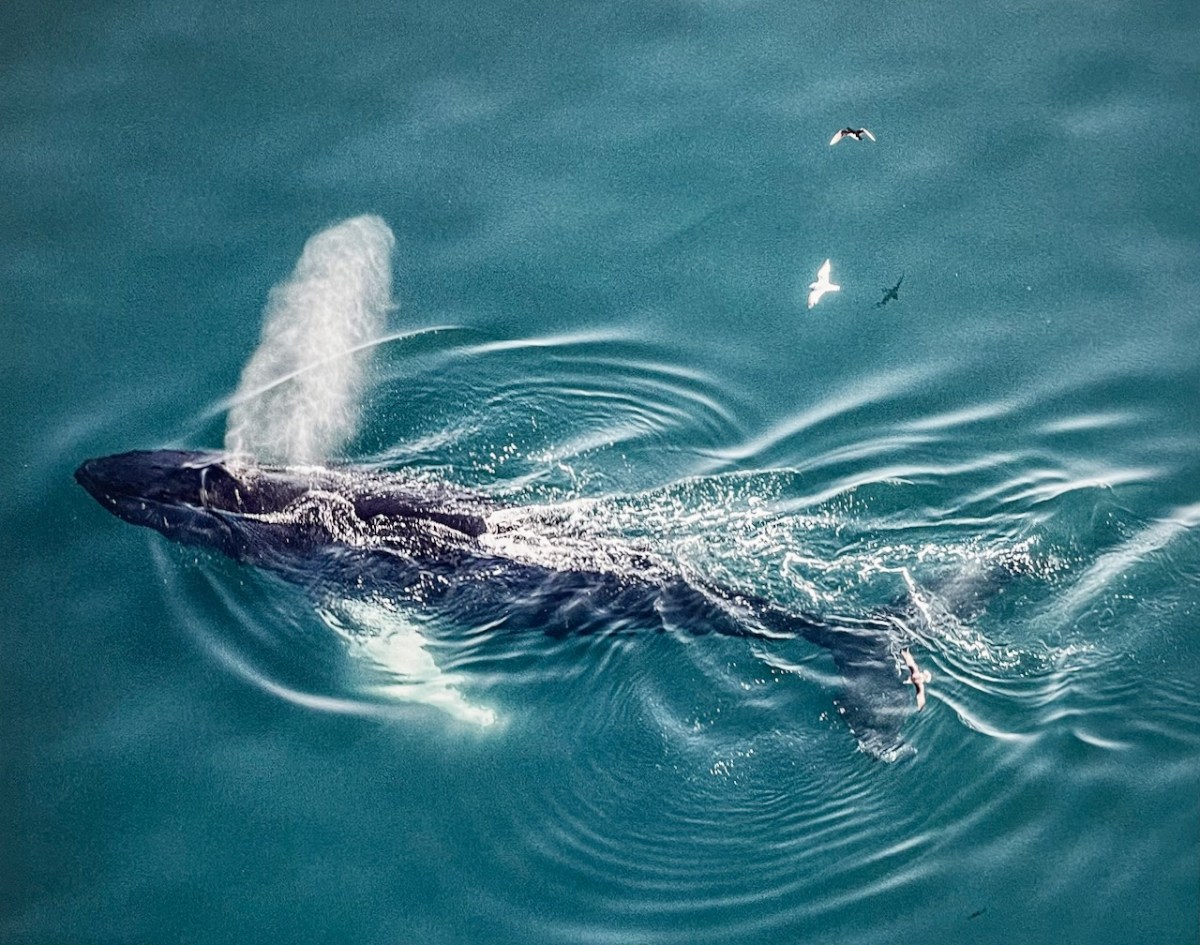
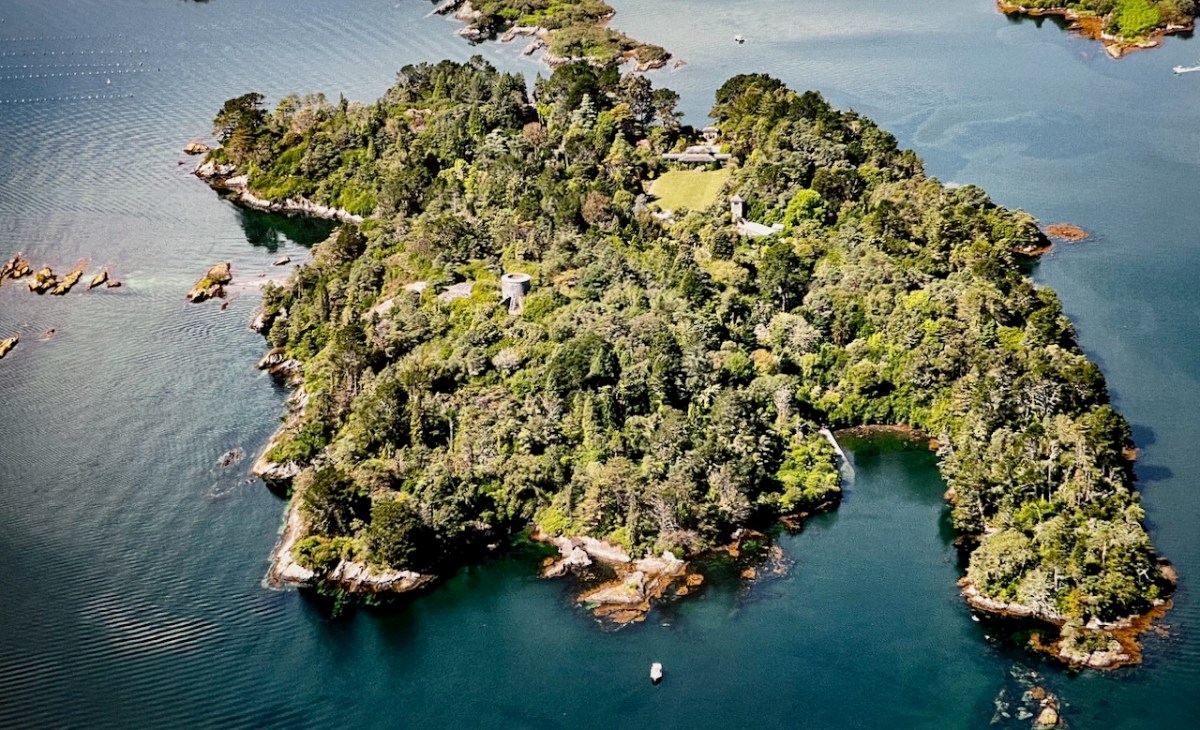
Let’s start with Dennis Horgan’s latest – The Coast of Cork, A View from Above. Dennis has been incredibly generous in allowing us to use his photographs in the past, but we have never reviewed one of his books before. In the age of the drone, it’s easy to forget that only an aerial photograph can capture the most expansive views – a whole island, for example, or the sudden rise of a humpback whale, or a seascape feature that is too far from land to capture any other way.
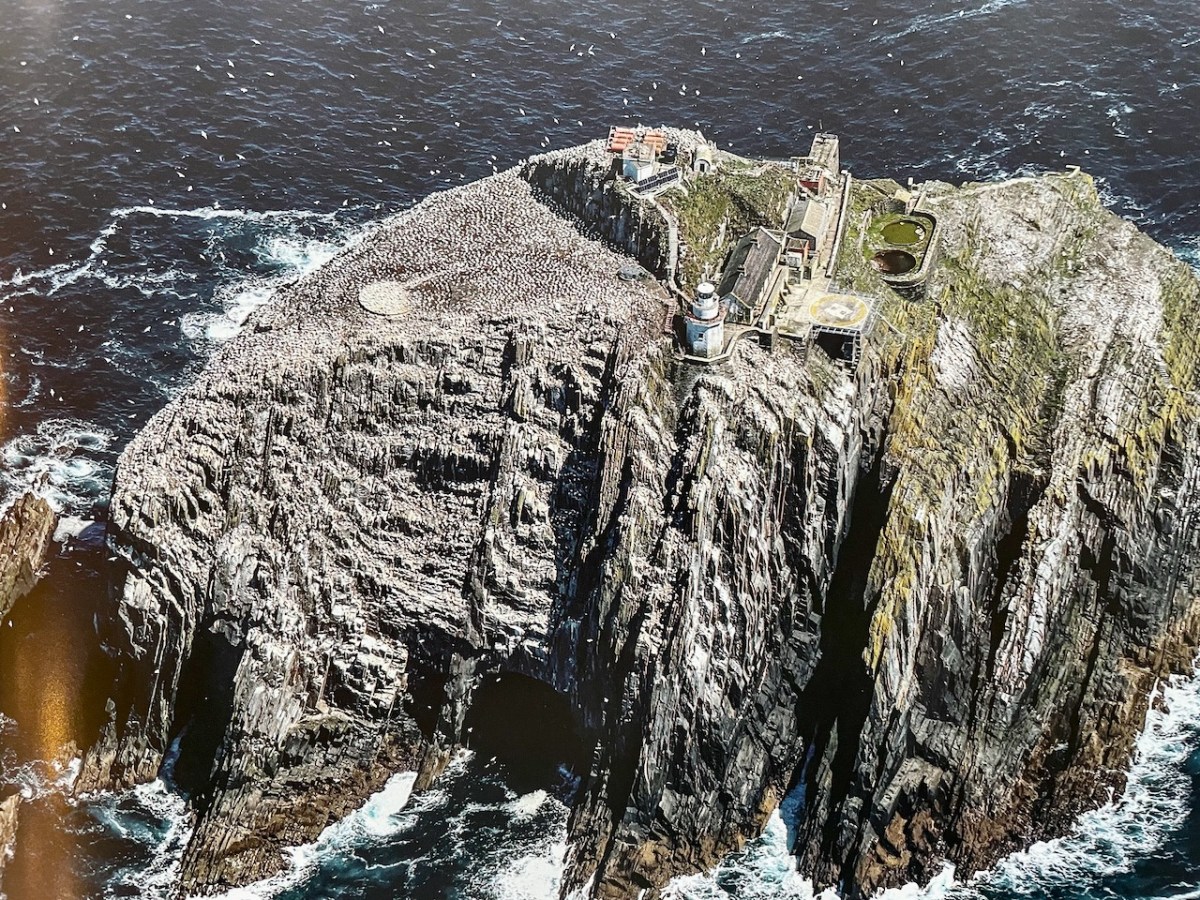
Dennis is the real deal.  Leaning out of a plane flying at 150 miles an hour, kept safe only by a seat belt – it’s not for cowards. Add to this his mastery of photographic techniques necessitated by speed, varying light, changing focal lengths, wind and cloud and here you have a virtuoso photographer working at the height of his powers.
And he’s a Cork man through and through – his knowledge of and love for our coast is obvious. He knows these places on the ground and so he knows exactly what he wants to show us, and how he wants us to see it. You can find the book here, along with more of Dennis’s magnificent panoramas.
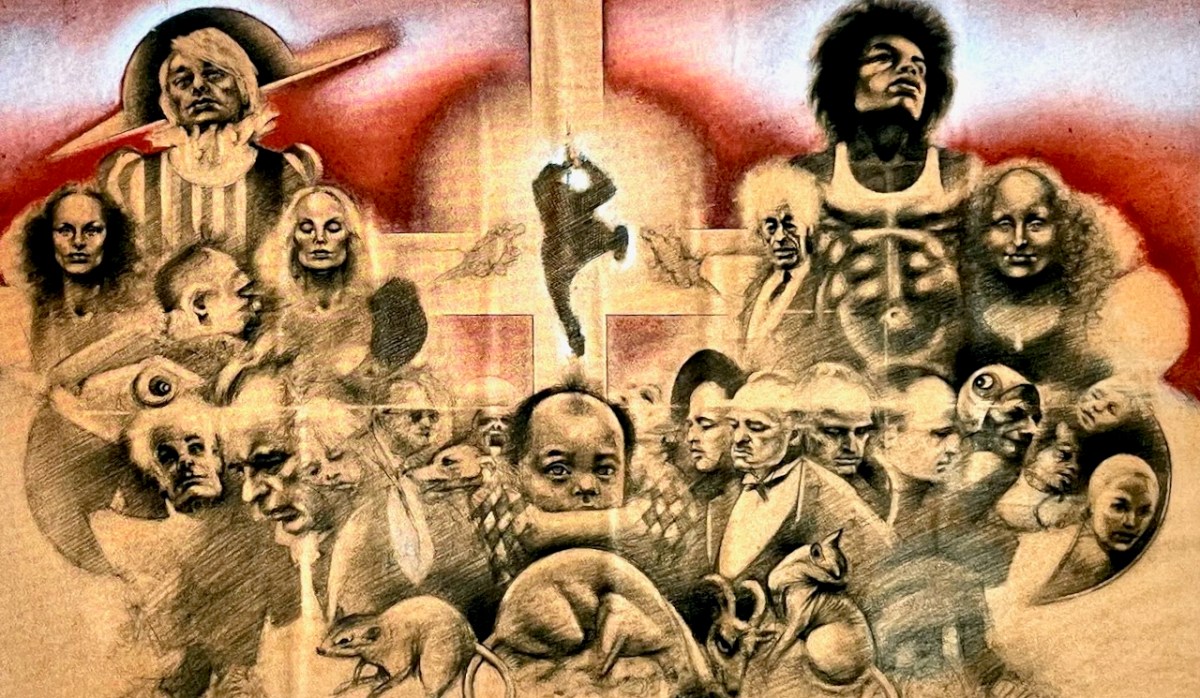
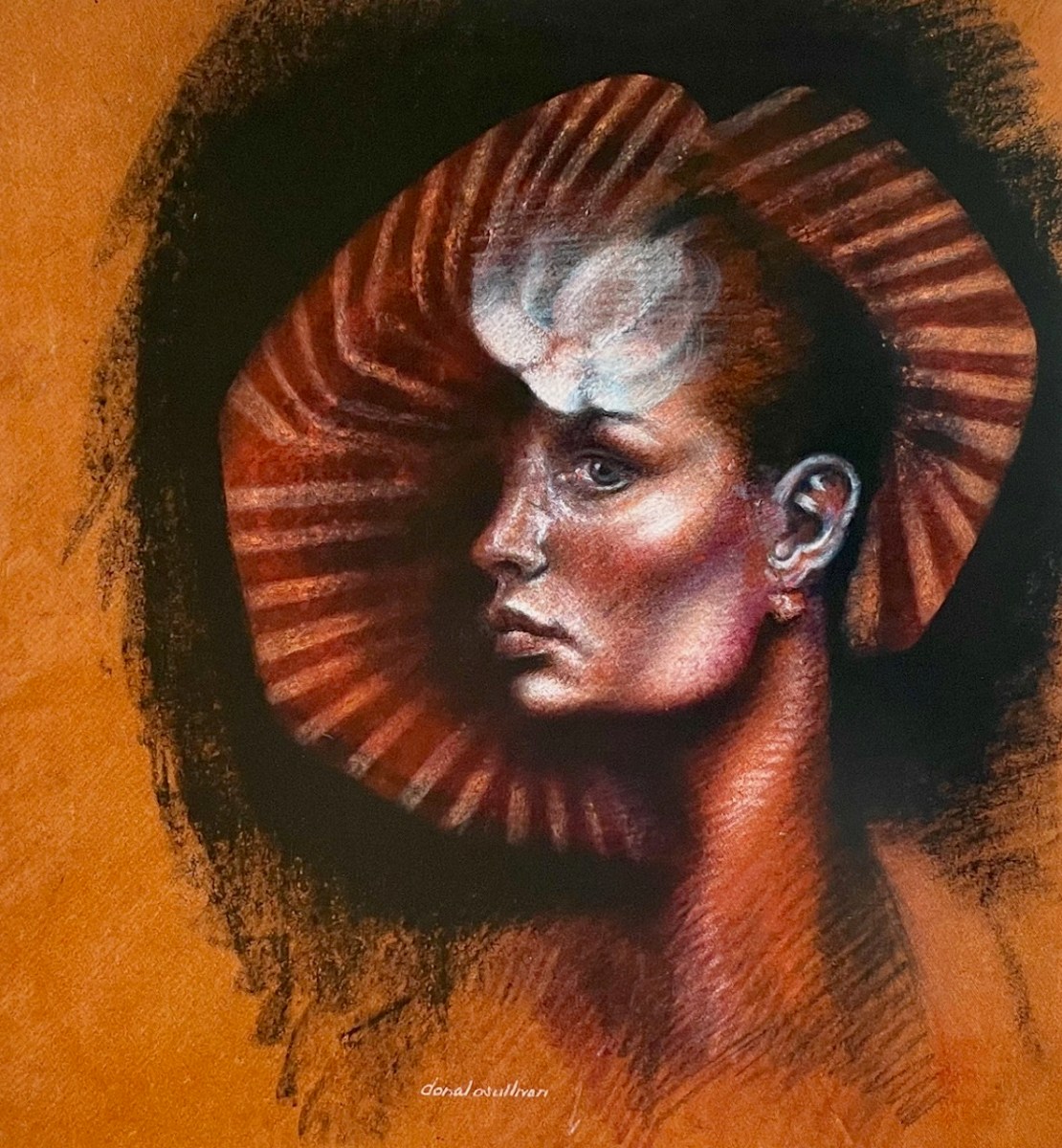
Our second book, Donal O’Sullivan: An Artist Remembered, is a revelation – why has nobody heard of this man? In jaw-dropping image after image, Paul Finucane and Brendan Lyons reveal the forgotten genius of O’Sullivan, whose preferred media, pastels and pencil, glow out from these pages. 
We learn about his students activism – he was a leader in reforming the old-fashioned and under-resourced College of Art, still languishing in basement rooms in Kildare street in the late 60s, with a curriculum dictated by civil servants (no life drawing, use those plaster casts!). Later, he was a beloved teacher in Dun Laoghaire, a friend and mentor to many. 
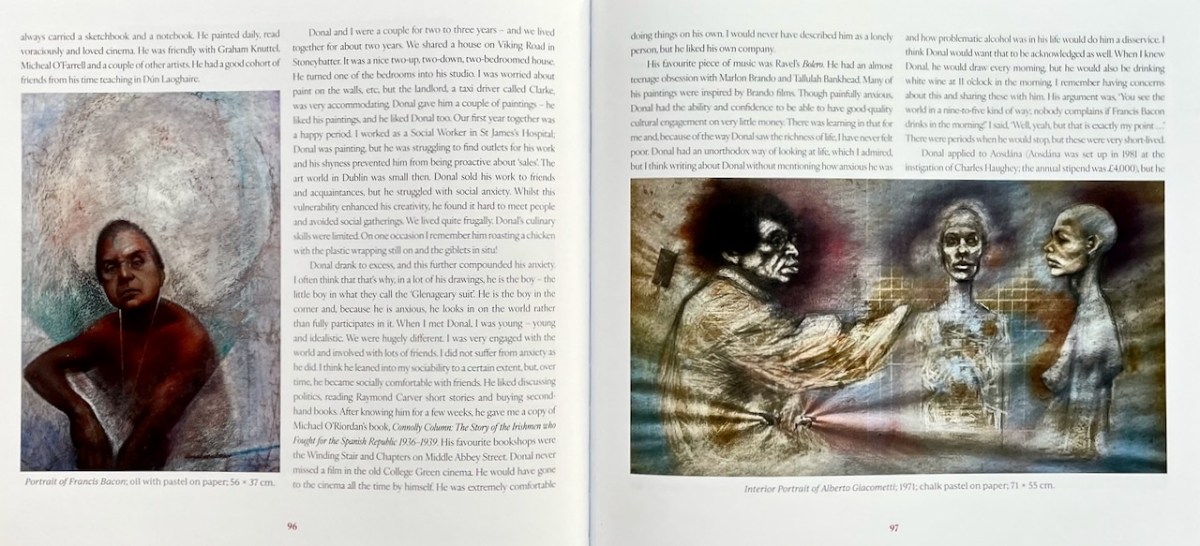
There are several descriptions of his chaotic studio. It sounded much like that of one of his inspirations, Francis Bacon, now reproduced in the Hugh Lane Gallery. He died by suicide when he was only 46, mourned by the family who loved and supported him through his later addiction battles, and those in the art world who remembered him as gentle, kind, encouraging, and fiercely individual.
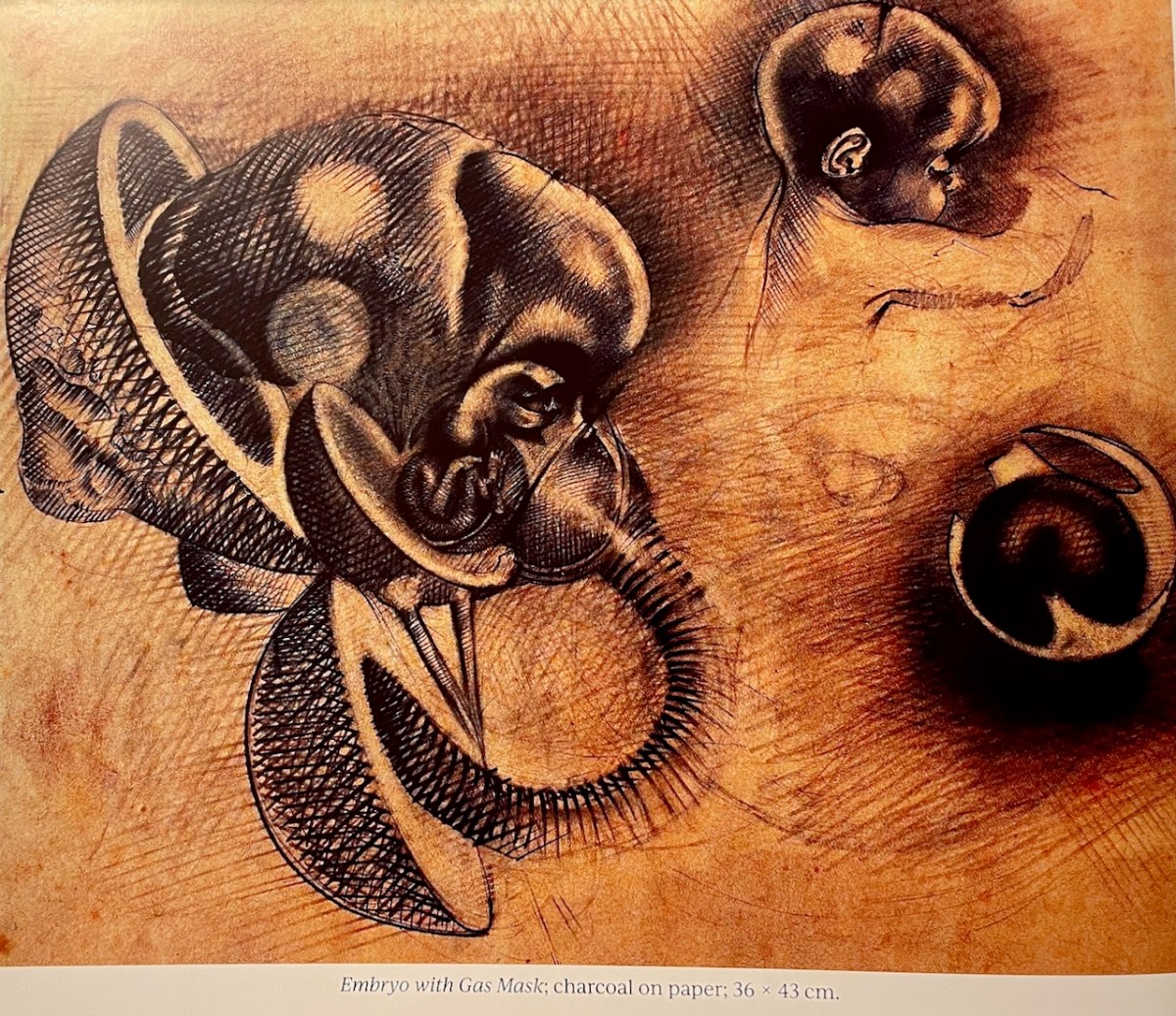
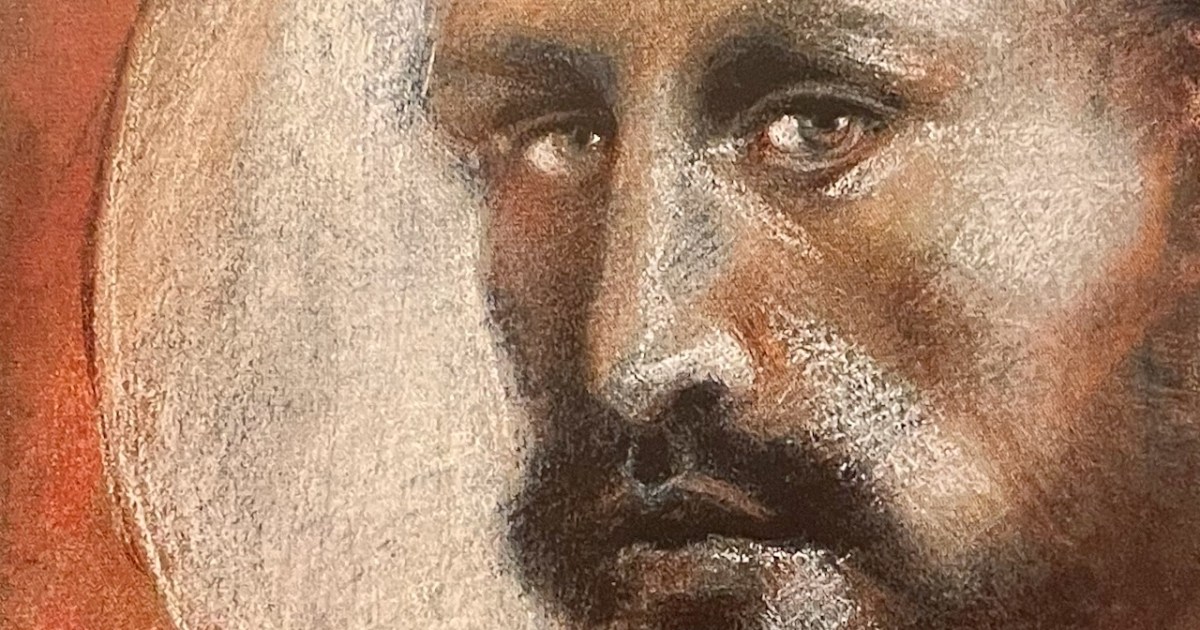
A piece in the Irish Times says, he had gone against the expressionism that was fashionable in Irish art circles at the time, trading instead in powerful, elegant and melancholy figurative art that often discomfited its viewers. That same piece has a video that shows many, many of his works, carefully preserved by his sister, Marie. There are many self-portraits – my lead image is a detail from one. And many nudes, despite the best efforts of those 1960s civil servants.
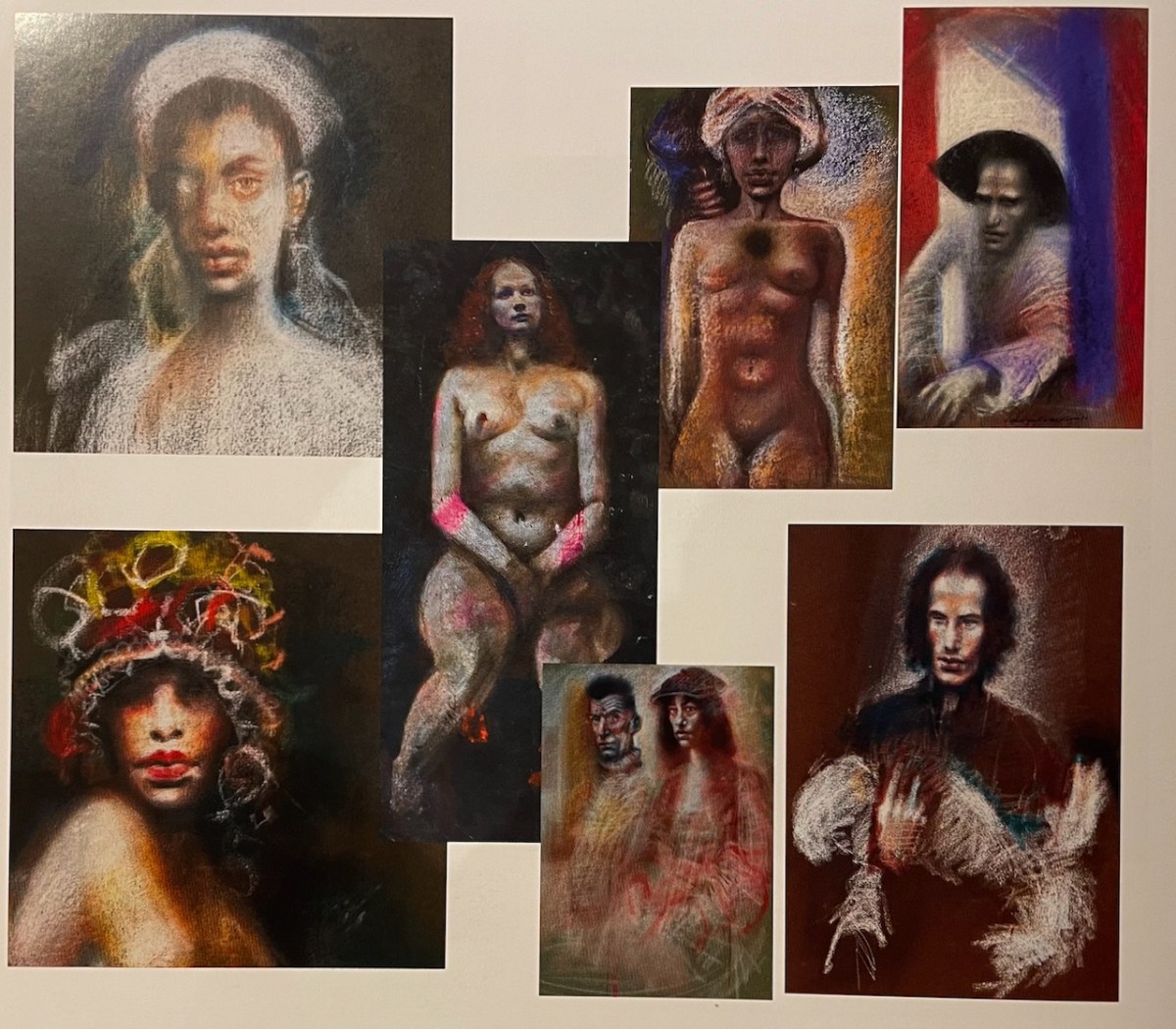
Finucane and Lyons, who also mounted a retrospective exhibition in September at Union Hall’s respected Cnoc Building Community Arts Centre, deserve all our thanks for rescuing this extraordinary artist from obscurity. You can purchase your own copy here.
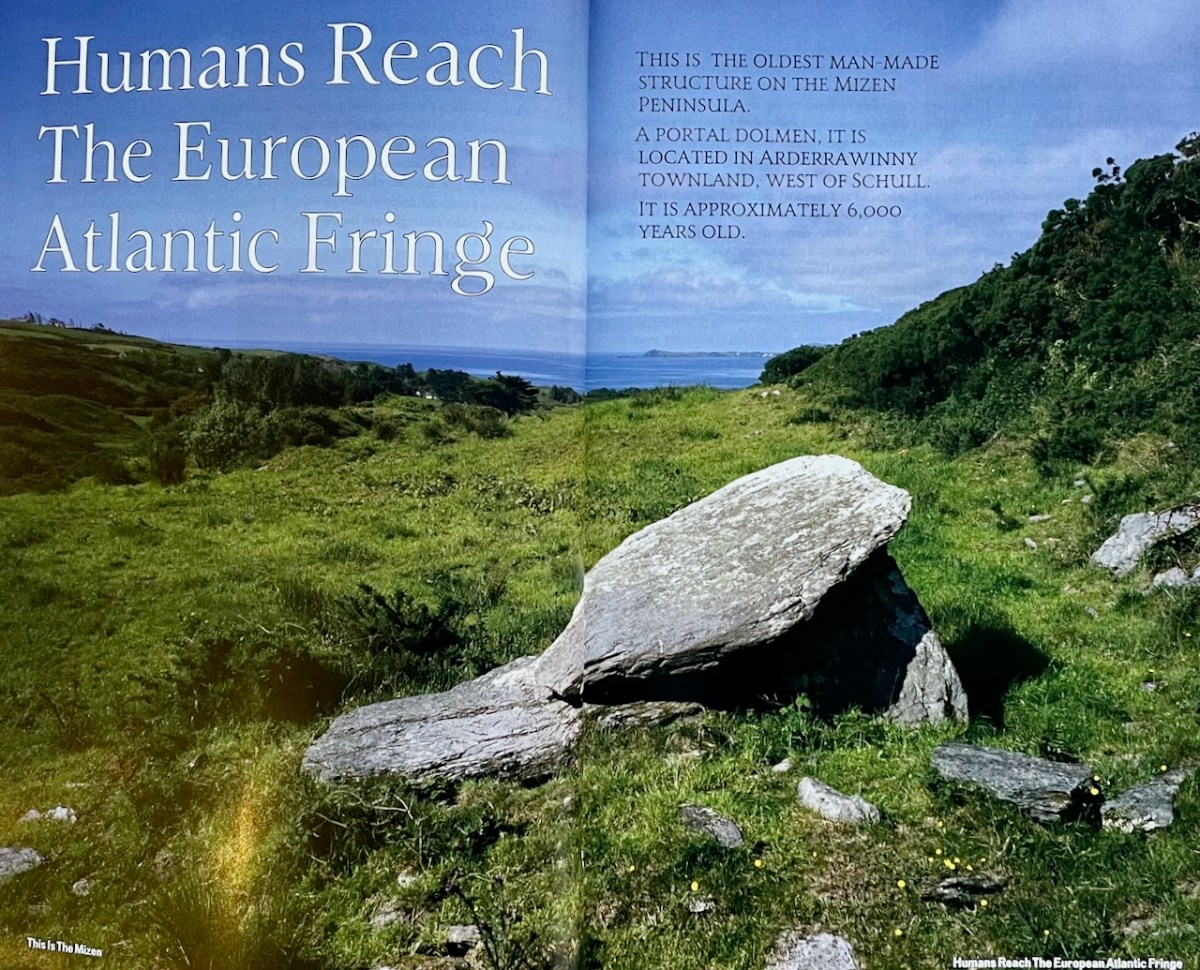
Finally, a book that, according to its writer, has been 18 years in the making, deals with a topic dear to my own heart. This Is The Mizen, by John D’Alton, delves into the history and prehistory of the Mizen Peninsula, copiously illustrated by John’s own photographs as well as historical images. 
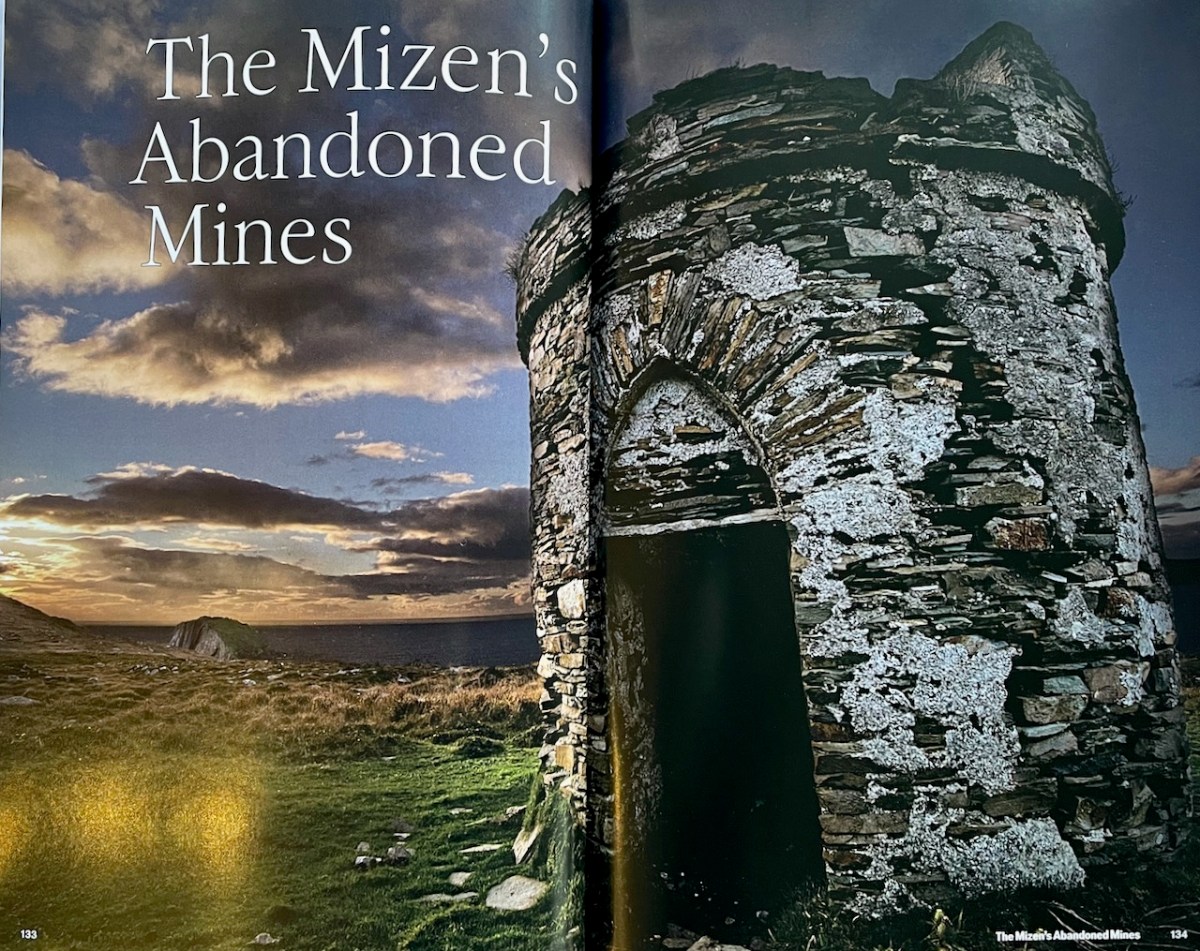
John, a former journalist and professional photographer, loves a moody landscape and his photographs often highlight a building or landscape lit by a setting sun. He has produced two previous books about West Cork (see here for example), using his own images.
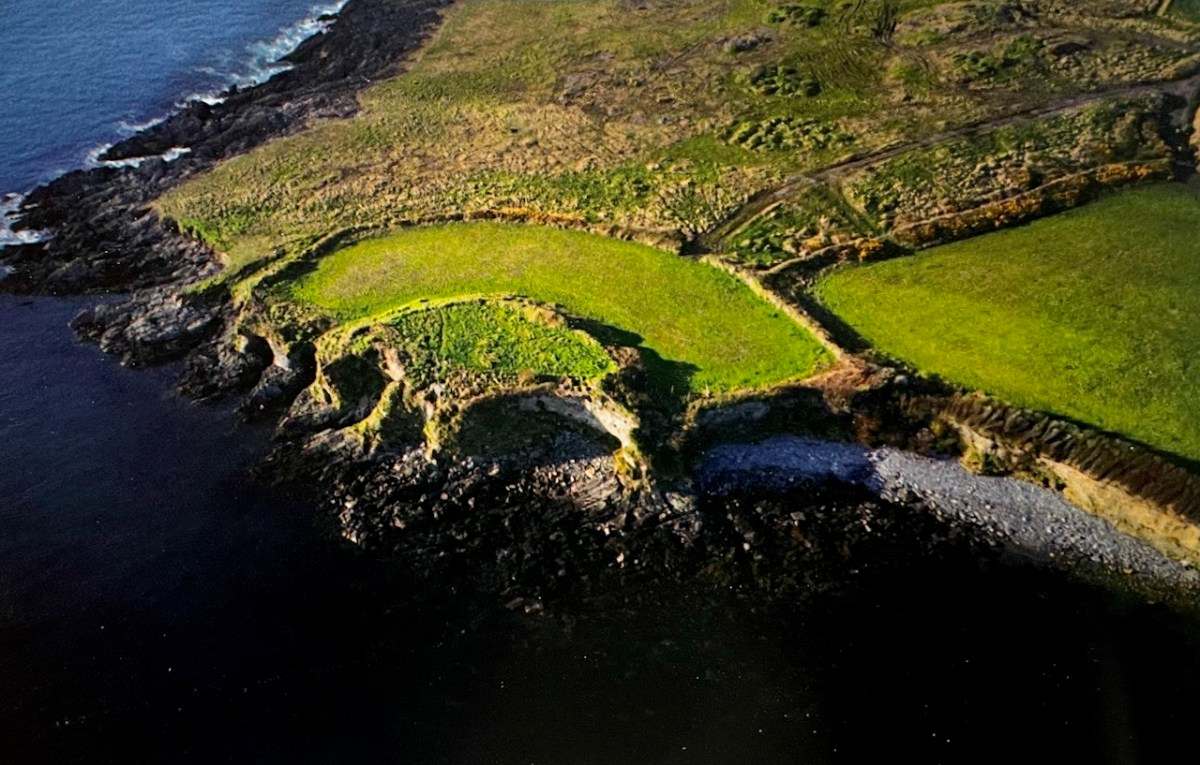
But this is not primarily a picture book, but rather an extended essay on the history of the Mizen Peninsula, from the earliest times. Regular readers might recognise the partial fort above – I wrote about it here and here. Don’t expect a turgid academic treatise: John has done his homework, and combines that with his own trenchant opinions, and a take-no-prisoners approach, to provide a highly readable account of this area. The book is available at local bookstores, such as the lovely Worm Books, or at https://www.buythebook.ie/product/this-is-the-mizen/
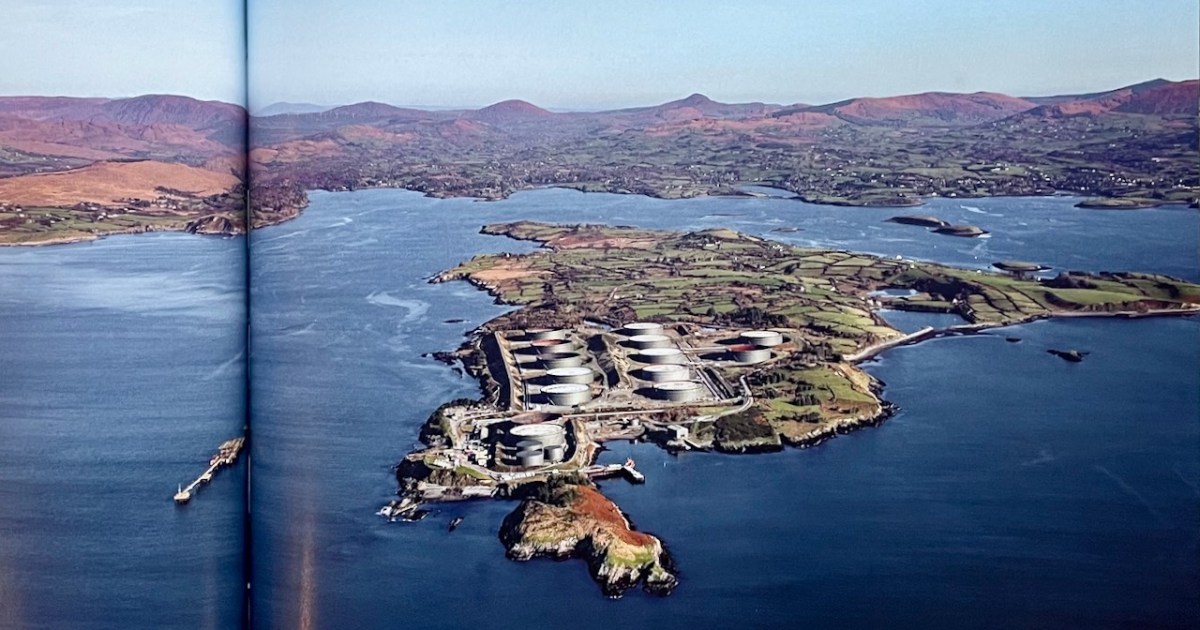
Above, Whiddy Island from Dennis Horgan’s The Coast of Cork
Elizabethan Map of a Turbulent West Cork

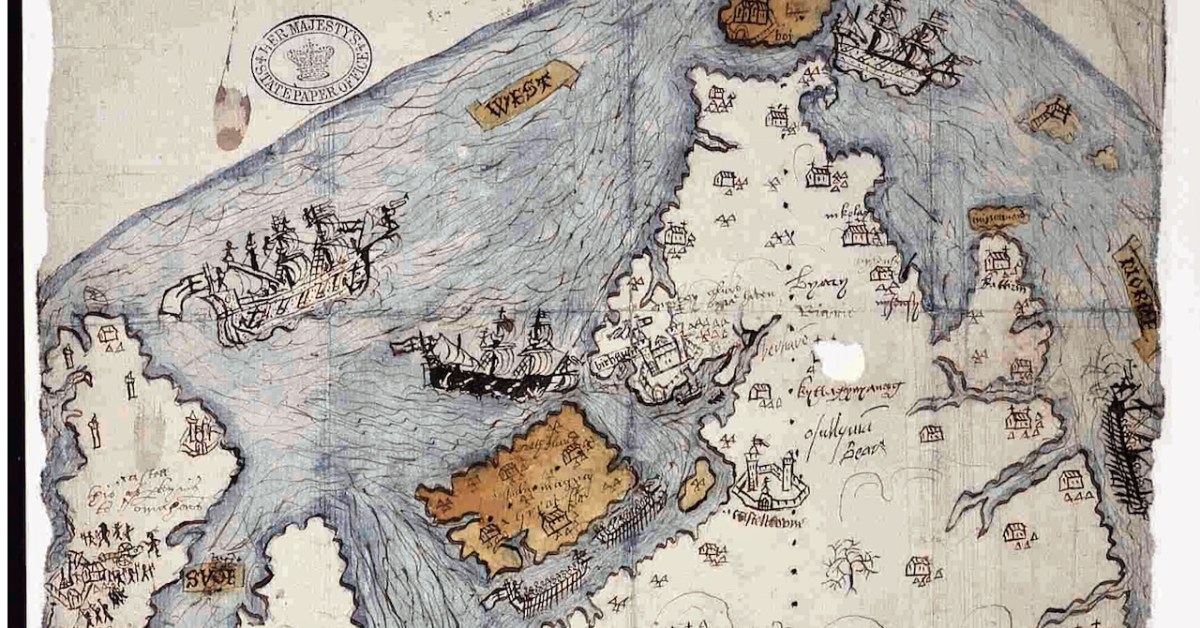
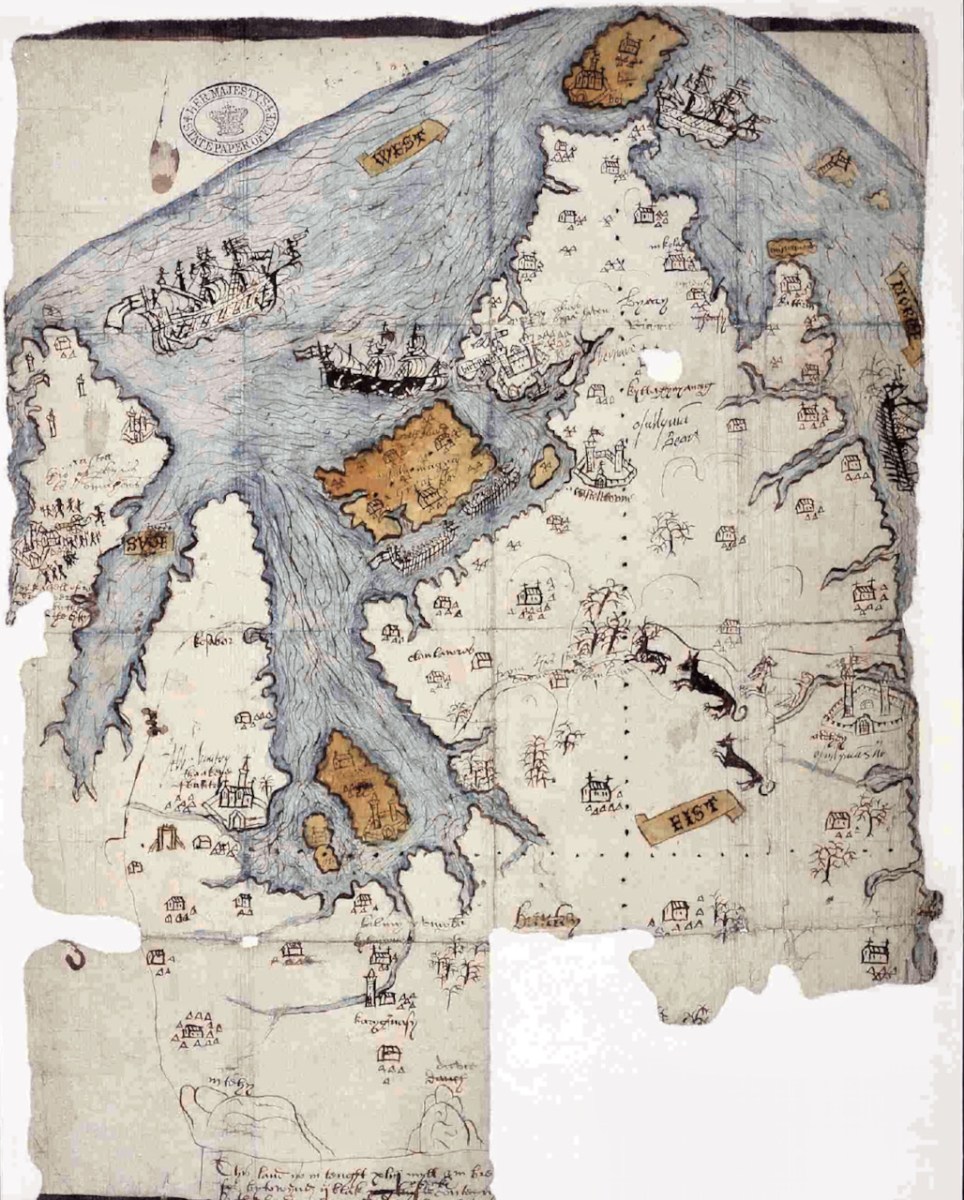
The Elizabethans were map-makers, especially if they needed information for the purpose of wars and conquests. I was first alerted to this extraordinary map of West Cork by a reference in the O’Mahony Journal (subscription needed) and then to a piece written on it for the Journal of the Cork Historical and Archaeological Society in 1958 by P O’Keeffe who labelled it a Map of Beare and Bantry. Neither of these sources had a good image of the map and so, intrigued, I sent off a request for a digital copy to the British National Archives. It arrived by return email, at no charge. What a service! (Irish national repositories take note.) Here is the complete map.

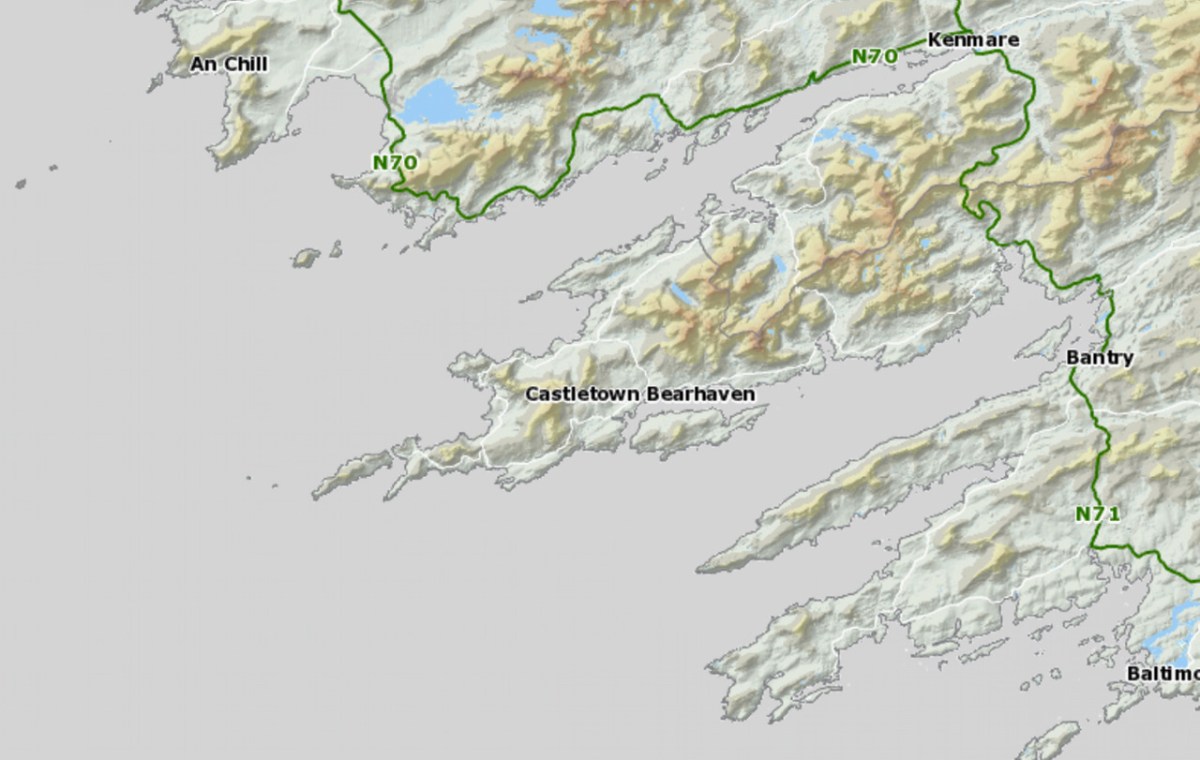
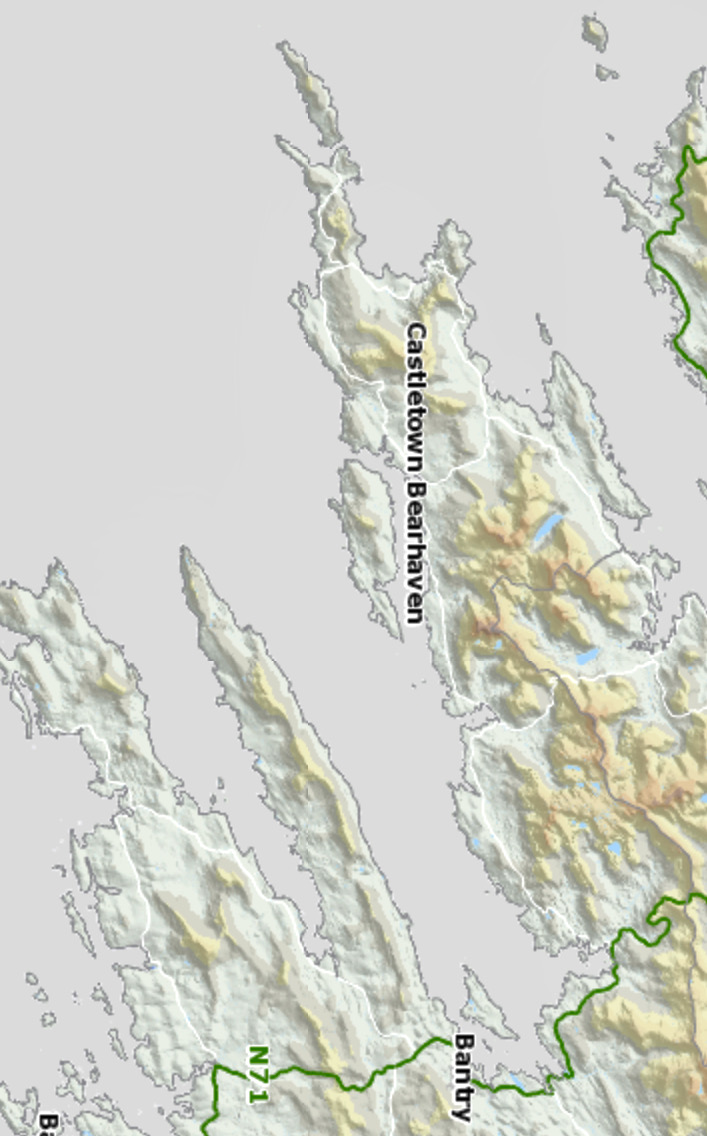
While it is clear that this map dates to the Elizabethan period, there are many questions about it: who did it, for what purpose, exactly when? For this post I want to go through elements of the map and identify, as far as possible, what it depicts. A subsequent post will deal with what is actually going on – that is, what are the actions that are being chronicled. Let’s start with the fact that the map is quite accurate. It depicts the three peninsulas of West Cork – the Mizen, the Sheep’s Head and the Beara – and the inlets in between them. It is oriented east-west rather than our modern convention of north-south, but the cardinal points are clearly identified. The map is drawn on paper, with the sea coloured in blue and the islands in brown. I have provided maps below of the same area, the first in our typical north-south orientation and the second as it is orientated in the historical map.

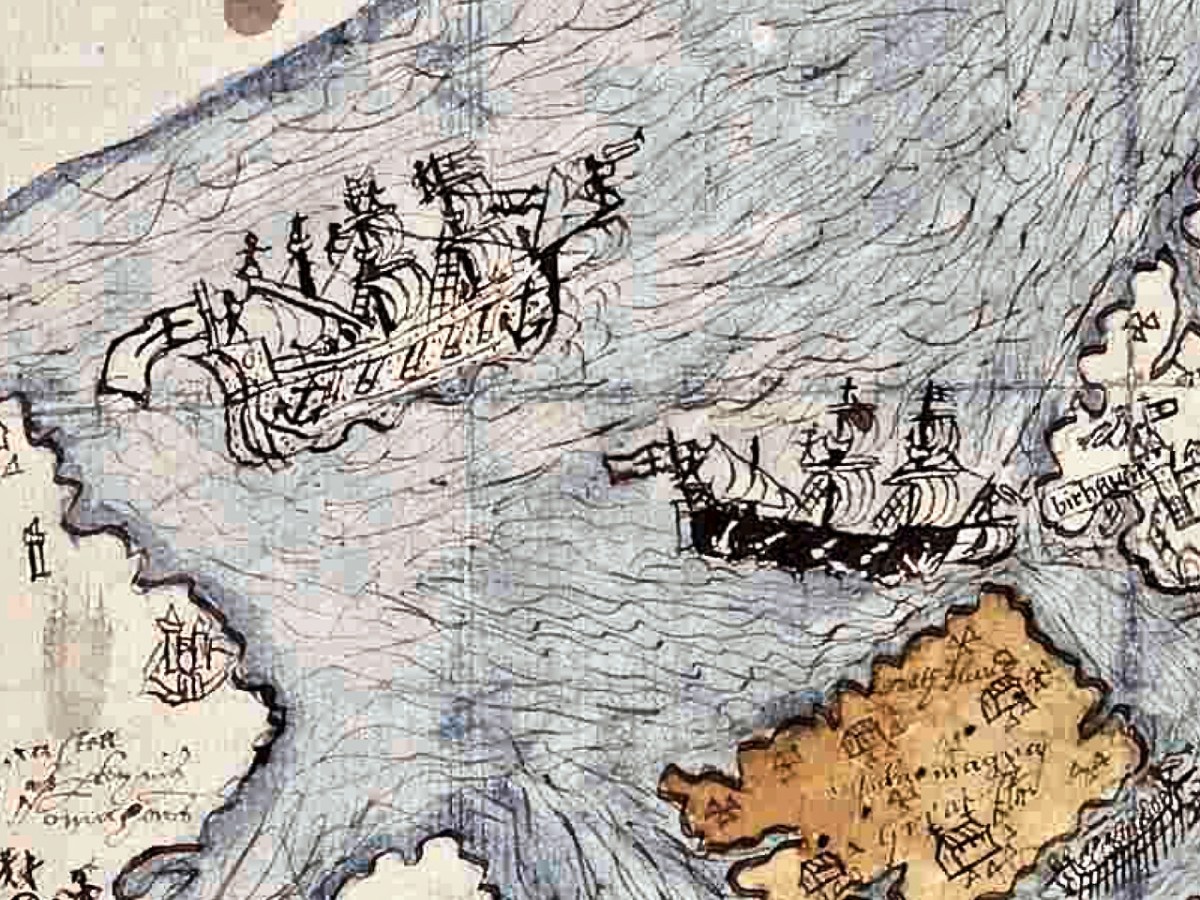
The sea is shown teeming with ships – warships and galleys. Taking a closer look at the two north of Bear Island we see two different ships, one light and one dark. Each is in full sail, with men on the riggings and in the look-outs. They have cannons emerging from the hull, a trumpeter aft and a bugler on the bow-spit.

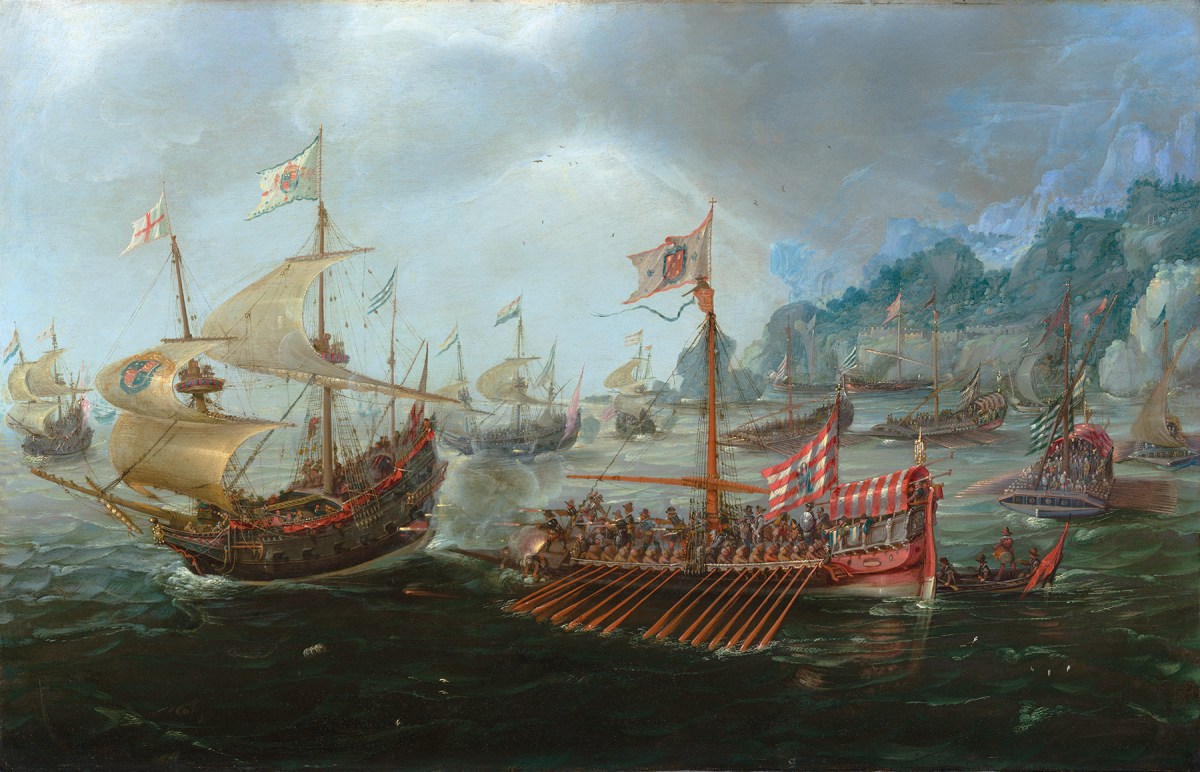
As a reference, here is a painting by Andries van Aervelt showing the kinds of ships that were engaged in The Battle of the Narrow Seas (1585) – both the full-sail warships are shown as well as galleys.

Galleys were also deployed here, shown between Bear Island and the mainland (below). The lead galley has a trumpeter on the bow, while the second galley shows a man blowing a horn in the stern and what looks like a drummer on the bow (like those ramming speed scenes in Ben Hur). The rowers were often convicts and the life of a galley rower was brutal. This map shows a single row of oars. Galleys essentially provided platforms upon which armed soldiers could shoot, and had the advantage of being more stable than sailing ships and often faster, depending on wind and swell. 

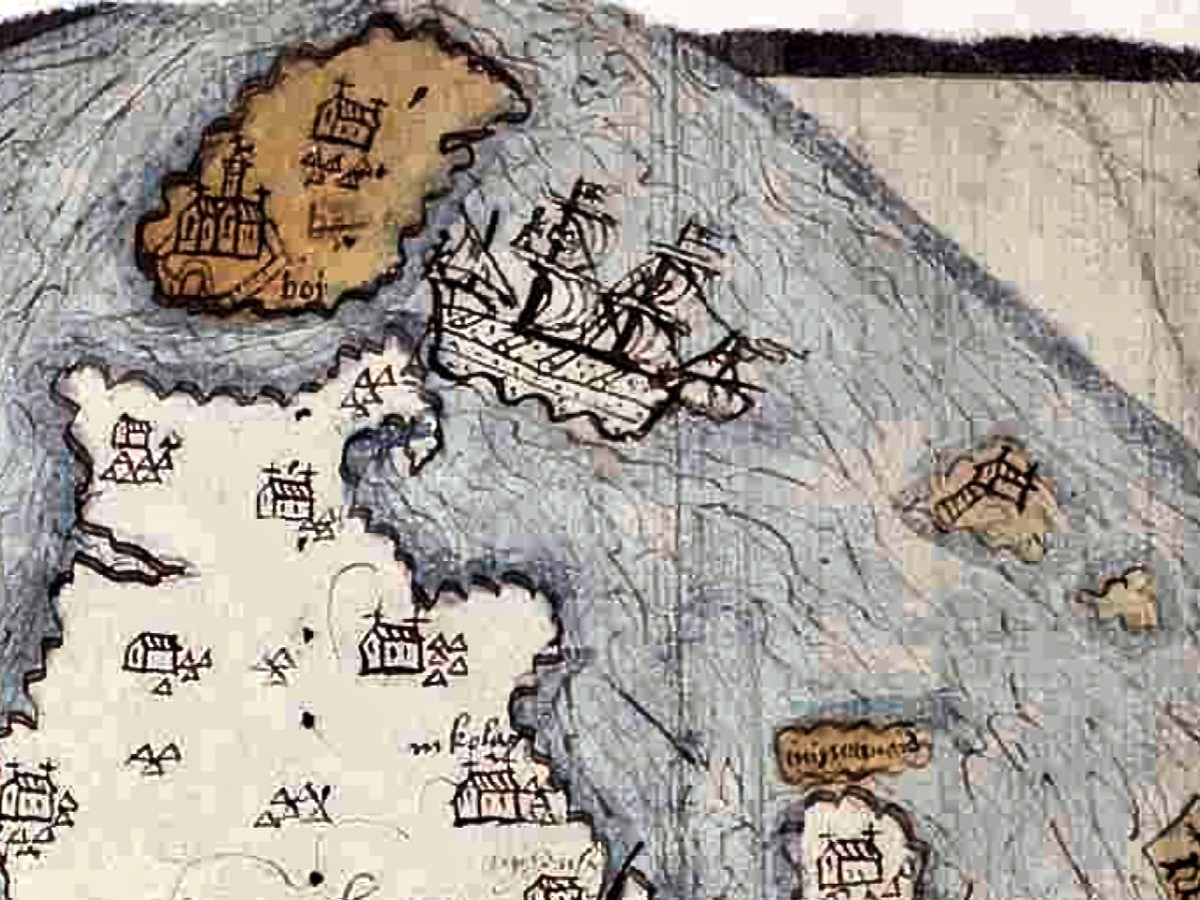
Another warship (below) is rounding the tip of the Beara , heading for Dursey Sound. Dursey Island has both a church and a castle on it. There isn’t much trace of this now, but there was an O’Sullivan castle on a small grassy peninsula on Dursey, described as two rectangular buildings with a rectangular enclosure in the National Monuments records. It was destroyed in 1602 (more about that in the next post) along with what was then left of the church, known as Kilmichael, which was already in a ruinous state. At the right, in this section of the map, are two rocky islands, one with a set of steps leading up to a church. Could this be Skellig Michael? The other candidate is Scariff Island, off Lamb’s Head, which had a monastic settlement and hermit’s cell on it.

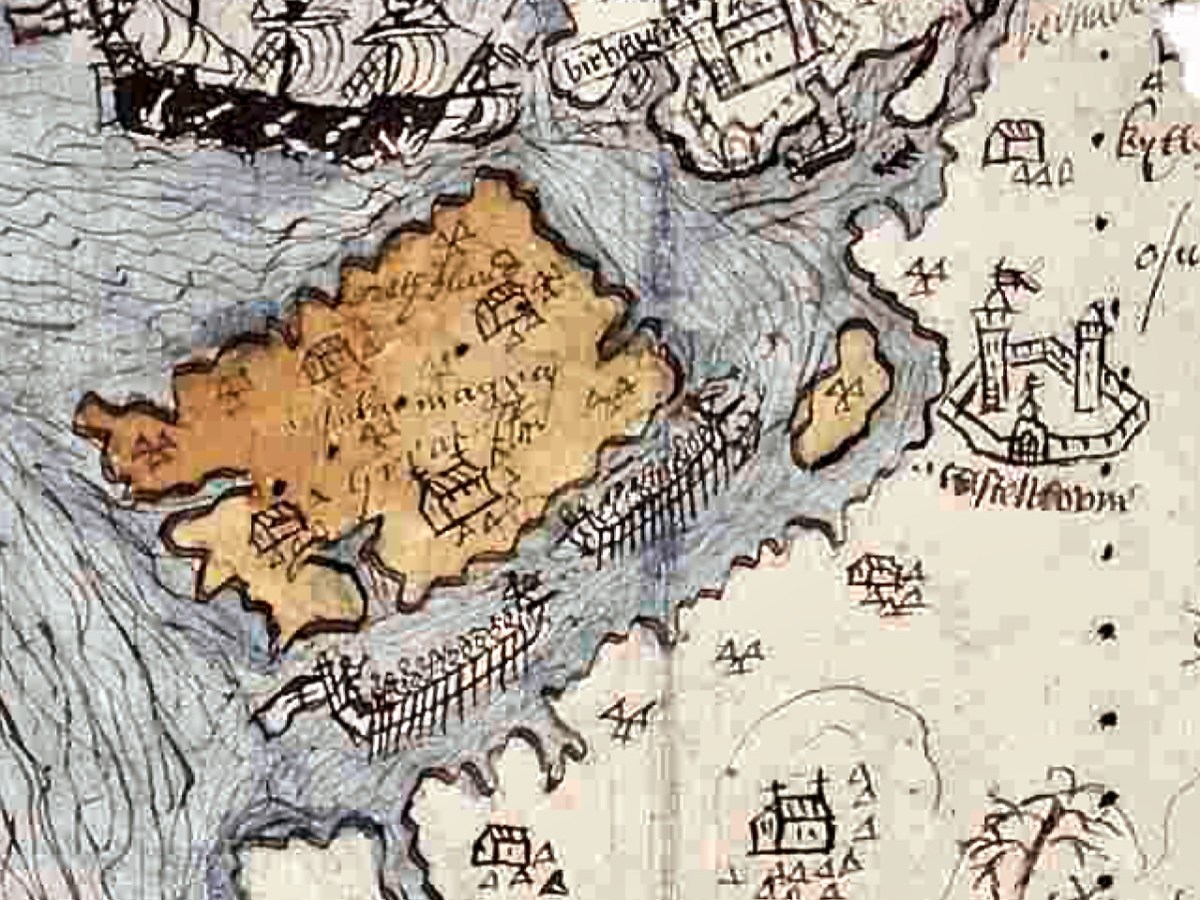
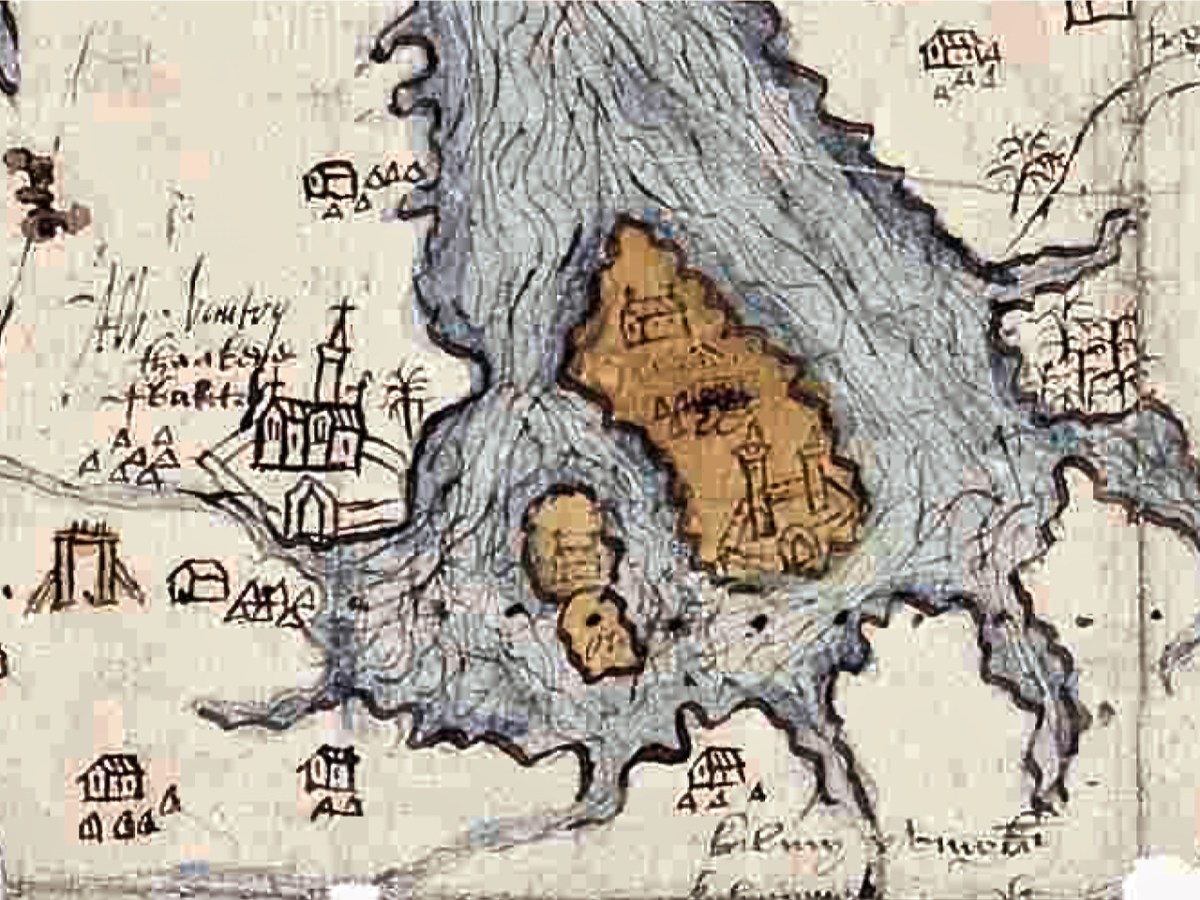
Let’s take a look now at the area around Bantry (below). The large church is of course the Franciscan Abbey that stood here, where the graveyard is located There is a church shown on the aptly-named Chapel Island between the mainland and Whiddy (no trace if it now remains), and both a church and a castle on Whiddy.

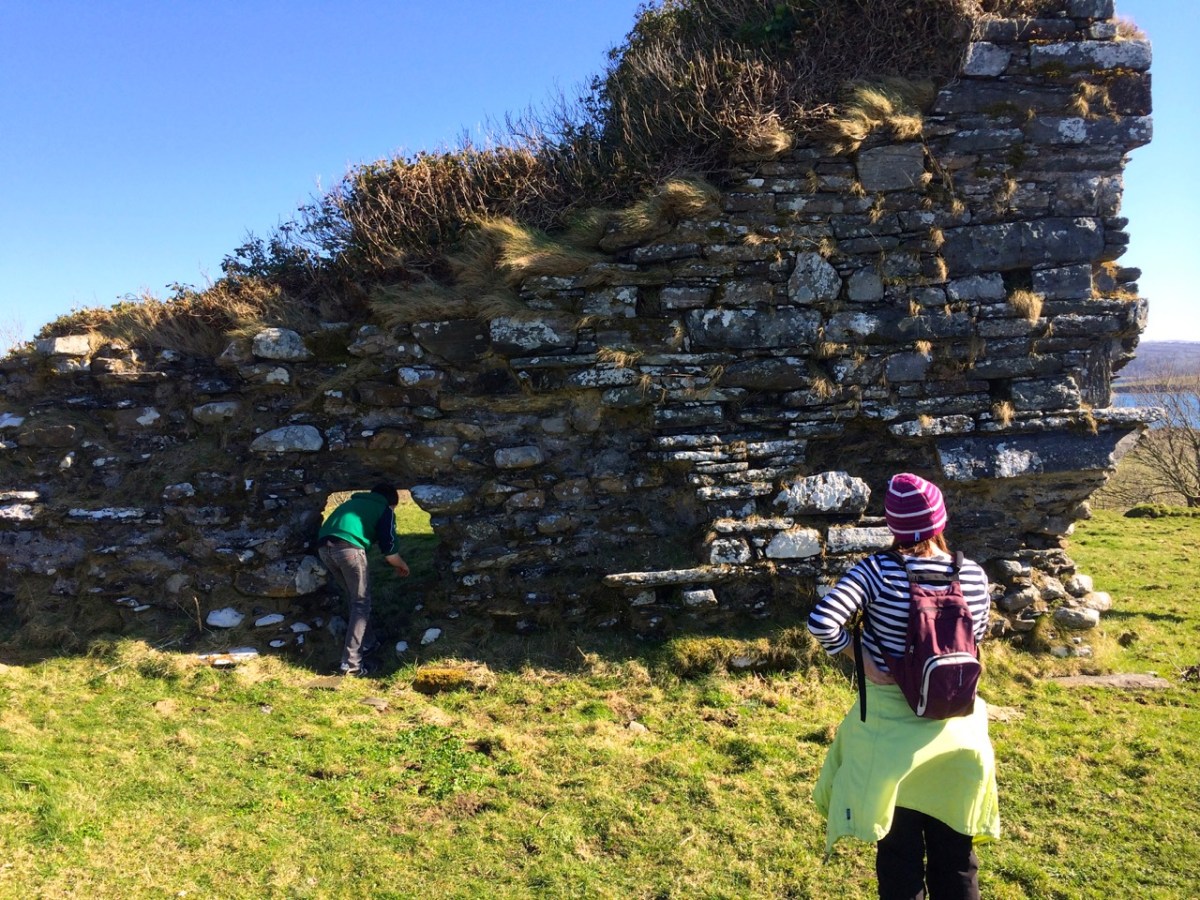
The fragmentary remans of an ecclesiastical enclosure can still be seen at the graveyard on Whiddy, while the O’Sullivan Castle has only one wall still partly standing. That’s it, below.

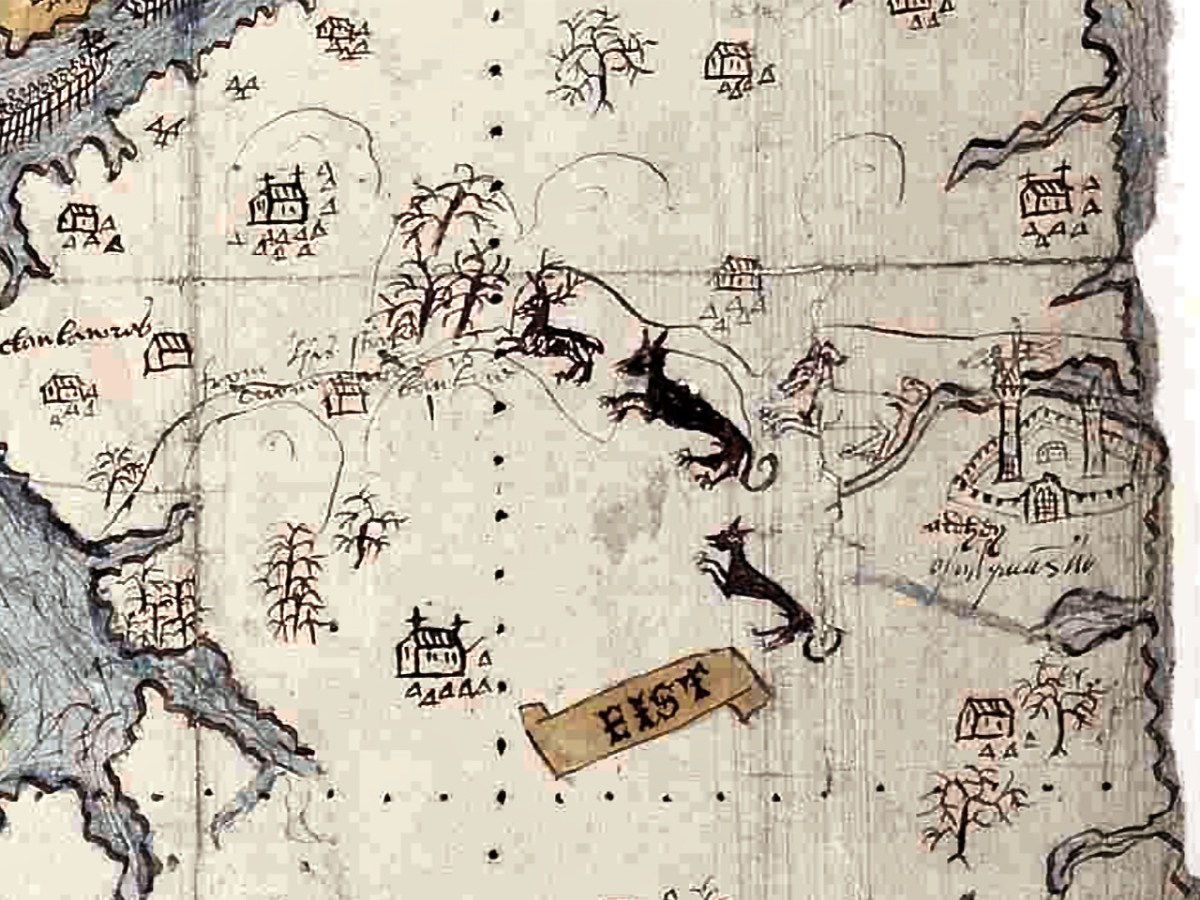
The hinterland of the Beara is shown with trees and animals. Either this is a hunting scene with dogs chasing a stag, or it is meant to show the wildness of the interior, with wolves and deer. Settlements are indicated by churches surrounded by a cluster of cabins (not that different from Irish villages up until recently), and there is a castle labelled Ardhey and O Sulyvans Ho. This is likely to be the ruined casted of Ardea, which actually stands on the other side of the Kenmare River – the Iveragh side rather than the Beara side.

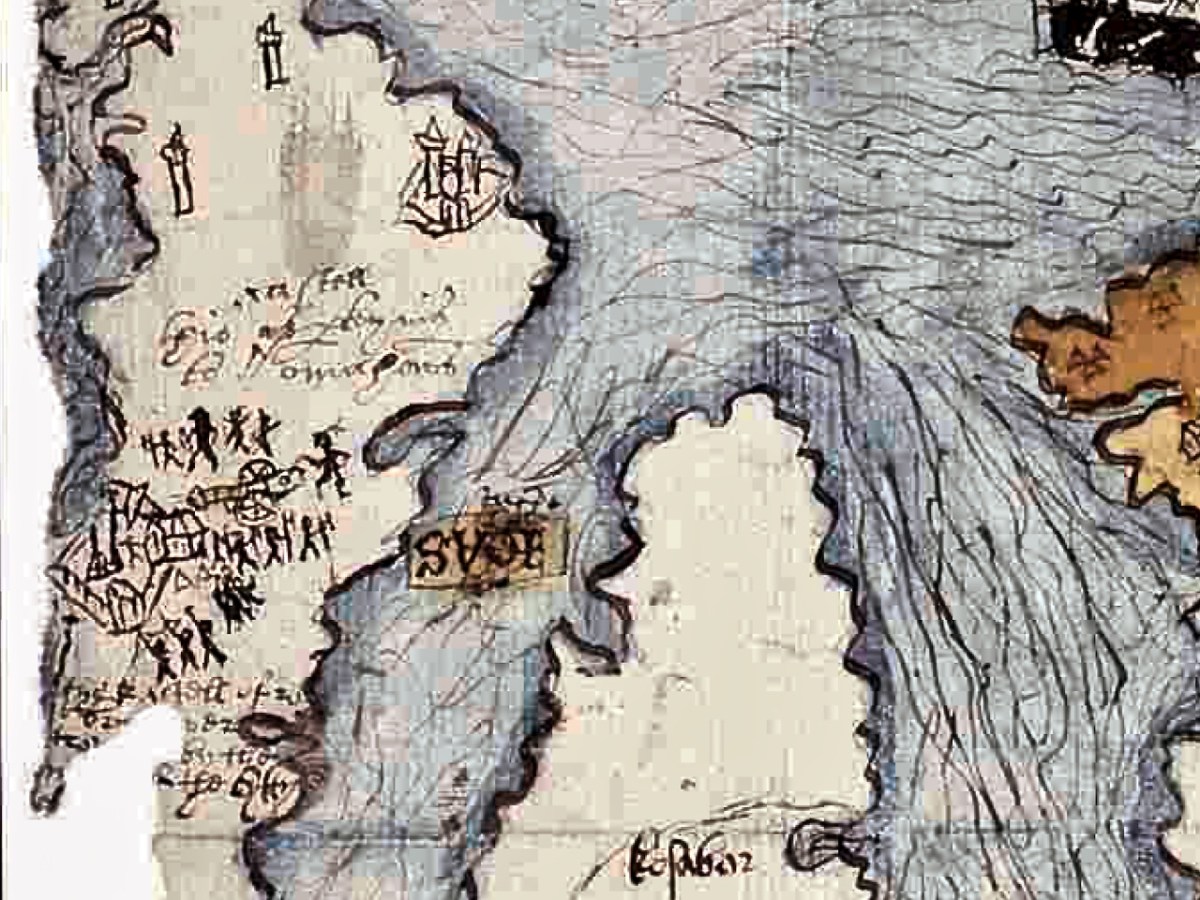
The final depiction I want to highlight is of the Mizen. Several towers dot the  landscape as well as two substantial castles, one of which is under siege. 

Which castles are these – especially the one being attacked? Tune in next week!