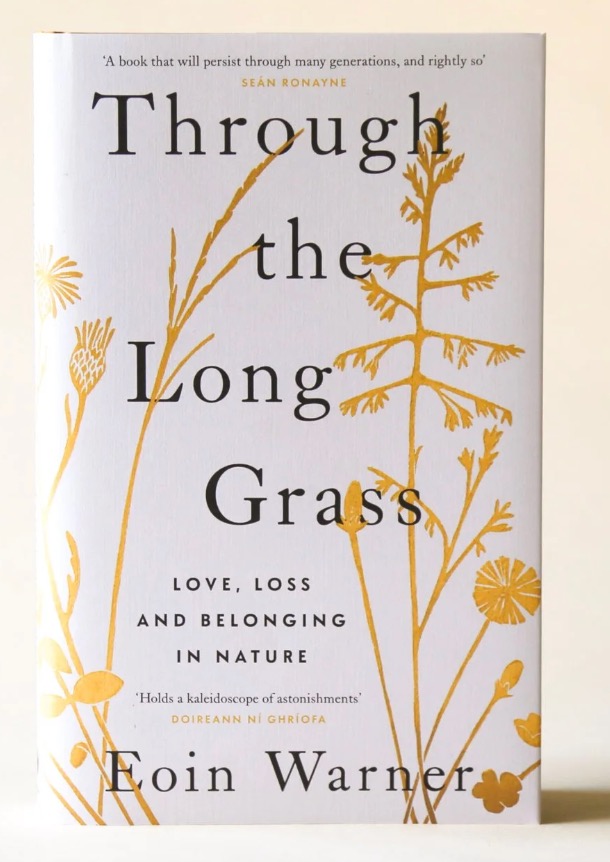
My intention was to do a post this week about all the local and special books that have come into my house recently. I swear, about once a week, that I will buy no more books, but somehow the little divils keep creeping in. I might still do that, so you know what to buy for Christmas, but I have been reading Eoin Warner’s Through the Long Grass, and oh my goodness, I can’t put it down and you all need this book in your life.
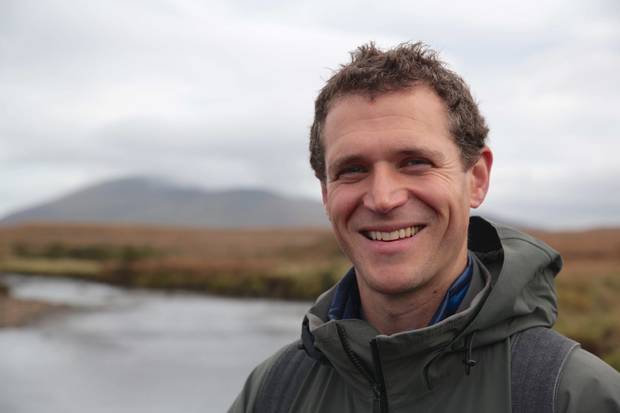
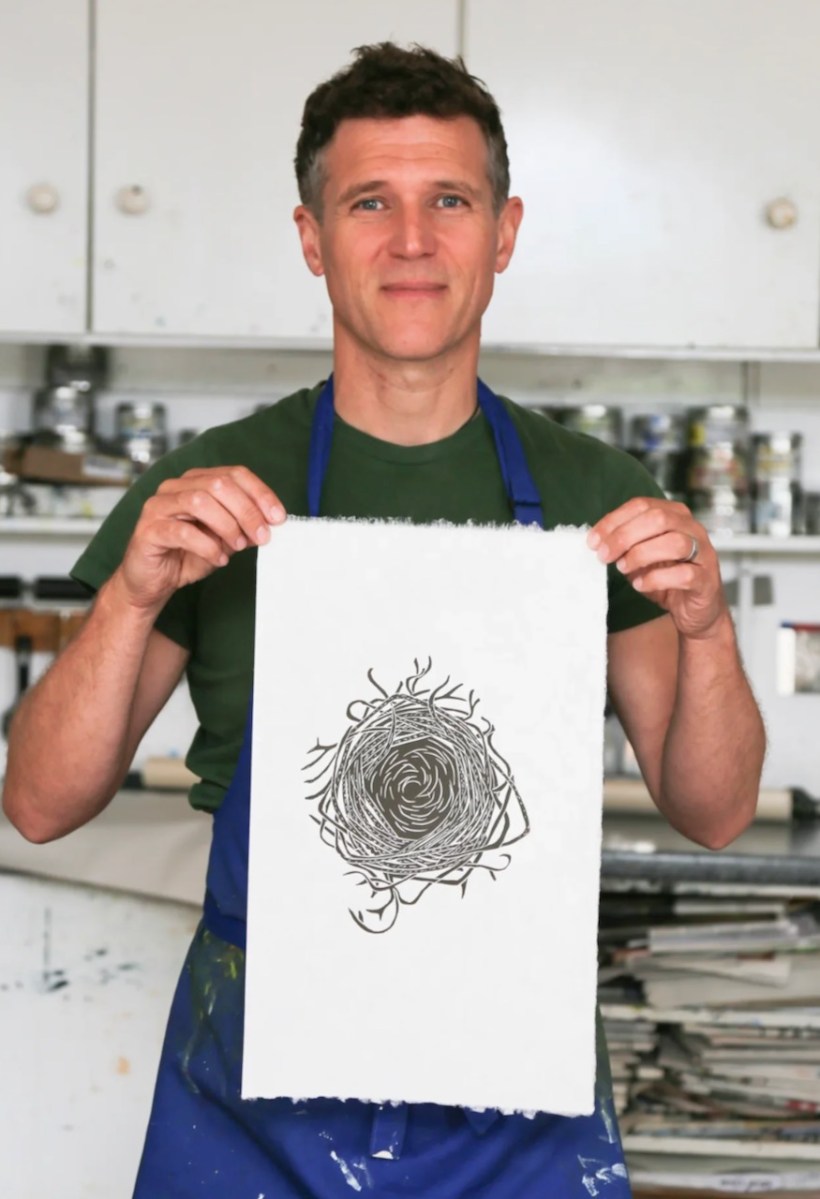
First, who is Eoin Warner? We mostly know him as the presenter, in both English and Irish, of a series of television documentaries about Wild Ireland. Take a look at his website – all the docs are listed there. Not all the links are currently live but right now you can watch, if you haven’t already, Wild Connemara and Ireland’s Wild Islands. This YouTube clip will give you an idea of the quality of the filming. Eoin also happens to be a Bantry Native and one of his launches was in Bantry where the whole town turned up to get a signed copy.
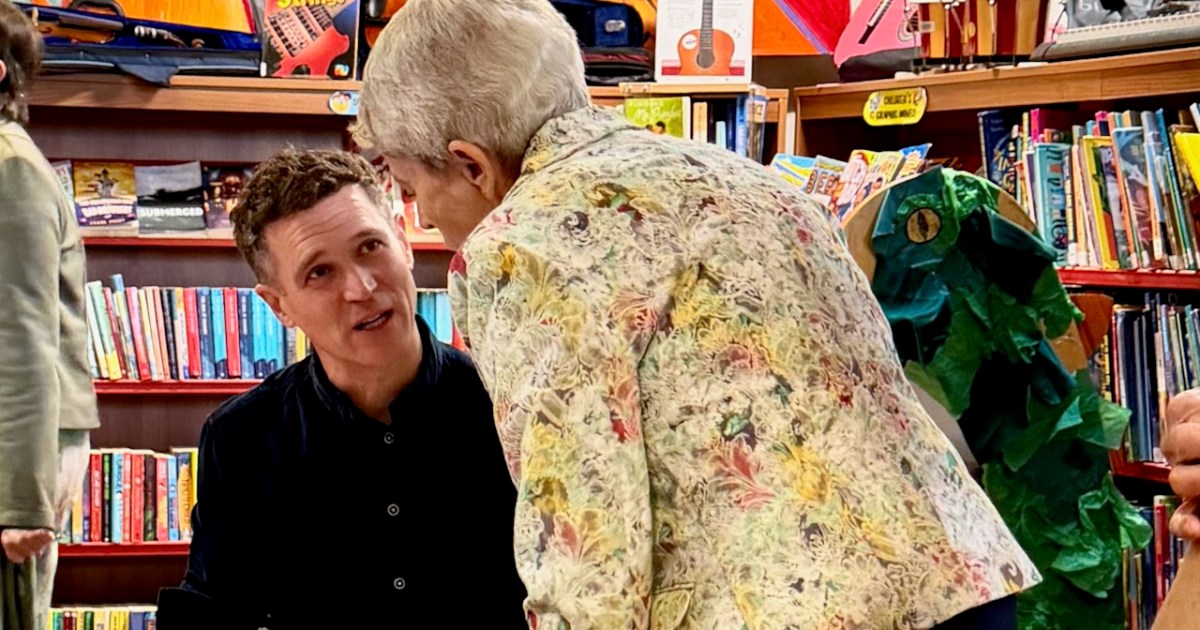
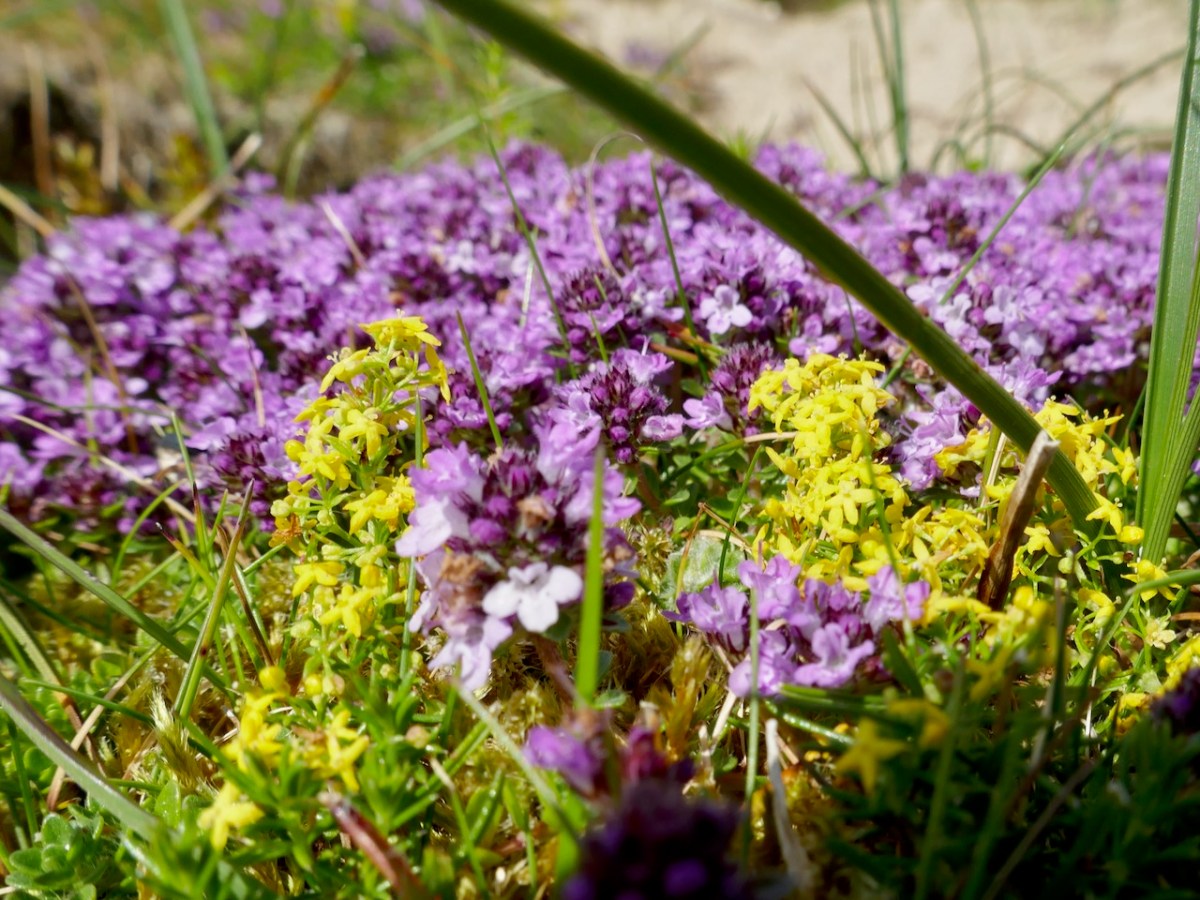
Robert and I met Eoin and his mother in 2017 at a fun event in Ballydehob, right after Éire Fhiáin/Wild Ireland had come out. If you watch episodes of that series you will understand why Eoin is often called Ireland’s David Attenborough. It’s his commentary – it feels completely unscripted, as indeed I think most of it is, and there’s a quality of childlike wonder that comes across over the knowledgeable information. If you have ever been stopped in your tracks by a wildlife sighting, or have spent time (as I have) lying in the grass or the dunes and just letting your eye tune in to the wildflowers and plantlife and insects around you, you will know that sense of wonder.
It’s one thing to deliver commentary live or in short segments on a documentary: it’s another thing entirely to write a book that captures that sensitive and curious voice. Eoin told me, when we found ourselves on the same lichen walk in Glengarriff Woods this summer, that it was the hardest thing he had ever done. Be that as it may, he has done it, and done it magnificently.
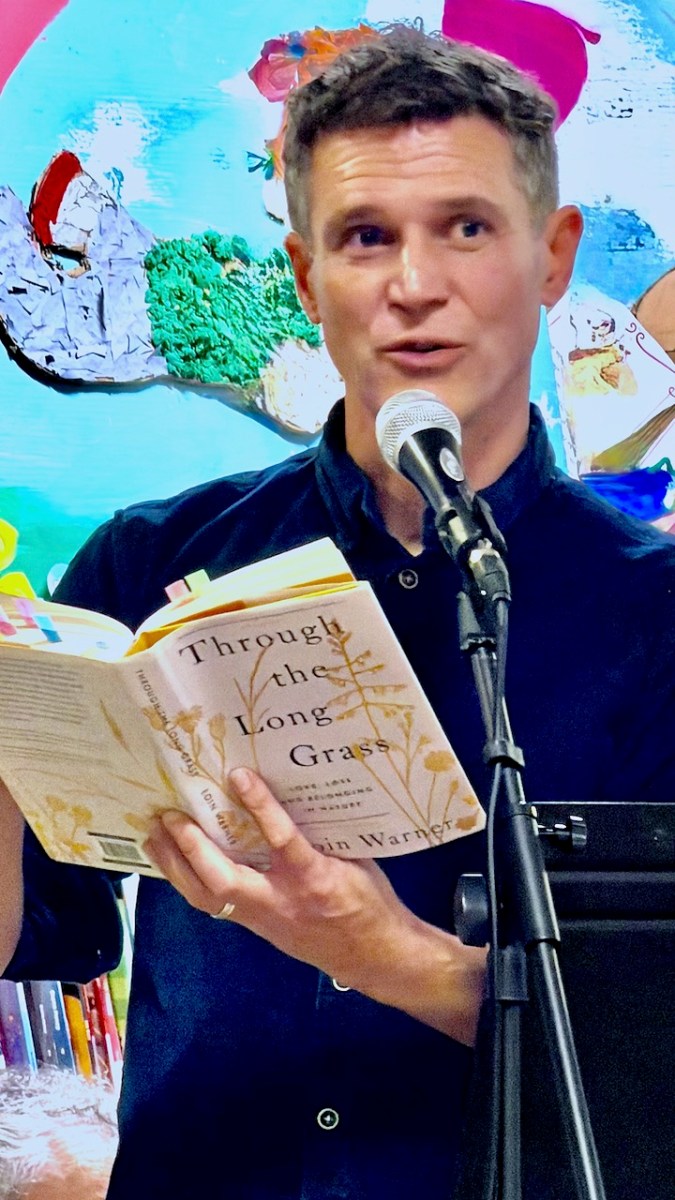
This is a deeply personal book. Eoin’s father, David Warner, was one of the fifty people who perished in the Betelgeuse disaster in Bantry Bay in 1979. He was three, and his mother was left with three small children. Grief was a constant presence – a gaping emptiness that lived in the house with us, it sat at the table during meals. On journeys it sat in the vacant front seat of the car. It shared my mother’s bed, flat and shapeless under the sheets. Eoin’s mother, Mary, died in 2022, admired and beloved by all who knew her.
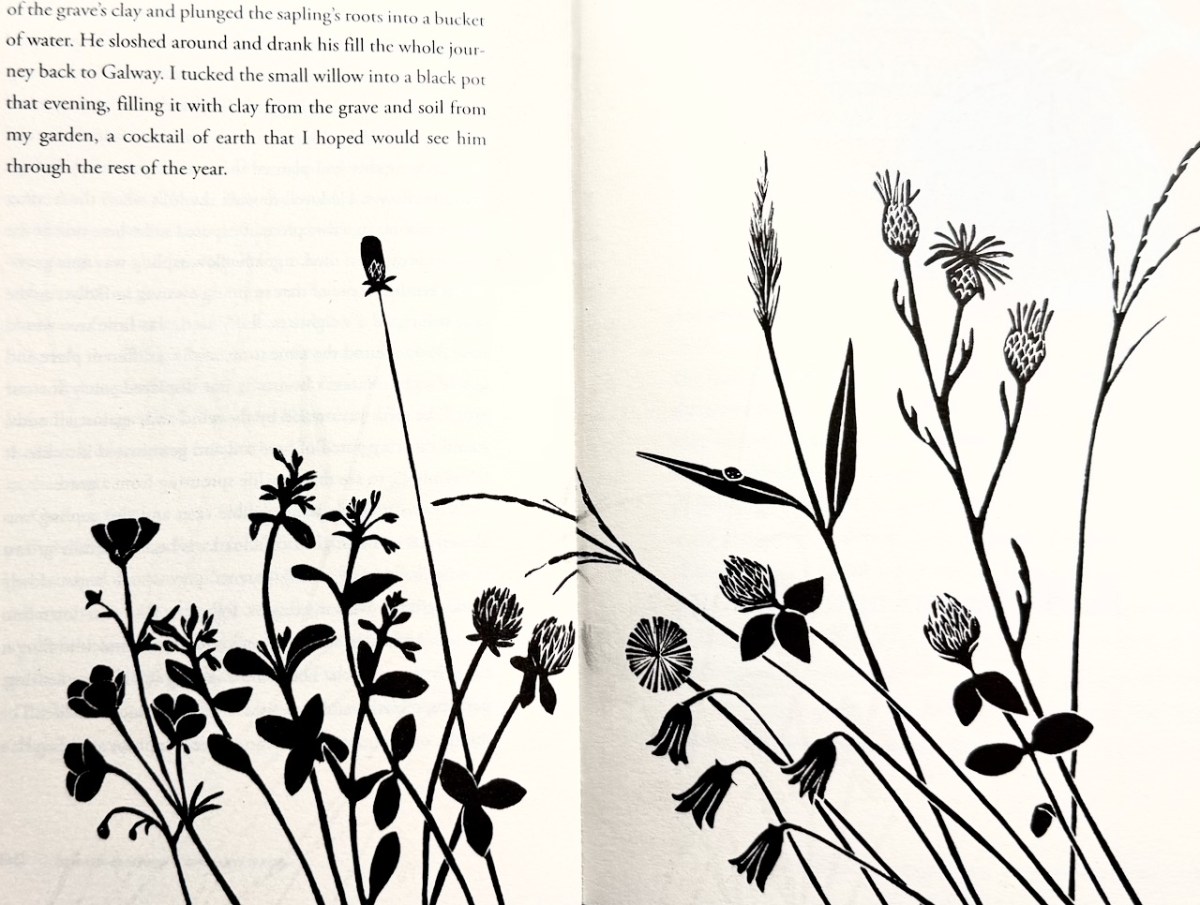
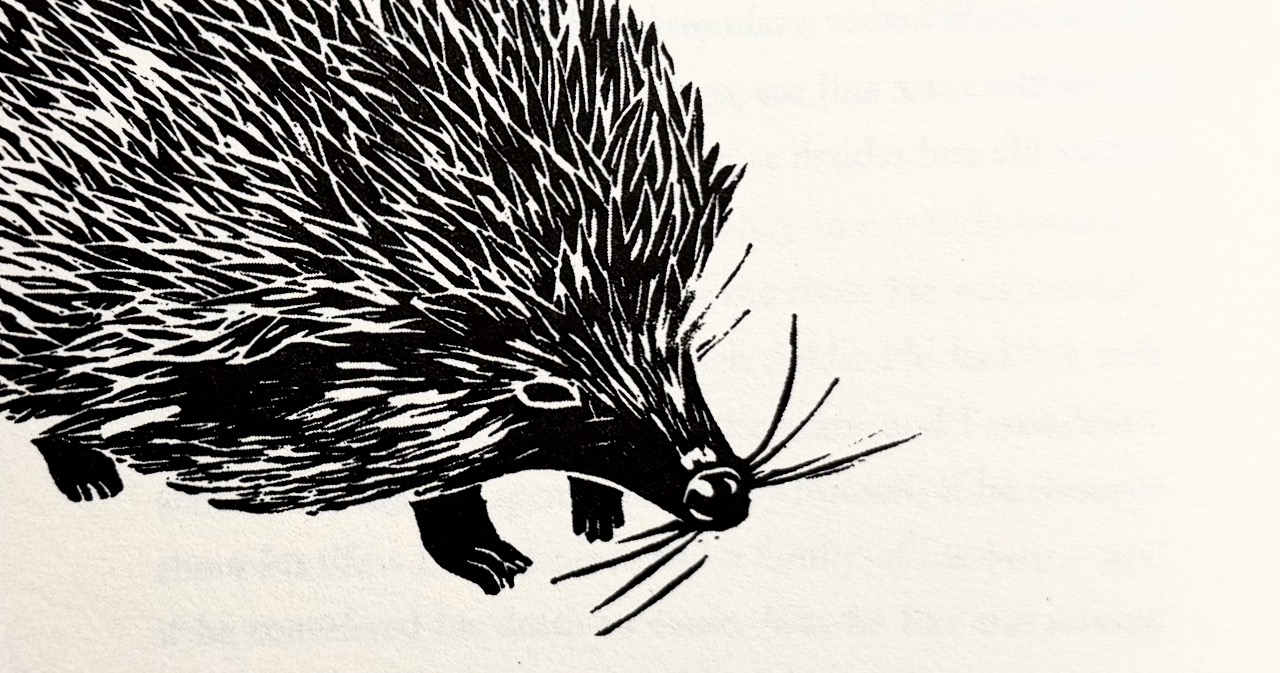
From the beginning Eoin sought consolation in nature. A dreamy kid who loved to fish, and to walk through the long grass, he was alert to every movement and sound. Each chapter is devoted to something in the natural world – an animal, a fish, a tree, a river, a bird. The illustrations – strong, clear, black and white linocuts, are by Jo Anne Butler of Superfolk, and were a true collaboration.
The book can be read straight through, but it also rewards dipping in here and there. And that’s how I read it – choosing whatever chapter heading hit my fancy at the moment. What I discovered immediately is that Eoin writes beautifully. I turned first, for example, to the chapter on the Hare (Subtitle: What Heals – how did he know?). The encounter comes at the end of a long hike in winter through the Burren – a stark and frozen landscape, or as Eoin puts it, a landscape of visual simplicity and pared-back elemental beauty.
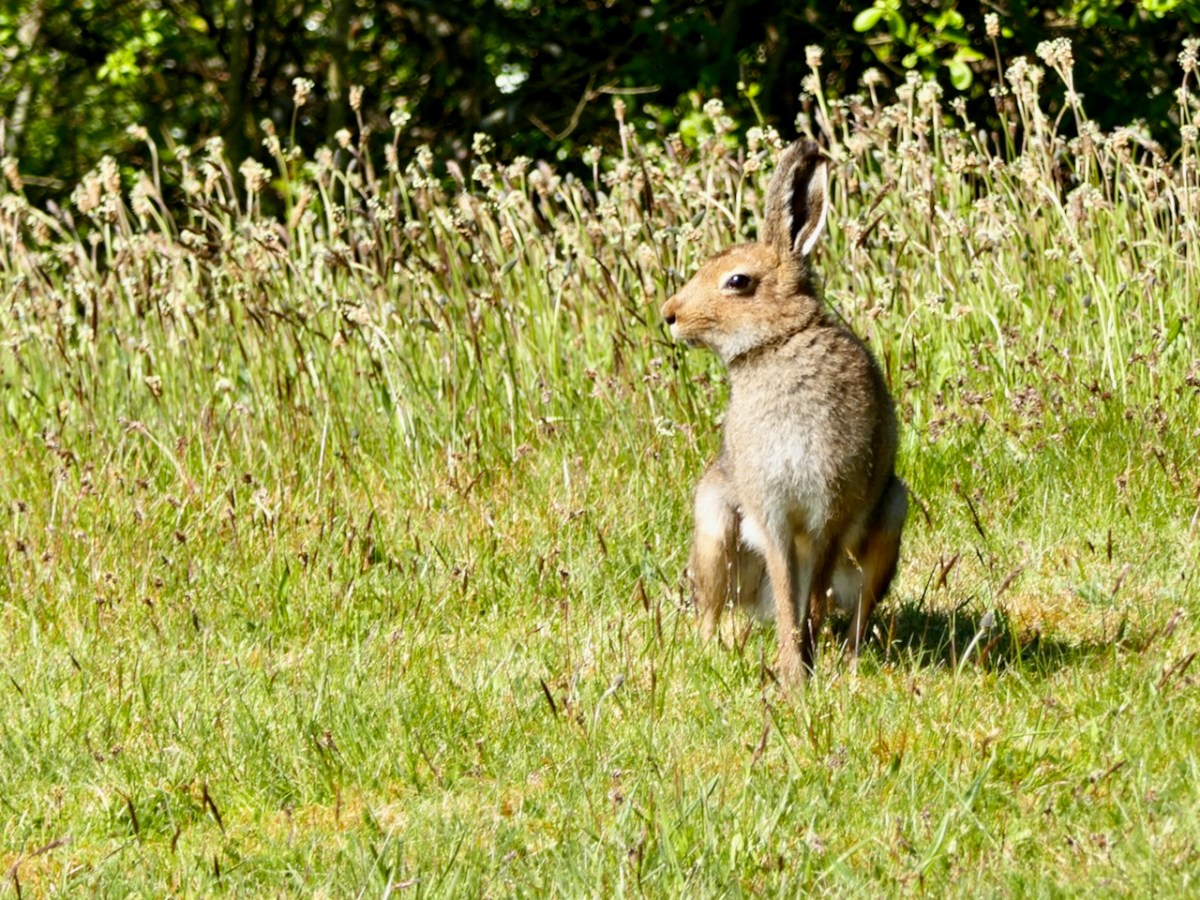
Years ago, as a student, he had been transfixed by a talk given by John Moriarty, the philosophor and nature-inspired mystic, where Moriarty had talked about putting his face in a hare’s form as a way to understand and communicate with the animal. Eoin describes startling a hare, and how it stopped for The Look – eyes locked in a moment of deep connection. It leads to this:
the immensity of place and time gave me a clarity of thought and reconciliation that I had not felt before. All I could now see around me were cycles: cycles within cycles; cycles looped with others and laid on top of cycles of deep time; profound geological cycles so old that they had forgotten all memory of the cycle that they were once part of.
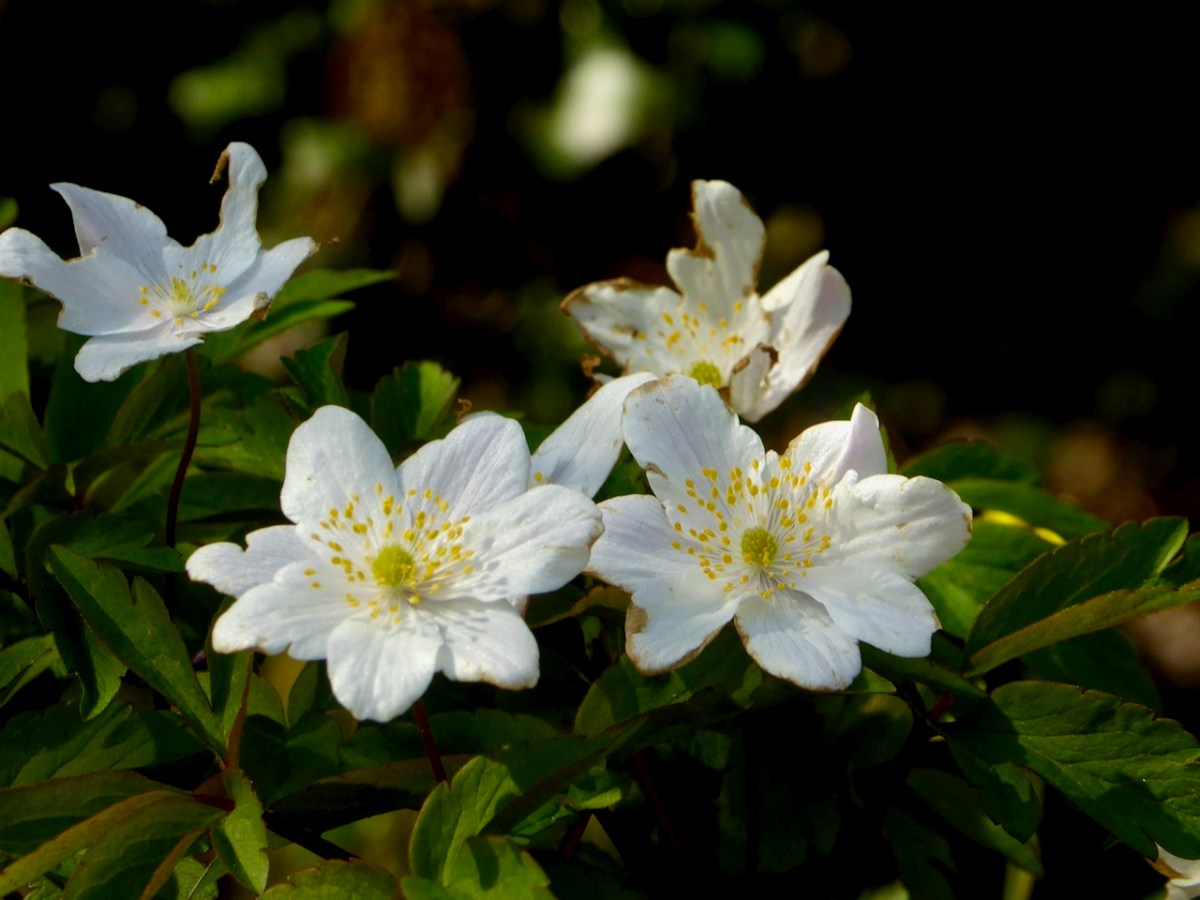
Other chapters delve into the small and intimate. Wood Anemone (What Awakens) describes the innocence and intensity of first love.
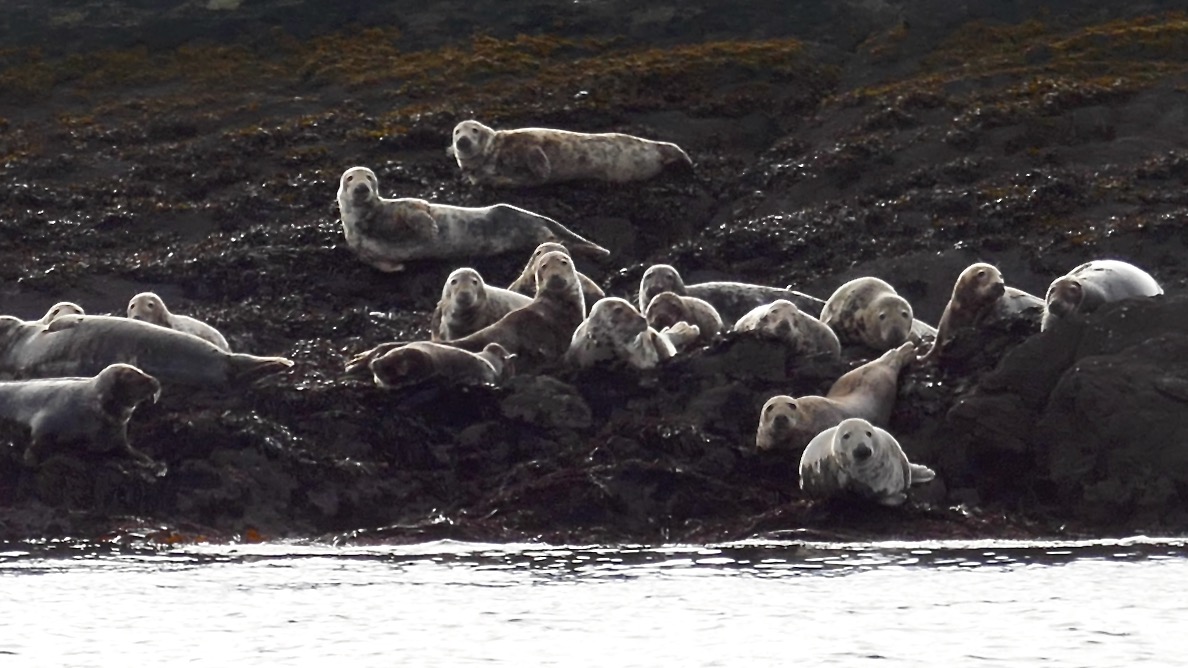
Salmon (What Returns) is a meditation on the circle of life and the power of water. Water, in fact, is a constant – many stories take shape around fishing, encounters on the sea or on islands, stories of otters, seals, fulmars, the enormous basking shark, and a whole chapter about River (What Counts). Even rain makes a frequent appearance (we are in Ireland, after all). Here is the conclusion to the River Chapter, which seems like a coda to the contemplations on loss and grief.
Is the purpose of all life to procreate, to gift another generation to their own species? I used to think so, but salmon have offered me a different perspective on life and death. So many in nature never reproduce, and those that die along the way themselves give new life to others. Death is inevitable: the salmon swim towards it. Death is not the difficult part; life is the struggle. Life is the physical toil, the arduous journey. Life is the story. Whether a salmon breeds or not, they will become part of the river and see again. Death is a stepping stone to further life and rebirth as part of another.
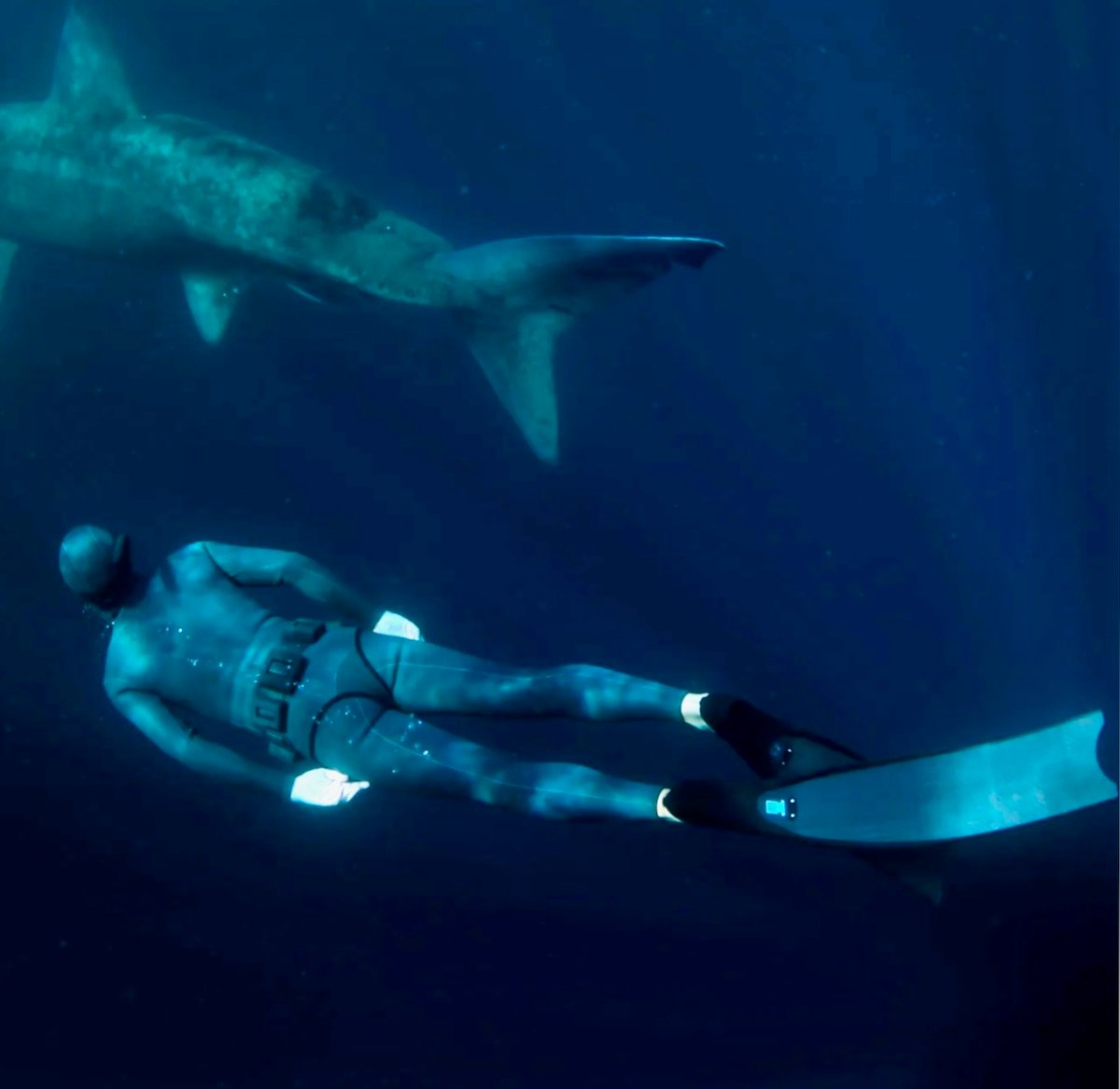
But I don’t want to end on a note of resignation, when the book, overwhelmingly, is about the joy and fulfilment that is to be found in nature. Eoin experiences what most of us never will – swimming with basking sharks. That is my own photograph below, taken from the cliffs of Cape Clear Island. The one below the quote is from his website.
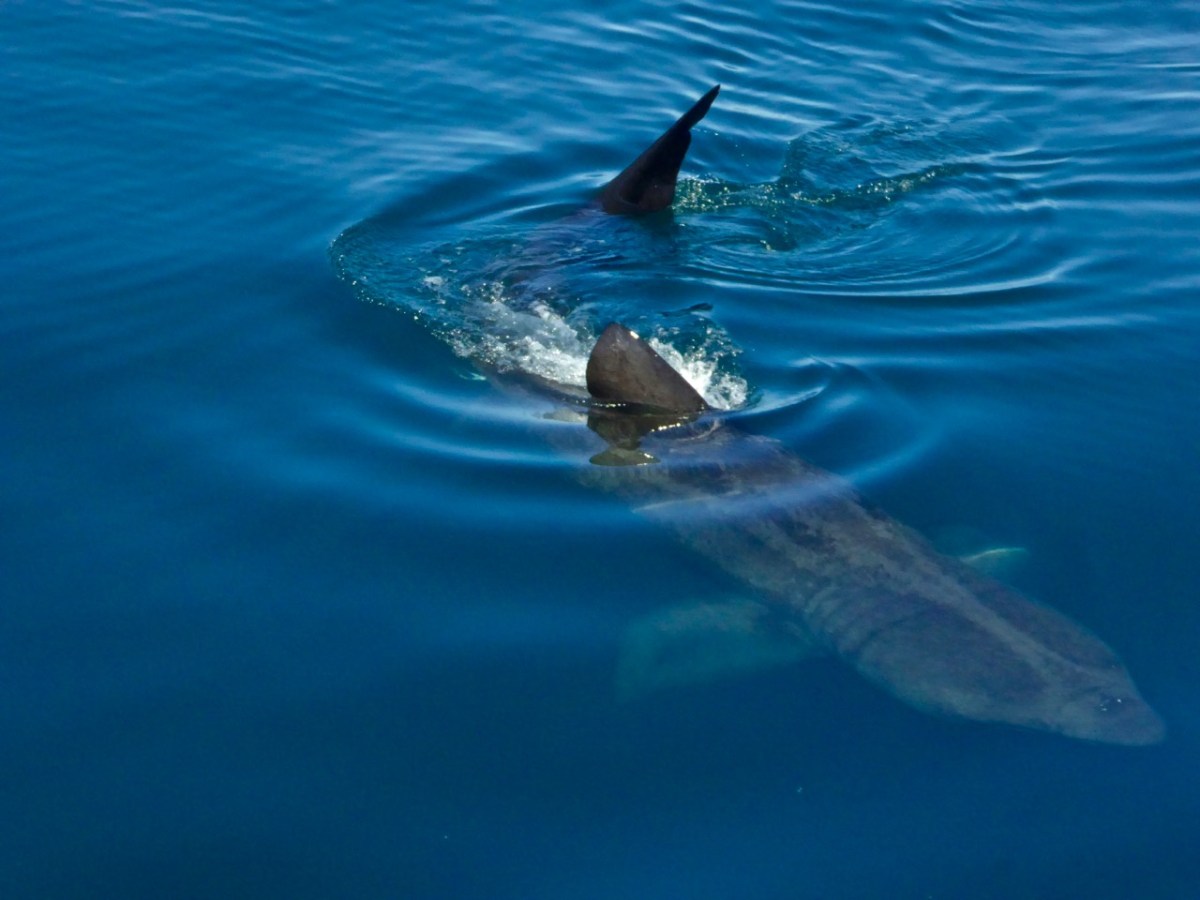
From above, the sunlight cast shadows and patterns of waves that distorted and shimmered across the shark’s skin – like a film projected onto the great canvas of their bodies. Diving deep below the sharks, I turned on my back to look up at their beautiful silhouettes against the surface; the great splay of their pectoral fins; the weightlessness of their immense shape underwater. As I looked up what we call the ‘surface of the sea’, that flowing blanket of light, was better described as the ‘surface of the sky’. Free diving, in many ways, changes your perspective – the world is turned upside down.
Buy this book. Keep it by the bed and dip into it when you need a reminder that the natural world will bring you solace and joy and meaning.

