The Christmas Story, One Window at a Time

Bandon Catholic Church

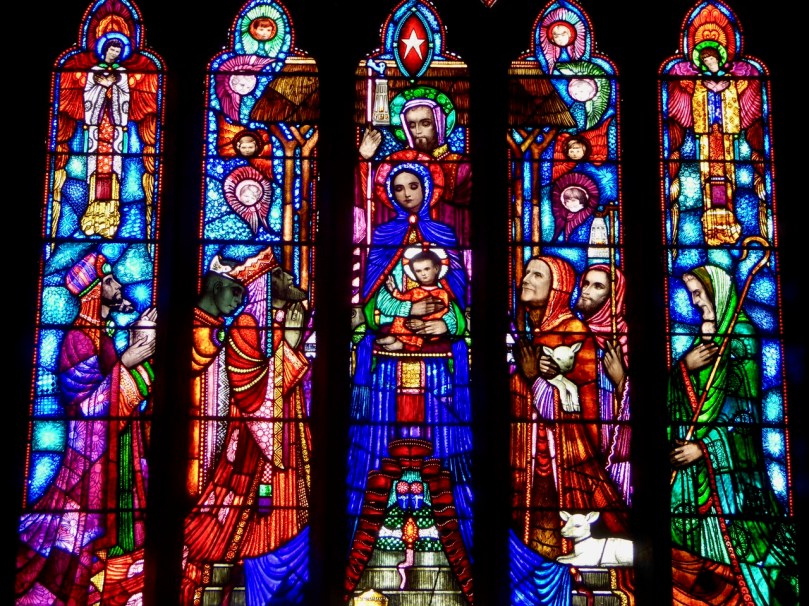
The Christmas story, as told in stained glass in Irish churches, is the biblical story. There are no Christmas trees or Santa Clauses, no references to anything other than the story of the birth of the Christ child. Not surprising, since stained glass is to be found mainly in churches after all. The one above is from the Catholic Church in Bandon. Pop in next time you’re passing – it will surprise you with its size and striking colour.
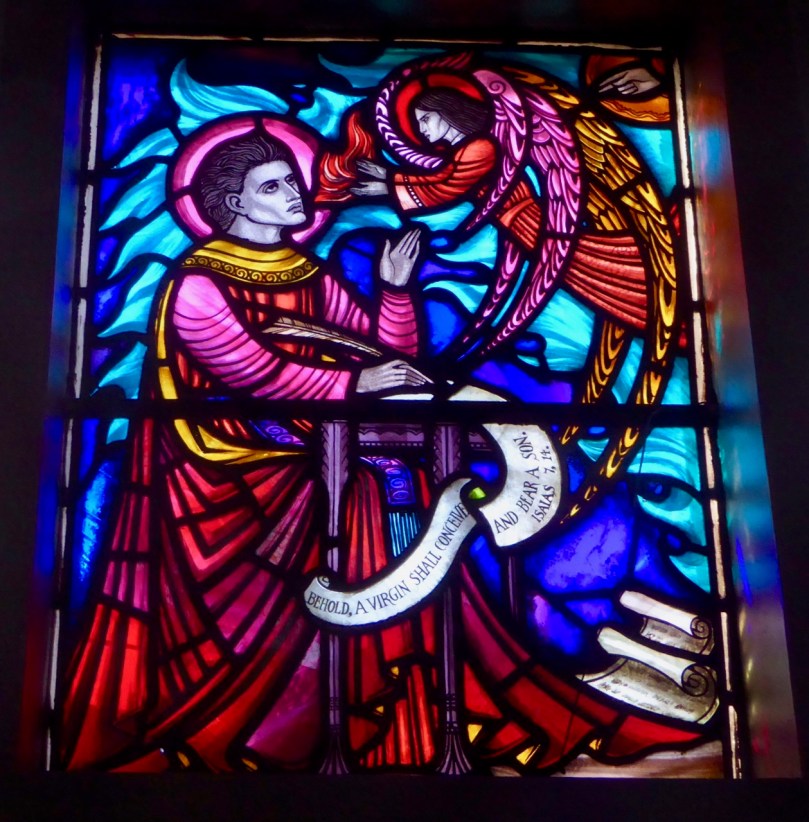
Church of the Annunciation, Cork. AnnunciationFive windows in a Cork church tell the story, beginning with the Annunciation

Two years ago I wrote a post about depictions of the Nativity by Harry Clarke. This year I’m branching out, to show you some of the stained glass Nativity images I have found in churches all over Ireland. Some are by artists I can identify, some are by the Harry Clarke Studios (after Harry’s death in 1931), and some are by anonymous artists. Some are traditional and some are avant garde. 

The next two windows show Mary visiting her cousin Elizabeth (mother of John the Baptist), followed by the betrothal of Mary and Joseph

In Cork, in the Church of the Annunciation – a church designed by the stone carver Seamus Murphy – a series of windows illustrate the complete Nativity story, from the Annunciation to the Visit by the Magi. These windows are by the Harry Clarke Studios and were installed in the 40s.

The birth in the manger with shepherds visiting, and the arrival of the Magi round out the story

When we visited Kilkenny we saw two examples in St Canice’s Cathedral. The first, a traditional crib scene, looks like it belongs on a Christmas card.
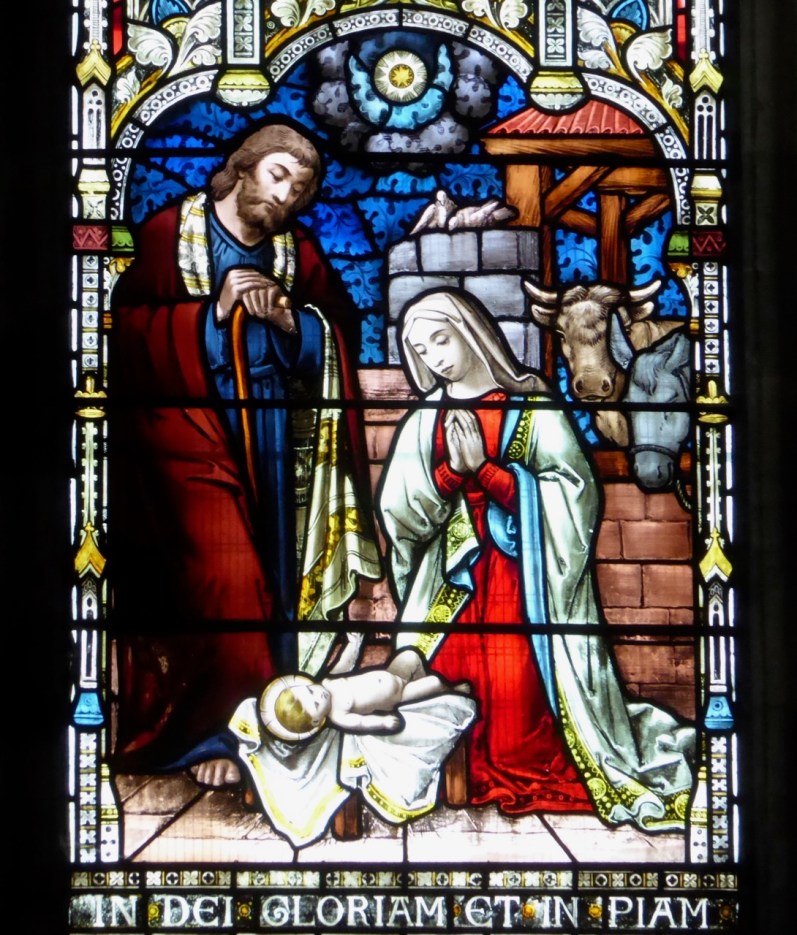
St Canices

On  another wall in the same church is a two-light window by A E Child, depicting the visit of the Magi. A E Child was a highly influential teacher, and member of Sarah Purser’s Tower of Glass (An Túr Gloine) – a contemporary of Harry Clarke and a highly skilled stained glass artist, but with a more orthodox style than Clarke’s.
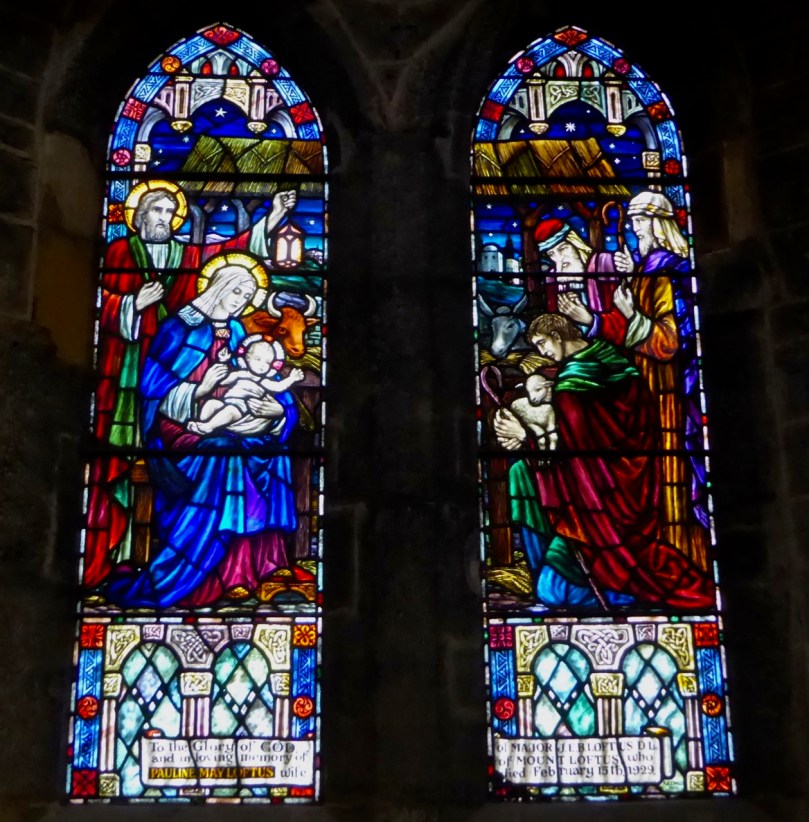
Canice's AE Childe

Still in Kilkenny, the Black Abbey has reputedly the largest stained glass window in Ireland. It’s divided into numerous smaller scenes and this one depicts the Nativity. It bears a striking resemblance to the Christmas card window from St Canice’s – perhaps it was from the same studio.
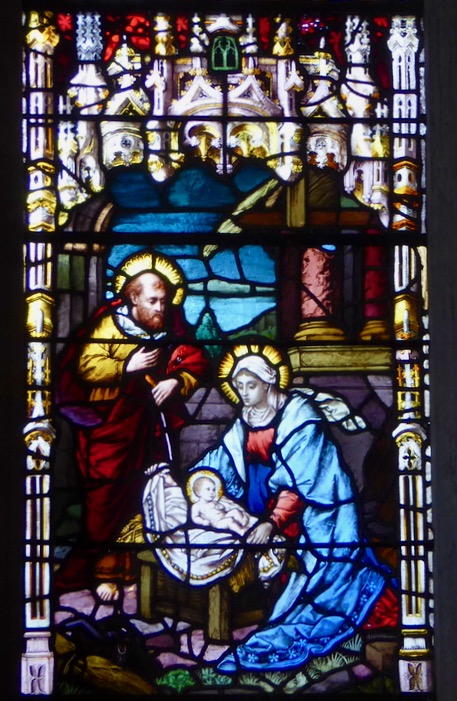
Black Abbey Kilkenny

In  Tullamore, the enormous Church of the Assumption has wonderful stained glass by different artists. Several large windows are by the Dublin firm of Earley. This one of the madonna and child shows a small shepherd on her right and three crowns on her left – a clear indication, I think, that this is intended as a Nativity image. The swirling colours and modern lines create a dramatic effect.

Church of the Assumption, Tullamore

The St Joseph window in the Richard King collection in Athlone contains a detail in one of the side panels that depicts the Flight into Egypt, and another of the marriage of Joseph and Mary.

Back to Cork and to the Holy Trinity Church on Father Matthew Quay, just behind the South Mall. Three windows on the west wall are by the Harry Clarke Studios. Research in the Studio archives (held in Trinity College) has revealed the the middle window was designed by Harry Clarke, but executed in fact by his father. It has many of the hallmarks of Harry but lacks the rich detail for which he became justly famous.
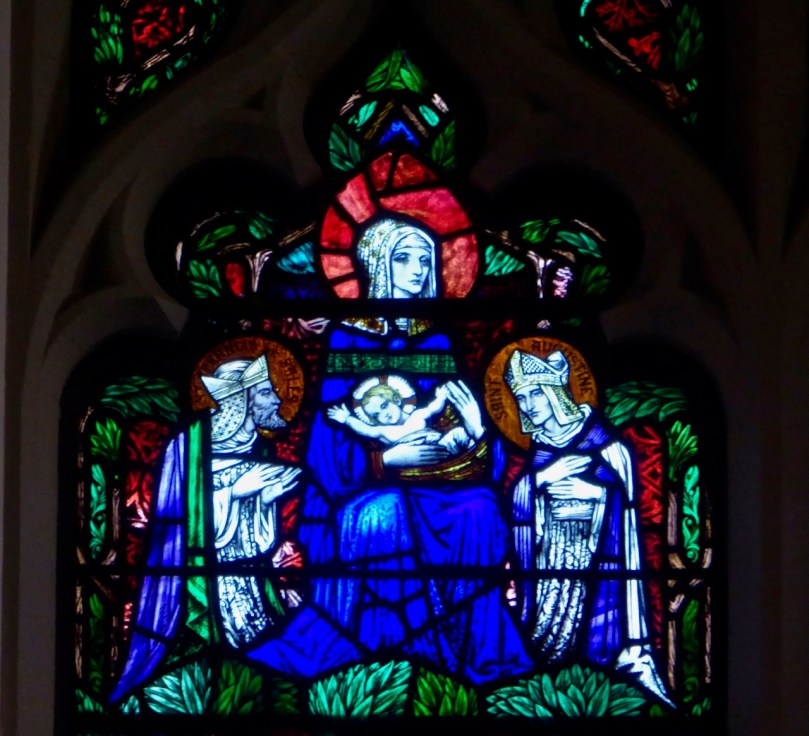
Holy Trinity Church, Cork, Designed by HC and executed by his father

Behind the altar, on the north wall of the same church is an enormous window dedicated to Daniel O’Connell and containing scenes from the life of Christ. It is conventional, but finely painted and the colours are rich.
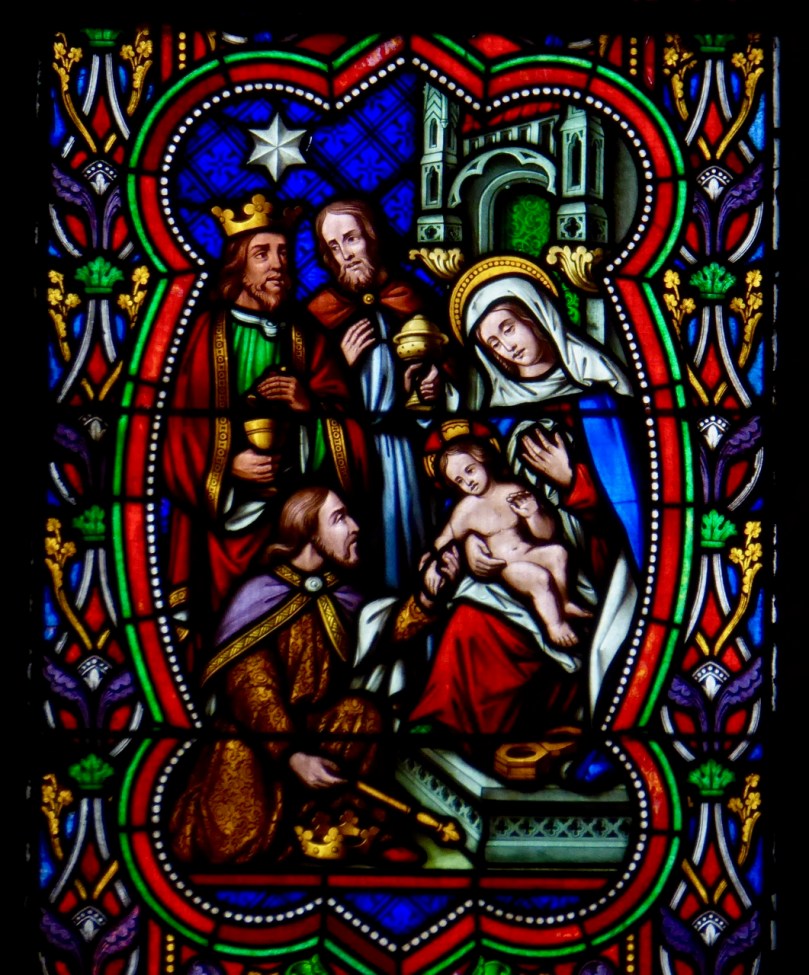
Holy Trinity Cork, East Window

I will leave you with two of our favourites. Close to home I love the the Sarah Purser/Tower of Glass round window in the Holy Rosary Church in Kilcoe. Here’s a detail.

Tower of Glass Magi closeup. Kilcoe

And finally, from the village church of Eyeries on the Beara Peninsula, Robert wrote about  a stunning set of windows by George Walsh. His nativity scene is touching and beautiful.

george walsh nativity

Grand Canal Hotels

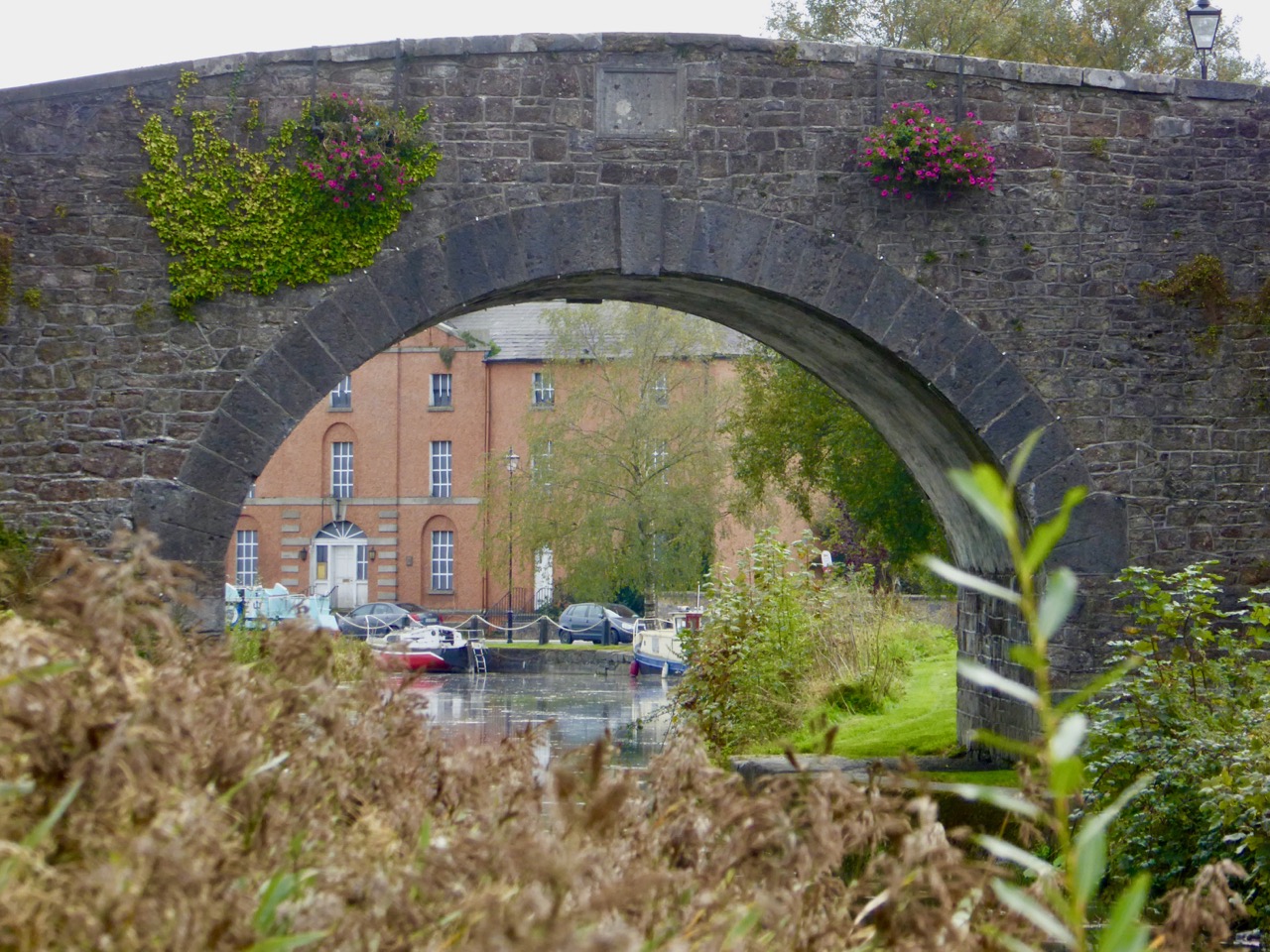
rbtstown hotel through bridge

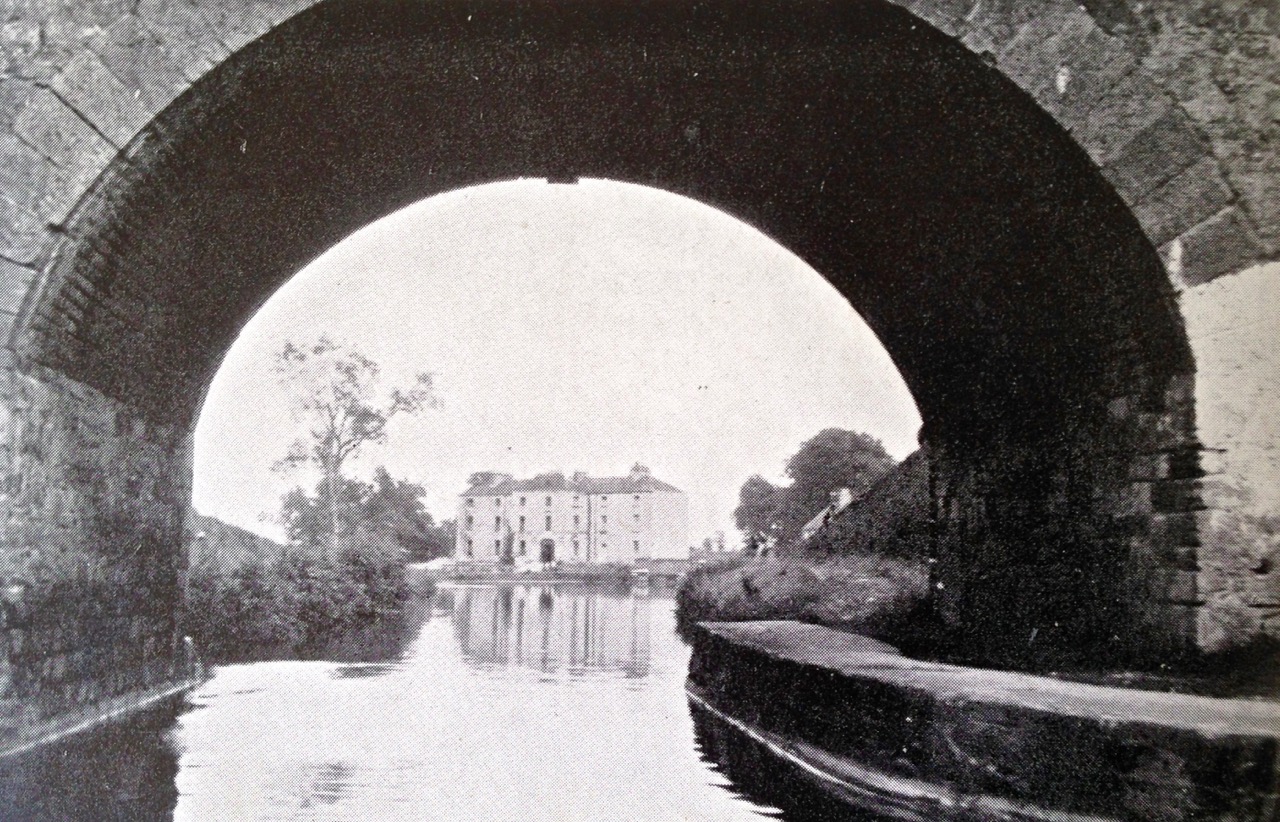
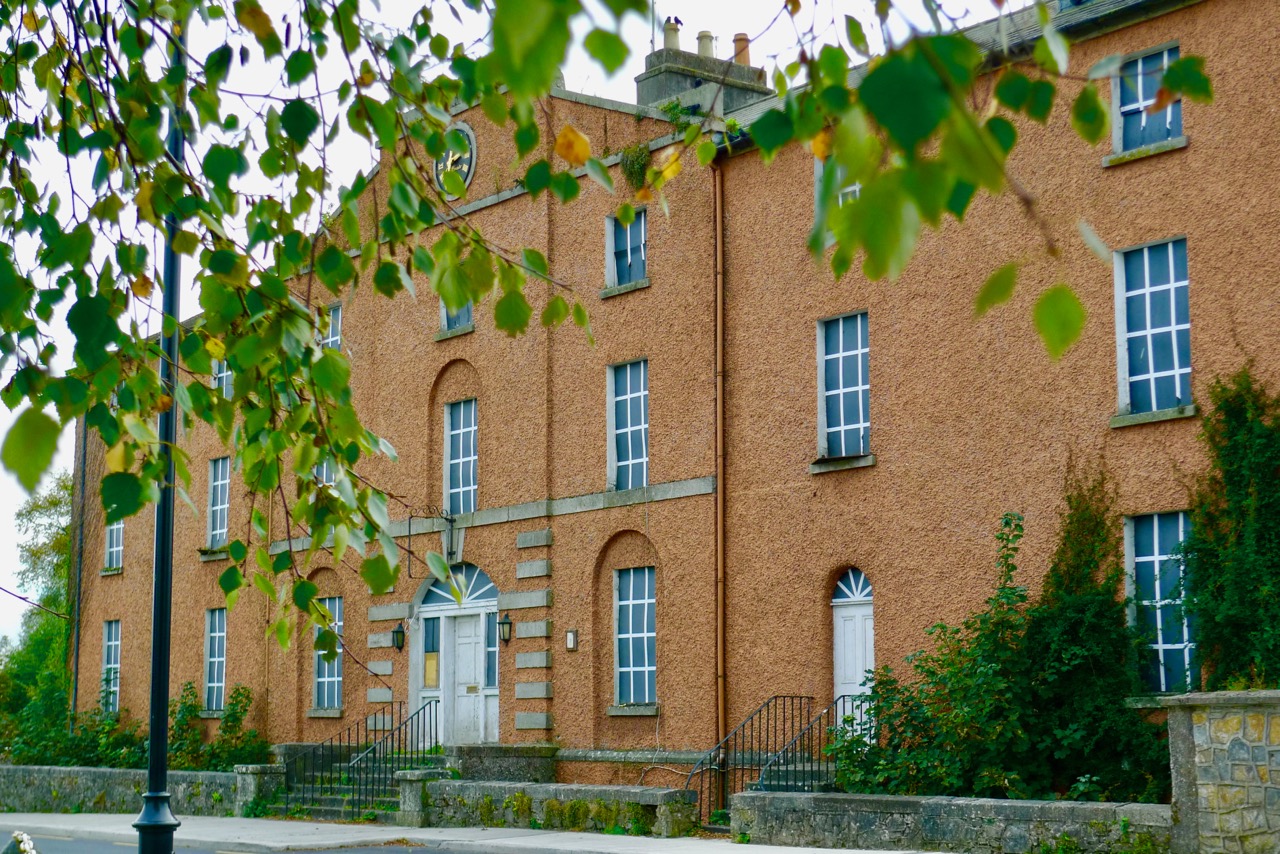
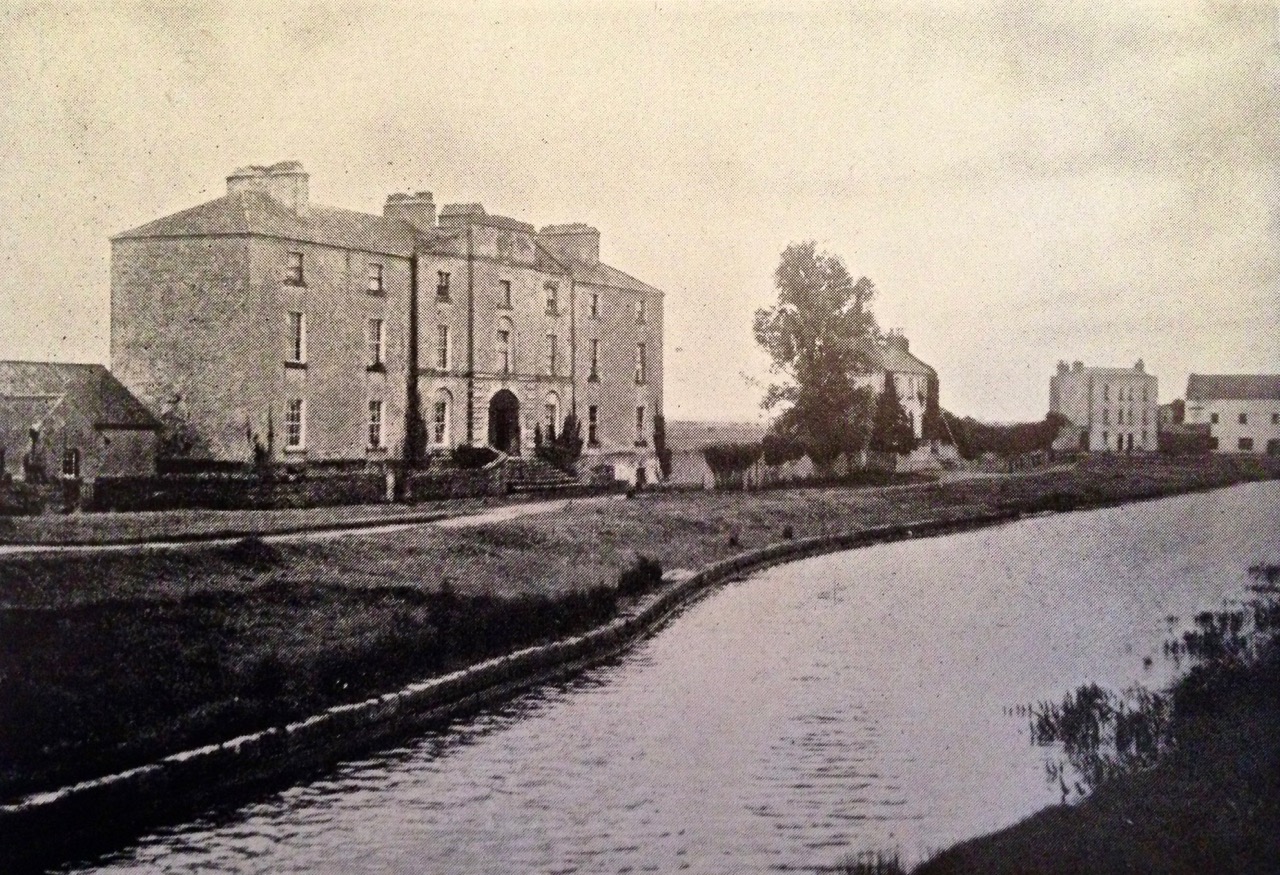
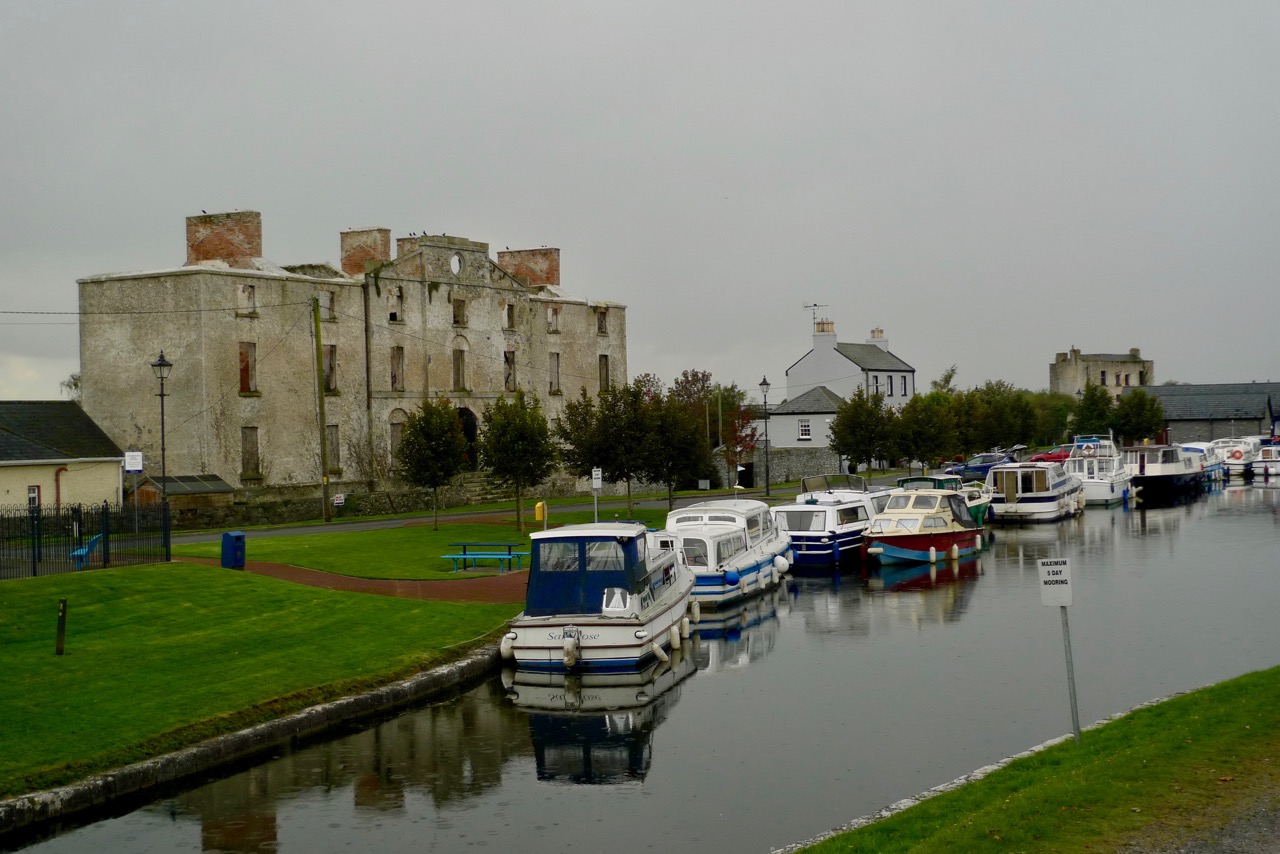
This view of the old hotel on the Grand Canal at Robertstown, Co Kildare, is our best effort to replicate the photo taken by Angela Rolt in 1946 for Green & Silver, Tom Rolt’s book about their Irish waterways adventures exactly seventy years ago:

robertstown

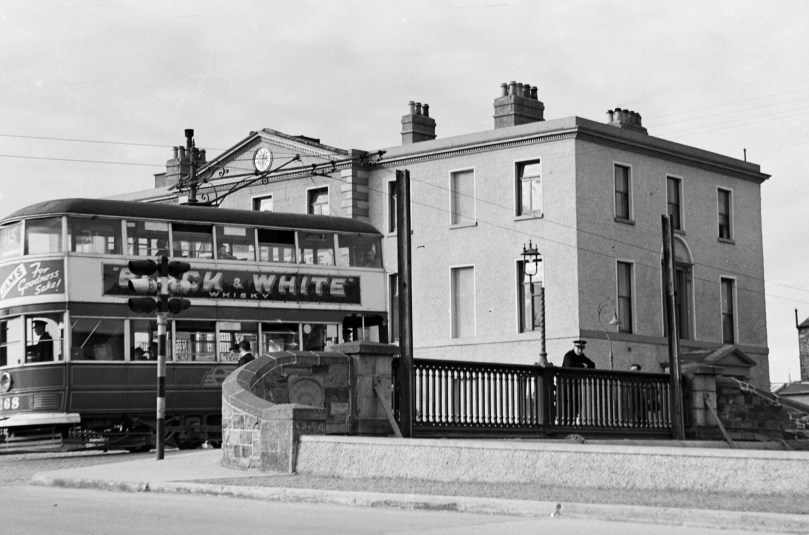
Angela Rolt’s 1946 photograph of the Canal Hotel at Robertstown. We could not get the same view (which must have been taken from their boat) as we were on dry land! By clever manipualtion of her lenses, Finola produced our own version (top picture)

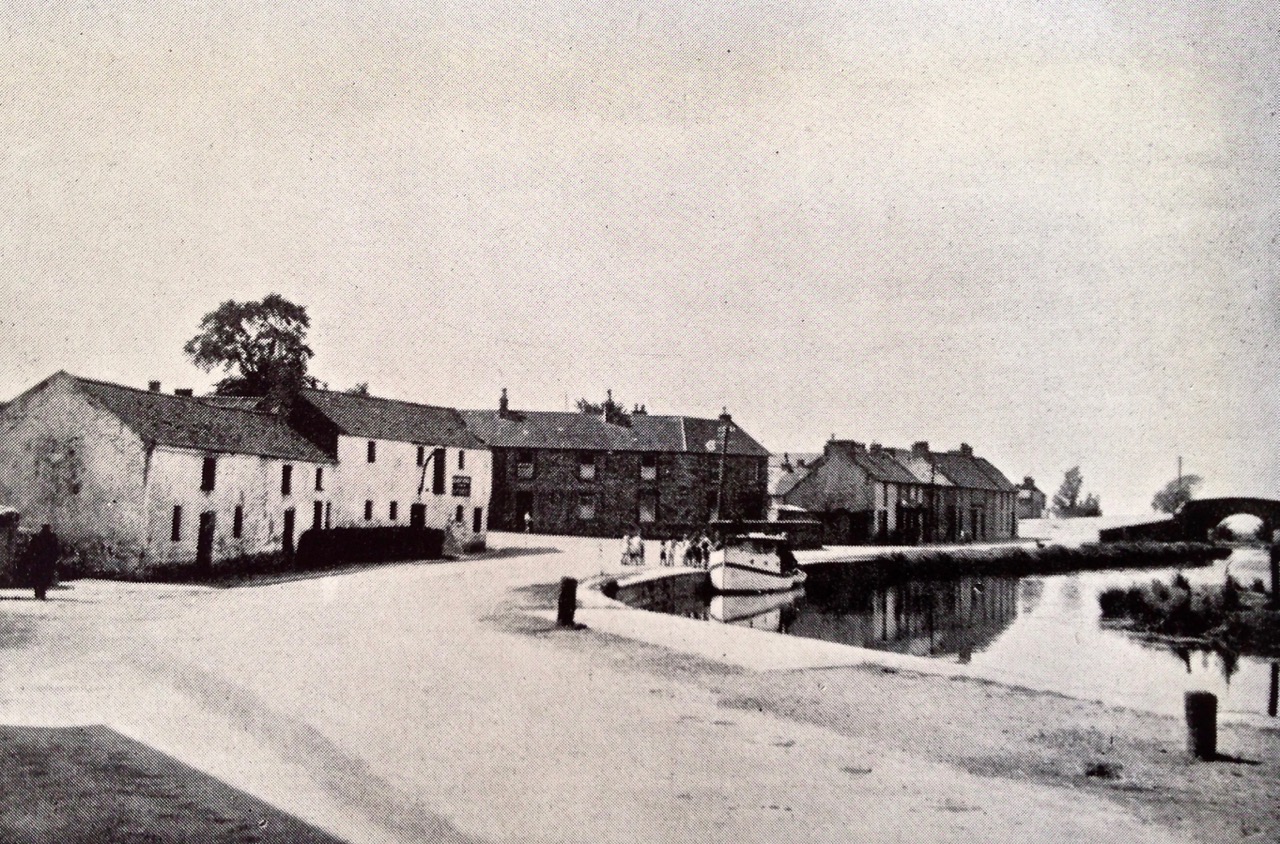
…We had travelled less than a mile along the summit level before we saw ahead, framed by the arch of a bridge, the canal hotel at Robertstown. It is an almost exact replica of the Shannon Harbour hotel, but is in better repair being at the present time a Turf Board hostel for workers on the bogs. Robertstown itself, a whitewashed canal depot, a post office and a shop and ‘select bar’ or two strung along the canal waterfront beside the hotel, is a canal village… There was, for me at any rate, a fascination about Robertstown which I find difficult to define and which our photograph can scarcely convey. A particular atmosphere, melancholy, nostalgic yet captivating, always invests a waterfront no matter whether it is that of some old seaport town, some cliff-walled fishing cove or merely, as in this case, some inland village beside a still canal. It captivates because it is a doorway to the unknown and so appeals to our sense of adventure and that nomadic instinct which lies buried in all of us. It is nostalgic because it recalls memories of places visited and never perhaps to be revisited. It is melancholy because it is redolent with the unnumbered farewells which it has witnessed; a reminder that life, in the words of some poet whose name I cannot recall, is a perpetual farewell… (from Green & Silver, L T C Rolt, George Allen and Unwin, 1946)

canal port

canal in roberstown

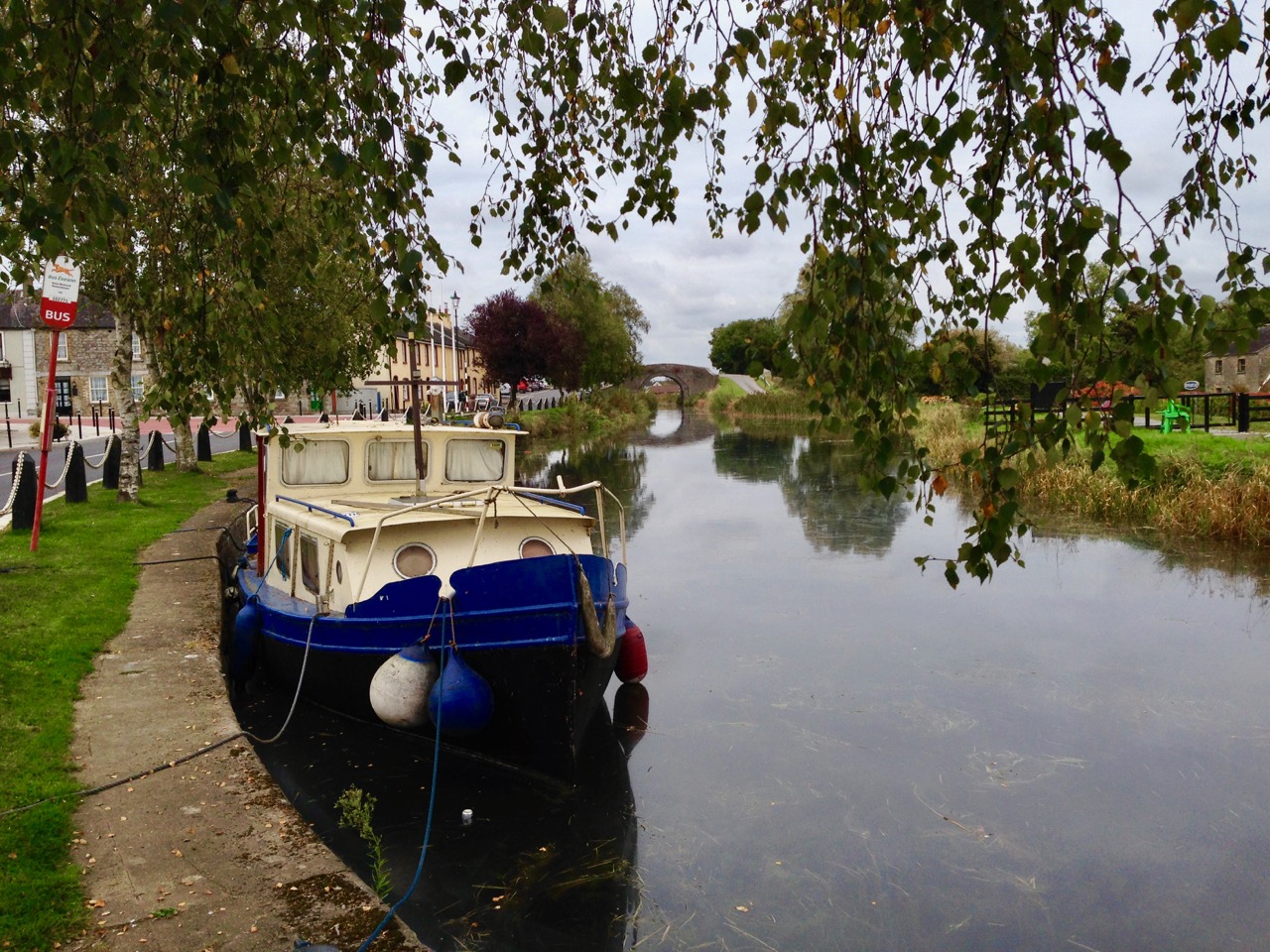
The canal village of Robertstown: upper picture – Angela Rolt’s photograph of 1946 sums up the ‘melancholy and nostalgic’ character of the place then. The Rolts’ boat, Le Coq – is seen moored up on the quay: its journey created significant interest as in those days the appearance of a ‘pleasure craft’ was rare. A crowd of small children always materialized out of nowhere to gaze, ask questions and – sometimes – throw stones. Lower picture – Robertstown in 2016

Rolt was a prolific – and often romantic – writer: more than 500 publications are attributed to him, including articles and letters and forty significant books on canals, railways, engineering and philosophy: Green & Silver is the second of these. His summing up of Robertstown as ‘melancholy and nostalgic’ reflects the times in which he lived and travelled on the waterways. The heyday of canal transport was long gone, although the Grand Canal and Shannon were still in commercial use seventy years ago. Carrying then was in severe decline: it would only last another ten years or so and the Rolts’ transit of the Royal Canal was probably the last before the canal became impassable before being formally closed in 1961.

bargehorse robertstown

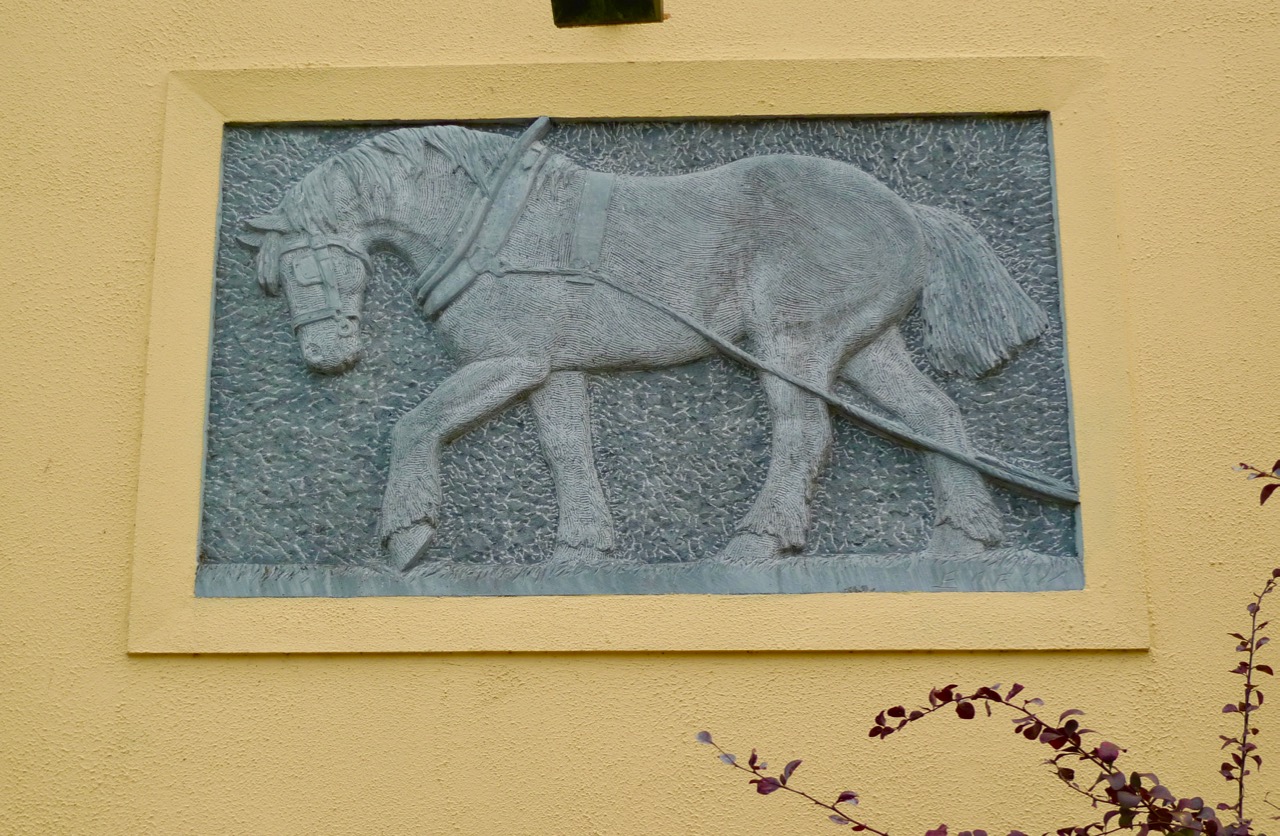
Horse drawn commercial traffic on the Grand Canal in Robertstown is remembered there in this modern relief carving of a barge horse on the wall of the Garda station

My own journeys on the English canal system during the 1960s could similarly be described as ‘melancholy and nostalgic’ and I certainly shared Tom Rolt’s fascination for what I found. The era of water transport was over and in those days the canals were imbued with an air of neglect and decay, although better times were remembered by the local populations. As did the Rolts, I had difficulties in making a passage through some of the near derelict canals in the English midlands with my little boat (often bow-hauling from the bank was the only answer to the weed and rubbish-choked ‘navigations’); however – like them – I always succeeded. Today, in both Ireland and England the picture is very different: generations of pioneering enthusiasts and campaigners (I was one of them!) have succeeded in reawakening interest in our industrial history and realised the amenity asset of the waterways systems which have generally been brought back in a new incarnation as ‘cruiseways’.

faded elegance robertstown

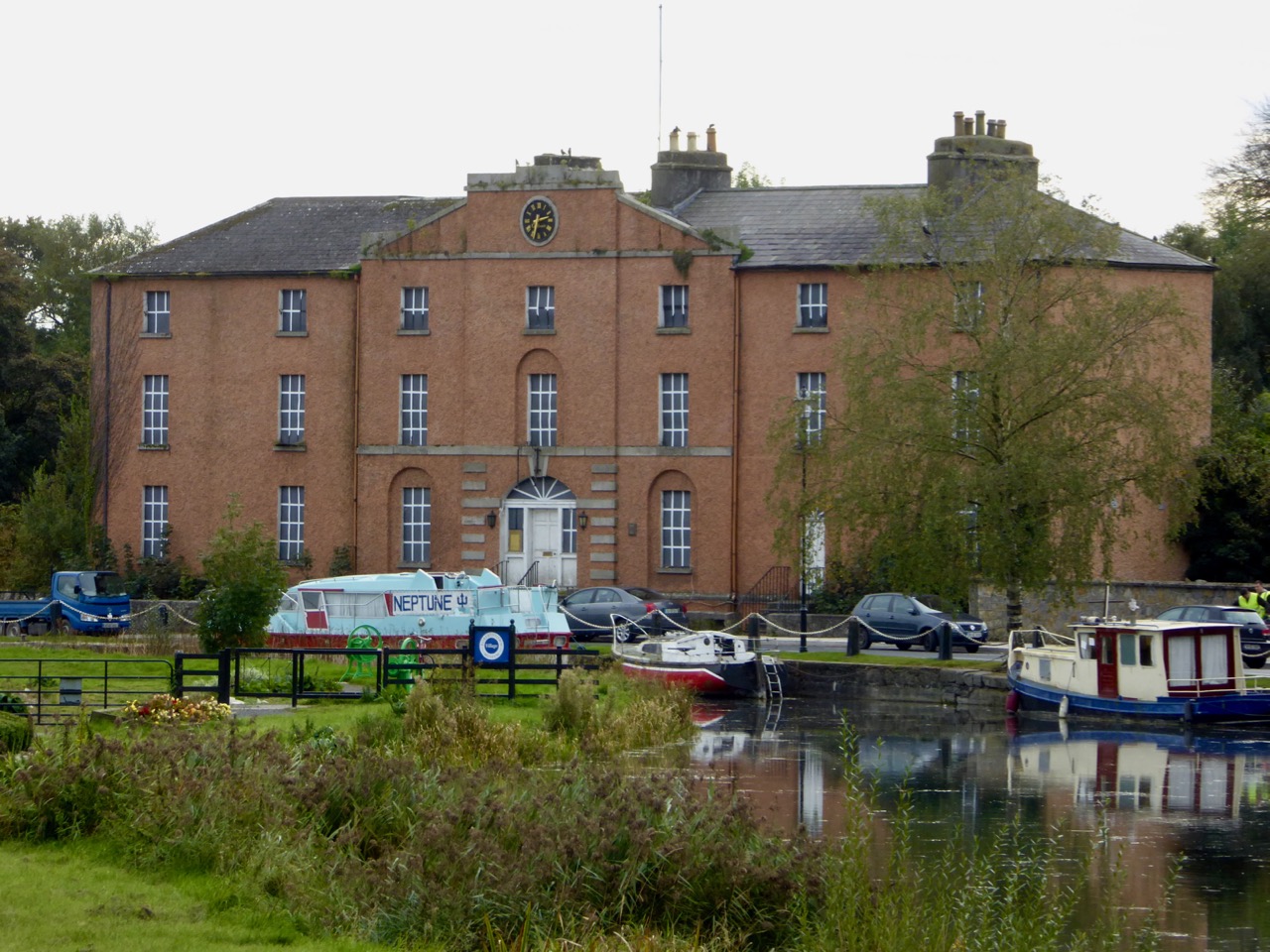
The Canal Hotel at Robertstown: from a distance it retains its elegant façade but it’s all a sham, and the building is in urgent need of conservation

In both places there is still an architectural and industrial heritage to be acknowledged. A particular example in Ireland is the Grand Canal hotels. There were five constructed originally: Shannon Harbour, Tullamore, Robertstown, Portobello and James’ Street Harbour. All were of a pattern and impressive architecturally. Two have vanished.

portobello-grand-canal-hotel

The former Grand Canal Hotel at Portobello Harbour, Dublin, in the 1940s: it became a nursing home (Jack B Yeats spent his last years there) and is now a private college

rbstown hotel elevation

Robertstown Canal Hotel: a local civic amenity group has painted in the fenestration to improve the look of this significant building in the townscape, but the reality is masked decay and an uncertain future

The other remaining hotel building is at Shannon Harbour, where the Grand Canal meets the mighty river. In the heady days of canal prosperity …the company’s hotels were simply the posting houses of this water-road… (Rolt) …There was considerable interchange of passenger as well as goods traffic at Shannon Harbour. Travellers changed here from the Dublin passage boats into Bianconi’s ‘long cars’ which operated between Birr, Shannon Harbour and Athlone in connection with the boats. Alternatively they might board the paddle steamers The Lady Lansdowne or The Lady Burgoyne which plied between Killaloe pier head and Athlone, calling at a jetty on the river near the mouth of the canal. Smaller craft sailed from Killaloe pier head to the transatlantic port of Limerick, and so the Grand Canal became a link in the route between Dublin and America…

Shannon Harbour, Grand Canal Hotel

shannon harbour view with hotel

Upper picture – Angela Rolt’s view of Shannon Harbour and the intact hotel. Lower picture – the same view in 2016, showing the hotel in a state of near dereliction

The Shannon Harbour hotel today is but a shell: the roof has fallen, the windows are empty sockets. But, like the building at Robertstown, it is a scheduled historic monument. The structure has been stabilised with steel props and there is talk – rumour, at least – of some future project. Even in its distressed state the hotel has a ‘grand’ air: certainly a prominent presence in the minimalist architecture of this small settlement which had a bustling past.

Shannon Harbour canal hotel: a stabilised shell today, recognised as historically and architecturally important for Ireland

It’s hard to imagine what the future could hold for such a monument of a different age, especially in this rural hinterland of County Offaly. Meanwhile, our own adventures continue – we still have some way to go yet to catch up with Tom and Angela Rolts’ voyages. This is the seventh instalment of the Travel by Water series. All the posts to date are available to view by clicking on the blue link.

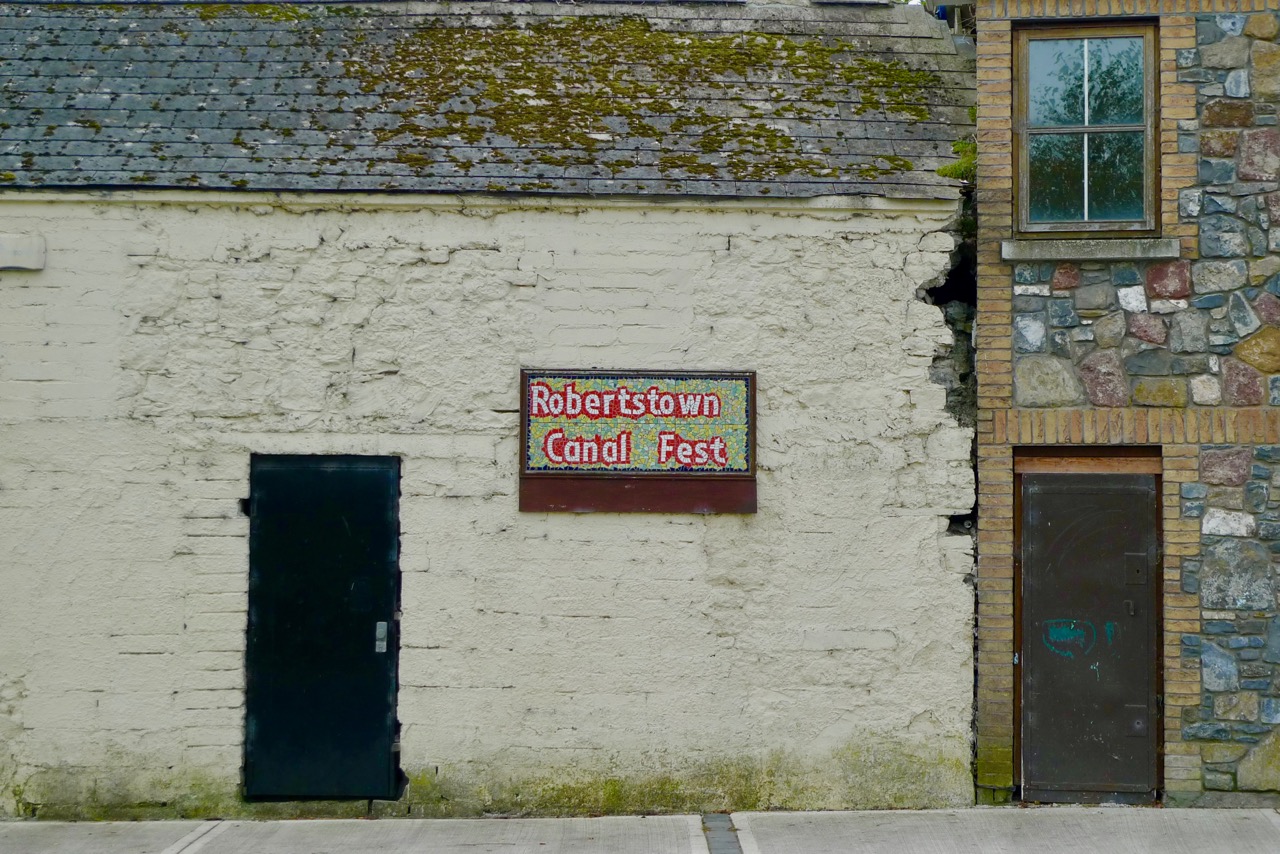
canal fest robertstown