Netherlandish Glass in Ireland

After the destruction of most of Ireland’s churches and ecclesiastical sites during the Dissolution of the Monasteries, what was left of Ireland’s Medieval stained glass fell victim to Cromwell and his Model Army. Puritans, called iconoclasts, rampaged throughout northern Europe, destroying all sacred figurative art, and this was followed by two hundred years in which a horror of ‘idolatry’ was the prevailing attitude of the Established Church. As a result, from 1650 to 1770 there was little-to-no glass in Ireland that could be labeled ‘stained glass’ or that contained figurative elements. What we see as commonplace in churches now – beautiful windows full of pictorial representation of Biblical scenes – was completely absent, along with sacred sculpture and paintings of any kind.
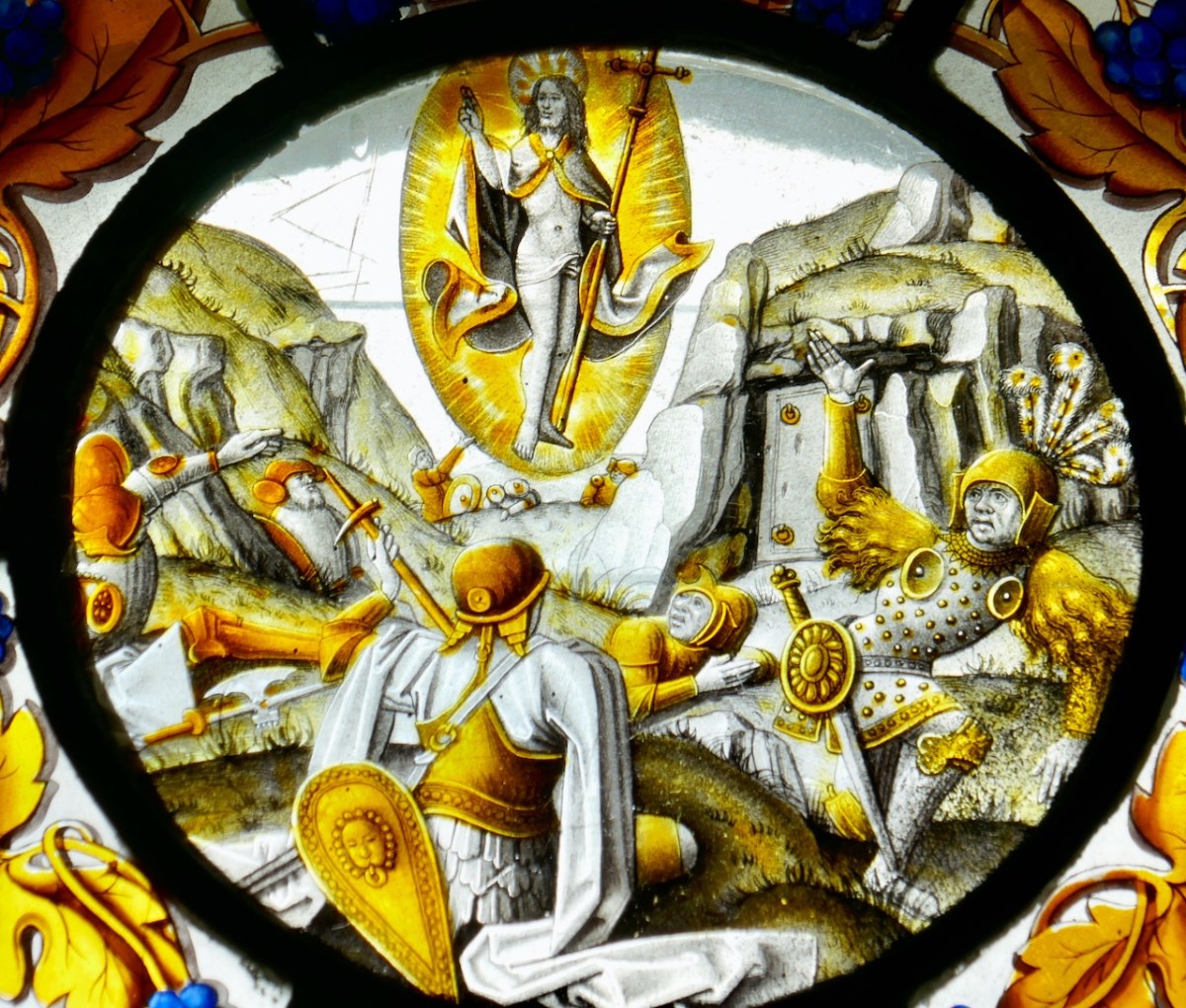
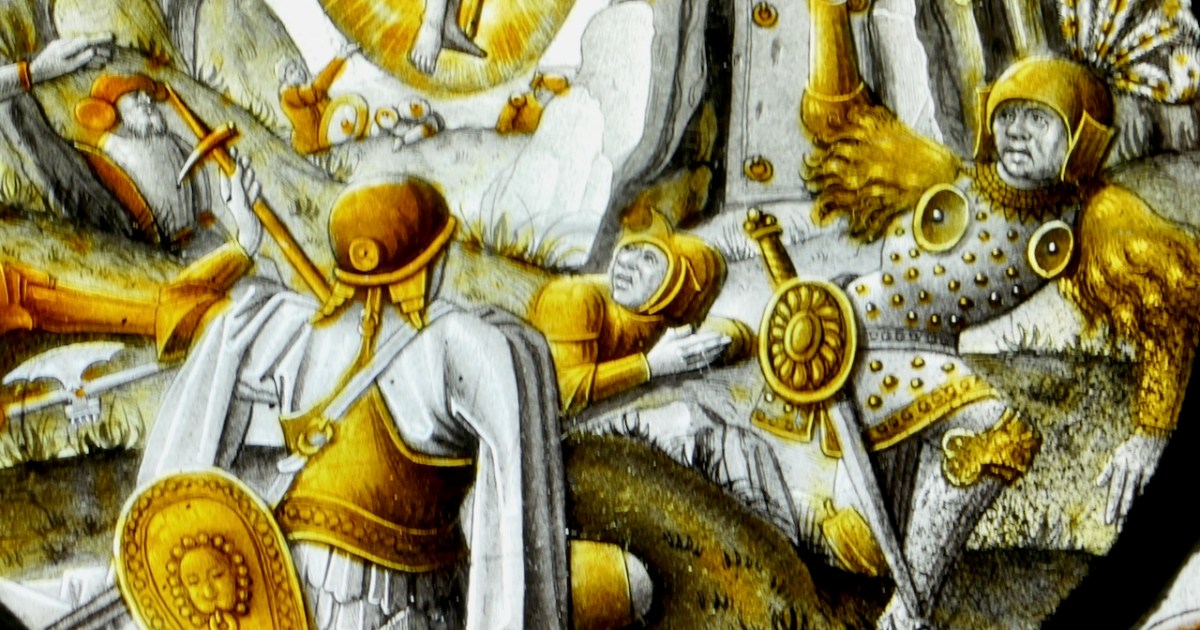
While the same was true in many northern European countries (as opposed to the more Catholic south), there was one area producing tinted glass during the early 16th century, and that glass eventually found its way to all kinds of places, including Britain and Ireland. We now call it Netherlandish Glass, since the production of it was centred in Holland and Belgium. (The two images above are of a Resurrection scene from the set of Netherlandish glass pieces I am writing about today.) It was brought back as souvenirs by travellers, since it was seen as such a novelty, or acquired through trade. Some of it also found its way here over the course of the 17th and early 18th centuries as it was sold as “antique”. At the time, it was mostly used for decorating private houses, but eventually much of it ended up in Churches.
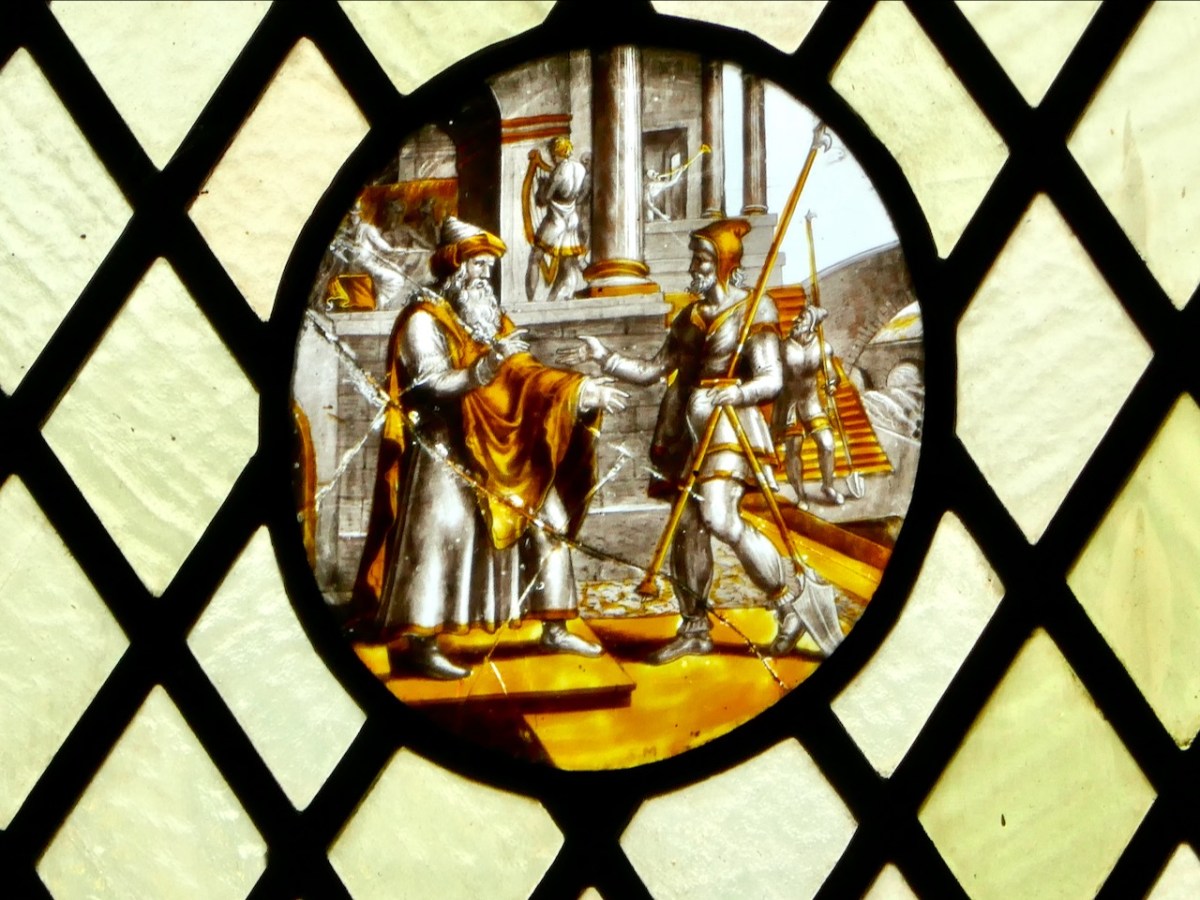
There are bits of it here and there. On a visit to York some time ago, we saw some incorporated into church windows – like the example above from St Helen’s in York. In Ireland there are only a handful of examples, mostly in Protestant churches that are not routinely accessible. To my great delight, however, I recently became aware of a set in a Catholic Church, St Mary’s, in Sandyford, Dublin.
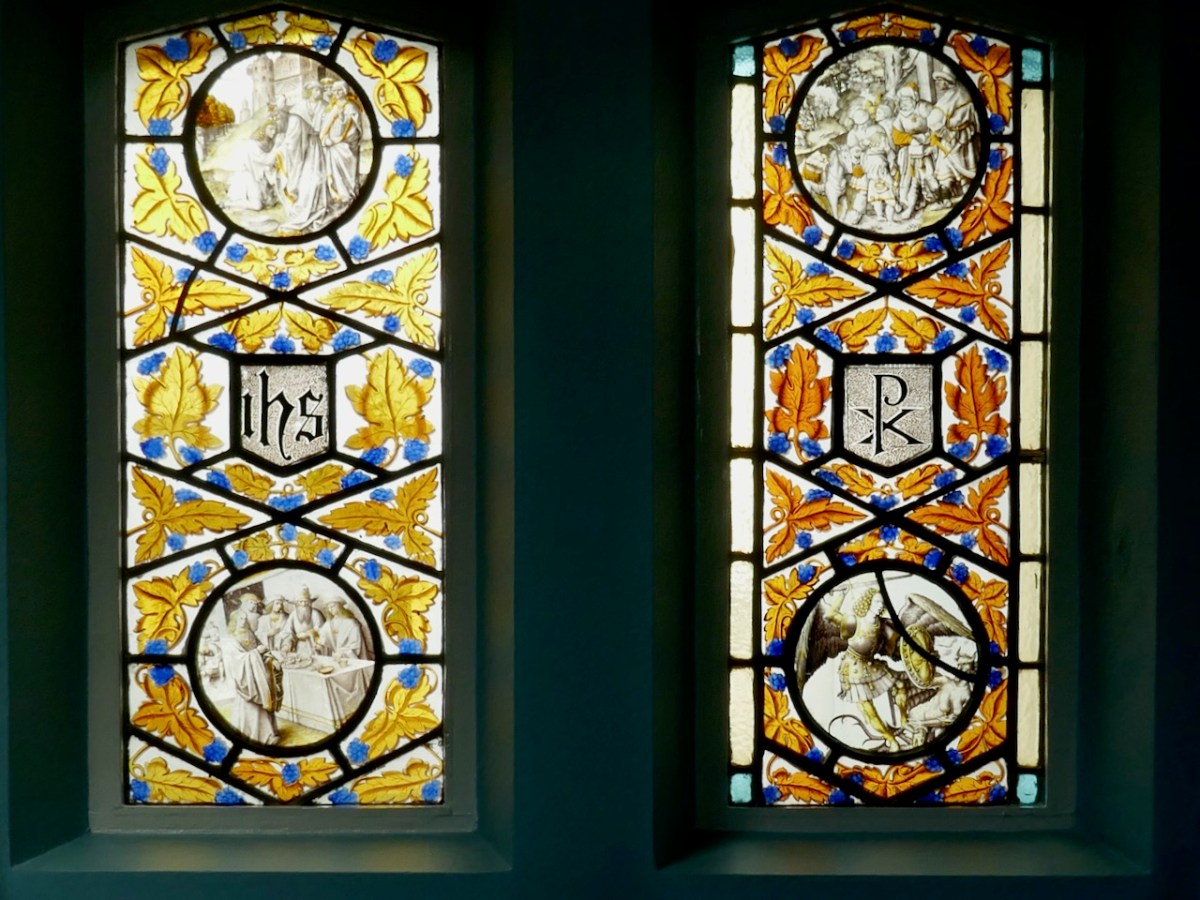
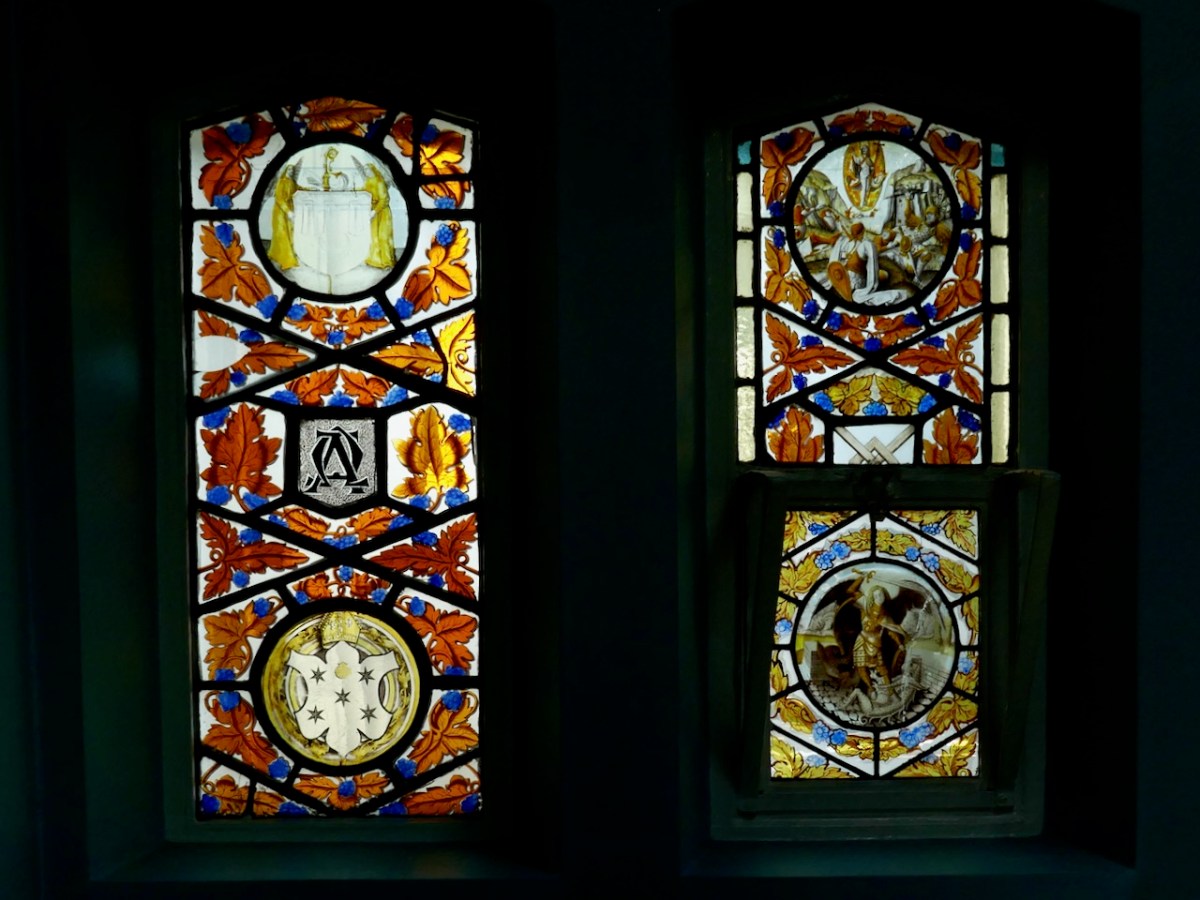
The windows are in a side chapel. There are four, each incorporating two sets of Netherlandish Glass. Only the roundels are Netherlandish – each has been set into a window of later construction (possibly 18th century), the design of which is interesting as it contains blue enamel paint (a subject for another day), see below.
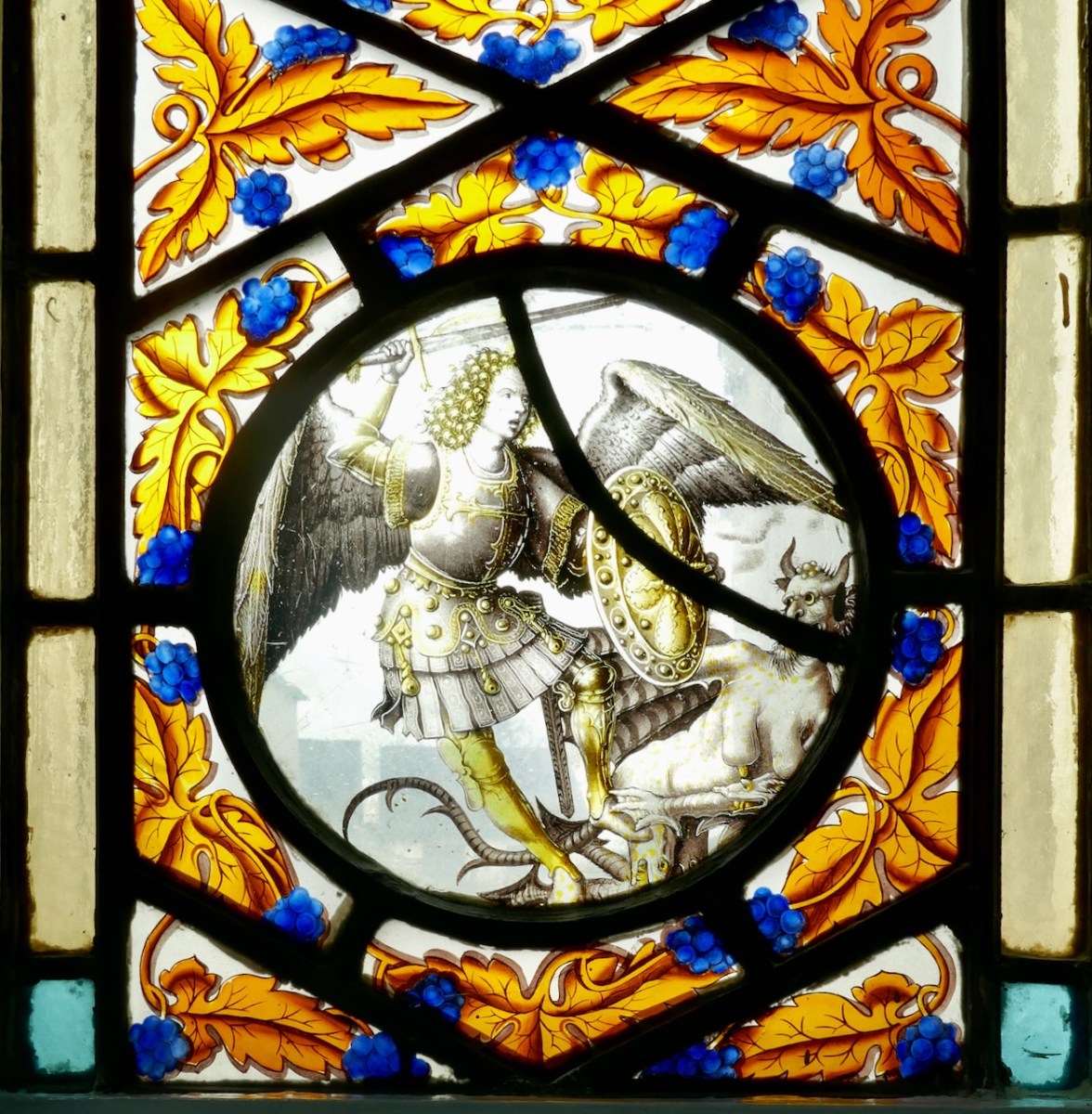
I have been unable to find any information about the windows – where they came from, who donated them, when they were assembled into the arrangements we see now. However, I do have information on the roundels themselves, thanks to a paper by the acknowledged expert in this area, William Cole*. I am relying on his erudition for some of what follows.
First of all, how was this glass produced? Typically made in circles (hence the term ’roundels’) or ovals, sometimes in squares or rectangles, the lines of the design were painted using glass paint – ground glass in a medium of water or gum arabic – and kiln fired to make the paint adhere to the surface. Colour was added using sliver nitrate mixed with water or vinegar, always to the back of the glass, and the piece was fired again, this time at a lower temperature. The silver nitrate permeated (as opposed to adhering to) the glass, staining it yellow (hence the term ‘stained glass’). A longer or a third firing deepened the yellow produced by the silver stain into an orangey colour. Take a look at this video for more precise information. Silver stain is still routinely used in stained glass, but at the time these roundels were made it was the only option available to introduce colour onto a glass surface.
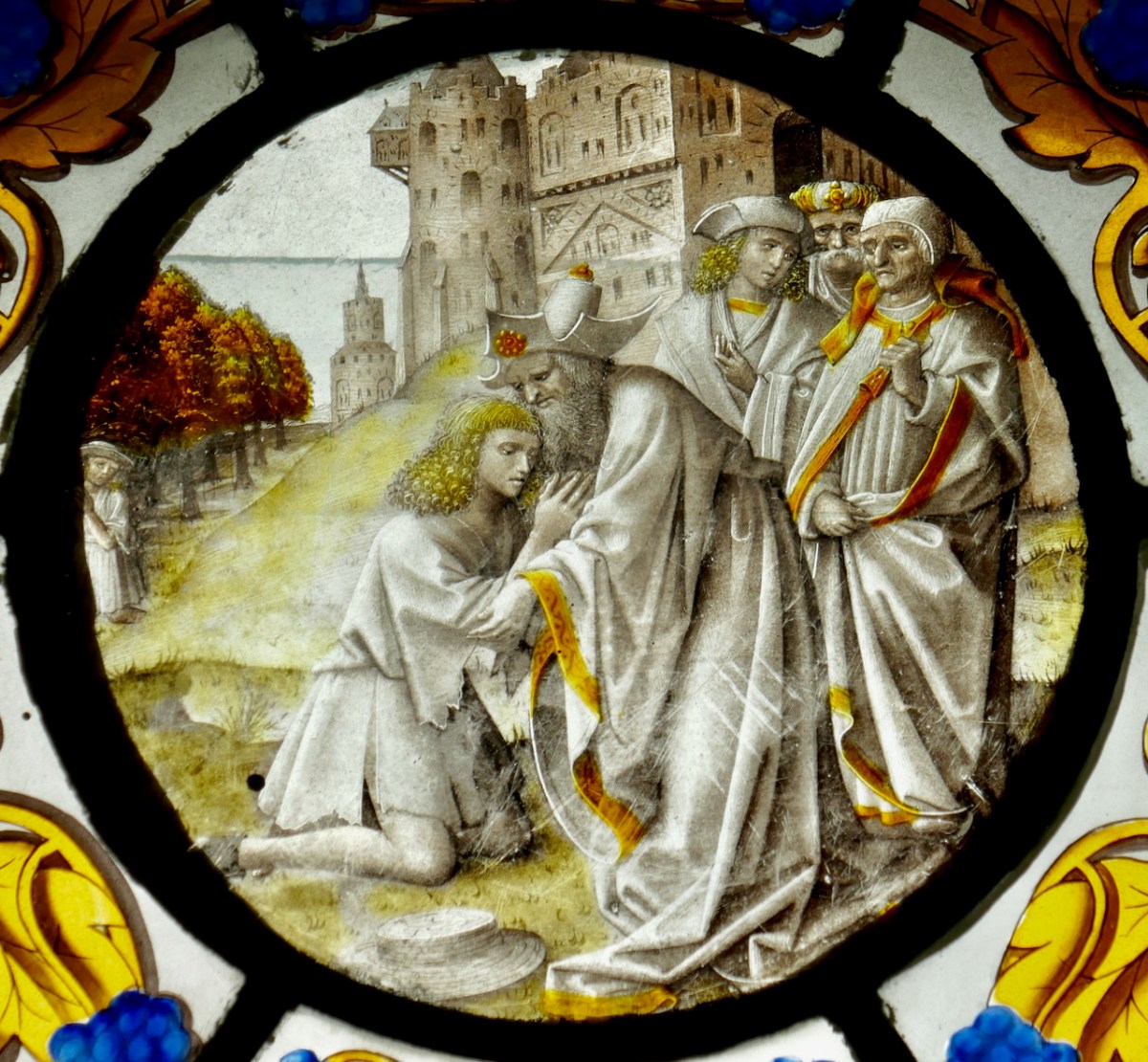
The roundels are charming. They use subjects that would have been familiar to their 16th century audience – stories and characters from the Bible. Above is the Prodigal Son being greeted by his father, the other figures may include the mother and the resentful brother. A side-scene shows the Prodigal approaching – his hat is the same as the one on the ground in font of the him. The background was how the artist imagined the Holy Land as he worked away in the Netherlands, sometime around 1510. There are three shades of yellow – light for the background, medium for clothing trim, and a deeper shade for the trees and decorative elements on the father’s hat and the mother’s scarf. The darkest shades were probably added and fired first.
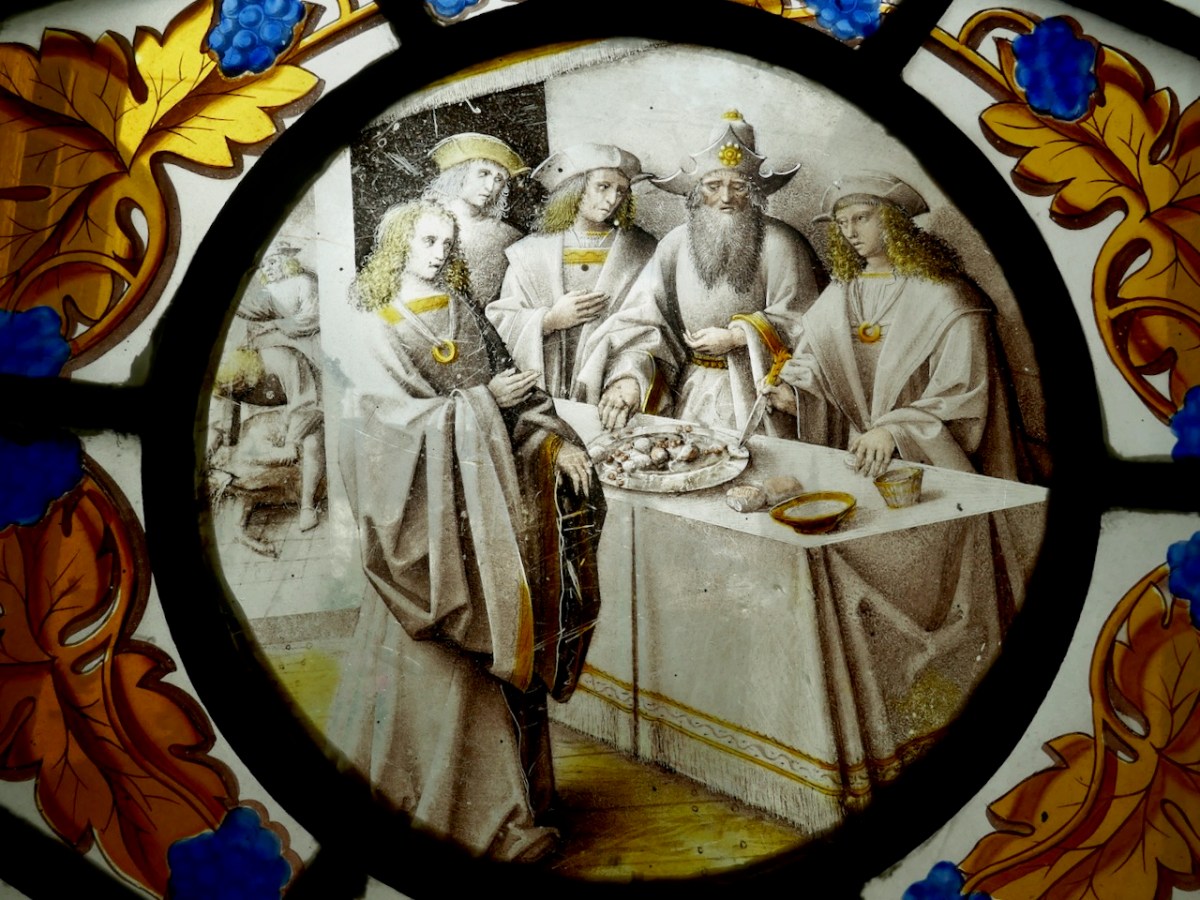
And here is the Prodigal son being invited to the feast. The feast appears sparse indeed, but look to the left and you will see the fatted calf being prepared. An article on The Prodigal Son in Sixteenth and Seventeenth-Century Netherlandish Art by Barbara Haeger points out that this was a popular image partly because both Catholics and Protestants, although they may have nuanced approaches to the subject matter, could both read the story as a demonstration of the father’s love and compassion and God’s willingness to forgive repentant sinners.
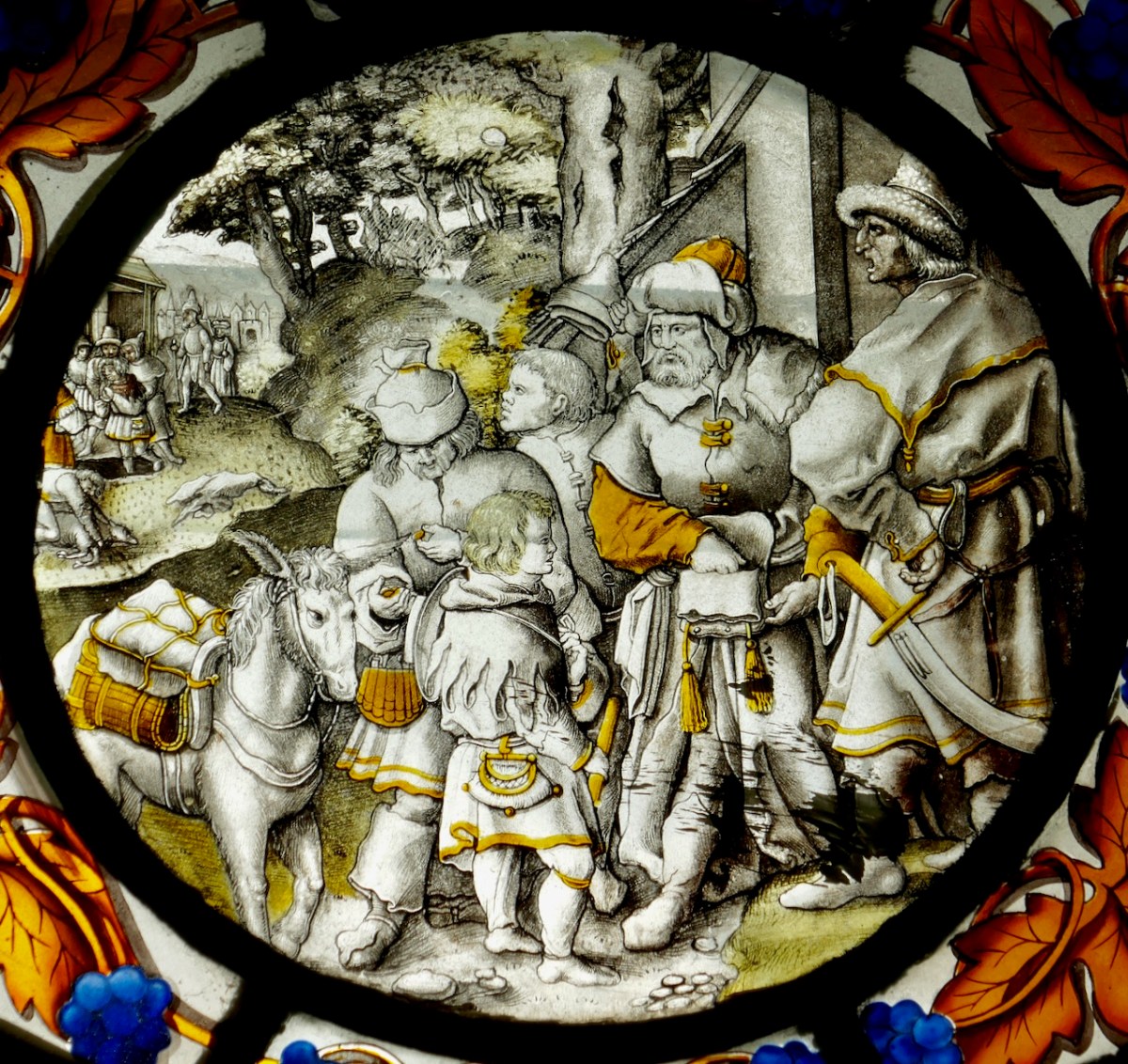
Another popular story was that of Joseph and his coat of many colours – although perhaps we can feel some sympathy for the glass painters who could only actually use one colour – yellow – so had to rely on the viewer to fill in the blanks in their mind’s eye. In the roundel, above, Joseph is being sold to the Midianites – or perhaps, as Cole suggests, being sold on to Potiphar. Subsidiary scenes on the far left show Joseph being put down the pit, and one of his brothers killing a sheep so they can dip the coat in the blood. Cole assigns this piece to around 1540.
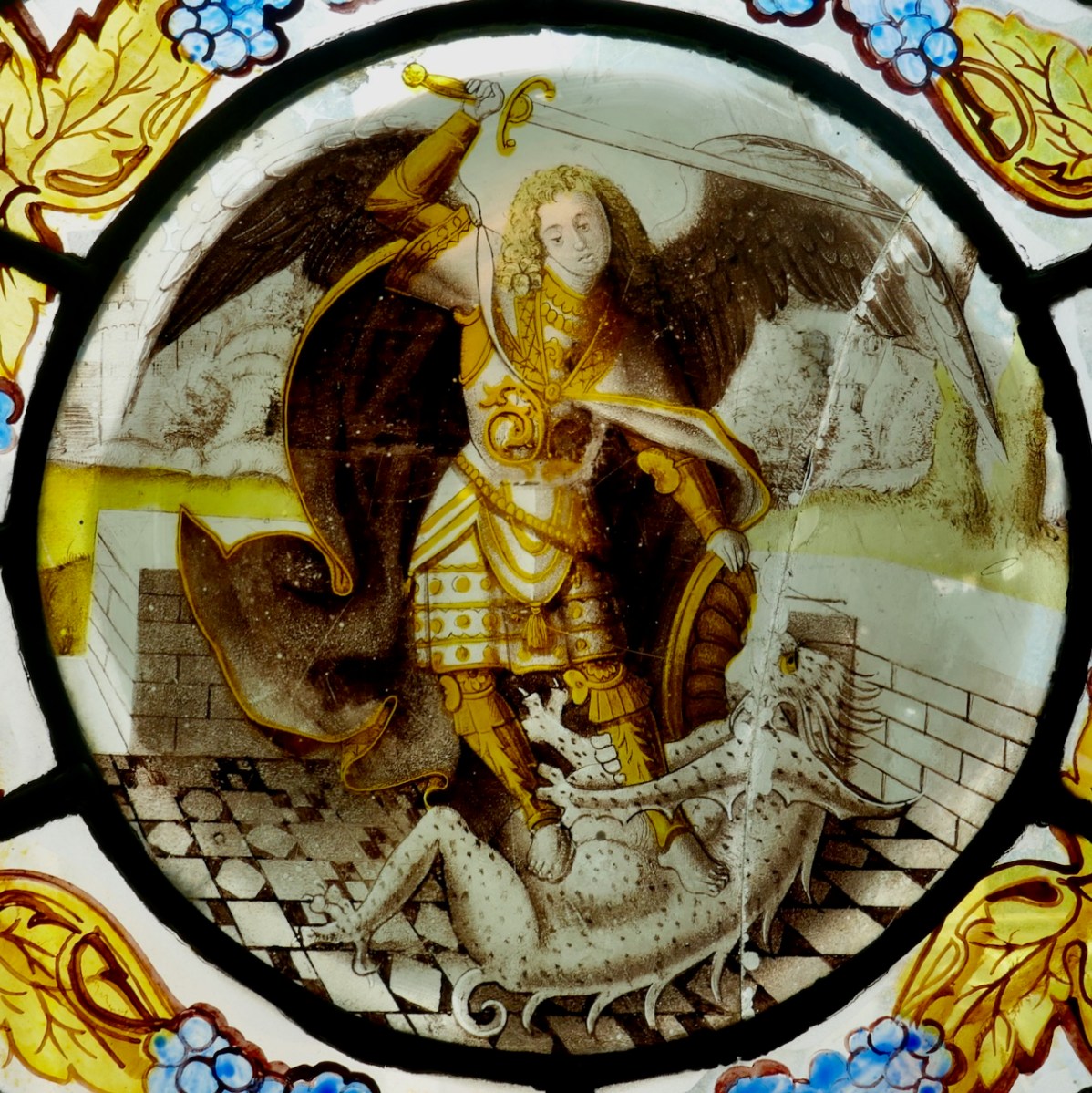
Two images of St Michael round out this collection. In the one above, St Michael stands above the dragon, sword raised ready to strike. This roundel is unusual because not only silver staine has been used for colour, but also some sepia enamel paint for the wings and the underside of the cloak. Enamel paint, although it could add another colour (at that time normally just brown) was undesirable it made the glass opaque.
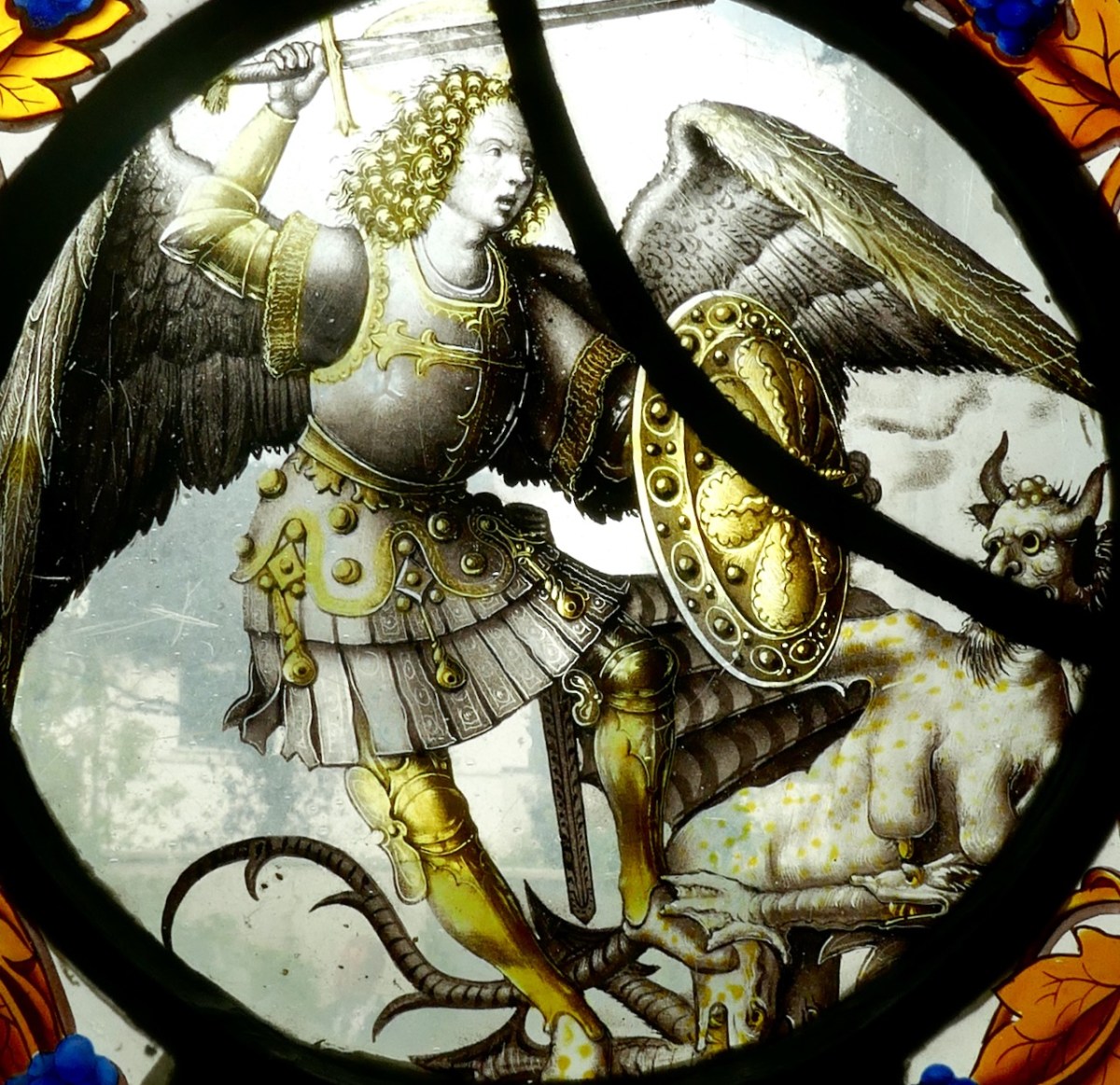
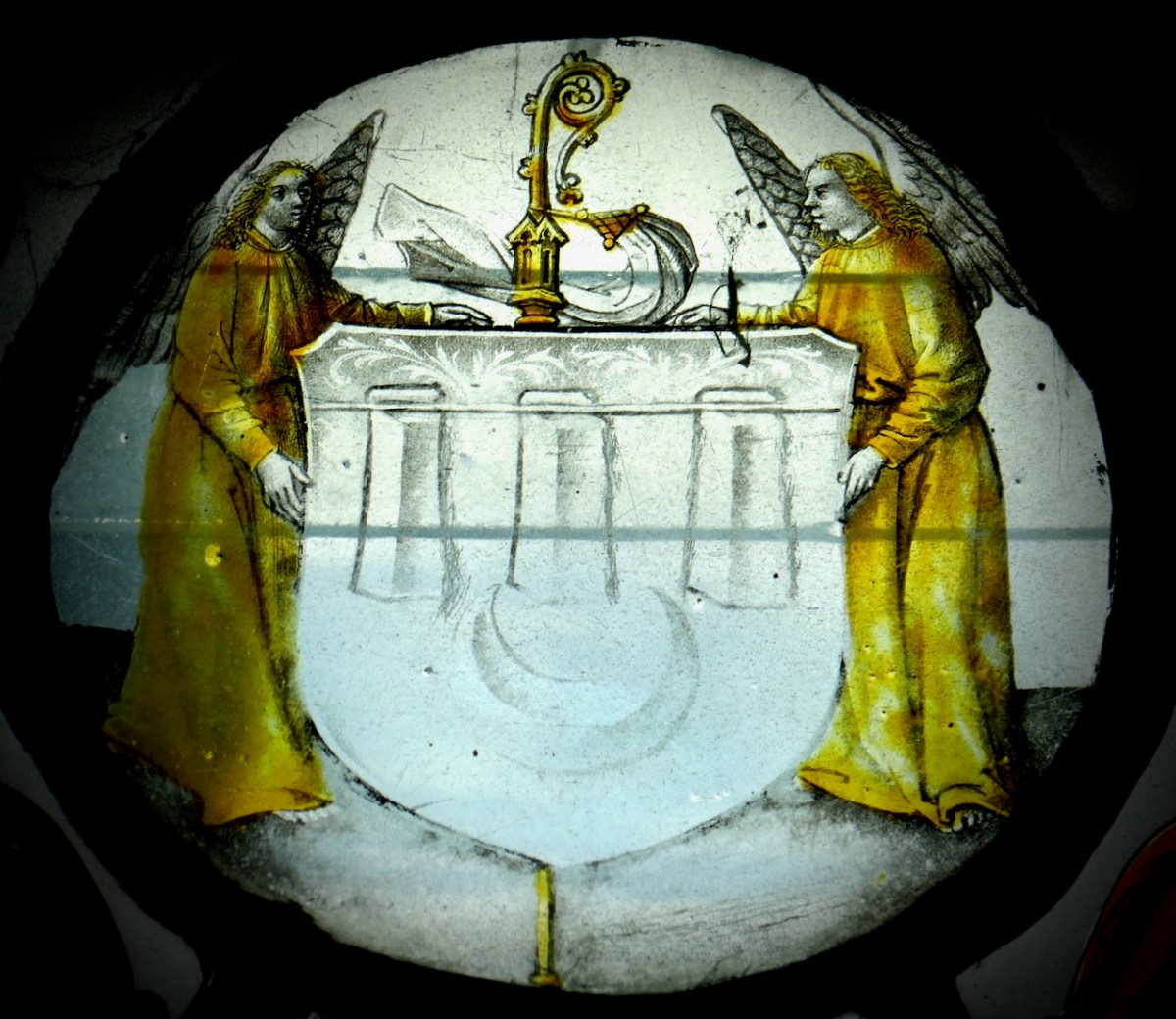
The other St Michael stands in the same pose, but the dragon is more complex and interesting. One piece of lead crosses the roundel – perhaps it broke in firing and this holds it together. I will leave you with my final selection, which Cole labels A Bishop’s Arms – note the prominent crozier.
I hope to photograph other Netherlandish glass in Ireland over time. Let me know if you find any!
*Netherlandish Glass in Ireland by William Cole. The Journal of the Royal Society of Antiquaries of Ireland, Vol. 121 (1991), pp. 146-170 available at: https://www.jstor.org/stable/25509007 

Taking Notes

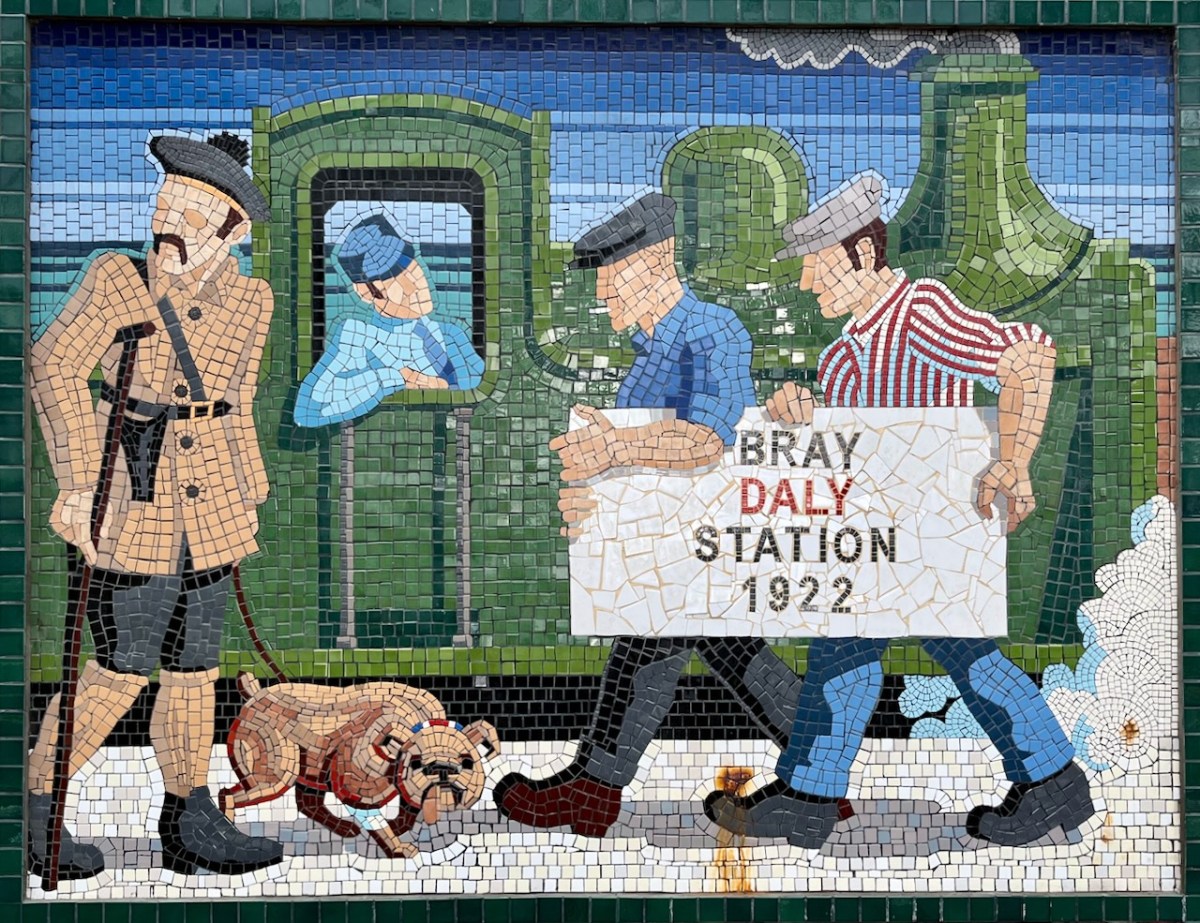
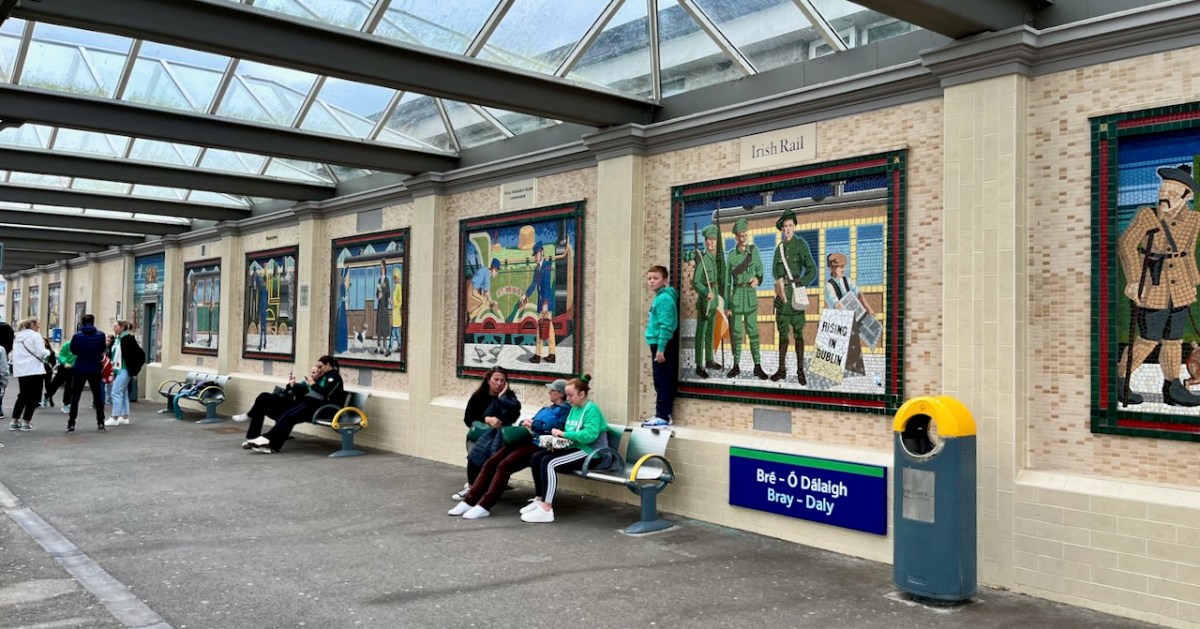
Regular readers will know that I am always on the lookout, in Ireland, for signs of all kinds. They may be humorous, informative or historical – like the one above. This is on the railway station in Bray, County Wicklow. Back in 1987 a competition to design painted murals to enhance the station platforms was won by Jay Roche and John Carter, who produced 19 panels to illustrate the railway through its history.

As you can see from this picture of Bray Station taken yesterday, the panels certainly brighten up this much-used civic concourse.

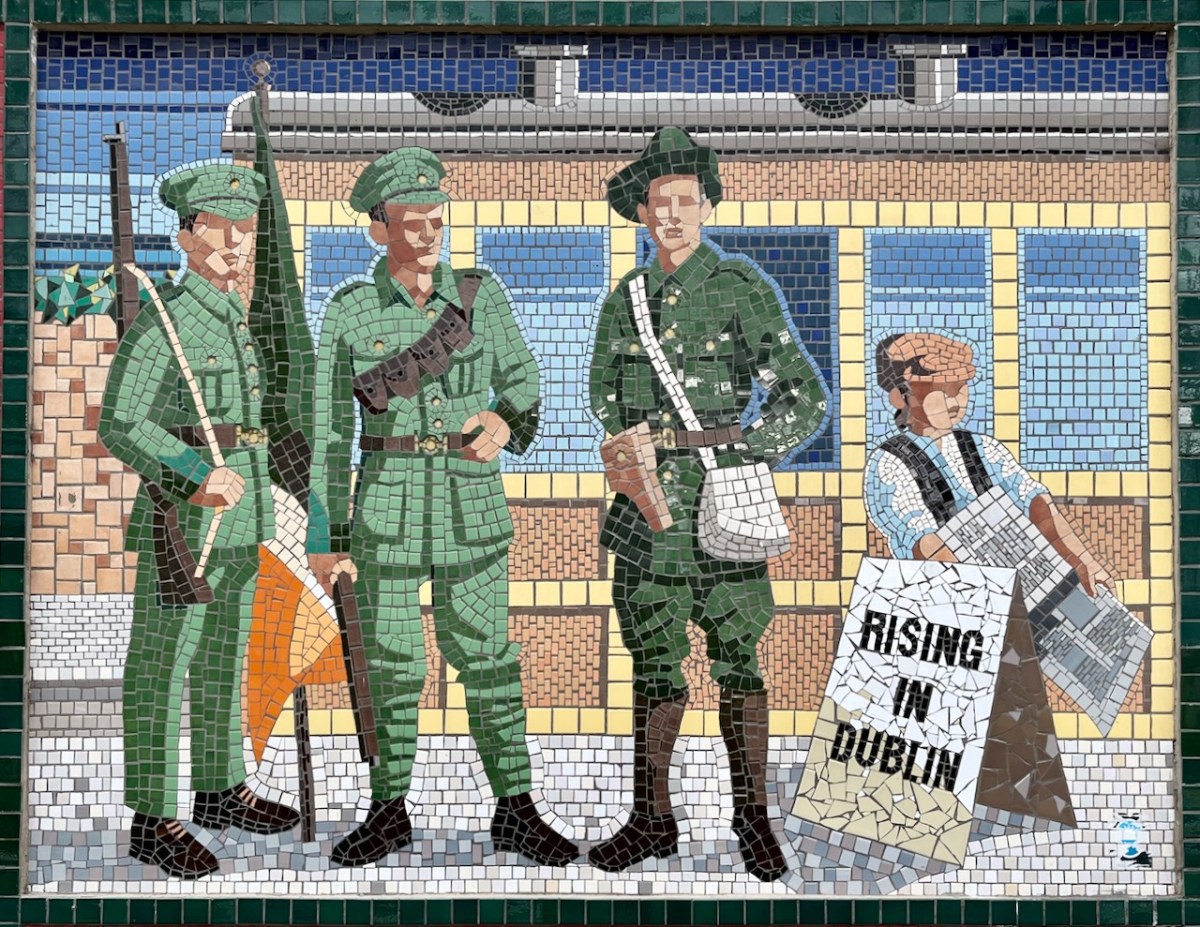
. . . Each panel is like a window into the past that tells a story about the people, dress or time of the mural. One mural signifying the 1920s, makes reference to a man in a Black and Tan uniform.  On the website Mural to Mosaic, which chronicles the progress of the project, the artists state they are trying to show that dramatic events were unfolding around that significant time in Irish history . . .


The Daily Edge Newsletter 2012

You’ll have noticed that the panels are now made of mosaic. The painted originals suffered from wear and deterioration and the same artists, assisted by Anthony Kelly and Eileen Maguire, have in recent times transformed all of them into the new medium. I think the result of the earlier concept and its newer manifestation are excellent, and provide a great visual diversion for anyone waiting for a train or a Dart (Dublin Area Rapid Transport). In fact, it’s worth missing a train in order to fully appreciate the artwork!

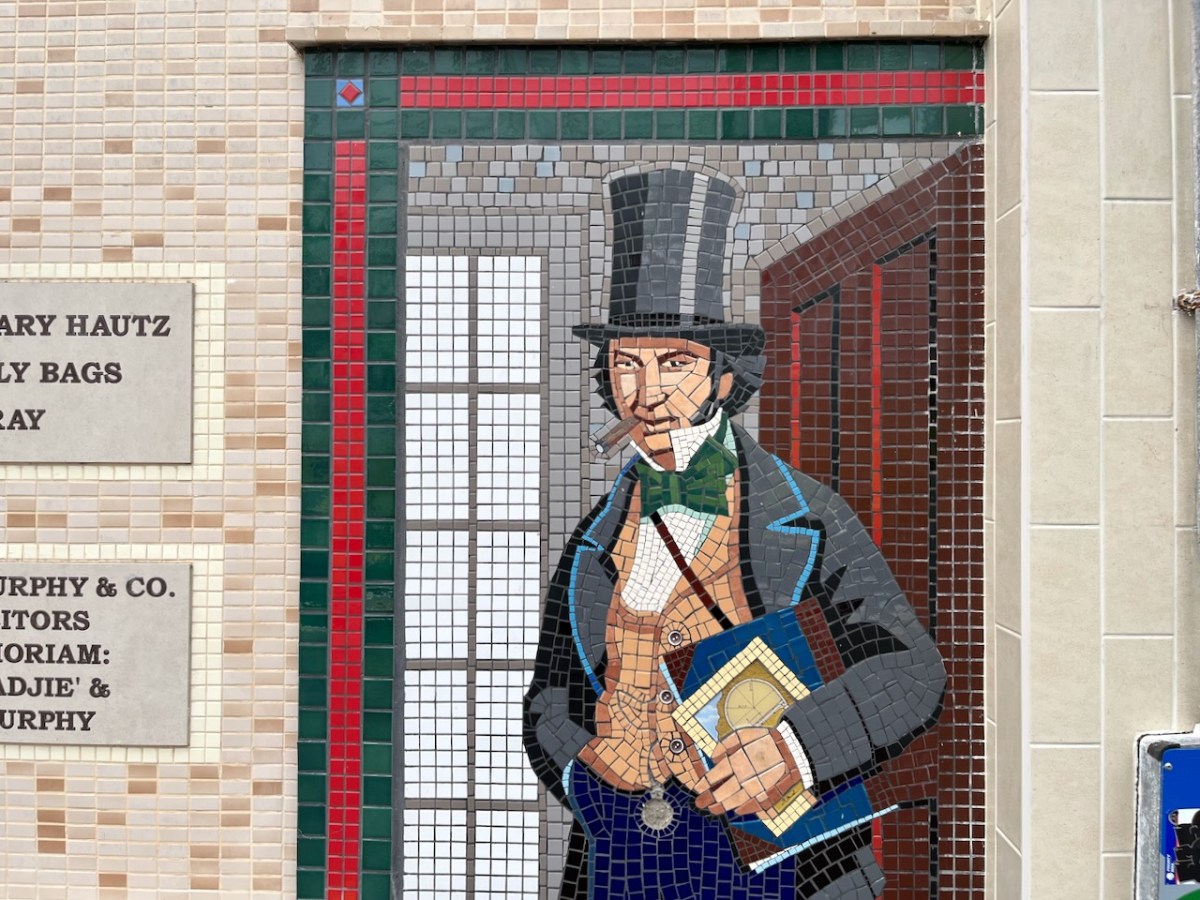
Isambard Kingdon Brunel is the engineer credited with planning the line which, in 1844, was intended to be ‘broad gauge’ all the way to Rosslare. Here he is in a Bray station mosaic, above. I’ll return to this railway in a future post as the full story of it is well worth the telling – even though it’s not West Cork (which, of course had its own interesting railway line).

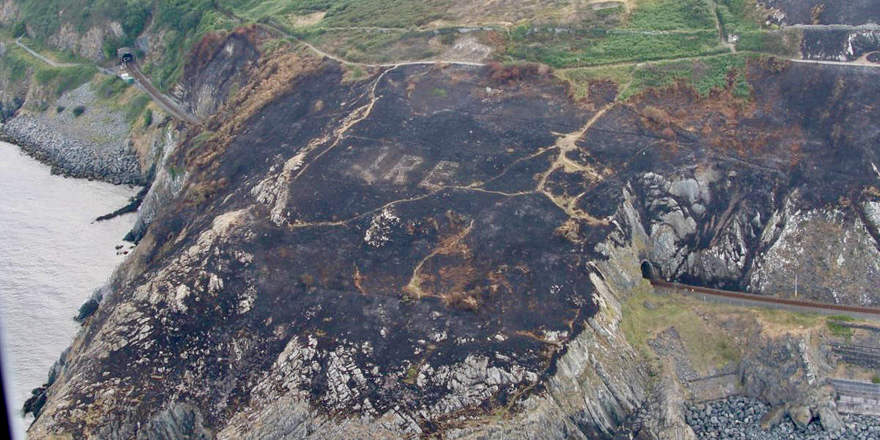
Before leaving behind the railway, here’s a photo of Bray Head (courtesy of Irish Defence Forces) taken after a gorse fire in the summer of 2018. As well as the Bray to Greystones line you can see the outline of the EIRE sign that was put there in ‘the Emergency’: one of over 80 such signs dotted along the coast, it was a warning to aircraft of all persuasions that they were flying over neutral Ireland.

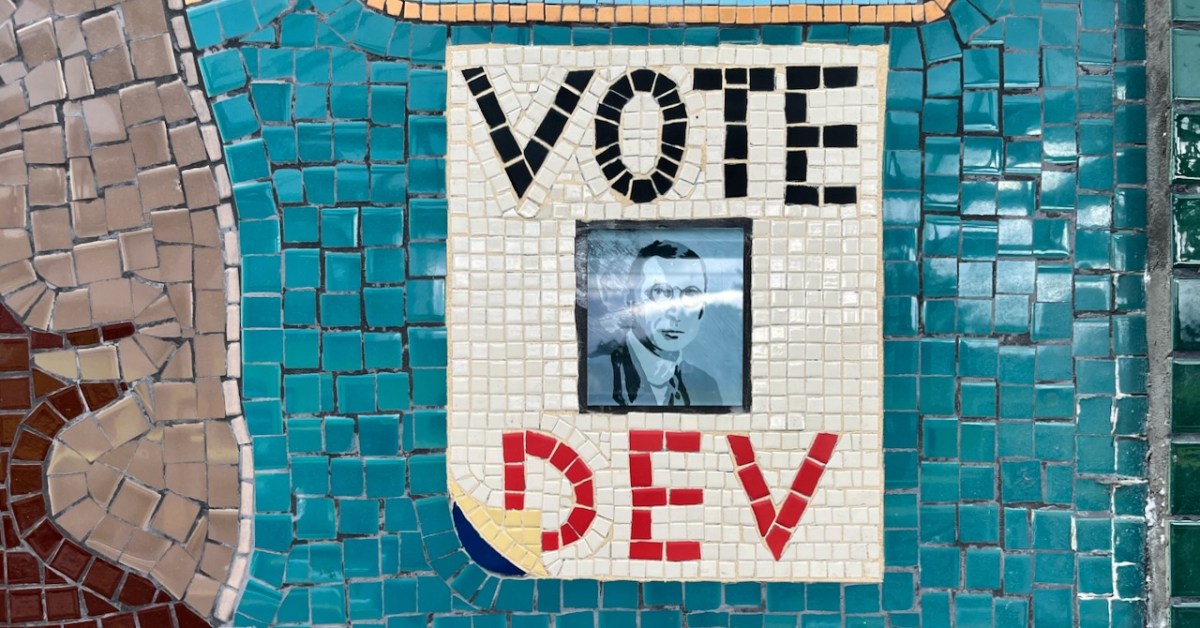
. . . The ‘Éire’ signs were erected around the Irish coastline from the summer of 1943 onwards, a period when overflights of Irish territory and forced landings of belligerent aircraft (mainly Allied) had increased dramatically. In keeping with the De Valera* government’s policy of discreetly co-operating with the Allies, Allied air crews who landed in Ireland were assumed to be ‘non-operational’, and therefore were not detained (a fact that the Germans noted with displeasure). It made more sense to all concerned, however, if such forced landings could be avoided and so the ‘Éire’ signs were erected to ensure that pilots knew that they were flying over Irish territory . . .

Royal Irish Academy Newsletter

*See our header pic for another reference to Dev!

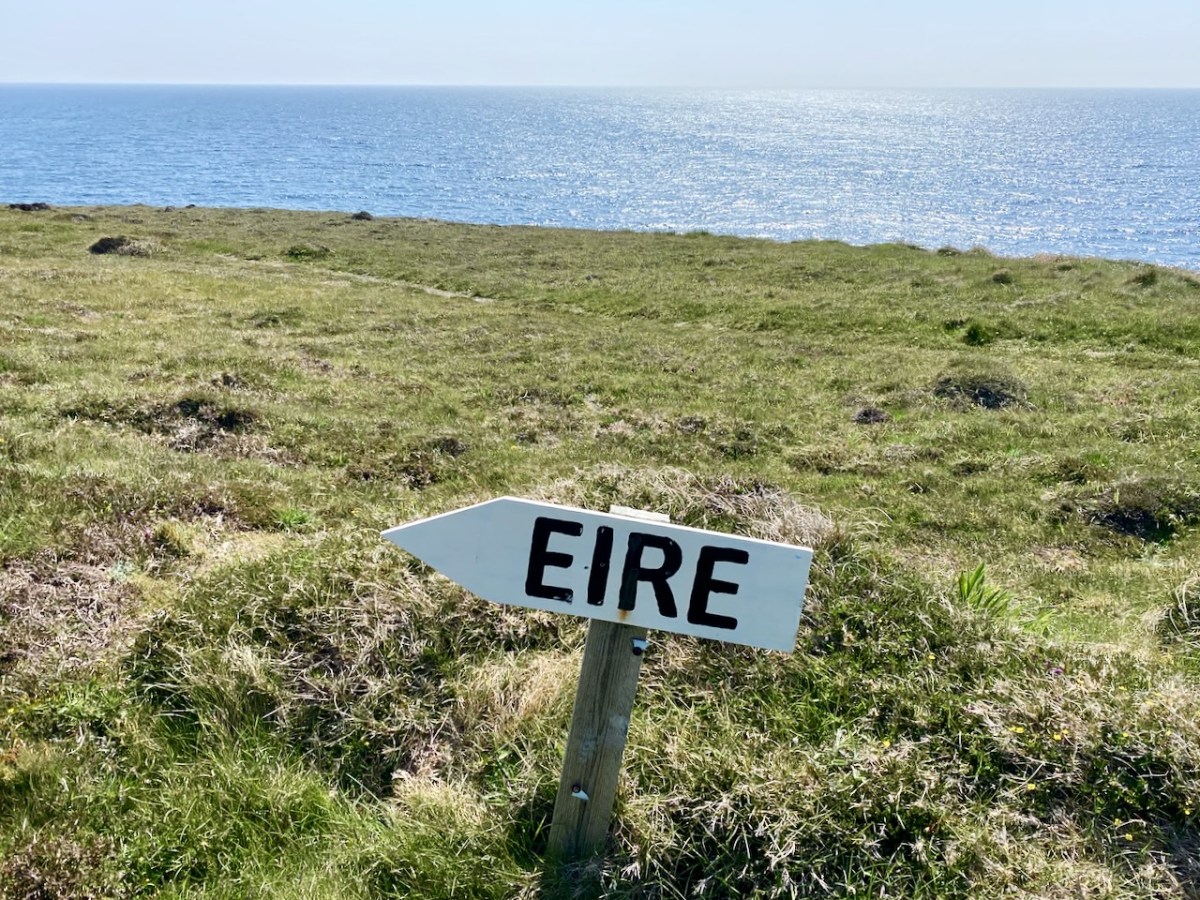
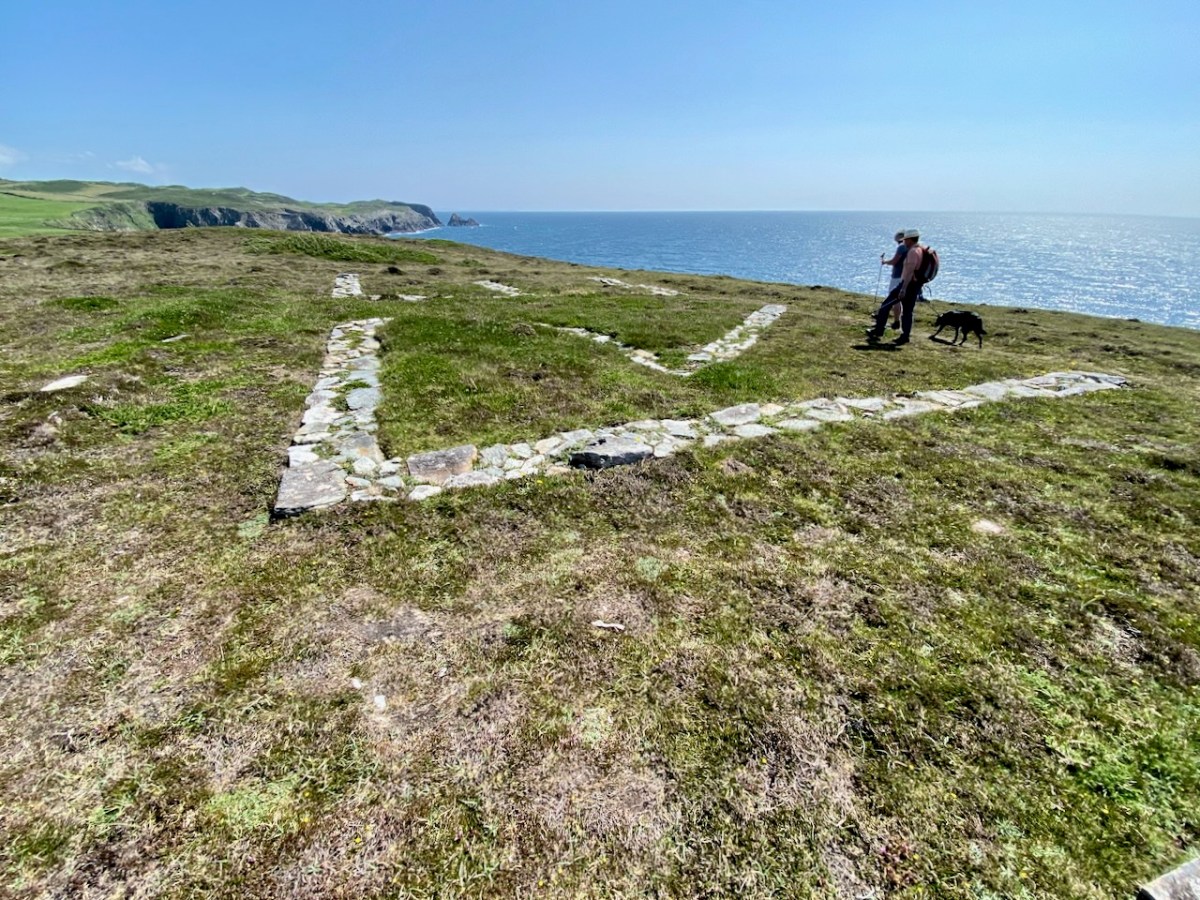
The EIRE sign above is very clearly delineated: it’s on the cliffs at Toe Head, in ‘our’ County Cork.

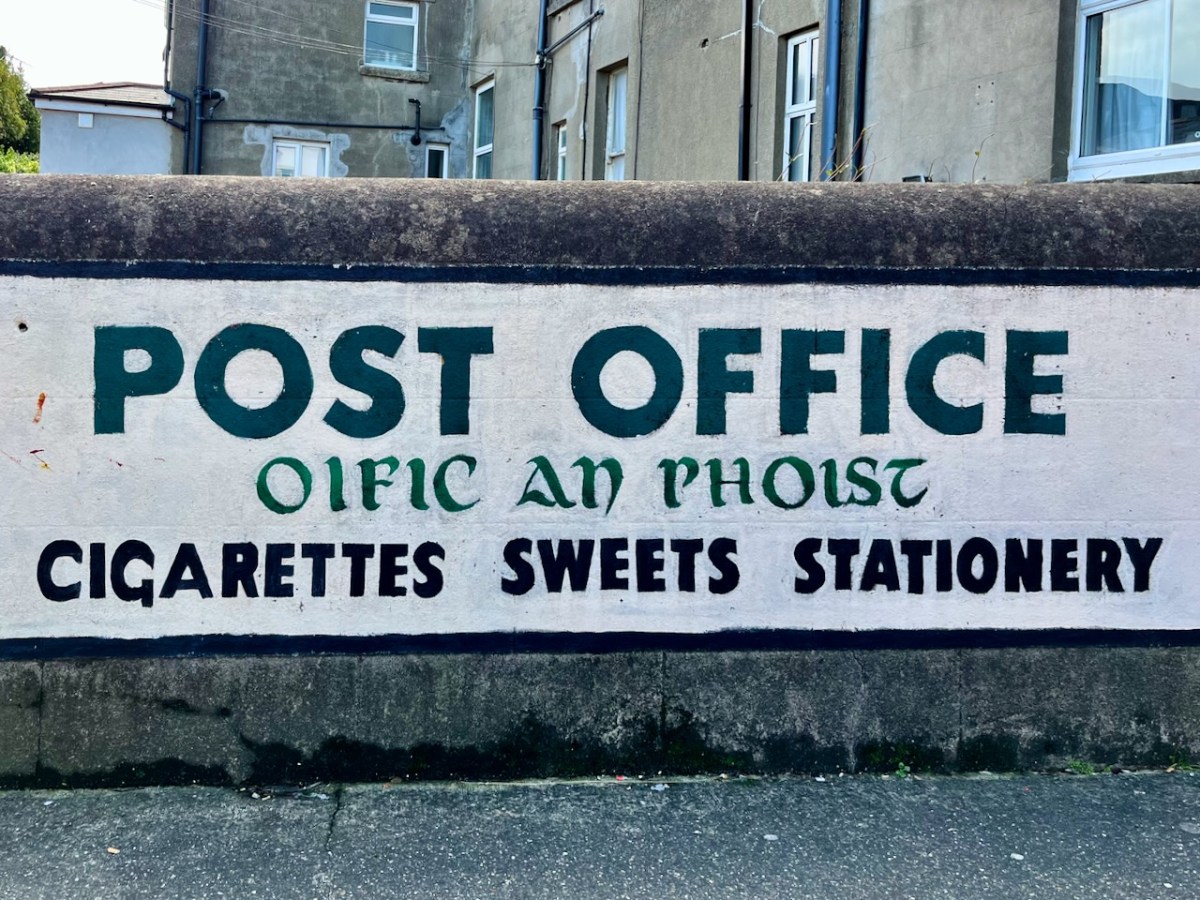
This Post Office sign has been kept intact, probably for reasons of nostalgia. I’d doubt there are many today who would proudly proclaim that the sale of cigarettes is one of their mainstays.

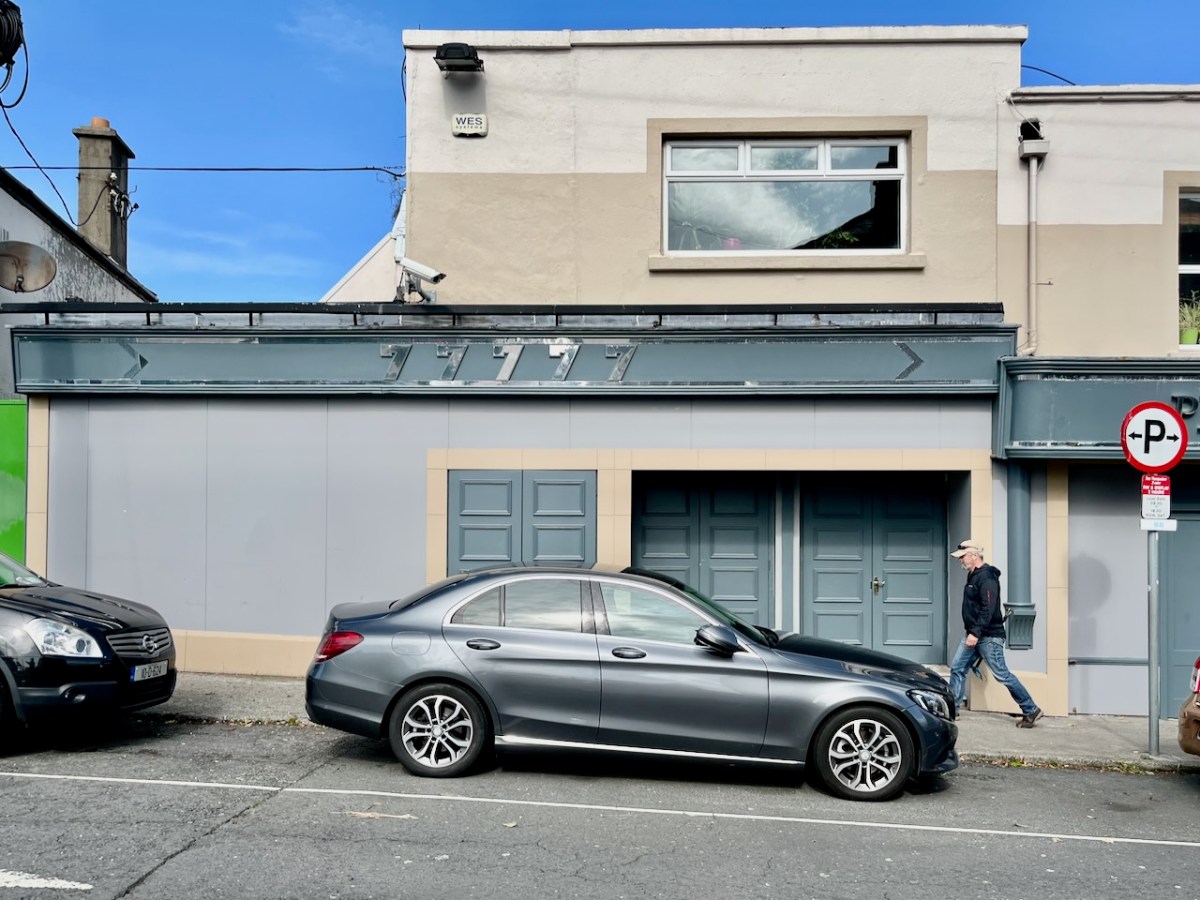
(Above) – I couldn’t resist the enigma of this signwriting . . .

. . . But I think the one above leaves us in no doubt who it speaks to.

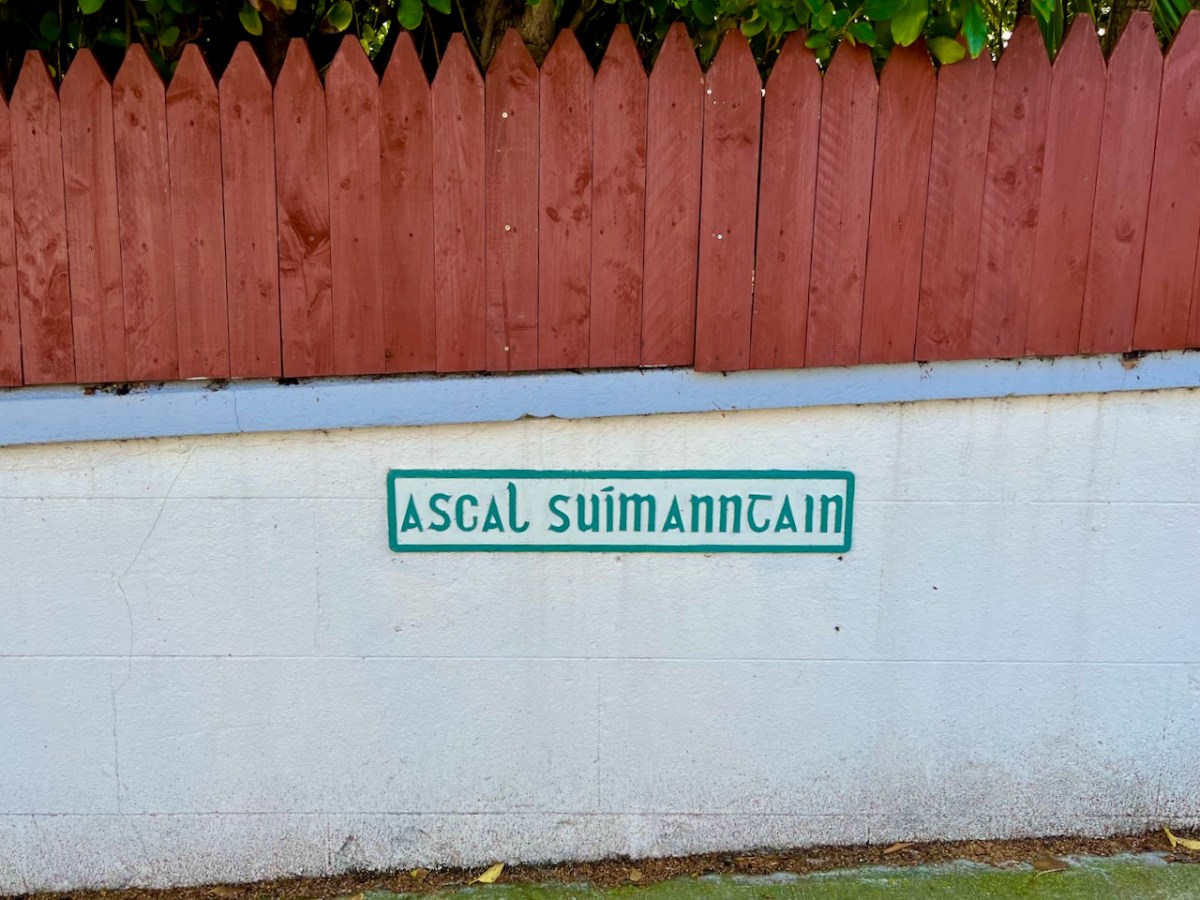
I’d like to understand the meaning of this Irish road name: one AI translator told me it is ‘thought position’, another ‘location avenue’ . . .

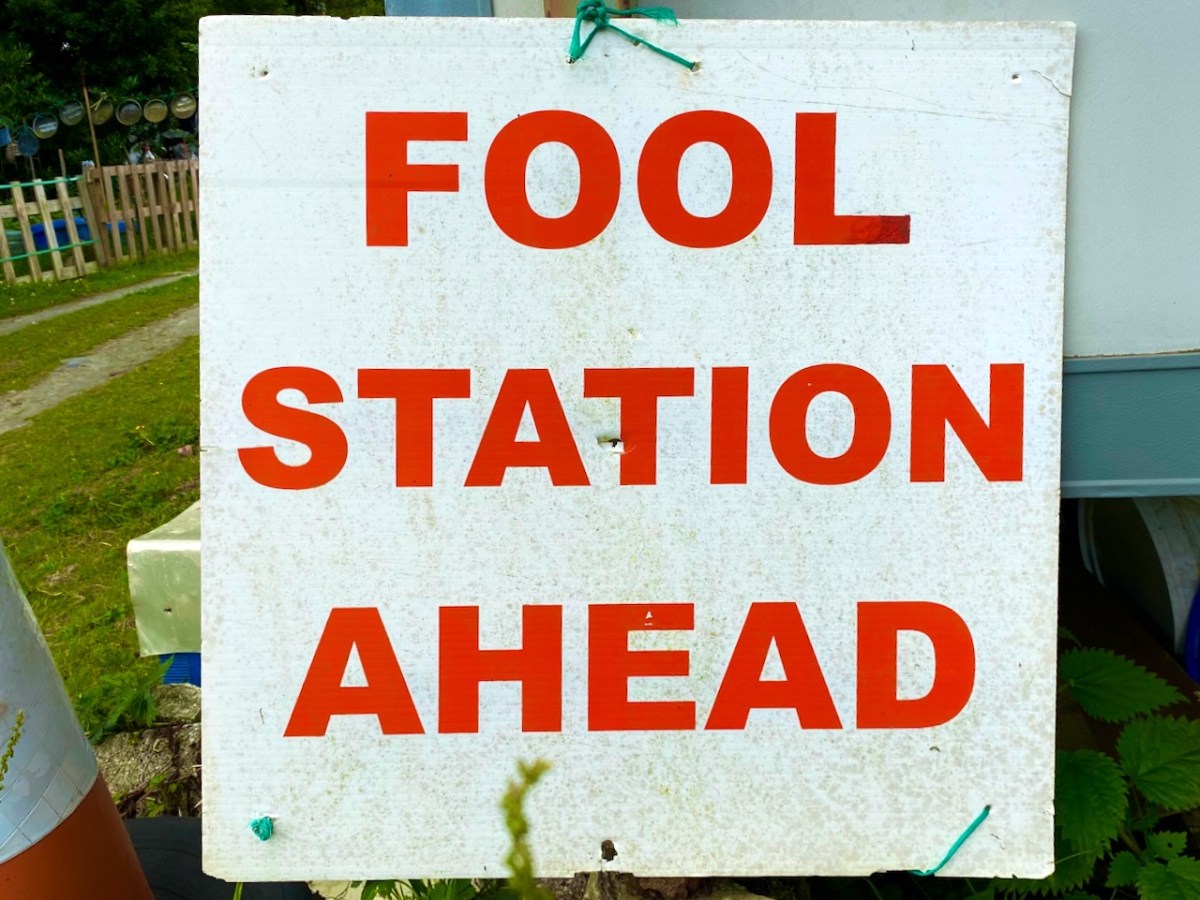
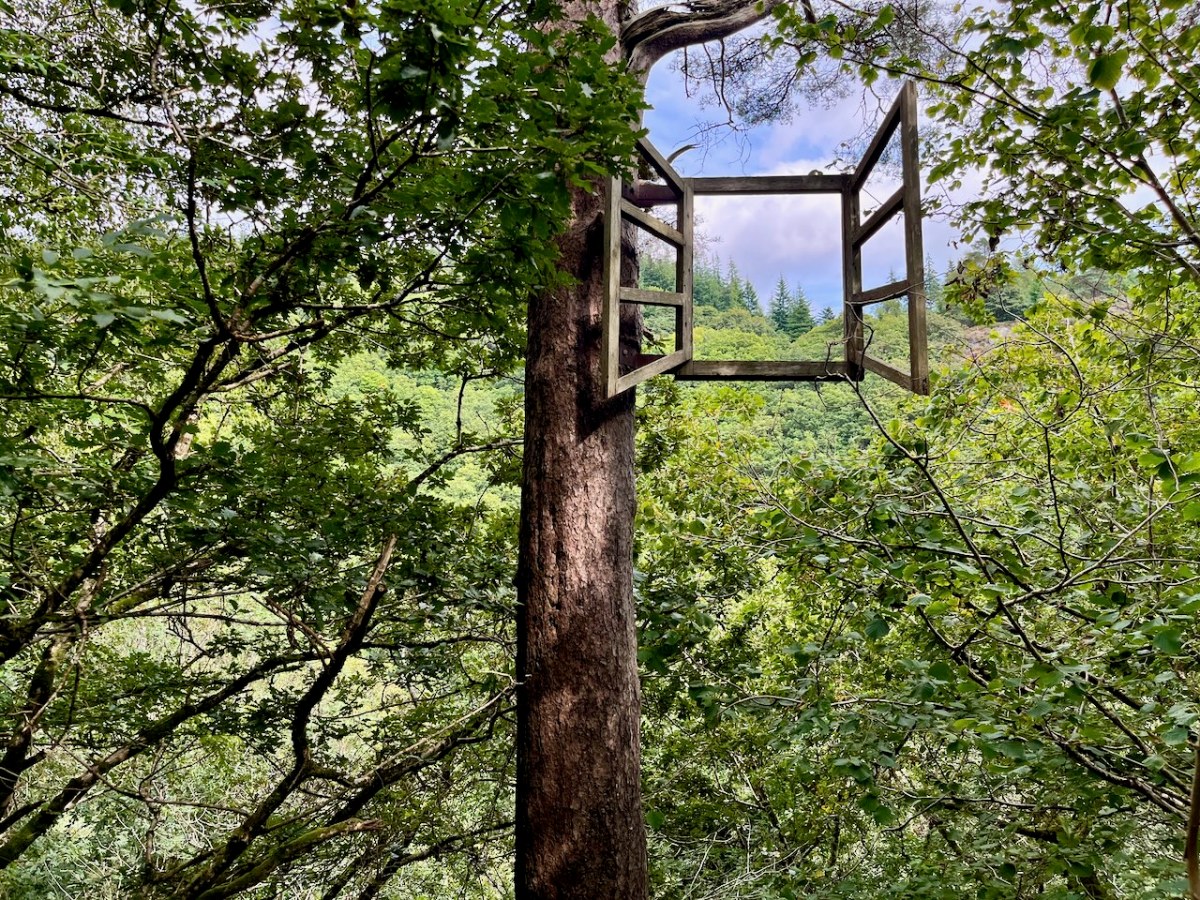
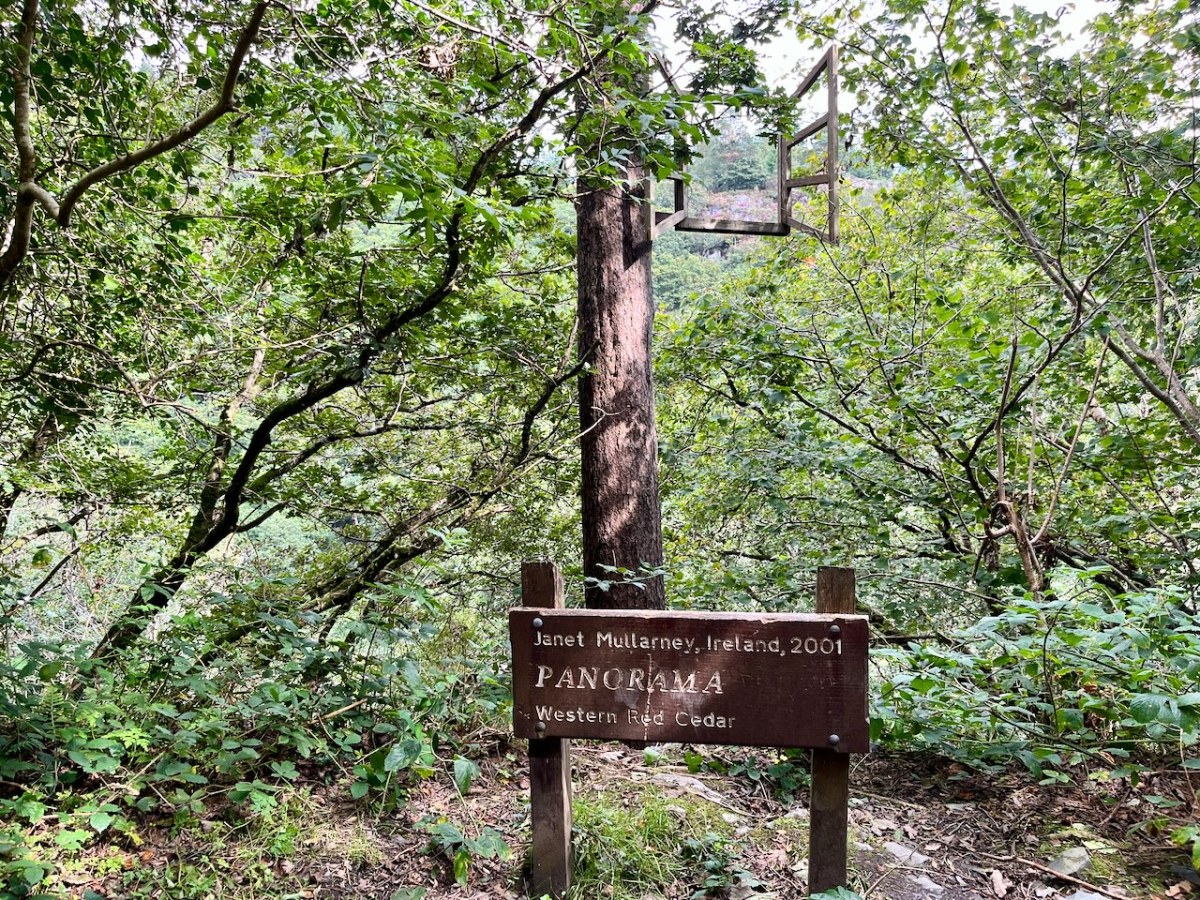
No comment on the two signs above. The following, however, provokes some questions – a window on someone’s world?

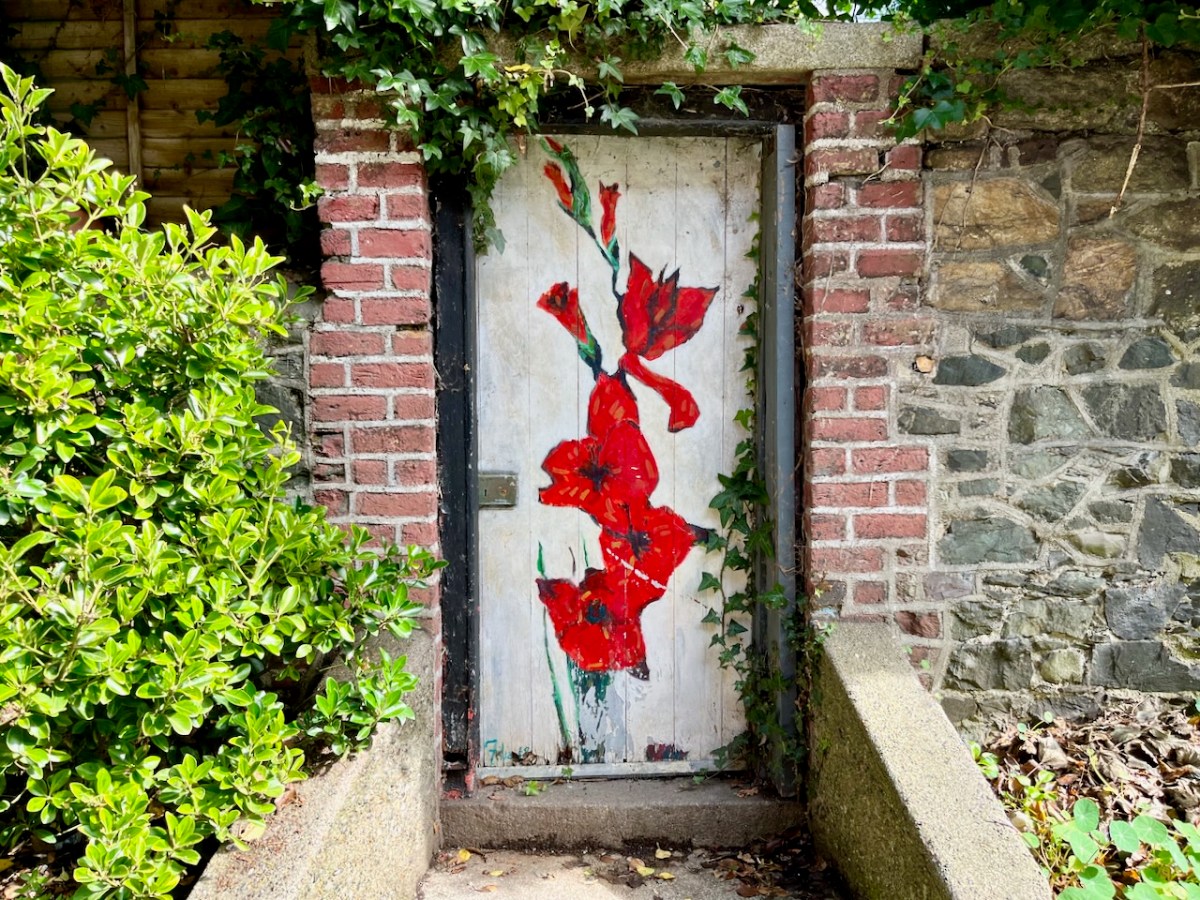
What world does this gate open up to?

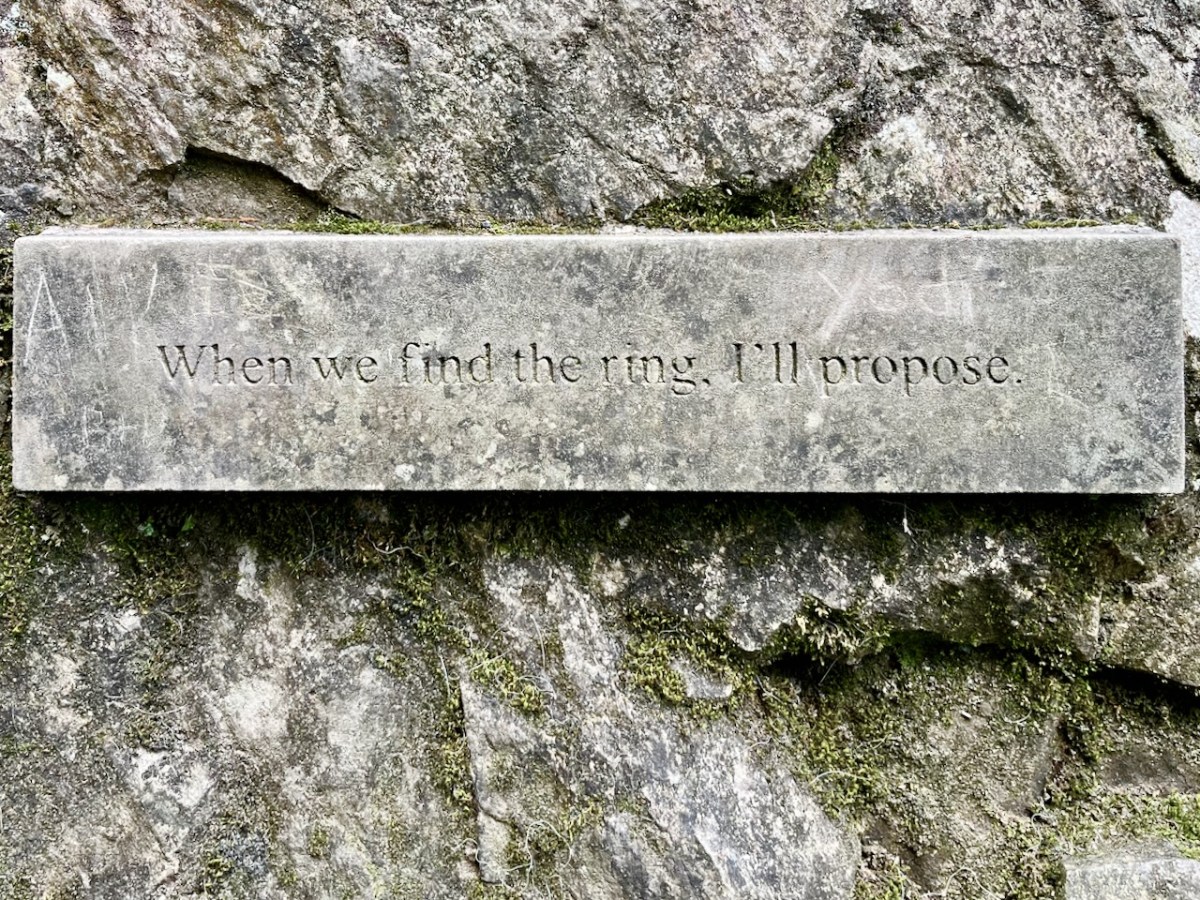
Promises, promises . . . But I think they found it:

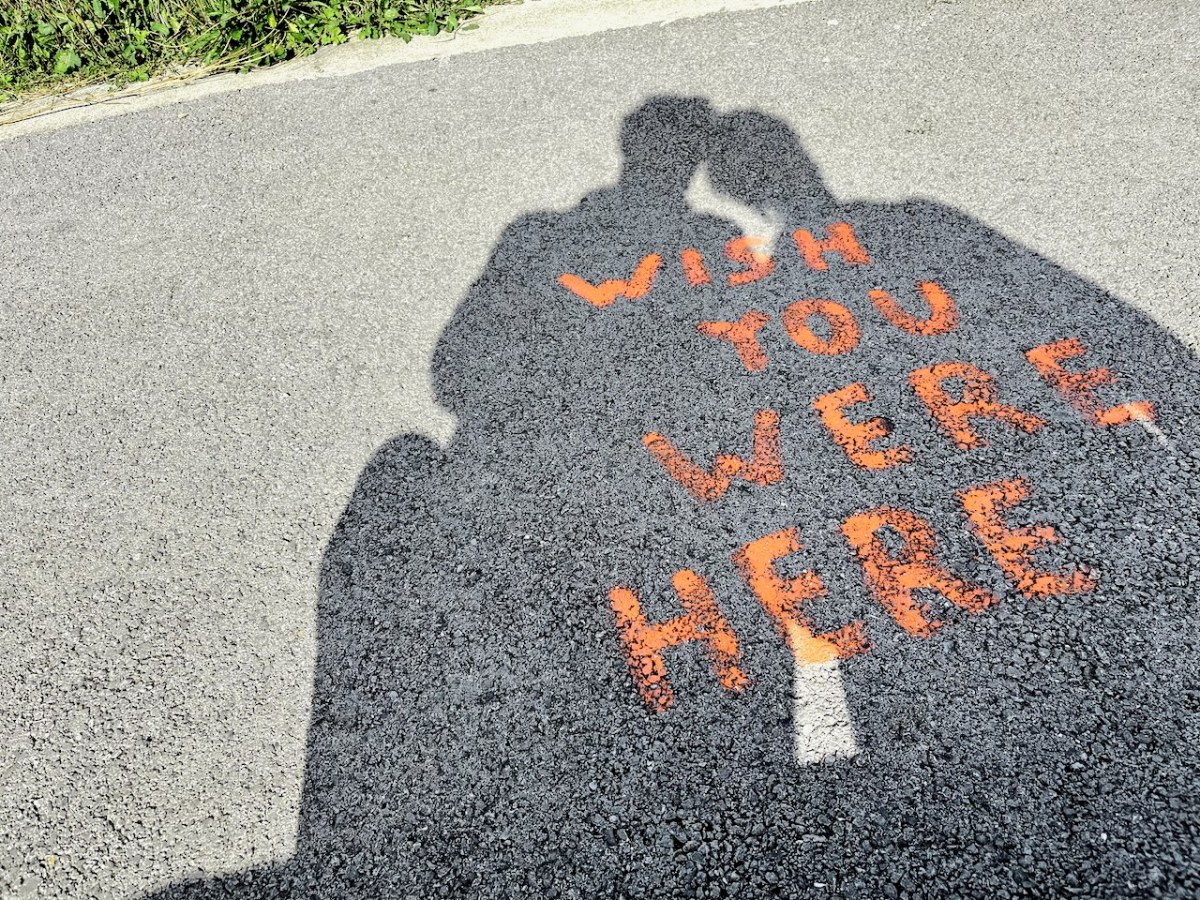
Crash-Landing Drama!

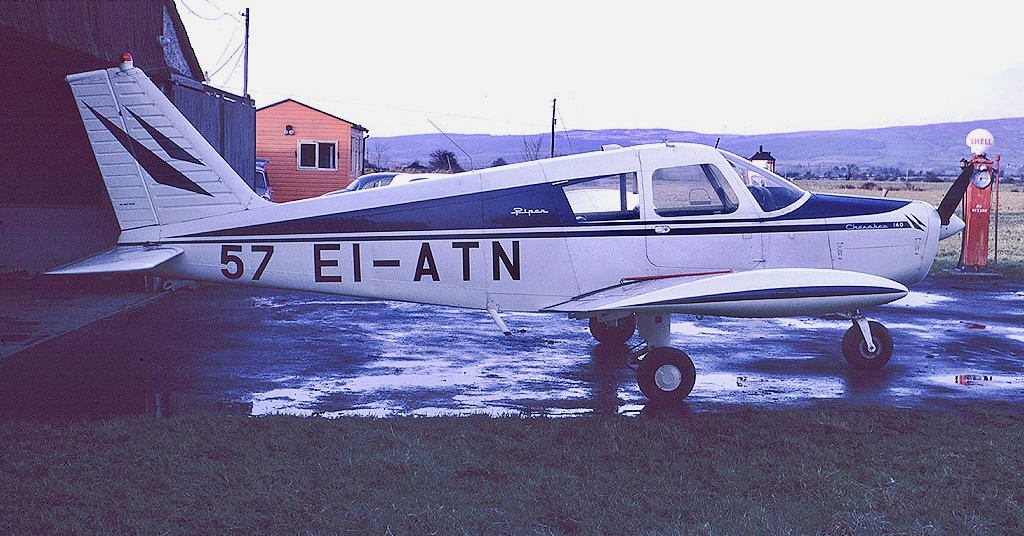
This Piper Cherokee plane set out on a flight from Luton in the UK to Cork exactly 50 years ago but didn’t make it! Instead it ended up in the waters of Roaringwater Bay just a few minutes away from where we live today. The pilot and all three passengers survived . . . It’s all part of the boundless jigsaw puzzle which is West Cork’s history. As you know, we love to discover the whole caboodle.

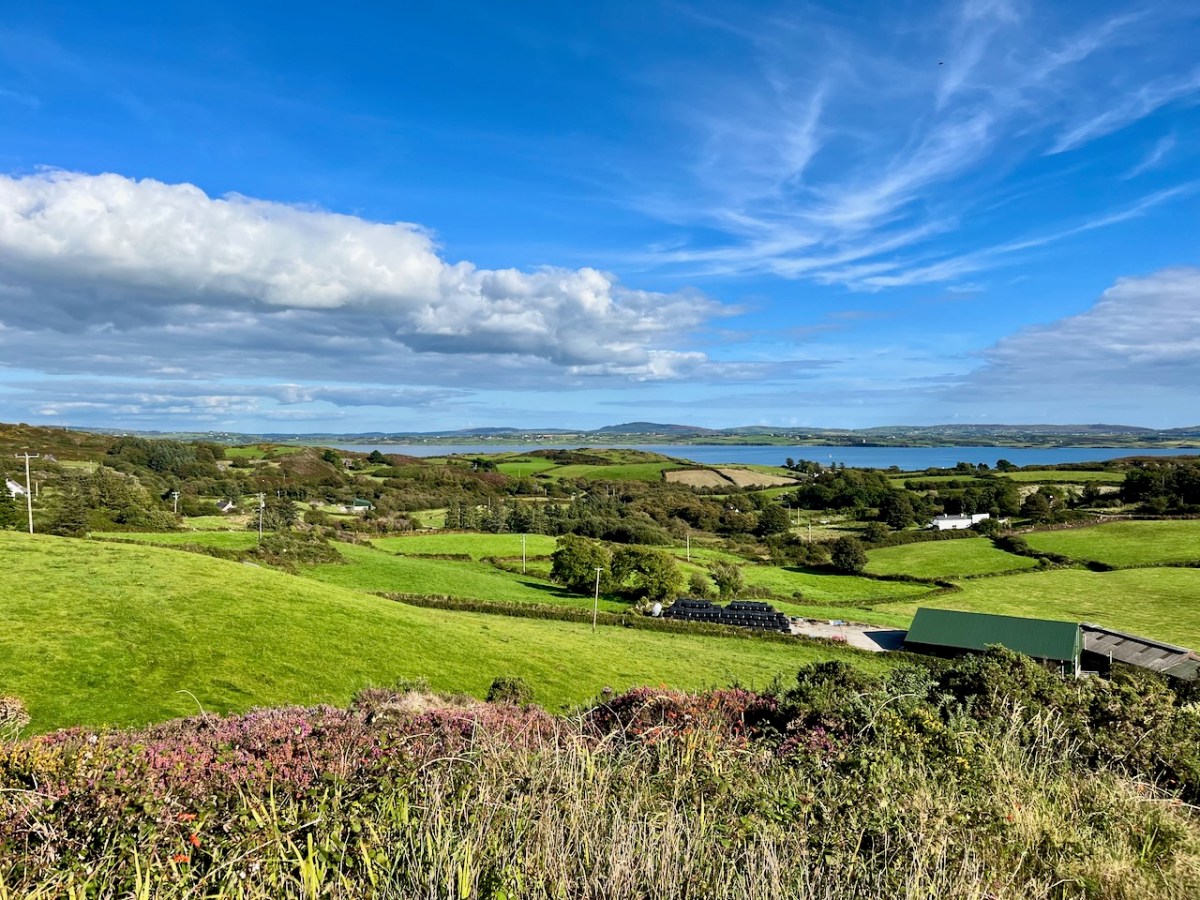
Here’s the view from just beside our house (Nead an Iolair) in the townland of Cappaghglass, looking across to the bay at Foilnamuck: a beautiful sunny day in September. Undulating country . . . Now, picture yourself piloting a small plane, lost, running out of fuel – darkness has come on – and you know you can’t get to any airport. You are going to have to ditch the plane. You can make out below you land and sea – a whole lot of islands. What do you do? You head for a stretch of sheltered water to cushion the inevitable blow.

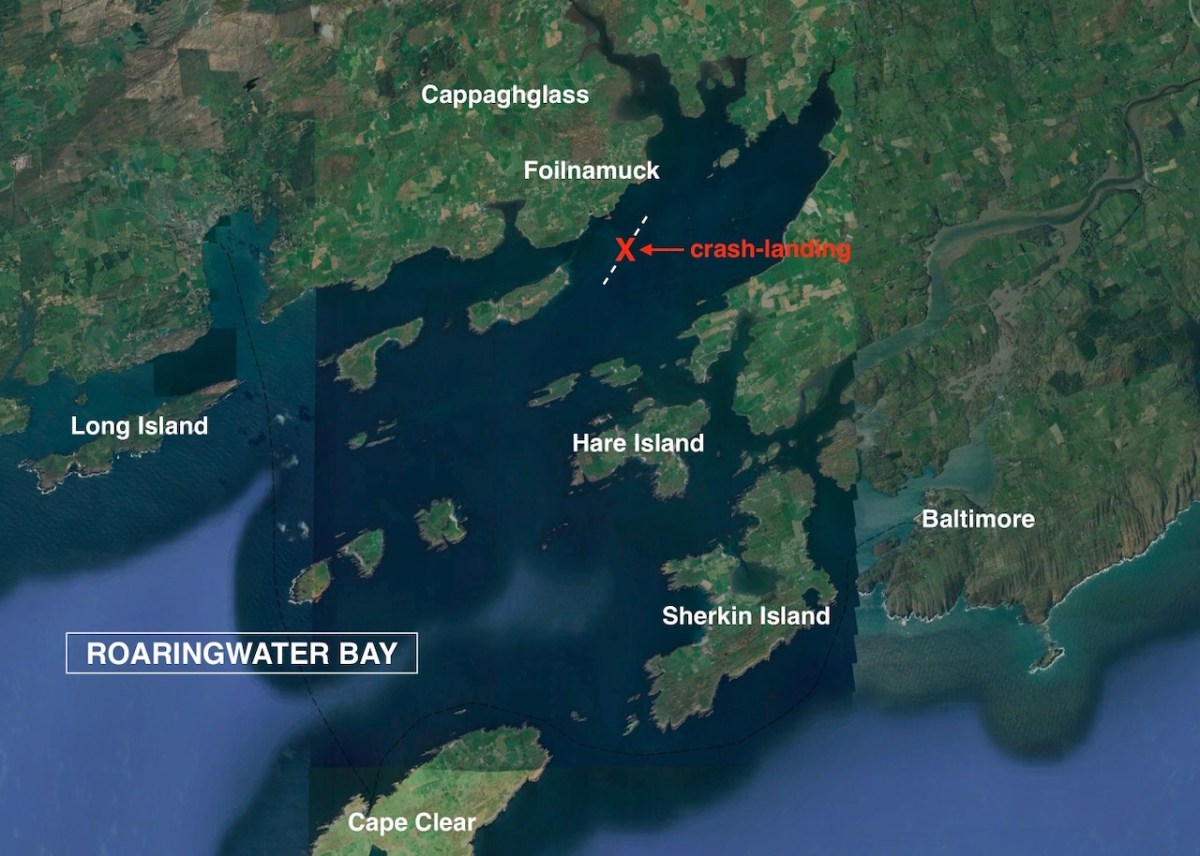
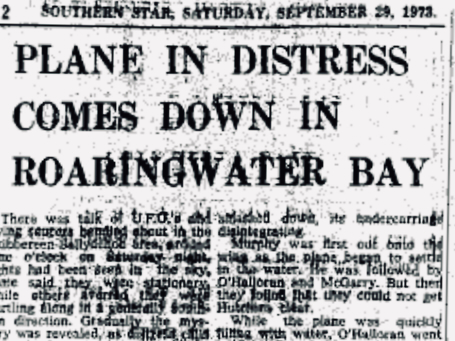
This Google Earth image shows – roughly – the site of the crash-landing that did occur on the night of 22 September 1973. In the coming days it was all over the papers. Thanks to Irish Newspaper Archives for the cuttings I have used.

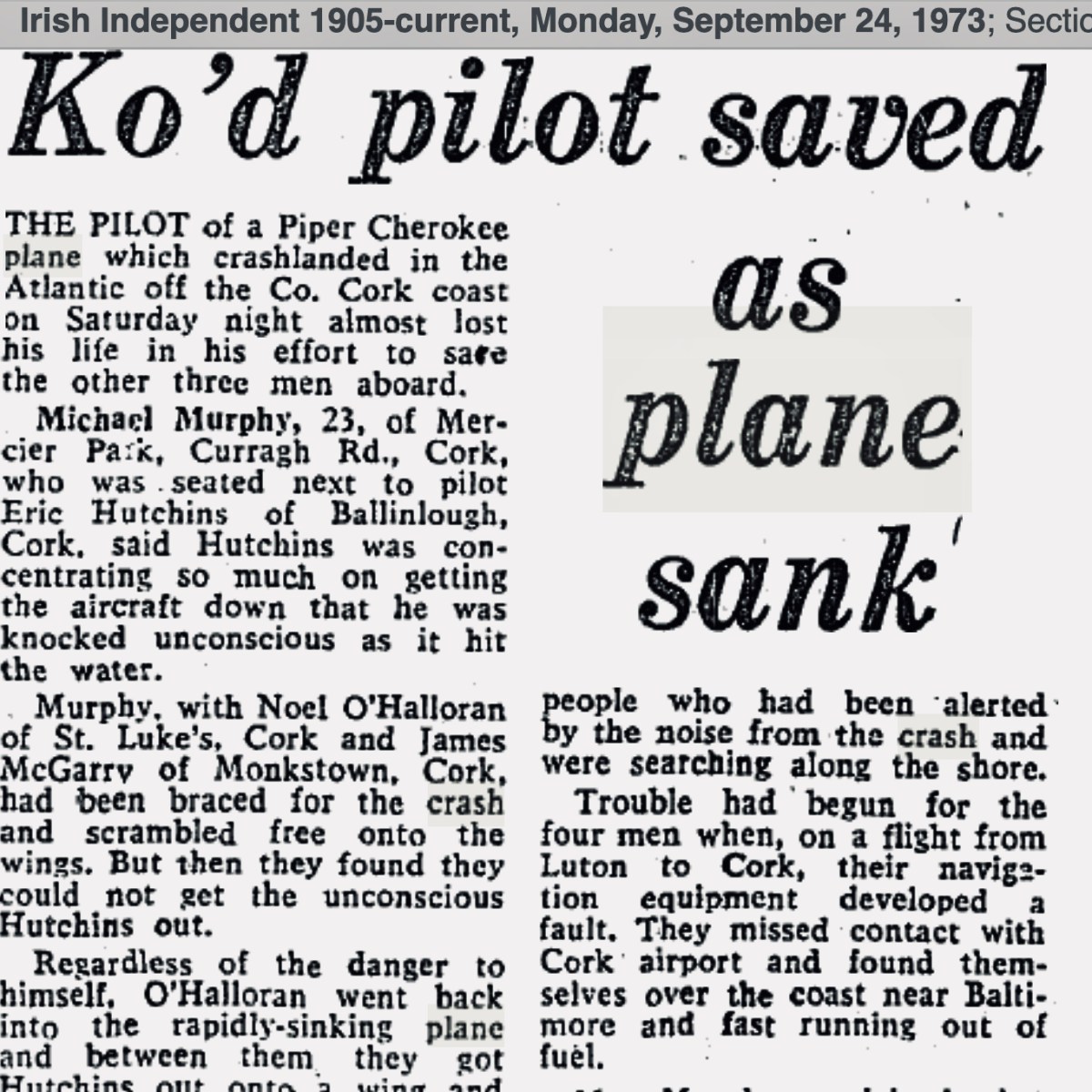
. . . AS an inspector from the aeronautical section of the Department of Transport and Power arrived in Ballydehob to begin an investigation into Saturday night’s plane crash off the Cork coast, it was learned last night that the pilot of the Piper Cherokee almost lost his life in his efforts to save the other three men on board. Michael Murphy (23), of Mercier Park, Curragh Road, Cork, who was sitting next to the pilot, Eric Hutchins of Ballinlough, Cork, said that Mr Hutchins was concentrating so much on getting the plane down that he was knocked unconscious at impact. Mr Murphy, together with Noel O’Halloran, of St Luke’s, Cork, and James McGarry, of Monkstown, Co Cork, had been braced for the crash and scrambled free on to the wing. But then they found that they could not get out Mr Hutchins who was unconscious. Mr O’Halloran then went back into the rapidly sinking plane and between them they pulled Mr Hutchins free and threw him into the water. The three men then swam ashore taking 40 minutes to reach land at Fylemuck, as they had to support the injured man all the way . . .

Irish Press, Monday 24 September 1973

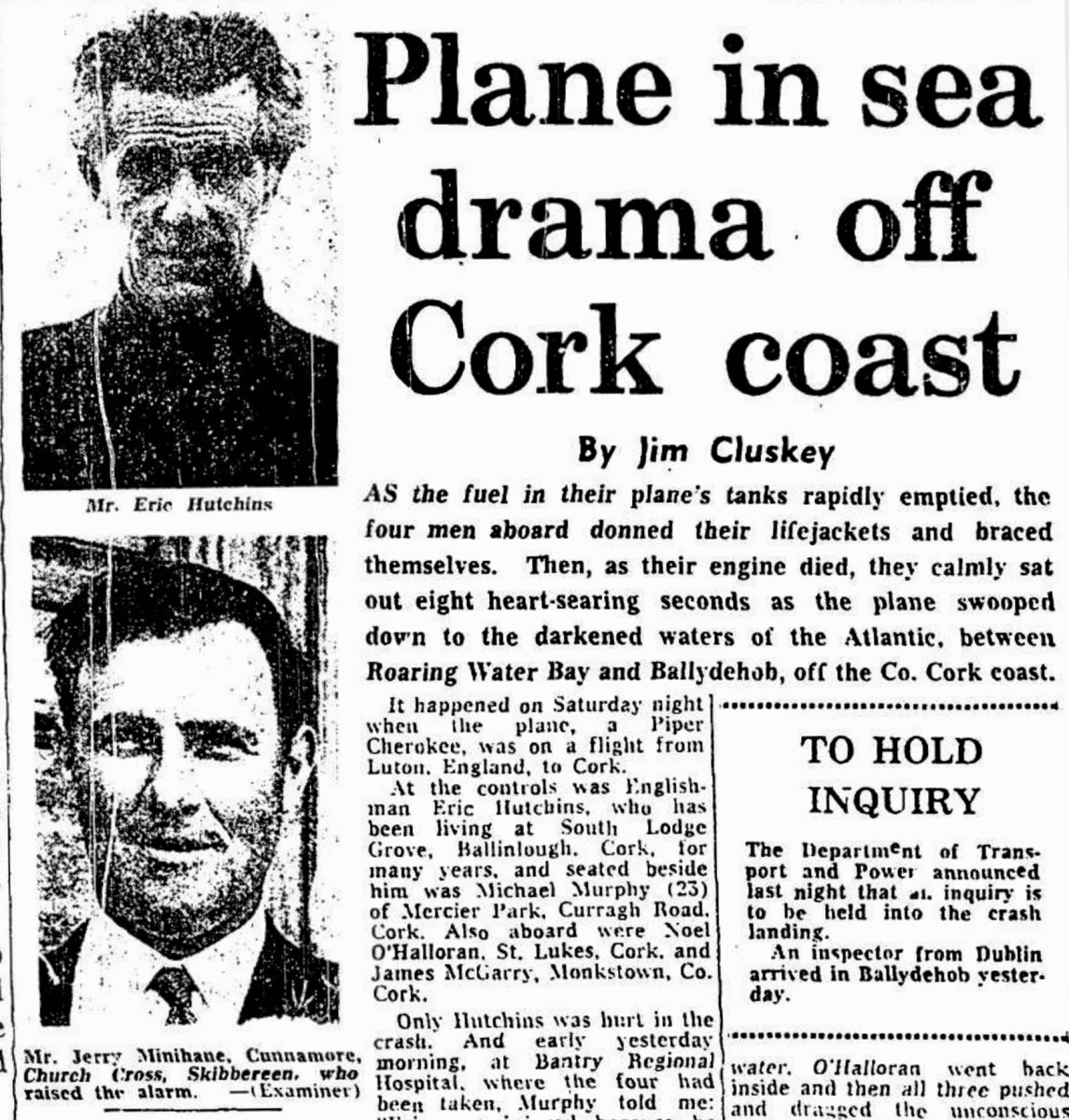
. . . Only Hutchins was hurt in the crash. And early yesterday morning, at Bantry Regional Hospital, where the four had been taken, Murphy told me: “Eric was injured because he was concentrating completely on getting the plane down. It is entirely due to his skill that we are all alive.” But Hutchins came close to paying dearly for his dedication, for he was knocked unconscious by the impact as the plane smashed down, spewing its undercarriage across the waters.

Murphy was first out onto the wing as the plane began to settle in the water. He was followed by O’Halloran and McGarry. But then they found that they could not manoeuvre the slumped Hutchins clear.

Regardless of the fact that the plane was quickly filling with water. O’Halloran went back inside and then all three pushed and dragged the unconscious man out on the wing and threw him in the water, with his lifejacket still not inflating.

With the plane tilting dangerously. O’Halloran dived under the wing and reached Hutchins. He was joined by the other two and, as the plane sank, they struck out for the shore. They reached it at Fylemuck after 40 weary minutes, still supporting the injured man between them . . .

(With Original Cutting, Above) From Irish Examiner, Monday 24 September 1973

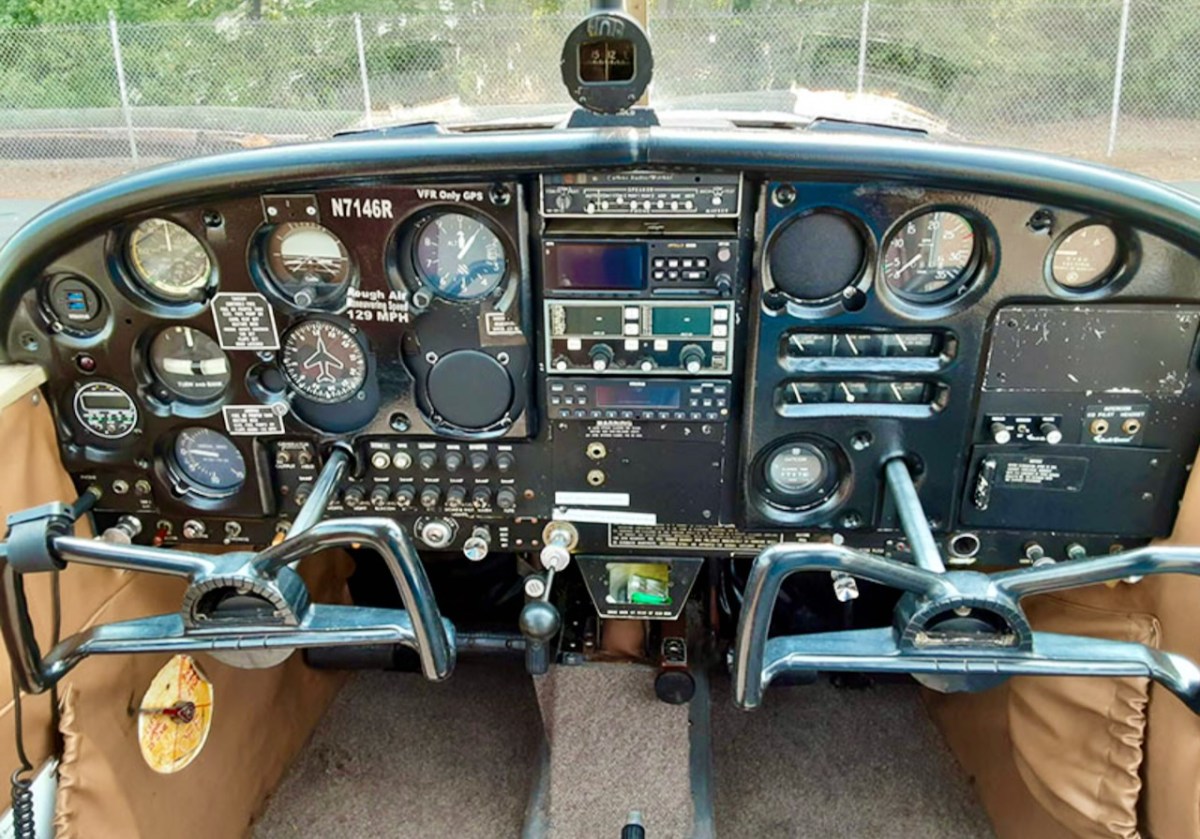
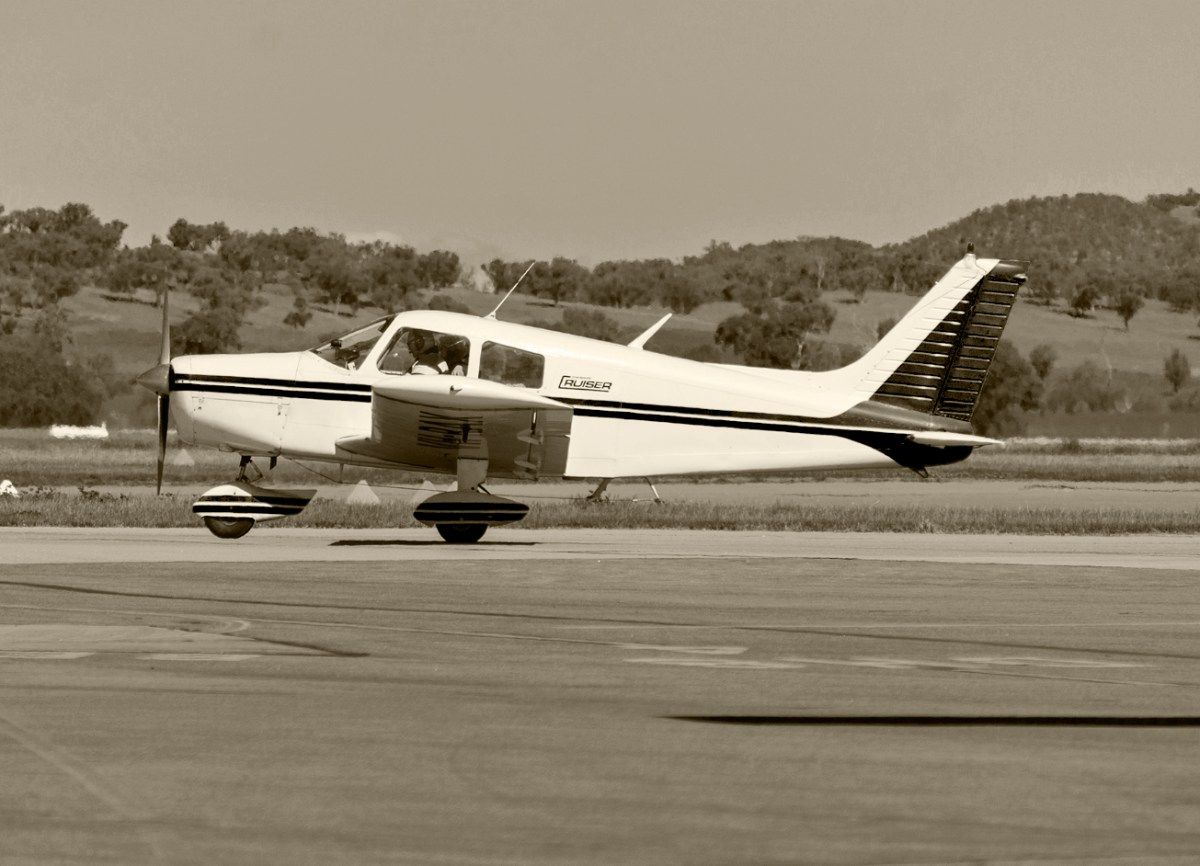
A Piper Cherokee in good times (top) with a view from the pilot’s seat (above – images courtsey AOPA). The plane has been in continuous production since 1961 and has included two, four and six seater versions. It was produced as a light affordable aircraft designed for flight training, air taxi and personal use. The 140 model piloted by Eric Hutchins on that fateful night in 1973 had an aluminium alloy semi-monocoque fuselage construction with a 150 horsepower four-cylinder engine. The standard fuel tank capacity was 136 litres, with an additional reserve of 54 litres. This was enough to cover the flight plan on that crucial day in 1973: the starting point was Luton, Bedfordshire, England, and the destination was Cork Airport, Ireland: a distance of 550km. In good conditions, with a direct flight (although in this case mainly against the prevailing wind) the plane was capable of covering over 900 km with a full tank. Things went awry when the plane’s navigation system failed during the flight. The group realised they were off-track, and they missed the Cork target, continuing westwards.

. . . Trouble had begun for the four men when, on a flight from Luton to Cork, their navigation equipment developed a fault. They missed contact with Cork airport and found themselves over the coast near Baltimore and fast running out of fuel. Mr. Murphy explained that coming down on land was out of the question because it was impossible to see the fields, adding “Eric picked an ideal place with calm water. None of us panicked, but took what precautions we could” . . .

IRISH Independent, September 24 1973

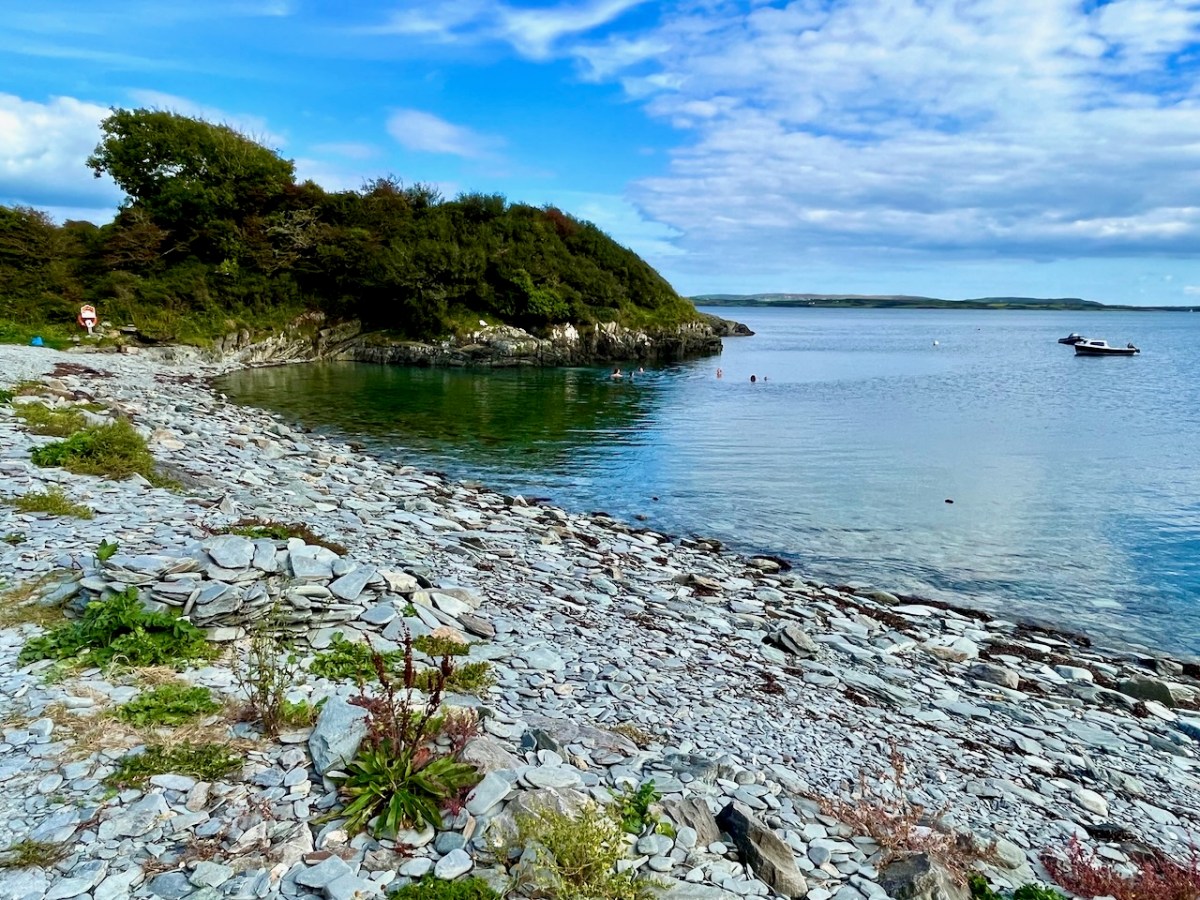
(Above) Calm water at Audley Cove, close to the crash-landing site. The water is exceptionally clear here. The four men were experienced flyers: they all belonged to an aero club and had received training in how to handle an emergency. They were also strong swimmers. They knew the drill regarding crash-landing on to water, and the actual experience would have been strictly routine, except that the pilot – Eric – was knocked unconscious during the impact. While still in the air they were sending out distress messages on the radio. The Piper Cherokee distress call was picked up by an Aer Lingus flight from London to Cork. The Marine Rescue Coordination Centre at Shannon was alerted immediately and a full-scale rescue operation was mounted, with helicopters and boats, including the lifeboat from Baltimore, under coxswain Christy Collins.

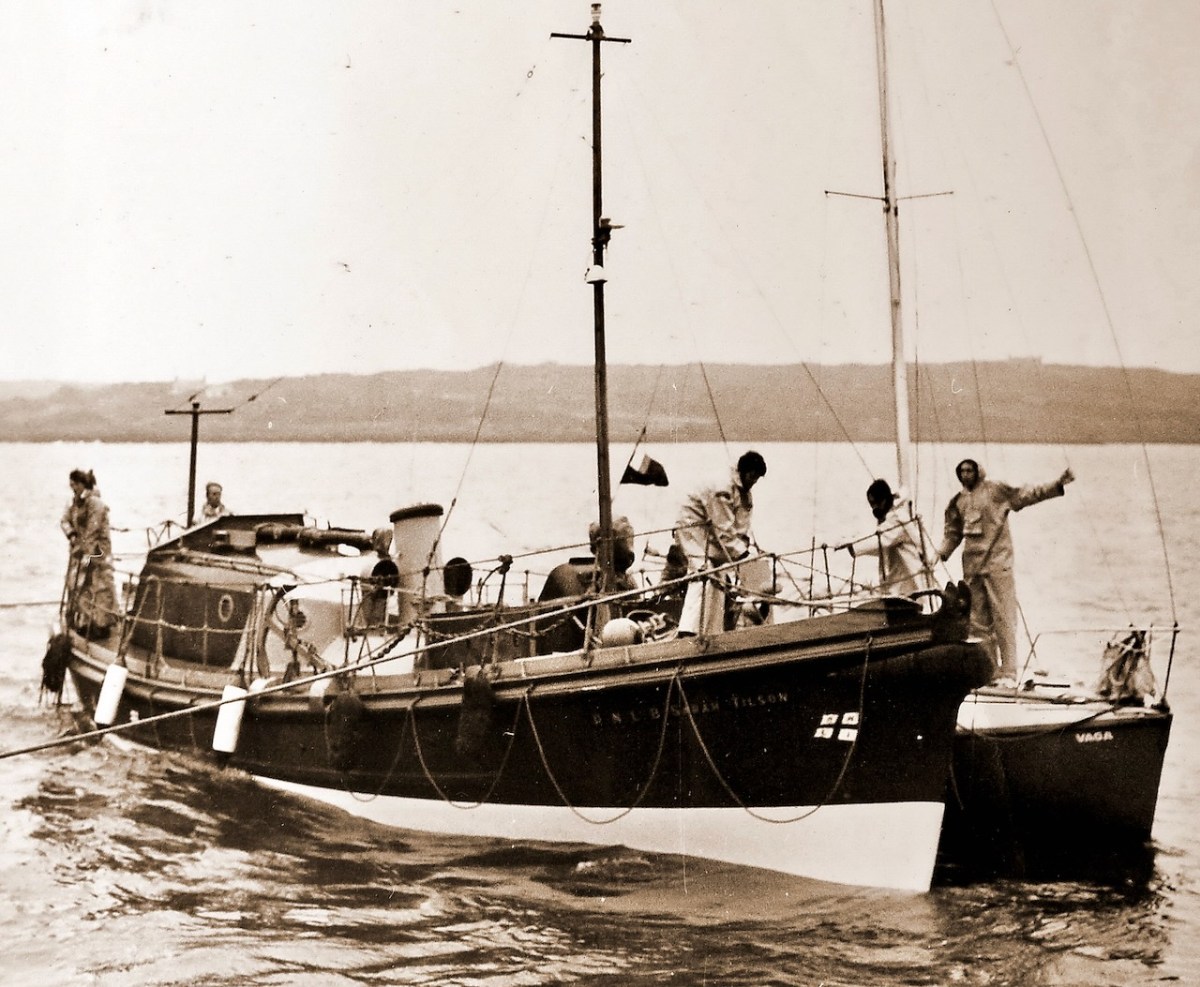
The Baltimore Lifeboat “Sarah Tilson” pictured (above – courtesy Cork Examiner Archives) in August 1973 rescuing the yacht Vaga close to Baltimore Pier. The 46ft 9in Watson class lifeboat was stationed at Baltimore between 1950 and 1978. She was launched on service 70 times and saved 21 lives. In fact her services were not needed on the night of the crash as the four men came to shore safely. The lights from the stricken plane had been seen locally and reported. The Ballydehob Garda – Paddy Curran – arrived in his Zephyr car and with the help of local neighbours was able to assist the men, who were taken to the hospital in Bantry, where Dr Larry O’Connor attended the injured pilot. Noel O’Halloran – who has given me much of this information (and the photo of the plane on the header) – told me that when the distress call was picked up it was initially thought that a large aircraft had come down, and an alert was sent out to all doctors and nurses in West Cork to attend at Schull to help with the envisaged emergency.

Two of the men – Michael Murphy and Noel O’Halloran are alive and well today – and I gather there will be a get-together for them in due course to mark the fiftieth anniversary. No doubt many stories will be shared. The pilot, Eric Hutchins, died a few years ago at the age of 84. He had been a professional flying tutor but, after the accident, retired and became a highly respected driving instructor. Michael and Noel lost touch with James McGarry and have recently discovered that he also died a while ago.

A vintage Cherokee (courtesy of Plane & Pilot Magazine)

What happened to the plane? She came to rest in approximately 7m of clear water, fairly close to the coast. On the Monday following – 24 September – she was dragged ashore. Following this, accounts are reminiscent of olden times when wrecked ships were scavenged: some locals dragged the plane on to the beach and began to dismantle it. The engine – a Rolls Royce – was pulled out using a mechanical excavator: it ended up at the Garda Barracks in Bantry. But it was too late to save the plane or the engine. When a machine has been immersed in salt water it needs to be immediately rescued and meticulously cleaned out if it is to be salvaged: unfortunately, this was not done.

I have no doubt that there are people living locally who remember all this. I was fascinated to learn about it, and that is all due to the worthy efforts of Noel O’Harrollan, who contacted Roaringwater Journal. Many thanks, Noel

Counting Rare Plants

The National Biodiversity Centre is this incredible organisation punching way above its weight when it comes to the application of scientific principles to the assessment and preservation of Ireland’s natural heritage. They are also brilliant communicators, involving individuals, farming organisations and community groups in the effort to maintain and enhance our biodiversity.

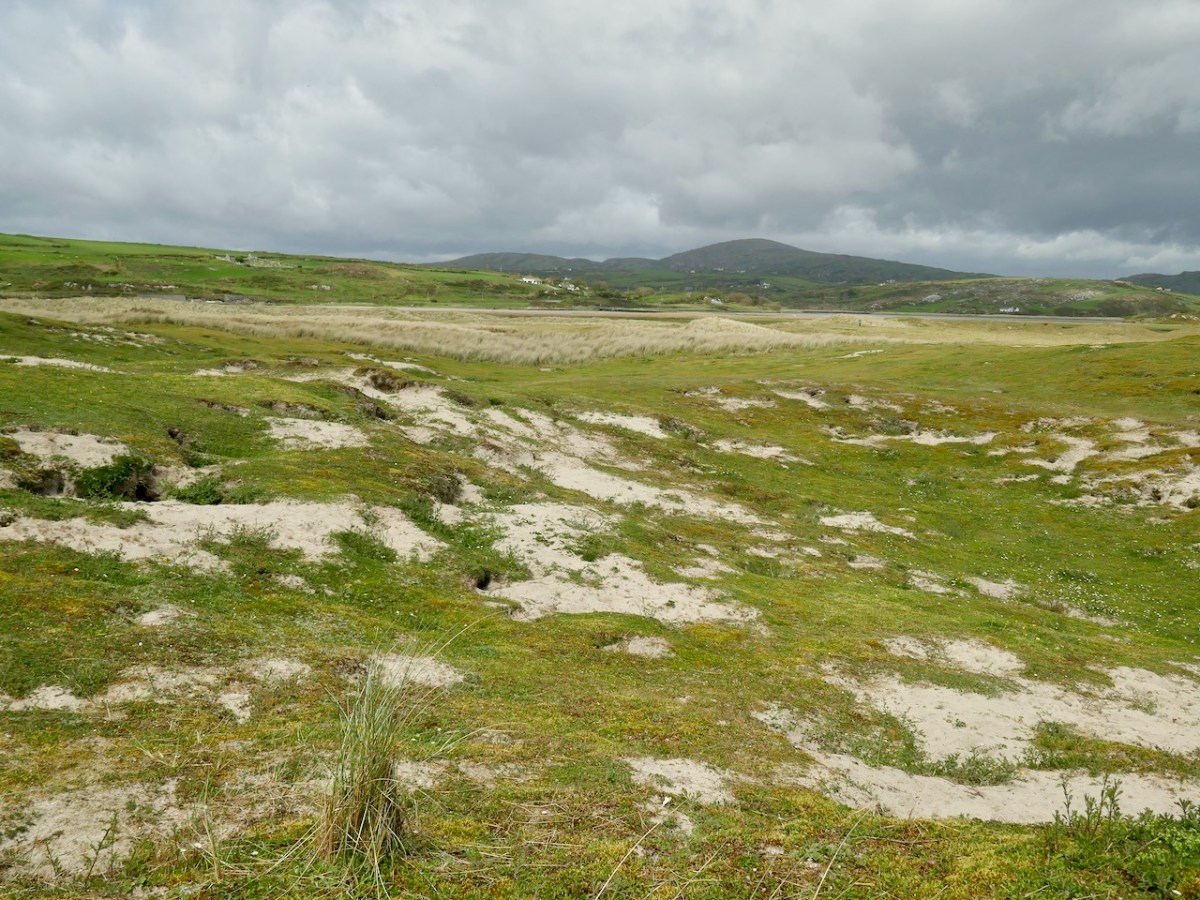
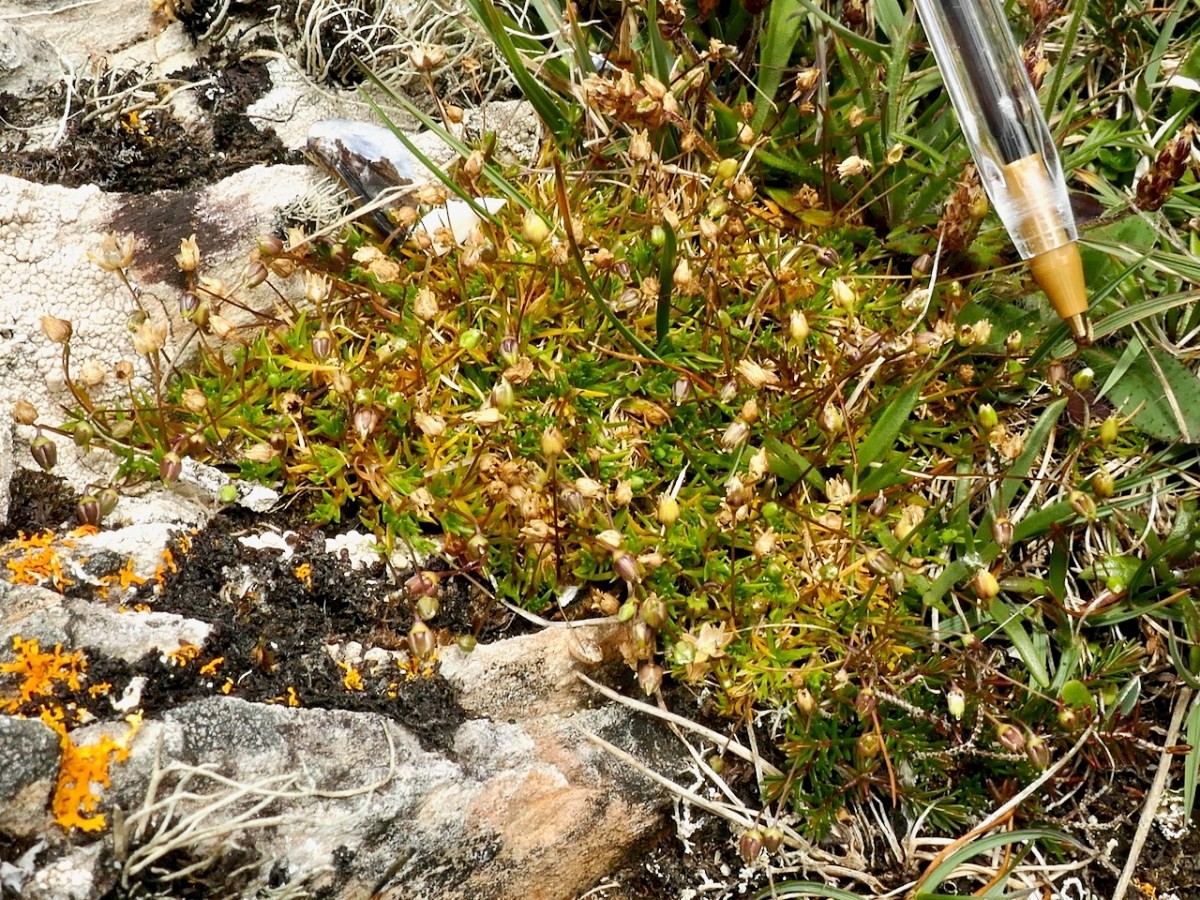
I signed up a few years ago to monitor some rare plants and it’s been an eye-opening experience. Doing this, you see first hand the challenges facing our native wildflowers in the face of loss of habitat, competition from other plants (sometimes alien invaders), herbicides, and now of course, climate change. Sometimes the plant populations aren’t so much threatened as just inherently rare. That’s the case with Early Sand-grass. According to one of my favourite sites, Irish Wildflowers, Jenny Seawright , this little plant is Very rare in Ireland, only one known location on SW coast. Found by T.O’Mahony in 2005 on disturbed ground among coastal sand-dunes. T O’Mahony, by the way, is another of my botanical Heroes, author of The Wildflowers of Cork City and County. Happily for me, that one known location is Barley Cove, above. (In fact I’ve just seen it is found in Dublin Bay as well.)

Not very exciting, is it? Scrubby little patches of brown grass scattered in the sand. But every plant plays its part in the complex web of life and in this highly specialised sand dune habitat who knows what tiny insects depend on the particular sustenance this unassuming little grass provides?

And actually, once you get up close, it’s quite a handsome little cluster of surprisingly colourful stalks, with little while filaments emerging from the heads.

One of my monitoring days was in the company of my friend Damaris and we were also looking for Heath Pearlwort. Paul Green had shown it to us during the workshop the previous year (below) but finding it again was a different matter. It was raining and cold and we were crawling over the exposed hill above Barley Cove looking for a tiny plant. We hardly noticed, until we turned blue.

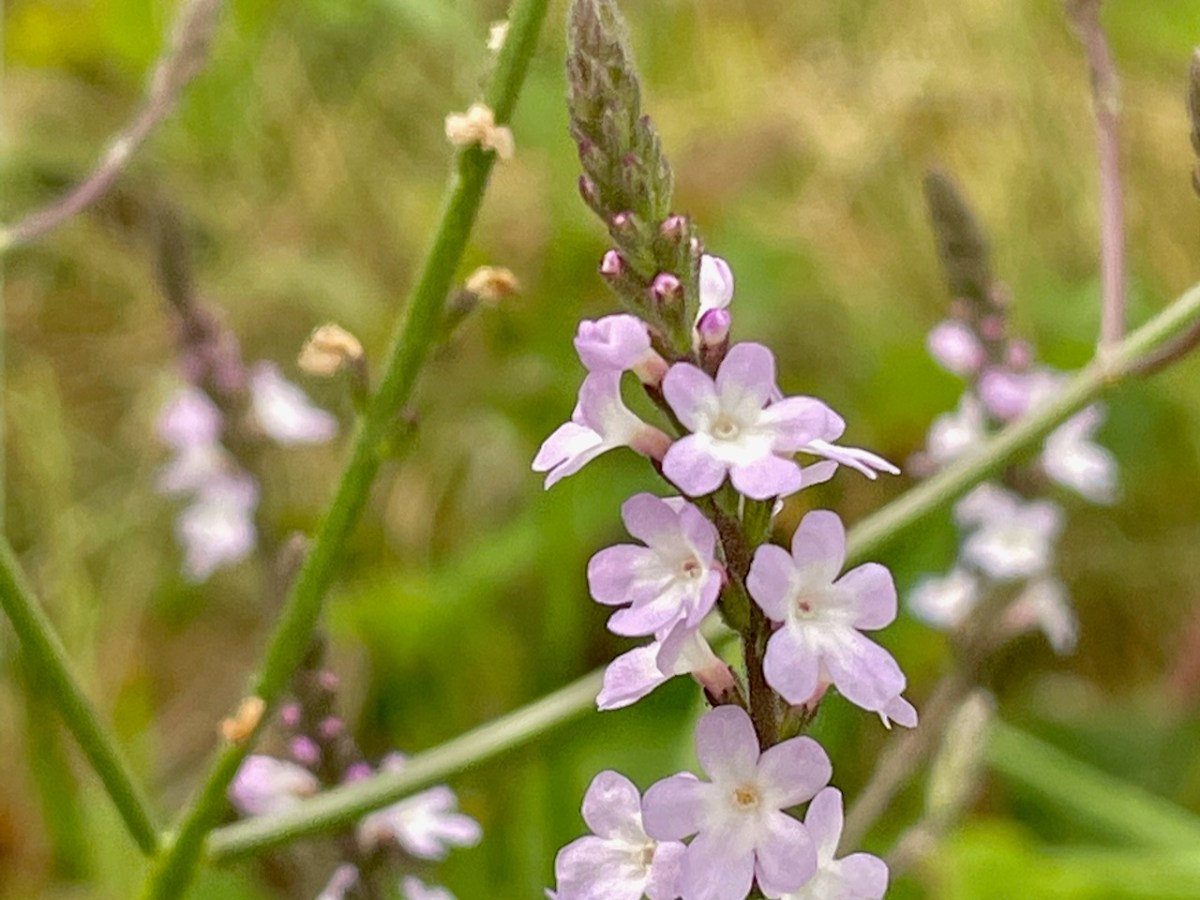
A much easier assignment for me is Vervain, a beautiful, fragile-looking but surprisingly tough flower that happens to grow near me.

Three years ago, one of the spots where it was growing was scraped clean and covered in tarmac. It had been a dangerous corner and the Vervain was simply overlooked. I was devastated – this little location was completely wiped out. Imagine my surprise and delight when I found it again the following summer, struggling up through the tarmac! And by this summer, not only had the population recovered but far from struggling, large and vigorous plants were growing up, finding their way through the pavement and flourishing.

But overall the story of the Vervain populations I have been monitoring is emblematic of the difficulties facing many wildflowers. Of the three original locations I started with, I am down to one (above). The good news is that this year I found a new location – all fingers crossed this one manages to hang in there.

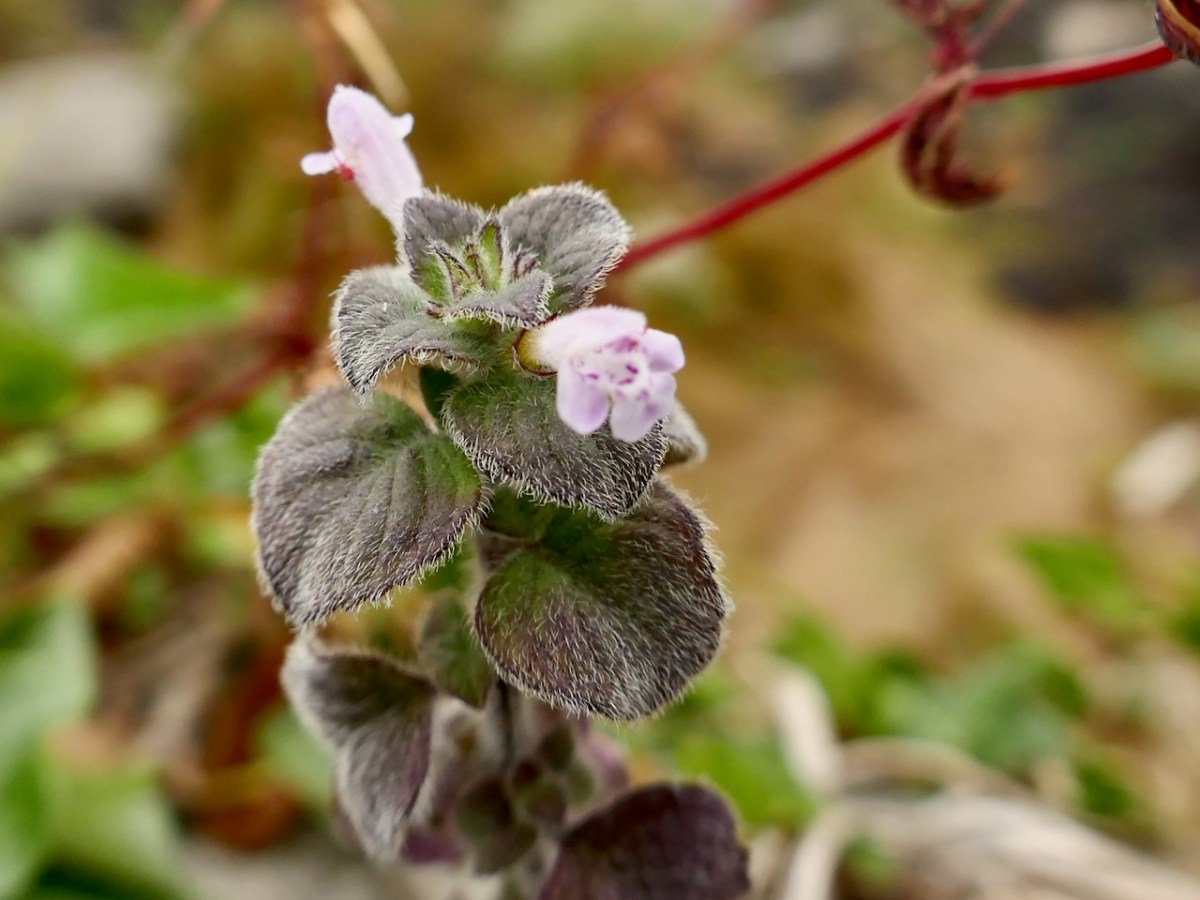
My final plant is the lovely member of the mint family called Calamint.

It’s facing two challenges. The first is that it’s growing on a stone wall, and so is Pellitory-of-the-wall, which has a habit if spreading and taking over all available space. In fact that’s what’s happening.

In the photo above the flower with the reddish spikes is Pellitory-of-the-wall, while the patch of brighter green in the middle is Calamint, trying to hold on to its territory. The Calamint has another problem, though.

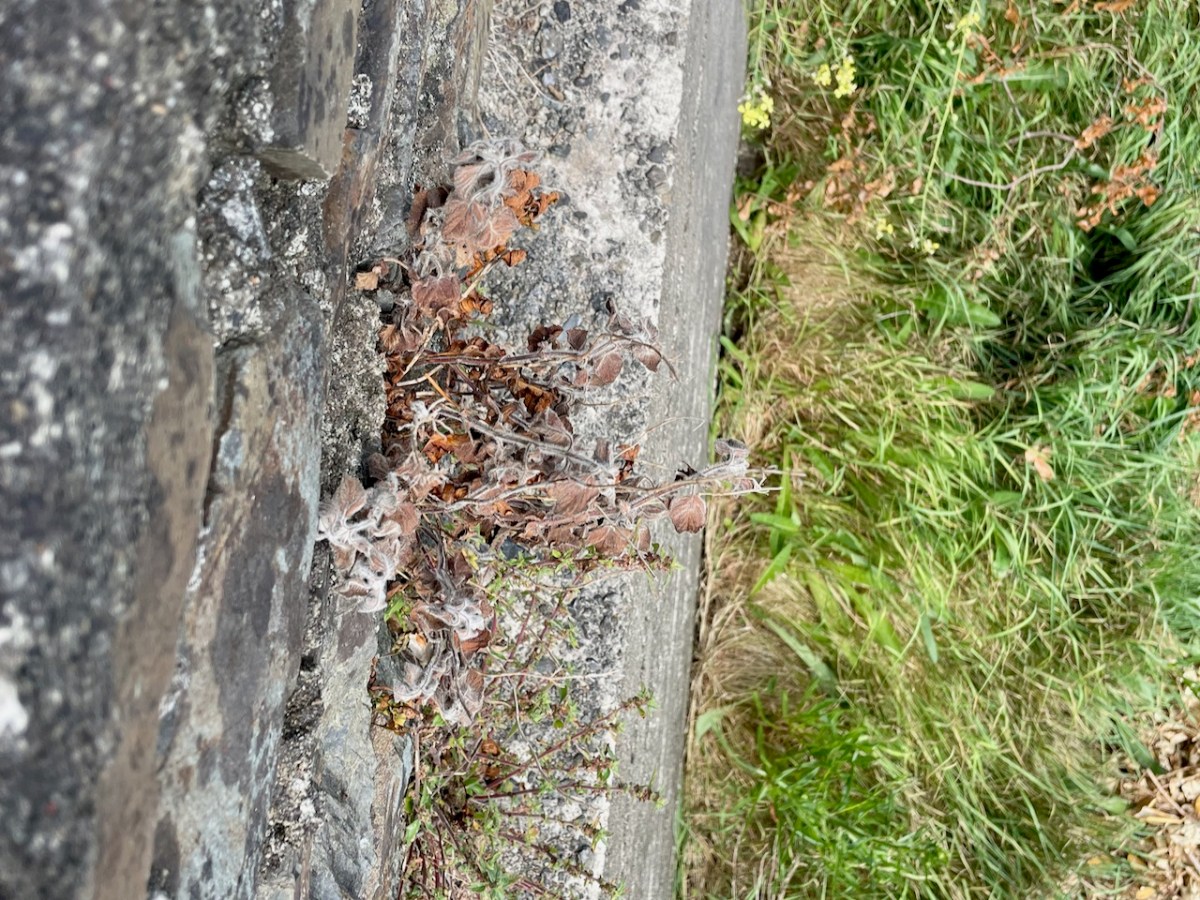
Someone has decided the wall needs to be kept tidy and has dosed it liberally with Roundup, killing some of the Calamint (above). Sigh.

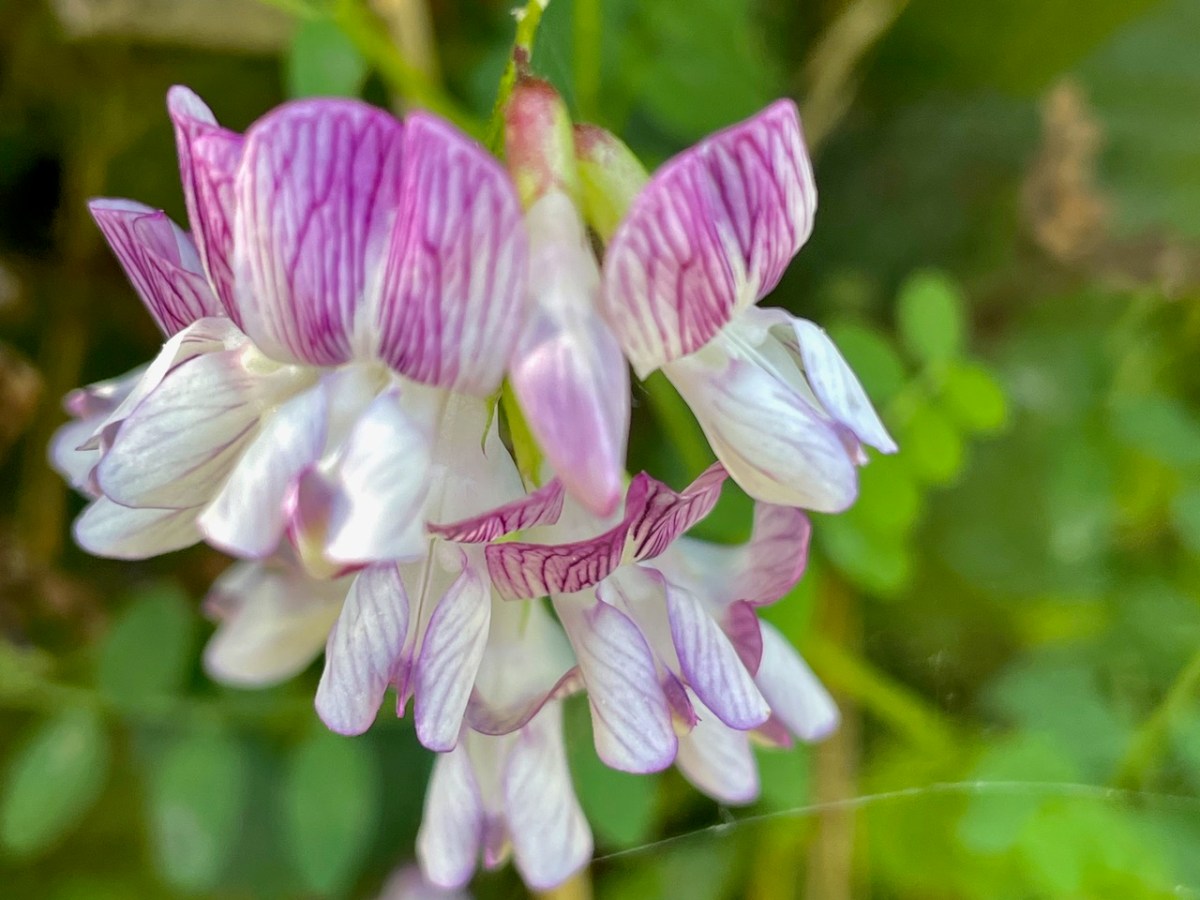
I’m going to leave you with a couple of pics of rare wildflowers I’ve seen this year – just to cheer us up and remind us of the beauties that manage to survive here and there against the odds. This is Wood Vetch.

And this is Yellow Horned-poppy.

And finally, the incredible Bee Orchid.

Keith Payne – Schull Exhibition!

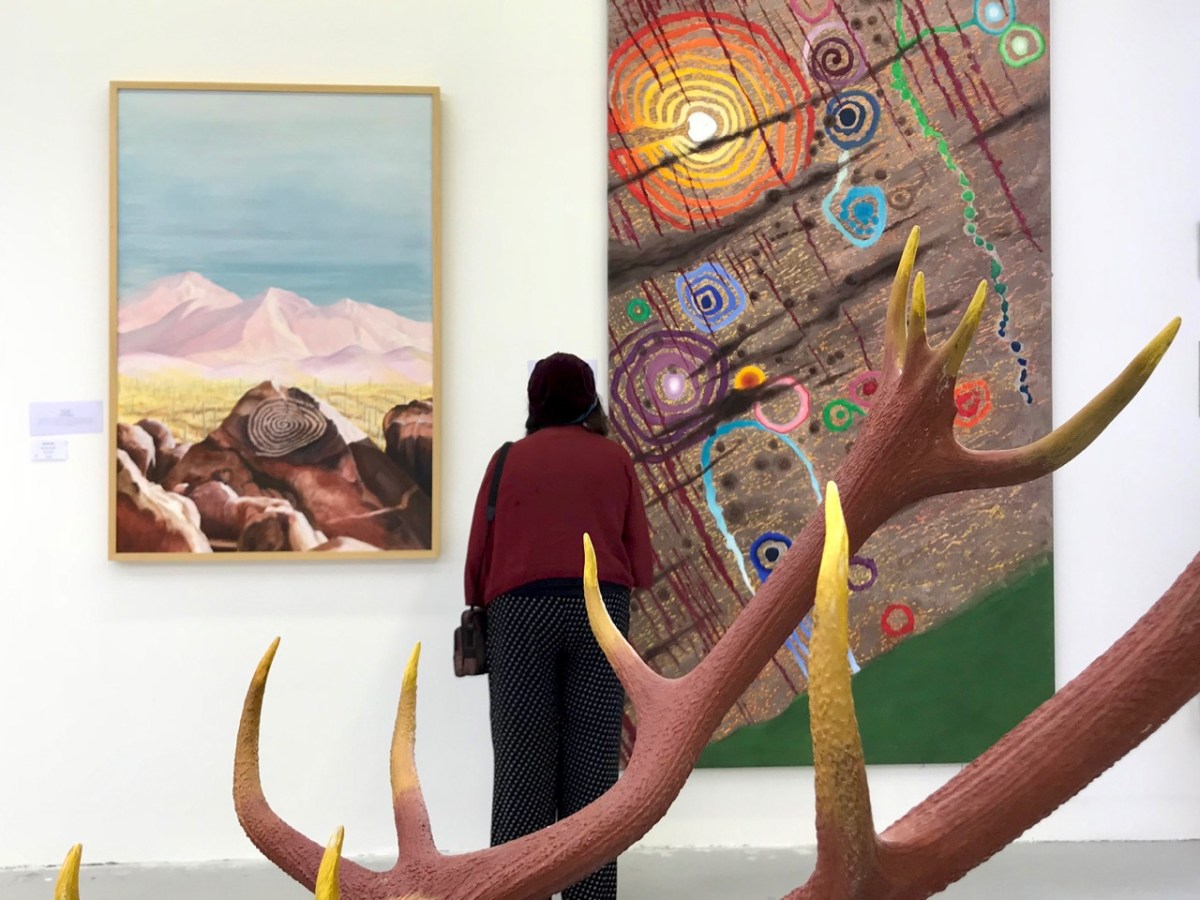
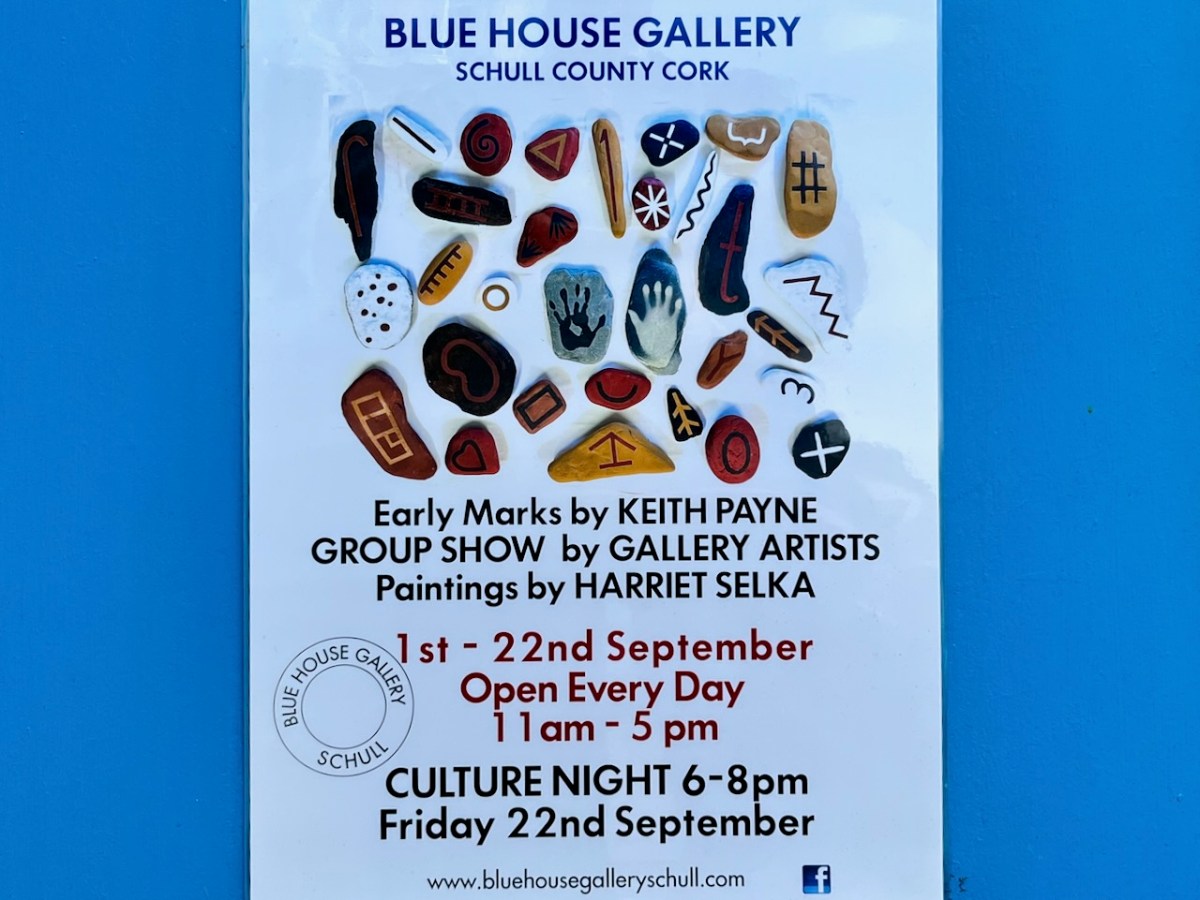
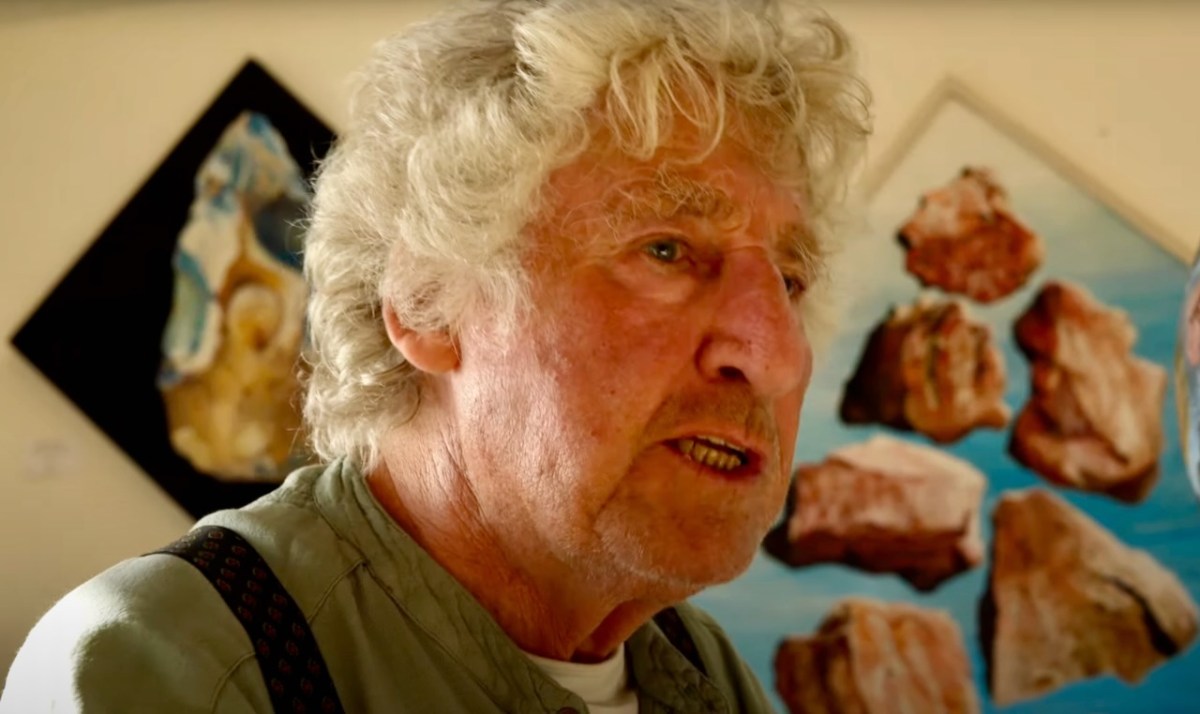
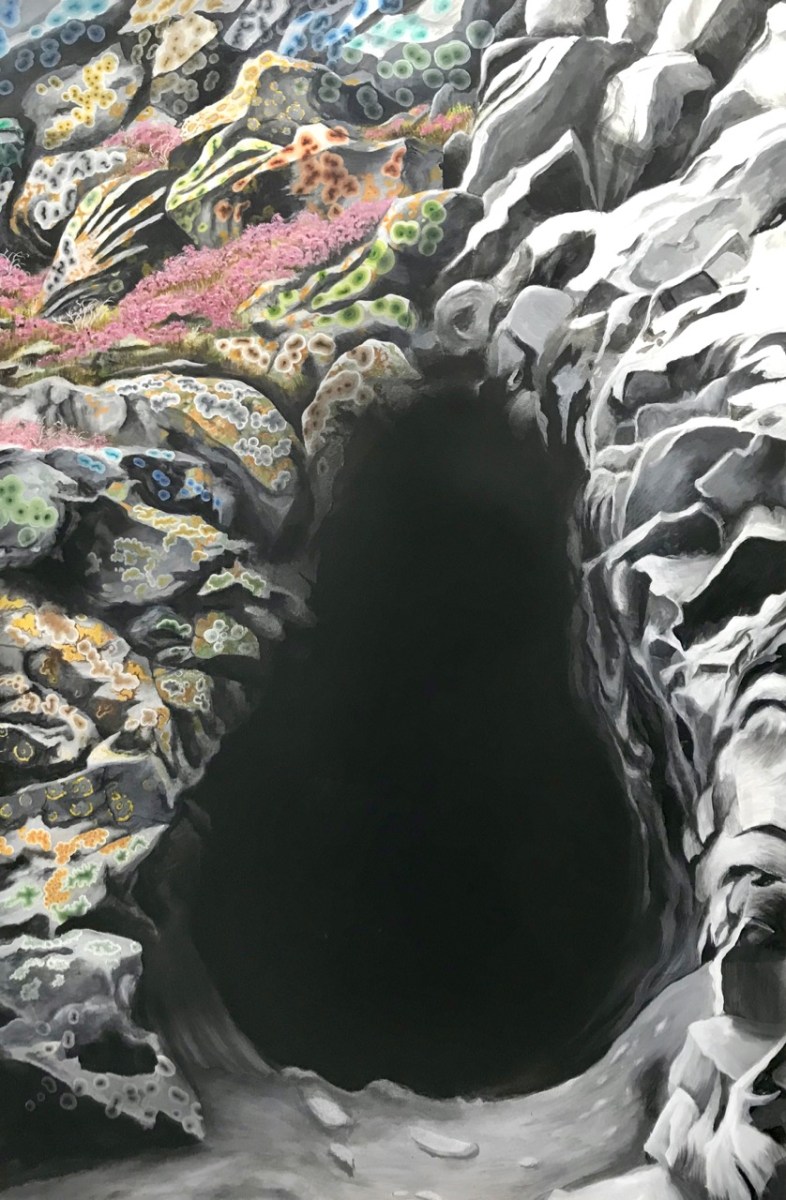
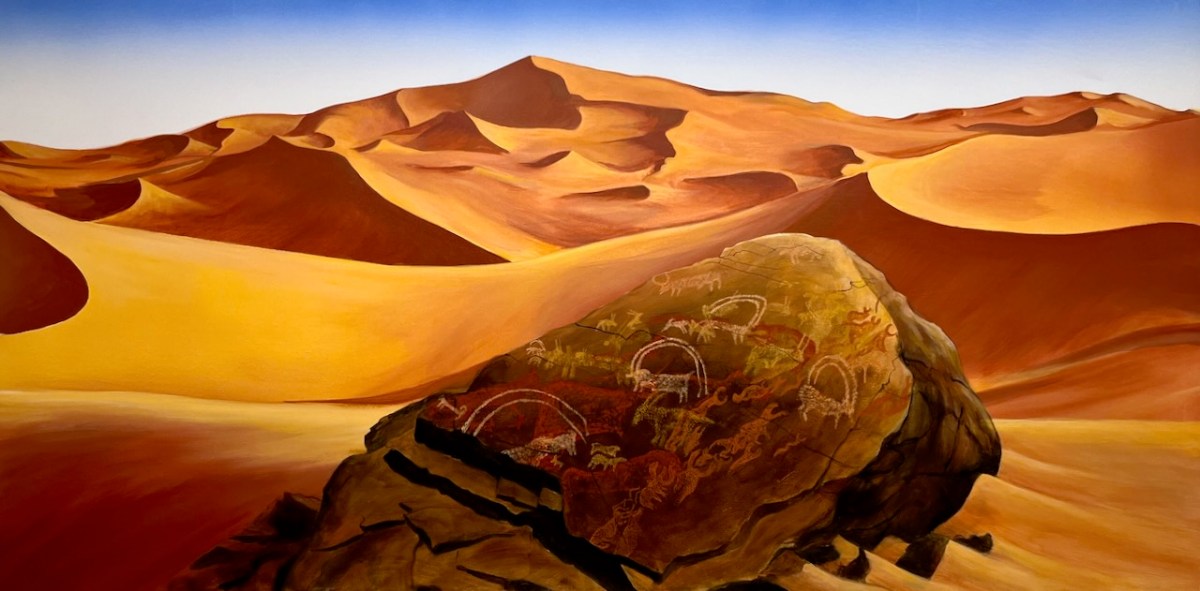
West Cork artist Keith Payne is currently the subject of an exhibition in the Blue House Gallery, Schull. Get to see it if you can! We featured Keith on our Journal back in 2018, when he had an exhibition in the Burren College of Art Gallery in Ballyvaughan, Co Clare. But he also contributed some amazing work to our own Rock Art exhibition at the Cork Public Museum in 2015.

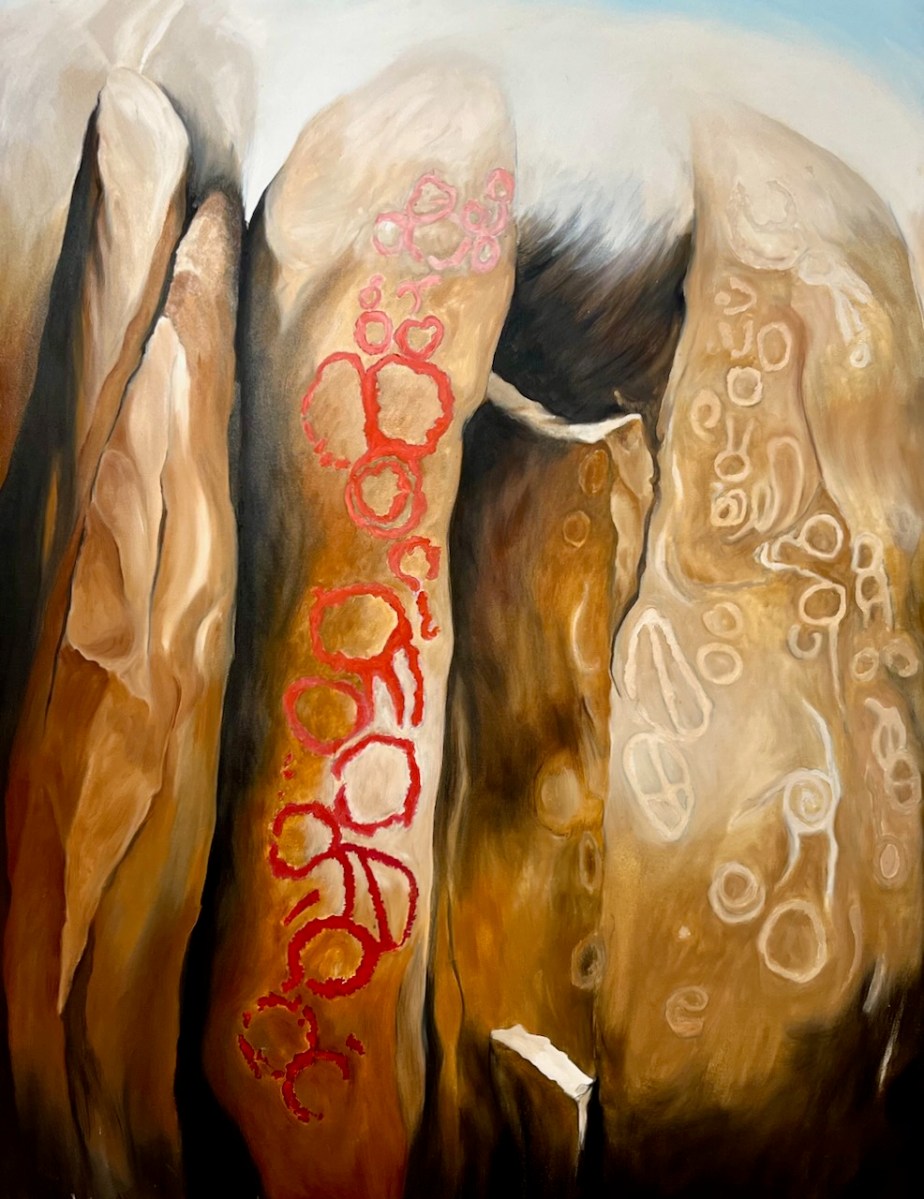
That’s Keith’s painting – based on the Rock Art at Derreenaclogh, close to where we live in West Cork – on the right, above. It was in the Clare exhibition and also our Cork Public Museum exhibition.

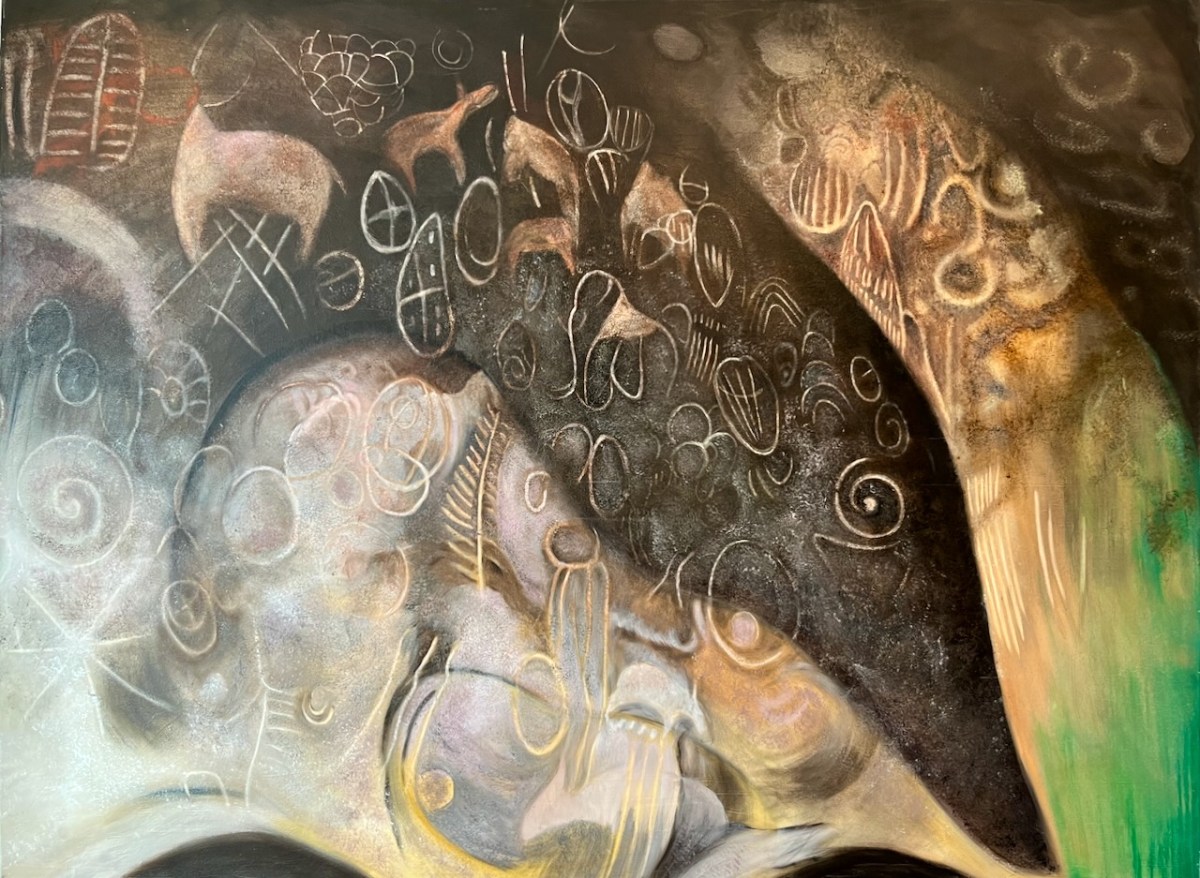
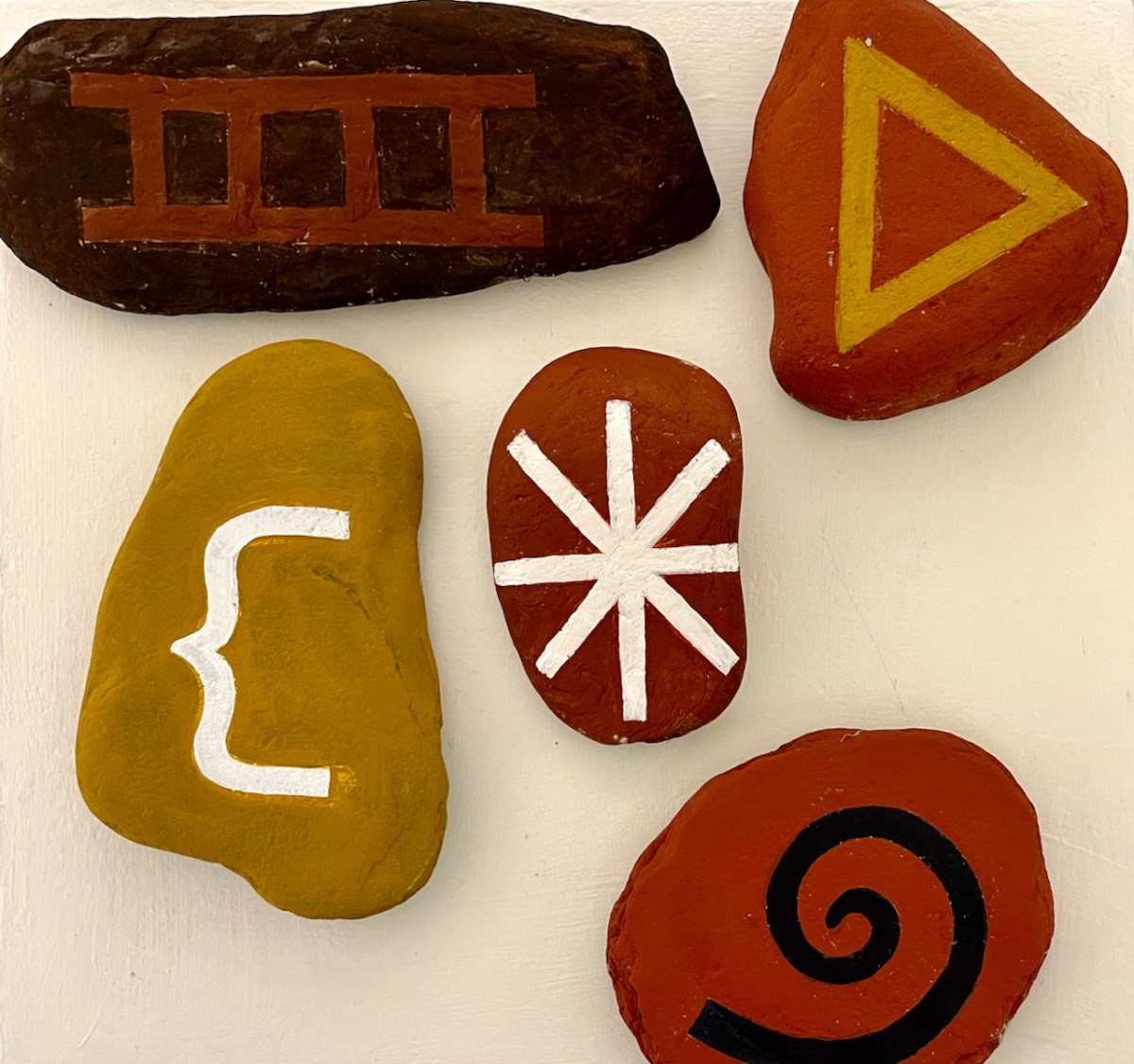
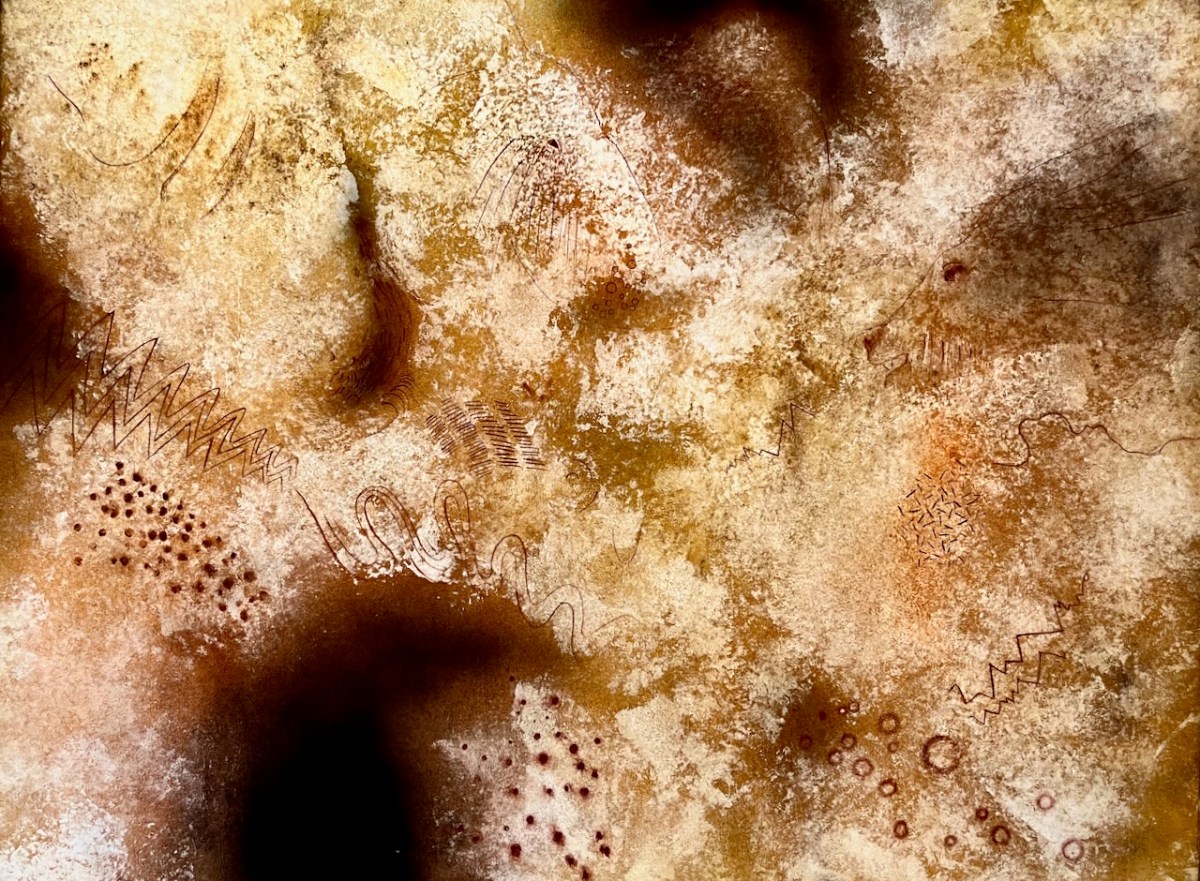
You have the opportunity to see the current show in Schull, as it’s on until Culture Night (Friday 22 September 2023). Early Marks is “…a study of the beginnings of art and the possible source of a prehistoric worldwide visual language…” That’s a huge subject, and Keith (below) tackles it with large, assured and spirited images.

. . . There is no Time associated with any of these works, as Time is a construct invented long after the images on exhibition. Hunter-Gatherers, the makers of Early Marks, lived in a visionary state now lost to western civilisation . . . The language of Early marks consists of imagery, symbols and patterns that have been left in the physical world but created in the ‘other world’ . . . Many of the forms are possible direct projections of electrical impulses from the brain seen during states of altered consciousness . . . ‘Entopic’ images that manifest as points of light in the absolute darkness of the mind in the cave . . .

Keith Payne – from the Exhibition Catalogue

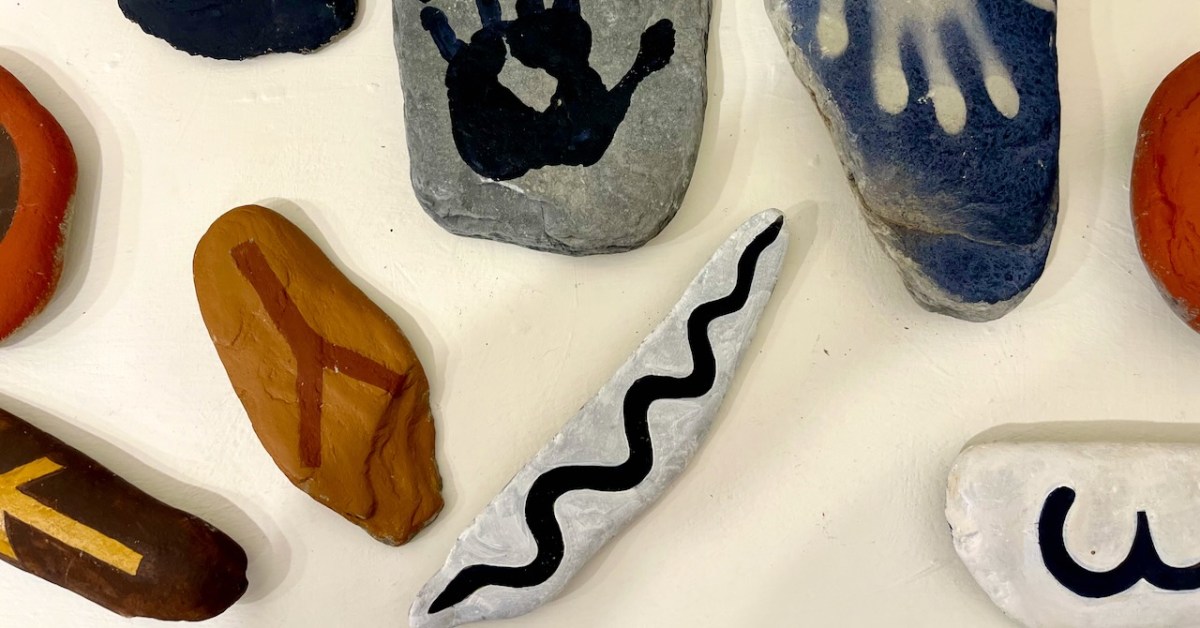
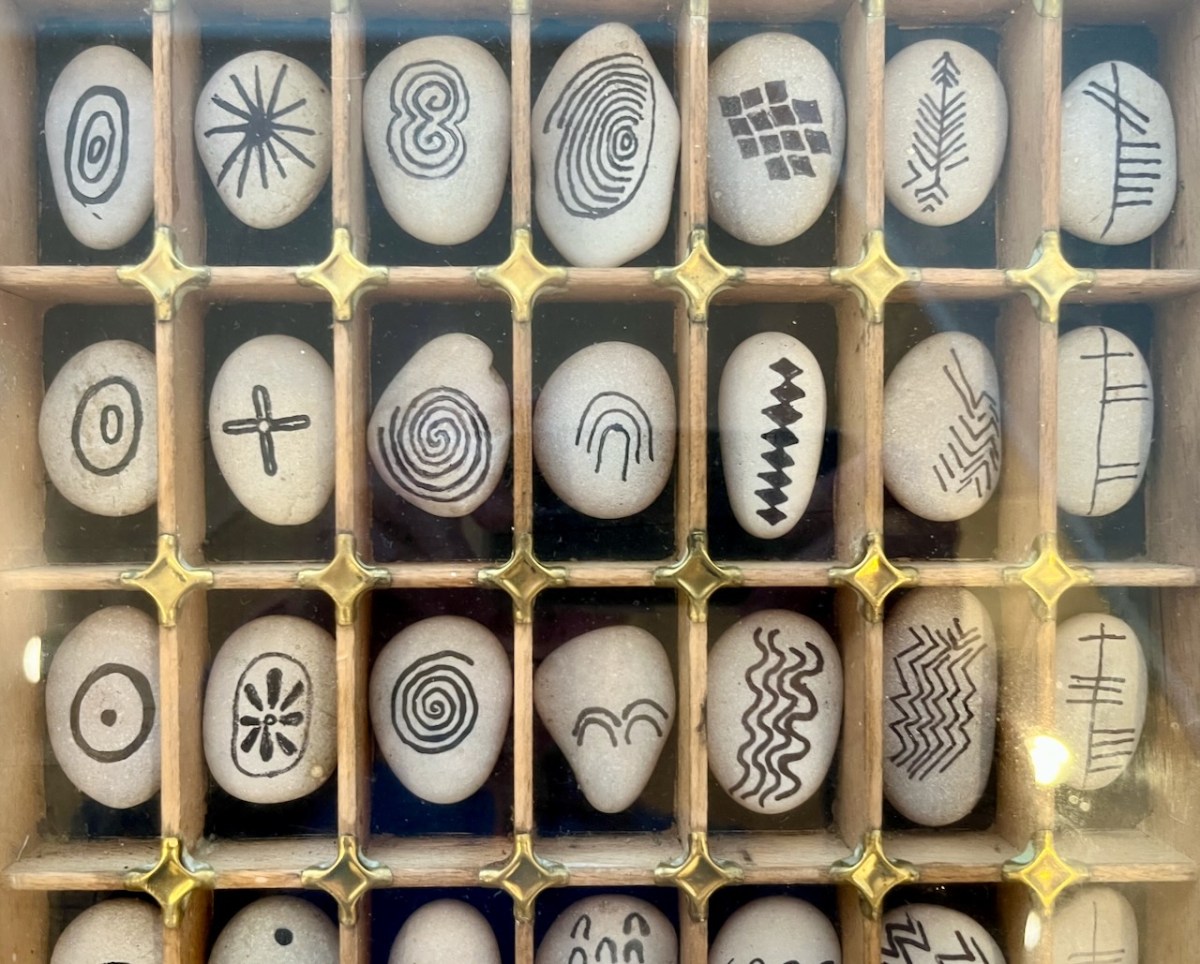
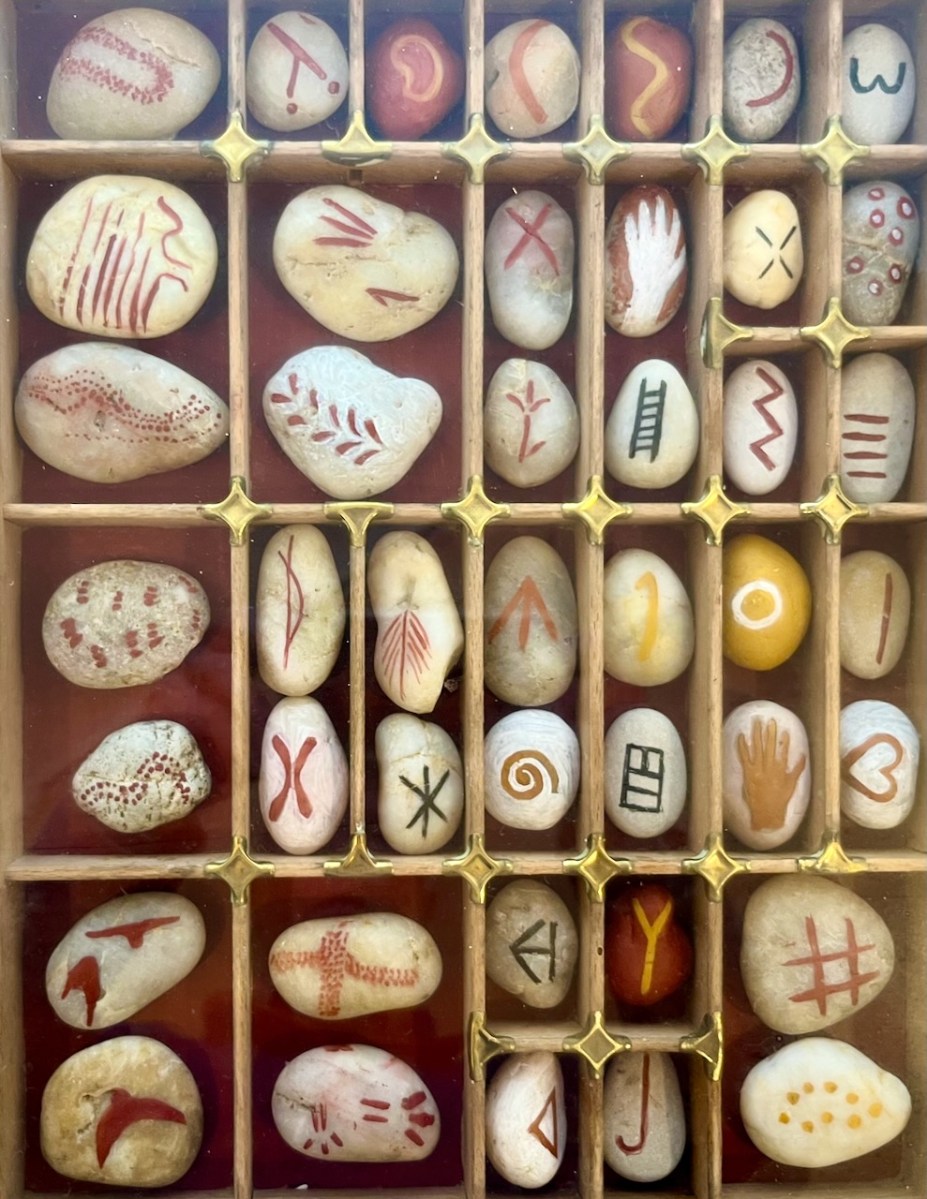
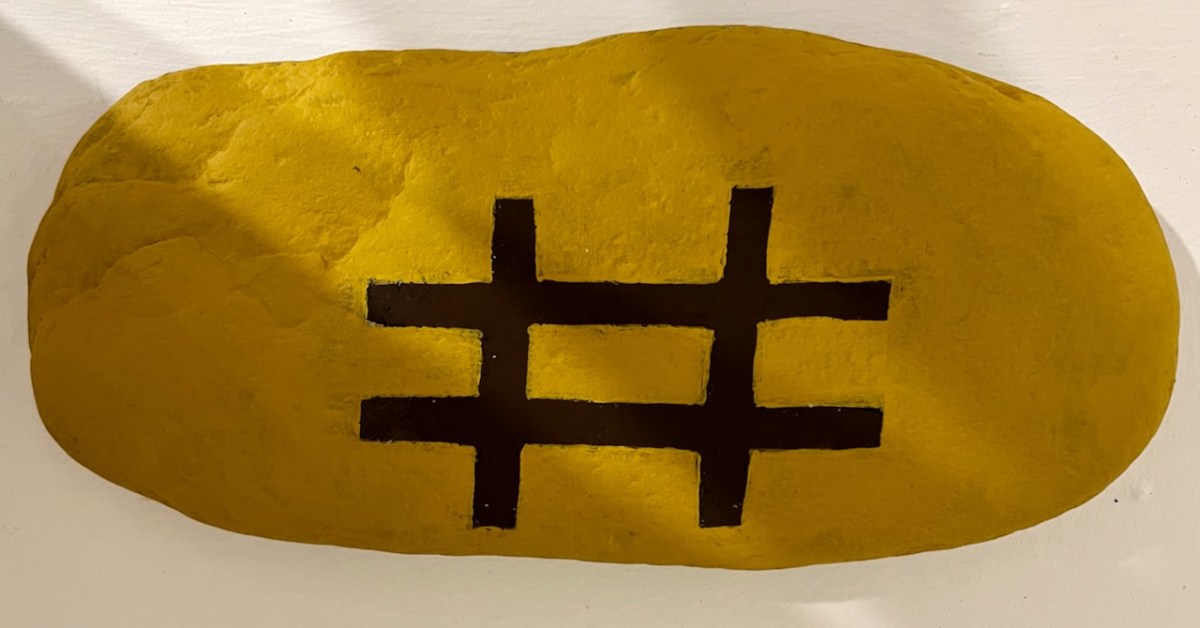
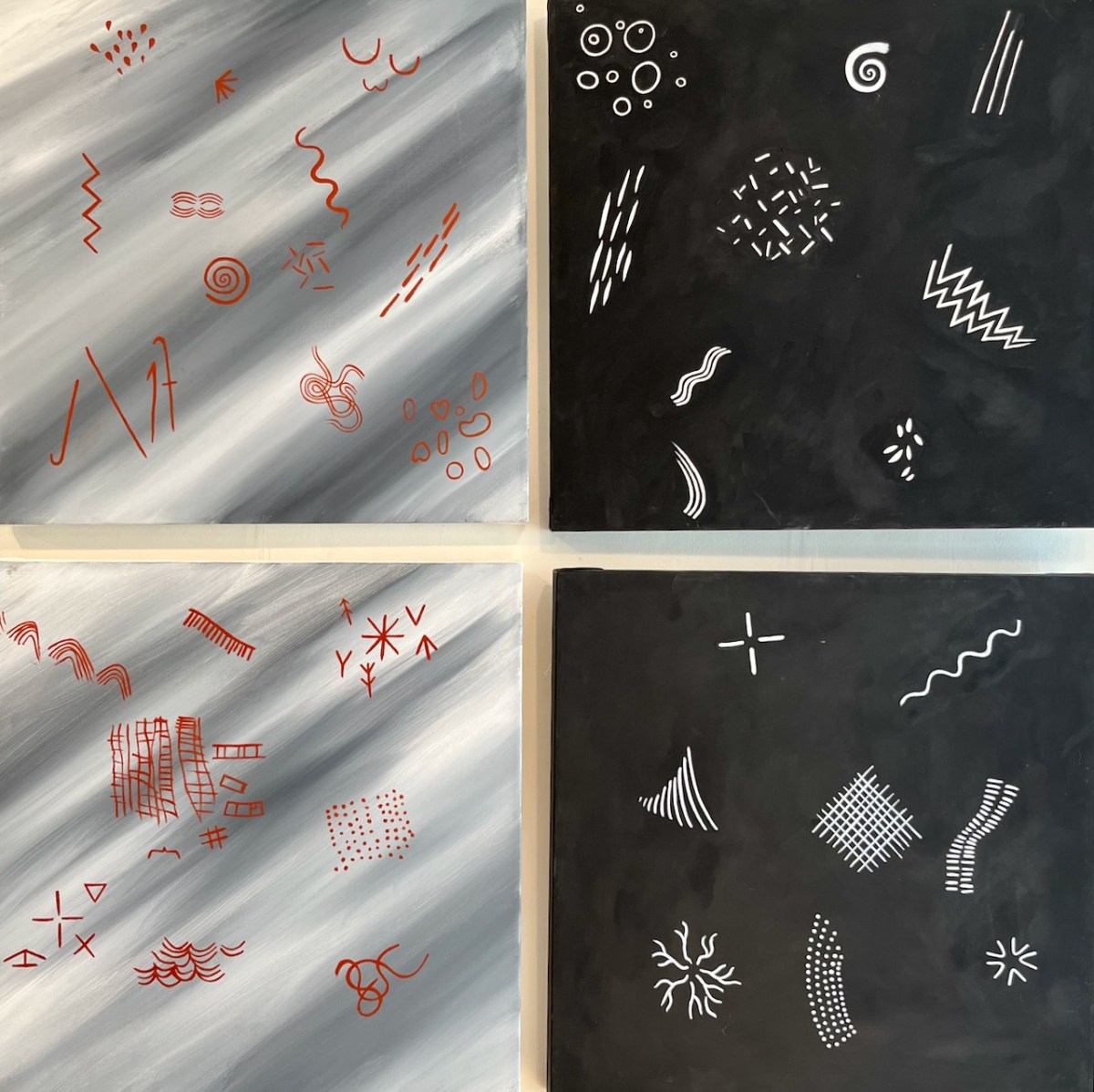
Font Tray – part of a larger work titled The prehistoric development of visual language:

. . . Reading from left to right are the earliest images from South African caves then through Palaeolithic, Neolithic, to a column of Ogham which reads from bottom to top: “Visual Language” . . .

Keith Payne – from the Exhibition catalogue

Empty Quarter (above) – a geographical region in the southern part of Saudi Arabia: the largest continuous sand desert in the world. Now scarcely populated it was in prehistory more temperate and the petroglyphs represent fauna of the time. Keith has painted the images in different colours to indicate the different periods of engraving.

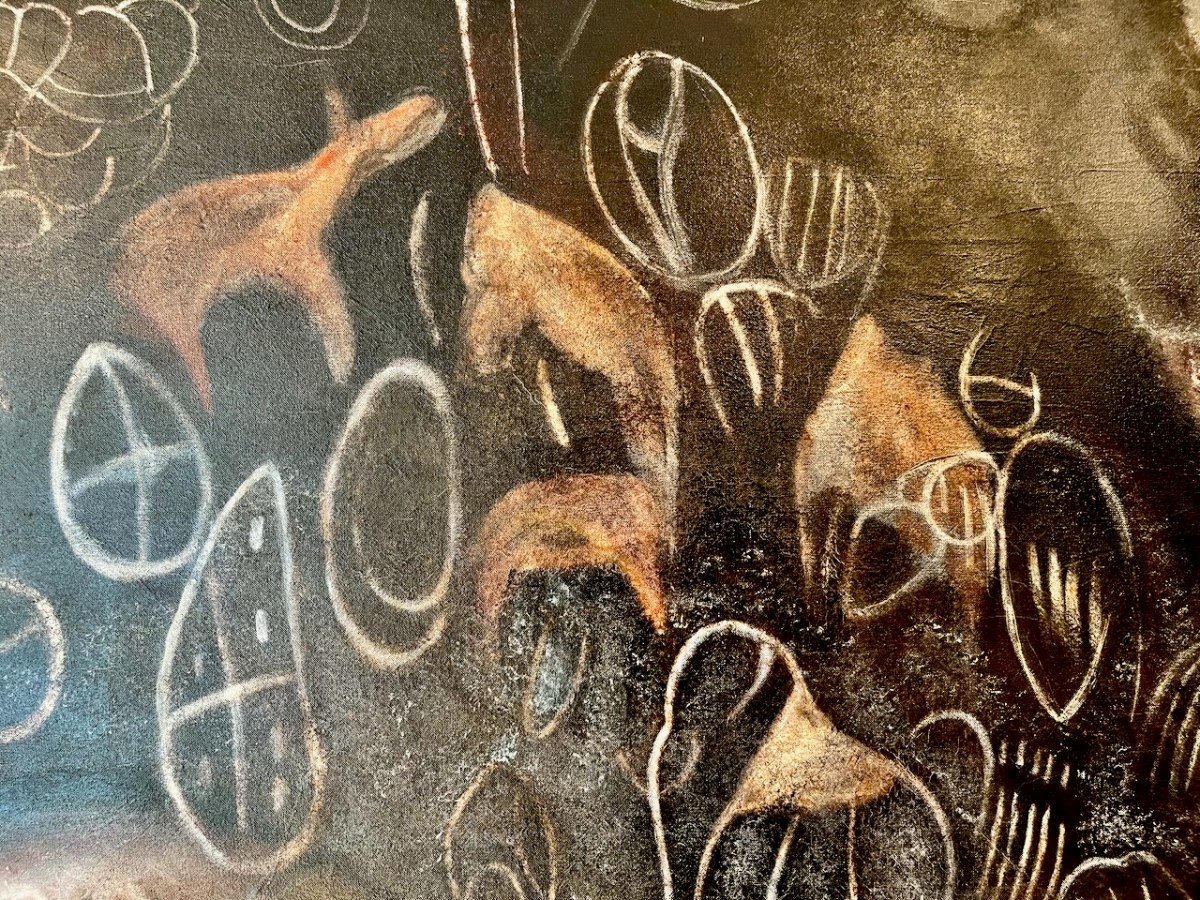
Kakapel (and detail), Chelelemuk Hills, Uganda (above). Keith has travelled across the world to find his inspiration: in this painting – set at the entry point to the spirits living within the rock – are three styles: geometric images by the Twa people, pygmy hunter gatherers; these are overpainted with cattle by later Pastoralists.. The final abstract and geometrical designs were added by the ancestors of the Iteso people who migrated from Uganda.

Lokori (above) – site of the Namoratunga rock art cemetery in Turkana Country of Kenya. Located on a basalt lava outcrop adjacent to the Kerio River.

Left side above: Paleolithic Images – found in paleolithic sites worldwide: Believed to be visual statements perceived during trance states. Right side: Entopic Images – produced in the visual cortex. Often geometric in form and linked to the nervous system, seen as a visual hallucination. Noted during altered states produced by the use of the entheogens and trance states, fasting and the total deprivation of all light.

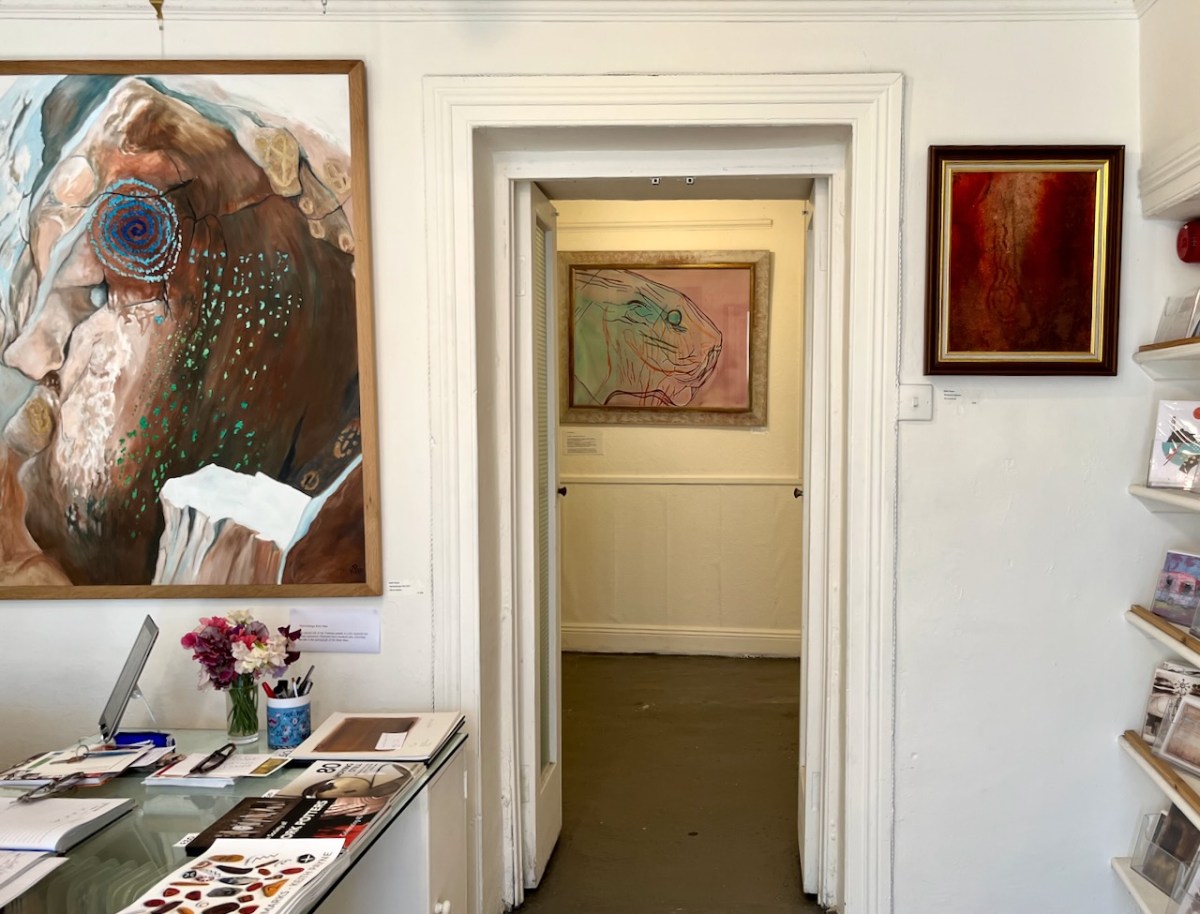
Schull Blue House Gallery: Keith Payne’s Namoratunga Rain Man petroglyph on the left.

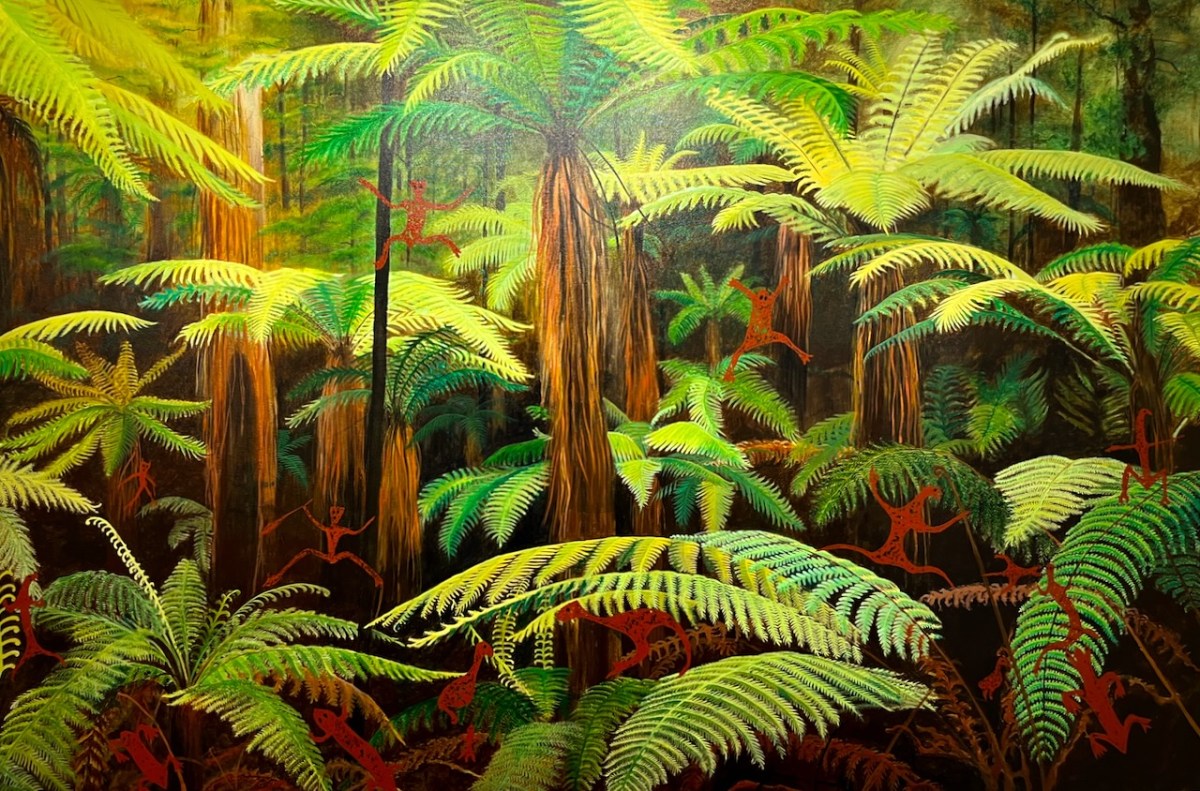
Teana Te Waipounamu, New Zealand

From Signs + Palette of Ice Age Europe: a possible Visual Language.

Waiting Room:

. . . Approaching the mystery of the sacred space one dwells, initially, in the First Chamber. Many caves of the Mid region of France are very deep with passages, rivers and massive chambers which stretch for miles. To enter is to commit to a journey into the Sepulchre. The first chamber is for adjusting to experience ahead, perhaps initiation into the mystery of total light deprivation with the sound of beaten lithophones and flutes, echoing through the darkness. Or the revelation of your totem in a state of trance, to then be led deeper to meet with the serpent force of the mountain and shown the way of the Shaman . . .

Keith Payne – From the Exhibition Catalogue

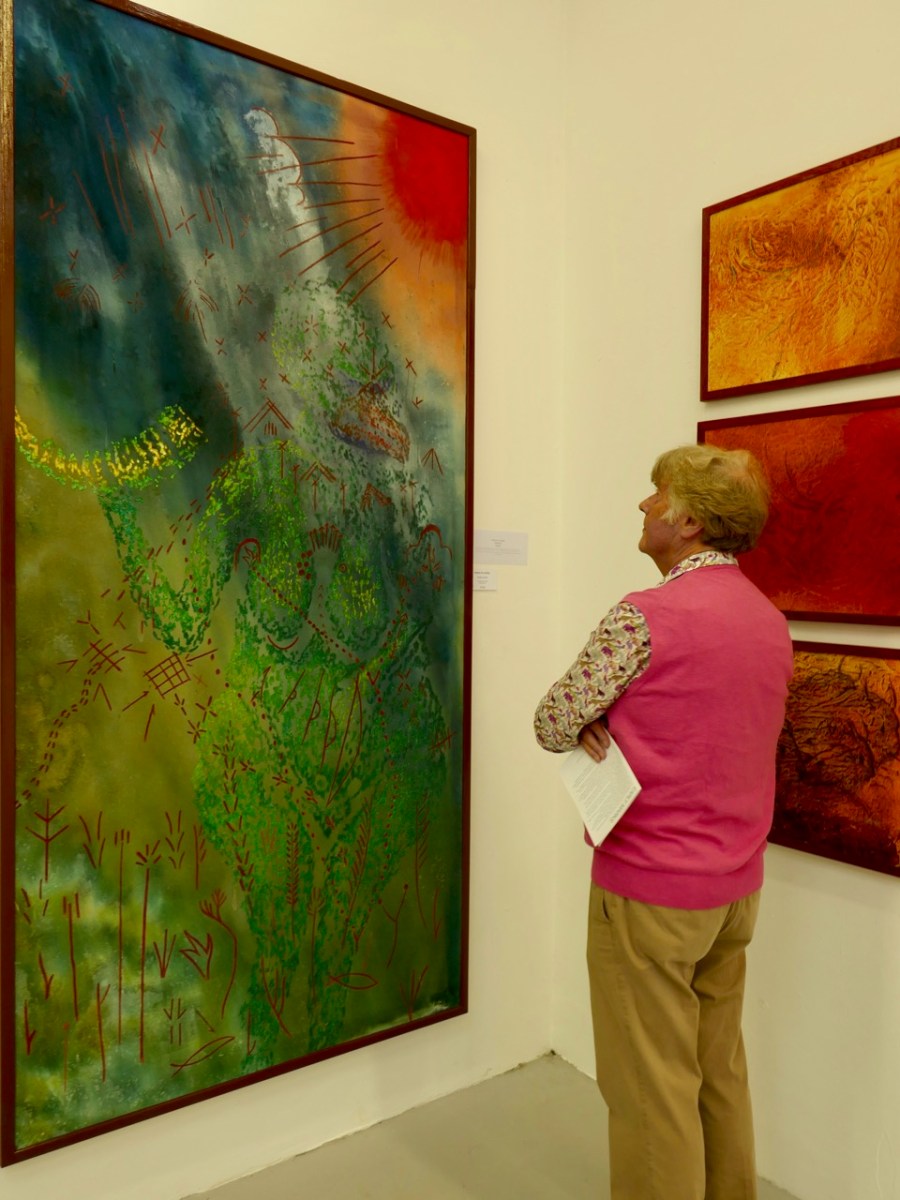
That’s me – at Keith’s Burren exhibition – awestruck by his Venus of Laussel.

Ronan Kelly discovered Keith Payne’s West Cork studio in this YouTube video

Remembering Leita, and Gortnagrough Folk Museum

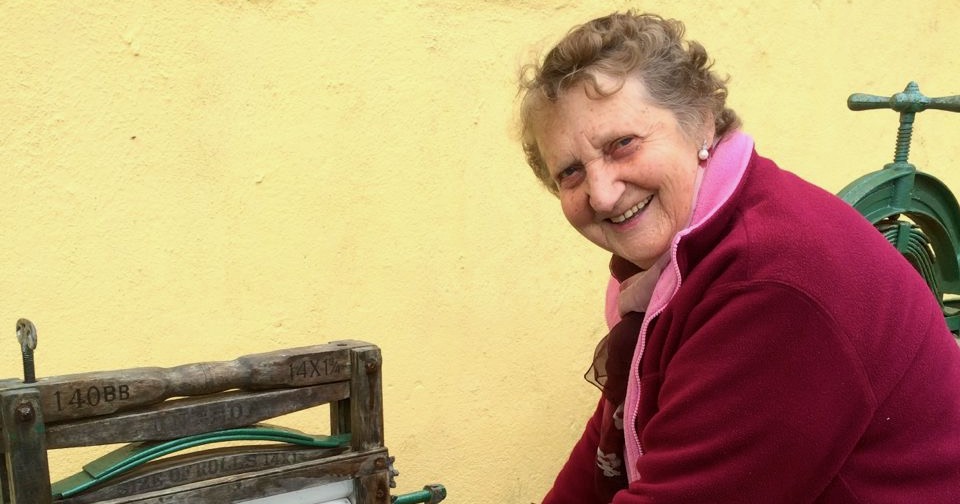
Our lovely friend Leita Camier died this week, aged 92 (although you wouldn’t have guessed it). Leita, and her husband Tommy, who predeceased her, were the marvellous couple who ran, up to a few years ago, the Gortnagrough Folk Museum. Tommy was quiet and gentle, where Leita was outgoing and chatty, and together they built an incredible collection of heritage artefacts. We were lucky we got to visit it before Tommy’s death made it all too much for Leita – it’s been closed for a few years now. In memory of Leita, I am reposting our account of our visit to their Folk Museum. You will see what a special place it was, and why Leita and Tommy were two more in our pantheon of Heritage Heroes.

What follows was written in 2014.

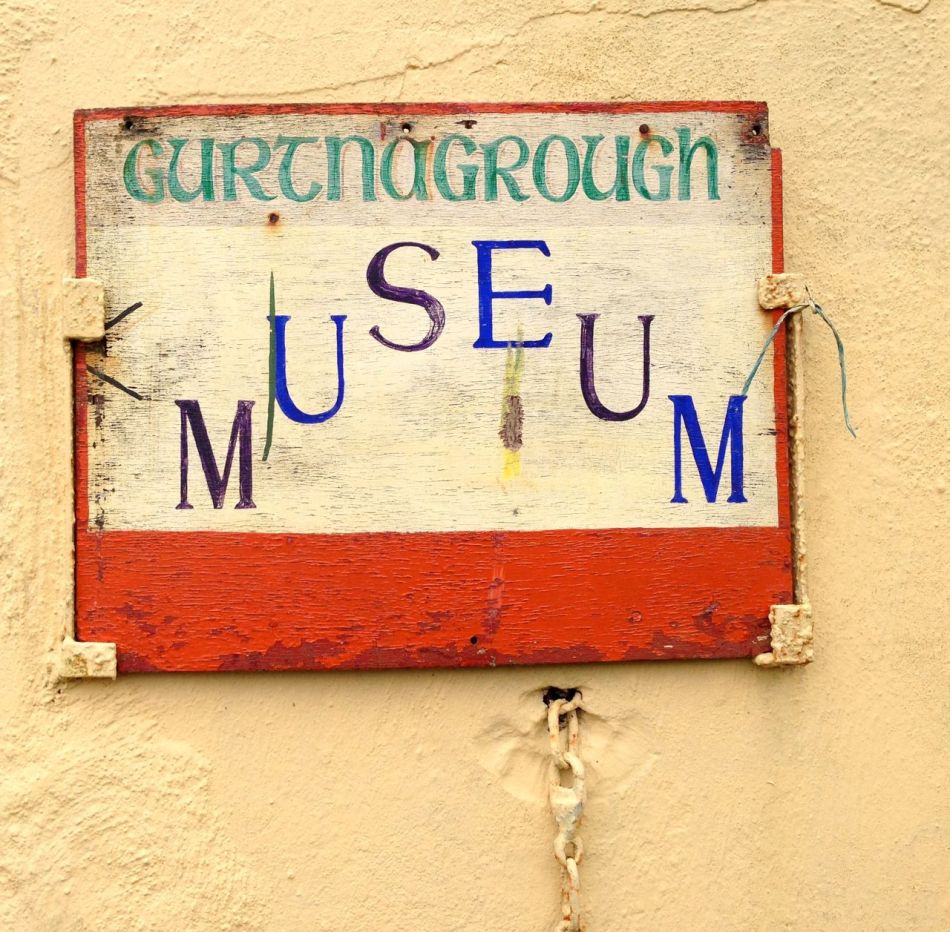
sign

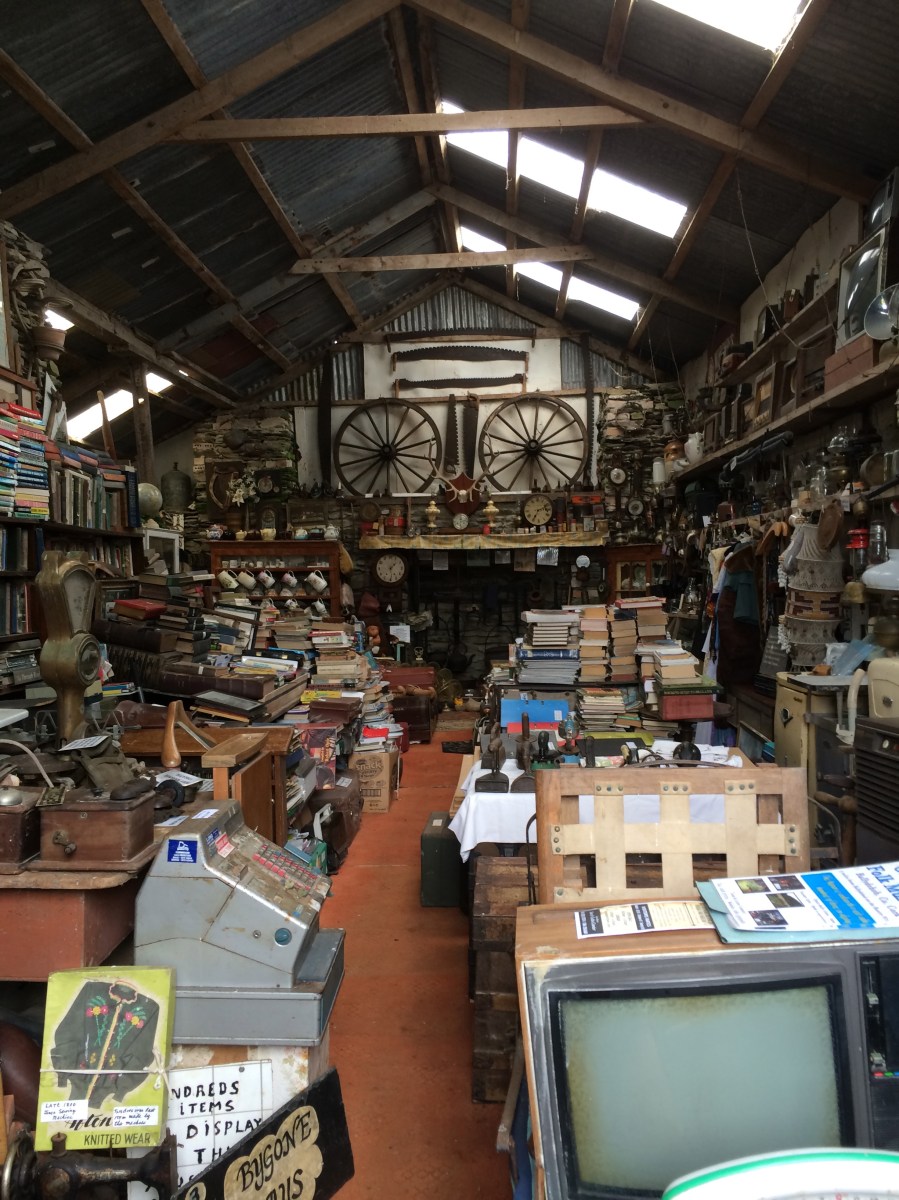
Gortnagrough Folk Museum has been called Ballydehob’s Best Kept Secret, but it could equally be called its Most Delightful Discovery. Leita and Tommy Camier have devoted years to building a huge, quirky, fascinating collection that will transport you back to your childhood, or perhaps your grandparents’ childhood. It’s pronounced Gurt-na-Grew.

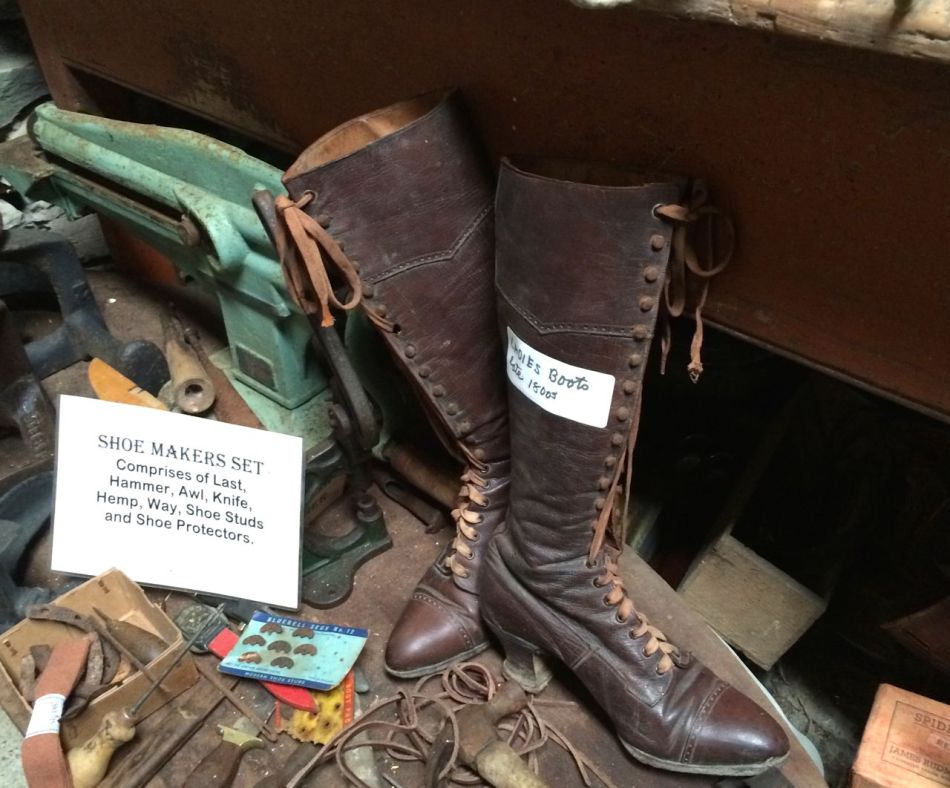
boots

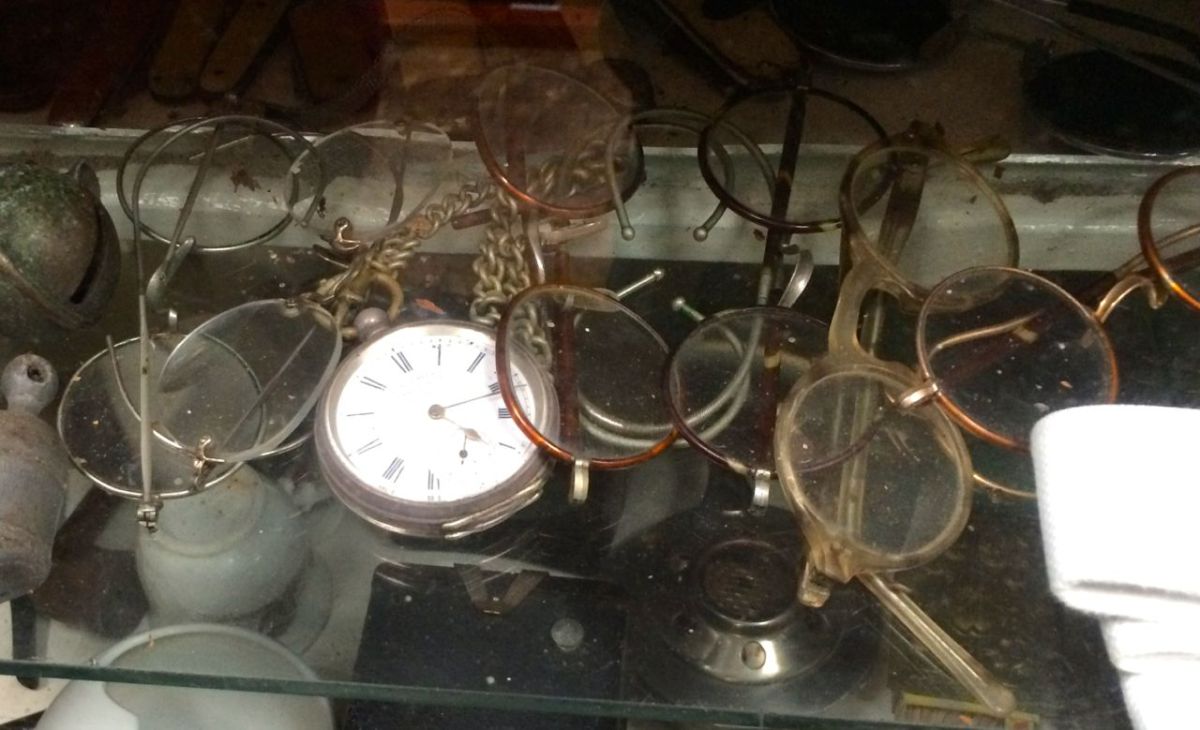
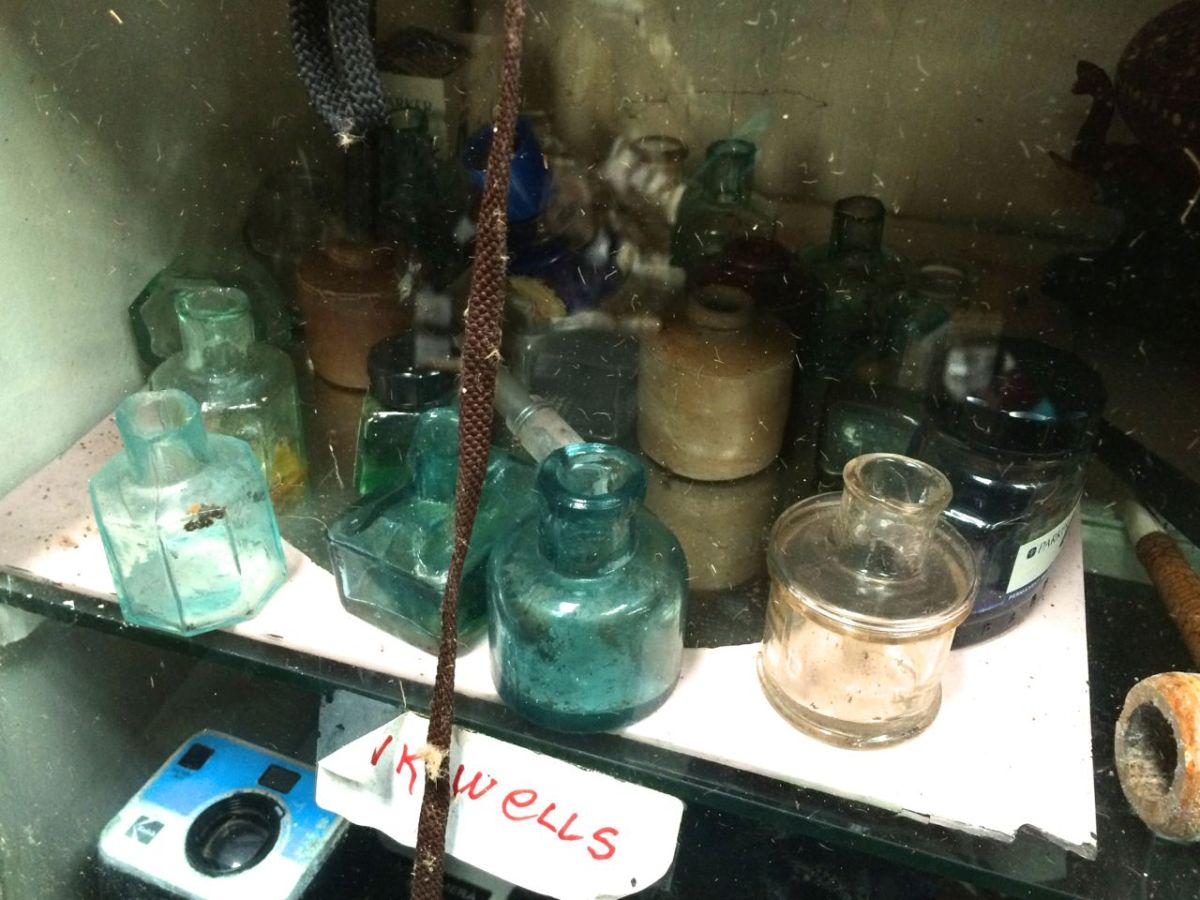
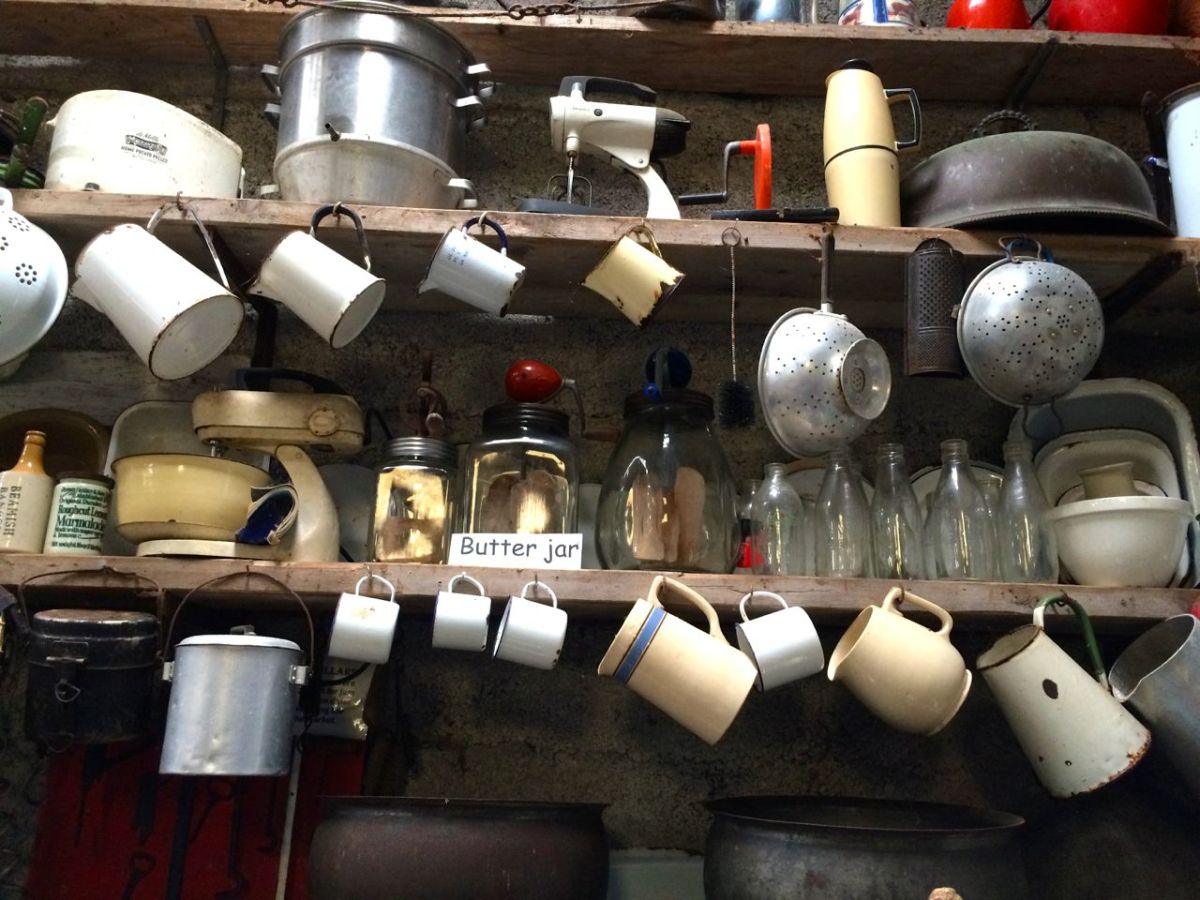
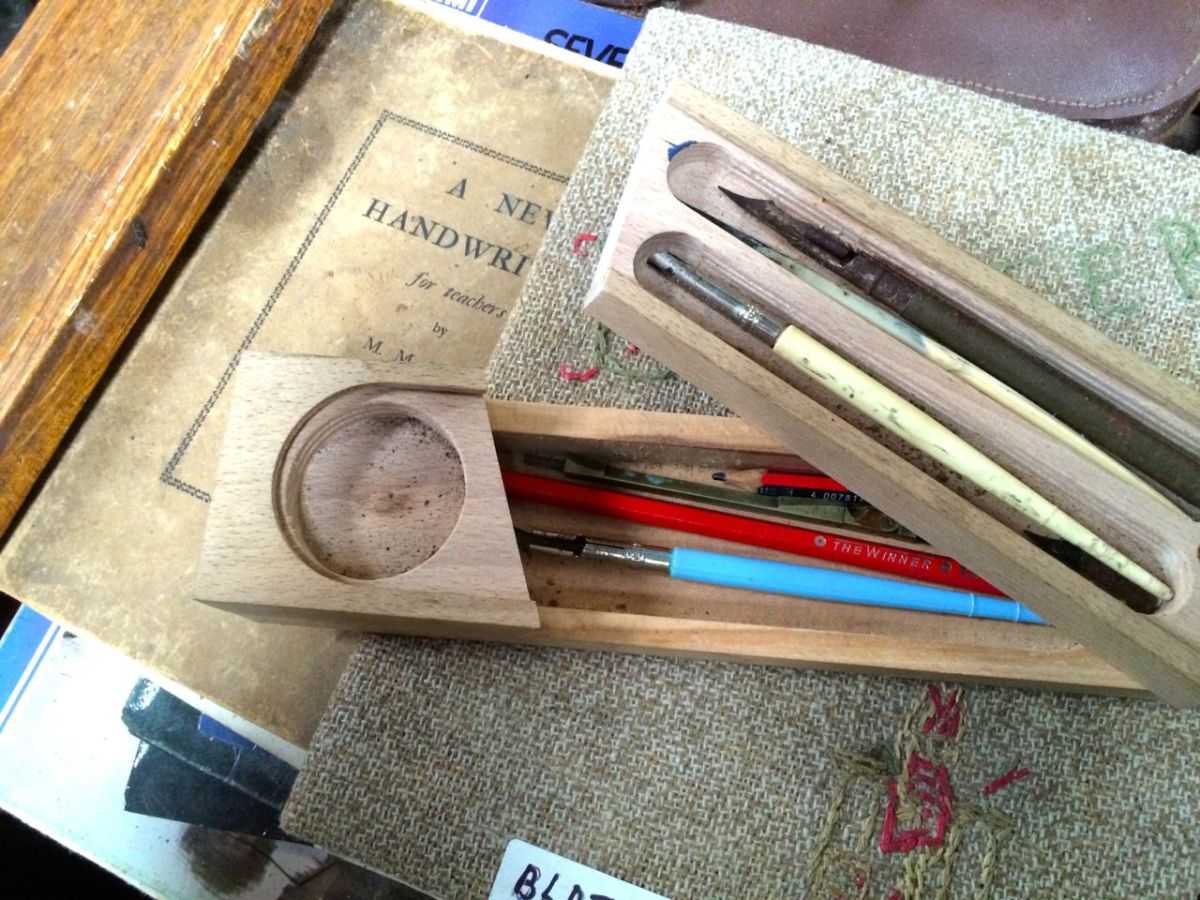
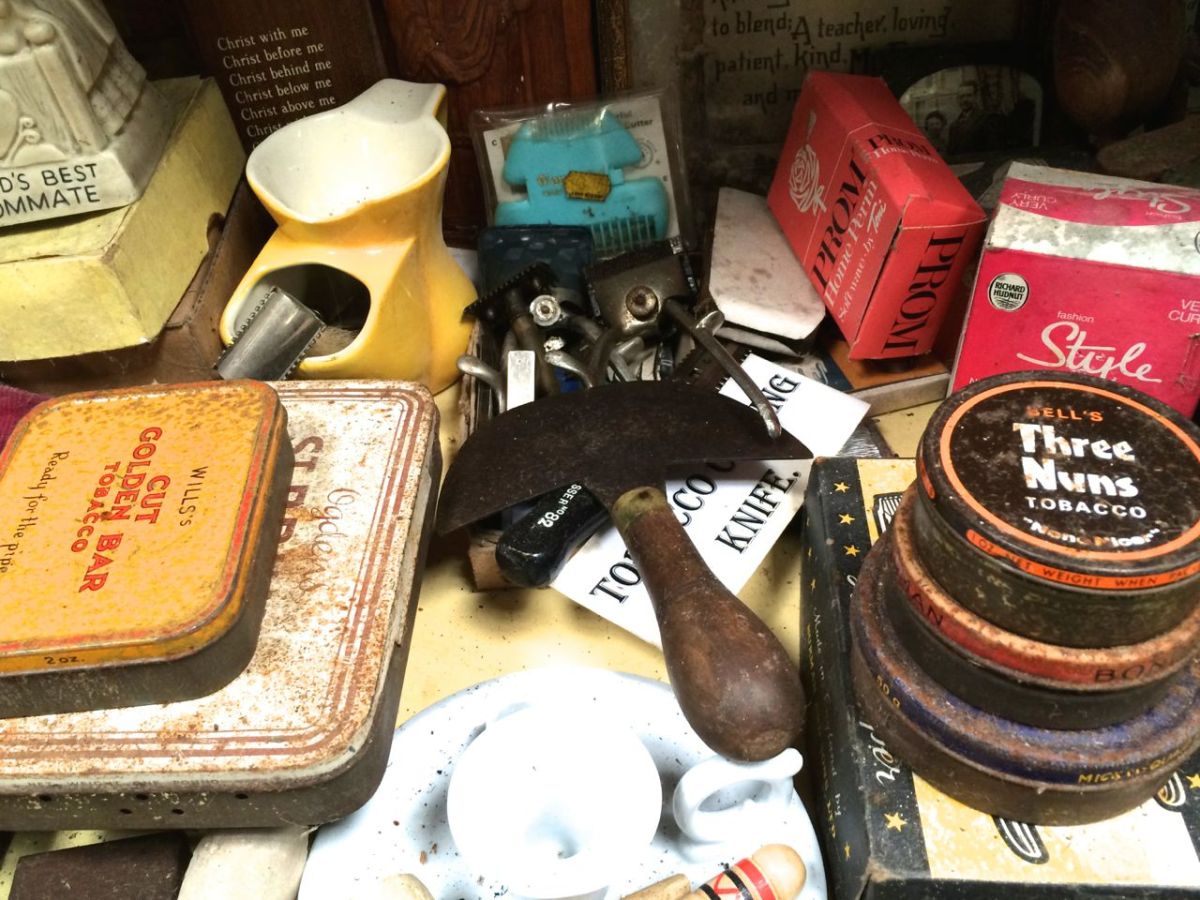
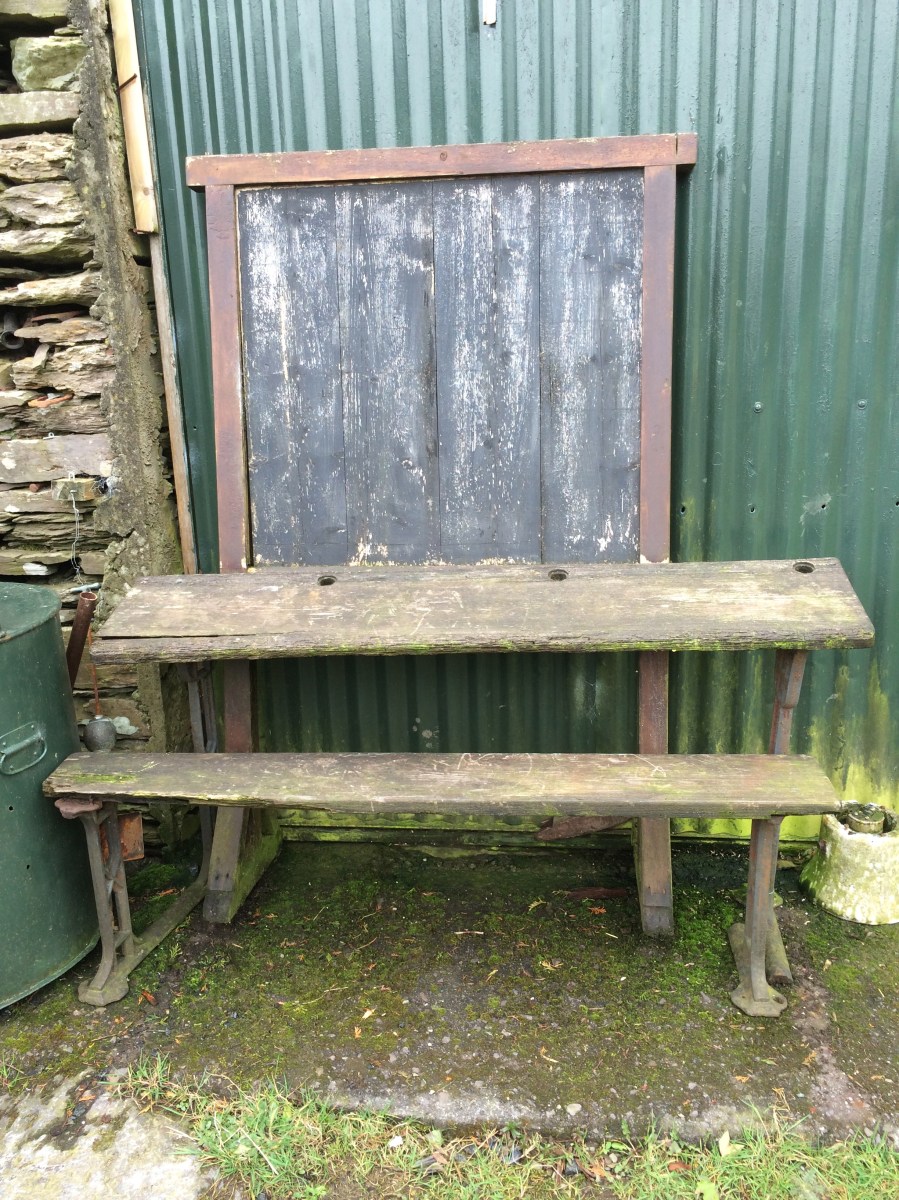
While the emphasis of the collection is on local and West Cork history and on farm machinery, many of the items will bring back memories, no matter where you grew up. Close your eyes for a minute and conjure up a picture of the little tin box that your father used to produce to fix the puncture on your bicycle tyre; or the tobacco tin your grandad opened when he needed to fill his pipe for a contemplative puff by the fire; or the funny old caddy your mother kept the tea in, that had belonged to her mother; or, if you’re as old as I am, the school desk you sat at, with the inkwell that was filled by the teacher once a week. You’ll find all of those here.

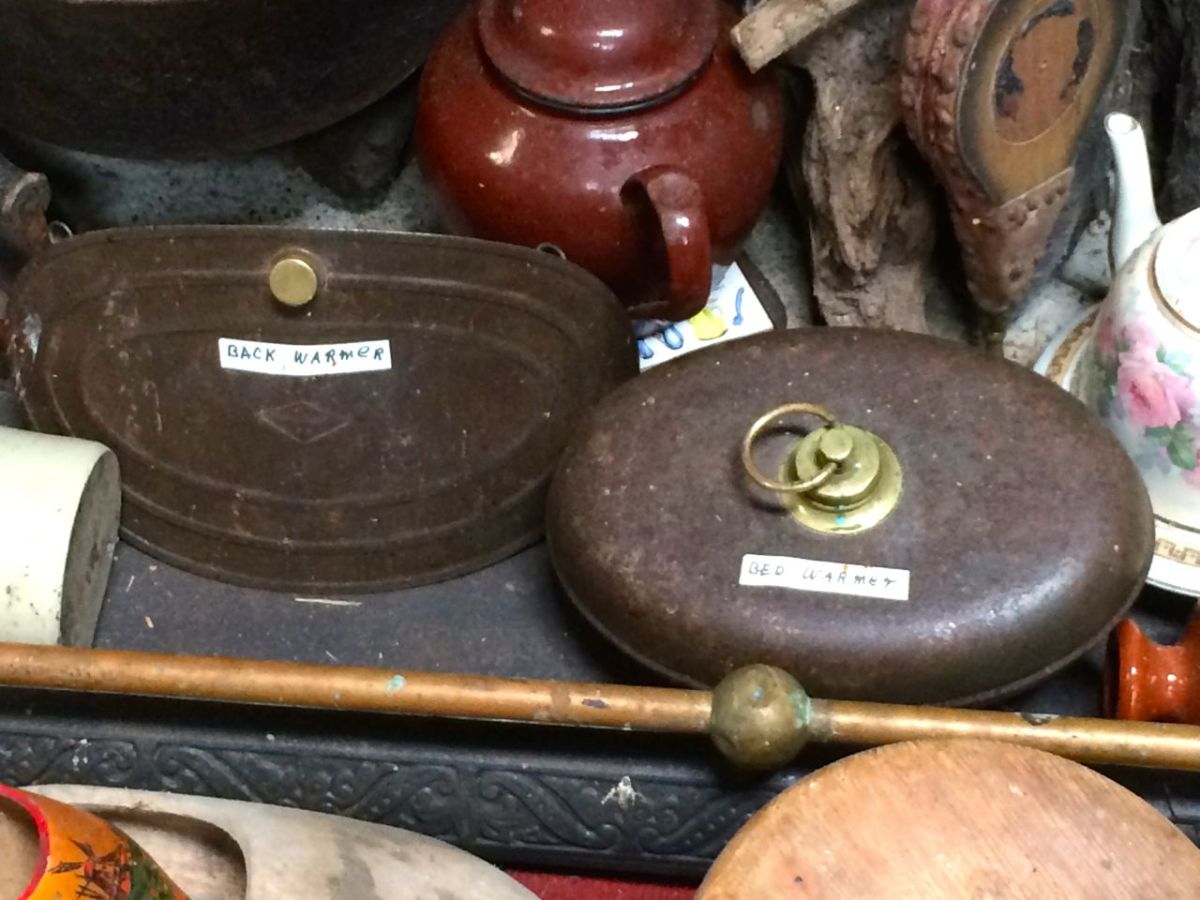
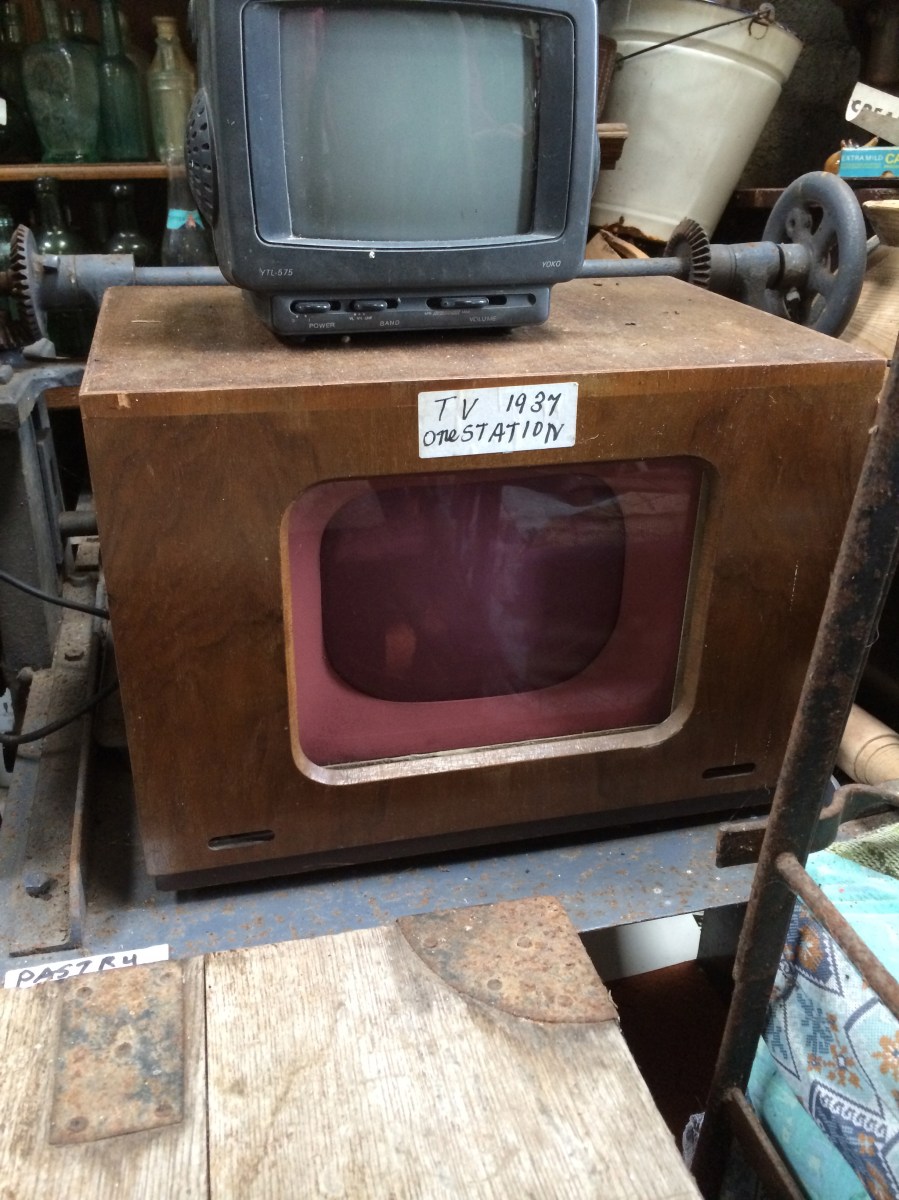
How many of these do you remember?

How about these?

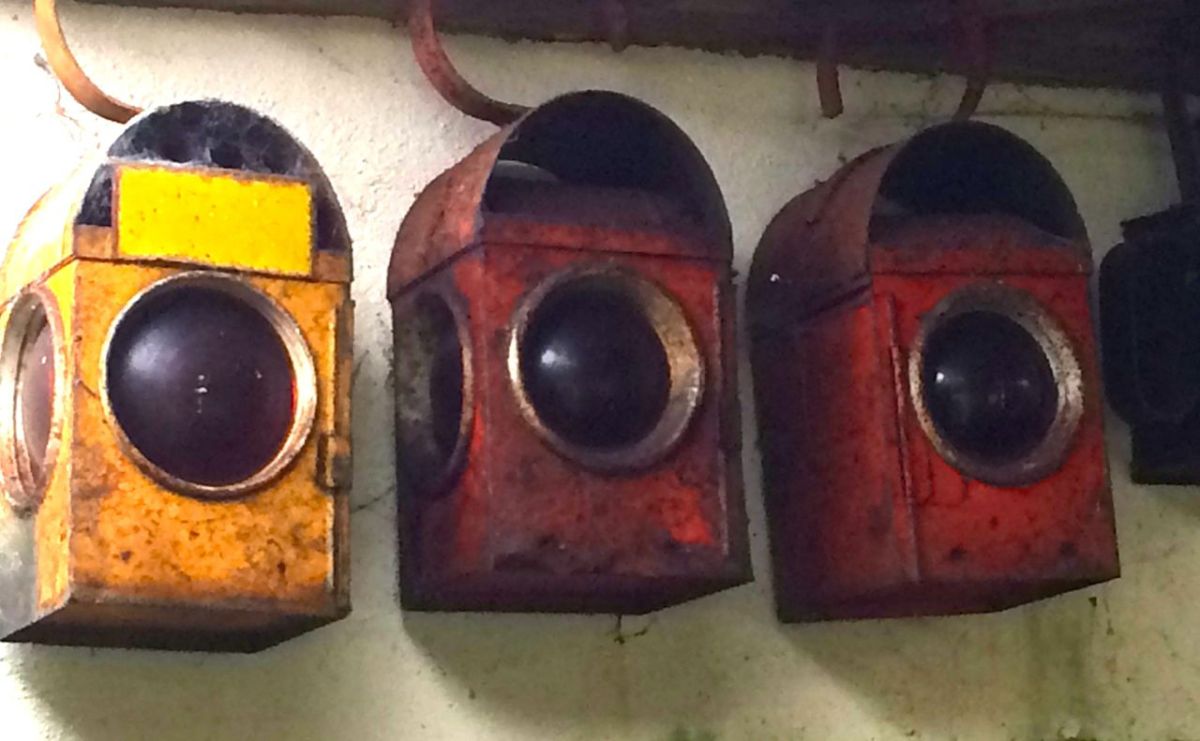
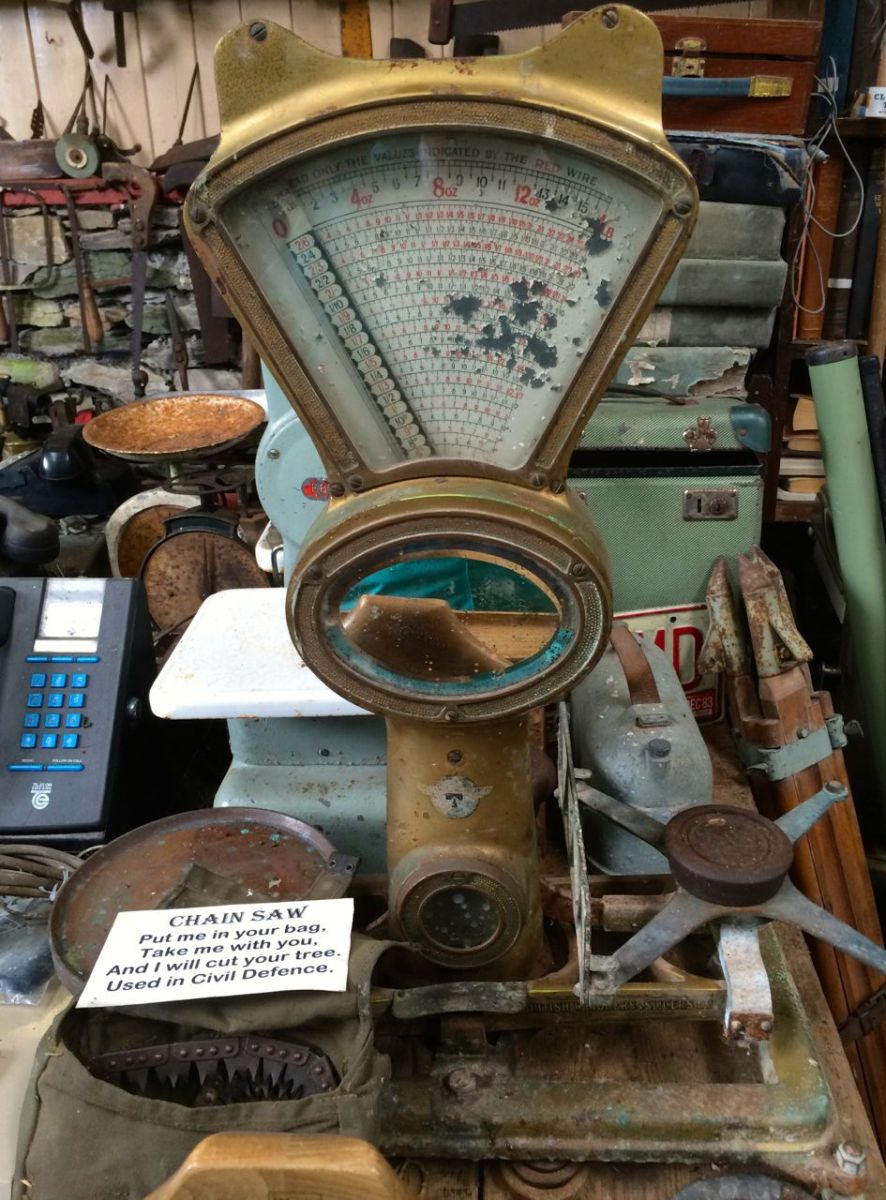
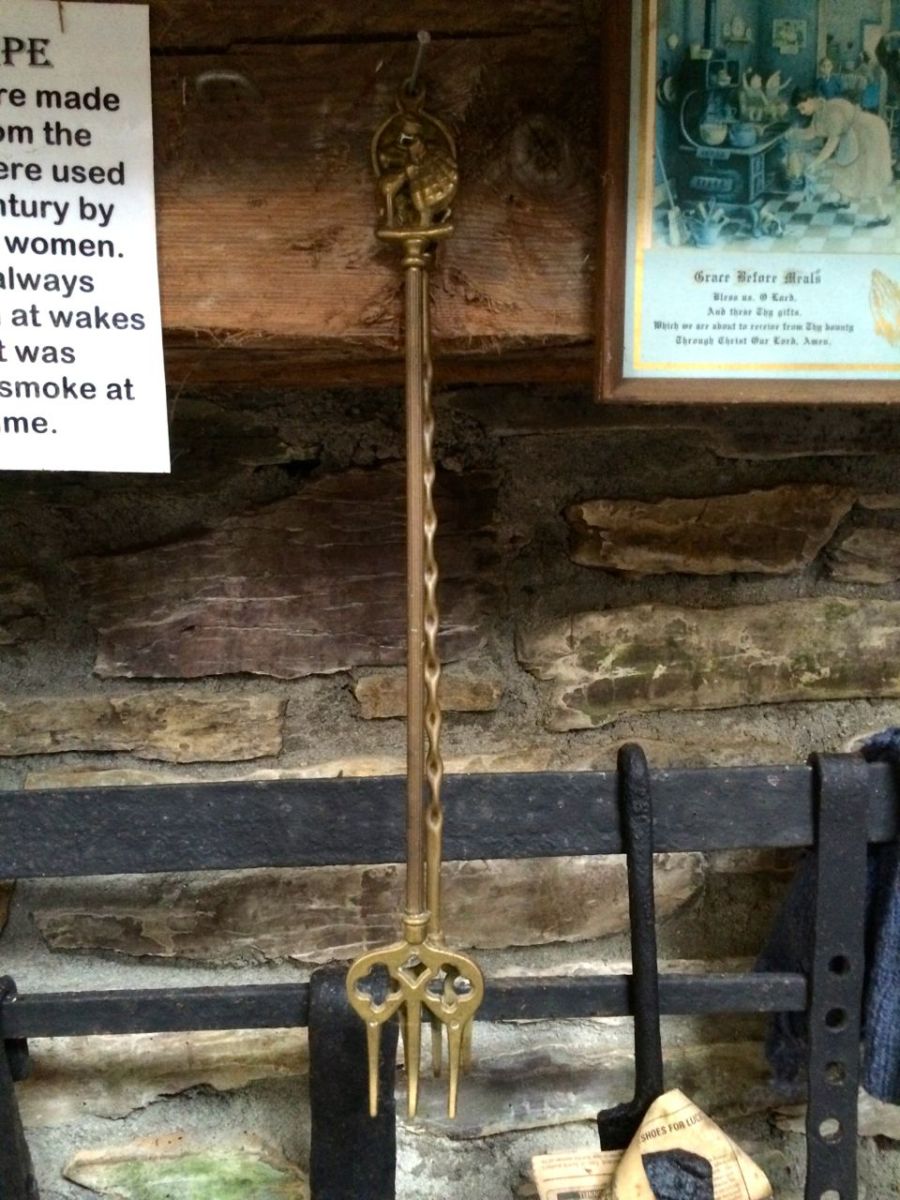
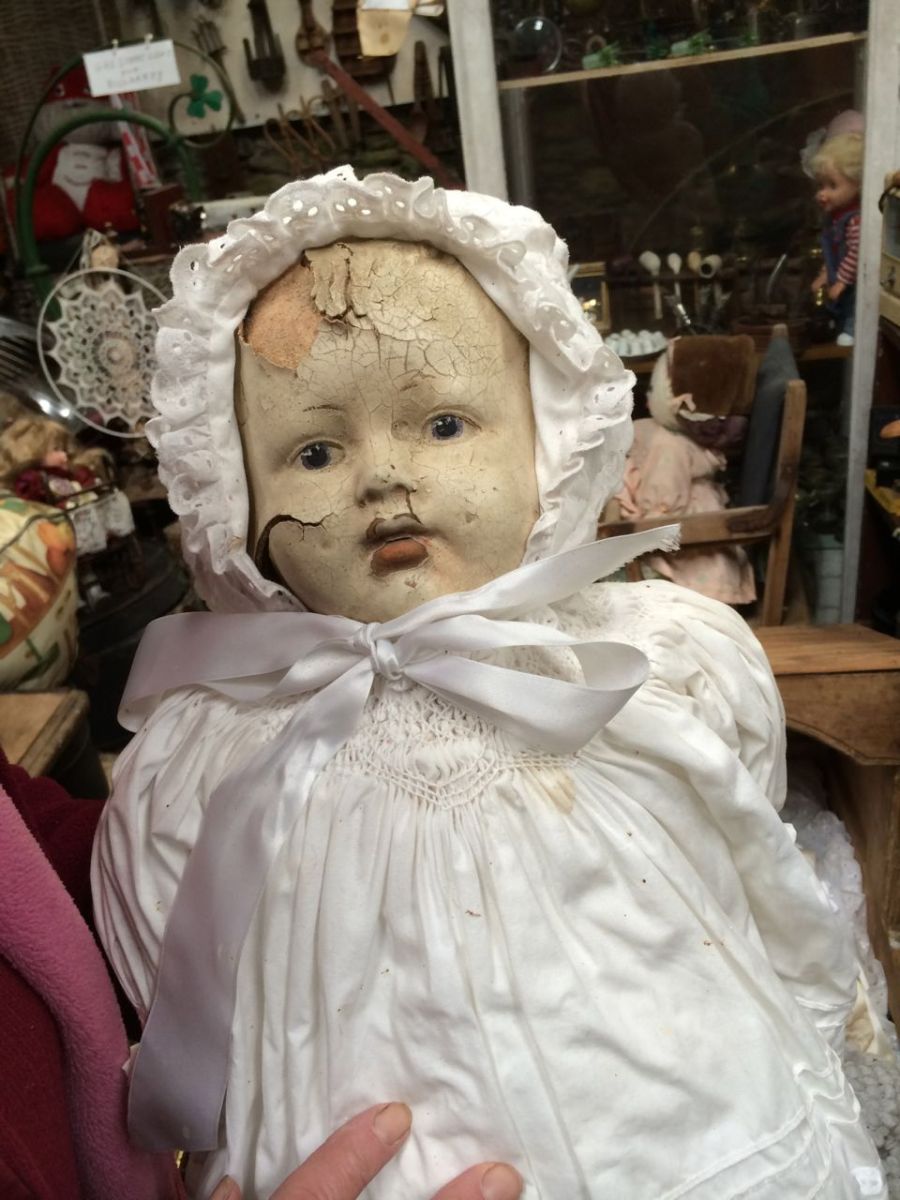
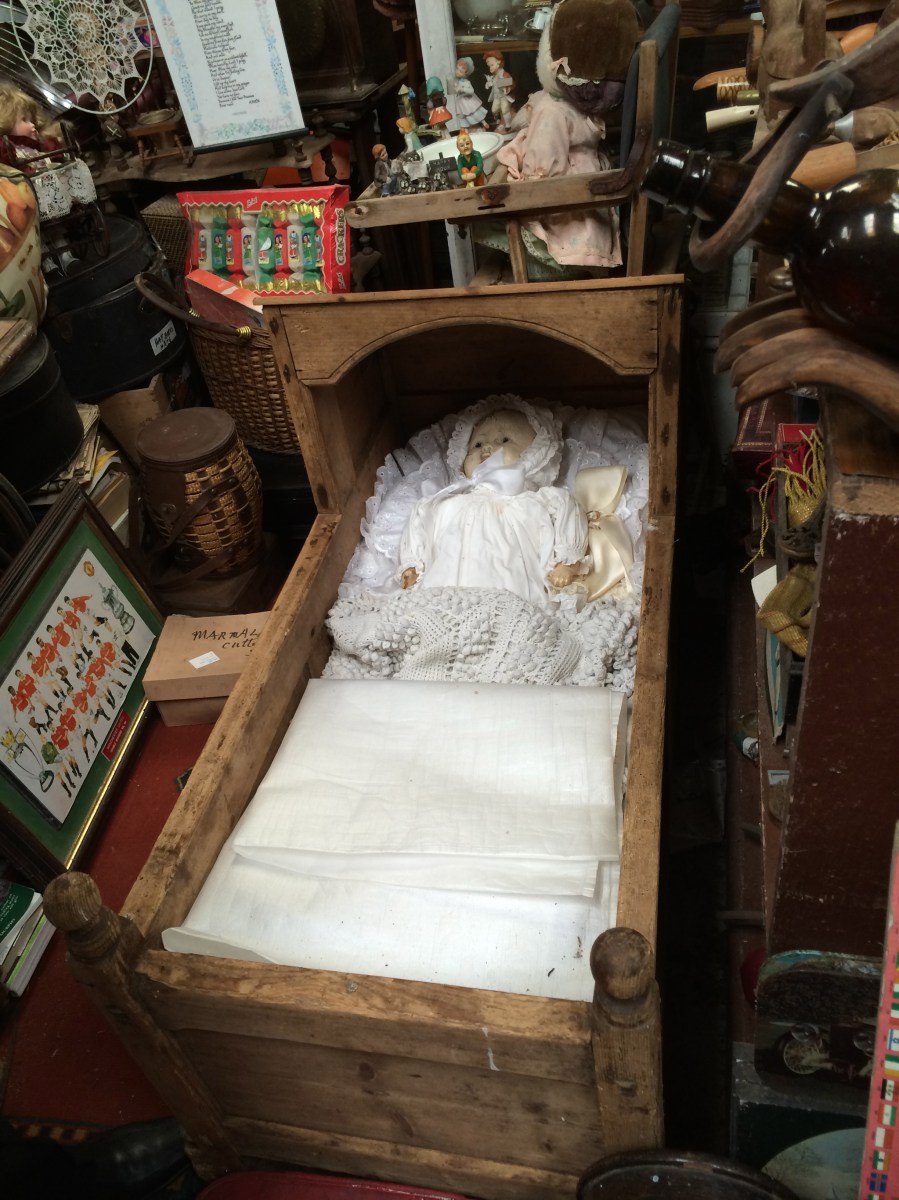
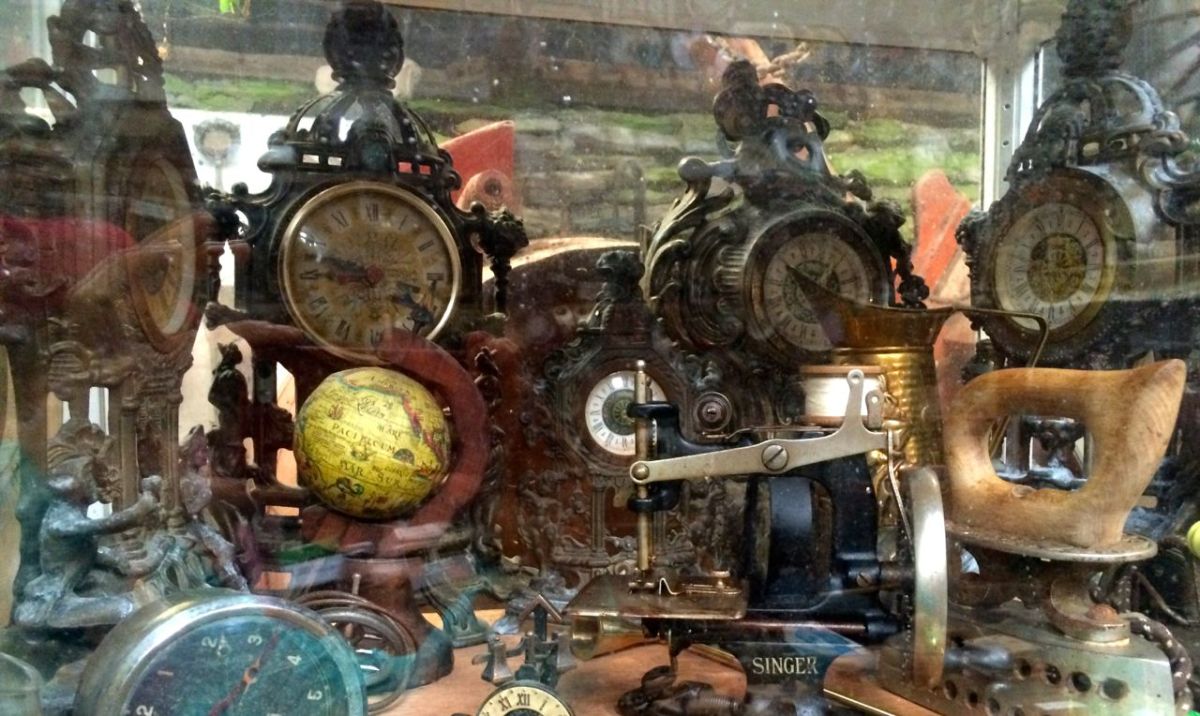
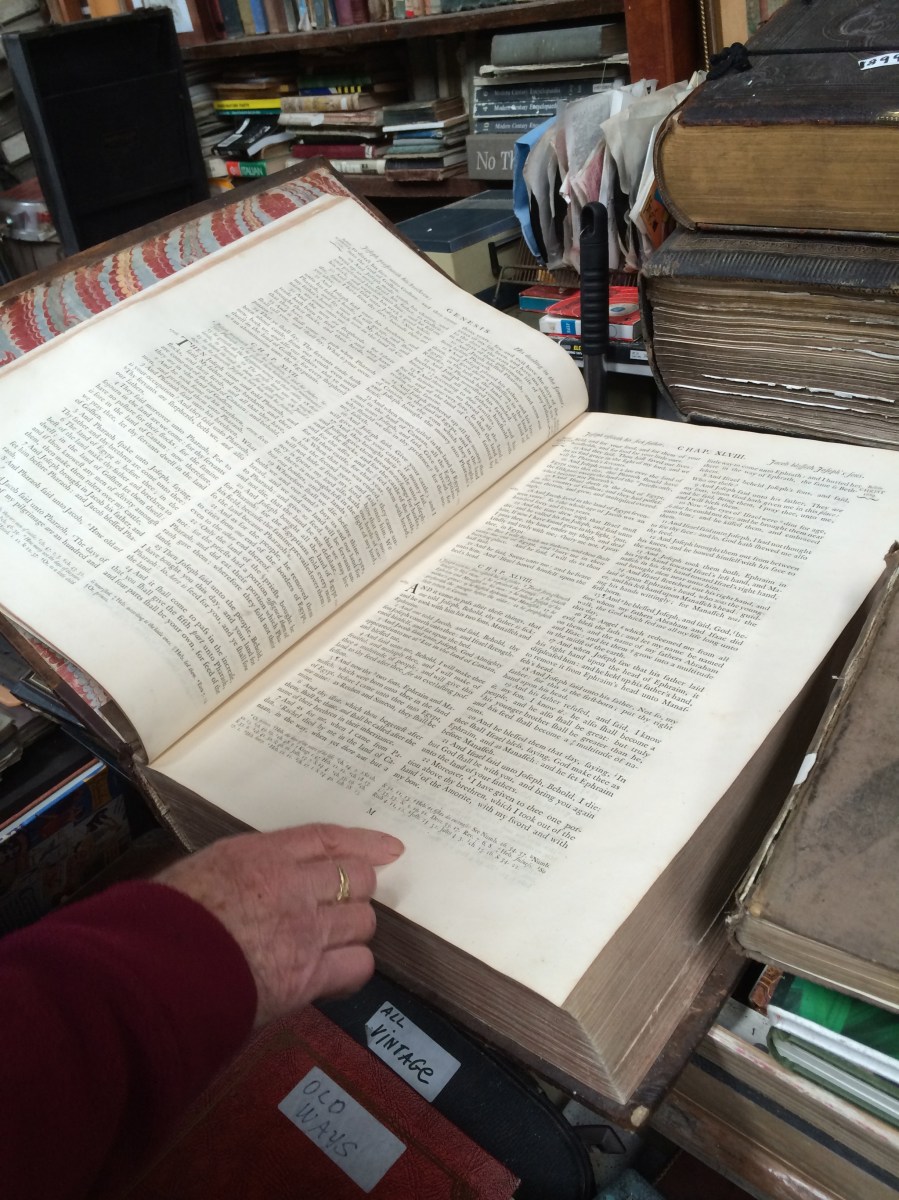
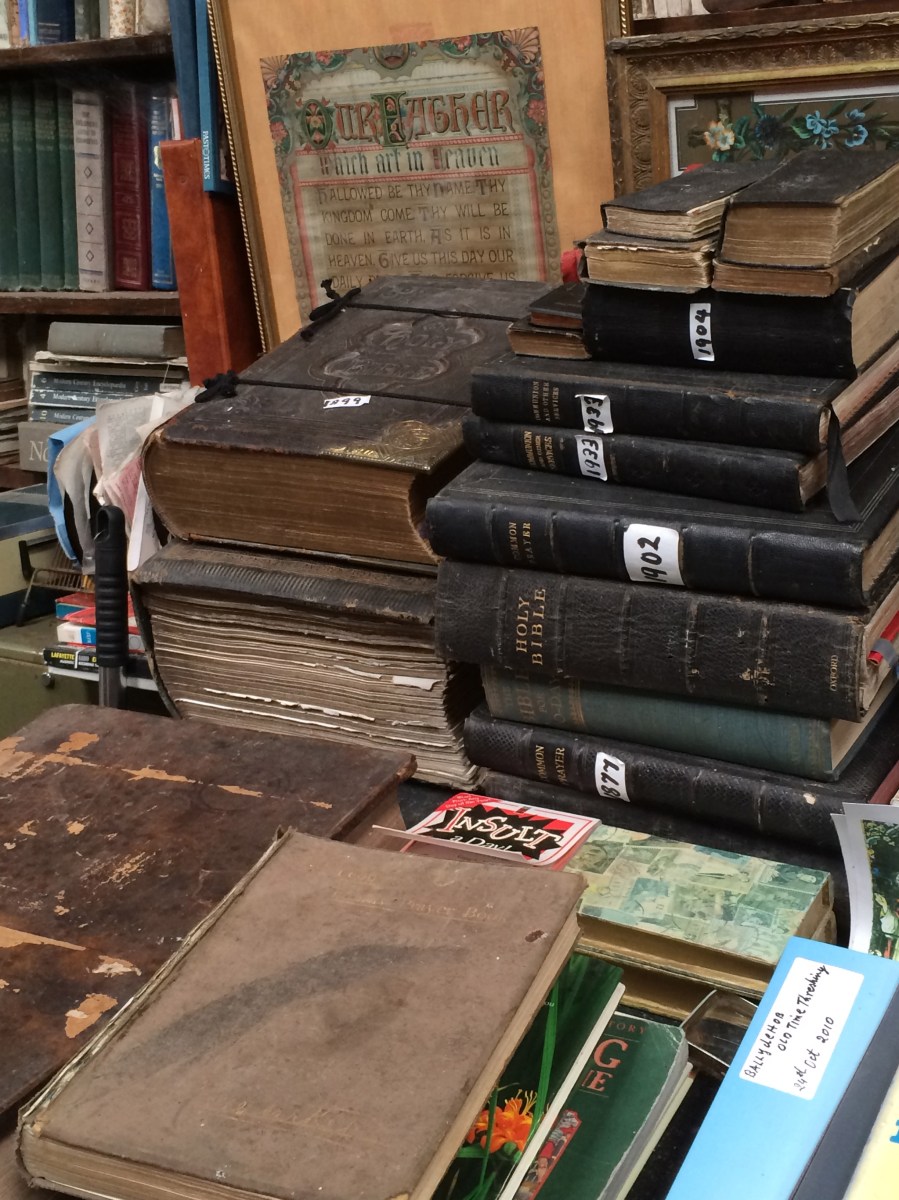
There are older items here too – eighteenth century bibles, little cages for coalmine canaries, famine soup pots, equipment used by tailors and cobblers, dolls loved by little Edwardian girls and clocks that adorned Victorian mantlepieces.

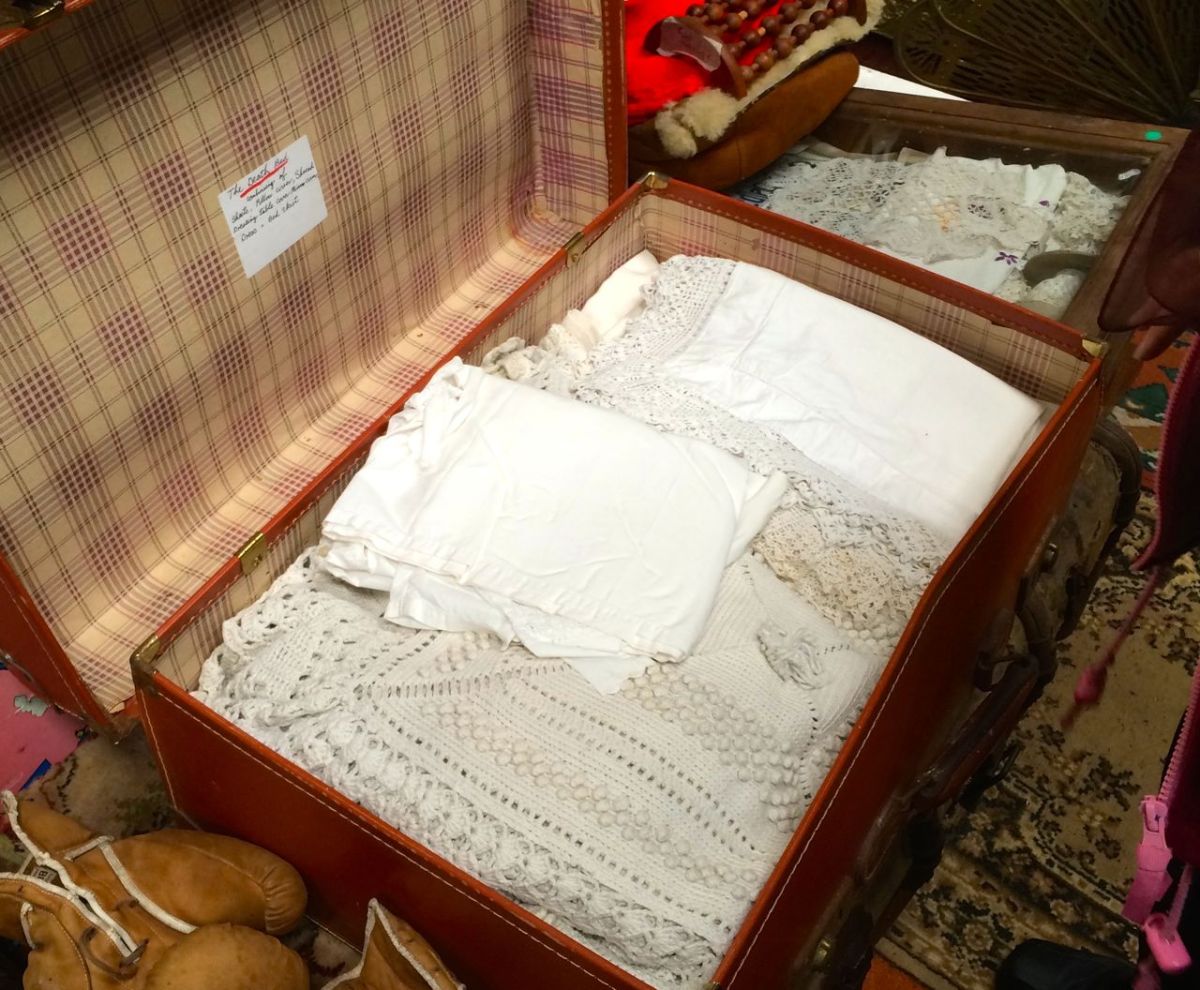
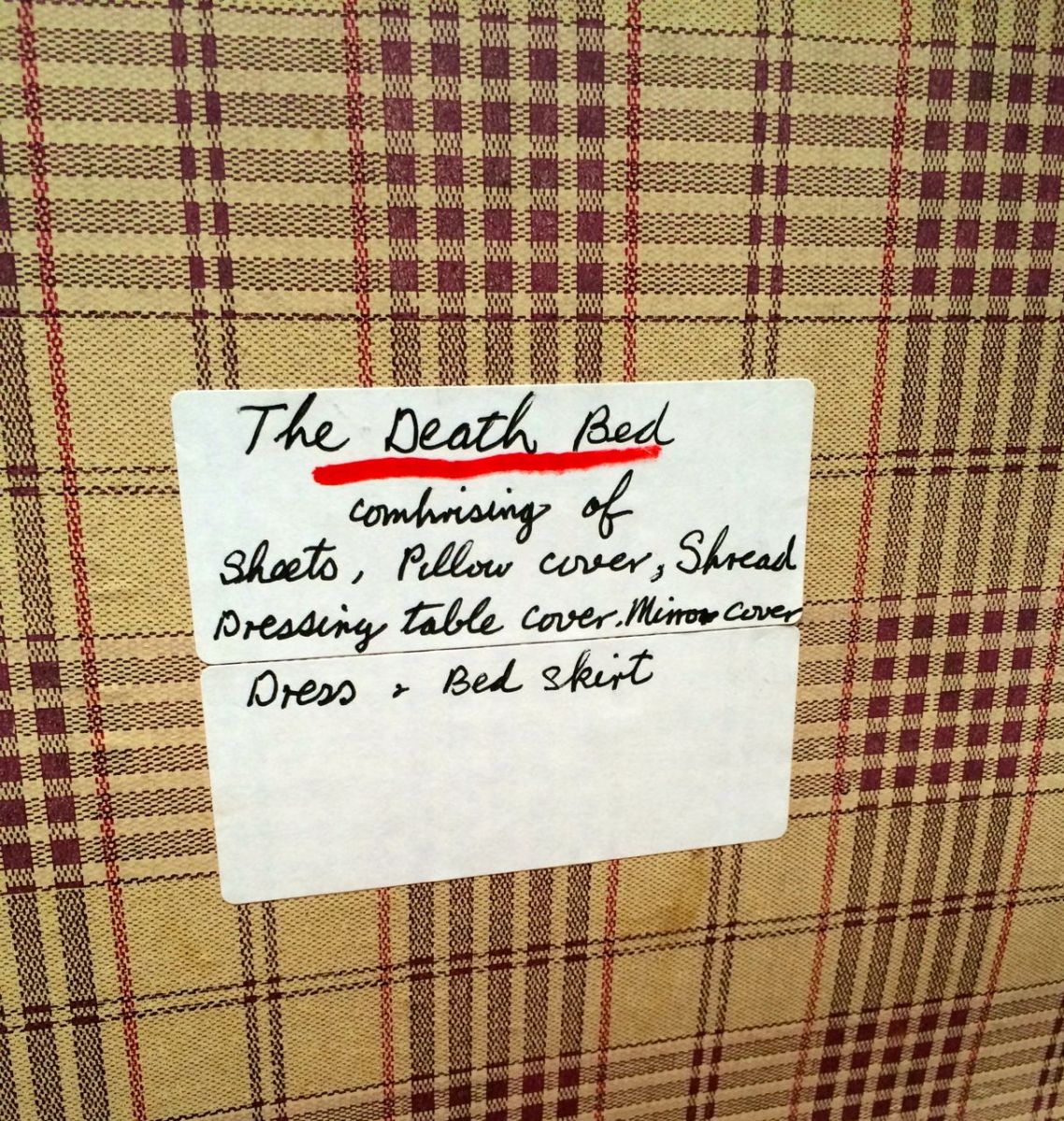
The Irish, as everyone knows, had a grand tradition of Waking the Dead. The body, first, had to be washed and dressed. Special linens, often passed down through generations and kept beautifully white, were used to dress the body, but also the bed and surrounding furniture. Mirrors and clocks, especially, had to be covered. Leita showed us an old suitcase that contained a treasure trove of this linen.

Among the artefacts are books and books of cuttings, old photographs, recipes, shop accounts, advertisements, journals and articles, all lovingly collated and saved in plastic covers.

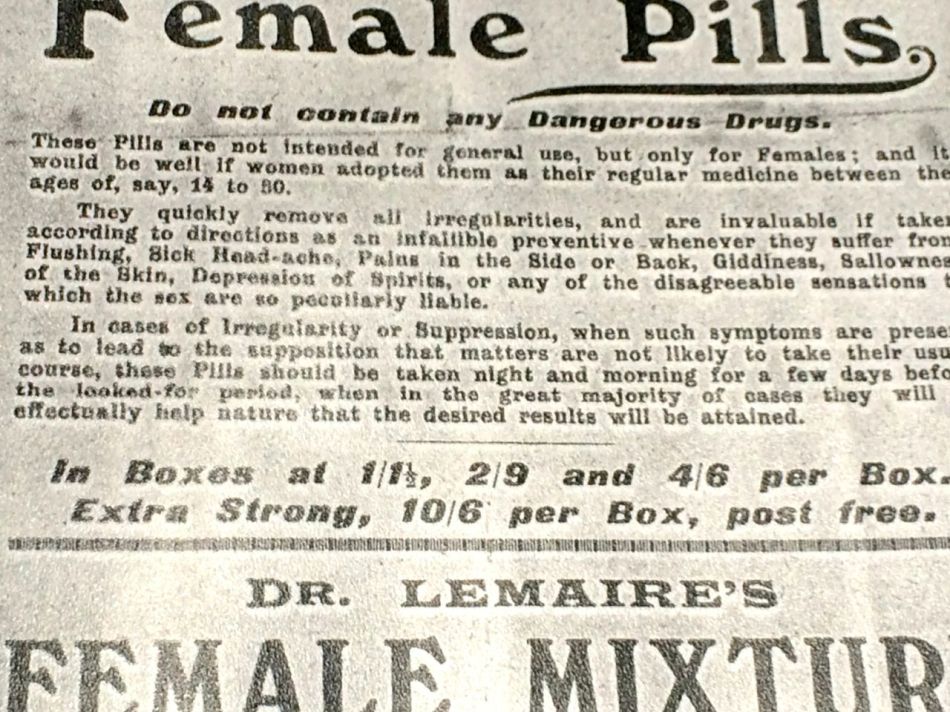
female pills

Outside is an equally interesting mixture of memories.

Careful – you might get so caught up in browsing among this eclectic collection that the rest of your party has moved on to the farm machinery before you notice.

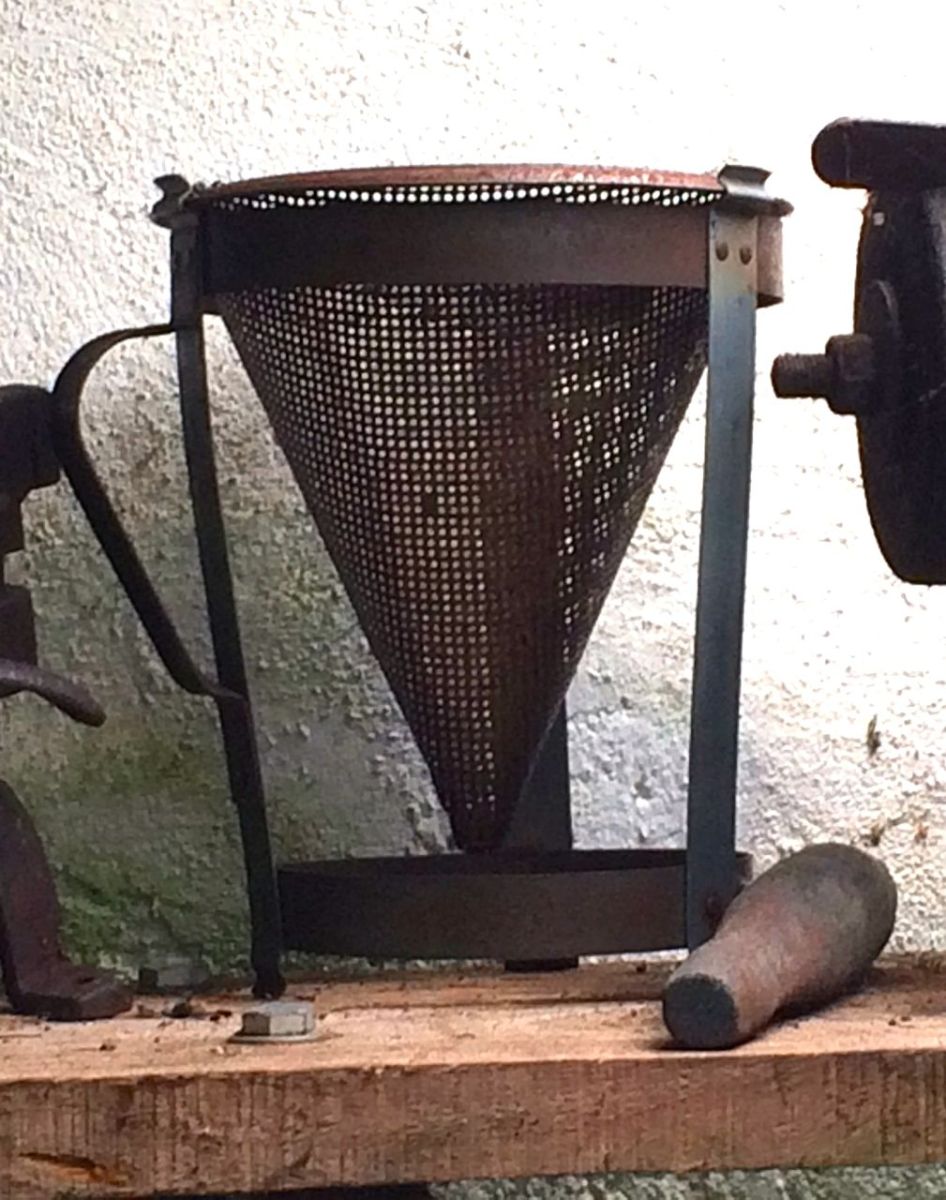
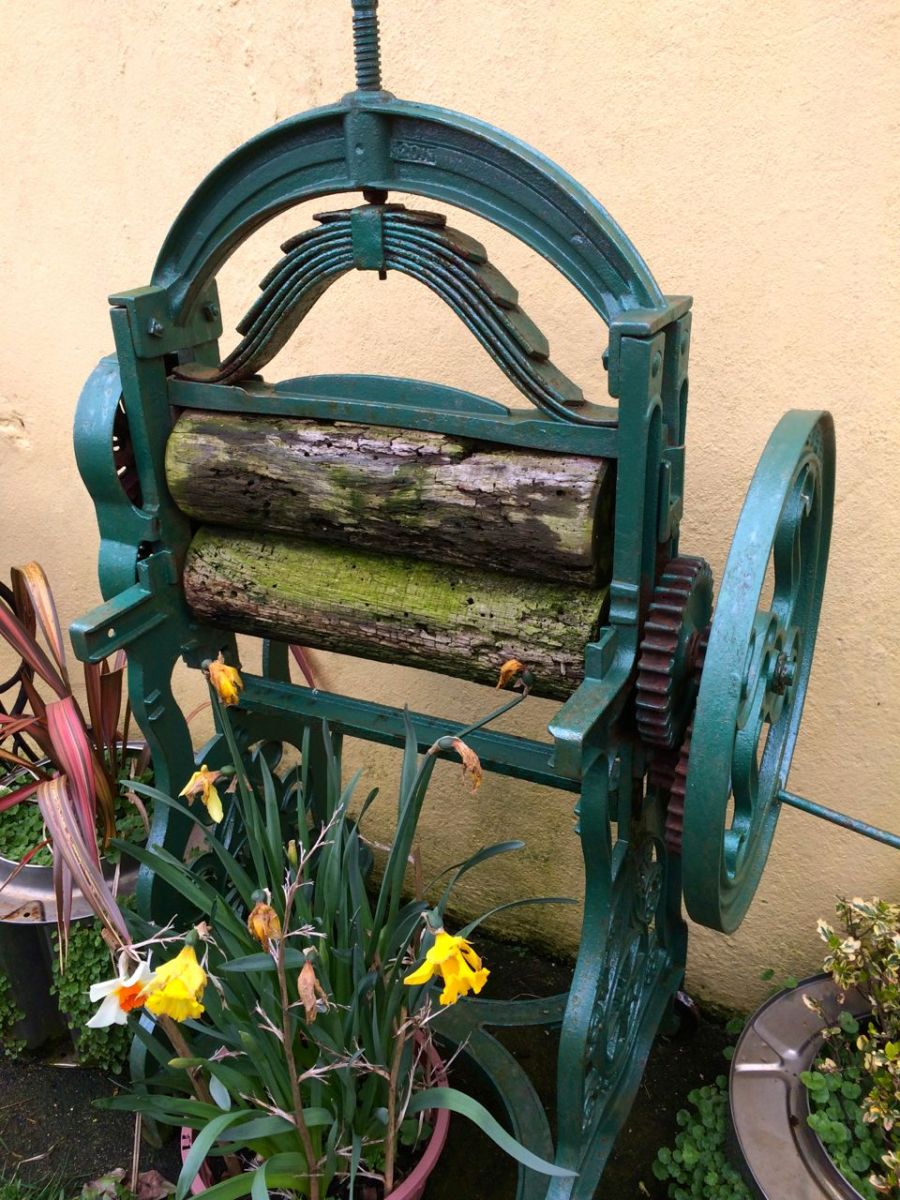
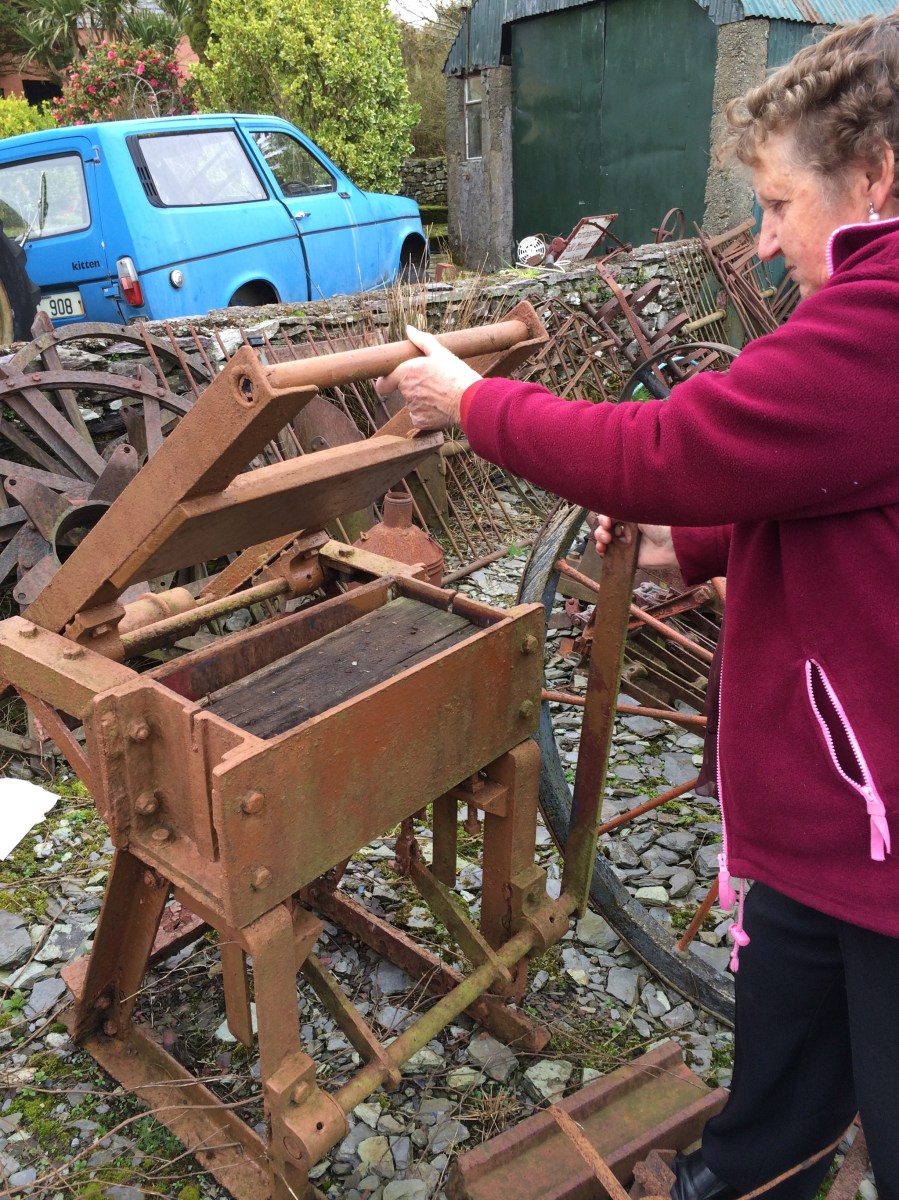
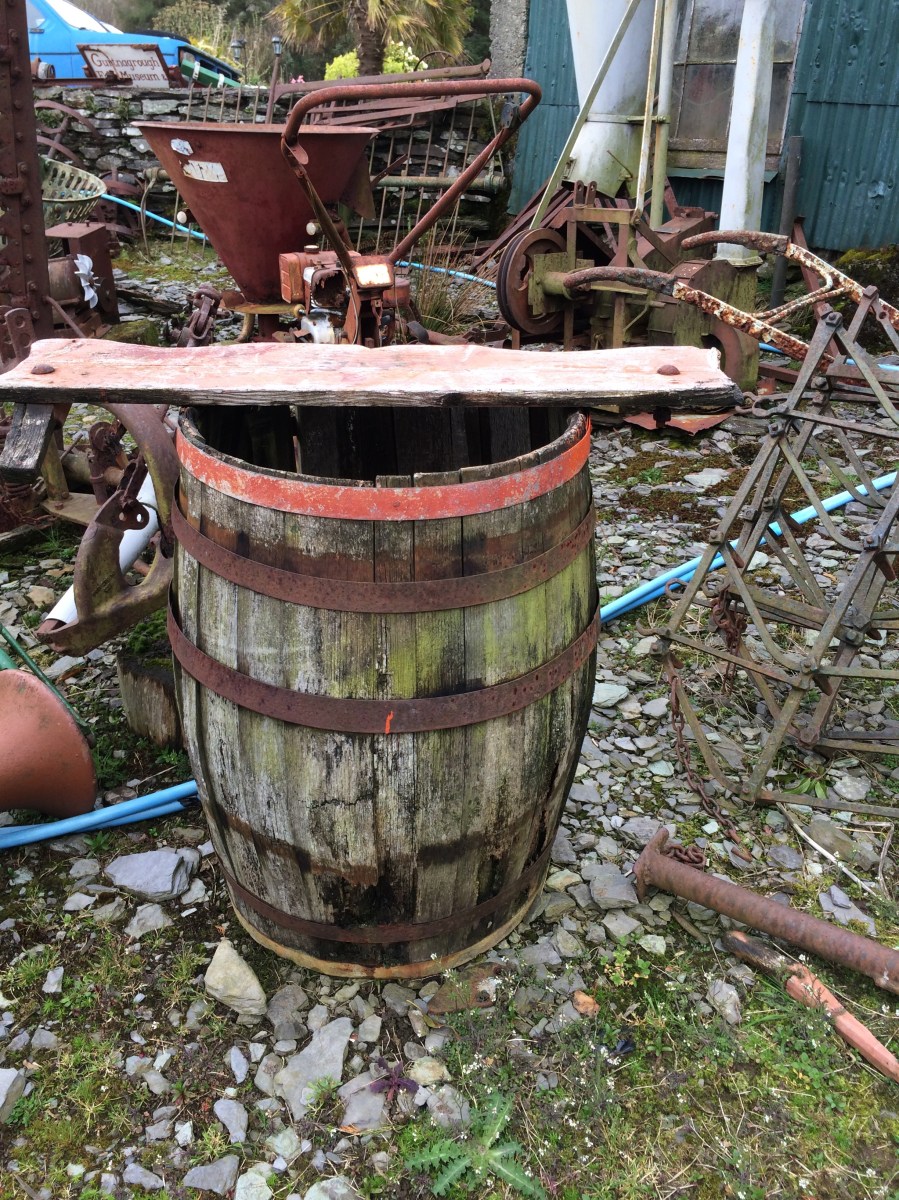
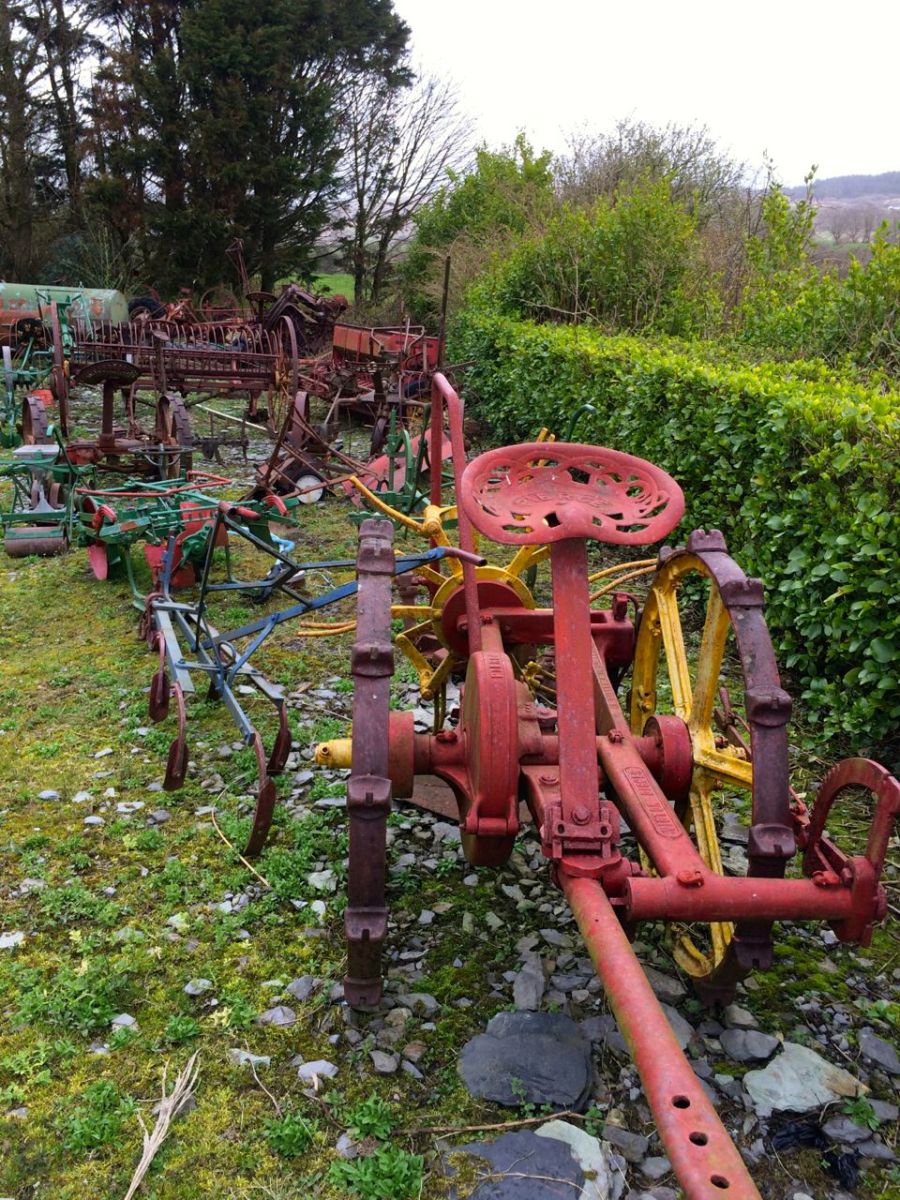
Farm Equipment

Tommy and Leita know the use of every item of machinery on their property. A lot of it is still in working order and they bring it to the Thrashing or to country fairs – to demonstrate old winnowing techniques, or to make butter.

Postscript

Looking back on these photos has been a joy, as we remember Leita and Tommy, how kind they were to us as recent blow-ins then, and how much they enjoyed their collections. We hope that this post gives other Ballydehob folk some fond memories too.