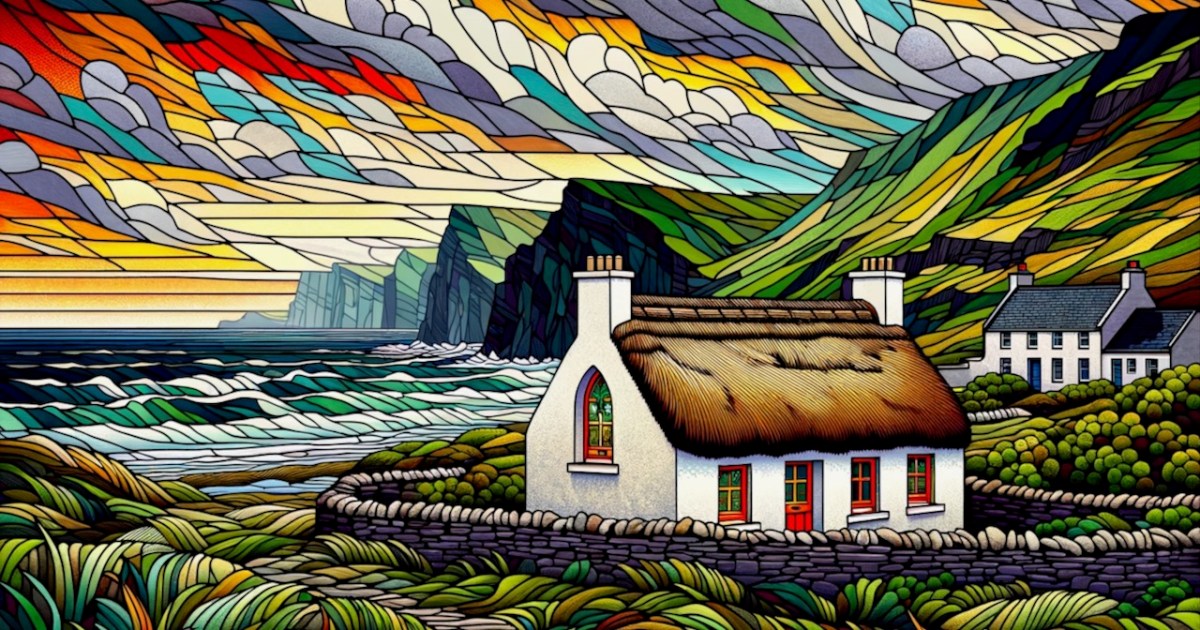
Roaringwater Journal had our best year ever, thanks to all our readers – we are truly privileged that you invite us on to your phones and desktops year after year. You are what keeps us going – you, and our own abiding fascination with the world around us, in West Cork and further afield. And what’s with the cheesy image above? Well, I’ve been playing around with AI-generated images and it turns out that this is what you get when you ask DALL-E for a picture that looks like an Irish landscape with a thatched cottage, in the style of stained glass. I don’t think we’ll be substituting AI for our own photographs any time soon.
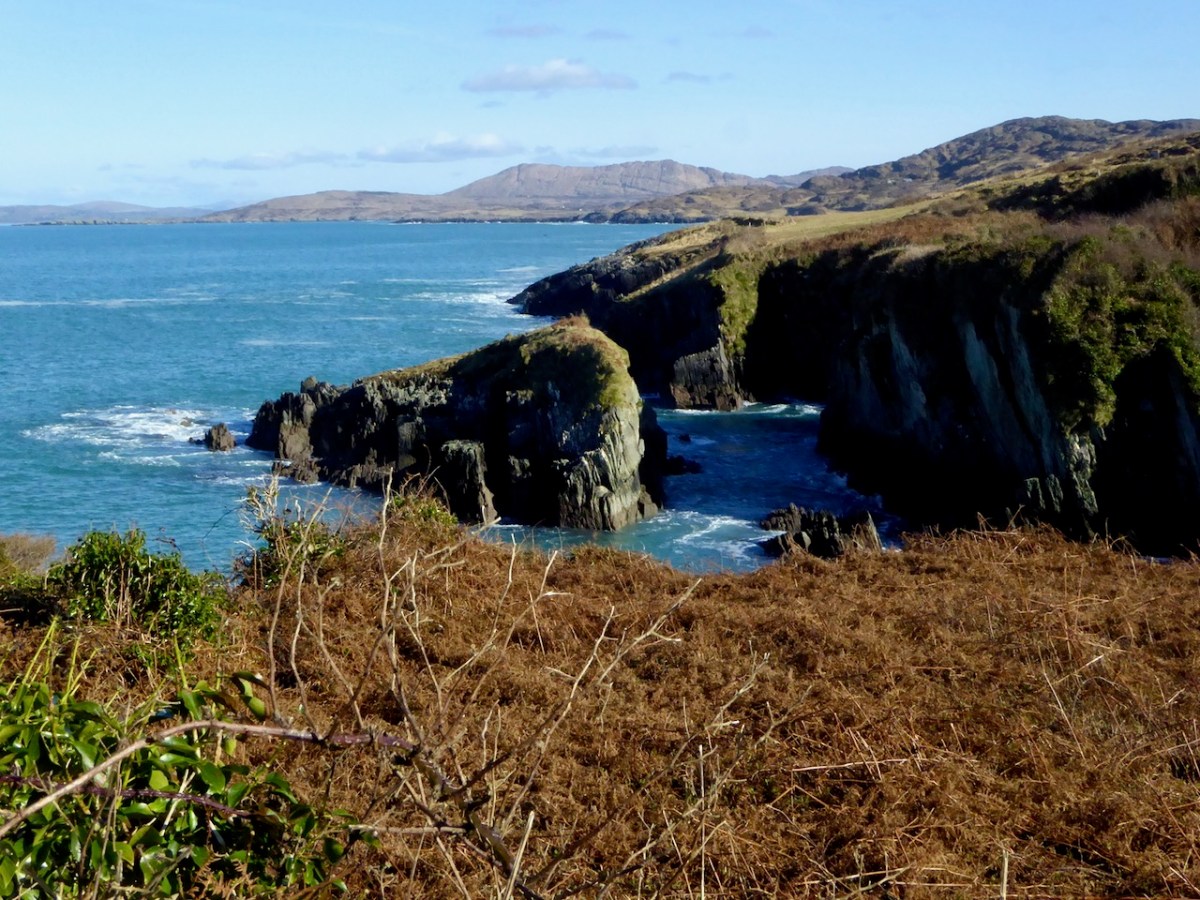
We had over 333,000 views this year – that’s an average of over 900 a day. Many people read more than one post when they drop by, so those views were generated by over 200,000 visitors. We’ve had visitors from 180 countries, although the vast majority come from the English-speaking world of Ireland, the UK, the USA, Canada and Australia, followed by several European countries.
How do you find us? That’s changed over the years. We have about 6500 followers between WordPress and Facebook, so those folks see our posts aa soon as they’ve been published, or put up on Facebook. But after that most people seem to come to us from a search engine query.
Robert is doing his own post about his personal picks for 2023, so here goes with mine. There are all kinds of reasons for my choices – the ones I have had most fun researching, the ones that resonated most with our readers, the ones that scored highest on views, or just ones that I loved for undefinable reasons. And my top pick is…..!
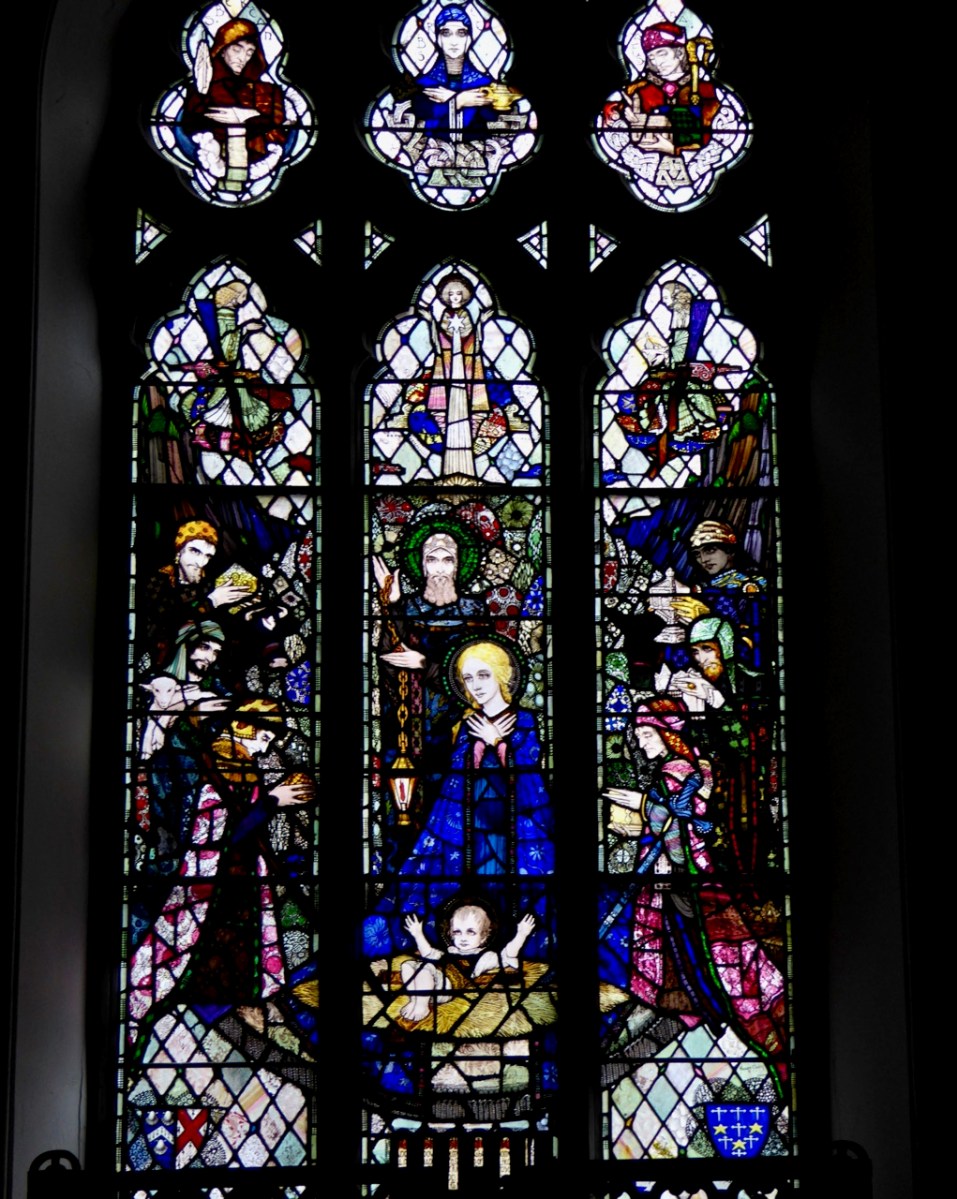
When Harry Met Edith. This was a three part post involving a deep dive into one window – the Nativity window in Castletownshend, designed and executed entirely by Harry Clarke, and managed for the family by Edith Somerville. Two of the giants of early 20th century Irish culture, and things did not always go smoothly, which makes for a better story.
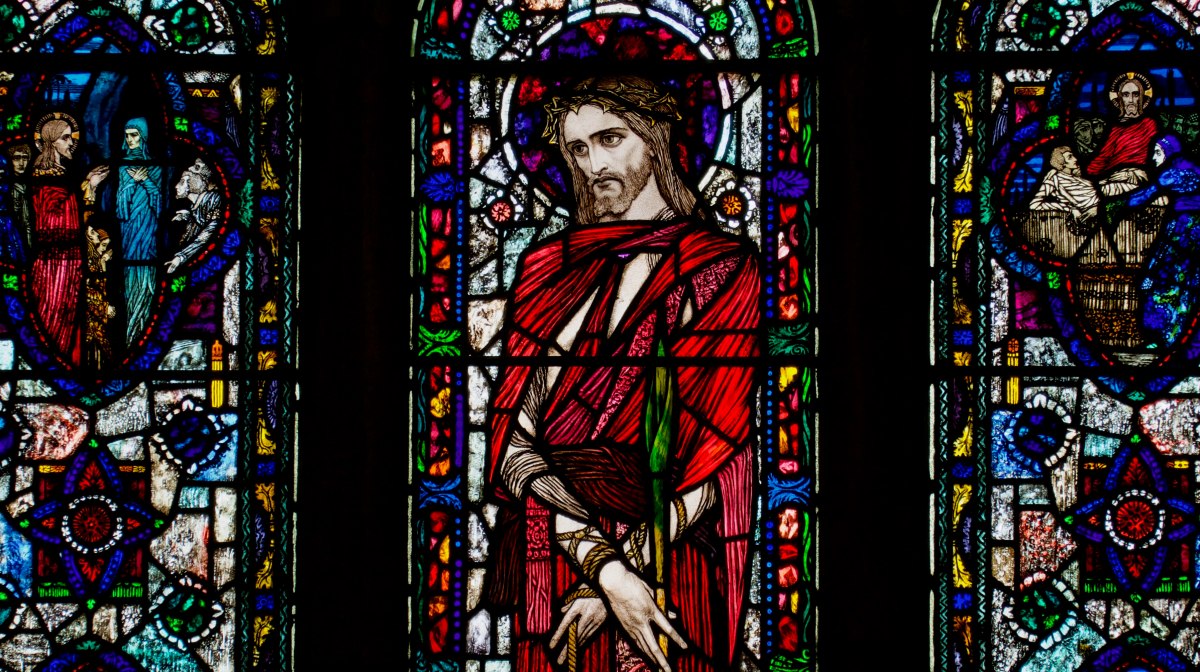
I had two other stained glass posts this year that I loved – the one about the Kilbride window, the most mis-described and least known of Harry’s Irish windows (above), and a quest to track down a window from a grainy black and white photo in an ad for Watsons of Youghal in a 1907 catalogue. I got lots of help from my stained glass colleagues on that one. The image below is by photographer John Glynn
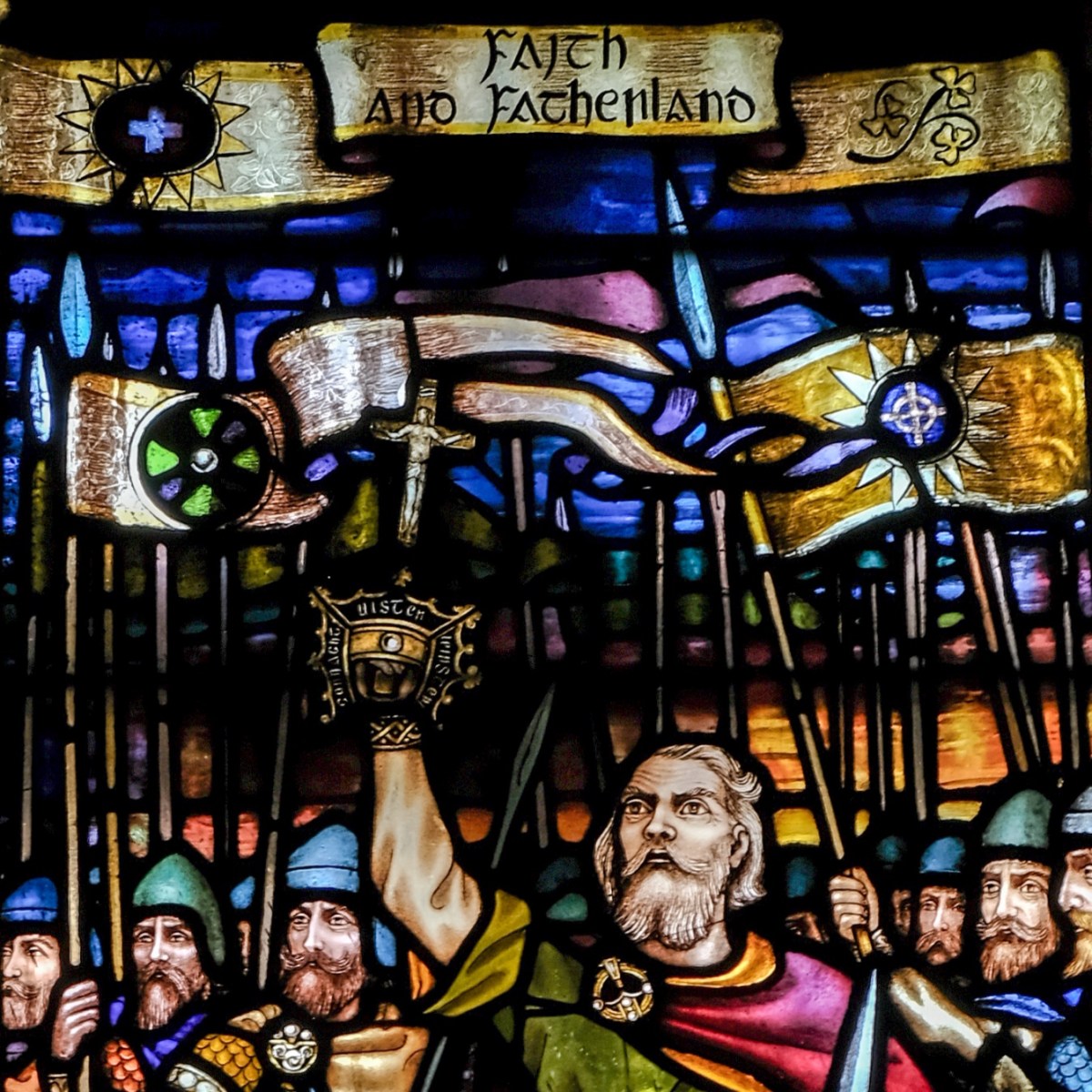
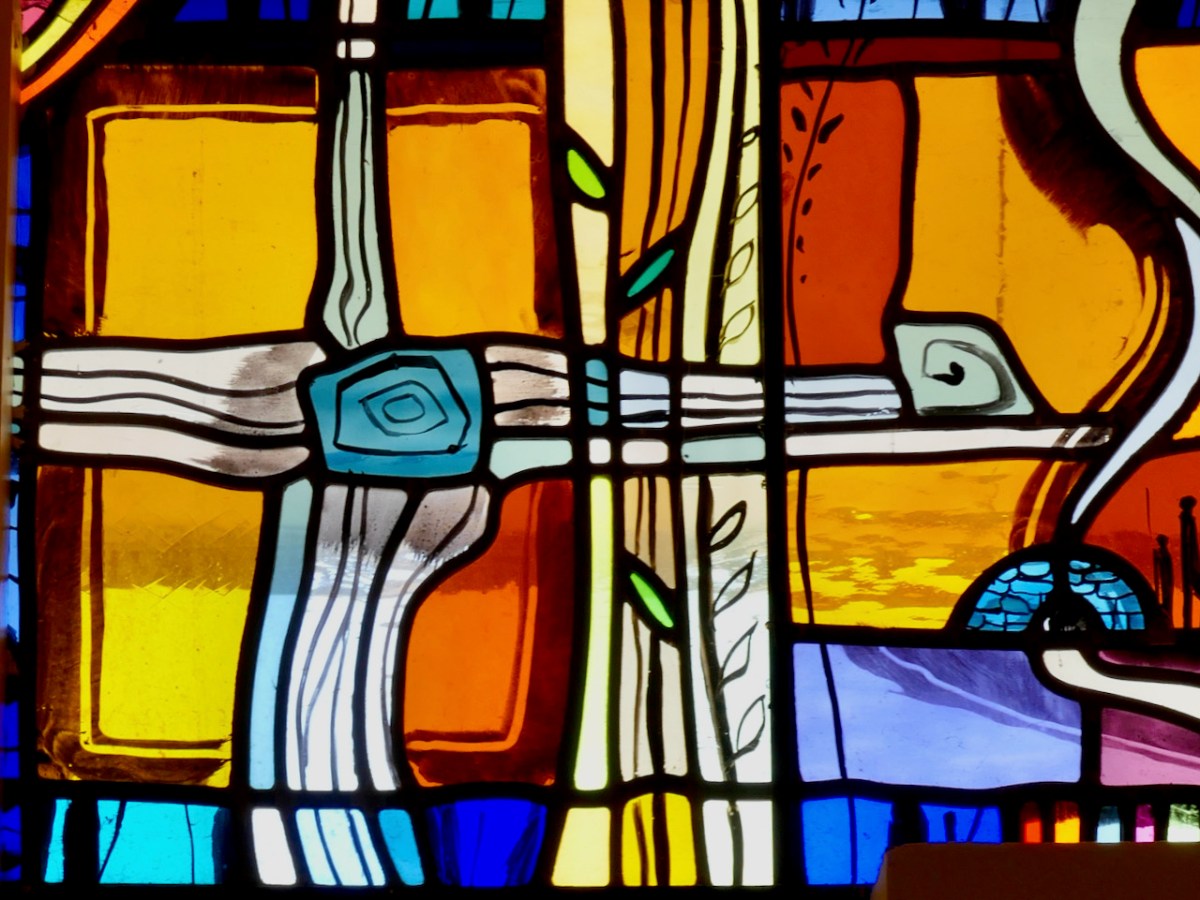
Although it wasn’t technically a stained glass post, I illustrated my Brigid: A Bishop in All But Name with stained glass images, some kindly supplied by John Glynn. There are ancient sources for Brigid’s life and conclusive evidence that she was a real, powerful and revered woman, deserving of her place alongside Patrick and Columcille as one of our three patron saints.
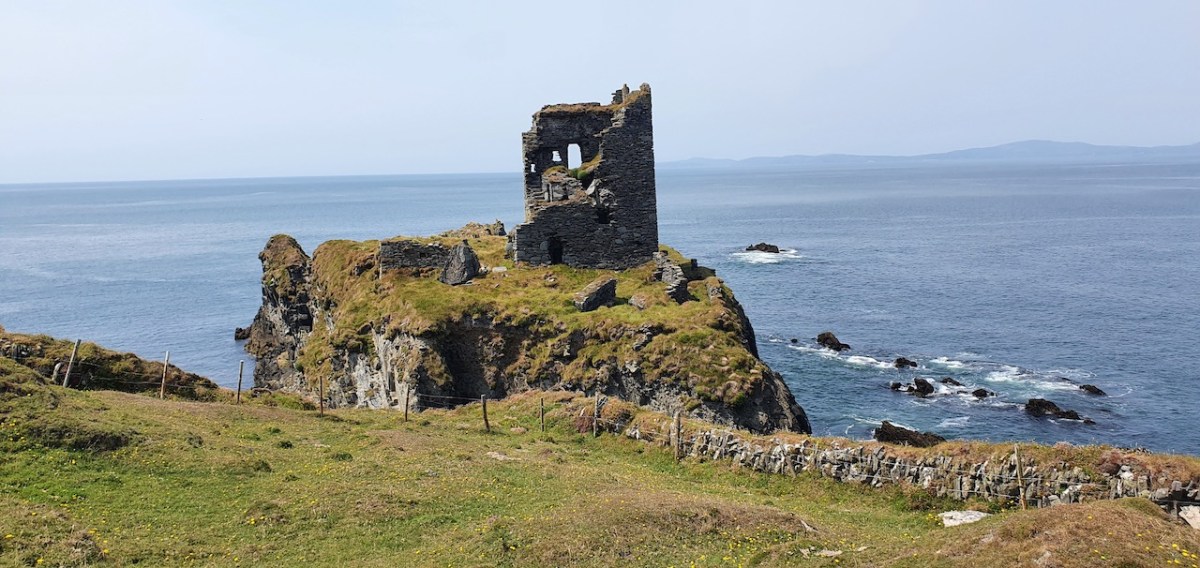
Archaeology is one of our passions and anything to do with Castles always draws a big audience. So it’s no surprise that a post about our new Menu Page on castles was popular, but also a two-parter on Dún an Óir, a castle built on an earlier promontory fort. Since it’s hard to get to, I was grateful for a cache of photos, including the one below, from Tash, one of our readers.
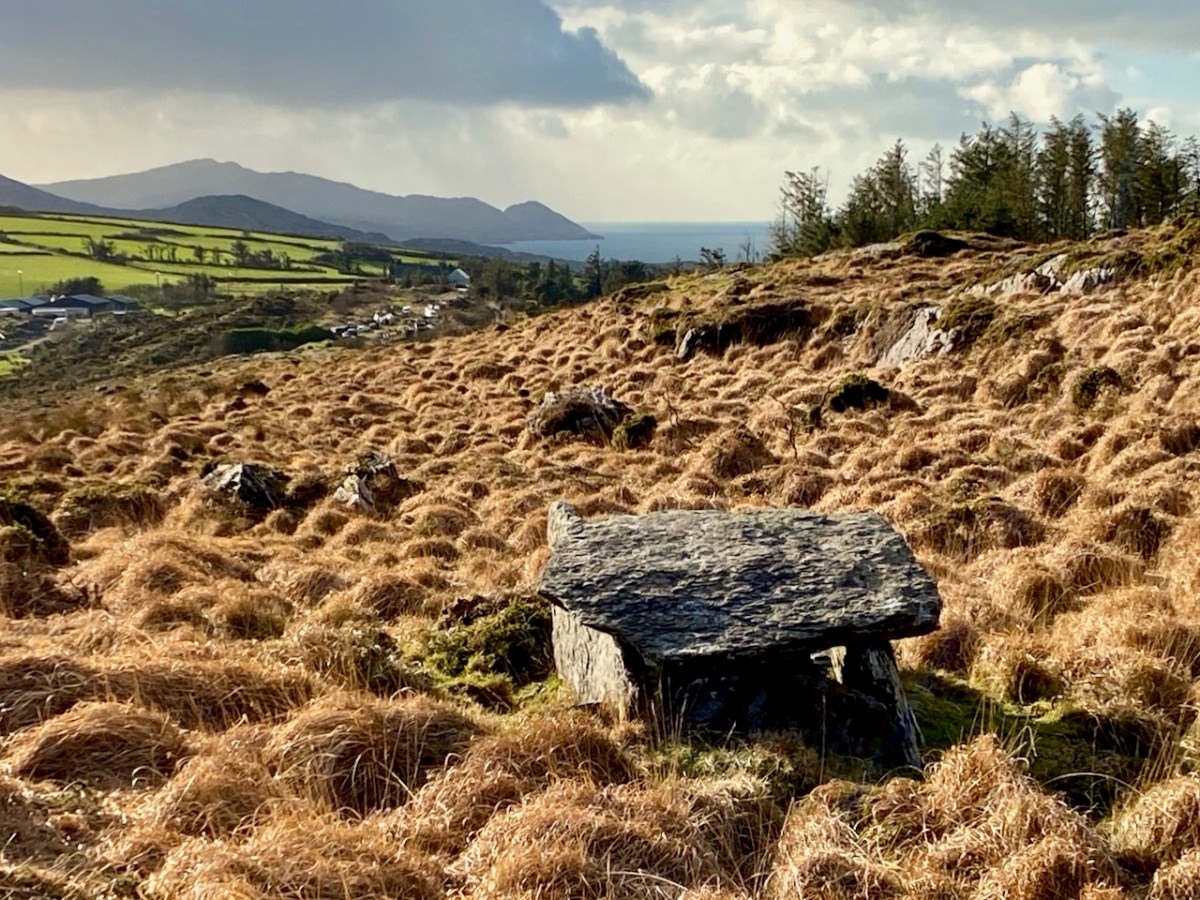
I also continued my Mizen Megaliths series, with three wedge tombs and a tribute to Stevie Lynch, one of our Heritage Heroes. Our other hero this year was Leita Camier, who spent so many years delighting us all with her Gortnagrough Folk Museum, now sadly closed.

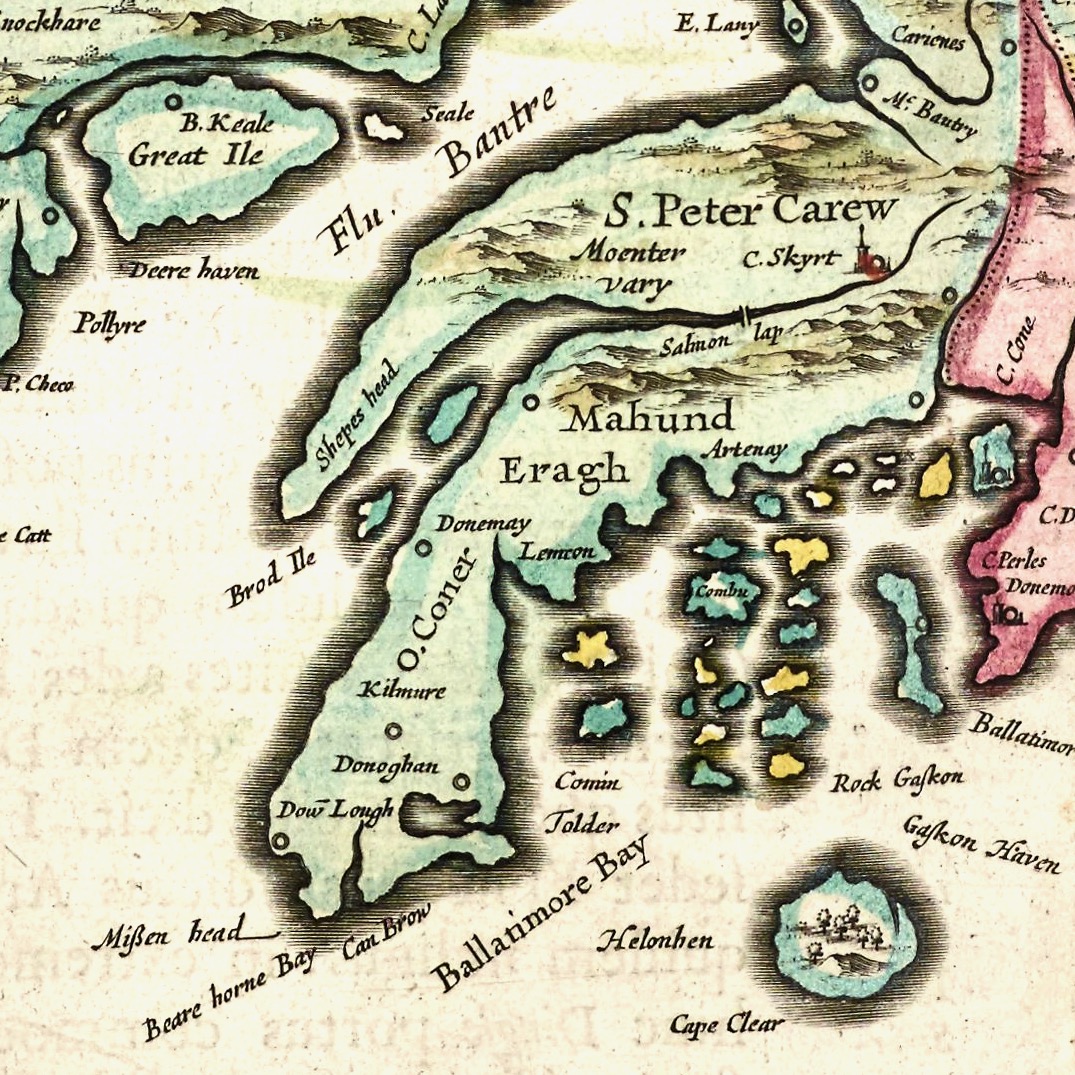
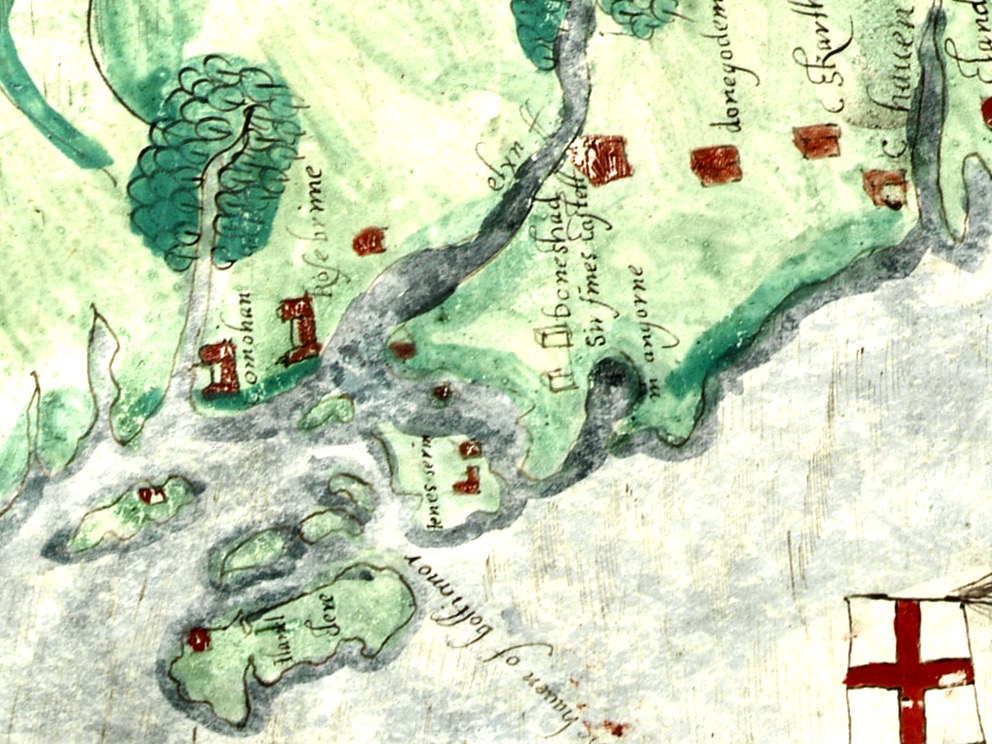
I love maps – and apparently so do you! A three-part post, A Map of the County of Cork, explored what we could recognise still in a map that was drawn over 400 years ago. In fact, I established to my own satisfaction that the map was the work of Francis Jobson, and probably dates to around 1589.
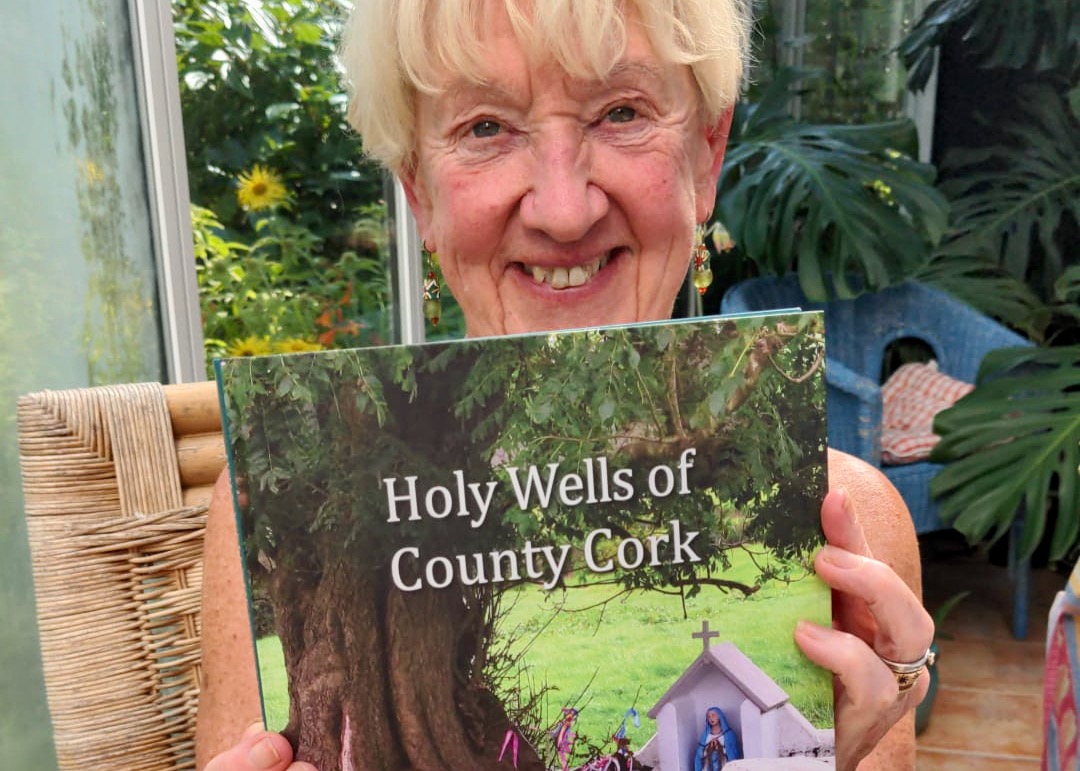
Two new books were launched this year to great acclaim. Our friends Amanda Clarke, the writer, and Peter Clarke, designer and publisher, brought out the marvellous Holy Wells of Cork in July. Comprehensive, beautifully illustrated, thoroughly researched and engagingly written (there’s a whole section on Saints Behaving Badly!), it’s already into the second printing.
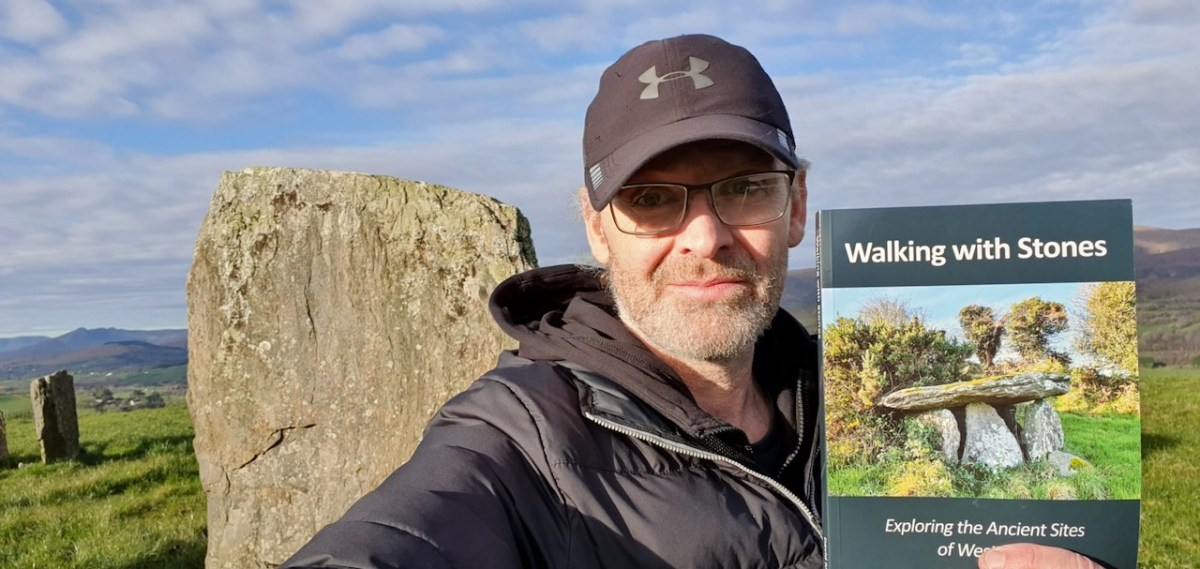
Then, just in time for Christmas, David Myler published his Walking with Stones. An outgrowth of his popular facebook page of the same name, it’s the first non-academic book on West Cork archaeology since Jack Robert’s classics of the 1980s.
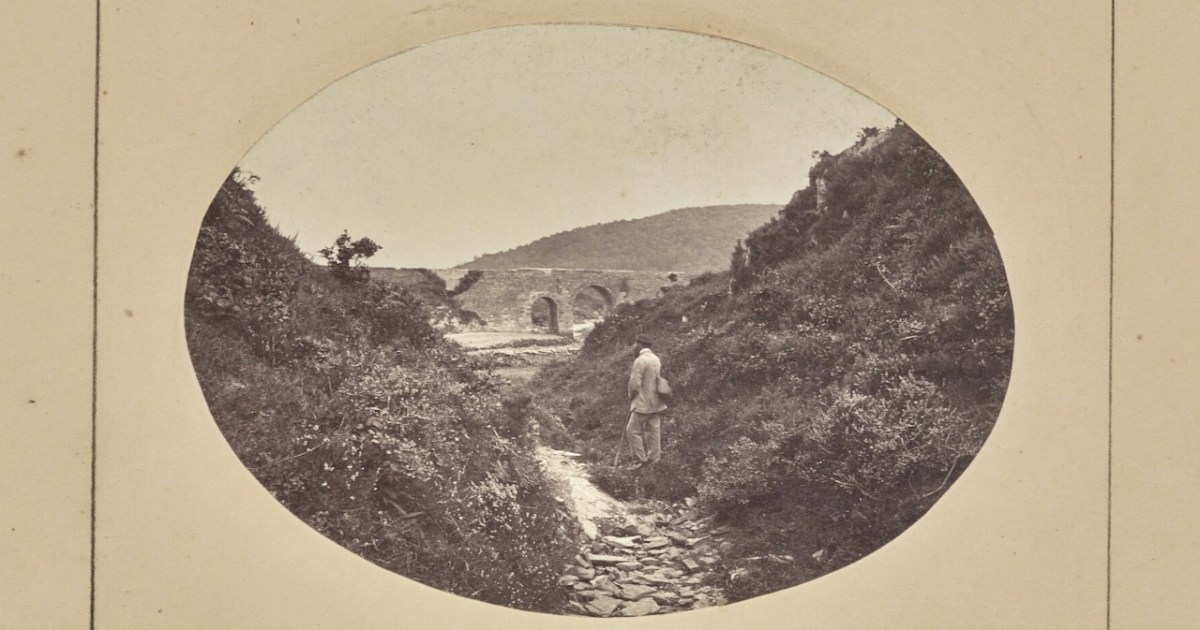
My discovery of albums of photos by one of Ireland’s earliest photographers, Sir John Joscelyn Coghill, was a big thrill, especially since many of his photos were of West Cork subjects.
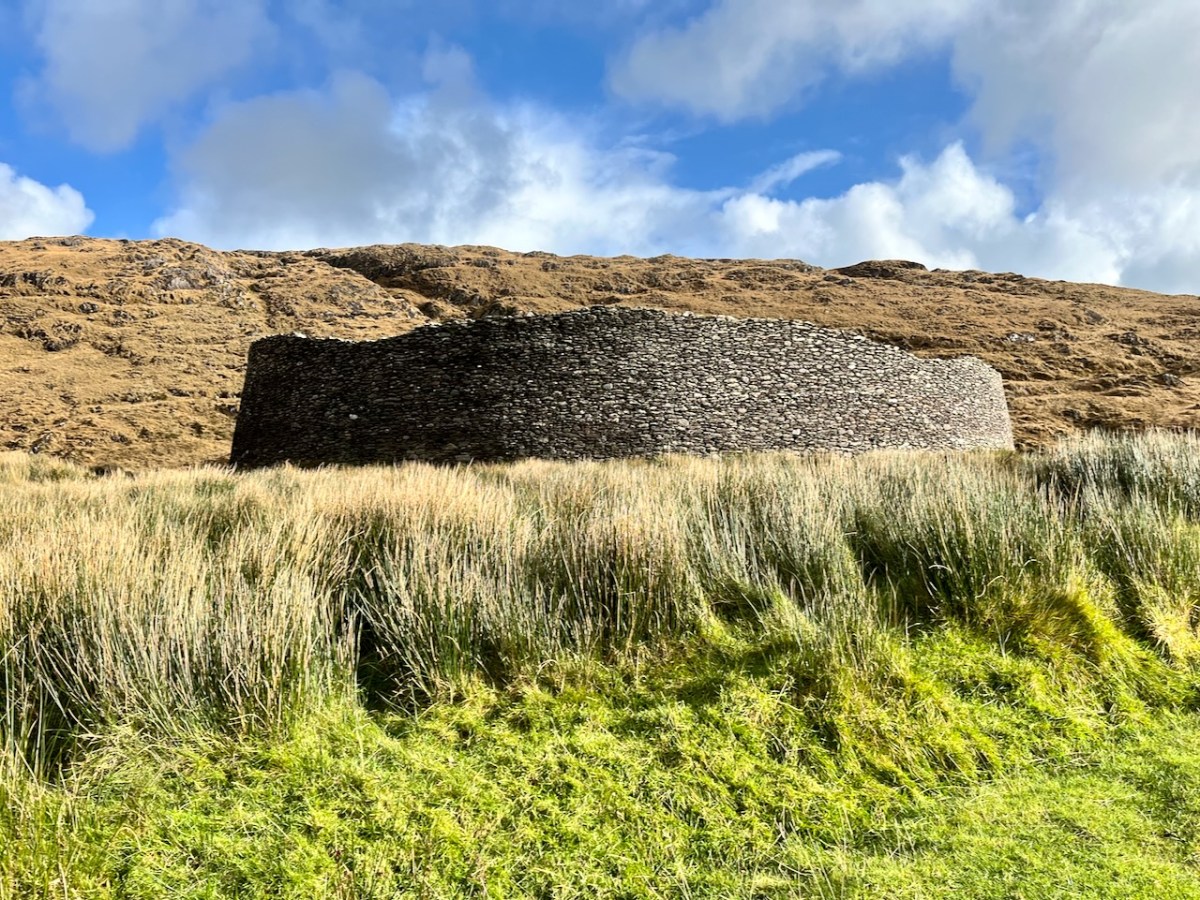
And finally, although they aren’t in Cork, I really enjoyed writing the four-part series on Cashels in Kerry. In essence they are an examination of what we can know, and not know, about life in early medieval Ireland.
On this last day of 2023, we wish you all a Happy New Year and thank you for joining us on our ongoing journey.
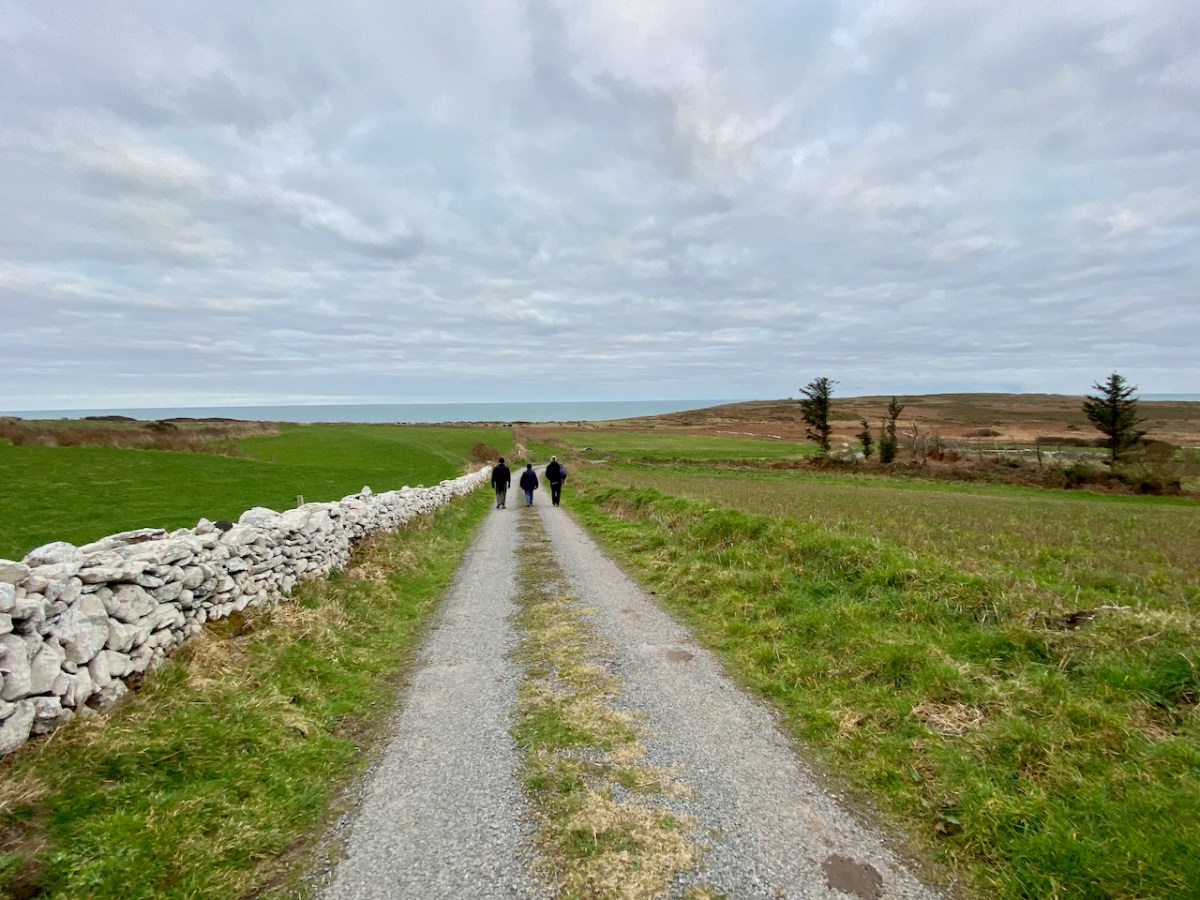
(We’re heading out to Toe Head, above, in the company of Gormú – if you haven’t already experienced one of his walks, sign up now!)
Discover more from Roaringwater Journal
Subscribe to get the latest posts sent to your email.
 Roaringwater Journal
Thanks for all your fascinating posts during the year Finola. They have been eye-opening!
LikeLike
Thank you so much for this kind comment, Ferdia!
LikeLike
I love reading your journal.
<
div>I was born
LikeLike
Thanks, Francesca! Looks like you meant to say more… Or it got cut off somehow.
LikeLike
I’ll try aga
LikeLiked by 1 person
yes, that’s right……it’s a journey and a continual adventure into more illuminating knowledge of what’s around us. I really like your whole attitude, so keep plugging on into 2024 ! Above all, Thank You for all this educating pleasure !!
LikeLike
And thank you for being such a great friend to the Journal!
LikeLike
From someone who has to spend their time divided between Kilbronogue and UKs easternmost point the Roaring Water Journal keeps me happy when I’m elsewhere. Thank.you very much for your wonderful work, enthusiasm and knowledge. Happy New year, Rose Hart
LikeLike
So glad it’s meaningful for you, Rose.
LikeLike
Already looking forward to another year of well researched and interesting articles.
A very happy and healthy 2024 to you both.🥂
LikeLike
Thanks, Sean and the same back at you!
LikeLike
Thank you Finola for your fascinating, illuminating enthusiasm of your posts. Your posts are always fascinating.
Happy NewYear Adventures to you both!
Patricia
LikeLike
And to you too, Patricia!
LikeLike
And happy new year to ye! Really enjoy your vision of west Cork.
LikeLike
Thanks – come back and visit again soon!
LikeLike
Wishing you a very happy New Year – that is a lot of writing, research and photography, each entry in the Journal much anticipated and enjoyed. Keep up the good work!
LikeLike
Awww – thanks! Some of it is easier than other bits.
LikeLike
Wishing you all the very best for 2024. I look forward to your weekly posts, long may they continue!
Mary Pawle
LikeLike
Thanks so much, Mary!
LikeLike