Impressions

Water worlds - in a Dublin park, above and in the wilds of West Cork, below

Water worlds – in a Dublin park, above and in the wilds of West Cork, below

water 2

It’s over two years since I had a round up of the odd, quirky – or perhaps just very Irish – things that catch my eye during our travels. I called that post Juxtapositions. Here’s another collection of images that have fascinated me enough to record them with the camera. As in Juxtapositions, I have tried to show these pictures in context where it counts – or just let them speak for themselves. Sometimes I’ve added a little text, perhaps to amplify why I have been attracted by certain Impressions

lion

lions

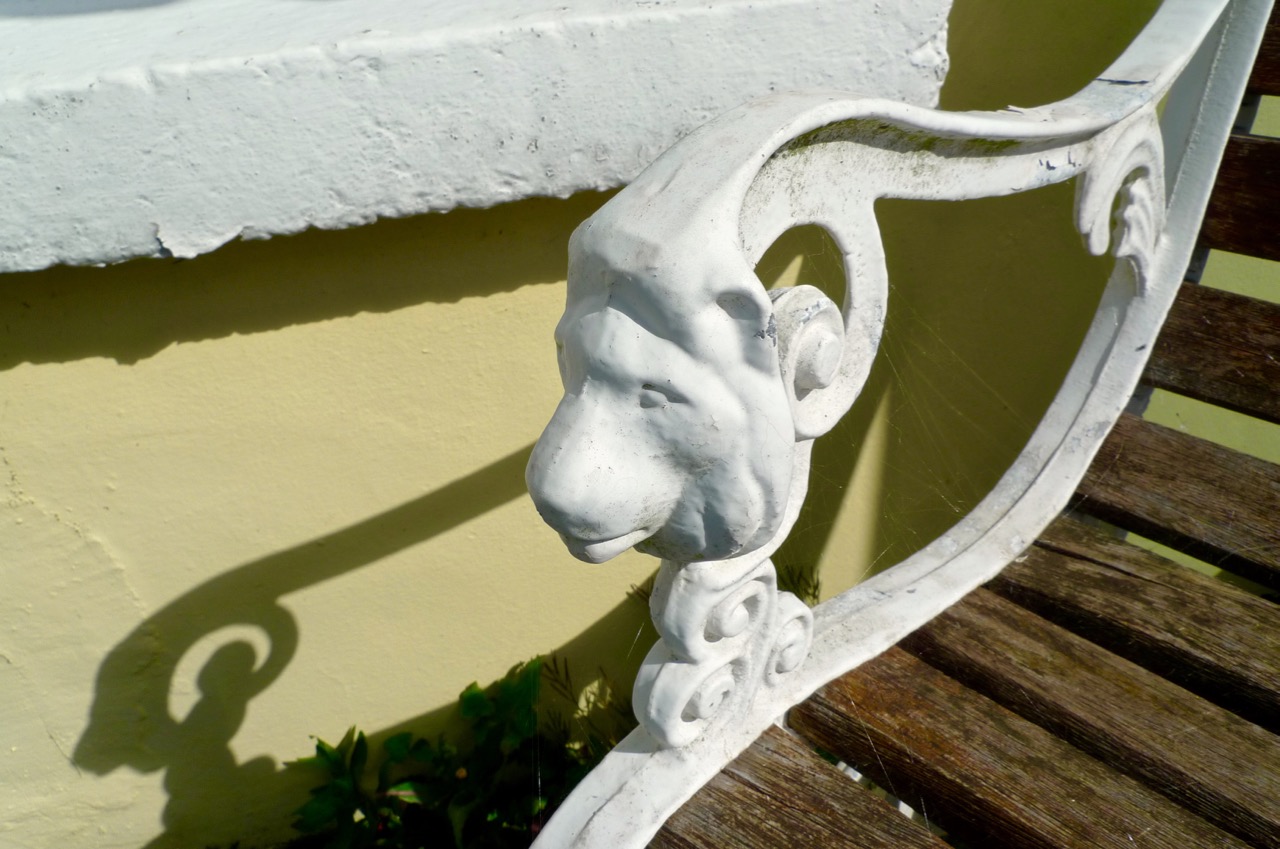
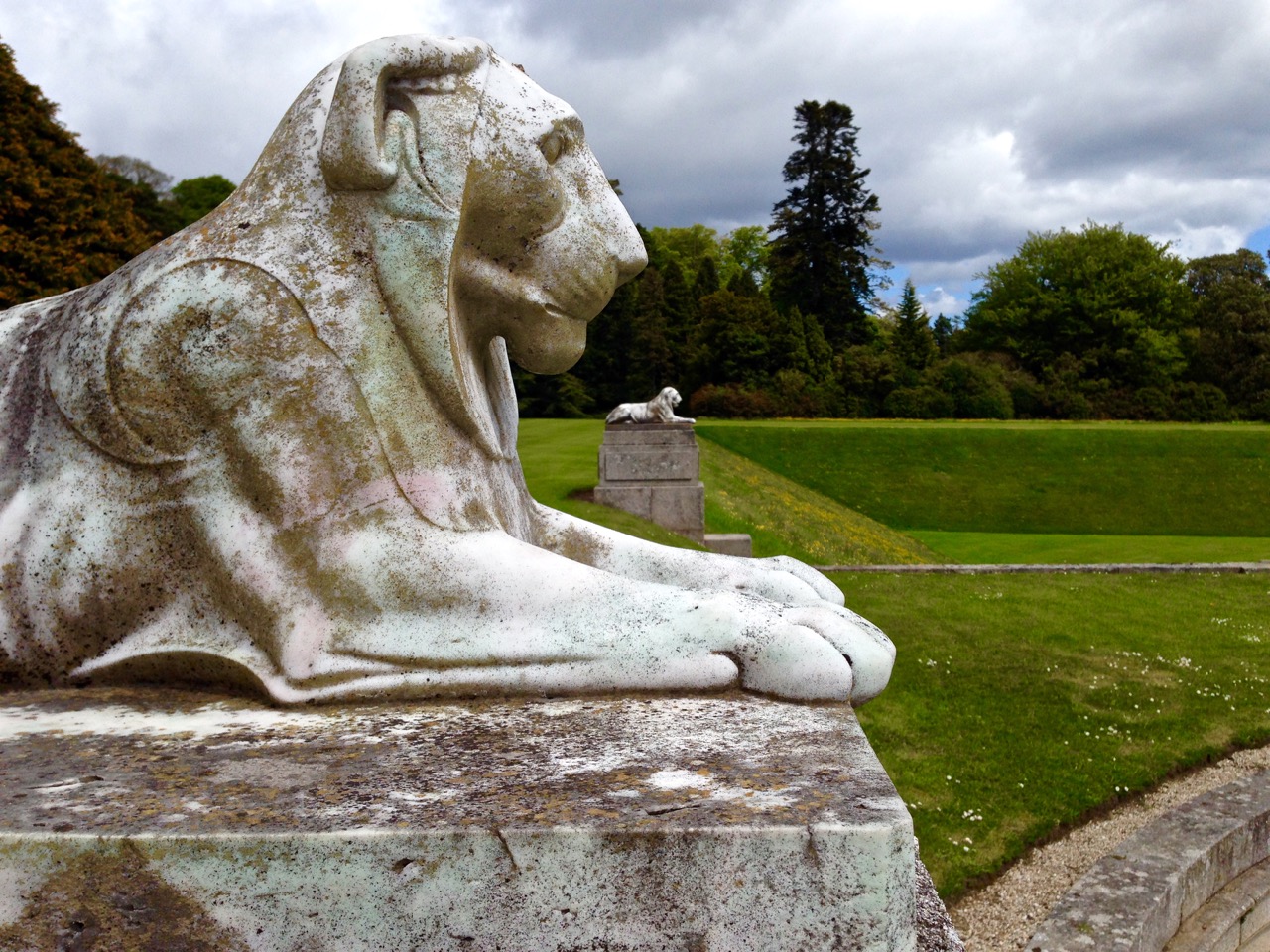
Gentrified Lions at Powerscourt, Co Wicklow, and a domesticated version, above

Some high things…

high

…and some little things…

little mary

pegs

fence

Startling Impressions…

Above left – an ancient stone cross in an urban setting, and – above right – the statue of Cúchulainn – a memorial to the 1916 uprising: an impossible-to-photograph icon in a poignant setting, the General Post Office building, Dublin. On the 24 of April (Easter Monday) 1916, about 2,000 Irish Volunteers and 200 from the Irish Citizen Army occupied the General Post Office as well as other important buildings in the city. They proclaimed the Irish Republic, read the Proclamation and raised the Irish flag for the first time. The British army shelled the GPO and other buildings. After a week’s fighting, the leaders of the rising surrendered: most suffered execution by firing squad. Many civilians died in the cross-fire. The guns and fires had destroyed much of the city and the GPO was in ruins. All this happened in Twentieth Century Great Britain…

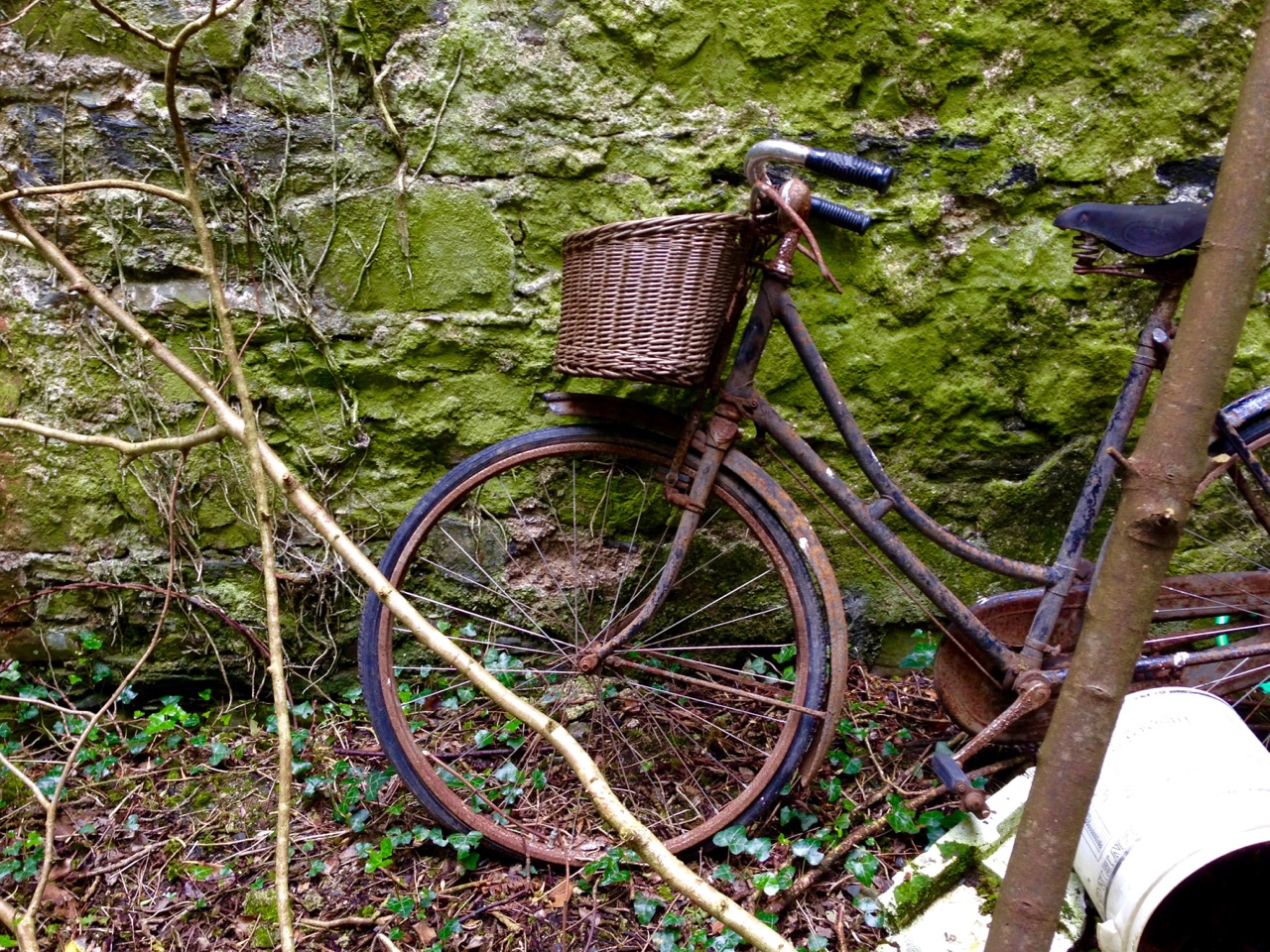
Rust and relics…

bike

corrugated

wavy line

Ancient and modern…

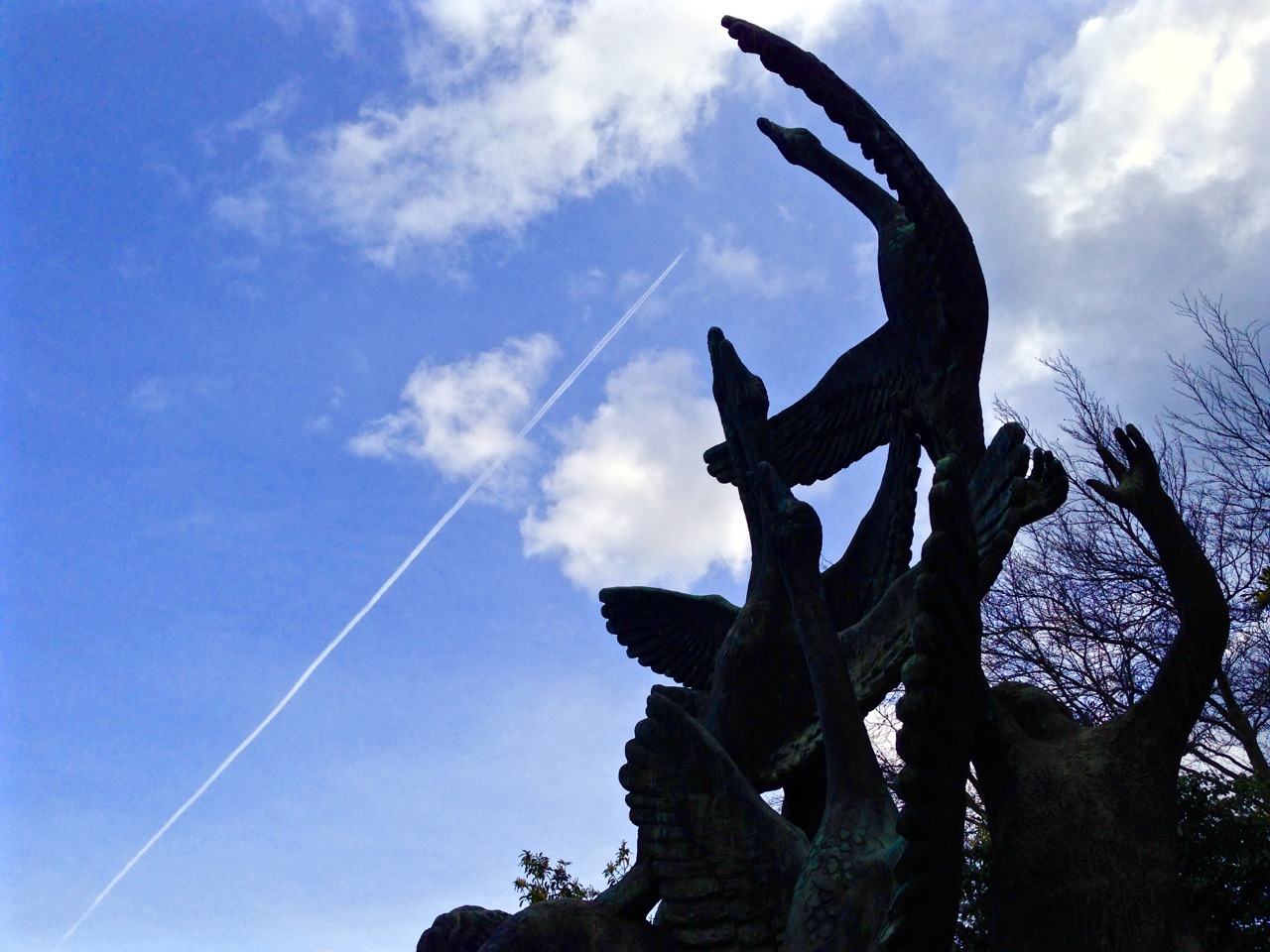
The Children of Lir - sculpture by Oisín Kelly in the Garden of Remembrance, Dubiln

The Children of Lir – sculpture by Oisín Kelly in the Garden of Remembrance, Dubiln

Emerald Isle greens…

Art and ‘Nature Art’…

Seekers…

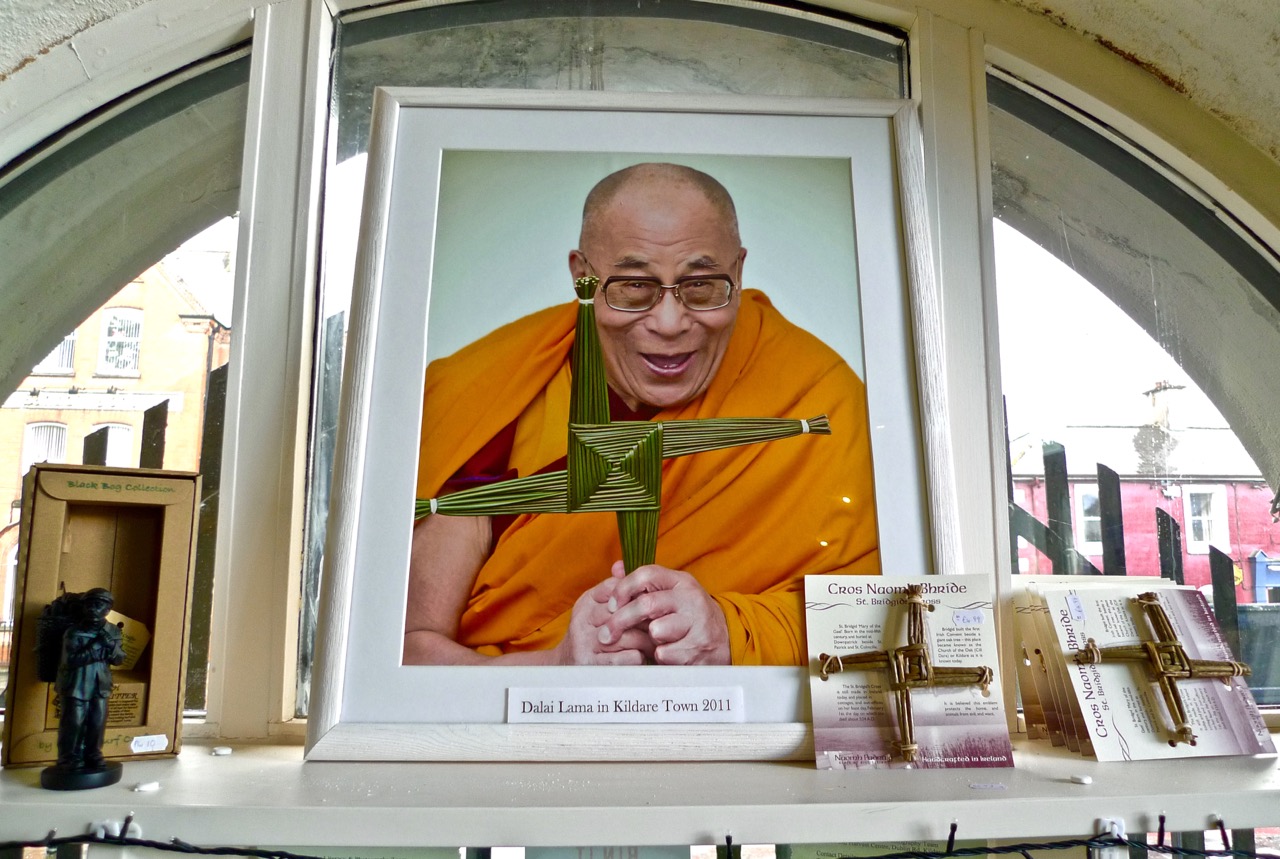
dali lama

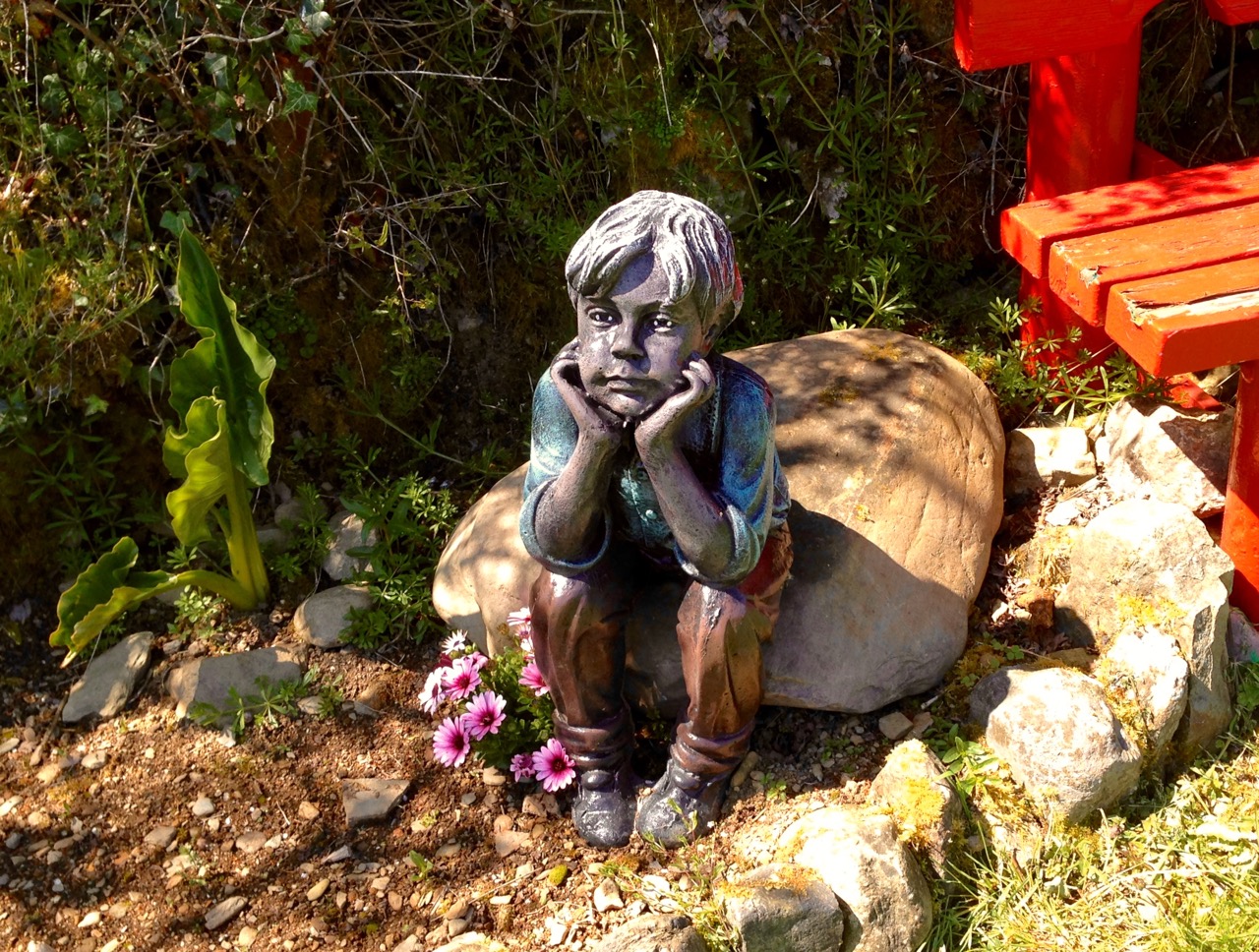
sitting

Lifeline…

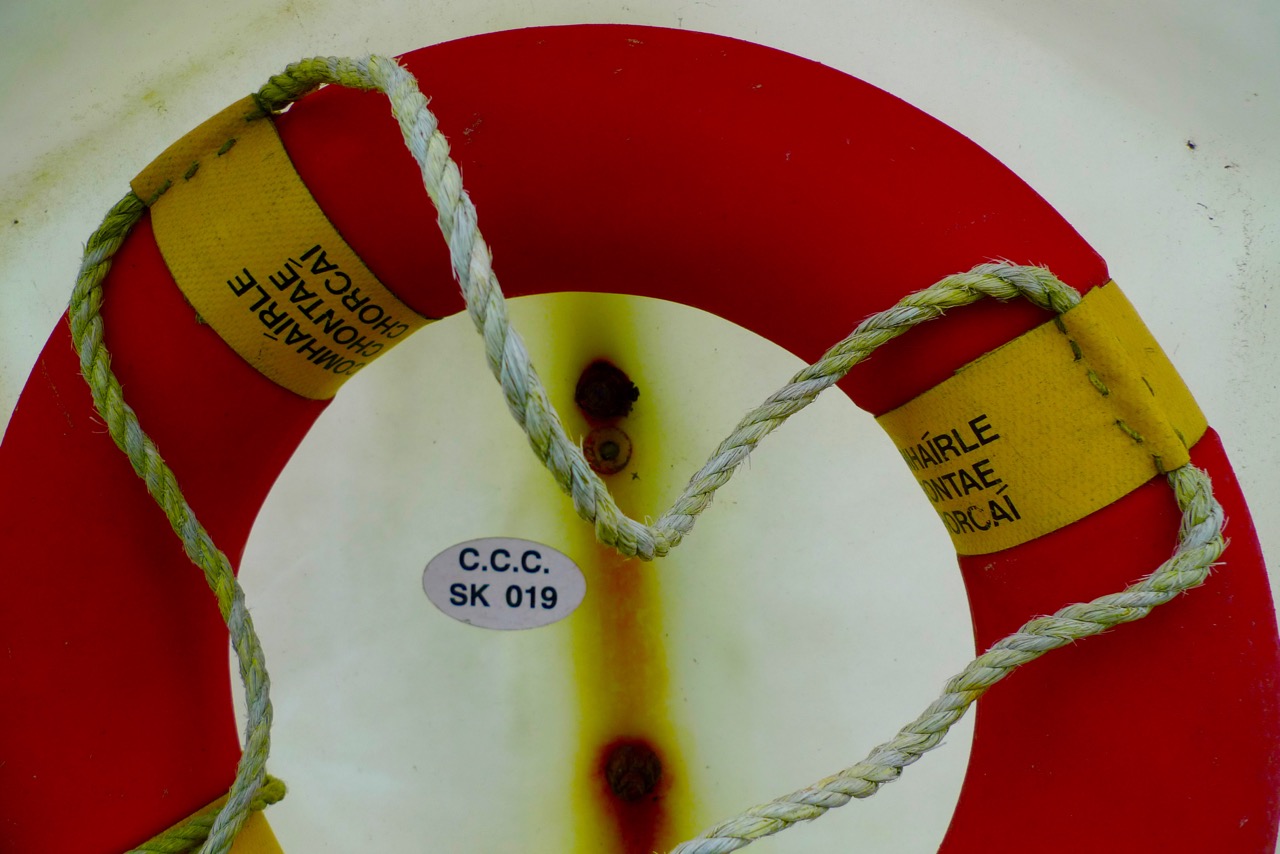
ring

The last word…

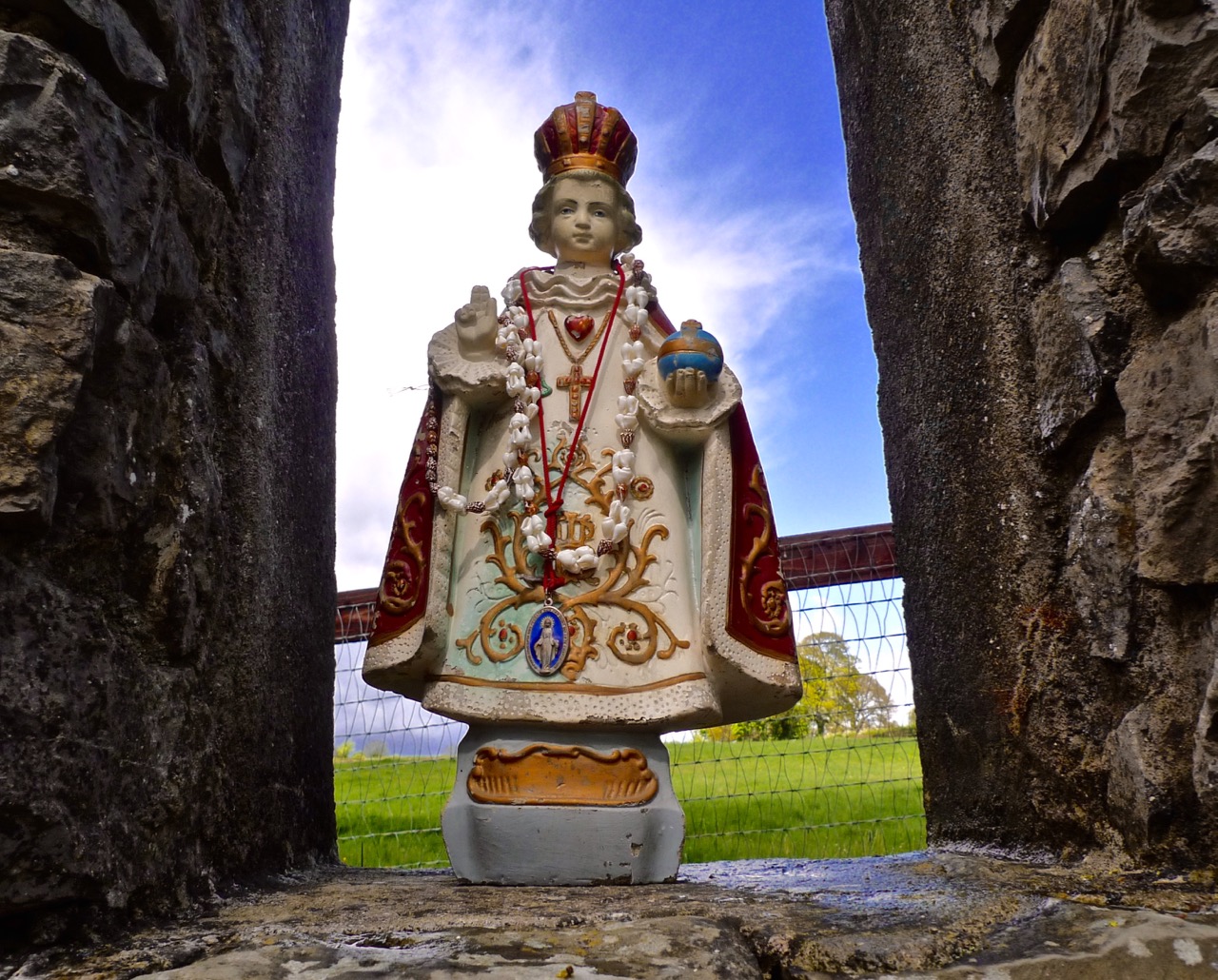
little saint

The Irish Valentine

sun cove

February evening in Rossbrin Cove

I was surprised to discover Saint Valentine in Ireland…

You mean in a card shop – or a flower shop?

No – I mean the real Saint Valentine – his remains are in the Church of Our Lady of Mount Carmel in Whitefriars Street, Dublin: we were there last week.

carmelite church

That can’t be true – Saint Valentine was a Roman – martyred, I believe, in the 3rd Century.

He was, of course: Emperor Claudius had him beaten to death and then beheaded on 14th February 269. Valentine and another Saint, Marius, had secretly married young couples, which was against the law.

Why was it against the law?

Because Claudius II (Claudius the Cruel) was engaged in many bloody and unpopular campaigns and was having a difficult time getting soldiers to join his military forays. He believed that the reason was that Roman men did not want to leave their lovers or families. As a result, Claudius cancelled all marriages and engagements in Rome.

So it’s because of Valentine’s clandestine activities that he is the patron saint of love?
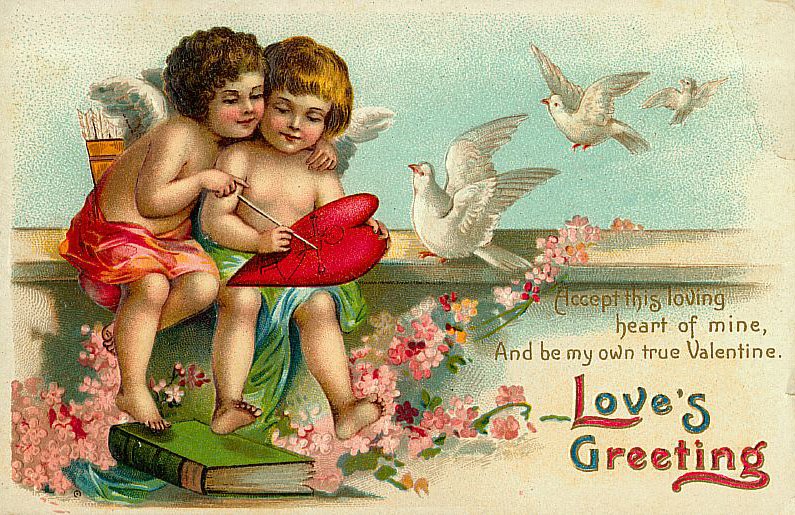
old card

That’s certainly a possibility. There are many other things associated with Saint Valentine’s Day which may have contributed to its continuing celebration.

Such as?

In ancient Rome, 14th February was a holiday to honour Juno – the Queen of the Roman Gods and Goddesses, also known as the Goddess of women and marriage. The following day, 15th February, began the Feast of Lupercalia. On the eve of that festival the names of Roman girls were written on slips of paper and placed into jars. Each young man would draw a girl’s name from the jar and they would then be partners for the duration of the festival.

irish roses

Let’s get back to Saint Valentine in Ireland…

Well, it all centres around a famous Irish preacher, John Spratt. It was he who built the Whitefriars Street Church. He went to Rome in 1835 where ‘…the elite of the city flocked to hear him and he received many tokens of esteem from the doyens of the Church…’ One such token was given by Pope Gregory XVI: the remains of Saint Valentine!

Is this genuine?

It seems to be. The Pope also sent with the relics a letter of authenticity, written in Latin, which still exists:

‘…To all and everyone who shall inspect these our present letters, we certify and attest, that for the greater glory of the omnipotent God and veneration of his saints, we have freely given to the Very Reverend Father Spratt, Master of Sacred Theology of the Order of Calced Carmelites of the convent of that Order at Dublin, in Ireland, the blessed body of St Valentine, martyr, which we ourselves by the command of the most Holy Father Pope Gregory XVI on the 27th day of December 1835, have taken out of the cemetery of St Hippolytus in the Tiburtine Way, together with a small vessel tinged with his blood and have deposited them in a wooden case covered with painted paper, well closed, tied with a red silk ribbon and sealed with our seals and we have so delivered and consigned to him, and we have granted unto him power in the Lord, to the end that he may retain to himself, give to others, transmit beyond the city (Rome) and in any church, oratory or chapel, to expose and place the said blessed holy body for the public veneration of the faithful…’

That’s remarkable. This must be a very popular shrine?

Nowadays it is – but no one was very interested in it in the time of Father Spratt and the relics were put away in a cupboard and forgotten.

Until?

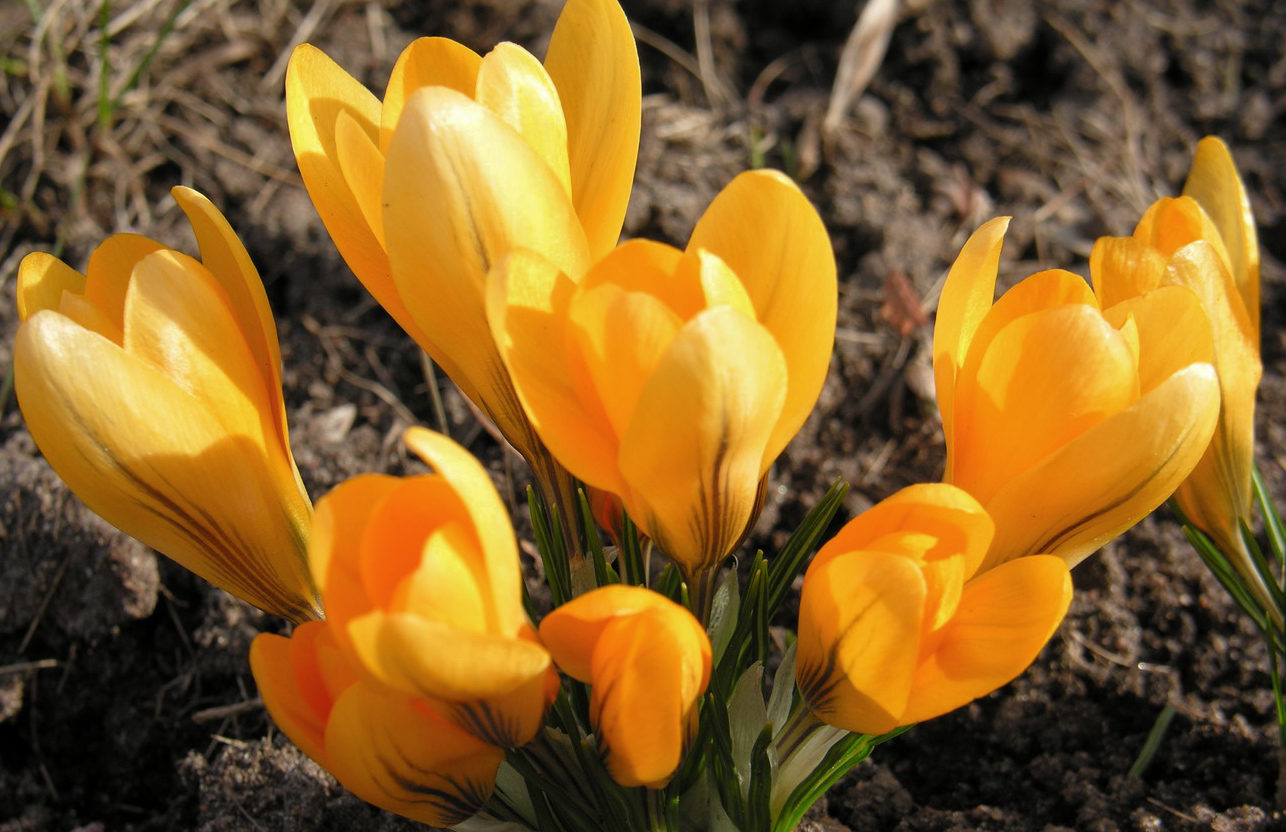
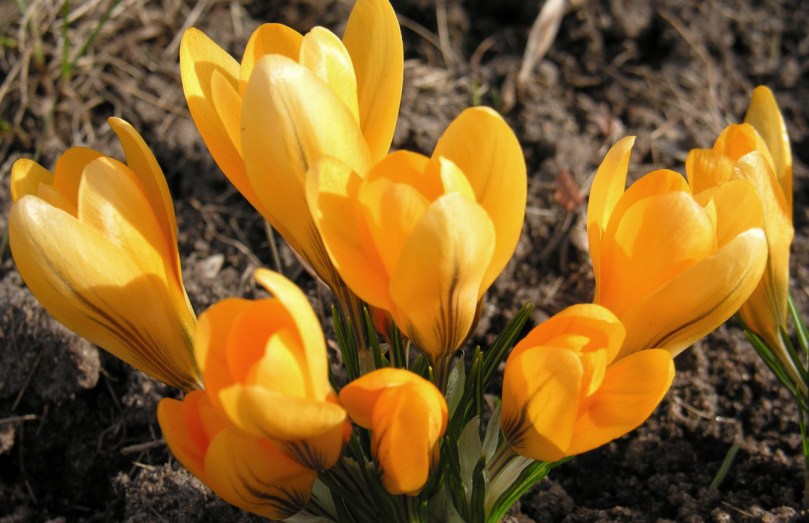
Until around 1950 when the present altar and shrine were constructed to house them. The statue of Saint Valentine that is there now was carved by Irene Broe and depicts him in the red vestments of a martyr and holding a crocus in his hand.

What happens there on the Saint’s Day?

Couples come to the Eucharistic celebrations which include a Blessing of Rings for those about to be married. On the feast-day, the Reliquary is removed from beneath the altar and is placed before the high altar in the church and there venerated at Mass.

You must have a legend about Saint Valentine?

A rather nice one, actually – and it explains the crocus…

When Valentine was imprisoned in Rome for his Christian beliefs his jailer had a daughter – Julia – who had been born blind. The jailer asked Valentine if he could cure the blindness. Valentine couldn’t promise this, but he did offer to teach the girl: he read stories of Rome’s history to her; he described the world of nature to her; he taught her arithmetic and told her about God. She saw the world through his eyes, trusted in his wisdom, and found comfort in his quiet strength.

On the eve of his execution Valentine asked the jailer for a paper, pen and ink. He wrote a farewell note and handed it to the jailer to give to Julia. He urged her to stay close to God, and he signed it ‘…From Your Valentine…’ His sentence was carried out the next day, 14th February. When the jailer went home, he was greeted by his blind daughter. The little girl opened the note and discovered a yellow crocus inside. As the girl looked down at the crocus she saw brilliant colours for the first time in her life! The girl’s eyesight had been restored.
crocus

That’s wonderful! So now I can tell everyone that St Valentine’s resting place is in the Emerald Isle…

Well….

Yes?

Well, perhaps you ought to know that the remains of St Valentine are also said to be held in Rome, Prague, Poland, France, Vienna, Malta, Glasgow, Birmingham (UK) and even in Missouri – among other places…
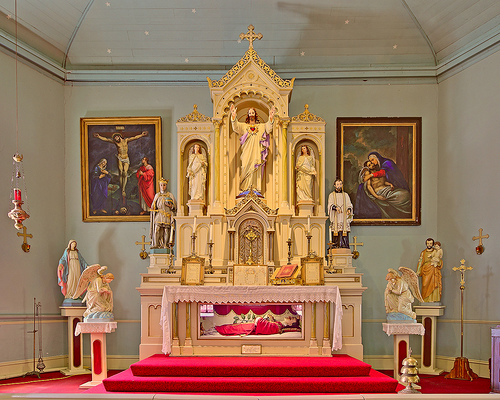
Saint Ferdinand’s, Florissant, Missouri also claims relics of Saint Valentine

Saint Ferdinand’s, Florissant, Missouri also claims to hold relics of Saint Valentine

Oh no! That certainly puts a dampener on Ireland’s claim.

Not really – it’s certainly not unusual for a Saint’s relics to be spread around Christendom: a little veneration goes a long way.

Has anyone ever looked inside the reliquary in Whitefriars, Dublin?

No – it was a condition of the gift that the seals should never be broken, and they haven’t. Personally, I’m very happy with the idea that St Valentine – or some of him at least – rests contentendly there: I shall visit him whenever I’m passing

An Post Valentine stamp for 2015

An Post Valentine stamp for 2015

The Love Which He Bare Her

Nothing beats a romantic walk in a graveyard

Nothing beats a romantic walk in a graveyard

In honour of the upcoming St Valentine’s Day, and of course because it’s now officially spring, my thoughts have turned to love. As we travel, here in West Cork, and in Ireland generally, we have a habit of dropping into churches. I’ve been struck by the eloquence – the purple prose – of memorial inscriptions in many Church of Ireland  (Protestant) churches, dating from the 18th and 19th Centuries. Why only in those churches? There weren’t many Catholic churches in Ireland until after the Catholic Emancipation Act of 1829. In the wave of Catholic church building that followed that Act there are few examples of individual memorial tablets on the walls: instead, the walls are filled with Catholic iconography, such as the Stations of the Cross and statues of saints.

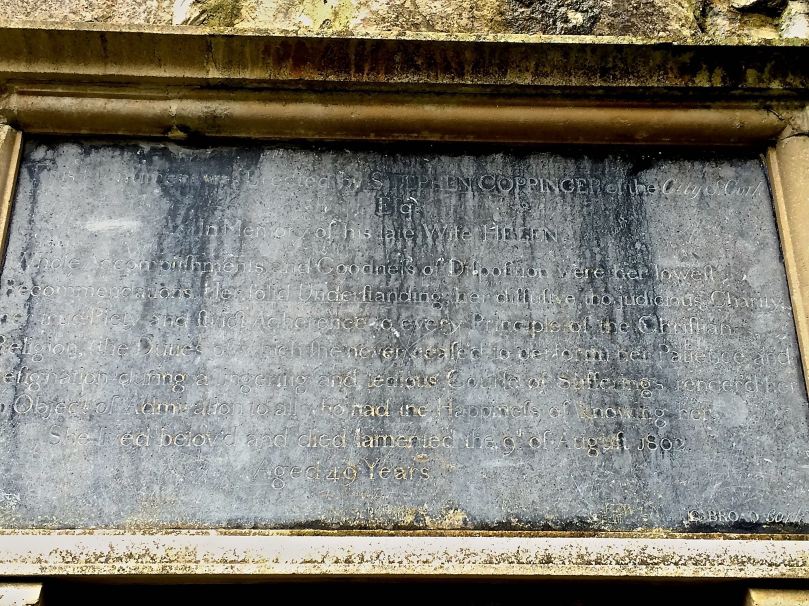
Although most memorial tablets commemorate men (particularly ministers, soldiers and noblemen) here and there you can find memorials to couples, or to beloved women, erected by their ‘disconsolate husbands’ or by a grateful parish. The first two below are from the ruined Muckross Abbey in Killarney. Here we found a stone erected by Stephen Coppinger of Cork, recounting the many virtues of his cherished Helen. The Coppingers were a Catholic family, one of whose members was the infamous Walter Coppinger of Coppinger’s Court.  Another, Elizabeth Coppinger of Barryscourt, in 1760 in defiance of the Penal Laws joined with Nano Nagle and five other Cork ladies in founding a Convent of the Ursuline order in Cork.

Helen Coppinger's memorial tablet

Helen Coppinger’s memorial tablet

Erected by Stephen Coppinger of the City of Cork in Memory of his late Wife HELEN Whose Accomplishments and Goodness of Disposition were her lowest Recommendations. Her solid Understanding, her diffusive, tho. judicious Charity, and strict Adherence to every Principle of the Christian Religion, the Duties of which she never ceased to perform, her Patience and Resignation during a lingering and tedious course of Sufferings, rendered her an Object of Admiration to all who had the Happiness of knowing her. She lived beloved and died lamented the 9th of August 1802. Aged 49 Years.

Also in Muckross Abbey we found this stone to Lucy Gallwey – so generally esteemed that the inhabitants of Killarney erected the memorial. A little sleuthing on my part discovered that Lucy was born Lucinda Grehan in Dublin, and that she and Christopher Gallwey had nine children.

Lucy Gallwey

Lucy Gallwey

Lucy

Wife of Christopher Gallwey of Killarney, Esq. This monument was erected By the inhabitants of Killarney and its neighbourhood to testify The deep sense of those amongst whom she lived And the Exemplary fidelity With which she discharged the relative duties of wife mother and friend as well as to perpetuate the recollections of the many benefits she conferred upon society and to hold up to the emulations of posterity her active useful yet unostentatious exercise of the most ardent charity directed by a singularly sound and well regulated understanding. She died the 14th of December 1829 aged 57

In St Patrick’s Cathedral in Dublin we came across this lovely plaque for Elizabeth, Viscountess Doneraile. (In the same Cathedral is an enormous memorial to the Boyle family built by Elizabeth’s great-grandfather Richard Boyle, Great Earl of Cork – but that’s a whole story in itself.) I love the wording of this one – not just that he loved her, but sincerely respected her.

Elizabeth, Viscountess Doneraile

Elizabeth, Viscountess Doneraile

      ELIZABETH, VISCOUNTESS DONERAILE

Wife of the Right Hon Hayes Sentleger, Lord Viscount Doneraile, Daughter of the Right Hon Joseph Dean, Lord chief Baron of the Court of Exchequer in 1715, and of Margaret Boyle, Daughter of the Hon. Roger Boyle, of Castlemartyr, in the County of Cork, Esq. She departed this life on the 3rd day of Dec, 1761, in the 59th Year of her age. She lived universally esteemed & died universally lamented. Her disconsolate husband, with whom she lived in perfect harmony forty Years, hath caused this Monument to be erected in testimony of the Love which he bare her, and as a memorial of his sincere respect for her many great & amiable Virtues.

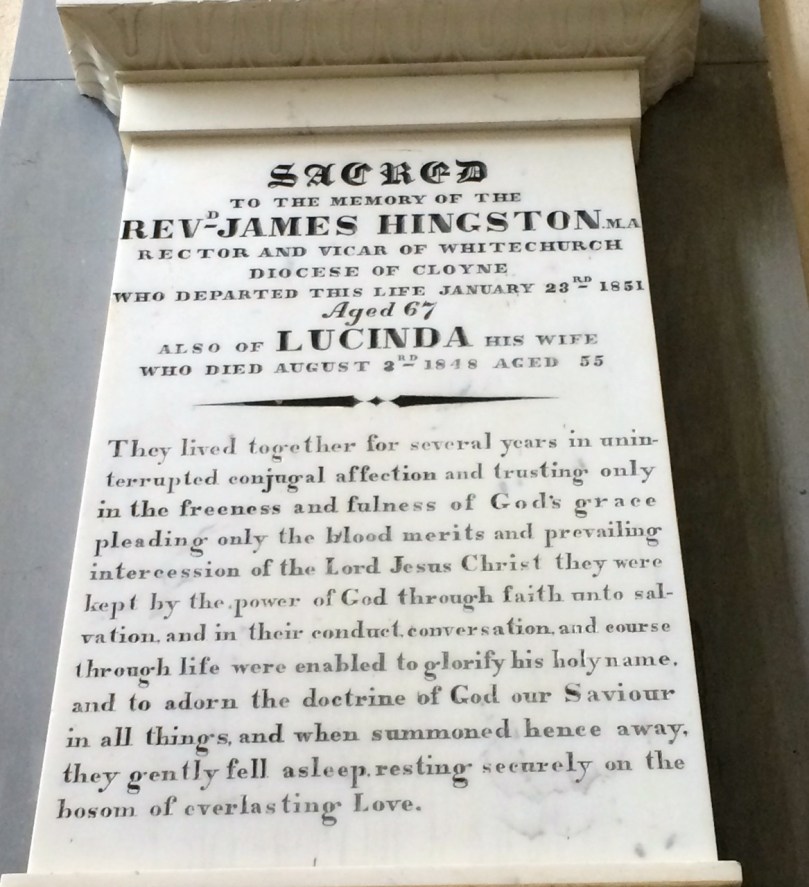
Here’s one from Cloyne. And what a lovely thought – to have years of uninterrupted conjugal affection and then to “gently fall asleep.”

James and Lucinda Hingston

James and Lucinda Hingston

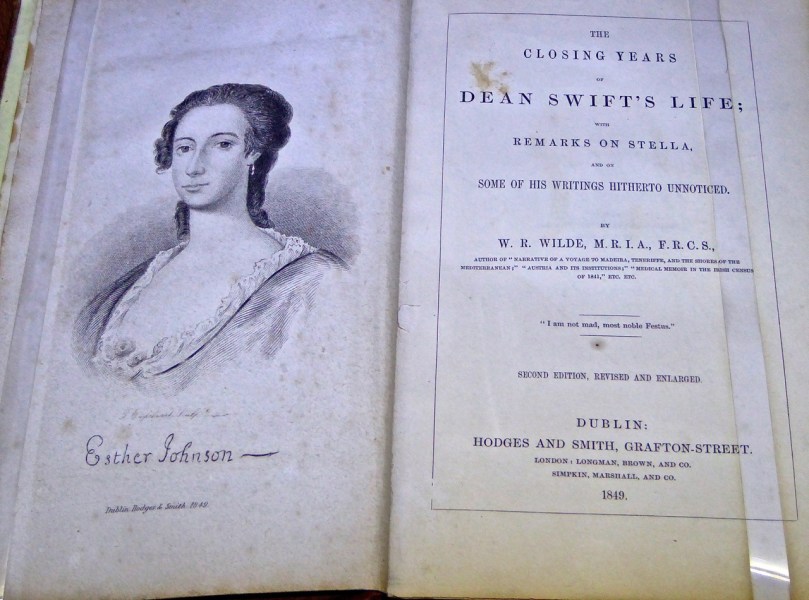
The final one is also from St. Patrick’s Cathedral in Dublin and it’s for Stella, whose real name was Esther Johnson, lifelong friend and companion of Dean Swift. At his request, he was buried alongside her.

Stella

Stella

Dear Reader, do you have a favourite memorial tablet erected by a disconsolate husband, or extolling conjugal affection? If you do, post them to our Facebook page – we’d love to see more of these.

Stella - Swift's Beloved

Portrait of Stella

I’m now busy composing a suitable epitaph for myself…let me see, er, amiable accomplishments Well regulated mind joined with admirable charity. The kindness of her disposition was matched only by the elevation of her thoughts. Natural perfections. Guess I’ll keep working on it. The emulations of posterity can wait a while.

The Irish Elk

Megaloceros seen in Cahir Castle

Megaloceros seen in Cahir Castle

Have you seen an Irish Elk? It’s not something I’ve bumped into…

You’d know it if you had! Megaloceros Giganticus stood over two metres high at the shoulders and had antlers up to four metres wide. It was the largest Deer that ever roamed the Earth.

And it was Irish?

It actually lived all over Europe – and in Russia and China. But the best fossilised examples have been found in Ireland, preserved in the peat bogs.

Giant Elk

Have you seen an Irish Elk?

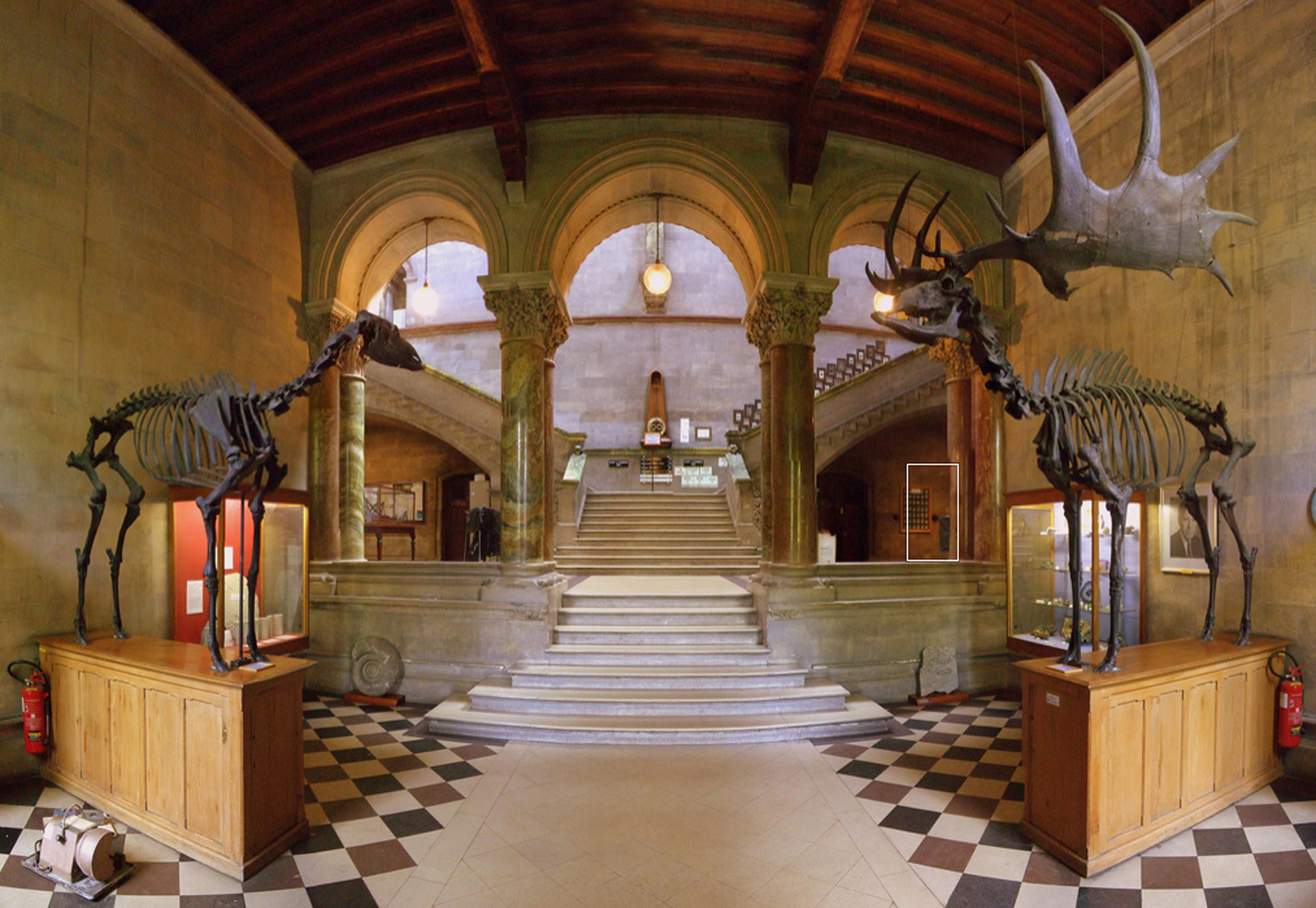
I certainly have: there are some whole skeletons in the wonderful Natural History Museum in Dublin, but their antlers hang in many a hall – by which I mean a ‘Baronial’ hall or castle. They seem to have been popular trophies to have mounted on the wall along with all the Foxes and Salmons that didn’t get away… And these ‘trophies’ became sought after in the boom years: Christie’s sold a pair of antlers for £52,850 in 2001, and another pair from Powerscourt, Co Wicklow, sold for £77,353 in 2005.

largeelk

Dublin’s Natural History Museum

Trinity's pair of irish Elks - female and male

Trinity’s pair of Irish Elks – female and male

But trophies means that someone would have hunted them. Surely they were never around at the same time as people?

It’s a good chance they were. The latest dating of Megaloceros is around 5,000 BC, although others assert that they died out several Millennia before that. The first humans are supposed to have settled in Ireland around 8,000 BC – the Mesolithic period.

Lascaux Cave Painting - estimated to be 17,300 years old

Lascaux Cave Painting – estimated to be 17,300 years old

And why did they die out?

There are a few theories: being hunted – not being able to adapt to changing climates and environments – or simply that their antlers were too big…

I like that theory…

Yes. We saw this one at Ballymaloe – but it wasn’t on the menu!

Ballymaloe Trophy

Ballymaloe Trophy

Such a shame that it doesn’t still exist.

True… although it might be a bit scary if you met it on the slopes of Mount Gabriel!

Along with Ireland’s last Wolf?

Exactly.

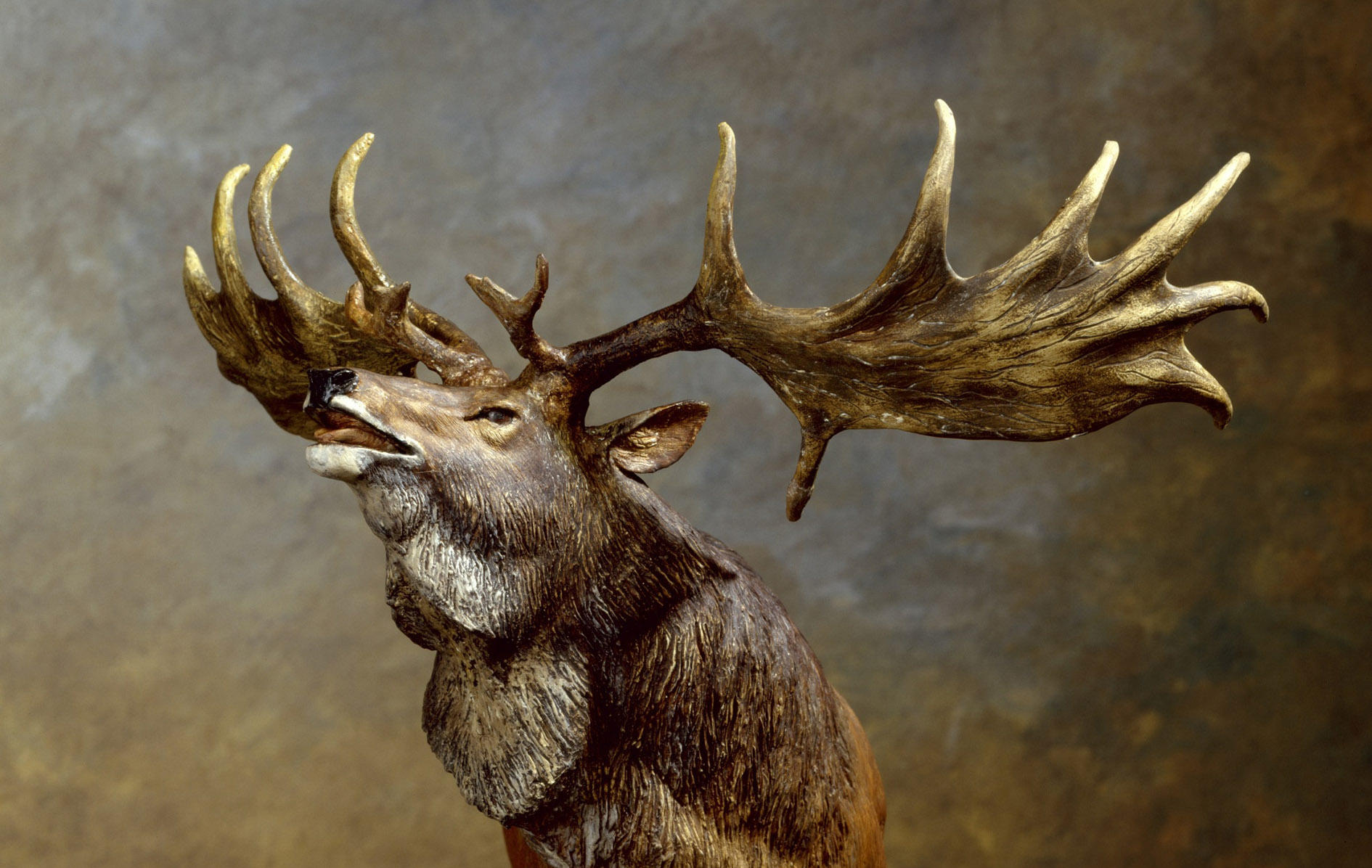
Closest relation: Canadian Bull Moose (Robert Bateman)

Closest relation alive today: Canadian Bull Moose (Robert Bateman)

But you know…

Yes?

I read that some scientists believe that if they found a good enough specimen – preserved in the permafrost perhaps – they could extract enough DNA to re-establish the species through cloning. And others, too: Mammoths maybe, and Sabre-Toothed Tigers.

So, one day, our view from Nead an Iolair could be enhanced by a herd of grazing Giant Elks.

Now, there’s a thought…

I’ll give the last word to Seamus Heaney – who found inspiration in Megaloceros:

We have no prairies

To slice a big sun at evening–

Everywhere the eye concedes to

Encrouching horizon,

Is wooed into the cyclops’ eye

Of a tarn. Our unfenced country
Is bog that keeps crusting

Between the sights of the sun.

They’ve taken the skeleton

Of the Great Irish Elk

Out of the peat, set it up

An astounding crate full of air.

Butter sunk under

More than a hundred years

Was recovered salty and white.

The ground itself is kind, black butter

Melting and opening underfoot,

Missing its last definition

By millions of years.

They’ll never dig coal here,

Only the waterlogged trunks

Of great firs, soft as pulp.

Our pioneers keep striking

Inwards and downwards,

Every layer they strip

Seems camped on before.

The bogholes might be Atlantic seepage.

The wet centre is bottomless.

(Bogland, Seamus Heaney 1969)

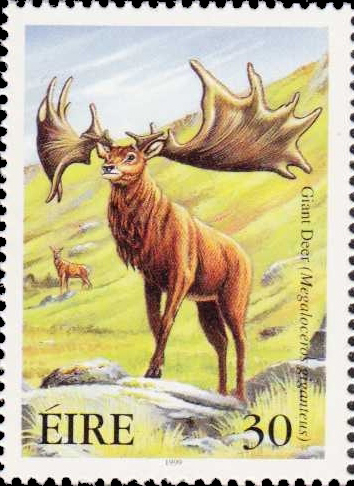
meg stamp

News from The Pale

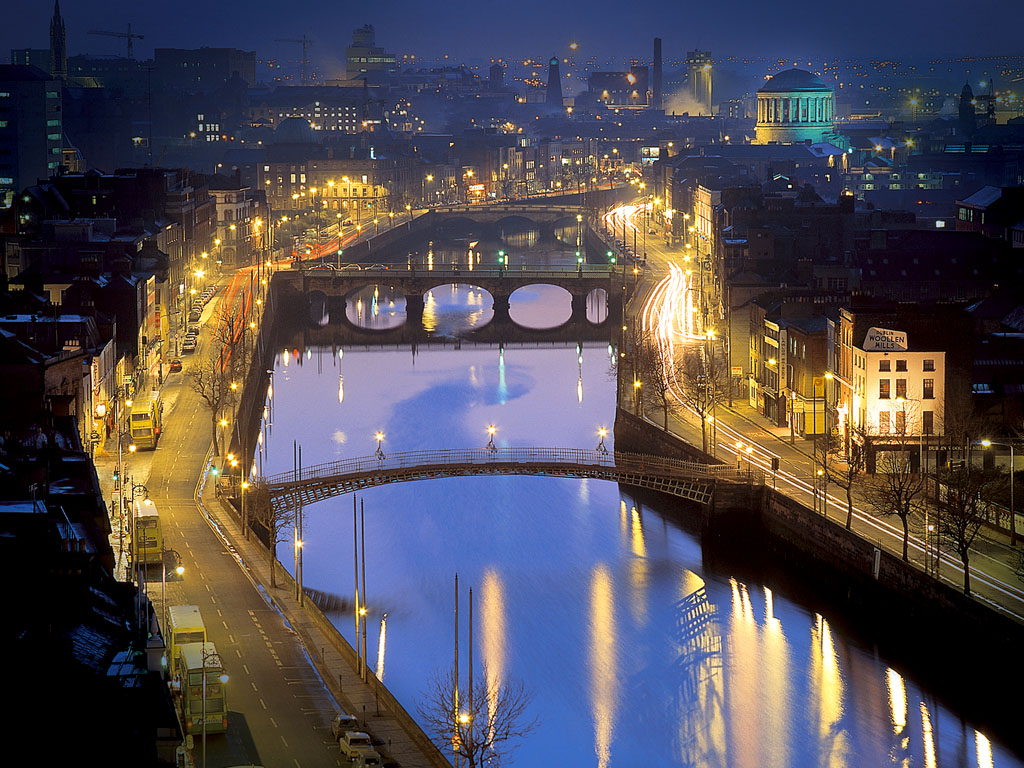
The European City of Dublin

The European City of Dublin

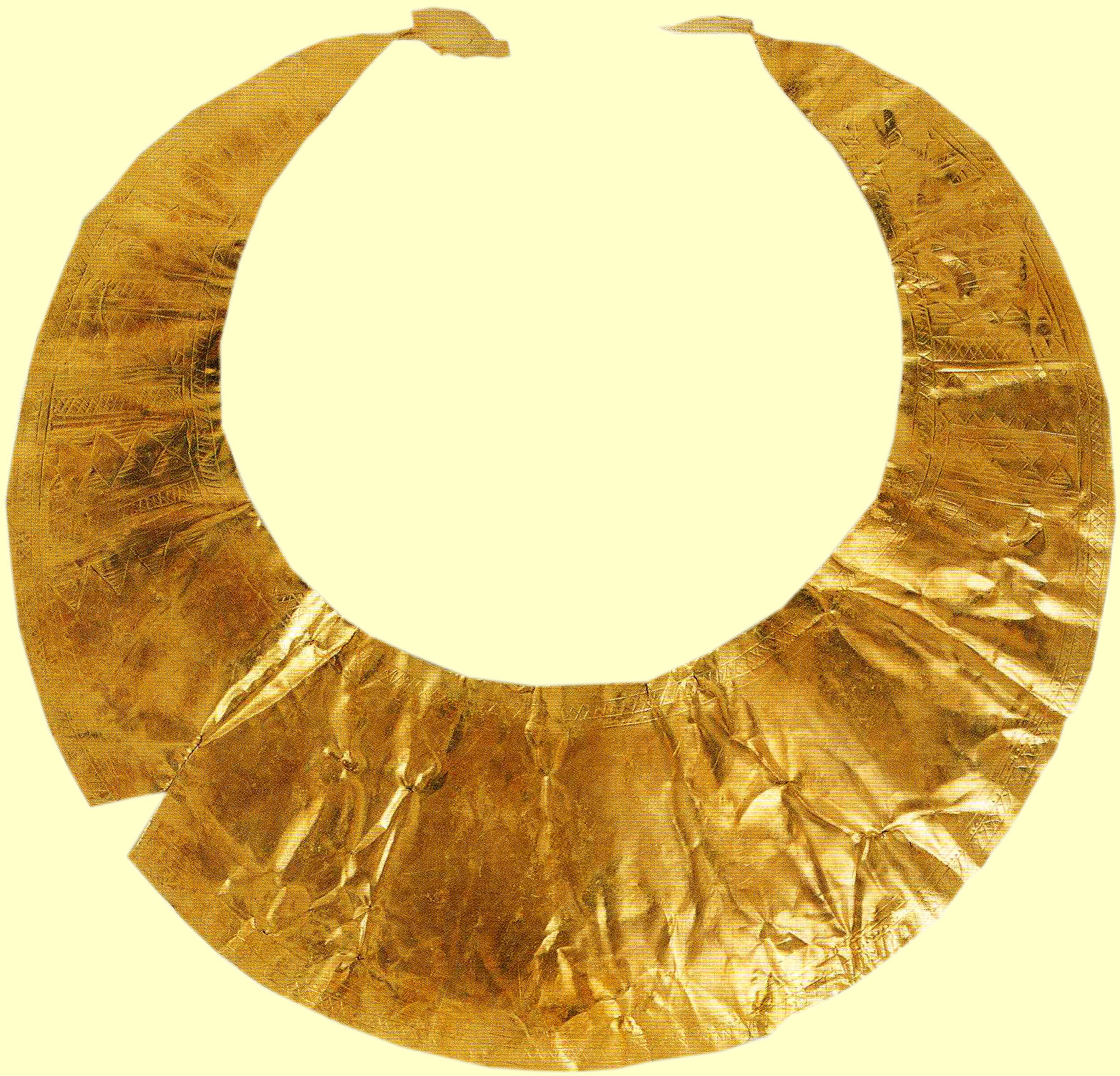
We are in  Dublin for a few days. Some of you will remember my piece on the expression Beyond the Pale: now I can report from The Pale itself. In some ways Dublin is quite like any other capital city in the world – it has its shops and shows – but in others it is unmistakably Irish. The National Museum, for example, has one of the greatest collection of Bronze Age artefacts anywhere – and some Rock Art

Gold Lunula from County Kerry - a 4,500 year old artefact in the National Museum

Gold Lunula from County Kerry – a 4,500 year old artefact in the National Museum

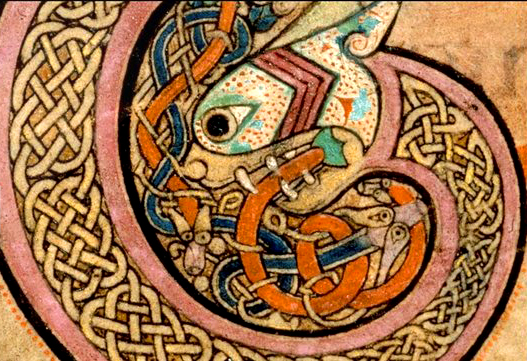
…while Trinity College Library, Dublin, is the home of the Book of Kells – an equally impressive medieval treasure. This unfinished manuscript dates possibly from the eighth century and tradition has it that it could have been begun by St Columba himself and that it was worked on for at least three centuries.

kells

The Book of Kells

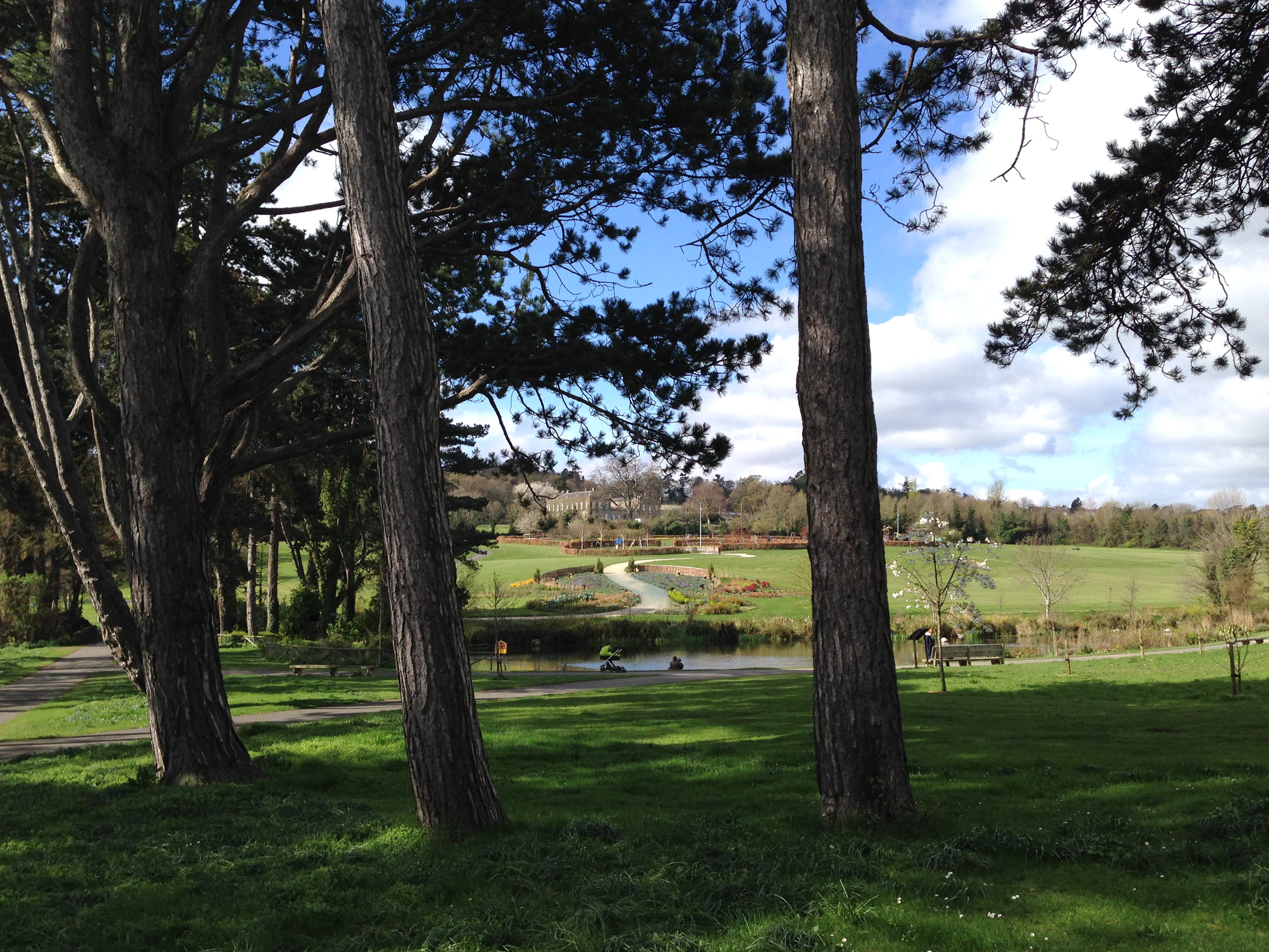
Away from the centre of things we discovered a little gem: Cabinteely Park. This publicly accessible amenity spans 45 hectares and provides city dwellers with walks, woodland, playground and cafe. It was once the estate of the Earls of Clare and now belongs to the local council. The ‘big house’ itself still stands and is undergoing slow restoration. The park is within minutes of where we are staying, and provides us with evening walks in the sunshine – and breakfast treats.

City Amenity: Cabinteely Park

City Amenity: Cabinteely Park

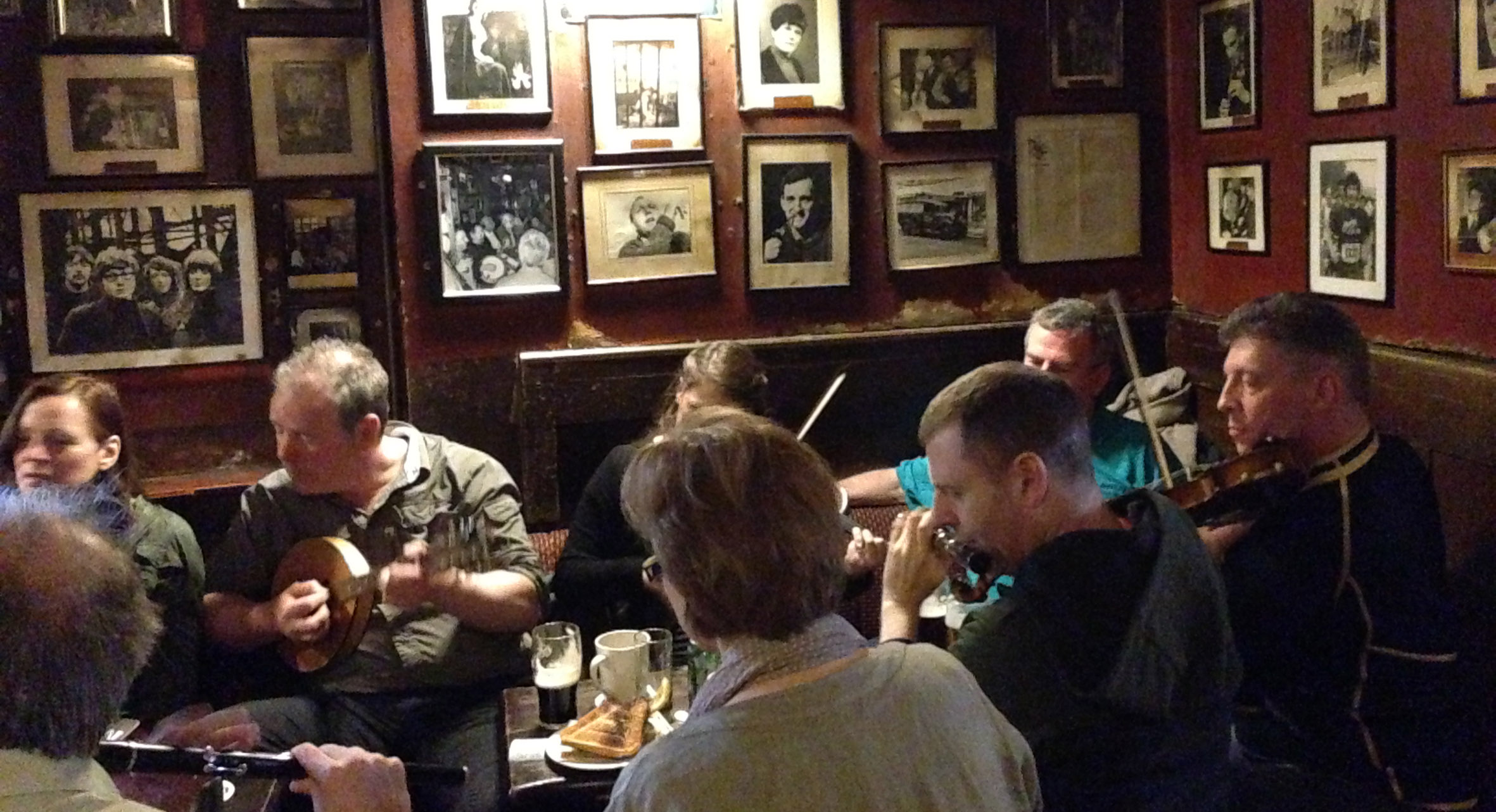
Being an Irish city, the music sessions are good. We went to O’Donoghue’s pub on Friday lunchtime and found 18 musicians gathered: fiddles, concertinas, flutes – and even a bagpipes played by a Scottish visitor.

Trad Session at O'Donoghue's

Trad Session at O’Donoghue’s

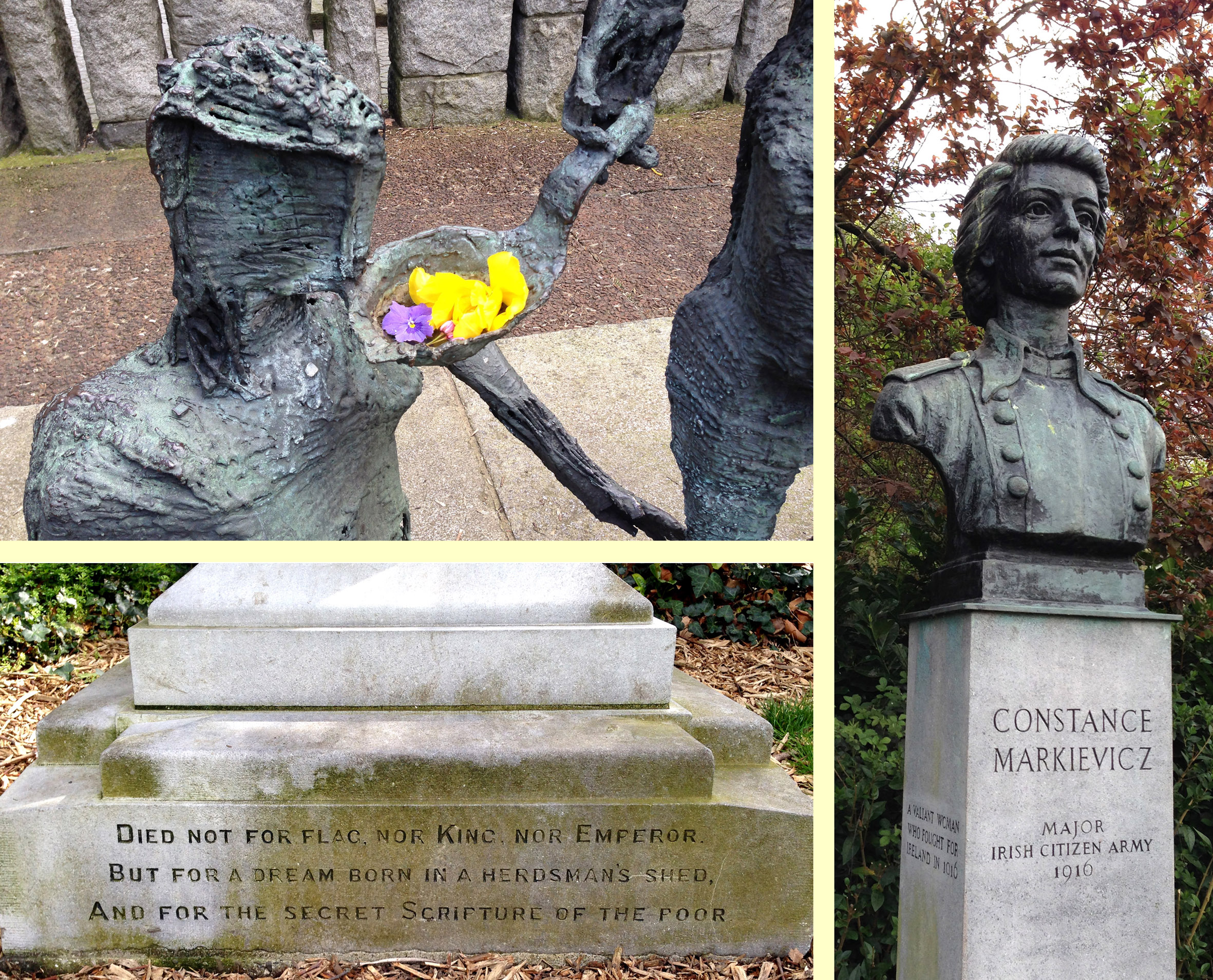
In the heart of Dublin City is St Stephen’s Green – which presents a collection  of statues of various Irish figures who are known to the world through the arts: Oscar Wilde, W B Yeats, James Joyce et al, but also nationalists who fought for the cause of Irish independence.

Remembering Irish History in St Stepen's Green

Remembering Irish History in St Stephen’s Green

At present the media is full of the state visit of the President of Ireland to Britain: it can only be a good thing that the two nations should become closer, and it’s great to hear the pretty universal enthusiasm for it from this side of the Irish Sea. So while this new era of better relations is taking off, I am dismayed to read of the rise of nationalistic right wing politics in Britain itself: could these lunatic press-inspired extremists really derail Britain’s place in the European Union? Will common sense ultimately prevail? I can only look on from the shores of a very firmly European country and hope.

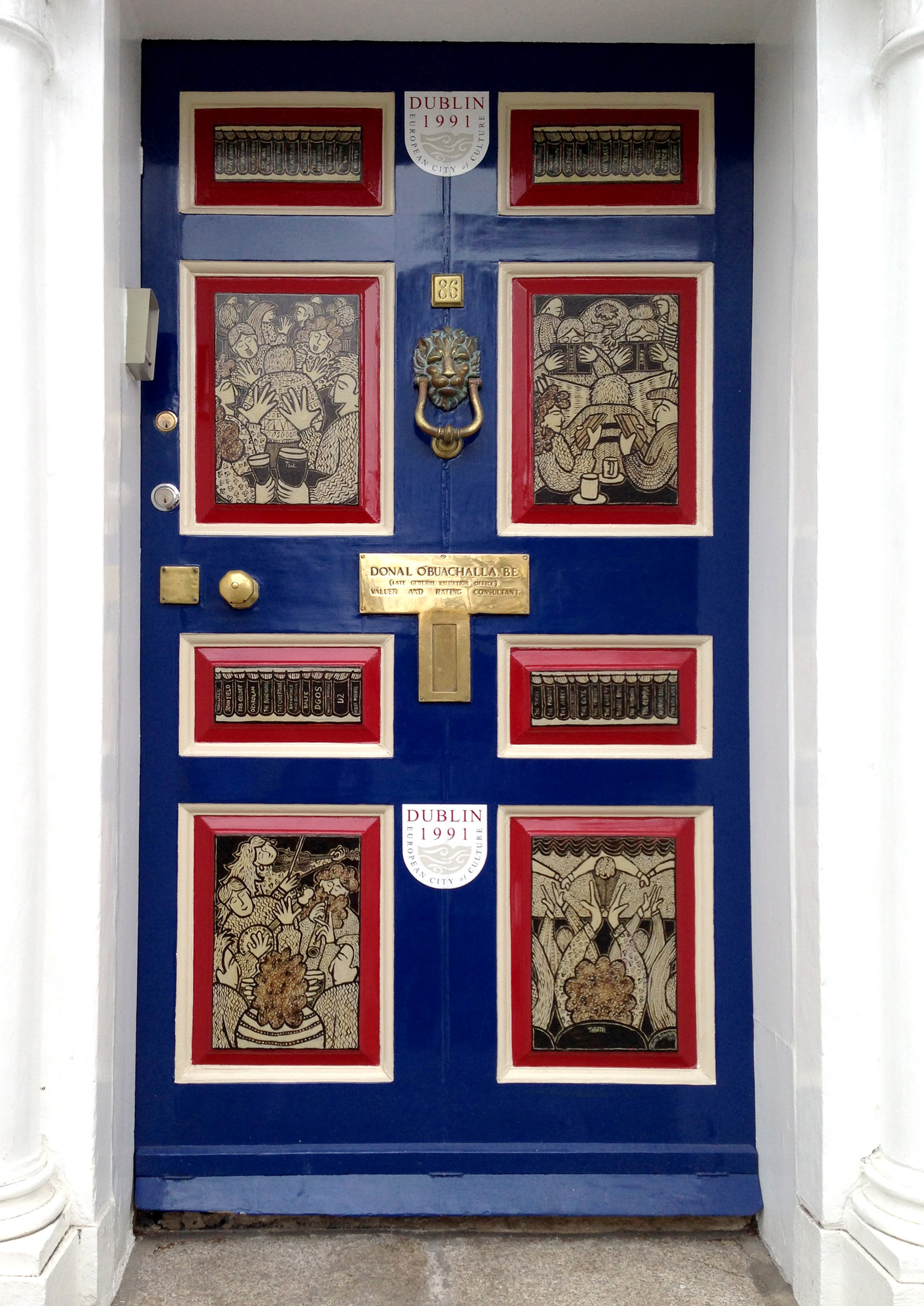
Dublin Doorway

Dublin Doorway