Meet the Seanachaí

Eddie Lenihan - travelling storyteller

Eddie Lenihan – travelling storyteller

Seanachaí – a word with many ways of spelling it in the Irish: seanchaidhe (plural seanchaidhthe); seanchaí, or shanachie in its anglicised form. In Scottish Gaelic the word is seanchaidh or shennachie, while in Manx Gaelic the word is shennaghee.
poster

A Seanachaí is a bearer of old lore – the role that the Bards once fulfilled, either attached to the retinue of clan chieftains or individually travelling through the Provinces where it was obligatory to offer them hospitality in return for an evening of elucidation or entertainment. I have previously mentioned the travails of ‘Red’ Aengus O’Daly whose reputation of publicly criticising his hosts on his travels led to a sticky end.
levis

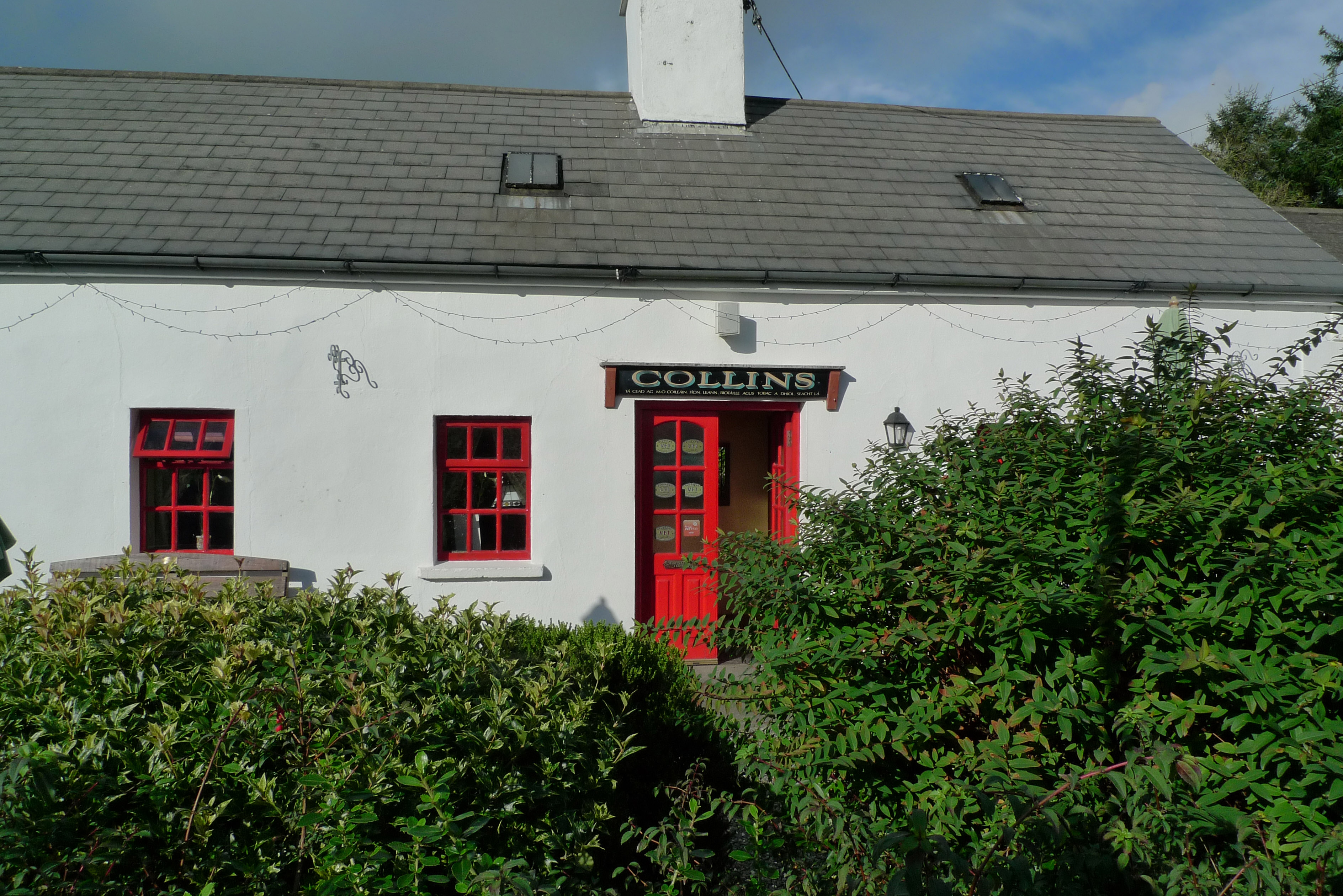
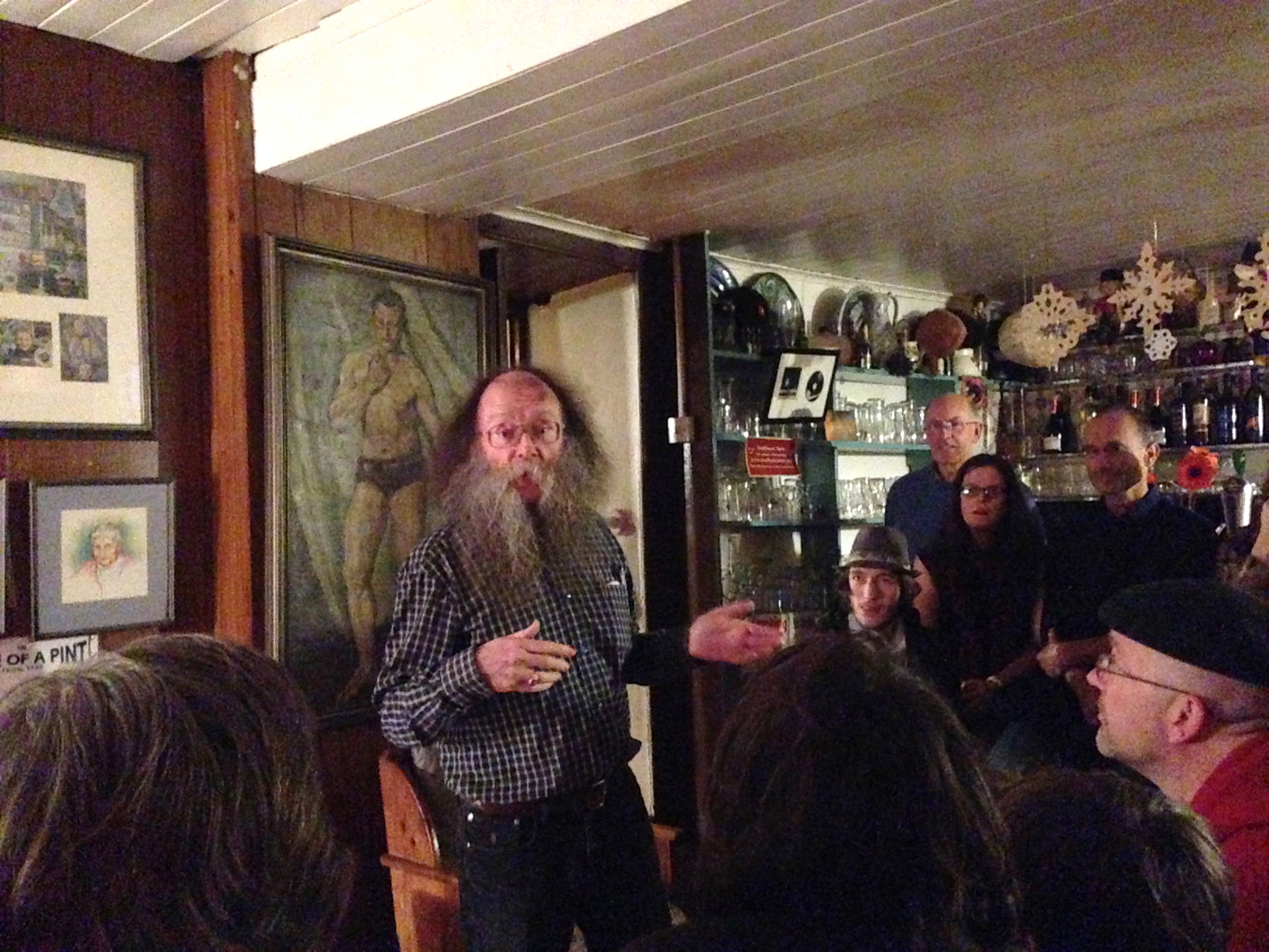
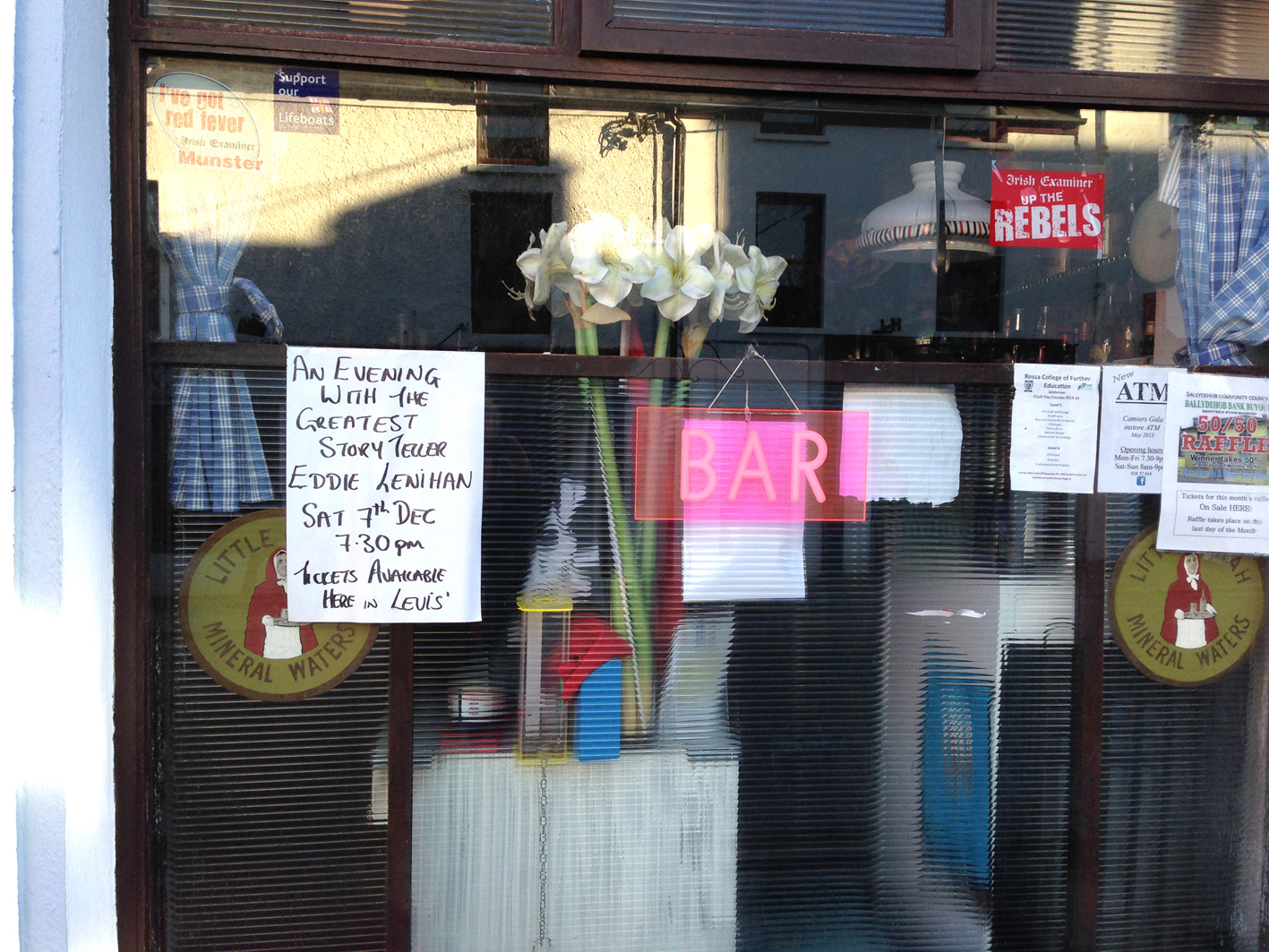
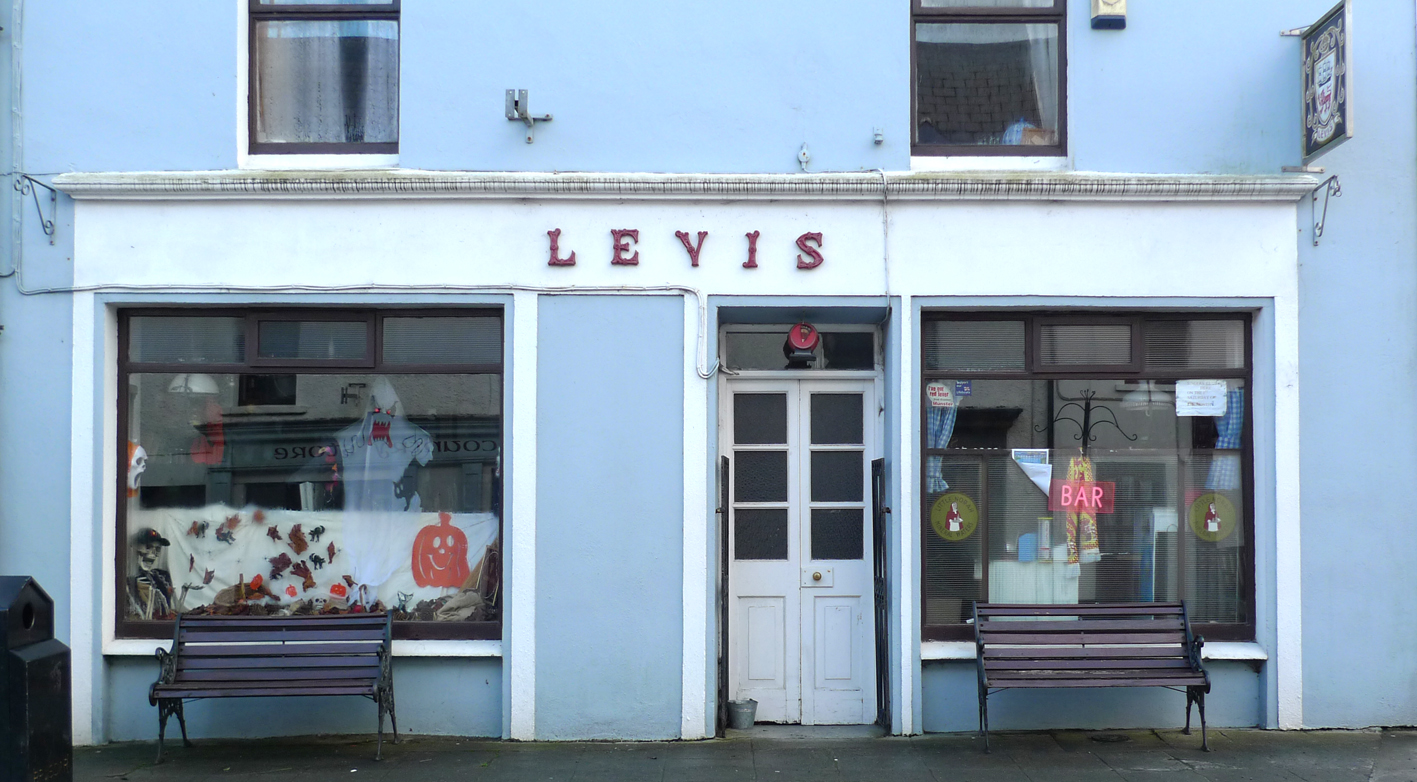
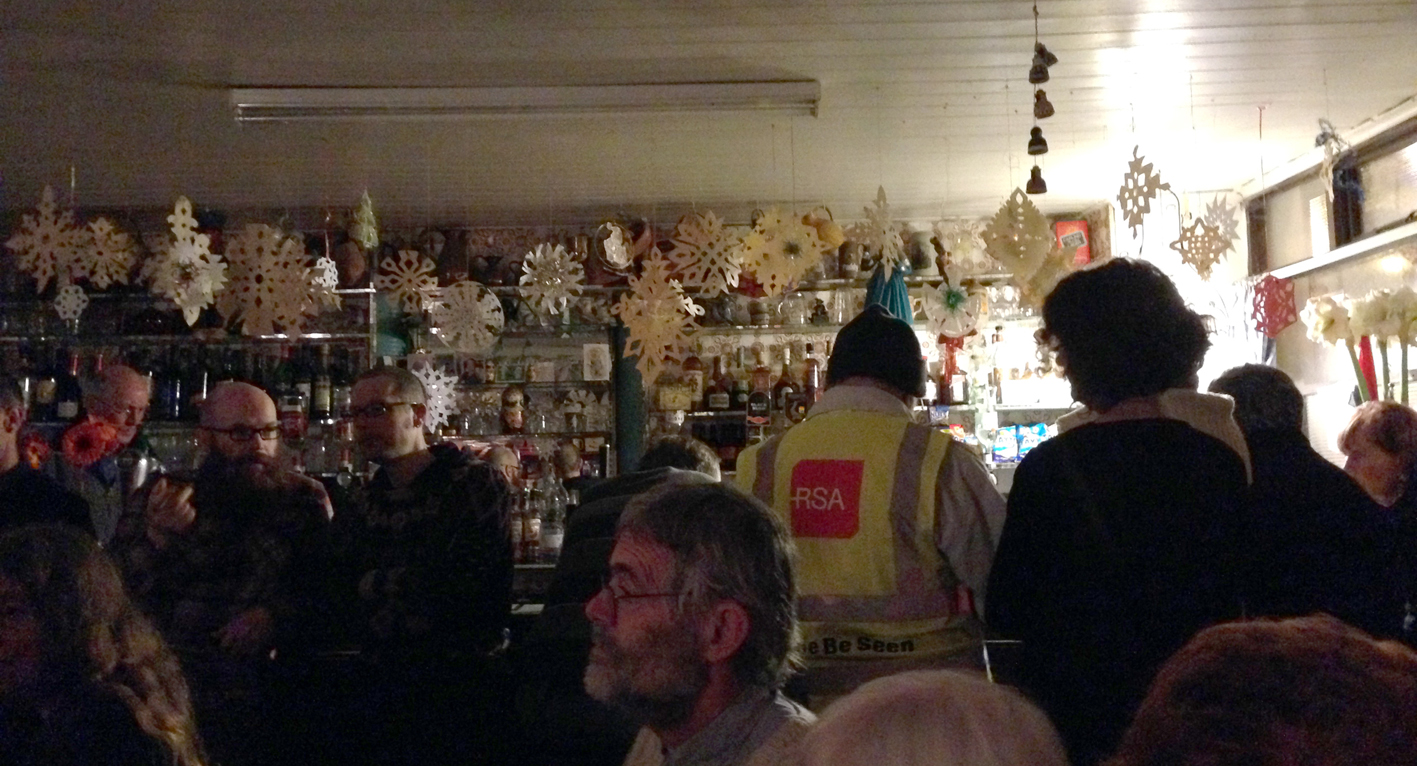
The Seanachaí came to us in Ballydehob – heralded by a missable poster in the window of Levis’ Bar, which held the event. Levis’ is one of the smallest pubs in the town but over fifty people crowded in to listen to Eddie Lenihan – probably Ireland’s best known living storyteller. The pub interior itself is a wonderful backdrop for such an occasion: a selection of groceries and household goods rubs shoulders on the shelves with old postcards and paintings. Behind Eddie in the photo you can see a full length portrait of Ballydehob’s most famous son, Danno O’Mahony, 6ft 3ins tall and weighing over 18 stone: he was regarded as the strongest man in the world. The family haled from Dereenlomane and Danno was born in 1912. By 1934, at the age of 22, he was already the Irish Wrestling Champion and started a professional wrestling career in America. He won 55 out of 55 fights and became Supreme World Wrestling Champion in 1935. He successfully defended his title 125 times. His homecoming to Ballydehob after winning the world title was captured on Pathe News, here.
listeners

Returning to our own champion storyteller, Eddie Lenihan provided a fascinating, amusing and sometimes frightening evening’s entertainment to an enraptured audience of young and old listeners. He has gathered stories of The Other Crowd, Irish folk and country ways from people who still remember them being told in their own youths seventy or eighty years ago, and he is passing them on. Sometimes he speaks of stories which can’t be told: intriguing. He was born in Kerry, lives now in Clare and was passing through Cork: truly keeping alive the tradition of bearing the old lore: the Seanachaí.

Wrens and Rhymers

troglodytes

…..…In comes I the Wran,

The Wran, the Wran, the king of all birds.

On St Stephen’s Day I was caught in the furze.

Although I am little my family is great,

Rise up landlady and give us a trate.

Up with the kettle and down with the pan,

Give a few pence to bury the Wran.

Then I’ll dip my wings in a barrel of beer,

And I’ll wish you all a happy New Year.

St Stephen - the stoning
Stoning of St Stephen by Uccello

– St Stephen was the very first Christian martyr: in the same year that Christ was crucified he claimed to have a vision of Jesus in heaven standing at the right hand of God. To Stephen’s enemies this was a blasphemy, and he was forced into hiding. But his hiding place was given away by the song of a little Wren, and St Stephen was publicly stoned to death. In retribution for this the Wren is traditionally hunted in Ireland  (and some other Celtic countries) on St Stephen’s Day – December 26th, and groups of Wrenboys carry the bird from door to door – slung from a pole or interred in a small wooden coffin: there was a time when the poor Wren himself would have been stoned to death. An old story also blames the Wren for alerting a band of Vikings to the approach of the Irish army by pecking on a drum; yet another claims that when Cromwell’s soldiers were asleep and the Irish were about to attack, a flock of Wrens rose into the air and wakened the enemy with the sounds of their wingbeats. So there has always been a strong connection with betrayal.

Wrenboys in Cork - 19thC and Wren Boys by Jack Yeats
Wrenboys in Cork – C19th and The Wren Boys by Jack Yeats

Troglodytidae (cave dweller) is such a small bird: here at Nead an Iolair we occasionally catch sight of him darting out from thick, seemingly impenetrable bushes close to the bird feeder – his movements seem more like a mouse. Small, yet in mythology he’s a giant – King of the Birds in several traditions: Koning Vogel in German, Konije in Dutch, Reytelet in French, Bren in Welsh – all mean King or Little King. When the birds were electing their king they decided that whoever could fly the highest would win the contest; the Eagle easily outflew everyone else but the Wren was hiding in his wings until the Eagle had exhausted himself and then flew on up to claim the title. But there’s more: the Wren is forever associated with that turning point of the year when everything goes topsy turvy: the Twelve Days of Christmas. At this time the Lord of Misrule presides and traditional roles are reversed; it’s not surprising, then, that the tiniest of the birds should become the most important. But, like all kings, his reign is finite – and he is sacrificed at the dark year’s end to ensure that the sun will rise again.

wren song

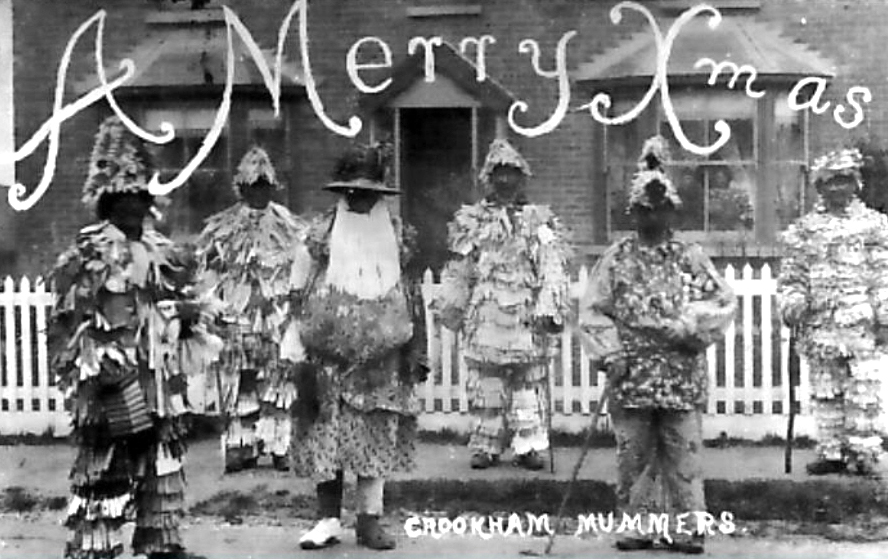
Which brings us to Rhymers… and Wrenboys, Strawboys, Guisers and Mummers… The Feast of Stephen is their day too. When I was a boy we went out every Boxing Day morning to Crookham in Hampshire to watch King George slaying Bold Slasher, who was miraculously brought back to life by the quack Doctor, after which the young fertility figure Trim Tram Jolly Jack ‘…wife and family on my back…’ killed Old Father Christmas – something which must have seemed odd to a child, who might not have understood the symbolism of the  old, dark winter giving way to the new life of spring. Danny tells me that when he was growing up in Limerick he saw the Strawboys or Rhymers performing the same play on the streets – and he remembers the Wren being paraded in procession, too.

crookham mummers
Mummers in Hampshire, England, above – and Wrenning in Kerry, Carrigaline and Dingle below
wren day

The folk play is alive in Ireland: there are Mummers in Wexford, Cork and Dingle, and the Armagh Rhymers travel across the world to perform their rituals. Here at Nead an Iolair I shall be reciting ‘…In comes I…’ around Christmas time: the words of all the characters are locked firmly in my brain – I have never seen them written down. It’s a true oral tradition – and a surviving one. Who knows – if I don’t repeat those words, the sun might just stop shining… It’s not worth the risk.

The Armagh Rhymers
The Armagh Rhymers

And – on St Stephen’s day – I shall be on the lookout for a Chime of Wrens, but I love all our birds, so it will only be a token ‘hunt’.

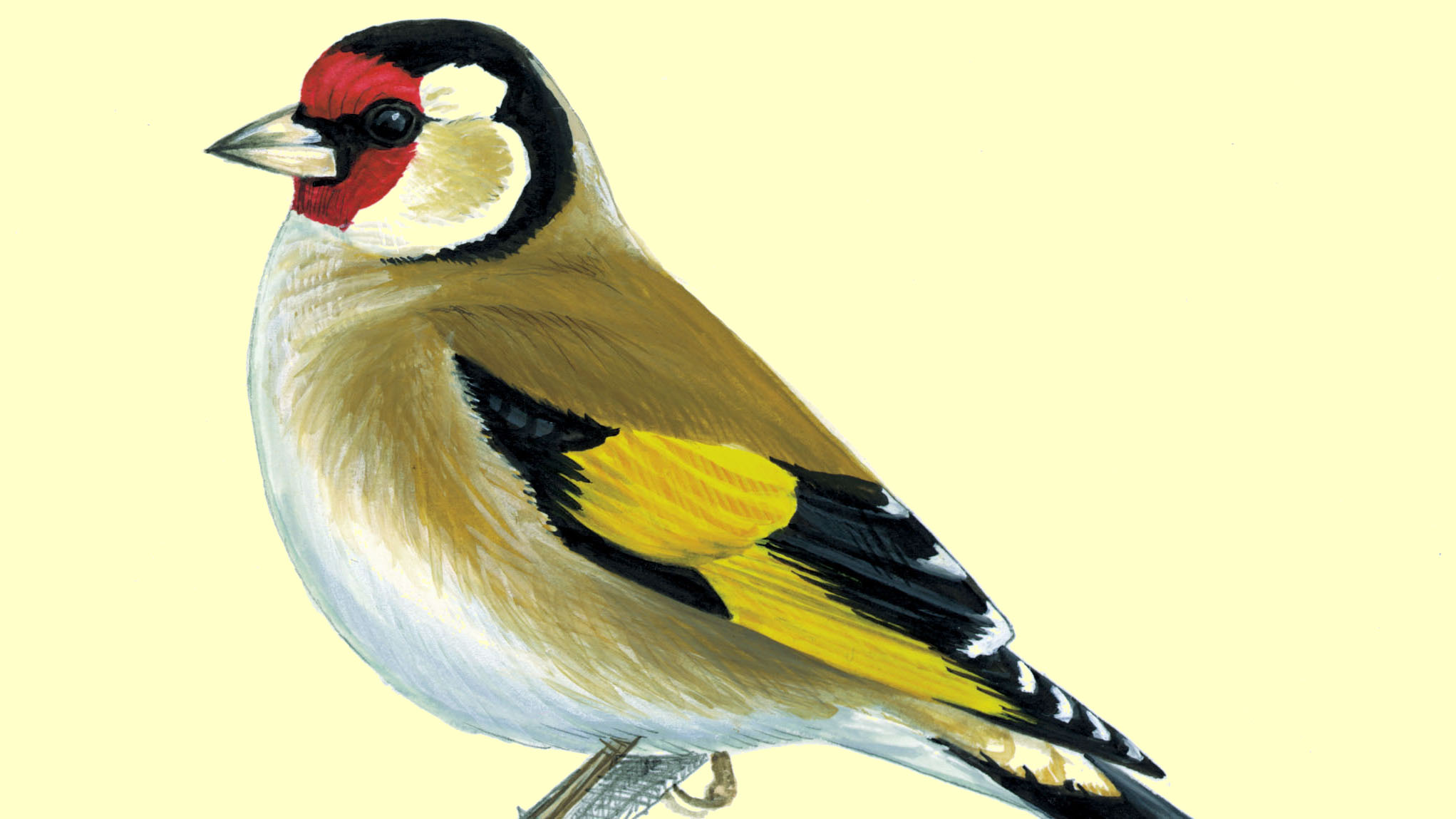
A Charm of Goldfinches

Carduelis Carduelis

Carduelis Carduelis

Ferdia demolished our beautiful bird-table – made for us by Danny – by jumping up and hanging on to the peanut feeder, swinging there until the whole thing came down: and he showed not one ounce of contrition! After his peanut feast he licked his lips, stared at us brazenly and seemed to say “Now, so – that was a grand game”…. The outcome is an architect-designed, post-modern, deconstructivist bird feeding station made from two broom handles (total cost 3 euros) that is painted green (of course) and is Fox proof!

redhanded

Caught redhanded!

Ferdia may feel thwarted, but our resident Goldfinches are delighted. I was delighted, also, when I found out the collective noun for Goldfinches: a Charm. How apt – the birds are vivacious, colourful and noisy. The word might come from the latin Camina – song.

It’s hard to keep up with them as they fall out of the sky (literally – they just appear suddenly, flap around the feeders, hang on – often upside down, constantly squabble with each other, and then vanish just as quickly) but I have counted up to 20 in one ‘sitting’. The Chaffinches, Robin and Tits edge in occasionally, but when the Charm is around then it’s all-pervasive. Only the Greenfinches seem oblivious to the crowd and staunchly carry on with their meal through all the mad tumblings and twitterings.

gfinch2

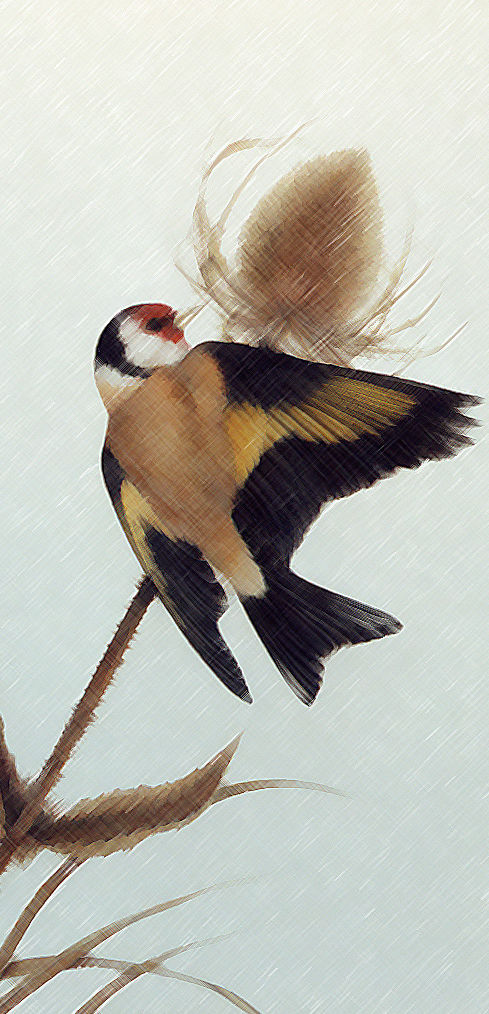
‘Teasel-tweaker’

Goldfinches have a folk name: Thistle-tweaker. Evidently their preference is for the thin seeds of thistles and teasels which they prise out with their beaks. We provide exactly the right seeds (purchased at the bird shop at great expense) but will they have them? Not a bit of it! Only one thing interests them and that’s the peanuts  – just like Ferdia. But their supposed liking for sharp seeds, and thorns for their nests, has given them a place in Christian iconography – and folklore.

A medieval legend tells that when Christ was carrying the cross to Calvary a Goldfinch came down and plucked a thorn from the crown around his head. Some of Christ’s blood splashed onto the bird as it drew the thorn out, and to this day Goldfinches have spots of red on their plumage (a similar story is told about the Robin). Certainly, Renaissance artists frequently depicted the Christ child with a Goldfinch, and it is suggested that the bird is linked to a foretelling by Christ of the manner of his death – something often attributed to the great Folk Heroes.

Chaucer’s Cook is thus described: “…gaillard he was as a goldfynch in the shawe…” – as merry as a goldfinch in the woods. In some parts of England the popular name for the bird was Proud Tailor – which picturesquely sums up the patchwork appearance of this busy and brightly colourful little character.

There is a Valentine’s Day tradition based around birds. If the first bird a girl sees on that day is a Bluetit, she will live in poverty; a Blackbird foretells marrying a clergyman; a Robin tells of a sailor; and if she sees a Woodpecker she will be left an old maid. If the first bird she sees is a Goldfinch, however, she is promised a wealthy marriage…

Goldfinches in Rennaissance art

Goldfinches in Renaissance art

John Keats wrote this verse in ‘I stood tip-toe upon a Little Hill’

…Sometimes goldfinches one by one will drop

From low hung branches; little space they stop;

But sip, and twitter, and their feathers sleek;

Then off at once, as in a wanton freak:

Or perhaps, to show their black, and golden wings,

Pausing upon their yellow flutterings…

Here in Ireland there is a tradition that Goldfinches – under their other folk name: Redcaps – haunt the realms of The Other Crowd, and they will always be seen around the raths (Fairy Forts), ancient mounds and in thorn trees. I will have to research that one.

Comhaltas

comhaltas2

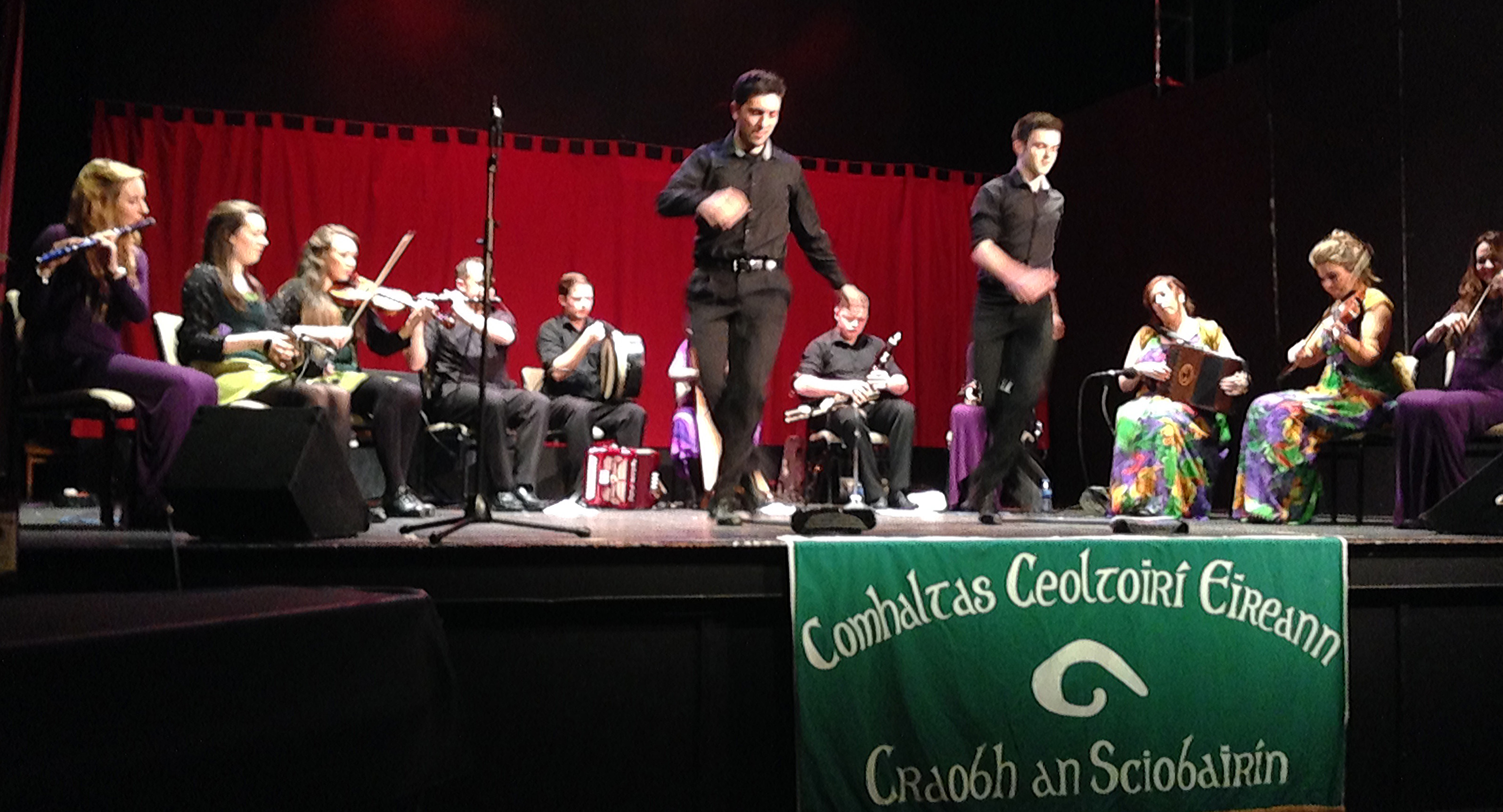
Comhaltas Ceoltóirí Éireann [Finola tells me that this is how you say it: kole tuss kyole tory air run – the literal translation is the Society of Musicians of Ireland] is an organisation founded in 1951 to ‘preserve and promote Irish traditional music and culture’. Its activities are very much in evidence – not just in Ireland, but anywhere in the world where Irish people have settled. They were evident in Skibbereen last week, when CCE featured some of its top class performers in music, dance, song and storytelling on a whistle-stop tour around the whole island of Ireland. We were fortunate that their venue in the south west was on the doorstep here.

tour poster

It was a most inhospitable October night: gales and floods were rife across Ireland and Britain. Yet the Skibb Town Hall was full to capacity, and the concert was well worth braving the elements for. The whole programme was polished and professionally produced: not a wrong note was played, nor a dance step placed out of kilter. It was a most memorable, satisfying and entertaining treat for the senses.

This was a showcase for the principal work that CCE has been carrying out for over sixty years: training people young and older in the crafts of playing and dancing in the traditional style. Once this would have happened naturally – through families and generations handing on the skills and the tunes. The fact that a CCE was needed and is now so established suggests that there was a danger of The Tradition dying out, or at least becoming diluted or rarified. This may or may not have been the case – for decades and all over the world collectors of folk culture have been convinced that they are recording the dying remnants of customs and lore, but perhaps there are always undercurrents of renewal which happen naturally: many of the most skilled exponents of The Music today learn their craft in the ‘old’ way – at the hearthside from parents, uncles, aunts and cousins. In our electronic age, however, lifestyles are radically changing and the formalised classes and competitions which CCE runs, and which are within easy reach of every community, can only be for the good. The latent talents shine through in performances such as those at Skibbereen. I taught myself to play the melodeon and concertina at the age of fifteen (and I’m still learning): now I’m watching far younger people perform with skills which outshine any I might have at this stage of my life, and who are storing up great potential for their own futures.

The showcase of Comhaltas talent at Skibbereen: the dancer on the left is Fernando Marcos from the Buenos Aries Branch of CCE!

The showcase of Comhaltas talent at Skibbereen: the dancer on the left is Fernando Marcos from the Buenos Aries Branch of CCE!

As I drove back to Nead an Iolair through the lashing rain squalls I pondered our own weekly music sessions in the pubs of Ballydehob. They are rough affairs: plenty of wrong notes, certainly, and arguments on tuning, timing, song names and ornamentation; very little polish… And, while we play mainly Irish traditional music, very few of us are Irish. Nonetheless we do (mostly) enjoy the experiences, and the sessions maintain a life of their own. However you do it, it’s great to keep The Music going…

Friday night session at Levis's, Ballydehob

friday night

Keeping The Music going – session style

The Laughing Boy

Birthplace of a Folk Hero

Birthplace of a Folk Hero

T’was on an August morning, all in the dawning hours,
I went to take the warming air, all in the Mouth of Flowers,
And there I saw a maiden, and mournful was her cry,
‘Ah what will mend my broken heart, I’ve lost my Laughing Boy’

bust

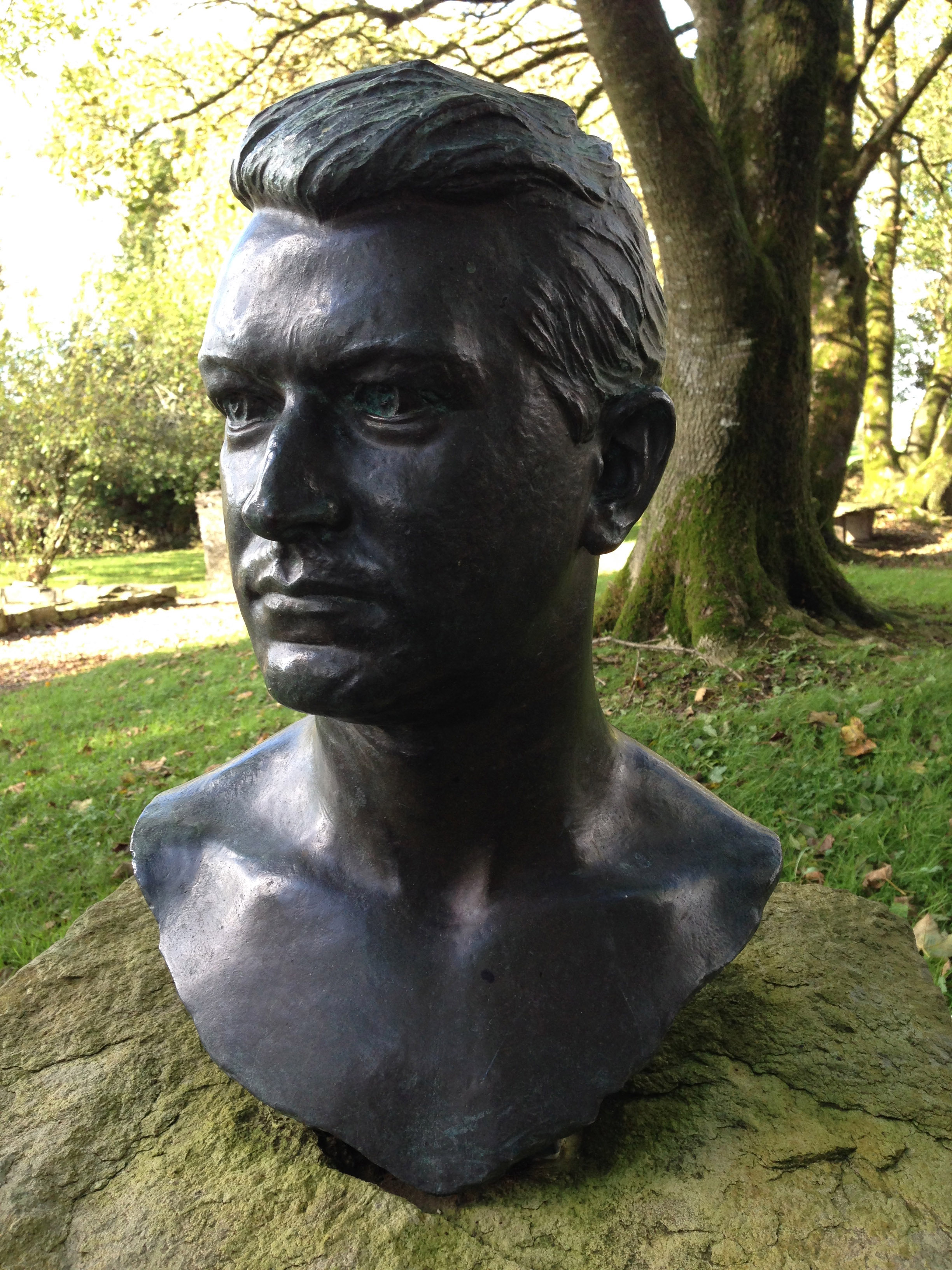
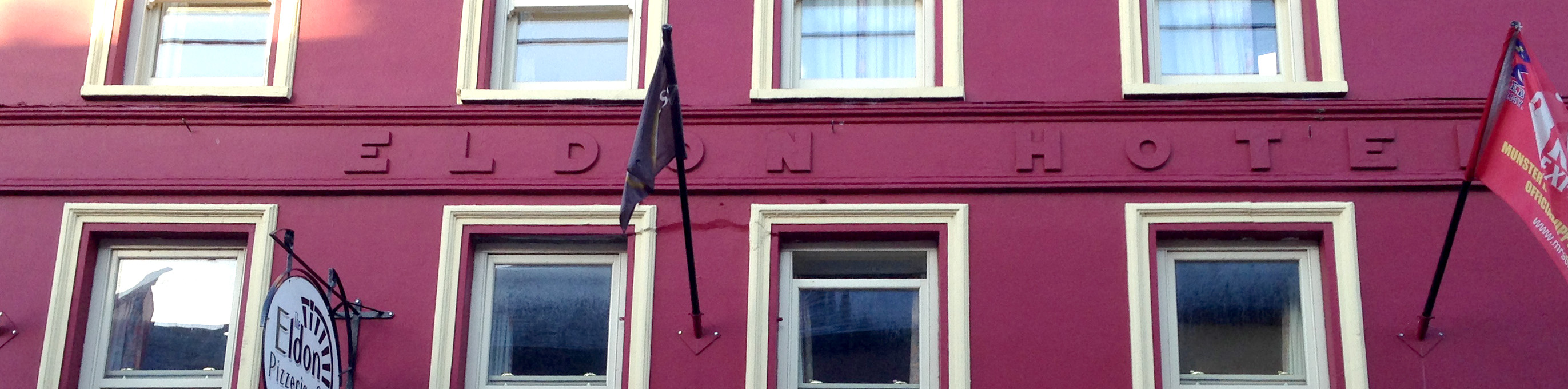
Let’s face it: our travels today were a pilgrimage. We went out in search of a hero and we found shrines, monuments, places of devotion and folktales. It all started last week, which was ‘Rebel Week’ in Cork County and Skibbereen was one of the centres of activity. We were attracted by a flyer for a ‘Tribute to Michael Collins’ being held in the Eldon Hotel – a venue which we now know features in the story of the man: it claims to be the place where he ate his last meal. The ‘Tribute’ proved a bit of a damp squib as the advertised speaker didn’t turn up, but as compensation we were shown a 1973 British film made and zealously narrated by a very ebullient Welsh actor, Kenneth Griffith: Hang Up Your Brightest Colours. This film extravagantly documents the life of Michael Collins and the Irish struggle for freedom in the early twentieth century, and was considered ‘incendiary’ in a time when The Troubles were boiling over; consequently its showing was banned for twenty years. We determined to visit some of the significant locations that featured in the film and which are not too far away from Nead an Iolair.

Master of Oration

Master of Oration

West Cork is Collins’ country: he was born in Sam’s Cross, near Clonakilty – the youngest of eight children – in October 1890. His father Michael had married Marianne O’Brien (23) when he was 60. Already the folklore kicks in: Michael the elder was the seventh son of a seventh son and therefore gifted with powers of divination. On his deathbed he predicted that our hero – then aged 6 – would one day “…be a great man. He’ll do great work for Ireland…” Also, there’s a touch of mystery about Collins’ birth: the records state he was born on 16 October whereas on his tombstone the date is given as 12 October.

The Collins grave in Rosscarberry

The Collins grave in Rosscarbery

In the burial ground in Rosscarbery we found the family grave. There is a modest entry on the headstone for young Michael, recording that he died on 22 August 1922 (he’s actually buried in Dublin). That’s about all that’s modest about the Collins story. He was known as The Big Fella, as much because of his reputation and charisma as for his physique.

You can’t miss his birthplace – it’s signposted for miles around the area of Woodfield – but the family farmhouse isn’t there! It was burnt to the ground by the Auxiliary Division of the Royal Irish Constabulary in 1920, during the Irish War of Independence (and not by the Black and Tans, which is often claimed). However, the site has been preserved as an essential waymark of the Michael Collins pilgrim trail.

Memorial at Sam's Cross

Memorial at Sam’s Cross

There is also another, larger monument to Michael a little way up the road at Sam’s Cross – this is in fact next door to the house where his mother was born – and opposite his cousin Jeremiah’s pub – The Four Alls (this is one of several places where Collins is supposed to have taken his last drink).

Four Alls pub - cousin Jeremiah's

Four Alls pub – Cousin Jeremiah’s

For anyone who doesn’t know I had better just say that Michael Collins – soldier, freedom fighter and politician – was one of the key figures in the long Irish struggle for Independence – a conflict that was won, after a fashion, in December 1921 when the irish Free State was set up. Collins signed the Treaty in his then role as ‘Chairman of the Provisional Government and Commander-in-chief of the National Army’ and (legend has it) pronounced that he was also signing his own death warrant (the great folk heroes usually foretold their own death). The conditions of the Treaty, and the exclusion of some of the northern counties from the new state caused such dissension that a civil war ensued, and Michael Collins fell as a victim to that war as he toured through his home county of Cork on 22 August 1922.

The Eldon, Skibbereen

The Eldon, Skibbereen

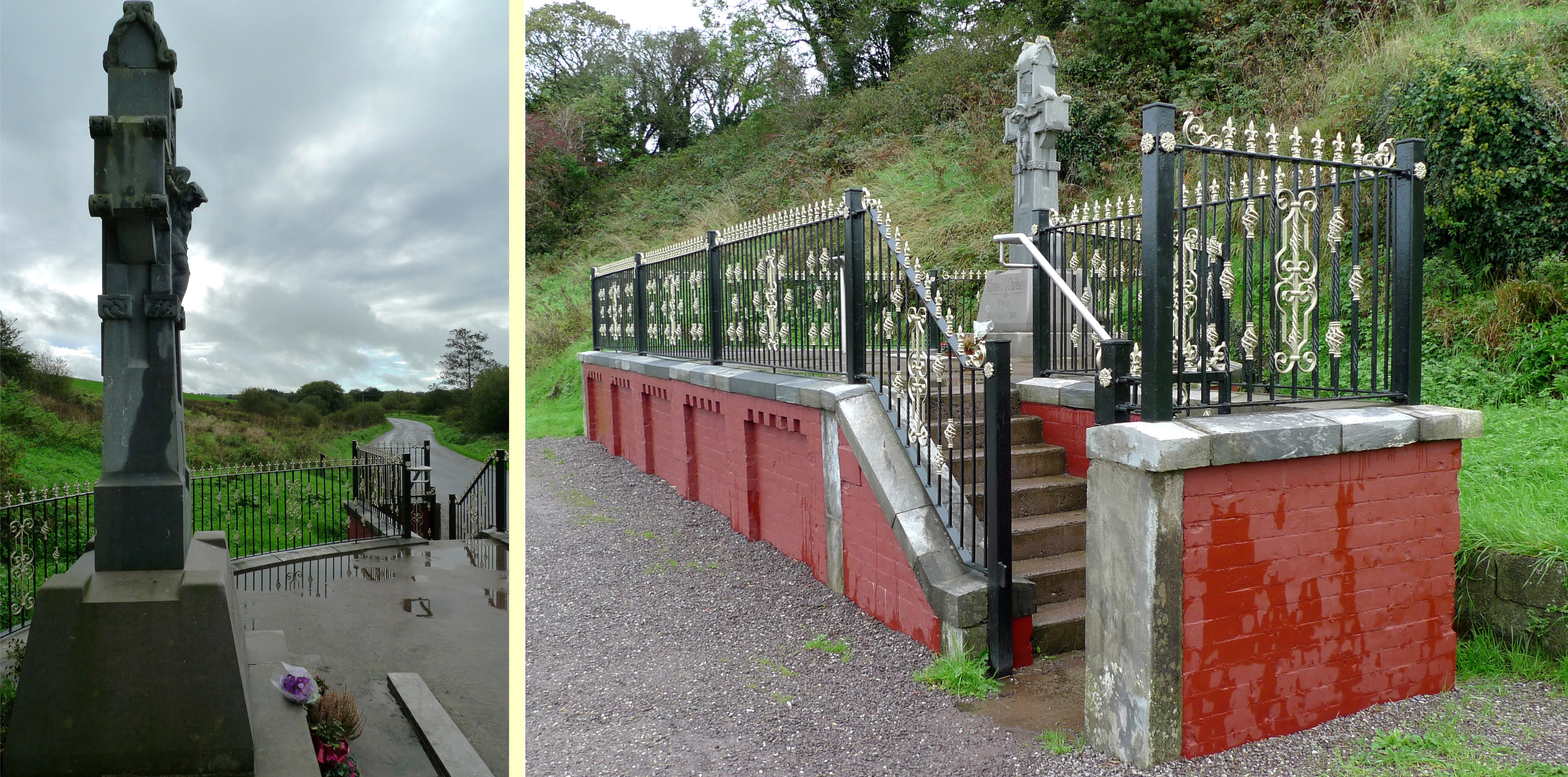
His convoy left the Eldon Hotel, Skibbereen, in the early afternoon for Cork city and was ambushed at Béal na Bláth, on a minor road between Clonakilty and Macroom. During the skirmish Michael Collins was shot in the head and died instantly. He was the only casualty of that confrontation.

memorial2

Béal na Bláth

Béal na Bláth may mean ‘Gap of the Blossoms’ but there is some debate as to its correct translation: ‘Mouth of the Ford of the Buttermilk’ is one suggestion. Brendan Behan, in his folk ballad on the death of Michael Collins (the first stanza of which starts off this post), goes for ‘Mouth of Flowers’. We began our pilgrimage here on a wet Sunday morning. The place had a sombre atmosphere and the monument that we found – although unmistakably Messianic – is grim. Crowds come to this site, especially on the anniversary of the assassination. A white stone marks the actual spot where he fell: the fine details seem all important.

ambush

But – sifting through these details when I was trying to assemble this piece – I realise that there is so much that is apocryphal or contradictory in the various accounts, not just of his death but with many aspects of his life. And it’s the stories that will win out in the end. Michael Collins is a real national hero – quite rightly – but he’s on his way to becoming a folk hero – something different. He could be a Saint (he did after all perform a miracle in bringing together so many different factions and feelings to found the beginnings of modern Ireland) but to me he is more likely to end up in the ranks of the great Hero Warriors of Irish mythology such as Cu Chulainn, Medb or Finn McCool – or even the Gods. I wish I could be around to hear his sagas told in a few hundred years from now.

The fate of a Folk Hero...

The Fate of a Folk Hero…

A Chatter of Choughs

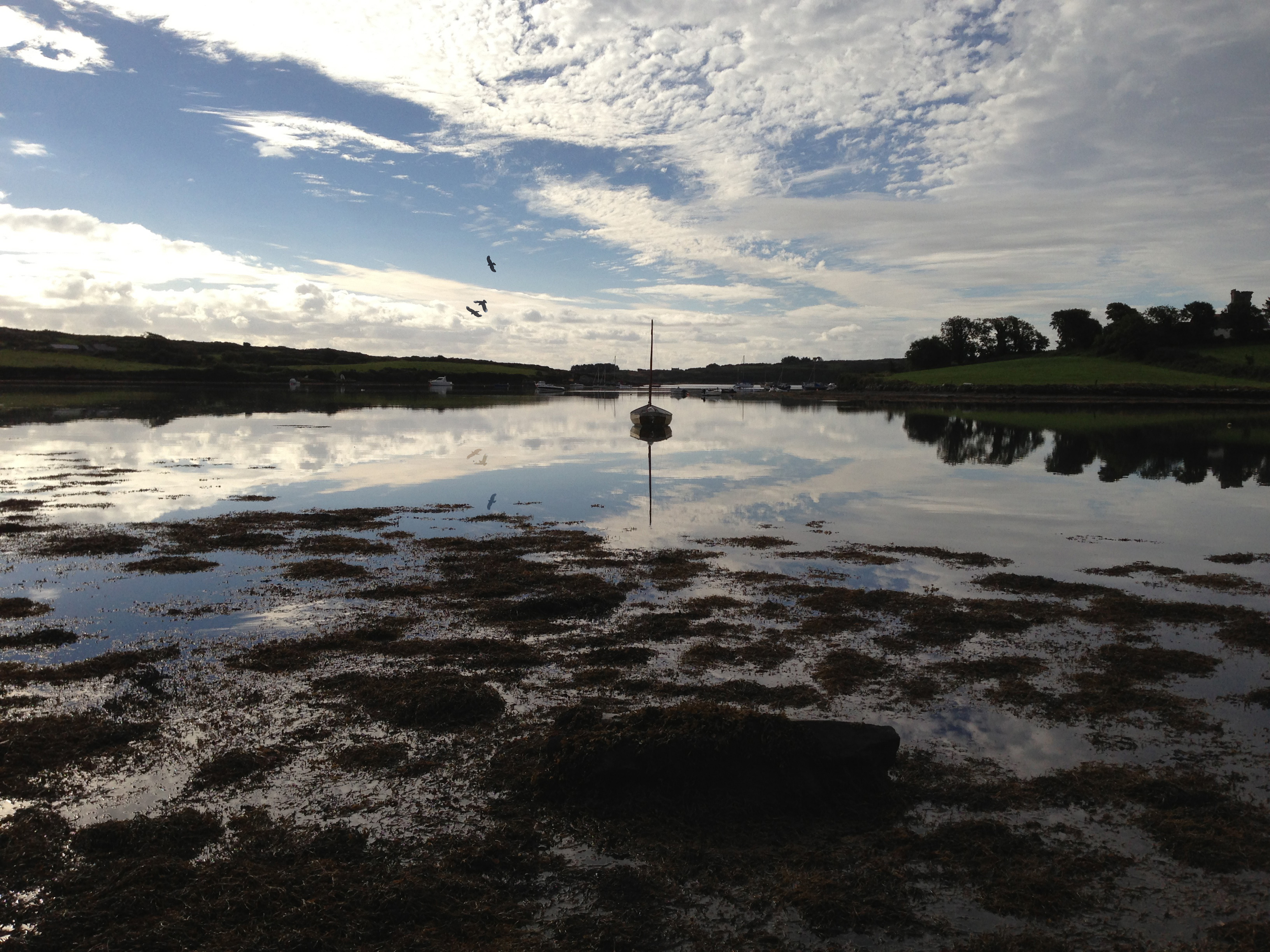
Rossbrin Cove: Chough country

Rossbrin Cove: Chough country

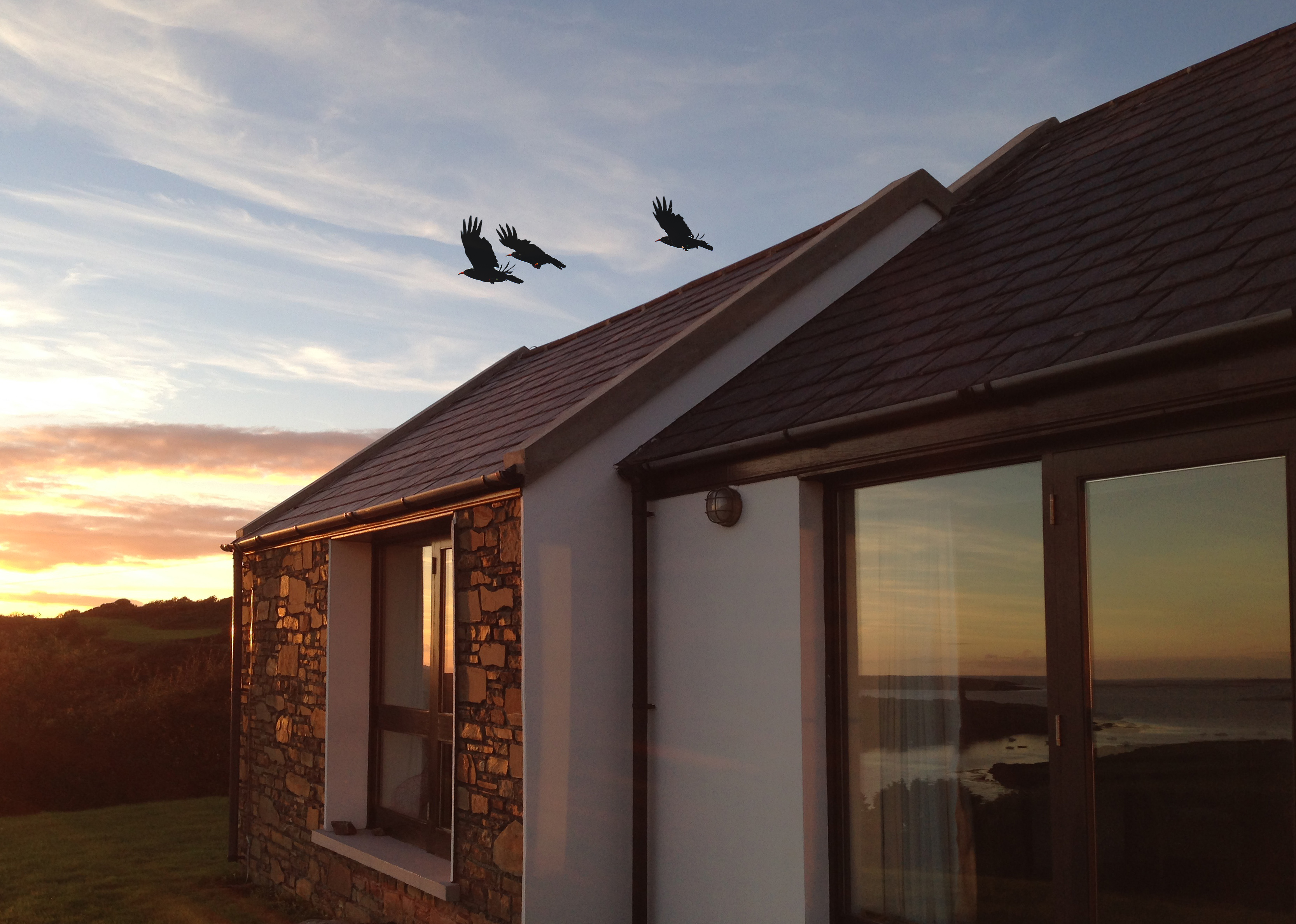
One of the many treats of living up here in Nead an Iolair is the frequent appearance of a group of Choughs. Towards the evening we hear them on our roof, chattering to each other. Chatter of Choughs, by the way, is the correct collective noun: all the Corvid family seem to have interesting ones – Murder of Crows, Parliament of Rooks, Conspiracy of Ravens, Tiding of Magpies… These are just some of a very long list: do you of know any to add to it?

Autumn evening at Nead an Iolair

Autumn evening at Nead an Iolair

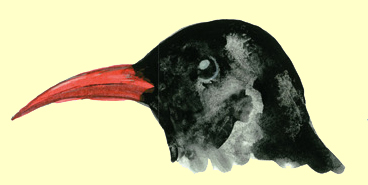
Choughs are distinctive birds, but easy to mistake for other Corvids when in the sky. Look out for curved red bills, and red legs and claws. Also listen for the chatter, in which the bird tells you its name:

It won’t tell you its latin species name, however: Pyrrhocorax-pyrrhocorax!

Birds on line!

Birds on line!

As an erstwhile resident of Cornwall I have a particular interest in the Chough. This bird appeared on the old Cornish coat-of-arms, together with a tin miner and a fisherman (the two latter have vanished on the new one – perhaps a poignant comment on changing times), and was once a familiar sight on the coast. Changing habitat and trophy hunting led to a decline in the British Chough populations recorded by naturalists as early as the eighteenth century. The last breeding pair was seen in Cornwall in 1947, and not long afterwards the Cornish Chough was pronounced extinct. Amazingly, the new Millennium saw the Chough returning naturally to Cornwall, with three birds taking up residence on the Lizard peninsula and breeding successfully. It’s reckoned that there are now between forty and fifty living on that far western coastline. On my last days in Cornwall before coming here to Ireland I was walking at Nanquidno, near Lands End and – as if to wish me ‘goodbye’ – there was a pair of Choughs foraging happily on the path in front of me! Where did the new generations of Cornish Choughs come from? DNA tests have given us the answer: Ireland…

Cornwall's old and new logos: and the 'Raven King' - in folklore, Choughs and Ravens are interchangeable

Cornwall’s old and new logos: and the ‘Raven King’ – in folklore, Choughs and Ravens are interchangeable

Cornish nationalists, who are campaigning for a devolved parliament, are delighted by the come-back. “This will be seen as a symbol of hope,” said Dr Loveday Jenkin of the nationalist party Mebyon Kernow. “The re-emergence of the Chough is a symbol of the re-emergence of the Cornish nation.”

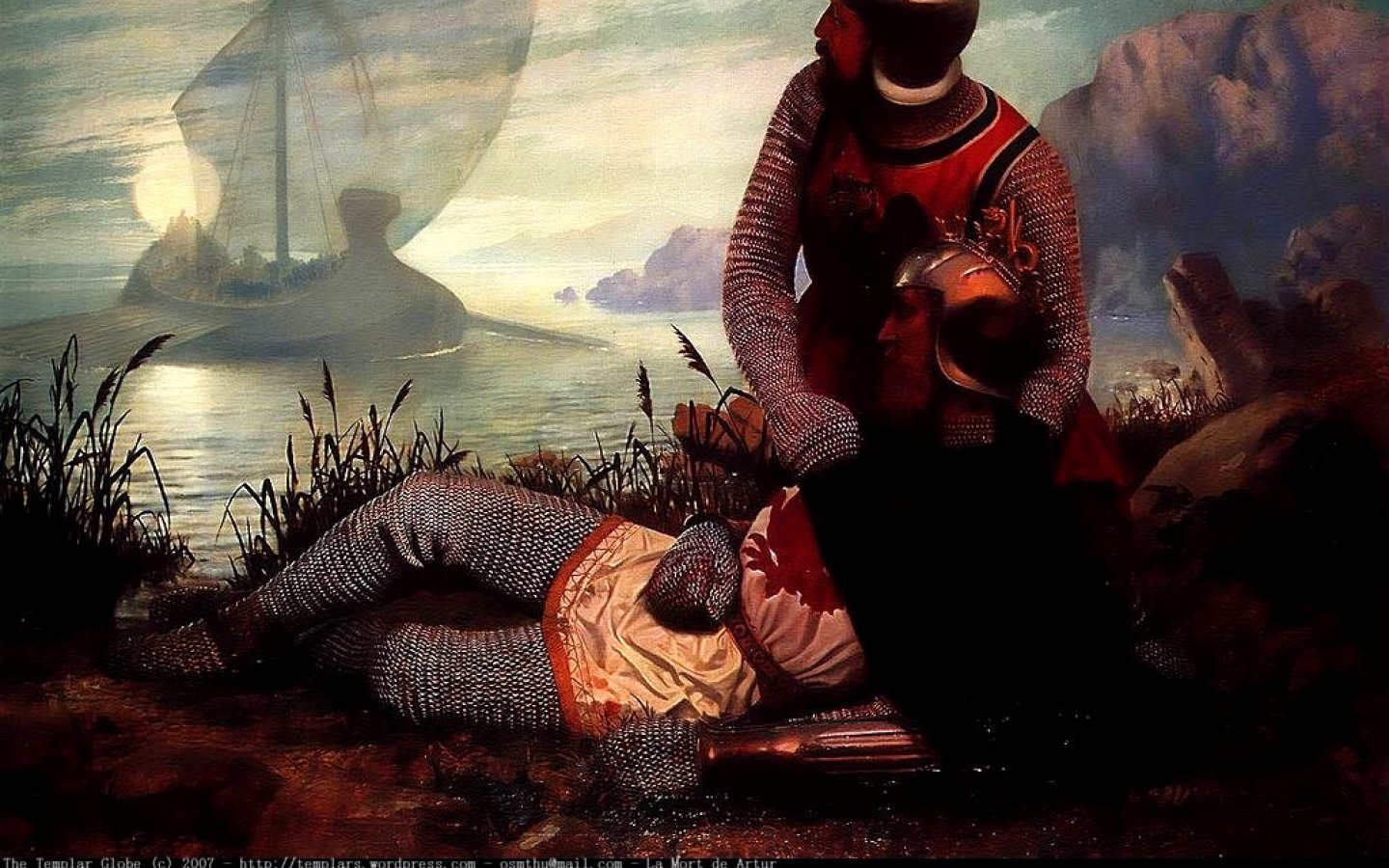
King Arthur's last battle

King Arthur’s last battle

Cág Cosdearg is the name of the Chough in Irish – this is a literal translation of ‘red-legged Jackdaw’. There are a number of legends attached to this bird: King Arthur turned into one, and the red beak and legs are symbolic of the blood shed at his last battle (presumably this is another link with Cornwall). The Chough was known to Daniel Defoe as a ‘fire raising bird’ in his …tour thro’ the whole island of Great Britain…

“…It is very mischievous; it will steal and carry away any thing it finds about the house, that is not too heavy, tho’ not fit for its food; as knives, forks, spoons and linnen cloths, or whatever it can fly away with, sometimes they say it has stolen bits of firebrands, or lighted candles, and lodged them in the stacks of corn, and the thatch of barns and houses, and set them on fire; but this I only had by oral tradition…”

I like the Irish expression, “You’ll follow the Crows for it” meaning that a person would only appreciate something after it had gone.

chough close

Watching our Choughs perform their aerobatics up here is a delight – I’ve seen them turning cartwheels in the air, and they even appear to fly upside down at times. Sylvia Plath puts it wonderfully in Blackberrying:
“…Overhead go the choughs in black, cacophonous flocks—
Bits of burnt paper wheeling in a blown sky.
Theirs is the only voice, protesting, protesting…”