Long Island Wildflower Walk

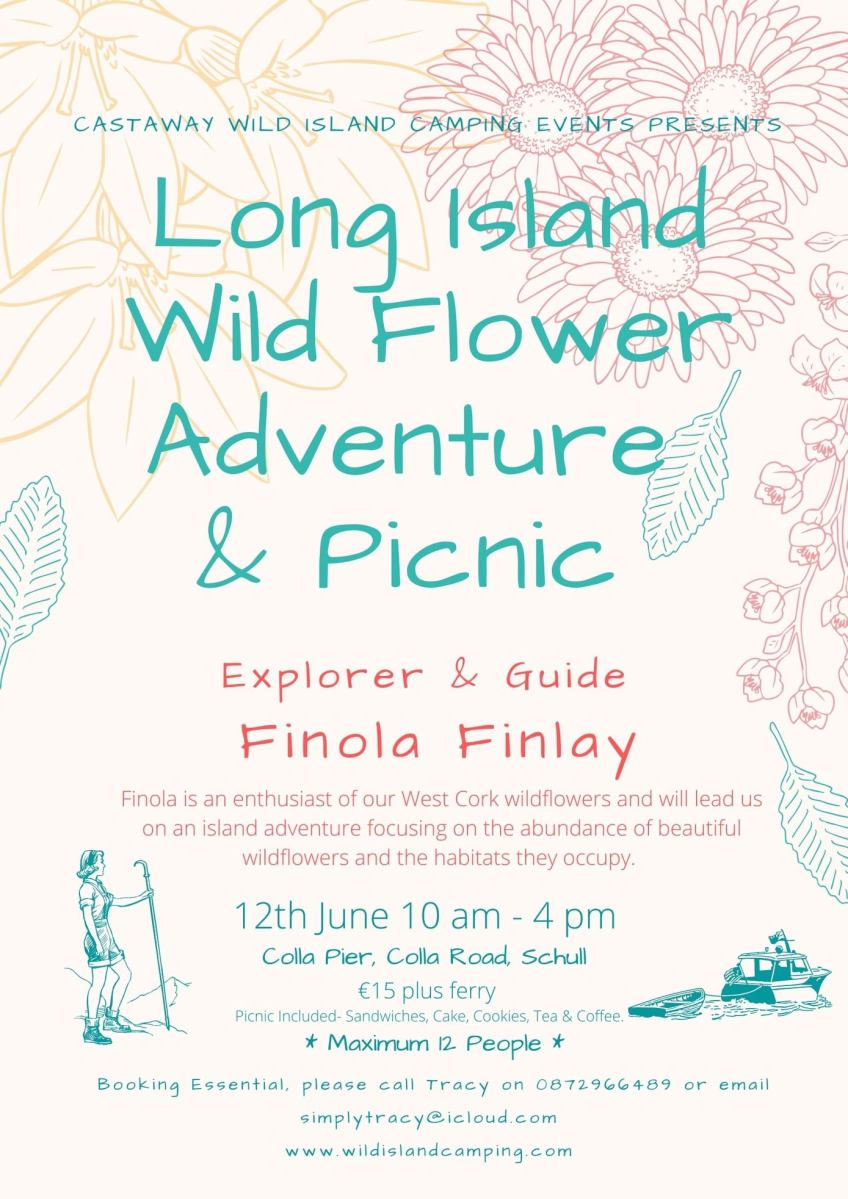
Tracy and Peter Collins are the charming and enterprising couple behind Castaway Wild Island Camping on Long Island in West Cork. When they asked us if we’d like to help with a collaborative island adventure we jumped at the chance to lead a wildflower walk.

But who knew there would be such a demand? Our first date (yesterday) filled up overnight with a waiting list, so we put on a second and it filled from the waiting list! 

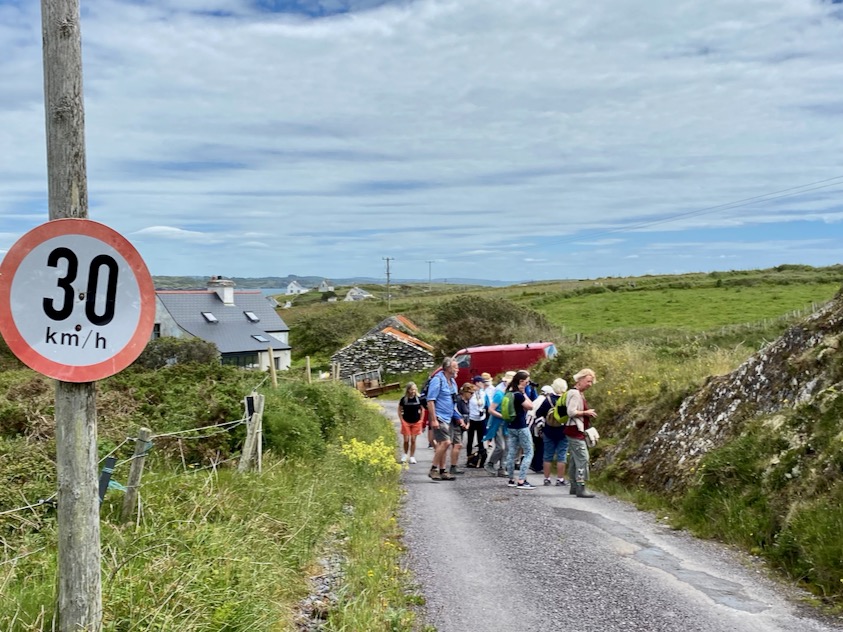
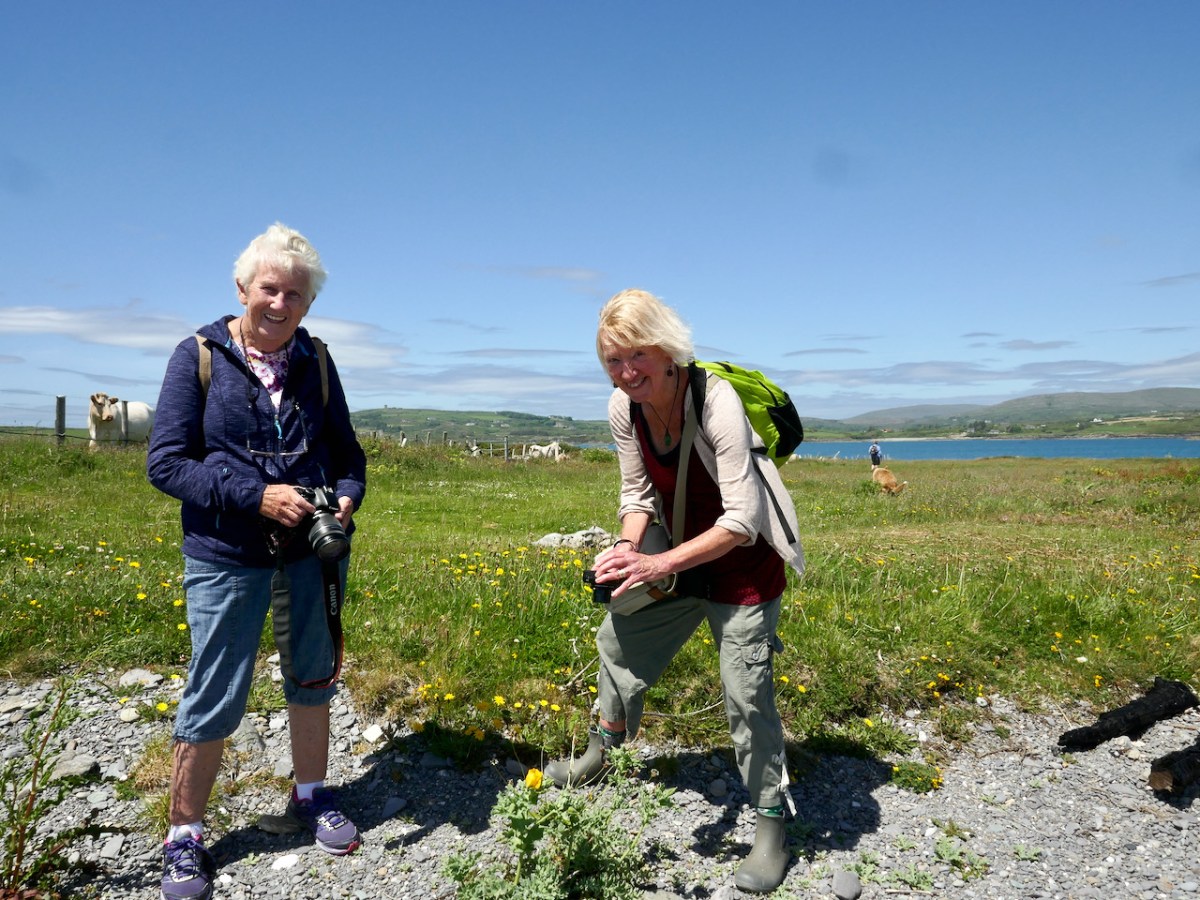
People are hungry, it seems, for experiences like this – and who can blame anyone for wanting to spend time on Long Island! We’ve been there several times and we know that the place, as my mother used to say, is Falling Down with Wildflowers. And so, yesterday, we met with our first group – and what a lovely and talented bunch of people it turned out to be, including an archaeologist, a fish biologist, an ecologist, a professor of Pharmaceutics, teachers, fellow-blogger Amanda from Holy Wells of Cork and Kerry, and an assortment of Long Island and wildflower lovers.

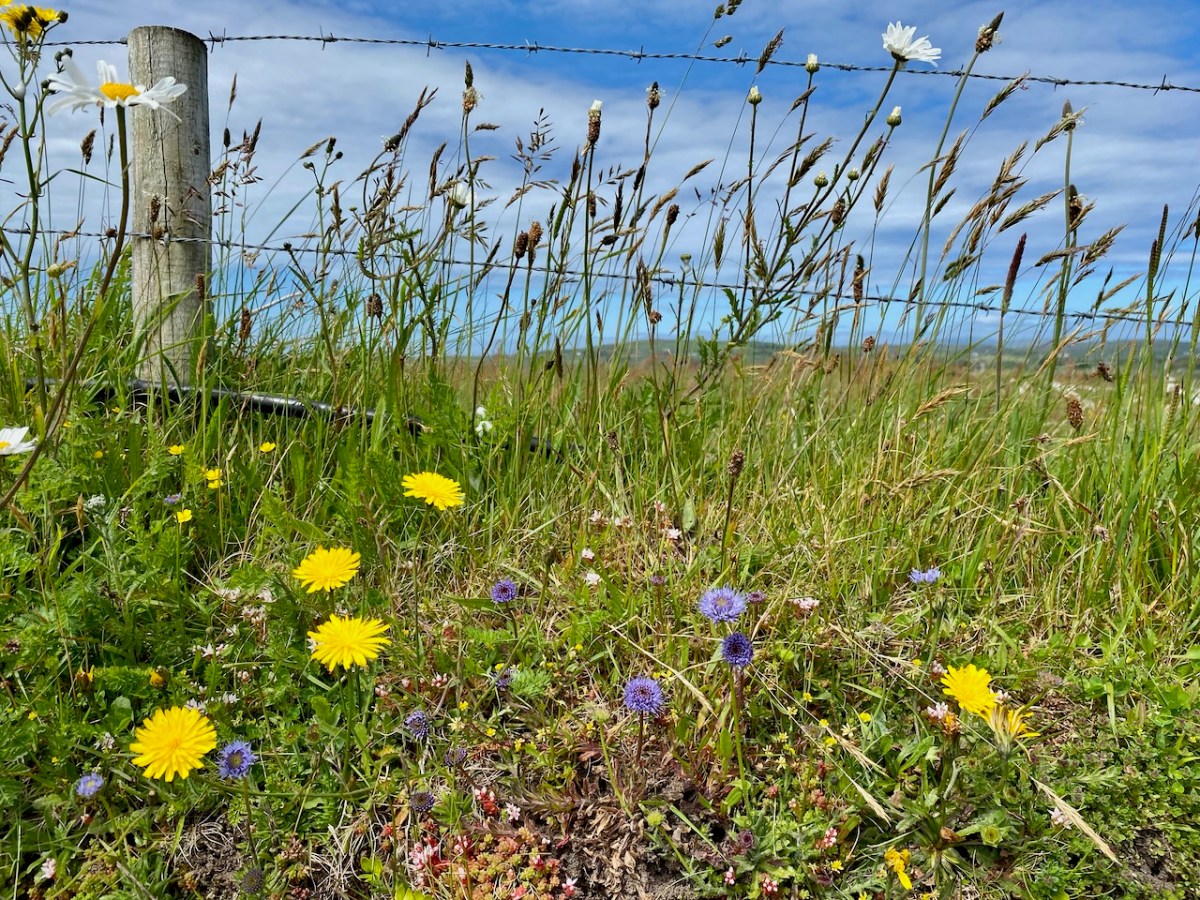
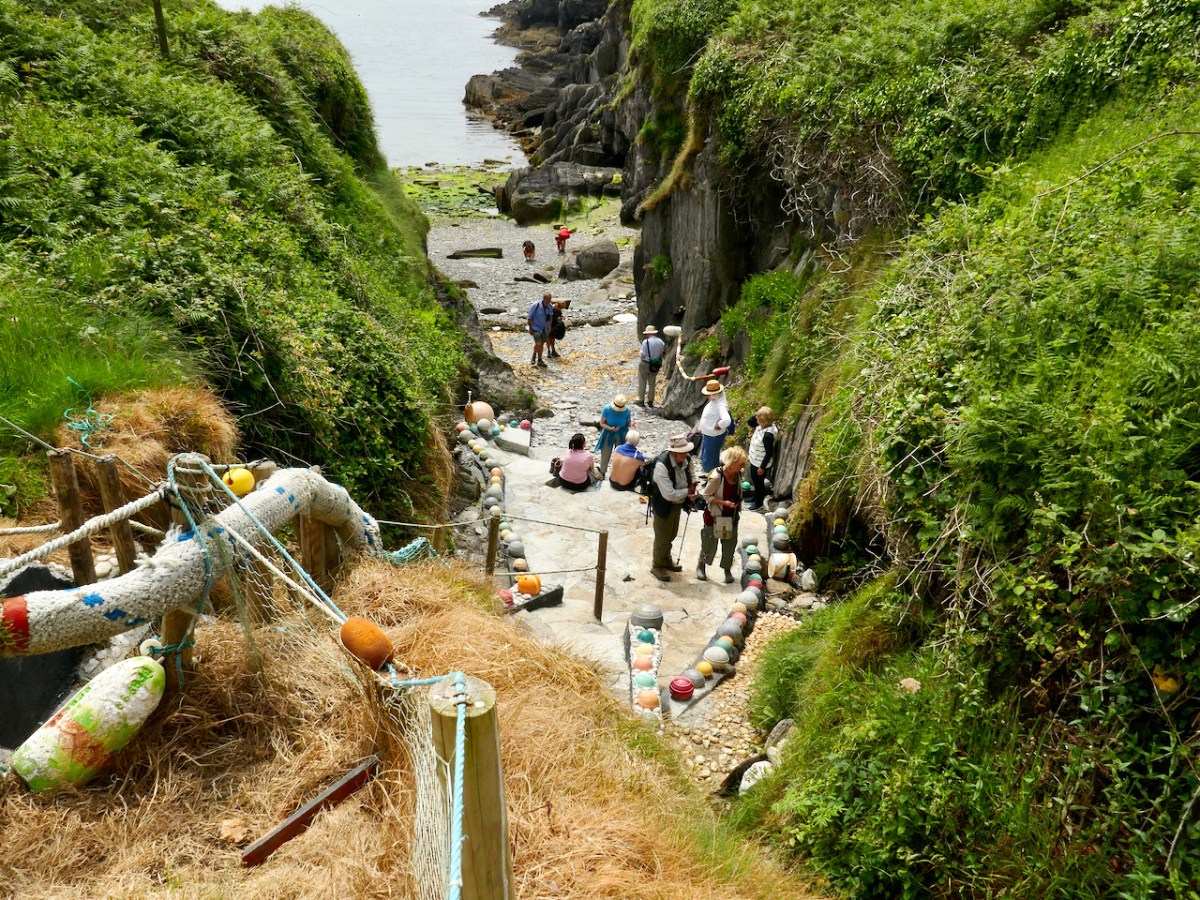
We started off at East House, home of Castaway Wild Island Camping for coffee and possibly the most delicious biscuits I’ve ever tasted, and then started our walk westward along the spine of the island, stopping as we went to talk about the habitats we were passing through, and the different flowers that had successfully adapted to those habitats. Hedgebank, field margins, stone walls and rock faces, old gardens – all carry their own assortment of plants.

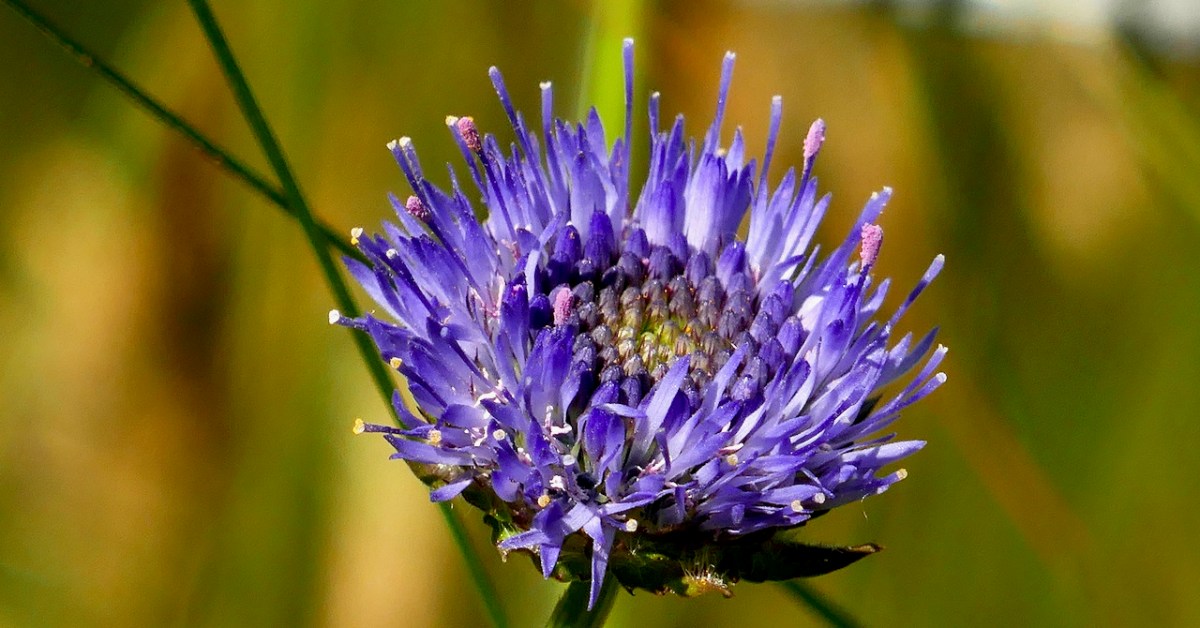
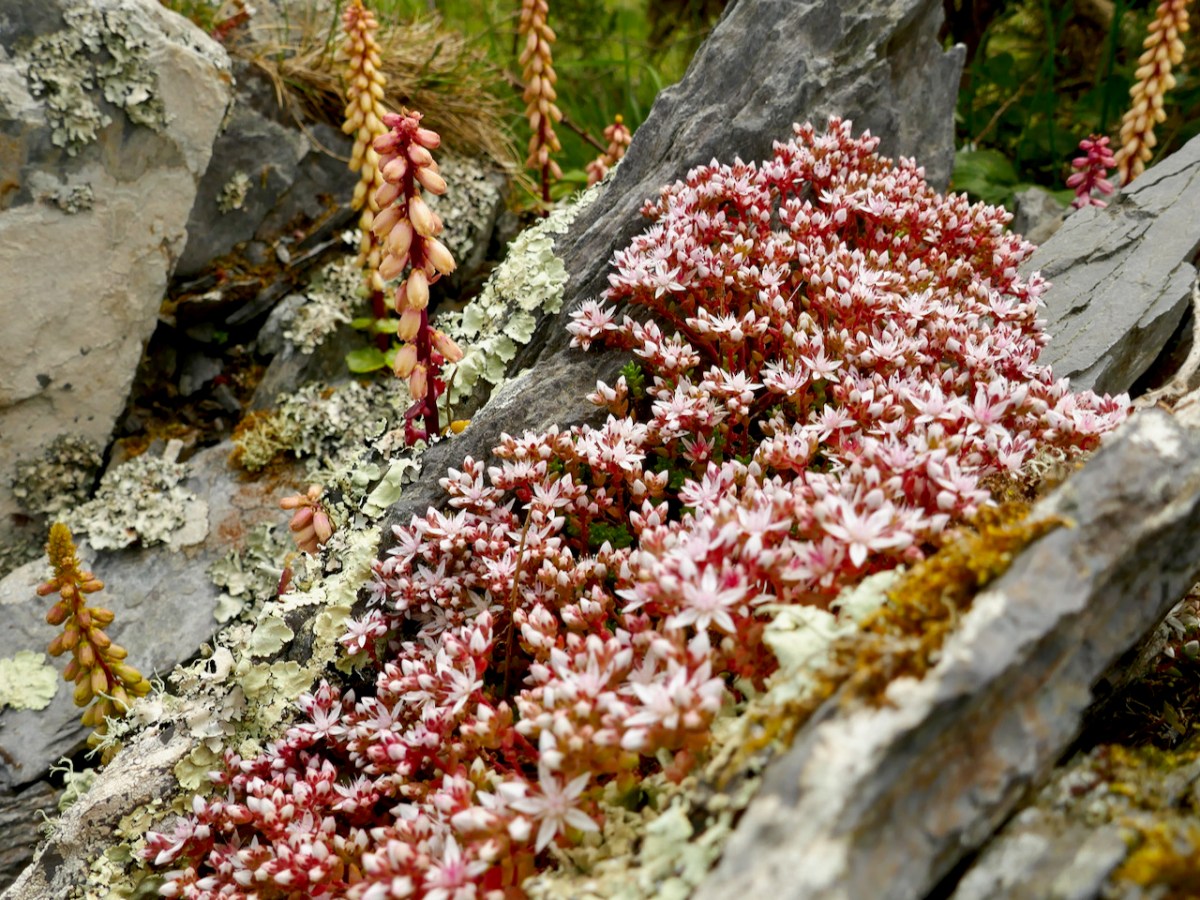
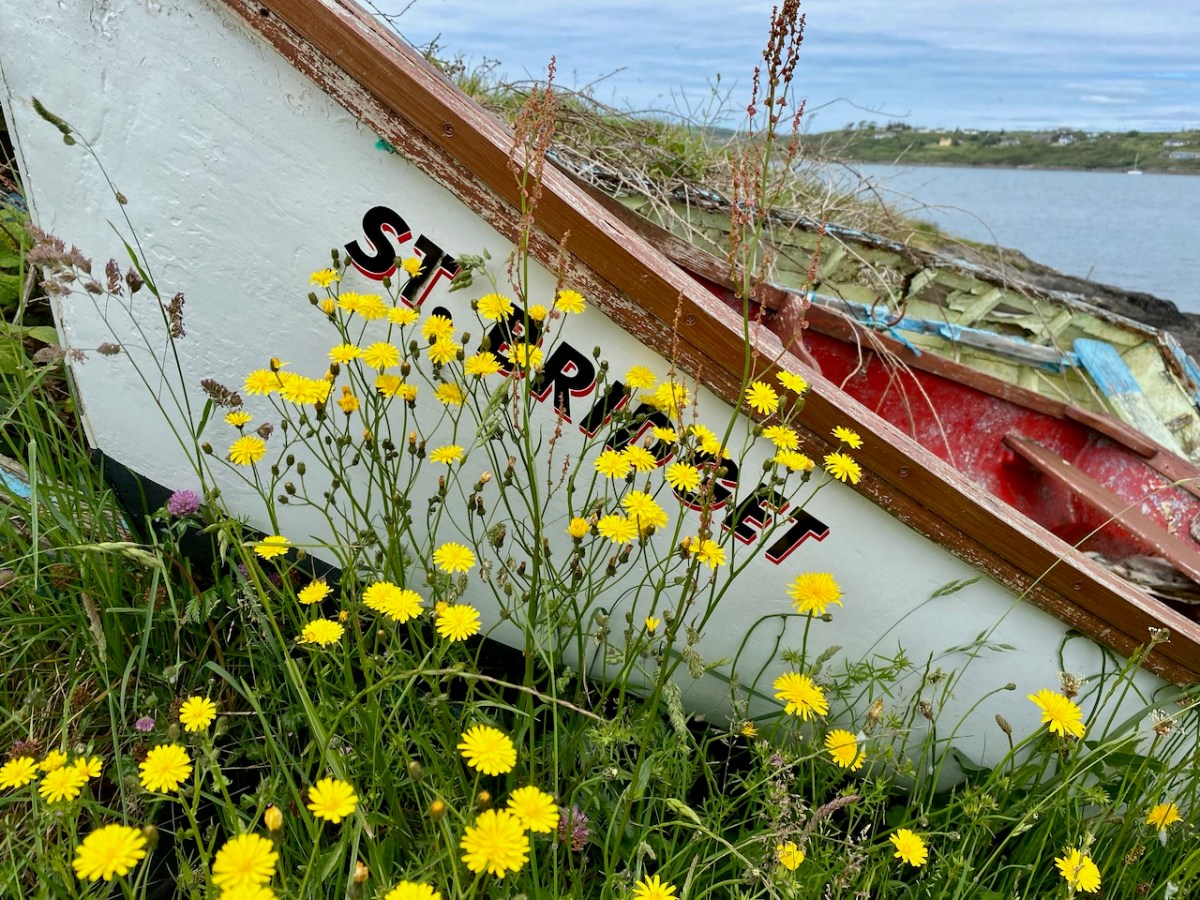
From the top: Cat’s-ear and Sheep’s-bit on a hedgebank; close up of Sheep’s-bit; English Stonecrop, Navelwort and lichen on rock face

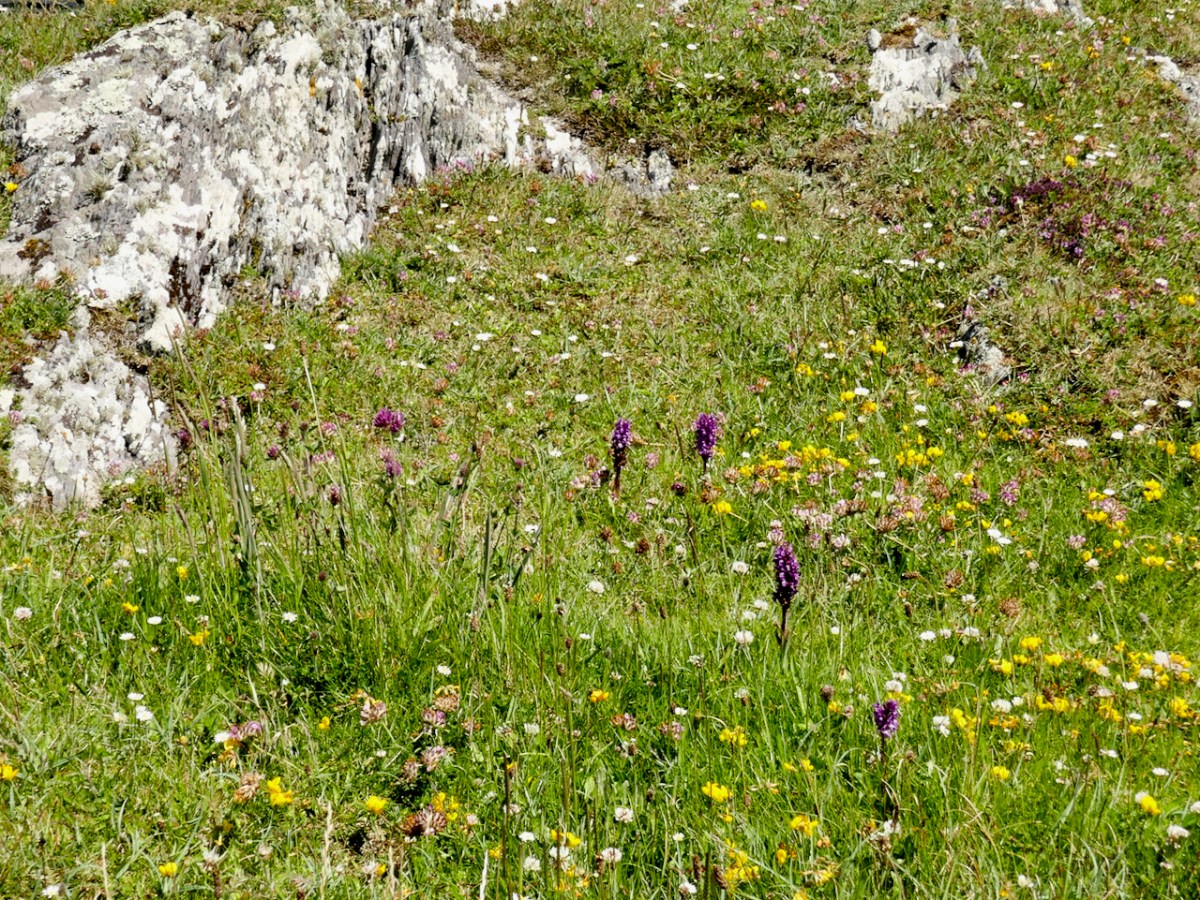
I never thought I would be blasé about orchids, but there are so  many at this time of year on Long Island that we soon ceased to stop and exclaim over each new group (below). Mark, the ecologist, was very knowledgeable about plants and pointed out the presence of Yellow Rattle, something that’s quite hard to find in the wild in West Cork but really important for creating good conditions for a wildflower meadow.

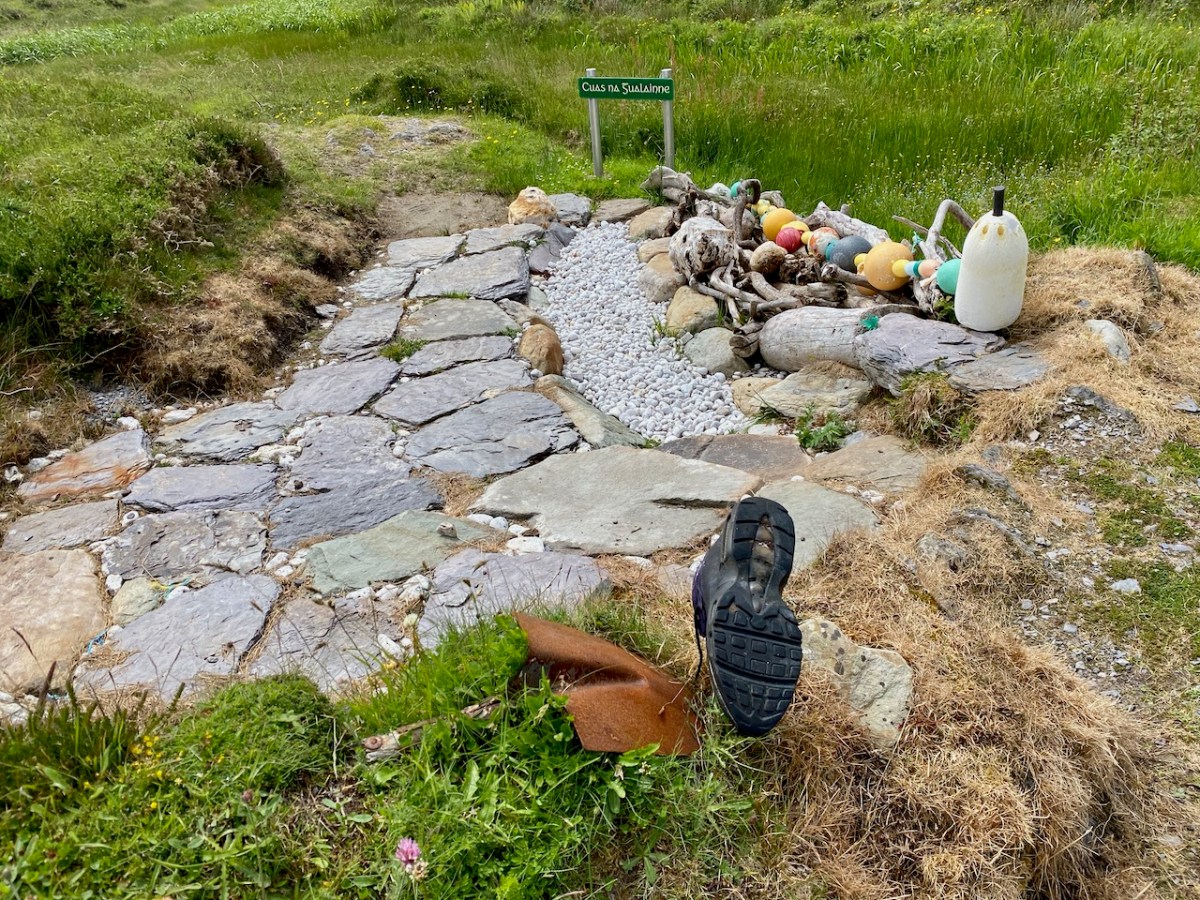
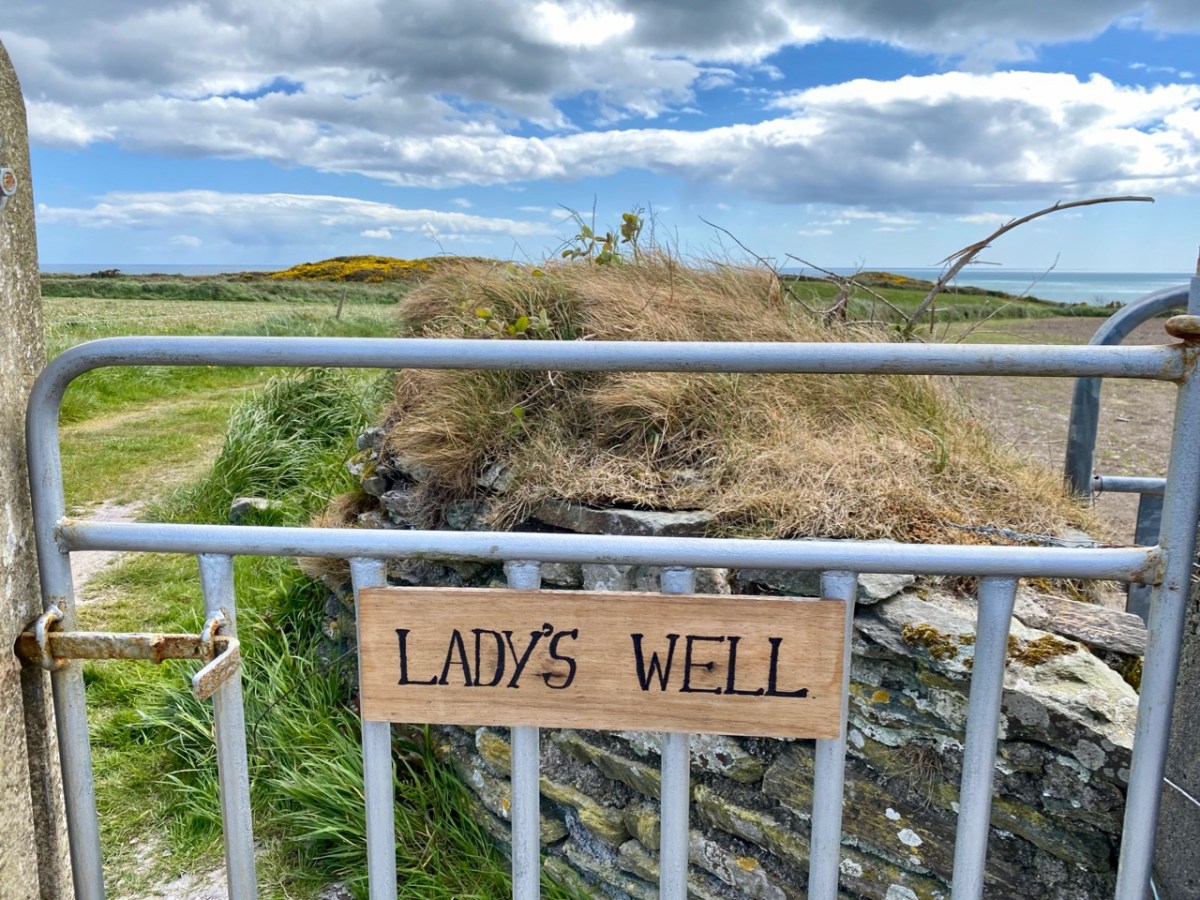
An island man, Joe Whooley, lovingly maintains the well at Cuas na Gualainne (the Little Inlet of the Shoulders – a reference, we think, to the shape of the tiny bay) and it was looking even better than the last time we were there. Amanda shared her knowledge of holy wells in general and told us about this one in particular. She’s not sure what the source of the holiness is, but is investigating. Meanwhile, the water was found to be clear and tasty. 

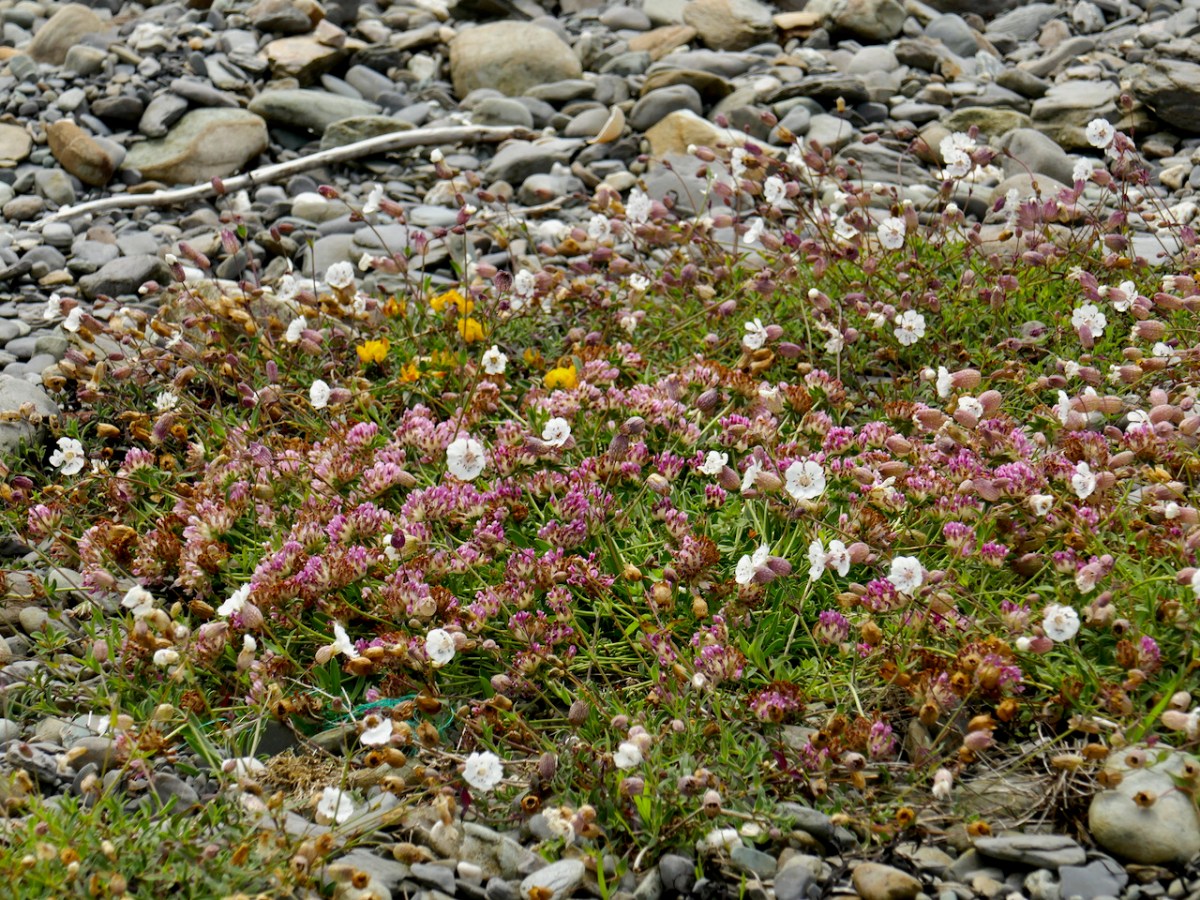
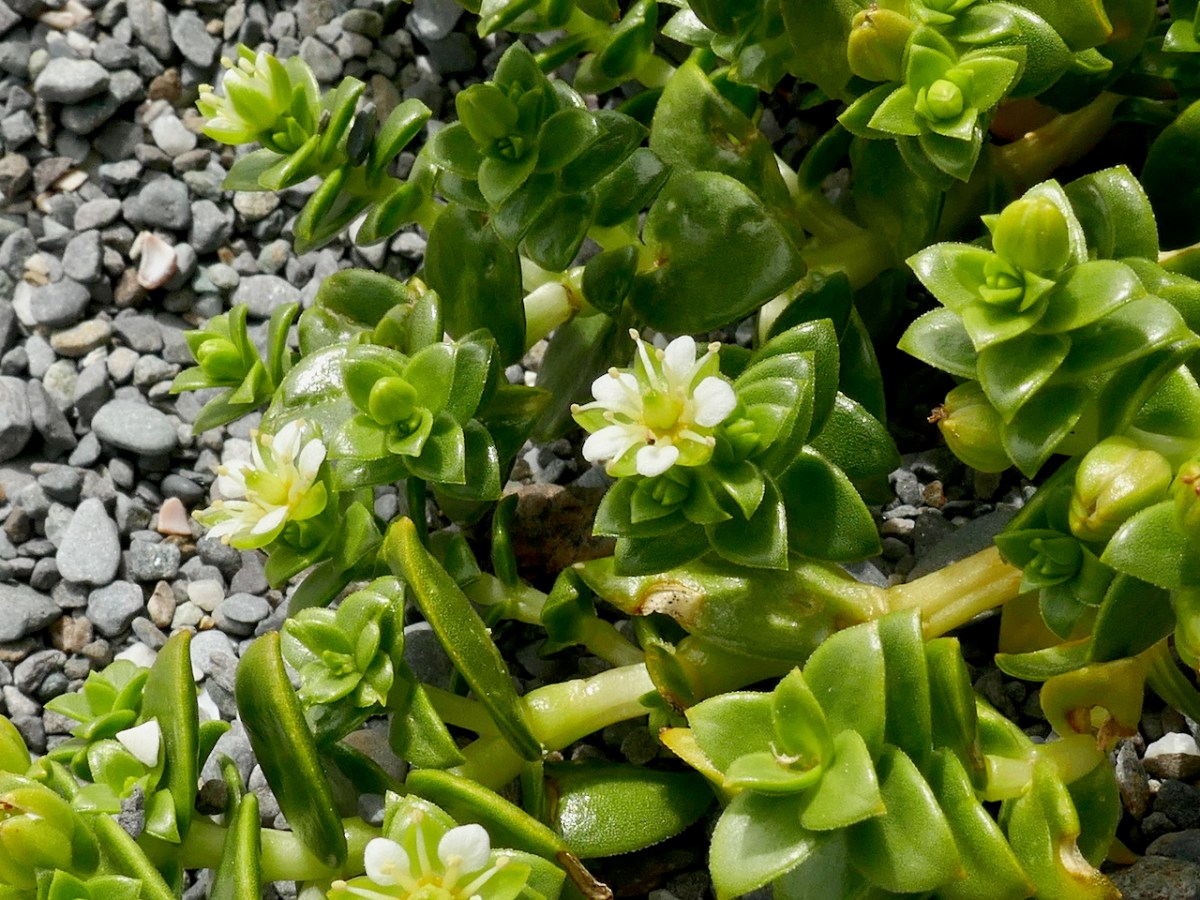
Reaching the Westlands pier, we concentrated on a whole new habitat, one in which marine-adapted plants flourish in what looks like unpromising conditions of shingle and bare rock..

From the top: a colourful patch of Kidney Vetch (pink), Sea Campion (white) and Bird’s-foot Trefoil (yellow); the delicate white flower of Sea Sandwort

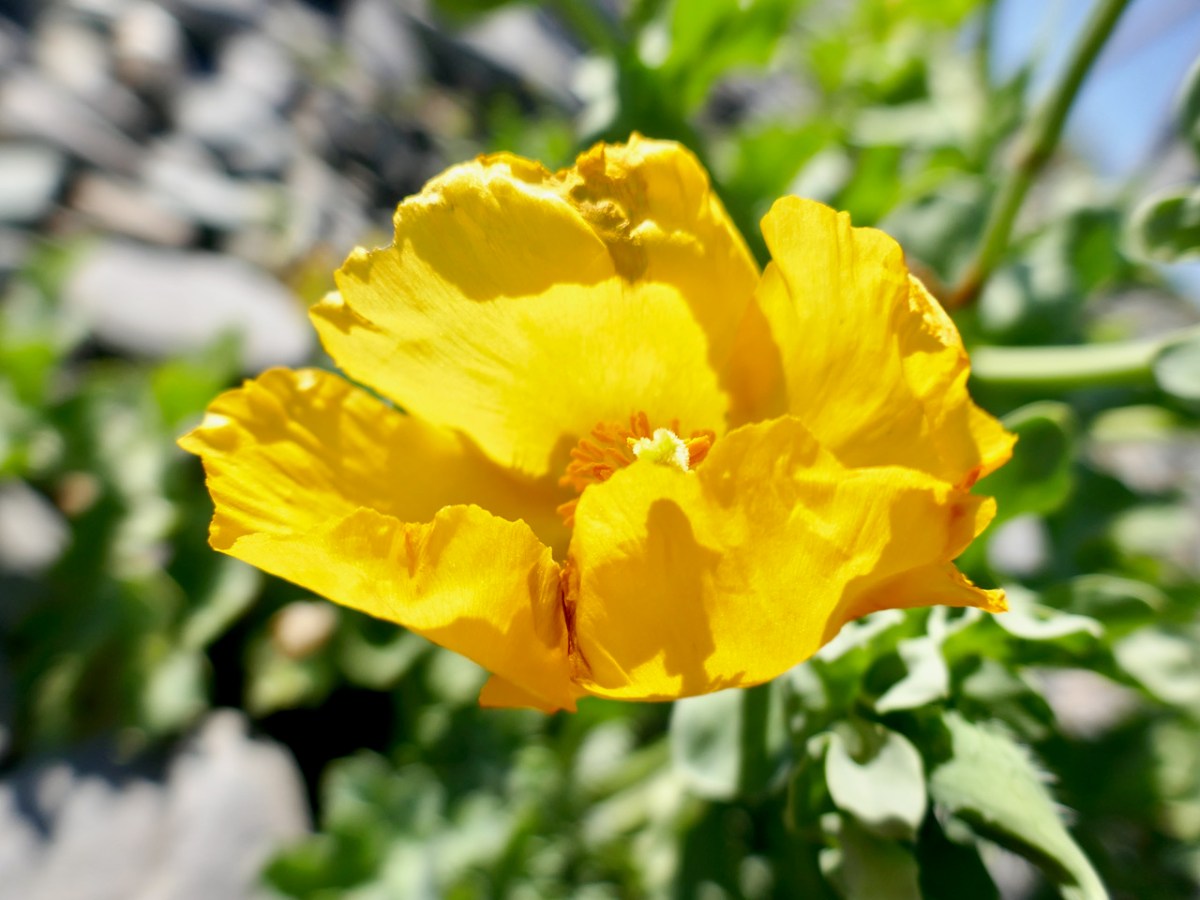
And here was one of the prizes – the Yellow Horned-poppy. It’s rare – classed as near threatened in the Red Data List of Vascular Plants – and strikingly beautiful. It’s wonderful to see a flourishing community of this exotic-looking flower on Long Island and I was thrilled to find some blooming already as I thought we might be too early for them.

From the top: Teresa and Amanda with one of the poppies: a poppy close-up

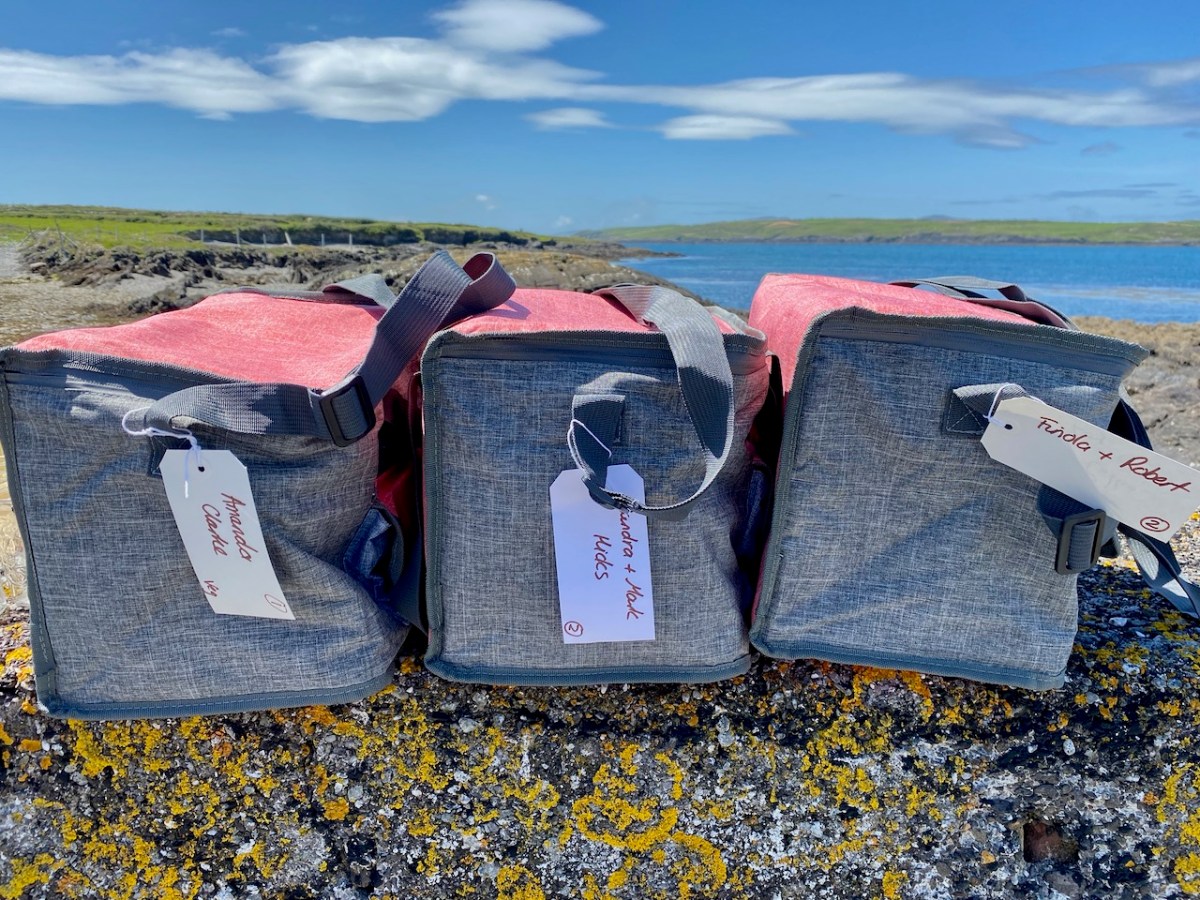
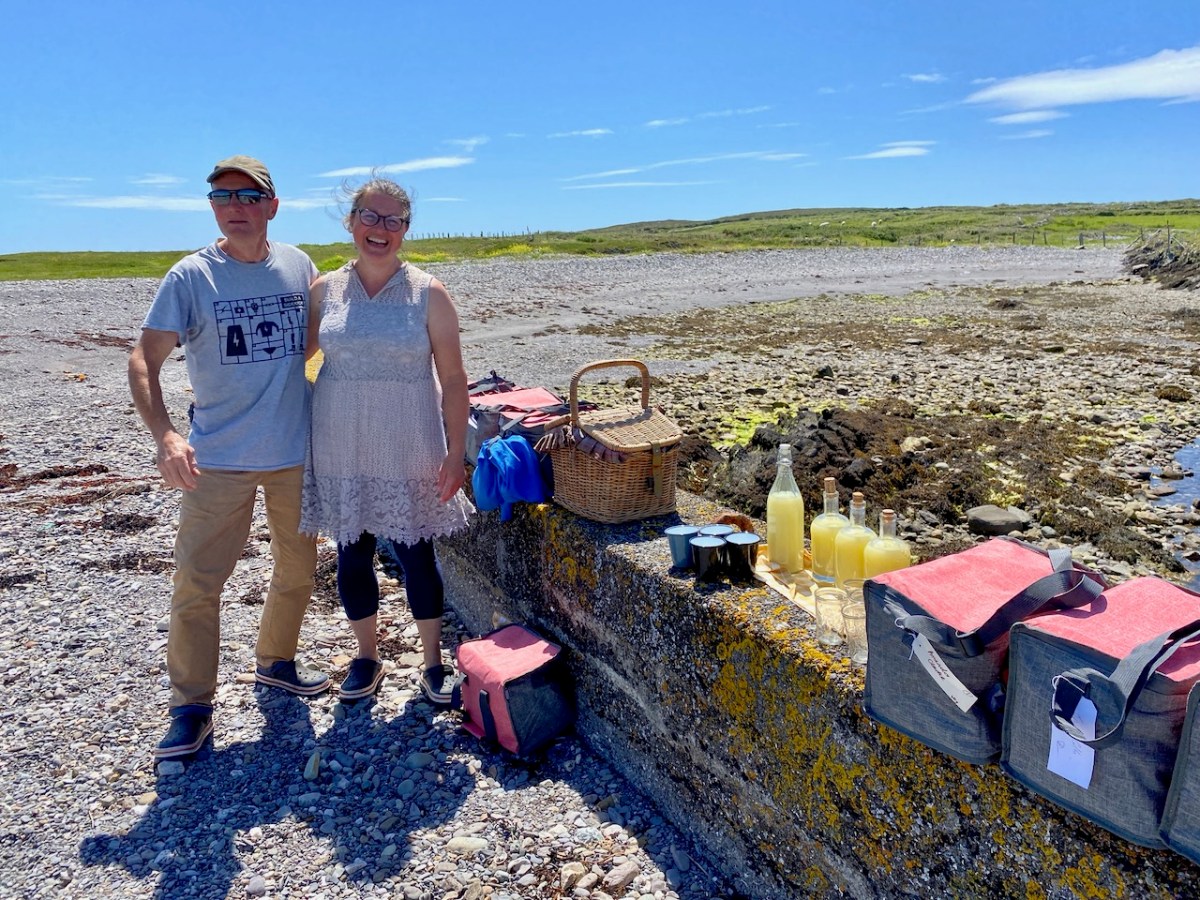
After a while exploring the shingle beach and the sandy beach we were all ravenous and like magic Tracy and Peter appeared with a fabulous lunch box for everyone. Home-made everything, some of it from their own garden (chocolate-dipped strawberries!) and delicious lemonade.

Tracy and Peter and the superb lunch

Mark gave us an impromptu talk on the island environment, reminding us all it was an essentially man-made habitat, and on the importance of this coastal strip of south west Ireland for so much flora and fauna. A possible future national park? That’s a huge YES from us!
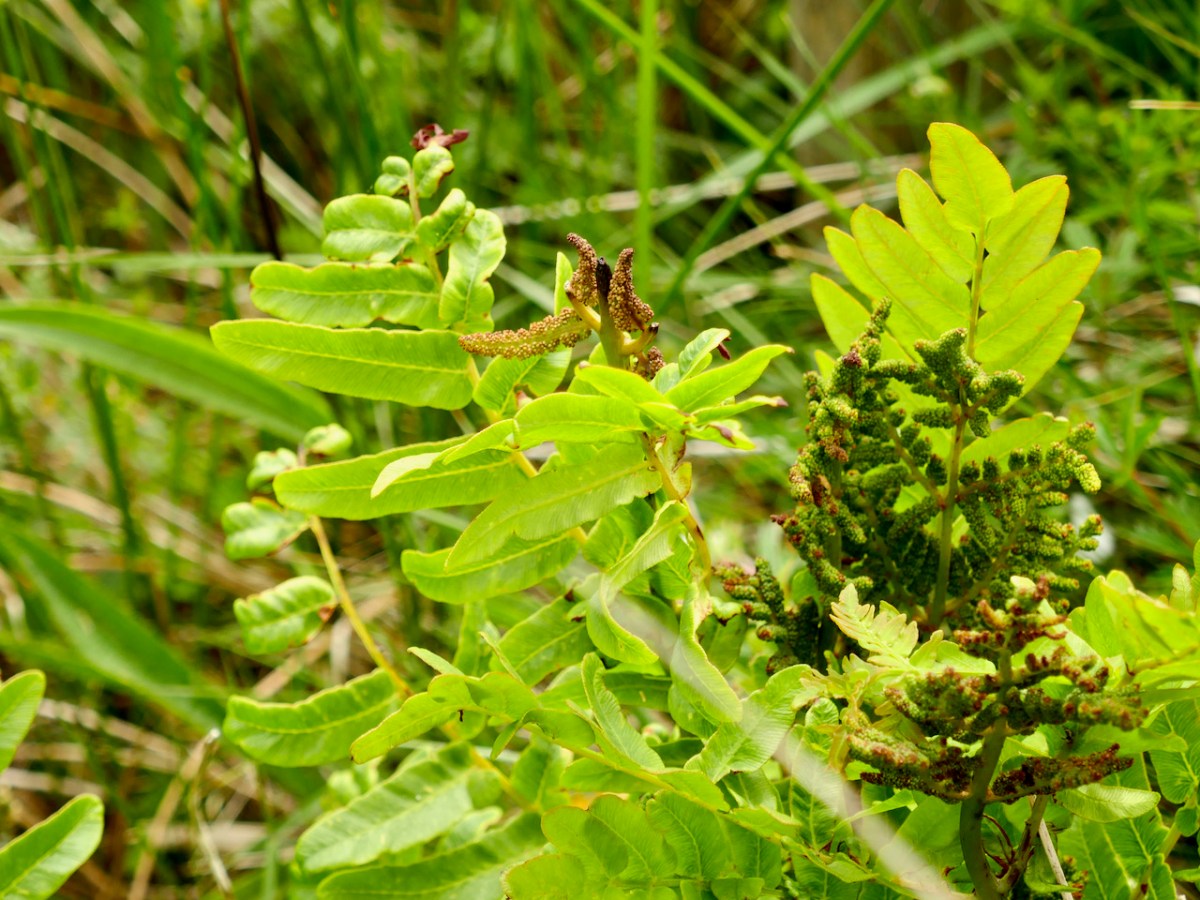
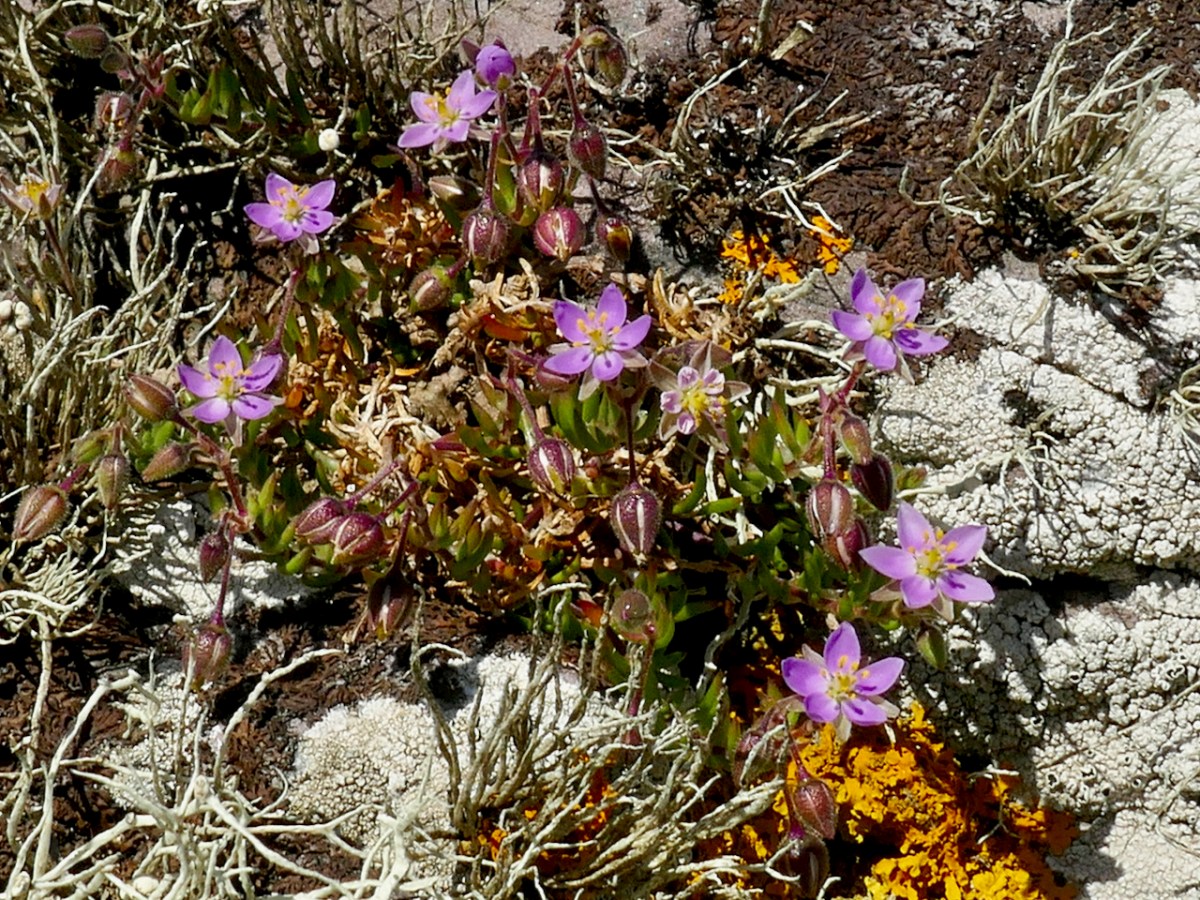
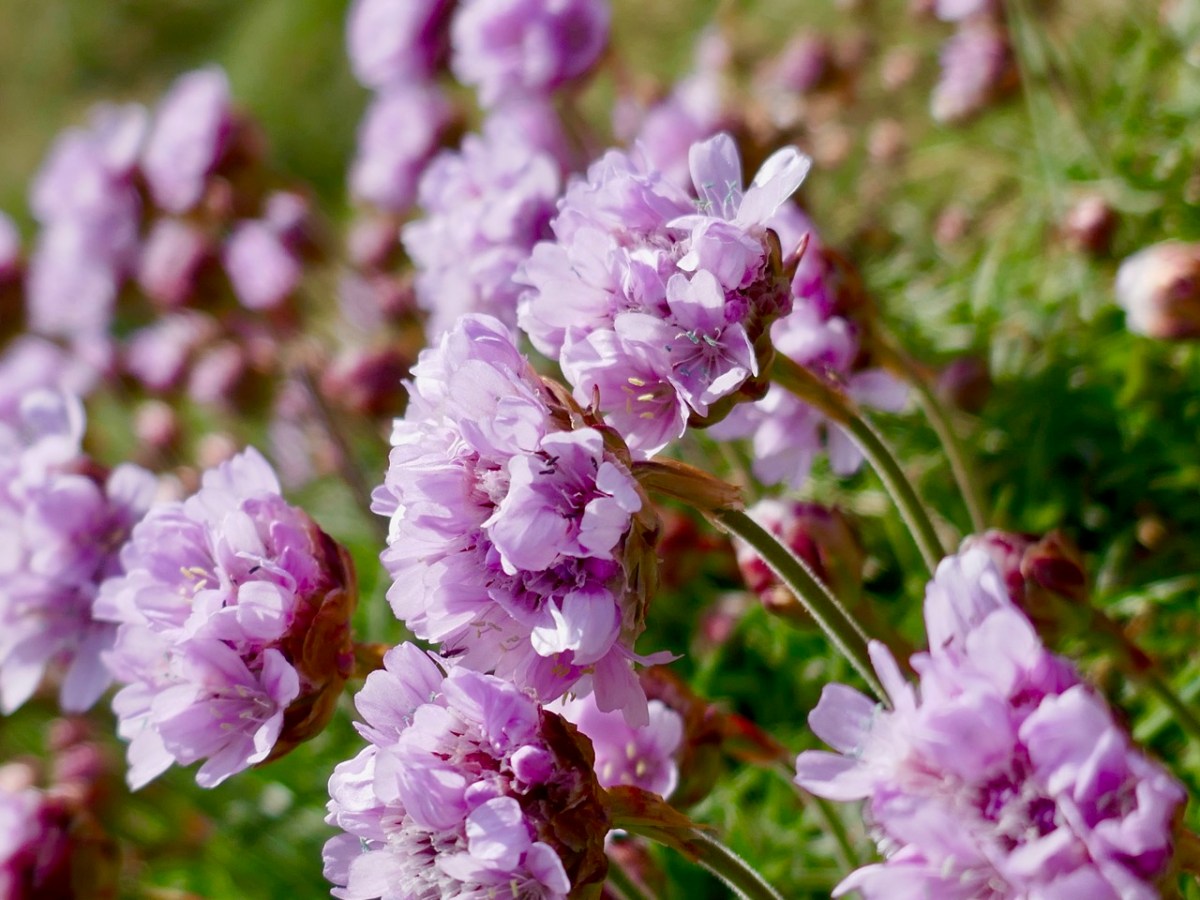
From the top: The Royal Fern – the spore-bearing fronds are starting to appear – this species is an indicator of a healthy environment and Mark told us it it getting to be quite rare in some parts of Europe and needs protection; Rock Sea-spurrey – a beautiful and tiny pink flower that likes to grow on rocks by the sea

Well fuelled, we made our way back to the ferry. The chat was mighty along the way, with old friends catching up and new friendships being forged. 

We’ll be doing it again next Saturday – all full up already, so sorry. But why not go on a do-it-yourself wildflower ramble on Long Island any time? Check the ferry schedule, pick up a copy of Zoe Devlin’s The Wildflowers of Ireland (she’s just brought out a new edition – the best and easiest way to teach yourself how to wildflower)  and treat yourself to a day in Paradise! Better still – book in with Castaway Wild Island Camping for a true island adventure.
A Bit Further Round Ring

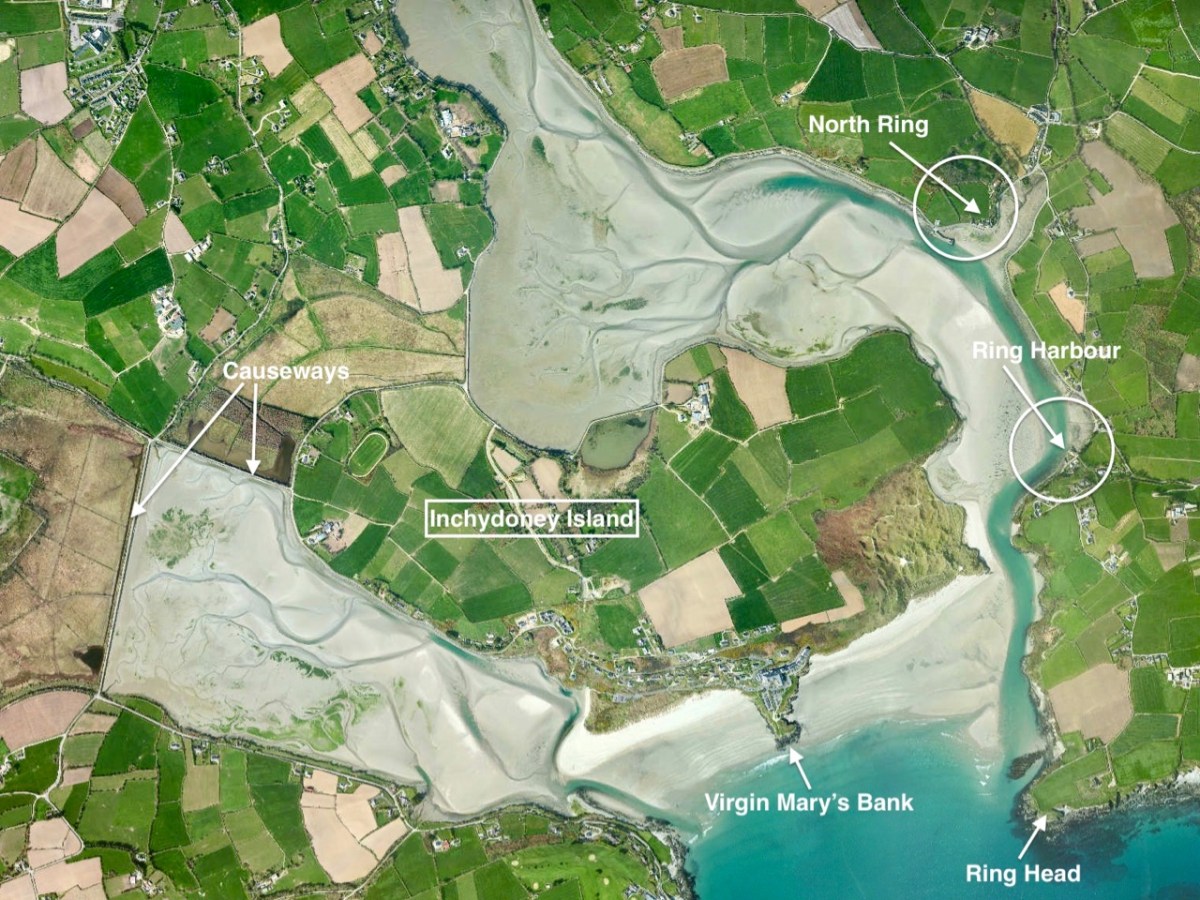
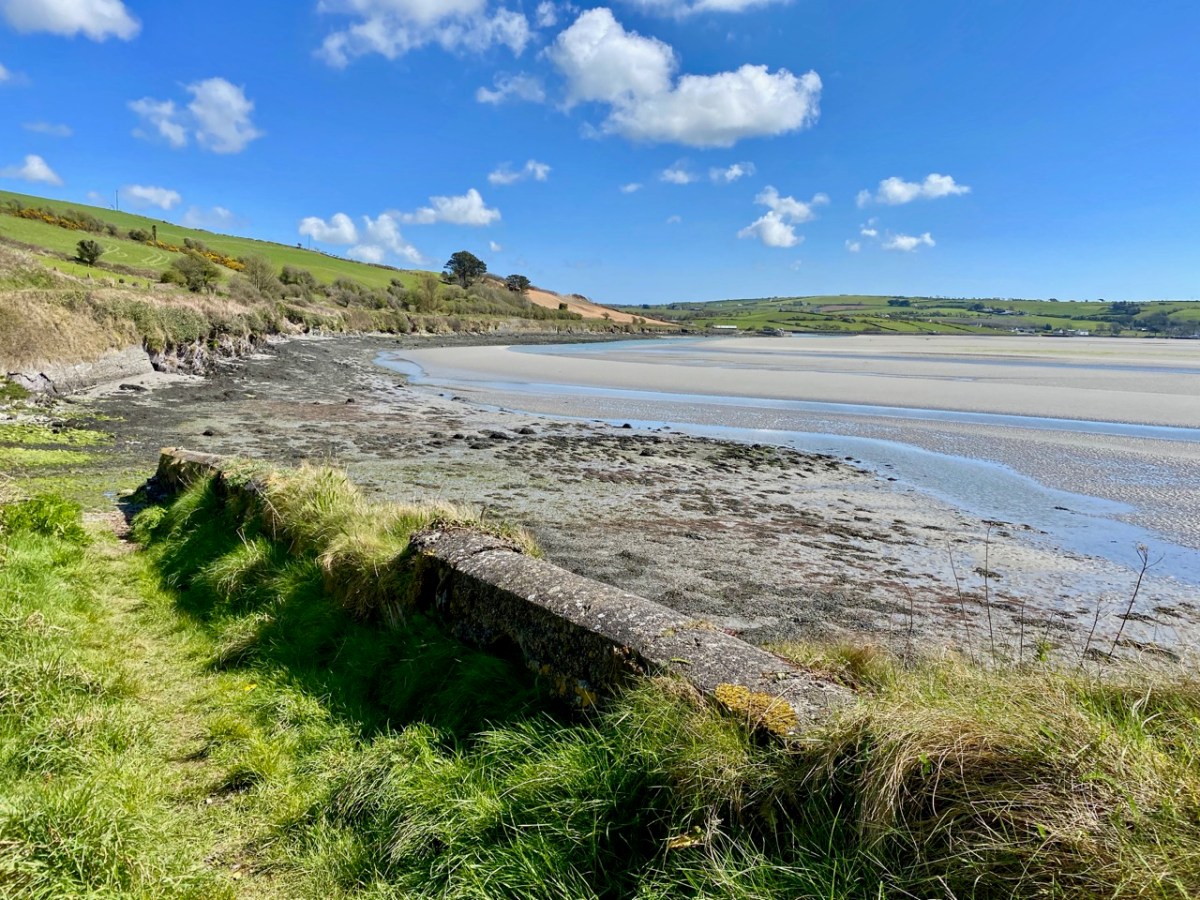
A few weeks ago we took ourselves round Ring, a perhaps less-well-trodden part of West Cork’s many delights, just to the south east of Clonakilty. I ran out of time and space in that post and left the rest for another day. This is the day! Last week we were just across the water from Ring – on Inchydoney Island – and that exploration enthused me again. I’ll remind you of the geography:
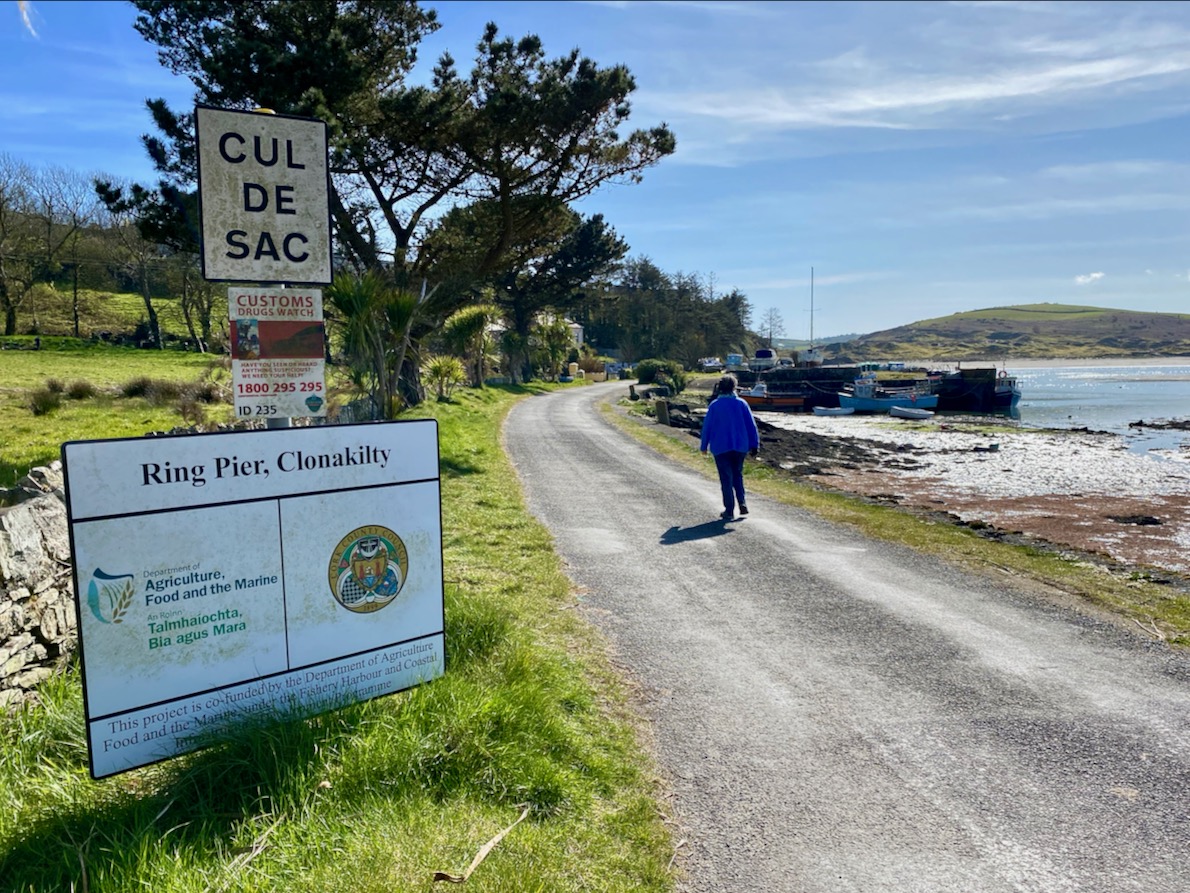
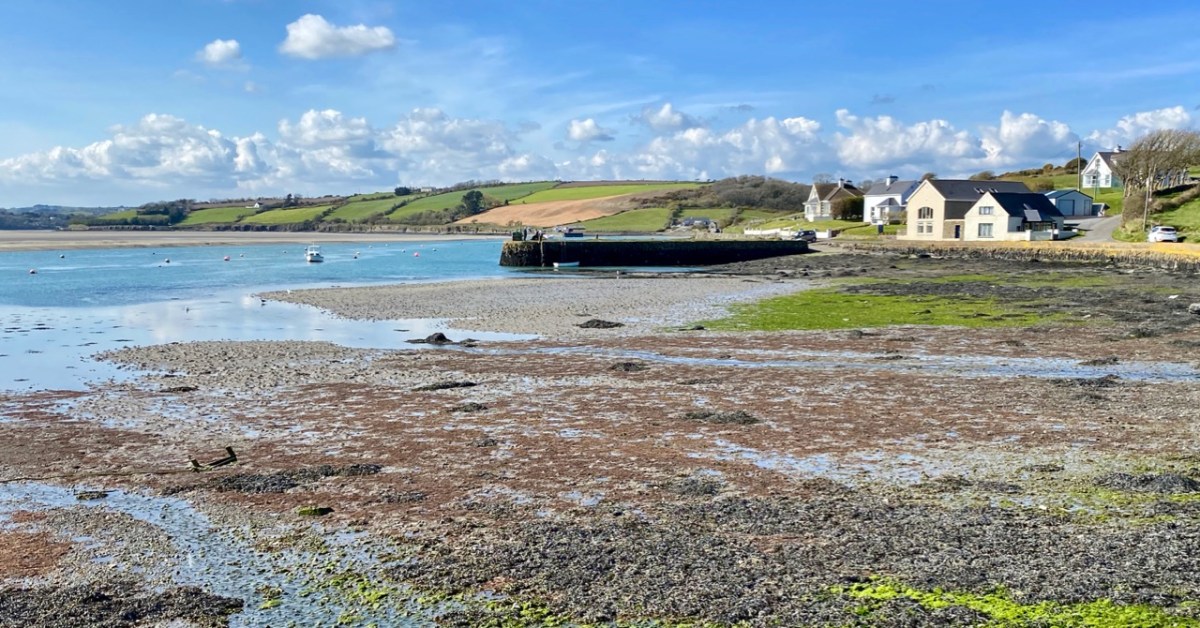
Between North Ring and Ring Harbour the road skirts the coast, and it’s obvious from the buildings along the way that boats and boating were the most significant assets to the area in past times, and are important also today.

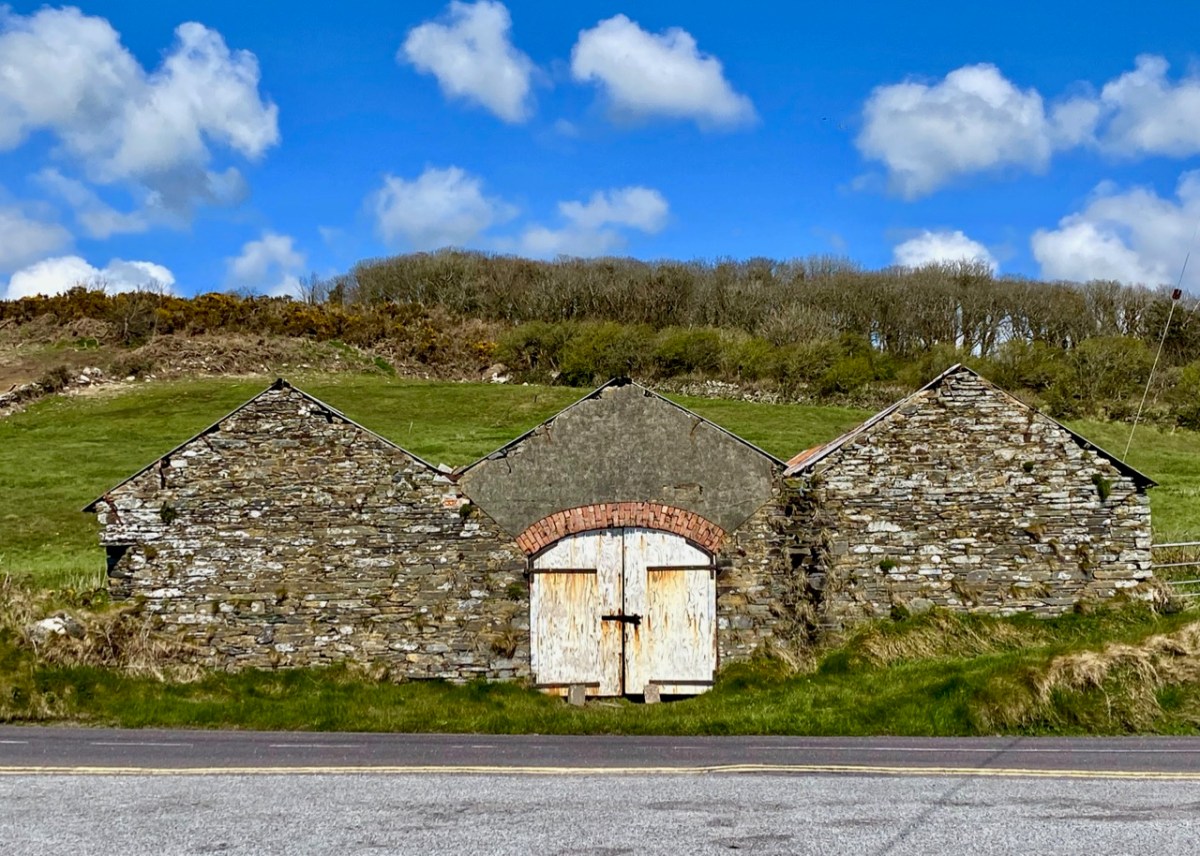
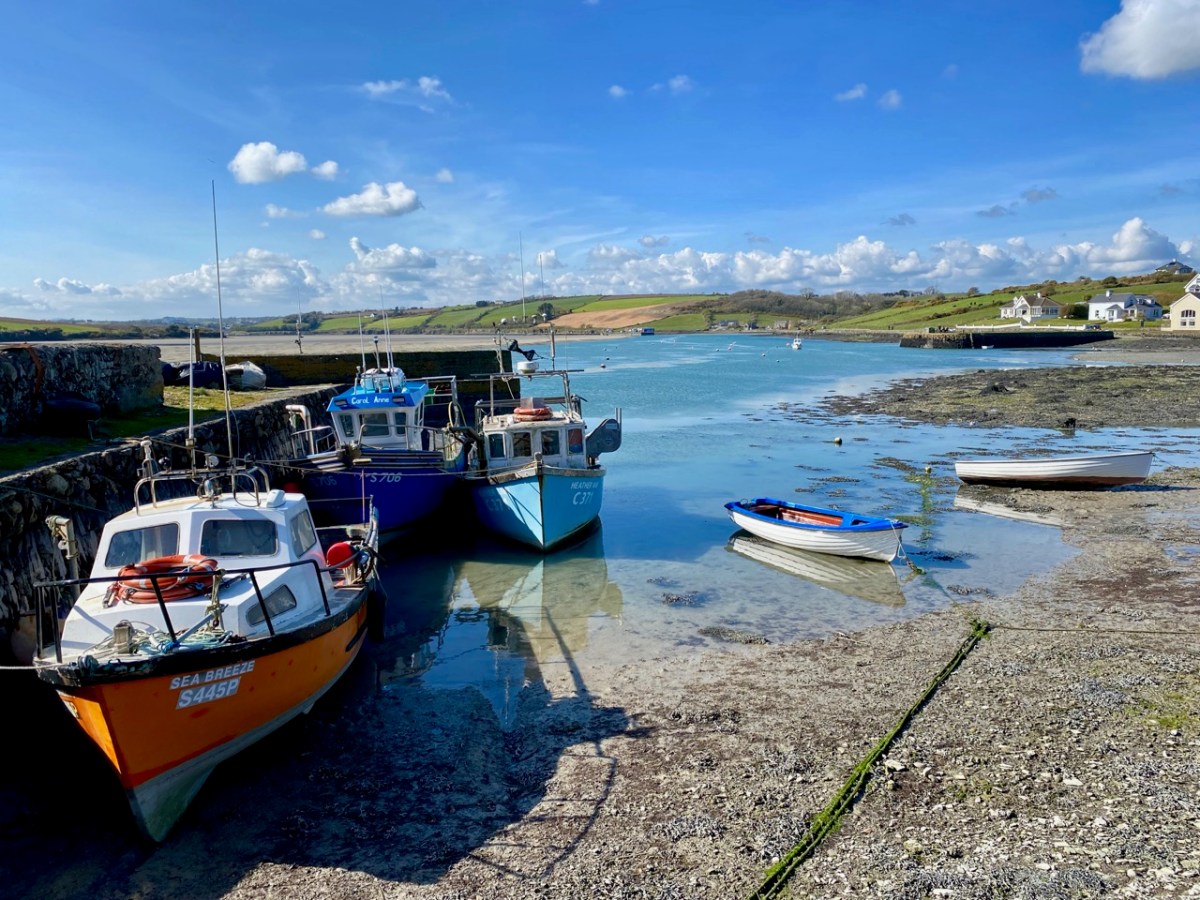
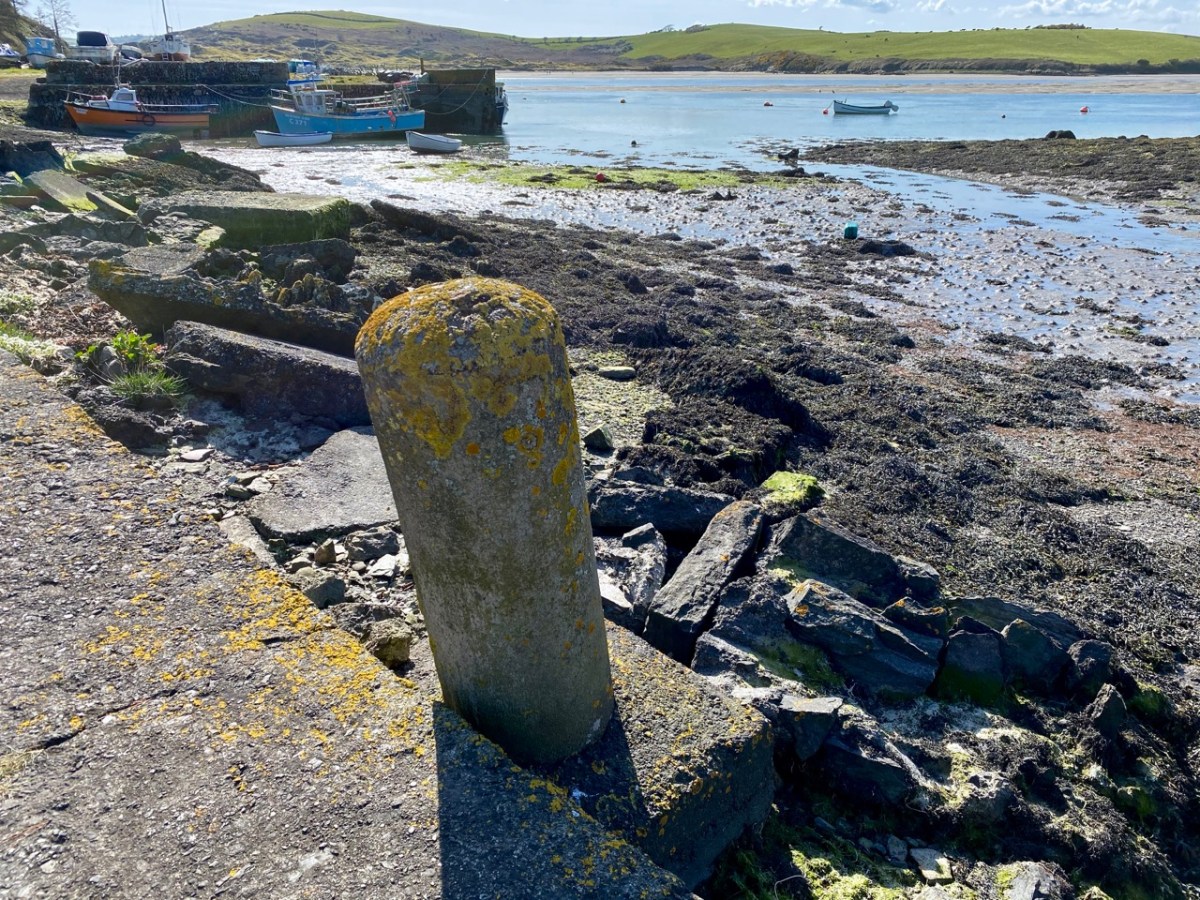
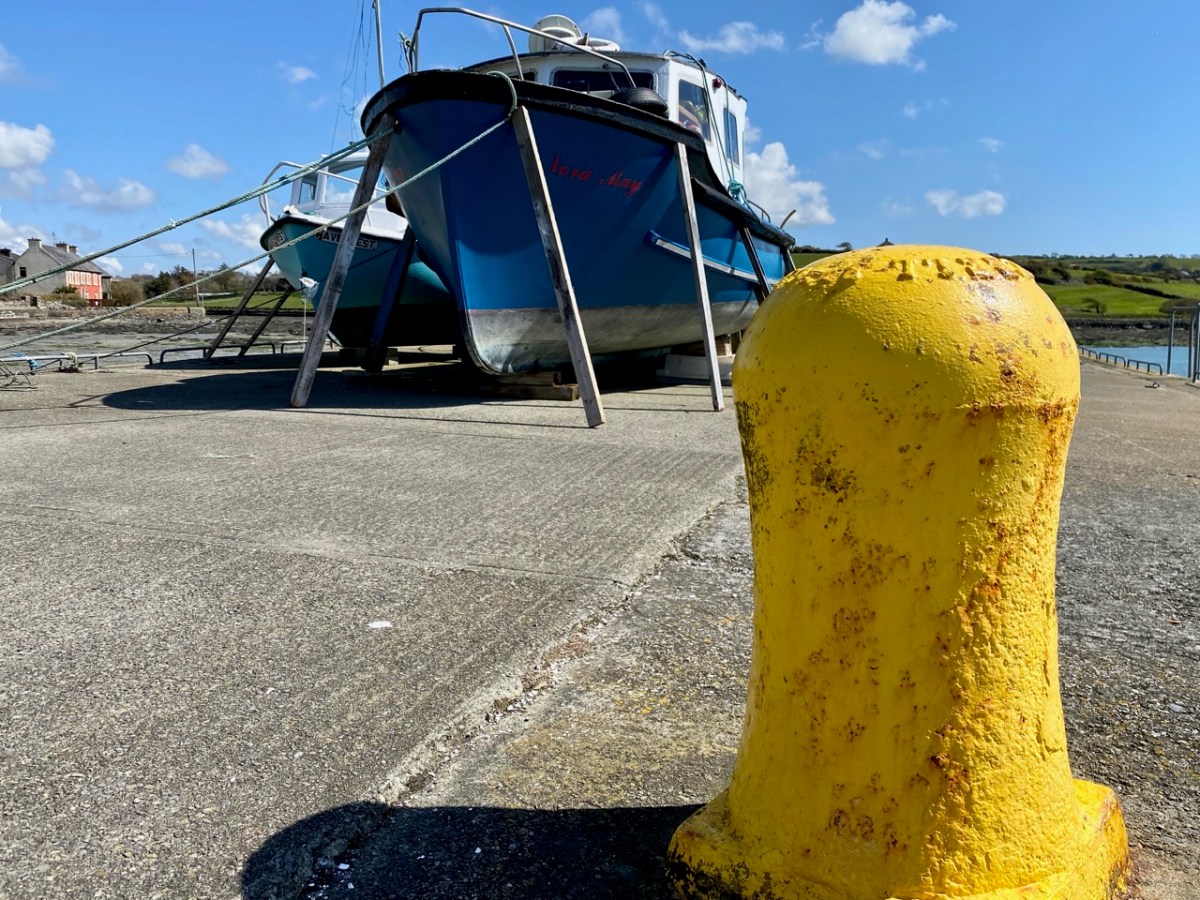
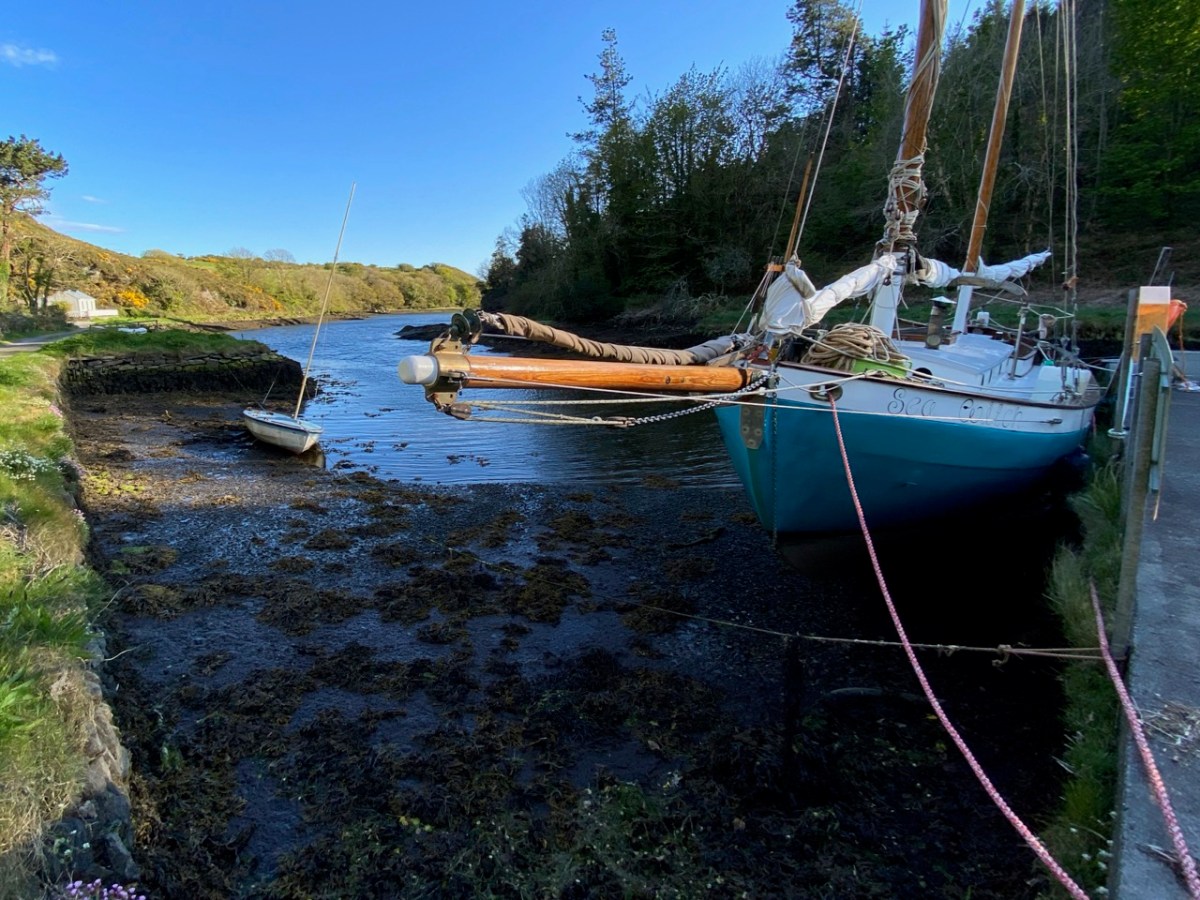
The two buildings with arched openings, above, were boathouses and stores. They are on the road which runs right beside the water going south out of Curraghgrane More. The colourful craft are at Ring Pier, which is still an active centre for fishing and – well – just messing about in boats.

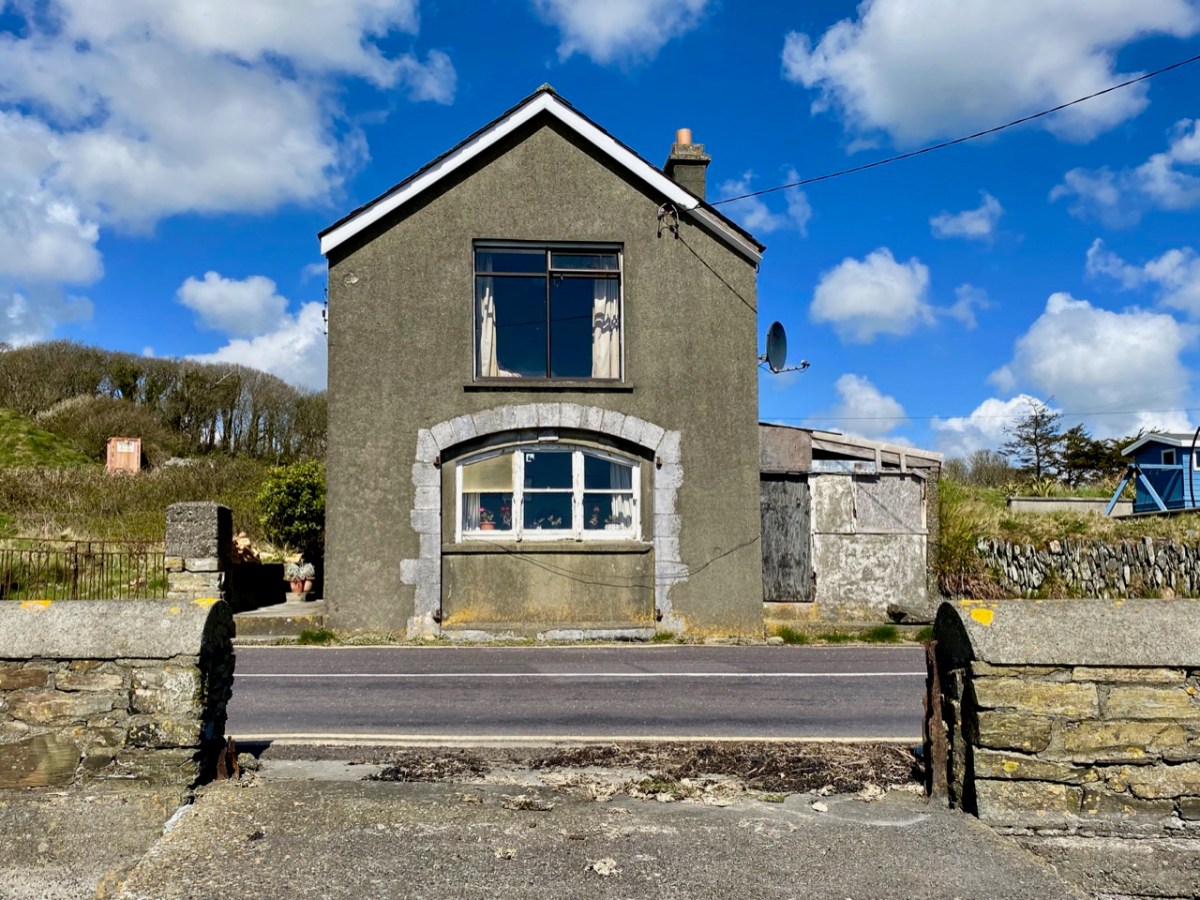
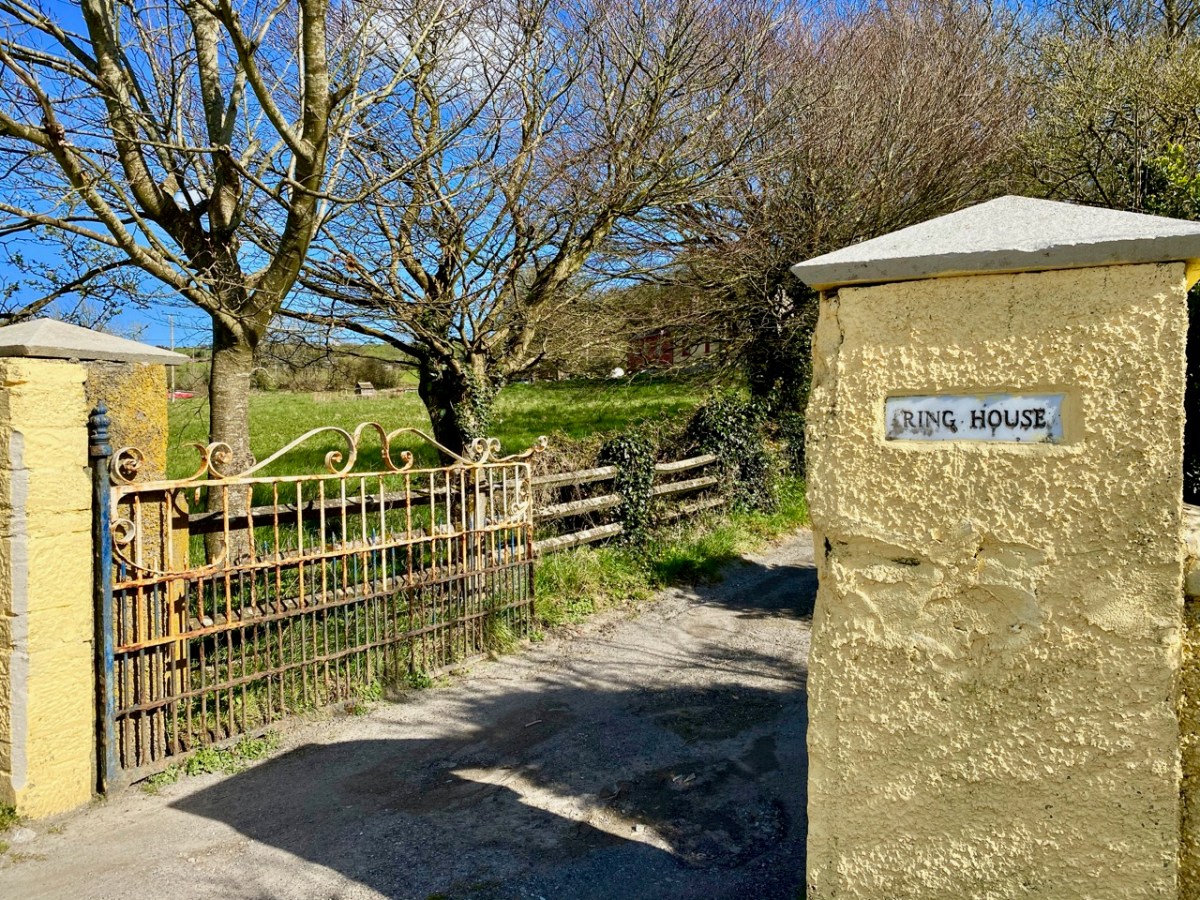
Just beside the harbour at Ring is the entrance to Ring House, which is on the National Inventory of Architectural Heritage, described thus:

. . . Pair of semi-detached three-bay two-storey houses, built c.1820, having single- and two-storey with dormer attic extensions to sides (north, south) elevations . . . An interesting pair of houses, which are unusual as they are semi-detached and large scale, yet in a rural area. Though some traditional features have been replaced, nonetheless the pair retains its historic character and is a notable contributor to Ring Harbour . . .

National inventory of architectural heritage, Reg no 20913532

The gateway is promising, but there is very little to see of Ring House from the road. I also could not find any other accounts or any history of the place. I wondered if it had always been two semi-detached houses – as described in the National Inventory – or whether it was originally a single dwelling of some stature.

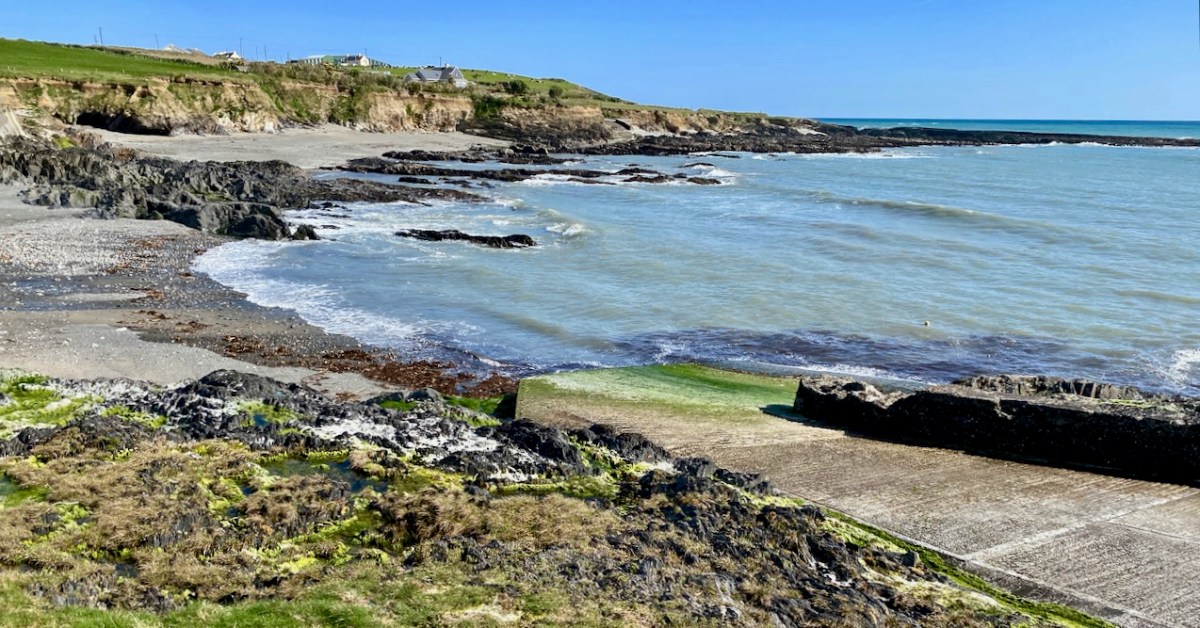
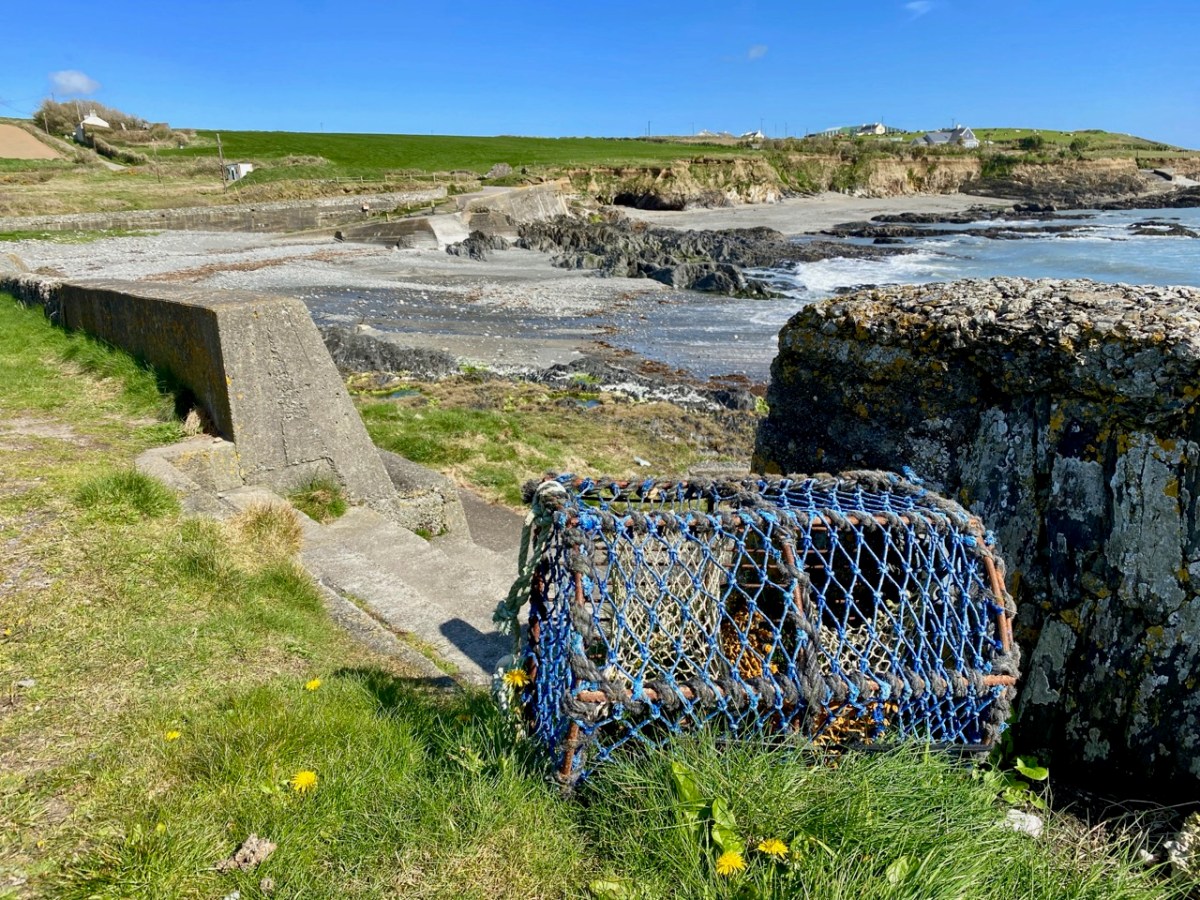
Our journey took us along the south facing coastline and we dropped down to the little inlets at Sheep Cove and Simon’s Cove. Both are worth visiting, involving negotiating tiny culs-de-sac, but there’s always room to turn at the end. Look out for the small paths leading to flagstone and sandy beaches. As always, there is evidence of the resourceful use of the maritime environment.

At Simon’s cove we turned and retraced our steps: we were barely 15 minutes away from the town of Clonakilty. Next time we will travel further east, and hopefully uncover more West Cork treasures.

Woods of West Cork

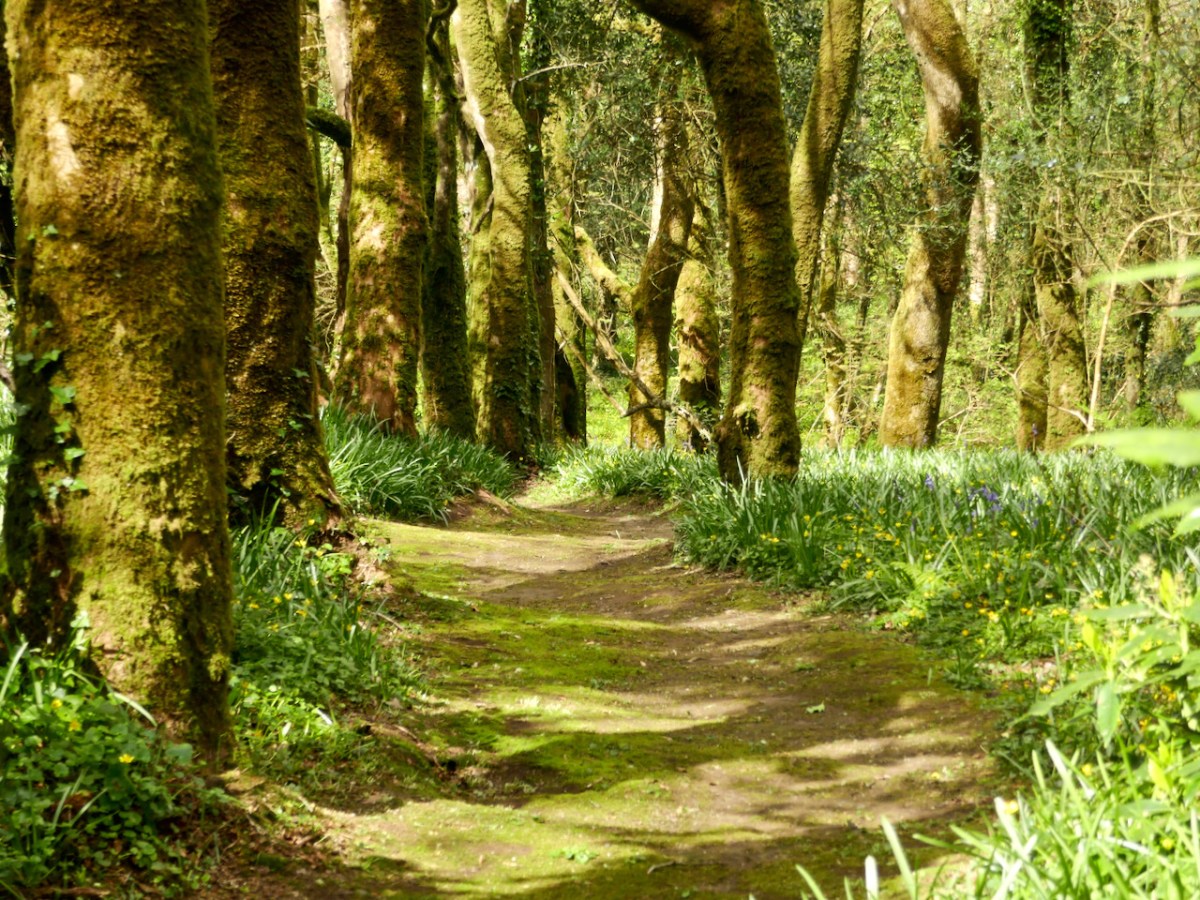
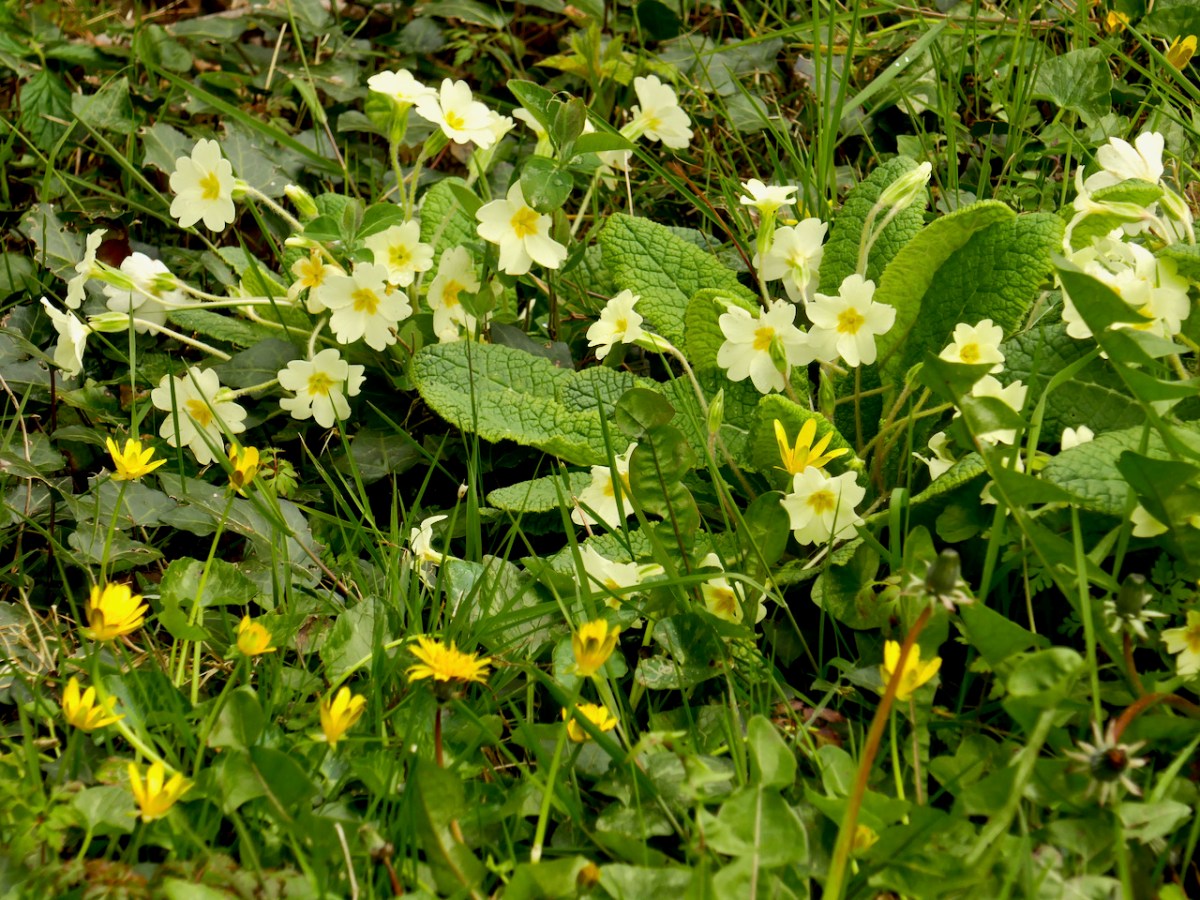
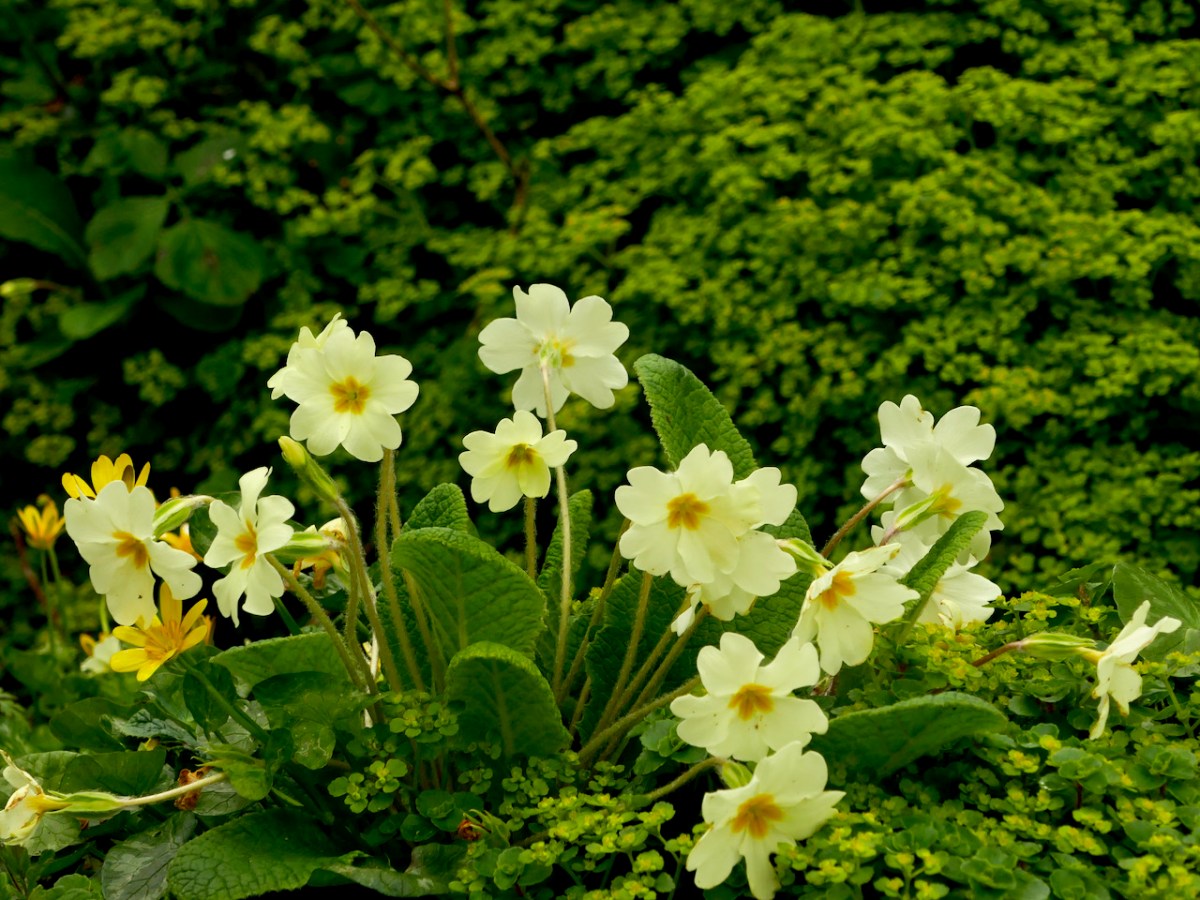
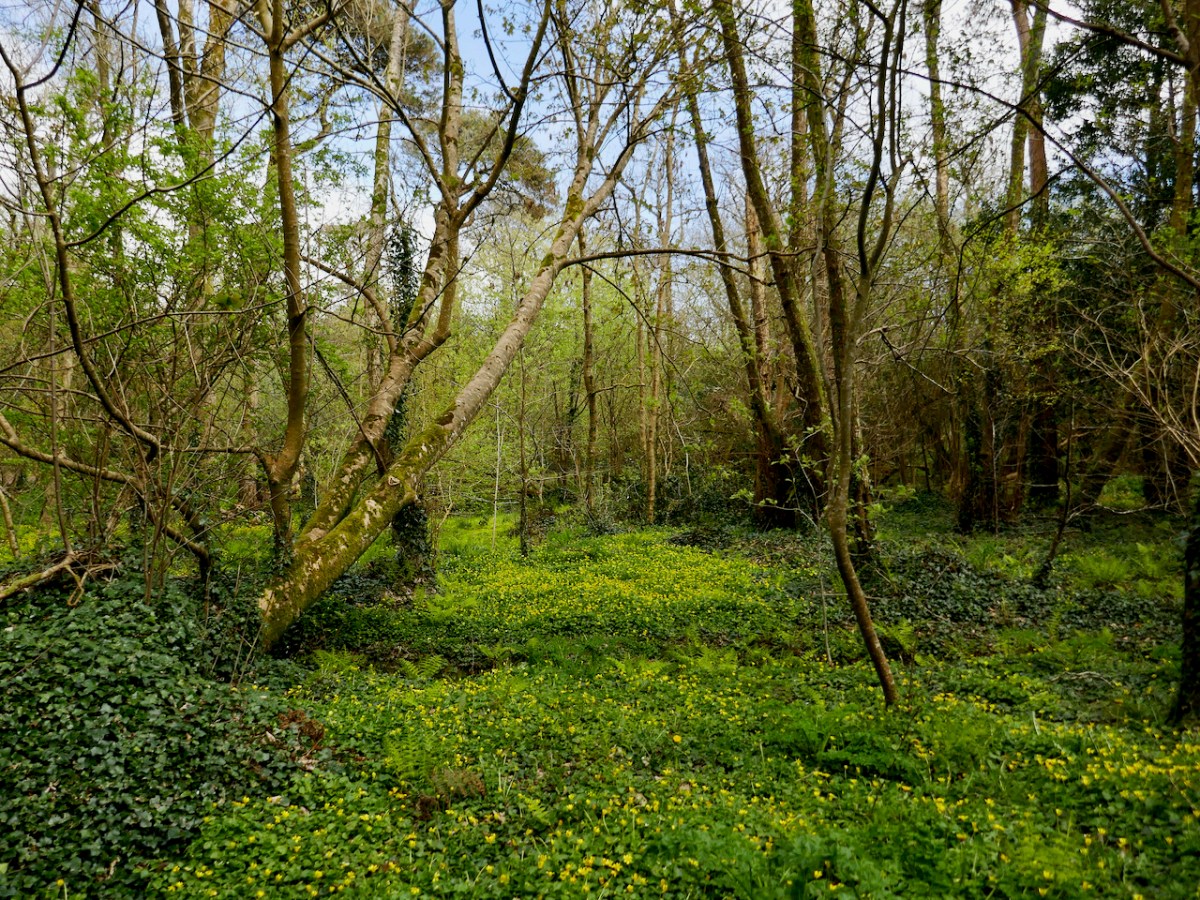
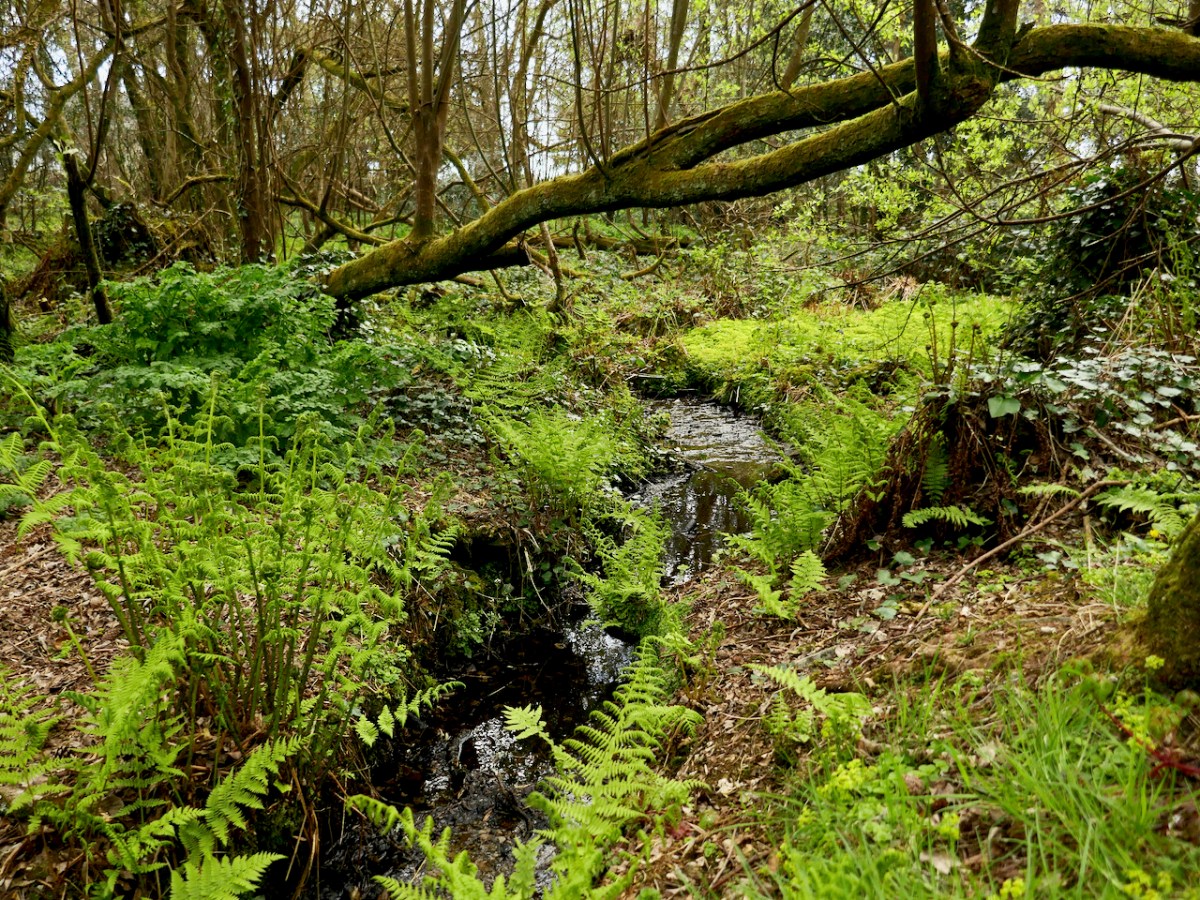
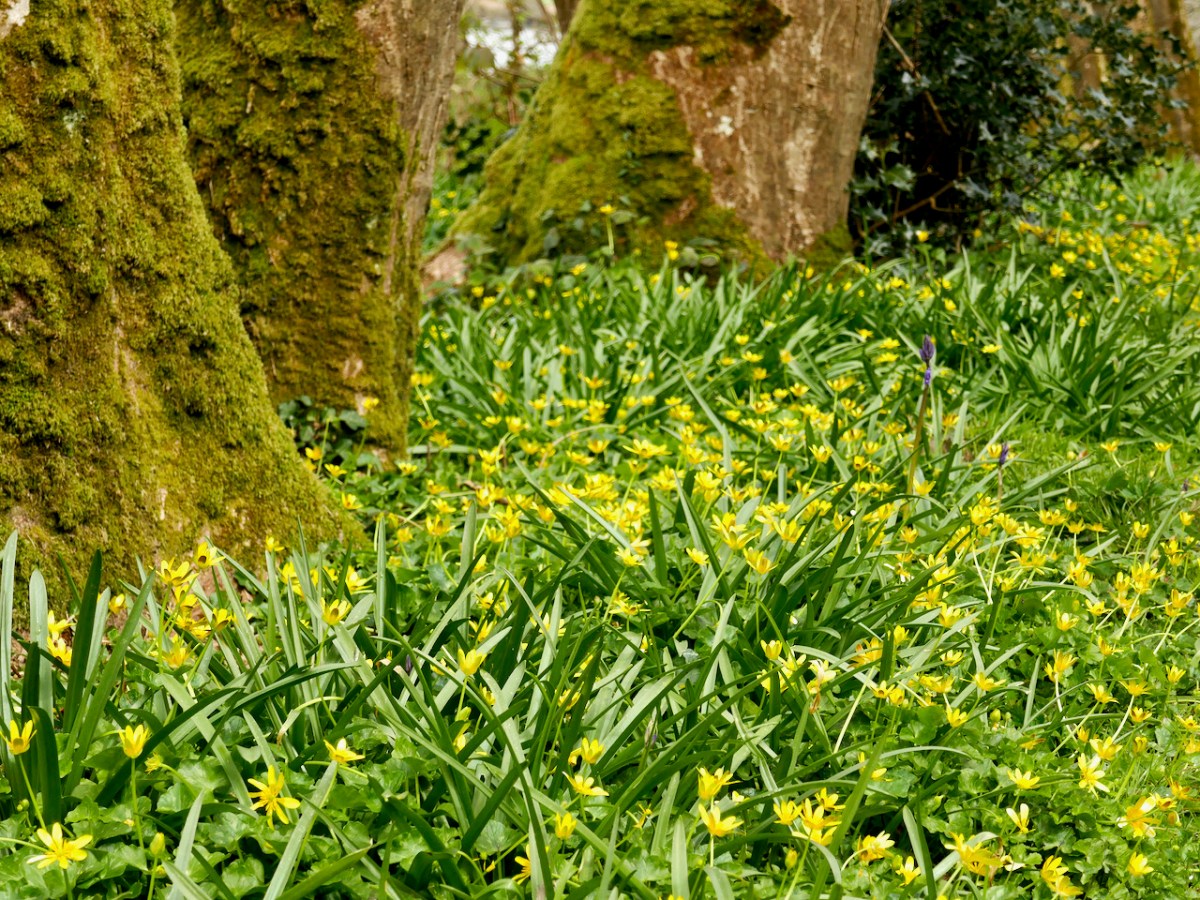
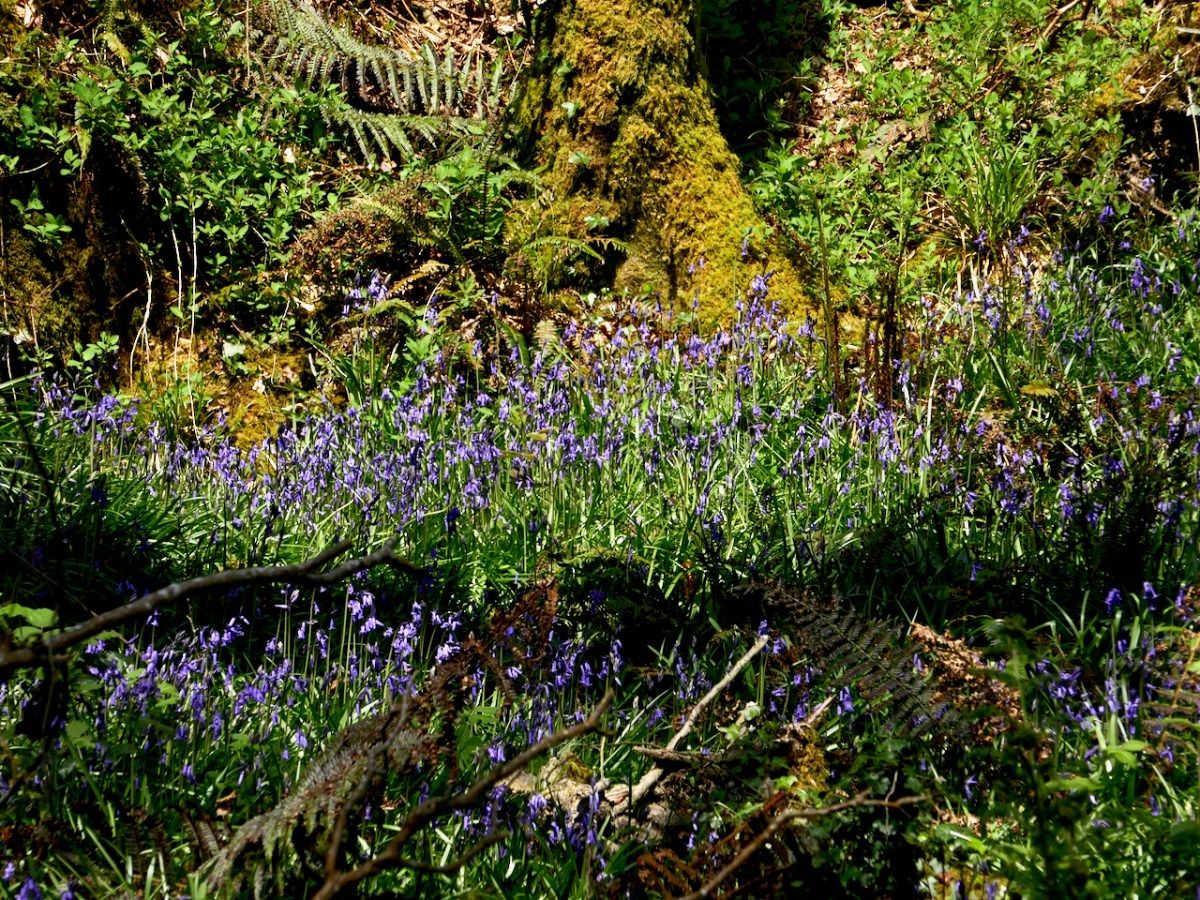
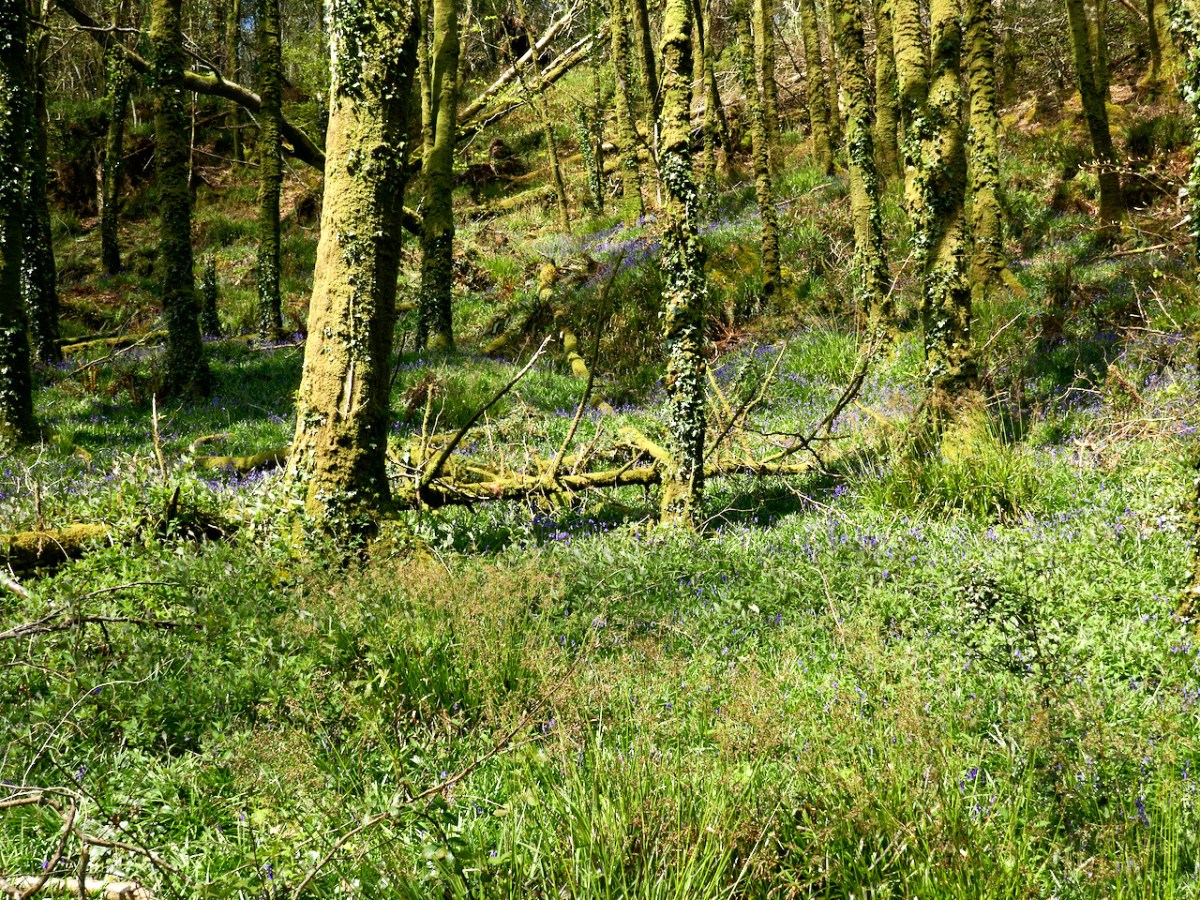
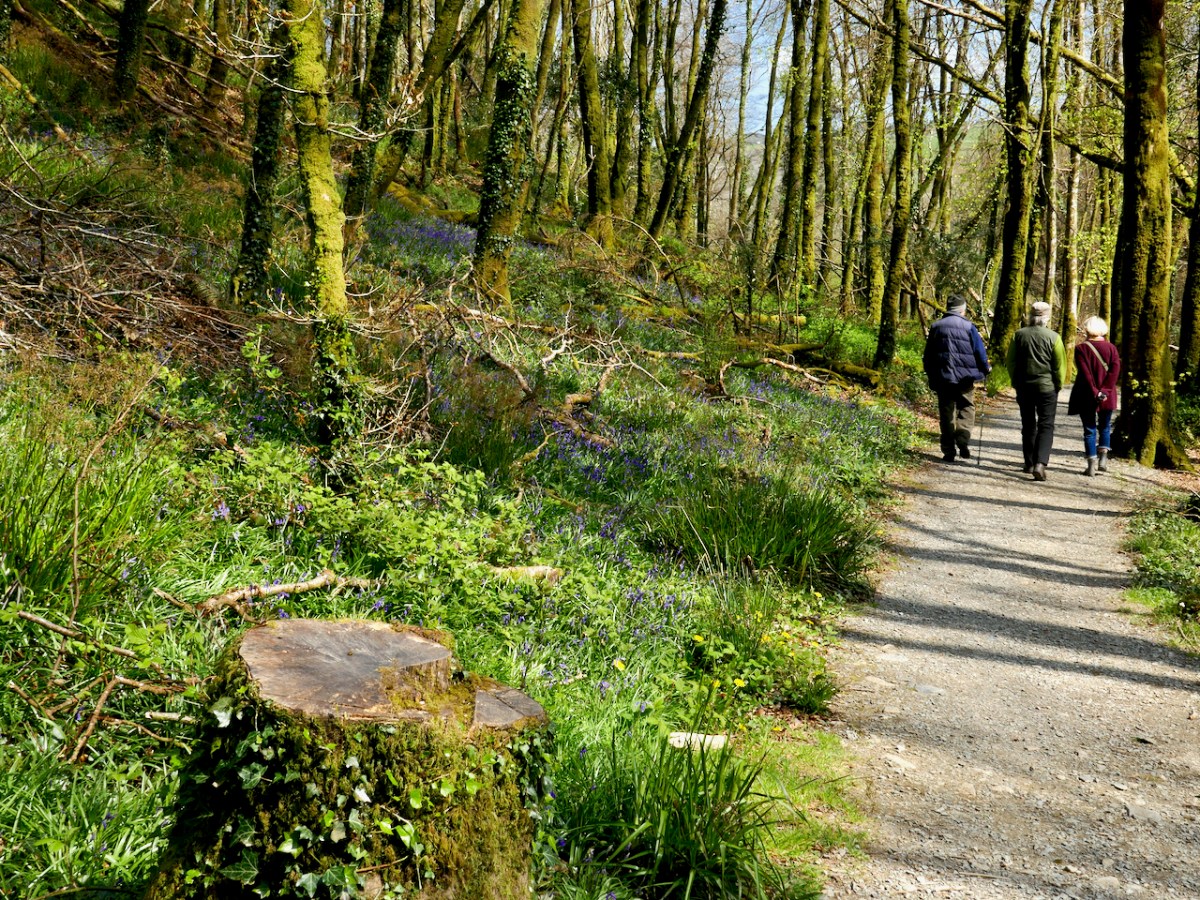
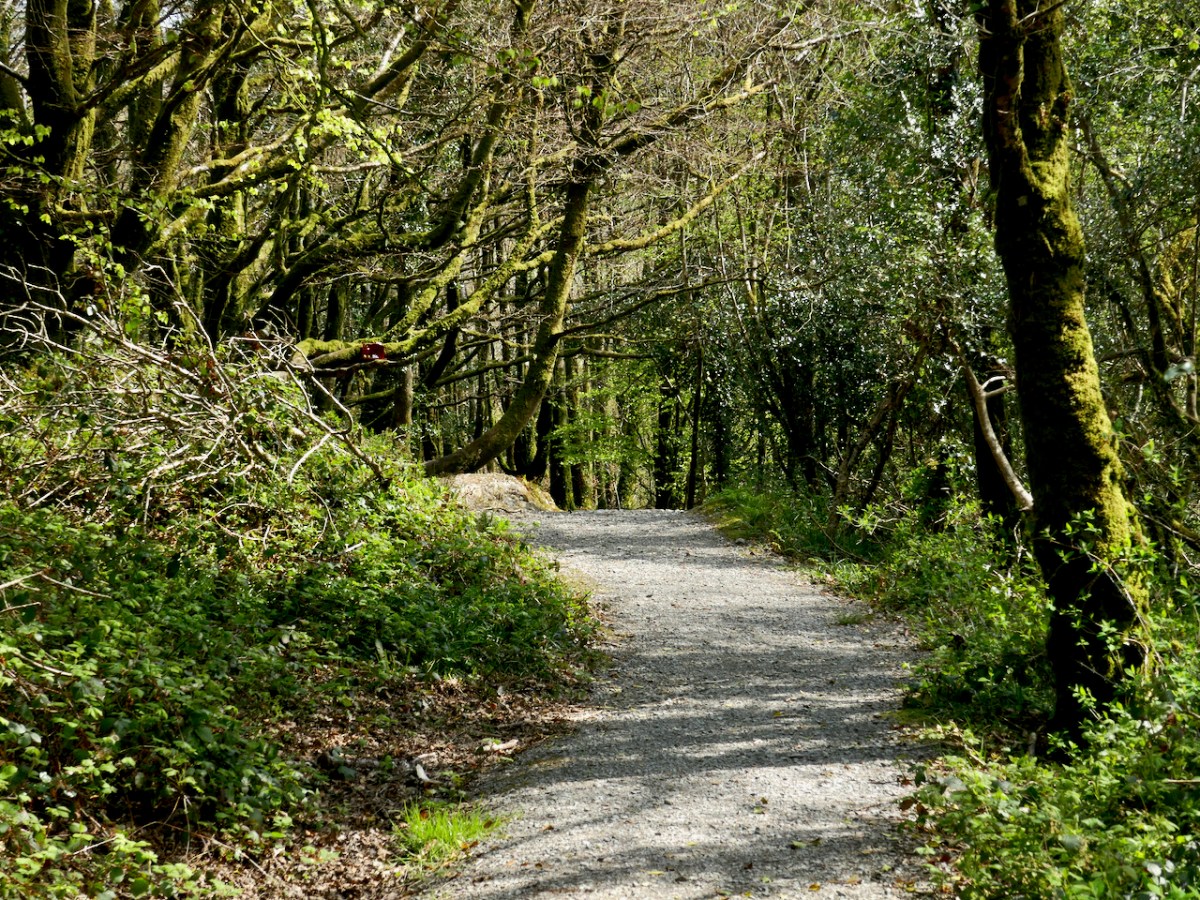
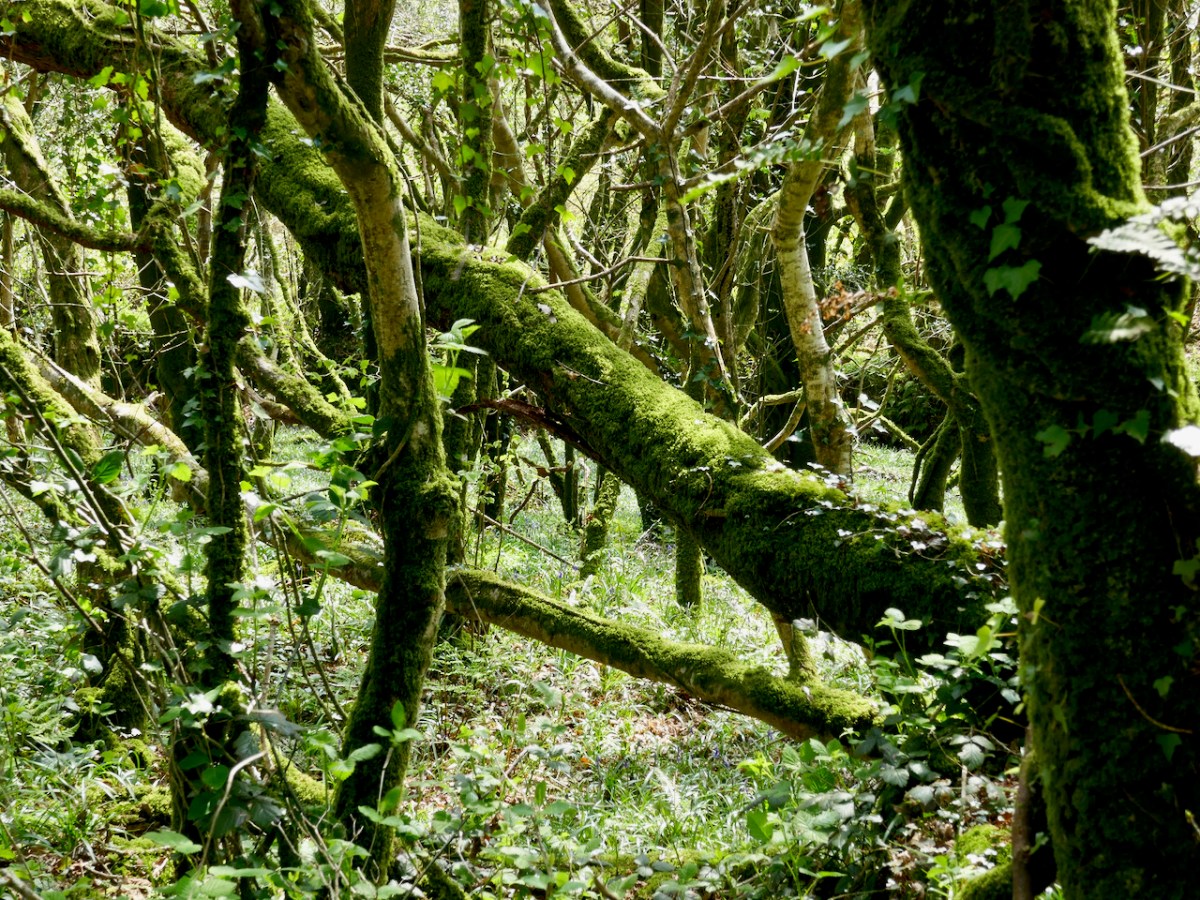
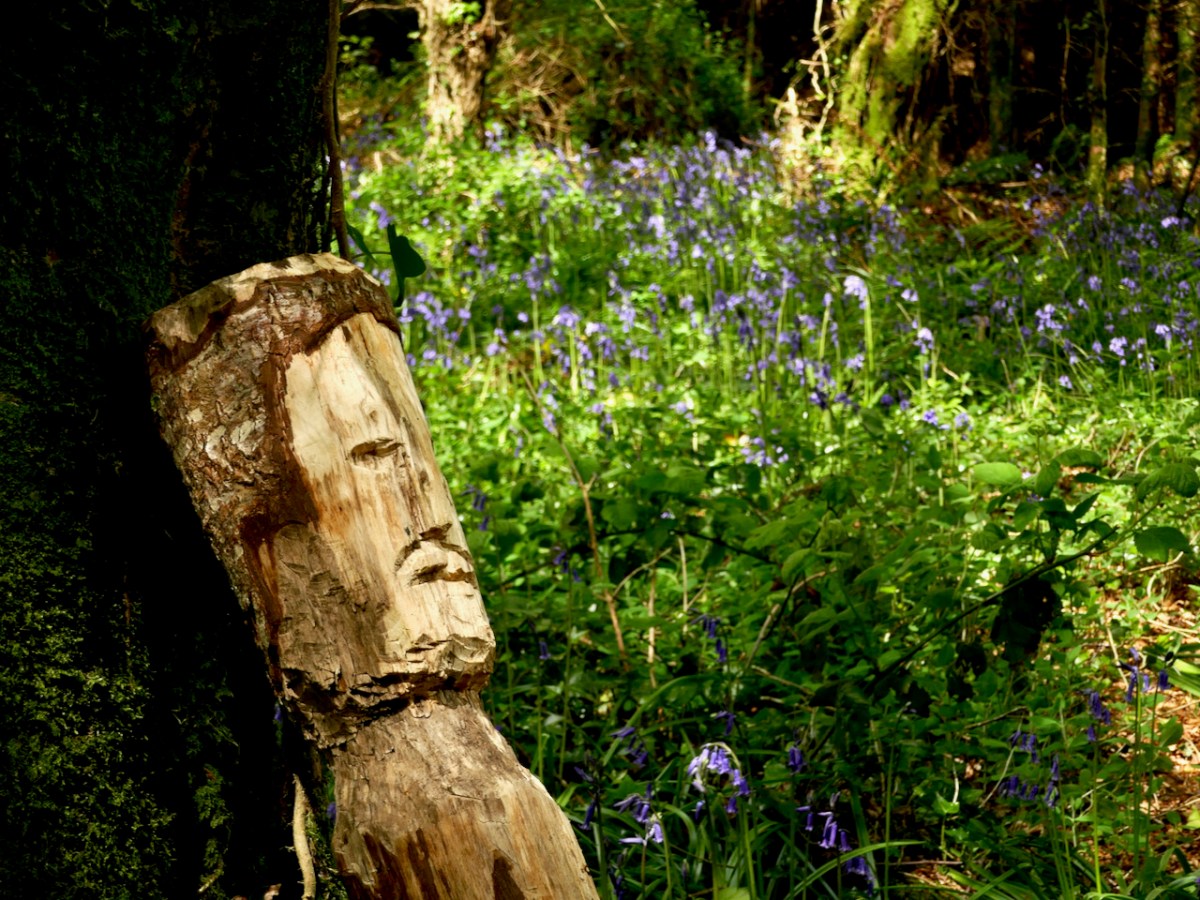
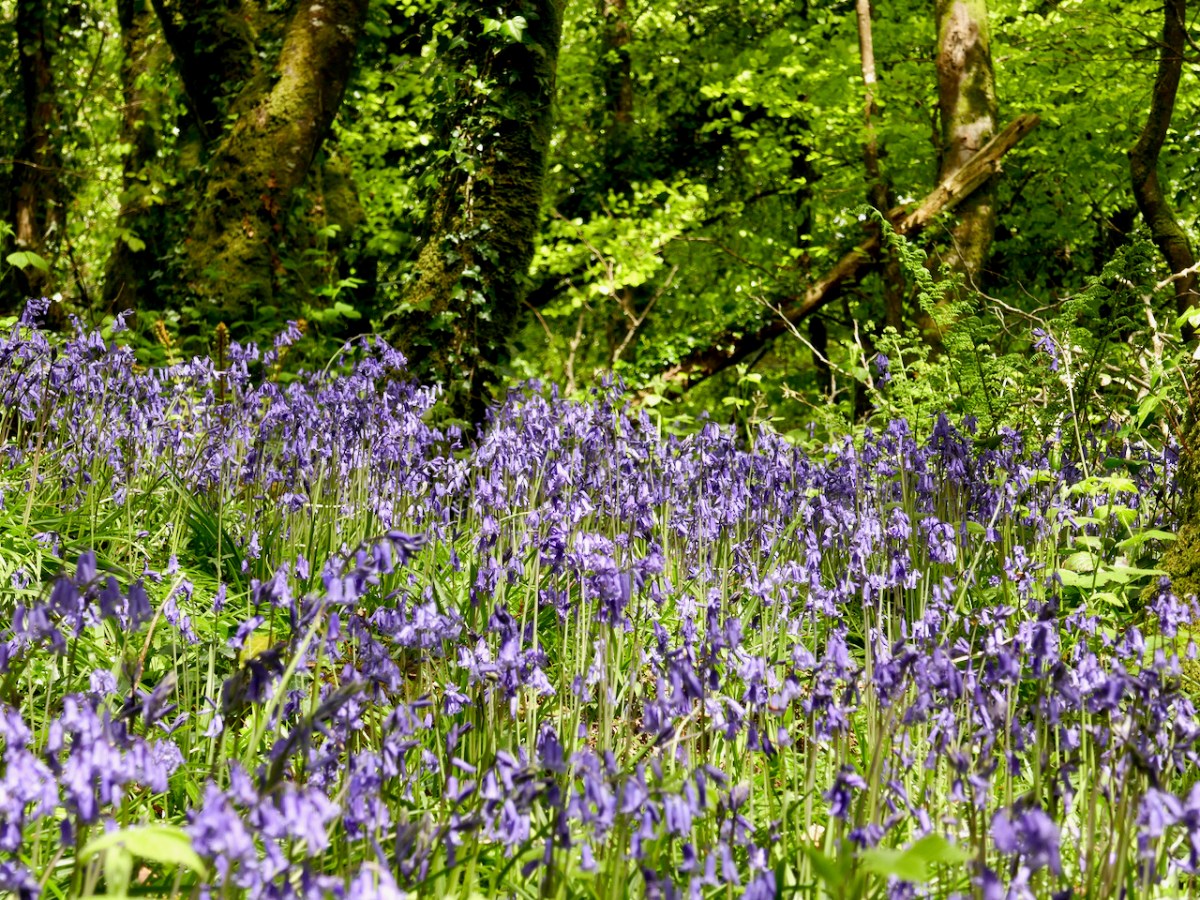
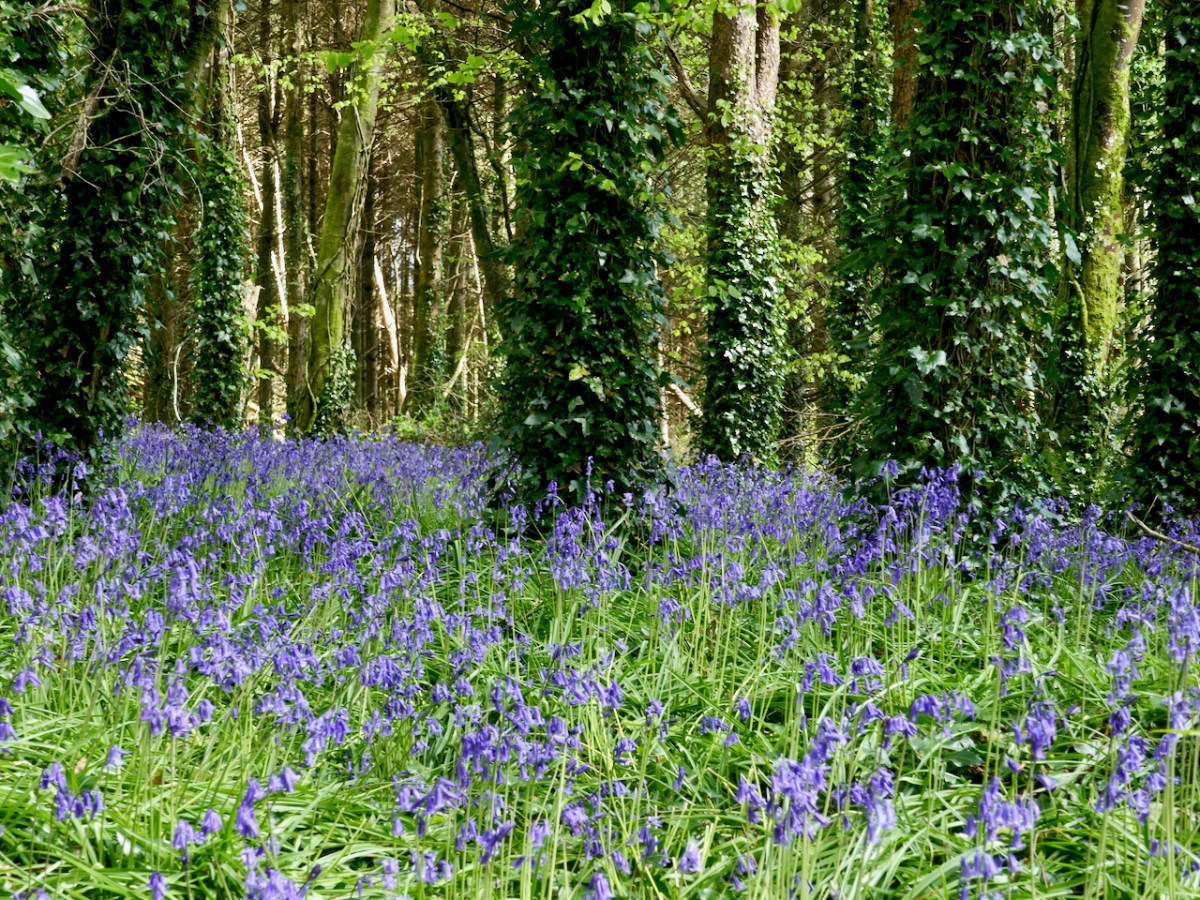
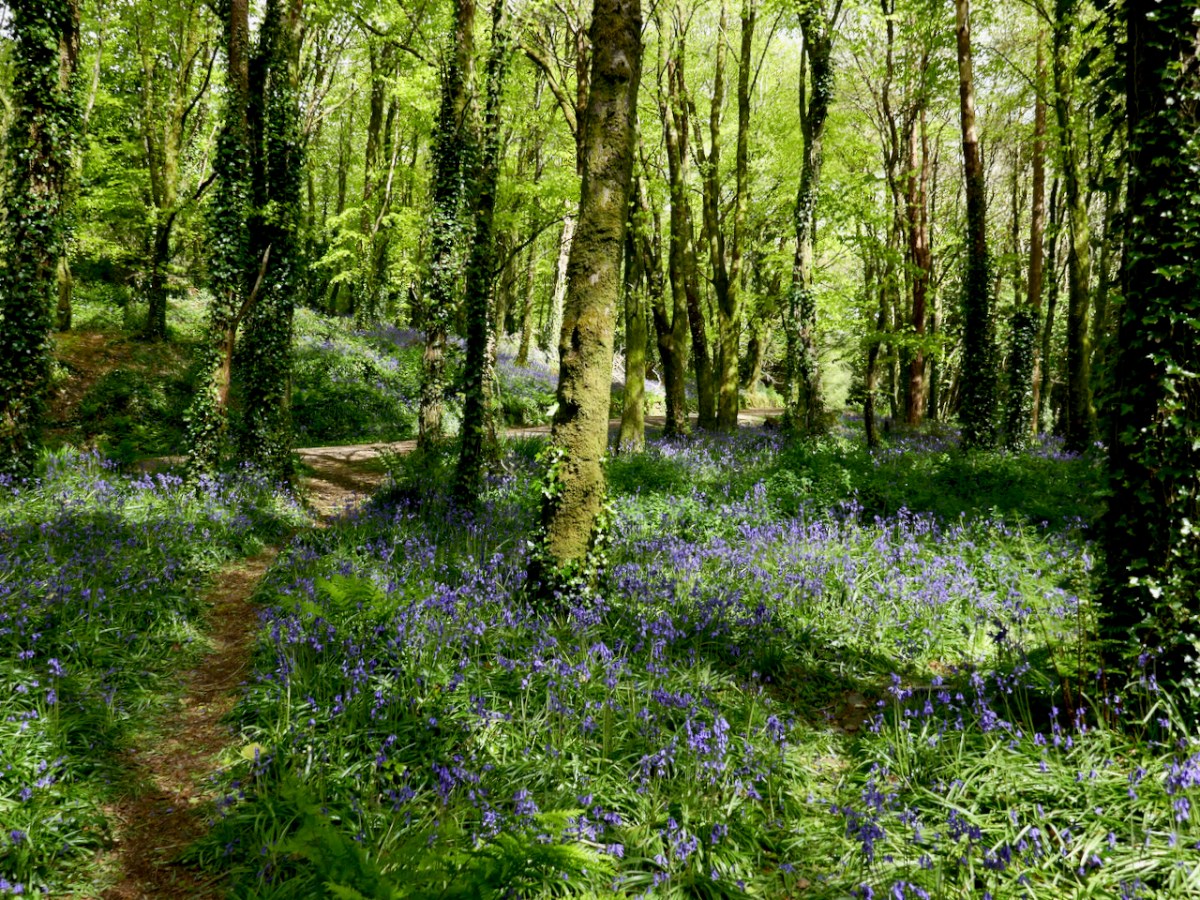
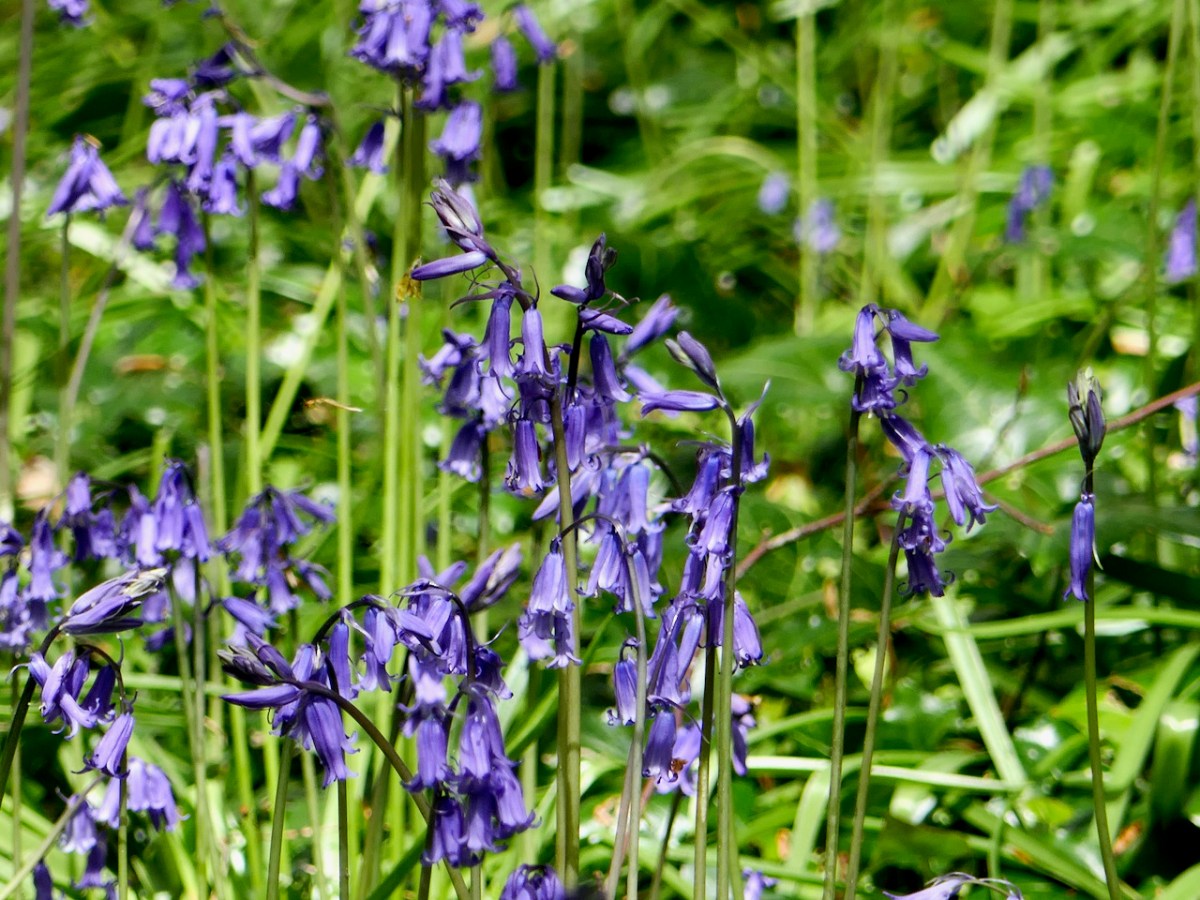
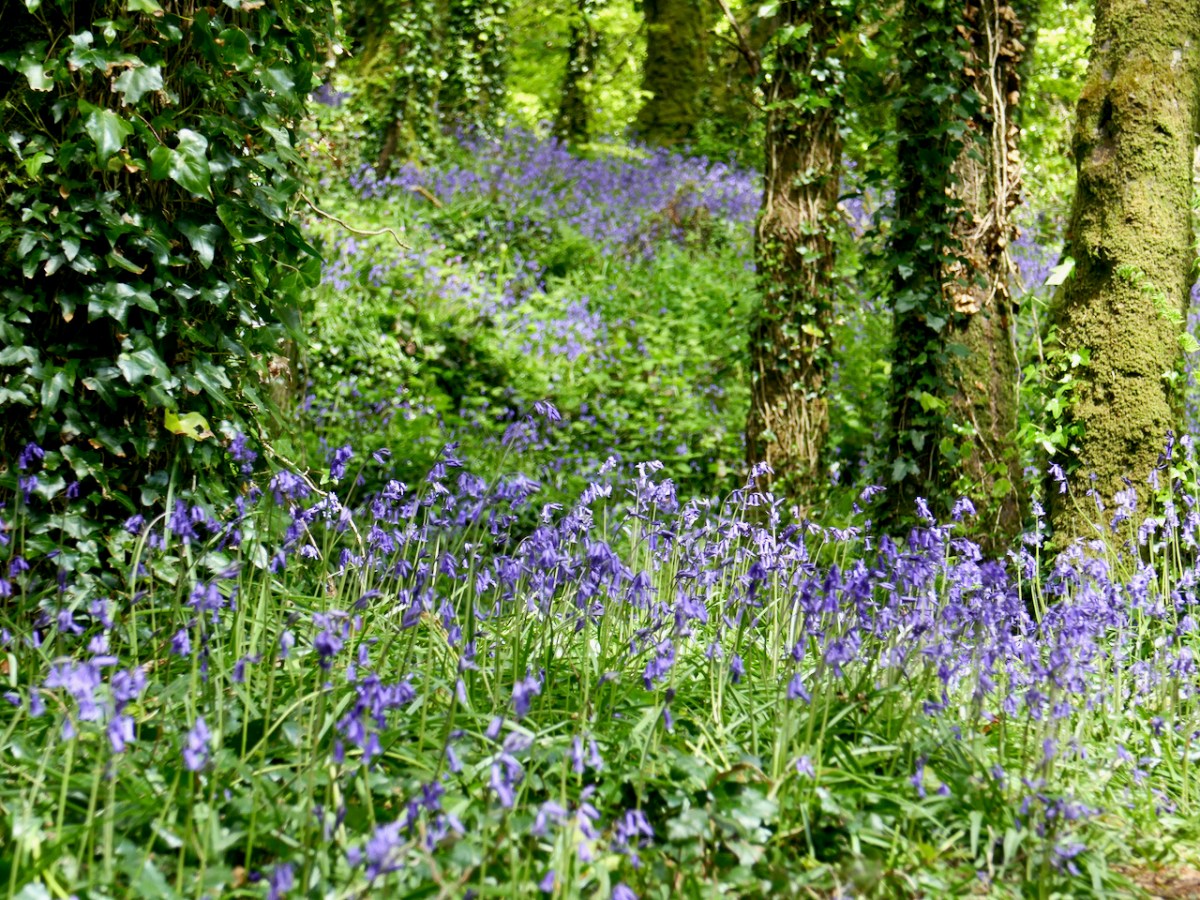
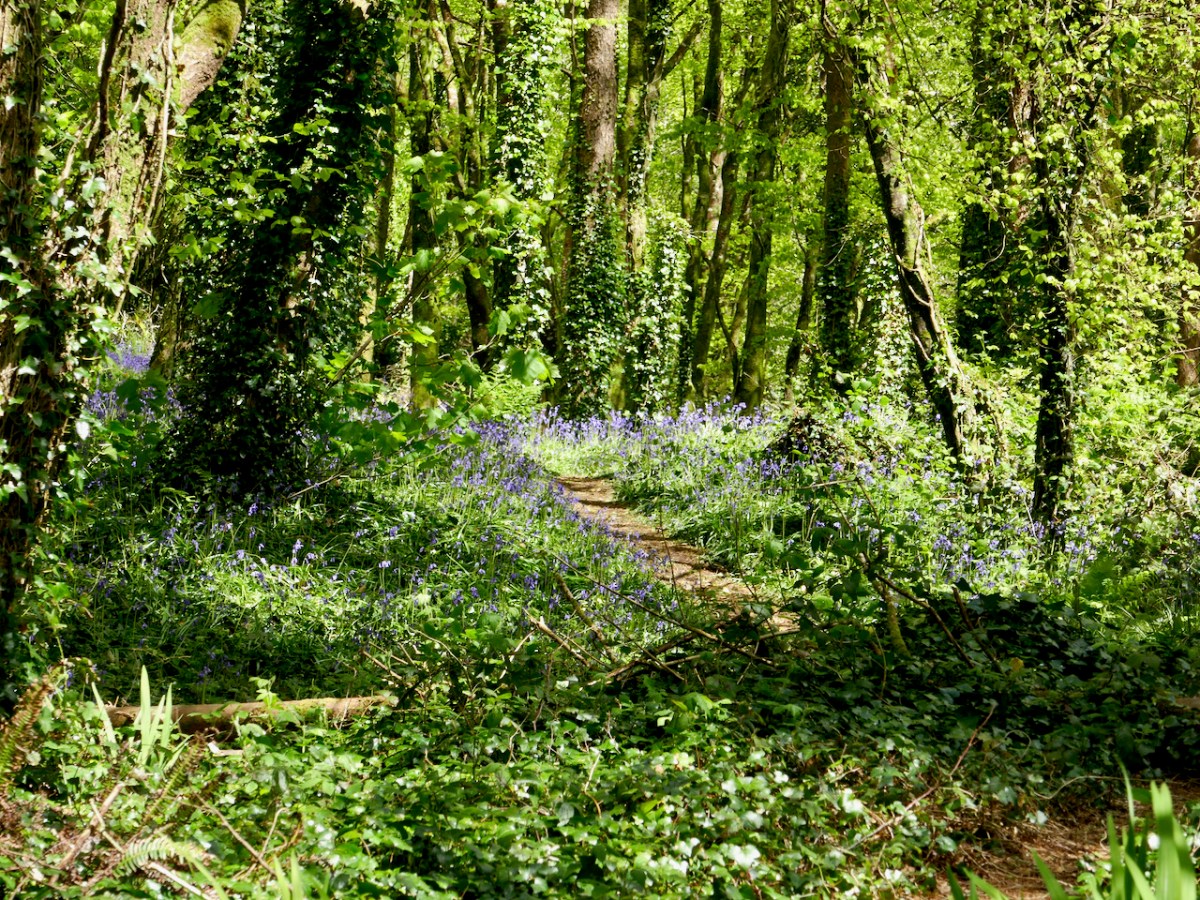
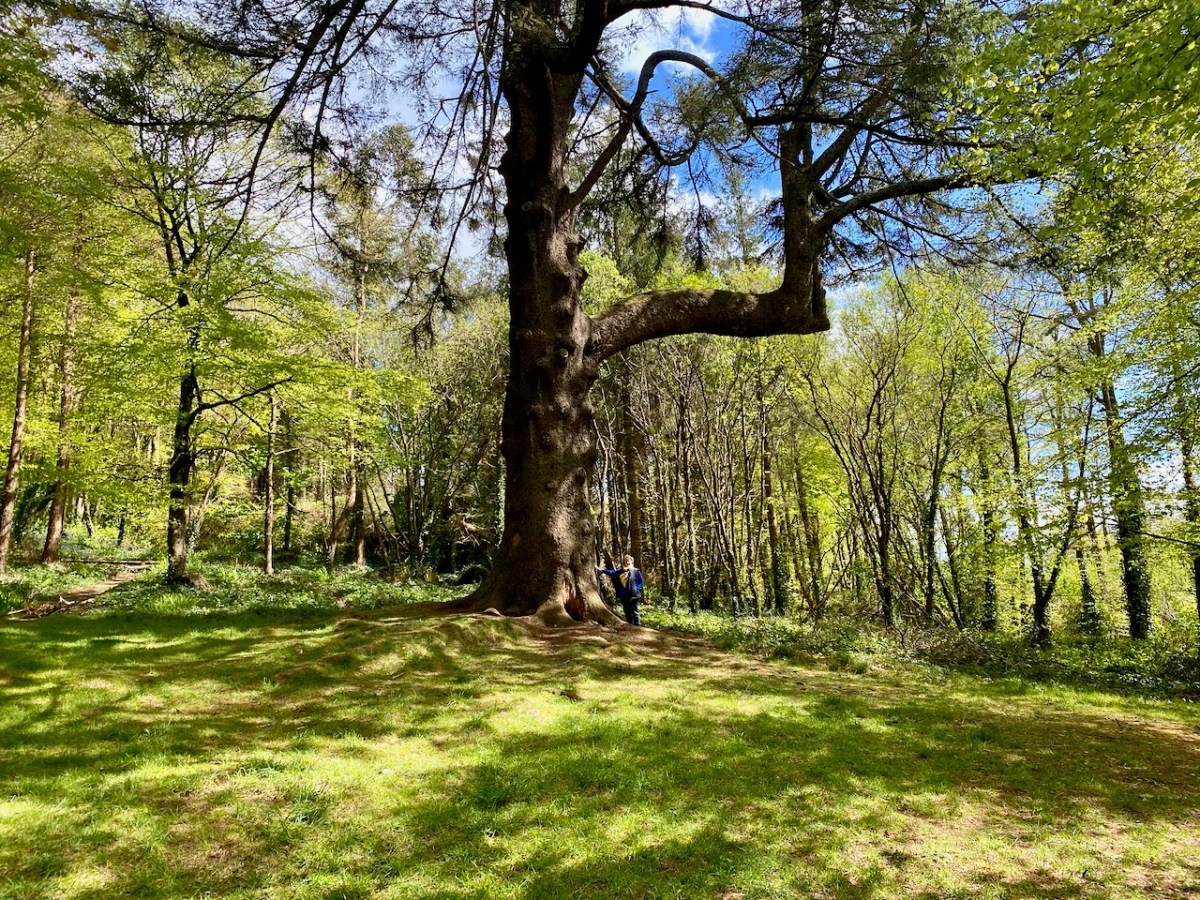
There’s something that compels us into the woods in the spring. It’s all that verdant growth, perhaps – the sap rising in us as well as in the trees. Or maybe it’s the cool green-ness or those swathes of extravagant bluebells and celandine. Here are three of our favourites, just in little slideshows.

Inish Beg

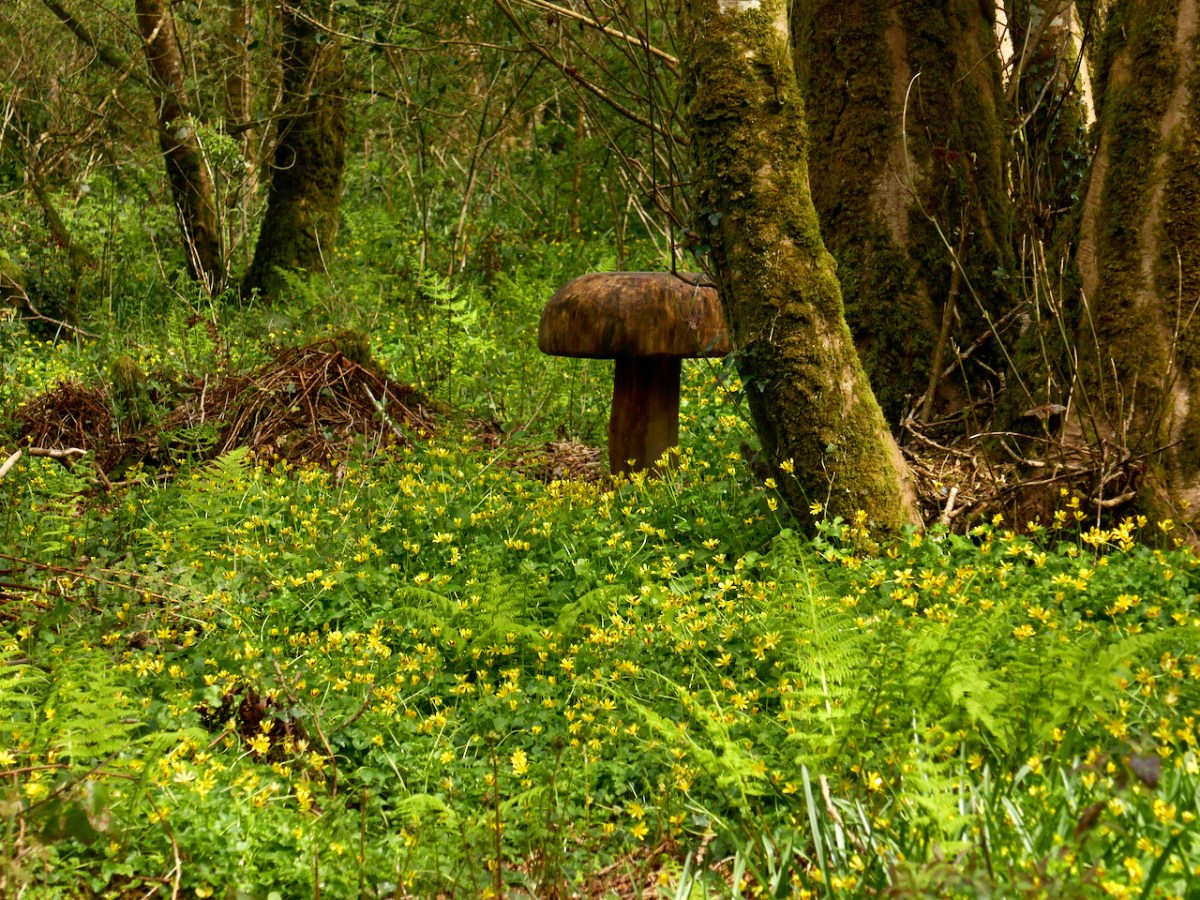
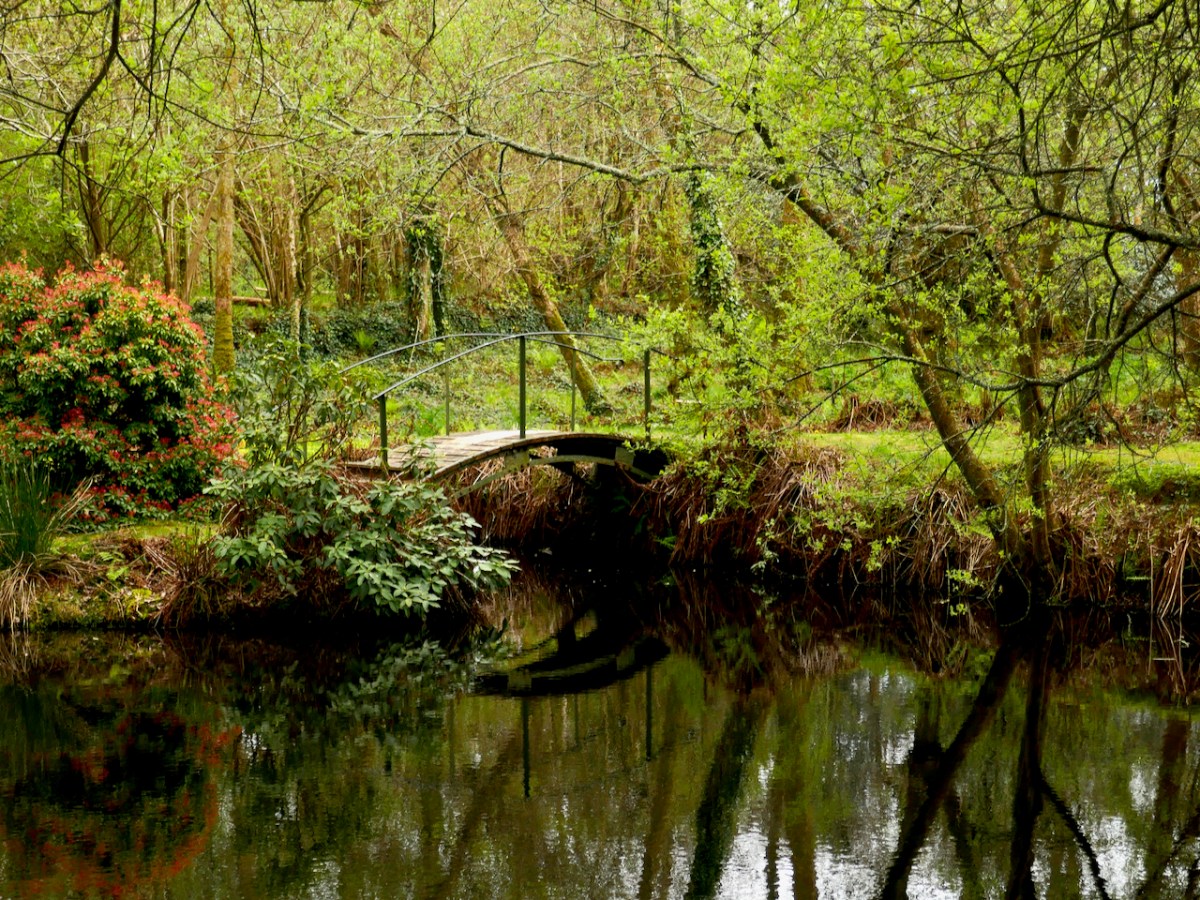
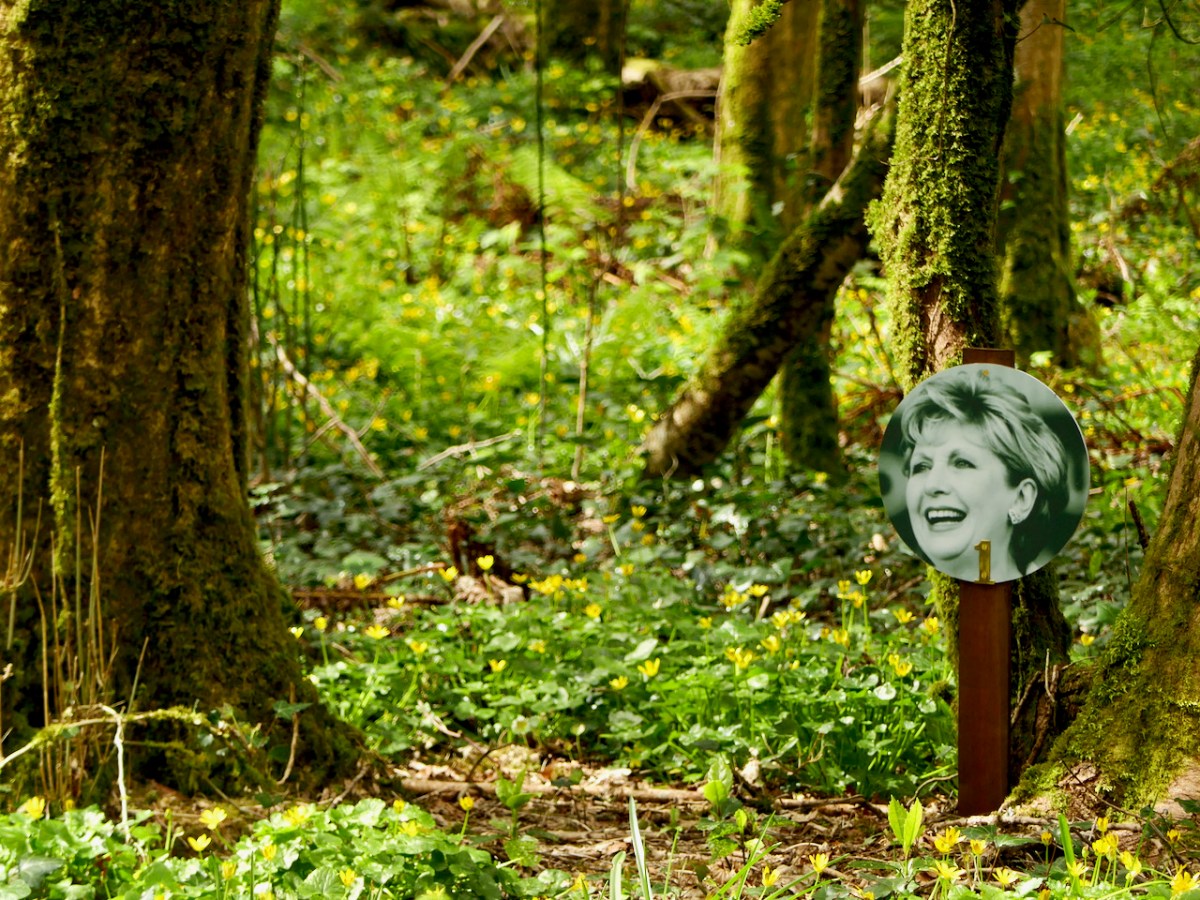
An old estate, beautifully managed by its owners. We visited in April, before the bluebells but in time for the carpet of Celandine. The walks are varied, there are lots of ponds and riverside vistas, and treasure hunts for kids and adults. Do you know all the Presidents of Ireland? Can you find them all?

Dromillihy

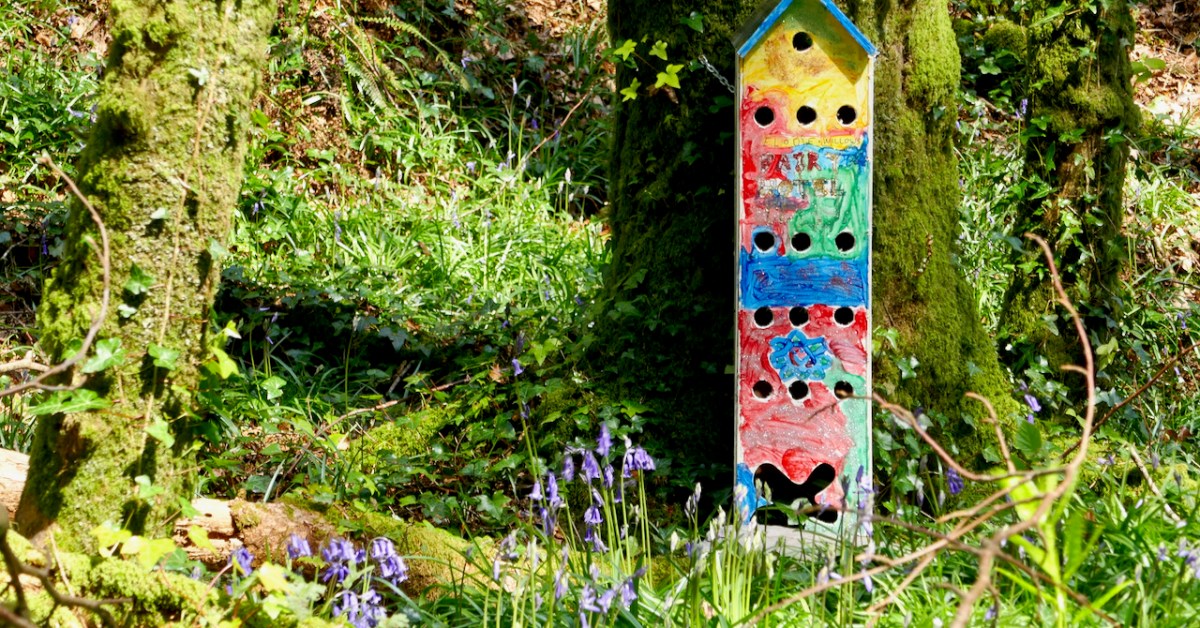
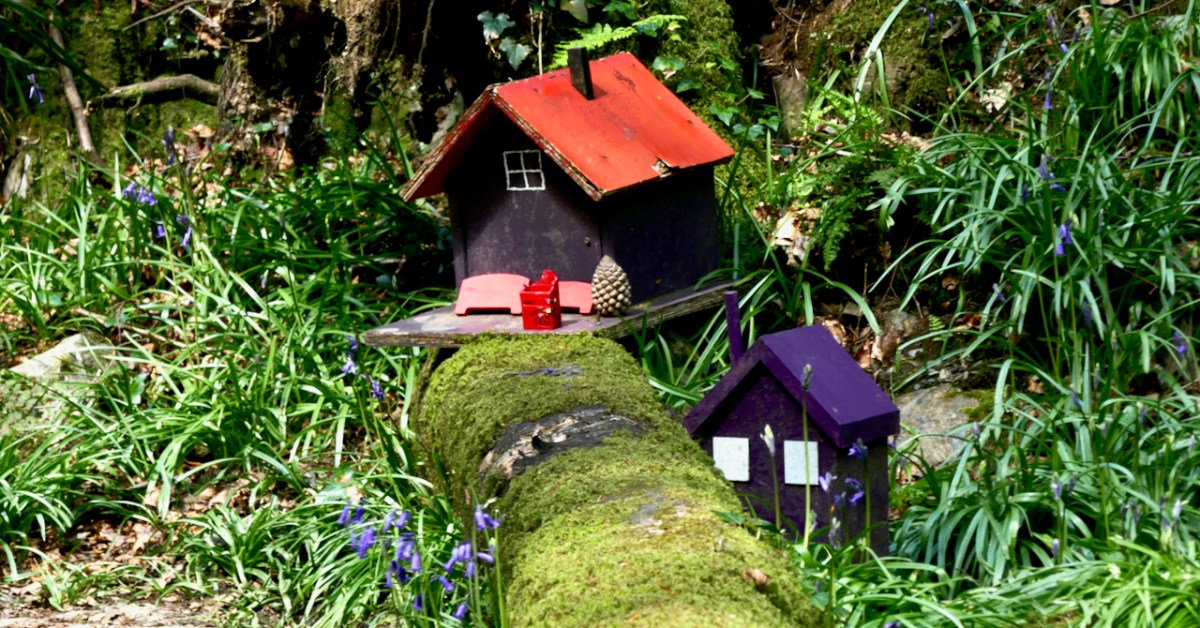
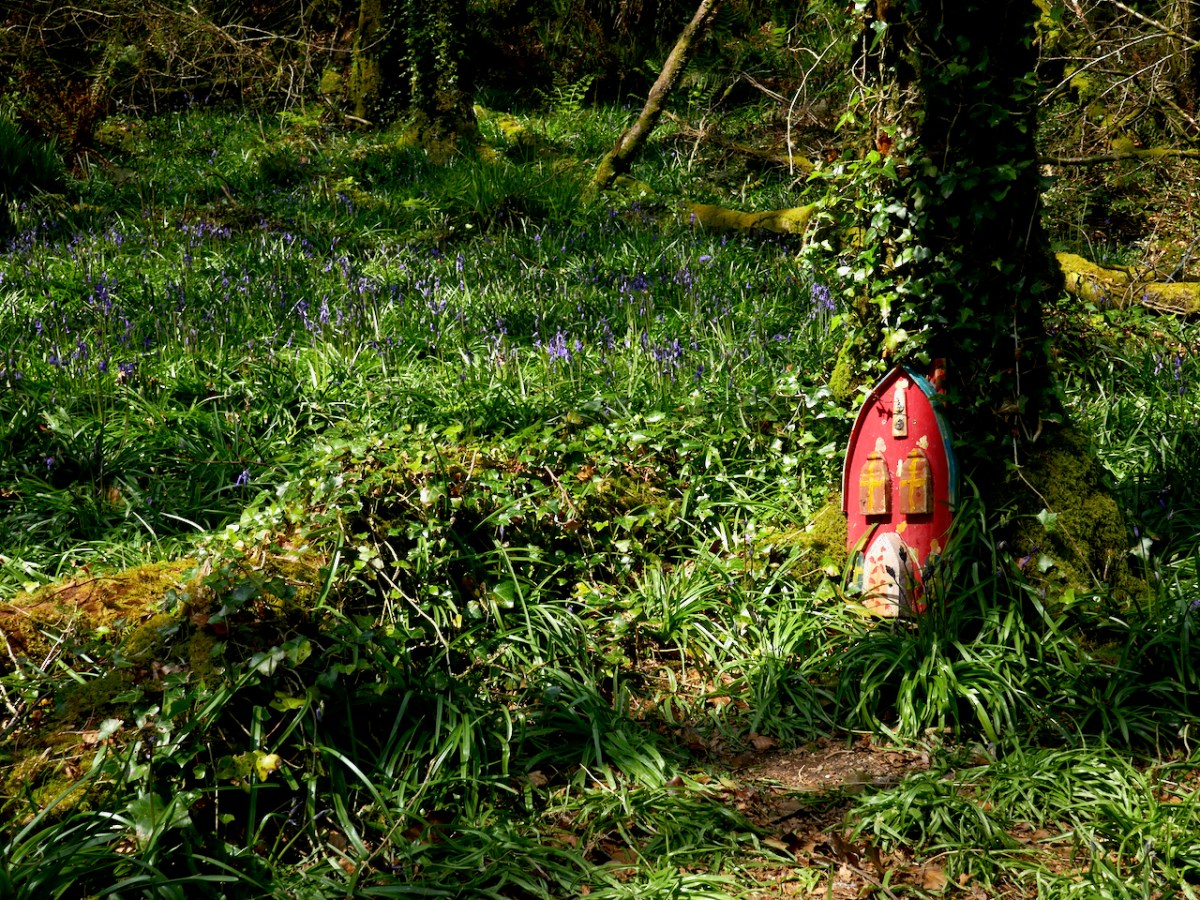
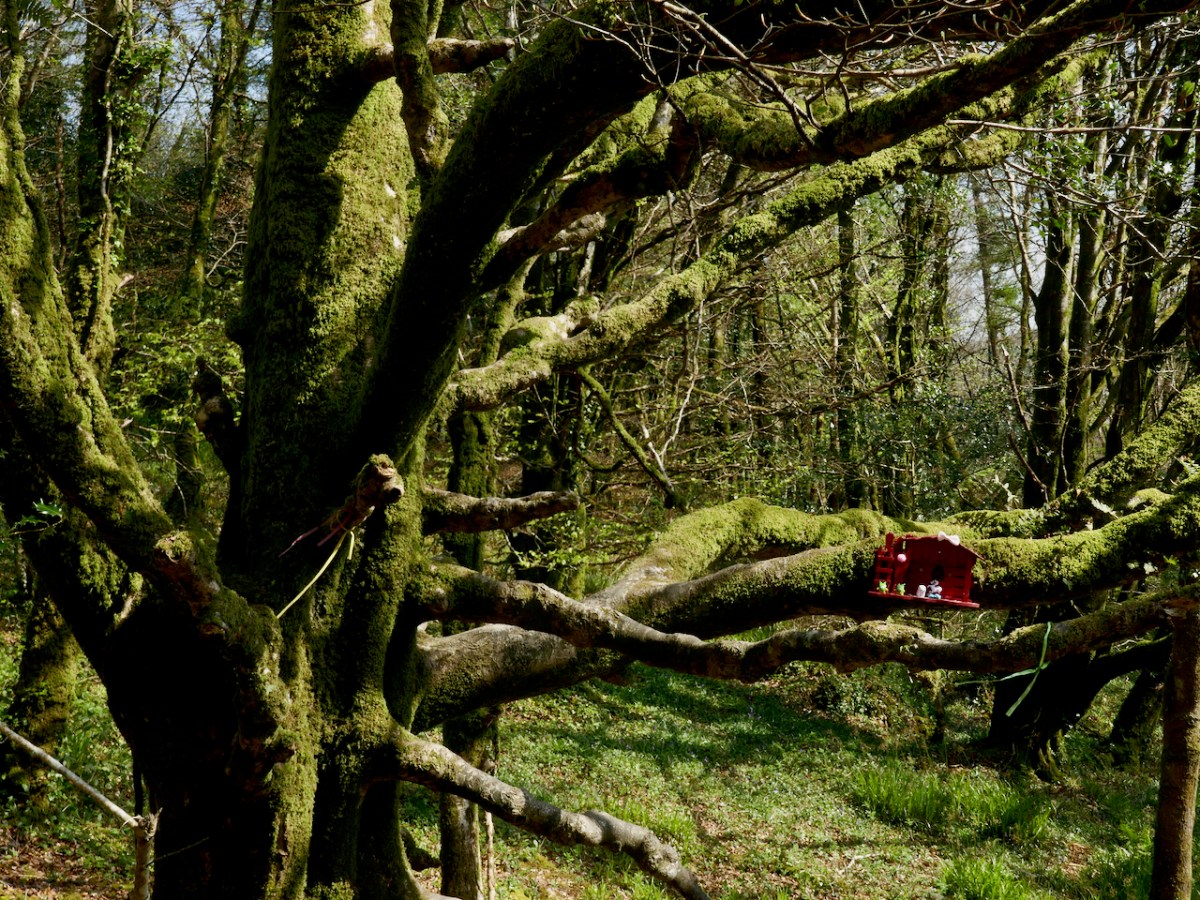
Betwen Leap and Cononagh along the N71 you will find a car park providing access to this woodland managed by Coillte, the Irish Forest Service. More extensive than it looks from the road, these walks are a delight for all ages, with lots of fairy houses for the kids and, when we walked the trails recently, acres of bluebells.

Castlefreke

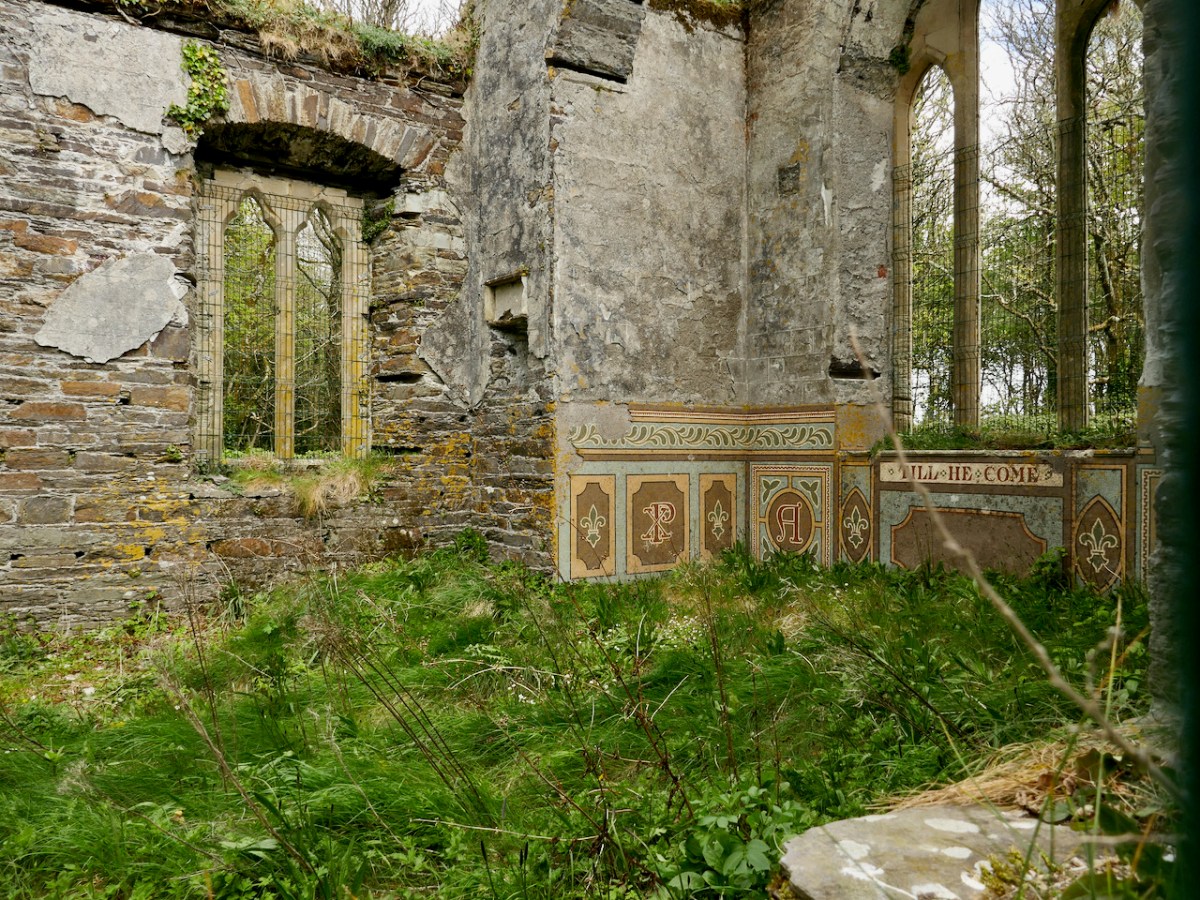
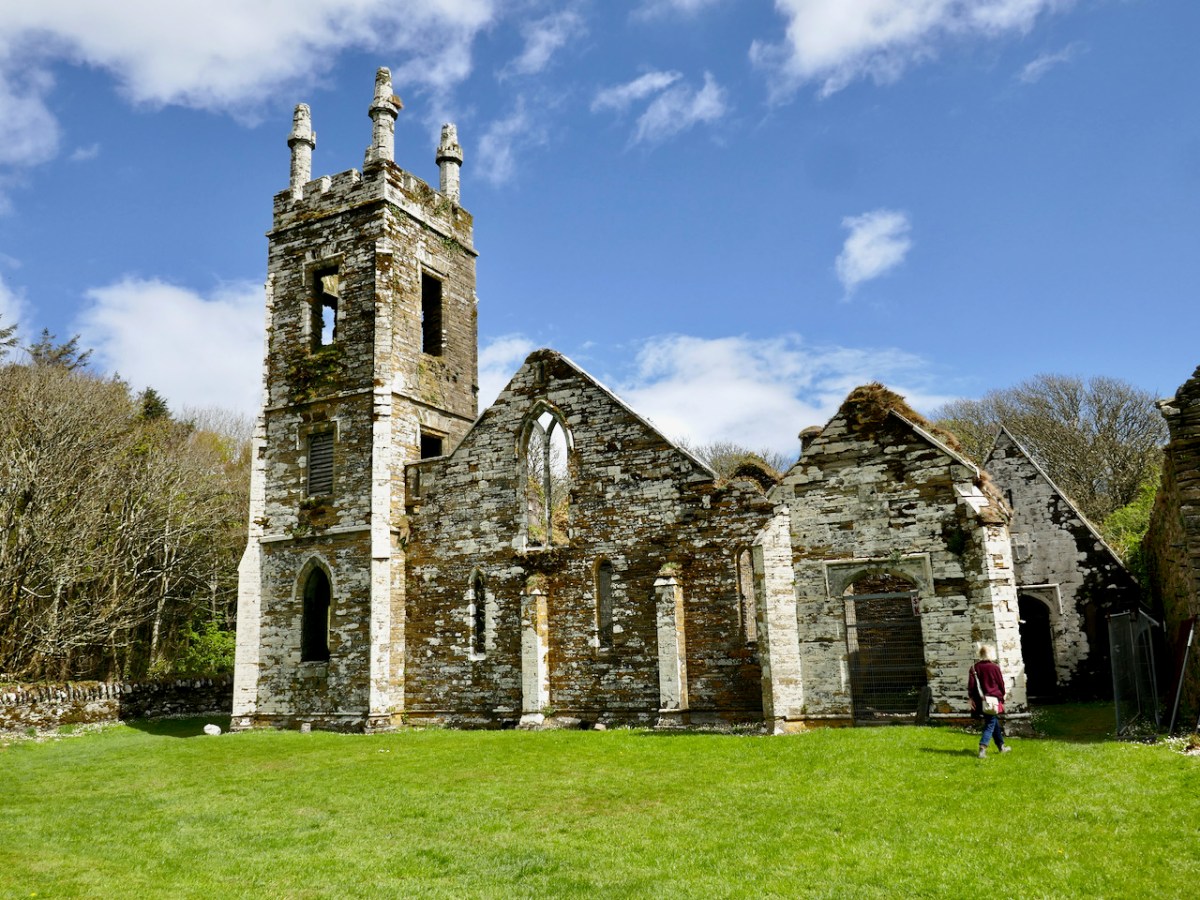
Another old estate managed by Coillte – a series of woodland walks linked by roads and trails. There’s a ruined church and old graveyard, great views across old farm buildings, and ancient trees. We were there a week ago and the bluebells were heavenly.

What are your favourite woodland walks in West Cork?

Lost in West Cork

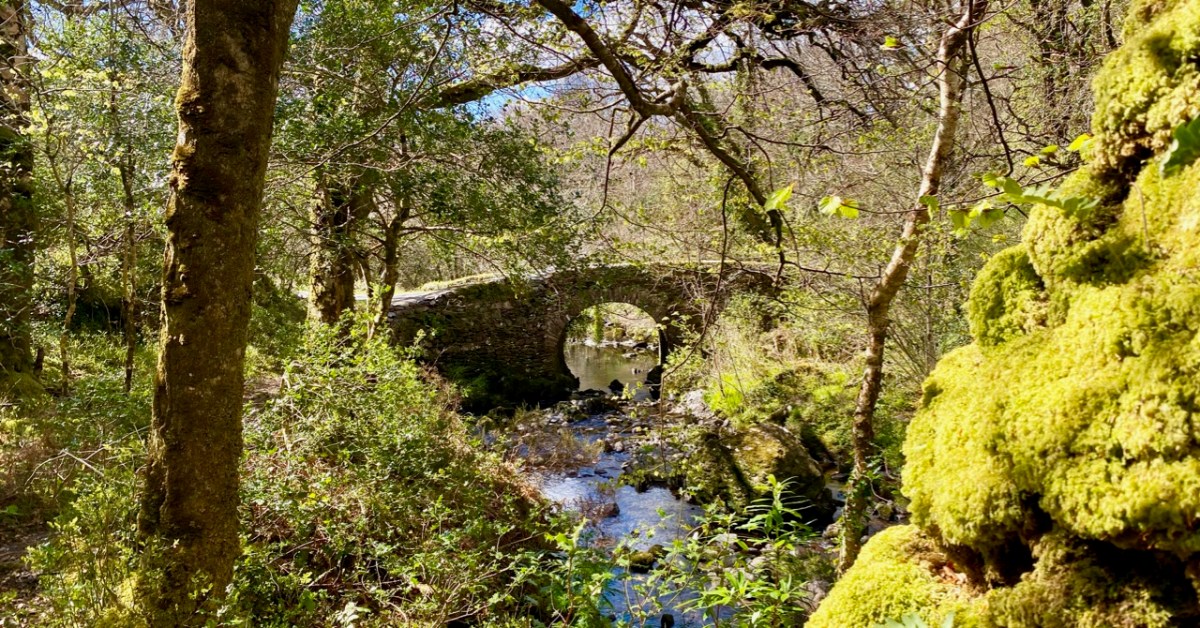
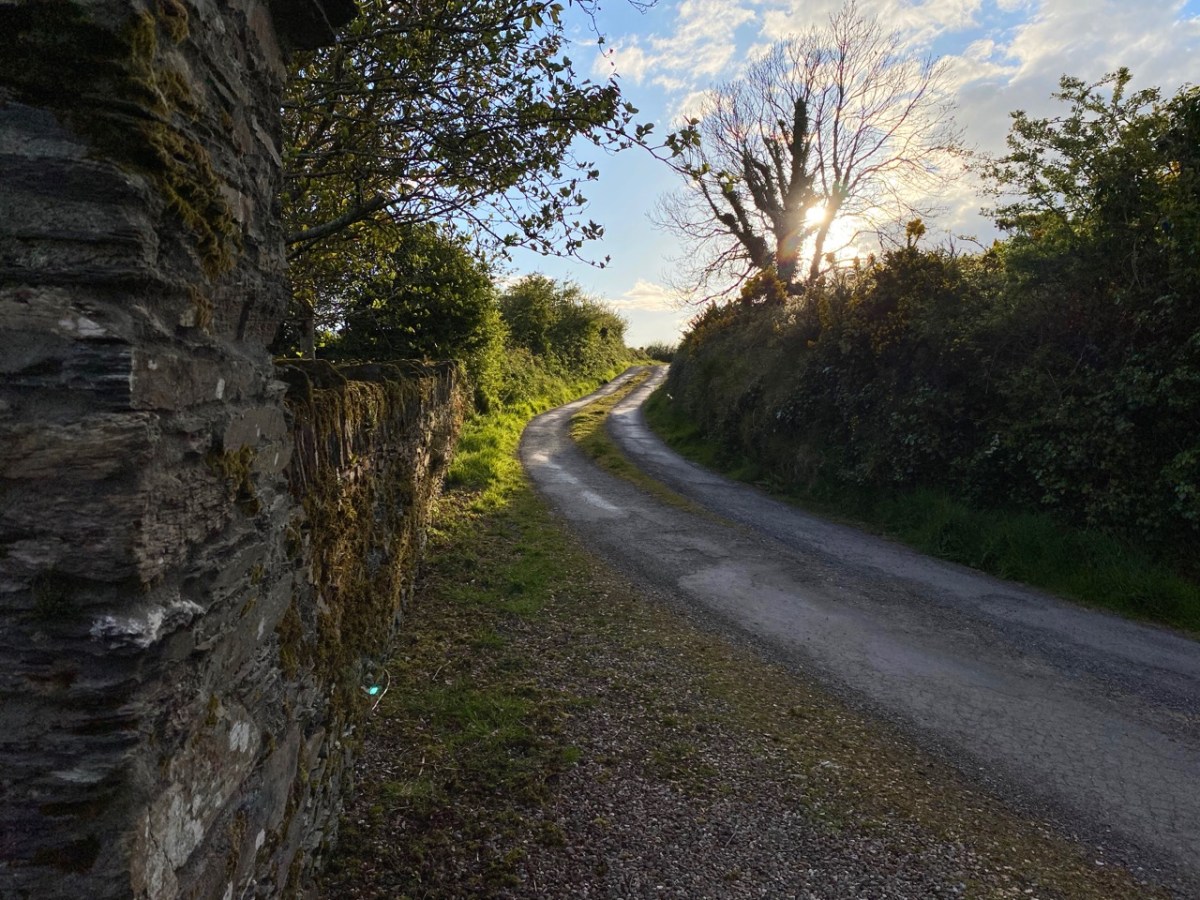
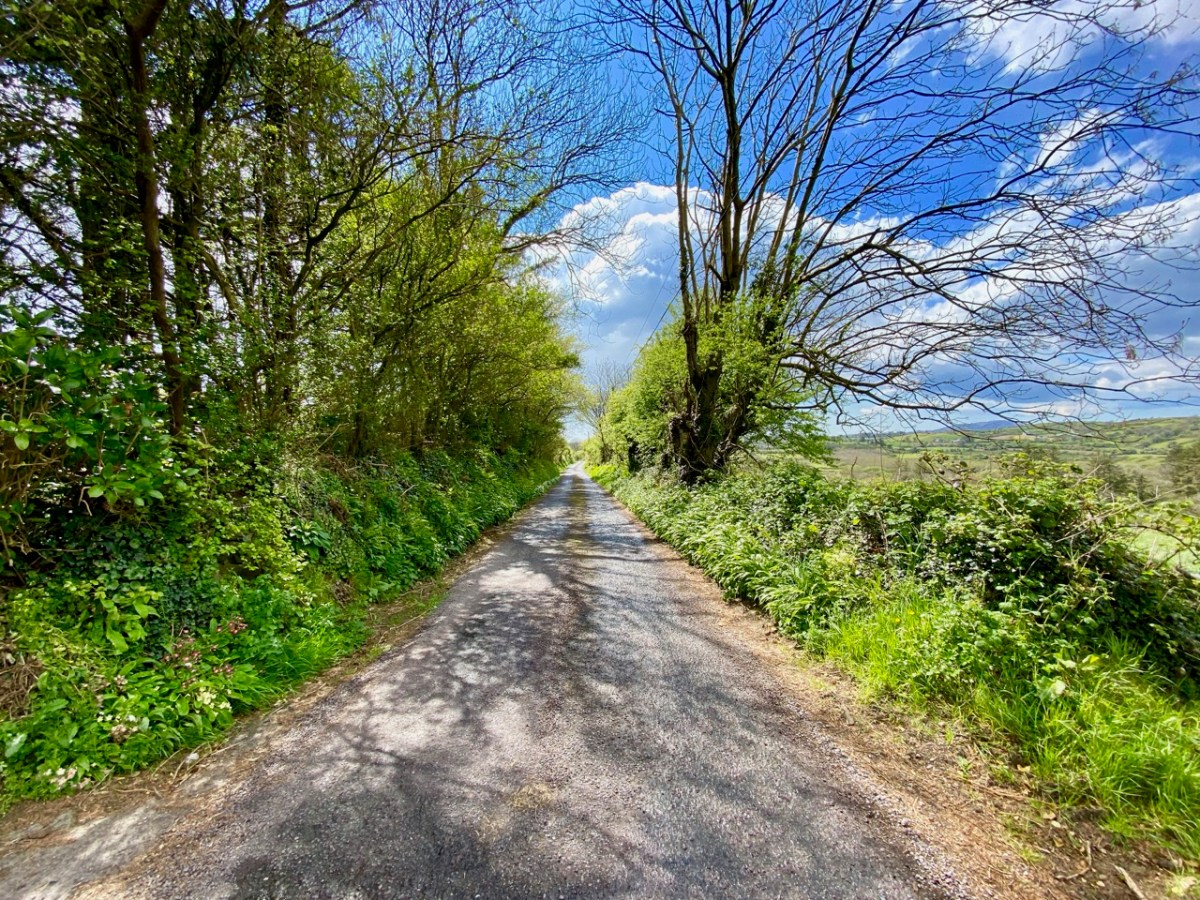
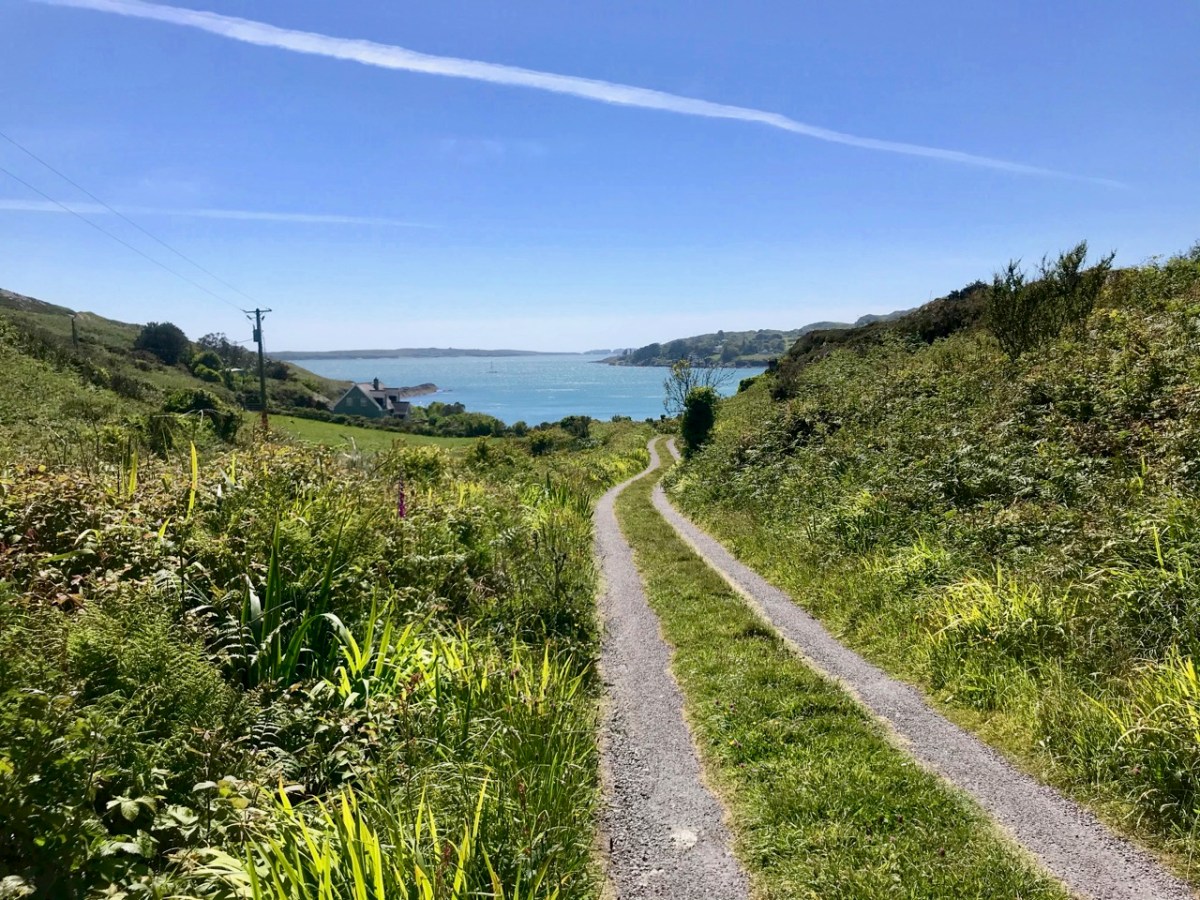
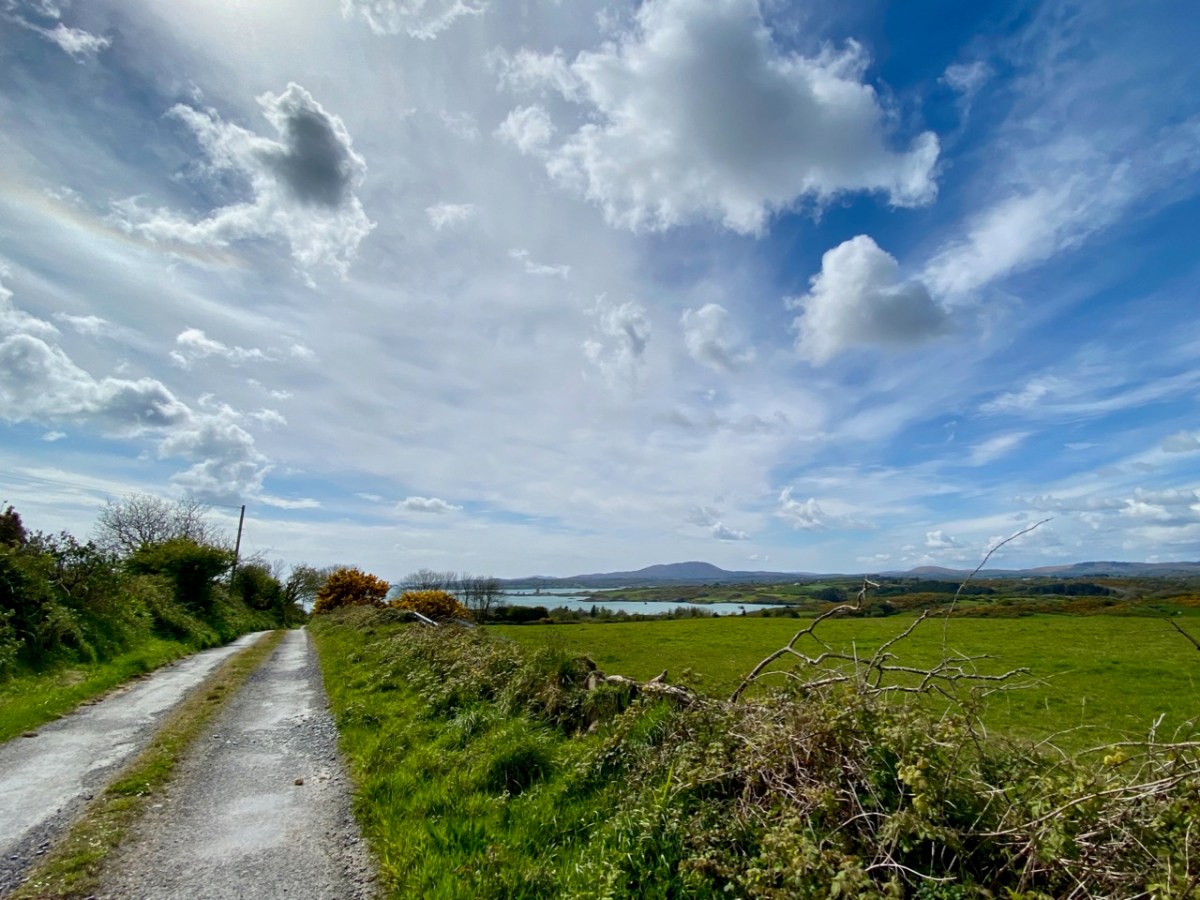
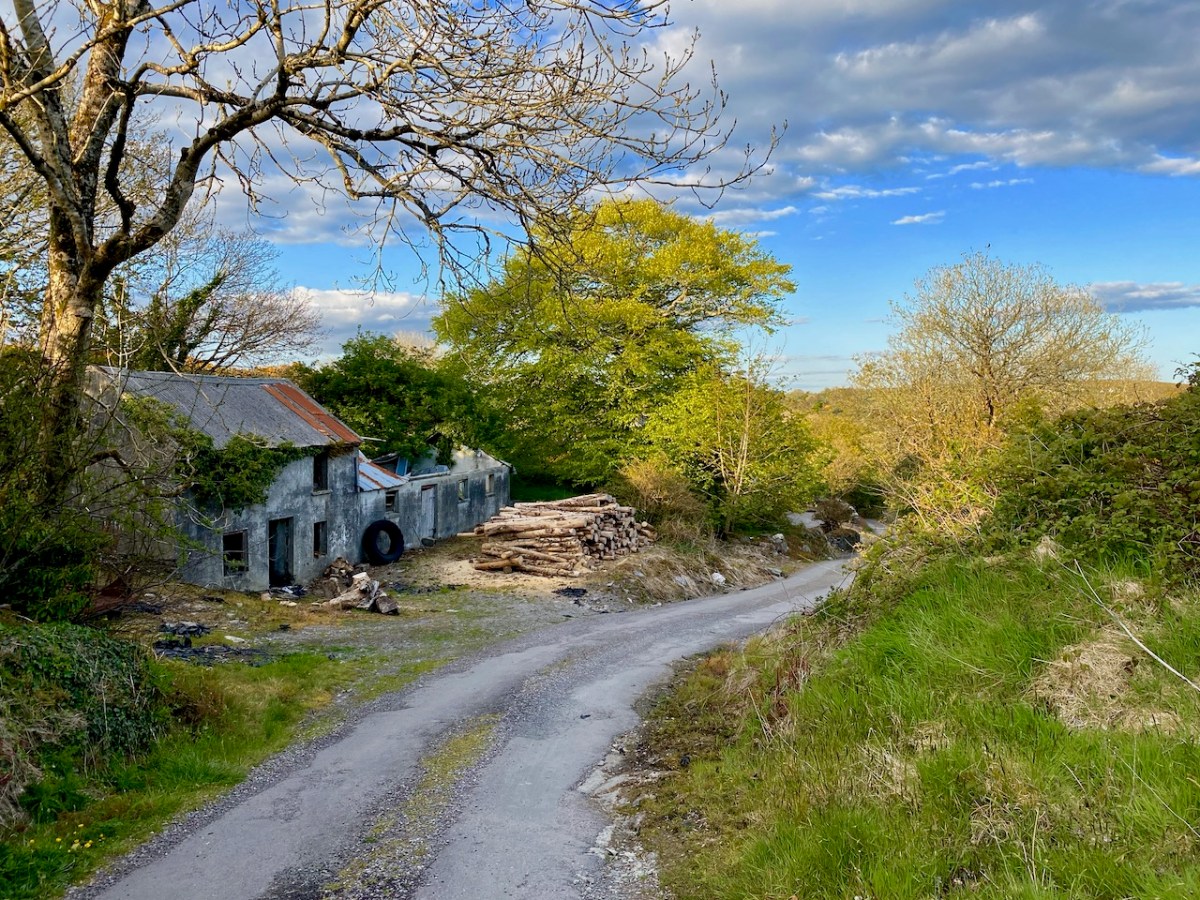
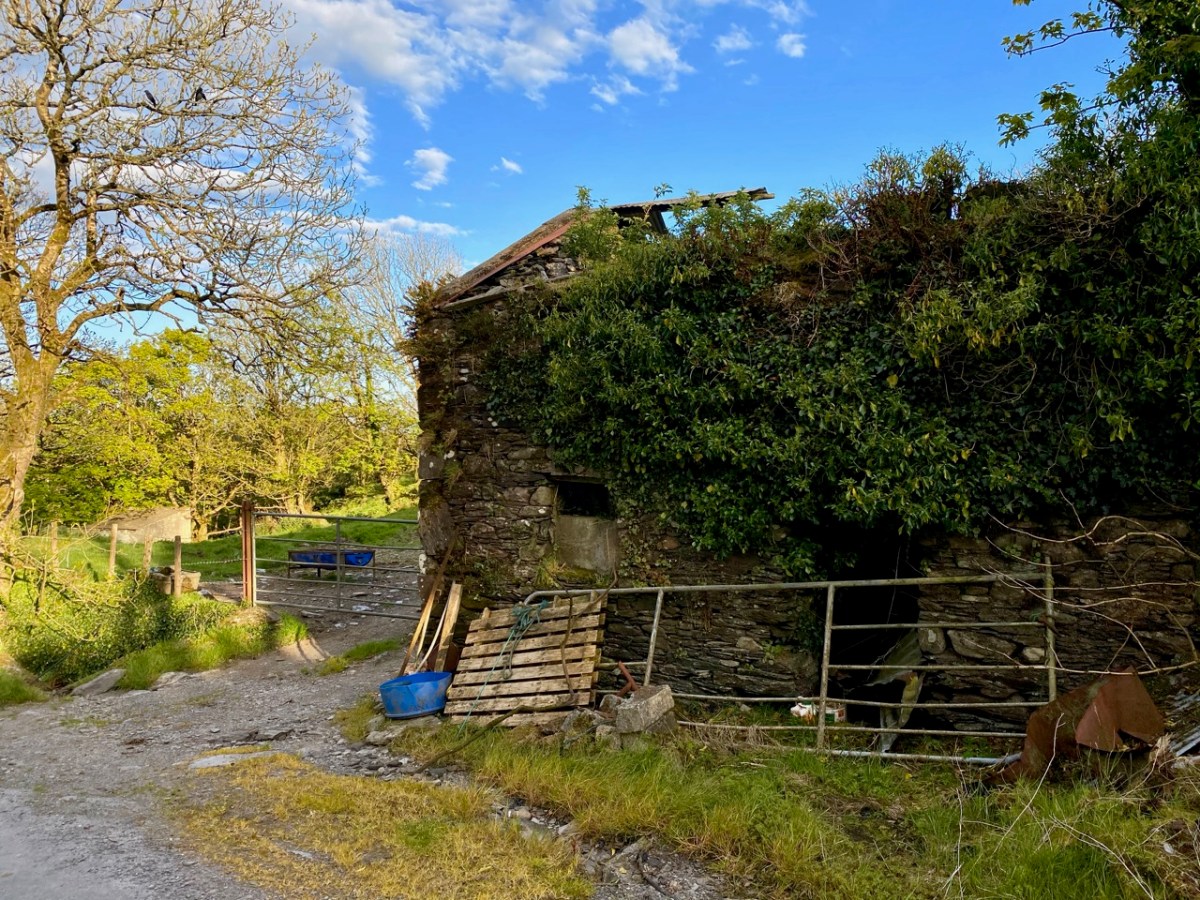
You’d think we would know every centimetre of West Cork by now… Of course we don’t! But we do like a challenge so, on occasion, we will follow a whim and deliberately go off main roads and randomly follow the smallest lanes. We invariably find ourselves emerging at places we know, but the journey along unfamiliar ways is always worthwhile. I thought that this week I will treat you to just such an exploration – in fact it’s a few explorations: I’m not going to tell you where any of the pictures is taken. You will travel with us and open up many new vistas (hopefully), just to give you a taste of the boreens, which you can also find for yourself when you come and visit – unless you are fortunate, as are we, to live here already.

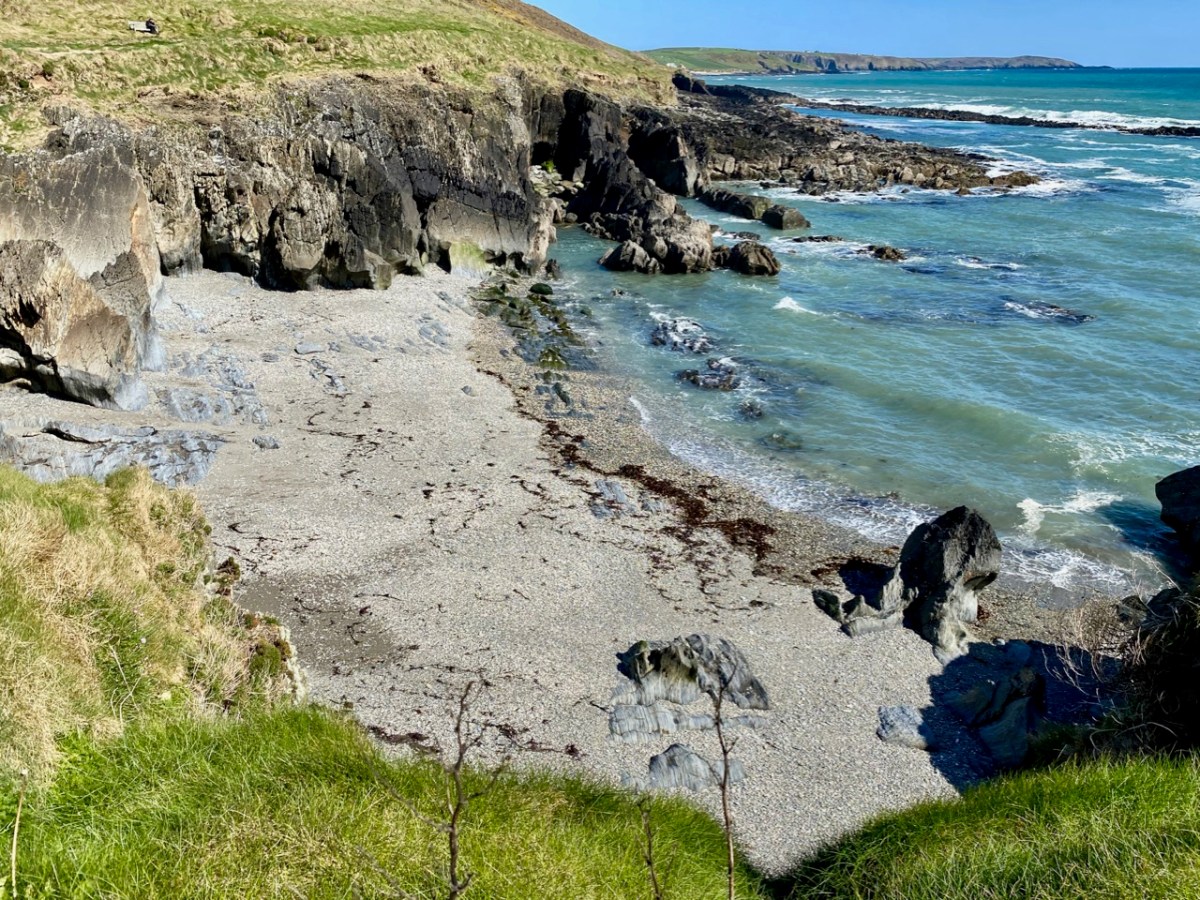
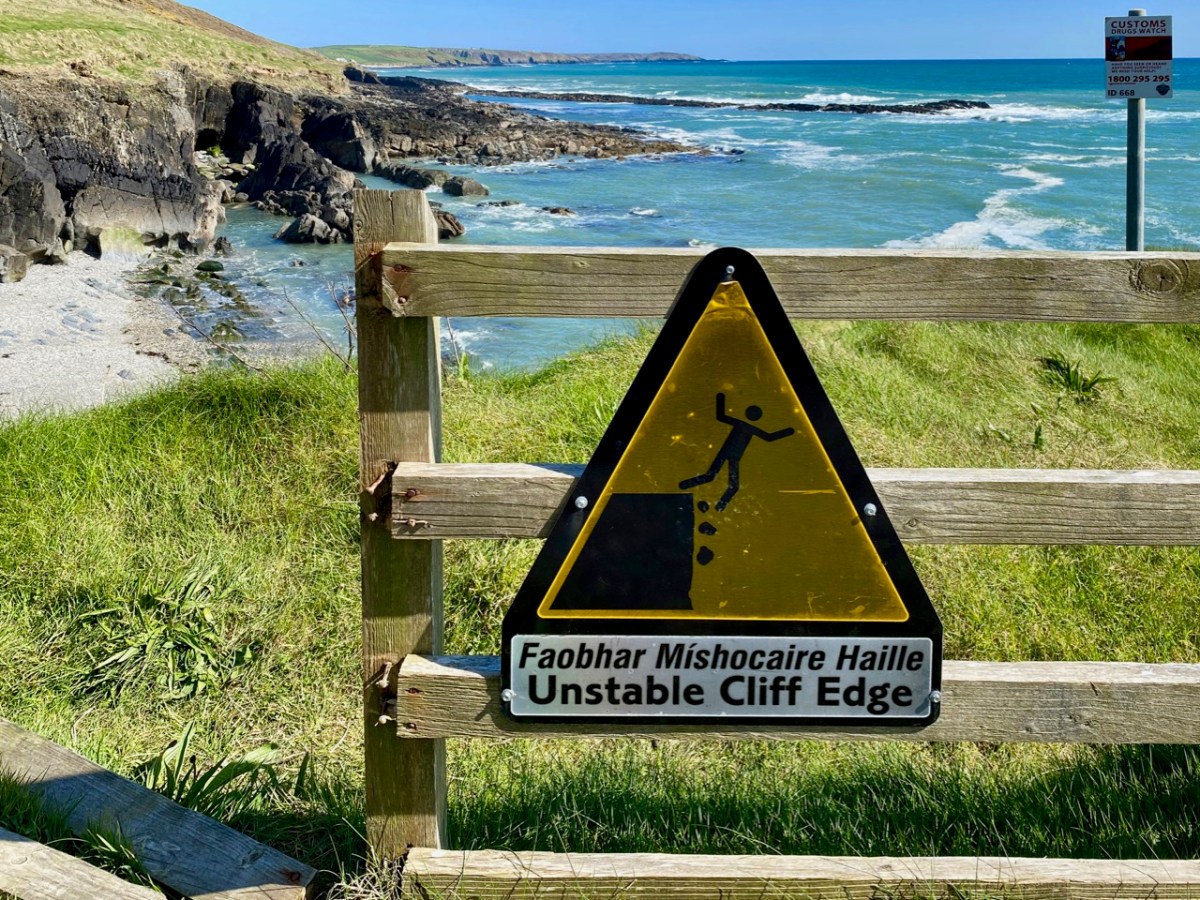
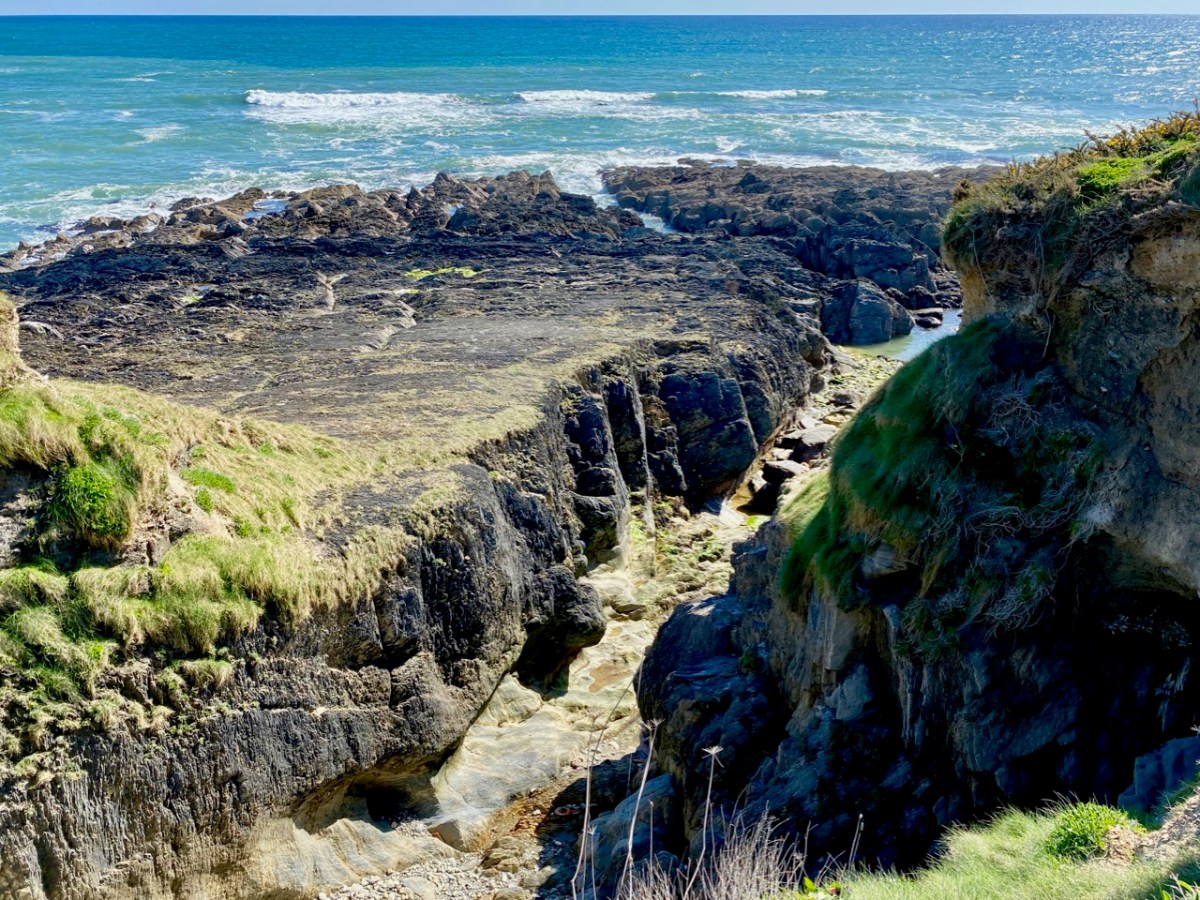
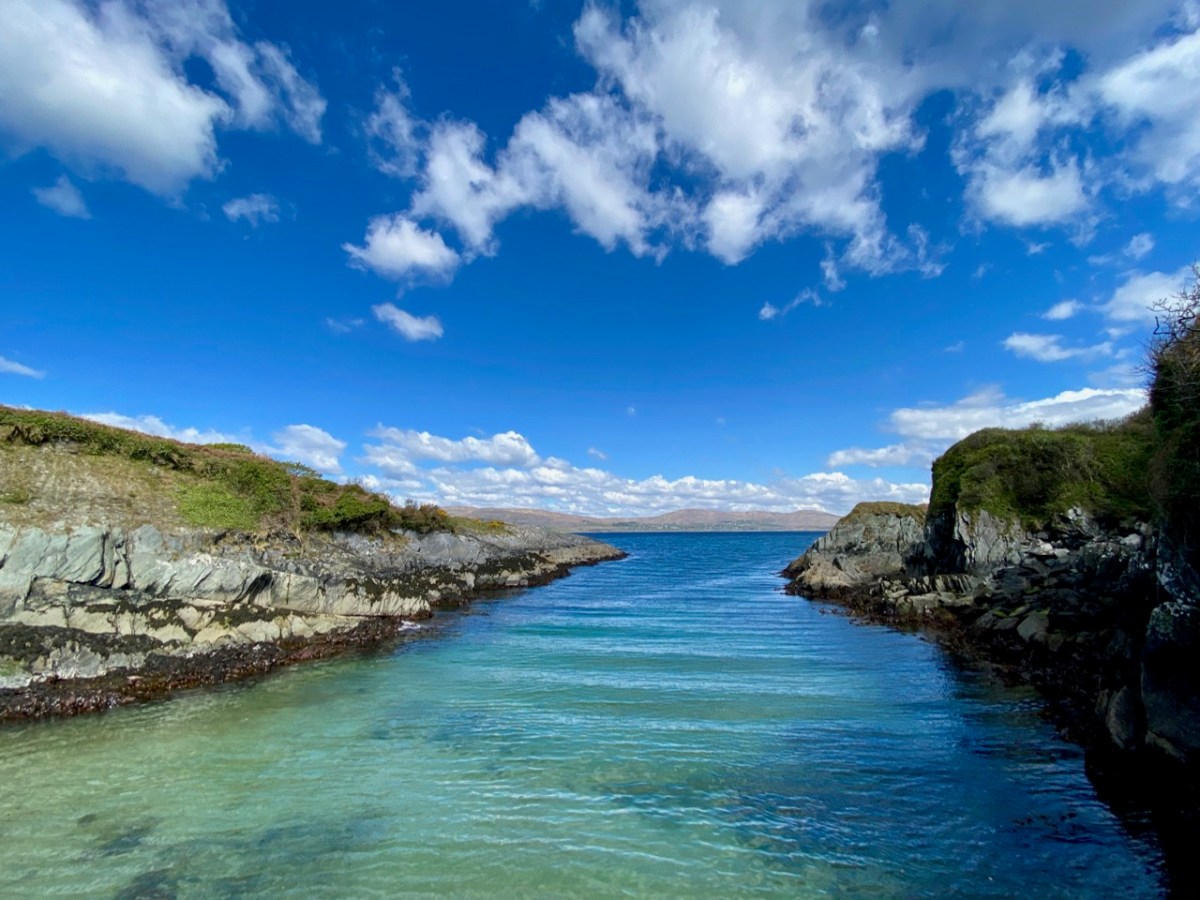
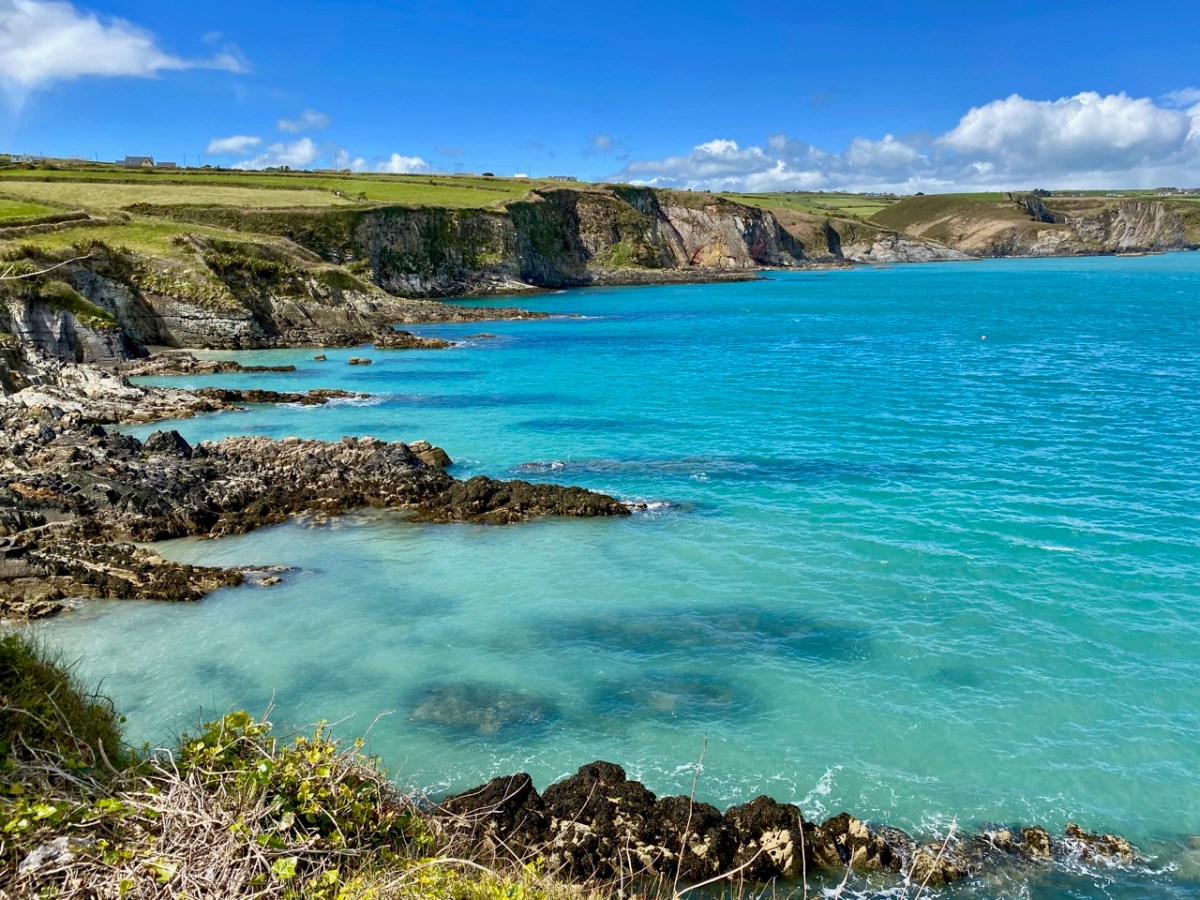
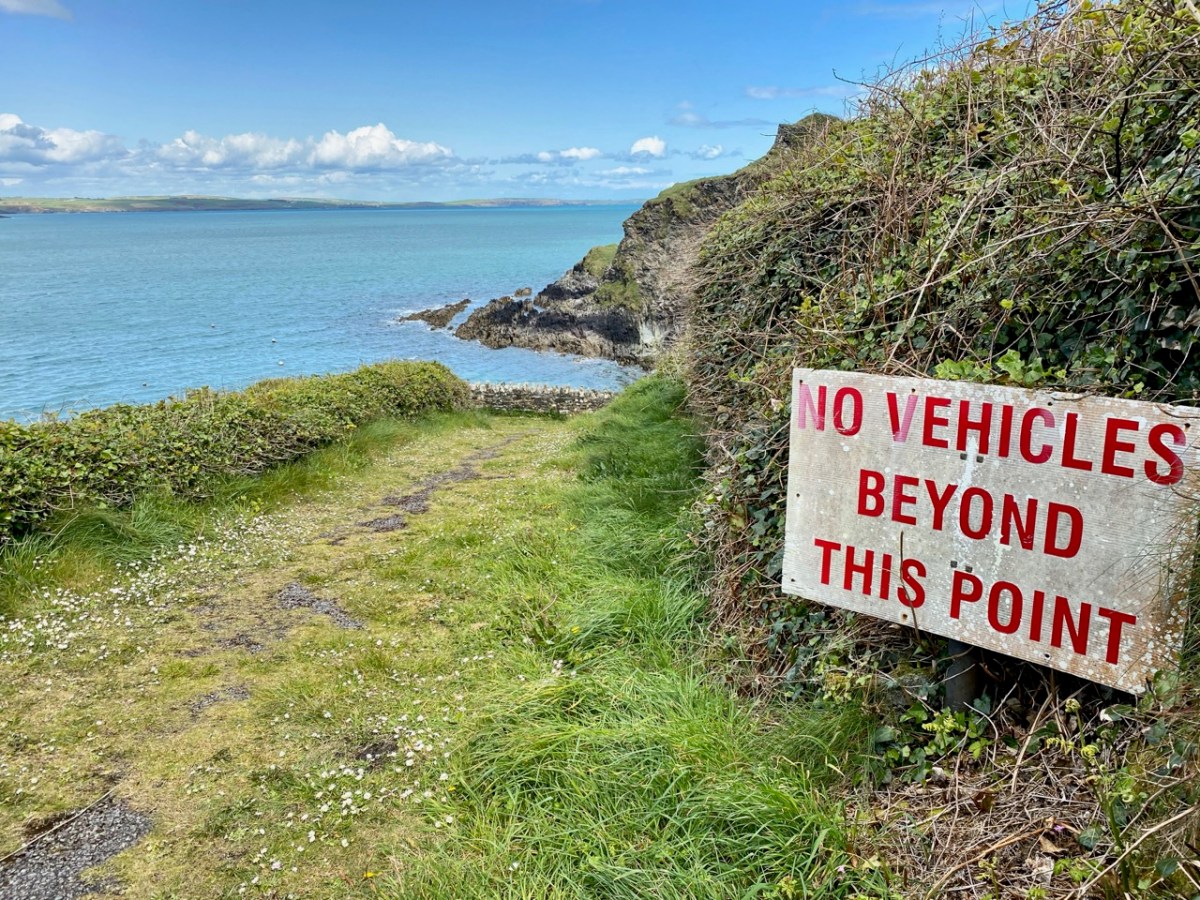
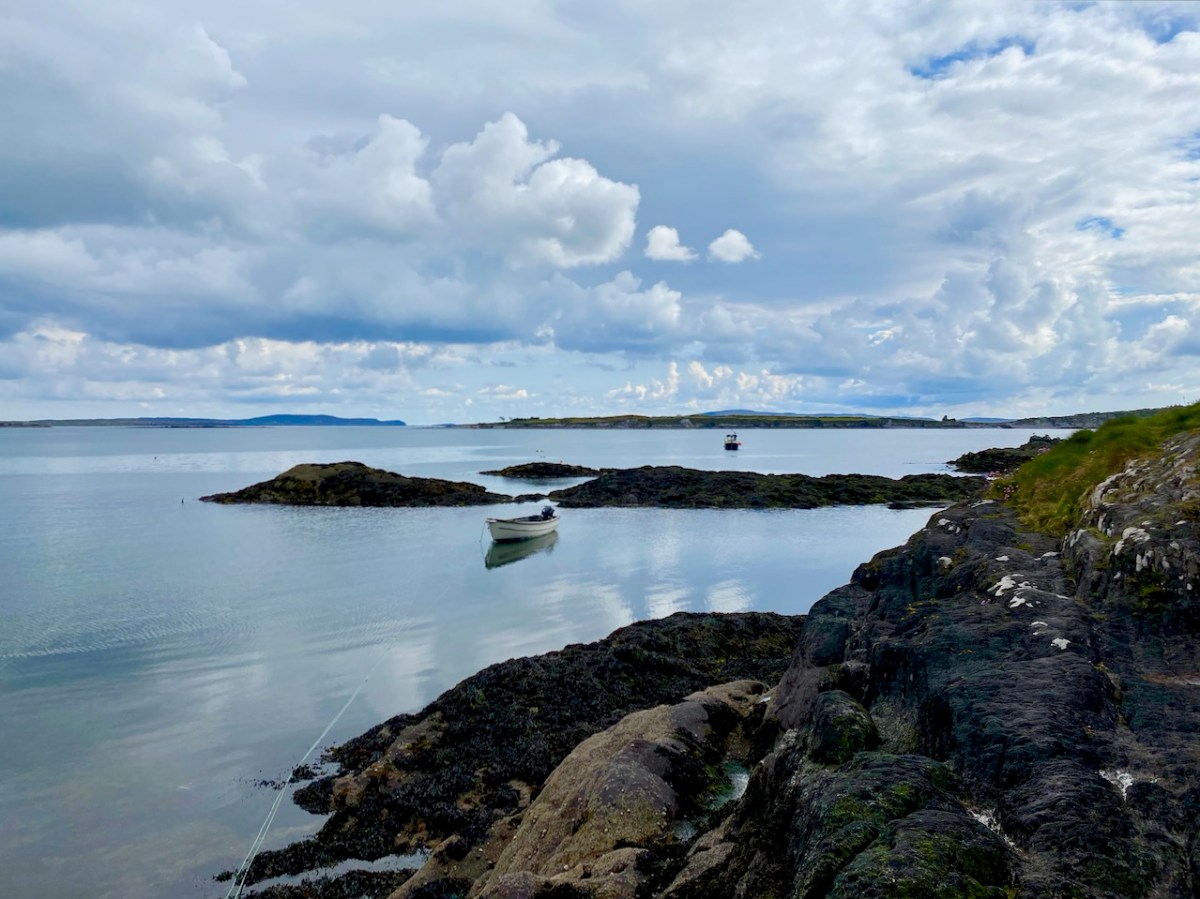
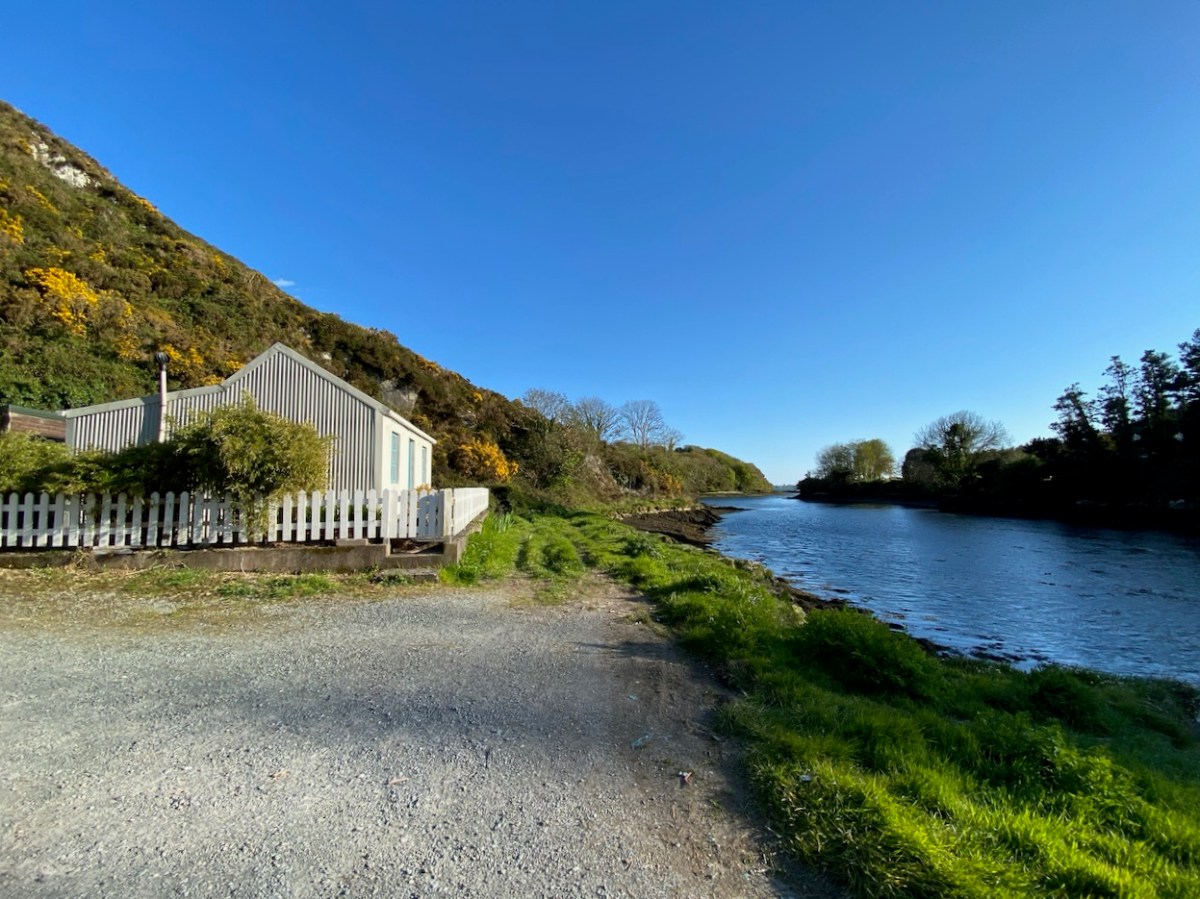
Wherever you are in West Cork, you will not be far from the sea – and there’s seldom a view which doesn’t have at least a silver horizon or a glimpse of water which is so brilliantly hued at the moment under our clear spring skies. We have taken to following the smallest of lanes which lead down to a dead-end at some little inlet, bay or remote pier along our coasts.

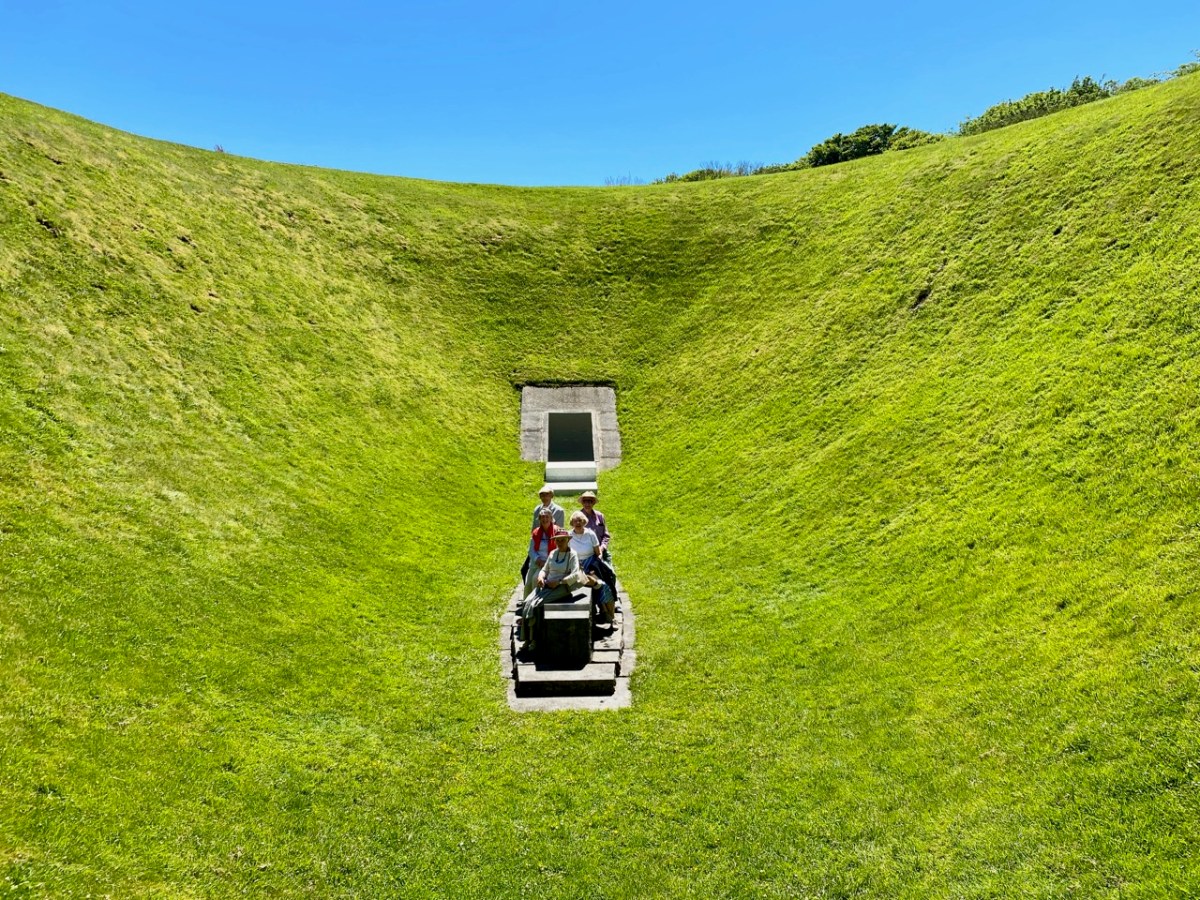
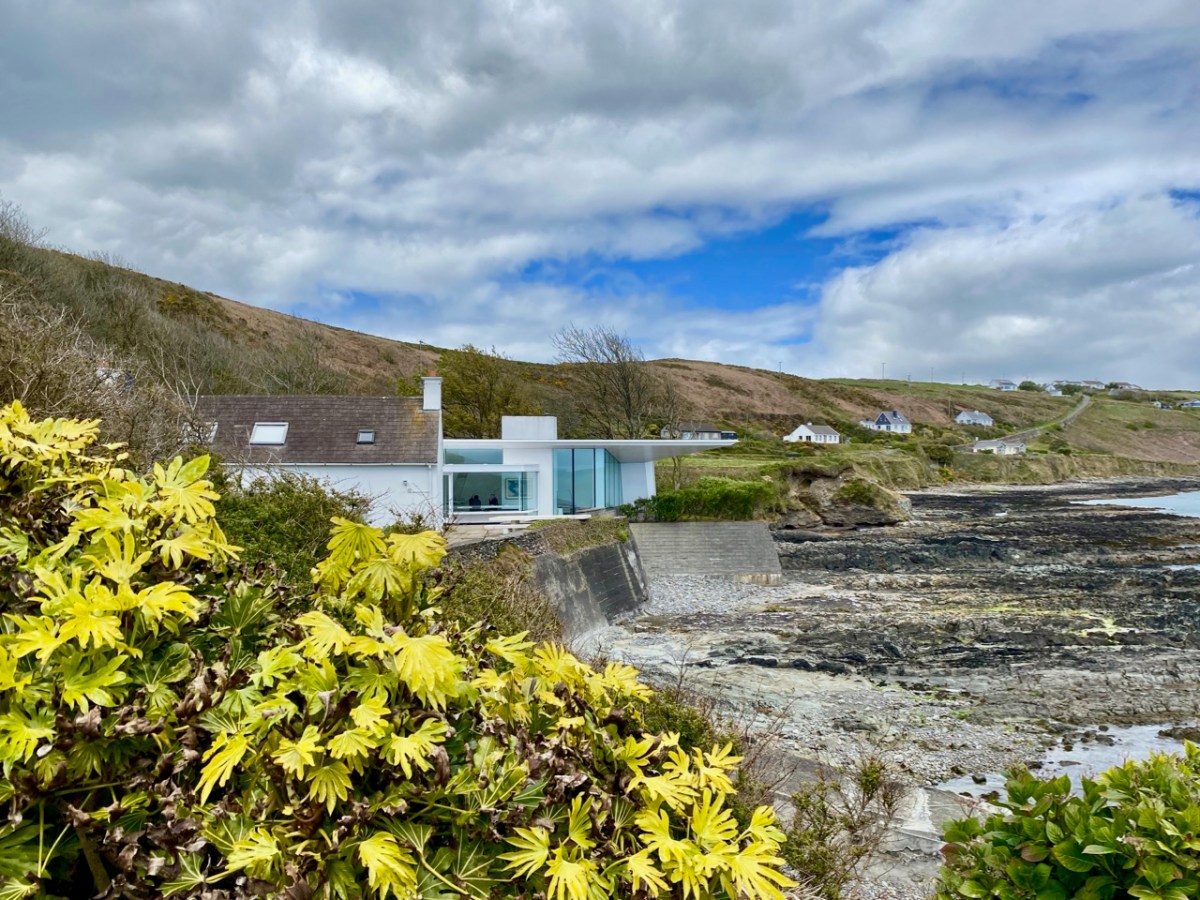
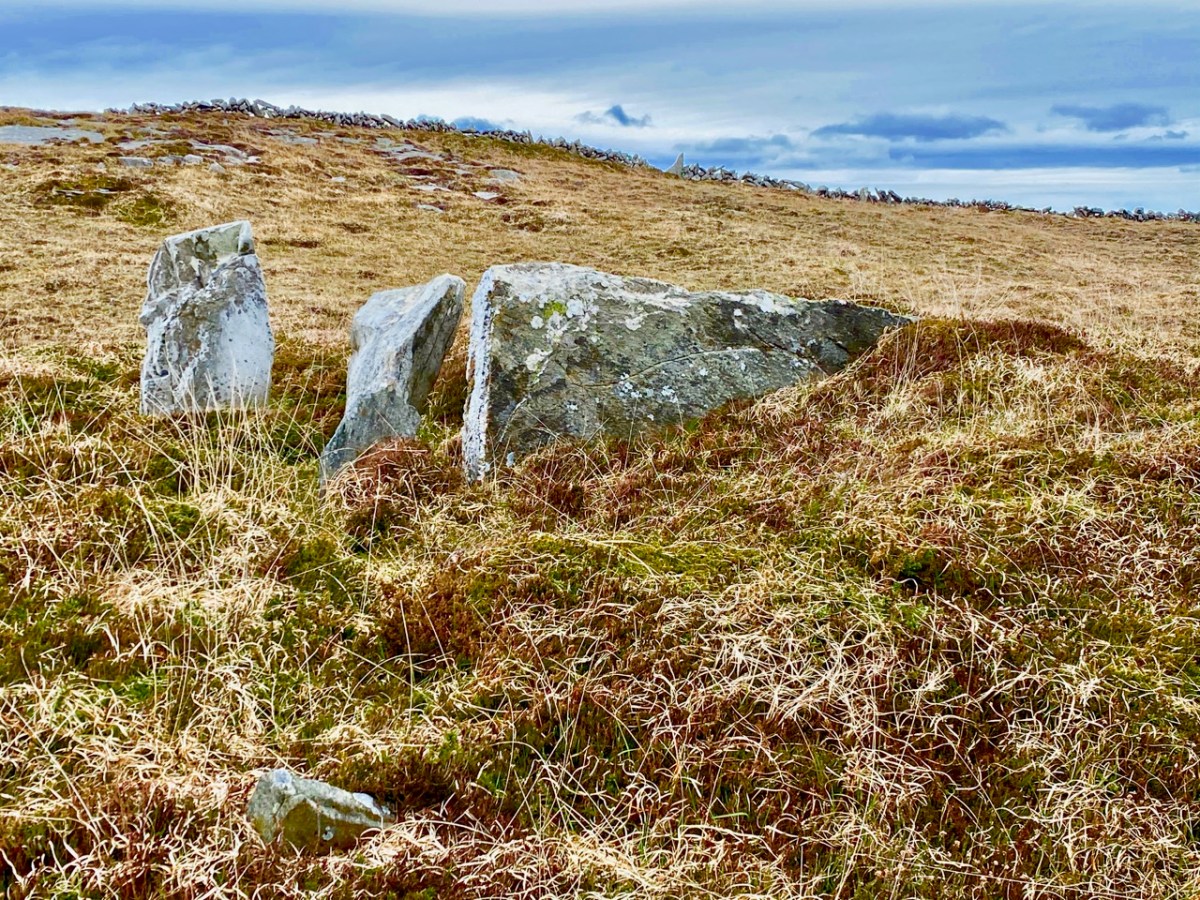
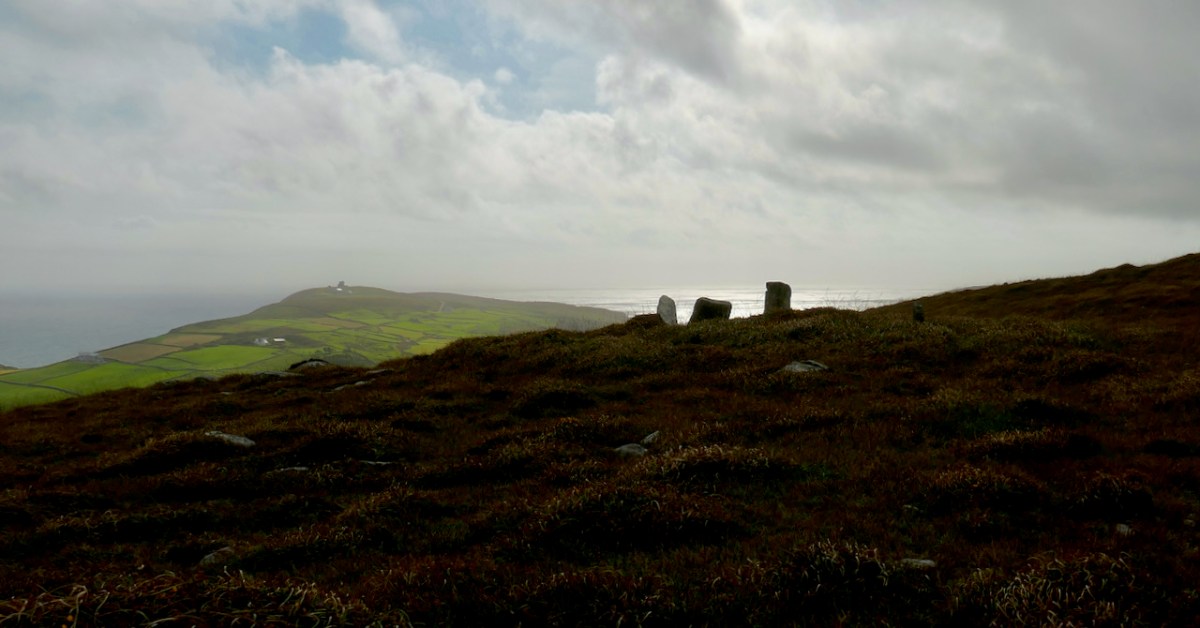
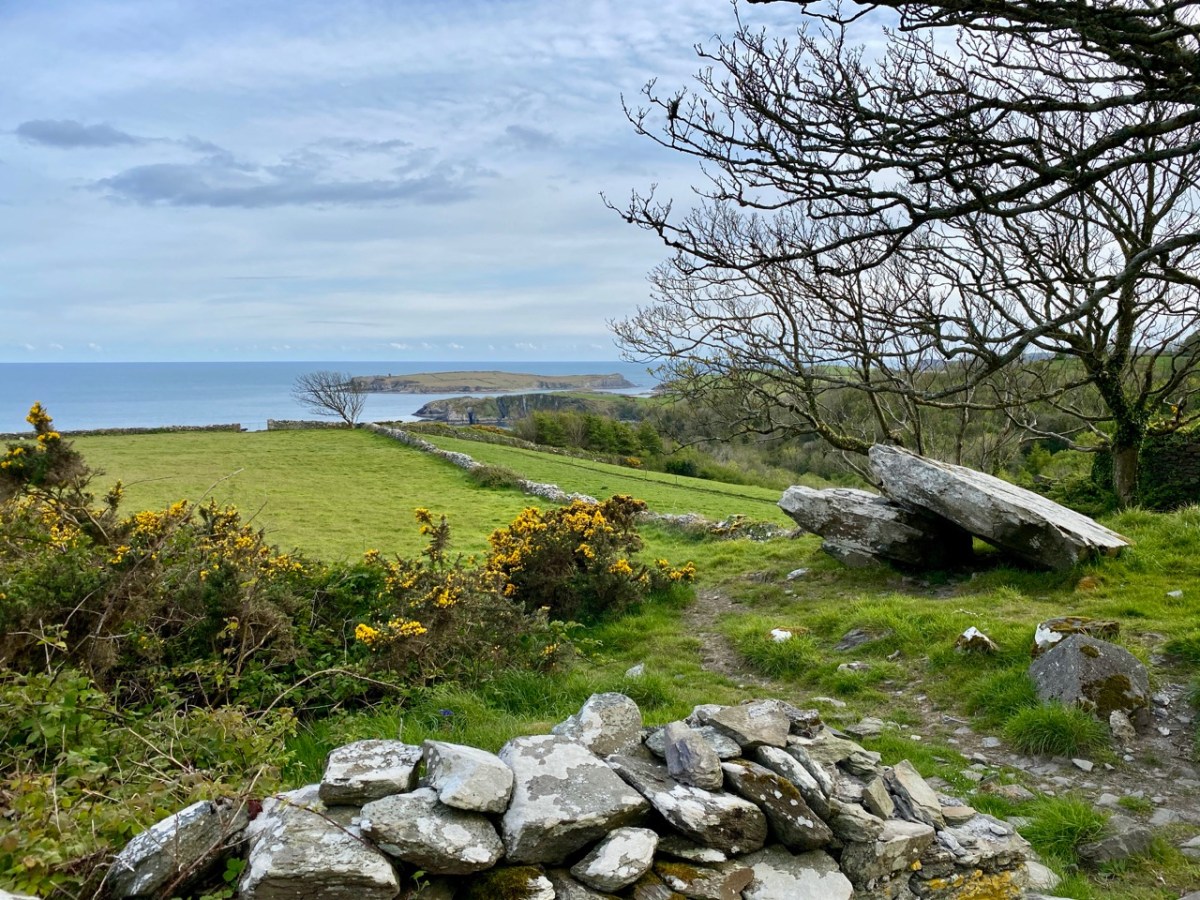
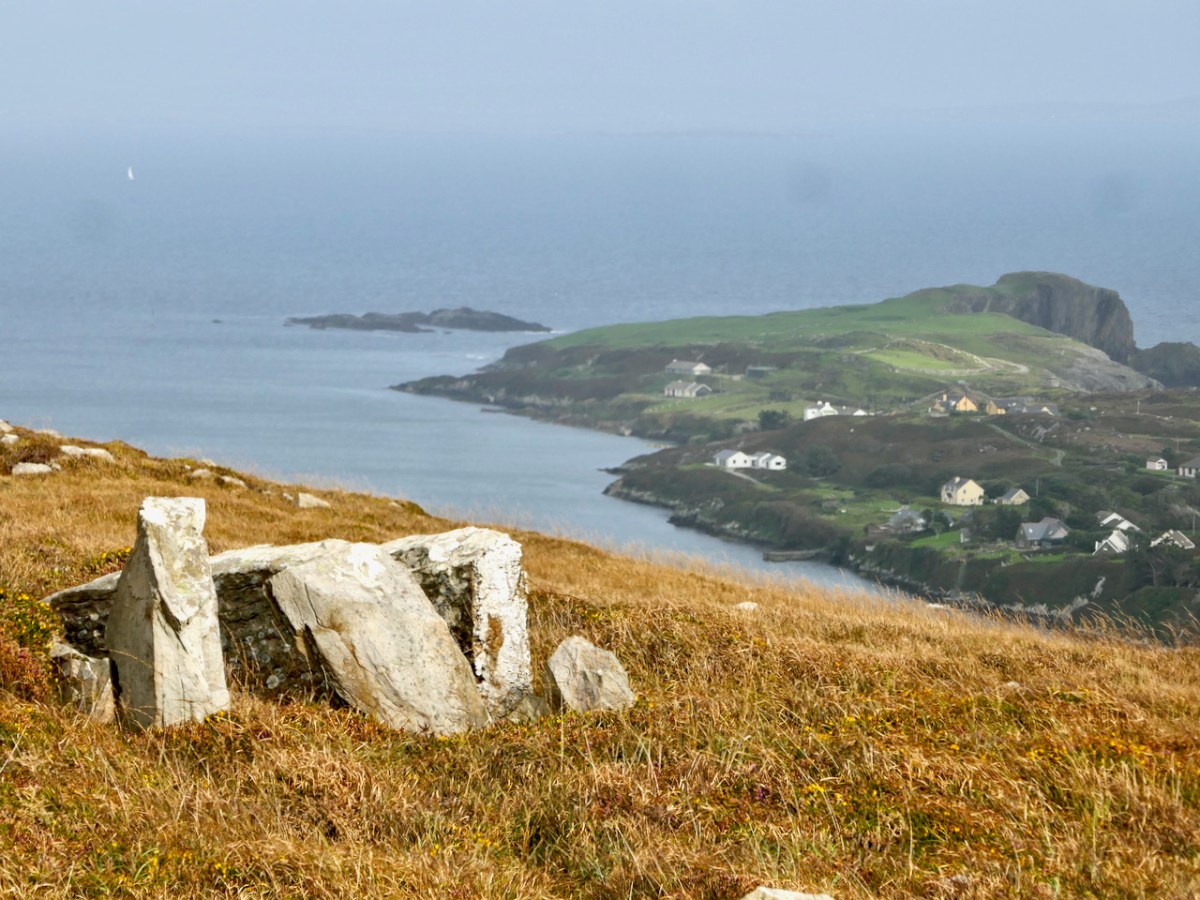
As a retired architect, I was delighted to find this modern gem at the very end of a cul-de-sac, a long way off the beaten track. An extension to a traditional house, it is right on the water’s edge: a spectacular location. I researched the building, and found that it was designed by Níall McLaughlin Architects – London based, but with obviously Irish roots. Below is a piece of architecture a few thousand years older, a possible passage grave, on the far end of the Mizen – equally spectacular and with a dramatic view.

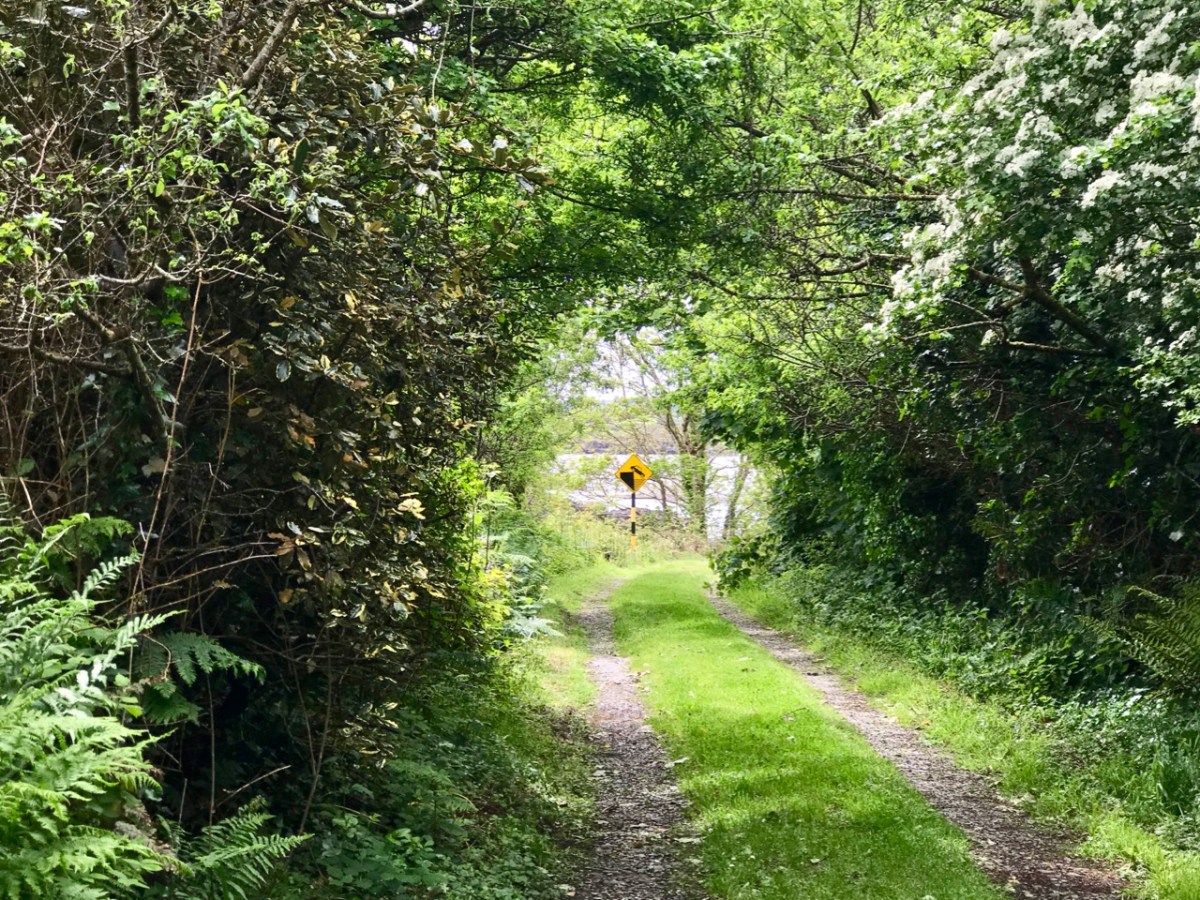
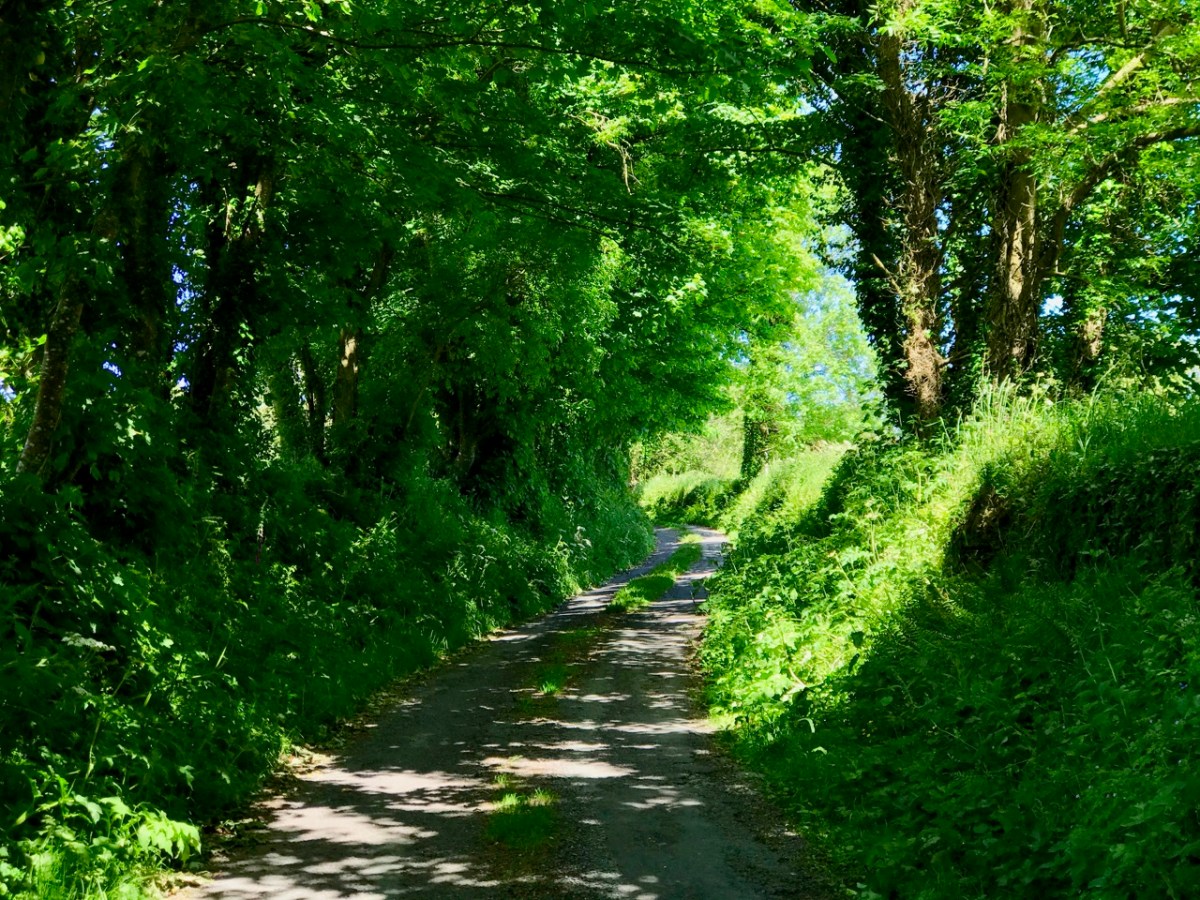
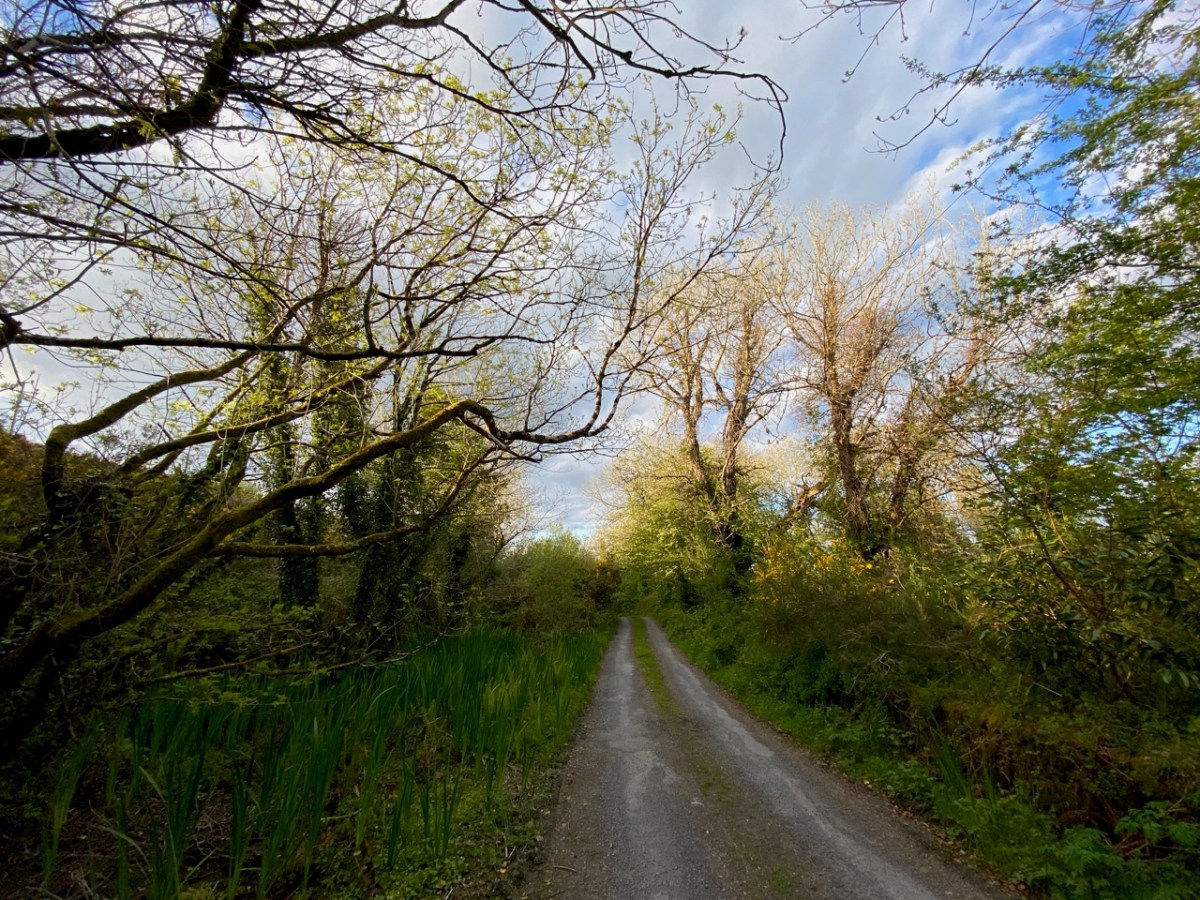
Not every byway discovery is as memorable as some of these examples: just a lane lined on each side with natural hedges can be inviting in its simplicity – and could be hard to find again!

Often it is important, of course, to know where you are going – and to find your way back. The latter is seldom a problem, especially with boreens which have an obvious end.

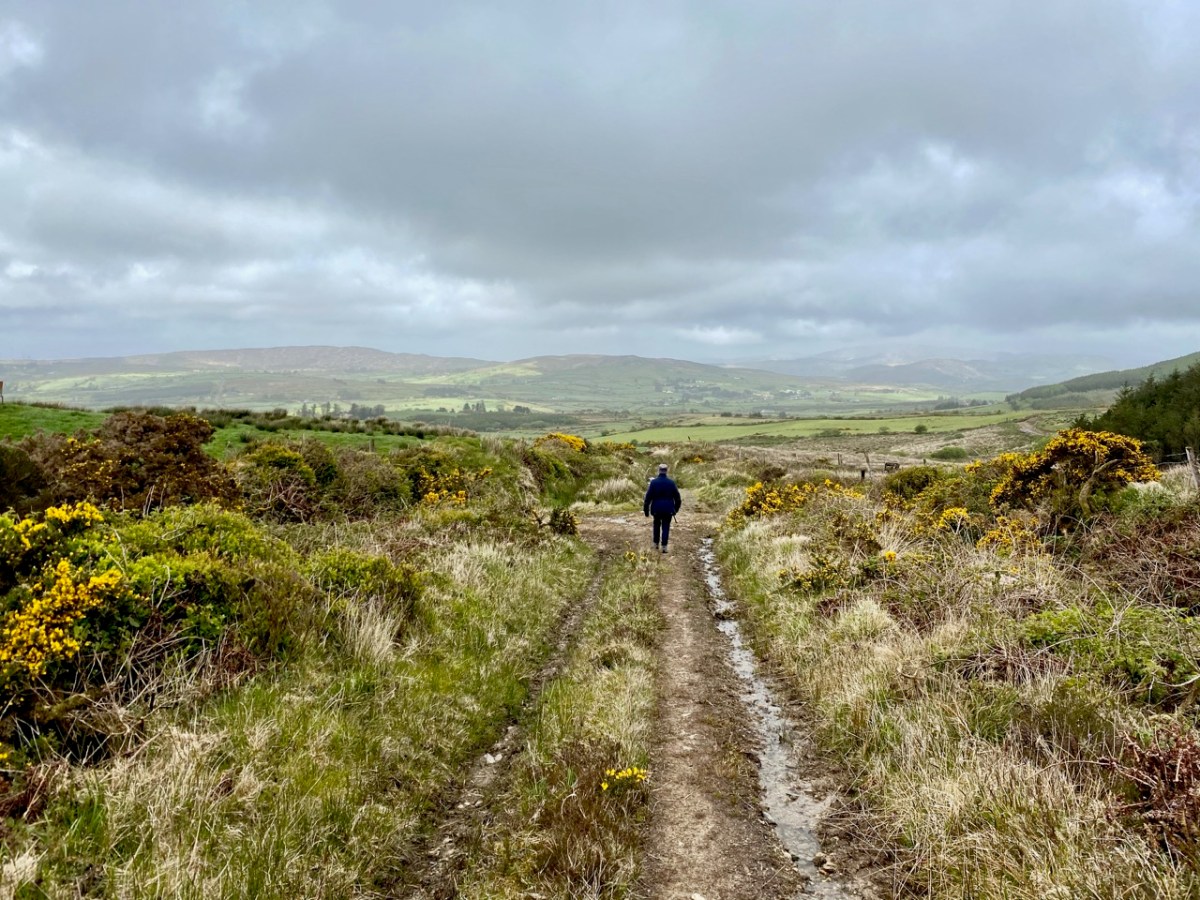
Sometimes you have to leave the car behind and explore the tiniest of trackways: we know them as ‘grey roads’ on the map. Finola uses the term ‘Tis a grand road’ quite frequently, as the mud sticks to our boots and progress becomes slow.

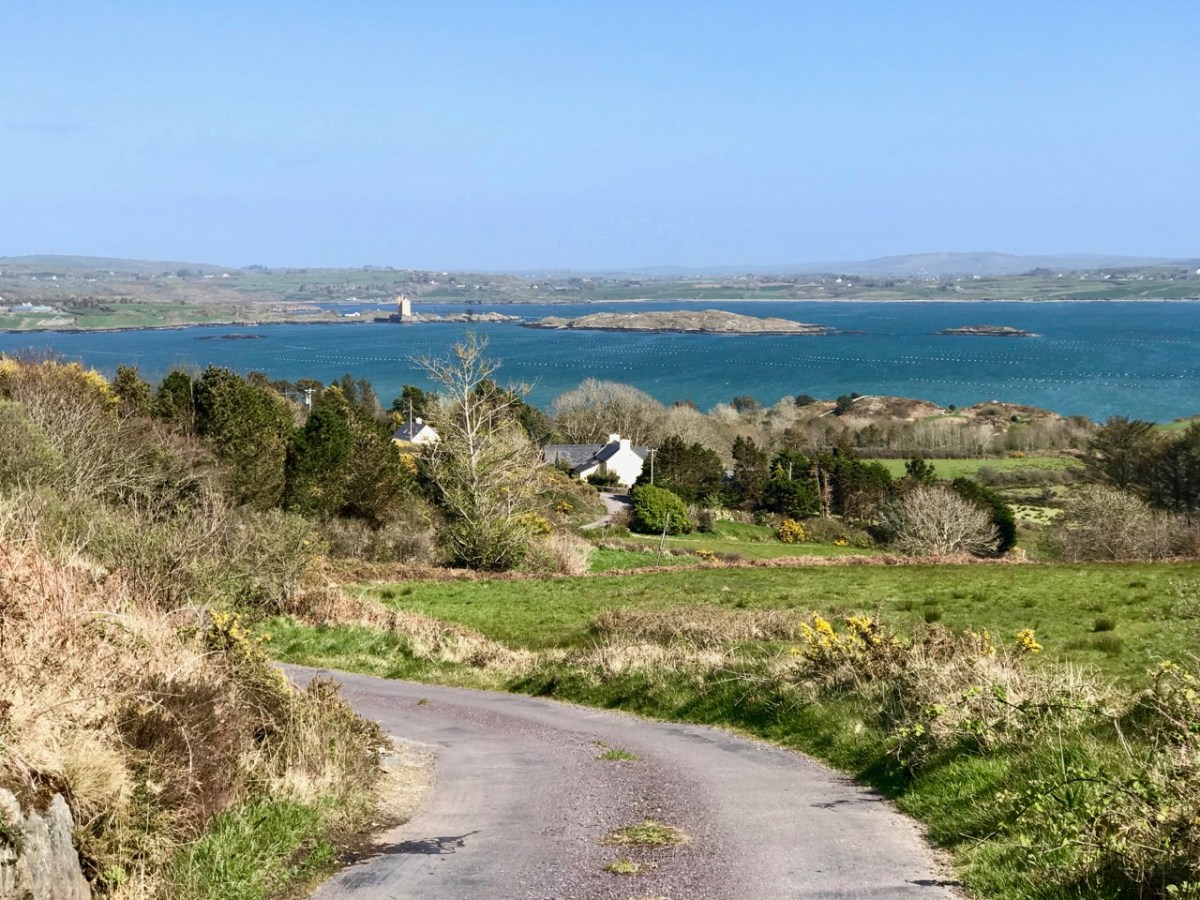
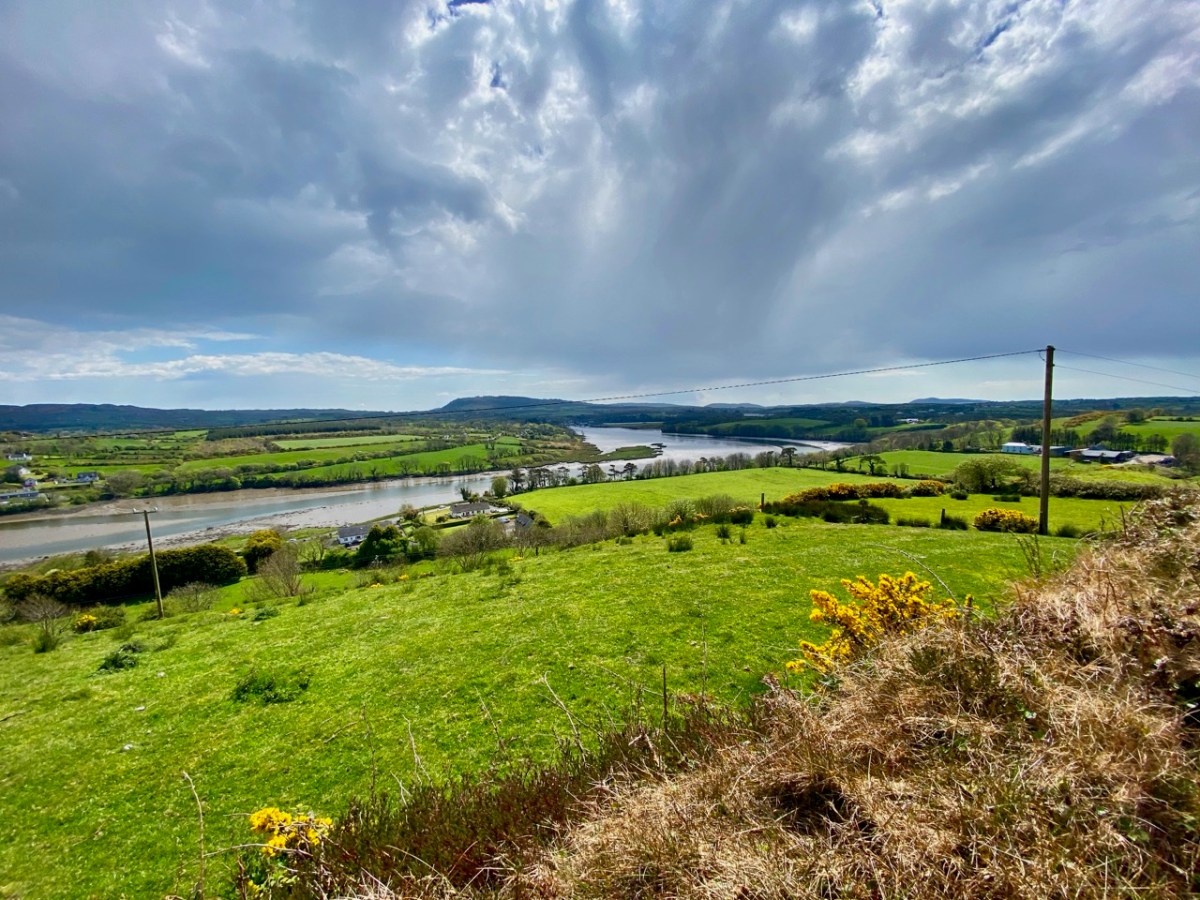
I am pleased when we come to the top of a small rise and suddenly find we have a wide view set out below us. On this occasion (above) we were presented with an unexpected prospect of the Ilen River in its broad tidal reaches before it becomes a true estuary. Of course, there are many moments when the view revealed to us is no surprise, as we have trodden so many paths so many times.

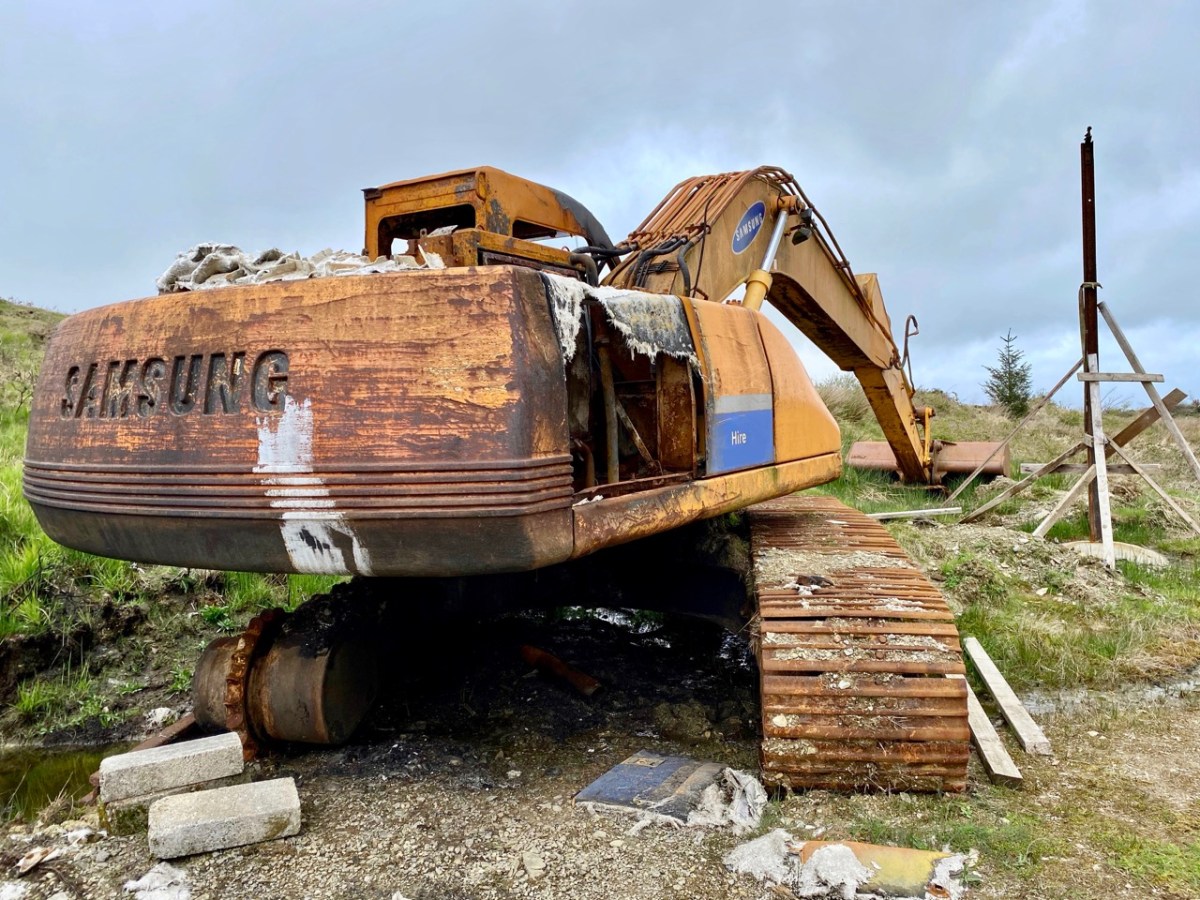
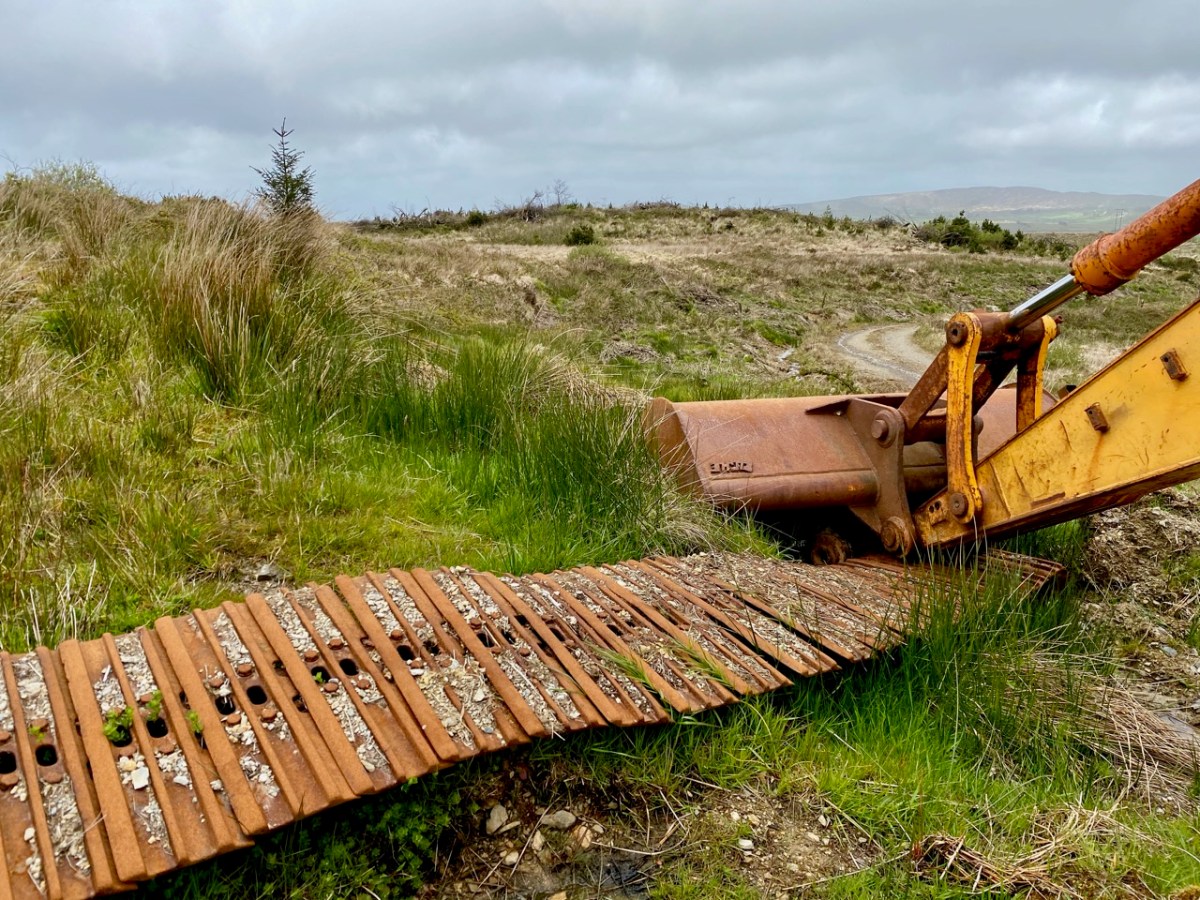
There have to be some contrasts in our travels – and some curiosities. Here, not too far from home, we were presented (below) with the answer to ‘where do all the old rock-breakers go’? We have lived here long enough now, to be familiar with the constant sound, day and night, as landscapes are broken down and smoothed off in order to ‘improve’ pasture for the farming industry: it’s a conundrum for the archaeologists among us who can see the danger of ancient history written on the land being swallowed up in the name of progress.

There is still so much history which remains visible, of course. This (below) was a thriving established village not too far from here dating from pre-famine times. It once had a church, a shop, two schools, mining, and maritime related industries. Now all are gone – or in ruins – and there is barely a family living in the area.

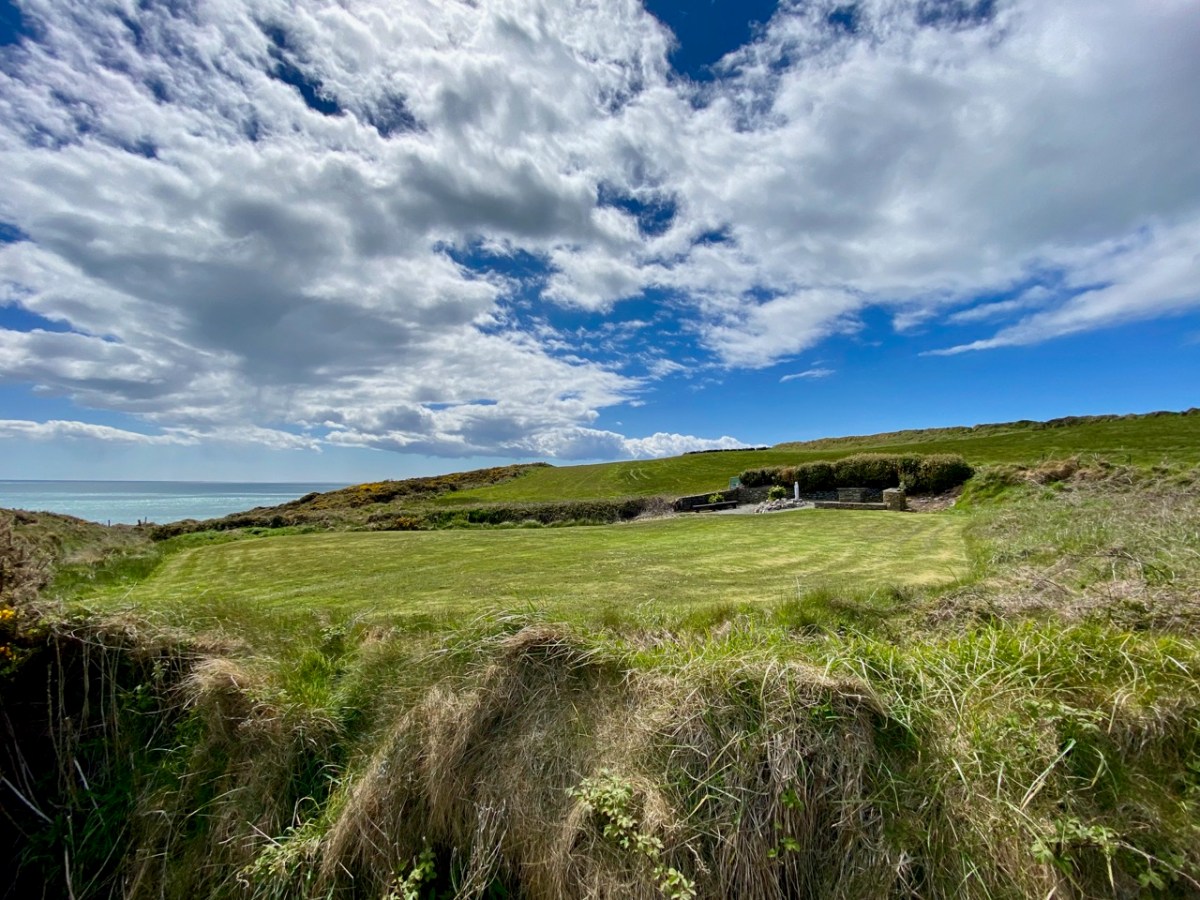
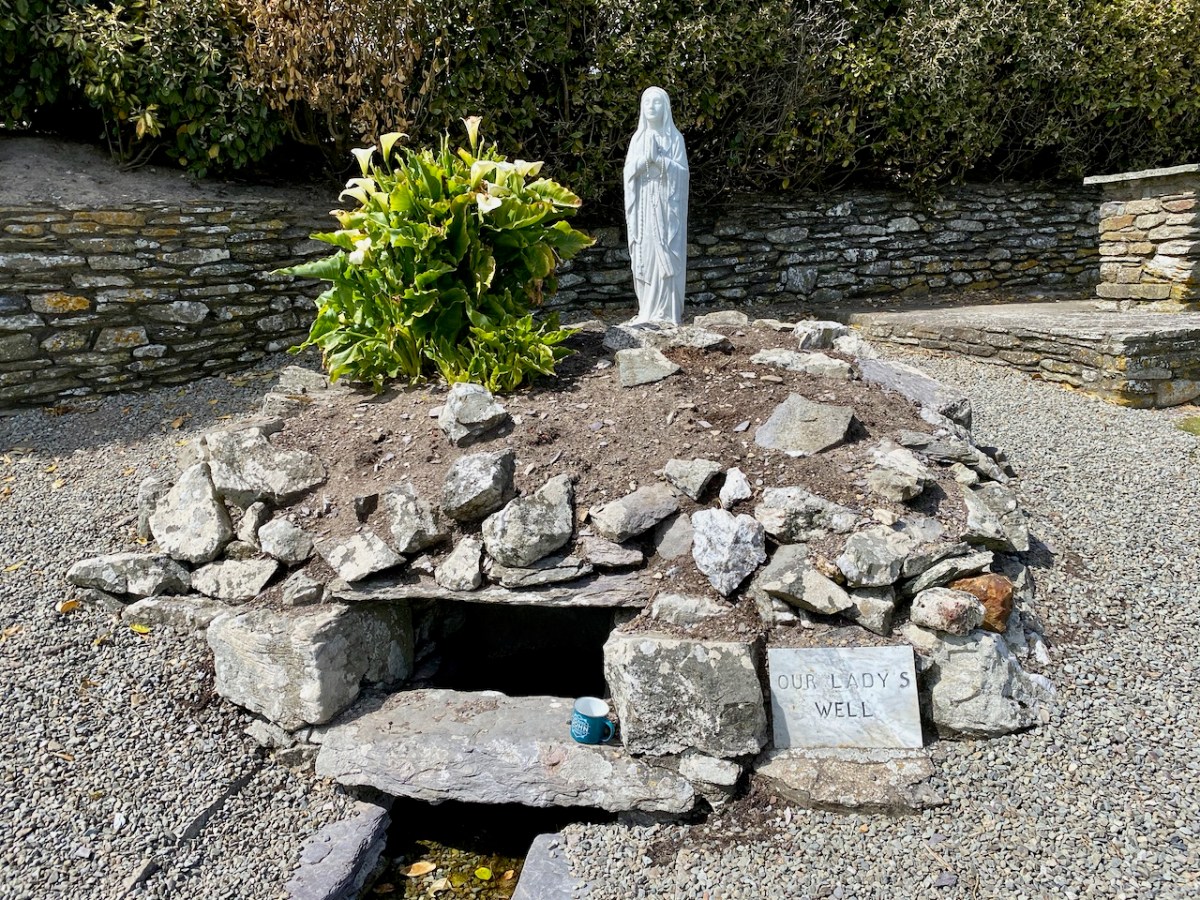
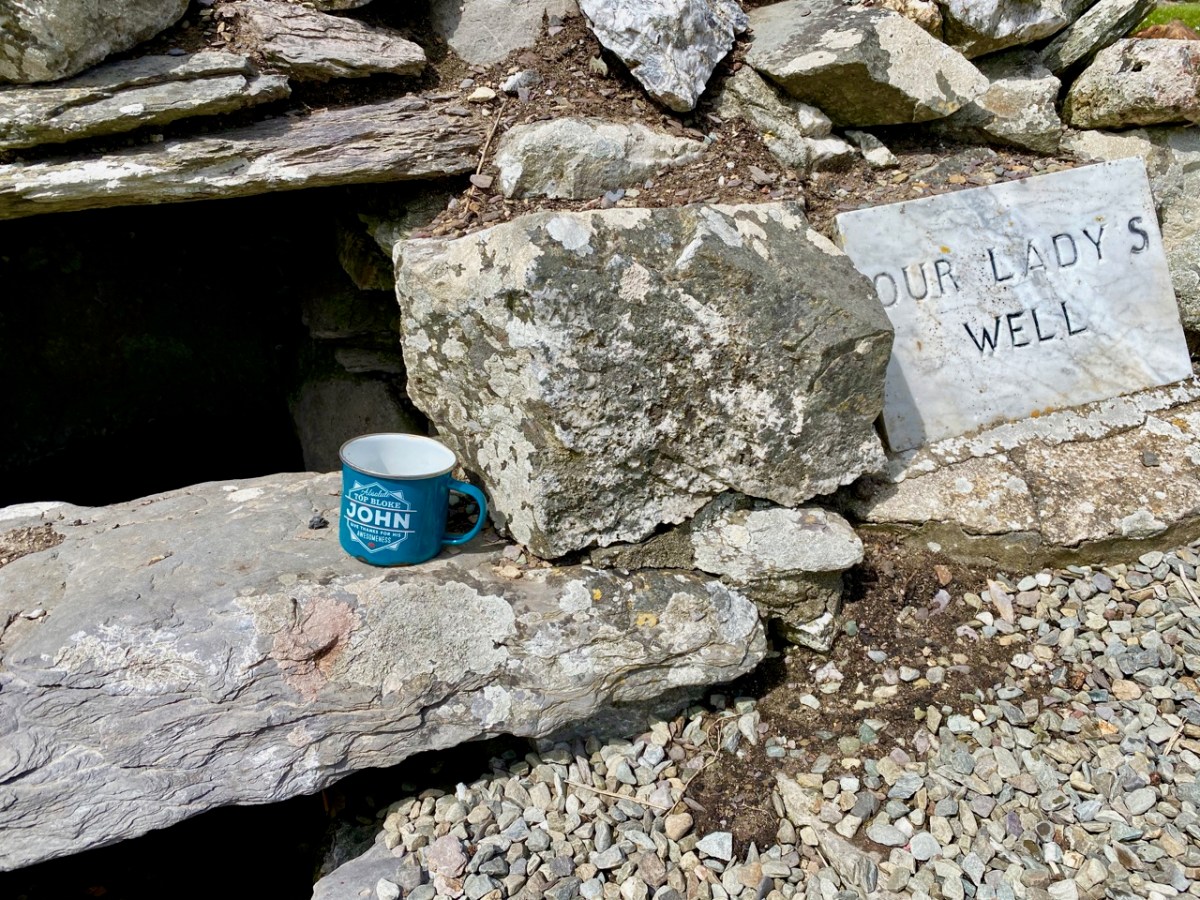
We are always delighted to discover spots such as this (below): again, a long way from any main road and right out in the middle of nowhere – yet a site which is immaculately maintained and celebrated. Note the ‘Top Bloke’ cup…

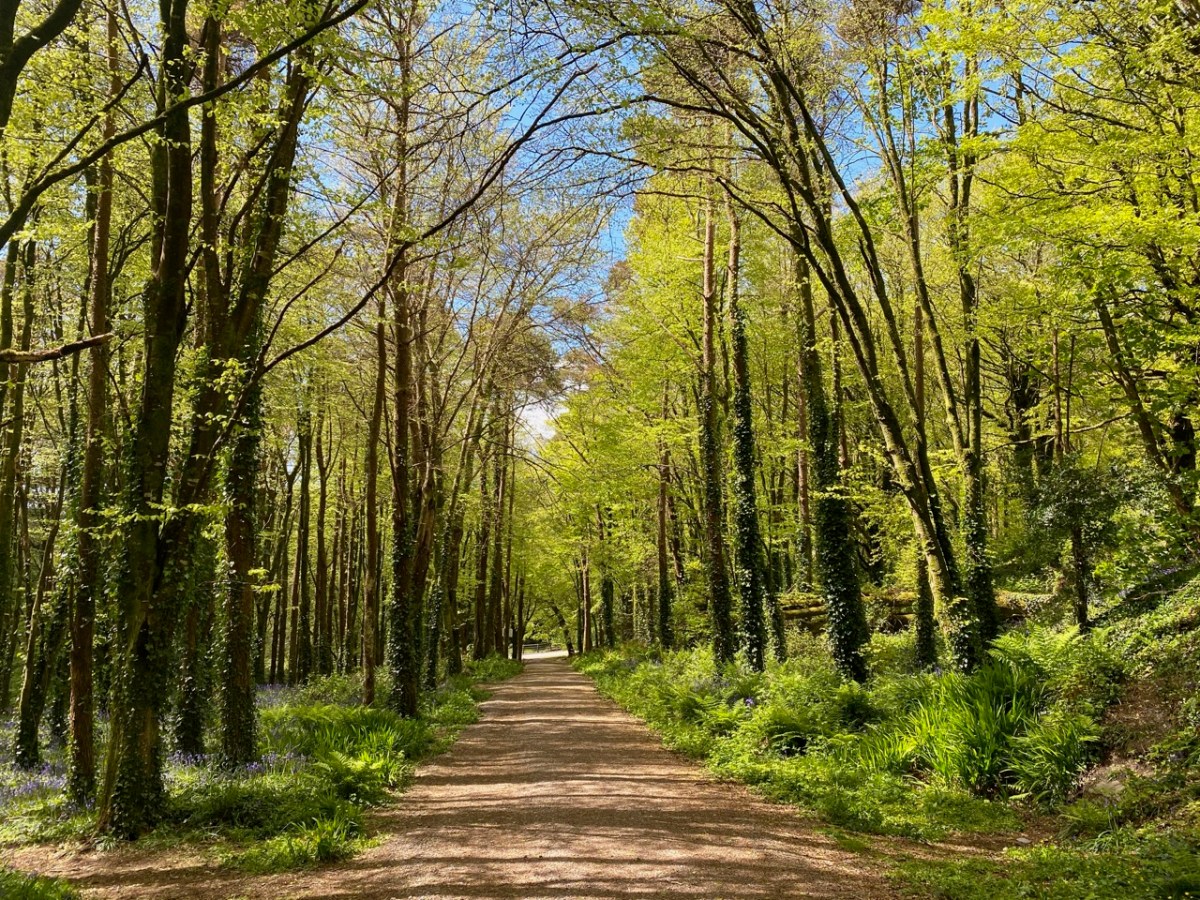
This post could go on forever. I have so many photographs of boundless boreens, captivating seascapes and intriguing sites – enough to revisit the subject in future posts. Let’s close with a woodland walk which is on a West Cork demesne, and open to all: at this time of the year it is magnificently decorated with all the spring wildflowers and vivid young shoots creating a green cloud in the tree canopies.

Lying In The Grass

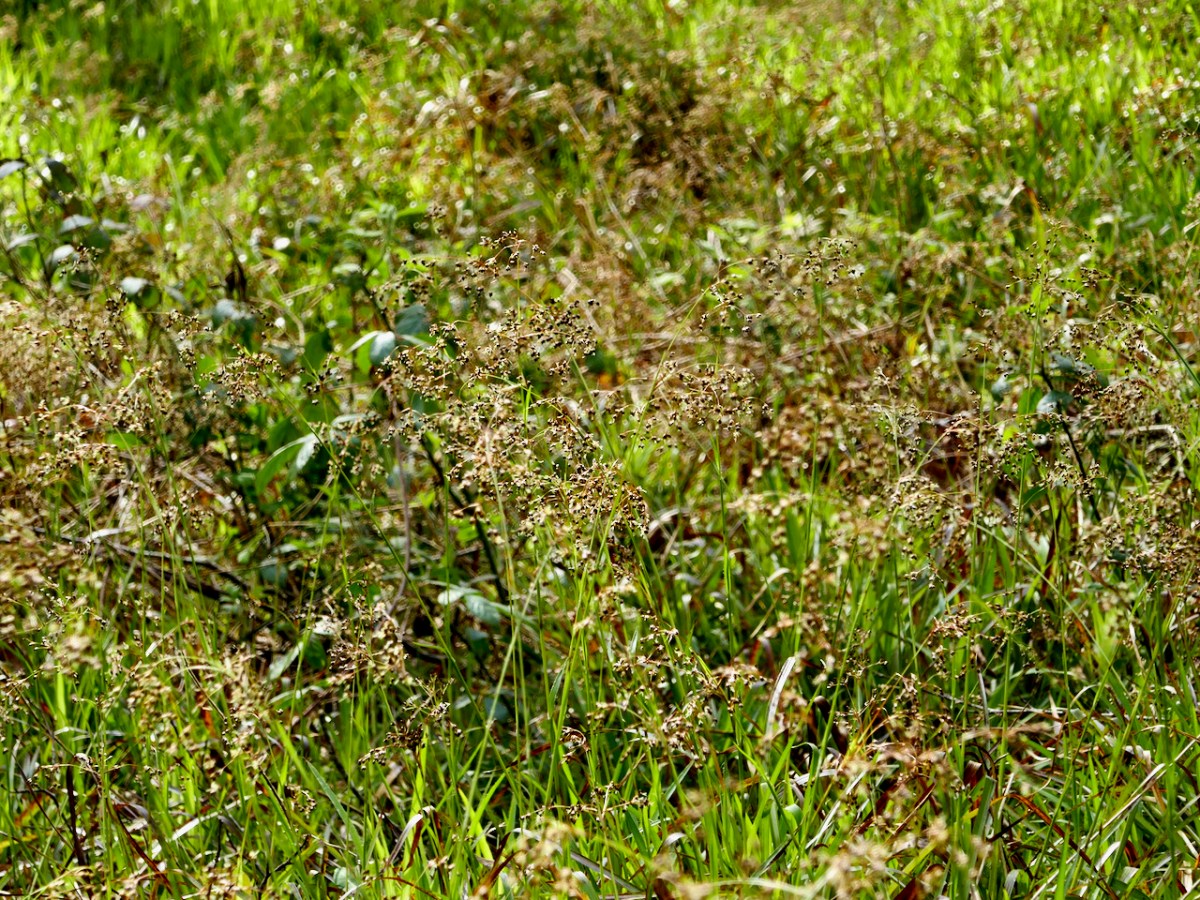
It’s one of my favourite things to do, as soon as the wildflowers in my garden start to bloom. These are the early ones – there will be a different set in June and July, although some, such as the Bird’s-foot Trefoil, will persist. All but one of one of these wildflowers is native to West Cork, all have volunteered in my garden, and all have been photographed in the last week. You have to lie down in the grass to see many of them (tiny!), or to see the detail on the flower – but I have done all the work for you so make a cup of tea, settle back, and just enjoy!

The music is by the incomparable, late Mícheál Ó Súilleabháin and is titled Turas Go Tír Na nÓg (Journey to the Land of Youth) – Go raibh maith agat, a Mhícheál, agus suaimhneas síoraí.

A plant list follows, in the order in which they are presented. 

Ribwort Plantain (Title slide)

Creeping Buttercup X 2

Common Mouse-ear

Common Milkwort X 3

Common Milkwort, white form

Dandelion clock 

Cat’s-ear X 3 (much more common in my garden than Dandelions)

Yellow Pimpernel X 2

Common Dog-violet X 2

Grasses

Daisies

Thyme-leaved Speedwell and Daisies X 2

Thyme-leaved Speedwell closeup

Daisies

Red Clover

White Clover

Herb-Robert

Cat’s-ear and Scarlet Pimpernel

Common Bird’s-foot-trefoil X 3

Keeled-fruited Cornsalad X 2

Common Sorrel X 3

Ivy-leaved Speedwell* X 2

Marsh Thistle X 2 (Why I don’t do this barefoot)

Lousewort

Common Vetch X 2

Ground-ivy X 2

Common Blue Butterfly

Speedwell (thyme-leaved?)

Cut-leaved Crane’s-bill X 2

*Ivy-leaved Speedwell is thought to be an introduced species

Hare Indulgence

Every so often I have to come up with a post about hares – they are an obsession with me, and have been for as long as I can remember. So, when I looked out of the window this morning and saw a real, live Irish Hare foraging in our garden at Nead an Iolair I knew the time had arrived to pen another paean to this most beautiful and elusive of animals. Lepus timidus hibernicus is Ireland’s only native lagomorph; the other two are the Brown Hare and the Rabbit – both have come from elsewhere. But the Irish Hare has been here at least since the Pleistocene: that’s getting on for three million years ago, implying that the species is totally attuned to its habitat.

Here is the hare that arrived on our doorstep today. We know that this is an Irish Hare because of his ears – shorter than the length of his head: the Brown Hare species has ears which are longer than the head.

Before I came to live permanently in Ireland I frequently visited West Cork, and a hare sighting in the wild could be virtually guaranteed each time. Also, when we first came here in 2011, we would encounter a hare or hares once every few weeks. In the last couple of years, however, hares seemed to have disappeared completely, apart from a notable day in August 2018: it was the most soaking of wet Irish August days, and we found that we had the most bedraggled of Irish hares sitting forlornly on our terrace.

As you can see, it was a mere youth – no more than a slightly matured leveret. We invited him indoors for a dry off, but he wasn’t having any of that; however, he did hang around for three days, allowing us to get a few more pictures.

We named this little hare Berehert, after an Irish saint we were researching at the time, and wrote a post about him here. In fact, hares seldom stay in one place for very long – it’s part of their self-protection mechanism to be always on the move. And they do move: they are our fastest mammal and can outrun everything else. Since Berehert departed I always harboured a little fantasy (should we say conviction?) that he would one day call in again to let us know how he was getting on… Very nicely, thank you, would seem to be the order of the day if it is, indeed, Berehert who has come along to test out our lawn – this animal appears to be in fine condition.

But maybe there’s another reason why this handsome hare has decided to honour us with his presence: could it be the new sculpture which has appeared in the garden? It is temporarily lodged down by the hedge (header picture) but it has been expertly laser cut from stainless steel (by Pre-Met Fabrications of Cork City) to grace our recently built stone gatepost at our entrance. My design for this hare incorporates the moon, because in folklore all around the world the hare is associated with the moon; it’s artistic licence that I have exaggerated the length of the ears (thereby making this a Brown Hare rather than an Irish one!) but the ears of hares are such defining features that they ought always to be fully celebrated.

Finola is giving you the scale of the new gatepost hare, above, and trying him out at his final location. The sculpture was a special birthday treat from Finola – an indulgence for which I am most grateful: she long ago banned me from bringing any more hare inspired accoutrements into the house, which currently harbours scores of them. I’m afraid that’s par for the course if you marry a hare fanatic!

The very fine parchment scroll (above) which was made and presented to us by our neighbours Hildegard and Dietrich to celebrate our wedding has a little hare at the end of ‘Robert’!

You may remember that Finola’s stained glass window that was crafted for us by George Walsh incorporates a wonderful golden hare (at my request), flanked by my own concertina – playing the magical music of the Children of Lir – and a piece of rock art recorded by Finola in her days of yore.

Have a look at this ‘post from the past’ if – like me – you just revel in the elegance of the hare . . .