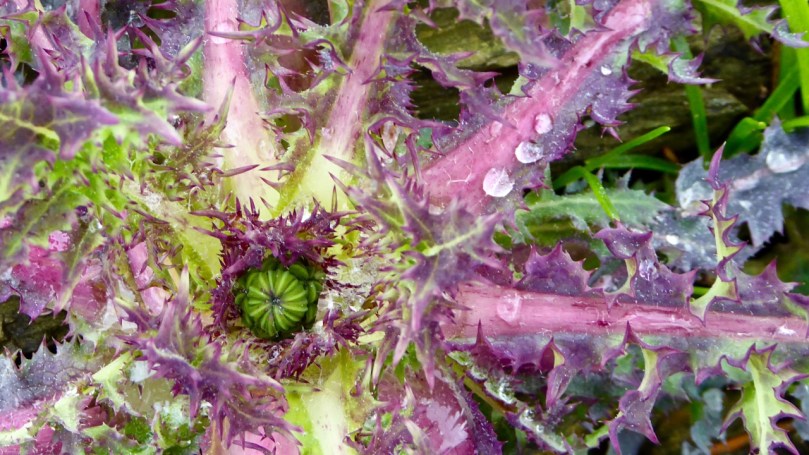
Toe Head Thistle
Up to Christmas I had been using my iPhone for photography. Upside – you always have it with you, it weighs nothing and fits in a pocket, it takes surprisingly good images as long as you don’t need to zoom in. Downside – very grainy if you try to zoom, very limited except for basic shots, few manual controls. Because of my frustration with its limitations (did I grumble that much?) Robert gave me a new camera for Christmas (Panasonic Lumix DMC-TZ60, for those who care about such things). It fulfils my requirement of being small enough to fit in my pocket while launching me into a whole new world where I can have more control over my images.
Up to now I have been using it purely on the automatic settings, with occasional forays into some of the pre-programmed effects, and I was starting to hit that wall of frustration again – the knowledge that the camera is capable of so much more if only I knew how to use it properly. So this week we signed up for a one day session with Celia Bartlett, a photo-journalist who uses her house in Toe Head to lead weekend photography breaks and workshops.
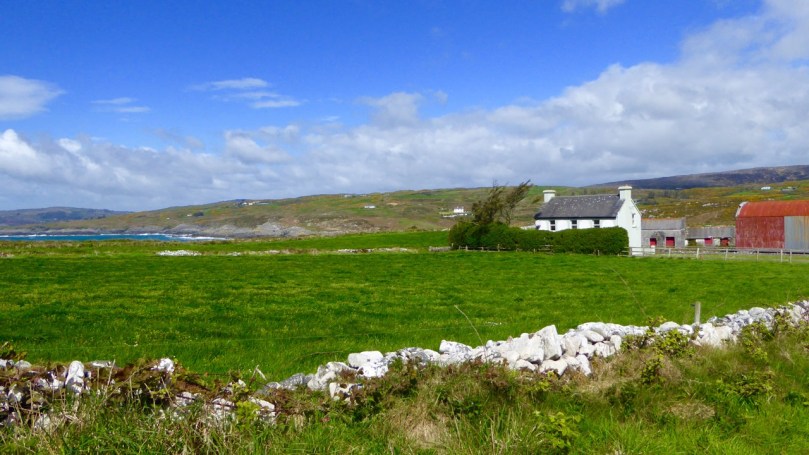
Farmhouse near Toe Head
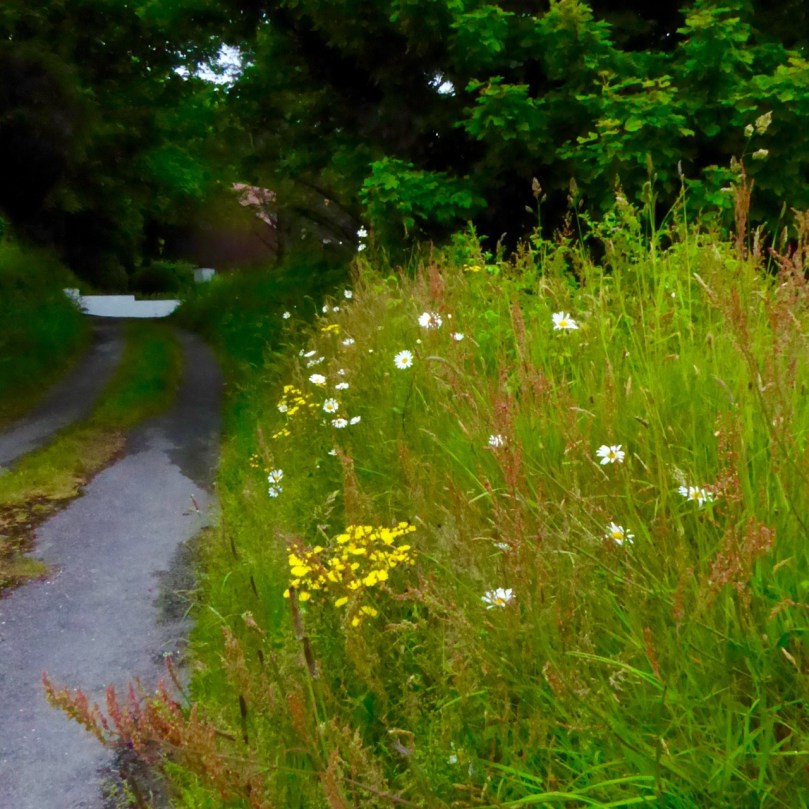
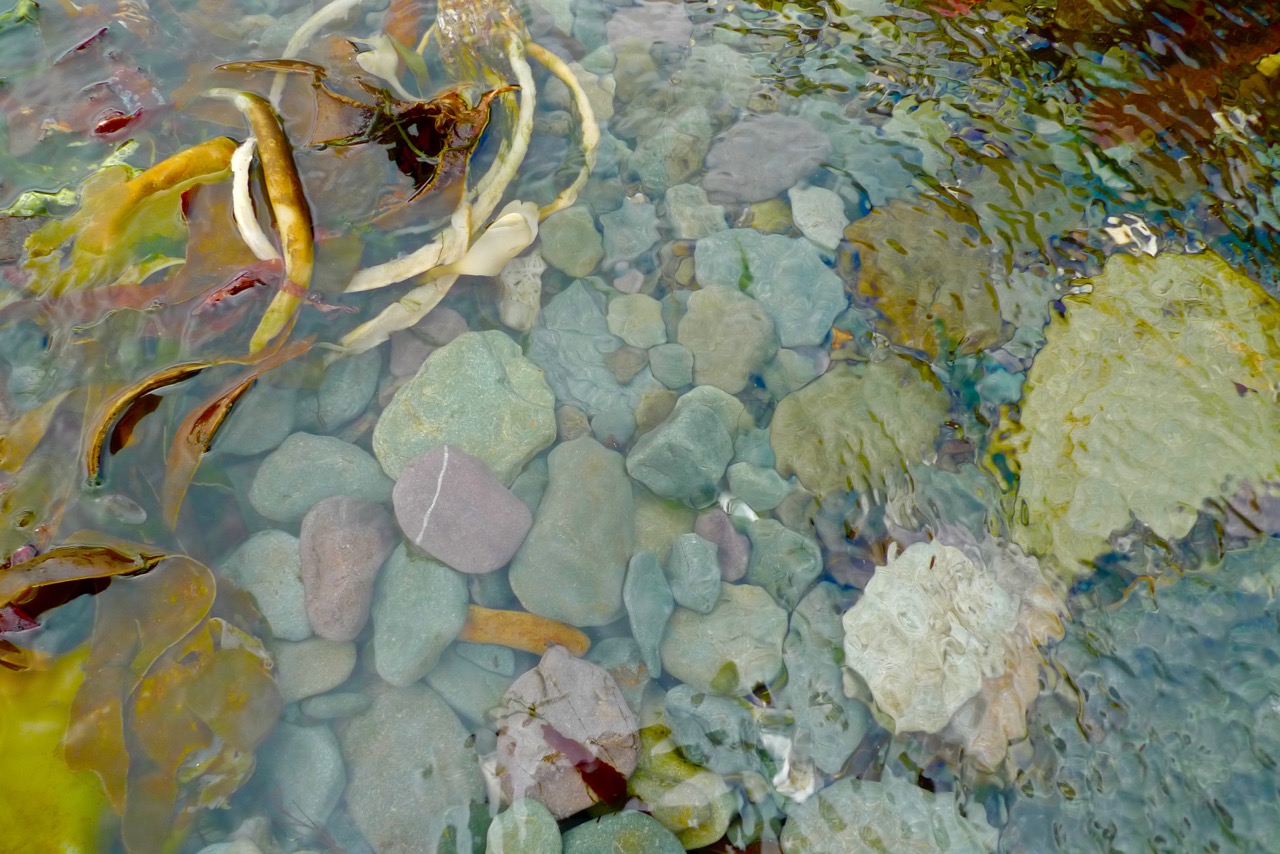
After some initial discussion about our goals for the day, and some instruction on caring properly for our cameras, the three of us set out on a ramble down to the beach and along the rural lanes of West Cork. Robert and I clicked away, while Celia mostly just observed our modus operandi. The weather did its usual West Cork thing of alternating between being overcast and sunny, the lanes provided hedgerow flowers and the beach had an obliging spring tumbling over stones to the water, while the farmhouses looked picturesque and cattle browsed contentedly in the fields.
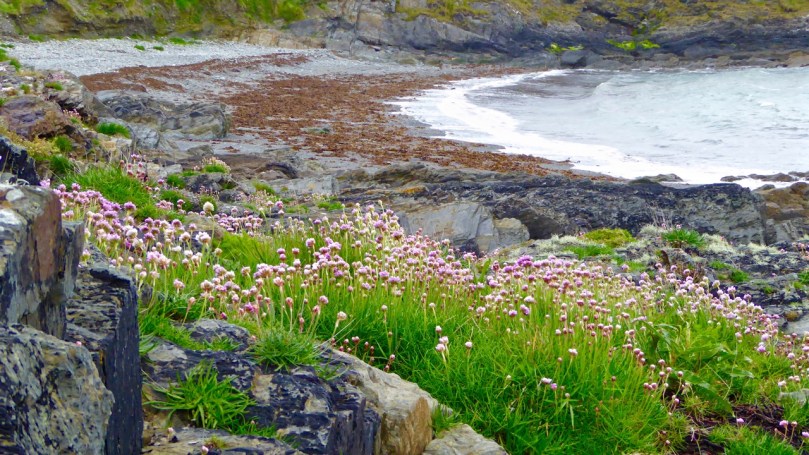
A beach around every bend
Back at the house Celia put our images on a large screen and we went through each one in illuminating (and occasionally embarrassing) detail. “What were you after in this shot?” she asked, encouraging us to articulate our intentions and to analyse whether or not we had realised them. “What could you have done differently?” “Where were you standing and was that the best place?” “What were you focussing on, and is it IN focus?” It was a revelatory experience.

On the shed wall

Foxglove
Robert had expressed that what he wanted was to get the best image in the camera, rather than rely on cropping and correcting afterwards and she focussed on that, showing us how a little forethought might have improved a particular shot.
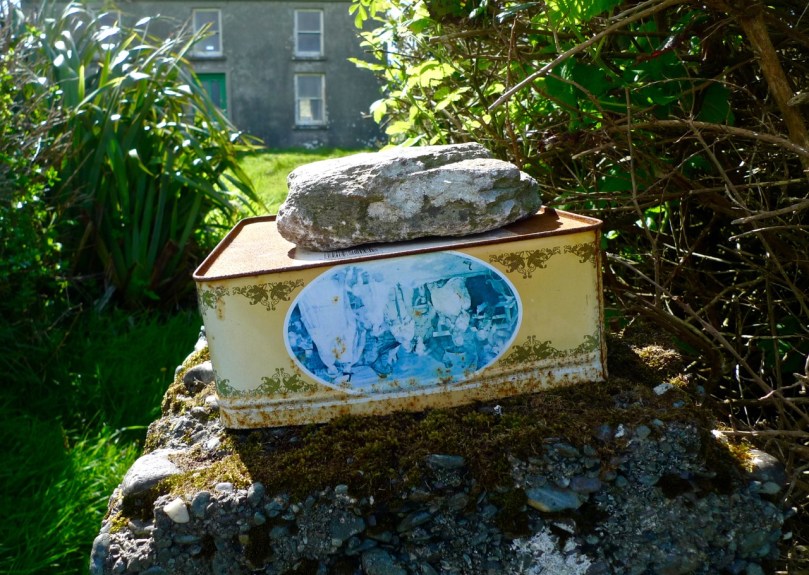
Robert was taken with this unique postbox
She introduced me to aspect ratio and the rule of thirds (honestly, am I the last person in the world to learn about such basic photographic terms?) and how choosing a square versus, say, a 16X9 format might bring out a line in the shot that lead the eye to a natural point. She showed me how to use focus/recompose to correct a lighting or a focussing issue.

Robert taking his best shot
When I was 21 my parents gave me my first camera. Still have it – an AGFA SLR, completely manual, with a small rangefinder on the strap. I needed it to photograph the rock art for my thesis. The irony is that way back then, 40 years ago, I understood about ISA film, shutter speeds and Fstops. I had to – I couldn’t afford to take more than one or two shots of each rock, mainly in black and white, with an occasional roll of colour slides and I had to make each shot count. But in the 40 years since then I have relied on cameras with automatic settings and have forgotten all that I knew in my early 20s. So the lesson that followed the critiquing session – on aperture size and shutter speeds and sensor sensitivity and grain (ISO) – was a process for me of re-learning long-lost concepts.

Frozen water – it’s all about the shutter speed
After lunch we practised some of those concepts, trying to get the feel for varying the focus and the depth of field. I re-took a couple of shots from the morning, addressing the issues we had identified earlier. Celia went through some of the basics of image processing with us, encouraging us to use minimal adjustments to good effect and to choose the right aspect ratios.

Celia Bartlett
She went through our camera settings with us and showed us what happened when we went, for example, with aperture priority versus shutter priority. Finally, she encouraged us to let go of the Auto security blanket and strike out into the brave new world of manual controls, starting with aperture priority.

Finola gets the picture
I left full of confidence – which has waned a little in the few days since as I’ve played with shots using the aperture setting and realised that I have to practise a LOT to feel like I really know what I am doing. But it’s a great start. I do feel more confident in composing a shot now and in taking my time to get what I want in the image, and in framing and improving it afterwards. As usual, there’s a lot going on in West Cork, so I had the opportunity to practise aperture settings at the opening of a new exhibit at Uillinn, the West Cork Arts Centre. Tess Leak has been the artist-in-residence there for the last few months and she also plays with the wonderful Vespertine Quintet. For this opening, Justin Grounds had composed a new piece for the quintet, featuring a phono-fiddle – a one-stringed horned violin.
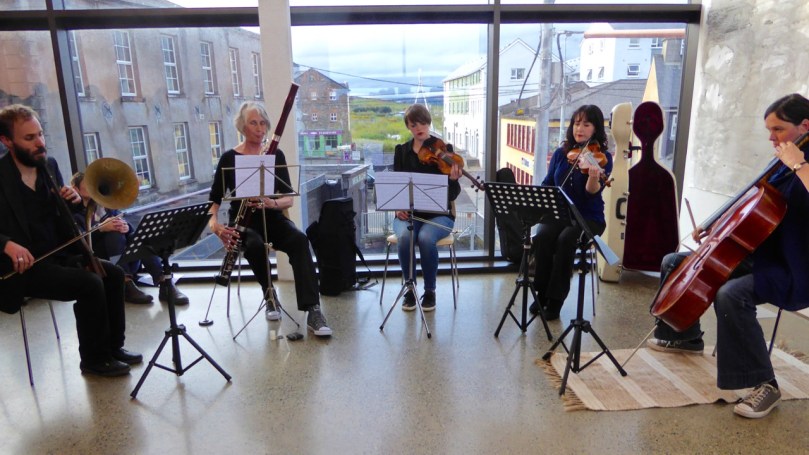
The Vespertine Quintet debuts a new work

Tess Leak

Justin Grounds

Tools of the trade
My shutter-speed controls got a workout today at the Baltimore Fiddle Fair. April Verche and her trio entertained us with a dazzling display that included her step dancing while playing the fiddle! This was followed by The Henry Girls, a Donegal trio of sisters with an eclectic repertoire and lovely harmonies.

April Verche – fiddling, dancing AND smiling!

The Henry Girls
I did have a spectacular fail, though. I love bluebells and took multiple shots of our local display using aperture priority, Every single shot was out of focus, so I ended up using the the pre-programmed ‘take flower pictures’ setting.

Bluebell wood
Grrrrr….still lots of work to do…. Celia – help! I need a second day! Oh and by the way, Celia, I loved your coverage of the Lusitania commemorations in Cobh.
Email link is under 'more' button.
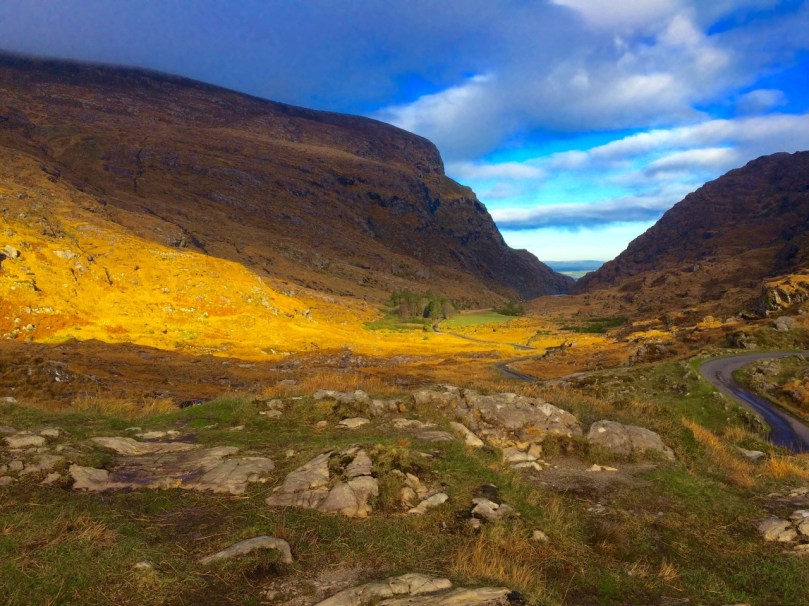
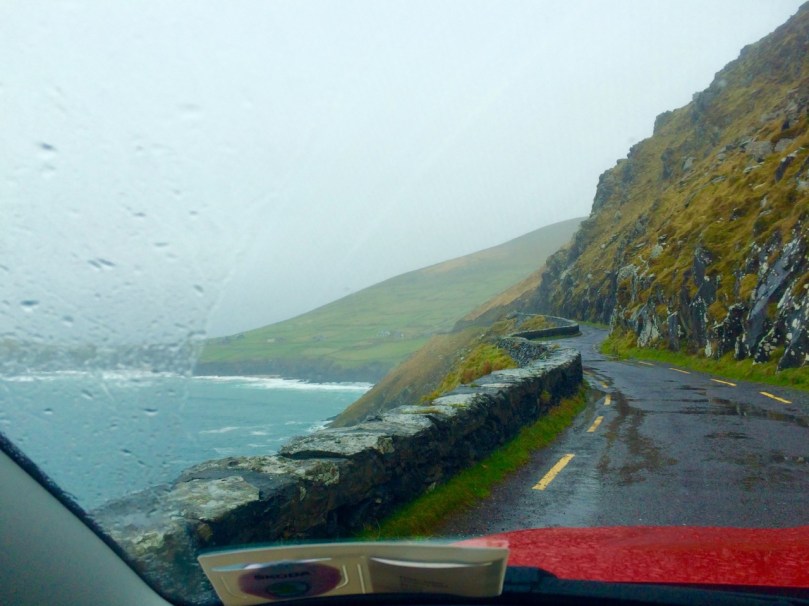
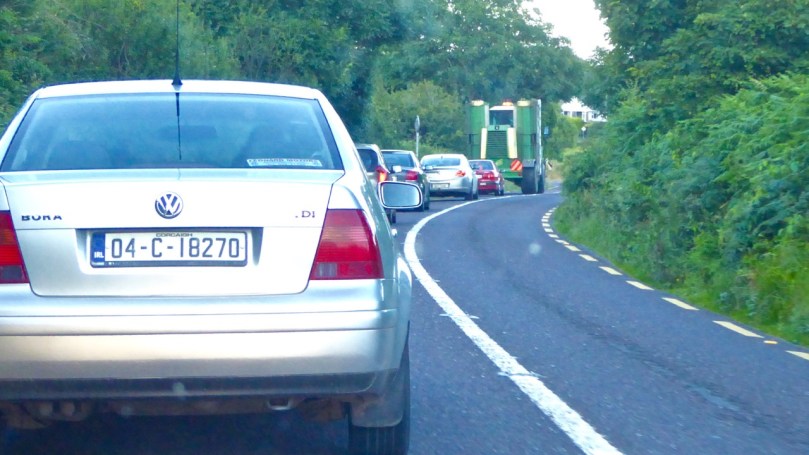
 There’s only room for one at a time












 Roaringwater Journal