The Green Saint

pyramid

I welcome the excuse to put a picture of a green pyramid at the top of my post – with justification: it’s Saint Patrick’s Day, and all over the world things are turning green! It’s a campaign by Tourism Ireland to encourage people to visit the country, as tourism is now probably the largest industry here. As well as the Pyramids and the Sphinx, the Sydney Opera House, the London Eye, the Leaning Tower of Pisa and even the Angel of the North are getting the green treatment, along with many other well known landmarks. I’ve added a couple of my own – why not?
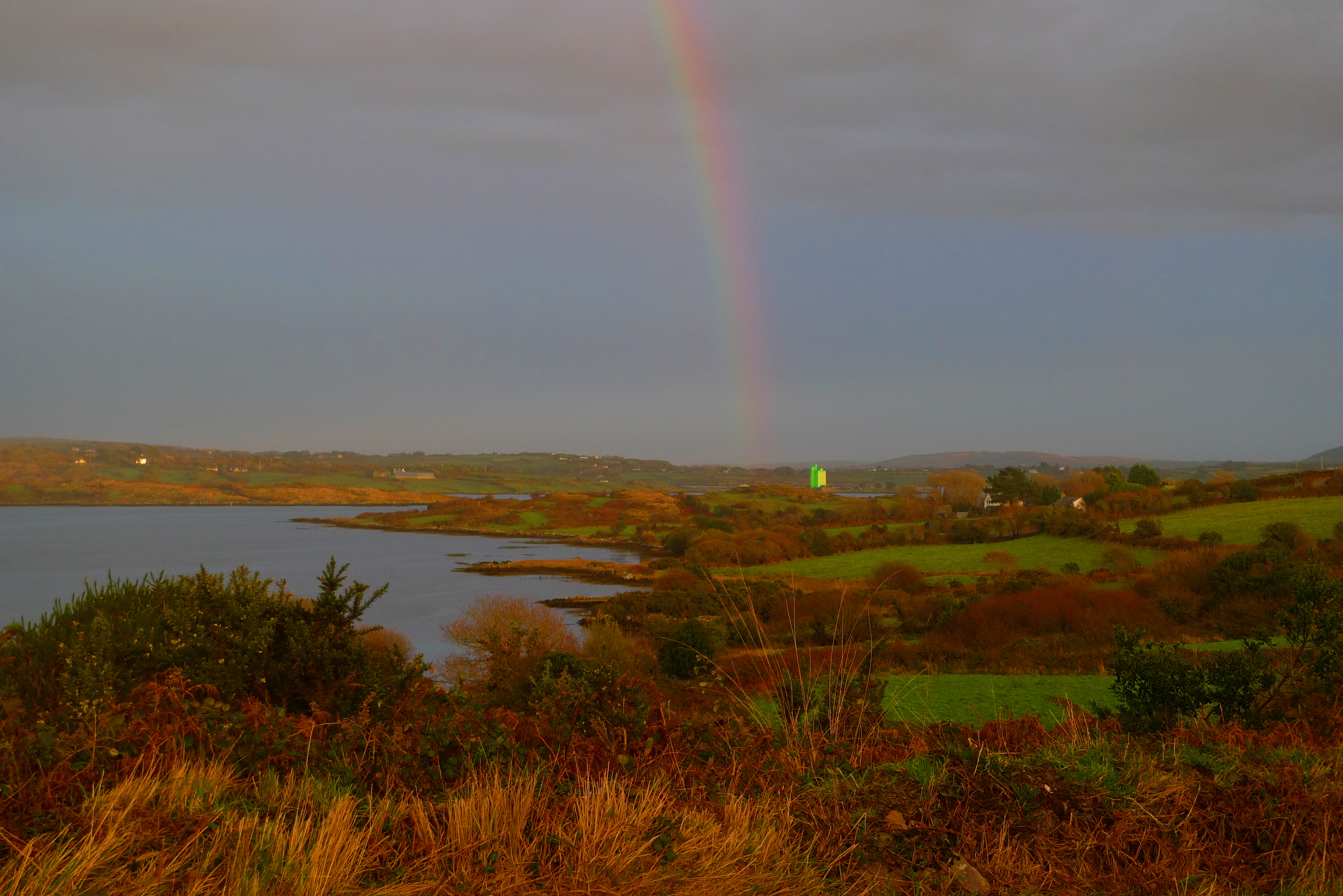
Kilcoe Castle - 17 March

Kilcoe Castle – 17 March

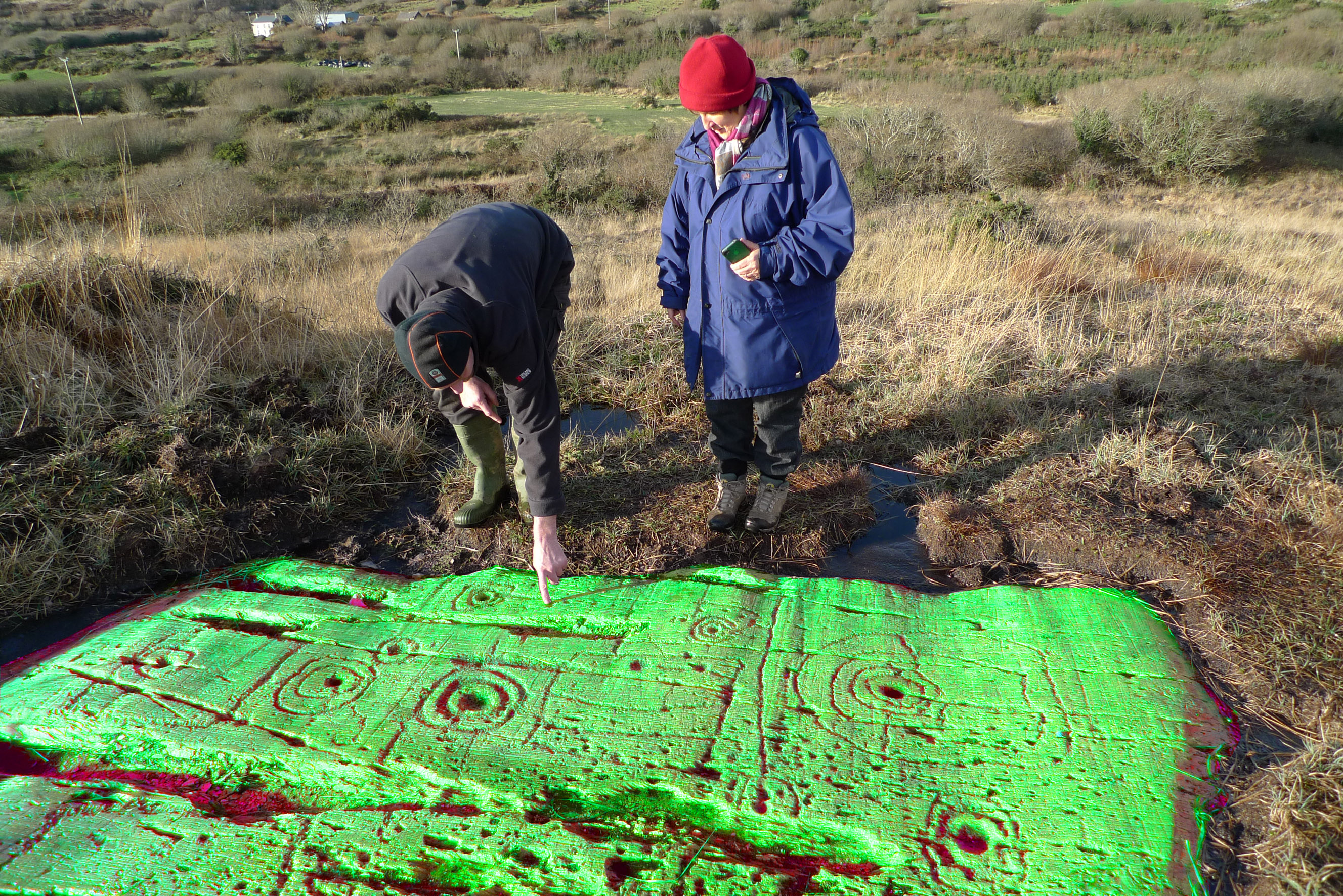
Gary and Finola puzzle over this St Patrick's Day phenomenon at Derreenaclough

Gary and Finola puzzle over this St Patrick’s Day phenomenon at Derreenaclough

We were staying near Dublin at the weekend to attend a wedding and, as there were three Irish people and me around the breakfast table, I asked the others to tell the story of St Patrick. They did a good and convincing job: I now know that Patrick was descended from a Roman family living in the north of England. He was captured by Irish raiders when a young man and kept as a slave for six years, before escaping home to Britain. After a while he had a vision in which he was being called back to Ireland to become a Christian missionary. He trained as a priest and crossed the Irish sea again. He was one of several early saints in Ireland. He has also become a hero figure in Irish folklore, and appears in many pre-Christian legends, including stories of Finn McCool and the Children of Lir.

Saint P

My breakfast companions assured me that St Patrick cast all the Snakes out of Ireland (but I was interested to learn today that there are also no Snakes in New Zealand, Iceland, Greenland and Antarctica) – although someone cheekily introduced Slow-worms into Clare in the 1960s, and they are now breeding happily in the Burren (ok – Slow-worms are in fact legless Lizards – but they do look a bit like Snakes). The story I like best about St Patrick involves his ash wood staff which he always carried with him. Whenever he was evangelising he would stick it into the ground: on one occasion it took so long to get his point across to his listeners that his staff had taken root and become a fully grown tree before he was finished!

St Patrick died on 17th March – probably in the year 493 AD. It’s fitting that we should end our blog (for the moment) on St Patrick’s Day: we leave Ireland this week having spent a wonderful winter getting to know and falling in love with this little bit of land sticking out into the wild Atlantic. We will be back – and, hopefully, we will continue our posts then. Meanwhile, Finola has written our goodbyes so well above that I don’t need to say any more…

Ghosts of the Past

An abandoned village slowly returns to the bog

An abandoned village slowly returns to the bog

Amanda, Bardic School

Amanda, Bardic School

Amanda and Peter Clarke were our hosts yesterday for a Sheep’s Head Day. They know the peninsula intimately and were able to take us to places we would never have found on our own. They also love it: they have made their lives in Ahakista in a beautiful old farmhouse with a productive garden, and between them manage several projects that are great local resources.

We have written about the Sheep’s Head Peninsula in previous posts. It’s a wild and beautiful place, criss-crossed by a network of world-class marked trails, and full of prehistoric and historic sites. Part of our tour took in the Bardic School, about which Robert wrote in his Kings and Poets piece. But mostly what we saw was new to us: an impressive stone circle and a stone alignment, a lonely and moving famine graveyard, the remains of a pre-famine village, and finally a holy well and mass rock site.

The stone circle is probably the recumbent type, in which two tall portal stone stand opposite a stone with its longest axis parallel to the earth. The sightline from the portals over the recumbent stone is often focused on a solstice sunrise. Stone alignments in this area tend to be three to five stones in a row and may also be part of the solar and lunar observatory system that is characteristic of many Neolithic and Bronze Age monuments.

2013-03-02 11.04.30

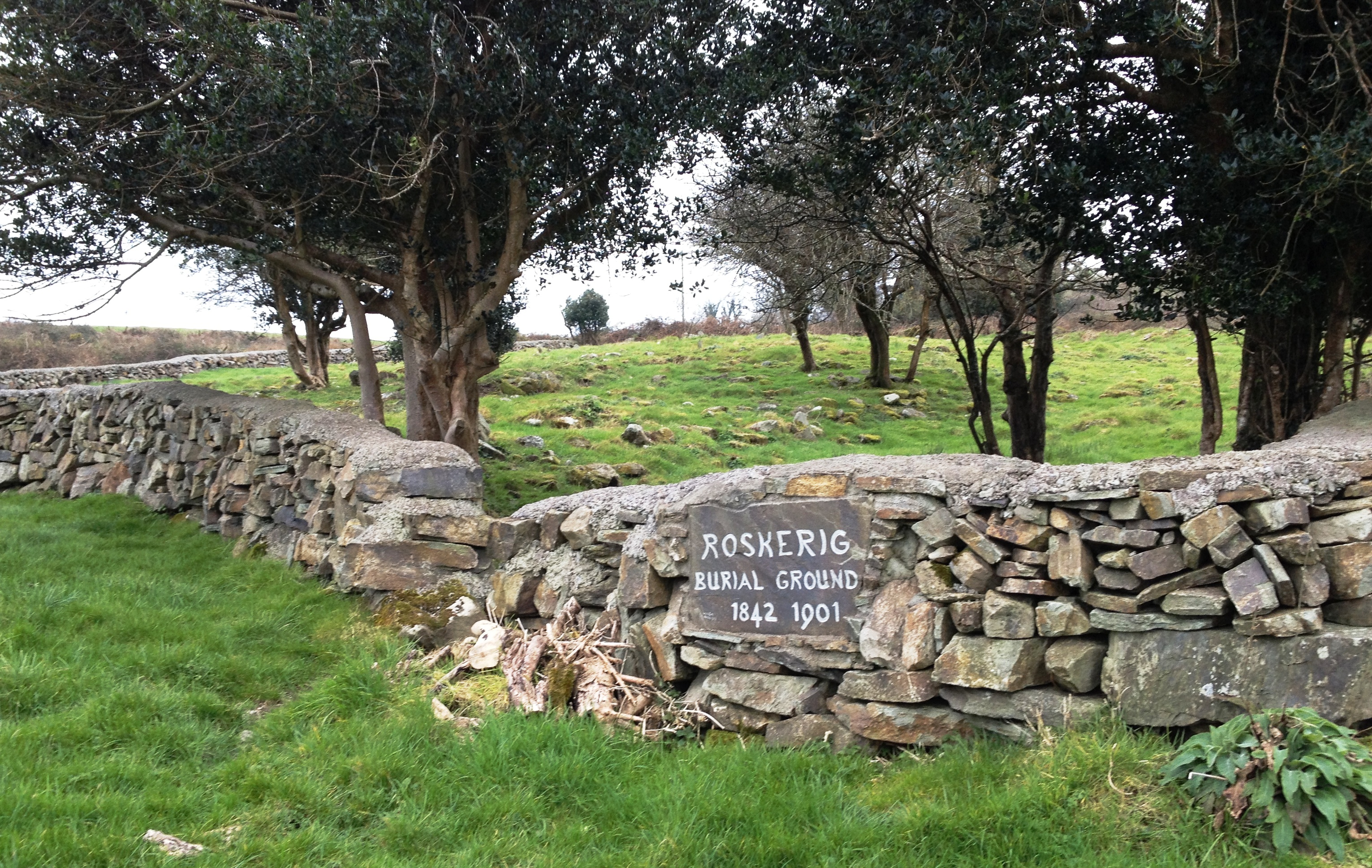
Ireland before 1845 had a population of 8 million people. Over a million died of starvation and disease and another million emigrated in the period of the Great Famine, from 1845 to 1852. West Cork was one of the epicentres of the disaster. It is still alive in the folk memory of the people and we saw two graphic reminders of it on our tour. The first was the Roskerig burial ground. Although stones were scattered around the graveyard, not a single inscription was visible, as if it had been hastily used in a chaotic time and then forgotten. The second reminder was the remains of a long-abandoned village, now slowly returning to the bog.

2013-03-02 11.23.39

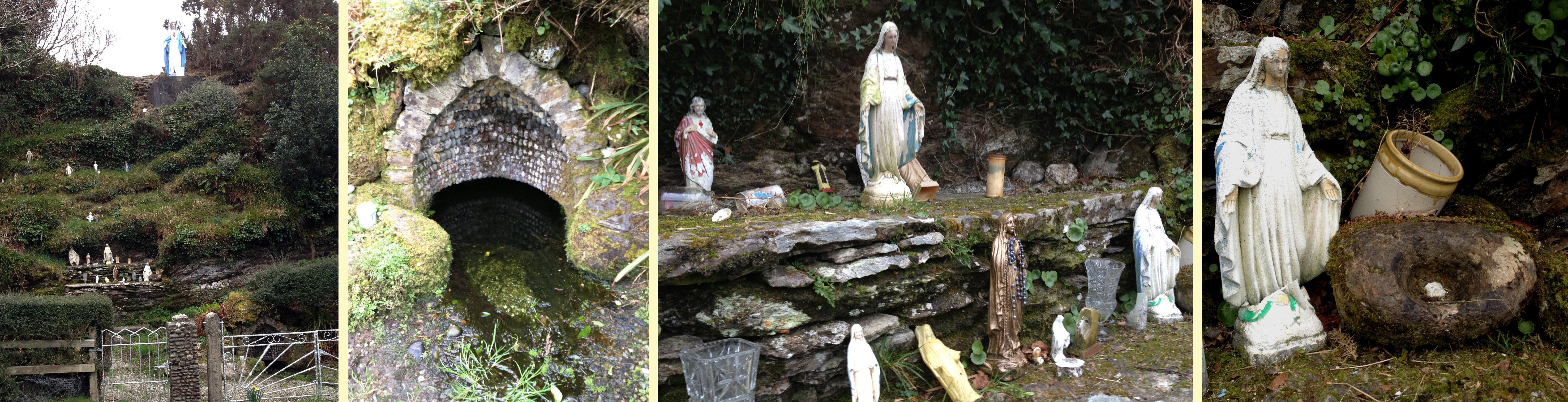
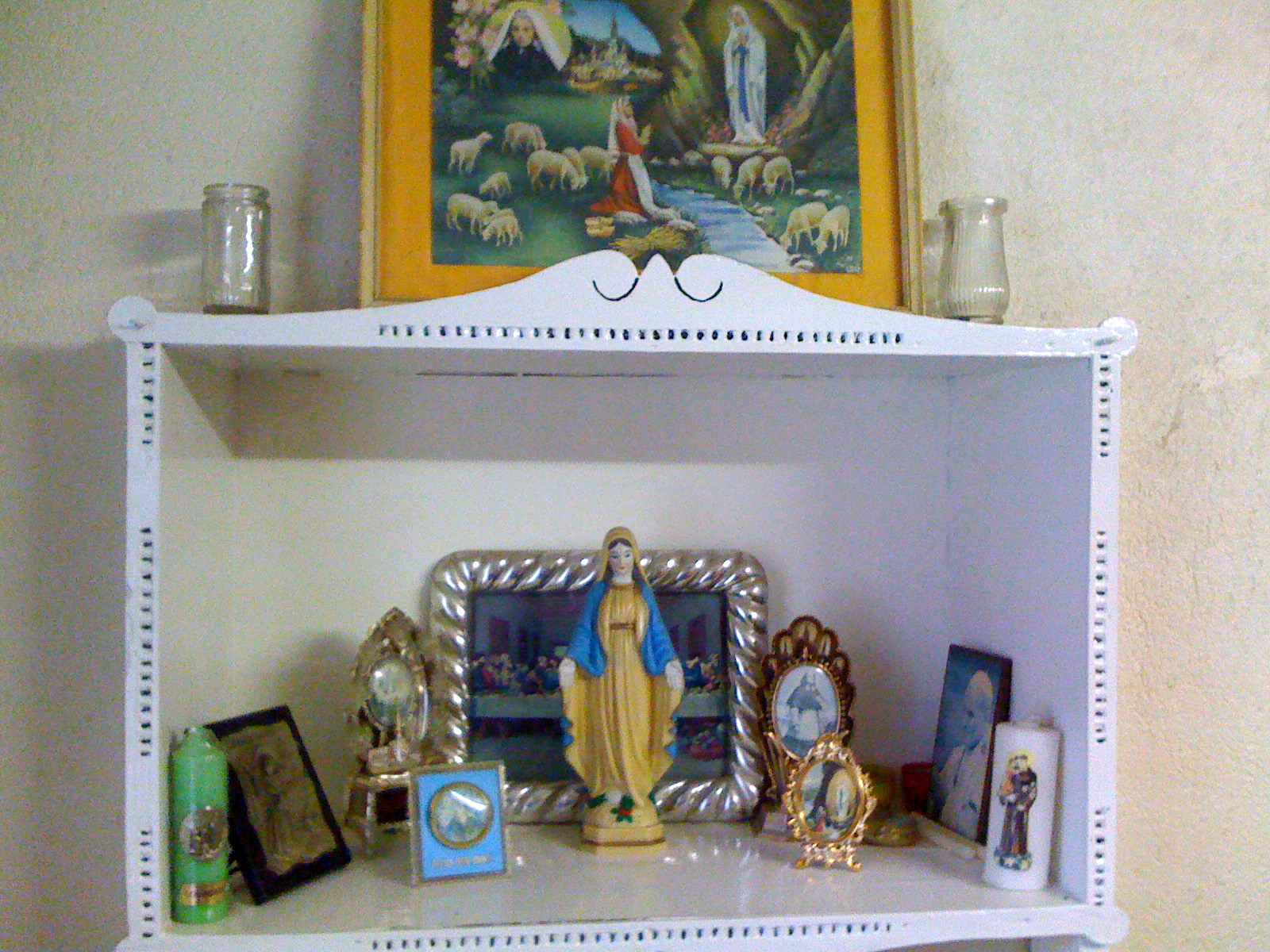
The holy well and mass rock are dedicated to Mary and are adorned with multiple images of her. The well is still in use and credited with miracle cures. The mass rock, where a crowd would gather outdoors in the days of the Penal Laws that outlawed Catholicism, to hear mass, is well preserved. When the Redcoats got wind that a mass was in progress and came to arrest the priest, Mary threw up a thick mist around the area to confuse the soldiers and allow the priest to escape. In acknowledgement, we deposited our coins in the well and said a prayer for something close to our hearts.

well

Juxtapositions

holywater

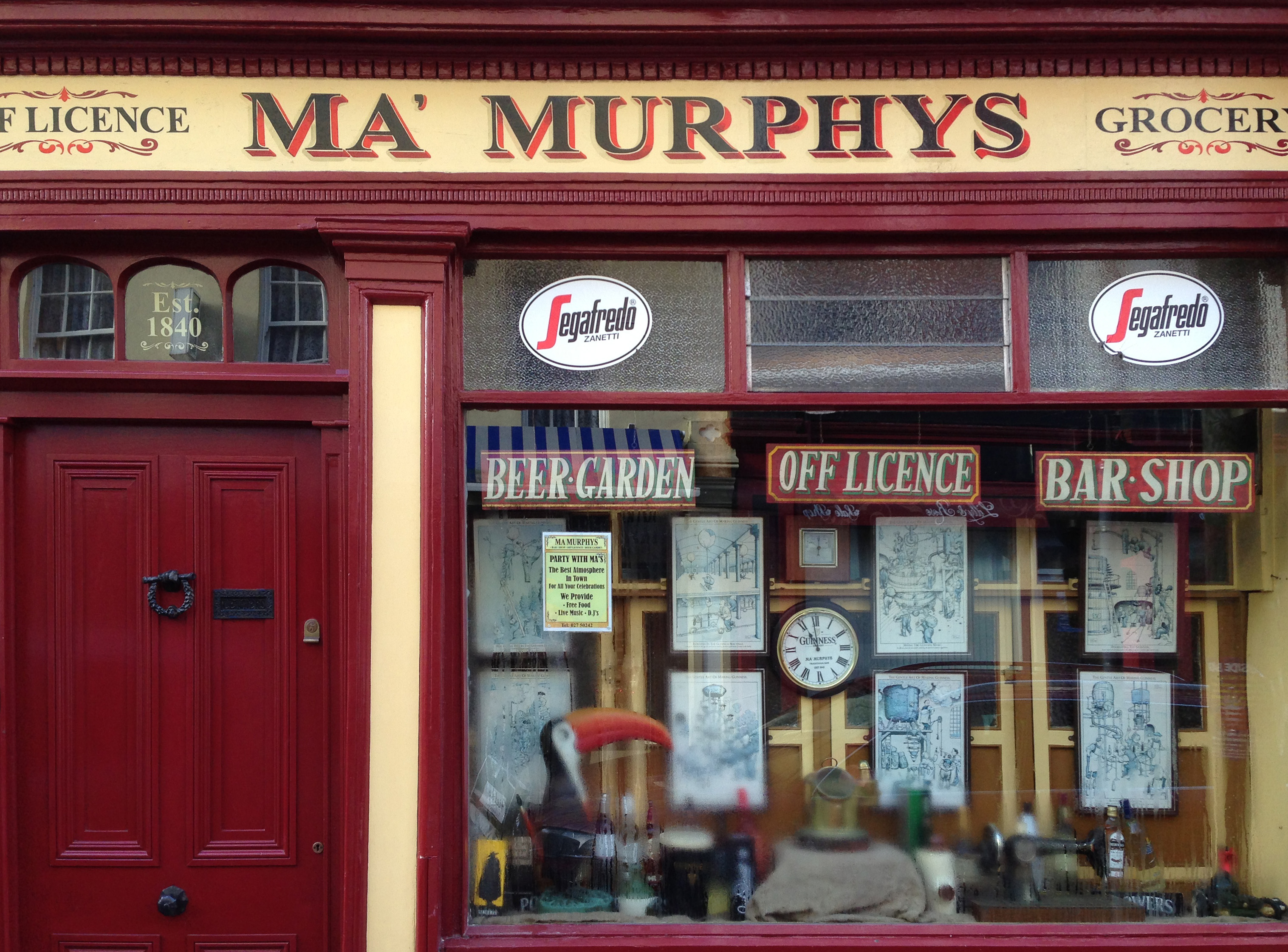
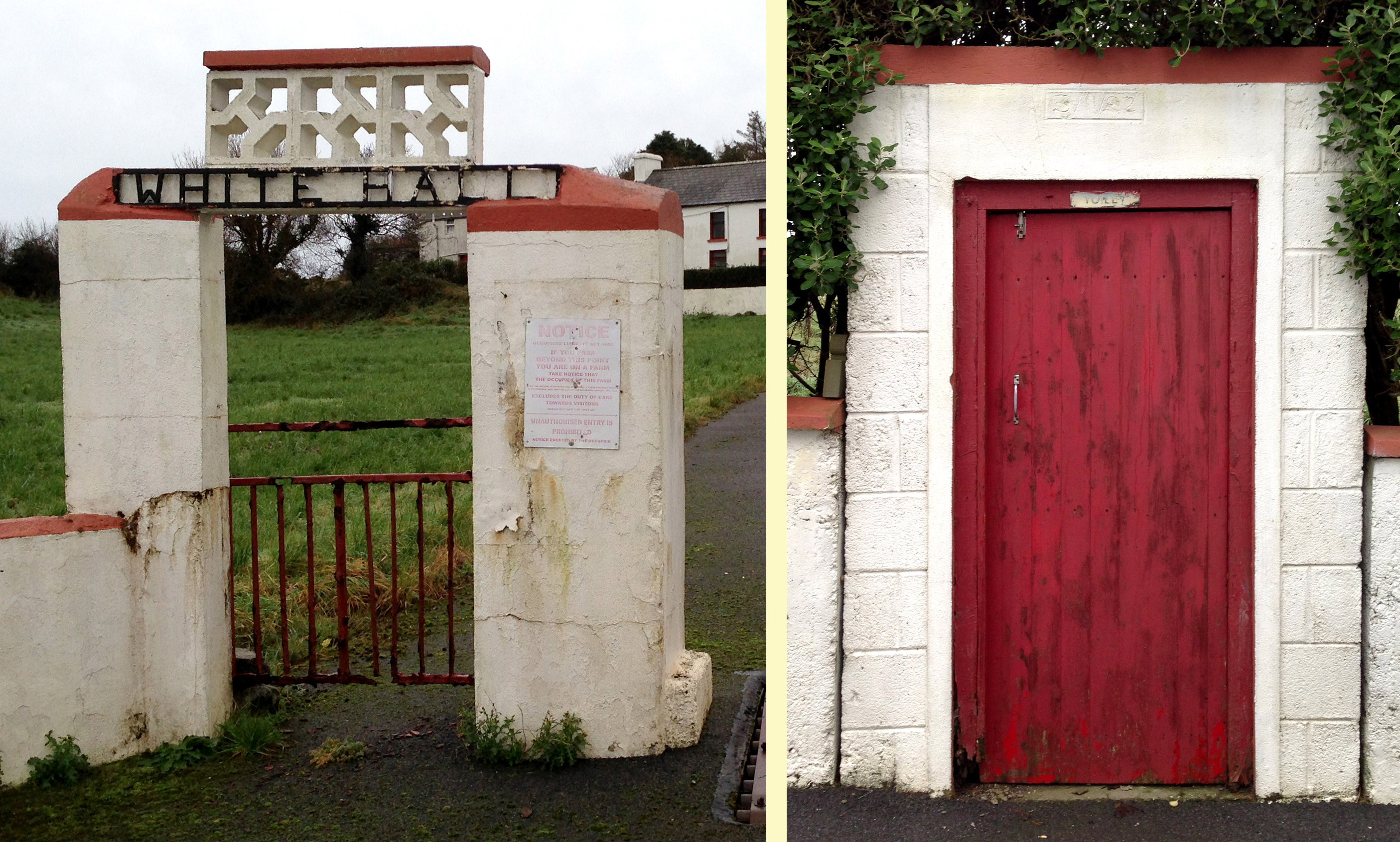
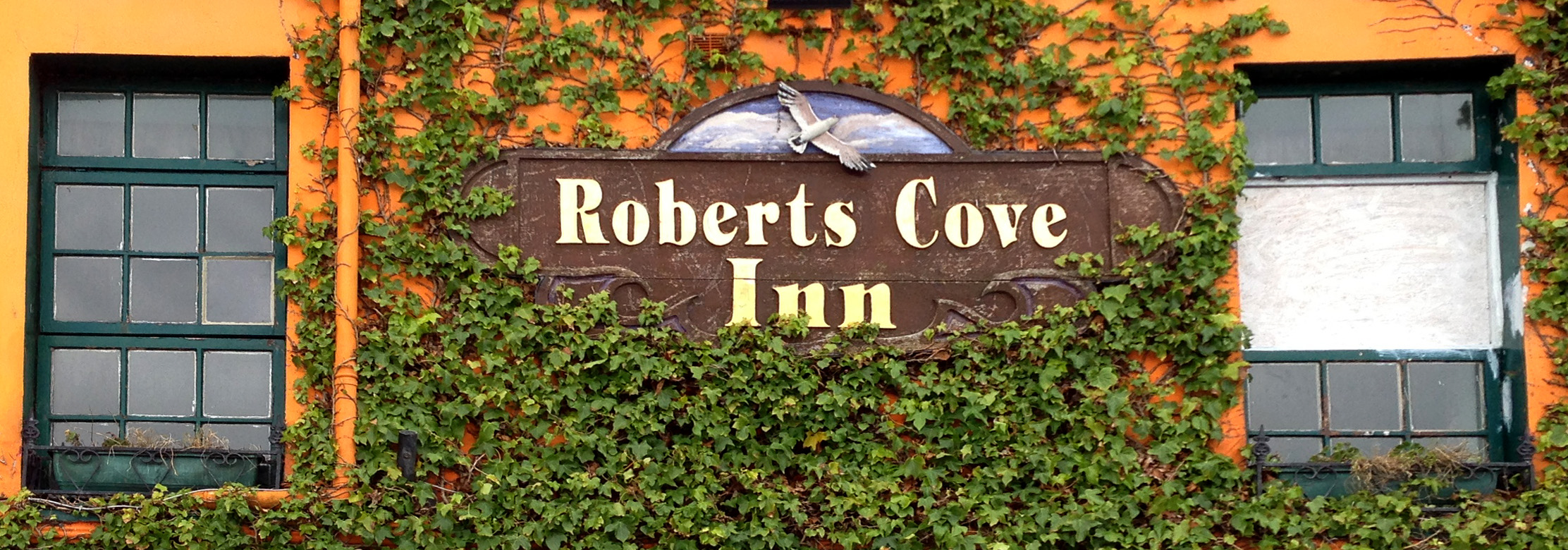
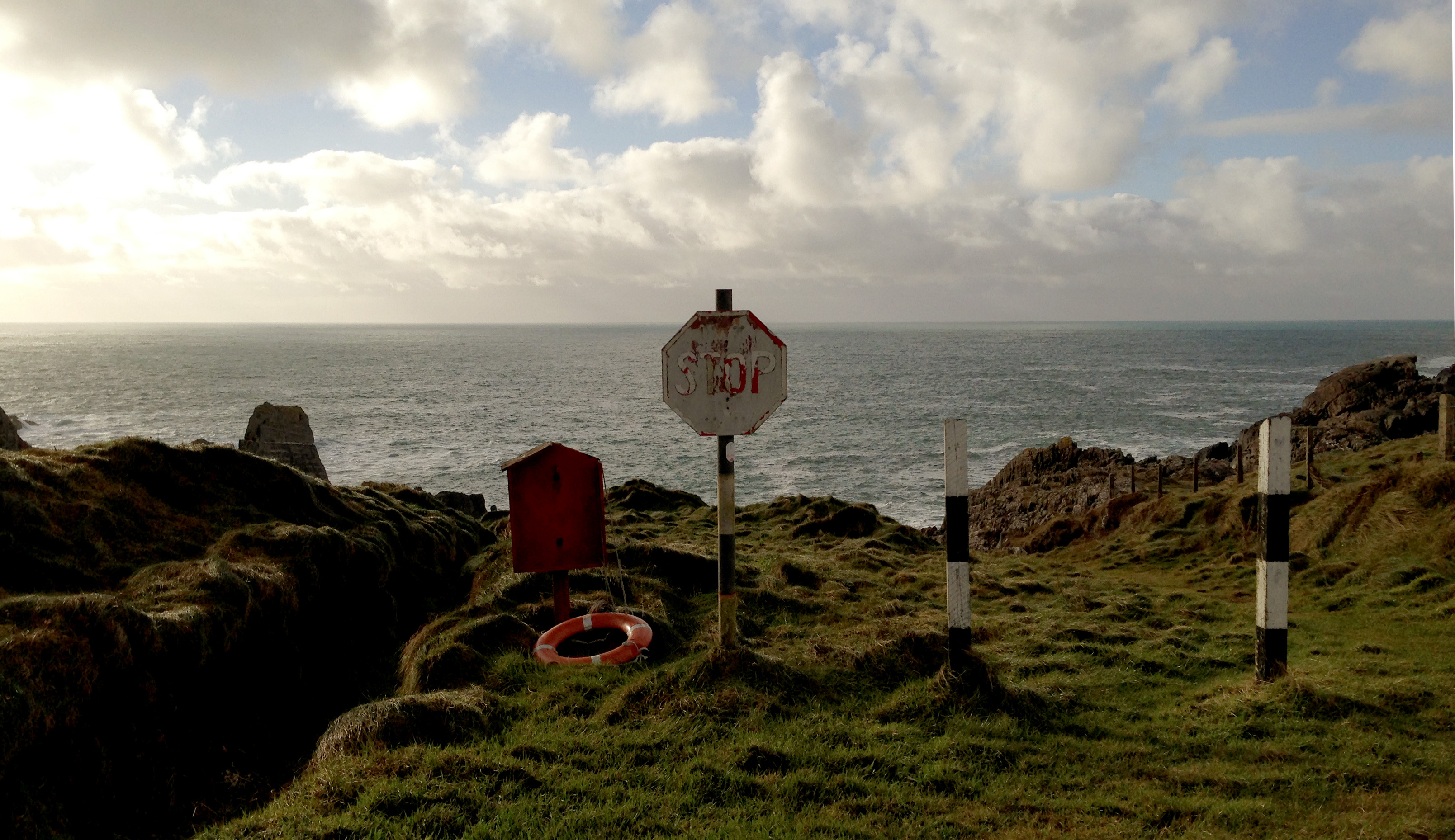
I can’t help it – I’m addicted to the oddities of everyday life in Ireland. They are only odd to me, of course: a temporary blow-in from England. To someone local they are normal and expected. This is a visual post: perhaps that’s because it’s late on Sunday night and we have only just arrived back from a weekend away in Cork. We went to the opera, but that’s another story. Meanwhile, have a look at some of the things that have caught my eye, fascinated or amused me over the past few weeks…

graves

welcomeinn

for sale

mamurphys

signs

robertscove

parlour

sullivans

endofroad