All At Sea

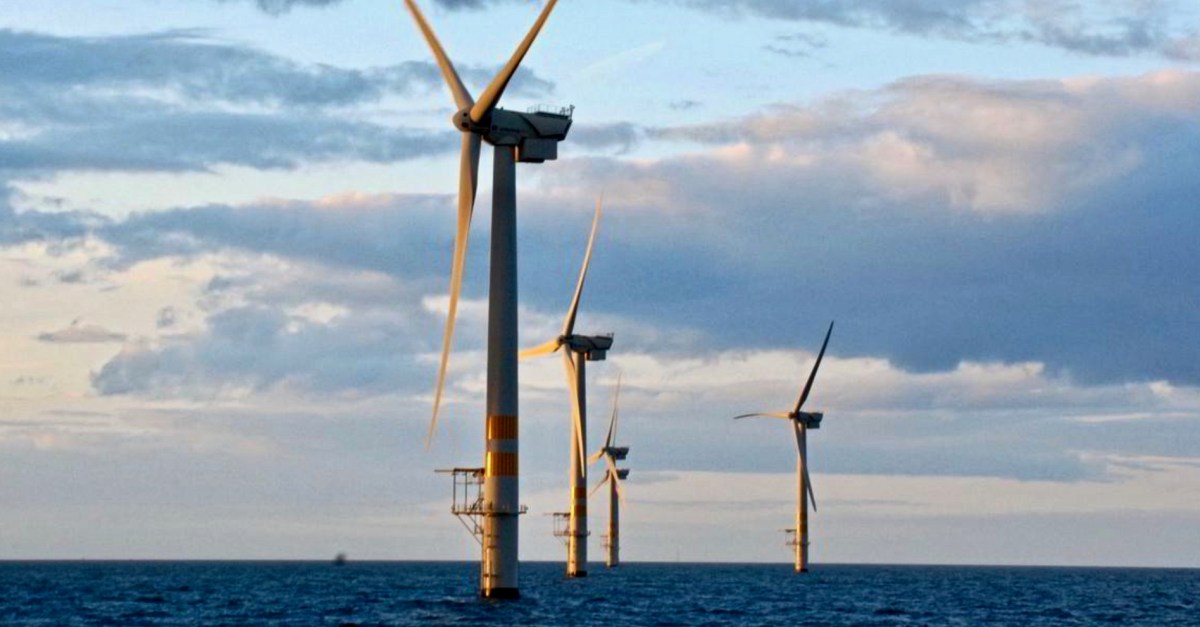
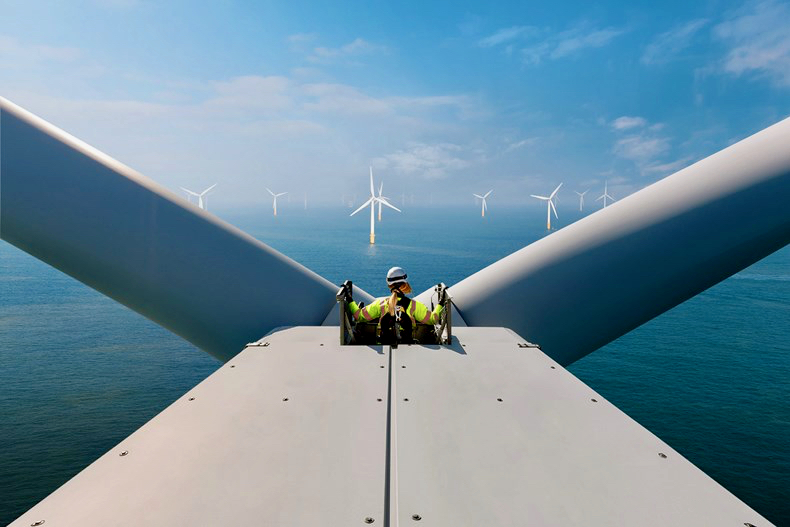
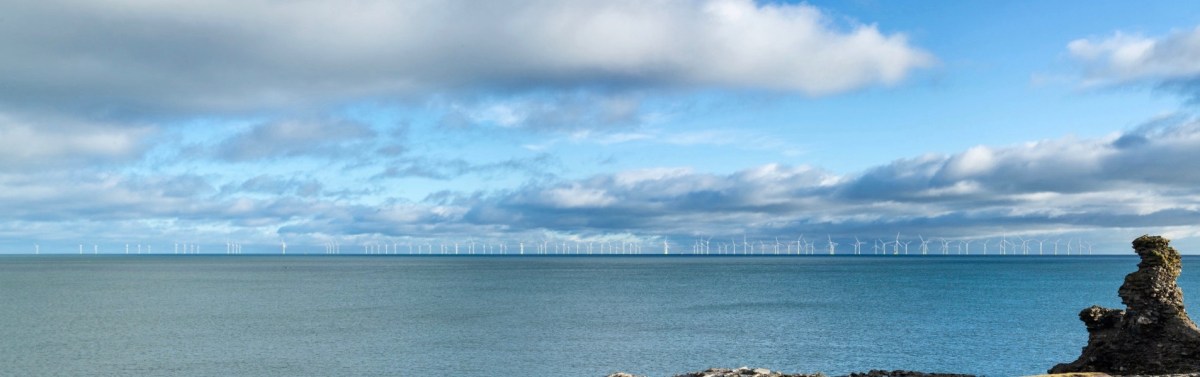
Arklow, Co Wicklow, had a ‘first’ for Ireland: the first offshore wind-farm installation in the country, and the first in the world to employ wind turbines rated over 3 MW. Phase 1 of the project, commissioned in June 2004, consists of seven GE 3.6-megawatt generators. The total output of 25.2MW seemed good at the time but the improvements in technology since it was constructed are considerable. A second phase, currently being planned, aims to achieve an export capacity of up to 800MW.

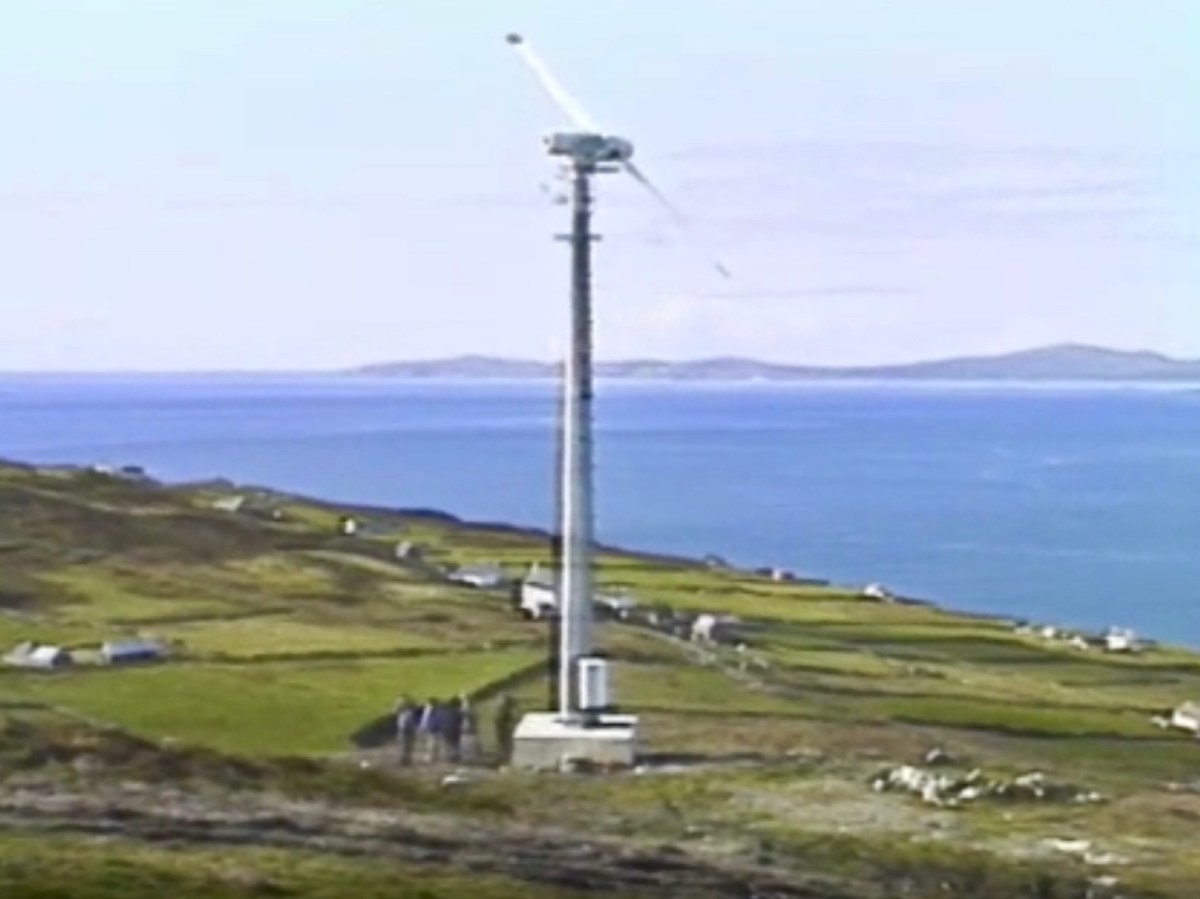
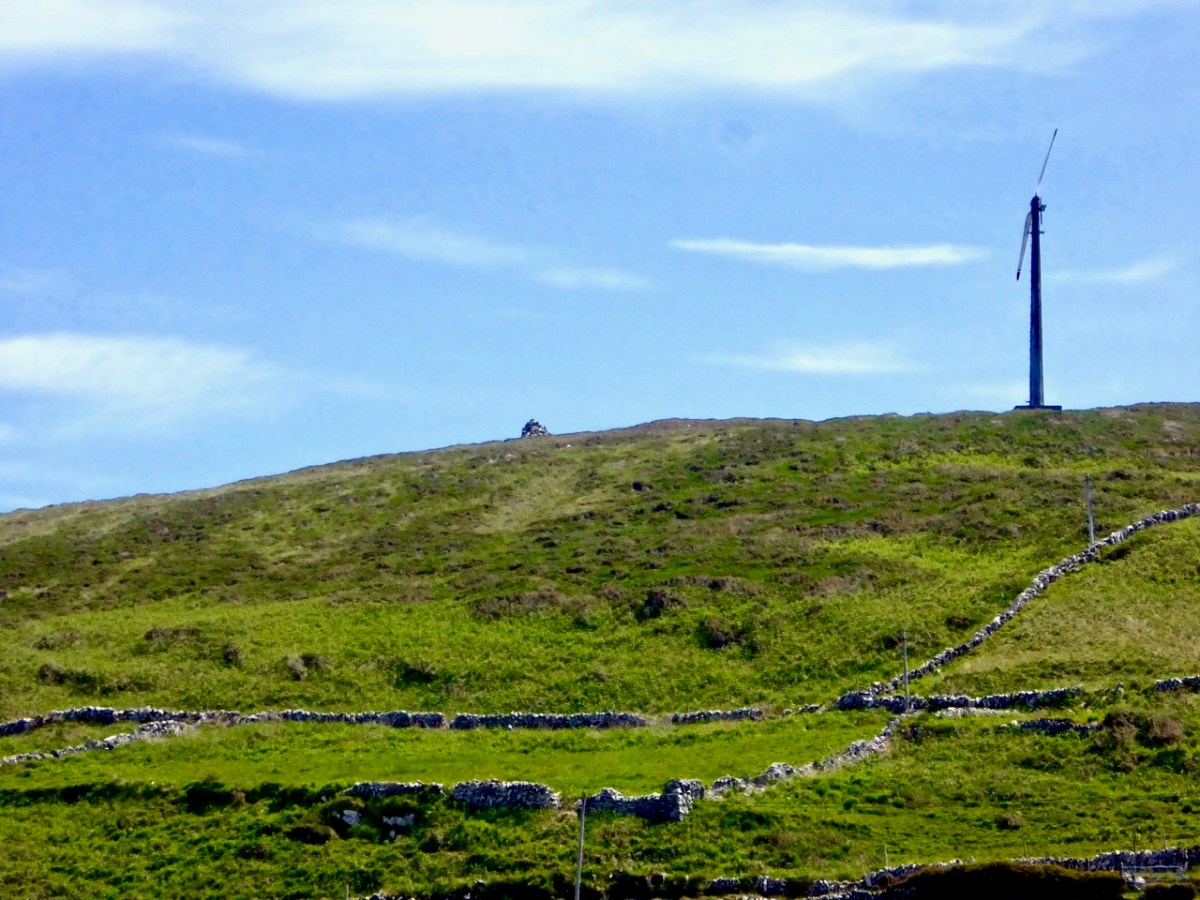
Going back in time a bit, we can see that Ireland has always been at the forefront of wind technology. Above is a still from an RTE news piece on 23 October 1987. This reports on the installation of two state-of-the-art (then) wind powered generators on Cape Clear Island, in West Cork.

. . . The new technology was funded largely by the Germans and came in at a cost of around £500,000. The two wind-powered generators stand fifty feet above the top of the island and provide 30 kW each from the turning of their 12.5-meter blades. The National Board for Science and Technology claims that this new technology is the first of its type in the world as it integrates wind generation with diesel generators and battery storage creating a complete power supply . . .

RTÉ Archives

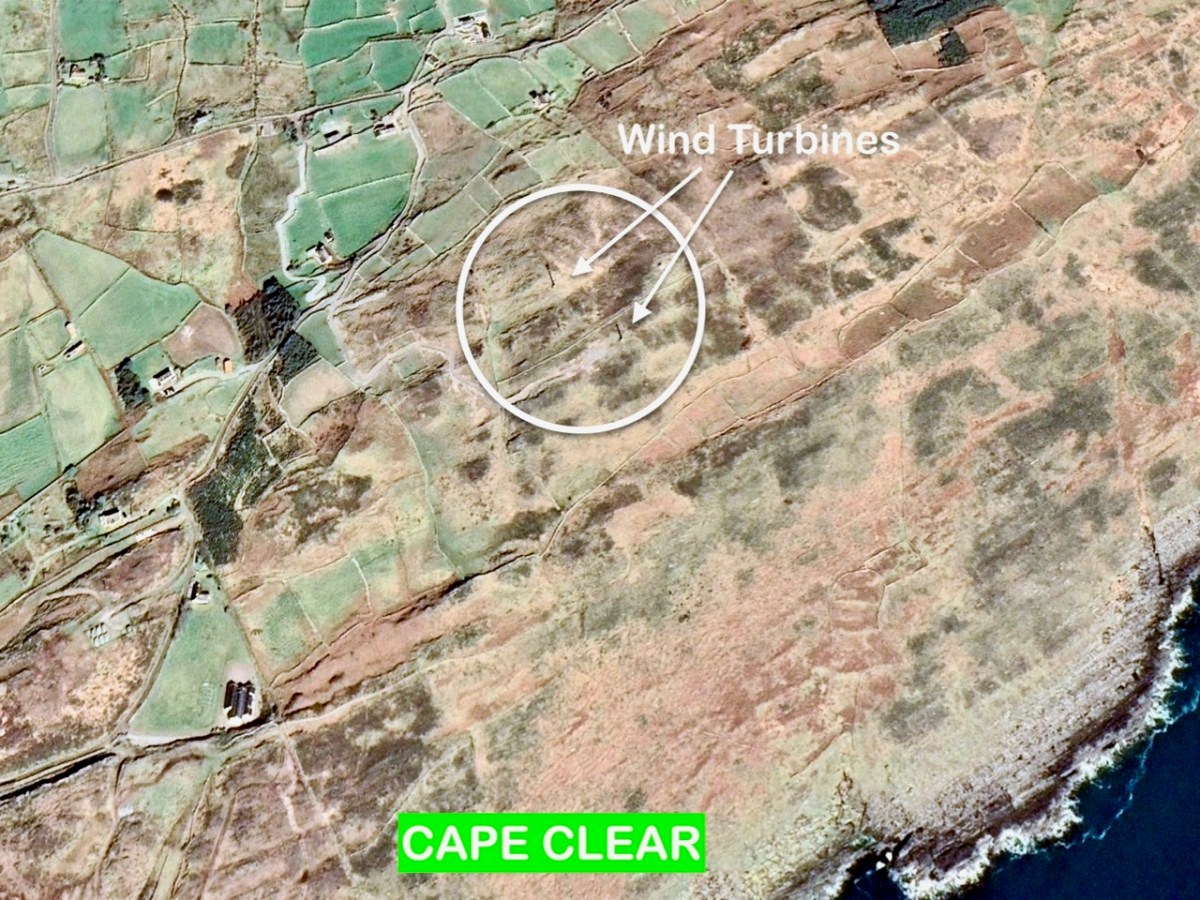
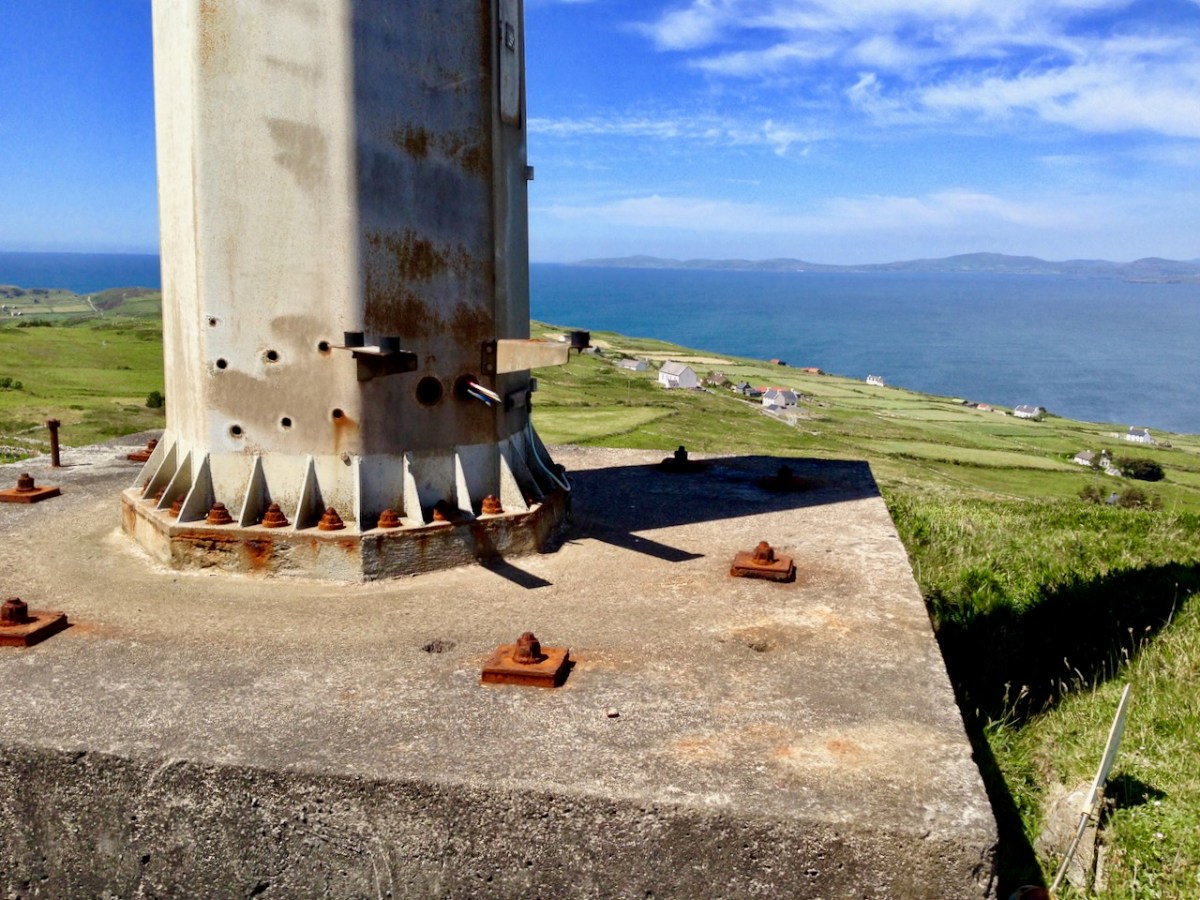
(Top) another still from the RTÉ news piece, and (above) aerial view of the site. The masts and turbines are still in place today, although they have been disused since the island was connected to the mainland for electricity supply via a subsea cable in 1996. (Below) we photographed the surviving turbines on the island in 2016.

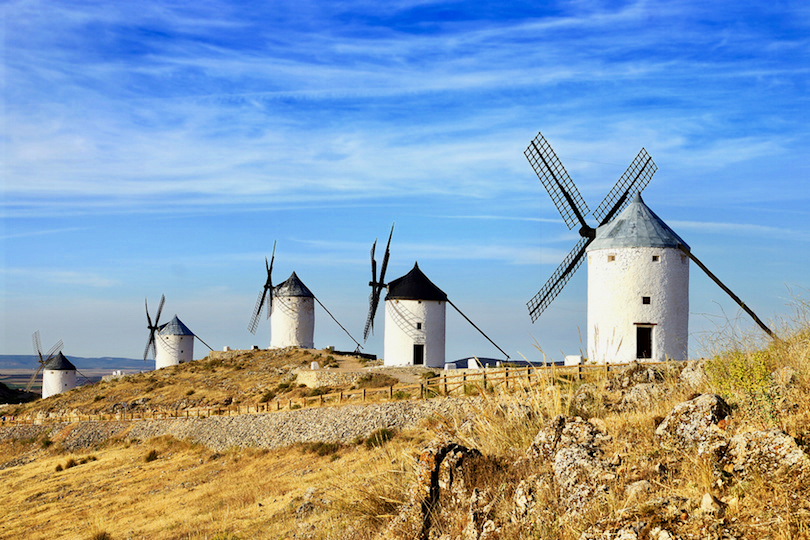
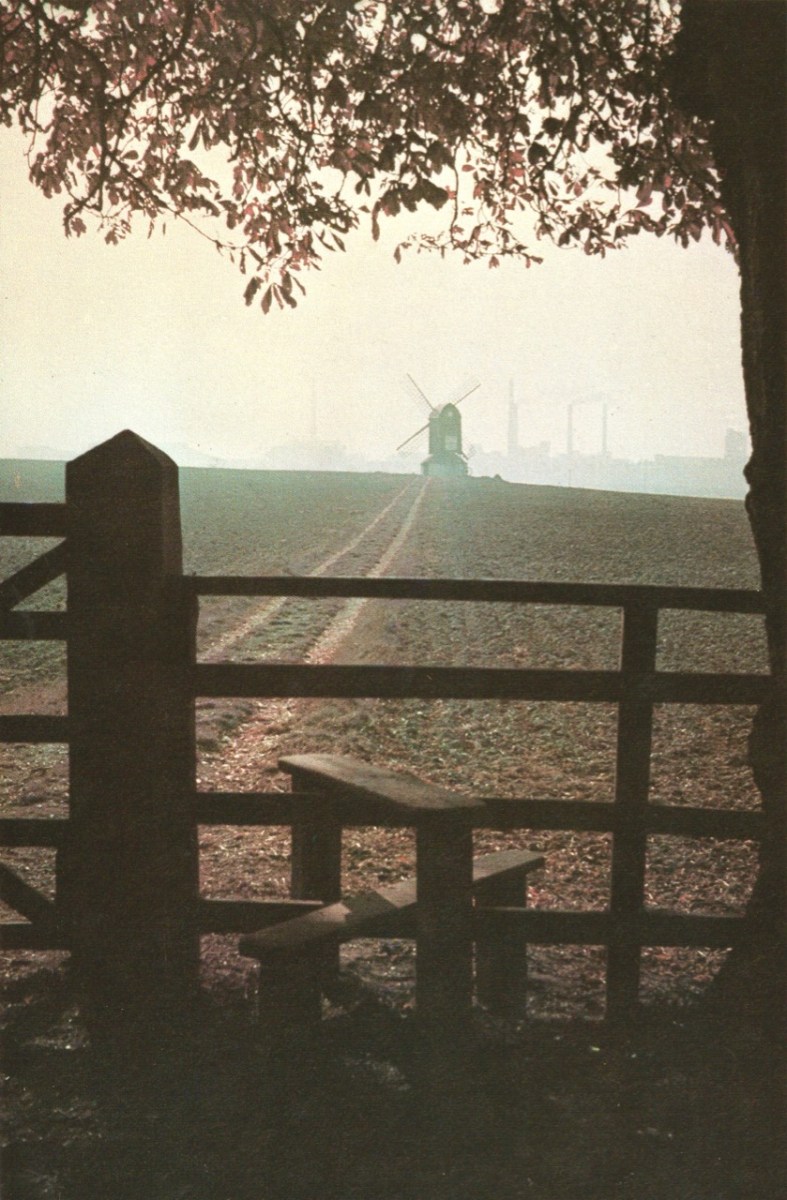
Wind power goes back a very long way, of course. Here (above) are some very picturesque ancient examples from La Mancha, in Spain. Here’s another (below) – Pitstone Windmill in England: an interesting composition with newer technologies in the background.

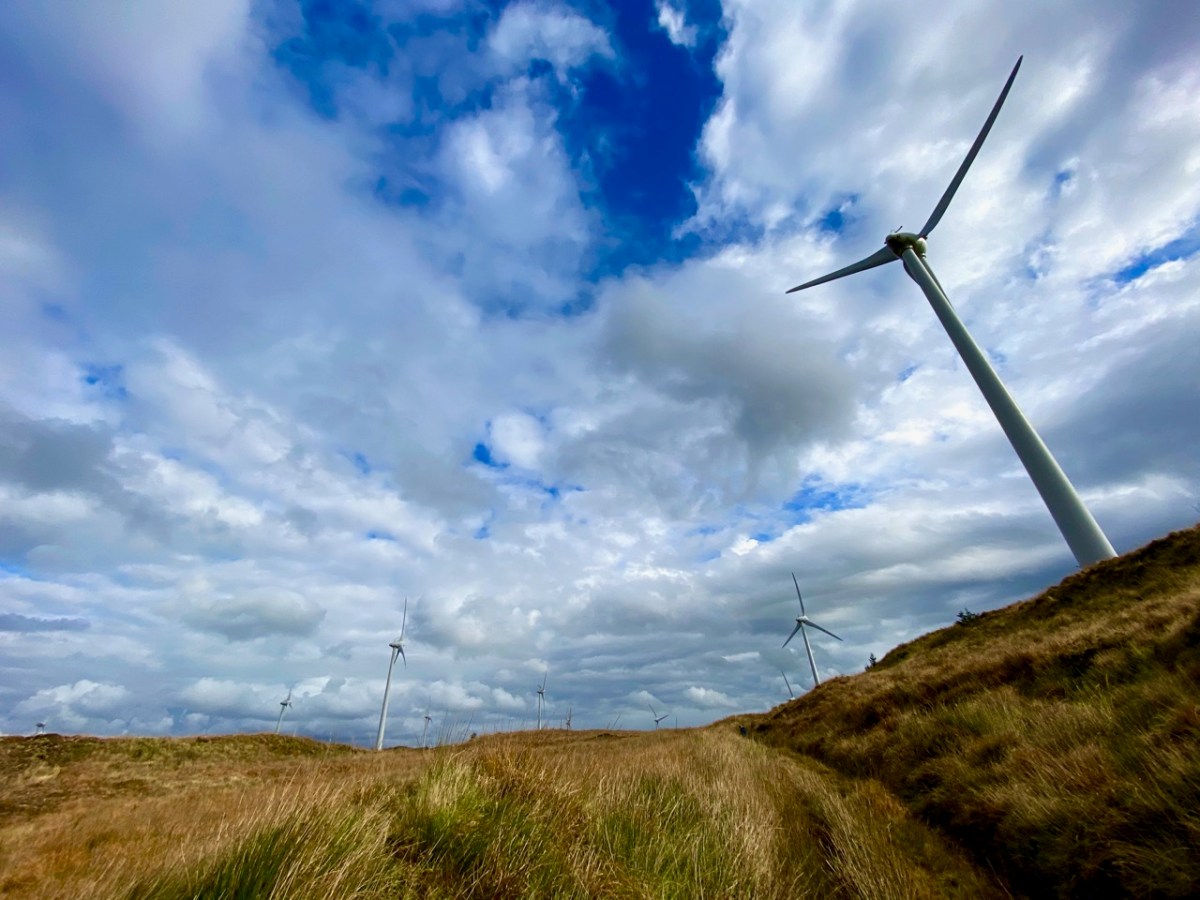
Compare technologies old and new (below)!

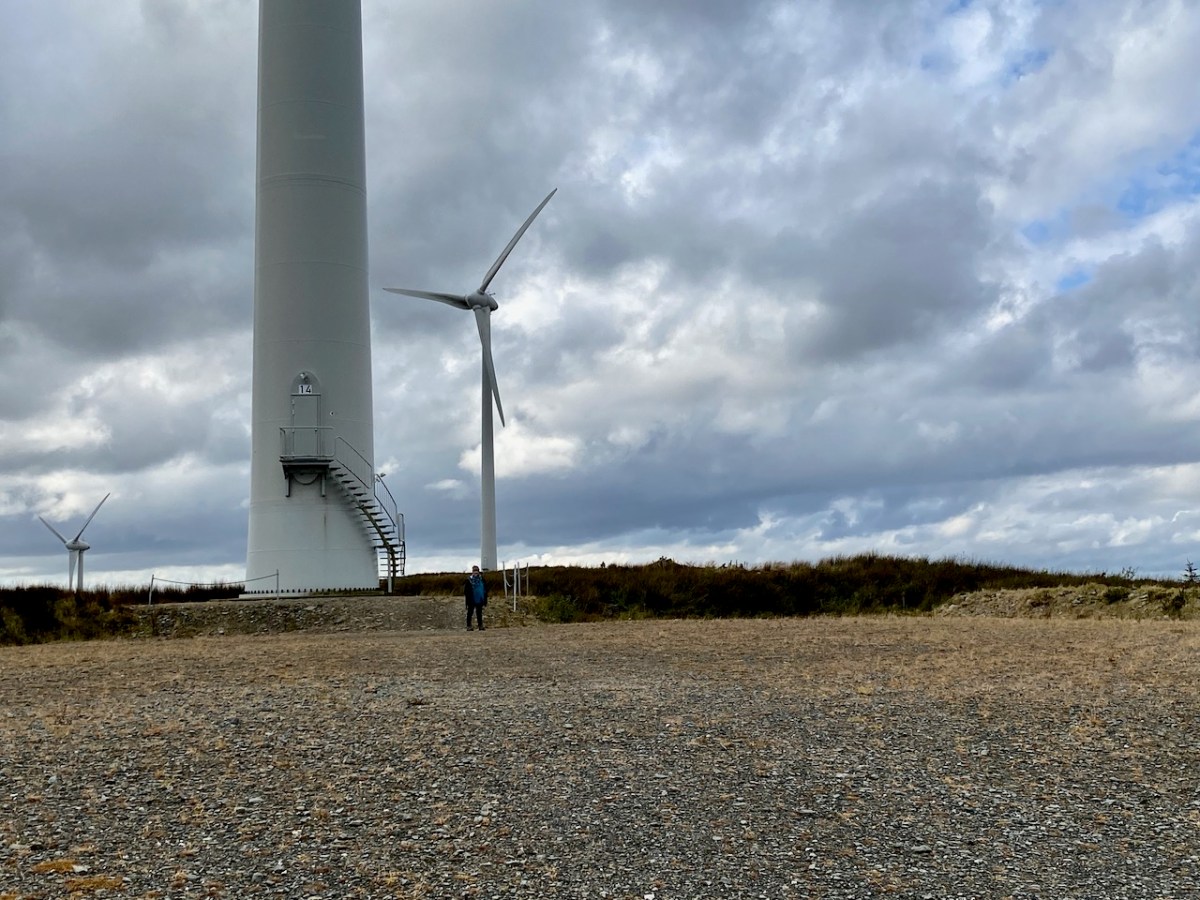
In West Cork we are no strangers to the more recent developments in this expanding field, although at present all land based. The scale and form of the machinery is, of course, increasing apace. These examples are on the hills close by us:

But it’s the vast resource of our relatively benign coastal waters that offers the most for the country’s still young wind-power industry. There’s a further example being planned in County Wicklow: the Codling Bank Wind Park scheme. Currently in the consultation stages, it is hoped that construction will be completed in late 2028. 73 turbines are planned, to be sited on the shallow Codling Bank, some 20km out in the Irish Sea. This project – the largest so far in this country – has the potential to power 1.2 million homes using natural resources. It will also provide welcome employment for a large work force. And – in my eyes – an elegant contribution to the marine environment. Well done, Ireland!

Photomontage of the Codling Bank Wind Park seen from the shore at Greystones. Thank you to http://www.codlingwindpark.ie for the dynamic illustrations.

Cork Fella Comes to County Wicklow

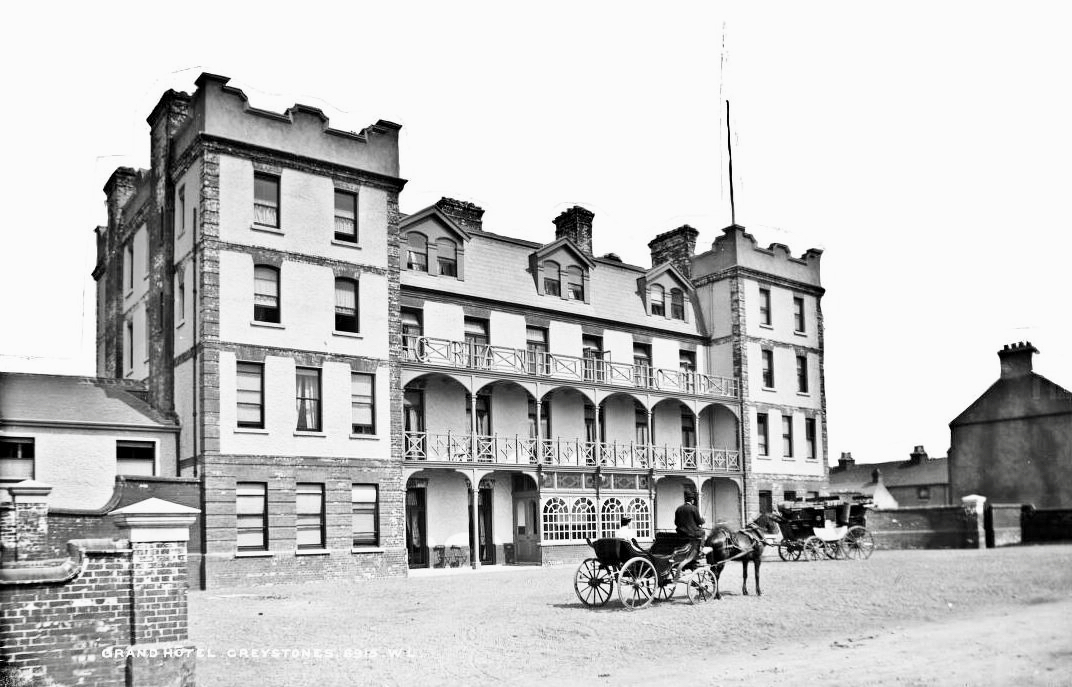
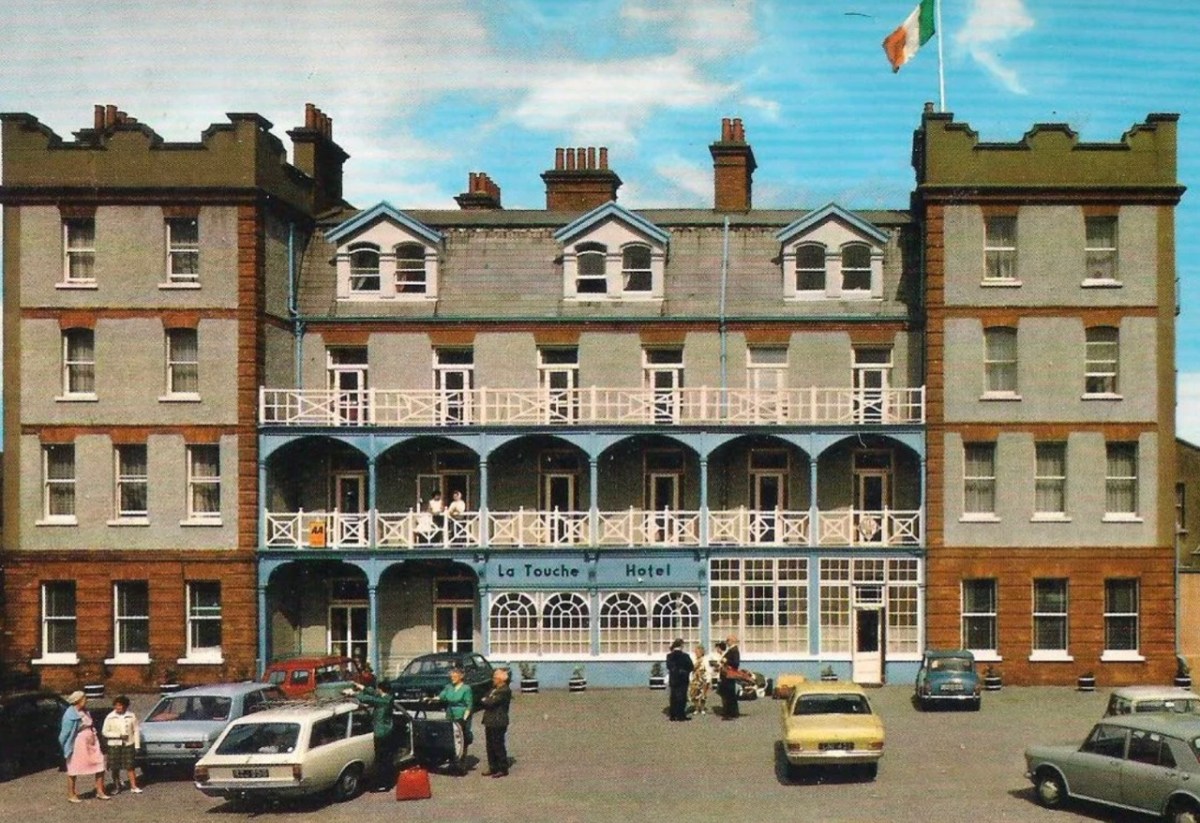
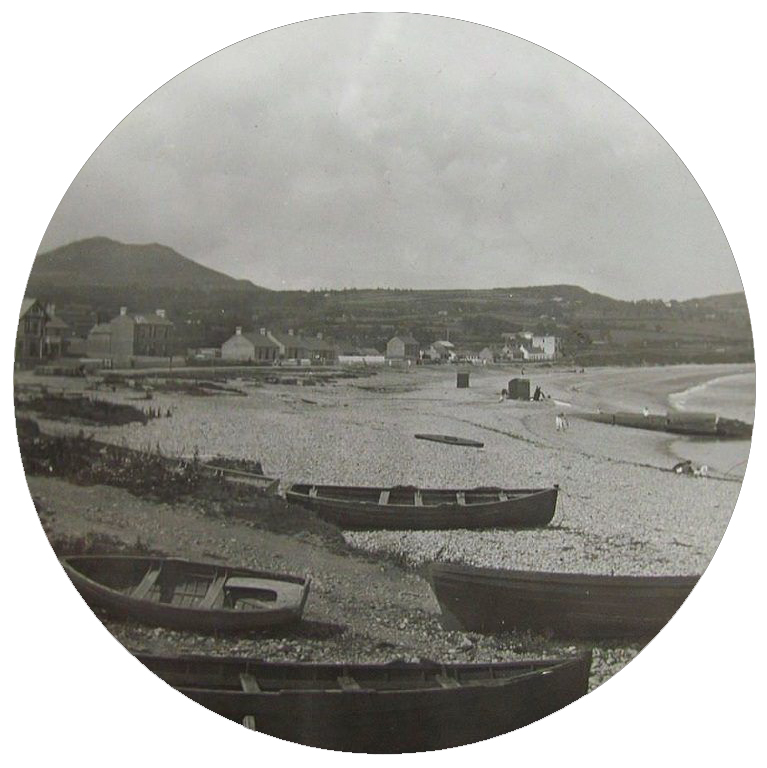
Above – Trafalgar Road, leading down to the harbour, Greystones, c1900. This seaside town is in Co Wicklow, and the connection with West Cork is that our ‘Big Fella’ – Michael Collins – had intended to set up home there once he had married Catherine (Kitty) Kiernan. Collins was staying in the Grand Hotel when he proposed to Kitty. That building is better known to us as the La Touche (photo below from the National Library of Ireland).

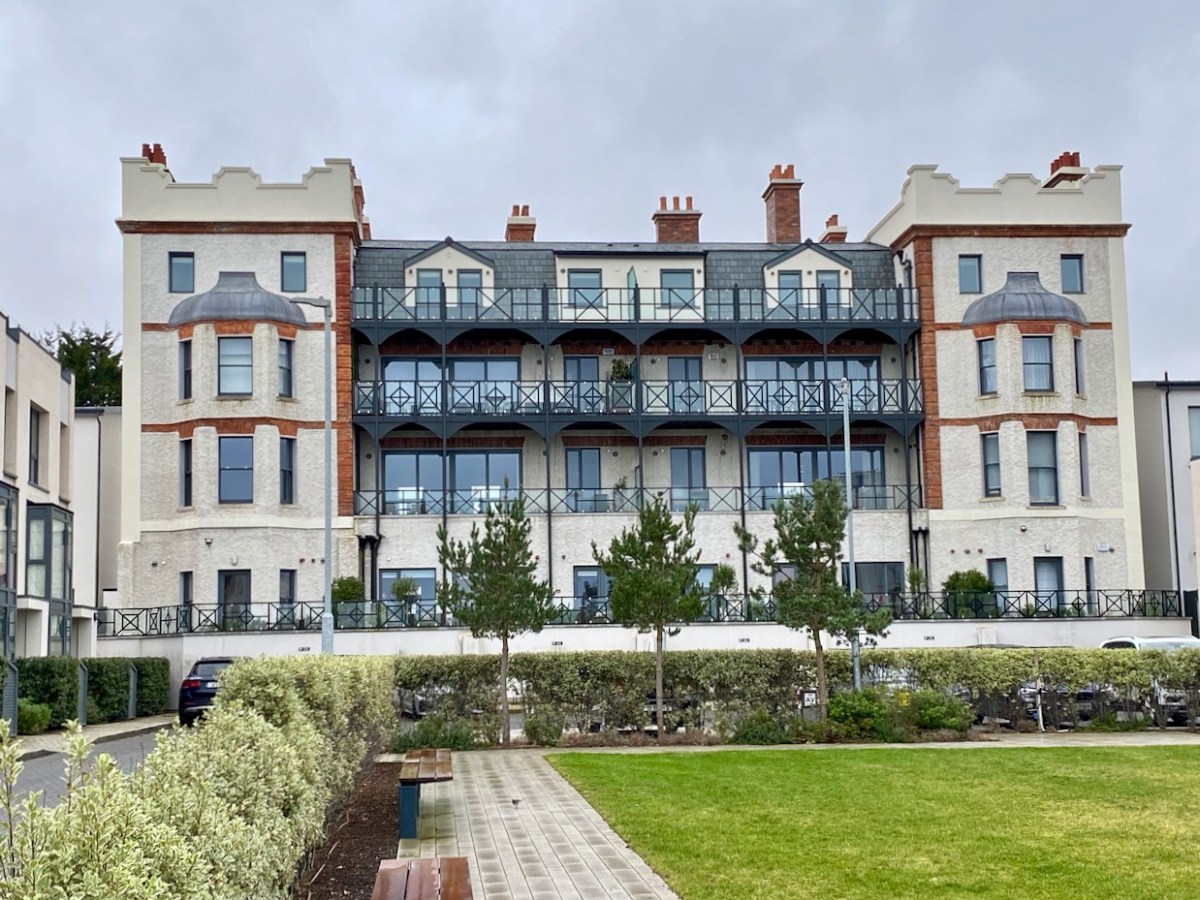
Above: la Touche, mid 20th century. Today, the hotel has been transformed into modern apartments (below). The fine original central building has been retained and upgraded:

Michael Collins and Kitty Kiernan have been described as ‘star-crossed lovers’. The pair were first introduced by Michael’s cousin, Gearoid O’Sullivan, who was friendly at the time with Kathy’s sister, Maud. Kitty was also close to Harry Boland, who served as President of the Irish Republican Brotherhood from 1919 to 1920. Boland was a good friend of Collins.

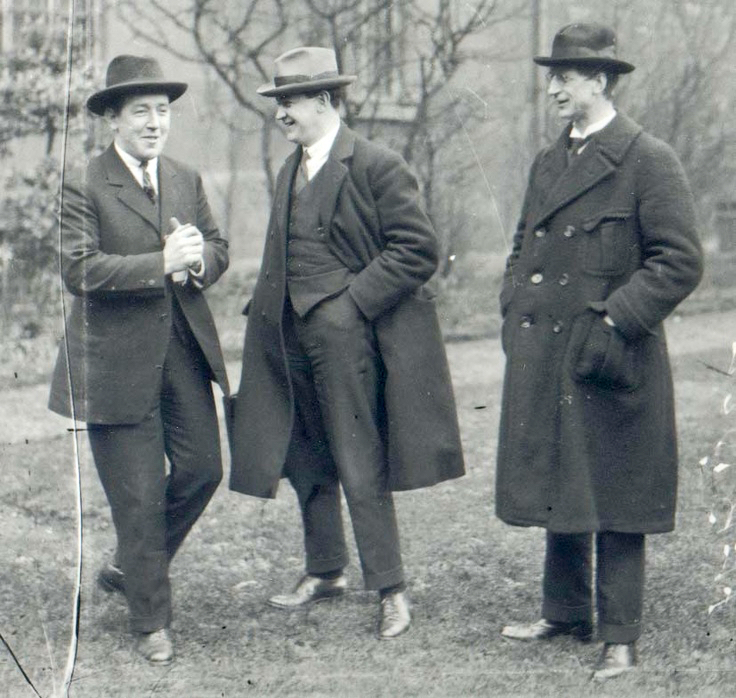
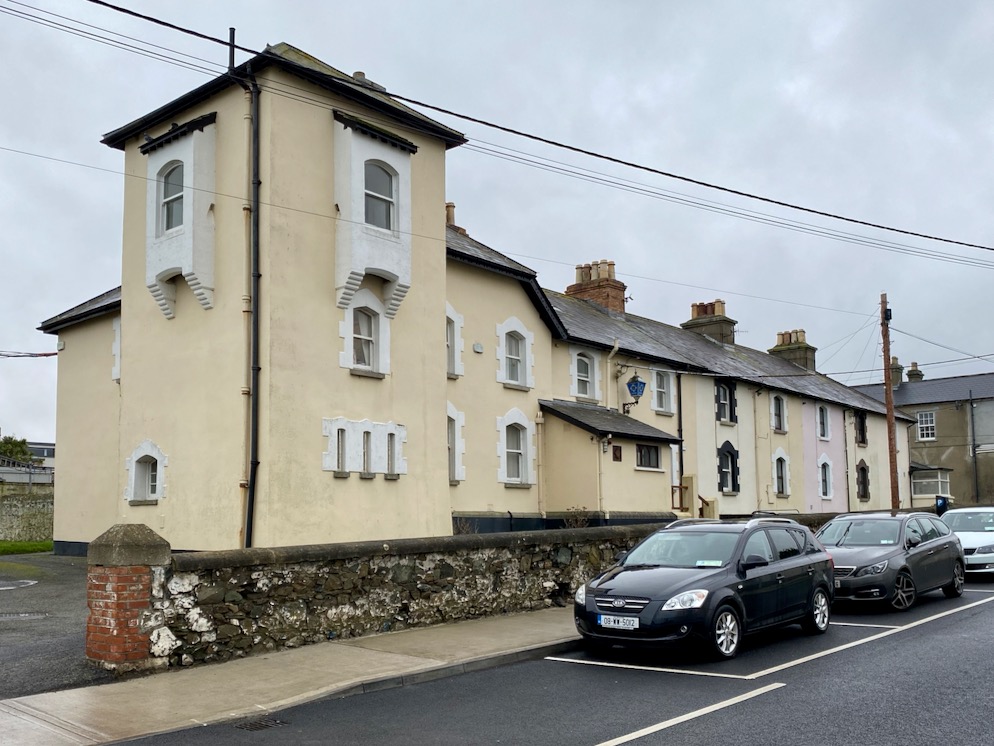
Harry Boland (left), Michael Collins (centre) and Éamon de Valera (NLI public domain c1920). Collins and Kiernan announced their engagement in 1921 and planned to marry the following year, but the political upheavals of the time kept delaying the wedding. During this turbulent period, Collins had ‘grown quite fond of Greystones’, often spending time in the house of his aunt, Maisie O’Brien Twohig – Dysart, Kimberly Road. Ironically, this property backed on to the RIC station.

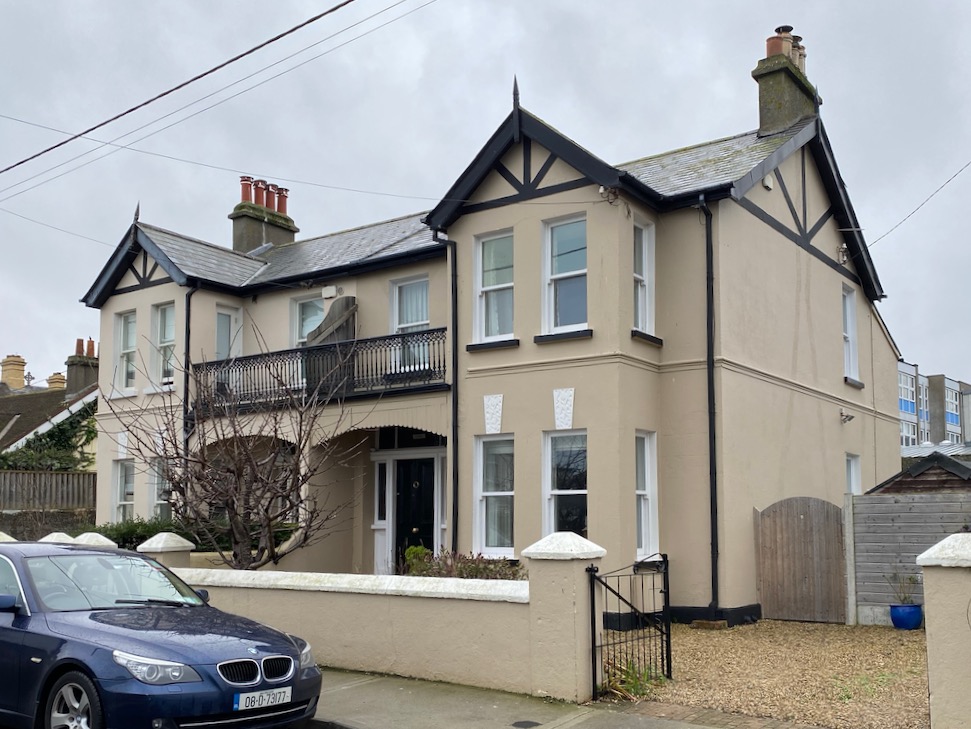
(Upper) Dysart – home of Michael Collins’ Aunt Maisie. (Lower) former RIC barracks and present-day Garda station, immediately adjacent to Dysart.

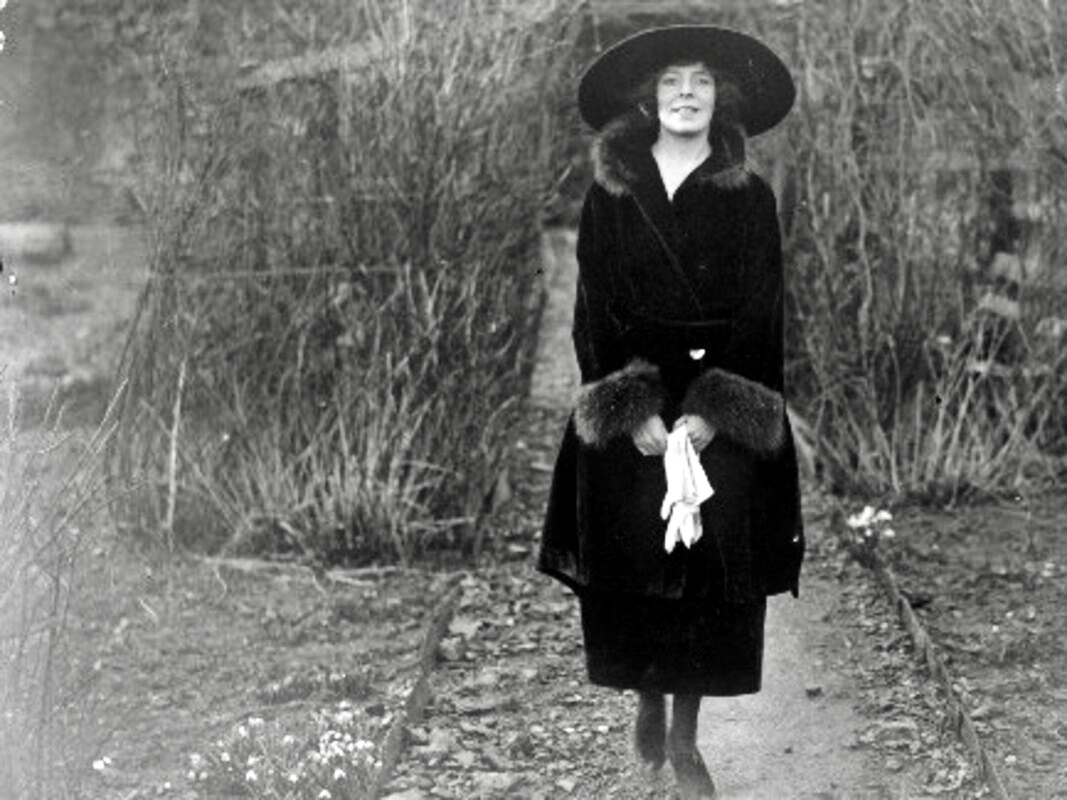
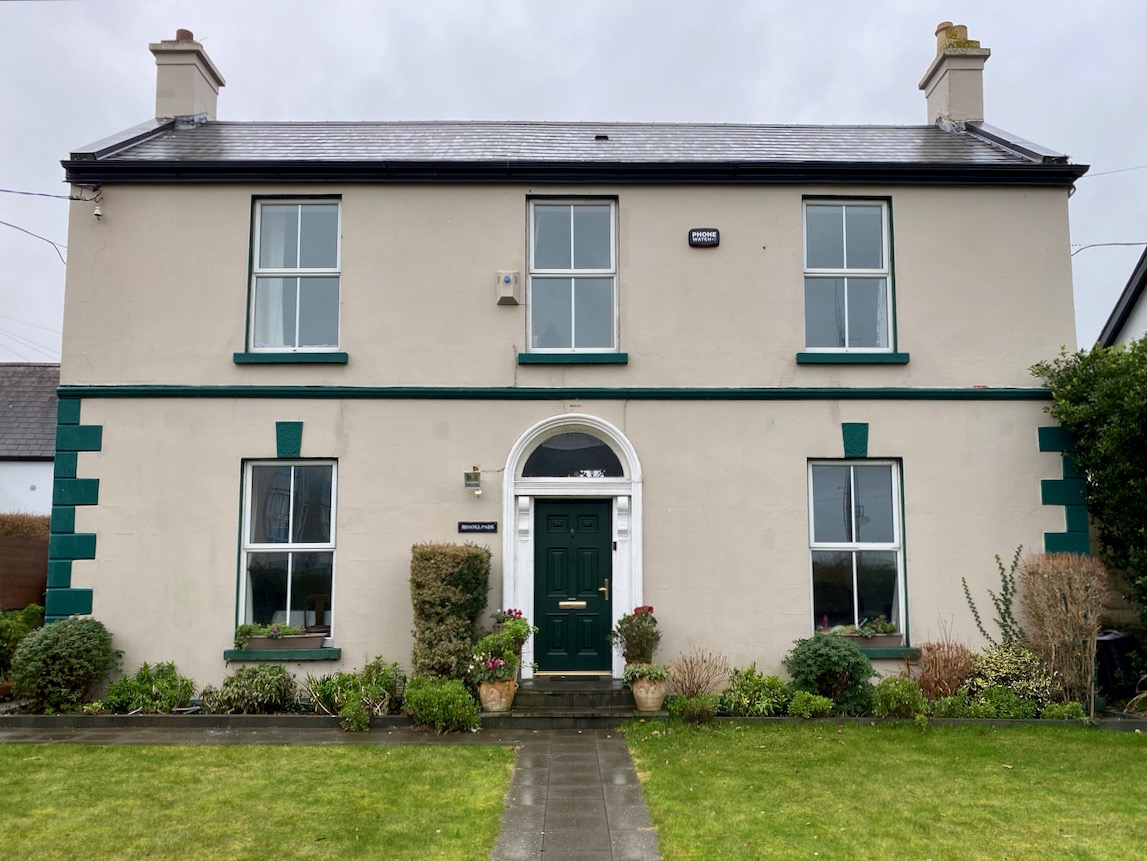
(Above) Kitty Kiernan. Collins and Kitty had planned to live in Brooklands, on Trafalgar Road, Greystones (below), after their marriage.

Michael Collins, Arthur Griffith and Robert Barton were delegates to the Treaty Negotiations that ended the Irish War of Independence in December 1921. Before he left Greystones, it is recorded that Collins visited Fr Ignatius of the Congregation of the Passion:

. . . The facts are these: he [Collins] was staying at the Grand Hotel, Greystones, while I was giving a mission there. It was coming near the close of the Mission. Michael was very busy in Dublin, worked and worried almost beyond endurance. He got to Greystones one night very late and very tired. It was the eve of his departure to London, re the Pact. He got up the next morning as early as 5.30 am and came to the Church, and made a glorious General Confession and received Holy Communion. He said to me after Confession, “Say the Mass for Ireland, and God bless you, Father”. He crossed an hour or so later to London . . .


Patrick J Doyle PP, BMH.WS0807, pp 39-40, 90-91

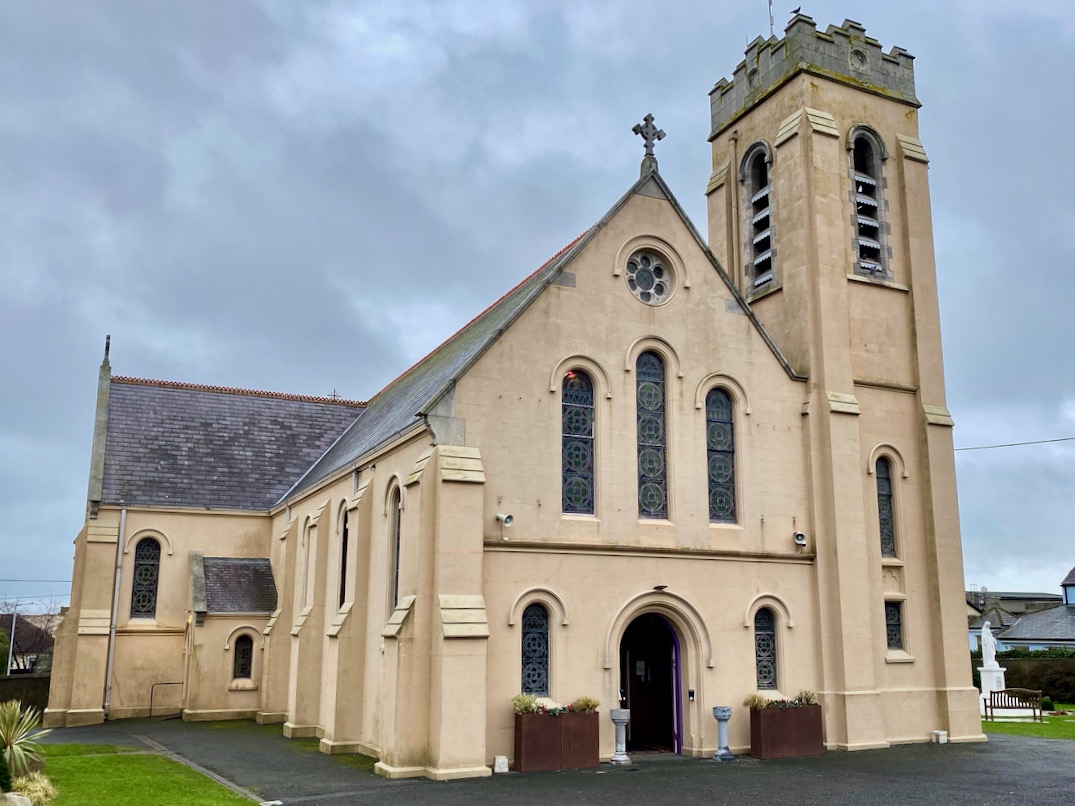
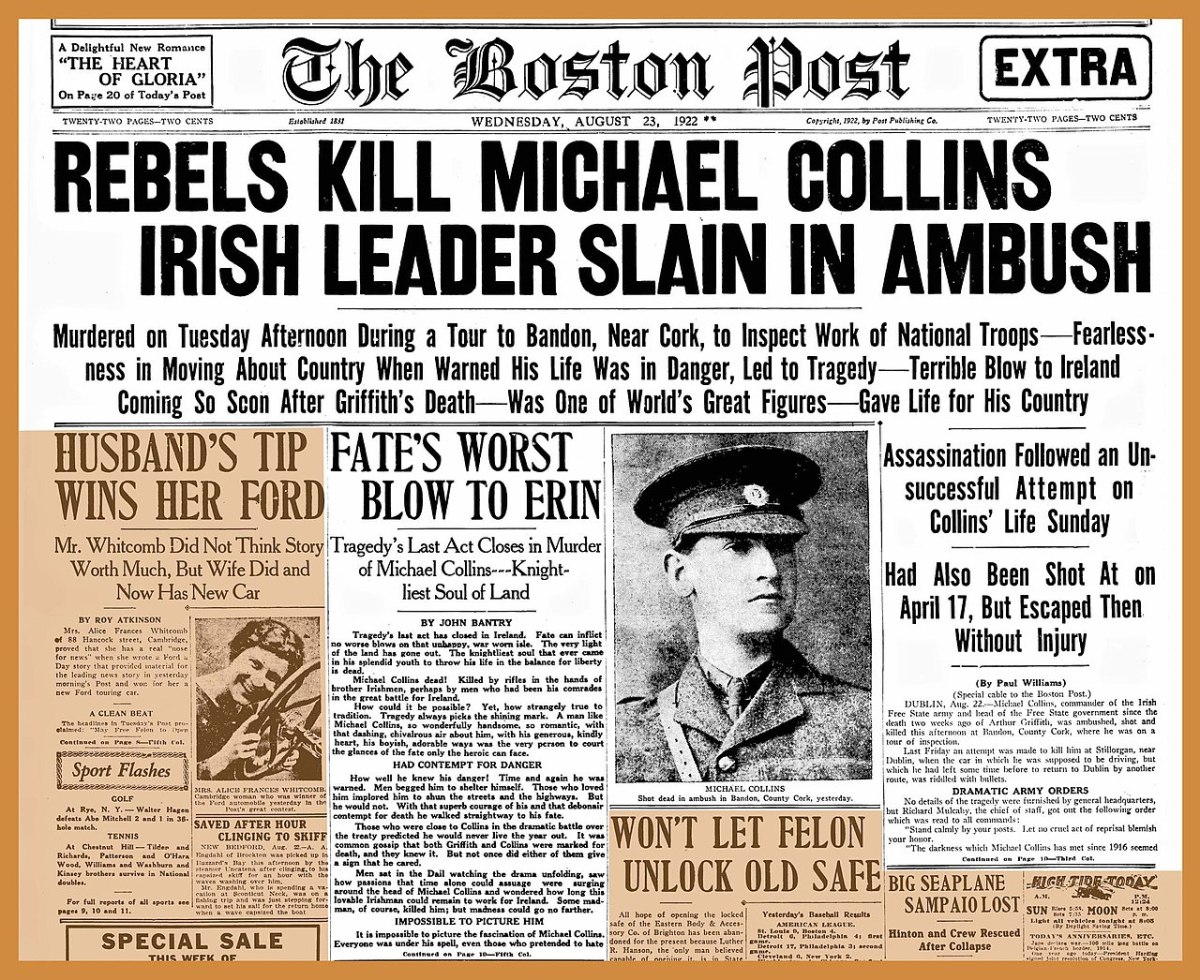
(Above) St Brigid’s Church, Greystones. Fatefully, Collins was shot in West Cork on 22 August 1922. Collins “. . . One of the World’s greatest figures . . . Knightliest Soul of the Land . . .” was mourned by the nation, and – of course – by Kitty.

(Above) headlines in the Boston Post on the morning of 23 August 1922.

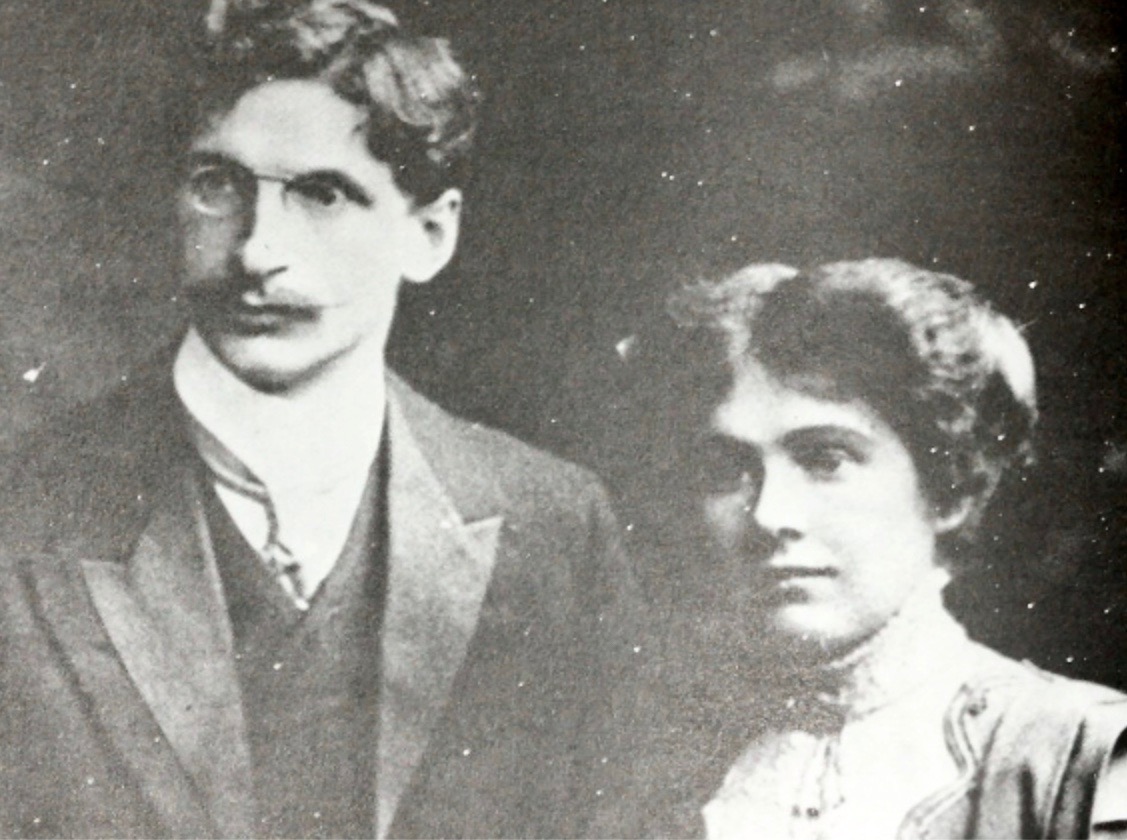
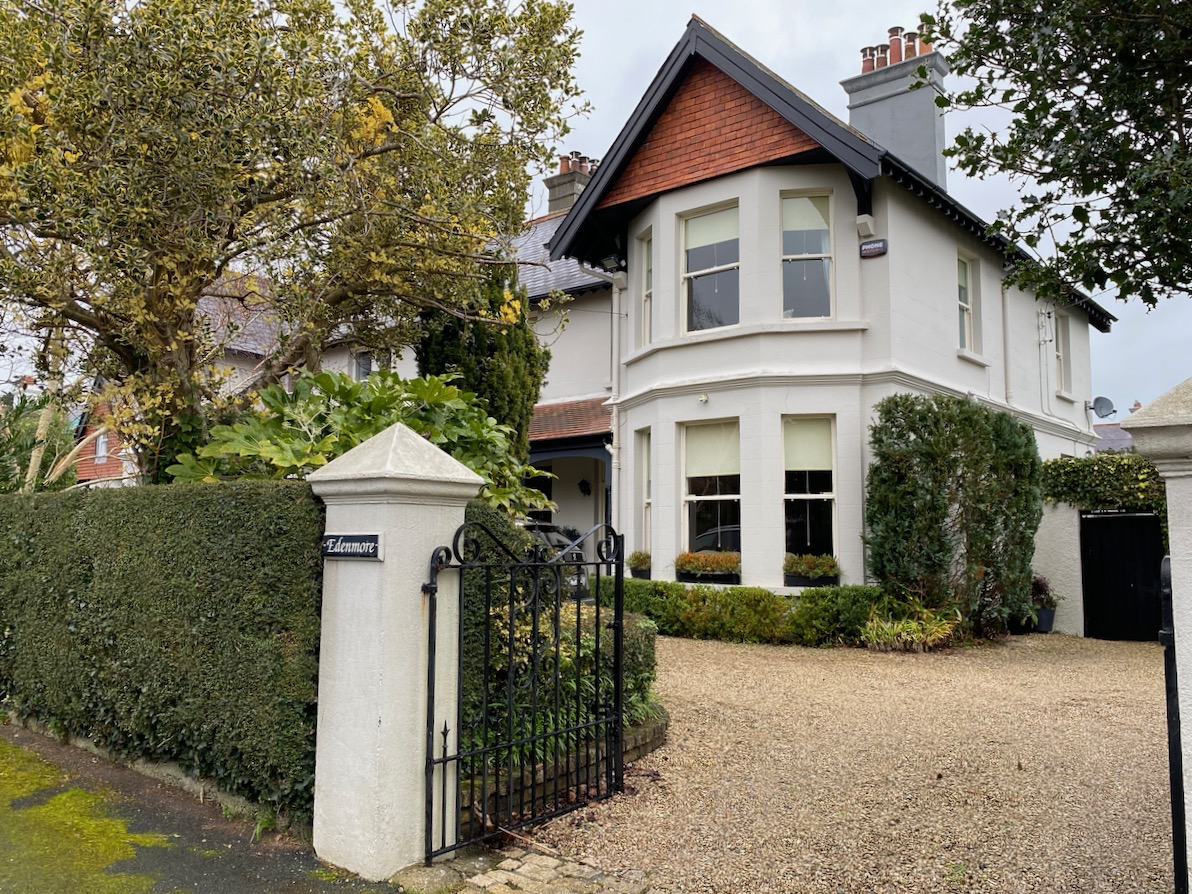
The de Valeras – Éamon and Sinéad (above, in 1910) – took a house in Greystones soon after the 1916 rising, situated on Kinlen Road in the Burnaby Estate. The house was built at the turn of the 20th century by Patrick Joseph (PJ) Kinlen, who lived there for a time himself. PJ built much of the Burnaby estate and Kinlen Road was named after him. They named the house Craigliath – it is now known as Edenmore (below).

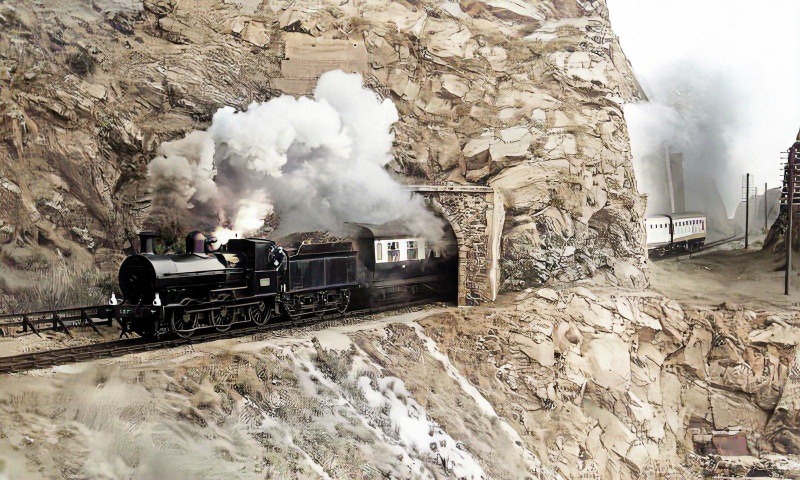
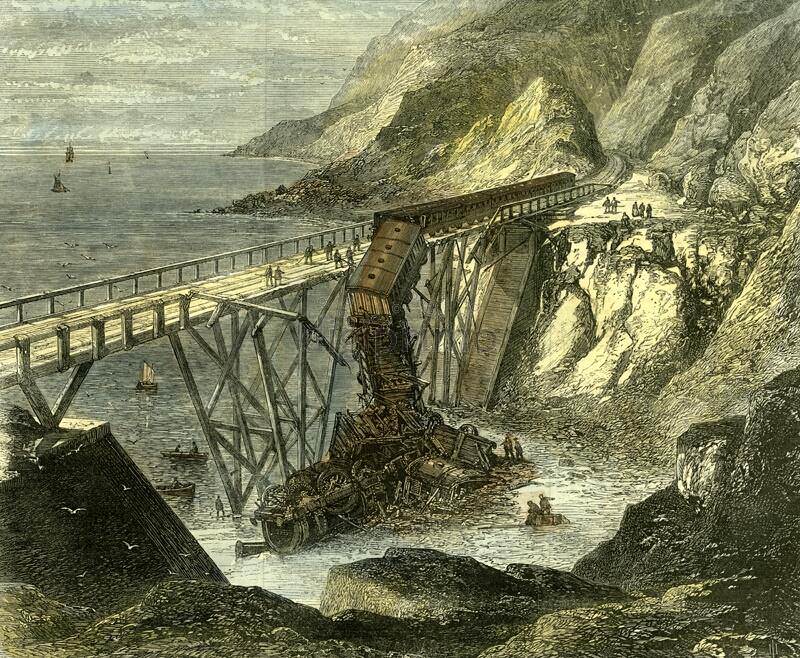
A reason for the popularity of Greystones in the early 20th century was its relative proximity to the centre of Dublin, and the railway line which gave access to the city. If any readers have travelled on this line – which goes down the east coast as far as Wexford – you will know that the section between Bray and Greystones is one of the most adventurous railway journeys in the world! Engineered by Isambard Kingdom Brunel, it clings to the precipitous cliffs and ran on trestle-bridges and through a series of tunnels: there have been many incidents during its history, and the line has had to be reconstructed a few times to avoid the effects of erosion. (With thanks to the Greystones Guide for the image below):

A popular story tells how Éamon de Valera was travelling home from Harcourt Street to Greystones on the night of 17 May 1918. When the train reached Bray, the driver saw that “two detectives” (although some versions say it was a number of constables) had boarded the train a few carriages behind.

 . . . [The driver] felt sure that the intention was to arrest de Valera that night in Greystones. He said that they would slow down the train coming into Greystones before they arrived at the station at a certain point, which they indicated to de Valera, and they advised him to jump out of the carriage on the off-side, and that he could easily get away, and afterwards they would put on speed . . .

However, de Valera chose not to accept this offer, and when the train arrived at Greystones, he was apprehended and arrested. The Irish Independent adds a few further details:

. . . Dev “. . . was taken to the waiting room under a heavy guard, and after being searched, was placed in a motor car and driven to Kingstown, where he was handed over to the military and placed on board the transport … for England” . . .


Irish Independent, 20 May 1918

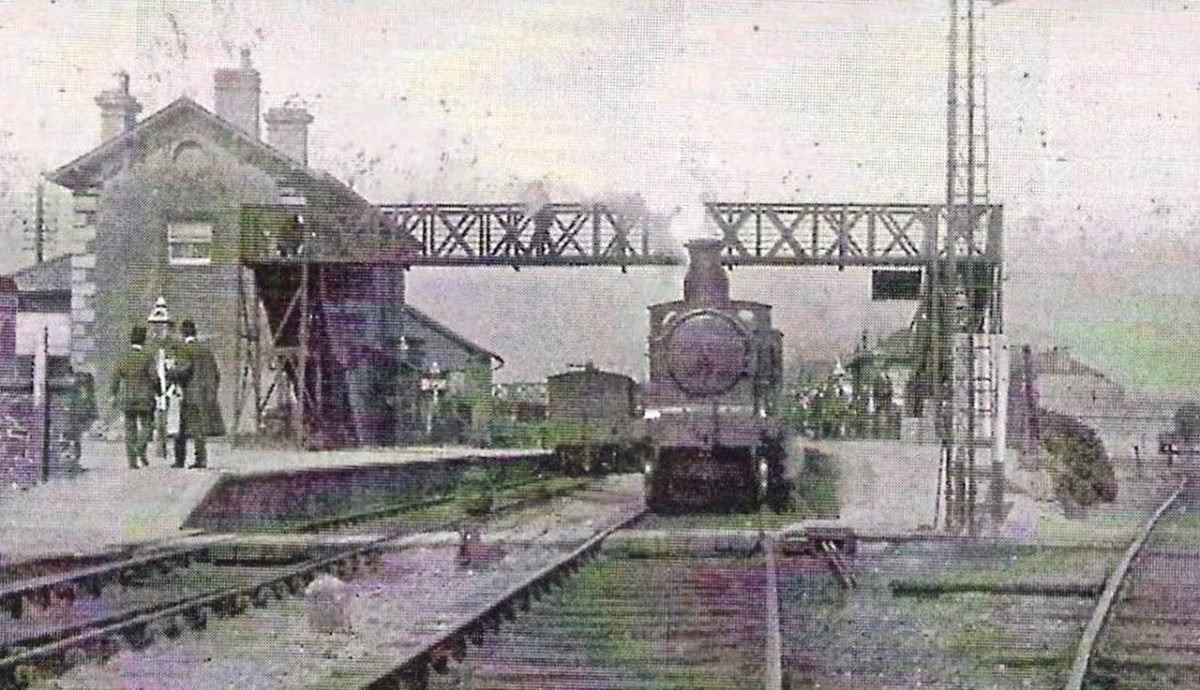
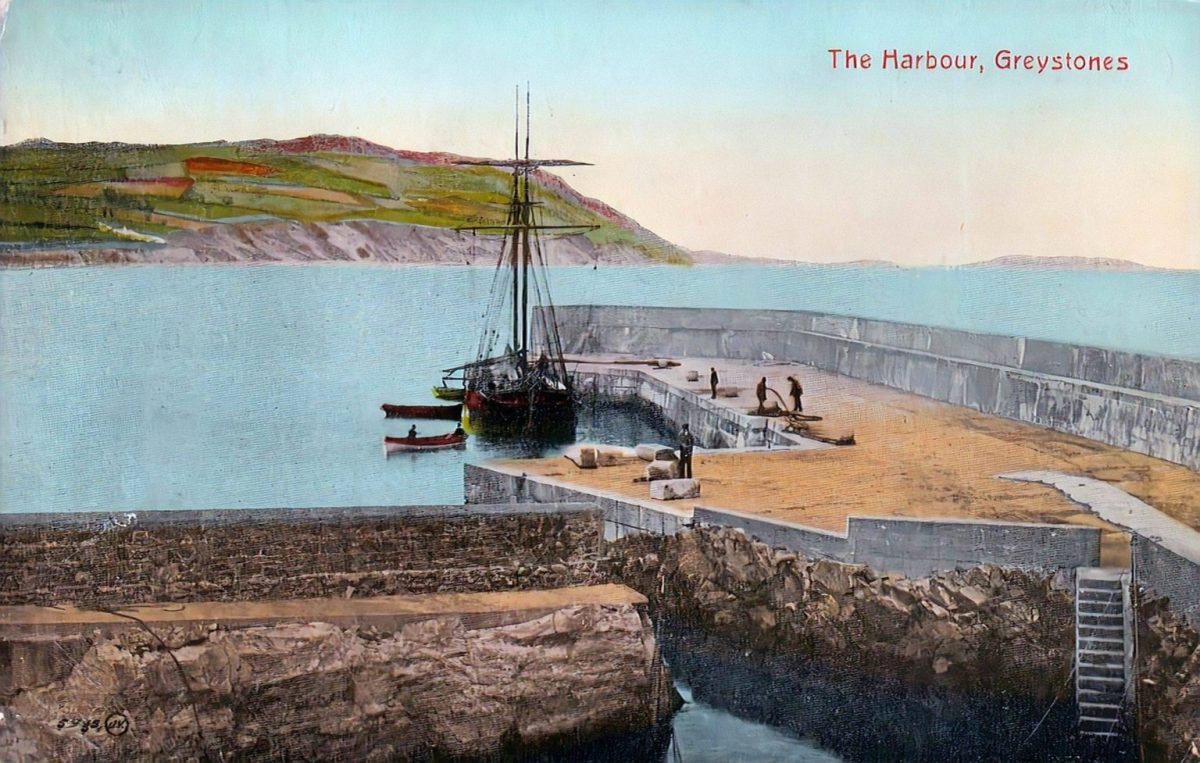
(Above: Greystones Station – late 19h Century). Personally, I am unsurprised that de Valera did not accept the train driver’s offer. Jumping from a moving train is not a recommended course of action – especially when the terrain of that section of railway-line is so hazardous. De Valera was imprisoned in England but escaped and then went to America: his wife did not see him for three years. During this time Michael Collins visited her often in Greystones to bring her news and also to provide funds. Later she reportedly told her husband that she was ‘quite in love with Collins’. He grumpily responded: “…That’ll do. There are enough people in love with Michael Collins…” (Below – lantern slide of Greystones Harbour, 1900):

Of course, de Valera lived to tell his tale – he died on 29 August 1975, aged 92, having achieved the status of Taoiseach and President of Ireland – whereas Michael Collins did not: he was shot at Béal na Bláth, County Cork, at the age of 31. It is fair to say that he undoubtedly achieved the perhaps more fulfilling status of National Hero.

Greystones Harbour in 1911. With many thanks to the excellent Greystones Guide for invaluable free access to pictures and information.

When Harry Met Edith: Part 3: “A Charming Little Nativity”

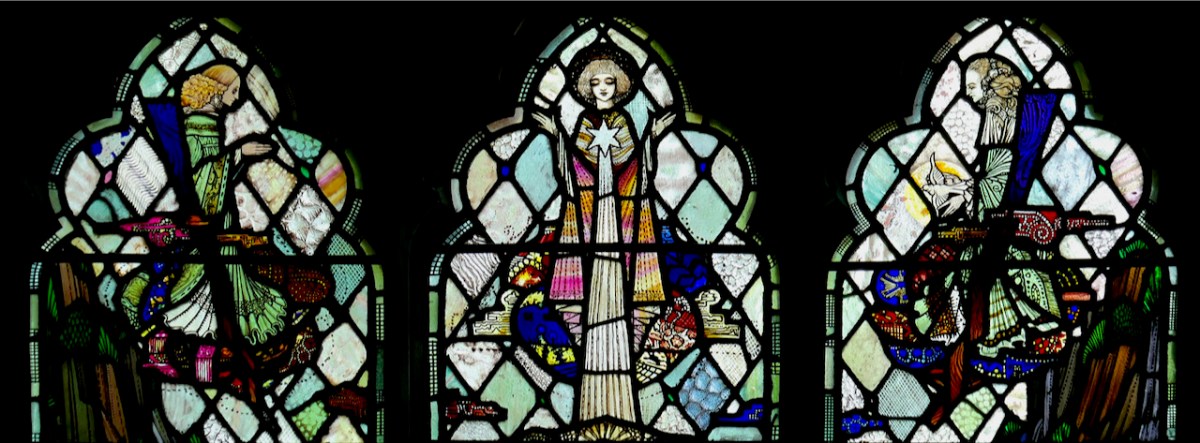
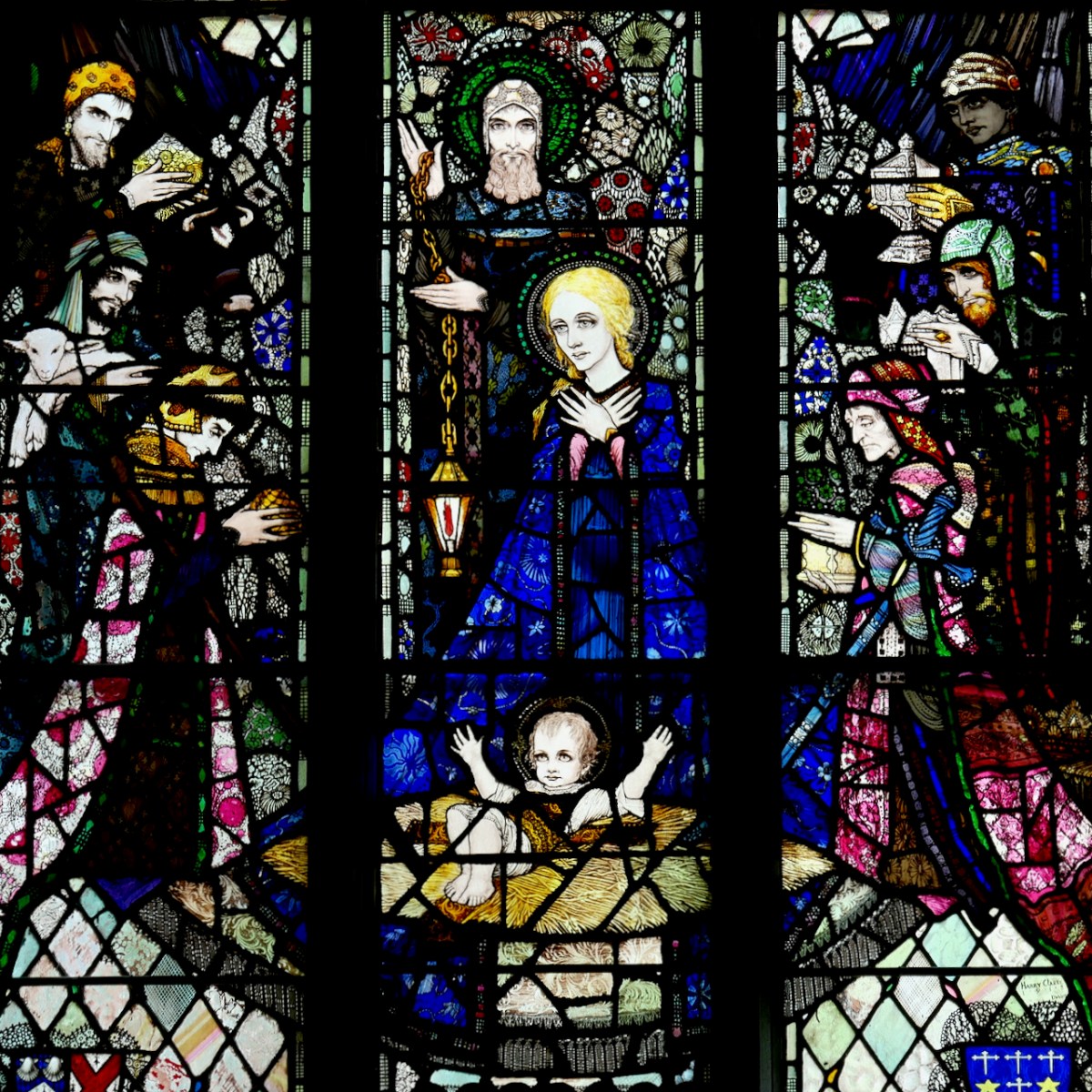
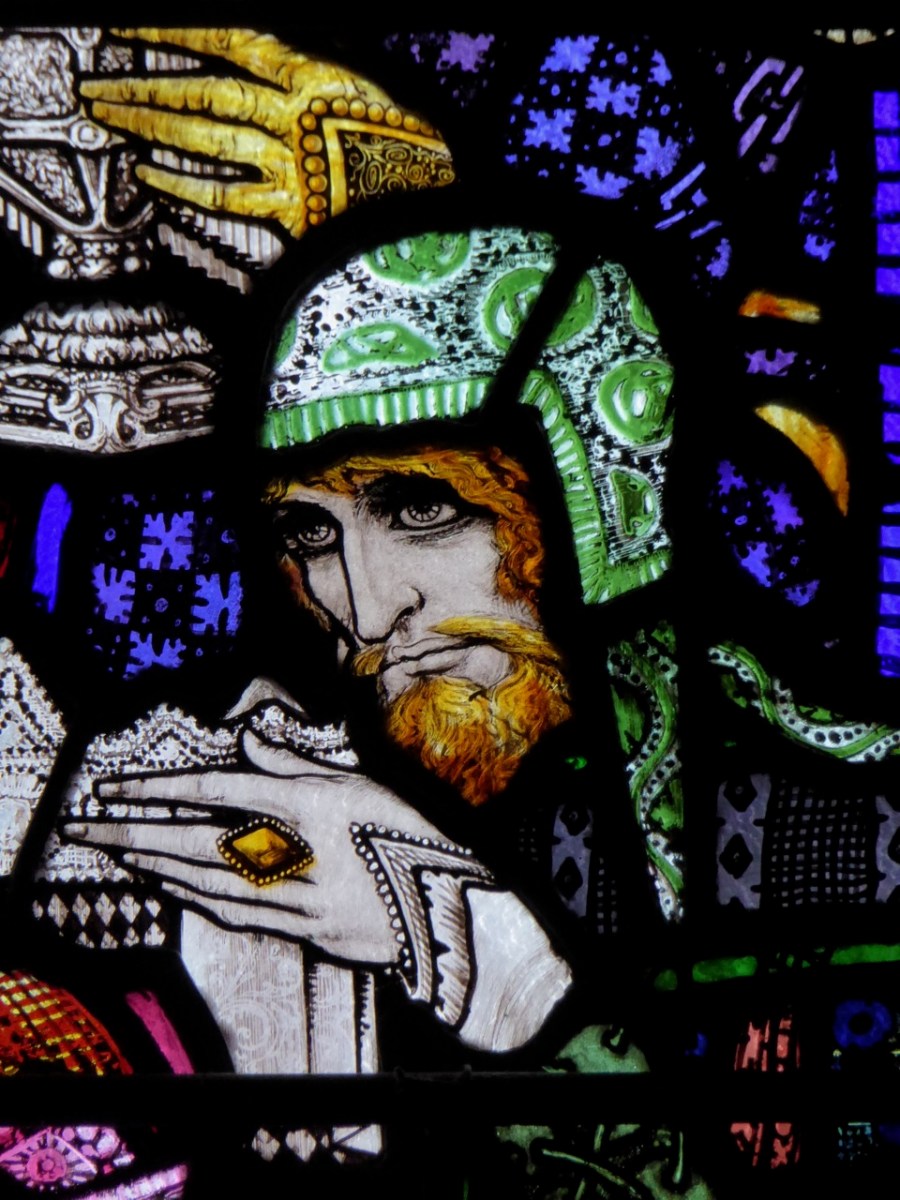
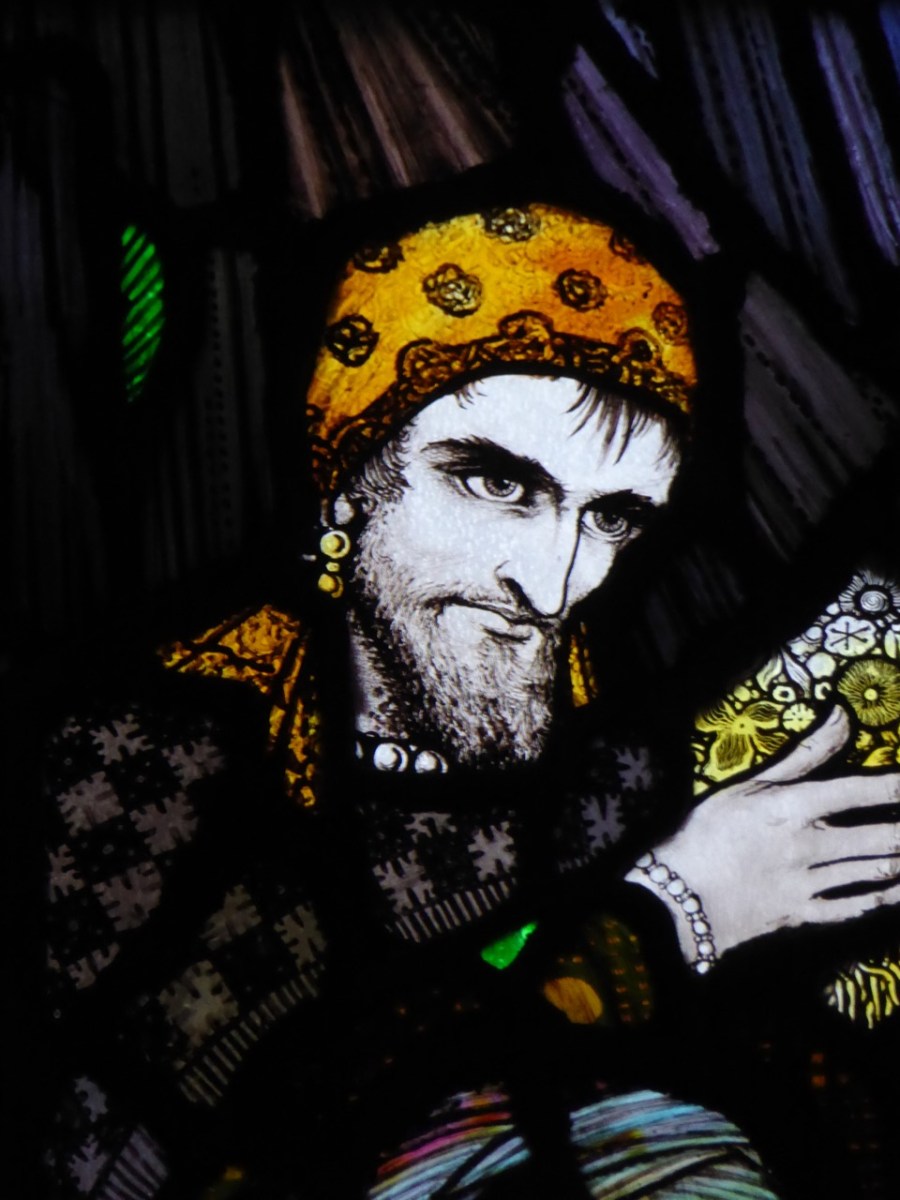
The Nativity that Harry designed for St Barrahane’s is, according to Nicola Gordon Bowe*, technically remarkable, but let’s look at the design, starting from the top. Here I am relying on Gordon Bowe’s extraordinary design vocabulary – all the quotes in italics are hers. (If you haven’t yet read them, Part 1 is here and Part 2 is here.)

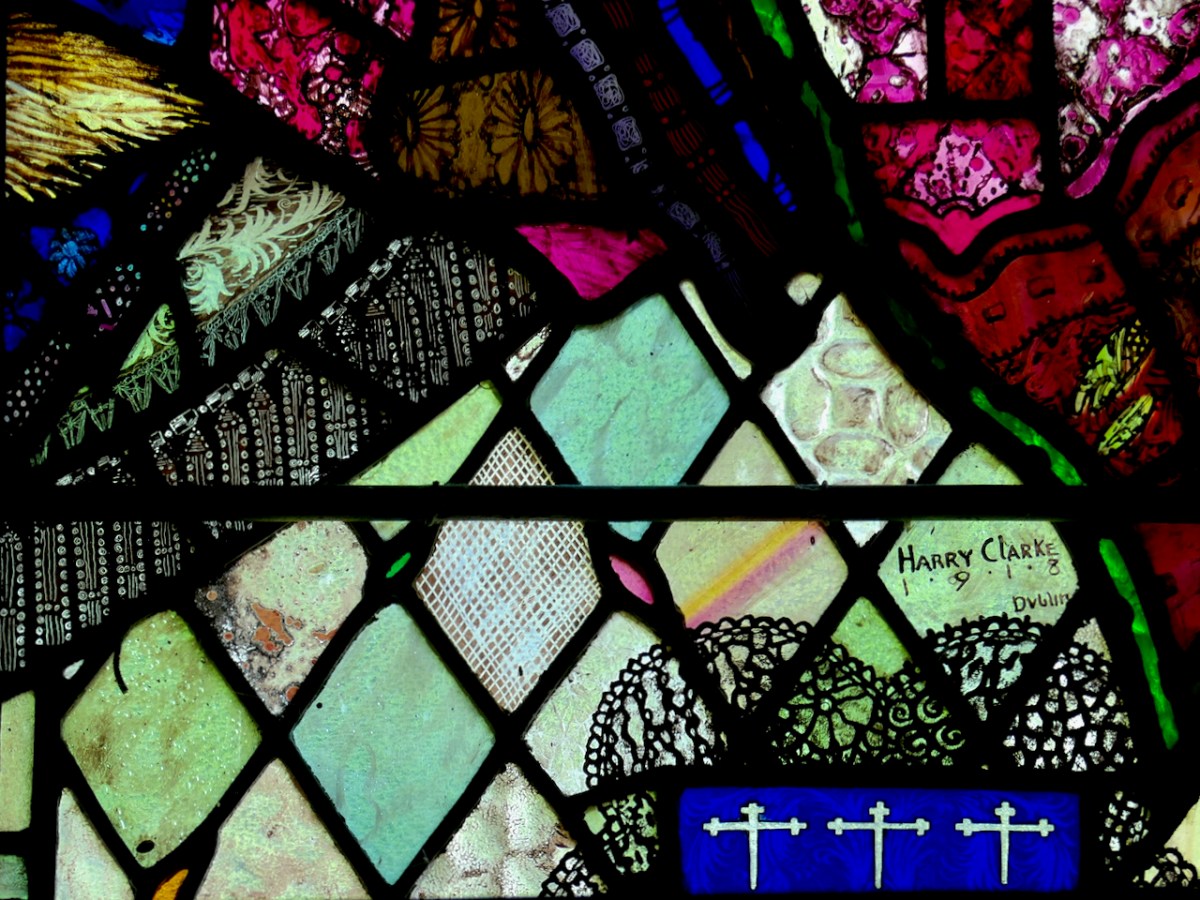
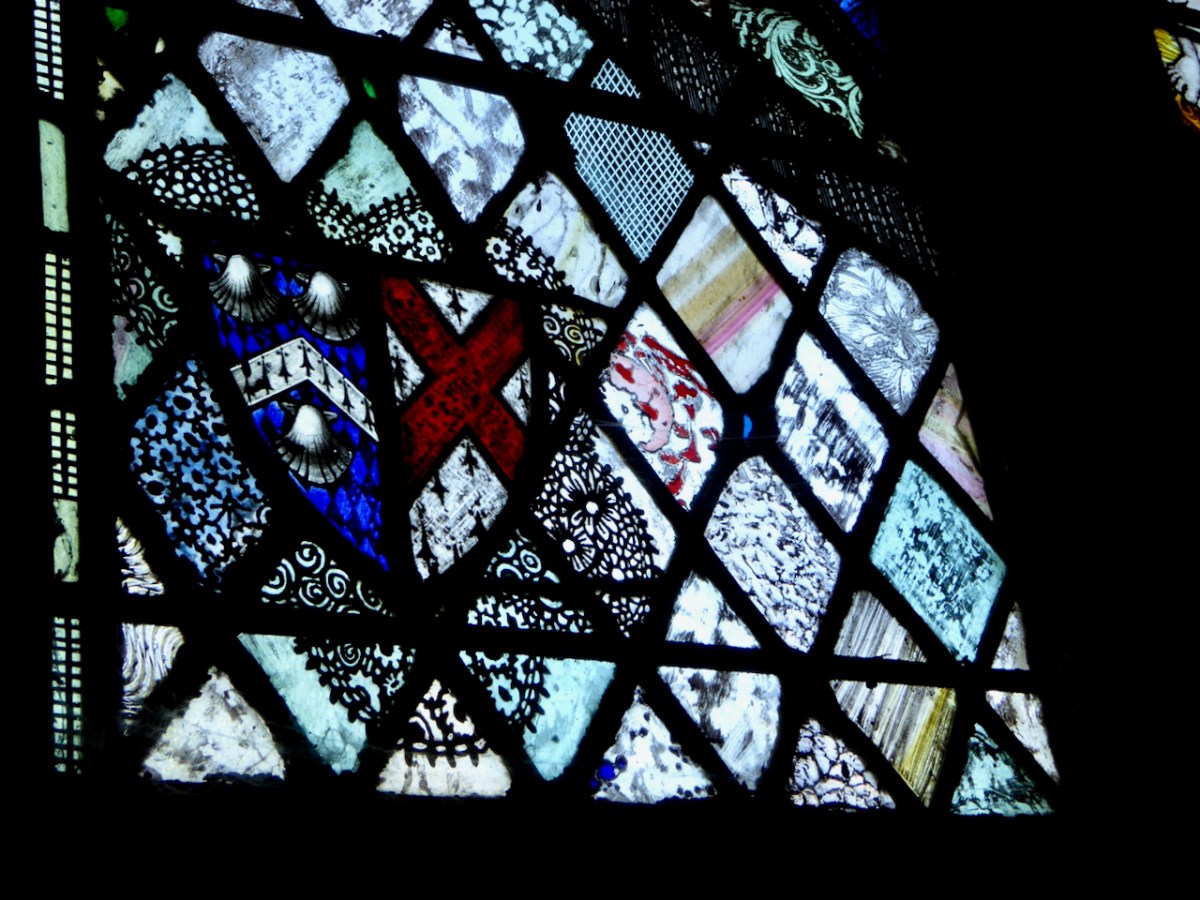
Harry’s re-designed and very Gothic tracery is filled with clear quarries – pieces of glass, leaded together in a diamond pattern, joined here and there with tiny coloured ovals. The use of clear glass was necessitated by the lack of light filtering from behind the east window, as there is a bank with tall trees immediately outside. However, this is not clear, or plain, transparent glass as we know it. Each quarry has been worked in some way. Those that started out life as clear glass have been chosen for their irregularities and have been treated with matt washes, stipples and semi-abstract lacework sequences so that each differs from its neighbour. Some of the quarries were not clear to begin with, but were flashed in pinks, blues or green, and these have been acided to the barest shimmer of colour. The result is that each individual quarry is intrinsically interesting without detracting from the overall effect of a subtly embroidered patchwork quilt in which the light lingers. These quarries occupy most areas of the window except for the main nativity scene and provide the backdrop for the top two sections – the saints and the angels. The signature panel at the bottom of the window is a good place to observe the quarries up close.

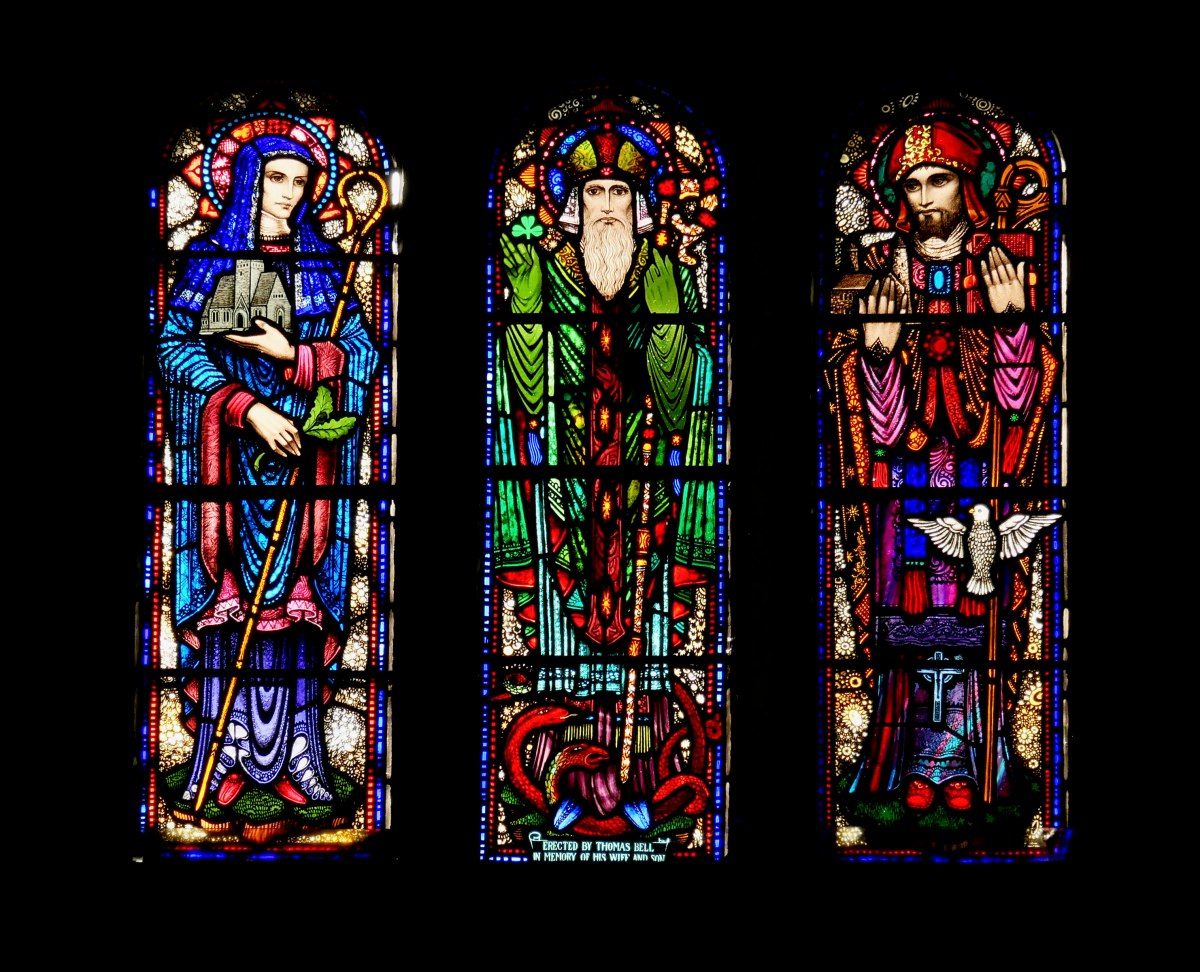
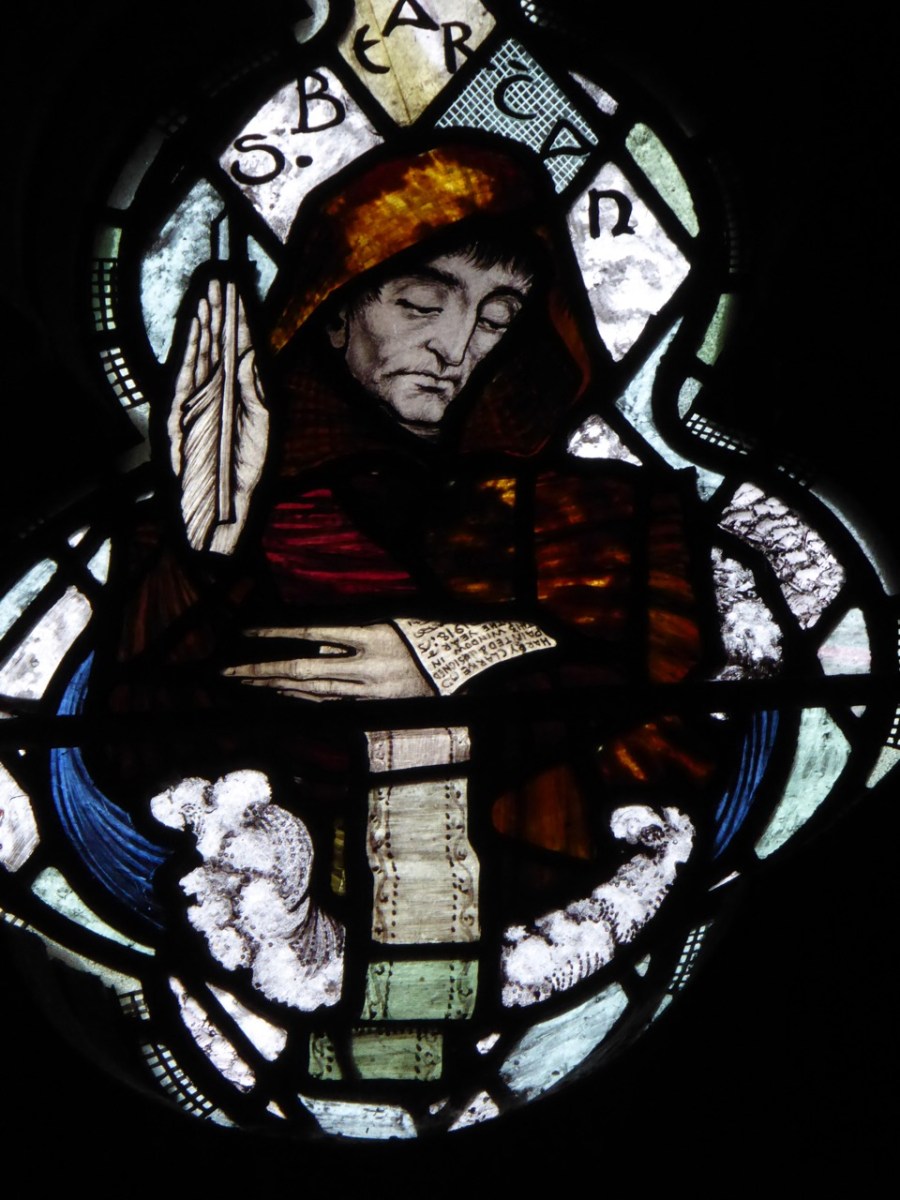
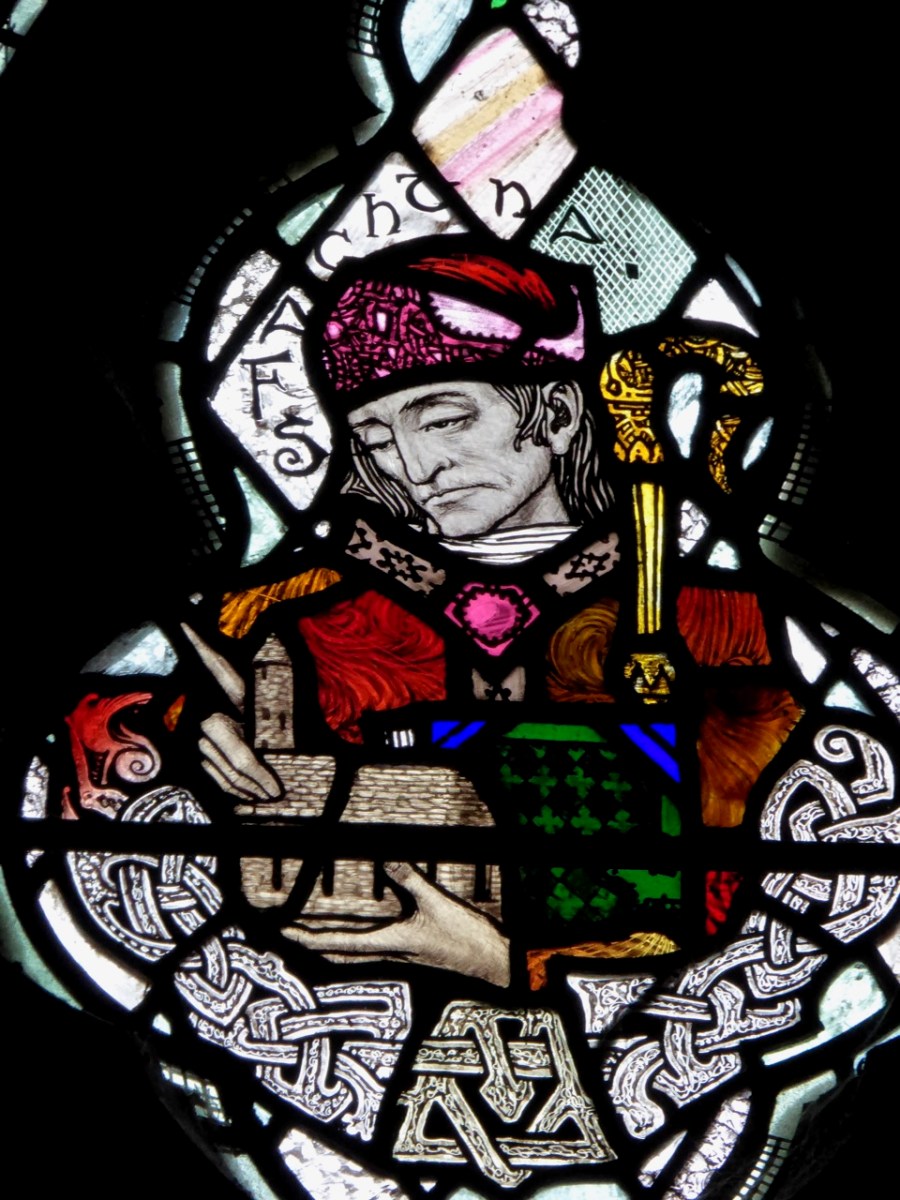
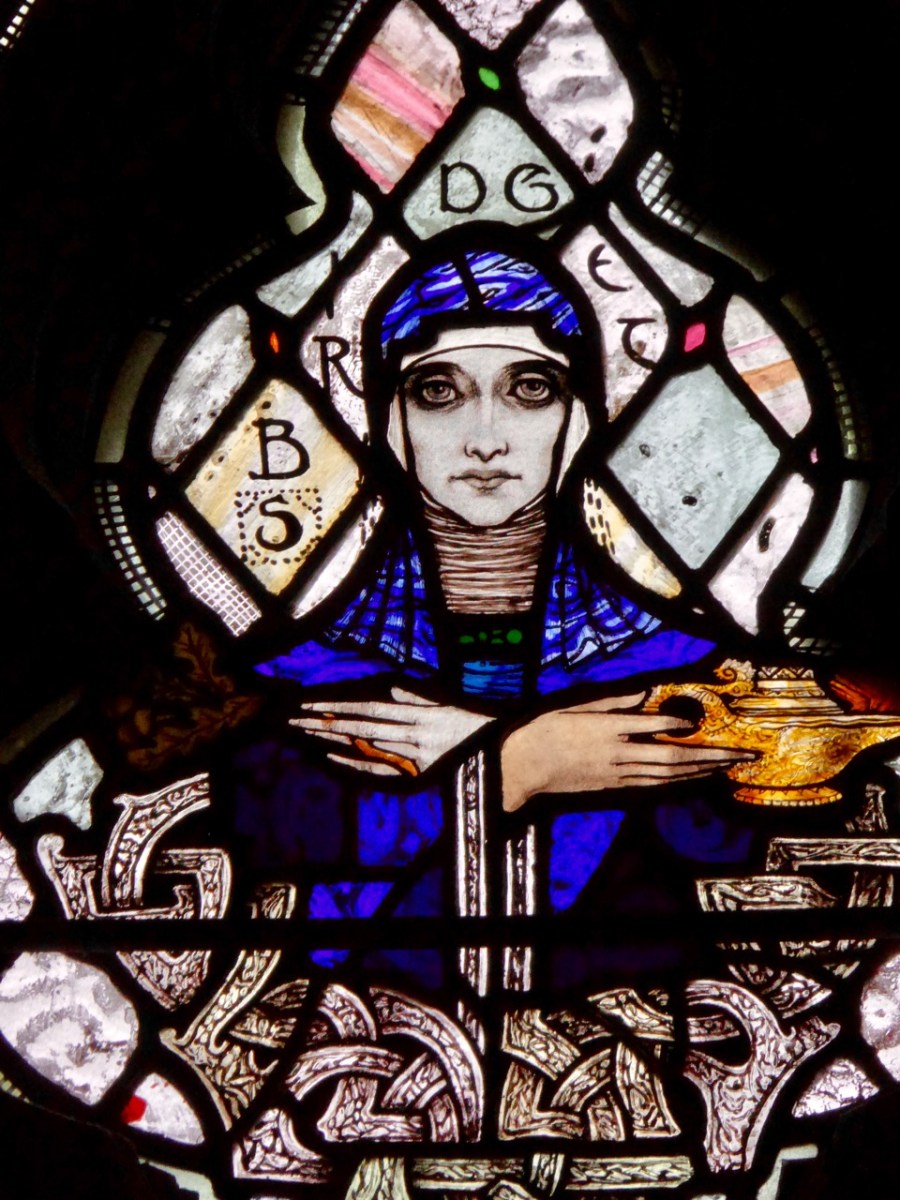
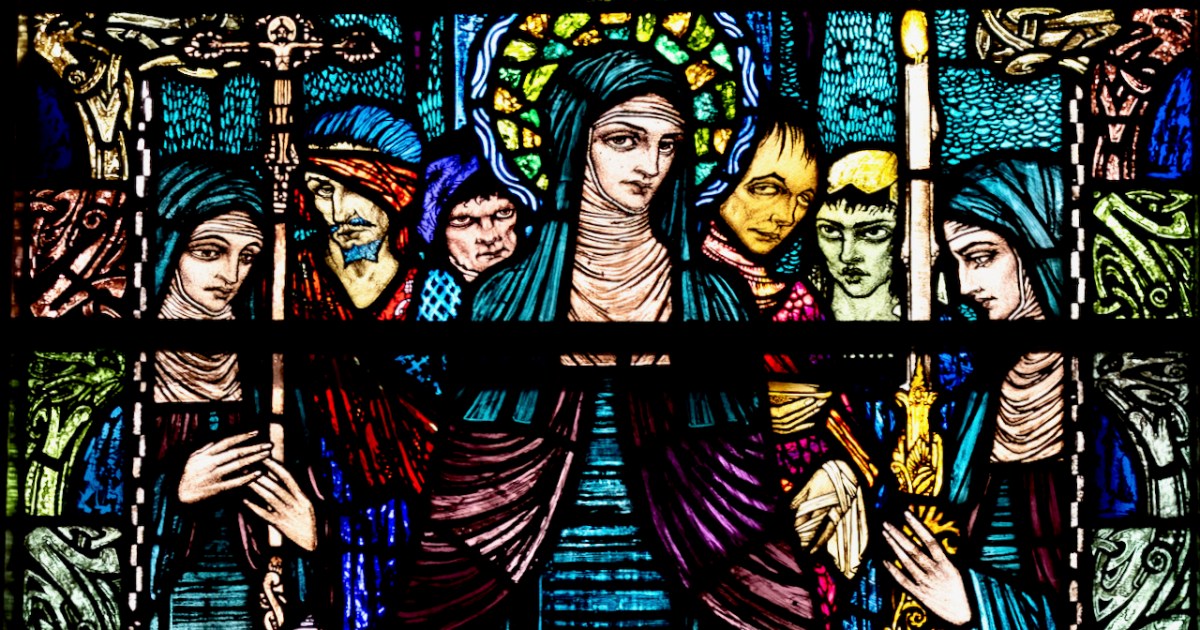
Edith was very much in tune with the Arts and Crafts Movement in Ireland but also with the Celtic Revival (see my posts on the work of Watson of Youghal for a thorough discussion on this style and the term). Within the literary tradition of the Revival there was a focus on the study of our ancient saints and a scholarly emphasis on translating various Lives and Martyrologies, many of whom were alive in the folklore and memory of the countryside. Of the three saints depicted here, Brigid is considered one of our three National or Founding Saints (see this post for more on Brigid), while Fachtna and Barrahane (or Béarchán) are local to West Cork. 

Harry used Revivalist interlacing as a supporting device for Brigid and Béarchán. Interlacing – so popular in Ireland at the time – was in fact quite rare in his work, although it had appeared in a couple of the Honan windows, such as the Joseph window, above, in a similar position. Harry was much more influenced by Continental art movements than by the conventions of Revivalist decoration, but Edith was still keen on it, as witness her later design for a mosaic floor in the chancel of the church, so this element may have been at her suggestion, or at least responding to what he saw as her preferences.

For her turn, Edith had done her homework and knew what saints she wanted, discarding Finbarr (Patron Saint of Cork) after an initial dalliance with him. Barrahane had given his name to the area around Castletownshend, Glenn Barrahane, as well as a medieval church (now ruined) and a popular Holy Well pilgrimage (in which I participated in December). Edith’s informant was James Bourke – I have laid out all that information in my post Honouring St Barrahane, so I won’t repeat it here, but do take a look at the detailed photos of the St Barrahane window in that post, including the little surprise that Harry inserted in this window. Interestingly, while Brigid and Fachtna are underpinned by revivalist interlacing, Barrahane is floating on a cloud.

Fachtna was the saint who had founded Rosscarbery and was patron of the diocese of Ross; Harry depicts him holding a church and with his bishop’s crozier. He is gazing contemplatively downwards as if on the Nativity. Notice how the interlacing below him ends in a bird’s head finial.

Brigid is clad in blue (perhaps that same blue that Edith had said ‘hits your eye like a living flame or a blast of wind’. She looks directly out, calm and wise. In her right hand she holds a golden lamp (looking suspiciously like an illustration from the Arabian Nights) and between the fingers of her left hand is entwined the stem of a twig of oak leaves, another of her attributes, tying her to Kildare (or Cill Dara, the Church of the Oaks).

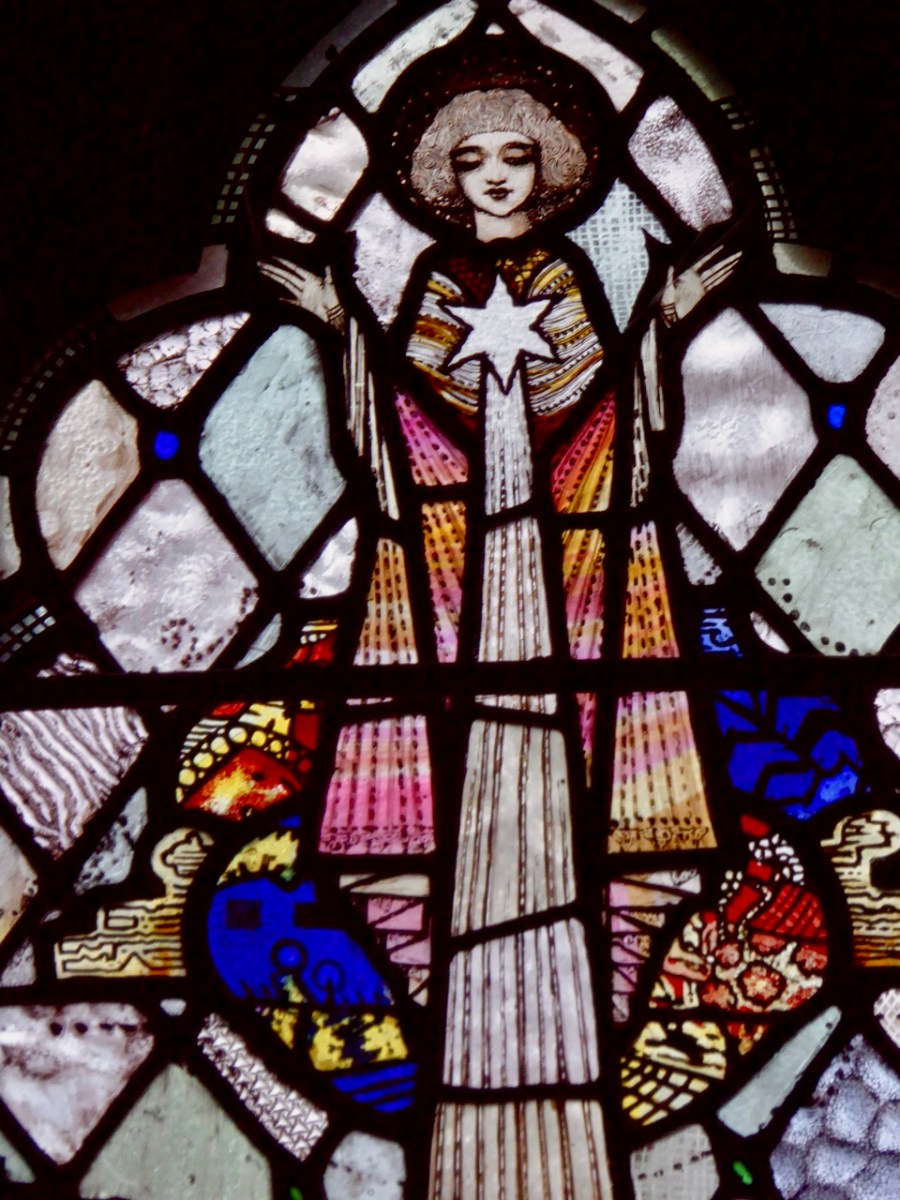
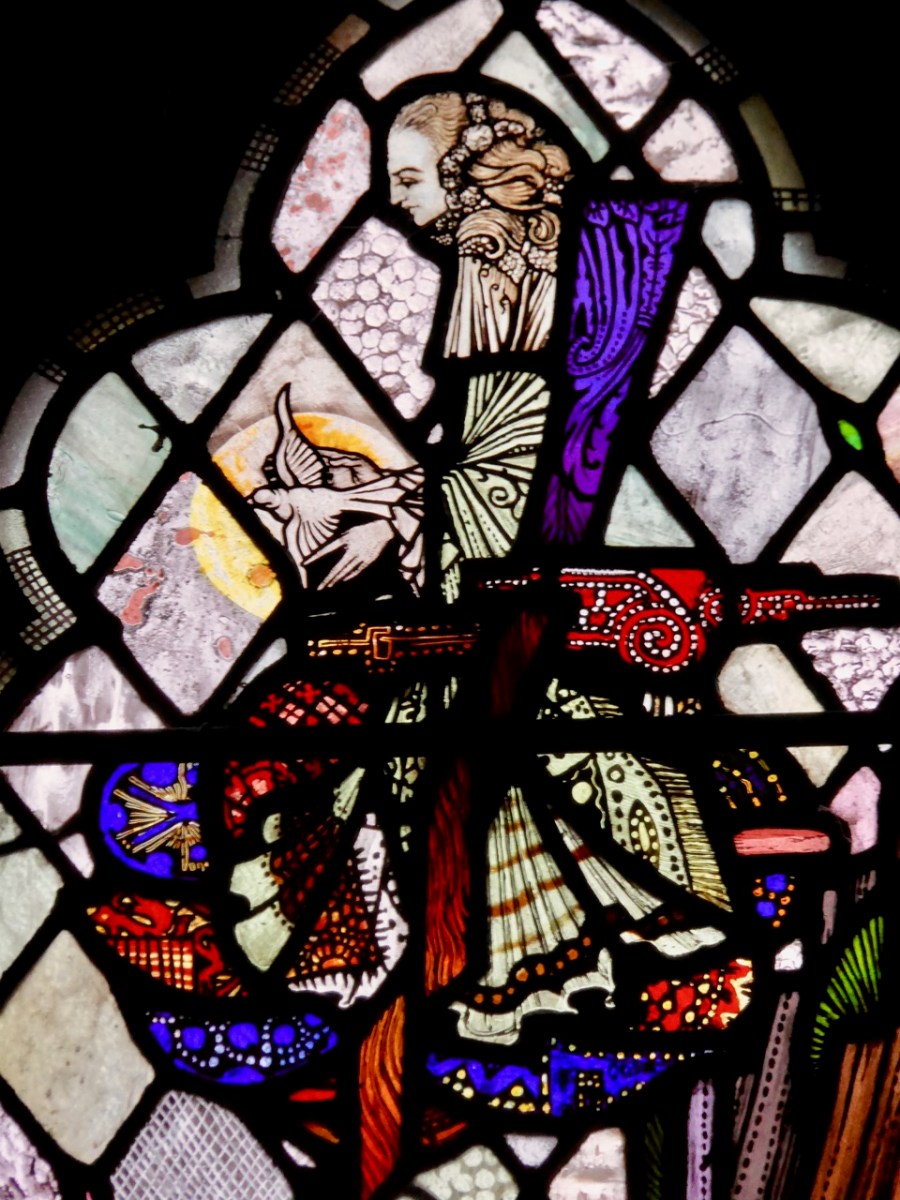
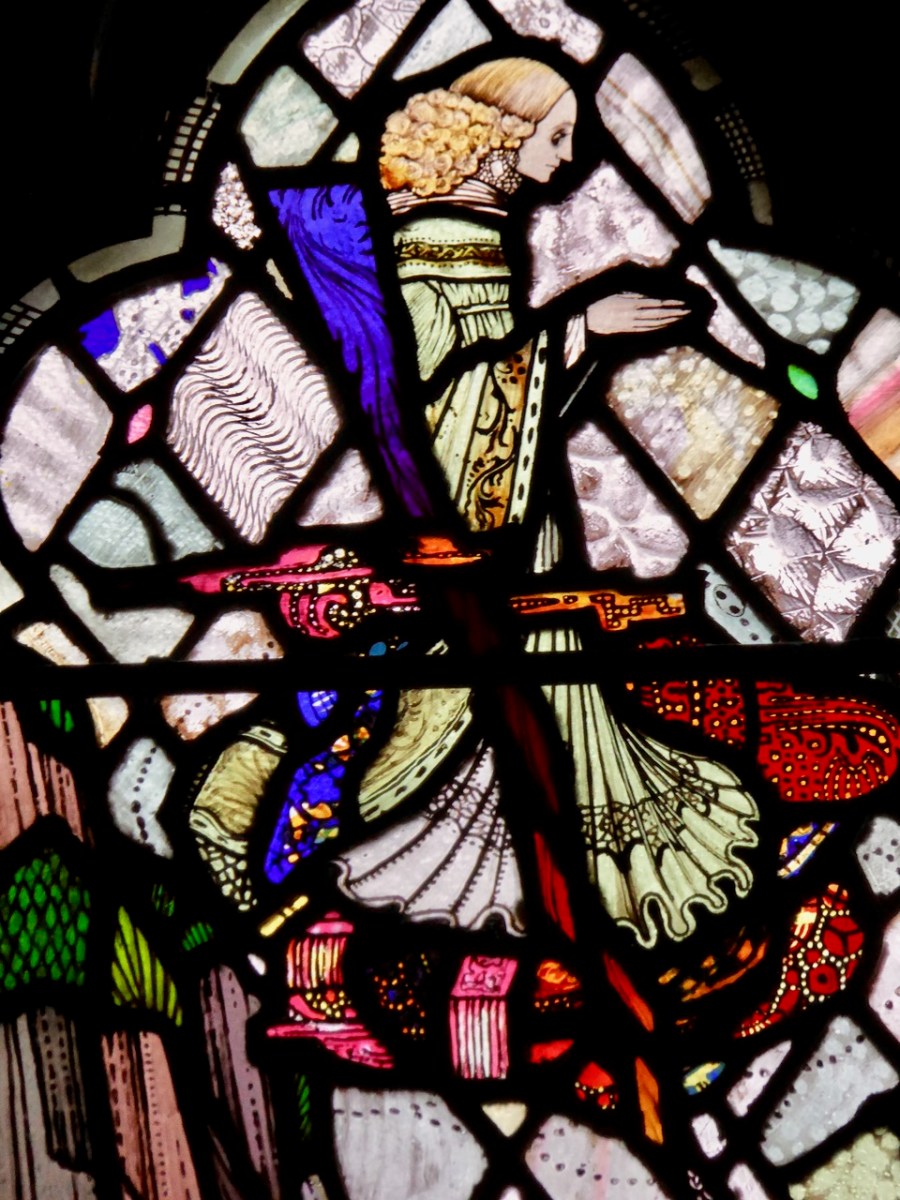
Beneath the three saints are three angels, floating above the Nativity. Although they form a wonderful trio, each is remarkably individual. The middle angel (with a fashionable bob) incorporates the star which is a traditional element in Nativity scenes. 

The left and right angels have elaborate, flowing or pleated robes and complicated coiffures. One holds a dove while the other has hands held in prayer. Gordon Bowe, in trying to analyse the decorative element at the centre of these angels says in her thesis Both seem to be manipulating jewelled levers, similar to the studded gun holsters favoured by cowboys.

I love this sentence but perhaps understandably it didn’t make it into her book, where she merely remarks that the saints and angels abound in intriguing decorative detail.

The central scene, of the Nativity, is beautifully constructed. Besides the angels above it, the framing devices consist of three elements. The first is an arc of silver chain upon which everything rests, most importantly the manger. You can see a close up of it in the signature panel above. The second is the rock face which stretches above and behind the Magi and the Shepherds. The third is one of Harry’s typical expanses of ‘floral ornamentation’ – one of his future hallmarks. Of this fantastical conglomeration of flowers, leaves, mosses, jewels, geometric shapes Gordon Bowe says always inventive and subtle in his pen and ink and watercolour illustrations, ingenious when painted or acided onto his glass by himself, but too often repetitive and lifeless . . . when imitated by his followers.

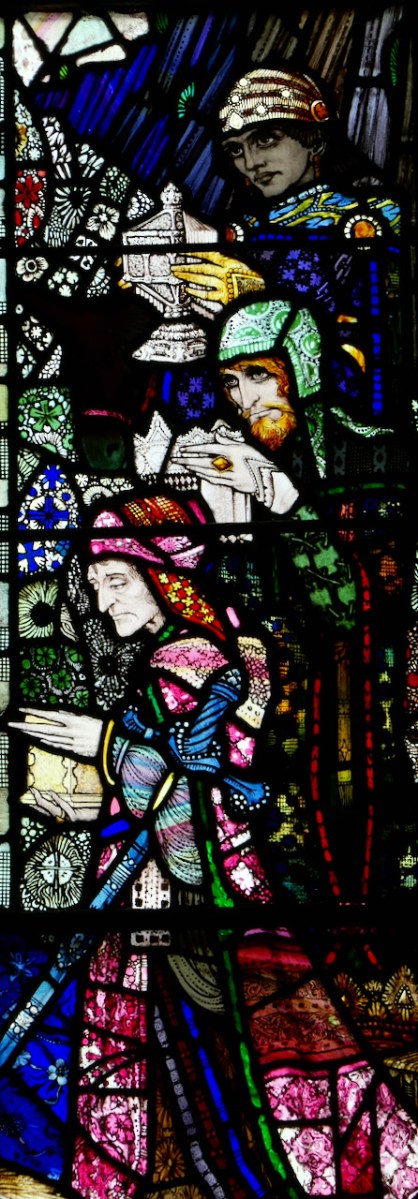
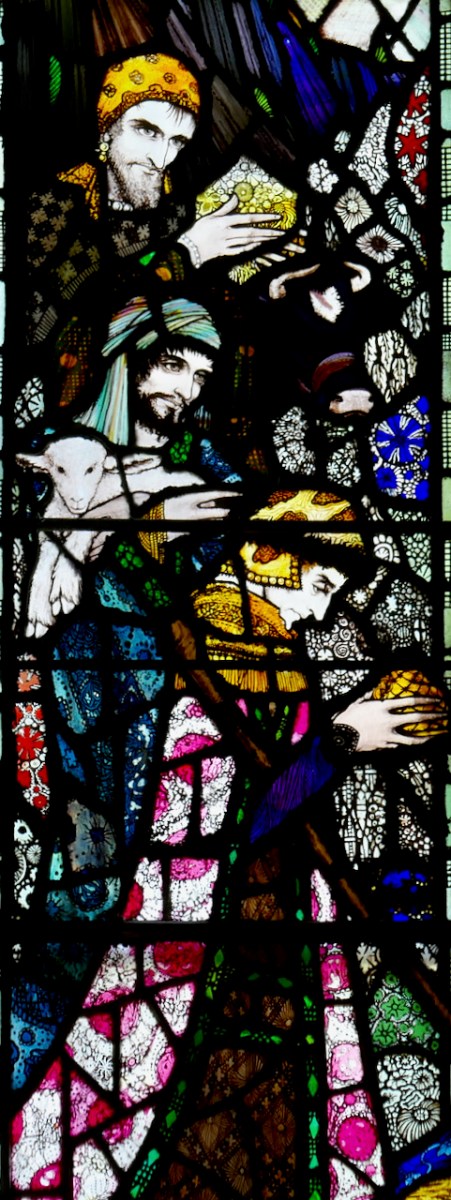
The robes of the lowest Magi and the lowest shepherd extend beyond the supporting chain-like arc, bringing a slight sense of perspective to the composition. Gordon Bowe likens the rich treatment of the fabric to the work of 

Gustav Klimt here and his flat treatment of interlocking decorative patterned, often symbolic planes, in which he would sometimes use coral, gold, mosaic, turquoise and semi-precious stones with casein paint to make up his richly mantled figures . . .Both men rely on the faces and hands of their figures to convey a human expressiveness and only here does any attempt at modelling occur. The eyes of their figures transport the spectator into a world of opulent trance. Both artists are equally unconcerned with perspective, reality or a third dimension. In the tradition of the best purely decorative work, background and foreground, figure and setting are equally important and integral. Any light is reflected from within the fabric of the design. Movement is created by how the light affects the surface of the picture and by the sinuous symbolic fluidity of the line. This is what W Hoffman has called Synaesthesia – a stylised ornamented style, where people are statues, backgrounds are wallpaper and interchangeable linear formulate are used as arrangements for figures and settings in different colour relationships, so that obstruction and symbol interrelate.

The Life and Work of Harry Clarke
Ph D Thesis by Nicola Gordon Bowe, 1981, P 249

As Gordon Bowe shows us, Harry was totally tuned in to the modern movements of his day – decorative and symbolist traditions that envisioned an idealised, stylised and imagined-medievalist form of representation that was the opposite of realistic depiction. She notes – there is no attempt whatsoever to suggest that the kneeling shepherd has ever set hands on the earth or worked as a shepherd.

Three gorgeously apparelled Kings are balanced by equally splendorous shepherds, each holding gifts. Almost hidden to the right of the upper shepherds is the head of a cow – it is hard to see as it is done in a dark purple glass. Local lore is adamant that this is an homage to Edith who apparently pioneered the introduction of Friesian Cattle into Ireland. 

Joseph stands guard over Mary and the Baby, holding a chain with a lantern and gazing out directly at the viewer. Mary’s expression is gentle, her hair is a golden blond, surrounded by a halo of pearls, her robe, in traditional blue, studded with star-like flowers. 

The baby, looking more like a wise elder than a newborn, lies in the manger, his hands up to embrace the world, his halo a delicate filigree. The coats of arms lie at the bottom of the panel – they were done and installed after the rest of the window was finished and Harry came down to supervise their insertion. That probably explains why this window has two signatures (did you go back and check the St Barrahane post?). Unfortunately, the wooden screen that stands behind the altar obscures the base of the window and makes it impossible to photograph the Townsend coat of arms (below) except from the side, but it’s another good opportunity to view the quarries.

Let us remember that Edith had misgivings about the choice of Harry to do this window. She was concerned about the “hellish splendour” of his Honan windows, the “burning and furious brilliance” of his glass, which she found “perfectly amazing but not quite pleasant.” In a letter referred to by Rauchbauer she “insists again that something a little less intense is required than the Bertie windows.” She may well have been concerned about the effect of full-on Harry on elderly parishioners, who had to be onside for the windows to go ahead. In any event, it looks like she managed to communicate well with Harry, and that he understood the brief – to “adapt his work to the church & to realise how to get harmony into it.” 

It is, indeed, charming and harmonious. No macabre beings peer out from behind the figures (as they do in the Honan and in the St Louis window down the aisle in St Barrahane’s), there are no Aubrey Beardsley stern and “horrible” faces and no predella scenes of sacrifice or death (see St Dympna, for example). All is gentleness and serenity, compassion and contemplation. One wonders if Harry would have been so biddable a few years later.
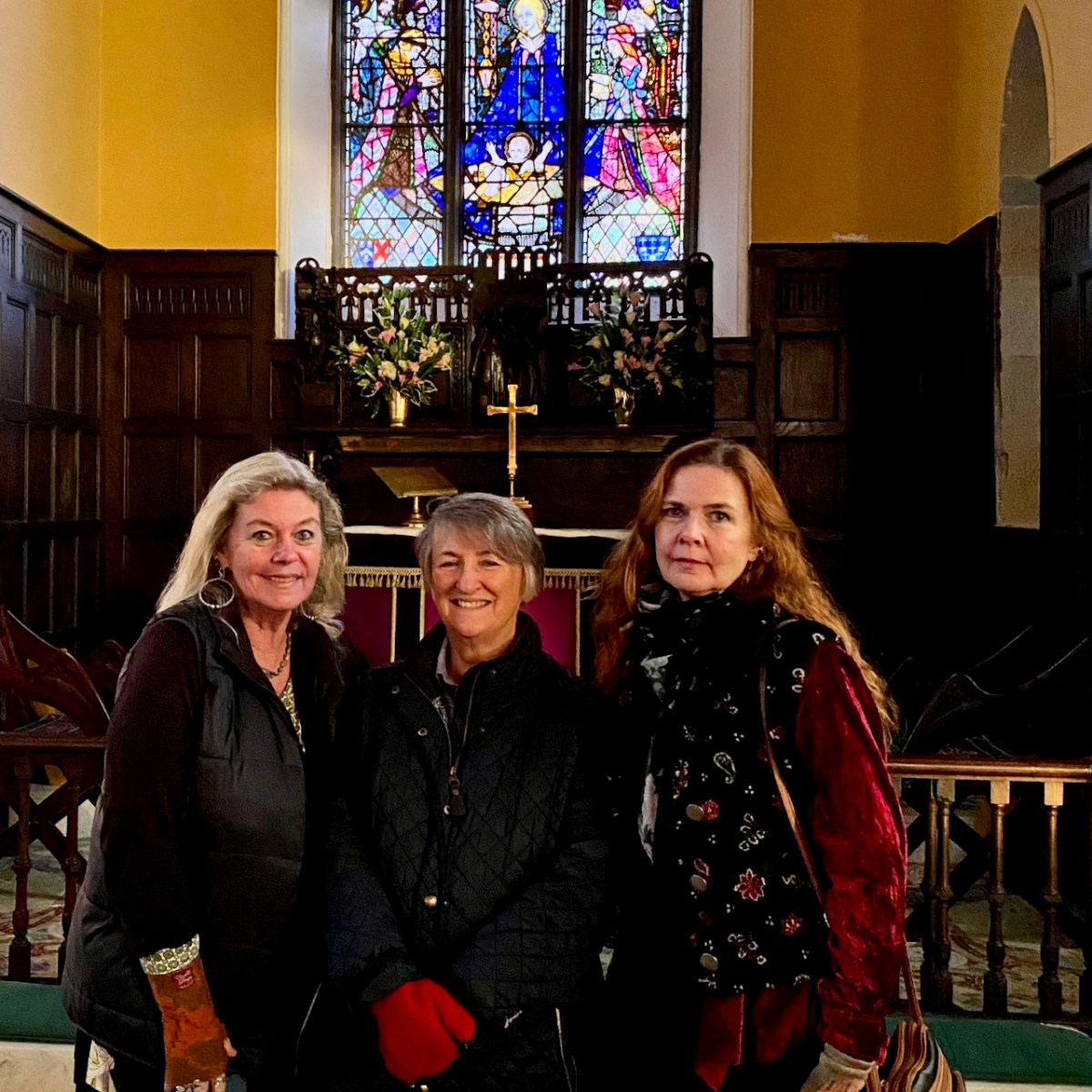
A final special photograph to finish this series. Here I am in front of the window, with Harry’s two granddaughters, Etain and Veronique, during a recent visit to Castletownshend

In this post I am relying both on Gordon Bowe’s Life and Work of Harry Clarke and on her Doctoral Thesis, lodged at NIVAL. I am deeply grateful to David Caron for facilitating my viewing of this material.

When Harry Met Edith: Part 2 – “Getting Some Good Tracery”

At this stage in his career, as we saw in the last letter in Part 1, Harry was making his own windows – that is, he was designing, cartooning (making the life-size drawings and laying out the cutlines) and choosing and painting the glass. He worked in his father’s studio, Joshua Clarke and Sons, where he used the assistants and glaziers to cut and lead the glass, and to fire it in the kilns. A few years later, he was so busy that many of his designs were mostly executed by talented apprentices, under his close supervision. He was also teaching in the Dublin Metropolitan School of Art – here he is with colleagues Sean Keating, James Golden and James Sinton Sleator about this time.*

That’s one of the reasons the Castletownshend Nativity window is so special – it is Harry’s vision and Harry’s work, and only Harry’s. It’s also the reason he had to come to new terms with his father. Harry was a perfectionist who demanded only the best quality glass and worked on each tiny piece of it to make it unique and exactly how he wanted it. His father (above) was a businessman who despaired of making even a tiny profit from this laborious way of work, especially when the war had made everything scarce and expensive. Harry had quoted a price of £315 for the window as it was currently sized, or £252 if it was shortened. Gordon-Bowe** says that Joshua had worked that it would actually cost £2,300 for the time and materials involved. He was probably factoring in the cost of all the changes to the frame, discussed below, but even so, this was a huge amount for a window at that time. His father suggested that Nagle (below, with Harry and Joshua) should do some or most of the work, but as Gordon Bowe says, Harry would never have accepted [this suggestion] at this point in his career. Given the huge disparity between what it would cost and what Harry proposed charging, this window was a significant loss to the Studio, but they must have felt that it was worth it, and that it would lead to other commissions.

The arrangement Harry and Joshua came to was that Harry would pay his father for the glass, the facilities and the glazier’s time, but that he would work on his own windows, and charge his clients, independently. But it was complicated, because at the same time, Harry was, by this time, effectively running the stained glass side of his father’s business, as Joshua’s health was declining (he died in 1921). Harry’s hand and eye can be discerned occasionally in some of the other glass being produced from Joshua Clarke and Sons at this time, but mostly his role was to manage the work of others.

Here’s an example of Harry’s influence, perhaps, in a window for Charleville Catholic Church – the windows are all from Joshua Clarke and Sons, but this one in particular bears some Harry hallmarks in the sensitive drawing of the features and the elaborate decoration of every piece of glass.

15 April 1917

Dear Miss Somerville

Thank you for your letter & enclosure of cheques value 15/. – I have been knocked up with a cold since Wednesday and have not been able to work – which will I know postpone my sending you my proposals for the Castlehaven window for a few days – the Nativity would be a jolly subject for the three lights – However this is a matter you can discuss among yourselves –

 But – – you as an artist can understand that these three tall narrow windows would not suit any subject – for example an Ascension or Crucifixion would be most suitable, tho’ I think a charming little nativity might be done.

LETTER FROM HARRY CLARKE TO EDITH SOMERVILLE
Somerville Archives, Drishane House***

The design that Edith and Harry eventually settled on was an unusual one for a Church of Ireland church. The main scene is that of the Nativity, also sometimes knows as the Adoration of the Magi. While this is certainly part of the iconography of Protestant churches at this time, it is a tiny proportion, representing fewer than 3% of all Church of Ireland windows and often as a small scene within larger windows, or as part of a Life of Christ assemblage. 

Interior of St Barrahane’s Church. In this photo you can see that the windows along the nave are longer – that is, the bottom of the windows are closer to the ground than in the east window

Edith was still determined to shorten the window, and some of the correspondence between her and Harry is taken up with details of measurements and proposals for how to get the work done – Harry will not embark on the window until he has a completely accurate set of measurements from the final shape of the changed windows. 

24 April 1917

Dear Miss Somerville

I send you herewith a drawing of the alterations I suggest in the tracery of the East window of Castlehaven church – I have worked with the idea of getting some good tracery with the very least amount of carpentry work. You will see marked in red on the drawing the parts which will have to be made in new wood and these should present no real difficulties to a carpenter of ordinary skill and intelligence. 

This tracery will need to be made and fixed in the position before I start the actual making of the glass as I will work from templates taken from the real openings

LETTER FROM HARRY CLARKE TO EDITH SOMERVILLE
Somerville Archives, Drishane House

So – Harry not only designed the stained glass, but also re-designed the window itself. A casual visitor to St Barrahane’s would look at the window and assume that it was carved in stone and was entirely original. However, a closer examination reveals that the east window is different from all the other windows in the church in two important ways – it is shorter (foreshortened from the bottom up) and the tracery is more elaborate. In fact, it is made of wood, as are all the windows in the church, although this is more apparent from the outside than the inside, since the wood has been painted and sanded to look like stone.

From the outside, it can be discerned that the window has been shortened from the bottom up. The wooden window frame was re-built to include Harry’s elaborate tracery design, painted white outside, and inside (below) sanded to look like stone.

I am glad the proposed window has been sanctioned and bearing in mind your views and those of your brother expressed in your last letter, I hope to send you the design in September or early October. The coats of arms will do any time between this and then.

Re – re making of window frames; I suggest that it would be better if it were made in Cork and I understand that Messrs Sisk and Son of that city – who built the Honan Chapel are excellent builders and must employ efficient carpenters.

Sisk’s man could measure the job and could make it either in Skibbereen or Cork – I propose this as you would be sure of a good job if the man who measures the window either makes it or has opportunity of personally explaining the alterations and measurements to another – this would rule out any chance of miscalculation – Also – It could I think be made cheaper in Cork – and the cost of carriage from Dublin to Skibbereen for the finished wood would be considerable – If it suits you and would save you any bother I will write Sisk and explain matters – there is no hurry I suppose if you remember that the new tracery will have to be finalised before I start my window early in 1918.

LETTER FROM HARRY CLARKE TO EDITH SOMERVILLE, June 10, 1917
Somerville Archives, Drishane House

By this time (June 1917) the elements of the window have also been agreed – that is, that the main scene will be a Nativity, and that Irish saints will have a place in the window. The price has also been negotiated and even though that sum seems paltry now, it was enough to give some members of the family heartburn. Hildegard was apparently ‘scandalised at the family’s extravagance’ and Edith says she is probably right “but such fears have never yet curbed my extravagance & as I have often said, I have only regretted my economies” (Rauchbauer, p179). A woman after my own heart.

One more drama ensued before the work could start – Cameron lost the sketch design! He may have left it on a train. Desperate searches (even at Scotland Yard) turned up nothing, so Edith was in the embarrassing position of having to ask Harry to produce a new one. Harry, ever the gentleman, responded on Dec 7th.

Dear Miss Somerville

Thank you for your letter. I will do the new Nativity sketch the first time I can put my mind to it to the exclusion of my other work – I am behind time with everything now, but at any rate I will undertake to give it to you at latest on the 7 January next. – possibly I will finish sooner – I will ask you to understand the delay is not entirely my own fault – the publisher of Poe’s Tales is persecuting me for the drawings – I would have been glad long ago to have taken up your happier work but business men always nail me to a date.

LETTER FROM HARRY CLARKE TO EDITH SOMERVILLE
Somerville Archives, Drishane House
This image was captured from the book on loan at the marvellous Internet Archive

He offered further clarification on Dec 10th. 

It will be better in every way if I do the sketch for the 7 January – I hardly think I can do a replica of the missing drawing but if I work to this date at any rate I will and do remember the scheme, drawing, and general colour.

LETTER FROM HARRY CLARKE TO EDITH SOMERVILLE
Somerville Archives, Drishane House

This second drawing is, or was, extant, although I cannot now trace where it might be. However, Nicola Gordon-Bowe must have seen it, as she describes it as being done in charcoal only and drawn surprisingly loosely and sketchily . . . in comparison with those for the Honan Chapel. However, it is perhaps not so surprising that Harry, under pressure to produce a duplicate of work he had already done in detail, should produce only a charcoal drawing. He was relying on his memory for all the details and the colour.

In this photo you can see the size, shape and relatively simple tracery of the other windows in St Barrahane’s Church. The two windows on the left are by Powells of London and pre-date the Harry Clarke windows in the church. The window on the right is Harry’s Kendall Coghill window, about which I have written here. My supposition is that the east window, although three-lights instead of two, had very similar tracery to these windows, before the changes I describe above and was of course the same length. Such elongated dimensions are well suited, as Harry pointed out, to a crucifixion or a resurrection, where the movement of the eye is upwards to the heavens. Below is Harry’s Crucifixion in Terenure as an example of what he meant. It was dedicated in 1920 but he had already won the commission when he was working on the St Barrahane Nativity.

The shortening of the window, the inclusion of the Irish saints, the addition of three angels above the scene and of coats of arms below it – all these design devices resulted in Harry giving Edith what she really wanted – a painterly canvas for the main scene, rather than a composition constrained by tall, narrow dimensions. 

What Edith got, in fact was a cleverly constructed division of space in the window. The main Nativity scene is located within a square, while her saints and Harry’s angels occupy the elaborate new tracery that Harry designed to be constructed by Sisk’s ‘carpenter of ordinary skill and intelligence.’

In the end the carpentry work did not get underway until the following spring, and once it was done Harry was able to start on the glass painting in April. By the end of July, the window was finished and exhibited in his studio at North Frederick Street to great acclaim.

Gordon Bowe quotes the review by Bodkin in the Dublin Evening Mail.

It has not the sumptuousness of colour which we are accustomed to associate with [Clarke], for it is especially designed to hang in the comparative dimness of an eastern light. But it has an appropriate beauty of colour second to none of this earlier works and a suavity of design and strength of drawing that shows, if that be possible, an advance in the artist’s power.

The Freemans Journal also had a review of the window by Bodkin (he signed it A.C. for “A Critic”), under the title Genius in Stained Glass

In part 3 we will look in detail at the Nativity. I’m sorry – I know this is taking forever and perhaps few will find talk of tracery and window dimensions as fascinating as I do. All I can say is that it wasn’t until I read the real-time correspondence that I realised all the changes that had been made to the windows, and the corresponding effect that this had had on Harry’s final design. But we have finally arrived at the point where we can talk about the window itself. I think it will be worth the wait.

*My thanks to Patrick Hawe and David Britton for assistance with the first three photographs.
**Anything I write about Harry Clarke is informed by Nicola Gordon Bowe’s authoritative text The Life and Work of Harry Clarke. All of us who write about Harry owe debts of gratitude to her keen insights, formidable scholarship and her command of descriptive language.
***Once again, huge thanks to Tom Somerville and the Somerville Archives for permission to read and quote from the letters.

Stella’s Story

This fine memorial in St Patrick’s Cathedral, Dublin, celebrates Mrs Hester Johnson – “better known to the World by the Name of Stella”. There is so much about Mrs Johnson that is enigmatic, not least the use of that term ‘Mrs’. Hester was born ‘Johnson’ and remained unmarried throughout her life, even though she was linked so closely to Jonathan Swift – and many commentators have suggested they were secretly married or, at the very least, lovers.

It is poignant to see the entwined plaques in the floor of the Dublin Cathedral. Both were buried there: ‘Stella’ in 1728 and Swift in 1745: he was placed beside her at his own request. Much has been written about Jonathan Swift – he was a formidable author, satirist and analyst of contemporary Irish life in the 17th and 18th centuries, while ‘Stella’ existed mainly in his shadows. We would probably know nothing of her without the association. Having written previously about Swift – and my part in his life (read it here) – I thought I would tackle the story of ‘Stella’: her name was known to me from a young age. Before going further, though, let’s solve that first little mystery – the use of Mrs on Stella’s memorial. In the Oxford University History Workshop Journal, Volume 78, Issue 1, Autumn 2014 Dr Amy Erickson claims:

. . . Mrs was applied to any adult woman who merited the social distinction, without any marital connotation. Miss was reserved for young girls until the mid eighteenth century. Even when adult single women started to use Miss, Mrs still designated a social or business standing, and not the status of being married, until at least the mid nineteenth century . . .

Dr Amy Erickson

Above left: an alleged portrait of Esther was reproduced in William Wilde’s 1849 book on Swift, and claims for it an “undoubtedly authentic” history, adding that it matches physical descriptions made of Stella during her lifetime:

. . . It was originally in the possession of the distinguished Charles Ford of Woodpark, where Stella was constantly in the habit of visiting, and where she spent several months in 1723, when probably it was painted, Stella being then about 42. The hair is jet black, the eyes dark to match, the fore-head fair, high, and expansive, the nose rather prominent, and the features generally regular and well-marked . . .

William Wilde

Above right: “Stella, From an Original Drawing by the Rev’d George Parnell, Archdeacon of Clogher, in the Possession of G Faulkner”

. . . George Faulkner, Swift’s Dublin publisher, placed this purported portrait of Stella across from the beginning of Swift’s memoir of her in an edition of Swift’s Works. The artist is wrongly attributed, it actually being by the poet and scholar Dr Thomas Parnell, who had been intimate with Swift around 1716, when this drawing was most likely made. Swift had begun writing his memoir on the evening of Stella’s death, on January 28, 1728, just weeks shy of her forty-seventh birthday. Their friend Thomas Sheridan, who was with Stella in her final days, preserved a story about “the secret marriage” of Swift and Stella. If they were indeed married, public recognition of their marriage never happened. According to an old lady who may have inhabited Stella’s former cottage: “. . . some says she was his wife, and some says she wasn’t, but whatever she was, she was something to him . . .

http://sceti.library.upenn.edu/Swift350thExhibit

Esther Johnson was born in Richmond, Surrey, England in 1681. She spent the early years of her life at Moor Park House, Farnham, Surrey (above). This was the home of Sir William Temple (1628 – 1699) – diplomat, statesman and essayist: from 1688 until his death he employed Jonathan Swift as his secretary (Swift’s mother was a distant relative of Temple). Esther’s parentage has been the subject of much speculation. The weight of evidence is that her mother acted as companion to Temple’s sister, Lady Giffard, and that Esther, her mother and her sister Anne were regarded as part of the family. Esther’s father is said to have been a merchant who died young, but local rumour suggested that she was Temple’s illegitimate daughter. I have found no concrete evidence to confirm or deny this.

(Above) Jonathan Swift, painted by Charles Jervas c1710. When Swift first met Esther at Farnham she was only around eight years old, and he was charged by Temple to become her tutor and mentor. He gave her the nickname ‘Stella’, but we don’t seem to know why or when. Now, here’s another enigma: in my younger days I was familiar with Moor Park House and its environs. I remember there was a cottage some distance from the estate, named ‘Stella Cottage’. It definitely existed once (and may still exist) – here’s a postcard showing it:

I was told (by my grandmother) that Swift’s ‘Stella’ lived in this cottage, and that he would walk to visit her there ‘every day’. This doesn’t quite tie in with the account suggesting that Esther Johnson lived in Moor Park House – although she could, of course, have moved away at some point. Also, at what place in its history was ‘Stella Cottage’ so named? It’s possible, even, that Swift gave his pet name to ‘Stella’ because there was already an association locally with that appellation – so the cottage itself may never have had anything else to do with Esther. As our story moves forward, Swift’s employer – Temple – died in 1699 (Swift reportedly said that “all that was good and amiable in mankind had died with Temple”). This left Swift without a job or home. Interestingly – bearing in mind we don’t know exactly where Esther Johnson figured in Sir William Temple’s life – he bequeathed to her a significant sum of money, and some property in Ireland.

Above – Castle Street at Farnham, Surrey in 1788. Swift was an ordained minister of the Anglican Church in Ireland. After Temple’s death, he was unable to maintain his lifestyle in England and returned to Ireland (his birth and upbringing were in Dublin and Kilkenny). In due course (1713) – he was appointed as dean of St Patrick’s Cathedral in Dublin: a position which enabled him to indulge his many enthusiasms – writing, political commentary and satire – for the rest of his days. He encouraged ‘Stella’ also to move to Ireland, which she did in 1702, ostensibly living with her companion, Mrs Dingley. A further rumour on the relationship between Swift and ‘Stella’ needs to be quoted:

. . . Whether Swift and Stella were married has always been a subject of intense debate. The marriage ceremony was allegedly performed in 1716 by St George Ashe, Bishop of Clogher (an old friend of Swift, and also his college tutor), with no witnesses present, and it was said that the parties agreed to keep it secret and live apart. Stella always described herself as a “spinster” and Swift always referred to himself as unmarried; Rebecca Dingley, who lived with Stella throughout her years in Ireland, said that Stella and Swift were never alone together. Those who knew the couple best were divided on whether a marriage ever took place: some, like Mrs Dingley and Swift’s housekeeper Mrs Brent laughed at the idea as “absurd”. On the other hand, Thomas Sheridan, one of Swift’s oldest friends, believed that the story of the marriage was true: he reportedly gave Stella herself as his source . . .

https://en.wikipedia.org/wiki/Esther_Johnson

This lady – Esther Vanhomrigh (1688–1723) was painted by John Everett Millais in 1868. It depicts another rumoured ‘lover’ of Jonathan Swift, who gave her the name ‘Vanessa’. We know very little about her actual appearance, although she was said “not to be a beauty”. She is holding a letter, which we are to assume was written to or from Swift with whom, from what we can gather, Vanessa was infatuated – although her feelings were apparently never reciprocated. The expression on her face in Millais’ imaginary portrait could imply her frustration. The artist painted ‘Stella’ in a companion piece (Sudley House, Liverpool):

It can be no coincidence that Stella is also holding a letter. In this case, perhaps, the expression which the artist has chosen to depict is less severe. Jonathan Swift kept up a remarkable correspondence with Stella while he was away in England between 1710 and 1713. He certainly never intended it for publication in his lifetime. The Journal to Stella appeared first in 1766 and consists of 65 long and detailed letters – thousands of words in all, ranging from minute accounts of his daily life, through witty commentary and some mildly intimate deliberations.

. . . If the Journal shows us some of Swift’s less attractive qualities, it shows still more how great a store of humour, tenderness, and affection there was in him. In these letters we see his very soul; in his literary work we are seldom moved to anything but admiration of his wit and genius. Such daily outpourings could never have been written for publication, they were meant only for one who understood him perfectly; and everything that we know of Stella—her kindliness, her wit, her vivacity, her loyalty—shows that she was worthy of the confidence . . .

https://www.gutenberg.org/files/4208/4208-h/4208-h.htm

This small account of the story of ‘Stella’ – Mrs Hester Johnson – reveals a little of what we are able to piece together of the lady and her possible (probable?) relationship with the towering figure of Jonathan Swift, a matter which has fascinated scholar-historians over the generations. We can make assumptions, but reach no firm conclusions. The enigmas of the tale remain, and are certainly celebrated wherever local geography and lore are able to relate to some aspect of the oral traditions. As an example, I was pleased to find a pamphlet dating from 1991 which tells of a ‘Stella’s Cottage’ far, far away from Moor Park, Farnham. This one is near Trim, Co Meath. It suggests that this was where Stella and her companion, Mrs Dingley, lived ‘just down the road from Laracor, where Swift had his vicarage on his half-acre of Irish bog‘.

The pamphlet is, in part, an appeal to save what was then left of the cottage, and to fund a restoration of this important piece of Irish history. The appeal was apparently unsuccessful: today the spot is marked by some low stone walls and a plaque. This is a drawing of Stella’s Cottage in 1847:

Many have been fascinated by the Swift / Stella story. In 2020 Michael Billington edited a series in the UK Guardian titled ‘Forgotten Plays’. This is one:

. . . Few plays are more forgotten than those of WB Yeats. Revered as a poet, he’s ignored as a dramatist yet he deserves to be remembered for a number of reasons. He cofounded the Abbey theatre in 1904, he put Irish legend and history on stage, and he sought to create a drama “close to pure music”. His output was huge – his Collected Plays runs to more than 700 pages. The Words Upon the Window-Pane (1930) is in many ways exceptional: it is Yeats’s only play with a realistic modern setting. Its subject is a seance held by the Dublin Spiritualist Association in rooms once occupied by Jonathan Swift’s Stella. Yeats has much fun at the expense of the visitors – one of whom wants advice about setting up a teashop in Folkestone – but the main concern is to expel an evil spirit who has been haunting past sessions. It turns out to be that of Swift whom we hear – through the medium, Mrs Henderson – bitterly rejecting offers of love from the two women who most adored him. What is astonishing is the way Yeats pulls off a double trick. Far from being an attack on Swift, the play is a defence of his refusal to beget children because of his dread of the future. But, rather like David Mamet’s The Shawl about a phoney clairvoyant with psychic gifts, the play suggests that the money-grubbing Mrs Henderson may actually have conjured up the crabbed spirit of Dublin’s celibate dean . . .

The Guardian 27 July 2020

Lastly, consider this ‘alternative view’ by Michael Foot: Debts of Honour (Faber 1980) –

. . . British politician Michael Foot was a great admirer of Swift and wrote about him extensively. In Debts of Honour he cites with approbation a theory propounded by Denis Johnston that offers an explanation of Swift’s behaviour towards Stella and Vanessa. Pointing to contradictions in the received information about Swift’s origins and parentage, Johnston postulates that Swift’s real father was Sir William Temple’s father, Sir John Temple who was Master of the Rolls in Dublin at the time. It is widely thought that Stella was Sir William Temple’s illegitimate daughter. So Swift was Sir William’s brother and Stella’s uncle. Marriage or close relations between Swift and Stella would therefore have been incest, an unthinkable prospect. It follows that Swift could not have married Vanessa either without Stella appearing to be a cast-off mistress, which he would not contemplate. Johnston’s theory is expounded fully in his book In Search of Swift . . .

https://en.wikipedia.org/wiki/Jonathan_Swift

Stella’s Cottage, Laracor; photo by Miss Marie Carroll

Finding The Cailleach

It’s midwinter here on the shores of Roaringwater Bay. It brings hard frosts (above – Rossbrin), clear days and spectacular skies – we caught the one below in 2020:

Winter is the time of the Cailleach.

. . . The Cailleach is the goddess of the winter months and is said to control the weather and the winds as well as the length and harshness of winter. Depicted as a veiled hag or an old crone, with one eye and deathly pale skin, she is said to have a bow-legged leaping gait, striding across mountains with a power to shape and transform the landscapes as rocks fall from her gathered apron . . . The Cailleach, or the Hag, has been feared and revered across Celtic cultures in Ireland, Scotland and the Isle of Man, for hundreds of years. She is called Beira in Scotland, and has strong associations with the Beara Peninsula in Ireland, which straddles County Cork and County Kerry . . .


https://en.wikipedia.org/wiki/Cailleach

The Hag of Beara petrified in Hag Rock (above): she forever looks out across the Beara. Below – this is the Hag’s permanent view over her landscape.

Lest there be any doubt about the Hag’s longevity, this is instructive:

. . . There is a tale of a wandering friar and his scribe who came to the old woman’s house. He inquired as to her great age, which he had heard stories of. She replied that she didn’t know, but that every year she killed an ox and made soup from the bones—and perhaps they could gauge her age by the number of ox bones thrown up in the attic. The young scribe climbed the ladder and threw the bones down one by one for the friar to count. The friar duly made a mark on his paper for each bone, and a great pile of bones grew until he had run out of paper. He called up to the young scribe, who replied that he had not even cleared one corner of the pile of bones, such was the great age of the Cailleach . . .

https://www.irishcentral.com

Above – The Wailing Woman (courtesy of Ronan Mac Giollapharaic) – dramatically depicts another Hag rock, overlooking the Skelligs on the Iveragh Peninsula, Co Kerry. It is a given that Cailleach is one of Ireland’s most ancient inhabitants. Even older, in fact, than Cessair, Noah’s grand-daughter, who we know arrived on our own West Cork shores some five thousand years ago. With her in her Bronze Age crew were her father – Bith – and Fionntán, together with ‘a large company of women’ whose combined purpose was to repopulate the world after the Great Flood.

. . . Legend has it that Fintan the Wise of the hundred lives accompanied Noah’s granddaughter, Cessair, to Ireland before the great Biblical flood. He thought himself the first to set foot on the island but found Cailleach living there, and could see she was far more ancient than himself. He is said to have asked of her, “Are you the one, the grandmother who ate the apples in the beginning?” but received no answer . . .


https://www.irishcentral.com

The Cailleach rules over the the dead of Winter (above – Rossbrin Cove in that time). If you research the Schools Folklore Collection you will find over 830 entries referring to her: many are recorded in Irish.

. . . An Cailleach Béarach according to tradition was supposed to be a witch who is believed to have erected most of the round towers and castles in this country. Tradition tells us that she built each of those buildings with three pocketfulls of stones. As well as being a famous builder, she is believed to have been a great mower. At the time of her death, it is said, she was 121 years and one day . . .

Schools Folklore Collection – Informant Mrs J Peyton Aged 58

. . . The Cailleach Béarach started one day mowing with a score of men. The men led off & she took up the rear. After an hour’s work, she caught up to the man who was last and mowed off his legs from above the ankles. She continued the work until she caught up to the man who was second last & she cut off his legs also. This procedure continued until all the men but one had their legs cut off. At this stage, they went to their dinner . . .

SCHOOLS FOLKLORE COLLECTION – INFORMANT MRS J PEYTON AGED 58

The most frequently occurring references to the Cailleach are her feats in sculpting the landscape. Many features in the west of Ireland are attributed to her work.

. . . There is a hill in this locality called Keash Hill. Caves at the back of this hill are still pointed out as places where giants lived. Nearby there is a hollow with a flag flooring which is called the “Giants’ Table” and likely it is here they cooked and eat their food. Running parallel to this hill and at the back of it is a place called “Dun Ui Bhéara” where the Cailleach Bhéara is supposed to have lived. Old people tell stories of a fight between the Cailleach Béara and one of the giants. He stood on the summit of the hill and fired stones down at her. She lifted stones and earth and fired them up at him. The stones that reached the top of the hill form a “cairn” which is still to be seen. The place from which they were taken formed a small lake which remains to the present day. Some time ago if children were bold their mothers threatened to tell Cailleach Bhéara and immediately they got quiet. She was able to walk across Lough Arrow and the waters at their deepest part just reached her arm pit . . .

SCHOOLS FOLKLORE COLLECTION – INFORMANT MR James Benson, Kesh, Co Sligo

. . . When the Summer came the Cailleach Bhéara drove the bull out to the grassy parts of Béara. One day when the bull was being driven out, he heard a cow lowing in Kerry, so he started off towards her. The Cailleach went ahead of him, but he jumped into the tide and started to swim for Kerry. The Cailleach struck him with her wand and as she was doing it, the bull called the cow, and her calf with him, and they form the Bull, Cow, and Calf rocks now . . .

SCHOOLS FOLKLORE COLLECTION – INFORMANT Danial Houlihan, Croumphane, Eyeries

Finally, we must not overlook a poem written by Pádraig Pearse, one of the leaders of the Easter Rising in 1916. Pearse was executed on May 3 in that year – aged 36 – for his part in this ‘rebellion’. In this photograph, Pearse can be seen reading the oration at the funeral of the Fenian Jeremiah O’Donovan Rossa on 1 August 1915. I am completing this post with the words of Mise Éire, written by Pearse in 1912.

Mise Éire:
Sine mé ná an Chailleach Bhéarra

Mór mo ghlóir:
Mé a rug Cú Chulainn cróga.

Mór mo náir:
Mo chlann féin a dhíol a máthair.

Mór mo phian:
Bithnaimhde do mo shíorchiapadh.

Mór mo bhrón:
D’éag an dream inar chuireas dóchas.

Mise Éire:
Uaigní mé ná an Chailleach Bhéarra.
I am Ireland:
I am older than the Hag of Beara
.

Great my glory:
I who bore brave Cú Chulainn.

Great my shame:
My own children that sold their mother.

Great my pain:
My irreconcilable enemies who harass me continually.

Great my sorrow:
That crowd, in whom I placed my trust, decayed.

I am Ireland:
I am lonelier than the Hag of Beara
.
Mise Éire – Patrick Pearse – 1912