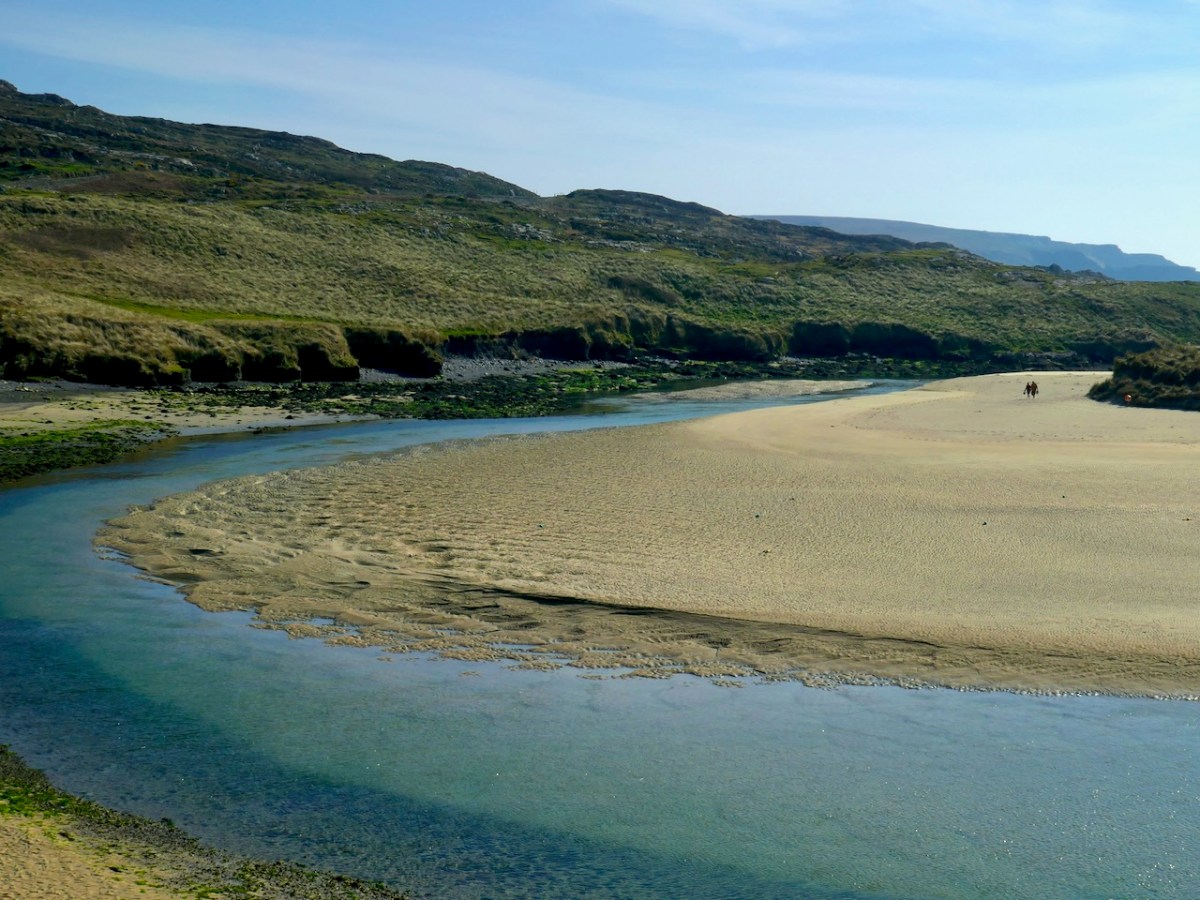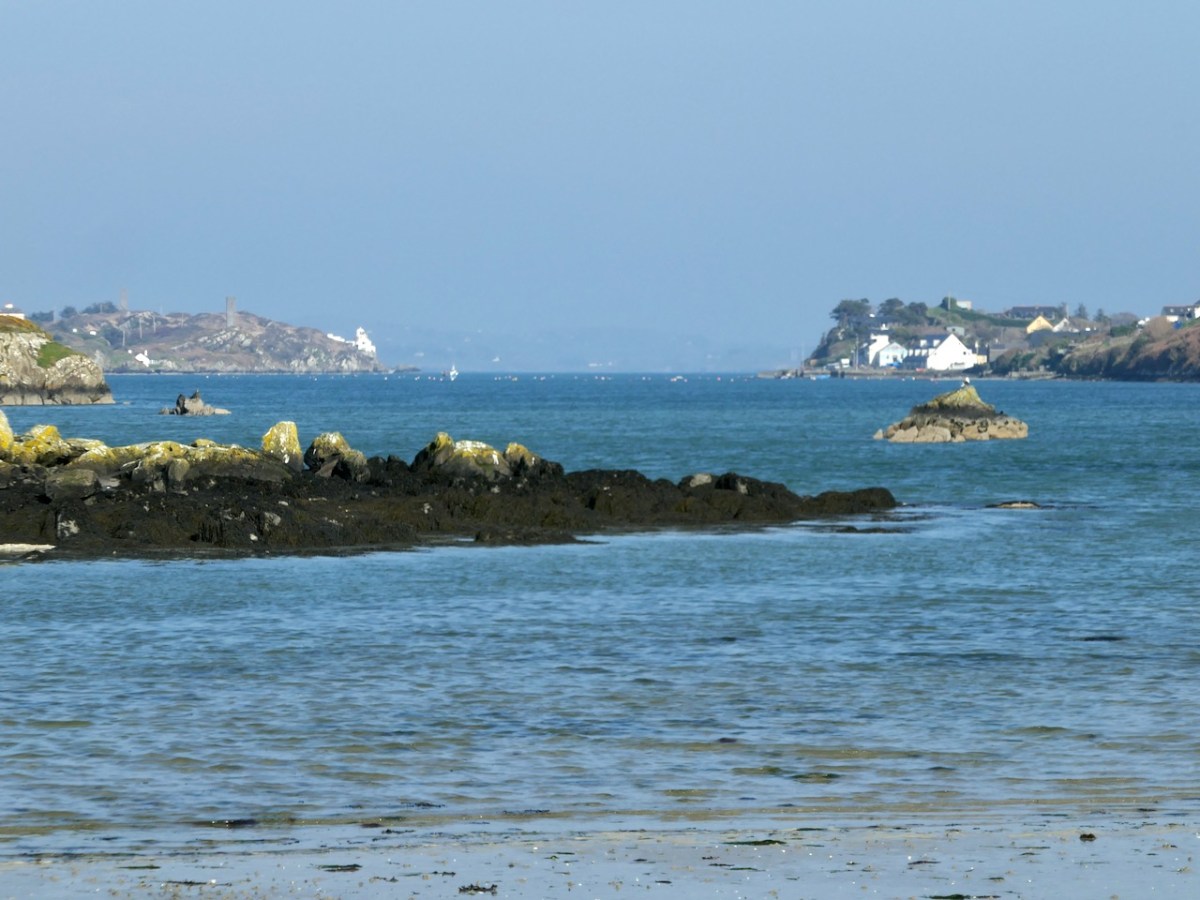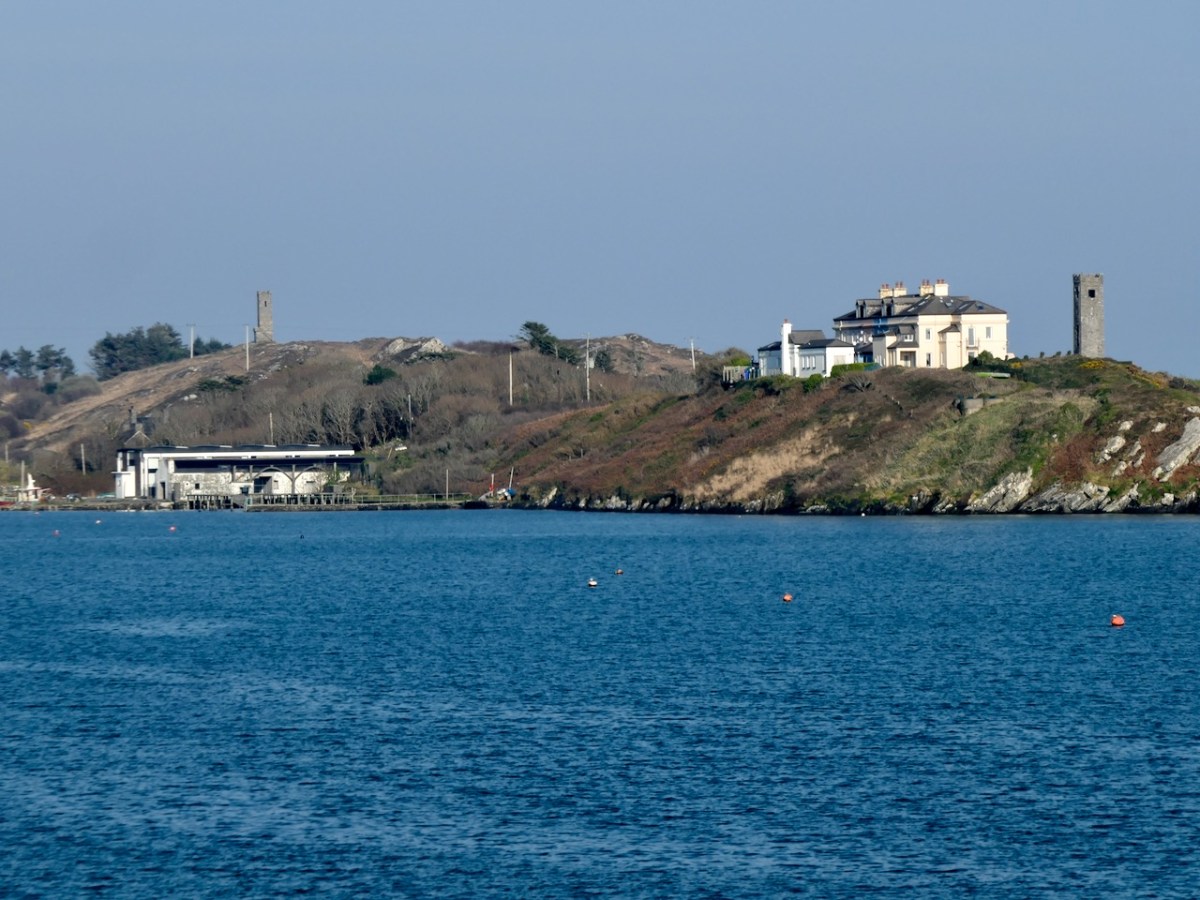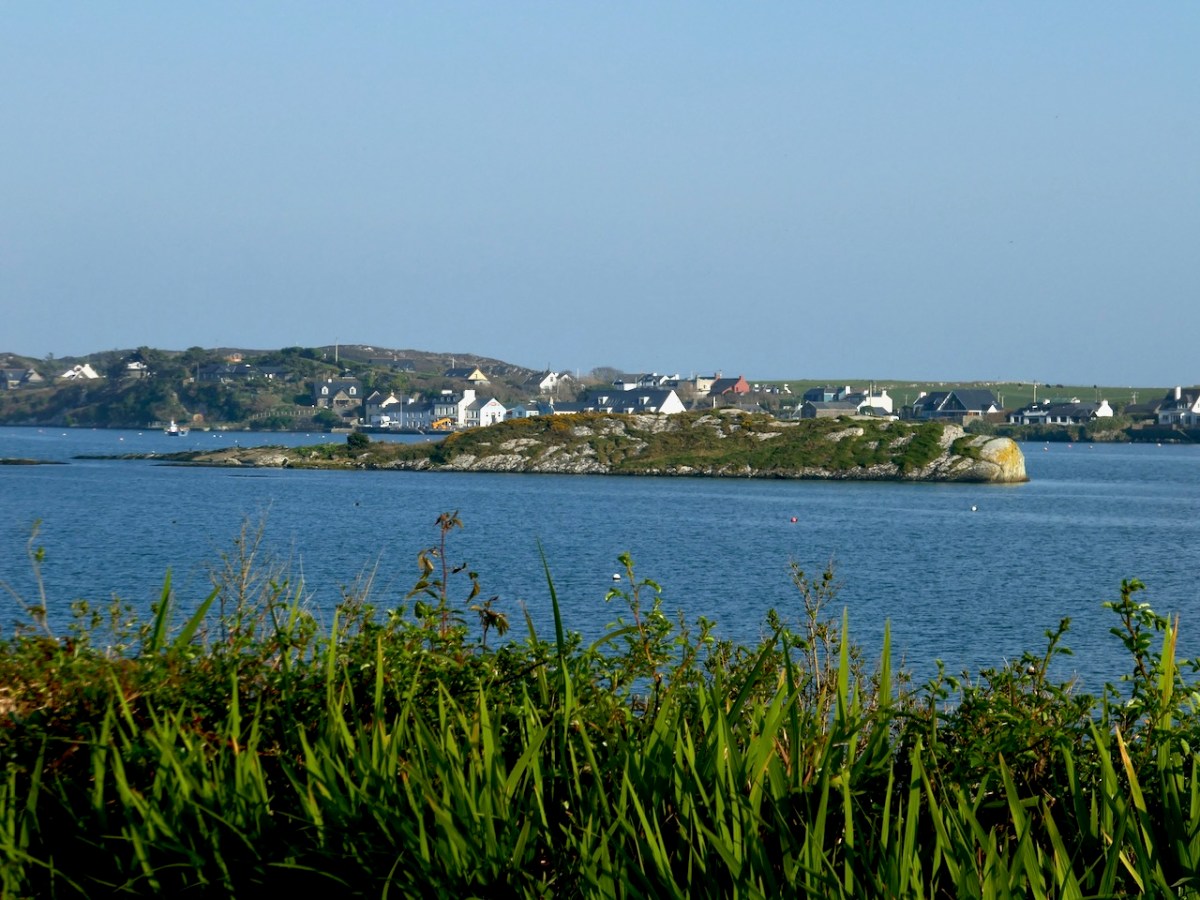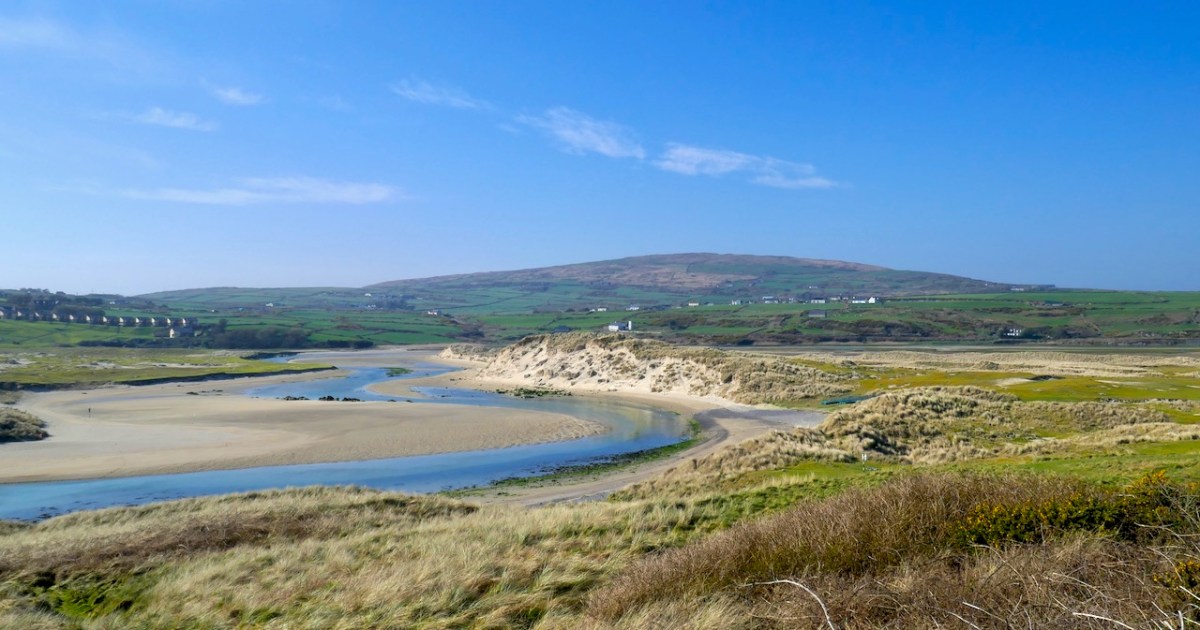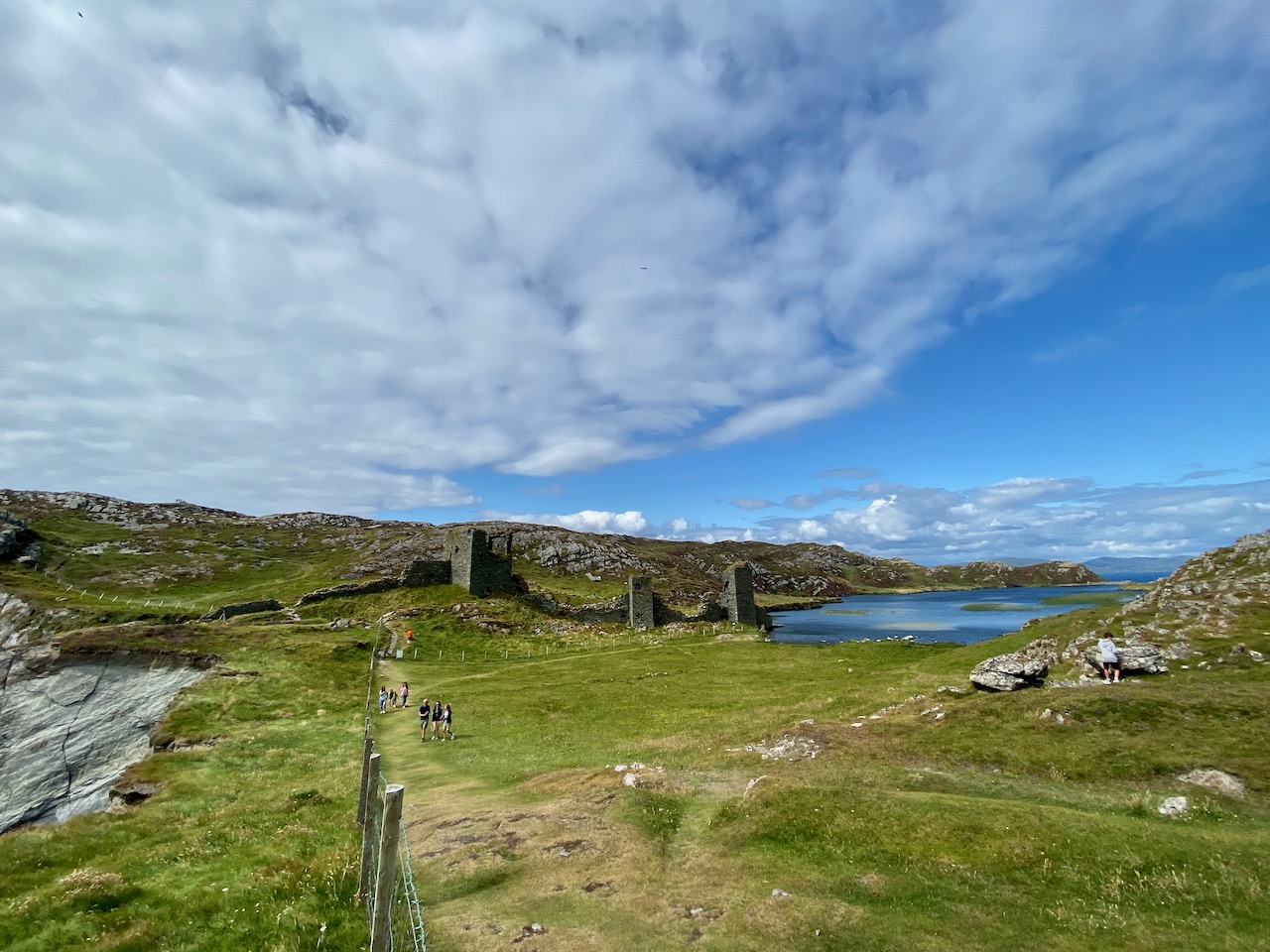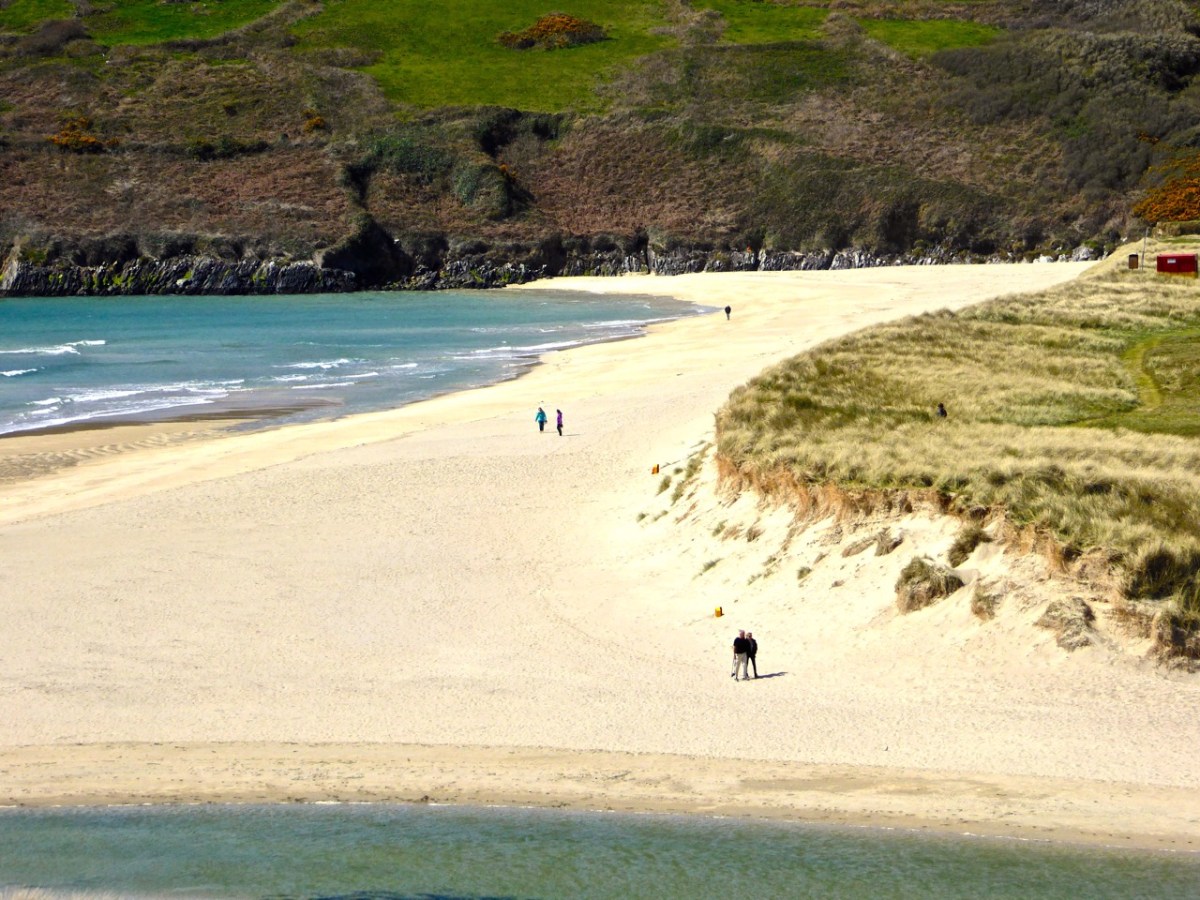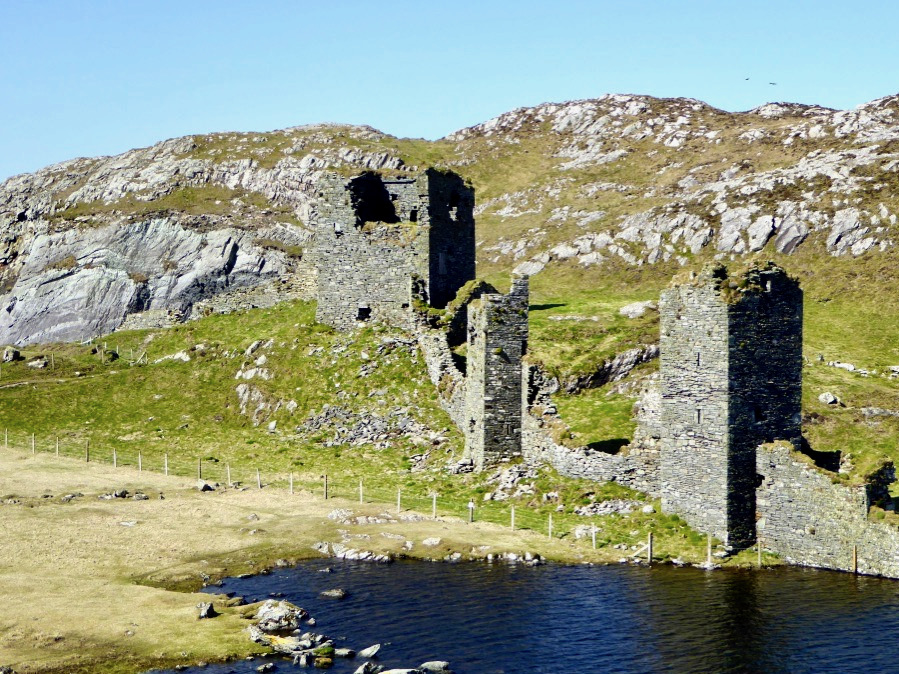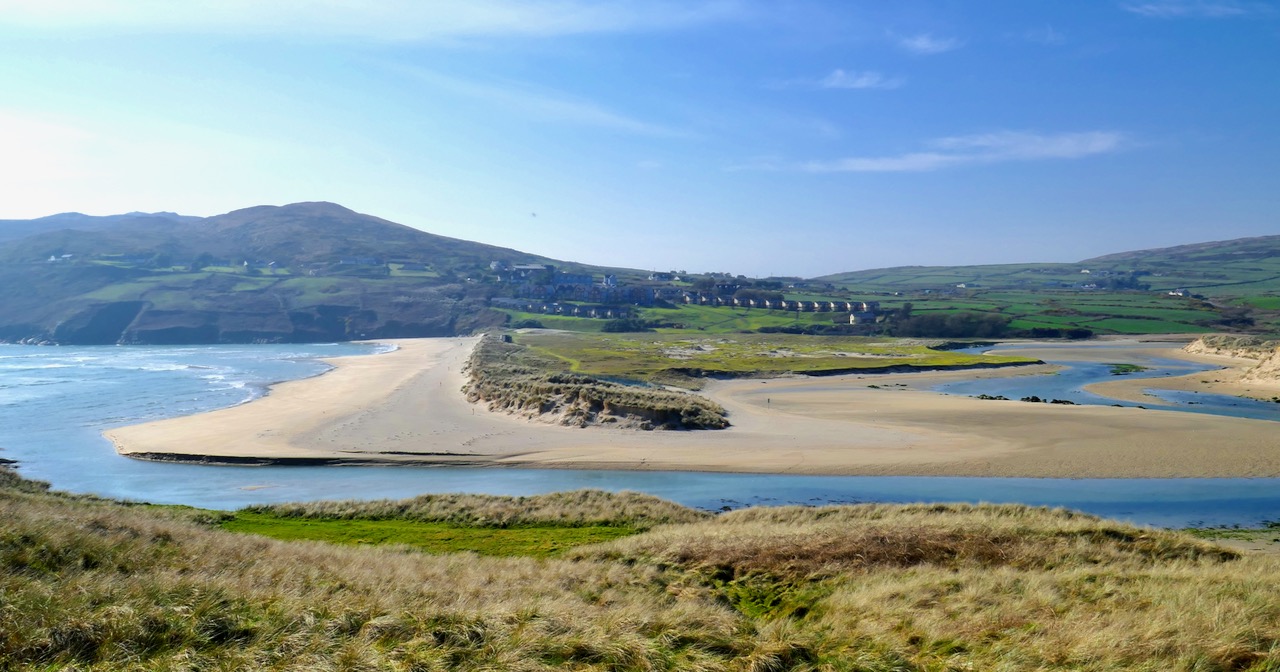
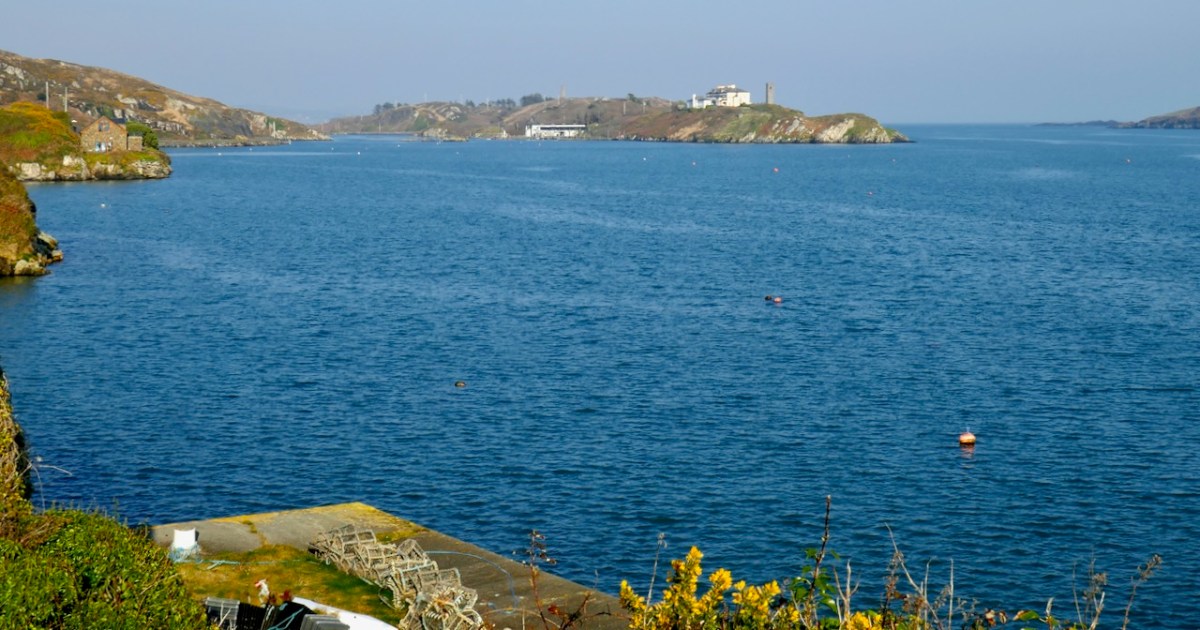
Moving west at the Far End of the Mizen we come to two very special, and completely different, places. Barley Cove is one of Ireland’s most popular beaches, and rightly so – but there is much more to it than meets the eye. Three Castle Head, is, in my opinion , the most beautiful historic site in Ireland. OK, a bold statement – but wait til you see.
The area around Barley Cove encompasses a European Special Area of Conservation (SAC). In my post, Barley Cove: A Special Area of Conservation, I explained that SACs are areas designated as particularly interesting or sensitive on account of their flora or fauna. There’s a complex assessment process carried out that looks at the species present in the area, how important or endangered they are, or how representative of a particular habitat. It’s all done by the National Parks and Wildlife Service and the report on the Barley Cove area is online.
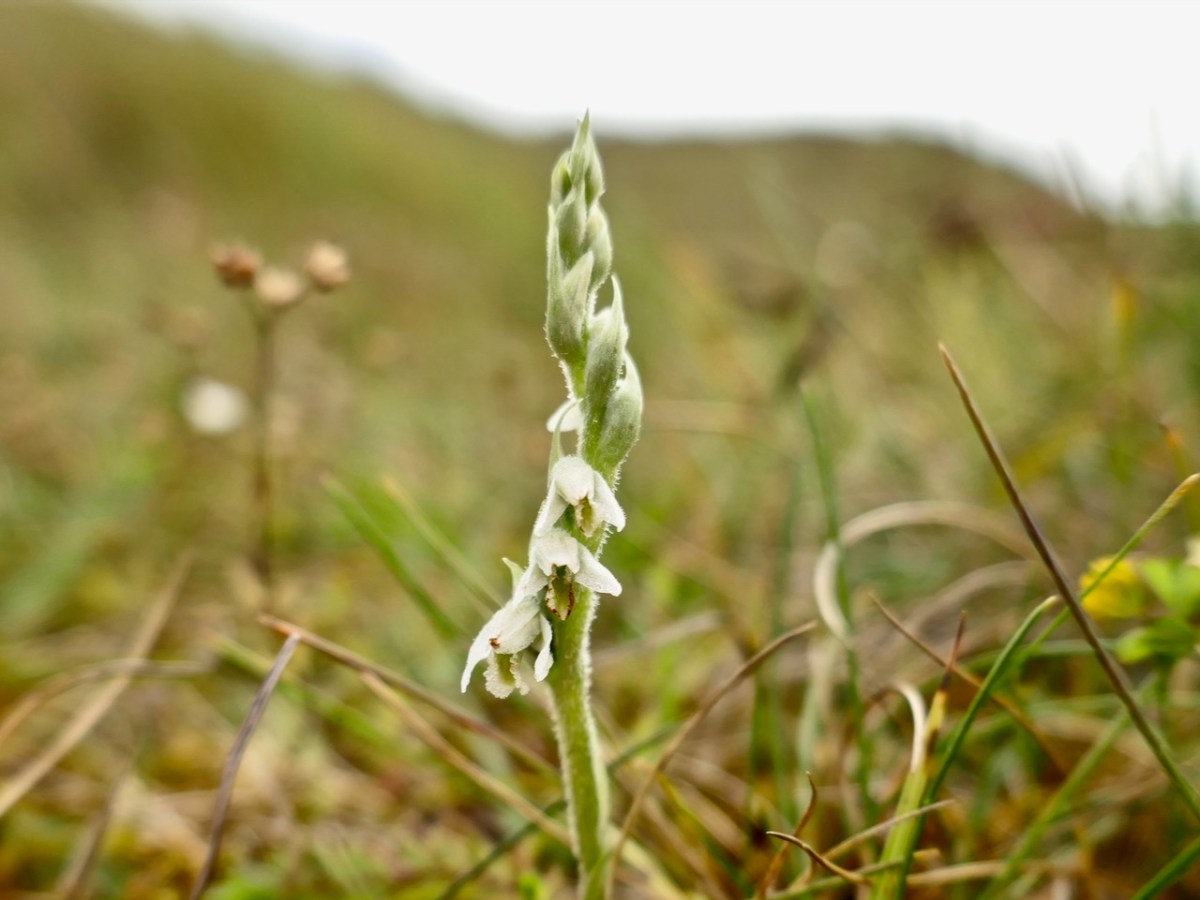
It’s also one of my favourite places to find wildflowers and that post included a gentle little slideshow. Because I went on October one of the flowers I saw was the little orchid, Autumn Lady’s Tresses. Although it is found here and there around the coast it is an unassuming little thing and quite hard to spot, so I was delighted to find it.
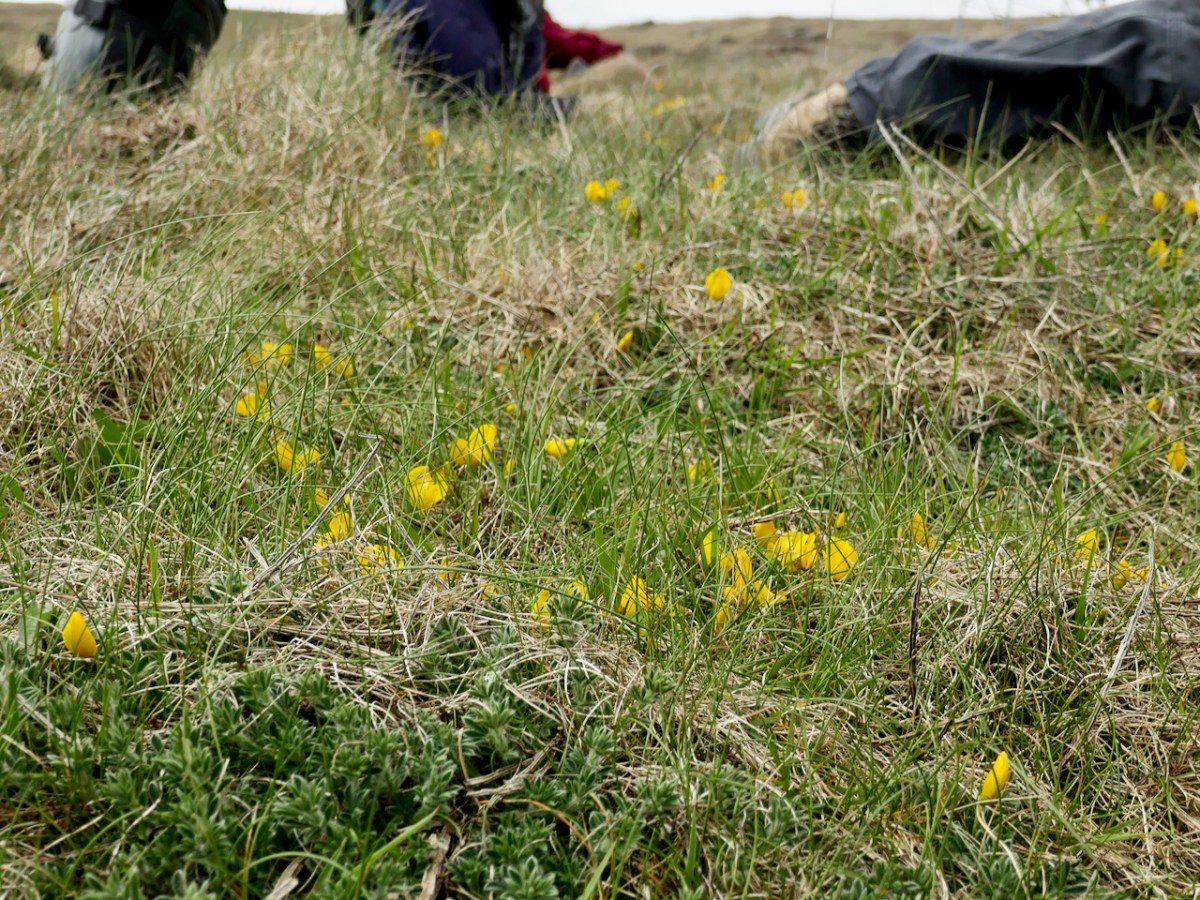
But I have been more recently, in July last year, and made a new slideshow, which I called Lying in the Dunes. I am a bit better at it now, and can sync the music to the images.
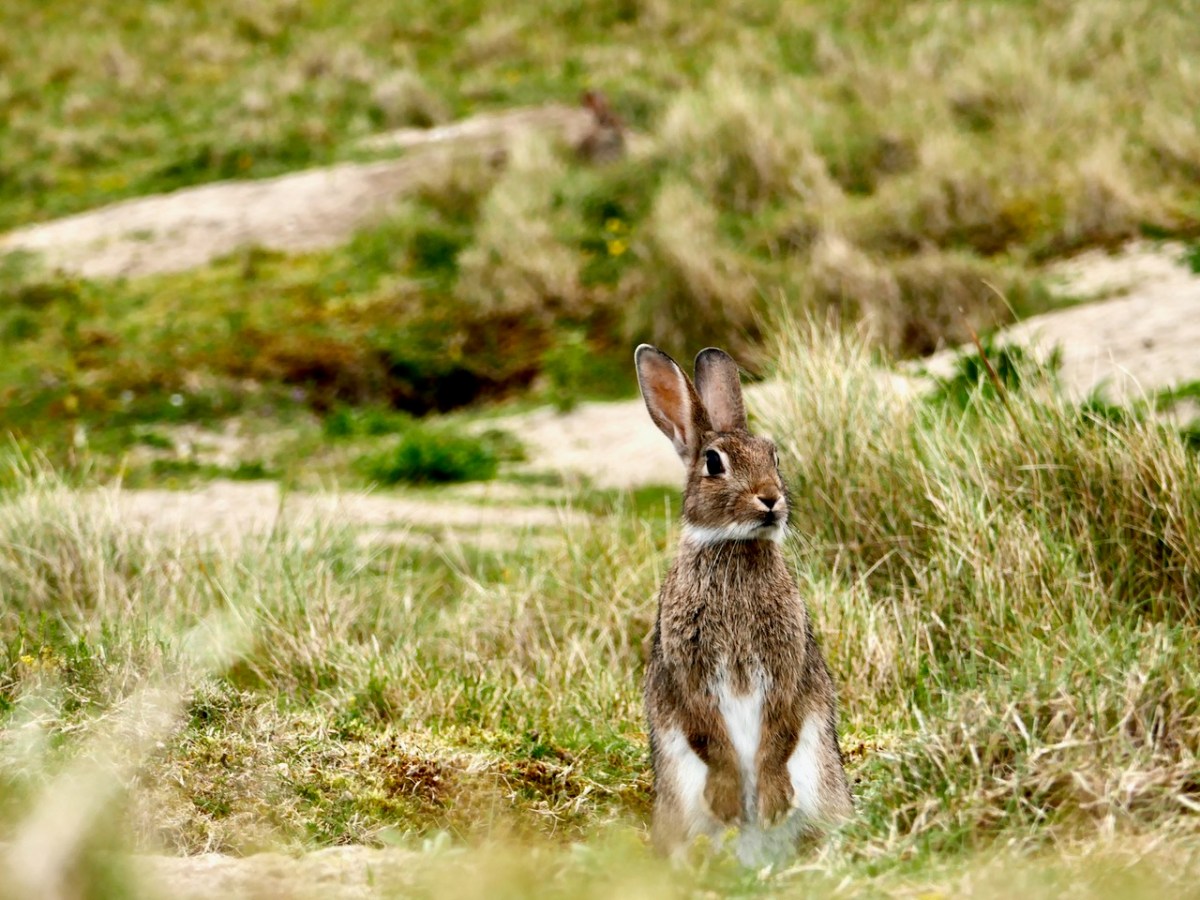
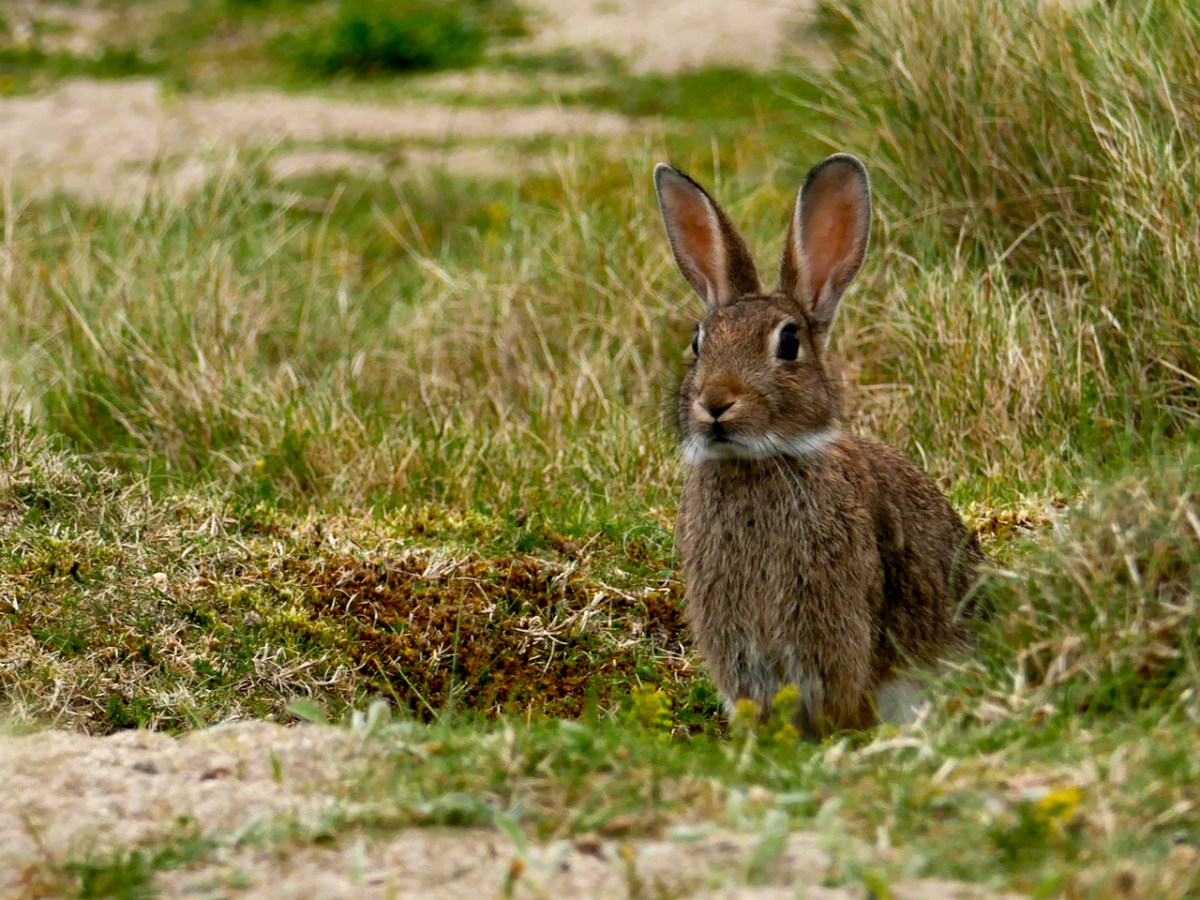
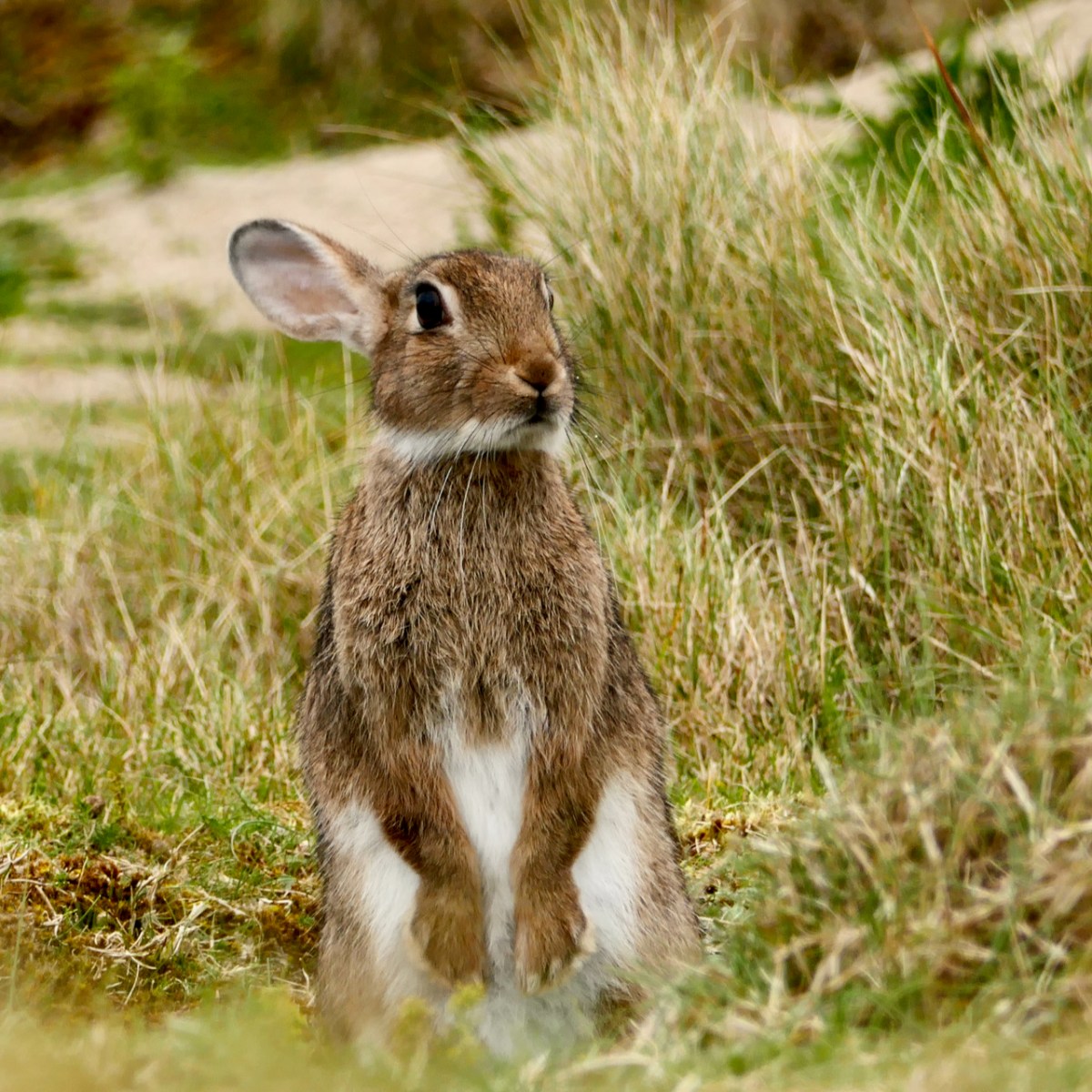
Barley Cove is also home to a large colony of rabbits. In my post The Bunnies of Barley Cove, I wrote: When you think that an adult female (a doe) can have up to seven litters a year, each one yielding up to ten kittens, the proliferation rate is explosive. They are kept somewhat in check in the wild by natural predators and a high mortality rate. Left totally undisturbed, rabbit populations probably undergo the same cyclical variations that other mammals do, with numbers increasing for about ten years and then declining due to over-population, before building up again.
Observing the bunnies and getting close to them called for patience and slow movements: I had to crawl through long grass and try not to spook them. Once they and I were at eye level, it felt like a real communication – being regarded by those deep pools of age-old knowledge, gentle and wise, was lovely. At the same time, the ears were on high alert, and I knew that one false move and he was gone.
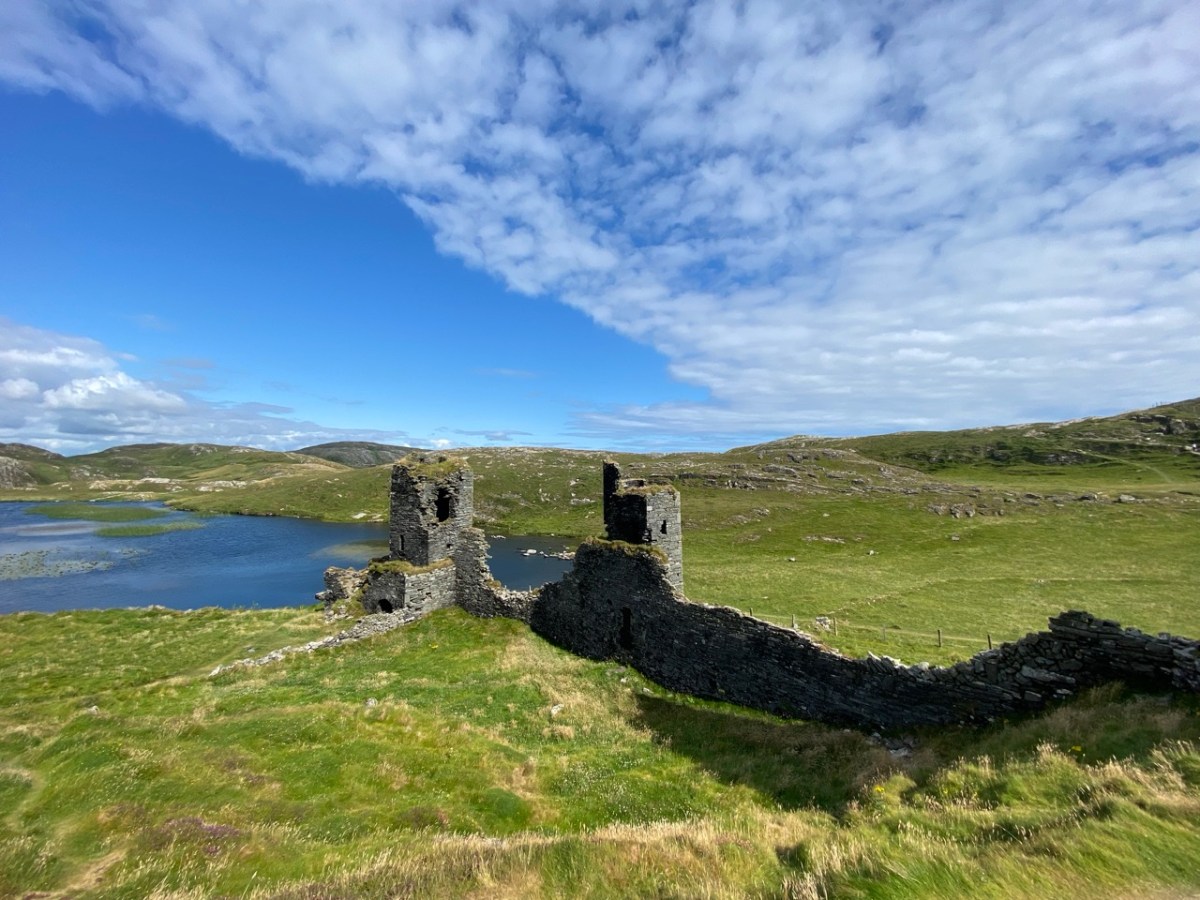
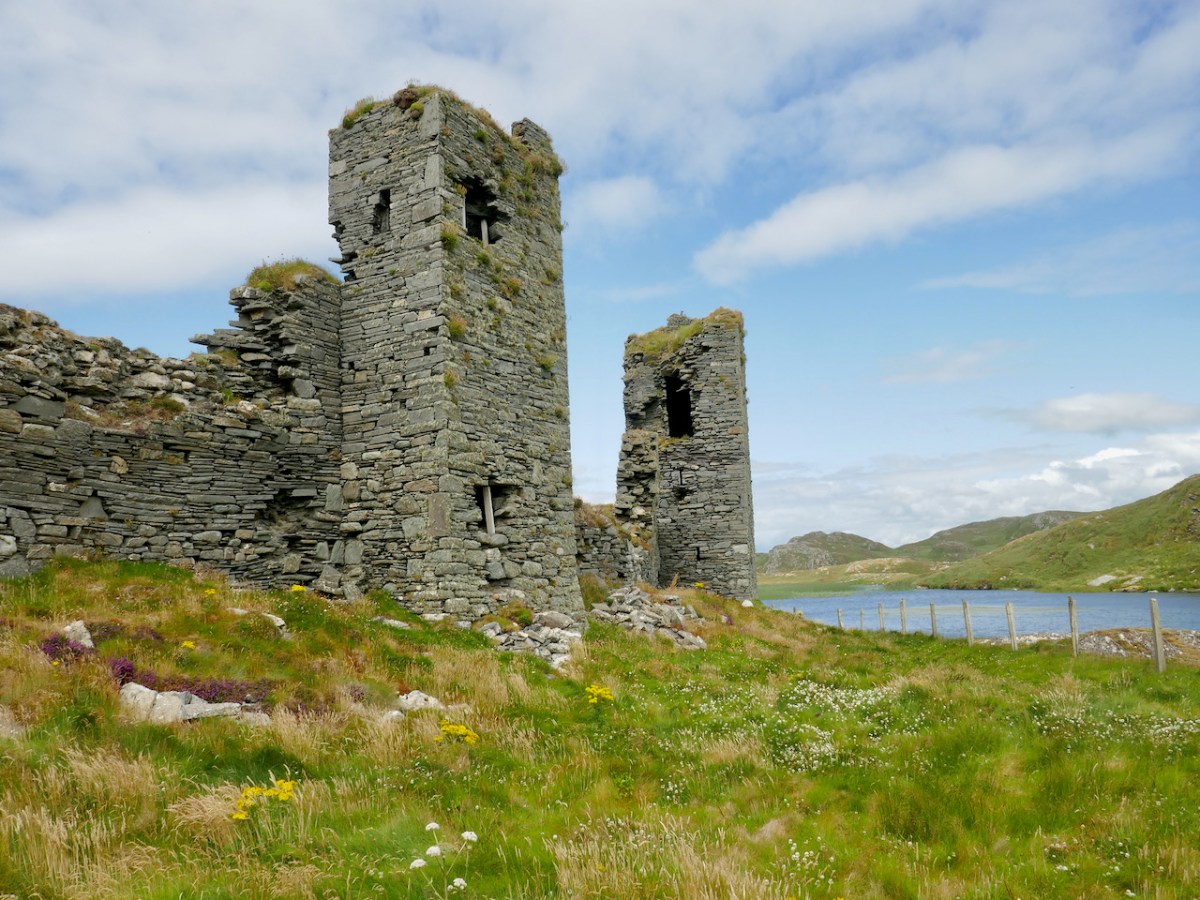
Moving further west again, we come to Dunlough, or Three Castle Head. This was one of my Castles of Ivaha series, and surely our most unusual castle in the most spectacular setting. To come over the hill and see it for the first time is an experience none of us will forget.
It’s a complex site and I tried to unravel the various phases of building that you can see, as well as the construction methods and functions of the curtain wall with its three towers. But in the end I had to say But all of that is dry as dust – who can worry about a dating timeframe when what presents itself to your view is so beautiful, so perfectly situated and so hopelessly romantic?
It’s been an eclectic week – Amanda, Peter and I had a skite out to Inchydoney, and I finished off the week with a trip to Barley Cove.
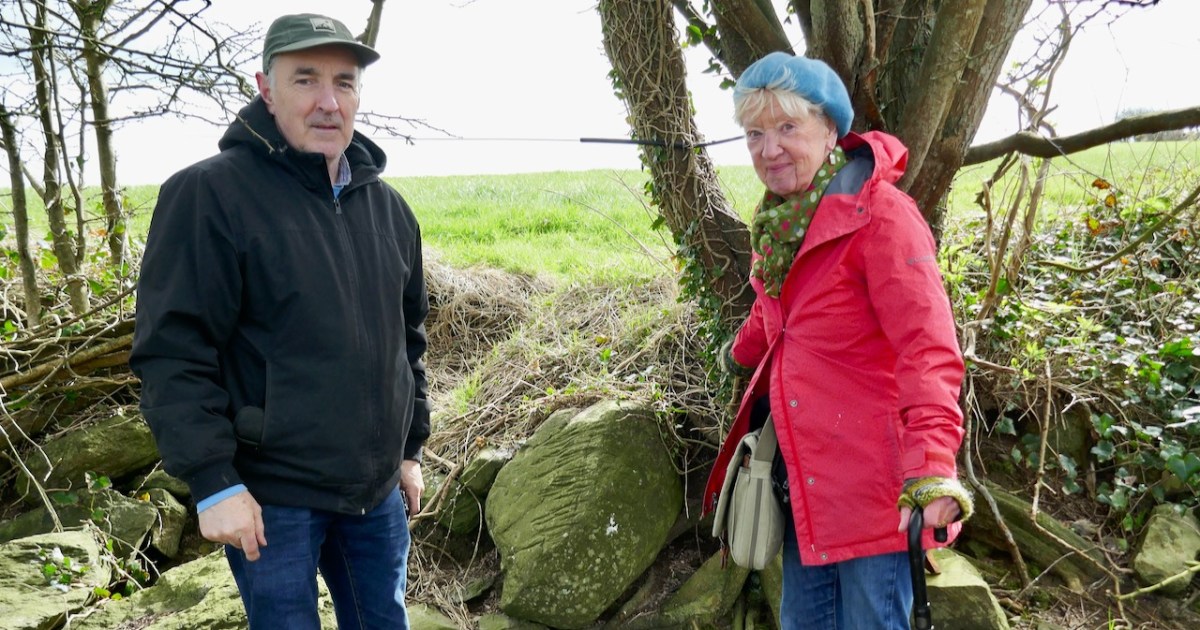
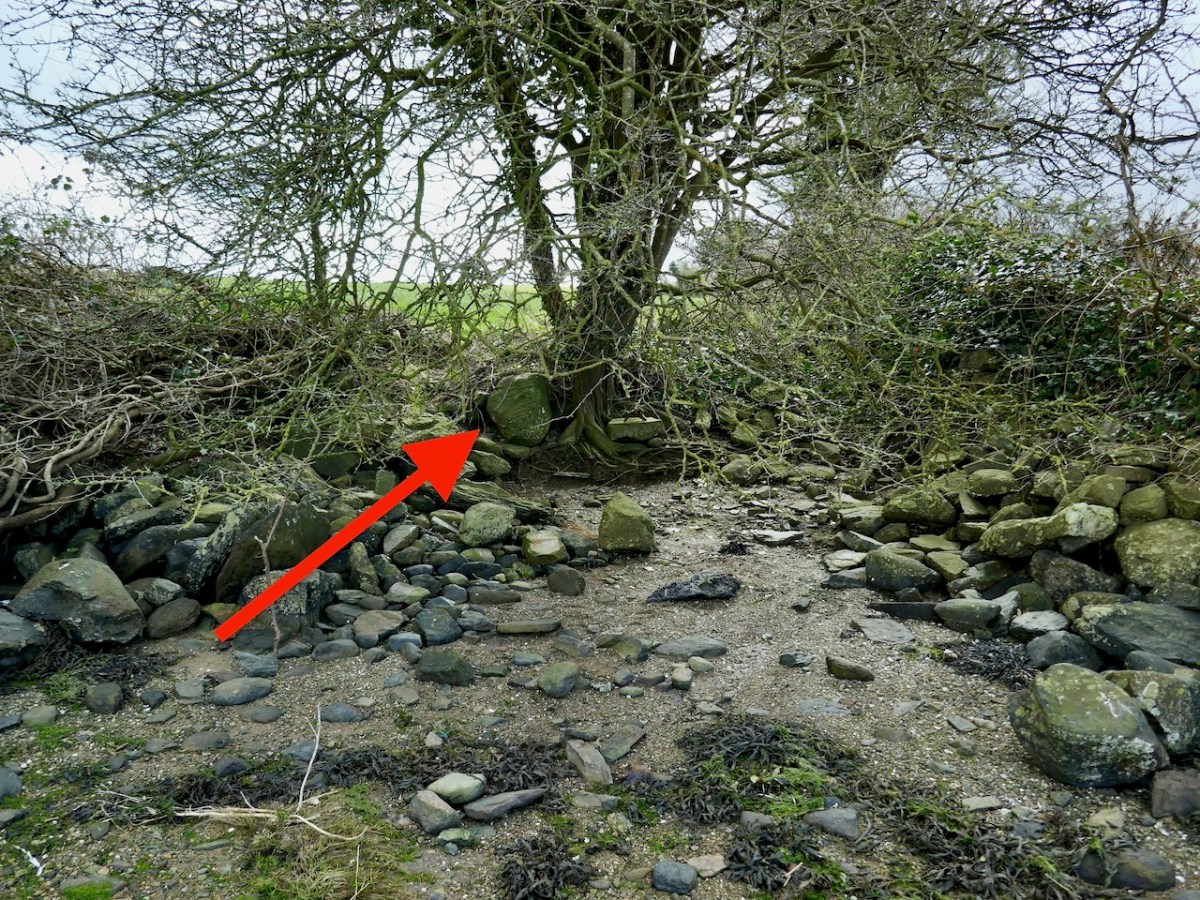
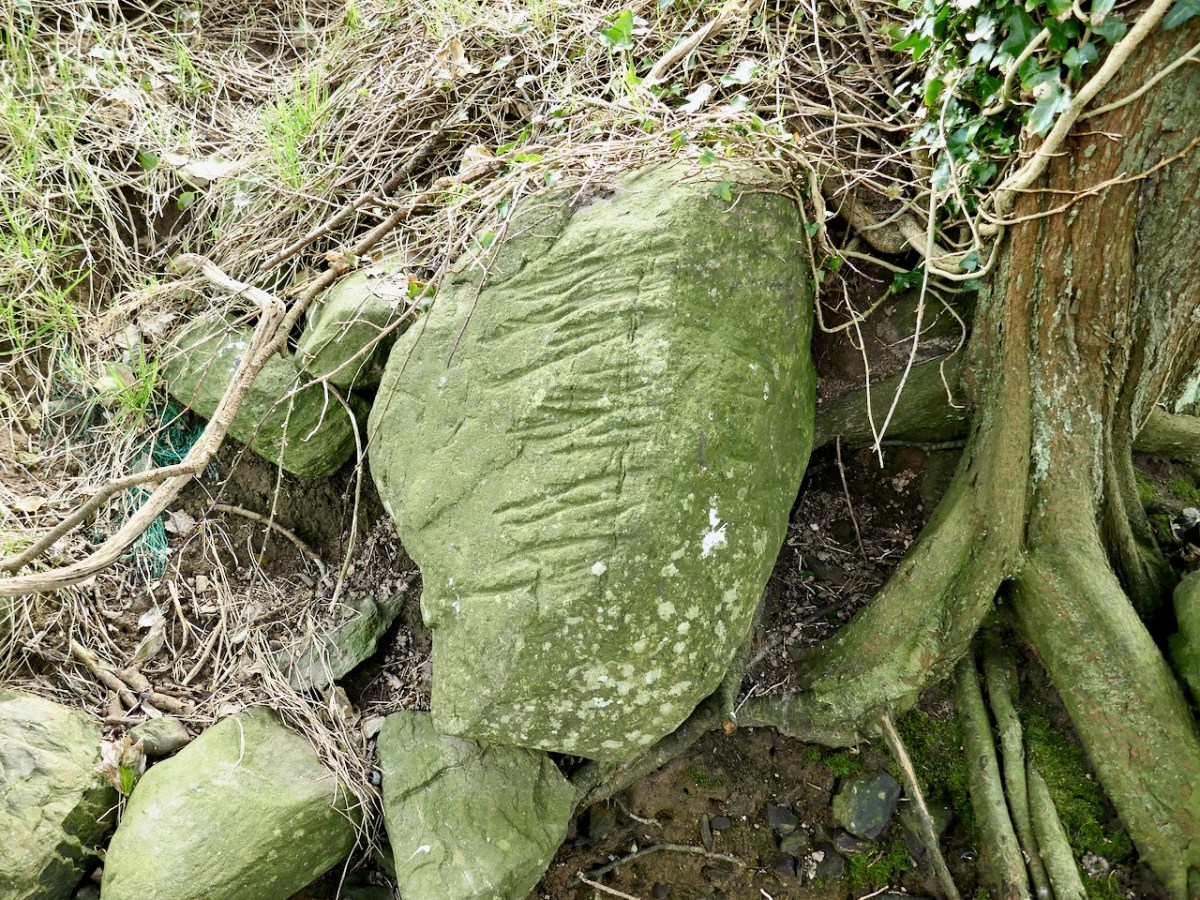
Inchydoney Island is a beautiful, unique and historical part of West Cork. Just south of Clonakilty, it was indeed once an island but now is connected to the mainland with causeways. The reason for our trip was to check out an intriguing stone, spotted by Willie O’Regan, along the shore. Willie’s thought was that it might be an Ogham stone and he wanted to check that out. It had fallen forward out of the bank in recent high tides, revealing parallel grooves along its length – just the sort of thing you might expect from an Ogham stone.
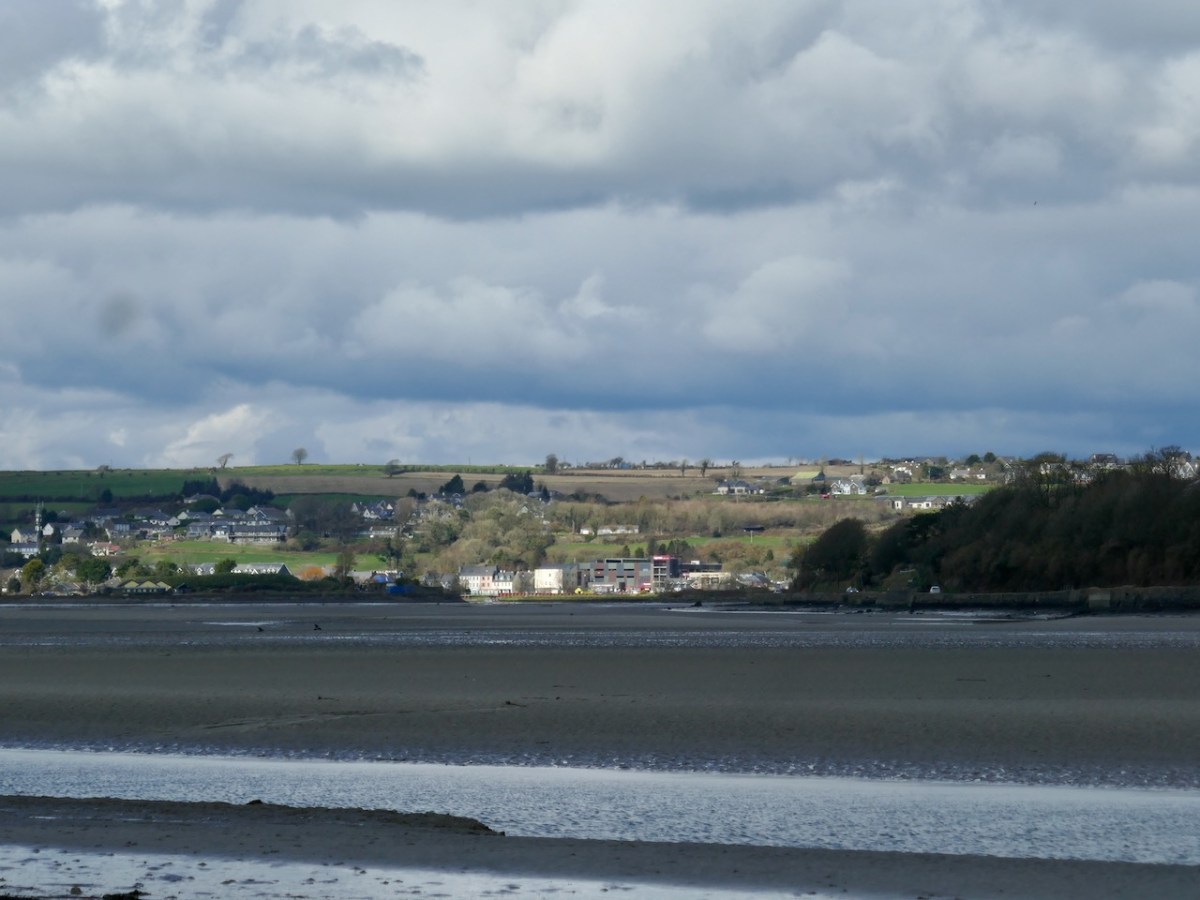
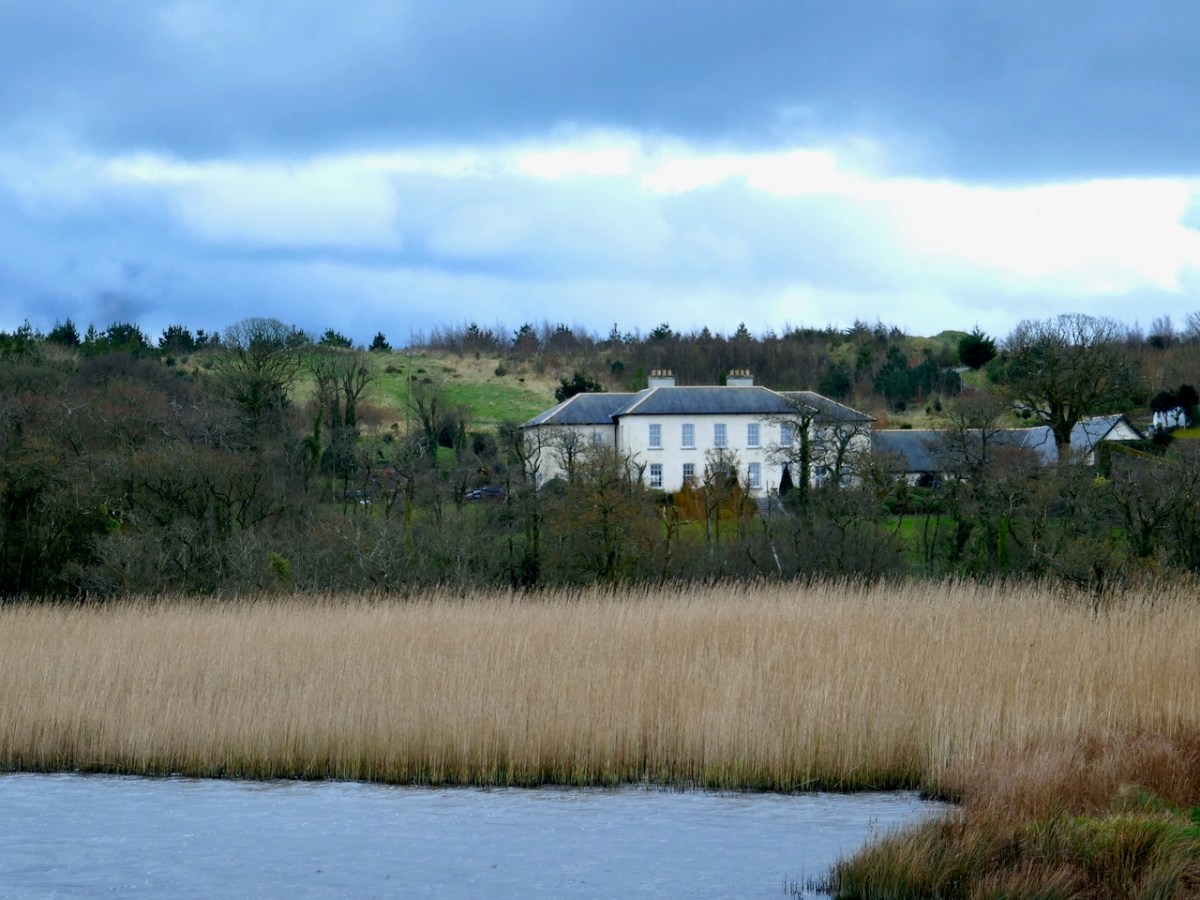
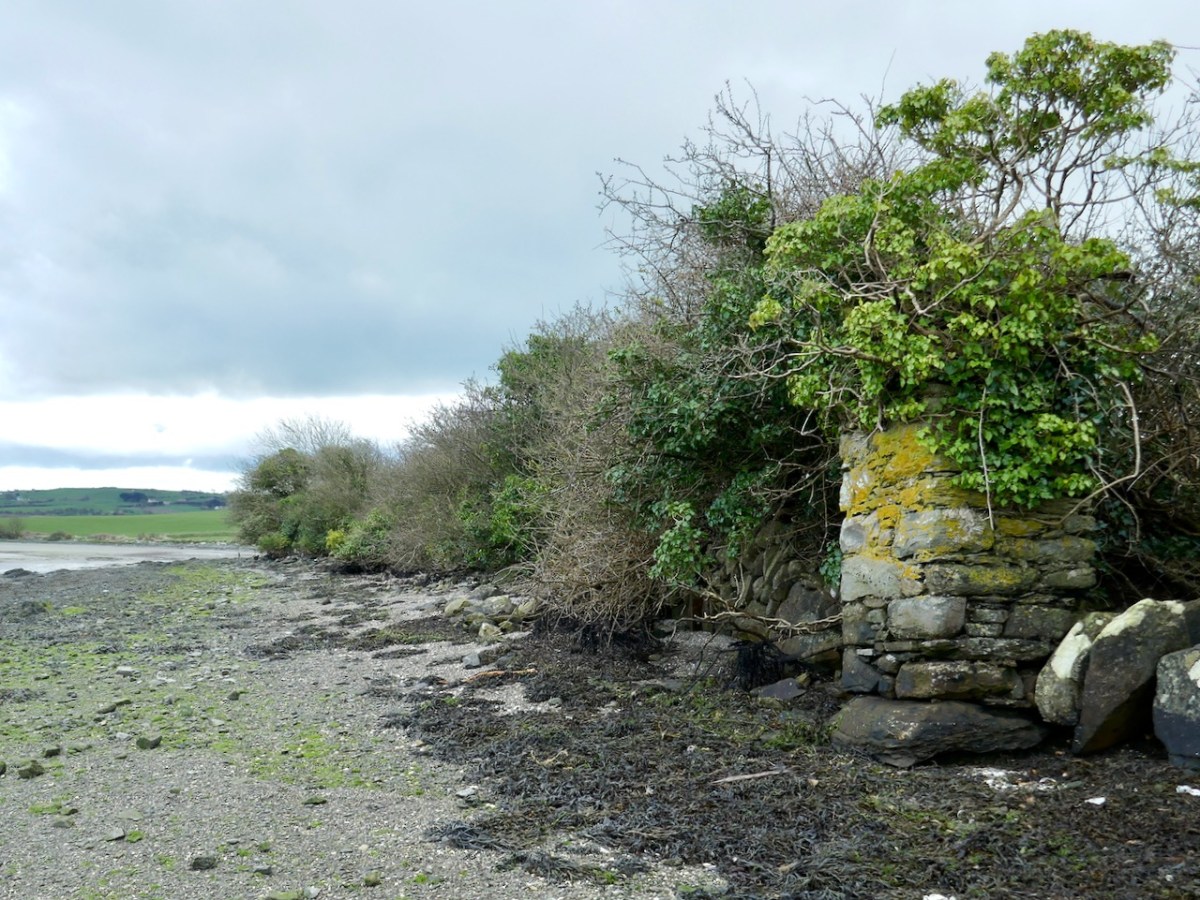
We rendezvoused with Willie on the north side of Inchydoney, across from Clonakilty (above) and walked along the shore, while he told us about the history of the area. We could see across the pond known locally as the Beamish Lake to the Hungerford House, originally called Inchydoney House. It has been purchased and magnificently restored in recent years, the owners pouring resources and loving attention into their project, including restoring the walled garden.
The shoreline had been – er – shored up by rocks and rubble all along its length. It may originally have been walled – designed landscapes were very popular in the 18th century – take a look at New Court, for example. There may also have been small inlets and launching places along the edge. At one such possible spot Willie showed us what he had found.
We examined it thoroughly and took lots of photos. It wasn’t an Ogham stone – although anyone could be forgiven for mistaking it for one! The grooves are actually plough marks.
As the plough passes over and through the soil, it runs across stones that are just at the right depth below the surface, gouging out these grooves. Over the years, many grooves appear. Sometime the stones, if they are small enough, roll over and the grooves appear on other surfaces, as seems to be the case with this stone.
Plough-marked stones like this could be any age – this one could be medieval or more recent. It was probably finally unearthed and tossed to the edge of the field to join the other rocks keeping the water from eroding the shorelines, eventually falling forward and revealing itself to Willie’s keenly observing eyes. It tells a story – a story of cultivation and hard work and a story of never throwing anything away, and a story of a man who walks these shores for pure pleasure and never misses a trick. Thanks, Willie – we had such a good time on this walk!
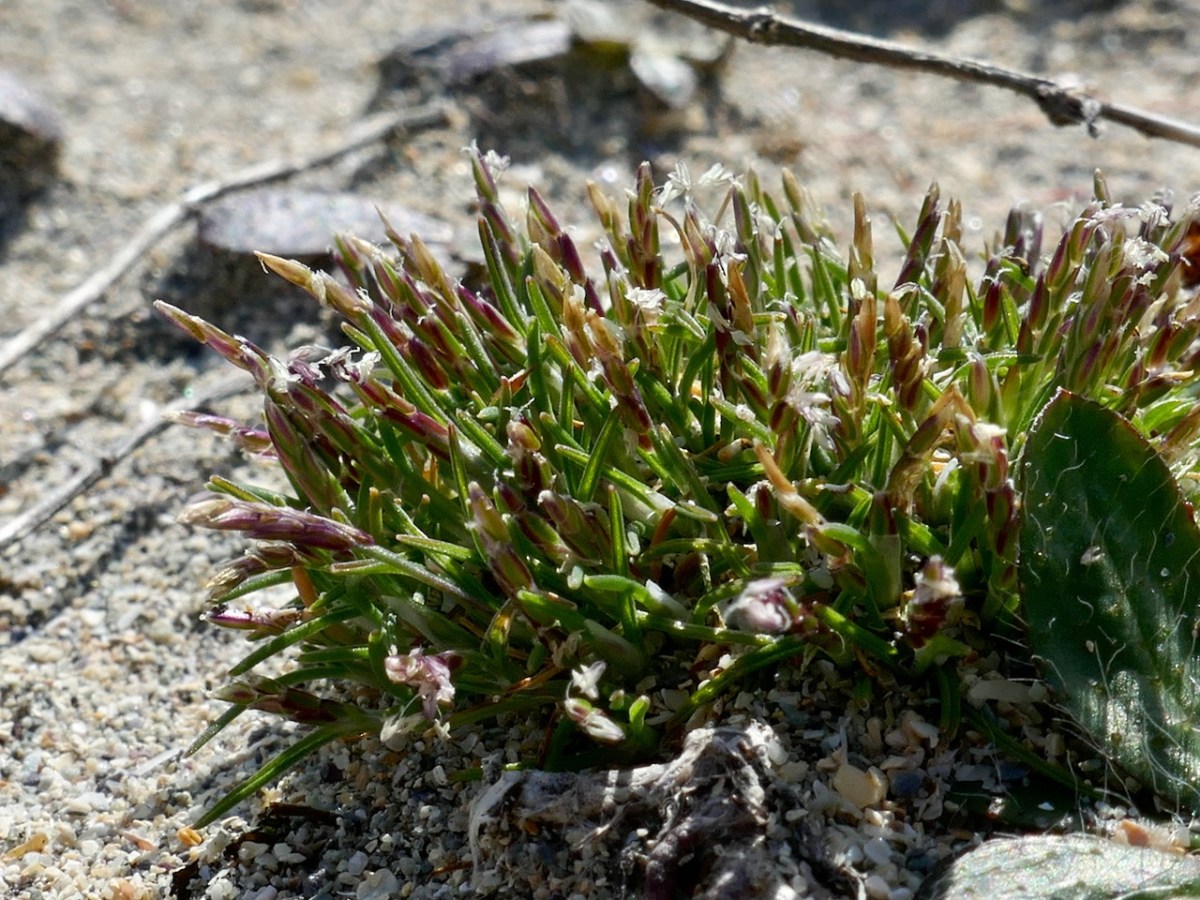
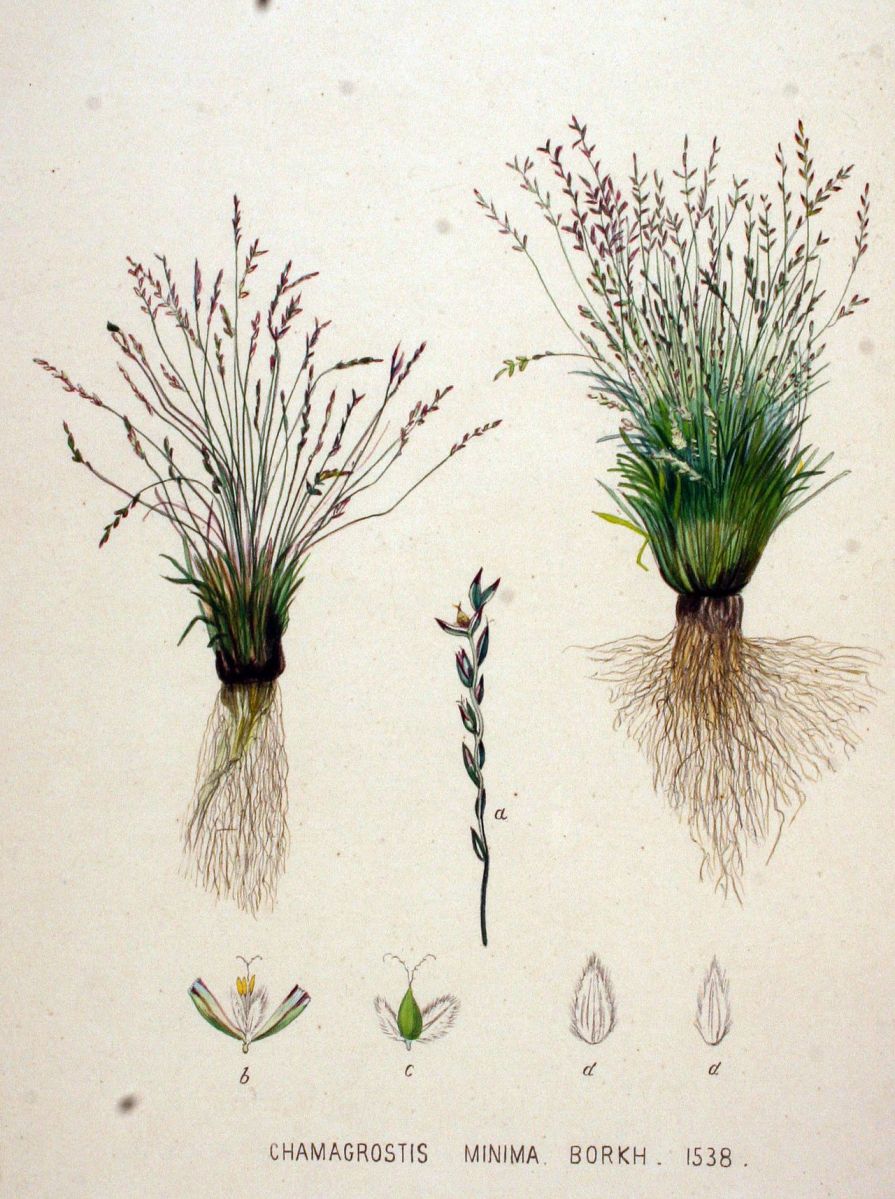
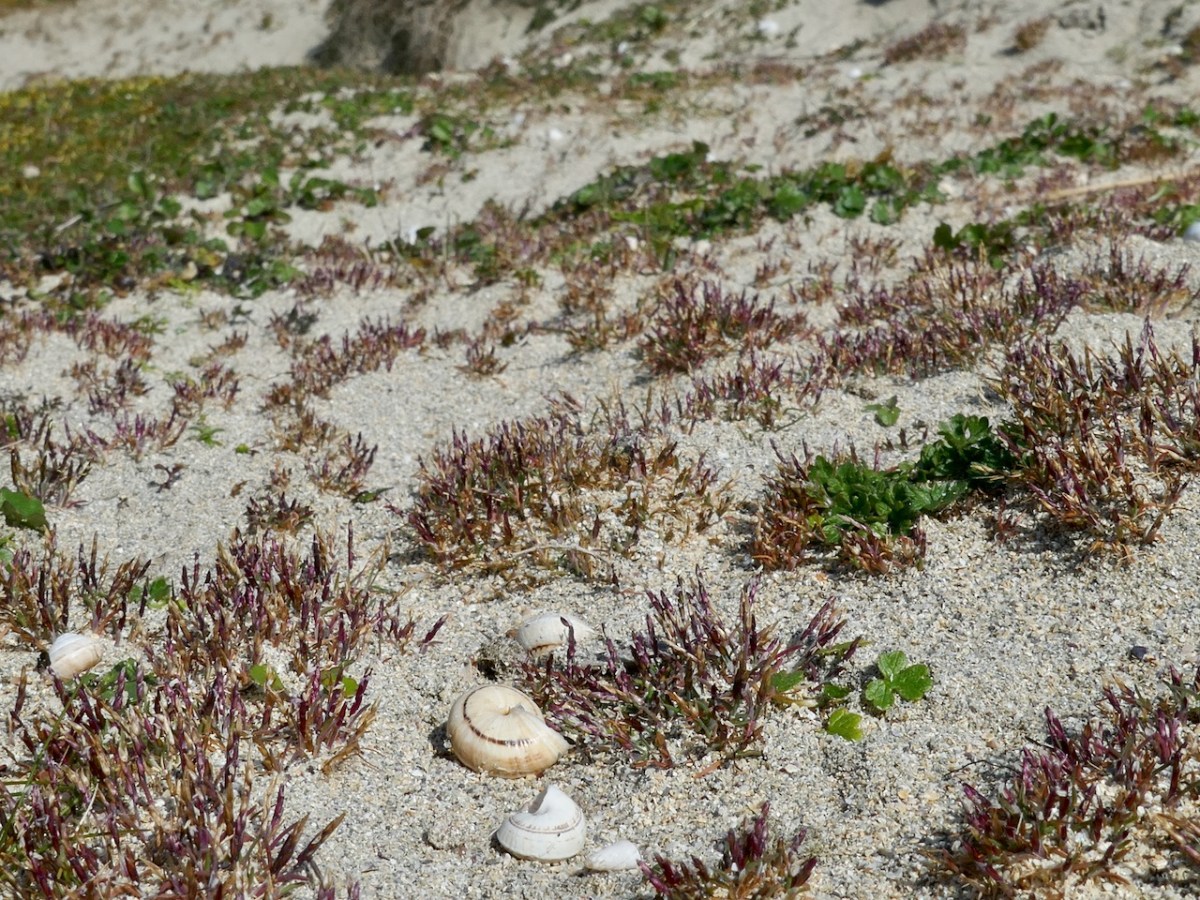
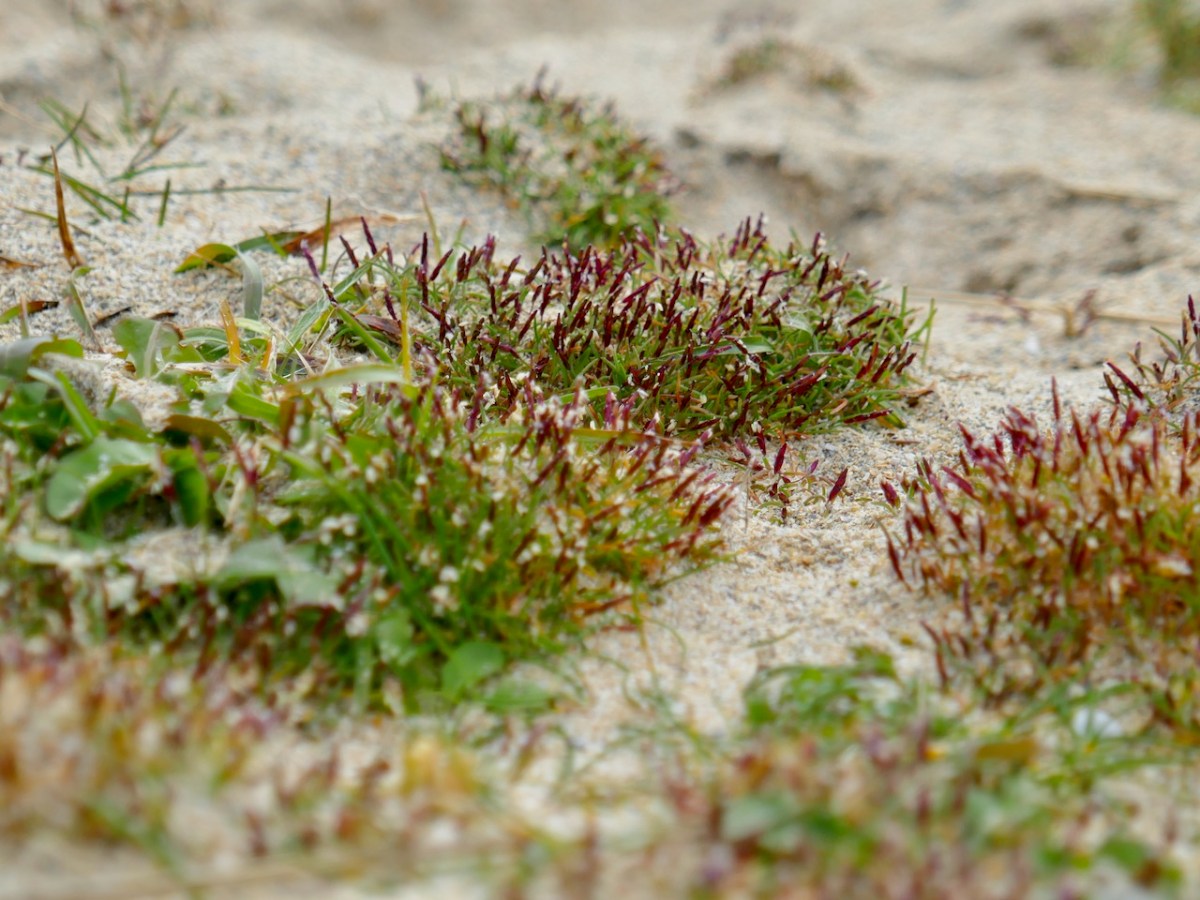
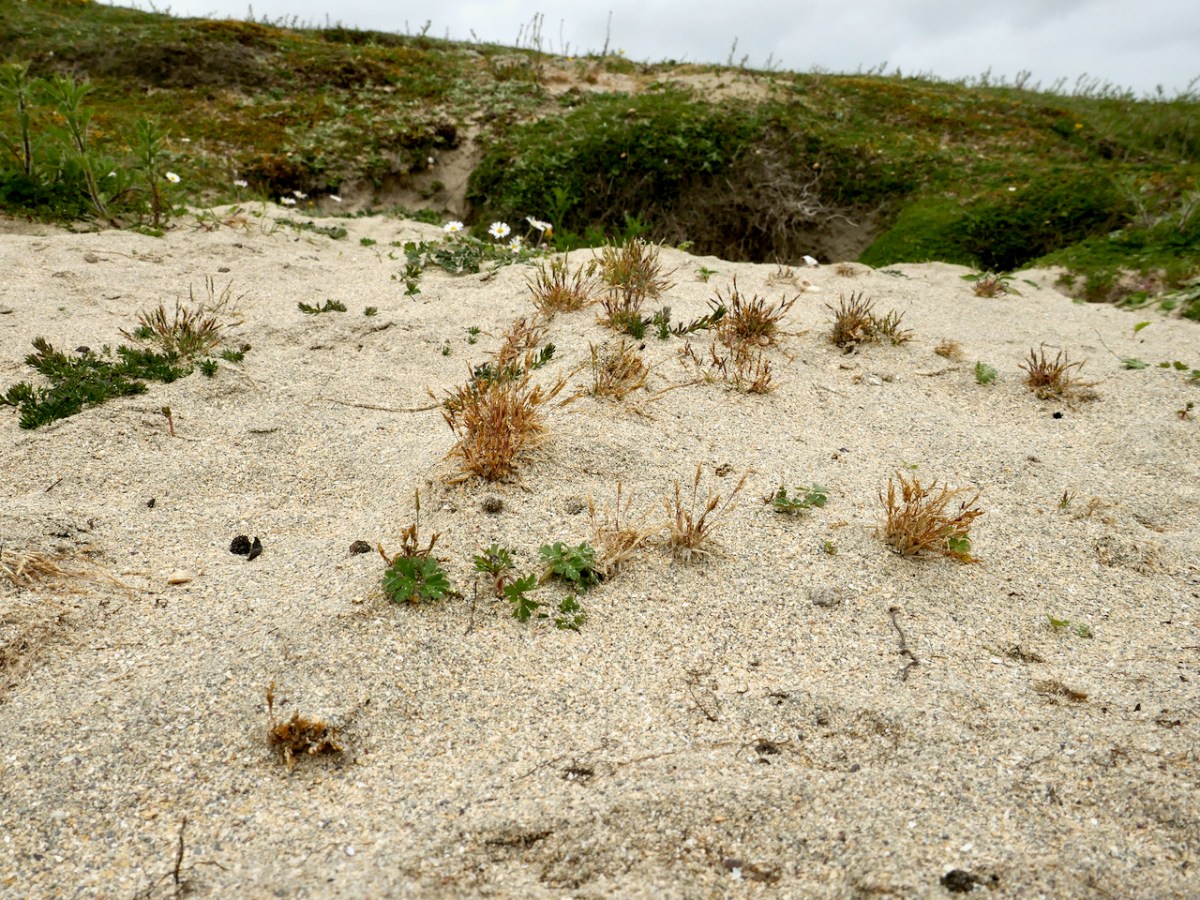
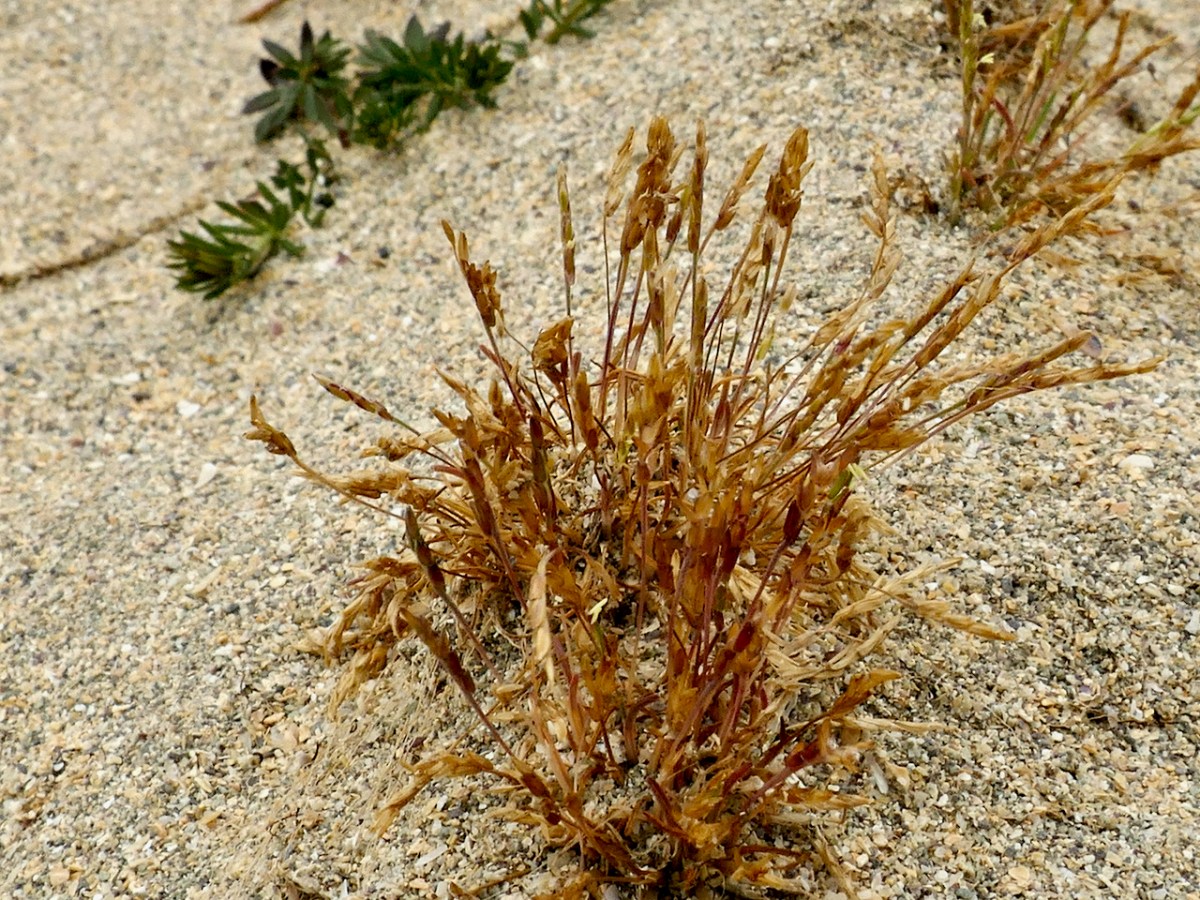
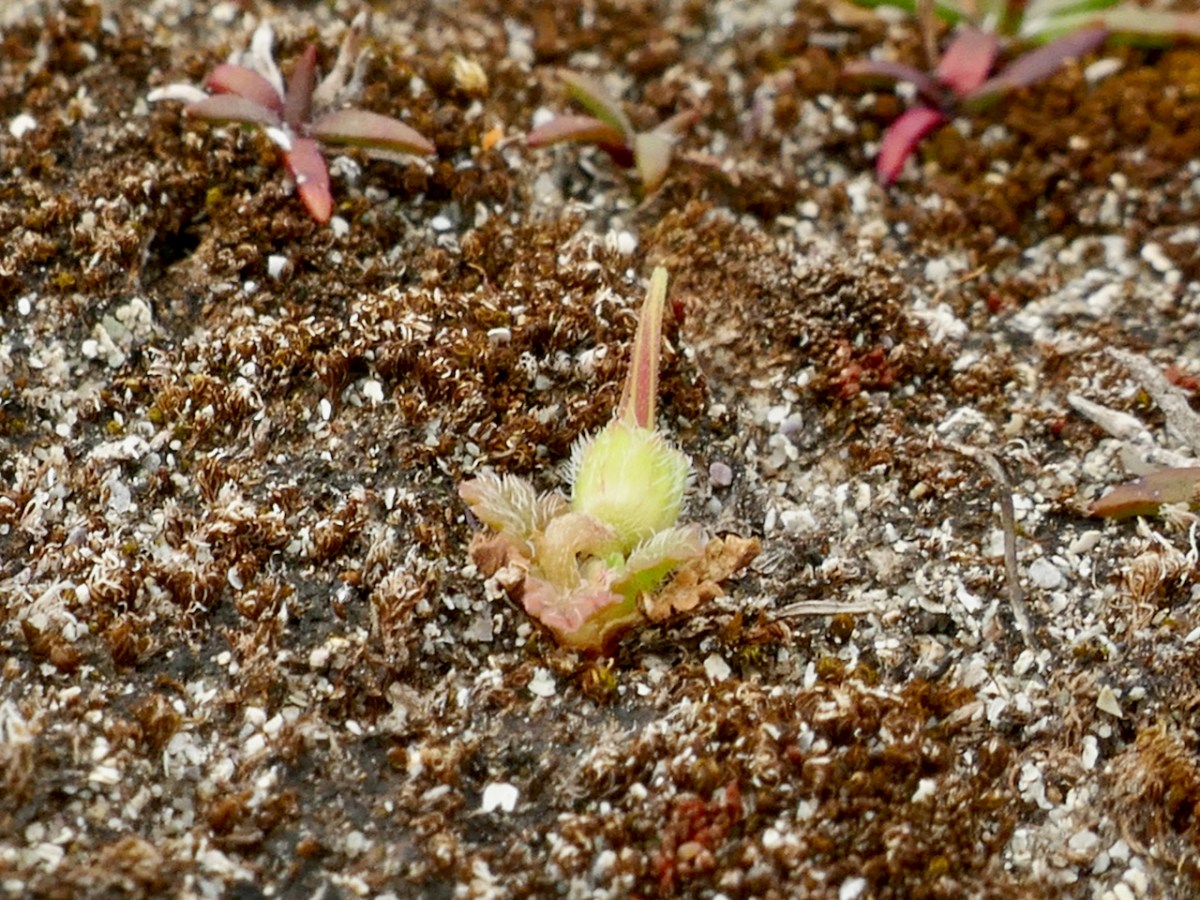
And Barley Cove? As last year, I went out to see what I could see of the Early Sand-grass. A remarkably homely little tuft of grass that is nevertheless precious because it is extremely rare. I found lots and it felt so good to be out in the fresh air, lying in the dunes, and taking an unconscionable number of photographs of this humble little representative of our incredible West Cork biodiversity.
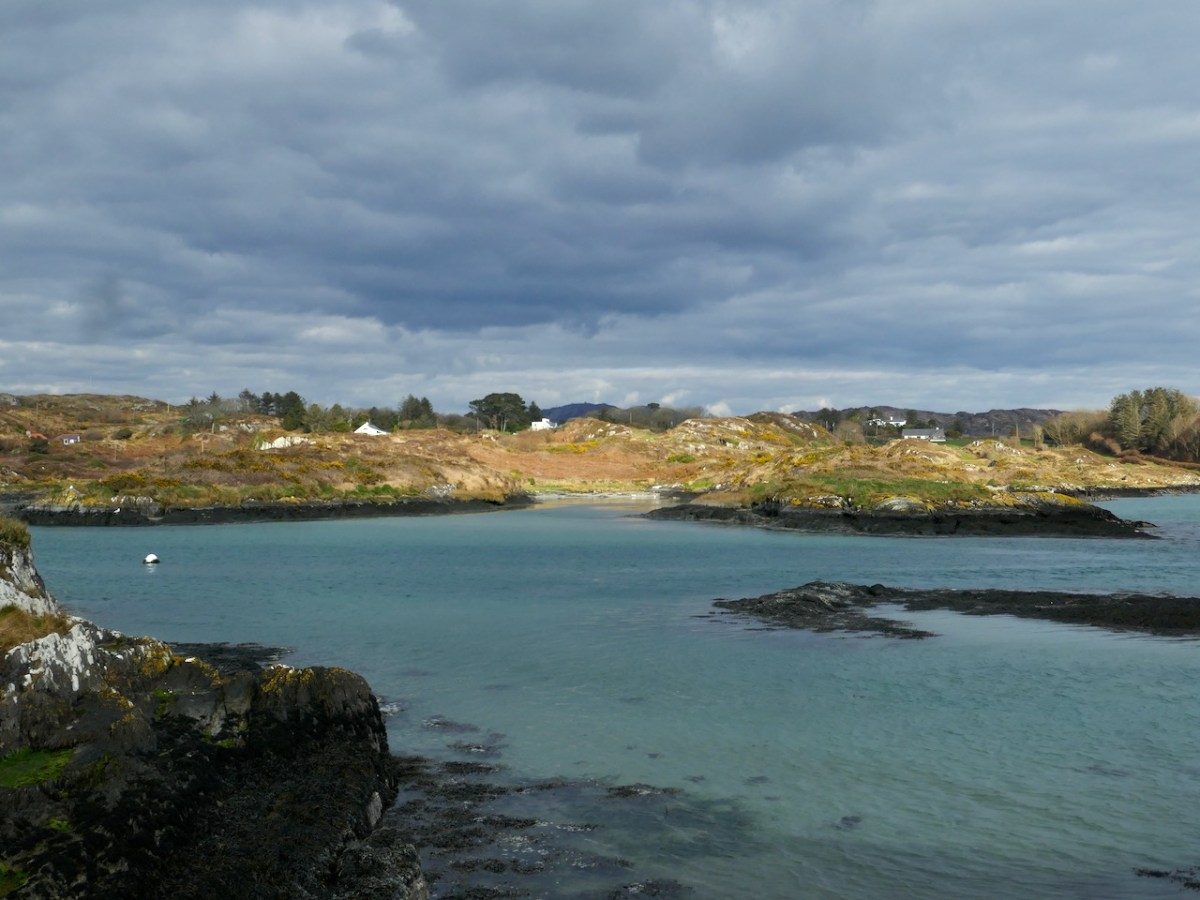
And then home through some of the most scenic coastline in Ireland. Not that I’m biased.
This is a companion piece to Lying in the Grass. That slideshow was shot in May three years ago, all the photos taken in my own garden within the previous week, and all native wildflowers.
This time, all the shots were captured in one day, July 18th, on a visit to Barley Cove with my friend and fellow nature-lover, artist Damaris Lysaght. The purpose of our visit was to monitor a rare plant, Dodder (below). This is one of the very few places in Ireland in which it grows, parasitising on the roots of the Wild Thyme, and mainly visible as a twisted mass of reddish stems. We were not sure if the tiny flowers, looking like miniature cauliflower heads, were about to flower or had flowered already.
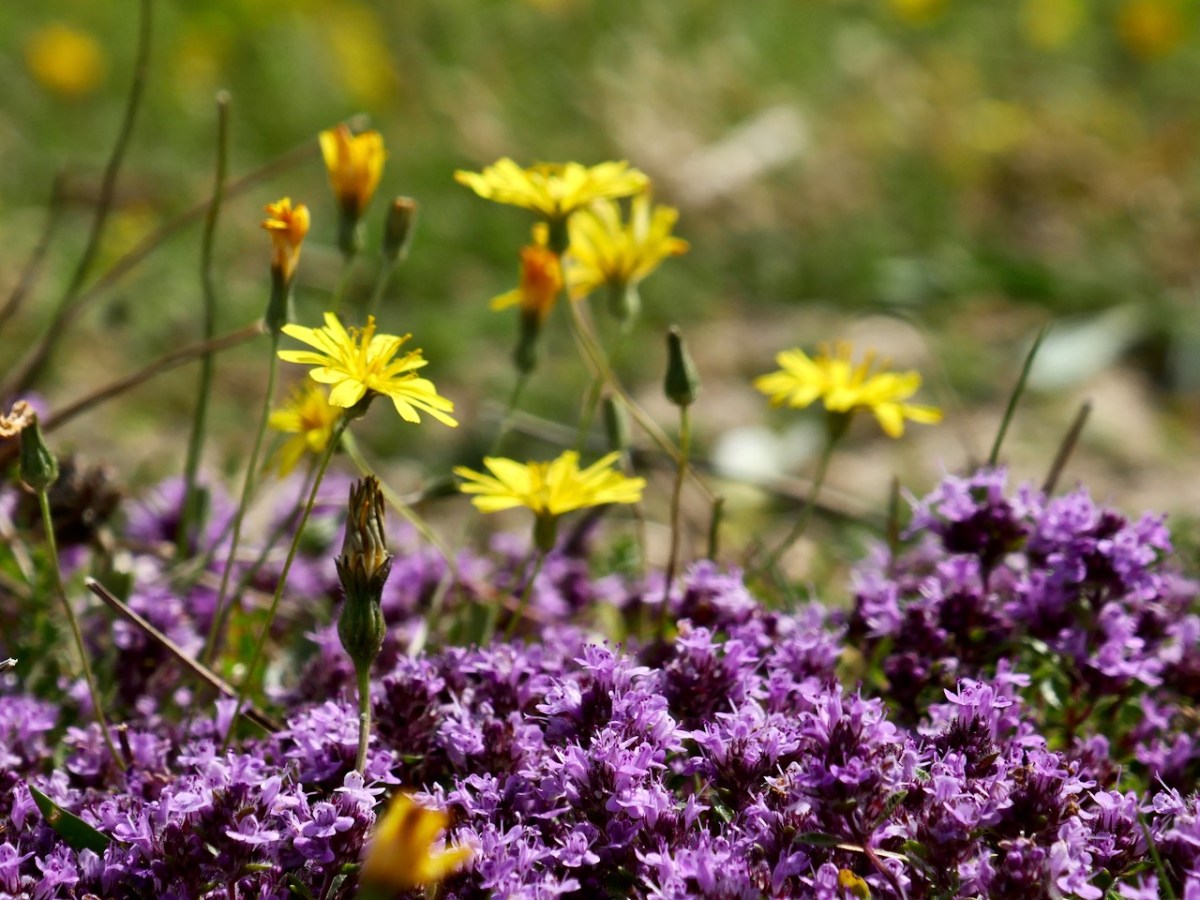
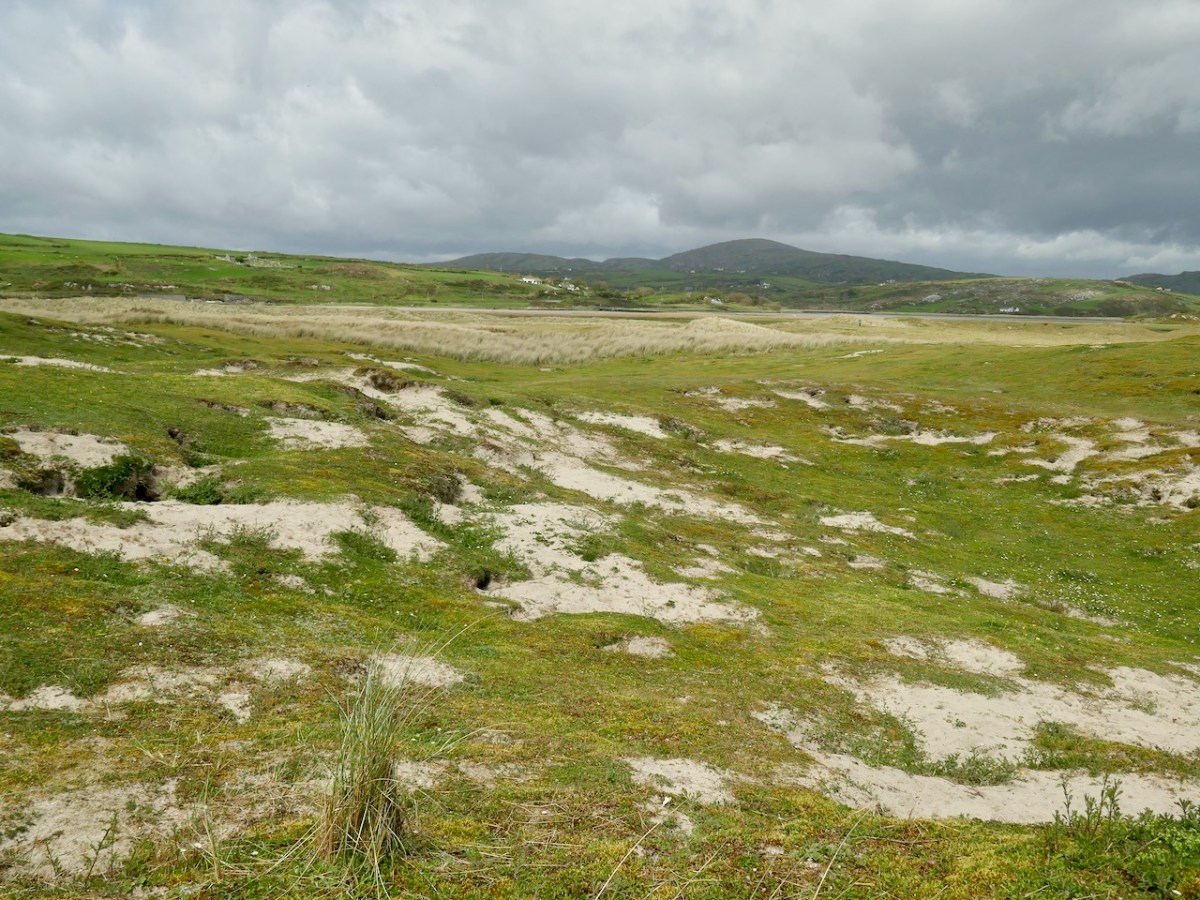
At this time of year the dunes at Barley Cove are a carpet of wildflowers. Many of them are tiny so you have to get up close to make their acquaintance. Photo taken by Damaris.
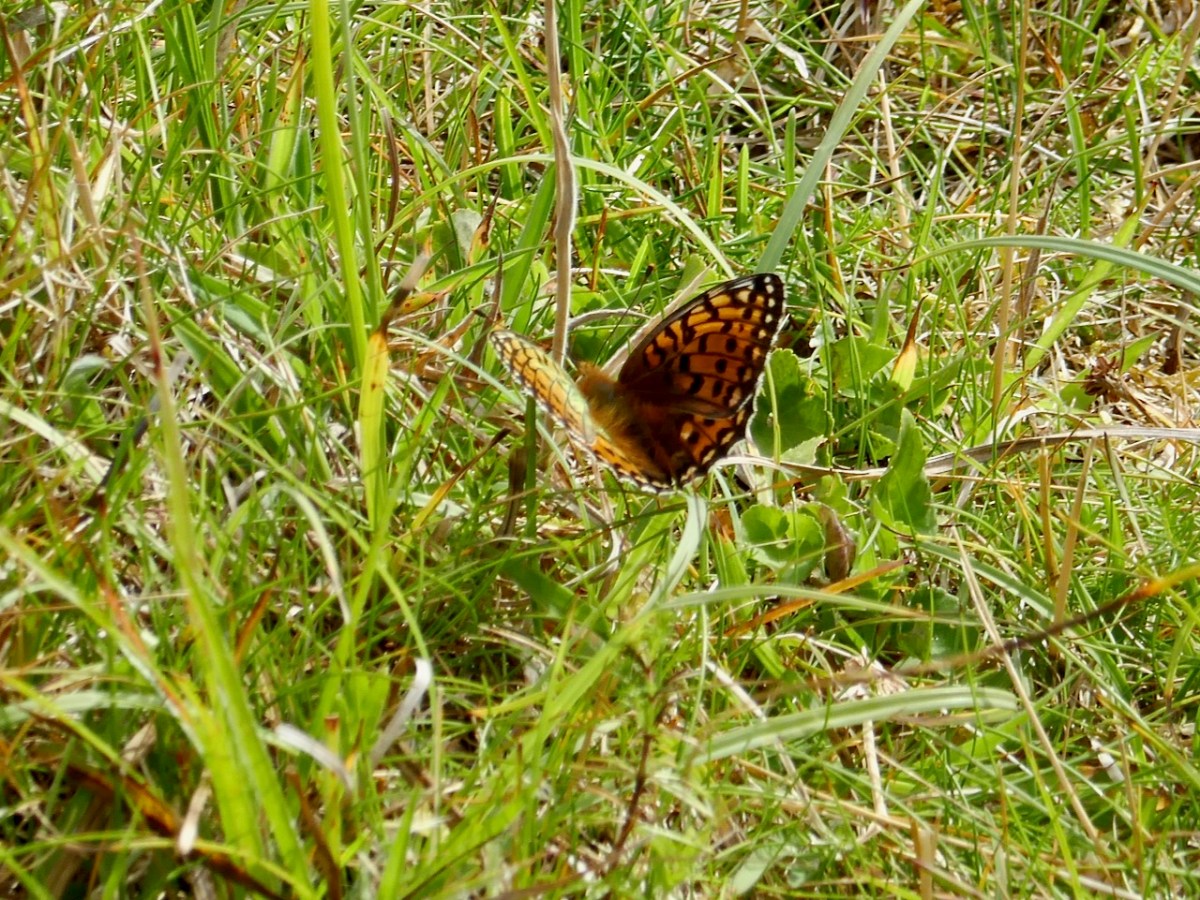
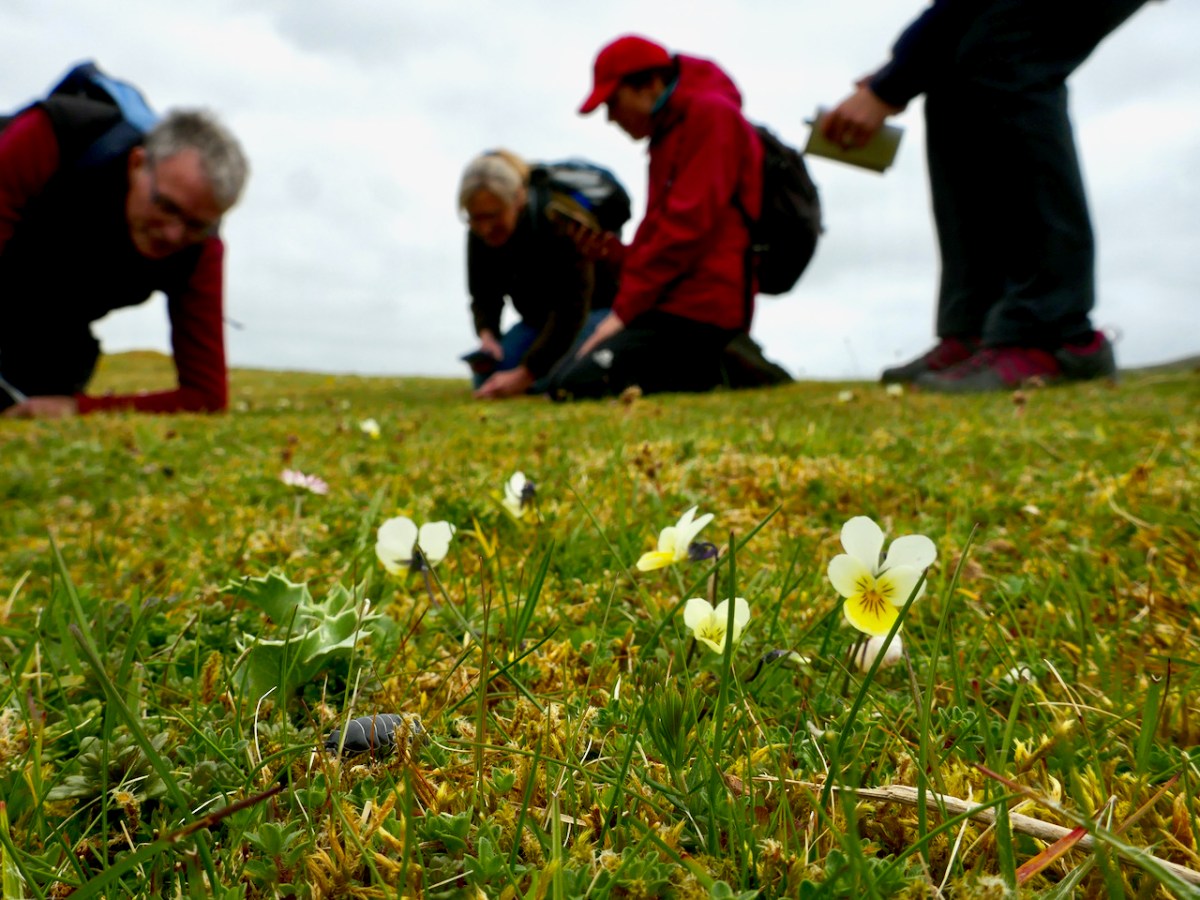
Damaris had another reason for getting closer. We were lucky to catch a Dark Green Fritillary flitting from spot to spot and Damaris, a butterfly expert, figured it was probably laying eggs on the basal rosettes of the Common Dog Violets that flourish on the dunes. In the last photograph of the slideshow she is trying to see butterfly eggs – a task that defeated even her!
The National Biodiversity Centre is this incredible organisation punching way above its weight when it comes to the application of scientific principles to the assessment and preservation of Ireland’s natural heritage. They are also brilliant communicators, involving individuals, farming organisations and community groups in the effort to maintain and enhance our biodiversity.
I signed up a few years ago to monitor some rare plants and it’s been an eye-opening experience. Doing this, you see first hand the challenges facing our native wildflowers in the face of loss of habitat, competition from other plants (sometimes alien invaders), herbicides, and now of course, climate change. Sometimes the plant populations aren’t so much threatened as just inherently rare. That’s the case with Early Sand-grass. According to one of my favourite sites, Irish Wildflowers, Jenny Seawright , this little plant is Very rare in Ireland, only one known location on SW coast. Found by T.O’Mahony in 2005 on disturbed ground among coastal sand-dunes. T O’Mahony, by the way, is another of my botanical Heroes, author of The Wildflowers of Cork City and County. Happily for me, that one known location is Barley Cove, above. (In fact I’ve just seen it is found in Dublin Bay as well.)
Not very exciting, is it? Scrubby little patches of brown grass scattered in the sand. But every plant plays its part in the complex web of life and in this highly specialised sand dune habitat who knows what tiny insects depend on the particular sustenance this unassuming little grass provides?
And actually, once you get up close, it’s quite a handsome little cluster of surprisingly colourful stalks, with little while filaments emerging from the heads.
One of my monitoring days was in the company of my friend Damaris and we were also looking for Heath Pearlwort. Paul Green had shown it to us during the workshop the previous year (below) but finding it again was a different matter. It was raining and cold and we were crawling over the exposed hill above Barley Cove looking for a tiny plant. We hardly noticed, until we turned blue.
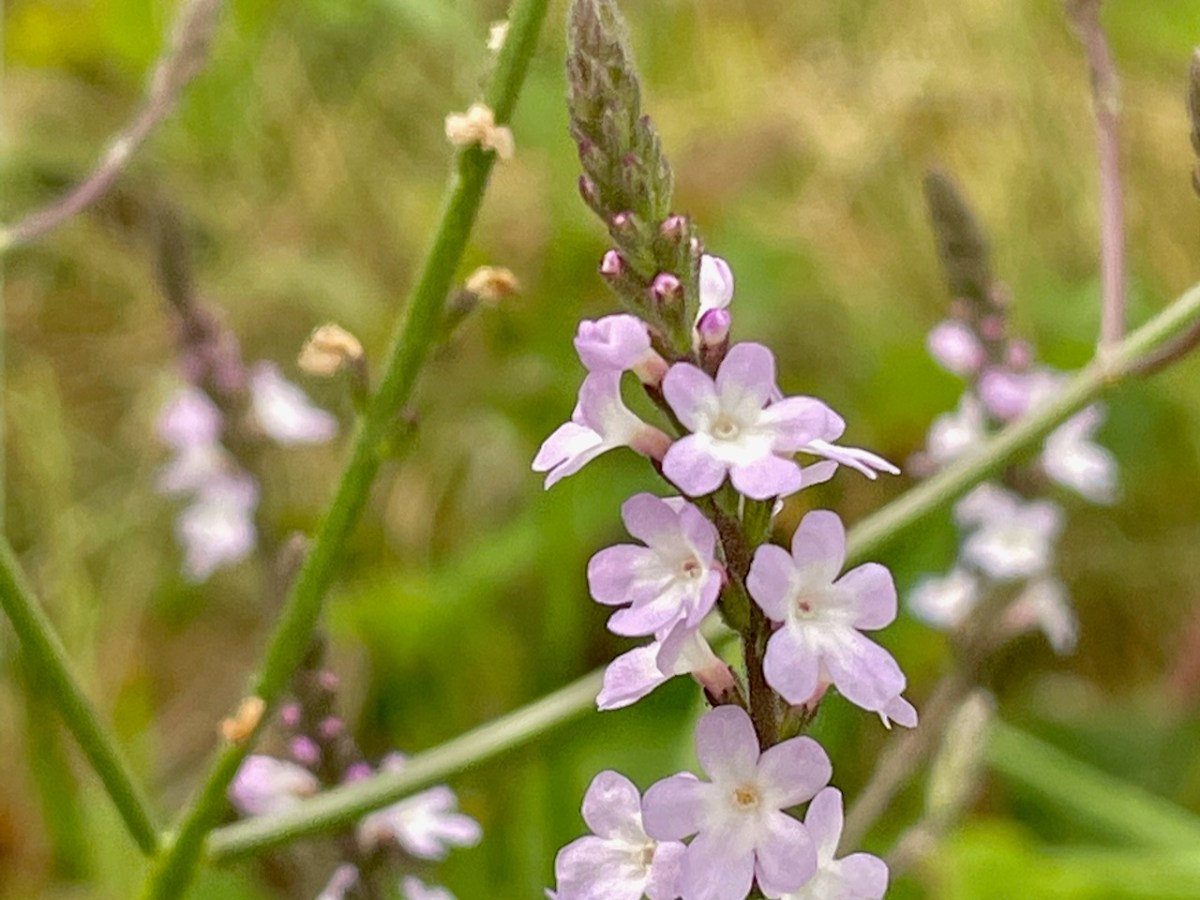
A much easier assignment for me is Vervain, a beautiful, fragile-looking but surprisingly tough flower that happens to grow near me.
Three years ago, one of the spots where it was growing was scraped clean and covered in tarmac. It had been a dangerous corner and the Vervain was simply overlooked. I was devastated – this little location was completely wiped out. Imagine my surprise and delight when I found it again the following summer, struggling up through the tarmac! And by this summer, not only had the population recovered but far from struggling, large and vigorous plants were growing up, finding their way through the pavement and flourishing.
But overall the story of the Vervain populations I have been monitoring is emblematic of the difficulties facing many wildflowers. Of the three original locations I started with, I am down to one (above). The good news is that this year I found a new location – all fingers crossed this one manages to hang in there.
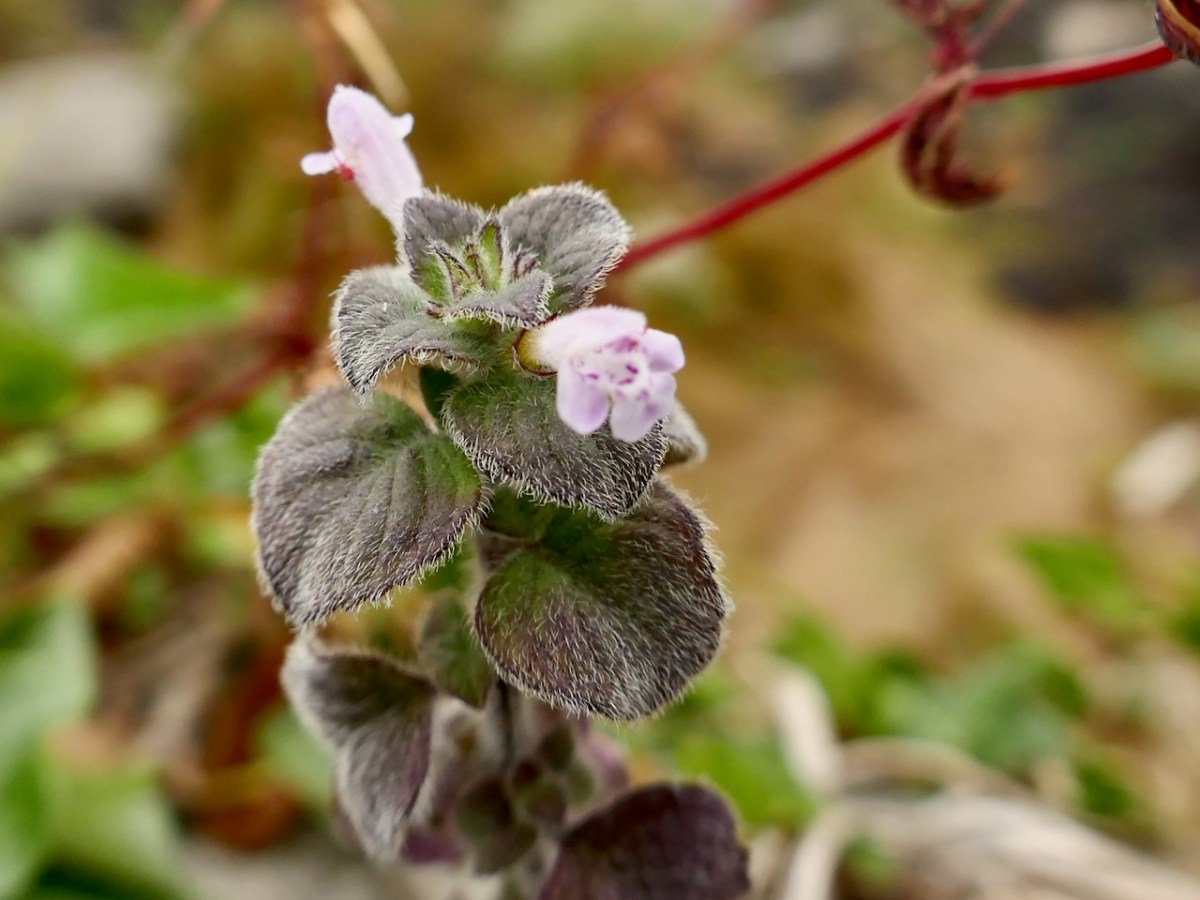
My final plant is the lovely member of the mint family called Calamint.
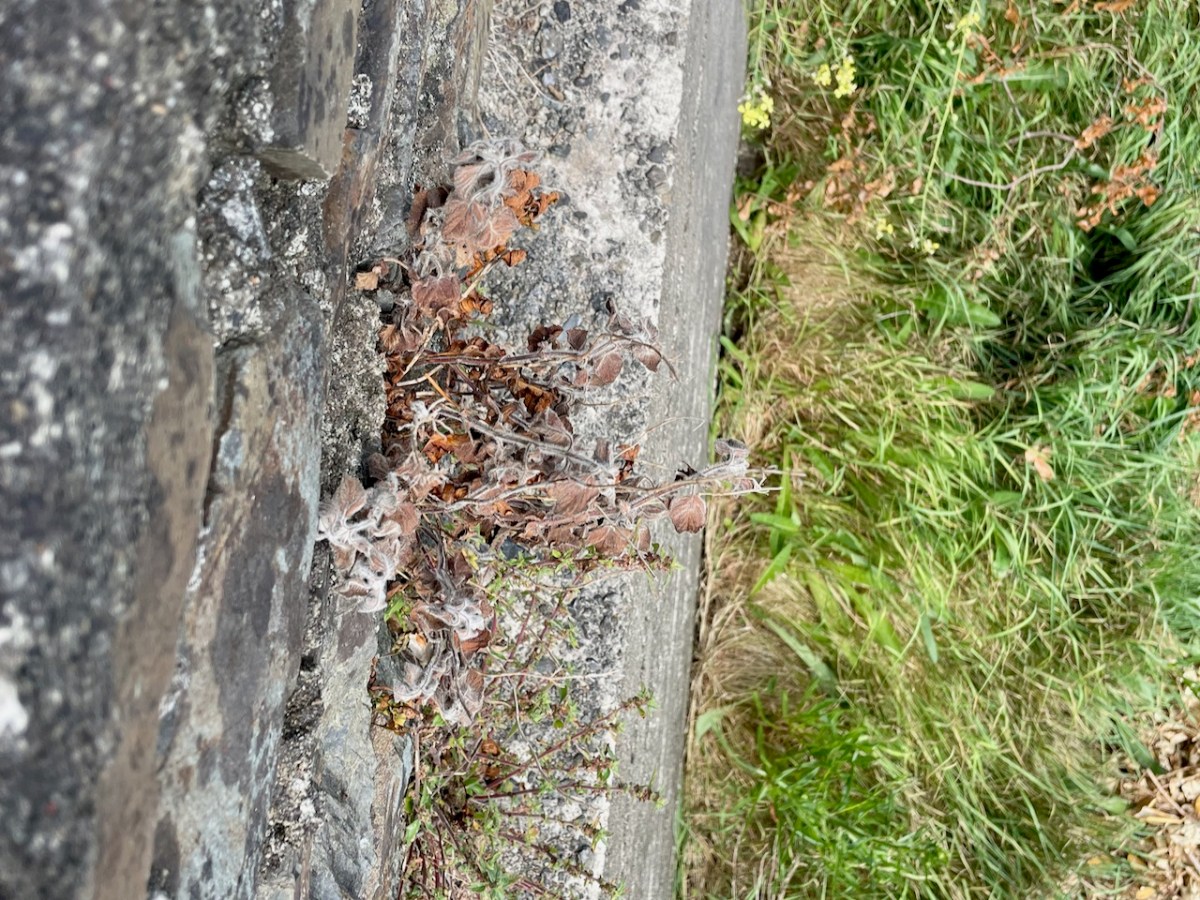
It’s facing two challenges. The first is that it’s growing on a stone wall, and so is Pellitory-of-the-wall, which has a habit if spreading and taking over all available space. In fact that’s what’s happening.
In the photo above the flower with the reddish spikes is Pellitory-of-the-wall, while the patch of brighter green in the middle is Calamint, trying to hold on to its territory. The Calamint has another problem, though.
Someone has decided the wall needs to be kept tidy and has dosed it liberally with Roundup, killing some of the Calamint (above). Sigh.
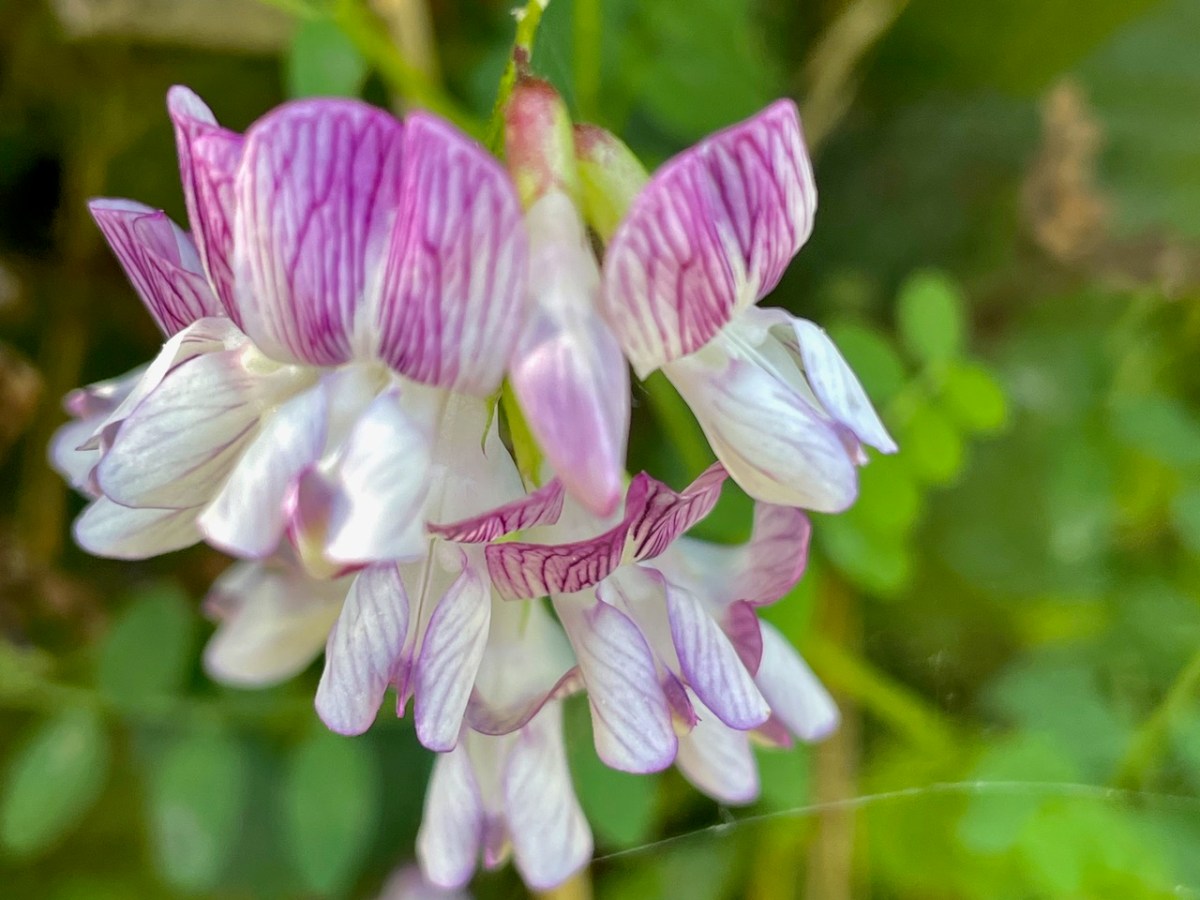
I’m going to leave you with a couple of pics of rare wildflowers I’ve seen this year – just to cheer us up and remind us of the beauties that manage to survive here and there against the odds. This is Wood Vetch.
For a wildflower enthusiast there is nothing better than a day spent with like-minded folk looking for interesting plants under the leadership of a true expert.
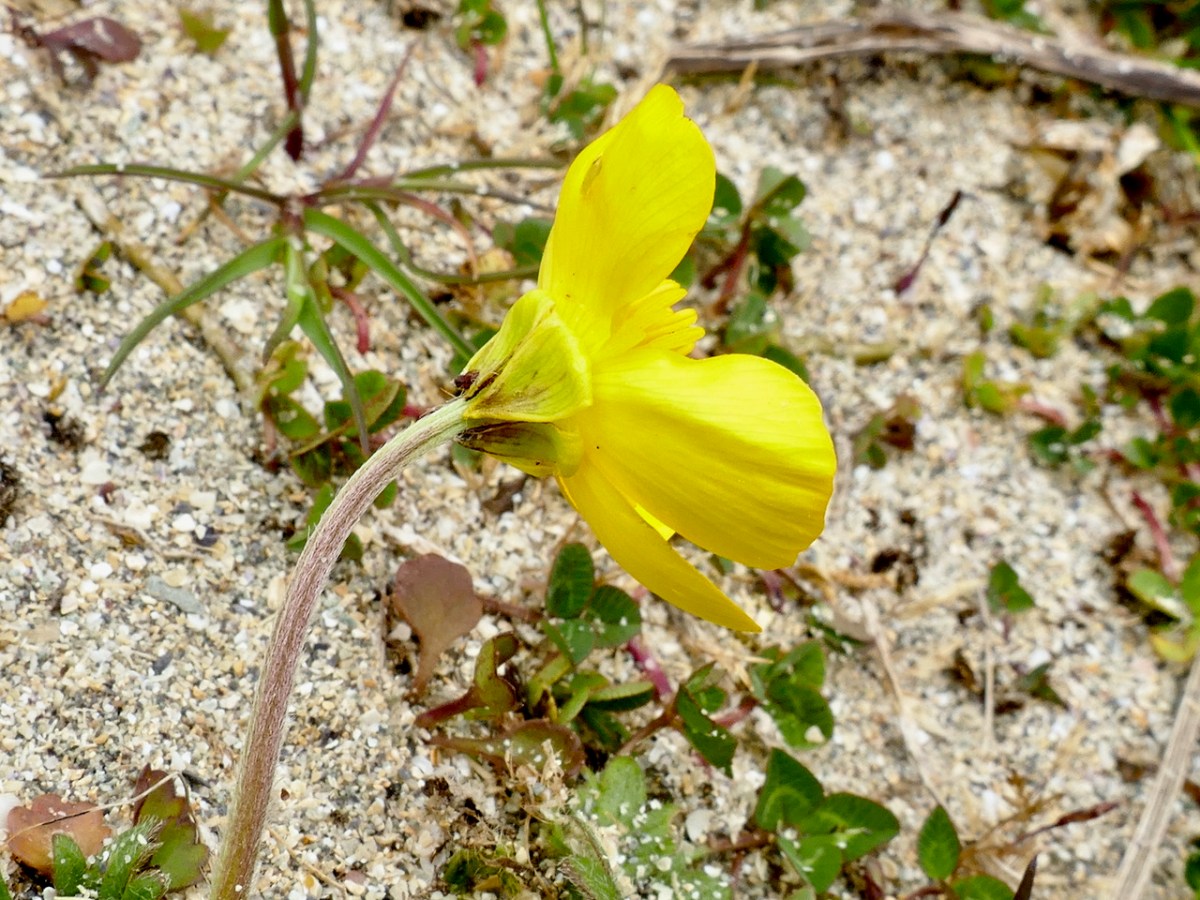
At this time of year the buttercups all over the dunes are actually Bulbous Buttercups – if you look under the flower head you will see that the sepals turn down away from the petals
I had the immense privilege of being included in a Rare Plant Monitoring Workshop on Friday the 13th – which also happened to be the day that Biodiversity Week kicked off in Ireland. As you probably all know by now, Nature is in crisis all across the world, and although we may be surrounded by lush hills and boreens in West Cork, there are ominous signs that all is not well with our natural world here as elsewhere. Fewer than ten percent of our native species in Ireland have been assessed for their conservations status – but of those that have been, one fifth (yes – one-fifth!) are at risk of extinction.
Sand Pansy – gorgeous little violas found on the dunes
That’s why counting plants is important – each one is part of the complex web of biodiversity that contribute to the health of our environment and the loss of even one can have knock-on effects on a whole cascade of others. I already monitor two rare plants for the National Biodiversity Data Centre (NBDC), Vervaine and Calamint, so I have an insight into the kinds of threats rare plants can face, from mowing to herbicides to change of land use – all of those have happened to the small populations I monitor.
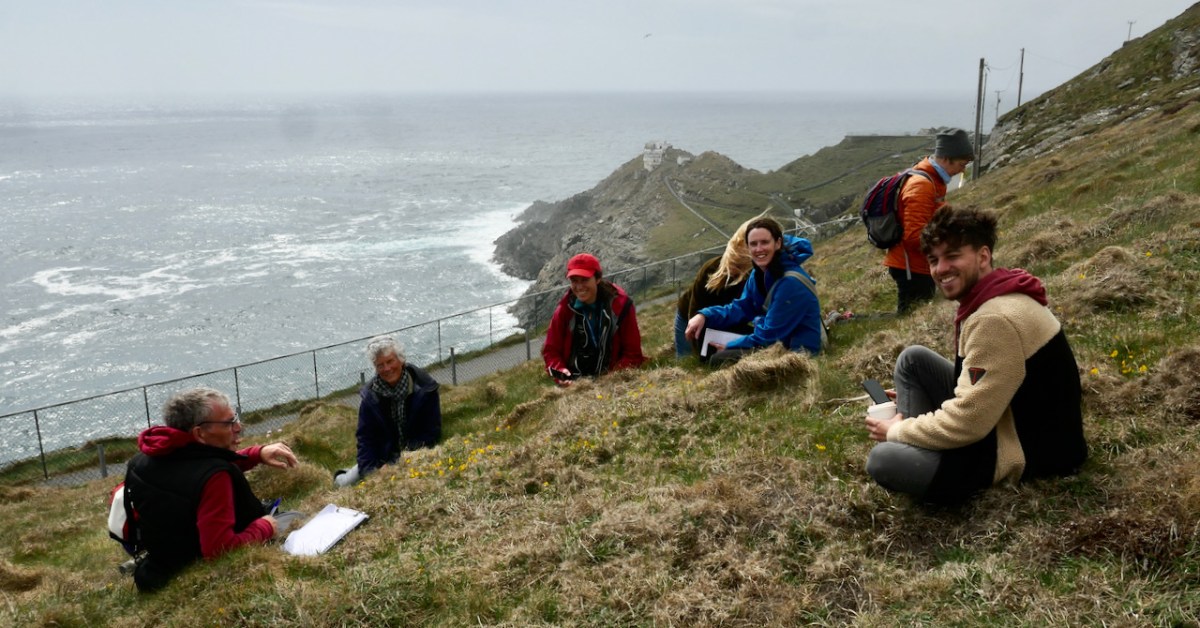
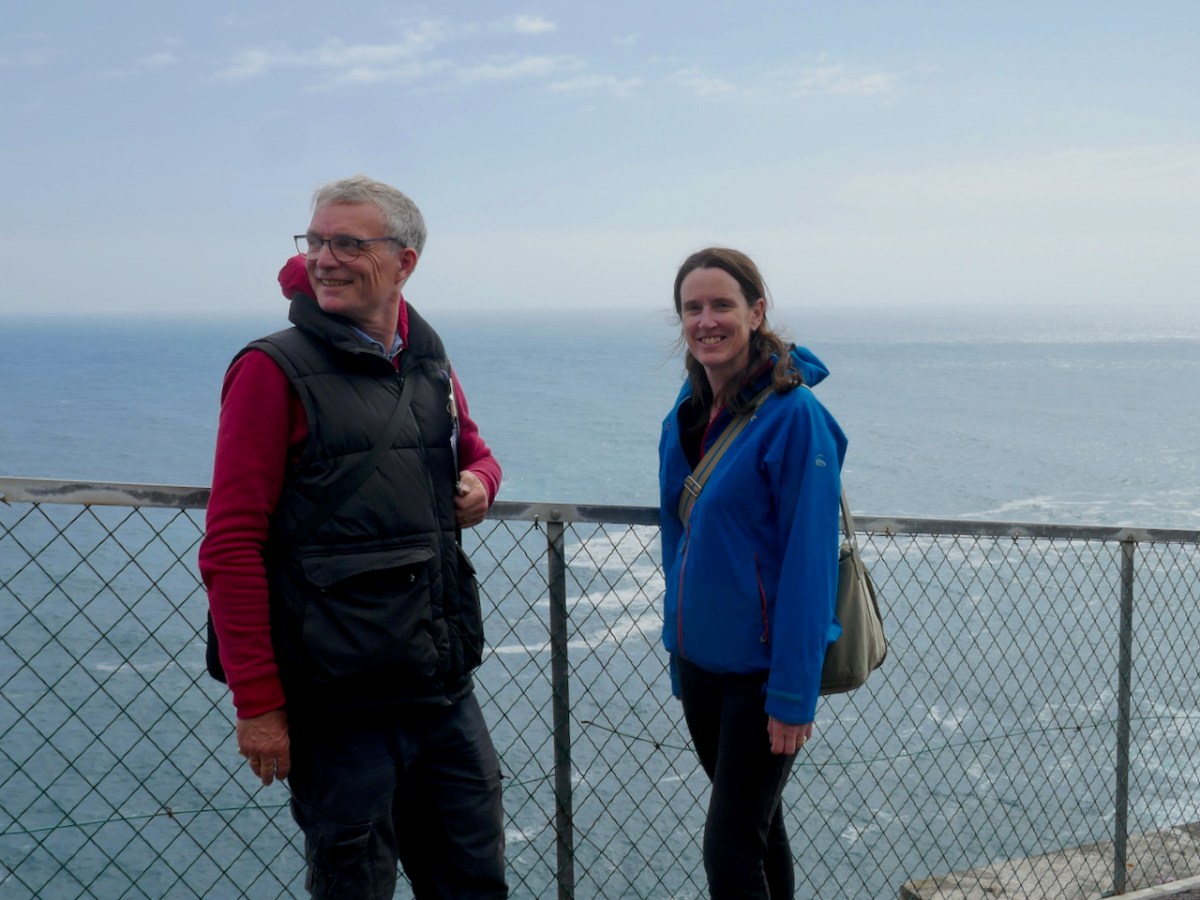
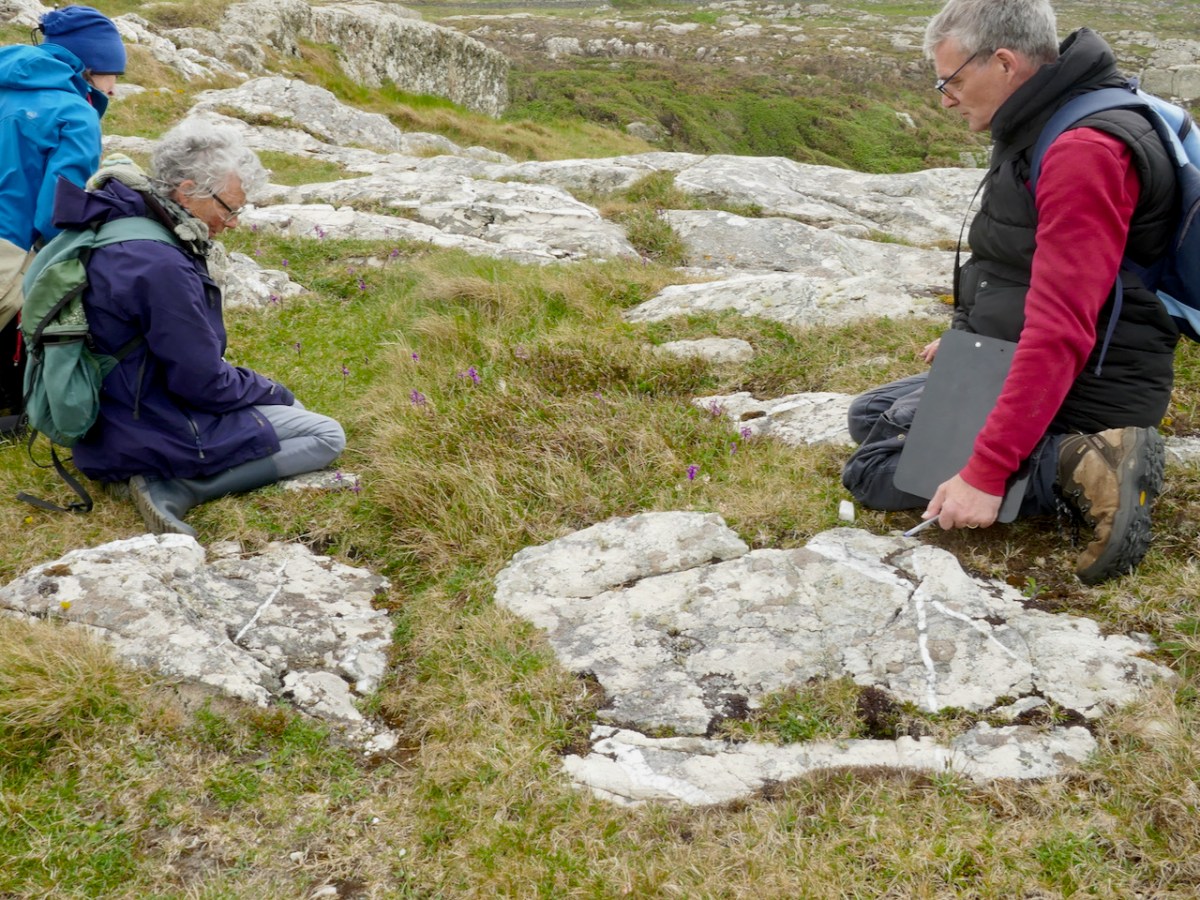
The location for this workshop was Barley Cove and Mizen Head. Having rendezvoused with Botanist Paul Green and NBDC Scientist Úna FitzPatrick (above, at Mizen Head) we set out across the dunes. I had met Paul before and so I knew that he is unfailingly generous about sharing his immense knowledge. Throughout the day we stopped frequently to exclaim over a plant that one or another of us spotted (like the Bulbous Buttercup) on the dunes or the rocks, and Paul always took the time to stop and educate us about each one.
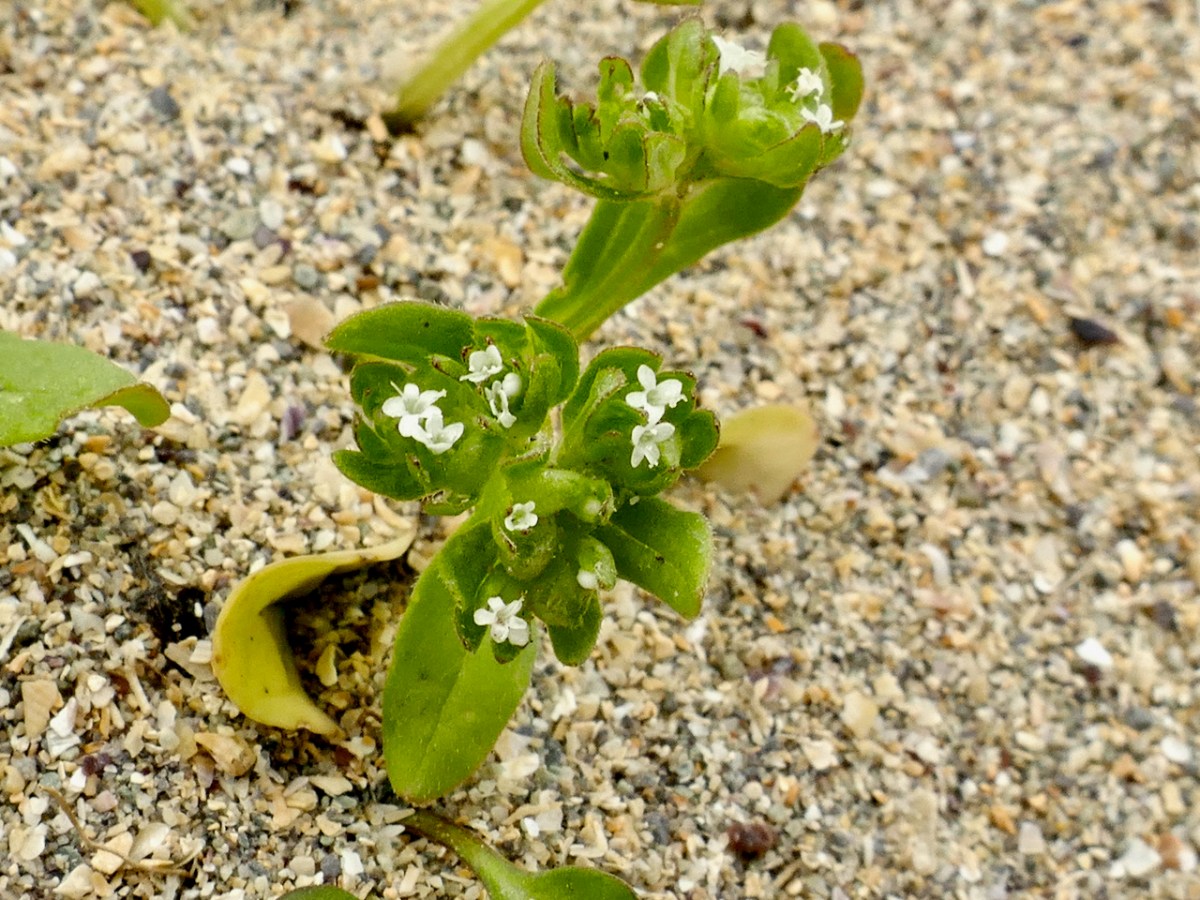
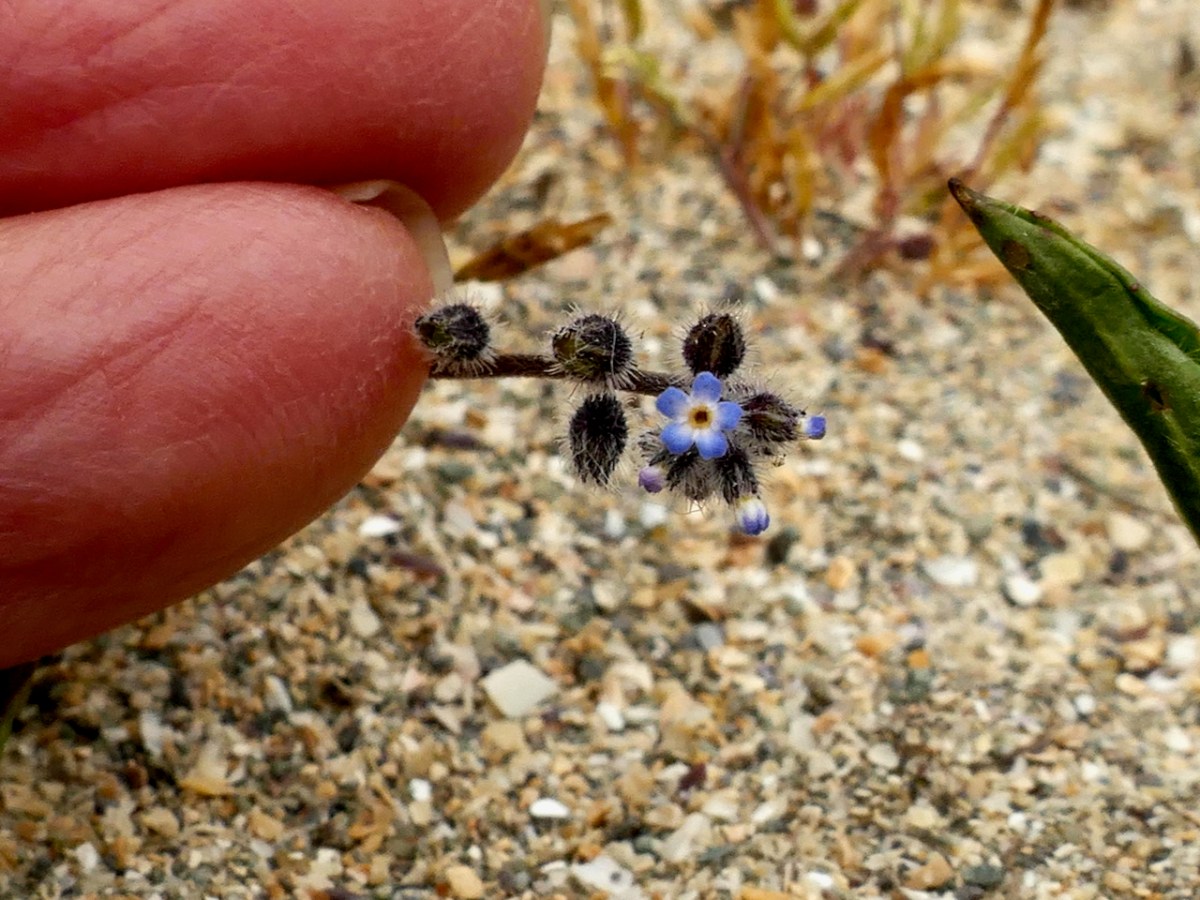
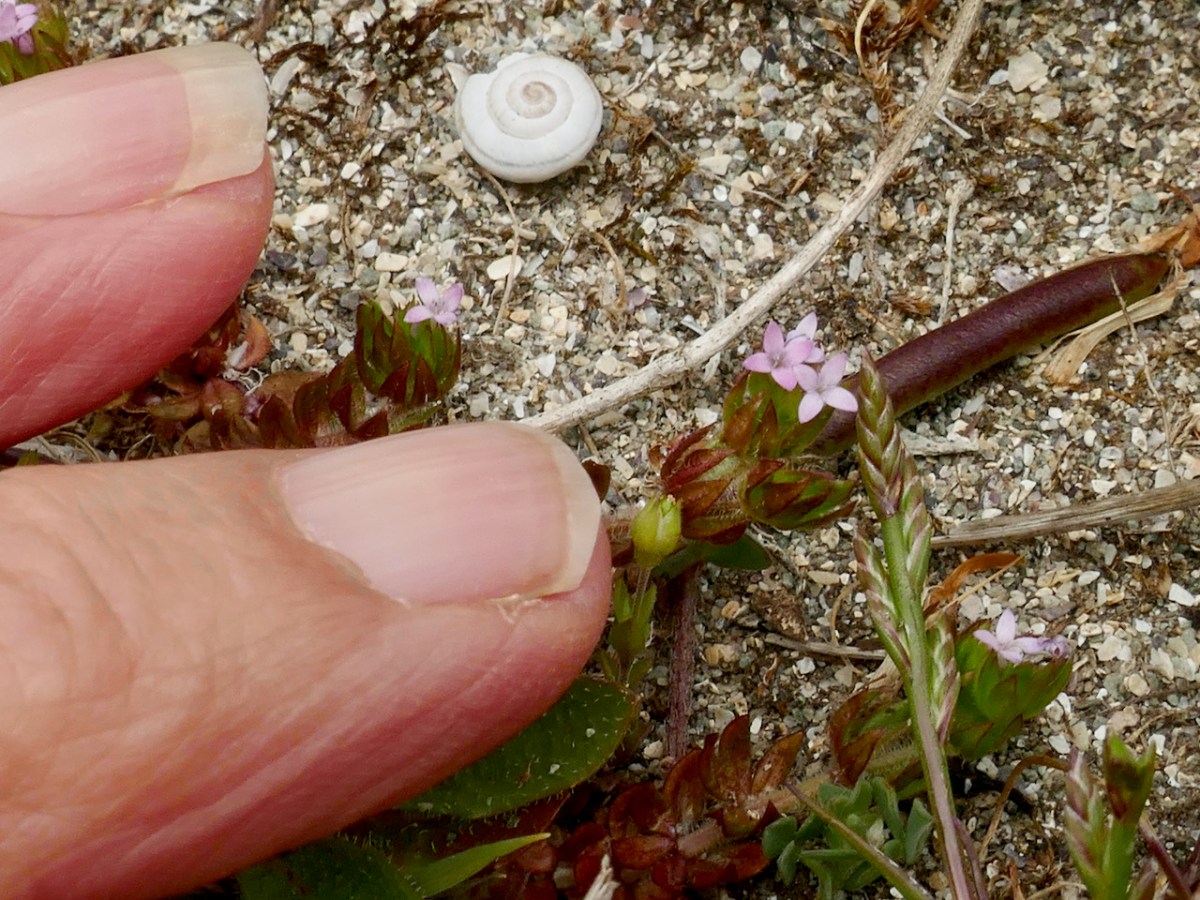
Thus, along the way, I was introduced to several plants that were entirely new to me. Despite the fact that I have been to Barley Cove on numerous occasions, many of them spent lying in the grass on the dunes (see this post and the wildflower slideshow within it, for example), I had never seen Common Cornsalad (above) nor Early Forget-me-not (below) before Friday.
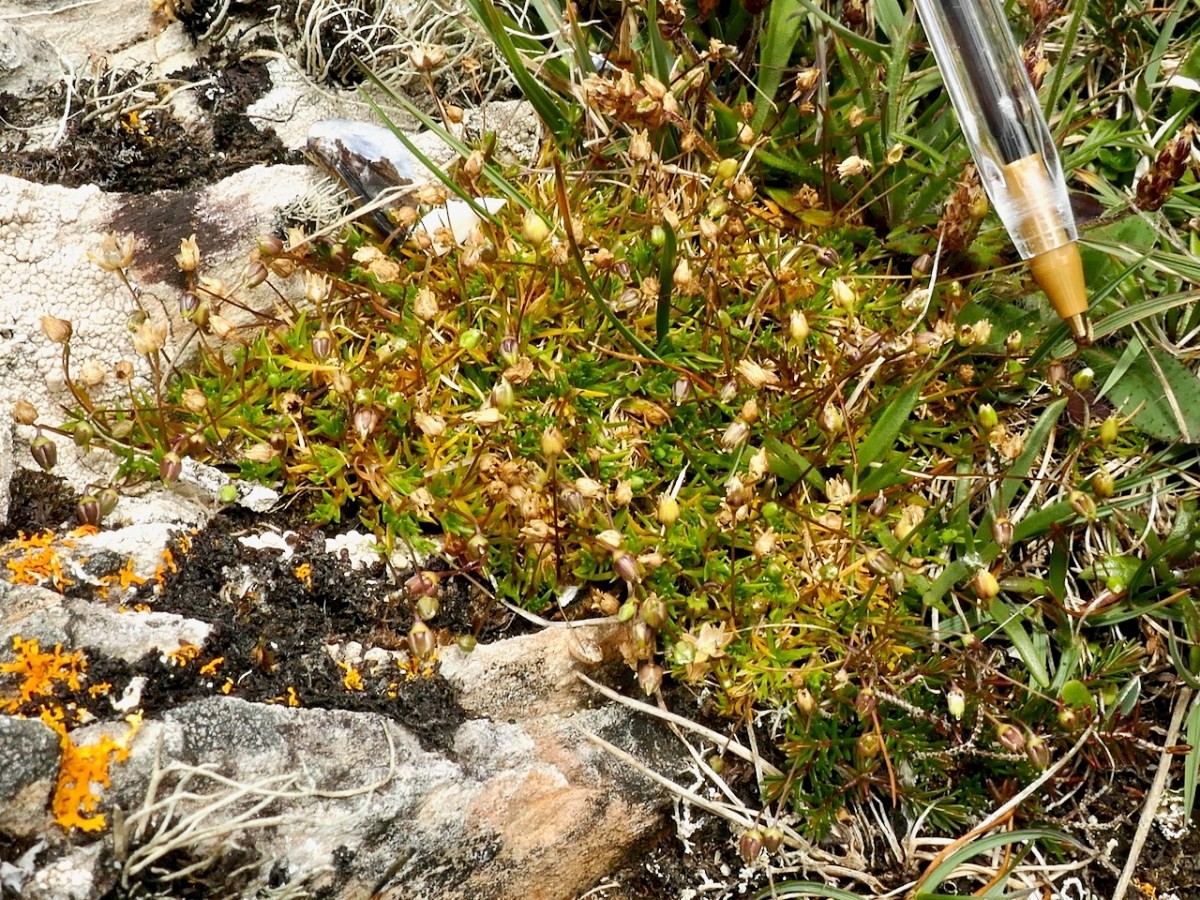
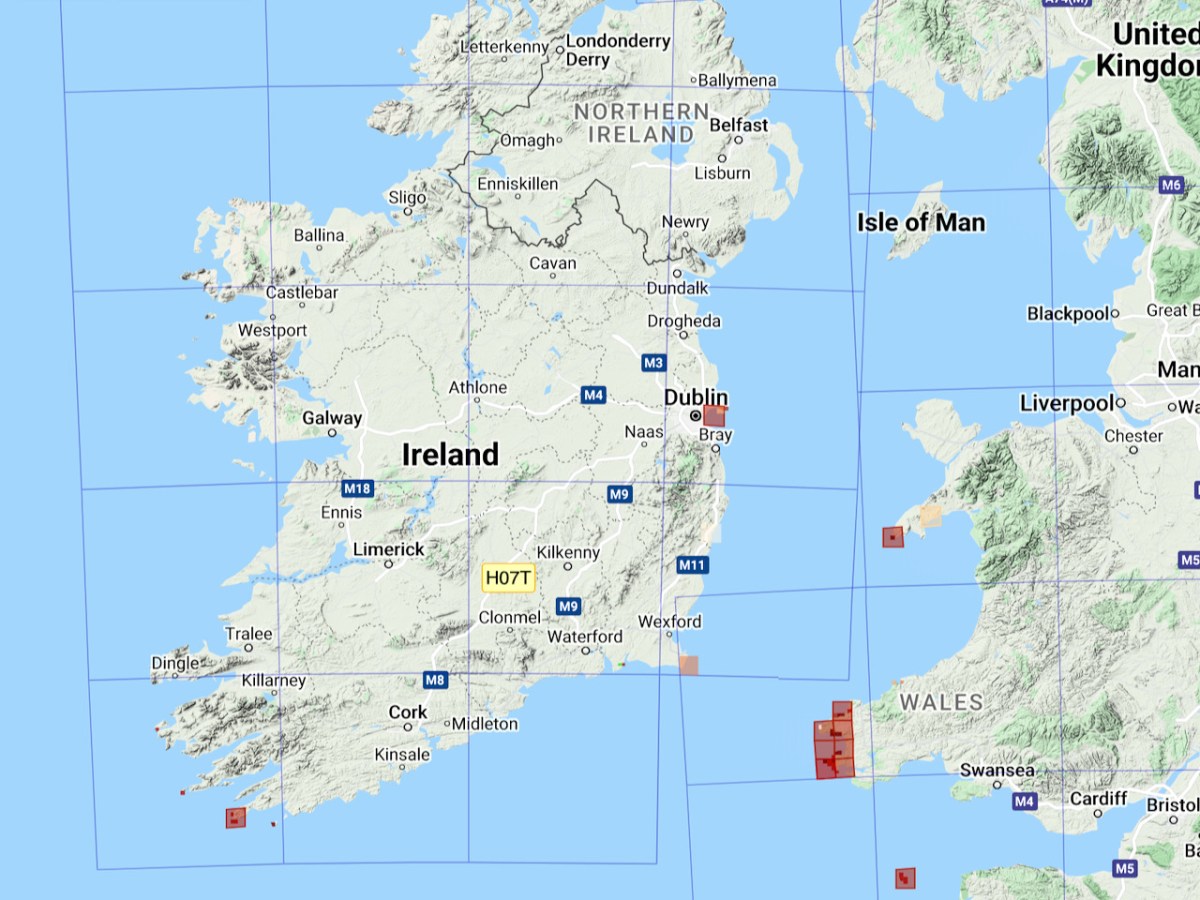
As our first rare plant, we were in search of Early Sand-grass, the kind of undistinguished little plant that you would walk over unthinkingly, but which is so rare that it only occurs here and in the Bull Island Nature Reserve in Dublin. That’s the distribution map below, courtesy of the BSBI.
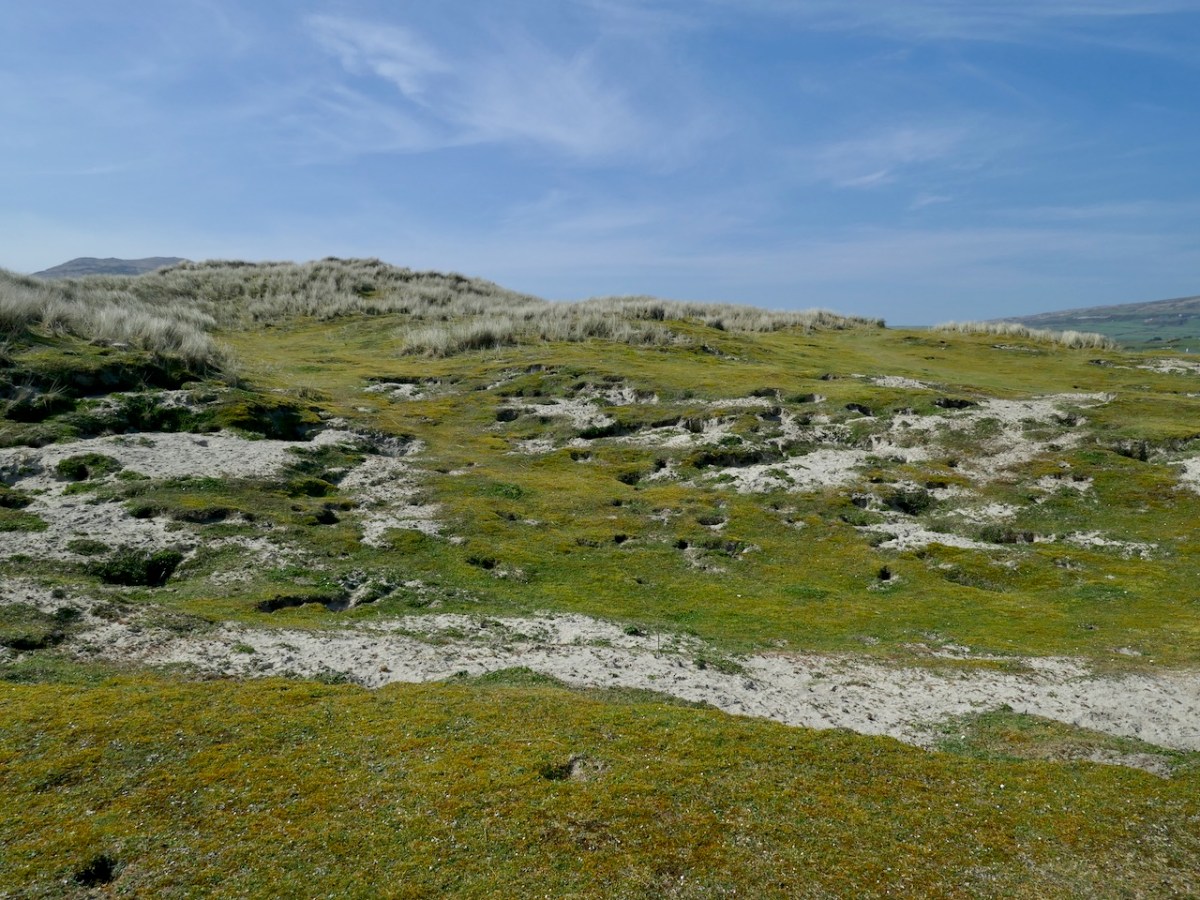
Paul found it and we collectively traced its extent across the dunes. This is an area with much rabbit activity and Paul speculated that the bare patches of sand created by the busy bunnies was what had encourage or allowed the Sand-grass to colonise this area. It’s a complex issue – those Barley Cove Bunnies can be destructive to the dunes in some ways, but here we have an instance where their presence has been beneficial – one of those complex interactions that are so hard to predict.
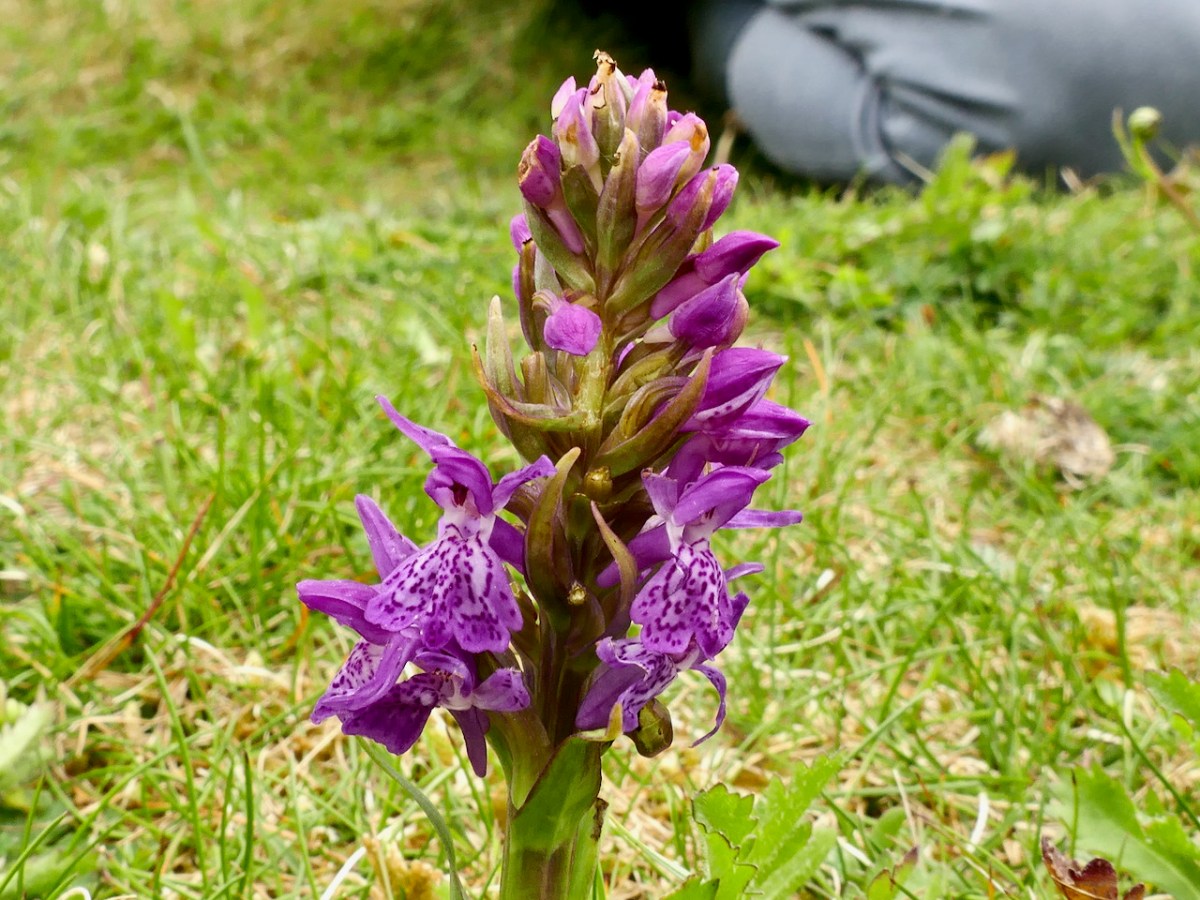
Our next target was an orchid – the Green-winged Orchid. But, on the way, we found another Orchid – the Irish Marsh Orchid (below). It was beautiful and bold and instantly visible in the short grass on the dunes.
In contrast, we almost tripped over the Green-winged Orchid, which upon first glance looked spindly and unremarkable. This is one you have to get close to – can you see them in the grass, below?
Here’s what Zoe Devlin has to say about this flower:
Surely the most exquisite wild orchid in Ireland. . . Green-winged Orchid is a small, erect plant which grows to about 30cm tall in grassland and meadows where grazing occurs. It bears flowers, well separated, in short spikes and these flowers appear in several colours – from snow-white through pink and magenta to deep purple. The three sepals are purple-veined with strong, green lines and these sepals form a hood over a broad, downward folded lower lip which is three-lobed and heavily spotted at its white centre. There is also a stout, slightly-curved spur. These incredible flowers bloom from mid-April to mid-June. The leaves are shiny green, unspotted with the upper leaves sheathing the stem and the lower leaves forming a rosette.
Can you see all that in these photos? I’m not sure you can, which is one of the things that makes wildflower identification interesting – especially with a family like the orchids where there are quite a few that look similar until you really examine them.
There were more plants on the dunes – I was amazed to find Field Madder (above), which I always assumed was a plant of arable ground. One of the things we had to get used to was how tiny many of the plants on the dunes were compared to those that grow in less challenging environments – like miniature versions of themselves.
Then there was one of our target species, the Sea Stork’s-bill (above) – really, a flower that only its mother could love, but very rare in Ireland and therefore one of the plants that enable us to chart the conservation of its habitat.
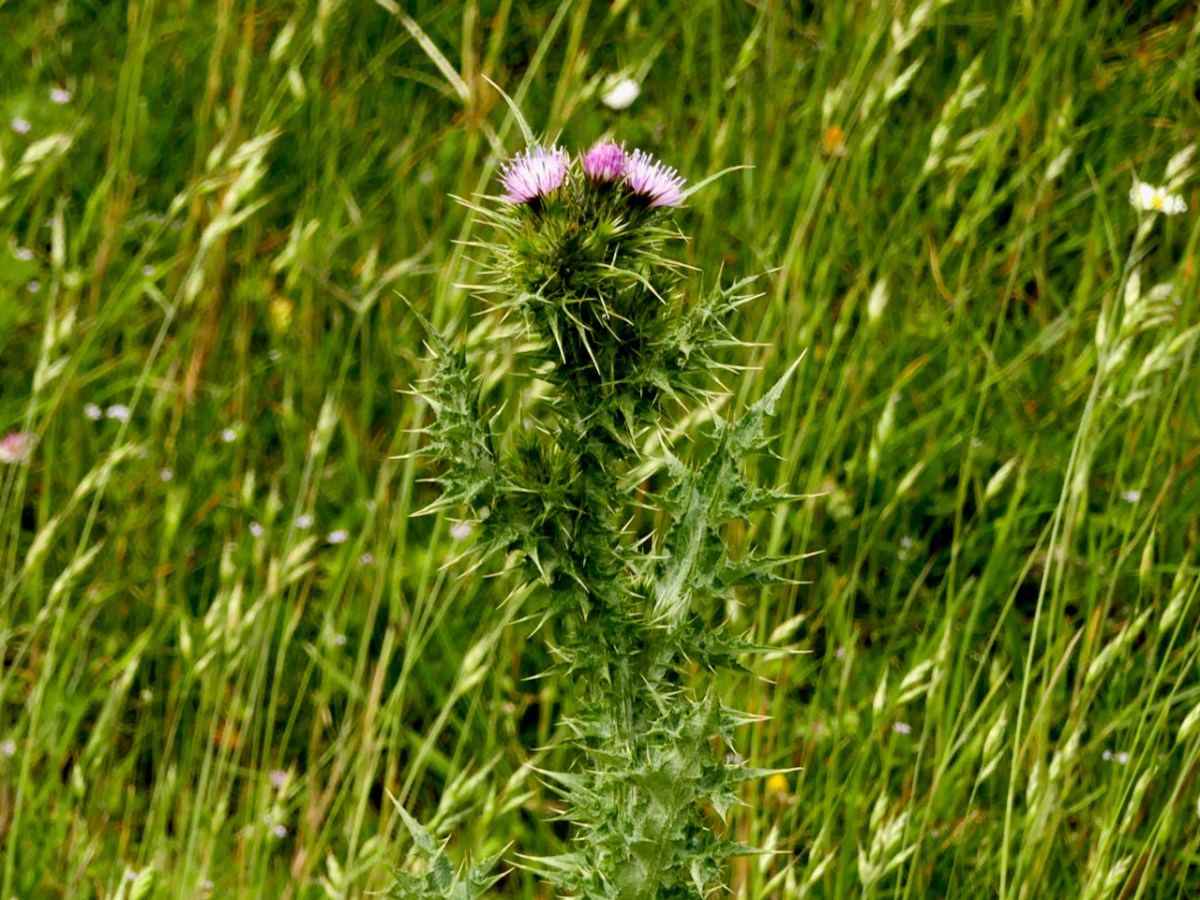
We drove from Barley Cove around to the Holiday Park but were unable to do a count of the Slender Thistle. The land was being grazed by sheep and every access was blocked (above). So we contented ourselves with noting that currently it appears to be abundant, if very localised. I managed a distant shot of this fine head (below) showing the pink flowers but also how spiny it is.
Our final stop was Mizen Head, one of the very few places in Ireland (see map below and the Broom below that) where you can find Prostrate Broom (try saying that fast). This was another exercise in a different kind of counting, since the plant is on sea cliffs and behind fences at the Visitor Centre, so it has to be identified at a distance and the count is an educated estimate. Add in the fact that there are two other yellow flowers gaily blooming around it (Kidney Vetch and Bird’s-foot Trefoil) and you get an idea of the challenge involved.
I have taken on the task of the Early Sea-Grass count. It may bloom as early as February or March, so I’ve made a calendar note to head out to the Dunes next year at that time. Another one of the participants, Damaris, and I will work together on our counts – it’s always more fun if you have a companion and probably more accurate too.
Thank you, Úna and Paul, for such a profoundly educational experience, that also managed to be great fun.
I’m remembering back to a warm summer evening spent on the Barley Cove dunes with the bunnies.
How many can you see?
We wanted to just sit and observe, so we found a comfortable spot where we had a view over the warren. They were everywhere! They weren’t unduly perturbed by humans, although they disappeared quickly when dogs came sniffing around. In the face of all the challenges rabbits face in Ireland, it felt good to be in a place where they seemed to be in a long-term relationship with their habitat.
European rabbits (Oryctolagus cuniculus to the biologists, coinín, pronounced cunneen, in Irish) were introduced to Britain by the Normans in the 11th century. They called them coneys and kept them in coney garths as a food source. Niall Mac Coitir, in his marvellous Ireland’s Animals: Myths, Legends and Folklore, tells us
The ‘coney garth’ consisted of a small enclosed field surrounded by a deep ditch, and a huge turf mound planted with gorse and blackberry to keep the rabbits in. Escape was easy, however, and the rabbit soon became free game for yeoman and serfs, even though it was illegal. . .
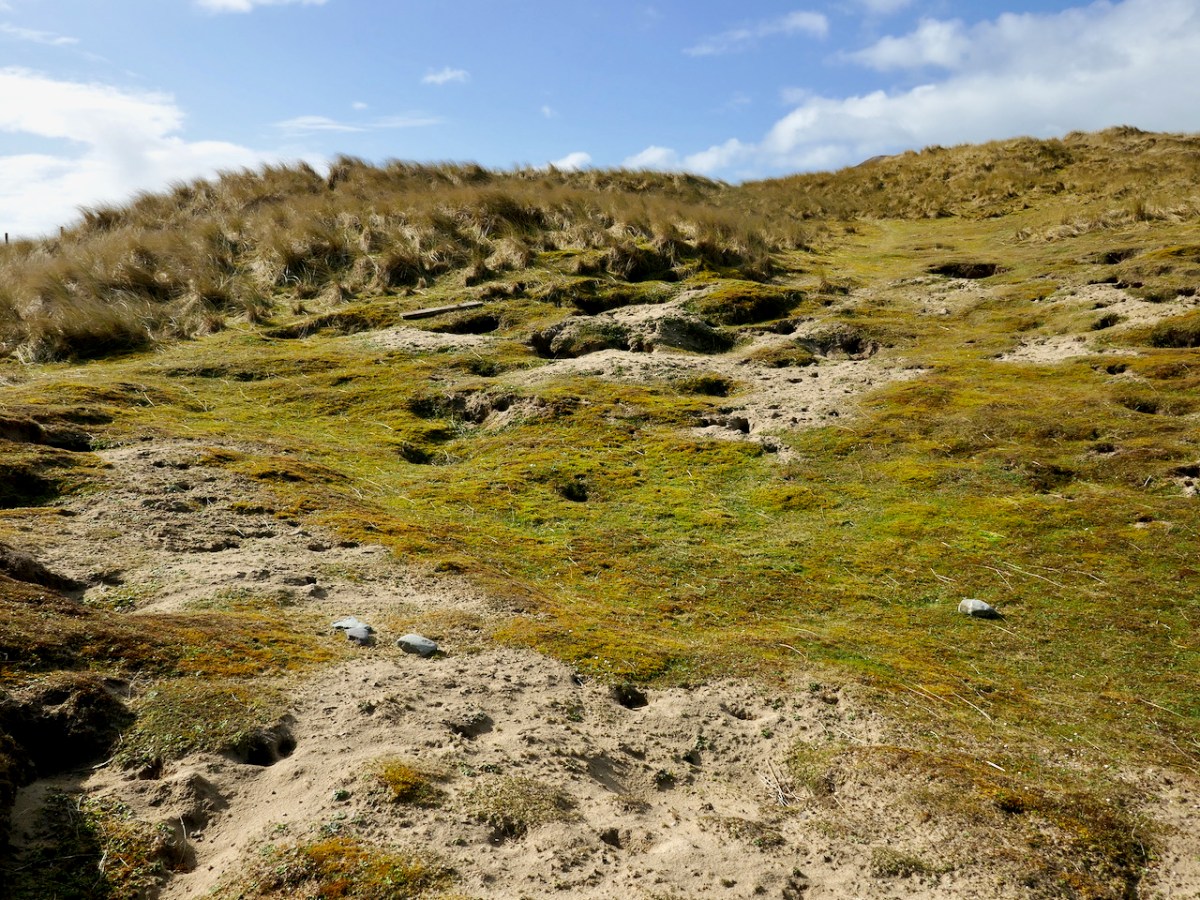
The Barley Cove dunes – rabbit country
A hundred years later, they brought their rabbits to Ireland, with the same predictable results. When you think that an adult female (a doe) can have up to seven litters a year, each one yielding up to ten kittens, the proliferation rate is explosive. They are kept somewhat in check in the wild by natural predators and a high mortality rate. Left totally undisturbed, rabbit populations probably undergo the same cyclical variations that other mammals do, with numbers increasing for about ten years and then declining due to over-population, before building up again.
Ears back – what’s he listening for?
But rabbits have never been left undisturbed for two main reasons – first they are a natural source of food and fur and second they can be a significant agricultural and horticultural pest. Exporting rabbit skins was big business in medieval Ireland and as late as the 1940s rabbit meat was still being processed and eaten at a great rate. But pity the organic gardener who comes out in the morning to find his patch stripped and desolate, or the farmer who loses a portion of her hard-won crop. The solution for the agricultural sector was disastrous – in the 1950s farmers introduced the disease myxomatosis into the rabbit population with devastating results. As I was growing up in 1950s Ireland I never saw a rabbit – the population had been virtually wiped out.
Since then, they have recovered somewhat (although now threatened with a new disease in the wild) but in this part of the world it’s still not commonplace to see a rabbit. That’s why it’s such a treat to be able to sit and watch them at Barley Cove. The best time to do this is in the evening, since they are naturally nocturnal creatures.
The warrens are obvious and sizeable – those big hind legs are effective digging machines! The tunnels have several entrances and contain passages and chambers where kittens can spend their first few days. Chris Packham, the British naturalist, has an amazing clip from his BBC program “The Burrowers” where a rabbit warren is filled with concrete, creating a model of its extent and complexity. Just click on the photo below and then on the picture again when you get to the site.
To get closer to the Barley Cove rabbits in order to photograph them I had to crawl through long grass and try not to spook them. Once they and I were at eye level, it felt like a real communication – being regarded by those deep pools of age-old knowledge, gentle and wise, was lovely. At the same time, the ears were on high alert, and I knew that one false move and he was gone.
Welcome to the UCD Library Cultural Heritage Collections blog. Discover and explore the historical treasures housed within our Archives, Special Collections, National Folklore Collection and Digital Library