Stone Mad, Re-Issued

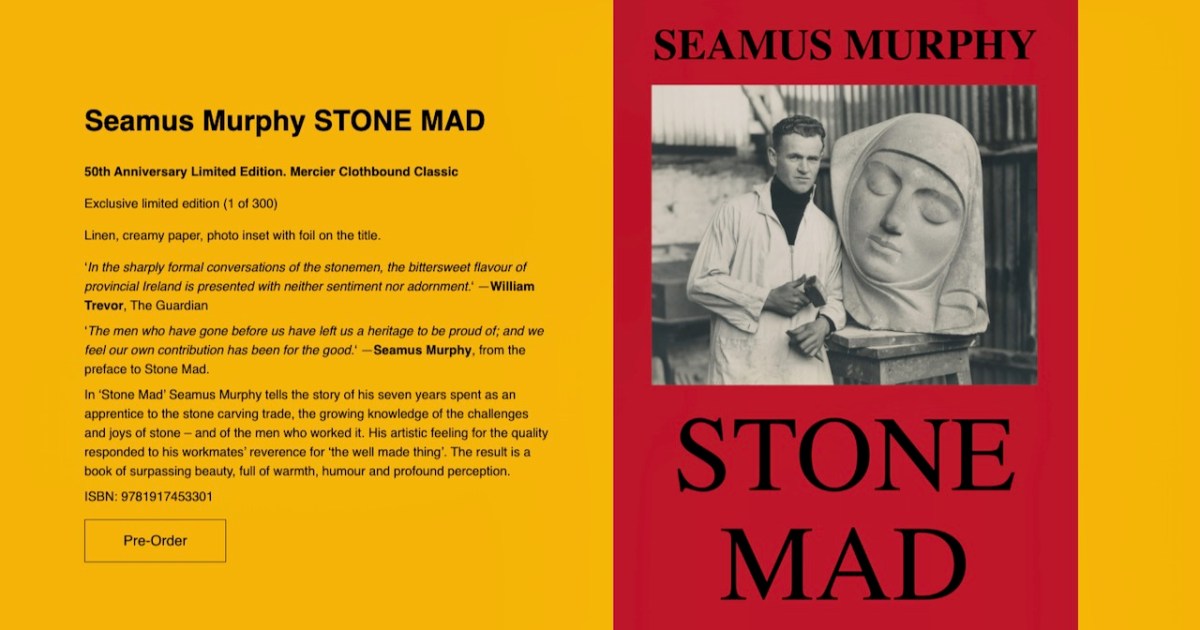
Yesterday, in a ceremony in the Cork Public Museum, Mercier Press launched a re-issued Stone Mad, by Seamus Murphy. This year is the 50th anniversary of Seamus’s death, in 1975. The book is also the One City One Book choice of the Cork City Library, as part of the 2025 Cork World Book Fest taking place all this week in venues across Cork.
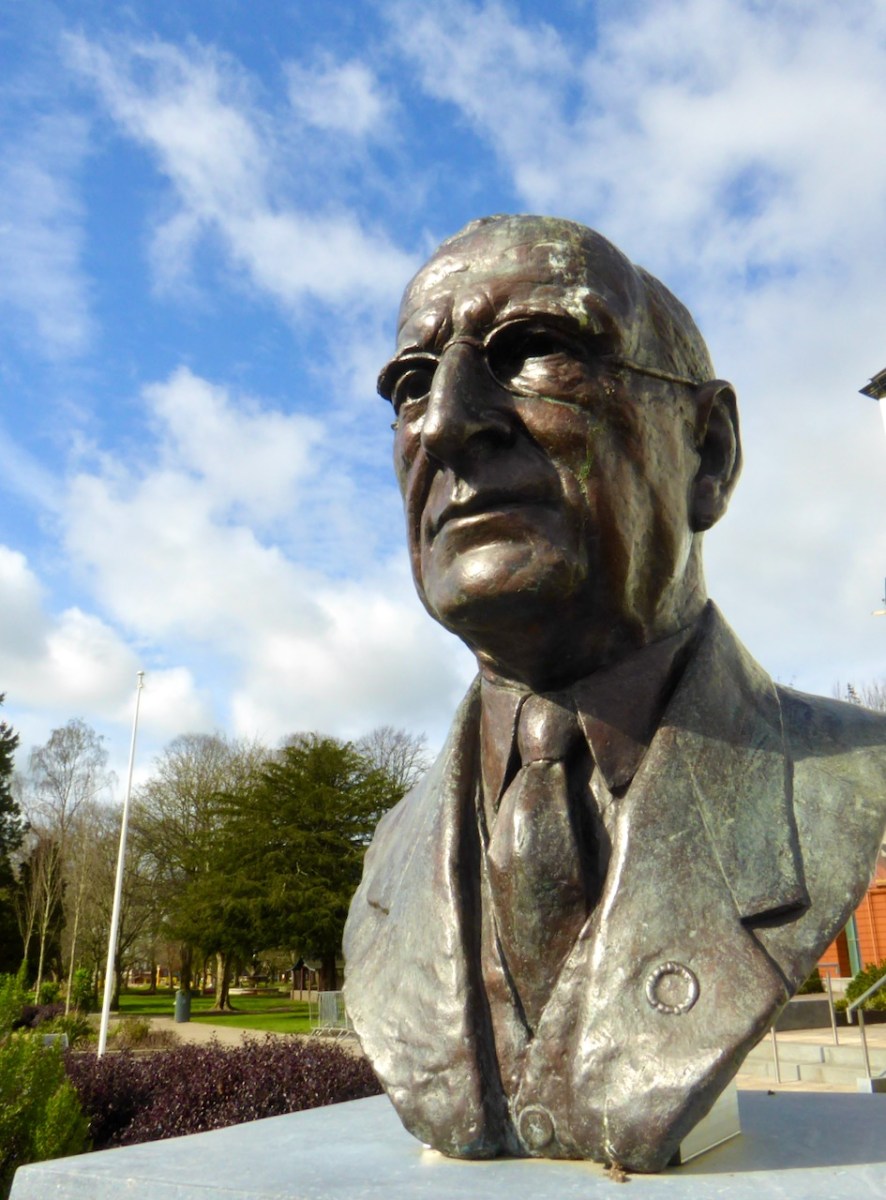
I attended the launch in the Museum, in Fitzgerald Park, home of several sculptures by Seamus, including this one of De Valera, above. Long-time readers will remember our own Rock Art Exhibition in the same building ten years ago – somehow apt that it featured the prehistoric version of the stone carving tradition we were celebrating yesterday. 
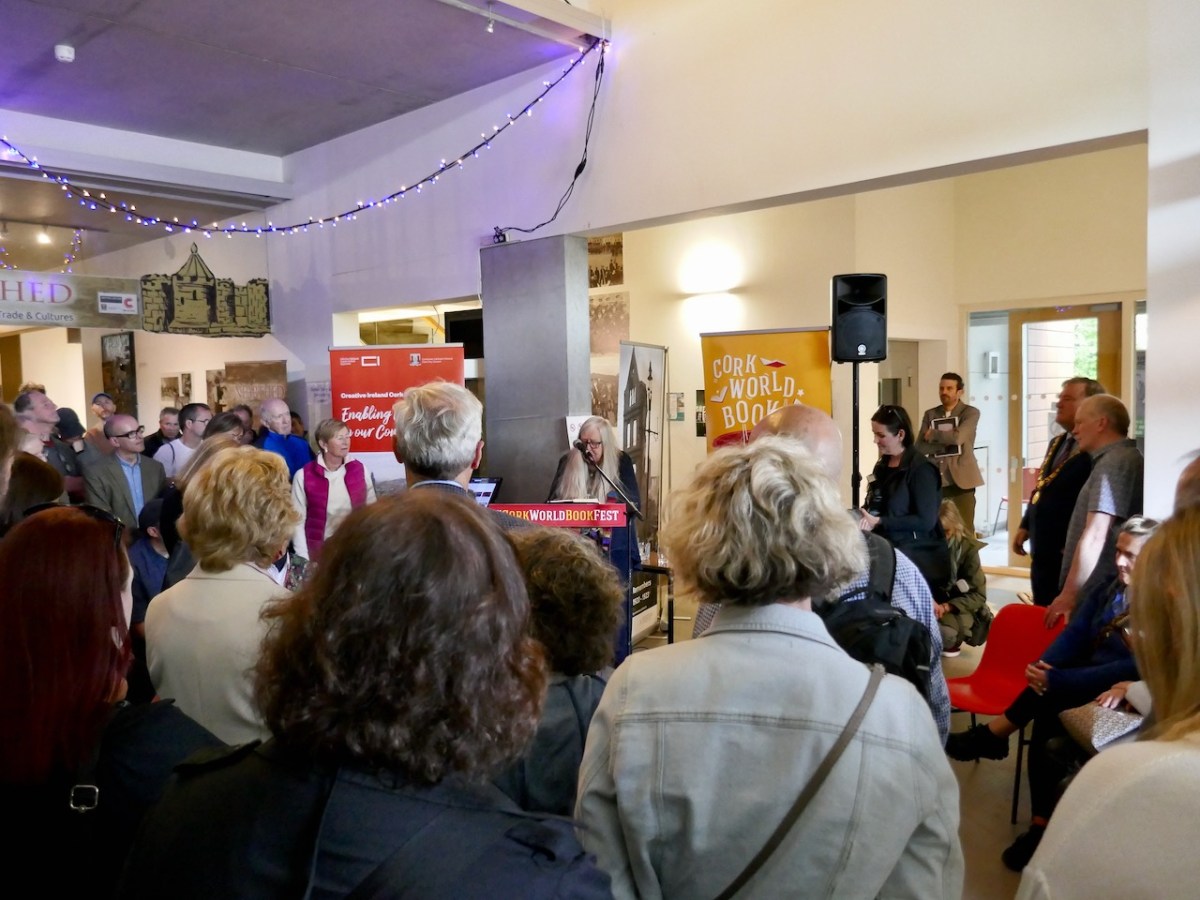
The book was officially launched by the poet Eiléan Ní Chuilleanáin, about whom I wrote here. She had known him in the old days in Cork, and her’s was a wonderful, evocative, beautifully written summary of Seamus and his book. She finished with words that resonated with everyone in the room (and it was packed!) – I paraphrase it as: Read this book again. And afterwards, go and wander around Cork. You will never look at it the same way again.
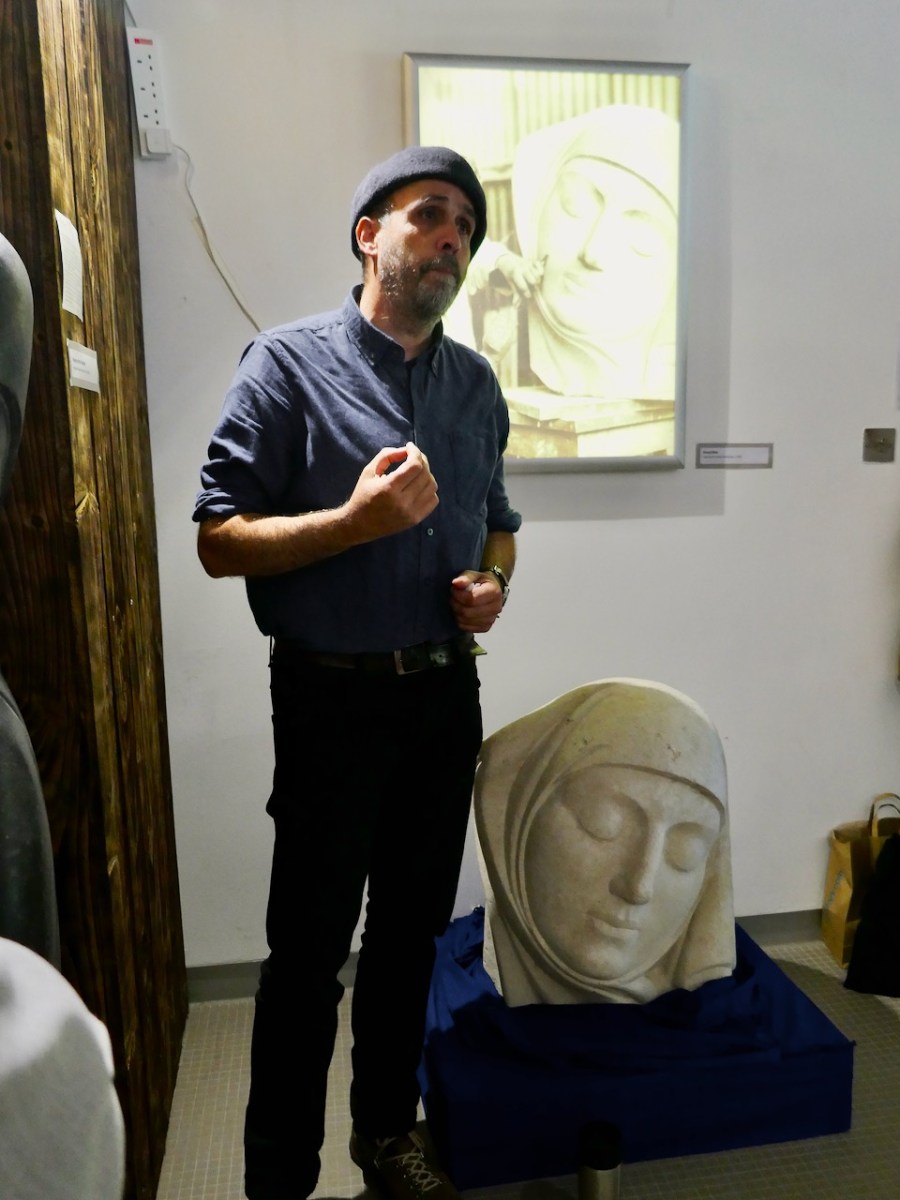
Eoghan Daltun, author of An Irish Atlantic Rain Forest, was there too. Besides a passionate conservationist, he is a skilled sculptural restorer, and was responsible from rescuing Dreamline from weather and lichen damage a couple of years ago. Standing within the display of carvings and tools and images, all carefully set up by the Museum team led by Curator Dan Breen, Eoghan talked us through what was involved in carving in stone and, many years later, restoring the artwork. 
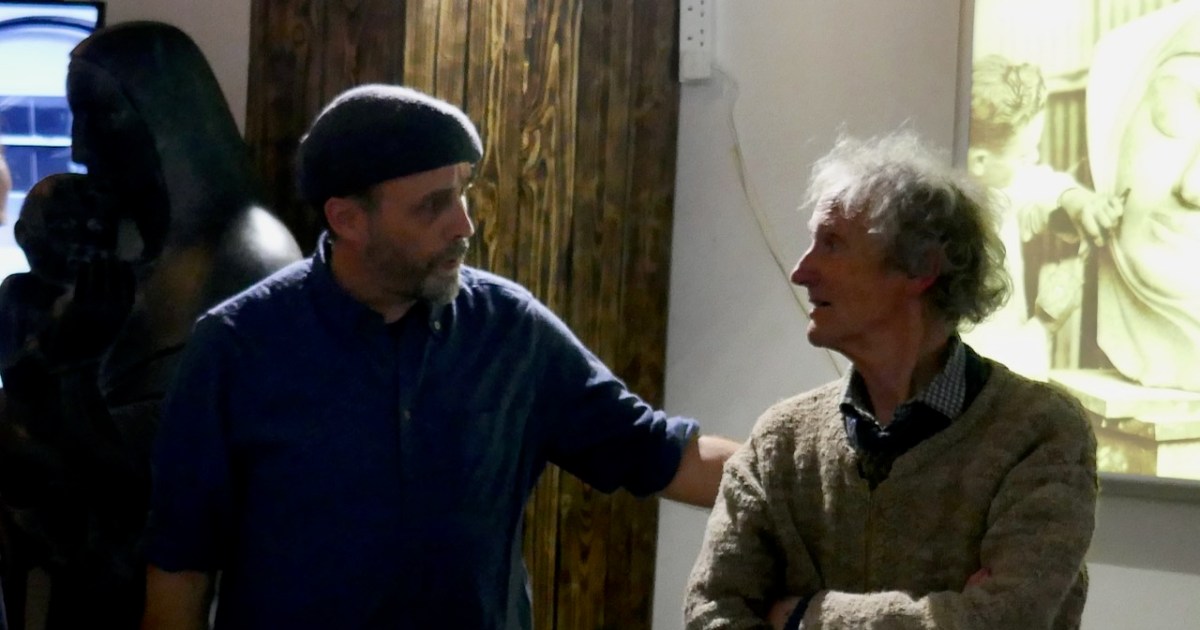
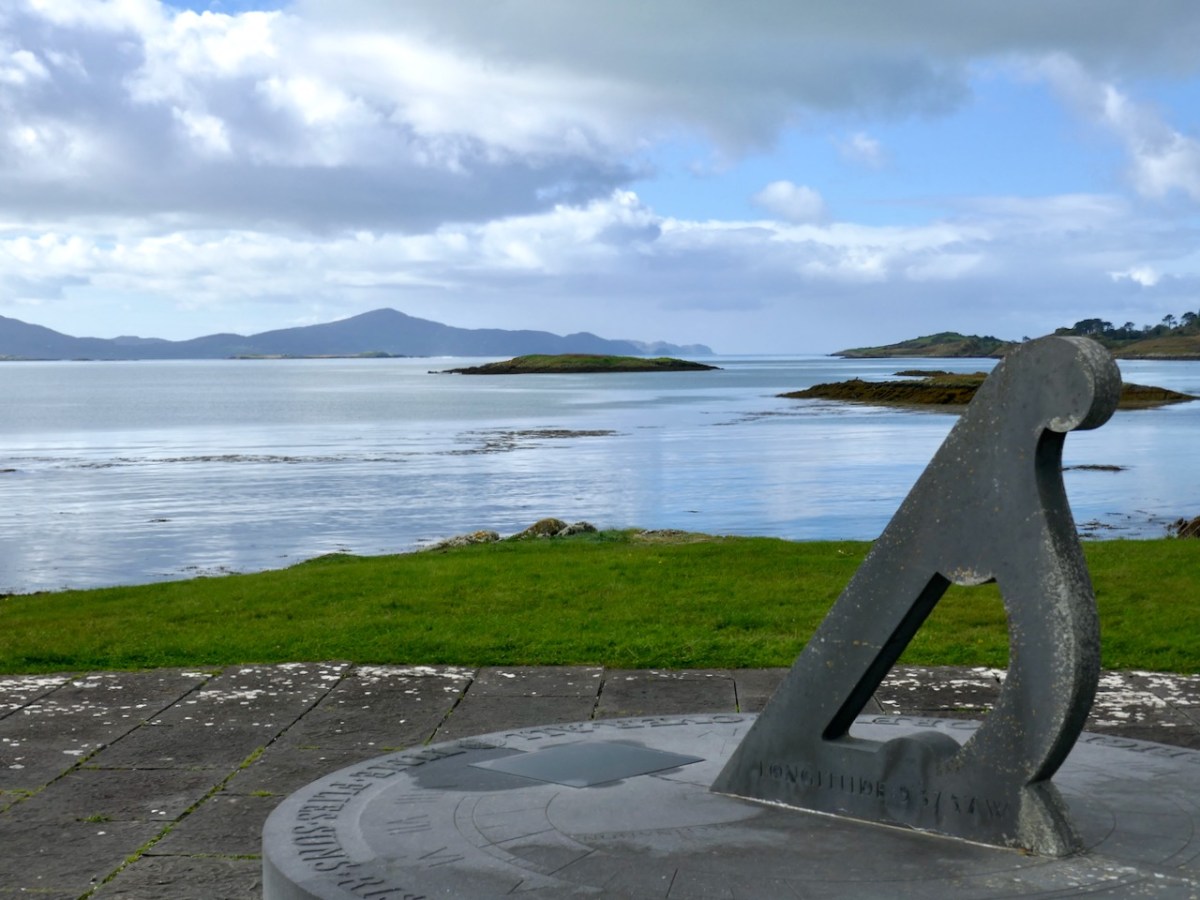
I was also very pleased to meet Ken Thompson, the stone carver who finished off lettering on Seamus’s headstones, after his death, and who carved many monuments I have encountered in Cork and elsewhere, including the inspirational memorial to the Victims of the Air India tragedy in Ahakista, below. 
Seamus Murphy is acknowledged as one of Ireland’s best stone carvers, and an icon of the 20th century Cork cultural scene. His work can be seen all over Ireland, but especially in an around Cork. If you are not that familiar with his output, the documentary Seamus Murphy A Quiet Revolution is a great introduction to his life and work.
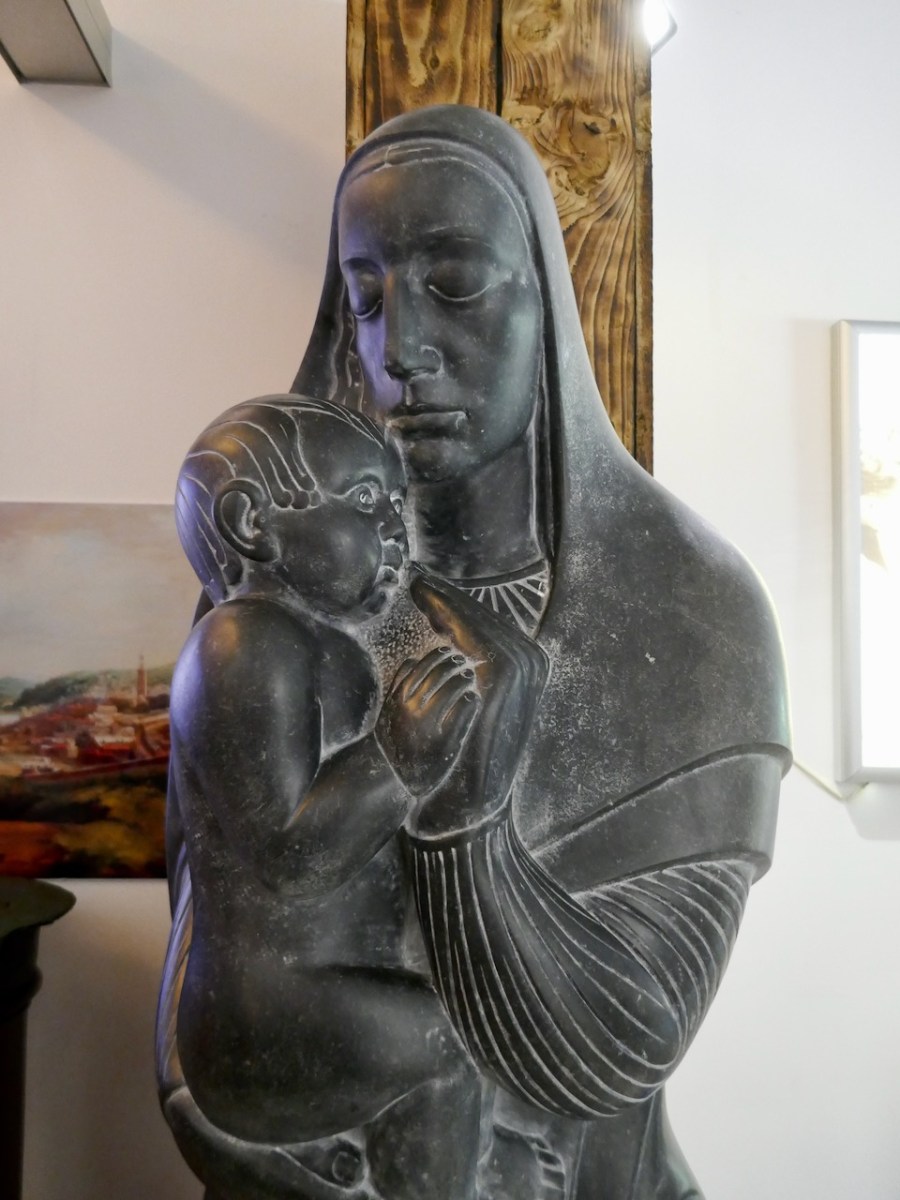
Stone Mad has been a favourite on our shelves as long as Robert and I have had a joint library. We own a couple of copies, including a hardback of the second edition, signed by Seamus and with illustrations by William Harrington. It’s an evocative summation of his life as a ‘stoney’, the men with whom he worked, and the craft they honed together. It has become iconic, as much for its on-the-ground and entertaining picture of life in a Cork stone yard as for its musings on stone carving as an art, from medieval times to the present day. For some extracts, see my post, Building a Stone Wall.
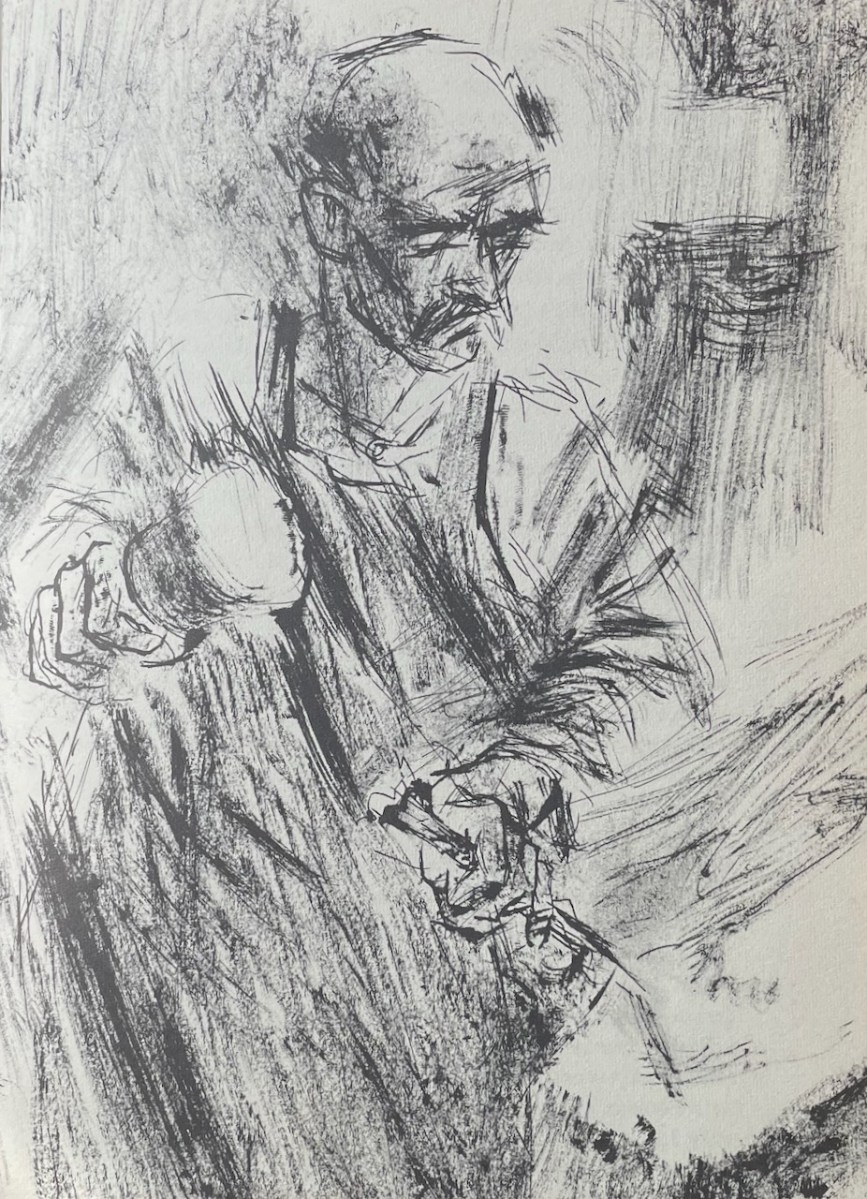
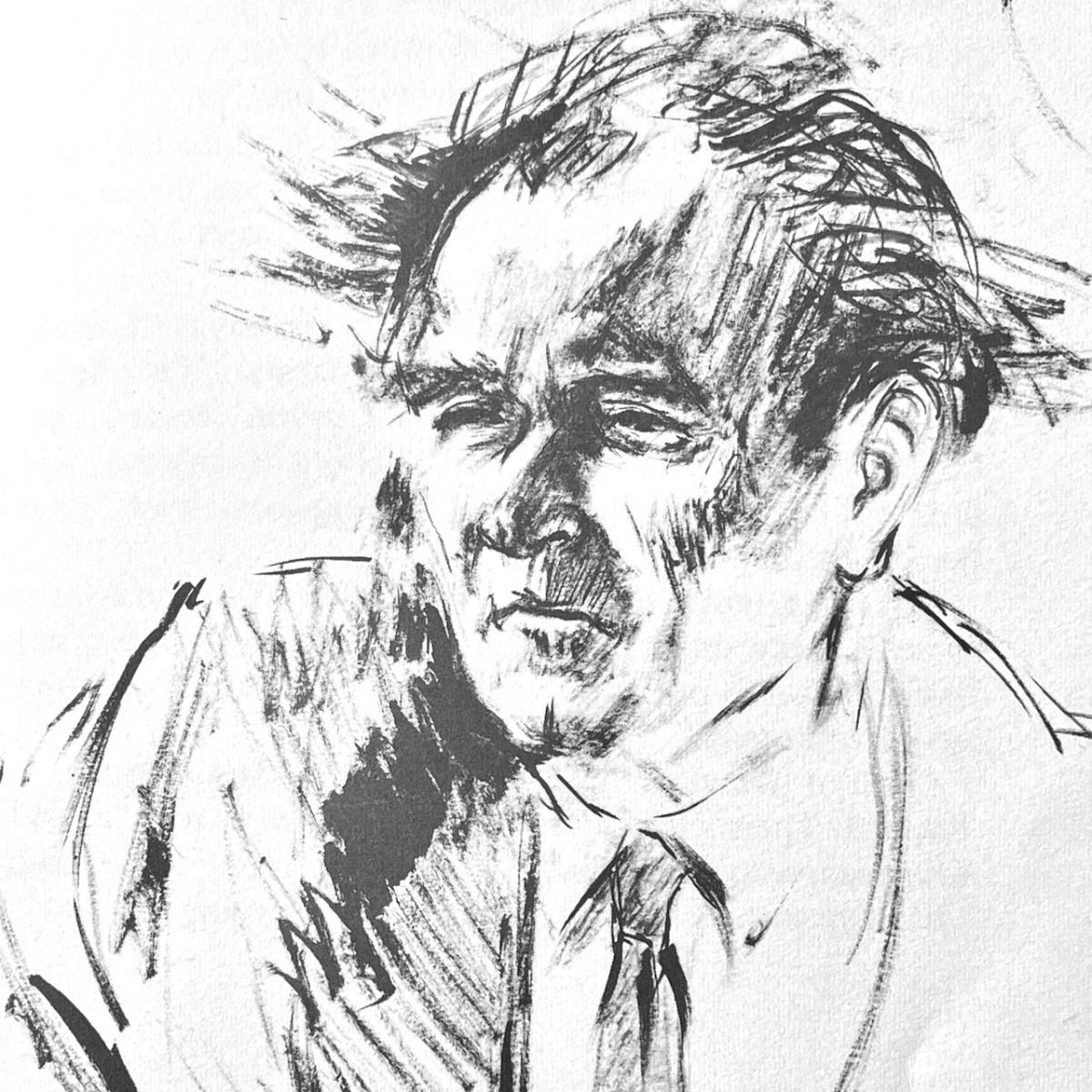
The illustrations by William Harrington, pen and ink sketches, capture the work, the camaraderie of pub life after a hard day’s work, but also includes a sensitively drawn portrait of Seamus. 
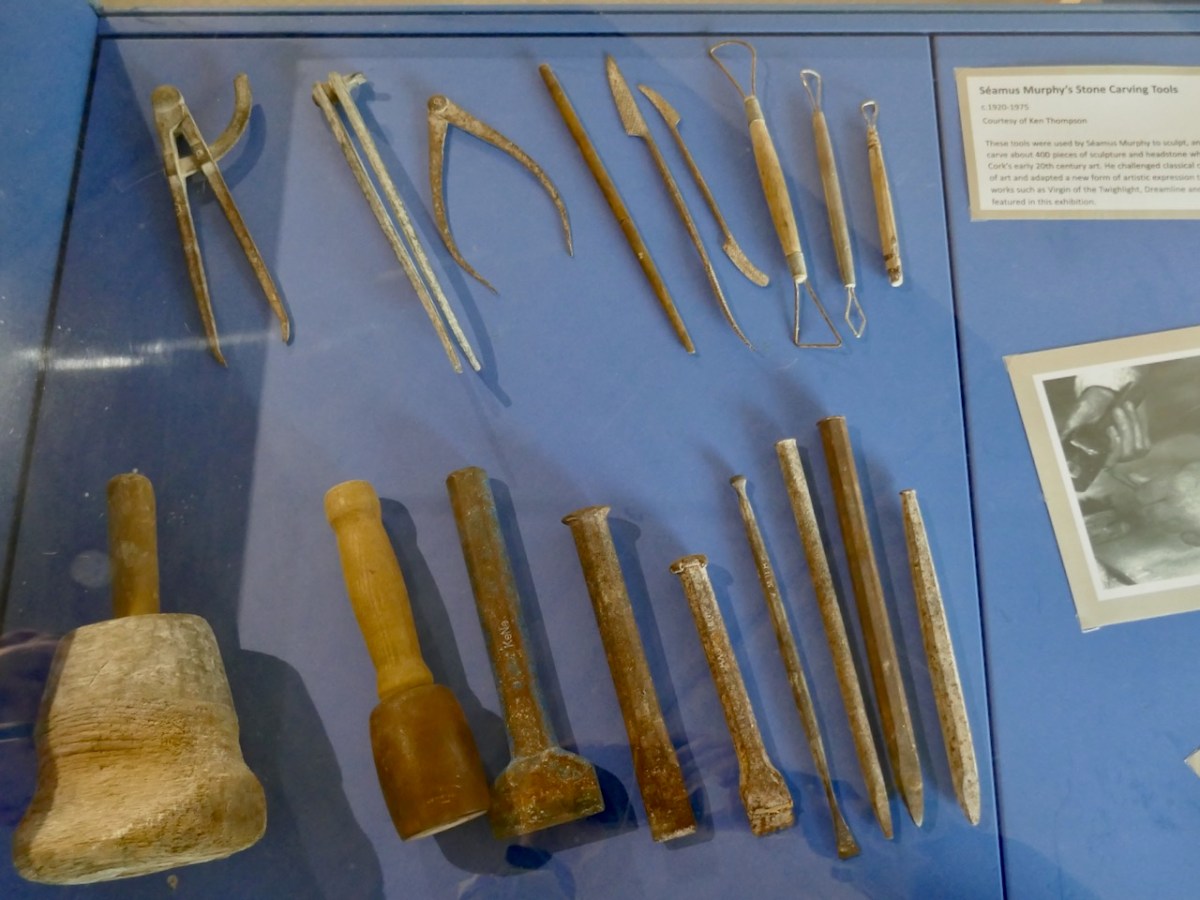
If you don’t have a copy of Stone Mad, do get one – it deserves a place in your library. I will leave the last word to Ken Thompson, from the documentary I link to above. Ken inherited Seamus’s tools (below) – most of them look surprisingly delicate for the work they do, don’t they?
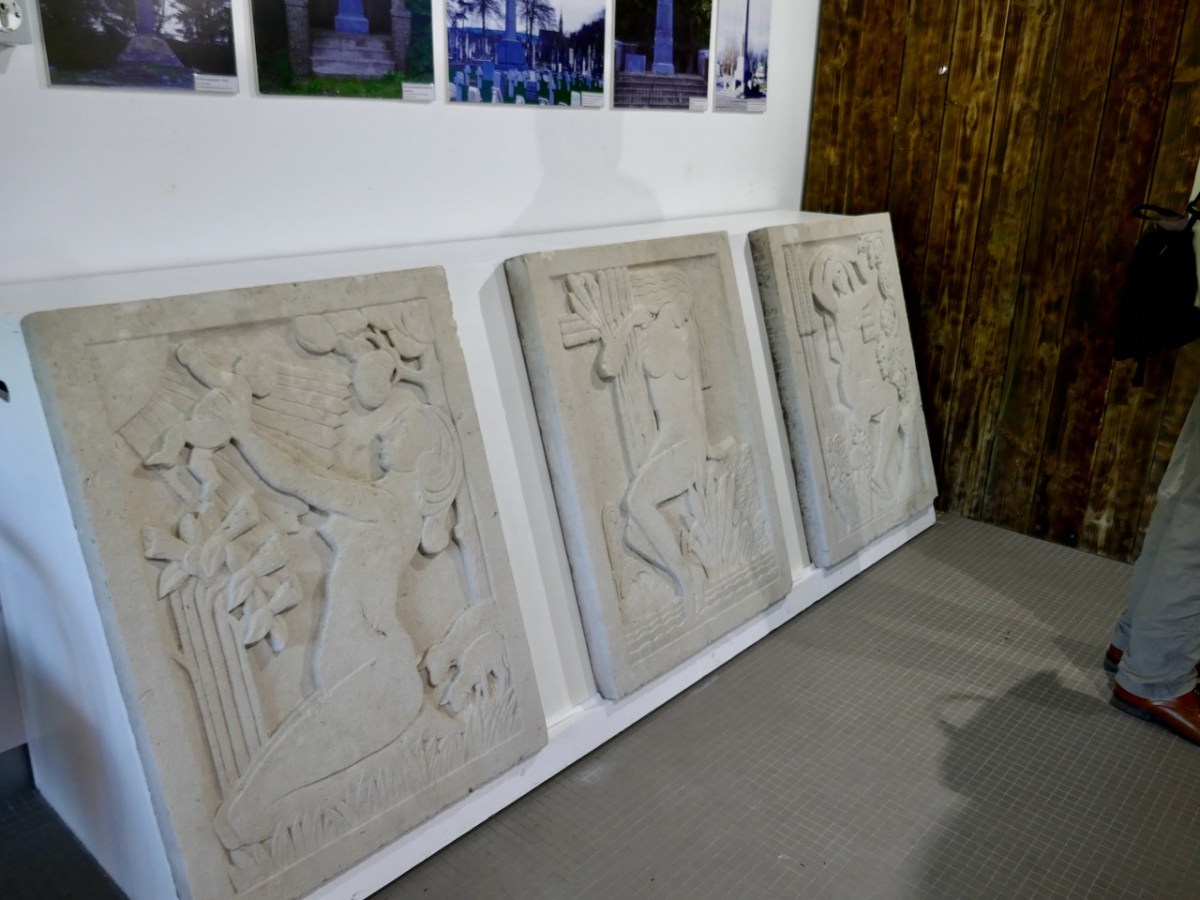
Ken says, Now he’s been dead for 40 years, but I see his work in churches all the time. His work is shining out. It’s still a beacon. It still speaks.
Books for Christmas 2024

What do we need for Christmas? More books! Where will we put them? We’ll figure that out later. (You know who you are.) Or are you stuck for ideas on what to get other people? Or someone has asked you for a hint on what to buy for you?

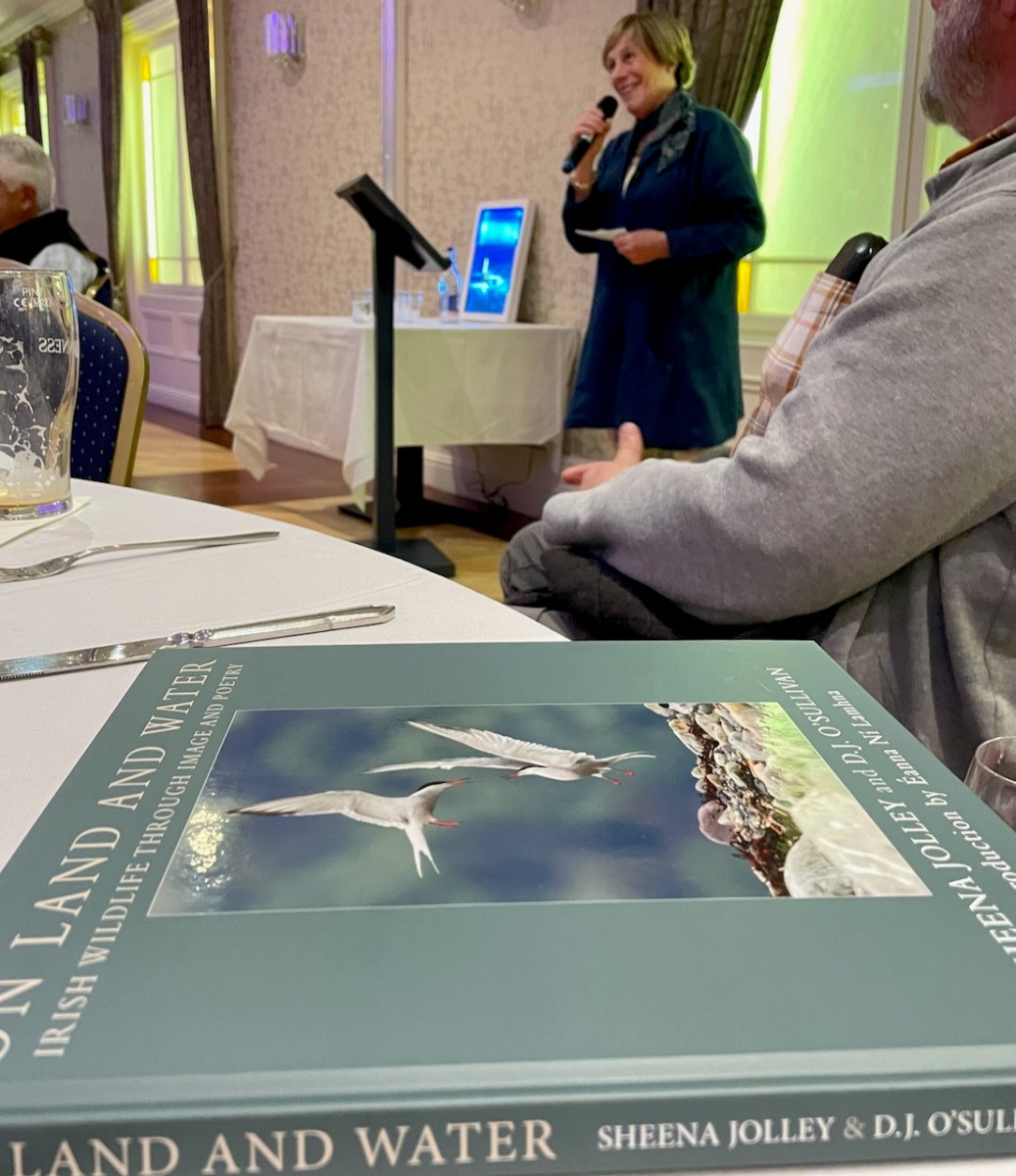
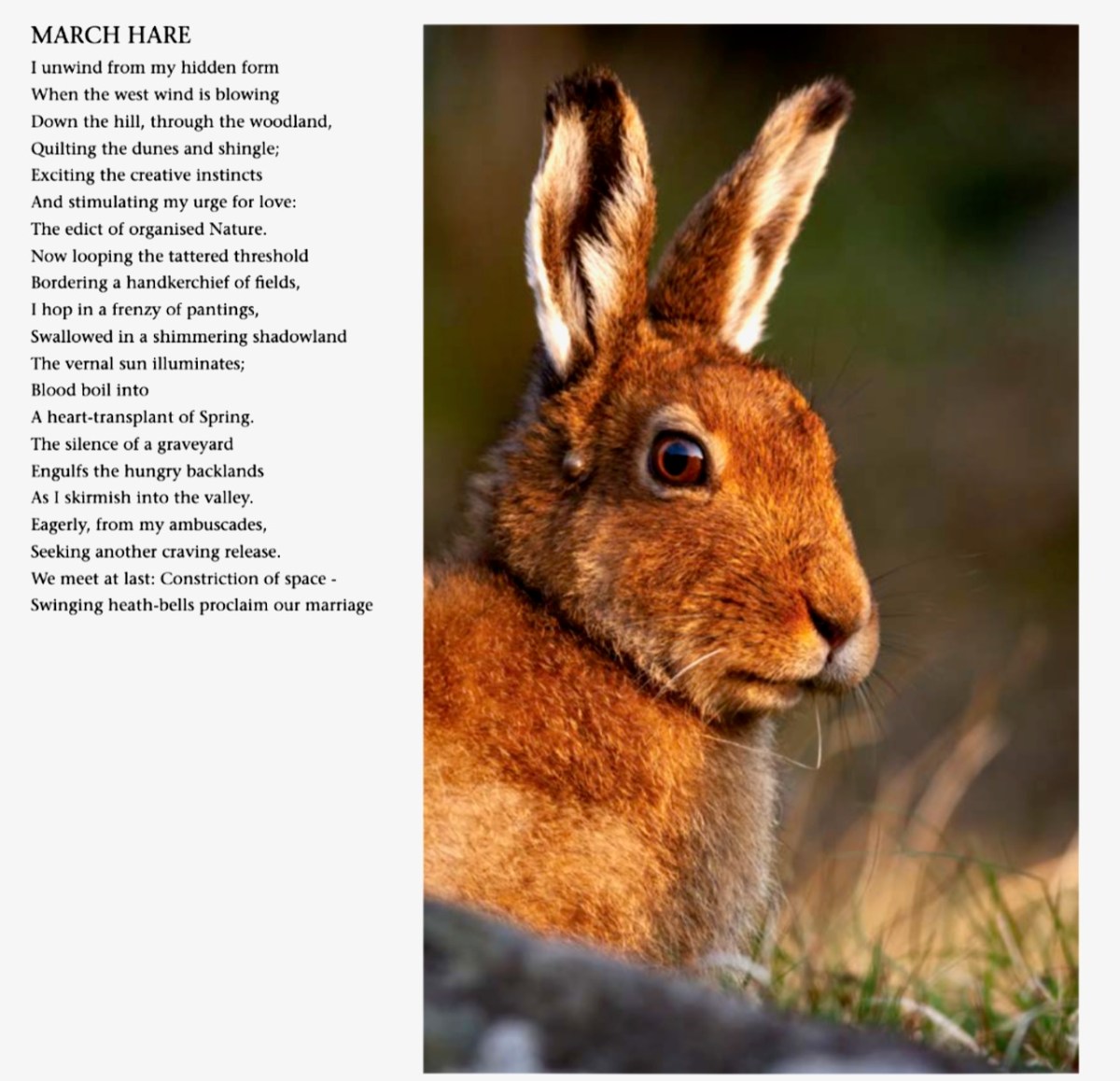
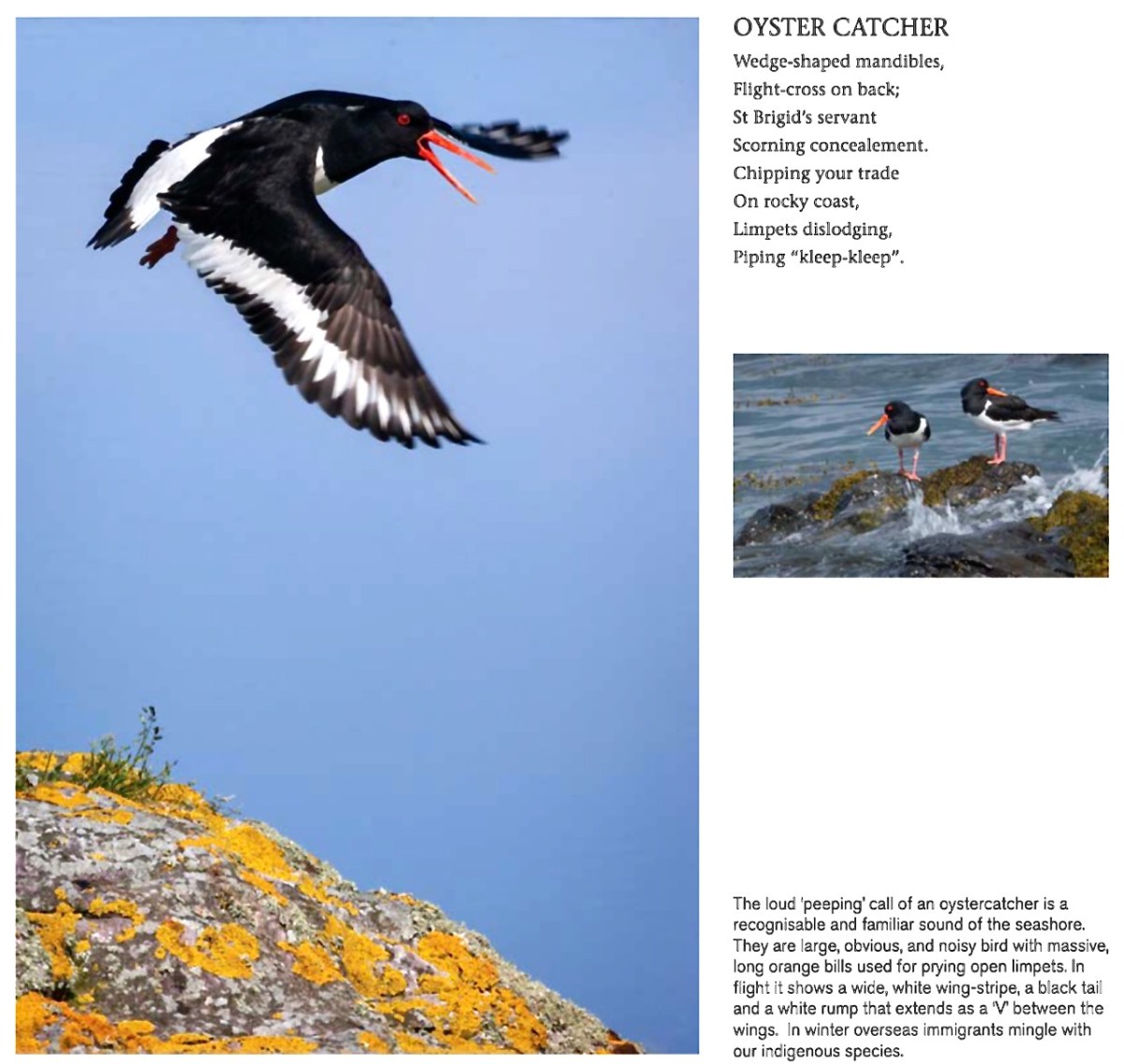
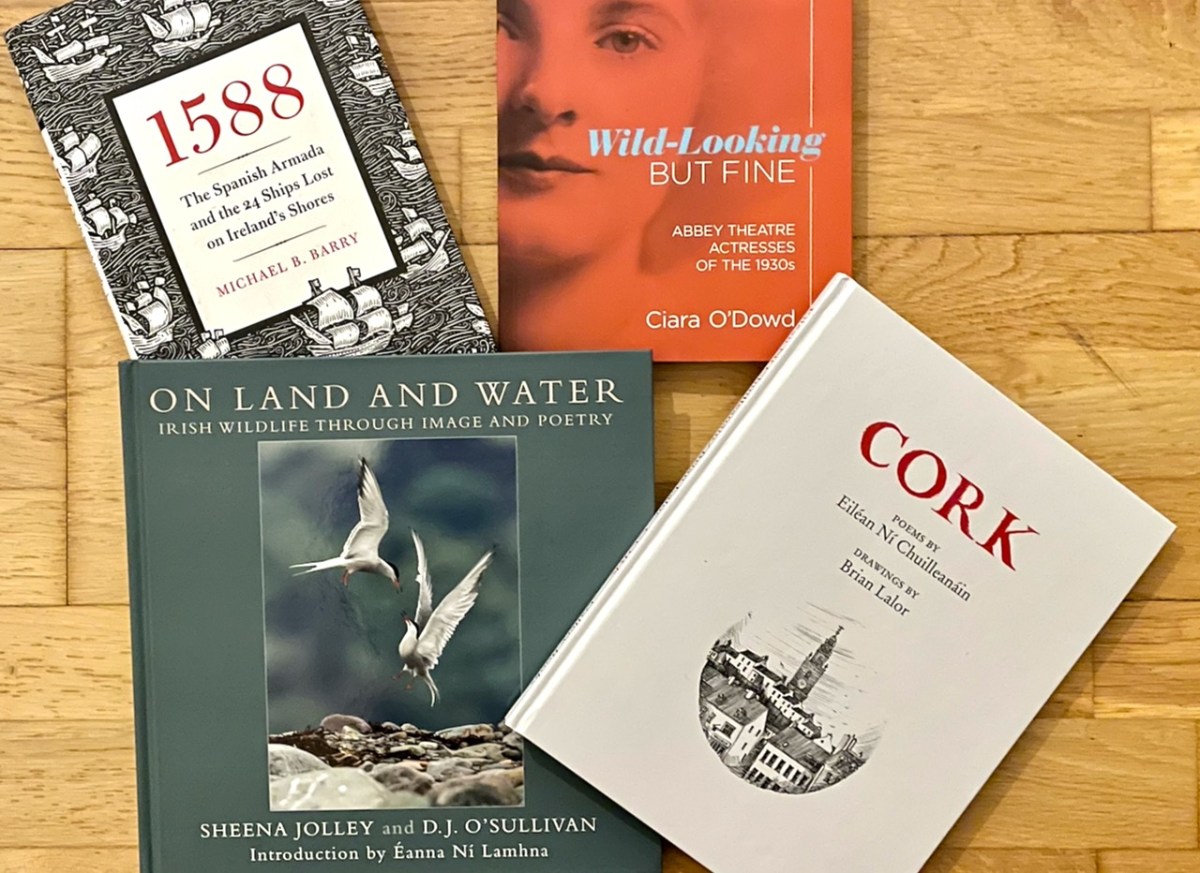
So here are my recommendations for your wish list this Christmas, and I am doing you a favour because I’m keeping it to four. I have a personal interest in all of them – but I am of course completely unbiased. The first is On Land and Water, a truly beautiful production from Menma Books (available through their website or in bookstores) that combine the poetry of lighthouse keeper DJ O’Sullivan, and the exquisite wildlife images of renowned photographer Sheena Jolley.

I cannot overstate what a lovely production this is. DJ O’Sullivan spent his life in close communion with the birds and sea-creatures of Ireland’s remotest places. He writes with the insight of one who has honed his observations skills through long hours and days.

Sheena is one of Ireland’s top wildlife photographers. At the launch in Skull we were all transfixed by her relation of what that takes – being dropped off on an uninhabited island with your equipment and food, and making the boatman promise he will remember to come back for you in a couple of days. Then getting up before dawn and being ready for that golden light when the animals stir.

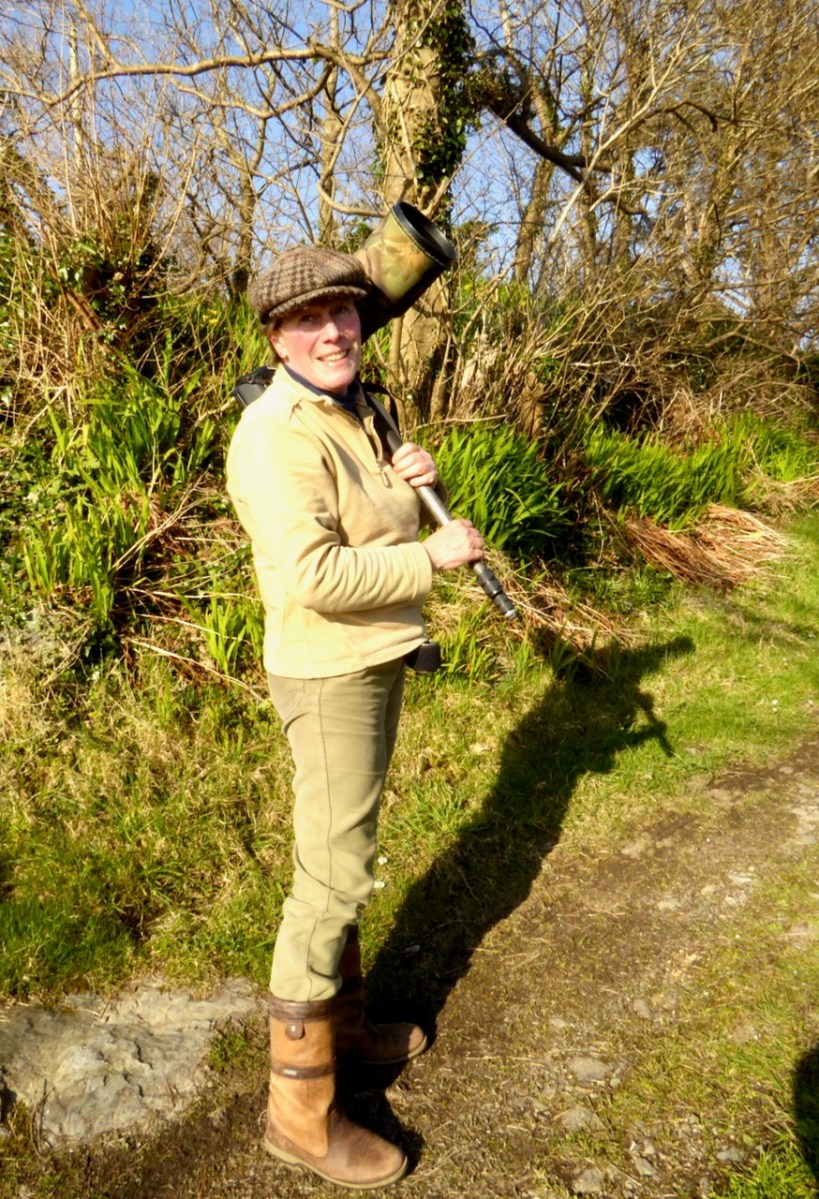
This is Sheena out to photograph some choughs

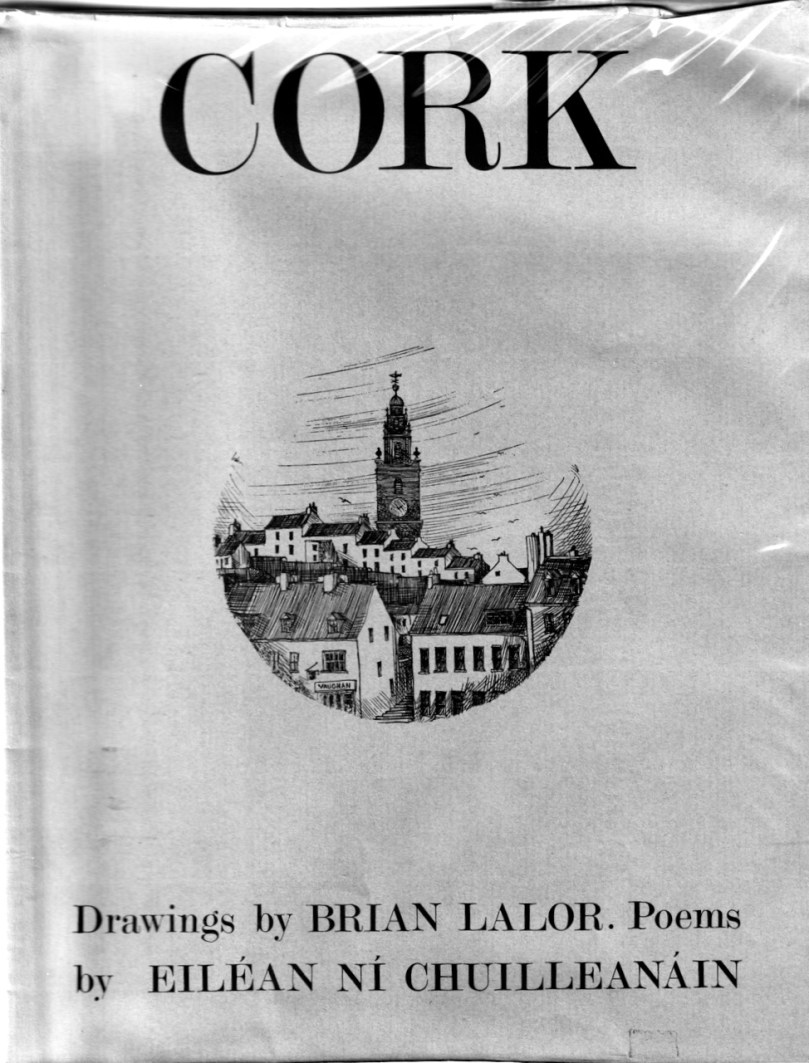
Besides the photographs, Sheena provides text that describes the creatures, their habitats and habits. This is the kind of book you will dip into over and over. And the same is true of my next choice – Cork by the artist Brian Lalor and the poet Eiléan Ní Chuilleanáin.

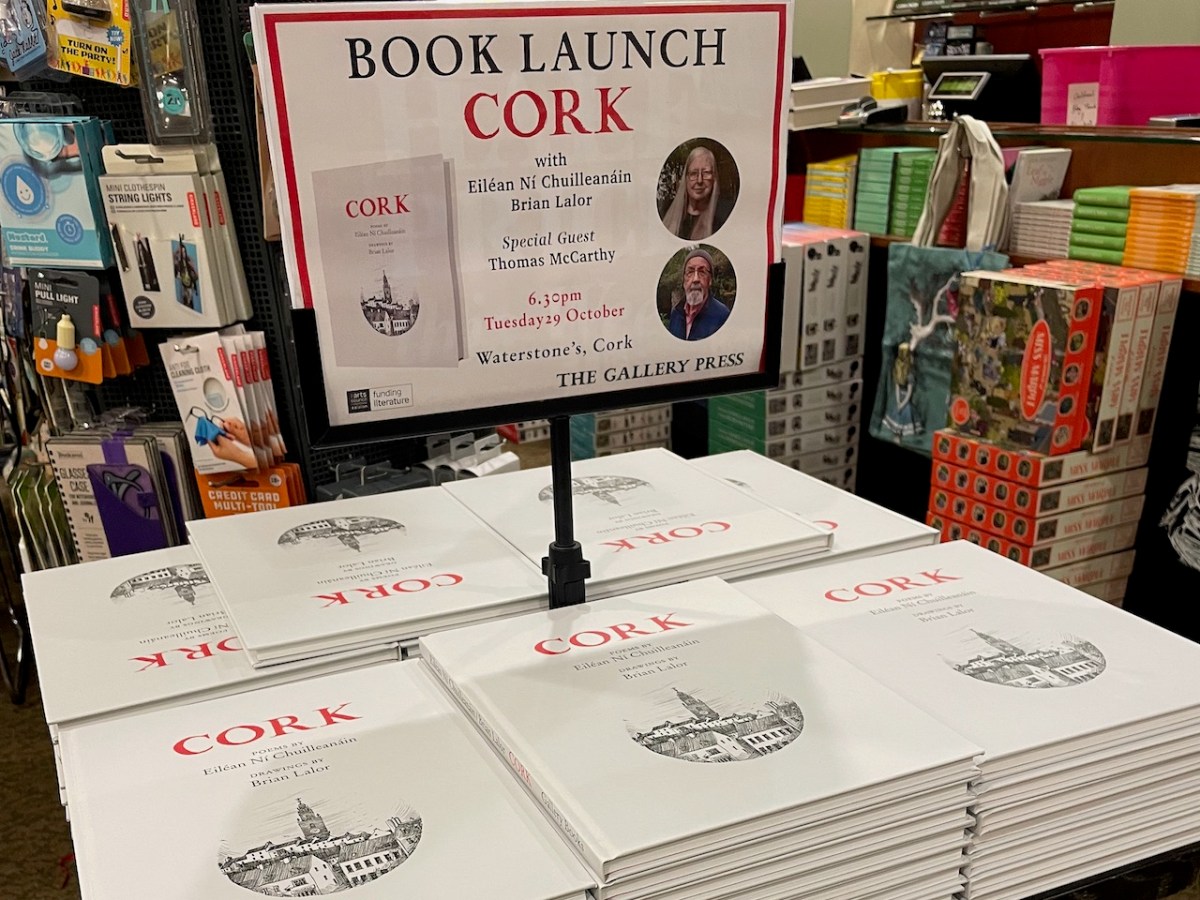
I have written about this book before – four years ago, in a two-part post titled Cork, Part 1: Brian Lalor and Cork, Part 2: Eiléan Ní Chuilleanáin. At that time, I was writing about a treasured gift given to me by my parents in the 70s – the amazing news is that 50 years later the book has been re-issued! It was launched (re-launched!), in a revised edition, in Waterstones in Cork at the end of October. Both Brian and Eiléan were there!

Take a look at the two posts above for a real flavour of what this book is all about. If you have ever lived in Cork, or even if you’ve visited, this is the book for you.

Wild Looking But Fine, by Ciara O’Dowd is my next recommendation. You might remember my post about Ciara and the chocolate box of letters between my mother, Lilian Robert Finlay, and other people associated with the Abbey Theatre. Eight years, and one child, later, Ciara’s book is finished and my brother and I attended the launch in Dublin. Ciara’s account of how difficult it was for women in 1930s Ireland to forge a professional and autonomous life is riveting. In her review of the book in Books Ireland, Jane Brennan asks, Why don’t we know more about their lives and achievements? Why, for example, is Ria Mooney not more widely remembered as the renaissance woman she was? Why had I never before heard of Aideen O’Connor (but am well acquainted with the name and reputation of her husband Arthur Shields)?

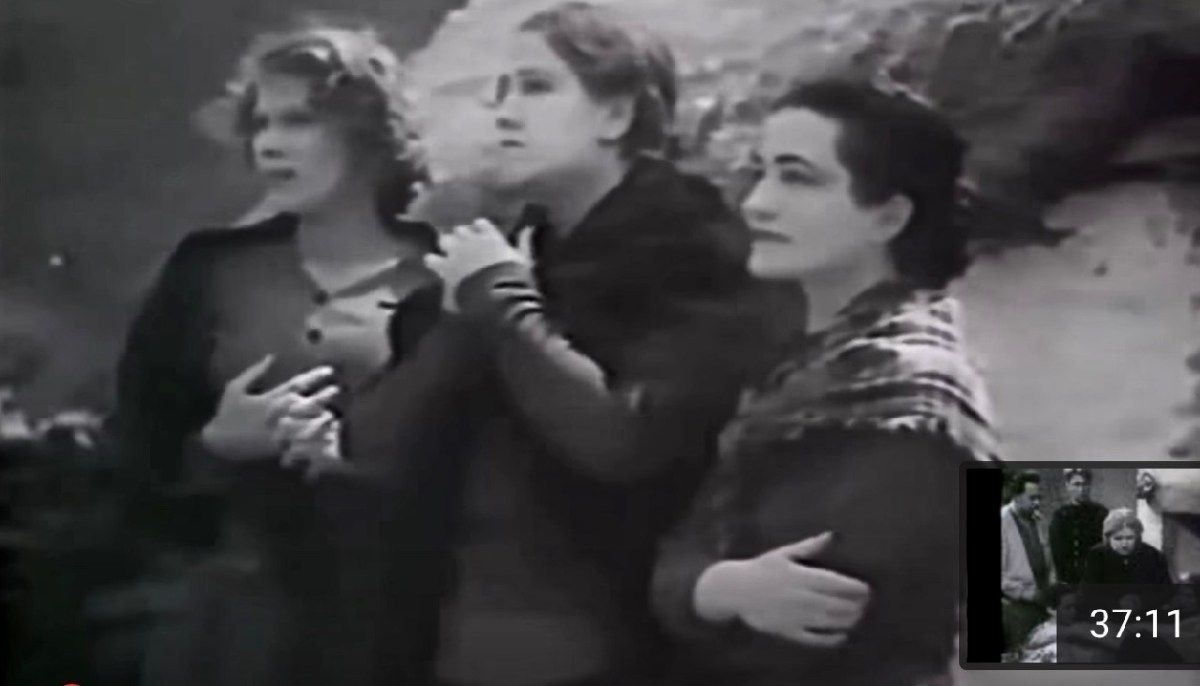
Shelagh Richards, Sarah Allgood and Ria Mooney in a 1937 film of Riders To The Sea by J M Synge

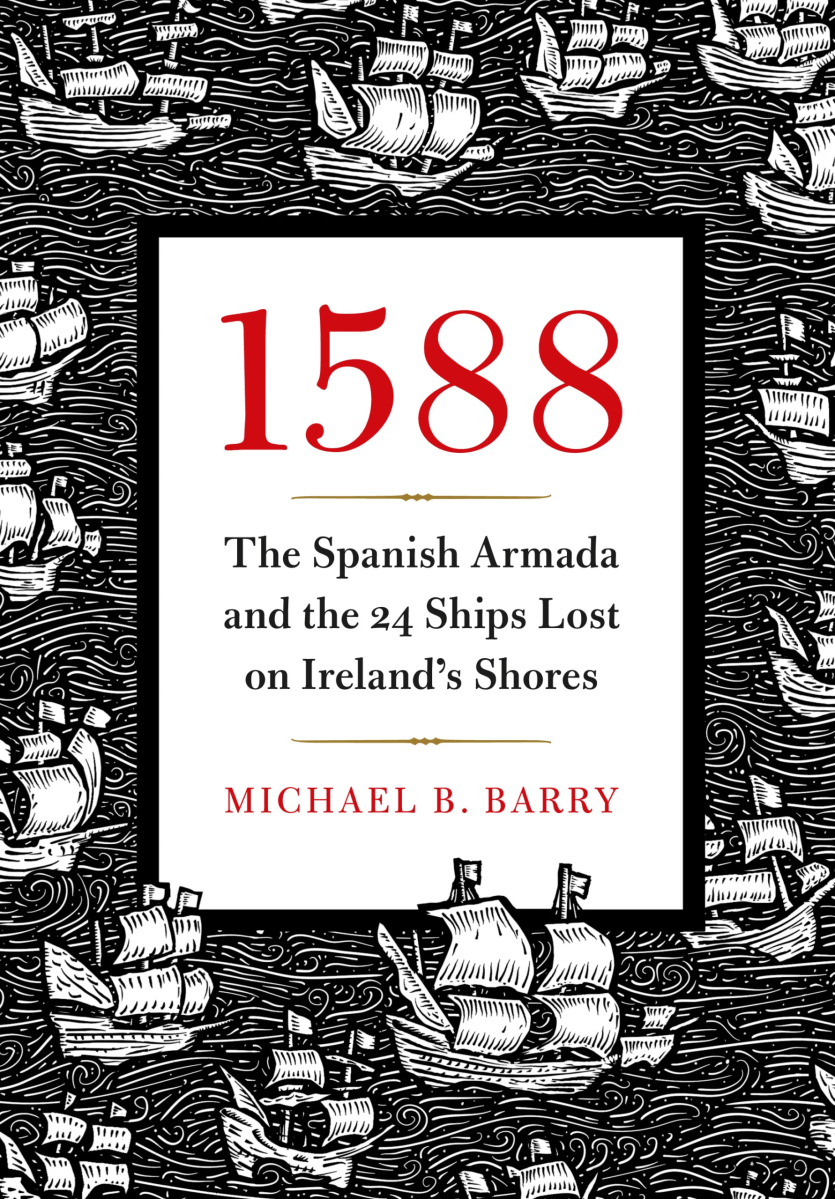
My final choice is a finalist in the An Post Book Awards. It’s 1588, The Spanish Armada and the 24 Ships Lost on Ireland’s Shores, by Michael Barry, published by Andalus Press.

The thing is, the story of the Spanish Armada was taught to us through an English lens. Prepare to have everything you thought you knew questioned and turned on its head. That’s because Michael has done his research in Spanish and Irish sources and, as is his wont, (see this post from eight years ago about his books) the book is profusely illustrated with lots of images sourced from unusual archives as well as his own fine photography.

The books are all available from their publishers or in all fine bookshops. You can think me in the New Year, once your loved ones have taken the hint and bought you one or all of the above.

Cork, Part 2: Eiléan Ní Chuilleanáin

Like Brian Lalor, the poet Eiléan Ní Chuilleanáin*grew up in Cork in a house alive with art, scholarship and republican ideals, in a city yet to emerge into modernity. As a poet she returns often to the subject of Cork, immersed from childhood, as Brian, in its unique character. She has said . . . there is a poetry, and I include my own, which can only be written out of the sense of the absolute proximity of the real past, and the place which is home, from which history can be seen.

In a poem that begins ‘In the graveyards of the city’ she writes,

Tablets fixed on their boundary walls,
They are shouldered by tall square houses
Chimneys nodding to each other
Over the heads of gesturing
Angels, all back and no sex.

And we instantly see what she describes, although we hadn’t before.

In 2007 the poet and critic Thomas McCarthy wrote in the Irish University Review**:

The Gallery Press book, Cork, was certainly one of the most beautiful local books of 1977. Written to accompany Brian Lalor’s subtle, and sometimes very slight, drawings of Cork, the poems were full of a sunlit magic. The book itself, as an object, was one of Gallery Press’s finest hours. It marked a restoration of dignity to the world of Irish poetry publishing just at the moment when standards of production and presentation had begun to decline everywhere. I remember the display copies of the limited hardback of this book in the old Cork Craftsman’s Guild shop in Patrick Street: how fine it looked, how fitting it was that this volume of poems and drawings was displayed with the best ceramics and wood-cuts of the day. The opening poem is probably as complete an evocation of Cork as will ever get published:

The island, with its hooked
Clamps of bridges holding it down
Its internal spirals
Packed as tight as a ship
With a name in Greek or Russian on its tail
In a lingua franca of water –
And now the river, flat and luminous
At its fullest, images the defences:
Ribbed quays and stacked roofs
Plain warehouse walls as high as churches
Insolent flights of steps
Within are narrow lanes, man high
Flagged and flattened
By the prudent stonecutters, . . .

McCarthy concludes, It is a perfect description, pencil-like and deftly matched to the delicate drawings of Lalor. The latter give Ní Chuilleanáin free rein; they allow her to soar with that light method, the elusive and evocative, and even retiring, loose line.

Eiléan’s Cork of the 1970s is just as convoluted as Brian Lalor’s. In a 2008 essay***  she describes it thus:

There are gestures at consistency. But much of the city is a haphazard succession of buildings dating from a mixture of periods, still following the medieval pattern of streets and laneways, crammed on their island site, churches, markets and houses. On the hills that surrounded the town suburbs grew up: some respectable, terraces with British Army names recalling Wellington and Waterloo, inhabited by the officers from the barracks higher up again; some grim and filthy with names like Brandy Lane, Spudtown, Cat Lane. I still remember the smell of the lanes and tenements, the public houses and their truculent customers, the shadowy shawled women making off down an entry clutching drink or money with equal desperation.

One of her poems seems to translate these thoughts from prose. As McCarthy puts it, Psychologically and socially, Ní Chuilleanáin’s Cork is a complex and evasive place, made concrete only through the most intense observation

Geometry of Guilt, the windows
Broken or always empty;
Daylight sucked in and lost, a bird astray;
The knife edge of the street, blinded
Fronts of houses like a baconslicer
Dropping to infinity, down
Draughty quays and frozen bridges
And the facades are curves of seeping stone
As damp as a scullery
Or a child’s game of windows and doors arranged
Matching the caves of womb and skull

I will finish with another of McCarthy’s astute assessments of Eiléan’s work: Ni Chuilleanain maintains a psychic bridge between two cranky and petulant discourses, Dublin and Cork. Her poems have become that undelivered Golden Box, forever on its way from Cork to the good Dean, a box of poems which, when opened, reveals sunlight, cloisters, avenues, water channels, and sites of ambush.

We are soft-footed and busy as dogs
Disappearing down alleyways,
The faces I meet are warped with meaning.
We turn away from each other,
Our shoulders are smooth as the plaster veils of statues
That are turning their backs in the windows and doors.

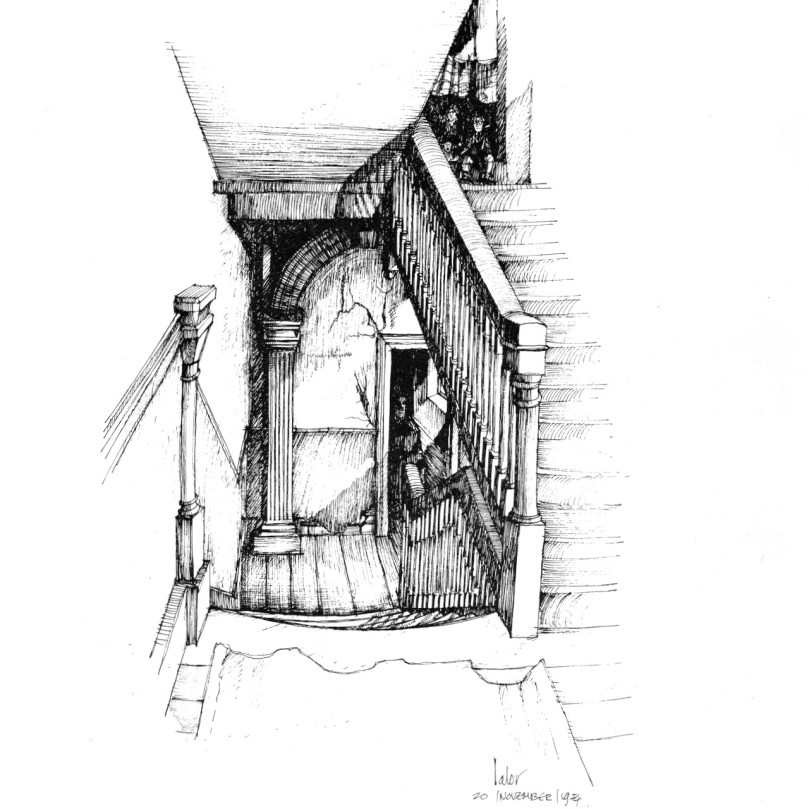
As in the previous post, Cork, Part 1: Brian Lalor, all the drawings are by Brian Lalor and reproduced here by permission of the artist.

*Eiléan Ní Chuilleanáin is pronounced (approximately) Elaine Nee Quillinawn

**‘We Could Be in Any City’: Eiléan Ní Chuilleanáin and Cork Author(s): Thomas McCarthy Source: Irish University Review , Spring – Summer, 2007, Vol. 37, No. 1, Edinburgh University Press (Stable URL: http://www.jstor.com/stable/25517350

***Home and Places, in Home/Lands, A collection of essays commissioned by the International Writing Program at The University of Iowa to mark the third New Symposium held on the island of Paros, Greece, in May 2008.

Cork, Part 1: Brian Lalor

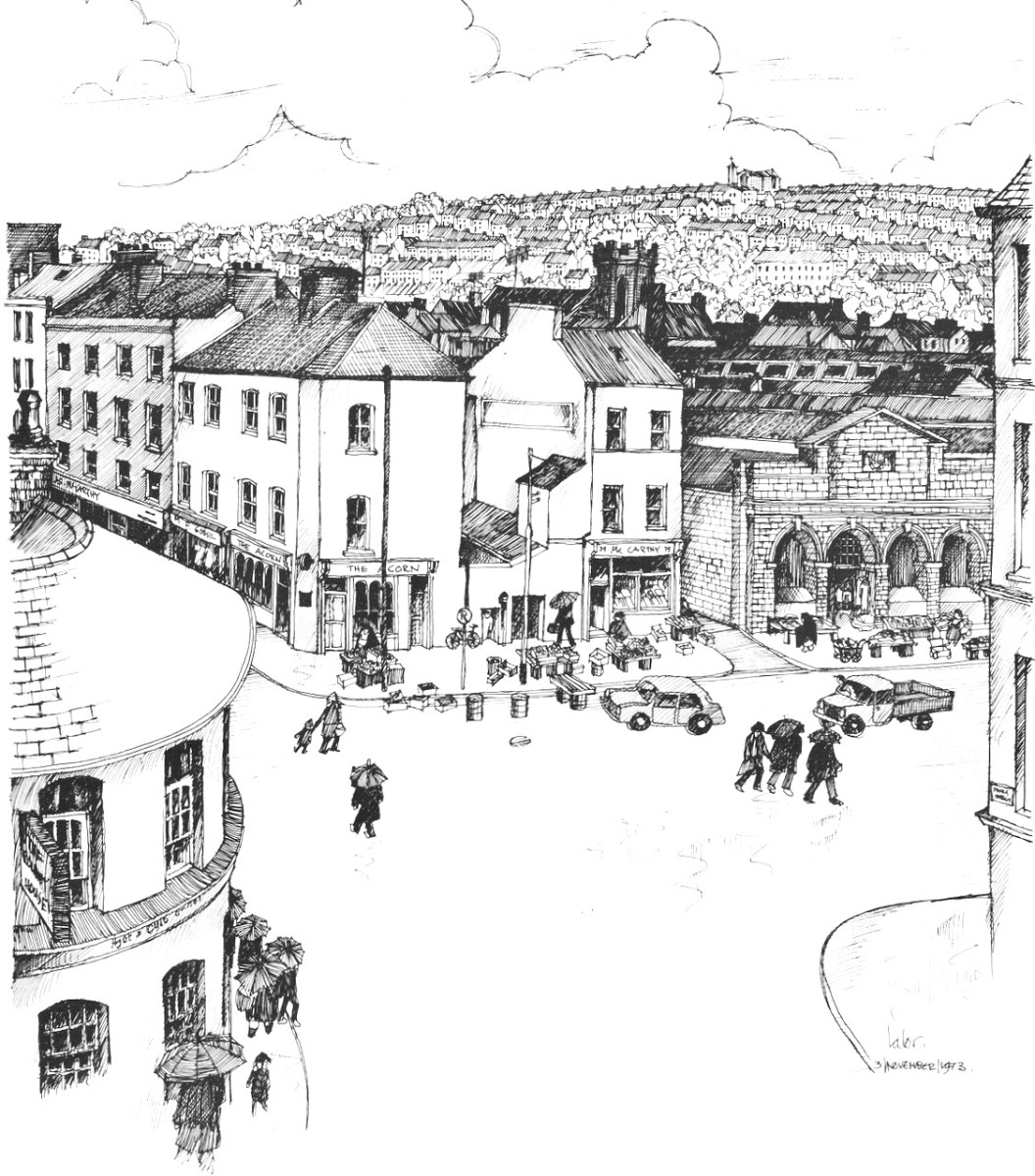
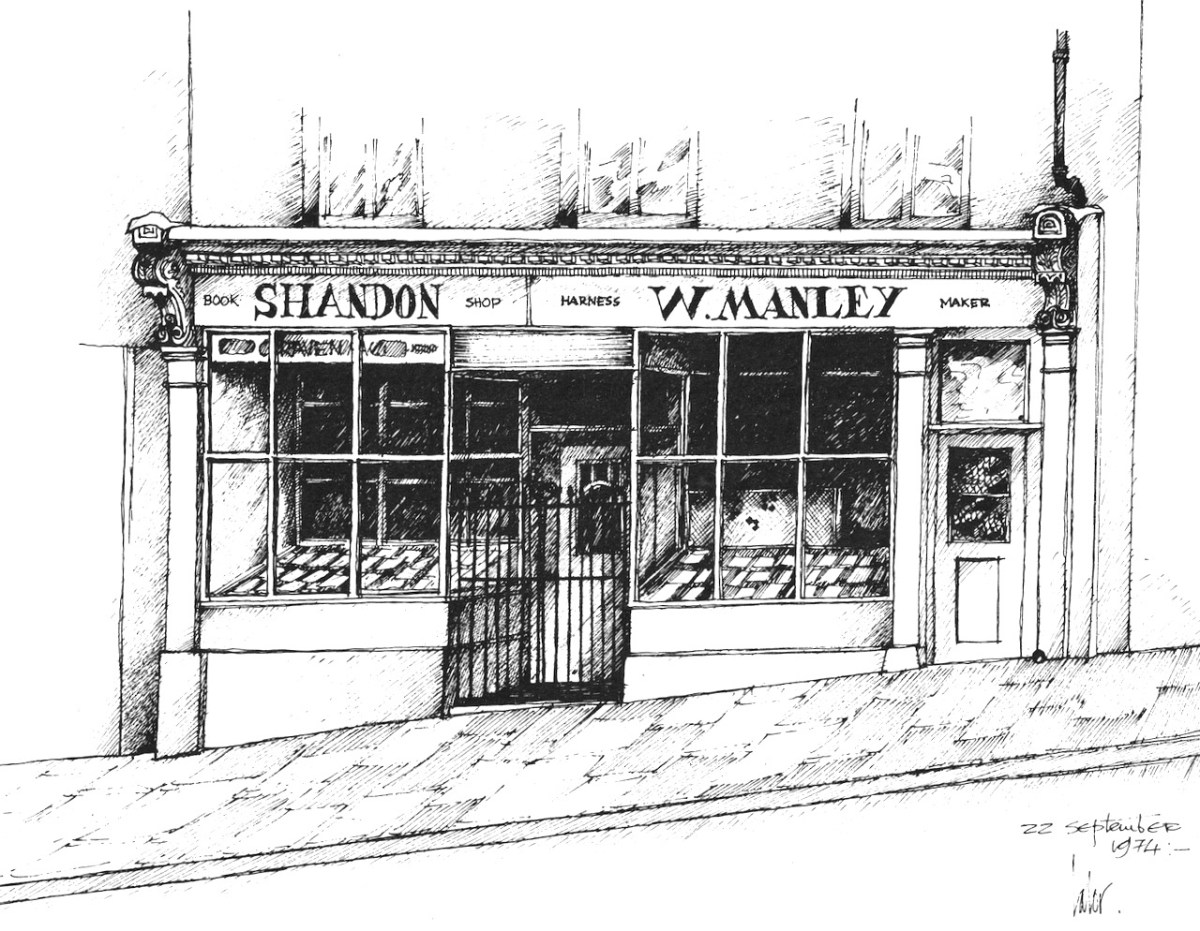
In 1973 and 1974 the artist and writer, Brian Lalor, made a series of drawings of Cork, his native city. These drawings were published by the Gallery Press in 1977, along with poems by the Cork poet Eiléan Ní Chuilleanáin, in a book simply titled Cork. Both poet and artist/writer were already established and both have gone on to forge distinguished careers in Irish art and literature.

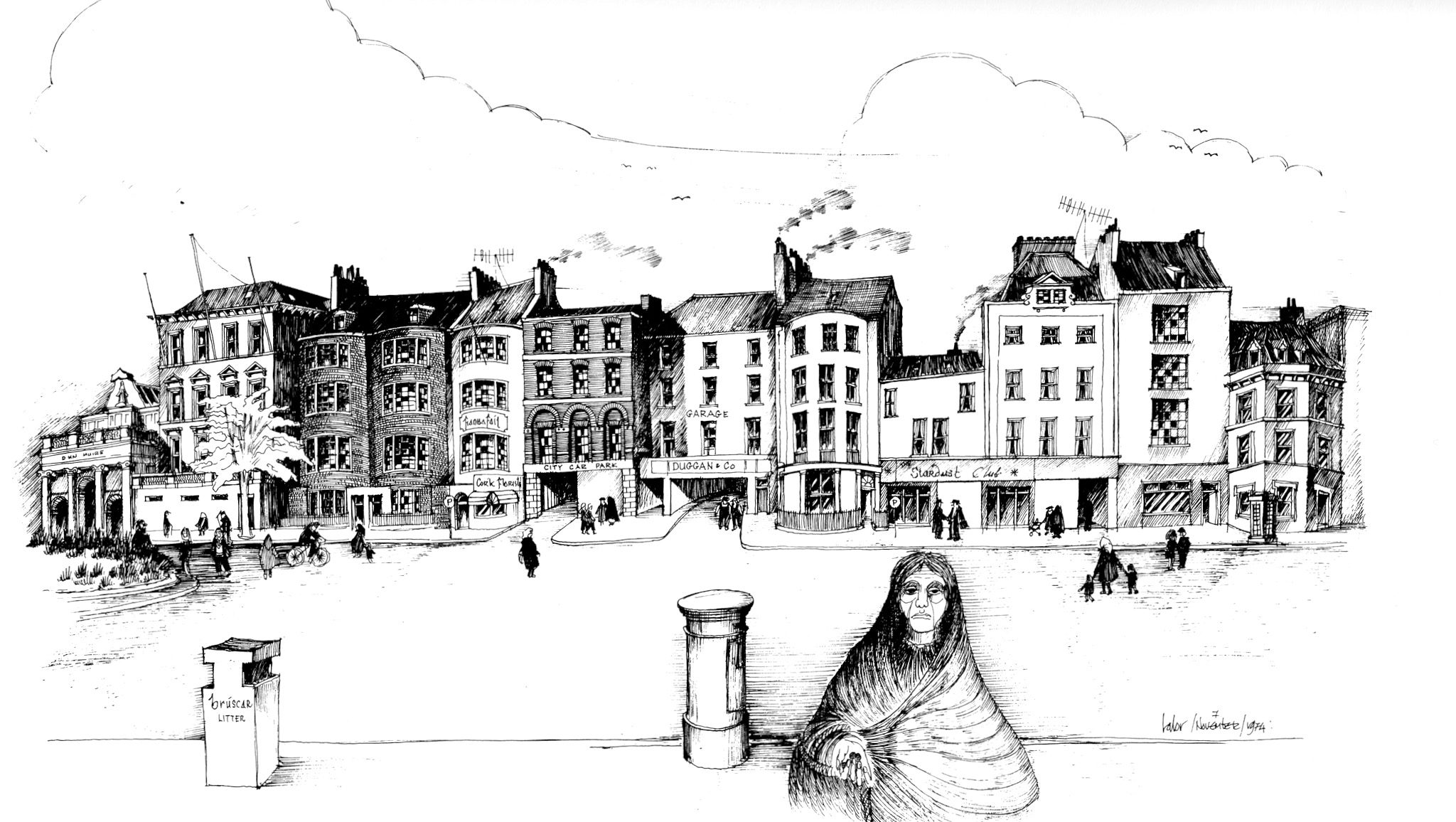
Grand Parade

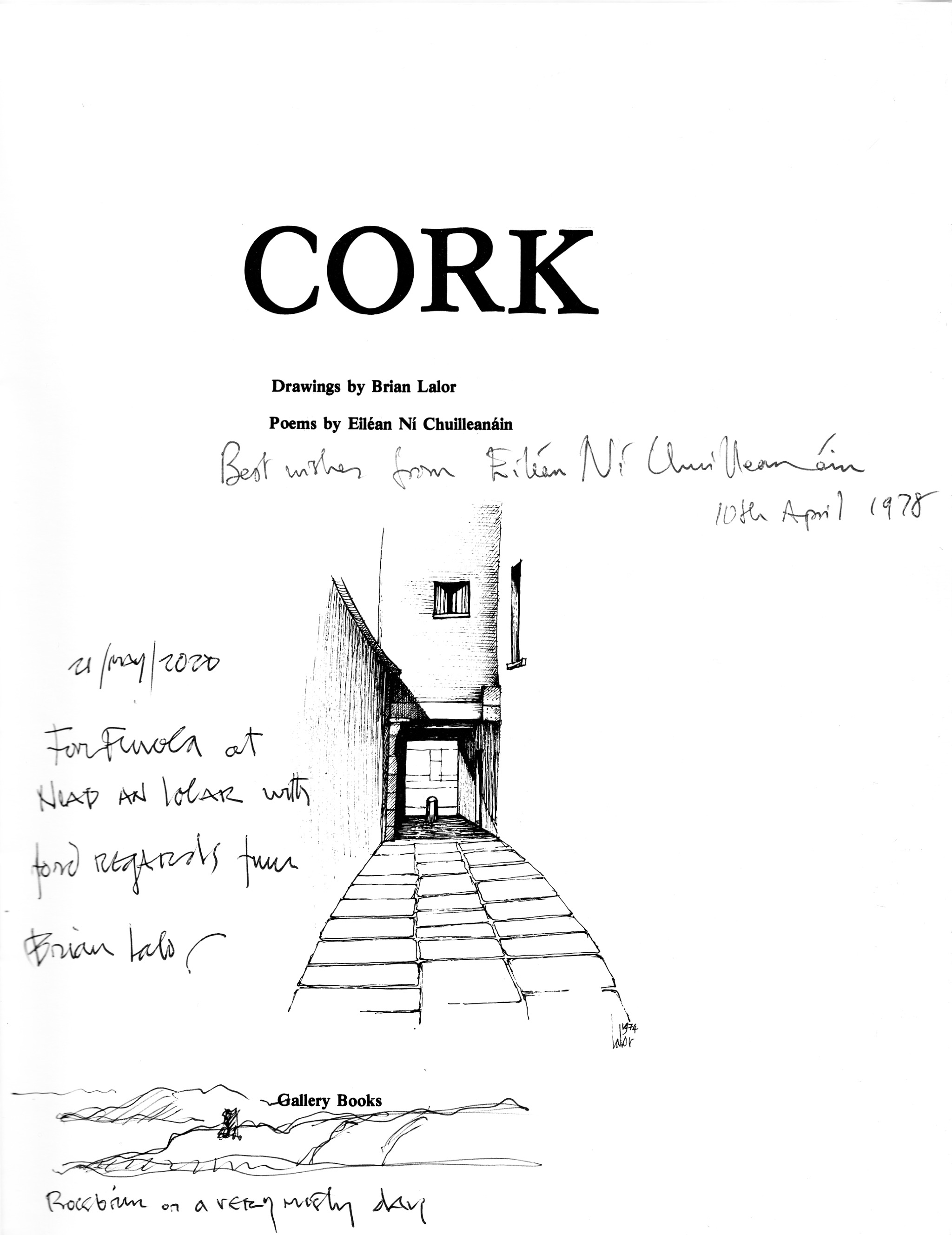
I have owned a copy of this book since 1978 – a birthday gift from my mother. Knowing of my love for the city of Cork, my home for seven years, she mailed it to me in Canada. I have cherished it ever since. The copy she posted to me was signed by Eiléan Ní Chuilleanáin. This year, seated in our living room overlooking Rossbrin Cove, Brian Lalor signed it for me too.

Brian’s drawings of his (and my) beloved Cork capture a city on the edge of modernising. He has graciously given me permission to reproduce some of his drawings in these posts and I will use his own words (from A Note on the Drawings at the end of the book) since they capture so much better than I ever could his fascination with the city and his intentions in recording its idiosyncratic character.

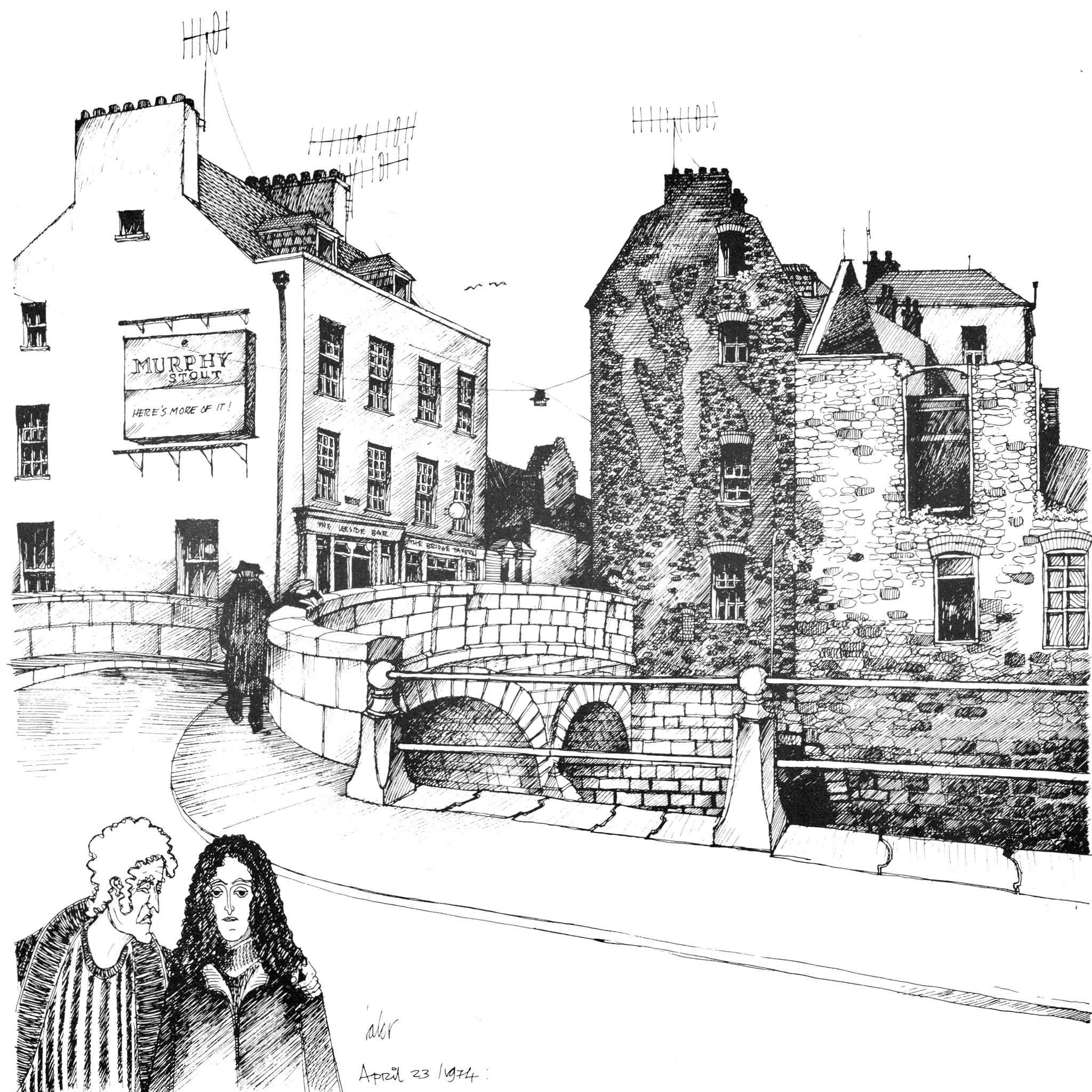
The South Gate Bridge. That couple looks familiar

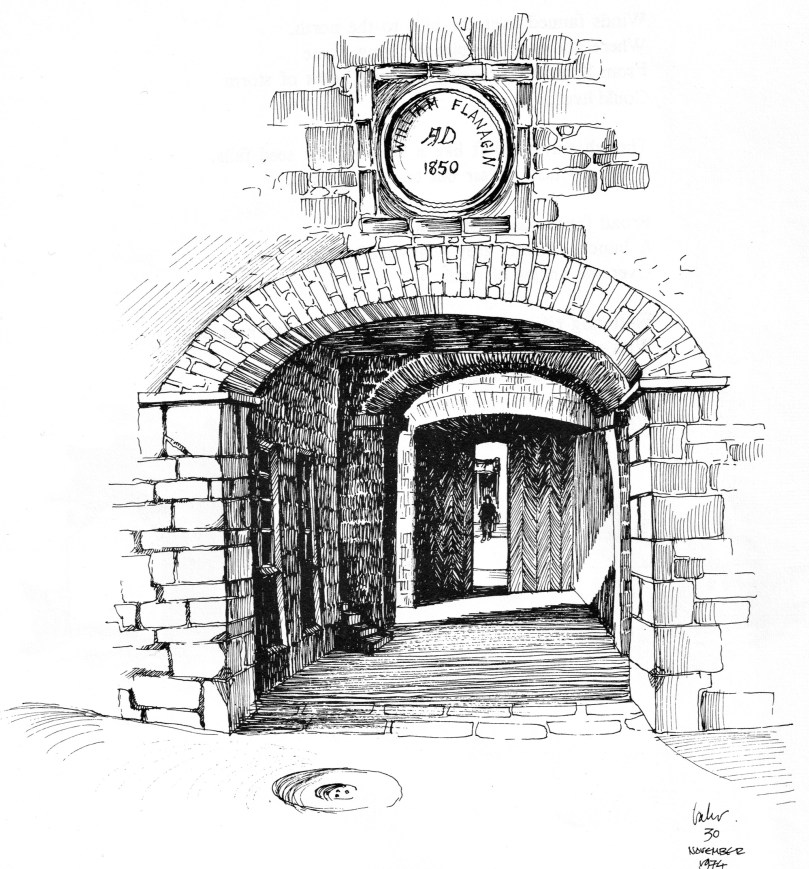
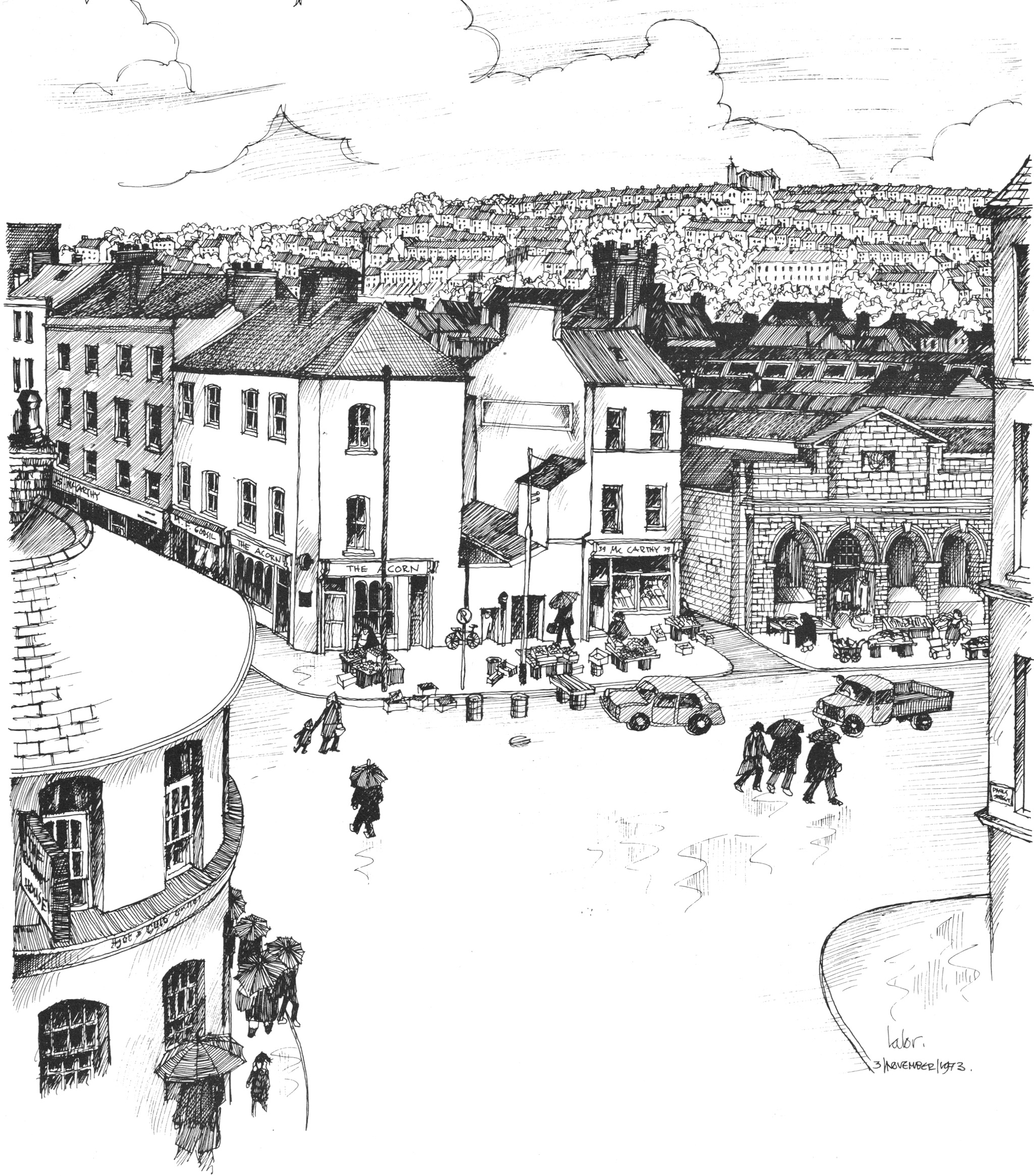
This collection of drawings developed as a result of a habit of many years, begun in Cork and fostered in Europe and the countries of the Eastern Mediterranean, a habit of of never passing a laneway, flight of stairs, courtyard or public building without investigating what secrets it might conceal, what historical or human curiosity might be within. Coming then to Cork in the early seventies and finding it a city reeling from the cataclysm of “urban renewal,” it seemed an appropriate time to attempt a record of the inconsequential details which made up the character of the place, while the opportunity still existed.

Upper: Paradise Place. Lower: Curry’s Rock. Older women still wore the traditional shawl in the early 70s and were known as Shawlies

This is not Cork seen from its public face but from above and behind, not just observed in its principal role as the second city of the Republic but sought out in all its idiosyncrasies and individuality. The monuments of Architecture, memorials to wealth and power, religious fervour and civic pride will not be found here, except when they creep in by accident for, avoiding the European grand manner, they block no vista nor crown a Summit. Rather, they lurk in unexpected places and just spring upon one, owing their location principally to occupying the sites of earlier ecclesiastical foundations. This latter fact is the clue to understanding the city of Cork, the link with the past. For it was in the periods of its earliest habitation that the considerations of commerce, security and the political existences of the time gave rise to what held as the nucleus of the city up to the present day.


Cornmarket Street

Cork was never a planned city; it grew organically from the meanderings of the River Lee through the marshlands of the depression between the surrounding hills. Its streets and by-ways follow today those of the middle ages, and the water channels which gave access from the early town to the outer expenses of the river basin. The line which runs from the Episcopal seat of Shandon to that of Saint Finbarr’s was the principal artery of the ancient city of Cork, as it is today nine centuries later. It is around this thread that the drawings are gathered. This line held the centre of all life within the city from its foundation in the tenth century, to the late nineteenth, and even today what is outside this line is peripheral to the soul of the city.

St Patrick’s Quay

Next week, the poetry. . .