. . . And Hello Schull!

First of all, a HUGE thank you to all the readers who sent me such kind messages of support on my last blog. I am normally very good about responding to comments, but moving house took its toll on my time and energy and I just never got to it. But I want you all to know that I read and appreciated SO MUCH every single message and I felt totally supported by this Roaringwater Journal community we have built together. 
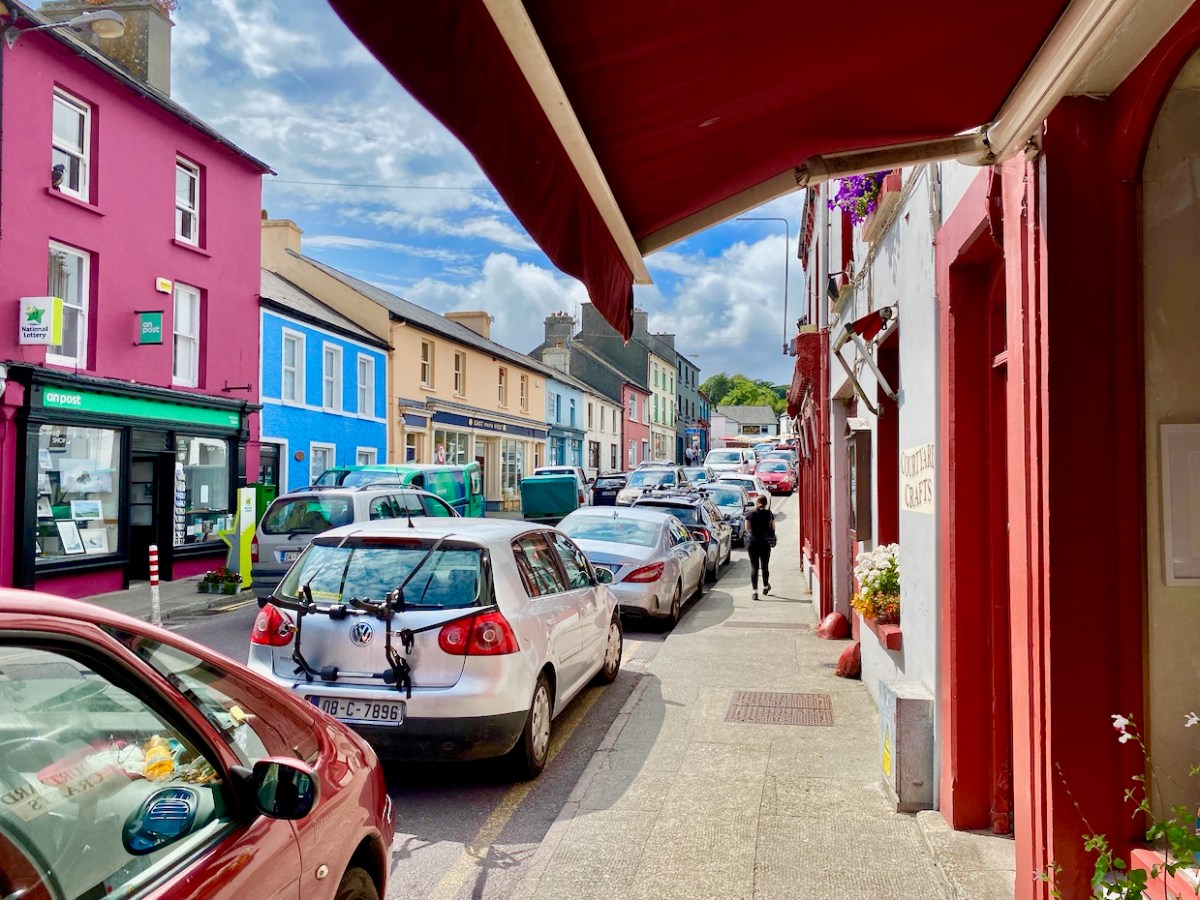
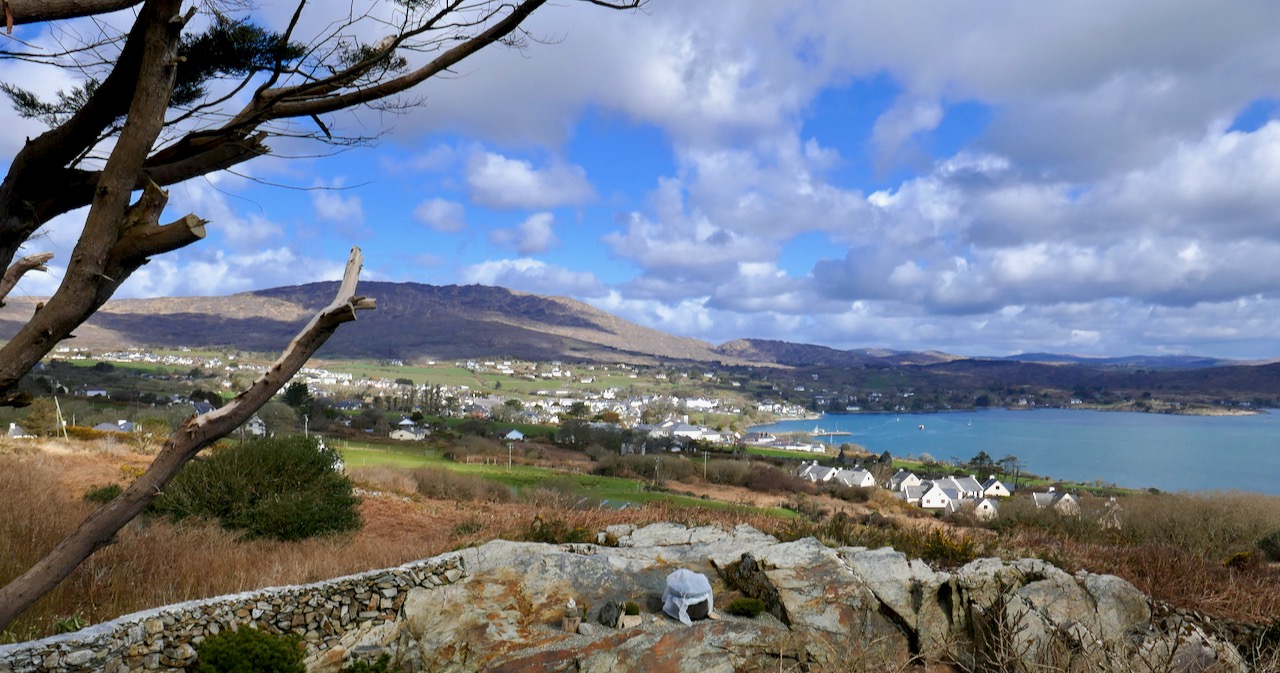
So here I am now, happily settled in Schull, looking back on what we have written about this wonderful village over the years. And what we have eaten as well.
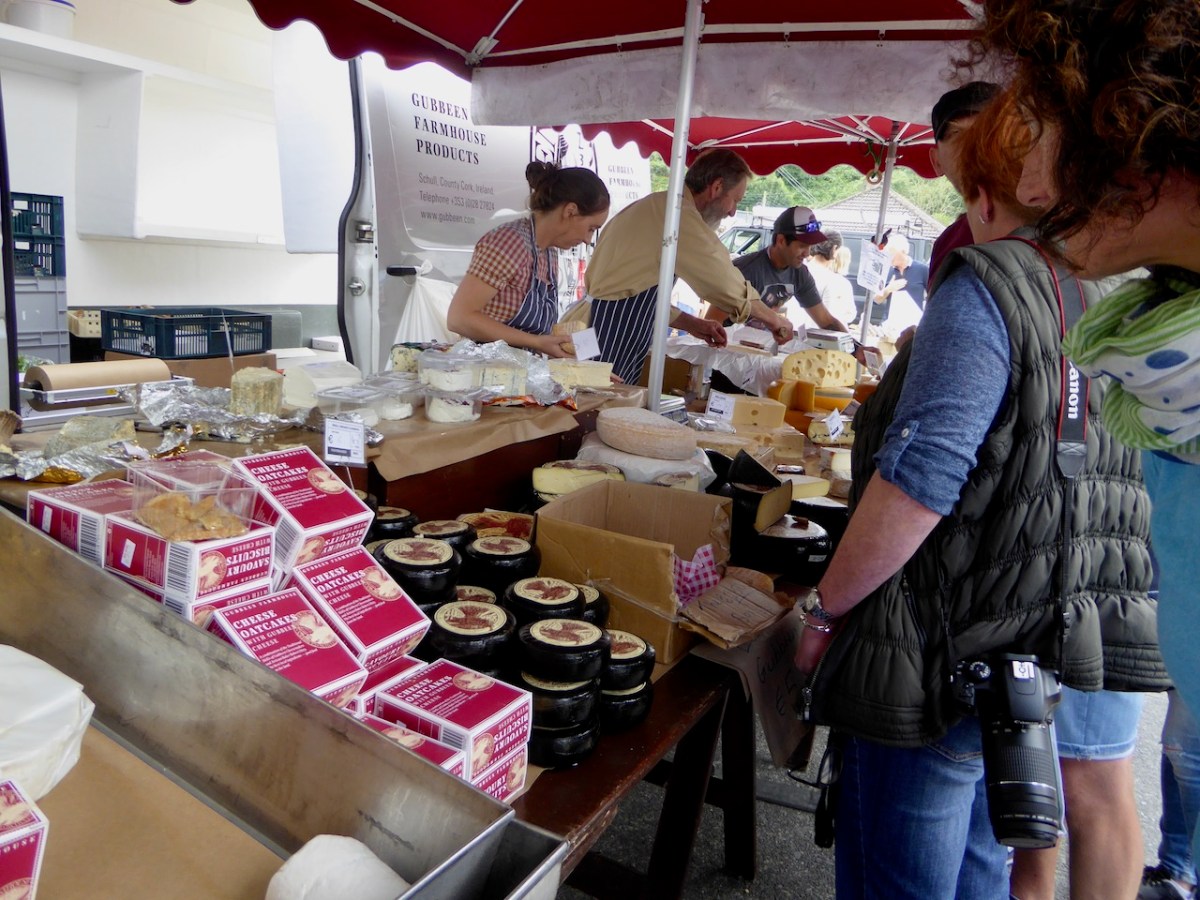
Robert did a series called West Cork Towns and Villages and he wrote about Schull in 2021. (Don’t be confused, by the way, by the fact that the author is given as “Finola” on the top of many of these posts: now that I am the sole administrator of the website, WordPress has automatically assigned all authorship to me and I can’t seem to change it back.) It was during Calves Week in August and Schull was en fete and looking sunny and busy and gorgeous – as it is all summer anyway.
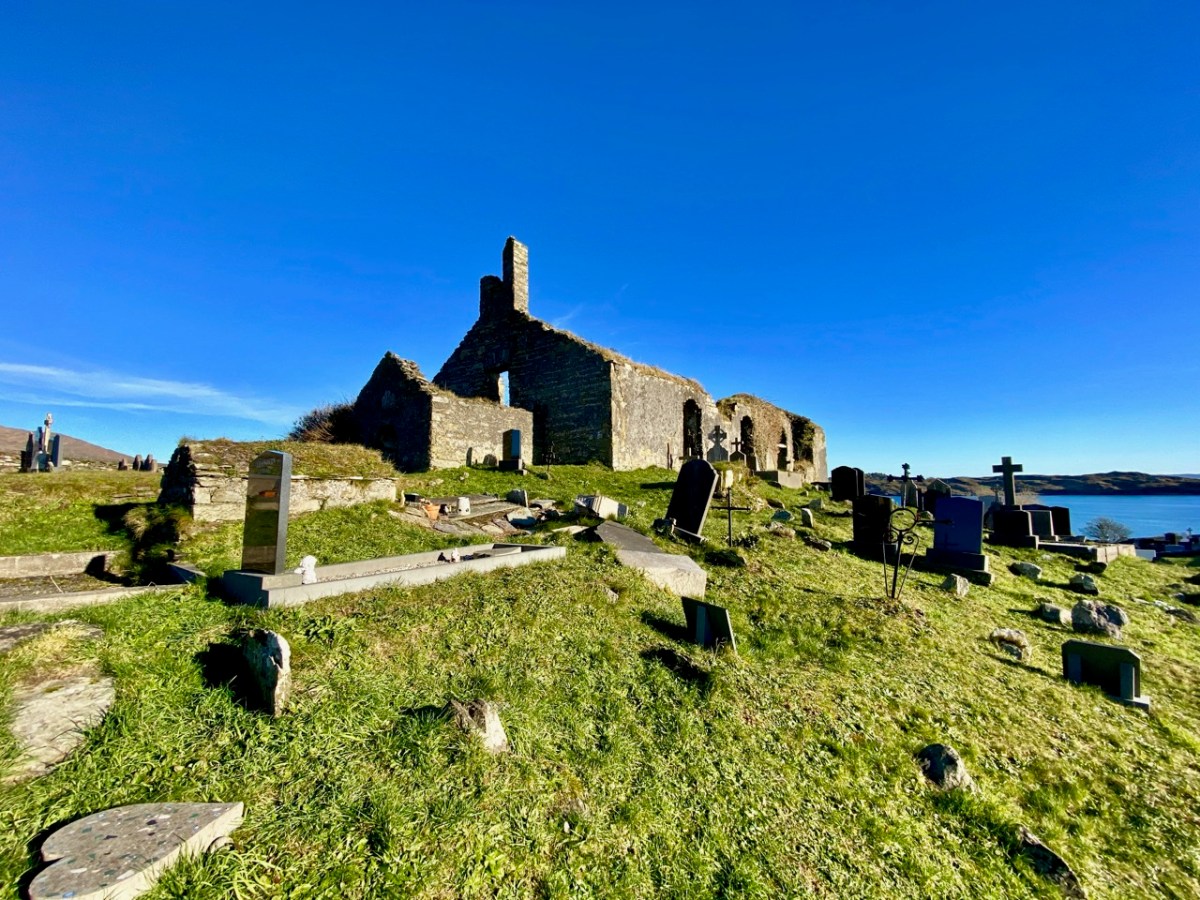
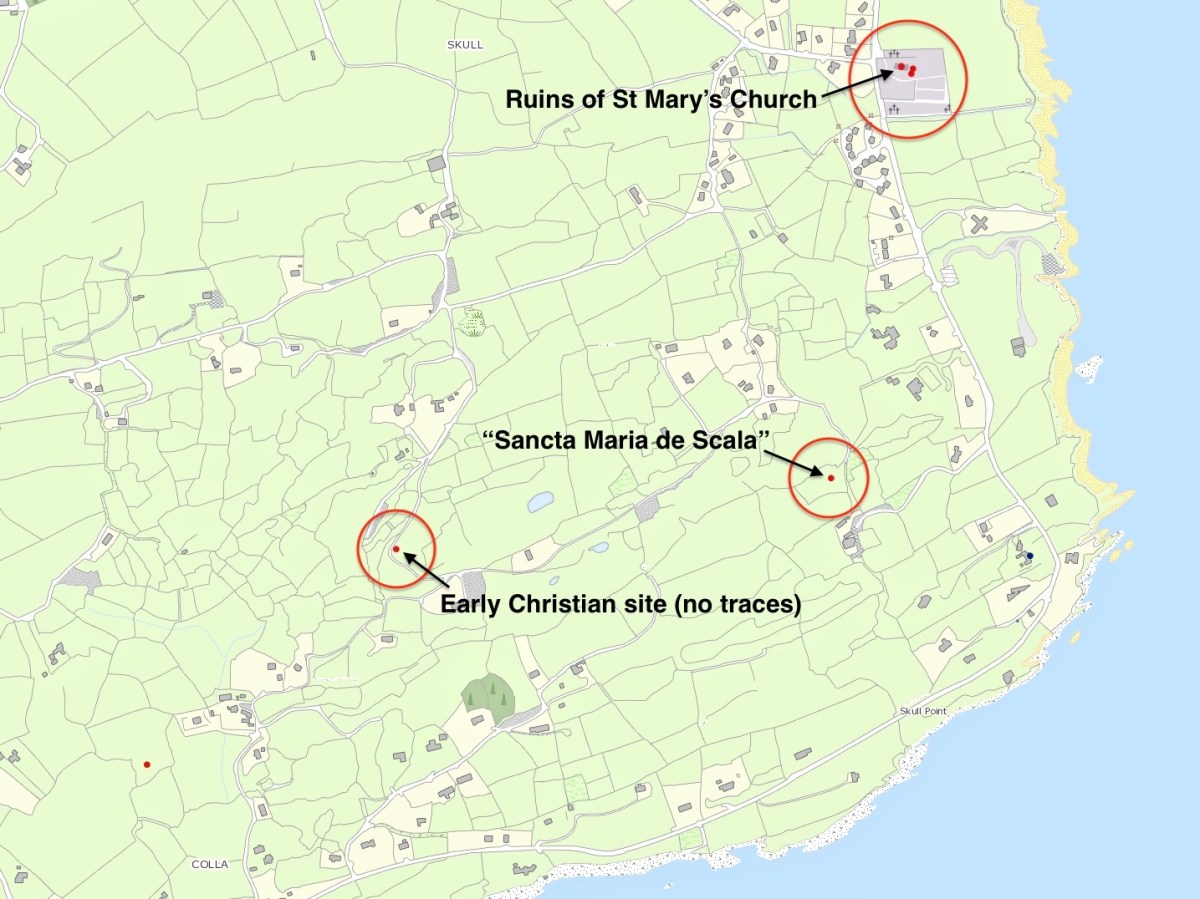
One of the topics Robert tackled was the name – Schull, or Skull as it is invariably given on old maps. In two posts he traced the possibility that somewhere around here was an ancient ecclesiastical settlement named for Mary. In the first one, he referred to the The National Monuments record which states: According to local information, this is the site of Scoil Mhuire or Sancta Maria de Scala, a medieval church and school that gave its name to this townland and to Skull village . . .
In the second, Schull – Delving into History, he charts the various evidence, or mythology, that gave rise to the ‘local information.’ As a corrective, he urged the reader to also look at John D’Altons’s sceptical take on the placename. I also urge you to do so: it’s here.
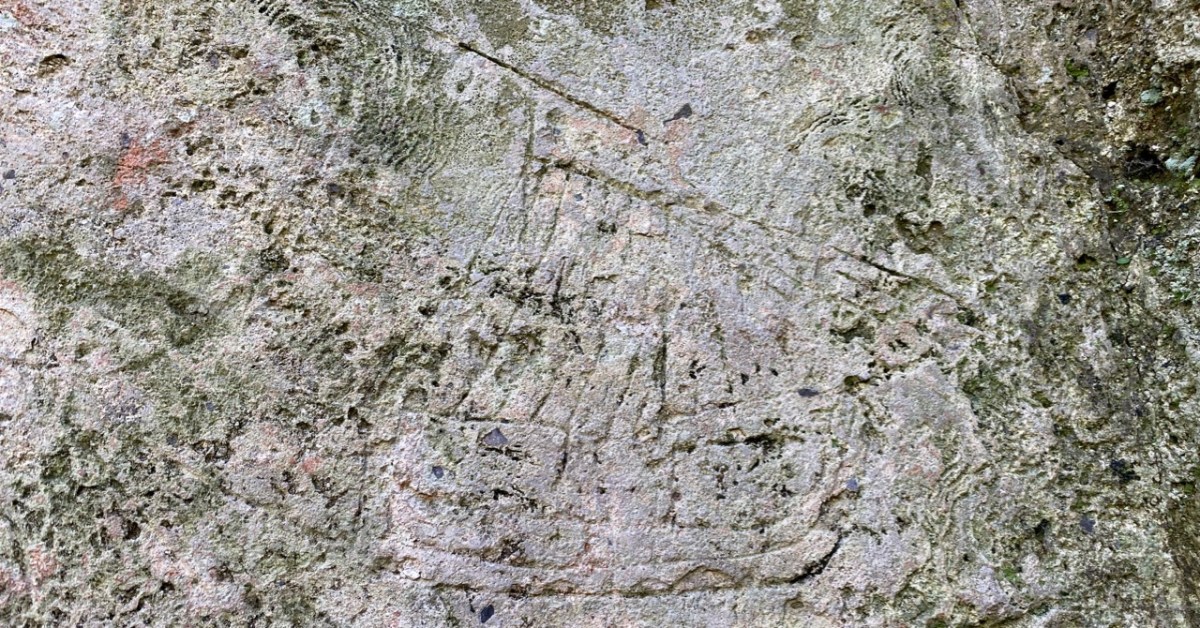
Robert re-visited St Mary’s church in 2022 to write about the ship graffiti in the porch. Subsequently our friend Con Manning wrote an erudite piece for the 2025 Skibbereen Historical Journal on the same graffiti: The ruined church at Schull, Co. Cork, and its ship graffiti
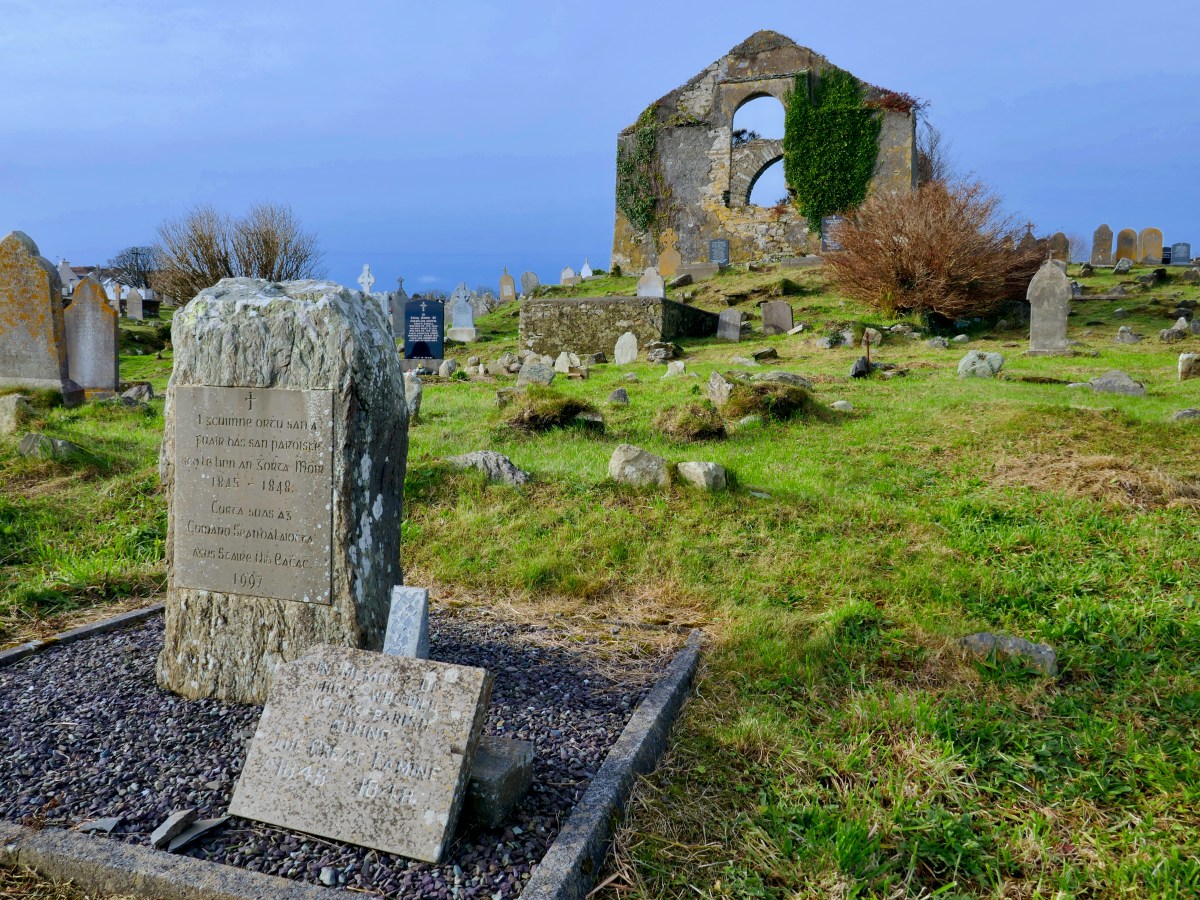
Before we leave St Mary’s I will mention it is the final resting place of many anonymous souls who died during the famine, as well as the Rev Robert Traill, about whom I wrote in my series Saints and Soupers. Traill’s story in Schull started out as that of a typical evangelical clergyman, despising the Catholics and railing against Popery and its thousand forms of wickedness, but ended heroically as he laboured night and day to feed the hungry all around him, dying himself of famine fever. Read more about Traill here and here.
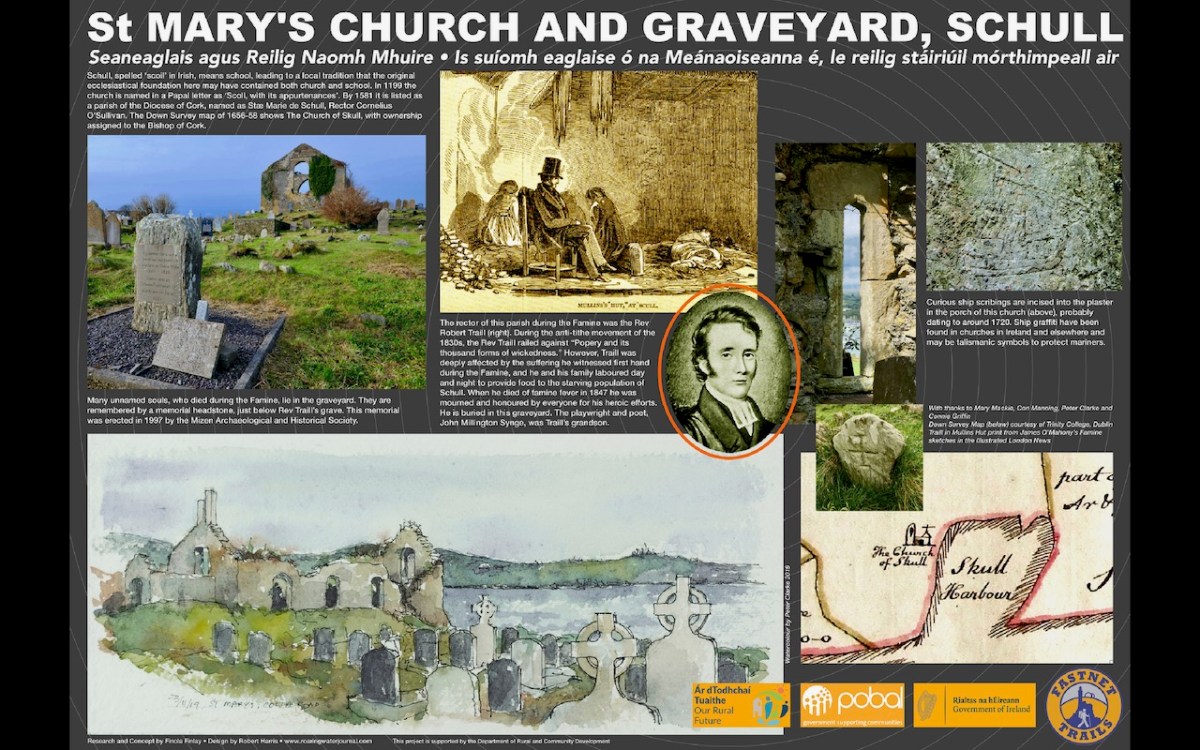
And of course, this is Robert’s final resting place also, with his beautiful hare headstone. I love it that, at the entrance to the Graveyard, is a Fastnet Trails informational board written by me and designed by Robert, about the history of this important place. The watercolour is by Peter Clarke.
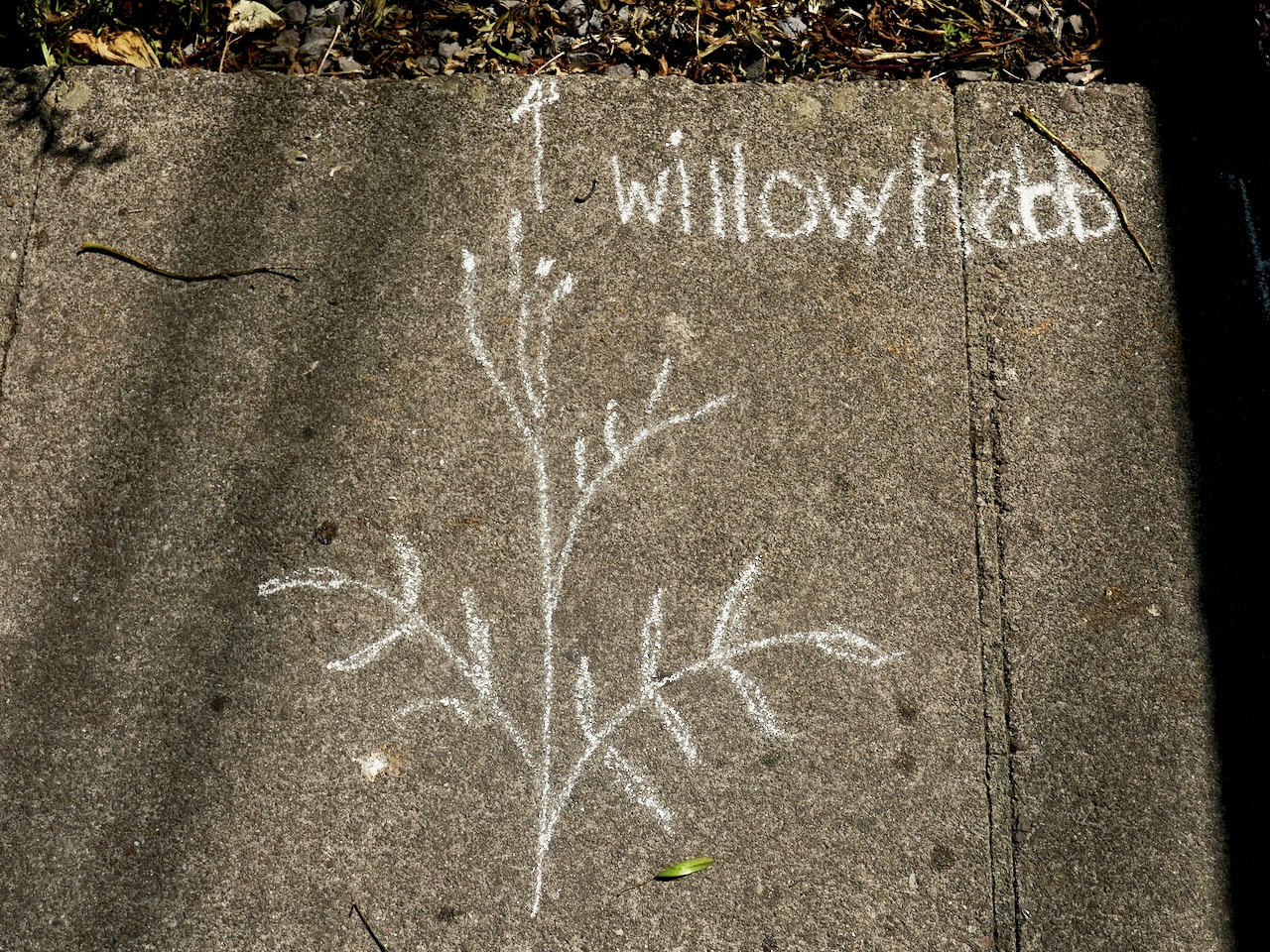
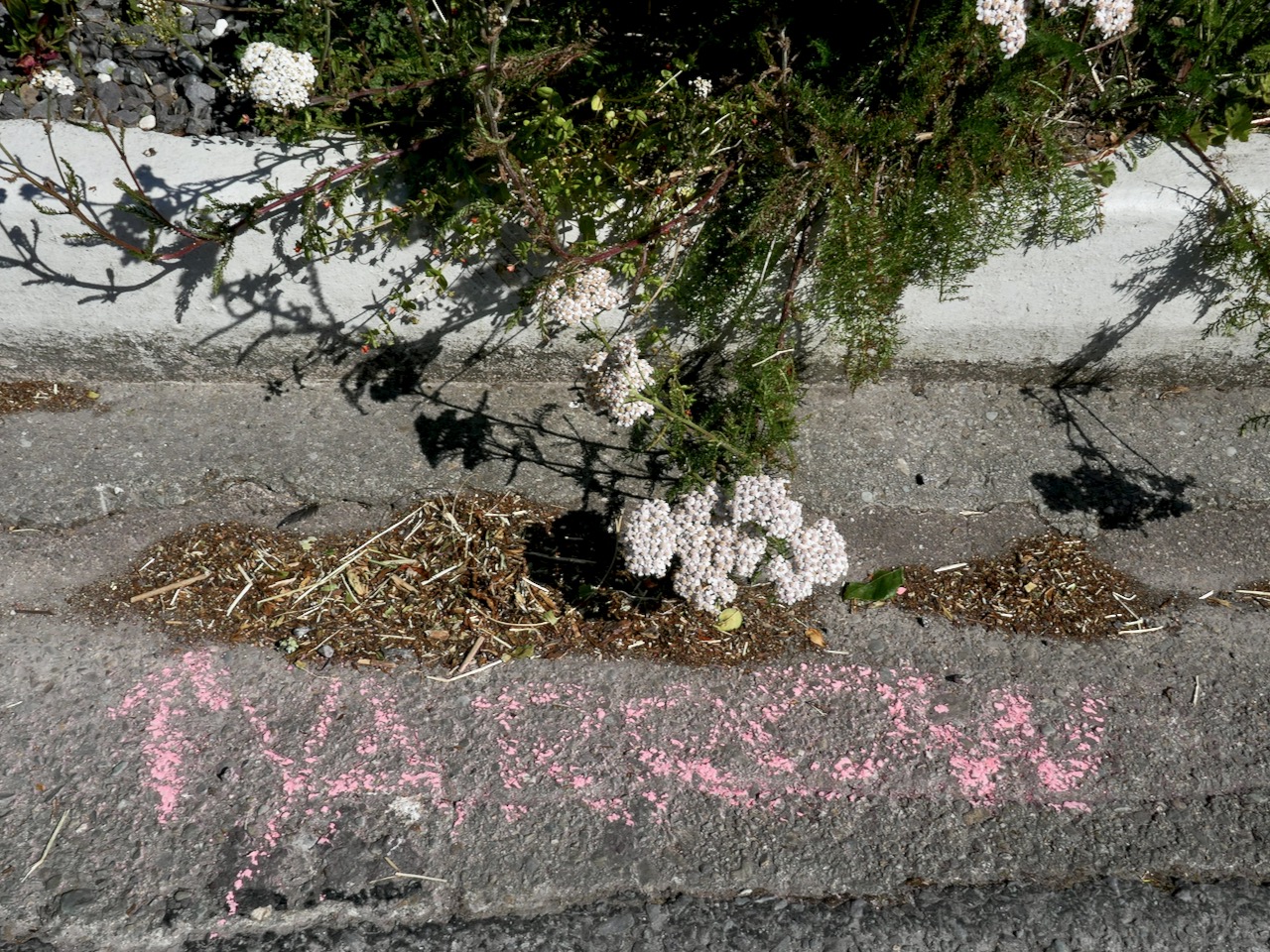
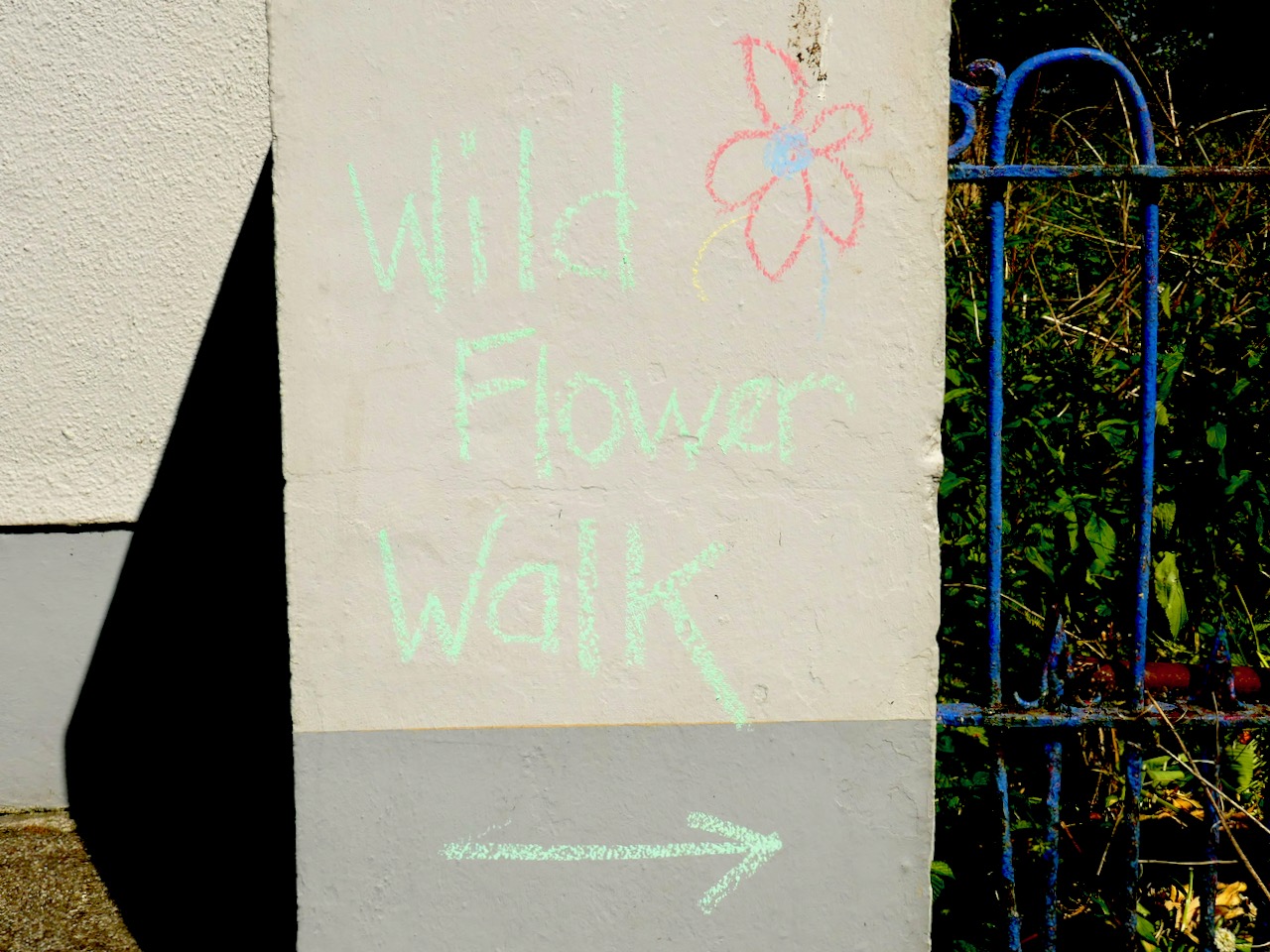
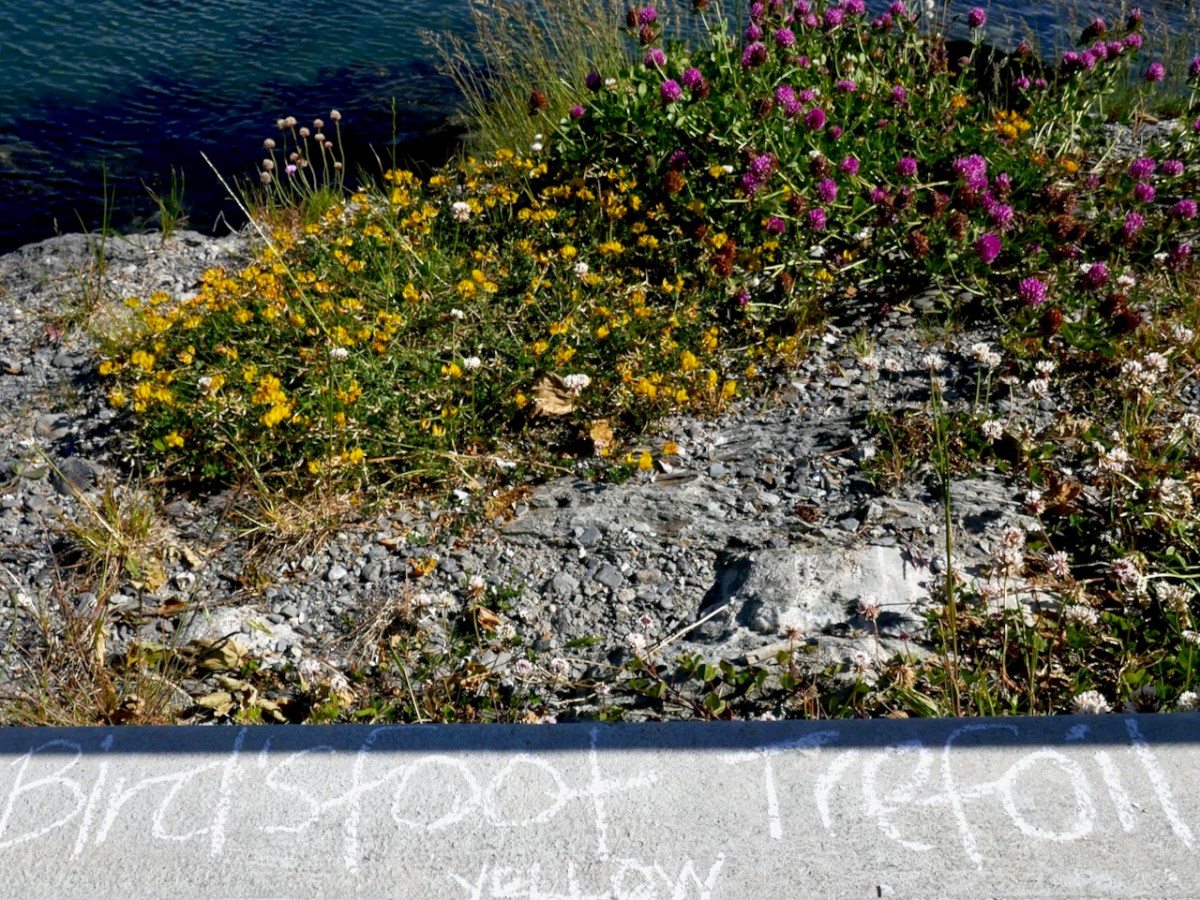
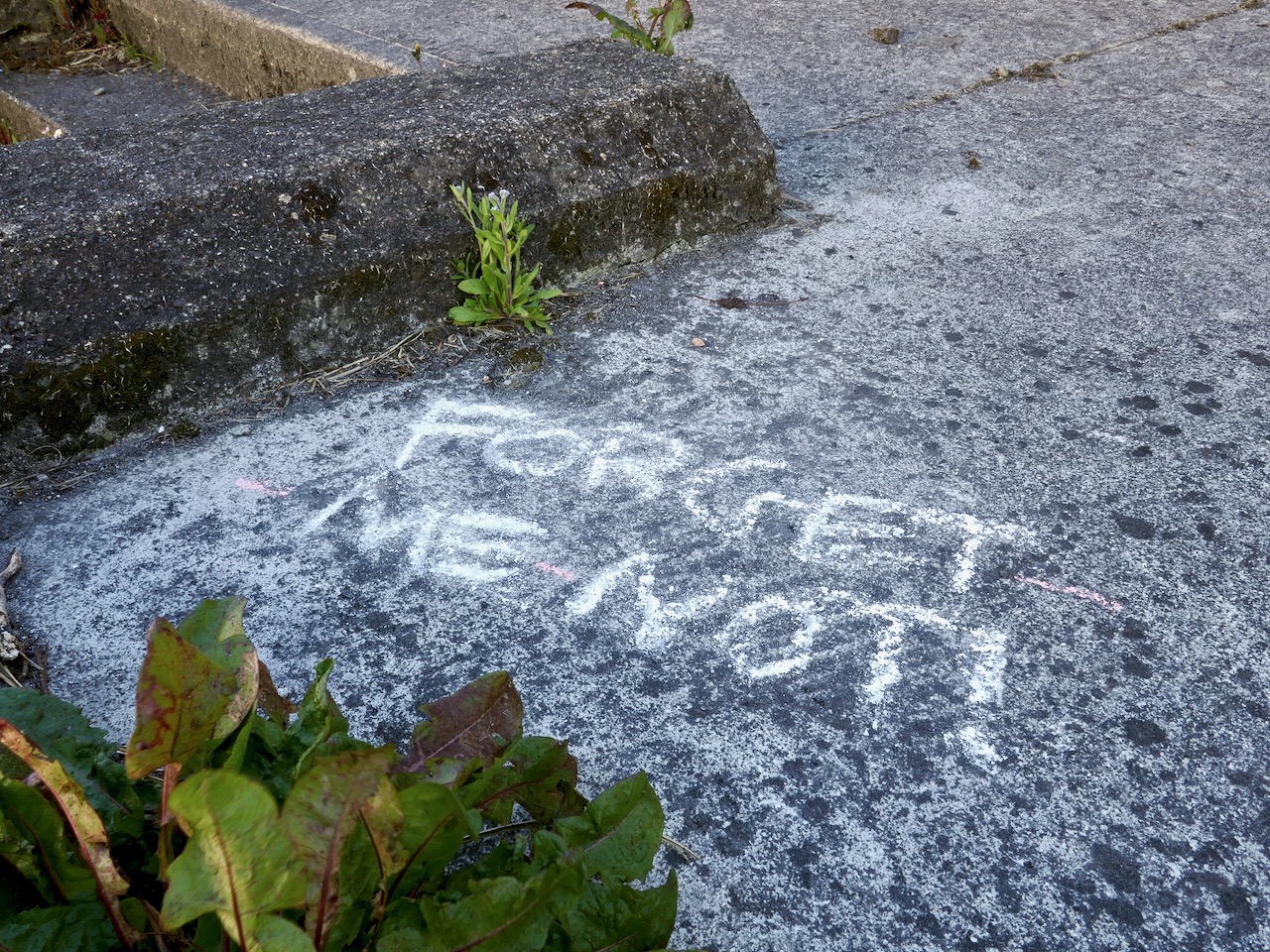
Like all the West Cork villages, Schull is also a haven for wildflowers, although you might think they are only weeds. We had a very enjoyable Guerrilla Botany session in early June in 2020 wandering around and chalking in the names of all the plants we found. Time to do that again this spring, I think – who’s up for joining me?
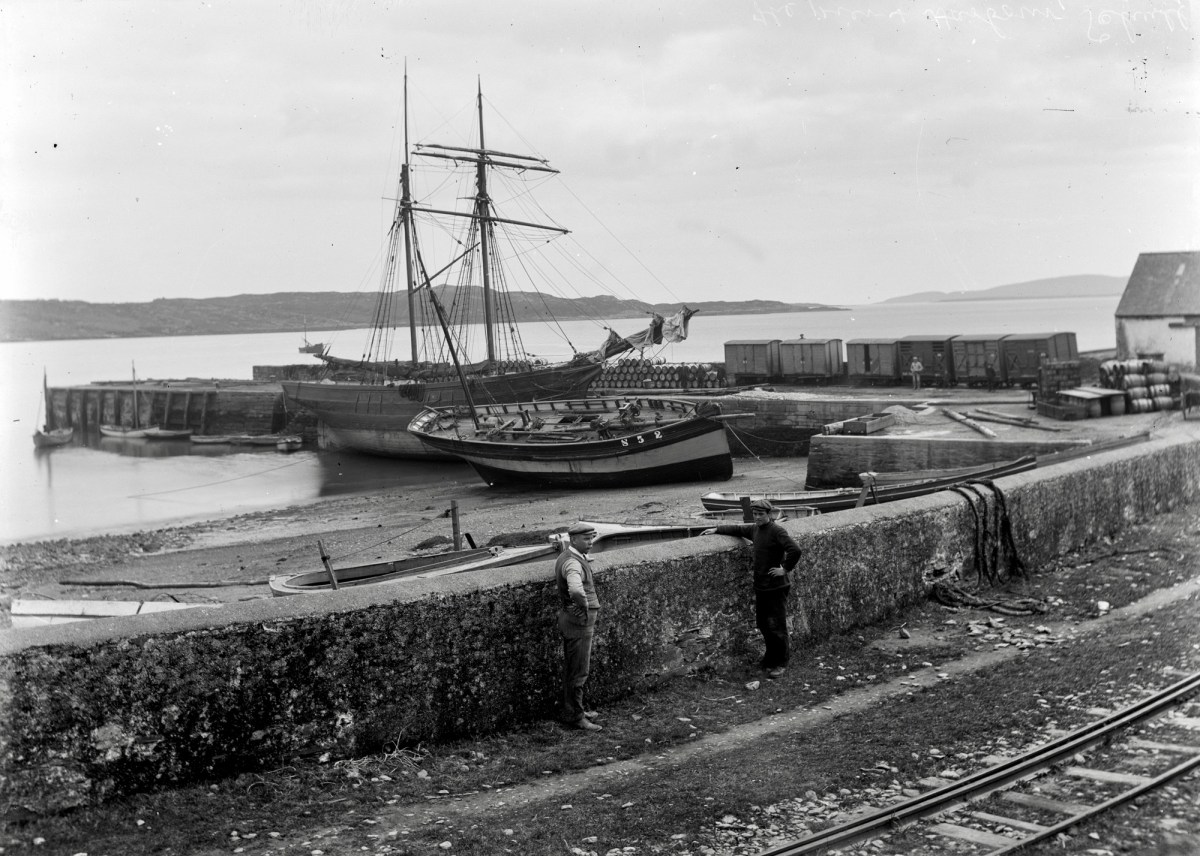
The train used to come to Schull – the Schull and Skibbereen Light Railway came all the way down the Pier and Robert wrote about this rail line in a series of posts. The Schull-related one is here – a set of reminiscences about the stops, the engines, the buildings and the people who made it all run. My personal favourite was Gerry McCarthy who was known as ‘Vanderbilt’ from the careful way he had with money

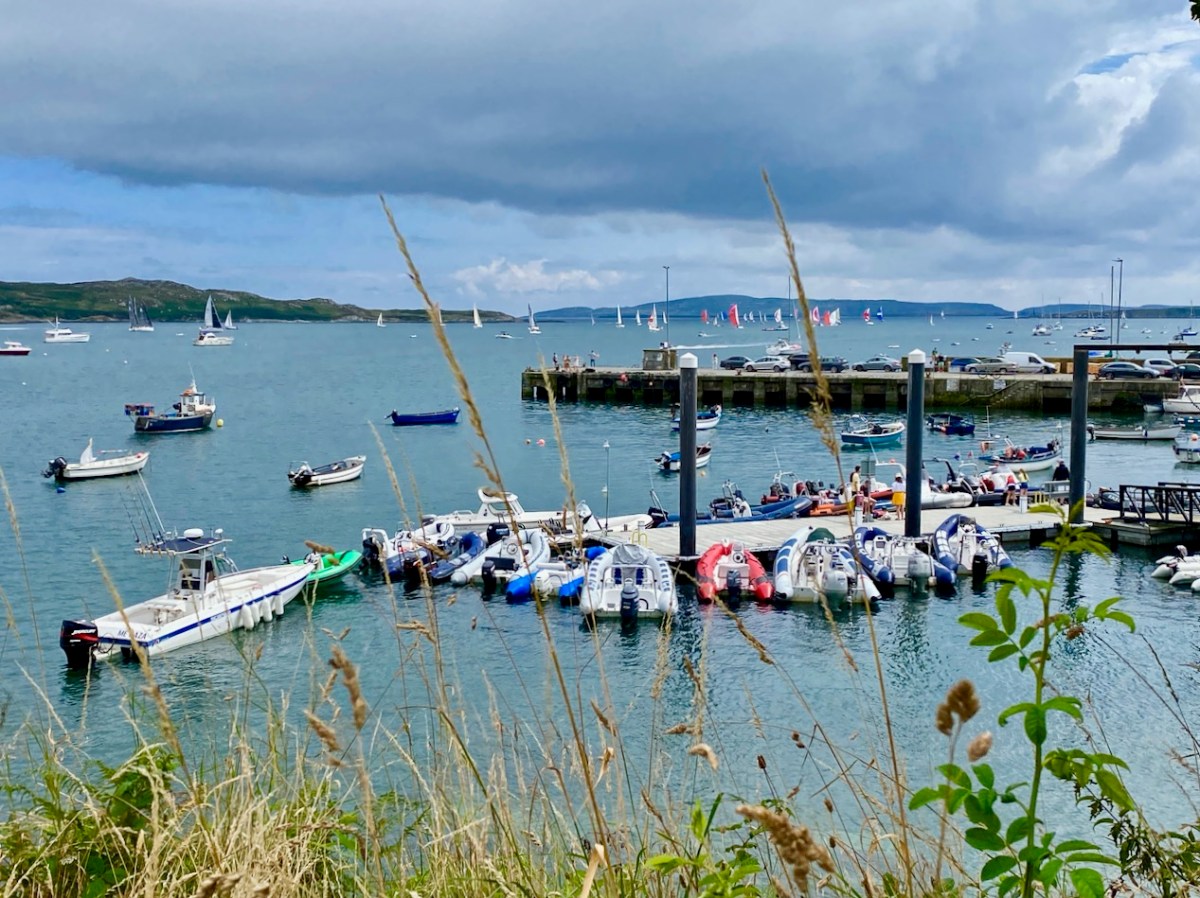
One thing Schull people love to do is walk and there are several lovely walks that start or end right in the village. You can walk from Schull to Castlepoint, or from Rossbrin to Schull. You can do the Butter Road – a green road for much of the way. If you have limited time, you can do the foreshore walk from the Pier out to the graveyard and back (below). Or just keep going out to Colla Pier.
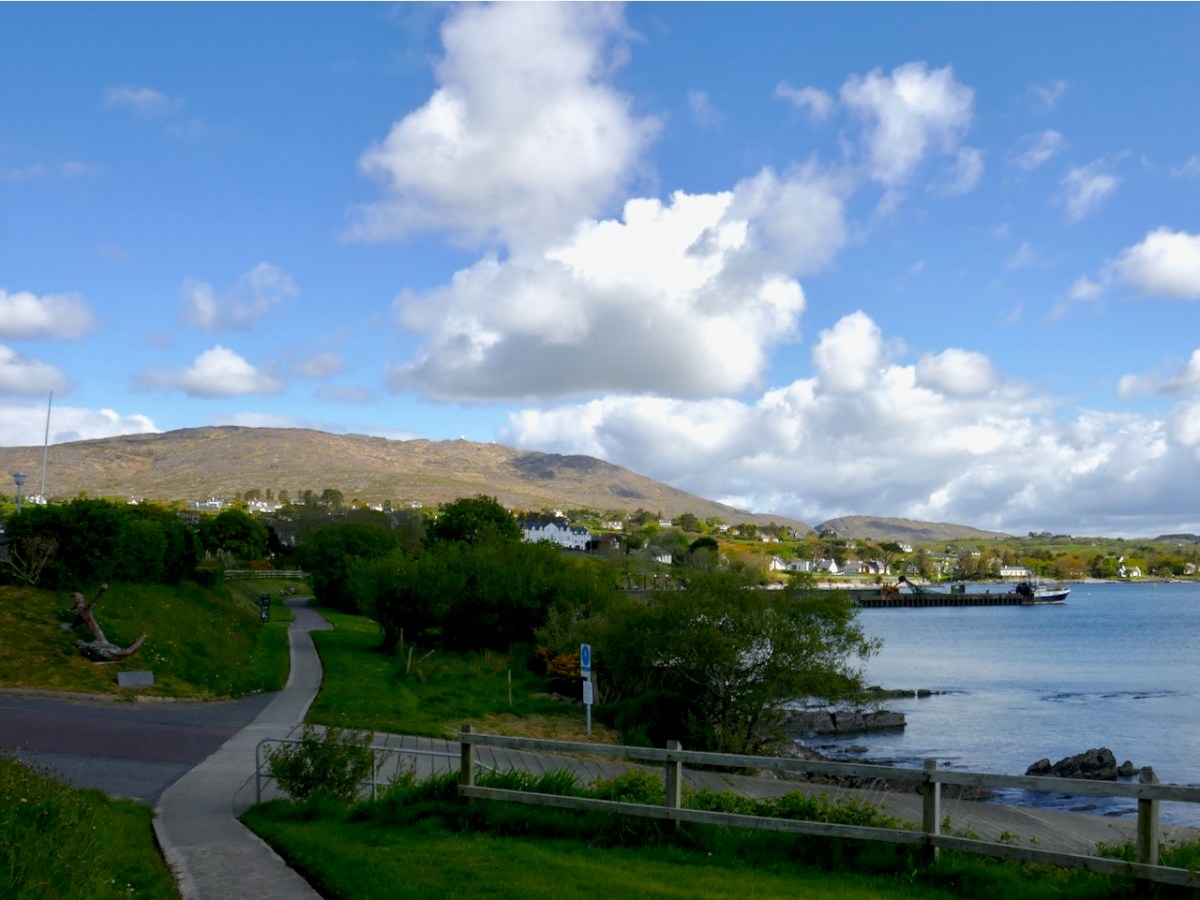
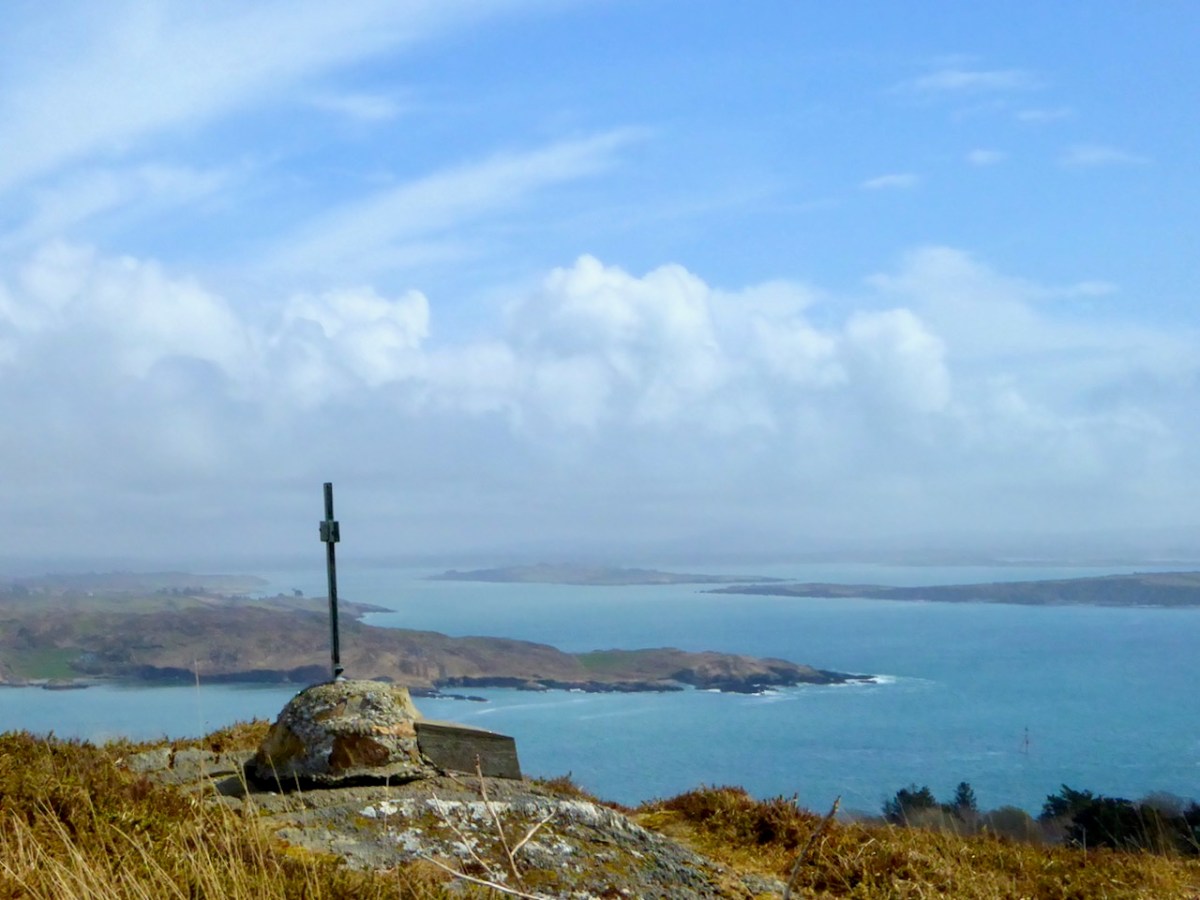
Best of all – you can do Sailor’s Hill, and hope to Catch Connie Griffin so he can explain his stonehenge to you, or lean over the wall and admire Betty’s garden.
Regular service will return soon – I’m already planning my annual Brigid post.
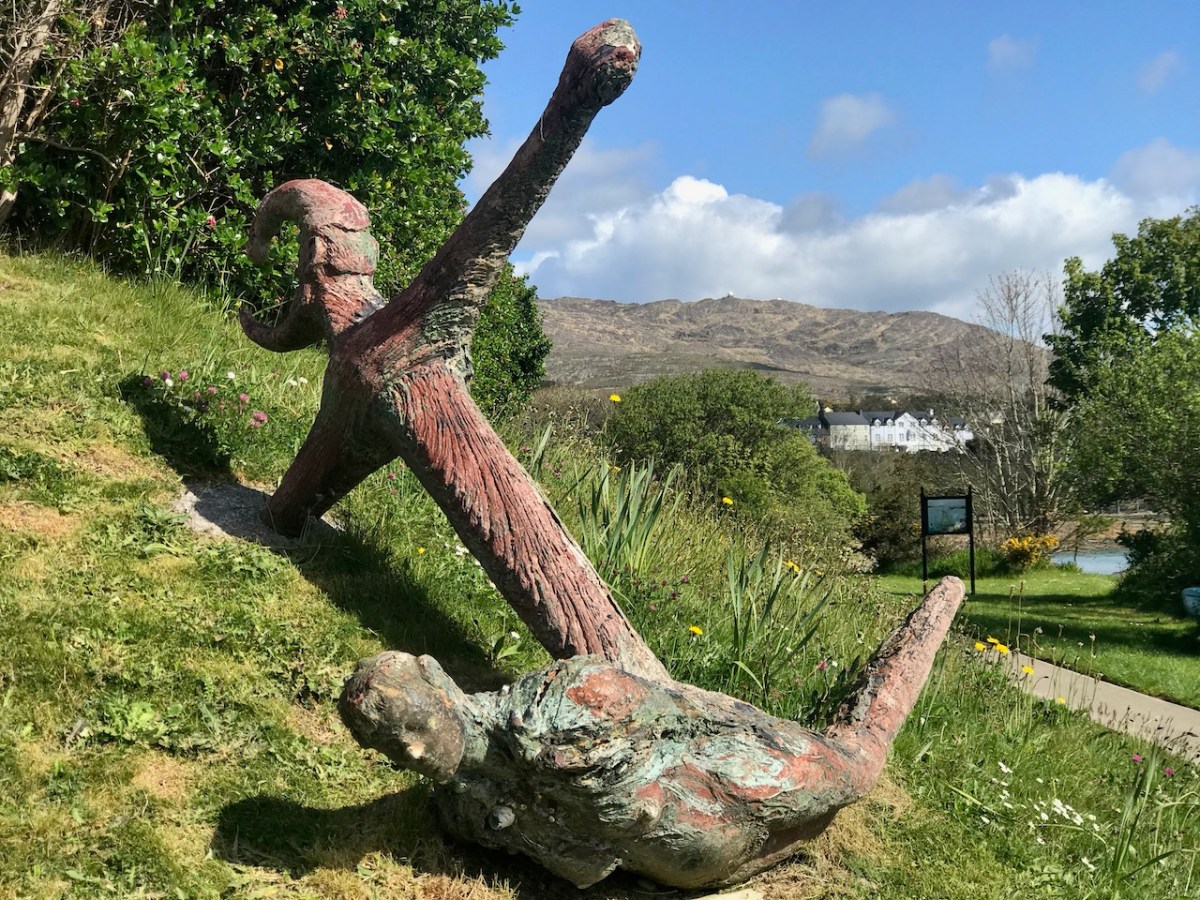
Our Lúnachán.

Guerrilla Botany in West Cork

It started in France and has spread (like weeds?) across Europe, as a way of illustrating for casual walkers what we have all around us. All you need is chalk and a good wildflower book. I recommend Zoë Devlin’s The Wildflowers of Ireland – it’s how my love of wildflowers was sparked. If you have good reception on a phone or tablet, you can use her website Wildflowers of Ireland, but if you’re just starting, the book may be easier to search. Another excellent resource is Wildflowers of Ireland, although this one is wholly online.

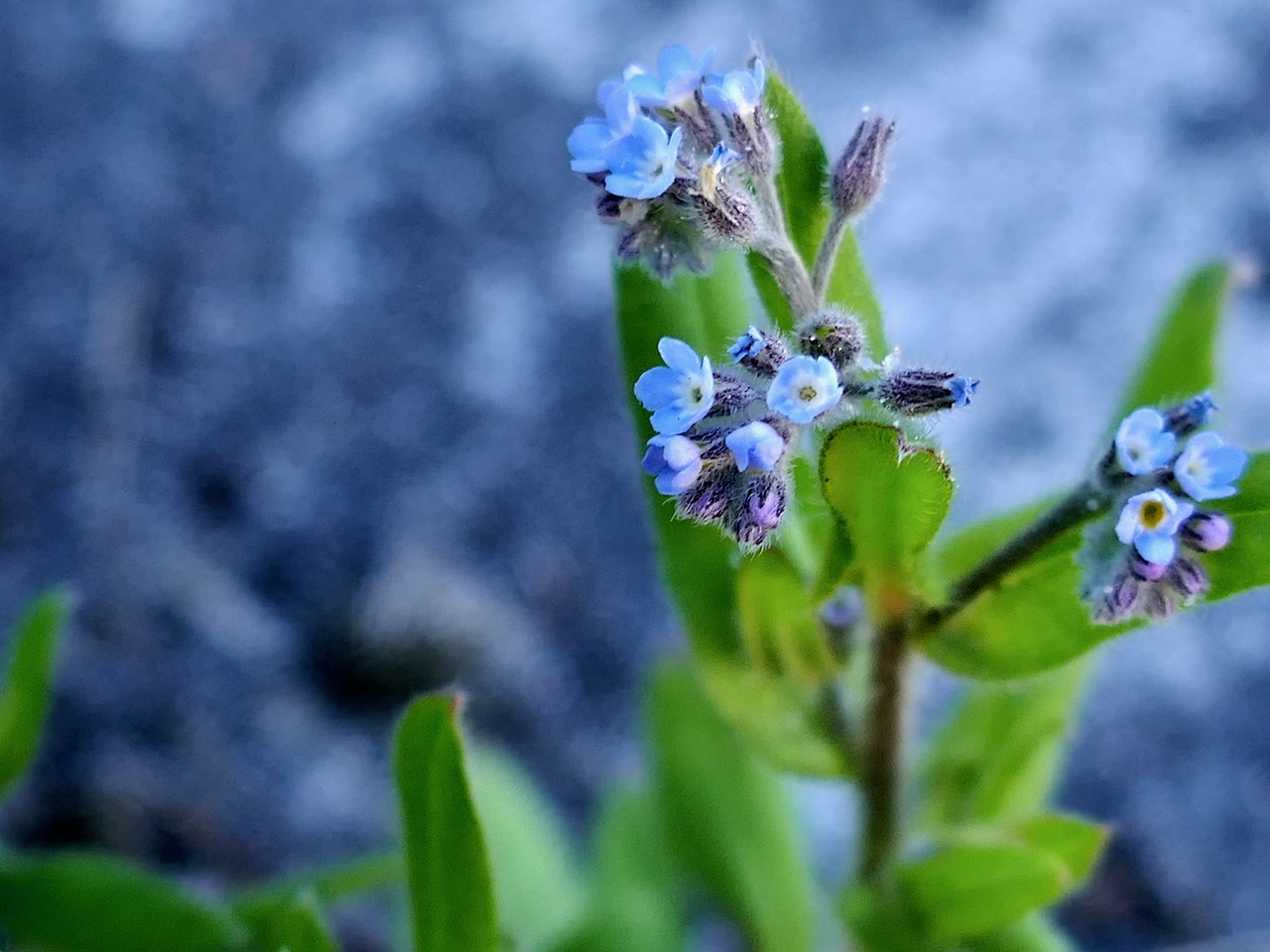
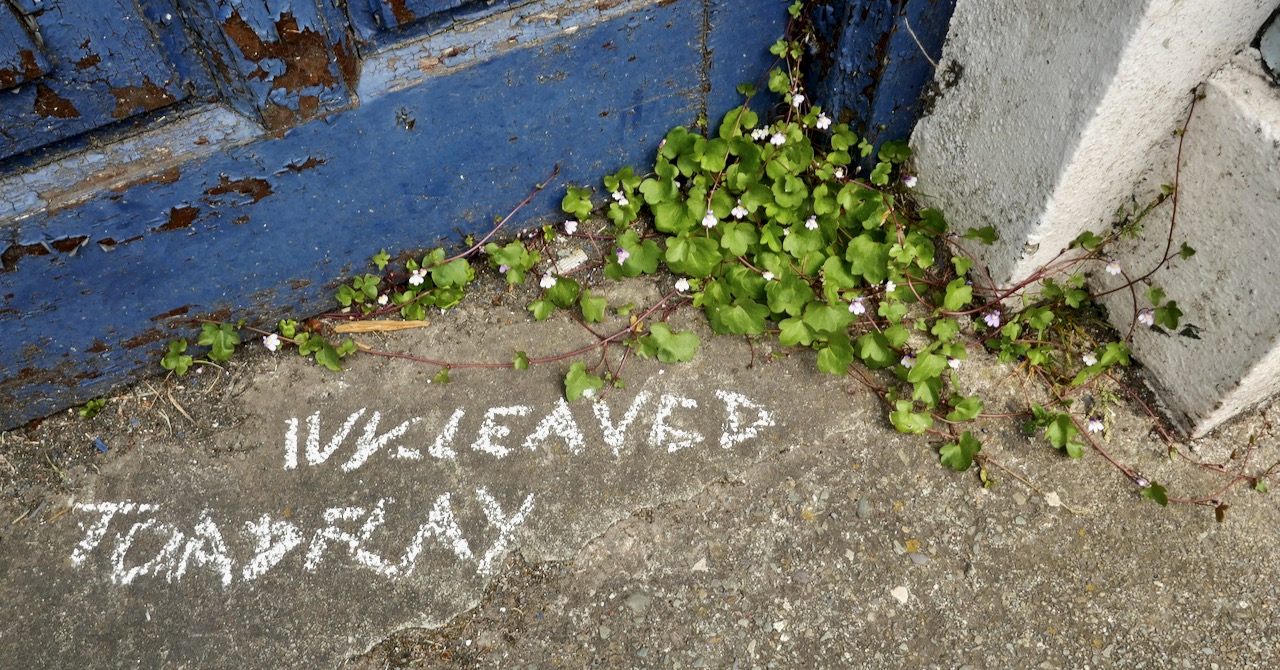
This lovely little Field Forget-me-not (chalked in the top photo, close-up above) is a metaphor what what we were trying to do in our West Cork villages

The Botany part is easy: it’s incredibly important to know what we have as we are losing species, many through loss of habitat or the use of herbicides. Urban environments are home to many wildflowers (no such thing as weeds!) all of which do important jobs in supporting the great chain of life by providing vital food, shelter and reproduction spaces to an enormous variety of insects.

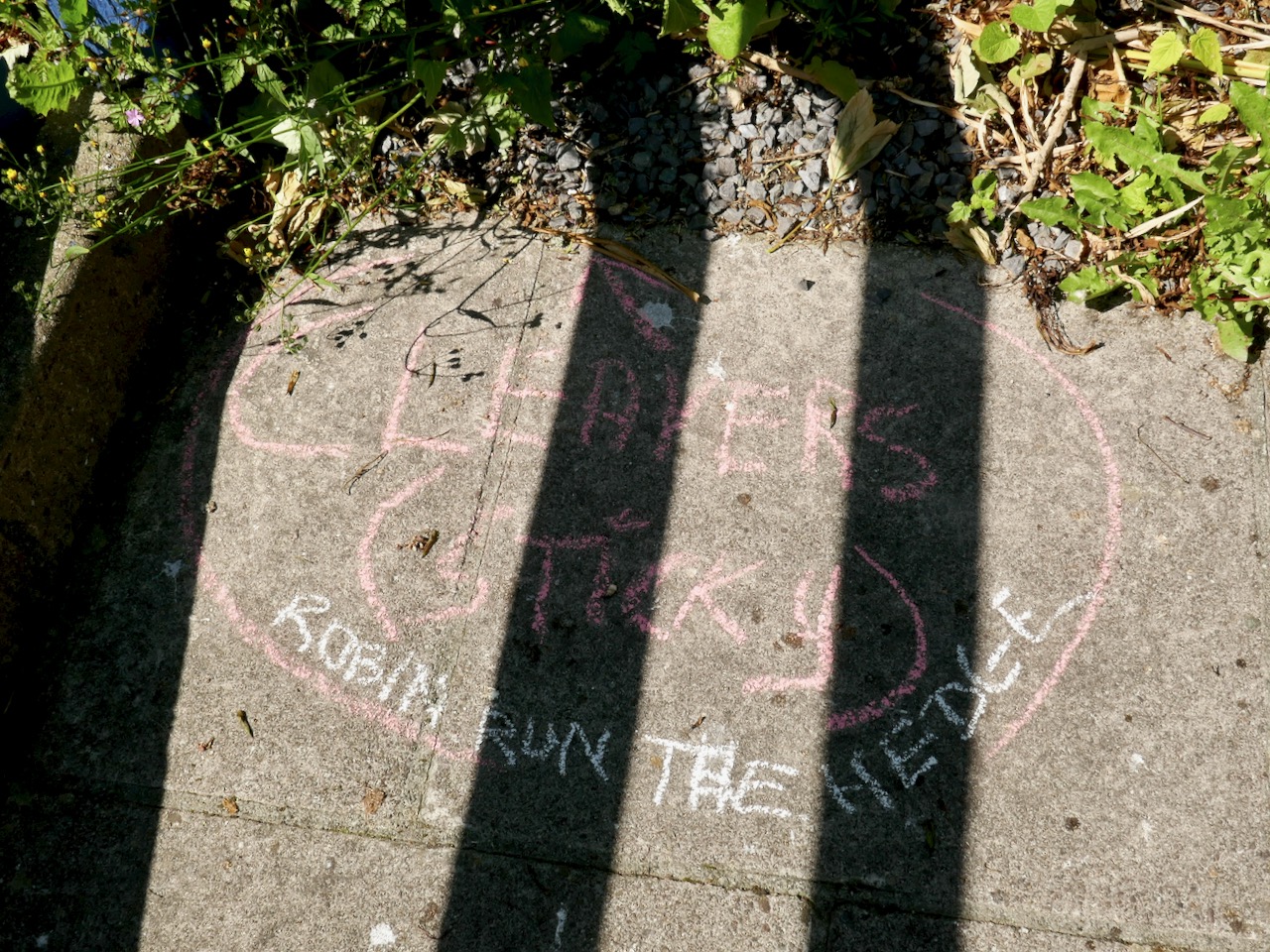
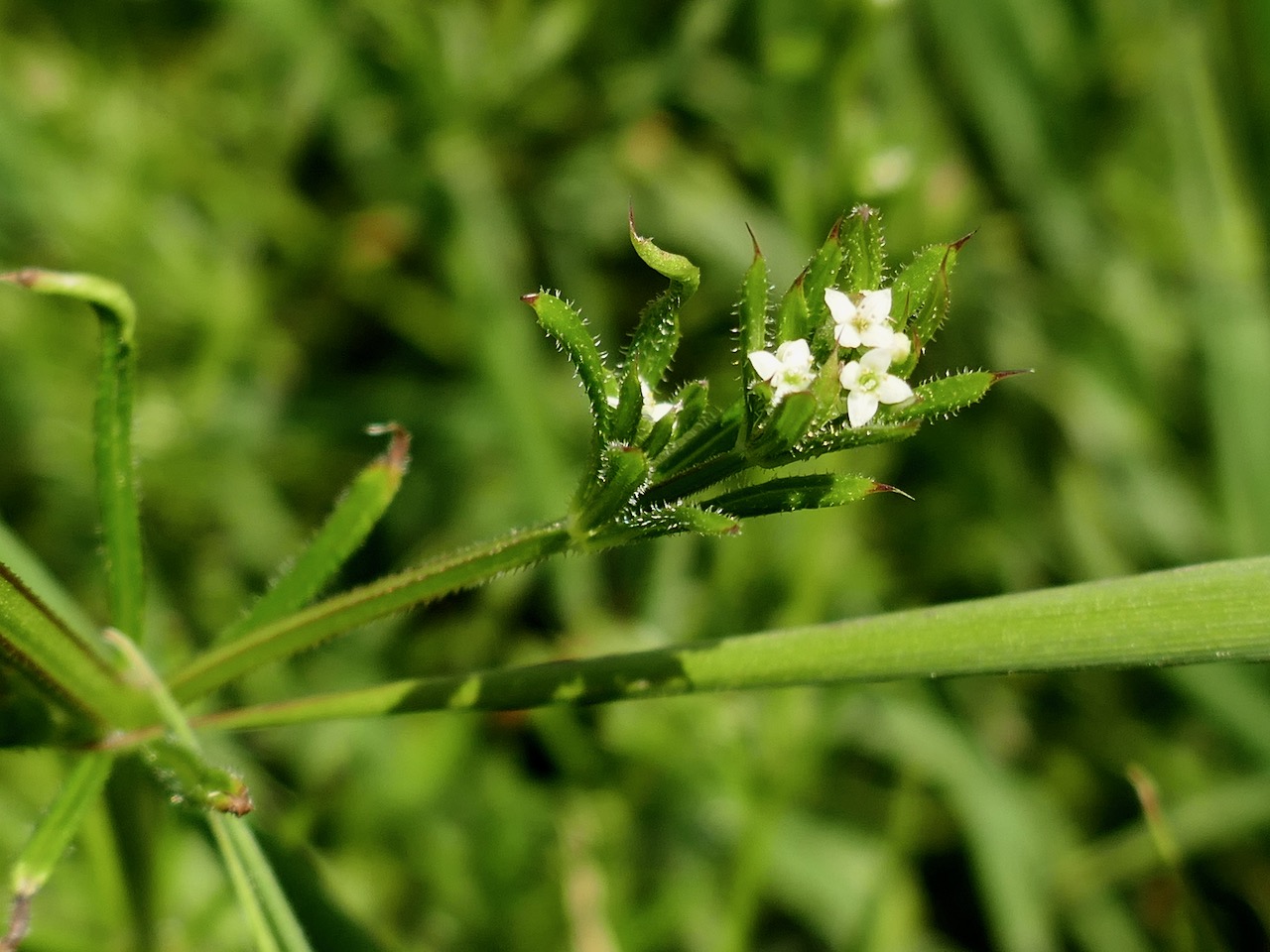
Cleavers – you might know it as Stickelback or Goose Grass, and one of the Flying Column grew up calling it Robin-run-the-hedge. It has a very efficient way of getting you or your dog to transport its seeds

The Guerrilla part? Well, there is something subversive in writing and sketching what can be seen as graffiti on a footpath or a wall (but don’t worry – the first rainfall and it will be gone). It may even be slightly illegal, so ideally you deploy some level of stealth. However, the merry band in Schull yesterday, let’s call them Flying Column S, was having far too much fun to be deploying anything except their chalk.

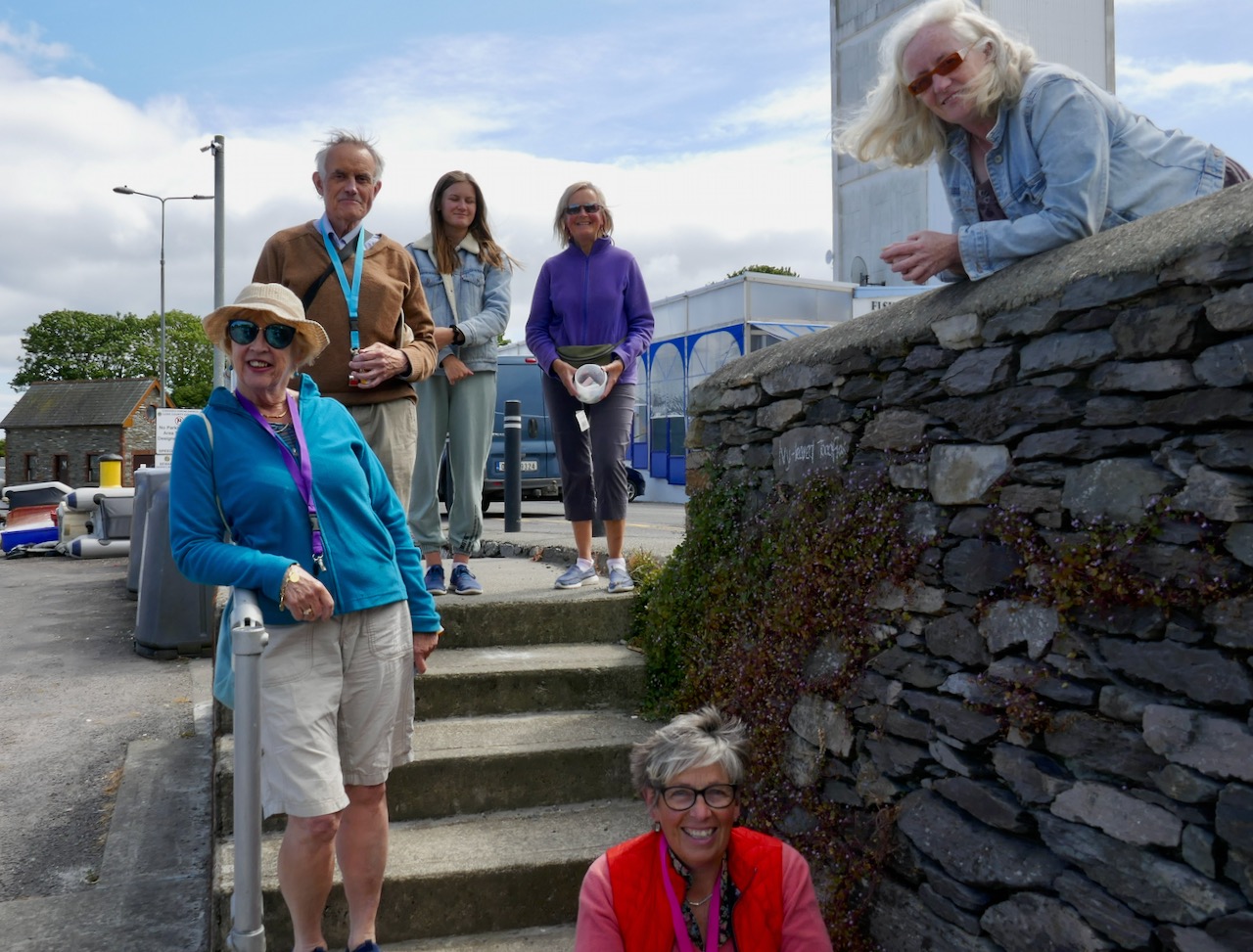
Flying Column S (appropriately distancing) clockwise from top right: Karen, Julia, Úna and Con, Ann and Blathnaid

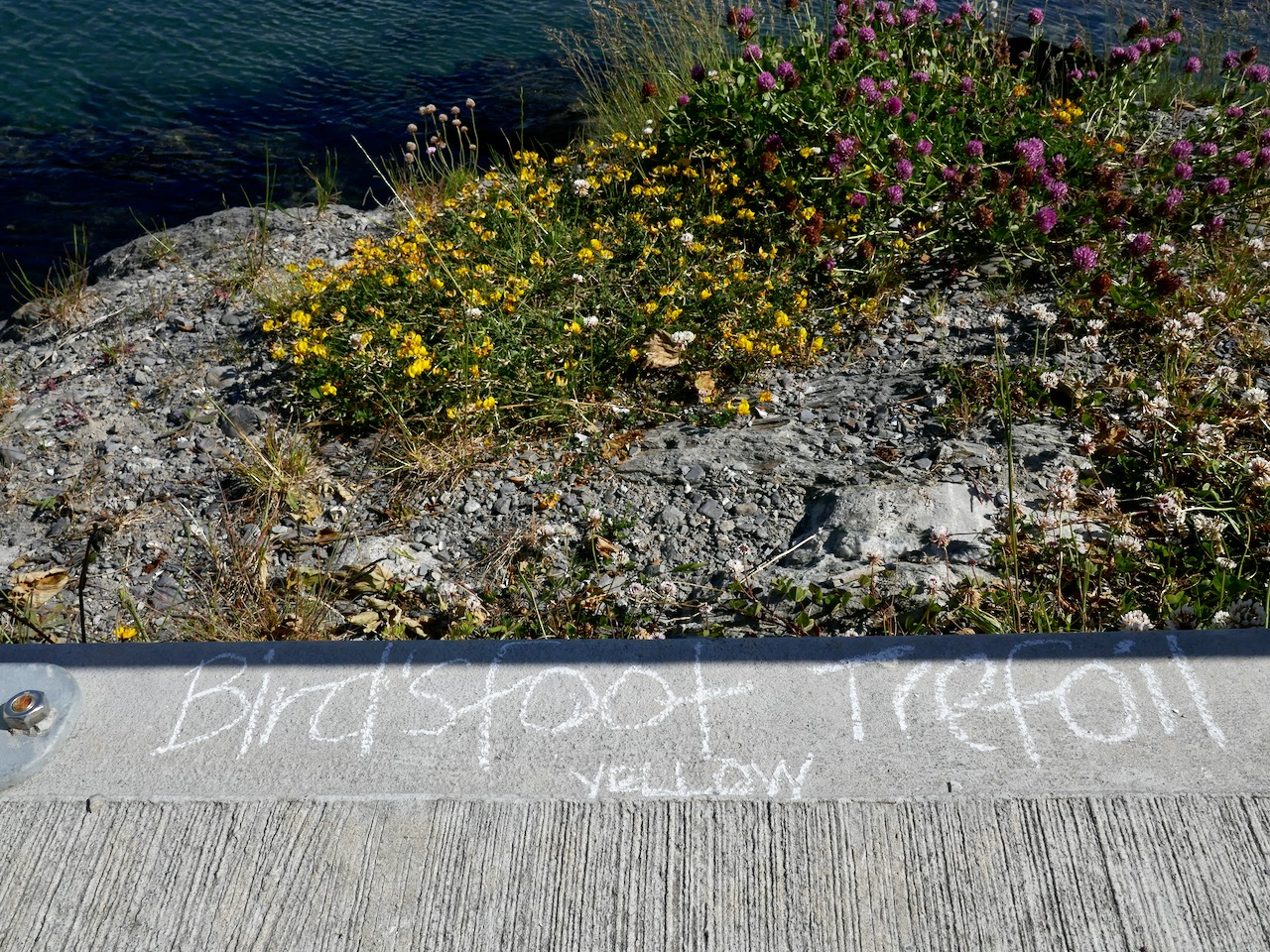
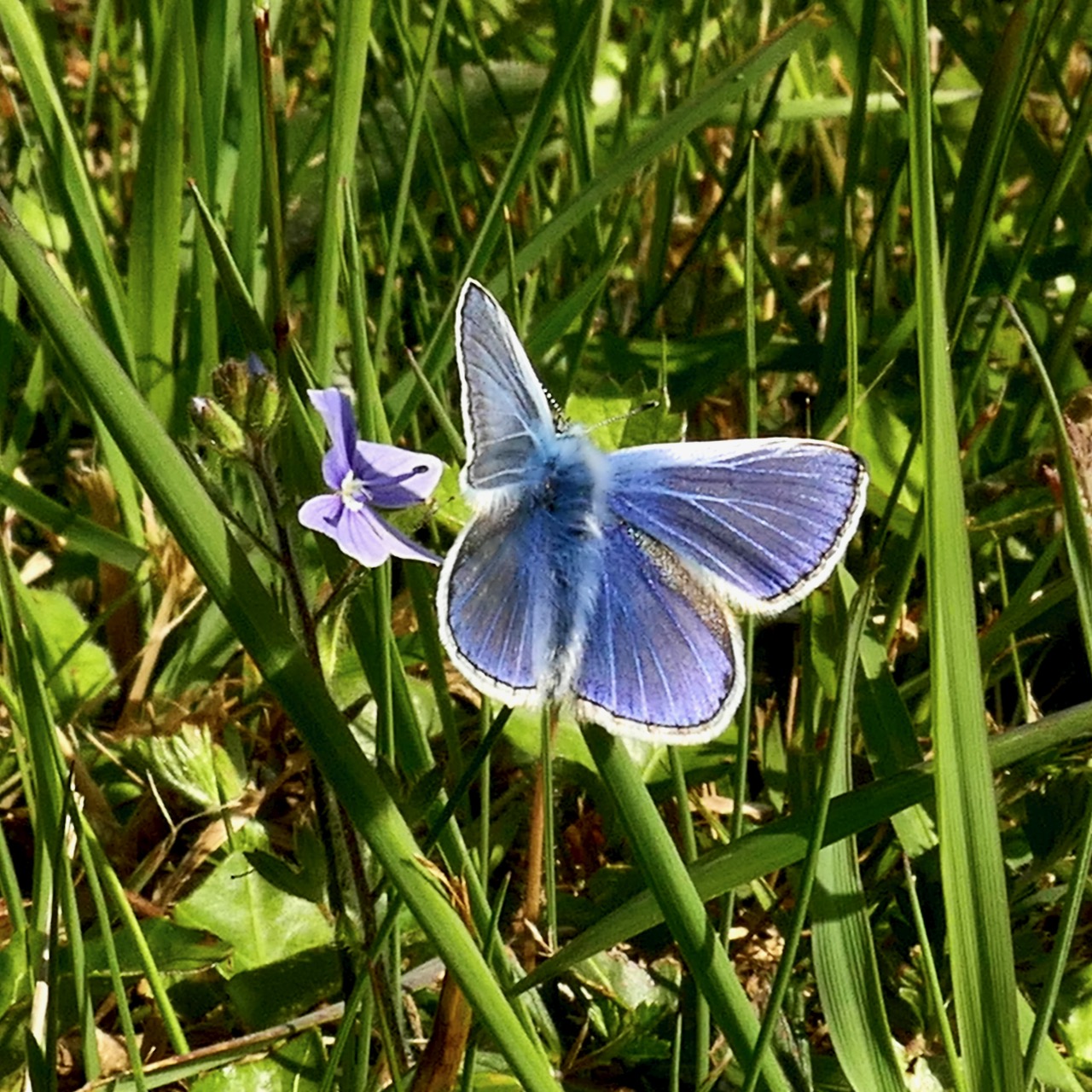
When you name something you give it an identity. That encourages people to look more closely at it and maybe do a little research into it. We are seeing all kinds of Bird’s-foot Trefoil (below, overlooking Schull Harbour, with Red Clover) at the moment, springing up in our lawns and frankly wherever it gets a chance. But did you know that this gorgeous little yellow flower, a member of the Pea Family, is the larval food plant of the Common Blue Butterfly?

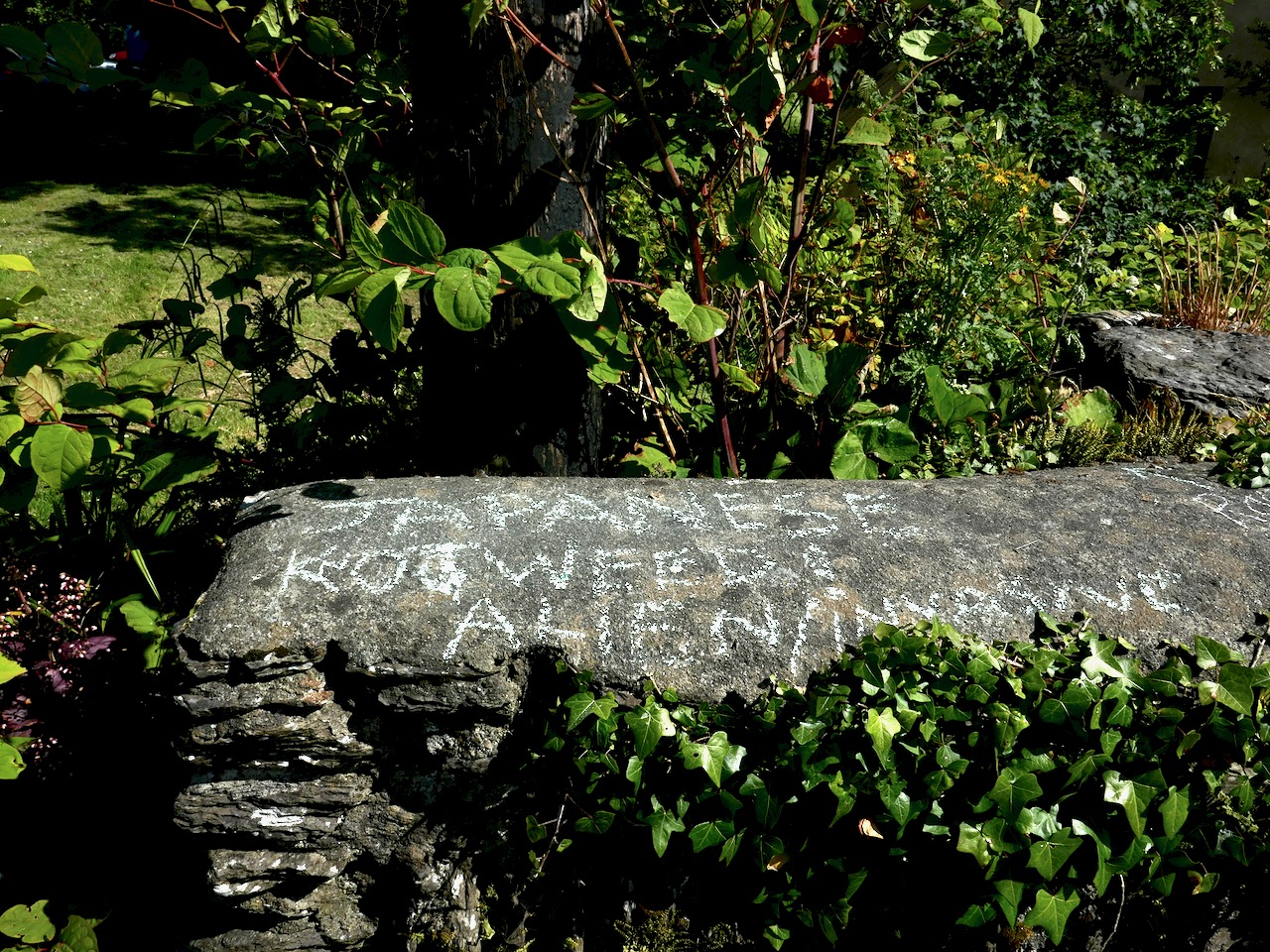
Most of the wildflowers we see around us in our towns and villages are native, but there are a few invasive aliens as well and it’s also important to know where they are and how they are reproducing. Japanese Knotweed is the most feared, for how difficult it is to get rid of, how damaging it can be, and for how it takes over vast areas of habitat, choking out native plants.

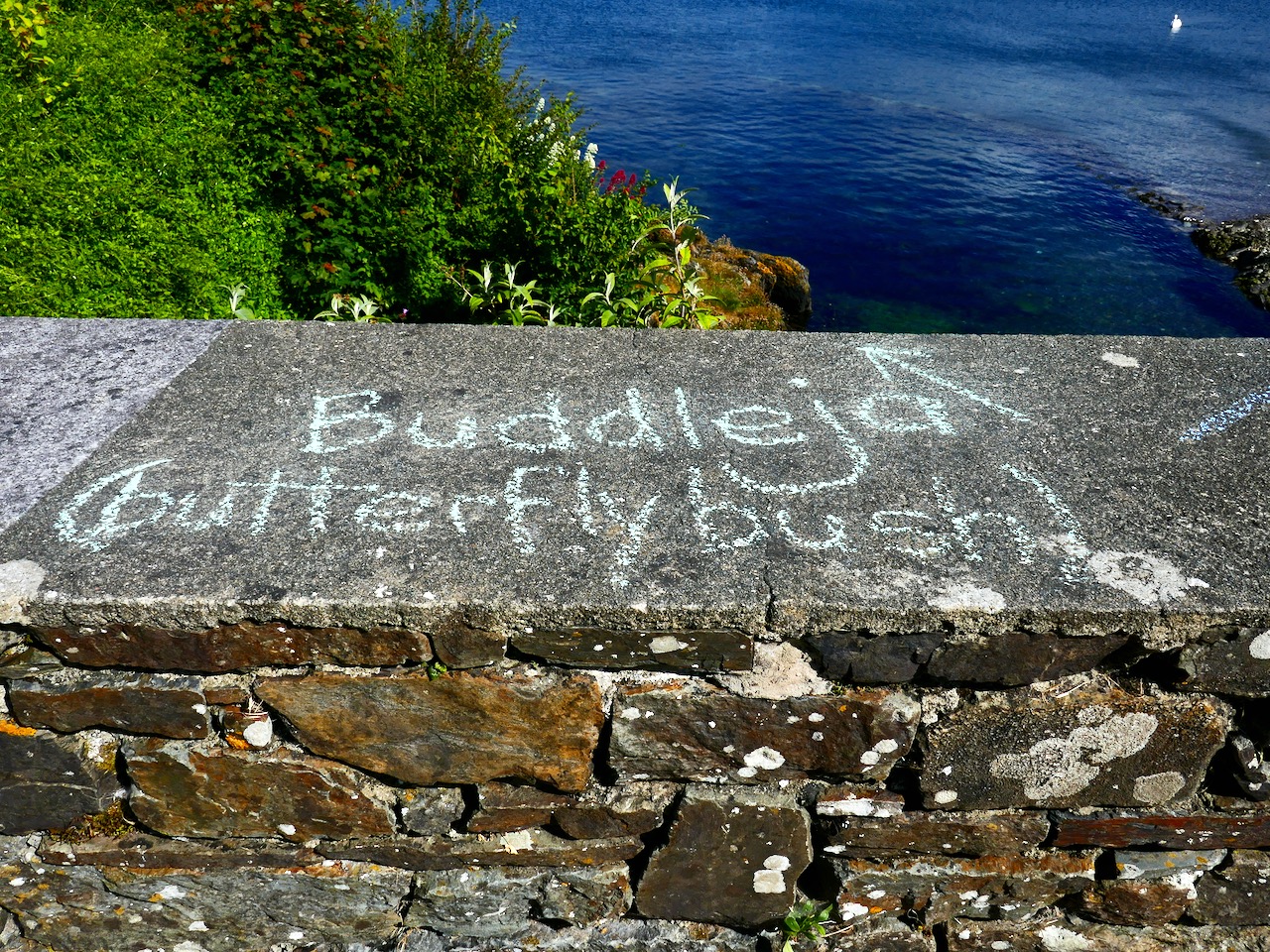
Buddleia, better known as Butterfly Bush, is beloved of butterflies for its abundance of nectar. But there is a dark side – it can become very invasive, and while butterflies love the nectar it provides it is not a butterfly host plant – that is, one that butterflies can use to deposit their larva, which will then feed on the leaves. In fact, over time, butterfly populations decline where Buddleia is left unchecked. The Buddleia below has not yet come into flower.

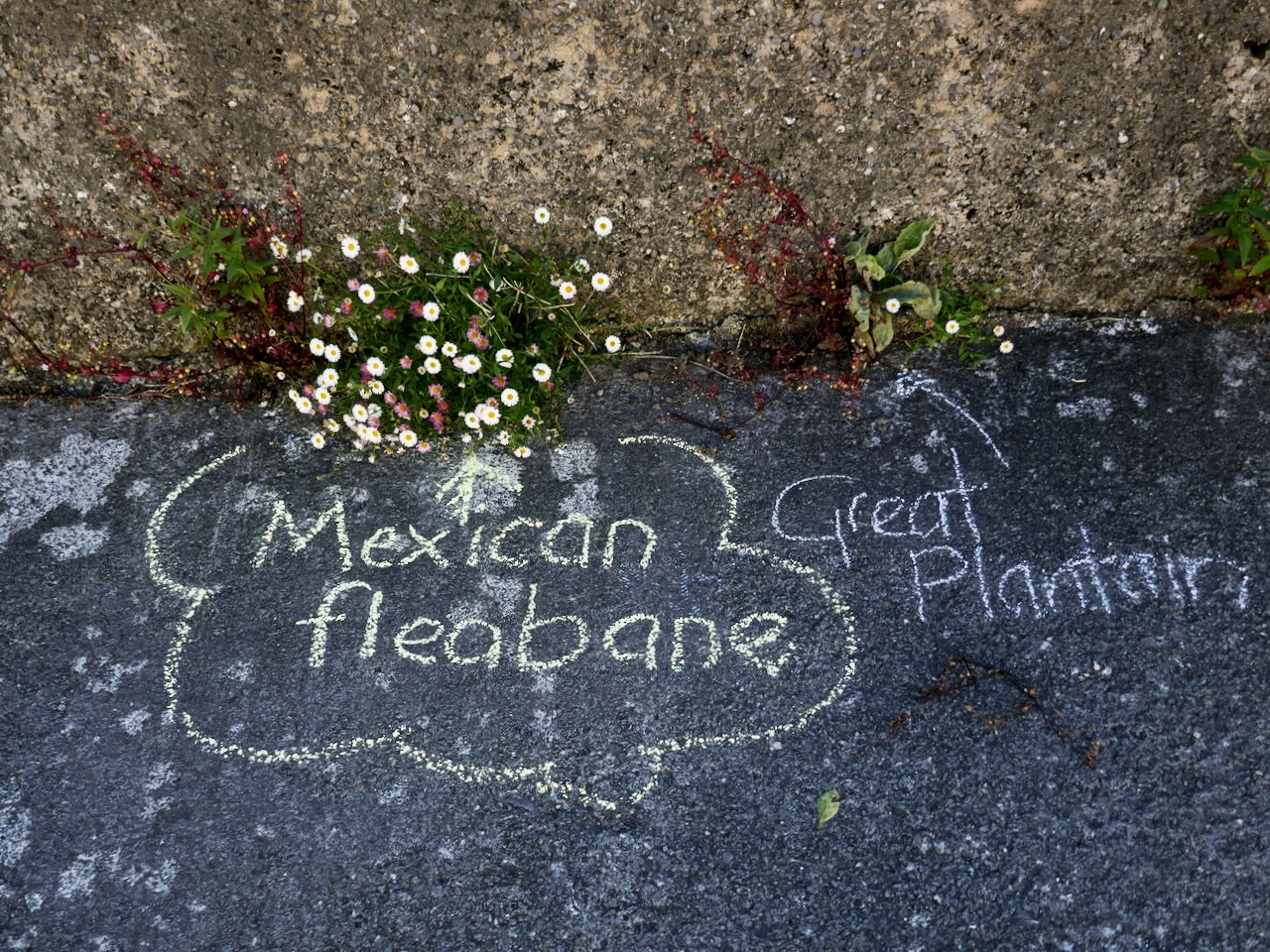
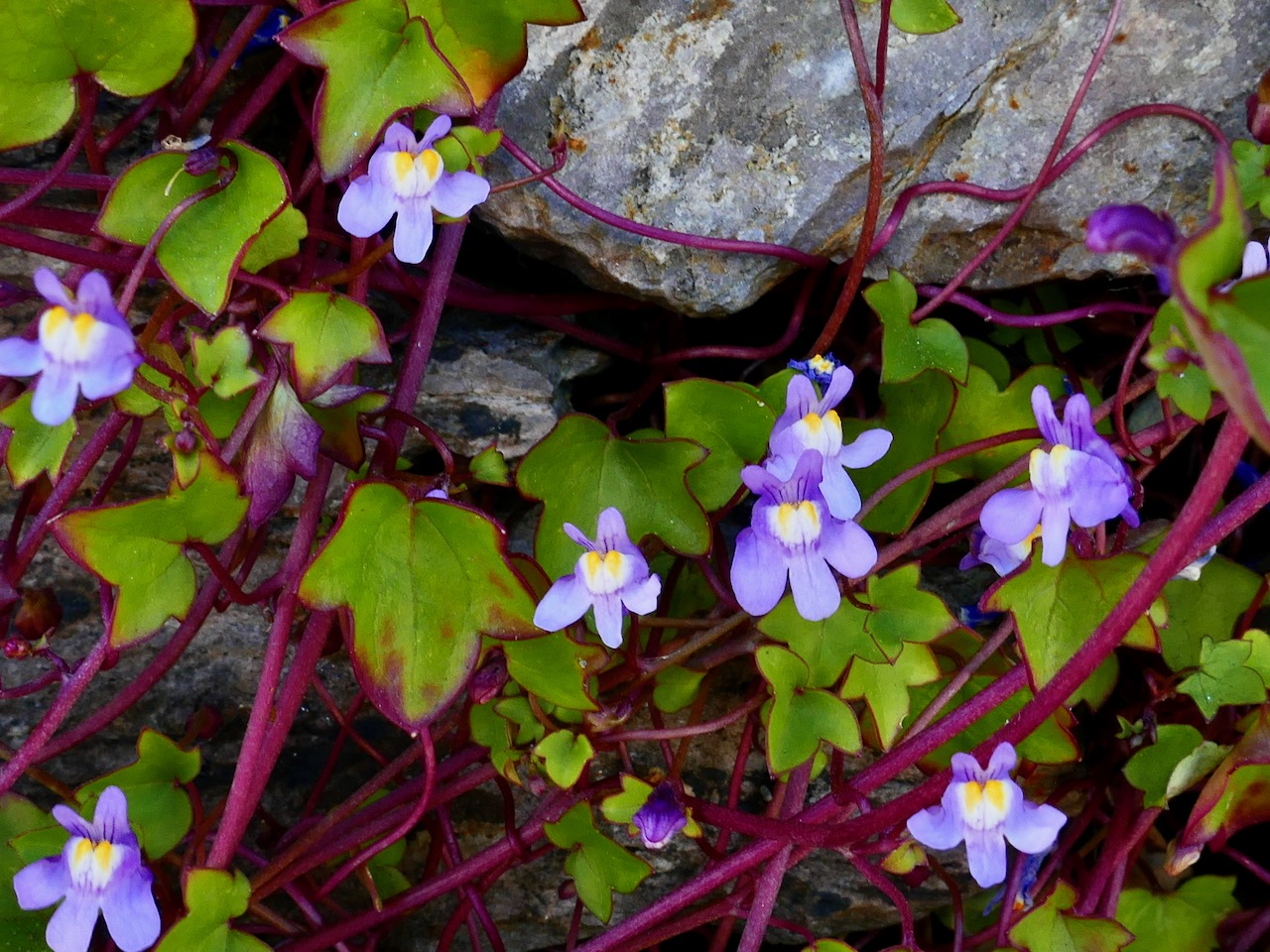
But there are other non-natives that are more benign. Mexican Fleabane (below with Greater Plantain) and Ivy-leaved Toadflax (a close-up – another photo is the last one in this post) both arrived here from elsewhere, but do not pose anything like the same level of threat. In fact they have settled in happily as neighbours.

But while they are certainly decorative and attractive to insects, it remains true that it is our native plants to which our native insects are best adapted.

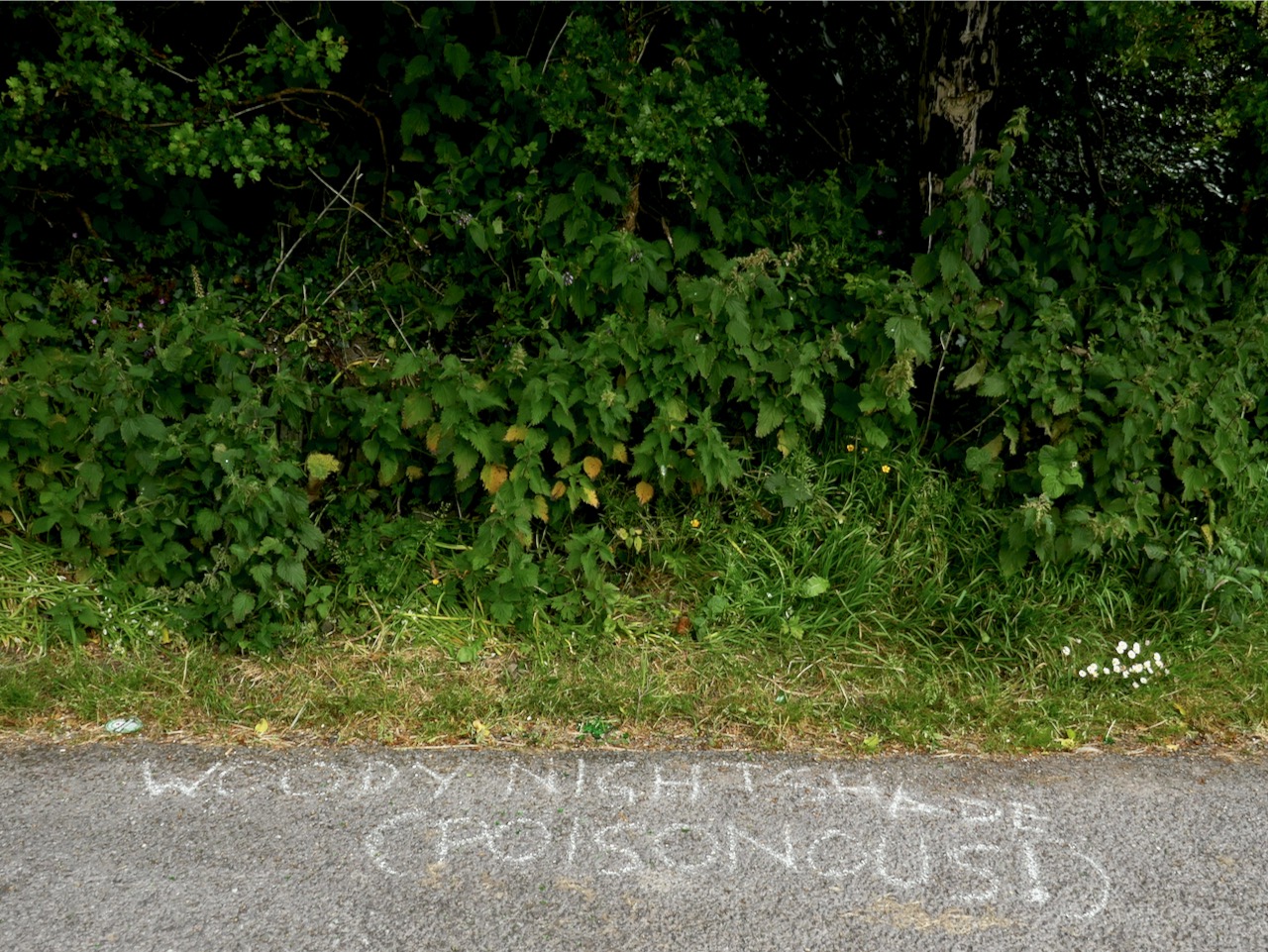
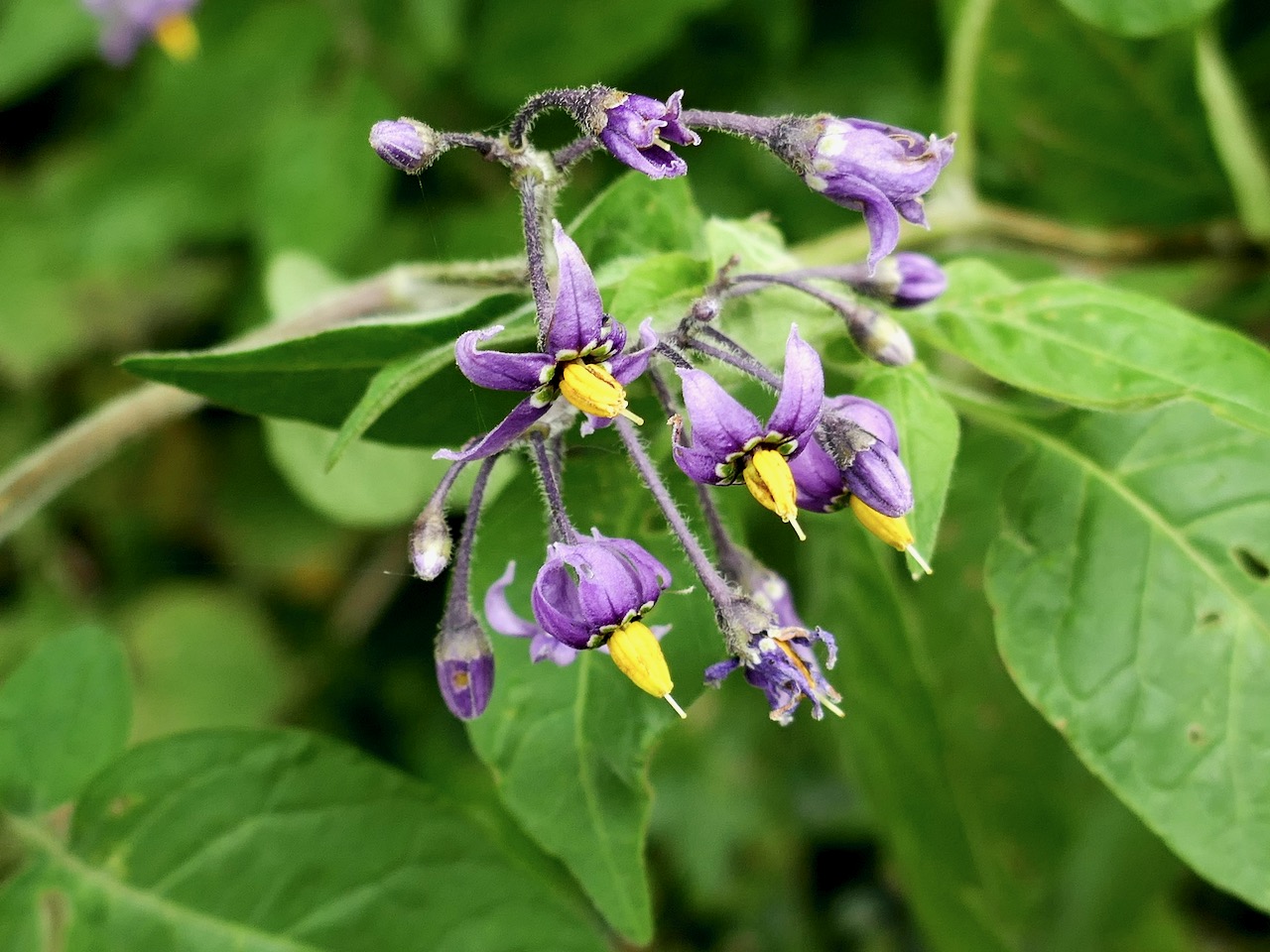
Native, of course, can also be dangerous – several of our native plants are highly poisonous to humans including the beautiful Foxglove that is blooming everywhere right now and the attractive but deadly Woody Nightshade, below. It’s also known as Bittersweet. Children need to be warned to stay away from the inviting red berries of this plant later in the summer.

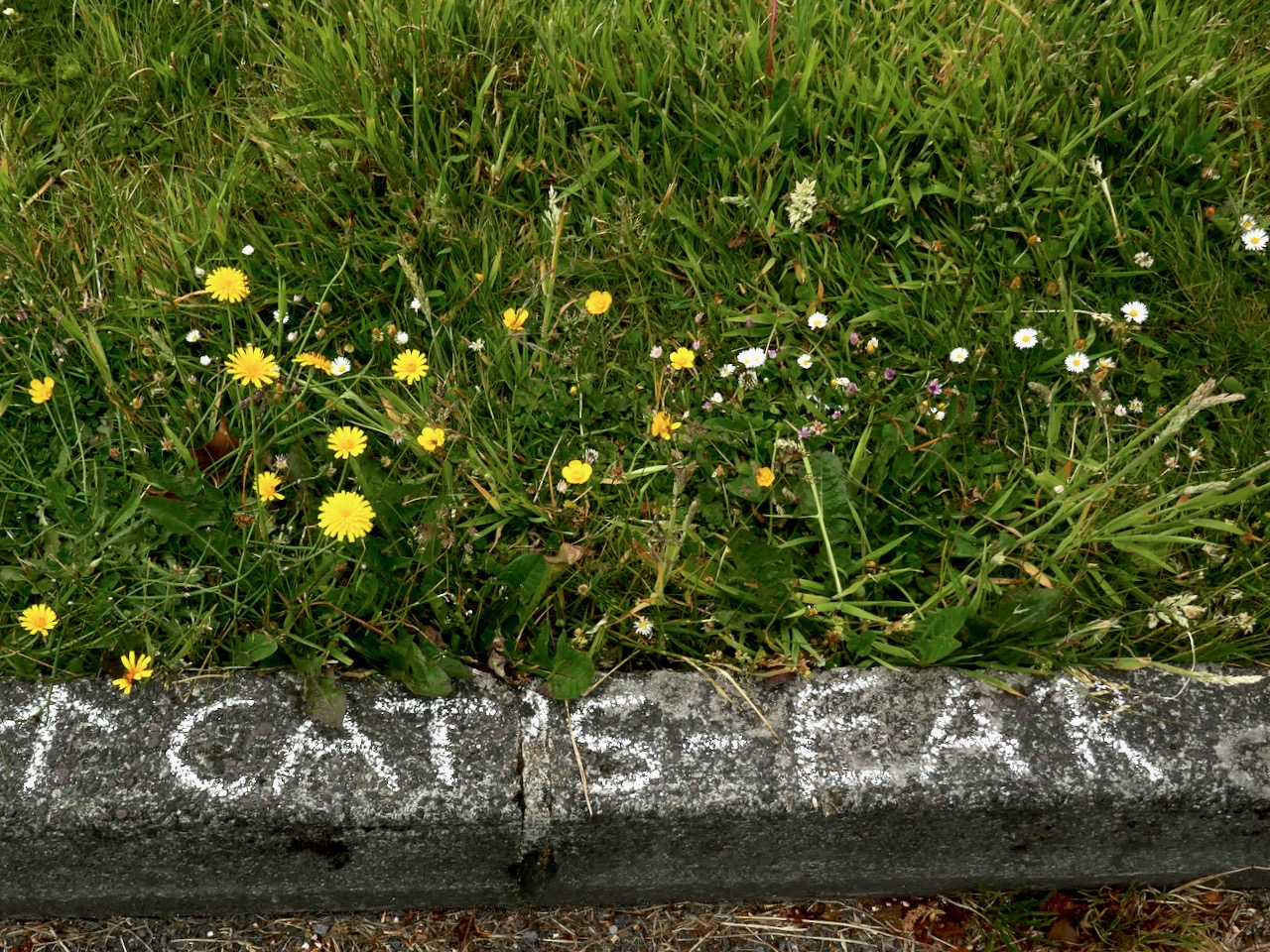
At first glance, we seem to see lots of dandelions, but most of the dandelions are gone over by now so what we are seeing are Sow-thistles, Nipplewort and most of all in West Cork, Cat’s-ear.

Cat’s-ear in Ballydehob, all mixed up with buttercups, daisies, White Clover, Club-rushed and grasses – an insect heaven

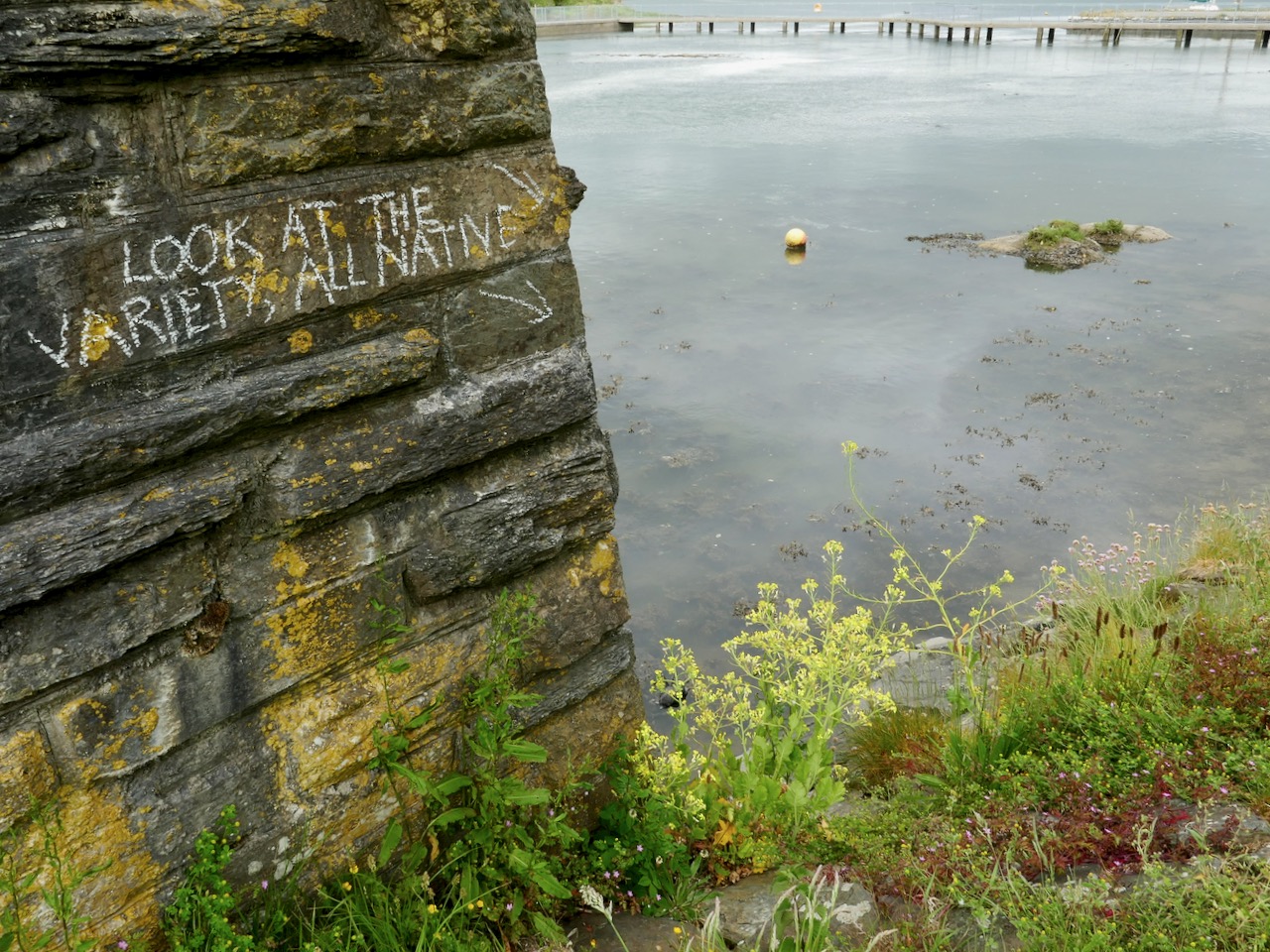
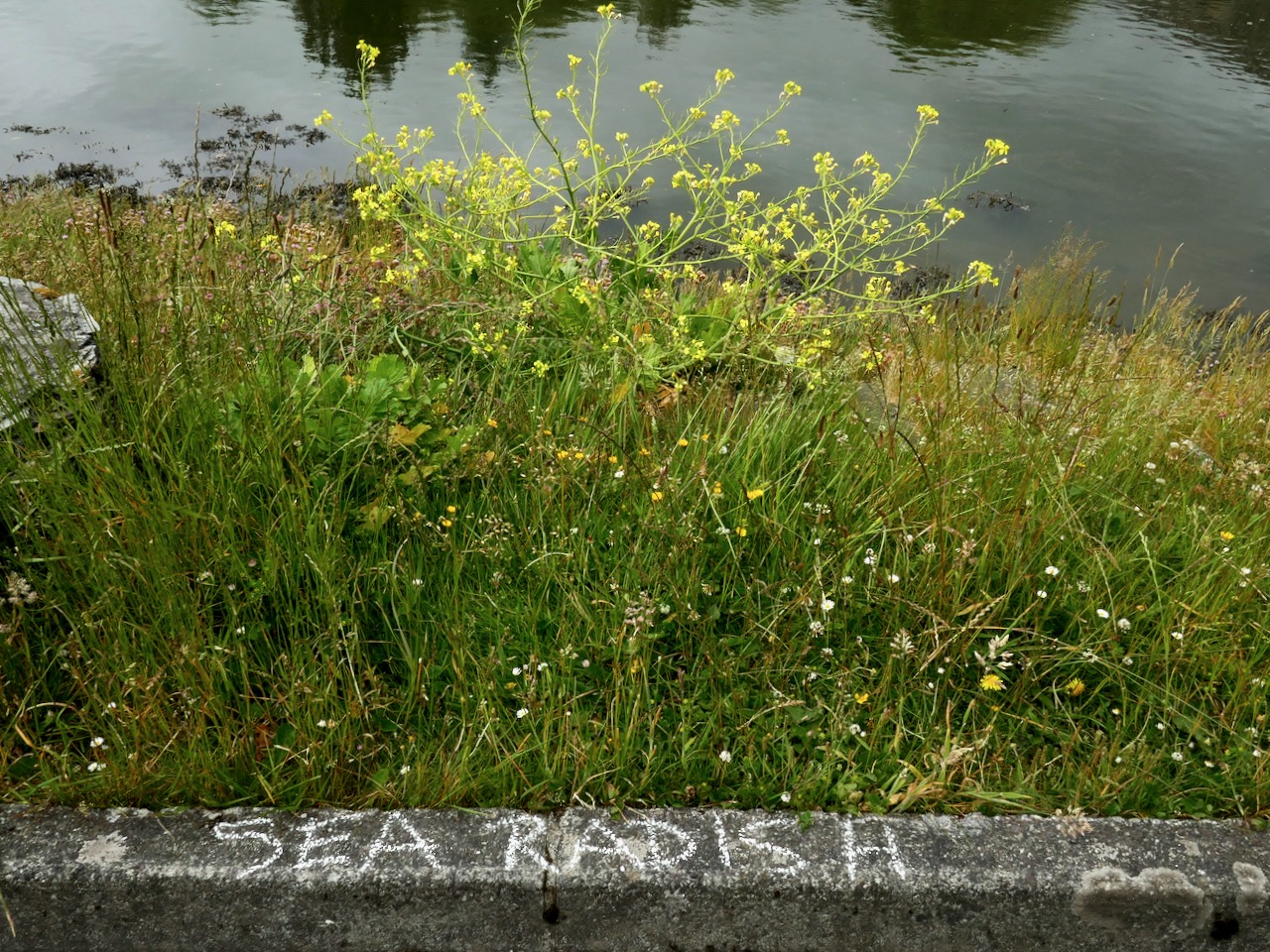
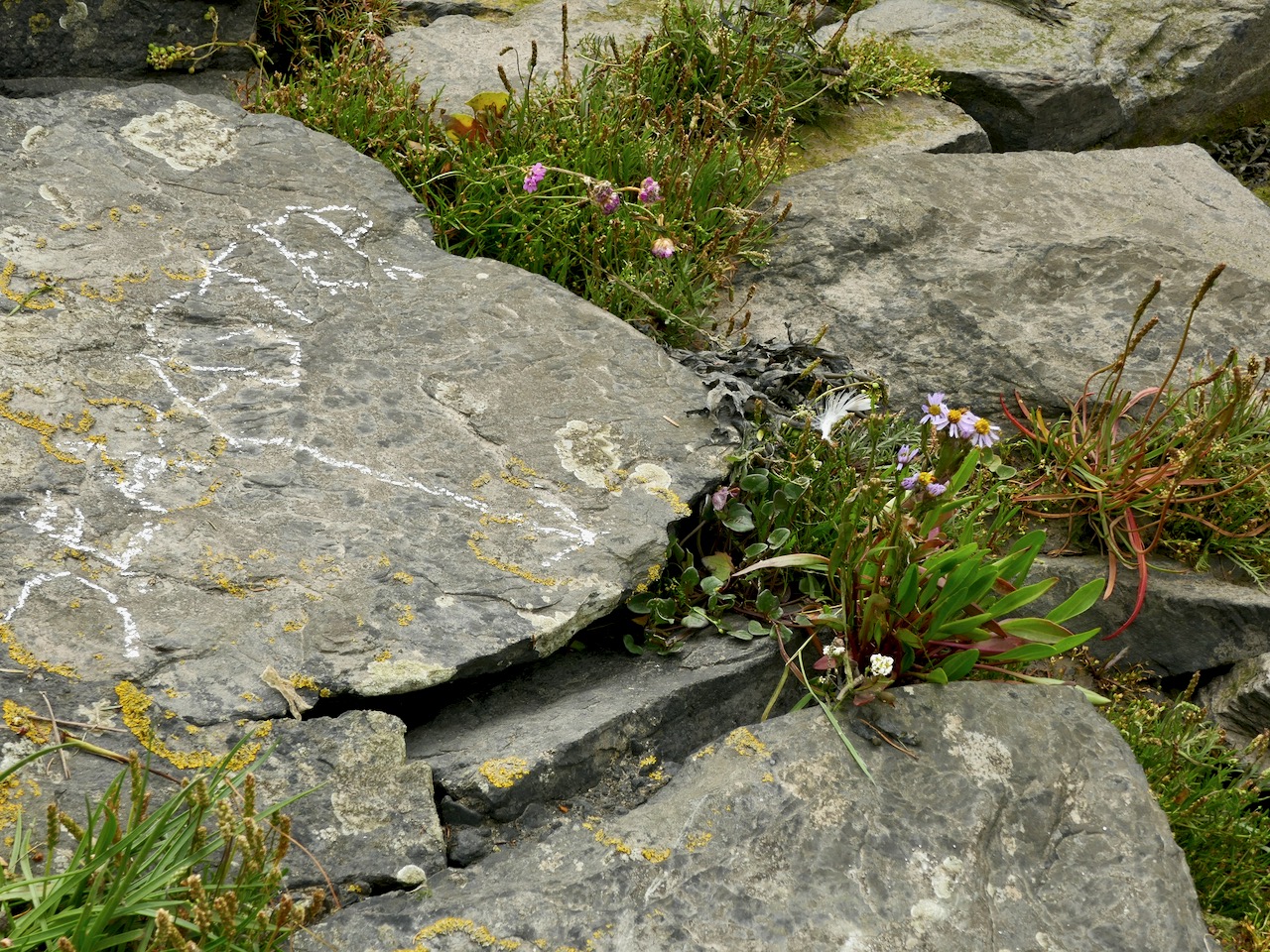
At the shore, marine species abound – take a look at my post on the Ballydehob Estuary – a haven for native wildflowers of all kinds. In Schull we chalked signs for Thrift (or Sea Pinks) and Kidney Vetch while in Ballydehob we pointed to Sea Radish and Sea Aster, the latter a plant that tolerates getting its feet wet in salt water.

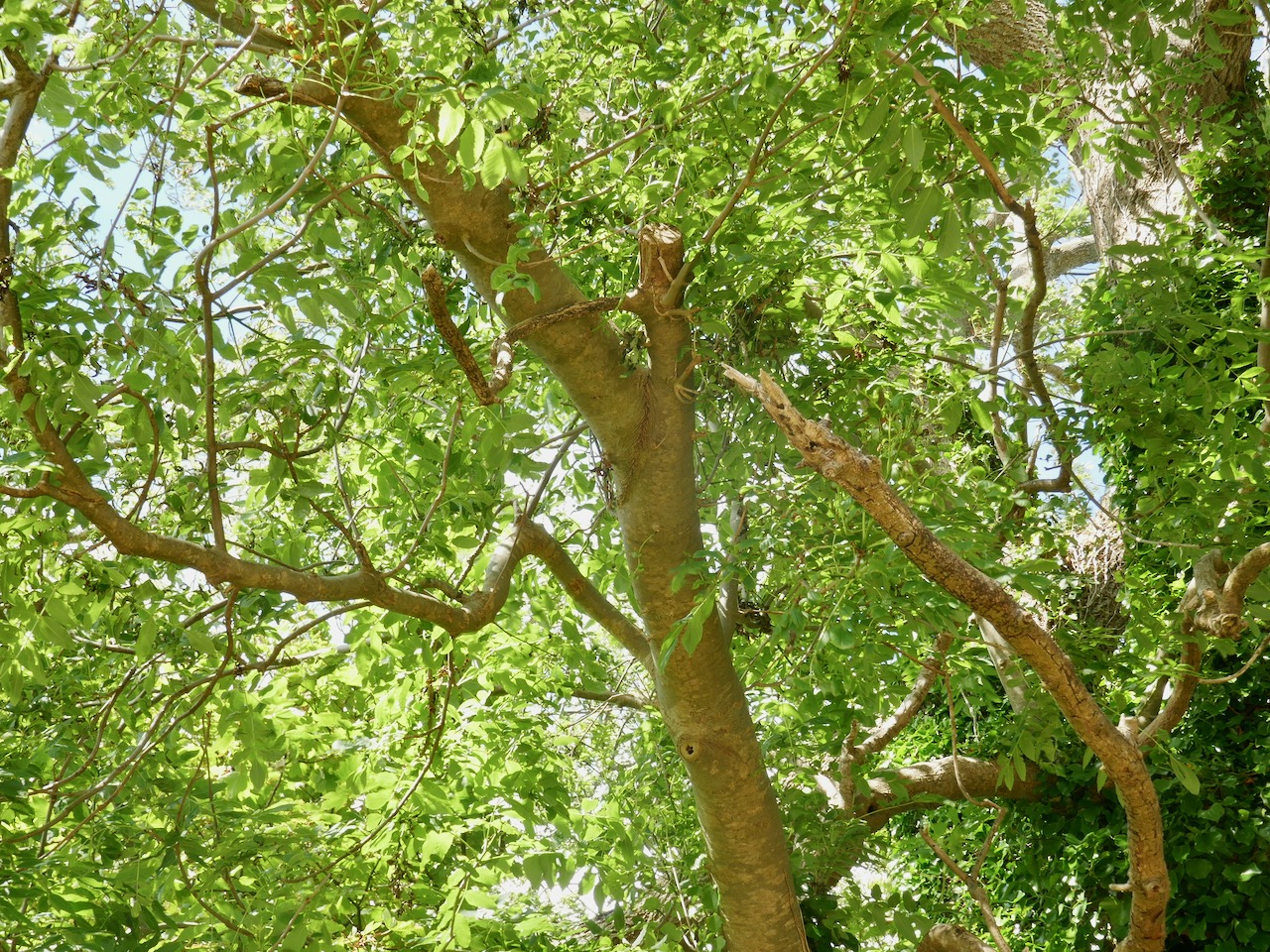
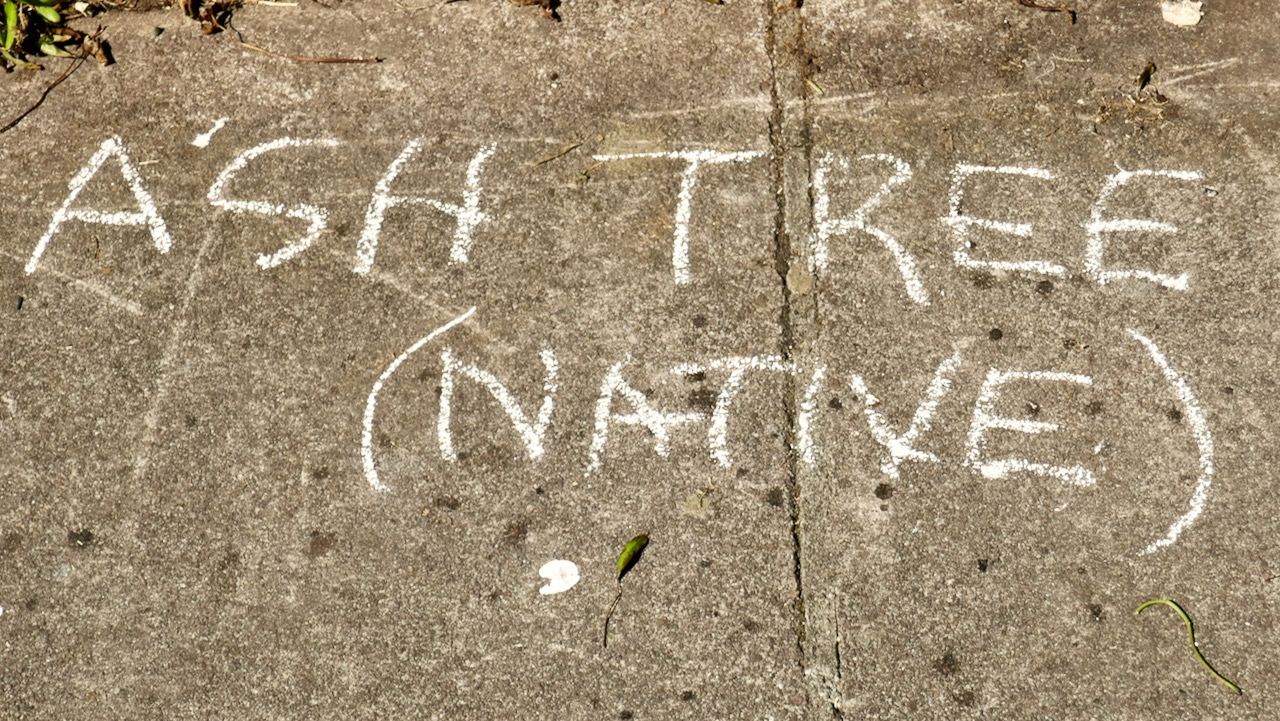
Trees, too, deserve our attention. Con was delighted with the number of elm trees around Schull and he pointed out one of our native Ash trees along the way. The Sycamore which springs up everywhere, on the other hand, is not native to Ireland and can grow to provide a powerful canopy under which other seedlings fail to thrive.

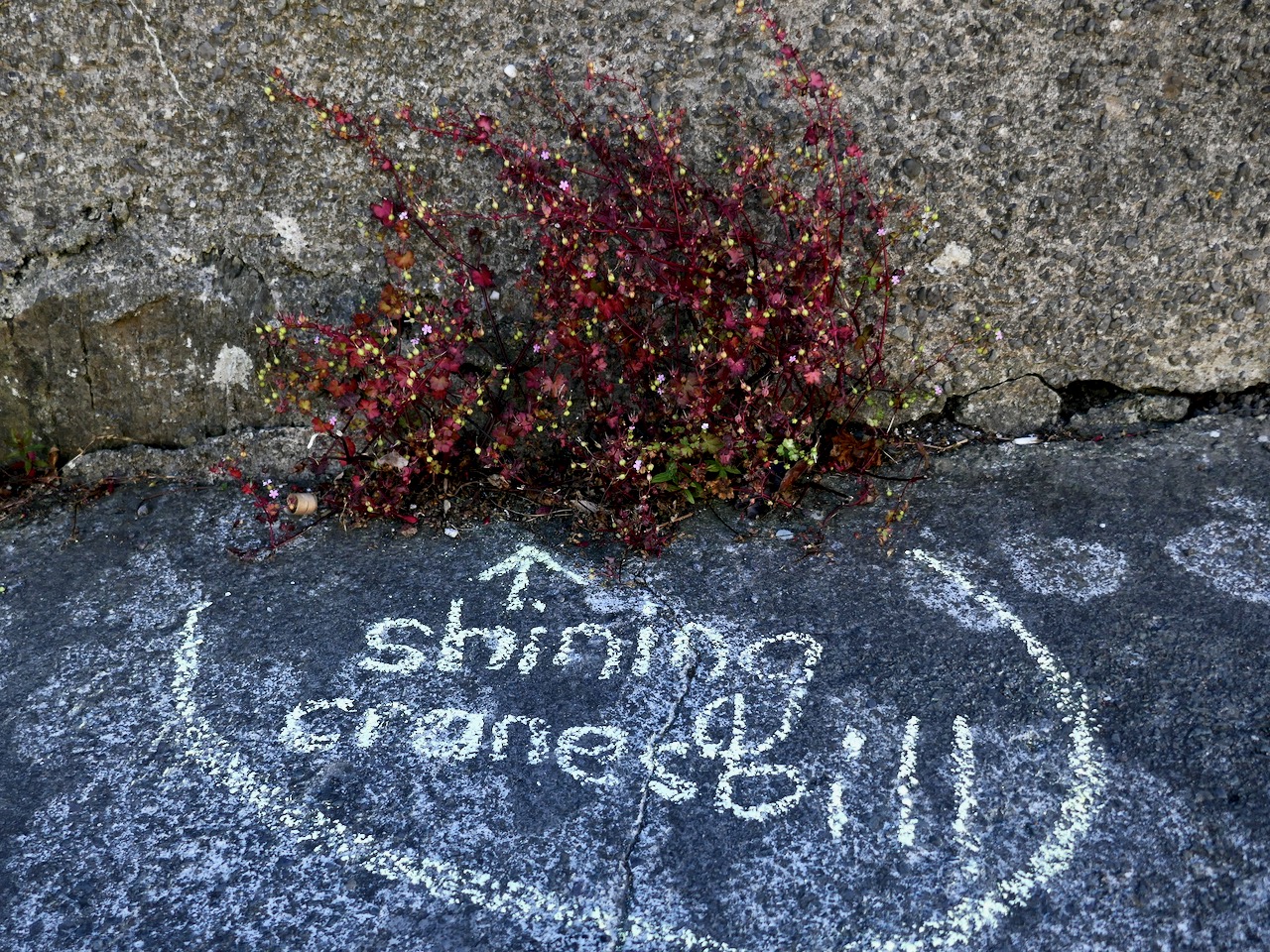
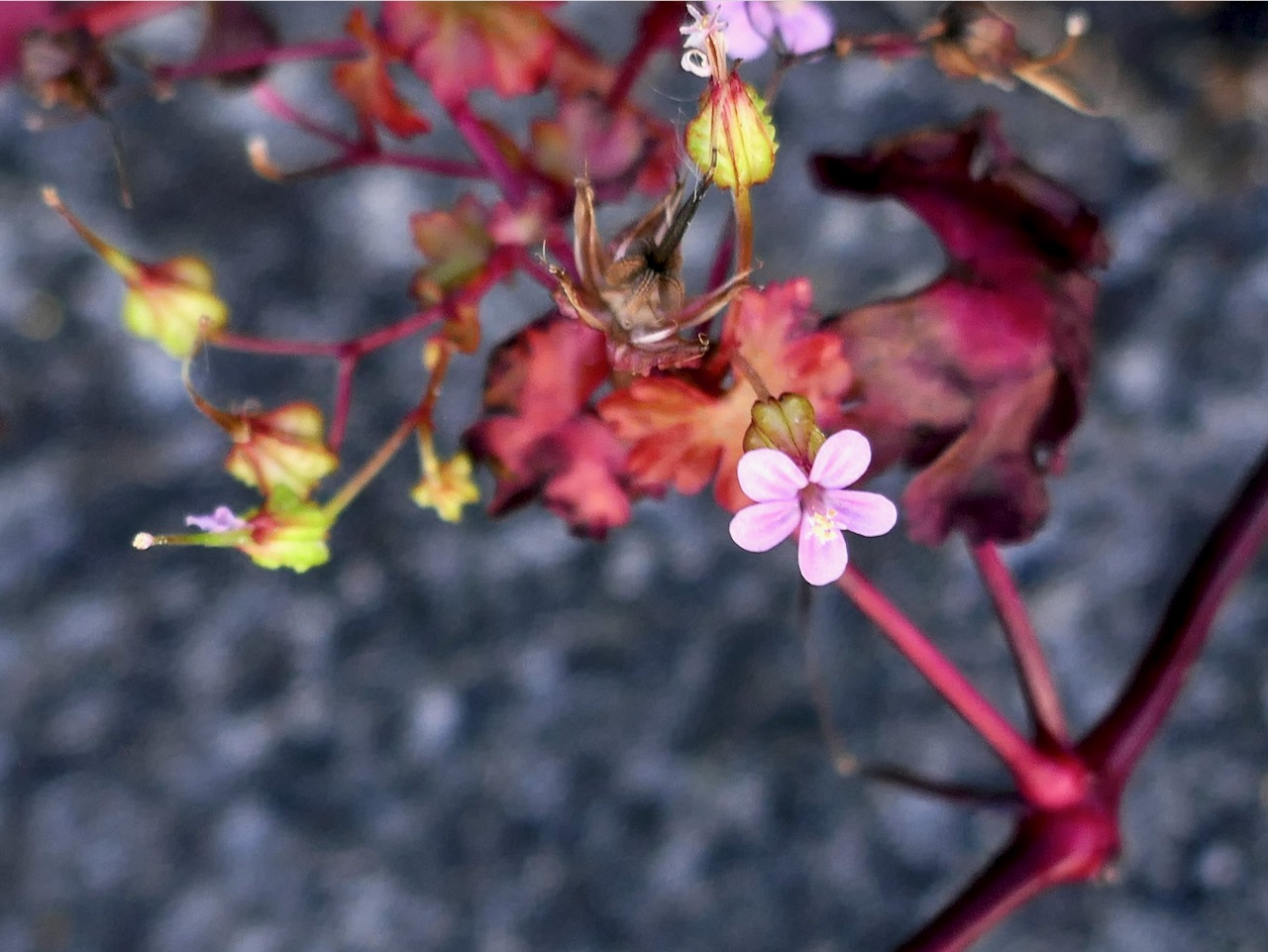
Herb-Robert is a perennial favourite but in Schull we found lots of its first cousin, Shining Crane’s-bill. The flower is very similar, although smaller, but the leaves are quite different, being round and glossy compared to Herb-Robert’s hairy fronds. Both turn an interesting red as they age. Bonus point to Karen for pointing out that this was not, in fact, Herb-Robert.

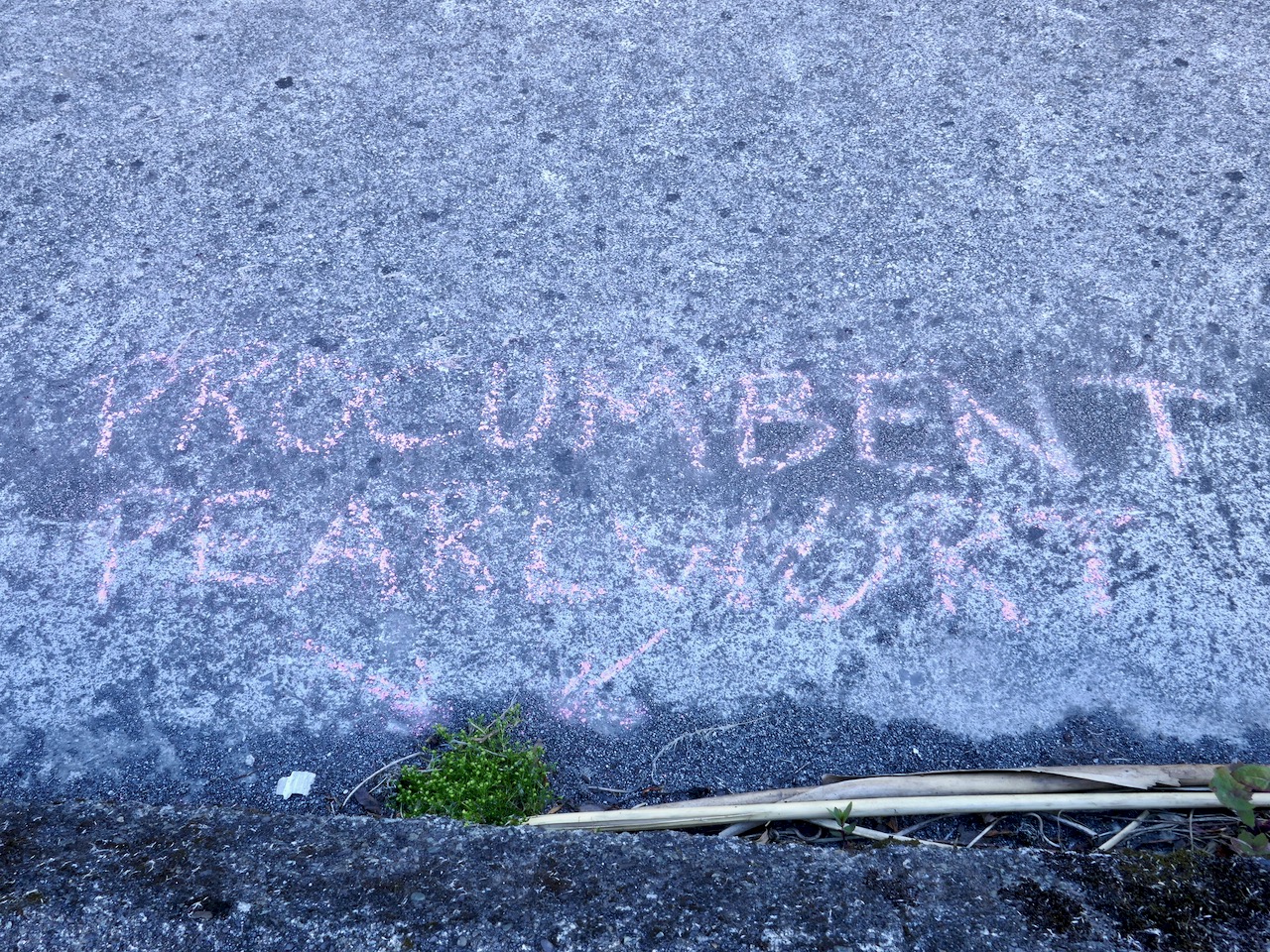
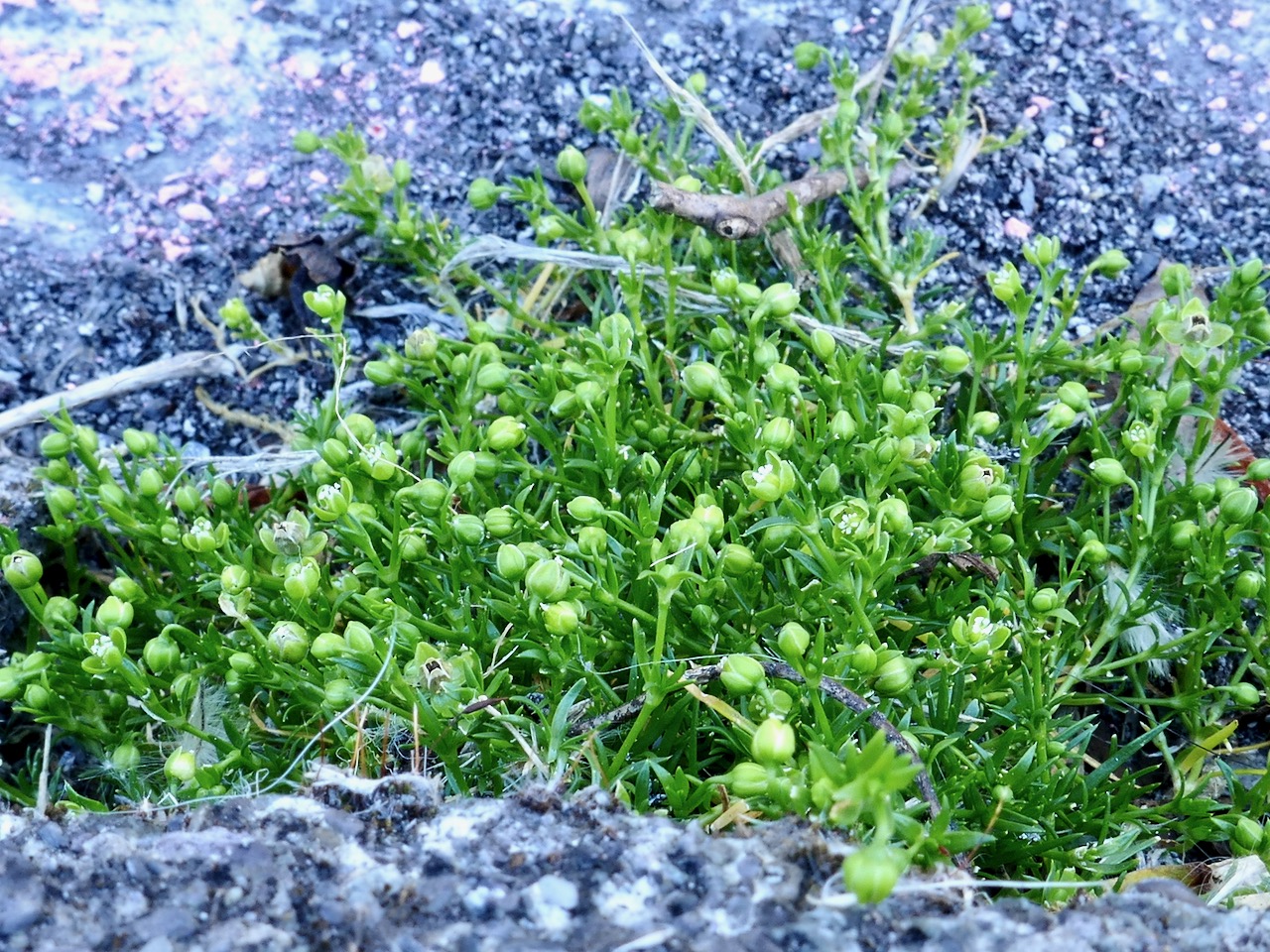
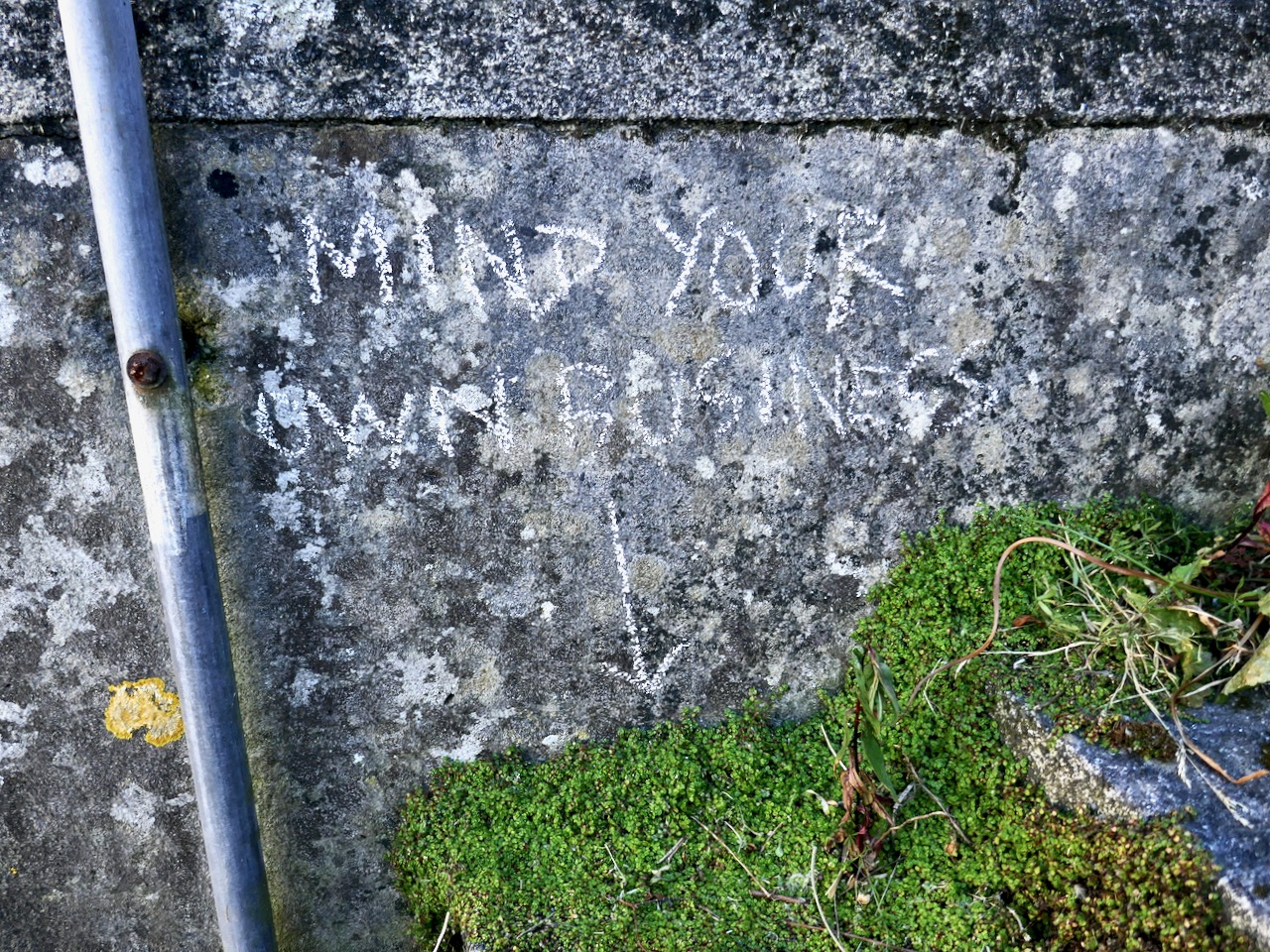
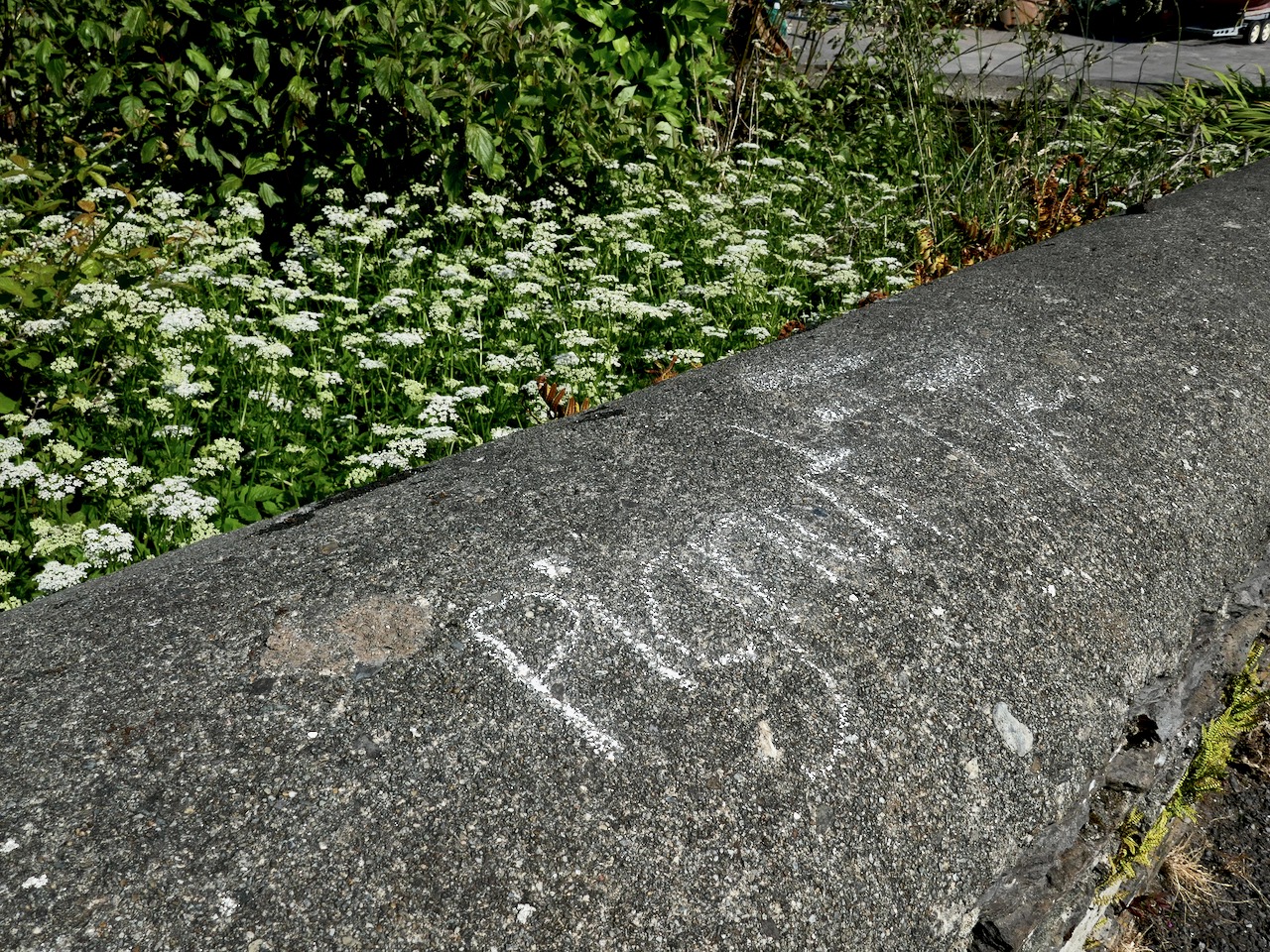
Some plants are so tiny and background-y that they are easily overlooked. A couple below – Procumbent Pearlwort and the charmingly named Mind-your-own-business. The second photo is a close-up of the Procumbent Pearlwort, showing its minuscule white flowers.

Foragers are the experts on what’s edible by humans – if you are interested in this, I highly recommend Forager Fred’s Facebook Page. One plant we did happen across in Schull was Pignut – I haven’t tried it myself, but apparently in the old days kids on their way to school would follow the stem down to the root with their fingers to find the little edible tubers. Any memories of that among our readers?

We identified lots more plants than I have room for here and we hoped that people would stop and take notice as they walk around the village and estuary of of Ballydehob and the Market car park and harbour road in Schull.

What do you think – is Guerrilla Botany a good idea? Why not get out and do some in your own community!