Books for Christmas 2024

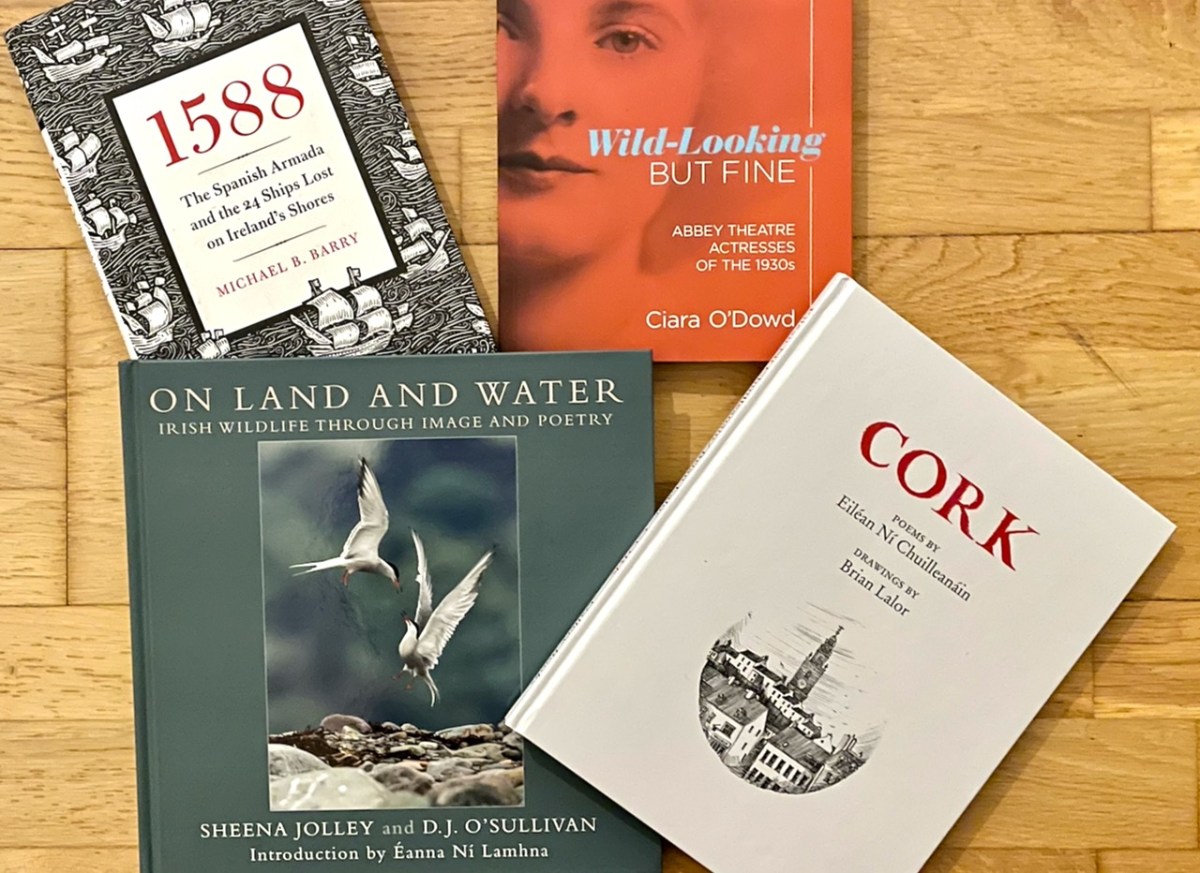
What do we need for Christmas? More books! Where will we put them? We’ll figure that out later. (You know who you are.) Or are you stuck for ideas on what to get other people? Or someone has asked you for a hint on what to buy for you?
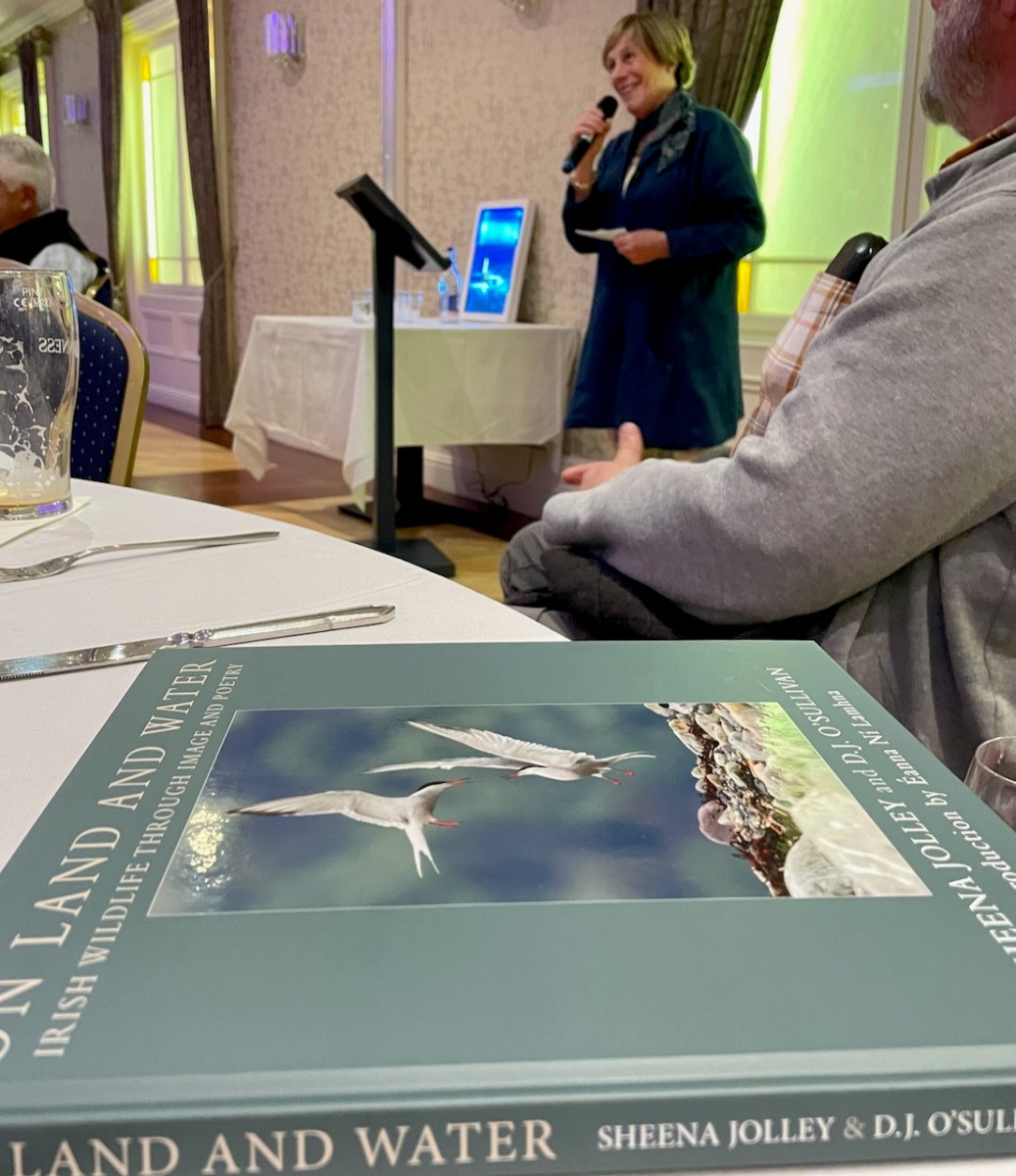
So here are my recommendations for your wish list this Christmas, and I am doing you a favour because I’m keeping it to four. I have a personal interest in all of them – but I am of course completely unbiased. The first is On Land and Water, a truly beautiful production from Menma Books (available through their website or in bookstores) that combine the poetry of lighthouse keeper DJ O’Sullivan, and the exquisite wildlife images of renowned photographer Sheena Jolley.
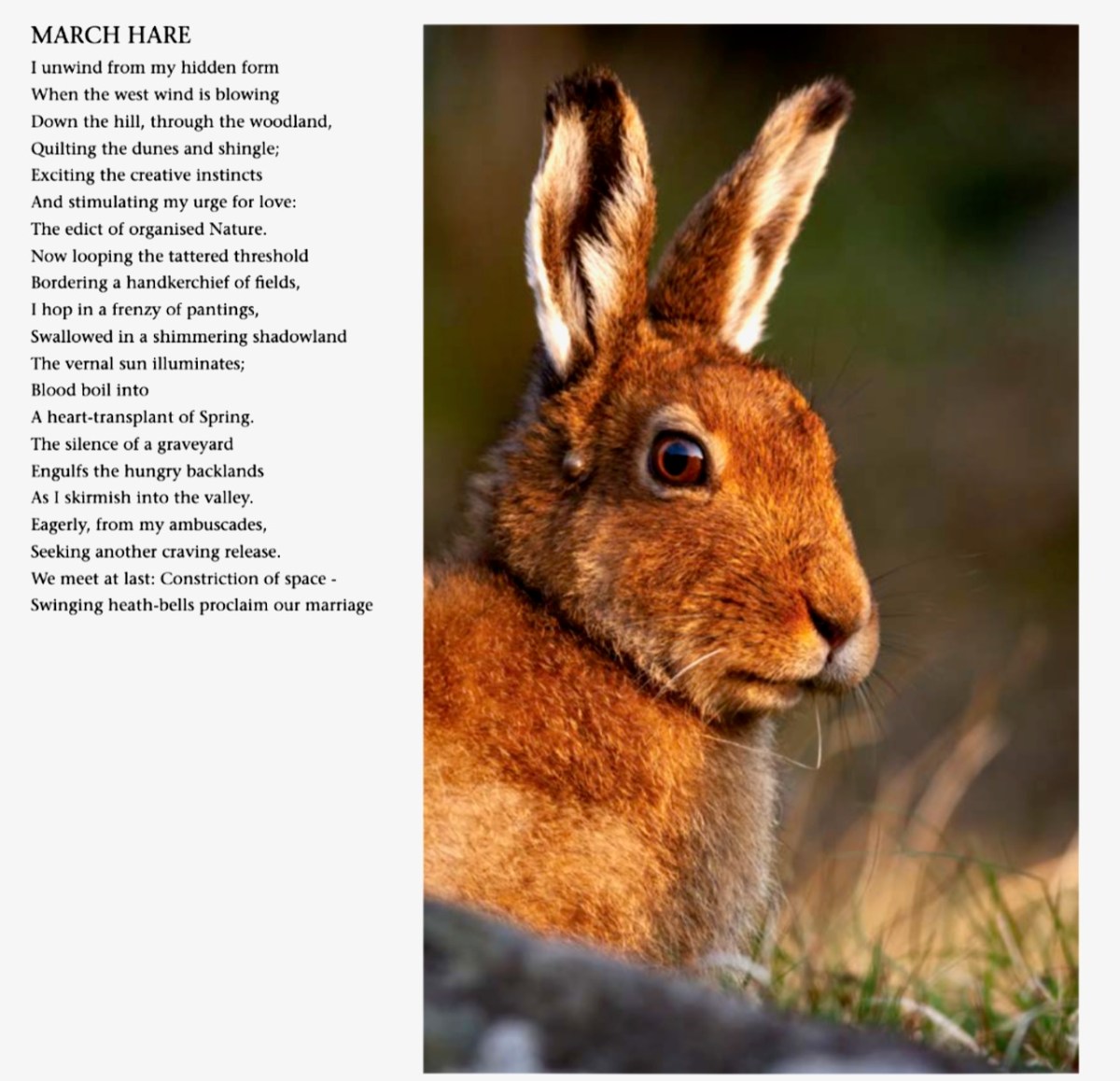
I cannot overstate what a lovely production this is. DJ O’Sullivan spent his life in close communion with the birds and sea-creatures of Ireland’s remotest places. He writes with the insight of one who has honed his observations skills through long hours and days.
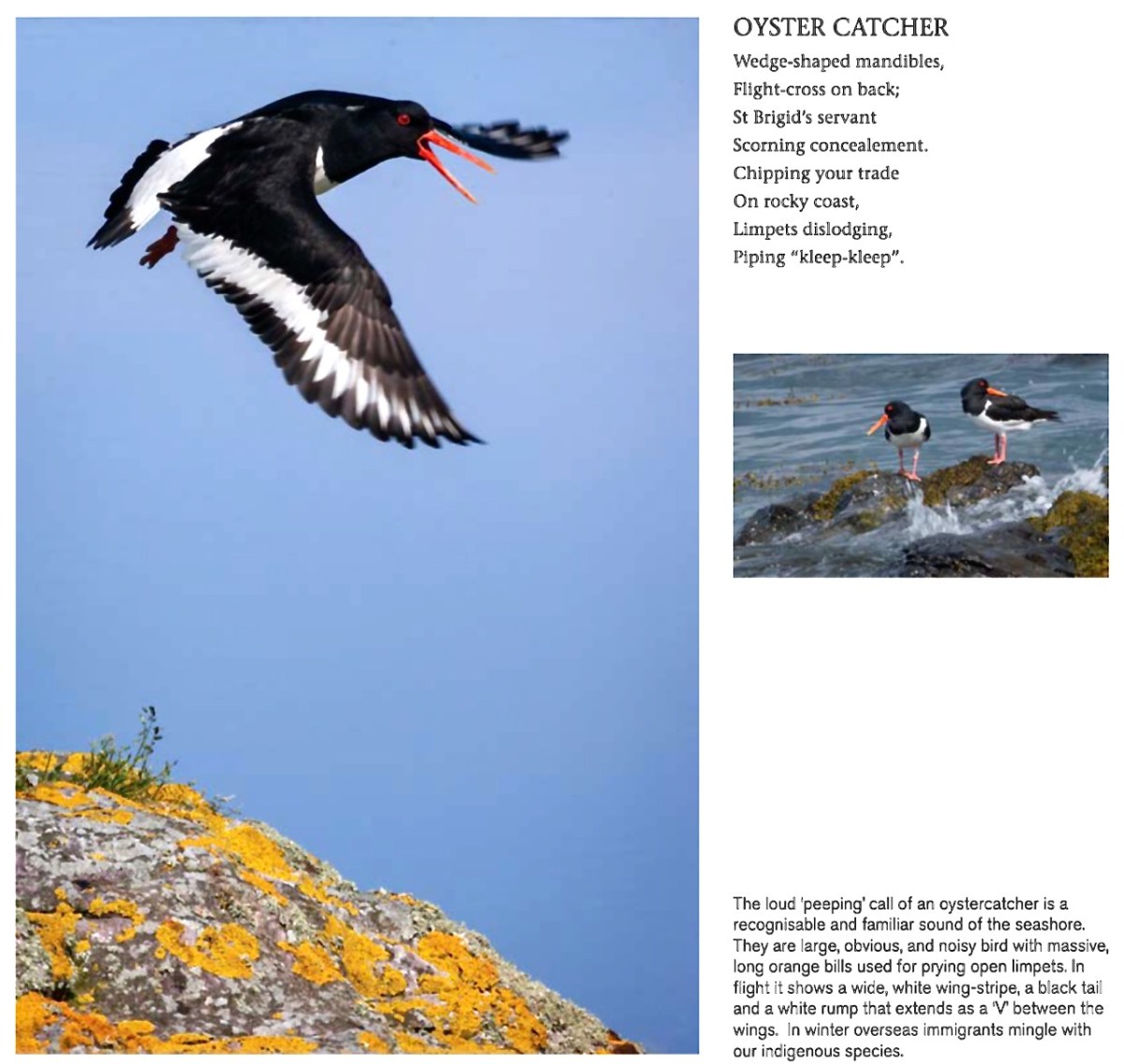
Sheena is one of Ireland’s top wildlife photographers. At the launch in Skull we were all transfixed by her relation of what that takes – being dropped off on an uninhabited island with your equipment and food, and making the boatman promise he will remember to come back for you in a couple of days. Then getting up before dawn and being ready for that golden light when the animals stir.
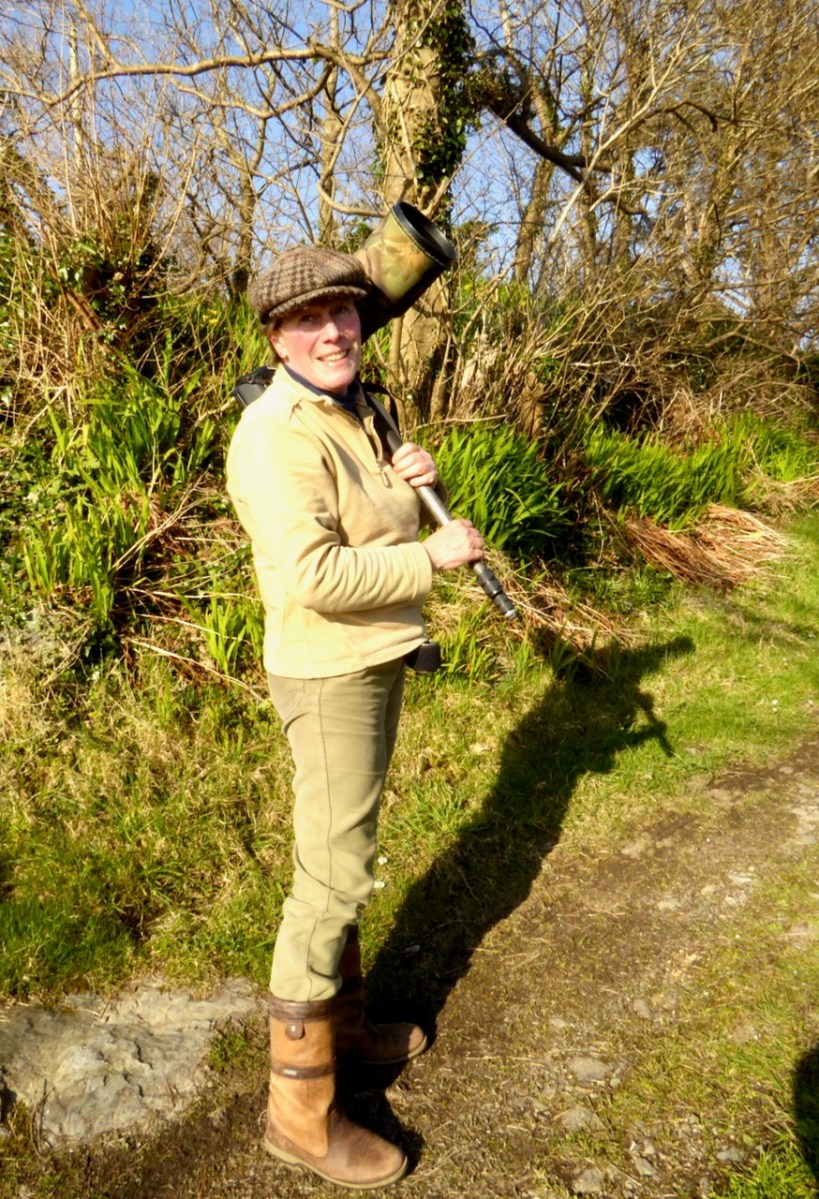
This is Sheena out to photograph some choughs

Besides the photographs, Sheena provides text that describes the creatures, their habitats and habits. This is the kind of book you will dip into over and over. And the same is true of my next choice – Cork by the artist Brian Lalor and the poet Eiléan Ní Chuilleanáin.
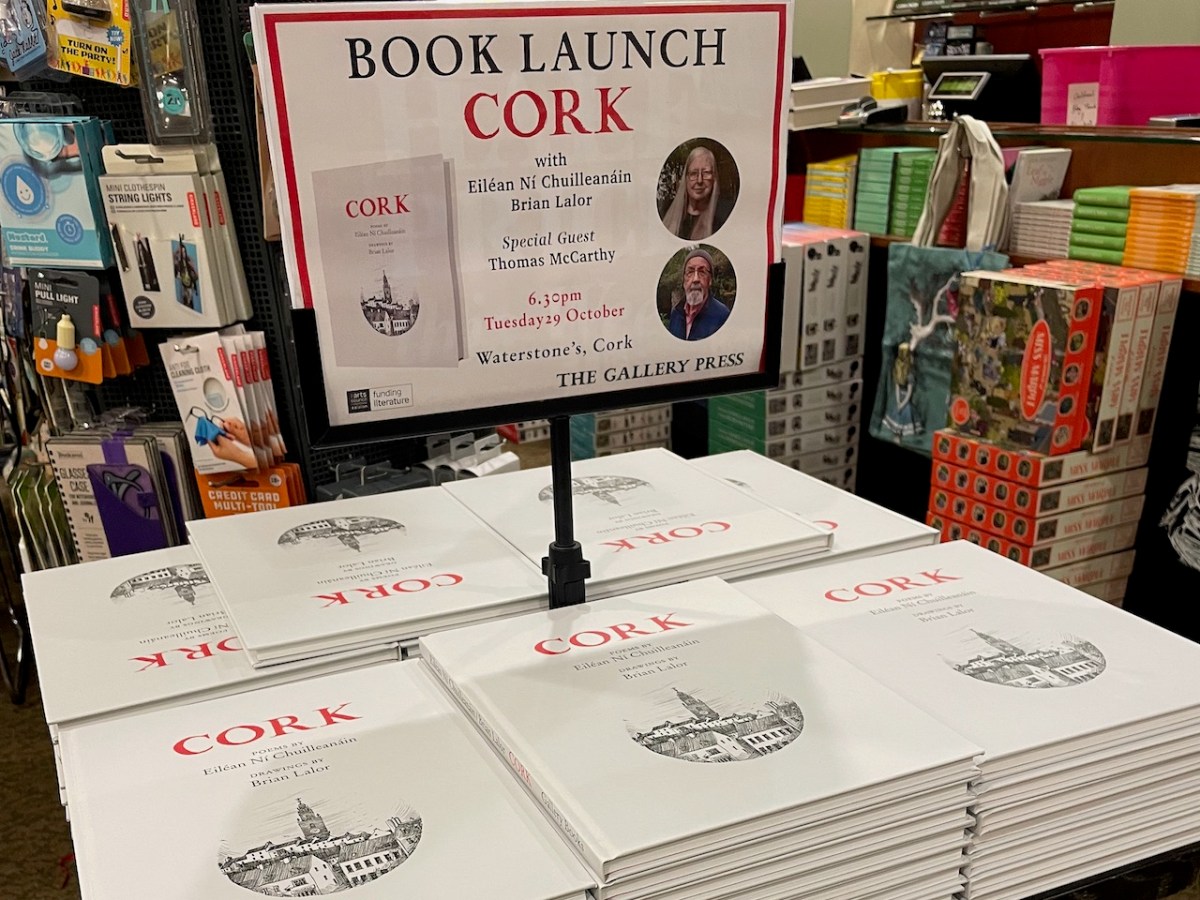
I have written about this book before – four years ago, in a two-part post titled Cork, Part 1: Brian Lalor and Cork, Part 2: Eiléan Ní Chuilleanáin. At that time, I was writing about a treasured gift given to me by my parents in the 70s – the amazing news is that 50 years later the book has been re-issued! It was launched (re-launched!), in a revised edition, in Waterstones in Cork at the end of October. Both Brian and Eiléan were there!
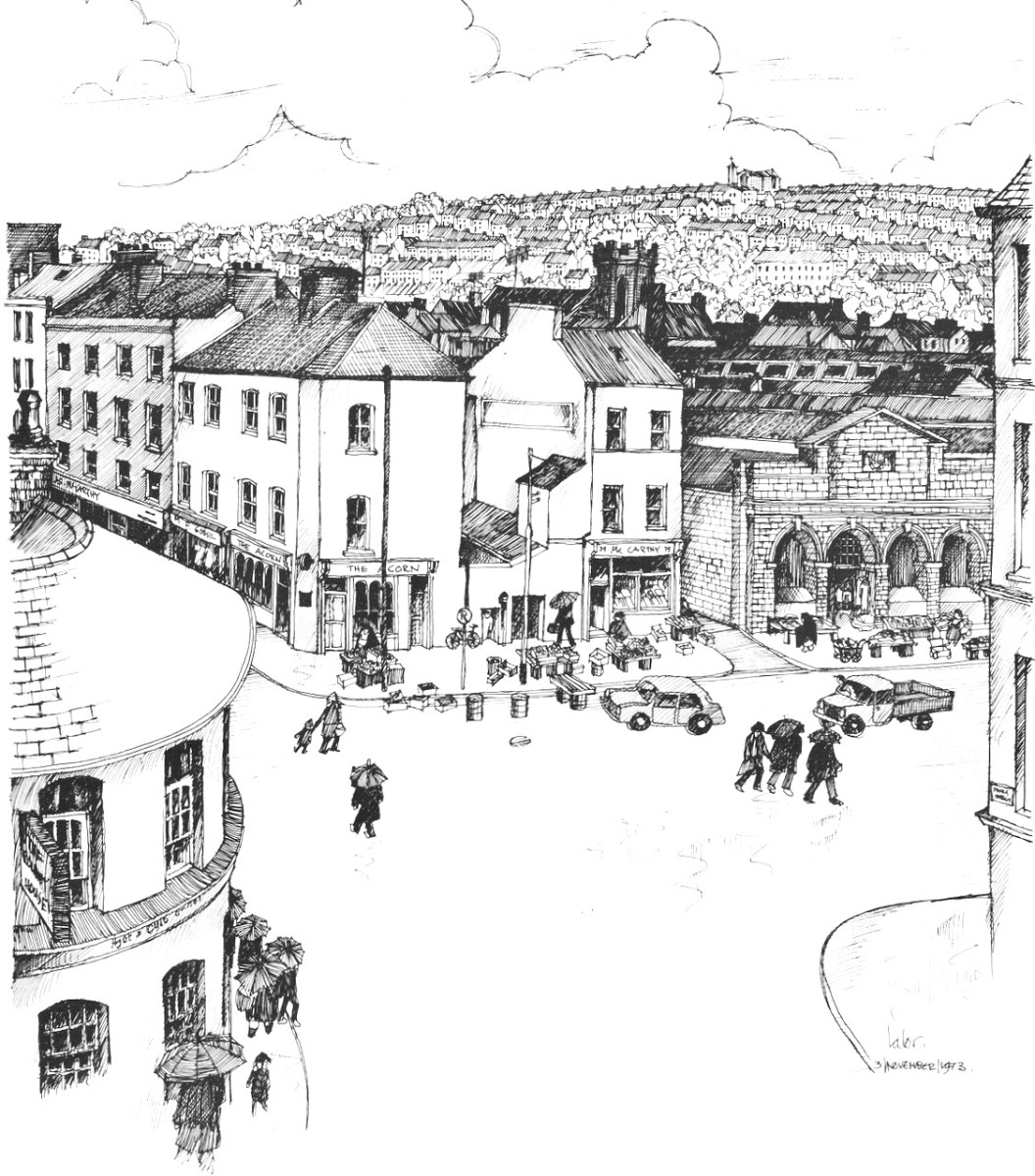
Take a look at the two posts above for a real flavour of what this book is all about. If you have ever lived in Cork, or even if you’ve visited, this is the book for you.
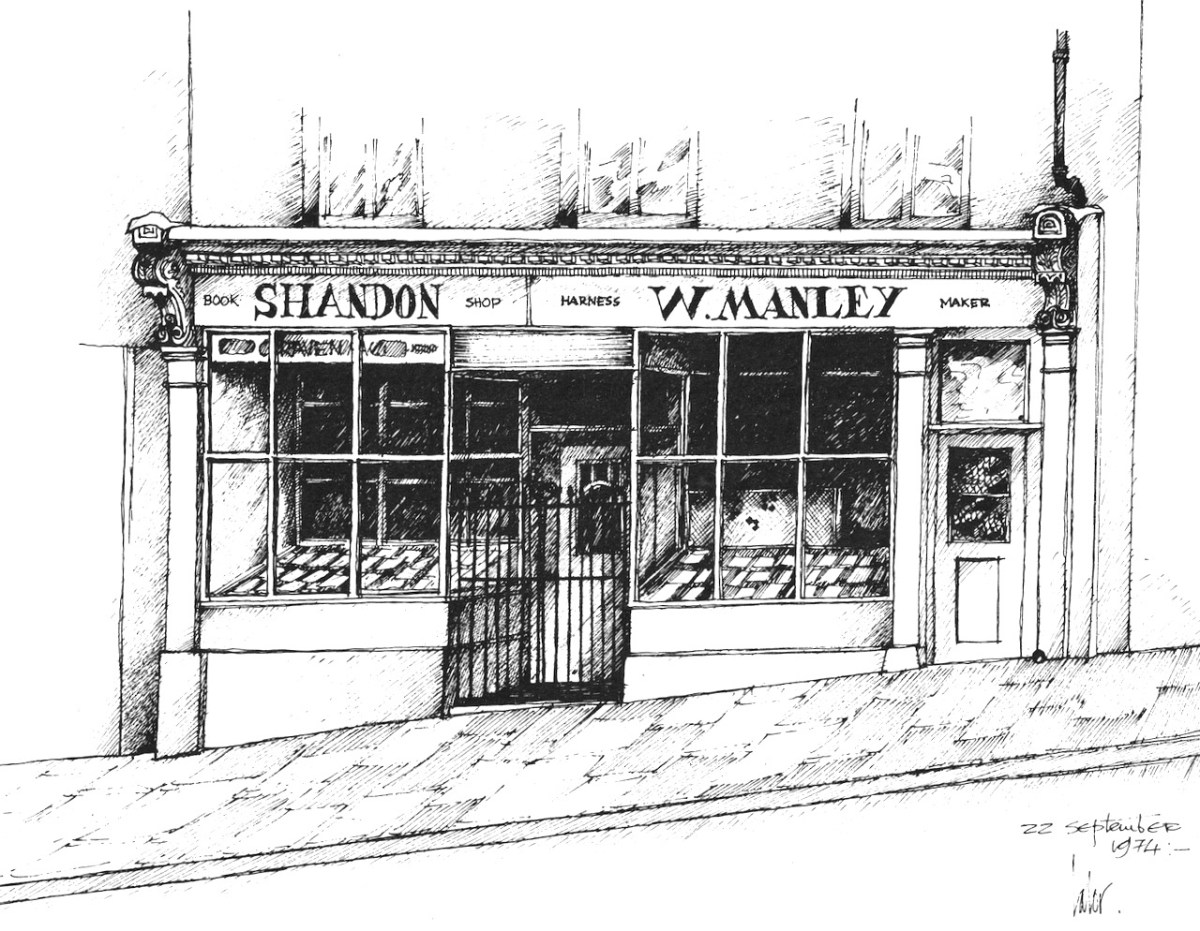
Wild Looking But Fine, by Ciara O’Dowd is my next recommendation. You might remember my post about Ciara and the chocolate box of letters between my mother, Lilian Robert Finlay, and other people associated with the Abbey Theatre. Eight years, and one child, later, Ciara’s book is finished and my brother and I attended the launch in Dublin. Ciara’s account of how difficult it was for women in 1930s Ireland to forge a professional and autonomous life is riveting. In her review of the book in Books Ireland, Jane Brennan asks, Why don’t we know more about their lives and achievements? Why, for example, is Ria Mooney not more widely remembered as the renaissance woman she was? Why had I never before heard of Aideen O’Connor (but am well acquainted with the name and reputation of her husband Arthur Shields)?
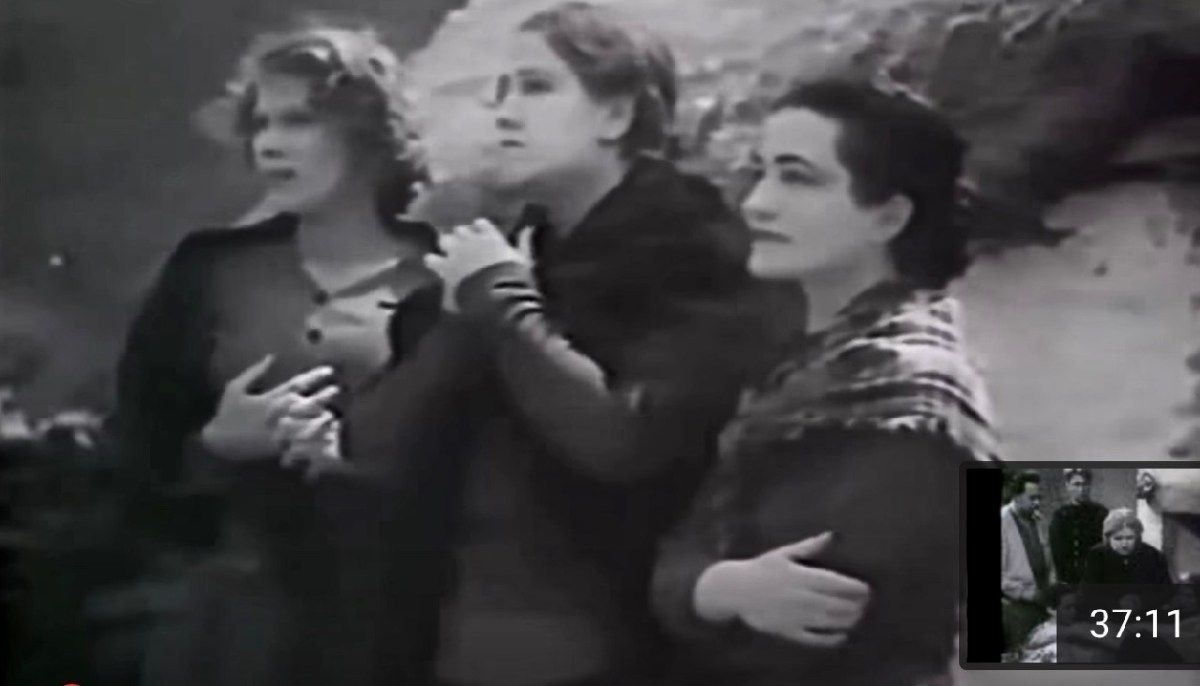
Shelagh Richards, Sarah Allgood and Ria Mooney in a 1937 film of Riders To The Sea by J M Synge

My final choice is a finalist in the An Post Book Awards. It’s 1588, The Spanish Armada and the 24 Ships Lost on Ireland’s Shores, by Michael Barry, published by Andalus Press.
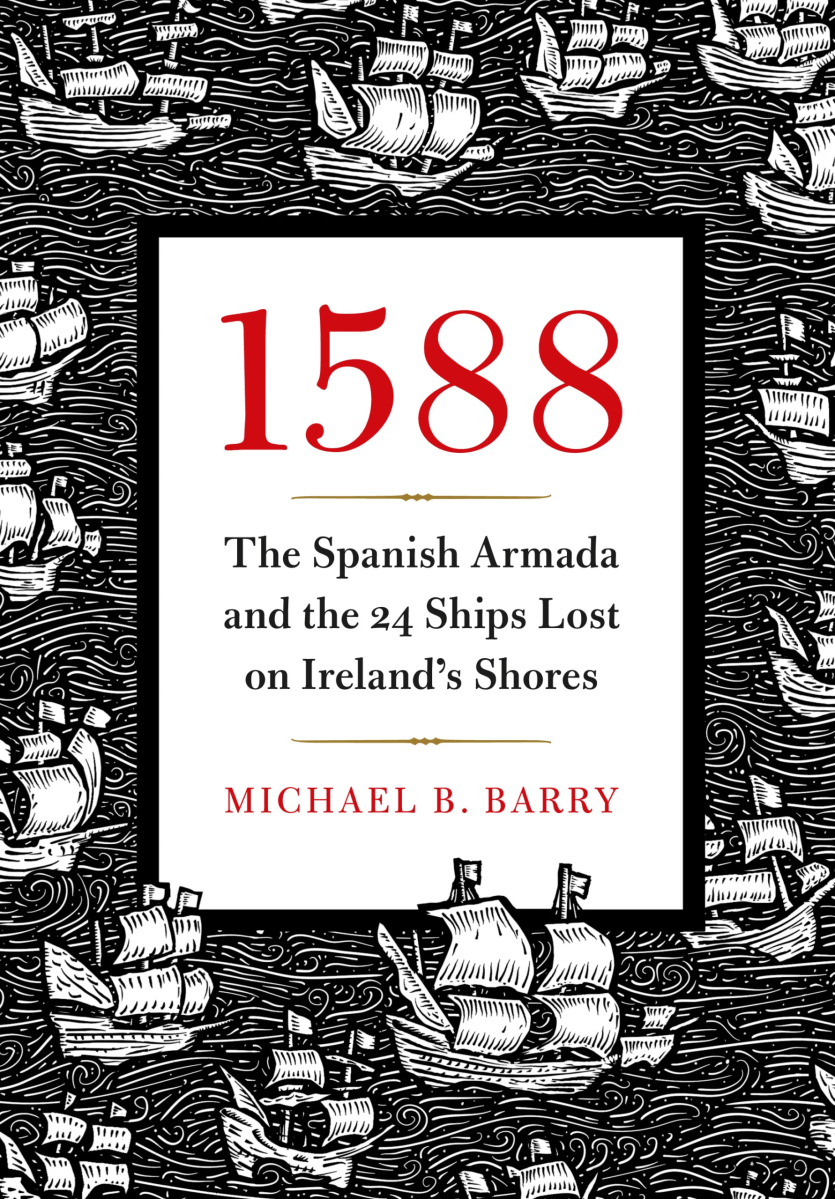
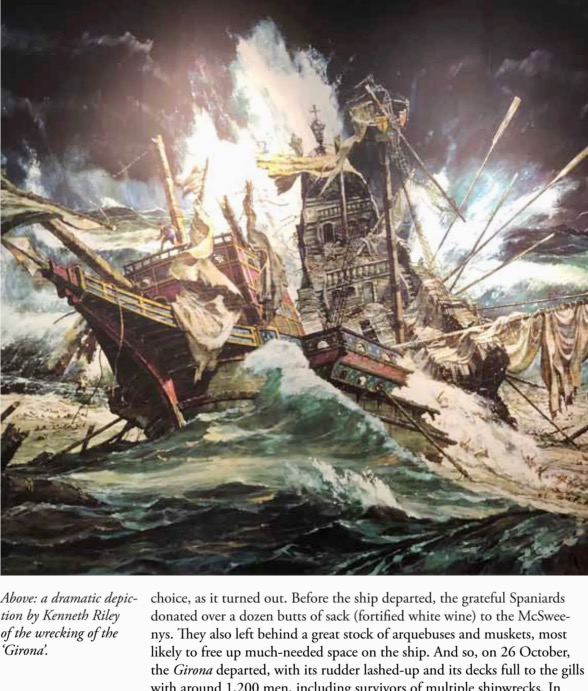
The thing is, the story of the Spanish Armada was taught to us through an English lens. Prepare to have everything you thought you knew questioned and turned on its head. That’s because Michael has done his research in Spanish and Irish sources and, as is his wont, (see this post from eight years ago about his books) the book is profusely illustrated with lots of images sourced from unusual archives as well as his own fine photography.
The books are all available from their publishers or in all fine bookshops. You can think me in the New Year, once your loved ones have taken the hint and bought you one or all of the above.
Ardnacrusha

As a finale to this little series on Ireland’s Electrification Ventures back in the 20th century, I’m taking you on a tour of Ardnacrusha. This generating station – powered entirely by water from the River Shannon – was the largest in the world when it was built by Siemens, between 1925 and 1929. Siemens AG is the foremost industrial manufacturing company in Europe, and its Irish connections began in 1874, when Siemens laid the first direct electrical cable across the Atlantic, linking Ballinskelligs Bay on Ireland’s west coast to North America. The pioneering continued, in 1883, when the company built one of the world’s first electric railways, linking Portrush and Bushmills in Co Antrim. After Ardnacrusha, Siemens became responsible for many of Ireland’s landmark achievements, including the ESB’s first pumped storage power plant at Turlough Hill; the DART rapid transport network; the baggage handling systems for Dublin Airport’s Terminal 2; and – in 2016 – the orders for Galway Wind Park – then the largest in Ireland.

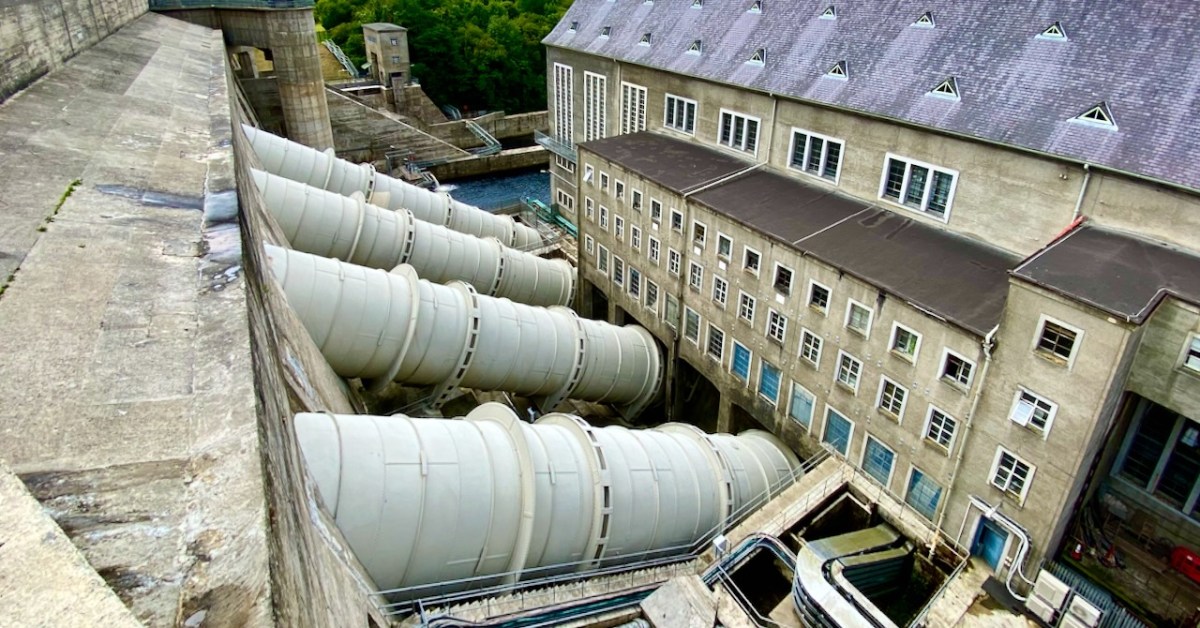
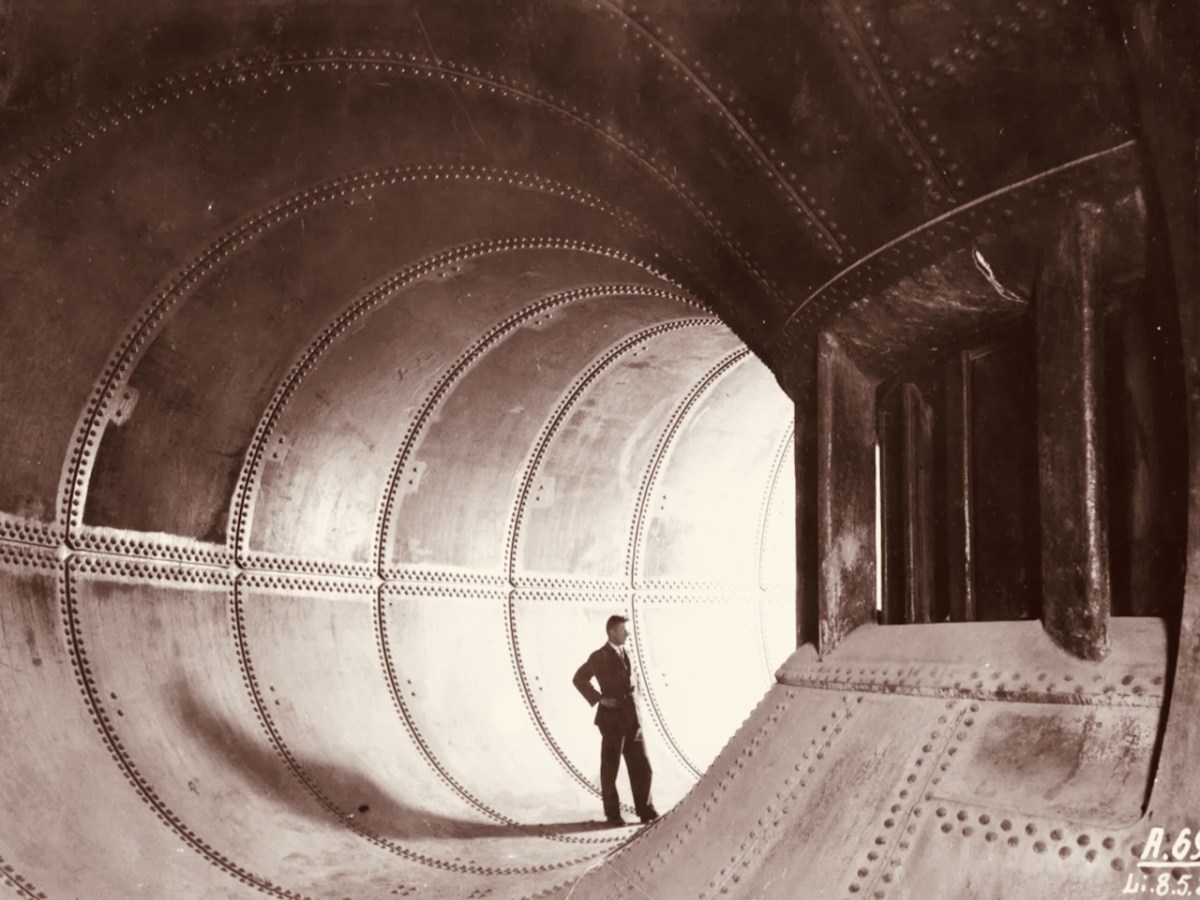
The header pic shows one of the three vertical-shaft Francis turbo-generator units after construction. These were joined by one vertical-shaft Kaplan turbo-generator unit between 1933 and 1934. Above is one of the penstocks which brings the water into the turbine casings.

. . . The construction of the Shannon Scheme was a mammoth undertaking for a country the size of Ireland, especially when the State was barely three years old. The project cost £5.2 million, about 20% of the Government’s revenue budget in 1925 . . .

ESB DOCUMENTS

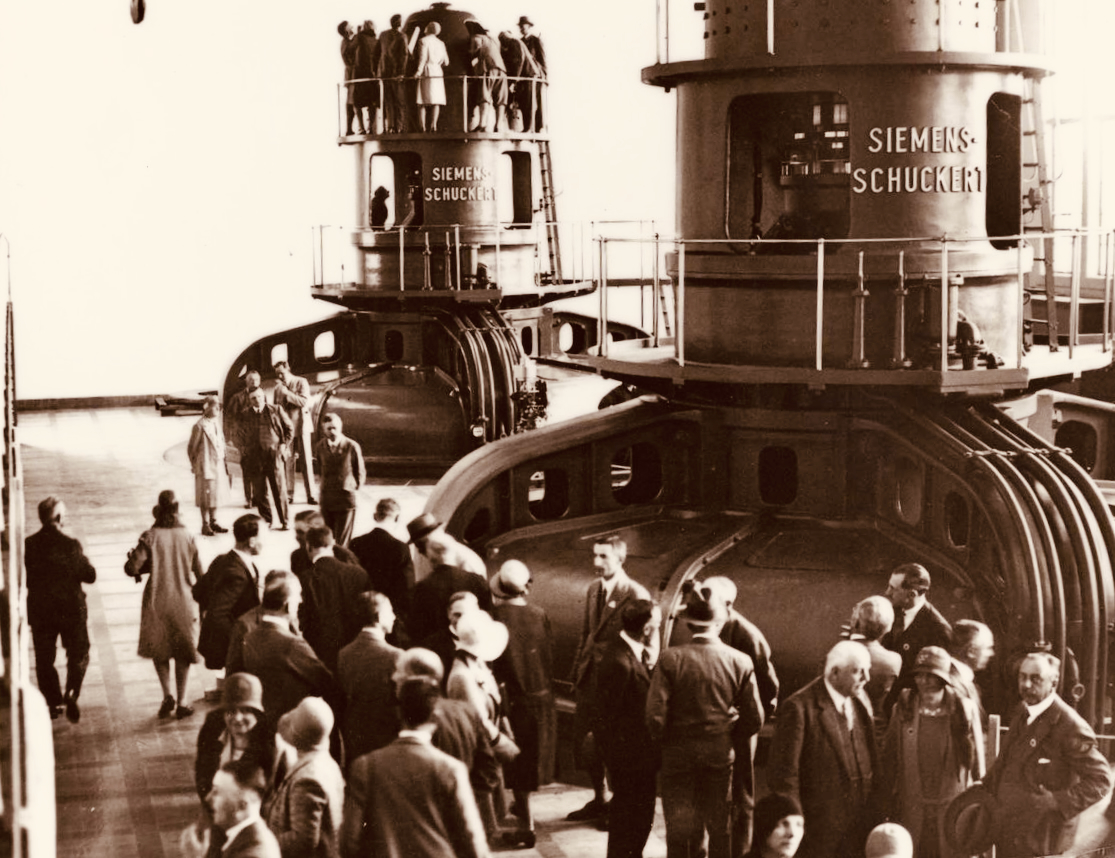
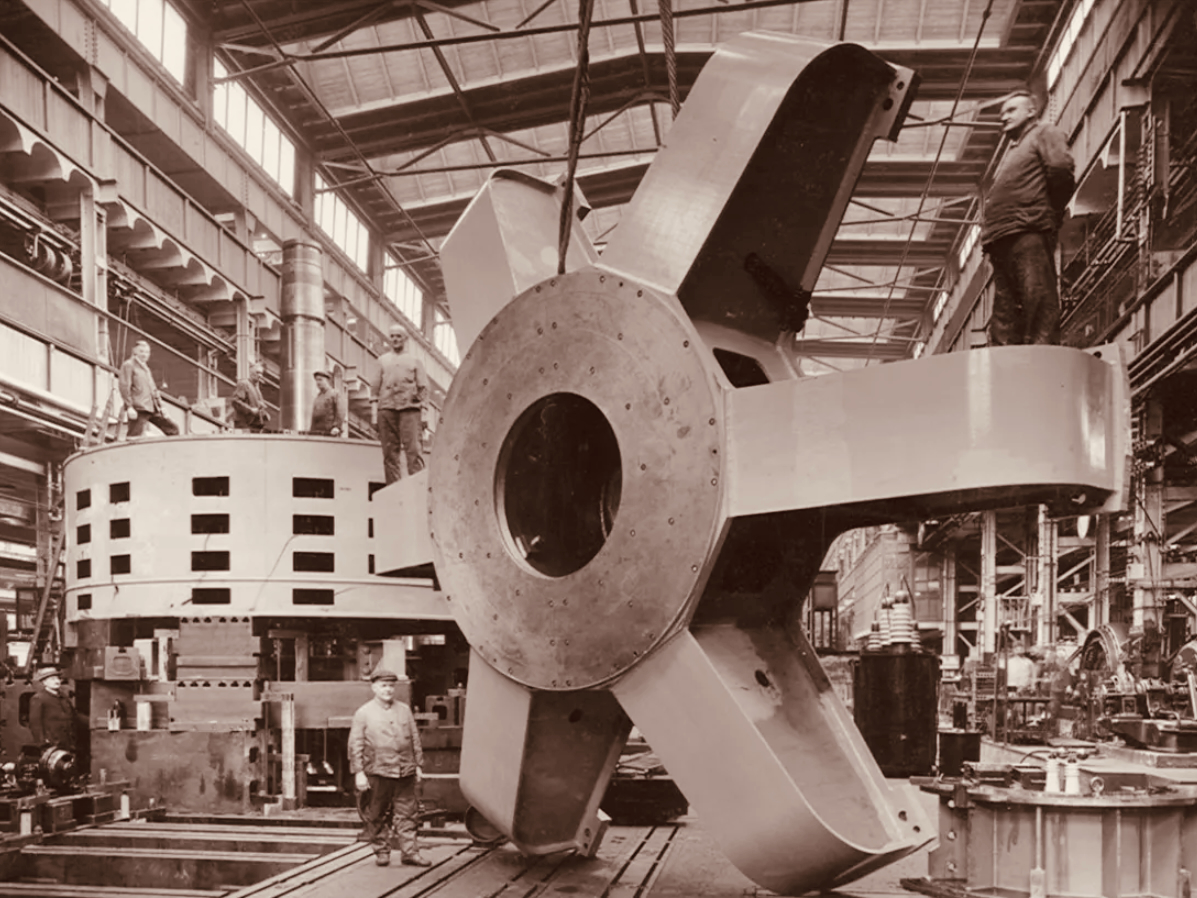
Visitors to Ardnacrusha in the turbine house on opening day, 22 July 1929 (ESB Archives). Below – a part of one generator awaiting installation (ESB Archives).

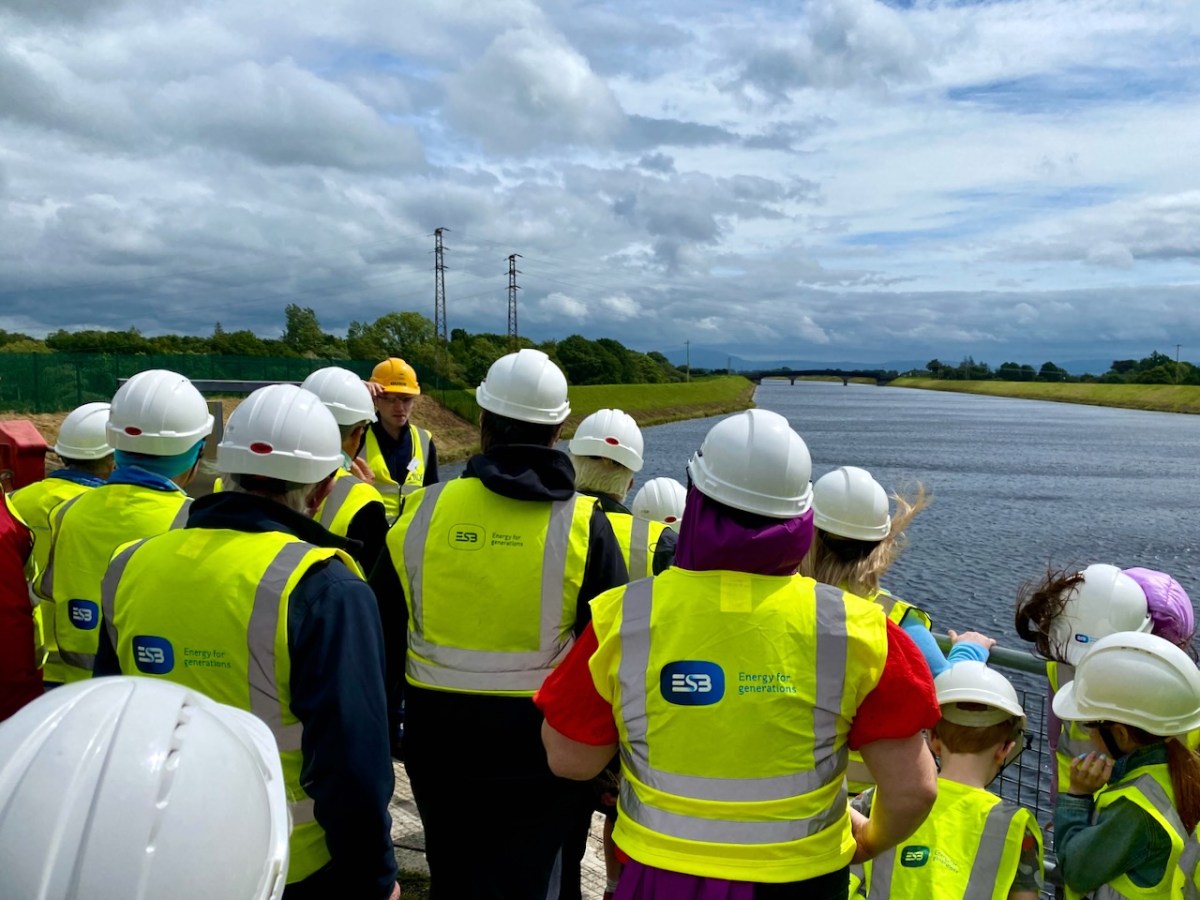
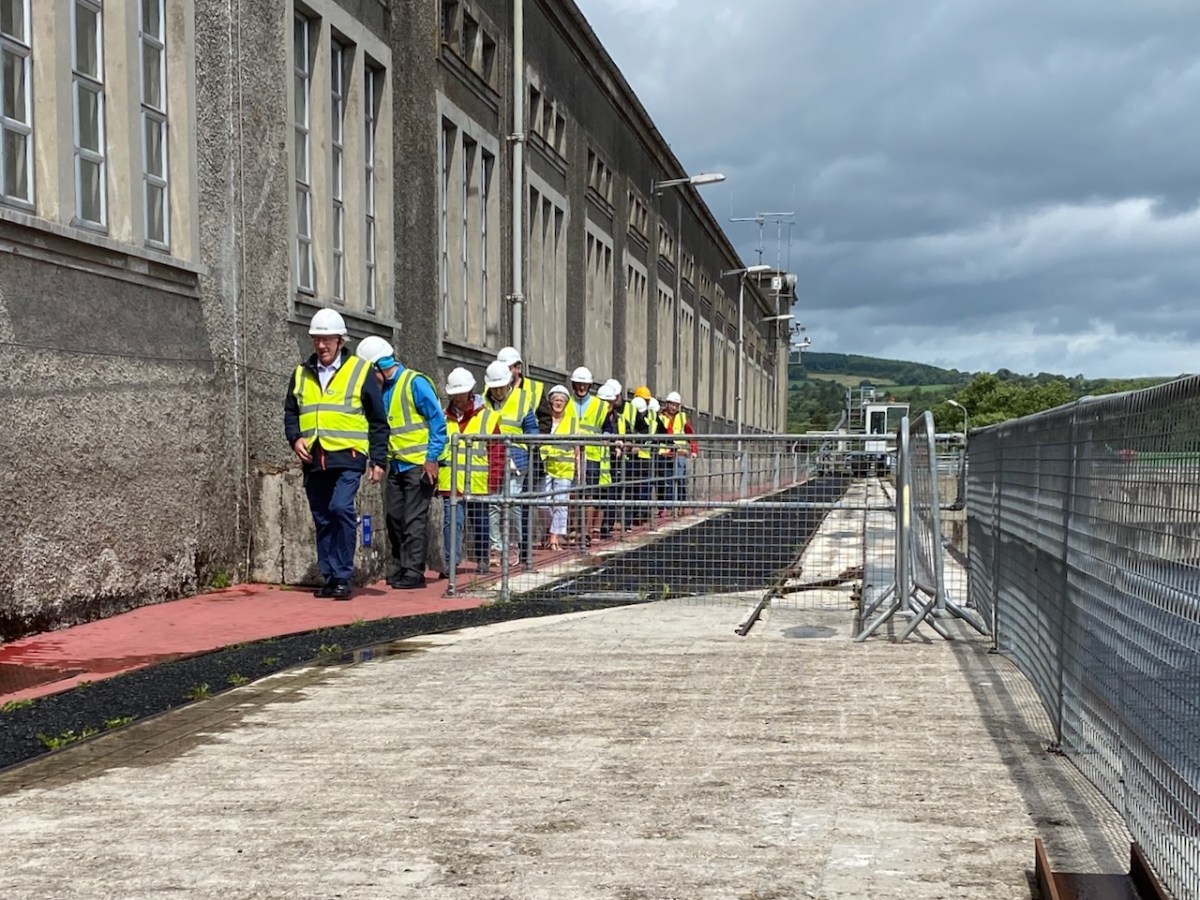
We joined a group visiting the generating station in early July. It was a great and satisfying experience! Safety was the top principle, but we got to see all the features of the whole set-up. If you want to go, book in advance – it’s free – and fascinating (if, like me, you are moved by engineering and history).

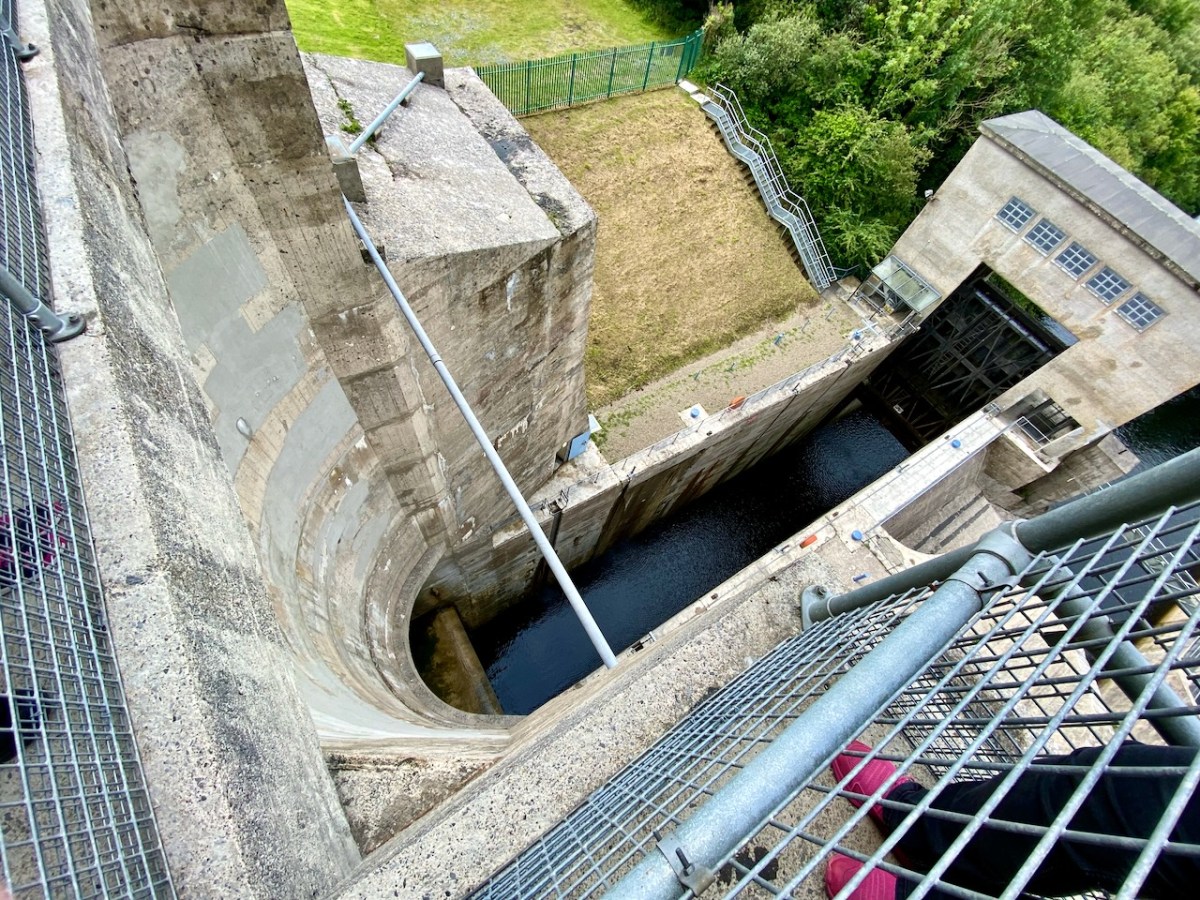
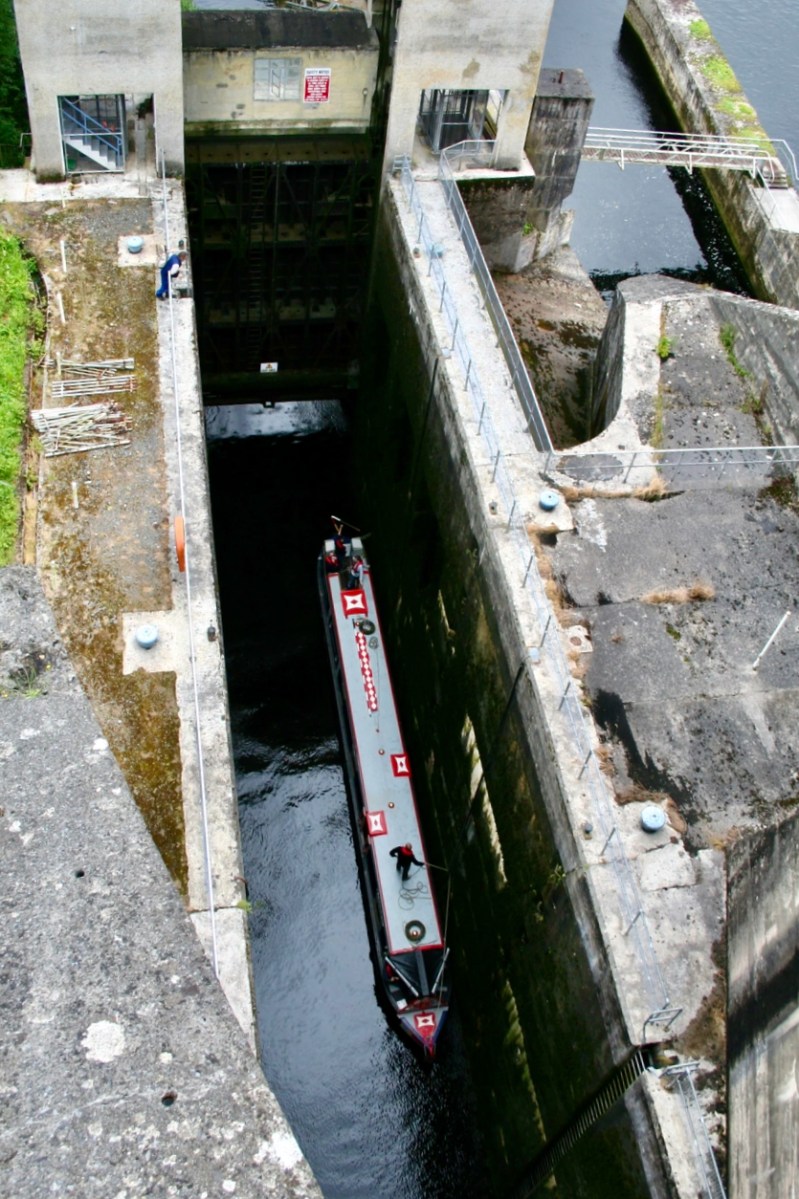
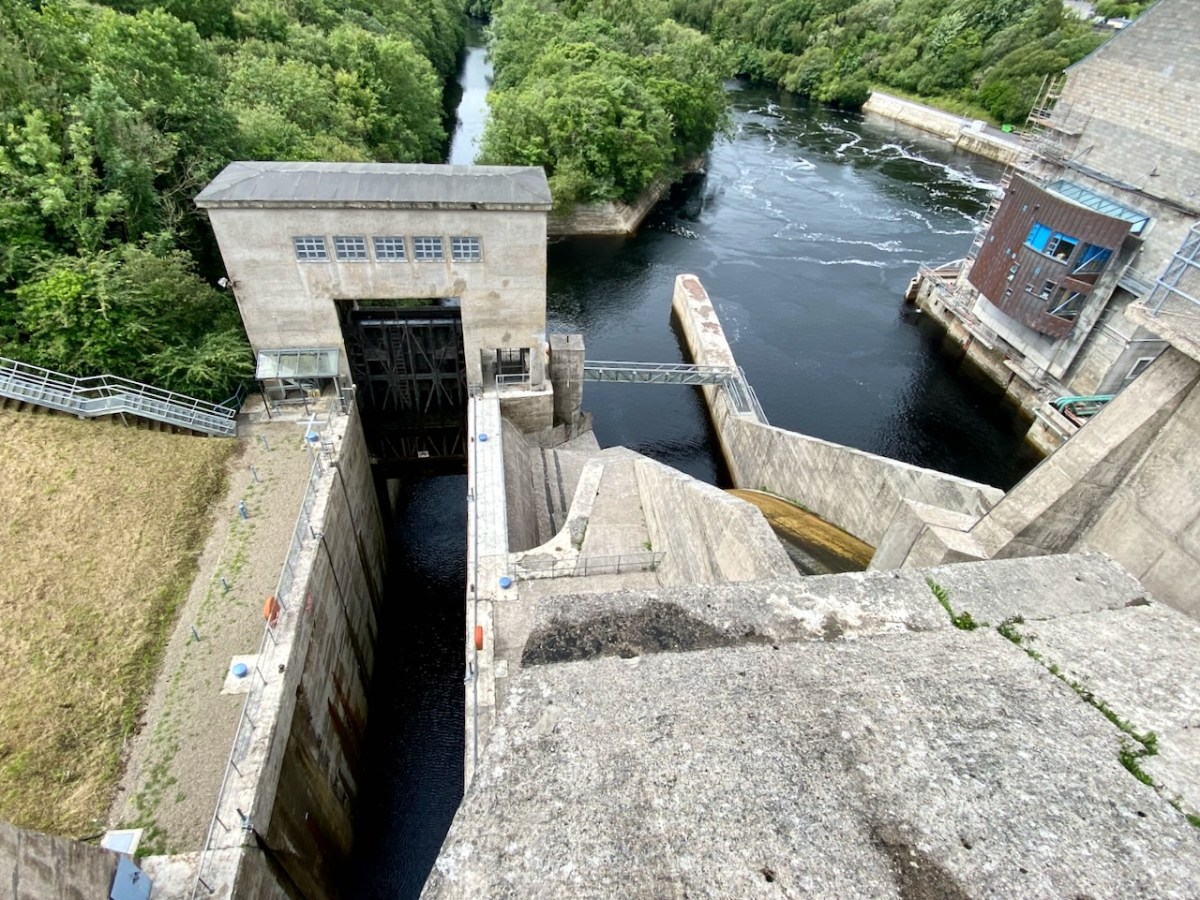
The pound lock at Ardnacrusha: it provides navigation for boats through the dam. At a drop of 100ft – 30 metres – it’s the deepest lock in the whole of Britain and Ireland. Following is a pic of a traditional British narrow-boat – NB Earnest – traversing the lock (Irish Waterways History).

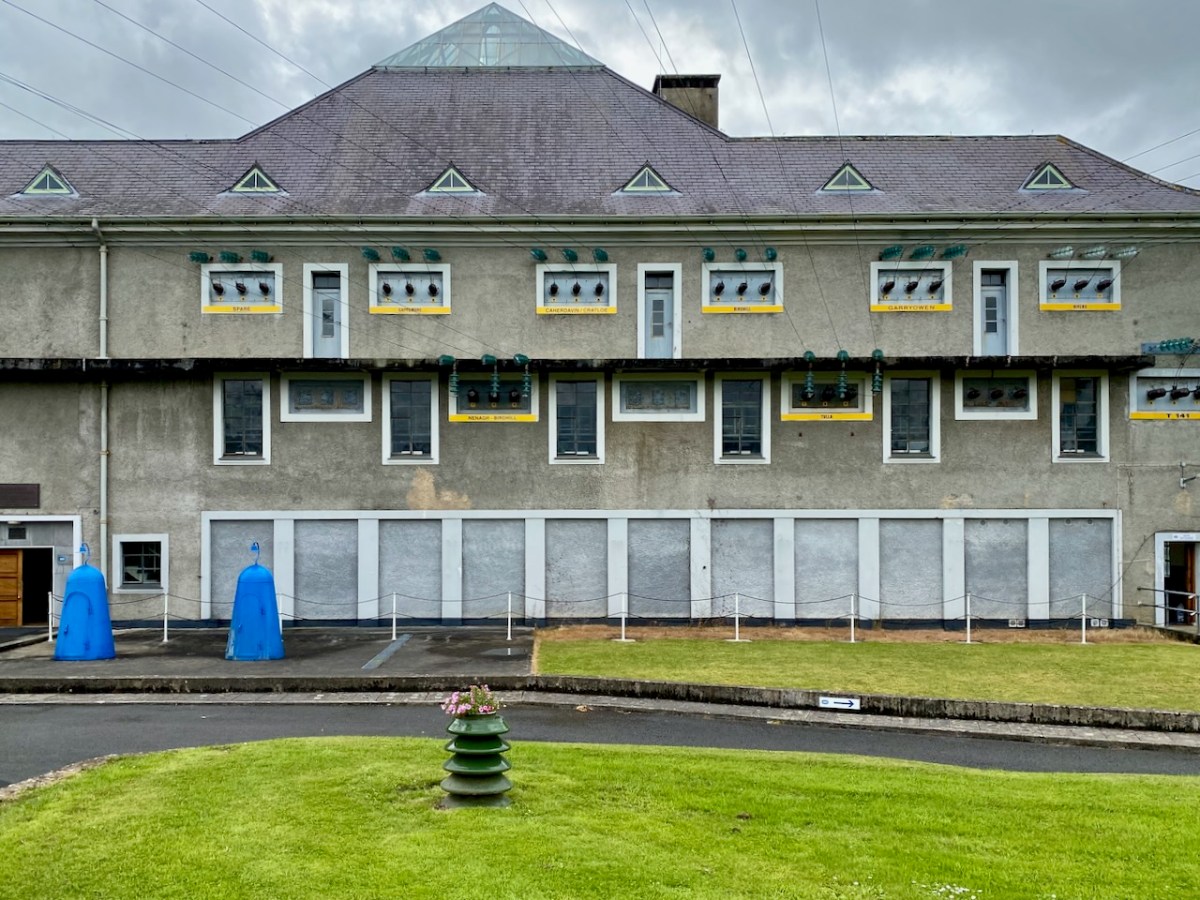
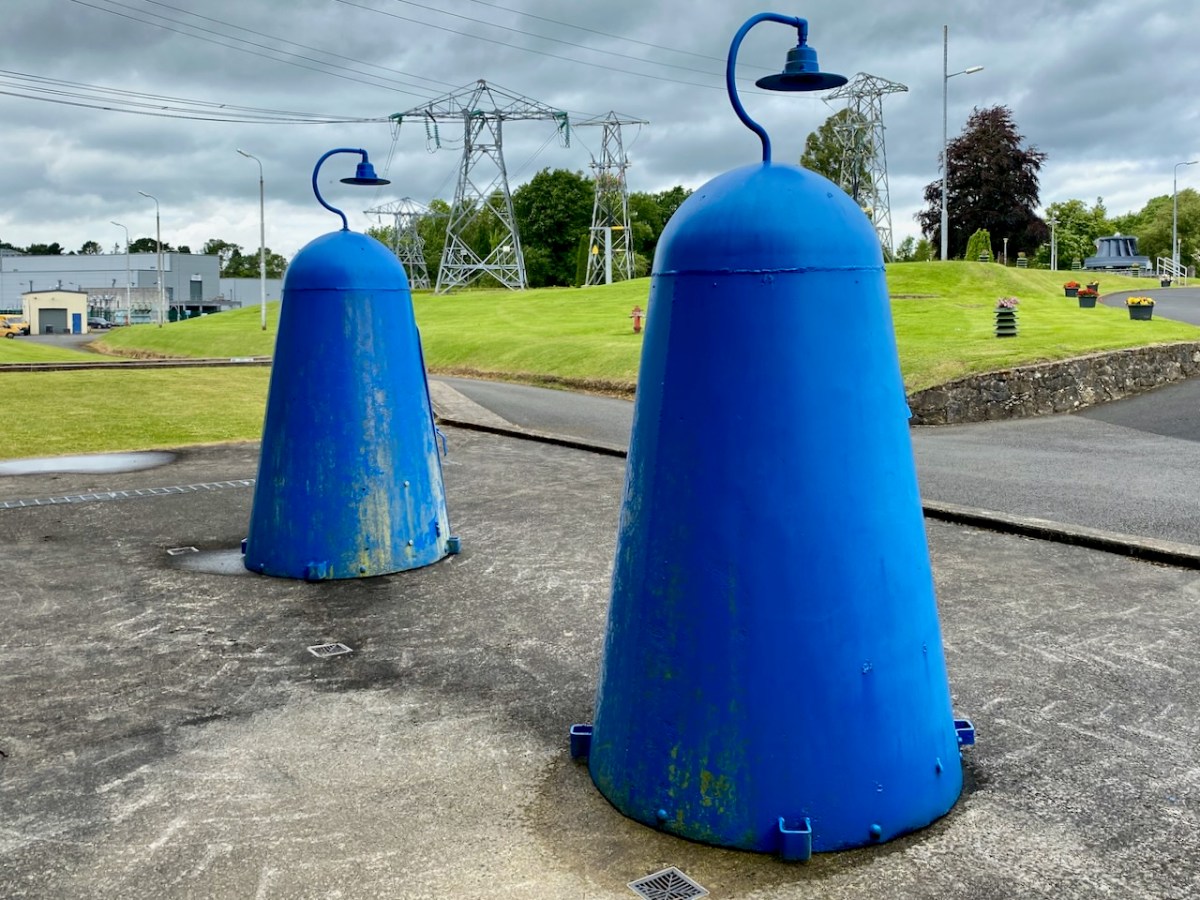
The main building at Ardnacrusha has a definite sense of ‘Bavarian Character’ to it – probably because of its German roots. I wonder if that’s the reason it escaped being bombed in World War II? Concerns were definitely expressed that this could have happened, and steps were taken to mitigate any possible damage. I was particularly impressed by these one-person air-raid shelters, which have been preserved because of their historical interest:

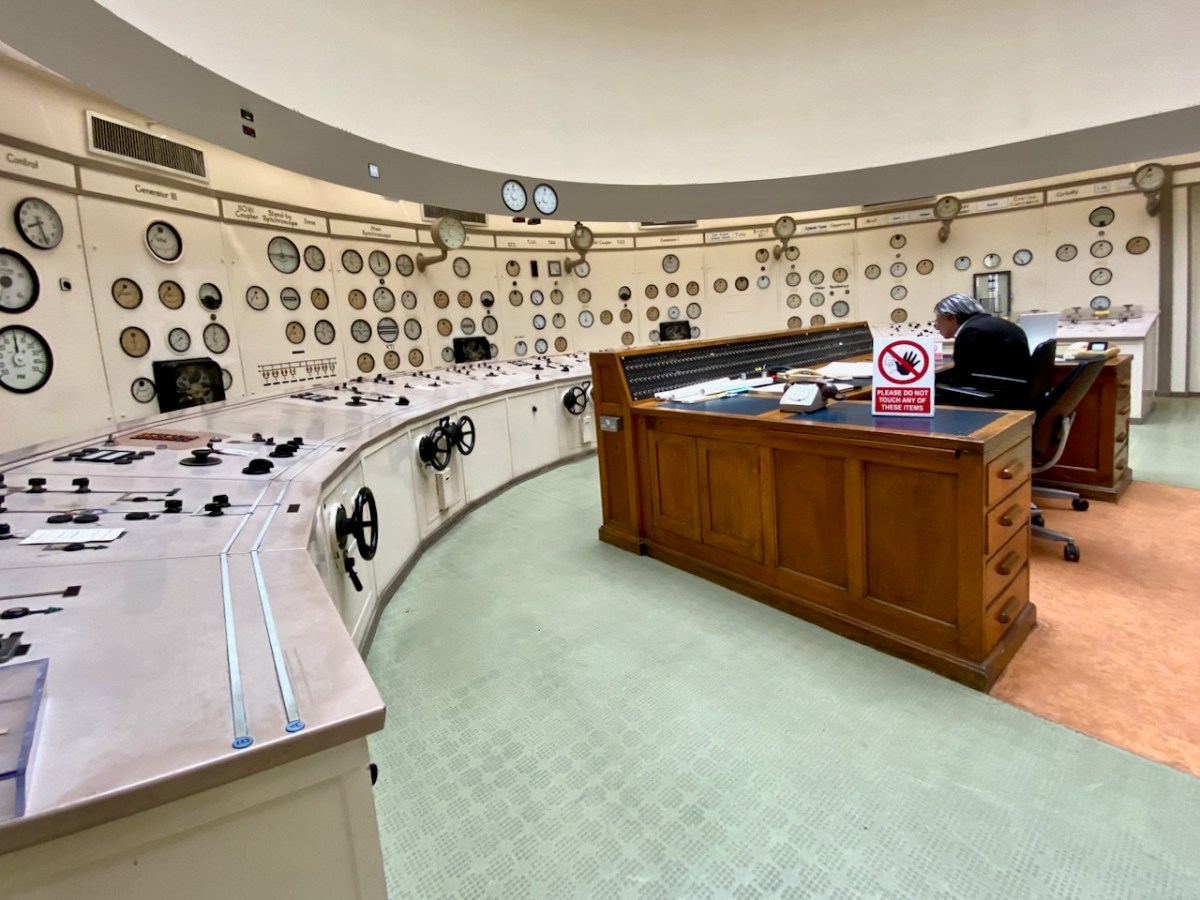
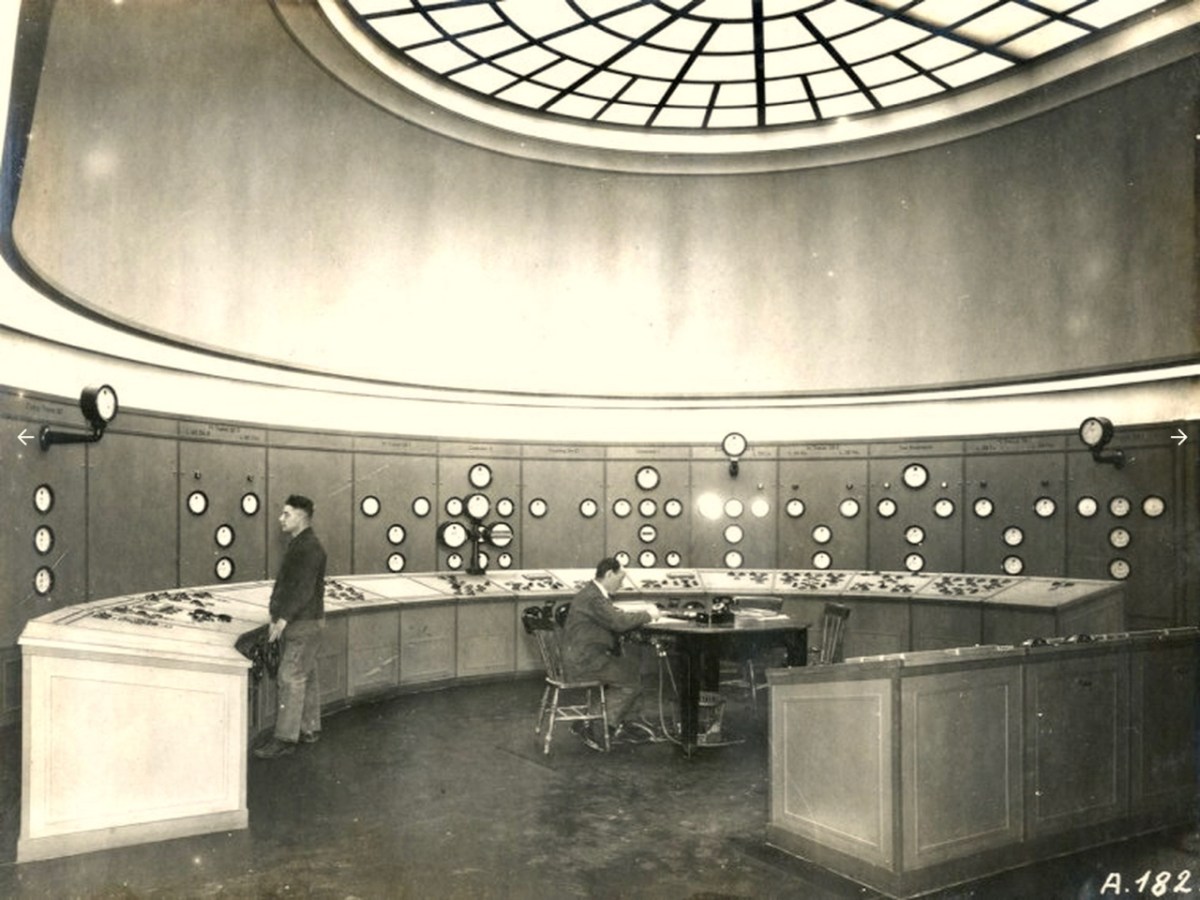
Here’s the ‘back end’ of the main building block, showing the position of the canal lock but also the new architectural-award winning control room – copper sheet clad – which has taken the place of the original room and desk, which have nevertheless been preserved as a piece of history:

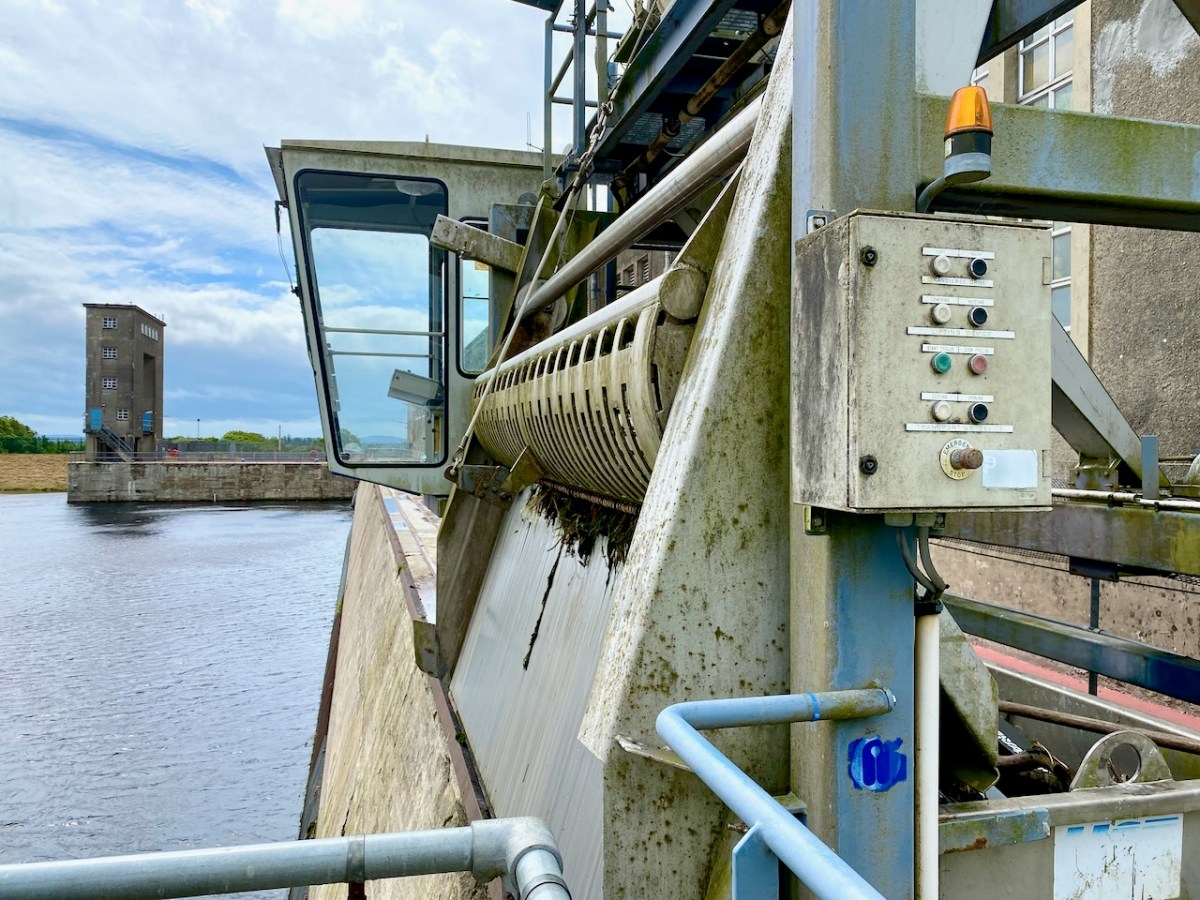
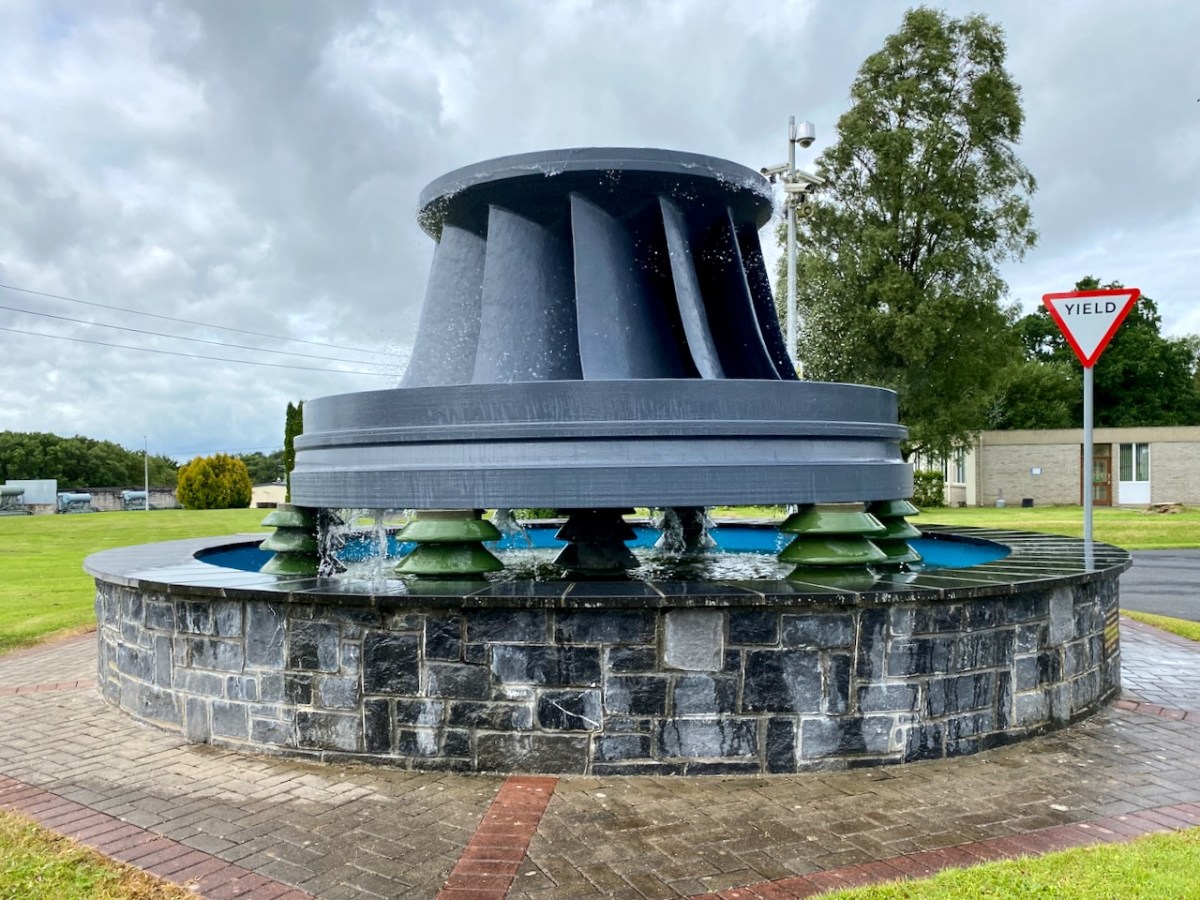
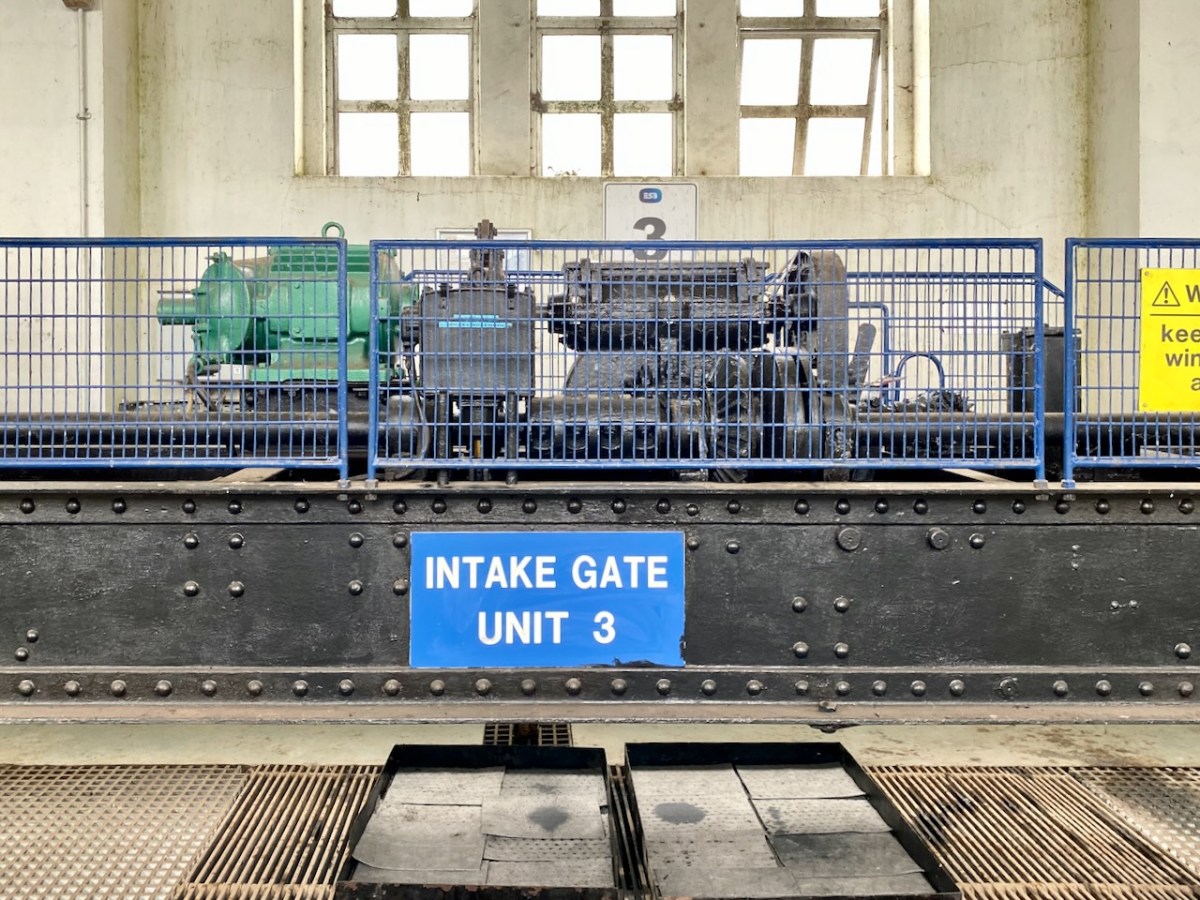
The machine above cleans the weir intake grills leading to the turbines. Everything here has its historical aspects emphasised, where relevant. The wondrous machine above is in full working order to this day, cleaning the intake grids on the weirs coming in from the main dam. A replaced turbine impeller is used as a decorative fountain feature beside the driveway into the station:

In a previous post, I mentioned that the artist Seán Keating was so impressed by the project that he painted a series of canvases during the construction process. The majority of these originals are now on display in the power station offices – accessible on the tour.

I once again express my thanks to Michael Barry for setting me on this rewarding path. I understand he is giving electrification and Ardnacrusha due mention in his forthcoming book A Nation is Born.

Further information on the Electrification of Ireland can be found in these posts:

Night’s Candles are Burnt Out

Electrifying West Cork

Rural Electrification – Process and Effect

The Electrification of Ireland – A Medieval Diversion

Night’s Candles are Burnt Out

There’s a wealth of tales to be told about the first decades of independent Ireland. The 1920s and 1930s saw a flourishing of confident projects portraying a nation on the cusp of change, establishing itself in Europe and beyond. One such was the hydro-electric scheme at Ardnacrusha on the River Shannon. Foundations were laid in 1925 and works completed within four years, providing the young country with what was then the world’s largest power station. The intention was to enable everyone in Ireland to avail of the most trendsetting modern commodity: electricity.

The documentary photo above looks like a scene from a science-fiction film: it’s the control station at Ardnacrushsa, shortly after the completion of the project. This, and many other of the illustrations which I will refer to, are taken from the excellent ESB Archives: I am very grateful to them for the use of these. The building of the huge dam and power station was documented in fine detail – and not just in words and photographs. The notoriously outspoken and visionary artist – Seán Keating – chose to record the accomplishments in his own medium, painting.

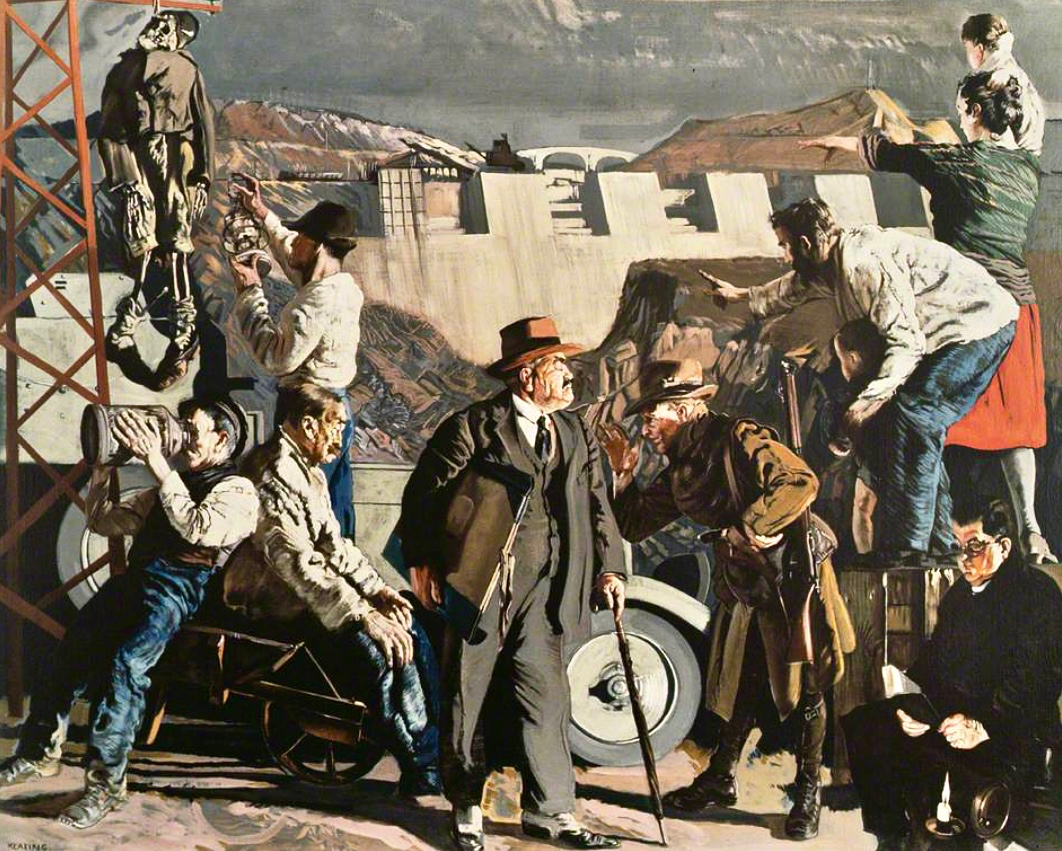
This is one of Keating’s works from the time: Night’s Candles are Burnt Out. (Thanks to Gallery Oldham). It is, perhaps, the finale of his series drawn and painted during the construction of the works – which he undertook on site under his own initiative and without a sponsor. Art historian (and biographer of Keating) Dr Éimear O’Connor suggests:

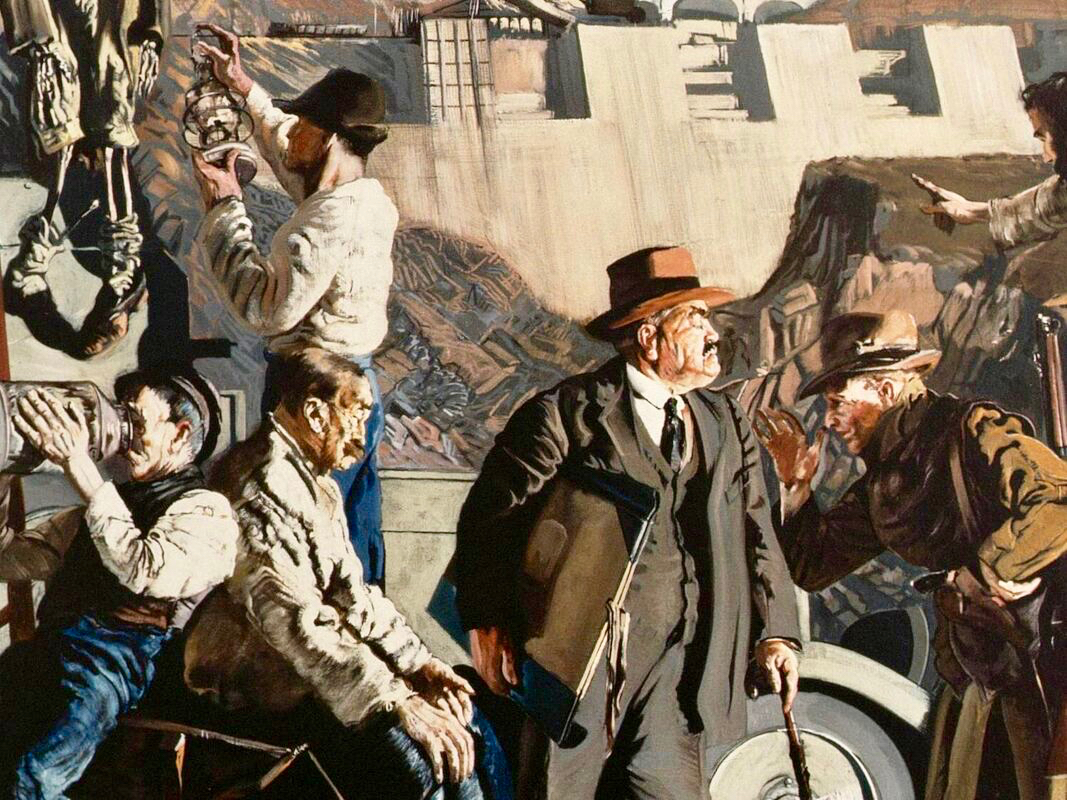
. . . Keating went down to Ardnacrusha because he knew that the construction project was emerging history. It was all happening around where he was born and raised. The machinery was going to carve up this landscape that he saw as ‘a medieval dungheap’, that was how he described it in later years. And this was a metaphor for him, the whole thing was all about Ireland moving forward into modernity. Night’s Candles features the dam at Ardnacrusha, but also includes a group of figures in the foreground, all of whom represent different aspects of what Keating saw as the Ireland of the day. When he showed it at the Royal Hibernian Academy in Dublin, it was called ‘the problem painting of the year,’ which Keating thought was hilarious. They couldn’t get their heads around this idea of what he was trying to do at all . . .

O’Connor: Seán Keating: Art, Politics and Building the Irish Nation, 2013 (Irish Academic Press)

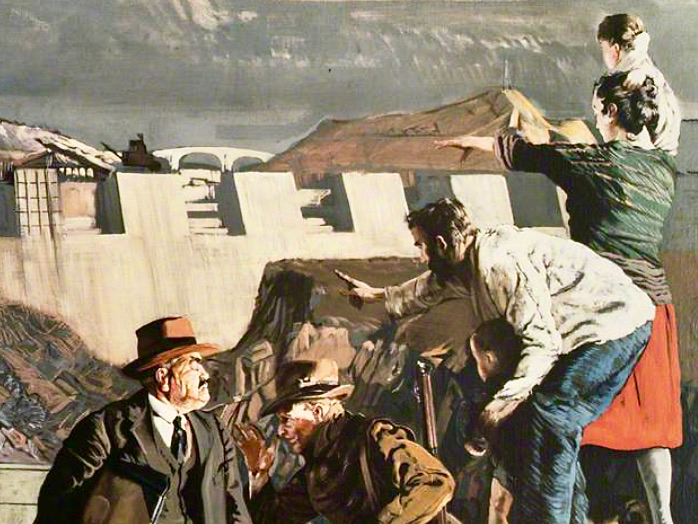
In this detail from the painting we see Keating himself (top right) together with his wife and sons, pointing to the vision of Ireland’s future. On the left of the full painting is Keating again, inspecting a hanging skeleton, perhaps reminiscent of the Famine. Most significantly, perhaps, at the bottom right is a priest reading by the light of the candle. O’Connor is clear about this portrayal:

. . . It tells you an awful lot about Keating and his attitude to the Church at the time. Like many others in the cultural sphere in Ireland, he was disappointed with post-Treaty Ireland, with successive governments and the Church, who were in cahoots, if you know what I mean. He knew well that the whole country was tied up with them, and with that kind of organized religion that was deeply conservative. And Night’s Candles is very much an expression of that disappointment, I think . . .

O’Connor: Seán Keating: Art, Politics and Building the Irish Nation, 2013 (Irish Academic Press)

It’s worth dwelling on this painting a little longer, and viewing Keating’s thought processes, through O’Connor’s eyes:

. . . What Keating was trying to do was reflect upon a country on the brink of change. It was in those years, in the 1920s, that the term ‘gombeen man’ came into being. We all know that it means the kind of businessman or politician who’s making money off the backs of everybody else. And that’s the gombeen man in the middle of the painting. I think it’s quite clear that Keating’s hope was that modernity, as represented by Ardnacrusha, would end all that stage-Ireland paddywhackery that had prevailed for years . . .

O’Connor: Seán Keating: Art, Politics and Building the Irish Nation, 2013 (Irish Academic Press)

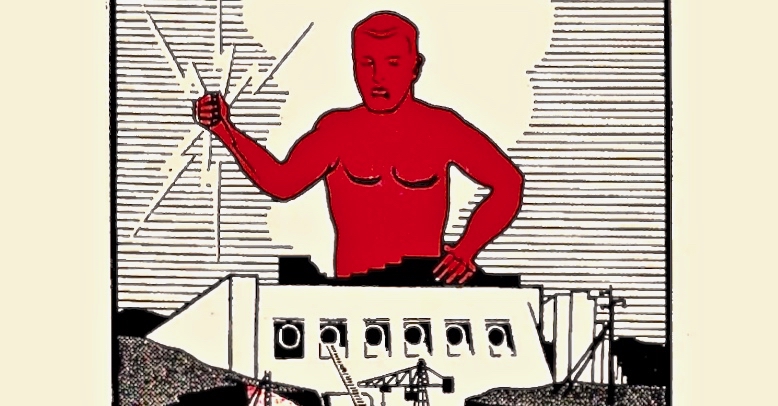
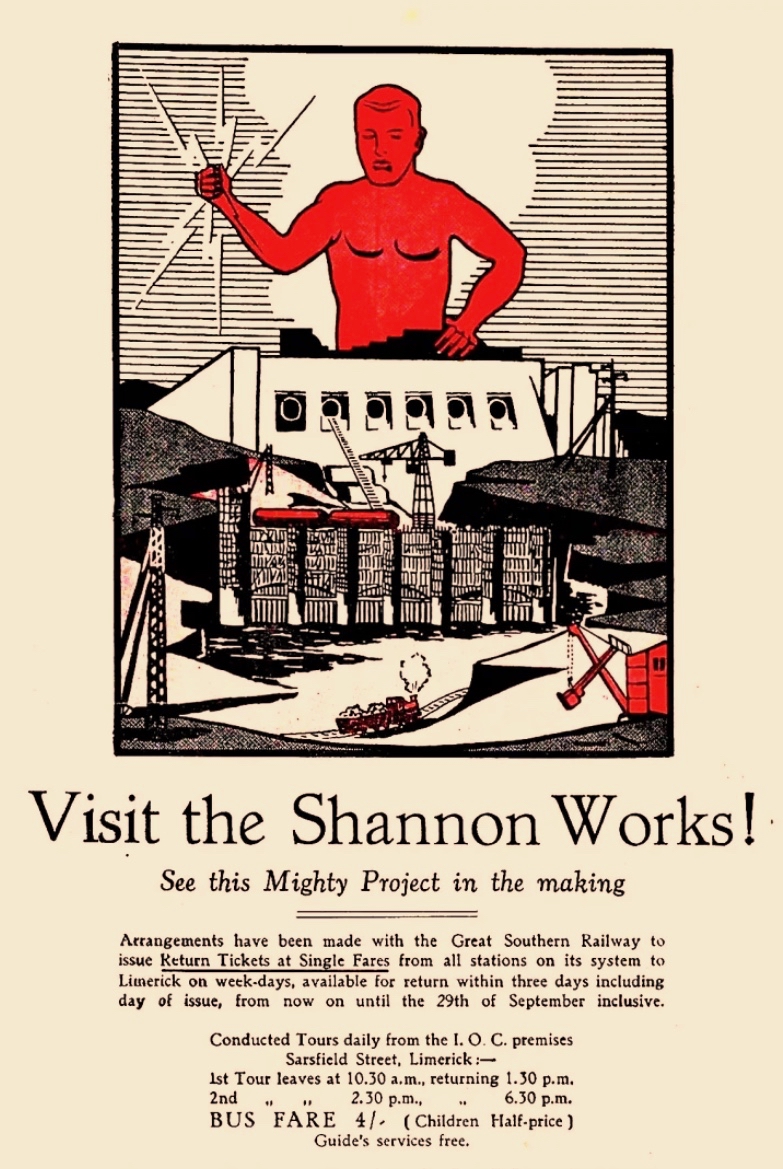
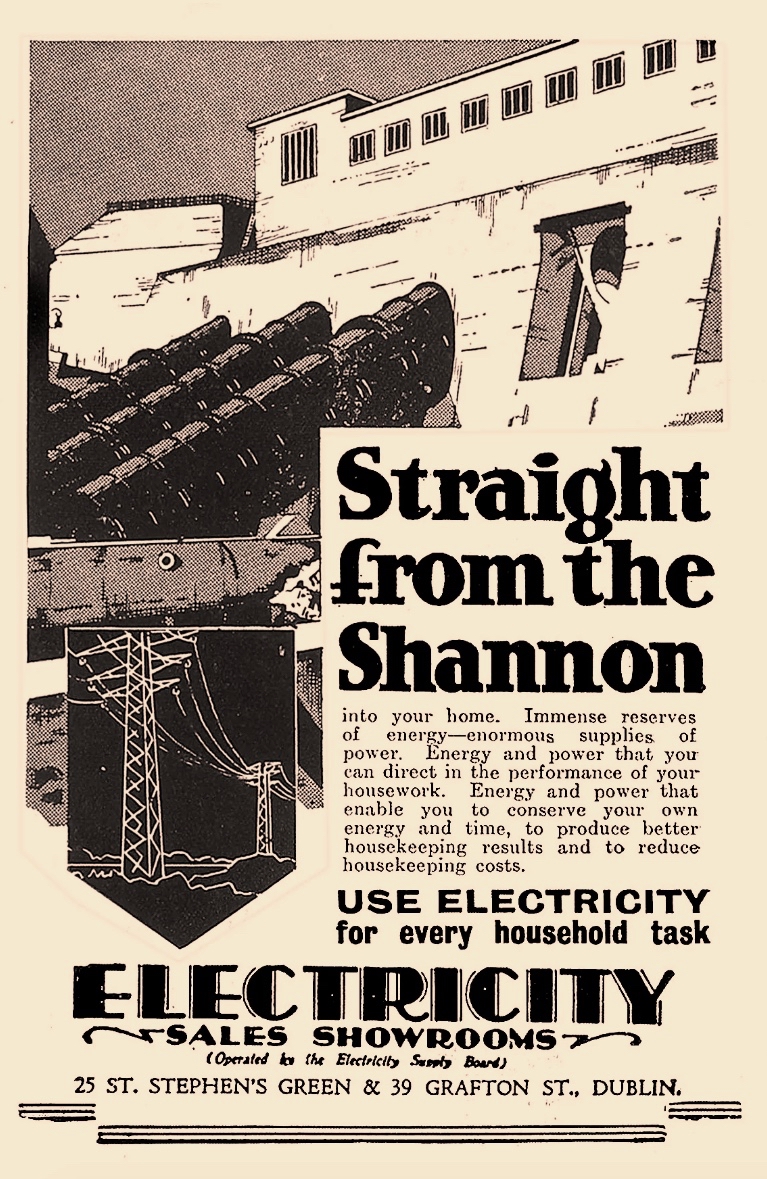
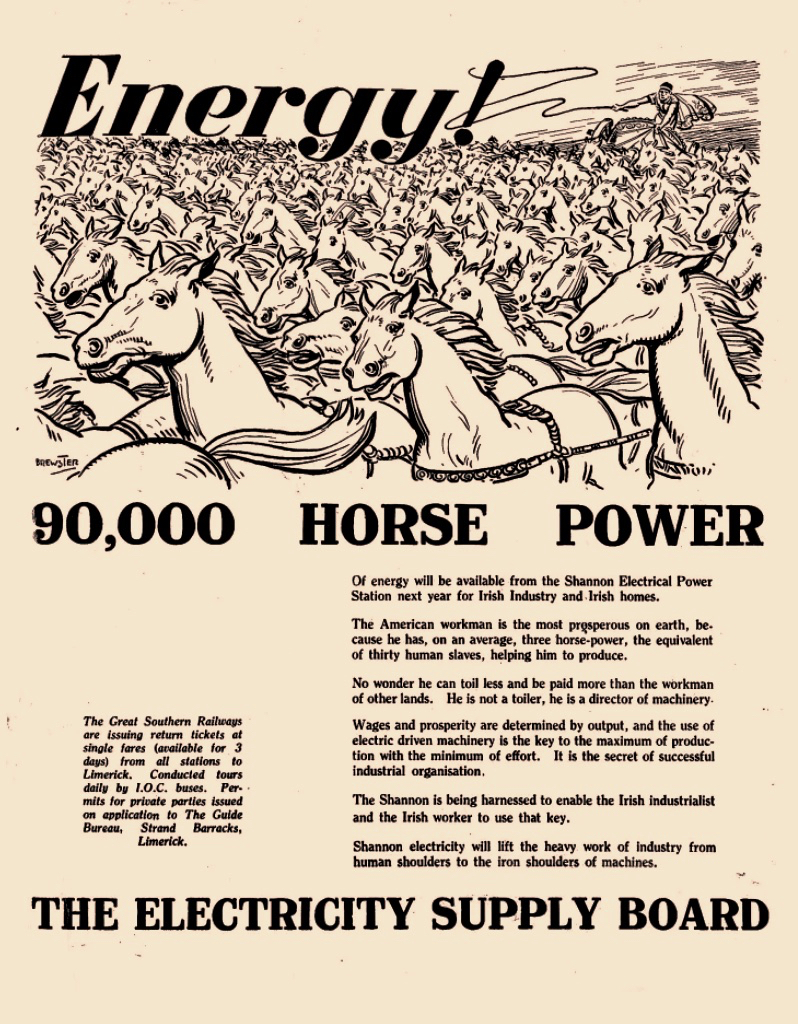
Above – posters from the time of the construction work at Ardnacrusha (ESB Archives). It was certainly the most exciting project in Ireland’s young days, and tourism was encouraged. Hand-in-hand with the major works themselves went a crucial publicity campaign to encourage people to embrace the coming of a readily available electricity supply to homes and businesses. The steps taken to try and ‘get the message across’ was an uphill task. Considerable funds were expended – and a large sales force garnered – to tour the country and persuade the population to buy into the project.

The visuals, humour and underlying psychology of this Ardnacrusha construction-era promotional poster really appeal to me. In case you can’t read the ‘small print’, this is the message that’s being pushed:

. . . 90,000 Horse Power of energy will be available from the Shannon Electrical Power Station next year for Irish Industry and Irish homes . . . The American workman is the most prosperous on earth, because he has, on average, three horse-power, the equivalent of thirty human slaves, helping him to produce. No wonder he can toil less and be paid more than the workman of other lands. He is not a toiler, he is a director of machinery . . .

Post-Famine, America was always seen as the ‘golden land of opportunity’ for Irish emigrants. Now, in 1930, we are being told that Ireland will have the capability to match those fabled fortunes!

. . . Shannon Electricity will lift the heavy work of industry from human shoulders to the iron shoulders of machines . . .

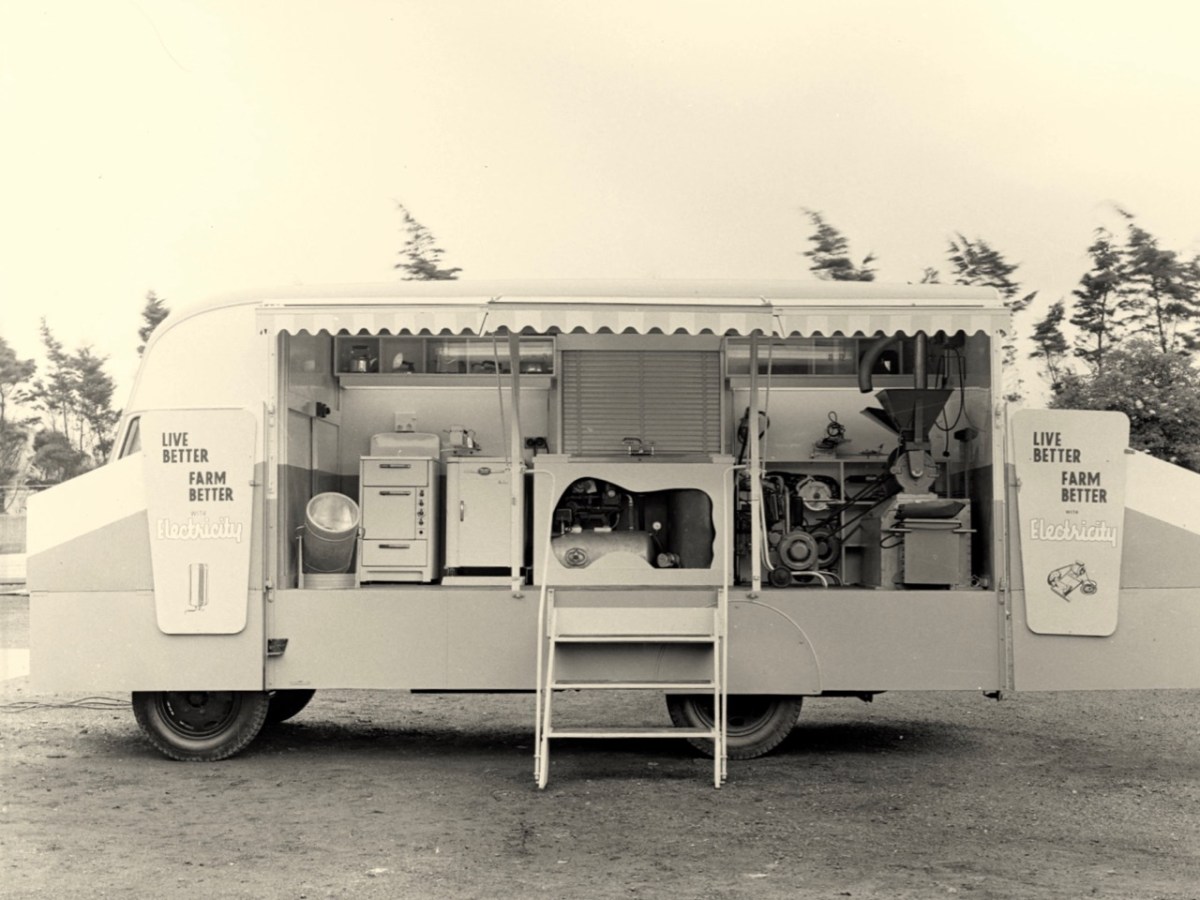
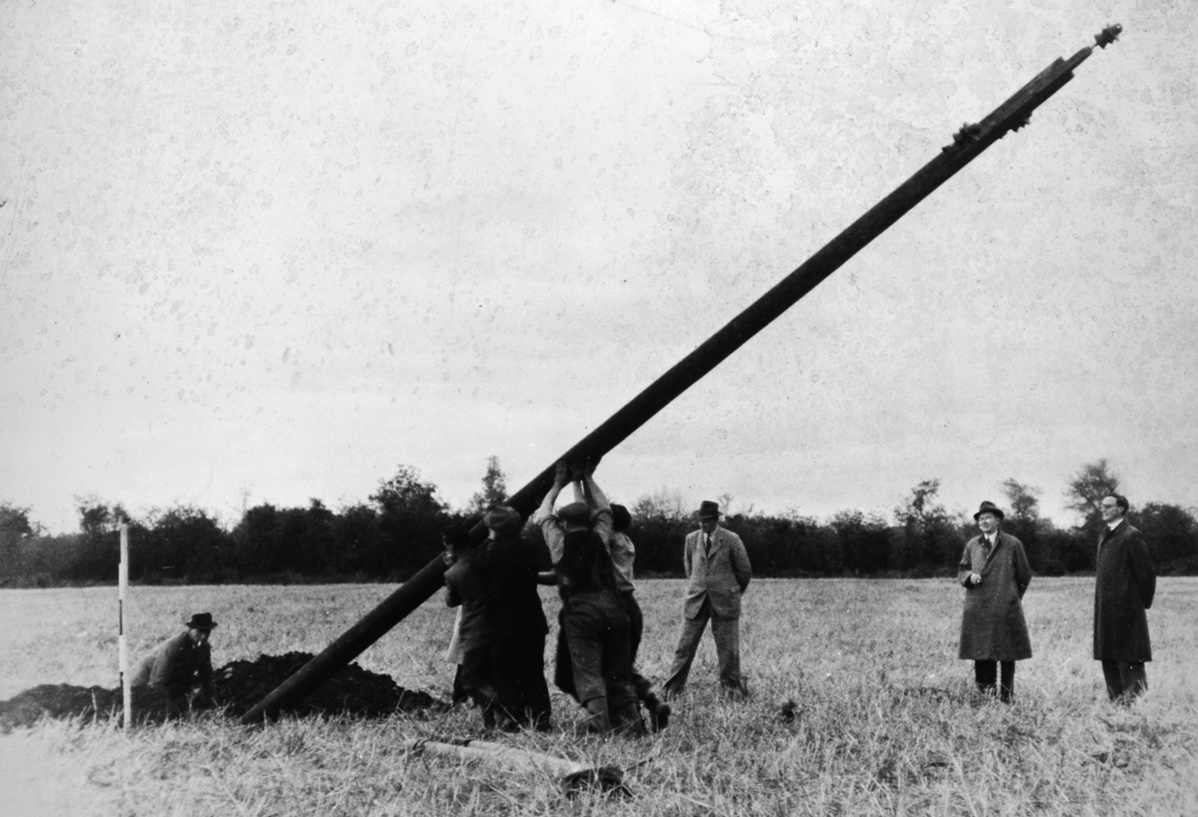
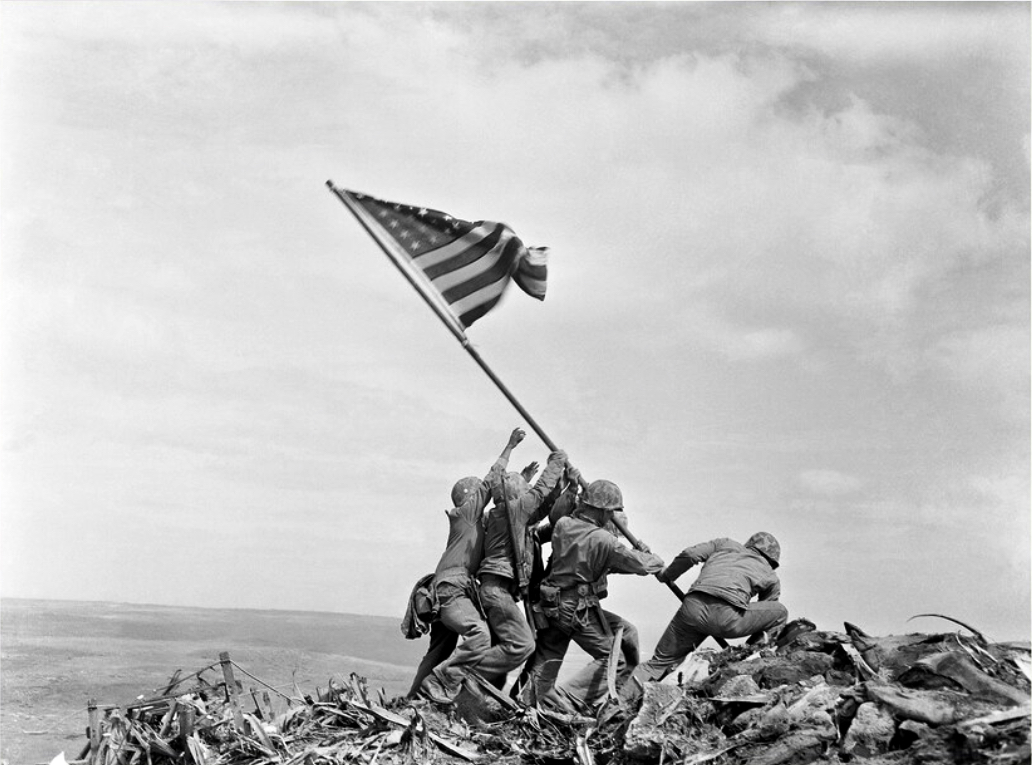
The coming of electricity across Ireland opened up markets for retailers to vend a host of innovative gadgets. This mobile electricity showroom from the 1950s (ESB Archives) covers the gamut of lighting, cooking, refrigerating, water supply to sinks using pumps, milking machines and labour-saving devices for farms. In a future post I want to focus on Rural Electrification, which was a long haul: taking poles and wires out into the extensive hinterland. This was – arguably – the most heroic part of the process of electrification, and we can’t help wondering whether the following somewhat iconic ESB print of the first ‘peg’ being raised at Kilsallaghan, on 5 November 1946 was inspired by the famous Iwo Jima Victory photograph taken by Associated Press photographer Joe Rosenthal on February 23 1945 (lower pic). Both portray a moment of triumph.

Many thanks are due to Michael Barry who referred me to material from the ESB Archives covering our own West Cork areas. Watch out for our commentary on this in a forthcoming post!

Perspectives on Irish History

Occasionally we review books that we think will interest our followers. Here are two which I recommend without reservation: Victorian Dublin Revealed and The Green Divide. Both are by Michael Barry, an engineer, writer and publisher who hales from Ballydehob and now lives in Dublin: he describes himself as an author and transport consultant and has spent much of his career with Ireland’s railways. Michael recently penned an article for the Irish Times in which he set out the highs and lows of producing books here: …There is the pleasure of receiving in one’s hand, a new book, straight from the press: perfectly laid out, high quality, the illustrations perfectly printed. It is the joy of creating something worthwhile – it is almost like seeing a child just born… and, balancing that, the frustrations of a literary world where British publishing dominates: …It is a hard world out there, one may have the best book in the world, but if you don’t have contacts in the press or radio, one doesn’t get reviewed or interviewed… Having read these two books from Michael I can confirm that he is a perfectionist: his writing is faultless and authoritative but, more than that, he generates an enthusiasm for his subjects. Pick up either of these volumes and I guarantee you will be hooked. If there is a word – unputdownable – then that perfectly describes them both. I didn’t know that I was so fascinated (as I now am) by the Irish Civil War: The Green Divide makes such a good job of describing that awful part of Irish history in all its perspectives. It is eminently readable and brilliantly illustrated – there are 400 pictures which include contemporary images, documents and posters as well as the author’s own high quality photographs.

Very different, but equally compelling, the book on Victorian Dublin is, indeed, a revelation. The architect in me immediately wants to go out and see all these places – houses, halls, churches, industrial archaeology – which I never knew existed. The level of research is breathtaking. Mary Leland, in an effusive review for the Irish Examiner, puts it well: …If modern life in Ireland began in the nineteenth century, so did modern architecture. Michael Barry makes this point time and time again in a book of sometimes startling illustrations . Here are pictures to remind us of what we have been ignoring because they seem so commonplace or constant. Barry is his own photographer and has a pleasing eye for detail. He also has a nice sense of historic irony…

I am including a few extracts from both of these volumes: in their brevity they cannot do the books justice. I am hoping you will be inspired to look out for these in your local bookshops (or to ask that they get them in – as we need to keep our bookshops going…!) Michael Barry has written much more: you will find full details on his Andalus Press website – there’s a lot to explore there too!

From: The Green Divide…

Left: two National Army soldiers billeted in a rural cottage – Barry comments ‘If they are city boys, this glimpse of how people in the countryside lived probably came as a shock’. Right: a propaganda poster by Constance Markievicz – ‘this one adopts a mystical theme, depicting male and female Republican fighters as The Bodyguard of the Republic’

Left: Republican activity – removal of two rails – led to this derailment on 15 August 1922 along the banks of the River Slaney on the Dublin & South Eastern Railway: the locomotive of the down Night Mail ran on the sleepers for over 150 metres before turning over. Right: in Lough Mahon, Upper Cork Harbour, Republicans scuppered a dredging barge (distant) and the steamer ‘Gorilla’ to impede passage upriver.

Left: In July 1922, the Irish republican Army published this newspaper advertisement warning Dublin public house proprietors that their premises could lose their licences for plying soldiers with (too much) drink! Right: the ‘schloss-style’ former RIC Barracks at Caherciveen, Co Kerry, now a museum: it was set on fire during the Republican retreat from the town in August 1922.
From: Victorian Dublin Revealed…

Left: ceramic door surround in the National Museum, with carved door by Carlo Cambi of Siena; Cambi’s carvings adorn a wide range of Dublin buildings. Centre: ‘poetry in stone and iron’ – entrance gates to Howth Castle and Demense. Right: ‘heroic engineering’ – a pipe bridge over the Dargle River.

Older times. Left: the tram-yard at Dalkey. Right: oak vats in Vathouse 4 at the Guiness Brewery, 1980s; at the end of the nineteenth century it was the largest brewery in the world. ‘…They garner the succulent berries of the hop and mass and sift and bruise and brew them and they mix therewith sour juices and bring the must to the sacred fire and cease not day or night from their toil…’ – James Joyce, Ulysses.

‘A Byzantine jewel in the heart of the city’ – The University Church on St Stephen’s Green, established by John Henry (later Cardinal) Newman and designed by John Hungerford Pollen. It opened in 1856.

masonic hall

My personal favourite so far… the astonishing Grand Chapter Room in the Freemason’s Hall, Molesworth Street. The building, by Edward Holmes, dates from 1866. Evidently there is, within, an array of exotic rooms designed around fantastical themes. I can’t wait to get to see them! Will they let me in?

observatory

The South telescope at Dunsink Observatory, dating from 1868. Its 12 inch lens was the largest in the world when it was cast in Paris in 1829. The telescope mounting and rotating dome enclosure was provided by the Grubb Optical and Mechanical Works in Rathmines: ‘…the Grubb Works was a thriving hub of advanced optical technology during the nineteenth century. It produced astronomical telescopes which were exported all over the world…’ This telescope is still in working order.
Below: Michael Barry is gifted with an eye for detail: he spotted these three monkeys playing billiards on the elevations of Deane and Woodward’s Kildare Street Club (1859-61) – and wonders if it was a comment by the stone carvers on the rich and leisured denizens of the club?
three monkeys