Exploring Sherkin

On  a gorgeous day in May, Amanda and I set off to have a day for ourselves on Sherkin Island. No reason, just because it’s there and it’s wild and beautiful and historic.
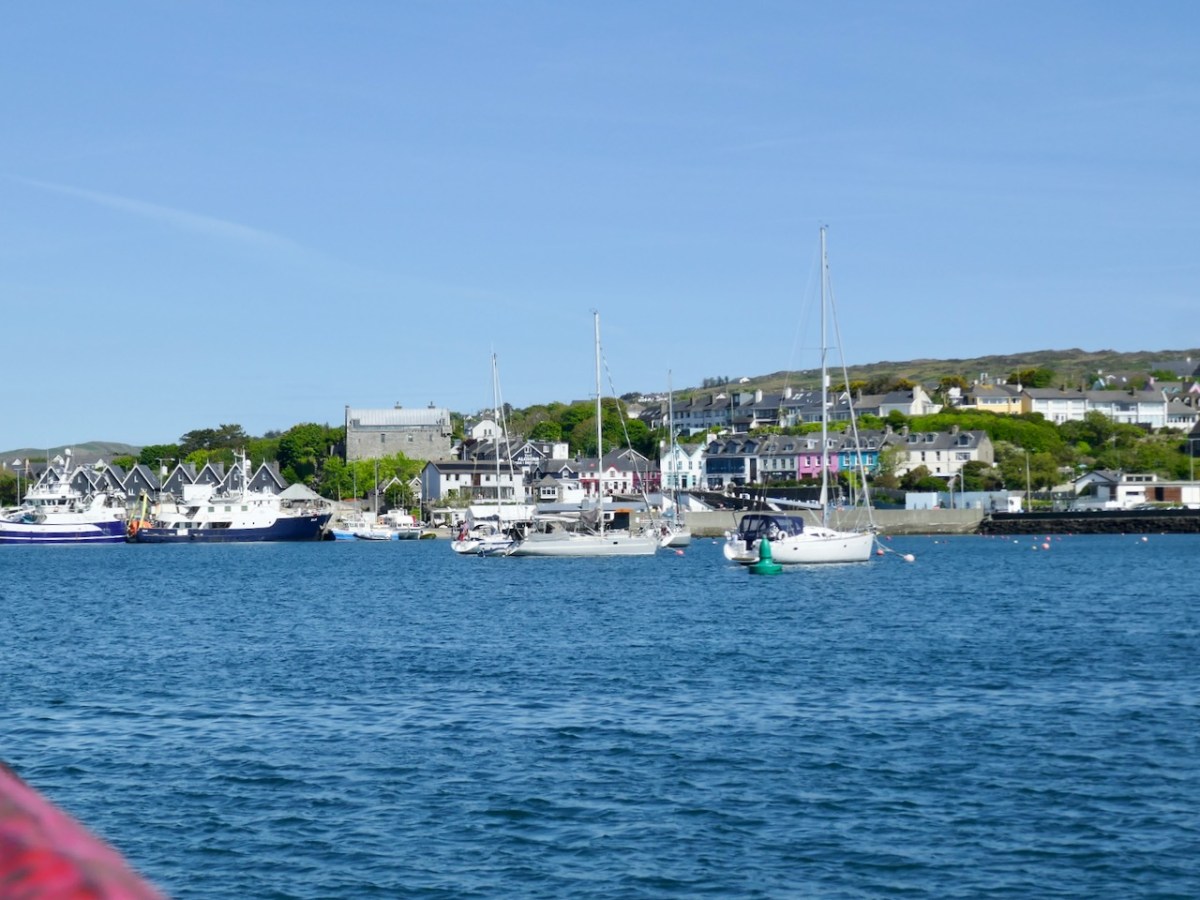
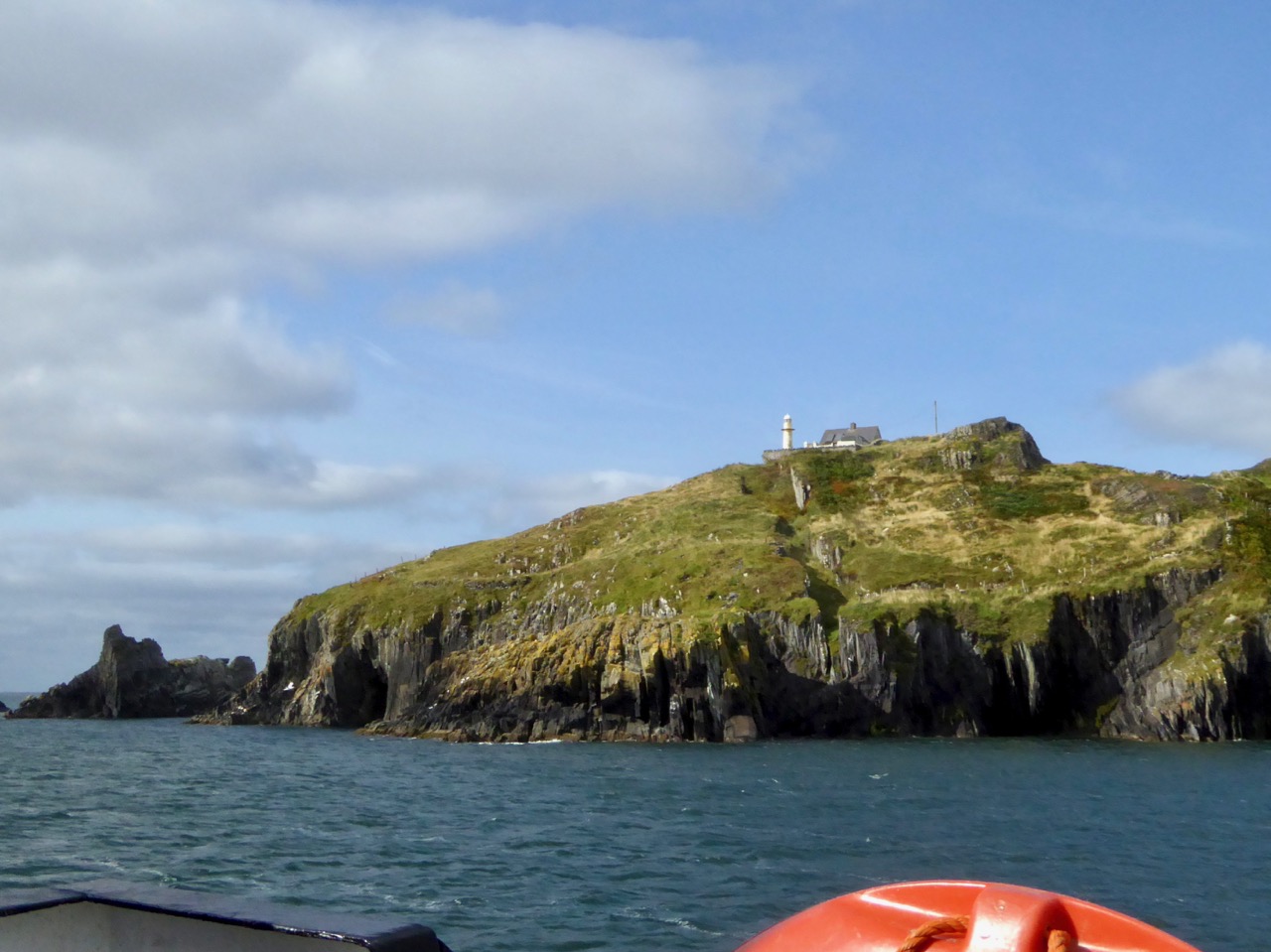
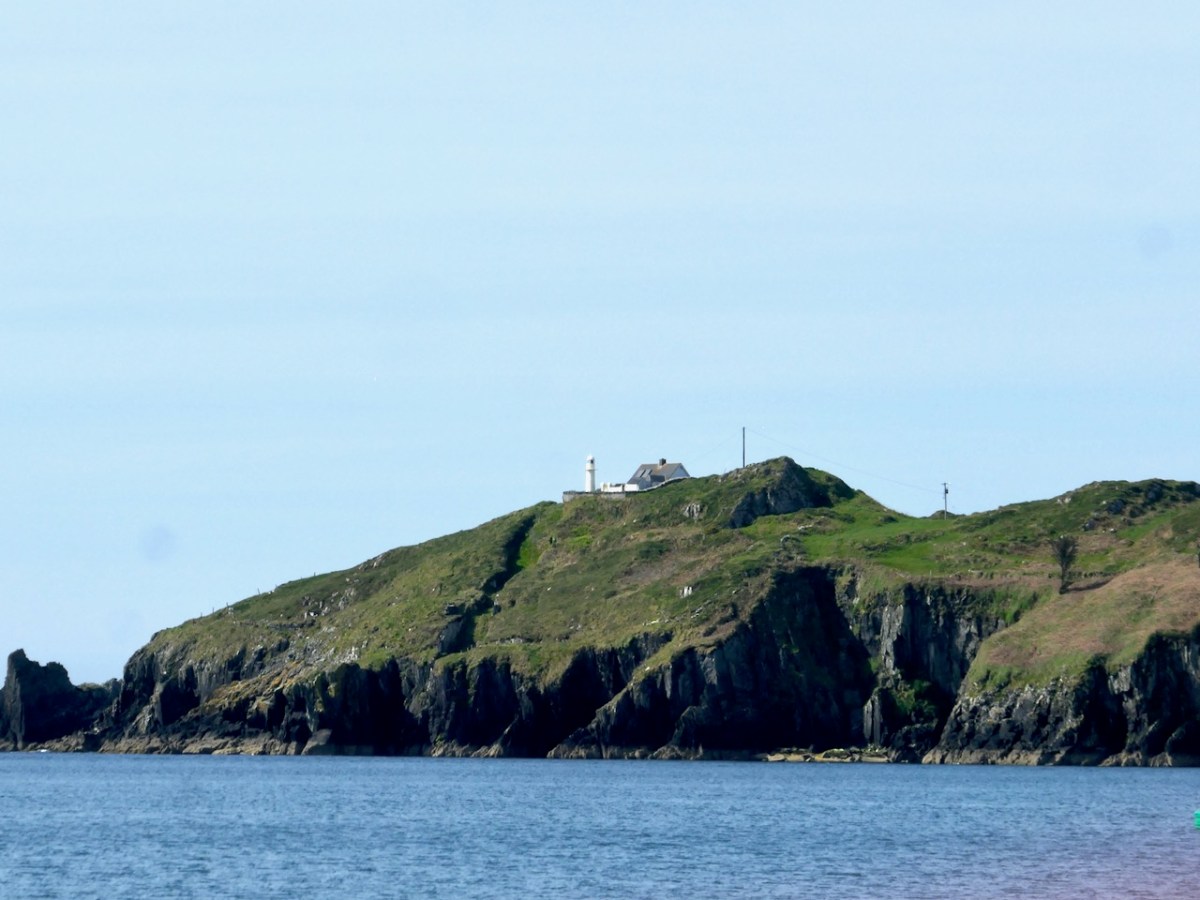
We caught the 10:30 ferry from Baltimore. It’s a short ride, but along the way you pass the Beacon and get a great view of the Sherkin lighthouse.
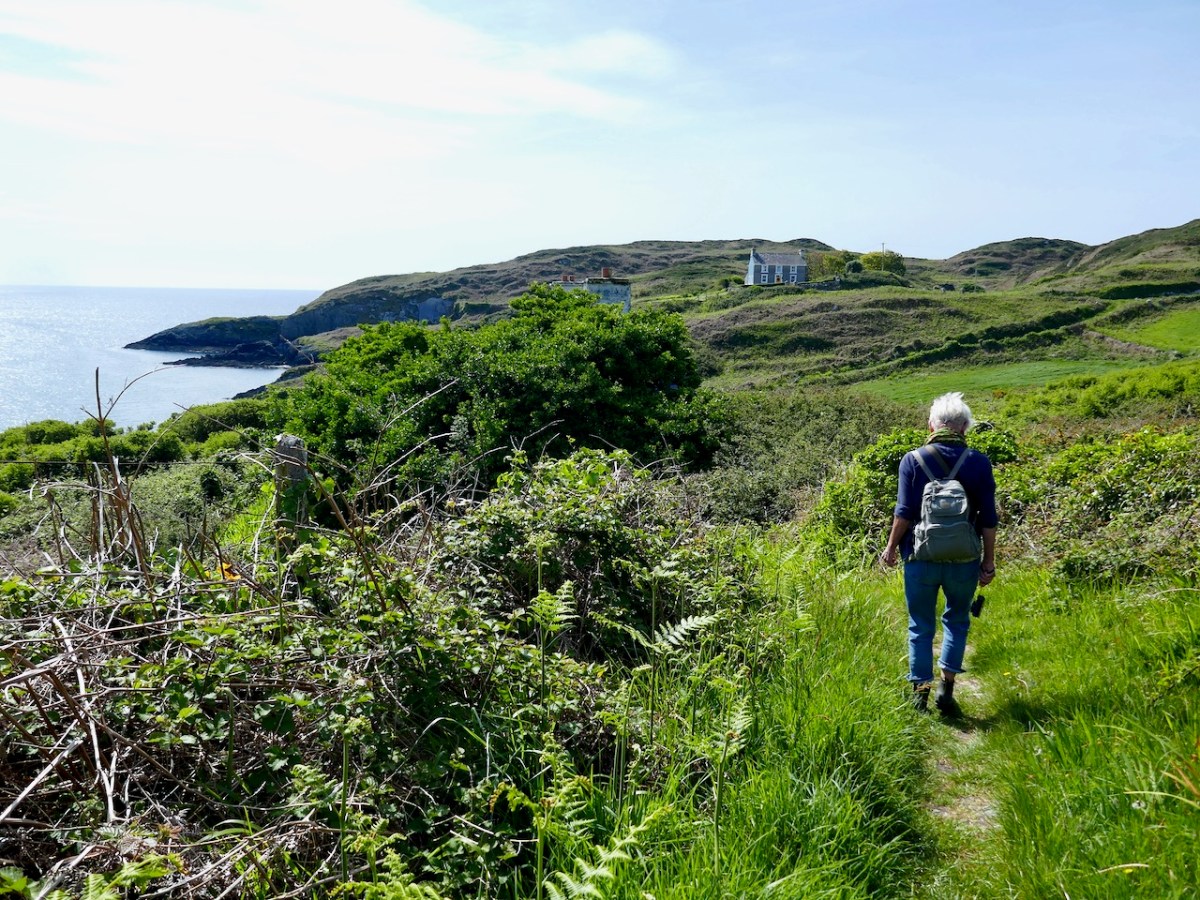
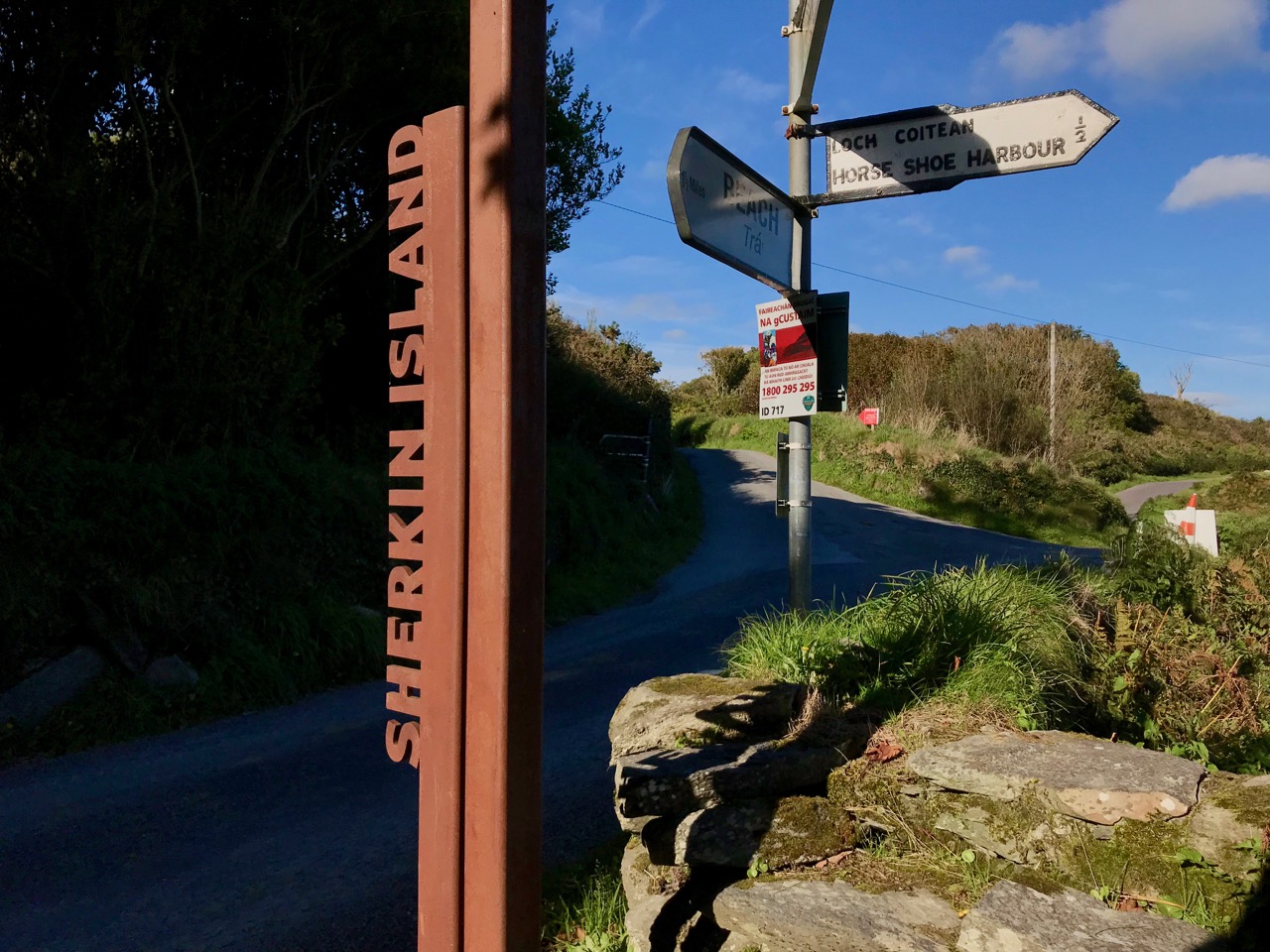
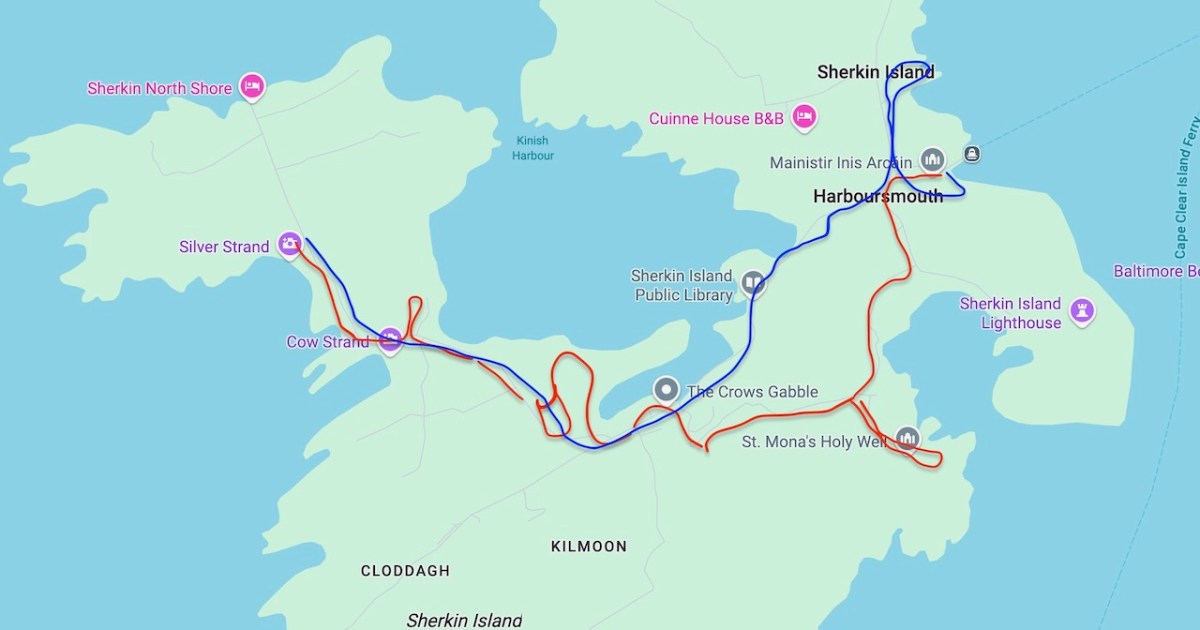
We decided to take a Horseshoe Trail – I have provided a map showing our outbound walk in red and our return walk in Blue. It was all easy walking, no steep hills, and since the weather had been so clement in May we didn’t need boots (although Amanda is seldom parted from her wellies).
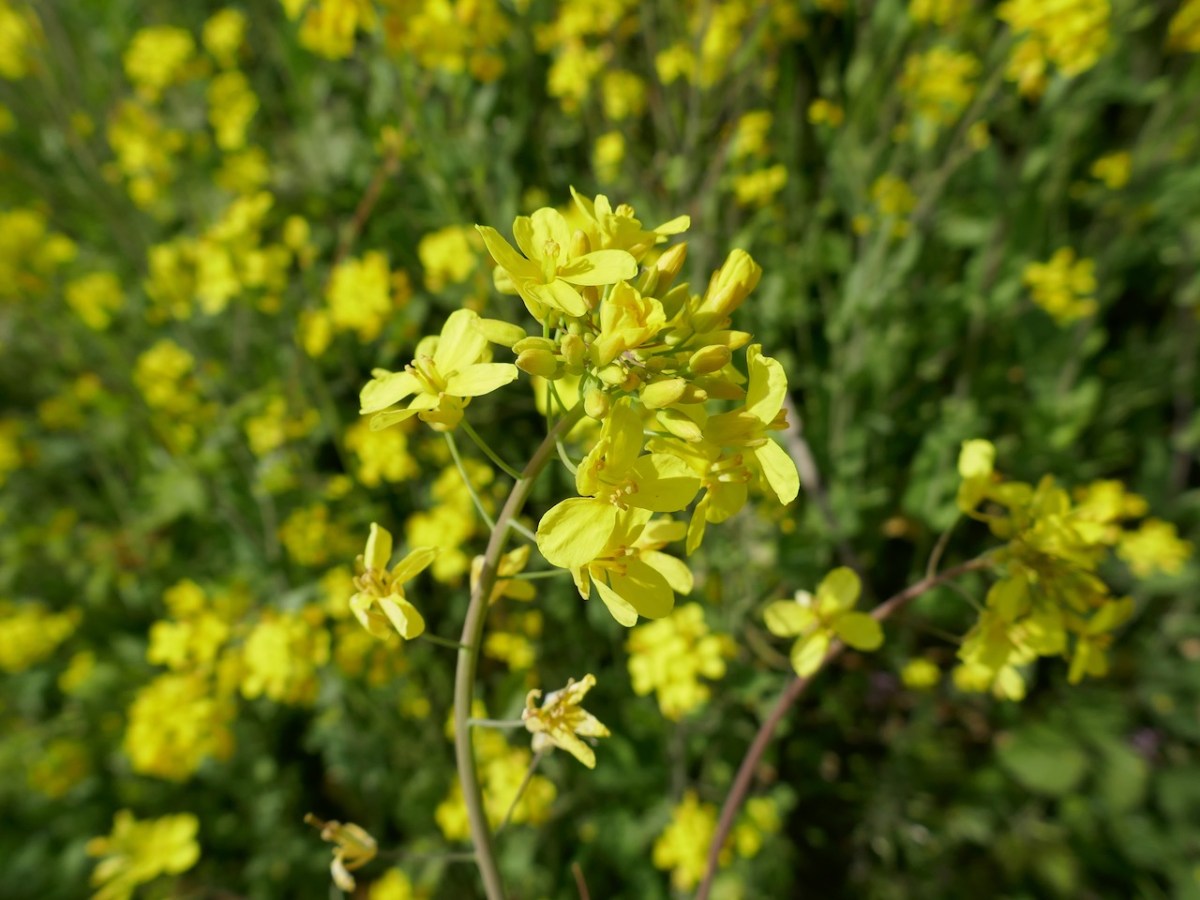
The Horseshoe Trail is well marked, but narrow, and fringed by wildflowers. I had trouble identifying this one – is it Charlock? Or some kind of Mustard? 
The trail leads down to vistas over Horseshoe Harbour on the south side of the island – a secluded and beautiful cove with Thrift covering the foreshore and Bluebells and Stitchwort in abundance everywhere.
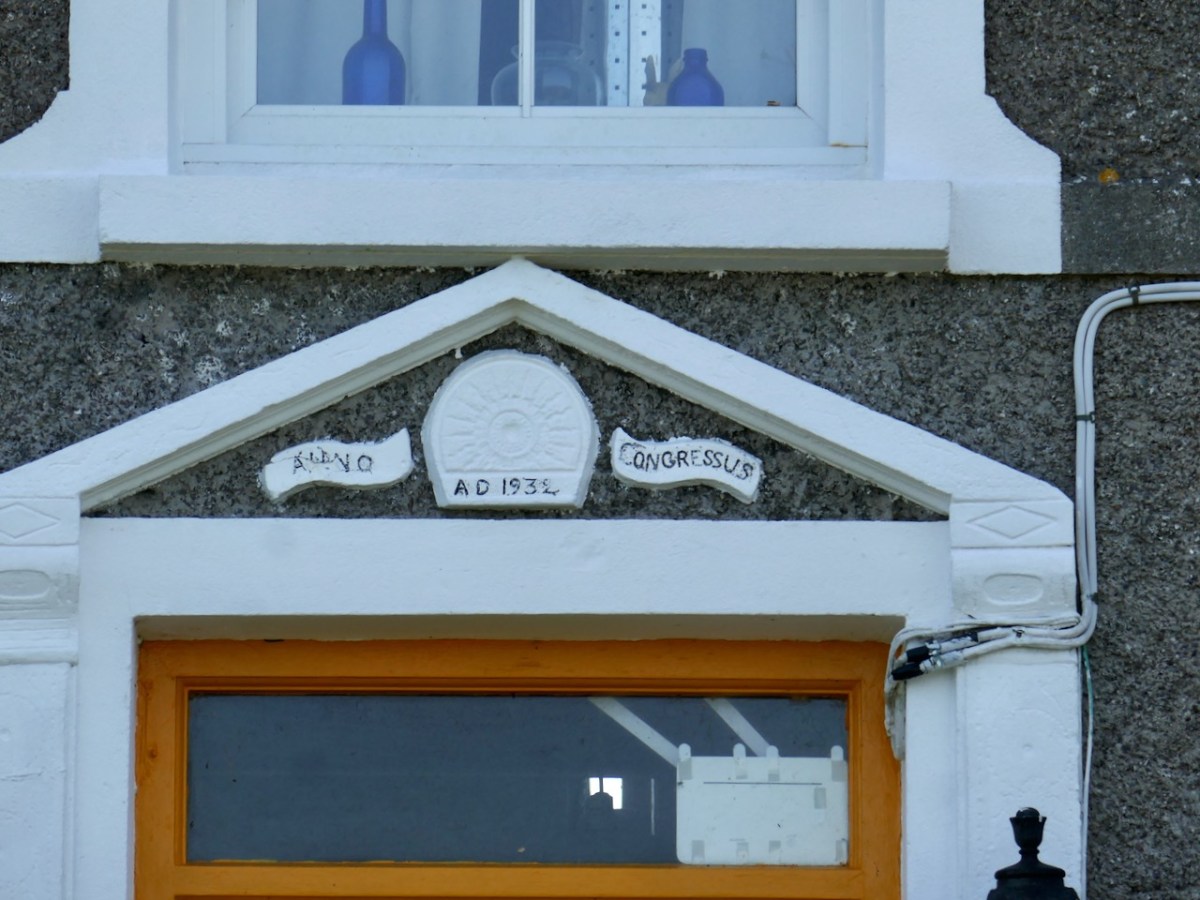
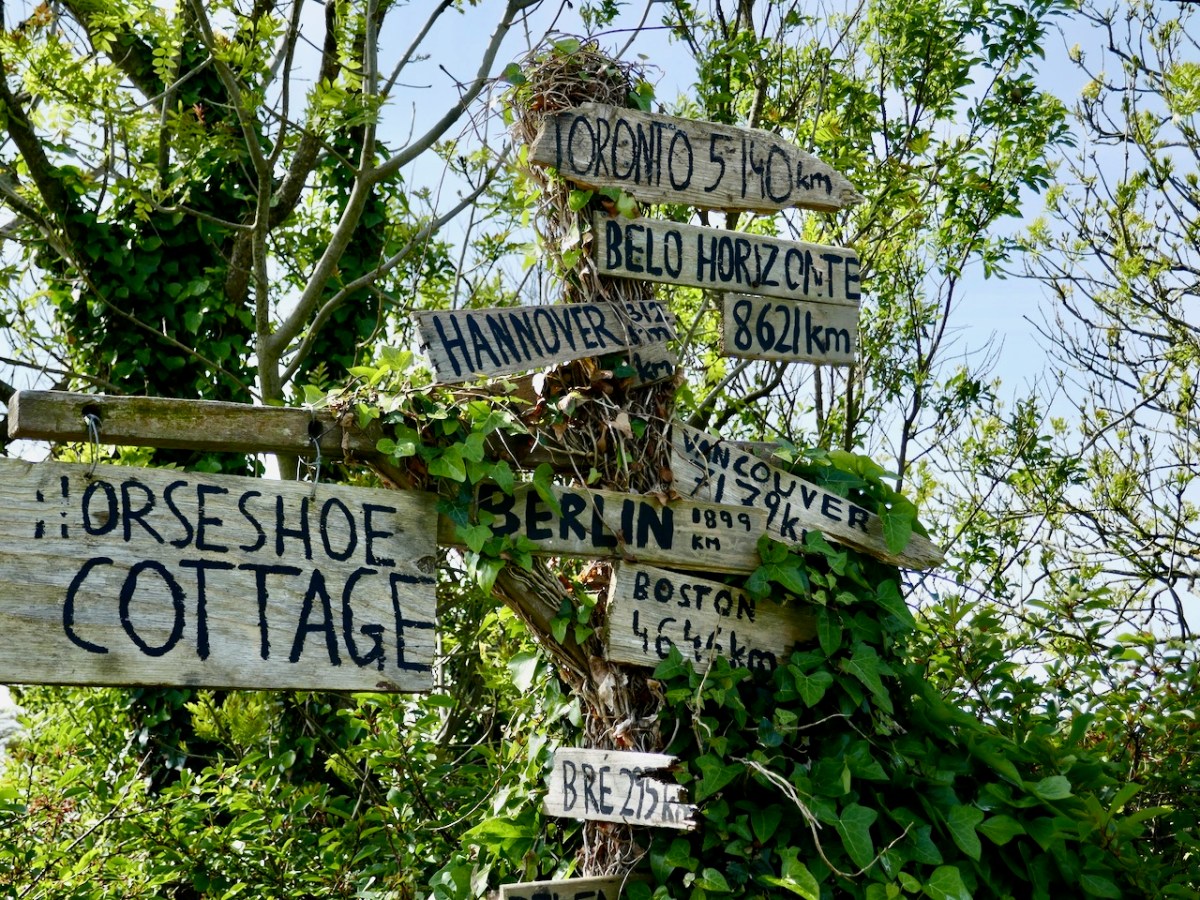
I was fascinated by this little house, standing sentinel over the harbour. What a situation – and it obviously has a history. Above the door is the Papal insignia along with Anno 1932 Congressus

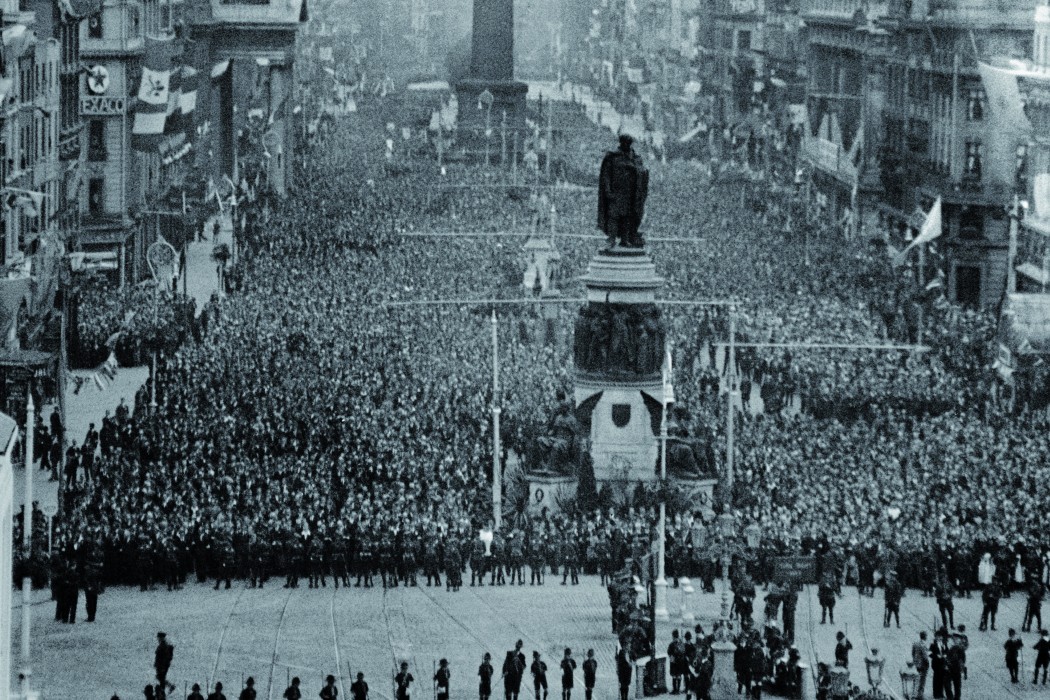
This, of course, is a reference to the Eucharistic Congress, held in Dublin in 1932. Here’s a wonderful account of that time by West Cork Historian, Kieran Doyle
It was the biggest thing to happen in the new state. My parents used to talk about it. Dad was in the Phoenix Park (along with a quarter of Ireland’s population) to hear John McCormack singing Panis Angelicus. Perhaps it was that experience that persuaded him to study for the priesthood. Fortunately for this blog, he discovered his error after a year, and my mother a few years later. But take a listen to what my father heard in 1932.

My mother, by the way, was found of quoting Brendan Behan who said that during the Eucharistic Congress, “Grafton Street was lousy with Bishops”.
But I digress! Let’s get back to Sherkin – although if anyone knows more about why this attractive cottage sports a 1932 Eucharistic Congress sign, do leave a comment.
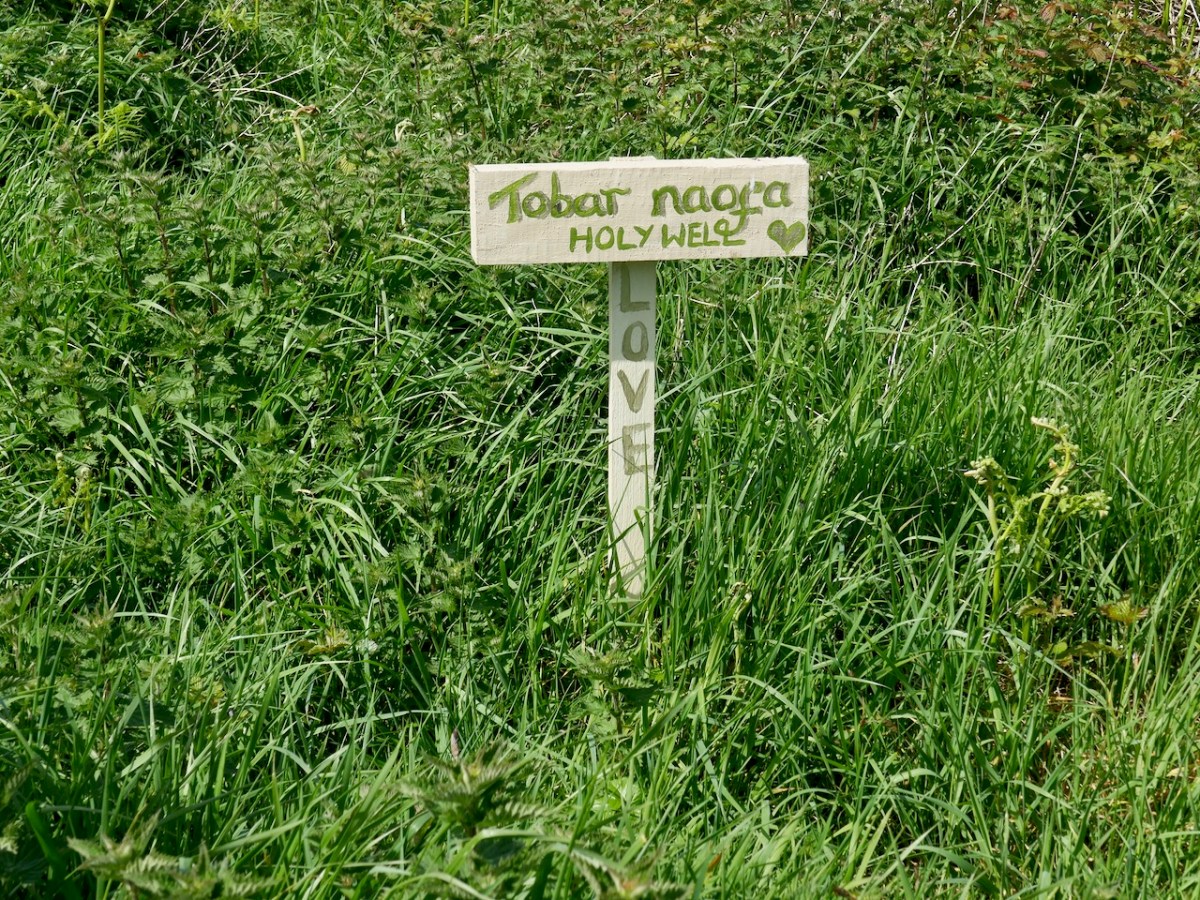
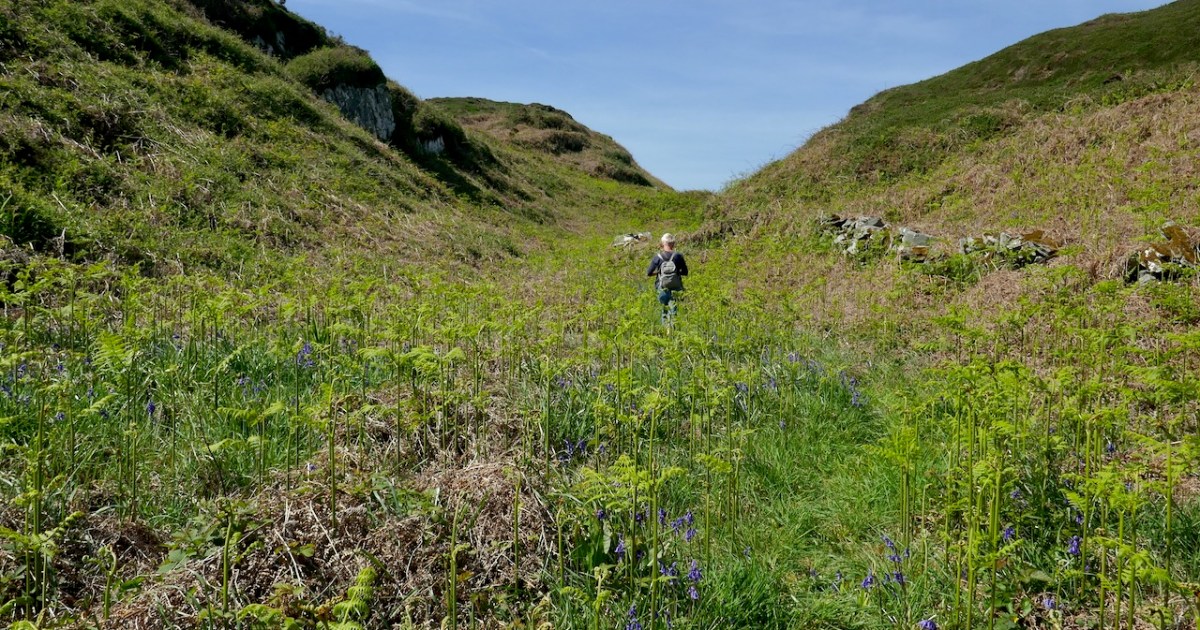
Our next stop was St Mona’s Holy Well. This is a discrete little well tucked into the hillside of a fern-covered valley. Although Amanda had to battle her way to this well when she first visited, this time we discovered that a recent pilgrim had cleaned up the well and provided very welcome signage. Amanda’s blog provides lots of detail and a link to more information about St Mona, patron saint of the island, who has given her name to the townland of Kilmoon. 
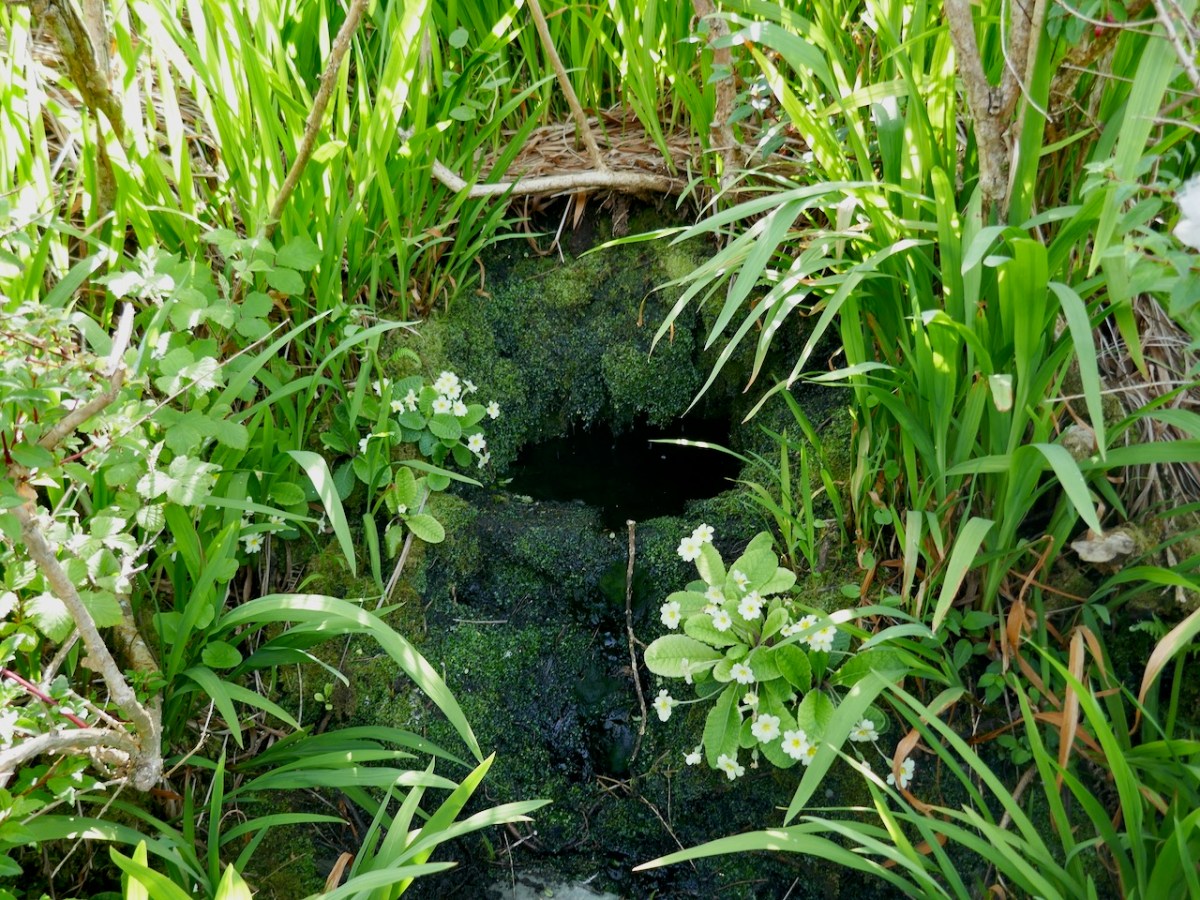
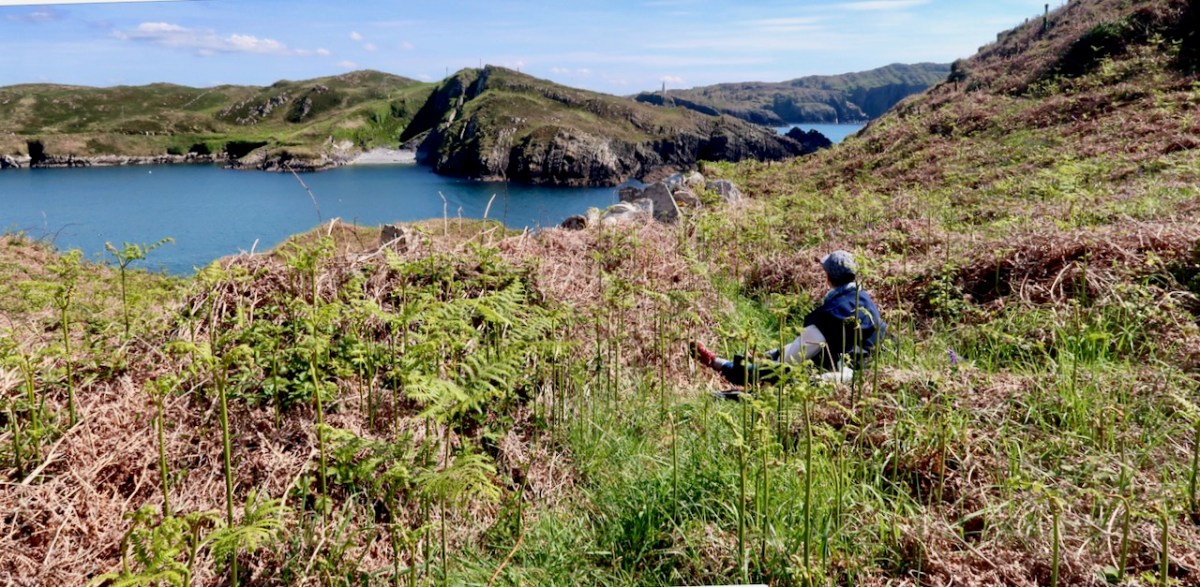
We enjoyed a coffee (I had packed a flask, fearful of a caffeine withdrawal) overlooking Horseshoe Harbour (photo by Amanda) before setting off back to join the main road through the island. My top photo shows the terrain leading to and from the well – we had the real sense of being in a hidden valley.
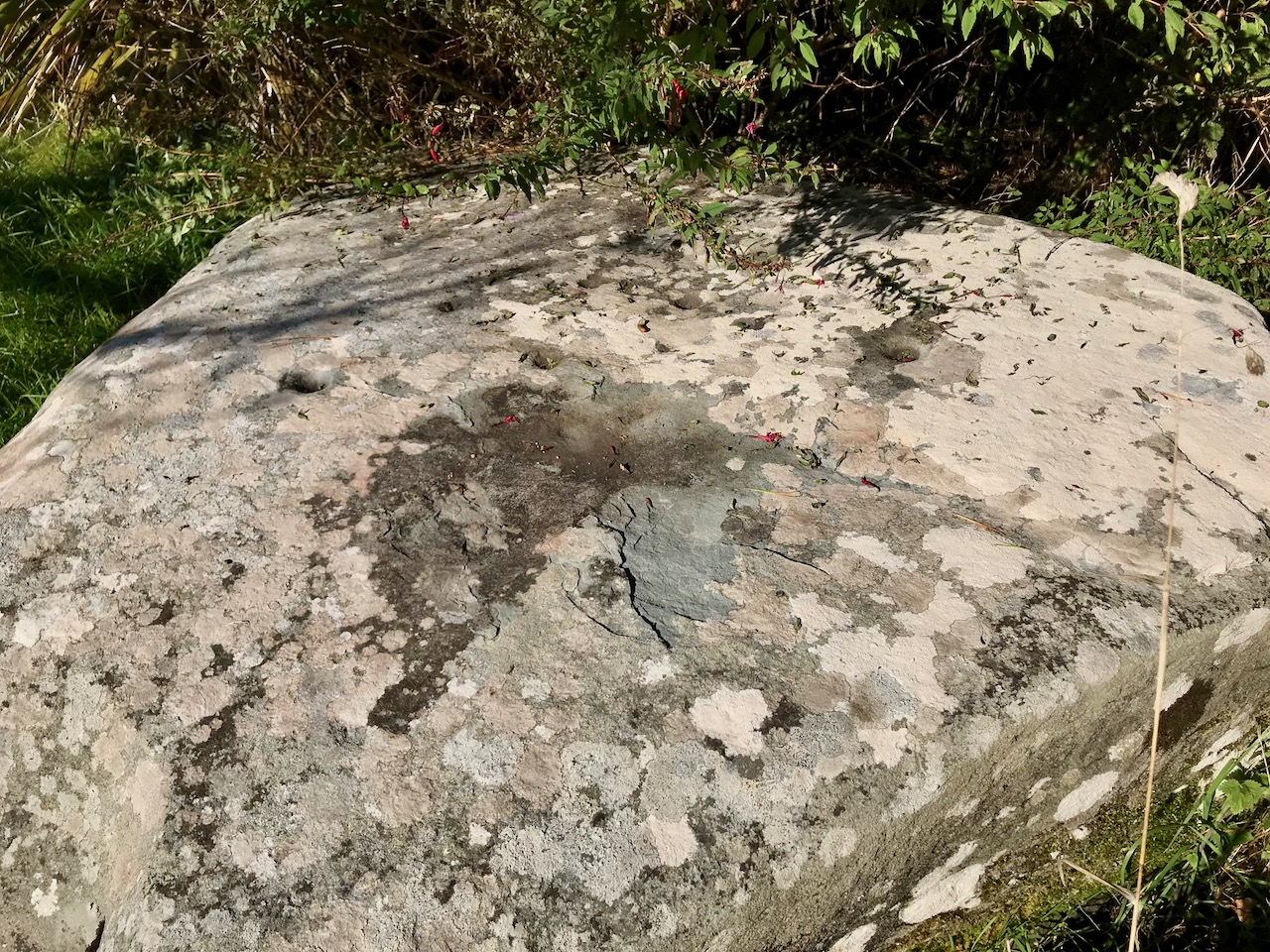
A detour brought us to a piece of archaeology – a cupmarked stone. Robert and I visited this several years ago and he wrote about it here, so you can take a look at the stone with its 14 cupmarks. I am not giving the location of this as it is on private land
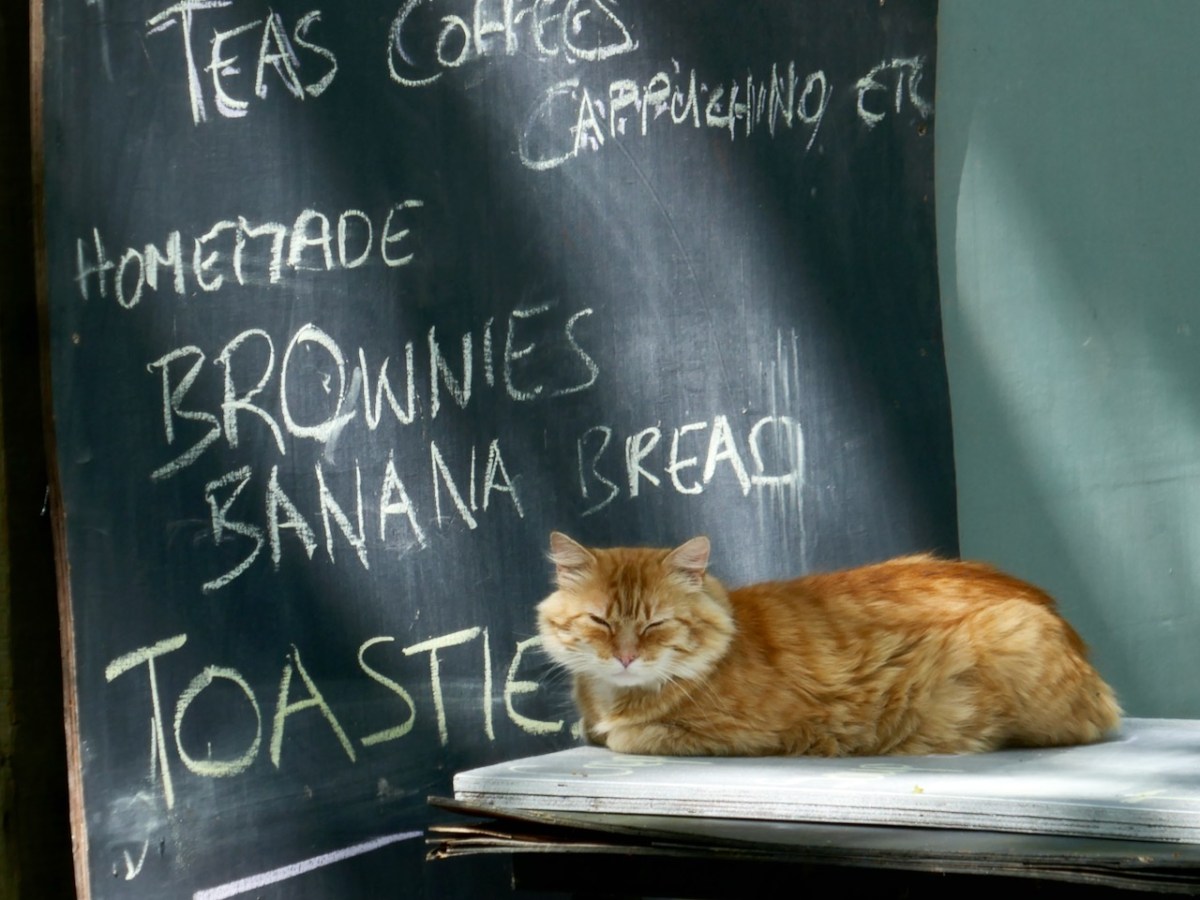
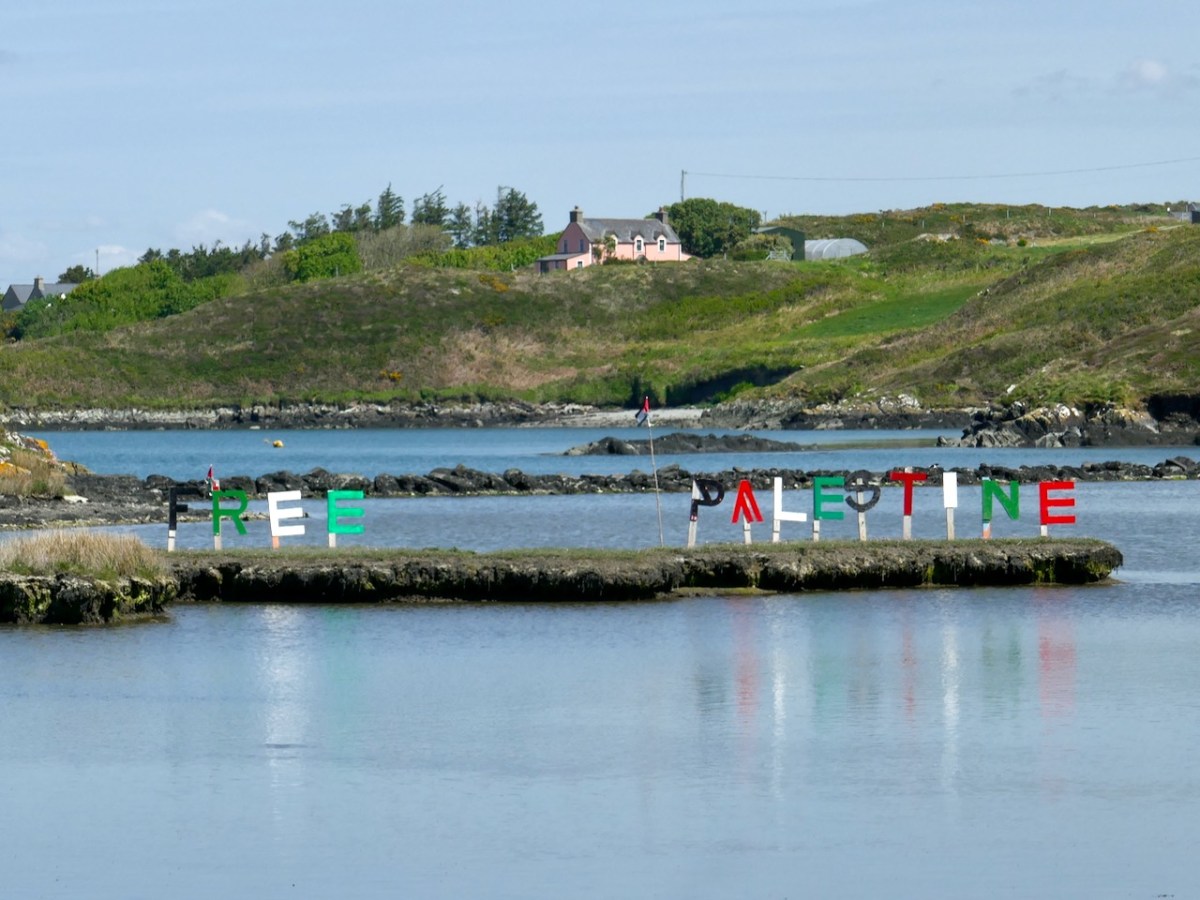
We stopped for a sit-down along the way – the little cafe wasn’t open, but a sleepy cat presided over our rest stop and the Free Palestine sign provided the backdrop.  
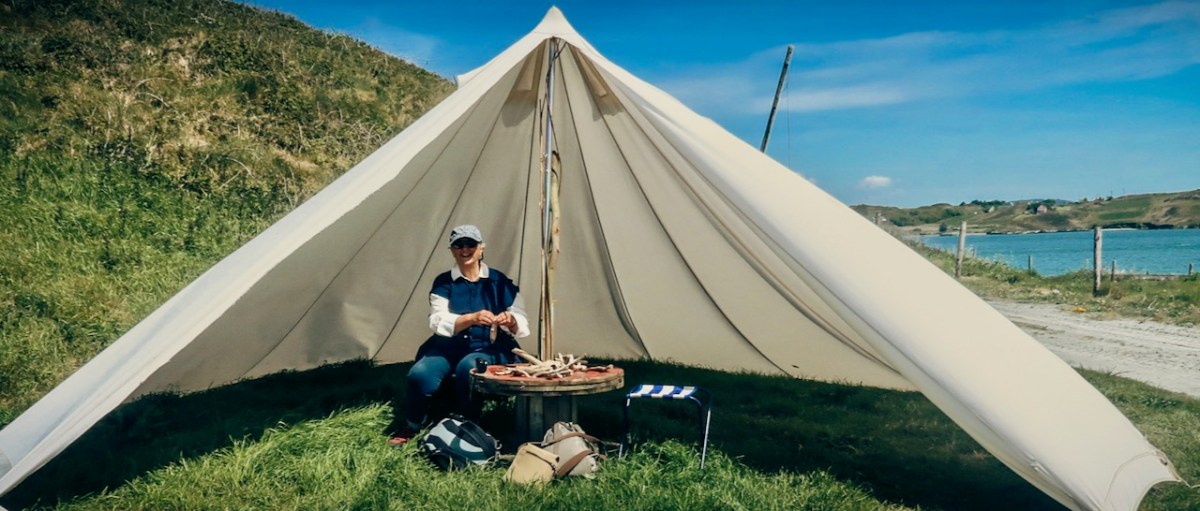
On we went then, to Cow Strand where a lovely surprise awaited – good coffee and snacks and a teepee to sit under – it was pretty hot by now (photo by Amanda).
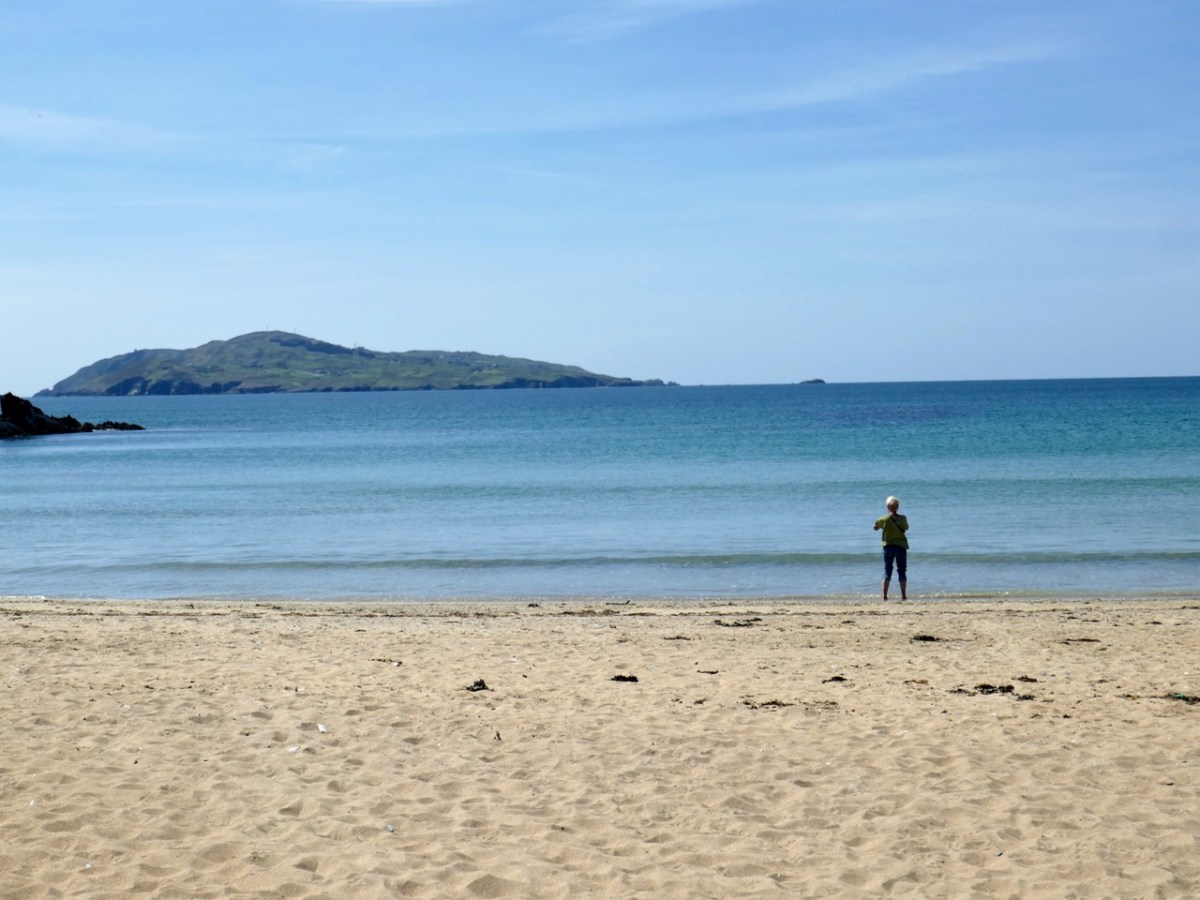
From there we walked to the magnificent Silver Strand, with a view to Cape Clear. 
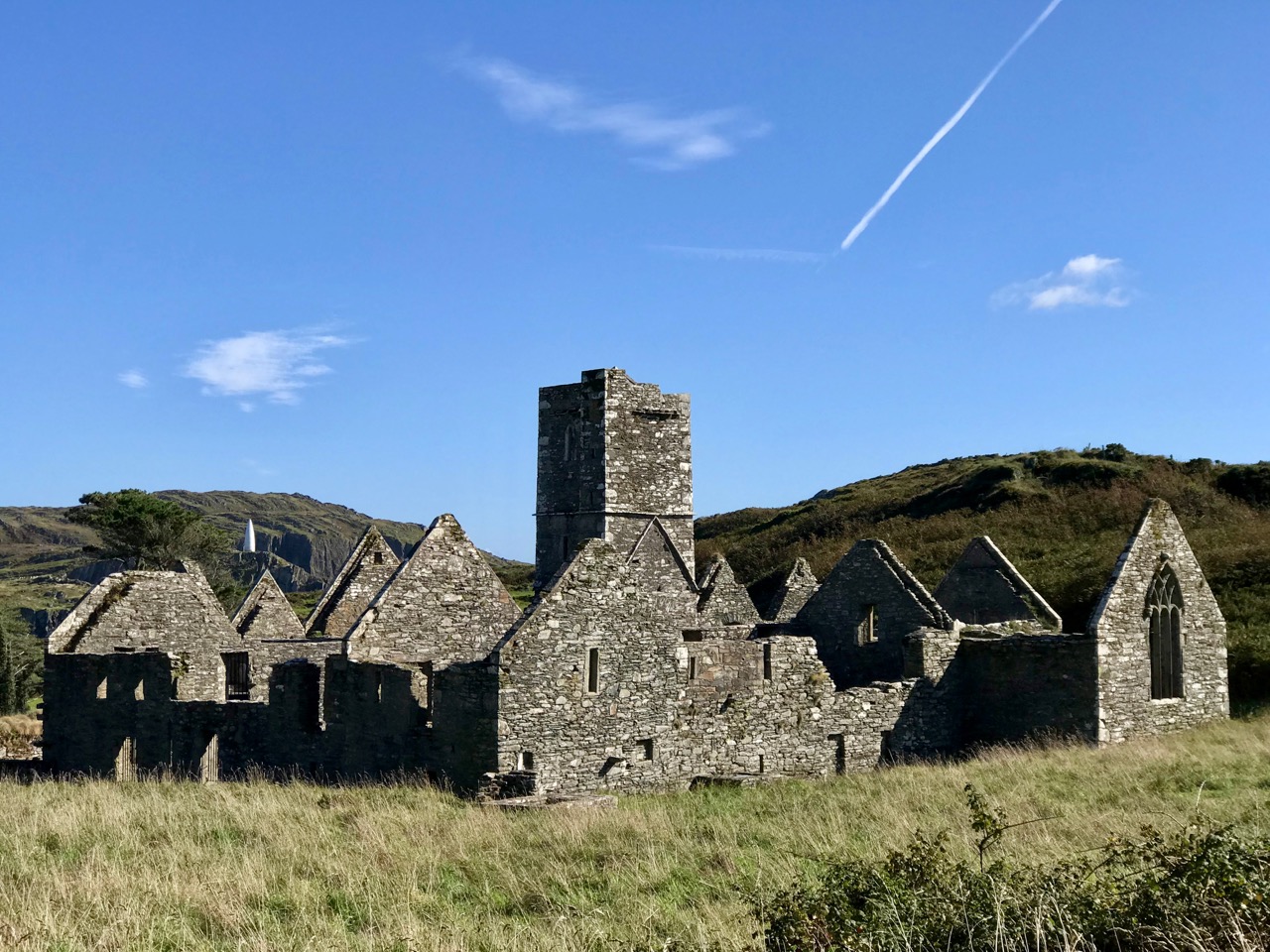
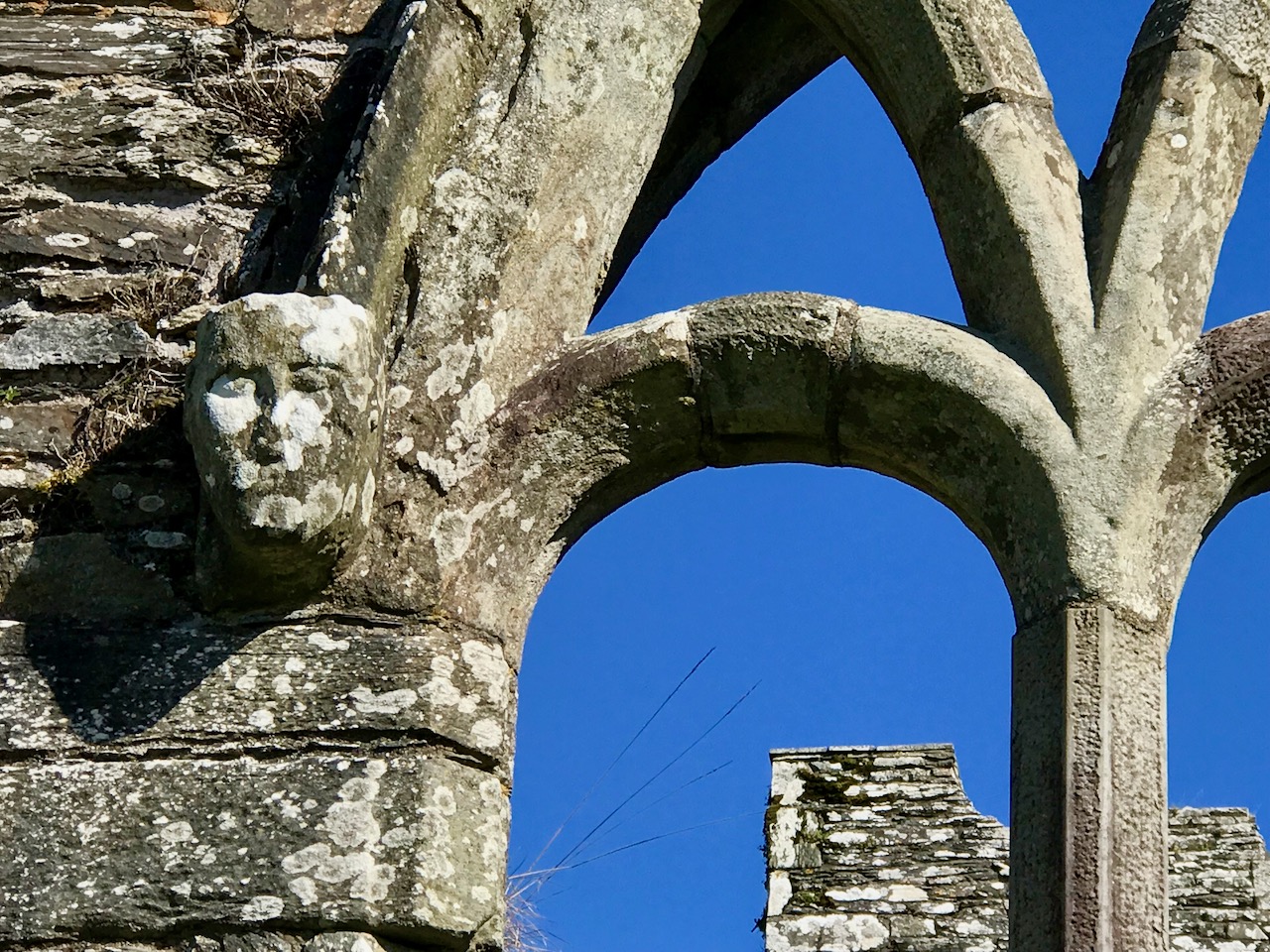
Sherkin Island is home to the medieval castle, Dún na Long (Fort of the Ships) and a magnificent ruined Friary. A wander around these two monuments was our final destination and to my enormous surprise, as it had never happened before, we were able to go inside the friary. The next blog will take up the story from there. 
A Walk on Sherkin Island

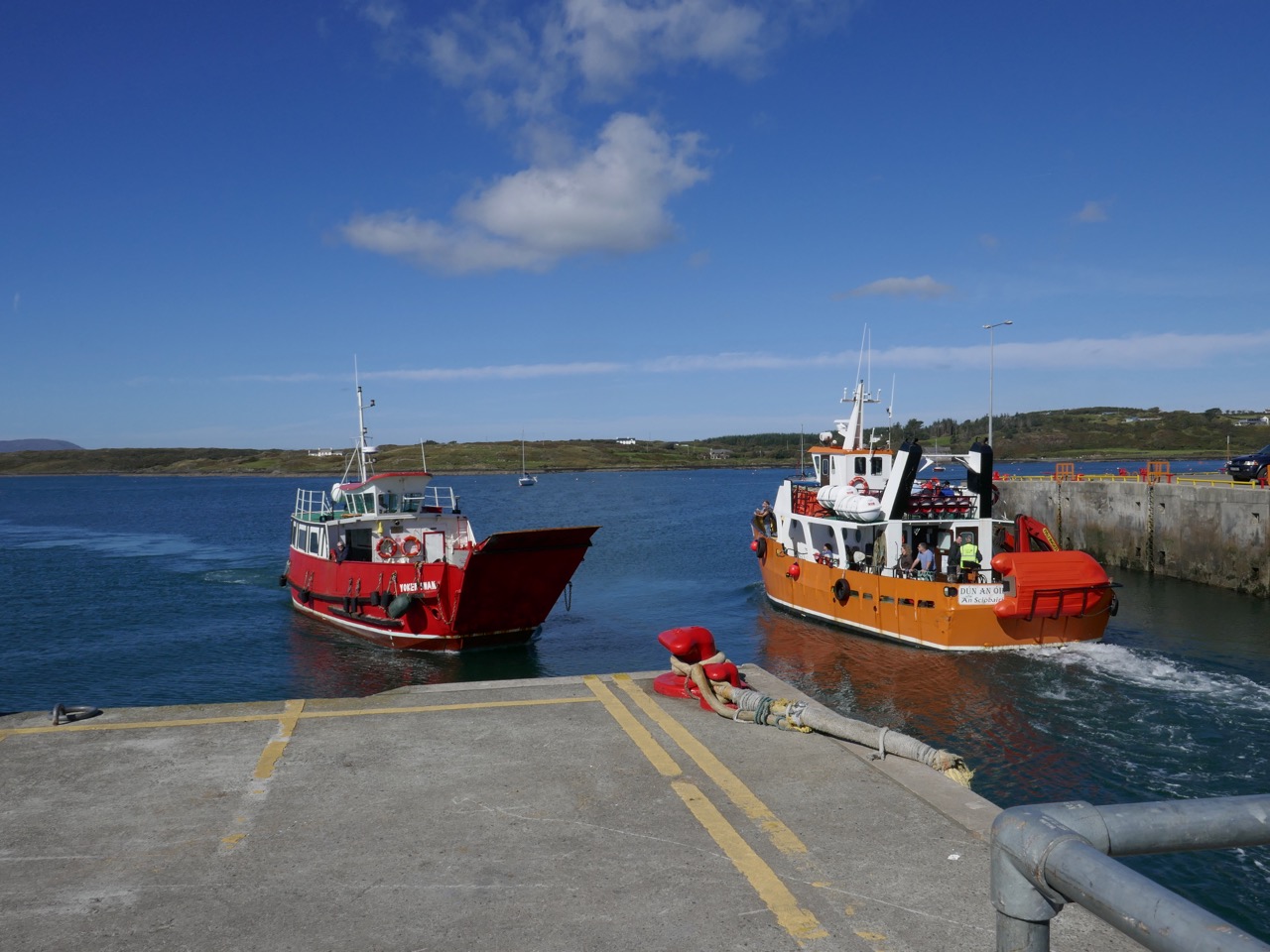
You can’t live in West Cork without constantly being aware of the sea – it’s all around us. And the offshore islands are always in our view as we look across Roaringwater Bay. It’s easy to get to the inhabited ones: there are good ferry services that run year round, although they can be hampered by winter storms. In this picture – above – the Cape Clear Ferry is leaving Baltimore, while the Sherkin Ferry is arriving to collect passengers for that island, including us: on a whim we went across on a wonderful warm September afternoon.

It’s a short sea voyage to Sherkin – all of 15 minutes! But it’s always exciting to be on the water. That’s the lighthouse on Sherkin in the picture above: it was built in 1885 of cast-iron construction and is now fully automated, as are all of Ireland’s lighthouses today.

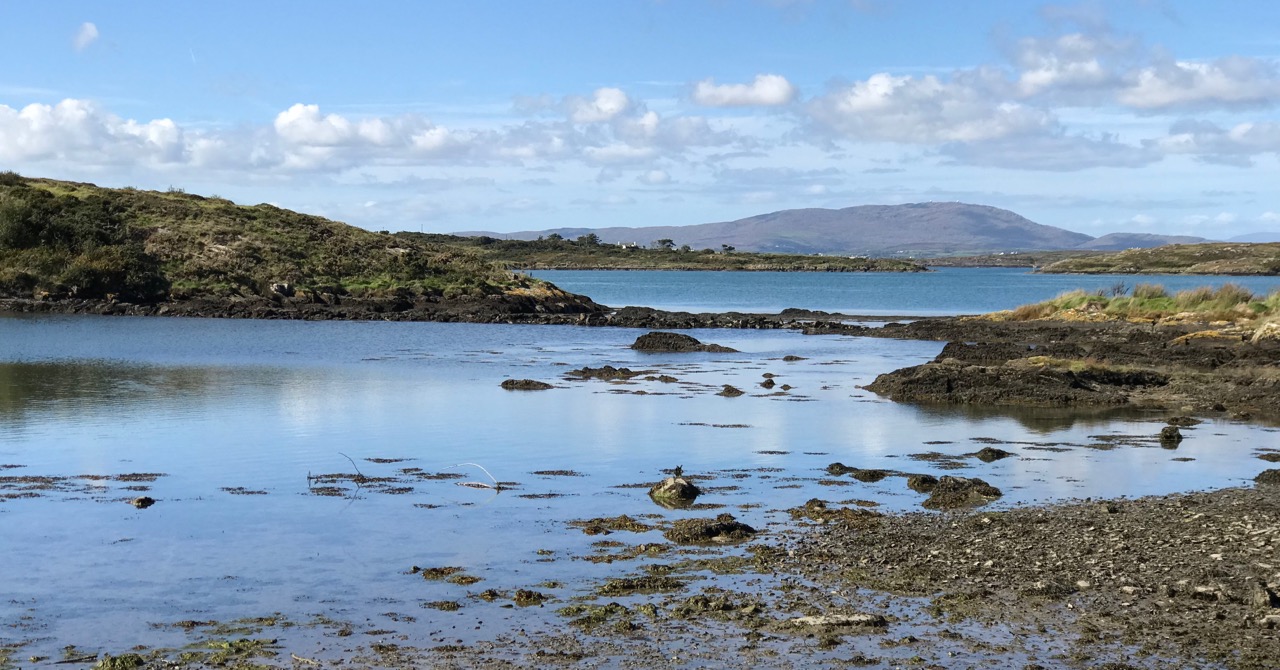
We did have an aim – to find a piece of Rock Art that may be the earliest physical evidence of human occupation on the island. It’s a cupmarked stone in the townland of Kilmoon, overlooking Kinish Harbour. It was a fair walk to the west, over deserted roads and through fields. After a bit of backtracking we managed to find the stone, well weathered but with its markings still visible. It is situated with panoramic views all the way round, taking in the peaks of Mount Gabriel, Mount Corrin and Mount Kidd on the mainland: surely it must have been placed with those views in mind?

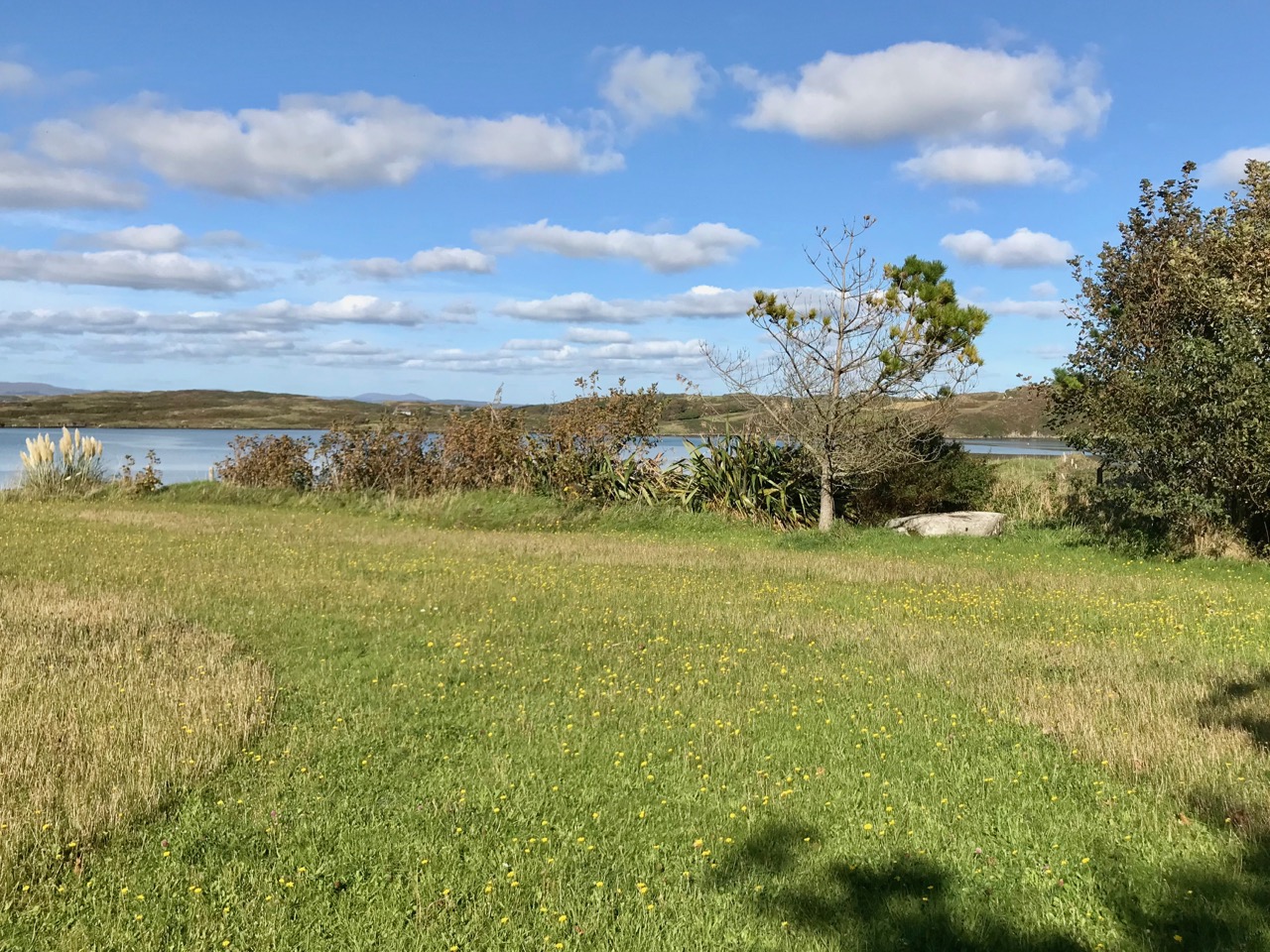
This picture shows the cupmarked stone in its present setting, just inside a private garden (if you go, please make sure you seek permission from the owners of the house!), while the one above shows the panoramic distant view which the stone commands.

Here is the surface of the stone which is heavily blotched with lichen, but it is possible to make out the well defined cupmarks: there are 14 in all. If you want to find out more about cupmarked stones and how they compare with Rock Art in general, we wrote this post a while ago. It sparked off a whole lot of debate (have a look at the comments at the end of that post) – and there is still much to be discovered in a history that may go back 5,000 years.

Our main mission was accomplished, but we couldn’t resist taking in some other historical sites while on the island. Firstly, we had a good look at the Franciscan friary – situated in the townland of Farranacoush – which has a colourful history. Here is a description from the current Irish Franciscans site:

. . . Permission for this foundation was given by Rome to Finighin O’Driscoll in 1449, but it was not until just after 1462 that the Observant friars actually arrived. The friary became the traditional burial place of the O’Driscoll’s. In 1537 the citizens of Waterford burned the building in retaliation for acts of piracy by the O’Driscolls. The great bell of the friary was on display in Waterford as late as 1615. There is no evidence to suggest that the friars were disturbed by the events of the Reformation until the island was garrisoned by the English following the Battle of Kinsale. The friars soon returned and, except at the height of the Cromwellian persecu­tion, were active all during the seventeenth and well into the eighteenth centuries. The last friar, Fr Patrick Hayes, died soon after 1766 . . .

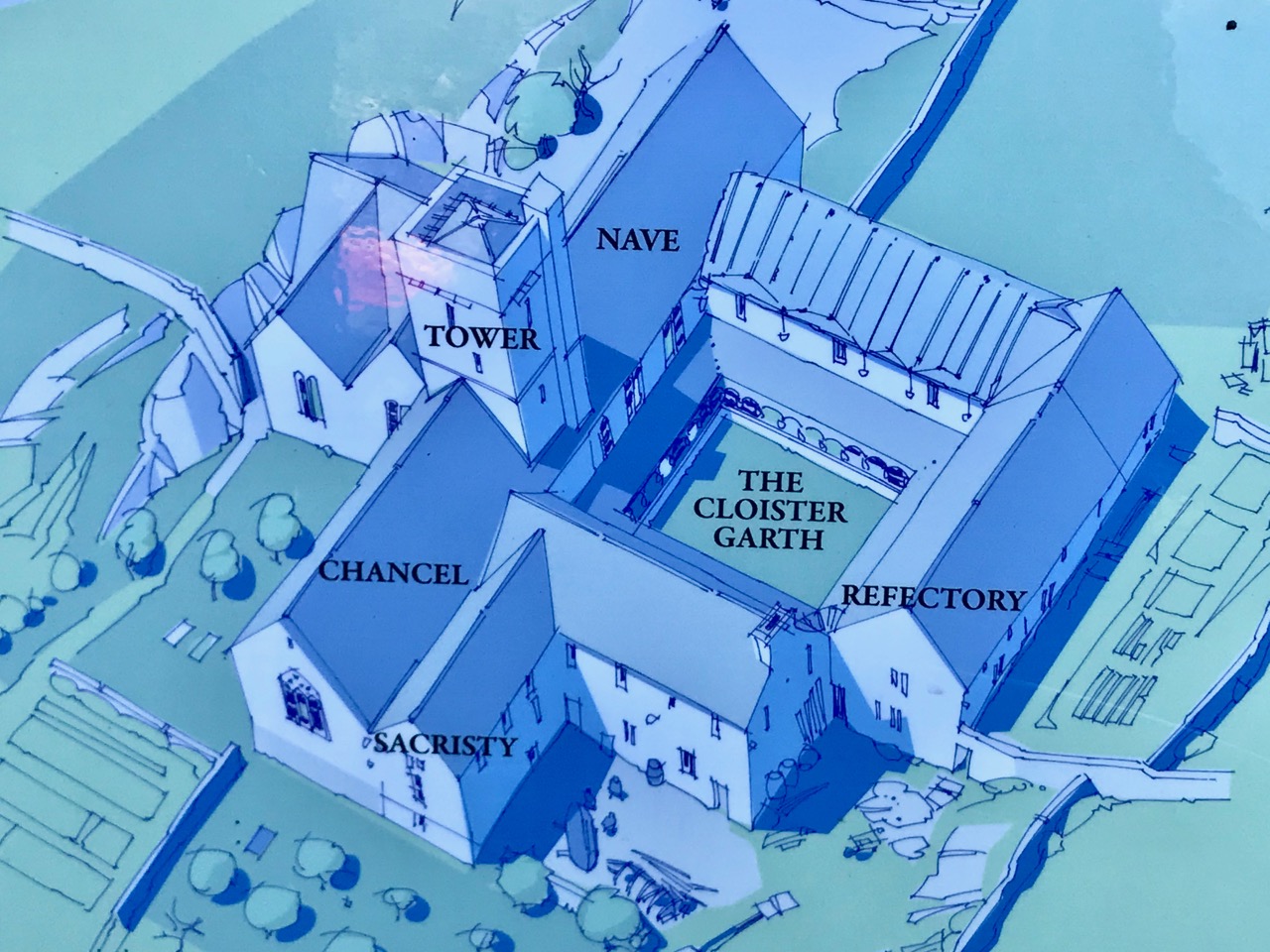
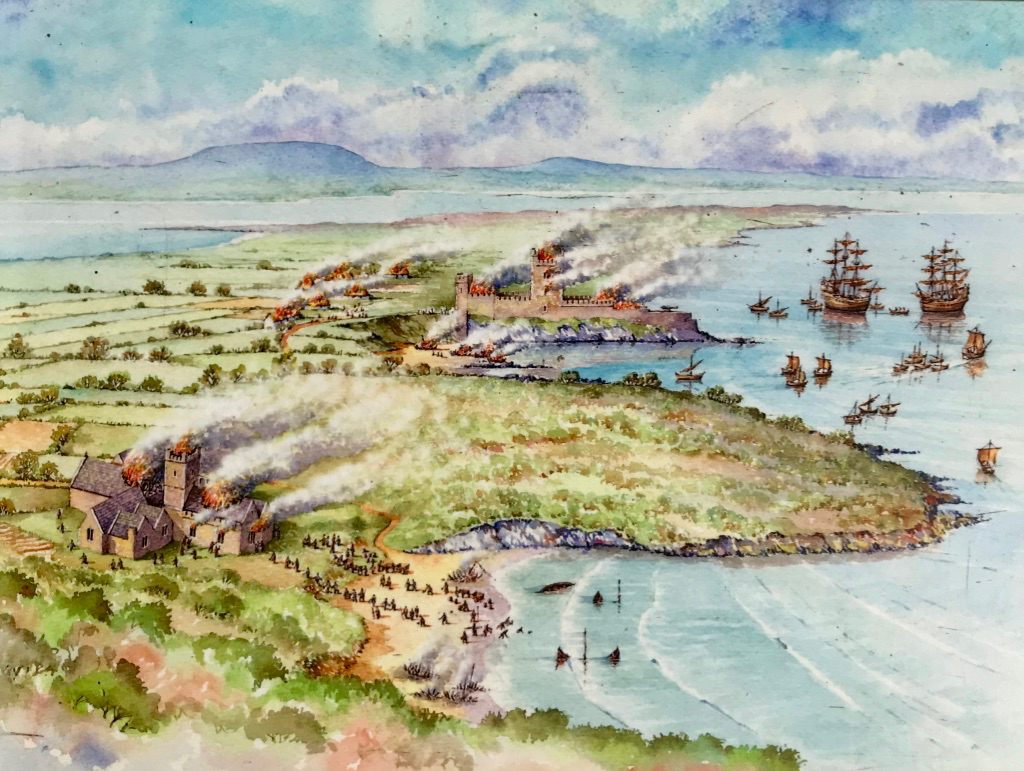
In the picture above – taken from the OPW information board – you can see the attacks of 1537 by ‘the citizens of Waterford’ on both the Friary (in the foreground) and the O’Driscoll stronghold of Dún na Long (beyond). The castle was subsequently partially rebuilt and was garrisoned by a Spanish force in 1601. It was then acquired and restored by the Becher family in 1655 and remained in their ownership until the late nineteenth century. We went to see what remains of the castle today.

Our visit to Sherkin only took an afternoon – albeit a golden one. There’s plenty more to see there – and other islands to be investigated. And an endless exploration of history to be had in the landscapes of West Cork.