The Old One – Re-published!

This is the time of the year for drawing around a log fire, lighting up the candles and passing on well remembered tales. Here is such a one, which I wrote for a Roaringwater Journal post back in December 2012 . . . It’s worth telling again.
You must never name them… It’s alright to call them The Other Crowd, or The Old Ones, or The Good Folk – people will know well enough who you mean. I suppose it’s a way of keeping them at arm’s length: if you name them, then they might just be there.

Some say that they are the earliest dwellers of these islands – the Fir Bolg – or that they are from Tír na nÓg, the land where you’ll never grow old. They might have been from the Bronze Age – or earlier: the Neolithic people were small. They certainly predated the Iron Age. Iron is something they can’t be near.
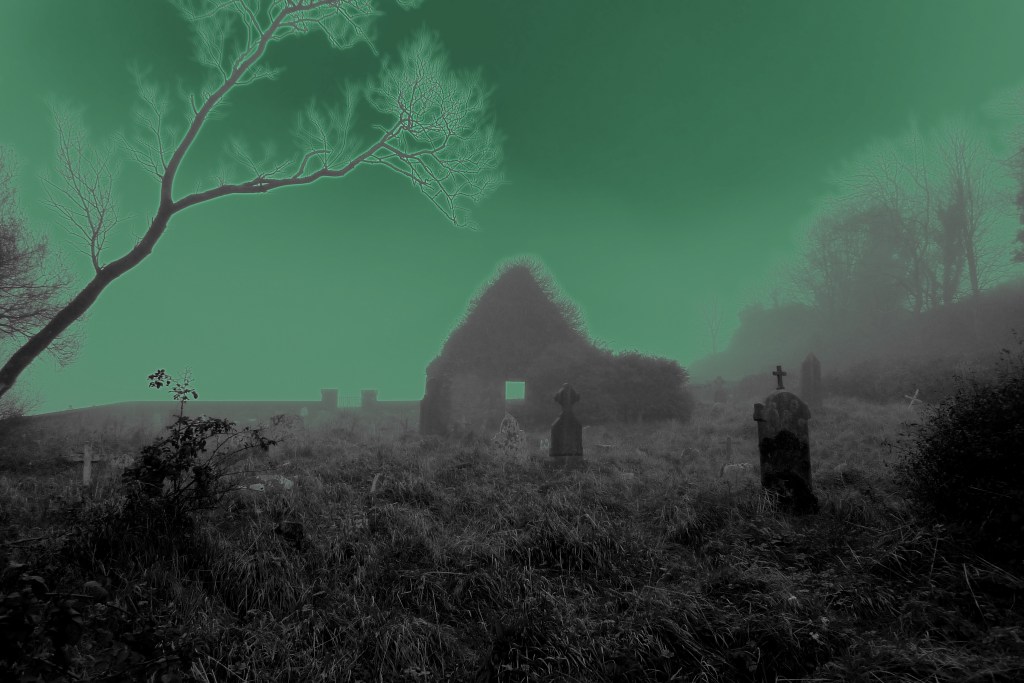
church2

They have many of the same needs as us, it seems. They enjoy their food and drink; they dance; they play games. They have some form of religion. We know that because of the people they take: priests often – doctors – musicians (if there’s a dance going) – hurley players (if they are short of a team). It’s when you are ‘taken’ you have to be on your guard. You musn’t eat or drink while you are there or they’ll keep you – forever. And they will try and press you to it. If you do come back you’ll have been there only a second – or a lifetime… Remember the Children of Lir – turned by enchantment into four white swans: for nine hundred years they sang the beautiful songs that are now the tradition of Ireland. Then the enchantment fell from them. For a moment there stood these ancient, aged figures and, after, they crumbled to dust.
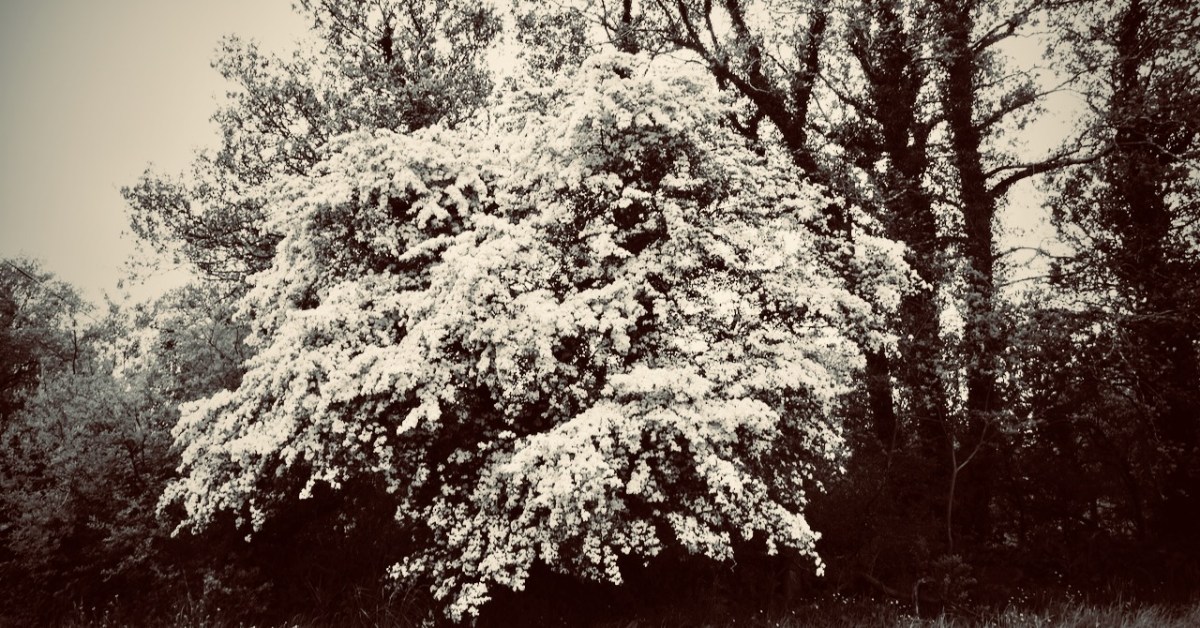
Where do they live? The country people believe it’s in the forts or raths – there are over a thousand of them in West Cork, untouched for centuries for fear of awakening those old spirits: some say that a lone whitethorn tree marks the entrance to their realms beneath the earth. There are tales, of course, of foolish men who disturbed the forts: farmers who were greedy for land and forgot – or ignored – the code passed down through the generations. Always they suffered for it. It might have been them, their wives and children, or their livestock: they came to no good end, and the neighbours shook their heads at the funeral, or the farm sale.
Just a few years ago there was a case which confirms the old beliefs. A new ring road was making its way around Ennis – the whole juggernaut of engineers, contractors, European funding, huge earth movers, gangs of modern navvies: and the whole shebang came to a sudden halt – because of a lone whitethorn tree – or Sceach – standing in the way. First it was just one or two of the gang – wouldn’t touch it: it would bring disaster. Then the whole gang agreed, and no amount of cajoling or threatening would change their minds. The media descended – it was a great story: first the local papers, then the national ones and, finally, the world came to see the fairy tree that stopped a nation’s progress. There could only be one result – the road moved to one side, and the Sceach remains to this day.
The story that follows was told to me a long time ago by a very old man: he’d been a priest. And before that a curate – back in the days when all the travelling was on horseback, or by pony and trap. His living was in the far west – one of the townlands: a close community with traditional rural ways. At that time he was companion to an elderly priest – one who was schooled in the old beliefs. This priest did his job well, and was much liked and respected by his scattered flock.
Shortly before Samhain an elderly parishioner fell sick and seemed close to dying. The priest was conscientious and visited often. The man lingered on, until one night – Samhain Eve it was – the priest had the call: the man was getting near his last breath. It was a long journey, and close to midnight, but the priest and his curate set out in the trap. Both men were sleepy and could hardly keep from nodding off, but the horse seemed to know the way – he had travelled it so many times – and the both of them woke with a start to find they were near their destination. But there was something strange: on the road in front of them, and walking the same way, there was a figure. It was dressed in black, and a hood covered its head. It walked slowly and – as they came nearer – they realised that it was playing a fiddle as it walked. They could hear a strange music coming from the figure: a plaintiff, unearthly air. They had the protection of the Book and Bell with them, but they both experienced an uncomfortable feeling in their stomachs, as though they were in the presence of something dark and powerful. They could only follow – the black figure set a slow pace and walked straight up the centre of the road: there was no way they could get past.

Eventually they came to the farm lane. Before they could turn up the trackway the figure stopped, and faced them. He put his fiddle down on the paving with the bow over the fingerboard. Then he addressed the priest directly in a voice that echoed from the darkness:
“I know where you’re heading, Father. There’s a man dying in there. I want you to do something for me…” The priest knew that the threshold of death, like all boundaries – places balanced in neither one world or the other – was a fertile and dangerous ground. He answered nervously:

“If it’s something that’s within my powers, then I will do it, willingly…” As they watched, the figure lifted his head and they could see within the hood a face yellow and ravaged with age.

“You must ask that man a question before he passes away…”

“A question…?”

“Ask him – what will happen to the Old Ones on the day of judgement?” There was a silence. The priest tried to sound calm.

“I will if I’m able…”

The figure paused a moment: “I will be here when you return… don’t forget…” He stepped back so that they could pass.
Neither man spoke. The trap came up to the farm, where there was a crowd inside to give support to the woman of the house – as was the custom in those times. The dying man was alone in the bedroom and the priest went straight to him with his cloth and candles. There didn’t seem much life left in the farmer, but he got his absolution. The priest looked around at the door, then bent down to whisper in the man’s ear. Suddenly, into the room came the farmer’s wife, carrying a glass which she gave to the priest. It was whisky: the woman herself was not a drinker and didn’t know about the water: she had filled the glass to the brim with the liquor. The priest also was not a drinker, but he needed something on that particular night, so he downed the glass. Then all the crowd of the neighbours came into the bedroom – and more whisky.
The priest was on his third glass when my friend the curate felt he had to intervene. The visitors were polite and saw the two clerics to their trap. It was only when they were halfway down the lane that the priest remembered the strange figure – and his promise.

“Wait here…” he said, but the curate was having none of that – in the dark and with an unquiet spirit on the road. So they both turned back. The host was again in the kitchen, and the priest made his excuses that he had forgotten something, and hurriedly shut the door of the bedroom fast behind him. He went straight up to the man – who looked for all the world as if he had passed on already – and whispered urgently:

“I have to ask you this – what will happen to the Old Ones on the day of judgement?” The effect was electrifying. The ‘corpse’ sat up straight, with eyes wide open. For a moment there was a silence, then he said with a great conviction:

“If there’s one drop of human blood in their bodies on the day of judgement… Then they will be saved…” He dropped back on the bed – a dead man.

The two clerics came to the end of the farm track. The figure was there, standing on the road with the fiddle beside him, as though he had never moved.

“Well, Father,” he said, “Do you have the answer?”

“I do so.” They thought they could see a glinting in those old, old eyes. “Tell me…”

The priest drew himself up and faced the spectre:

“He said this – and then he passed on. If there’s one drop of human blood in their bodies on the day of judgement… Then the Old Ones will be saved…”

The figure stared straight at them. His eyes seemed to glow red. Then they realised that he was furious. He took his hand from his coat and there was a dagger in it. They both thought that it was all up for them. But the figure pointed the dagger at his own breast… and plunged it in hard, a dozen times. The men winced, and held their breath. But there was nothing: there was no blood – not one drop…

The black figure turned and brought his foot down heavily on the fiddle. He seemed to snarl:

“There’ll be no more of our music in your world…” they heard. Then, in a moment, he was gone. And the road was empty before them…

The man who told me this story is long dead – but it’s not true that their music is gone. I’ve heard it: in the old raths; coming over the lake in the mountain; coming out of a wild storm at sea. The music is far too powerful – they can’t resist it. Perhaps that, in the end, will provide them with the salvation they so desperately seek.
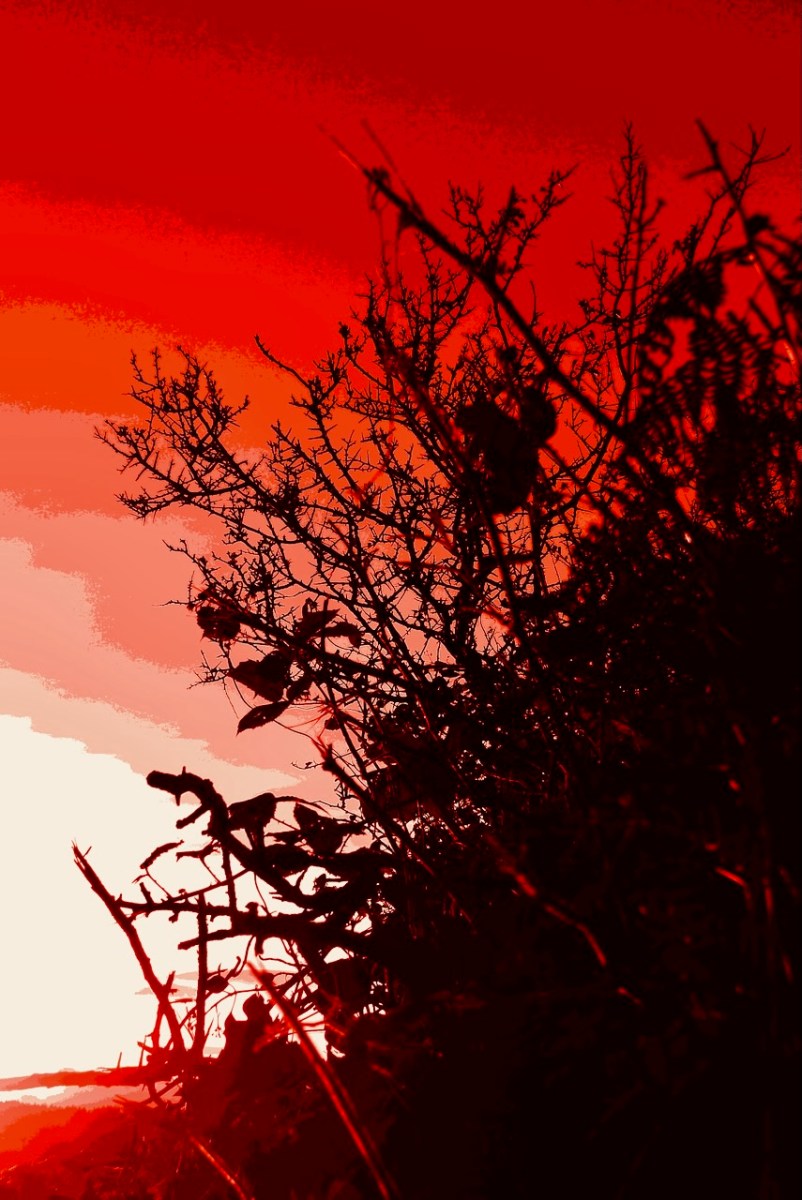
There’s a lone thorn tree on the old moorland above Cappaghglass. I visit it often. I play my concertina up there at times. That’s where I’ll go when I’ve had my fill of this world. Don’t disturb me: I shall be down there with the Other Crowd, enjoying the feasting and the dancing.
Wayside Miracles

Ballinspittle Grotto

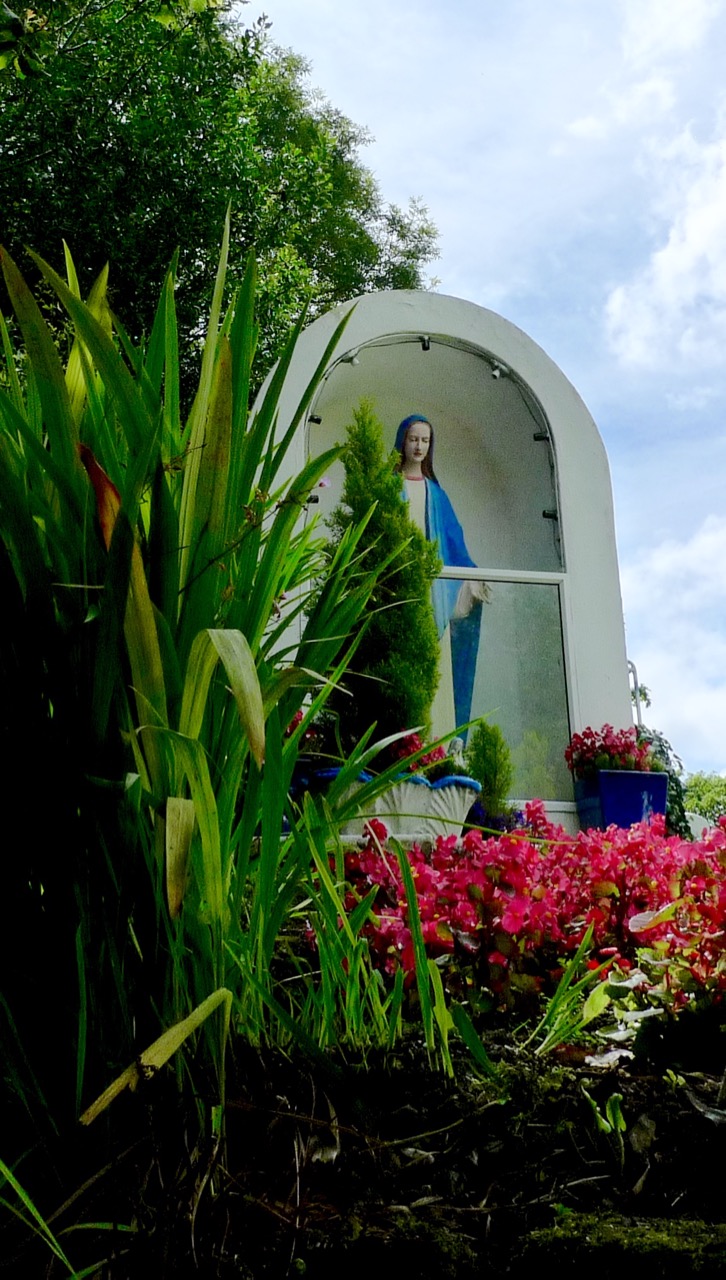
Ballinspittle, Co Cork: the Marian Grotto became a world news sensation

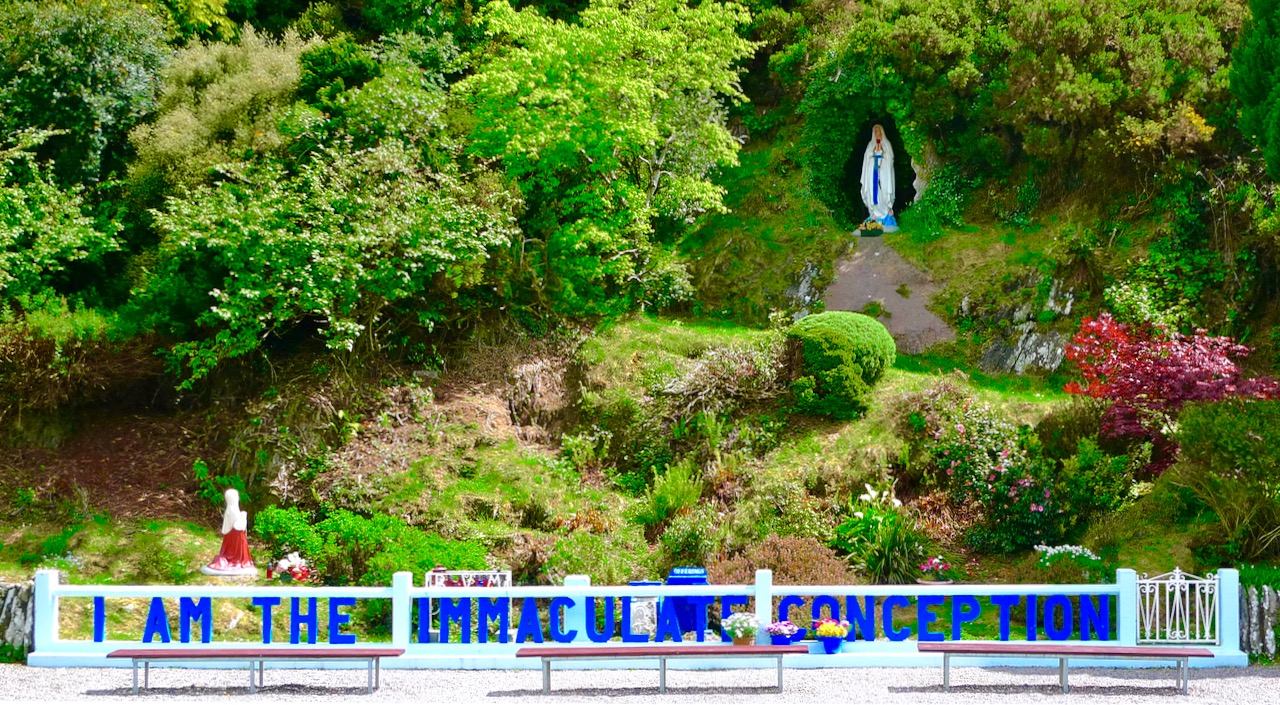
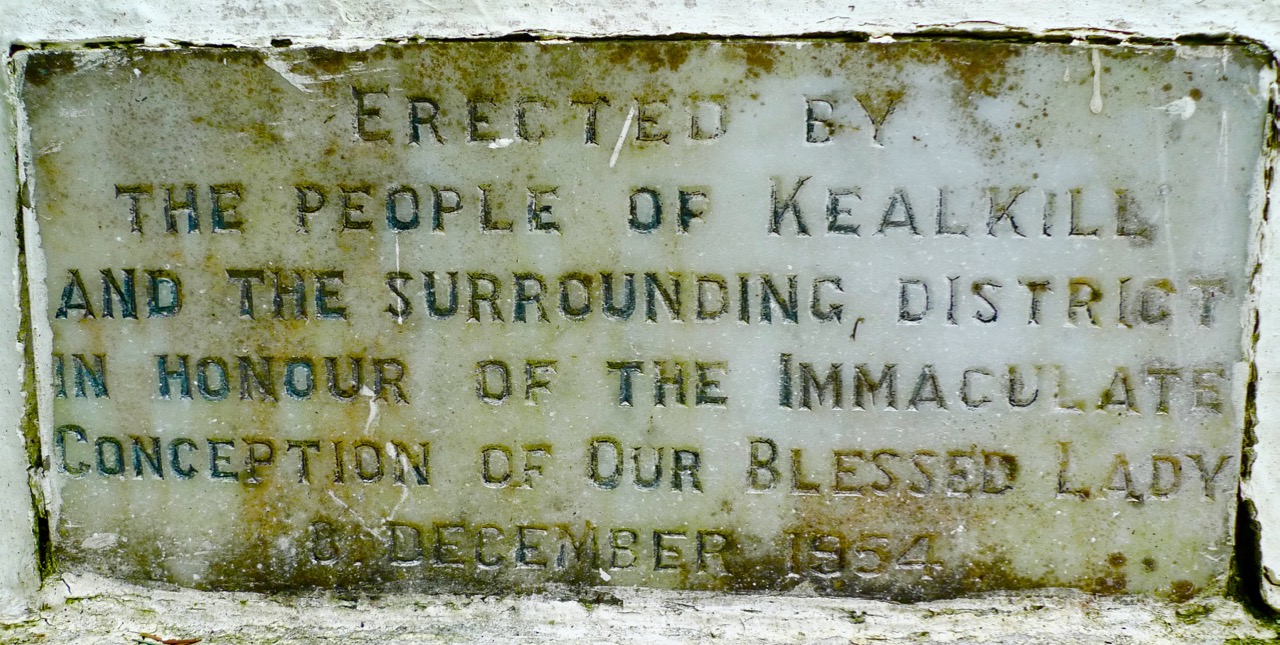
1954 was a great year for the construction of outdoor shrines and grottoes in Ireland. Pope Pius XII had designated it a special Marian Year to mark the centenary of the ‘dogma of the Immaculate Conception and Assumption’. The Marian Year was an international event, but apparently no other country embraced the idea with greater fervour than Ireland. The notion seemed to capture the imagination of a young republic suffering from serious recession, high unemployment and loss of population through emigration. Hundreds of projects were put in hand and today, on almost every road in the country – and in every community – you will see statues of the Blessed Virgin Mary, usually in well tended settings. They add to the colour and character of this green land: like the ancient holy wells, they are venerated and not forgotten.

1954 tablet

Statue maker Maurice O’Donnell recalled that 1954 was a bonanza year for him: “…I was making so many at that time there was no time to dry them out before painting, so lots of statues in the shrines around the country are still unpainted. But that was in the Marian Year. The bottom has dropped out of the statues market since the Vatican Council…” Although many statues of the Virgin were painted later on, you will still see many unpainted (white) examples.

Marian Year shrine added on to the Holy Well at Keallkill, Co Cork

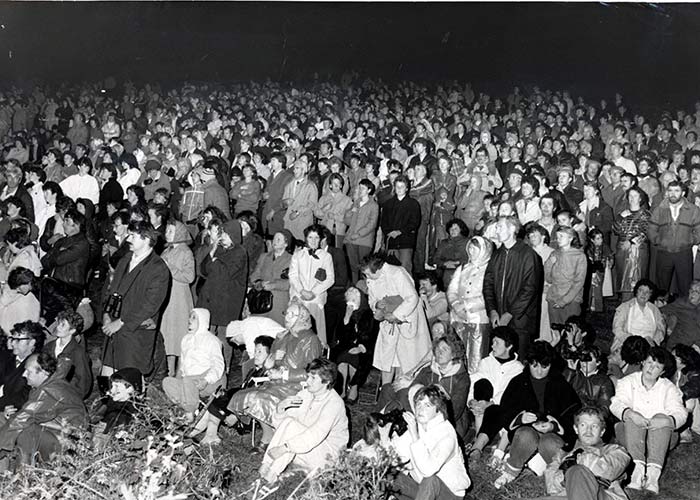
Exactly thirty years ago – on 26 July 1985 – the grotto at Ballinspittle jumped into the news headlines of the world because two local women witnessed the statue there moving while they were praying. The little Cork village suddenly found itself the centre of media attention and – during that summer – thousands of people came in bus loads from all over Ireland, either out of curiosity or anxiety to become part of a phenomenon. Many saw the statue move: a police sergeant (presumably a reliable observer) saw it rise into the air – while cures were claimed by sick people who visited the site.

Ballinspittle 1985

Crowds at Ballinspittle 1985  – Evoke.ie

Strange events were not limited to Ballinspittle. Reports had already appeared elsewhere. Kerry got in first: in February of the same year 30 schoolchildren saw two statues moving in the church at Asdee, while in nearby Ballydesmond something similar happened soon after. Here’s a contemporary extract from RTE News – worth watching for the concise view of rural Ireland in the 1980s.

magill asdee

Over 10,000 people visited the Ballinspittle grotto every night throughout the summer. The Irish Times (6 August 1985) reported: ’…Ballinspittle’s claim to a moving statue was matched in no time at all by reports of similar occurrences in Dunmanway and Courtmacsherry. But too many people, including senior gardai, well-tried sceptics and some who registered what appeared to be genuine shock said they saw the statue move, so Ballinspittle has remained the premier place of pilgrimage…’

white marys

The Catholic Church distanced itself from these happenings. Bishop Michael Murphy of Cork warned that “…common sense would demand that we approach the claims made concerning the grotto in Ballinspittle with prudence and caution…” but he also relished the fact that “…crowds are gathering there in a great spirit of prayer…” A difficult stance, perhaps, as similar occurences from Lourdes and Knock in the 19th century led to the creation of huge religious centres and pilgrimage destinations.

WWL

The visions at Knock, witnessed in 1879

The moving statues was a story big enough to inspire Peter Mulholland of the National University of Ireland, Maynooth, to pen a lengthy monograph in 2009, Moving Statues and Concrete Thinking, available in full on line – and a fascinating read. Mulholland makes the point that from the 1950s to the 1980s the western world, including Ireland, was perceived to be under threat from the Cold War, ‘Nuclear Nightmare’ (from weapons and waste), Communism, the ‘permissive society’ – and, more locally, ‘The Troubles’ and increasing unemployment and emigrations; while in 1970 the Bishop of Galway said he thought ‘organized atheism’ was the source of the ‘most serious injury’ being done to the young people of Ireland. All this, says Mullholland, contributed to an underlying feeling of insecurity which created an atmosphere ripe for ‘cults’ (such as observers of moving statues) because of a high level of anxiety in the community. The monograph goes pretty deeply into the realms of psychology, quoting one researcher who “…argued that a certain kind of family structure ‘intensifies Oedipal desires in both sons and daughters, and so promotes Marian devotion’. He held that Marian ‘hallucinations’ are shaped not simply by Oedipal desires but also by other infantile and adult desires…”

Mulholland concludes: “…The moving statues were a modern manifestation of the kind of ‘magical devotionalism’ that sections of the Irish Catholic population have long been prone to resort to during periods of personal or collective distress… They were products of the kind of literalistic, magical-devotionalism that Irish clerics condemned in the 1950s and ‘60s as being ‘anti-intellectual’ and a ‘peasant religion’…”

Knock Shrine

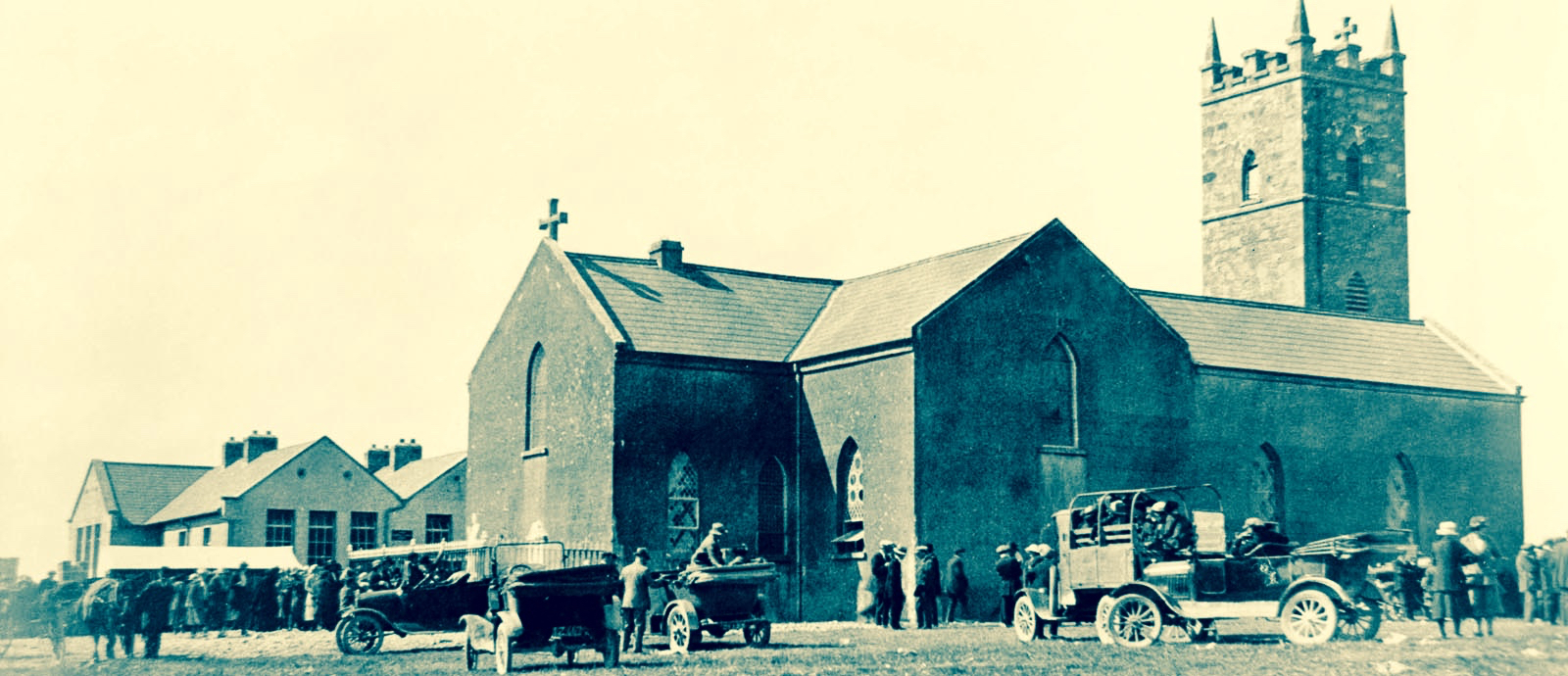
Knock Shrine, early 20th century

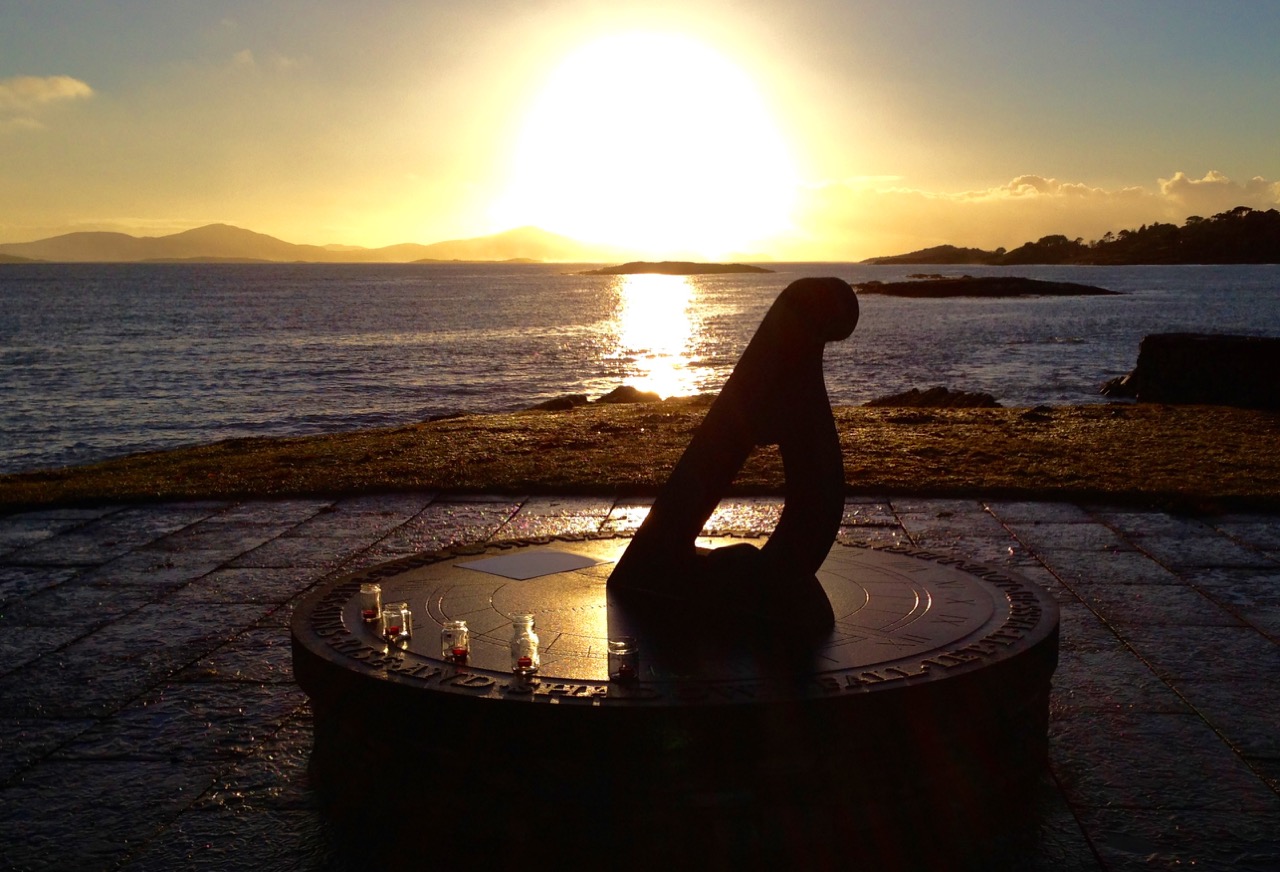
Perhaps it’s just coincidence (and I haven’t seen anyone else mention this), but it is worth noting that the Air India Disaster occurred at Ahakista, on the coast of West Cork, less than a month before the first apparitions were seen at Ballinspittle. This terrorist event which killed over 300 innocent souls must have had some effect on the local – if not the national – psyche, and could certainly have enhanced feelings of anxiety and insecurity in a rapidly changing world.

Ahakista

1985 Air Disaster Memorial, Ahakista

Looking back from the 21st century to these events I feel a sense of – well, disappointment – that what comes across now in reports on the phenomenon is mainly disparagement. This is a country which, quite rightly, hangs on to its history and mythologies: as with the wandering bards of older times stories are kept alive at the fireside, in the pubs – wherever people gather. Stories of The Other Crowd, of old battles, of heroes – and of neighbours – are listened to eagerly, and will be repeated just as eagerly. I don’t hear people dismissing them or expressing cynicism about them, as they seem ready to do about moving statues. Such scepticism is understandable in modern Ireland but I will continue to listen with an open mind to all the stories of miraculous happenings that are cherished and passed on, and which underscore the ancient faith of the countryside.

First day of issue

It would be wrong not to finish the story of Ballinspittle. On 31st October (Samhain) 1985, when a group was gathered in prayer at the grotto a car pulled up and three men got out carrying hammers and axes. In front of the dismayed onlookers they smashed the statue of the Virgin and shouted abuse at the worshippers for “…adoring false Gods…” The men, who claimed to belong to an extremist fundamental Christian sect based in California, were later arrested and charged with ‘causing malicious damage in a place of divine worship’. Amazingly, at the trial the Judge stated that he had to be “…particularly zealous in guarding the rights of the three defendants…” and dismissed the case on the grounds that the Ballinspittle grotto is not, in fact, a place of divine worship. In March 1986 the perpetrators appeared on the popular Late Late Show, hosted by Gay Byrne on RTE Television. They cited the fourth and fifth commandments of the Old Testament as giving them divine sanction to smash all religious statues in Ireland, regardless of the rights and views of other people. Reporter Eoghan Corry stated in an article in the Sunday Press, “…there isn’t a safe statue in the country.” Fortunately, following further acts of vandalism they were duly convicted.

Links worth following for more on the Moving Statues:

Finola’s blog post Mary Mary

Radio Documentary from RTE in 1992

RTE TV documentary on Ballinspittle

marian shrine

Troll Tuning

Baltimore - with Dún na Séad before restoration - painted by Val Byrne

Baltimore – with Dún na Séad before restoration – painted by Val Byrne

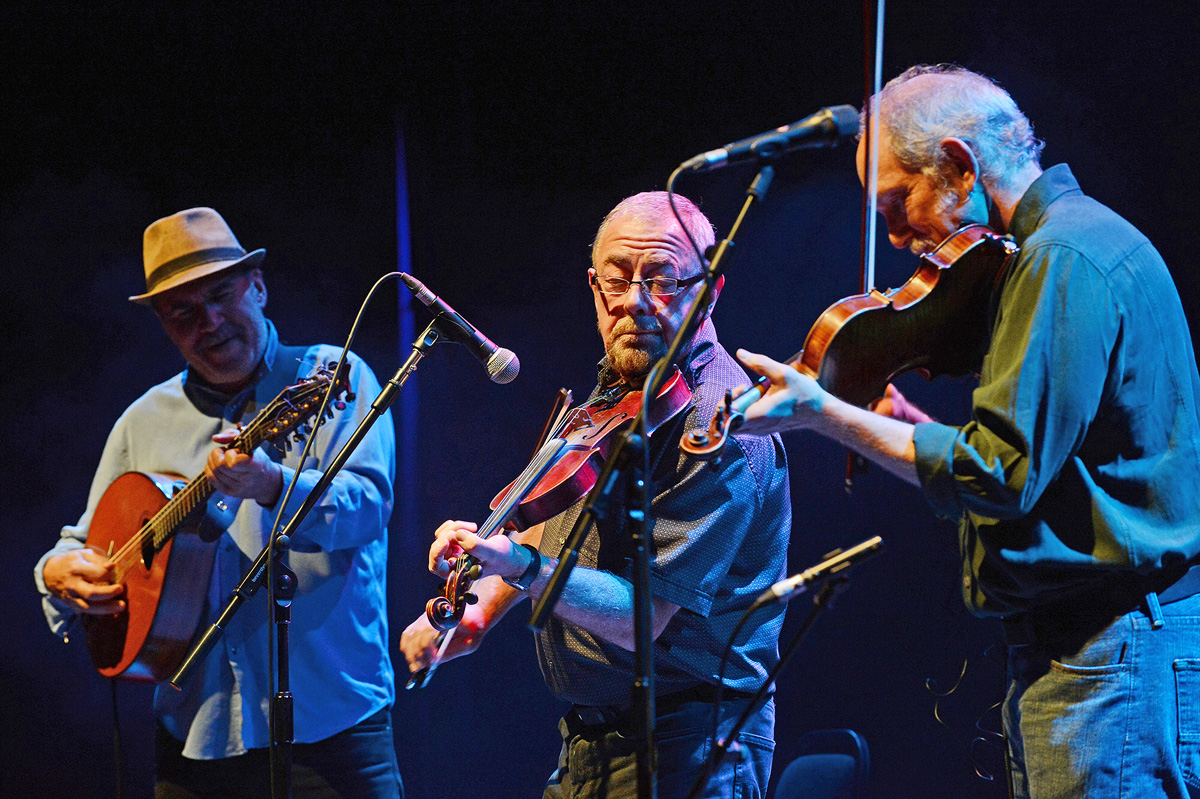
It’s May, and time for the Baltimore Fiddle Fair, still in progress as I write this, and keeping us up well into the nights with world class concerts: music from so many cultures that involves the ubiquitous violin. My post today has been sparked off by the opening event held in the restored Dún na Séad – the name means fort of the jewels, which may be a reference to the building’s role in the collection of taxes levied on foreign vessels entering the harbour. The Anglo-Norman castle was built in the early 13th century, was besieged and sacked many times, became a garrison for Oliver Cromwell in 1649 and fell into ruin until it was rescued and underwent a superb full restoration only completed in 2005. Friday’s candlelit opening concert featured a fiddle master from the Shetlands, Aly Bain, and his long term musical collaborator Ale Möller, a multi instrumentalist from Sweden. 

One piece in their programme immediately caught my attention: Hjaltadans – literally translated as ‘lame’ or ‘limping’ dance. It’s also the name of a Bronze Age stone circle near Houbie in the Shetlands. It’s said that the two central stones of that circle are a fiddler and his wife who were entertaining a group of Trowies (trolls) and were interrupted in their music making by the rising sun which turned them all to stone. Trolls are undoubtedly related to The Other Crowd in Ireland, and also inhabit the shadows in Scandinavia.

Here is an extract from the latest album from Bain, Möller and Molsky – Troll Tuning: King Karl’s March


The Shetland troll dance was followed by a Swedish ‘Troll Tuning Set’. Aly and Ale explained that Troll Tuning is a particular way of setting up a fiddle where the strings are tuned AEAC♯, rather than the more usual GDAE. This tuning is sometimes used in Scandinavia, Shetland and in American old-time music (this probably because there were so many settlers from Sweden in North America). The tuning produces very distinctive, haunting music: ‘…Once you’ve heard a trowie tune you can never forget it…’ Even more interesting is the legend that playing such tunes connects the musicians with magical powers.

The Devil's Music: Hardanger Fiddle

The Devil’s Music: Hardanger Fiddle

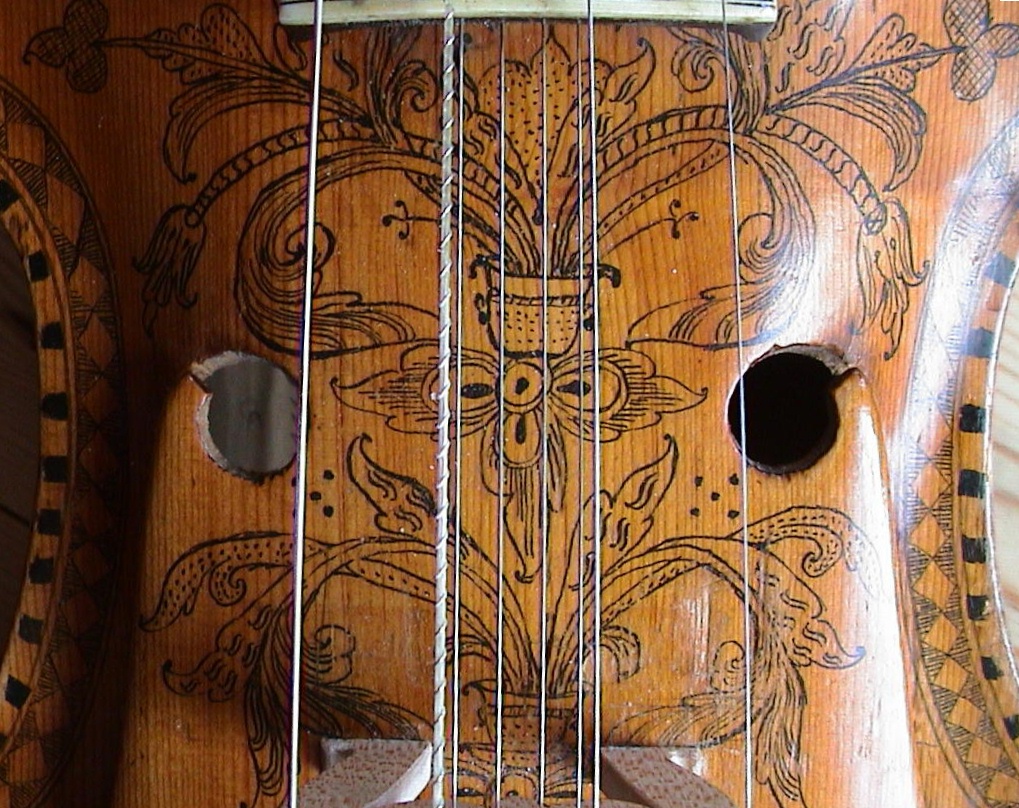
All this reminded me of traditional stories involving musicians and characters from the Otherworlds: they are pretty universal over many cultures. I also thought about a particular type of fiddle from Norway (regularly seen and heard at the Fiddle Fair) which has ‘magical’ associations: the Hardanger Fiddle or Hardingfele in Norwegian. This traditional instrument is usually magnificently carved and inlaid, and has understrings which are not actually bowed, but are tuned to vibrate when other notes are sounded. The tone and ambience of the instrument is unique and compelling: it is easy to imagine the Trowies or Sióg (pronouced Sheeogue: Irish Fairies) requiring such striking sounds for their festivities. But some have thought the Hardingfele has diabolic connections, and in fact many good players were reputed to have been taught to play by the Devil himself. During the 1800s many fiddles were destroyed or hidden both by fiddlers and laypeople who thought ‘…that it would be best for the soul that the fiddle be burned…’ as it was viewed as ‘… a sinful instrument that encouraged wild dances, drinking and fighting…’

In Ireland, boys were sometimes dressed as girls to stop the Sheehogue from stealing them away

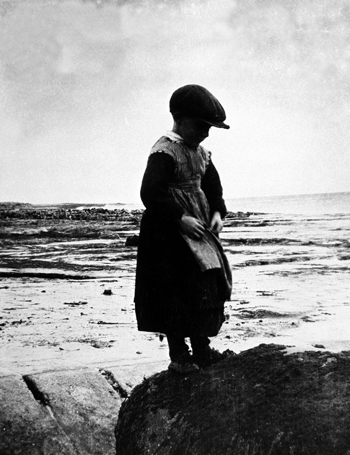
In rural Ireland, boys were sometimes dressed as girls so the Sióg would not steal them away

At this time of the year it’s not just the instruments and the music we have to be wary of: throughout the month of May the Sióg are active. Yeats tells how an old man saw them fight once: ‘…they tore the thatch off a house in the midst of it all. Had anyone else been near they would merely have seen a great wind whirling everything into the air as it passed. When the wind makes the straws and leaves whirl, that is the Fairies, and the peasantry take off their hats and say, God bless them…’

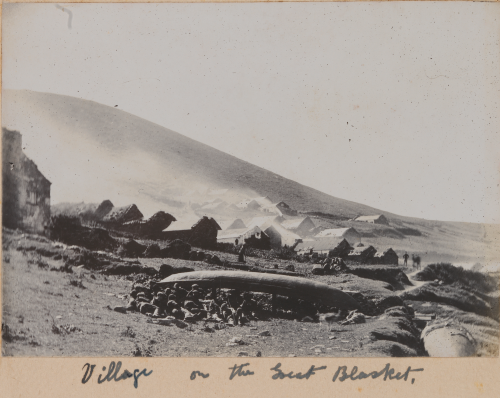
The wind is certainly whirling and tearing at the trees outside as I write this: May has seen the return of strong gales – the trees are bending again and Roaringwater Bay is alive with white breakers. Looking out to the islands I bring to mind a tune from the Blaskets, over on the coast of Kerry. Port na pBucai (Music of the Fairies) is a haunted song if ever there was one. It’s said that the islanders were out fishing in their currachs when a storm broke out. It turned into a gale and they feared for their lives as the canvas hulled craft became swamped. Then, the wind suddenly died and they became aware of music playing somewhere around them – an unearthly music. The island fiddler was amongst the crew; when they got safely back to land he found he could remember the tune they had heard. It has passed into the traditional repertoire and has been played ever since.

My own rendition of Port na bPucai on the concertina –


To close, a verse by Seamus Heaney which was inspired by this story of the Fairy music:

The Given Note

On the most westerly Blasket
In a dry-stone hut
He got this air out of the night.

Strange noises were heard
By others who followed, bits of a tune
Coming in on loud weather

Though nothing like melody.
He blamed their fingers and ear
As unpractised, their fiddling easy

For he had gone alone into the island
And brought back the whole thing.
The house throbbed like his full violin. 

So whether he calls it spirit music
Or not, I don’t care. He took it
Out of wind off mid-Atlantic. 

Still he maintains, from nowhere.
It comes off the bow gravely,
Rephrases itself into the air.

Blaskets

Meet the Seanachaí

Eddie Lenihan - travelling storyteller

Eddie Lenihan – travelling storyteller

Seanachaí – a word with many ways of spelling it in the Irish: seanchaidhe (plural seanchaidhthe); seanchaí, or shanachie in its anglicised form. In Scottish Gaelic the word is seanchaidh or shennachie, while in Manx Gaelic the word is shennaghee.

poster

A Seanachaí is a bearer of old lore – the role that the Bards once fulfilled, either attached to the retinue of clan chieftains or individually travelling through the Provinces where it was obligatory to offer them hospitality in return for an evening of elucidation or entertainment. I have previously mentioned the travails of ‘Red’ Aengus O’Daly whose reputation of publicly criticising his hosts on his travels led to a sticky end.

levis

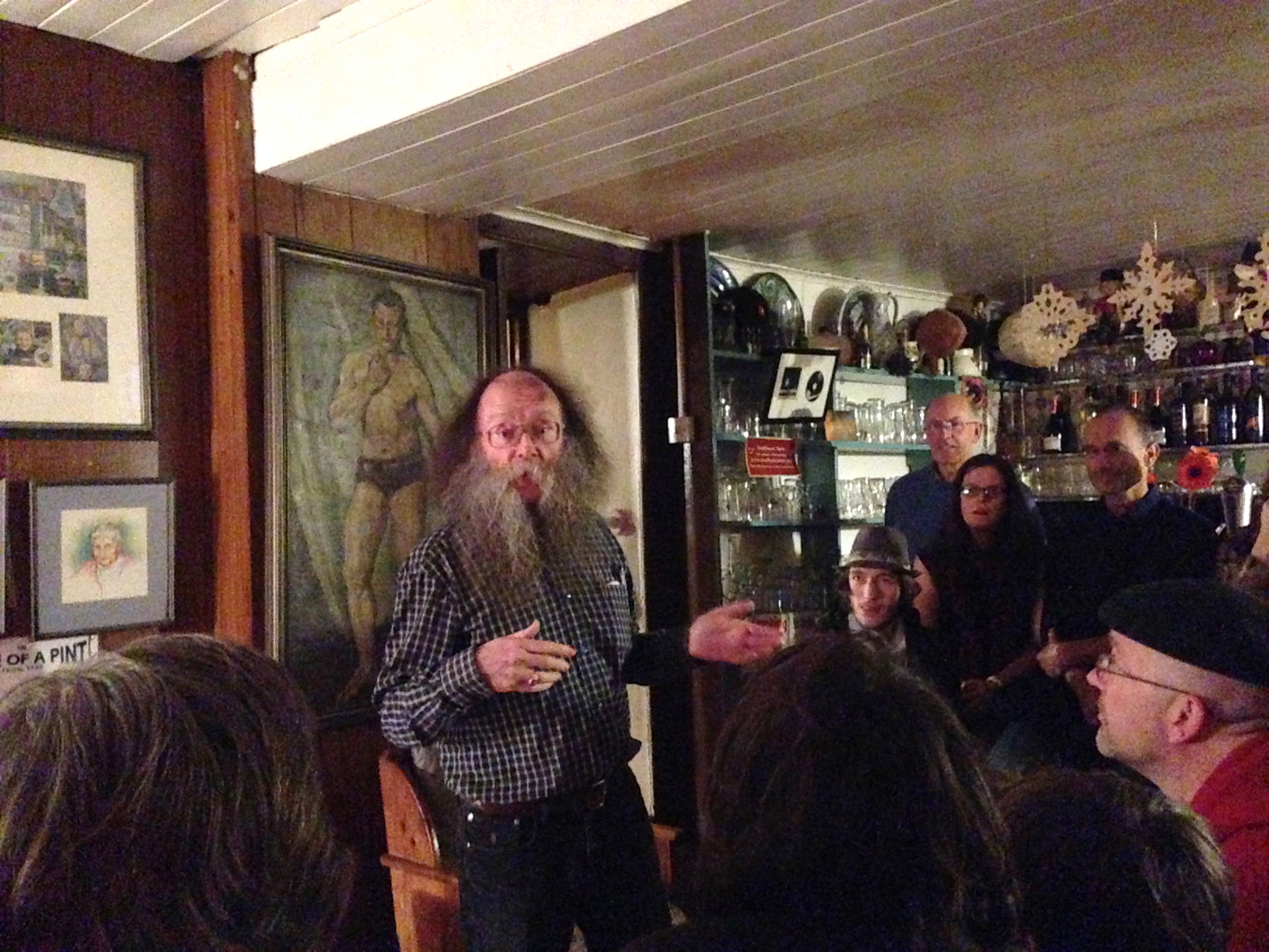
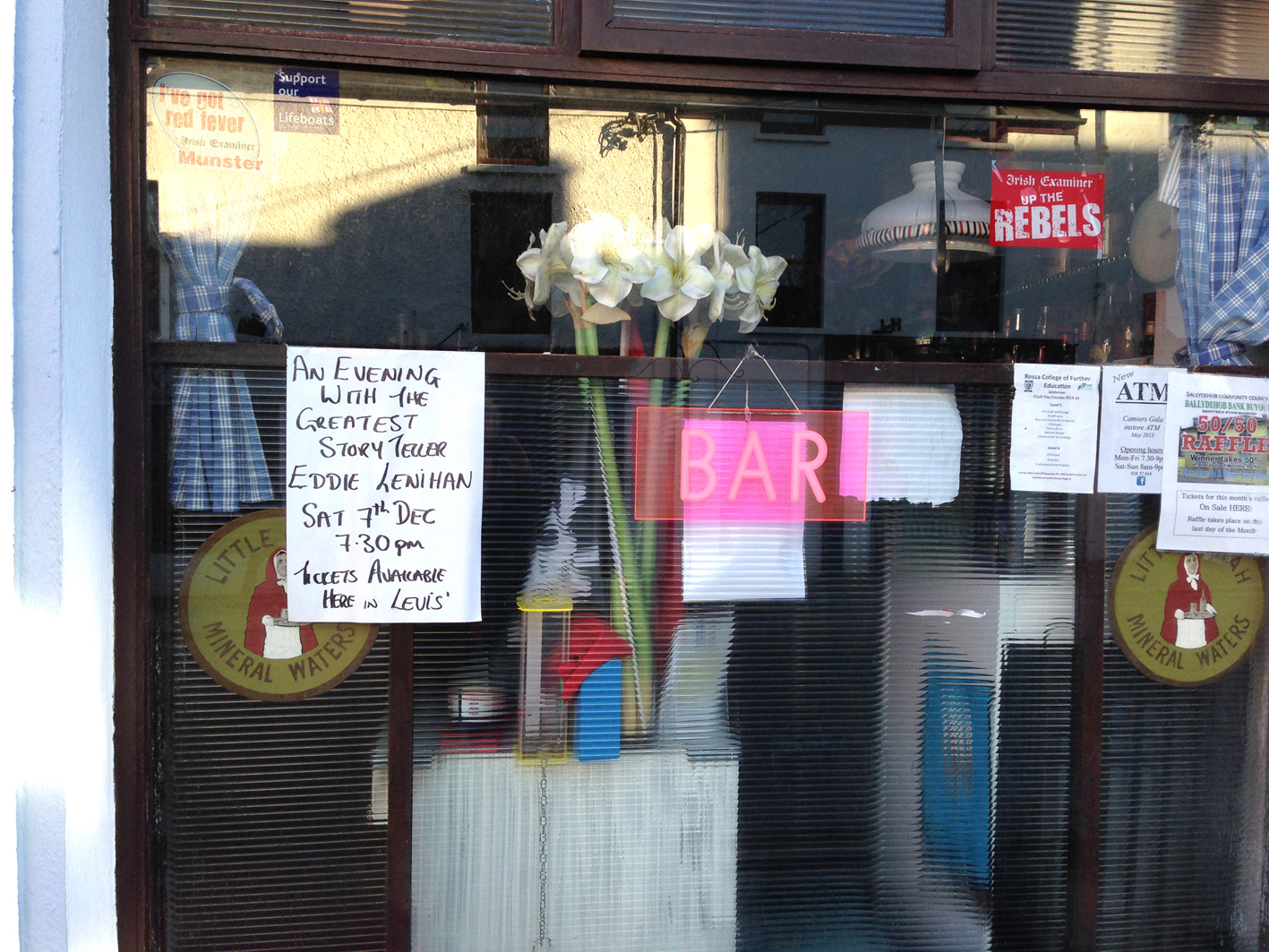
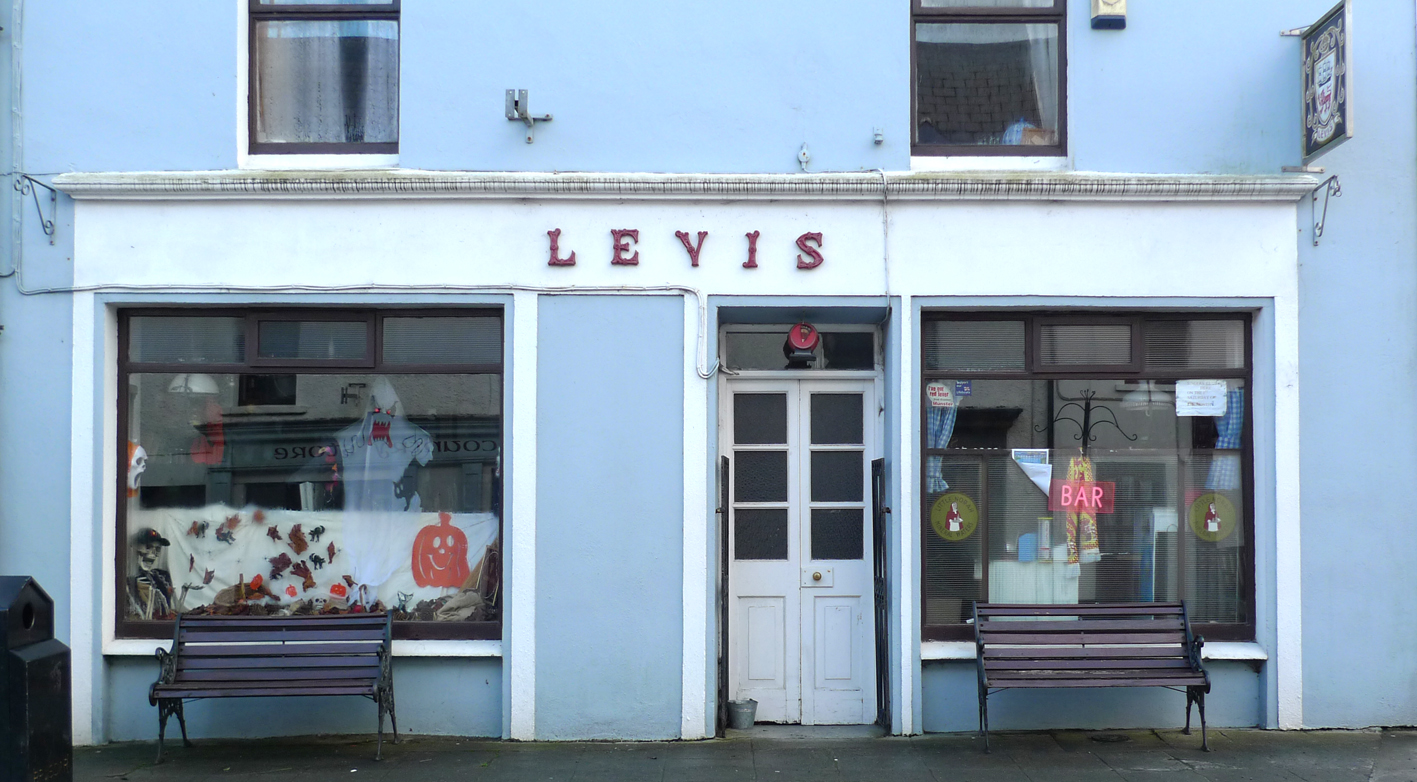
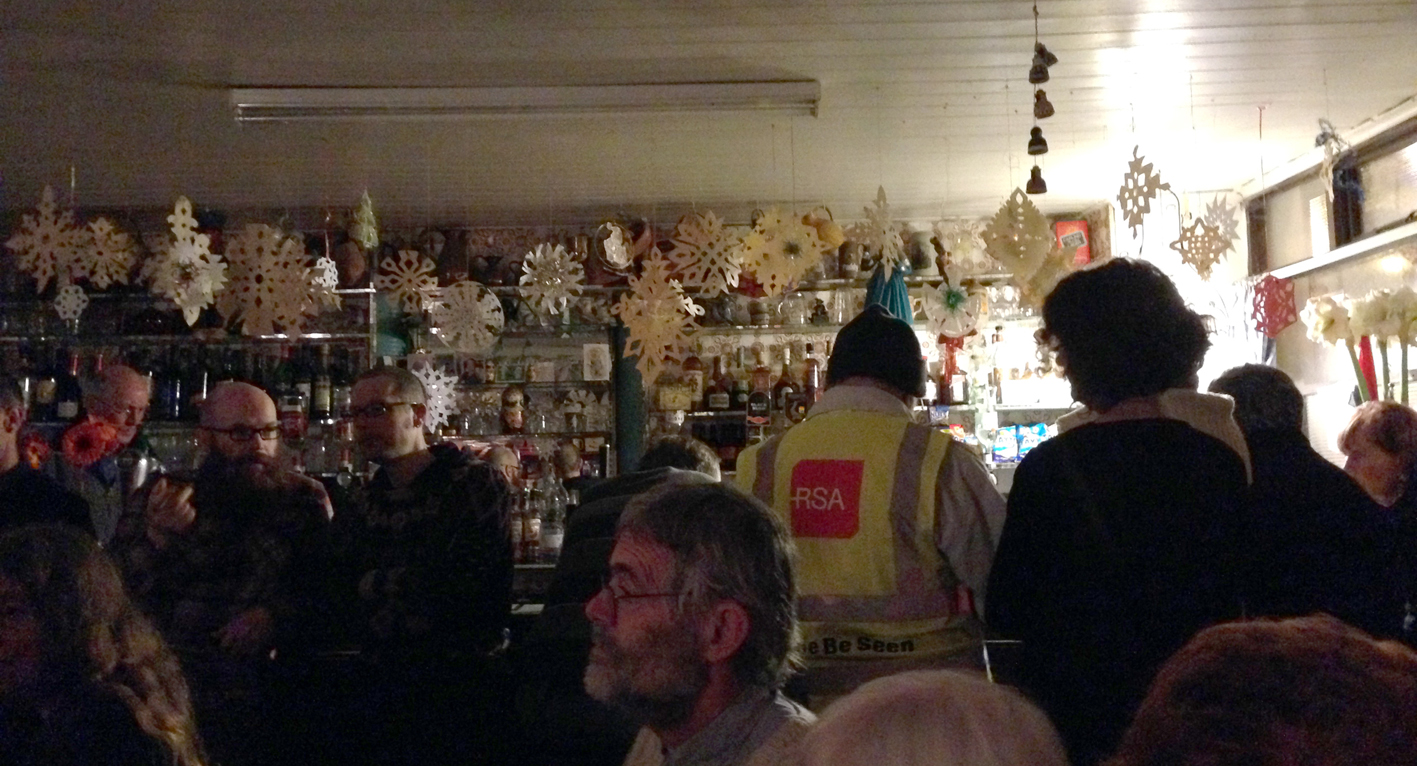
The Seanachaí came to us in Ballydehob – heralded by a missable poster in the window of Levis’ Bar, which held the event. Levis’ is one of the smallest pubs in the town but over fifty people crowded in to listen to Eddie Lenihan – probably Ireland’s best known living storyteller. The pub interior itself is a wonderful backdrop for such an occasion: a selection of groceries and household goods rubs shoulders on the shelves with old postcards and paintings. Behind Eddie in the photo you can see a full length portrait of Ballydehob’s most famous son, Danno O’Mahony, 6ft 3ins tall and weighing over 18 stone: he was regarded as the strongest man in the world. The family haled from Dereenlomane and Danno was born in 1912. By 1934, at the age of 22, he was already the Irish Wrestling Champion and started a professional wrestling career in America. He won 55 out of 55 fights and became Supreme World Wrestling Champion in 1935. He successfully defended his title 125 times. His homecoming to Ballydehob after winning the world title was captured on Pathe News, here.

listeners

Returning to our own champion storyteller, Eddie Lenihan provided a fascinating, amusing and sometimes frightening evening’s entertainment to an enraptured audience of young and old listeners. He has gathered stories of The Other Crowd, Irish folk and country ways from people who still remember them being told in their own youths seventy or eighty years ago, and he is passing them on. Sometimes he speaks of stories which can’t be told: intriguing. He was born in Kerry, lives now in Clare and was passing through Cork: truly keeping alive the tradition of bearing the old lore: the Seanachaí.