1000 Posts In – How to Navigate Roaringwater Journal

We just passed 1,000 posts – our two today will be post 1007 and Post 1008. While this is something to celebrate, we are conscious that as the site gets larger we need to provide navigation tools. One of the ways we have started to do that is with more ‘Menus’ – more about that below. Let’s start with the basics. Here’s a quick guide to how to find your way around so that finding our content will be a bit easier. Your best friends are the three icons on our Home Page banner.
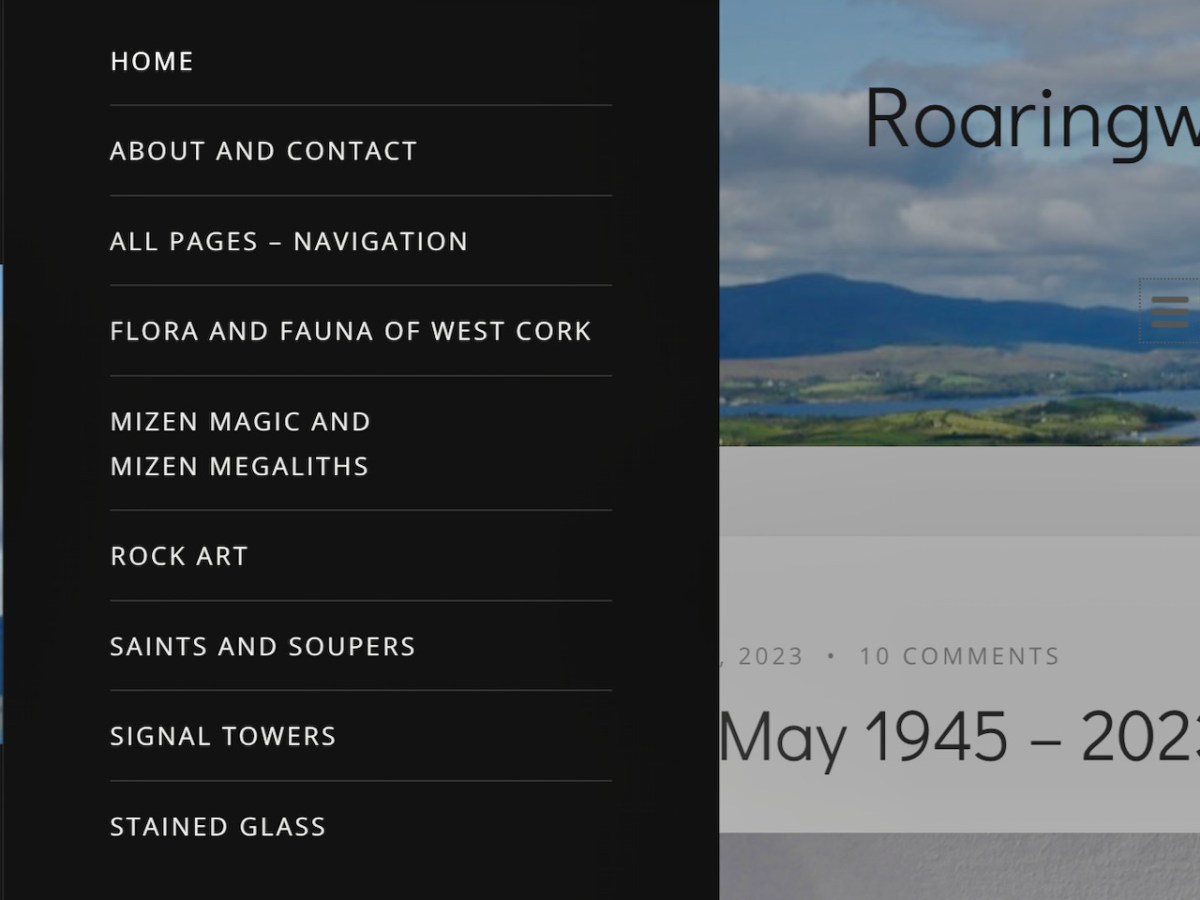
Clicking on the Three Bars will take you to our Menus sidebar. The All Pages – Navigation Menu has a general Table of Contents under four broad headings and lots of subheadings, but it’s really long, so we have started to do more specialty Menu Pages now, so that we can group subjects in one place. Today Finola added a new menu – Flora and Fauna of West Cork. Take a look – she has gathered together all her posts about wildflowers and Robert’s about the animals we see around us here. It was a good exercise for Finola – reading her very old posts she saw that she knew then very little about the wild flora of West Cork, not even the names of common flowers. Now, while still no expert, she is confident enough to lead wildflower walks.

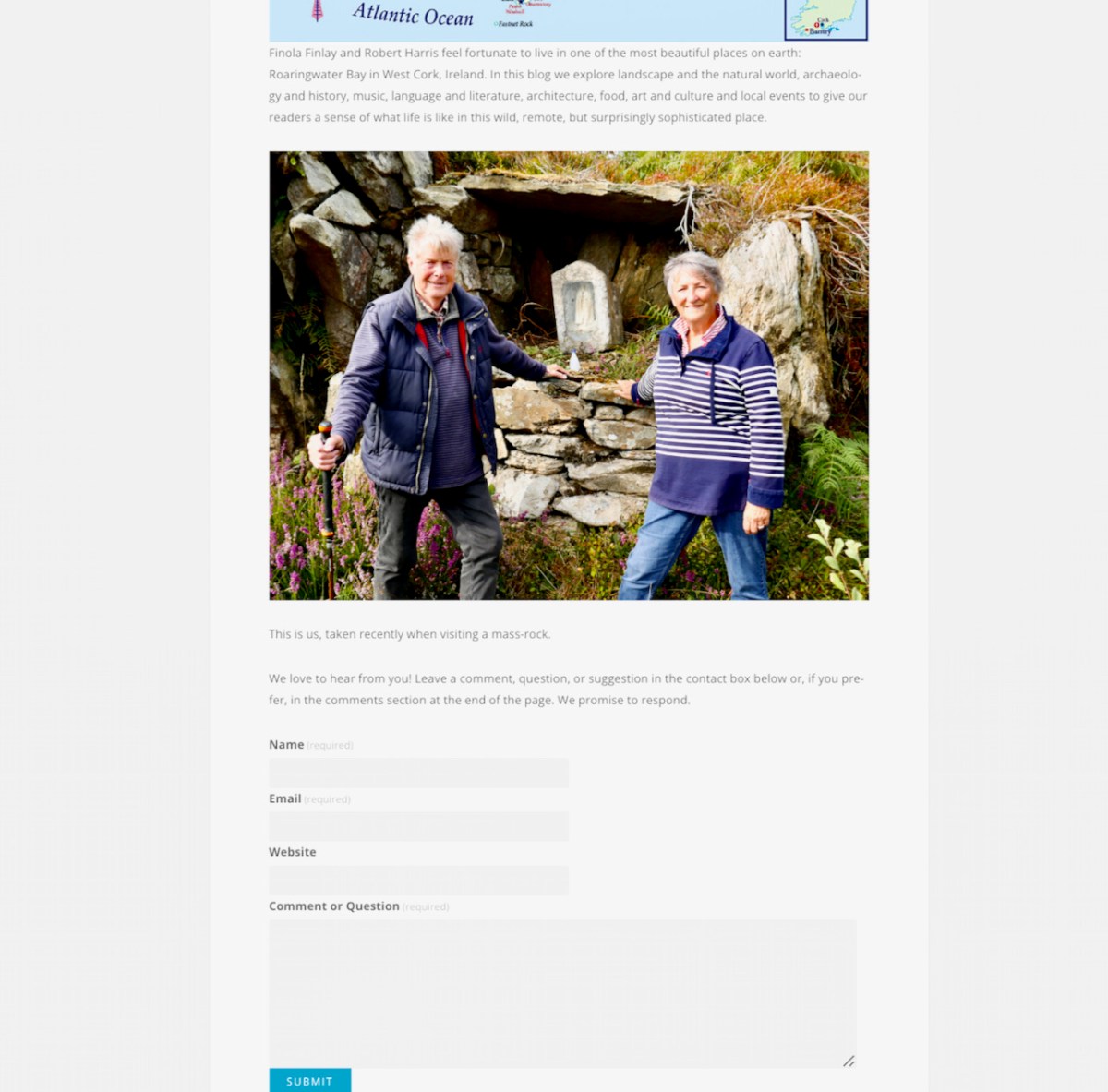
The first Menu on this sidebar is the About and Contact Page. This is where you can send us a message – there’s a form to fill in, and it gets delivered to us as an email.
The middle icon is the Cog and clicking on it brings you to a side bar with several items. The first is the subscribe button. Entering your email address here will subscribe you to Roaringwater Journal. You should get a ‘please confirm’ email. If you have any difficulty with this let us know by contacting us using the form on the About and Contact Menu (see above).
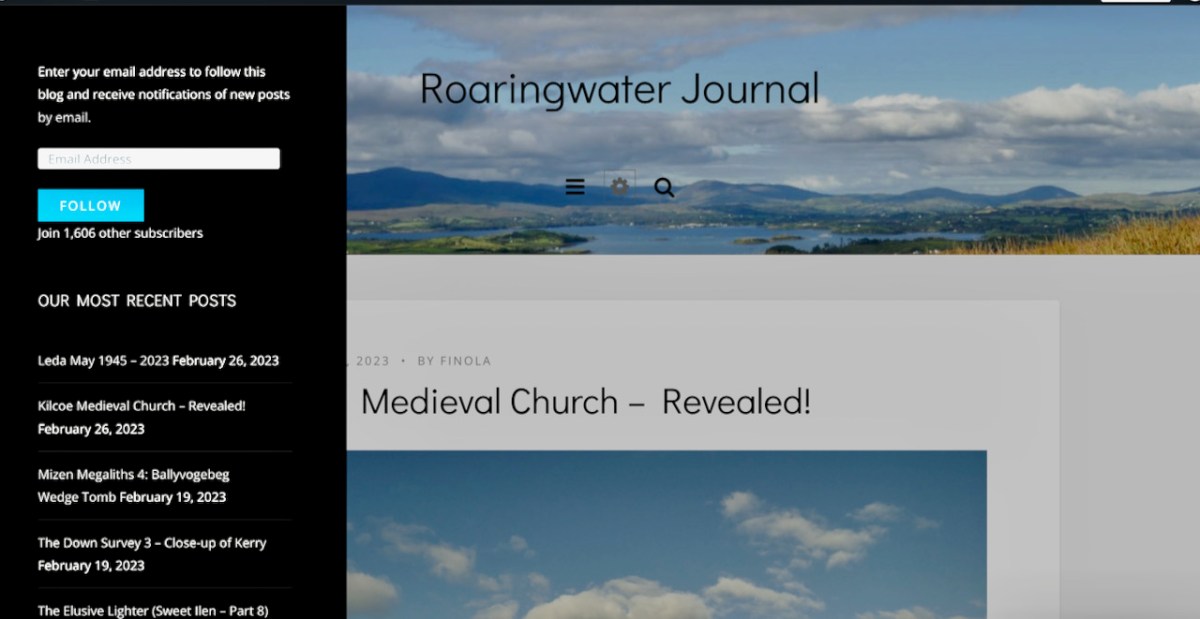
Below that is a list of our latest posts (handy for a catch-up) and below that is a button to click if you want to follow us on Facebook. Finally, there is a list of the blogs we follow (needs updating!) and an ‘archive’ button, if you want to see what we published in a certain month, any year.

The final icon on the banner is the magnifying glass and clicking on that will bring up a search function. Place your cursor on the word ‘Search’ and type. It’s pretty sophisticated and can handle any term – a word, a phase, a title. There’s one more help menu that few people stumble upon. When you are on any page in Roaringwater Journal, scroll down right to the end of the page. Right at the bottom you will see a Plus – a Large +.

Clicking on that will open a menu of our Categories and Tags. Only the most frequently-used tags are here, but you might find them useful if you’re looking for specific content – Driving in Ireland, say, or Saint Brendan, or Traditional Music.

Now, so – happy browsing and do let us know if you found this post useful, or if you have any questions we haven’t answered, or if something isn’t working the way it’s supposed to. You can comment below, or send us a message (now you know how).

Robert and Finola
The Storied Way to Beara

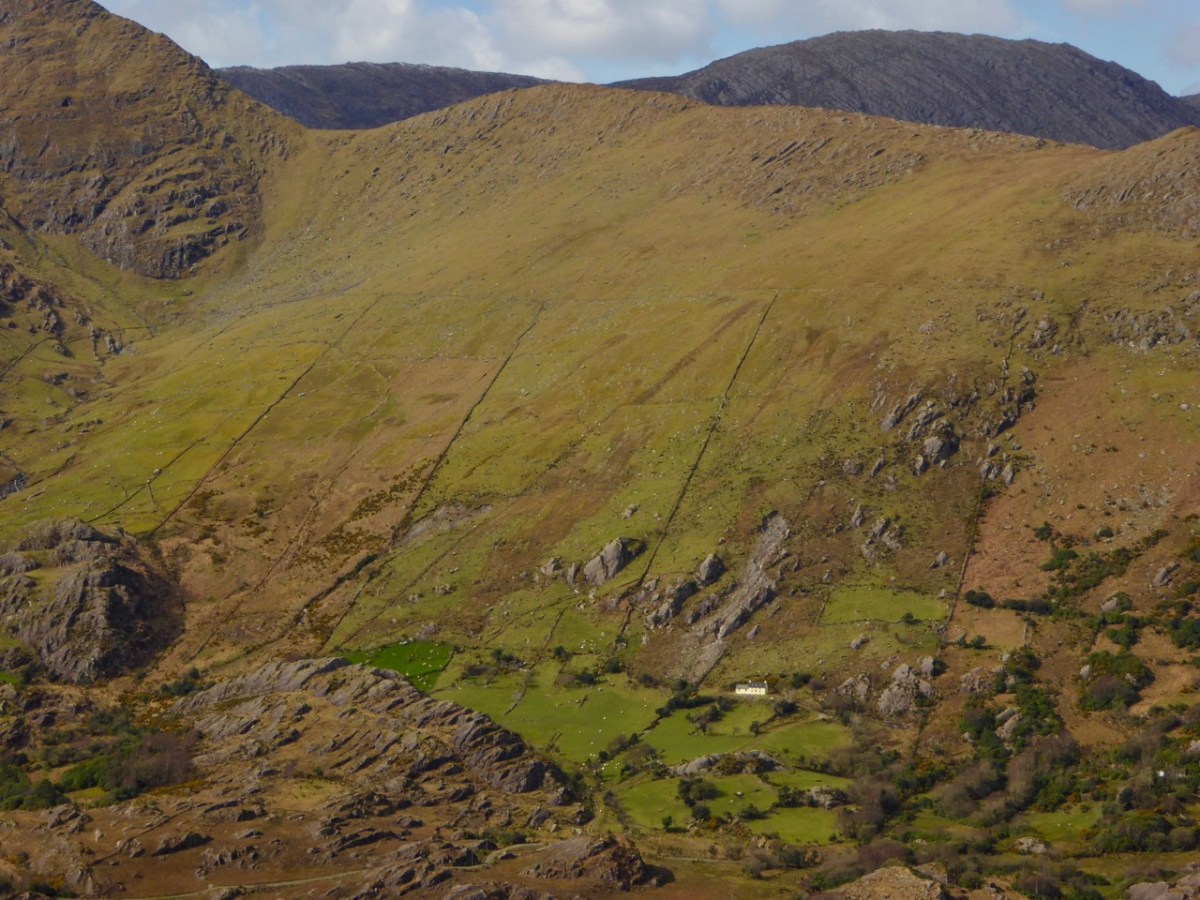
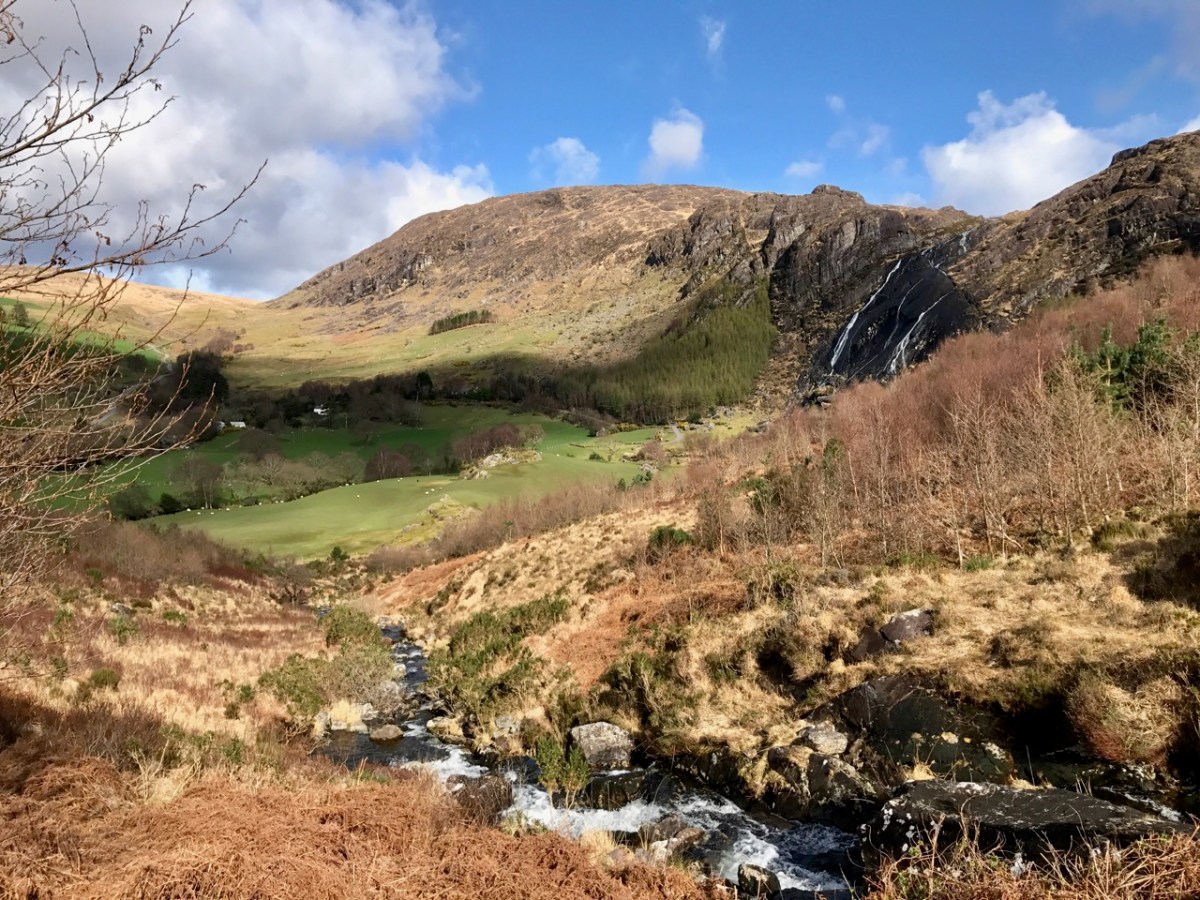
You know we love the beauty of West Cork, and we can’t resist the odd foray into all our neighbouring parishes. They are perhaps a bit wilder and higher, with markedly remote open spaces. So here’s a little wander on to the Beara Peninsula and beyond: I have raided our archive of photographs to enthuse us – and, hopefully you – to travel those roads in the coming spring. Firstly, have a look at this:

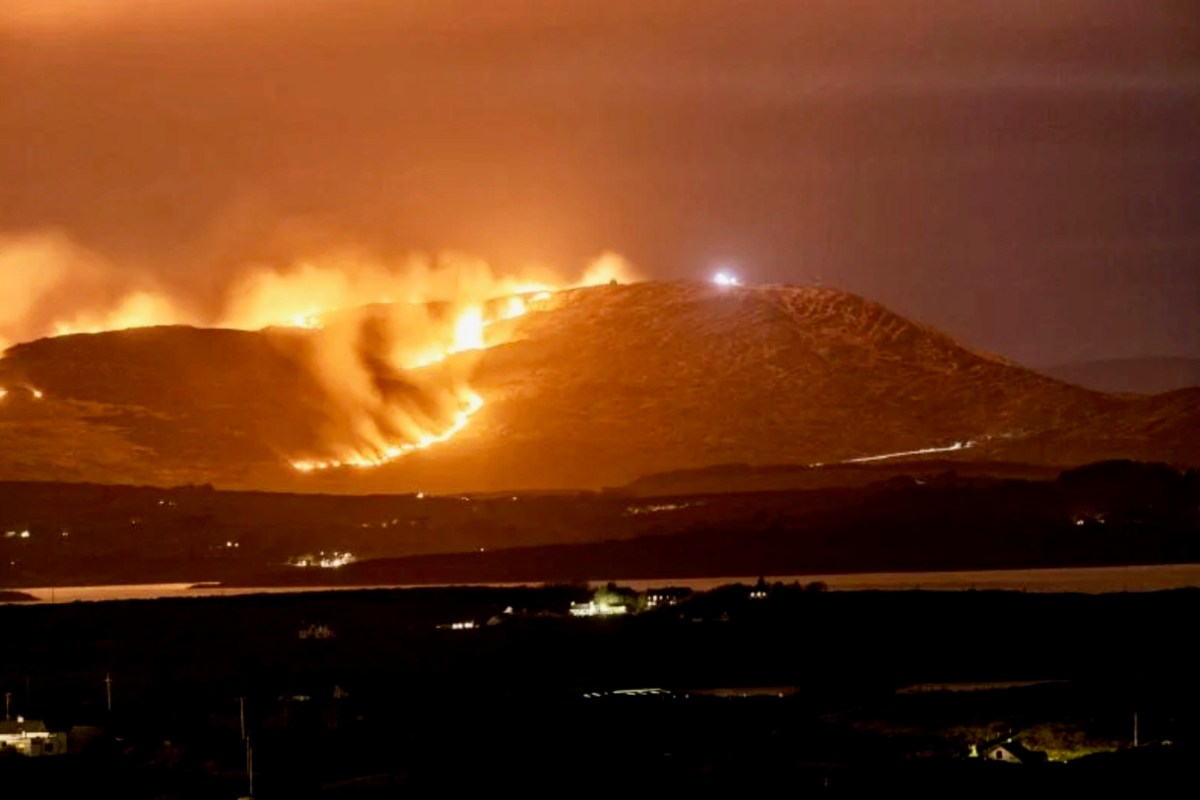
There’s a house down there, nestled under some spectacularly steep fields! This is to remind you that you have to up the scale a bit if you are stepping across the county boundaries. This Kerry landscape is such a contrast to our own seascapes and islands. We have our hills, of course: Mount Gabriel was in the news this week because of the gorse fires which lit up its summit. Such fires are allowed up until the first of March – by longstanding tradition – to clear the land and improve the grazing. It all seems a bit incongruous, though, when governments are planning to outlaw wood-burning stoves because they lead to poor air quality, and we are being advised by the HSE about the adverse health effects of air polluted by smoke and ash. Fire on Mount Gabriel 26 February 2023 – photo by Magnus Burbankscourtesy Southern Star:

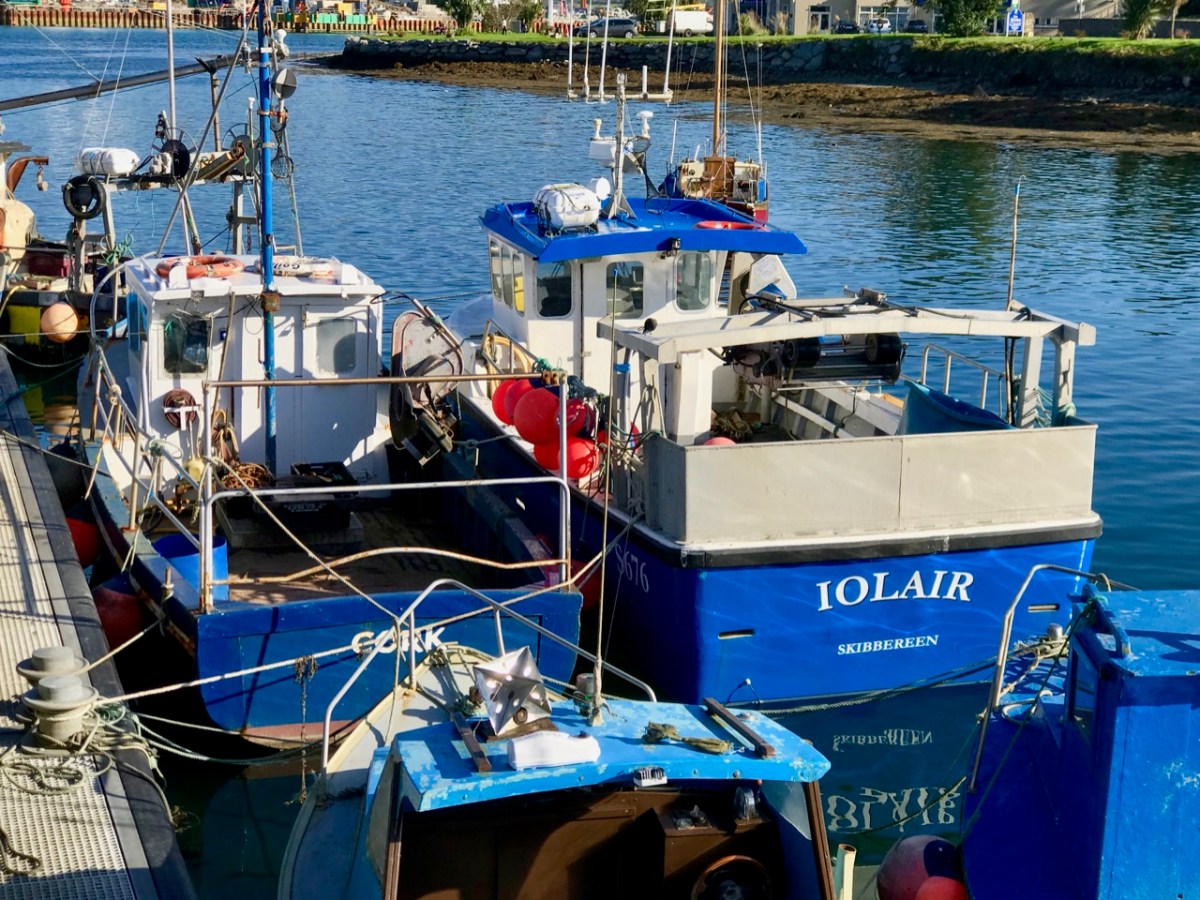
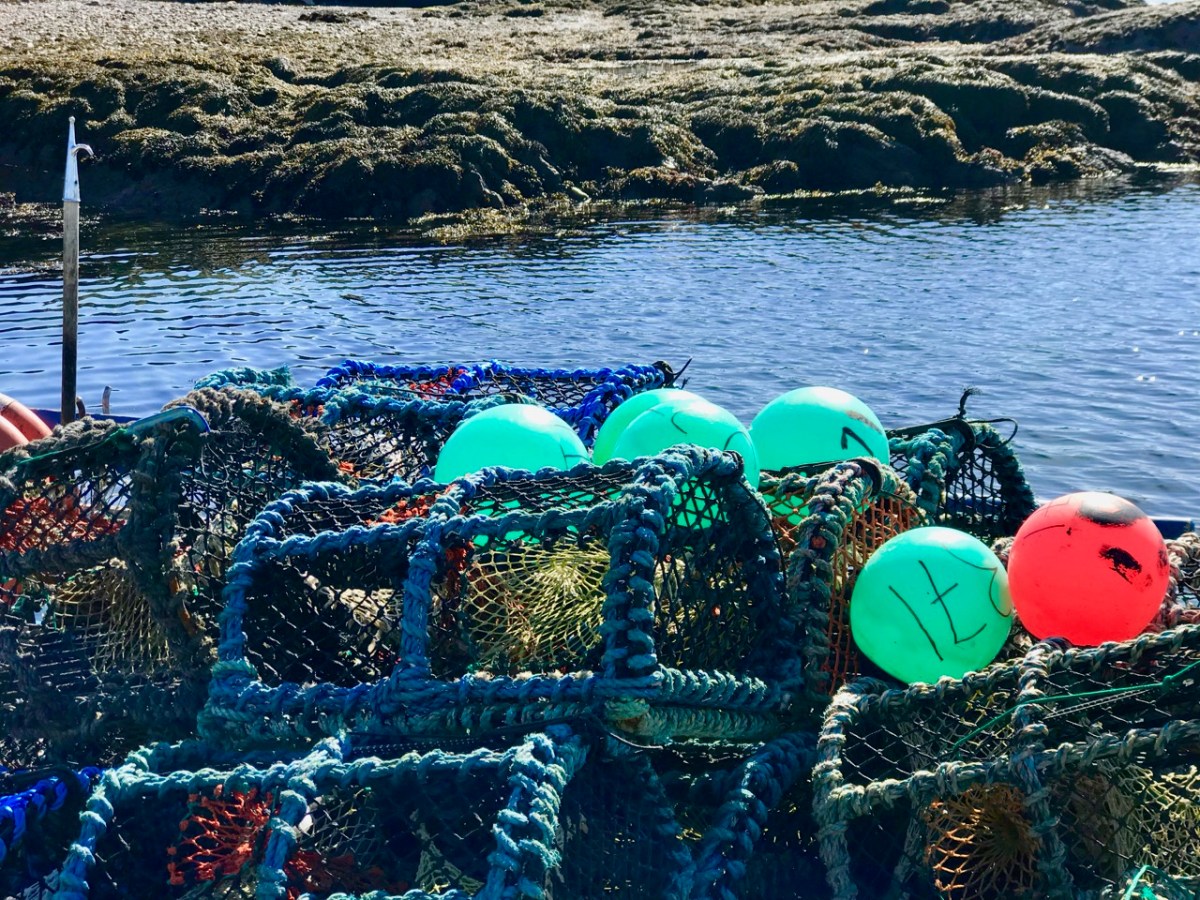
Let’s leave that argument – and the drama – for others to debate, and return to the colour and spectacle of our neighbours. Below are fishing boats tied up in Castletown-Berehaven. You’ll note that ‘Iolair’ is registered in Skibbereen. If this seems strange, remember that our West Cork town on the Ilen River is still the Port Of Registration for all shipping on the south-west coast of Ireland between the jurisdictions of Cork and Limerick. My recent post on the Ilen described Skibbereen as “. . . a settlement served by water . . .” with perhaps up to nine historic quays and a Custom House located within the town in its heyday of commercial vessels working on the river. Present day Shipping registrations are administered by Customs & Excise in Bantry, even though the prefix ‘S’ (for Skibbereen) is still used – a somewhat quirky anomaly: the Custom House in Skibbereen was closed in 1890!

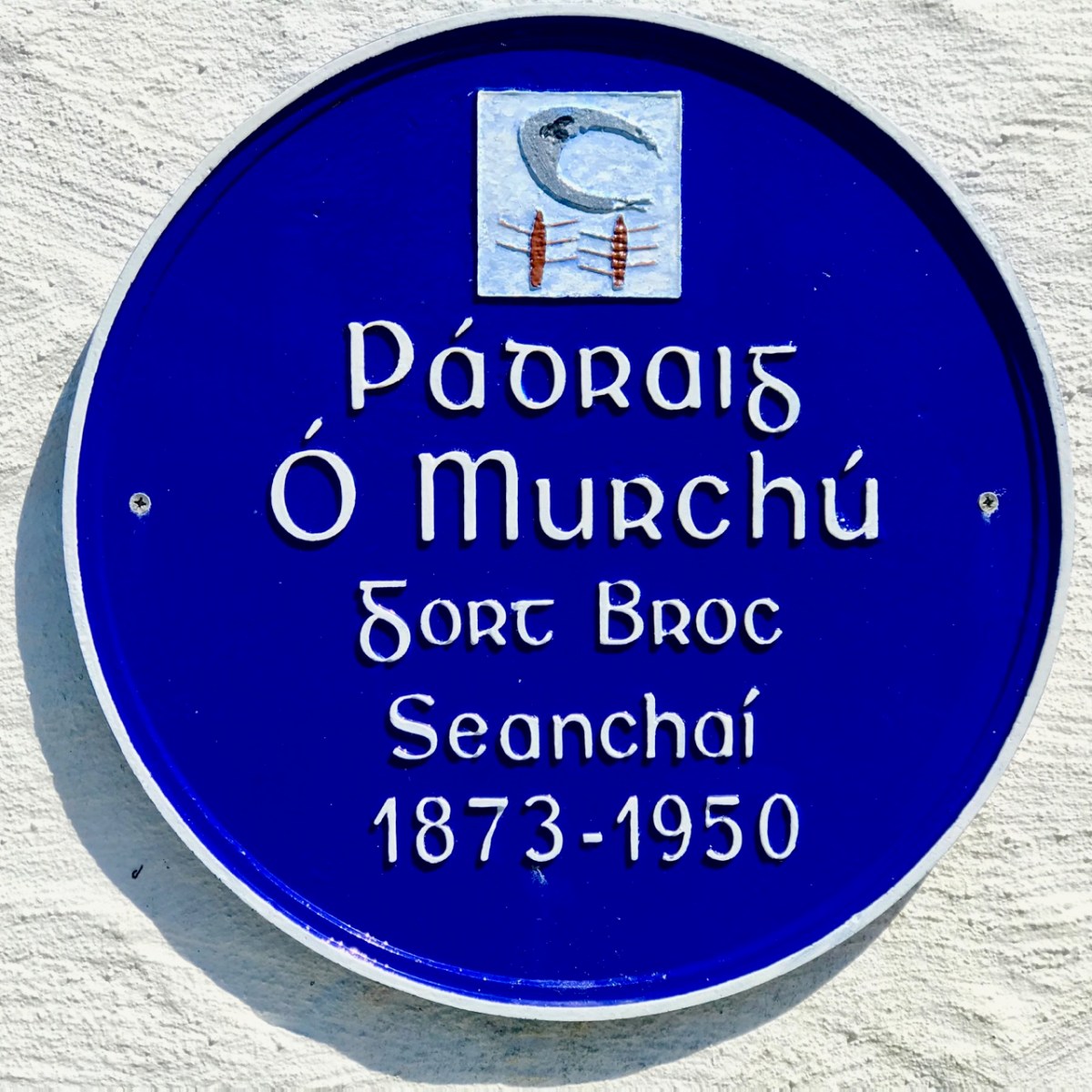
The people of the Beara Peninsula quite likely think of themselves foremost as an entity, rather than a mixture of Corkonians and Kerry people. In Eyries a Seanchaí – or storyteller – is celebrated: Pádraig Ó Murchú. His story is a somewhat sad one, certainly not untypical of many remote areas in Ireland. He was born in Gort Broc (Gortbrack, Co Kerry – north of Kenmare Bay) on 15 February 1873. His parents were Seán Ó Murchú whose wife Máire Harrington. (‘Caobach’) and he had four sisters and two brothers. Five of them, the boys and three of the girls, went to Butte, Montana. Seán died in Gort Broc at the age of 47 when Pádraig himself was a young boy. None of his forebears ever returned home but he would receive a letter every now and then from one of his aunts. Folklorist Martin Verling states that 707 men and 431 women emigrated to Butte from the parish of Aorí between 1870 and 1915. An account of how his great-grandfather, Seán Ó Murchú, settled in Kerry was taken down from Pádraig’s mouth (or Patsy as he was called): Seán was abducted by one of the ‘Cithearnaigh’ (a name given to certain Irish landlords in Beara) in Kerry and sold in France as a slave. When he managed to escape, he landed in Beara.

Commemorating Pádraig Ó Murchú in Eyries

Measles affected Pádraig’s eyesight so badly that he was given a blind pension; ‘flickering’ left him unable to read or write. He spoke English fluently, with Irish his native tongue. Until she died in 1923 his mother lived with him, and it fell to him to tend to her during the decline of old age. He earned his living by farming and fishing and was always in good health, apart from his eyesight. Writer and folklorist Máirtín Verling recorded memories of him from men who were young boys during Pádraig’s old age. Pádraig was part of a culture now vanished, and Verling states “. . . the day Pádraig Ó Murchú was lost as an old man – the habit of storytelling, and the habit of speaking Irish, died together in Béarra . . .”

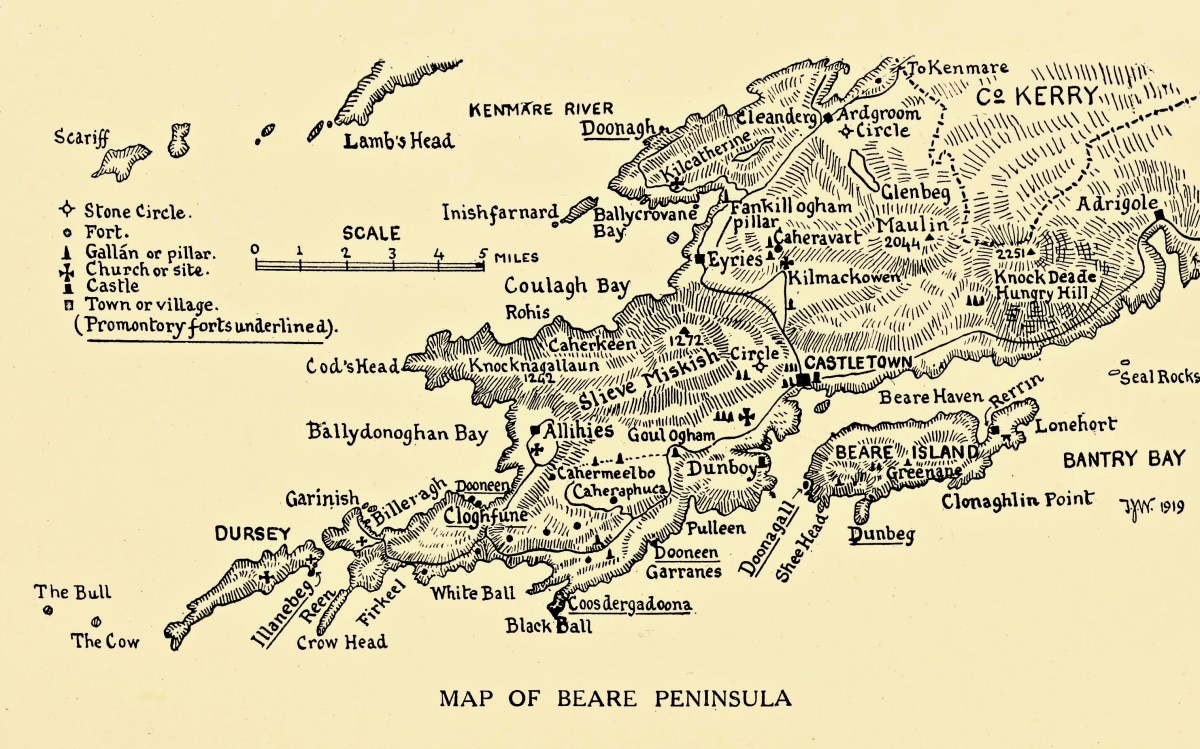
Map of the Beara Peninsula from the Royal Society of Antiquities of Ireland, T J Westropp 1919. Principal archaeological sites are indicated.

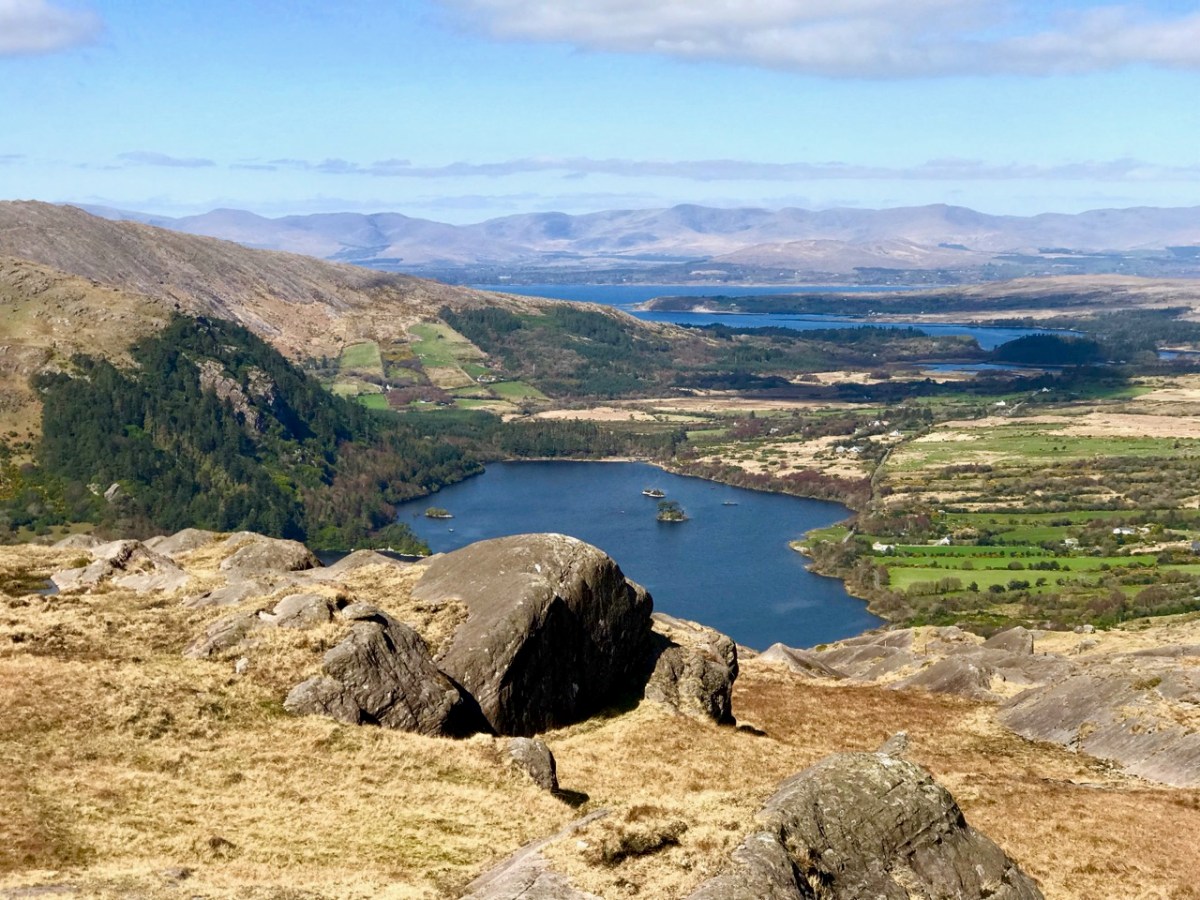
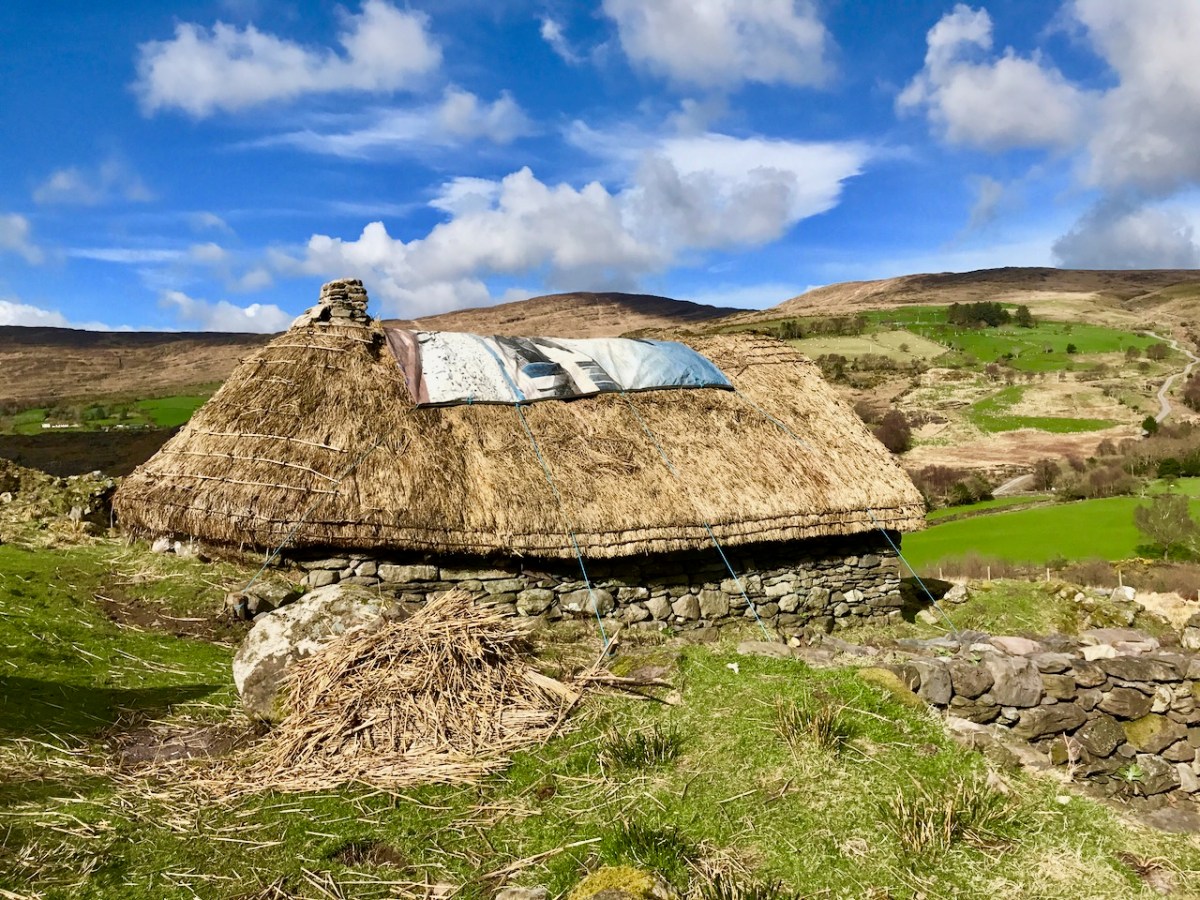
These Beara landscapes are typical of the remote grandeur of the territory. Human settlement has encroached upon it – the patchy forestry plantations above are unnatural and uninspiring – but there are sufficient wild prospects remaining to ensure that the all-embracing beauty can never be eroded. Plenty of living history remains in evidence.

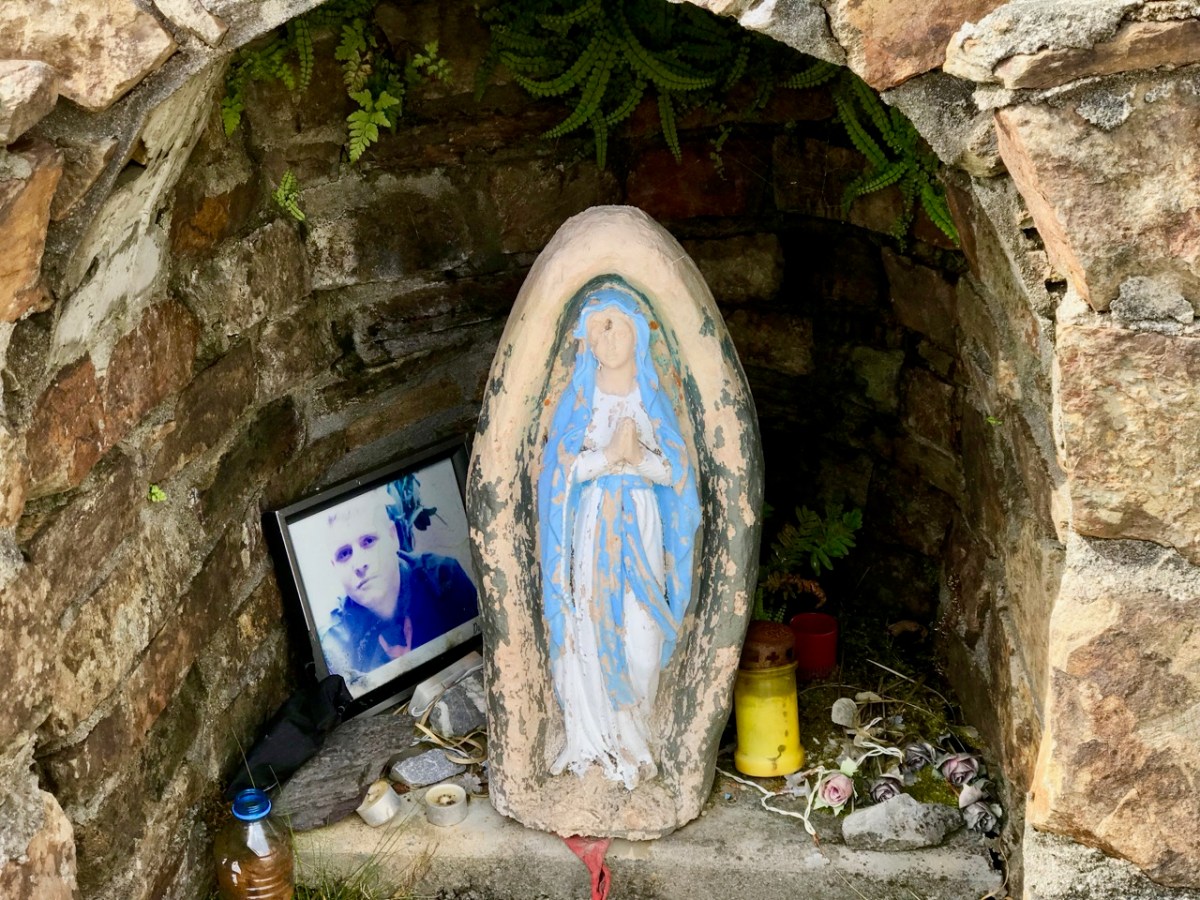
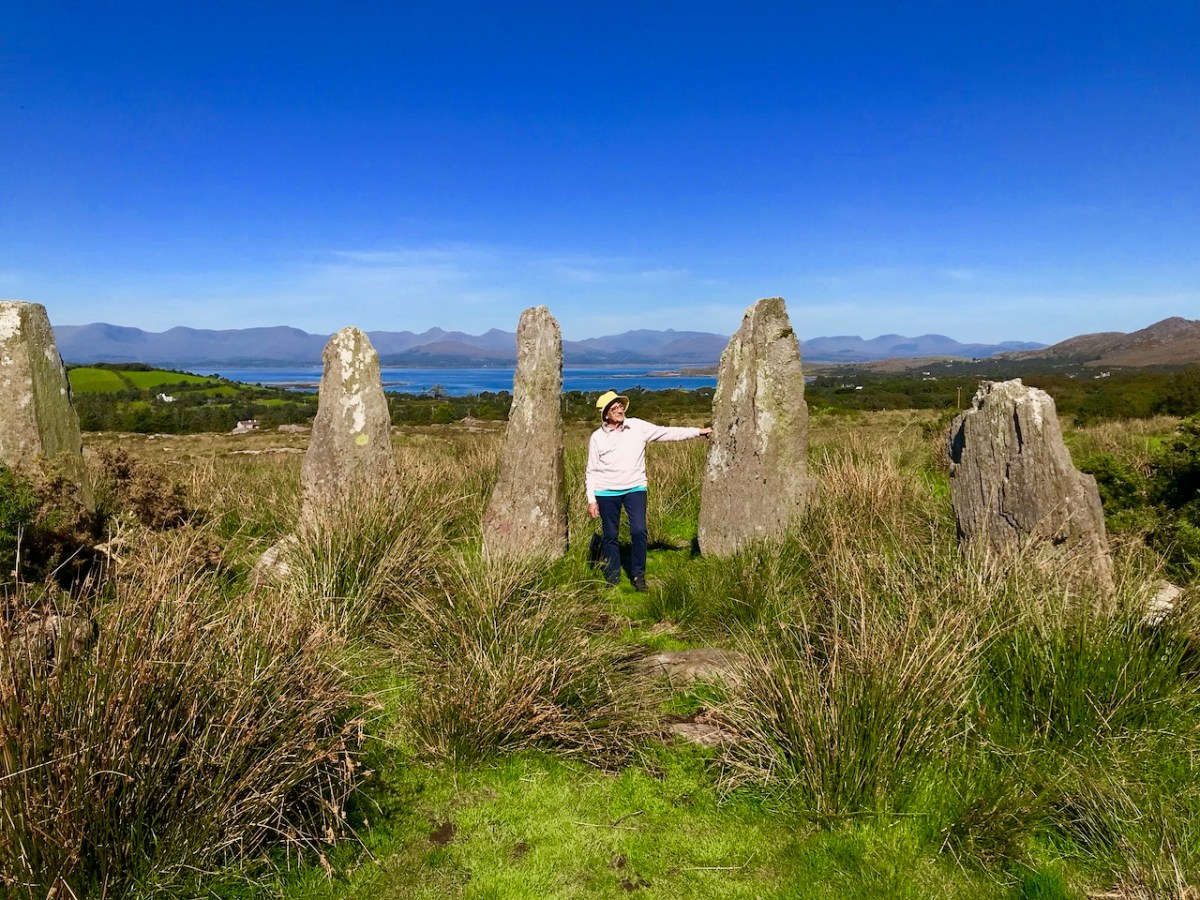
Archaeology, colour and community are all part of the local scenes on the Beara. The tourism industry is undoubtedly thriving, bringing fresh life with it.

We hope you will agree that the Beara – whether it’s Cork or Kerry – is deserving of a visit – and a stay: you have to delve deeply into the lifestyle and traditions. Enjoy!

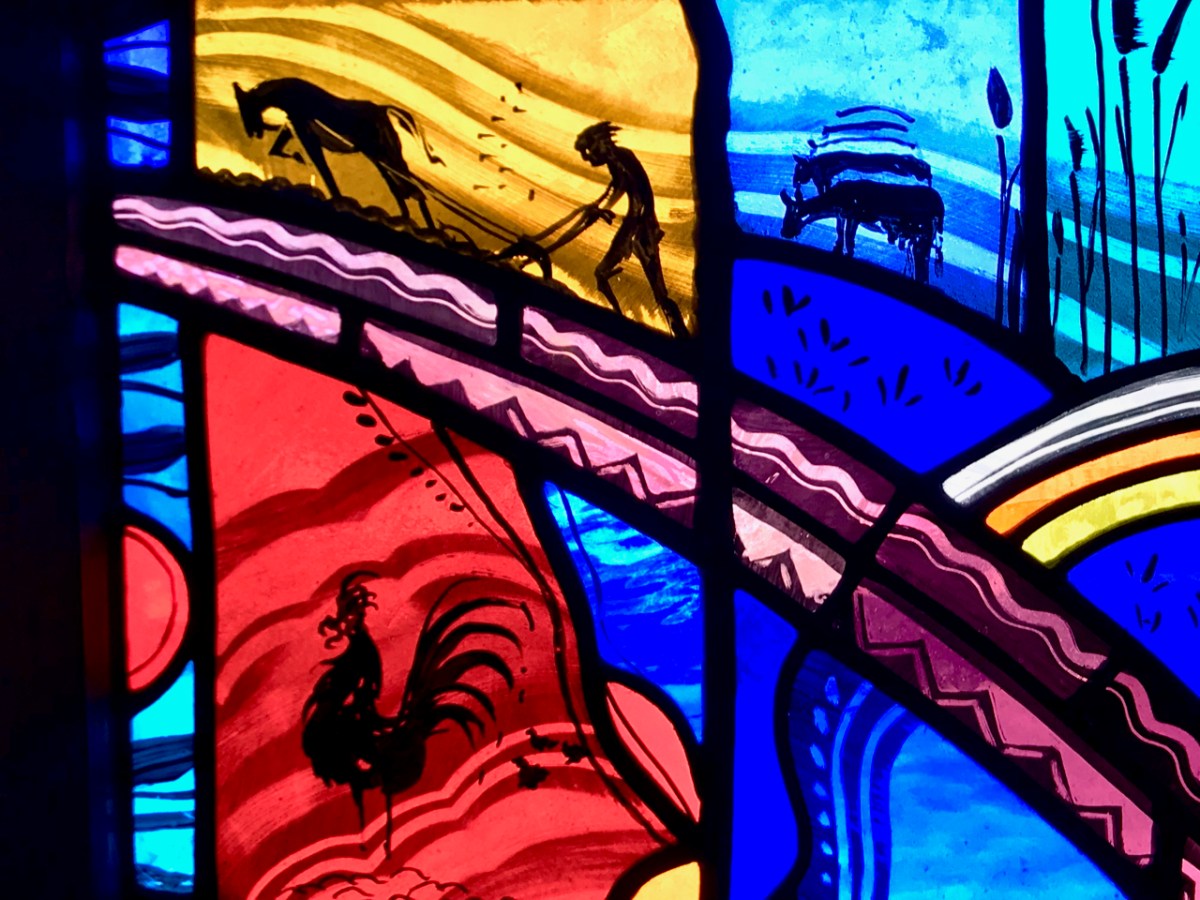
(Above – the work of stained glass artist George Walsh. A visit to the little church in Eyries to take in more of this is a must)