Cork Menagerie

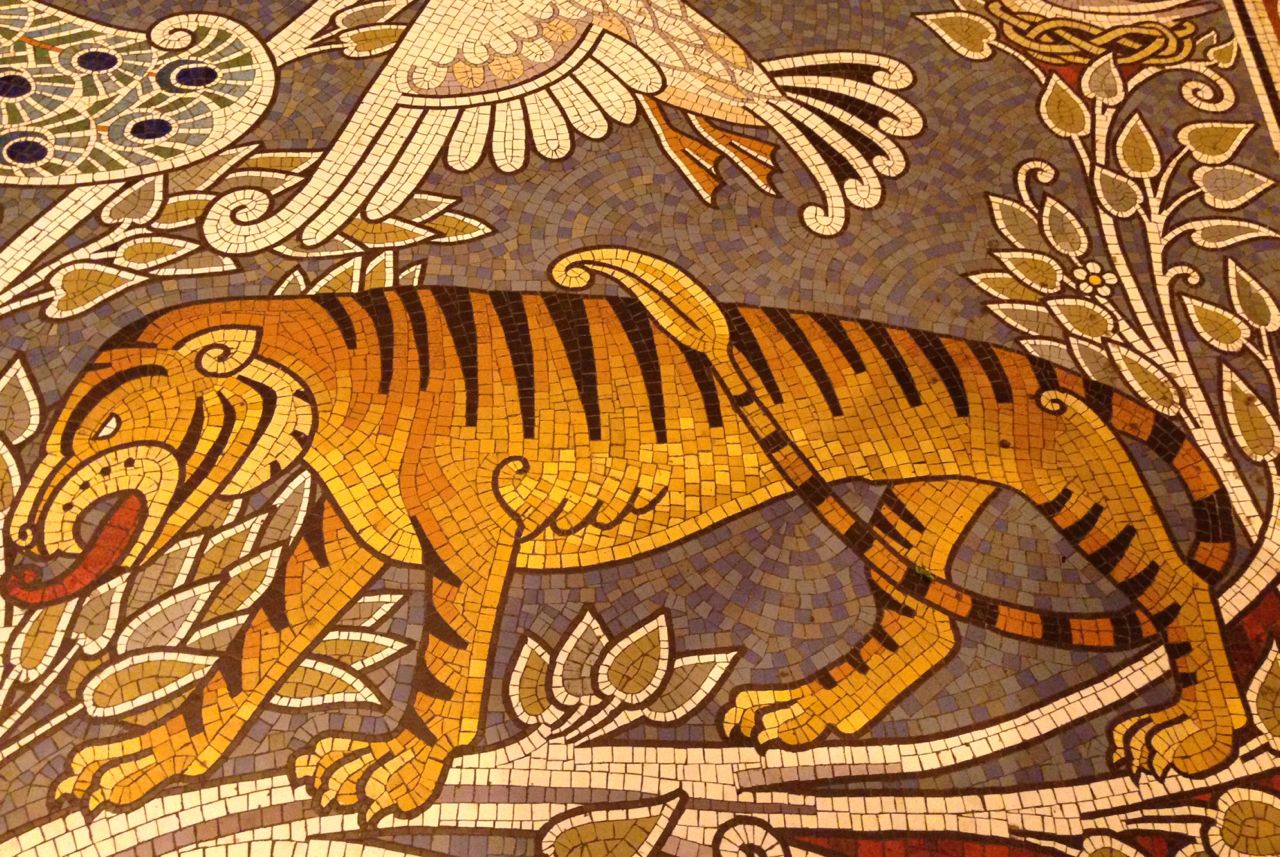
tiger

Cork does have a wildlife park – over in Fota, to the east of the city. But I think Cork’s real menagerie is on the University campus – The Honan Chapel, built almost a hundred years ago, and opening its doors to Catholic students in November 1916.

Ireland’s universities have a fascinating history: Pope Clement V authorised the first one in 1311, and this was based in St Patrick’s Cathedral, Dublin. This institution ‘came to an abrupt end’ with the Protestant Reformation of the 1530s, and Trinity College Dublin was founded as the ‘University of the Protestant Ascendancy’. At this time, England had the Universities of Oxford and Cambridge, while Scotland had Universities at St Andrews, Glasgow and Aberdeen.

In 1908, the Irish Universities Act was passed, by which the National University, consisting of the Constituent Colleges of Dublin, Cork and Galway was founded. Part of this act decreed that of the finance provided for the new University, none should be applied ‘… for the provision or maintenance of any church, chapel or other place of religious observance …’ It was left to a Cork merchant family – the Honans (who made their wealth through butter) to provide a hostel and chapel for Catholic students. 

‘…The chapel, itself, is in perfect accord not only with its immediate surroundings, but also with the wide heritage of art handed down to us by the early native church building. It is one of the best reproductions of the ancient style of building and it exemplifies, in a striking manner, all that is best in the Hiberno Romanesque architecture of the tenth, eleventh and twelfth centuries…’ The Honan Chapel, M J O’Reilly, Cork Univeristy Press, 1966

legilium

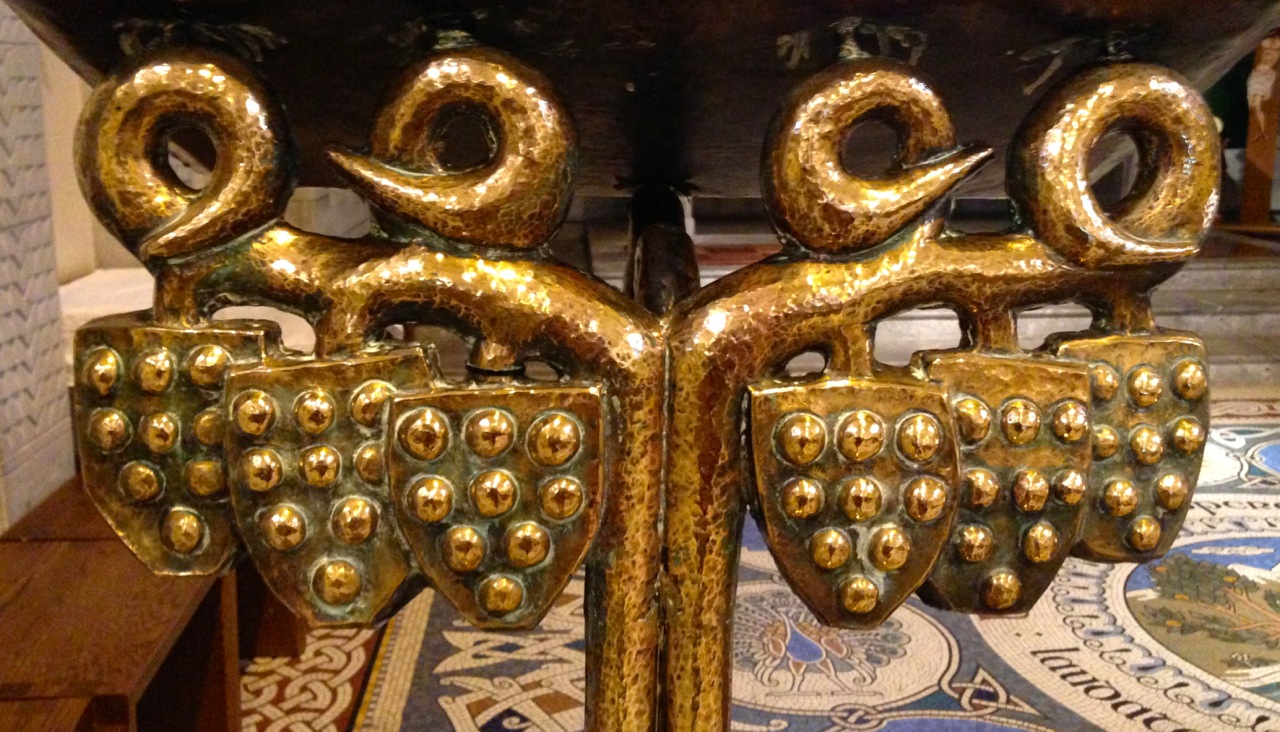
Lectern decoration

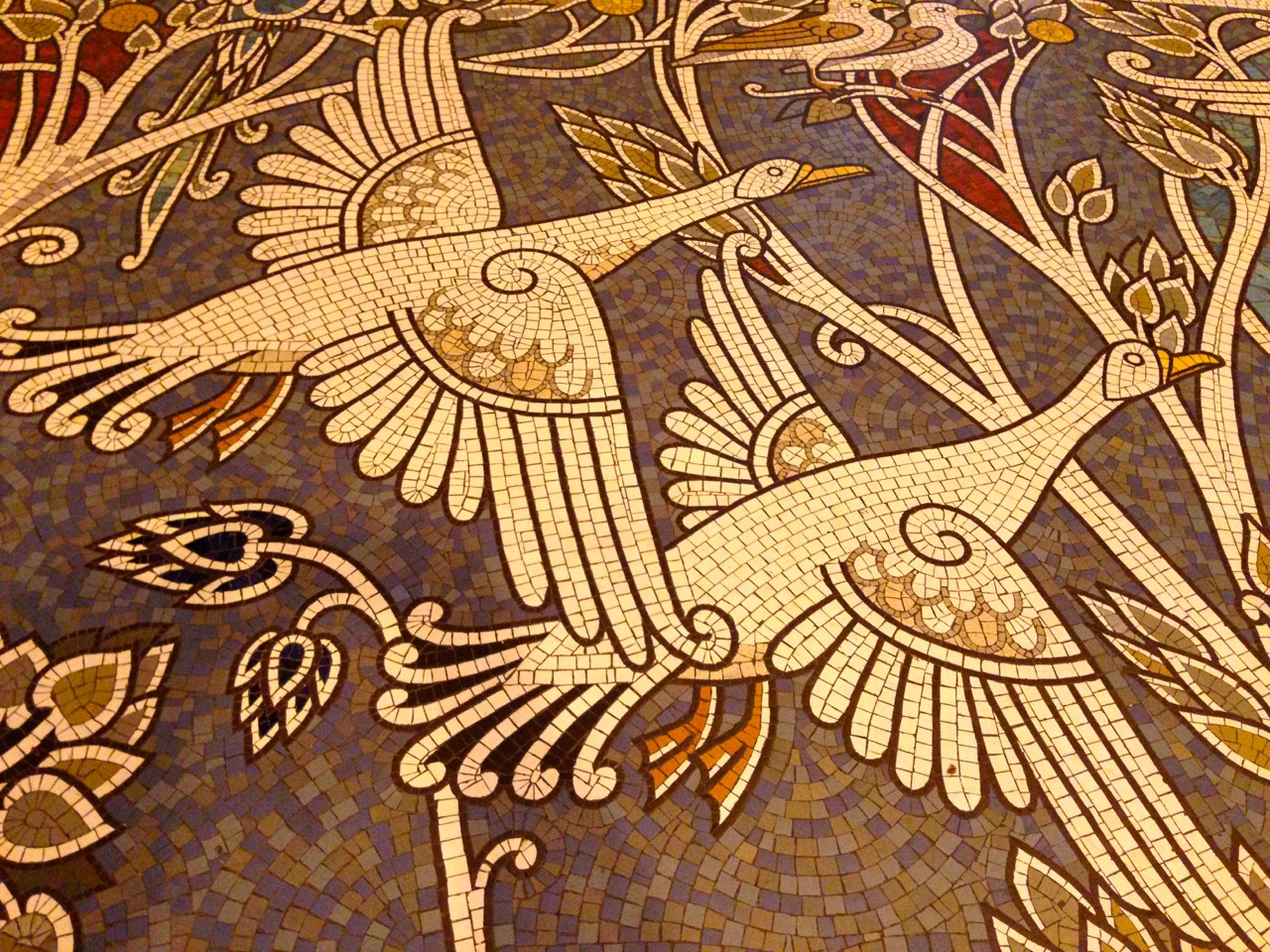
The interior of the building abounds in exquisite artworks. It’s a feast for the eyes wherever you look: stained glass windows by Harry Clarke stand out (including St Gobnait) – but, for me, the real treat is the mosaic work on the floors, designed by Ludwig Oppenheimer of Manchester. A River of Life runs the length of the nave from the entrance door to the sanctuary where, amidst a riot of pattern and colour, the menagerie unfolds: there are birds and beasts, fish and fowl all contained in decorated borders with Celtic knots and patterns. The only analogy I can think of is a medieval illuminated manuscript such as the Book of Kells, where the pages and margins are extravagantly ornamented with figures of humans, animals and mythical beasts in vibrant colours imbued with Christian symbolism.

The Chapel is dedicated to St Finbarr, Patron Saint of Cork. The foundation stone, laid on the 18th May 1915, records ‘… built by the Charity of Isabella Honan for the scholars and students of Munster…’ The architect was James F McMullen.

swans


Off to Skibbereen!

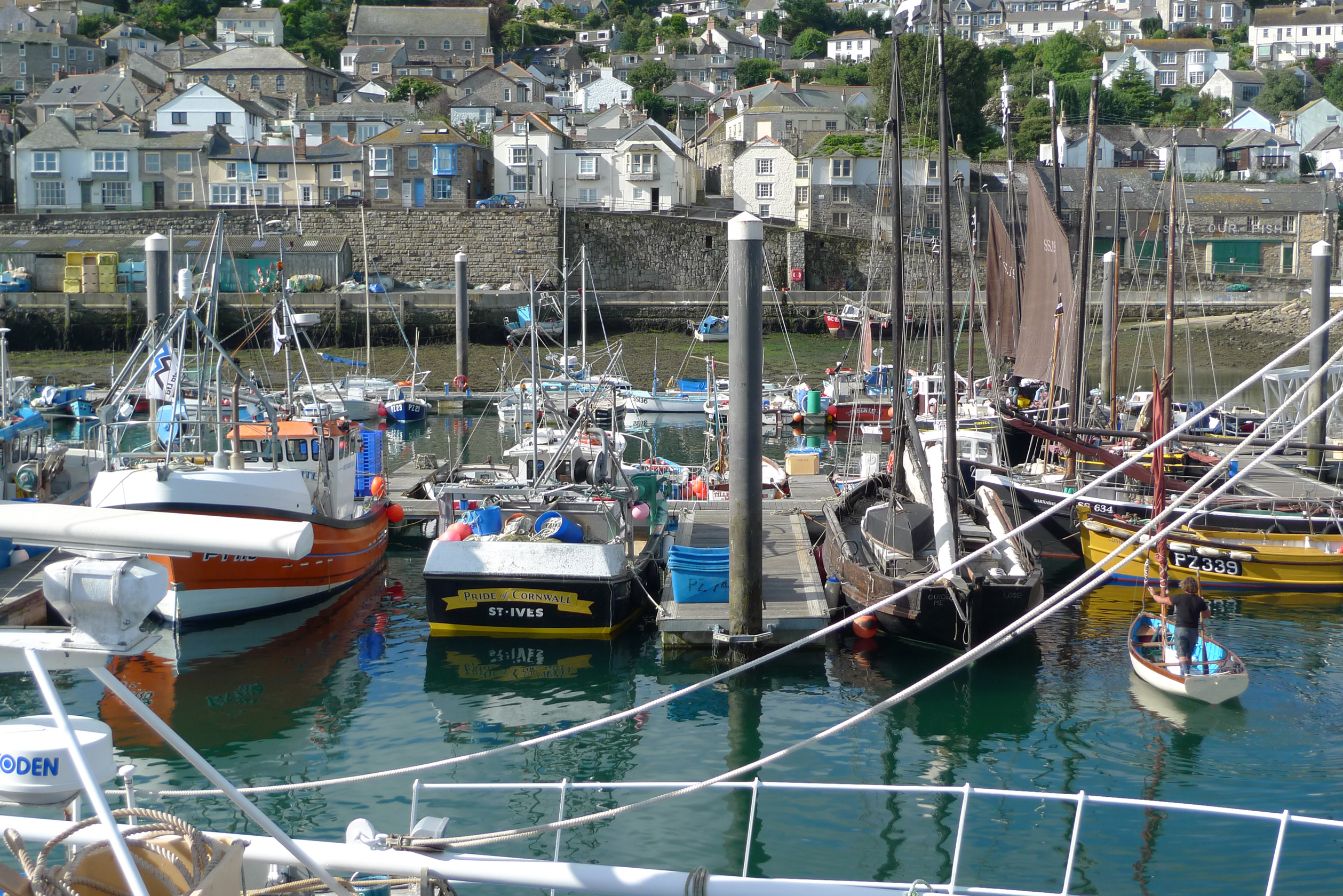
Newlyn Harbour, Cornwall

Newlyn Harbour, Cornwall

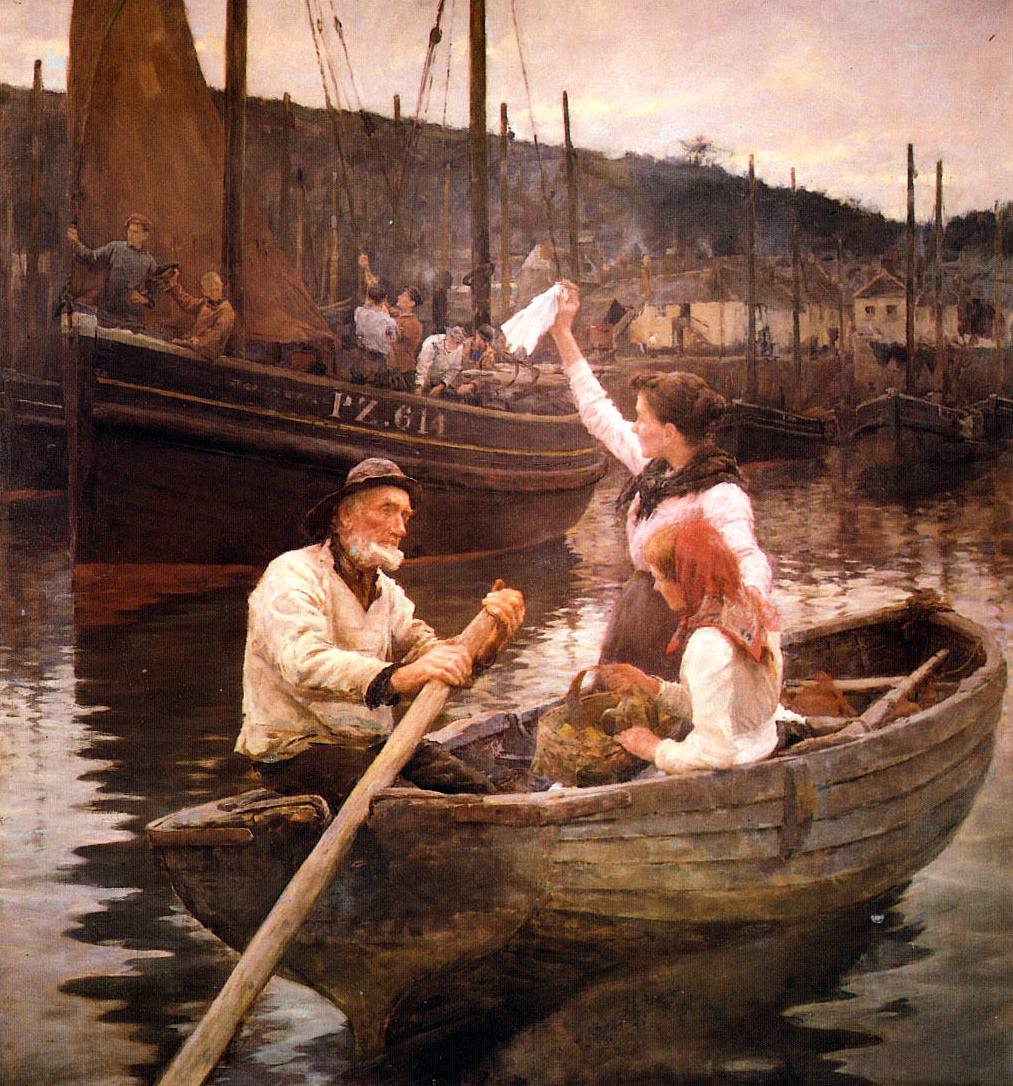
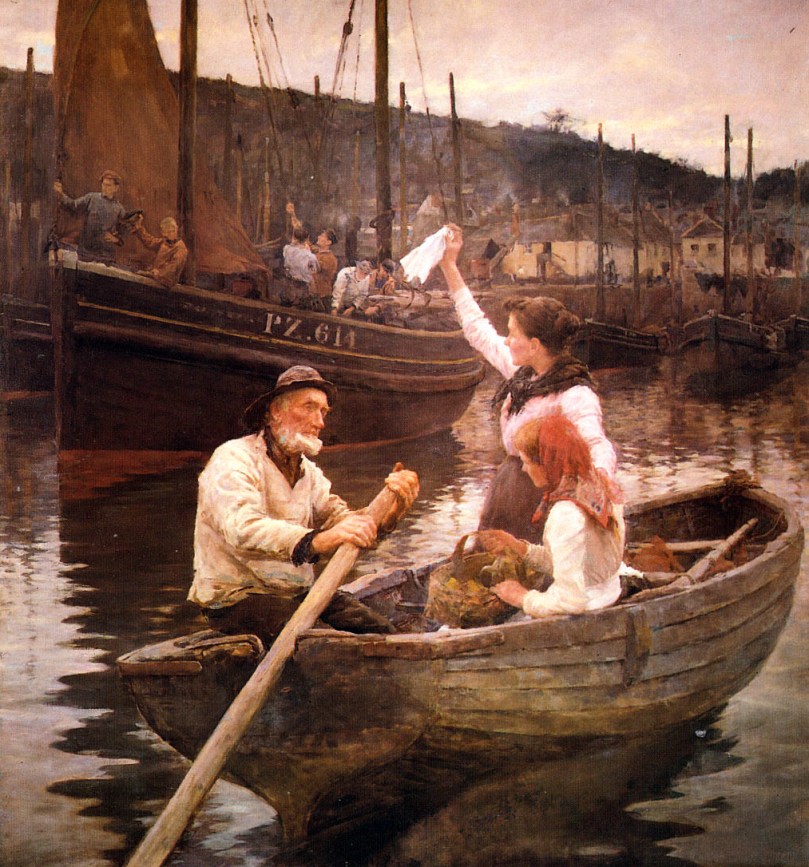
What’s the link between Newlyn in Cornwall – where I had a fisherman’s cottage for 20-odd years – and Skibbereen, our nearest town here in West Cork? The answer is ‘art’, and the painting below by Alexander Stanhope Forbes sums it up: Off to Skibbereen from Newlyn.
offtoskibb1

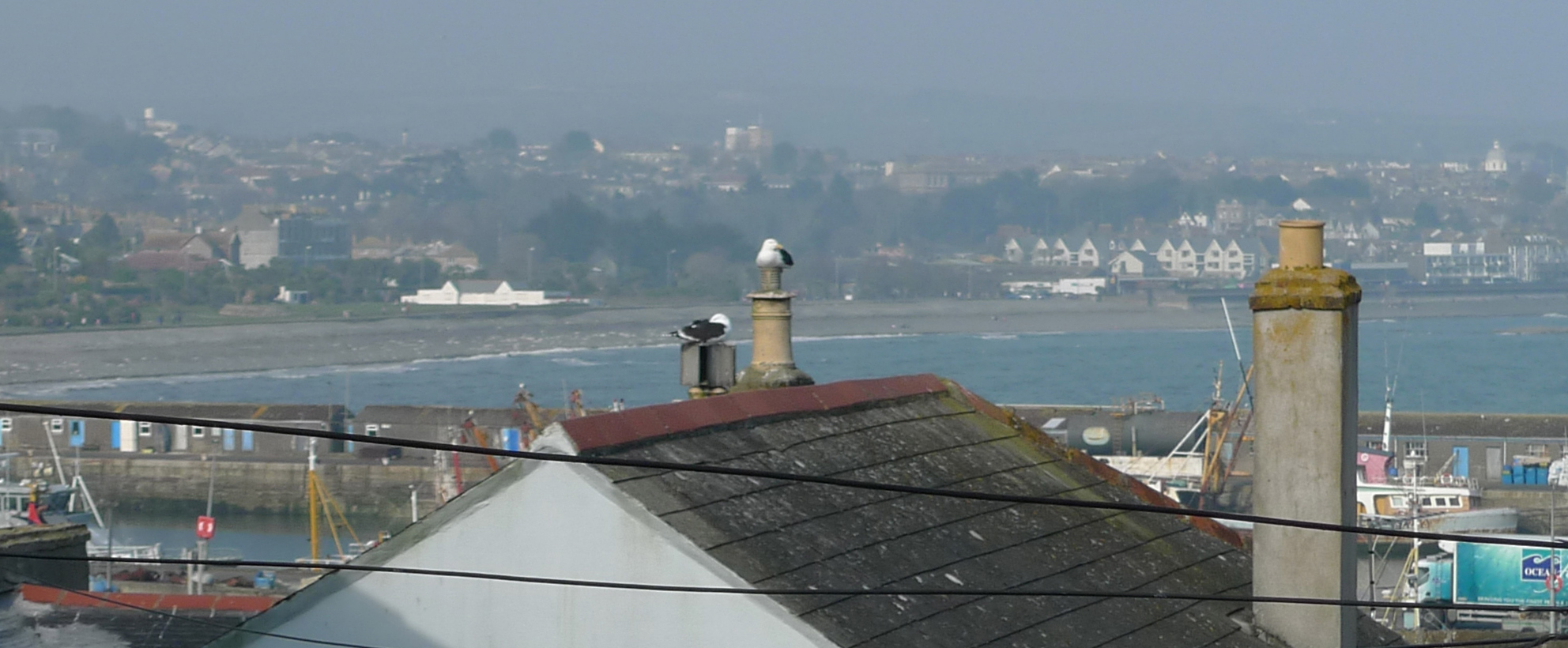
Stanhope Forbes was born in 1857 in Dublin and worked in the en plein air technique of painting, first in Brittany and then in Cornwall, where he settled and founded the Newlyn School of artists. He died in Newlyn (a day or two short of my first birthday) in 1947. If you want to see a collection of Newlyn School paintings visit the Penlee Gallery in Penzance: they are superbly detailed depictions of everyday life in a working fishing community during the late nineteenth and early twentieth centuries. En plein air was all about light, sun and clarity: the artists chose places where the light was at its best, usually close to the sea. My cottage looked out over Mounts Bay in West Penwith, on the far south western tip of Britain. Like the lugger in the picture I have crossed the Celtic Sea from Cornwall, and I now live on the far south western tip of Ireland.
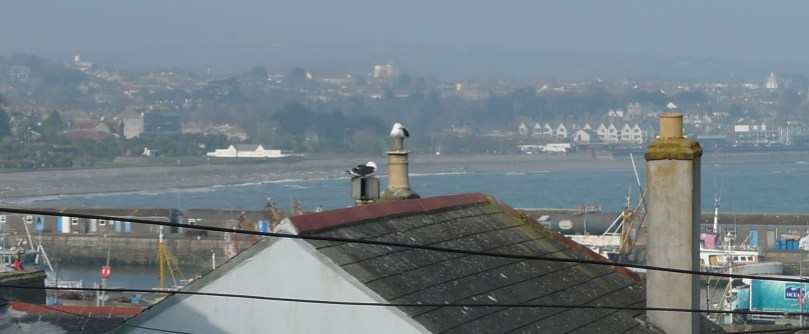
View from my cottage in Cornwall

View from my cottage in Cornwall

I am intrigued by the Off to Skibbereen painting. It tells a story, but we can’t guess that story. It’s presumably PZ 614 that’s on its way to Ireland, and not the ladies in a small open punt with a basket of sandwiches… But why Skibbereen? Records show that from the 1820s Newlyn fishermen were chasing the Herrings off the coast of County Cork. On the whole the fishermen of Newlyn were active most of the year. In January and February they fished for Mackerel off South Devon, following the shoals westwards to Mounts Bay for the next couple of months. Then they moved to Irish waters for the Herring season, returning in July to catch Pilchards until December. They were away from home for weeks at a time so a departure could be a poignant time for their families.

Skibbereen at the end of the 19th century: can you spot the cat?

Skibbereen at the end of the 19th century: can you spot the cat?

Skibbereen was a settlement served by water. The River Ilen is tidal and in the early 19th century boats of up to 200 tons could navigate to Oldcourt, within two miles of the town centre. From there goods were transferred into ‘lighters’ (unpowered barges) and then brought into the quays where there were warehouses and a Customs House. Now, sadly, Skibbereen’s waterfront is a bit neglected and its active past shipping history is no longer obvious. Five historic quays have been identified along the river: Steam Mill Quay, Long Quay, Levis Quay, Minihane’s Quay and Chapel Quay. The Skibbereen Town Development Plan has this to say about them:

…Historic Quays – Comprising of old disused stone quays along the town side of the River Ilen between the two road bridges, these quays were once the primary means to transport goods and people in and out of Skibbereen. Some of the quays are in private ownership, others are unrecognisable and some have been blocked with stone and deposits. However,what is unquestioned is the historic significance and value of the quays and therefore their protection should be considered as part of this plan. In the past, communities and public bodies turned their back on water bodies but now the tide is turning in this regard. Therefore an opportunity presents itself … by ensuring that the quays are redeveloped as part of any proposal on adjoining land…
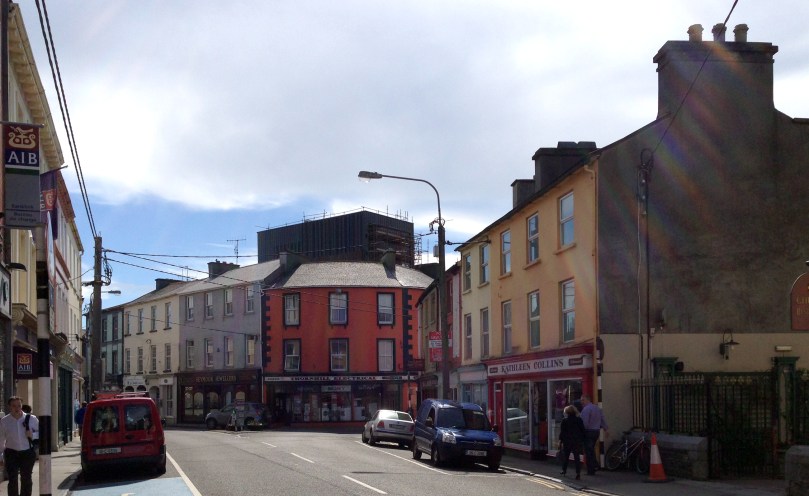
Building work progresses in Skibbereen

Building work progresses in Skibbereen

There is a new development going up in the centre of Skibbereen right now, just by the old Levis Quay. It’s on the site of a rather bleak four-storey warehouse structure (now demolished) known most recently as Wolfe’s Bakery. This new building is all about art – rather neatly for my thesis on the artistic links between West Cornwall and Western Ireland.
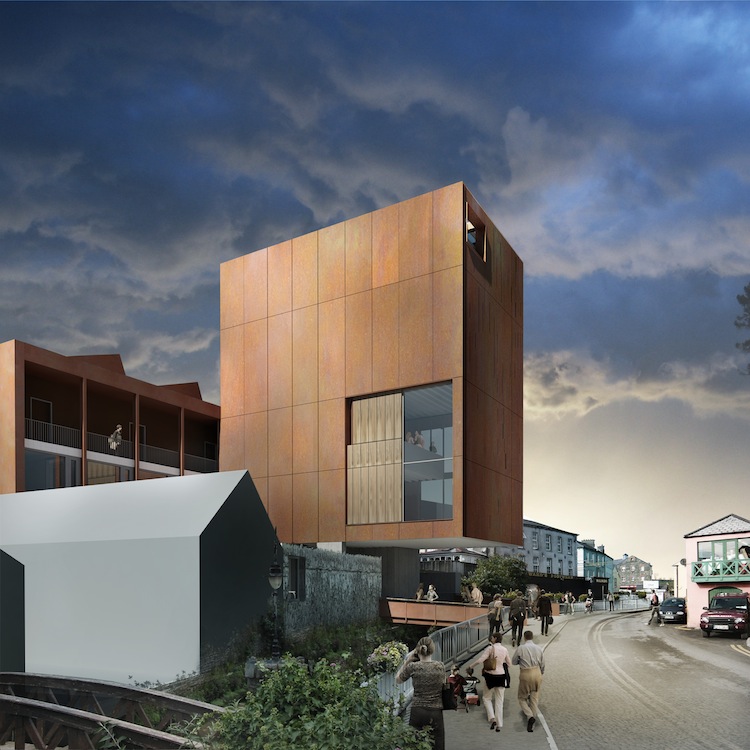
WCAC_north_view_final-sized

Competition Winner – Skibbereen’s new Arts Centre

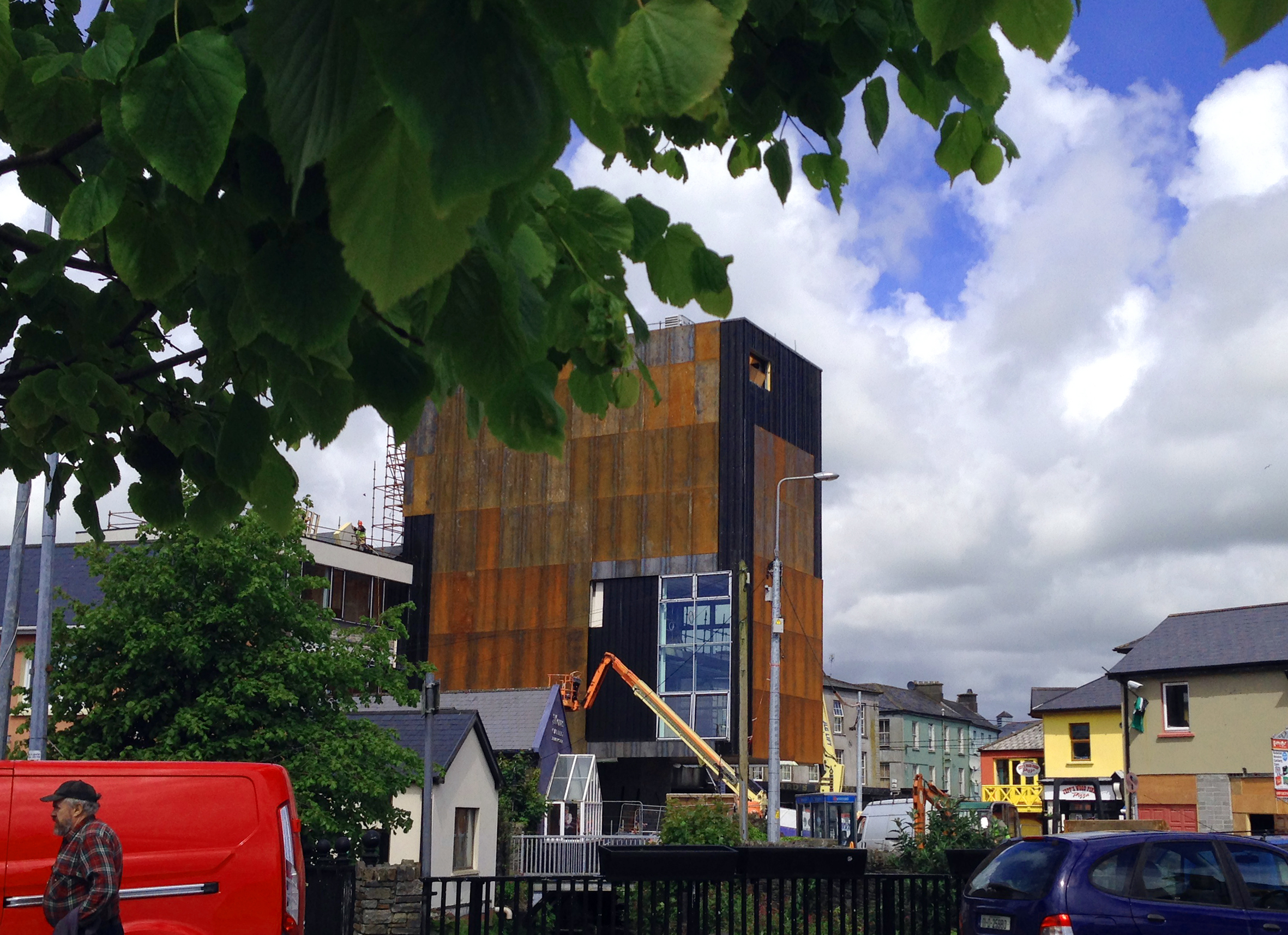
The people of Skibbereen are very fortunate to have secured funding for a major arts building, especially in the present climate of austerity. The West Cork Arts Centre will house exhibition space and studio space for artists and social spaces for the community, including enhanced workshop, dance, performance and film club facilities providing a ‘centre for excellence’ in the visual arts at local, national and international levels. The building occupies the ghost of the earlier warehouse and is on five storeys, all fully accessible. Valuable extra space is cleverly gained by cantilevering a portion of the main block out over the Caol Stream. An international design competition was held for the design of the new centre, and this was won by Architects Donaghy and Dimond of Dublin. Visually the building is stunningly contemporary – and this works well in a small town with a diverse architectural language spanning many centuries. So often, new buildings are not allowed to be ‘of their time’ and resort to pastiches of older styles with the result that present day town centres can lack any dynamic character.

The building is being clad with a material known as ‘Corten‘. It’s actually rusted steel! It’s an attractive and durable finish which matures and stabilizes as time goes on. The appearance of a large rusty steel box in the centre of town is exciting some comment but – as always with anything new – judgement is best reserved until the project is completed. In my opinion it will add to the attractions of Dear Old Skibbereen and provide very welcome new facilities in the heart of this creative community. Well done Skibbereen!
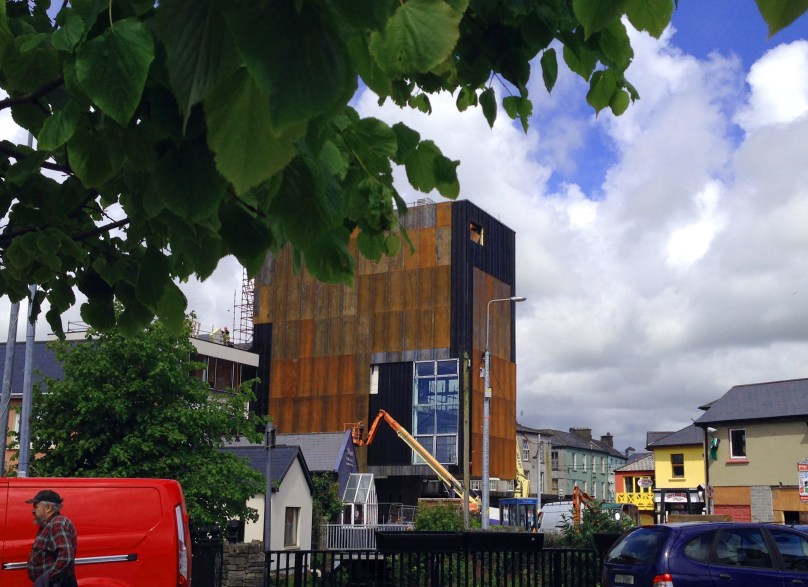
Taking Shape - 21 May 2014

Taking Shape – 21 May 2014

Here’s an idea: several of the Newlyn School artists were Irish – or had Irish connections. Perhaps in West Cork we should put on an exhibition highlighting artistic links – old and new – between Cornwall and Ireland?

Wolfe’s Bakery – site of the new Arts Project

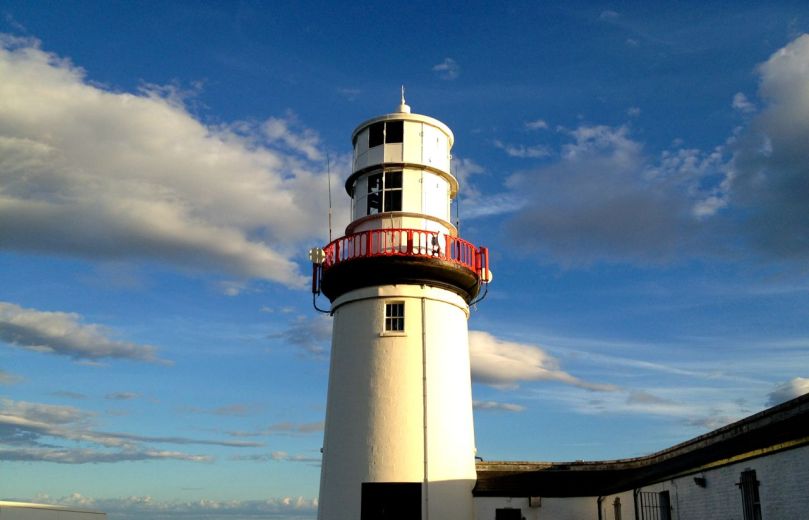
Galley Head Lighthouse

Galley Head Lighthouse

Galley Head Lighthouse

On a sparkling day last September we set out with the Skibbereen Historical Society to tour the Galley Head Lighthouse. We were fortunate to have as our Guide the man who wrote the book (literally) on this and other Cork lighthouses. Gerard Butler wore his full dress uniform for the tour: not only did he look dashing, but he wowed us all with his encyclopaedic knowledge of irish lighthouses, and amused us with many stories about the characters who looked after them.

bookLighthouse keeping ran in families, and Gerard recounts in his book, The Lightkeeper, the roles his father, mother siblings and grandparents played in keeping lighthouses going along the Irish coast. He spent many years at Mizen Head, at Skellig Michael and on the famous Fastnet Rock, scene of a horrendous sailing disaster in 1979. In the 90’s the automation of lighthouses spelled the end of the traditional role of light keeper, but Gerard continues as the ‘attendant keeper’ at Galley Head.

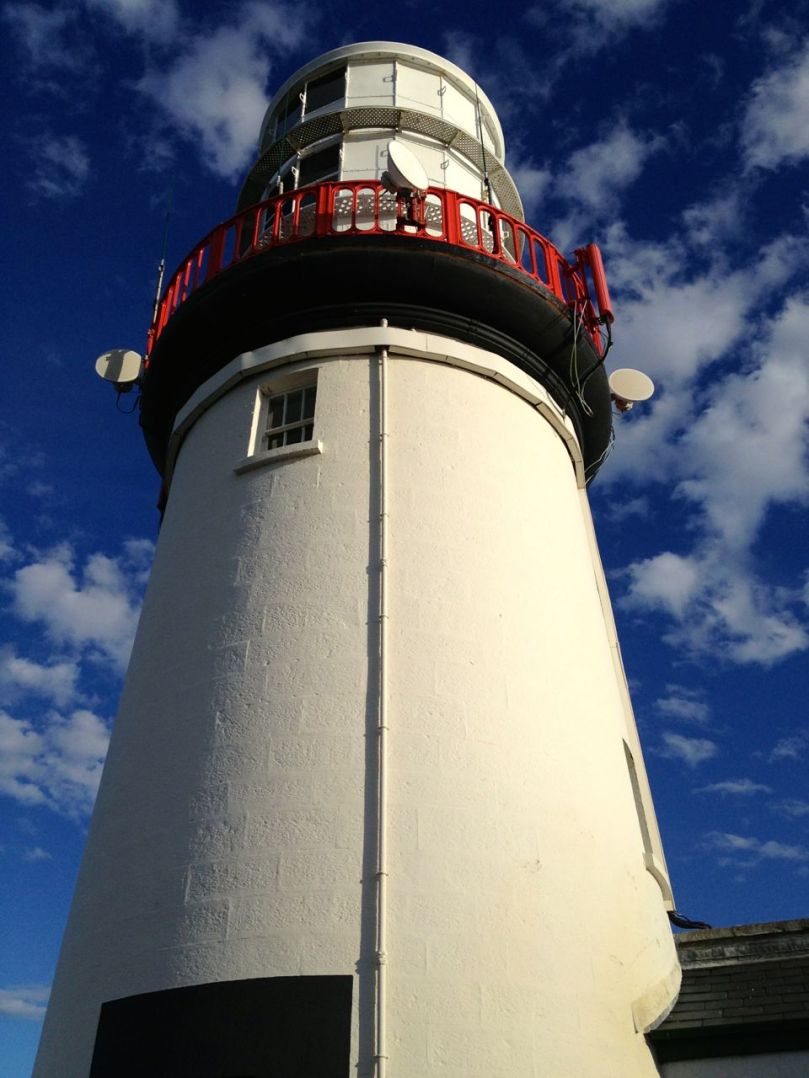
The Galley Head lighthouse is not open to the public, so this was a rare privilege. It is a classic – an enormous white tower visible from miles around, gleaming on the headland. Each lighthouse has its distinct ‘character’ – the rate at which the flashes are visible – and Galley Head’s was seven flashes in sixteen seconds, followed by forty-four seconds of darkness. This was later converted to five flashes every twenty-five seconds. When the lights were directed solely out to sea in the late 60s the local people missed the familiar flashes so much that they petitioned to have them restored and this was done. (We understand this very well – we see the flash of the Fastnet Rock from our house and would miss it greatly if it were to stop.) 

The deep sound of the foghorn, a feature of so many lighthouses, no longer booms through the fog from Galley Head – foghorns have been rendered obsolete by modern technology. Gerard recounted that the foghorn was actually powered by explosive charges, and that during the War of Independence and the Civil War lighthouses were regularly raided by Republican forces who carried off the explosives. During that period the foghorns were silent also, although not by choice.

The light itself has undergone a radical evolution in technology. Originally powered by gas, with a gasworks built to supply the fuel, it was later converted to paraffin, and finally to electricity. At one point in the early days the light was the brightest in the world, and with each improvement to the fuel and the optics, it became more efficient. 

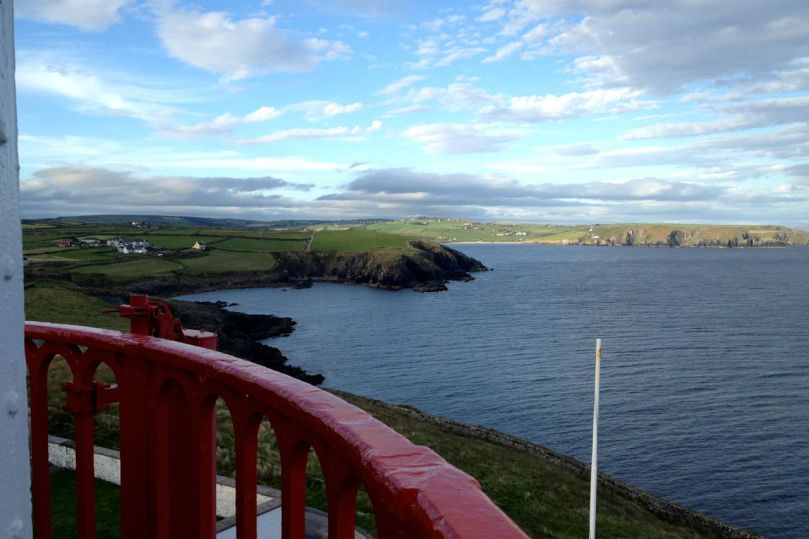
From the top deck

From the top deck

Scrambling up the curved staircase; listening to the stories of the hardship, bravery, adventure and occasional boredom of the keepers’ lives; surveying the countryside from the vantage point of the top deck; scanning the sea in hopes of a whale sighting; imagining ourselves in one of the hurricane-force storms that regularly swept over Galley Head; learning the history and culture of the Irish Lights Service: it was a unique insight into a way of life that has vanished forever, and a marvellous afternoon!

Looking up

The Workhouse

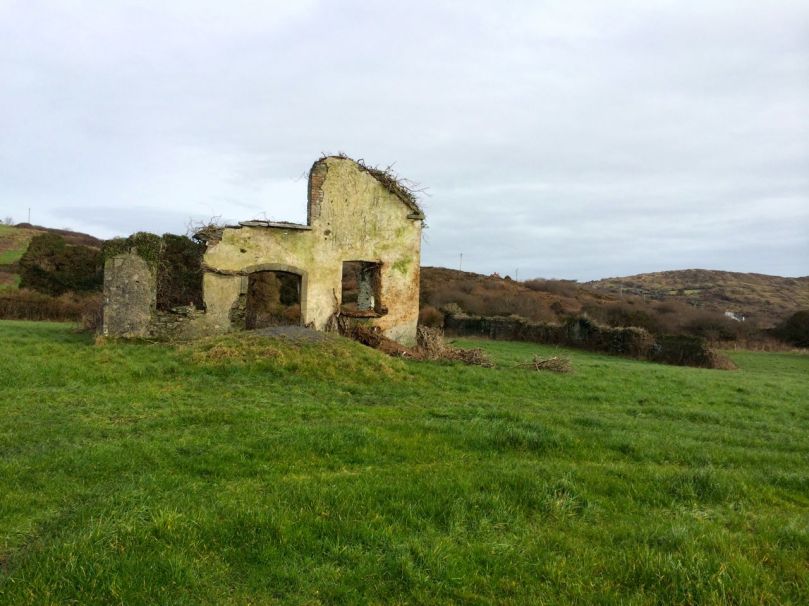
The ruins of the Schull Worhouse

The ruins of the Schull Workhouse

Of all the old ruined or abandoned buildings that dot the countryside of Ireland, one type has the distinction of being the most hated – the workhouse. Many have disappeared: most of the West Cork workhouses have been pulled down or completely rebuilt as community hospitals. A few hints remain – a wall here, a shed there. The workhouse in Schull, although in a ruinous state, has managed to maintain enough of a presence to remind us of its former role in the community. Surrounded by a high stone wall, you can still see parts of the administration building where inmates were admitted, remains of the dormitories and the hospital.

Administration Building and Entrance to the Workhouse

Administration Building and Entrance to the Workhouse

We wander around a lot of ruins here in West Cork, but this one is different. No good feelings emanate from these walls. Instead, an aura of decay and sadness lies thick upon the site. We found ourselves exploring in silence, contemplating the misery that was the inevitable condition of those who entered.

Schull Workhouse Plan

Schull Workhouse Plan

Workhouses were built throughout the nineteenth century in Ireland. The philosophy of charity prevailing at the time dictated that the workhouse must represent the absolute last resort of the desperate – those who could no longer feed, clothe or house their families or themselves. Once admitted, families were separated and might never see each other again. All inmates were assigned hard labour, although some rudimentary schooling was provided for children. There was no comfort, little sanitation, crowded conditions and meagre allowances of food.

One of the most intact spaces

One of the most intact spaces

The Irish Workhouse Centre in Portumna has an excellent website if you want to learn more about the Irish context, but the site that dwarfs all others in the sheer amount of information is The Workhouse: The Story of an Institution, created and maintained by Peter Higginbotham. He makes the point that not all was bad about workhouses, that many workhouses in Britain provided inmates with sanctuary, life-saving treatment and skills. This is not their reputation in Ireland, however, where their memory evokes dread and abhorrence.  Part of this is rooted in their response to the Great Famine of 1845-49. Established to provide Inside Relief many of them initially turned away those who came to the gates asking not to be admitted but to be fed. For those inside, conditions at this time were appalling. As an example, the Durrus History Blog records the report of a Dr Stephens on a visit to the Bantry Workhouse in 1847.

A kitchen, perhaps?

A kitchen, perhaps?

The workhouse in Schull was not built until 1851, in the aftermath of the Famine. It was burned down in 1921 during the War of Independence (there’s an account here), as were many workhouses, to prevent it being used as a barracks by the British army. When the Irish Free State was established, one of the first acts of the new government was to abolish the despised workhouse system and transfer its responsibilities to a new Ministry of Health.

The hospital wing?

The hospital wing?

All Irish workhouses were designed by the same man, to one plan, you can get a better idea of how the Schull workhouse might have looked on the Irish Workhouse Centre website. An exception to this sameness was the Durrus Grainstore, pressed into service as an auxiliary workhouse at the height of the hunger for a couple of years.

Durrus Grainstore. Photo by Amanda Clarke of Sheep's Head Places.

Durrus Grainstore. Photo provided by Amanda Clarke of Holy Wells of Cork

Juxtapositions

holywater

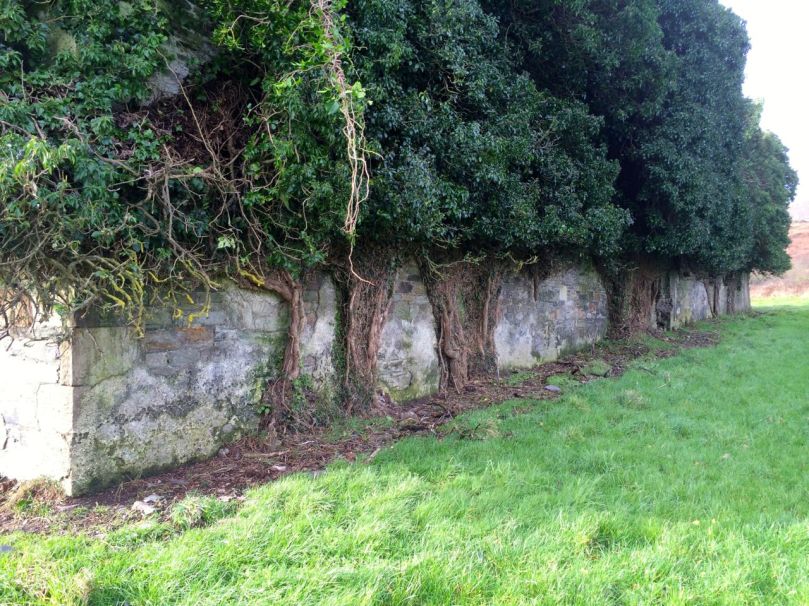
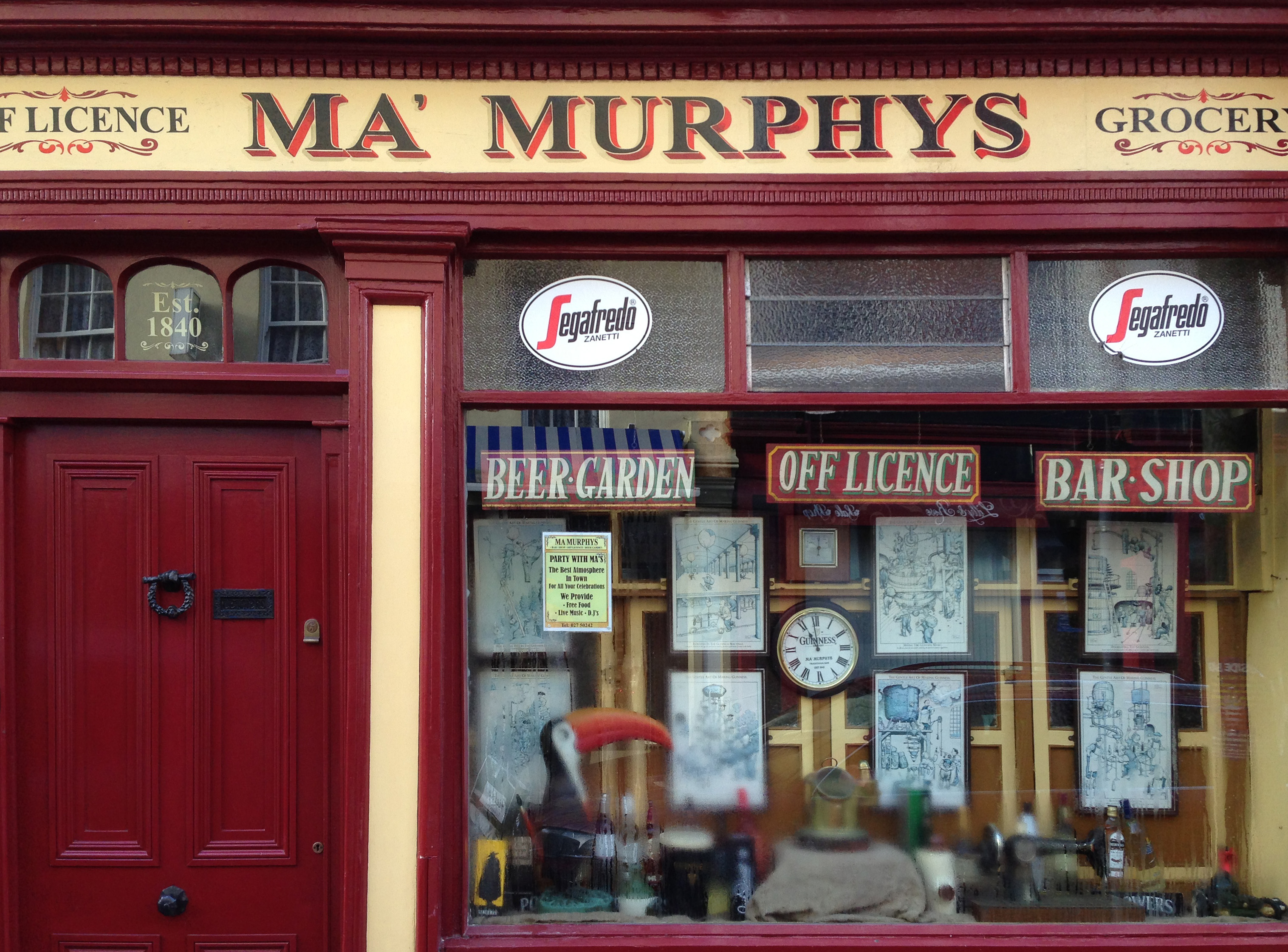
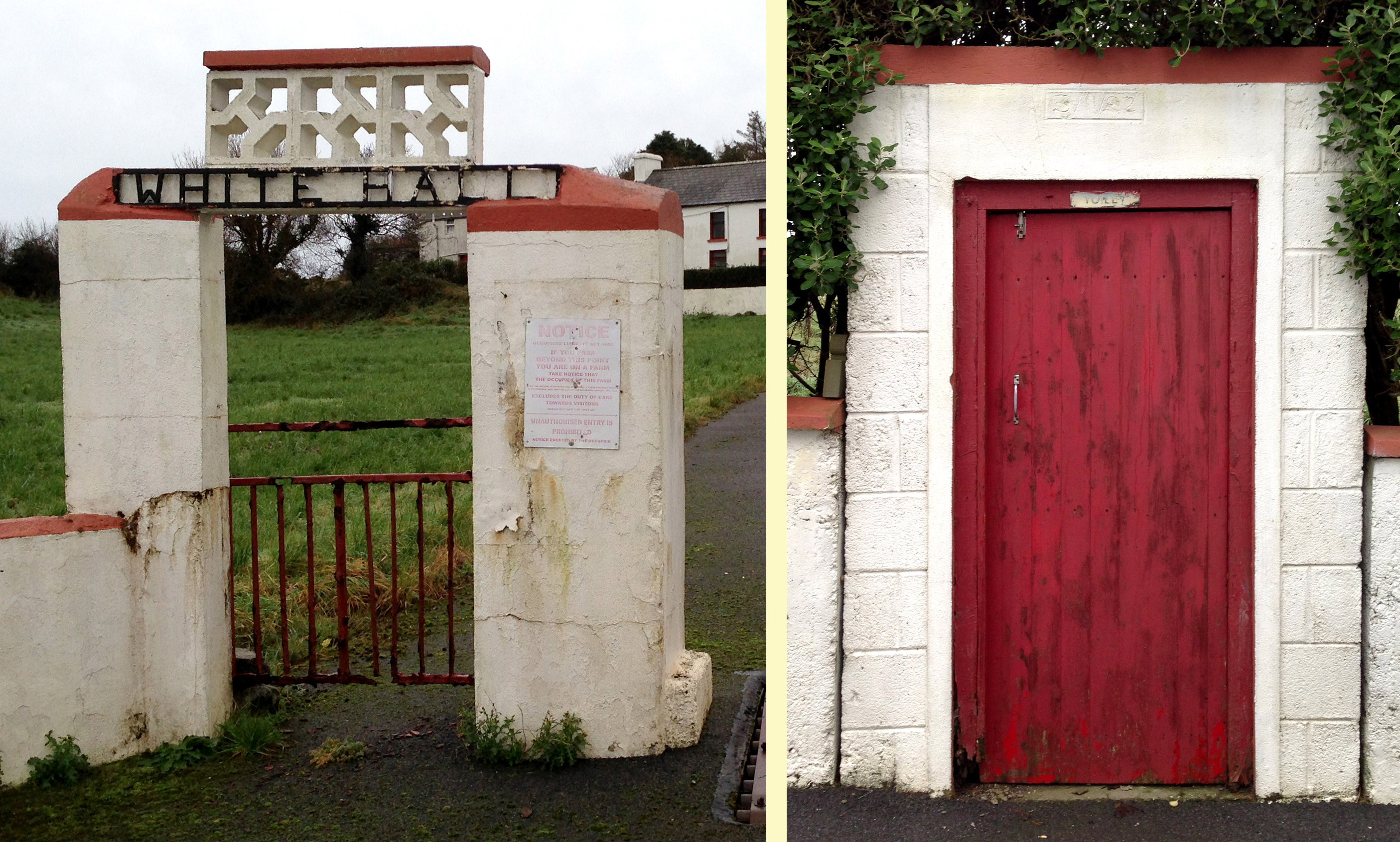
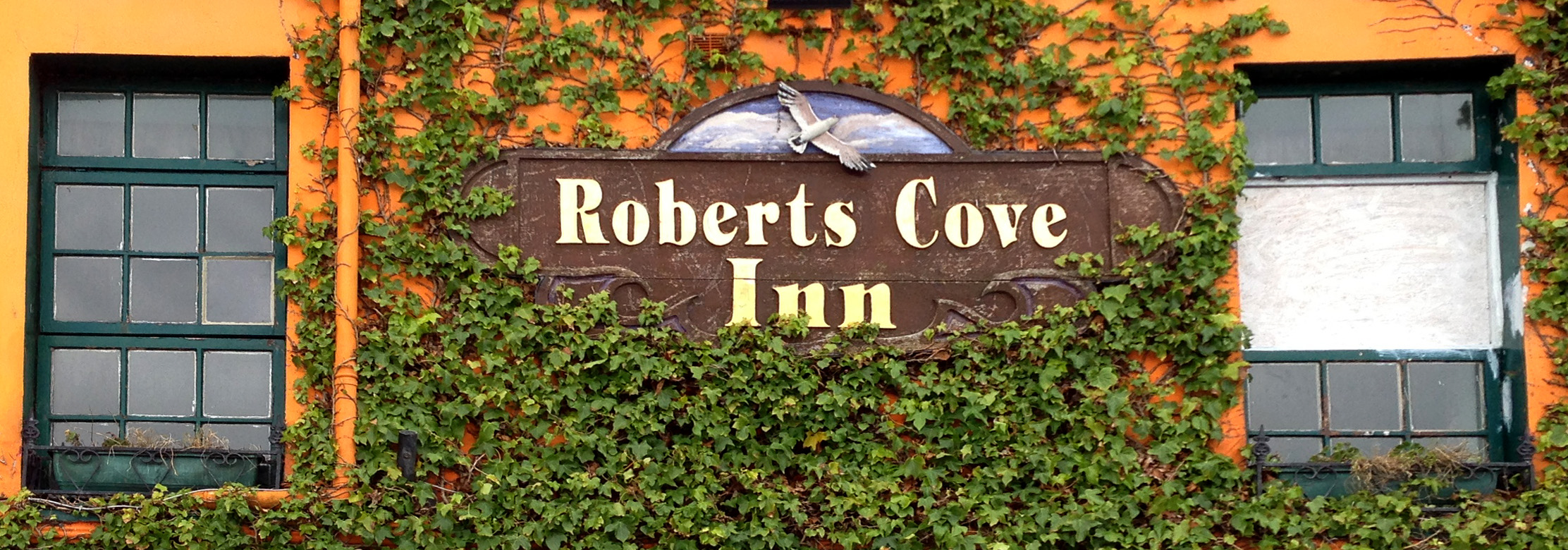
I can’t help it – I’m addicted to the oddities of everyday life in Ireland. They are only odd to me, of course: a temporary blow-in from England. To someone local they are normal and expected. This is a visual post: perhaps that’s because it’s late on Sunday night and we have only just arrived back from a weekend away in Cork. We went to the opera, but that’s another story. Meanwhile, have a look at some of the things that have caught my eye, fascinated or amused me over the past few weeks…

graves

welcomeinn

for sale

mamurphys

signs

robertscove

parlour

sullivans

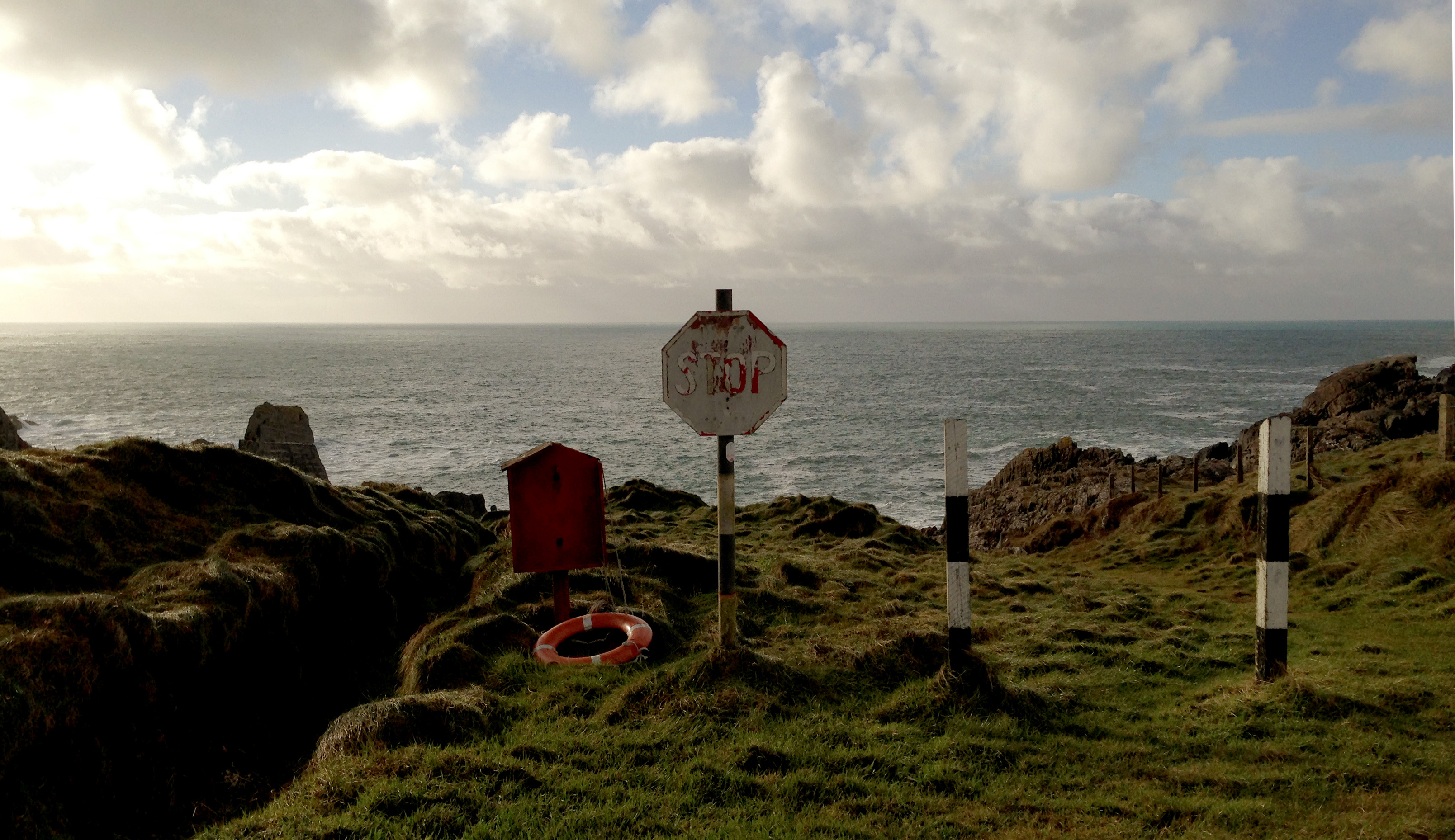
endofroad

Mary Mary

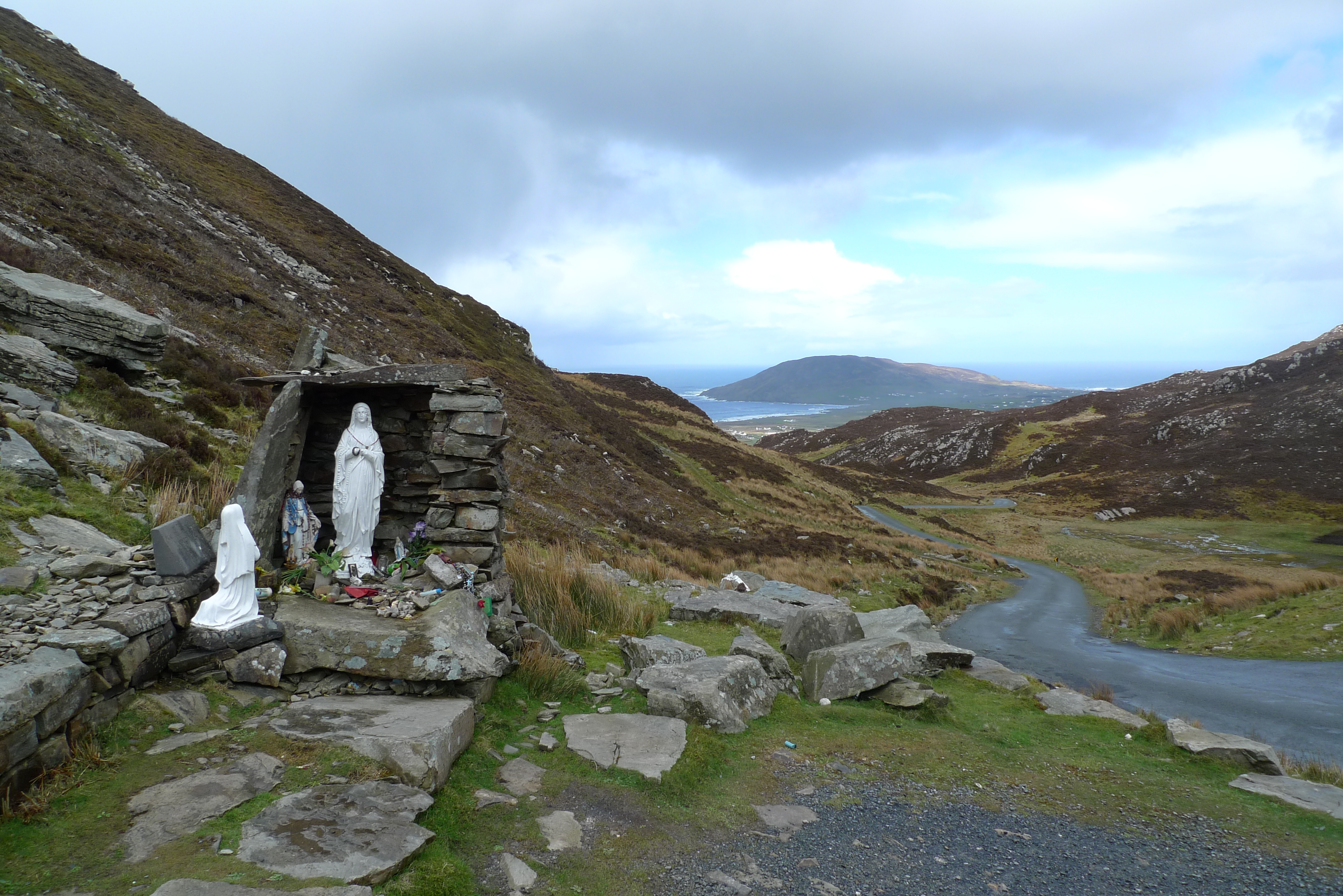
Roadside Shrine in Donegal

Roadside Shrine in Donegal

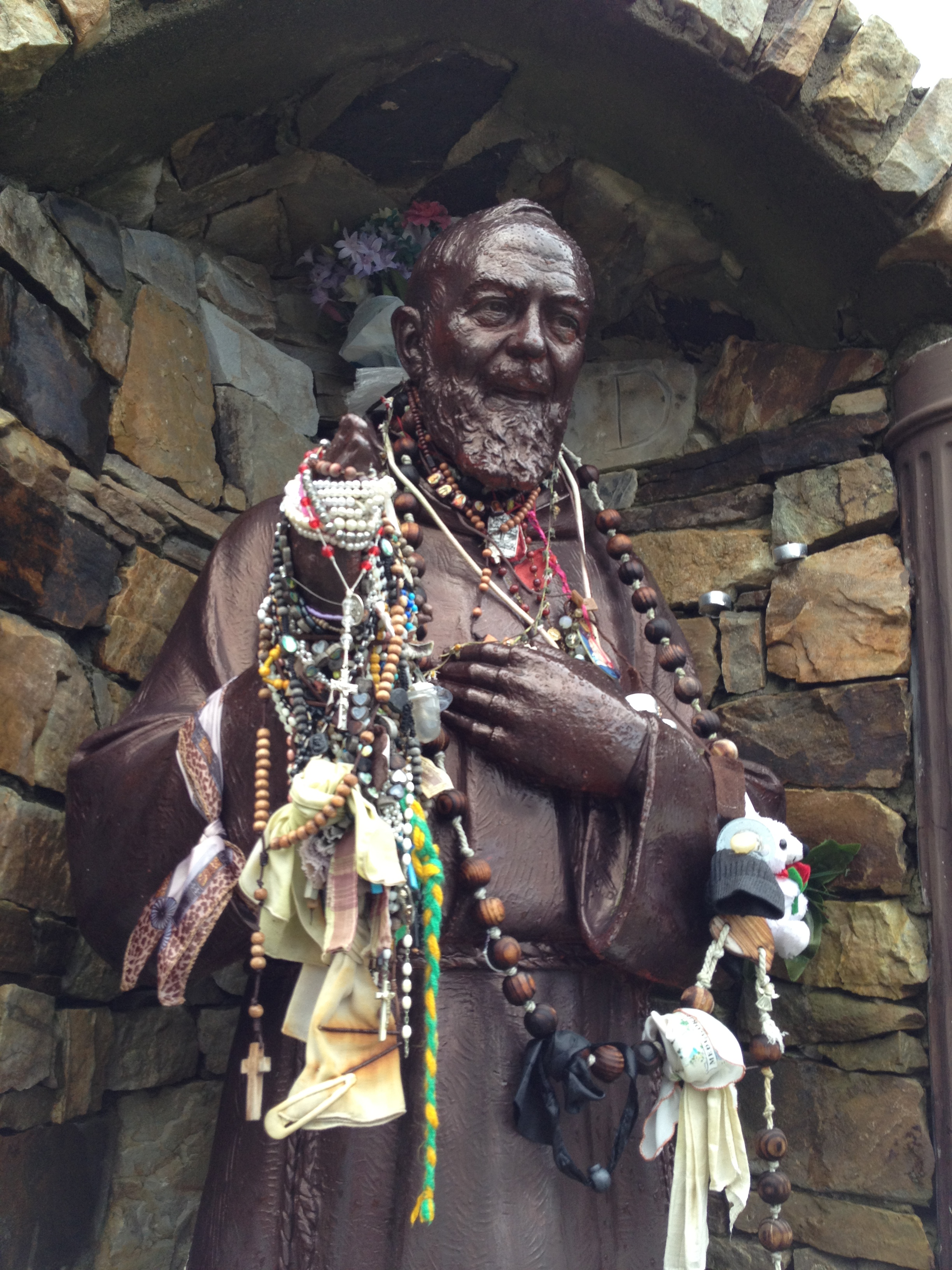
St Columcille

St Columcille

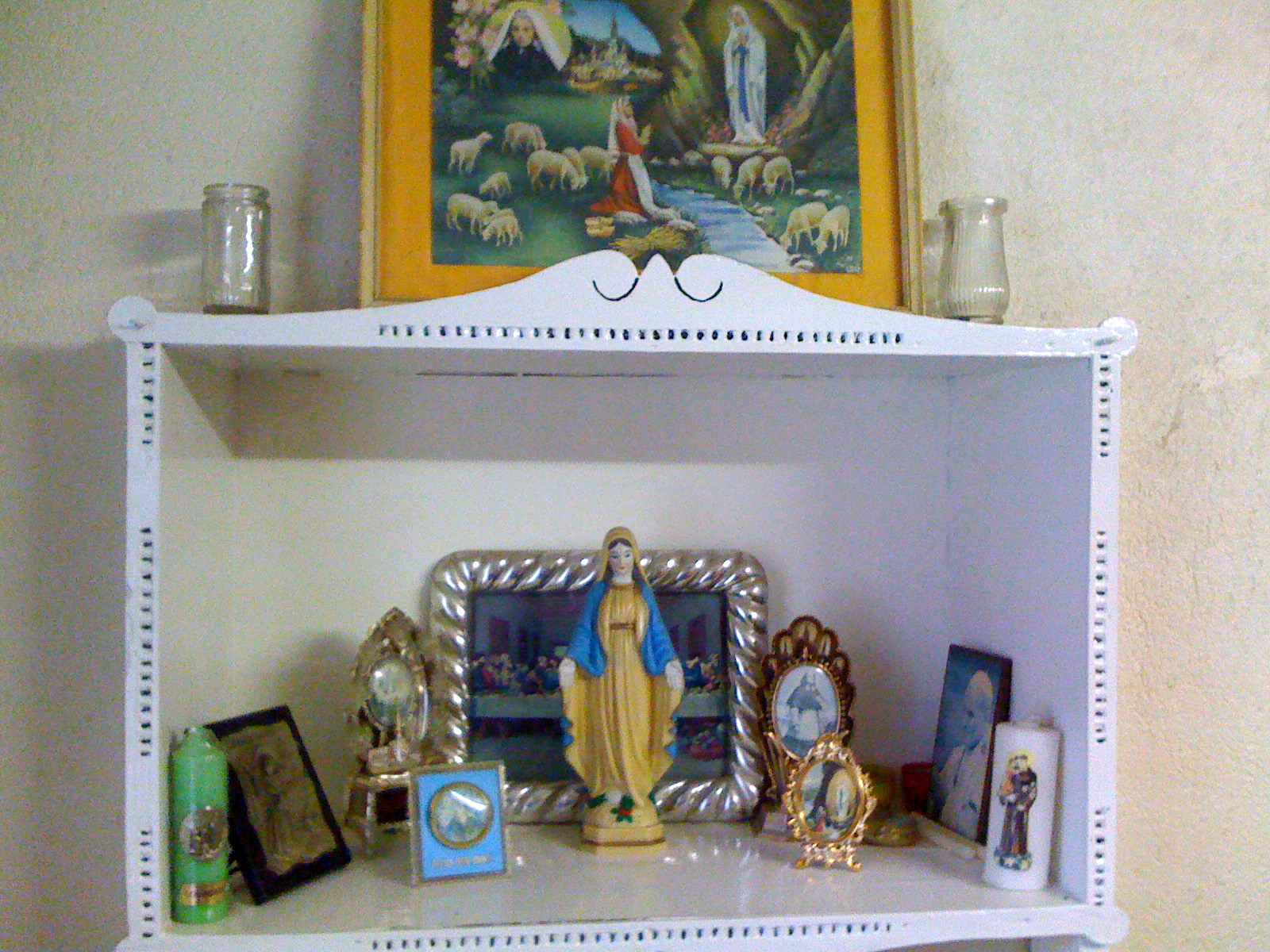
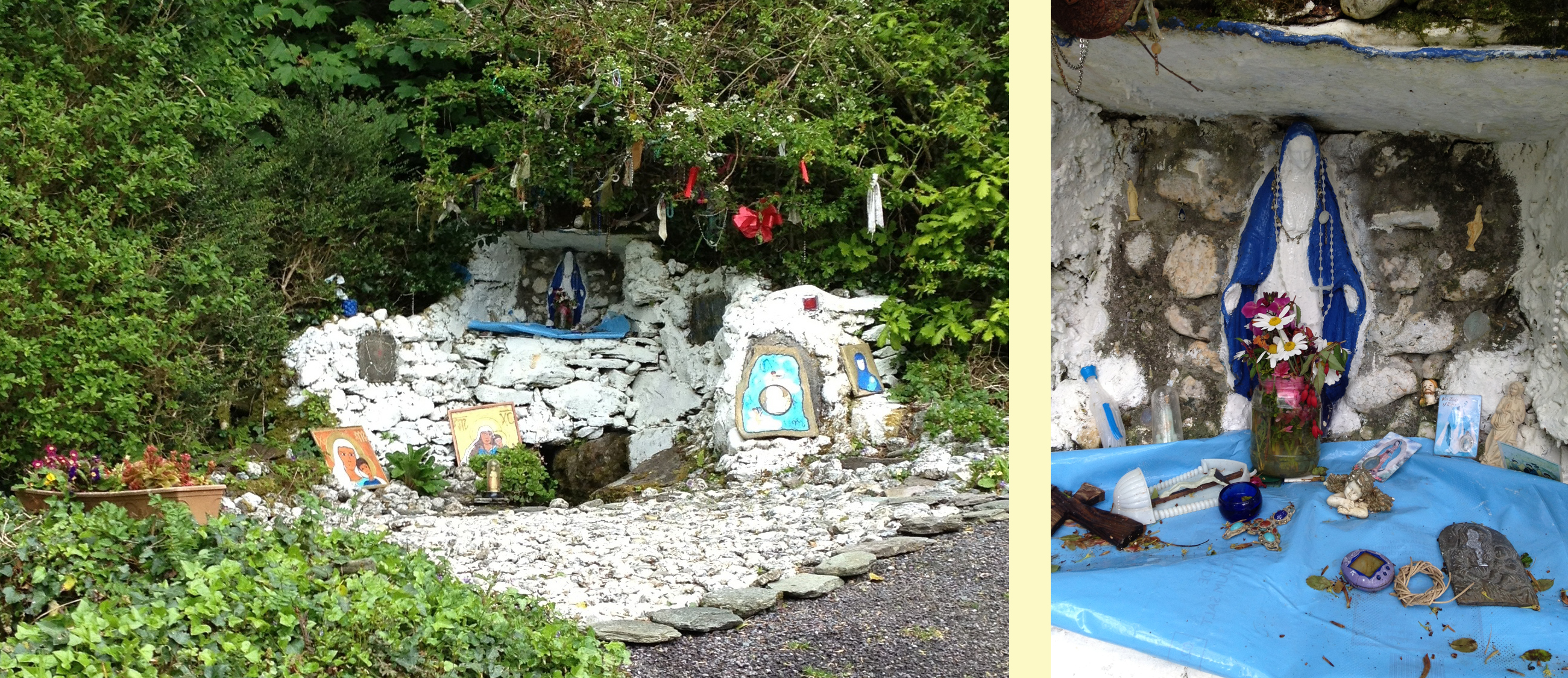
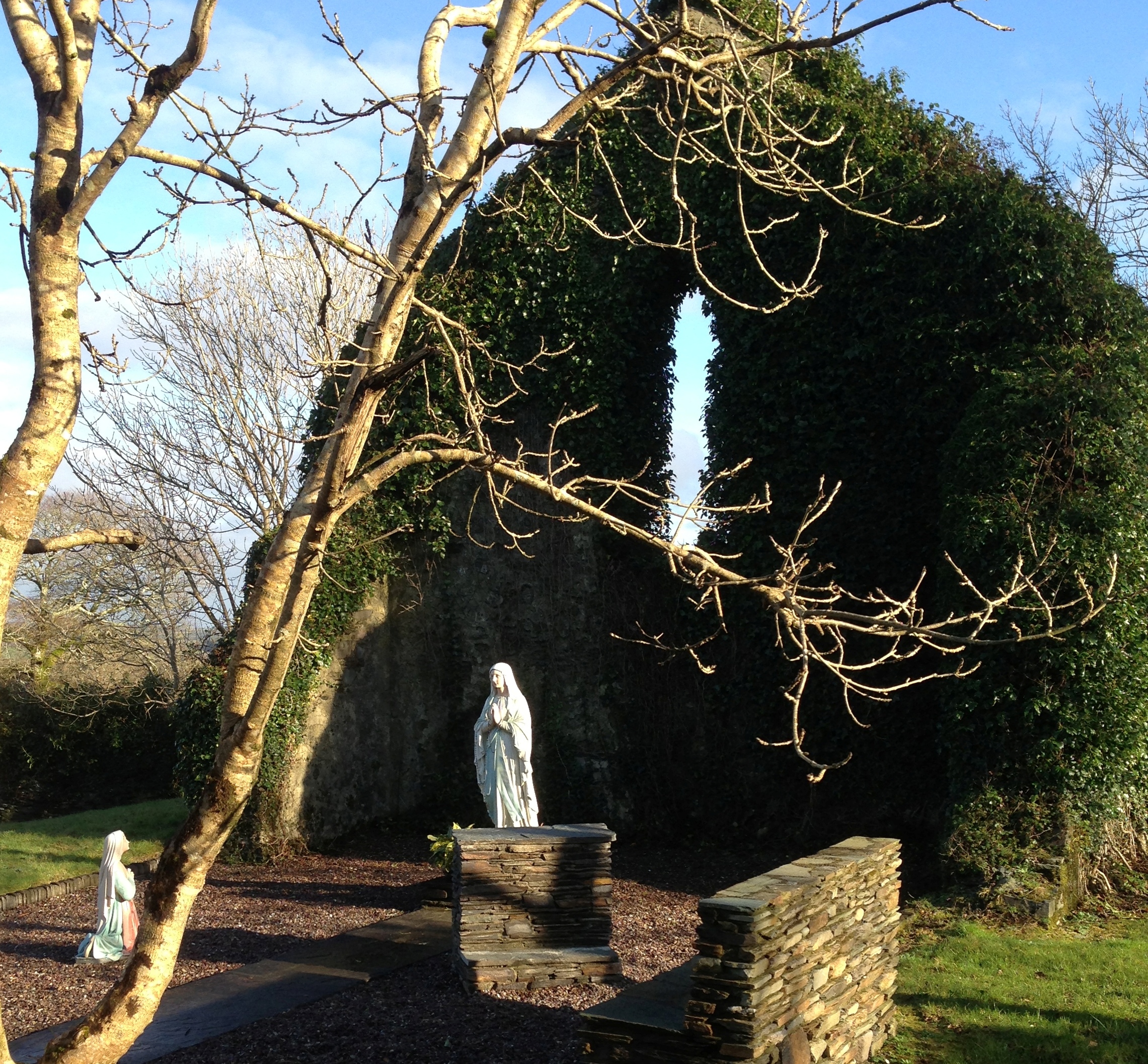
On our drives, it has become a game to be the first to spot a shrine and yell out “Grotto!” They are everywhere. While some are standards of Christian iconography (Calvary groupings, crosses) and others venerate local saints, the vast majority are Marian and based on the apparition of the Virgin Mary to Bernadette of Lourdes. In 1954, at the height of Catholic fervour in Ireland, the Vatican declared a Marian Year – a year of special devotion to Mary. Ireland embraced this with great enthusiasm and suddenly the countryside was decorated with statues (like the Pieta on the Sheep’s Head) and every community sported a Lourdes grotto. Ireland at that time was poverty-stricken so it is particularly striking that when the Irish had nothing – there were few cars, no modern conveniences, little spare money – parishes managed to put together enough to erect devotional shrines.

Holy Well

Holy Well and close up

The best ones, of course, are the  rustic shrines you stumble across on a drive or a walk. Sometimes an ancient holy well will have been ‘Marianised’ by the addition of a small carving or rosary beads, or a summit or mountain gap will have a simple rocky structure to house a statue. Pilgrims or passers-by leave small tokens either as a mark of respect or to support a special intention.
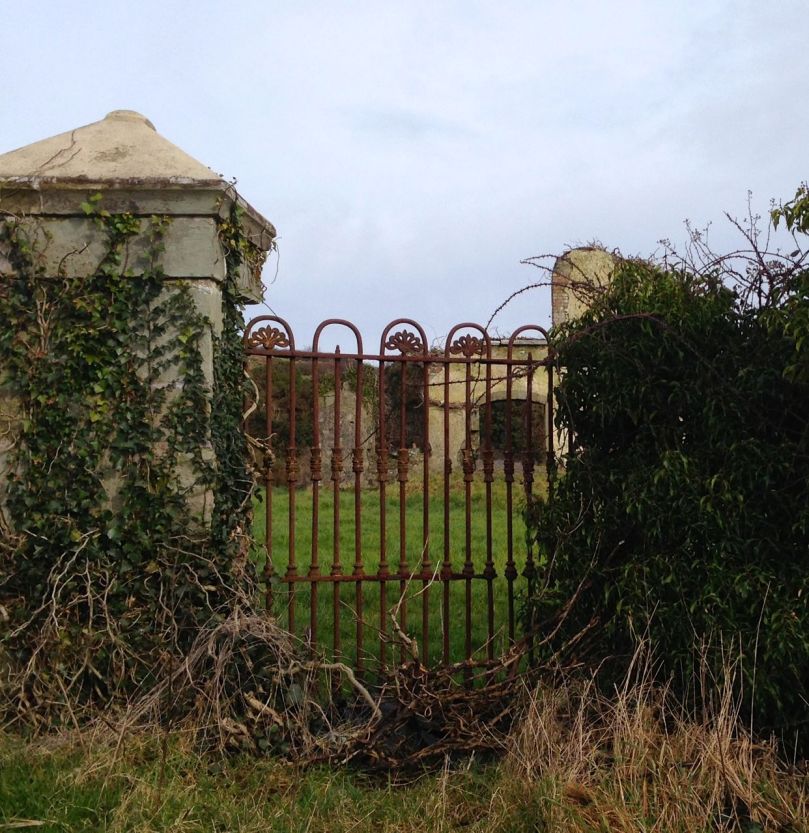
Ballinspittle: The Moving Statue

Ballinspittle: The Moving Statue

There is an elaborate grotto near here in Ballinspittle. In the mid 1980s the country was galvanized by reports that the statue of Mary had been seen to move. Pilgrims flocked to the site, overwhelming the small town of Ballinspittle for a while. The 80’s were very different from the 50’s: many of the older generation believed, and still do, while others had lost that simple devotion that characterised earlier times and the apparition was greeted by many with a scepticism that would have been unknown in the 50’s.

When I was a schoolgirl, we were arrayed in veils for a walk down through the school grounds every day in May to visit the grotto. Hands folded in prayer, we sang

“Oh Mary we crown thee with blossoms today, Queen of the angels and Queen of the May.”

The tradition of choosing a young girl to be May Queen to preside over spring festivals is common to many cultures and probably pre-dates Christianity. In Ireland, as we often see, this tradition has become Christianised. The ubiquity of Marian images here is yet another aspect of the rich fabric of Irish culture.

Ruined church, converted to a grotto