Calary: An Eminent Gathering Of Souls

Adam and Eve in the Garden is an Aubusson tapestry, from the Atelier Tabard Frères et Soeurs (artist website) designed by Louis le Brocquy and dating from 1951-52. Le Brocquy was born in Dublin in 1916 and led a long life which included travelling extensively across continents, always completely engaged in art. He died in Dublin in 2012. On his death, President Michael D Higgins said: ”Today I lament the loss of a great artist and wonderful human being whose works are amongst this country’s most valuable cultural assets and are cherished by us all. Louis leaves to humanity a truly great legacy.” In 2002 the National Gallery of Ireland acquired le Brocquy’s painting ‘A Family’ – the first work by a living artist admitted to its permanent collection.
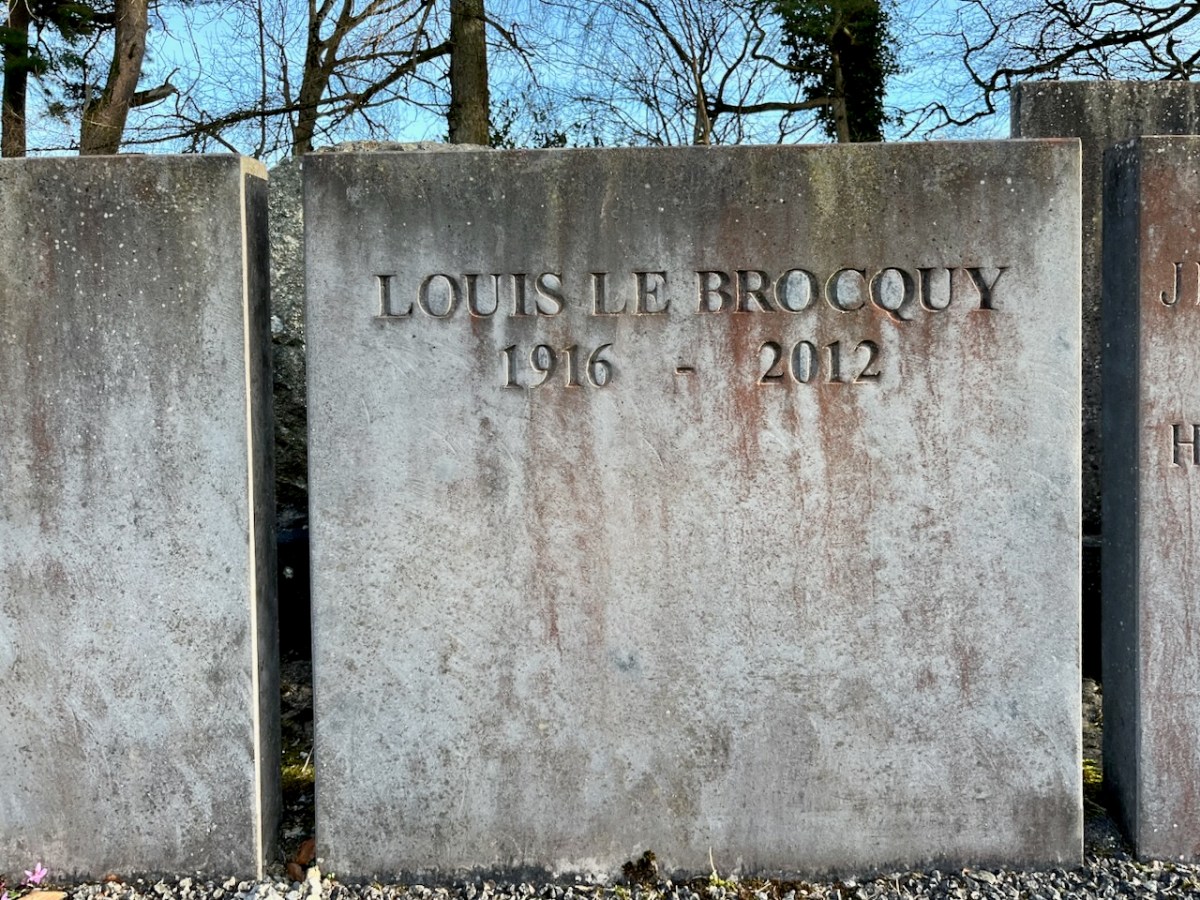
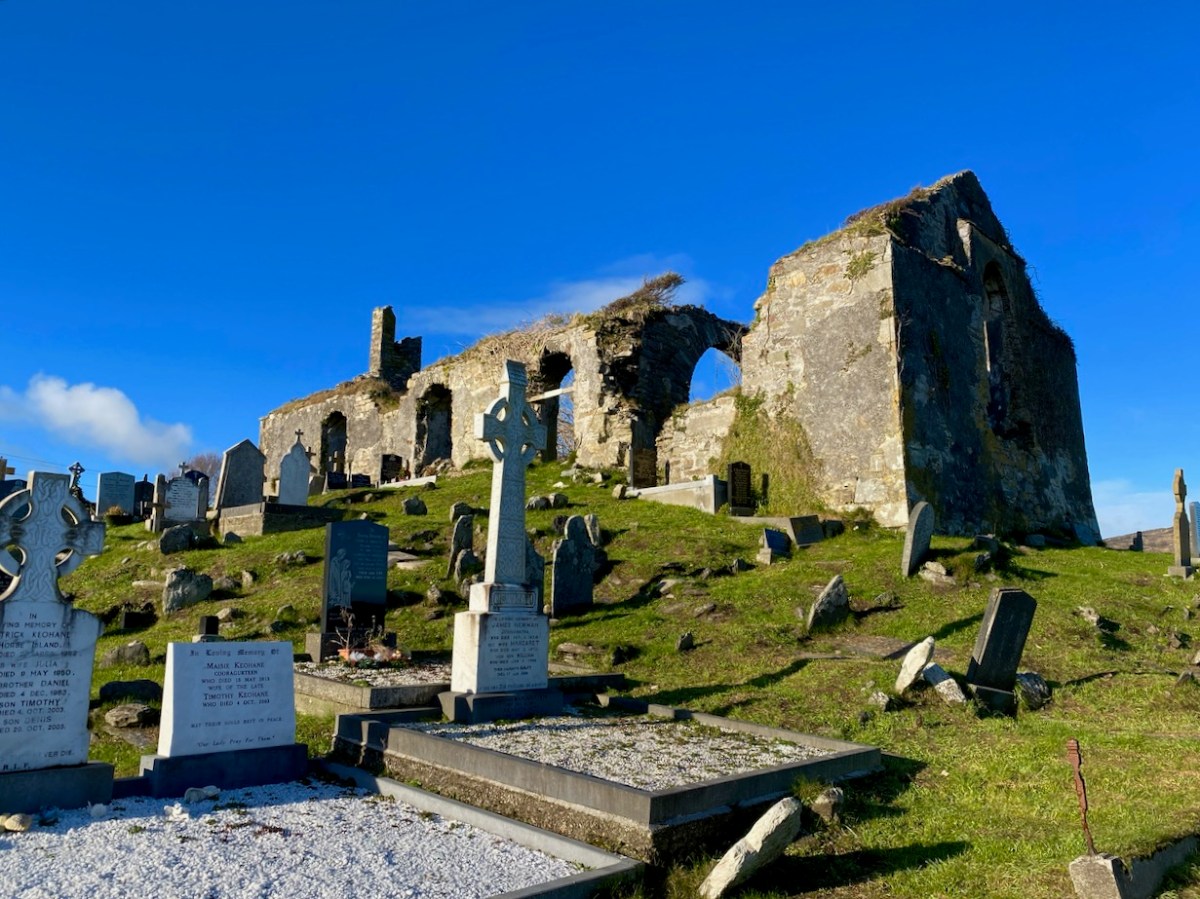
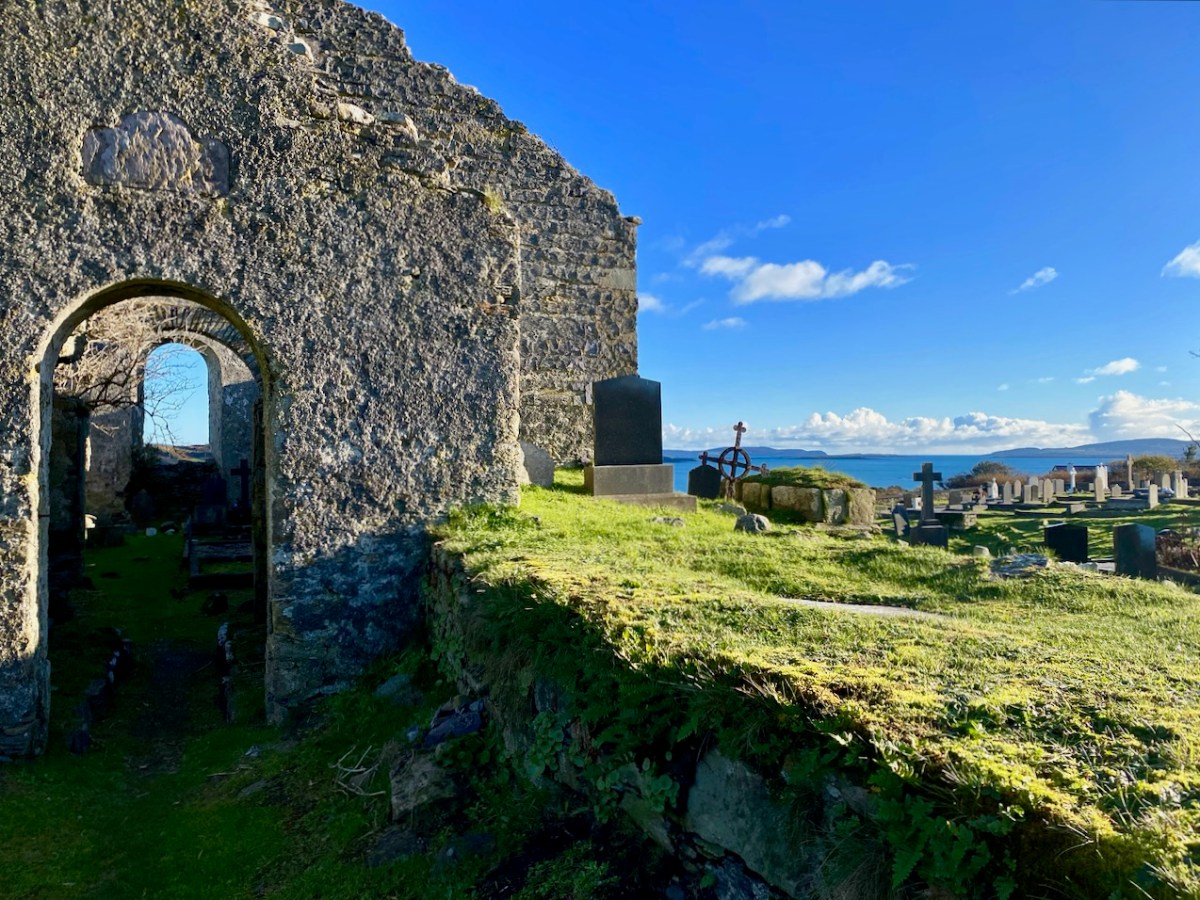
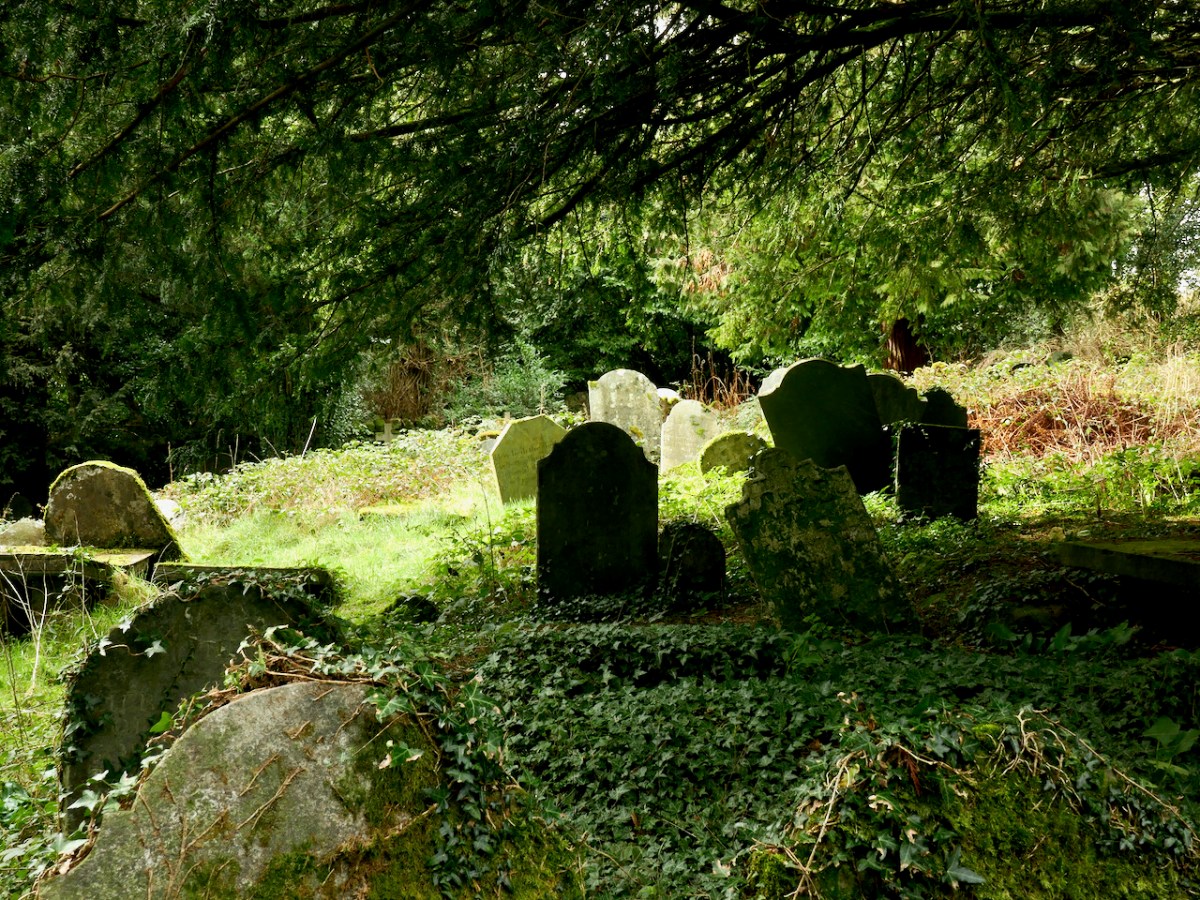
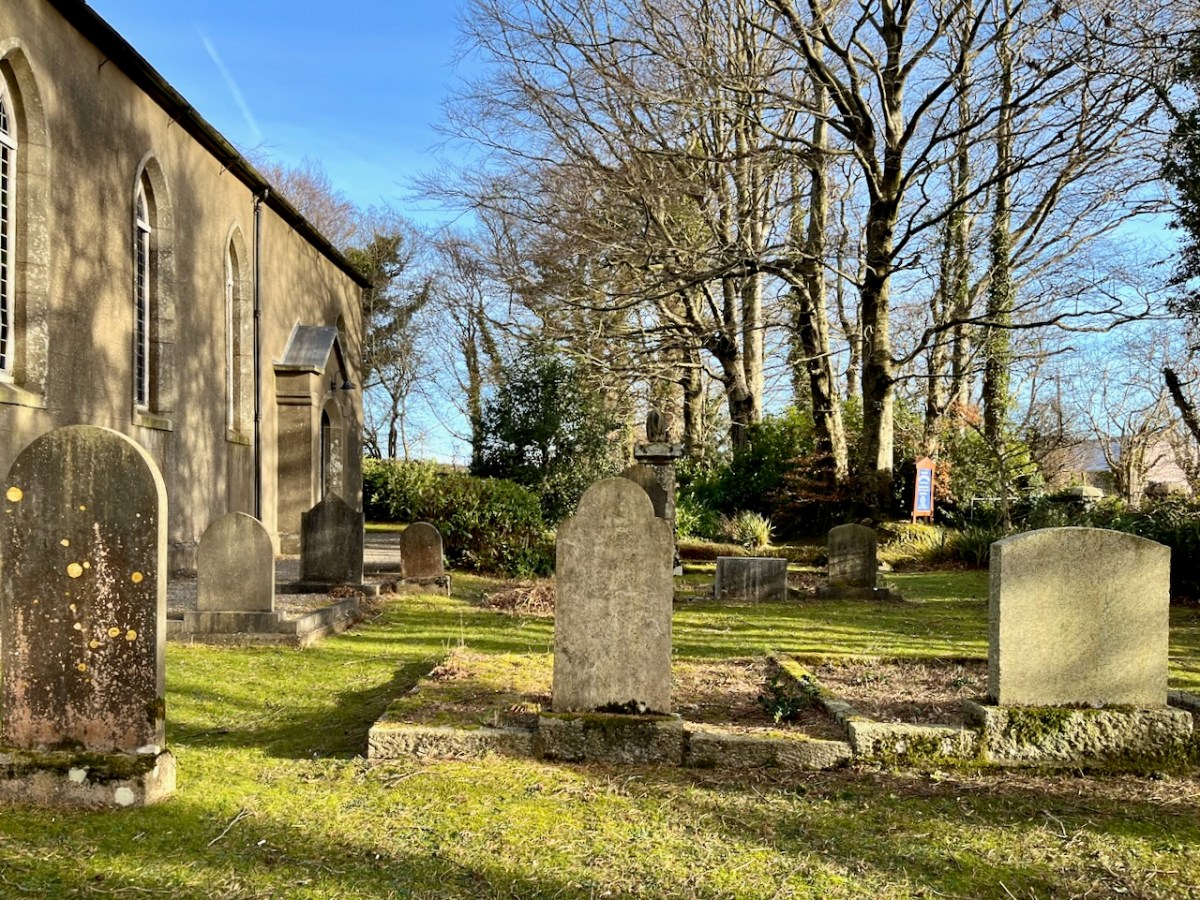
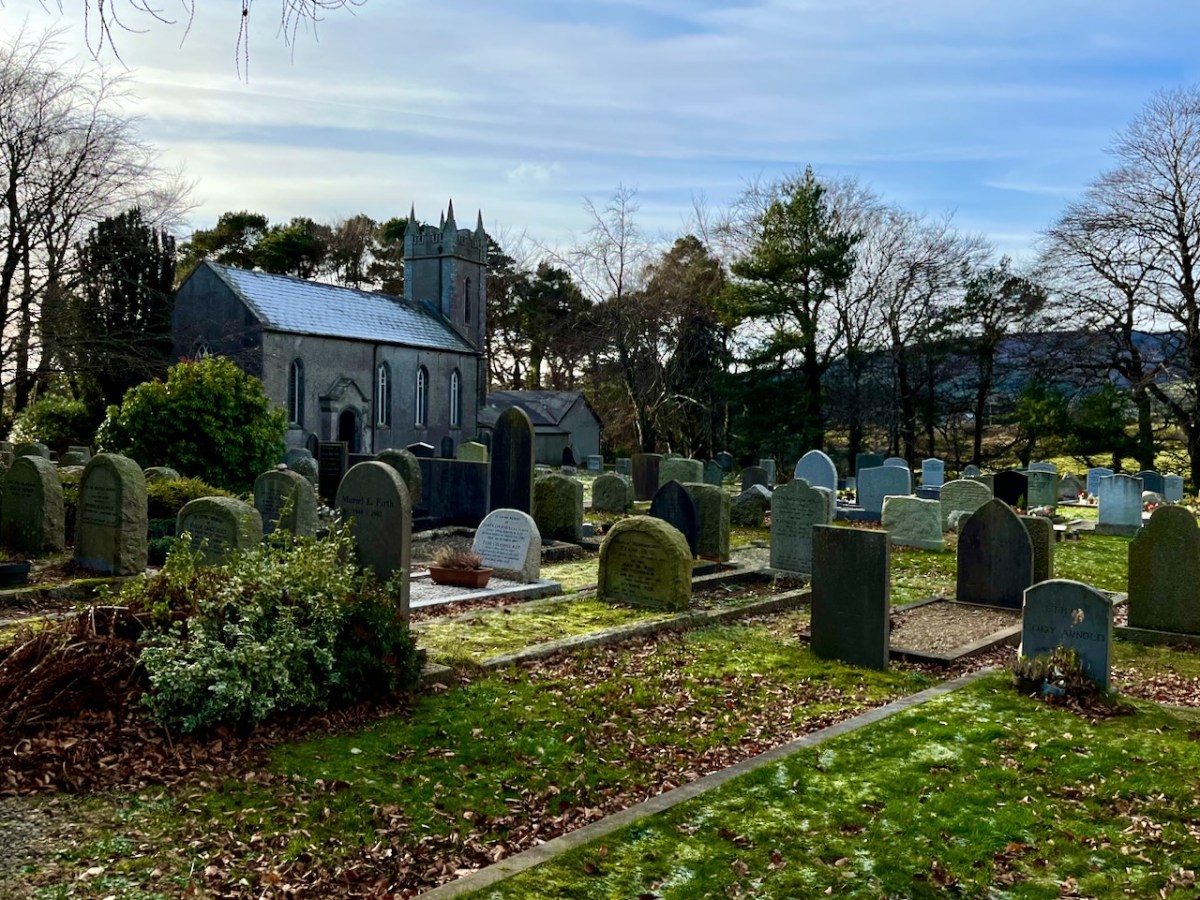
While out exploring the byways of rural County Wicklow, we chanced upon le Brocquy’s burial place. It’s in the little Church of Ireland graveyard at Calary. We had never heard of it before but – as we reconnoitred – the realisation dawned upon us that this is a very special site. Le Brocquy is probably the most eminent artist interred in these grounds, but he is only one of very many who have presumably chosen to spend eternity in this remote but extremely beautiful corner of rural Ireland. The views towards the not-too-far-away mountains are dramatic.
Le Brocquy’s wife, Anne Madden was born in London in 1932 to an Irish father and an Anglo-Chilean mother, and is still living. Madden spent her first years in Chile, where her Father owned a farm. Madden’s family moved to Corrofin, Ireland when she was ten years old. During the 1950s she met le Brocquy who was then working in London. They married in Chartres Cathedral in 1958 and set up house and studio in Carros in the south of France, where they remained until 2000. The empty plot at Calary beside Louis is presumably saved for her: she will add significantly to the artistic distinction of this community. The plot to the south of him is taken by Anne’s mother – Esther Madden Simpson – and brother – Jeremy Madden Simpson.

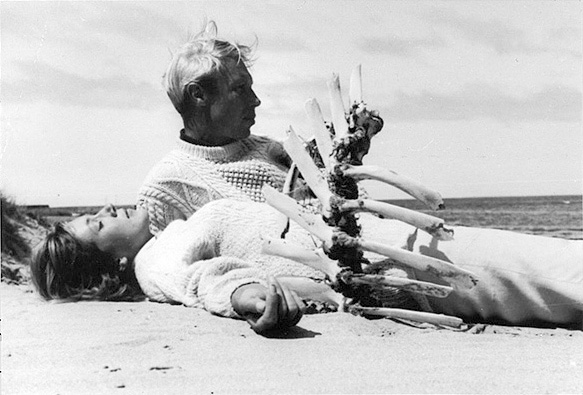
Anne Madden and Louis le Brocquy, 1974 (public domain). From that year onwards the family spent long summers on the Beara Peninsula.
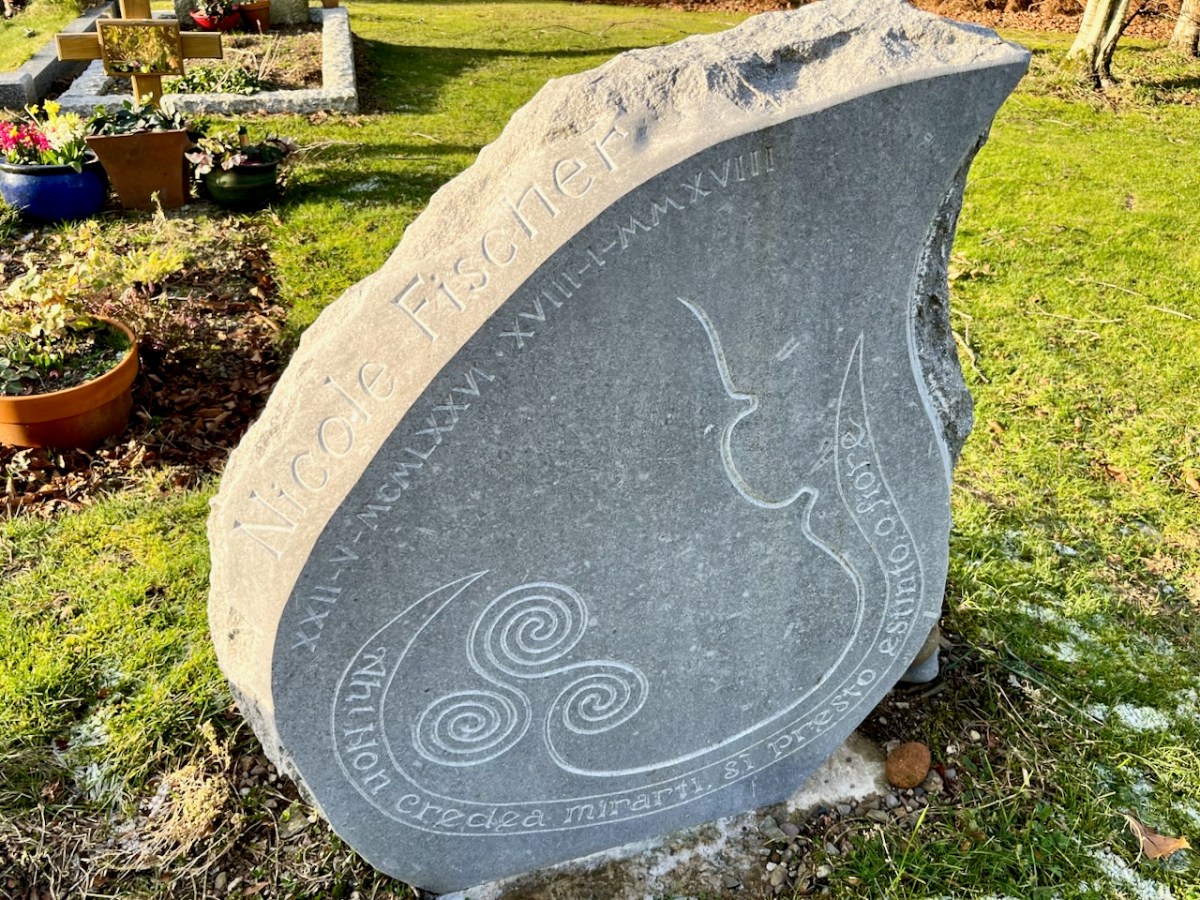
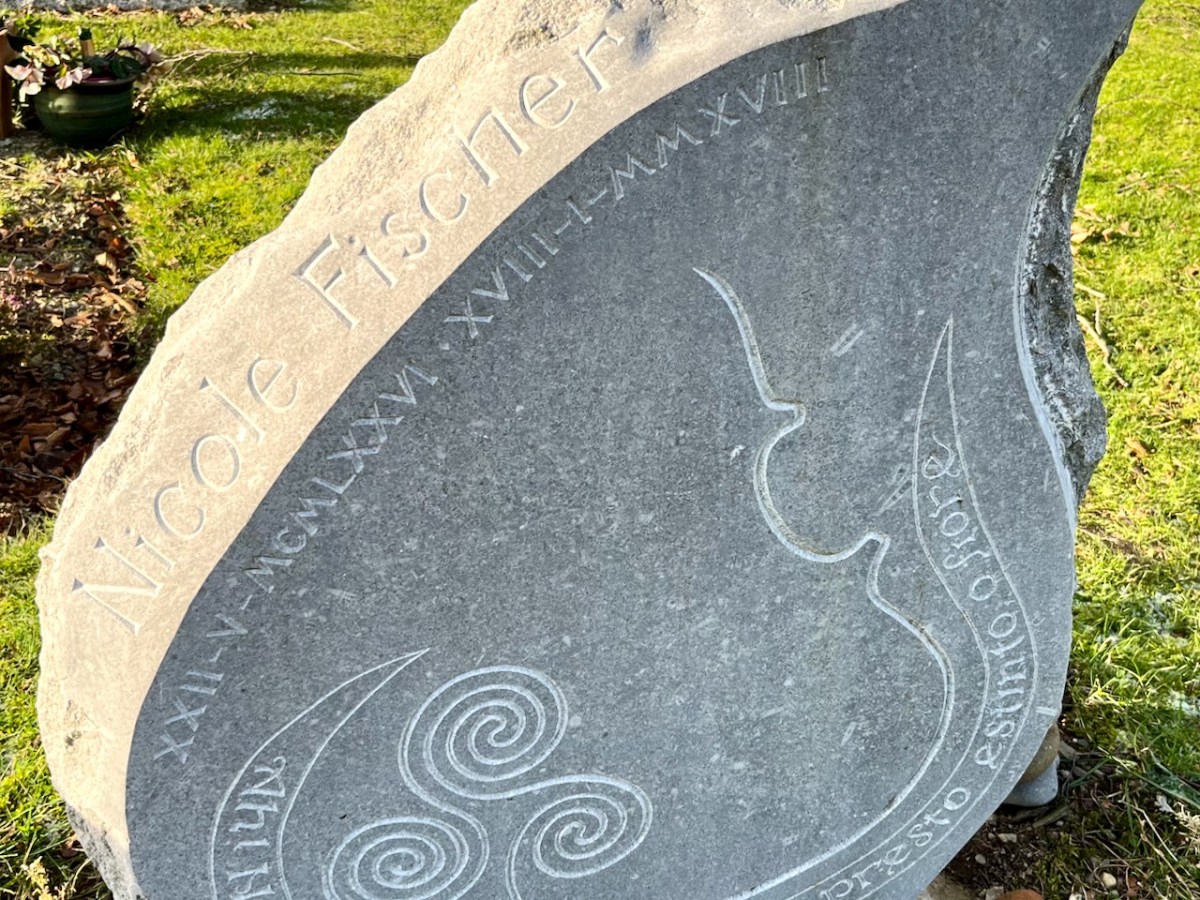
A relatively recent gravestone added to Calary is this one, dating from 2018. It remembers Nicole Fischer, a viola player with the RTE Concert Orchestra and the Amici String Trio. Sadly, her death occurred when she was in the prime of her life.

This impressive and beautiful gravestone is the work of Wicklow sculptor Séighean Ó Draoi. There are a number of unusual markers within this site: every one tells a story, of course.

Maurice Carey led a distinguished life in the Church of Ireland. He served as Dean of Cork from 1971 to 1993, when he retired, and in retirement returned to his native Dublin where he was in charge of St John’s Church, Sandymount. While in Cork, Dean Carey presided over a period of great change in St Fin Barre’s Cathedral and he was instrumental in setting up the St Fin Barre’s Study Centre.  He also achieved much in the musical and liturgical life of the cathedral.  “. . . His freshness of mind contributed greatly to this success and he was kind and helpful to younger clergy at the start of their ministry . . .” (obituary).

This stone belongs to Ronnie: Ronald James Wathen, who was born in 1934 and died before his time, in 1993. He was famed as a poet but also climbed mountains – and played the Uilleann pipes (https://www.discogs.com/artist/365089-Ronnie-Wathen):
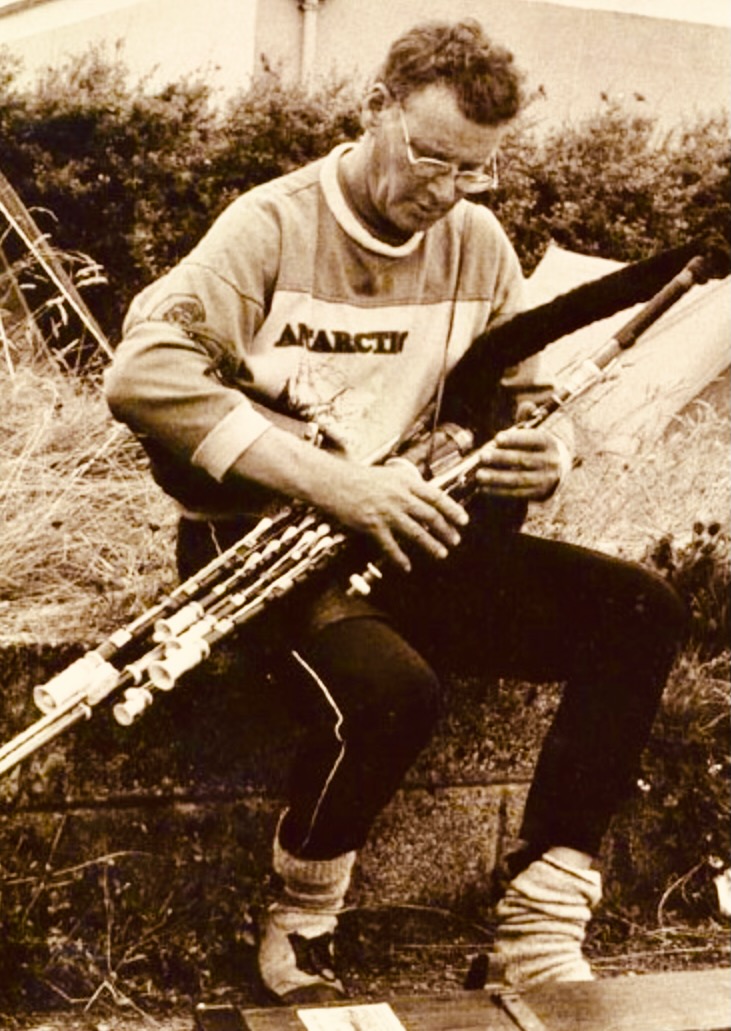
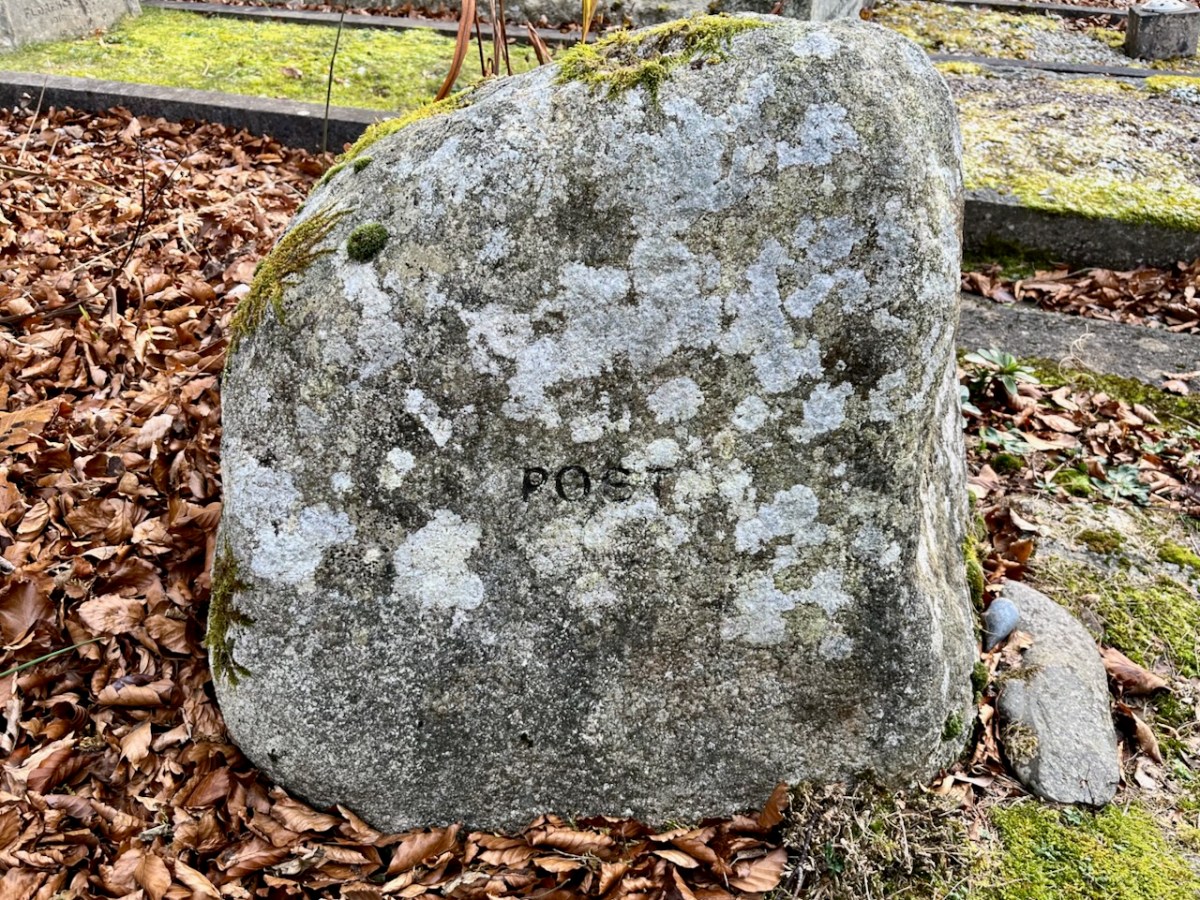
The poet’s printed obituary sums up a notably eccentric life:

. . . I feel there may be a ‘most individual and bewildering ghost’ glaring with mock ferocity over my shoulder, a restless shade who would never forgive me if I tried to bury him with platitudes. Ronnie Wathen was quite spectacularly different: unpredictable, provocative, abrasive yet stimulating in argument, generous with himself, always able to see and articulate the quirky side of life. In Ireland Ronnie’s first poems appeared and many slim volumes were to follow. He had a most splendid, if unruly, facility with words. Usually he employed them seriously but he also loved frolicking with them, standing them on their heads just for fun. He wrote about anything and everything that caught his fancy, as a poet should . . . the last I saw of Ronnie was when he strode off up the road to do a kindness to an old friend. I must end with a grumble. Ronnie was an insomniac, never known to leave a party until very late. His parting prank was to quit the party of life far too early, at the age of 58, just to tease I like to think. It was a cruel jest . . . he held his final party at the little church of Calary, below Sugarloaf Mountain, in the verdant lap of his beloved Wicklow Hills. On that sunny autumn afternoon many, many friends crowded the church, farewells were spoken in prose and verse, laments welled up from three of the finest pipers in Ireland and a lone fiddler knelt by the open grave and hauntingly played the restless Ronnie to his rest . . .

Mike Banks
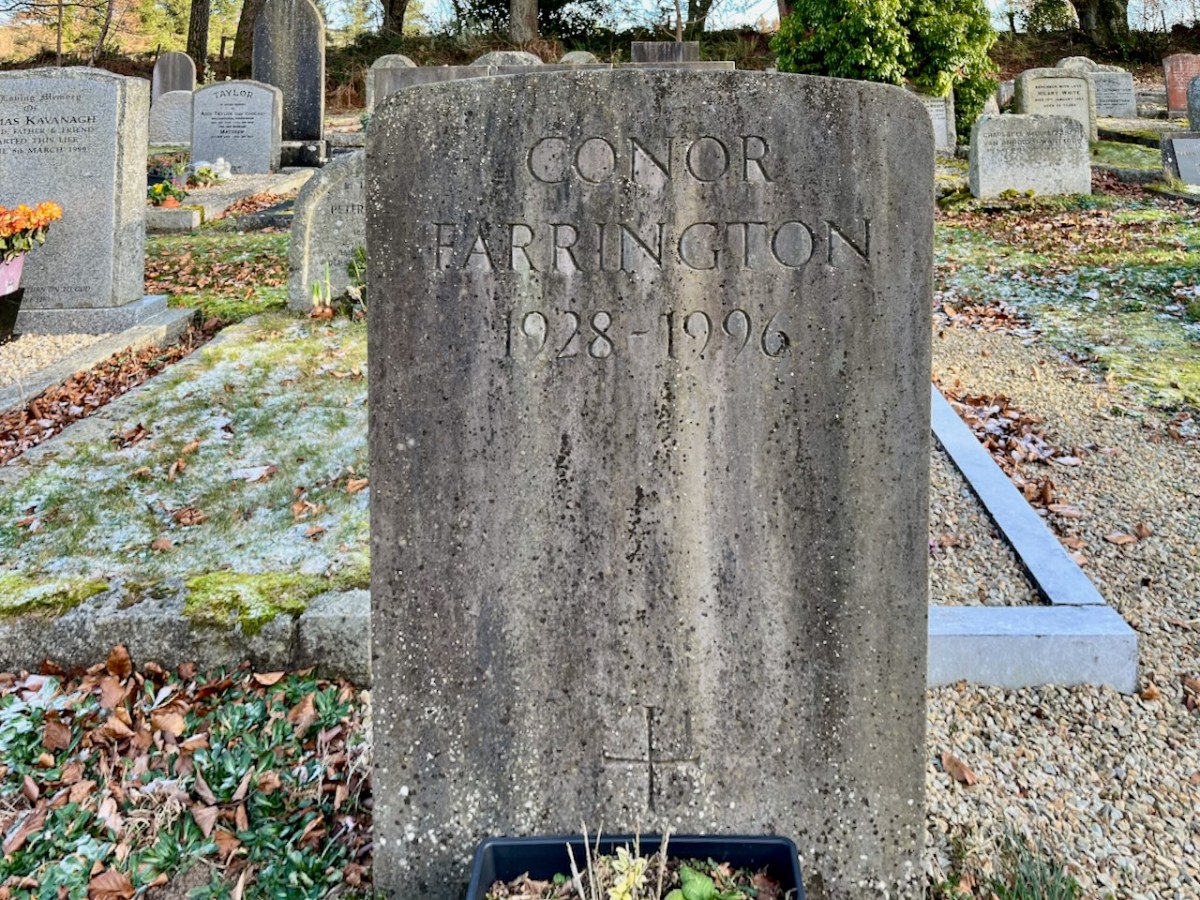
Conor Anthony Farrington was born in Dublin in June, 1928. His distinguished career included writing a number of plays for radio and theatre. Notable, certainly, were: Death of Don Juan (1951), The Tribunal (1959), The Good Shepherd (1961) and The Ghostly Garden (1964). ‘The Language of Drama’ in The Dubliner (July-August 1962) concludes the following: “…there are three reasons for a ‘radical alteration in the language of drama’ – viz, ‘the audience’s reason’, the ‘actor’s reason’, and ‘the dramatist’s reason’ – since ‘it is actually by means of particular words and phrases that he discovers his character’…” In later years appeared a collection of short stories (Cork: Fish Publishing 1996).
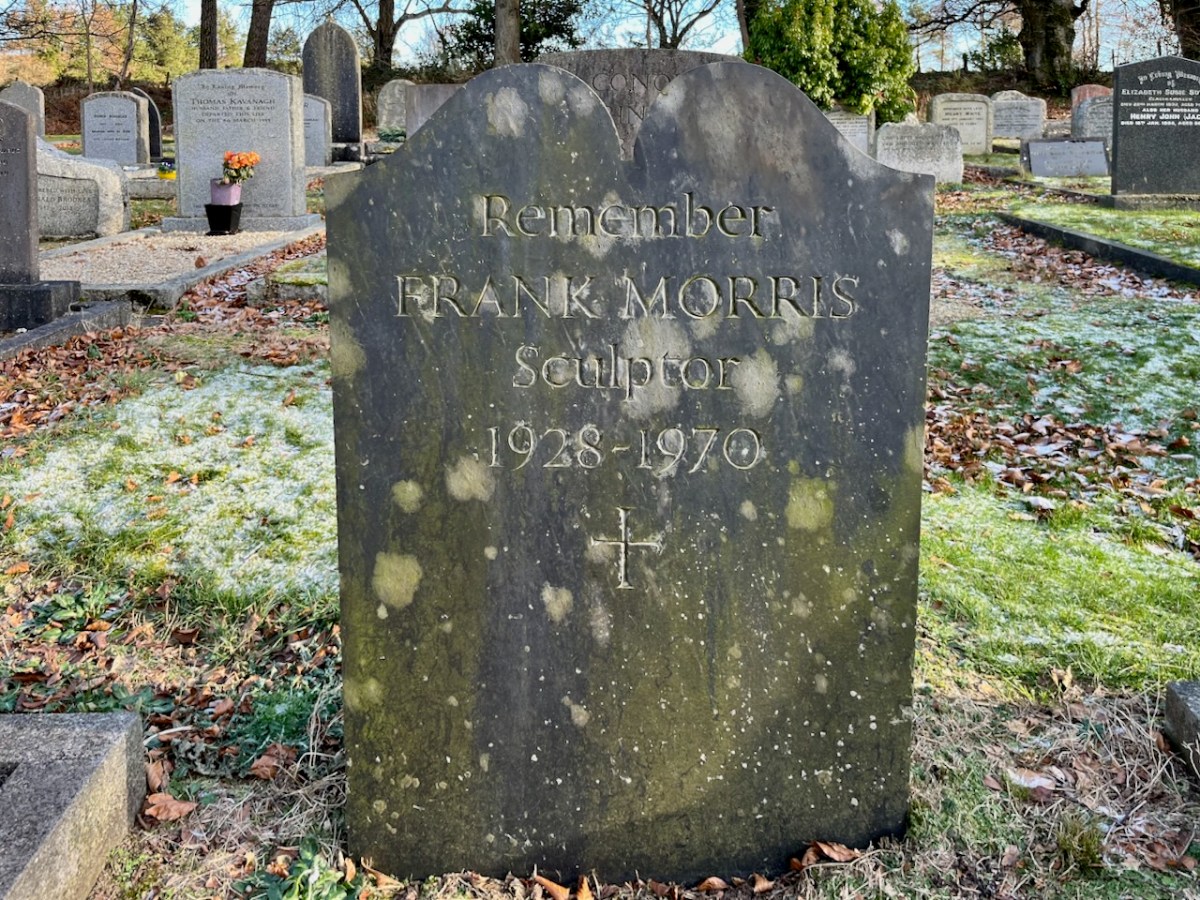
Another effectively simple slab remembers the sculptor Frank Morris, born in Arklow, Co Wicklow. He spent some years working with the Irish Forestry Department: while there he became a skilled wood-carver. The Dictionary of Irish Biography states that “. . . Carving for him was akin to peeling an onion to reveal the form within . . .” He also developed skills in sign-writing and letter-cutting. Have a look at his magnificent beaten copper door in the Holy Redeemer Church in Dundalk:

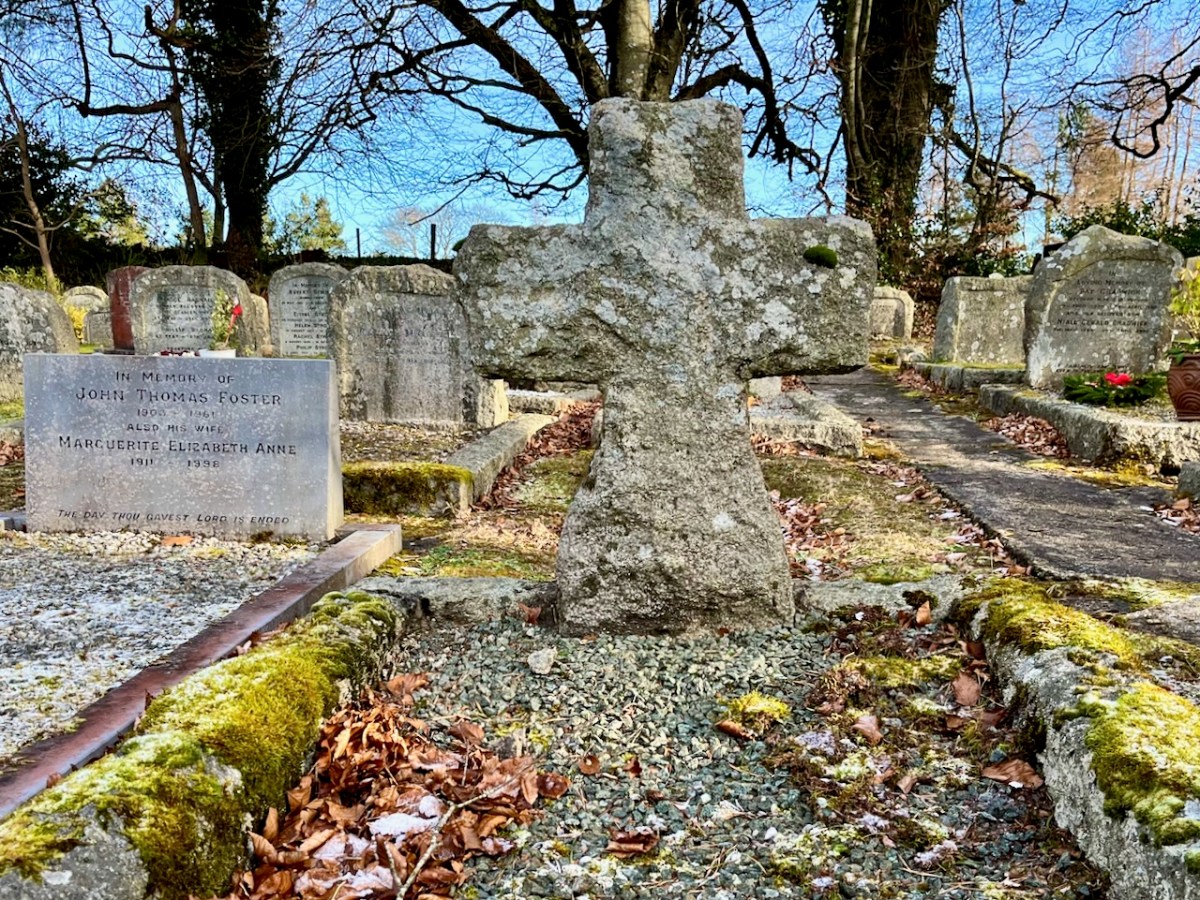
It’s interesting to find a Jewish grave in a rural Irish parish: Evelyn and Bruno Achilles (above and below).

In the 1930s The Schools Folklore Collection produced some memorable notes about the parish of Calary:

. . . Glasnamullen is our town land and there are nine families in it. Calary is the name of our parish. There are about twenty-six people in this townland. Sutton is the most common name in this district as their are four in Glasnamullen. All the houses in our town land is slated, but there are three or four thatched houses outside the townland. This place is called Glasnamullen as long as anyone can remember. Mr Arthur Sutton is seventy six, he lives in Glasnamullen, but Mr Fortune is one hundred and Mr Stokes is eighty six. They dont know any Irish, but they are great for telling stories in English. When my father was small he used to get Mr Stokes to tell him stories. Mr Fleming told me a story about Mr Byrne, The Paddock, Kilpedder. Once upon a time a man was cutting down a hawthorn tree in an old fort and as soon as he did a wind rose and took it away and over his head were thousands of birds. No one ever knew where the hawthorn went to, but everyone said that the fairies must have done it. They never plough the land owing to that. St Kevin is said to have blessed a little well beside a river in Ballinstowe. Every one goes and drinks it when they have colds. It is also said it has the power to cure sore eyes. There are pieces of cloth on the bushes around it left by people whose eyes were cured . . .

Muriel Taylor, aged 14
Schools Folklore Collection

“Beware of the Witches you meet in the ditches, between Calary bog and Ballinastowe.” – a local saying!

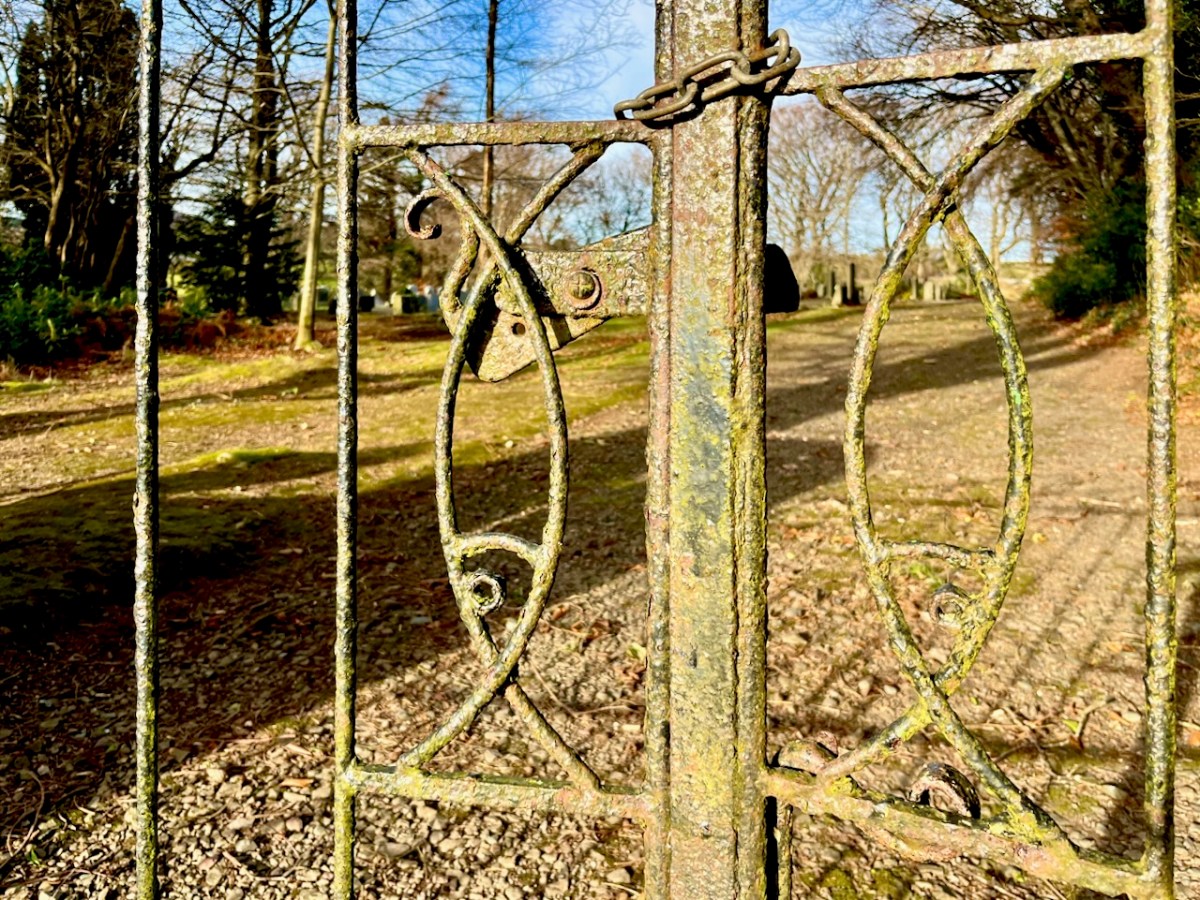
The ‘fishy’ gates to the graveyard are also artistically wrought.
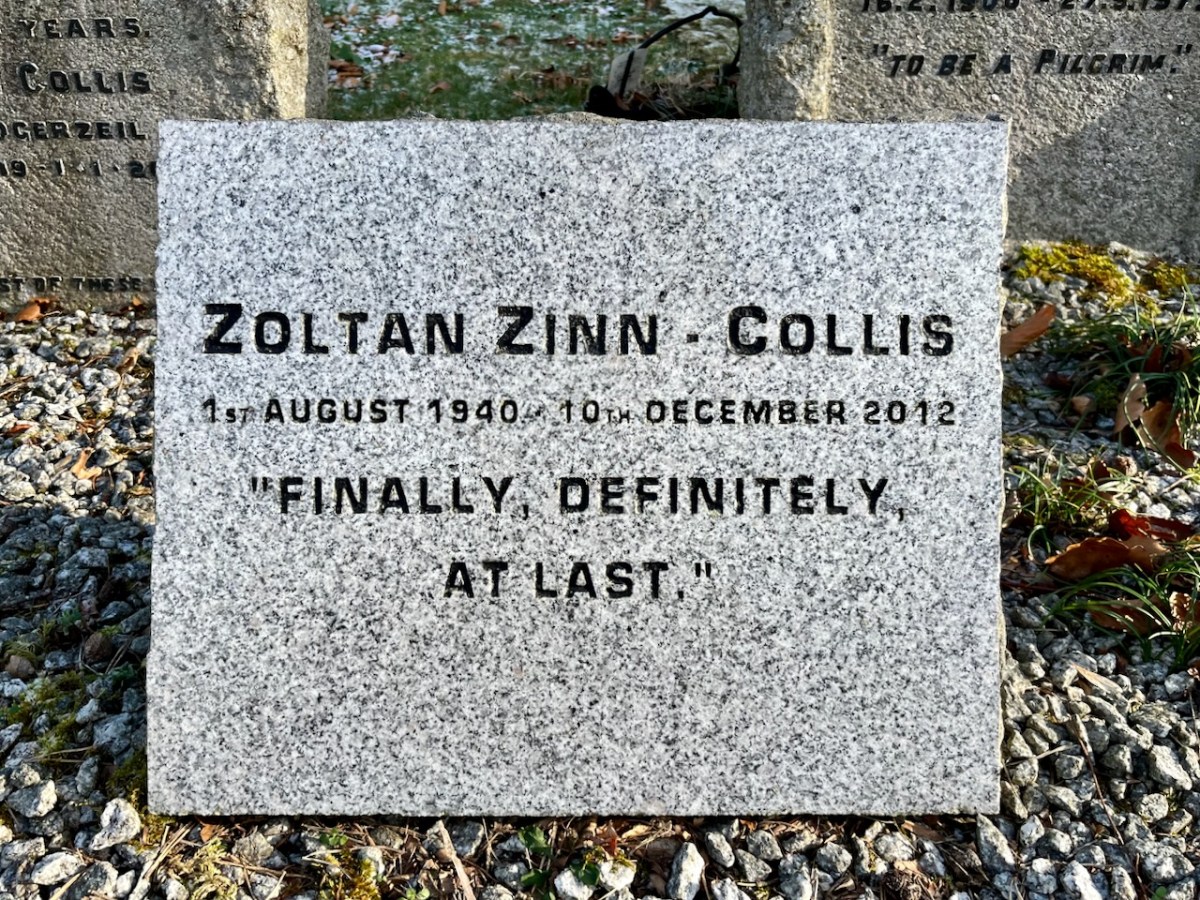
Zoltan Zinn-Collis was a holocaust survivor. Many thanks to our friend Paul Smith for sending us this information.

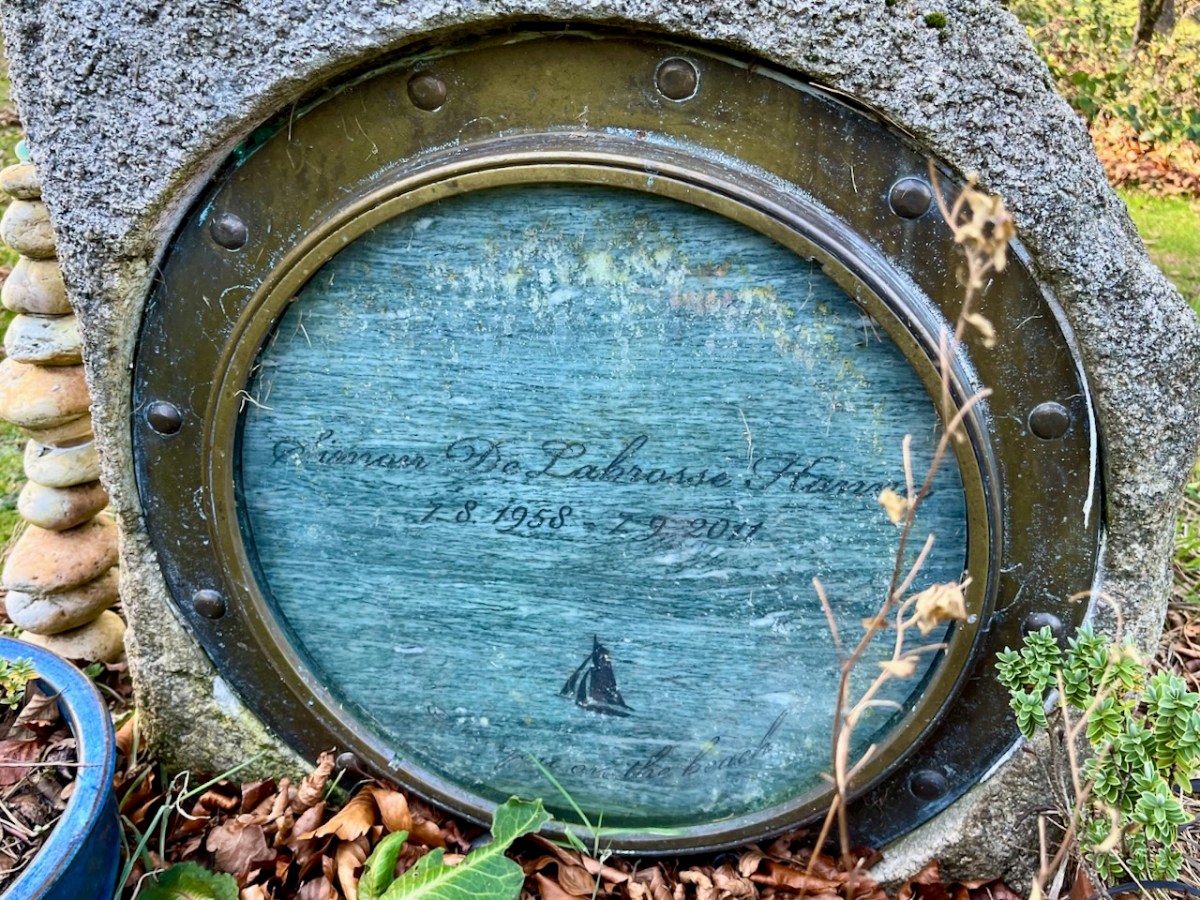
I have concluded that this fairly recent grave (2011) is in memory of a mariner. You can see that the inscription is within a porthole – and there is an illustration of a sailing boat. After much searching, I came across a funeral notice – here is a brief summary:

. . . HANNA Simon (late of Bray, Co Wicklow, formerly of New Zealand) – September 7, 2011, suddenly, son of Meg and the late Pat Hanna and brother of Tim, Mike, Pete, Kristin and Jane; sadly missed by his partner Sonja (McEnroe), her daughter Tali and her partner Danny, his sons Rowan, Aiden, Kieran and their mother Ann, his mother, brothers and sisters, extended family and many friends. Reposing in the factory workshop, Mill Lane, Bray from 4pm to 9pm tomorrow (Sunday). Removal on Monday to Calary Parish Church arriving for a Funeral Service at 2.00 o’clock followed by interment in the adjoining churchyard . . .

Funeral Notice

This is not an exhaustive account of the graves in Calary: it’s a selection only. Hopefully it’s sufficient to send you in this direction if you find yourself over in the east. It’s a beautifully atmospheric place. Let’s finish where we started – with a Louis le Brocquy tapestry. This is: Garlanded Goat 1949-50, Aubusson tapestry, Atelier Tabard Frères et Soeurs (artist website).

Ships in Churches

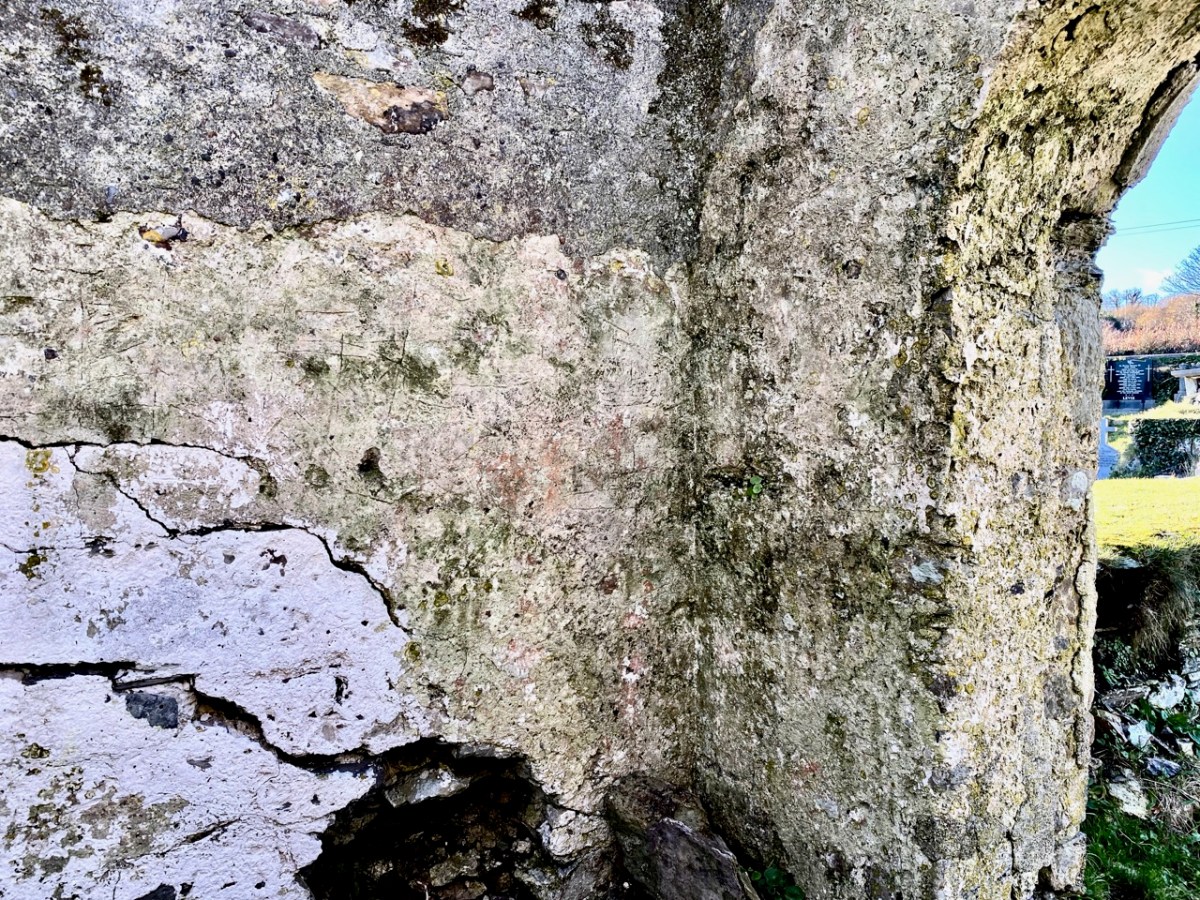
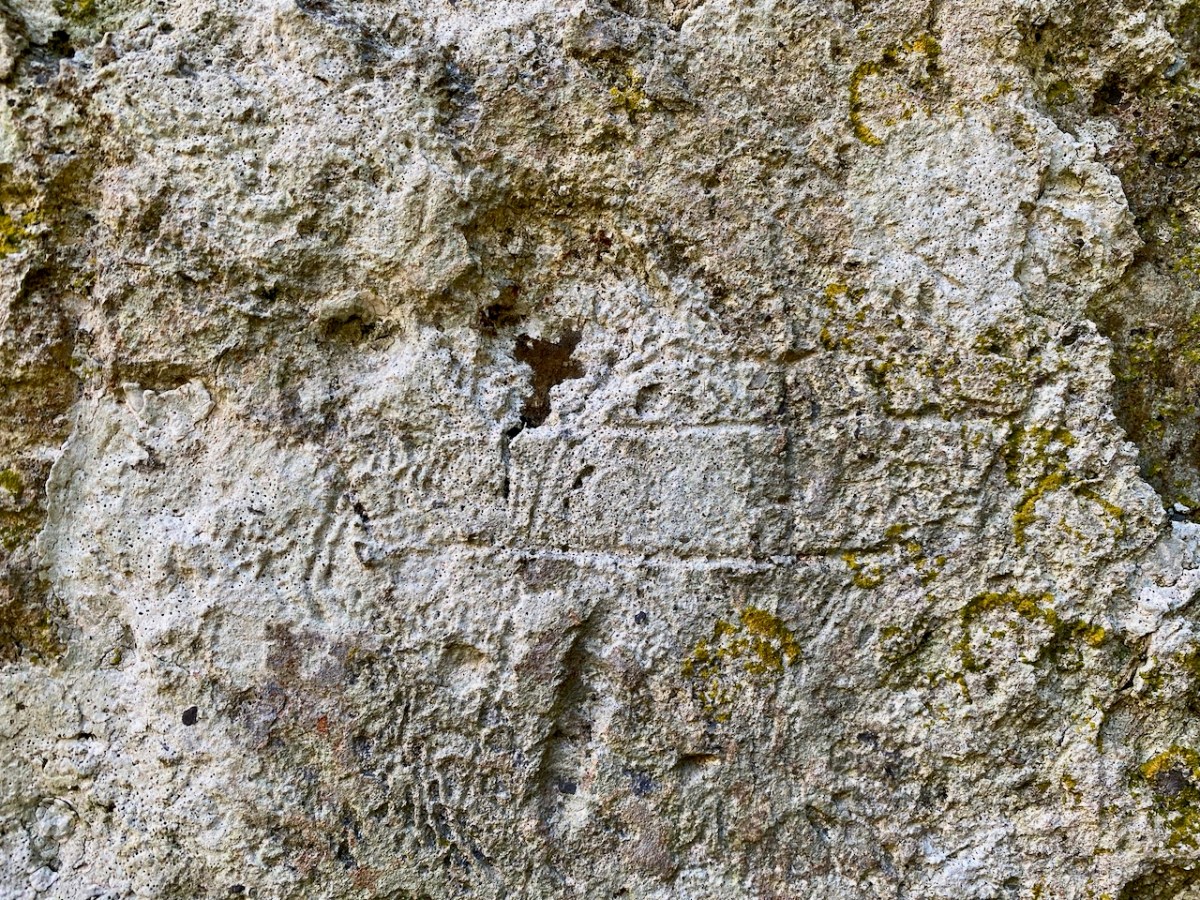
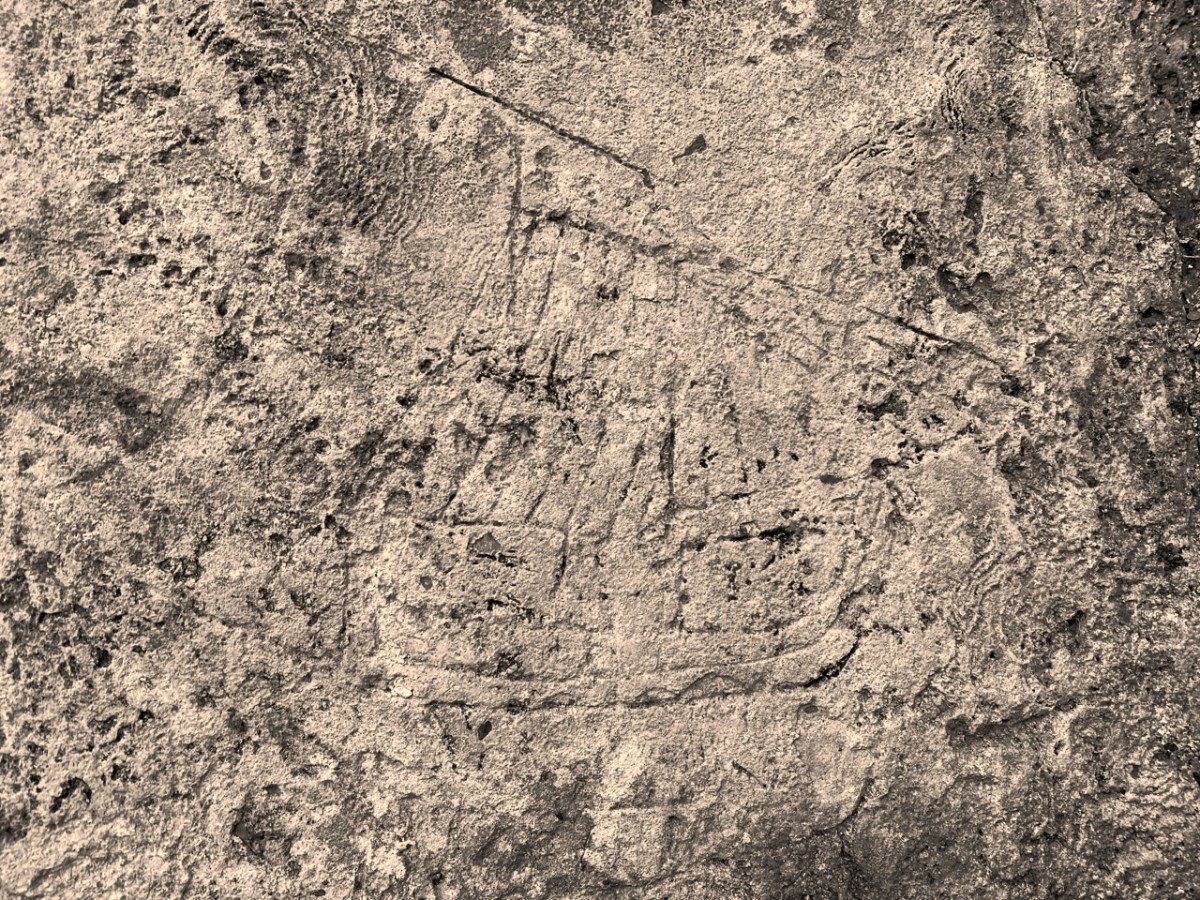
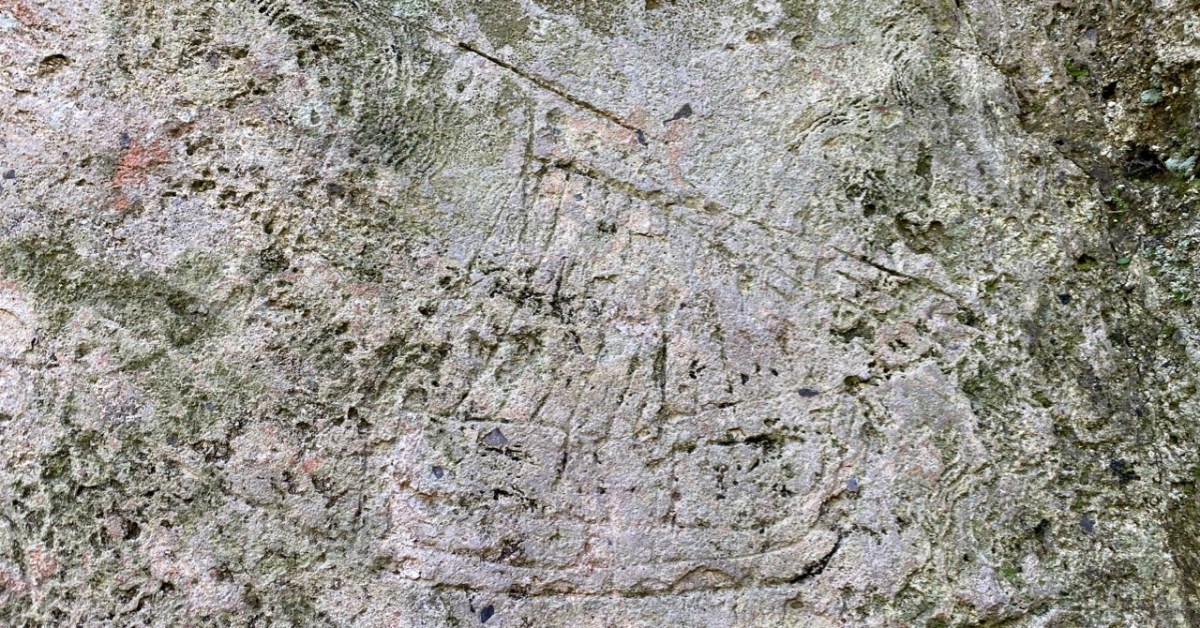
You’ll have to look carefully at the photo above. It’s inside the ruined church which stands in St Mary’s graveyard, Colla Road, Schull.

Here’s the church – a view taken a day or two ago, in a spell of clear, cold weather. It has a fascinating history, which you can read here. Go in through the old main entrance, and immediately look to the wall on your right. Scratched into the plaster there is the ship image. But it’s not the only one.

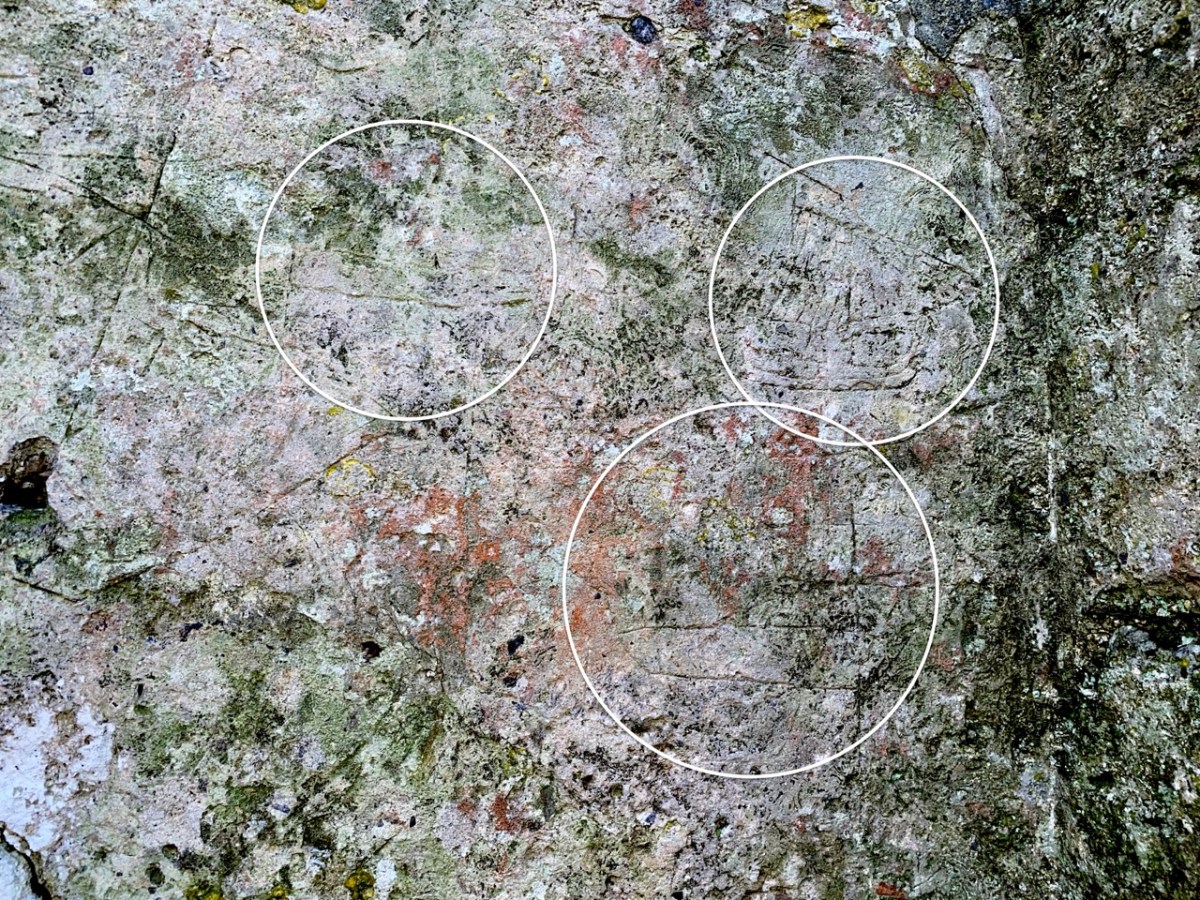
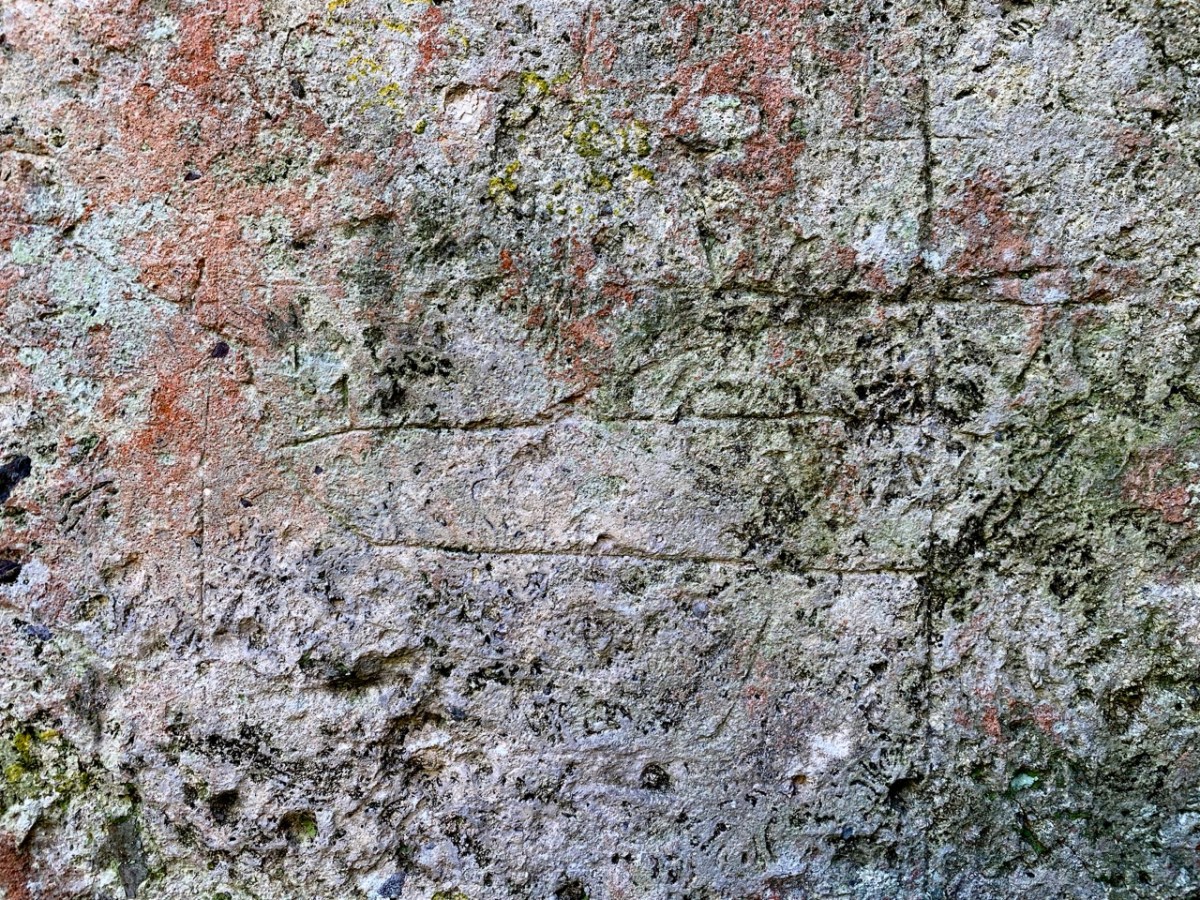
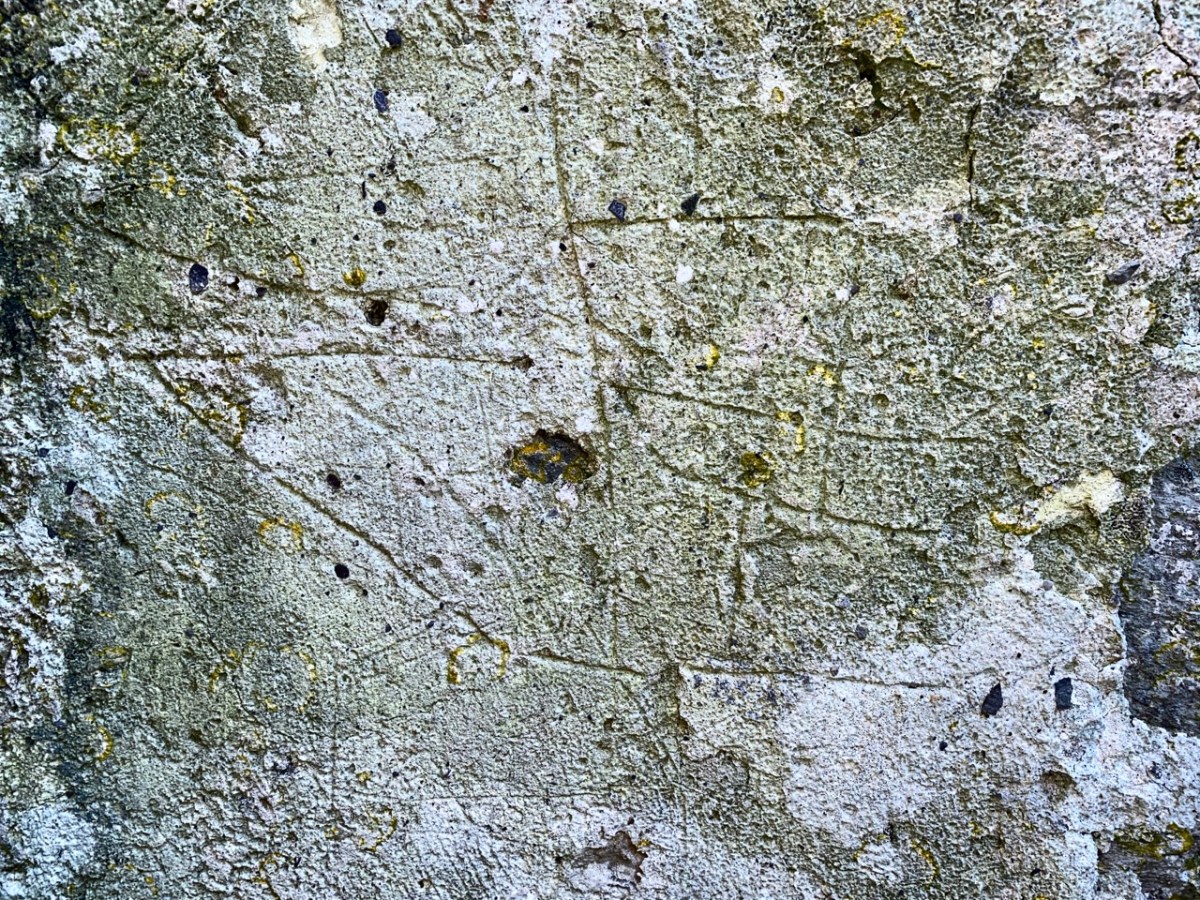
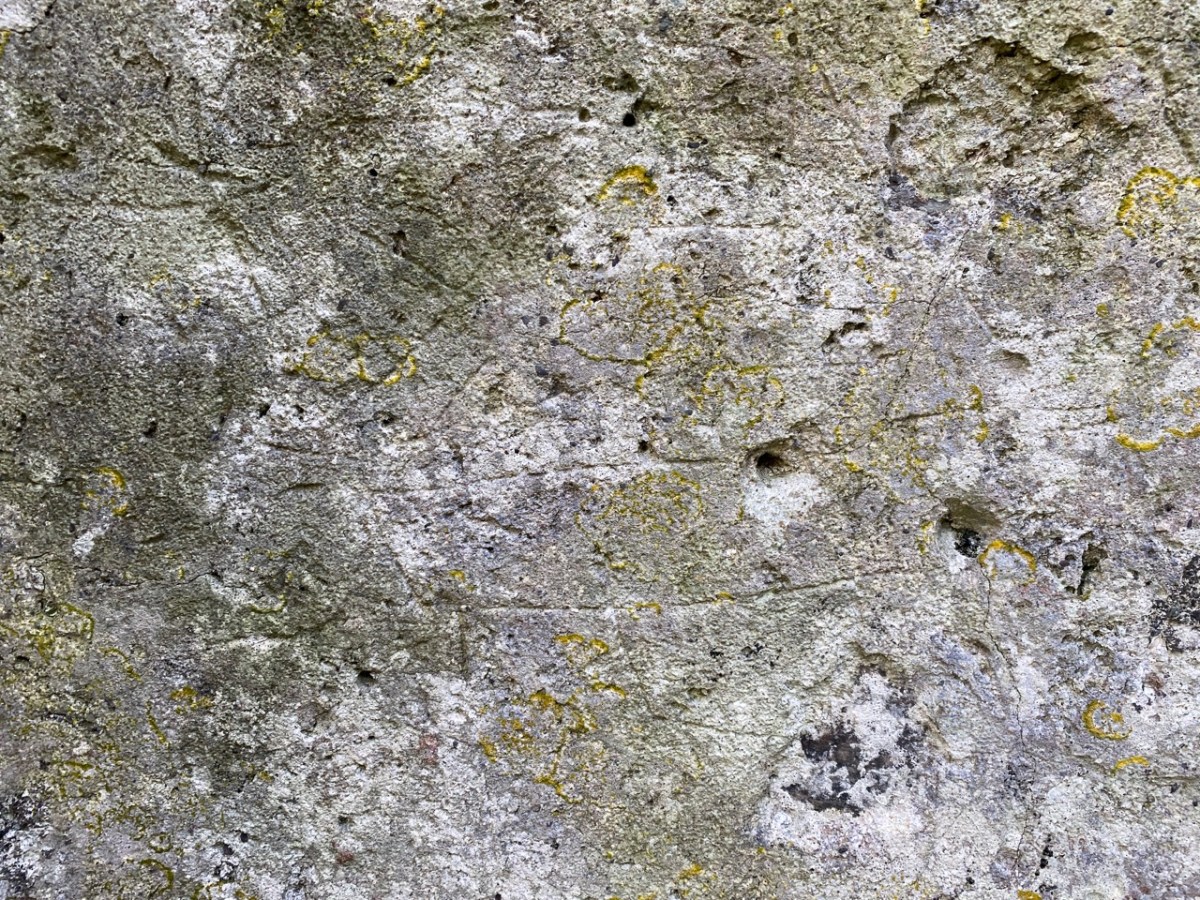
There are more ship images visible on this porch wall; the first – shown in the header – is the most clearly defined. Here are more detailed views of others (I have counted five in total), including further examples on the opposite wall. There may once have been more.

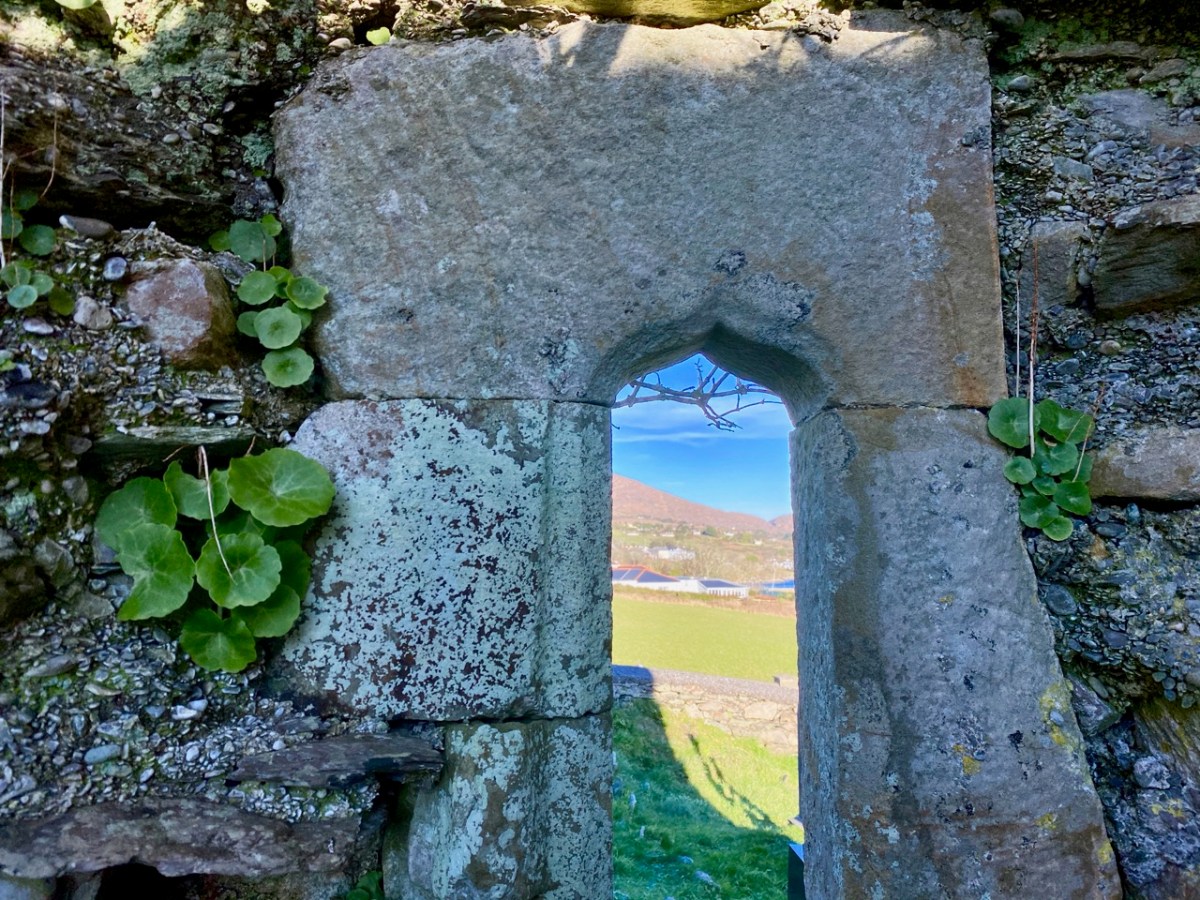
Of course, we would like to know the story of these carvings: who made them? When? And why? As to the ‘when’ we have to sift through the history of the building, although what is known is somewhat fragmentary. One record states that what we see today was built in 1720, but there must have been something there before that, as there is an ogival window in the north-eastern part of the building which is thought to be fifteenth century, and some further architectural features which suggest an even earlier construction:

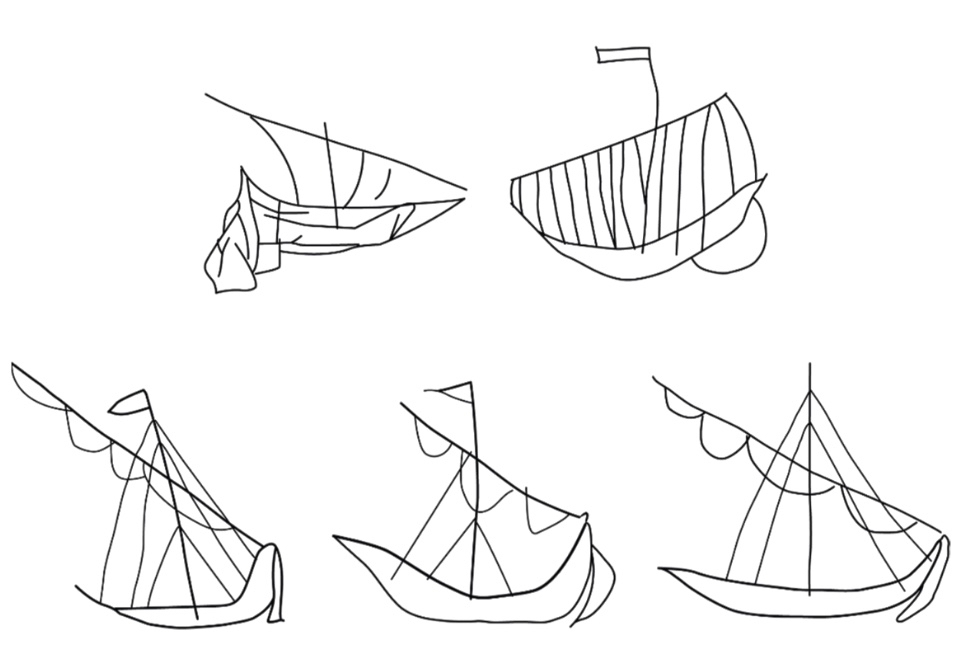
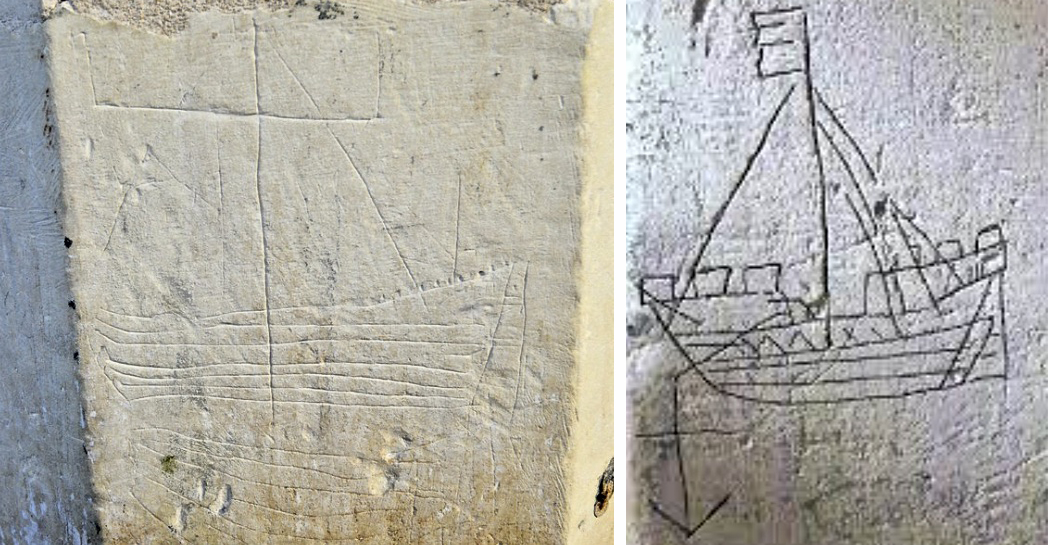
The north porch – where the ship scribings are – is likely to date from the early eighteenth century, so the ships could not be any older than this. They could have been drawn any time, perhaps, over three hundred years – but are most likely to have been from the earlier part of that period. It has even been suggested that they could have been made by the craftsmen who rendered the walls. Interestingly, ‘graffiti’ which shows ships in churches is not uncommon: there are further instances in Ireland, Britain, and other parts of the Christianised world. The following were traced from St Spas church, Nessebar, Bulgaria. They are possibly the closest examples I have found so far that resemble our main Schull scribing. Interestingly, only one is shown in ‘full sail’. Most examples of this type of graffiti show the vessels without sails, or with the sails furled. Our Schull example is undoubtedly under full sail – and this makes it rare. I attach a further image below the Bulgarian scribings: I have tried to enhance the contrast of the photograph.

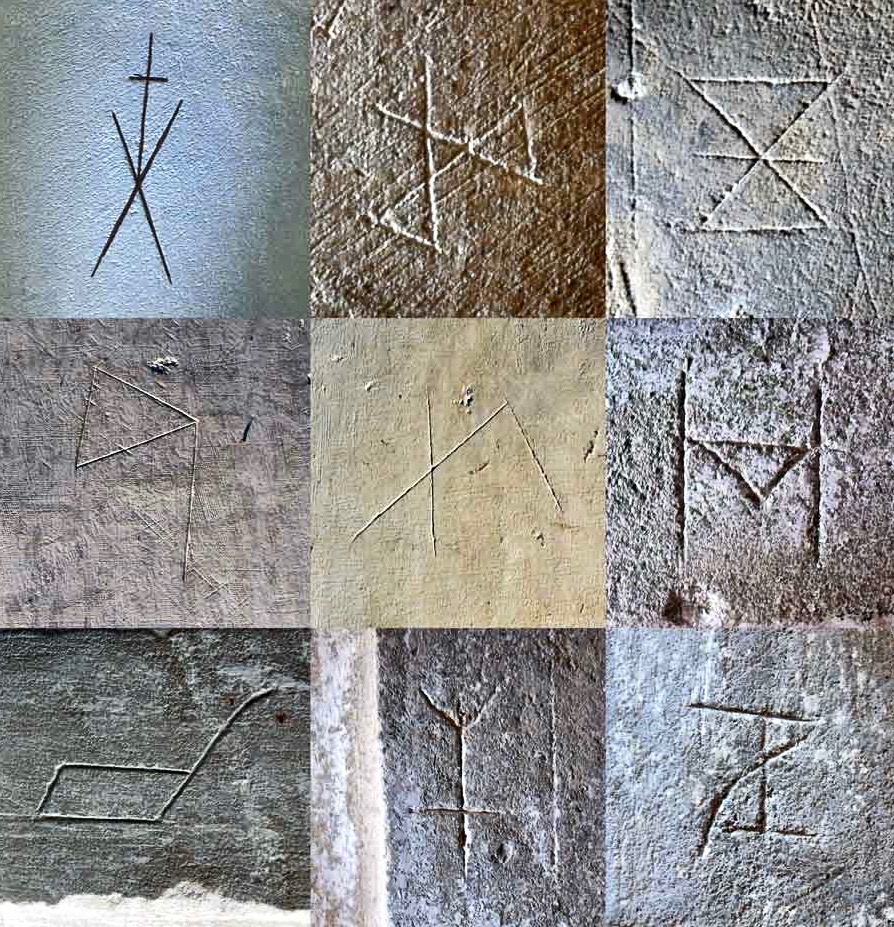
What about ‘Who Made Them’? We don’t have an answer to that. We must remember that the Schull examples are a very small part of a very widespread phenomenon and, as I mentioned, there have been suggestions that the ships were a deliberate part of the construction process of the churches: they might have been drawn by the plasterers themselves. Masons left behind their own ‘marks’ on stone walls, ever since medieval times. A British project was started in 2010 to survey all types of ‘informal’ marking on stone and plaster found specifically in Norfolk.

These stone inscribed Masons’ marks are from the Norfolk survey. Below – from the same source – two images of ship graffiti from Cley-on-Sea, Norfolk:

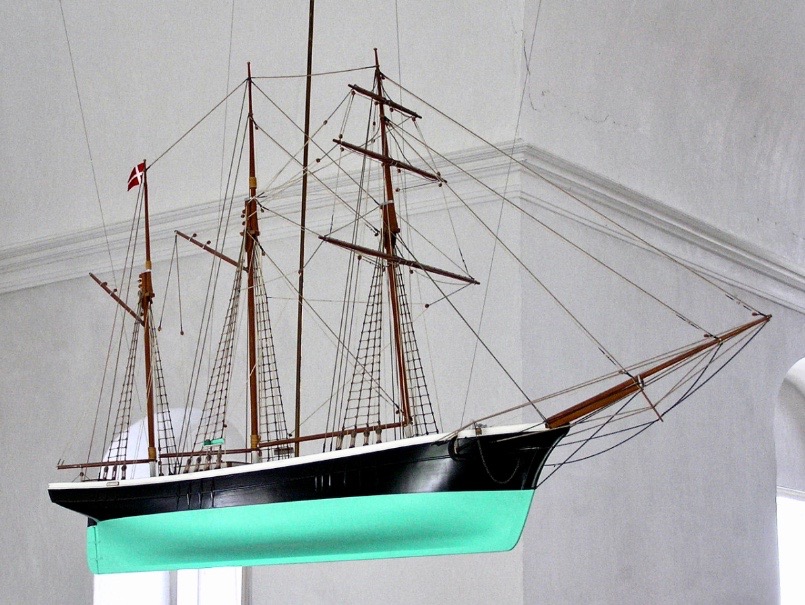
Where do we go from here in our little review of this strange find in Schull? Well, it’s worth noting that these are not the only ‘ships in churches’ image that we find in the corpus of European-wide church architecture. I often remember going into churches and noticing model replicas of ships hanging from the ceiling! I don’t remember seeing such a thing in Ireland, but certainly in Britain and Scandinavia. Here is one from Denmark:

Strangely, I have never looked for an explanation of these. When you start reading about them, it is suggested that they are always in churches which are associated with the sea and with maritime communities, and the church models are seen as prophylactic votive offerings: representing and honouring the ships that the community sail in will prevent them from coming to harm. That begins to make sense, as does the idea that the plaster ship graffiti is also, perhaps, a preventative measure against disaster or ill-fortune.

That theory could be presented as a strong likelihood for finding ship graffiti in churches – but there’s a problem. There are as many examples of ship graffiti in churches which are located far inland as there are on or close by the coast. If you would like my own opinion on this whole quandary, take a look at the photo of Schull church, above. It is built on a mound, perhaps natural but maybe not, with its east wall facing outwards like a ship’s prow. Could there be a far wider symbolism in all this when it comes to the nature of a church building? Is it a stone representation of a vessel, captained by priest or parson, and crewed by the faithful of the community? A final thought on this: when you go into the main body of a church, you enter the Nave. Definition of a nave:

. . . The name of the main public area of the church, the nave, was derived directly from the Latin word navis, meaning ‘ship’ or ‘vessel’, and references dating back to the very earliest days of the Christian church direct that a church should be built ‘long . . . so it will be like a ship’ . . .


MATTHEW CHAMPION – MEDIEVAL SHIP GRAFFITI IN ENGLISH CHURCHES, 2015

Caheragh Explorer

I’ll explain at the outset that Caheragh is (more or less) pronounced ‘corer’ (as in coring apples)! It’s a parish in West Cork that we have visited before. Have a look at my article on the Ilen River, here. This locality is brimming over with history and we go exploring as often as possible: there is always more to find. And – with wide views and cloud scapes in all directions from the high ground – it’s an uplifting place, especially when blessed with the August sun.

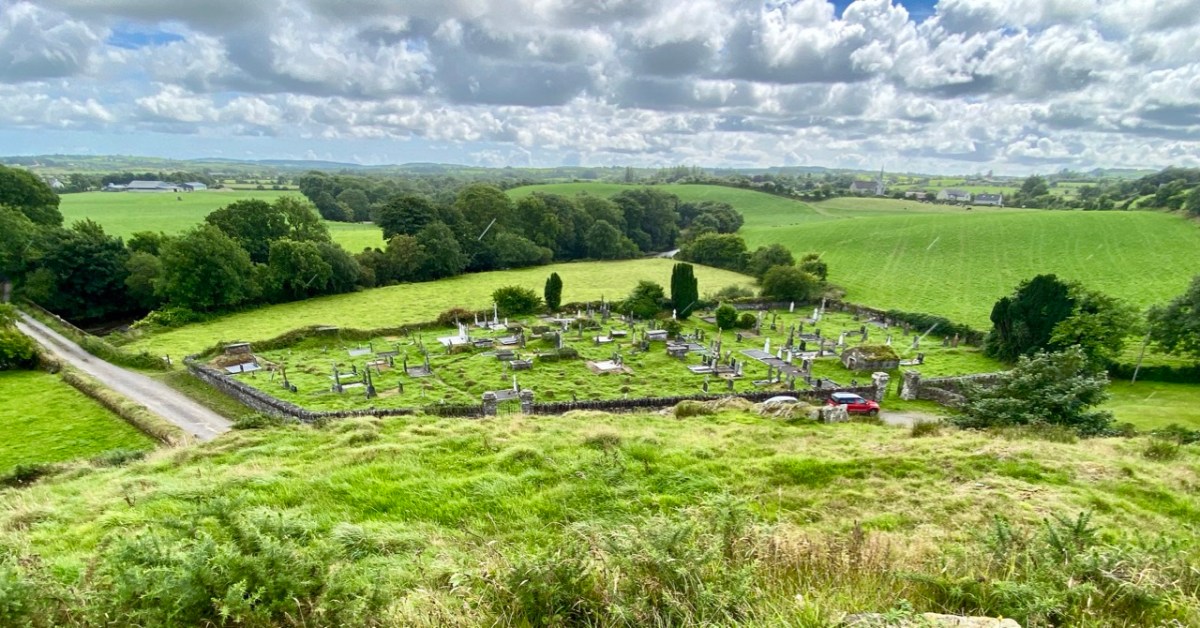
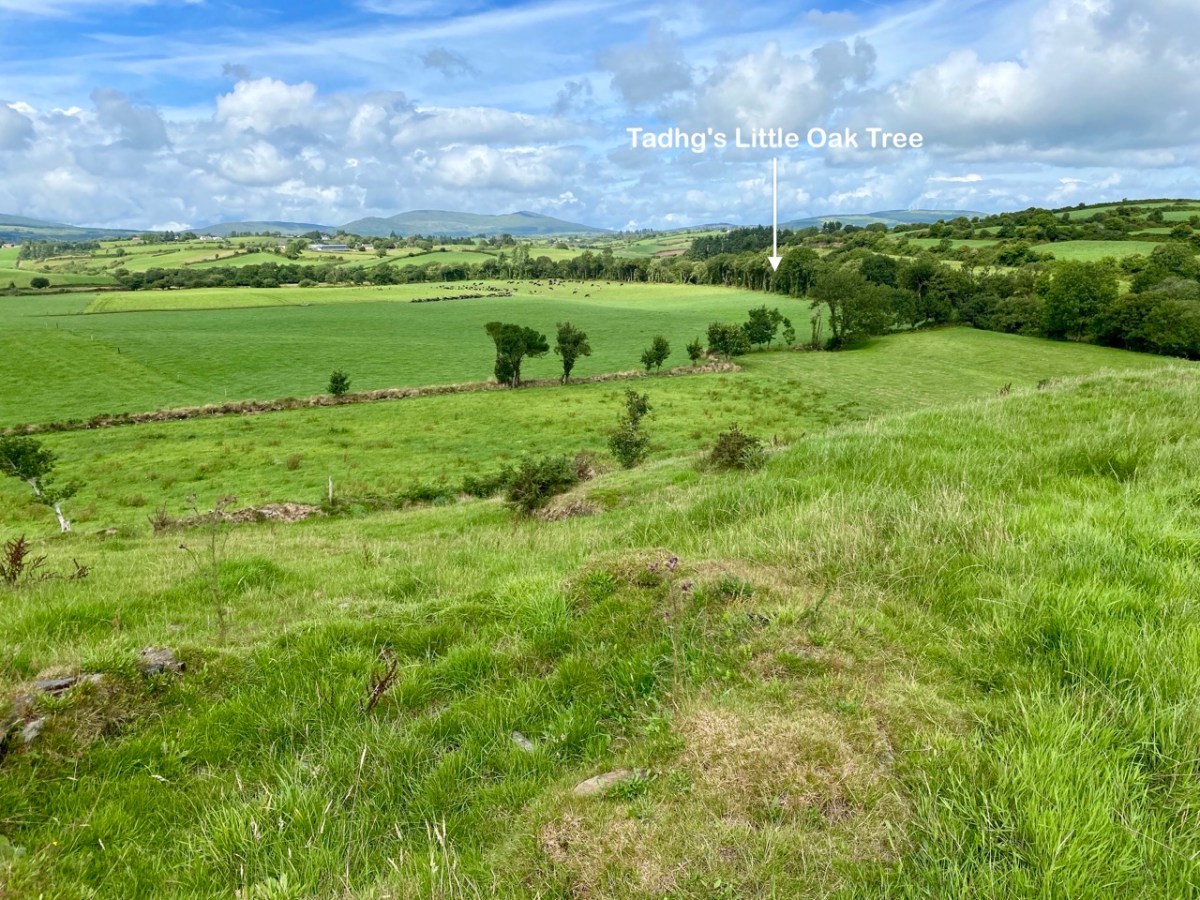
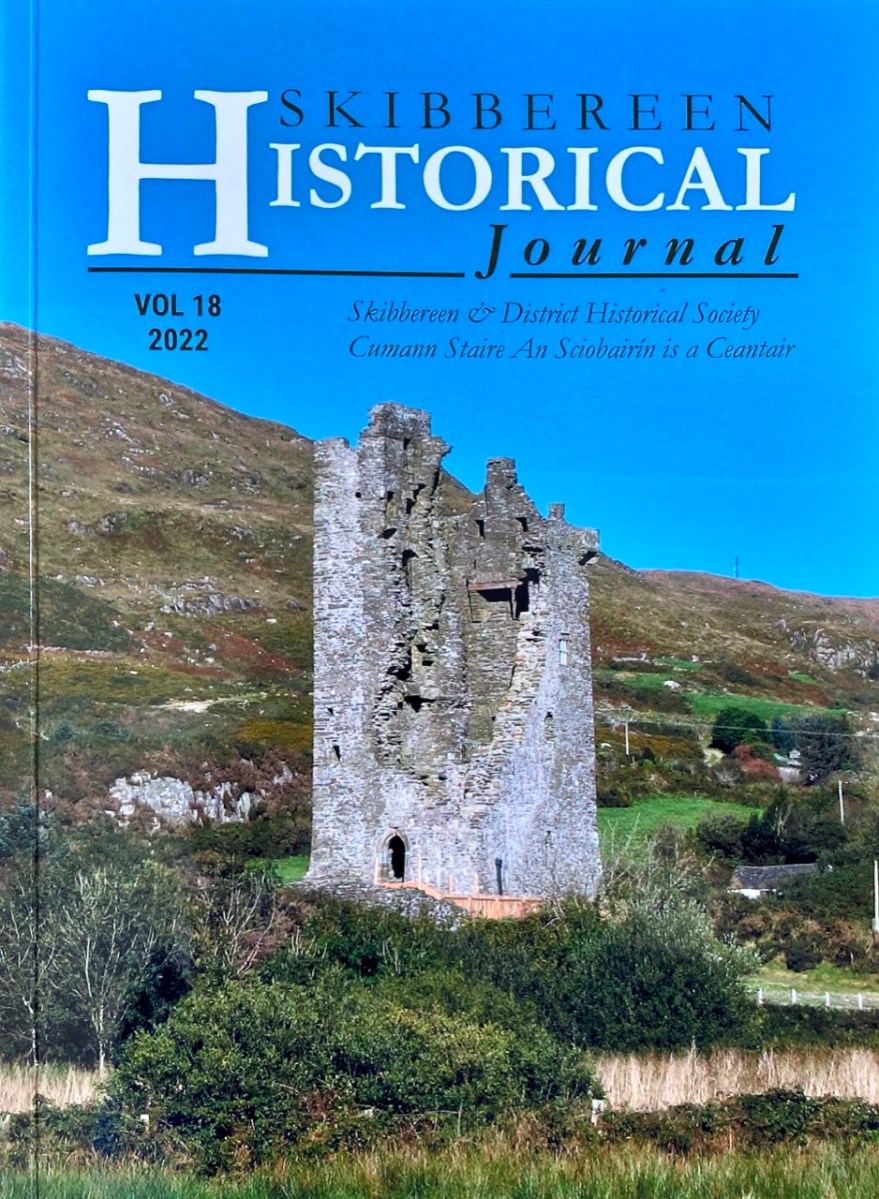
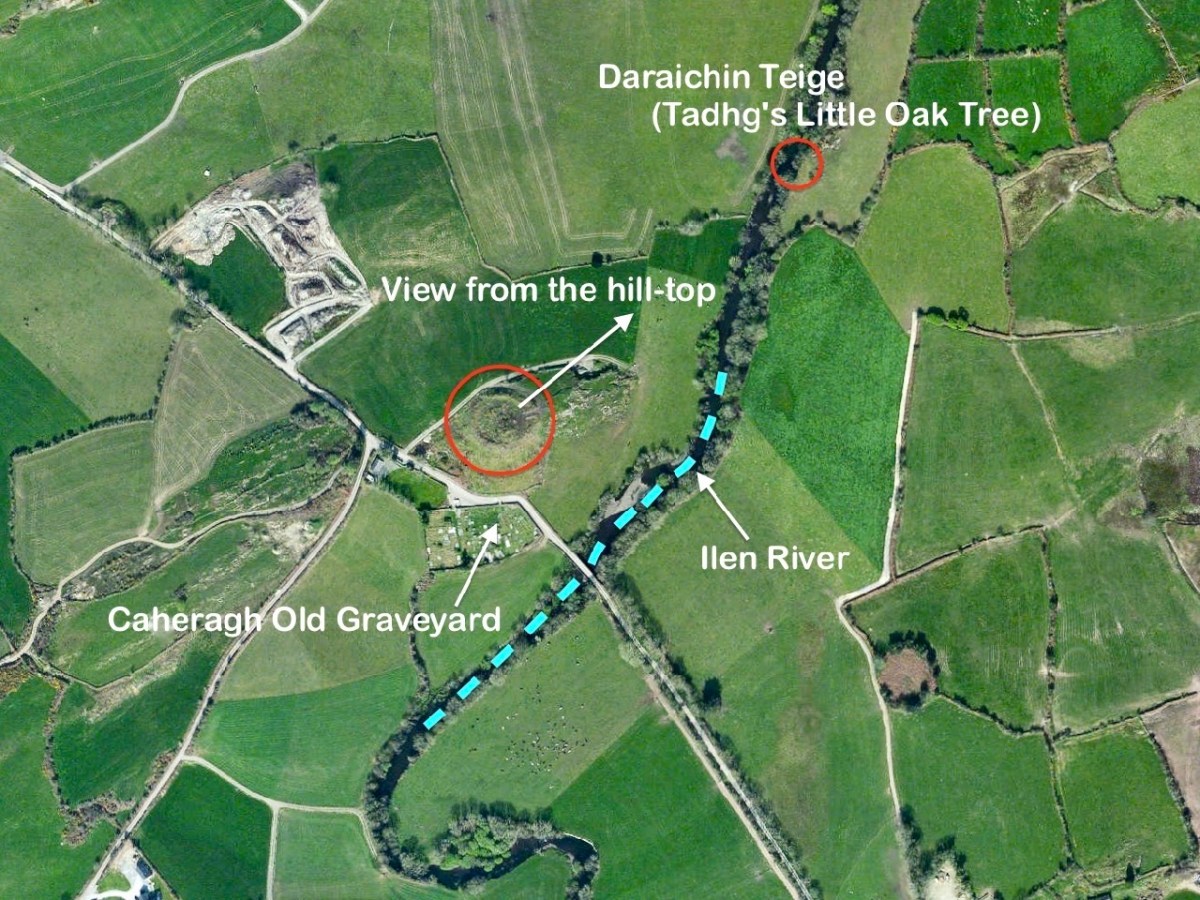
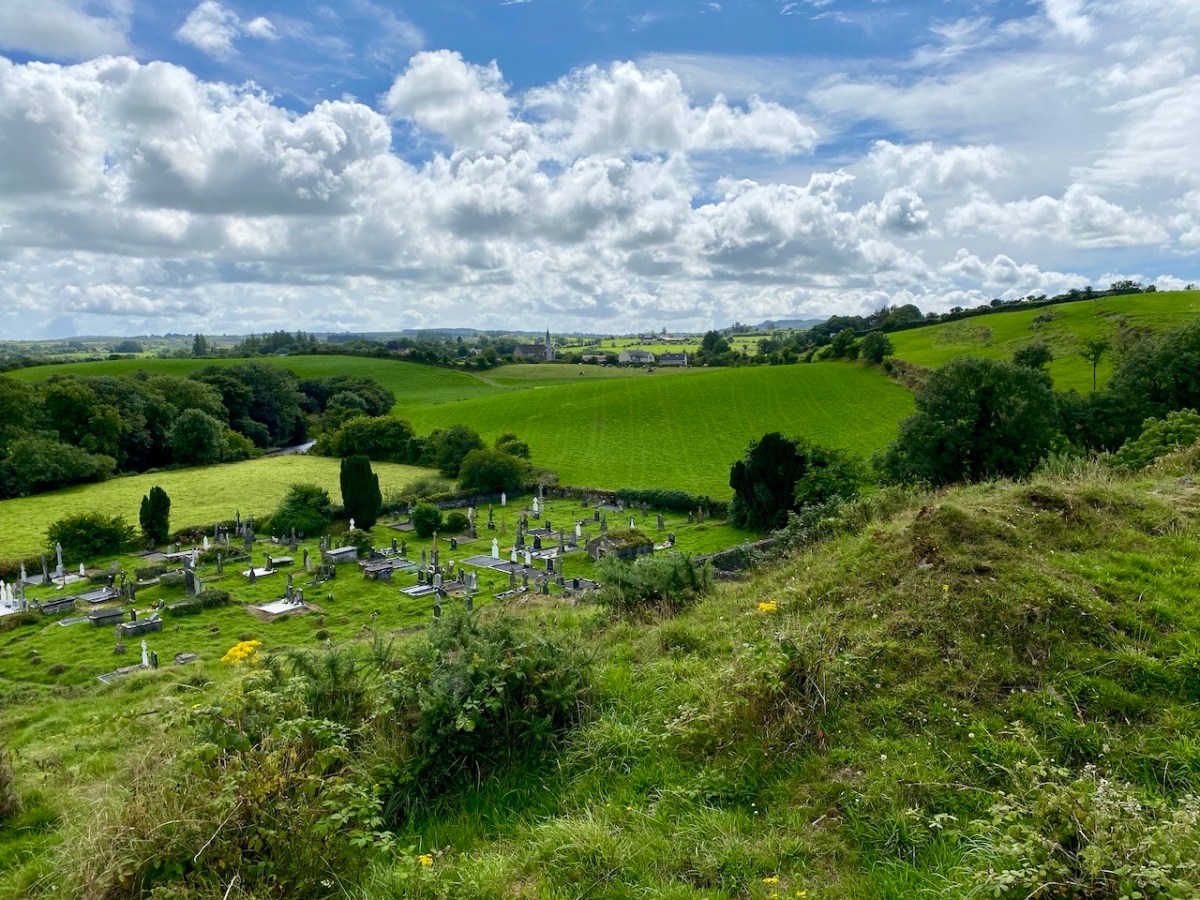
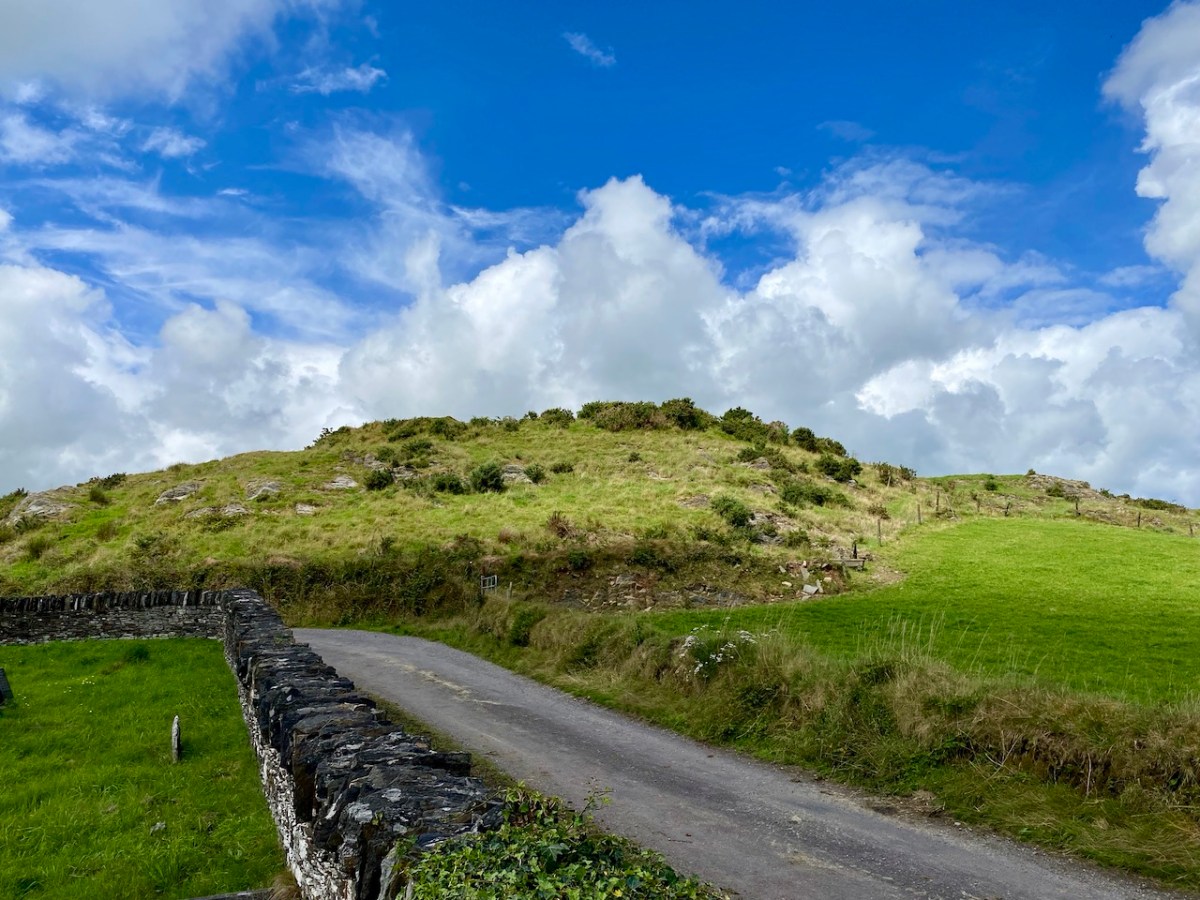
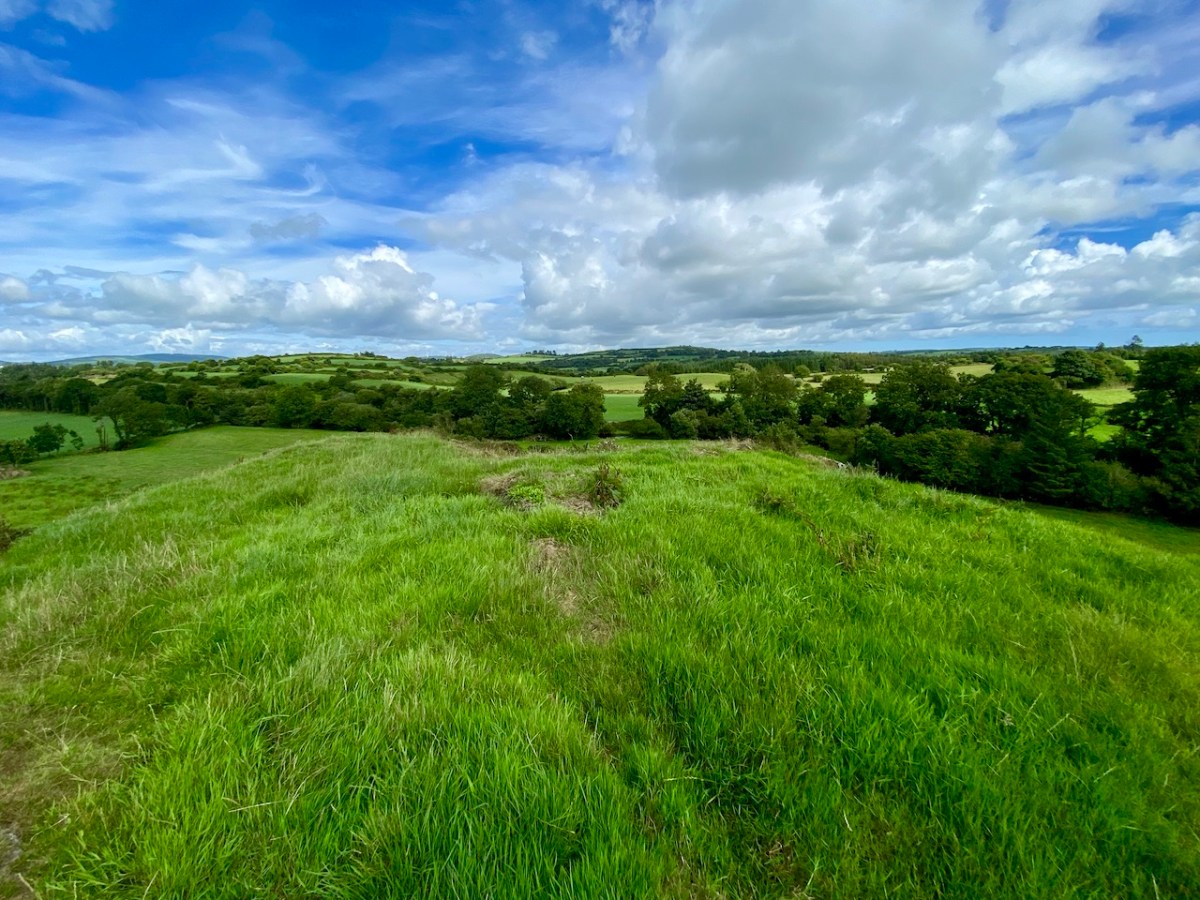
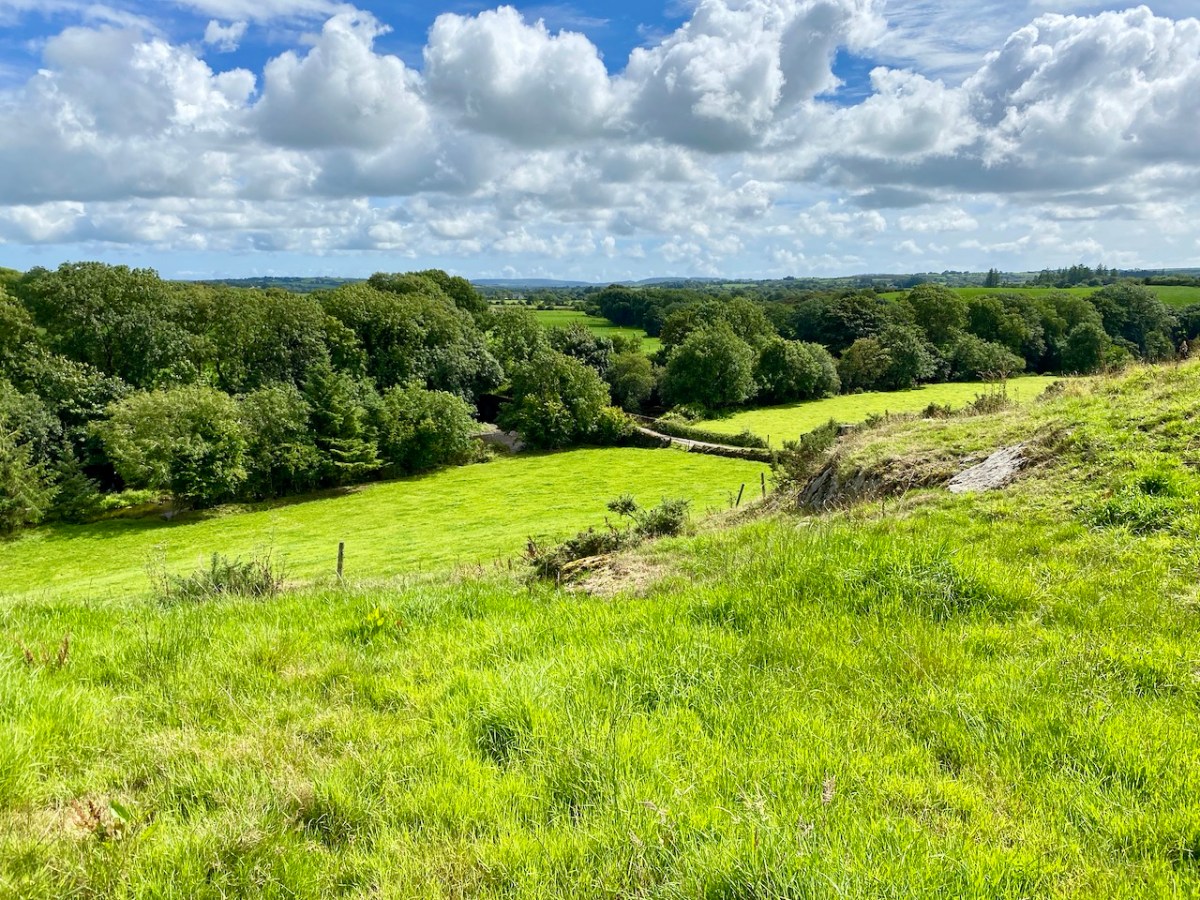
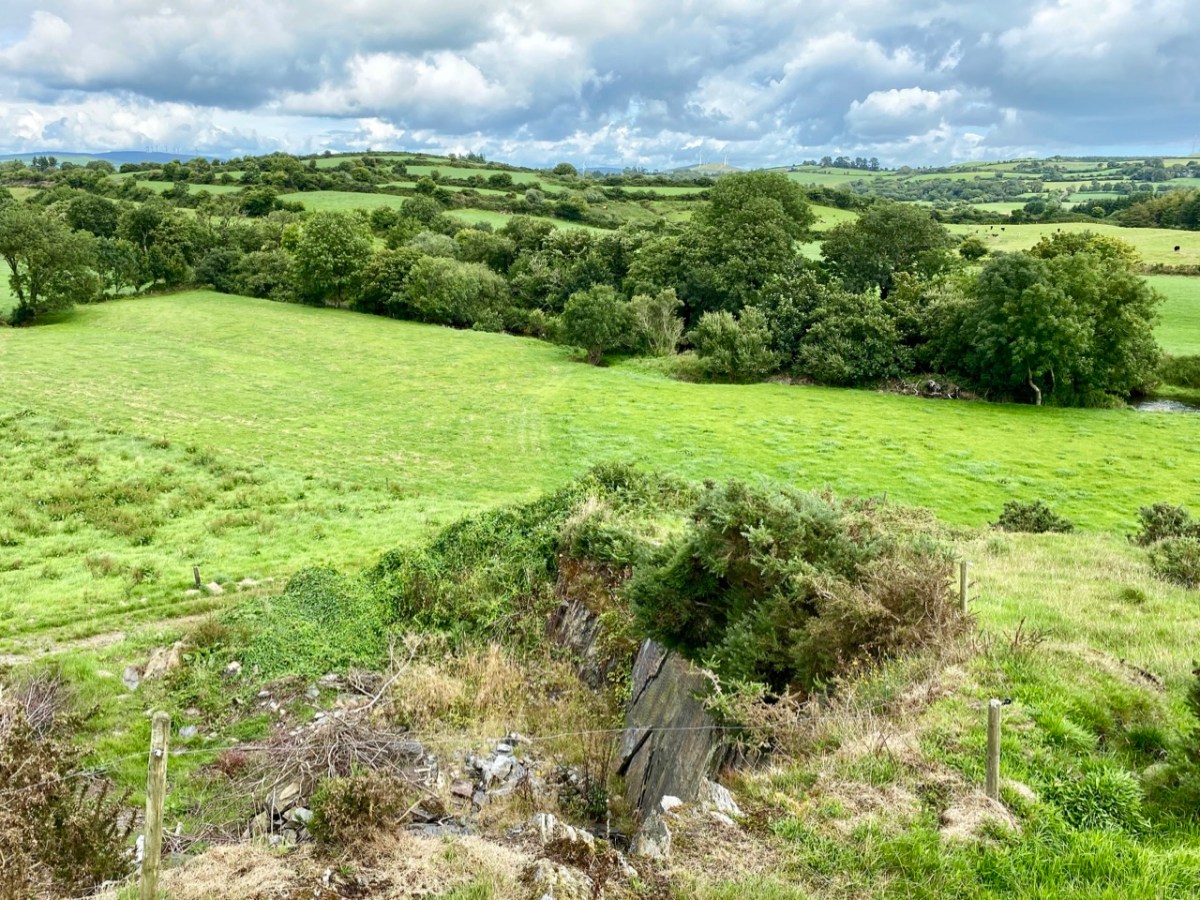
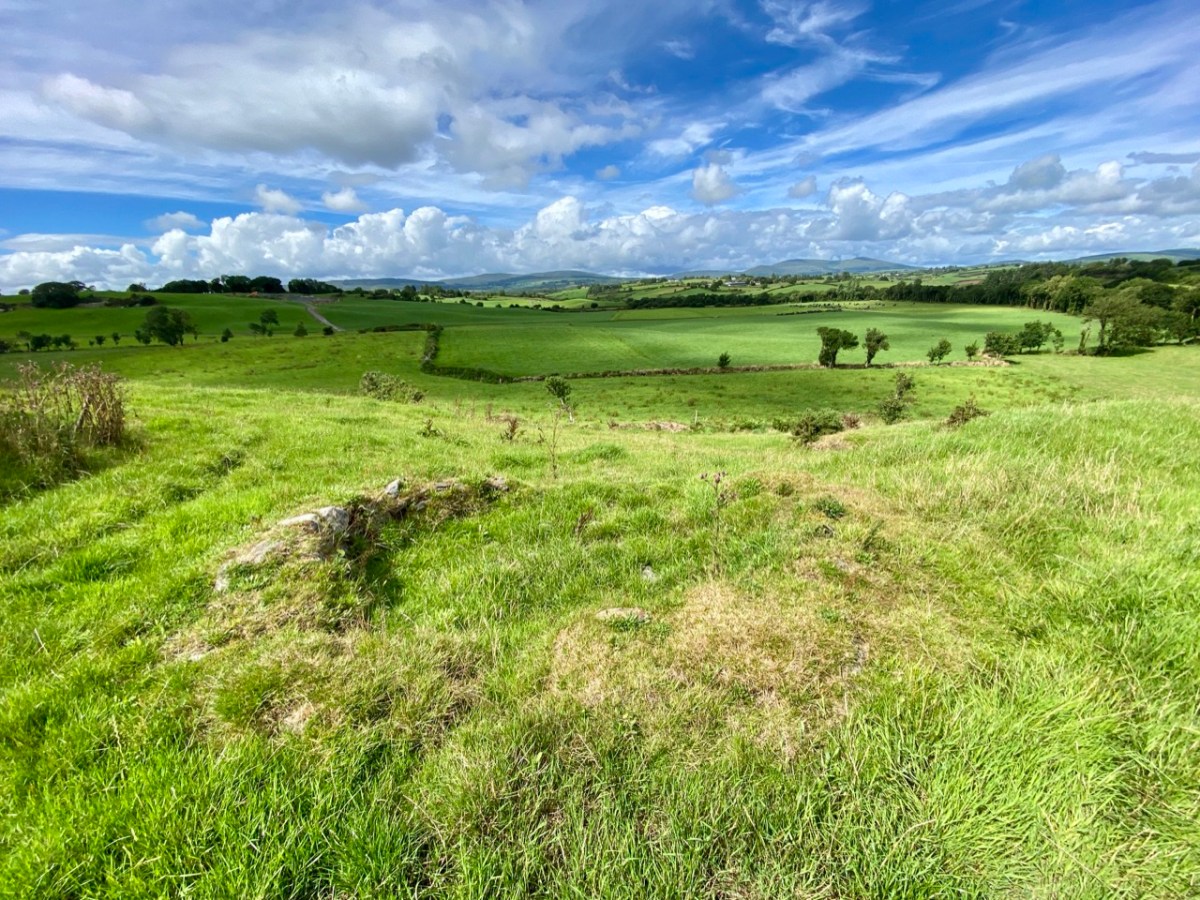
Here’s a vista to the north-east, from the top of the mound beside the graveyard that might just be a ring-fort, or possibly the site of a monastic centre dating from medieval times – more on that later. In the middle distance is the Ilen River with its wooded banks, heading out towards Castle Donovan and – eventually – to its source on Mullaghmesha (or, perhaps, Nowen Hill – we have yet to determine exactly where it rises. This post from the Sweet Ilen series covers the area). And that Donovan castle itself graces the cover of the latest Skibbereen Historical Journal (Volume 18, 2022), which you can get in bookshops locally, or online here. You will find a summary of some of my research on the Ilen River in this journal, together with many other fascinating and erudite articles.

But, going back to that sunlit vista, you’ll notice Tadhg’s Little Oak Tree is indicated. I can’t resist quoting the story of this feature that appears as a ‘Redundant Record’ in the Historic Environment Viewer:

. . . On E bank of River Ilen. Site of tree, ‘Darriheen Teige’ or ‘Daraichin Teige’ (Tadhg’s little oak tree), where Tadhg O’Donovan, chieftain of Clan Cahill, was slain c 1560 by rival group of O’Donovan’s (O’Donoghue 1986, 55). Nearby is Poll a’ Daraichin (pool of the little oak) . . .

Archaeology.ie Historic Environment Viewer – Record CO132-066

Well, it seems strange that the ‘site of a tree’ is a recorded monument. In fact, if the oak was still flourishing (we couldn’t find it), it would probably be just one of only a few trees included in Ireland’s vast record of archaeological monuments!

For today’s post I am indebted to our historian friend Pat Crowley, who directed us to a clip from The Southern Star newspaper dated January 12, 1929. It was a letter written to the newspaper by Captain Francis O’Neill, retired Chief of Police in Chicago and well-known prolific collector of traditional Irish music. O’Neill (1848-1936) was raised in his family home at Tralibane, in the parish of Caheragh. He has been mentioned in this journal, and I was fascinated to read his letter, which became a protracted discussion on the parish, the old graveyard, historic sites and archaeology in the area.

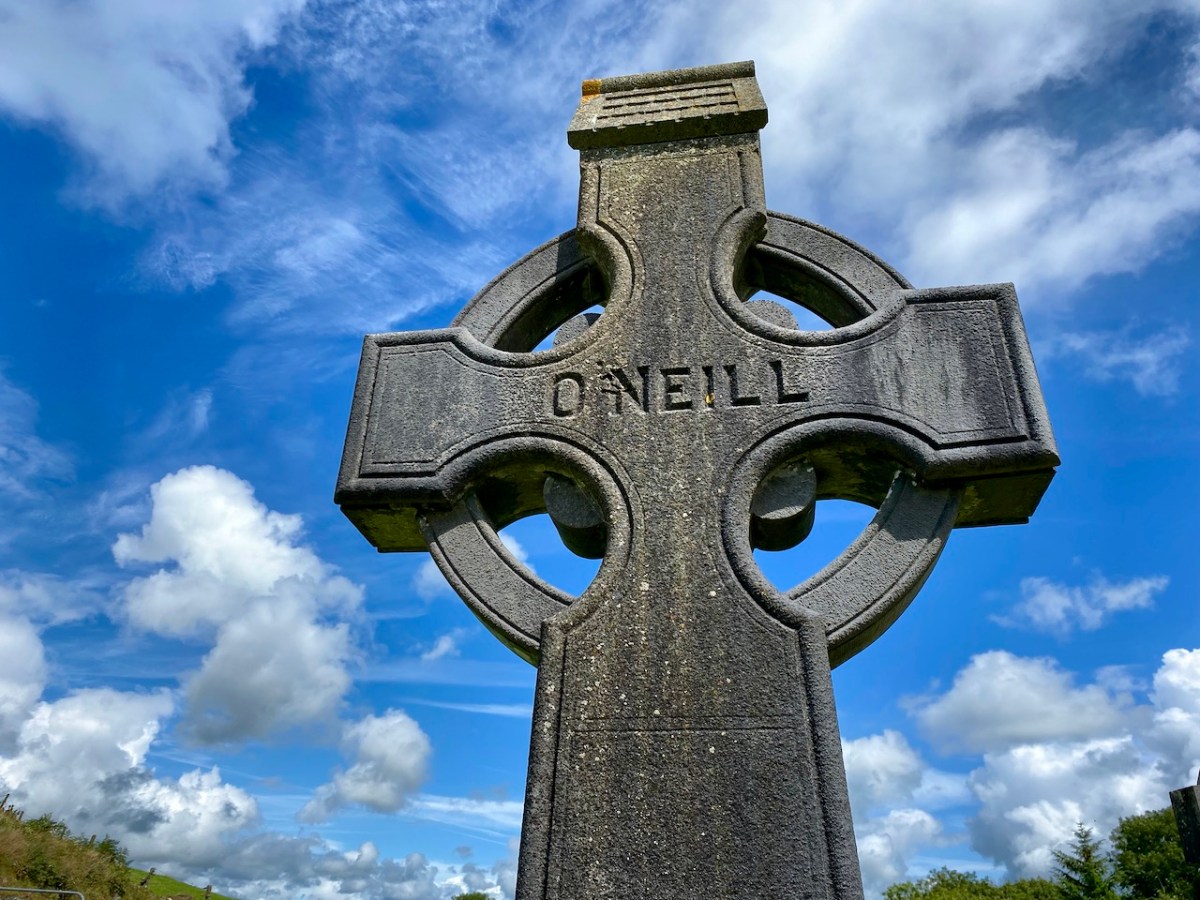
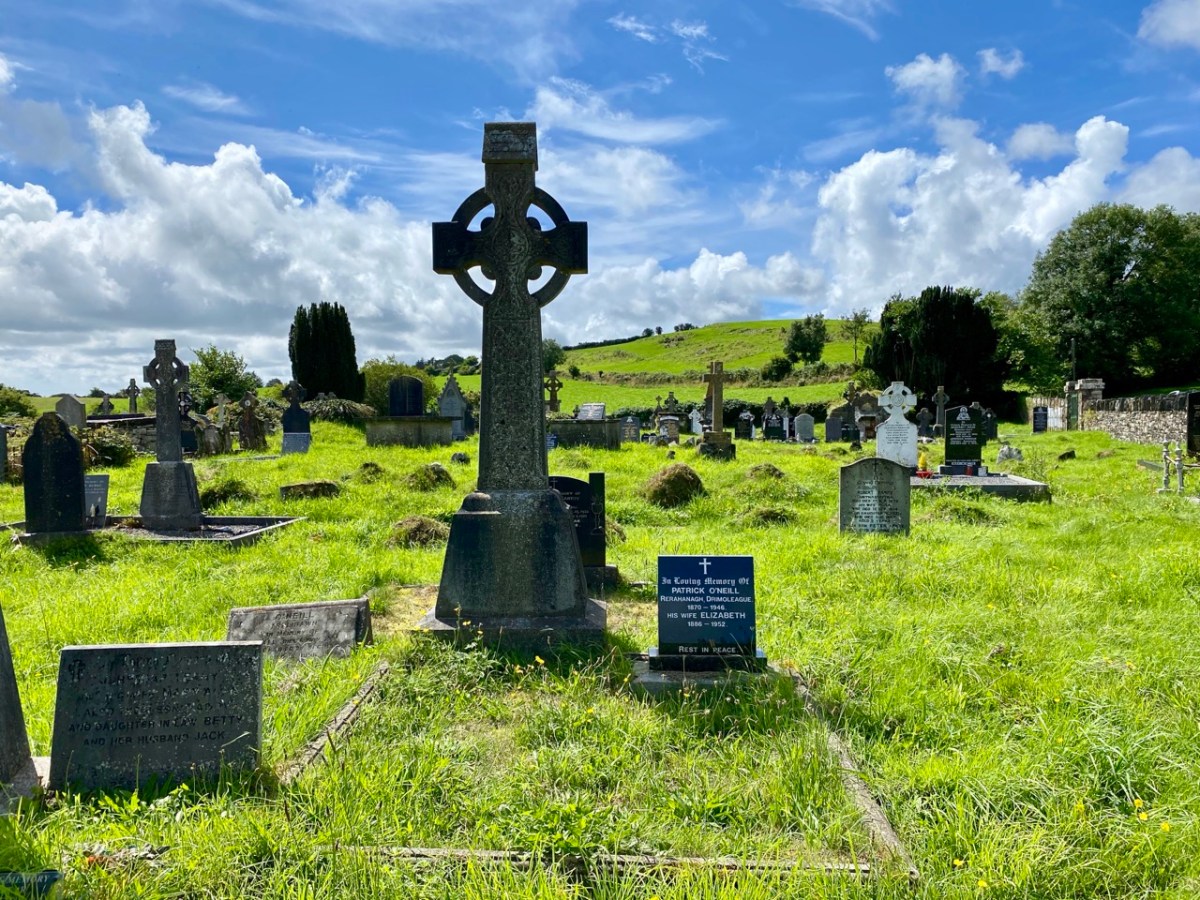
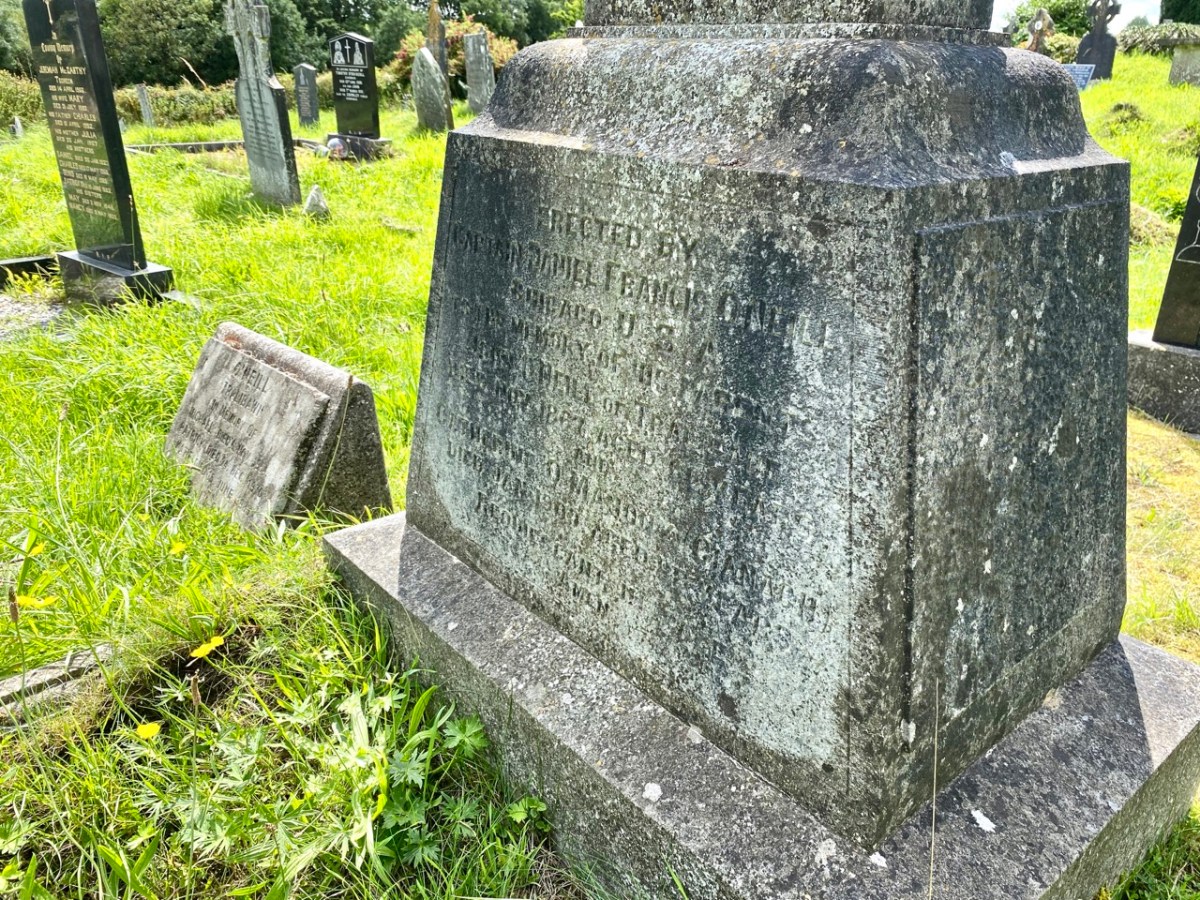
All this came about because Francis had returned from Chicago to West Cork in 1906 – after a long absence – ostensibly to visit the burial place of his parents, and to order a suitable monument to mark their graves (above).
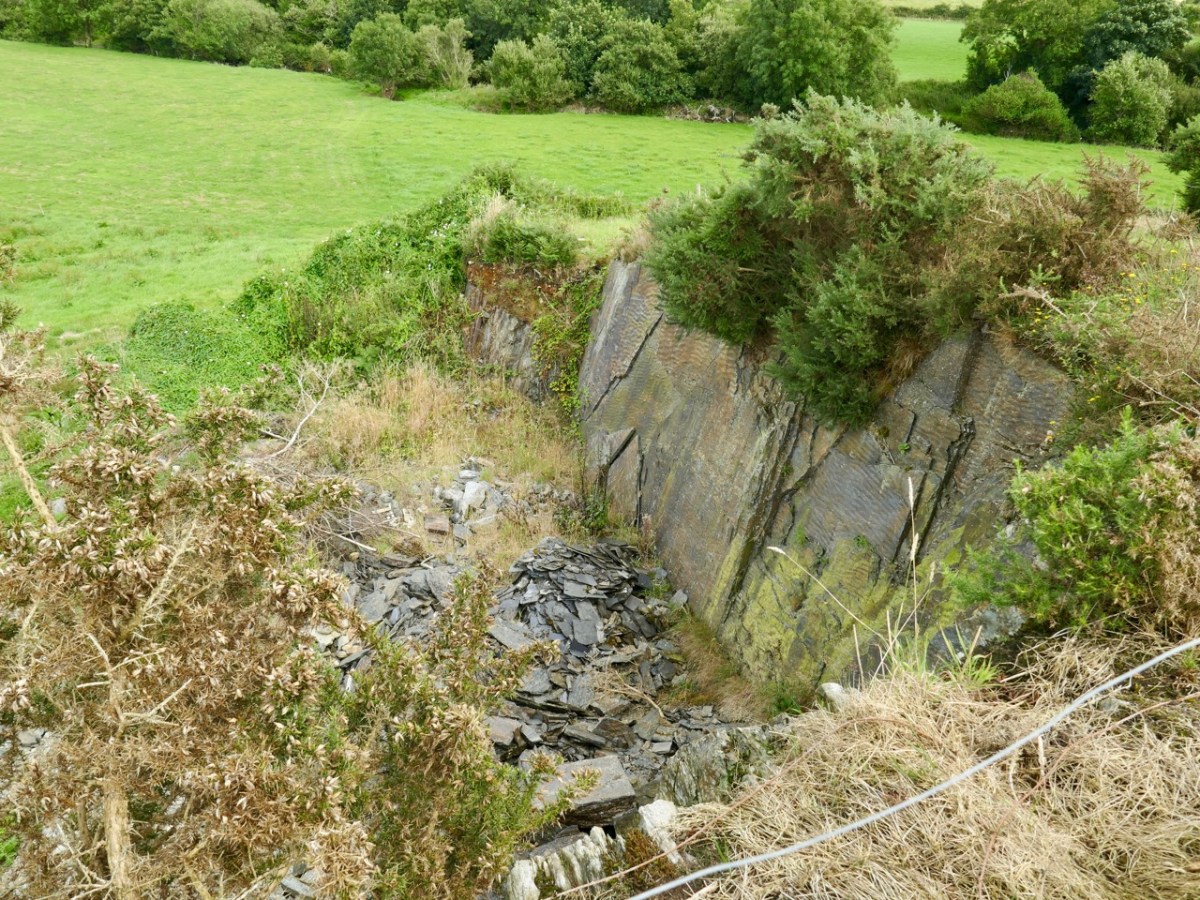
. . . On my return to Ireland July 1906, after an absence of 41 years, I visited the bleak Caheragh graveyard, in which the remains of my parents, and O’Neill ancestors, were buried. There being nothing visible in the environment to indicate its origin as a cemetery, personal curiosity, abetted by that of the Downings of Tralibane – cousins of McCarthy Downing, MP – led to investigation . . . The result, somewhat disconnected and fragmentary, is herewith submitted for publication . . .

Southern Star 12.01.1929

The O’Neill burial plot at Caheragh. Francis ordered the large cross to mark the graves of his parents. The inscription reads:

Erected By
Captain Daniel Francis O’Neill
Chicago USA
To the Memory of his Parents
John O’Neill of Tralibane
Died Nov 1867 Aged 66 Years
And
Catherine O’Mahoney (Cianach)
Died 1900 Aged 88 Years
Requiescant In Pace
Amen

Quoting again from Francis O’Neill’s letter to the Southern Star:

. . . All available authorities in my library have been consulted, and I find that references to the parish of Caheragh are both meagre and obscure… The earliest mention of this parish which has come to my notice, is in the report of Dive Downes, Episcopal Bishop of Cork and Ross, who made a trip on horseback to all parishes in his diocese in the years 1699 – 1702. Following is the entry: – “Caheragh Church, about two miles distant from Drommaleage Church to the SW lies close to the Island River (he means Ilen). On the west side of the river are 35.5 lowlands in this parish, of which 20 lie on the west side of the river, and 6.5 lie on the east side of the said river . . . There are about 12 Protestant families in this parish. ’Tis thought there are forty Papists for one Protestant in this parish . . . Will Gureheen, a very old man, is priest of this parish . . . The church is ruinous. The north side is down . . .”
Southern Star 12.01.1929

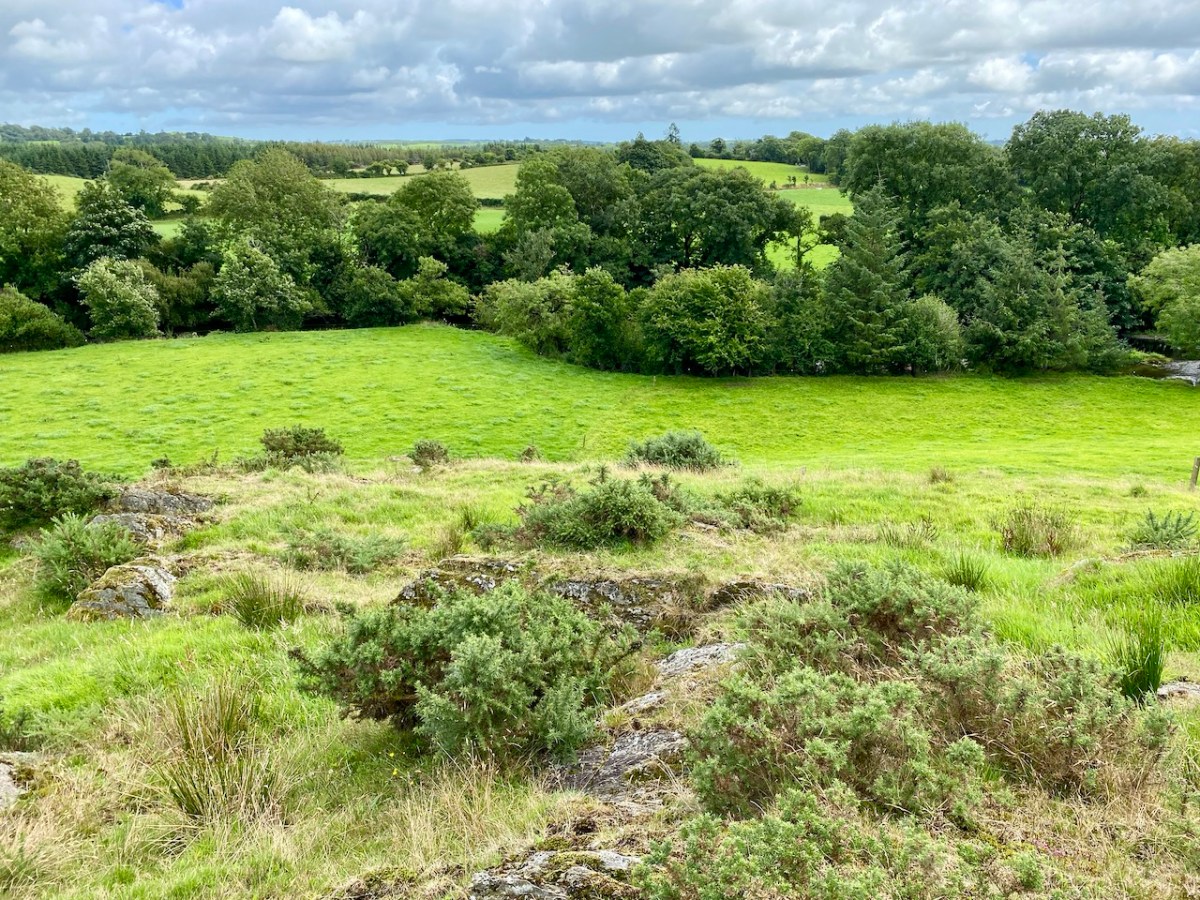
A vista to the west, from the top of the mound beside the graveyard. The present-day village of Caheragh is distant beyond the green pasture (a long way from this ‘Old Graveyard’ – why…?), identifiable through the spire of the 1963 Holy Family Church. O’Neill continues, now quoting from Samuel Lewis “A Topographical Dictionary of Ireland” published in London in 1837:

“Near Lisangle are the ruins of a strong castle, once the residence of McCarthy, King of Cork. The ruins of the old church also remain, which the people here call the ‘Abbey of Cahir” . . . The absence of ruins at Caheragh, which, by the way, seems to have never attracted the attention of historians or antiquaries, is easily accounted for. The stones, conveniently at hand, were utilised in the building of the walls which encompassed the graveyard . . .

Southern Star 12.01.1929

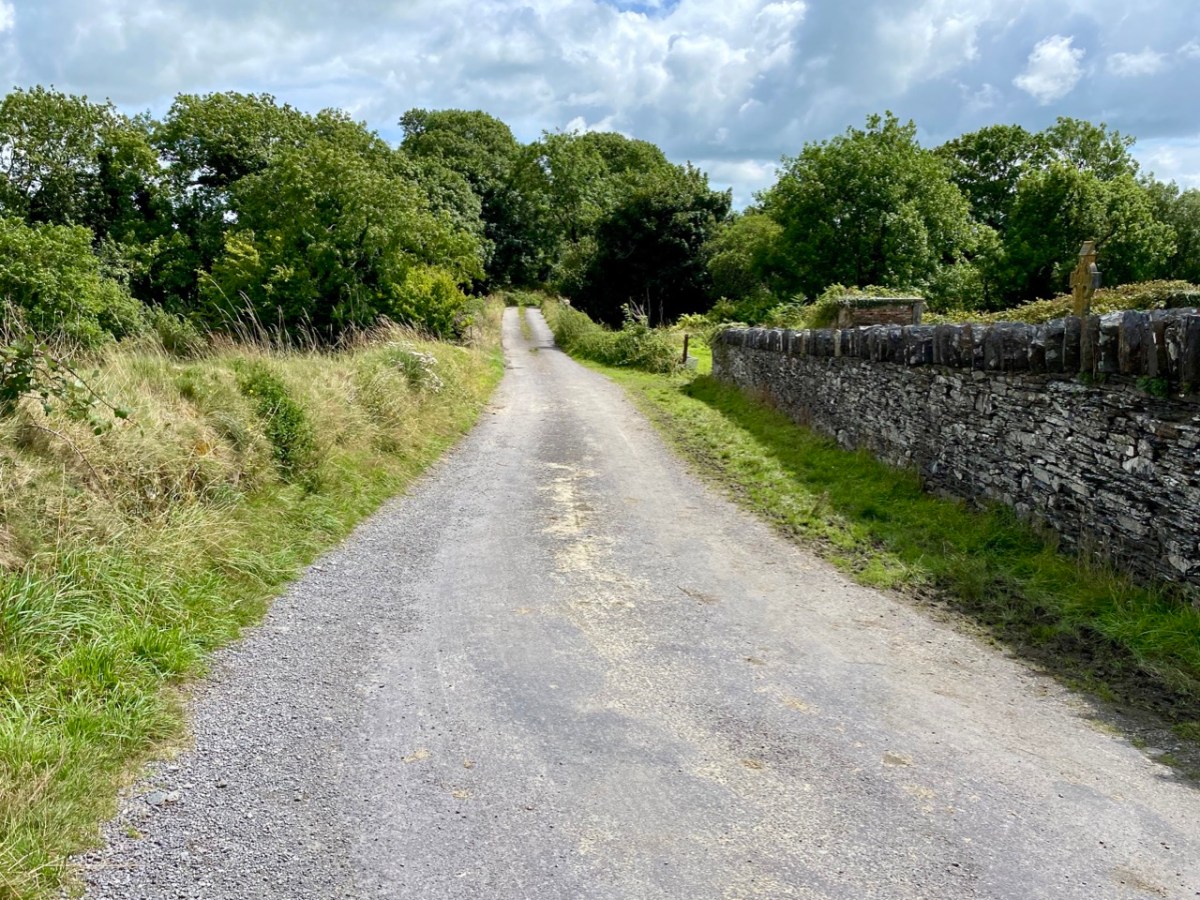
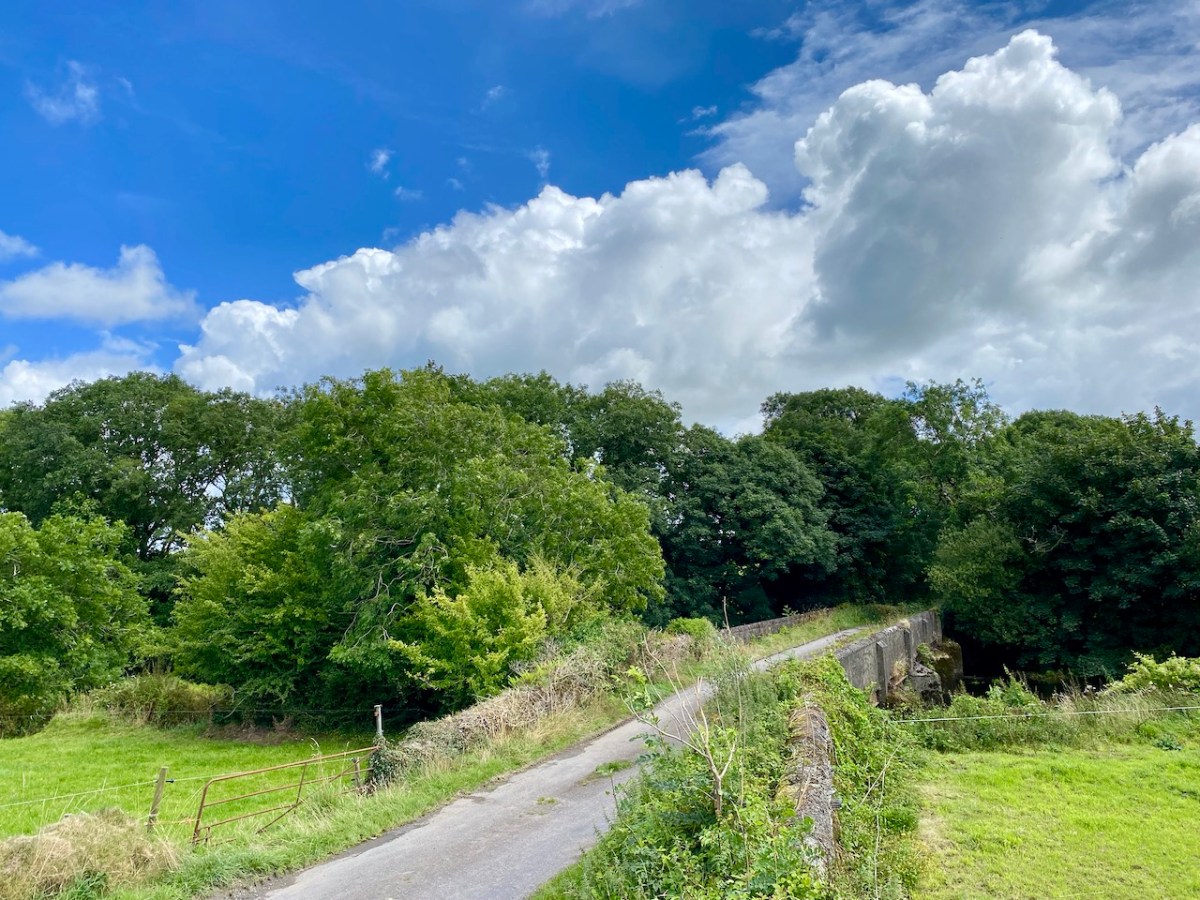
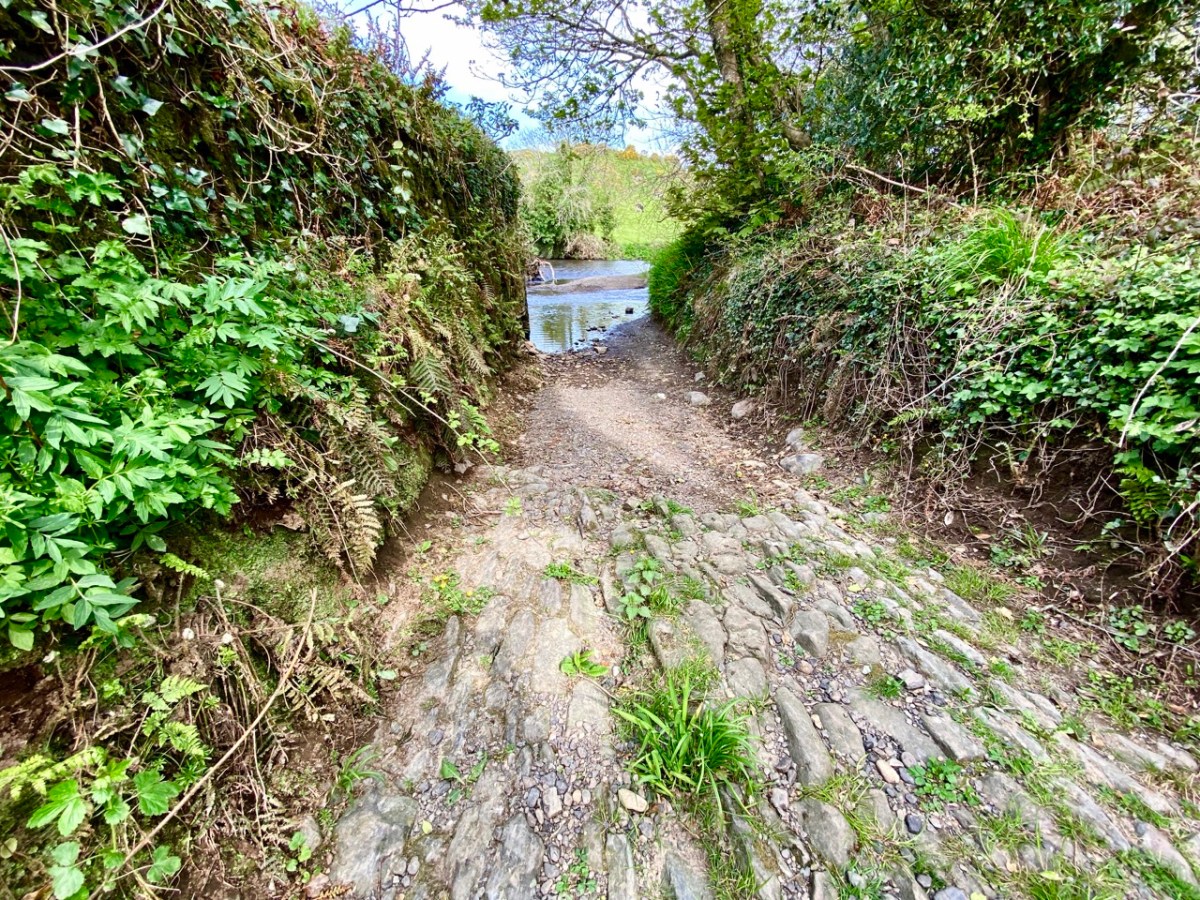
Above – the western boundary wall of Caheragh Old Graveyard. The small road continues over the Ilen River: the bridge here was built by the Congested Districts Board for Ireland in the early years of the twentieth century, to replace a ford, the stone flag bed of which can still be seen.

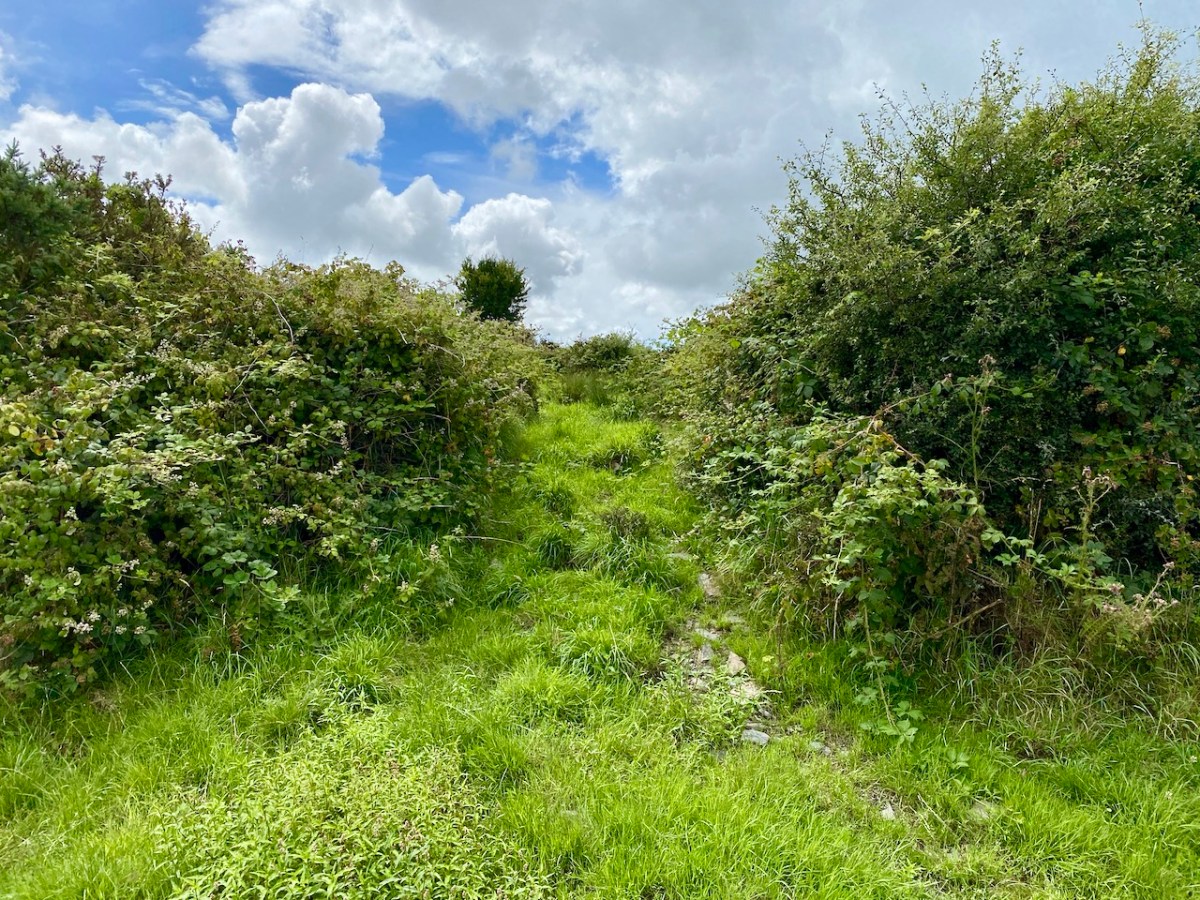
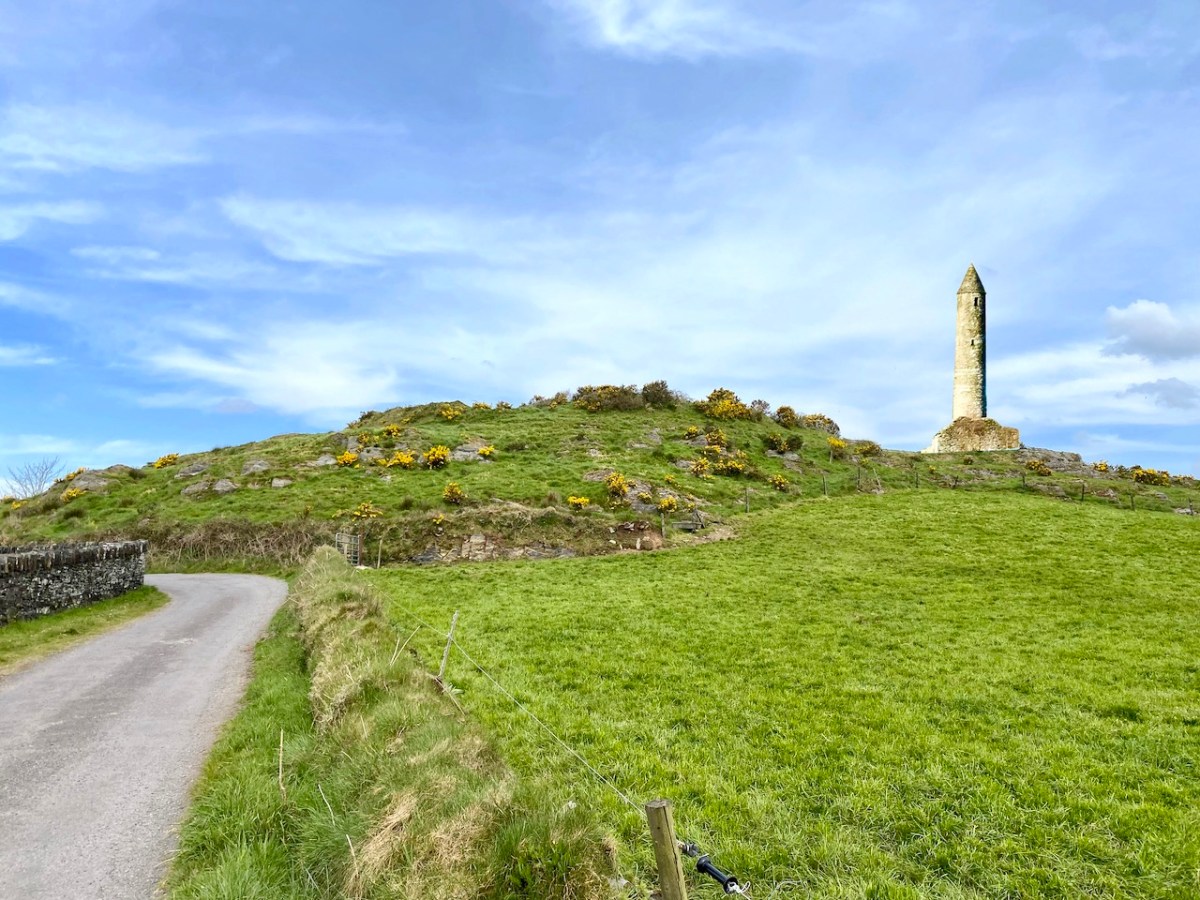
. . . The Irish word Cathair, spelled and pronounced in English Caher or Cahir, meant a circular stone fort, and therefore Caheragh, under any form of spelling, signifies the field of the stone fort. But where is the fort? one naturally asks. Remembering the descriptive nature of the Irish place names on my short call at Caheragh in 1906, I looked for something to justify the name and found it. In order to gain a vantage point, to view the country round about, I struggled through the thicket of furze to the top of the hill east of the road and, unexpectedly, to my great delight, found the outlines of the stone foundations of the Cahir, mostly covered with soil and grass, but quite distinct on the flat top. Again was the correctness of Irish topographical names vindicated . . .

Letter from Capt Francis O’Neill, Southern Star 12.01.1929

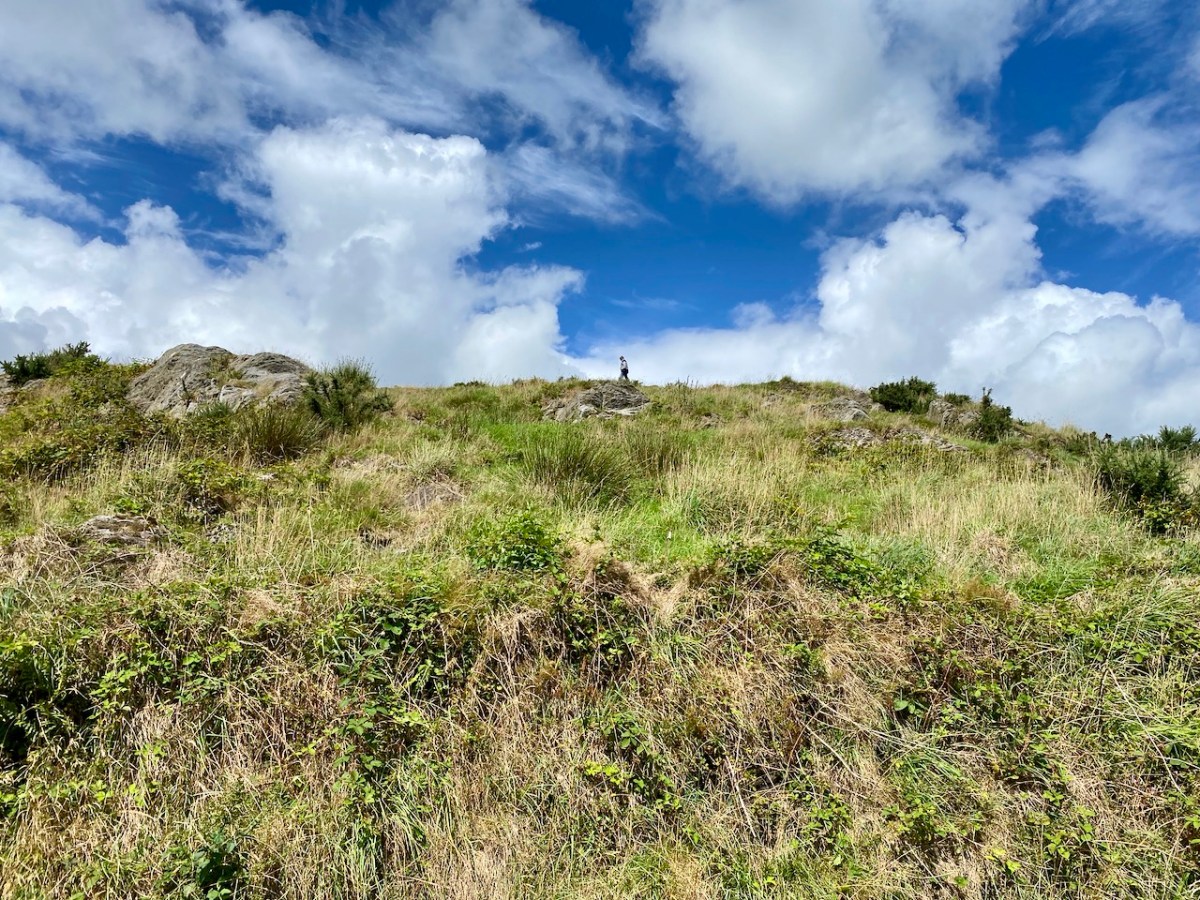
This feature (the two pictures above) is the hilltop referred to by O’Neill, where he claims to have found the ruins of the ‘Cahir’. Today it is recorded on the National Monuments Record as a ‘ringfort’ or ‘rath’:

CO132-017001-

Class: Ringfort – rath

Townland: CAHERAGH

Description: In pasture, atop hillock broken by rock outcrop. Circular area (36.5m N-S; 37.5m E-W) enclosed by earthen bank (max H 3.8m). Break in bank to NNW (Wth 5m); and WSW (Wth 4m), where triangular feature adjoins inner bank face. Possible souterrain (CO132-017002-) in SW quadrant

Archaeology.IE National Monuments Record

Top: flat-topped mound with circular summit, very much in line with the expectation of a ringfort structure. Centre: stone embankment seen from the top of the ‘fort’. Lower: a defined ‘entrance’ through the ‘fort embankment’ on the summit of the mound. This could be ancient or modern: cattle use the fields in which this feature is located, and some of the topography could be shaped by this usage over centuries.

. . . The builders of Abbeys and Monasteries were wise in their day in the choice of locations for their establishment, and one essential desideratum was near to a plentiful supply of water, such as the banks of lakes and rivers, or adjoining never-failing springs. In this instance the River Ilen met all requirements, and taking everything into consideration, I am led to the conclusion that the graveyard at Caheragh was the site of the “Abbey of Cahir” mentioned by Lewis in the Topographical Dictionary of Ireland . . .

Letter from Capt Francis O’Neill, Southern Star 12.01.1929

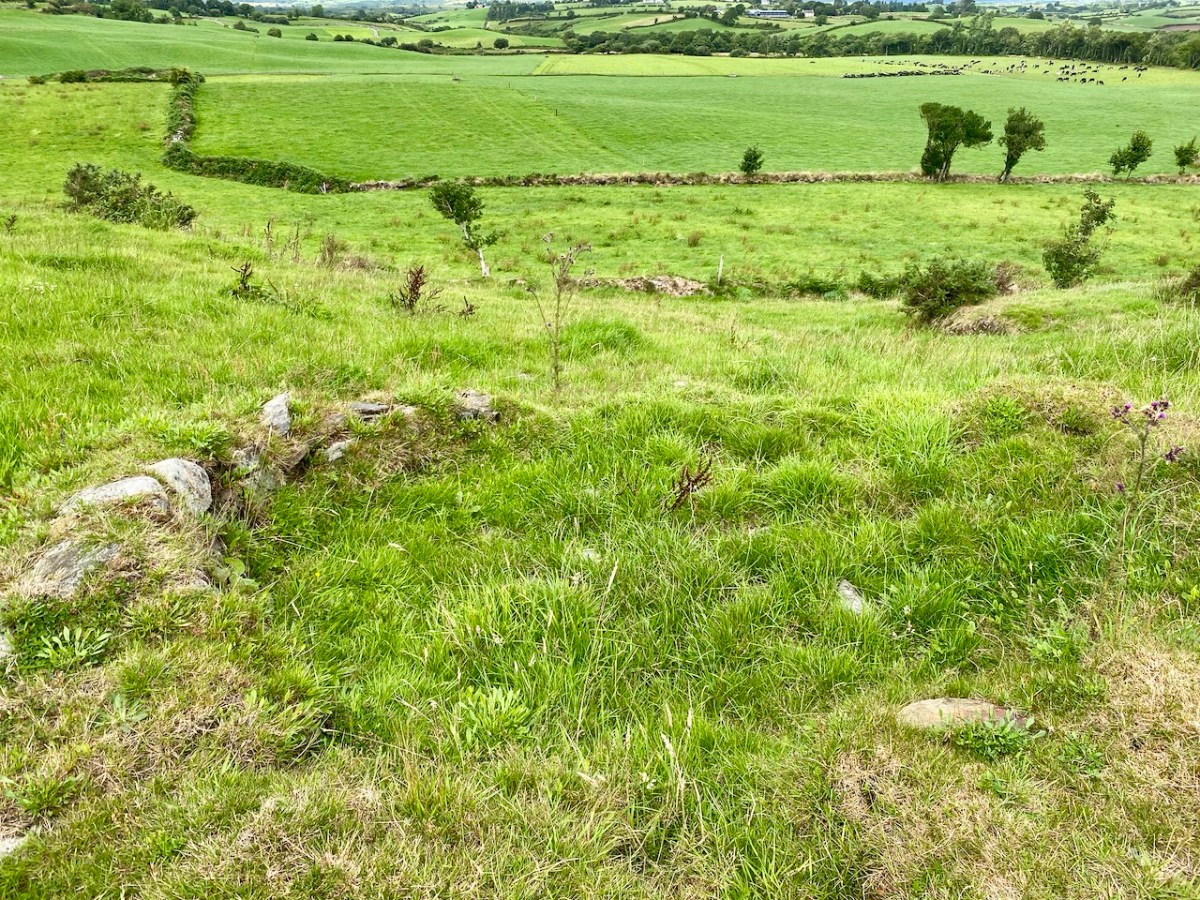
Above: evidence of built structures on the summit of the ‘ringfort’ mound at Caheragh. A significant circular foundation is clearly outlined. Perhaps, after all, there is some substance in the Captain’s musings on what occupied this site in earlier times? This account is from The county and city of Cork remembrancer; or, Annals of the county and city of Cork by Francis H Tuckey, Savage and Son, 1837:

. . . 1317 December 28, Geoffrey Fitz John de Cogan is presented by the King (by mandate to the Bishop of Cork), to the church of the Blessed Mary de Catheragh, in the King’s gift, by reason of his wardship of the lands and heir of John de Cogan . . . ‘Blessed Mary de Caheragh’ was a monastic site, said to be ‘situated on the hilltop commanding the view above the graveyard at Caheragh’ (possibly on the site of the ringfort). It was no doubt founded here because of the proximity of the watercourse . . .

So there – for your consideration – is the suggestion that the hill above Caheragh’s Old Graveyard (which may, in earlier times, have been a ringfort with a souterrain) was the monastic settlement Blessed Mary de Caheragh in medieval times. That’s quite a thought. My own opinion would be that the monastery would have been founded on the level ground close to the river: in fact where the graveyard is today. As the monastery declined, a church might have remained, eventually becoming a ruin. It was common for old churches and their environs to be used for burials and this might account for the comparative remoteness of this site from the village itself. Now – of course – there is no trace of a church ruin. This theory would hold good except for the annals quoted above, which state that a monastic site was situated on the hilltop overlooking what is now the graveyard.

Evidence of stone quarries on the hillside suggest that significant quantities of stone has been used locally. Graveyard wall, field fences, or built structures? But the most challenging feature has to be the ringed foundation, or base, clear to see on the edge of the hill (below). Could it be a souterrain entrance – or, more fanciful, the base of a round tower?

I’ll leave you with that conundrum (and my whimsical daydream below) for now, but we will continue with Francis O’Neill’s musings (which become even more complex) in a future post.

Timoleague Tour

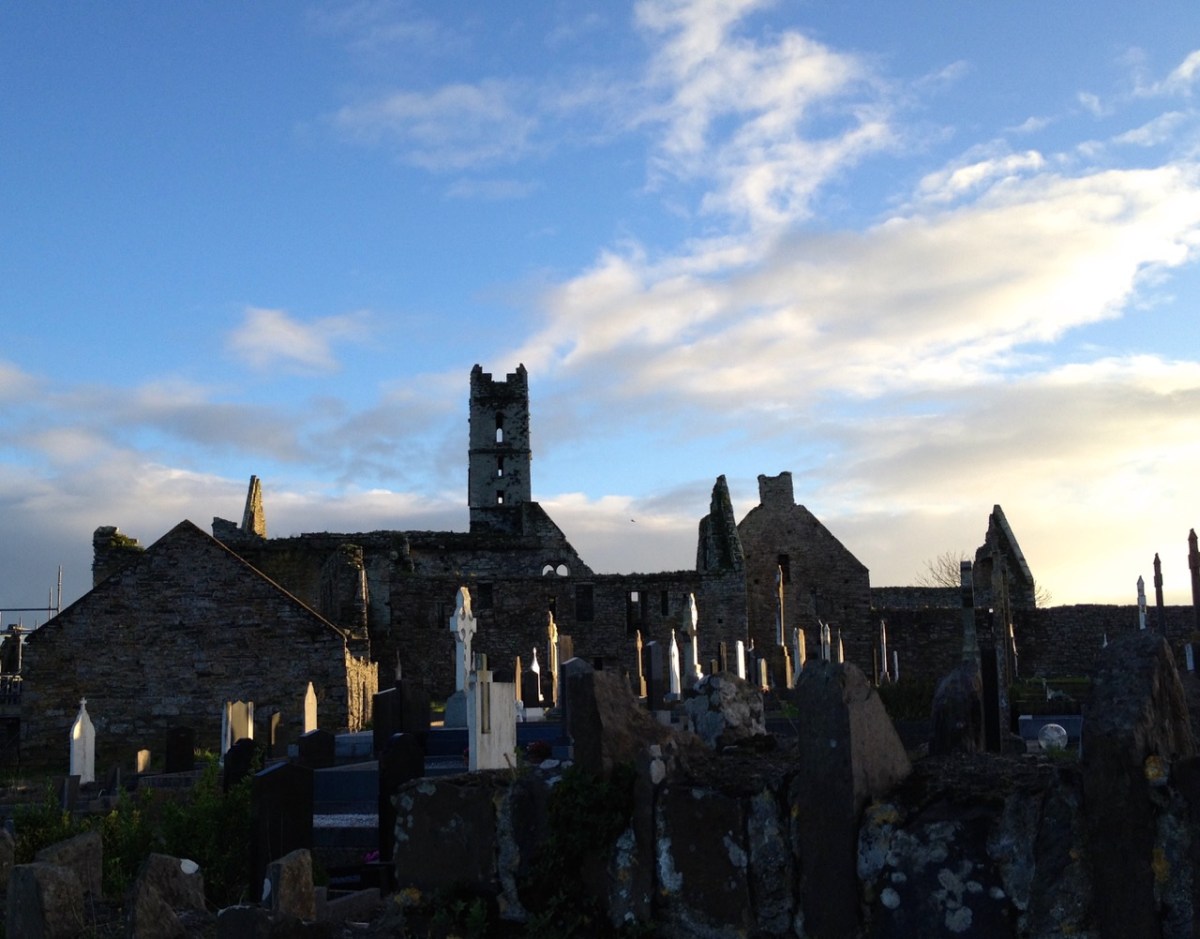
We had a great afternoon yesterday, exploring aspects of the history of Timoleague, in West Cork. Our Finola Finlay (above) was involved in an event organised by the Glass Society of Ireland . . . a professional all-island, non-profit association that opens a window onto the contemporary Irish Glass Community . . . The day’s proceedings were centred around the ecclesiastical buildings in the town, the earliest of which is the Franciscan Friary, now a substantial ruin beside the Argideen River.

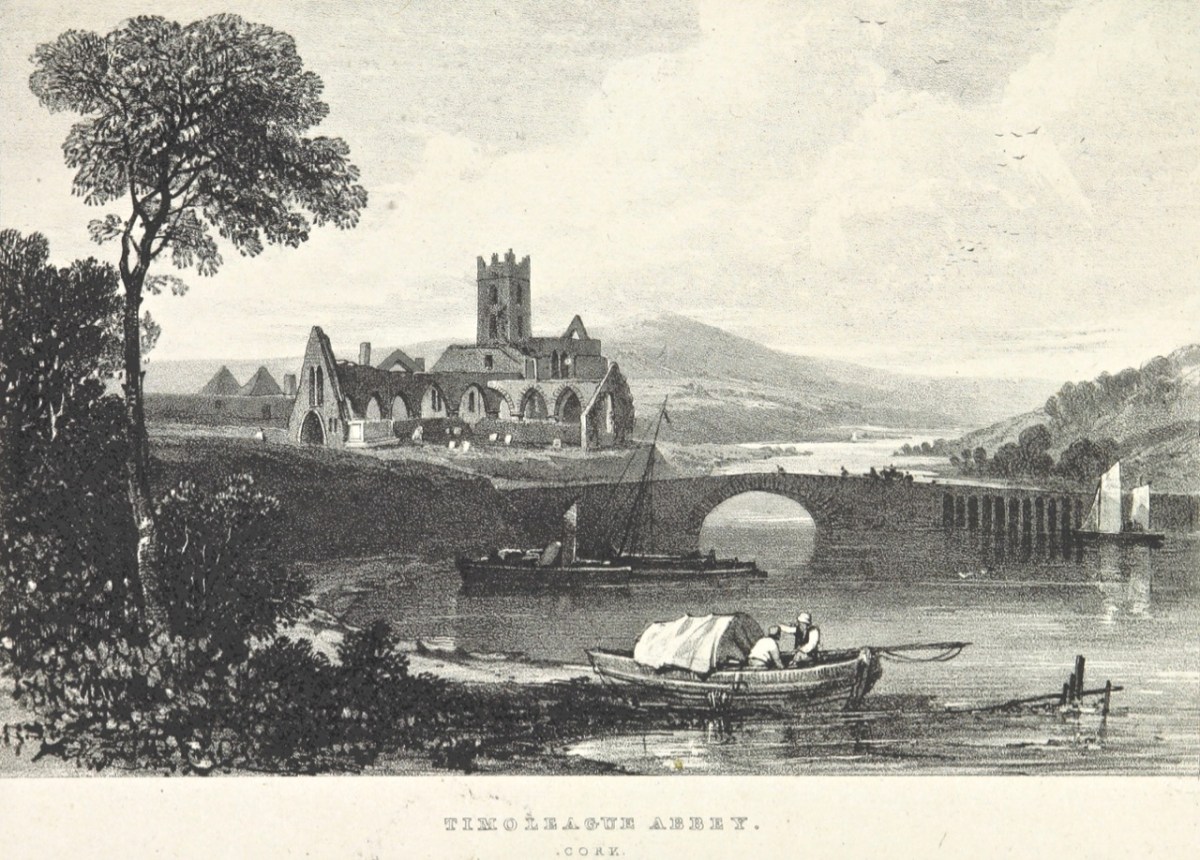
This view of the ruined ‘abbey’, above, dates from 1830. It is located on the site of an early Christian monastic settlement founded by Saint Molaga, from whom the town of Timoleague derives its name. A story that I heard for the first time yesterday was told by local historian Donal Whooley: the Saint was trying to found his community back in the sixth century, but everything that he and his followers built fell down the following day. According to legend, it was originally to be built a mile west of Timoleague, but all work done on that site by day would fall down by morning. Interpreting this as God’s wish that the church should be built elsewhere, Molaga fixed a blessed candle on a sheaf of corn, and floated it down the Argideen river, siting his settlement on the spot that it came ashore, on the big bend in the waterway where the Friary ruins can be found today. Here is a view from the great three-light window which looks out to the east over the river. Finola told us that, in its heyday, this window would have been filled with beautiful medieval glass, bringing light and colour into the substantial nave of the church.

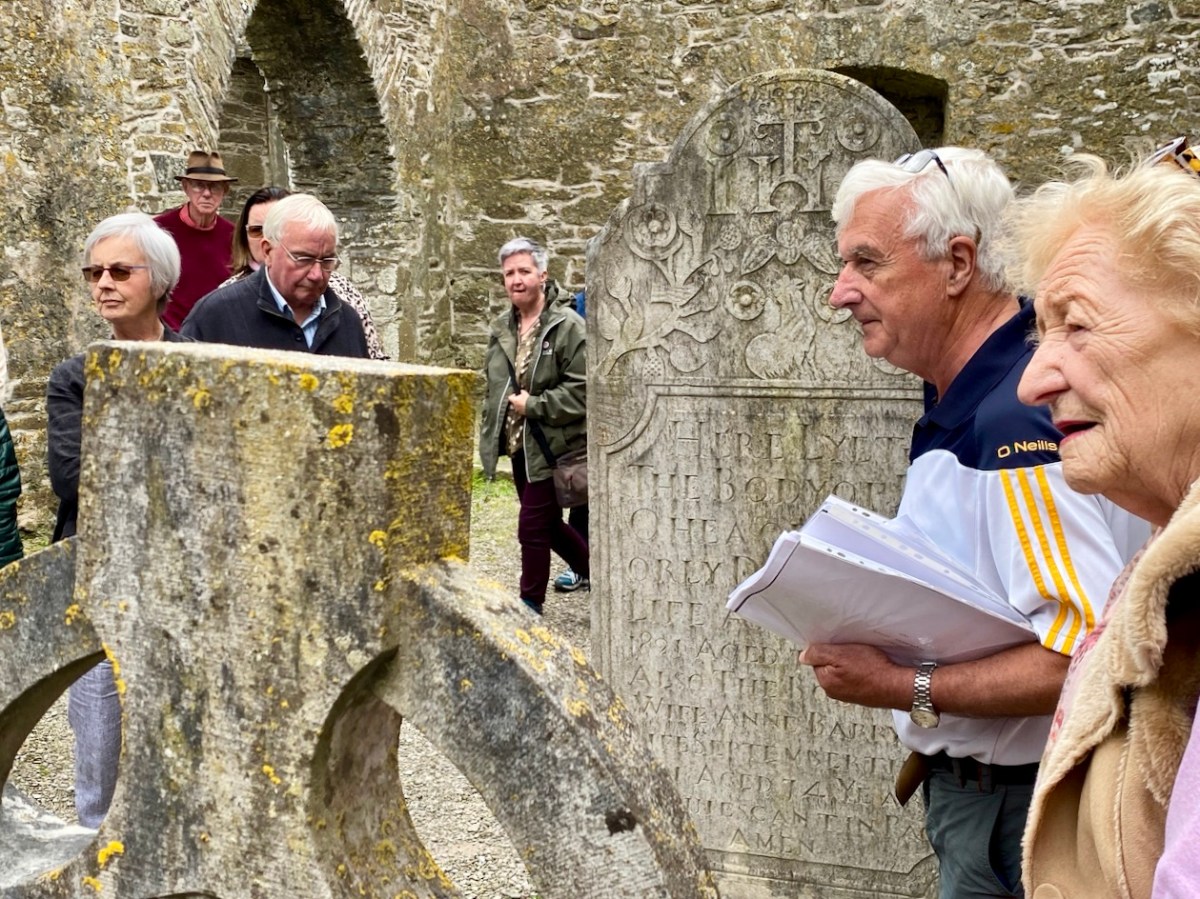
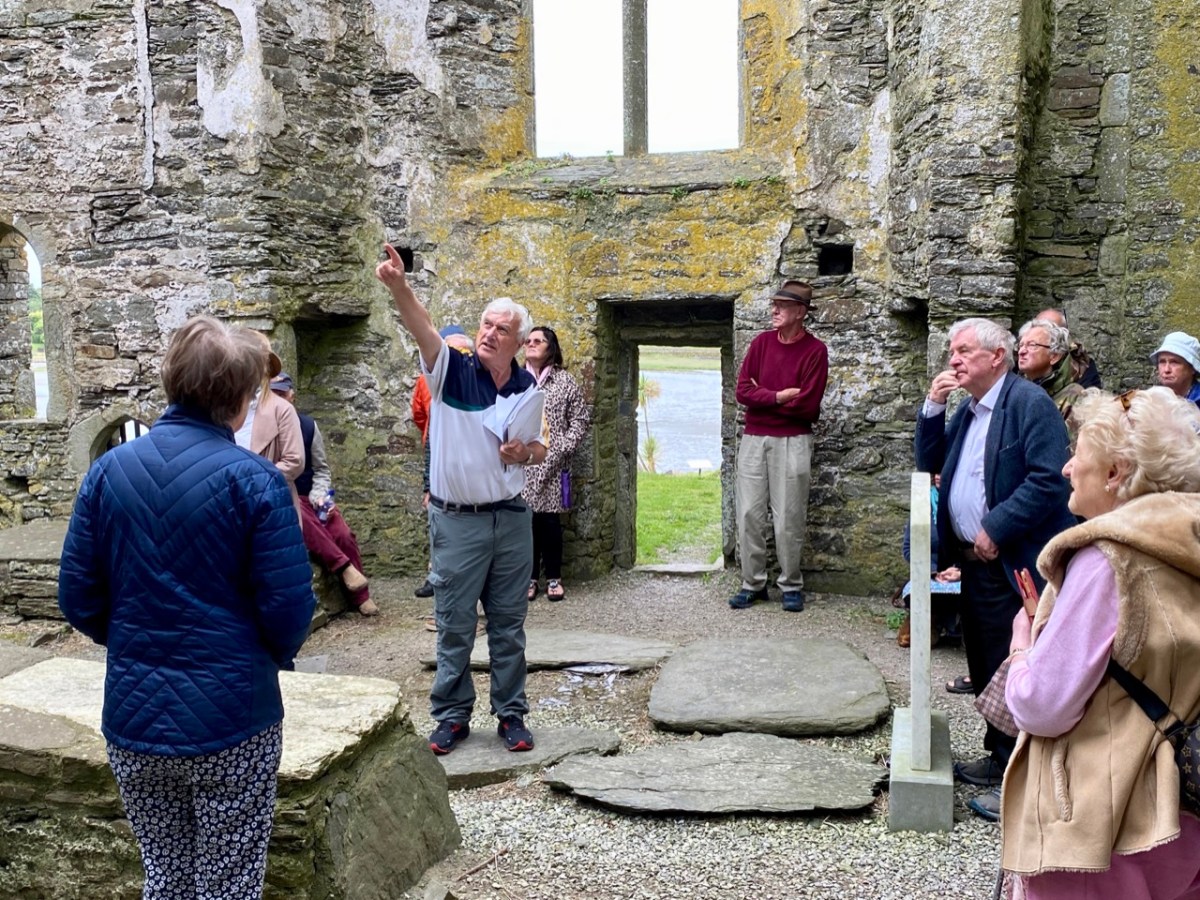
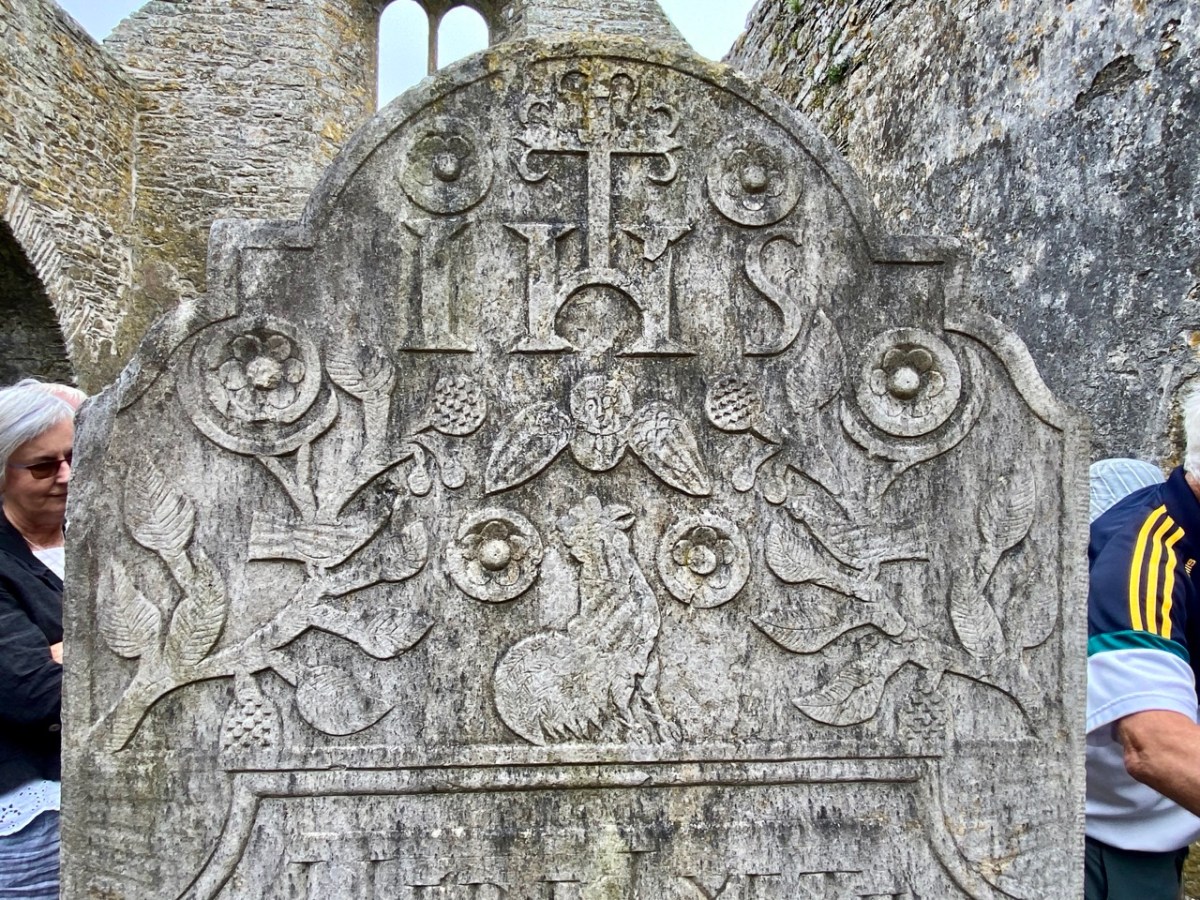
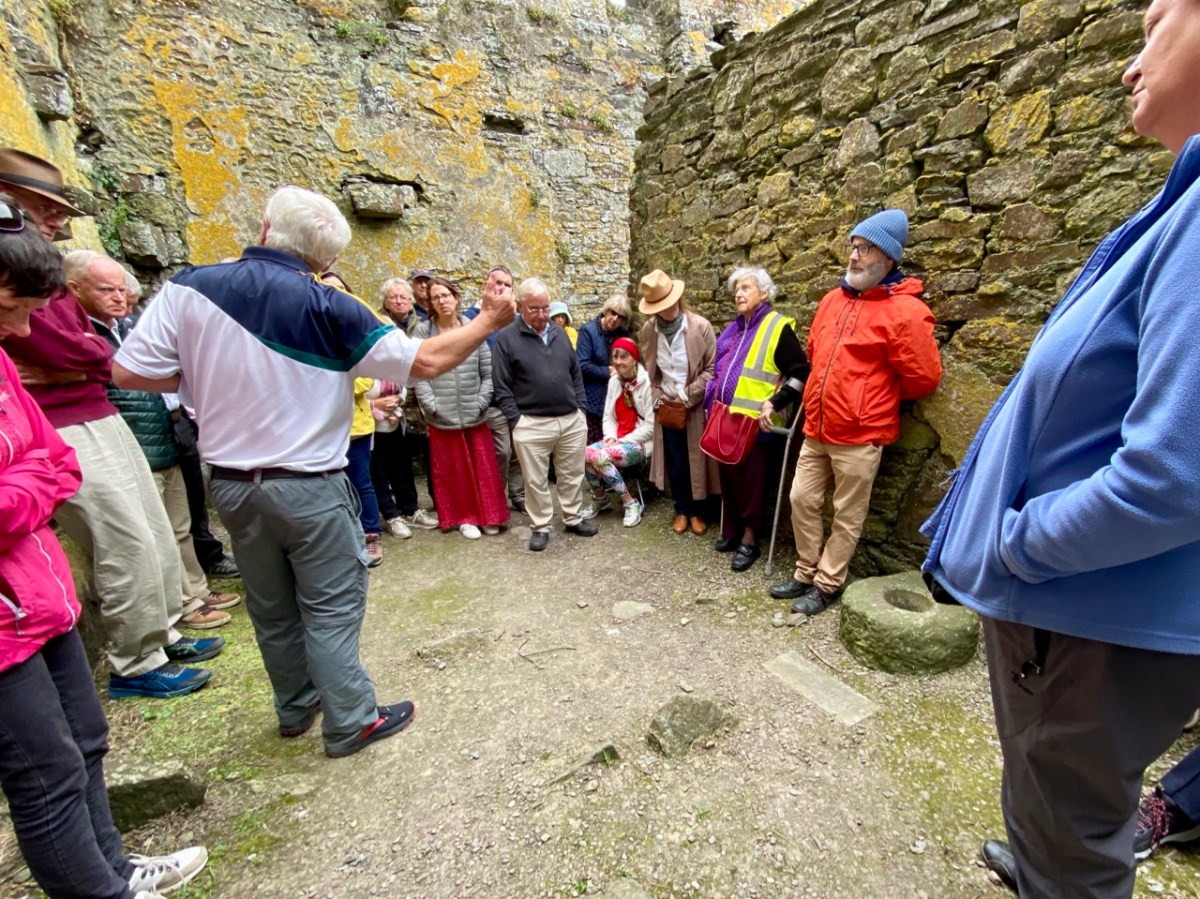
That’s Donal, above, leading our group of almost fifty keenly attentive people who shared an interest in the town and its history. To the right (in a blue jacket) is Father Patrick Hickey. He told us of the symbolism of the cockerel you can see on the large headstone in the nave (below), dating from 1821. Evidently some of the disciples were standing together while Christ was being crucified: nearby stood a pot in which a rooster was being boiled for supper. Judas reportedly said: do you think there’s any chance that our Lord will rise again? Mrs Judas retorted: there’s about as much chance of that as there is of that rooster jumping out of the pot and crowing! At which point – of course – the cockerel did just that!

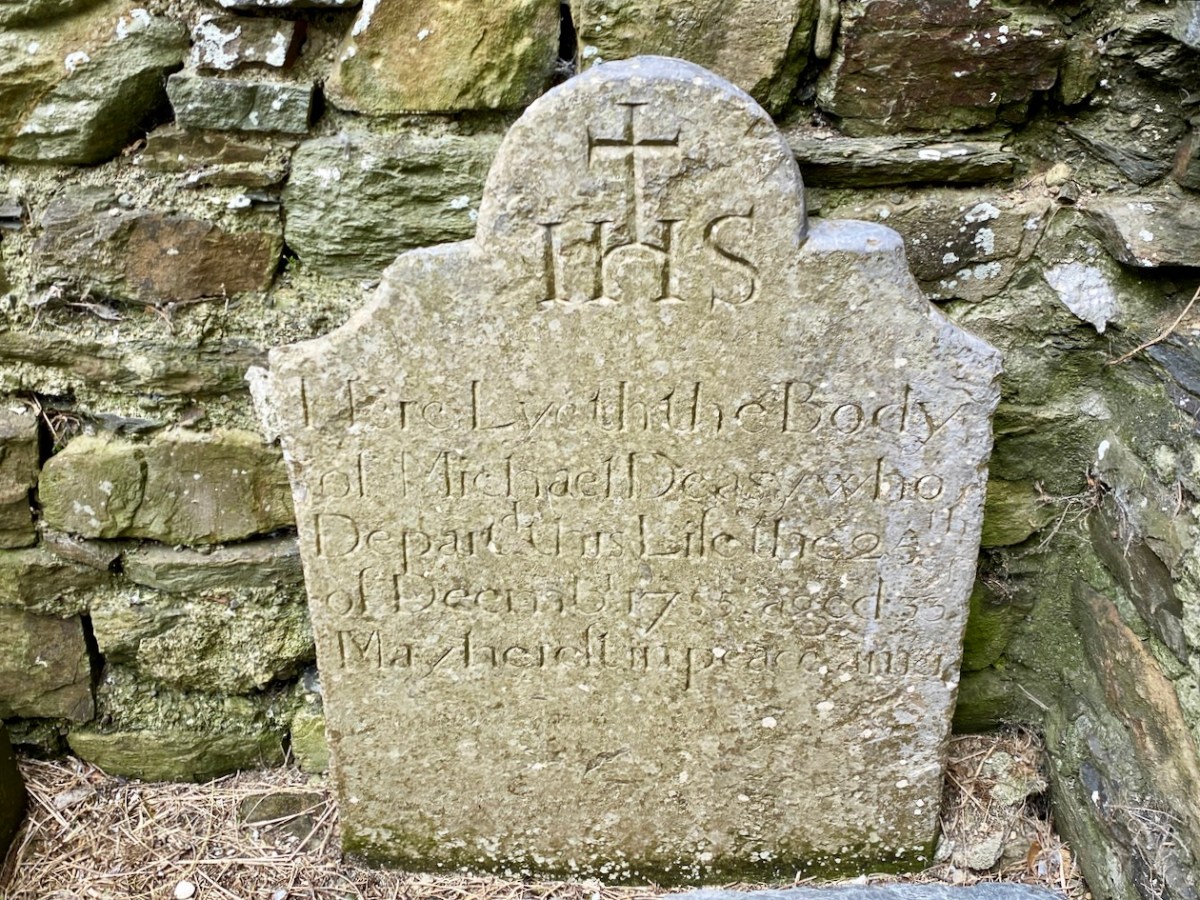
It was the custom to place burials in ruined church buildings. Here’s another fine headstone in Timoleague Abbey, to Michael Deasy, ” . . . who departed this life on the 23 December 1755, aged 33. May he rest in peace. Amen . . . “

Lively discussions ensued on the efficacy of wart wells, and Donal suggested that this repurposed bullaun stone, above could be the oldest human element on the whole site!

Here’s an aerial overview of the geography of Timoleague. The Friary ruin is only one of many historic sites of interest which caught our interest yesterday. It was Finola’s task to introduce us (or those of us who had never seen it) to the little Church of the Ascension.

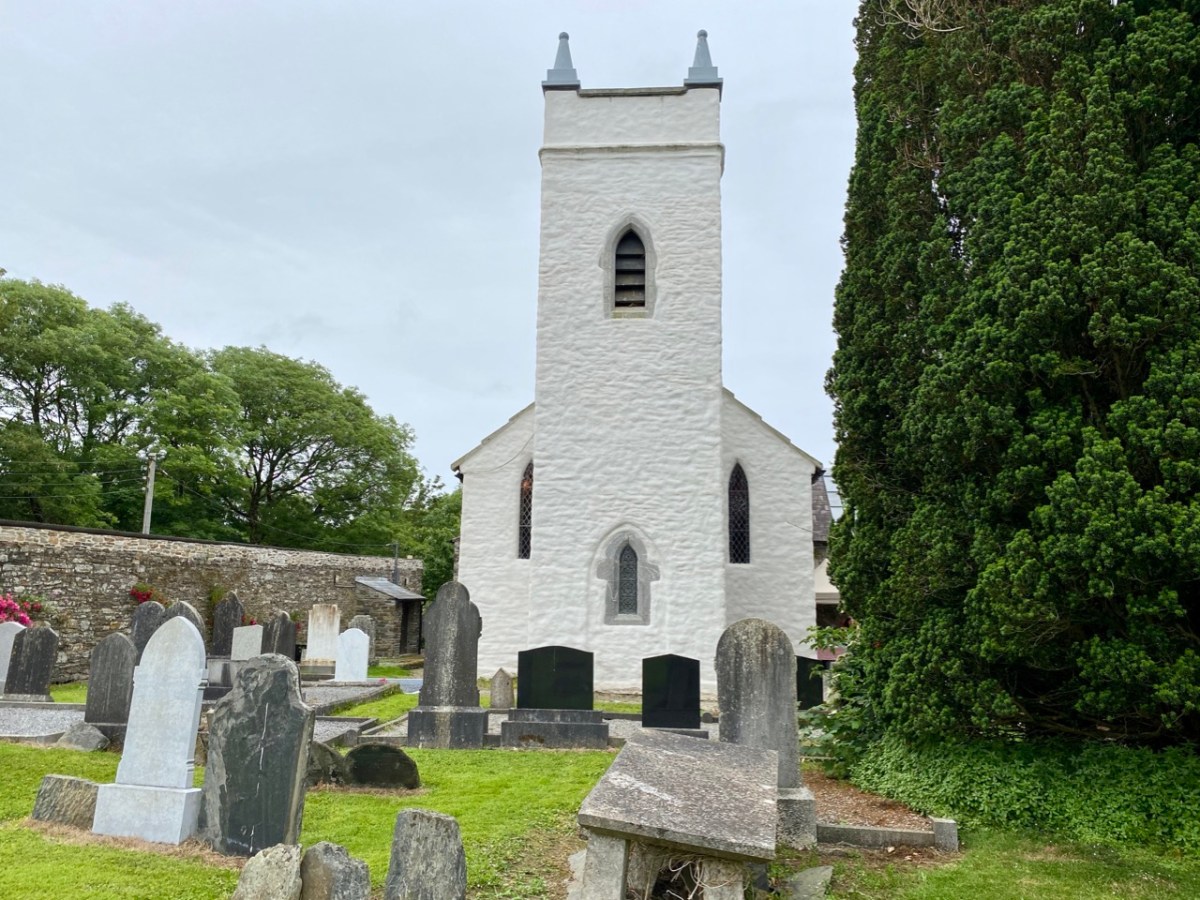
This building is currently undergoing major improvement works: the lime rendered tower has created a striking landmark in the town. This work has become necessary by water penetration through the stonework leading to deterioration of the fabric. The conservation project is led by a hard-working Parish committee who also served us delicious tea and cakes since the tour was a fund-raiser for their efforts.

You can see Finola addressing us in this little Protestant church in the header picture. Above is one example of the fine early glass here, this one by Clayton and Bell. For a fuller description of this church and its many stories, read our post here.

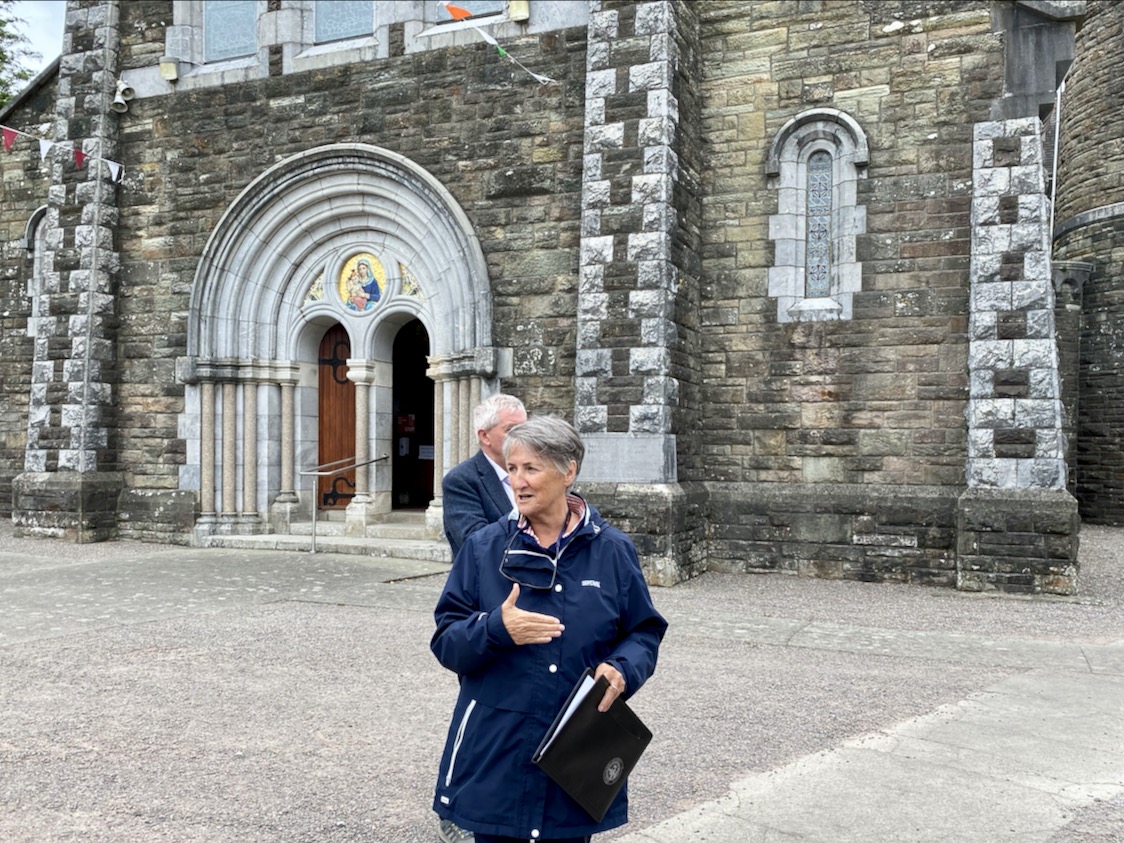
The early OS map extracts, above, give further context to the town’s history. The top map dates from the 1830s and comparison of the plan forms of the Church and Chapel buildings with those in the lower map, which dates from c1900, and then the present day aerial view (higher up the page) shows the degree of change which has taken place. We finished our town tour in the Church of the Nativity of the Blessed Virgin Mary. Here’s Finola standing outside it, below, prior to giving us an introduction to the history of the building, and its windows.

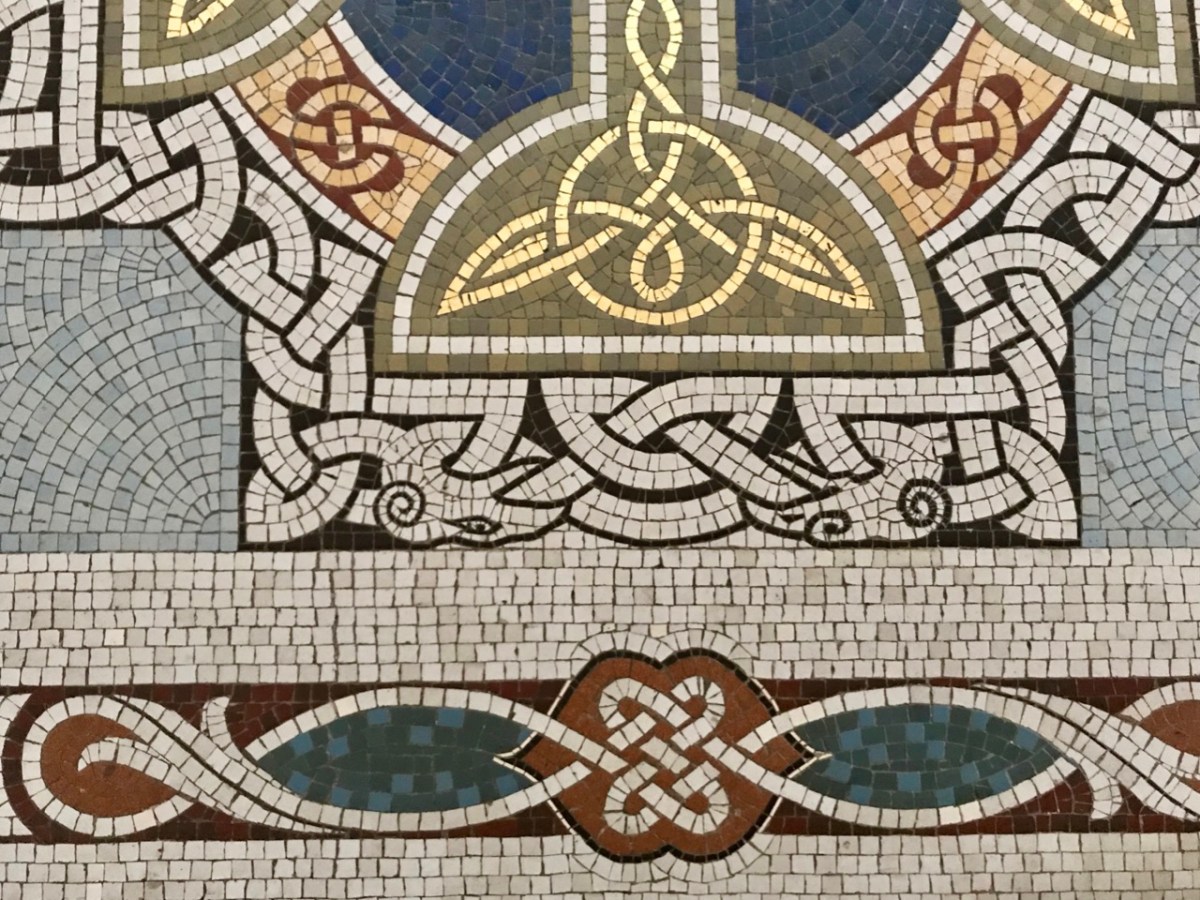
The fine Harry Clarke Studio window (one panel of which is shown in the upper picture) is a ‘must-see’, as is the mosaic work from the same church. The building work for this Catholic church, replacing an earlier chapel, dates from 1912.

Father Patrick Hickey nicely rounded off our day of Timoleague history by showing us the replica of the ‘Timoleague Chalice’ (above). The replica is kept in this Catholic church. According to Fr Hickey, ‘back in the penal days’ three monks were found floating in an open boat just off the island of Cape Clear. They had with them a box, or trunk. They were brought ashore but two of them died. The other asked that the box be kept on the island – but unopened – until he could return to retrieve it. He never returned, and in later years another visiting Priest said it could be opened. Inside was a gold chalice – blackened with age – and some liturgical vestments. The vestments fell to dust immediately, but the chalice was sent away for inspection, and was confirmed as coming from the Friary at Timoleague, where the replica is now kept.
Here is another ‘souvenir’ of Timoleague – it’s an extract from a poem written in Irish: The Mourner’s Soliloquy in the Ruined Abbey of Timoleague. The poet, Seághan Ó Coileáin, ” . . . was a Gaelic-language poet born in County Cork, in a time of faded Irish glory. He lived as a village schoolmaster, with a large family and no patron . . . “

Abroad one night in loneliness I stroll’d,
Along the wave-worn beach my footpath lay;
Struggling the while with sorrows yet untold,
Yielding to cares that wore my strength away:
On as I mov’d, my wayward musings ran
O’er the strange turns that mark the fleeting life of man.

The little stars shone sweetly in the sky;
Not one faint murmur rose from sea or shore;
The wind with silent wing went slowly by,
As tho’ some secret on its path it bore:
All, all was calm, — tree, flower, and shrub stood still,
And the soft moonlight slept on valley and on hill.

‘This is Our History’: The Abbey Graveyard Project in Bantry

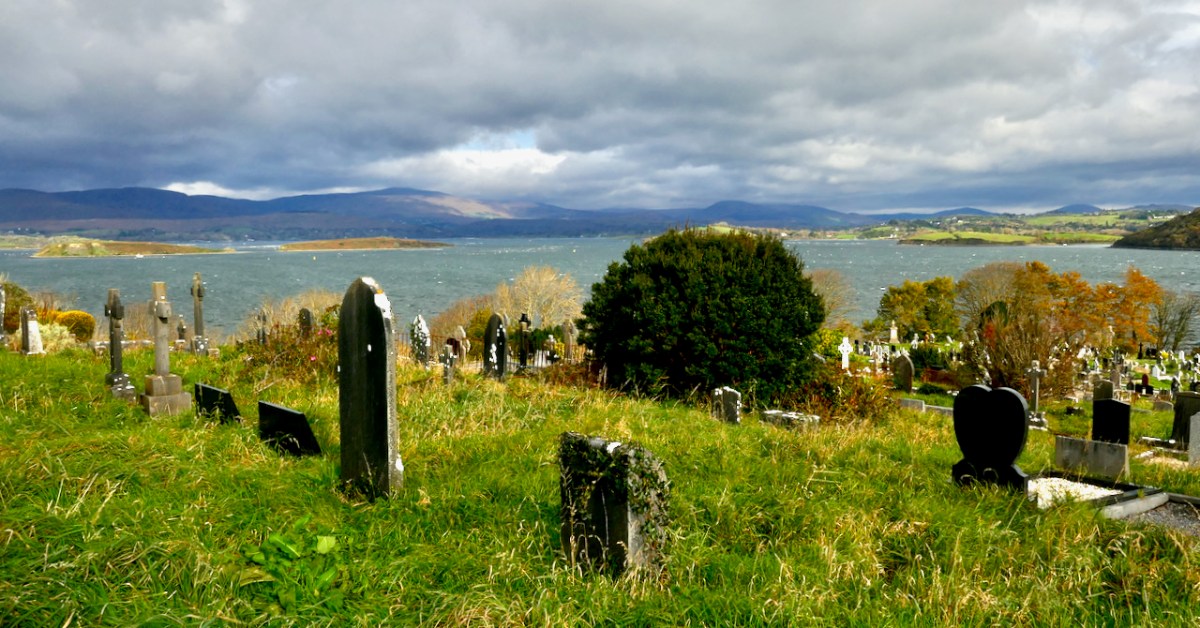
All over Ireland there are local history heroes working to recover the heritage represented in the numerous historic graveyards that dot the country. Few groups have taken on as daunting or as important a task as the Abbey Graveyard Project Team in Bantry.

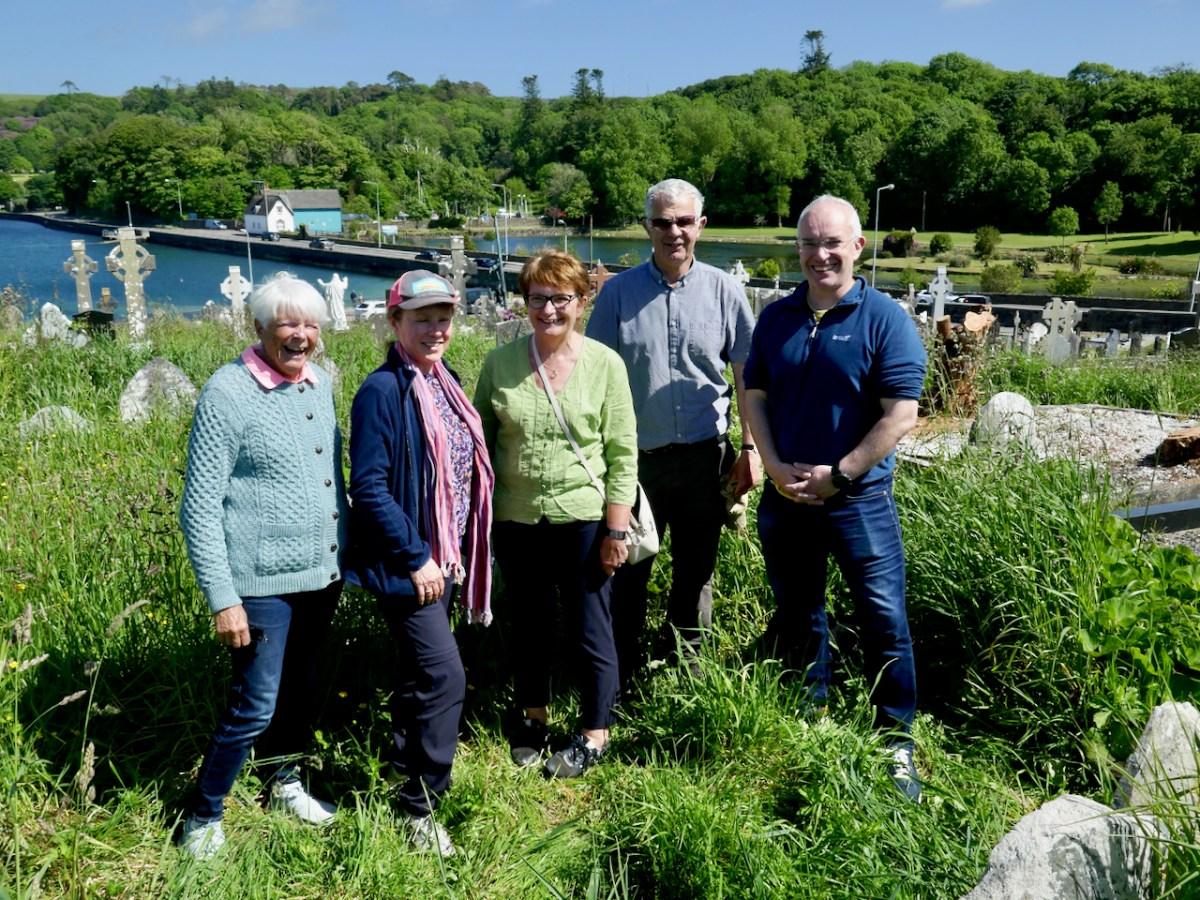
Team members Dorann Cafaro, Teresa Moran, Geraldine Mullins, Bernard O’Leary and Seamus O’Shea

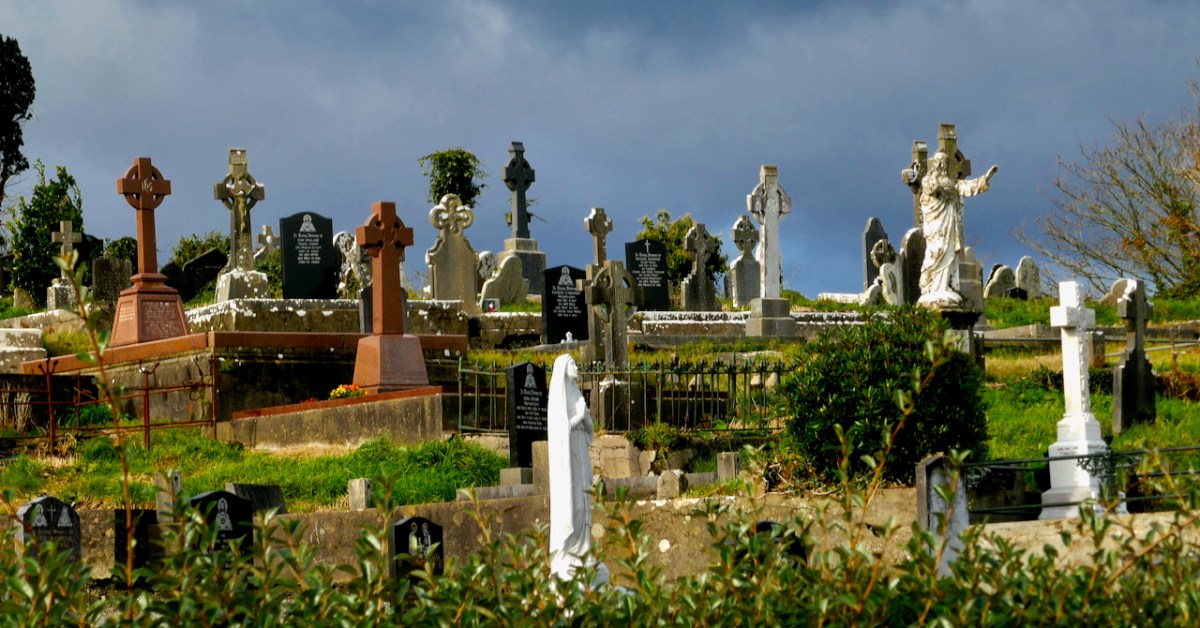
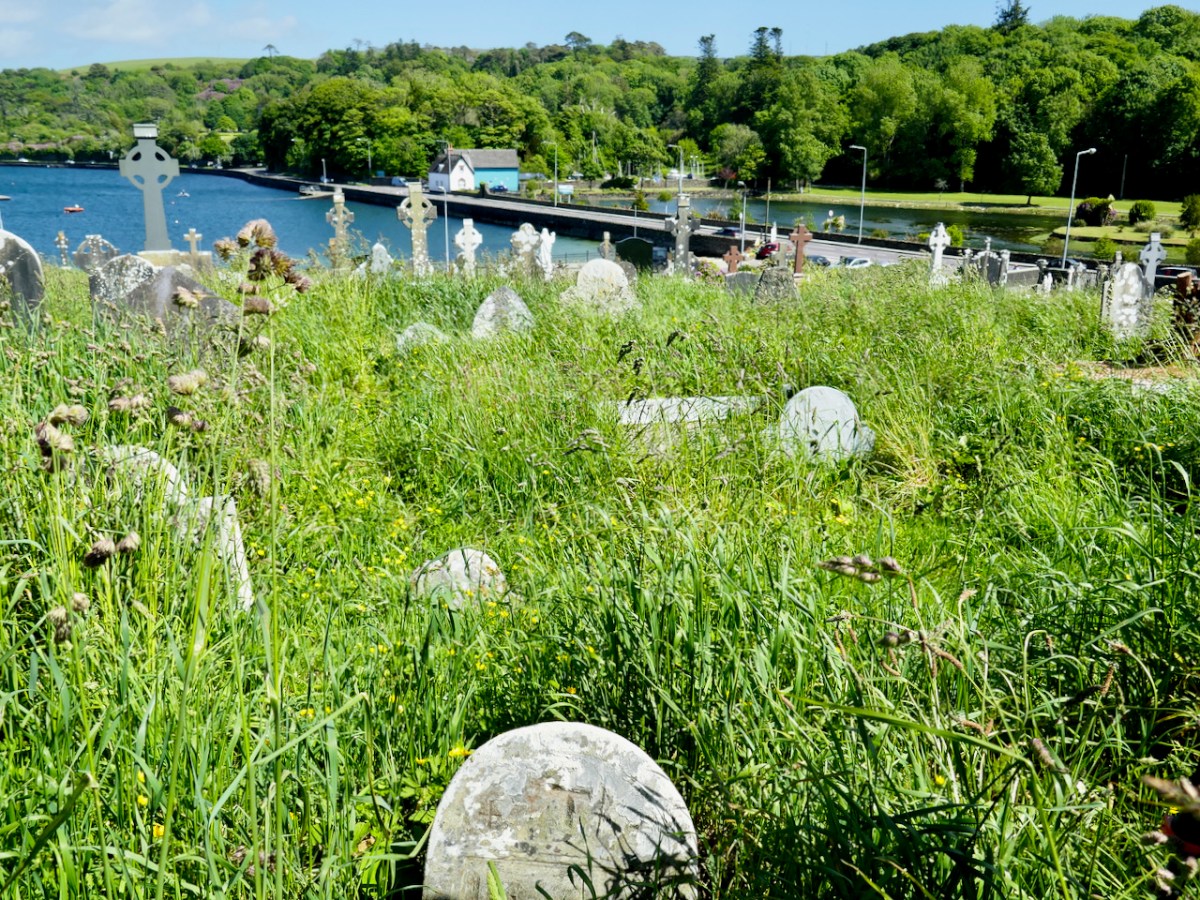
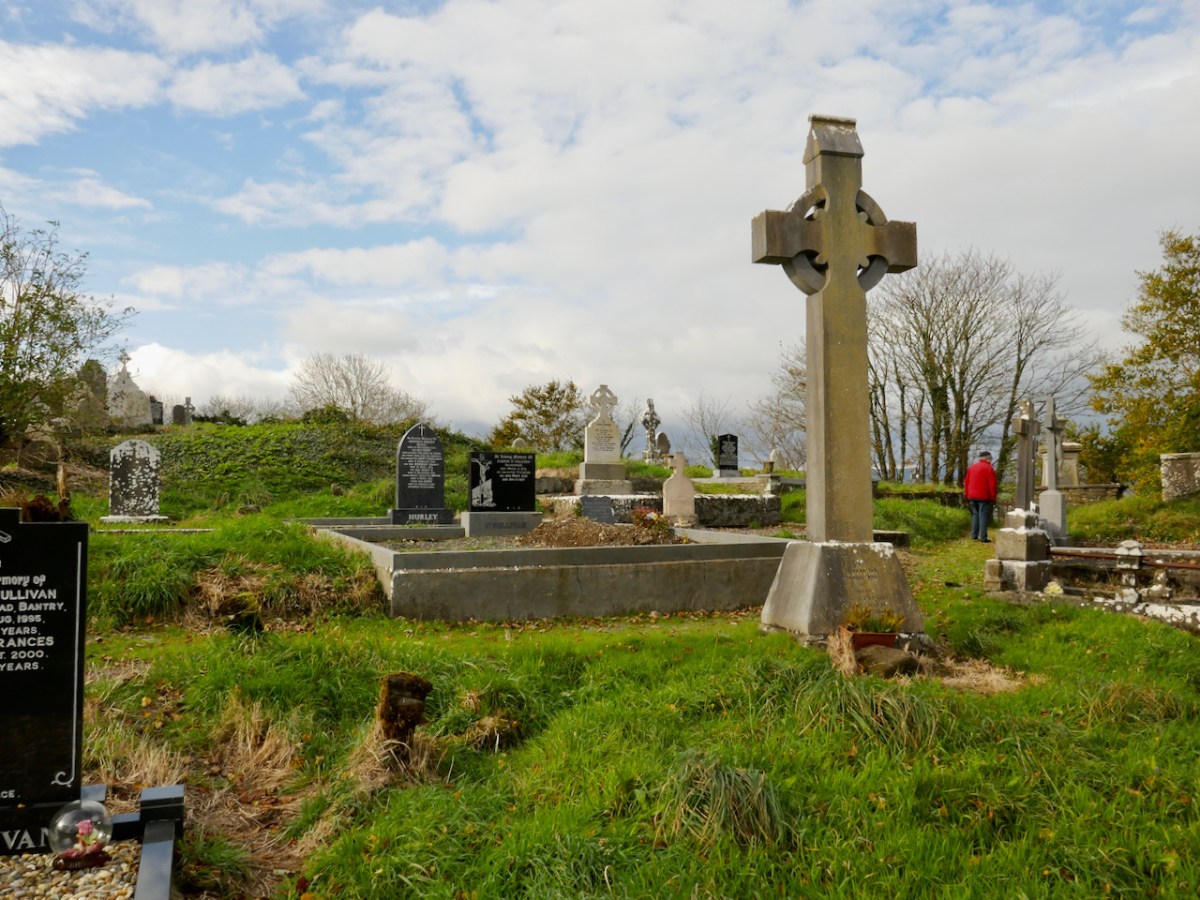
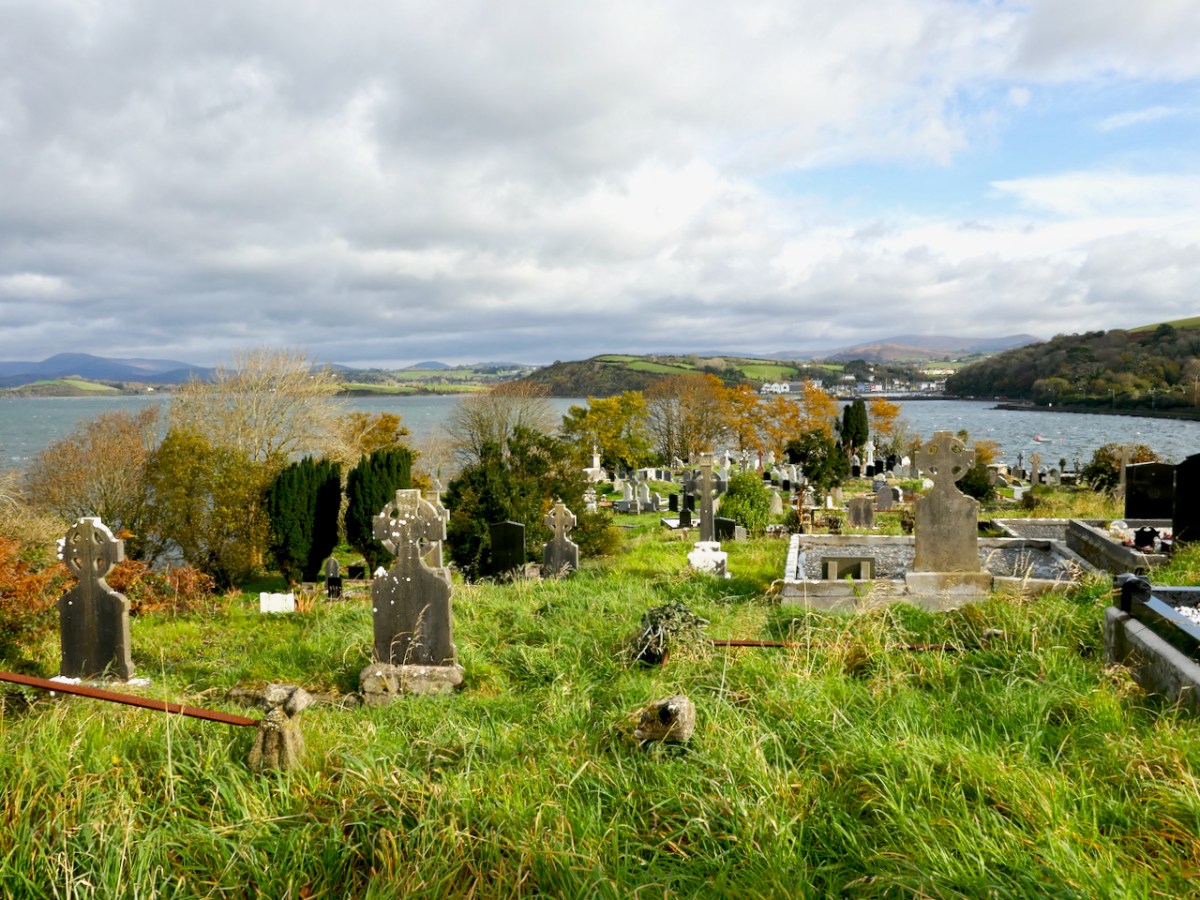
First of all, this graveyard is enormous, stretching over several acres, and secondly, the ‘old’ section has been largely untended over the centuries and so is characterised by long grass, lichen growth and tumble-down headstones. While this is understandable, as the families of those buried here have themselves passed or moved away, it makes for a very challenging environment. It also provides a startling contrast to the ‘new’ sections, where all is order and neatness, for the most part. In the image below the ‘old’ section is at the back.

The team, however, is undaunted! If anything, they seem energised by the task ahead of them. After all, as Teresa Moran said in the Zoom presentation on the projectthis is our history. 

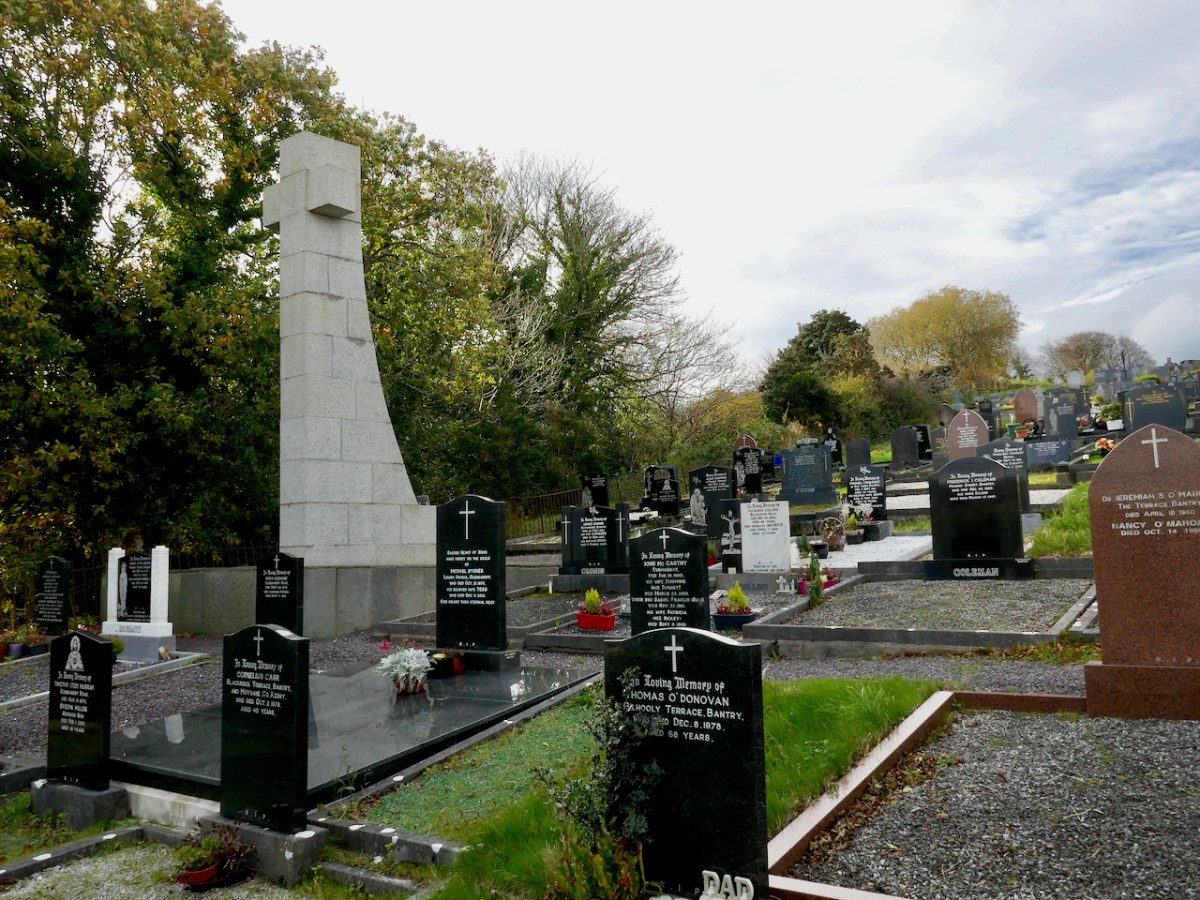
More recent history – this is the moving and beautiful memorial to those who died in the Whiddy Island Disaster of 1979

I was privileged to spend some time with them recently, on the invitation of the project team. Besides an extraordinary level of commitment, the group has a wide variety of skills between them, something that is key to a project like this – historians, computer folk, genealogy experts, keen-eyed decipherers of faint inscriptions. 

In the background is Pat Crowley, the indefatigable researcher behind the Durrus History/West Cork History website – following up on clues and names and records in his own inimitable way.

This is a project that is being done properly – that is, using best practice as developed by Eachtra, an archaeological consulting company that provides training on this type of survey and which maintains the site Historic Graves.

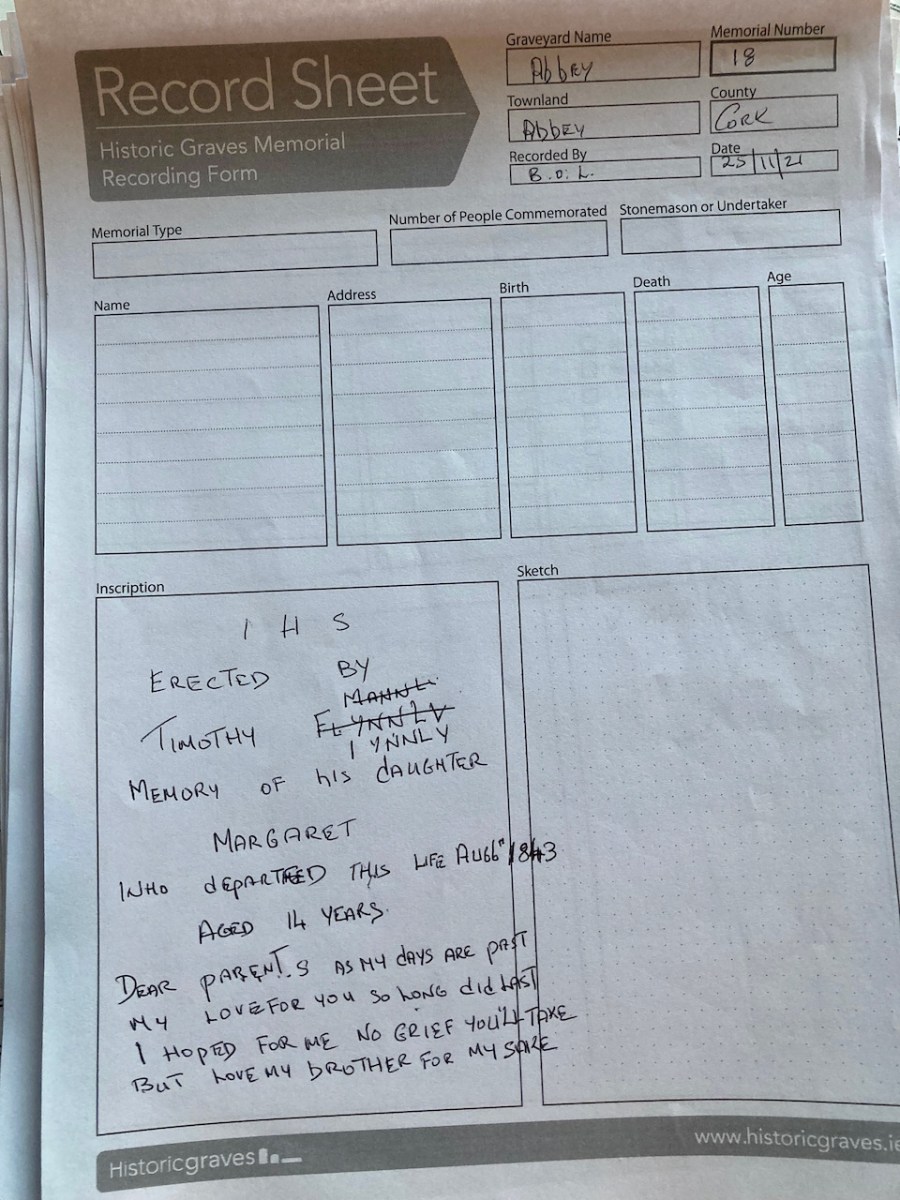
An example of a recording sheet

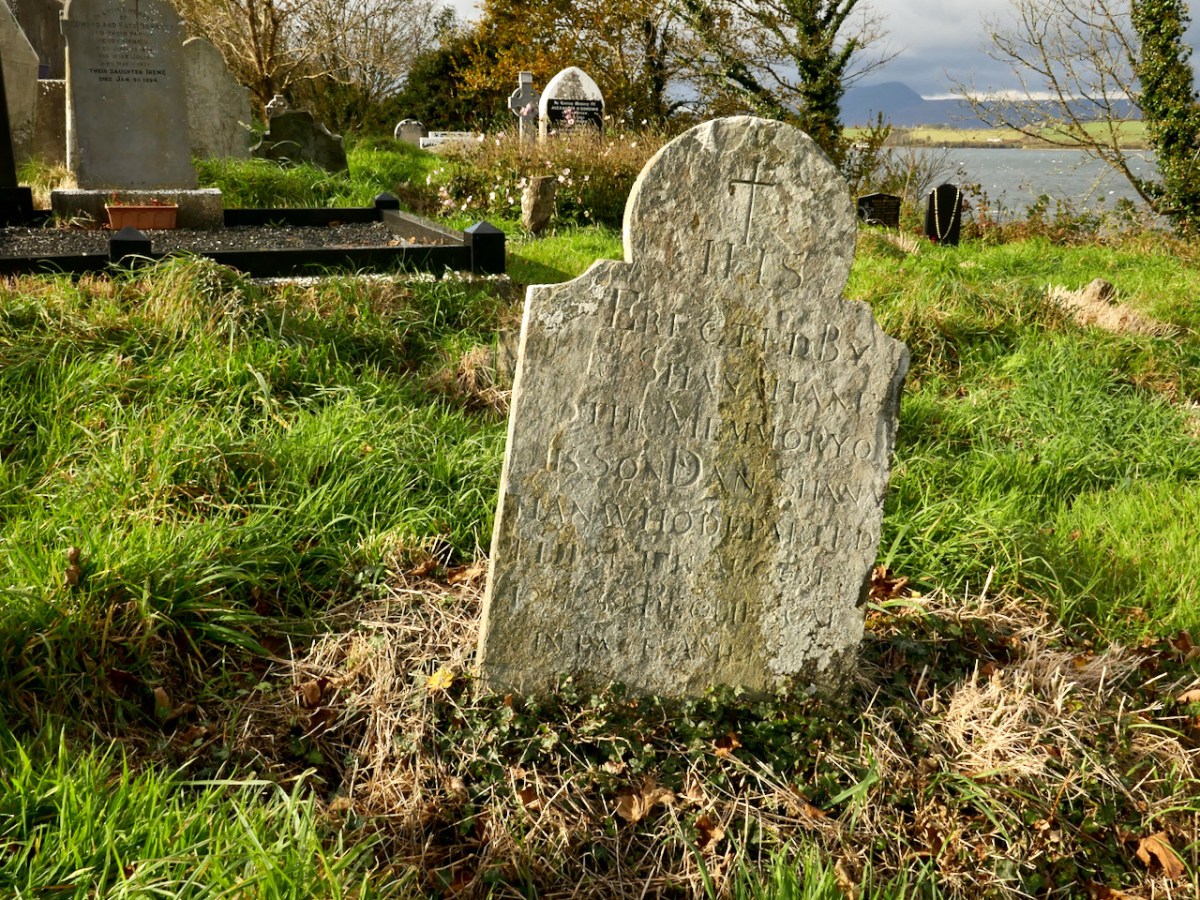
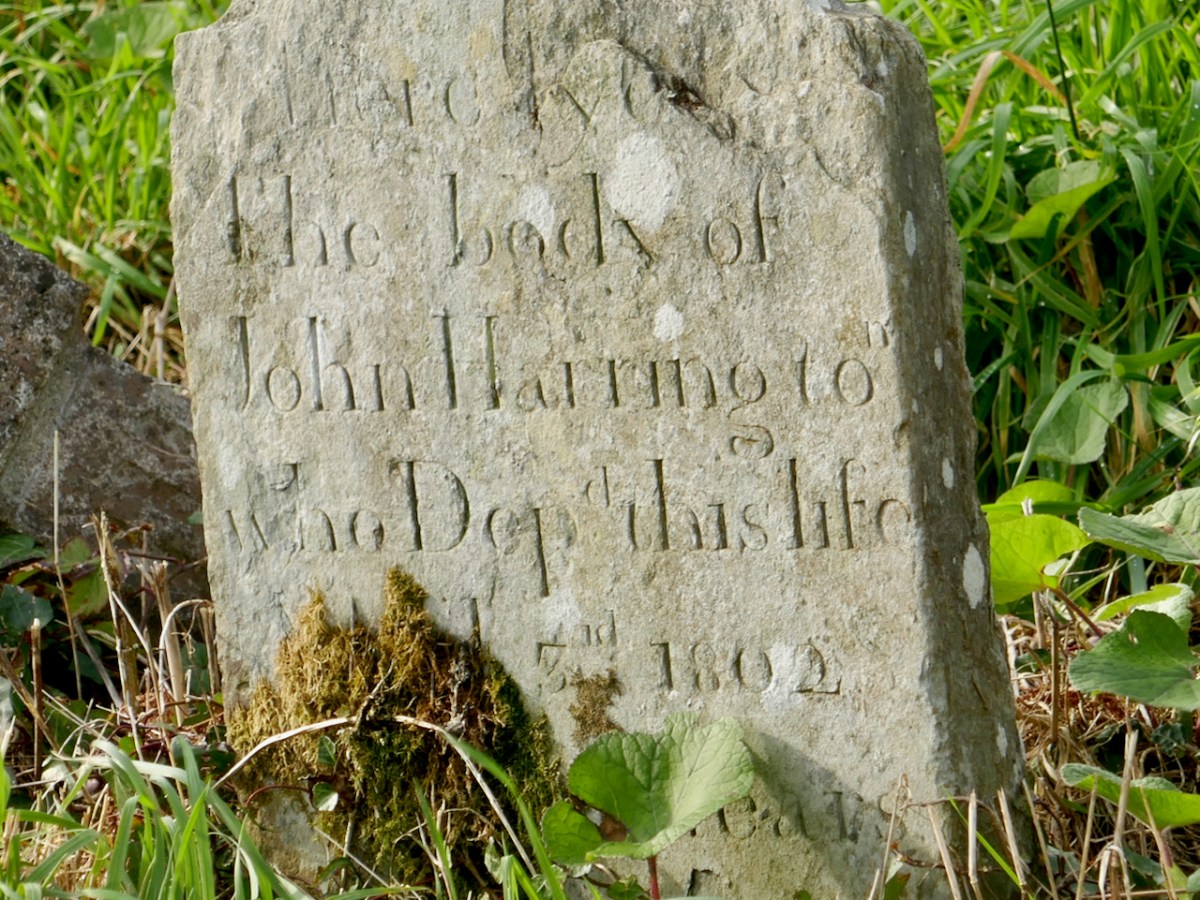
On this website, take a look, for example at Grave 31 from the Abbey Graveyard – photographed, numbered, geo-located on the map. It’s the headstone of Cornelius Leary Senior, who died in 1797 aged 88. The script is beautifully incised – the work of a master carver. Such a headstone is a real treasure, both for the information it contains and as evidence of the craftsmanship that went into a memorial like this for those who could afford it.

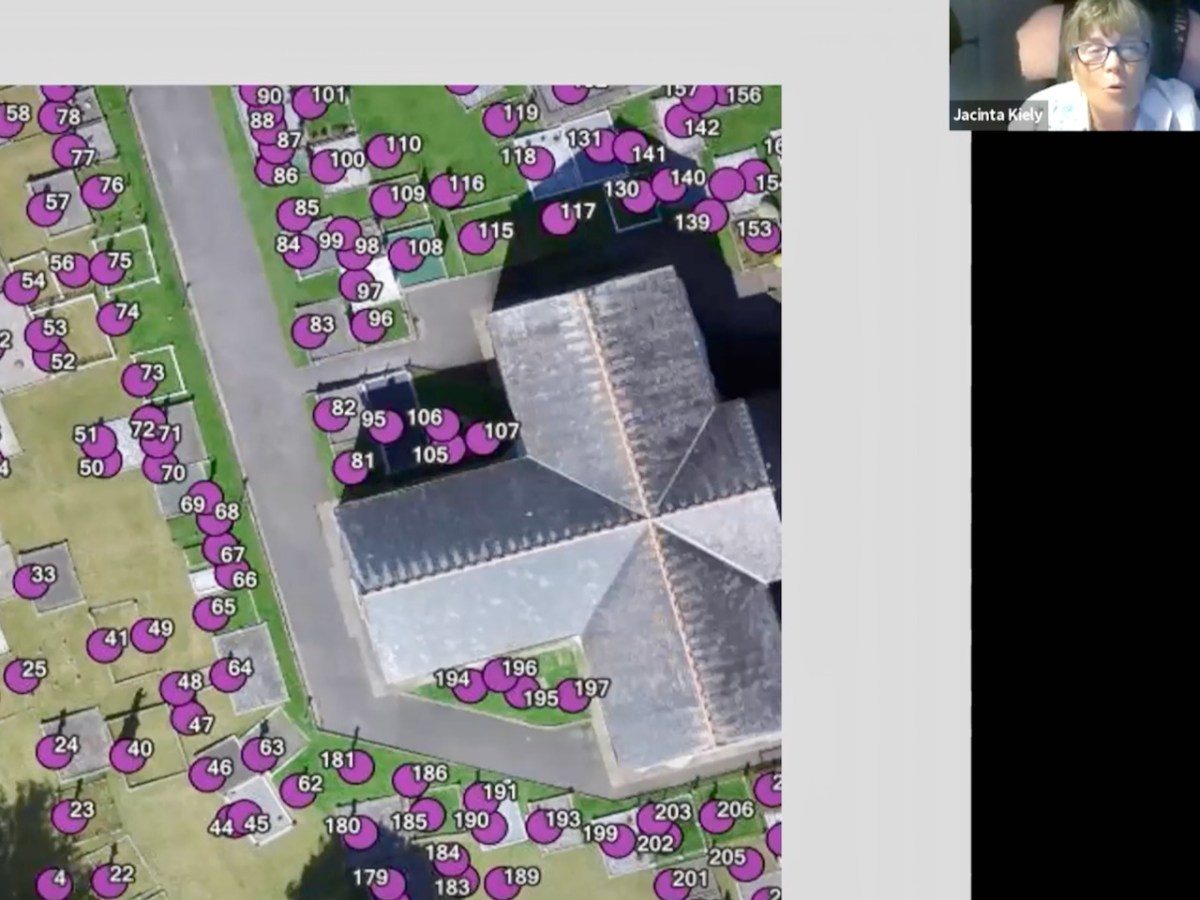
In this still from the Zoom presentation, Jacinta shows how a Drone Survey, using geo-tagging technology, can assist in providing a super-accurate map of a graveyard. Drone surveys are expensive, but the Bantry Team successfully raised the funds to commission one.

Sadly, many of those buried in the Abbey Graveyard, and in similar graveyards across the country, lie under stones with no inscription. But that does not mean that that is always impossible to identify them. Amazingly, in some areas, the knowledge of who lies under what stone is held by the elders of the area, who remember the size and shape of a field stone, especially chosen for a burial plot. That’s one of the reasons this kind of project is so vital to undertake before those memories disappear forever.

Dorann Cafaro takes the recording exercise  one step further and uploads all the records into the massive international website Find a Grave. This is particularly helpful for the descendants of emigrants who are searching for family and cannot access the information any other way. So many people now are becoming expert in genealogy and this is one of the major tools that the advent of the internet has provided for them. It’s an enormous undertaking though, to upload all those records – we are all grateful for people like Dorann!

This chest tomb is the grave of Honoria O’Sullivan, sister of Daniel O’Connell

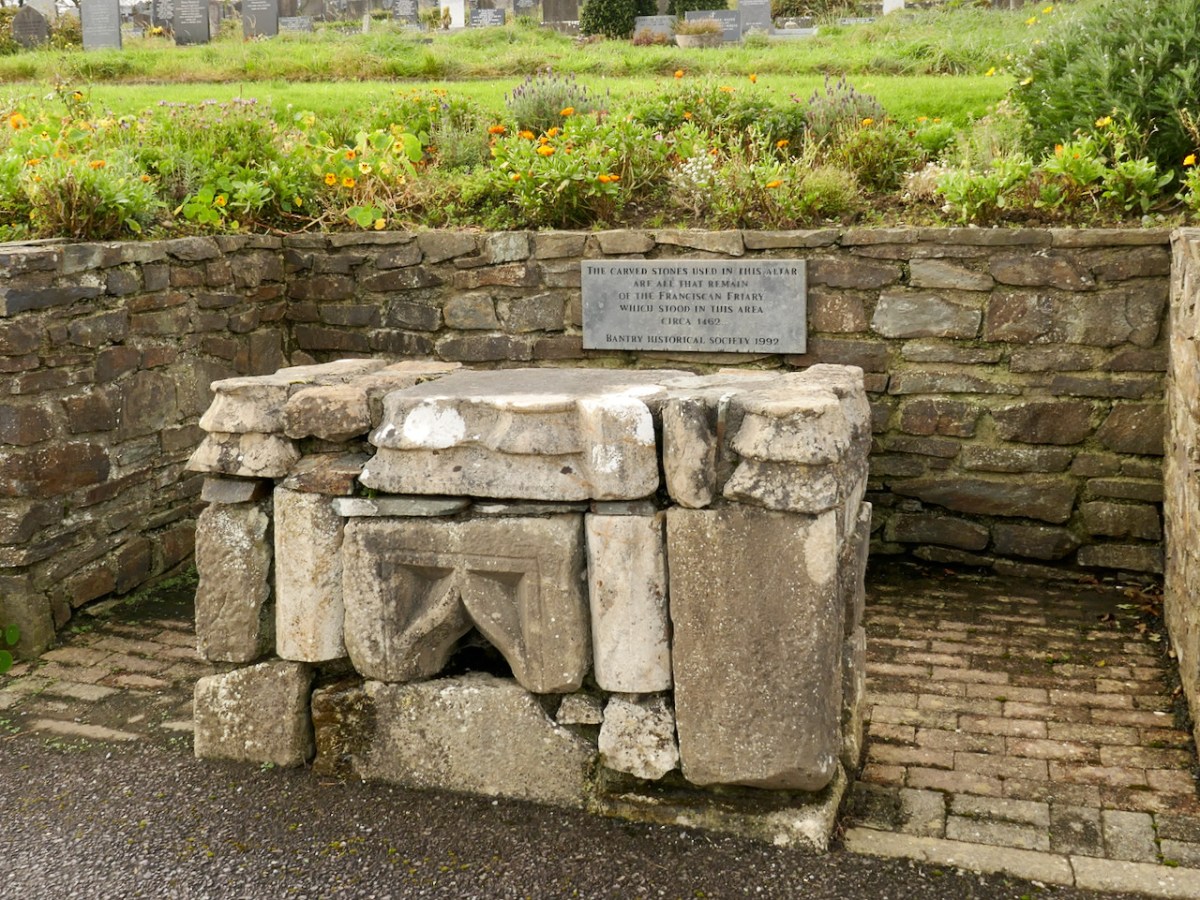
The Abbey Graveyard, as its name suggests, began as a burial ground surrounding a Franciscan Abbey, built in 1460 by Dermot O’Sullivan and demolished in 1602 by his descendant, the tragic Donal Cam O’Sullivan Beare, in order to prevent the Earl of Thomond from taking it over. Only a few random stone remain, now incorporated into an altar.

This area was one of the epicentres of the Famine – a period rigorously researched and chronicled by Geraldine Powell in her new book A Want of Inhabitants. Bodies from the workhouse – 3,000 in all, most of whom died of infectious diseases between 1847 and 1850 – lie buried in the Famine Pits, and were unmarked until Tim Healy caused a Celtic Cross to be erected in 1899 (below). However, as one of the team members, Bernard O’Leary reminds us, there were other horrendous period when large numbers of people died – of cholera in the 1820s, yet another mini-famine on the 1880s, and of TB, which was still killing thousands of people every year in Ireland up to the 1950s.
Paddy O’Keefe, noted Bantry historian, conducted the first survey of the graveyard in the 1950s and the project team has mined the database he created. This has been particularly useful, since it was done 70 years ago and some headstones that have since eroded were readable then.

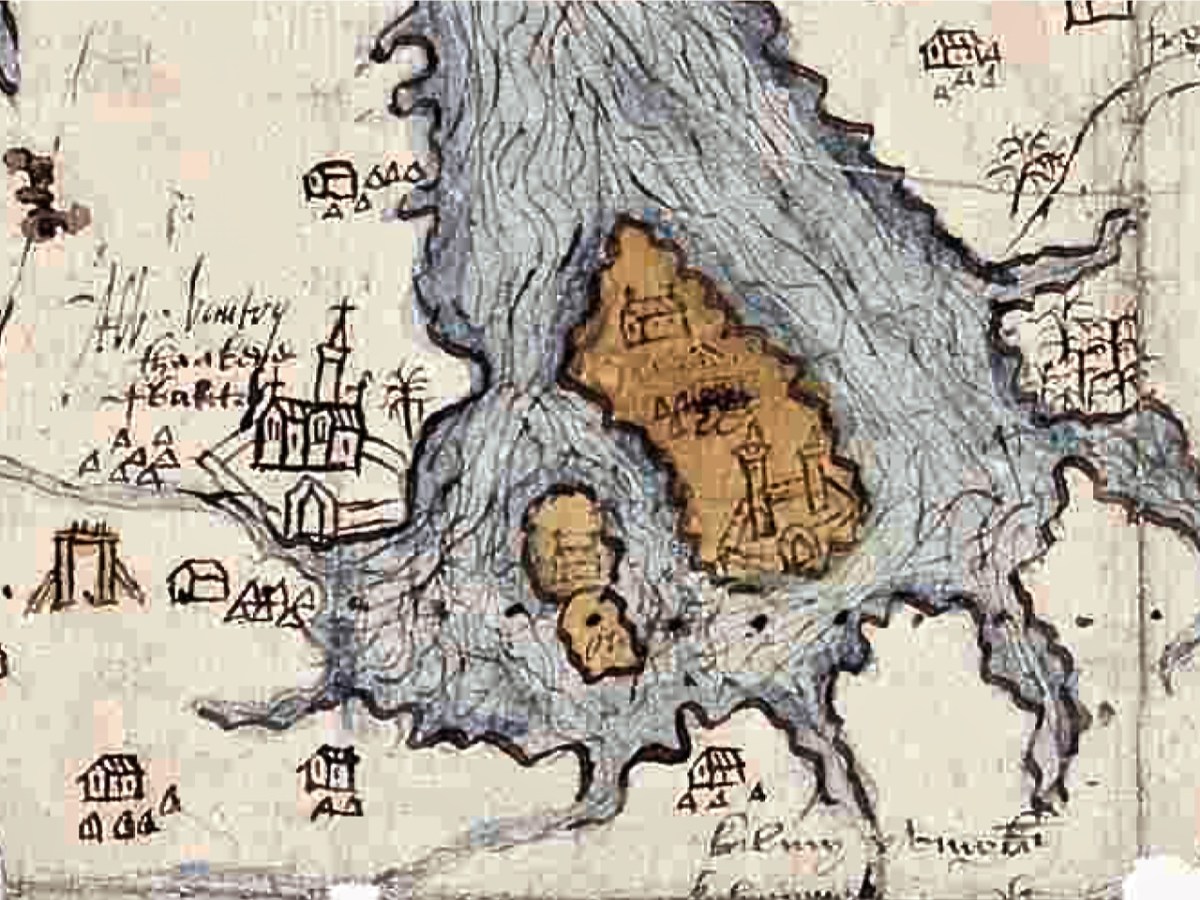
Paddy also wrote about the early map of Bantry and Beare (see my post Elizabethan Map of a Turbulant West Cork and Elizabethan Map of a Turbulent West Cork 2: The Story) on which the Franciscan Friary is clearly shown (below).

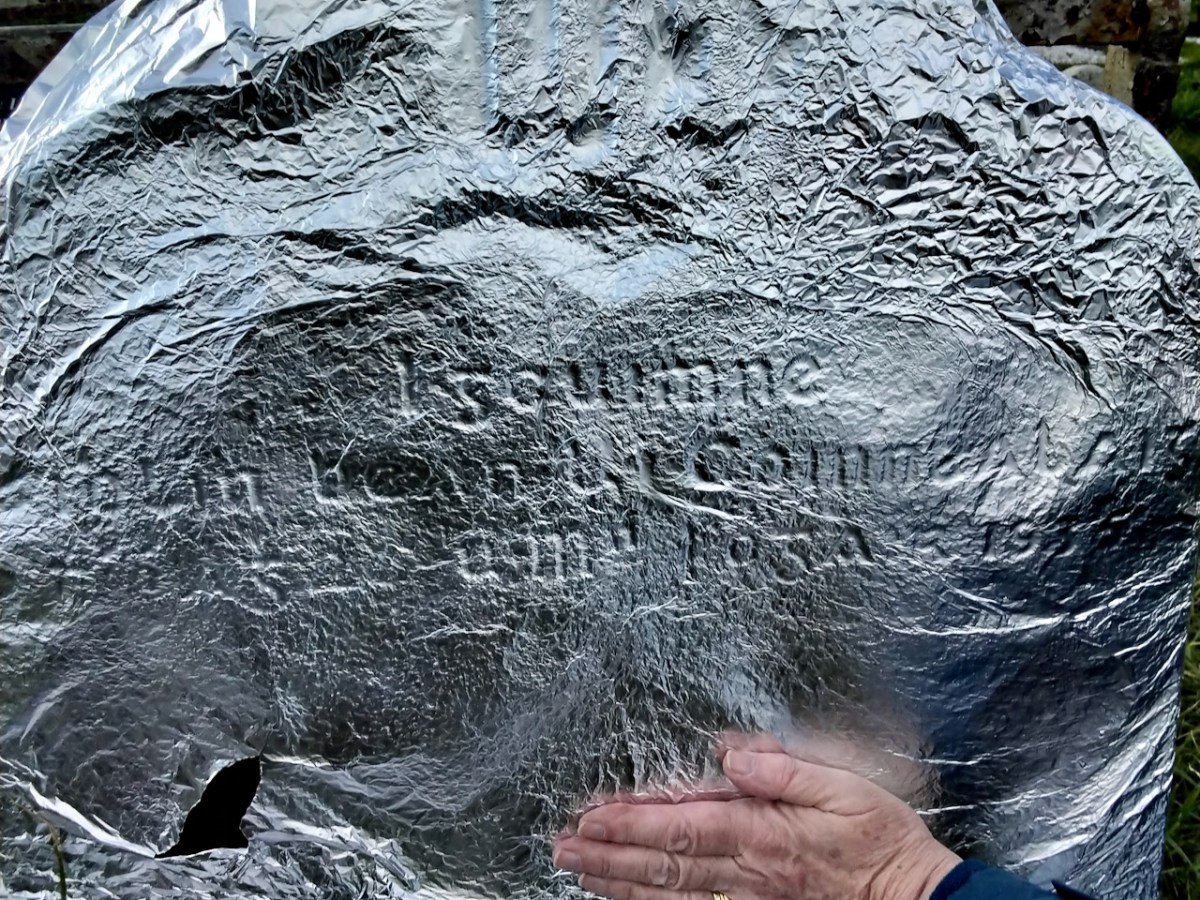
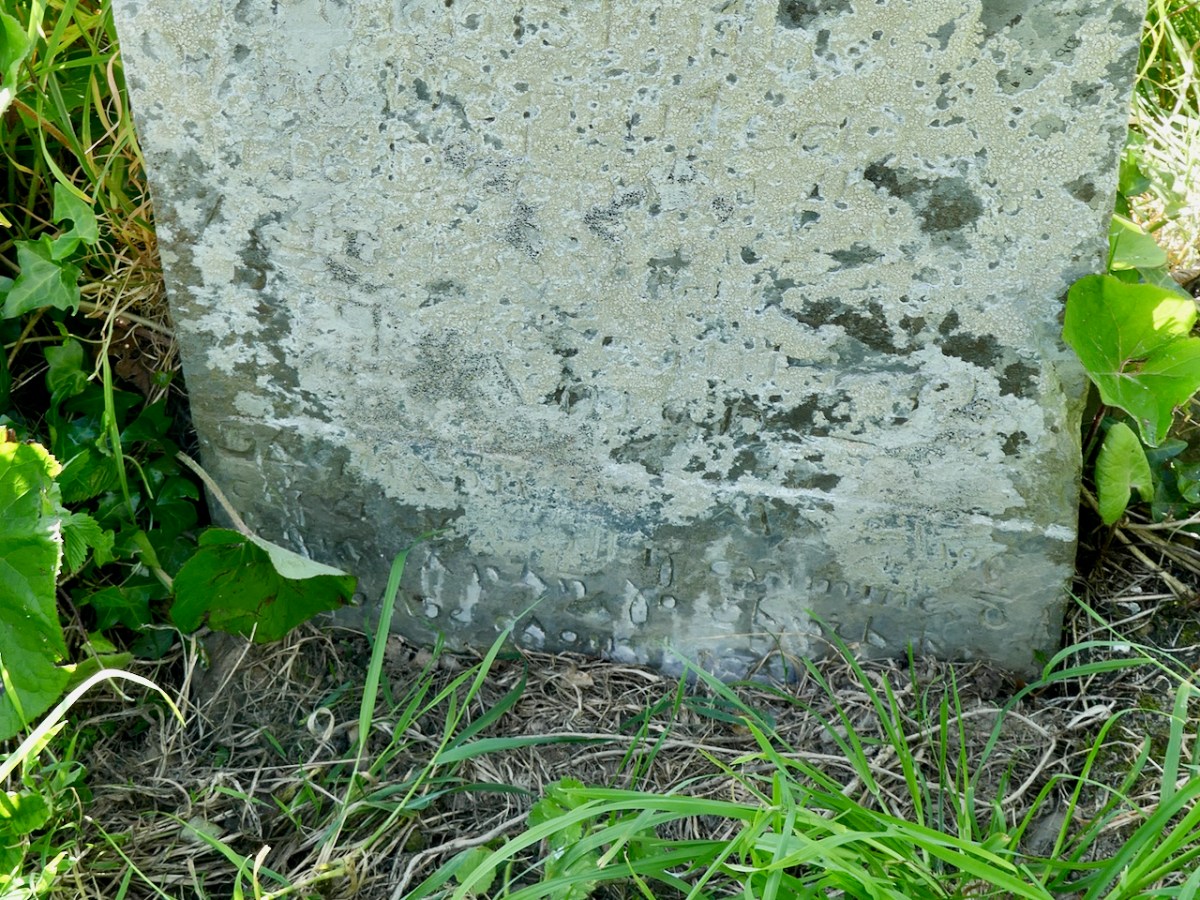
Deciphering a headstone can be a real head-scratcher, especially if it’s badly weathered or covered in lichen. Geraldine Mullins showed me several where she had figured out the inscription – she has been developing a real eye for it. Lighting becomes important – strong slanting sunlight does wonders, or a bright torch shining from the side. One particular example only became clear under tinfoil! As with best archaeological practice, the team do not advocate the use of rubbing, chalking or cleaning with stiff brushes or chemicals, all of which can promote further deterioration of a headstone in the long run.

One of the exciting finds has been that of a headstone with an inscription in Irish – highly unusual! This might seem strange, since Irish was the language of most of the people buried in this graveyard, but it has to be viewed within the context of the colonial administration. Headstones were considered an official record, and the official language, under British rule, was English. After the foundation of the State, of course, Irish inscription became much more common. Geraldine has sent me the text and translation and I append it at the end of this post. As you can see (below) it took real study to make out this inscription!

Have a look at the Zoom Seminar on the Bantry Historical Society’s website, and browse what’s been uploaded so far to the Historic Graves website. It’s very much a work in progress. And if you have any information at all that might help the committee, do get in touch with them through the Bantry Historical Society contact page.

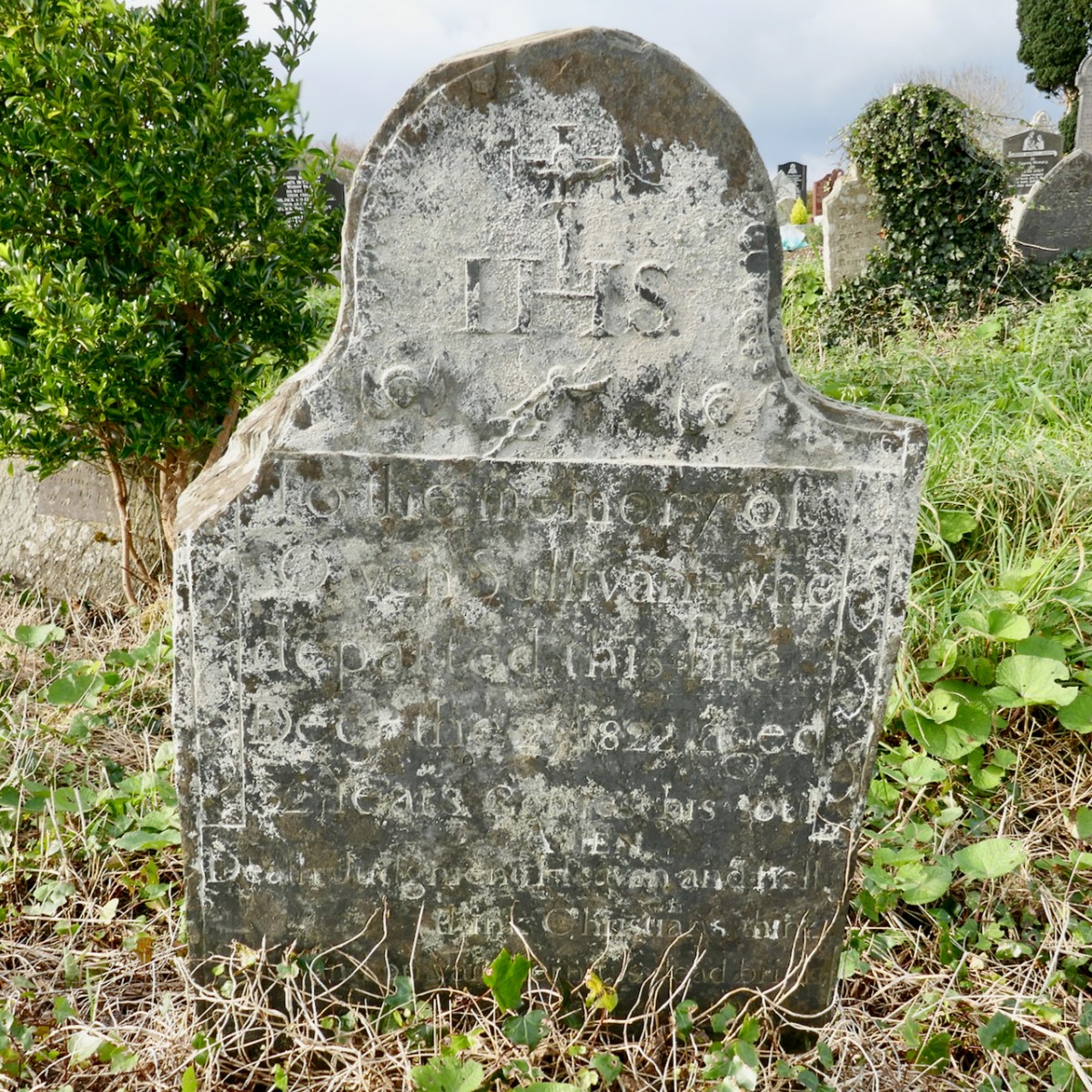
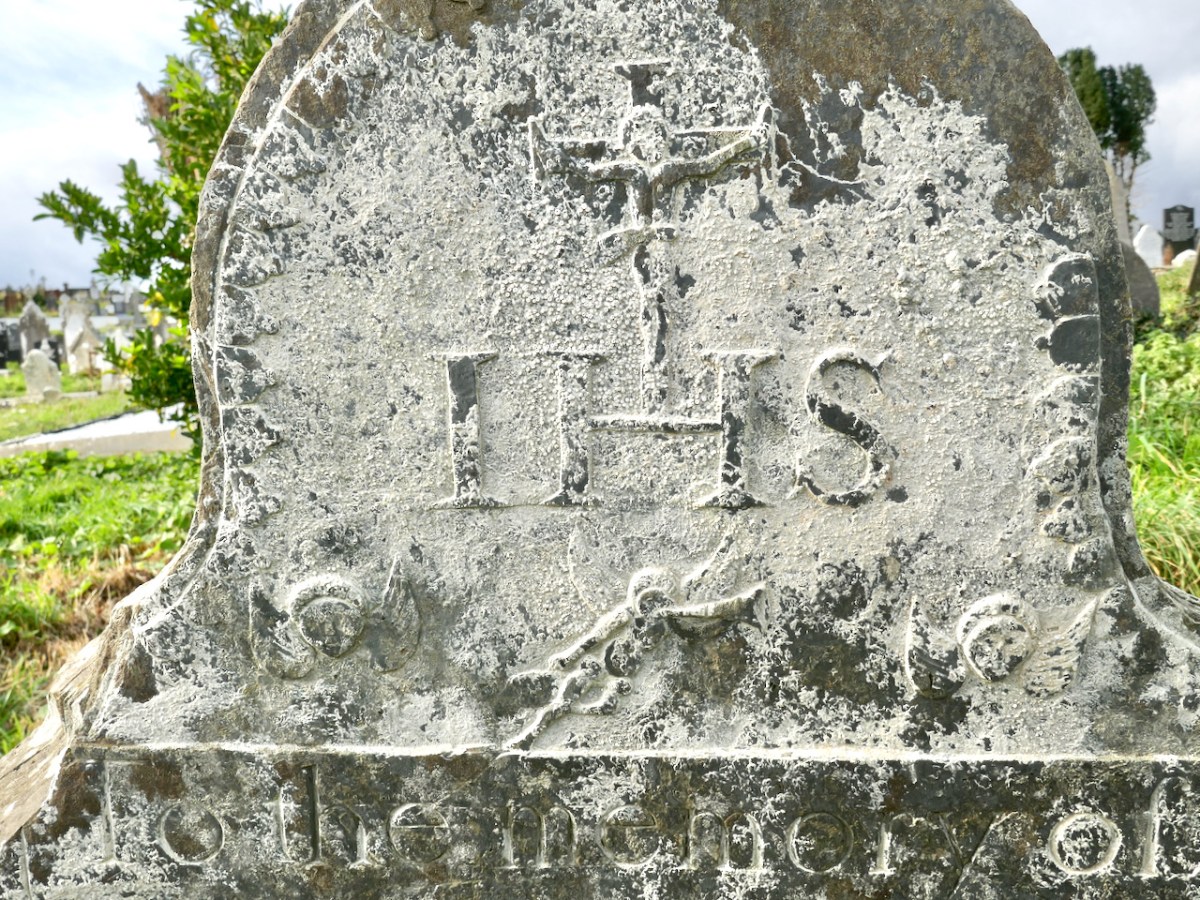
Headstone of Owen O’Sullivan, who died in 1822 has a carved top section featuring a crucifixion, two winged heads and an angel blowing a trumpet

Or better yet, take a wander through the graveyard itself and see what you can find.

Many thanks to Geraldine Mullins for sharing resources used in this post, and to all the committee members for so graciously spending time with me and answering questions.

Text and Translation of Irish Inscription

Gac naon do calam liocht /  

cathuil ui neill is cuimhine d/  

leifis an rann so g[e above]arrtha an /  

gaoghalge caoin le cheile an tathair /  

an mac 7 an naomh spriod /  

[g]uidheach do rai[.]h Dia trochurac /  

air anom do bhi ansa corp so /  

ata fan liag Amen 

Everyone of the noble, warlike line of Ó Néill and Conn, who will read this verse inscribed in beautiful Irish, pray to the Father, Son and Holy Spirit together, that God may be merciful to the soul that was in the body that is beneath this stone. Amen. 

Open-Air Galleries: Eighteenth-Century Folk Art at Bahana Whaley

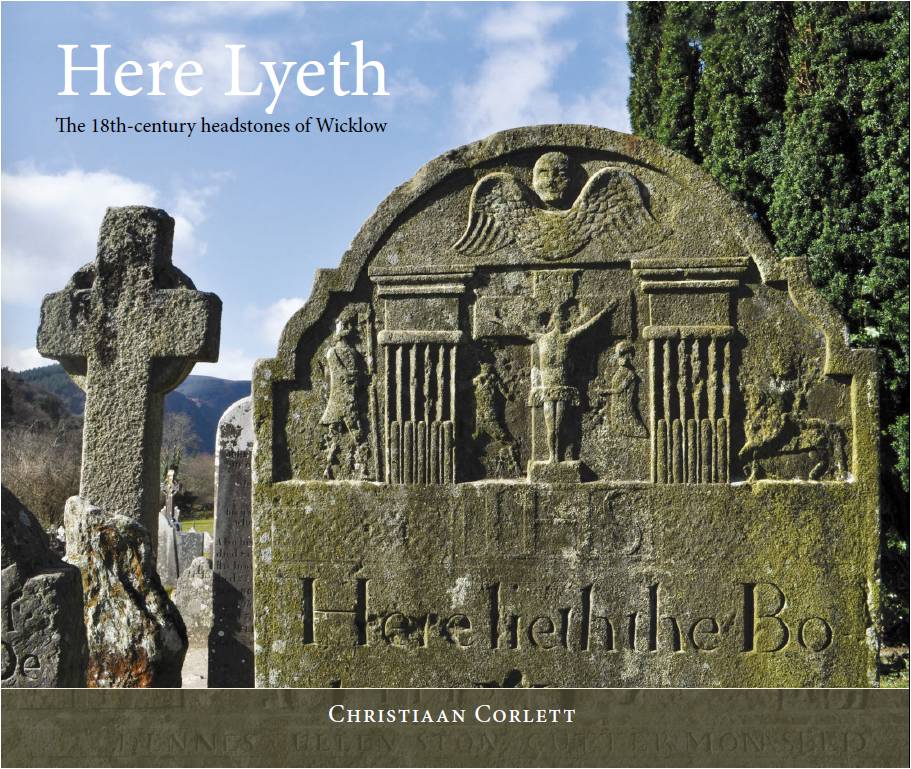
In his book Here Lyeth: The 18th-century headstones of Wicklow, the archaeologist Christiaan Corlett says 

There are. . . more examples of 18th-century art and sculpture in our graveyards today than in any gallery or archive. They do not belong to formal schools of art. Instead, they represent an important and fascinating tradition that can best be termed folk art. 

Christiaan develops his theme thus:

Like other forms of art, these headstones were privately commissioned. However, unlike many other forms of 18th-century Irish art, these sculptures were intended for display in a public space. Nowhere else are there so many examples of public art from 18th-century Ireland. Yet, no other forms of 18th-century Irish art have been so poorly documented and so grossly ignored and undervalued. 

Setting out to redress this situation, Chris has documented many of the headstones in old graveyards across Wicklow. While primarily focussed on the carvings and inscriptions as examples of folk art, he points out that the graveyards are also open-air archives of historical documents, not on paper, but on stone preserving genealogical information as well as reflecting some of the social issues of the period.

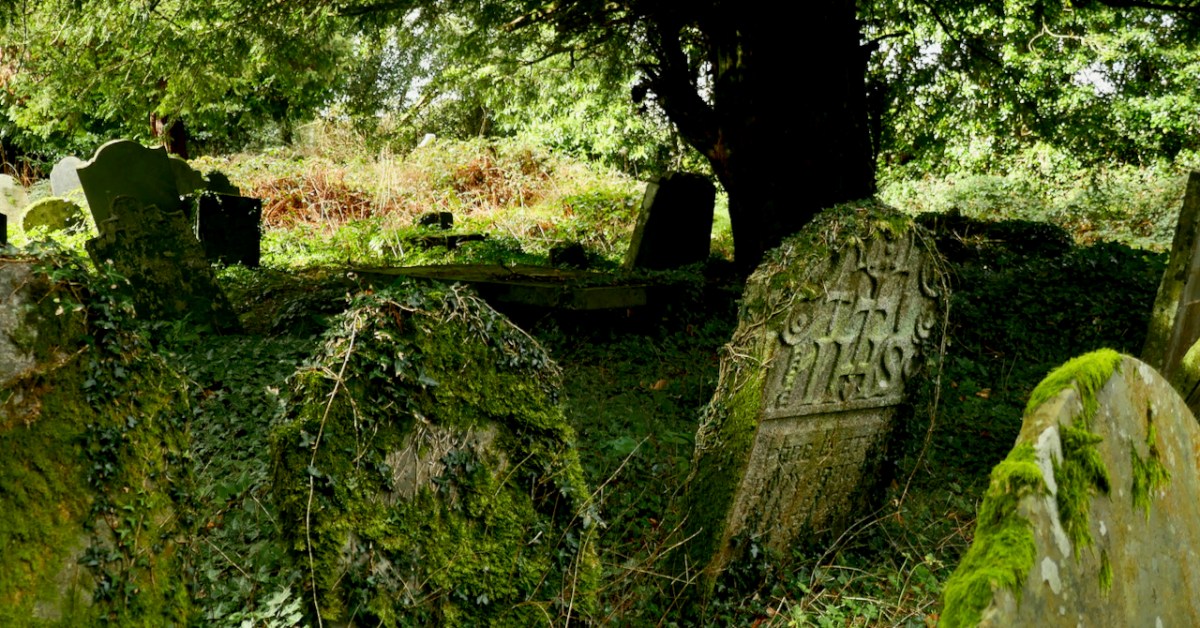
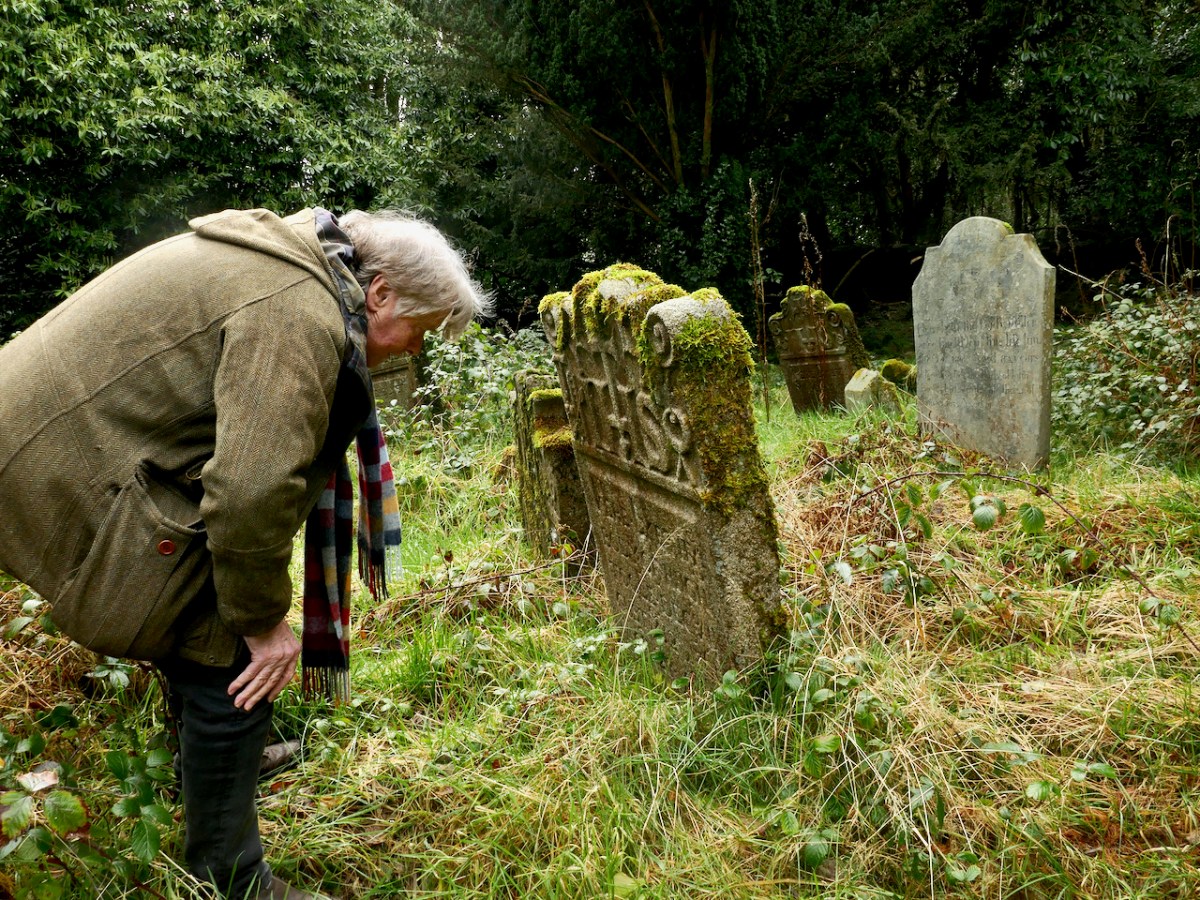
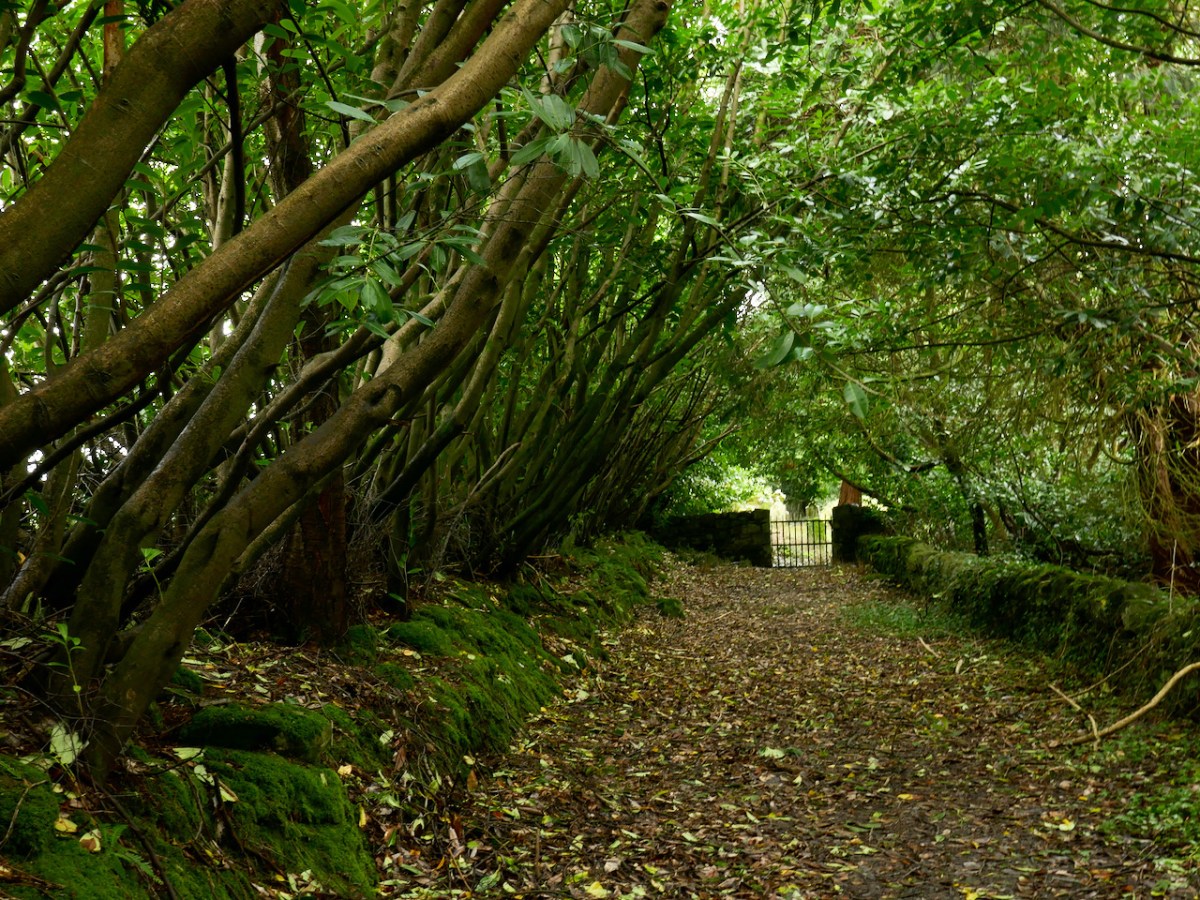
Recently, we decided to visit one of the many graveyards Chris has documented in his book, and on Chris’s recommendation we chose Bahana Whaley. It’s associated with the ruins of Whaley Abbey, which was once the seat of the notorious Whaleys, mentioned in Robert’s post about the Hell Fire Club. Today, this is a green and mossy site, as befitting a place whose name means abounding in birch trees. It was a fine soft spring day and the graveyards was as silent as the -er- tomb but speaking volumes about the people who lived and died in this place  – a true open-air archive and gallery.

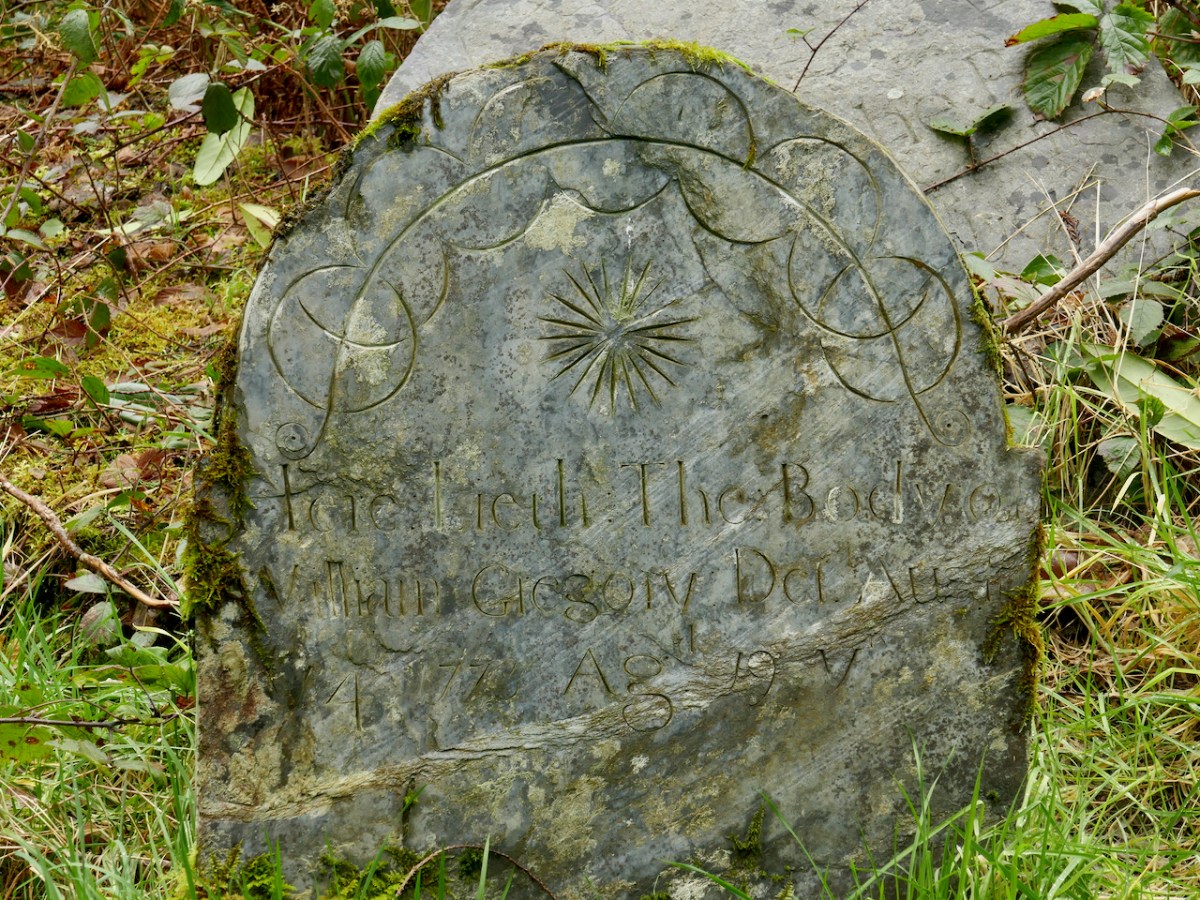
There are several fine example in Bahana Whaley of the group that Chris calls The Purple Slate Headstones. The most numerous type in Wicklow, they tend to use Roman capitals for their inscriptions, with dots used for word-spacing, and confine any ornament to sunbursts and garlands. A typical example of the decoration if not the script was carved for William Gregory in 1778 (above).

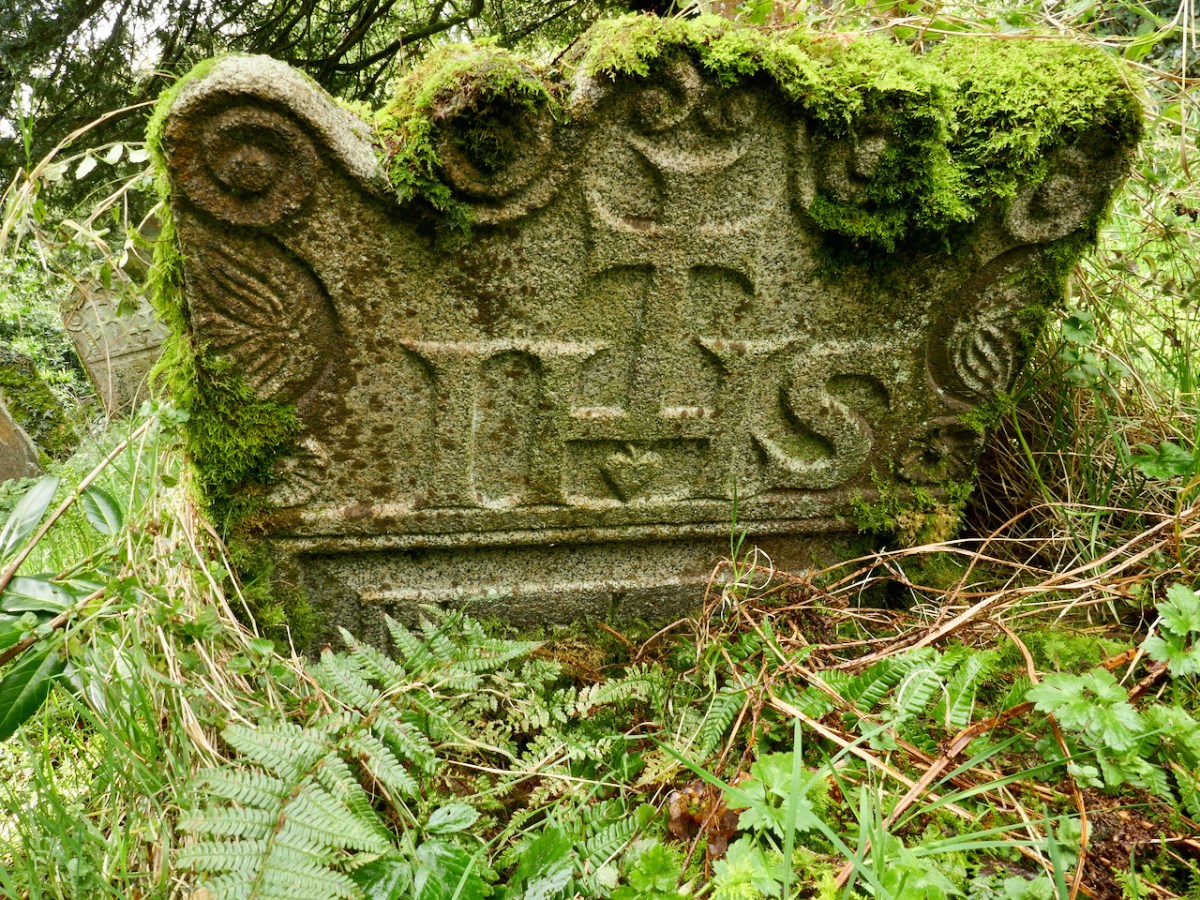
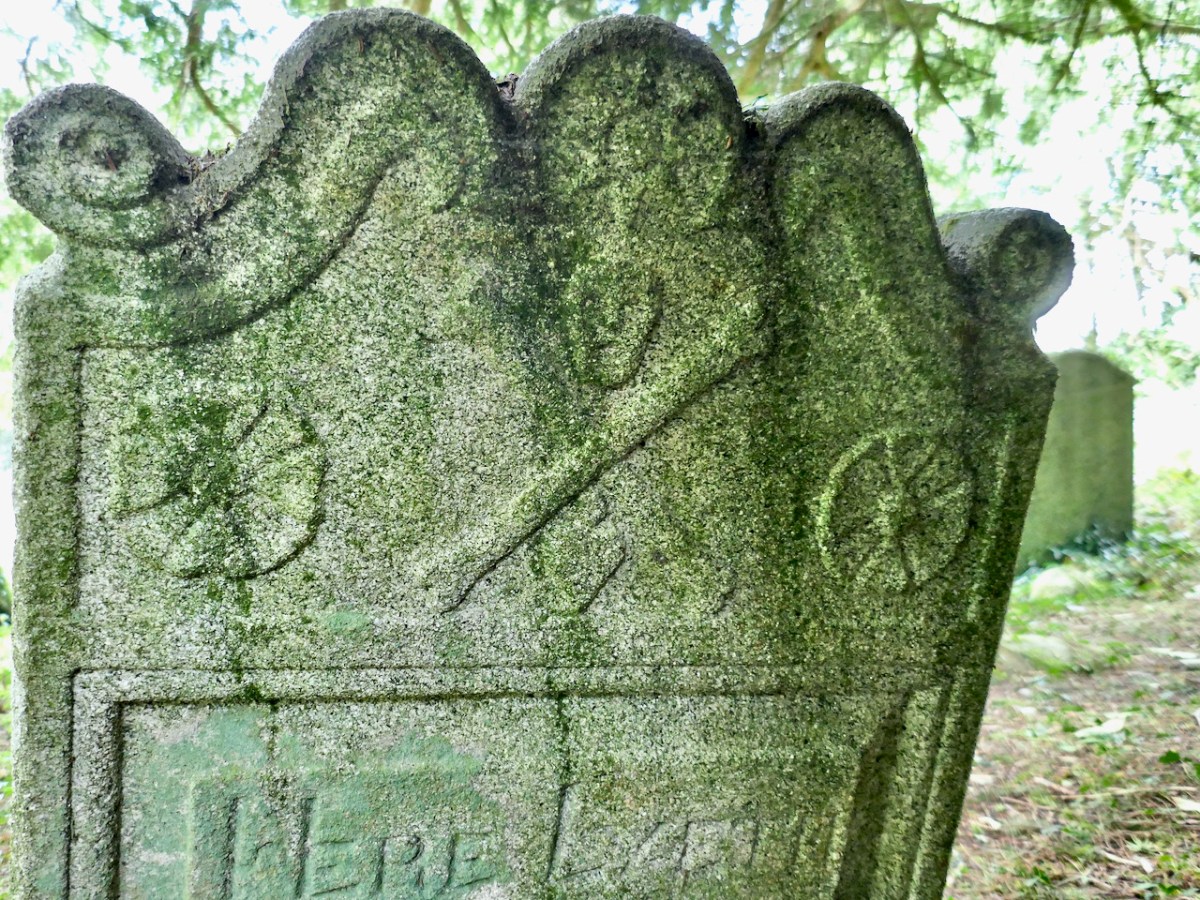
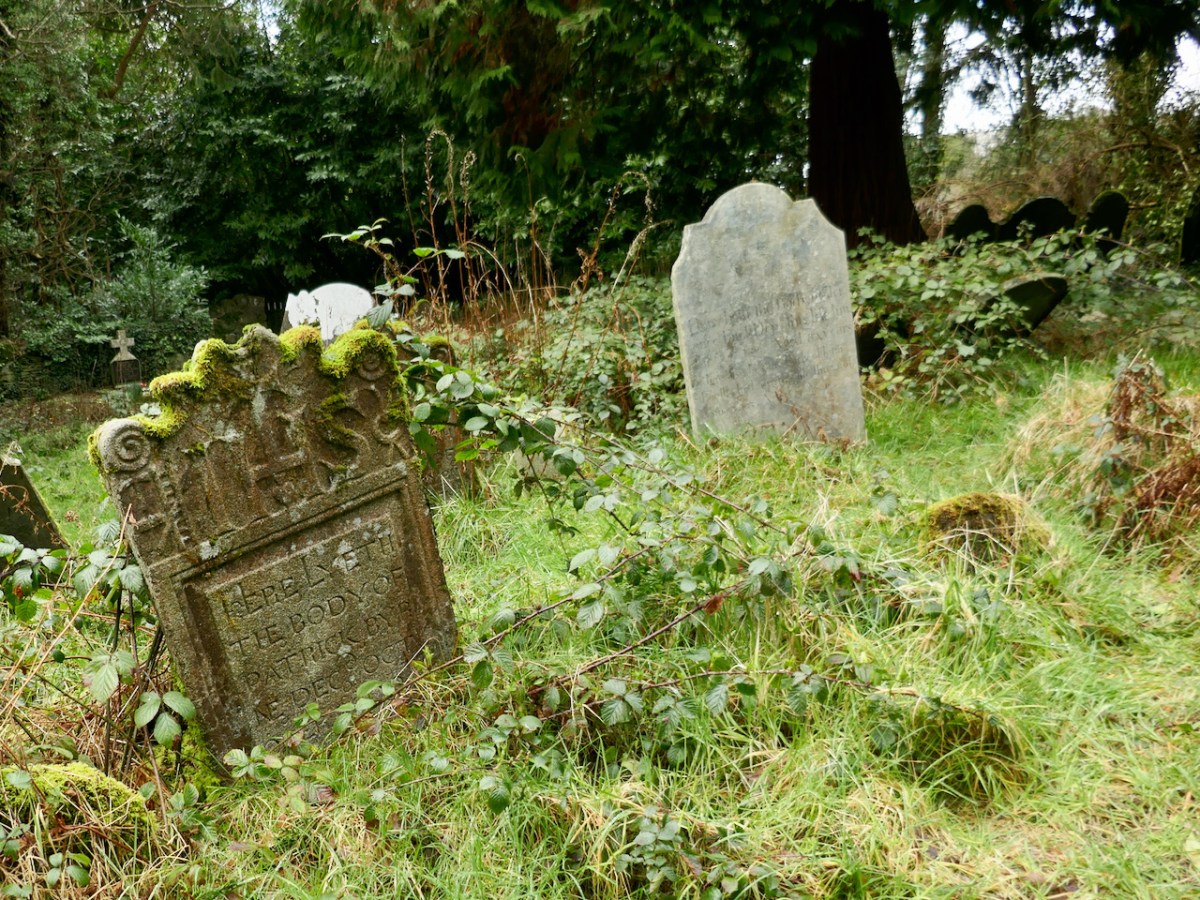
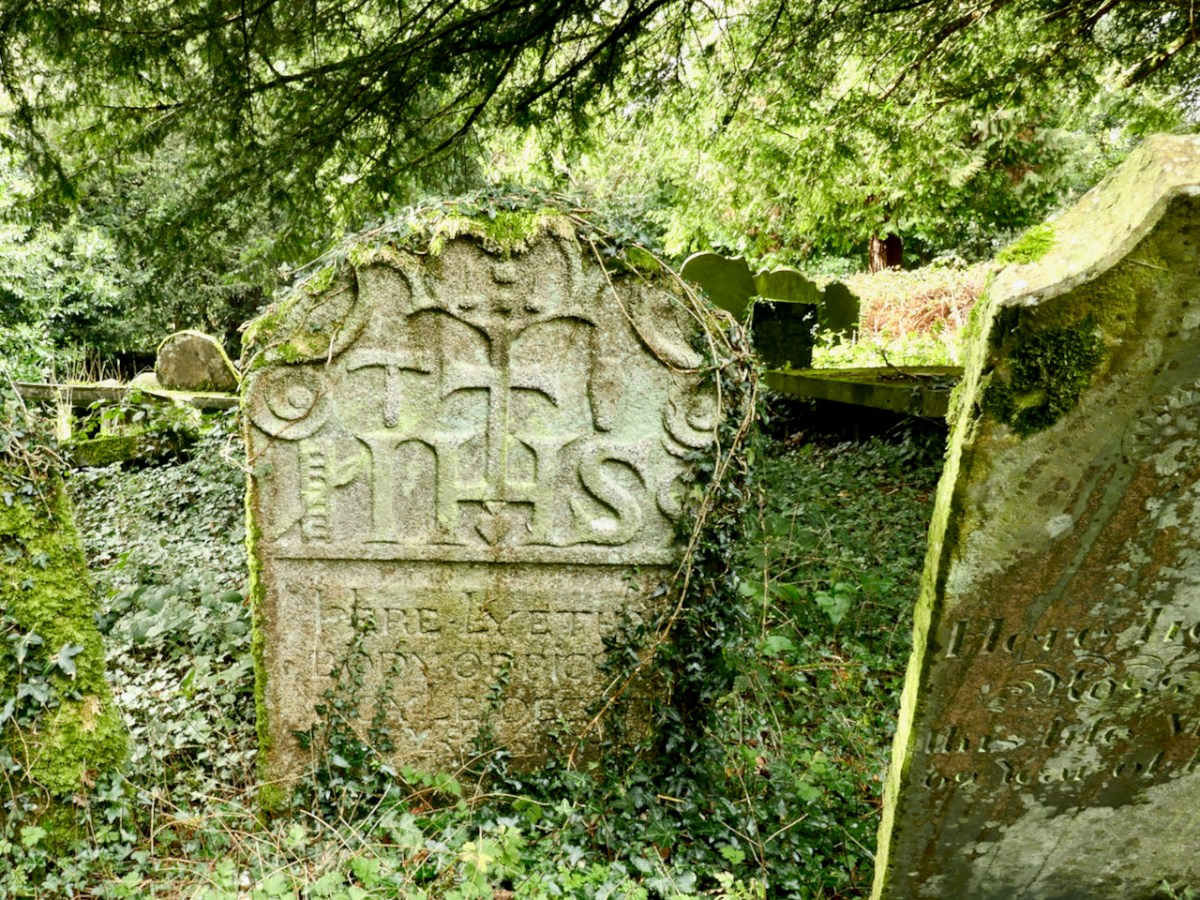
Another group well represented at Bahana Whaley are the Aughrim Granite Headstones, all produced from the same workshop. Because granite is hard and coarse-grained, it does not lend itself to finely detailed carving, but it’s long-lasting and solid so has weathered well. The ubiquitous IHS, a ‘christogram’ that stands for the name of Jesus, dominates the top panel of the headstone, with the inscription below in a frame. Often, within the IHS, there is a cross running through the centre of the H, with expanded finials and heart below it.

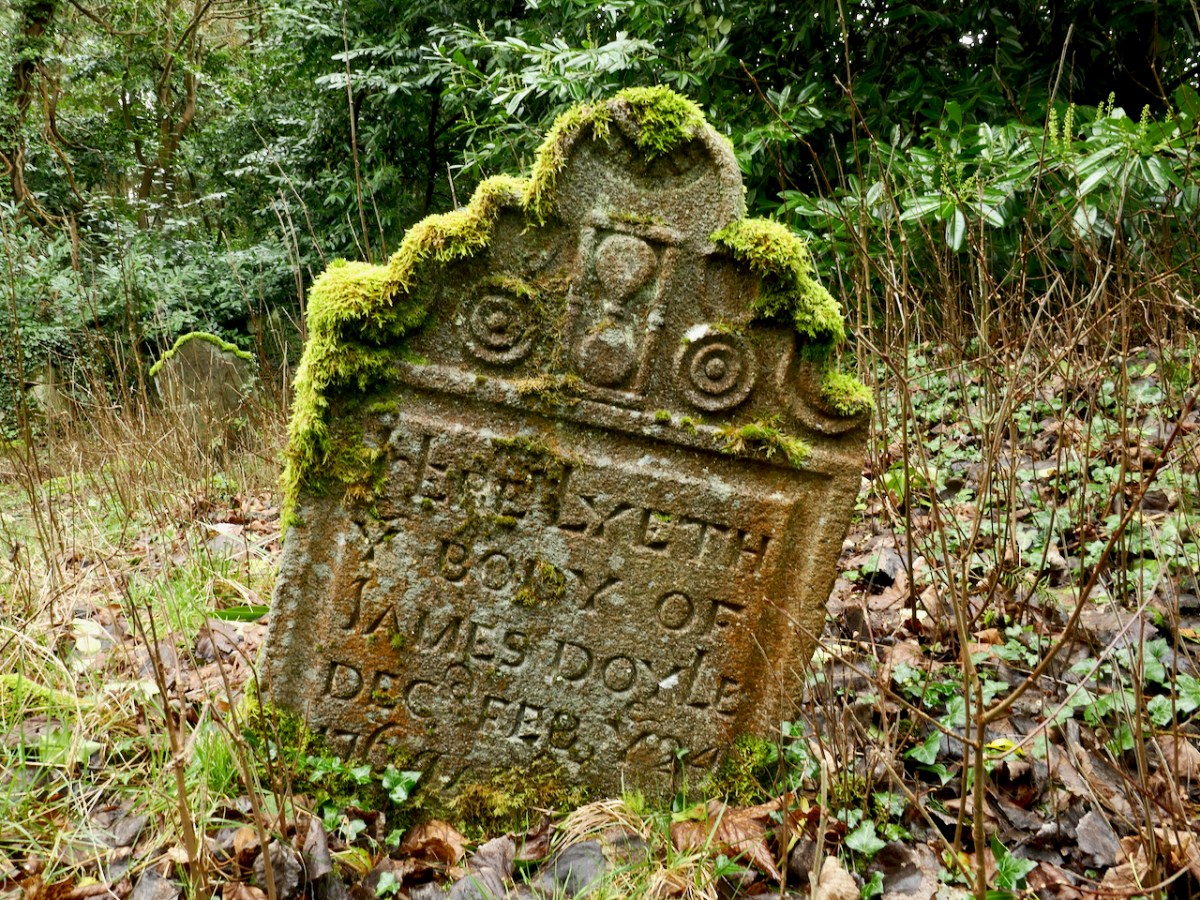
We saw one instance where the IHS symbol had been replaced with an hourglass – a reminder that time runs out on us all eventually, as it did for James Doyle in 1764.

In another granite headstone the symbol used was the skull and crossbones. This harks back to the cadaver tombs of the 16th and earlier centuries, where skeletons were carved, sometimes with worms eating their intestines, as a powerful memento mori that all of us, rich or poor, come to this in the end. It is not, as a gravedigger once told us, a sign that a pirate is buried in that grave. The Arthur under this set of skull and crossbones was probably a well-to-do and pious farmer.

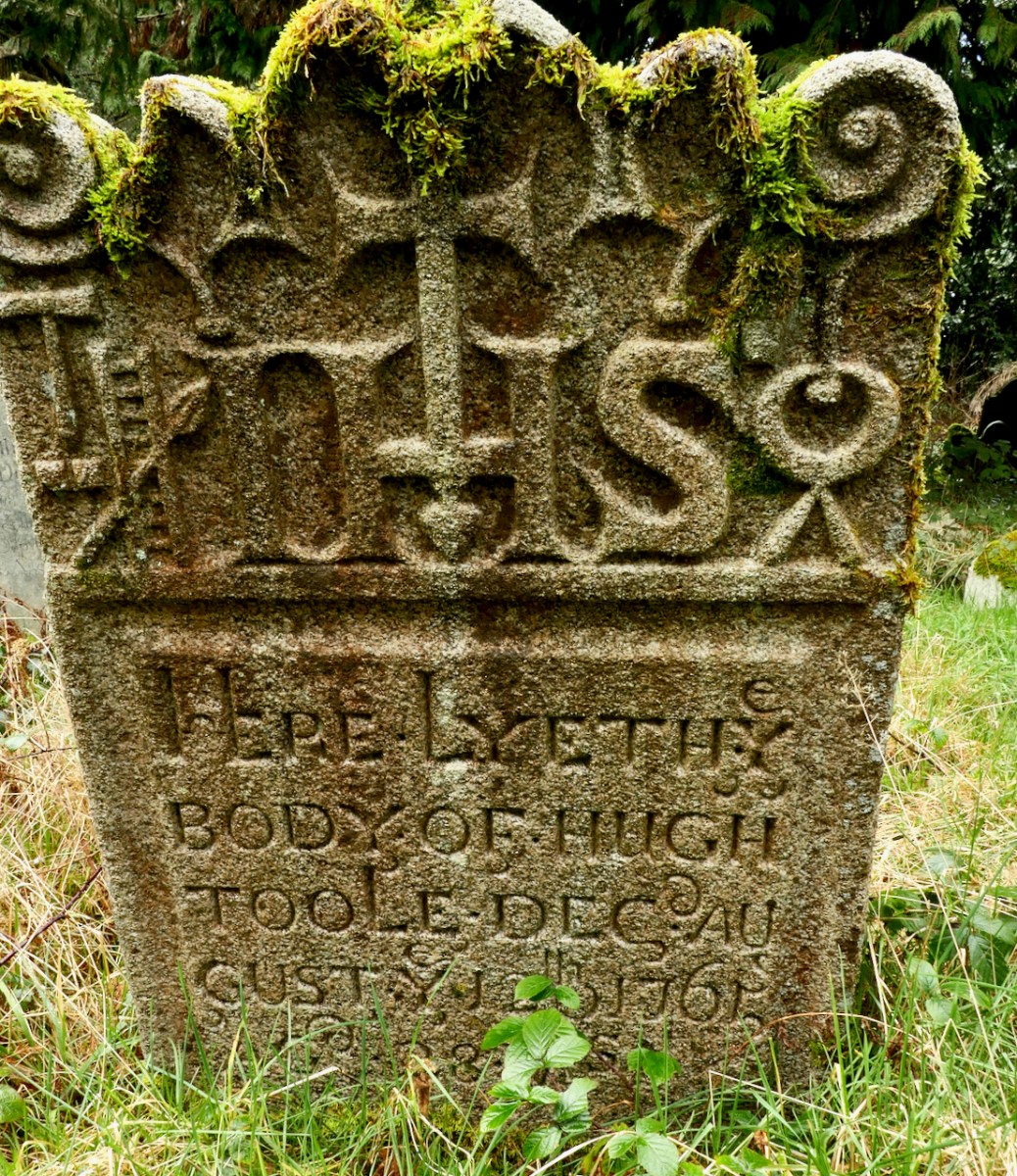
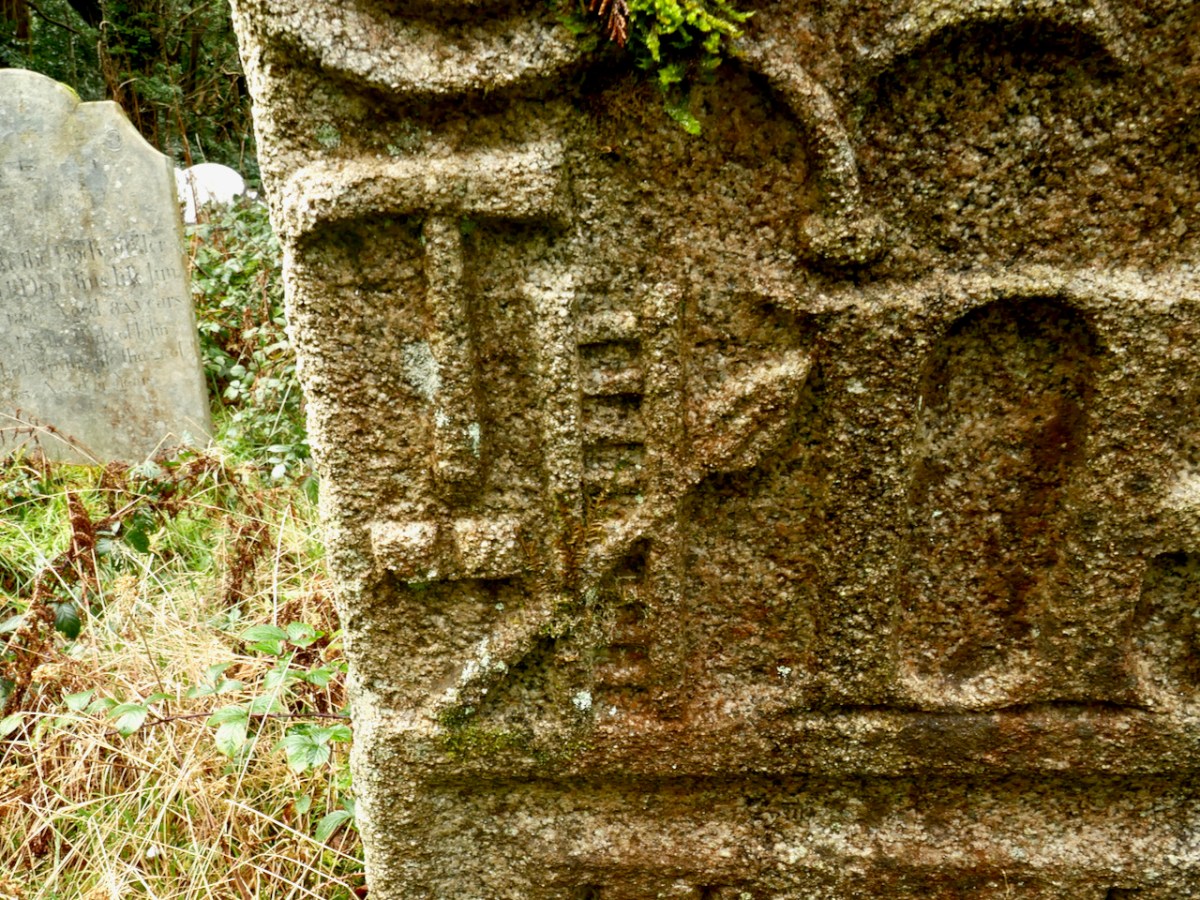
Often in Wicklow graveyards, the IHS is surrounded with Instruments of the Passion. These are the tools that were used to torture Jesus, to nail him to the cross and take him down and to gamble over his clothes. You can find a full list here. In Hugh Toole’s 1765 headstone (above) you can see, reading from left to right, hammer, dice, ladder, spear, nails and pincers (used to extract the nails).

Patrick Byrne’s headstone is almost identical, while the one below has fewer Instruments, including one which might be a flail.

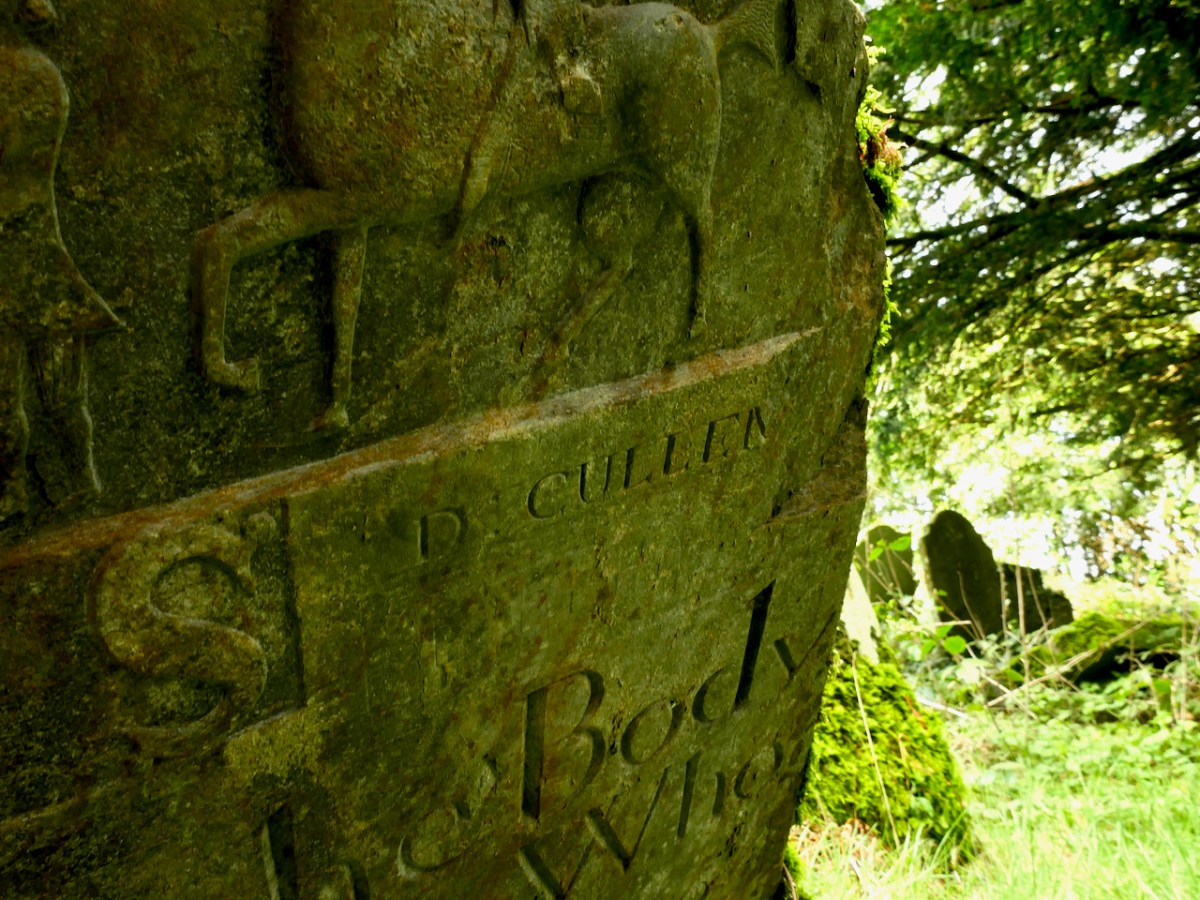
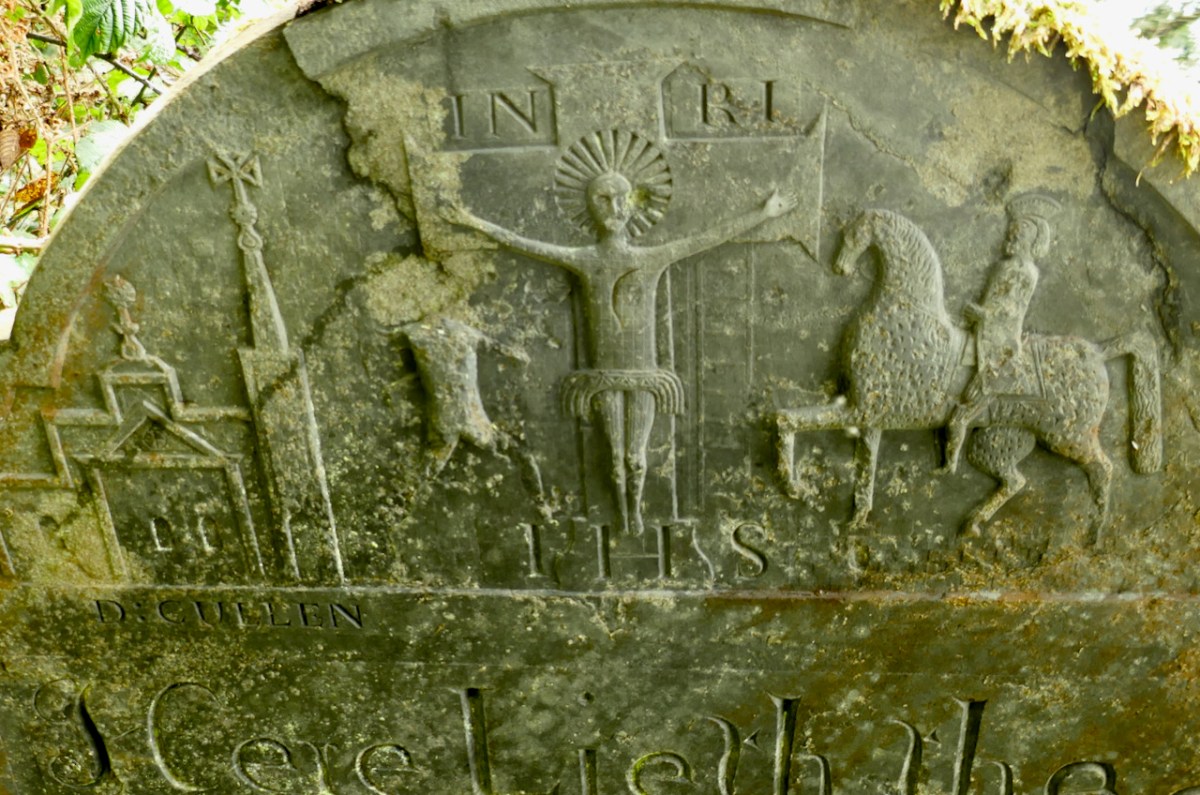
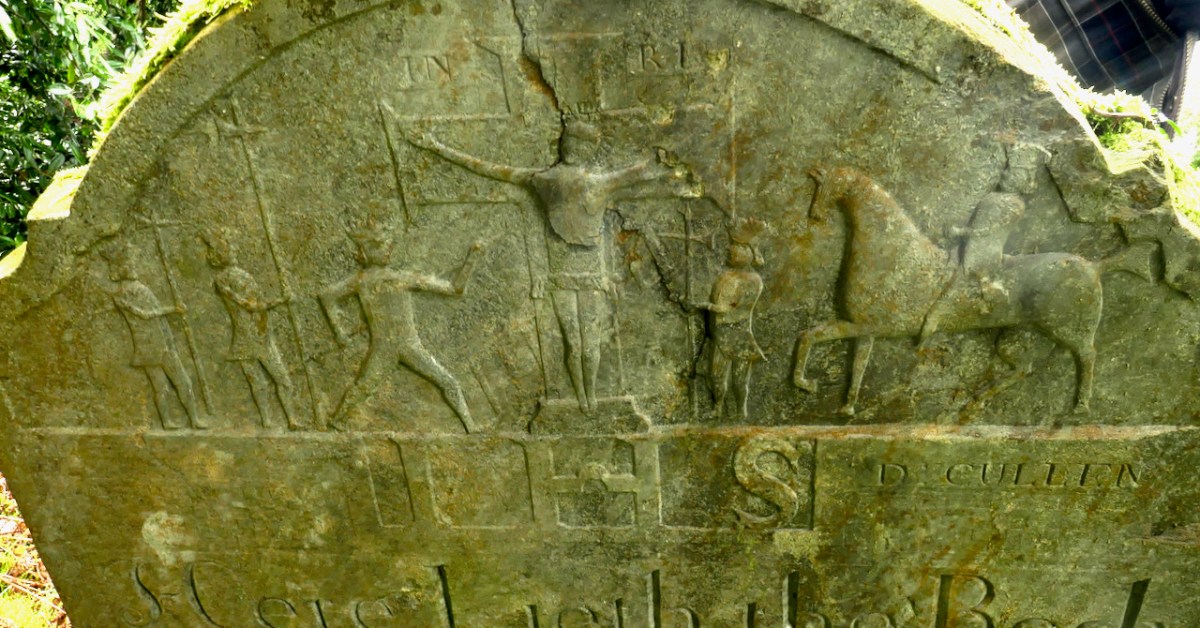
One of the foremost carvers of his day was Denis Cullen. He lived in Monaseed, Co Wexford, and carved on greenstone. He specialised in depictions of the crucifixion. Chris has studied his headstones from earlier to later and says his skill noticeably improved over time. It helps, of course, that he signed his work. We stumbled across Cullen’s work in Kilcoole about five years ago and were very taken with it then. 

The crucifixion occupies the top portion of the headstone. The inscription, more ornate than that used in either the Purple Slate or Aughrim Granite headstones, is in the unframed portion below. But Cullen’s real achievement was his figurative crucifixion scenes. 

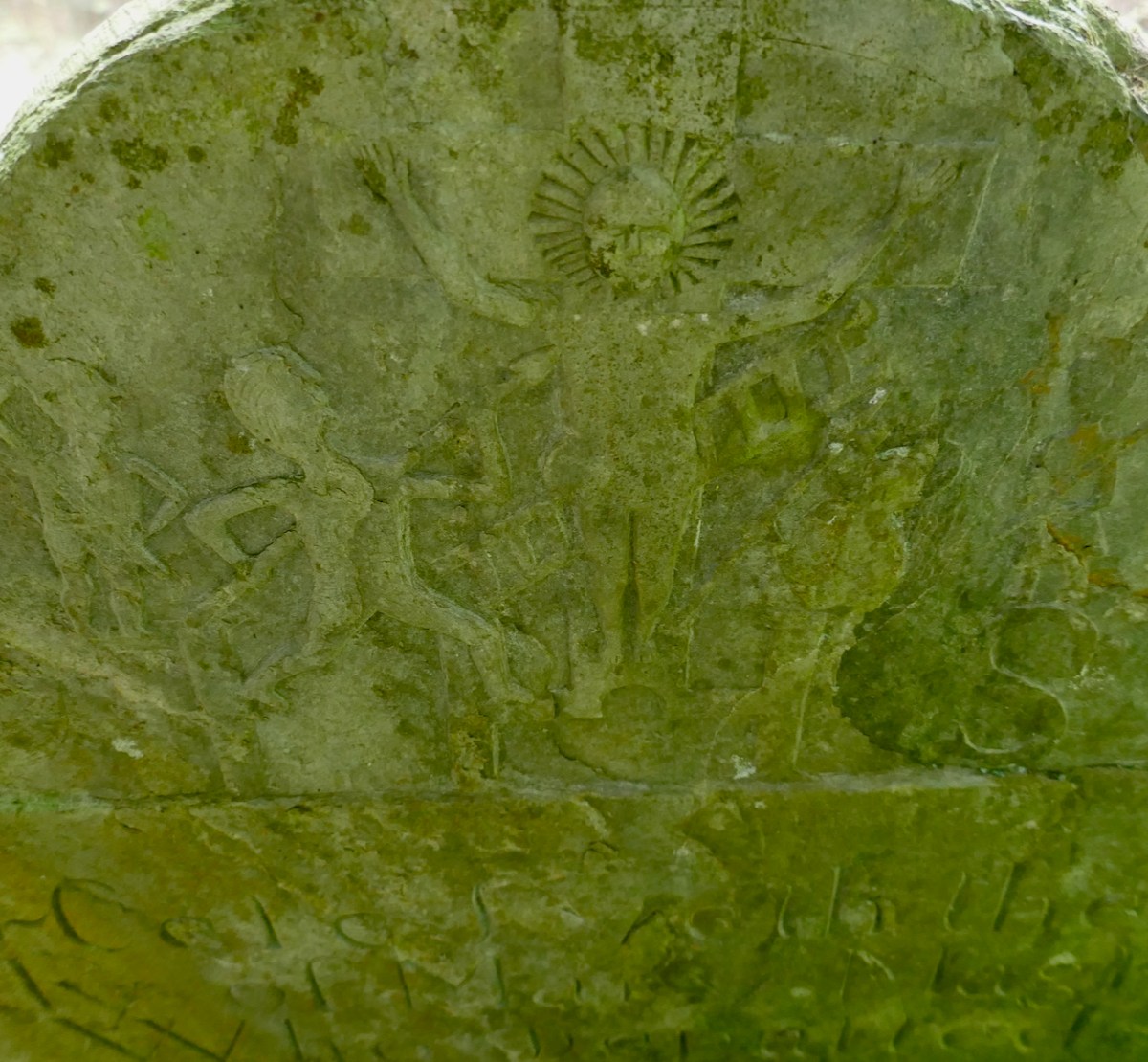
One of his earlier examples can be seen at Bahana Whaley, carved for Mary Magrah who died in 1765 (above). Although very worn, you can see that it was carved in relief. His scenes are invariably carved in relief, whereas his script is incised.

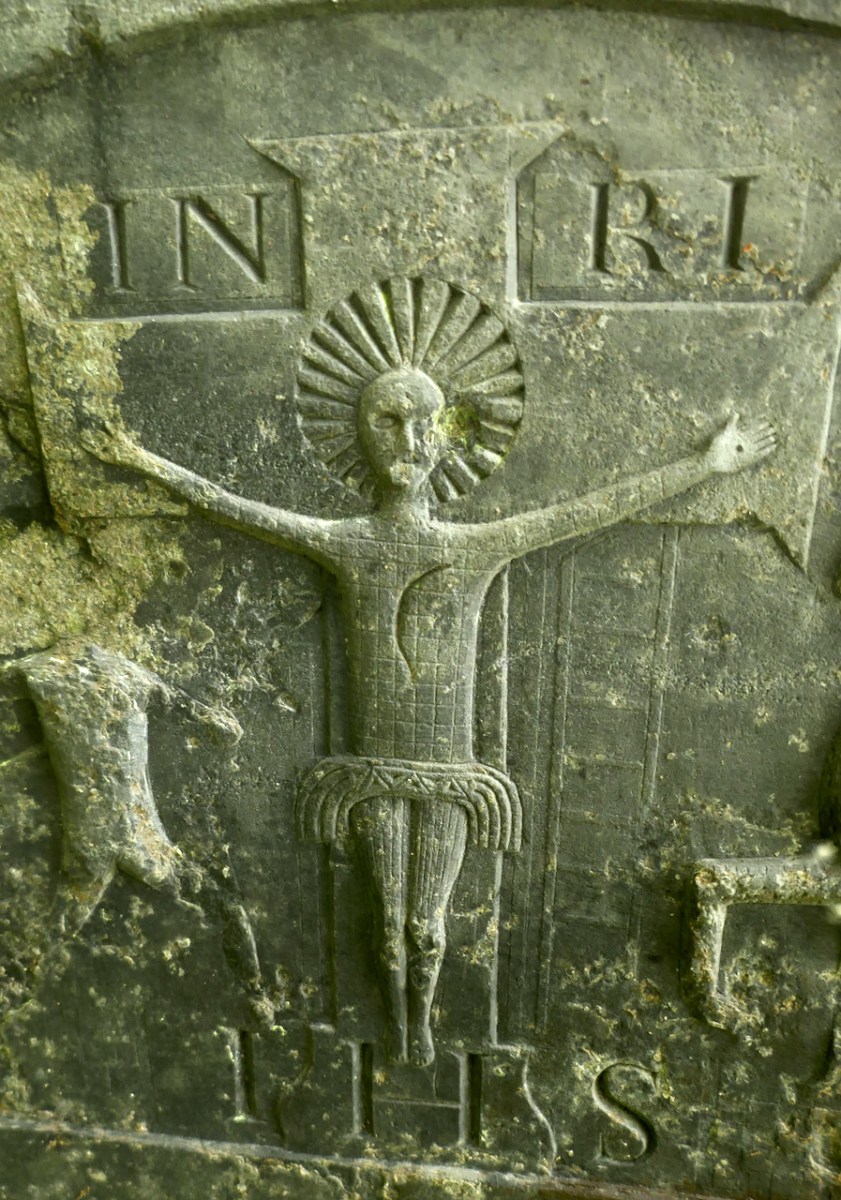
Edward Byrne’s headstone (he died in 1778) is better preserved (above and below) and also more detailed. It shows a crucifixion scene with a mounted soldier on one side and a church on the other.

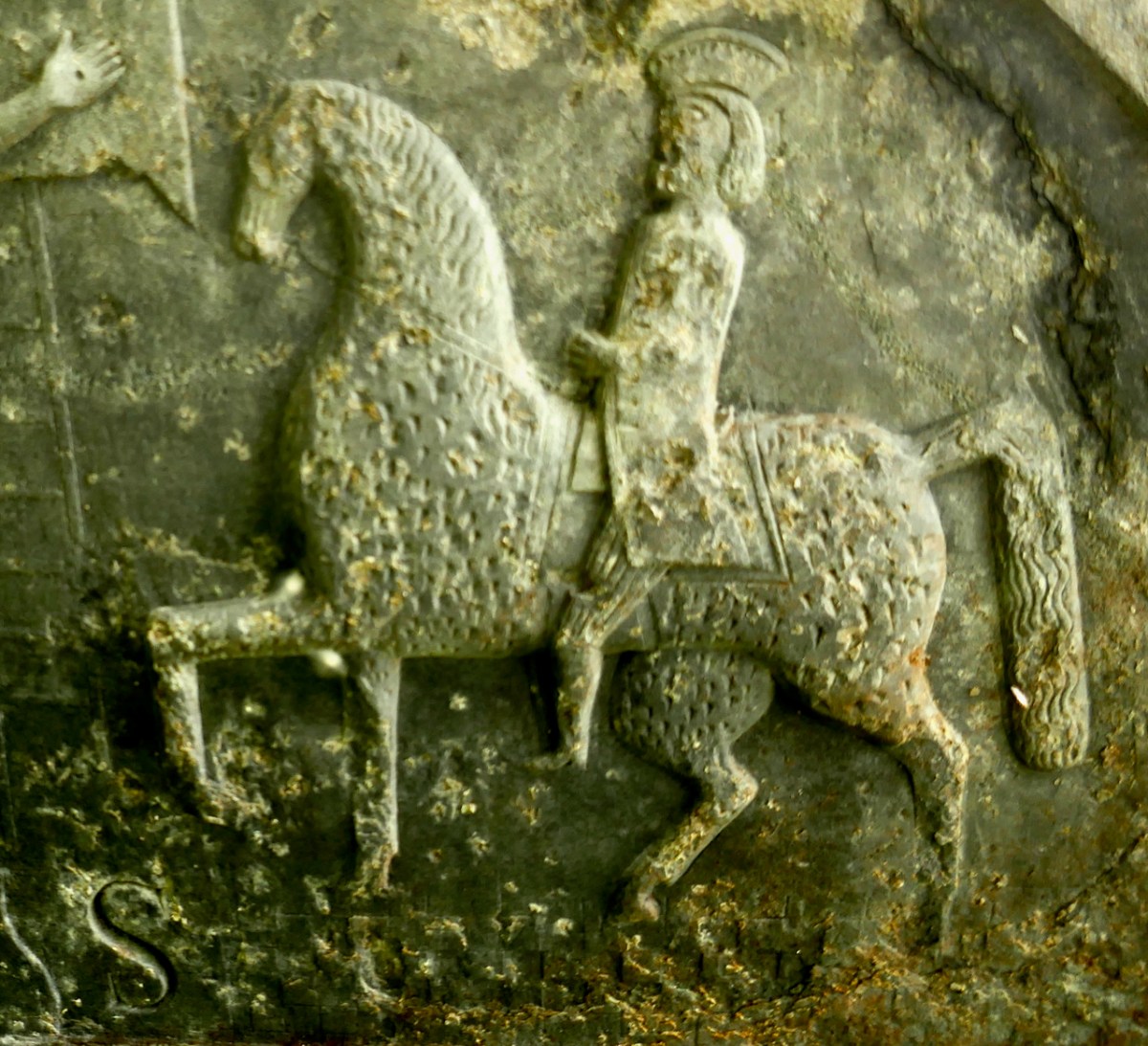
Christ hangs upon the cross, his only covering a loincloth. A soldier with the spear (partially obliterated) is to his right, while to his left is a ladder in very low relief, and a soldier on horseback. The horse is a high-stepping creature with a proud head and tail held high. On his back is a man in a frock coat and (I think) a tri-corn hat. Chris says about the horseman, 

He is not a biblical figure and, without any obvious parallels, appears to have been invented by Cullen himself. The horseman is always shown in 18th-century military or yeomanry costume and is placed on the right hand of the cross (i.e. on Christ’s left). The horse itself is always depicted as if on parade, and the tail is sometimes cropped.

When John Graham died in 1784 his family commissioned a similar headstone from Cullen (below). In this one, instead of a church, two more soldiers stand, holding pikes. There are no remaining instruments of the passion, apart from the spear held by the soldier to his right, and a faint ladder running diagonally behind the crucifix. 

There is no attempt in Cullen’s crucifixion scenes at an interpretation of what dress may have been like in biblical times – no Roman centurions, for example. This makes them important examples of eighteenth-century figure carvings.

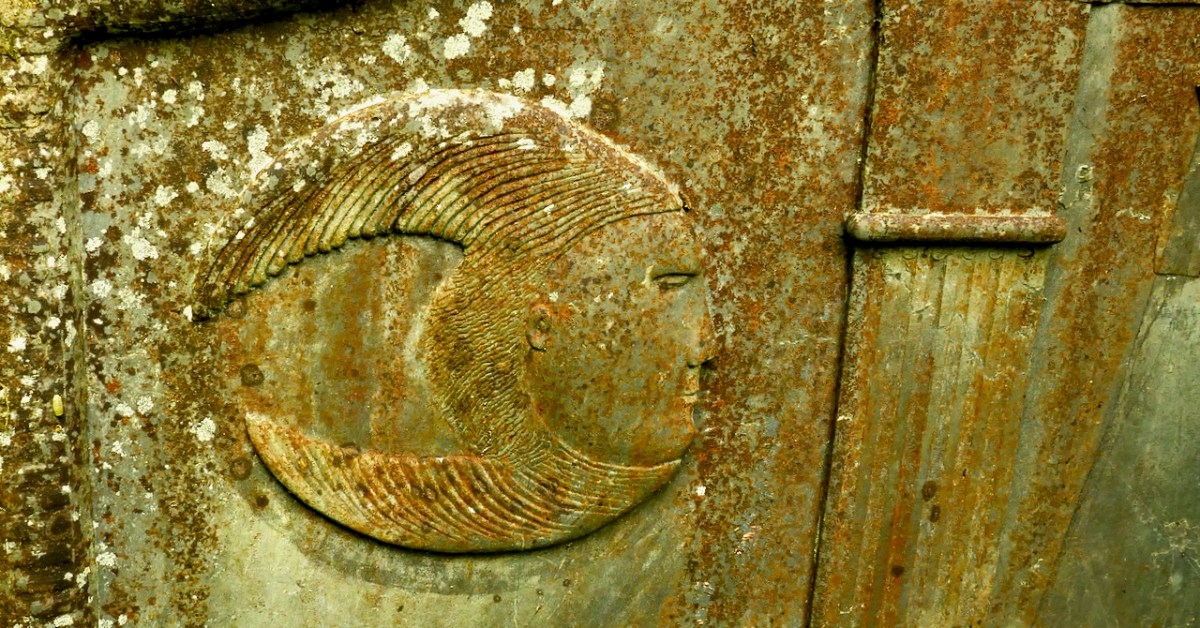
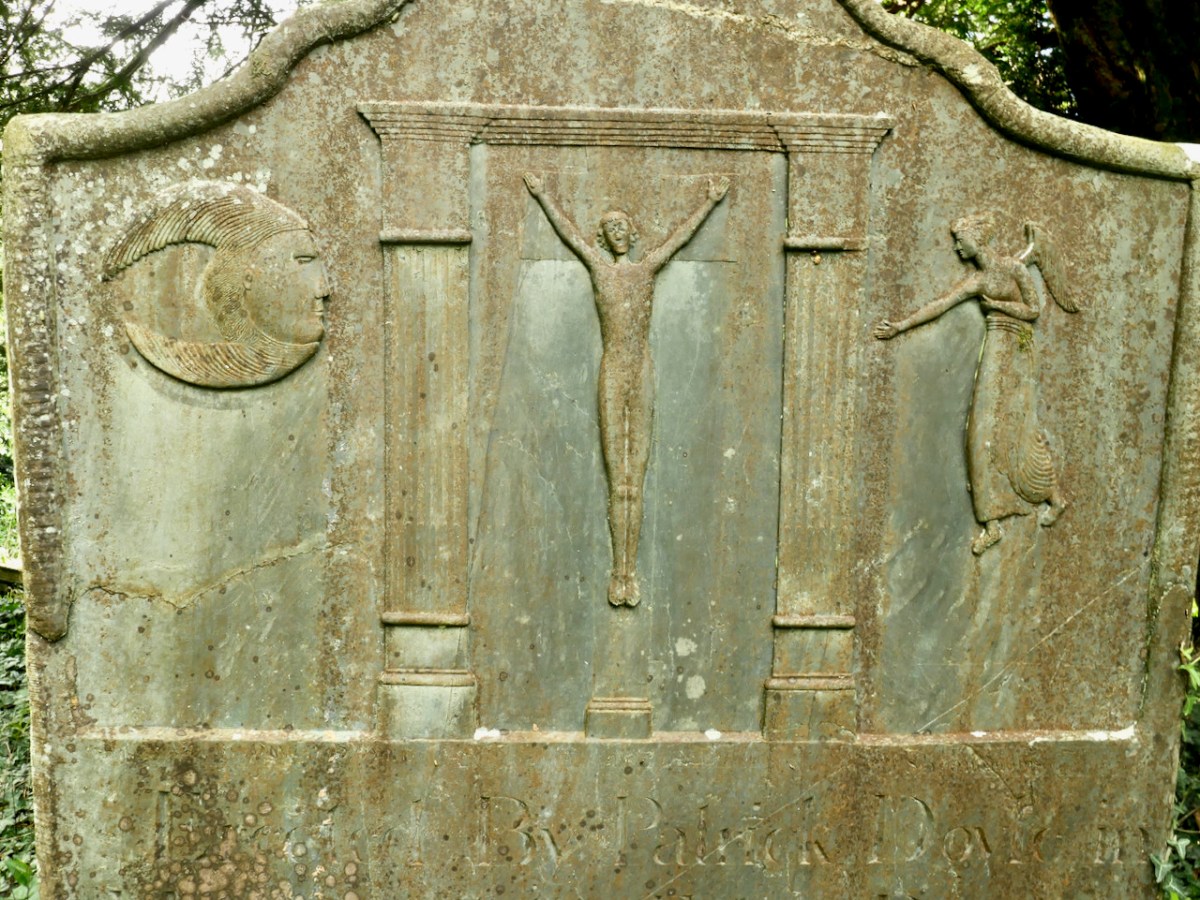
I can’t resist one final example from Bahana Whaley (above). It’s actually nineteenth century, dating from 1808 and is by a carver named David Doyle. Although the central figure is the crucified Christ, he is portrayed in high relief between two classical columns, with an angel to his left and and moon to his right – the moon is my lead photograph in this post. The carvings show a real advance in quality and sophistication as we progress into the nineteenth century.

I have only shown a sample of what we found at Bahana Whaley. It will pay re-visiting, as will the many graveyards documented in Chris’s marvellous book. There are few graveyards like this in Cork, so it is special for us that we get to wander in these atmospheric open-air galleries with Chris Corlett’s research to guide us. If you want to do the same, you can order the book from County Wicklow Heritage.