Loughrea Cathedral and the Irish Arts and Crafts Movement

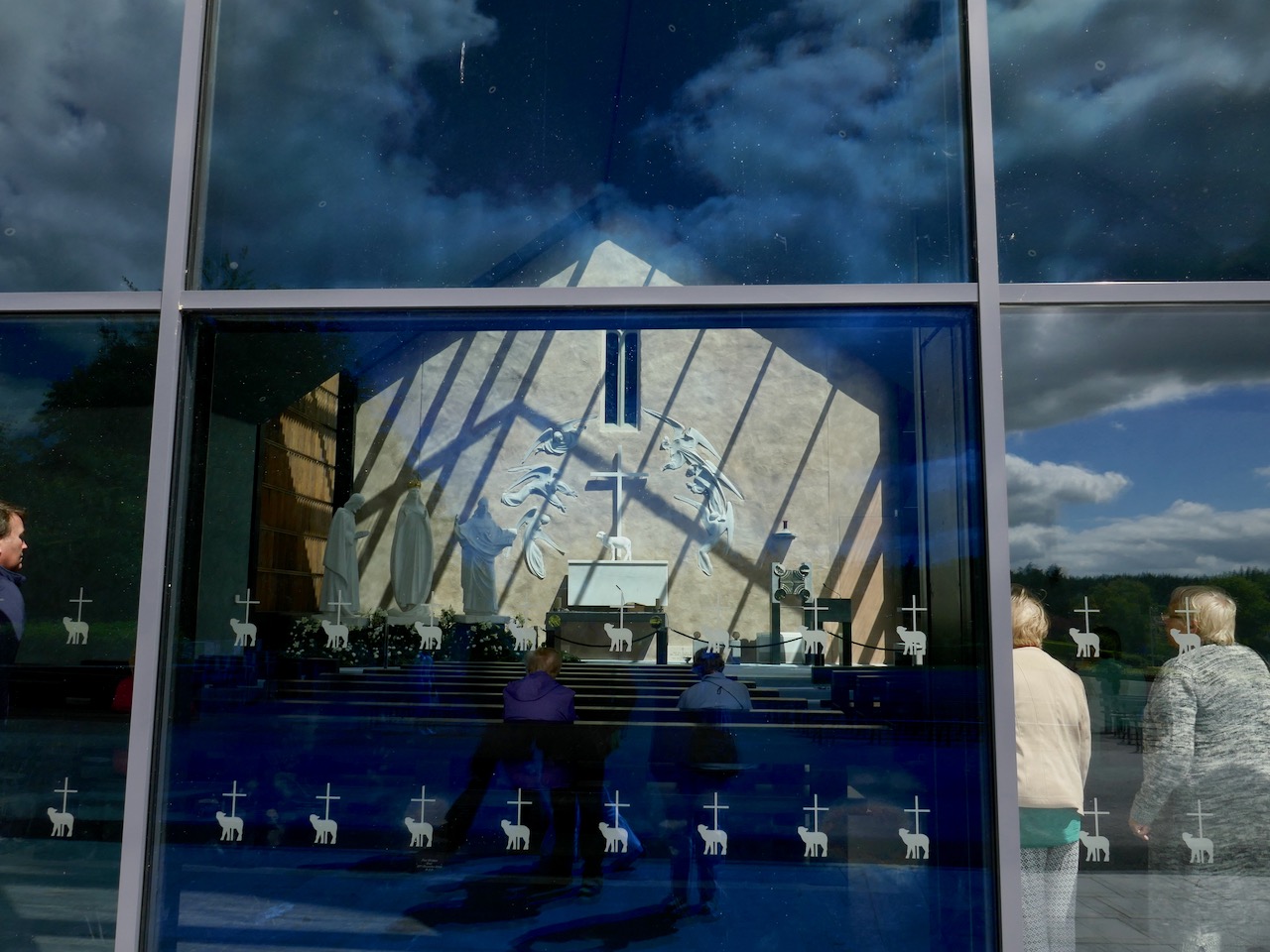
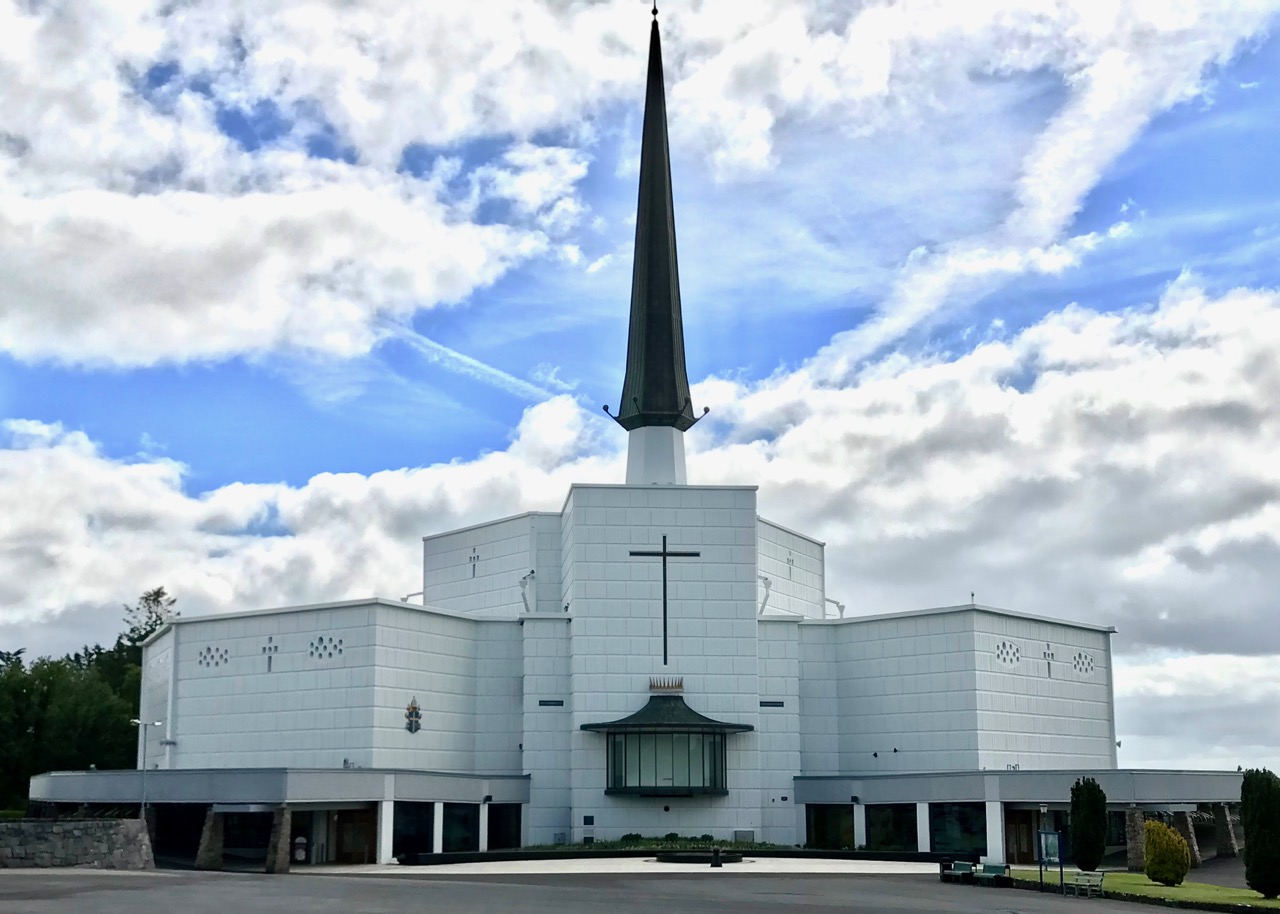
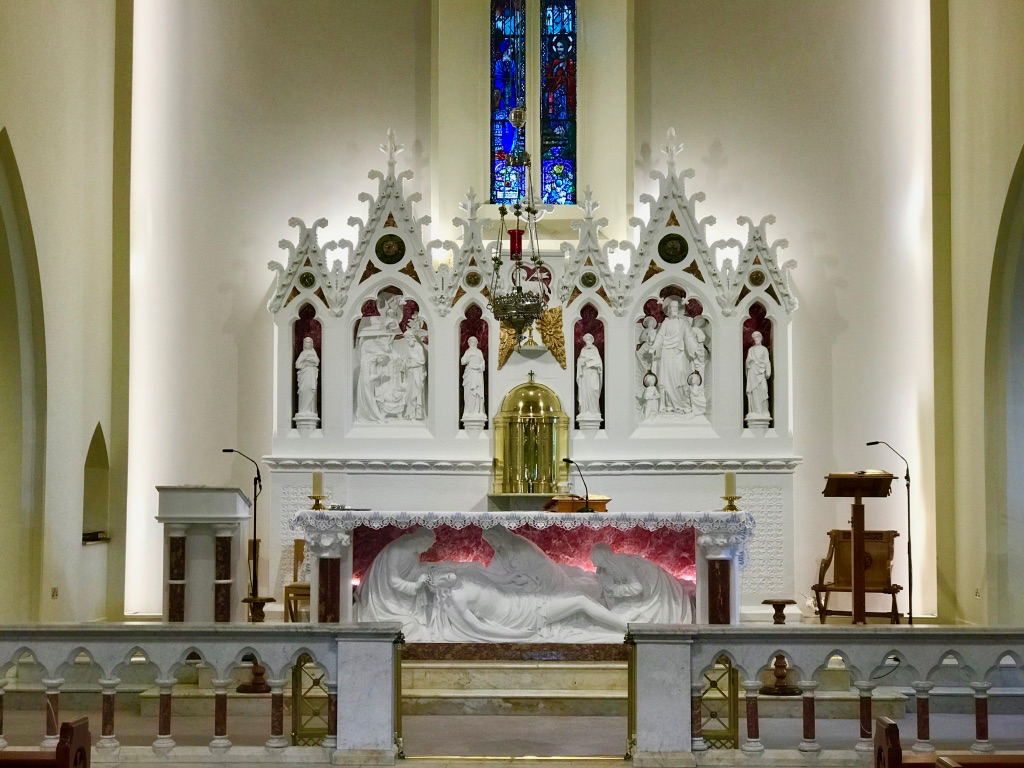
How did a church in an Irish country town become a repository for some of the greatest treasures of the Arts and Crafts movement of the early 20th century? That church is St Brendan’s Cathedral in Loughrea, Co Galway, which we visited last week.

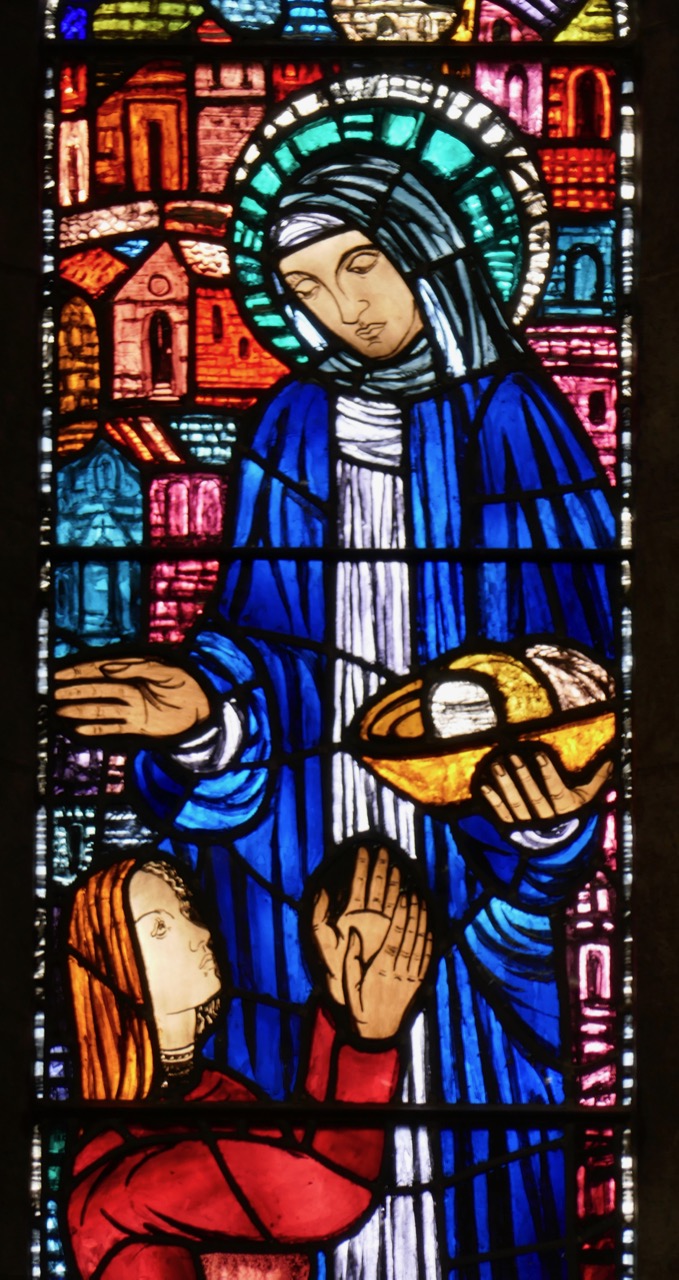
Evie Hone’s St Brigid window

The Arts and Crafts movement was a reaction against soulless methods of industrial production which emphasised repetitive tasks and removed the link between the worker and the final product. Such factory processes were eventually applied to works of art, such as stained glass windows, where numerous workers would be employed to assemble a final product. Within the movement, artisans, artists and makers sought to get back to a former time, often conceived as medieval and highly romanticised, when craftsmen and women designed and executed exquisite works from start to finish.

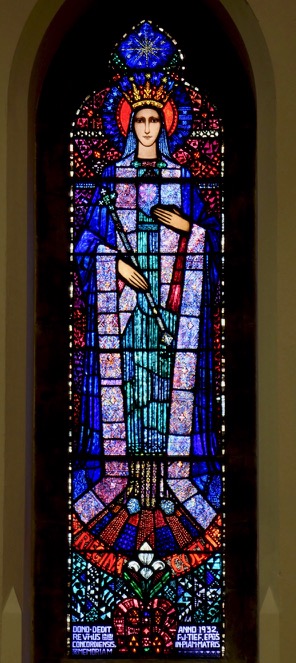
Queen of Heaven window by Michael Healy

So where does Loughrea come in? Well, for a start, it was the home of Edward Martyn, a wealthy enthusiast for all things Gaelic Revival including language, theatre, literature, music and art. Heavily influenced by the philosophies of the Arts and Crafts movement, particularly by those of William Morris, he worked with Sarah Purser to found An Túr Gloine (The Tower of Glass) as an artist/maker stained glass studio. Not a small part of their initial success was his ability to promise commissions from the decoration of St Brendan’s Cathedral.

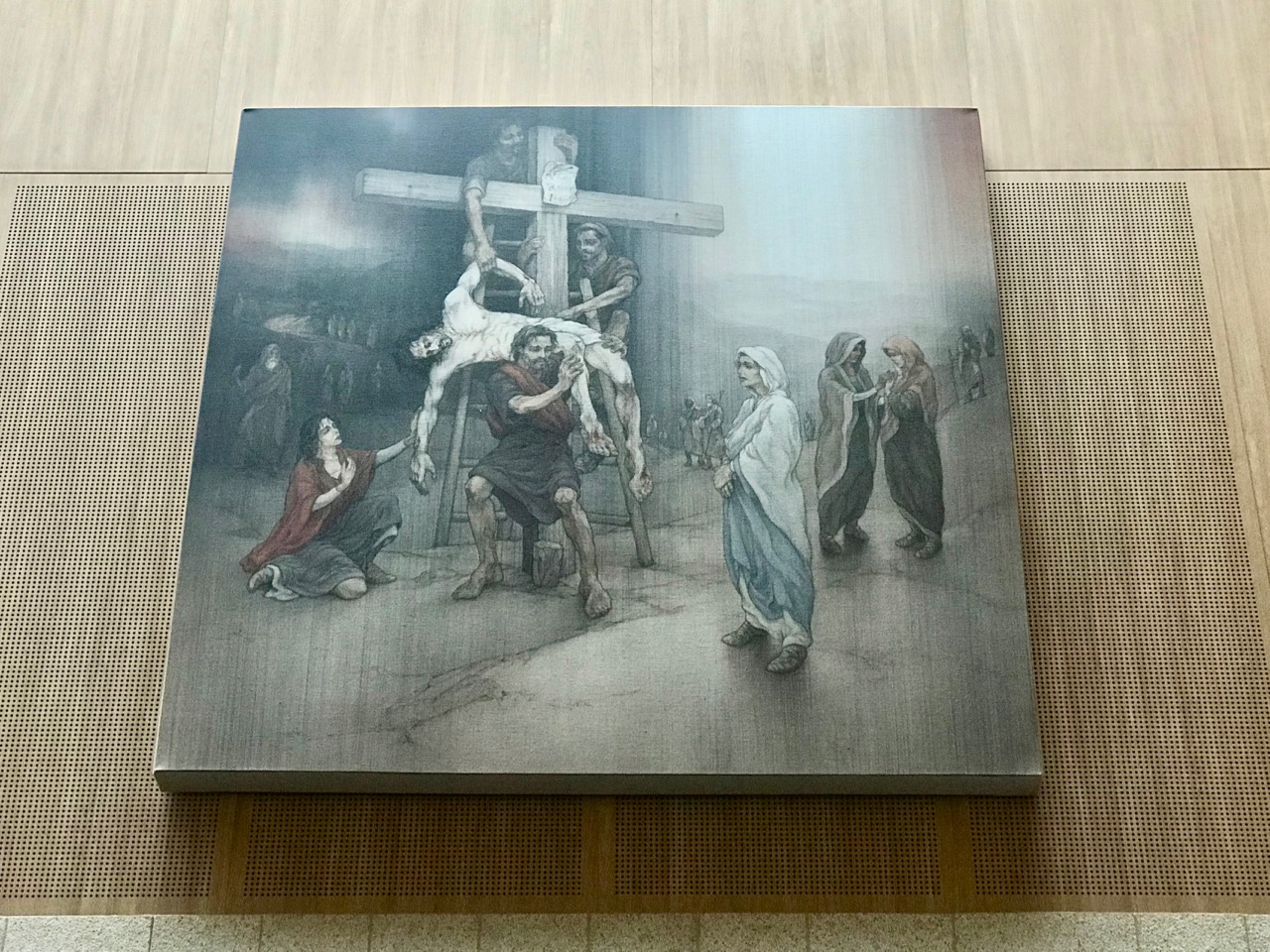
The Stations of the Cross are by Túr Gloine artist Ethel Rhind and are executed in the unusual opus sectile mosaic technique

Thus it is that this church, in outward appearance very much like the prevailing neo-Gothic style of the end of the nineteenth century, is packed with the work of the most eminent women and men artists of the opening decades of the 20th century. Yes, that’s right, women and men – the Arts and Crafts movement empowered women artists like few such movement had before (or since, perhaps).

The Agony in the Garden by A E Child, detail

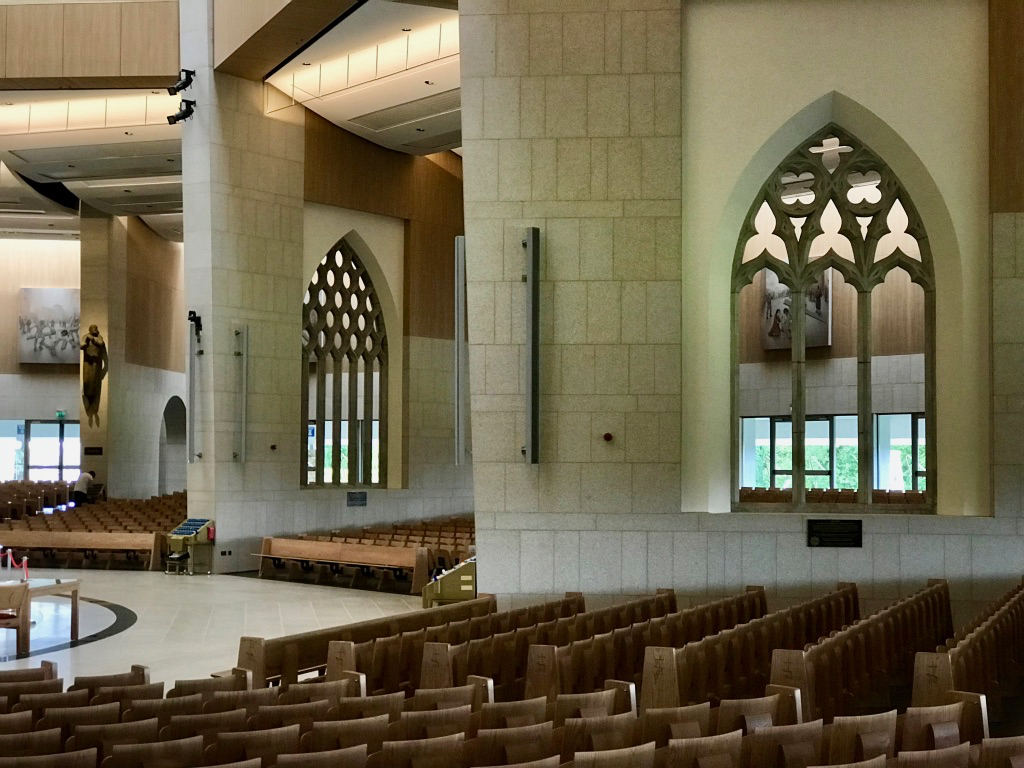
It takes a moment to realise what you have entered – initially the church interior seems familiar and unremarkable, almost heavy in its preponderance of marble, tile and dark wood.

But as the eyes adjust, you can be permitted a gasp or two as you realise that all the capitals are carved with scenes from the life of St Brendan, that there are fine sculptures here and there, that the arm of each pew has been individually decorated with idiosyncratic characters, that are are art-nouveau-looking light standards throughout the aisles, that the stations of the cross are unlike any you’ve seen before, and finally that the stained glass windows are numerous and beautiful.

Two scenes from the Death of Brendan, carvings by Michael Shortall

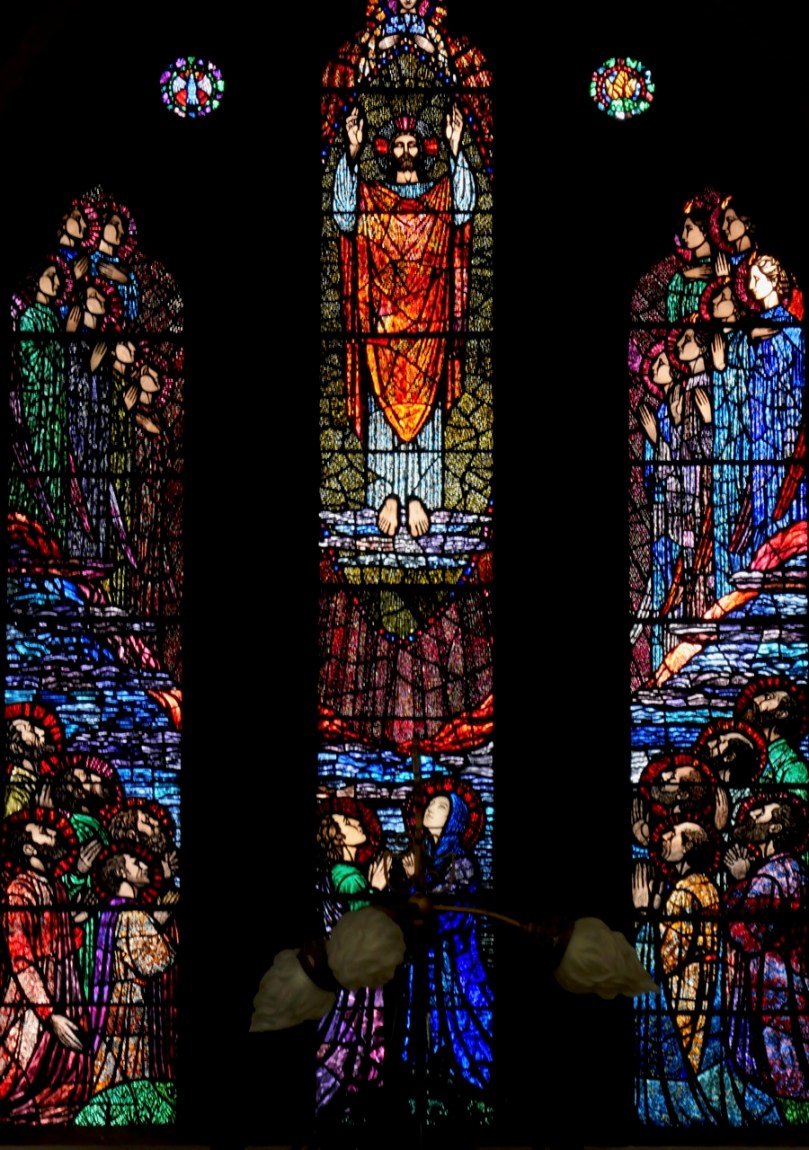
All the Túr Gloine stained glass arts are represented here: A E Child, Michael Healy, Ethel Rhind, Catherine O’Brien, Beatrice Elvery, Evie Hone and Hubert McGoldrick. There is even a small St Brendan window by Sarah Purser herself – a rarity as she mostly confined herself to the management of projects rather than glass-painting.

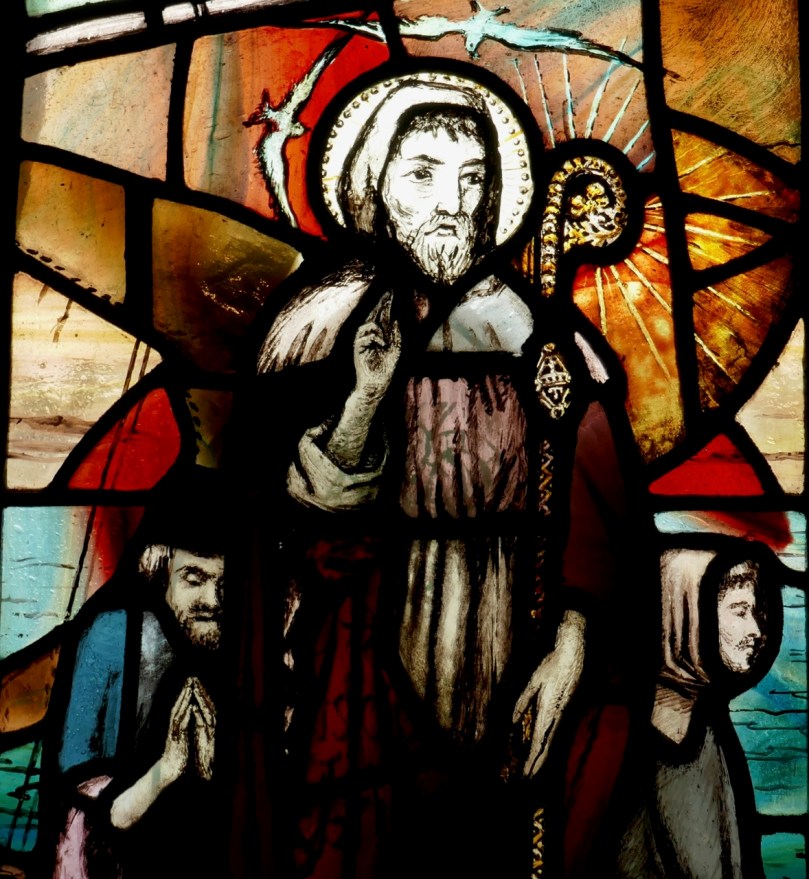
One of the very few stained glass windows actually executed by Sarah Purser herself – a Brendan image in the porch of the church

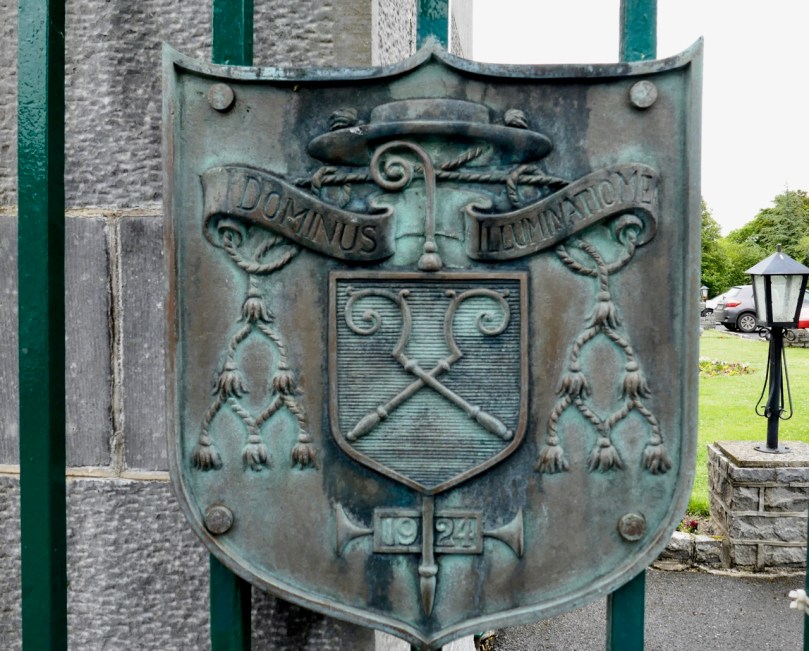
The stone carving is mostly the work of Michael Shortall, a student of John Hughes, the foremost sculptor of his day who provided bronze figures for the church. Eminent architect William Scott was engaged to design church furnishings and was responsible for the side altars, the entrance gates, the altar vessels and candlesticks, the baptismal font and altar rail.

Each pew arm has a whimsical creature – this one was no doubt intended to concentrate the mind on mortality

The woodwork was all done locally, with the workers encouraged to use their skills to depicts beasts and mythical figures, in much the same way that medieval craftsmen had done.

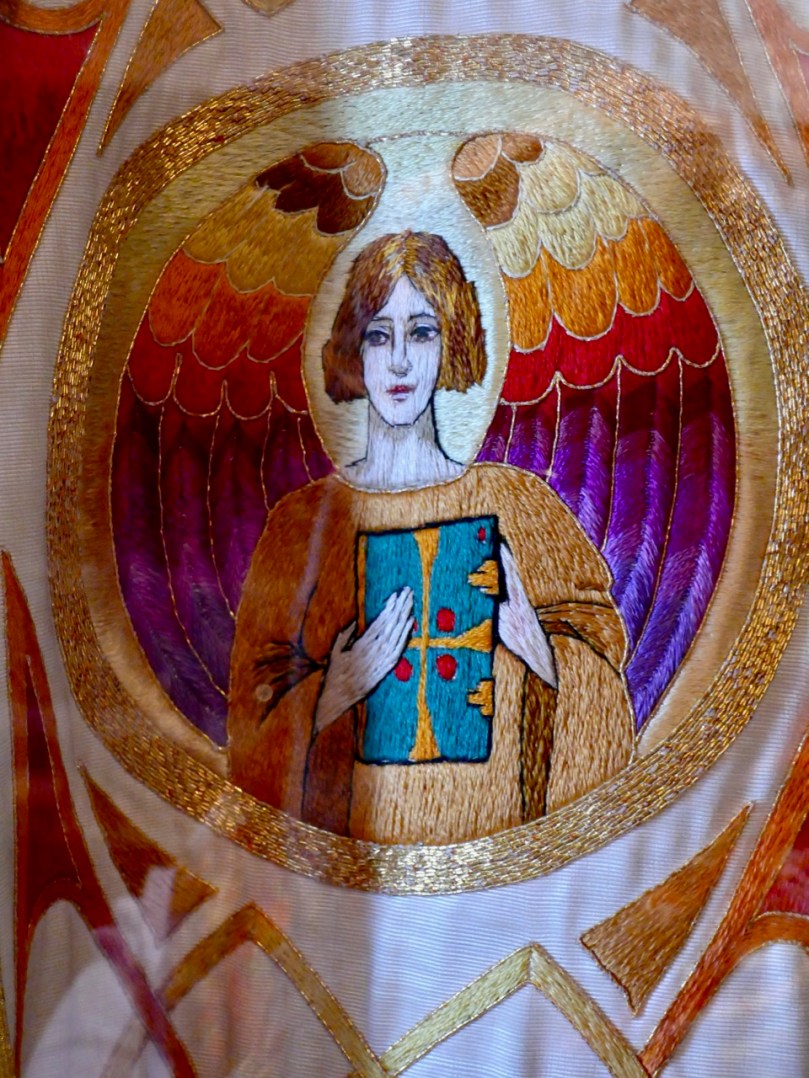
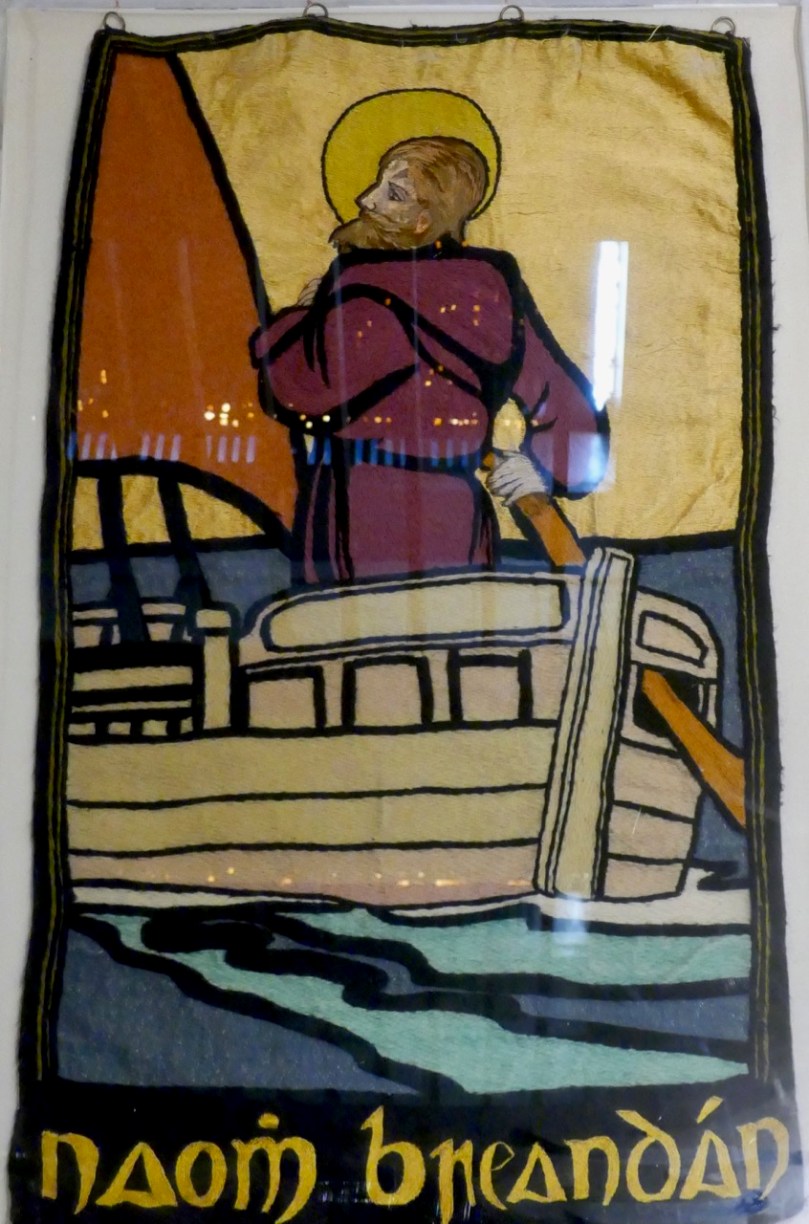
The museum contains an outstanding collection of sodality banners designed by Jack B Yeats and his wife, Cottie, and embroidered by the Dun Emer Guild. Above is the original design and the finished product

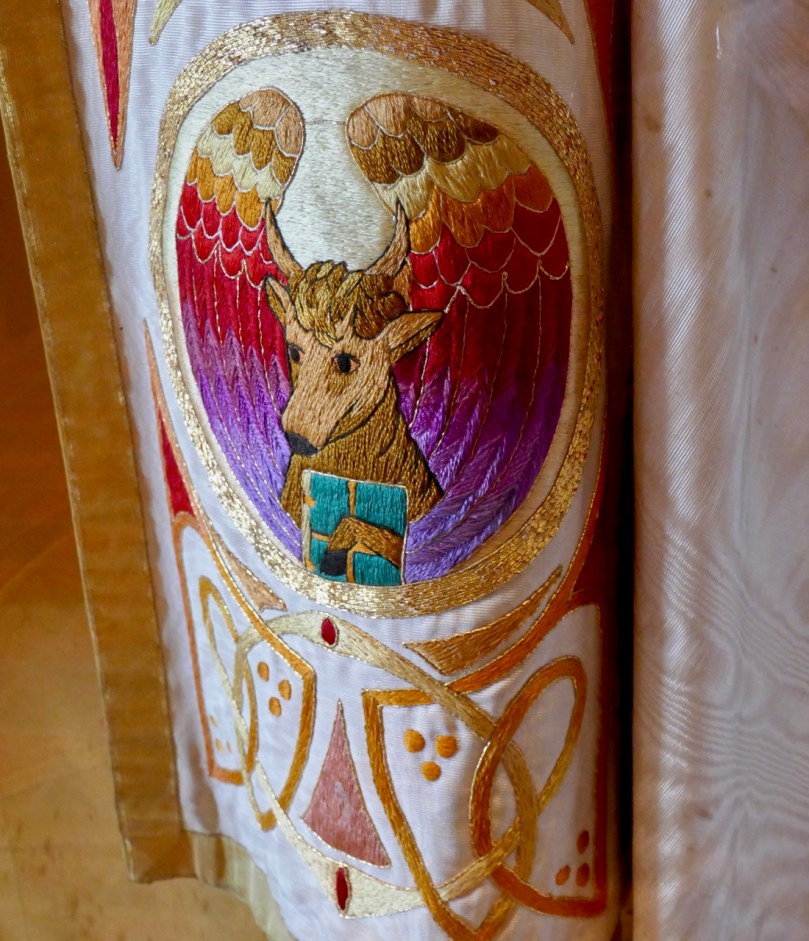
But that’s not all. Beside the church is a small museum, similarly packed with treasures. In particular, here is where you will see the work of the Dún Emer Guild, a women’s cooperative enterprise that designed and supplied materials (altar cloths, vestments, rugs, tapestries) to churches and others. Strongly influenced by traditional Irish designs such as scrollwork, interlacing, high crosses and Book of Kells symbols, the works supplied to St Brendan’s are wonderful examples of Irish Revival motifs, skillfully embroidered in gorgeous colours.

The Museum holds other artefacts too, including extremely rare medieval wooden carvings: most wooden statues were destroyed by the Puritans and very few have survived. There are also fifteenth century vestments, original drawings and sketches by Irish artists, altar vessels, and stained glass cartoons.

Twelfth or Thirteenth century wooden statue of the Virgin or Child

This post is a small introduction to the wonders of Loughrea Cathedral. About 40 minutes east of Galway and just south of the M6, this church is a must-see for anyone interested in the history of Ireland and its Arts and Crafts movement. The only comparable experience is the Honan Chapel in Cork.

Michael Healy’s magnificent Resurrection window

All I can do here is show you a representative sample of what we saw and encourage you to go see the totality for yourself. You won’t regret it.

The massive cathedral gates, designed by William Scott

Some That Got Away!
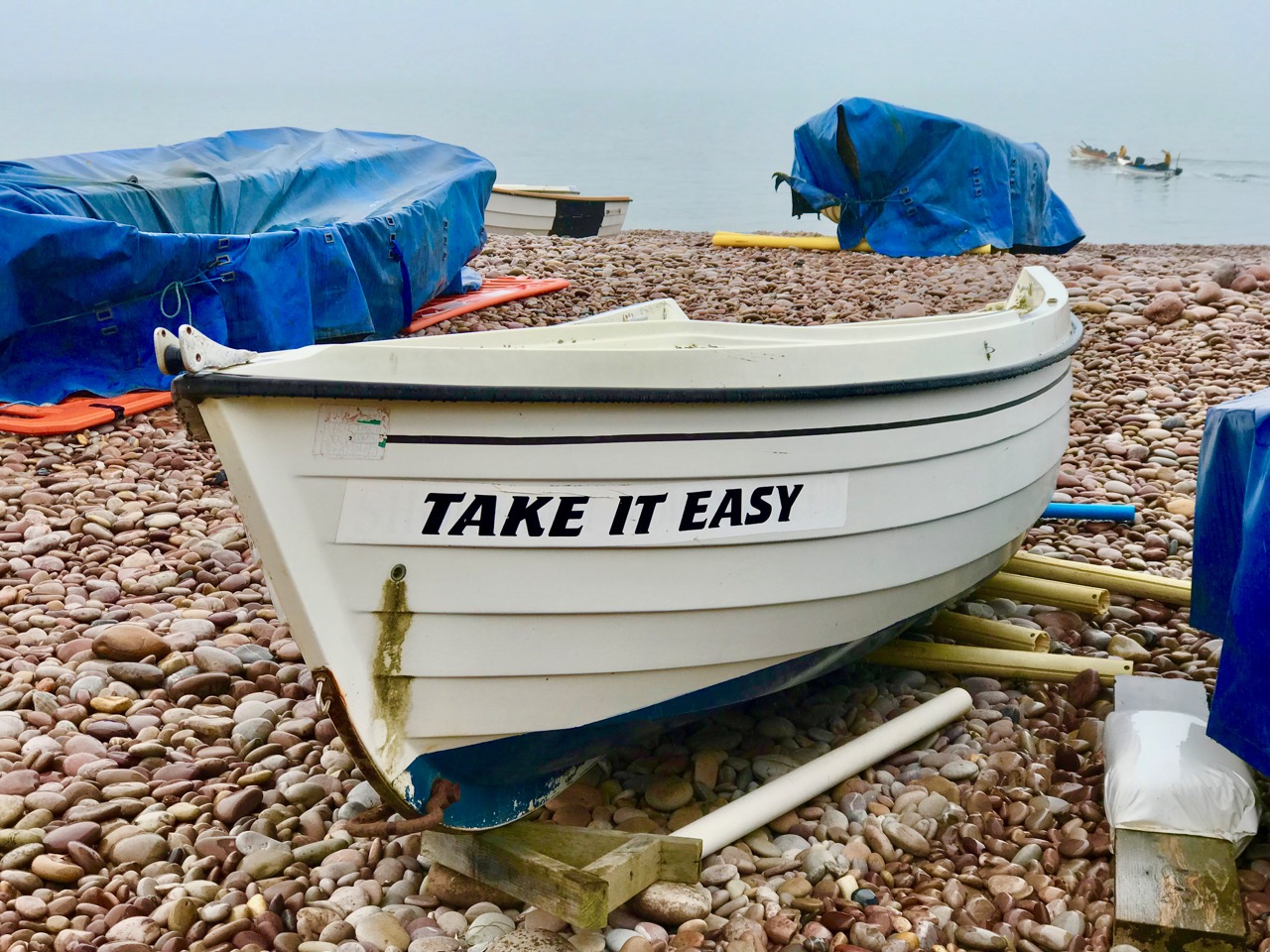
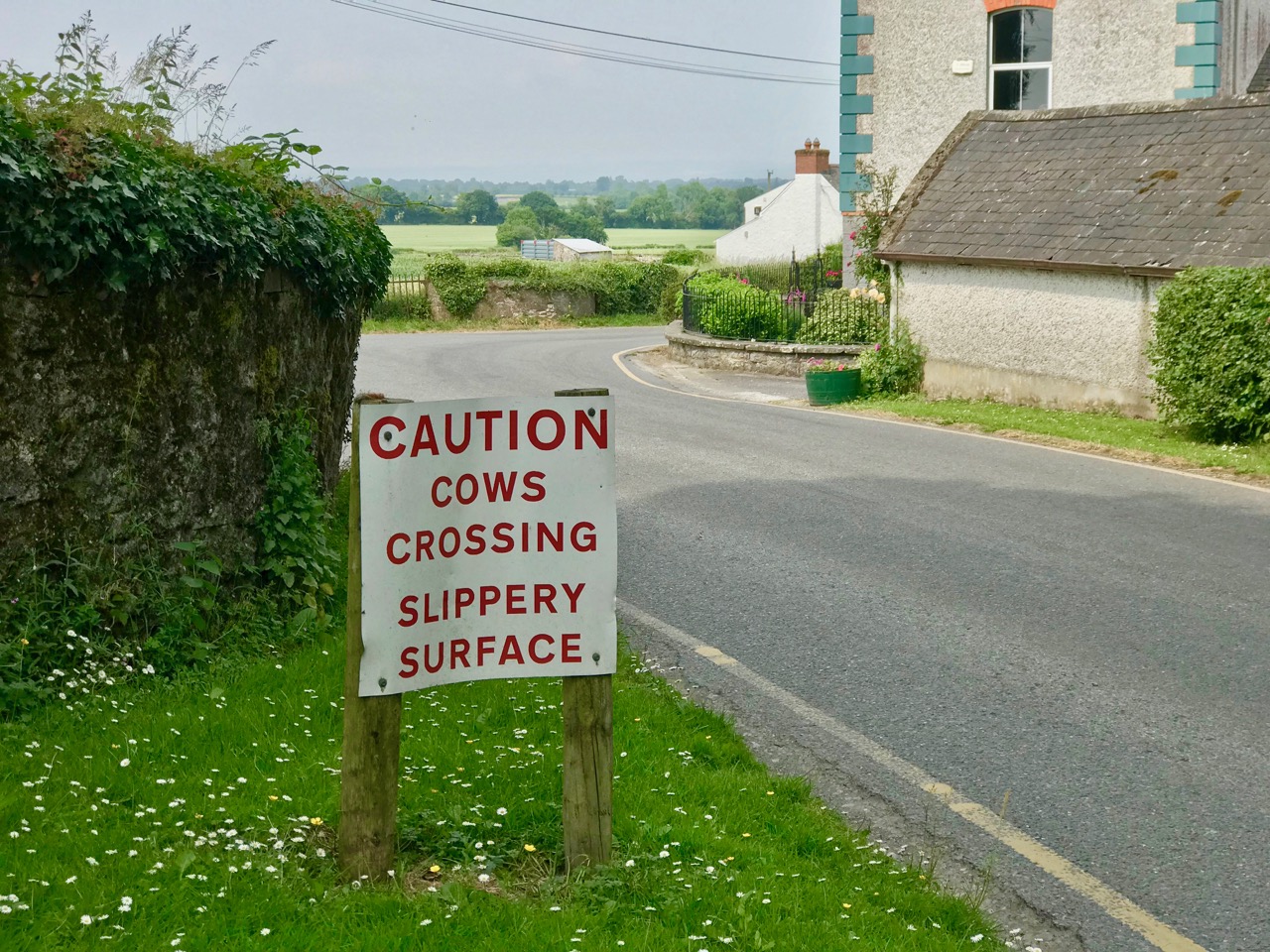
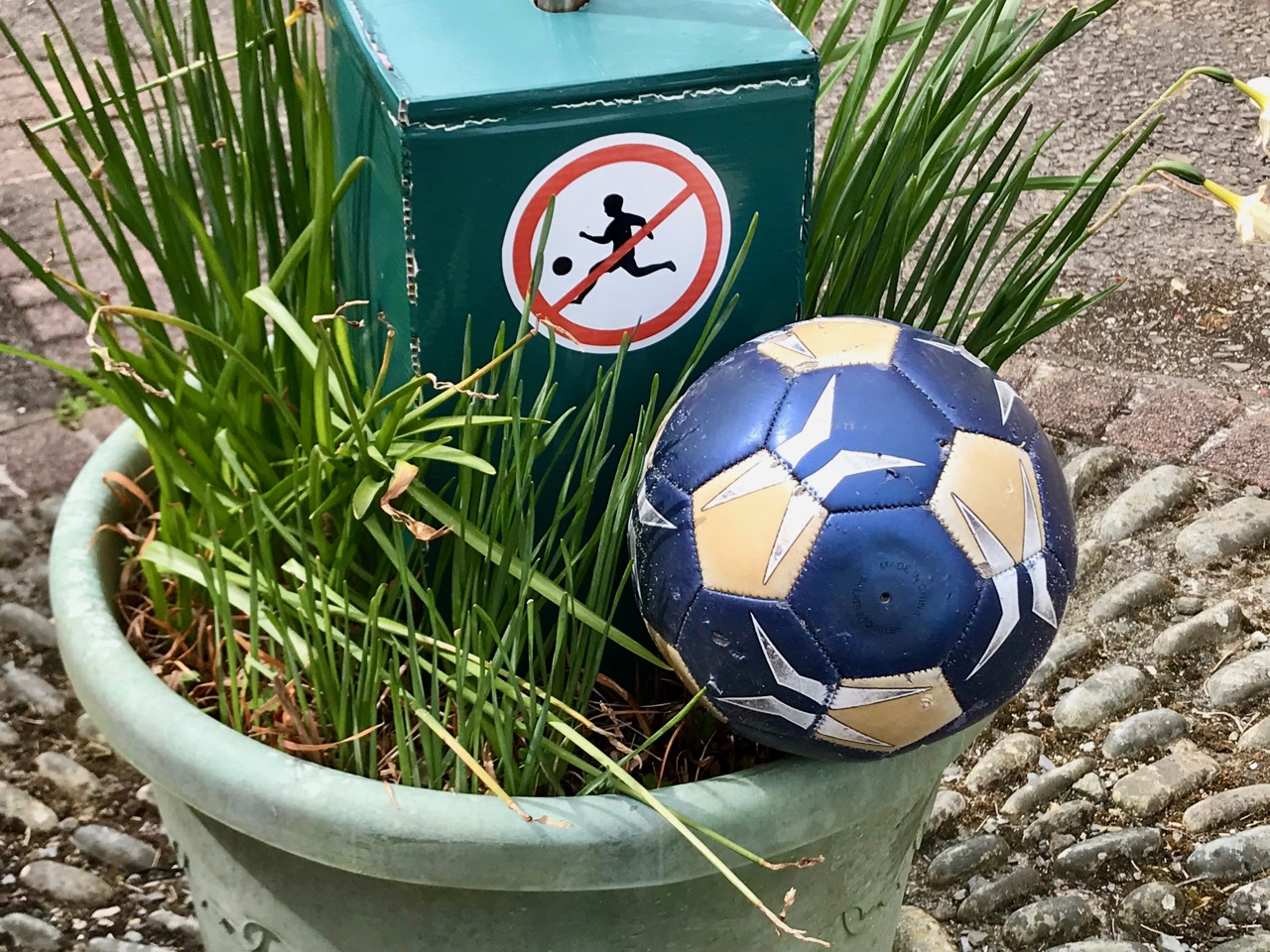
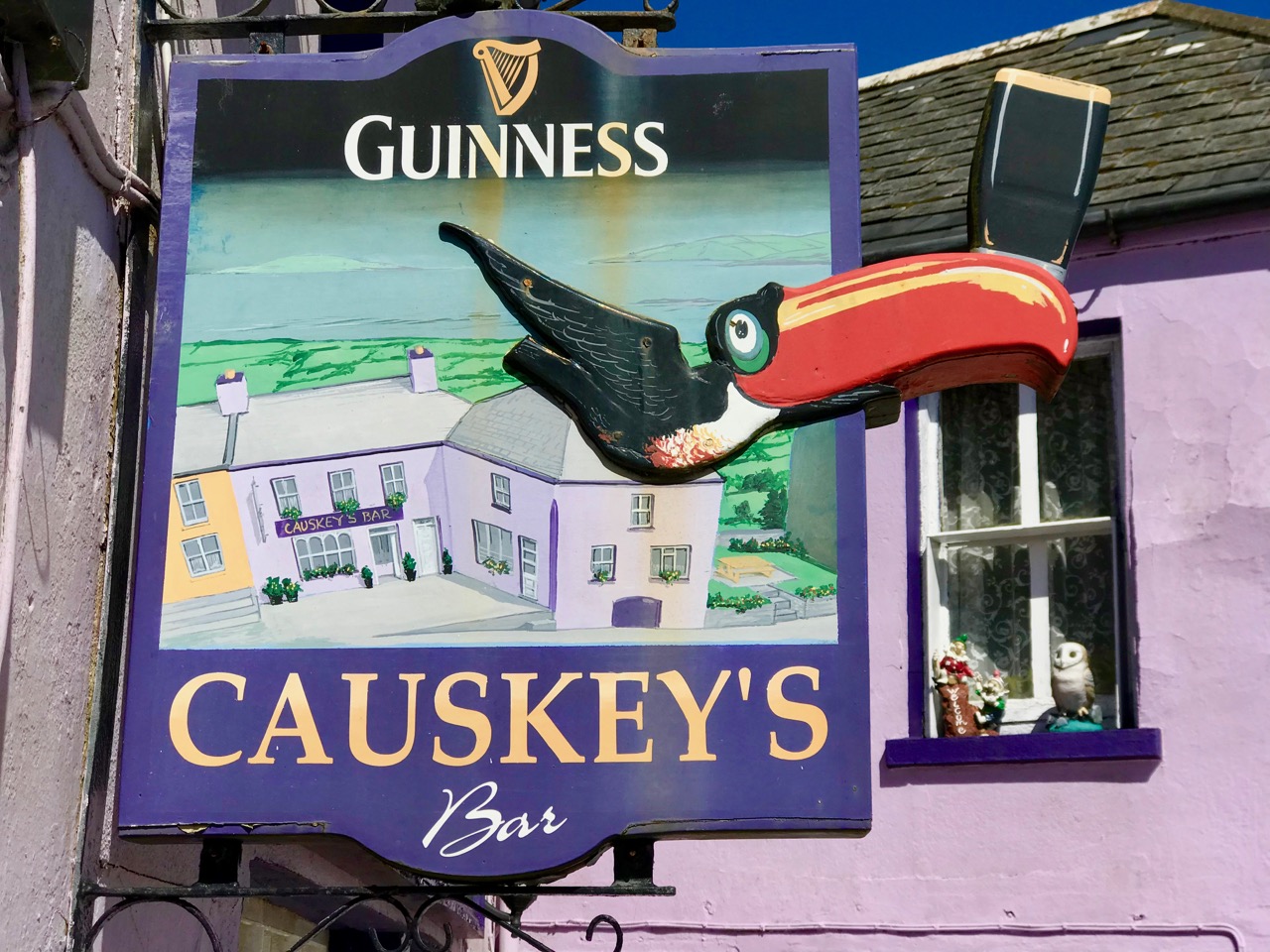
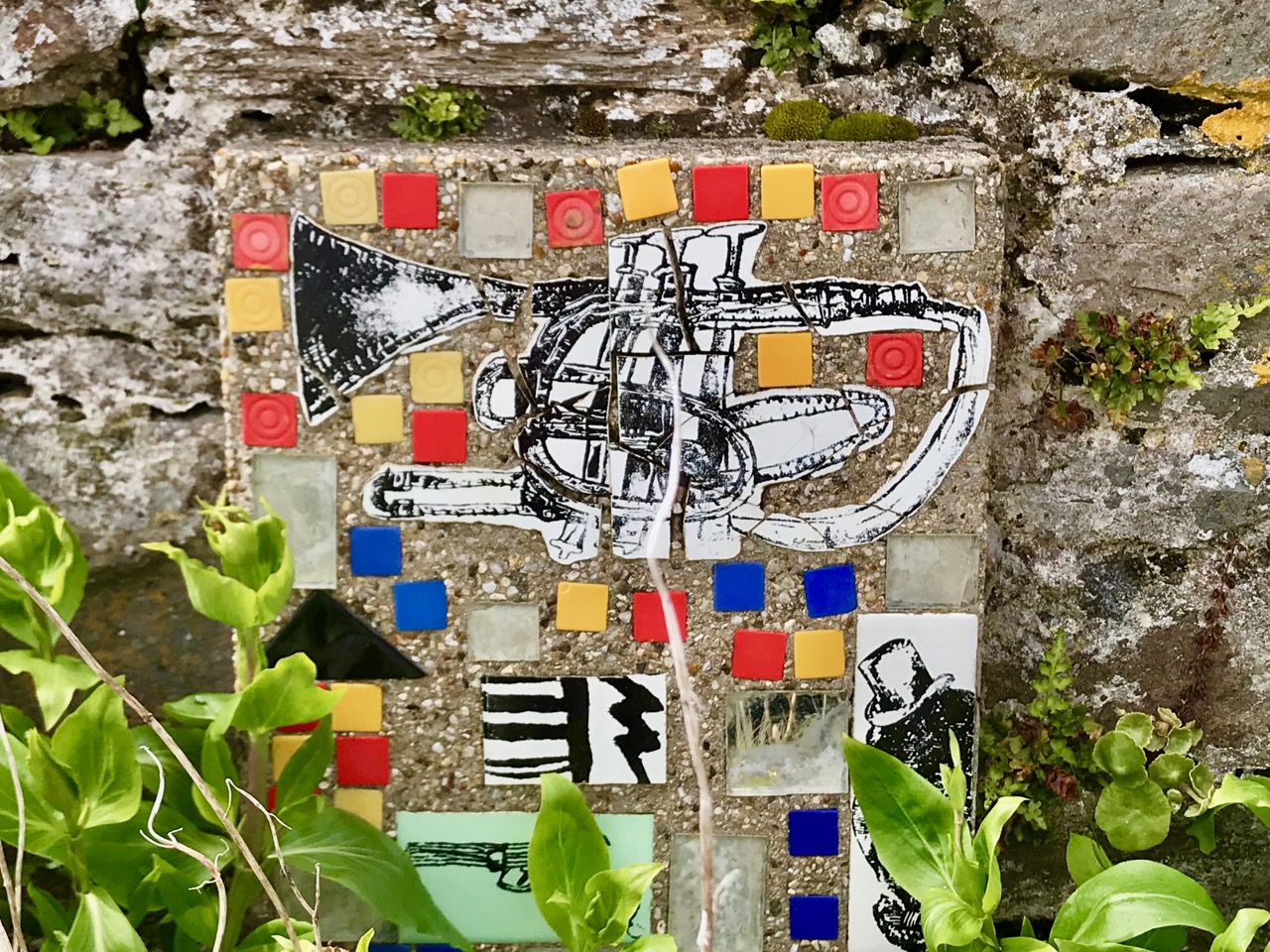
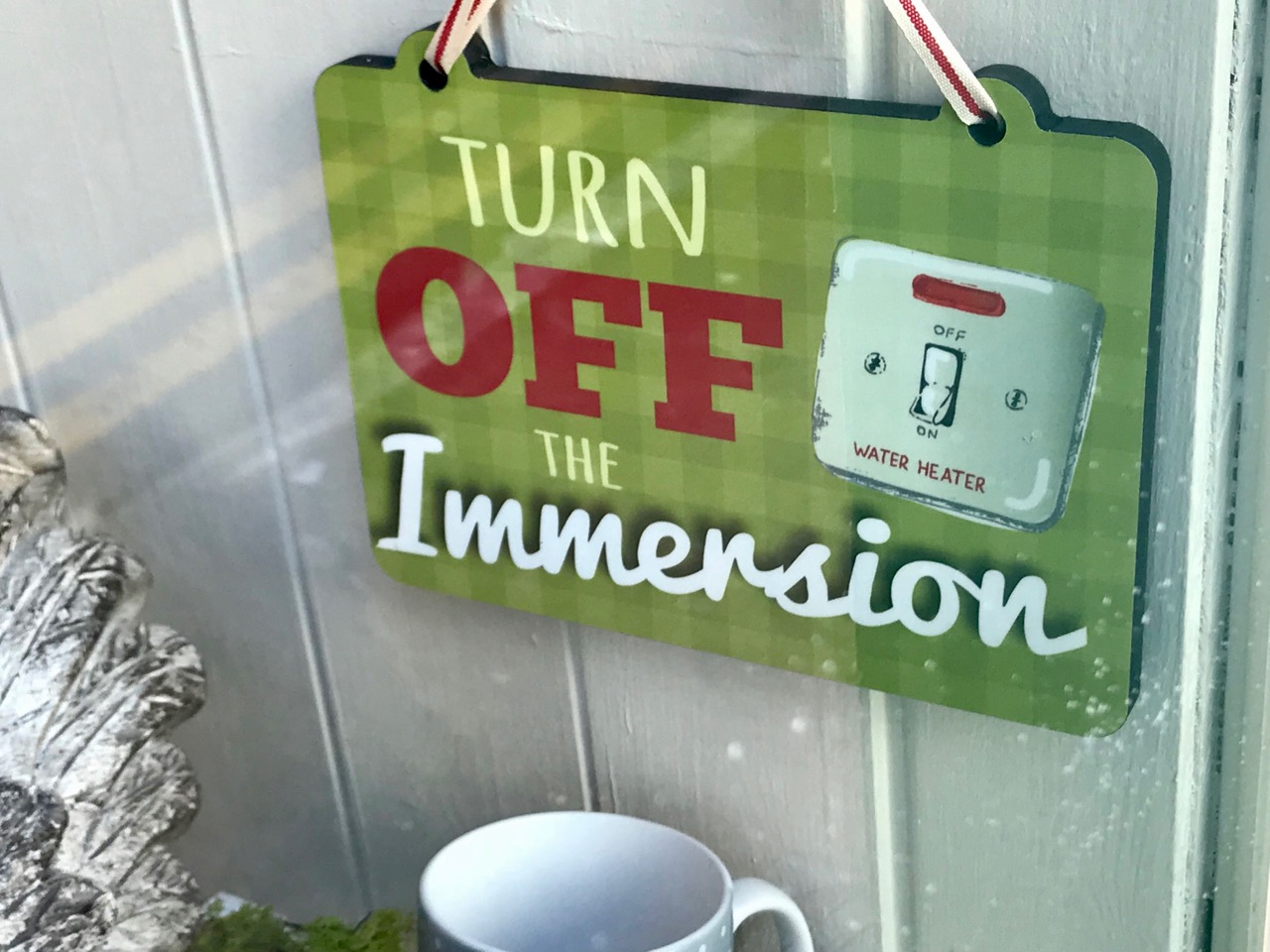
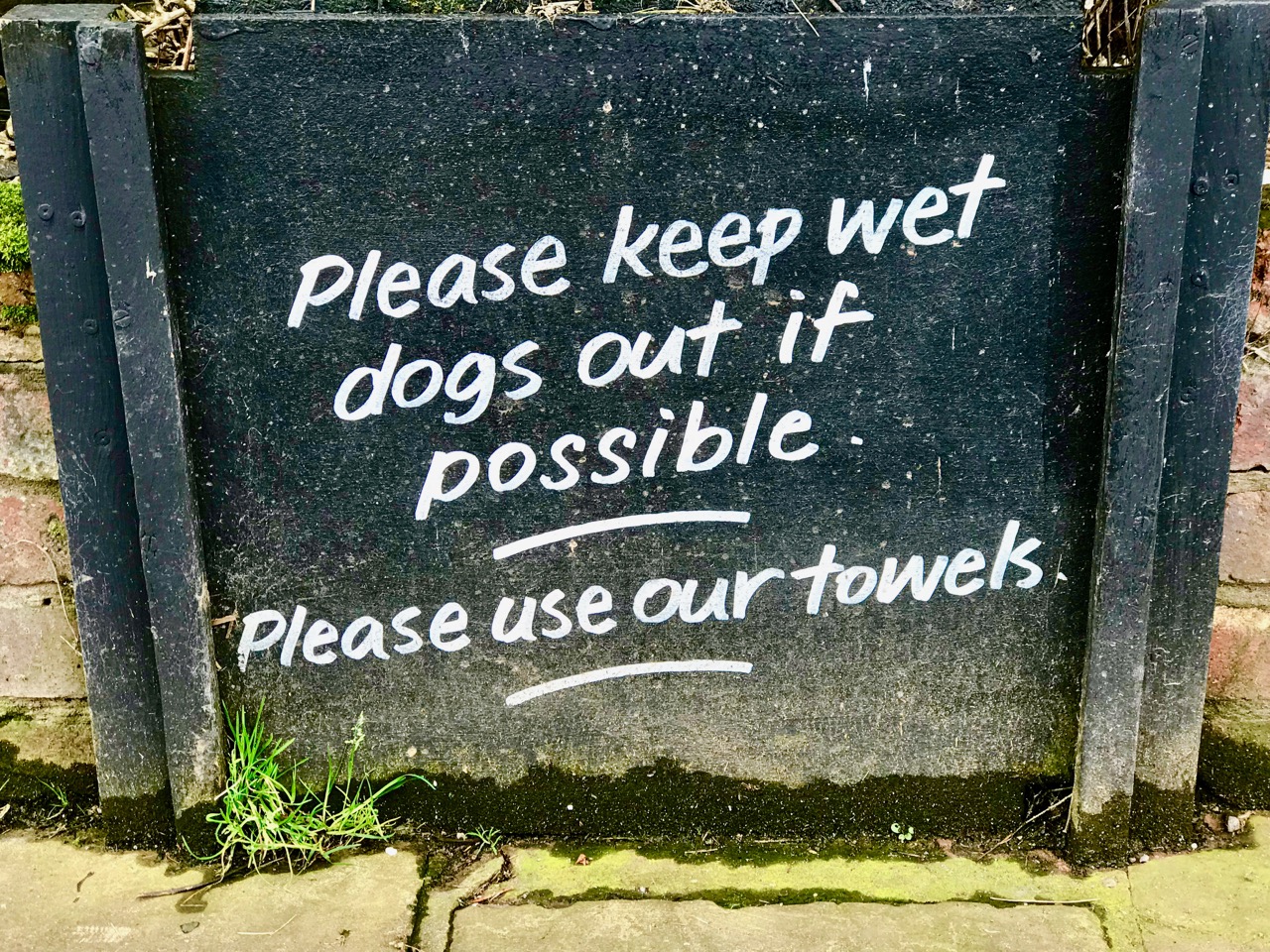
I have been going through my collection of Quirks – pictures I have taken of Irish oddities, signs and sundry graphic images. For whatever reason, they have missed out in my series on good signs: I think it’s time I gave some of them an airing. They are not all humorous: sometimes they just conjure up a thought or an idea. The one above, for instance, is a really good name for a boat – it makes you think of lazy, sunny days drifting on calm waters. Many, of course, require no explanation at all. Here’s one…

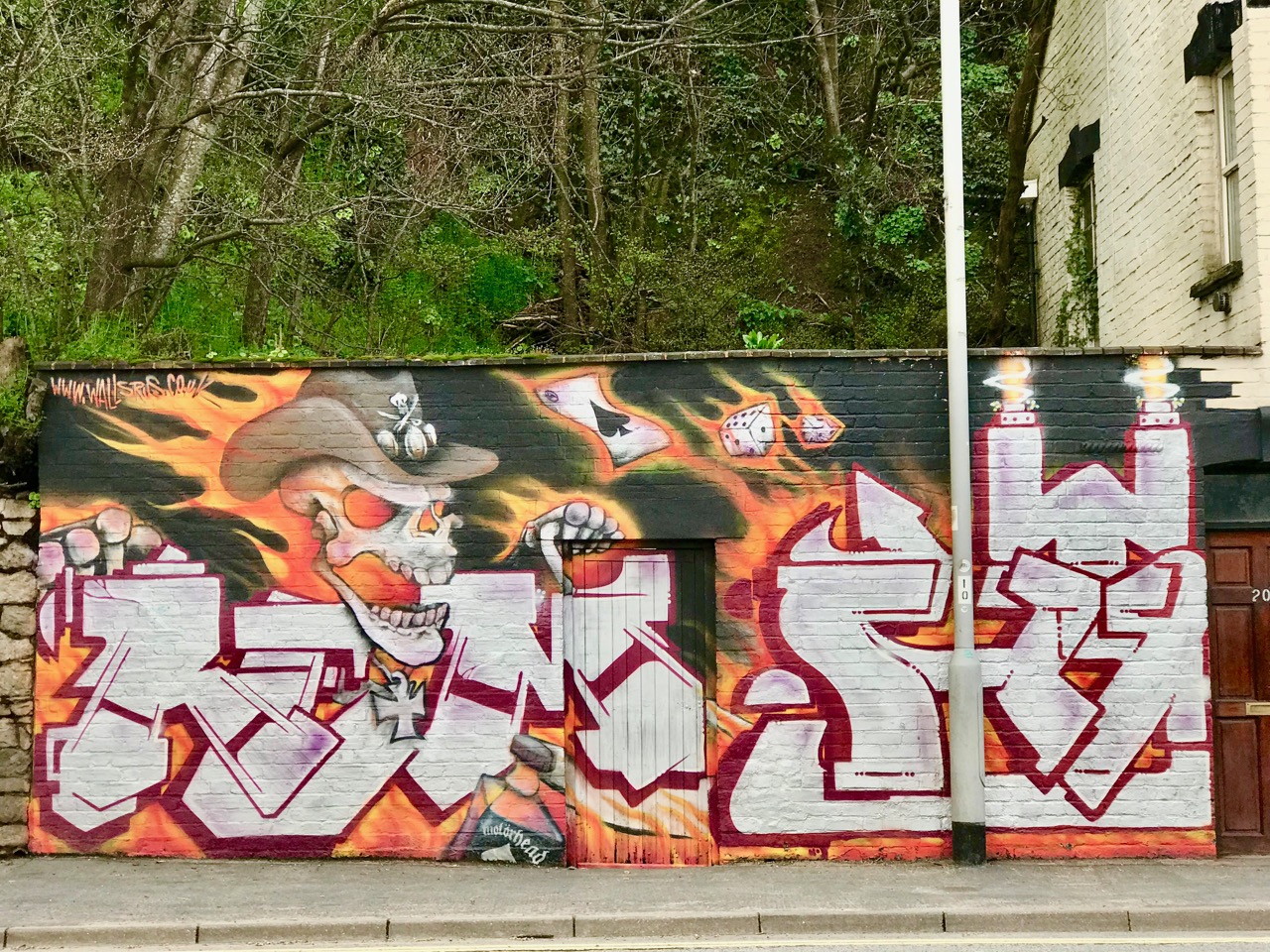
There are those that I’ve retrieved from the reject pile because actually they are arresting enough to make you want to have another look. Some of it is just elaborate graffiti…

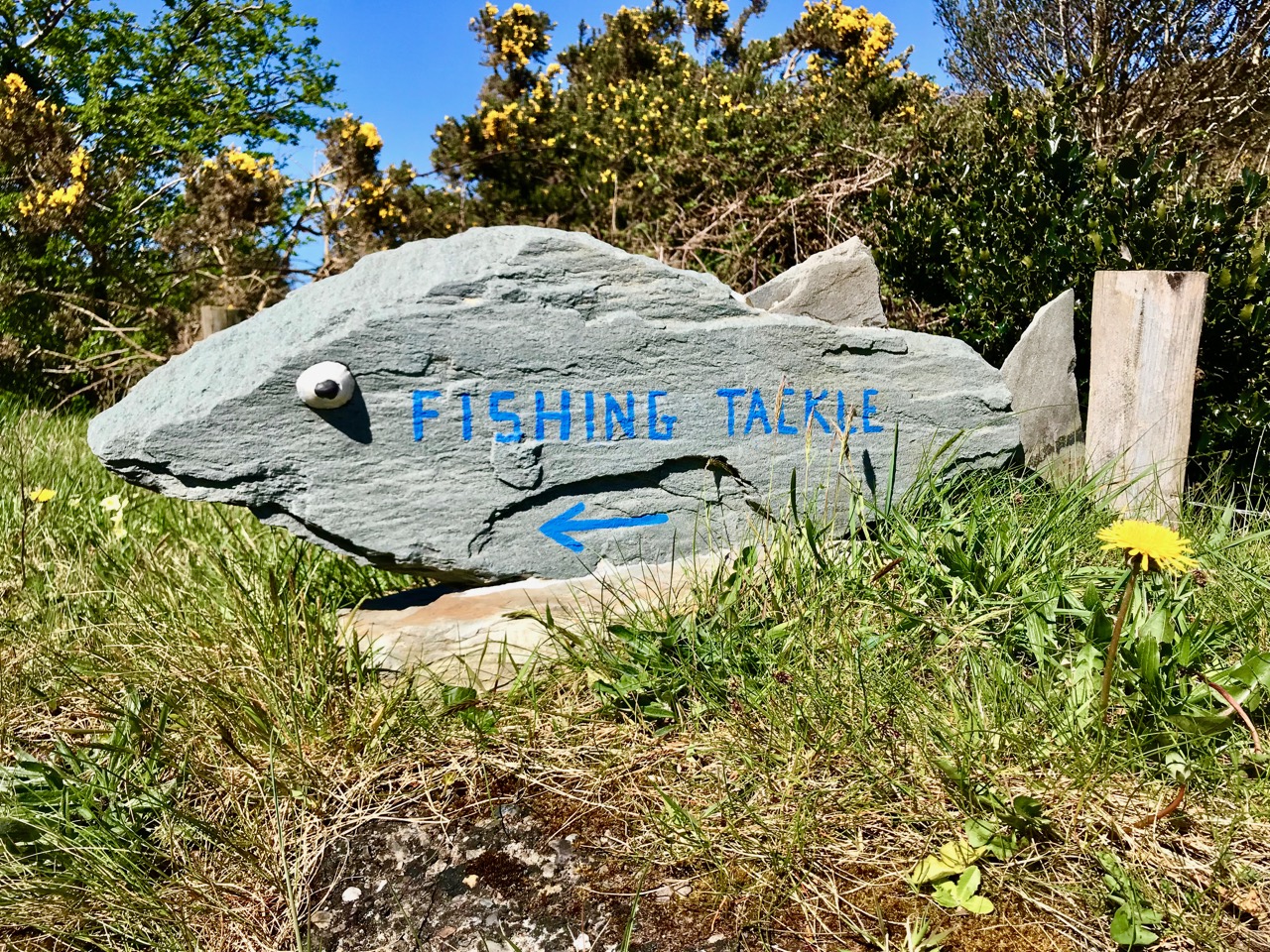
In other cases, people have been imaginative in their use of signs…

Then, there are those which just needed to fill an empty space…

Just in case you have to look twice, there’s a message in here somewhere…

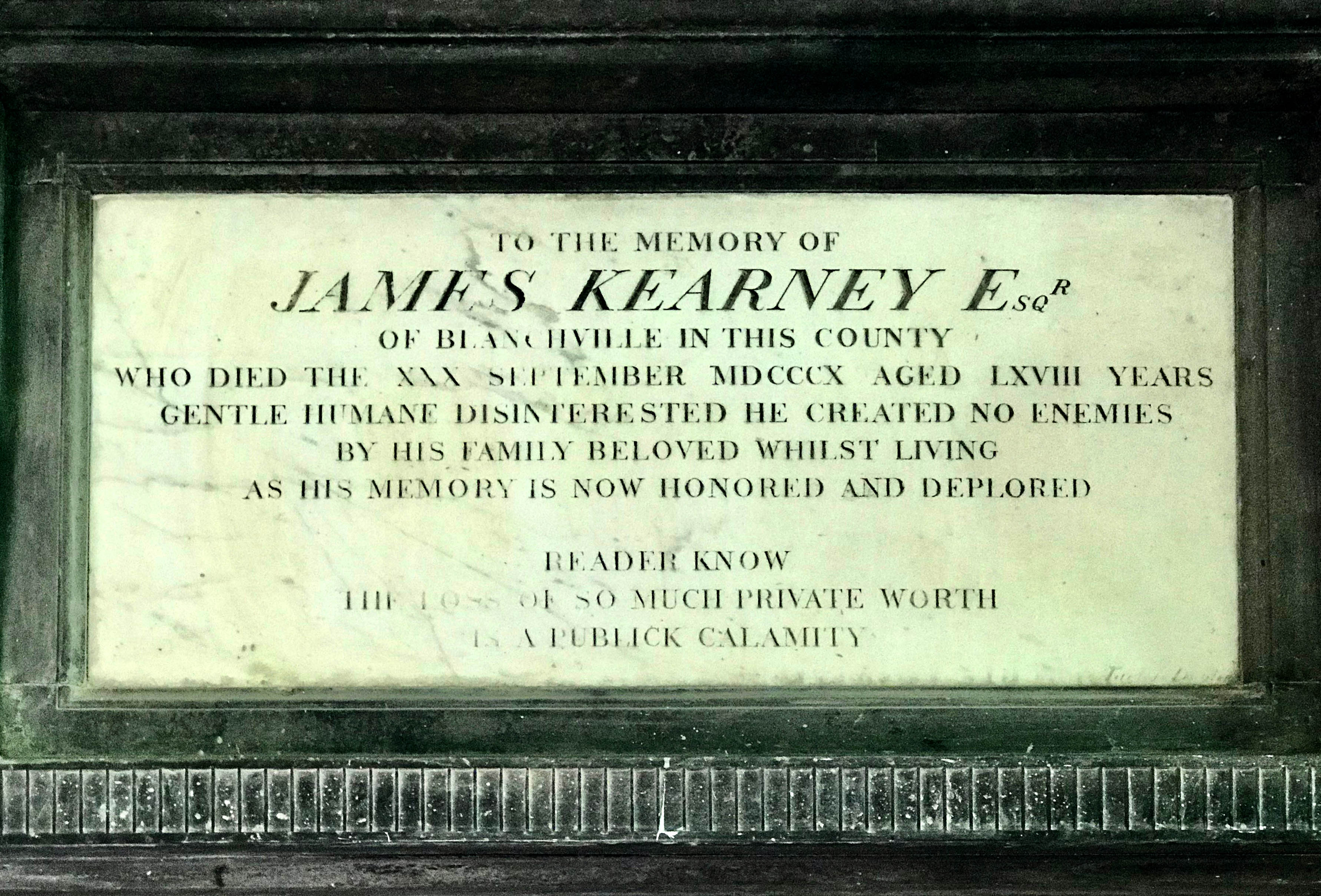
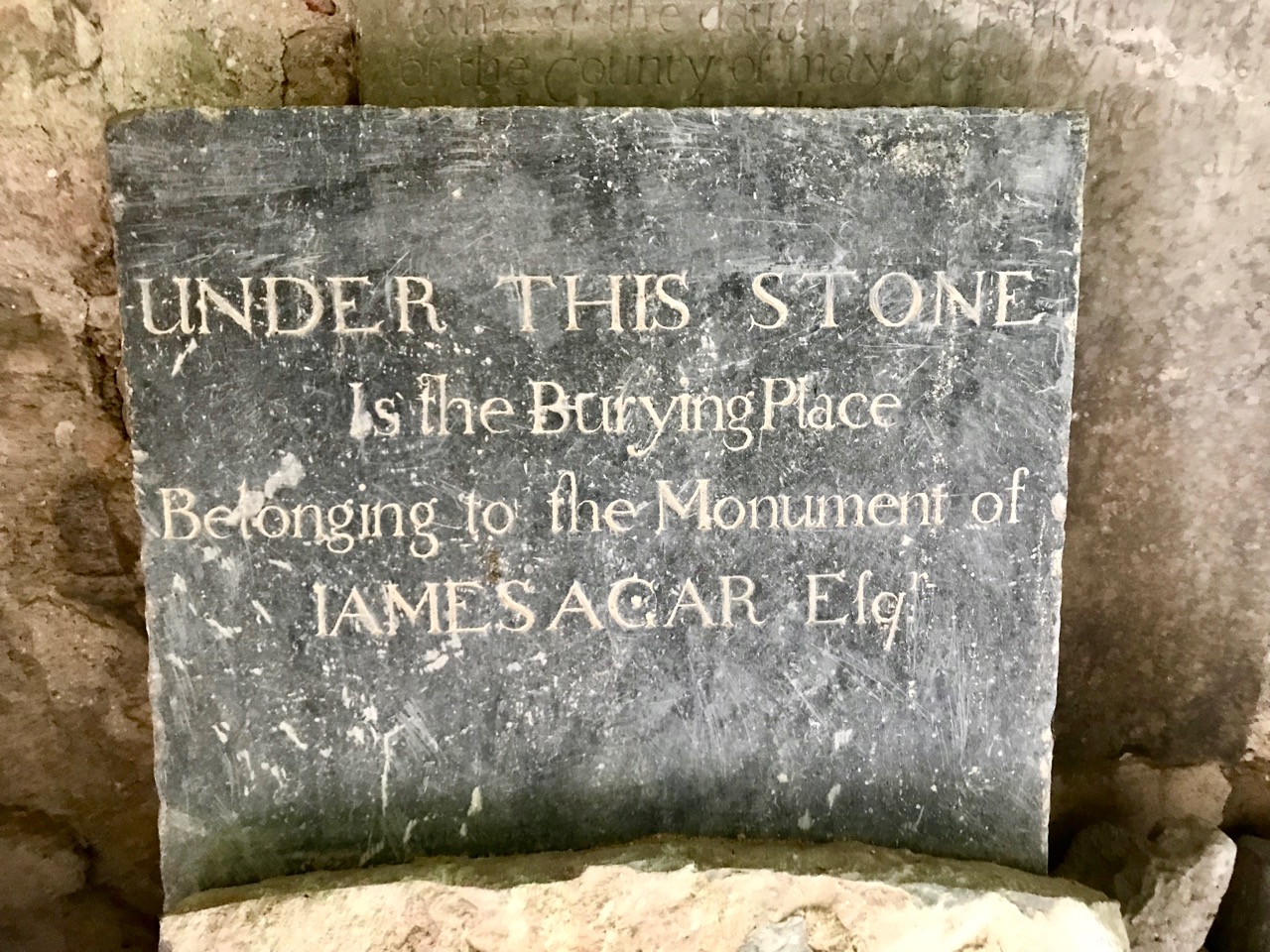
Here’s a particularly strange one, on a memorial in Gowran Church, that had me scratching my head…

I’m sure the erudite among you will not have been puzzled – I had to resort to the dictionary, where I found that the term ‘deplored’ has two meanings: the less usual one is ‘lamented’!

But – enough! The rest can just speak for themselves…

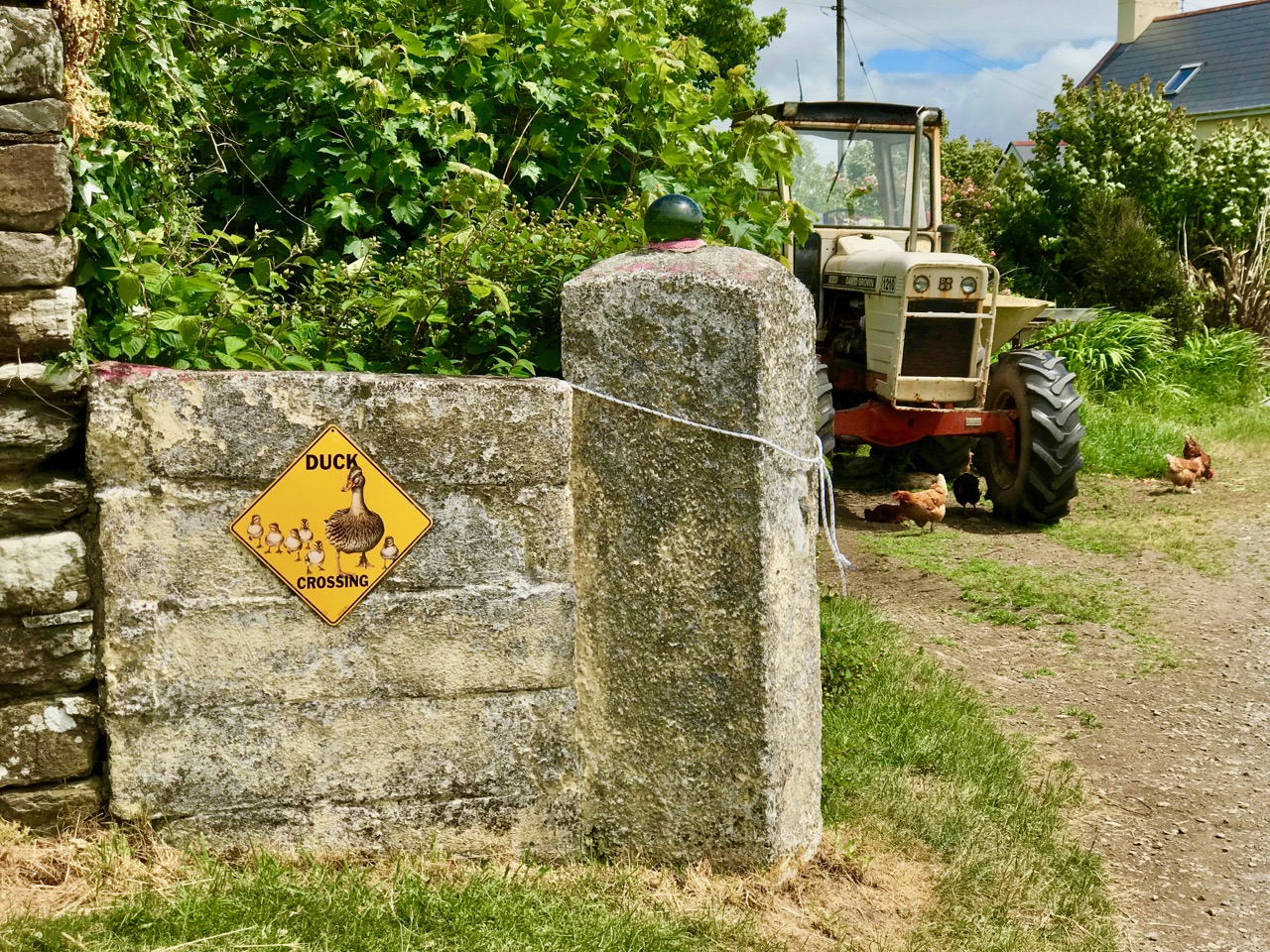
And – last, but not least – I couldn’t resist this one from a farm gateway out on the Sheep’s Head…

James and Eleanor

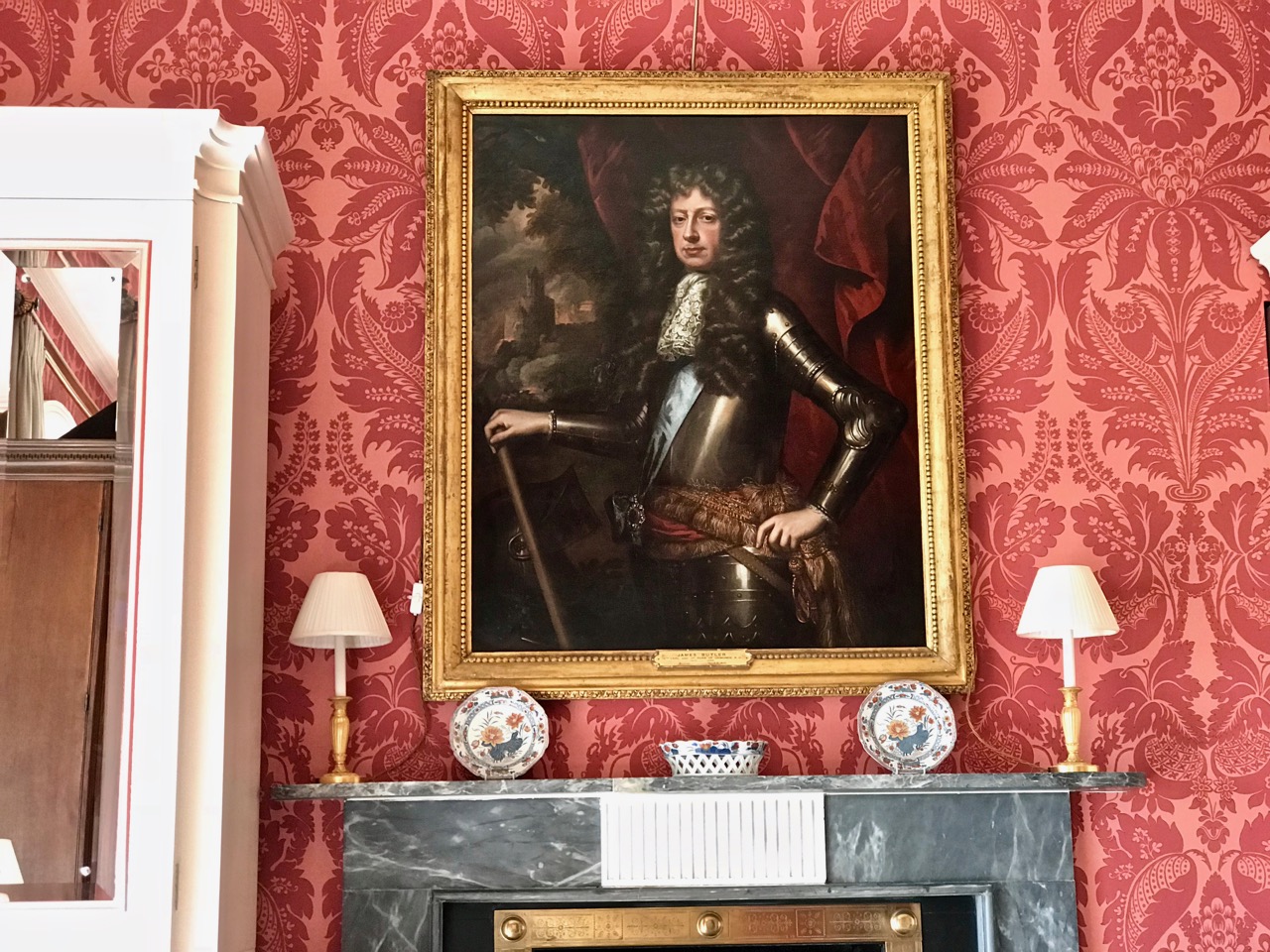
During our recent visit to Ballyfin House, County Laois, we stayed in the ‘Butler Room’. This is named after James Butler, 12th Earl and 1st Duke of Ormond (1610 – 88) who stared out at us rather severely from his portrait hanging over the chimneypiece. This Butler was Lord Lieutenant of Ireland three times, and was famous for having led the Irish royalists during the civil war. But James was only one piece in the huge jigsaw of the Butler dynasty which first came to Ireland during the 12th century Norman invasion.

James Butler, 1st Duke of Ormond, painted by William Wissing. The painting hangs in the Butler Room at Ballyfin

The name Butler was descriptive: in 1185,  Prince John – Lord of Ireland – landed at Waterford and around this time granted the hereditary office of Butler (or ‘Botteler’) of Ireland to Theobald Walter, whereby he and his successors were ‘ . . . to attend the Kings of England at their coronation, and on that day present them with their first cup of wine . . . ‘ Later, King Henry II of England granted him the ‘prisage of wines’, to enable him, and his heirs, ‘ . . . the better to support the dignity of that office . . . ‘ By this grant, he had the right to take two tuns (barrels) of wine out of every ship which discharged cargo in any trading port of Ireland, and was loaded with more than 20 tons of wine, or one barrel from a cargo of between 9 and 20 tons. Incidentally, the tradition of stocking and serving fine wines is being continued at Ballyfin, where we were shown around a magnificent purpose-built wine cellar!

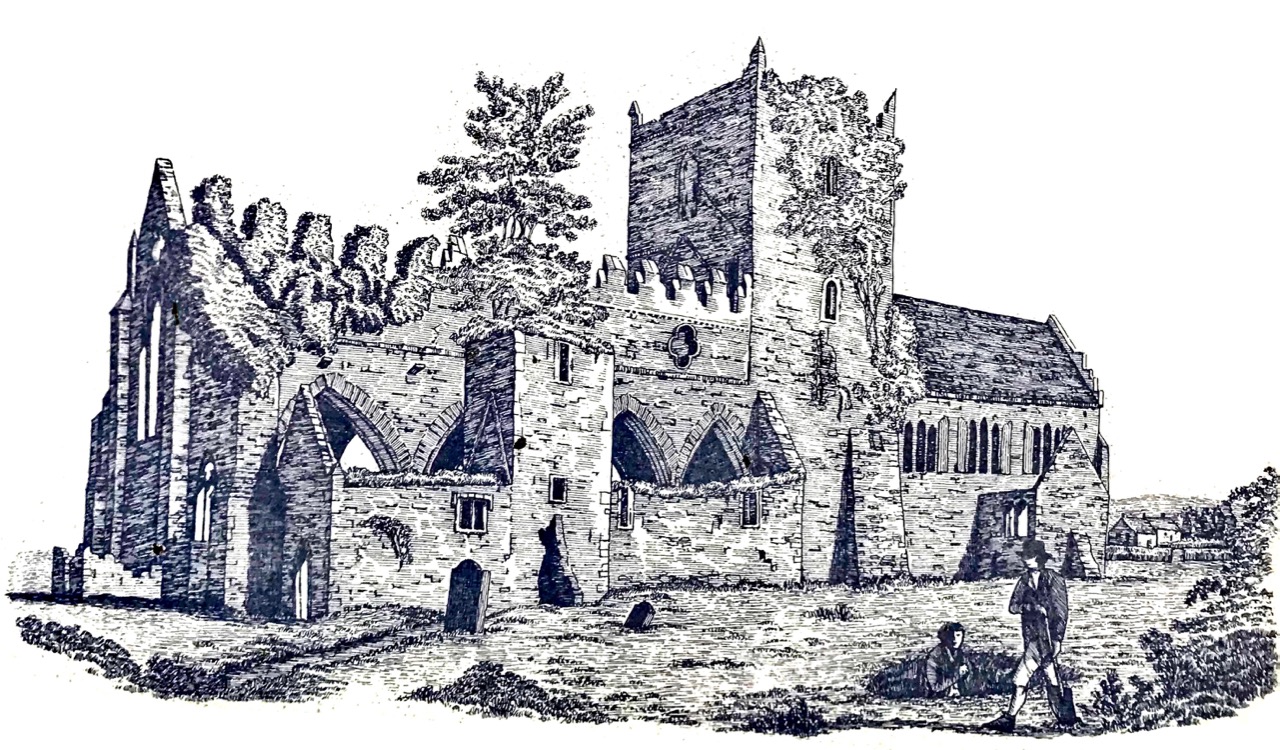
The church at Gowran, Co Kilkenny, which has many links with the Butler family. Header picture – a drawing of the church

The medieval Butlers held lands in the Kingdom of Ireland encompassing large swathes of the modern counties of Tipperary, Kilkenny and Carlow. This week we encountered some of the early members of this family at Gowran in County Kilkenny, where Edmund Butler had founded a college of four priests in 1312 to pray for himself and his descendants in perpetuity.

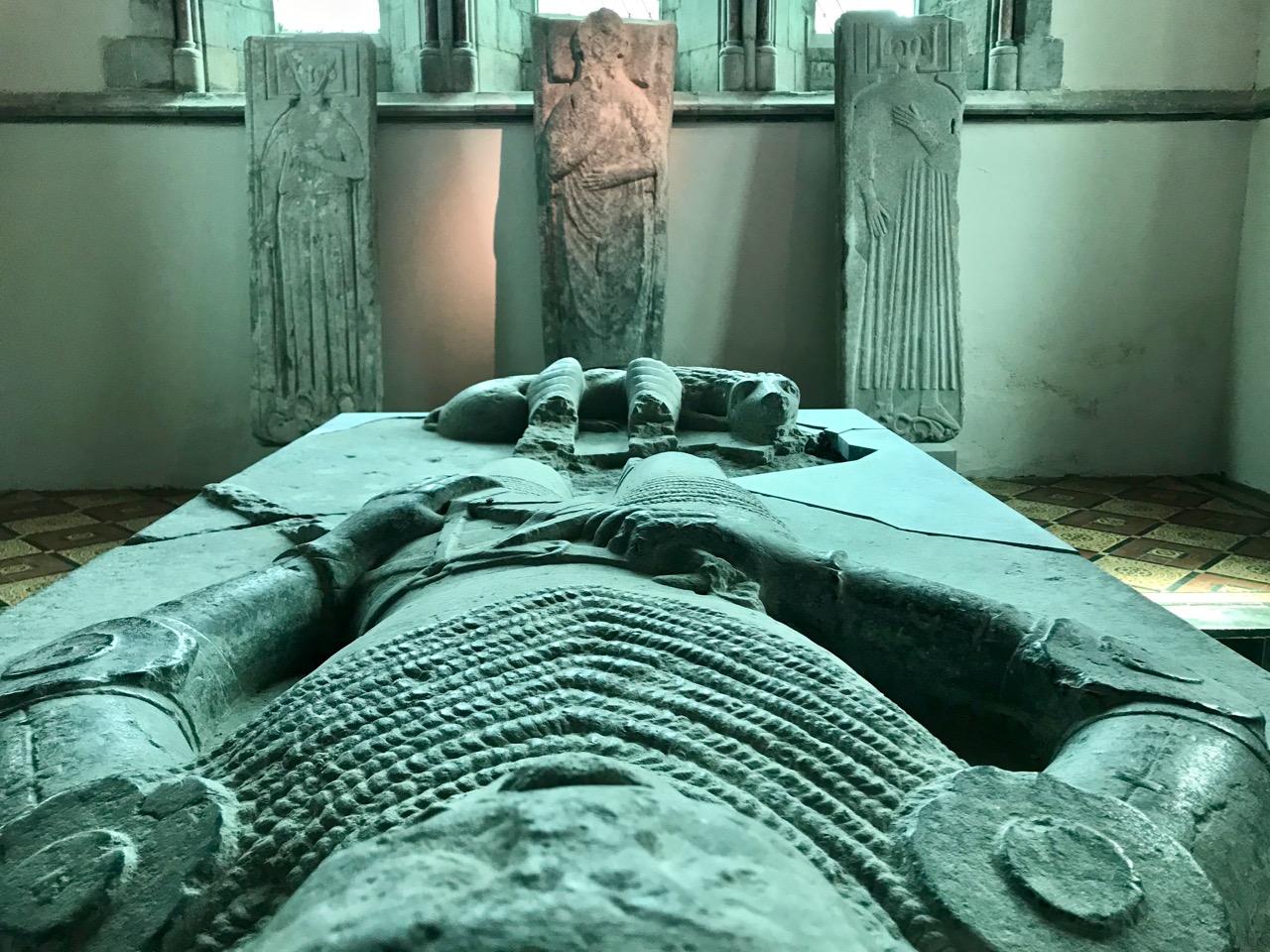
The former Church of Ireland building in Gowran has been taken over by the Office of Public Works and now displays a spectacular collection of historic artefacts, many of which are related to the Butler family. We found it hard to tear ourselves away from the various carved stones which go all the way back to the fourth century (an Ogham stone with an added early Christian cross, below left), and include the effigy tombs of James le Butler (1304 – 1338), Chief Butler of Ireland and 1st Earl of Ormond, and Eleanor de Bohun (1310 – 1363), Countess of Ormond and grand-daughter of Edward I of England. These (drawing by Duchas, below right) are magnificent, beautifully carved with clear facial features and details of clothing and footwear. They are both standing on serpents – according to Matthew (Ch 10, v 16) the serpent is a symbol of wisdom:

. . . Behold, I send you forth as sheep in the midst of wolves: be ye therefore wise as serpents, and harmless as doves . . .

It is recorded that James le Butler died at Gowran, so it is reasonable to assume that these large slabs marked the graves of James and Eleanor, although we don’t know where the tombs were originally located. The following photograph (courtesy Trinity College, Dublin) was taken in the mid 20th century by Edwin C Rae who was Professor of the History of Art at the University of Illinois. His Harvard PhD dissertation was on The Architecture of Medieval Ireland.

We are fortunate that all the monuments, plaques and tombs have been recorded in detail by local historians and are now in the guardianship of the State. There are also two wonderful windows in this church, one of which Finola is describing today. These little snippets were inspired by our unplanned visit, and we will be returning to Gowran in future posts.  We really appreciated the tour and all the information which we were given by Lisa and Gerard of the OPW who were on duty on the day we called in. The roofed part of the church – which contains the effigy tombs, the ogham stone and many fine cross slabs – is open from mid May to the end of August from Wednesdays to Sundays. Telephone before visiting to be sure: +353 56 772 6894.

Sorrow and Joy: Hubert McGoldrick in Gowran Church

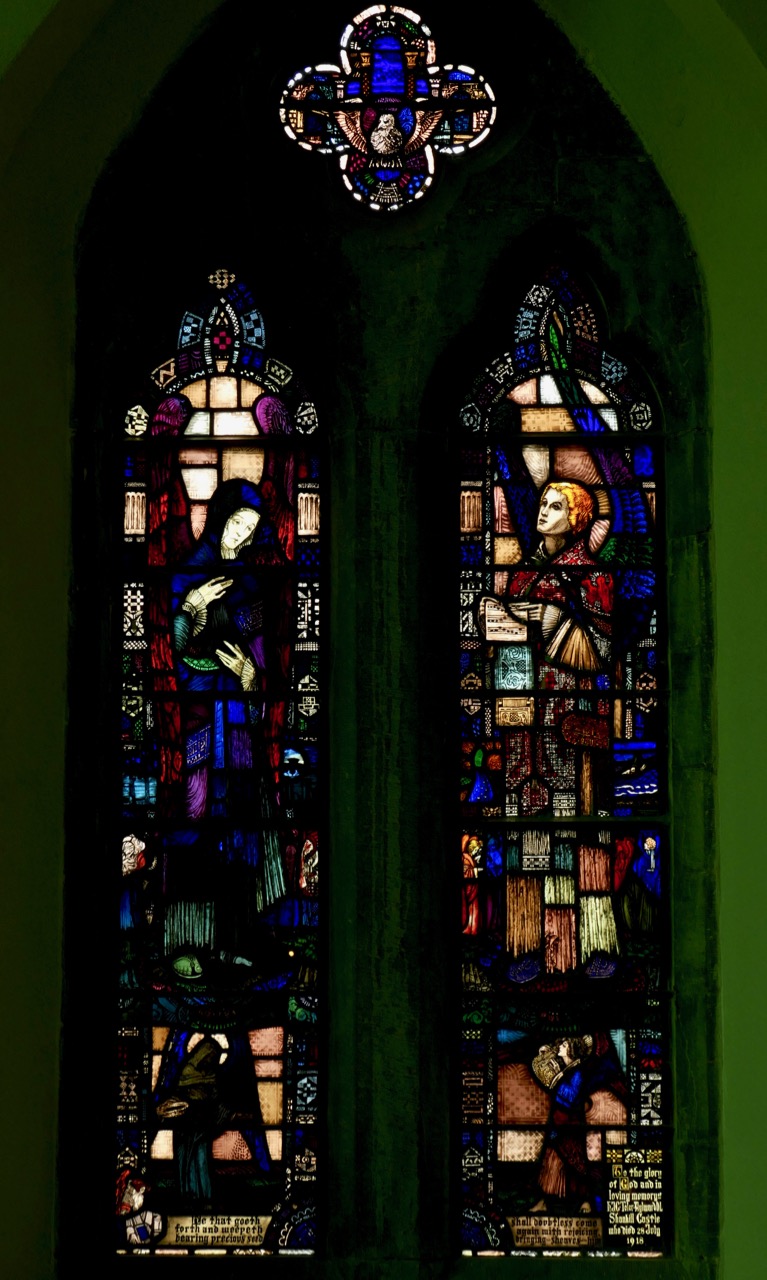
Gowran Church in Co Kilkenny is home to numerous treasures: chief among them are two magnificent stained glass windows, including a two light window by Hubert McGoldrick. The church is full of Medieval and Early Modern effigy tombs, grave slabs and carvings of all kinds, and Robert writes about two of the other treasures in his post this week. But this was a functioning Church of Ireland church until relatively recently and as such it also has its own decorative details. 

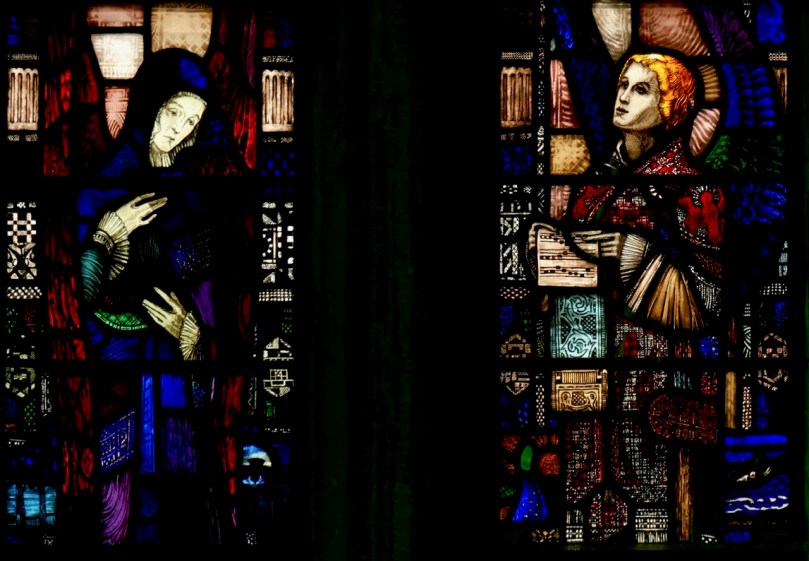
Hubert McGoldrick’s window, Sorrow and Joy, in Gowran Church

Hubert McGoldrick apprenticed in the Dublin firm of Earley, learning his craft there, but in 1920 he moved over to An Túr Gloine (the Tower of Glass), the artisan workshop established and run by Sarah Purser. No doubt he was attracted by their philosophy: at An Túr Gloine every artist was in charge of their own window from design to completion and anything smacking of a factory process was eschewed.

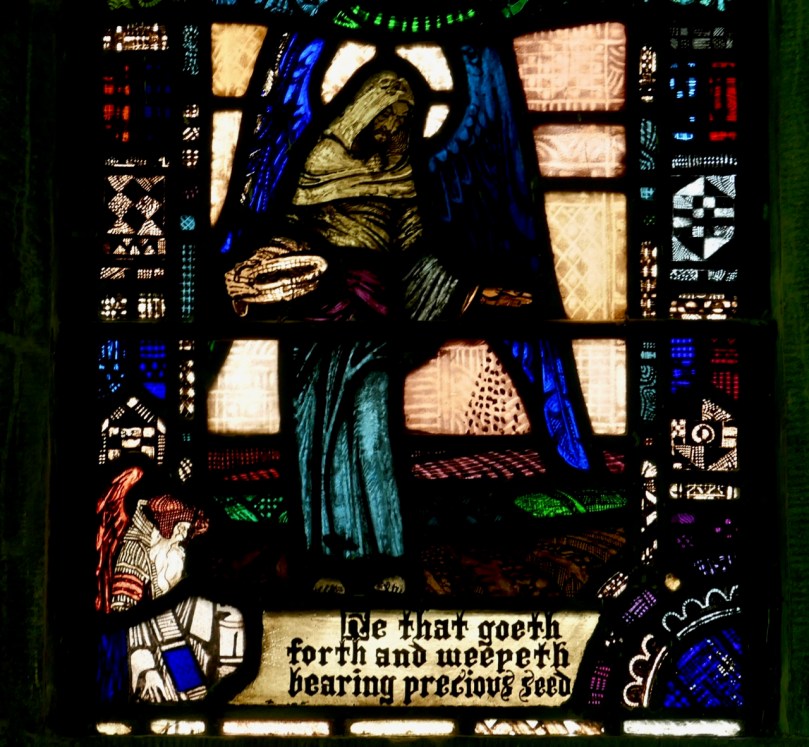
A tiny figure in Sorrow – an angel, but depicted as an old man with a full beard

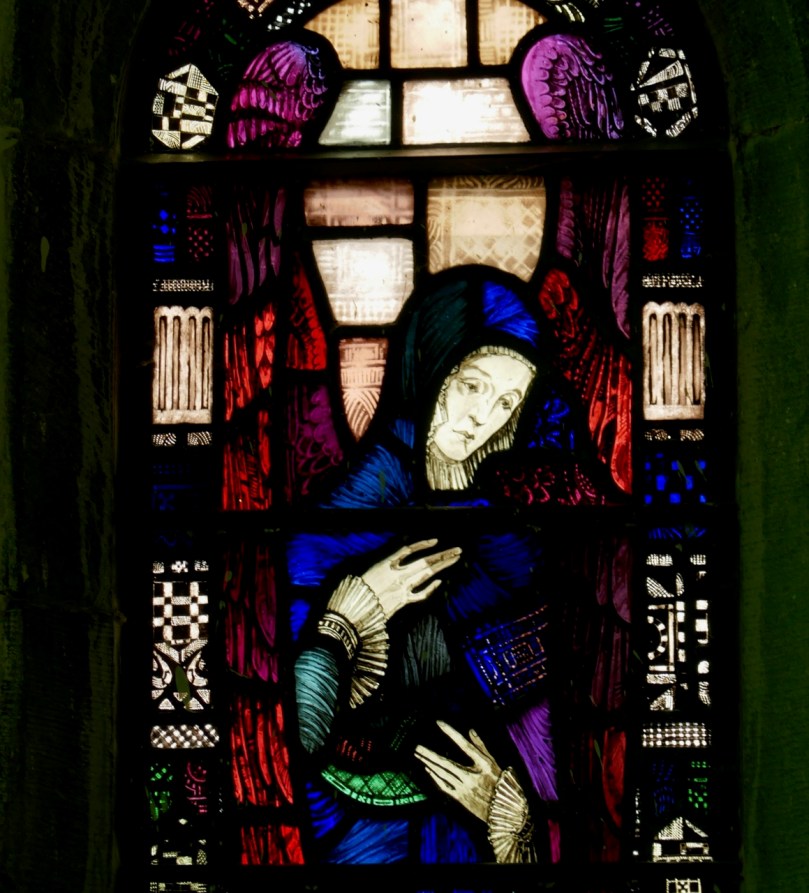
The window in Gowran was, in fact, Hubert’s first commission, and it is a remarkably accomplished piece for a 23 year old. The theme is Sorrow and Joy, each of which is represented by an angel. The influence of both Harry Clarke and Michael Healy, a fellow Túr Gloine artist, can be traced in the myriad details with which he fills each frame, with the exuberant use of colour and pattern, and with the tiny figures that add interest and symbolic detail to the overall theme.

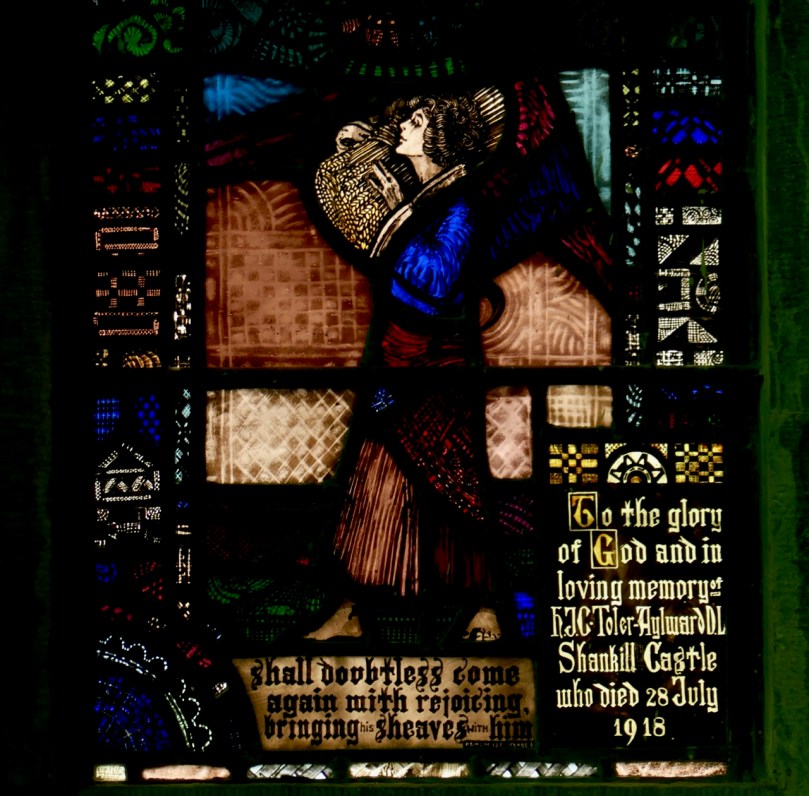
The window is dedicated to HJC Toler-Aylward of Shankill Castle, who died in 1918. It is tempting, because of the date, to think that this is a war memorial window, but in fact Hector James Charles was 79 when he died. Shankill Castle is no longer in the Toler-Aylward family, but it’s still very much a going concern – read about its current owner and her home in this Independent article. The Aylwards settled in Kilkenny in the mid 1600s and Shankill Castle, dating from the 1840s is a fine example of the neo-Gothic style.

Hubert was from a large Catholic Dublin family. He was invited to join An Túr Gloine when they because very busy with war window commissions. According to David Caron (quoted here), an authority on Irish glass of the period: Hubert McGoldrick was the first male and the first Catholic to join the studio since Michael Healy‘s arrival some fifteen years earlier. Like Healy, he was a devout Catholic but in personality was very different; while Healy was reclusive and introvert, McGoldrick was theatrical and flamboyant.

Intriguing figures in the borders of the Sorrow window. And – does she have six toes?

I have photographed several other Hubert McGoldrick windows and will do a further post in the future. But for the moment, this  one will serve to introduce our readers both to Hubert and to the many many delights in store when you visit Gowran Church.

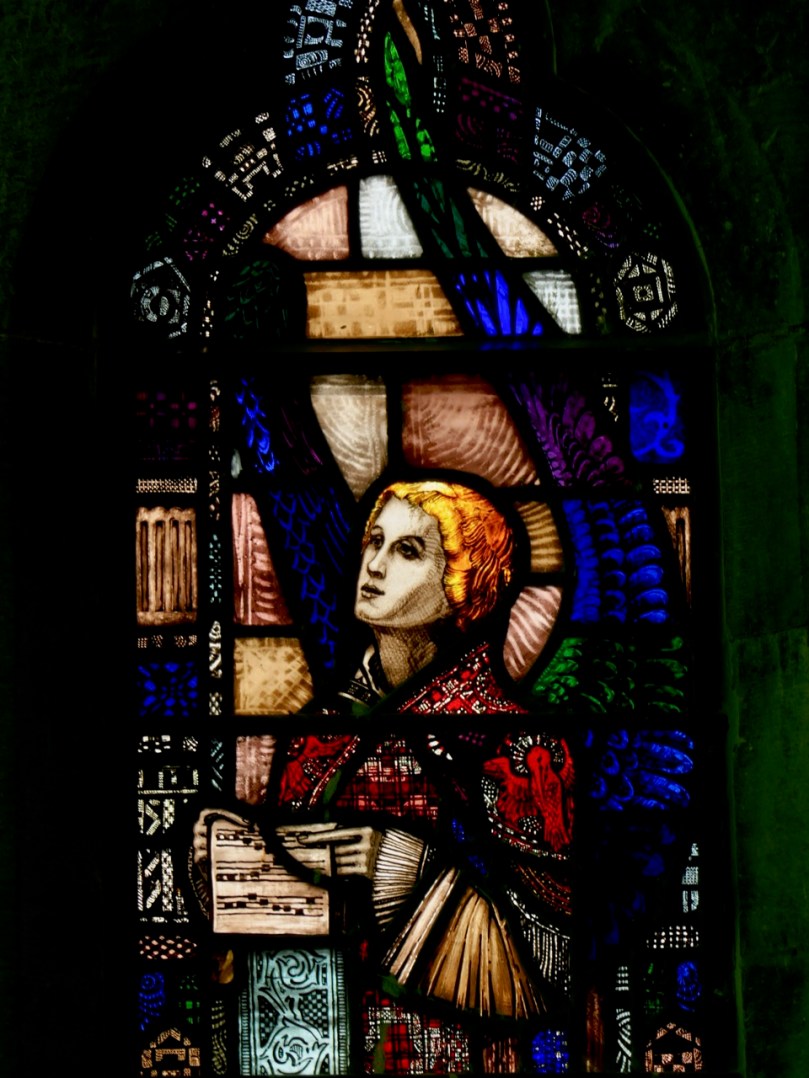
Sorrow: the long tapering fingers, large eyes and elaborate ruffles – the influence of Harry Clarke is evident

Joy has a tiny pelican on his shoulder, a Christian symbol. I wonder what the music is.

Uillinn – Surviving and Thriving

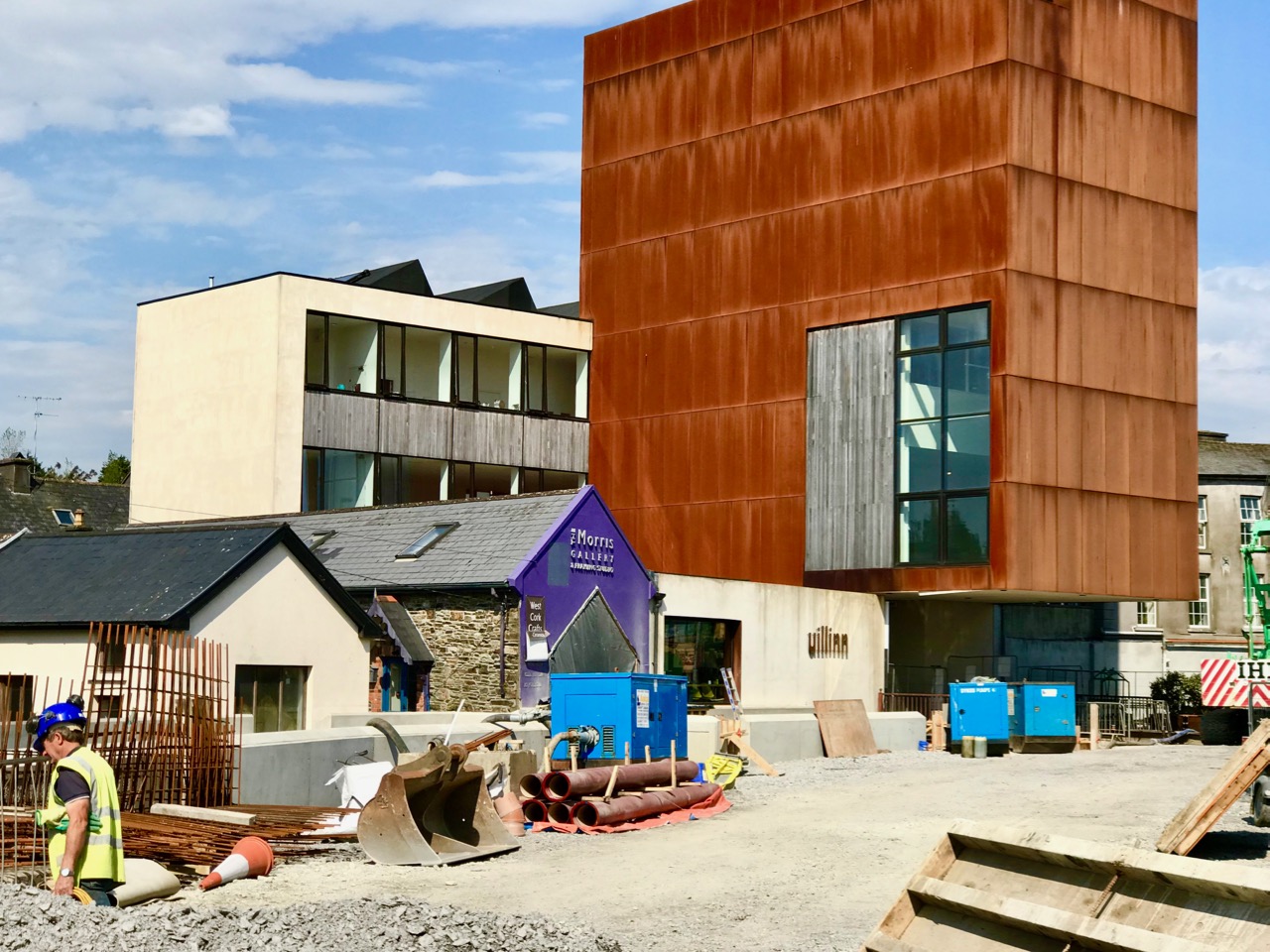
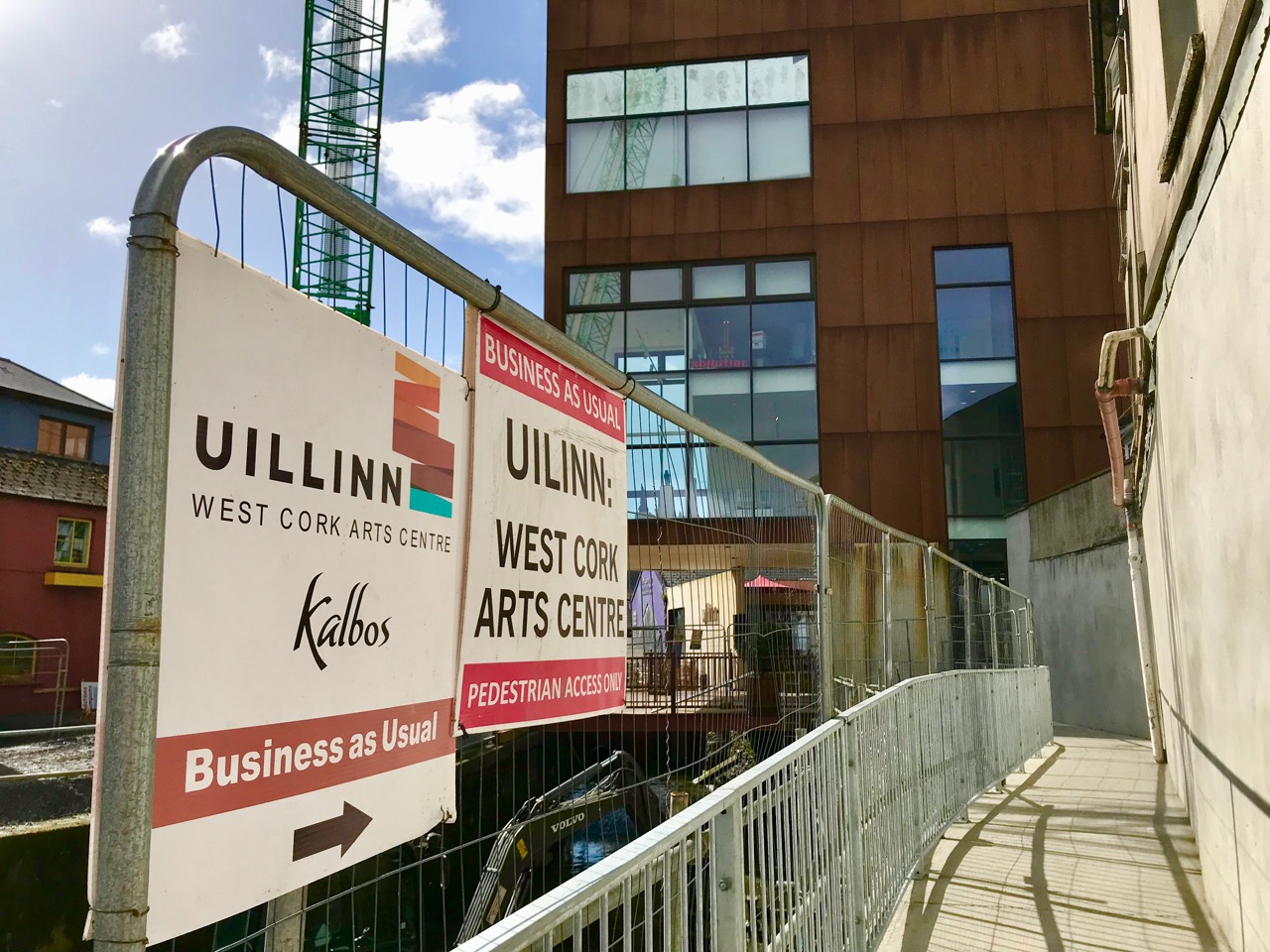
Uillinn, Skibereen’s unique contemporary art gallery, is thriving and surviving while apparently ‘under siege’ from the onslaught of the major engineering works engulfing the town centre at the moment. It’s all about making the town and its buildings safe from future flooding: extreme weather conditions – which are likely to get worse as the years go by – are threatening Cork city and many of the low-lying  West Cork communities and works are now in hand to protect these settlements against serious flooding into the foreseeable future. The result is a whole lot of disruption but, as always, imperturbable Cork Rebels are just getting on with life in spite of it all.

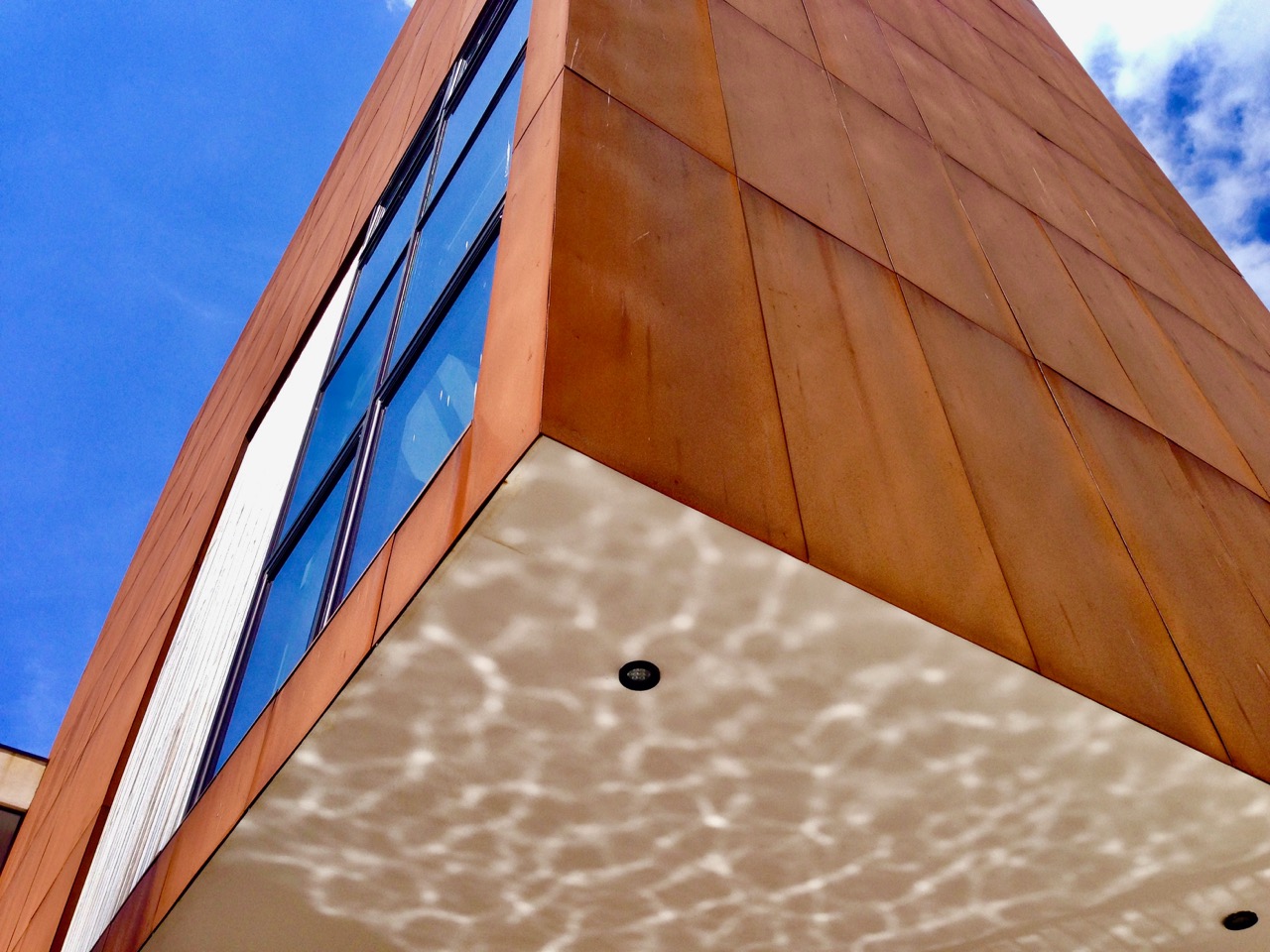
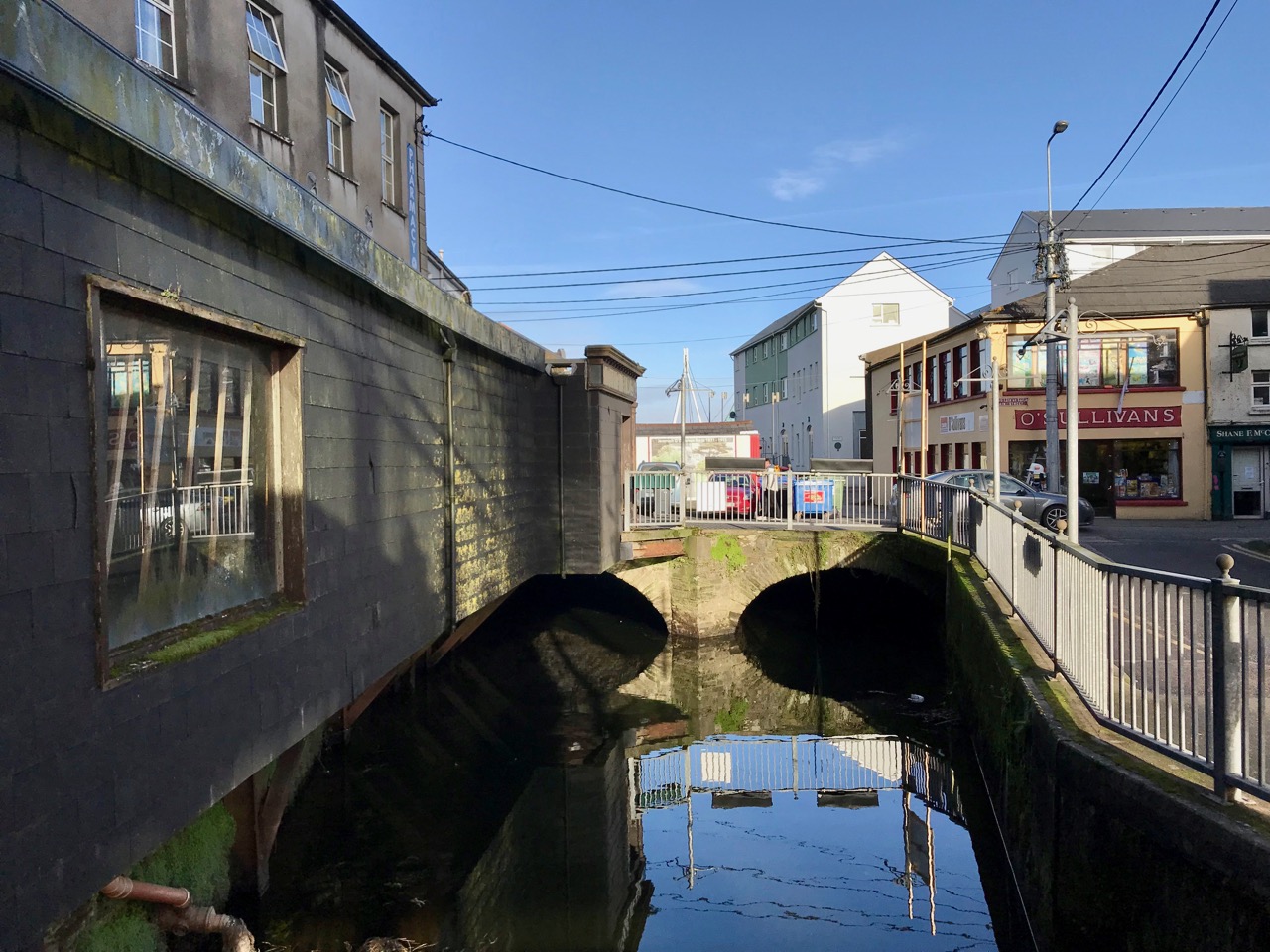
Peace and quiet in Skibbereen, before the works commenced. Header picture – the Caol Stream reflected on the canopy of the cantilevered gallery

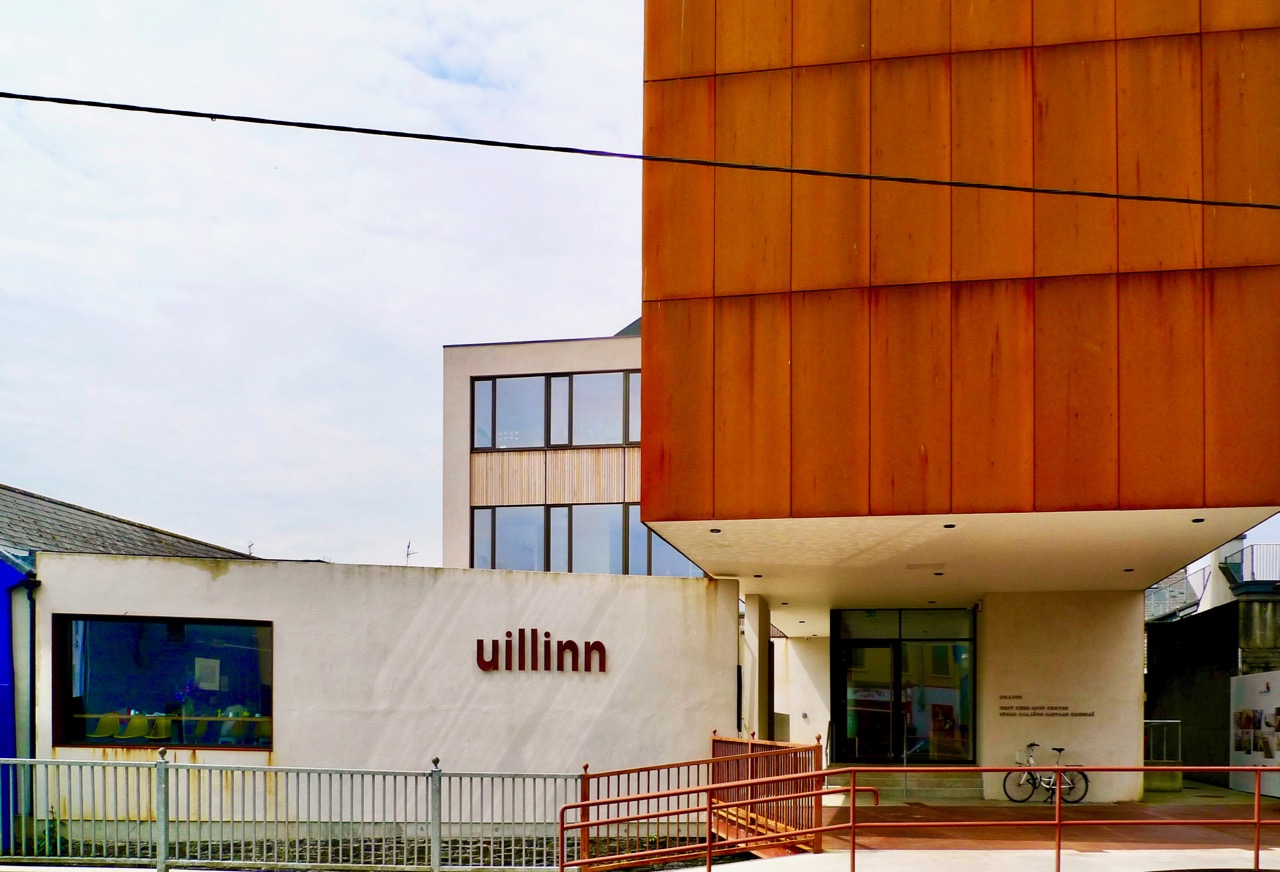
When the West Cork Arts Centre took the plunge to propose a significant arts gallery in Skibbereen back in the early years of the new Millennium, an architectural competition was held. In 2009, the winning design, by Dublin based Donaghy and Dimond Architects, proposed a dramatic 5-storey high Corten steel-clad box cantilevering over the Caol Stream that runs beside the site, gaining valuable ‘bonus’ space for accommodating the work of the Centre. In fact, the name Uillinn means ‘elbow’, and the gallery is situated on a bend – or elbow – of the stream. Economically – after the collapse of the Tiger years – it was a difficult time for Ireland and numerous projects were being cut or shelved, but work on the gallery went ahead, although not without compromise. Here’s an excellent article from the Irish Times which charts the progress of the building process.

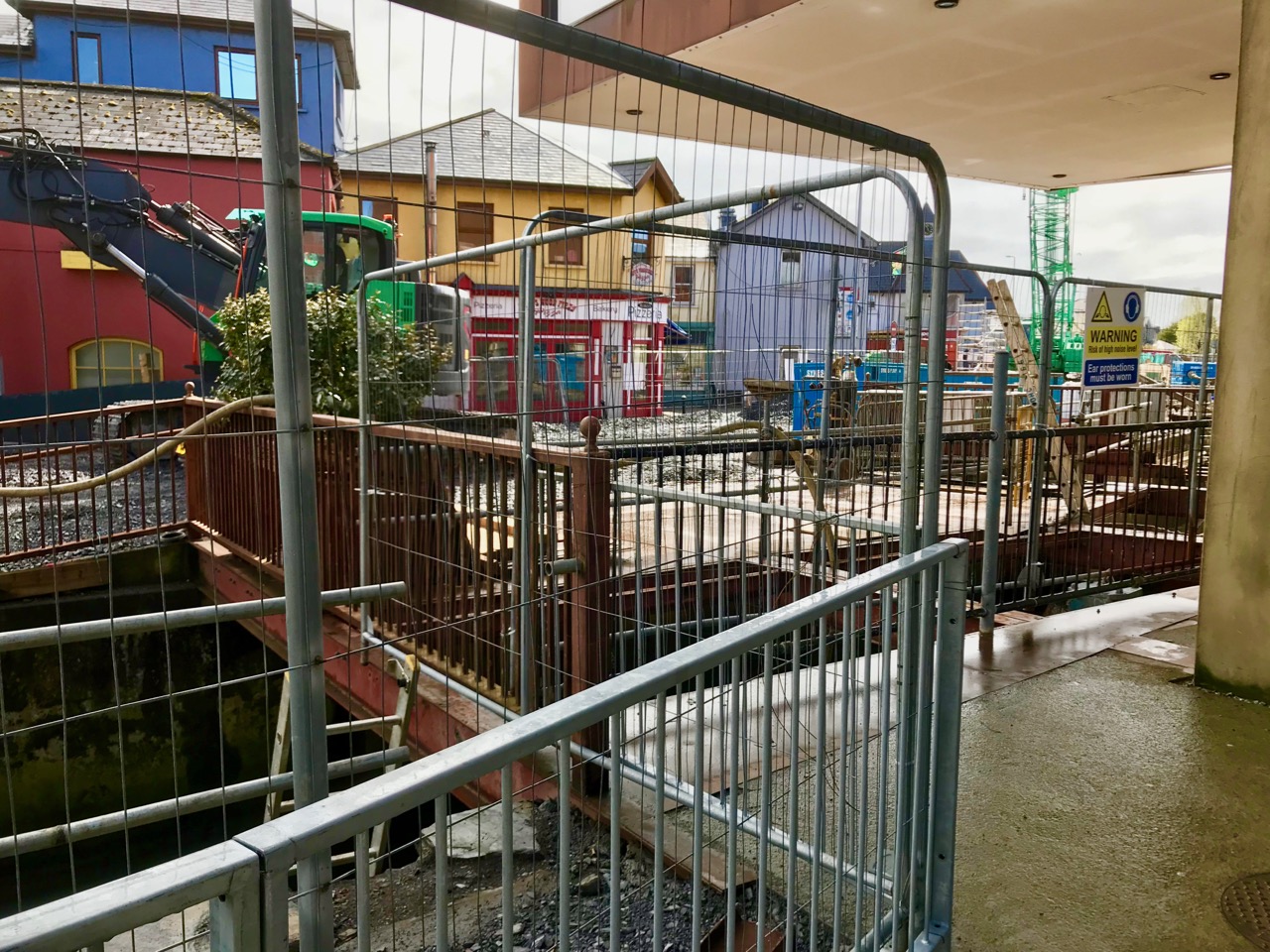
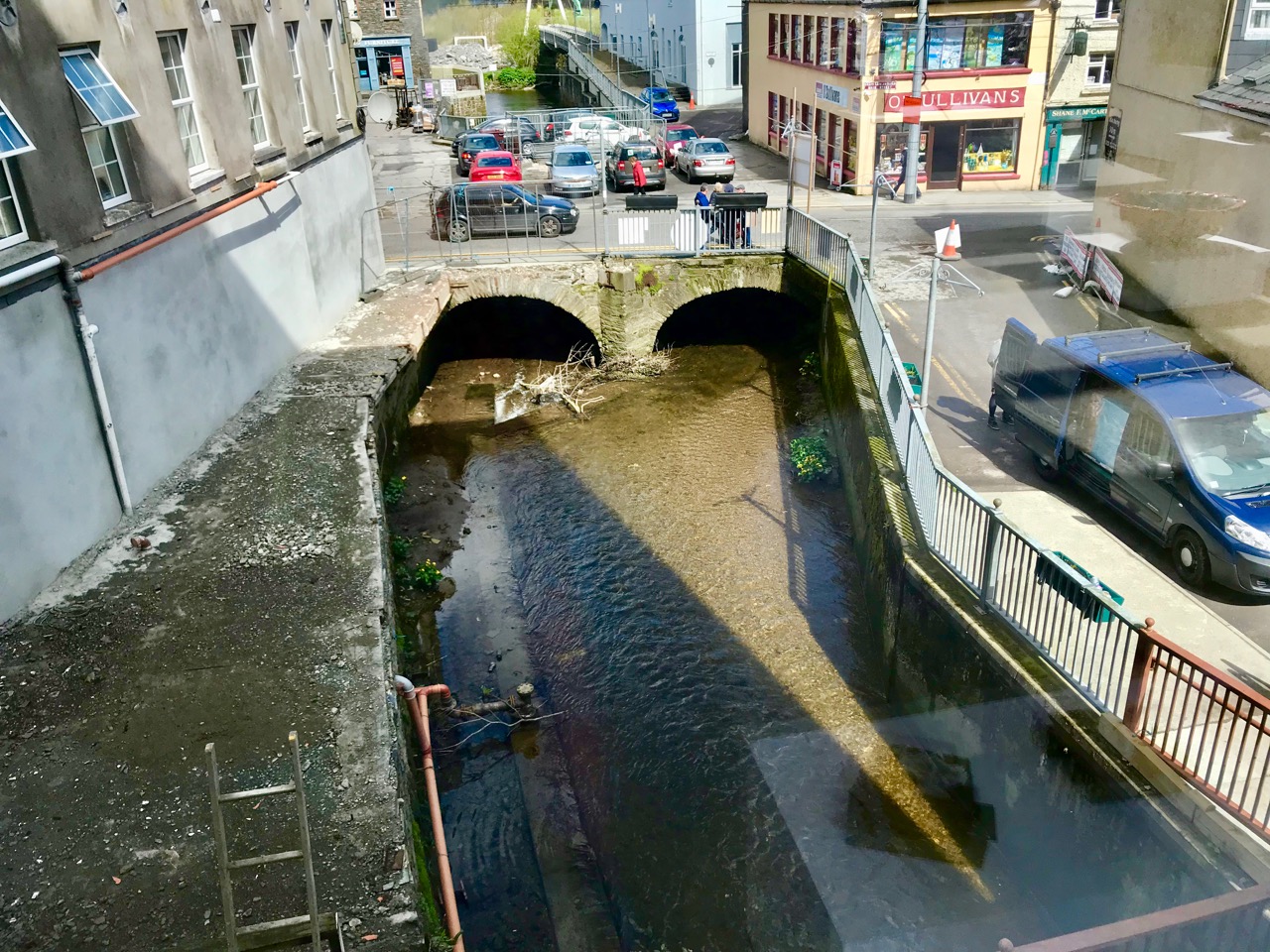
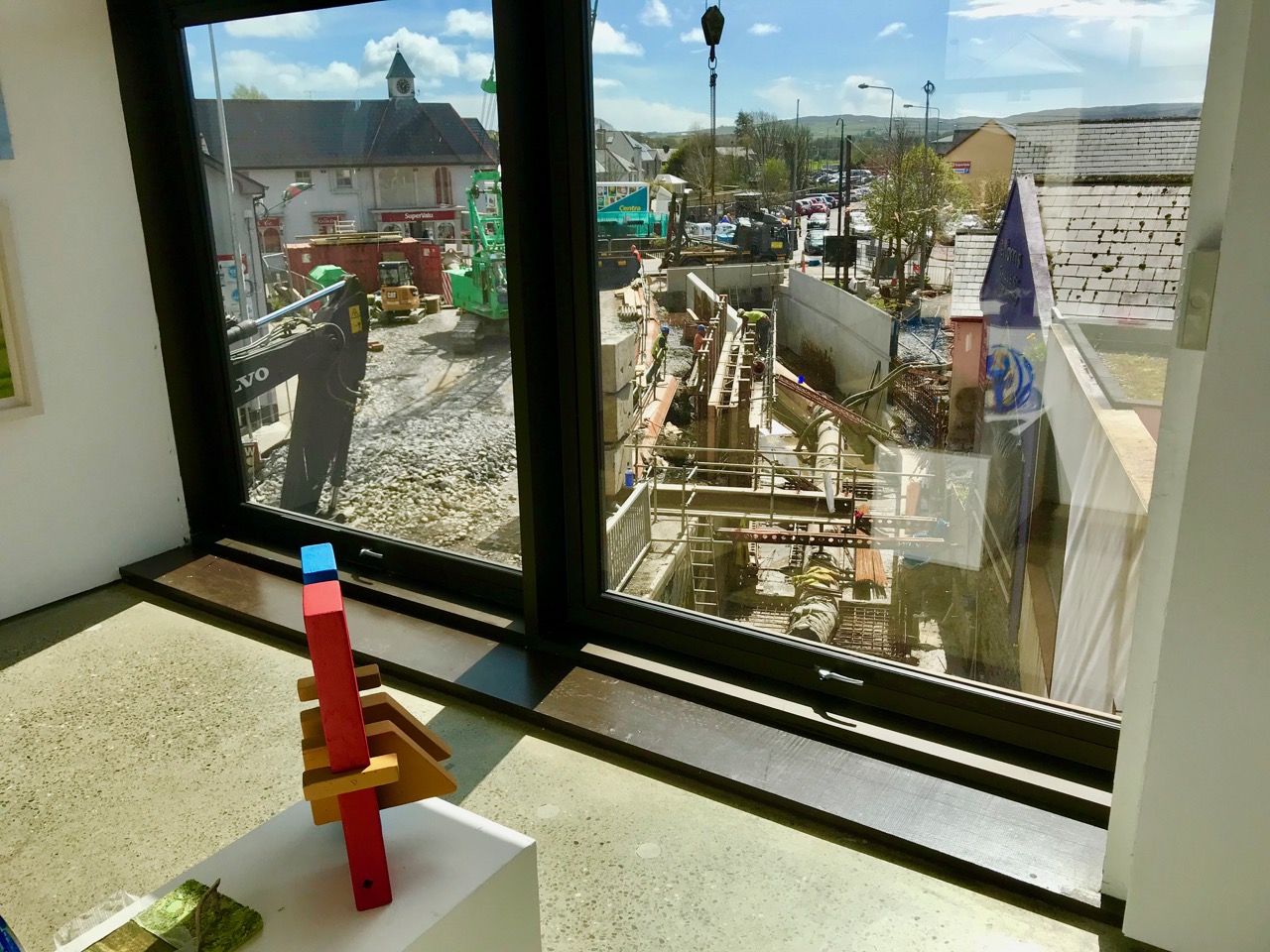
Now, the gallery is facing new challenges as the flood relief works are encroaching on the surroundings of the building. The basis of the engineering solution to protect Skibbereen from further floods is to build high, waterproof walls around every watercourse in and around the town. The principal one of these is the River Ilen, which skirts the north side of the town. However, the Caol Stream – a tributary of the river – runs right through the commercial centre, and right by Uillinn. Finola has written about the abundant natural life that was contained in this stream, albeit much of it partly hidden from view. Everything is changing now, as the sides of the waterway are being steel-piled and concrete walls are being built up to a height of 1100mm all the way around it, as you can see in the photographs below. In places, toughened glass sheets will be inserted in perforations in the retaining walls to enhance the structure and allow views to the water.

Of course, a fresh ecosystem will establish itself in the new, concrete-encased channel, although the character of it is sure to change. Uillinn’s problem is that it is bounded by the stream all the way along its east elevation – and the main entrance is via a bridge (now temporarily dismantled) over the waterway.

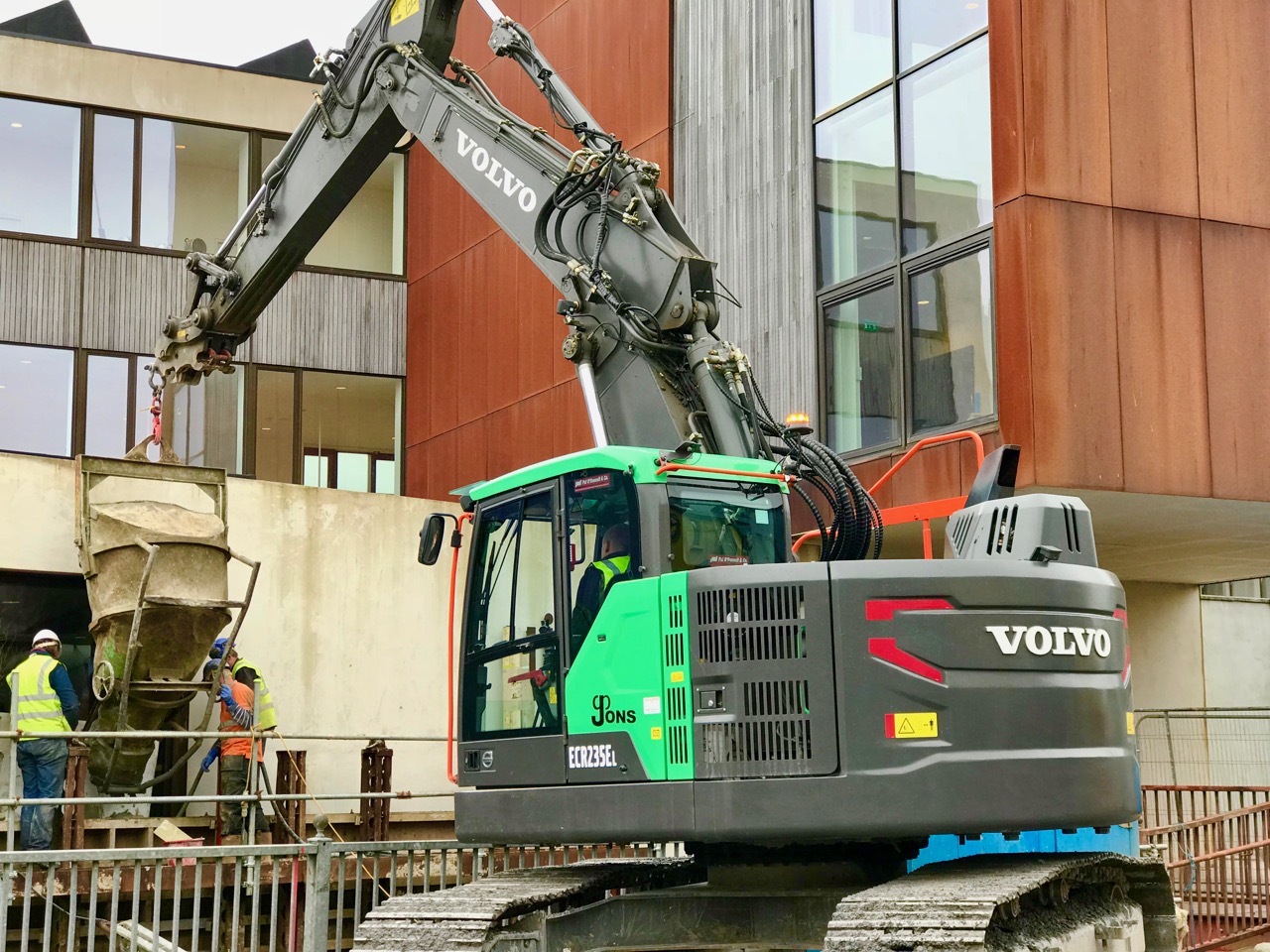
Close work: the channel of the Caol Stream is being excavated and then lined as it passes beside Uillinn. The bridge providing the main access to the gallery has been removed to allow these works to proceed

In spite of all these works (which, for Skibbereen as a whole, won’t be finished until 2019) Uillinn – and the renowned Kalbo’s Café which it embraces – have to remain open and viable at all times. This is being achieved by constant liaison and close co-operation with the contractors, Jons Civil Engineering, appointed by Cork County Council, as agents of, and in partnership with the Office of Public Works. Although delayed by the ravages of Hurricane Ophelia and other severe winter storms, the contractors have pulled out all the stops in order to restore normality to the centre of the town as soon as possible and have managed to maintain full access to the gallery and cafe, and all premises in the path of the works, although some disruption to businesses in such circumstances is inevitable. On the west side of the Caol Stream, between Uillinn and Skibbereen’s Main Street, a disused single story shop has been purchased and demolished, and its site now provides a new pedestrian access to the gallery – and it’s one which will continue to be used once everything is finished and the bridge is restored. Suitably streetscaped, the overall approach to Uillinn will be much improved as a consequence of all these works.

The ‘old shoe shop’ (top) was an unusual structure, partly cantilevered out over the Caol Stream. Its removal (lower pictures) has enabled an extra pedestrian access to be established from Main Street

As a member of the Board of Uillinn, closely involved with much of the liaison between the gallery personnel and the contractors, I can confirm that relations have at all times been caring, cordial and helpful, and I commend those involved in the physical work for their skills and approachability through all the potential difficulties. I also commend the Director, Anne Davoren, and her dedicated team at the gallery for keeping cheerful and smiling throughout, and always maintaining a smooth efficiency. The staff of Kalbo’s Café have also kept up their impeccable standard of service and remain such an asset to Uillinn.

It’s unlikely that things will be back to normal before the opening of Uillinn’s momentous venture on 20 July this year – Coming Home: Art and the Great Hunger

. . . The exhibition of artworks at Uillinn, including work by major Irish and Irish American artists of the past 170 years such as Daniel Macdonald, Paul Henry, Jack B. Yeats, William Crozier, Hughie O’Donoghue, Dorothy Cross and Alanna O’Kelly, will be accompanied by a rich and diverse programme of performances, talks, lectures and events at Uillinn, and off-site in other locations in West Cork. These will resonate with the history and legacy of the Great Hunger and also amplify the contemporary themes explored in the exhibition. The themes include famine, the politics of food, poverty, displacement of peoples, refugees, emigration, identity, memory and loss . . .

We are all looking forward to the launch of this unique event in Skibbereen, and we know our contractors will ensure that everything will be done to prioritise good access and presentation of the gallery through the duration of the exhibition.

Coming Home: Art and the Great Hunger runs from 20 July to 13 October at Uillinn, Skibbereen

Fastnet Film Festival 2018

How do you run a film festival in a town with no cinema? You use technology! The festival’s motto is Our Village is Our Screen, and it’s totally apt. For the duration of the Festival, you can drop into any venue (pub, cafe, village hall, mobile cinema), order up a coffee or a pint, and enjoy one of the many free short film programs on offer. This distributed intranet is all organised locally (kudos to Digital Forge!).

It’s all run now from the new Film Centre: the old Schull bank building is being converted, thanks to generous endowments from William and Judith Bollinger and others. It will be a tremendous asset for the town and there are Big Plans for the building in the future.

Pauline Cotter – the Chair, and beating heart of the Festival

The marvellous Blue House Gallery organised a show with the theme of “Tribal” that included a series of films along with the art works.

One of the gallery rooms in the Tribal Exhibition: felt idols by Christina Jasmin Roser, ceramics by Etain Hickey and Jim Turner, and sculptures by Eyelet Lalor

Each short film lasts anything from two to eighteen minutes. We are so used to long movies that it comes as a revelation that a complete story can be told in such a format. If you’re not sure that this is actually possible, watch Happy Birthday Timmy. We watched in in the world’s tiniest cinema – only room for three.

It’s called The Closet Cinema

One of the shorts that really hit a chord with us was from Cartoon Saloon, Late Afternoonhere’s the trailer, but it doesn’t really give a complete sense of the colour palette that made this such a special experience. It’s from the celebrated Cartoon Saloon studio and it’s already won awards. We also howled through The Fountain, a fabulous conceit built around the re-disovery of DuChamp’s iconic work of art. The Festival Image this year was from a powerful short called Little Shit, with a moving performance by the young actor, Badger Skelton.

DuChamp’s Fountain, said to have ushered in a new era in modern art

Besides the short films from all over the world, there are feature length movies, along with question and answer sessions with producers, directors, actors, casting specialists, composers, set designers… Aspiring film makers can take a stunt workshop, or have their script critiqued by a laser-sharp expert, or learn how to make a movie using only an iPhone. We had the young star of Song of Granite (an Oscar contender) who gave us an example of his sean nós (old style) singing. Here’s the trailer of that film, which we saw in general release earlier this year and which made a powerful impact on us.

We attended a screening of The War of the Buttons, with the producer, Lord David Puttnam (beloved local), the Casting Director and several of the (not so young any more) actors. It was a joyful occasion. Not only is it a classic and thoroughly enjoyable movie, but it was shot around West Cork, and apparently was one of those movies where everyone felt like family afterwards.

The best movie we saw all weekend, hands down, was the Irish documentary Making the Grade, which believe it or not was all about piano lessons. The header photo for this post is from that movie. The Director, Ken Wardrop, was there to receive our standing ovation and to tell us a little about his technique. Here’s an Irish Times Review that perfectly sums up how we all felt about it.

More difficult to watch was Black 47, a film of the Great Hunger, shot as a kind of Western, with a Connaught Ranger returning from the British Army’s Afghanistan Campaign to find his family dead and the land devastated. It raised complex issues for us and lead to some pretty intense discussions afterwards. Interestingly, it seems to have divided the critics down the middle, earning a 50/50 rating on Rotten Tomatoes. But the Irish Times had a thoughtful review of it that also contains a link to the trailer.

Lance Daly, the impossibly young-looking director of Black 47

And in between the shorts and the big screen events the star of the show was Schull, buzzing with lively interchanges on the streets and in the pubs and cafes, conversations spilling out onto the streets, speedy young volunteers dashing around the venues, banners waving gaily above the crowds. Celebrities, actors, producers, directors, casting experts, script writers happily mixed it up with the locals.

Locals out with the camera – except that’s Chris O’Dell behind the lens and Jim Sheridan (in the white shirt) directing

And the locals themselves featured in several movies, including one (The Wheel) about our friend Sheena’s superbly restored mill-wheel. The hilarious duo of Eileen and Marilyn (aka Terri Lieber and Karen Minihan) played us out tonight with their own take on a local film, made with the help of a great local crew.

Coosheen Mill, home of Sheena Jolley the esteemed wildlife photographer, and the subject of one of the short movies

We didn’t attend the awards ceremony, but it doesn’t matter to us really who won – except for one thing. Over and over we heard people urging us to see The Swimmer, about local resident and marathon swimmer, Steve Redmond. We didn’t get to see it – but we do hope it won a prize as it seems to have riveted everyone who saw it.

THANK YOU to the incredible committee that puts this Festival together every year – what an amazing job you have done, again!

It’s a cake, locally made by a VERY talented baker