Calary: An Eminent Gathering Of Souls

Adam and Eve in the Garden is an Aubusson tapestry, from the Atelier Tabard Frères et Soeurs (artist website) designed by Louis le Brocquy and dating from 1951-52. Le Brocquy was born in Dublin in 1916 and led a long life which included travelling extensively across continents, always completely engaged in art. He died in Dublin in 2012. On his death, President Michael D Higgins said: ”Today I lament the loss of a great artist and wonderful human being whose works are amongst this country’s most valuable cultural assets and are cherished by us all. Louis leaves to humanity a truly great legacy.” In 2002 the National Gallery of Ireland acquired le Brocquy’s painting ‘A Family’ – the first work by a living artist admitted to its permanent collection.

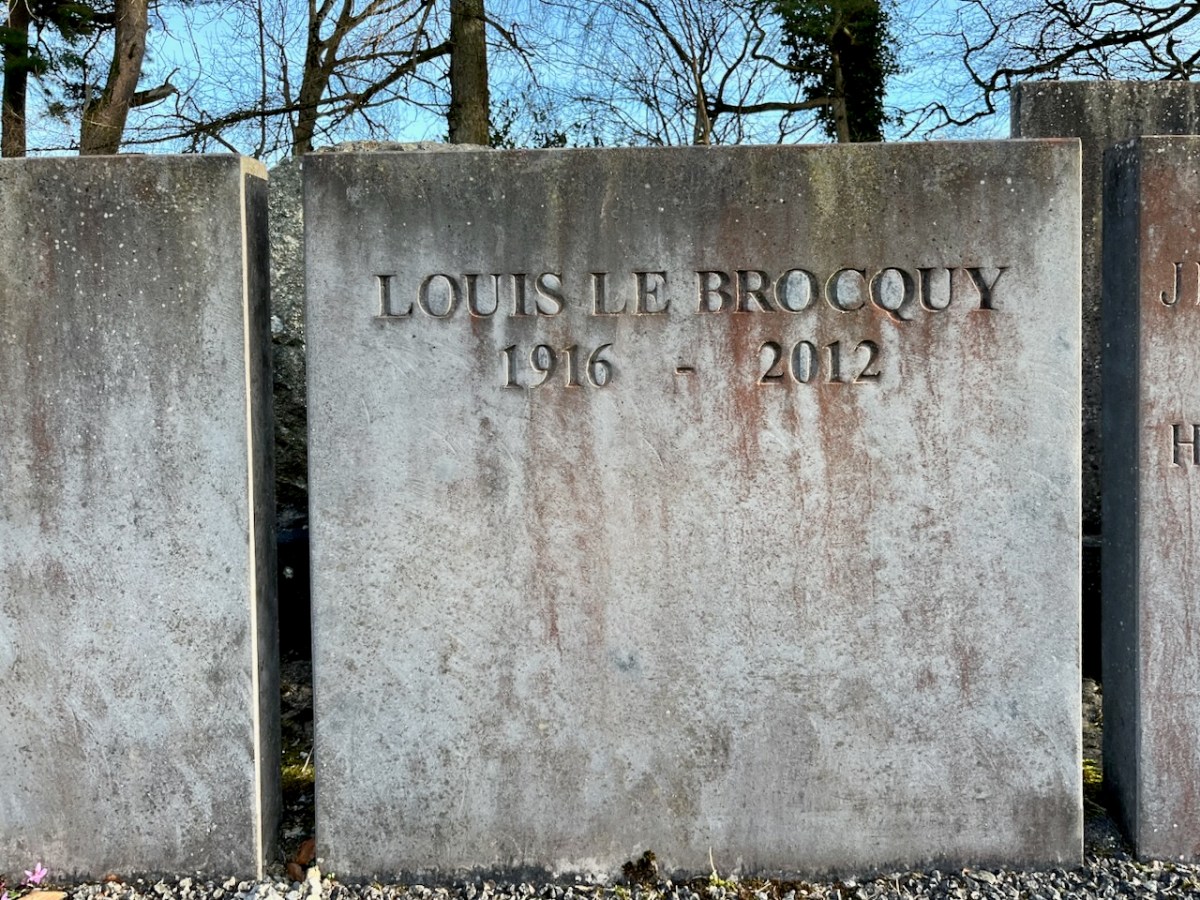
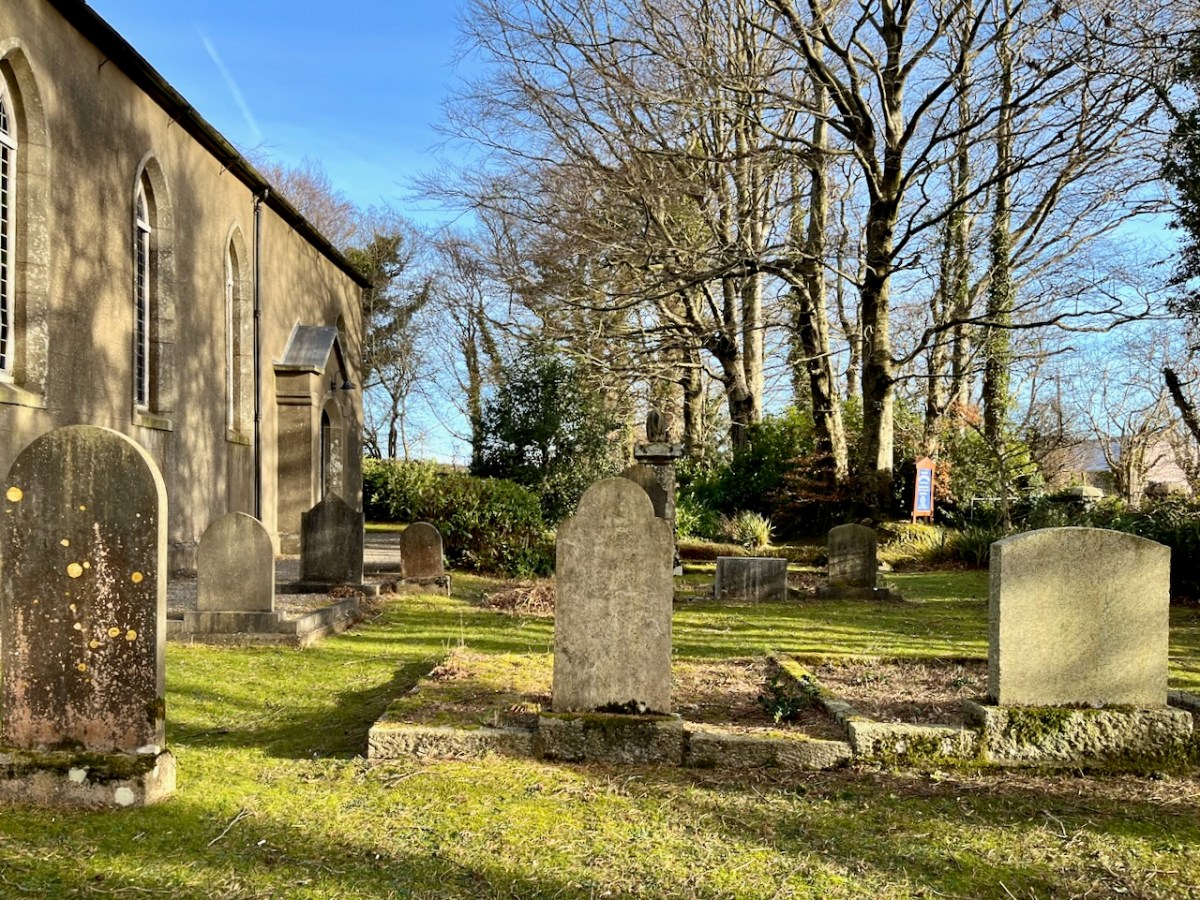
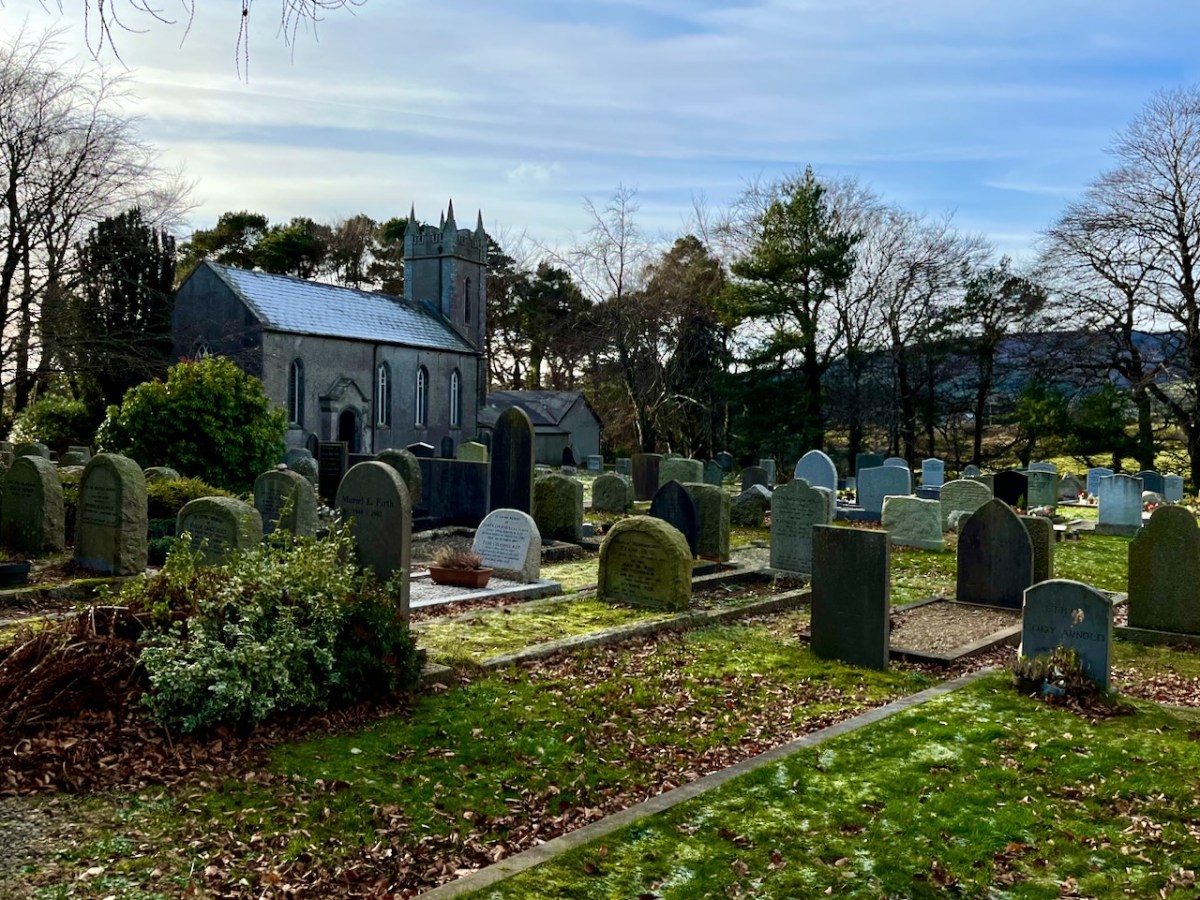
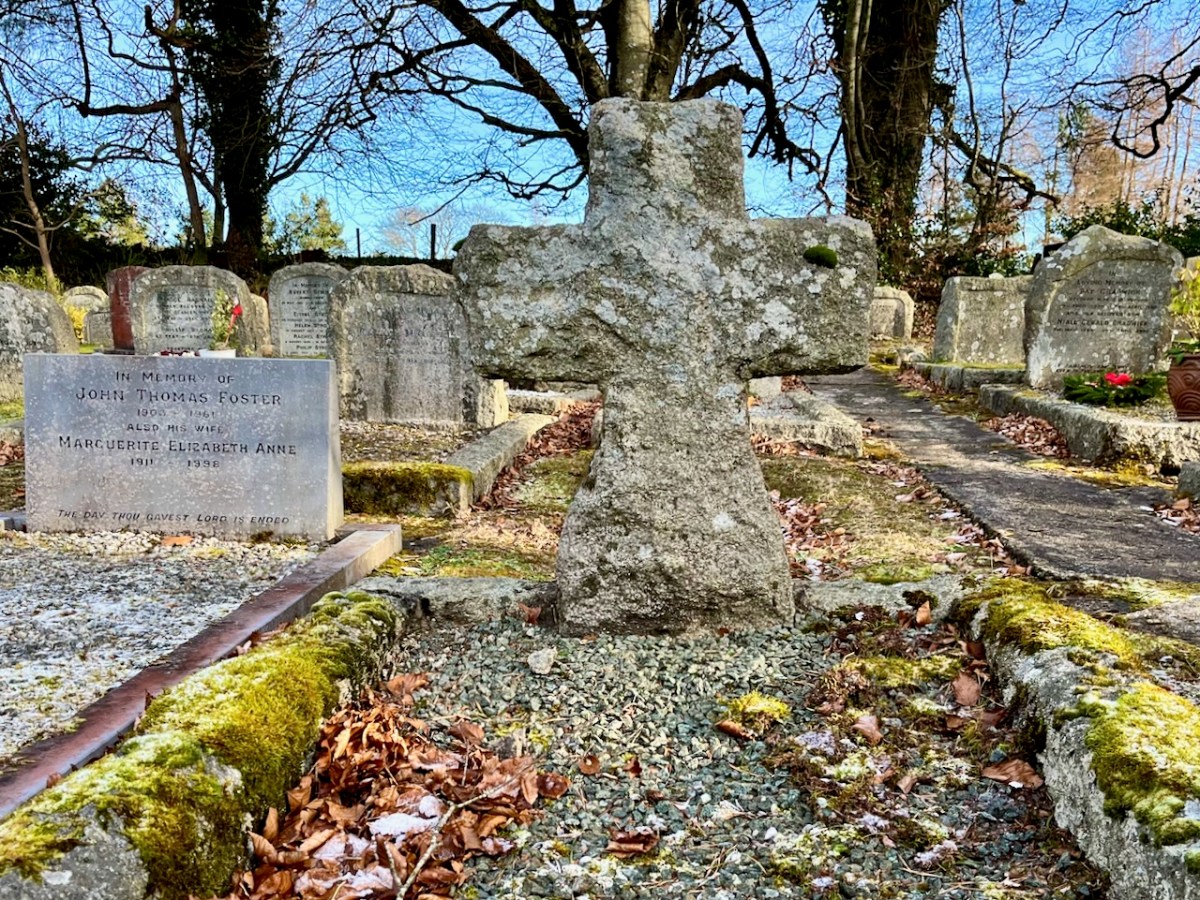
While out exploring the byways of rural County Wicklow, we chanced upon le Brocquy’s burial place. It’s in the little Church of Ireland graveyard at Calary. We had never heard of it before but – as we reconnoitred – the realisation dawned upon us that this is a very special site. Le Brocquy is probably the most eminent artist interred in these grounds, but he is only one of very many who have presumably chosen to spend eternity in this remote but extremely beautiful corner of rural Ireland. The views towards the not-too-far-away mountains are dramatic.

Le Brocquy’s wife, Anne Madden was born in London in 1932 to an Irish father and an Anglo-Chilean mother, and is still living. Madden spent her first years in Chile, where her Father owned a farm. Madden’s family moved to Corrofin, Ireland when she was ten years old. During the 1950s she met le Brocquy who was then working in London. They married in Chartres Cathedral in 1958 and set up house and studio in Carros in the south of France, where they remained until 2000. The empty plot at Calary beside Louis is presumably saved for her: she will add significantly to the artistic distinction of this community. The plot to the south of him is taken by Anne’s mother – Esther Madden Simpson – and brother – Jeremy Madden Simpson.
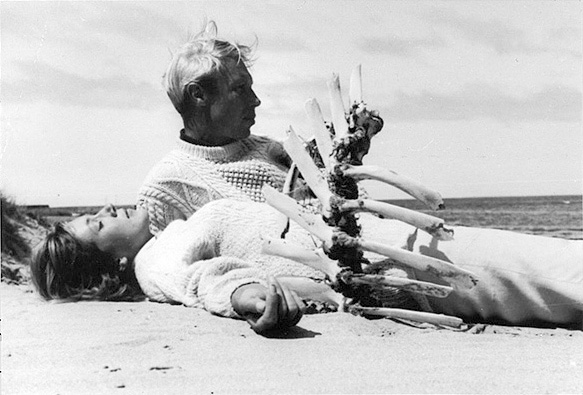
Anne Madden and Louis le Brocquy, 1974 (public domain). From that year onwards the family spent long summers on the Beara Peninsula.

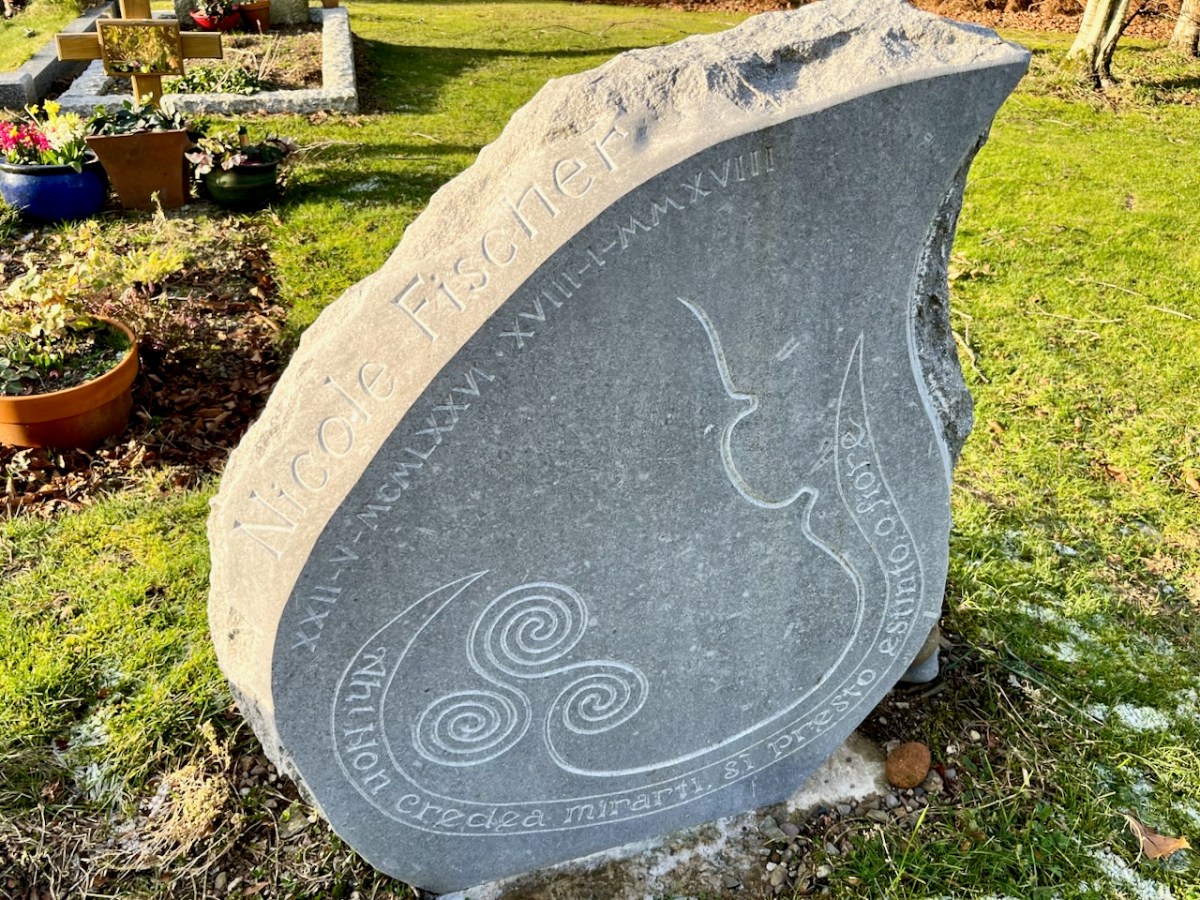
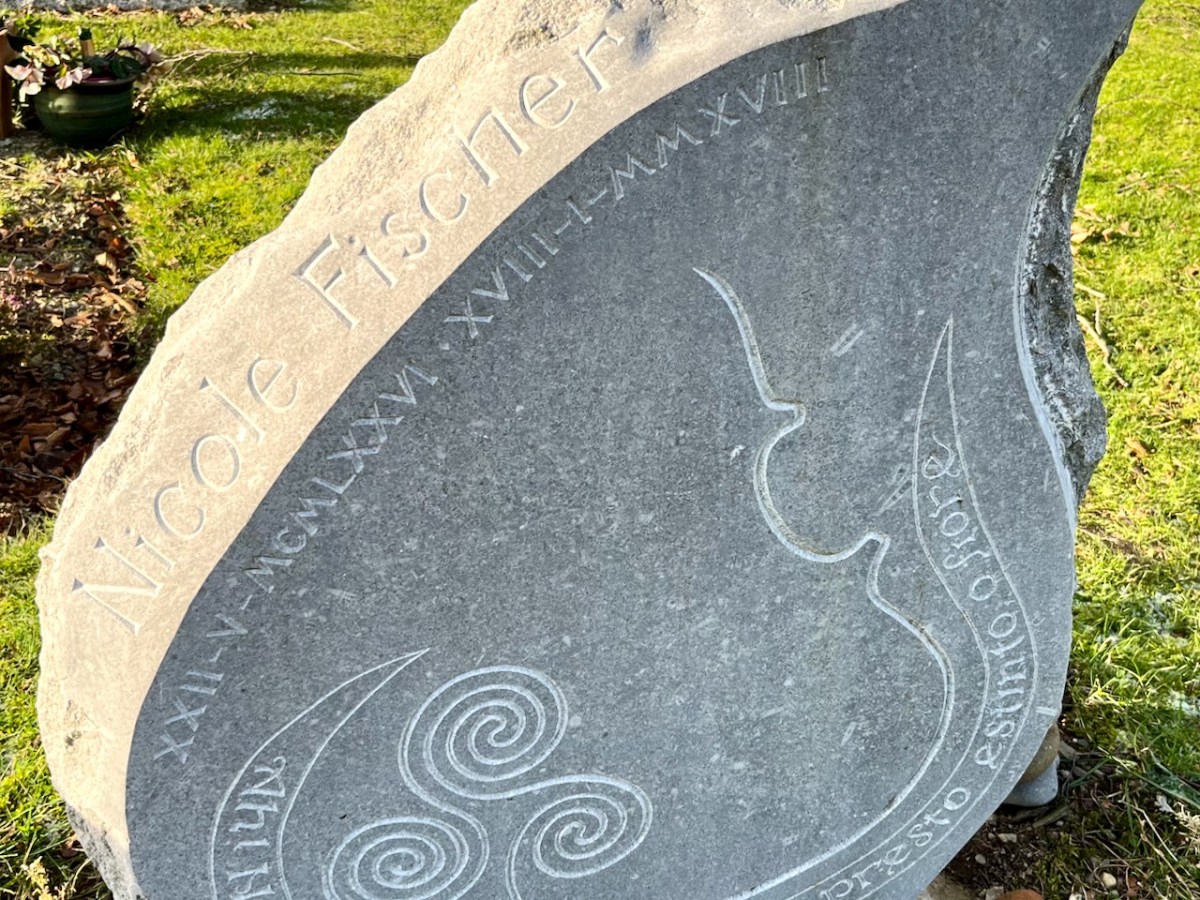
A relatively recent gravestone added to Calary is this one, dating from 2018. It remembers Nicole Fischer, a viola player with the RTE Concert Orchestra and the Amici String Trio. Sadly, her death occurred when she was in the prime of her life.

This impressive and beautiful gravestone is the work of Wicklow sculptor Séighean Ó Draoi. There are a number of unusual markers within this site: every one tells a story, of course.

Maurice Carey led a distinguished life in the Church of Ireland. He served as Dean of Cork from 1971 to 1993, when he retired, and in retirement returned to his native Dublin where he was in charge of St John’s Church, Sandymount. While in Cork, Dean Carey presided over a period of great change in St Fin Barre’s Cathedral and he was instrumental in setting up the St Fin Barre’s Study Centre.  He also achieved much in the musical and liturgical life of the cathedral.  “. . . His freshness of mind contributed greatly to this success and he was kind and helpful to younger clergy at the start of their ministry . . .” (obituary).

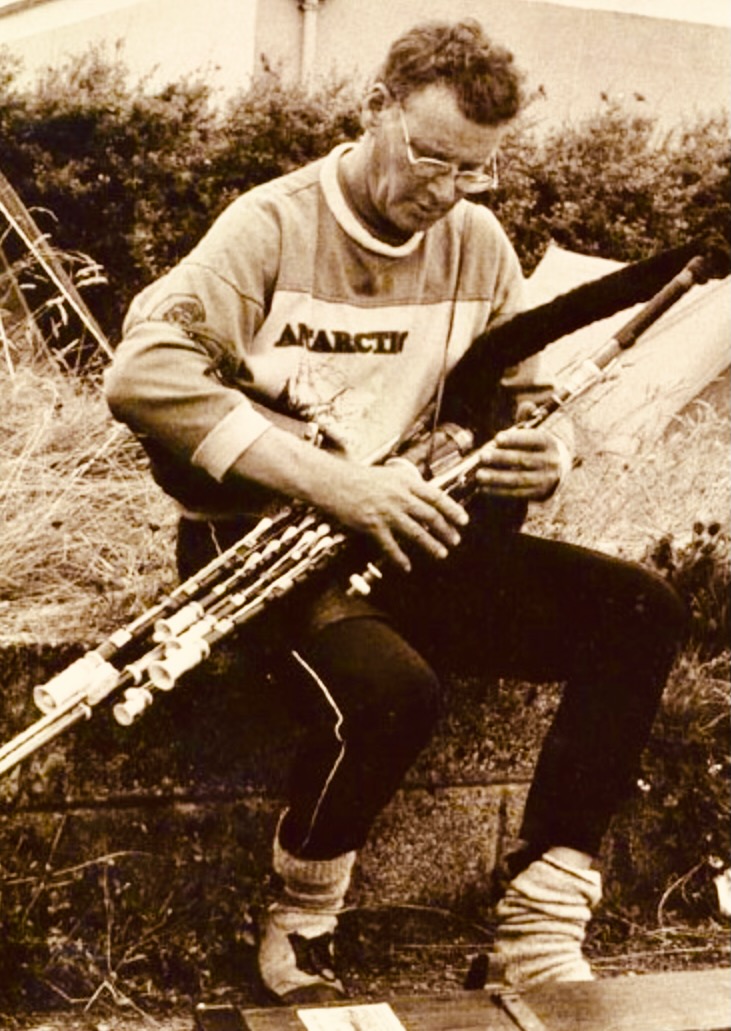
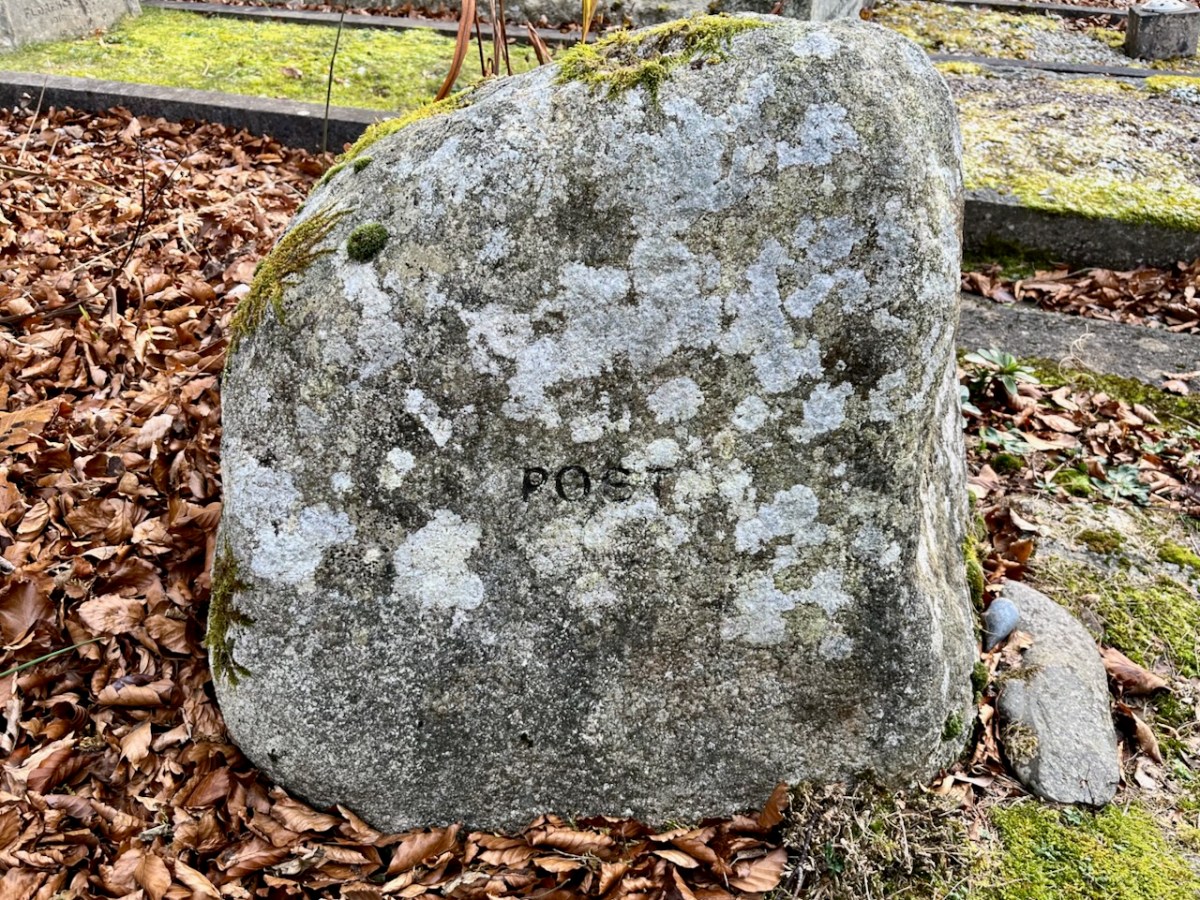
This stone belongs to Ronnie: Ronald James Wathen, who was born in 1934 and died before his time, in 1993. He was famed as a poet but also climbed mountains – and played the Uilleann pipes (https://www.discogs.com/artist/365089-Ronnie-Wathen):

The poet’s printed obituary sums up a notably eccentric life:

. . . I feel there may be a ‘most individual and bewildering ghost’ glaring with mock ferocity over my shoulder, a restless shade who would never forgive me if I tried to bury him with platitudes. Ronnie Wathen was quite spectacularly different: unpredictable, provocative, abrasive yet stimulating in argument, generous with himself, always able to see and articulate the quirky side of life. In Ireland Ronnie’s first poems appeared and many slim volumes were to follow. He had a most splendid, if unruly, facility with words. Usually he employed them seriously but he also loved frolicking with them, standing them on their heads just for fun. He wrote about anything and everything that caught his fancy, as a poet should . . . the last I saw of Ronnie was when he strode off up the road to do a kindness to an old friend. I must end with a grumble. Ronnie was an insomniac, never known to leave a party until very late. His parting prank was to quit the party of life far too early, at the age of 58, just to tease I like to think. It was a cruel jest . . . he held his final party at the little church of Calary, below Sugarloaf Mountain, in the verdant lap of his beloved Wicklow Hills. On that sunny autumn afternoon many, many friends crowded the church, farewells were spoken in prose and verse, laments welled up from three of the finest pipers in Ireland and a lone fiddler knelt by the open grave and hauntingly played the restless Ronnie to his rest . . .

Mike Banks

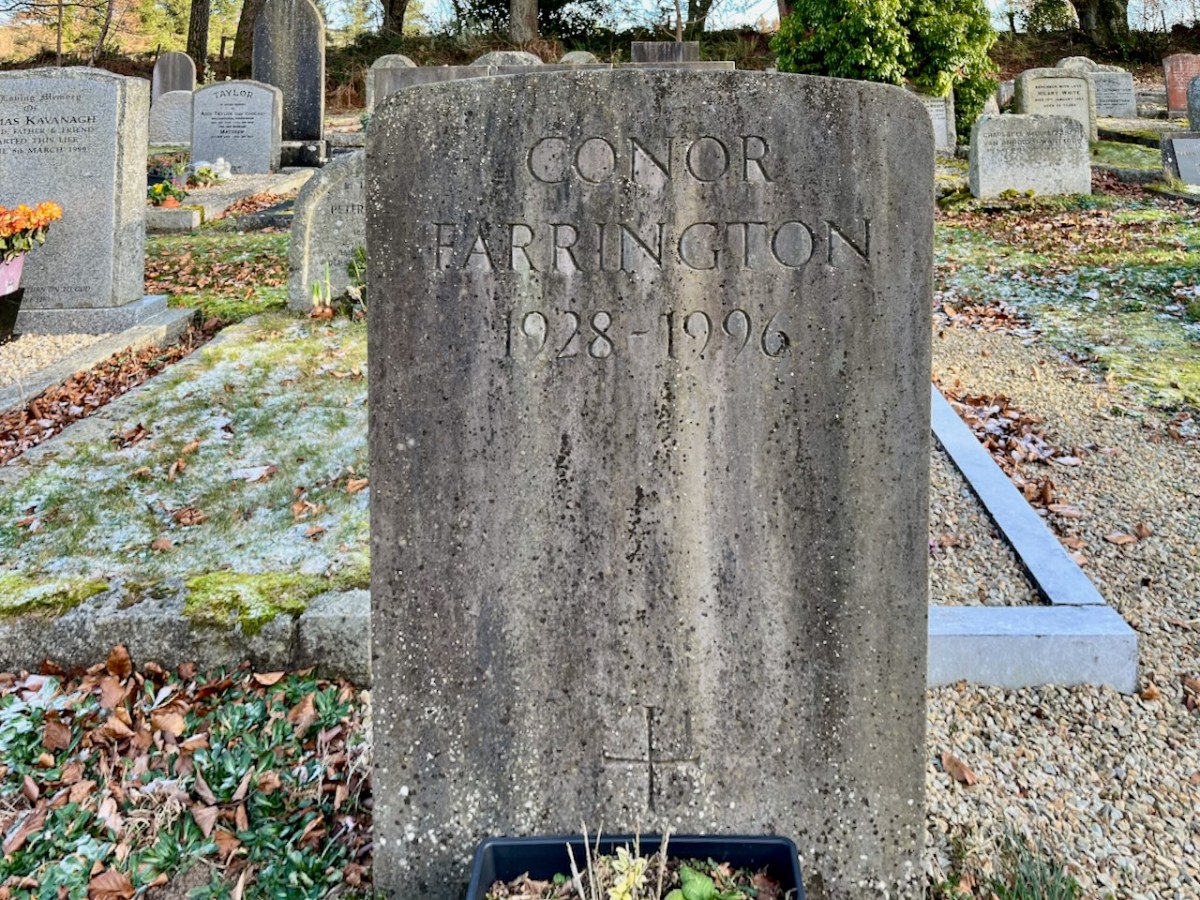
Conor Anthony Farrington was born in Dublin in June, 1928. His distinguished career included writing a number of plays for radio and theatre. Notable, certainly, were: Death of Don Juan (1951), The Tribunal (1959), The Good Shepherd (1961) and The Ghostly Garden (1964). ‘The Language of Drama’ in The Dubliner (July-August 1962) concludes the following: “…there are three reasons for a ‘radical alteration in the language of drama’ – viz, ‘the audience’s reason’, the ‘actor’s reason’, and ‘the dramatist’s reason’ – since ‘it is actually by means of particular words and phrases that he discovers his character’…” In later years appeared a collection of short stories (Cork: Fish Publishing 1996).

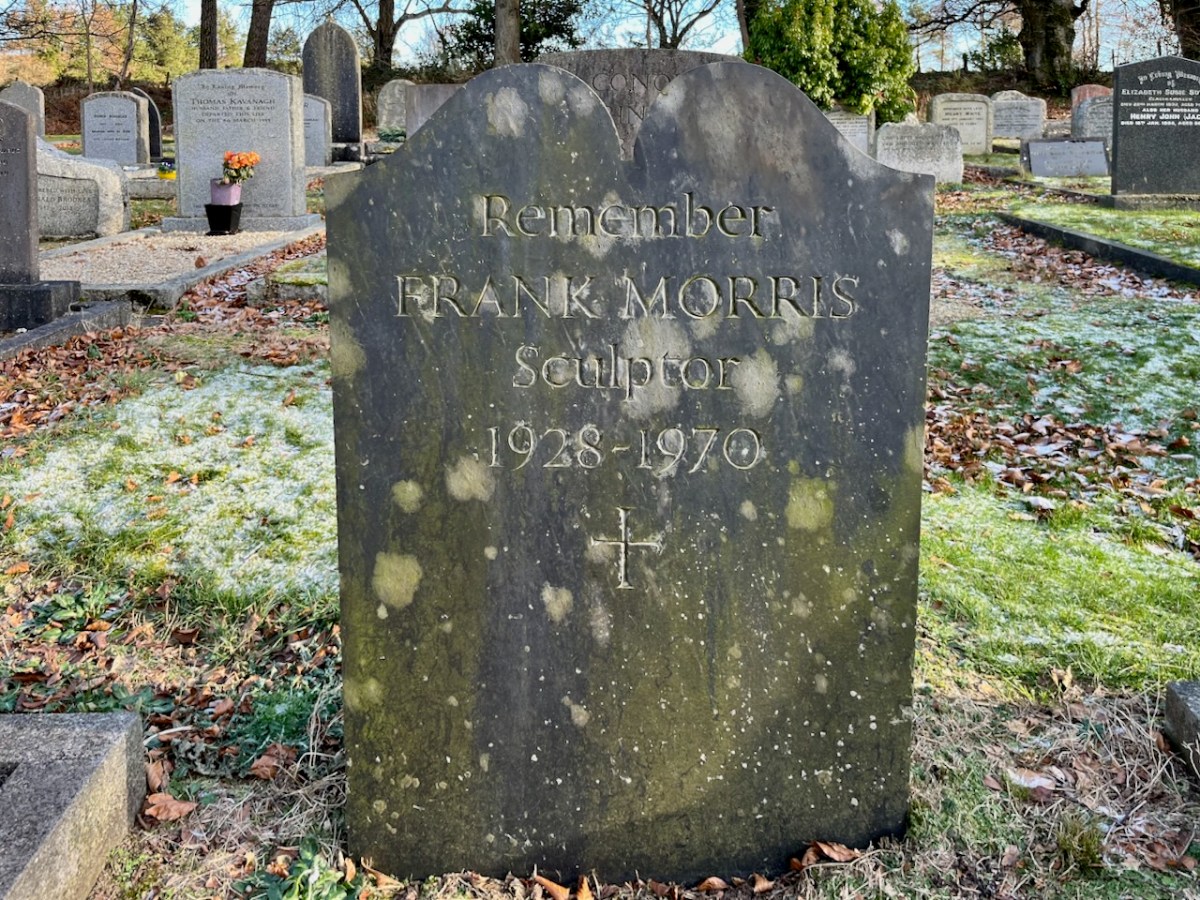
Another effectively simple slab remembers the sculptor Frank Morris, born in Arklow, Co Wicklow. He spent some years working with the Irish Forestry Department: while there he became a skilled wood-carver. The Dictionary of Irish Biography states that “. . . Carving for him was akin to peeling an onion to reveal the form within . . .” He also developed skills in sign-writing and letter-cutting. Have a look at his magnificent beaten copper door in the Holy Redeemer Church in Dundalk:

It’s interesting to find a Jewish grave in a rural Irish parish: Evelyn and Bruno Achilles (above and below).

In the 1930s The Schools Folklore Collection produced some memorable notes about the parish of Calary:

. . . Glasnamullen is our town land and there are nine families in it. Calary is the name of our parish. There are about twenty-six people in this townland. Sutton is the most common name in this district as their are four in Glasnamullen. All the houses in our town land is slated, but there are three or four thatched houses outside the townland. This place is called Glasnamullen as long as anyone can remember. Mr Arthur Sutton is seventy six, he lives in Glasnamullen, but Mr Fortune is one hundred and Mr Stokes is eighty six. They dont know any Irish, but they are great for telling stories in English. When my father was small he used to get Mr Stokes to tell him stories. Mr Fleming told me a story about Mr Byrne, The Paddock, Kilpedder. Once upon a time a man was cutting down a hawthorn tree in an old fort and as soon as he did a wind rose and took it away and over his head were thousands of birds. No one ever knew where the hawthorn went to, but everyone said that the fairies must have done it. They never plough the land owing to that. St Kevin is said to have blessed a little well beside a river in Ballinstowe. Every one goes and drinks it when they have colds. It is also said it has the power to cure sore eyes. There are pieces of cloth on the bushes around it left by people whose eyes were cured . . .

Muriel Taylor, aged 14
Schools Folklore Collection

“Beware of the Witches you meet in the ditches, between Calary bog and Ballinastowe.” – a local saying!

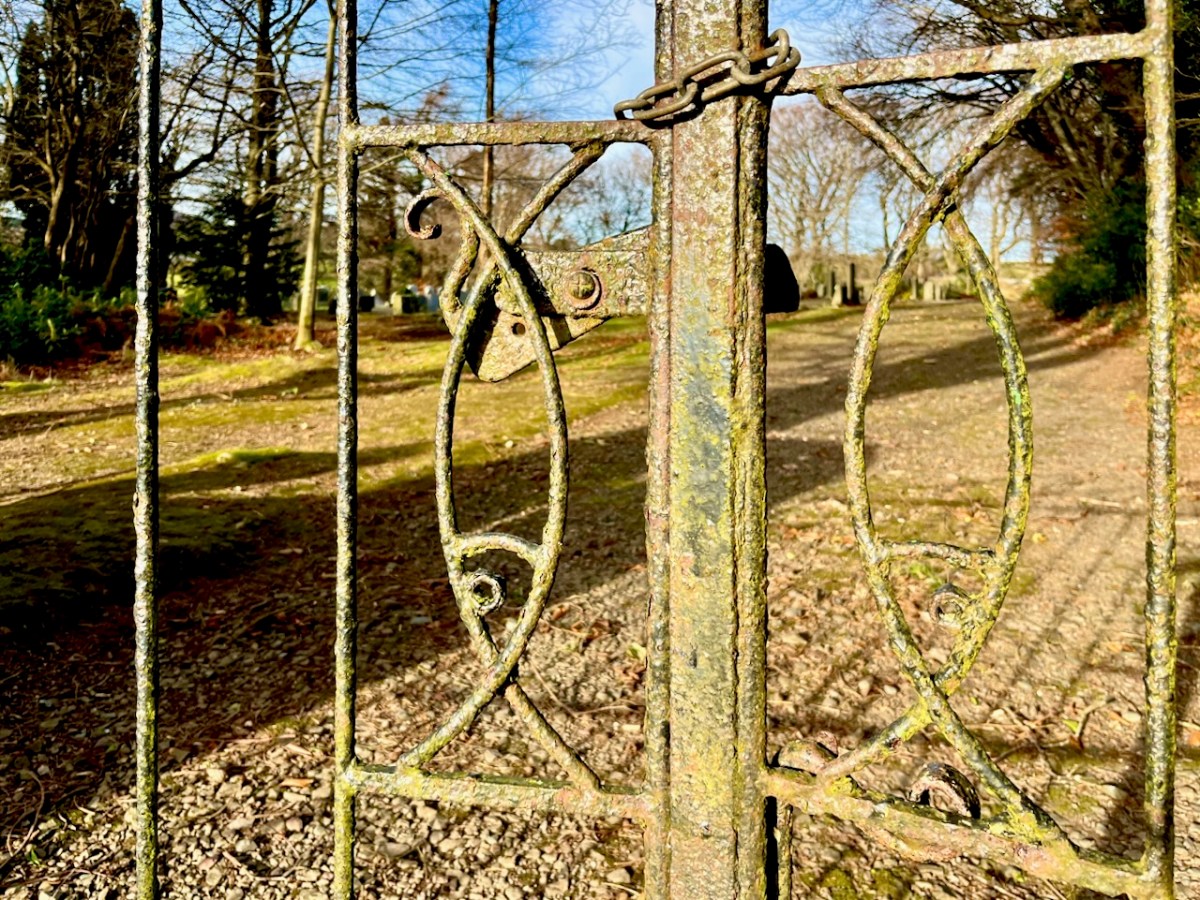
The ‘fishy’ gates to the graveyard are also artistically wrought.

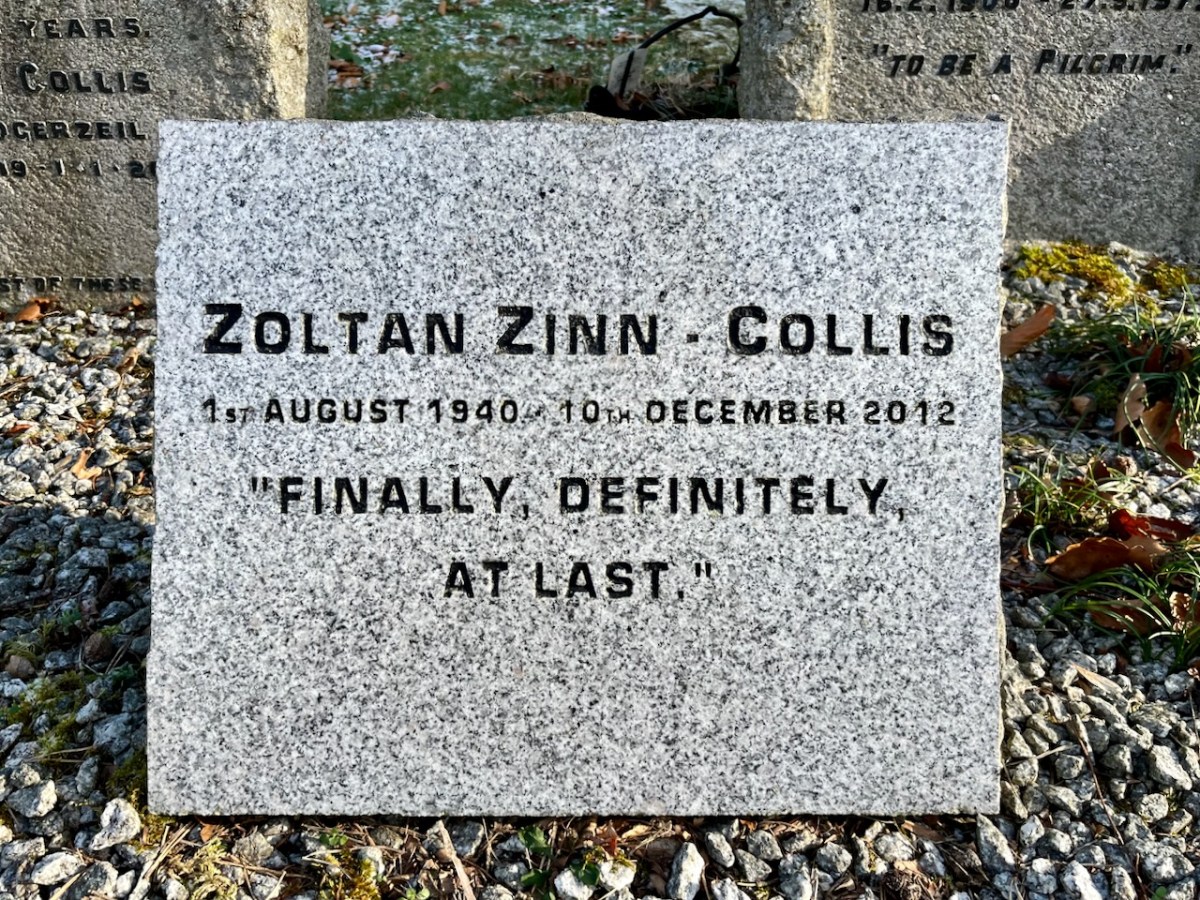
Zoltan Zinn-Collis was a holocaust survivor. Many thanks to our friend Paul Smith for sending us this information.

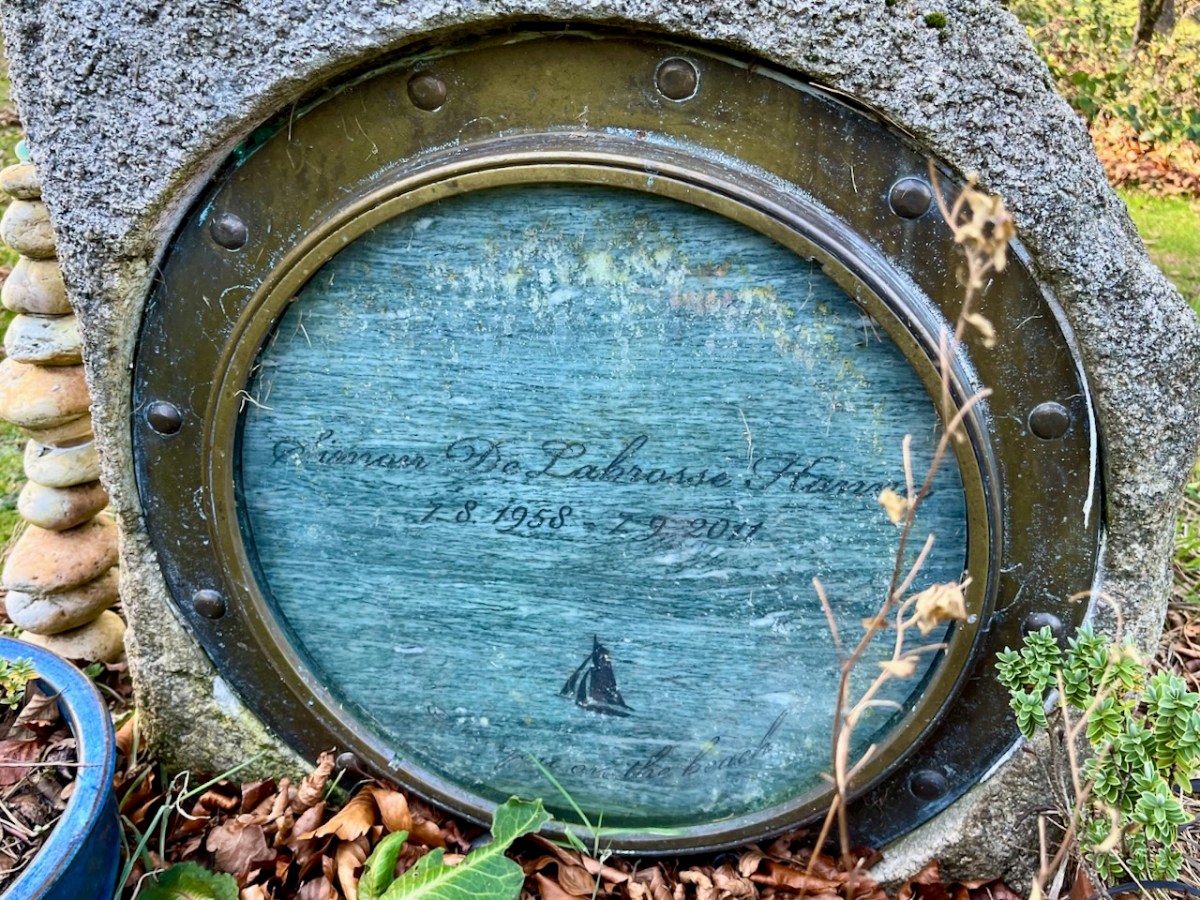
I have concluded that this fairly recent grave (2011) is in memory of a mariner. You can see that the inscription is within a porthole – and there is an illustration of a sailing boat. After much searching, I came across a funeral notice – here is a brief summary:

. . . HANNA Simon (late of Bray, Co Wicklow, formerly of New Zealand) – September 7, 2011, suddenly, son of Meg and the late Pat Hanna and brother of Tim, Mike, Pete, Kristin and Jane; sadly missed by his partner Sonja (McEnroe), her daughter Tali and her partner Danny, his sons Rowan, Aiden, Kieran and their mother Ann, his mother, brothers and sisters, extended family and many friends. Reposing in the factory workshop, Mill Lane, Bray from 4pm to 9pm tomorrow (Sunday). Removal on Monday to Calary Parish Church arriving for a Funeral Service at 2.00 o’clock followed by interment in the adjoining churchyard . . .

Funeral Notice

This is not an exhaustive account of the graves in Calary: it’s a selection only. Hopefully it’s sufficient to send you in this direction if you find yourself over in the east. It’s a beautifully atmospheric place. Let’s finish where we started – with a Louis le Brocquy tapestry. This is: Garlanded Goat 1949-50, Aubusson tapestry, Atelier Tabard Frères et Soeurs (artist website).

Michael Healy by David Caron: Review

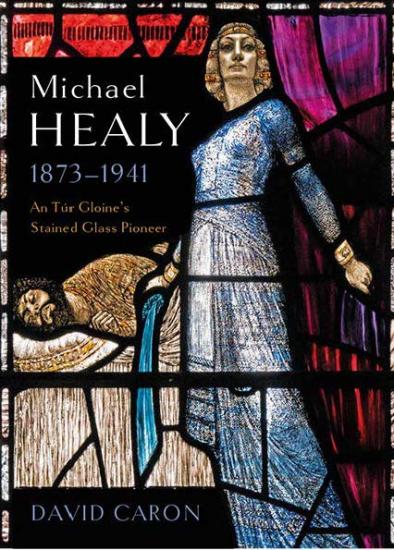
This book – MIchael Healy: An Túr Gloine’s Stained Glass Pioneer – is nothing short of a miracle. It’s beautifully written by David Caron, with superb photography mainly by Jozef Vrtiel, and outstanding production values by Four Courts Press. But a miracle? Yes – because David Caron uses his scholarship and knowledge of stained glass as well as the history and art movements of the period to produce an immensely readable book about an intensely private man who left behind practically nothing about his life except his magnificent work.

I will declare an interest right away – David Caron is a friend and mentor, editor and principal writer of the Gazetteer of Irish Stained Glass, to which I am one of the contributors. I have been looking forward to this book for a long time, as have all his friends, colleagues and collaborators. It was launched to great acclaim in Dublin on November 1 – all the available copies were snapped up at the launch, including mine (stowed behind the desk), so I had to wait until December to get my hands on it. 

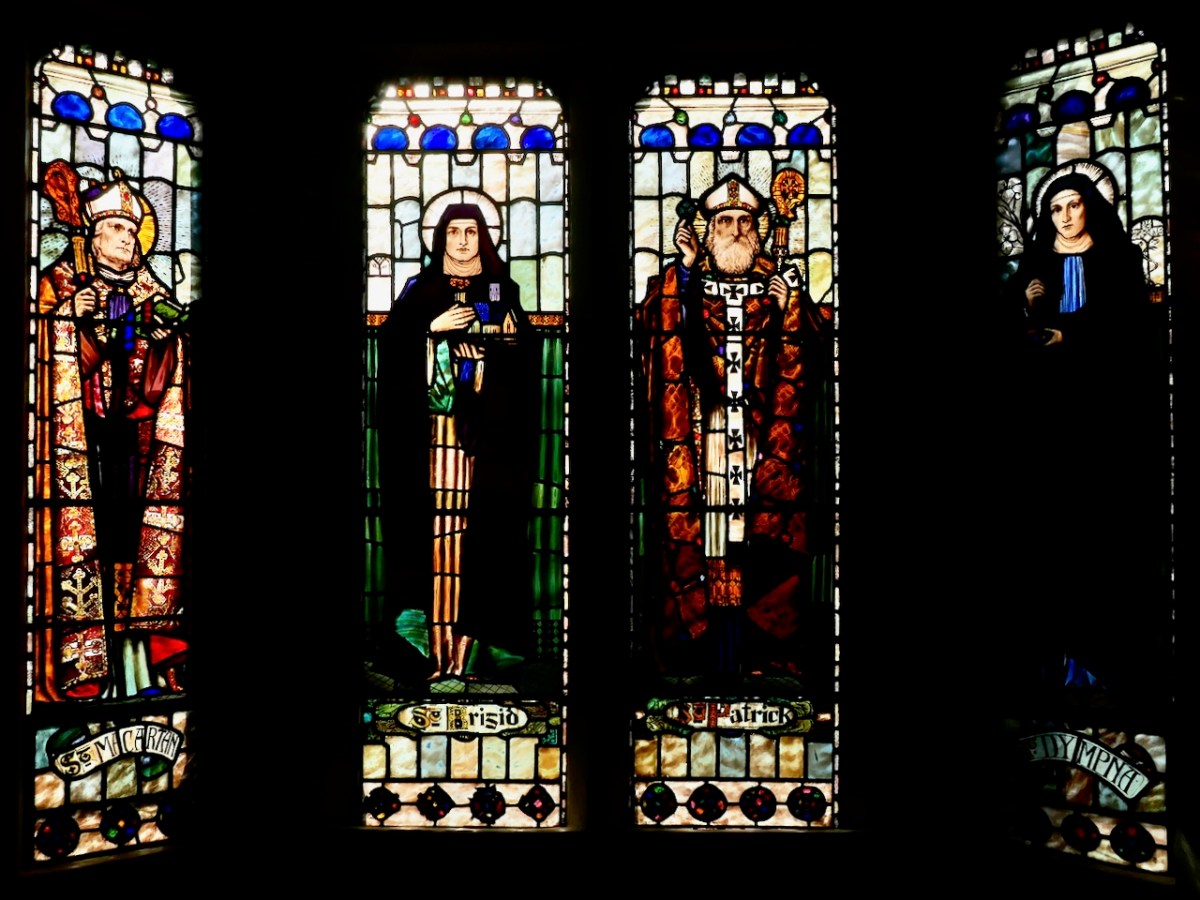
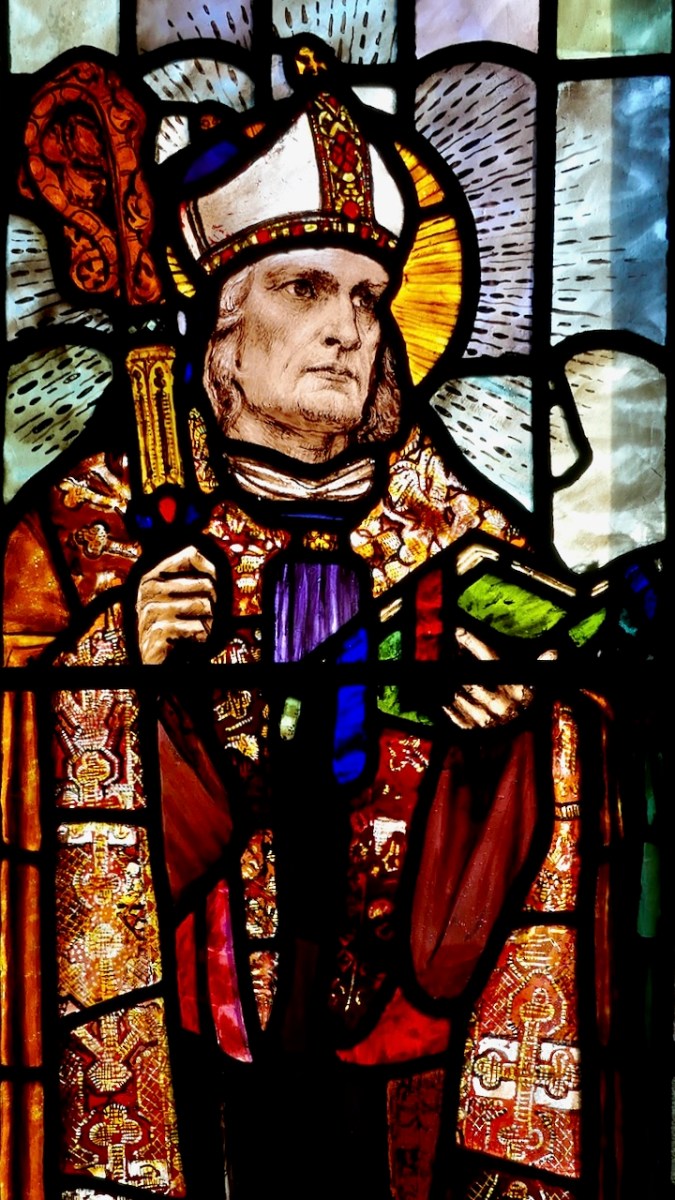
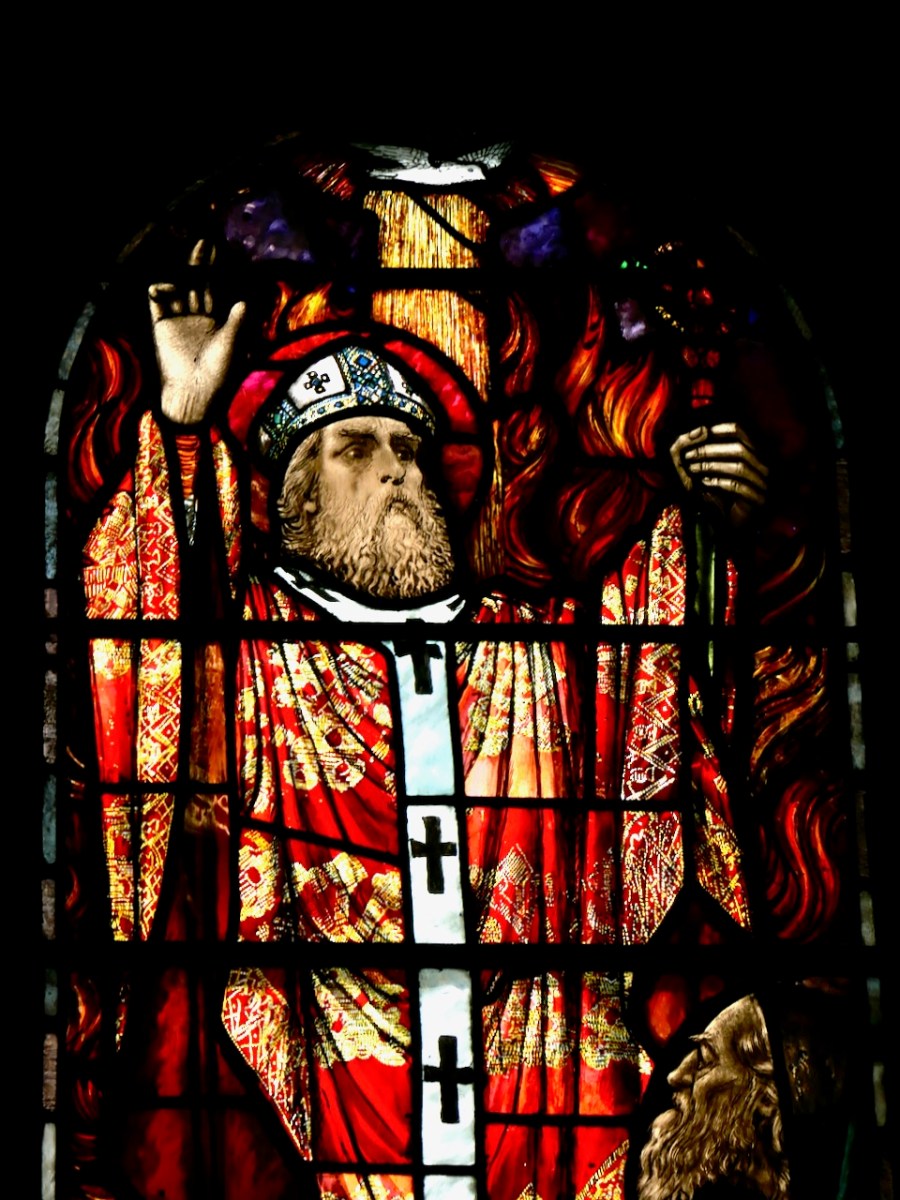
From a private bishop’s oratory, Sts Macartan, Brigid, Patrick and Dympna. Detail of Macartan, below. The rich reds and yellow shading of Macartan’s robes are the result of aciding and silver stain, described further down

All the photographs in this post are my own – but I haven’t seen that many Healy windows, and my photography does not bear comparison with Jozef’s magnificent images. The book is profusely illustrated – it’s one of its many strengths – with many photographs of the tiny details in which Healy delighted and which distinguish his windows from those of other artists. Healy spent all his working life at An Túr Gloine (The Tower of Glass) the Studio founded by Sarah Purser. If you are unfamiliar with this period in Irish stained glass, you might like to read my post Loughrea Cathedral and the Irish Arts and Crafts Movement before continuing.

Born in 1873 into grinding poverty in a Dublin tenement, through a combination of great good luck and his own prodigious talent and hard work, Michael Healy turned himself into one of the foremost stained glass artists of his time. Reading David’s account, it is difficult not to be overwhelmed at times by the hardship endured by Healy and his family in turn-of-the-20th-century Dublin. Packed into one room with miserably inadequate sanitation, whole families succumbed to disease and early death. Consumption was rampant and the only recourse for anything approaching treatment was the dreaded workhouse. Infant mortality rates were high and so we read about several Healy babies who failed to survive into adulthood, as well as adults carried to early graves, leaving widows and widowers to try to cope. 

Christ with Doubting Thomas, St Joseph’s, Mayfield, Cork

In the midst of all this was the First World War, the Easter Rising, the War of Independence and the Civil War, followed by the emergence of the new Irish State. David chronicles all of this, and the effect it was having on citizens, like Healy, who were trying to go about their business, but who also had deep convictions about politics and religion.

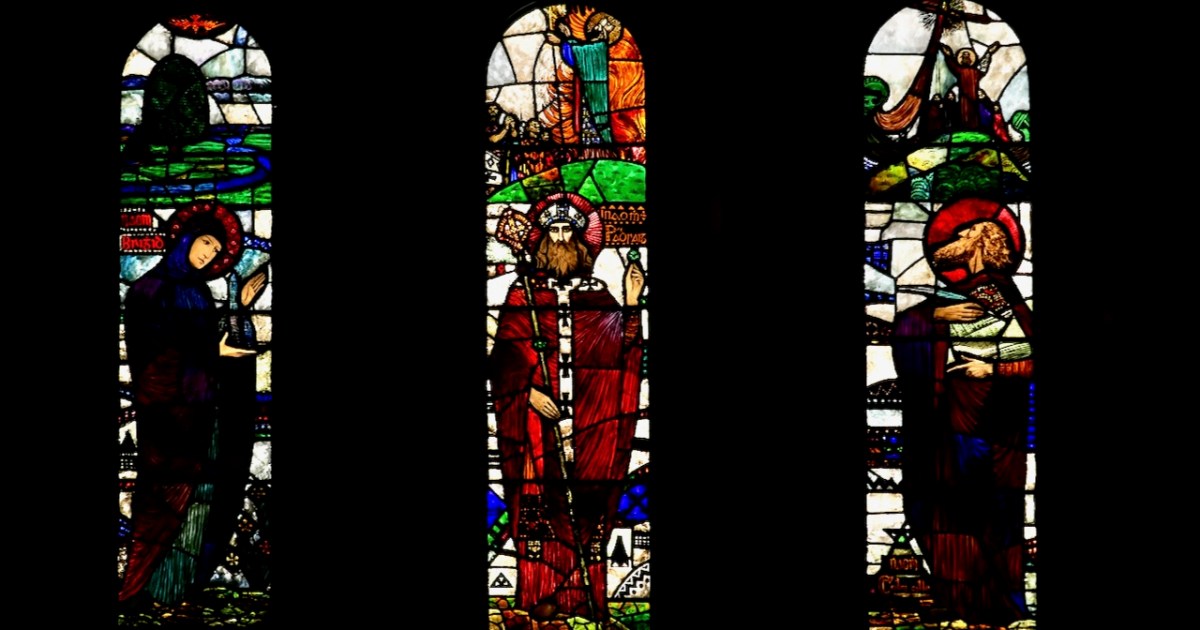
These windows, Sts Brigid, Patrick and Columcille, are in the National Gallery

In some ways, Healy was a typical young man of his time. Deeply religious, he spent some time in a seminary before deciding he was unsuited to the vocation. He belonged to a Catholic men’s lay organisation. David provides many instances where his working class Dublin accent, his republicanism, and his Catholicism must have put him at odds with his fellow artists at An Túr Gloine, mostly female, Protestant and from well-to-do backgrounds. They found him brooding and introverted, although they acknowledged his exceptional talent, and until Evie Hone arrived he did not make true friends with any of them.

The Annunciation, Loughrea Cathedral. This window was closely based on a design by the great arts and crafts stained glass master, Christopher Whall. Whall came over from England to supervise the execution of it by the Túr Gloine artists, including Healy. Celtic revival interlacing was very popular at the time, and a way of putting a nationalistic stamp on a window – note the subtle inclusions of interlacing here and there

I mentioned that he had strokes of good luck in his life, two in particular. One was the patronage of a perceptive priest, Fr Glendon, who enabled him to study in Florence for a period of time and who procured illustration work for him in Dublin. David points out here and there in the text the influence of Italian painters discernible in Healy’s windows, gained from his sojourn in Italy.

Detail of a Patrick window in Donnybrook

The other was that he found lodgings with a landlady, Elizabeth Kelly, and over time they grew close. Eventually, they become lovers and had a son, Diarmuid, together. Although the relationship was never publicly acknowledged (she was married, although her husband left her) it provided both of them with stability and comfort, and Healy was close to his son. In the 30s Diarmuid O’Kelly (although his mother went by Kelly) bought a Ford Model T and he and Michael would go on sketching expeditions up into the Dublin Mountains and out along the canals. 

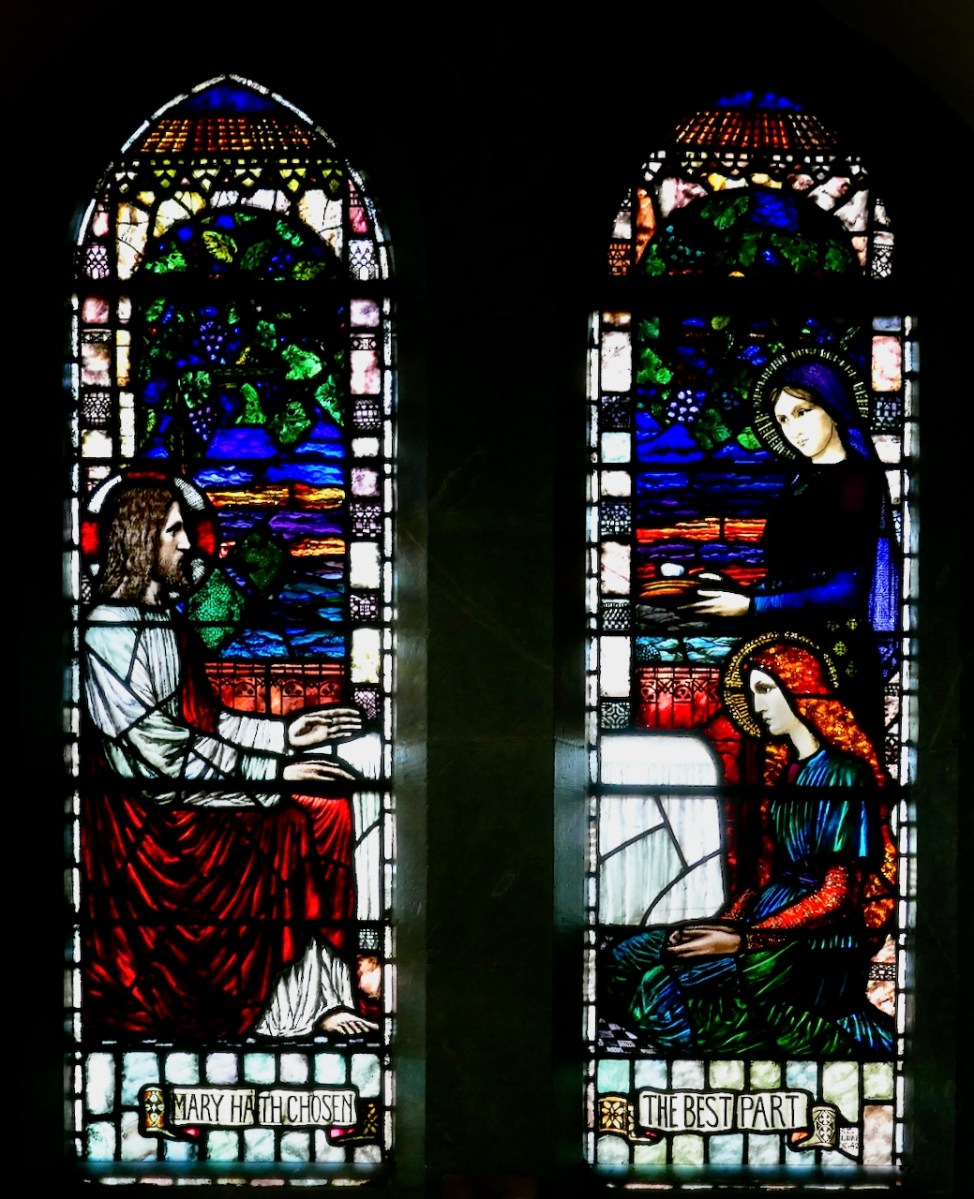
Christ with Mary and Martha, Mayfield, Cork

Because of the opprobrium that such a scandal would have visited upon both Elizabeth Kelly and Michael Healy, Diarmuid was never told that Healy was his father, but he must have suspected, and in more recent times DNA testing confirmed the relationship. Reading about the frequent tragedies that befell the Healy family and the privations under which he grew up, I find it very comforting to know that Michael enjoyed the security and love of his adopted family as he got older.

St Simeon, one of Healy’s early windows for Loughrea Cathedral

David leads us on a measured journey through Healy’s life and work. He was the first recruit to An Túr Gloine, Sarah Purser’s stained glass studio, and later co-op. There, he worked alongside AE Child (also his instructor at the Dublin Metropolitan School of Art), Catherine O’Brien, Beatrice Elvery, Ethel Rhind and Hubert McGoldrick. All of them looked up to him as the finest painter at the Studio. He, in turn, admired the work of Wilhelmina Geddes, and when her health caused problems he finished some of her windows, trying to respect her style and designs. But it wasn’t until Evie Hone arrived that he found a true colleague – Nikki Gordon Bowe described Hone as “his devoted disciple and admirer” and she finished some of his windows after he died.

Healy designed many Patrick windows – this one is in Glenariff Co Antrim

Each commission is described and through David’s detailed accounts we come to understand Healy’s style – what iconography he was attracted to, how he decided on the myriad details with which he embellished his windows, and most of all, his decorative methods. 

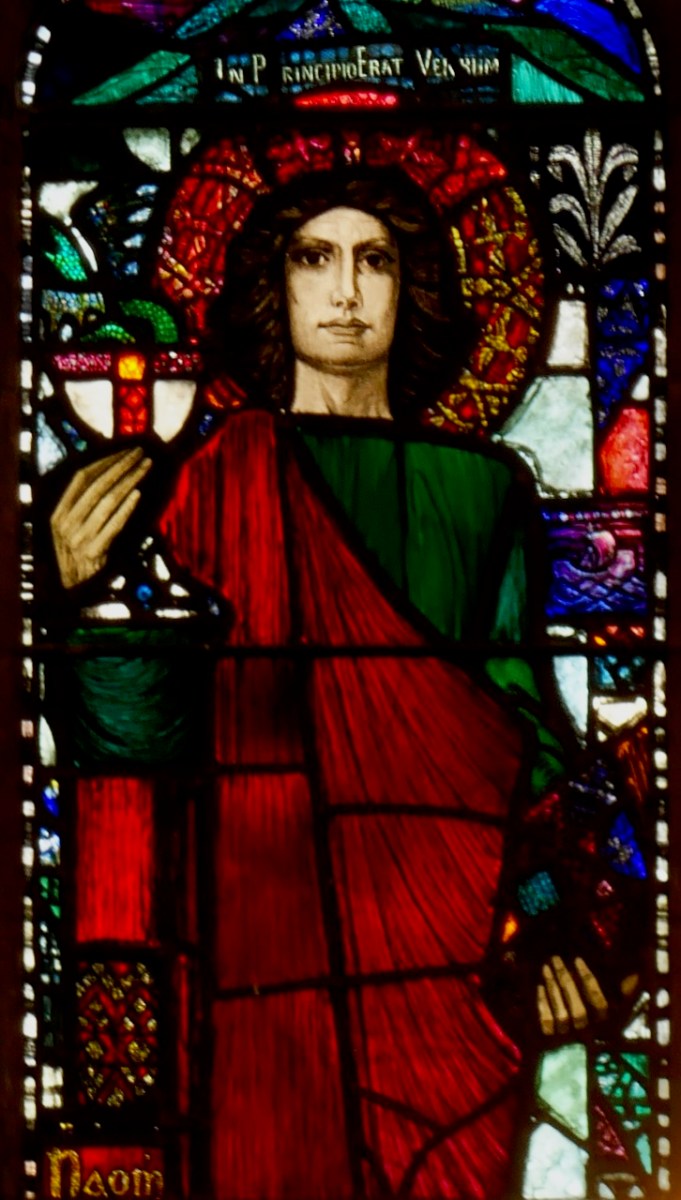
John the Evangelist, Loughrea Cathedral

Long before Harry Clarke made it is his signature, Healy was a master of aciding, a difficult (and dangerous) process used to remove colour from the surface of flashed glass. Flashed glass is clear glass which has a skim of coloured glass fired onto its surface. This top layer could be removed by scratching or etching it away, or by immersing the glass in a bath of hydrofluoric acid, having first applied beeswax to any surface where the colour should remain intact. By waxing and immersing, often several times, colour could be altered from, for example, a rich ruby red to the merest hint of pink, and all shades in between.

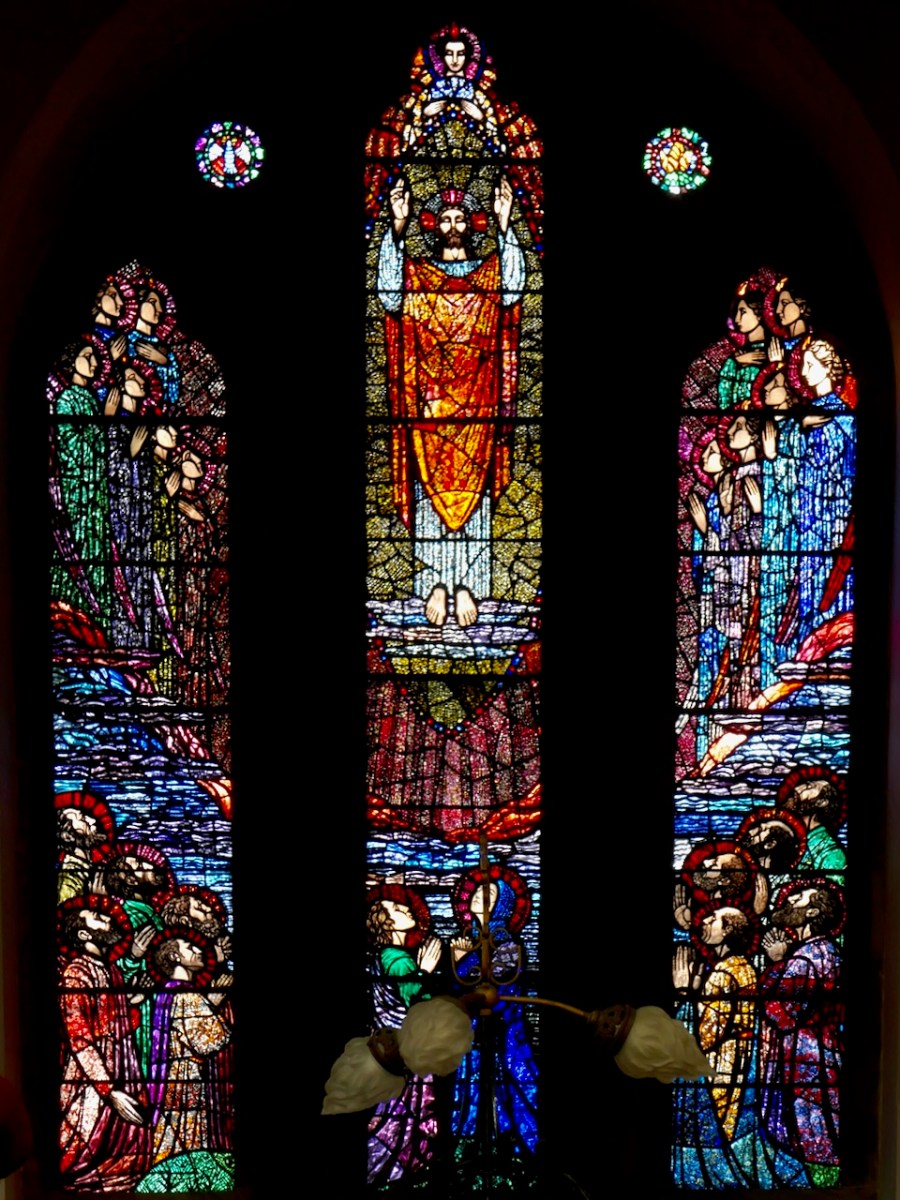
Healy’s Ascension, in Loughrea Cathedral

Healy would often plate two sheets of glass together – for example, one red and the other blue – each one carefully acided, and could by this means achieve an astonishing array of colours from the red-blue side of the spectrum. Added to this, he would often use silver stain on the back of the glass. Once heated in the kiln, the silver stain would permeate the glass, turning it yellow (repeated firings could deepen this from bright yellow to a rich amber colour). Finally, all the figuration would be painted and stippled on to the surface of the glass and the individual pieces of glass would be assembled and leaded together to produce the finished window. Healy was a perfectionist and Purser would despair of ever making enough money to keep the studio going since he spent so long on each commission.

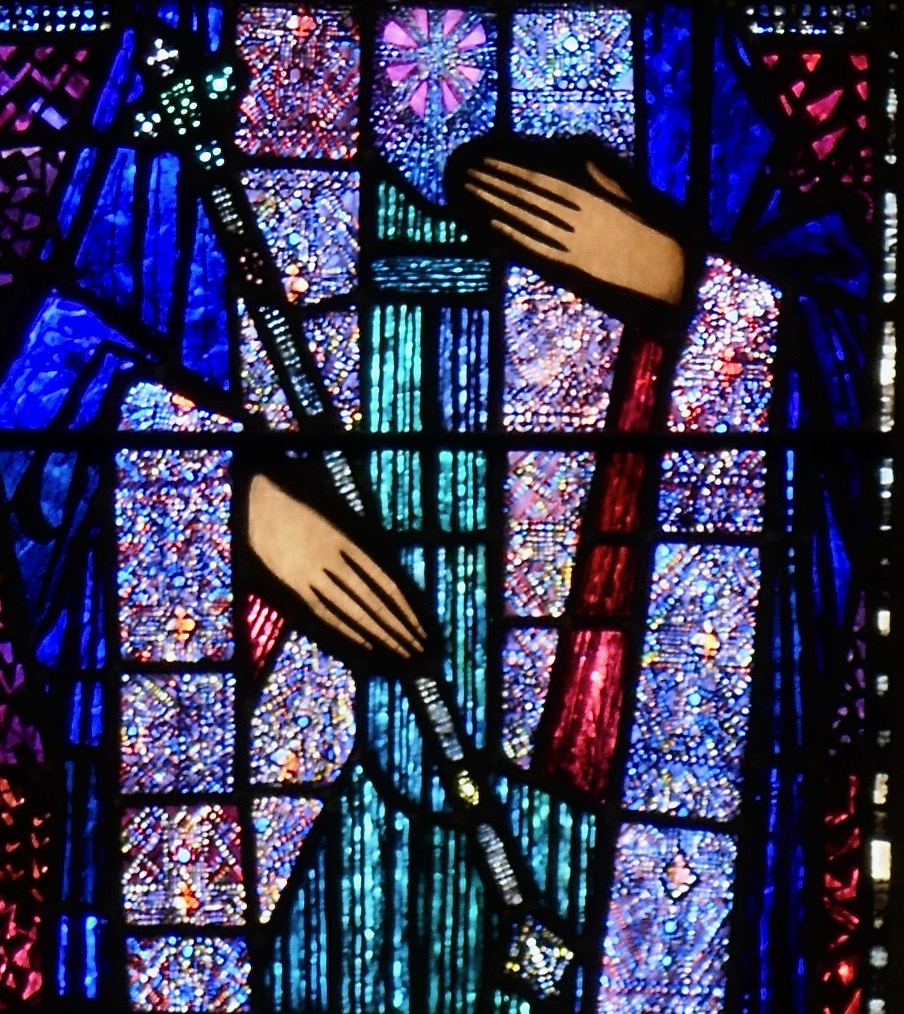
This detail from Healy’s Virgin Mary window in Loughrea illustrates well his aciding technique using red and blue flashed glass plated together to produce not only infinite shades of colour but a sparkling jewel-like effect

It is through David’s lively analysis of each window that we truly come to appreciate Healy’s genius and his evolution as an artist, his style developing according to his exposure to more modern influences.

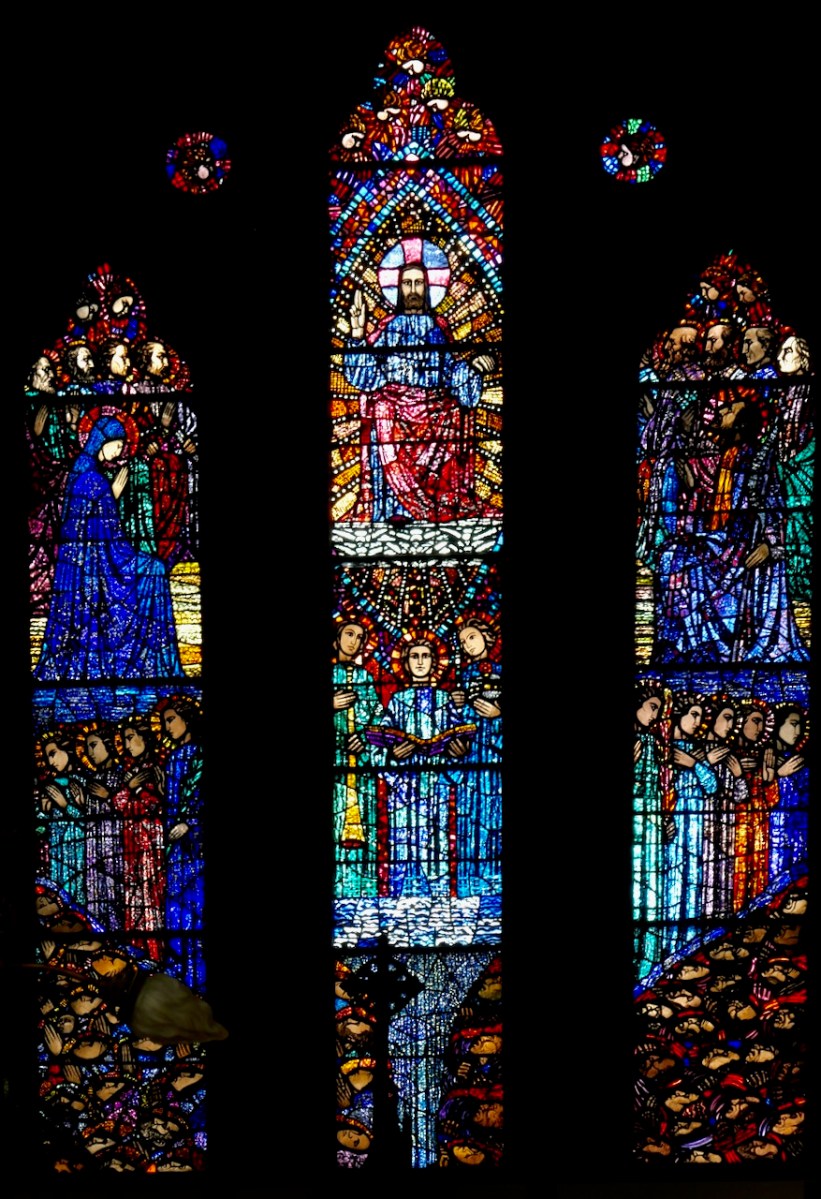
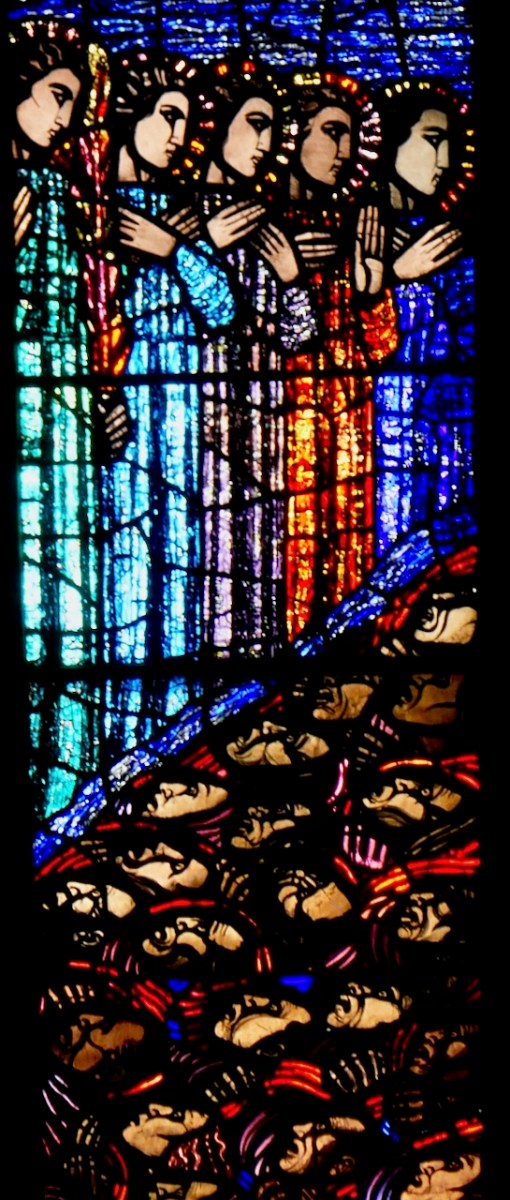
Considered one of his masterpieces, this is the Last Judgement Window in Loughrea, completed towards the end of his life. A detail from The Damned(right -hand light) is below

David wears his erudition lightly and when he dissects a window, pointing out elements that are easy to miss, and explaining what they mean and why Healy used them, I found myself pouring over Jozef’s wonderful photographs, picking out each separate item of iconography, and marvelling anew at the depths of learning that Healy brought to his designs. For example, David devotes five pages to the St Augustine and St Monica window in John’s Lane Church in Dublin and not a word is wasted.

Along the way we meet a host of characters – the redoubtable Sarah Purser and his colleagues at An Túr Gloine, enterprising priests and bishops, citizens memorialising their dead family members (CS Lewis!), art critics such as C P Curran, American heiresses, patrons of the arts, Celtic Revival influencers (OK, modern word, but you know who I mean). We get insights into the inner workings of the studio, wherein frequent bouts of unprofessional behaviour created tensions, and where Sarah Purser often had to crack the whip when productivity lagged. We come to understand the difficulties of soliciting business, agreeing on final designs and delivering orders, especially to overseas clients, in days when postal service to American and New Zealand took weeks.

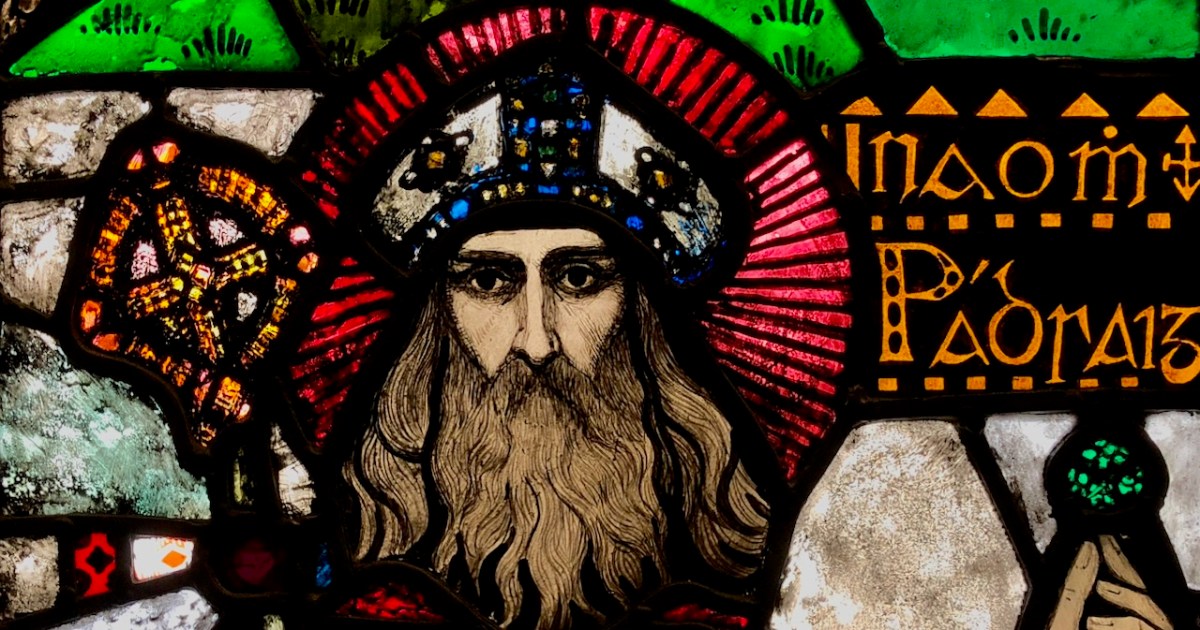
A detail from the Patrick window in the National Gallery

We also come to see Healy as a rounded artist who did more than stained glass. His quick sketches of Dublin characters, drawn from life have all the attraction of immediacy and familiarity, while his watercolour landscapes are charming.  

An early Loughrea window, Virgin and Child with Irish Saints

Healy died in 1941. By the time you finish the book, you feel you have lost a friend – a difficult and complicated one to be sure, but one whom you admire and will never forget. While obviously a gruff character on the outside, David allows us access to his humanity, and points out the obvious sympathy with which he portrays some of his subjects. His Loughrea St Joseph (below), for example, shows, in the words of the art critic Thomas McGreevy, a “Joseph who knows the tragedy of the world and who has some special understanding of the destiny. . . of the child”. We are, of course tempted to see in the tenderness with which Joseph gazes down at Jesus a revelation of Healy’s suppressed feelings for his own son.

This book is not just for stained glass enthusiasts, though they will delight in it, but for anyone interested in life in Ireland at the end of the 19th and beginning of the 20th century, and indeed for anyone who enjoys good writing and a story that propels you through almost 70 years of the life of a significant artist. Available from the publisher or in all good bookstores.

Looking Back on 2023: Robert

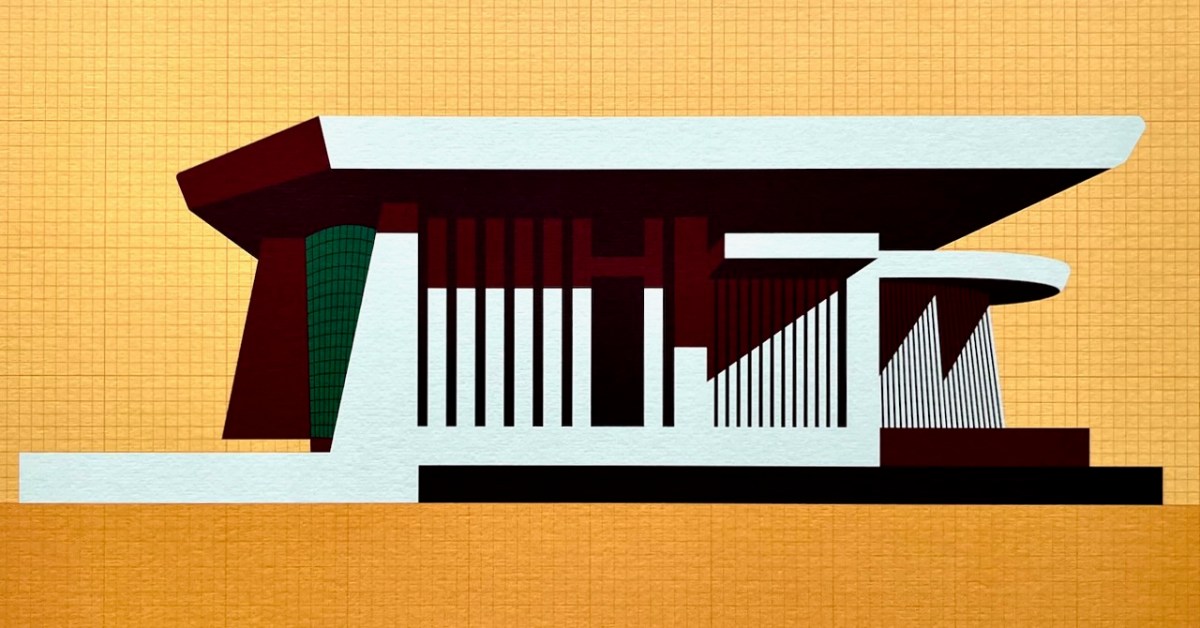
This is my favourite image of the year! I published a post about the architecture of Bantry Library, and it proved to be our most popular . . . This limited edition print, a collaboration between Dermot Harrington of Cook Architects and Robin Foley of Hurrah Hurrah is celebrating the upcoming 50th Anniversary of the completion of Bantry’s Library in 1974, and some refurbishment work is being undertaken for the occasion. For me, the print captures perfectly the iconic graphic of this most unorthodox design.

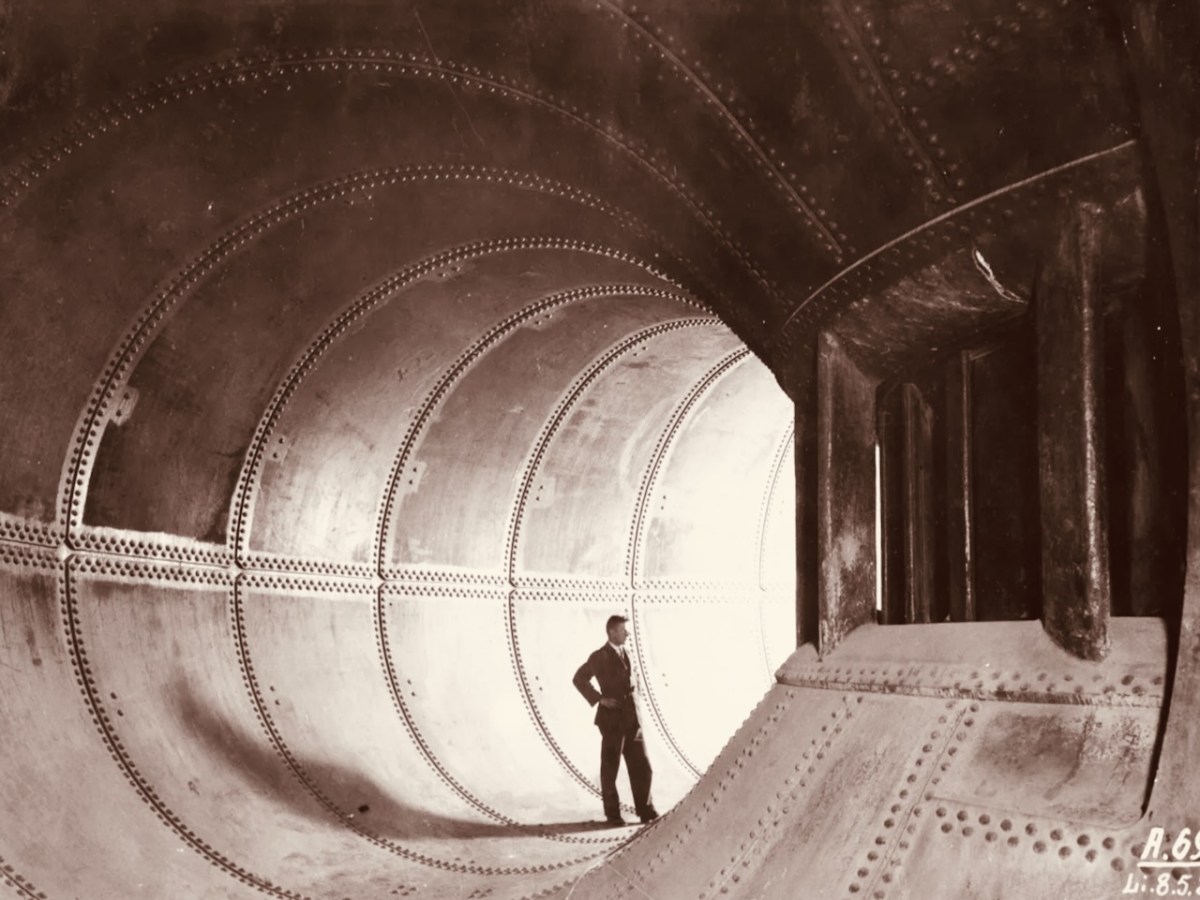
We both wrote 52 posts this year, each of around 1,000 words, and all fully illustrated. Above is a pic of one of the penstocks which brings the water into the turbine casings at Ardnacrusha Power Station (courtesy of ESB Archives). This incredible engineering feat – well ahead of its time – was constructed between 1925 and 1929, and was integral to the supply of electricity throughout Ireland’s young state by harnessing water power from The Shannon. West Cork benefitted from Rural Electrification, and I thoroughly enjoyed researching and writing a series of posts on the whole subject.

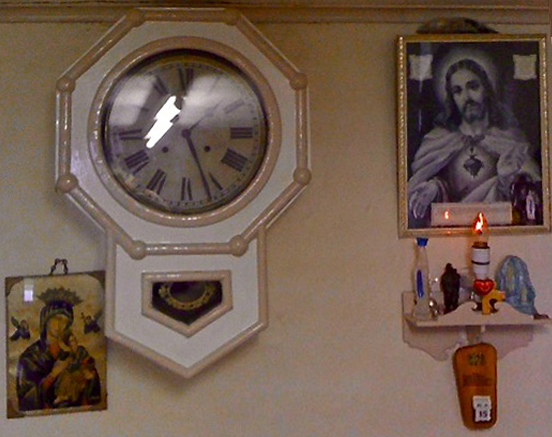
. . . Once a community was connected, or about to be connected, the ESB held public demonstrations of household appliances. These were then sold bringing electric irons, kettles, stoves to homes. The demonstration evening in Glenamaddy was held in January 1951. The handwritten report records that it took place “in the very fine Esker Ballroom”; these events were social occasions that brought communities together. The Glenamaddy evening “was attended by about 90, including 50 women. As is usual, the women appeared to be more keen than the men and more inclined to ask questions (and to argue). After the demonstration, a melodeon player turned up and an impromptu dance got under way” . . . Small towns and rural townlands became brighter and winters less harsh and Christmas more special as the fairy lights began to shine. It also gave rise to a rural Irish icon as every house had the Sacred Heart picture with the (electric) red lamp (below): many didn’t get a kettle and washing machine until later on . . .

ESB Archives

The whole series on Rural Electrification was written during the summer and can be read through this link: https://roaringwaterjournal.com/tag/electrification-of-ireland/

Since 2018 our own Museum in Ballydehob has been showing exhibitions of the work of locally based artists. This year it was the turn of the Verlings – John and Noelle. John died, sadly, in 2009; Noelle is still alive and kicking and assisted Brian Lalor and myself in assembling an excellent collection of the work of these two creative residents of our village, assisted technically and ably by Stephen Canty. BAM is a really valuable resource in setting out the unique history of the artistic community here in West Cork from the 1950s onwards.

A wonderful photograph (courtesy Geoff Greenham with many thanks) of St Bridget’s Catholic Church in Ballydehob. The interior was reordered by John Verling.

. . . The gold fish hand drawn in the background of the altar and the depiction of one fish swimming against the shoal continues to evoke admiration from locals and visitors alike. He also designed the two ‘windswept thorn’ stained glass windows and etched the brass surround of the tabernacle. The Altar slab, composed of a vast monolith like the capstone of a dolmen, is a distinguished piece of sculpture and a tribute to his imaginative capacity . . .

JOHN VERLING WEBSITE: HTTPS://WWW.JOHNVERLING.COM

There was great drama off the coast of Ballydehob on the night of 22 September 1973, and its 50th anniversary was duly celebrated in Roaringwater Journal!

. . . AS an inspector from the aeronautical section of the Department of Transport and Power arrived in Ballydehob to begin an investigation into Saturday night’s plane crash off the Cork coast, it was learned last night that the pilot of the Piper Cherokee almost lost his life in his efforts to save the other three men on board. Michael Murphy (23), of Mercier Park, Curragh Road, Cork, who was sitting next to the pilot, Eric Hutchins of Ballinlough, Cork, said that Mr Hutchins was concentrating so much on getting the plane down that he was knocked unconscious at impact. Mr Murphy, together with Noel O’Halloran, of St Luke’s, Cork, and James McGarry, of Monkstown, Co Cork, had been braced for the crash and scrambled free on to the wing. But then they found that they could not get out Mr Hutchins who was unconscious. Mr O’Halloran then went back into the rapidly sinking plane and between them they pulled Mr Hutchins free and threw him into the water. The three men then swam ashore taking 40 minutes to reach land at Fylemuck, as they had to support the injured man all the way . . .

IRISH PRESS, MONDAY 24 SEPTEMBER 1973

All four crew and passengers on the plane survived the ditching, but the aircraft itself (a photo taken in its good days, above) was a write-off. Those living locally who remembered the event gathered to mark it in Schull, on the anniversary.

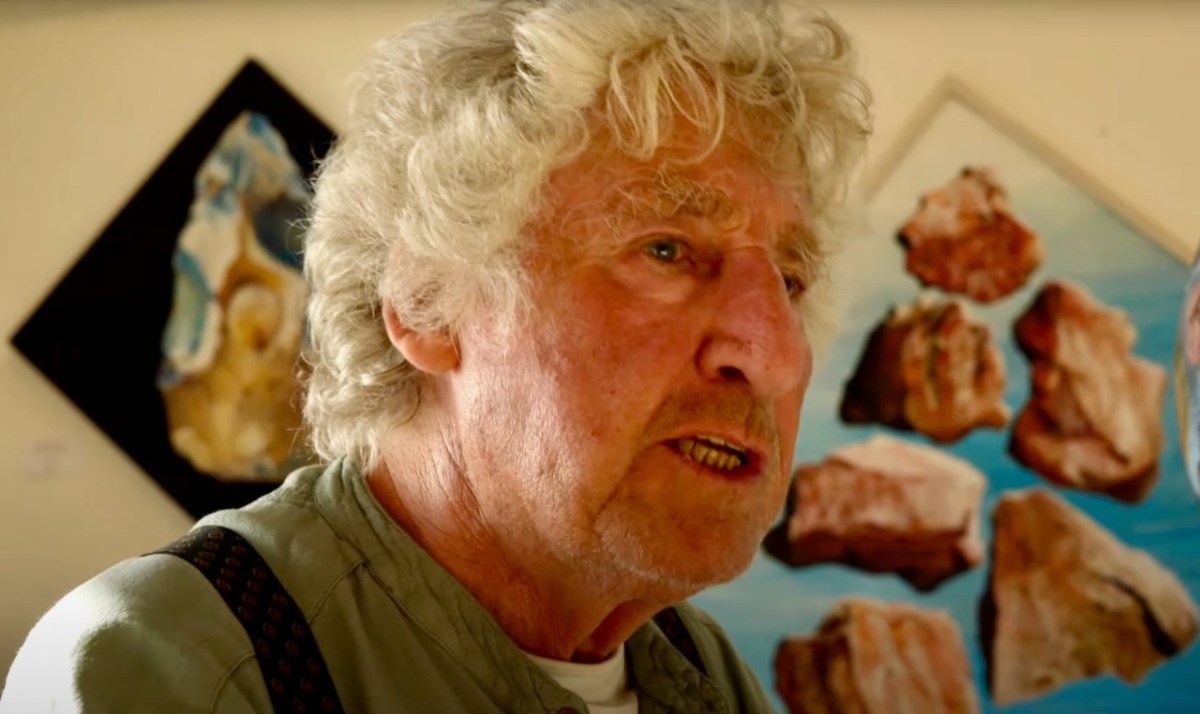
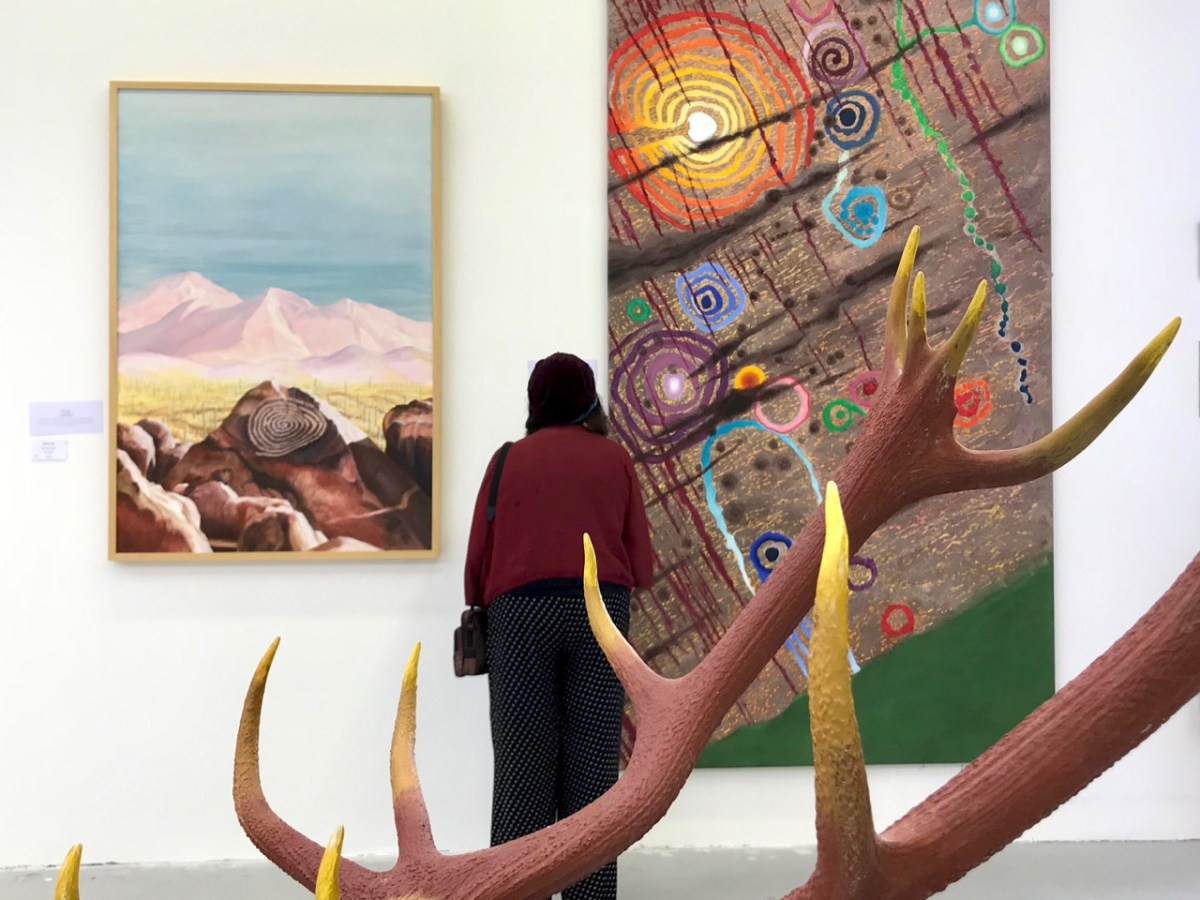
That’s Keith Payne, above. He’s one of the many artists who has lived in West Cork for a significant part of his life – at Leamcon, and he was deservedly given an exhibition in The Blue House Gallery, Schull, in September this year. He has always been fascinated by ‘early markings’, including Rock Art: he contributed dramatically to our own Rock Art exhibition at The Public Museum, Cork, in 2015.

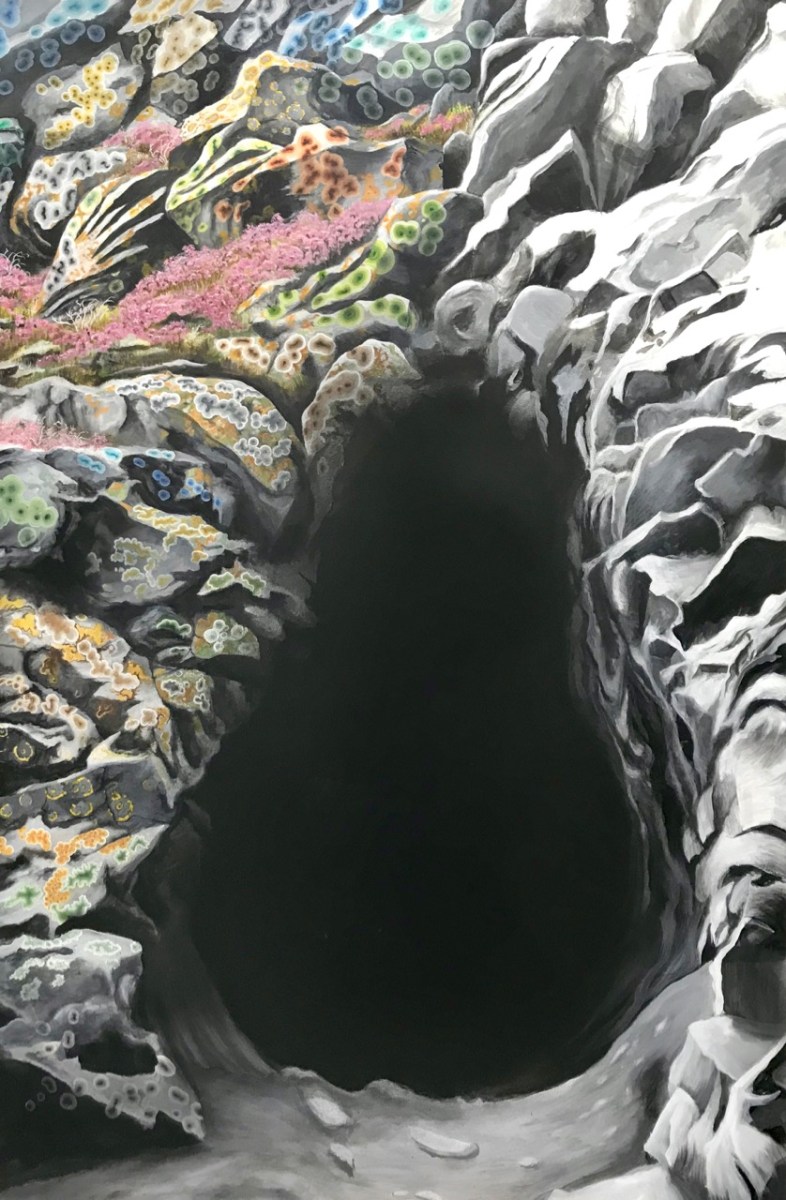
That’s a spectacular large canvas by Keith inspired by Rock Art at Derreenaclogh, West Cork (on the right, above). It’s from an earlier exhibition by Keith in County Clare in 2018, at the Burren College of Art Gallery in Ballyvaughan, Co Clare. The work below is titled Cave Entrance.

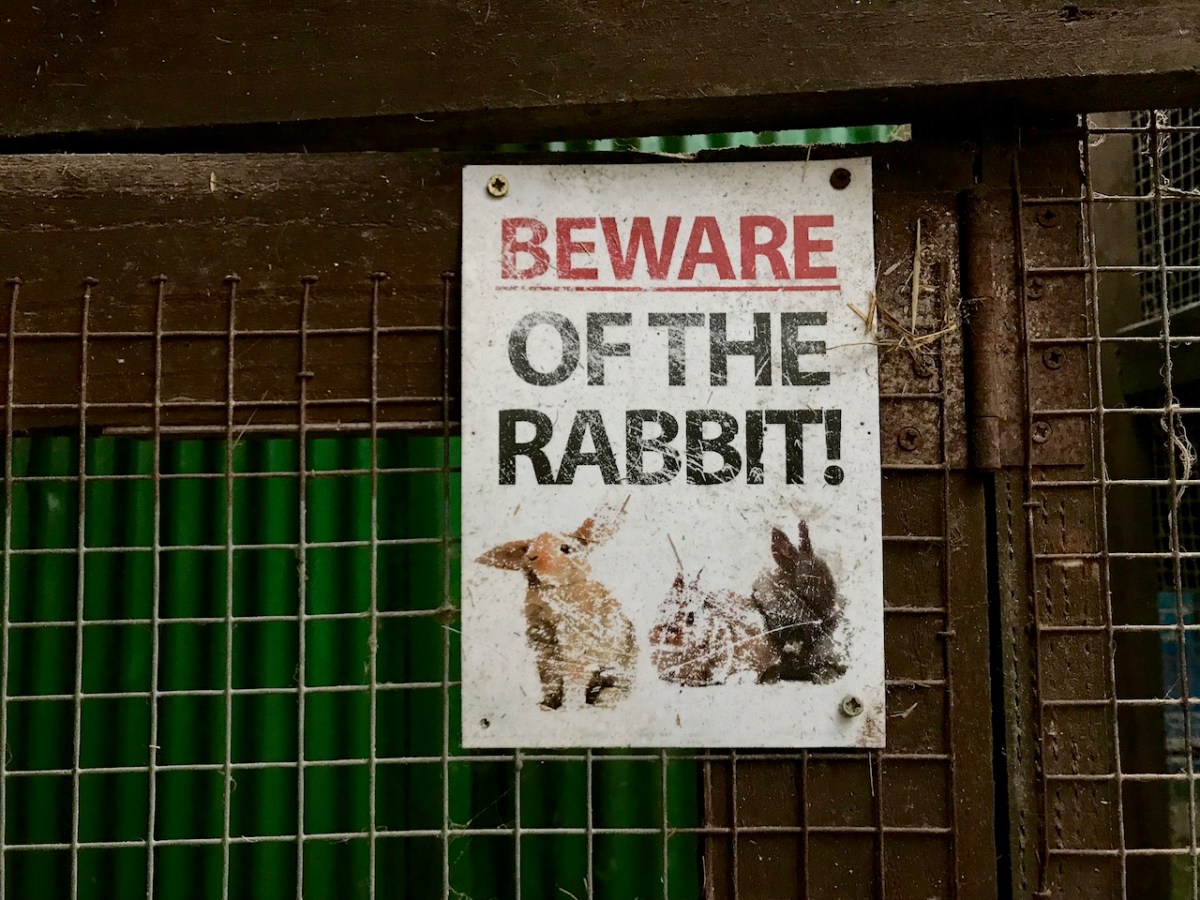
Throughout the year I continued to publish posts on some of my favourite subjects: Irish signs, advertising and curiosities. I’m always avidly collecting these, and will have some to show in 2024, for sure. In the meantime, let’s hope our general news becomes more positive as we move forward in this disorienting world of ours . . . Have a good new year, everyone!

And here’s a little PS . . . Way back in January, before I had the idea to write about Rural Electrification in Ireland historically, I penned a post about how I saw Ireland very much at the forefront of harnessing wind power – all at sea. Here it is!

A Cabinet of Curiosities

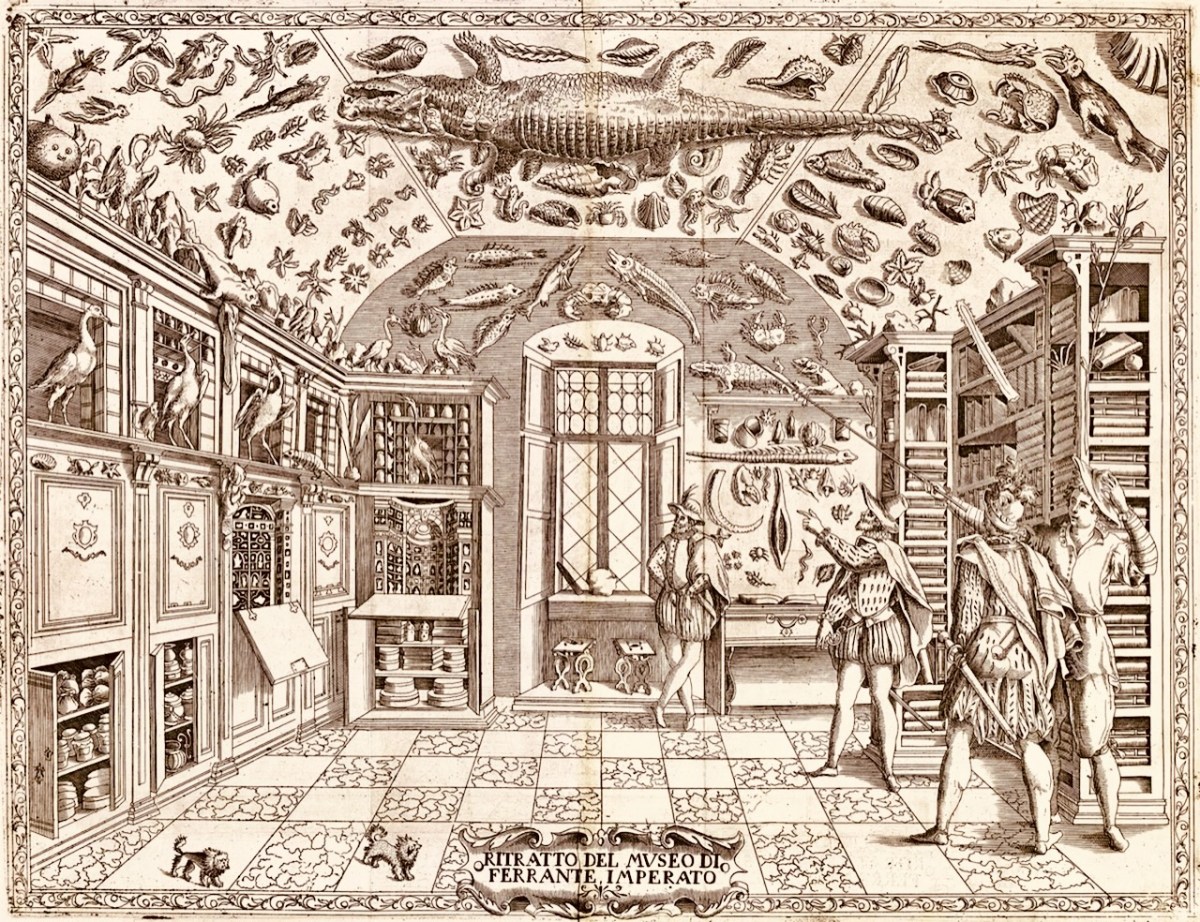
The forerunners of the museums that we visit today were known as ‘Cabinets of Curiosities’. Starting – just about – at the very end of the sixteenth century – we find mentioned and illustrated collections of objects gathered from exotic places: things that a gentleman might be unfamiliar with; things that could expand our knowledge and cause wonder. Curiosities, undoubtedly. Here’s one collection illustrated in 1599:

This is an engraving from Ferrante Imperato’s Dell’Historia Naturale (Naples 1599), the earliest illustration of a ‘natural history cabinet’ (courtesy Oxford University). It shows a room fitted out to display imported paraphernalia: (hopefully mounted) creatures, dried specimens, fossils – also books and illustrations. The collector here takes on the role of educator – perhaps showman. Here you might encounter unicorn horns, a dragon’s blood, mermaid scales as well as the full sized alligator hanging from the ceiling.

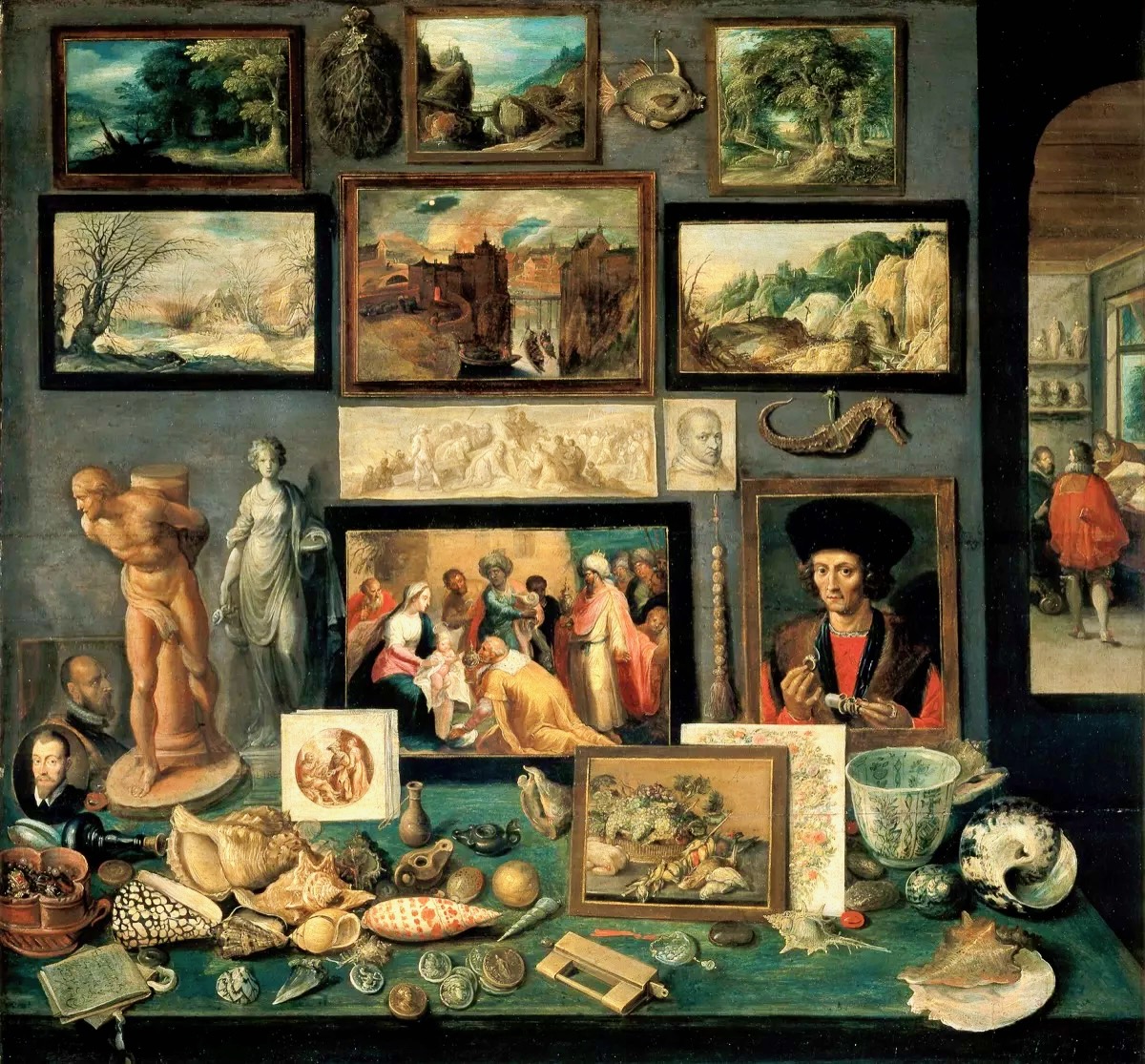
Frans Francken the Younger, Chamber of Art and Curiosities, 1636 above (Public Domain). Another selection of paintings intermixed with fish, carved beads, sculptures, with on the table exotic shells, gem-stones mounted with pearls, coins and medals.

Rathfarnham Castle (above) is a good example of an Irish Fortified Manor House. This mainly seventeenth century building type would have been the relatively comfortable home of an aspiring clan – perhaps a titled family with church or merchant connections: Finola has written about a West Cork example. Austin Cooper – a tax collector who indulged his hobbies of sketching and writing while travelling through Ireland in the performance of his duties – wrote of Rathfarnham:

. . . What renders this a Place of any Note is the Cas. belonging to the E. of Ely. This Cas. is square, with a large square Tower at each corner – on the S. side in the Center is a semicircular Tower . . . The hall is but low, at the same time exquisitely elegant . . . The gallery is a beautiful room, at the far end is a curious cabinet of Tortoise Shell & Brass containing some most extraordinary Work in Ivory . . .

Austin Cooper’s Notes, rathfarnham Castle

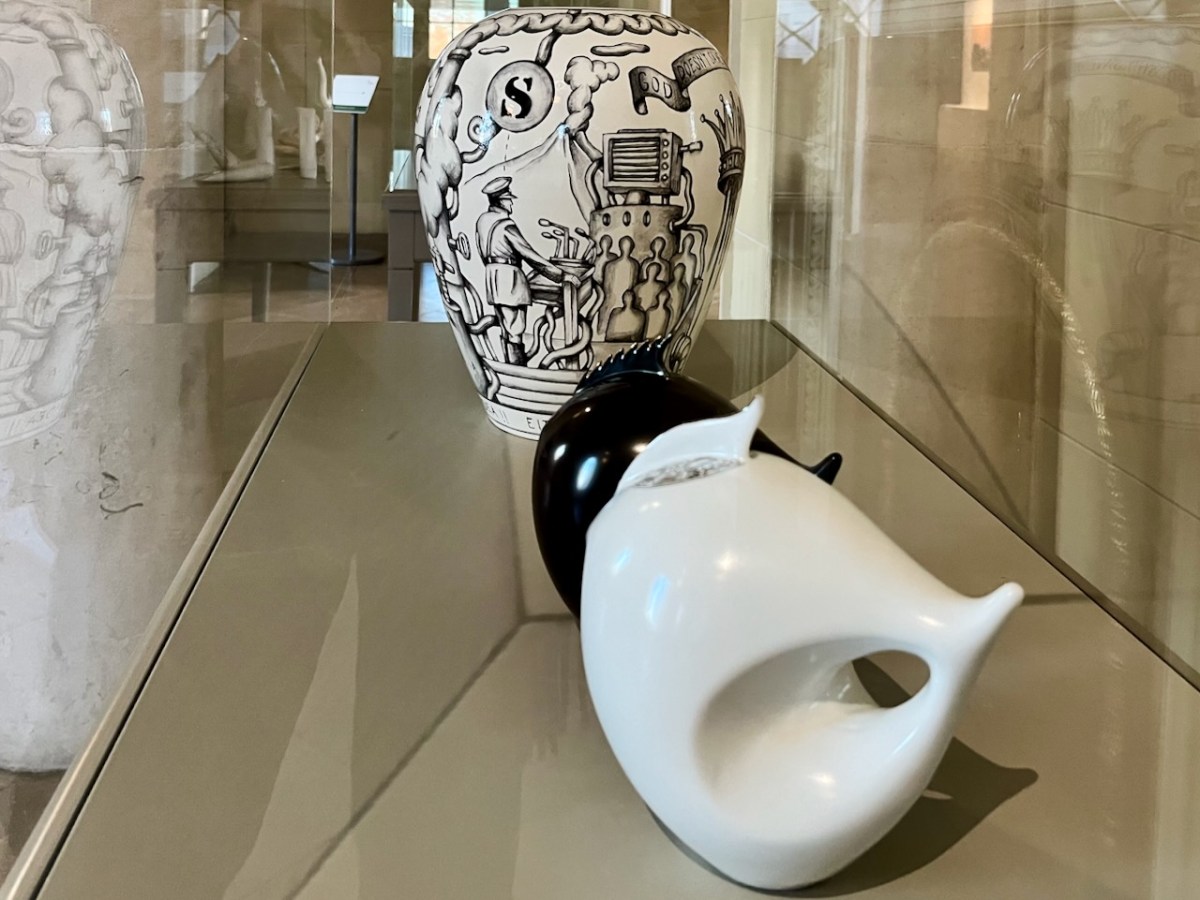
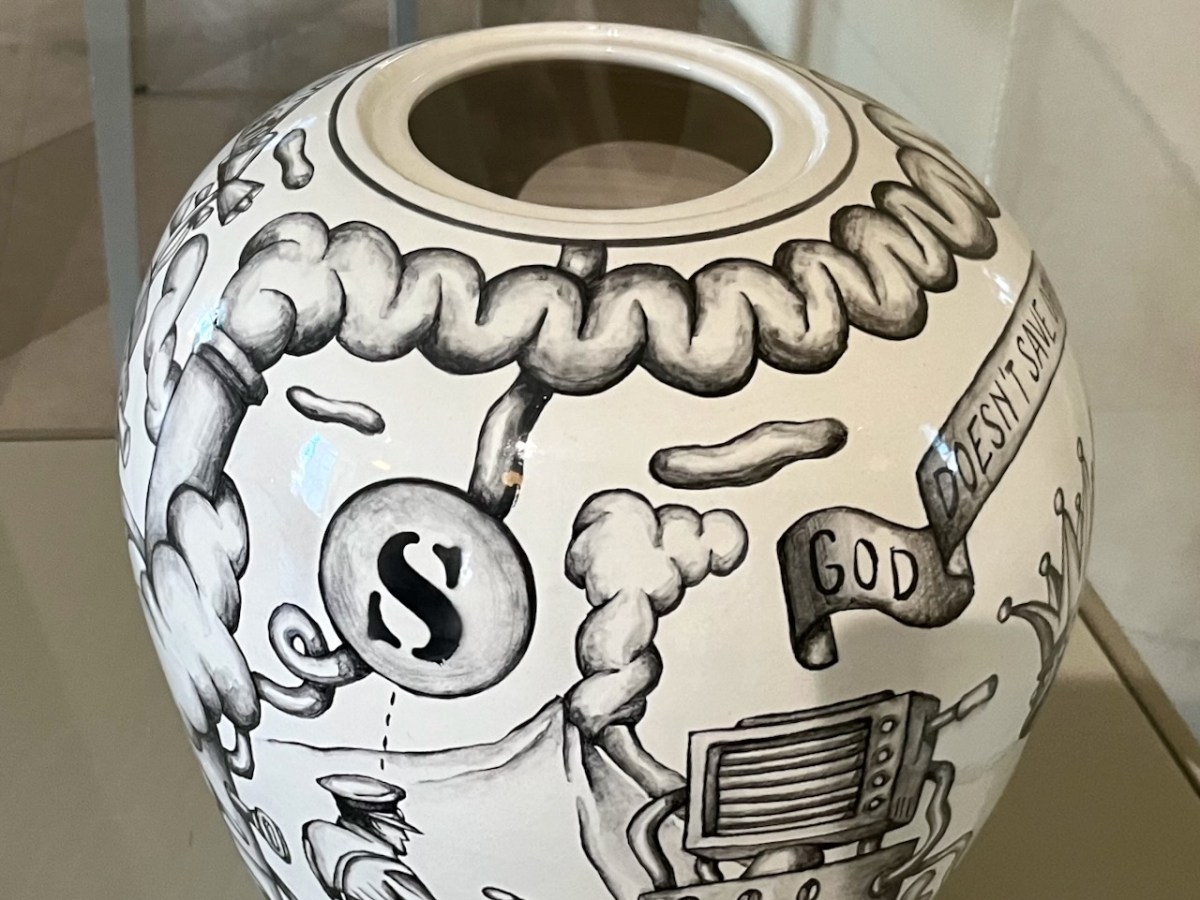
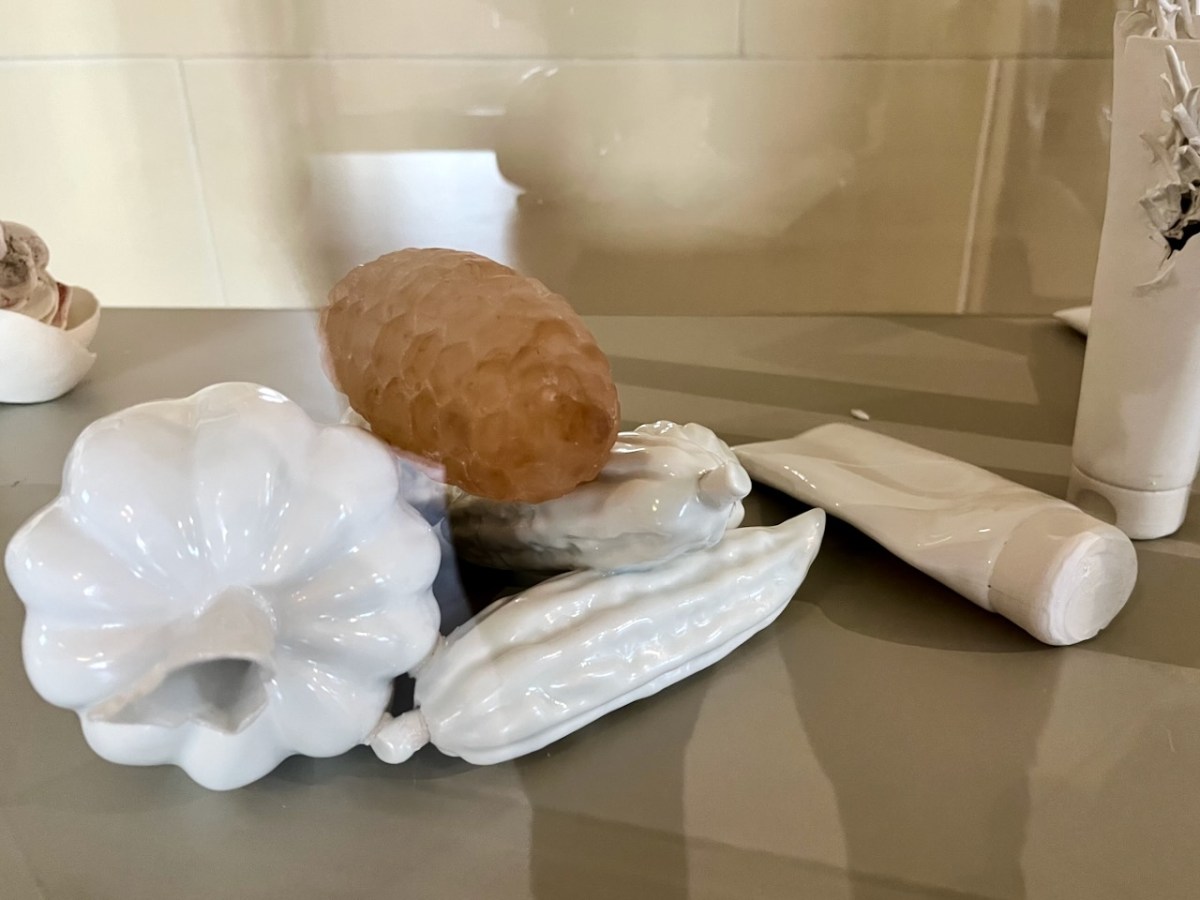
Rathfarnham Castle has, in modern times, a distinguished continuing association with contemporary ceramicists and in 2015 established a modern Cabinet of Curiosities which continues the tradition of displaying ‘extraordinary work’, and provides excellent material for a Sunday morning post!

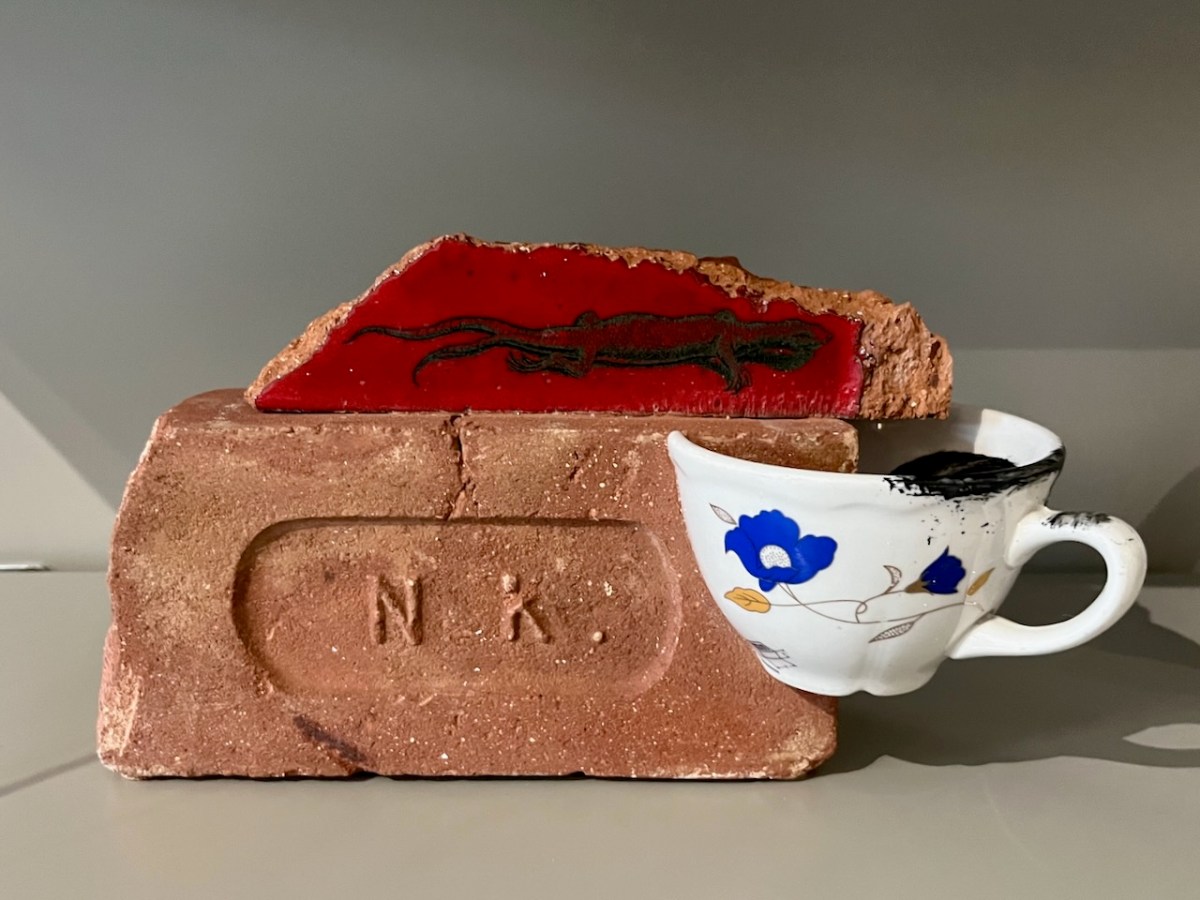
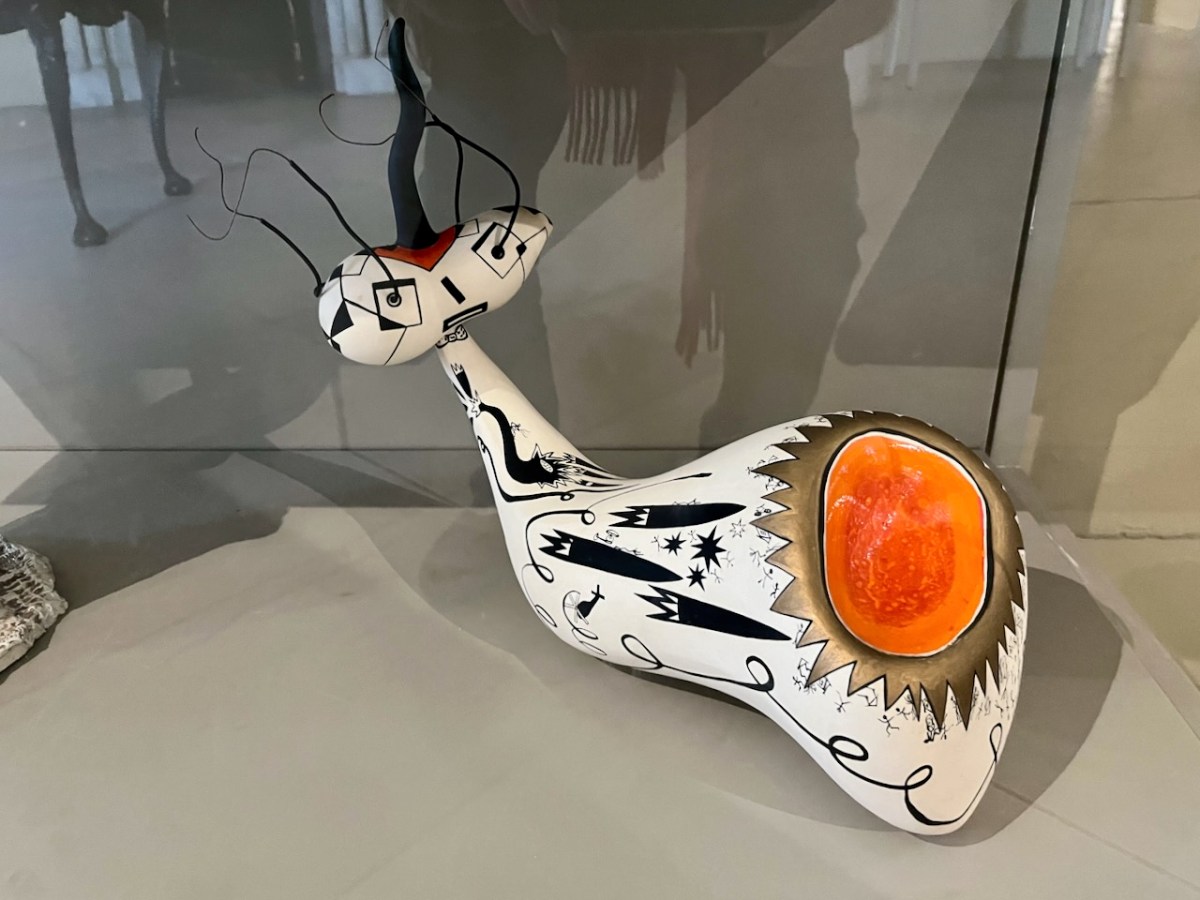
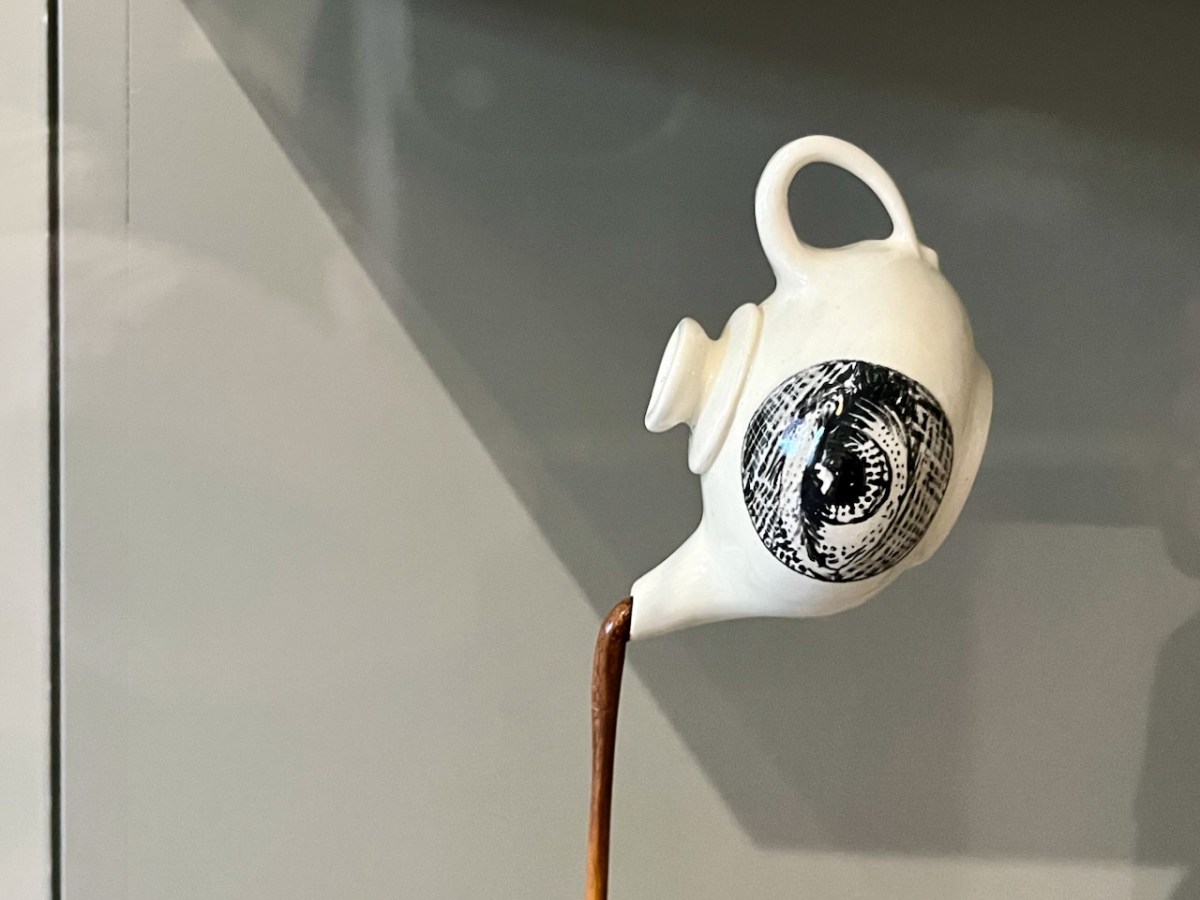
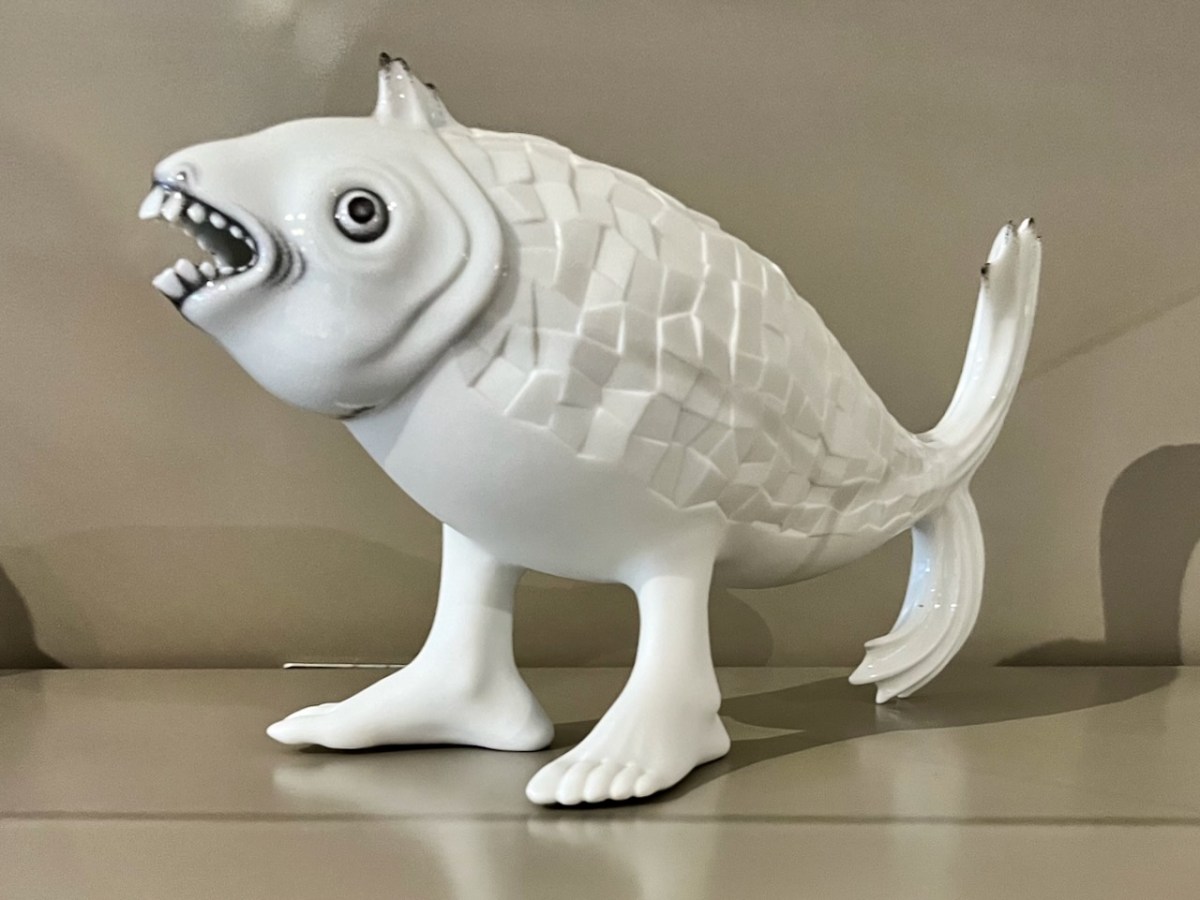
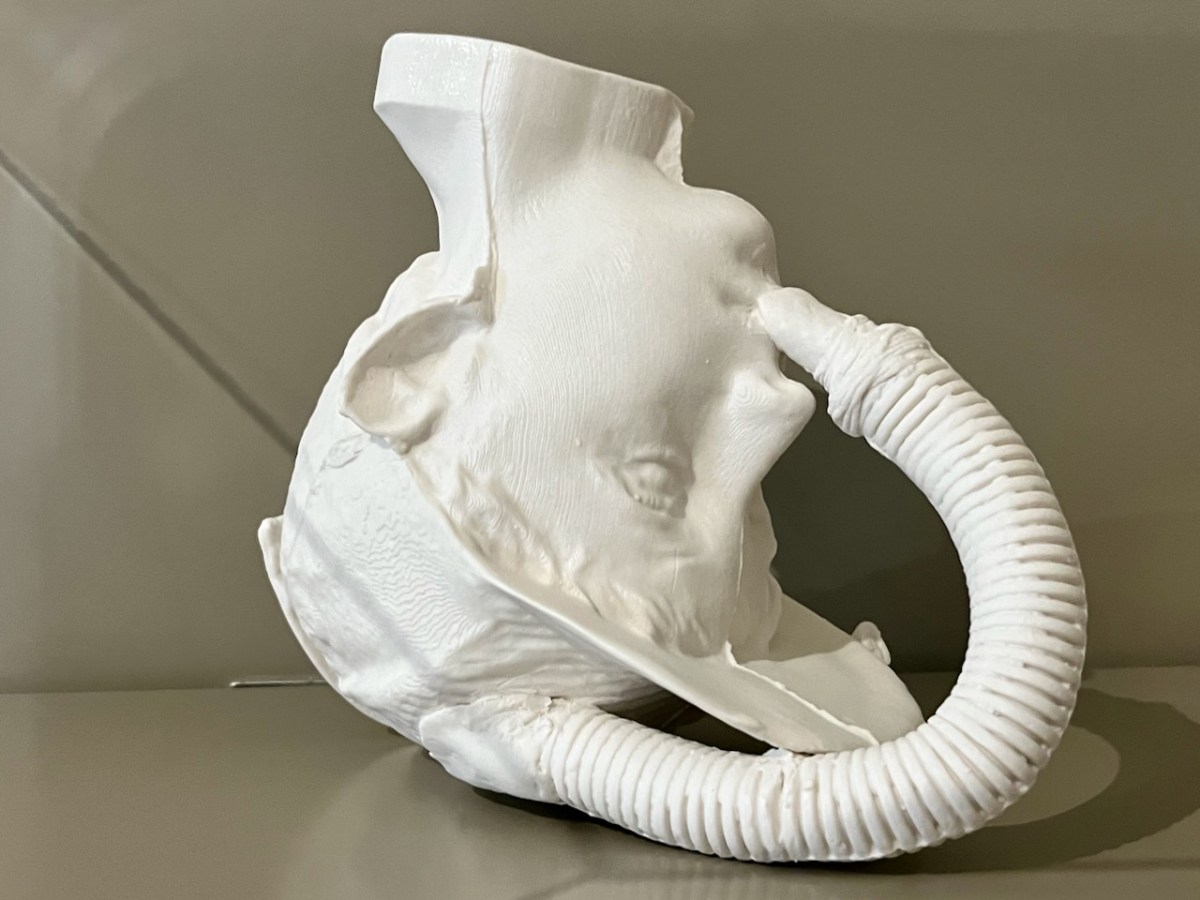
The curiosities are not labelled – and nor are their creators. Peter Bagshaw, OPW at Rathfarnham, has kindly provided me with a list – thank you, Peter – attached at the end of this piece. I cannot necessarily individually identify each item: I will leave you to work out which might be which . . .

This eye-pot looks great when you pan out a bit . . .

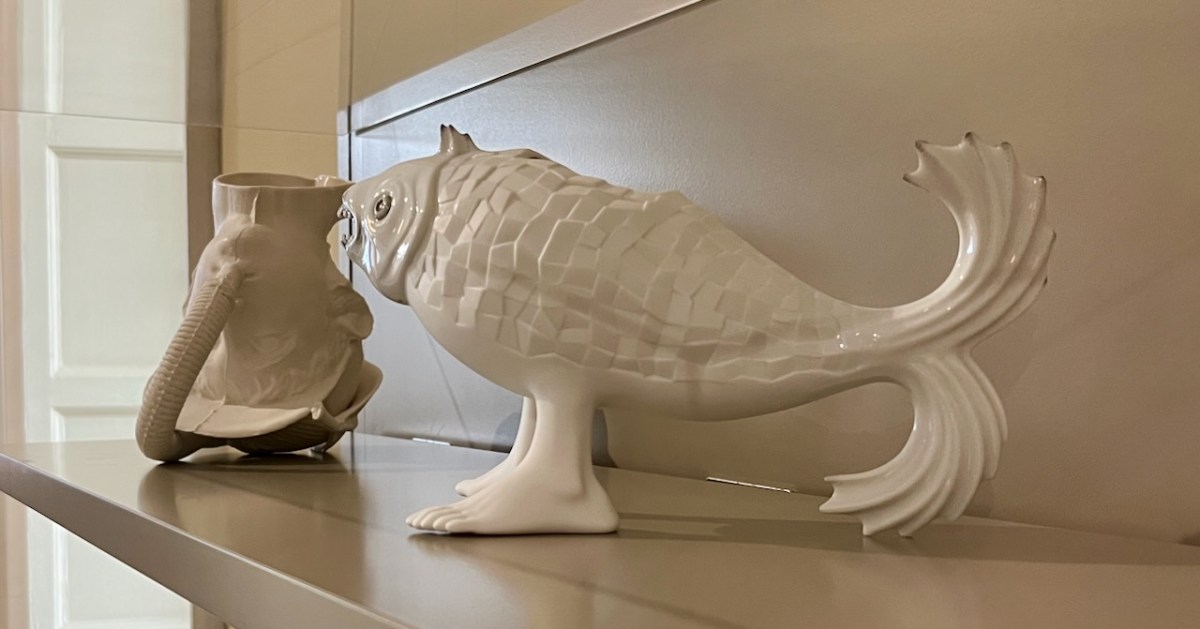
This one certainly harks back to some of those manufactured creatures that turned up in cabinets of old.

Leather teapot – a fashion item, perhaps?

I think the final image might be my favourite: a young person clutching an angel’s wing? Could this be The Sequestrator?

List of pieces – not in any order:

The Sequestrator Roderick Bamford, Australia

Mosaic Parrot Fish Ilona Romule, Latvia

N.K. Red Lizard Cup Robert Harrison, USA

New Leather Teapot Xiaoming Shi, China

Eyes Tea Verne Funk, USA

Figure Leo Tavella, Argentina

All that promise Ting Ju Shao, Taiwan

Immigration Emilia Chirila, Romania

Black and White Rotation Sylvia Nagy, USA

Yeats’ Day

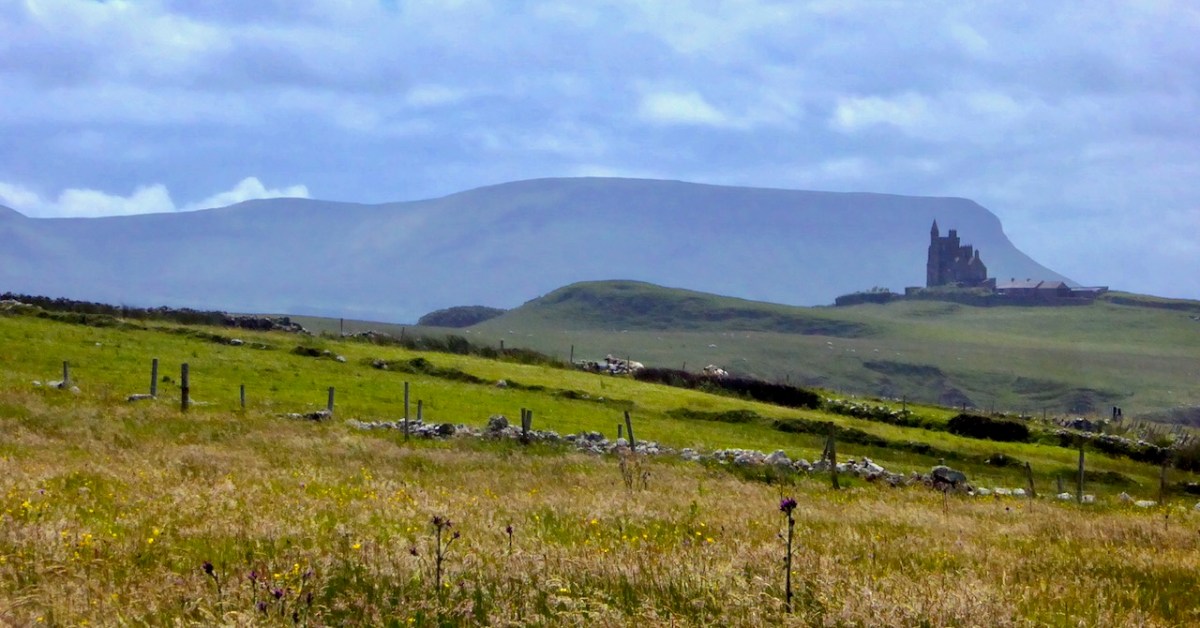
Yeats country – Benbulben and Classiebawn Castle (above). Finola took this fine view seven years ago, when we set out to visit the haunts of William Butler Yeats. We have to turn to Yeats now, as it’s exactly one hundred years since he was awarded the Nobel Prize for Literature – in December, 1923. I have carried a place in my heart for Yeats, ever since I was at Primary School on the Hampshire/Surrey borders, not far from Thomas Hardy’s Wessex. Yeats and Hardy were rivals for the coveted award – the final vote in 1923 was between the two of them: in the end, only two Nobel committee members voted for Hardy, and Yeats achieved the prize. The Guardian newspaper said that “…Mr Yeats is to be congratulated, almost without reserve, on lifting this substantial stake. He is a poet of real greatness; prose, too, he can write like an angel…”, however then arguing that Thomas Hardy would have been a worthier recipient of the award!

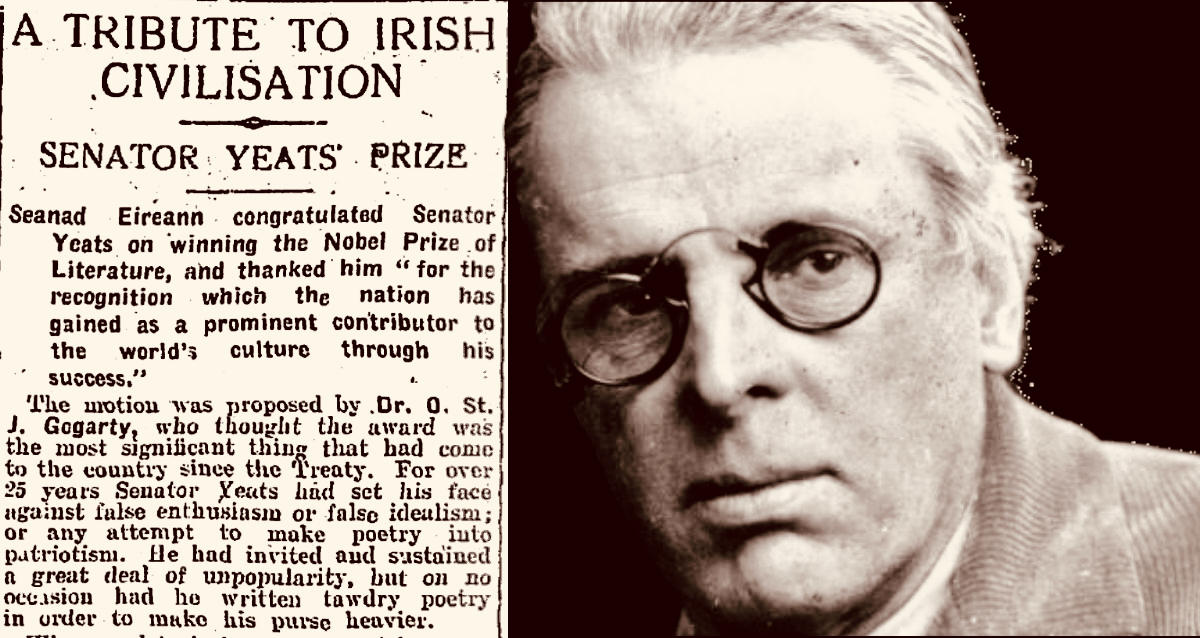
The Irish press congratulates Yeats on his achievement (above – Irish Independent 29.11.1923). My schoolboy encounter with the poet must have been when I was around ten years old and we were tasked to learn The Lake Isle of Inisfree. I can still recite it, word for word, to this day, sixty seven years later. But it was far more than mere words for me, then. Our teacher – Mr Sharpe – was careful to explain that this man was cooped up in the city of London – on its “pavements grey” and was yearning for the countryside he loved:

I will arise and go now, and go to Innisfree,
And a small cabin build there, of clay and wattles made;
Nine bean-rows will I have there, a hive for the honey-bee,
And live alone in the bee-loud glade.

And I shall have some peace there, for peace comes dropping slow,
Dropping from the veils of the morning to where the cricket sings;
There midnight’s all a glimmer, and noon a purple glow,
And evening full of the linnet’s wings.

I will arise and go now, for always night and day
I hear lake water lapping with low sounds by the shore;
While I stand on the roadway, or on the pavements grey,
I hear it in the deep heart’s core.

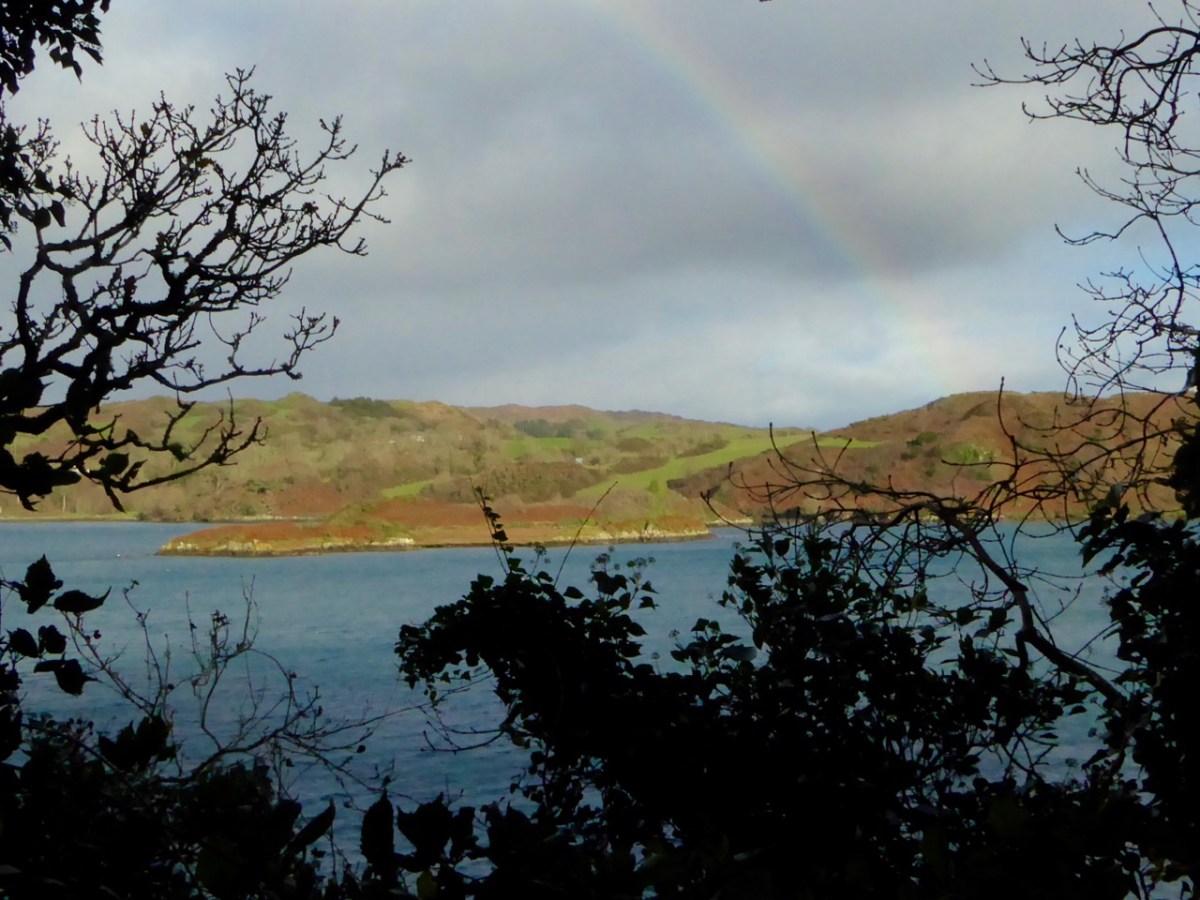
Inisfree serves the poet’s romantic dreams of a remote idyllic landscape far away from the noisy metropolis. It does exist as a place – on Lough Gill in Co Sligo: Yeats spent childhood summers nearby. Interestingly, I searched the internet for pics of the island, and the above came up. It’s from a Roaringwater Journal Post which I wrote in 2016. And it’s not Inisfree, but another ‘lake island’ – just outside Skibbereen, in West Cork – Cloghan Castle Island on Lough Hyne: there’s a holy well nearby, and an 8th century church dedicated to St Brigid – but all that is another story. The diversion just serves to warn against trusting what you find online!

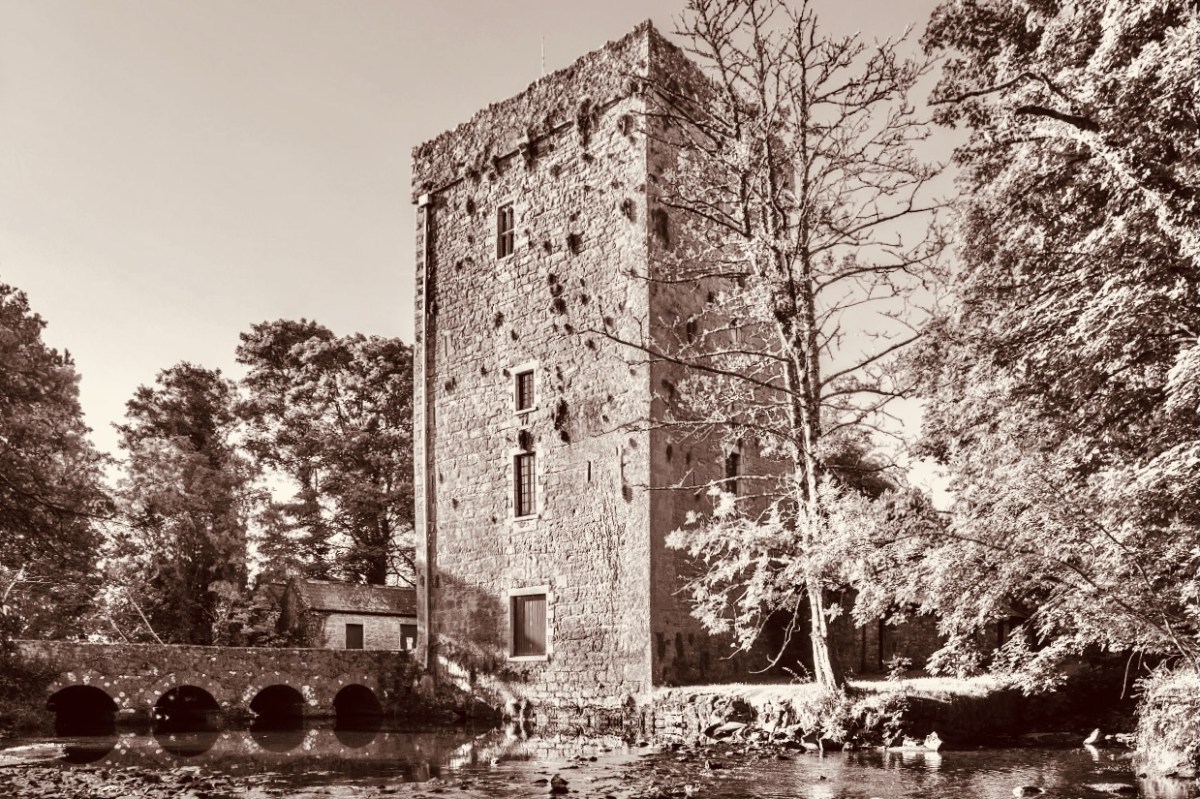
Thoor Ballylee Tower, Co Galway (above) – this 14th century tower house was described by Seamus Heaney, another Irish Nobel Literature prize winner, as The most important building in Ireland, because of its associations with Yeats, who spent many summers there with his family.

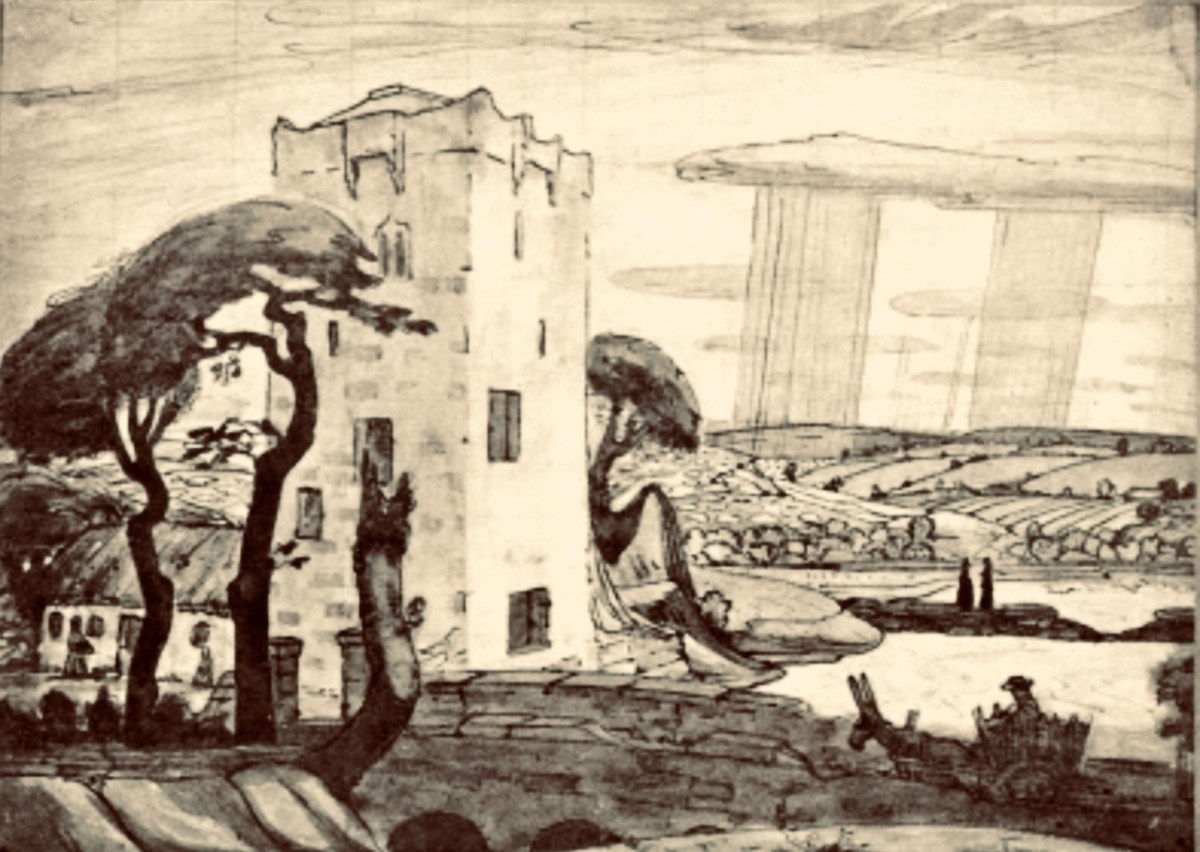
Here is the finely crafted cover of The Tower: a book of poems by W B Yeats, published in 1928 (courtesy Yeats Thoor Ballylee Society). The Tower was Yeats’s first major collection as Nobel Laureate after receiving the Nobel Prize in 1923. It is considered to be one of the poet’s most influential volumes and was well received by the public. (Below) a 1917 drawing by Robert Gregory – son of Isabella Augusta (Lady) Gregory and Sir William Gregory of Coole Park, Co Galway – of The Tower (courtesy Yeats Thoor Ballylee Society).

Going back to my early school years: I was an incurable romantic, and a daydreamer. I paid enough attention to lessons to get by, but my heart lay outside the school gates. Just minutes away were hop-fields and, beyond those, pastures, woodlands, streams – idyllic places where I loved to wander. I could completely relate to Yeat’s desire to be far away from the city, and that’s why his poem appealed to me. I knew very little about Ireland, and had no idea that was where I would one day make my home. I am here now, sitting at my desk, with the hills and oceans of Yeats’ own country beyond.

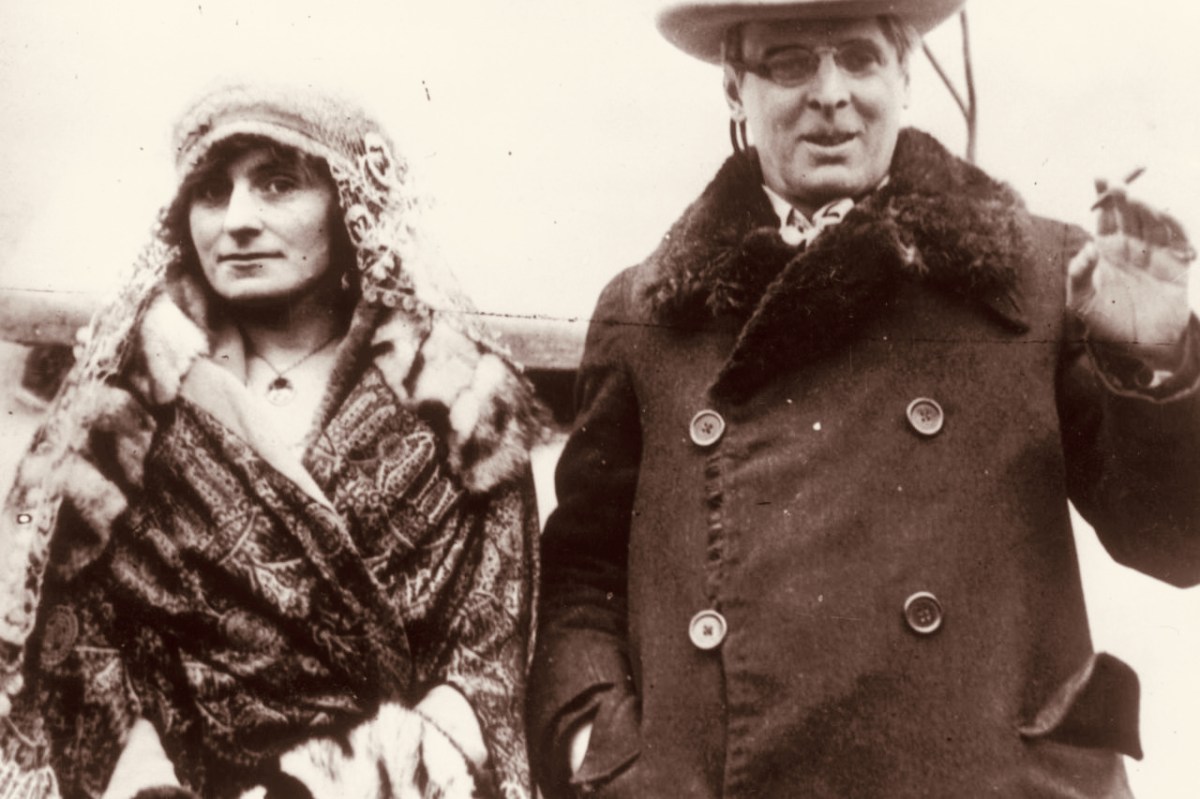
W B Yeats and his wife George Hyde-Lees heard the news that the Nobel Prize had been awarded to him on 14 November, 1923. The photograph above (courtesy Irish Independent) is said to be taken on that day. It’s also said that they celebrated by cooking sausages! The Irish Independent records: “Irish poet and senator, William Butler Yeats created history when he was awarded the Nobel Prize in Literature, the first Irish citizen to achieve such an accolade. The prize was awarded to Yeats ‘for his always inspired poetry, which in a highly artistic form gives expression to the spirit of a whole nation’.”

Somewhat surprised by the award, Yeats would later write in his (unpublished) autobiography: “Early in November (1923) a journalist called to show me a printed paragraph saying that the Nobel Prize would probably be conferred upon Herr Mann, the distinguished novelist, or upon myself, I did not know that the Swedish Academy had ever heard my name.” The news of the award was widely praised in Ireland with members of Dáil Éireann proudly announcing that it had placed Ireland on the international stage. It was a sentiment reiterated by the laureate himself, who at the awards ceremony claimed that the Nobel Prize was less for himself than for his country and called it Europe’s welcome to the Free State. In his presentation speech, Per Hallstrom, then chairman of the academy’s Nobel Committee, praised the poet’s ability to ‘follow the spirit that early appointed him the interpreter of his country, a country that had long waited for someone to bestow on it a voice’.

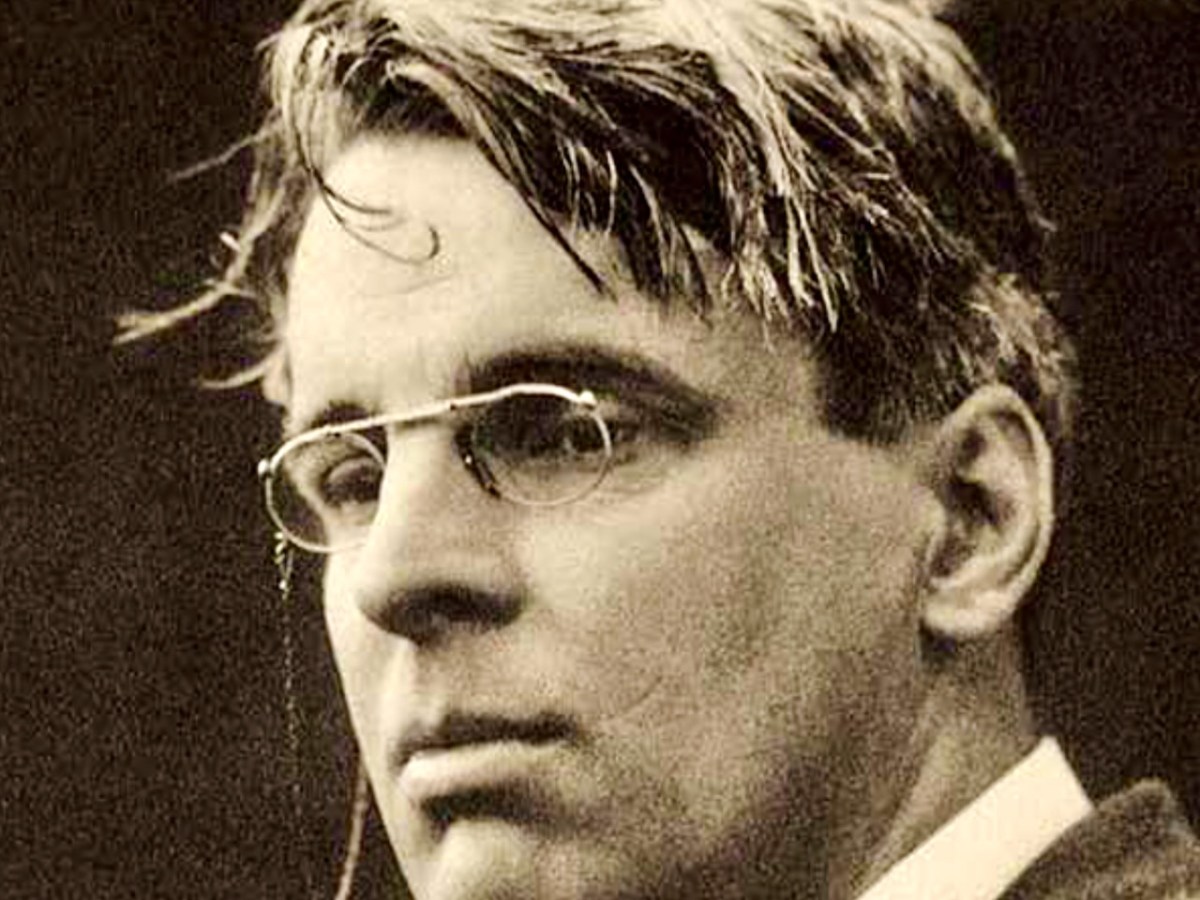
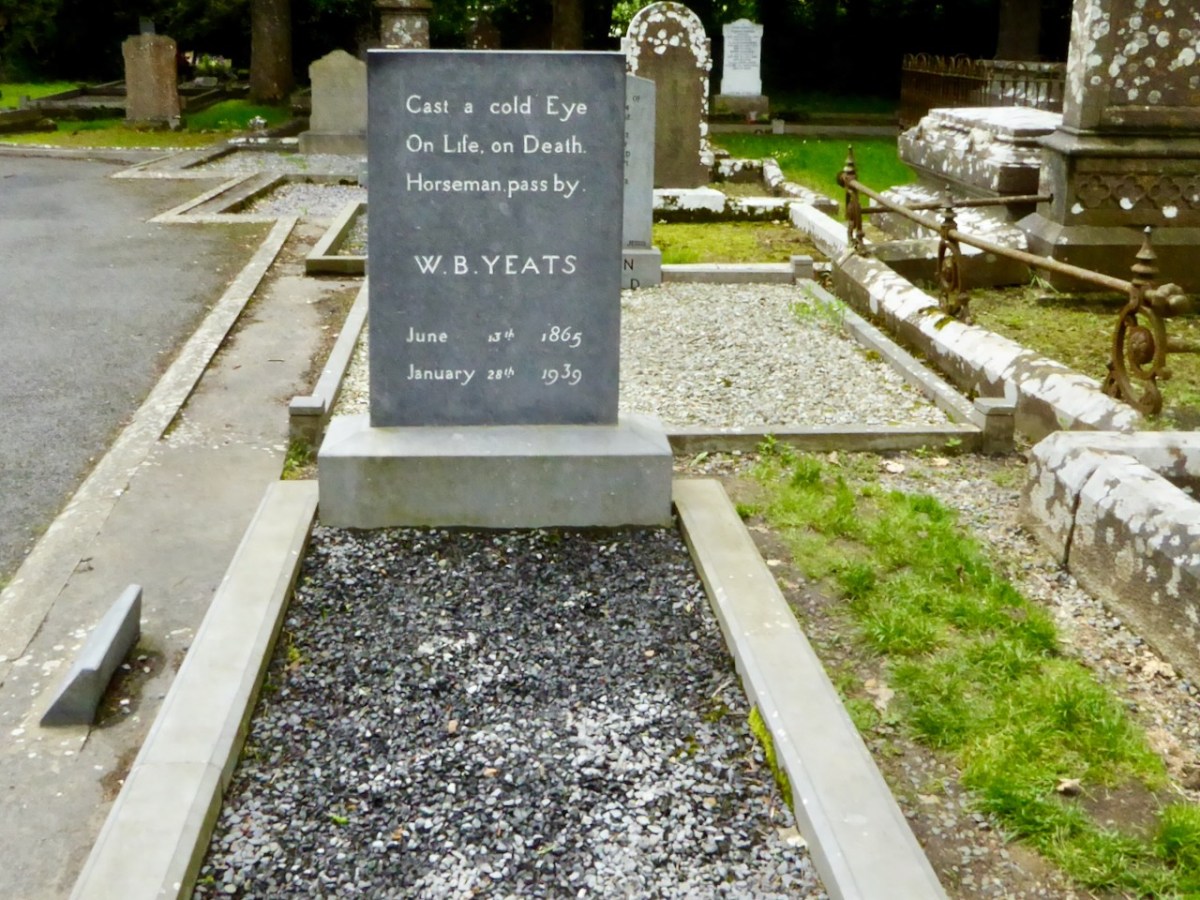
A portrait of Yeats painted by Augustus John OM RA in 1930 (courtesy Sothebys – private collection). Before Yeats passed away he requested that his final resting place be in Sligo. He died in Menton, France in 1939 aged 73 and was buried there. His wish was fulfilled in 1948 when his body was exhumed and buried in St Columba’s Church, Drumcliff. His headstone reads:

Prince of Peace: A Modern Irish Church

On our travels in Kerry recently, we happened across a striking church building. It’s situated west of Killarney and overlooks Lough Leane: in fact the view of that stretch of water is a principal feature from the interior of the church. An enormous picture window is situated beyond the altar.

I have titled this piece: A Modern Irish Church. Everything is relative, of course: this Fossa Church was completed in 1977, getting on for half a century ago, but one could only fairly describe the style as ‘modern’. It is one of twenty seven ecclesiastical buildings designed by the architectural practices of Liam McCormick (1916-1996). While based in Derry the architects carried out commissions throughout Ireland: the practice of Mullarkey Pedersen Architects, Derry and Dublin, continues their work to this day. My own life experience as an architect – (I carried out a number of church projects) – tempts me to embark on a tour of McCormick’s buildings, many of which are visually dramatic..

The lakeside church was designed to supersede an earlier building – St Lelia’s – which dated from the 1840s. That building remains and is in communal use (above): it is set back from the present site.

Unusually, there is no contemporary stained glass in this building. Instead, the focal point is the central view. I wonder whether this might be a distraction while the priest is in action? It may be that he would always be in silhouette in daylight: there is no means of subduing the window. The church does contain some distinctive artwork, however.

The Stations of the Cross are notable. They are the work of Nell Murphy Pollen (1927-2011). A ceramicist, woodcarver and sculptor, she was a native of New Ross and studied at the Crawford.

Perhaps one of the most striking aspects of the church at Fossa is the little Blessed Sacrament Chapel: “. . . a chapel of reconciliation dedicated to the Prince of Peace . . .” This (above) is decorated with murals by Patrick Pye (1929-2018). They are produced in a traditional medium which dates from the time of the early Renaissance, tempera on a gesso ground.

Pye’s tempera/gesso painting Peter receiving The Keys from The Christ – The Blessed Sacrament Chapel, Fossa. Patrick Pye is an artist whose work we have followed, and he will have a post to himself before too long. He was born in Winchester, in Hampshire – a city in which I lived for a while in my younger days, but it is more famous for having been the home and burial place of Saint Swithun, a ninth century Anglo-Saxon Bishop who died in 862 AD – he whose feast day (15 July) traditionally marks either 40 days of fair weather or (more usually) constant rain.

Patrick Pye at the RHA annual exhibition in 2007. Photograph with many thanks to Cyril Byrne.

Above: you will find outside the church a bog-oak sculpture, specially commissioned to commemorate the visit of Pope Francis to Ireland. The carved heart at its centre is designed to offer all married couples and sweethearts the traditional Celtic opportunity to touch hands through the opening to commit to each other.

This little Kerry church is very well endowed with high quality artworks, both inside and outside. The carved altar (and a bench, not shown) is by Imogen Stuart (b1927), while (lower and below) is the tabernacle which we believe is by John Behan (b1938) who is also responsible for the cross outside the window. The tabernacle rests on a carved granite plinth by Michael Biggs. All these artists were longtime collaborators of McCormick’s. A brochure has been produced on the church which would give further information on the furnishings, but we have not yet located a copy.

This special church enjoys such a stunning setting with lough and mountains beyond, and is endowed with very fine artworks: it is well worth turning aside for.