Murphy wins by a neck!

High Stakes

Romping home! Dirty Dick Murphy winning the Salthill Fiesta, Galway, in June 1977 (photograph Connacht Tribune)

In the All-Ireland Name Stakes we’ve always known that Murphy is the front runner. In fact it’s the most popular surname, significantly outnumbering the next in line: Kelly. This was the case in 1890 – when the Registrar General of Births, Marriages and Deaths, Robert Matheson, compiled the first comprehensive analysis of names for the whole of Ireland. Then, there were 62,600 Murphys and 55,900 Kellys in a population of 4.7 million. More recently the phone network company Eircom published A Survey of Irish Surnames 1992-97 compiled by Sean J Murphy from telephone directory records in the Republic and Northern Ireland (making it comparable to the 1890 study): this showed 70,900 Murphys and 59,800 Kellys in a total population of 5.3 million.

The race

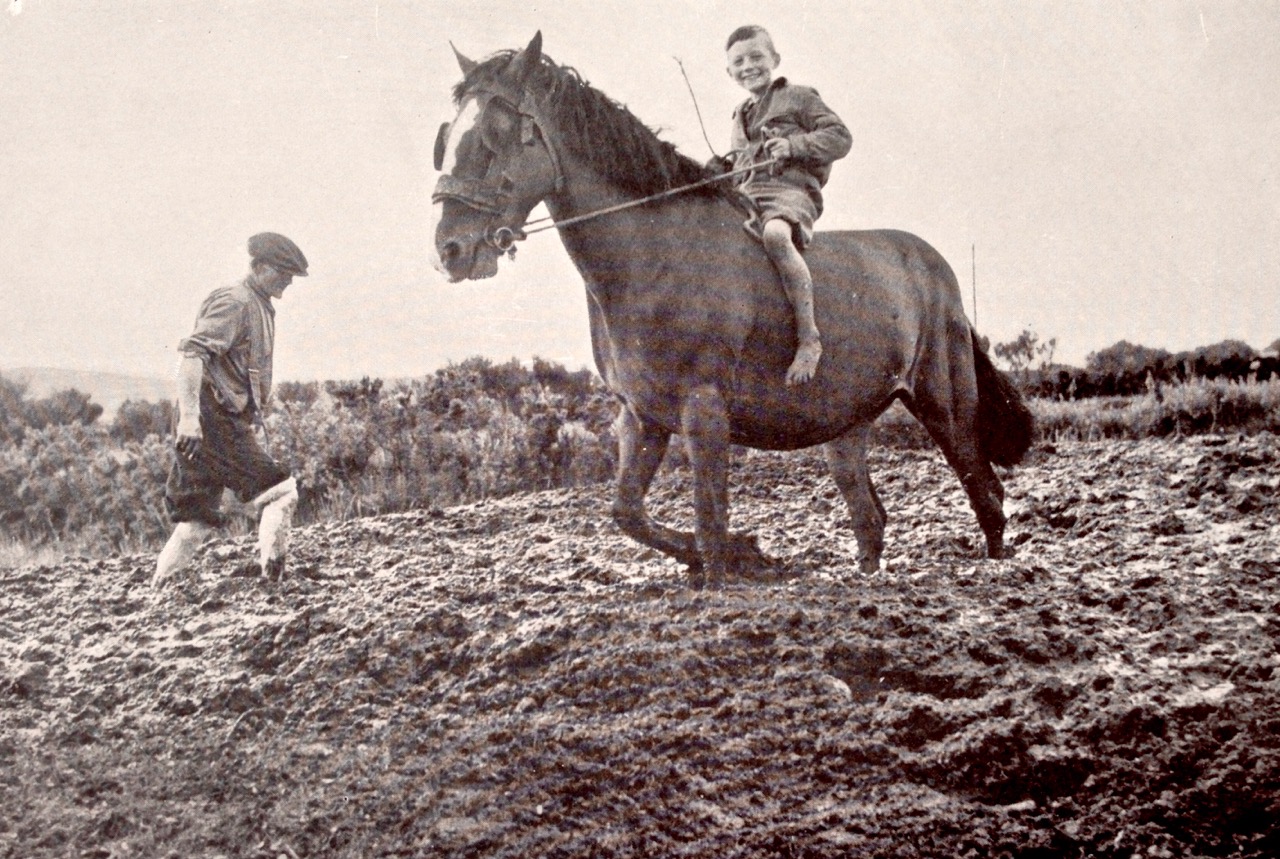
Runner-up! A Kelly, perhaps… from the collection of photographer Tomás Ó Muircheartaigh, who documented life in rural Ireland between the 1930s and the 1950s

So Murphy wins – by a margin. Let’s have look at the name: Ó Murchadha (or in modern Irish Ó Murchú) means ‘sea warrior’ (Irish Medieval History gives Murchú as ‘hound of the sea’). Most of the Murphys are evidently here in County Cork, with Counties Wexford and Kilkenny next up. There are O’Murphys – mainly confined to Ulster, where the family were part of the tribe claiming descent from Eoghan, son of Niall of the Nine Hostages, who was responsible for kidnapping St Patrick and bringing him to Ireland. Otherwise the Murphys usually trace their ancestry back to Diarmait Mac Murchadha – King of Uí Cheinnsealaig and King of Laigin (Leinster) who lived in the twelfth century and was himself descended from the High King Brian Boru through his father’s grandmother.

Key players in Murphy geneaology and Irish history: Brian Boru, Diarmait Mac Murchadha and Henry II

Diarmait Mac Murchadha was deprived of his titles by the then High King of Ireland, Ruaidrí Ua Conchobair, and asked the English King, Henry II, to help him retrieve them. In return, Mac Murchada pledged an oath of allegiance to Henry, who sent troops in support. As a further thanks for his reinstatement, Mac Murchada’s daughter Aoife was married to Richard de Clare, the second Earl of Pembroke, popularly known as ‘Strongbow‘. The result of all this was that the Normans came to Ireland – and stayed – and it’s all thanks to the Murphys!

murphy's irish stout

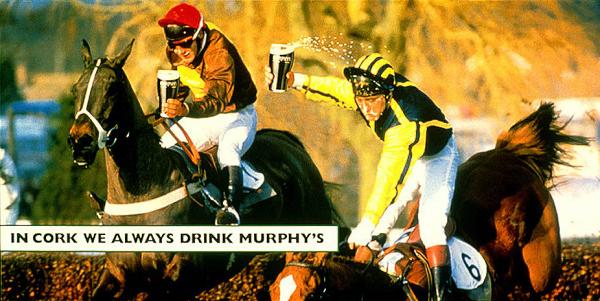
We mustn’t forget Murphy’s Irish Stout! (advertisement by BBH London)

Now let’s look at some famous Murphys. Father John Murphy – an Irish freedom fighter – is immortalised in the ballad Boolavogue. Fr John was born in 1753 and studied for the priesthood in Seville as this was the time of the Penal Laws when Catholics were persecuted in Ireland. He returned to his homeland in 1785 and there he was only known as ‘Mister Murphy’: Irish priests were not styled as ‘Father’ until the 1860s. John Murphy led a group of rebels against English forces in the 1798 uprising. He was captured, tortured and brutally executed at Tullow, Co Carlow. Here is a rendering of the beautiful elegy Boolavogue composed by Patrick Joseph McCall in 1898, the centenary of the Rebellion, played on the pipes by Davy Spillane, with Aly Bain on fiddle:

Boolavogue is a town in Co Wexford where the rebels secured their first victory before they were captured. Here are the words to the ballad:

At Boolavogue, as the sun was setting
O’er the bright May meadows of Shelmalier,
A rebel hand set the heather blazing
And brought the neighbours from far and near.
Then Father Murphy, from old Kilcormack,
Spurred up the rocks with a warning cry;
“Arm! Arm!” he cried, “For I’ve come to lead you,
For Ireland’s freedom we fight or die.”

He led us on against the coming soldiers,
And the cowardly Yeomen we put to flight;
‘Twas at the Harrow the boys of Wexford
Showed Booky’s Regiment how men could fight.
Look out for hirelings, King George of England,
Search ev’ry kingdom where breathes a slave,
For Father Murphy of the County Wexford
Sweeps o’er the land like a mighty wave.

We took Camolin and Enniscorthy,
And Wexford storming drove out our foes;
‘Twas at Sliabh Coillte our pikes were reeking
With the crimson stream of the beaten Yeos.
At Tubberneering and Ballyellis
Full many a Hessian lay in his gore;
Ah, Father Murphy, had aid come over
The green flag floated from shore to shore!

At Vinegar Hill, o’er the pleasant Slaney,
Our heroes vainly stood back to back,
And the Yeos at Tullow took Father Murphy
And burned his body upon the rack.
God grant you glory, brave Father Murphy
And open heaven to all your men;
The cause that called you may call tomorrow
In another fight for the Green again.

Two of my Murphy heroes are musicians: Denis Murphy (1912 – 1974) was a great fiddle player from the Sliabh Luachra area of Cork and Kerry. There were so many Murphy families in that area that Denis’s father Bill was always known as ‘Bill the Waiver’ because his people had been weavers of flax in olden times. I have Denis in my collection of Irish music cd’s but was never able to hear him playing live. I did meet my other hero, however, on my first visit to Ireland back in 1975. That’s Paddy Murphy (1913 – 1992), the renowned concertina player from Co Clare. I was privileged to be taken out to a private session in a remote townland somewhere north of Kilmihil. There, in a bar which seemed like someone’s front parlour, I heard Paddy play and talk of his family history and his very individual virtuoso style of playing an instrument which I have been trying to master for the last 50 years!

Noted traditional musicians: Denis Murphy (left) from the Sliabh Luachra and Paddy Murphy (right) from County Clare

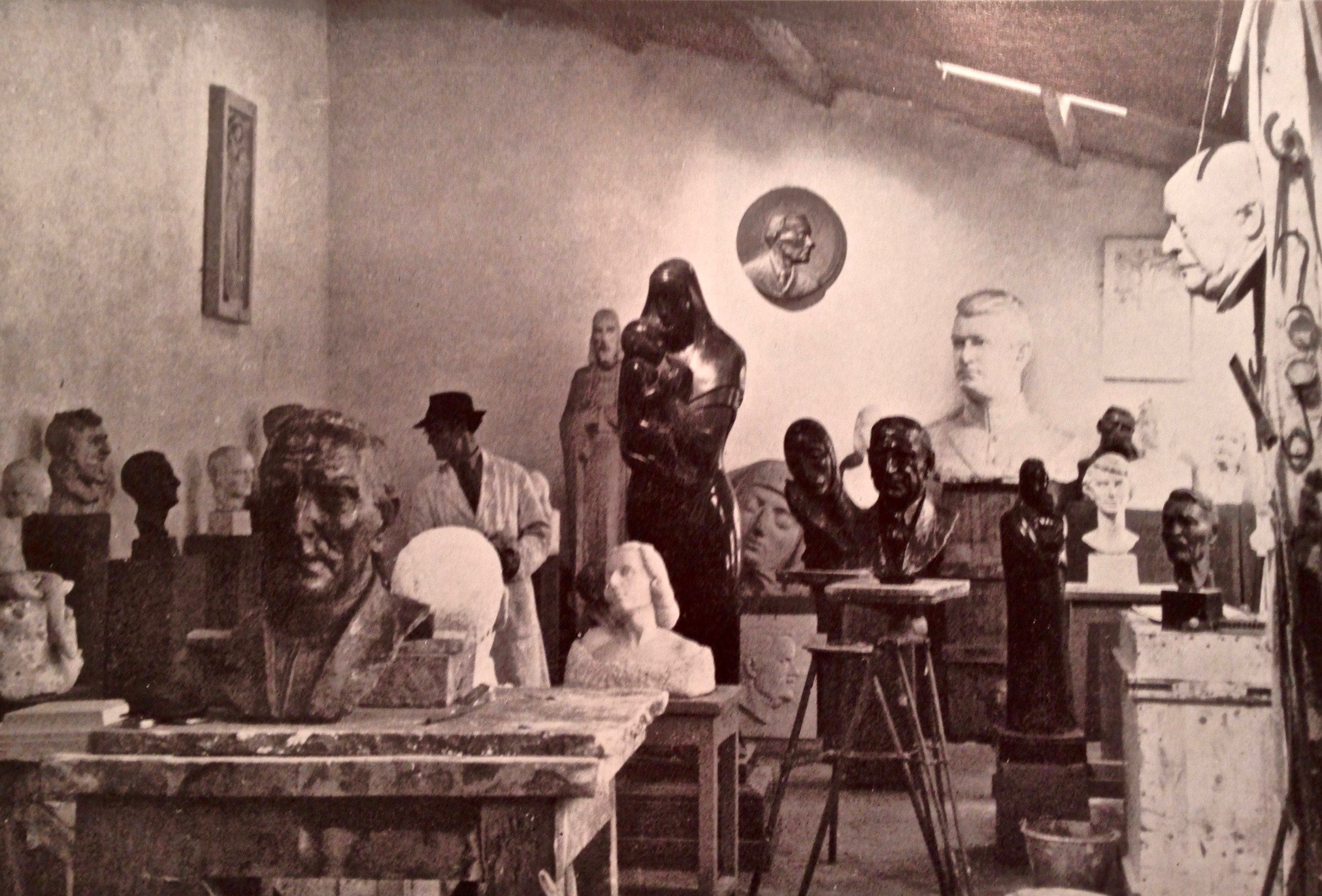
Next is someone we have met before, in our posts on Saint Gobnait and The Tailor and Ansty: that’s the sculptor Seamus Murphy (1907 – 1975). This Murphy, from Burnfort near Mallow, Co Cork, became Professor of Sculpture at the Royal Hibernian Academy. He is also known for his book, Stone Mad, which was published in 1950.

Murphy in studio

Seamus Murphy in his studio: pictures top and lower left are from the collection of photographer Tomás Ó Muircheartaigh, who documented life in rural Ireland between the 1930s and the 1950s

The last Murphy that I want to mention (and there could be so many) is, perhaps, an unexpected one – she is Marie-Louise O’Murphy, who lived from 1737 to 1814. Although she was born and died in France she was of Irish extraction: her grandfather Daniel, a former army officer, had left his home in Cork for Rouen, where he worked as a master shoe-maker. When just in her teens, the physical features of young Mlle O’Murphy were spotted by Giacomo Casanova, who recommended her to King Louis XV. As a result she became the King’s Petite maîtresse – little mistress (or, rather, one of them) and bore him a daughter. However, the King’s favourite, Madame de Pompadour, decided that Marie-Louise’s presence in the royal household was too challenging and she was sent off to the country to marry a nobleman – and also received a handsome dowry for life. Marie-Louise O’Murphy (who was given the name of Marie-Louise Morphy de Boisfailly – possibly to raise her status in Versailles) is familiar to us as the artist’s model for François Boucher’s Resting Girl, painted in 1751. The canvas is now in the Wallraf Richartz Museum, Cologne.

A colourful note on which to end our survey on the Murphys of Ireland (and beyond), perhaps. We apologise to all the thousands of Murphys who we have not mentioned, but we’d like to hear from any of them…

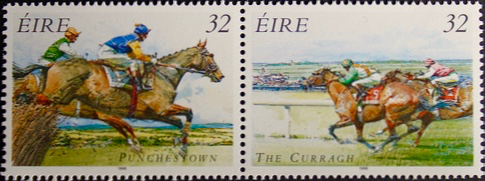
Racing stamps


Up the Airy Mountain…

Shadow and light

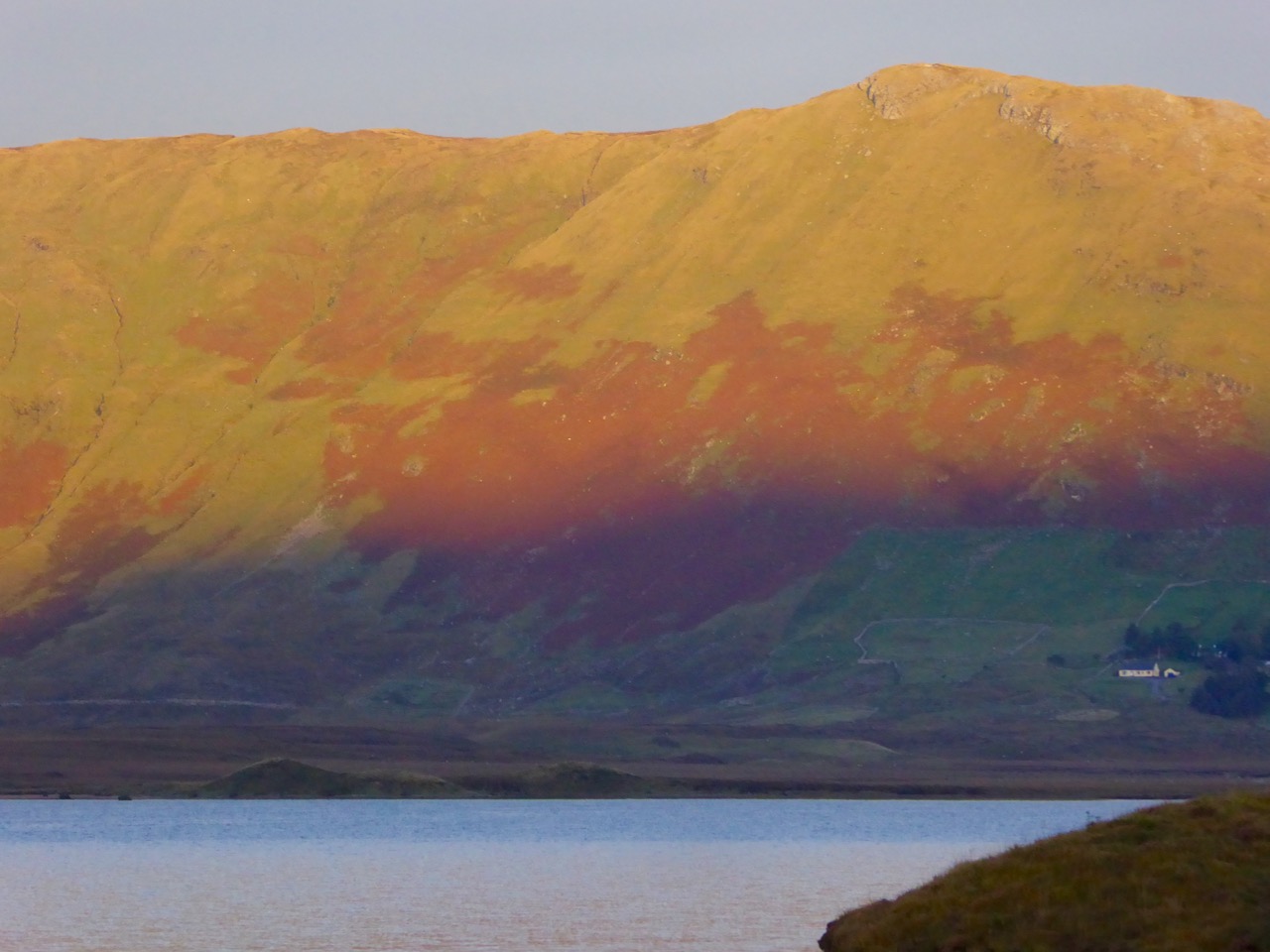
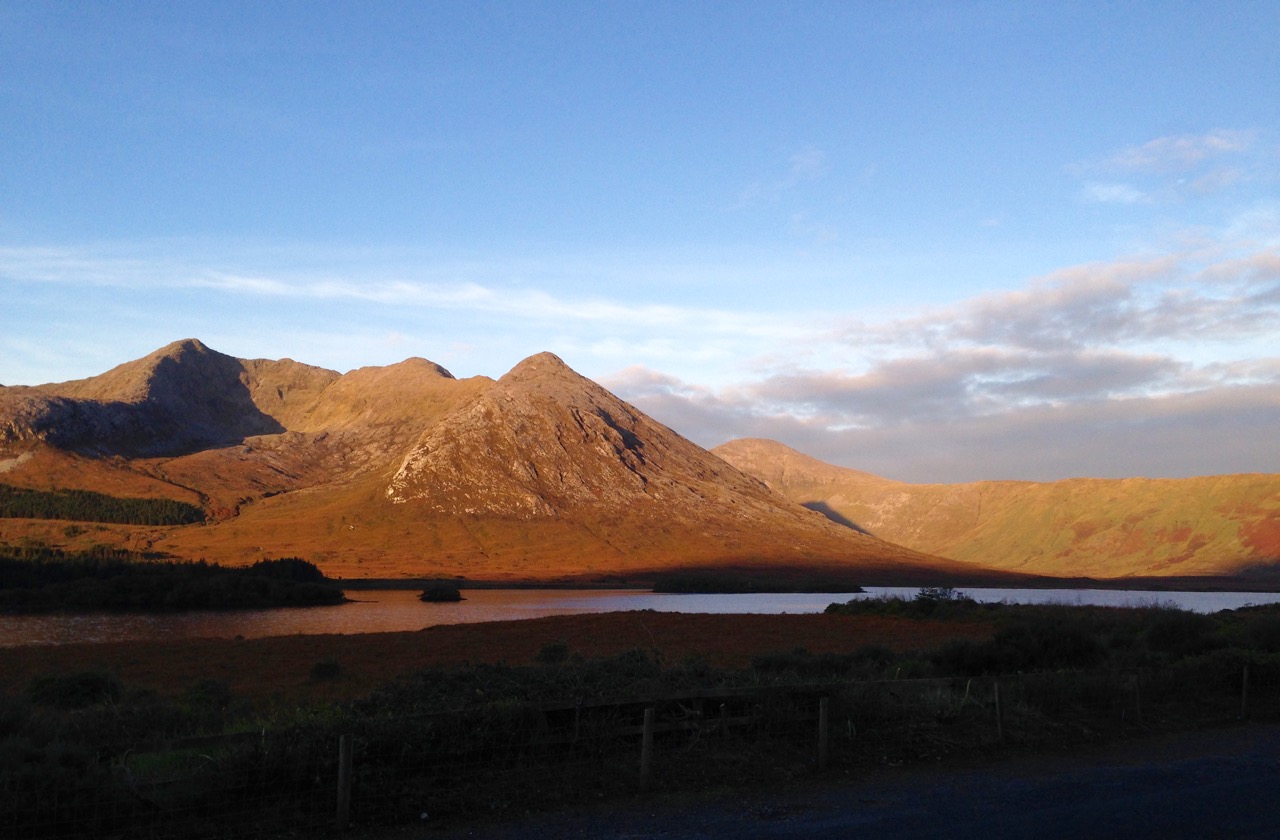
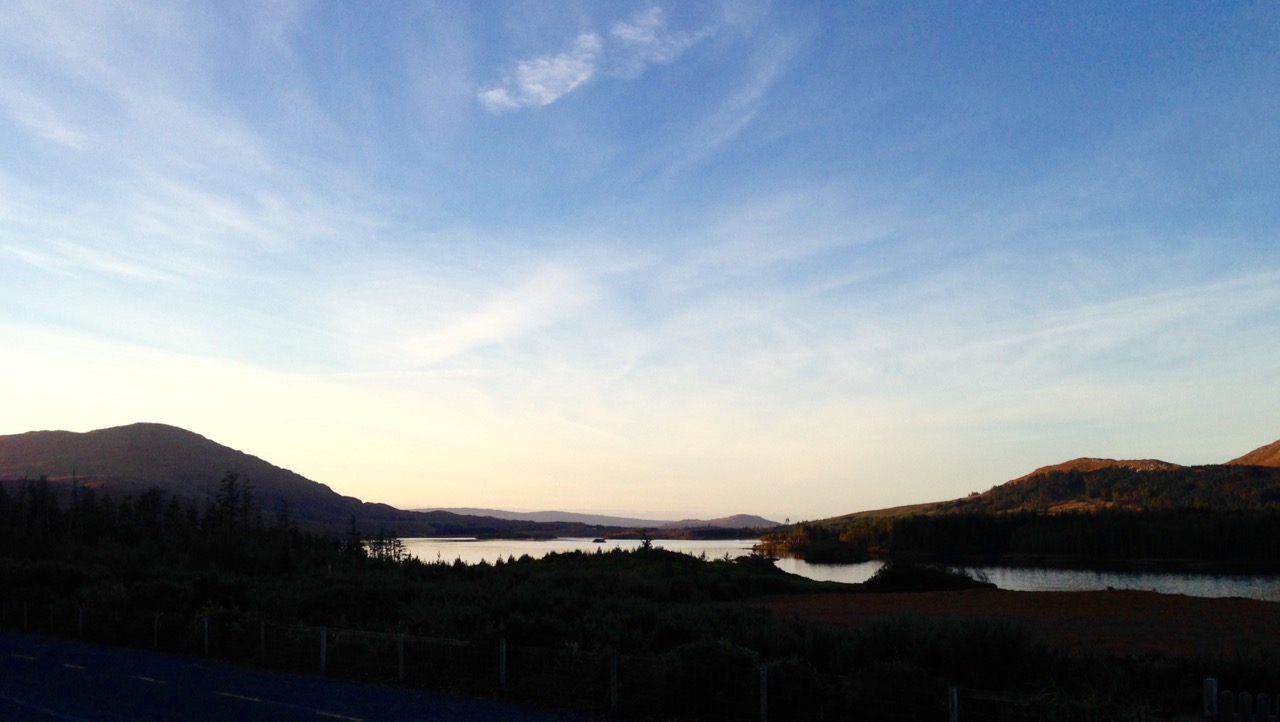
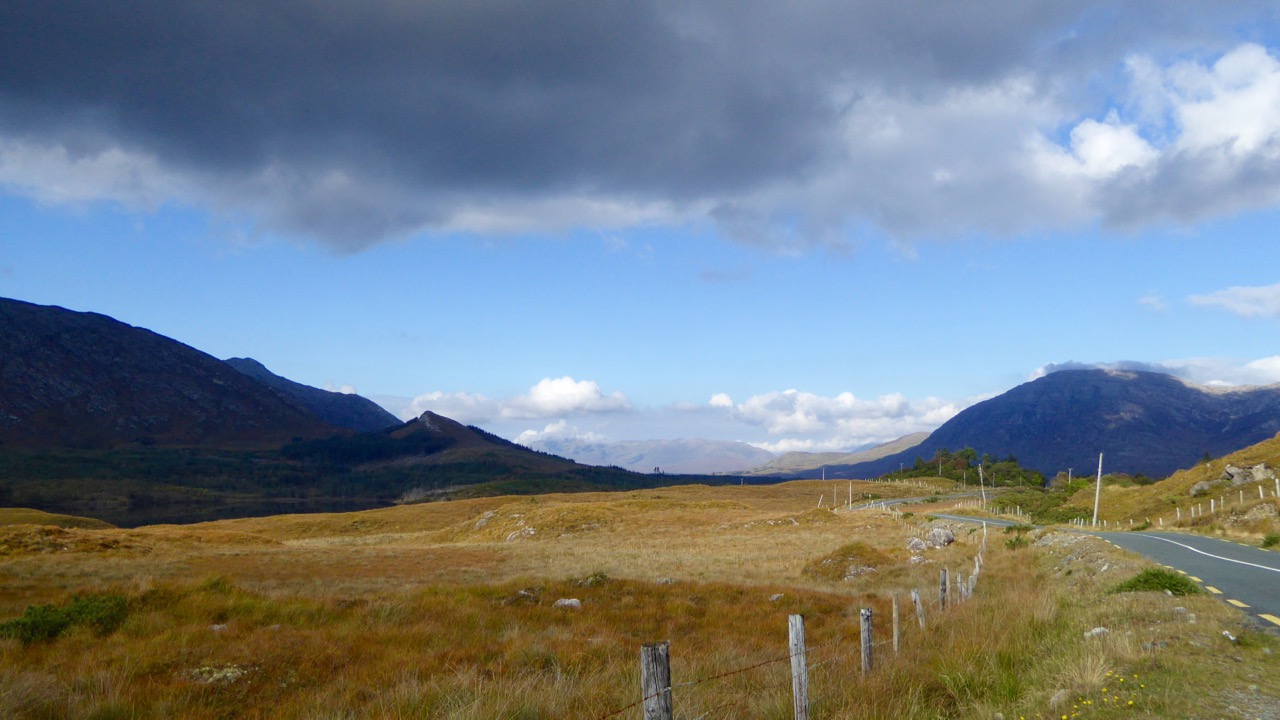
…down the rushy glen – we daren’t go a-hunting for fear of little men! We were hunting mountains last week when we travelled up the west coast of Ireland with a visiting friend – finding some of the best scenery this country has to offer.

Connemara 2

If you look down on the island from above (as in this view from NASA, below) the lie of the land is very clear: the high points are all around the perimeters, yellow and brown in colour, with lower green plains in the centre.

nasa imageIf you lived in a country like Canada, then Ireland’s mountains should seem like mere gentle slopes. Our highest peak is not too far from us, up in Kerry, Carrauntoohil (Irish: Corrán Tuathail – this could mean Tuathal’s sickle or fang, Tuathal having been a common Irish name in medieval times) and this is only 1038 metres to the summit. However, the overriding characteristic of Irish mountains is that they often sweep steeply down to the sea or to a lough and are therefore visually spectacular in their settings.

We live in the far south-west: our mountains form the backbone of each of the peninsulas: The Mizen, Sheep’s Head, Beara, Iveragh and Dingle, largely Old Red Sandstone with some Carboniferous Limestone north of Killarney. Our travels took us up to Clare – very distinctive exposed limestone ‘pavements’ and mountain tops – and then to the complexities of granite, schists and gneisses found in the district of Connemara.

Connemara 3

Connemara fence

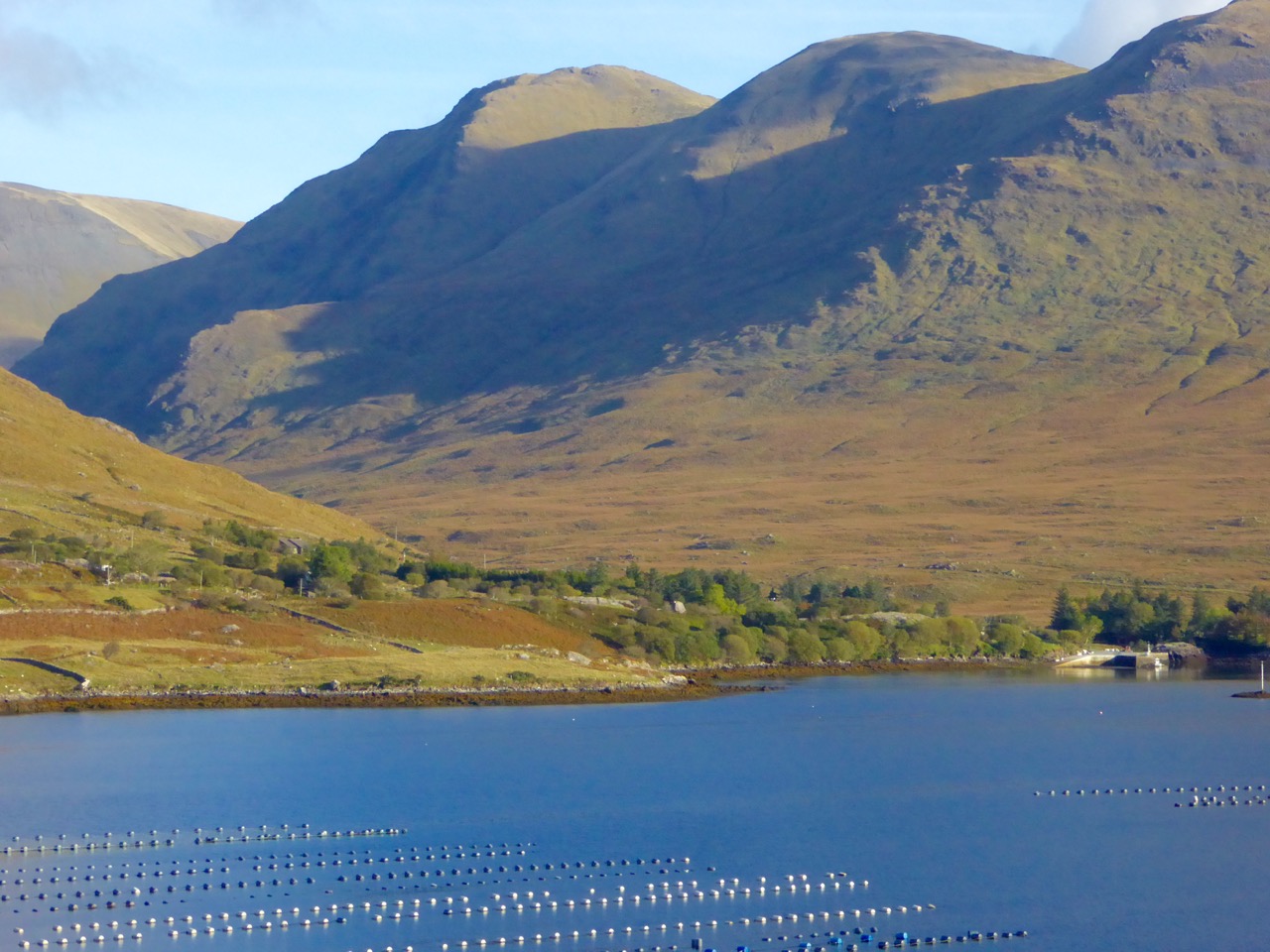
The four pictures above show the elements of the landscape in Connemara, Co Galway: quiet boreens, reflective water and dramatic mountains

The Irish landscape -and, particularly, her mountains – has long been the inspiration for artists and poets. The work of Paul Henry (1877 – 1958) is sparse and flat, yet expertly captures the character of the high lands of the west. It has been used over and over again in tourist advertising campaigns.

Paul Henry’s work was part of popular culture during his lifetime (above): now his art is very collectible and can be found in international galleries (below)

Killary Harbour

Killary Harbour, Connemara (above) and in Paul Henry’s landscape (above left) is said to be Ireland’s only true fjord (a flooded valley cut by glacial erosion which outlets to the sea): in the foreground are mussel ropes

irish mountain postcard

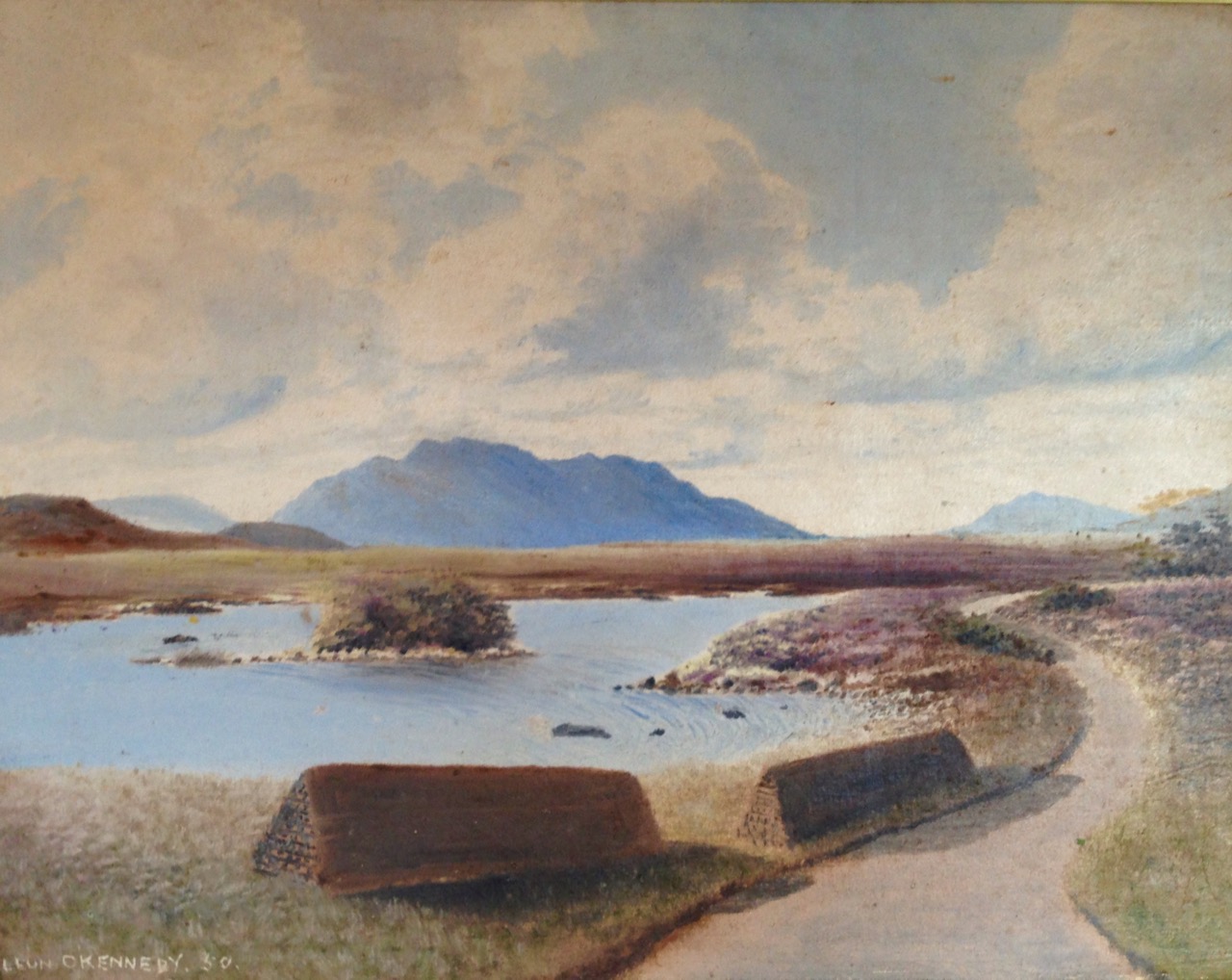
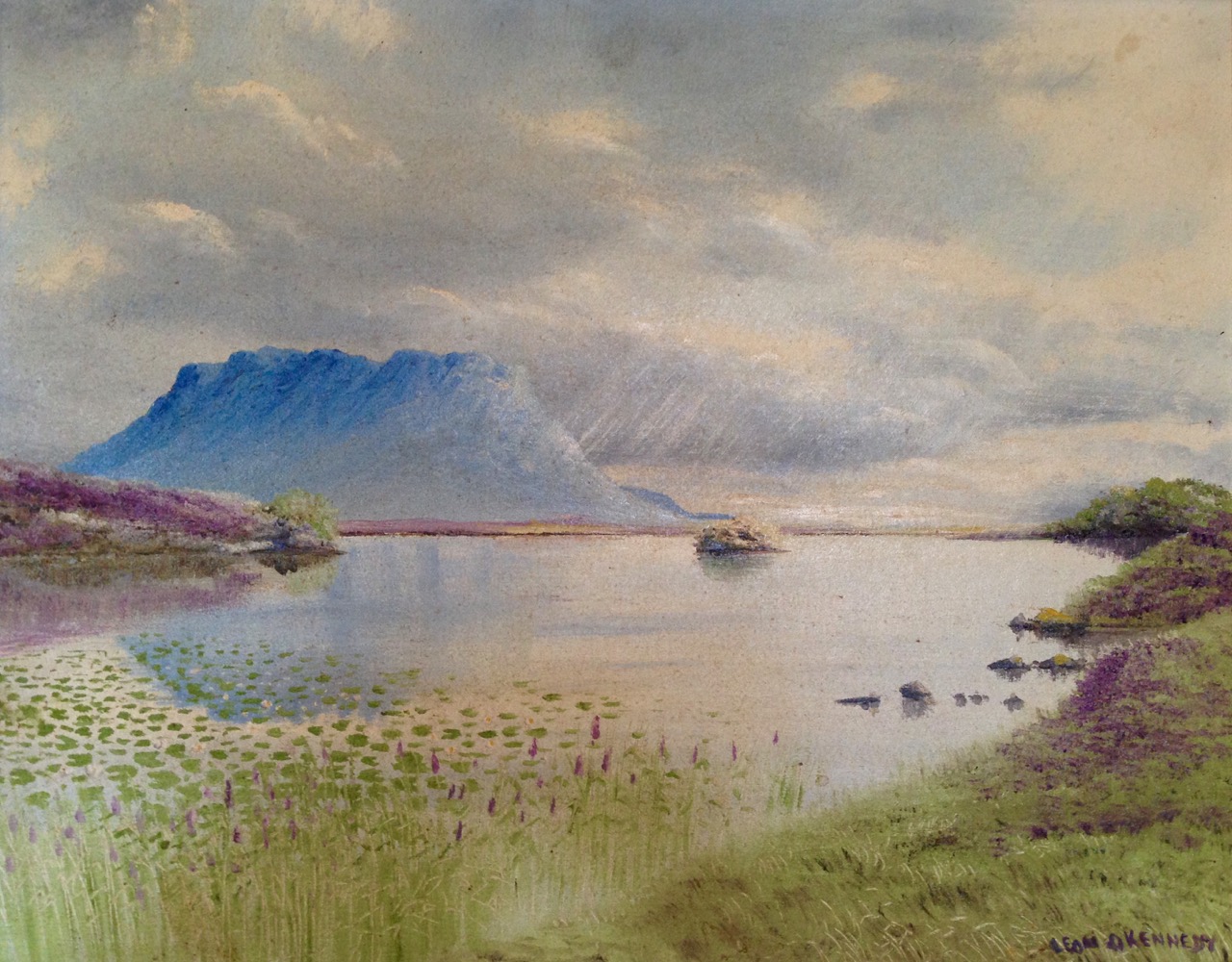
We stayed in the Lough Inagh Lodge – a comfortable hotel with great character and superb views to the mountains. There I was pleased to discover two original oil paintings by Leon O’Kennedy (1900 – 1979), a little known artist  who travelled mainly in the west of Ireland and, evidently, sold his work by knocking on doors. The hotel’s paintings might have arrived in this way as they depict local views: the prism shaped peat stacks are still very much in evidence in Connemara.

O Kennedy 1

O Kennedy 2

Connemara (which derives from Conmhaicne Mara meaning: descendants of Con Mhac, of the sea) is partly in County Galway and partly in County Mayo, in the province of Connacht. We were there only two days and barely did it justice. We intend to return and get to know it more intimately. In terms of our tour of Ireland’s mountainous districts it was the icing on the cake, but that in no way lessens the particular beauty of the other places we encountered – the strangely haunting limestone heights of Clare and the perennial grandeur of Killarney: all are experiences not to be missed.

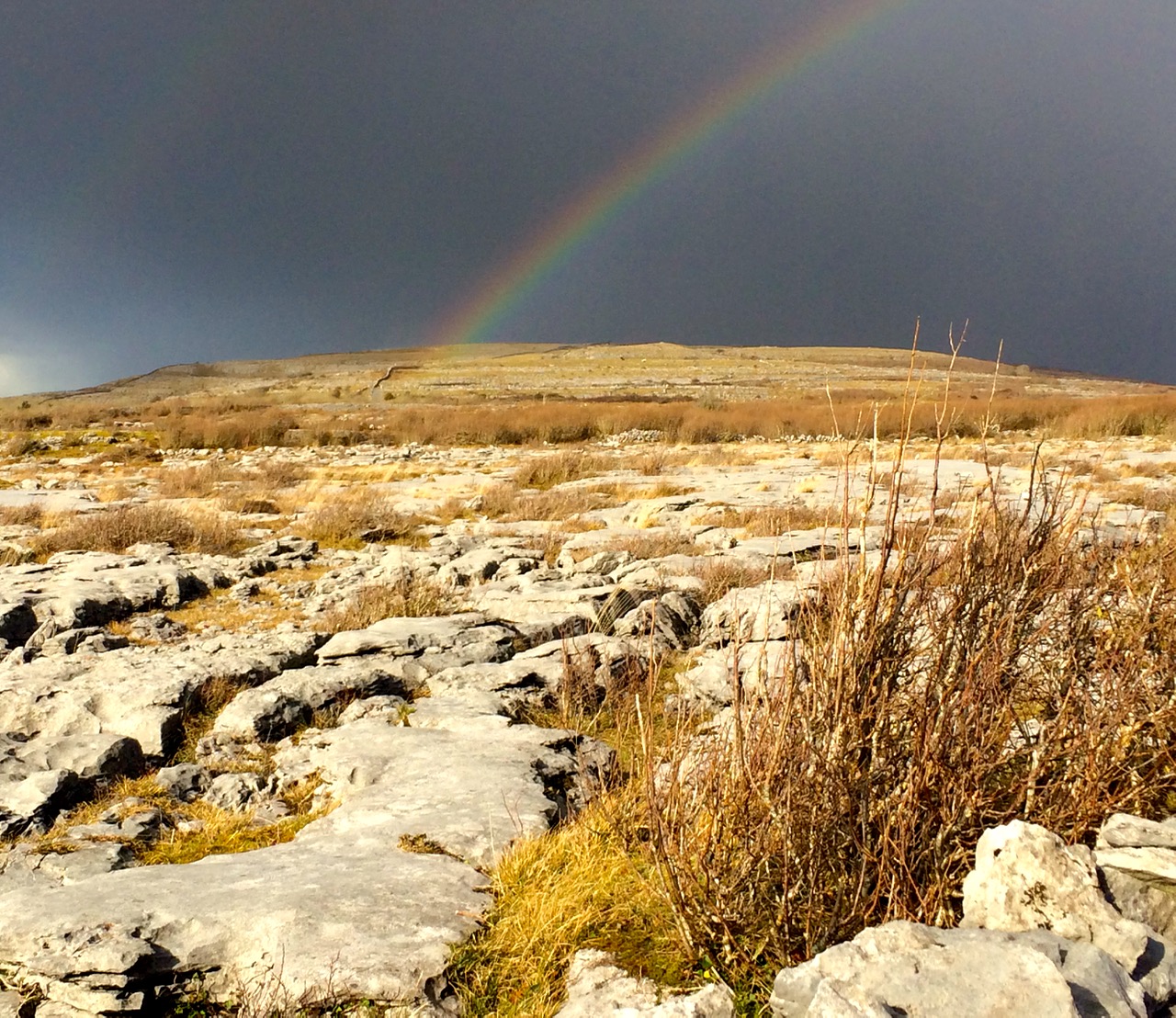
rainbow over burren

Killarney

Limestone landscape in the Burren, Clare (top) and the lakes of Killarney, Kerry (above)

Fairy Tree

…By the craggy hillside,

Through the mosses bare,

They have planted thorn-trees,

For pleasure here and there.

Is any man so daring

As dig them up in spite,

He shall find their sharpest thorns

In his bed at night.

Up the airy mountain,

Down the rushy glen,

We daren’t go a-hunting

For fear of little men.

Wee folk, good folk,

Trooping all together;

Green jacket, red cap,

And white owl’s feather!

from The Fairies by William Allingham

William Burges and Saint Fin Barre’s

You may recall my delight in finding so much animal imagery in the Honan Chapel at UCC. In Cork City again this week we discovered another ‘menagerie’ – this time at the Cathedral of Saint Fin Barre. This Gothic Revival building is an architectural and artistic wonder – quite the most significant work that I have seen to date from the palette of English designer William Burges, who lived from 1827 to 1881. In fact it is an early work of his, resulting from an architectural competition which he won in 1863 (receiving a prize of £100). Unusually for an ambitious building such as a cathedral, it was finished in a relatively short time: the first services were held in 1870 – although completion of some of the detailed carving and decoration continued through to the twentieth century.

Everything in the cathedral was designed by William Burges: stained glass windows (74 of them, incorporating twice as many individual scenes); statuary (1,260 pieces of sculpture); brasswork, floor mosaics and wood carvings. Most striking for me is the complete coherence of the building: the genesis of the design work from a single mind – down to the very last constructed item – is visually obvious and I am, of course, professionally jealous that an architect was allowed to completely indulge himself to this level of detail, apparently without the intervention or censorship of clients, building inspectors or planning authorities! The cost of the building project overran its budget some tenfold…

Whole books could (and have been) written about this building and all its intricacies. In this short post I will concentrate mainly on the iconography, especially animal images, because it’s obvious that Burges shares my own enthusiasms for the natural world. There’s much more of this than I can illustrate here, and considerably more to the whole building that’s well worth seeing. I advise you to allow an afternoon – or a day – when you visit, if you want to really get to grips with everything.

A little about the man himself, although biographical information is scant: he was described during his lifetime as “short and fat” and “so near-sighted that he once mistook a Peacock for a man”. Lady Bute, wife of his greatest patron, wrote, “…Dear Burges, ugly Burges, who designed such lovely things – what a duck…” He was undoubtedly an eccentric, attending site meetings on occasion dressed as a medieval jester. Like many of his contemporaries he smoked opium (the overdoing of which is said to have contributed to his early death) and he was a friend of Oscar Wilde, James Whistler and – according to the architectural historian Joseph Mordaunt Crook – “the whole gamut of pre-Raphaelite London”.

Three views of the eccentric William Burges: portrait by Henry van der Weyde (left), dressed as a medieval jester (centre) and a caricature by Frederick Weekes (right)

Dante Gabriel Rossetti wrote a limerick on Burges’s childish nature:

There’s a babyish party called Burges,
Who from childhood hardly emerges.
If you hadn’t been told,
He’s disgracefully old,
You would offer a bull’s-eye to Burges.

It does appear that Burges was quite active in the world of London’s creatives in his day. Elected to the Institute of British Architects in 1860, in 1862 he was appointed to its Council and in 1863 was elected to the Foreign Architectural Book Society, the FABS, which comprised the RIBA elite and was limited to fifteen members. He became a member of the Atheneum Club in 1874, was a member of the Arts Club, the Medieval Society, the Hogarth Club, and was elected to the Royal Academy just before his death.

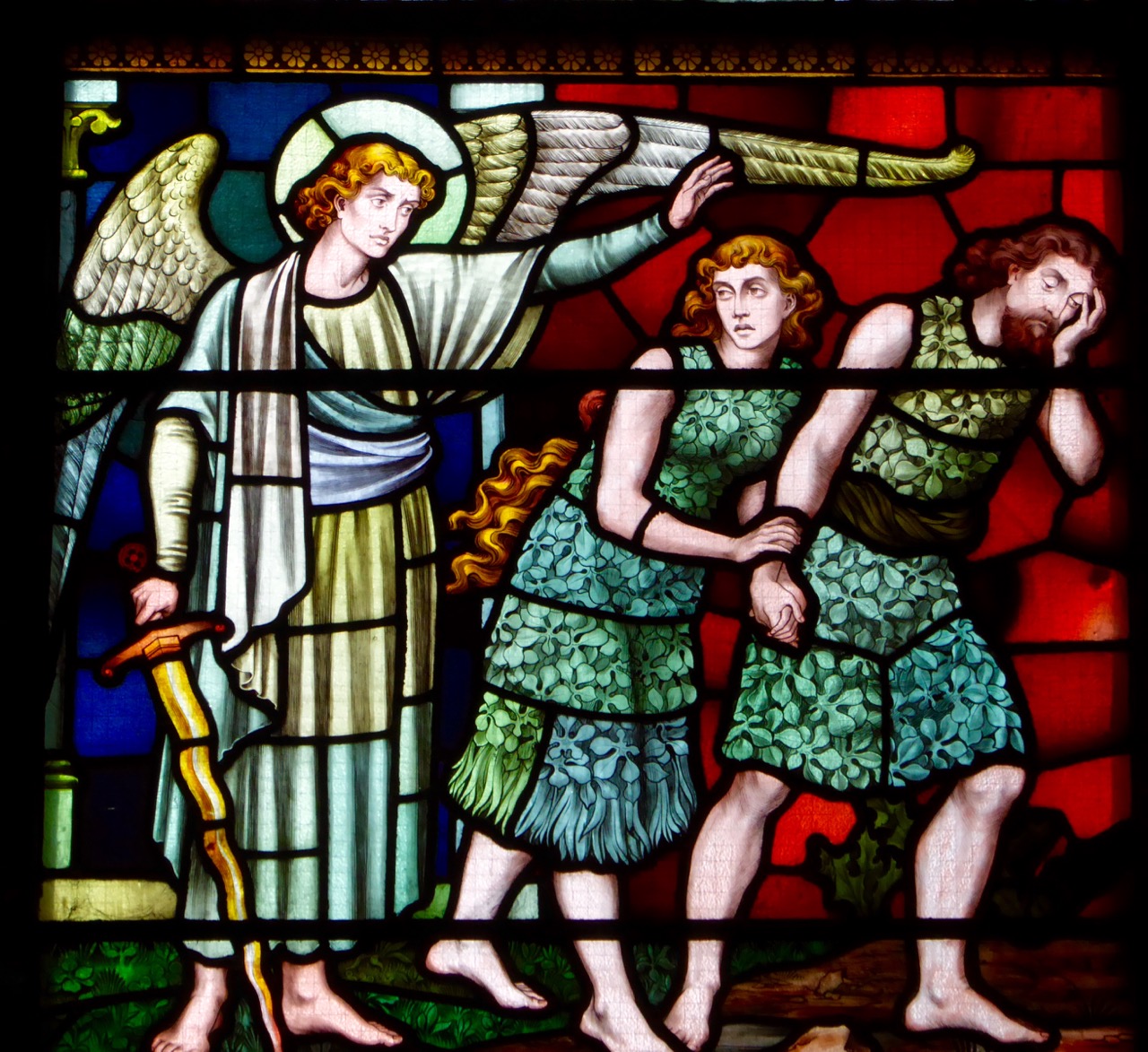
Paradise Lost

Poor William Burges received very little praise for his work, either in his own lifetime and for a long while afterwards. Gothic Revivalist architecture went out of fashion when the new century approached, and was often derided for its heaviness and over-elaboration. For a while Victorian art was under constant assault, critics writing of “the nineteenth century architectural tragedy”, ridiculing “the uncompromising ugliness” of the era’s buildings and attacking the “sadistic hatred of beauty” of its architects. In my own view they all failed to grasp the romance of the age, expressed so beautifully and particularly in the detailing of many of the buildings, among which the Cathedral of Saint Fin Barre stands supreme.

birdie 4


Snakes Alive!

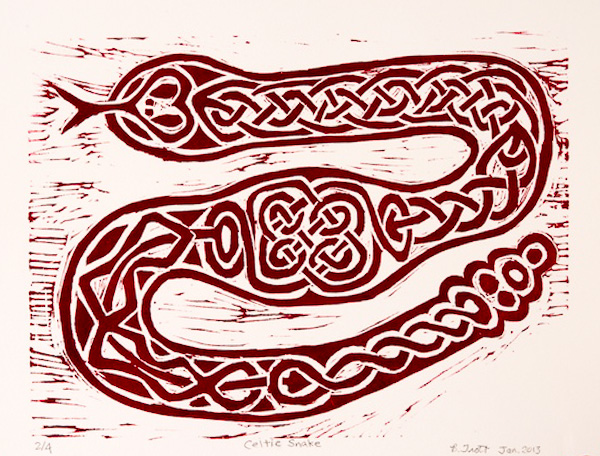
Year of the Snake 66 barabara trott

It’s about as far away as we can get from St Patrick’s Day, so it’s probably ok to talk about snakes in Ireland…

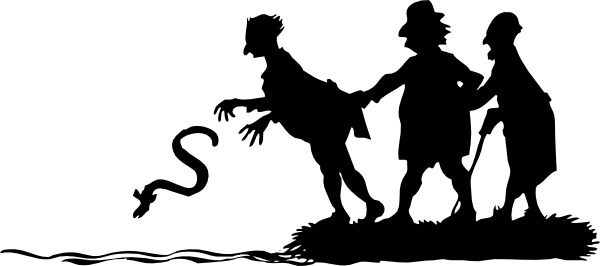
Ah yes – the old fable that he banished all the snakes out of the land…

That’s enough of the ‘old fable’ – there’s no doubt about it: there are no snakes in Ireland at all, so it must be true that St Patrick sent them packing! Although I was a bit alarmed when, out walking in the Mayo hills a while ago, I came across this…
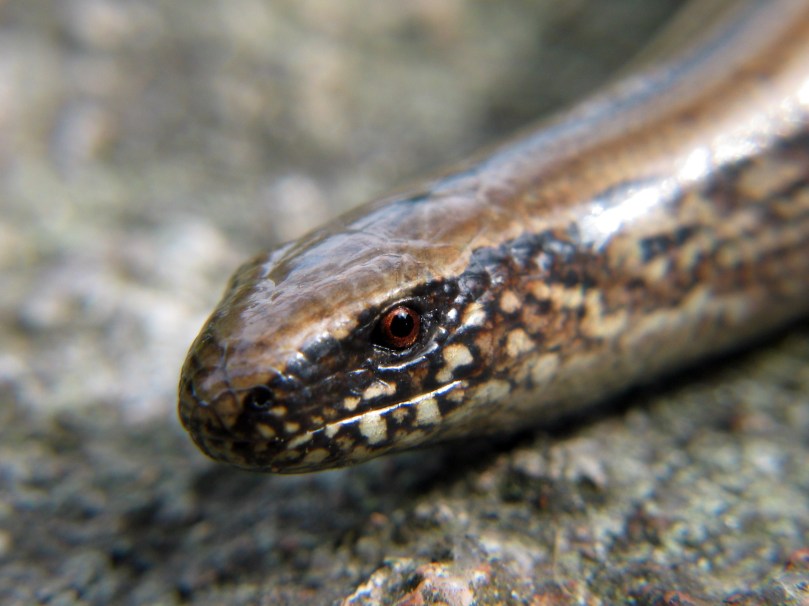
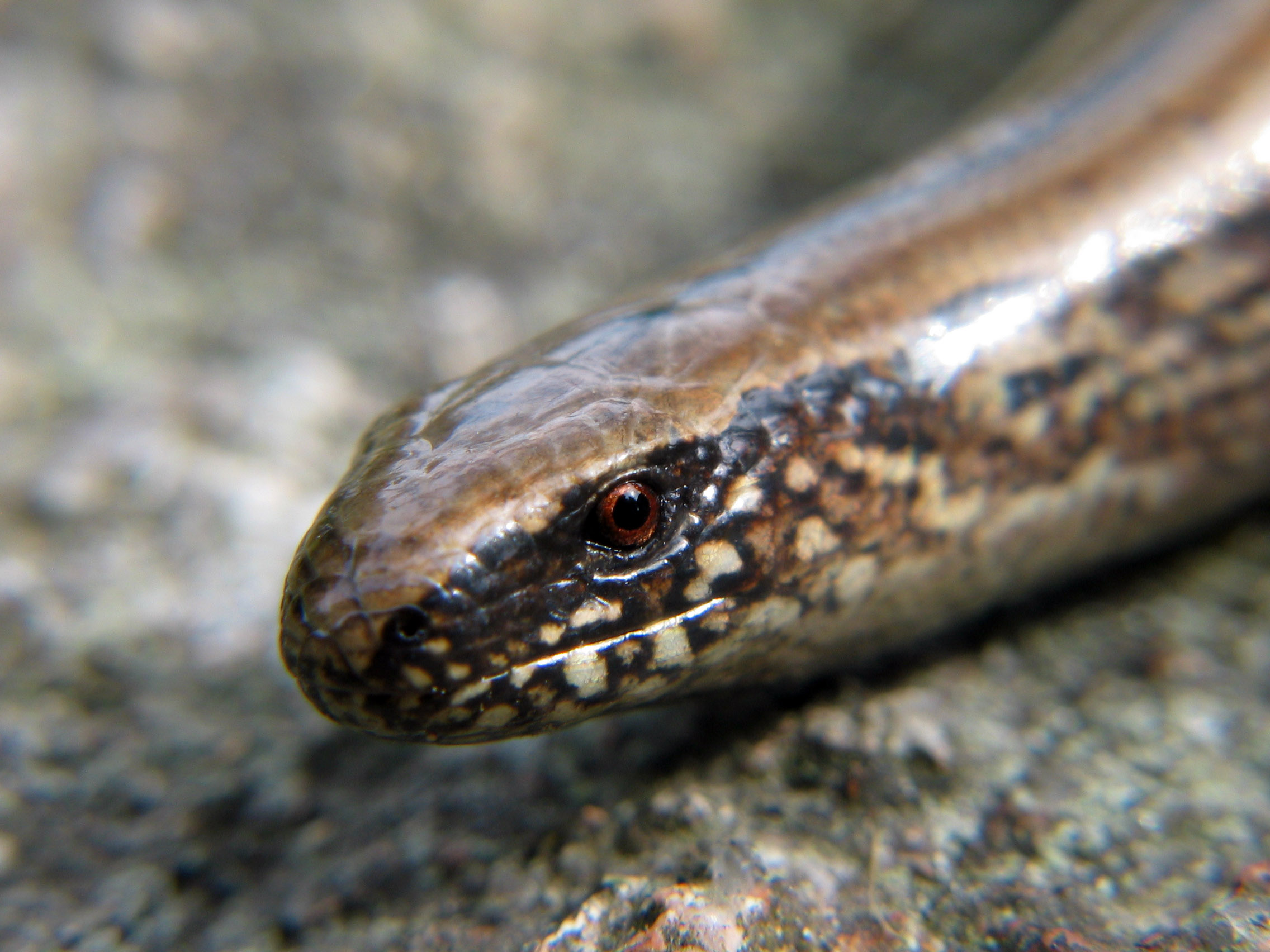
Slow-worm (Jonas Bergsten)

A slow-worm? Anguis Fragilis… How does that fit into the St Patrick story?

Well, there shouldn’t be any slow-worms here really – as the Saint expelled all the reptiles and lizards – and that’s a lizard. But evidently someone introduced them into County Clare illegally back in the twentieth century, and they’ve survived there. (Frogs were also introduced, incidentally, as a food source by the Normans).  My sighting in Mayo, however, is something of an anomoly…

But didn’t I hear that these serpenty creatures couldn’t actually live on Irish soil because of Ireland’s purity?
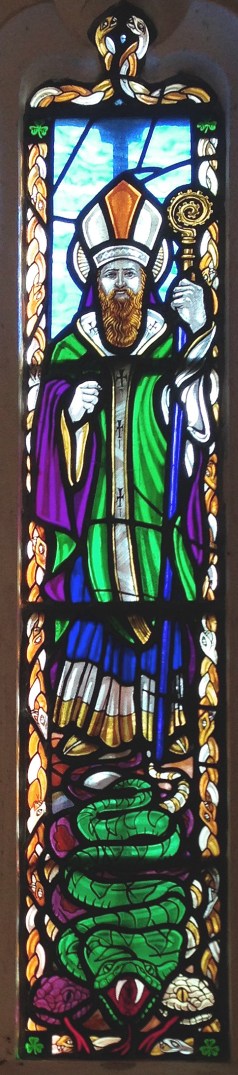
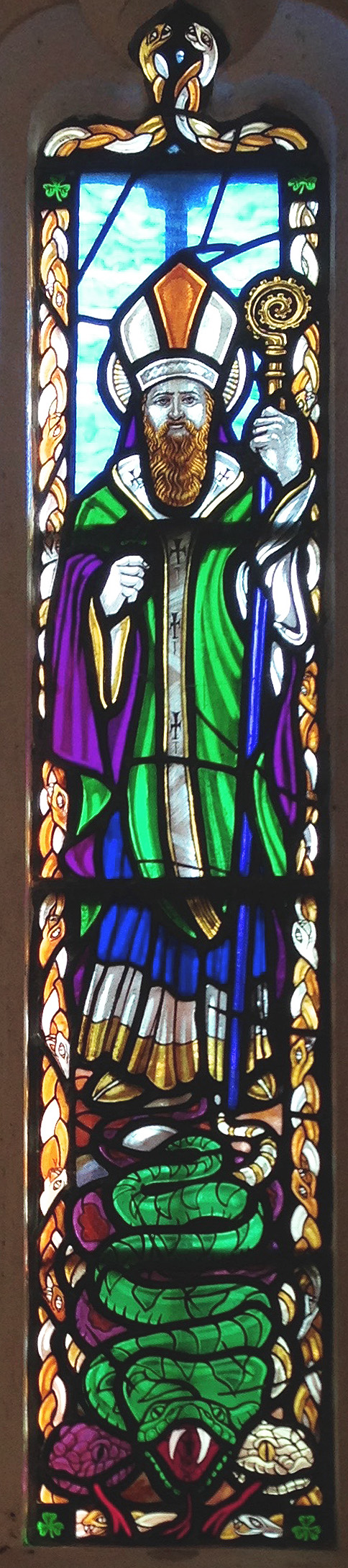
St P window GlastonburyNow you’re talking. It’s perfectly true that if you try to bring a snake into Ireland it drops dead as soon as you enter Irish waters…

Oh? Has that been proven?

Indeed – by Gerald of Wales. He lived in the twelfth century and states that ‘…it is a well-known fact that no poisonous thing can live in Ireland and if Irish soil is taken and scattered elsewhere it will expel poisonous things from that vicinity…’ Other stories mention toads brought to Ireland by accident (having, presumably, stowed away in the holds of ships) ‘…which when thrown still living onto the land, turn their bellies up, burst in the middle and die…’ Perhaps you’ve heard of the Fir Bolg?

I think so – aren’t they one of the early races who inhabited Ireland?

They are – and the name means Men of the Bags. They carried bags of Irish soil around with them when they travelled all over the world, because they would be kept safe by its serpent slaying properties…

I like that idea – remind me to go and do some digging in the garden. Where are you getting all this information from?

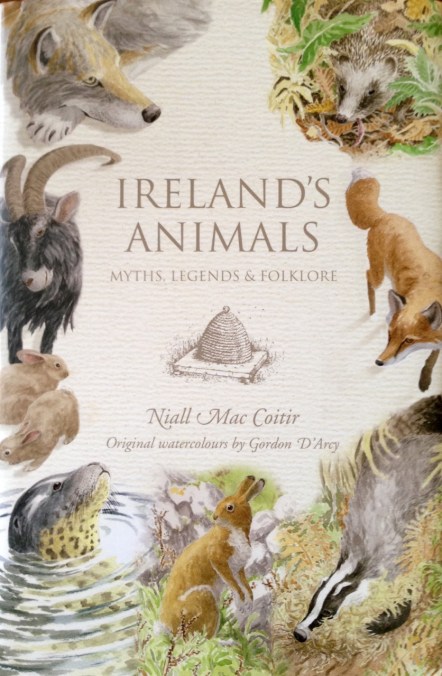
Much of it out of a most wonderful book: Ireland’s Animals by Niall Mac Coitor (The Collins Press, Cork 2010), but there are plenty of other early sources, many of which Mac Coitor admirably collects together. Perhaps the best of these is the old medieval Irish text Lebor Gabála Érenn – the Book of Invasions. I have already quoted from that in my story of Cessair, the very first person to set foot on Ireland in 2680 BC…

Yes, I remember that. She was Noah’s grand-daughter. Wasn’t it the case that Ireland was supposed to have been a land without sin, which is why she went there to escape the flood?

That’s her. And it’s a nice bit of symbolism that Ireland was without sin because it had no serpents…

But hang on – that was Old Testament times – long before the saints…

You do have a point there. And, you know, in archaeological terms there are no fossil records of any reptiles having ever been here in Ireland – except for one: the common lizard Lacerta (Zootoca) Vivipara which has always been here, and still is…
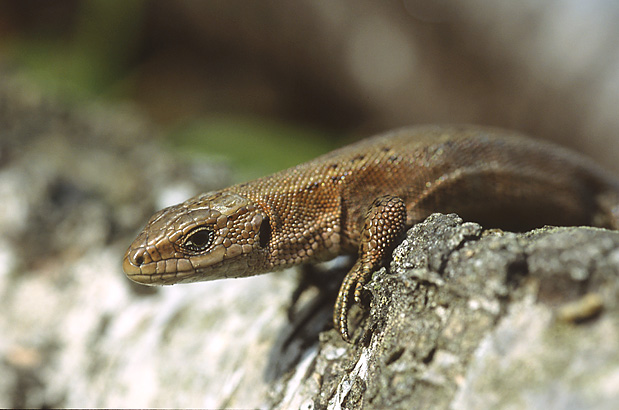
Common Lizard (Marek Szczepanek)

Now I’m getting very confused about St Patrick…

Don’t worry about it – it’s a grand story…

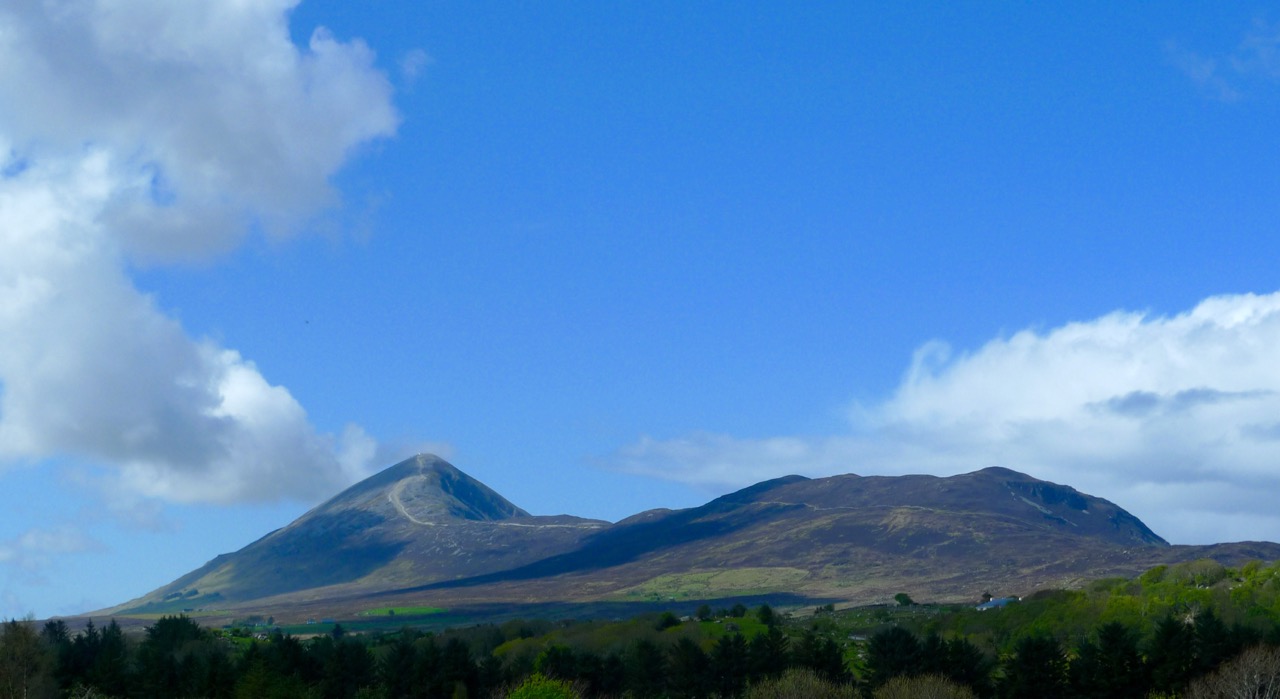
Yes, I have this picture of our good saint standing on the top of Croagh Patrick in Mayo and all the crowd of little snakes and reptiles climbing up there to surround him, only to be cast down to their doom by a sweep of his crozier…

Hmmm… but surely they would have just rolled and bounced down to a soft landing at the bottom? It’s only a hill, after all…
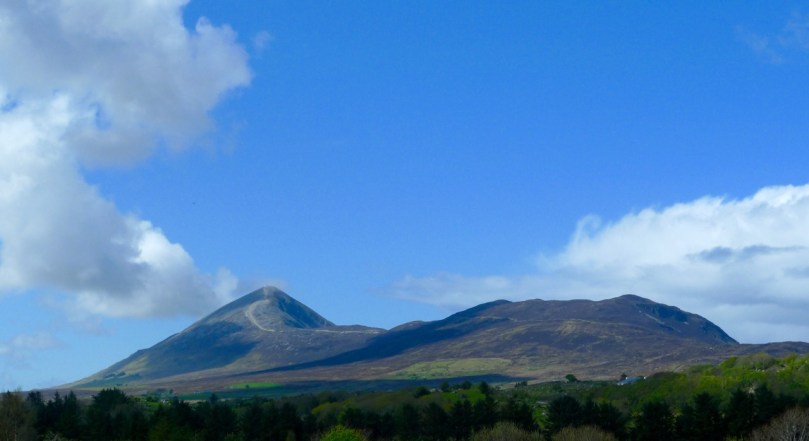
Croagh Patrick

You’ve obviously got something else in mind?

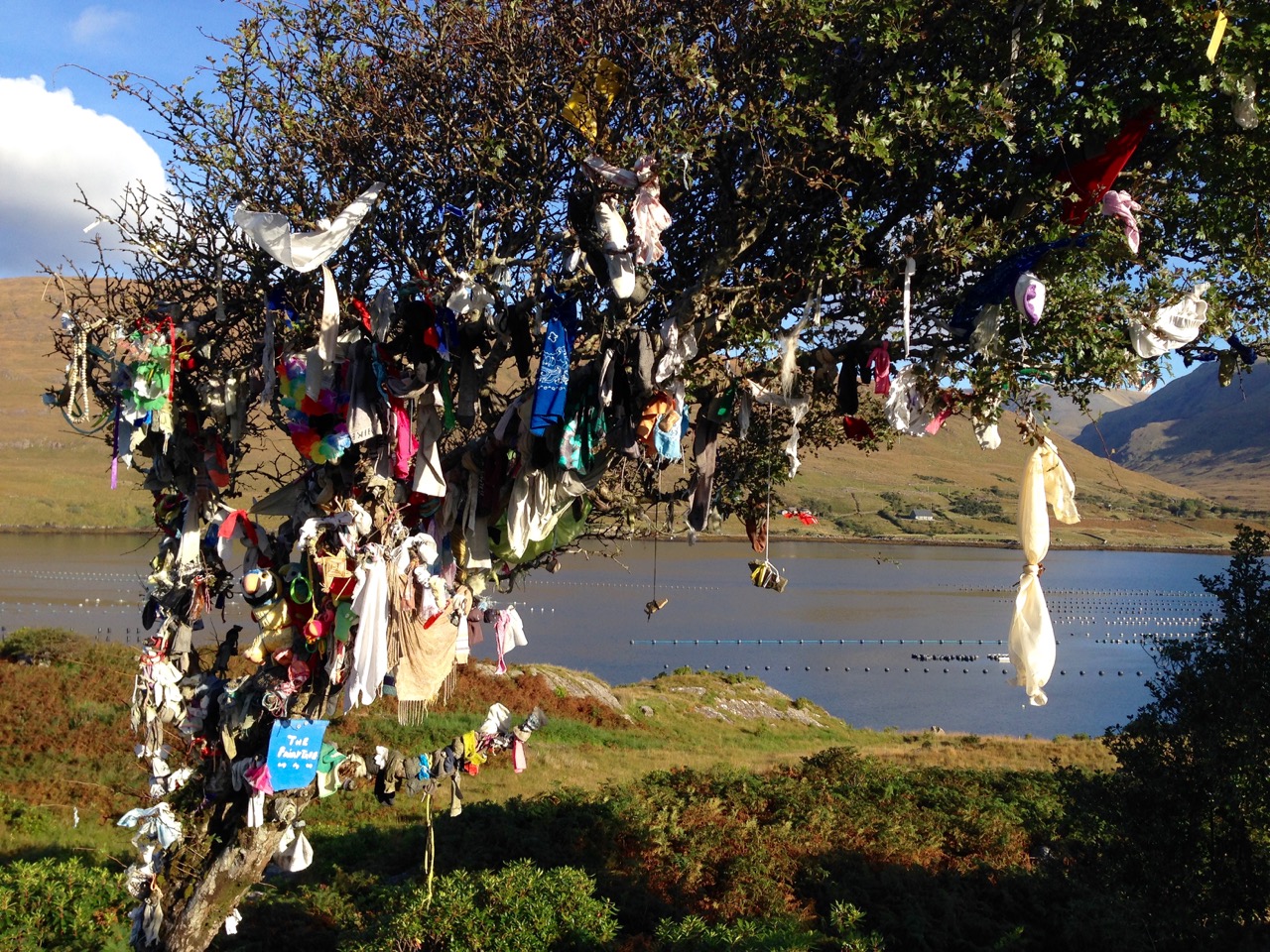
Well I like the story of St Patrick’s Chair, which is at Altadaven, Co Tyrone. The Chair is a huge boulder which seems to have been carved into the shape of a chair or throne. Beside it is a holy well – also ascribed to St Patrick – which appears to be a bullaun stone: offerings are made at the well and the trees around it are hung with rags and tokens. Altadaven means Cliff of the Demons, and it was evidently where all the snakes, serpents and reptiles once lived. The saint went there, sat on his chair (presumably) and cast them all down the cliff and into Lough Beag below…

Which is a bit different to just rolling down the hill at Croagh Patrick…
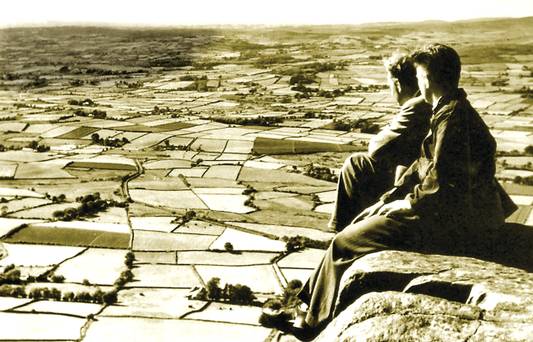
Wishing Chair Slemish

Another St Patrick’s Chair at Slieve Mish, Co Antrim – this one looks like a good candidate for the place where the snakes were cast down… (Irish Times 1956)

And there was a tradition at Altadaven of an annual gathering known as Blaeberry Sunday or ‘The Big Sunday of the Heather’, probably connected with Lúnasa customs. People would climb the rock to sit in the chair and make a wish which, of course, always came true. Then they visited the well and left pins and pennies behind…

Anything else we should know about reptiles in Ireland?
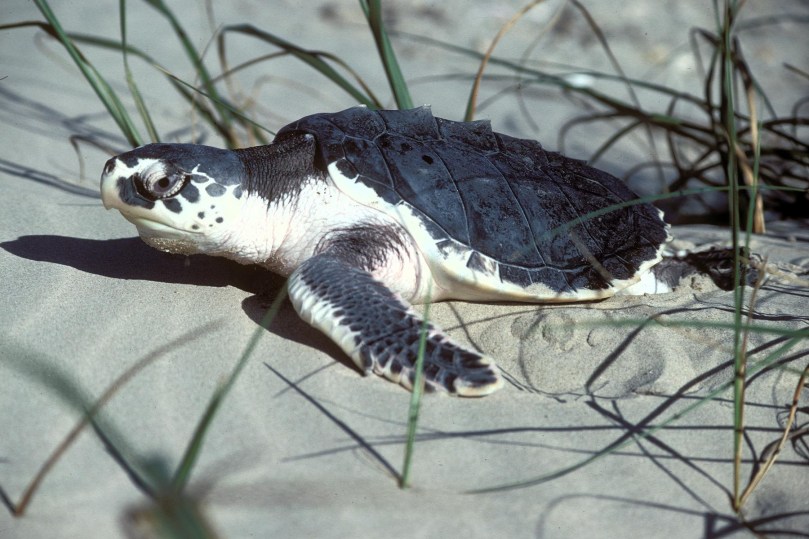
Kemps turtle

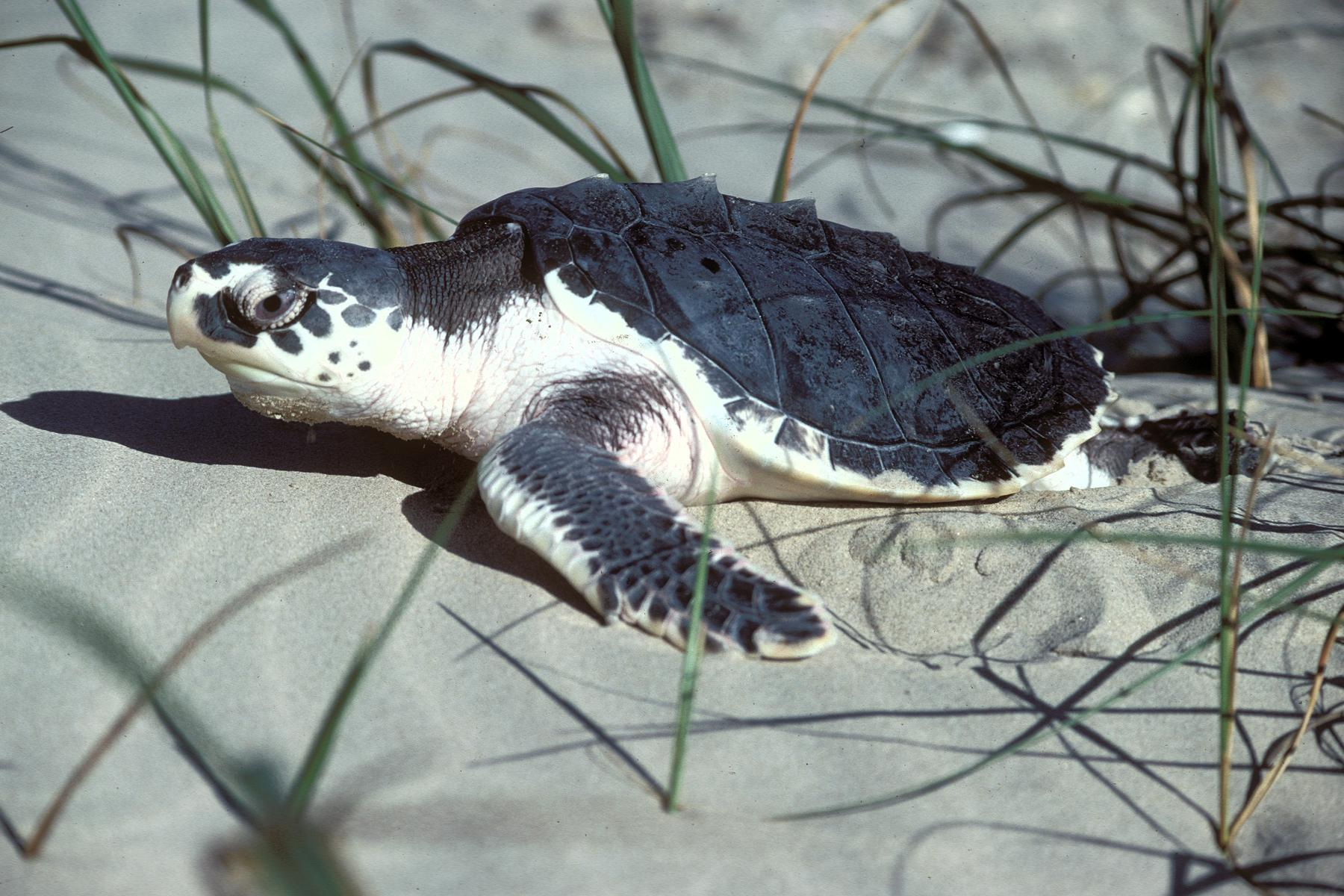
Well, earlier this year one of the world’s rarest turtles – the Kemps Ridley Sea Turtle – appeared in Donegal. Unfortunately it was dead – washed up on the beach. But there are also other small turtles which do inhabit Irish waters.

The exception to the rule, possibly. But perhaps being in the water isn’t quite the same as being on the land…
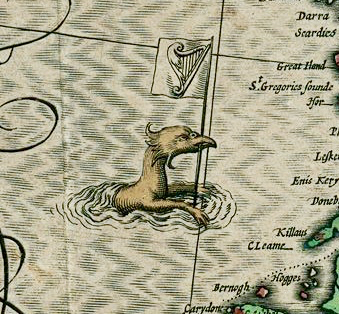
Peist 1611

I’m always keeping my eyes open. I had a ‘serpent’ experience once, in Devon. On my first visit to St John’s holy well up on Hatherleigh Moor I opened the door to the well (which was surrounded by a stone built enclosure) and there inside was an eel swimming around!

I heard that’s a very good omen – to see an eel in a holy well?

Oh yes – why wouldn’t I be a total believer in such things? In Celtic Brittany holy wells are always protected by a ‘Fairy’ who has the form of an eel, and is a benign spirit. Interestingly, though, there is no stream or watercourse near to the Hatherleigh well, so the eel must have travelled some away across the moor to get there – on dry land!

So – I have to ask: are there eels in Ireland?
eel

There are – Anguilla Anguilla – It’s a fish, so not a problem to the saint. Eels have been eaten in Ireland since the earliest human times and have been found in association with Mesolithic sites such as Mount Sandel, Co Derry.

Thank you – you’ve taken us on a serpentine tour through Irish history and mythology…
Mac Coitor


The heading picture Celtic Snake is by Canadian artist Barbara Trott; the Slow-worm is from Jonas Bergsten; the long window is in St Patrick’s Chapel Glastonbury; St Patrick in Bandon Cathedral is by Finola; the Lizard is by Marek Szczepanek; the Peist is from Speed’s Map of Ireland 1611; and Drowning Eels is courtesy of images.all-free-download.com

The Gift of Harry Clarke

The Gift

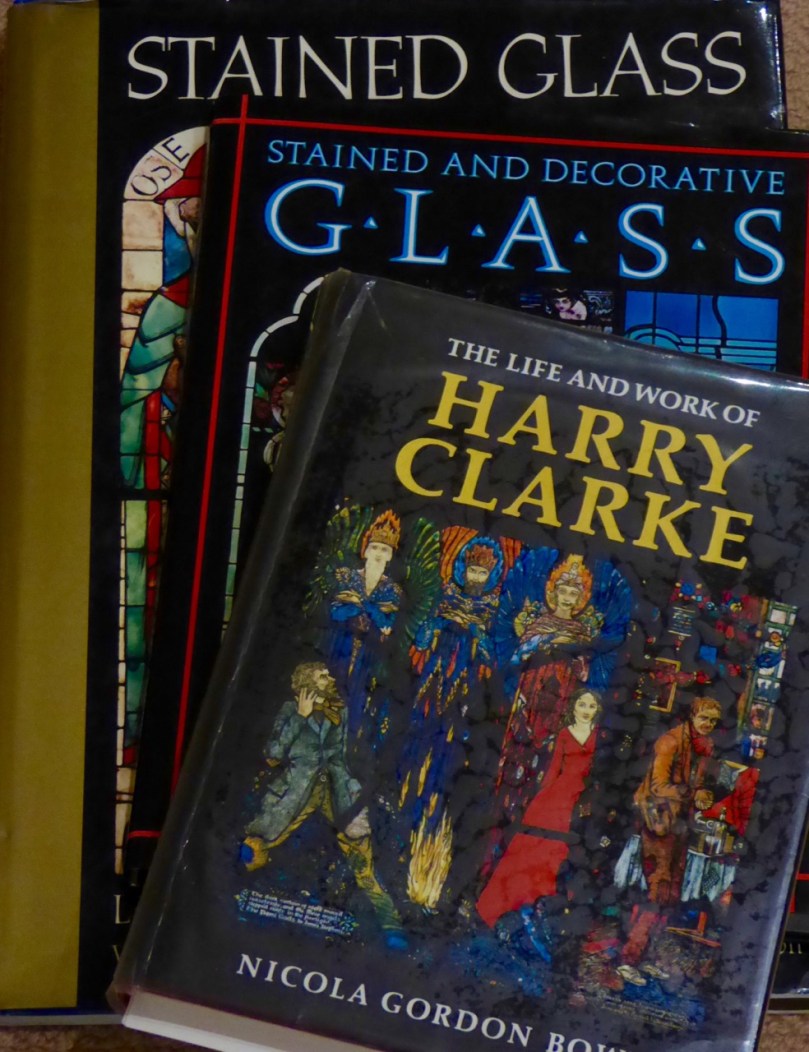
This post was inspired by a gift from my oldest and dearest friend – three books on stained glass passed on to me because he is moving from his home of the last 65 years, a home in which I spent much happy time. A loyal reader of our blog, he knows of my  enthusiasm for stained glass, an obsession I shared with his late wife, the wonderful Vera, whom I still carry in my heart.

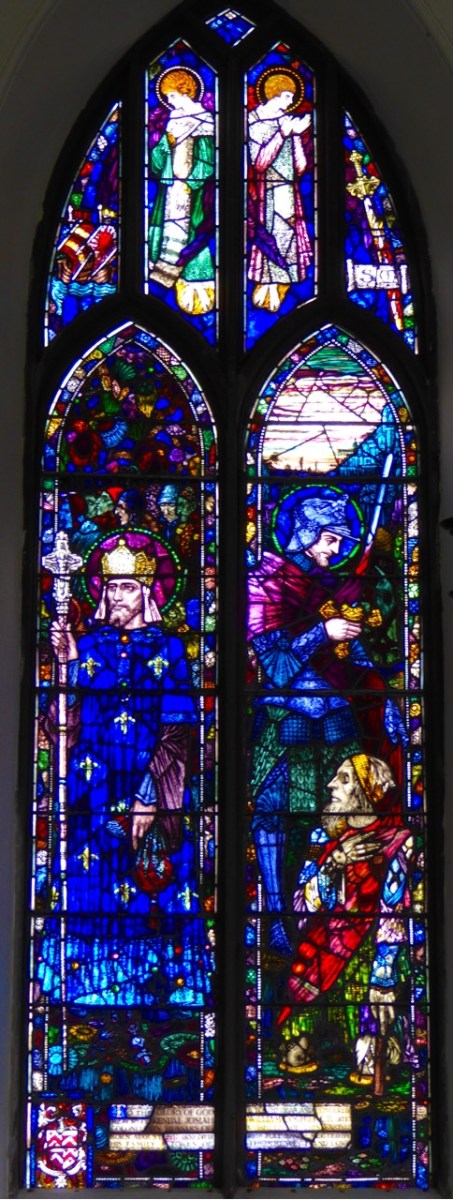
The Kendal Coghill Window, Church of St Barrahane, Castletownshend, Co Cork

The Kendal Coghill Window, Church of St Barrahane, Castletownshend, Co Cork

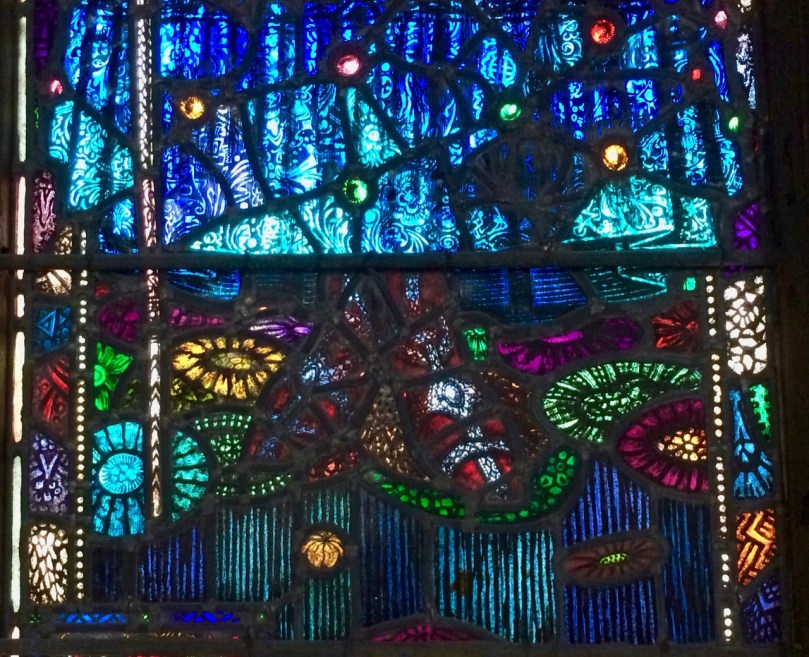
One of the books is the exhaustive and erudite study of Harry Clarke by Nicola Gordon Bowe. The other two are more general, although each of them devotes a section to the work of Harry Clarke. My initial intention was to look at Harry Clarke as a illustrator, with special reference to his portraiture, using a variety of windows as examples. I may still do that in the future. However, I’ve decided that for now, just one window perfectly illuminates what I want to say about Harry Clarke this time. It’s a window we have both used before in posts (Robert in his Martinmas piece, and I in a couple of places) – the Kendal Coghill window from St Barrahane’s in Castletownshend. Through this window I hope to show you the unique genius of Harry Clare, but also how he drew from life and from great art to create his stained glass panels. (For more on Harry Clarke’s life, see my previous post, The Nativity – by Harry Clarke.)

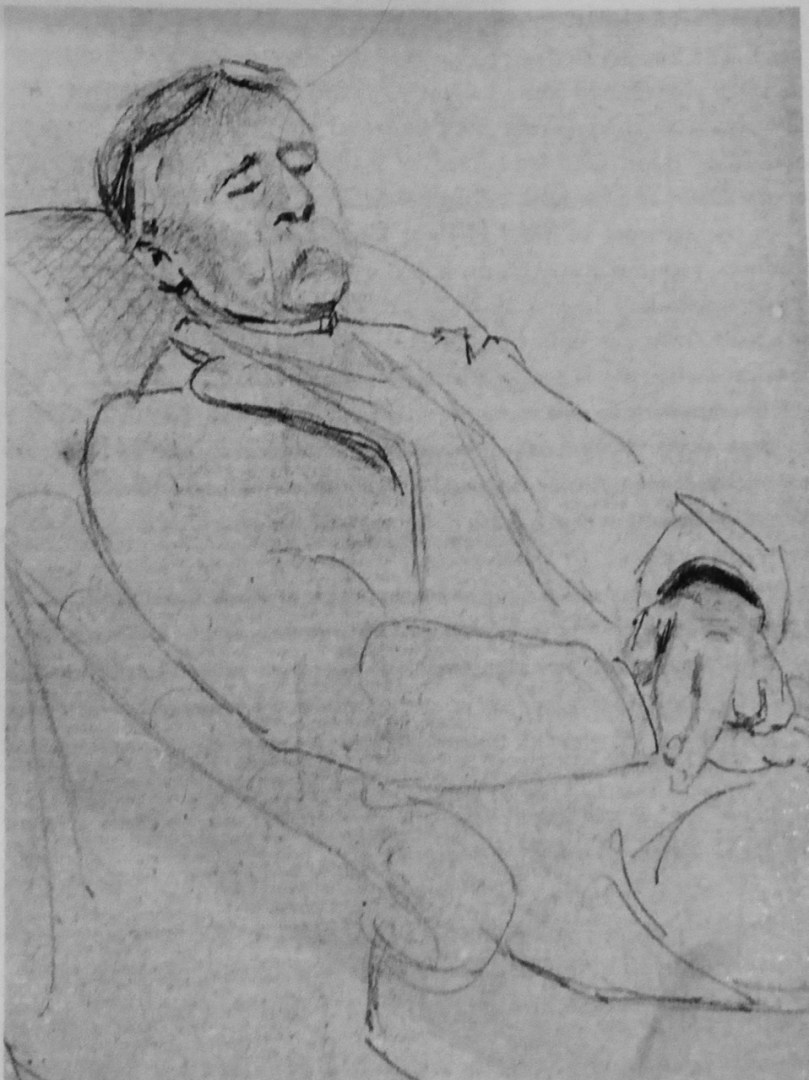
Kendal Coghill, drawn by his niece, Edith Somerville

Kendal Coghill, drawn by his niece, Edith Somerville

Who was Kendal Coghill? He was born and bred in Castletownshend, Edith Somerville’s uncle and a distinguished soldier, rising to the rank of Colonel. He served in India, where he took a kindly and active interest in the young Irish soldiers in his regiment. One of his melancholy duties was writing to their mothers to advise of their deaths. He was also “excitable and flamboyant”, writes Gifford Lewis in her excellent book, Somerville and Ross: The World of the Irish R.M.. As one of the leaders of the amateur spiritualist movement in Castletownshend he introduced Edith and her brother Cameron to automatic writing. By all accounts he was generous and warm hearted and it was his compassion that the window was to emphasise. The two subjects were chosen carefully – Saint King Louis IX of France, and St Martin of Tours. Coghill could trace his ancestry to King Louis, famed for his beneficence, and St Martin was the patron saint of soldiers.

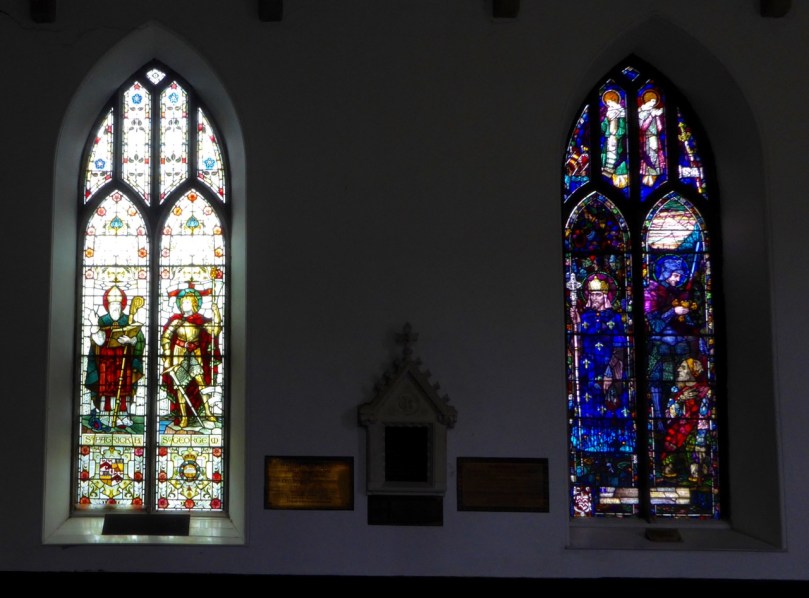
Contrasting styles

Contrasting styles

The first thing that strikes you upon entering St Barrahane’s is the contrast between this window and the others (by Powells of London) on the south side. Alongside the conventional Powells the Clarke blazes with colour and with detail. Every square inch is individually worked, there are no repeated patterns or conventional scrolls. Examine the borders, for example, filled with abstract and colourful motifs, never recurring.

St Louis detail: each motif in the border is uniquely designed and coloured. The robe intrudes in front of the border, lending a £D effect.

St Louis detail: each motif in the border is uniquely designed and coloured. The robe intrudes in front of the border, lending a 3D effect

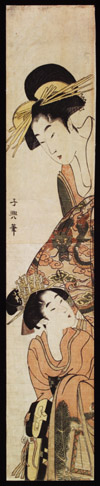
chokiHarry’s habit of placing figures at different heights adds visual interest to the side-by-side panels and may have been influenced by Japanese pillar prints, which were also a major factor in the design aesthetic of Frank Lloyd Wright. A church window is by its very nature long and narrow and the design challenge this poses had first been explored by Japanese artists whose woodblock prints were hung vertically on walls, or fixed to house posts. Contrast the static, forward-facing, identically scaled figures in the Powell window with the dynamic composition of the Clarke panels. The St Martin figure, in particular contains two figures and manages to tell a whole story, like this example of a pillar print.

The choice of the window and the management of the commission rested with Edith Somerville. Harry Clarke stayed with her in Drishane while executing the final placement and she liked him very much. Beside the Kendall Coghill window which is the subject of this post there are two other Clarke windows in St Barrahane’s. But St Barrahane’s, as Gifford Lewis explains, is not…”typically Protestant. High Church, Anglo-Catholic influence is in restrained evidence besides the astounding blaze of Clarke’s windows. Jem Barlow, the medium, claimed that at a service one Sunday in St Barrahane’s the spirit figure of Aunt Sidney appeared, caught sight of the Clarke windows, started, then exclaimed “Romish!” and dissolved.”

Above St Louis,

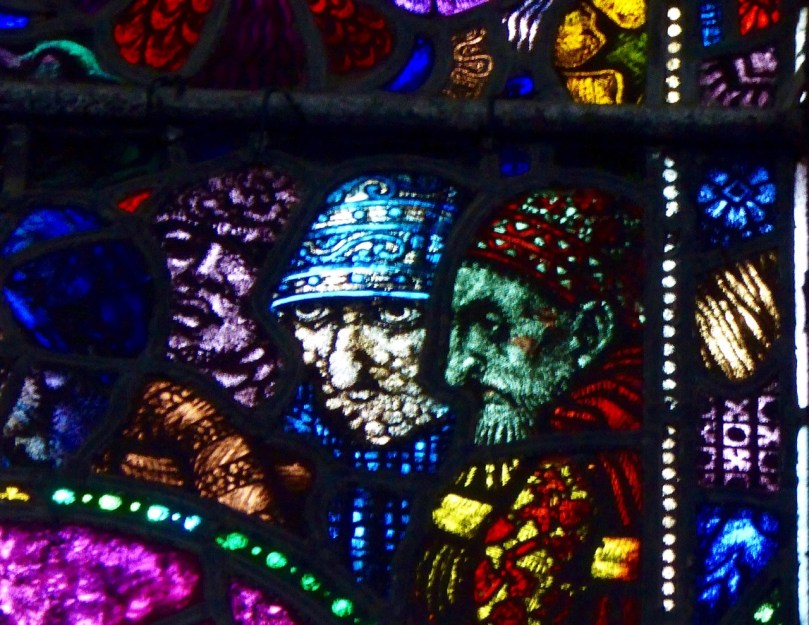
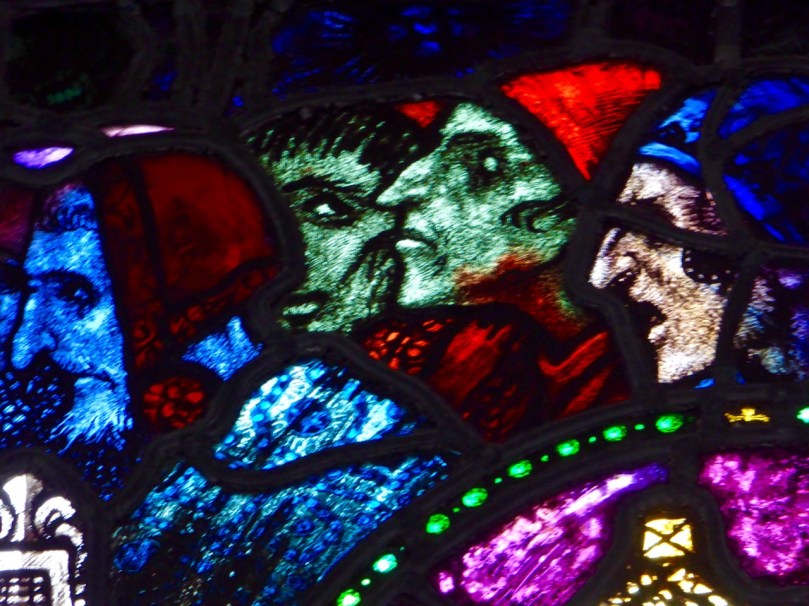
Above St Louis, “a parade of the poor and diseased”

Saint Louis occupies the left panel. He is depicted with an alms purse in his left hand and a crucifix instead of a sceptre in his right hand. Look carefully – above him are the poor and sick that were the objects of his constant charity. Here’s what Nicola Gordon Bowe has to say about this section of the window:

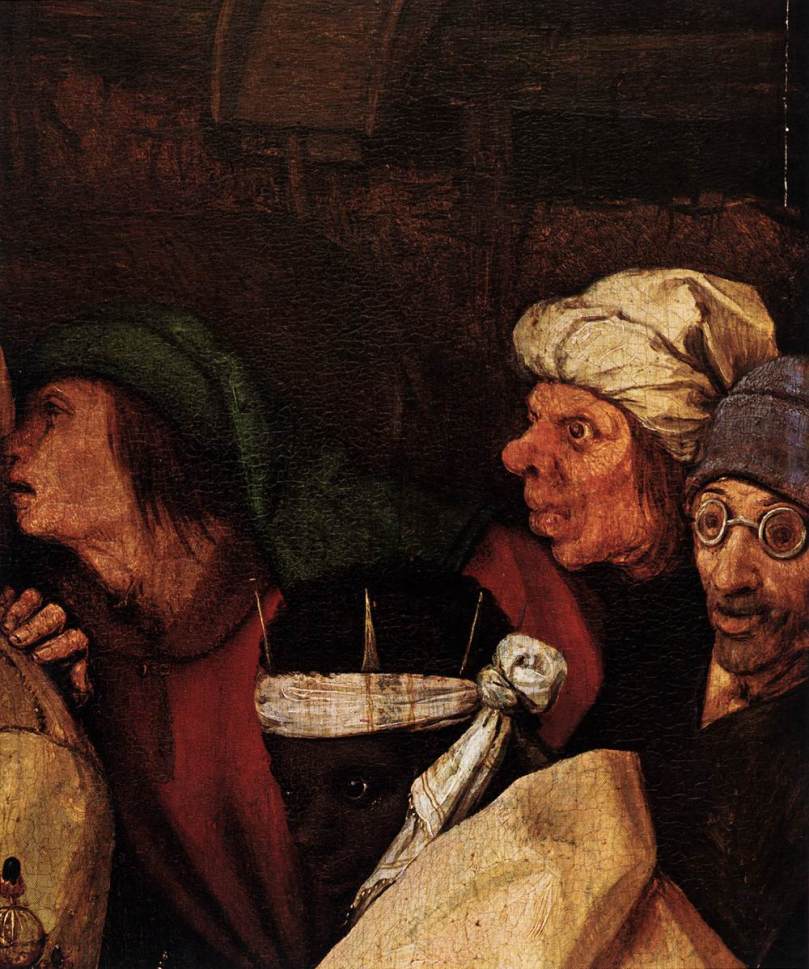
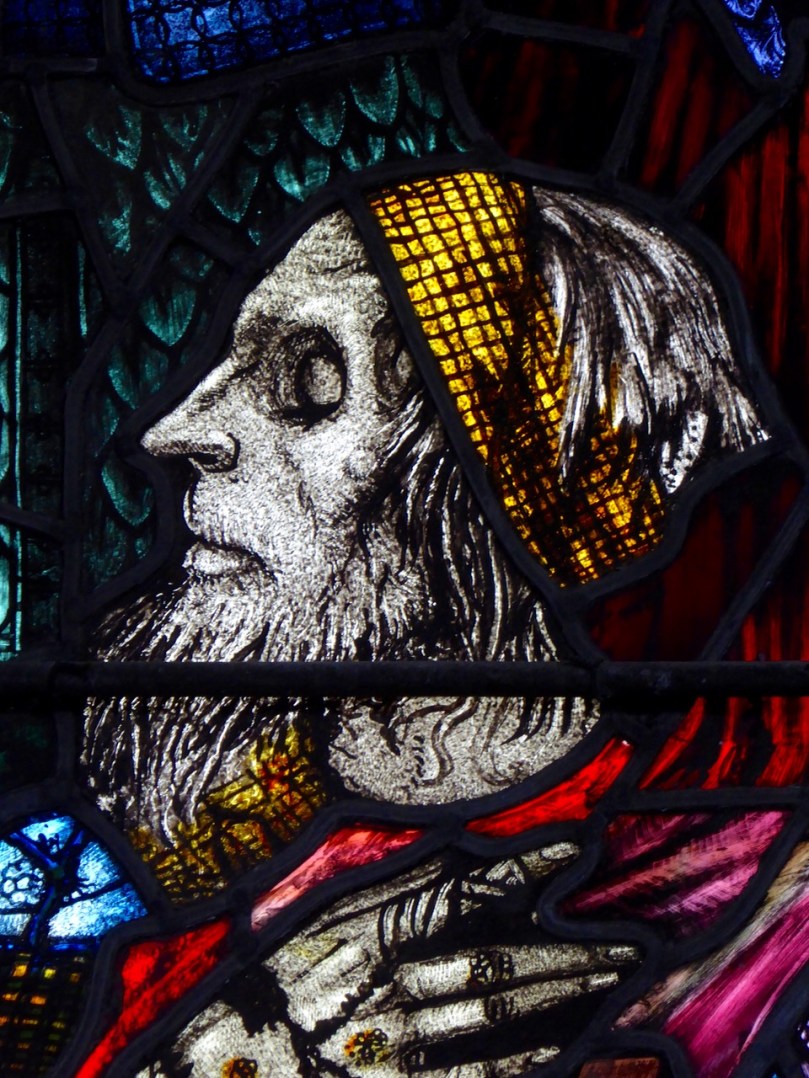
Dimly visible…is a small procession of the heads and shoulders of the poor and diseased who used to feed at his table. These again show Harry’s unique ability to depict the gruesome, macabre and palsied in an exquisite manner…The seven men depicted, old, bereft, angry or leprous, are painted on shades of sea-greens and blues, mauves and grey-greens, in fine detail with strong lines and a few brilliant touches, like the grotesque green man’s profiled head capped in fiery ruby, the leper helmeted in clear turquoise with silver carbuncles, and the aged cripple on the right in ruby and gold chequers.

Poor men

This section, it seems was likely influenced by a painting that Harry was familiar with from visits to the National Gallery in London – Pieter Bruegel’s Adoration of the Kings

Detail from Pieter Bruegel's Adoration of the Kings

Detail from Pieter Bruegel’s Adoration of the Kings

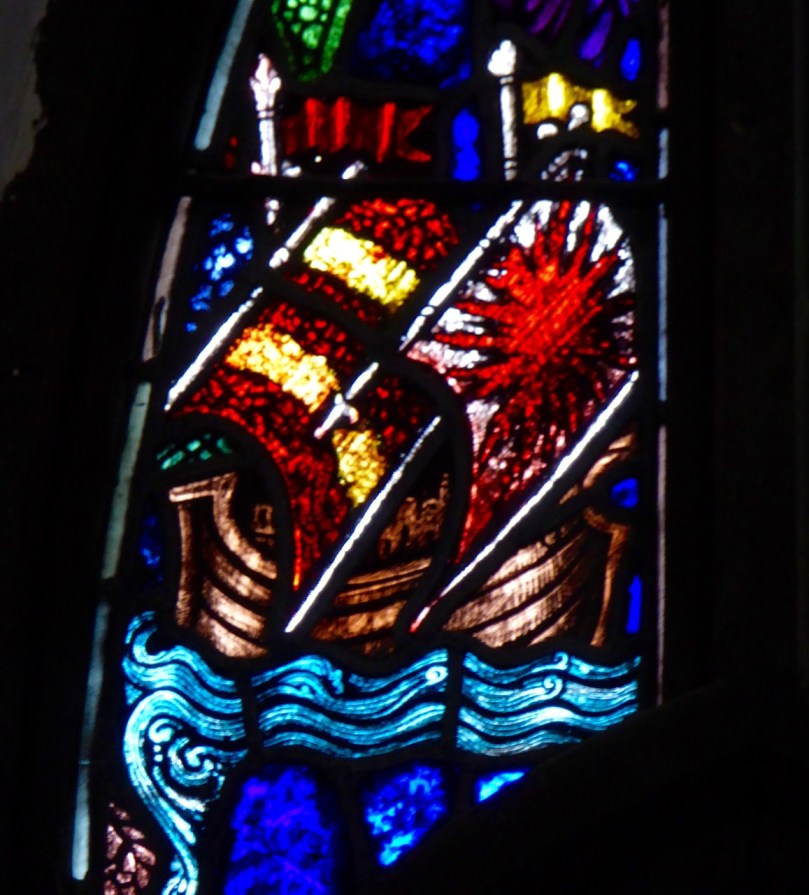
The ship in which he sailed to the crusades is depicted above King Louis.

Ship

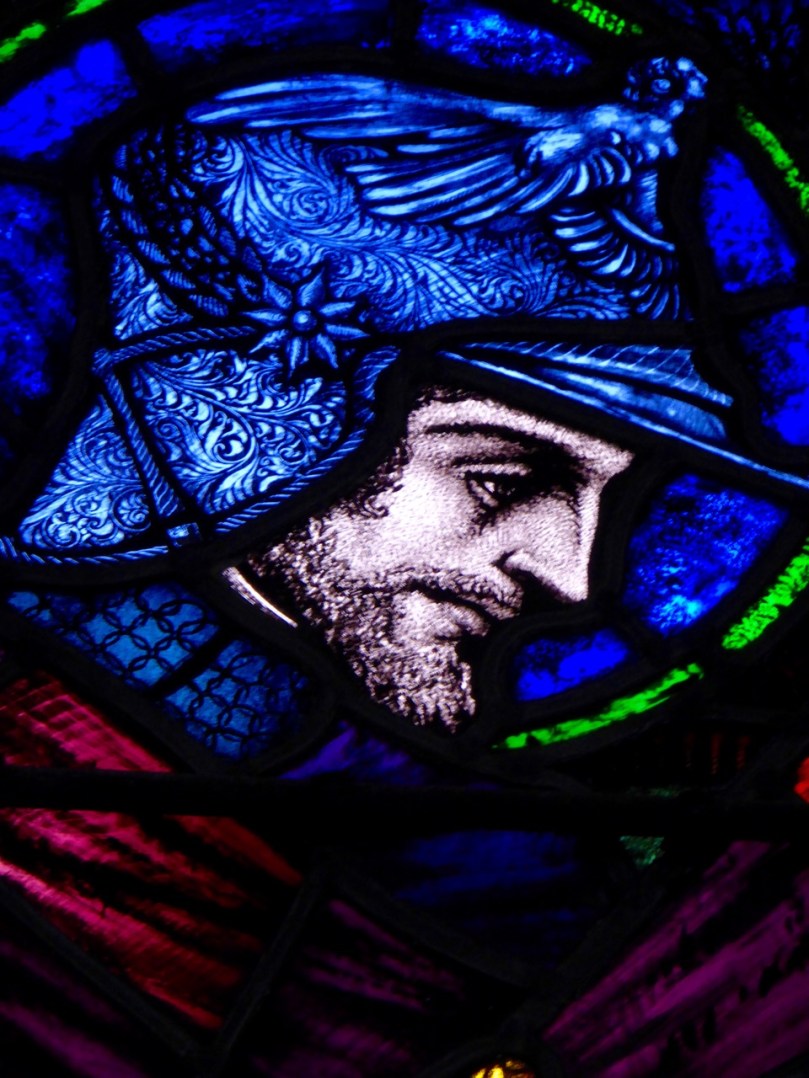
Saint Martin, in the right panel, is depicted in the act of cutting his cloak in two, to give half to a beggar. Martin’s face is archetypal Clarke – the beard, the aquiline nose, and the large eyes filled with compassion for the beggar.

St Martin of Tours

St Martin of Tours

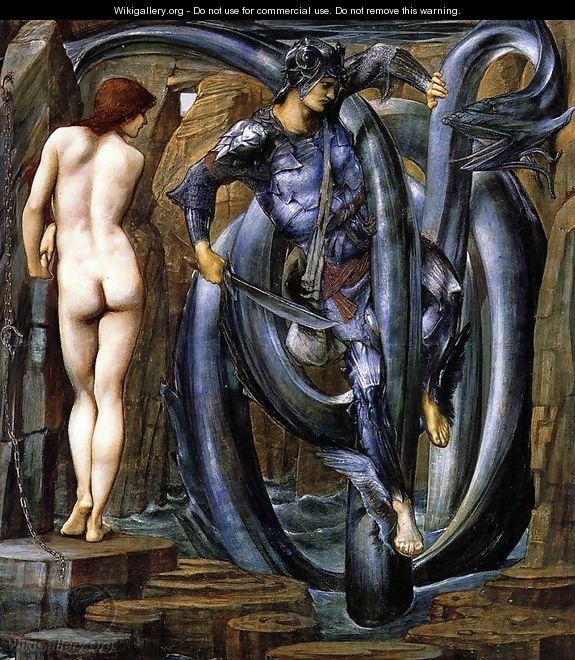
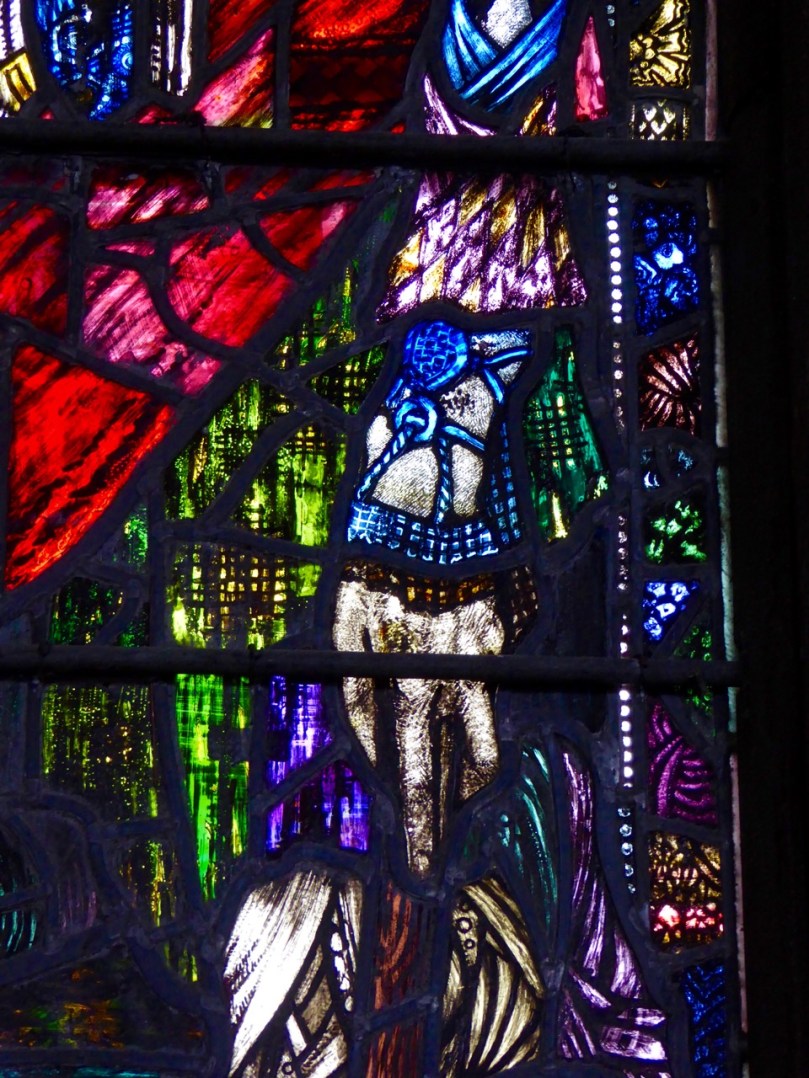
The helmet is worth a closer look. First of all, it is beautifully and finely decorated in the niello style, and second, it is topped with a tiny figure, sphinx-like, with long wings. Nicola Gordon Bowe points to the influence of Burne-Jones here, to the helmet worn by Perseus in The Doom Fulfilled.

Burne Jones' The Doom Fulfilled

Burne Jones’ The Doom Fulfilled

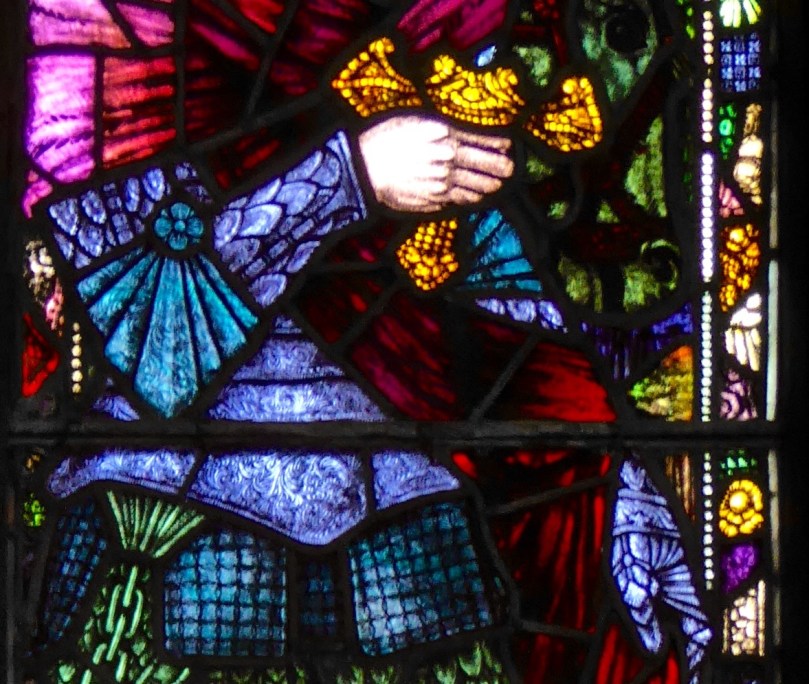
Clarke also found his inspiration in life drawing. He used himself for a model occasionally, but also ordinary people from the streets of Dublin. The beggar may have been based on one familiar to him. His face is dignified despite his wretched condition and his patches are rendered in as exquisite detail as is the Saint’s armour.

Beggar

The beggar may have been based on a familiar Dublin figure

The beggar's hand

The beggar’s hand

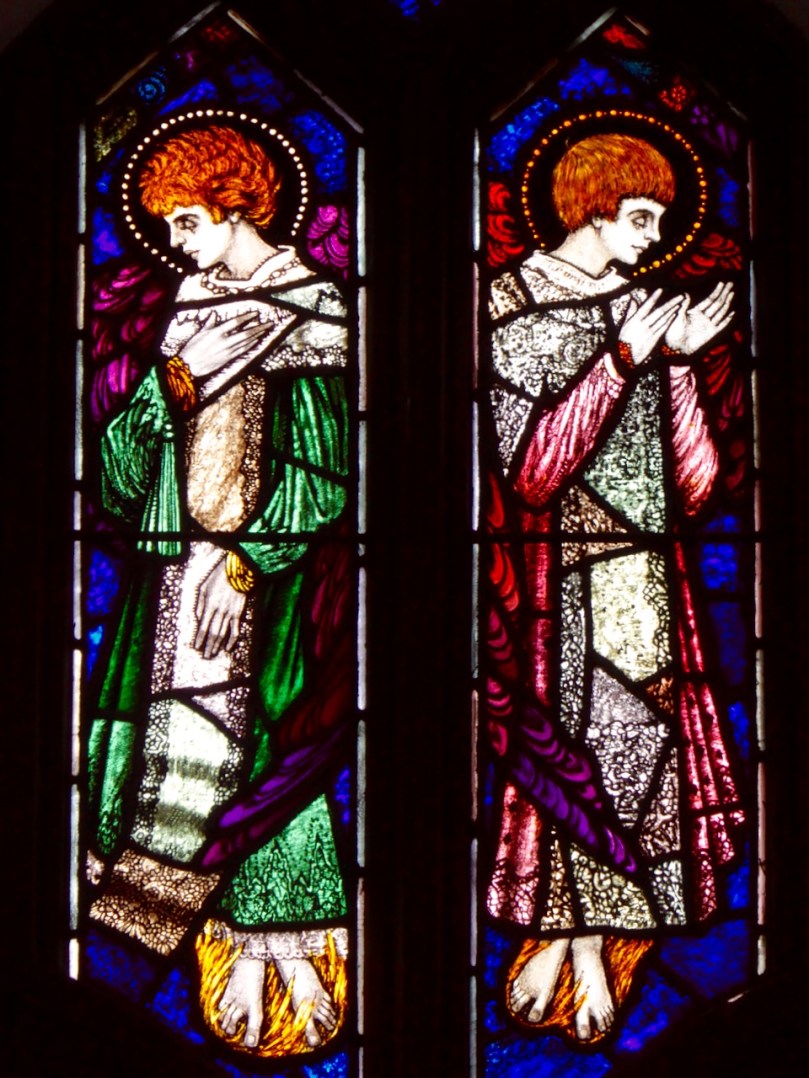
Finally, at the very top of the window two haloed figures look down. Harry Clarke had a thing for red hair and this is a perfect example of how he used that preference to good effect. Once again, although the figures are similar in size, there is no repetition – these are no ‘standard’ angels – each has his own wonderful garments and stance.

Red haired angels

Stained glass artists typically sketch their designs on paper first and these images are referred to as cartoons. Harry Clarke’s cartoons for the Coghill windows must still exist. Nicola Gordon Bowe describes them as drawn “loosely in thick charcoal, the design boldly expressed with detailing and shading minimal, but still conveying a good idea of how every part of the window would look.” The finished window, she says, “reveals a new freedom of treatment, the painting on the glass reflecting the free drawing of the cartoons.” This is an artist and craftsman working at the height of his powers – an interesting subject for the question that Robert poses in his post this week.

Saint Martin, armour detail

Saint Martin, armour detail

West Cork Creates

We were bowled over by the latest exhibition to open in Skibbereen on Saturday: West Cork Creates. It shows collaborations between local craftspeople, visual artists, photographers and designers – combining their skills and expertise to produce exciting, original work.

test pieces

Top picture – The Great West Cork Obelisk (see below) is featured by the entrance to the gallery; above – fired test pieces from the obelisk project

Here’s a riddle: what’s the difference between an artist and a craftsperson? If you have a definitive answer please tell me, because this is a debate that will last forever… Grayson Perry contributes to the discussion in this Guardian piece, starting provocatively with:

…I see the craft world as a kind of lagoon and the art world in general as the ocean. Some artists shelter in this lagoon, because their imagination isn’t robust enough to go out into the wider sea…

Grayson Perry makes pots, so is he an artist? Well, presumably the British art establishment thought so as they gave him the Turner Prize in 2003, the first time it had gone to a ‘ceramic artist’.

More from the obelisk project and – right – Brian Lalor, one of its creators

Where does that leave us? Is someone who makes flowerpots an artist, because a flowerpot might be an attractive object? Where do you place something like the Book of Kells? It’s a functional object – the four Gospels lavishly illuminated – created in medieval times by many different hands. Yet it’s unique, overflowing with stunning visual images, beautiful and priceless. It’s a wonderful example of collaboration between the functional craft of the scribes who penned the texts and the minds of the (undoubted) artists who produced the decorations around those texts: perhaps they were the same hands.

Left – metamorphosis of two of Alison Ospina’s Greenwood chairs and – right – Dee Forbes, President and Managing Director of Discovery International, formally opening the exhibition

What about Finola’s subject for today, Harry Clarke – artist or craftsman? Stained glass is not ostensibly functional (except, perhaps to change the quality of the light coming through a window) yet the making of it is a craft requiring a lengthy apprenticeship and a garnered knowledge of specific materials and their use. I have no doubts: walk into St Barrahane’s Church, Castletownshend, and be dazzled by the Clarke windows there. They are inspired: true art. Harry Clarke designed and made these windows, so he was artist and craftsman rolled into one.

book of printsArtist and printmaker Coilin Murray with The Big Book

For me West Cork Creates (part of the Taste of West Cork Food Festival) demonstrates conclusively that you can’t differentiate between art and crafts. As you enter the gallery you are immediately presented with an iconic piece – The Great West Cork  Obelisk – which stands almost three metres high. It is a collaboration between two minds and two sets of hands: Brian Lalor and Jim Turner. Brian we have met before in the pages of our blog: he is a true polymath. He writes (prolifically), he produces art (prolifically), he has been an architect and an archaeologist. Jim is a ceramic sculptor of renown. Egyptian ‘obelisks’ are commemorative monuments of the Pharaohs and they usually carry a lengthy inscription praising the deeds of some significant individual.

obelisk in context

The Great West Cork Obelisk

This one is constructed from four terracotta sections made by Jim in his Clonakilty studio and fired in a specially constructed kiln. The base inscriptions are all quotations, two from social philosophers and two from writers, all concerned with the state of society. Brian’s images derive from these, from the contemporary world and from the local environment. The artists’ statement says: Obelisks may be the new round towers of the landscape… (remember that Brian has written the standard work on Ireland’s medieval round towers). I agree: I’d love to see this work prominently displayed in a public place locally – and many more like it. The obelisk absorbed our attention for a good half an hour, delaying us from moving on to the rest of the exhibition: it’s a show stopper!

Alison Ospina and – right – one of her Greenwood stools painted by Etain Hickey 

There are chairs and stools: functional objects to be sat upon. But you’d think twice about sitting on these. They are initially examples of the work of Alison Ospina who uses coppiced hazel to make distinctive seating, but they have been transformed by others (painter, sculptor and felt maker) into works of art which will primarily be looked at and appreciated.

for sale

The gallery space includes a sales area where you can buy the work of the participating exhibitors

There are thirteen collaborations in the exhibition including stone sculptor and furniture maker; metal sculpture and photography; basketmaker and visual artist; painter and felt maker; painter and boatbuilder; cutler and jeweller, all based or working within West Cork… This is just a taster – we have to go back and catch up on the other genres and artists and perhaps write a further blog post. The exhibition runs for five weeks from 8 August to 10 September at Levis’s Quay in the centre of Skibbereen, and is open from Mondays to Saturdays between 11am and 6pm. Be sure to get there – you won’t be disappointed: watch out for the gallery talks, too.

Sculptor Helen Walsh collaborates with photographer Rohan Reilly

Once you have seen the exhibition, you might like to comment and add your contribution to the artist / craftsperson debate.

wooden sun