Glen of the Downs

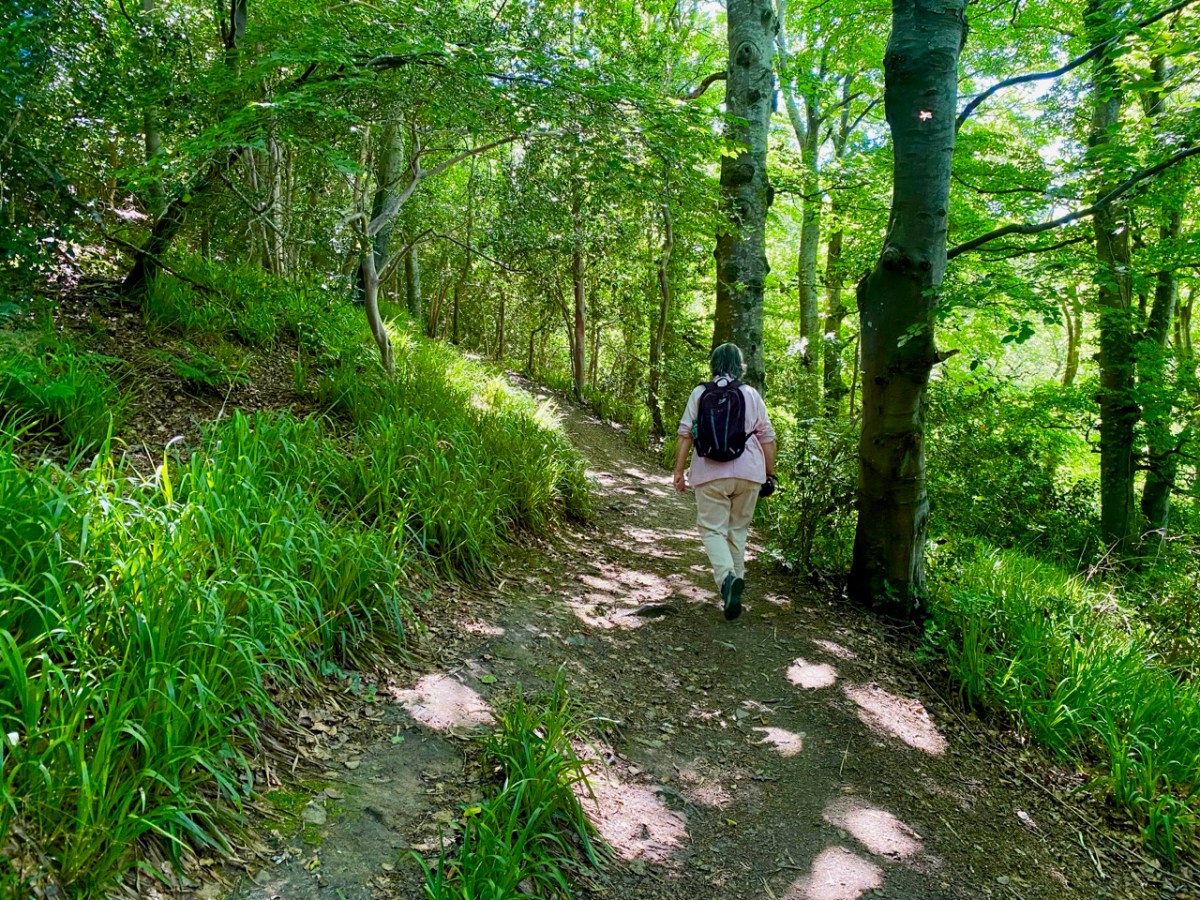
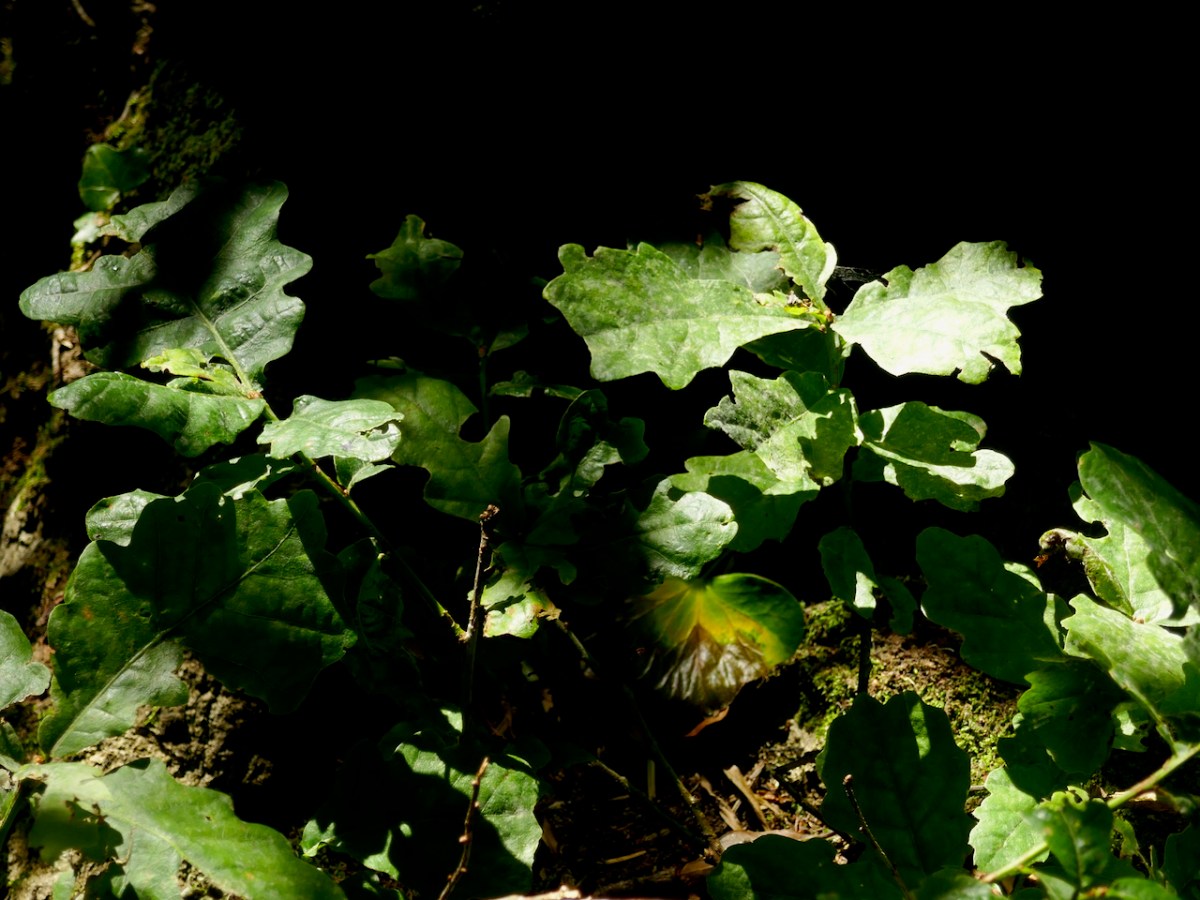
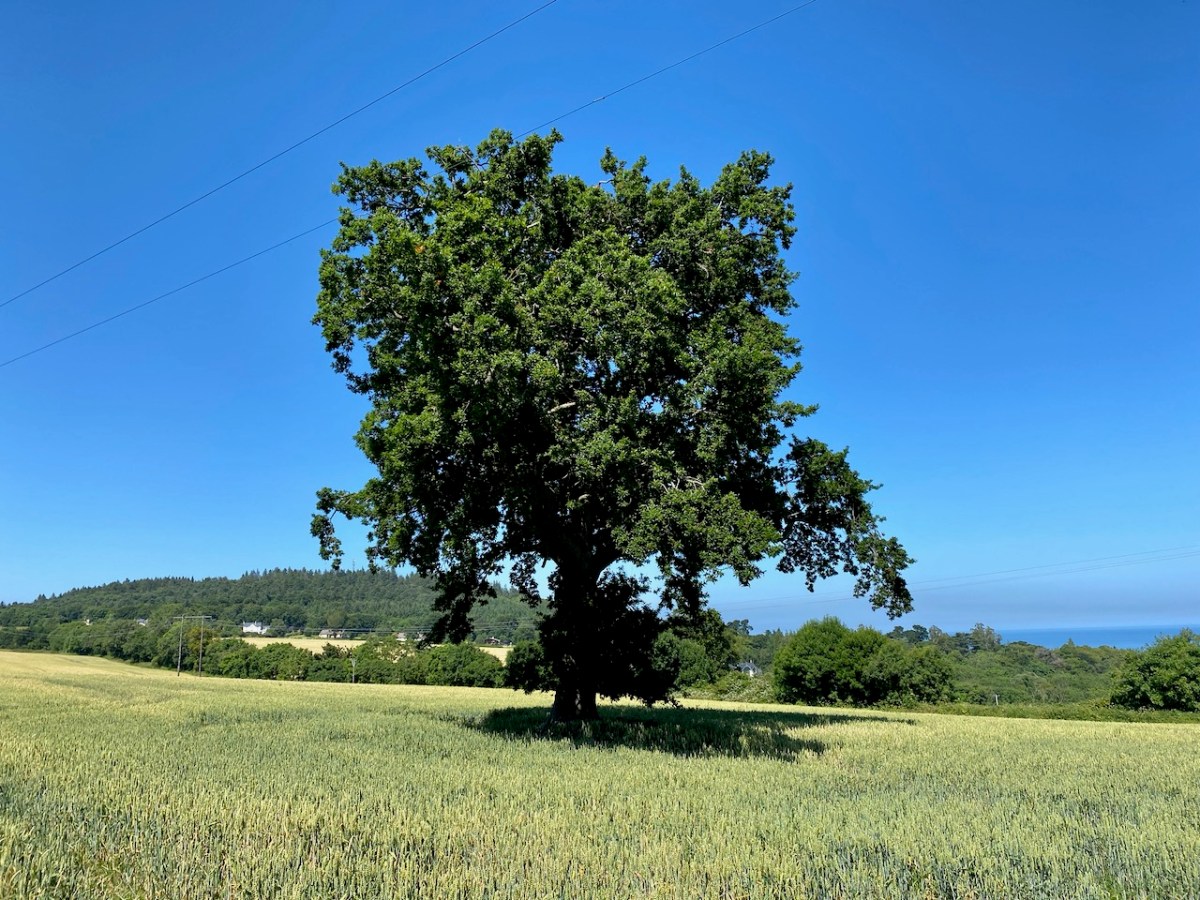
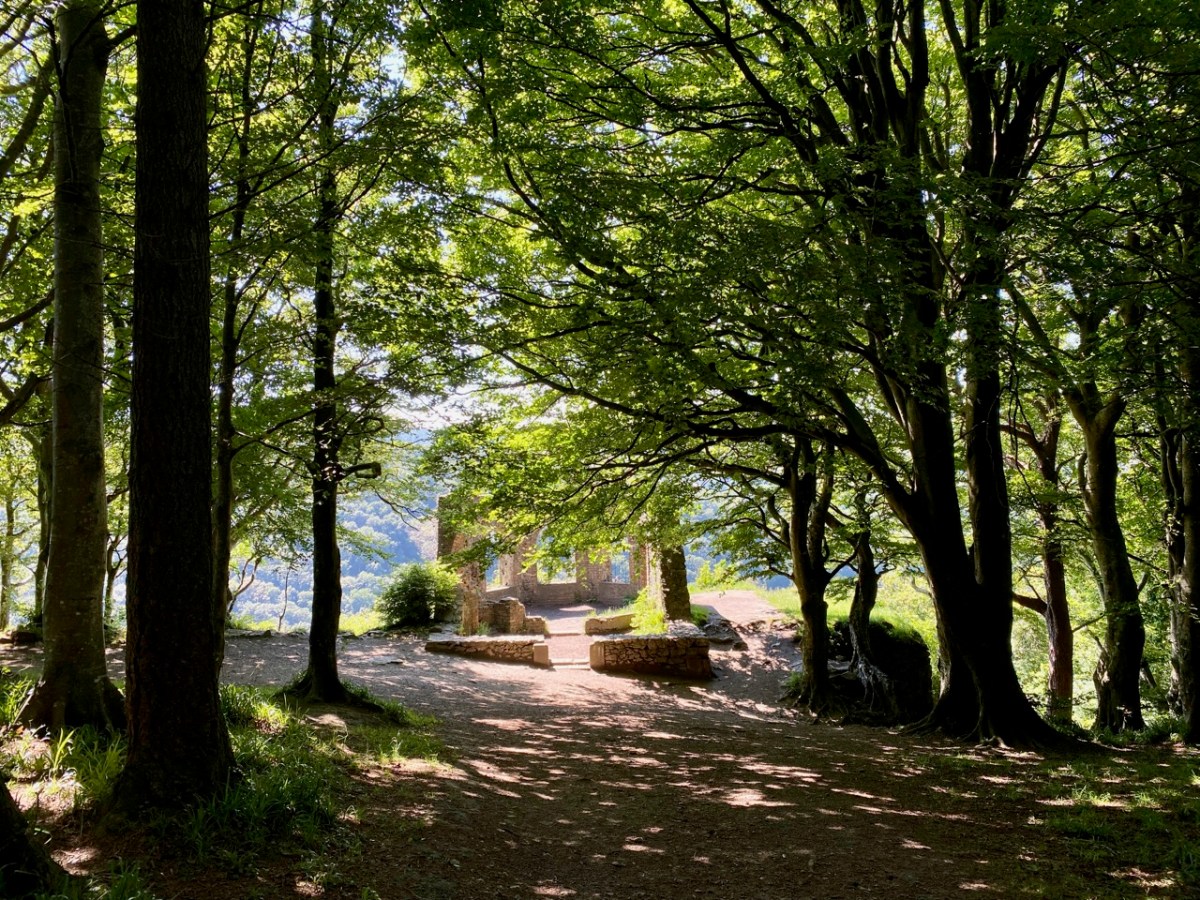
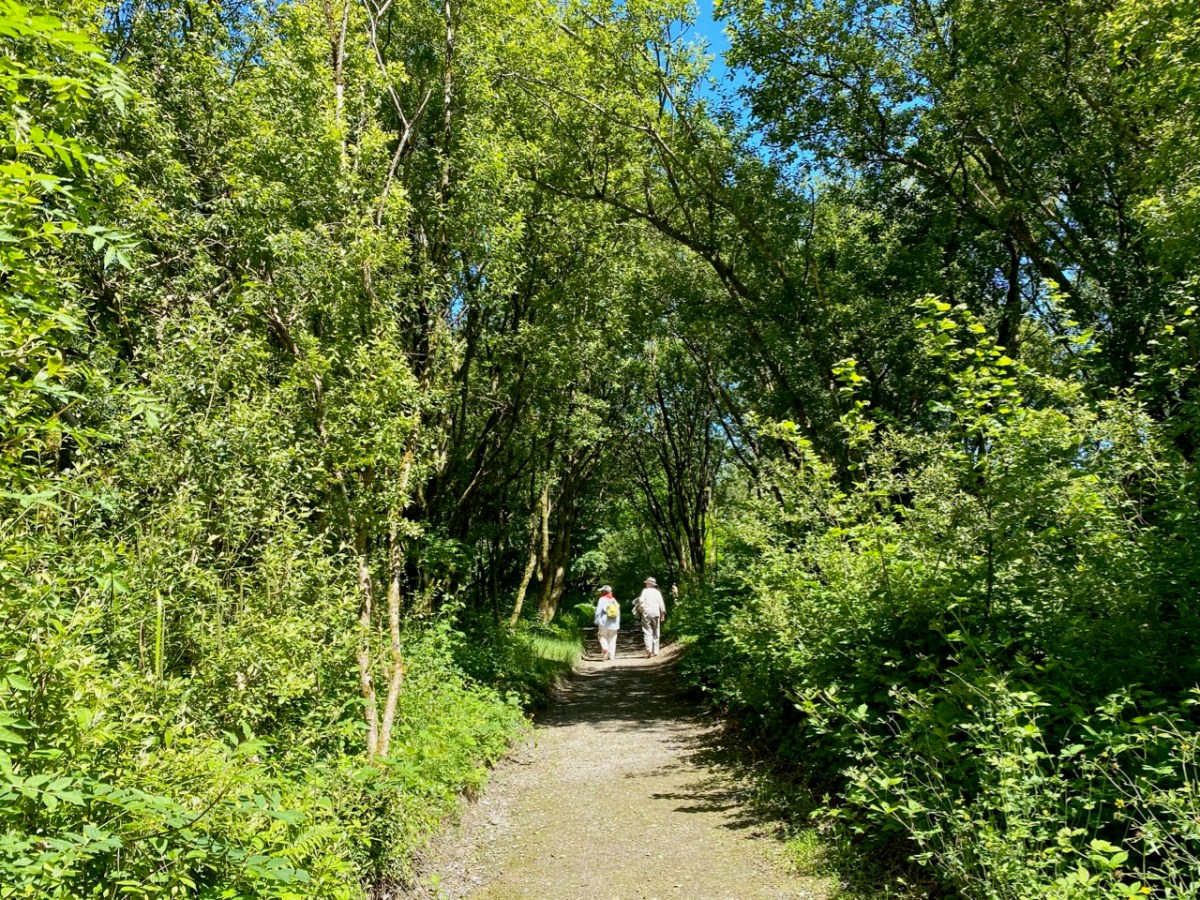
There’s a very attractive woodland walk near Delgany, County Wicklow, to the south of Dublin. It’s well worth an exploration, but be prepared for the intrusive sound of the main N11 road which runs alongside the path as you set out from the public car park: you will leave it behind – eventually – as you climb up into the trees.

It’s a now rare ancient Irish oak wood, once all part of Bellevue Estate, a 300 acre demesne established by the La Touche family in the mid eighteenth century. Through many generations the Huguenot family was known as an ‘ample benefactor of mankind’ who ‘left a record of noble deeds behind them’. During their heyday the La Touches acquired the lands of Upper and Lower Rathdown on which much of modern Greystones has been built, and their name is familiar in the fabric of that town today.

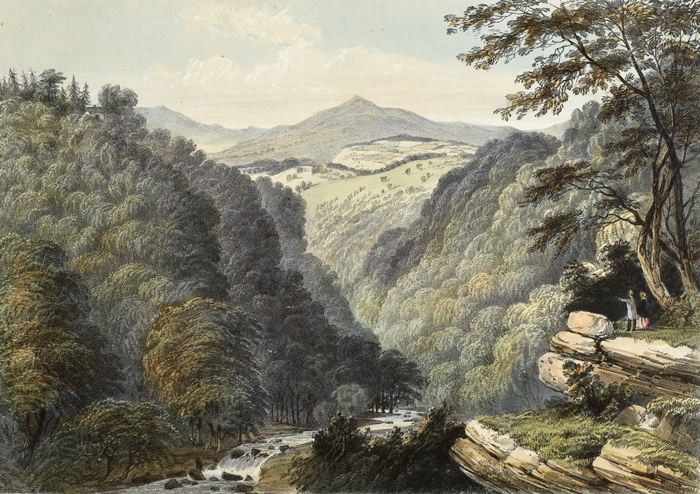
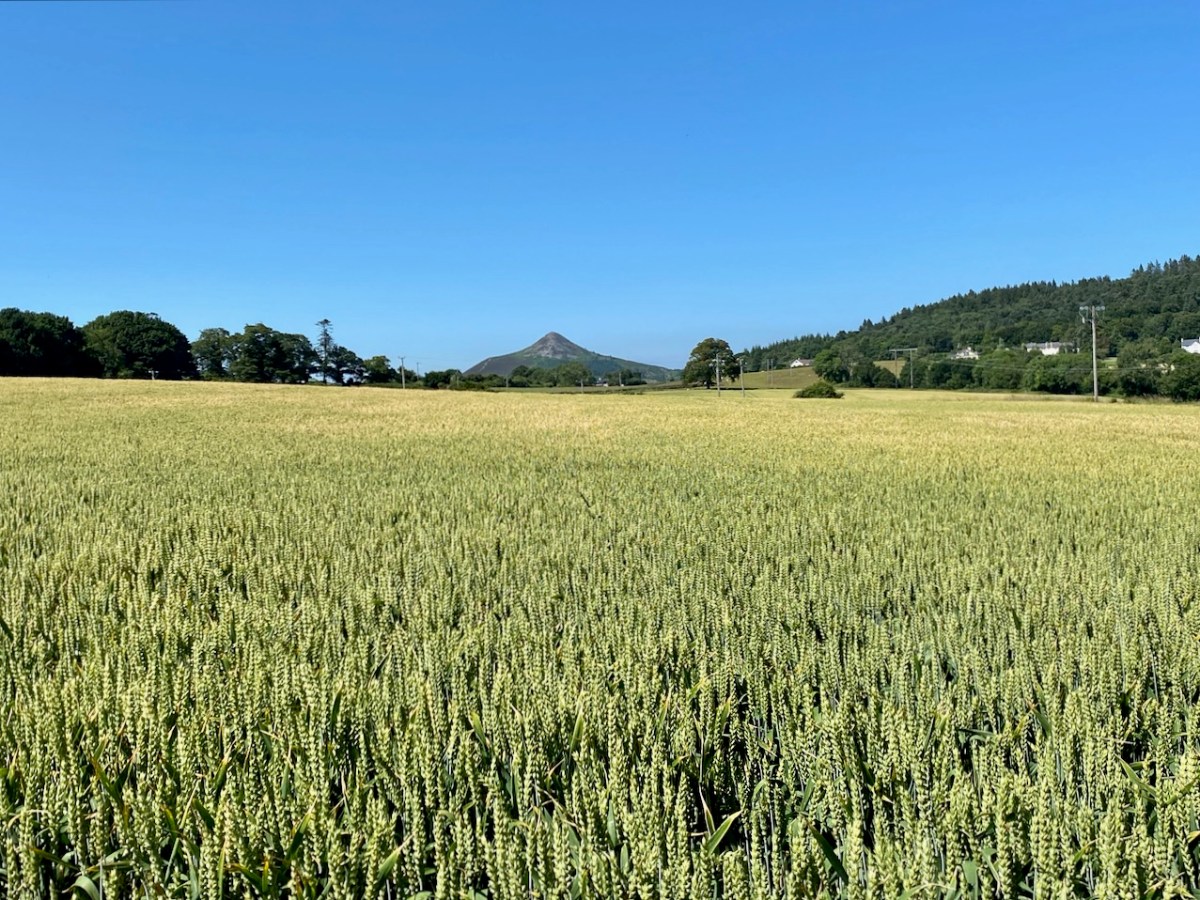
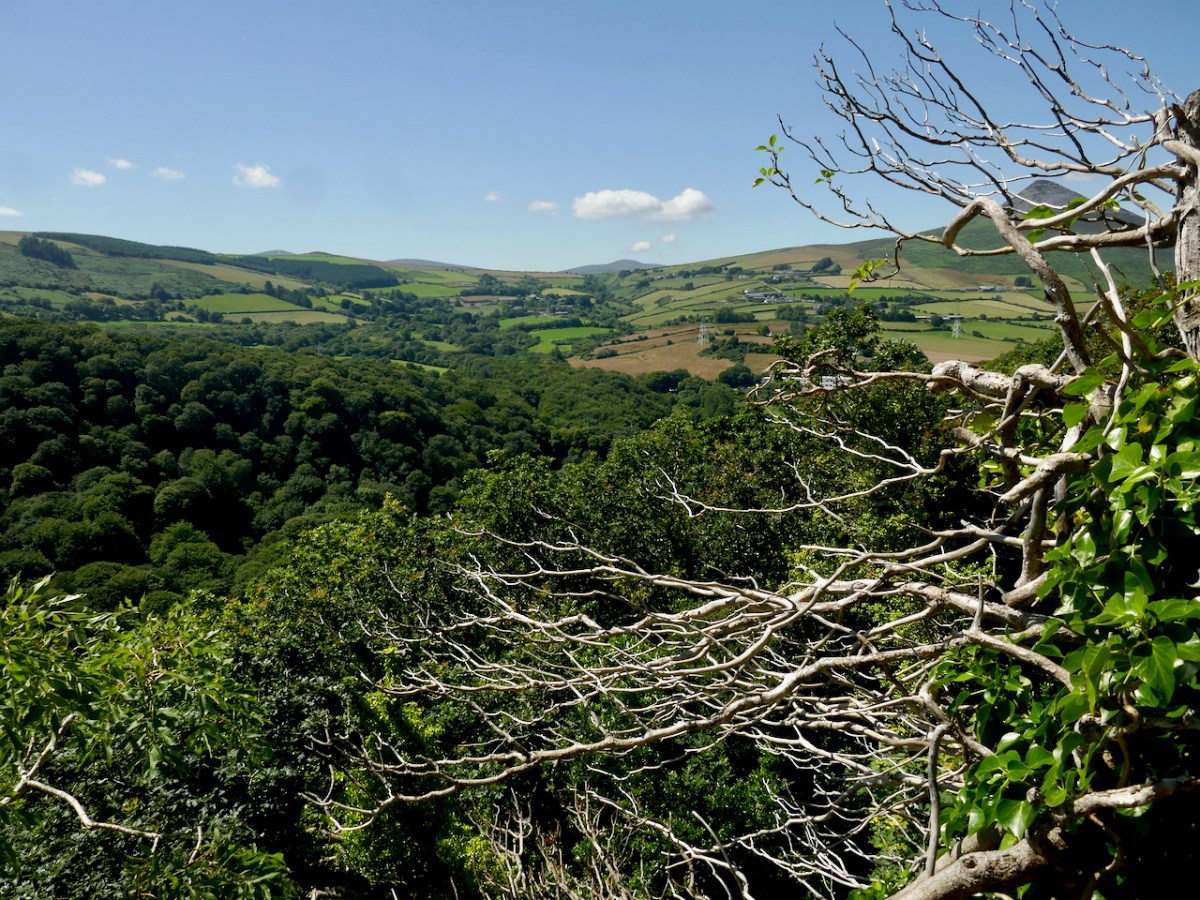
The beauty of this part of County Wicklow has been celebrated by many artists over the years: here are a couple of examples from the late 1700s showing the Glen of the Downs landscape. Always, one or both of the topographical high-points – the Great and Little Sugar Loaves – are prominently featured.

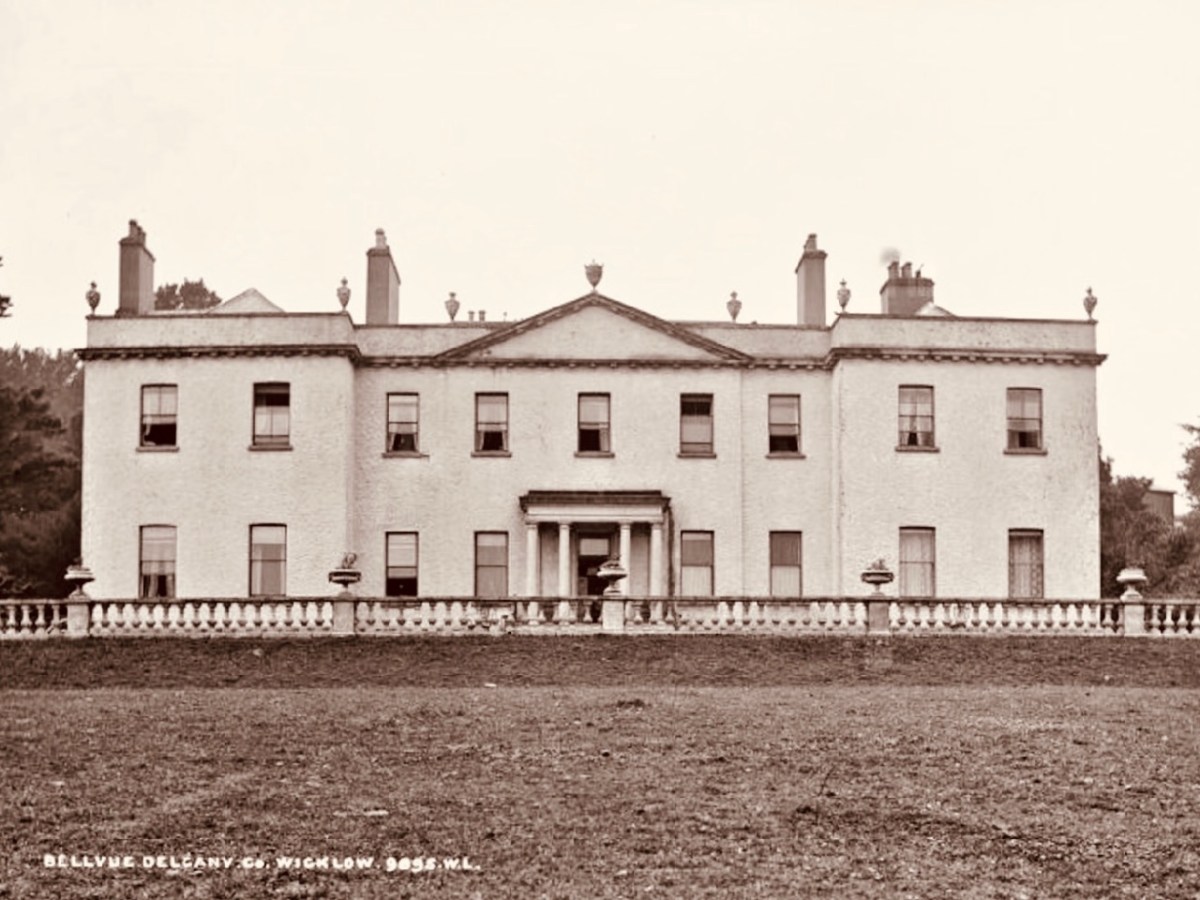
We have photographic records of the La Touche mansion, Georgian Bellevue House – with its famed hot-houses where many exotic plants were cultivated, before its decline in the 1900s and its eventual demise: the crumbling pile was demolished in 1950 to make way for wheat-fields and a golf course.

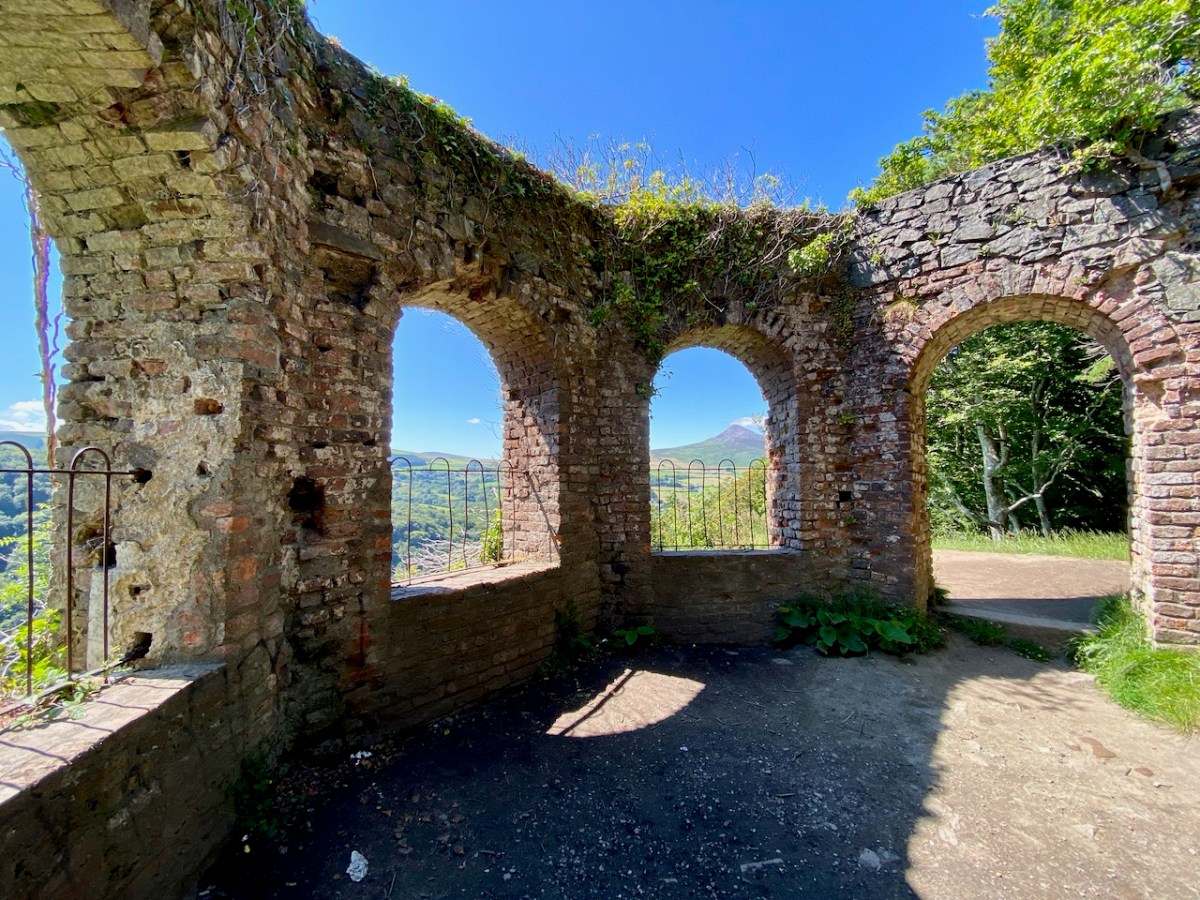
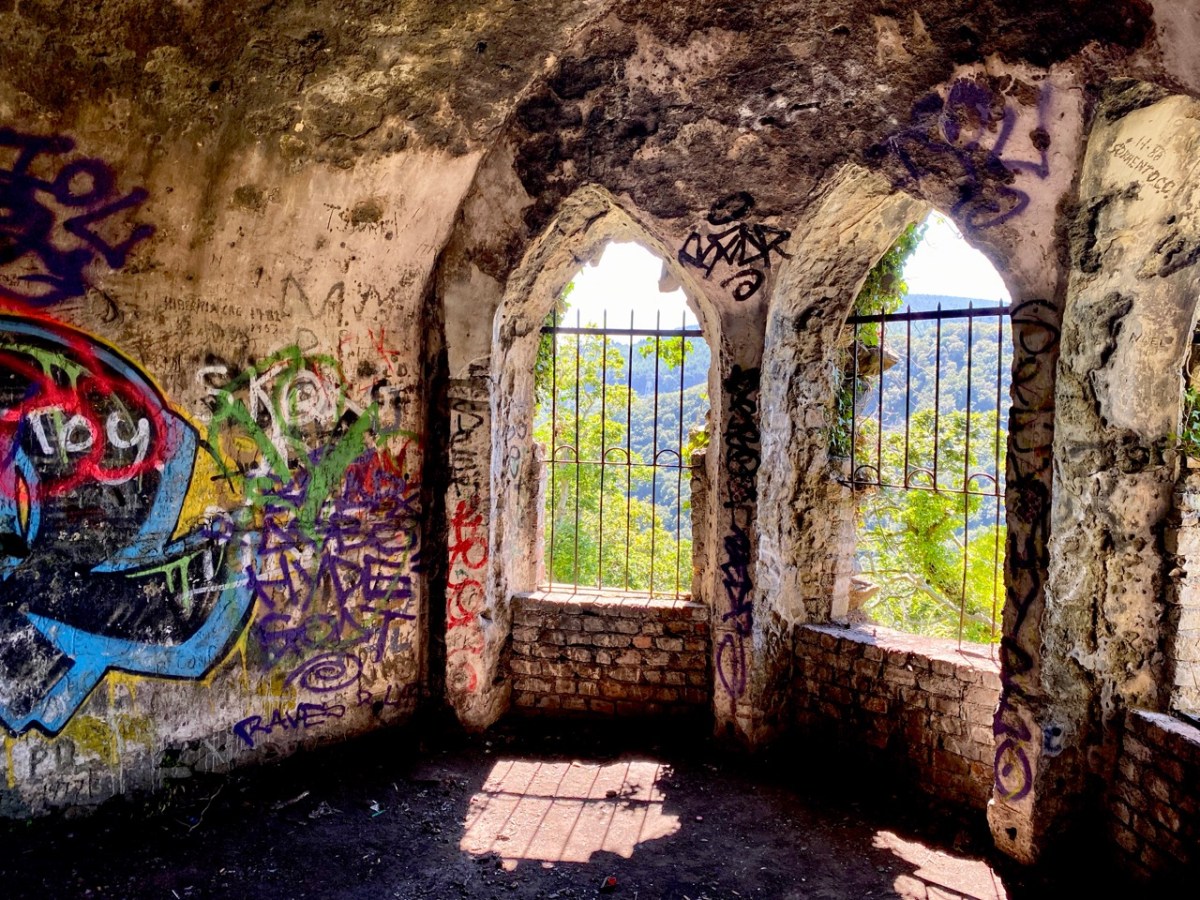
Hidden away in the oak wood is a remnant of the once vibrant La Touche estate: today it’s known as ‘The Octagon’ because of its shape. Its purpose originally was a banqueting hall, set high up on a platform looking out over the landscape. It must have been quite an undertaking, bringing food, furnishings and serving staff up from the ‘big house’: there are remains of tunnels said to have been used for this purpose. Most intriguingly . . .

. . . The estate at Ballydonagh comprised 300 acres, with fine views across the Glen of the Downs and towards the Irish Sea. David, the younger La Touche, built his favourite country retreat here between 1754 and 1756, at a cost of £30,000, and called it Bellevue. Beautiful gardens were laid out with winding paths and “extras” built by David and his son, Peter, when he inherited in 1785. Among these was the Octagon, built in 1766, with a panther on springs, which could be made to jump out at unwary visitors. The house was most famous for its huge glasshouse, built between 1783 and 1793, in which many exotic plants were grown . . .


Judith Flannery, The Story of Delgany, 1990

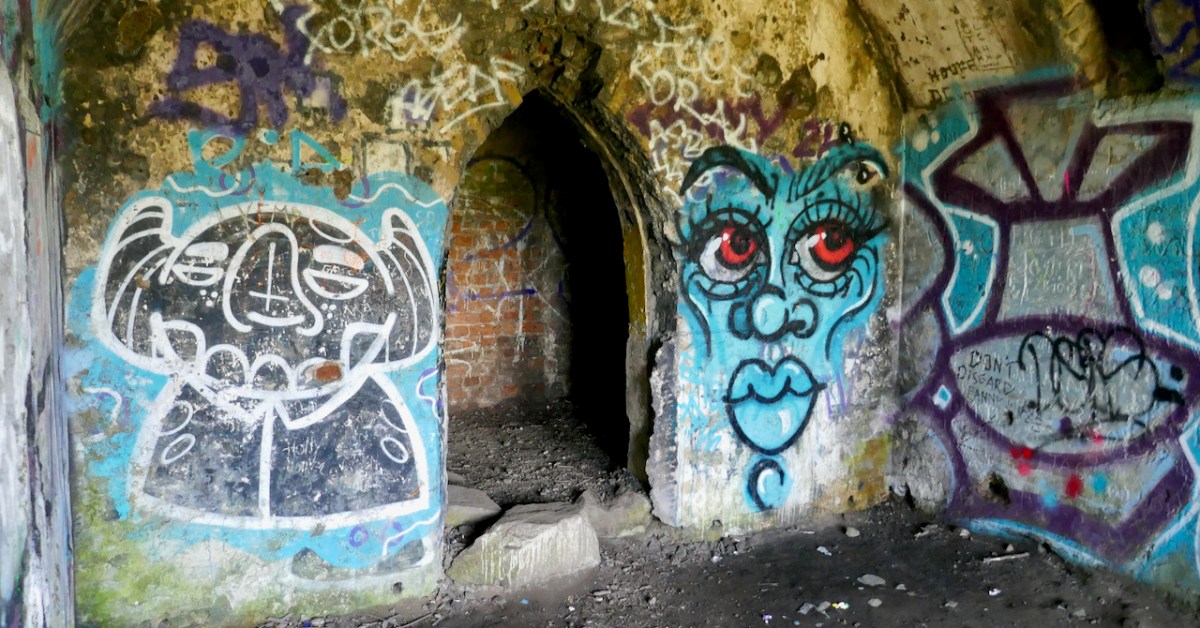
There is no doubt that the building was superbly sited to maximise the good views. Beyond that, it’s hard to fathom how the architecture functioned – and the panther on springs remains a puzzle! Over years of exposure to the elements, and inquisitive visitors, the Octagon has gained a patina of graffiti – which adds, perhaps, to its character and attributes.

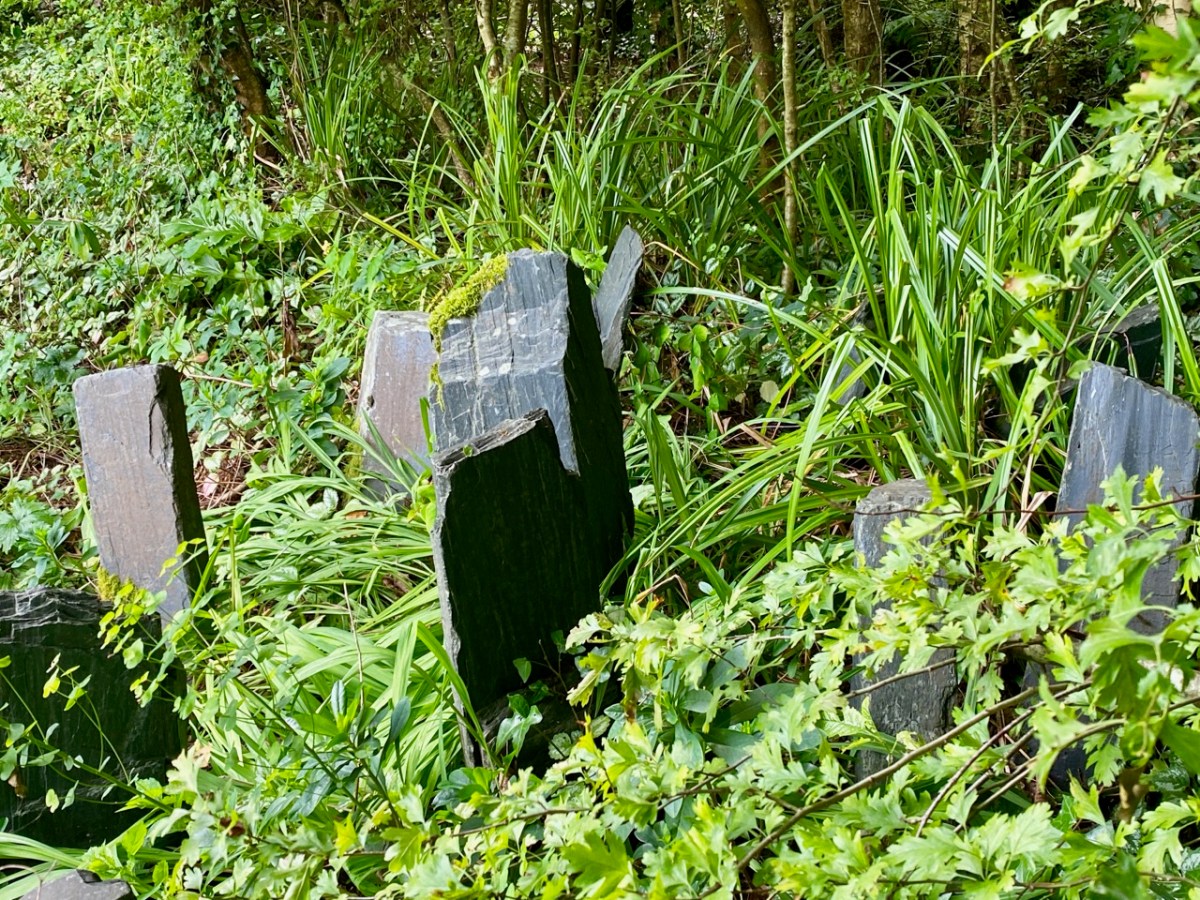
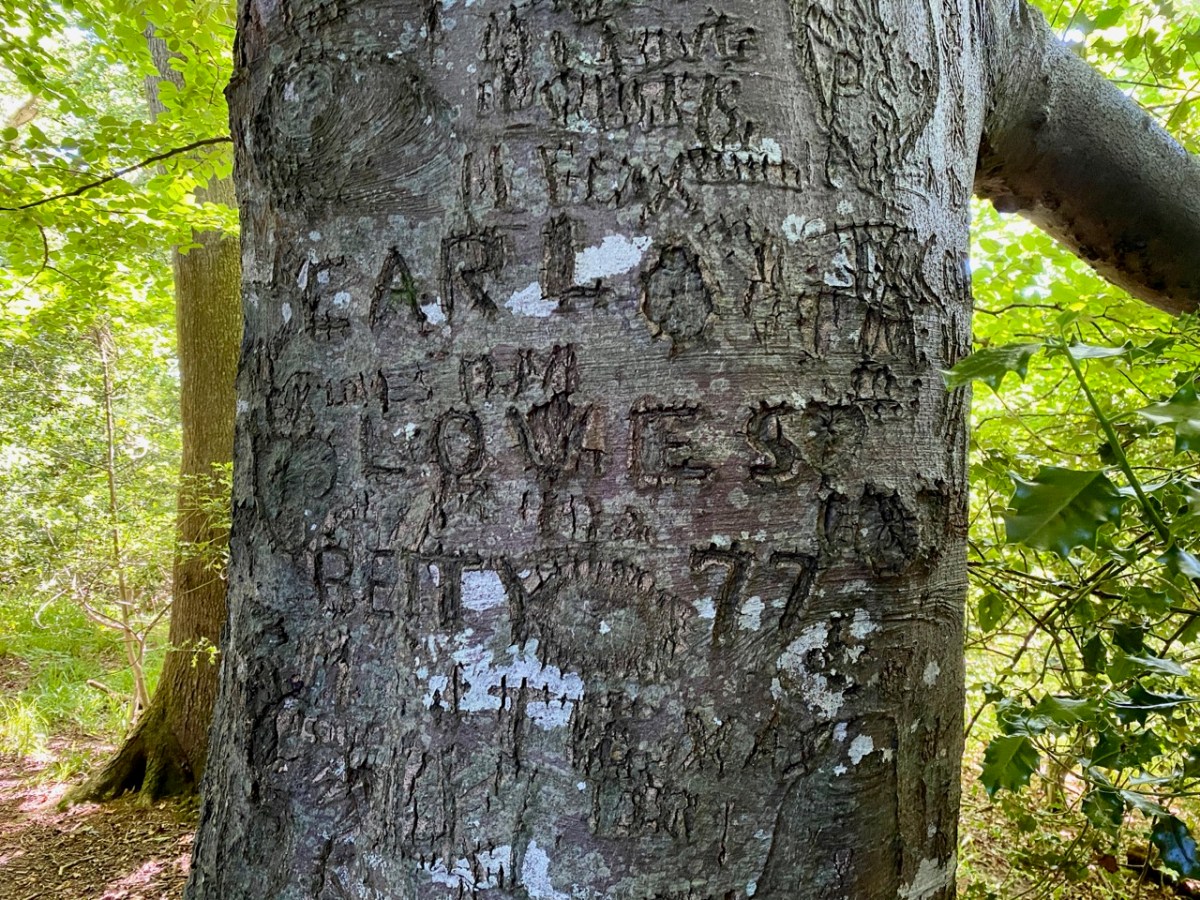
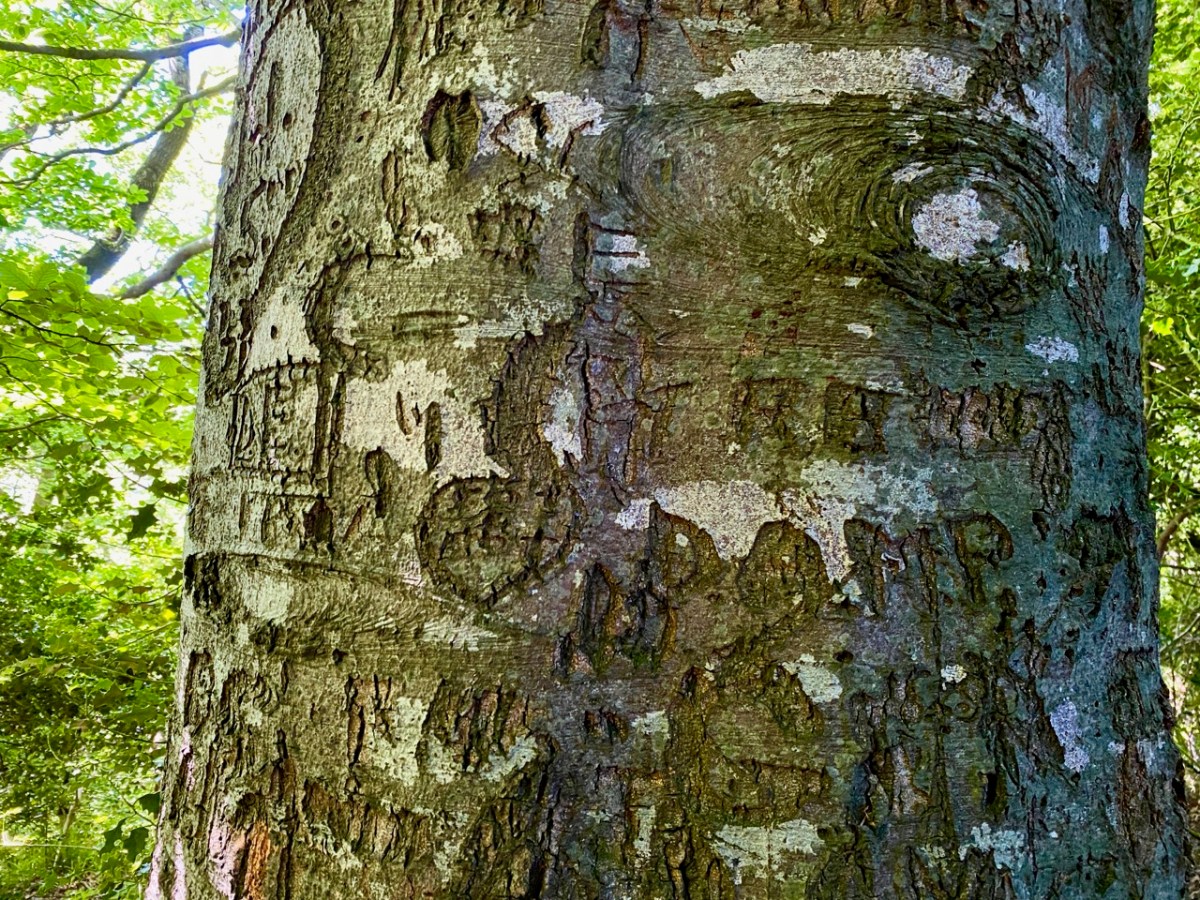
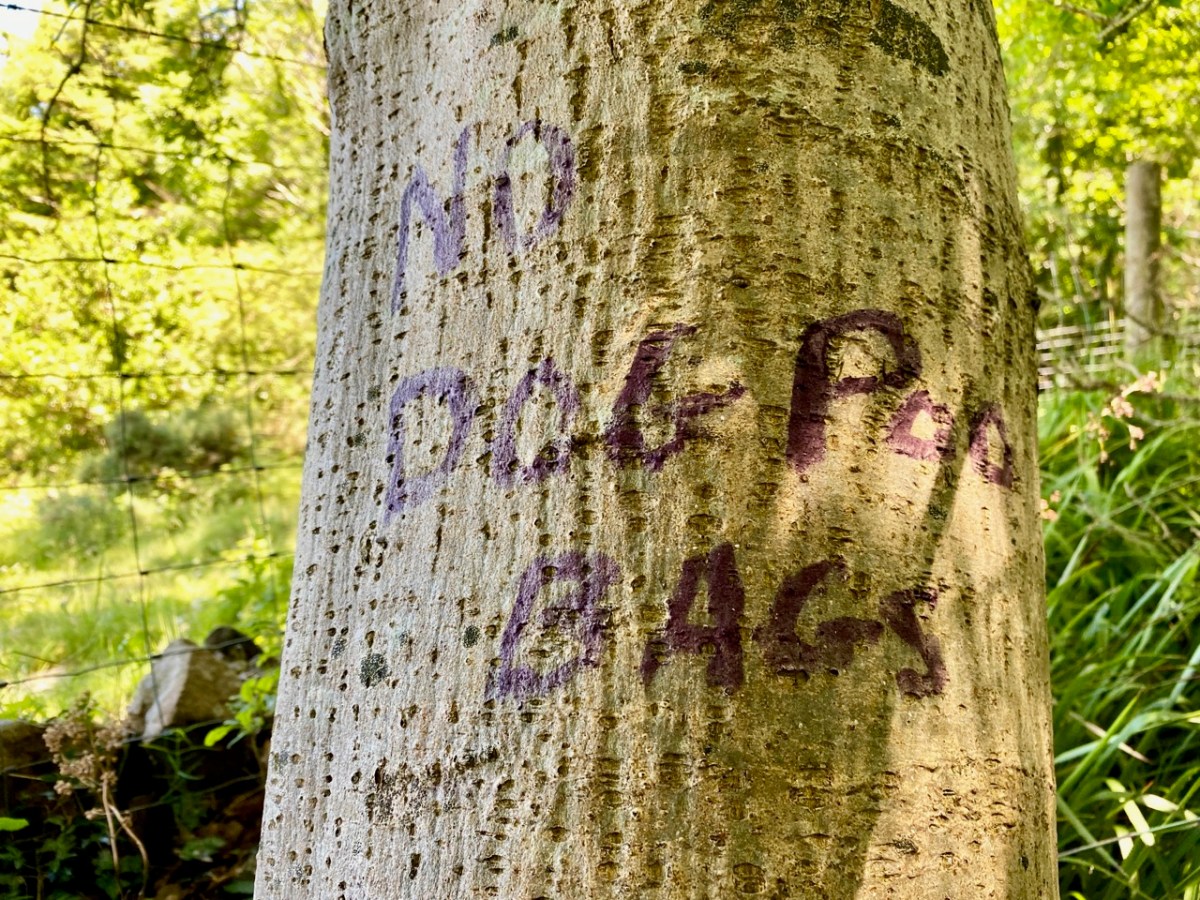
The practice of ‘making one’s mark’ seems to have migrated to trees surrounding the site: perhaps some of these can be attributed to people who lived in them once! In 1997 eco-warriors staged a protest campaign when plans were put forward to upgrade and widen the N11 road, involving felling over 1,700 mature beech, oak and ash trees. The protesters ‘occupied’ the trees for over two years (below), ‘climbing down’ eventually when the Courts upheld the highway authority proposals.

The road has since been widened, and the intrusive traffic sound within the Glen of the Downs has accordingly increased manyfold. Interestingly, there are currently proposals under discussion to further improve the N11/M11 route in this same locality – including the possibility of a road tunnel which might even remove traffic altogether. Meanwhile, the trees continue to present us with messages for our own complex times . . .

For all its ups and downs, and possibly mixed messages, the Glen of the Downs woodland walk is beautiful, and well worth a visit. Who knows what – or who – you might encounter among the trees?

The Luxuriant Gardens of Bantry House

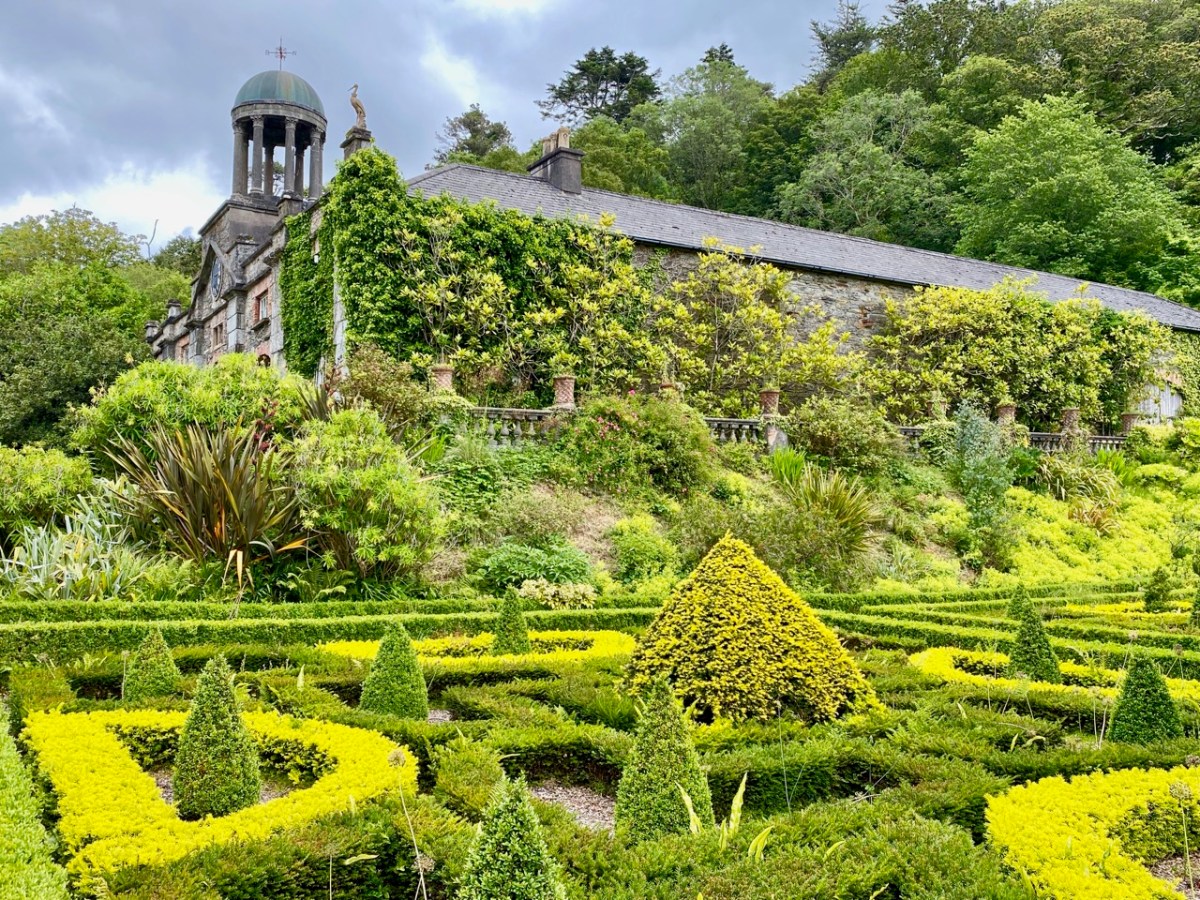
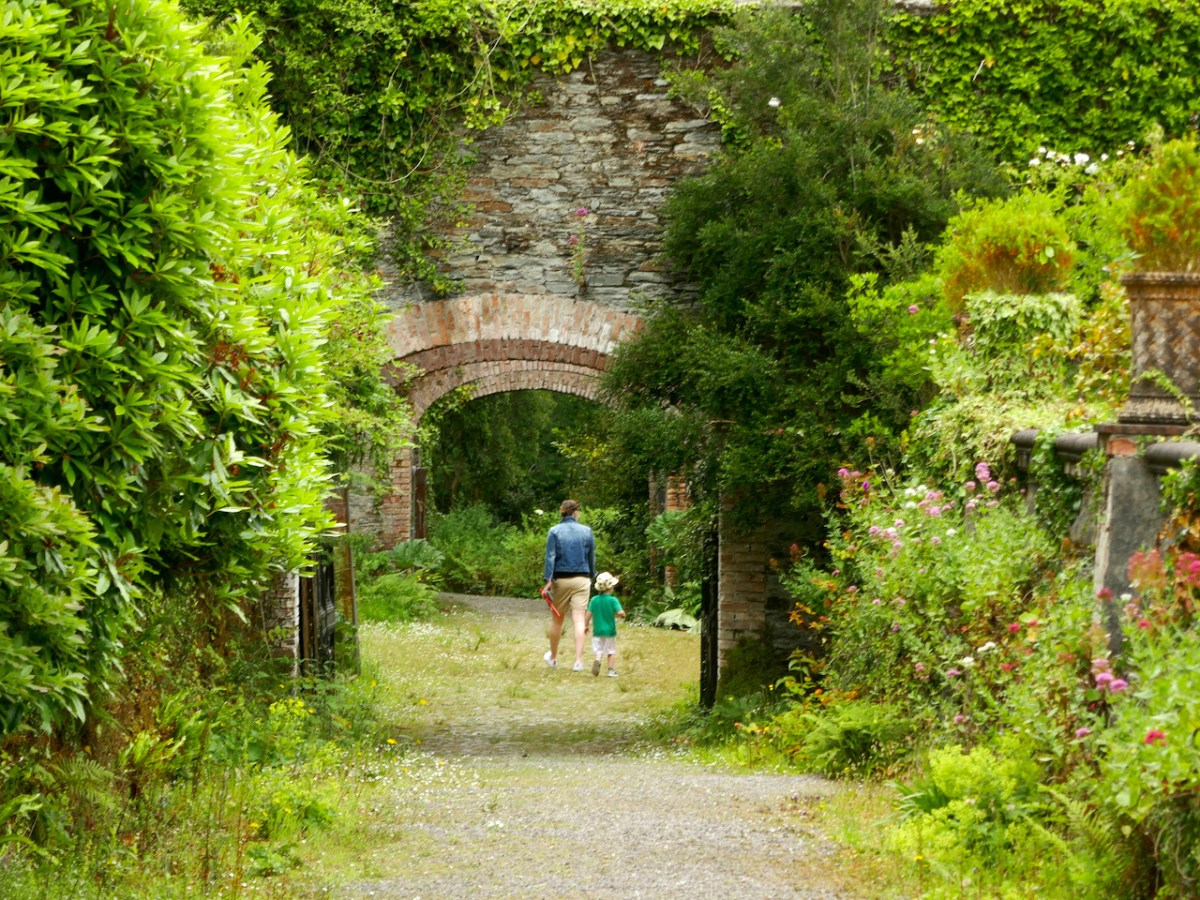
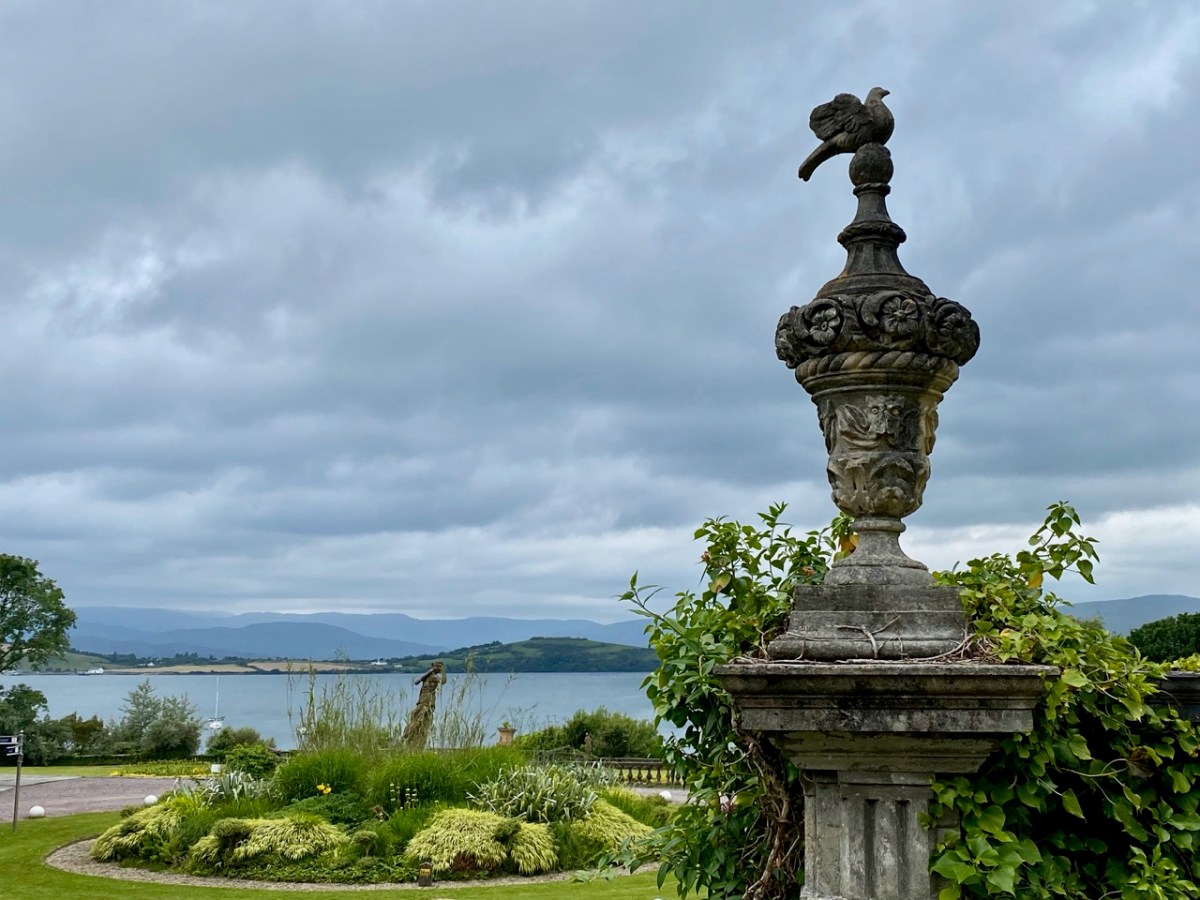
Pandemic days can be well spent in West Cork. Visit Bantry House: for a small fee you can walk around the extensive gardens all day, pausing en route to partake of more-ish refreshments from the Tea Kitchen. There’s ample room to socially distance; panoramic views out to the Bay – and plenty of history to absorb.

On 11 May 1689, the Battle of Bantry Bay was fought between the French and British forces (above). It was inconclusive, but considerable damage was suffered by both fleets.

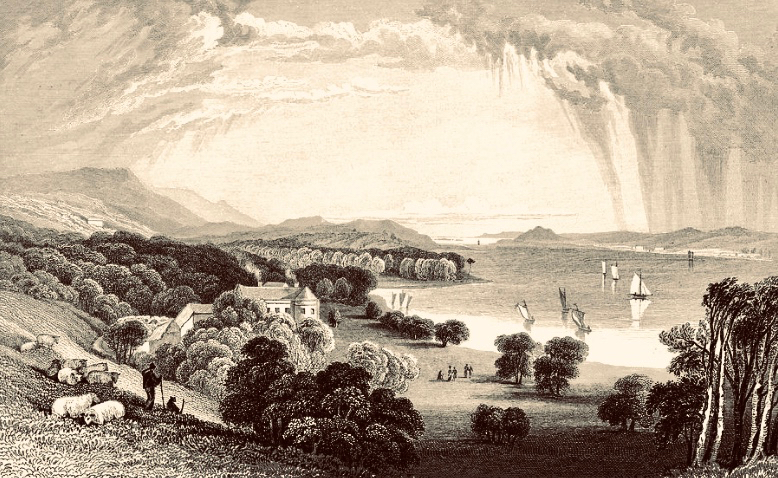
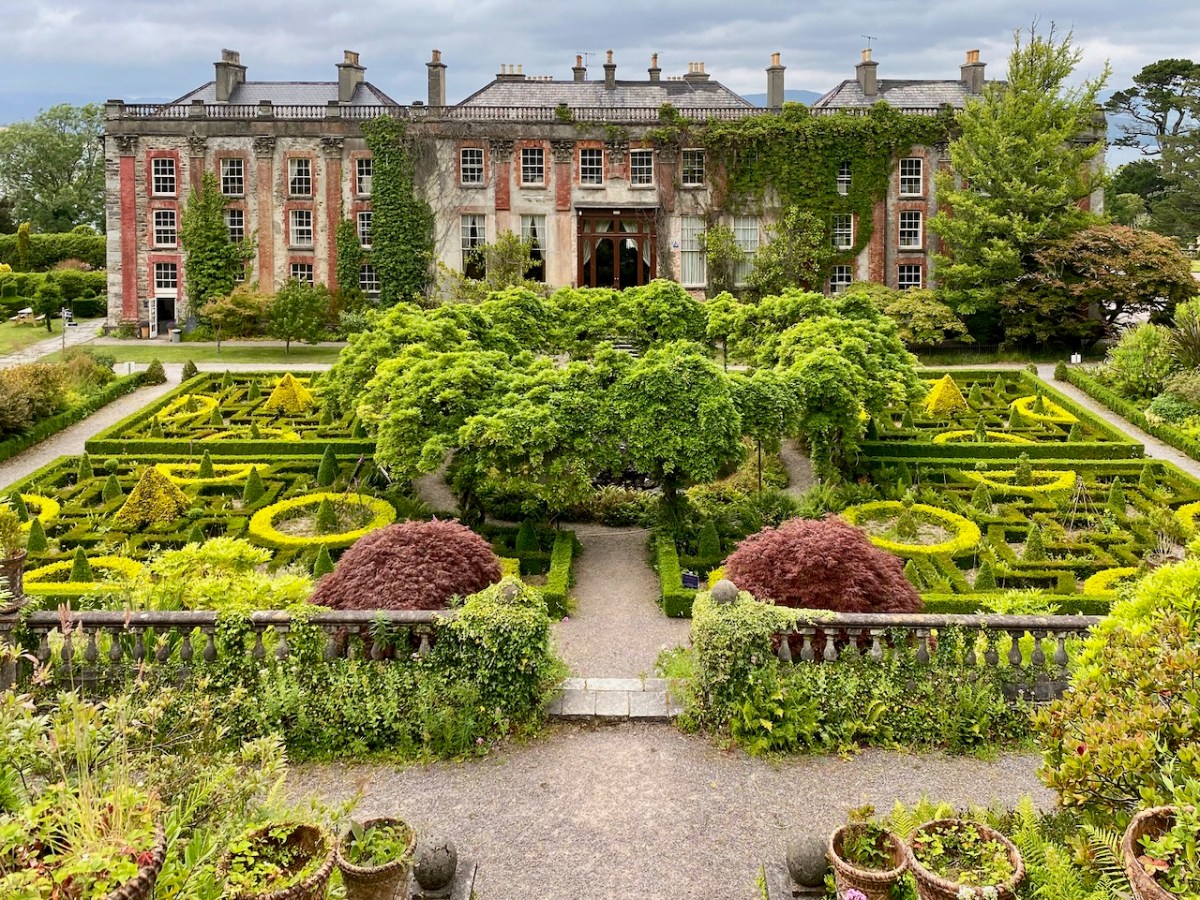
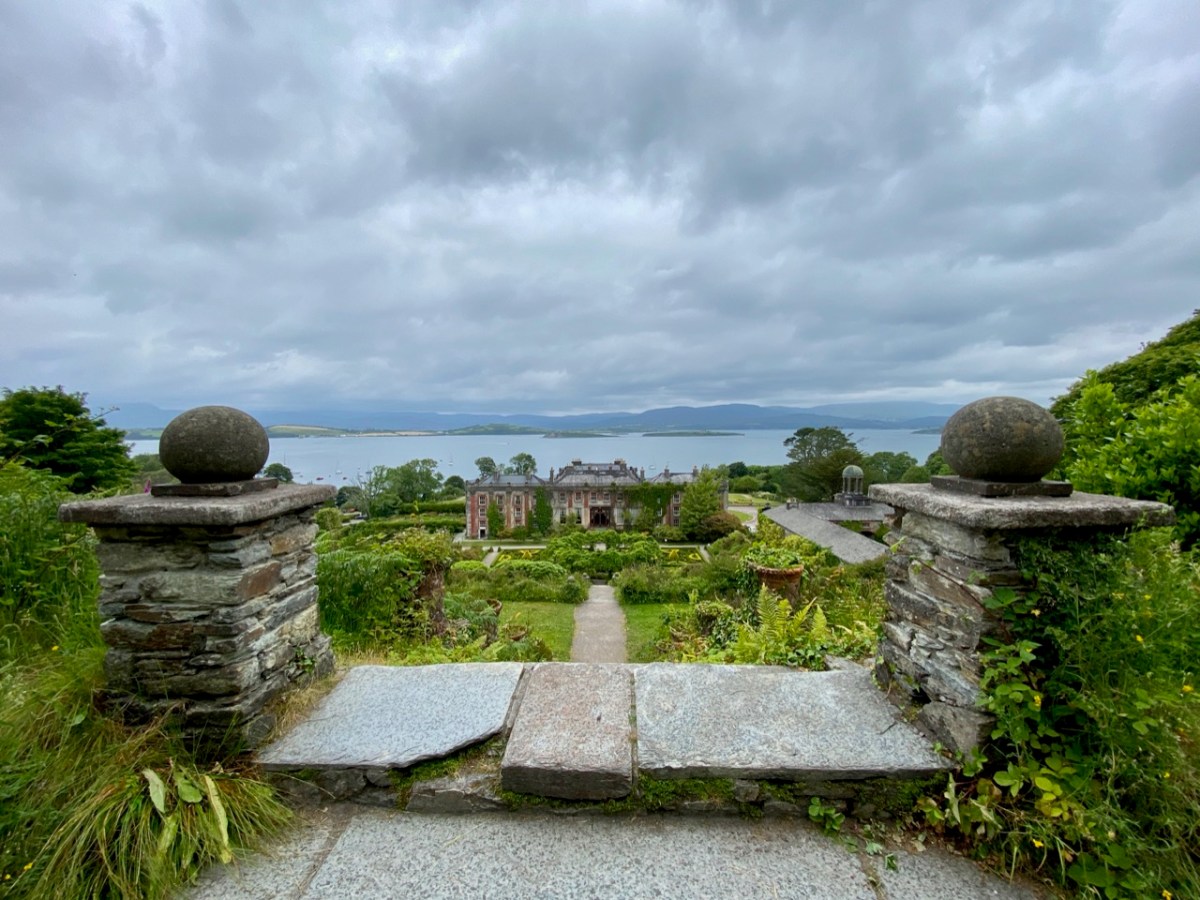
Originally a farmhouse known as Blackrock, the property was built by Samuel Hutchinson in 1710; it was purchased by Captain Richard White of Whiddy Island in the 1760s. His grandson – also Richard – renamed the house Seafield, and witnessed an engagement between the French and British forces in the Bay in 1796. He became the first Earl of Bantry and his eldest son – another Richard – extended the house and laid out the grounds more or less as we see them today (here is a post from Finola narrating a visit to the house in pre-pandemic days). The idyllic view above dates from 1840, around the time of the renovation and landscaping work.

More naval activity in Bantry Bay can be seen in the background of the above photograph, dating from the first decade of the twentieth century.

. . . For eight days past, the mammoth battle ships Bellerophon, Lord Nelson, and Agamemnon have been manoeuvring in Bantry Bay, between the Roancarrig Light and Whiddy Island. The thunder of the big 12-inch guns can be heard at immense distances, and electric and searchlight displays may be witnessed at night from places far inland . . .

Southern Star, 27 March 1909

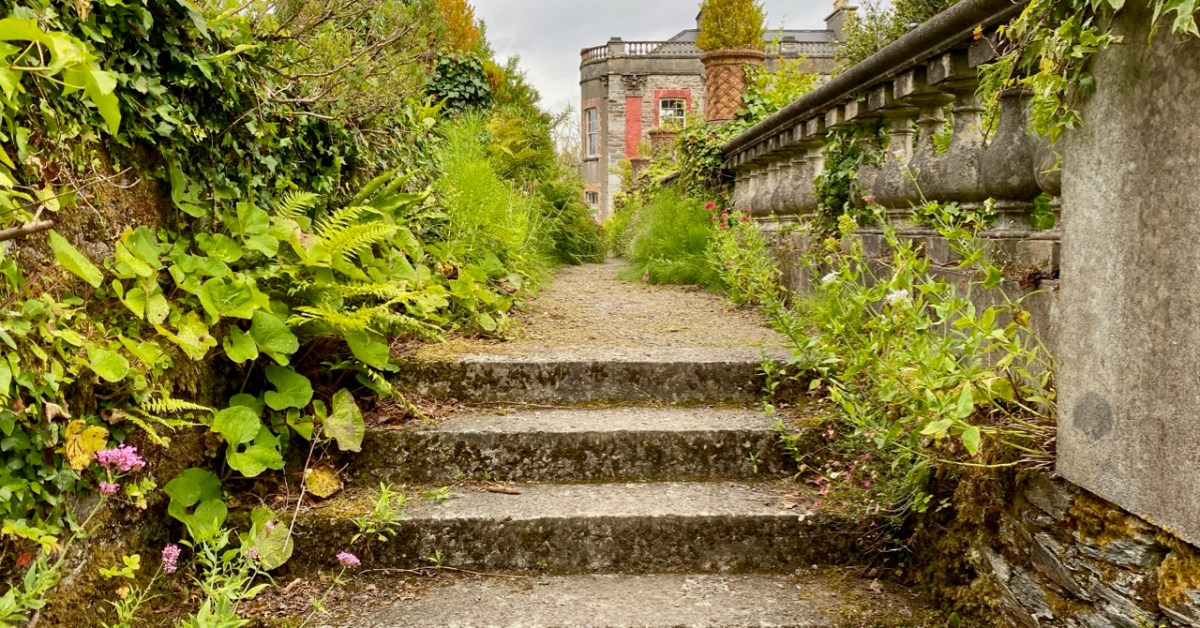
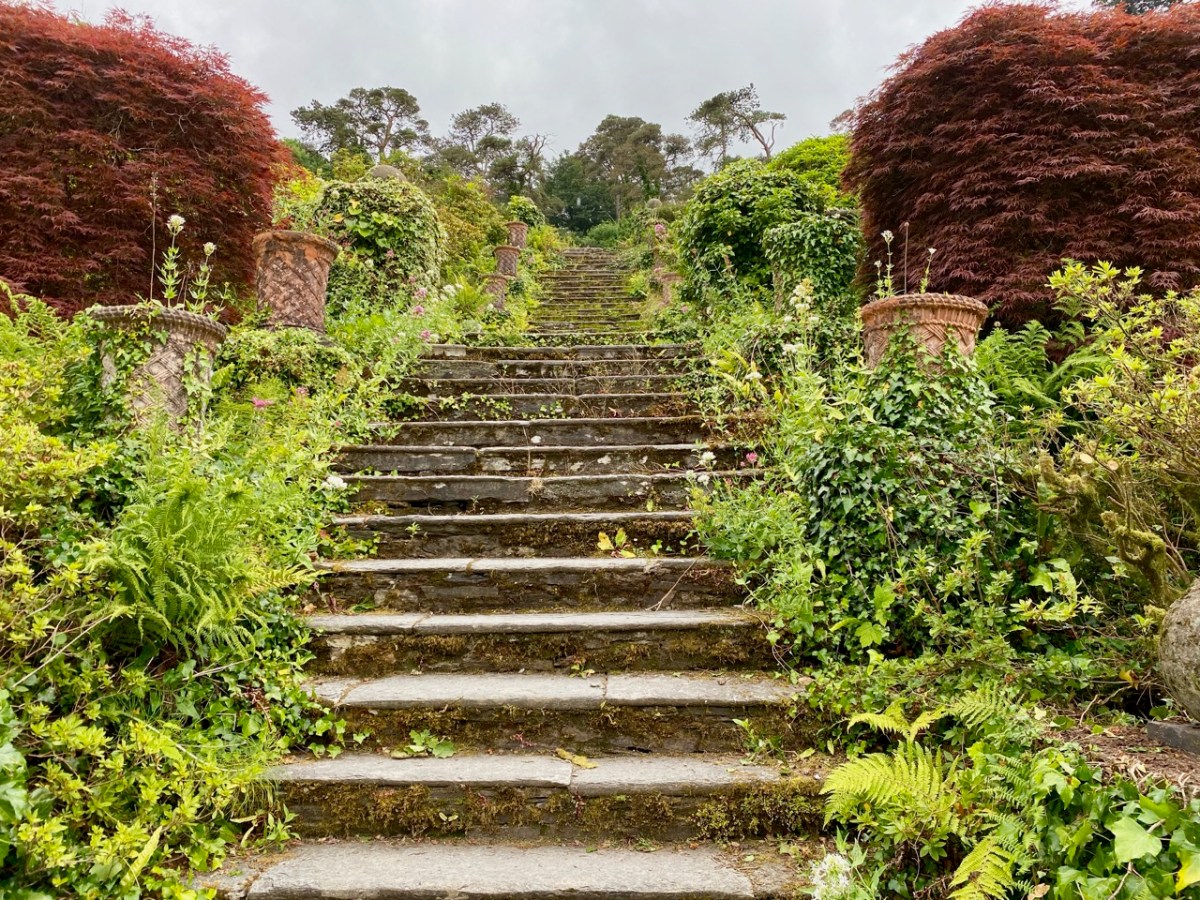
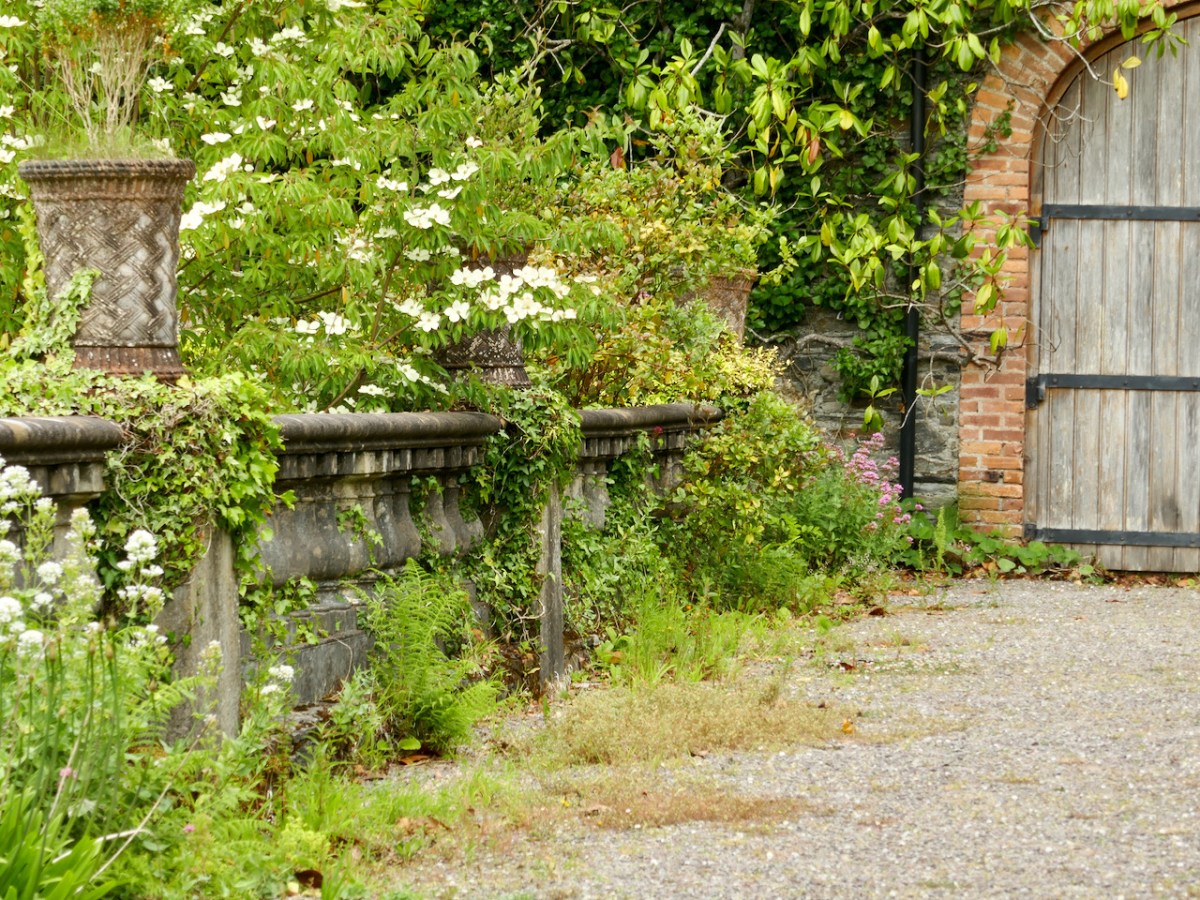
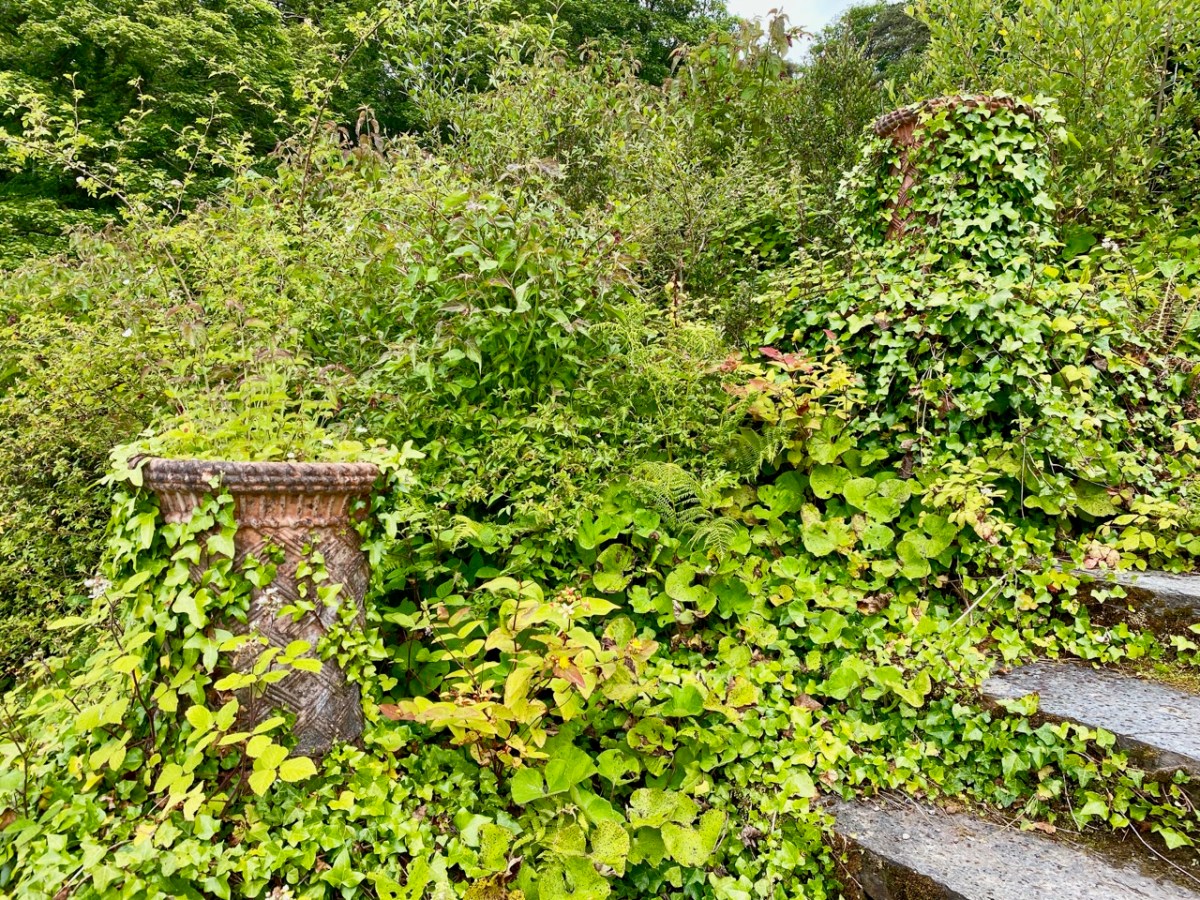
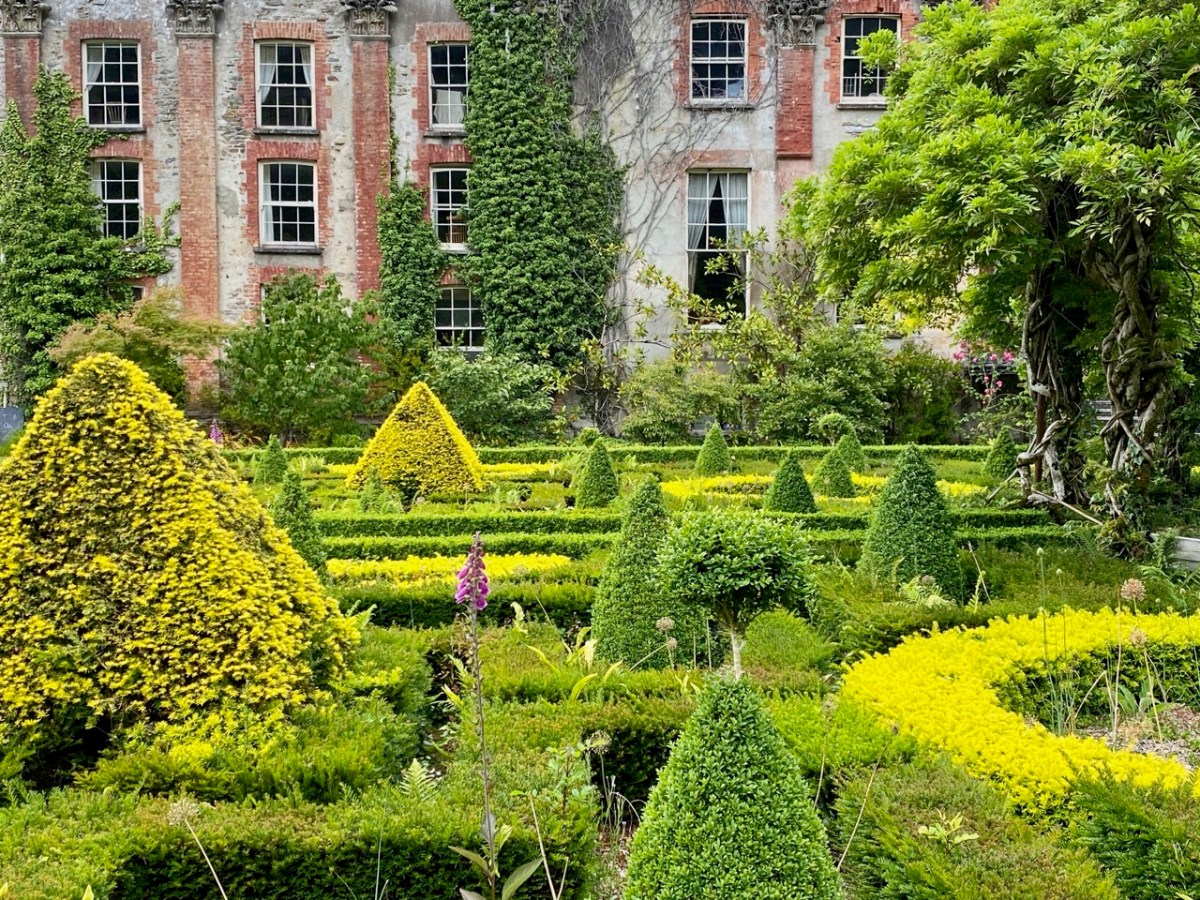
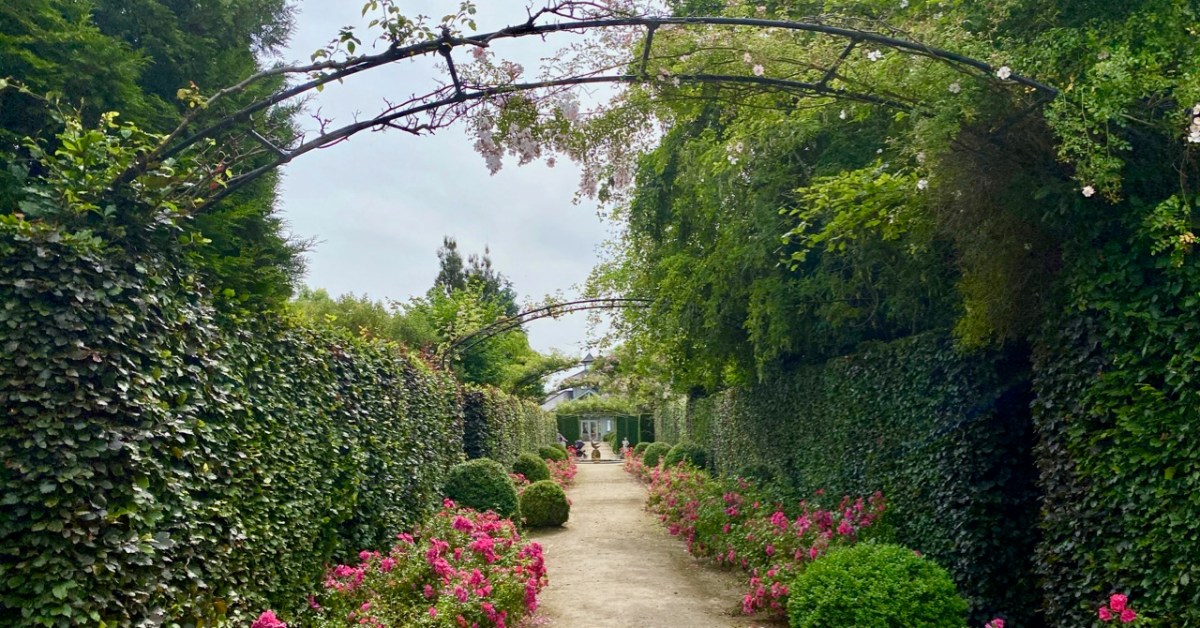
The fortunes of Bantry House have varied during the last hundred years, but it remains in the ownership of the descendants of the Whites, and has been opened to the public since 1946. Now a very significant tourist attraction, the property has eased itself into the 21st century and can be seen today pursuing a laudable philosophy of encouraging the grounds to support informal wildflower spread and natural habitats within the previous strict formality of the terraced gardens laid out by the second Earl. In our view, this approach is highly successful and in fact softens, complements and enhances the mature house and its setting of terraces, steps, courtyards, paths and woodlands. It also provides excellent habitats for pollinators and contributes to a more sustainable world.
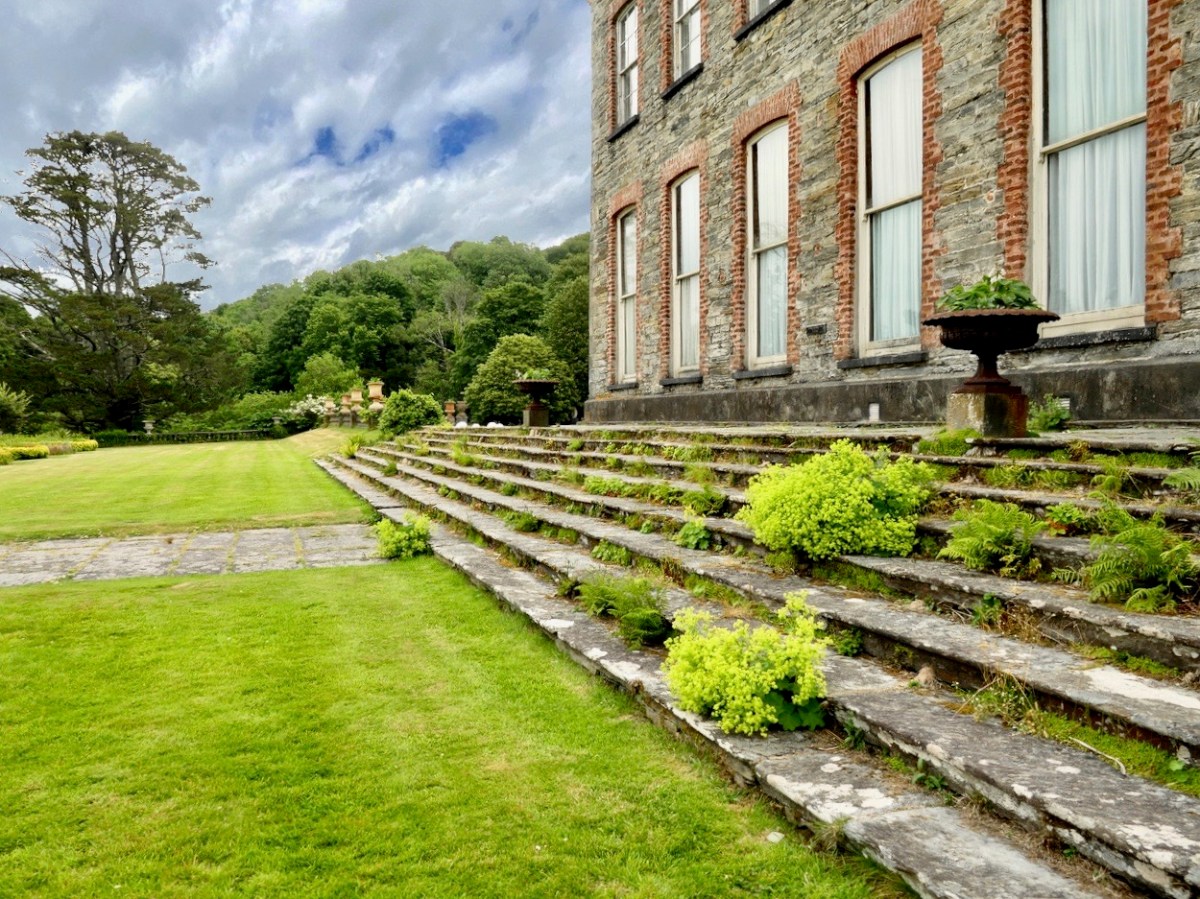
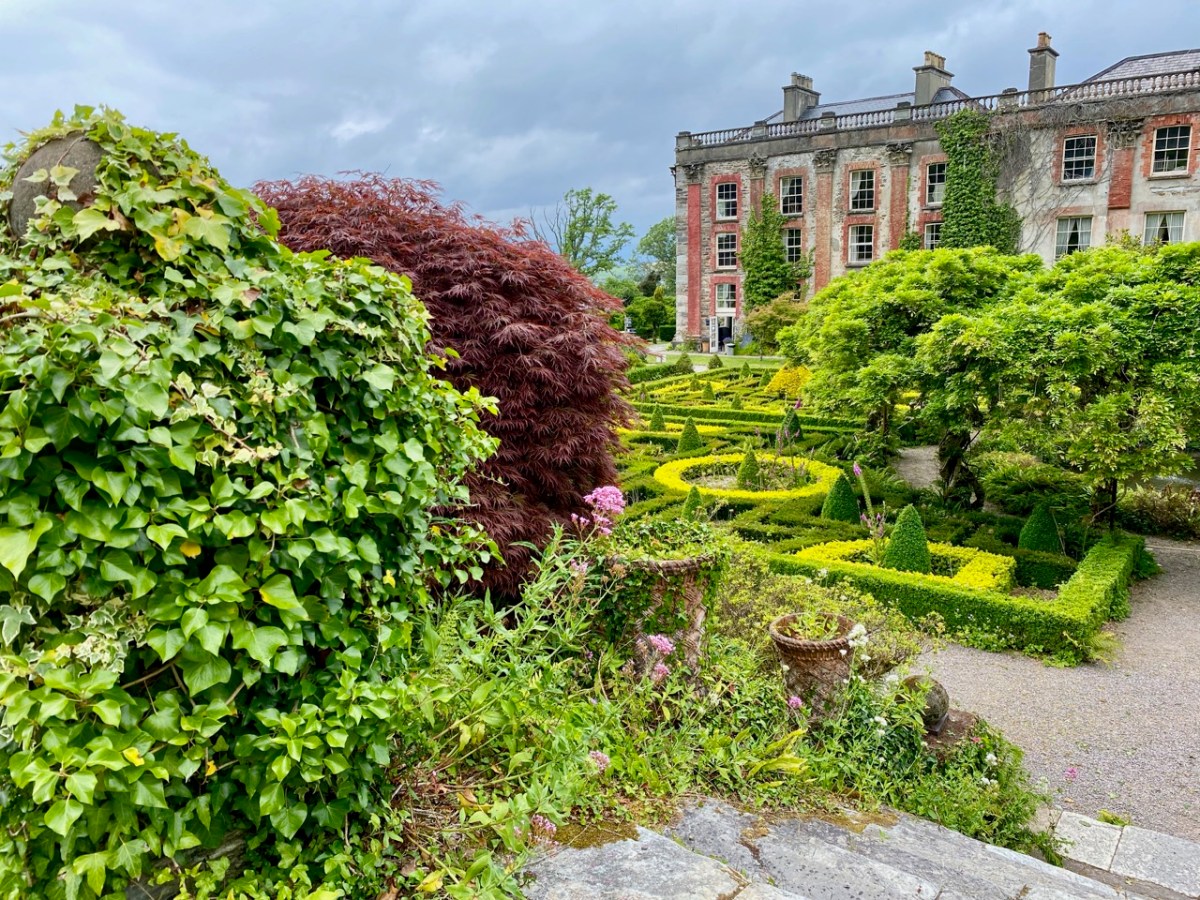
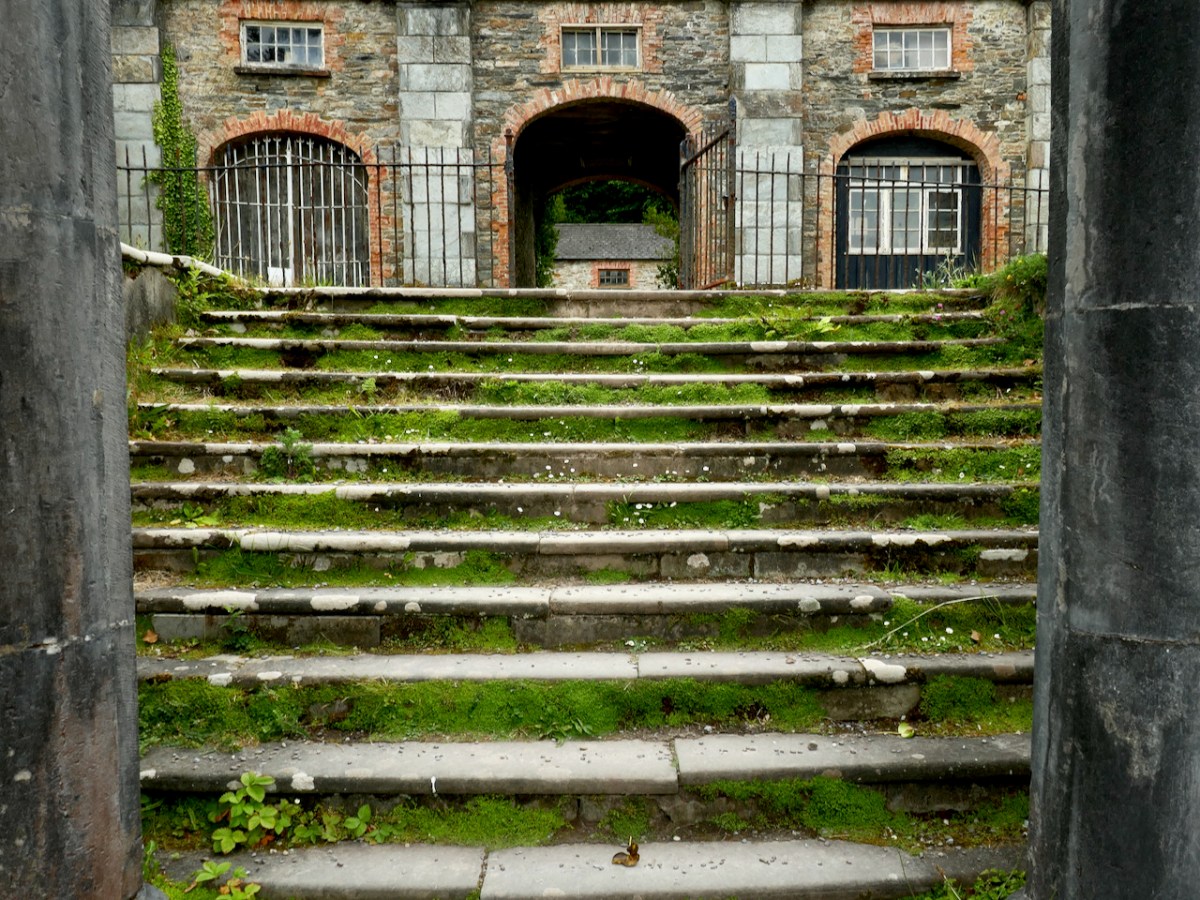
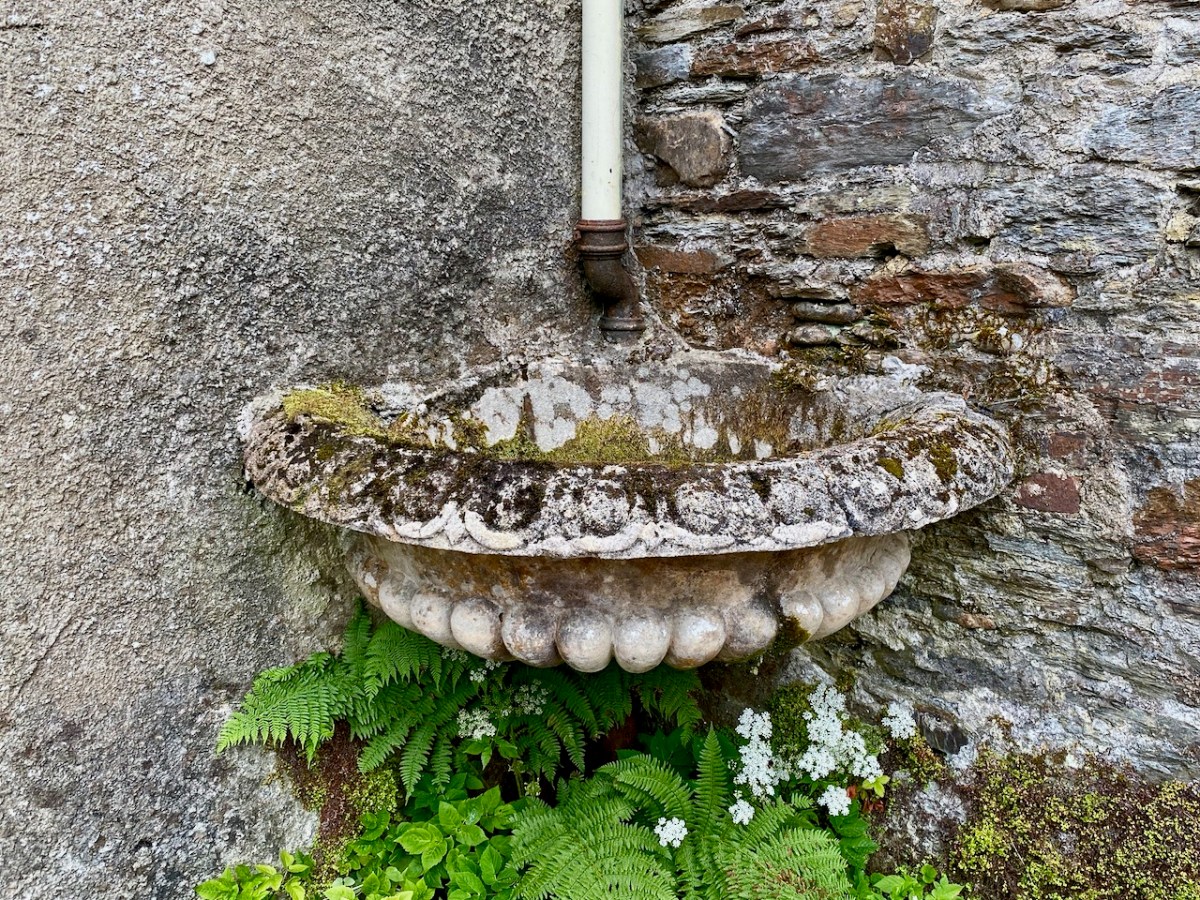
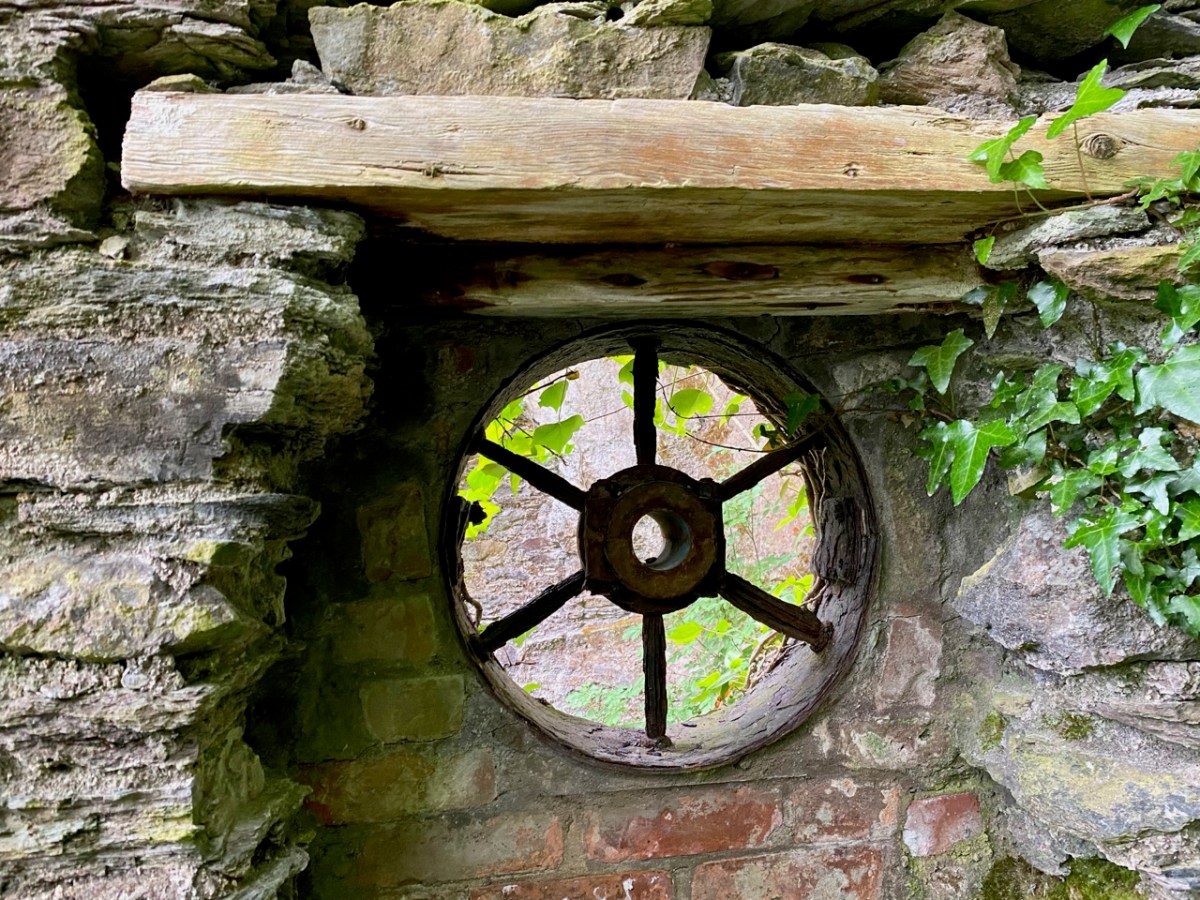
Every part of the grounds is worthy of exploration. There are two former stable blocks: both are time capsules. The activities of generations of gardeners, groundsmen, grooms, and farriers can be imagined from the surviving evidence.

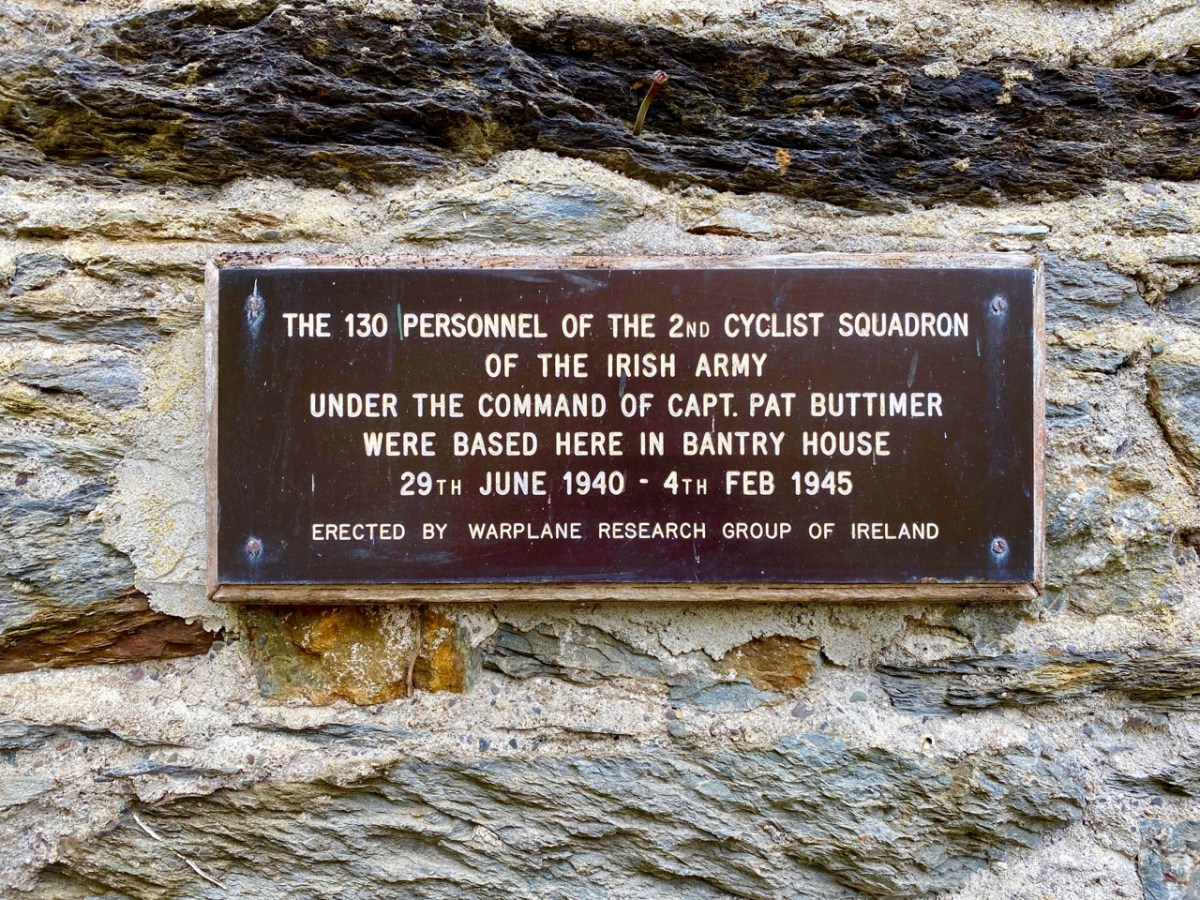
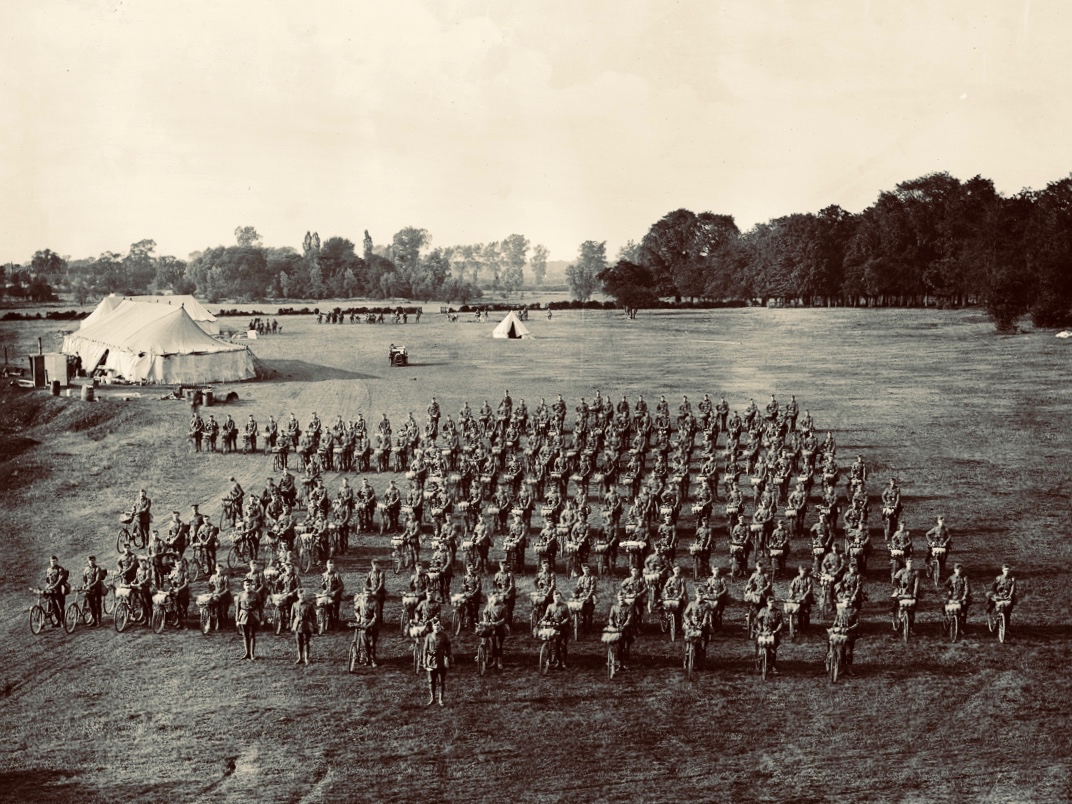
I was fascinated by the plaque, above, and added it to my collection of classic signs. I then set about trying to find photographic evidence of this squadron, sadly without success. But I did find an equivalent from Suffolk, England, dating from 1910, which is worth a share:

I hope you will follow in our footsteps and visit the gardens at Bantry House. This is a great time of the year to experience the burgeoning growth of the wilder elements, and, if you have the happy fortune to hit a good spot of sunshine (or even if you don’t), there is no better place in West Cork to while away the constraints of this pandemic.

Brunch at Liss Ard!

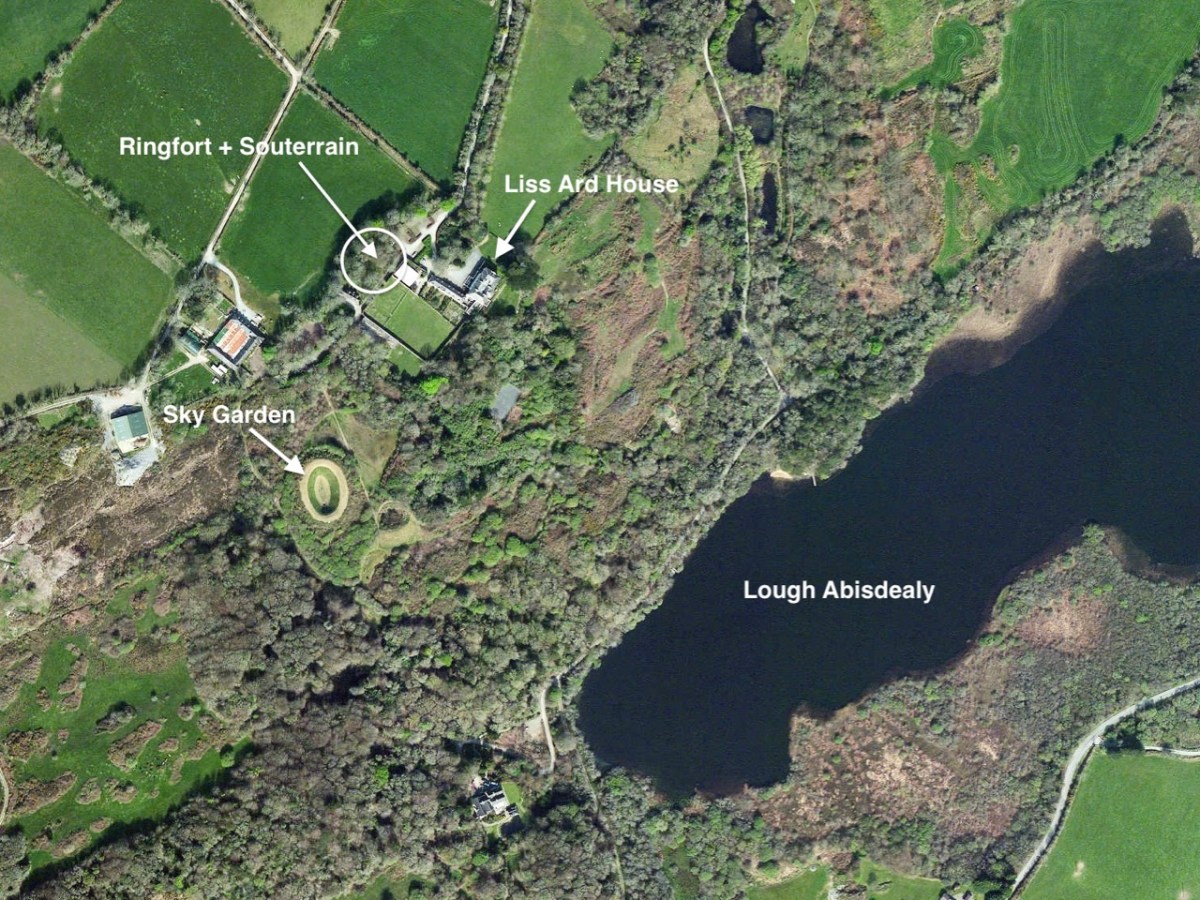
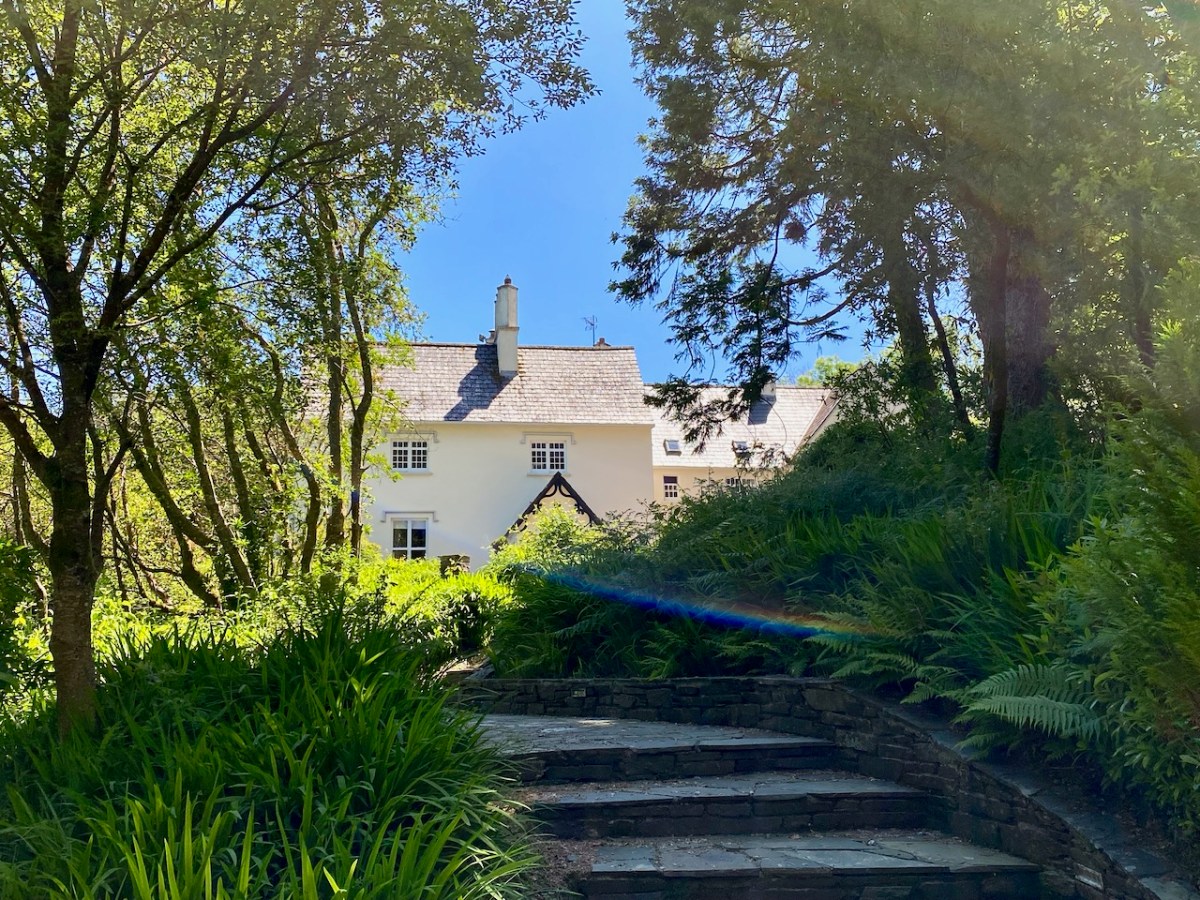
Just along the road from us in West Cork lies Liss Ard Estate. One of Ireland’s ‘big houses’, it was built in 1853 and was for generations the home of The O’Donovan, leader of that Gaelic clan. During the ‘cold war’ era of the 20th century it was owned by the Swiss government, who saw in West Cork a potential safe haven if the world descended into a nuclear holocaust. Just recently it has been taken over by an American company who will continue to run it as a hospitality venue. Finola’s eagle eye picked out the other day that Liss Ard were opening up for outdoor Sunday brunch! How could we resist?

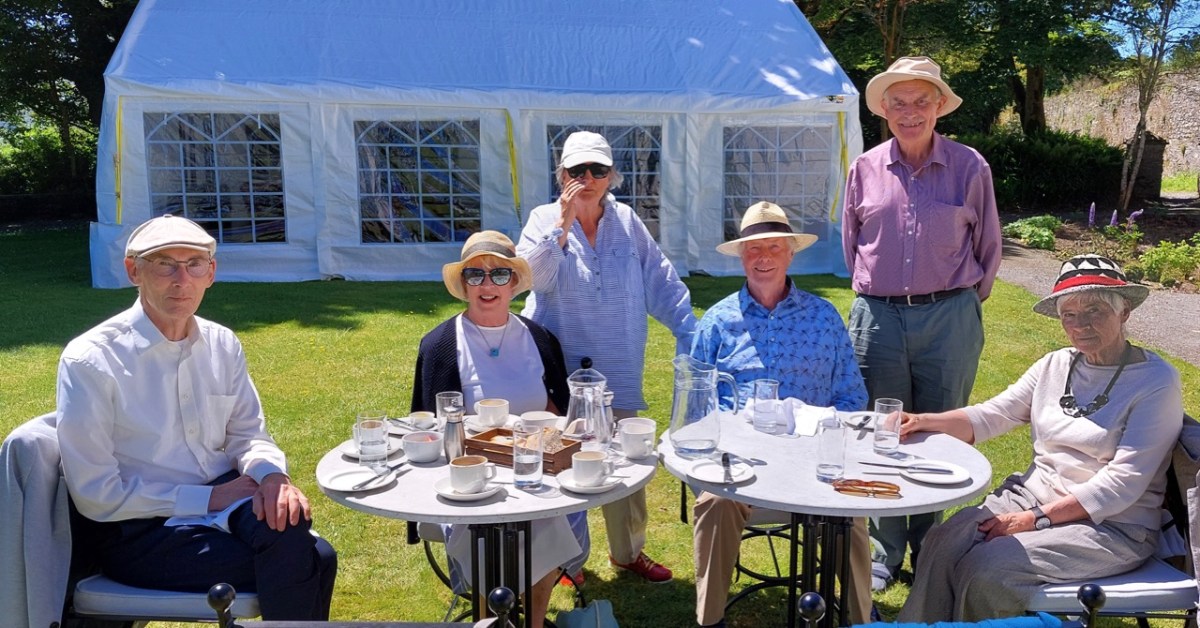
Here’s the brunch group: George, Una, Finola, myself, Con and Clair. We thoroughly enjoyed the occasion – partly because it was like being let out of jail (although I doubt – but can’t say for certain – that any of us has experienced that particular phenomenon), but also because, as customers, we were able to follow the excellent breakfast and coffee with a walk around the 163-acre estate.

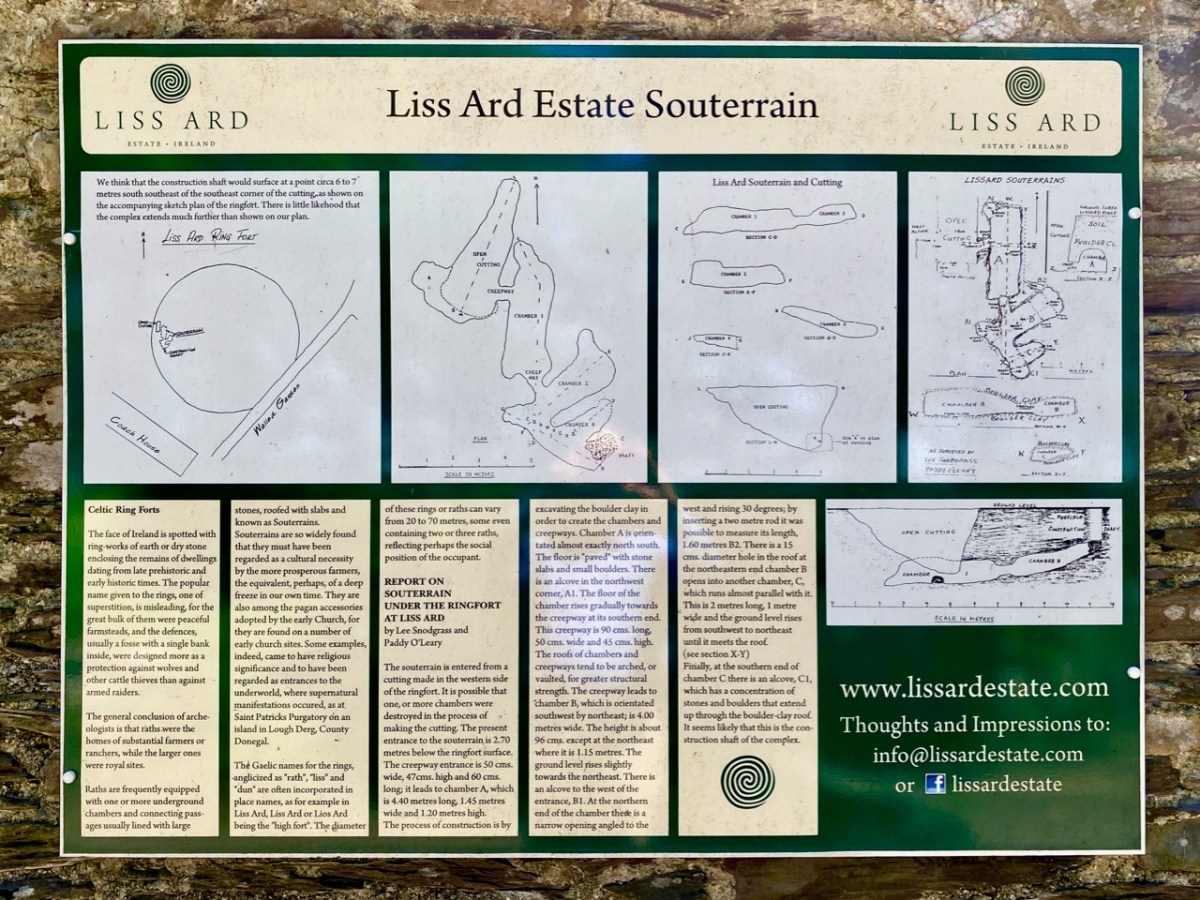
Finola and I have special feelings for Liss Ard, as we were married there in 2014 in an ancient ringfort! So, easing ourselves out of our chairs in the summer sunshine our first port of call was the feature after which the house is named: Lios Ard = High Fort. At our wedding the souterrain which was an integral part of the fort was not visible: today it can be seen, from above (at least, the entrance to it can be seen). The souterrain is a series of underground chambers, and this one – cut from rock and clay – has survived for well over a millennium. It was fully explored by a good friend of ours, Lee Snodgrass and her partner Paddy O’Leary – both archaeologists – back in the 1980s, and an information board just beside the fort tells the story in their words.

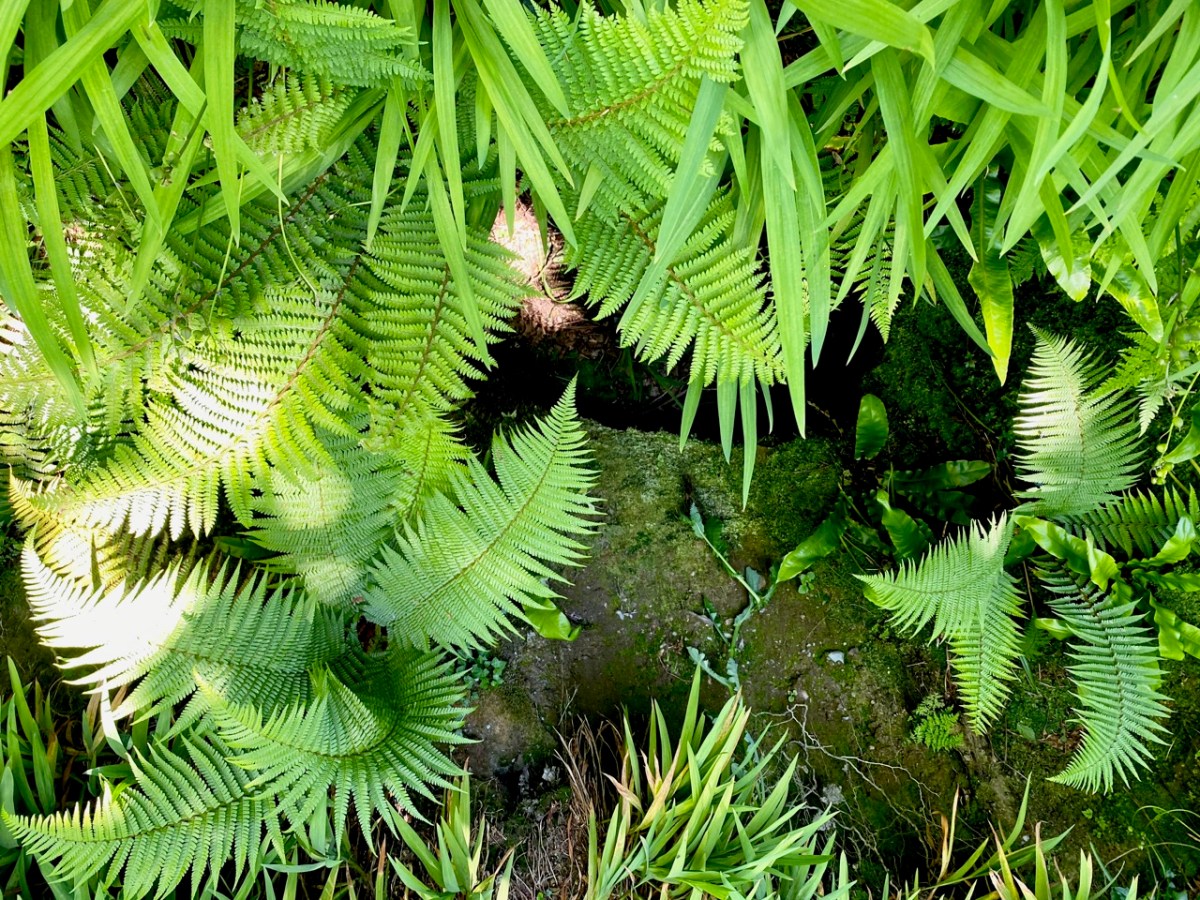
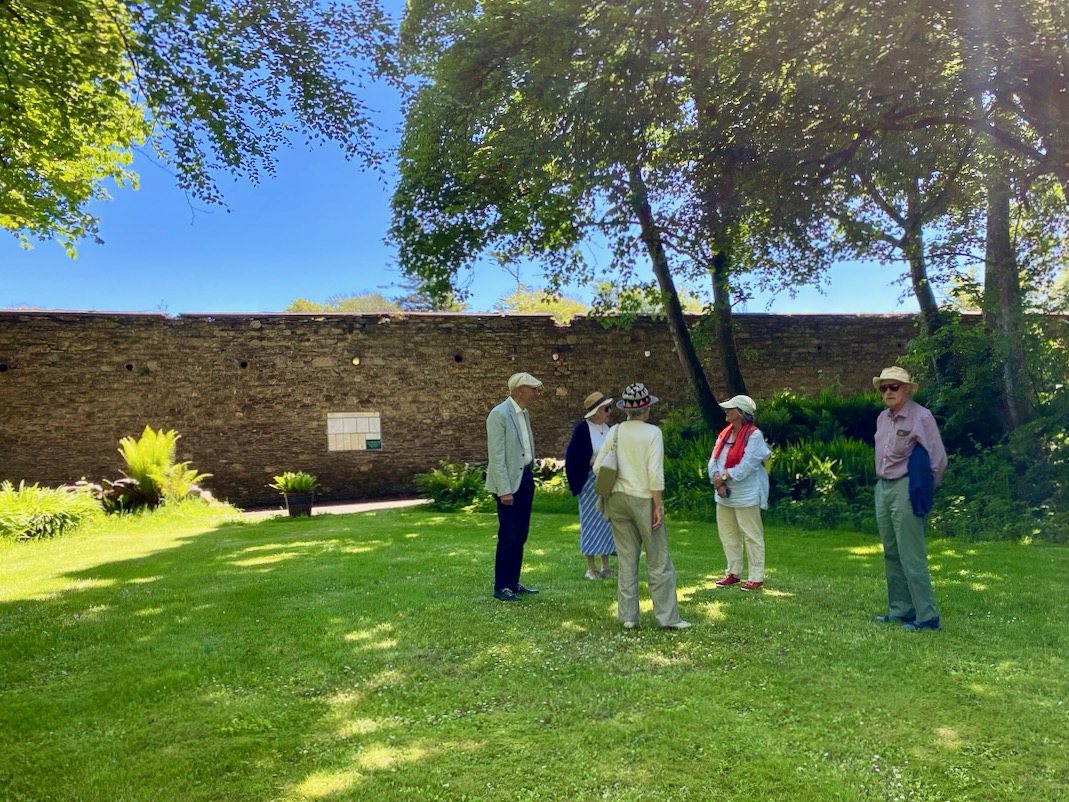
Above: Lee and Paddy’s survey drawings of the fort and souterrain, with a view of the entrance at the west side of the enclosure, and the cave-like structure which can be seen today, surrounded by ferns. Below is our group standing in the circle of the fort: such structures were probably high status homes defended by banks and timber palisades. They would also have provided protection for domestic animals who would have been predated by wolves.

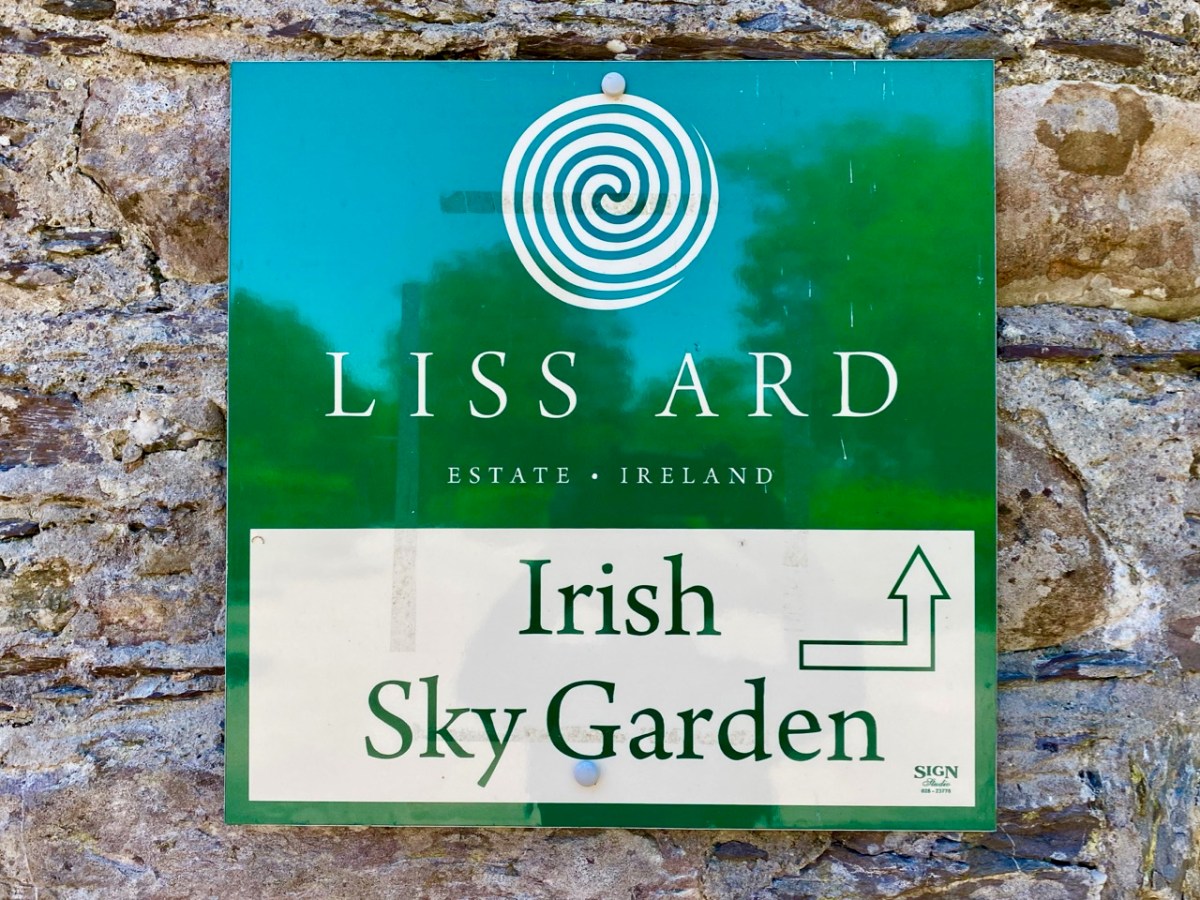
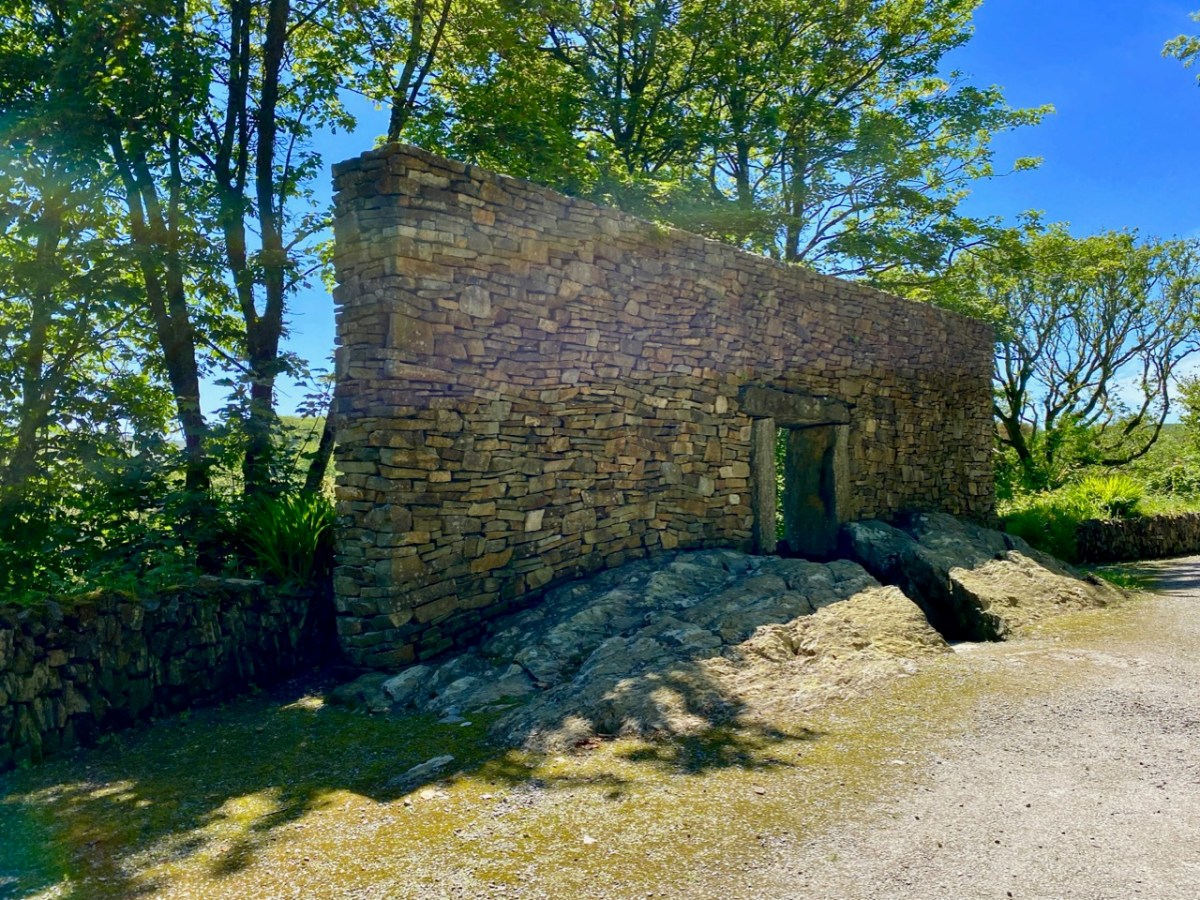
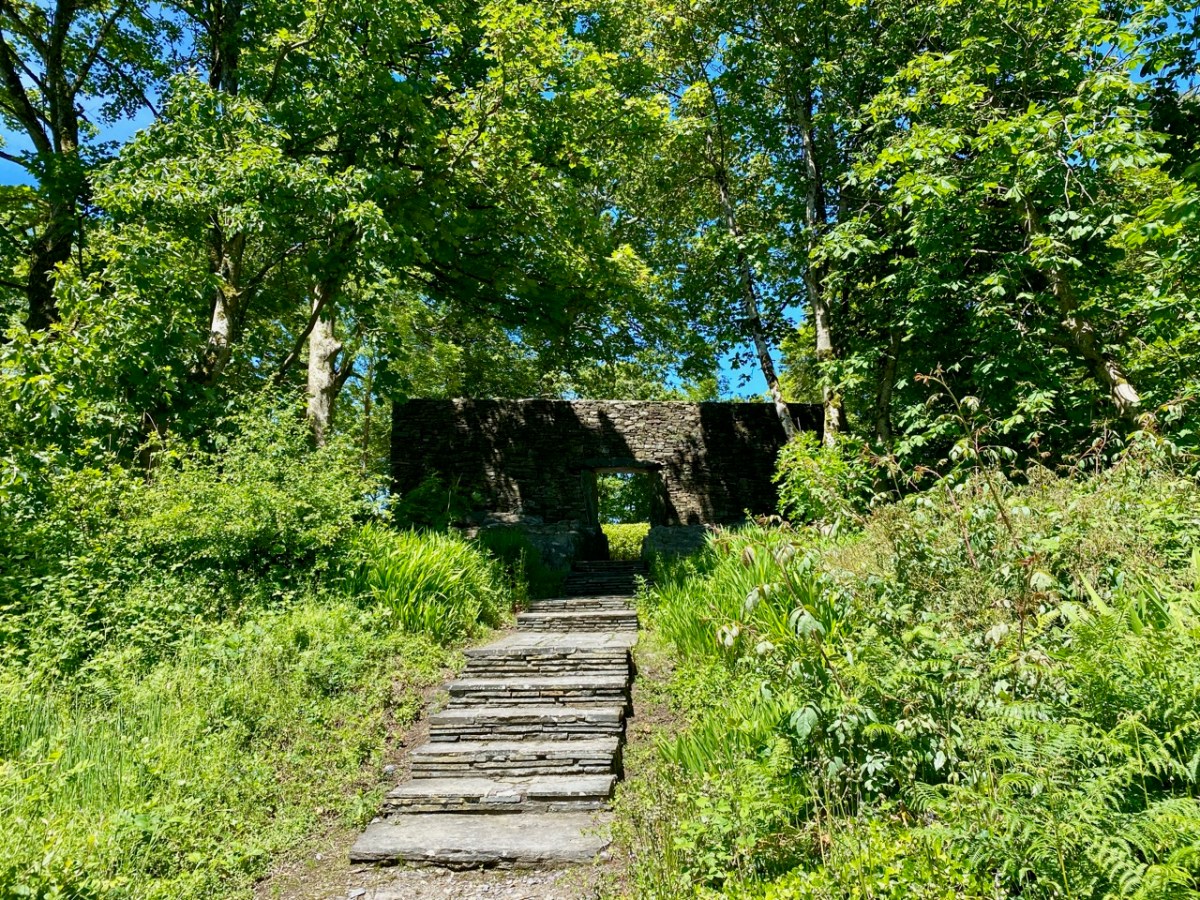
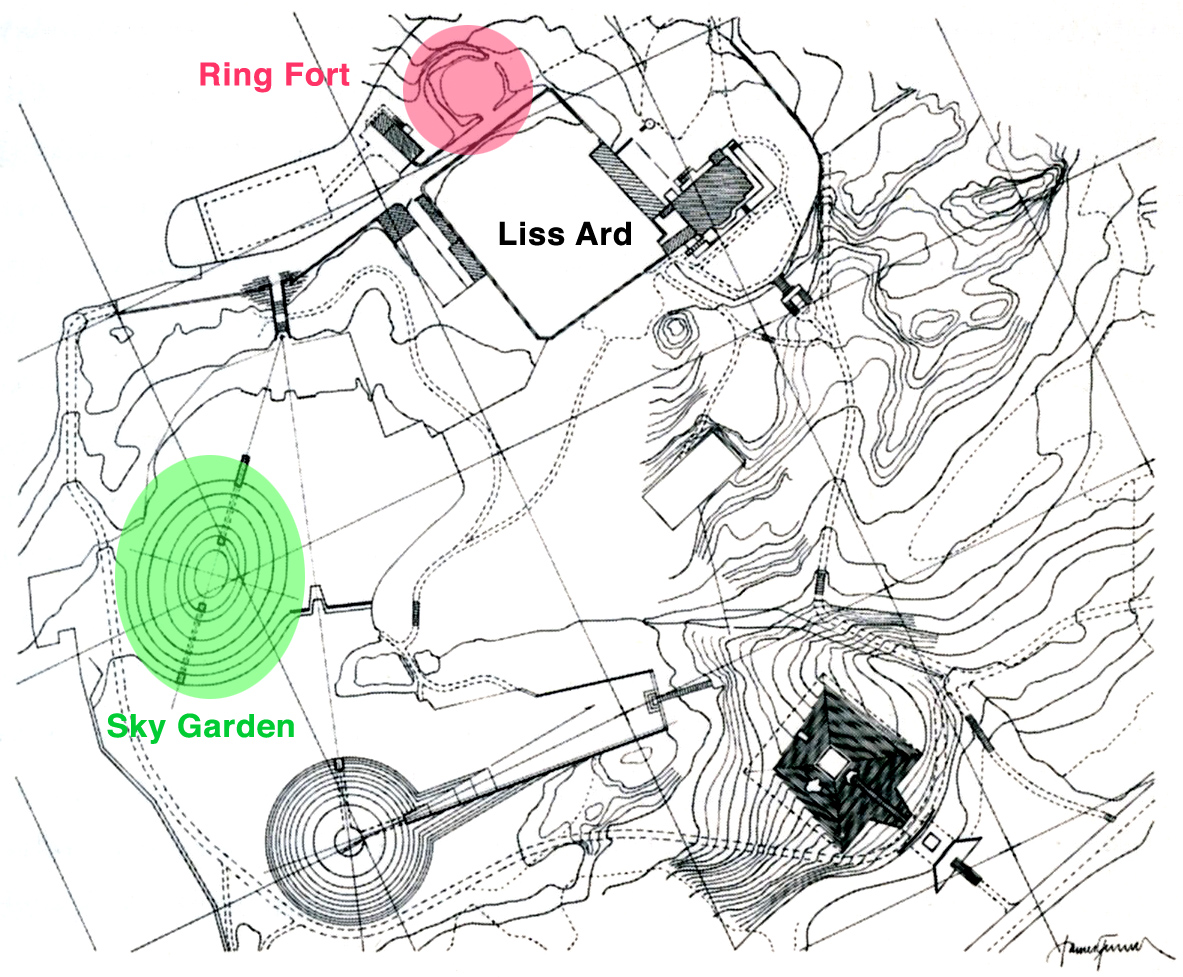
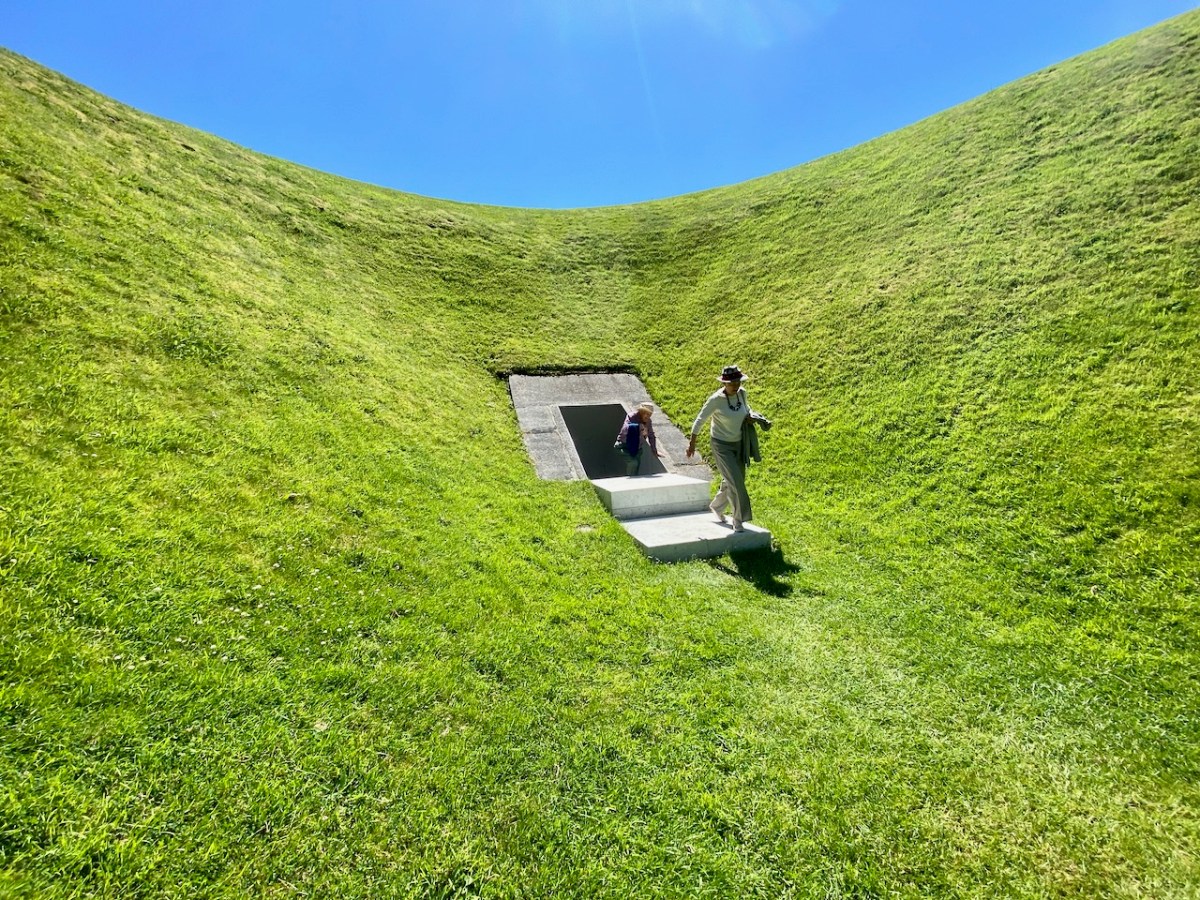
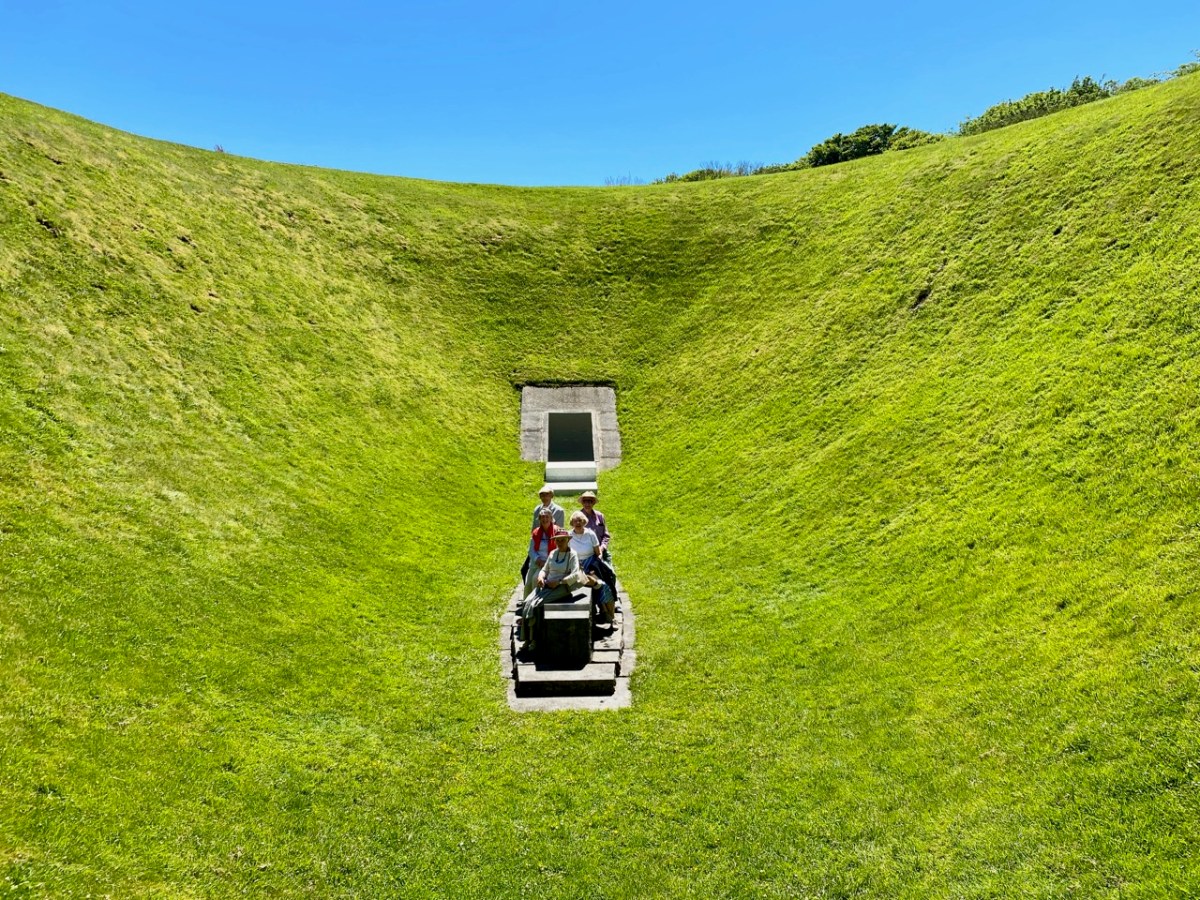
Another feature in the grounds of Liss Ard may also seem like something ancient, but actually only dates from 1992:

. . . The Liss Ard Project brings together the conservation of nature and contemporary art: it will combine animal wildlife preservation, controlled ‘wild’ gardens and a contemporary art project – the Sky Garden . . .

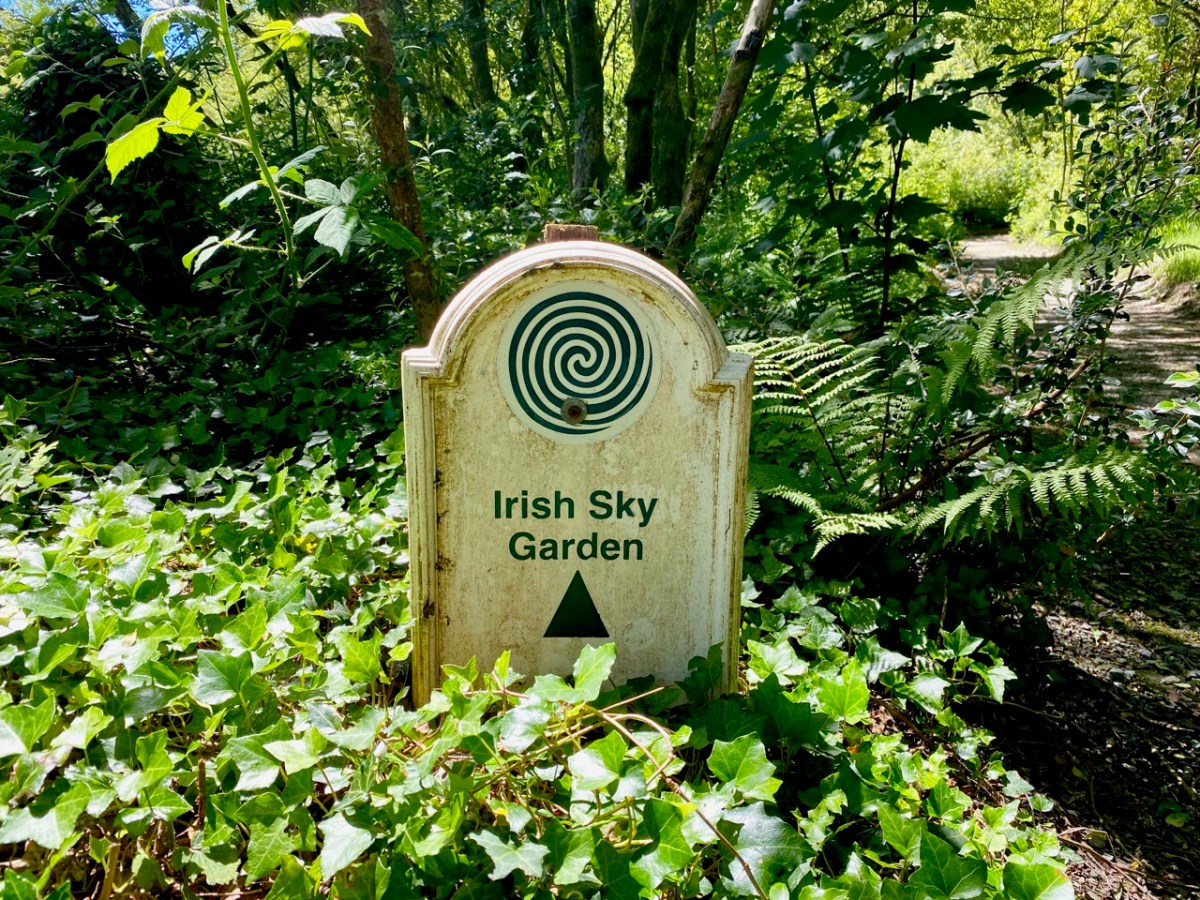
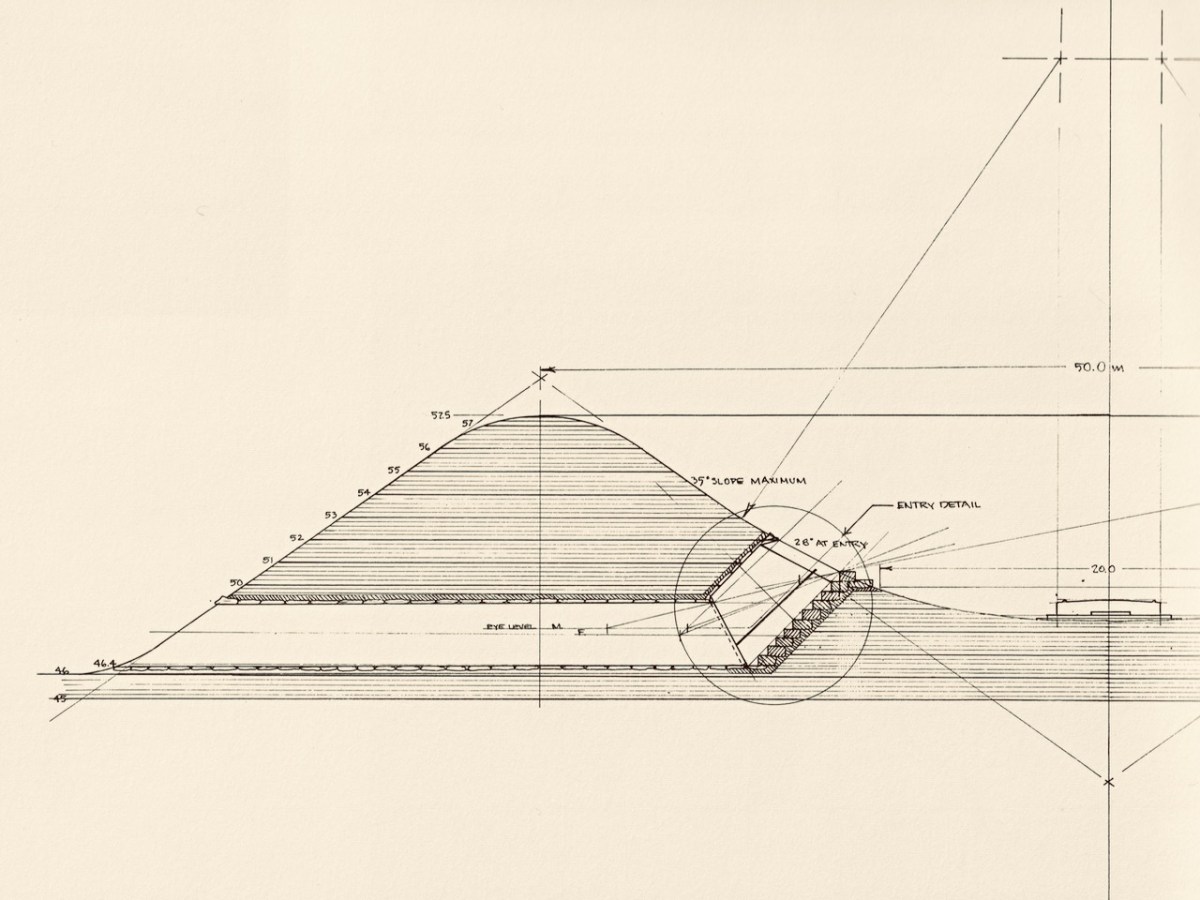
The Irish Sky Garden is an incomplete work of art by Californian James Turrell (born in 1943): I wrote about him and his work a few years ago, here. Turrell had West Cork connections:

. . . Turrell traced his wife (Julia)’s ancestors to Castletown Bearhaven. He had his two youngest children, Sophie and Arlen, baptised in the church there . . . This (West Cork) is the countryside that inspired his Sky garden. It could not be realised anywhere else. Jim is responding to what he has found in Liss Ard, and his sensitive response will enhance the attraction of the site even more. Jim and Veith (the Zurich art dealer who bought the estate in 1989) study the site like two conspiring brothers. Both radiate assurance. Something unique and shared is being created there. The joy of it shows in their faces . . .


James Turrell
from the exhibition – Long Green, Turske & Turske, Zurich 1990

The Irish Sky Garden is an as yet incomplete work of art. The whole project was set to incorporate other ‘land works’ including a pyramid and a vault. Turrell’s most famous work, perhaps, is the Roden Crater in the Arizona desert. It is also work still in progress: construction began in 1977.

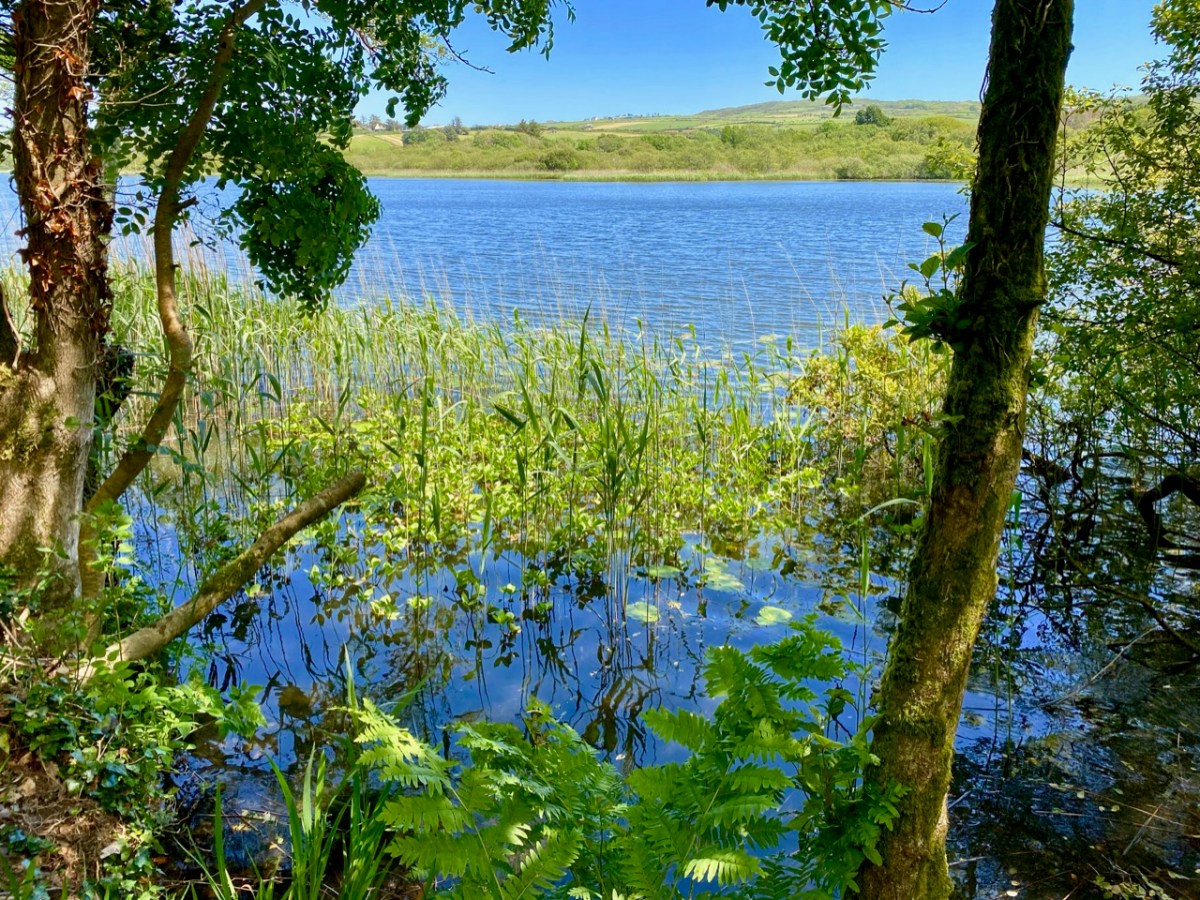
Quite apart from the ancient history and modern art, the gardens at Liss Ard have so much to offer. There is a maze of paths and steps, lush – almost tropical – growth and views across the substantial lake which forms part of the demesne: Lough Abisdealy.

As we walked beside the lake I was entranced by the sound of the wind in the reeds, and have tried to capture it with this little recording: you can imagine the combination of the swaying reeds, the crescendo of the light wind, the distant birdsong and the lapping water.

I can only give you a brief impression of our sensory experiences from the day: much is left unsaid and unseen but – all you need to do is book your Sunday brunch, and you stand a good chance of following our footsteps. I only hope that the day is as brilliant for you as it has been for us!

Long Island Wildflower Walk

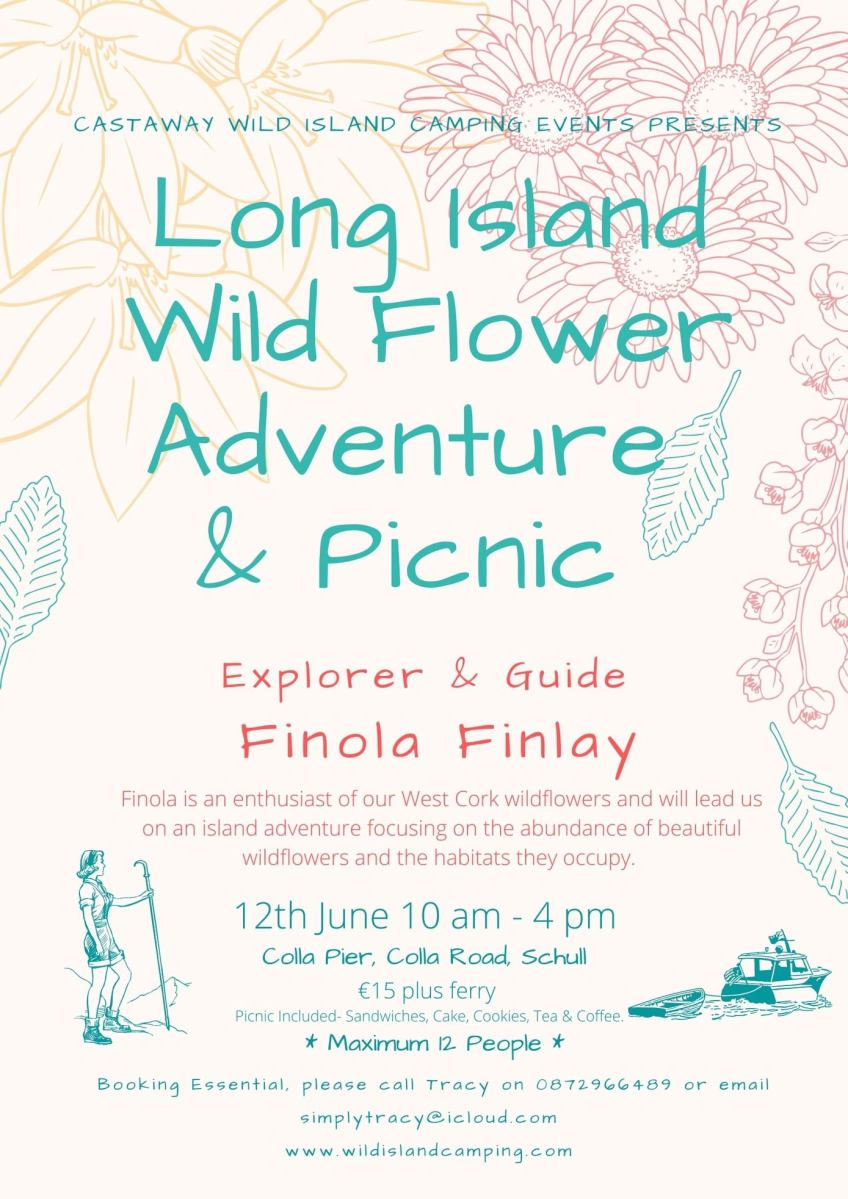
Tracy and Peter Collins are the charming and enterprising couple behind Castaway Wild Island Camping on Long Island in West Cork. When they asked us if we’d like to help with a collaborative island adventure we jumped at the chance to lead a wildflower walk.

But who knew there would be such a demand? Our first date (yesterday) filled up overnight with a waiting list, so we put on a second and it filled from the waiting list! 

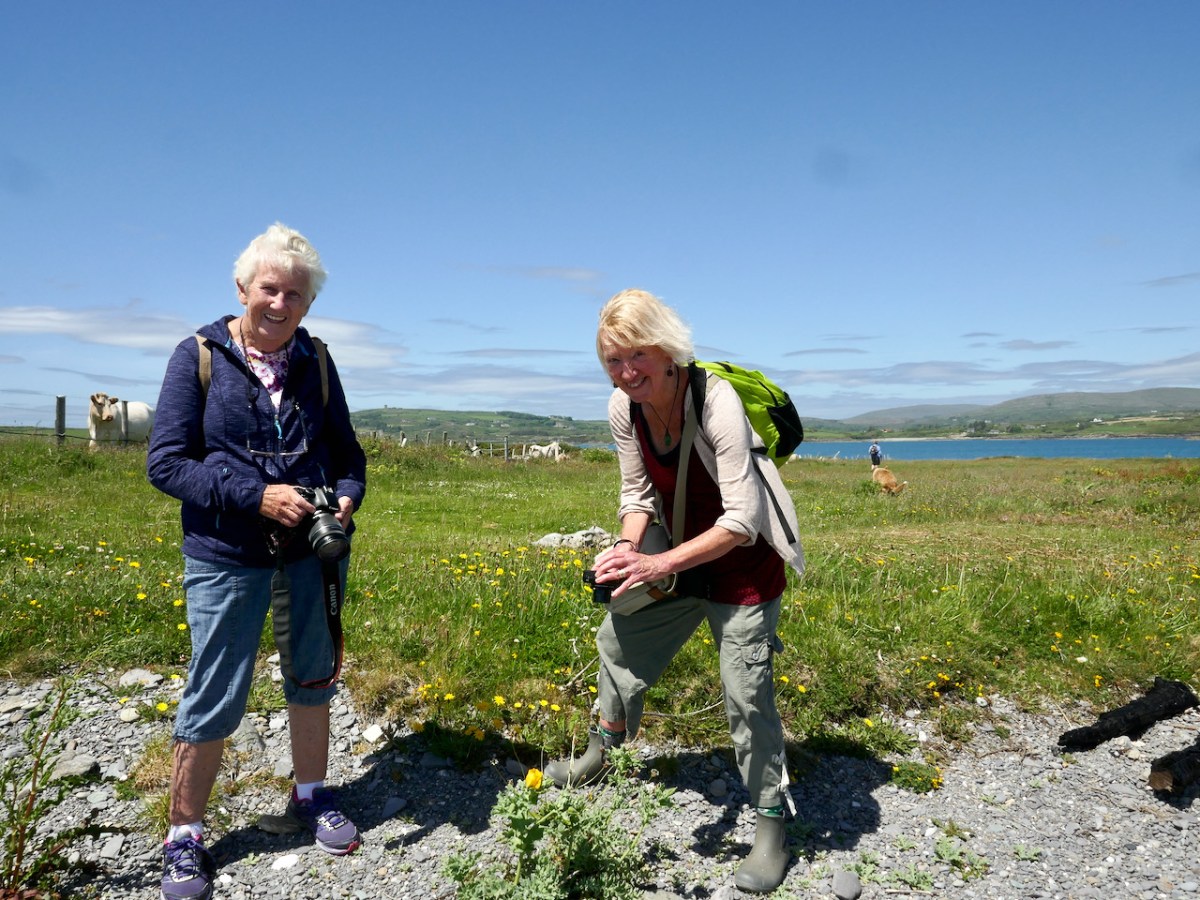
People are hungry, it seems, for experiences like this – and who can blame anyone for wanting to spend time on Long Island! We’ve been there several times and we know that the place, as my mother used to say, is Falling Down with Wildflowers. And so, yesterday, we met with our first group – and what a lovely and talented bunch of people it turned out to be, including an archaeologist, a fish biologist, an ecologist, a professor of Pharmaceutics, teachers, fellow-blogger Amanda from Holy Wells of Cork and Kerry, and an assortment of Long Island and wildflower lovers.

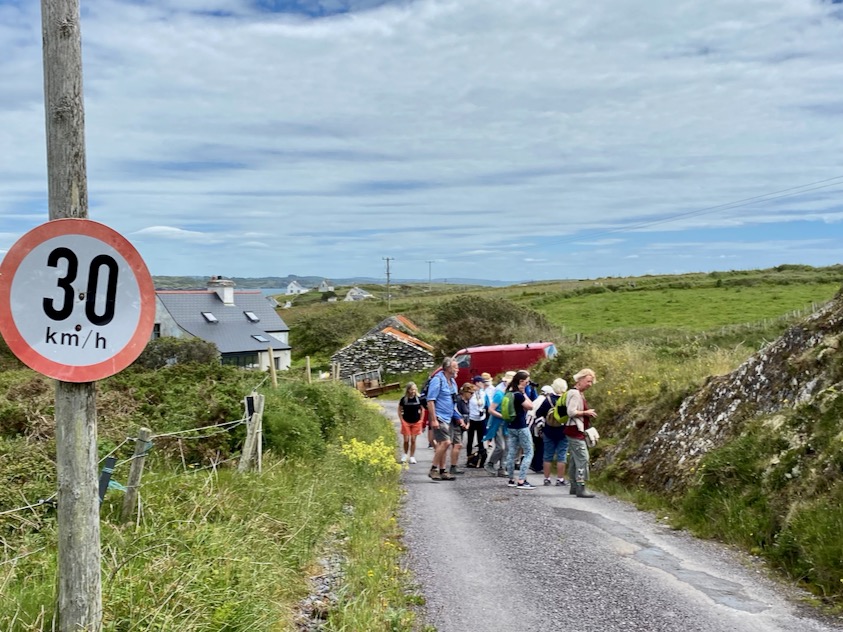
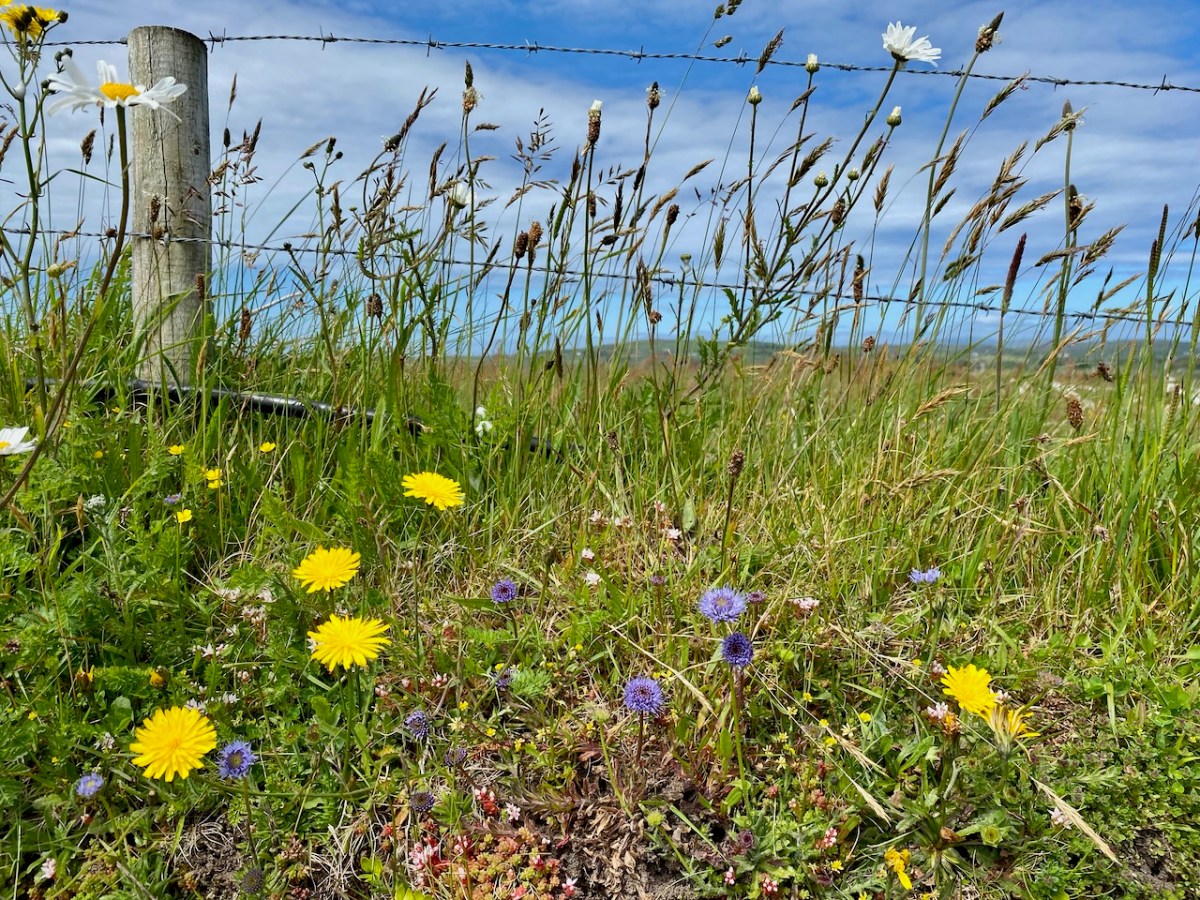
We started off at East House, home of Castaway Wild Island Camping for coffee and possibly the most delicious biscuits I’ve ever tasted, and then started our walk westward along the spine of the island, stopping as we went to talk about the habitats we were passing through, and the different flowers that had successfully adapted to those habitats. Hedgebank, field margins, stone walls and rock faces, old gardens – all carry their own assortment of plants.

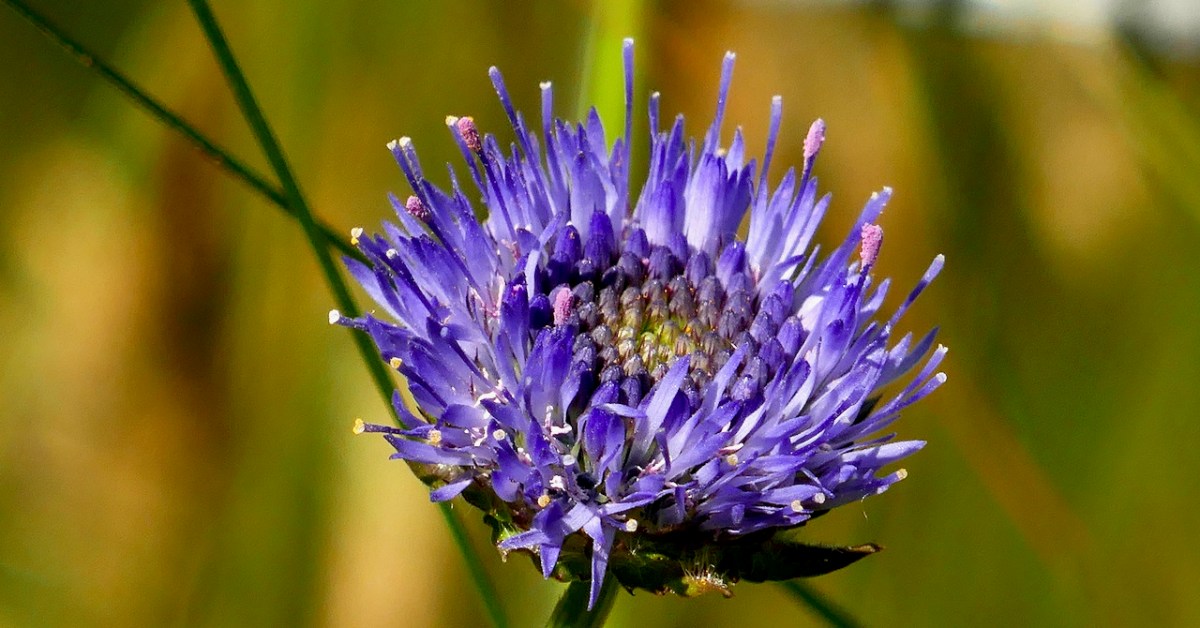
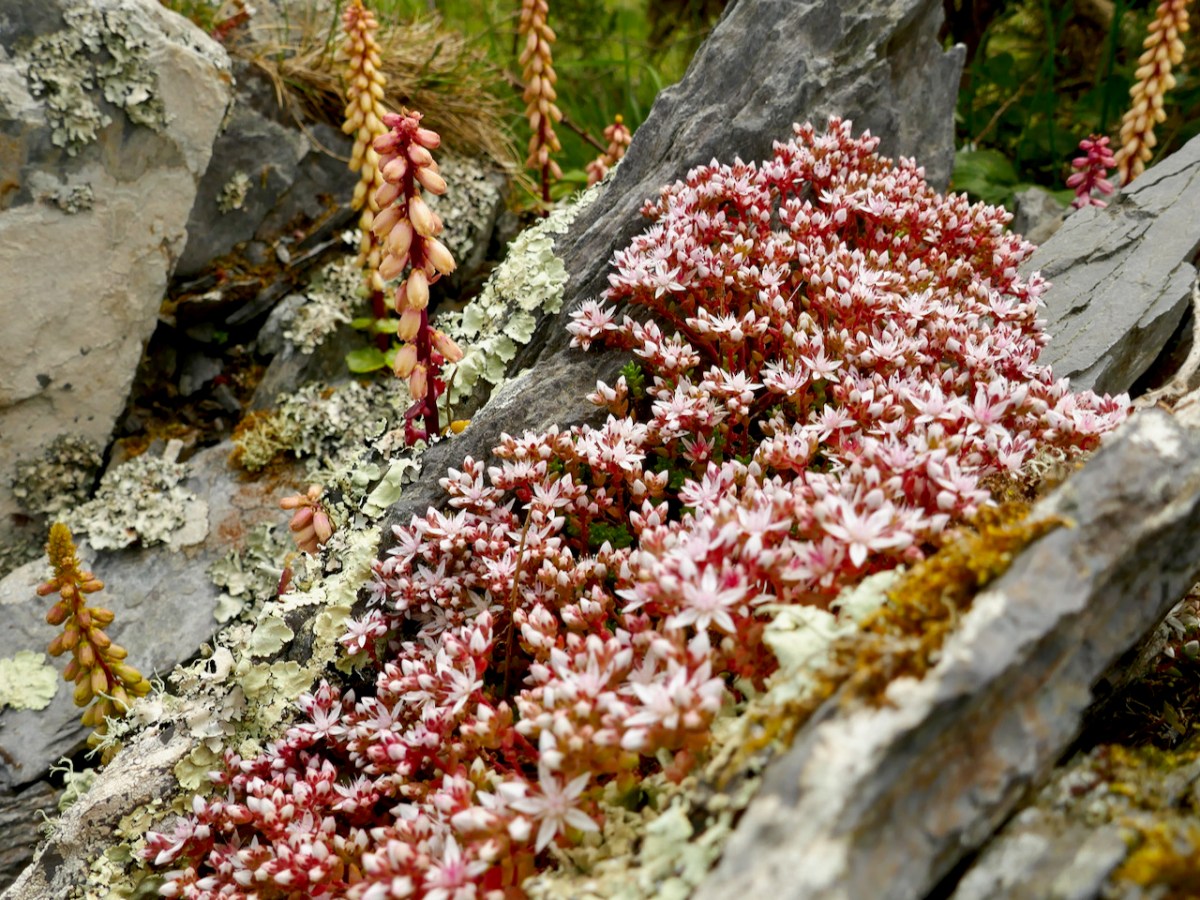
From the top: Cat’s-ear and Sheep’s-bit on a hedgebank; close up of Sheep’s-bit; English Stonecrop, Navelwort and lichen on rock face

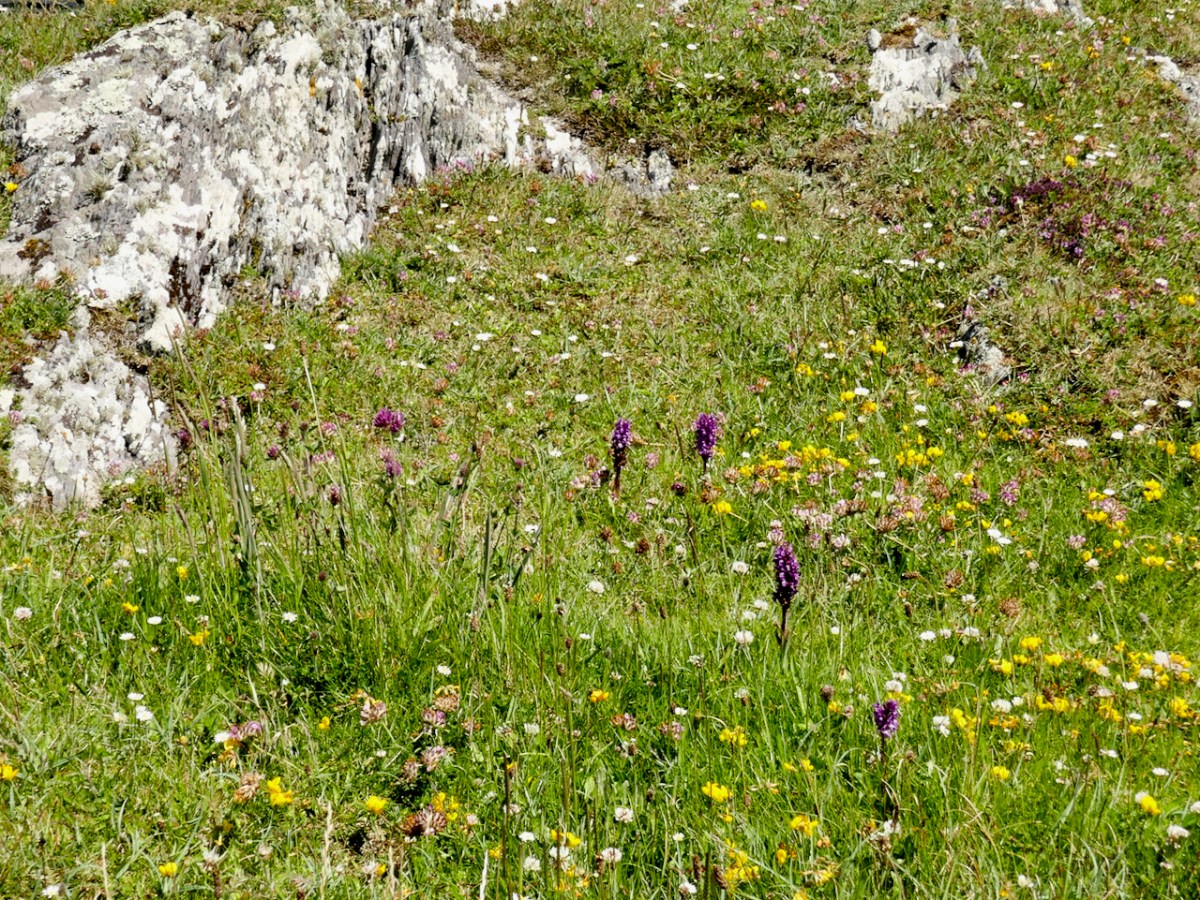
I never thought I would be blasé about orchids, but there are so  many at this time of year on Long Island that we soon ceased to stop and exclaim over each new group (below). Mark, the ecologist, was very knowledgeable about plants and pointed out the presence of Yellow Rattle, something that’s quite hard to find in the wild in West Cork but really important for creating good conditions for a wildflower meadow.

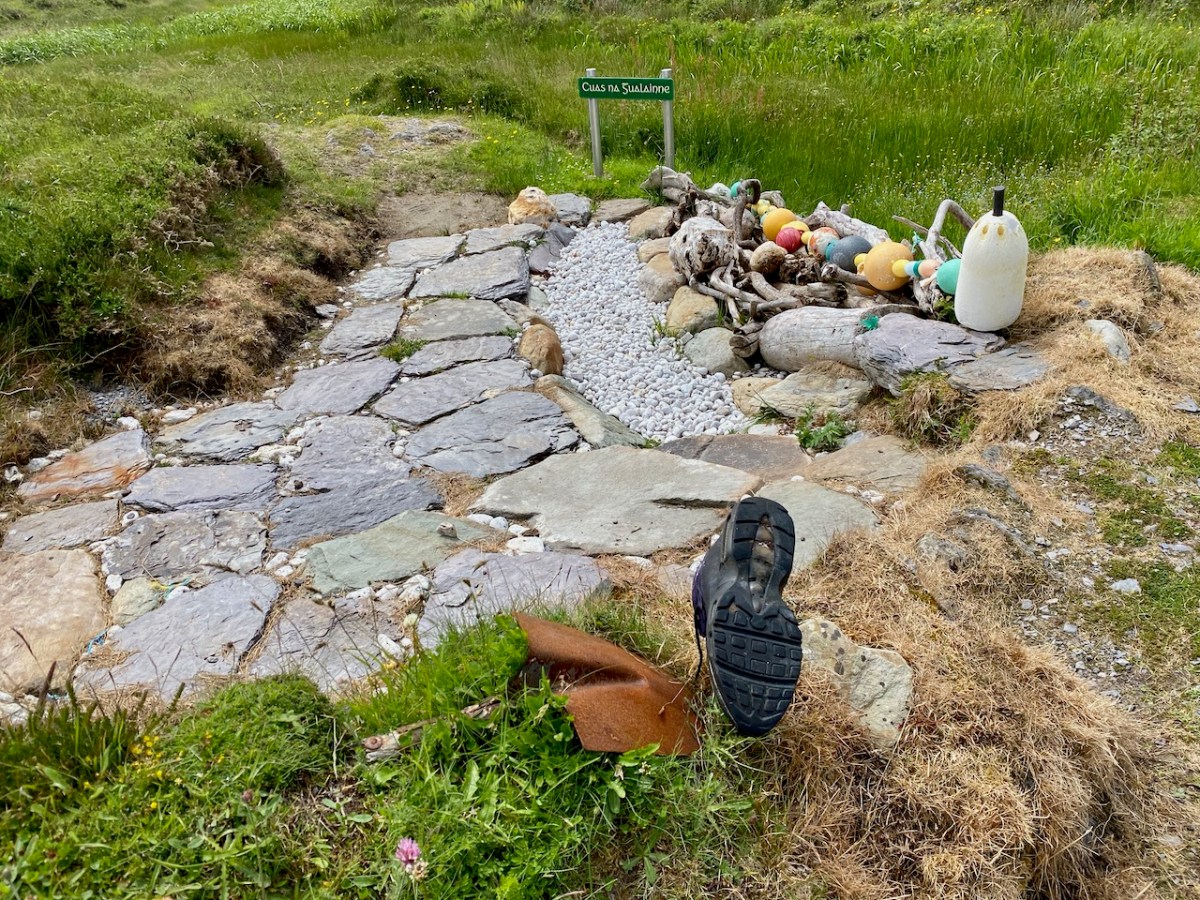
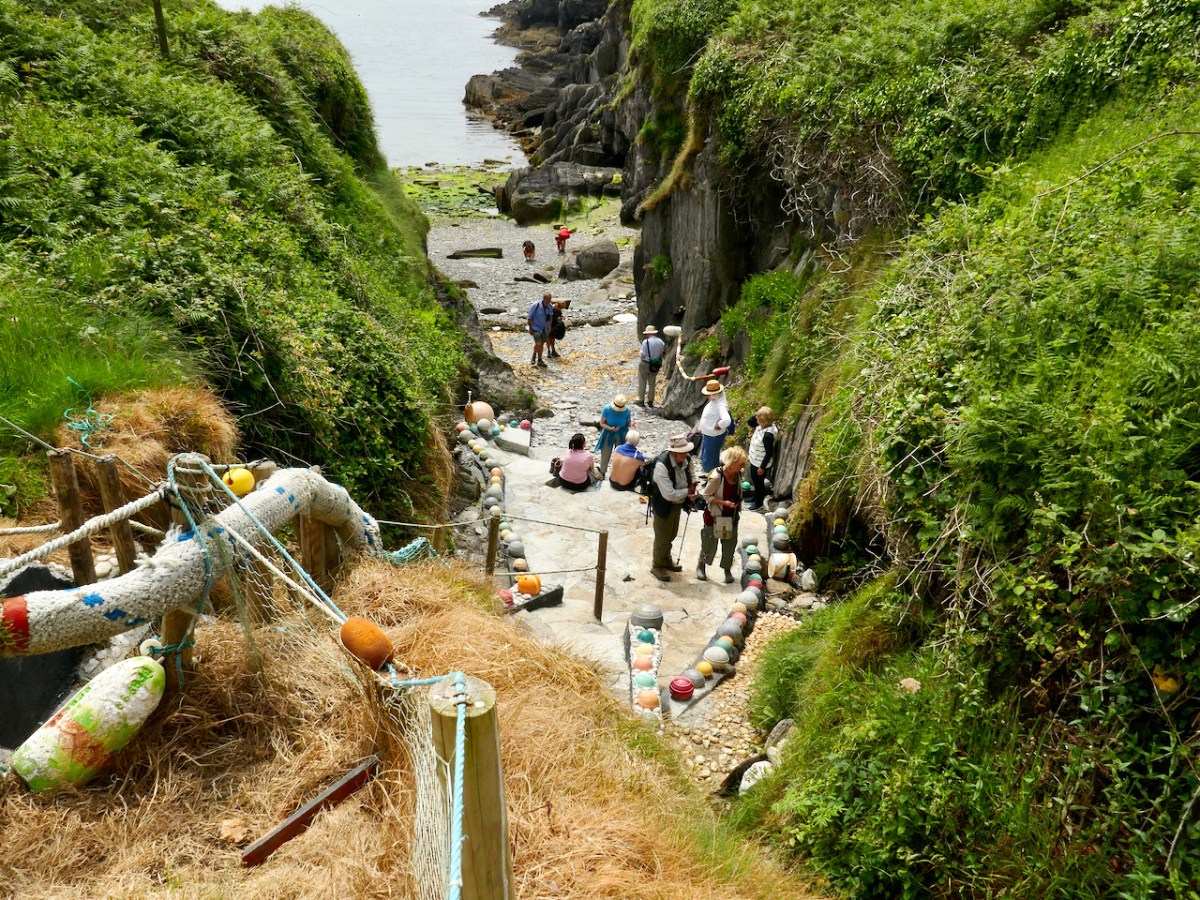
An island man, Joe Whooley, lovingly maintains the well at Cuas na Gualainne (the Little Inlet of the Shoulders – a reference, we think, to the shape of the tiny bay) and it was looking even better than the last time we were there. Amanda shared her knowledge of holy wells in general and told us about this one in particular. She’s not sure what the source of the holiness is, but is investigating. Meanwhile, the water was found to be clear and tasty. 

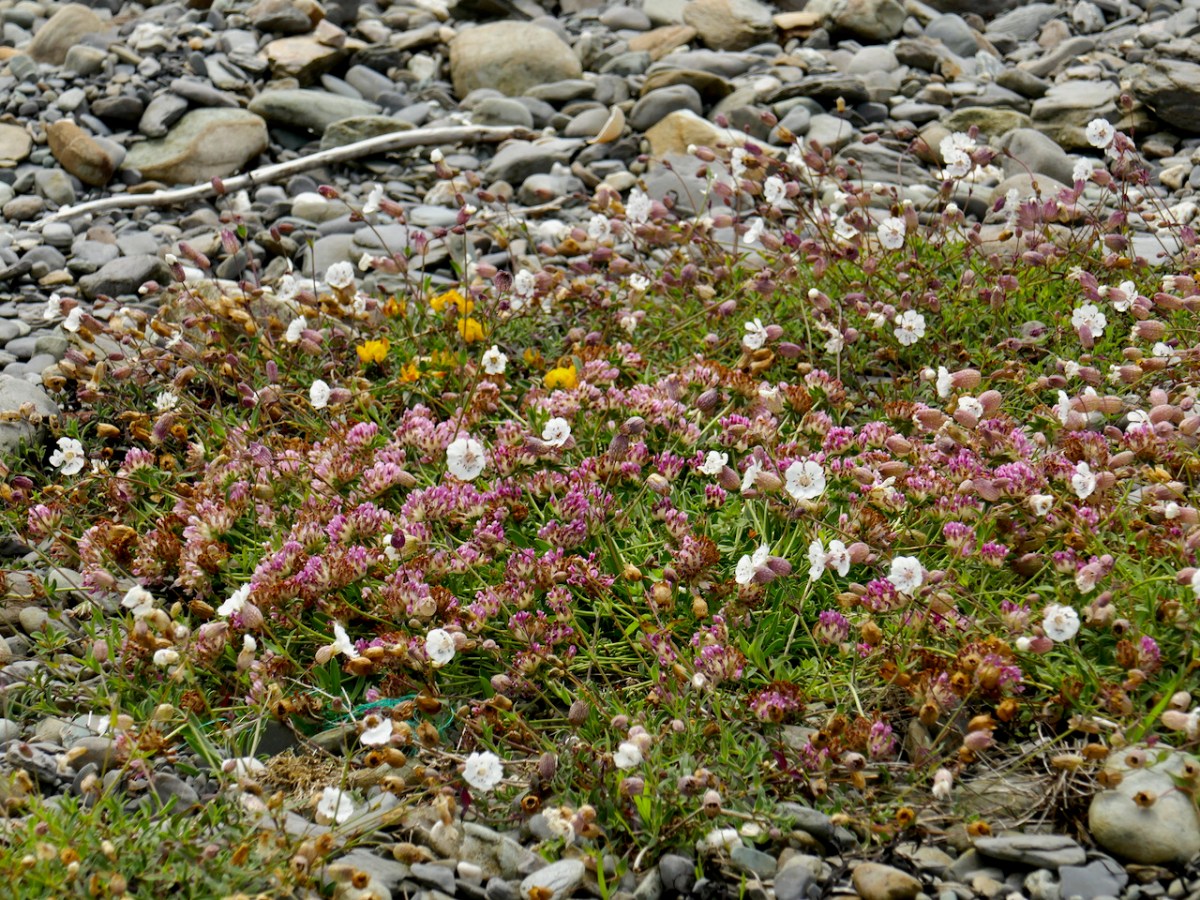
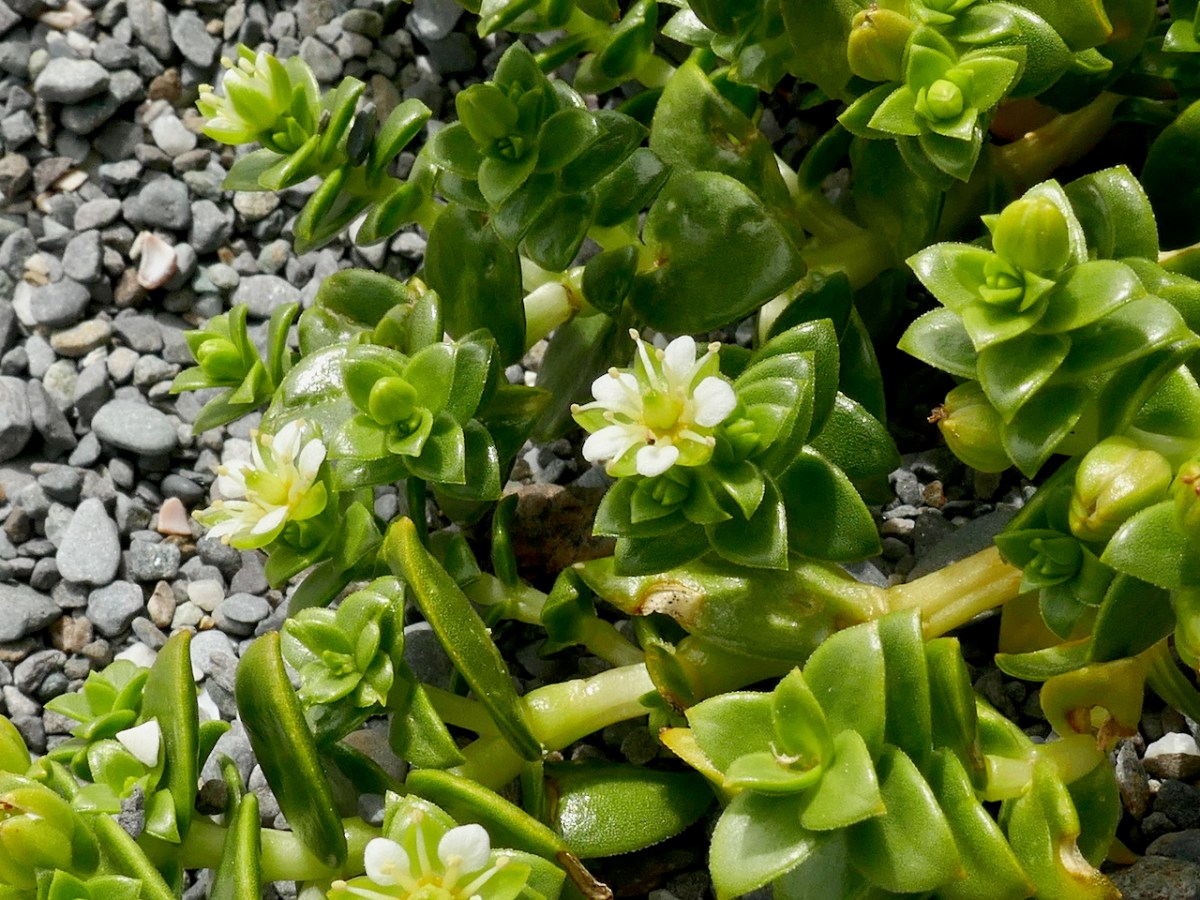
Reaching the Westlands pier, we concentrated on a whole new habitat, one in which marine-adapted plants flourish in what looks like unpromising conditions of shingle and bare rock..

From the top: a colourful patch of Kidney Vetch (pink), Sea Campion (white) and Bird’s-foot Trefoil (yellow); the delicate white flower of Sea Sandwort

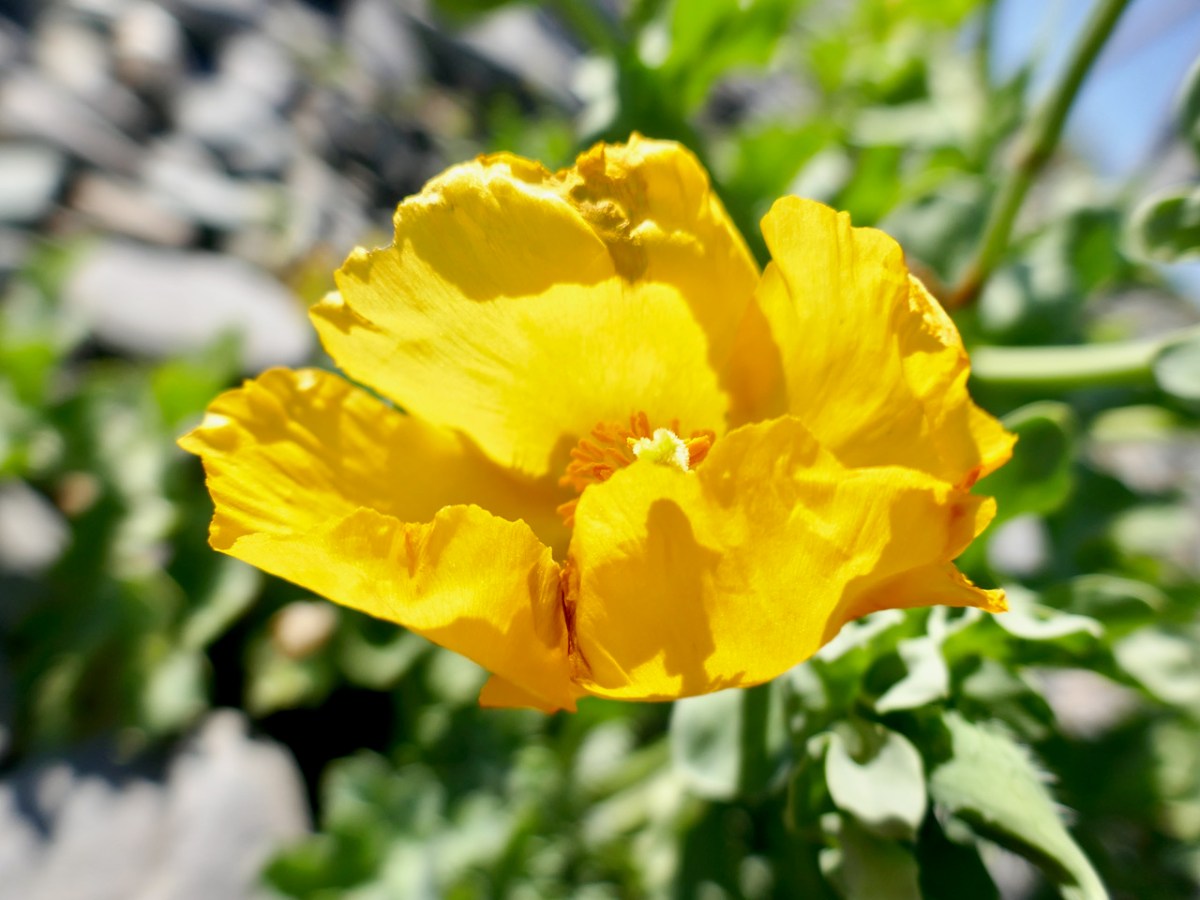
And here was one of the prizes – the Yellow Horned-poppy. It’s rare – classed as near threatened in the Red Data List of Vascular Plants – and strikingly beautiful. It’s wonderful to see a flourishing community of this exotic-looking flower on Long Island and I was thrilled to find some blooming already as I thought we might be too early for them.
From the top: Teresa and Amanda with one of the poppies: a poppy close-up

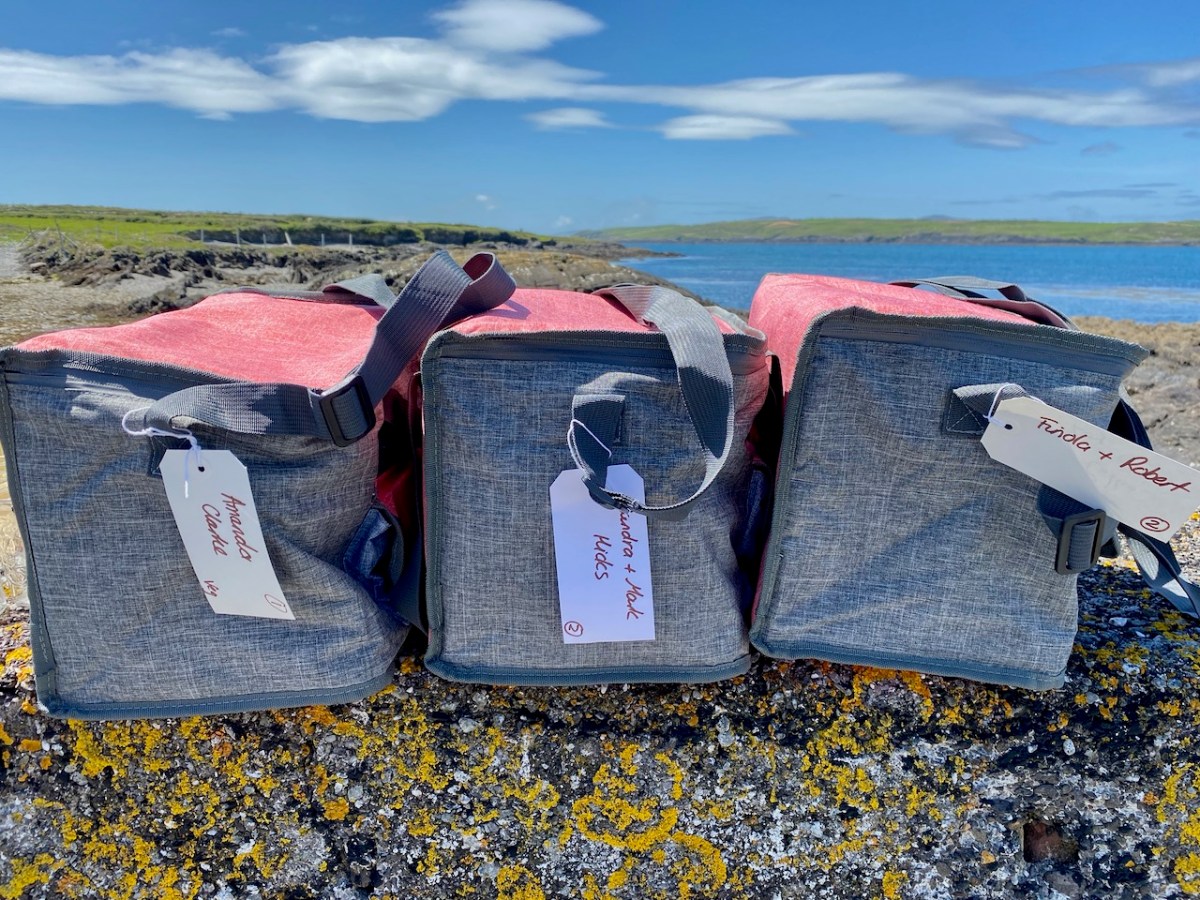
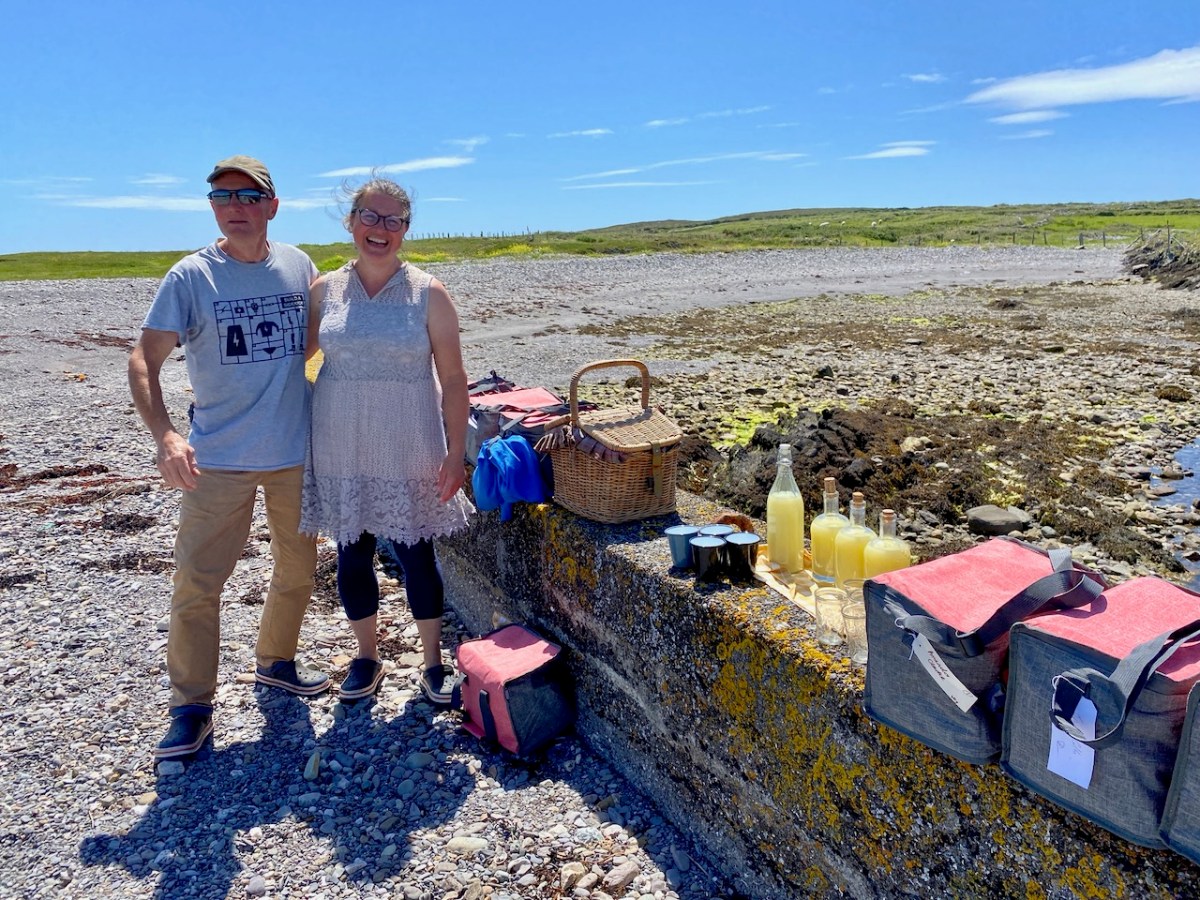
After a while exploring the shingle beach and the sandy beach we were all ravenous and like magic Tracy and Peter appeared with a fabulous lunch box for everyone. Home-made everything, some of it from their own garden (chocolate-dipped strawberries!) and delicious lemonade.

Tracy and Peter and the superb lunch

Mark gave us an impromptu talk on the island environment, reminding us all it was an essentially man-made habitat, and on the importance of this coastal strip of south west Ireland for so much flora and fauna. A possible future national park? That’s a huge YES from us!

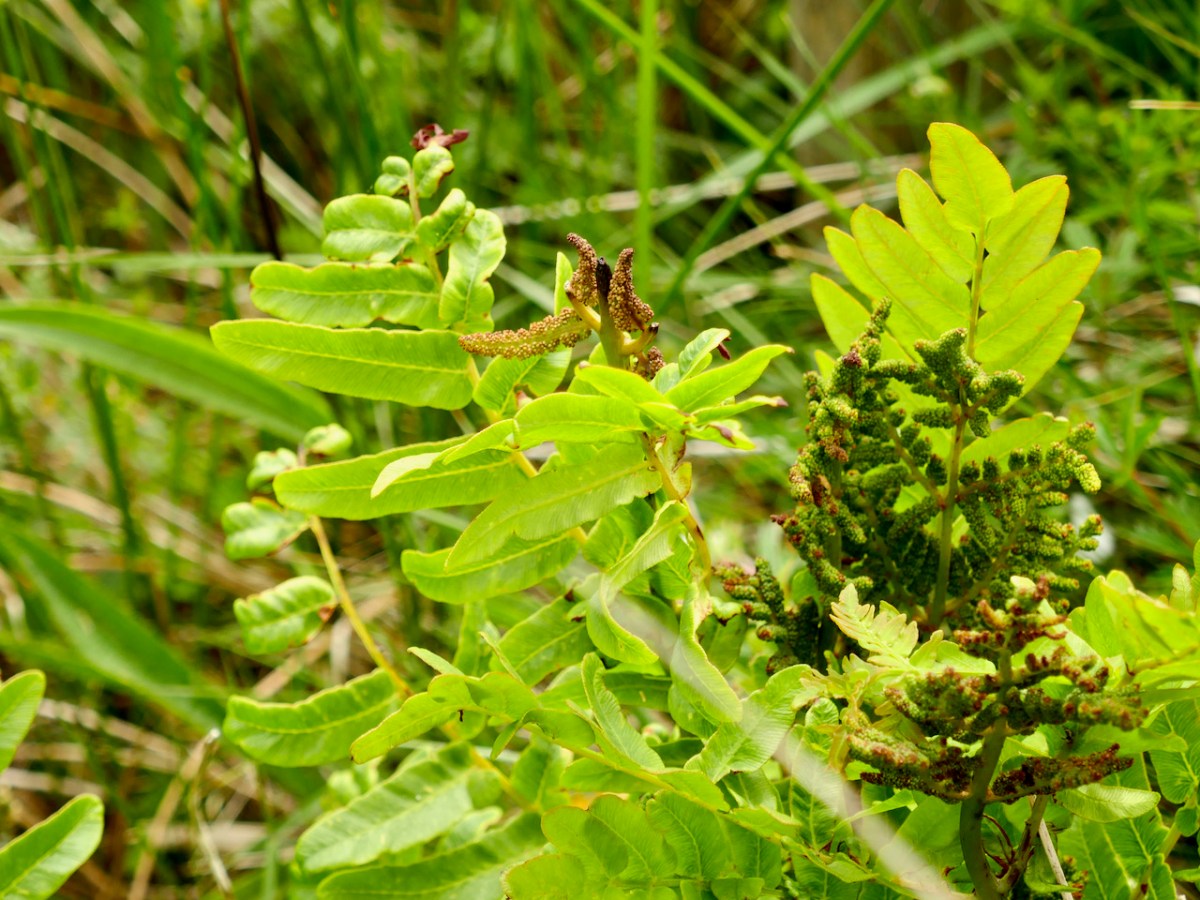
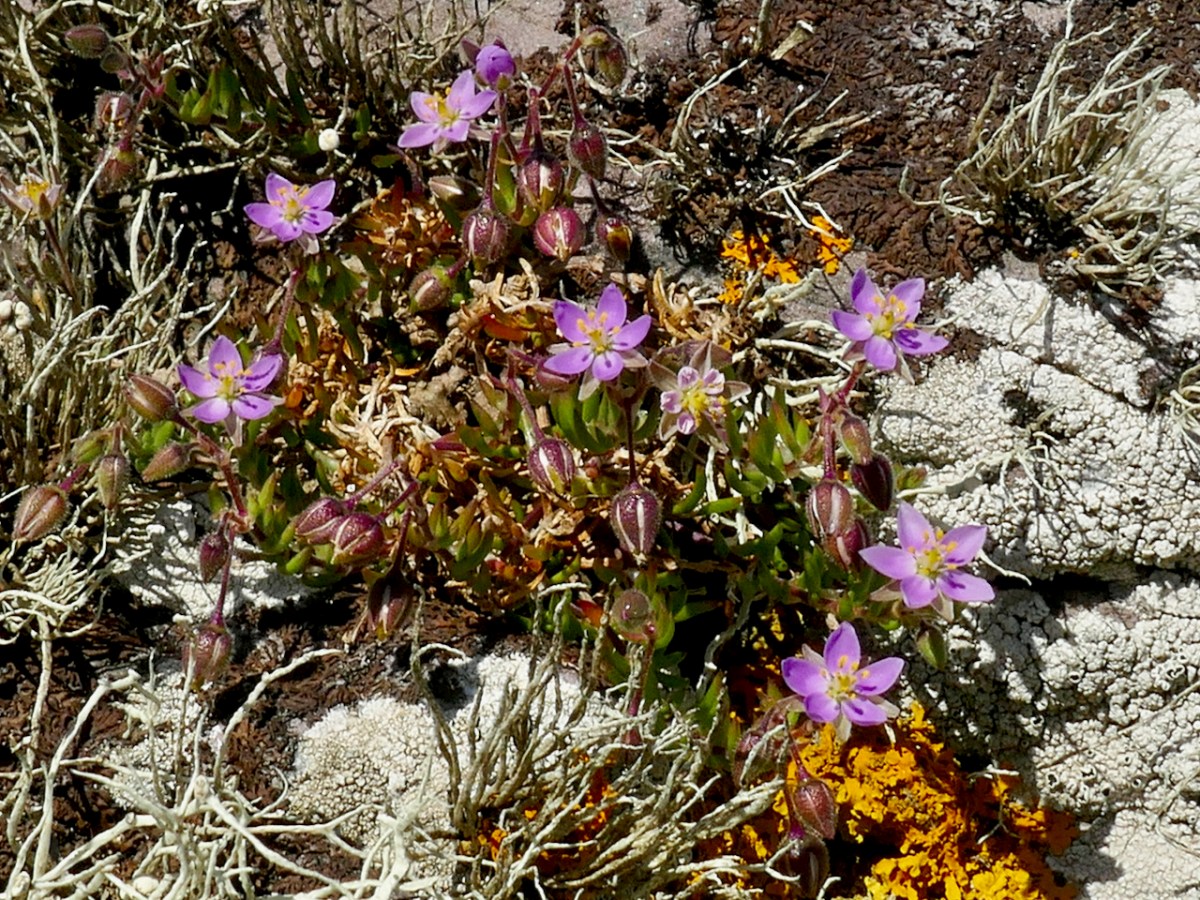
From the top: The Royal Fern – the spore-bearing fronds are starting to appear – this species is an indicator of a healthy environment and Mark told us it it getting to be quite rare in some parts of Europe and needs protection; Rock Sea-spurrey – a beautiful and tiny pink flower that likes to grow on rocks by the sea

Well fuelled, we made our way back to the ferry. The chat was mighty along the way, with old friends catching up and new friendships being forged. 

We’ll be doing it again next Saturday – all full up already, so sorry. But why not go on a do-it-yourself wildflower ramble on Long Island any time? Check the ferry schedule, pick up a copy of Zoe Devlin’s The Wildflowers of Ireland (she’s just brought out a new edition – the best and easiest way to teach yourself how to wildflower)  and treat yourself to a day in Paradise! Better still – book in with Castaway Wild Island Camping for a true island adventure.

A Bit Further Round Ring

A few weeks ago we took ourselves round Ring, a perhaps less-well-trodden part of West Cork’s many delights, just to the south east of Clonakilty. I ran out of time and space in that post and left the rest for another day. This is the day! Last week we were just across the water from Ring – on Inchydoney Island – and that exploration enthused me again. I’ll remind you of the geography:

Between North Ring and Ring Harbour the road skirts the coast, and it’s obvious from the buildings along the way that boats and boating were the most significant assets to the area in past times, and are important also today.

The two buildings with arched openings, above, were boathouses and stores. They are on the road which runs right beside the water going south out of Curraghgrane More. The colourful craft are at Ring Pier, which is still an active centre for fishing and – well – just messing about in boats.

Just beside the harbour at Ring is the entrance to Ring House, which is on the National Inventory of Architectural Heritage, described thus:

. . . Pair of semi-detached three-bay two-storey houses, built c.1820, having single- and two-storey with dormer attic extensions to sides (north, south) elevations . . . An interesting pair of houses, which are unusual as they are semi-detached and large scale, yet in a rural area. Though some traditional features have been replaced, nonetheless the pair retains its historic character and is a notable contributor to Ring Harbour . . .

National inventory of architectural heritage, Reg no 20913532

The gateway is promising, but there is very little to see of Ring House from the road. I also could not find any other accounts or any history of the place. I wondered if it had always been two semi-detached houses – as described in the National Inventory – or whether it was originally a single dwelling of some stature.

Our journey took us along the south facing coastline and we dropped down to the little inlets at Sheep Cove and Simon’s Cove. Both are worth visiting, involving negotiating tiny culs-de-sac, but there’s always room to turn at the end. Look out for the small paths leading to flagstone and sandy beaches. As always, there is evidence of the resourceful use of the maritime environment.

At Simon’s cove we turned and retraced our steps: we were barely 15 minutes away from the town of Clonakilty. Next time we will travel further east, and hopefully uncover more West Cork treasures.

Woods of West Cork

There’s something that compels us into the woods in the spring. It’s all that verdant growth, perhaps – the sap rising in us as well as in the trees. Or maybe it’s the cool green-ness or those swathes of extravagant bluebells and celandine. Here are three of our favourites, just in little slideshows.

Inish Beg

An old estate, beautifully managed by its owners. We visited in April, before the bluebells but in time for the carpet of Celandine. The walks are varied, there are lots of ponds and riverside vistas, and treasure hunts for kids and adults. Do you know all the Presidents of Ireland? Can you find them all?

Dromillihy

Betwen Leap and Cononagh along the N71 you will find a car park providing access to this woodland managed by Coillte, the Irish Forest Service. More extensive than it looks from the road, these walks are a delight for all ages, with lots of fairy houses for the kids and, when we walked the trails recently, acres of bluebells.

Castlefreke

Another old estate managed by Coillte – a series of woodland walks linked by roads and trails. There’s a ruined church and old graveyard, great views across old farm buildings, and ancient trees. We were there a week ago and the bluebells were heavenly.

What are your favourite woodland walks in West Cork?