A Chatter of Choughs

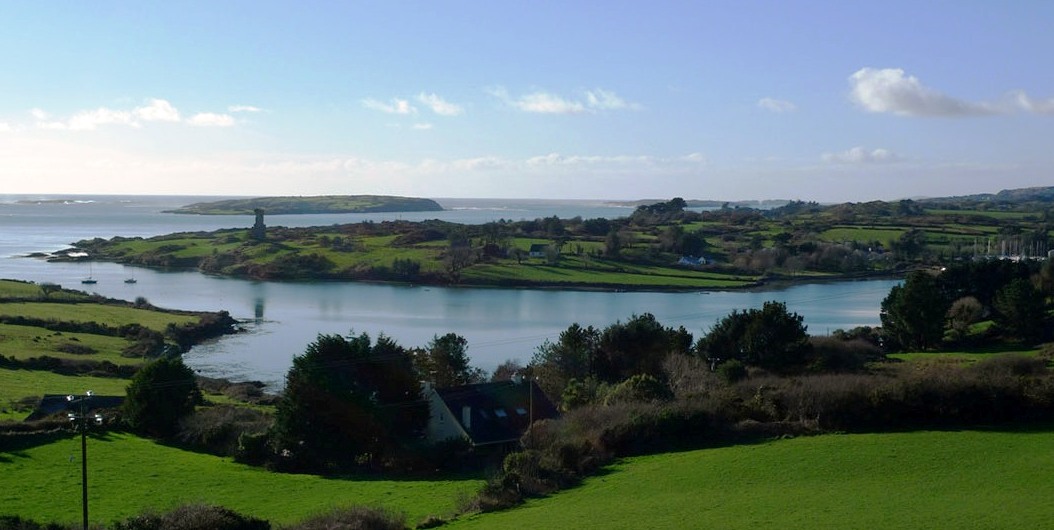
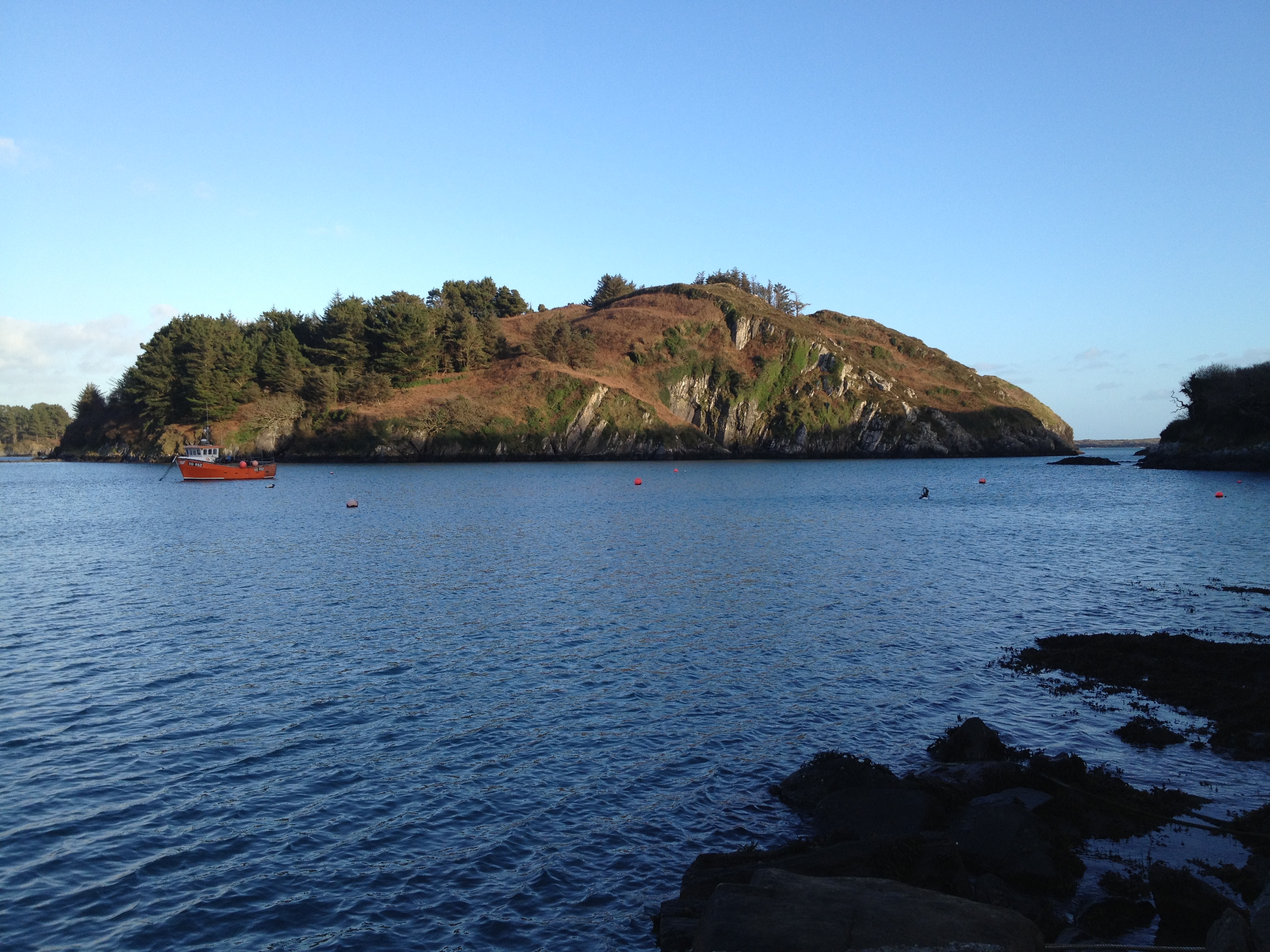
Rossbrin Cove: Chough country

Rossbrin Cove: Chough country

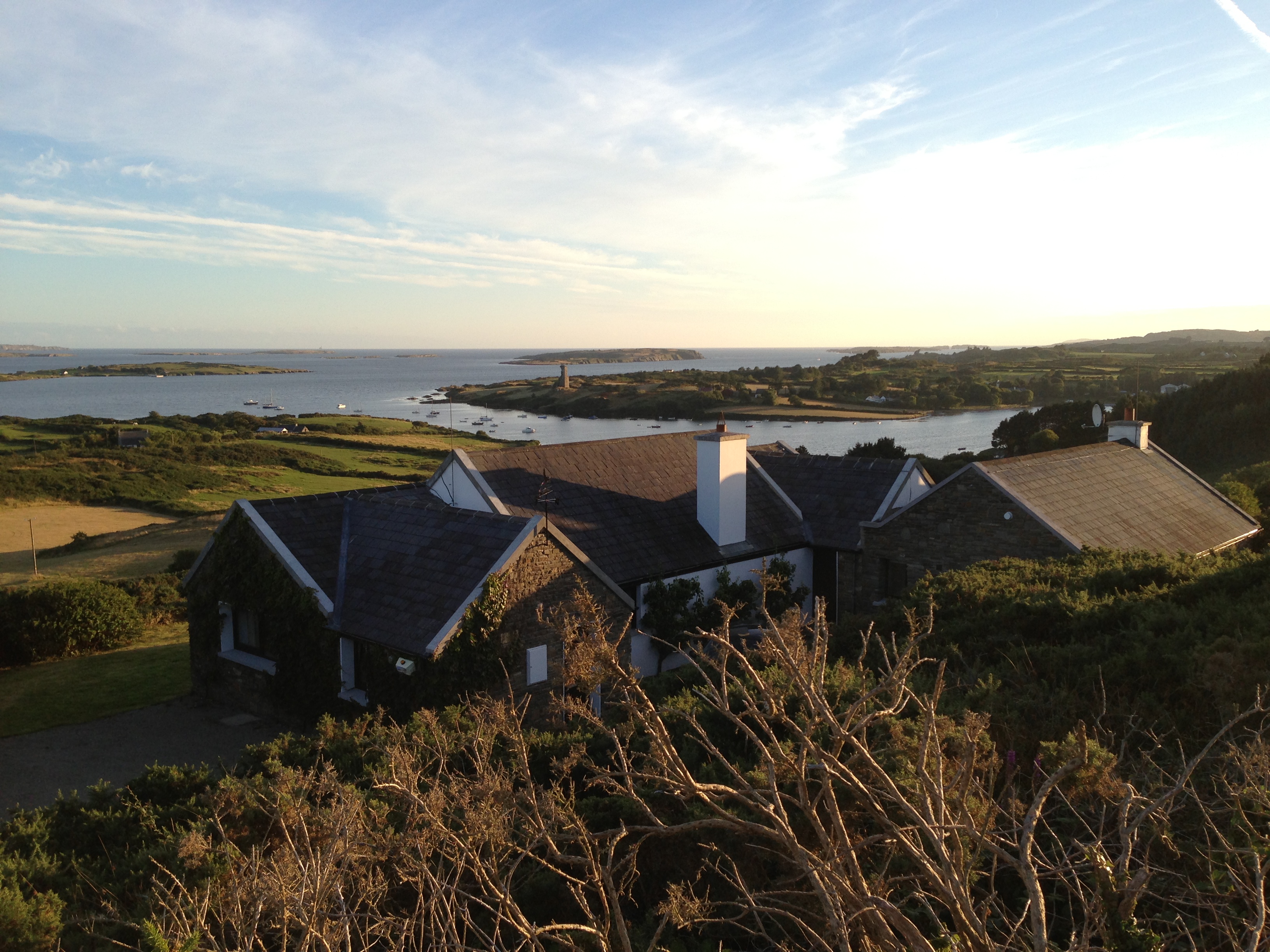
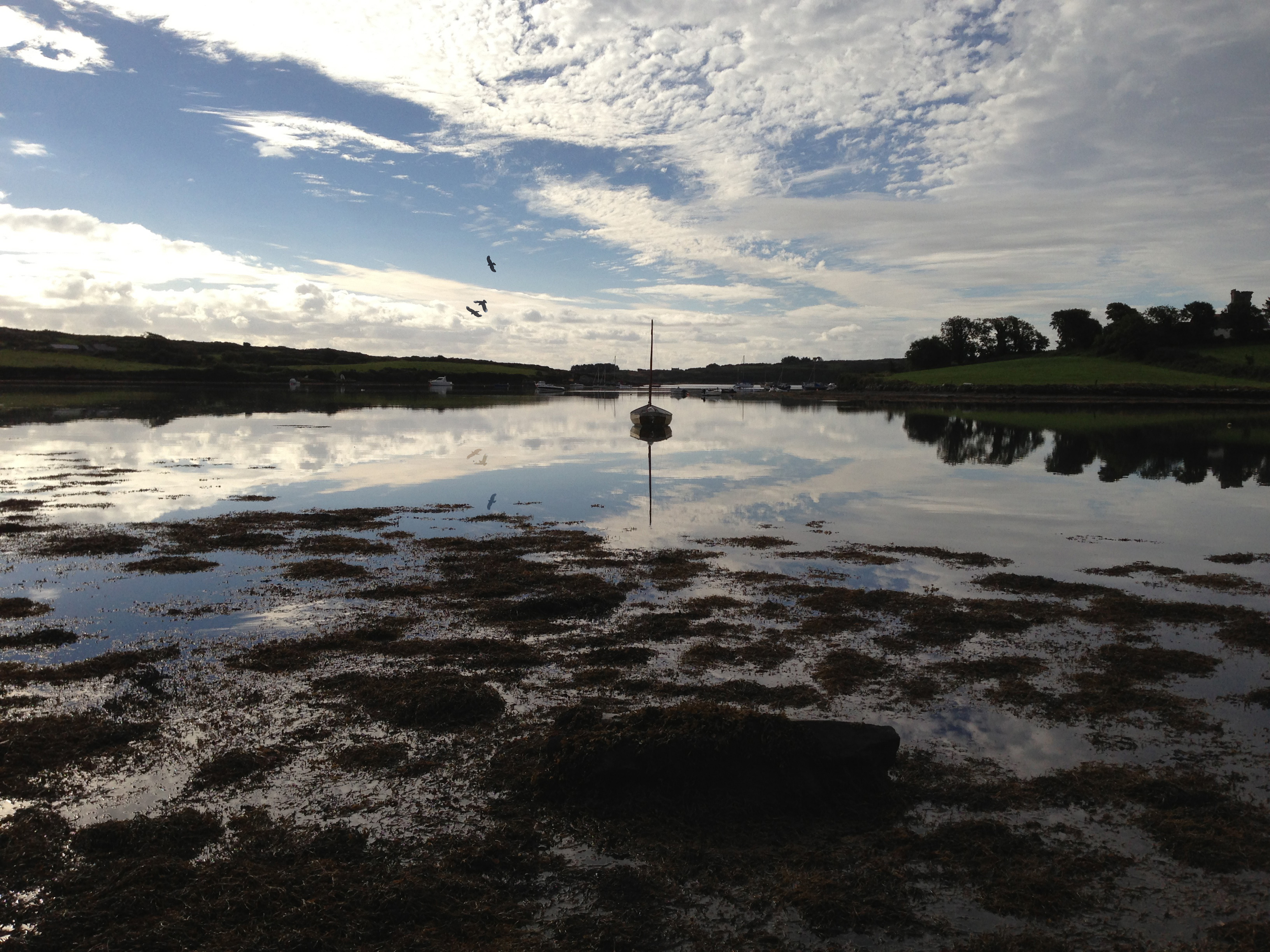
One of the many treats of living up here in Nead an Iolair is the frequent appearance of a group of Choughs. Towards the evening we hear them on our roof, chattering to each other. Chatter of Choughs, by the way, is the correct collective noun: all the Corvid family seem to have interesting ones – Murder of Crows, Parliament of Rooks, Conspiracy of Ravens, Tiding of Magpies… These are just some of a very long list: do you of know any to add to it?
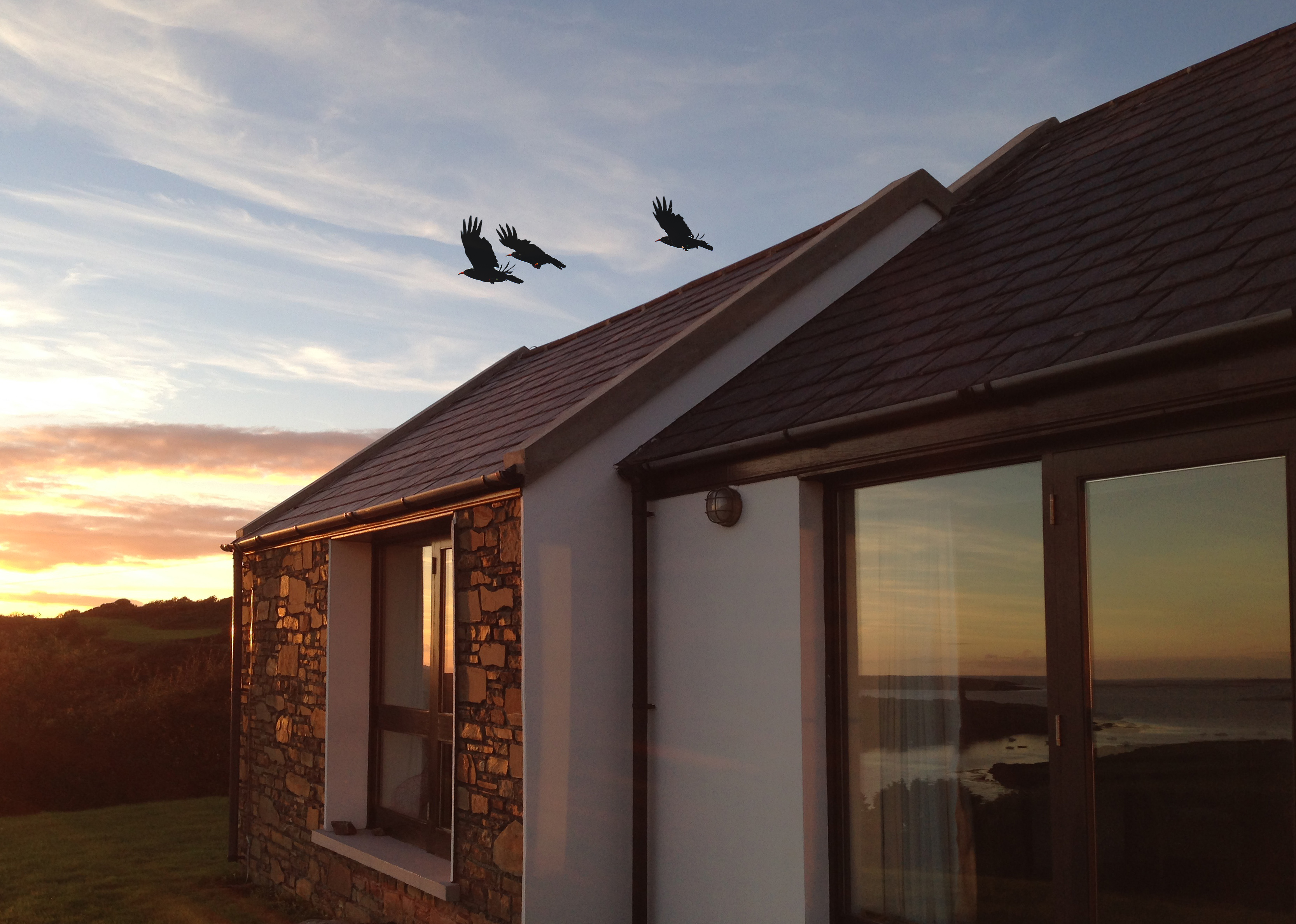
Autumn evening at Nead an Iolair

Autumn evening at Nead an Iolair

Choughs are distinctive birds, but easy to mistake for other Corvids when in the sky. Look out for curved red bills, and red legs and claws. Also listen for the chatter, in which the bird tells you its name:

It won’t tell you its latin species name, however: Pyrrhocorax-pyrrhocorax!

Birds on line!

Birds on line!

As an erstwhile resident of Cornwall I have a particular interest in the Chough. This bird appeared on the old Cornish coat-of-arms, together with a tin miner and a fisherman (the two latter have vanished on the new one – perhaps a poignant comment on changing times), and was once a familiar sight on the coast. Changing habitat and trophy hunting led to a decline in the British Chough populations recorded by naturalists as early as the eighteenth century. The last breeding pair was seen in Cornwall in 1947, and not long afterwards the Cornish Chough was pronounced extinct. Amazingly, the new Millennium saw the Chough returning naturally to Cornwall, with three birds taking up residence on the Lizard peninsula and breeding successfully. It’s reckoned that there are now between forty and fifty living on that far western coastline. On my last days in Cornwall before coming here to Ireland I was walking at Nanquidno, near Lands End and – as if to wish me ‘goodbye’ – there was a pair of Choughs foraging happily on the path in front of me! Where did the new generations of Cornish Choughs come from? DNA tests have given us the answer: Ireland…

Cornwall's old and new logos: and the 'Raven King' - in folklore, Choughs and Ravens are interchangeable

Cornwall’s old and new logos: and the ‘Raven King’ – in folklore, Choughs and Ravens are interchangeable

Cornish nationalists, who are campaigning for a devolved parliament, are delighted by the come-back. “This will be seen as a symbol of hope,” said Dr Loveday Jenkin of the nationalist party Mebyon Kernow. “The re-emergence of the Chough is a symbol of the re-emergence of the Cornish nation.”
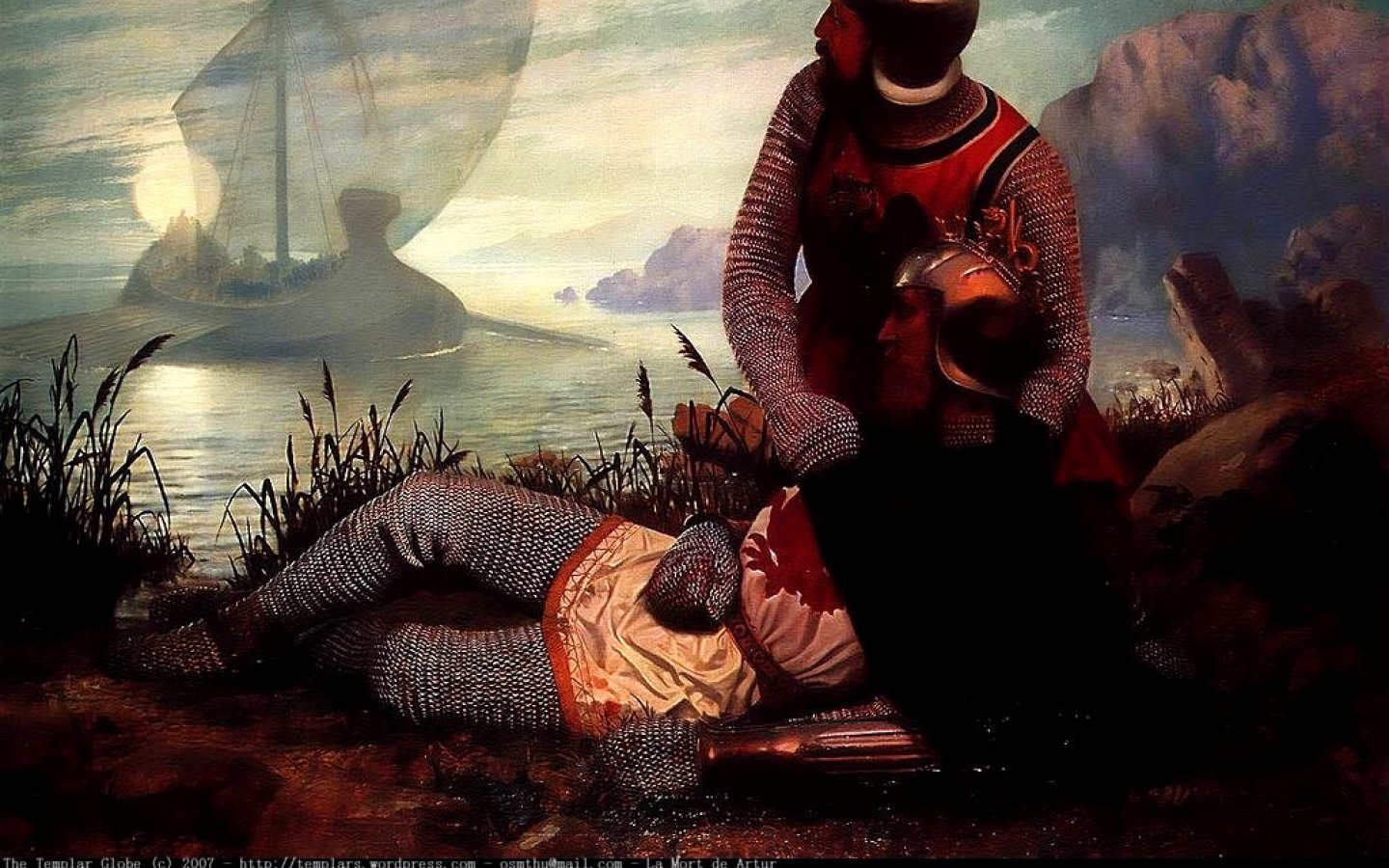
King Arthur's last battle

King Arthur’s last battle

Cág Cosdearg is the name of the Chough in Irish – this is a literal translation of ‘red-legged Jackdaw’. There are a number of legends attached to this bird: King Arthur turned into one, and the red beak and legs are symbolic of the blood shed at his last battle (presumably this is another link with Cornwall). The Chough was known to Daniel Defoe as a ‘fire raising bird’ in his …tour thro’ the whole island of Great Britain…

“…It is very mischievous; it will steal and carry away any thing it finds about the house, that is not too heavy, tho’ not fit for its food; as knives, forks, spoons and linnen cloths, or whatever it can fly away with, sometimes they say it has stolen bits of firebrands, or lighted candles, and lodged them in the stacks of corn, and the thatch of barns and houses, and set them on fire; but this I only had by oral tradition…”

I like the Irish expression, “You’ll follow the Crows for it” meaning that a person would only appreciate something after it had gone.
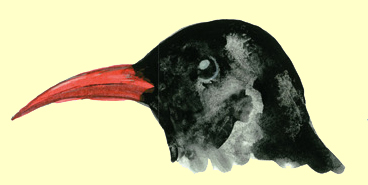
chough close

Watching our Choughs perform their aerobatics up here is a delight – I’ve seen them turning cartwheels in the air, and they even appear to fly upside down at times. Sylvia Plath puts it wonderfully in Blackberrying:
“…Overhead go the choughs in black, cacophonous flocks—
Bits of burnt paper wheeling in a blown sky.
Theirs is the only voice, protesting, protesting…”

The Great Hunger

2012-05-19 16.04.23

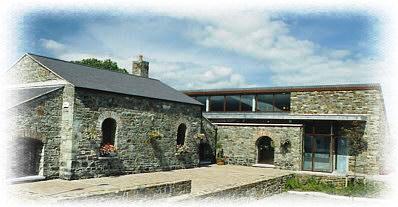
Skibbereen Heritage Centre

Skibbereen Heritage Centre

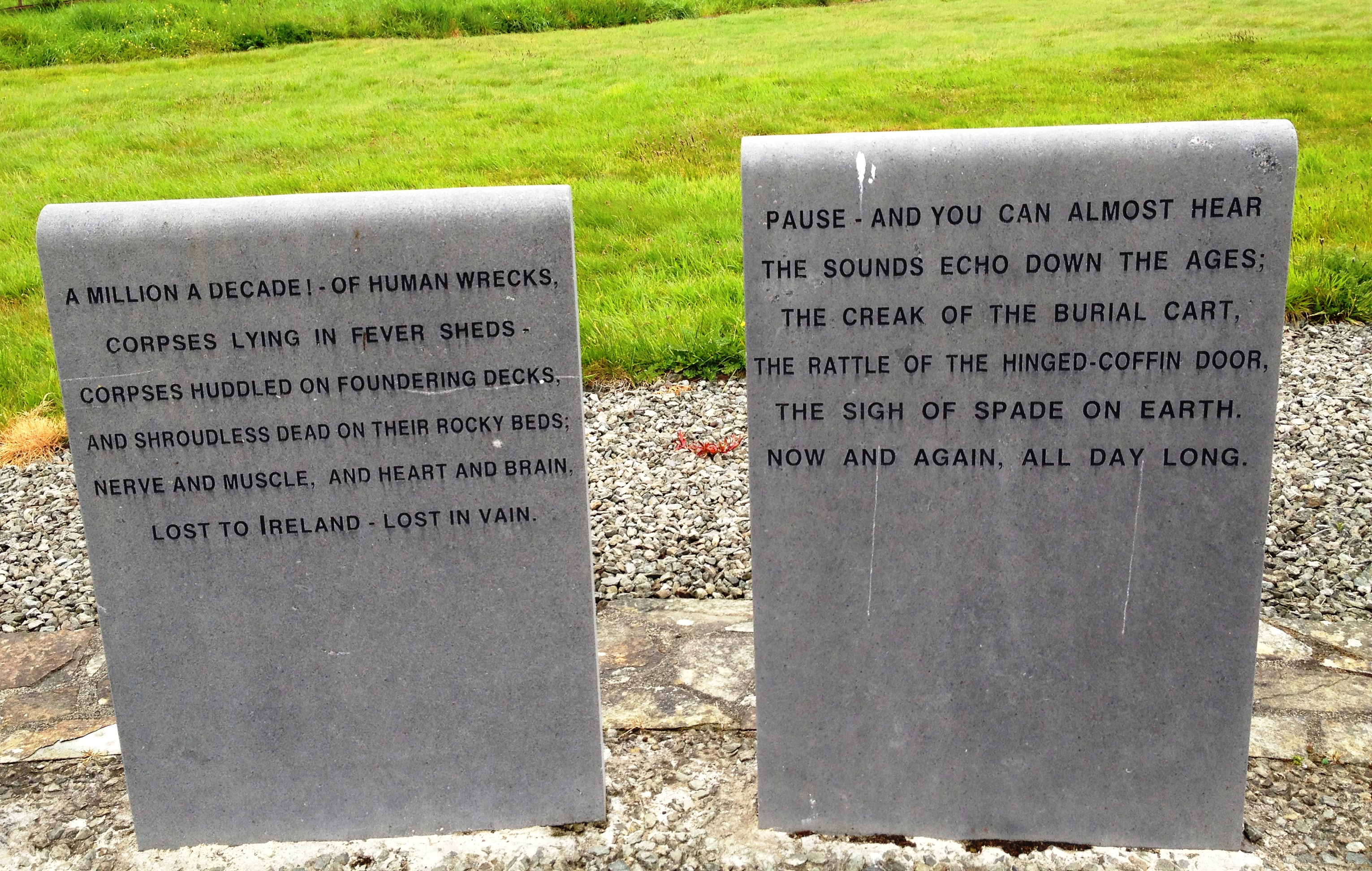
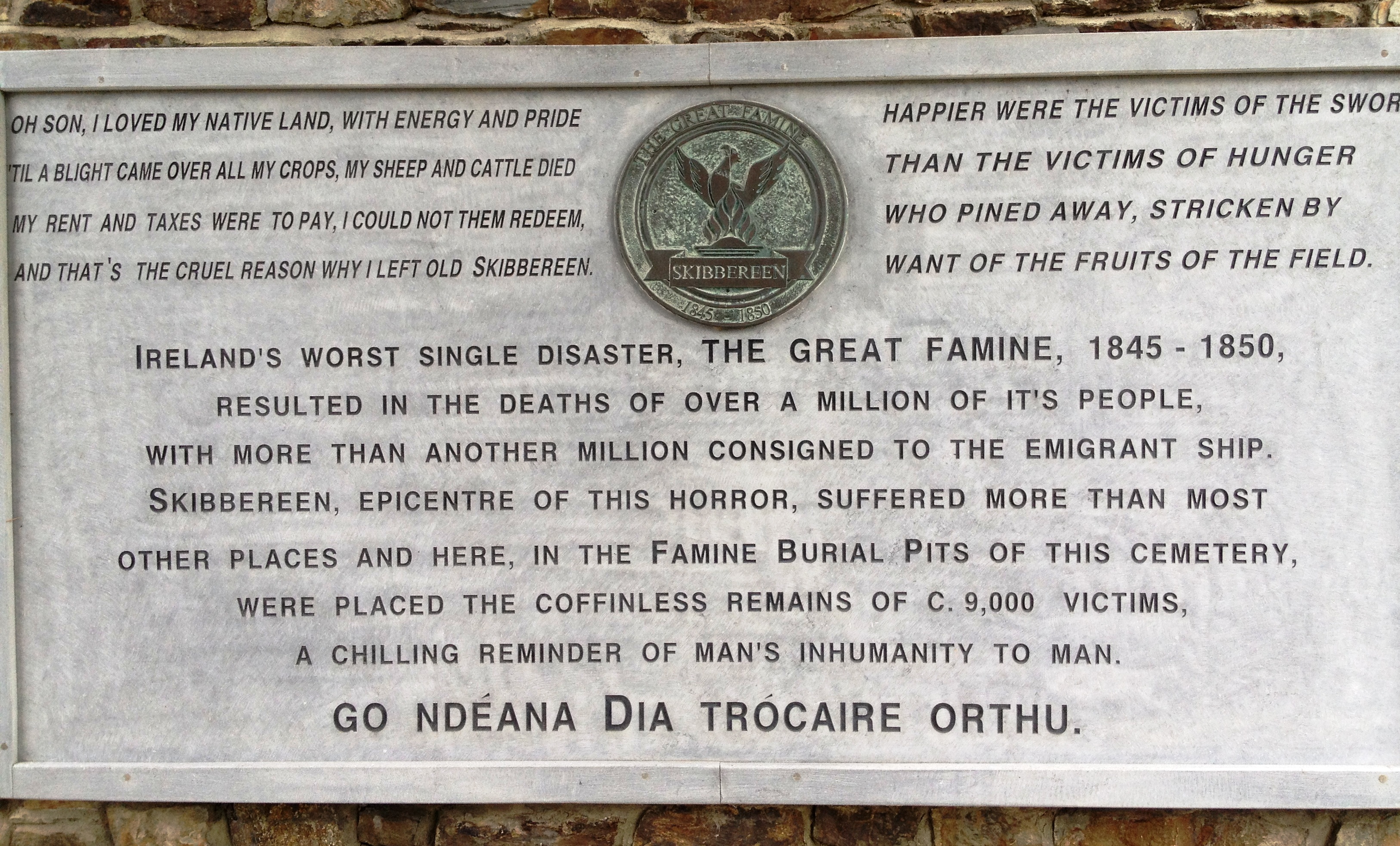
I have mentioned the Irish Famine in previous posts. West Cork and the area around Skibbereen in particular was greatly affected by this national disaster. In the period of the failure of the potato crop between 1845 and 1850 it is estimated that one in three people in this area died through starvation or disease. A million people perished in the island as a whole while another million emigrated. By the end of the nineteenth century the population of Ireland had halved, from just over 8 million to just over 4 million, as a traumatised race filled the Coffin Ships to America, Canada and Australia, or took the mail boats to Britain. This time in Irish history has left deep wounds in the Irish soul, and a legacy of distrust of Britain that fuelled much of the subsequent nationalistic fervour.

The Heritage Centre in Skibbereen has an excellent, if harrowing, Famine exhibition. Even more moving, perhaps, is the Abbeystrewry Graveyard, site of mass and unmarked graves of thousands of victims.

2012-05-19 16.02.27

In 1997 when events commemorating the 150th anniversary of the Famine were being planned new research turned up many previously unknown stories of the time. While most, understandably, turned on the wretchedness of the people and the political and social context, one small tale fired the imagination of the historian who discovered that the Chocktaw Indians of America had made what must have been for them an enormous donation to hunger relief. Having been deprived of their ancestral homeland, and with their population decimated by European diseases, this faraway people collected and sent $710 to the starving Irish. Since this discovery, a special relationship has been nurtured between the Chocktaw and the Irish.

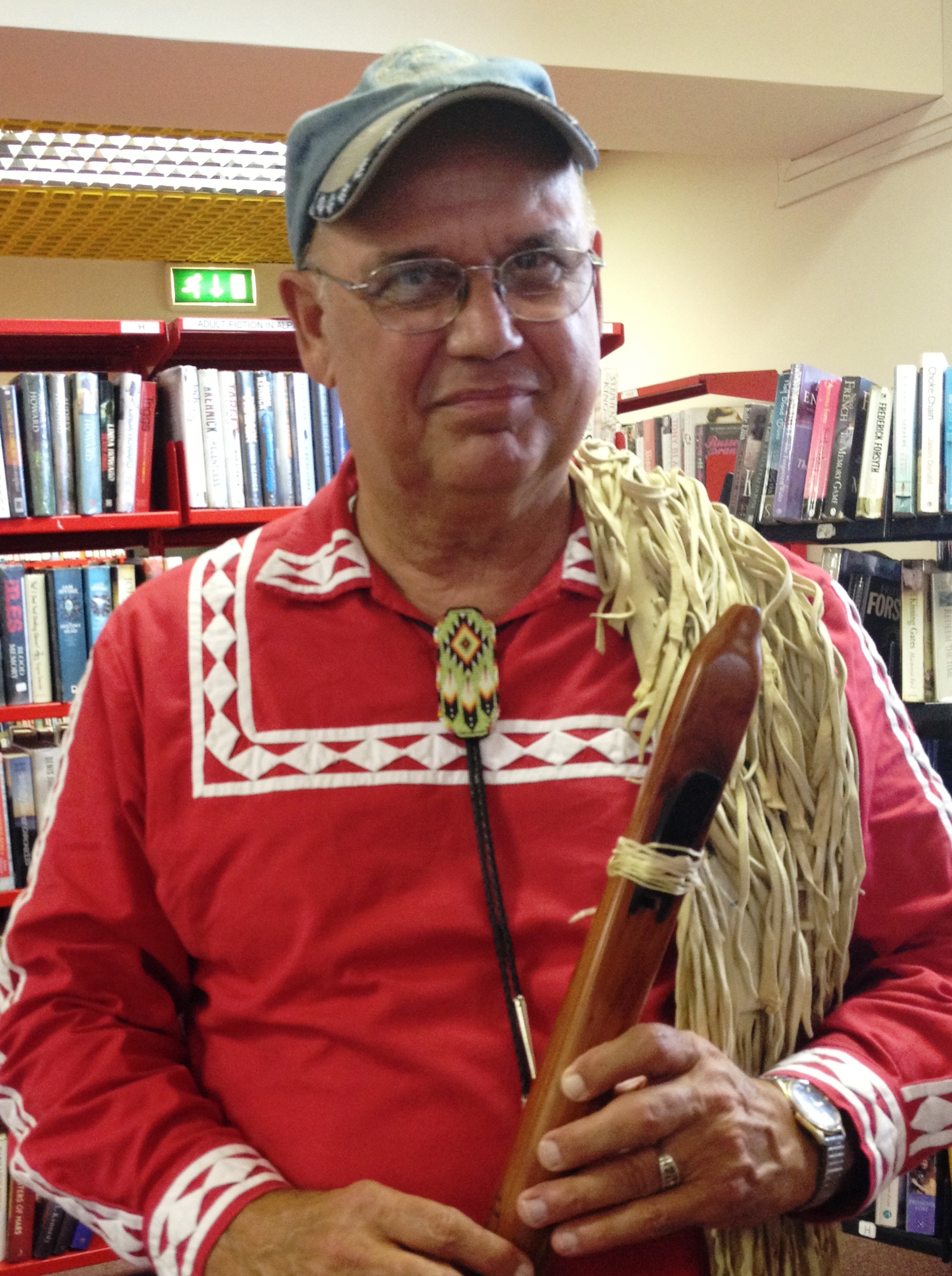
Tim Tingle, Chocktaw Story Teller

Tim Tingle, Chocktaw Story Teller

We were lucky, recently, to be present at a session by Tim Tingle, a Chocktaw writer and storyteller, in the Skibbereen library. Relaxed and humourous and with the aid of his drum he told us of his people and their relationship with the land and the animals. Slowly he drew us in to a deeper story from the time of the Chocktaw Trail of Tears: a story universal in its appeal and its humanity. His message: “Look ahead, keep moving forward.”

Mizen Magic

We’ve done several posts on the Sheep’s Head and the marked hiking trails that crisscross that peninsula. But we actually live on a different peninsula, The Mizen, and it is just as glorious and wild and beautiful.

Map of Mizen and Goleen

The road to the Mizen Head starts at Ballydehob, runs along the southern side of the peninsula through Schull and Toormore and on to Goleen and Crookhaven. At the far or western end are the beaches of Barley Cove and the Mizen Head Lighthouse and Visitor Centre. There are no villages on the northern side of the peninsula until you reach Durrus, which also marks the start of the Sheep’s Head Peninsula. It is bounded on the south by the waters and islands of Roaringwater Bay and on the north by Dunmanus Bay. The whole peninsula is rich in history and archaeology and we plan future posts about many aspects of life here.

For the moment, a flavour in photographs of what The Mizen landscape has in store for visitors.

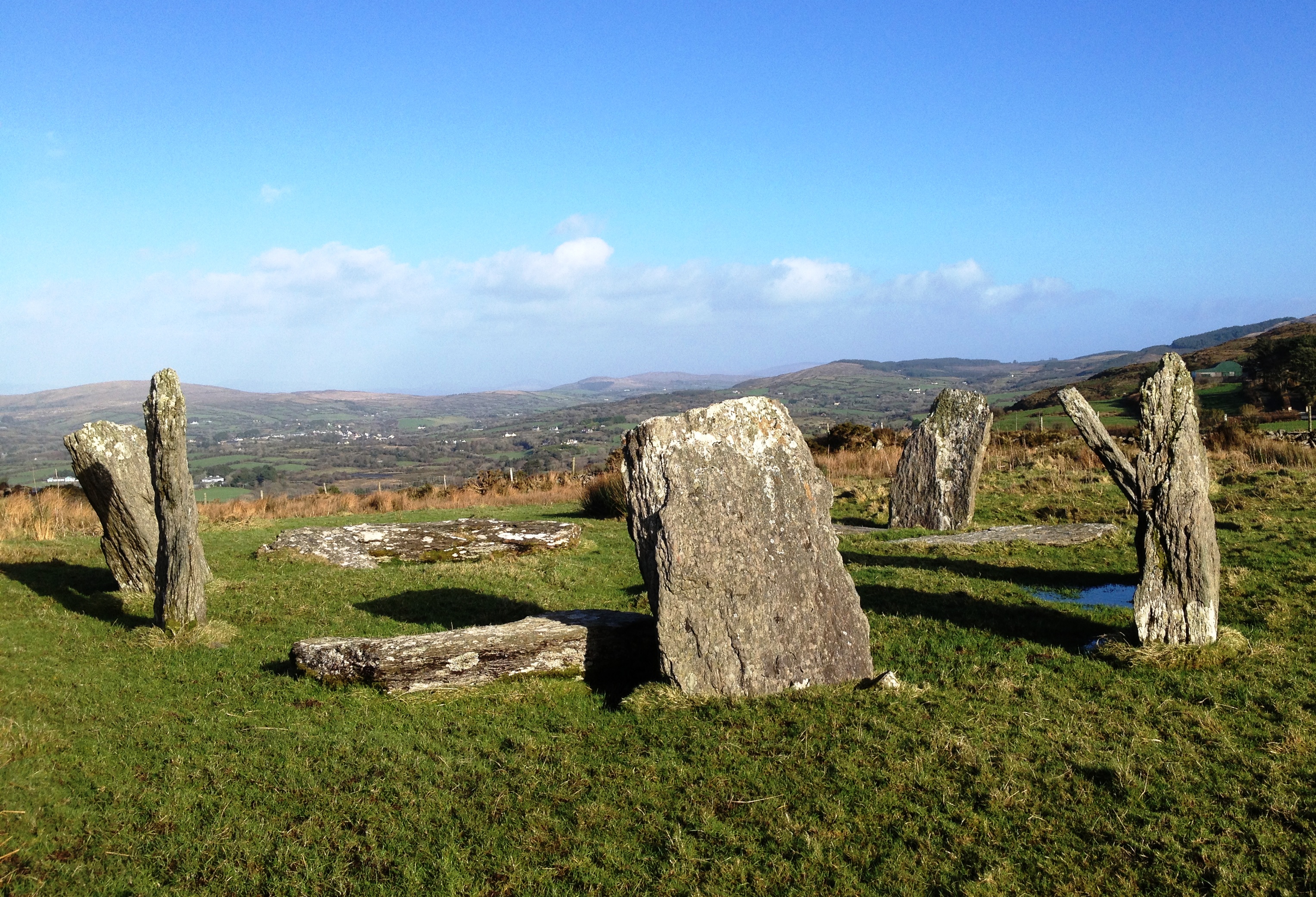
Dunbeacon Stone Circle

Dunbeacon Stone Circle

Ballyrisode Beach

Ballyrisode Beach

Dunmanus Bay

Dunmanus Bay

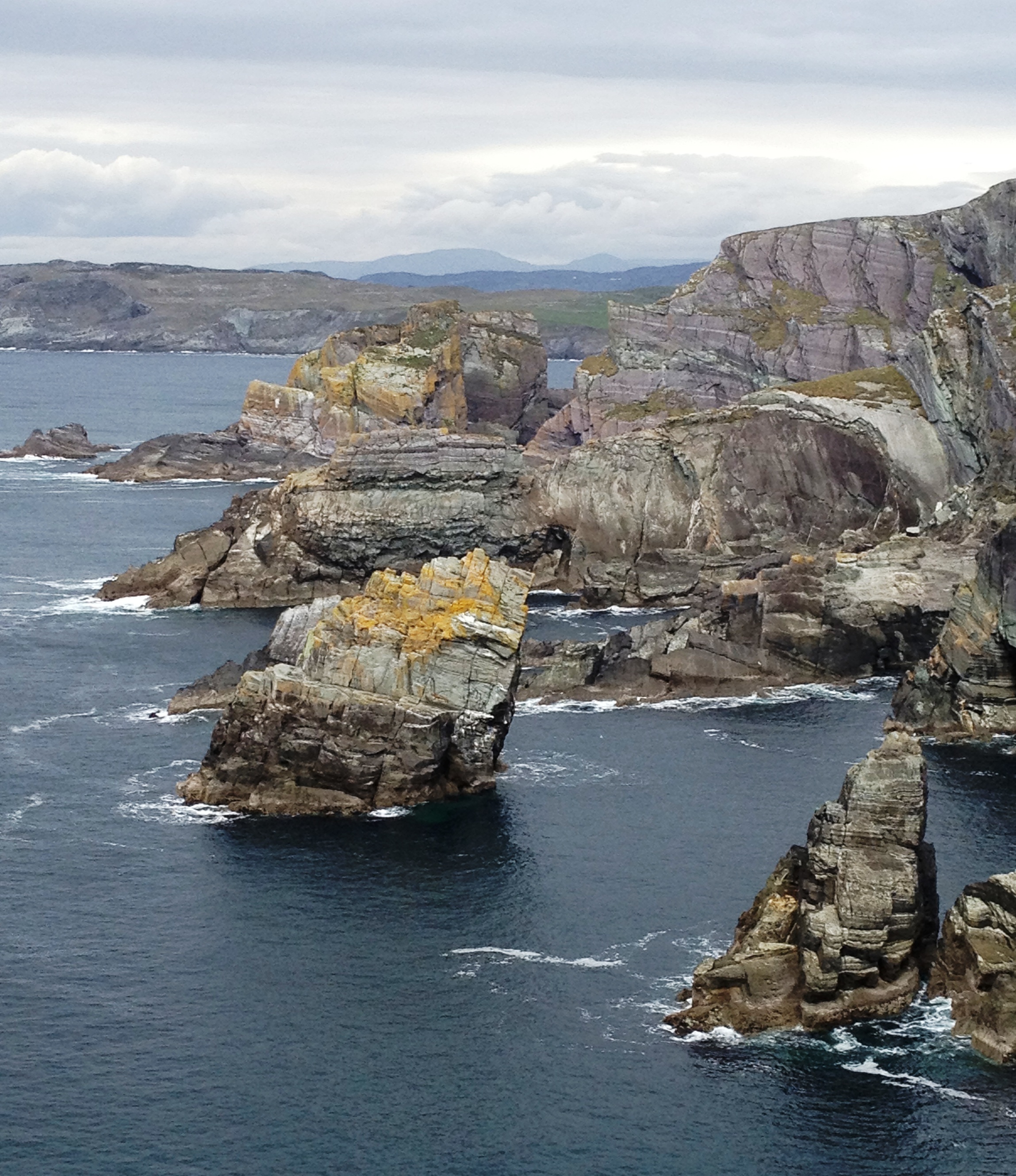
Mizen Head

Mizen Head

Dunmanus Harbour

Dunmanus Harbour

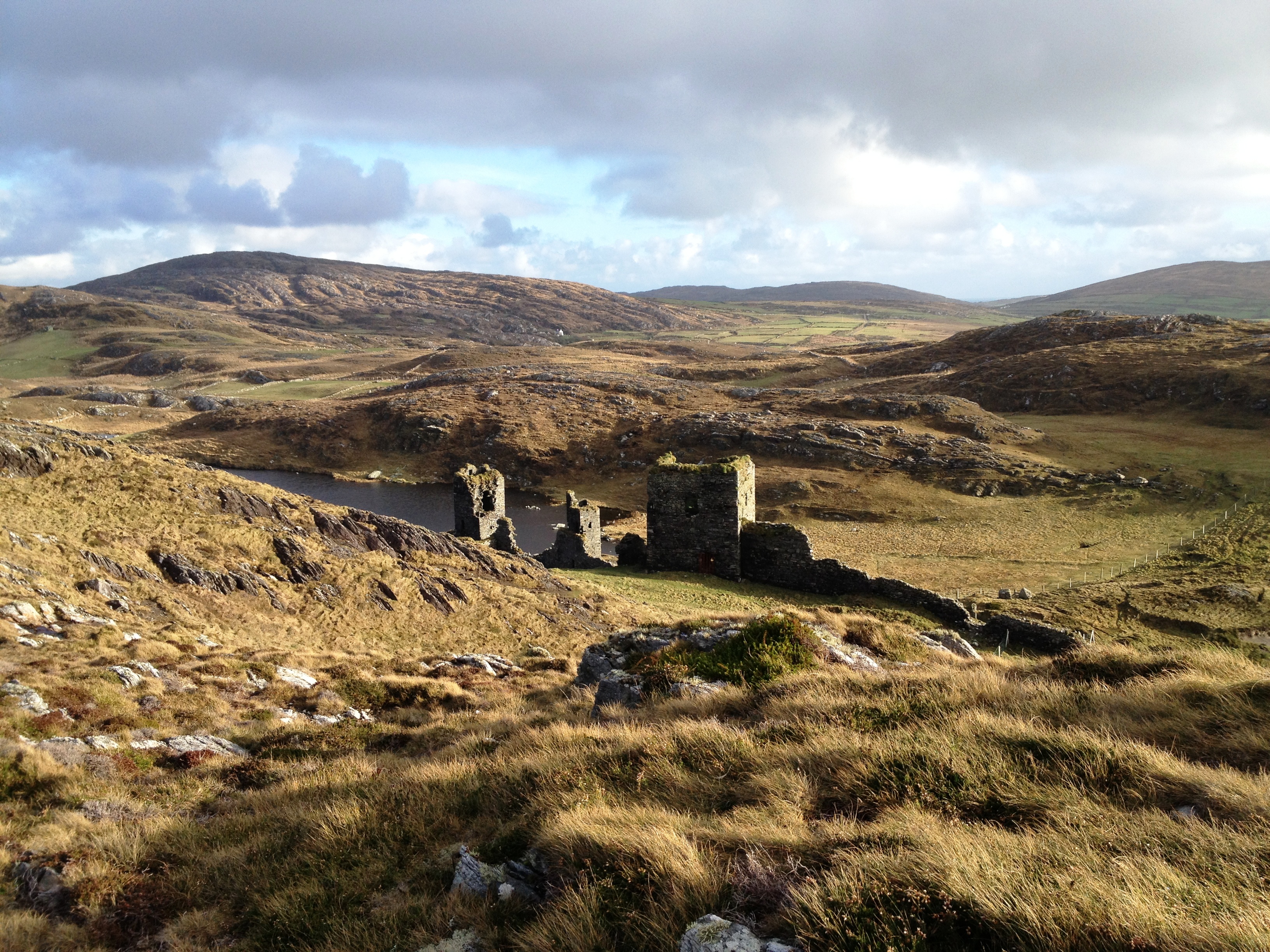
Three Castle Head

Three Castle Head

At Sea Level

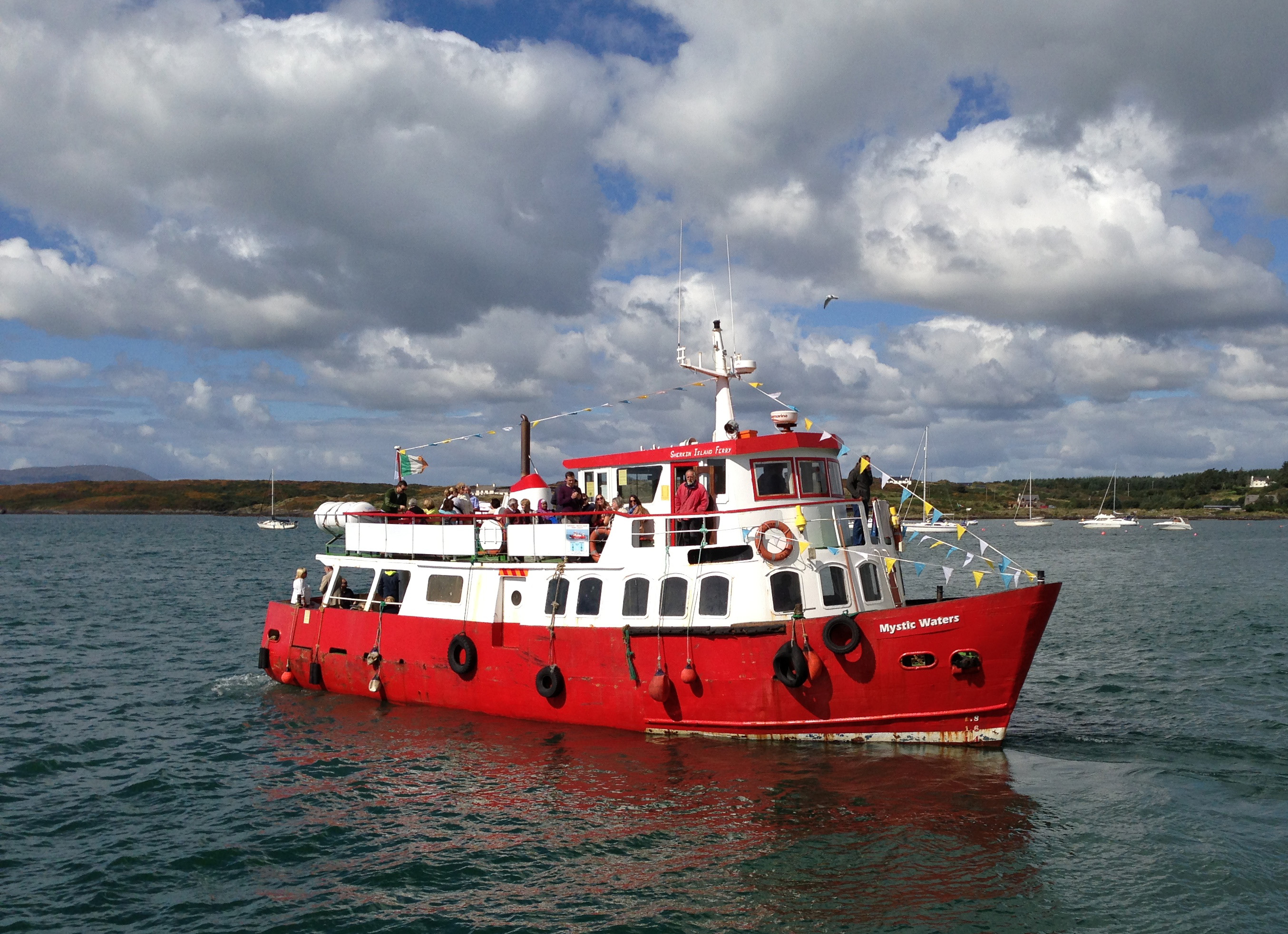
mysticwaters

THE SUMMER sun is falling soft on Carbery’s hundred isles,

The summer sun is gleaming still through Gabriel’s rough defiles;

Old Innisherkin’s crumbled fane looks like a moulting bird,

And in a calm and sleepy swell the ocean tide is heard…*

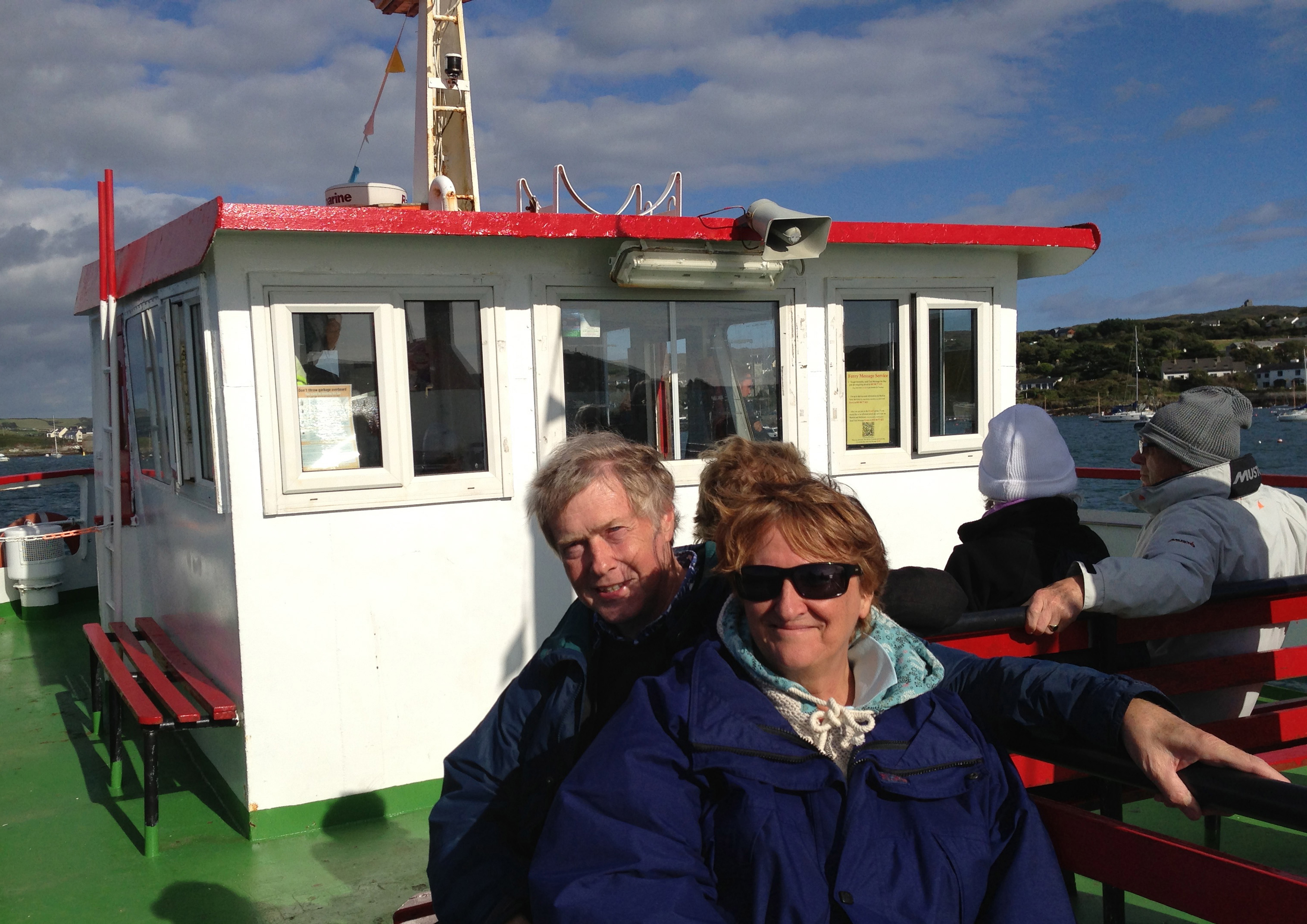
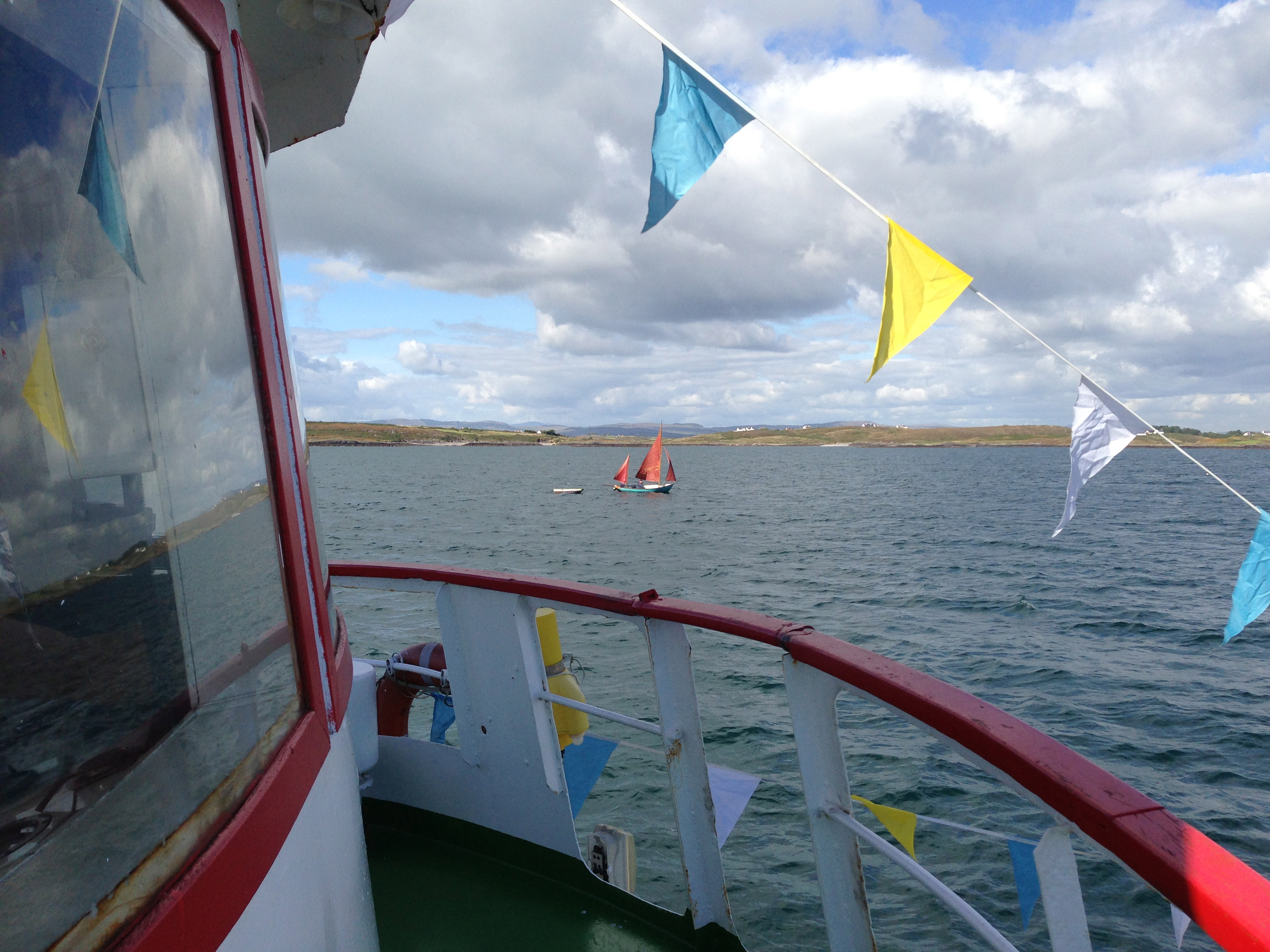
The little red boat that spends most of its days plying the ten minute crossing between the mainland and Sherkin island is occasionally let off its leash to go further afield and explore the Islands of Roaringwater Bay – ‘Carbery’s Hundred Isles’. We signed up for yesterday’s voyage: every day we look down over these waters from our nest up on the hill, and we welcomed the opportunity to explore our view from within it. This event was organised as part of the Taste of West Cork Food Festival, and we had the bonus of enjoying trays of good food and drink as we savoured the scenery.

carbery isles

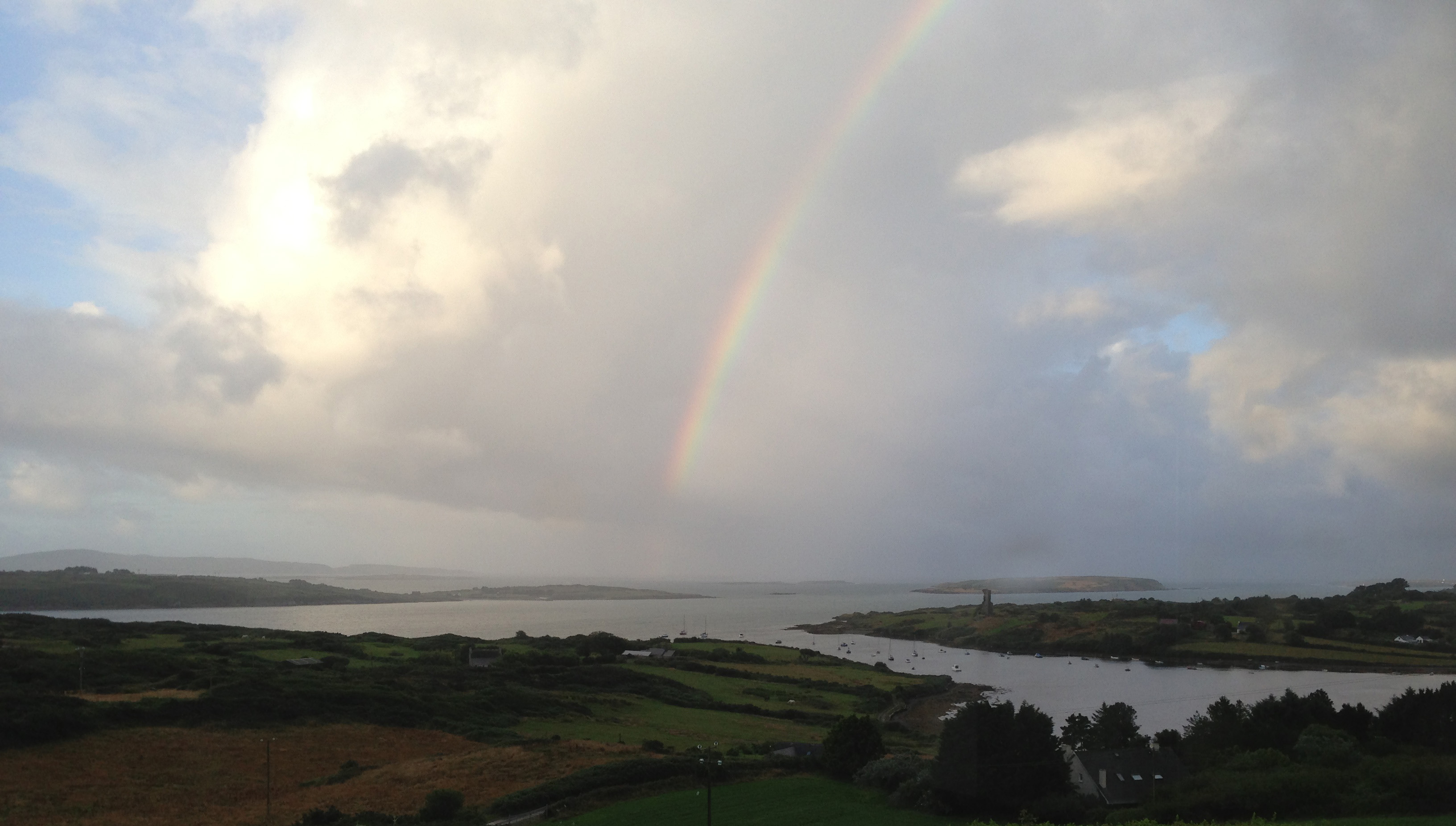
The late summer sun was certainly ‘falling soft’ as Mystic Waters pulled away from Baltimore. Perhaps it was the last of the summer sun as our view from Nead an Iolair today has gone! There’s not one island to be seen through the driving rain, and the Atlantic storm is sending our weather-vane spinning…

aboard

Some of the ‘Hundred Isles’ are little more than perches for gulls and cormorants, but a few are still inhabited – Clear, Sherkin, Hare and Long Island – while ruined evidence remains to show that many more have once supported small farmsteads – The Skeams, The Carthys, Calf Islands and Castle. Horse Island is the residence of one family – with plans to establish a distillery there.

A traditional Hare island lobster boat - sailing past Hare Island

A traditional Hare Island lobster boat – sailing past Hare Island

Middle Calf

Middle Calf

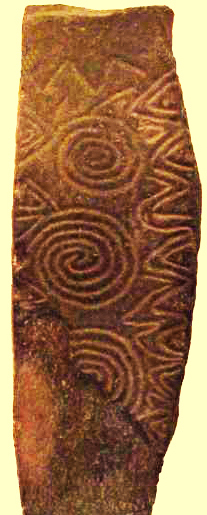
capeclearstone3We didn’t land on any of the islands yesterday: we hope to visit some in the future. My first goal is the Middle Calf – a Hare Haven! But we do need to catch up on some Rock Art. There are marked stones on Horse Island while Clear (an Irish speaking community – part of the Gealtacht) supports a Neolithic chambered tomb which once contained a remarkable artefact: a carved stone with spirals, lines and zigzags, much more akin to the decorated boulders of the Boyne Valley Culture than the cups and rings of West Cork and Kerry. The stone (now – sadly – removed to the Cork City Museum) was part of a passage grave sited on the highest point of the island. Like the huge Newgrange monuments, the passage here is aligned on a solstice sunrise. As we look out through the mist today it’s a sobering thought that a sophisticated, scientifically aware society resided on these remote islands over 5,000 years ago.

* This poem was written by Thomas Osbourne Davis (1814 – 1845) and records the Sack of Baltimore of 1631 when Barbary pirates raided the town and took over 100 residents into slavery.

Relaunching

Image

Nead an Iolair

We have returned to West Cork, to the house we bought overlooking Roaringwater Bay, and this time it’s for keeps. Our first month has been a whirlwind of unpacking, sorting, making the house our own, meeting neighbours and friends from our winter stay, and taking in everything West Cork has to offer in the summer. Within a few days of arriving we had been to markets, a play, and several concerts; spent a day at an agricultural fair and another on a beach; attended gallery openings and a classic boat gathering; participated once again in the Friday night music sessions in Ballydehob; hosted dinner parties and been hosted in return; in short – settled back into the marvellous rhythm of West Cork life, but this time as permanent residents.

 Cruinniú na mBád: Ballydehob boat gathering

Cruinniú na mBád: Ballydehob boat gathering

We will be writing in Roaringwater Journal about aspects of life and why we love it here. An enormous part of it all, of course, is the people we meet – their open welcome and friendly acceptance has made us feel at home. But it’s more than that: people here are still close to the land, fiercely proud of this area, keepers of the lore and the history and uniquely expressive. Everyone loves to talk, so you’d better not be in a hurry. Today, for example…

After a late night at the session (made exceptional by the addition of a group of French musicians) we had slept in a bit and decided to head into Skibbereen to breakfast and the market. But even though it’s Saturday here comes Ger, the electrician, with the replacement bathroom fan. Abandoning the plan, we made breakfast for all of us and Ger, having installed the fan, regaled us with stories of the townland he comes from, a mile down the road. We told him we had tramped up and down the roads there, the other day, looking for a piece of rock art, a large boulder with cupmarks on the top, and couldn’t find it. He grinned, “’Tis in my yard,” he said. “The legend is that Finn McCool threw it down from Mount Gabriel.” We made a date to go next week to record it and moved on to discussing the theatre. Ger is an actor and knowledgeable dramatist and, over the eggs and toast, he gave us an insightful review of the recent “Fit Up Theatre” productions (excellent!) we had been going to.

West Cork Arts Centre

West Cork Arts Centre

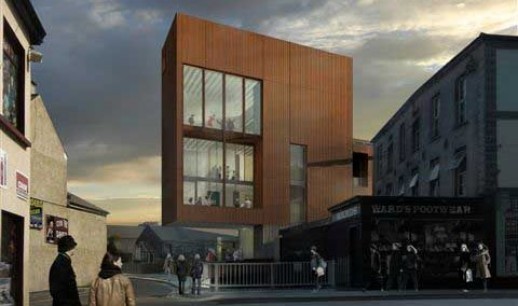
Then it was off to Skibb, to see if Richard, the cable guy, could come back and finish installing the wireless network in the house. In the store, the manager, who turned out to be Richard’s father, explained to us that Richard was on a hurling team that had just won the County finals for their division and needed to celebrate. With a twinkle in his eye, he suggested that we not look out for him before Wednesday. And while we were waiting, he added, why didn’t we take in this great presentation on Tuesday night, for which he would be delighted to sell us tickets. Half an hour later, we left the store, having been brought up to date on the plans for a new Arts Centre and been told the history of his name, family and business.

First Visitors

First Visitors

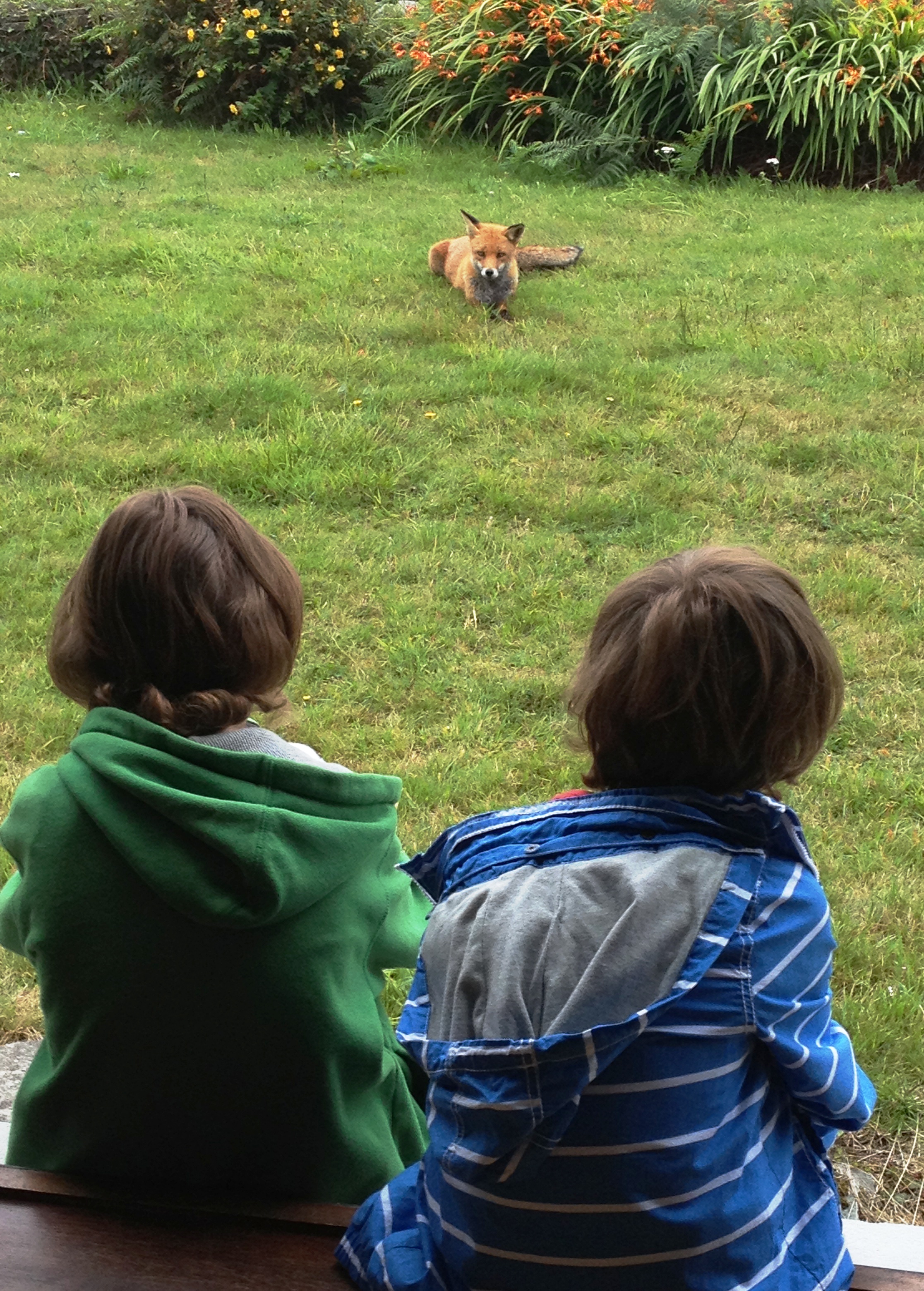
And so go our days. The summer is winding down and the villages will soon lose the tourist-mecca bustle. Already many of the houses in our little cove have the blinds down as their owners return to the city. There’s a slight hint of autumn in the evenings. Our walks are slowed by the temptations offered by the blackberry brambles, our mornings enlivened by visits from Ferdia, our friendly fox.

From Canada and from England, from cities, from careers and responsibilities, from vastly different lives, we have come together to this extraordinary place.

And now here we are – at home in West Cork.

The Last Post

The view from Nead an Iollair

The view from Nead an Iolair

The time has come to say goodbye to West Cork. Yes, it really has been six months, and we leave next Thursday.

But here’s the thing. If it isn’t obvious how much we have enjoyed it here, then let us spell it out – we have LOVED our time here, in Ballydehob, in West Cork, and in Ard Glas.

In fact we have loved it so much that we are buying a house! It’s the perfect house for us, with views across our beloved Roaringwater Bay, and lots of room for entertaining family and friends. We intend to call the house ‘Nead an Iolair’ – it’s pronounced Nad on Uller, and it means Eagle’s Nest. We will return this summer, although we don’t have an exact date. We plan to resume the blog when we return, although perhaps with some differences. At the very least our sub-title, Six Months in West Cork, will be changing. If you haven’t yet clicked the “Follow” button and left your email address, do it now – that way you will be notified when the blog starts up again.

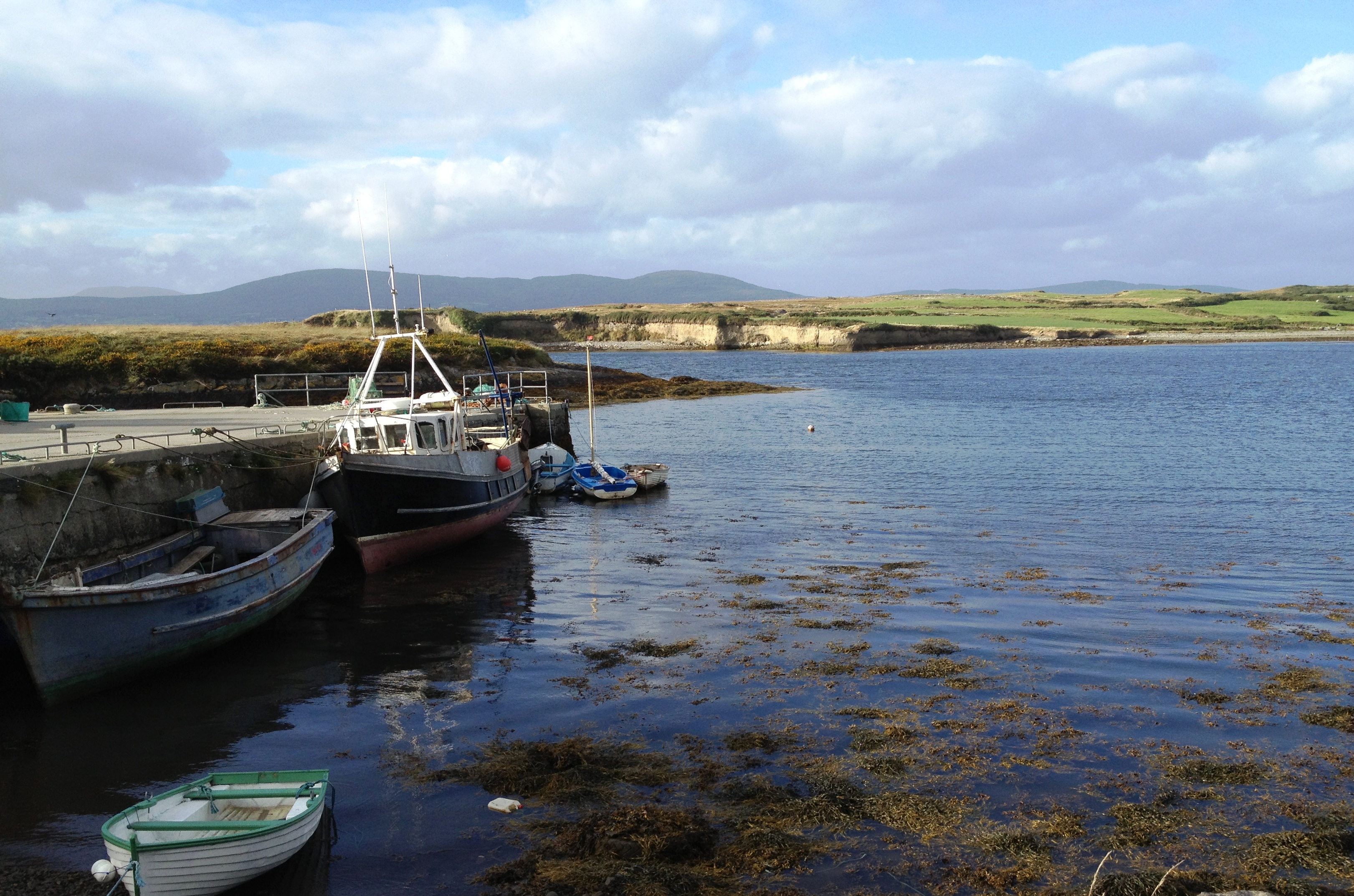
Peaceful Harbour, West Cork

Peaceful Harbour, West Cork

And so, dear reader, we have a couple of questions for you. Even if you’ve been shy about commenting in the past, make an exception now and tell us –

Which posts, or which kinds of posts, have you most enjoyed?

What do you want us to write about that we haven’t yet covered?

And now, until we meet again…

May the road rise to meet you,

May the wind be always at your back,

And may you be in heaven half an hour

Before the Divil knows you’re dead.

Finola and Robert

Another Day in Paradise

Another Day in Paradise