West Cork Speak: Lessons 1 and 2

The scenic route

The scenic route

Stories abound of hapless tourists convinced that the locals were speaking to them in Irish (which foreigners typically call Gaelic) and finding afterwards that in fact it was English. (For an amusing twist on this idea see the excellent short film: Yu Ming is Ainm Dom.)

The sing-song burr of English as she is spoke in West Cork can be impenetrable to non-natives. For those planning a visit, therefore, I thought I would do the world a favour and provide a primer on sounding like a native.

Lesson 1: Grand and Like

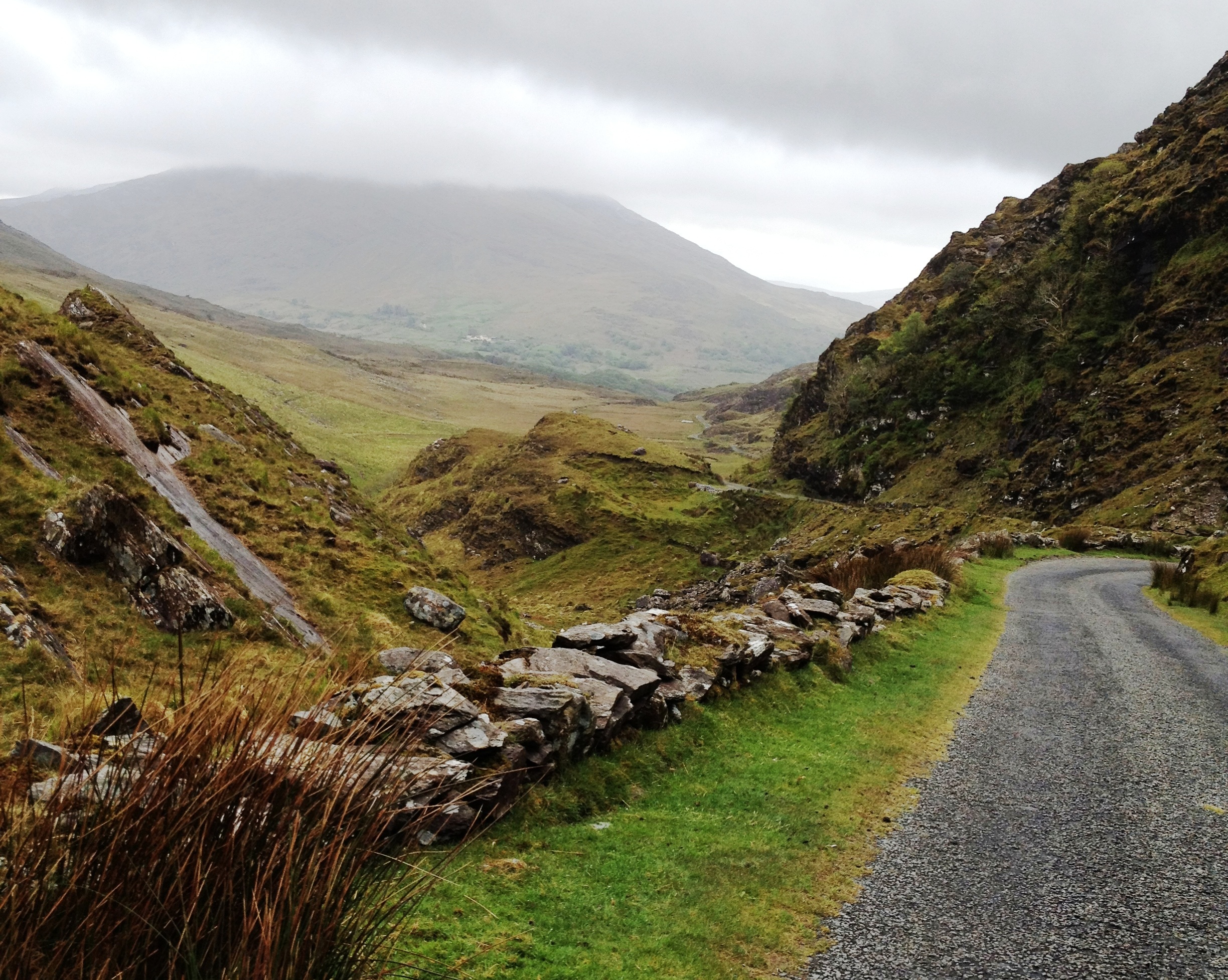
The first thing to know is that you put like at the end of every sentence, and the word grand somewhere within it. I’ll give you an example. You have hired a car and chosen a route marked on the map as scenic. You find yourself inching along a potholed track that clings perilously to a mountain side, with yawning cliffs beneath and a mountain with a cross on it above. You are sure you have gone astray and are on a long abandoned road to nowhere. You are about to turn back (but how? The road is barely wide enough for your car) when around a bend comes a tractor, bucketing and swaying, driven by a genial man in a cloth cap. Through some miraculous process that you can’t afterwards describe, he manages to find enough ground to pull over to let you pass. You roll down your window and ask him if the road is passable ahead. He looks puzzled, then realizes you are a tourist and assures you “’Tis a grand road, like.”

'Tis a grand road

‘Tis a grand road

You are now in possession of a word, Grand, that is appropriate for all possible occasions and can be used in the most prodigal manner. Indeed, you can’t go wrong with it.

keep-calm-it-ll-be-grandHow are you? I’m grand. Better – I’m grand, thank God.

How is your husband? Himself? The back was playing up, but sure he’s grand now, thank God.

Oh, sorry – I can see I am in your way. Ah no, you’re grand.

I’ve just broken both arms and the bank is repossessing my house. Ah sure, it’ll be grand, like.

Lesson 2: Now and So

Together with Grand and Like, Now and So will get you through a surprising number of situations. Although they can be used interchangeably on occasion, they also have distinctive nuances. Now is the one that every waitress will say to you as she appears to take your order and as she delivers your food. It announces that she is here to look after things and you can relax. Its versatility doesn’t rest here – if delivered in a forthright or perky manner you can use it to indicate that you are ready for whatever the day holds as you head out the door, that you are settling down to a good conversation about your neighbours, that the kettle has just boiled, or that it’s your partners turn to hit the ball. If you say it with a slow or sad inflection – ah, now – you can use it to deflect an insult or express sympathy with one who suffers.

So contains a hint of expectancy – So, breakfast is served at 8; So, is it from Canada you are?; So, that will be twelve euros.

But the real trick is to use them together properly – Now so, or so now.

So now is a good one as you settle into a corner of the sofa for a chat: So now, Maureen, I hear Donal up the road was seen in Dunmanway last week with that American woman.

Now so can be used to wind up the conversation: Now so, I’d better be going or himself will be roaring for his dinner, like.

Now so, you’re all set for the first day of your holiday in West Cork. Yes, they drive on the left but just take your time, like, and it’ll be grand. And once you get into the rhythm of life here you’ll be ready for lesson 3 – how to manipulate every sentence into the conditional tense. Perhaps we will also touch on one of the truest Cork talents: how to insert multiple vowel sounds into the word no.

I Can't Do It

I Can’t Do It

Meanwhile, if you want to get a true flavour of the accent, try viewing some of the Sminky Shorts by the talented  Andrew James on YouTube. Be warned – the language is atrocious in some of them – back away NOW if this offends you. Otherwise, start with the Chicken Audition or the Nervous Horse.
Bay of Rainbows

rbphoto

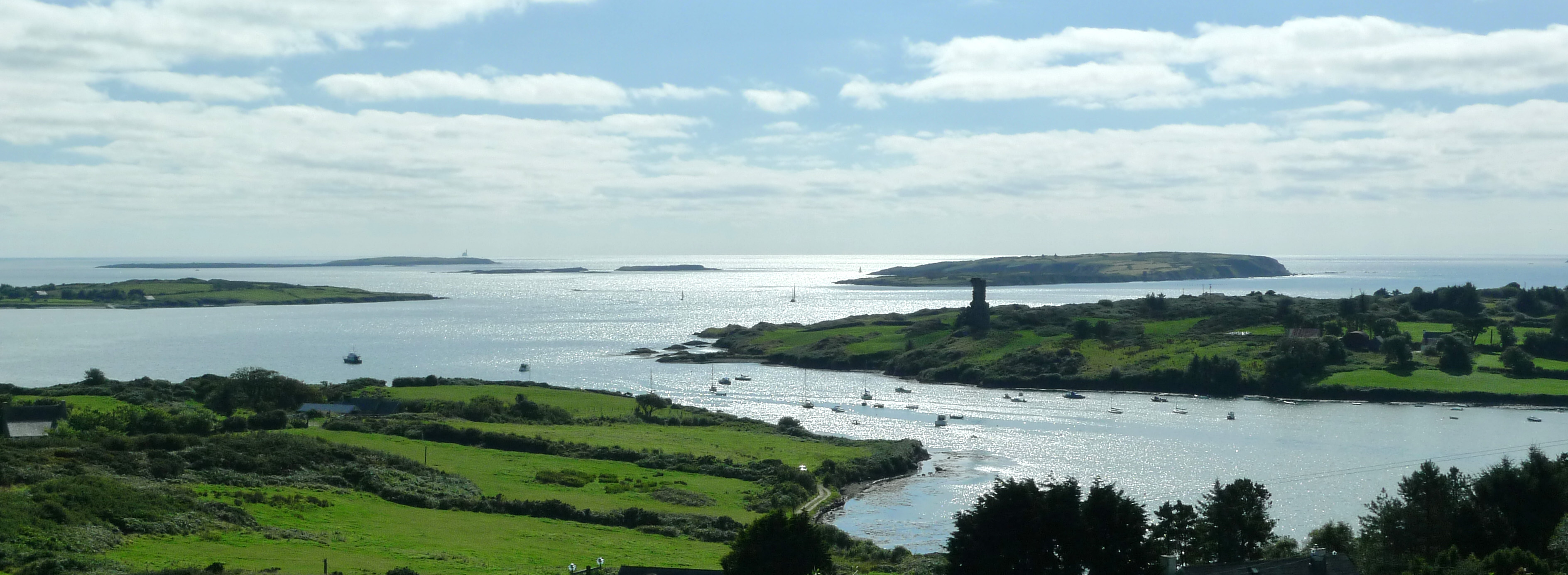
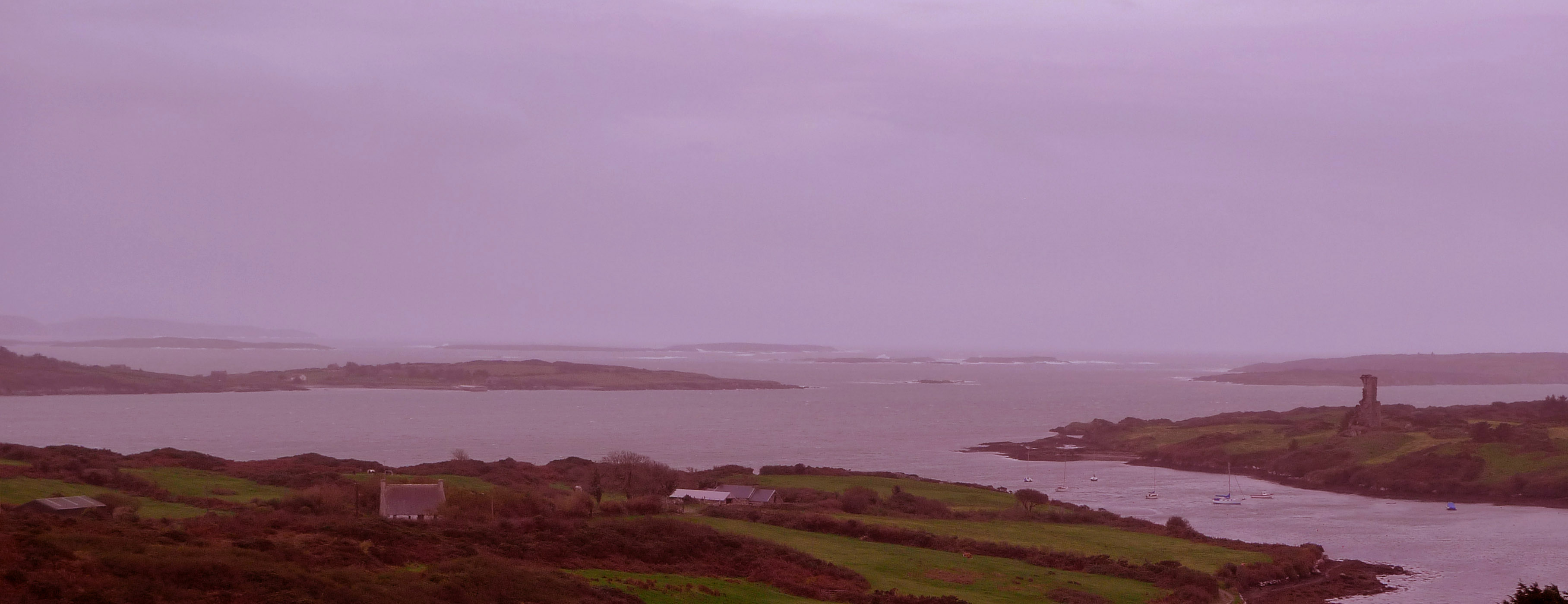
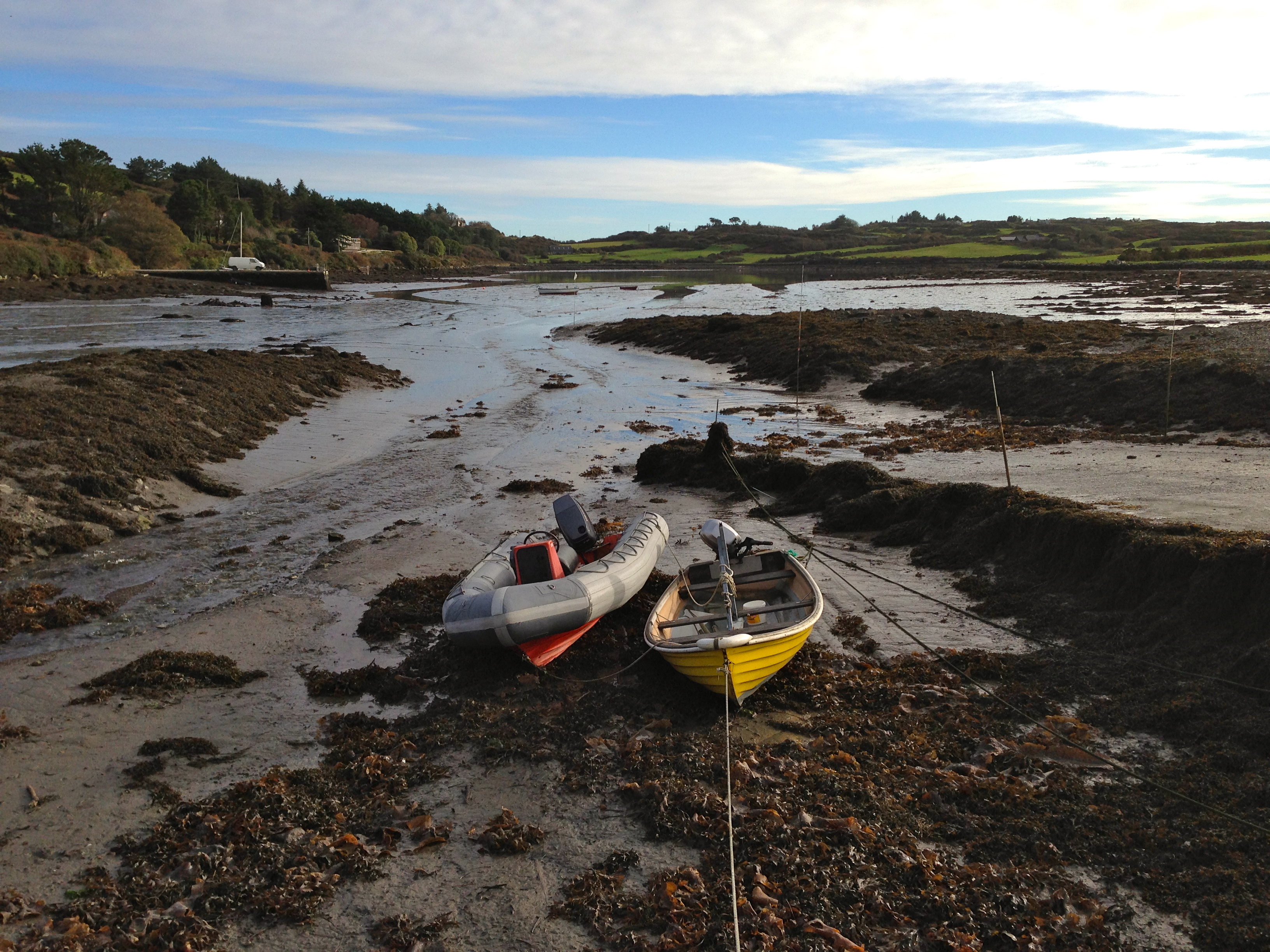
It’s a five minute walk down the hill from Nead an Iolair to the water at Rossbrin Cove (and a ten minute walk back up!). I do that walk as often as possible, and I grow ever fonder of this secluded place. I’m always on the lookout for birds: when the tide is low the natural inlet is a large mudflat – ideal territory for waders (Curlews, Oystercatchers), Gulls, Ducks and – occasionally – Divers. I often see the mussel boat working just outside the Cove: there is a network of mussel beds in Roaringwater Bay. The mussels Mytilus Edulis are grown in polyester ‘socks’ hanging from ropes attached to buoys, long lines of which can be seen on the surface of the water between the Cove and the islands. The mussel boat is a strangely complicated piece of floating machinery, having on board heavy winches and drums for winding in the ropes. Altogether smaller are the lobster and shrimping boats – one-man operations which also set out buoys to identify where their pots are put down. I know when the lobster boat is out: there is a white van down on the pier, usually with an elderly Collie asleep underneath it.

low tide

Low tide

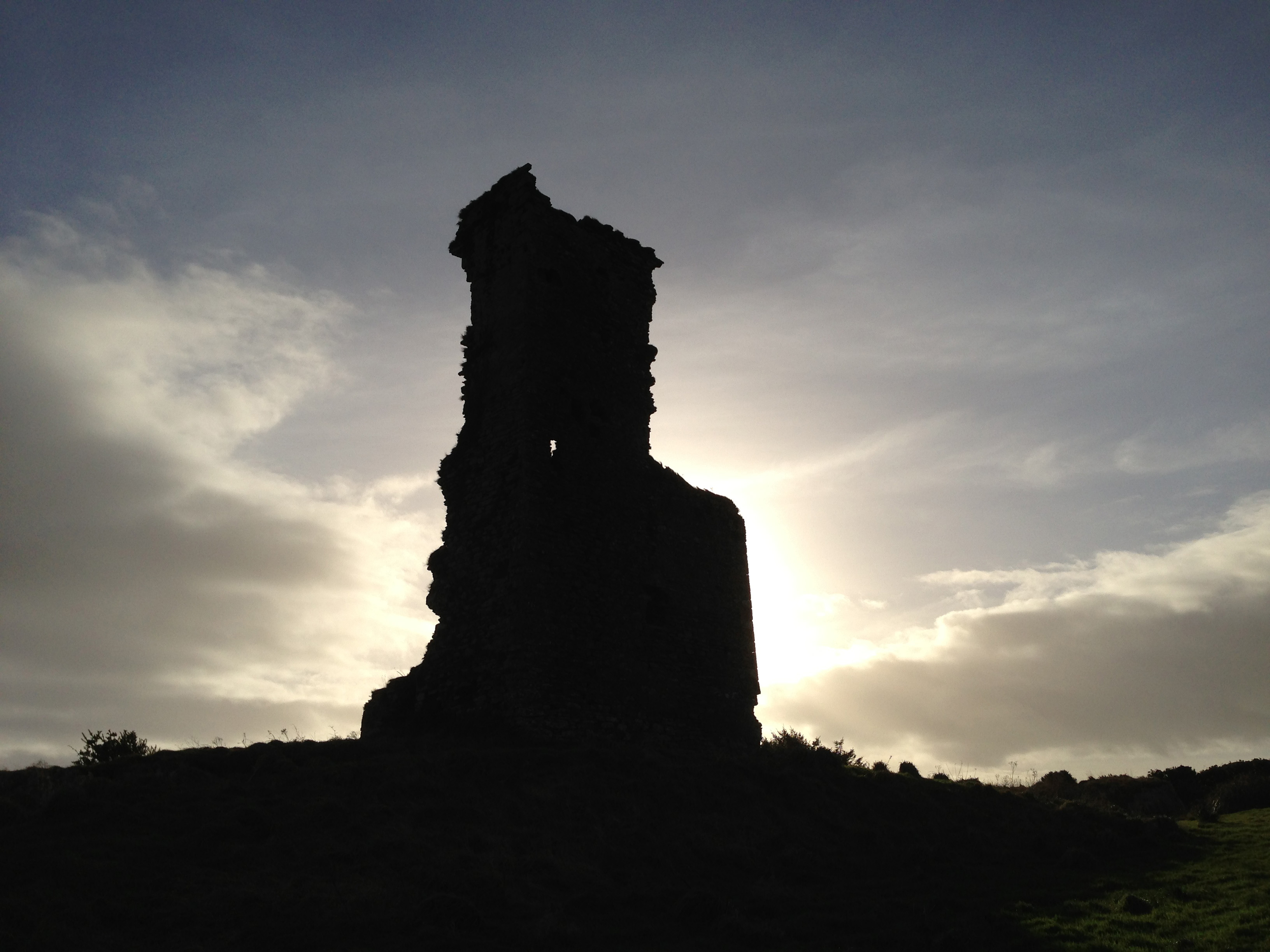
From our perch up here we can see six castles, the most prominent being Finghinn O’Mahony’s which once guarded the entrance to the Cove. It’s in a poor state now – quite a lot of the stonework has fallen in the last ten years. The castle and its acreage were recently sold and there is talk of some strengthening of the ruin being put in hand to prevent its complete loss. It’s a great piece of history, well worth preserving. In medieval times Finghinn – the Scholar Prince – presided, here, over one of the great centres of learning in Europe, and in the British Museum there is a leather bound volume scribed at the castle during his time which has never been translated from the Irish. It’s strange to walk along the shoreline, to experience the peace and remoteness, and to remember that this was once a hotbed of knowledge and also a hub for large French and Spanish fishing fleets in the fifteenth and sixteenth centuries, all paying their dues to the O’Mahony septs (Irish clans) for rights and protection. These rights were worth thousands: West Cork was a wealthy place then – far away from the tax collector!

Rossbrin Castle - at the centre of the Medieval world

Rossbrin Castle – at the centre of the Medieval world

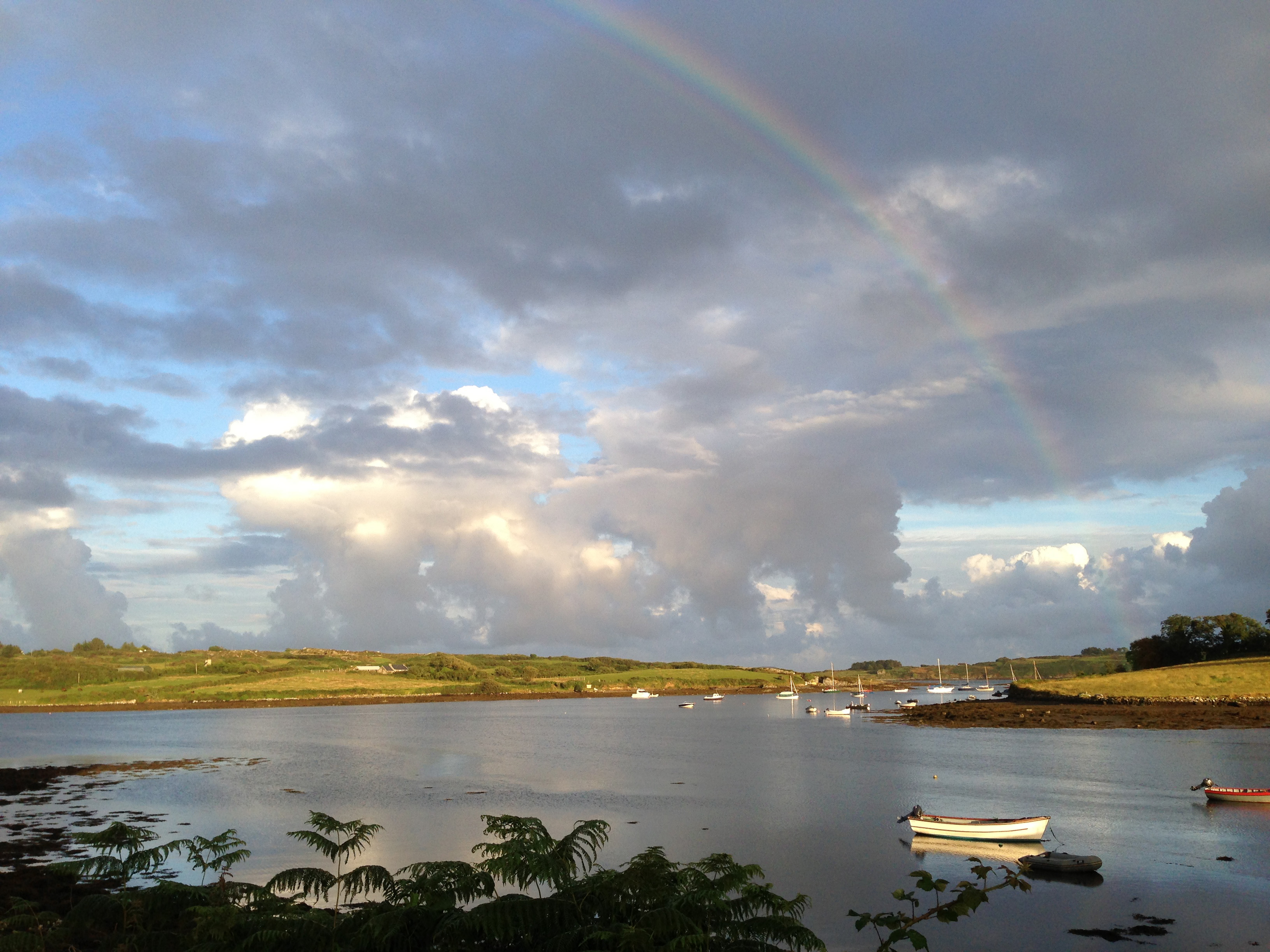
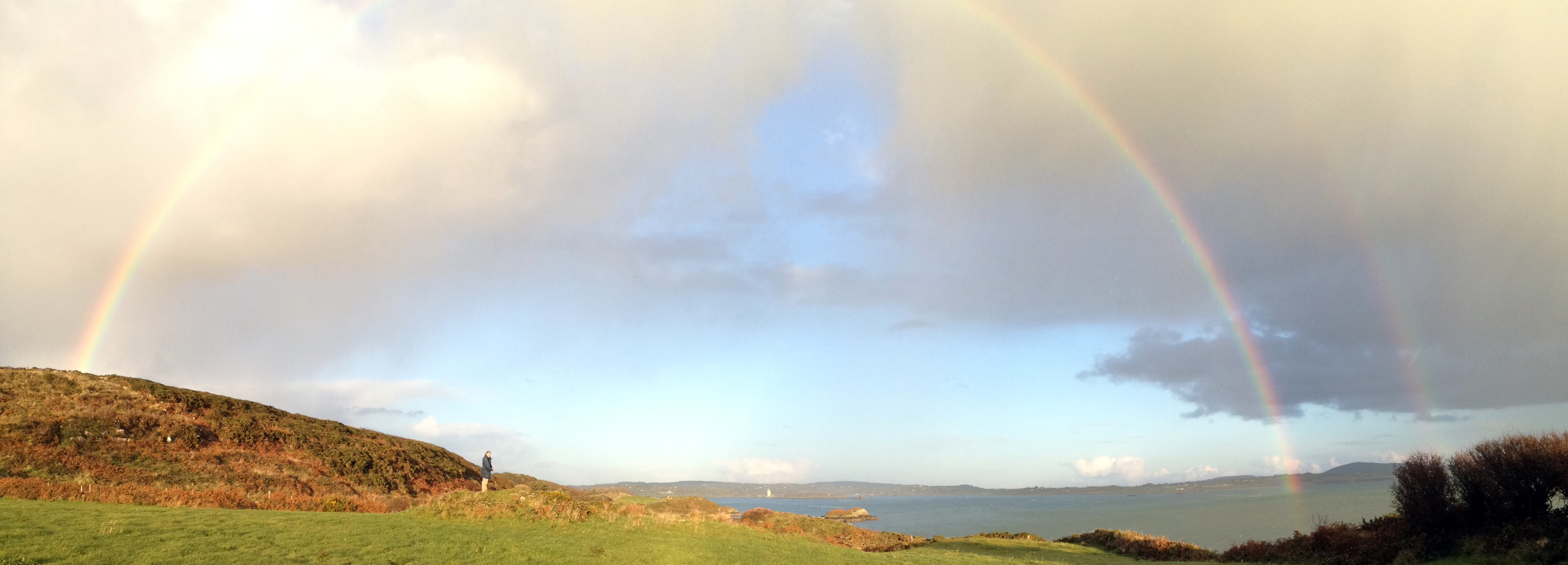
Today we walked out to the edge of the Cove, searching for an ancient cillín (look out Finola’s post for a definition). We are not sure whether we found that, but we did see some very strange field boundaries and a possible unrecorded cup-marked stone. We started out in sunshine but – as often happens here – we were caught out by a sudden storm squall blowing across from the Atlantic: we were soaked. But the reward was a superb rainbow spanning from south to north horizons. Central to it was a shaft of sunlight lighting up Jeremy Irons’ castle at Kilcoe.

Holy well

Holy well (well, possibly the site of one…)

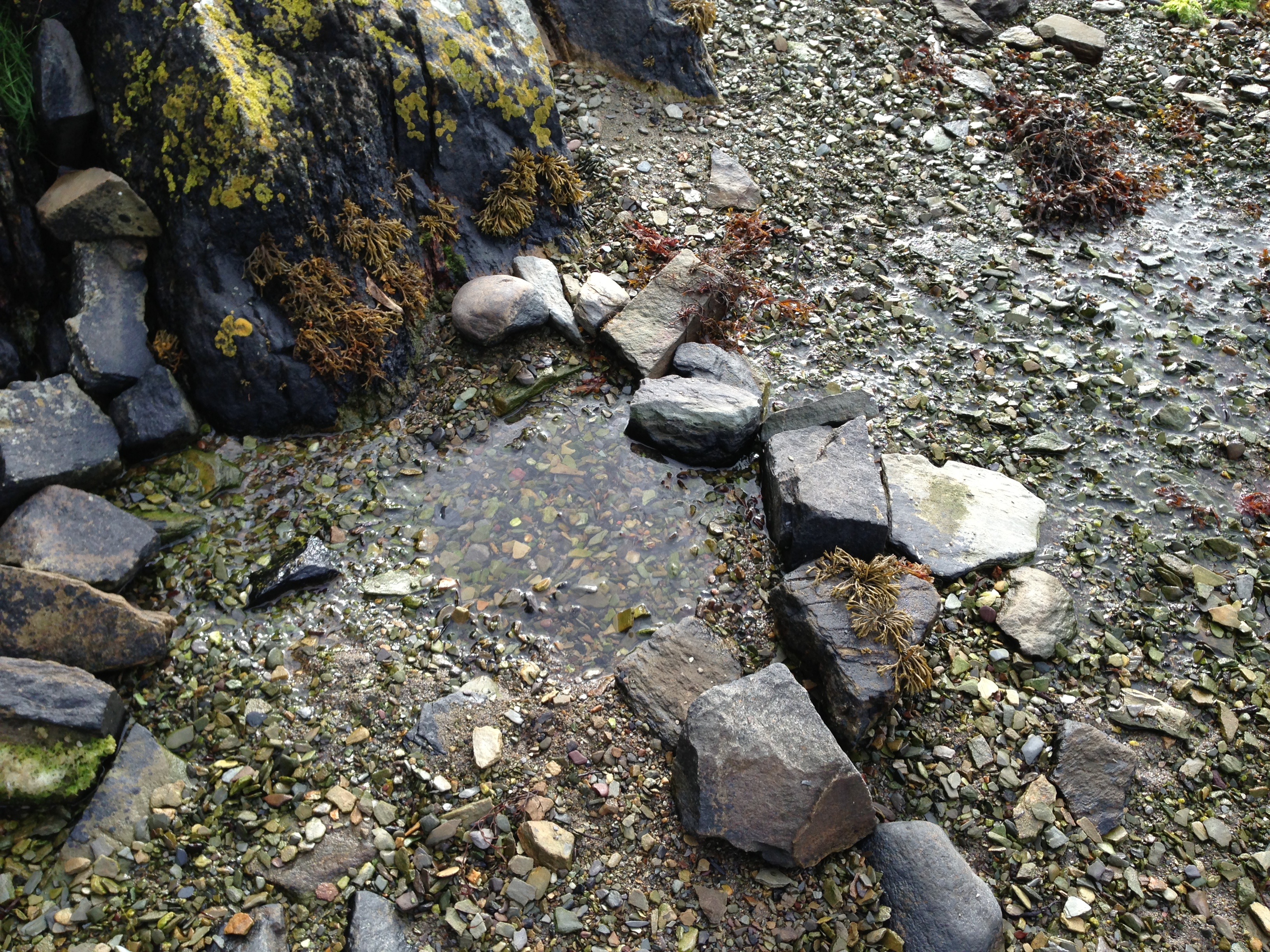
The Cove abounds in history: there is a holy well marked on the old maps, right on the north shore. All that can be seen there now is a spring – presumably of fresh water – which is immersed at high tide. It’s fascinating to think what meaning this once had for those who dwelled here – and long before the time of the Scholar Prince. There is at least one Fairy Fort close to the water, while high above and overlooking the Cove is the enigmatic Bishops Luck standing stone. In more modern times there was extensive copper mining – our Calor gas tank at Nead an Iolair is supposed to be situated over an infilled shaft!

cove

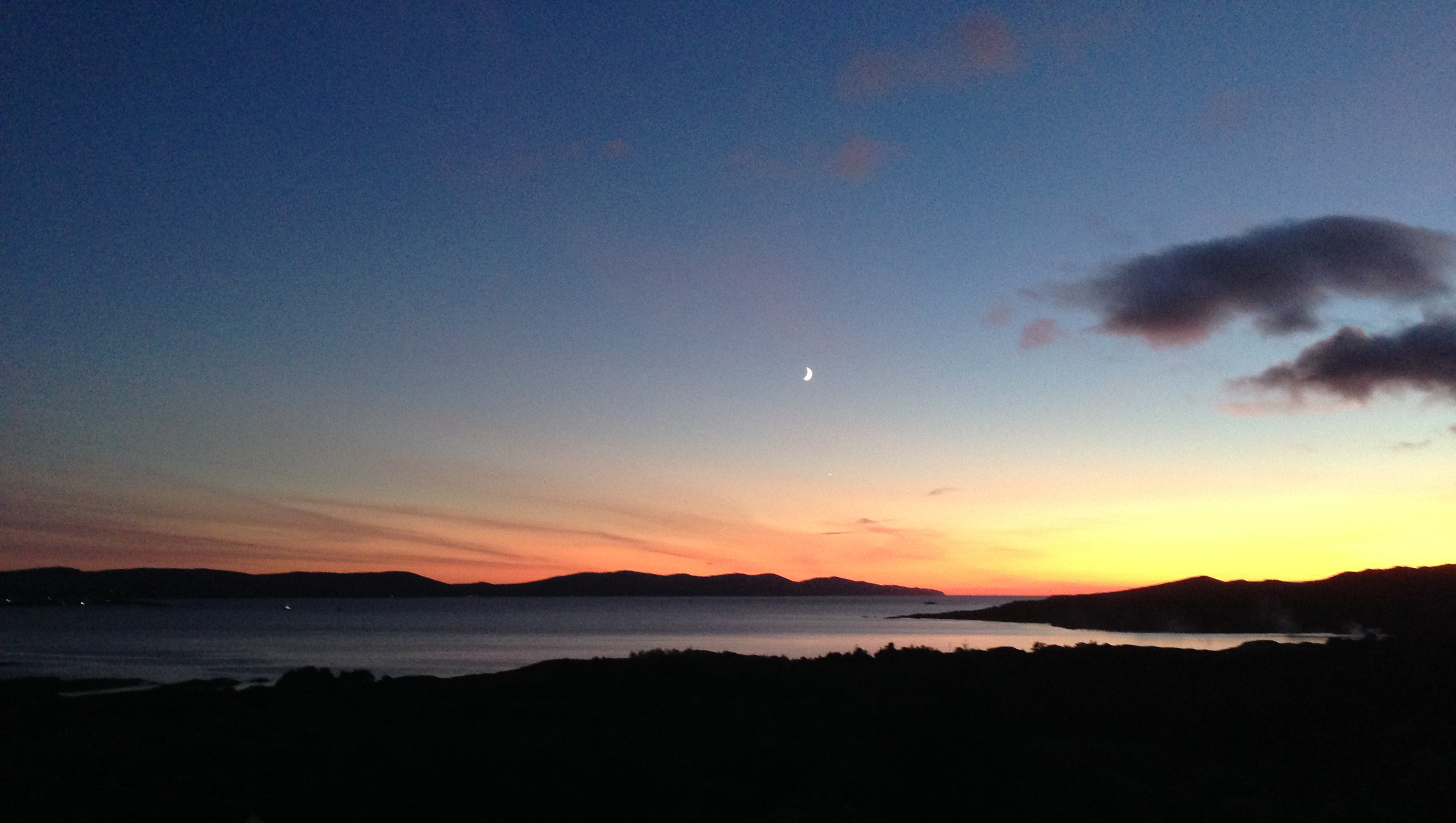
Mines; standing stones; Fairy Forts; medieval castles and manuscripts; holy wells; mussel farming; lobsters, shrimps et al… We are surrounded by evidence of human endeavour going back thousands of years. Through it all the natural world continues regardless: the sun rises, the moon wanes, storms blow in, seasons turn; the tides bring daily changes to the shoreline – and the rainbows are our evanescent doorstep miracles…

cove1

moon2

Making Butter

Robert take a turn, supervised by Kevin and young butter maker

Robert takes a turn, supervised by Kevin and young butter maker

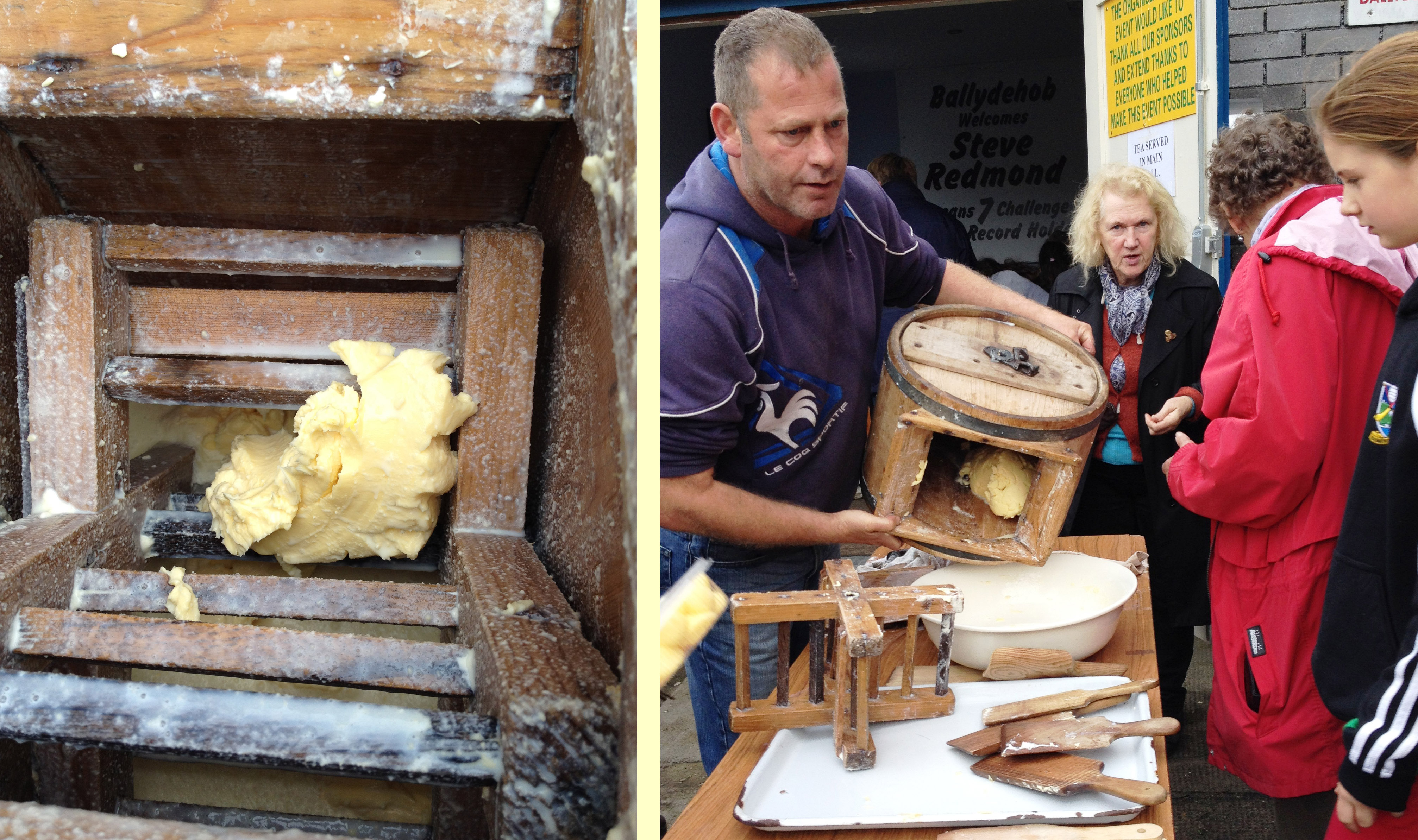
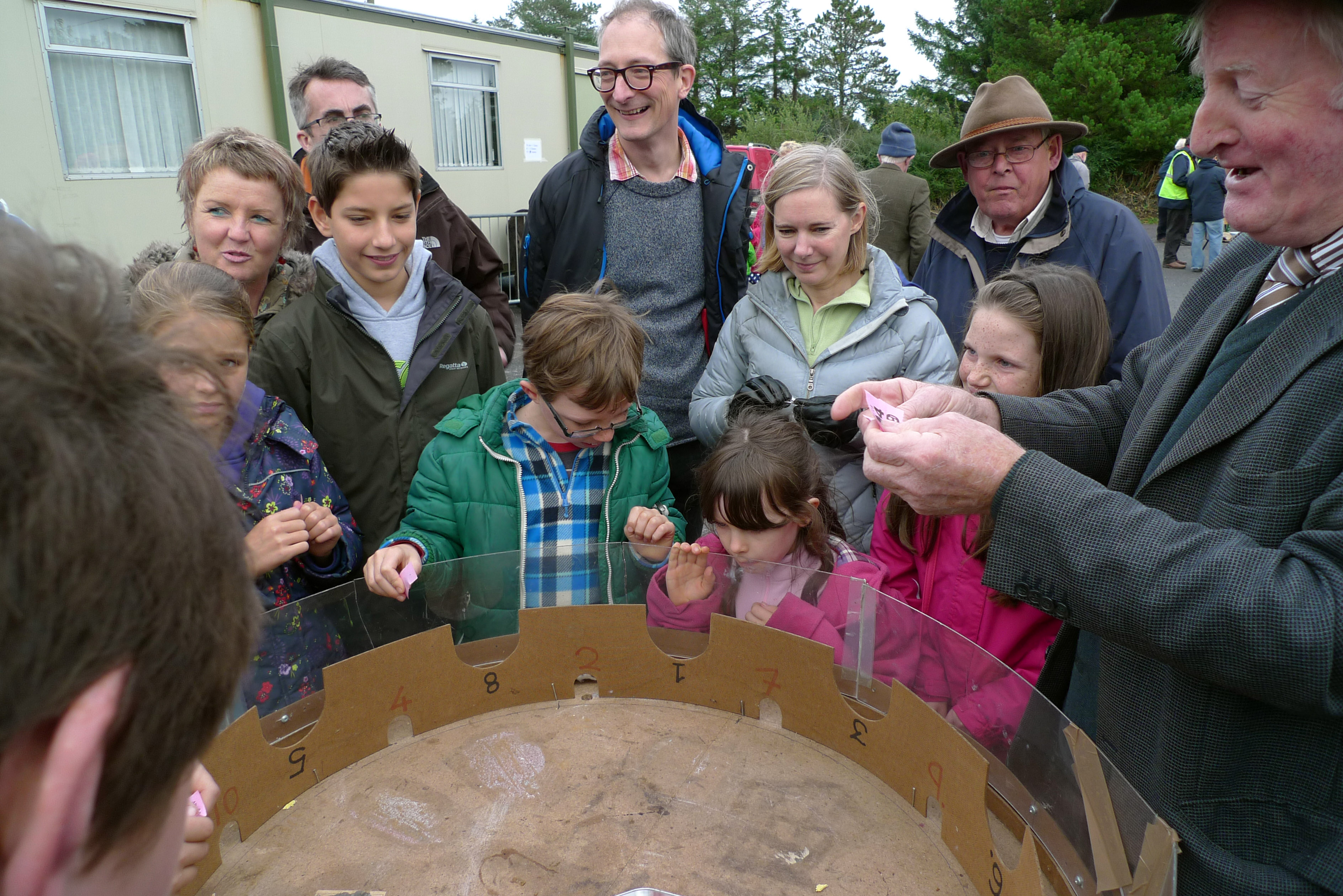
At the recent Autumn Fair (known as the Thrashing) in Ballydehob, Robert and I got a chance to take a turn at the butter churn and to watch the magical transformation of milk into butter and buttermilk.

Pouring off the buttermilk

Pouring off the buttermilk

It's ready!

It’s ready!

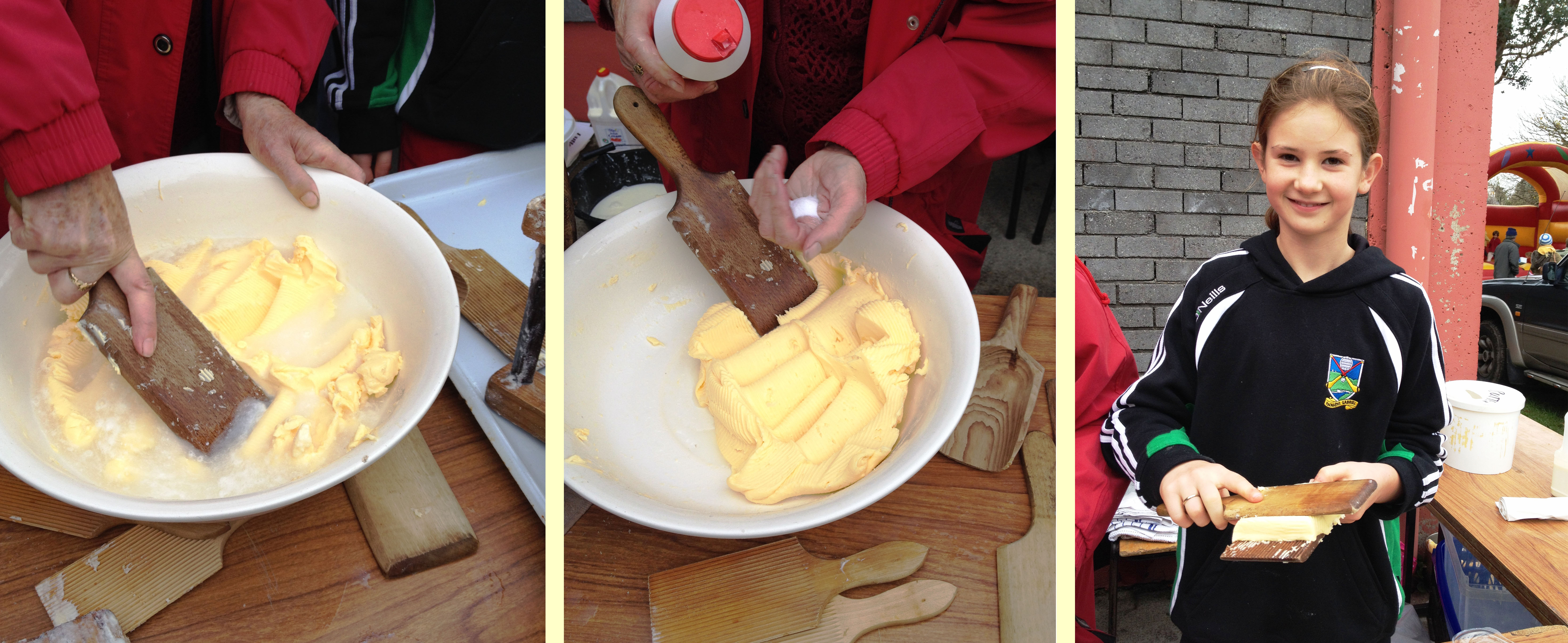
Washing, salting, shaping

Washing, salting, shaping

To reward us for all that labour (turning that handle was so hard), we had a butter feast – homemade soda bread made using the buttermilk, with homemade butter and homemade jam. There are lots of good Irish soda bread recipes on the internet: here’s the one I used. And yes, you can get buttermilk in North America – take a really good look on the milk shelves and you’ll see it lurking in a corner near the cream.

Homemade soda bread by the fire.

Homemade soda bread by the fire

Homemade jam – this is a fabulous five minute jam recipe I found from a link on a friend’s Facebook page and adapted slightly. Mine is blackberry (bumper crop this year!) but you could use any berry you want.

1 cup blackberries

1 tbsp honey

1 tbsp warm water

1 tbsp chia seeds

Blend (in a blender) and pour into something (yogurt container? Glass?). Put in fridge for an hour. Hey presto – delicious jam! The chia seeds jellify and that’s what binds the jam. You have to keep this jam in the fridge and eat it within a couple of weeks, since it’s not cooked. It will freeze well. I was introduced to chia years ago by my friend Christi from El Salvador. It’s available in supermarkets and health food stores.

Unknown Souls

Unmarked gaves

Unmarked graves in a section of a Protestant churchyard

Dotted across the countryside around us, and throughout Ireland, are the loneliest places on earth. These are the cillíní – the children’s graveyards. A cill (kill) is a monk’s cell or church site, cillín (killeen) is the diminutive and cillíní (killeenee) is the plural: small churches. Ironically, the cillíní despite their names were usually non-church sites. They were burial grounds reserved for unbaptised children (those who died before they could be baptised or were perhaps born out of wedlock), pregnant women (because they were carrying unbaptised children), unrepentant murderers, suicides, shipwreck victims and strangers – anyone, in short, who was not ‘saved’ or whose baptismal status was ambiguous or unknown. They were used into the twentieth century. Some cillíní were also used for mass burials during the time of the famine.

Also used for mass famine burials

This burial ground was used as a mass grave during the famine

This week we attended a fascinating talk on cillíní by William Casey, a local historian. As he explained it, the teachings of the Catholic Church on where unbaptised babies go after death had evolved from a position of ‘they go to hell’ (Augustine, 4th century) to a more moderate invention of the concept of Limbo (Thomas Aquinas, 13th century) – an in-between place where these lost souls would dwell eternally, never to suffer but never to reach heaven.

An 11th century round tower watches over the wandering souls

An 11th century round tower watches over a graveyard; a recent plaque commemorates lost souls

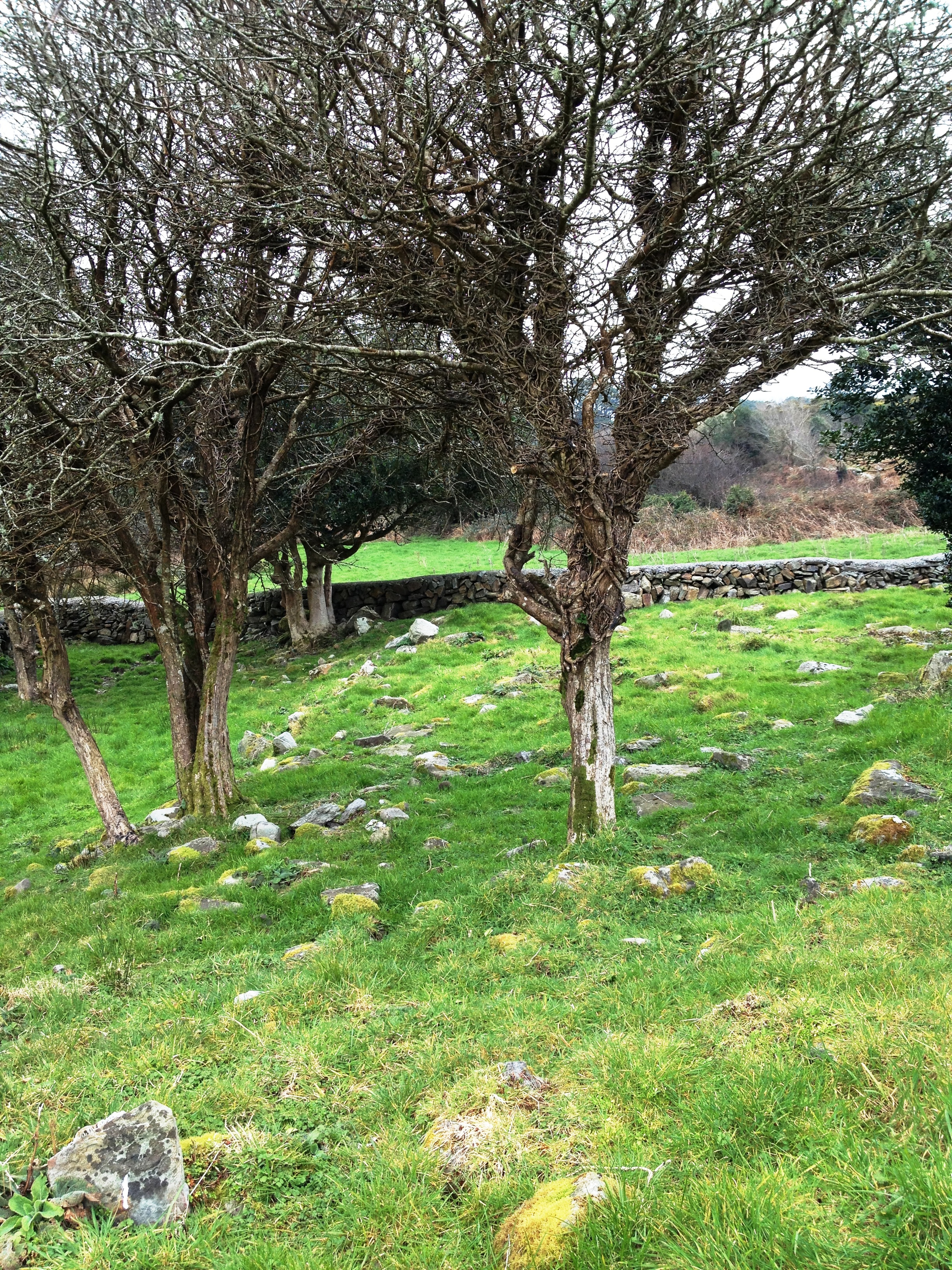
This ‘placelessness’ extended to their burial: cillini were normally situated away from the what the church considered ‘consecrated ground.’ Locations often contain poignant echoes of other trapped or wandering souls: boundaries, for example, of parishes or townlands were chosen.  Sometimes cillíní are found in ring forts. Known in Ireland as ‘fairy forts’ these ancient sites were believed to be the domain of the , the fairy folk who also inhabited the world in between earth and heaven. The association of the ring forts with the fairies guaranteed their security – if you interfered with a ring fort bad luck would dog you from that day on.  Protestant churchyards were also used, or areas within or near abandoned or ruined church sites. Perhaps, as William put it, these choices reveal an attempt by parents to ensure their children were buried in holy ground, while still adhering to the strict rules of the Catholic Church

Let us not forget them

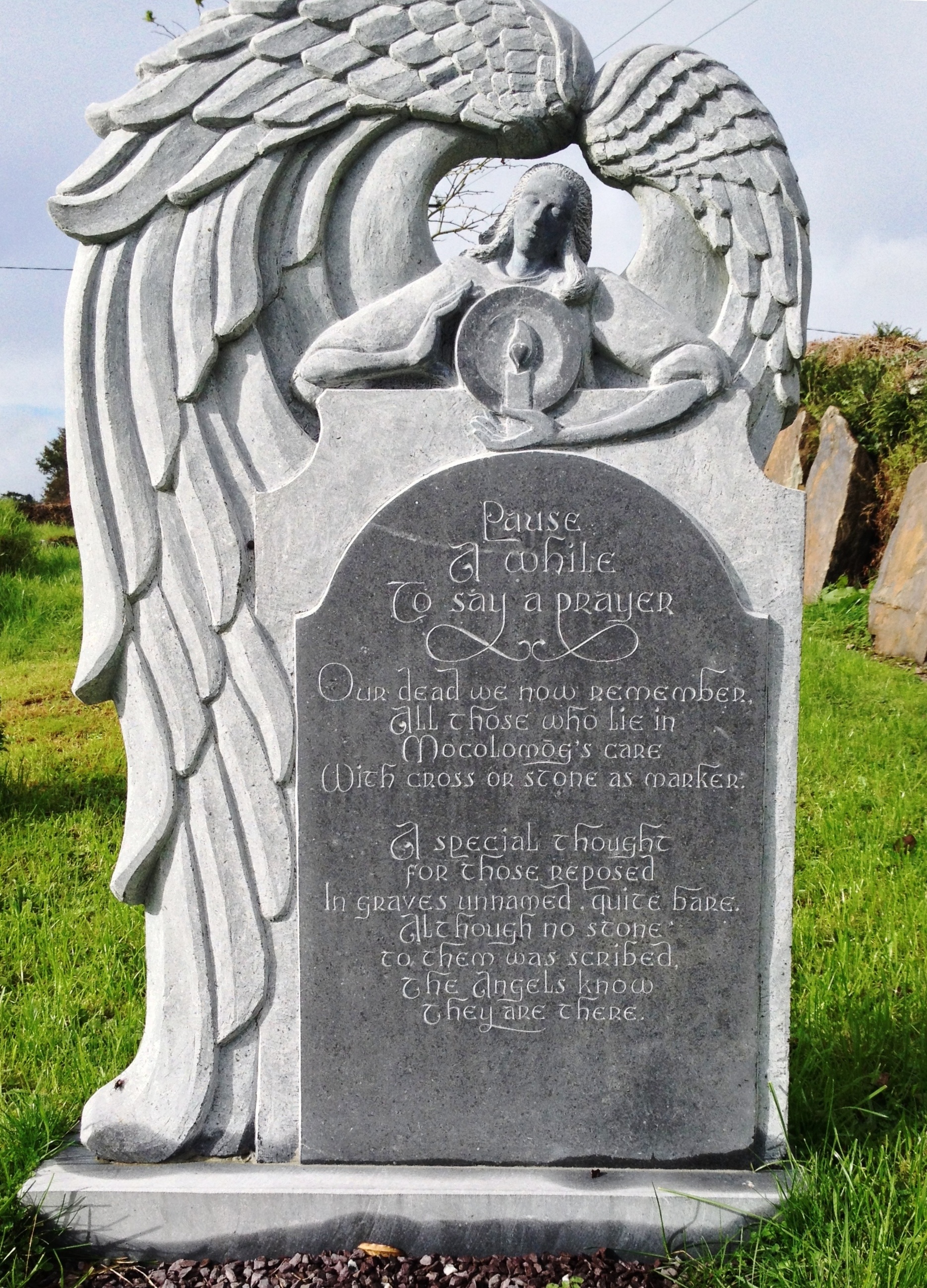
Pause a while

Maybe the saddest thing we learned from William’s talk was that tiny children who had died before baptism were buried at night, by lantern light, by the father and male relatives. Women had no role to play and the mother was not present. The grave was placed east-west, alongside other babies who had been buried in the same way and marked, if at all, with a small uninscribed stone. Over time many cillíní melted into the surrounding landscape and are now impossible to find. Others have been restored so that these lost souls will not be forgotten. Here, simple monuments invite us to remember. They attempt to reinstate the dignity and hope that were once robbed by the rigid beliefs of another age.

This medieval church was used as a cillin and most recently as a grotto

This ruined church was used as a children’s burial ground and most recently as a grotto

Autumn Comes to Roaringwater

leaves

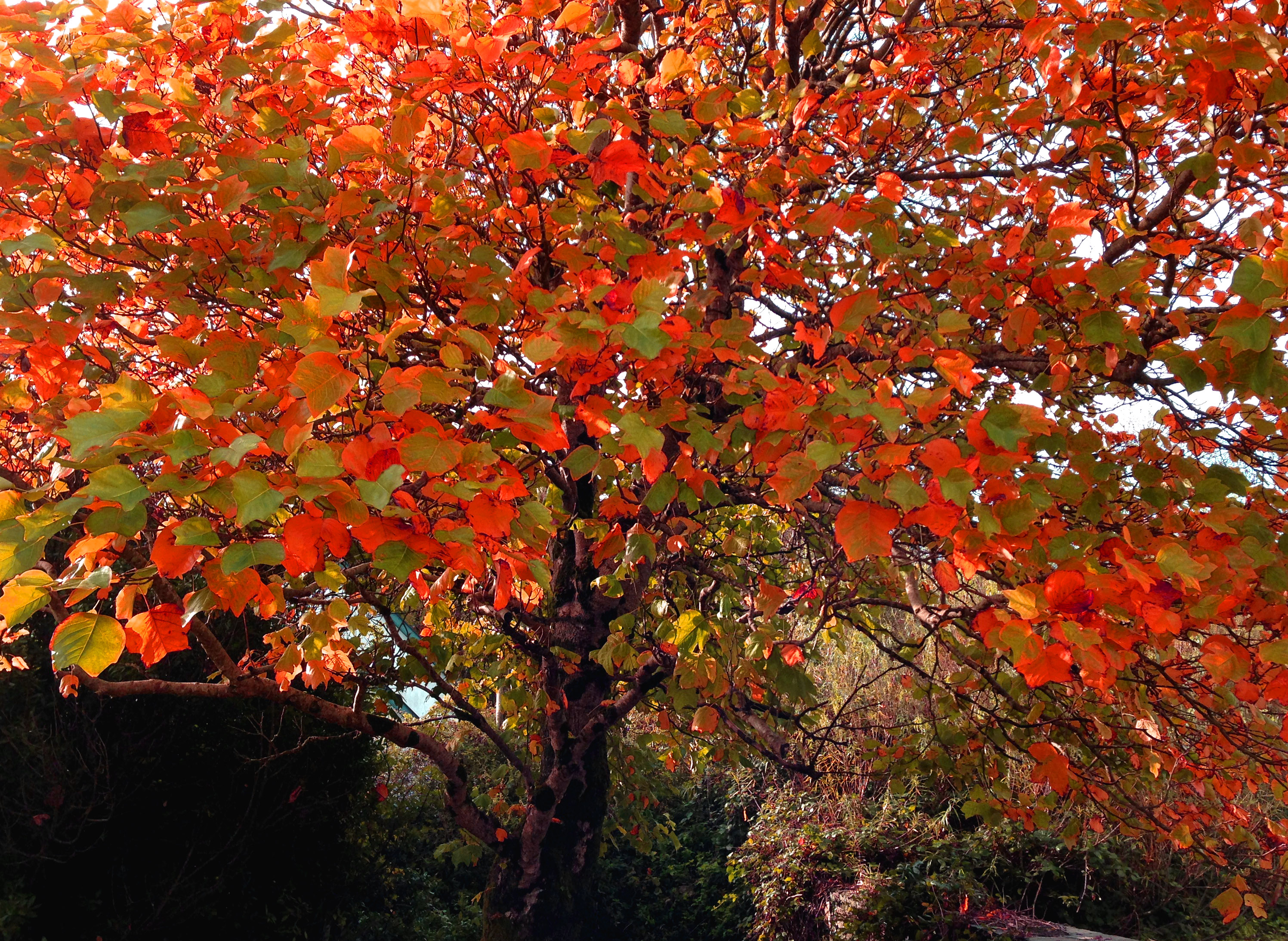
Just as the leaves begin to turn, the gales have come to tear them away and send them flying all over the Bay. Autumn is bringing angry seas with wild white horses, while the trees on our exposed acre are bending sideways. I admire the small birds who manage to find their way to our bird-table in the face of it all: we have just been visited by a whole flock of ravenous Goldfinches who hang on to the wildly swaying feeders in a determined frenzy to fatten themselves up for the coming winter and squabble noisily with any Great-tits, Chaffinches or Robins who try to get in on the act.

Byway in Ballydehob

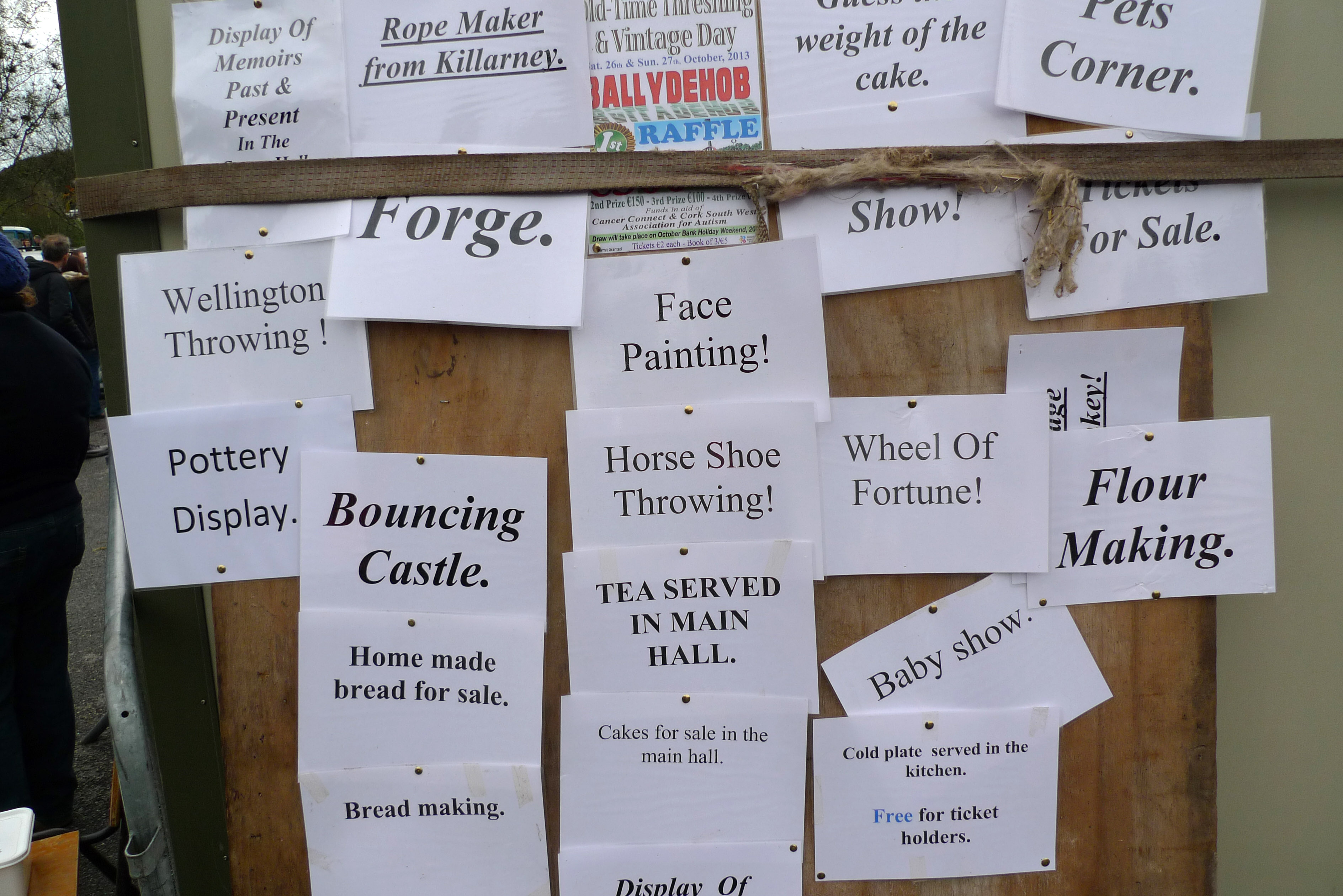
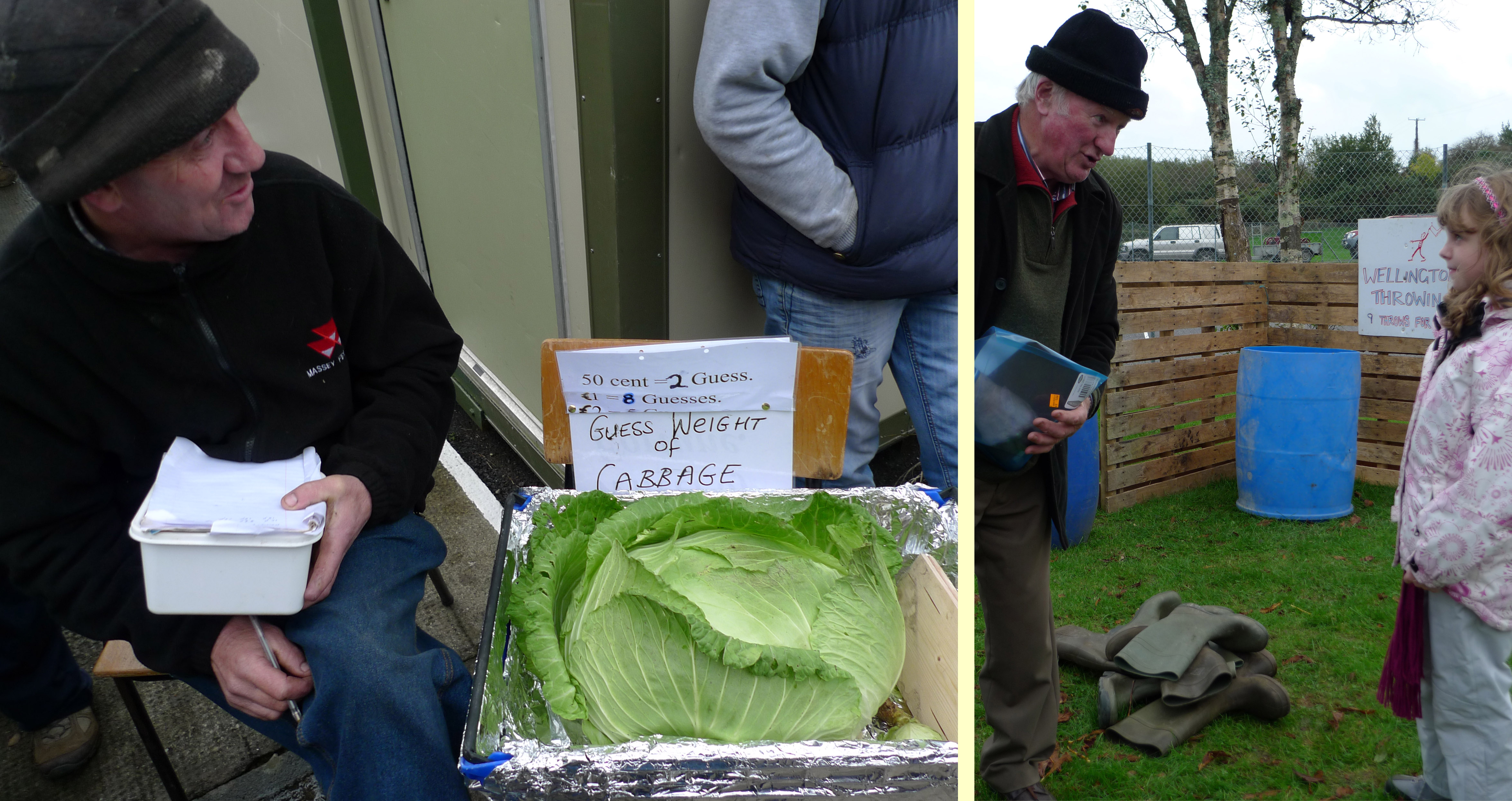
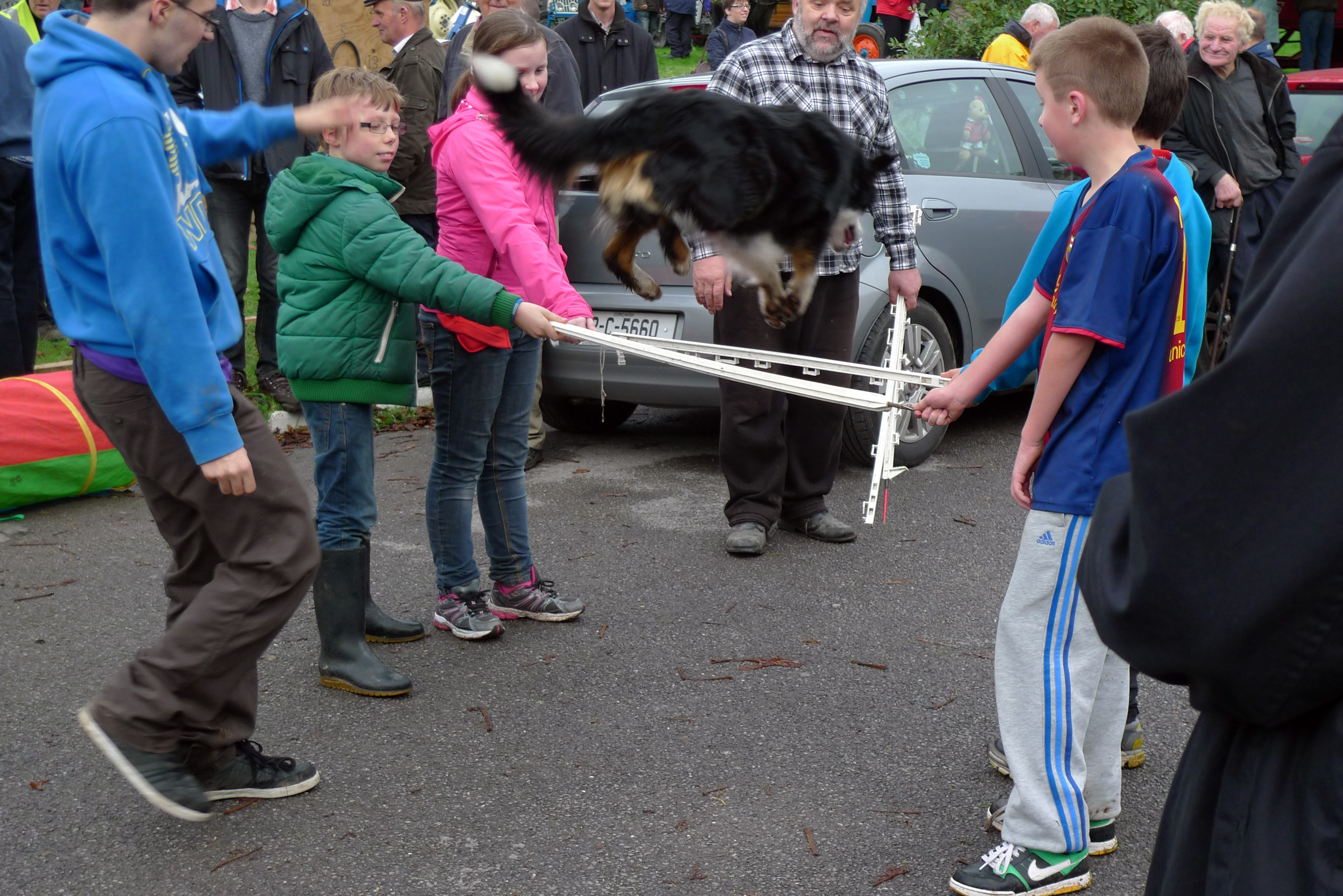
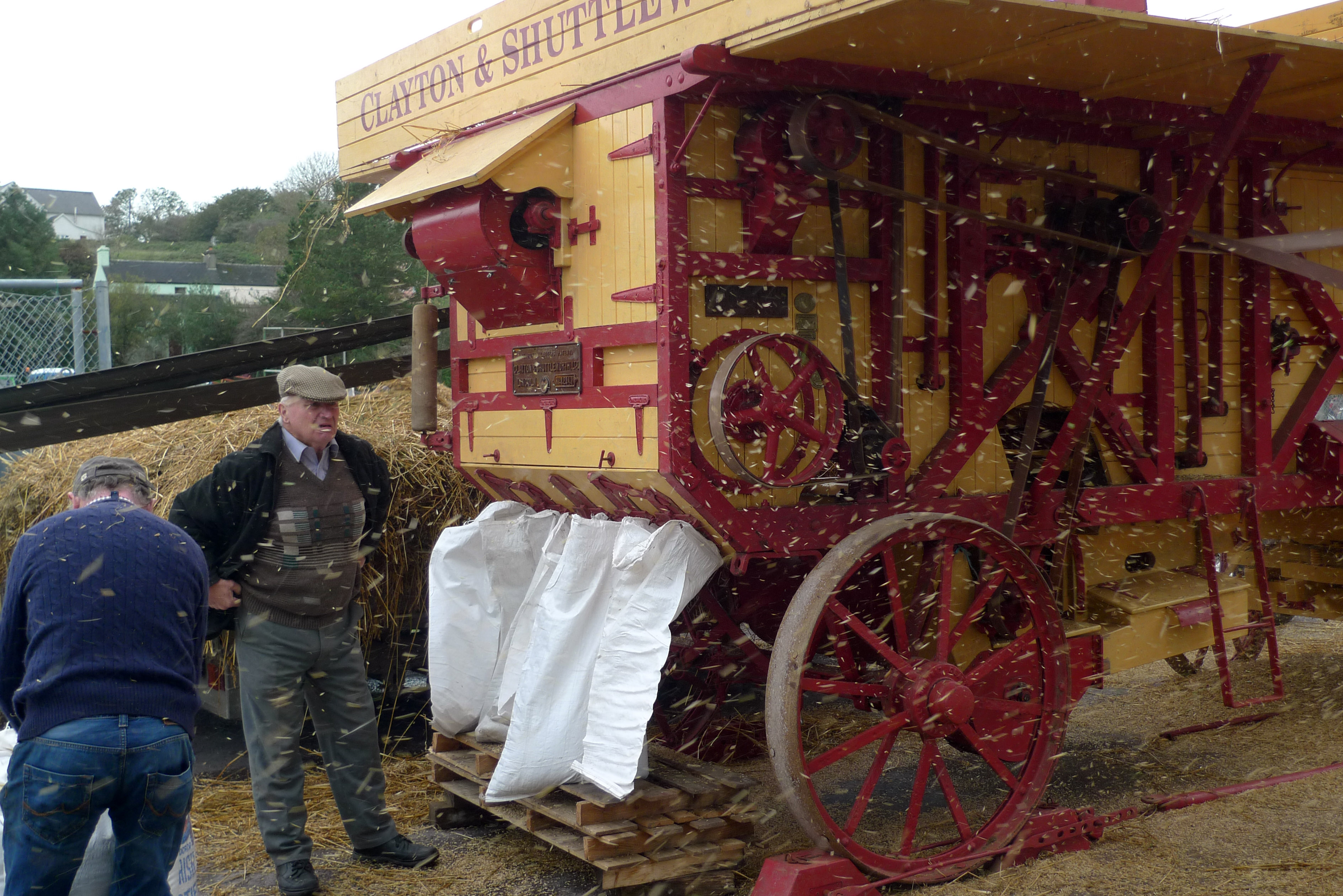
In Ballydehob (our local community) it’s time for the annual Thrashing. This event always takes place just before Hallowe’en, a festival which nowadays overlays the old Celtic Samhain (1 November) – when the souls of the departed are remembered. Here it’s a good time to bring in the threshing machine and lay up sacks of grain in the barn. It’s also a reason to hold a fair and show off vintage cars and tractors, to make butter, to watch performing dogs, to gamble on mouse racing – or just to chat over a cup of tea.

Byway in Ballydehob

Byway in Ballydehob

show

Don’t miss it!

fair

dog

thrashing

The Thrashing

mice

Mouse Bookie

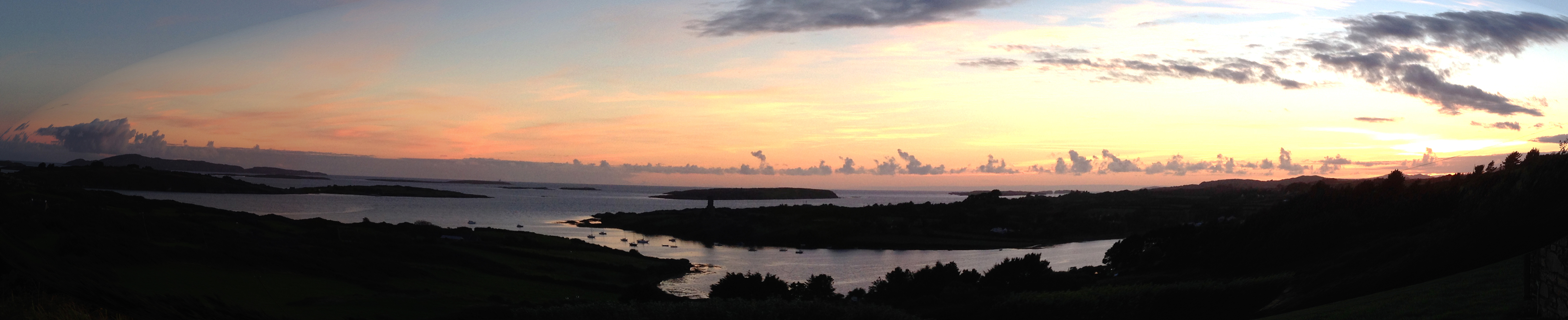
We look forward to the turning seasons: what we see from Nead an Iolair changes constantly, is never dull, and can’t be taken for granted. Skies can be steel grey – or still as gloriously blue as they were in the summer; and our sunsets can be even more beautiful.

rwpan

The Laughing Boy

Birthplace of a Folk Hero

Birthplace of a Folk Hero

T’was on an August morning, all in the dawning hours,
I went to take the warming air, all in the Mouth of Flowers,
And there I saw a maiden, and mournful was her cry,
‘Ah what will mend my broken heart, I’ve lost my Laughing Boy’

bust

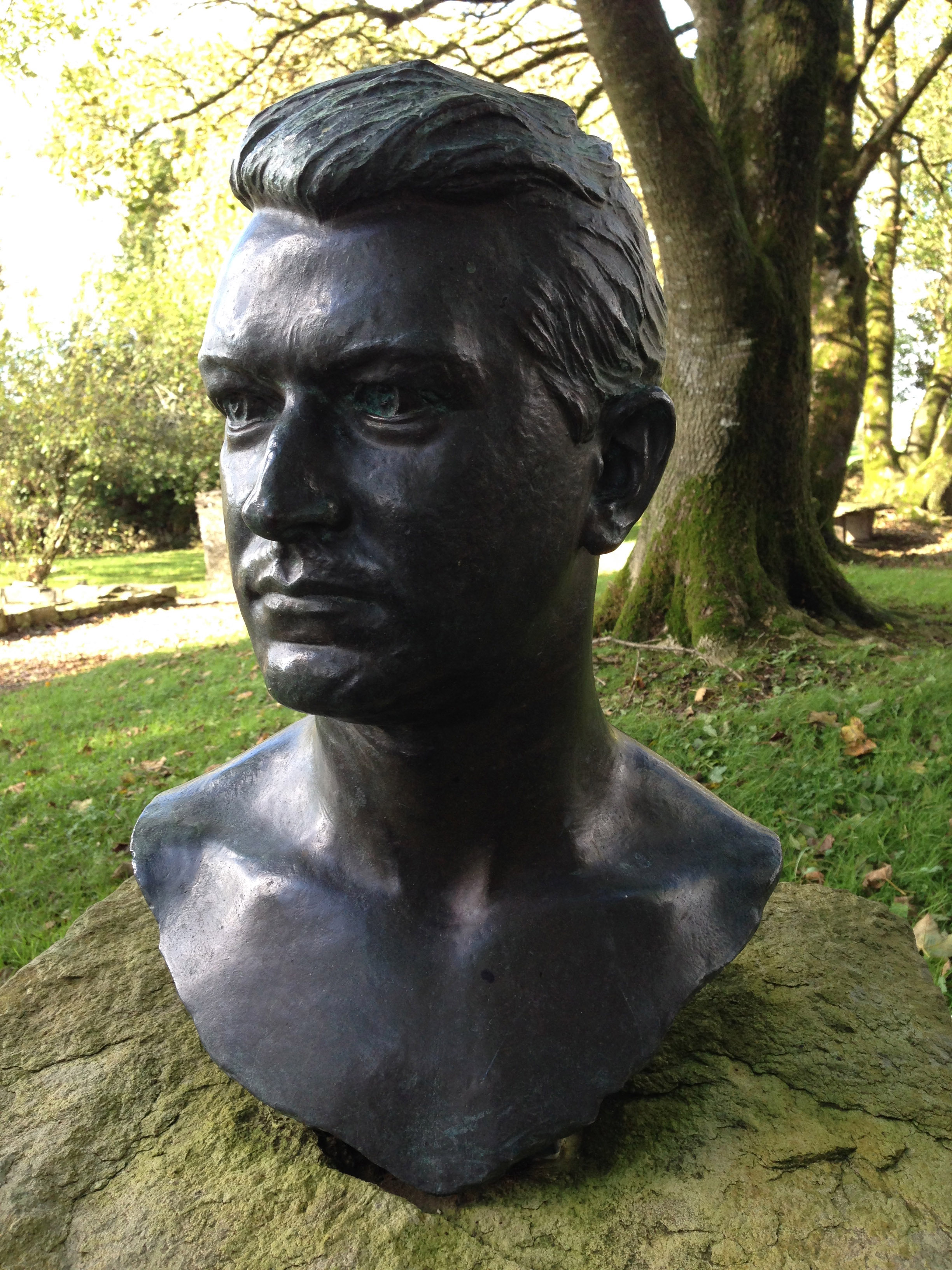
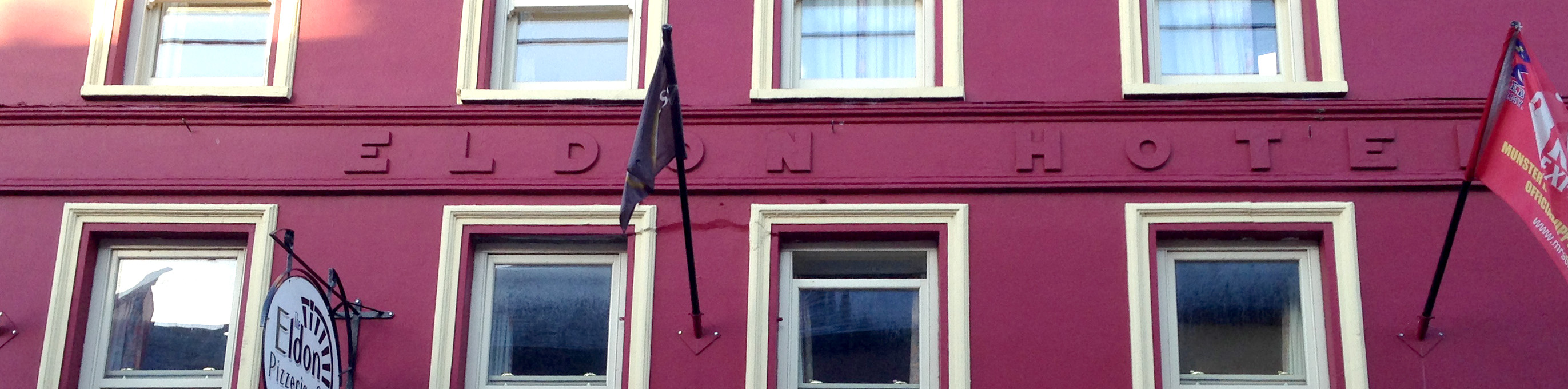
Let’s face it: our travels today were a pilgrimage. We went out in search of a hero and we found shrines, monuments, places of devotion and folktales. It all started last week, which was ‘Rebel Week’ in Cork County and Skibbereen was one of the centres of activity. We were attracted by a flyer for a ‘Tribute to Michael Collins’ being held in the Eldon Hotel – a venue which we now know features in the story of the man: it claims to be the place where he ate his last meal. The ‘Tribute’ proved a bit of a damp squib as the advertised speaker didn’t turn up, but as compensation we were shown a 1973 British film made and zealously narrated by a very ebullient Welsh actor, Kenneth Griffith: Hang Up Your Brightest Colours. This film extravagantly documents the life of Michael Collins and the Irish struggle for freedom in the early twentieth century, and was considered ‘incendiary’ in a time when The Troubles were boiling over; consequently its showing was banned for twenty years. We determined to visit some of the significant locations that featured in the film and which are not too far away from Nead an Iolair.

Master of Oration

Master of Oration

West Cork is Collins’ country: he was born in Sam’s Cross, near Clonakilty – the youngest of eight children – in October 1890. His father Michael had married Marianne O’Brien (23) when he was 60. Already the folklore kicks in: Michael the elder was the seventh son of a seventh son and therefore gifted with powers of divination. On his deathbed he predicted that our hero – then aged 6 – would one day “…be a great man. He’ll do great work for Ireland…” Also, there’s a touch of mystery about Collins’ birth: the records state he was born on 16 October whereas on his tombstone the date is given as 12 October.

The Collins grave in Rosscarberry

The Collins grave in Rosscarbery

In the burial ground in Rosscarbery we found the family grave. There is a modest entry on the headstone for young Michael, recording that he died on 22 August 1922 (he’s actually buried in Dublin). That’s about all that’s modest about the Collins story. He was known as The Big Fella, as much because of his reputation and charisma as for his physique.

You can’t miss his birthplace – it’s signposted for miles around the area of Woodfield – but the family farmhouse isn’t there! It was burnt to the ground by the Auxiliary Division of the Royal Irish Constabulary in 1920, during the Irish War of Independence (and not by the Black and Tans, which is often claimed). However, the site has been preserved as an essential waymark of the Michael Collins pilgrim trail.

Memorial at Sam's Cross

Memorial at Sam’s Cross

There is also another, larger monument to Michael a little way up the road at Sam’s Cross – this is in fact next door to the house where his mother was born – and opposite his cousin Jeremiah’s pub – The Four Alls (this is one of several places where Collins is supposed to have taken his last drink).

Four Alls pub - cousin Jeremiah's

Four Alls pub – Cousin Jeremiah’s

For anyone who doesn’t know I had better just say that Michael Collins – soldier, freedom fighter and politician – was one of the key figures in the long Irish struggle for Independence – a conflict that was won, after a fashion, in December 1921 when the irish Free State was set up. Collins signed the Treaty in his then role as ‘Chairman of the Provisional Government and Commander-in-chief of the National Army’ and (legend has it) pronounced that he was also signing his own death warrant (the great folk heroes usually foretold their own death). The conditions of the Treaty, and the exclusion of some of the northern counties from the new state caused such dissension that a civil war ensued, and Michael Collins fell as a victim to that war as he toured through his home county of Cork on 22 August 1922.

The Eldon, Skibbereen

The Eldon, Skibbereen

His convoy left the Eldon Hotel, Skibbereen, in the early afternoon for Cork city and was ambushed at Béal na Bláth, on a minor road between Clonakilty and Macroom. During the skirmish Michael Collins was shot in the head and died instantly. He was the only casualty of that confrontation.

memorial2

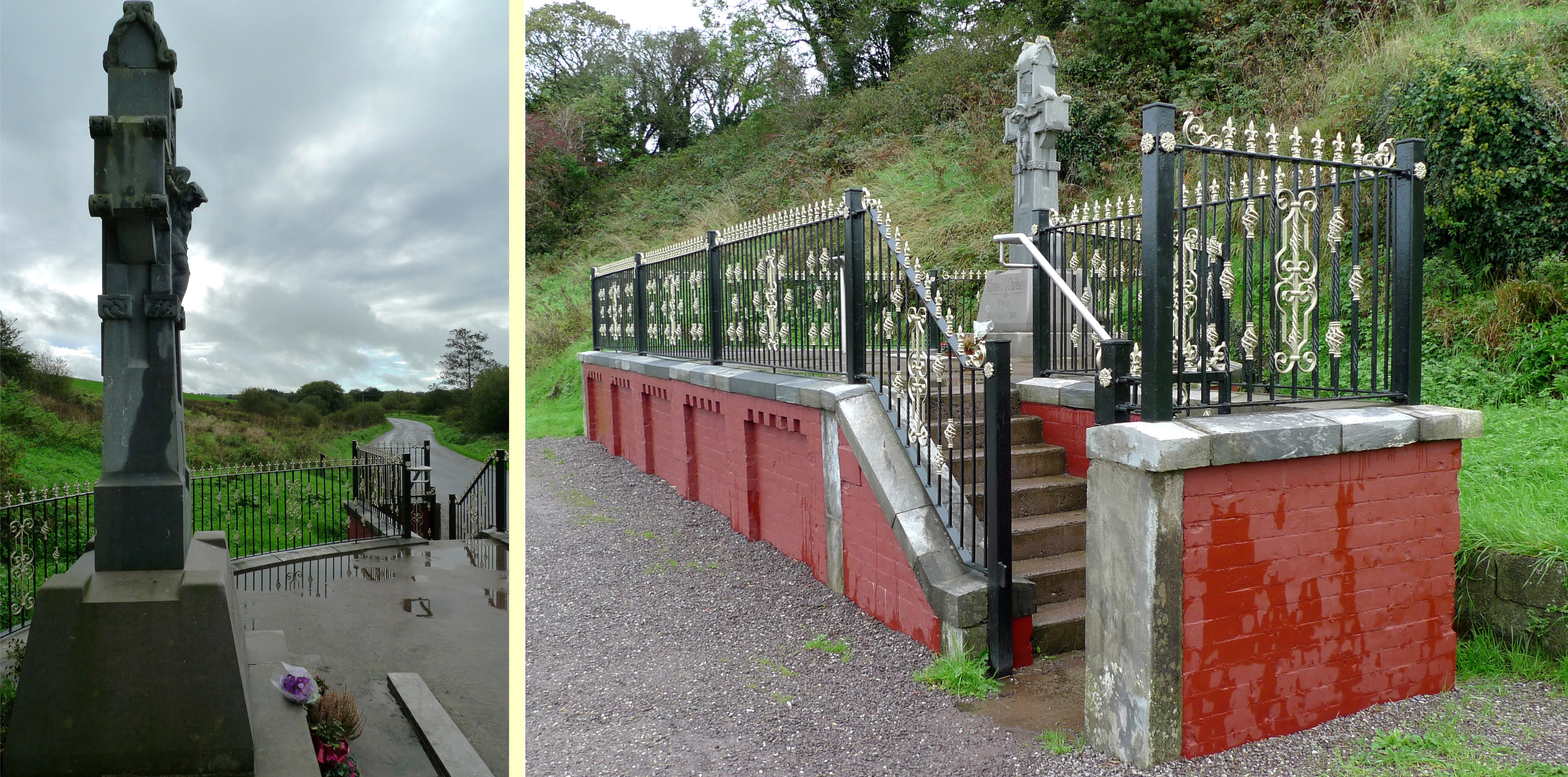
Béal na Bláth

Béal na Bláth may mean ‘Gap of the Blossoms’ but there is some debate as to its correct translation: ‘Mouth of the Ford of the Buttermilk’ is one suggestion. Brendan Behan, in his folk ballad on the death of Michael Collins (the first stanza of which starts off this post), goes for ‘Mouth of Flowers’. We began our pilgrimage here on a wet Sunday morning. The place had a sombre atmosphere and the monument that we found – although unmistakably Messianic – is grim. Crowds come to this site, especially on the anniversary of the assassination. A white stone marks the actual spot where he fell: the fine details seem all important.

ambush

But – sifting through these details when I was trying to assemble this piece – I realise that there is so much that is apocryphal or contradictory in the various accounts, not just of his death but with many aspects of his life. And it’s the stories that will win out in the end. Michael Collins is a real national hero – quite rightly – but he’s on his way to becoming a folk hero – something different. He could be a Saint (he did after all perform a miracle in bringing together so many different factions and feelings to found the beginnings of modern Ireland) but to me he is more likely to end up in the ranks of the great Hero Warriors of Irish mythology such as Cu Chulainn, Medb or Finn McCool – or even the Gods. I wish I could be around to hear his sagas told in a few hundred years from now.

The fate of a Folk Hero...

The Fate of a Folk Hero…