Gorse, of Course

The battle begins

The battle begins

In a previous post Finola mentioned gorse wine and it struck us that non-Irish readers may not be familiar with gorse – that ubiquitous, loved and hated shrub that covers the Irish countryside above a certain elevation.
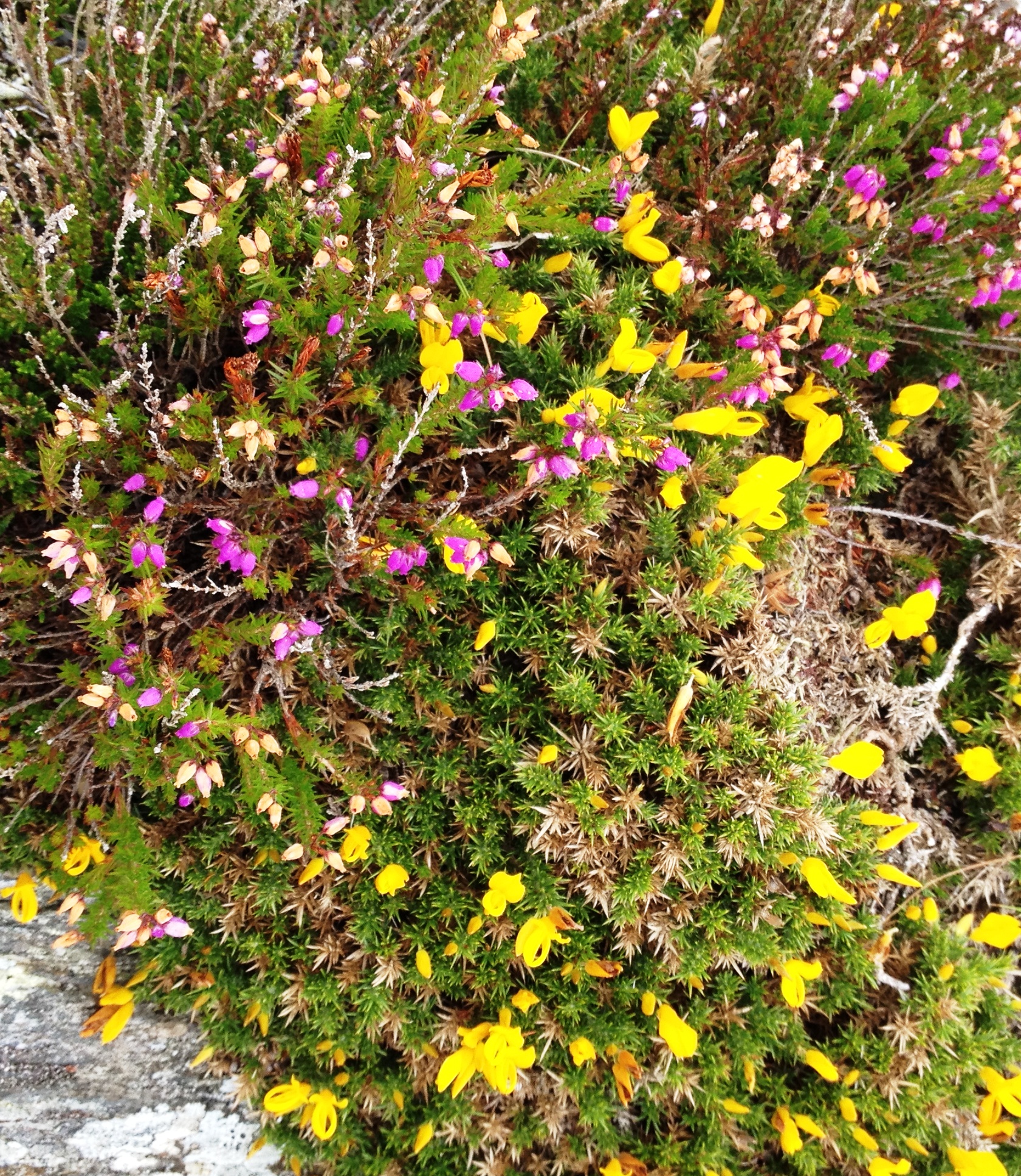
gorse and heatherWe love gorse because of the flowers – bright yellow flowers that bloom all year long and lend vibrancy to the landscape. In summer and autumn when the heather is also in bloom the contrast between the yellow of the gorse and the purples and pinks of the heather makes the countryside come alive with colour. In the spring and early summer when the flowers burst forth the hillsides look as if they are lit from within, but many bushes hold on to hints of yellow right through the winter. This property of gorse is immortalised in the Irish saying when gorse is not in blossom, kissing’s out of fashion.

We hate gorse for two reasons – the thorns and the way it takes over everything. To cut it back, chop it down, venture near it, you have to wear a suit of armour. Hiking through it is painful or impossible – even the low-growing strands manage to weasel their way into your socks and the thorns can pierce a sturdy boot and make every step torture.

Before and after

Before and after

Here at Nead an Iolair the garden has grown wild over the years. In a garden on an Irish hillside, this means that the gorse has taken over. The hill behind the house was covered in it, some even encroaching on the back wall. Given the local farmers’ habit of setting fire to the hillsides in the spring, this was a significant hazard.

Burning hills

Burning hills

The area to the left of the driveway was sporting enormous stands of gorse, some as tall as trees. We could see the tips of other plants struggling for survival in this jungle but, apart from a small island of grass, the area was impenetrable.

We can see the house!

We can see the house!

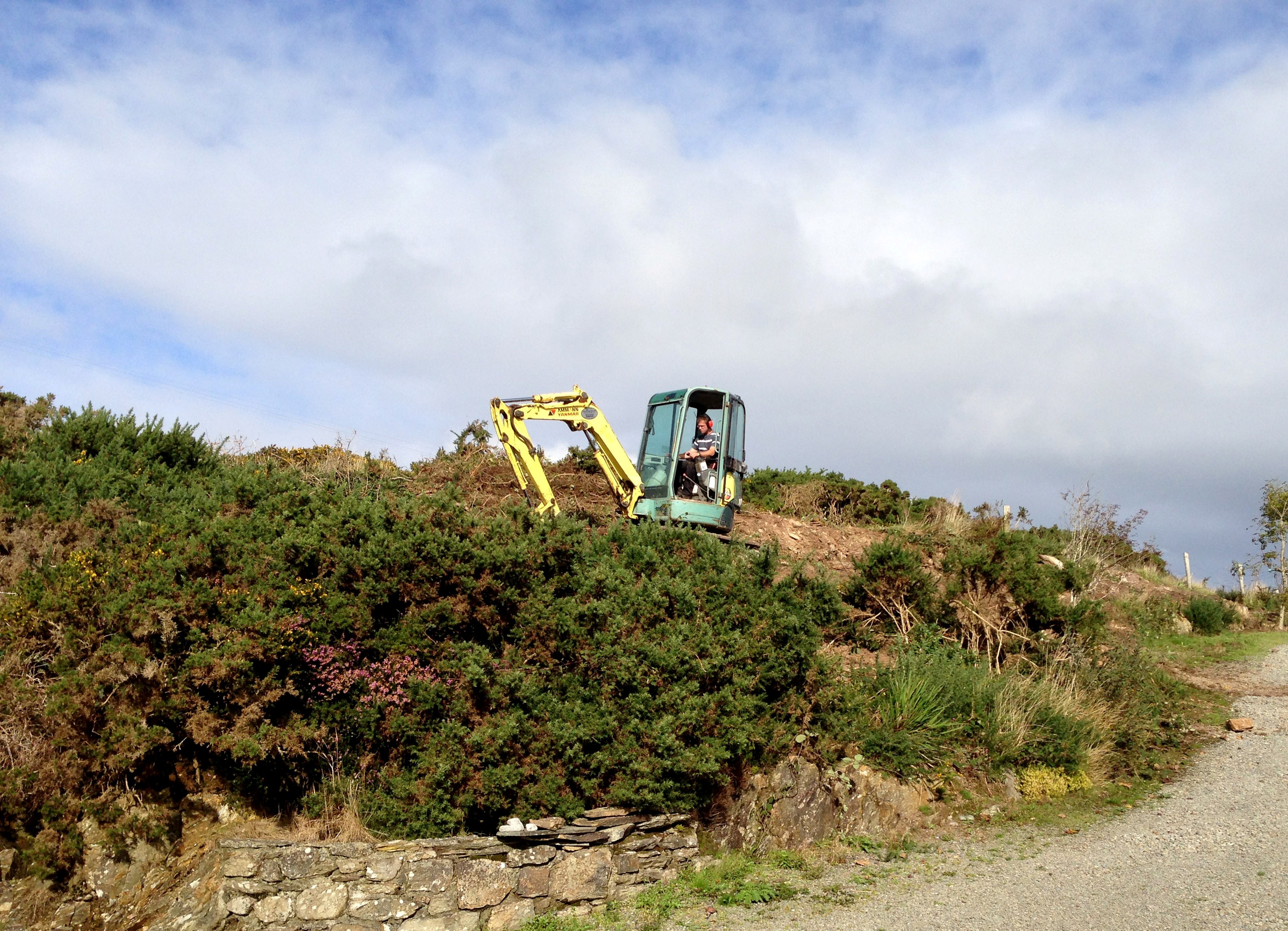
This week we tackled the problem. It has taken several days, a digger, chainsaws and copious amounts of sweat but by Friday victory was declared and where there had been a gorse forest there is now a haggart (an Irish word for a small field beside the house) surrounded by a beautiful stone wall that we knew was in there but couldn’t see. We also unearthed a standing stone, giving us our own enigma to ponder. While we are not contemplating a goat herd for the haggart, we do have dreams of a field of bluebells one day. And maybe some gorse wine.

Our haggart emerges

Our haggart emerges
Goats, Bees and Spies on the Sheep’s Head

The Weather Rolls in around Kilcrohane

The Weather Rolls in around Kilcrohane

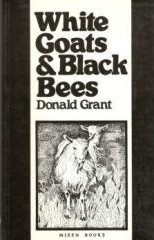
White GoatsI’ve just finished reading White Goats and Black Bees by Donald Grant. Donald and Mary Grant, a couple of journalists based in New York, impulsively decided to jump off the career treadmill and become farmers in Ireland in the 1960’s. They bought a small acreage on the Sheep’s Head, where they raised goats and ducks, cultivated an enormous vegetable garden, and by degrees and sheer hard work turned themselves into ‘peasants’.

This out-of-print book was drawn to my attention by my friend, Aideen, whose father, while in New York, had encouraged the Grants to consider West Cork. Aideen visited the Grants as a young woman and still has memories of their gorse wine.

As a Back to the Land narrative, this is a classic. Earnest urban professionals consulting Department of Agriculture pamphlets, conducting slug patrols, keenly observing the social structure of their goat herd and duck flock, battling the wild Atlantic storms, making cheese and smoking hams: this is the kind of thing that sent thousands of idealistic young people into communes all over the world, or in the case of Ireland, into the hills behind Ballydehob. The need to be accepted by the locals, a thread that appears in so many Year in Provence-type books, is coupled with the outsider’s puzzlement at the impenetrability of some aspects of local behaviour.

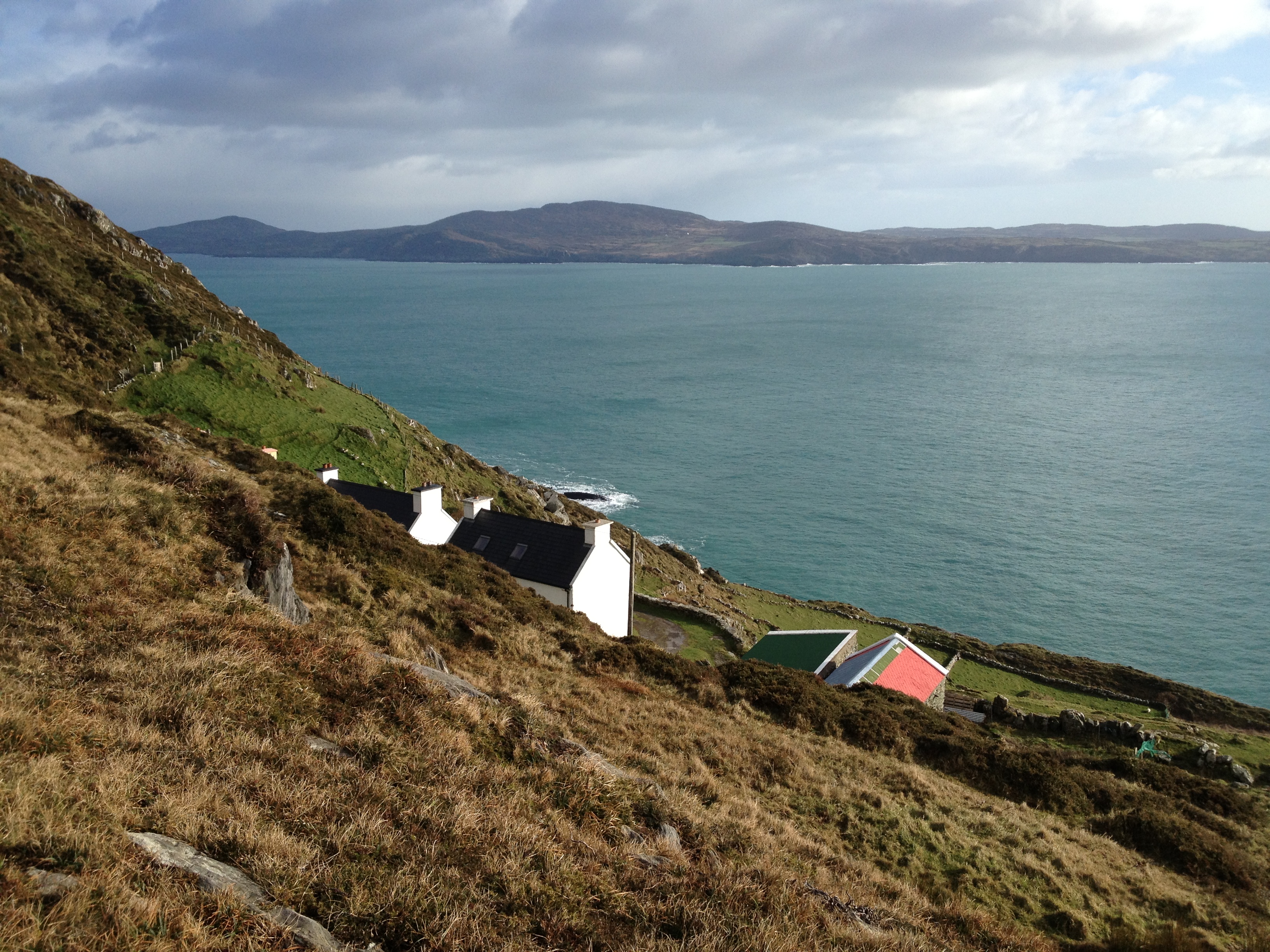
The Sheep's Head, looking across Dunmanus Bay

The Sheep’s Head, looking across Dunmanus Bay

Grant is not a gifted writer when it comes to scenery: …Trees wore their autumn colours. Streams tumbled down rocks, sparkling… Nevertheless he does slowly build up a picture of a man coming to grips with his place in the natural world and his relationship with animals and the elements. Perhaps the strongest sections of the book are those in which he chronicles the hard work and resourcefulness that it takes to sustain life on a smallholding, the setbacks and difficulties he and Mary encounter, and the support of the neighbours and community without which it would be impossible.

Mary the SpyThe story of Donald and Mary took a strange turn for me when I decided to Google around a bit, digging for more information about them. Astonishingly, Mary was convicted in Israel in 1956 of spying for Syria! She spent a year in an Israeli prison, eventually applying for a pardon. According to one account, she had fallen for a Syrian diplomat who persuaded her to take photographs in Israel for the Syrians. She was so unsophisticated a spy that she was captured on her first day. She and Donald met when they shared a desk at the United Nations, where they were both correspondents: he for the St. Louis Post-Dispatcher and she for Look Magazine. Little did the people of Doneen know of the chequered history of the American woman who introduced goat’s cheese to their far-flung parish.

Donald and Mary continued to live on the Sheep’s Head and eventually in Bantry for the rest of their lives. While Donald died in 1983, Mary lived until last year, 2012. Both are buried in their beloved Kilcrohane.

A Chatter of Choughs

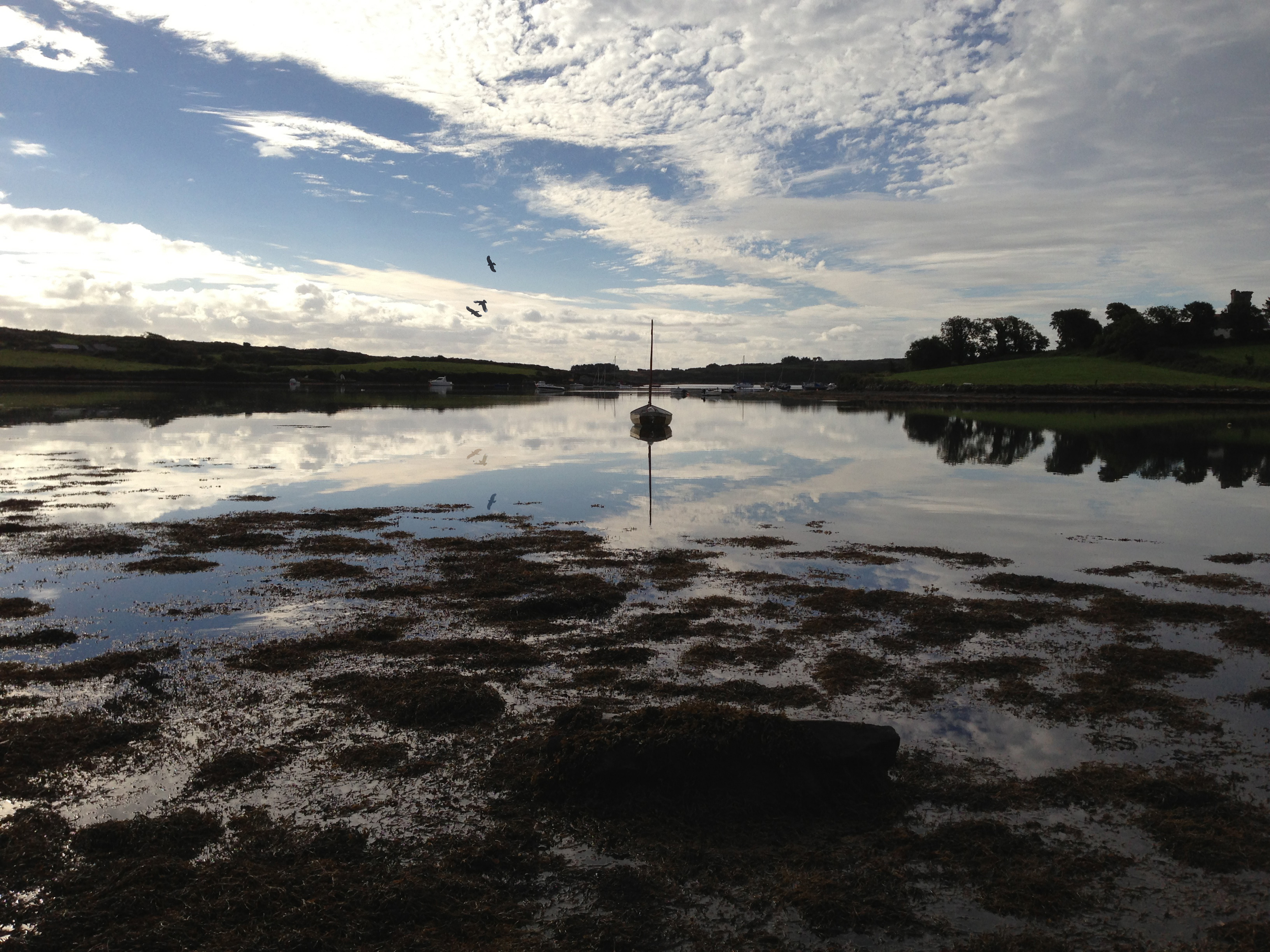
Rossbrin Cove: Chough country

Rossbrin Cove: Chough country

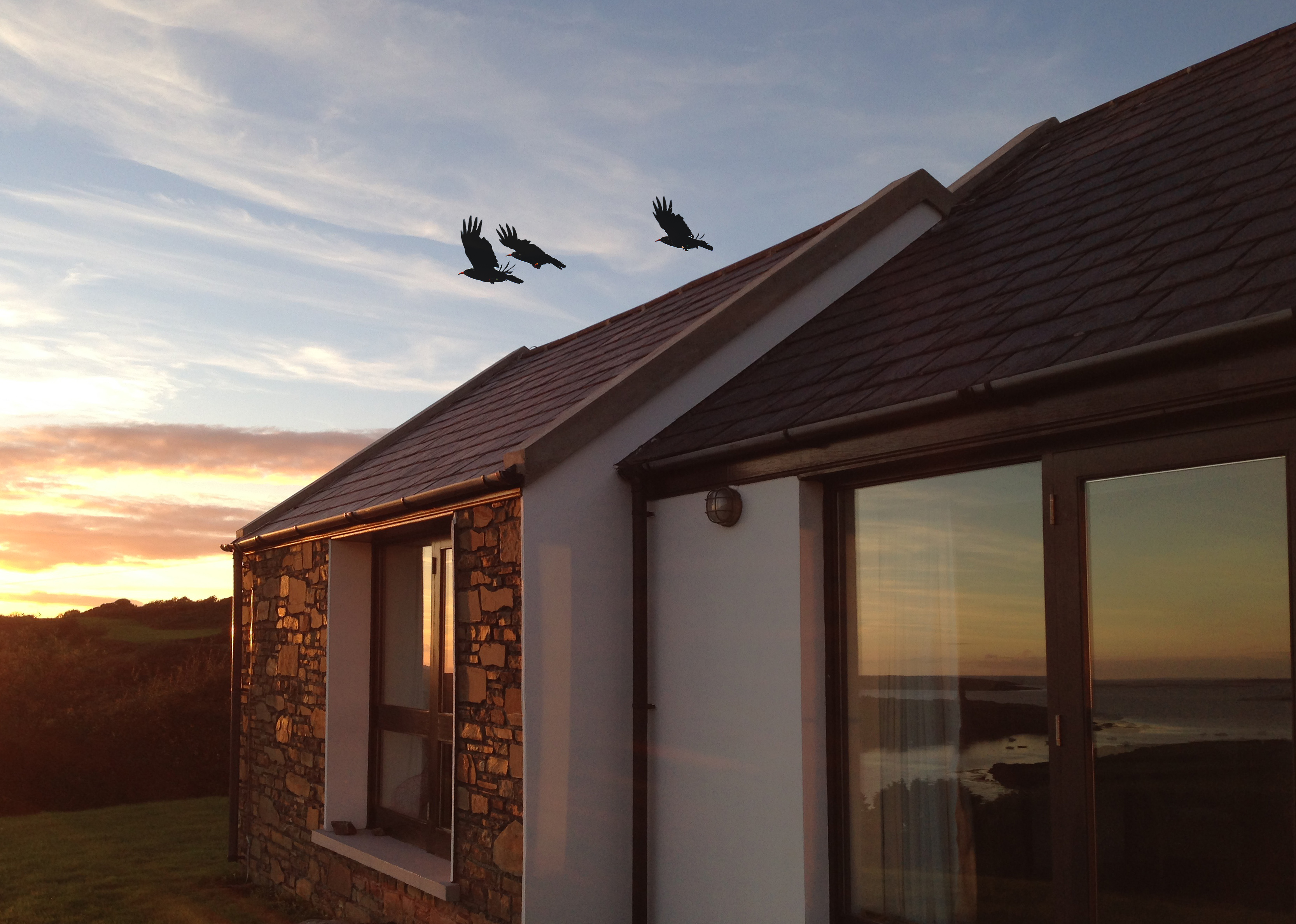
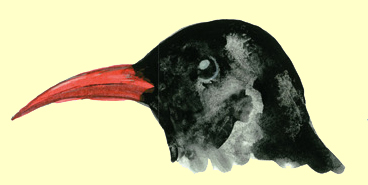
One of the many treats of living up here in Nead an Iolair is the frequent appearance of a group of Choughs. Towards the evening we hear them on our roof, chattering to each other. Chatter of Choughs, by the way, is the correct collective noun: all the Corvid family seem to have interesting ones – Murder of Crows, Parliament of Rooks, Conspiracy of Ravens, Tiding of Magpies… These are just some of a very long list: do you of know any to add to it?

Autumn evening at Nead an Iolair

Autumn evening at Nead an Iolair

Choughs are distinctive birds, but easy to mistake for other Corvids when in the sky. Look out for curved red bills, and red legs and claws. Also listen for the chatter, in which the bird tells you its name:

It won’t tell you its latin species name, however: Pyrrhocorax-pyrrhocorax!

Birds on line!

Birds on line!

As an erstwhile resident of Cornwall I have a particular interest in the Chough. This bird appeared on the old Cornish coat-of-arms, together with a tin miner and a fisherman (the two latter have vanished on the new one – perhaps a poignant comment on changing times), and was once a familiar sight on the coast. Changing habitat and trophy hunting led to a decline in the British Chough populations recorded by naturalists as early as the eighteenth century. The last breeding pair was seen in Cornwall in 1947, and not long afterwards the Cornish Chough was pronounced extinct. Amazingly, the new Millennium saw the Chough returning naturally to Cornwall, with three birds taking up residence on the Lizard peninsula and breeding successfully. It’s reckoned that there are now between forty and fifty living on that far western coastline. On my last days in Cornwall before coming here to Ireland I was walking at Nanquidno, near Lands End and – as if to wish me ‘goodbye’ – there was a pair of Choughs foraging happily on the path in front of me! Where did the new generations of Cornish Choughs come from? DNA tests have given us the answer: Ireland…

Cornwall's old and new logos: and the 'Raven King' - in folklore, Choughs and Ravens are interchangeable

Cornwall’s old and new logos: and the ‘Raven King’ – in folklore, Choughs and Ravens are interchangeable

Cornish nationalists, who are campaigning for a devolved parliament, are delighted by the come-back. “This will be seen as a symbol of hope,” said Dr Loveday Jenkin of the nationalist party Mebyon Kernow. “The re-emergence of the Chough is a symbol of the re-emergence of the Cornish nation.”

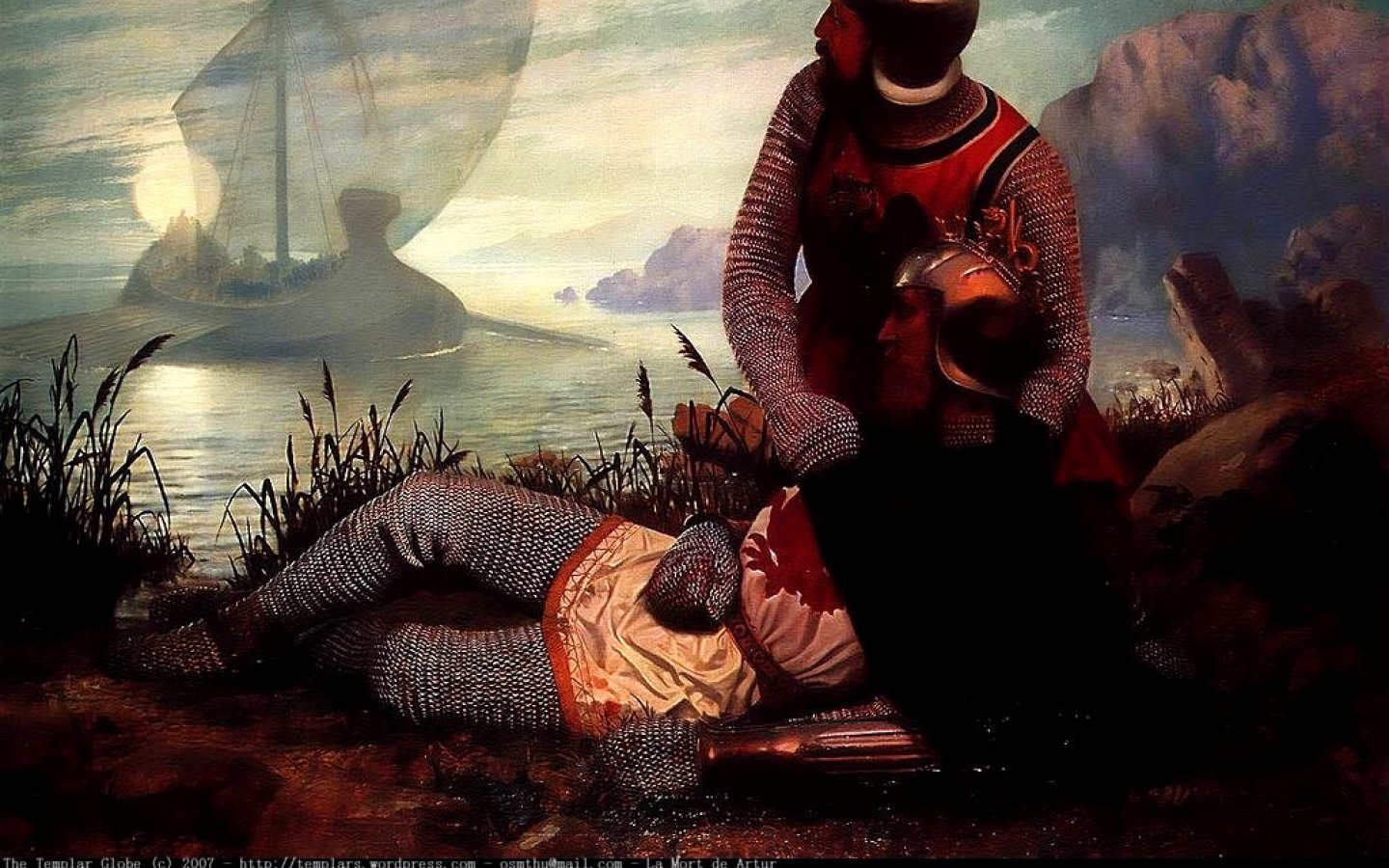
King Arthur's last battle

King Arthur’s last battle

Cág Cosdearg is the name of the Chough in Irish – this is a literal translation of ‘red-legged Jackdaw’. There are a number of legends attached to this bird: King Arthur turned into one, and the red beak and legs are symbolic of the blood shed at his last battle (presumably this is another link with Cornwall). The Chough was known to Daniel Defoe as a ‘fire raising bird’ in his …tour thro’ the whole island of Great Britain…

“…It is very mischievous; it will steal and carry away any thing it finds about the house, that is not too heavy, tho’ not fit for its food; as knives, forks, spoons and linnen cloths, or whatever it can fly away with, sometimes they say it has stolen bits of firebrands, or lighted candles, and lodged them in the stacks of corn, and the thatch of barns and houses, and set them on fire; but this I only had by oral tradition…”

I like the Irish expression, “You’ll follow the Crows for it” meaning that a person would only appreciate something after it had gone.

chough close

Watching our Choughs perform their aerobatics up here is a delight – I’ve seen them turning cartwheels in the air, and they even appear to fly upside down at times. Sylvia Plath puts it wonderfully in Blackberrying:
“…Overhead go the choughs in black, cacophonous flocks—
Bits of burnt paper wheeling in a blown sky.
Theirs is the only voice, protesting, protesting…”

The Great Hunger

2012-05-19 16.04.23

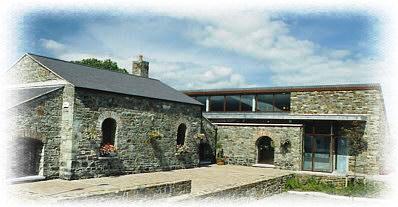
Skibbereen Heritage Centre

Skibbereen Heritage Centre

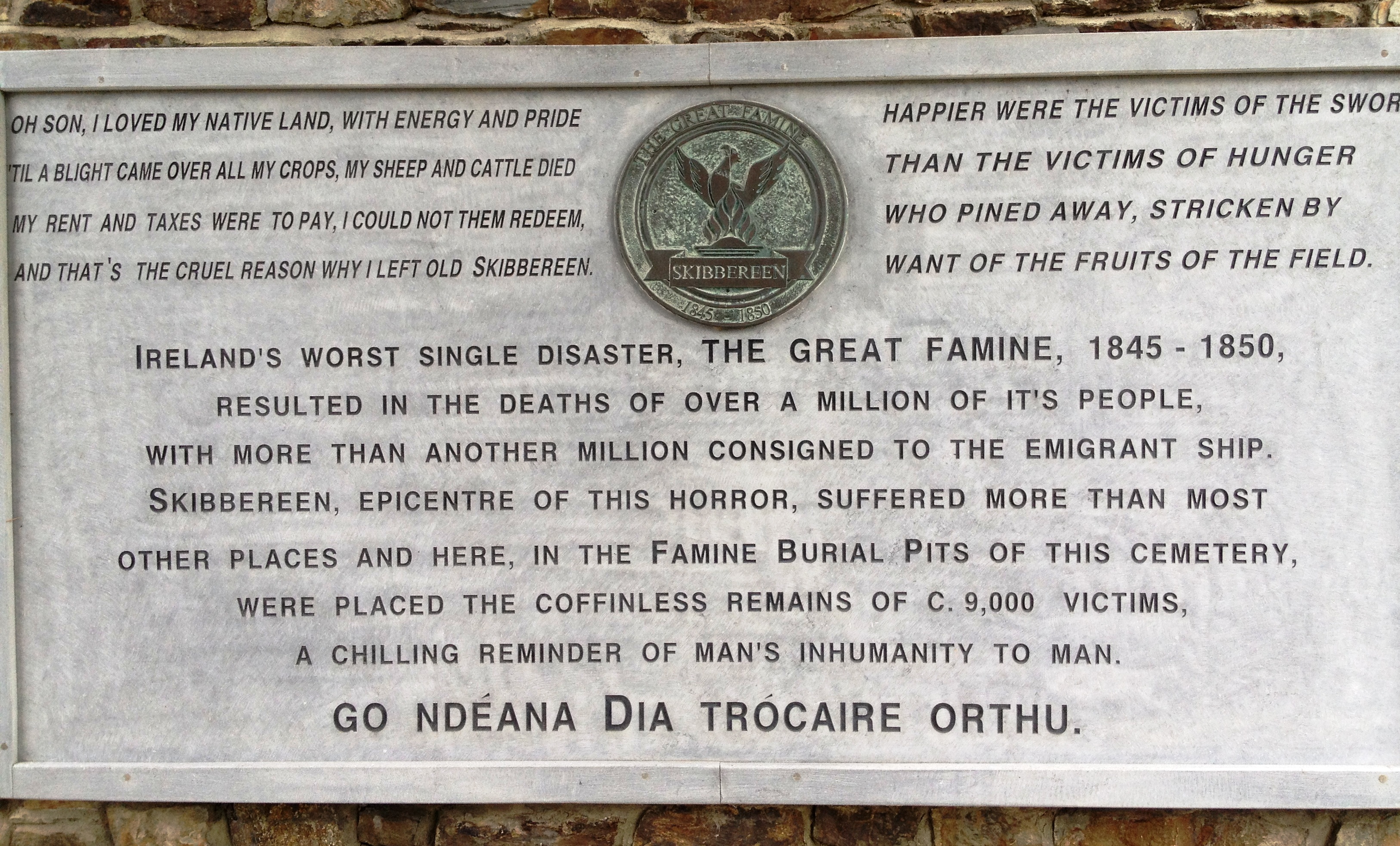
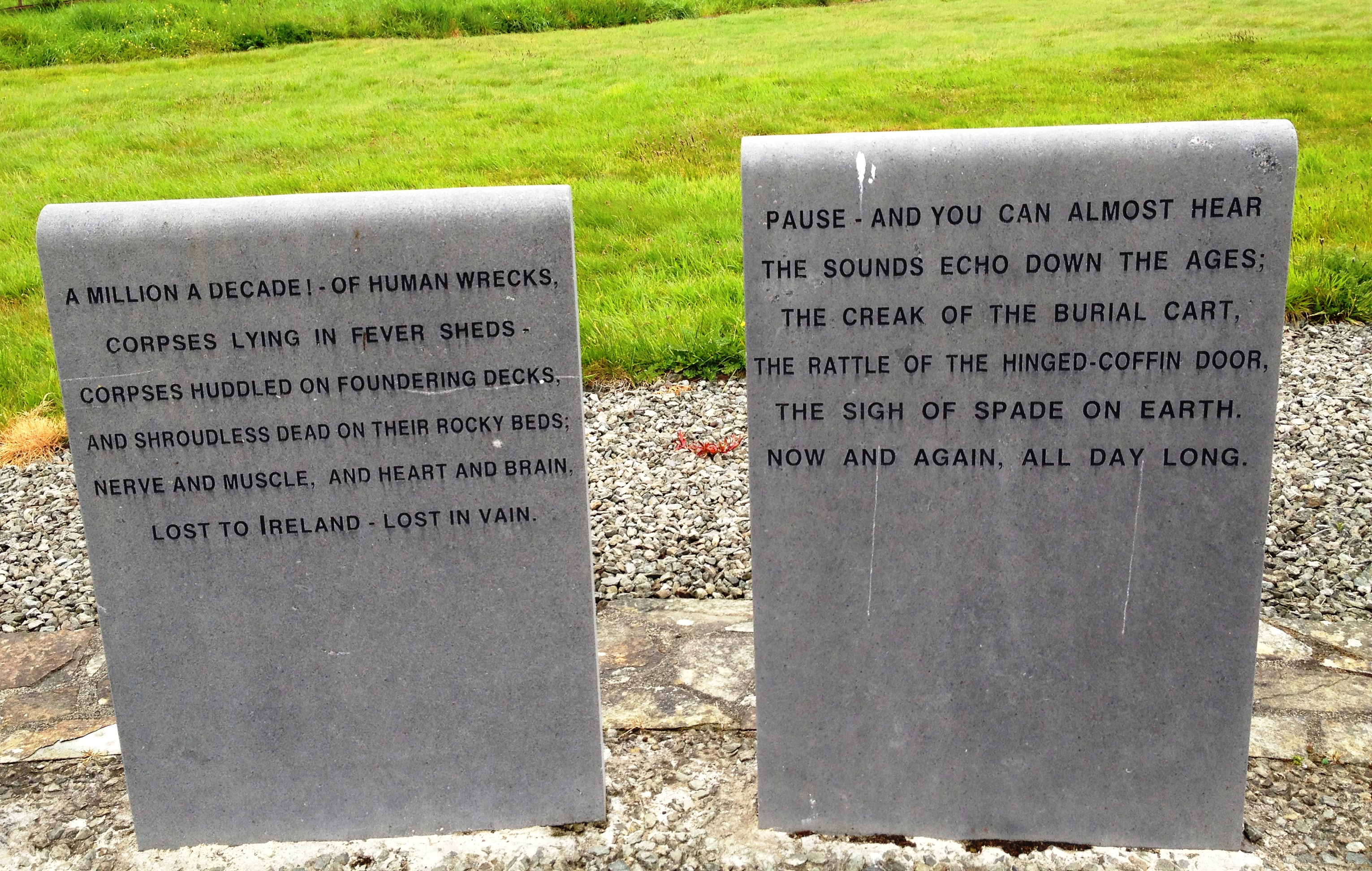
I have mentioned the Irish Famine in previous posts. West Cork and the area around Skibbereen in particular was greatly affected by this national disaster. In the period of the failure of the potato crop between 1845 and 1850 it is estimated that one in three people in this area died through starvation or disease. A million people perished in the island as a whole while another million emigrated. By the end of the nineteenth century the population of Ireland had halved, from just over 8 million to just over 4 million, as a traumatised race filled the Coffin Ships to America, Canada and Australia, or took the mail boats to Britain. This time in Irish history has left deep wounds in the Irish soul, and a legacy of distrust of Britain that fuelled much of the subsequent nationalistic fervour.

The Heritage Centre in Skibbereen has an excellent, if harrowing, Famine exhibition. Even more moving, perhaps, is the Abbeystrewry Graveyard, site of mass and unmarked graves of thousands of victims.

2012-05-19 16.02.27

In 1997 when events commemorating the 150th anniversary of the Famine were being planned new research turned up many previously unknown stories of the time. While most, understandably, turned on the wretchedness of the people and the political and social context, one small tale fired the imagination of the historian who discovered that the Chocktaw Indians of America had made what must have been for them an enormous donation to hunger relief. Having been deprived of their ancestral homeland, and with their population decimated by European diseases, this faraway people collected and sent $710 to the starving Irish. Since this discovery, a special relationship has been nurtured between the Chocktaw and the Irish.

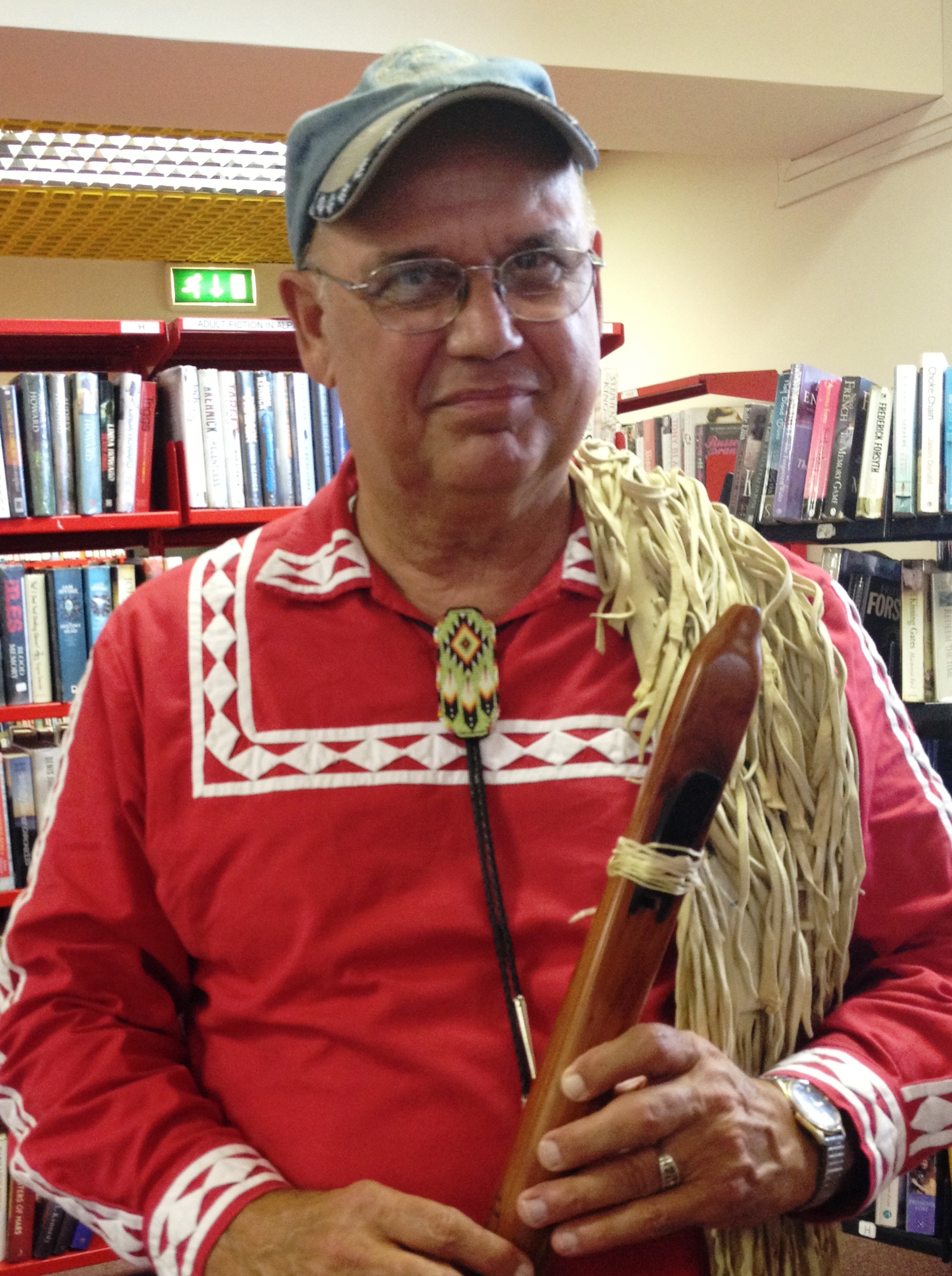
Tim Tingle, Chocktaw Story Teller

Tim Tingle, Chocktaw Story Teller

We were lucky, recently, to be present at a session by Tim Tingle, a Chocktaw writer and storyteller, in the Skibbereen library. Relaxed and humourous and with the aid of his drum he told us of his people and their relationship with the land and the animals. Slowly he drew us in to a deeper story from the time of the Chocktaw Trail of Tears: a story universal in its appeal and its humanity. His message: “Look ahead, keep moving forward.”

Mizen Magic

We’ve done several posts on the Sheep’s Head and the marked hiking trails that crisscross that peninsula. But we actually live on a different peninsula, The Mizen, and it is just as glorious and wild and beautiful.

Map of Mizen and Goleen

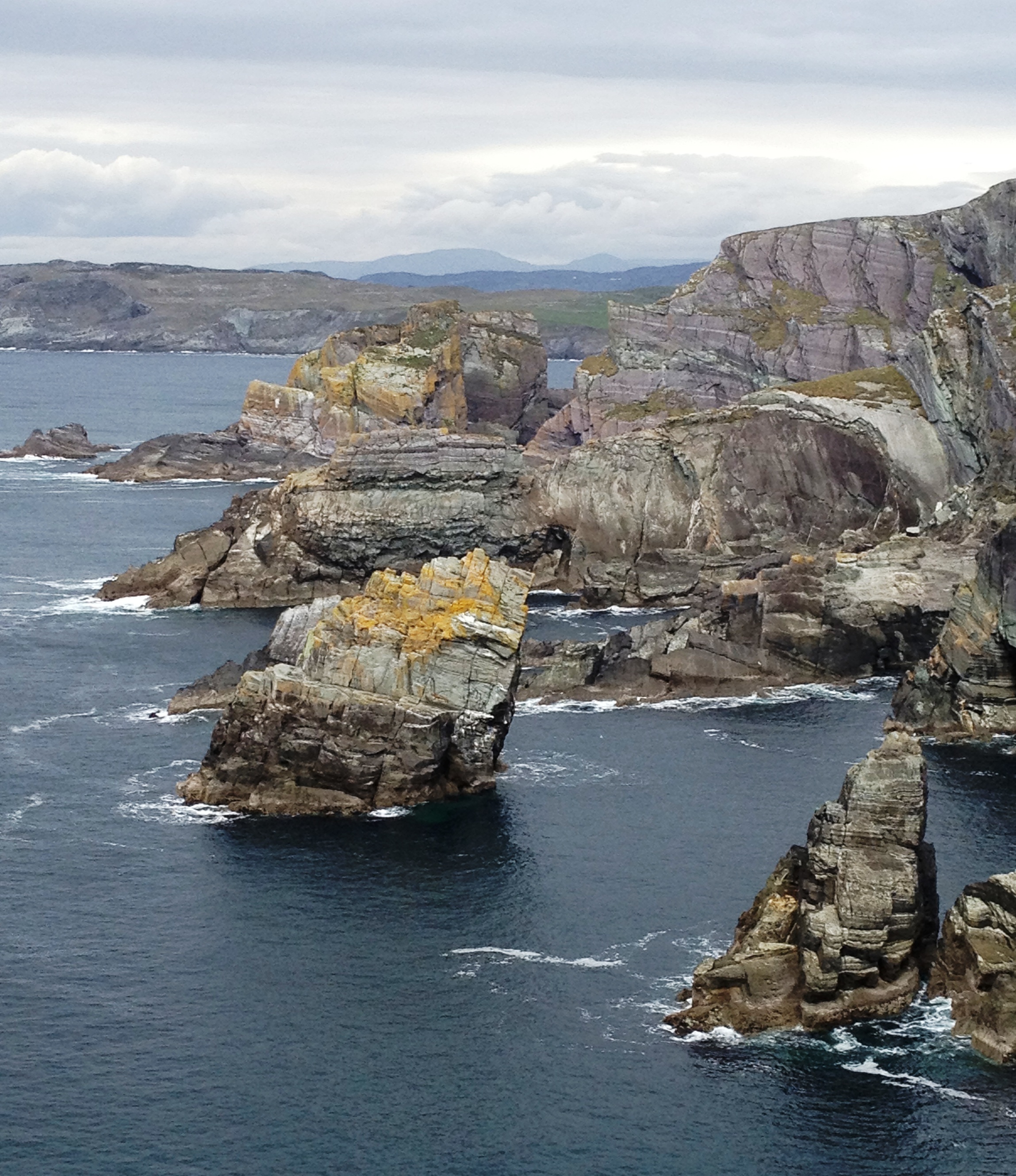
The road to the Mizen Head starts at Ballydehob, runs along the southern side of the peninsula through Schull and Toormore and on to Goleen and Crookhaven. At the far or western end are the beaches of Barley Cove and the Mizen Head Lighthouse and Visitor Centre. There are no villages on the northern side of the peninsula until you reach Durrus, which also marks the start of the Sheep’s Head Peninsula. It is bounded on the south by the waters and islands of Roaringwater Bay and on the north by Dunmanus Bay. The whole peninsula is rich in history and archaeology and we plan future posts about many aspects of life here.

For the moment, a flavour in photographs of what The Mizen landscape has in store for visitors.

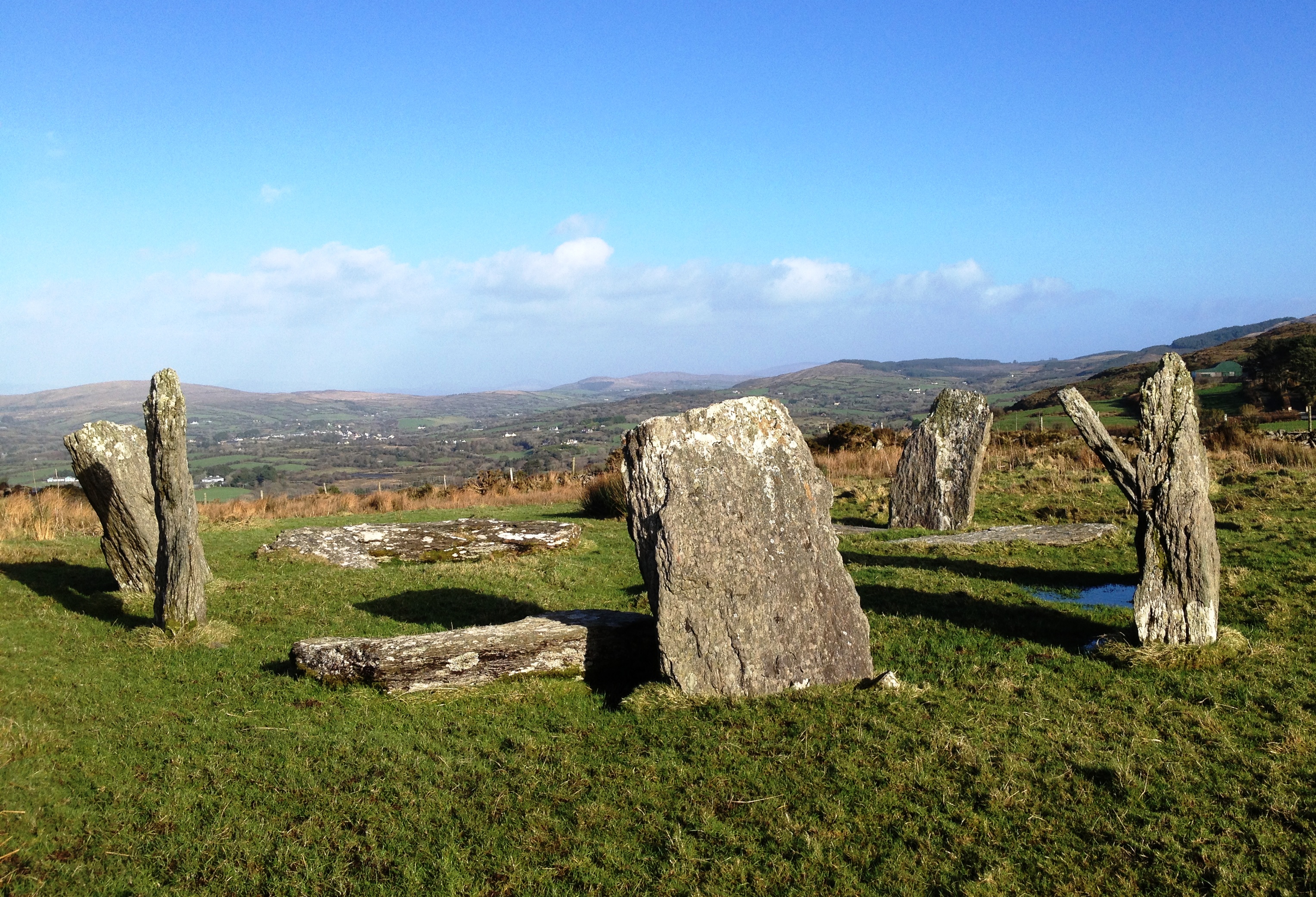
Dunbeacon Stone Circle

Dunbeacon Stone Circle

Ballyrisode Beach

Ballyrisode Beach

Dunmanus Bay

Dunmanus Bay

Mizen Head

Mizen Head

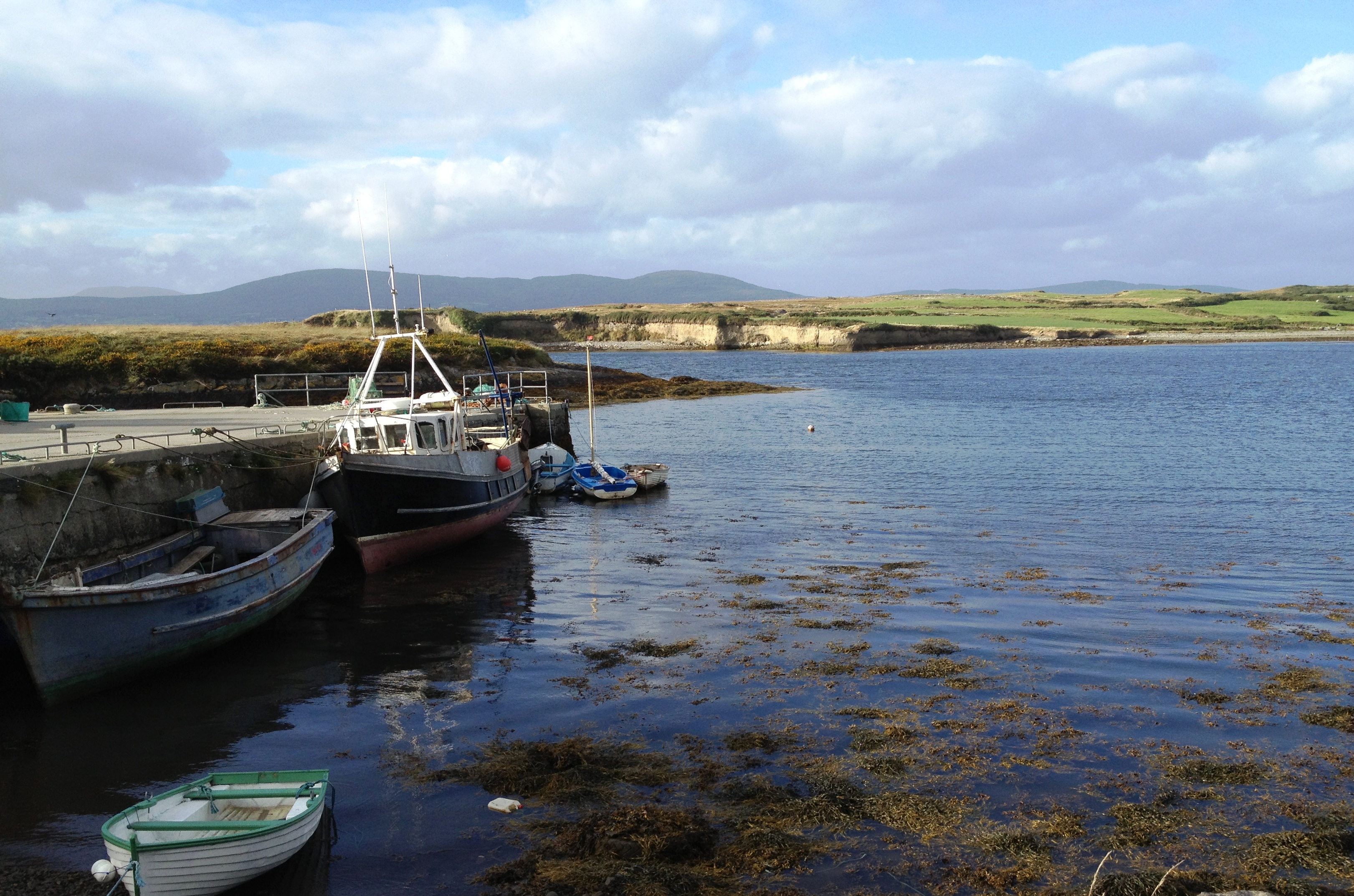
Dunmanus Harbour

Dunmanus Harbour

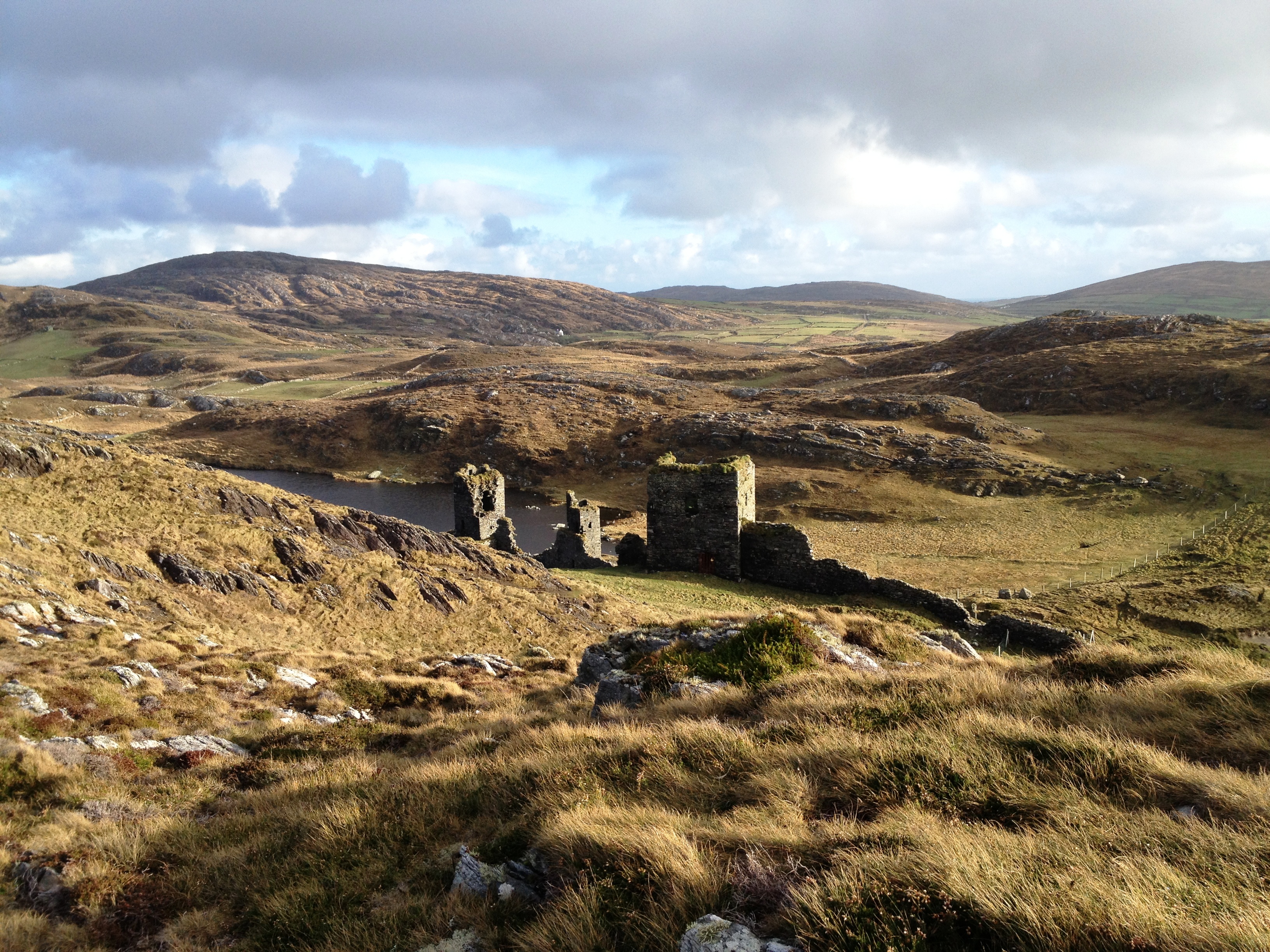
Three Castle Head

Three Castle Head

At Sea Level

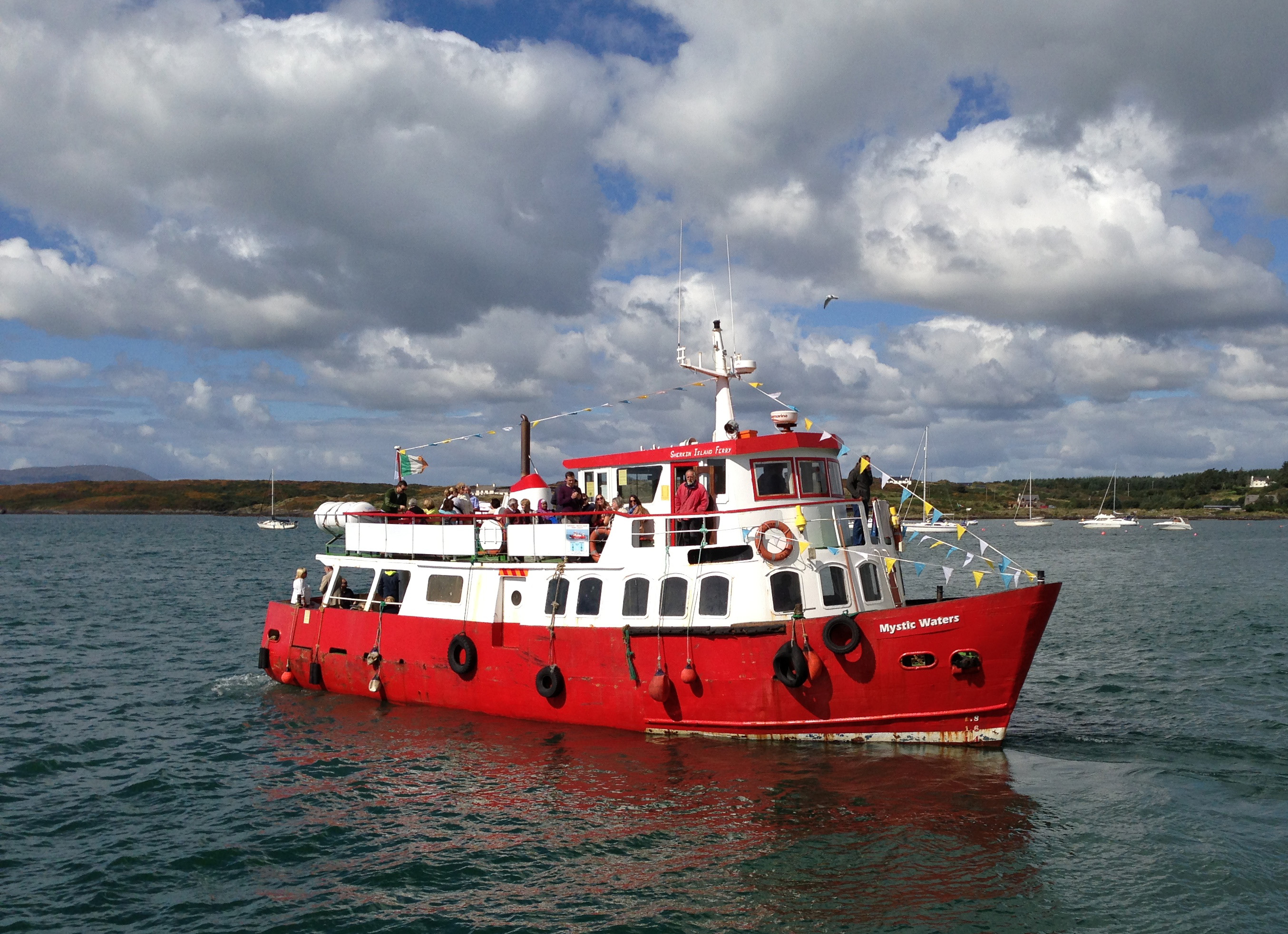
mysticwaters

THE SUMMER sun is falling soft on Carbery’s hundred isles,

The summer sun is gleaming still through Gabriel’s rough defiles;

Old Innisherkin’s crumbled fane looks like a moulting bird,

And in a calm and sleepy swell the ocean tide is heard…*

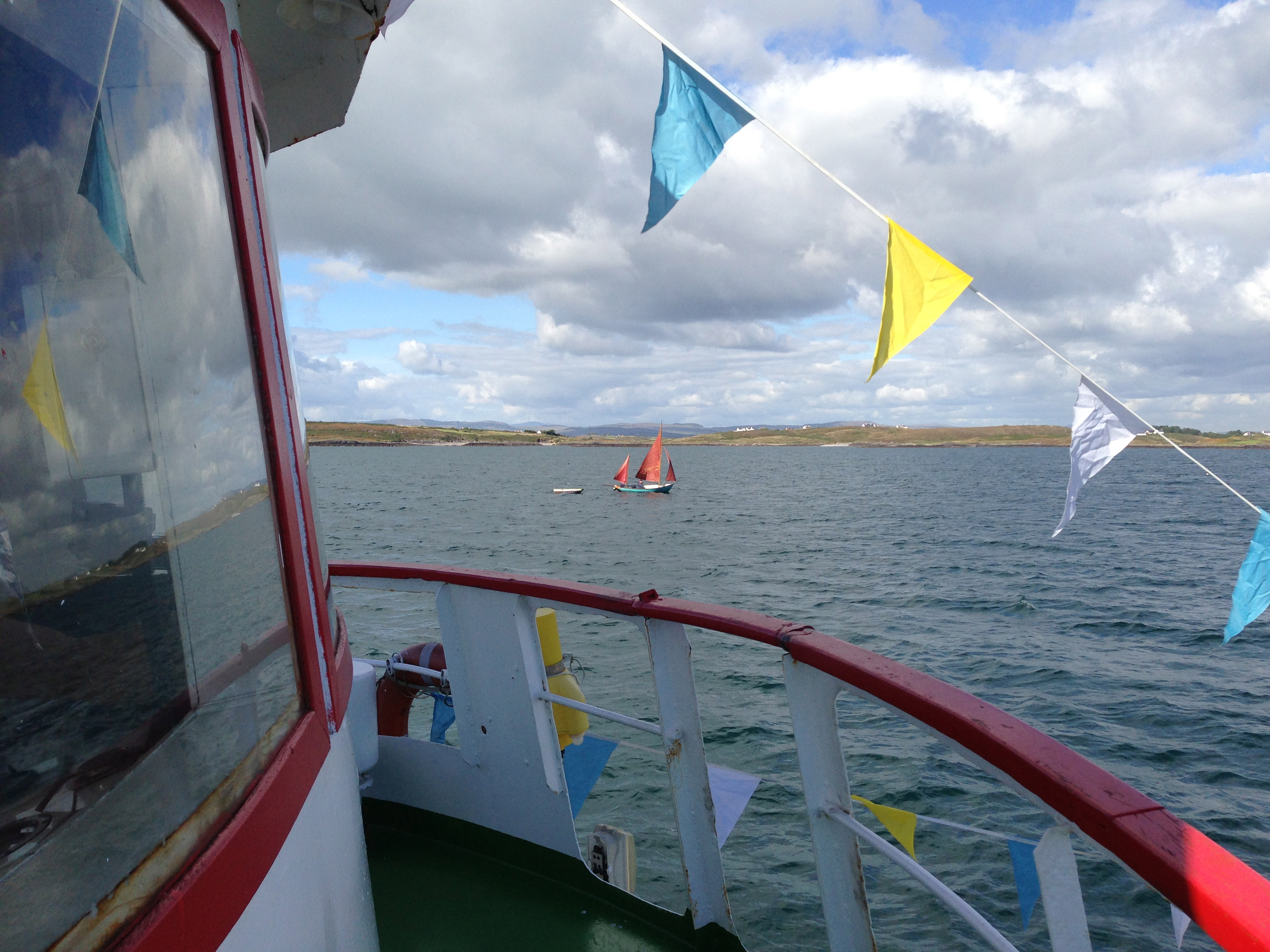
The little red boat that spends most of its days plying the ten minute crossing between the mainland and Sherkin island is occasionally let off its leash to go further afield and explore the Islands of Roaringwater Bay – ‘Carbery’s Hundred Isles’. We signed up for yesterday’s voyage: every day we look down over these waters from our nest up on the hill, and we welcomed the opportunity to explore our view from within it. This event was organised as part of the Taste of West Cork Food Festival, and we had the bonus of enjoying trays of good food and drink as we savoured the scenery.

carbery isles

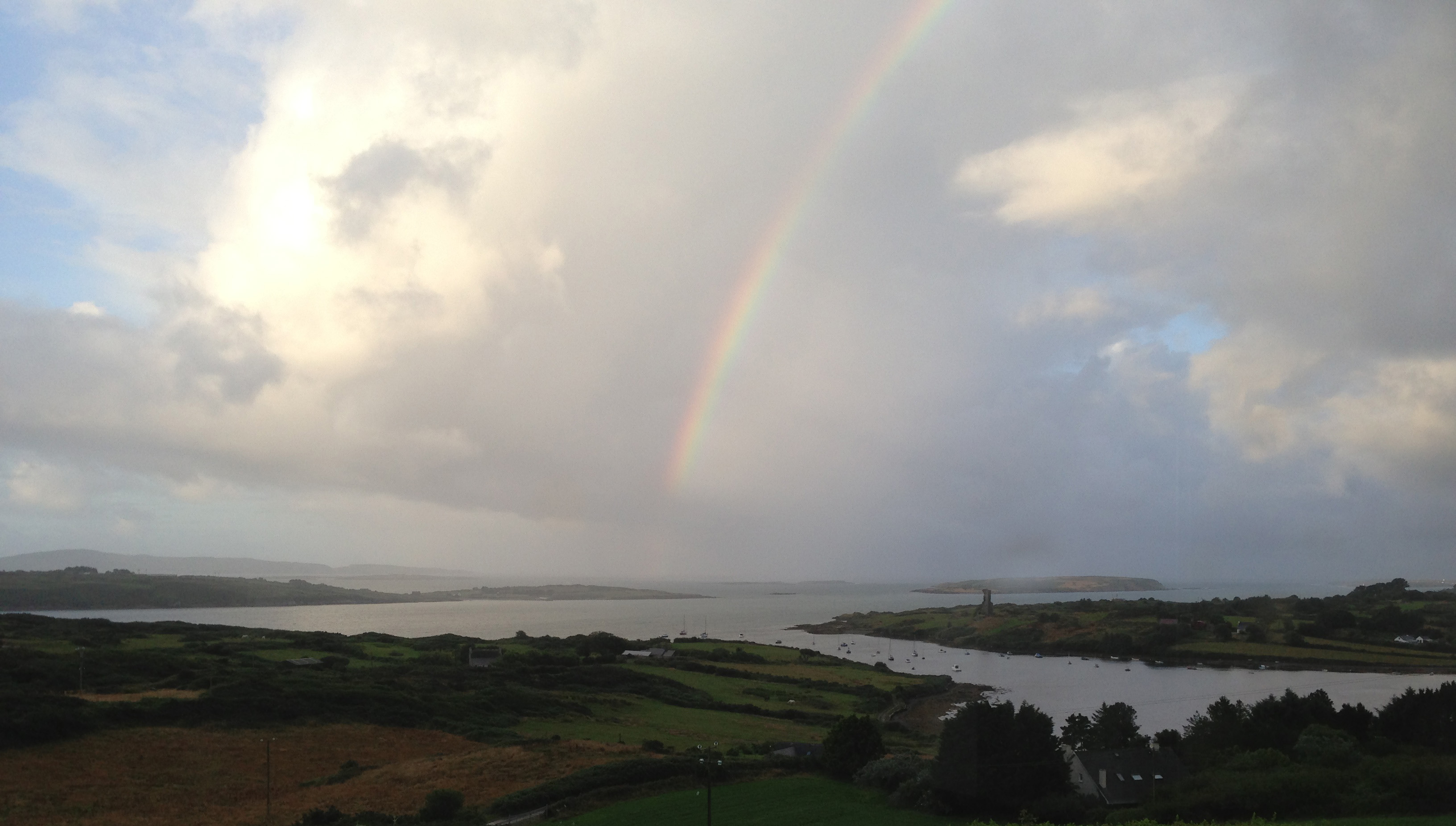
The late summer sun was certainly ‘falling soft’ as Mystic Waters pulled away from Baltimore. Perhaps it was the last of the summer sun as our view from Nead an Iolair today has gone! There’s not one island to be seen through the driving rain, and the Atlantic storm is sending our weather-vane spinning…

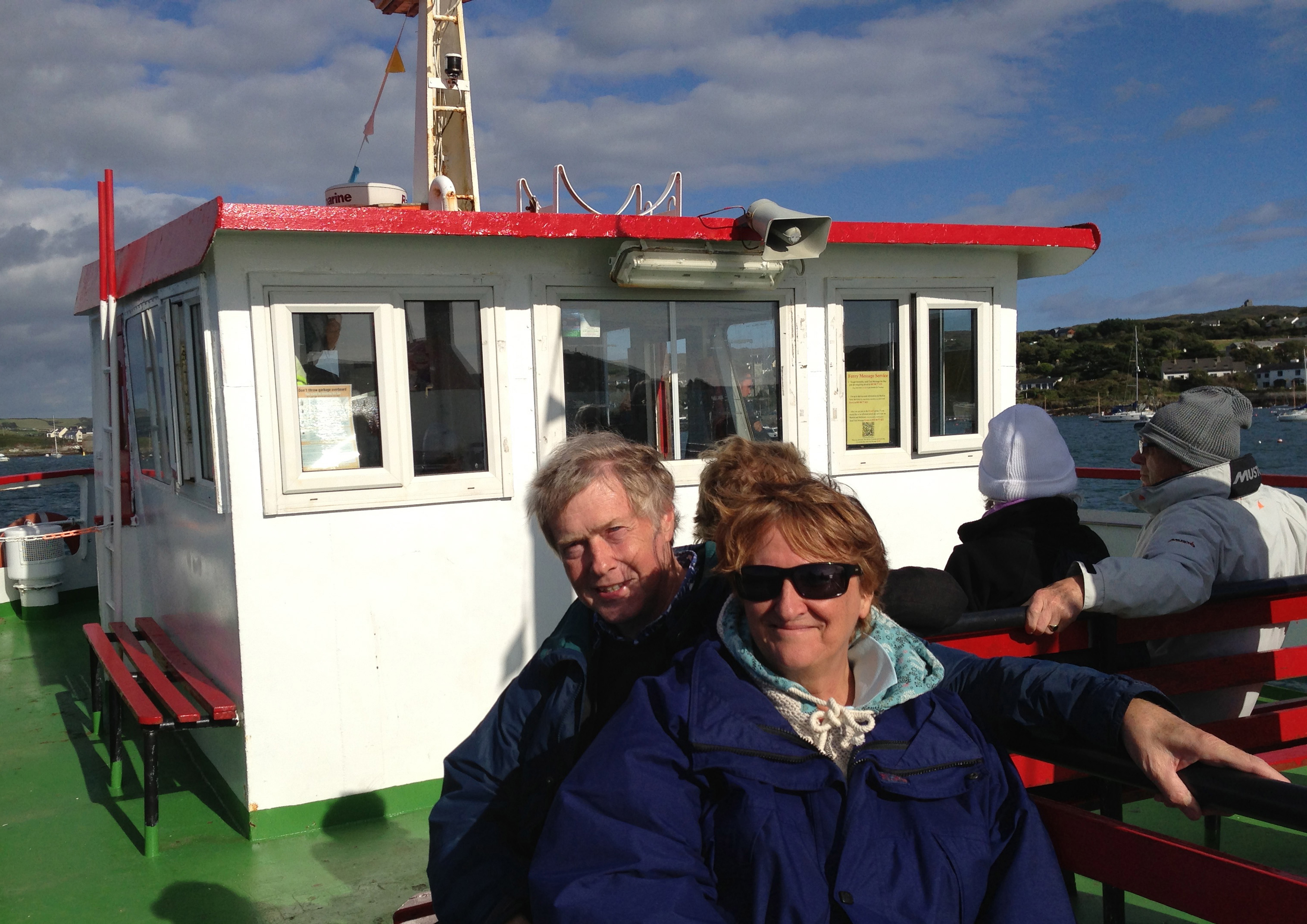
aboard

Some of the ‘Hundred Isles’ are little more than perches for gulls and cormorants, but a few are still inhabited – Clear, Sherkin, Hare and Long Island – while ruined evidence remains to show that many more have once supported small farmsteads – The Skeams, The Carthys, Calf Islands and Castle. Horse Island is the residence of one family – with plans to establish a distillery there.

A traditional Hare island lobster boat - sailing past Hare Island

A traditional Hare Island lobster boat – sailing past Hare Island

Middle Calf

Middle Calf

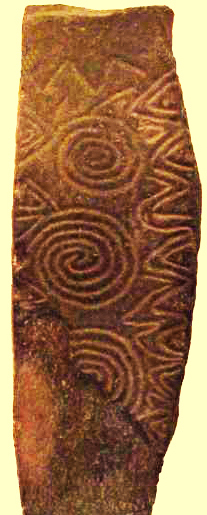
capeclearstone3We didn’t land on any of the islands yesterday: we hope to visit some in the future. My first goal is the Middle Calf – a Hare Haven! But we do need to catch up on some Rock Art. There are marked stones on Horse Island while Clear (an Irish speaking community – part of the Gealtacht) supports a Neolithic chambered tomb which once contained a remarkable artefact: a carved stone with spirals, lines and zigzags, much more akin to the decorated boulders of the Boyne Valley Culture than the cups and rings of West Cork and Kerry. The stone (now – sadly – removed to the Cork City Museum) was part of a passage grave sited on the highest point of the island. Like the huge Newgrange monuments, the passage here is aligned on a solstice sunrise. As we look out through the mist today it’s a sobering thought that a sophisticated, scientifically aware society resided on these remote islands over 5,000 years ago.

* This poem was written by Thomas Osbourne Davis (1814 – 1845) and records the Sack of Baltimore of 1631 when Barbary pirates raided the town and took over 100 residents into slavery.