News from The Pale

The European City of Dublin

The European City of Dublin

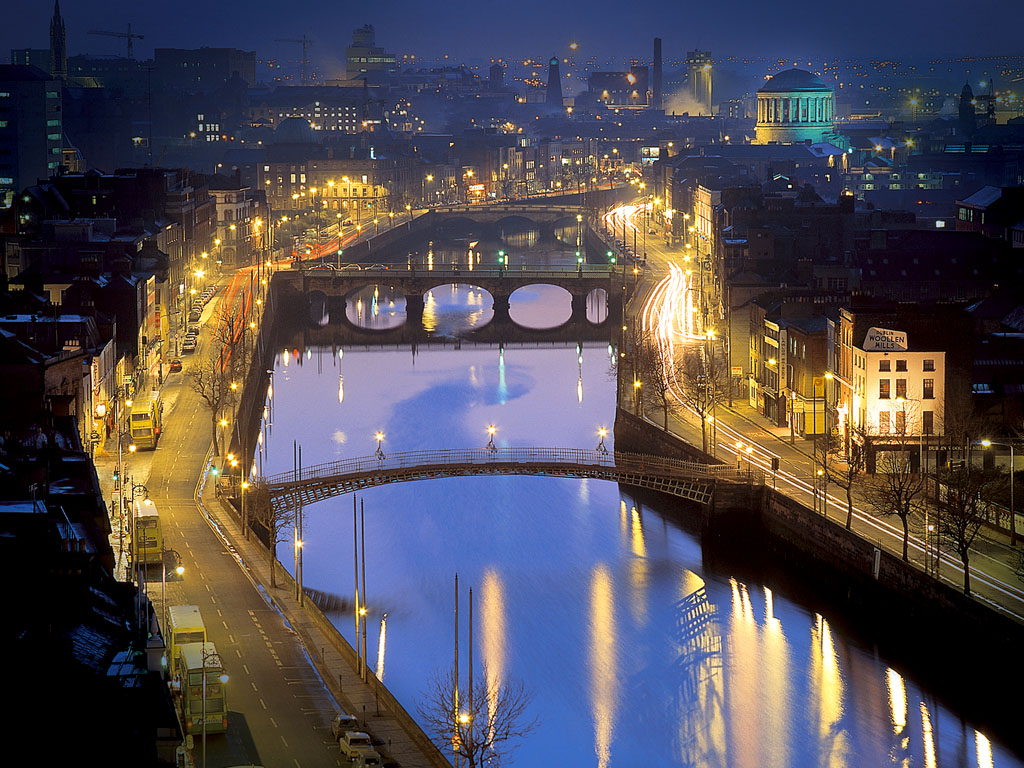
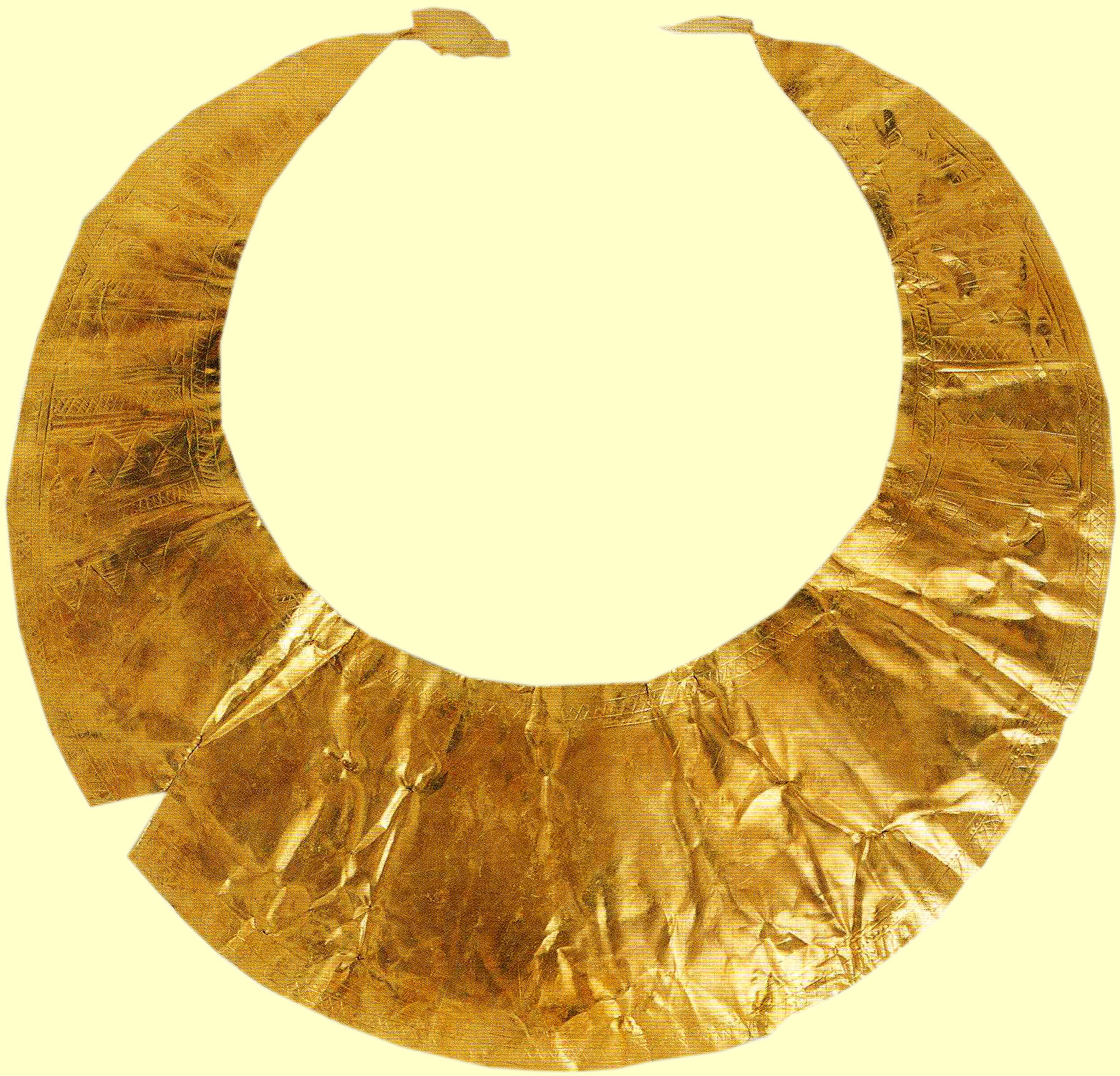
We are in  Dublin for a few days. Some of you will remember my piece on the expression Beyond the Pale: now I can report from The Pale itself. In some ways Dublin is quite like any other capital city in the world – it has its shops and shows – but in others it is unmistakably Irish. The National Museum, for example, has one of the greatest collection of Bronze Age artefacts anywhere – and some Rock Art

Gold Lunula from County Kerry - a 4,500 year old artefact in the National Museum

Gold Lunula from County Kerry – a 4,500 year old artefact in the National Museum

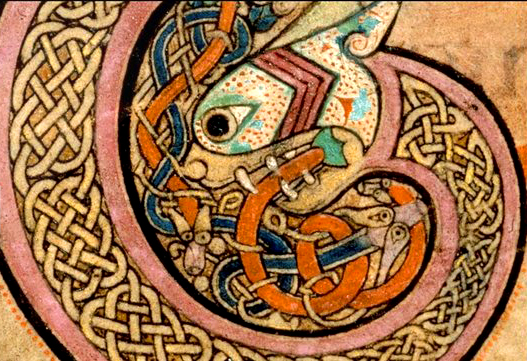
…while Trinity College Library, Dublin, is the home of the Book of Kells – an equally impressive medieval treasure. This unfinished manuscript dates possibly from the eighth century and tradition has it that it could have been begun by St Columba himself and that it was worked on for at least three centuries.

kells

The Book of Kells

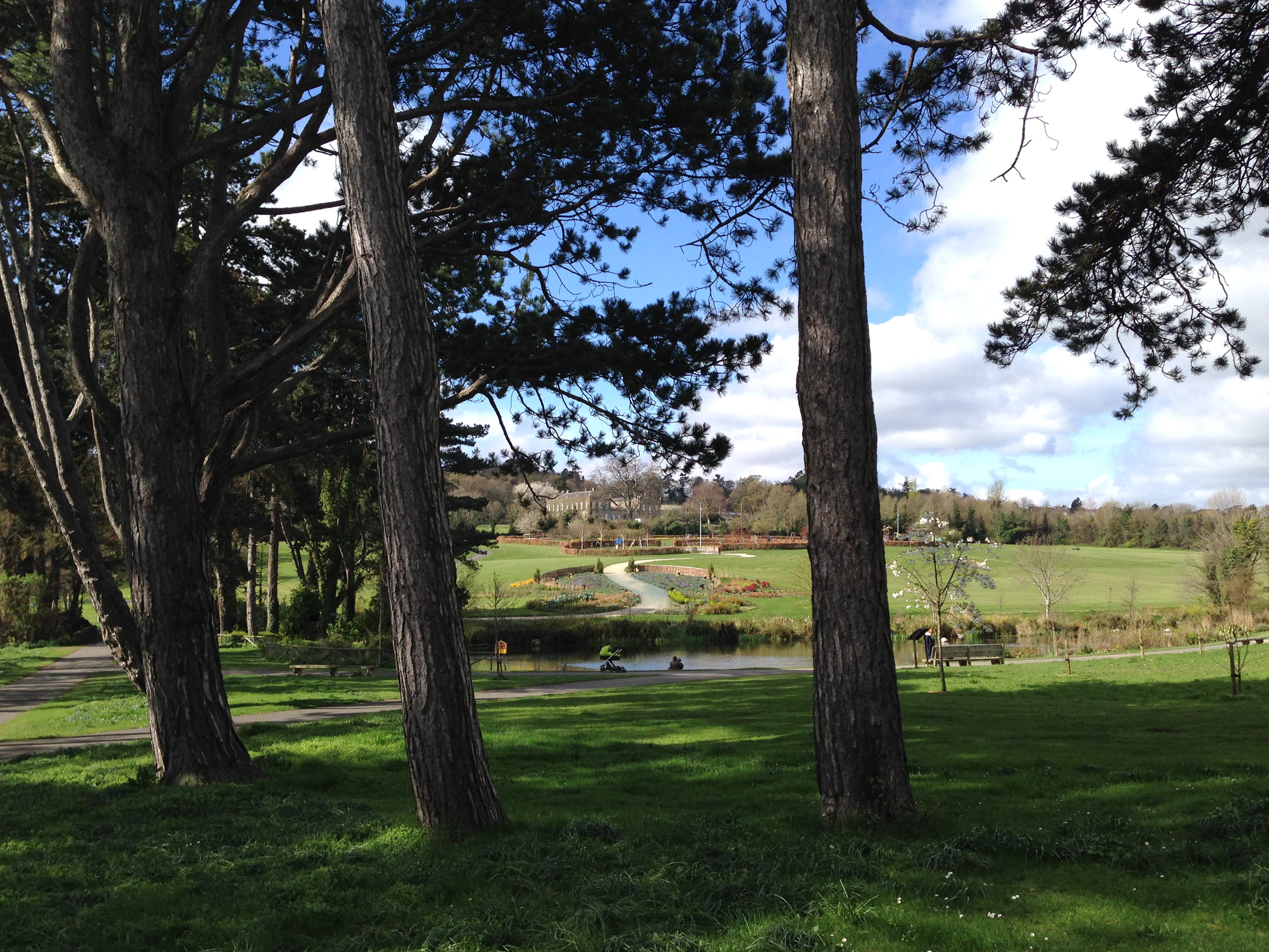
Away from the centre of things we discovered a little gem: Cabinteely Park. This publicly accessible amenity spans 45 hectares and provides city dwellers with walks, woodland, playground and cafe. It was once the estate of the Earls of Clare and now belongs to the local council. The ‘big house’ itself still stands and is undergoing slow restoration. The park is within minutes of where we are staying, and provides us with evening walks in the sunshine – and breakfast treats.

City Amenity: Cabinteely Park

City Amenity: Cabinteely Park

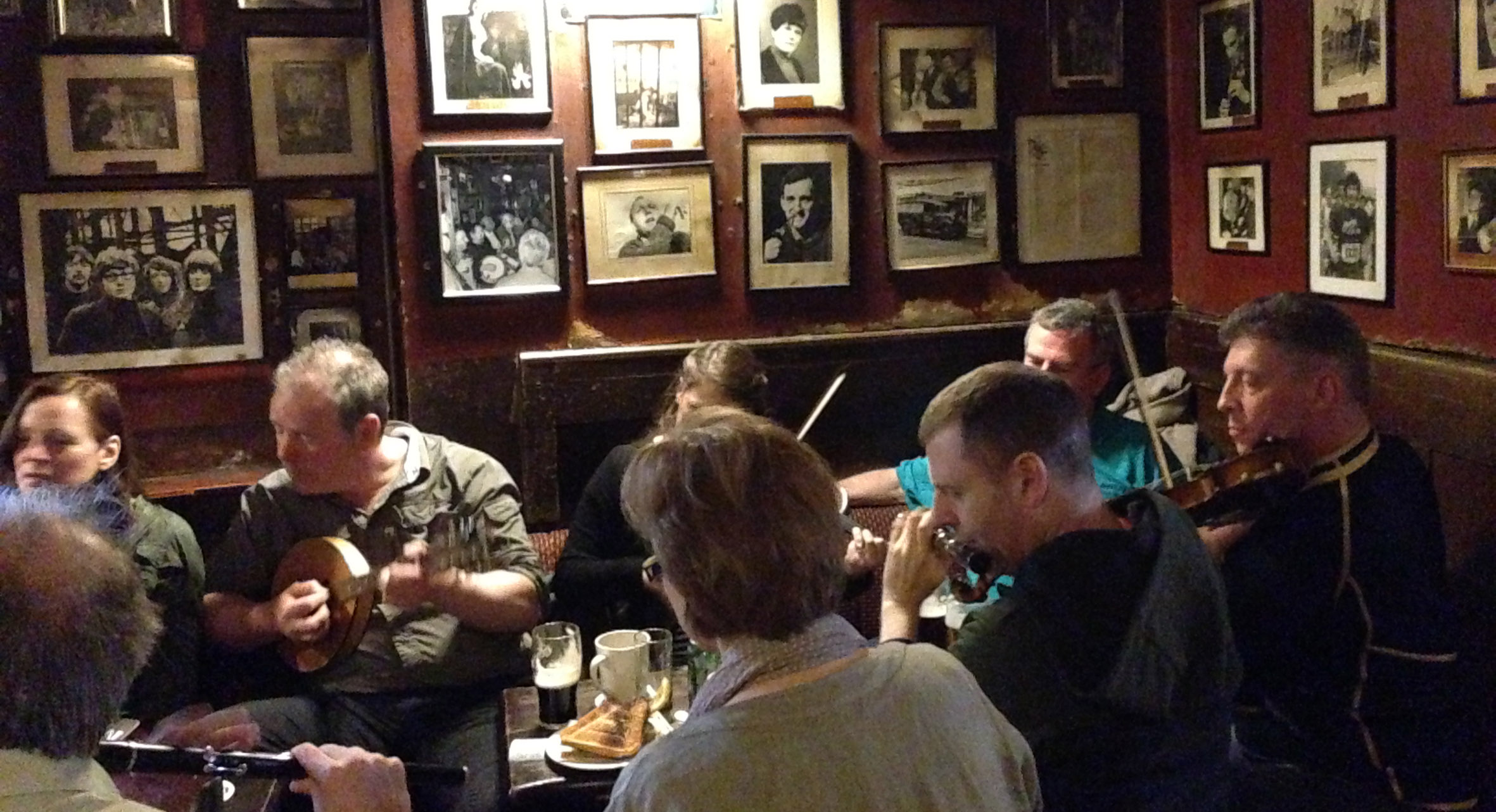
Being an Irish city, the music sessions are good. We went to O’Donoghue’s pub on Friday lunchtime and found 18 musicians gathered: fiddles, concertinas, flutes – and even a bagpipes played by a Scottish visitor.

Trad Session at O'Donoghue's

Trad Session at O’Donoghue’s

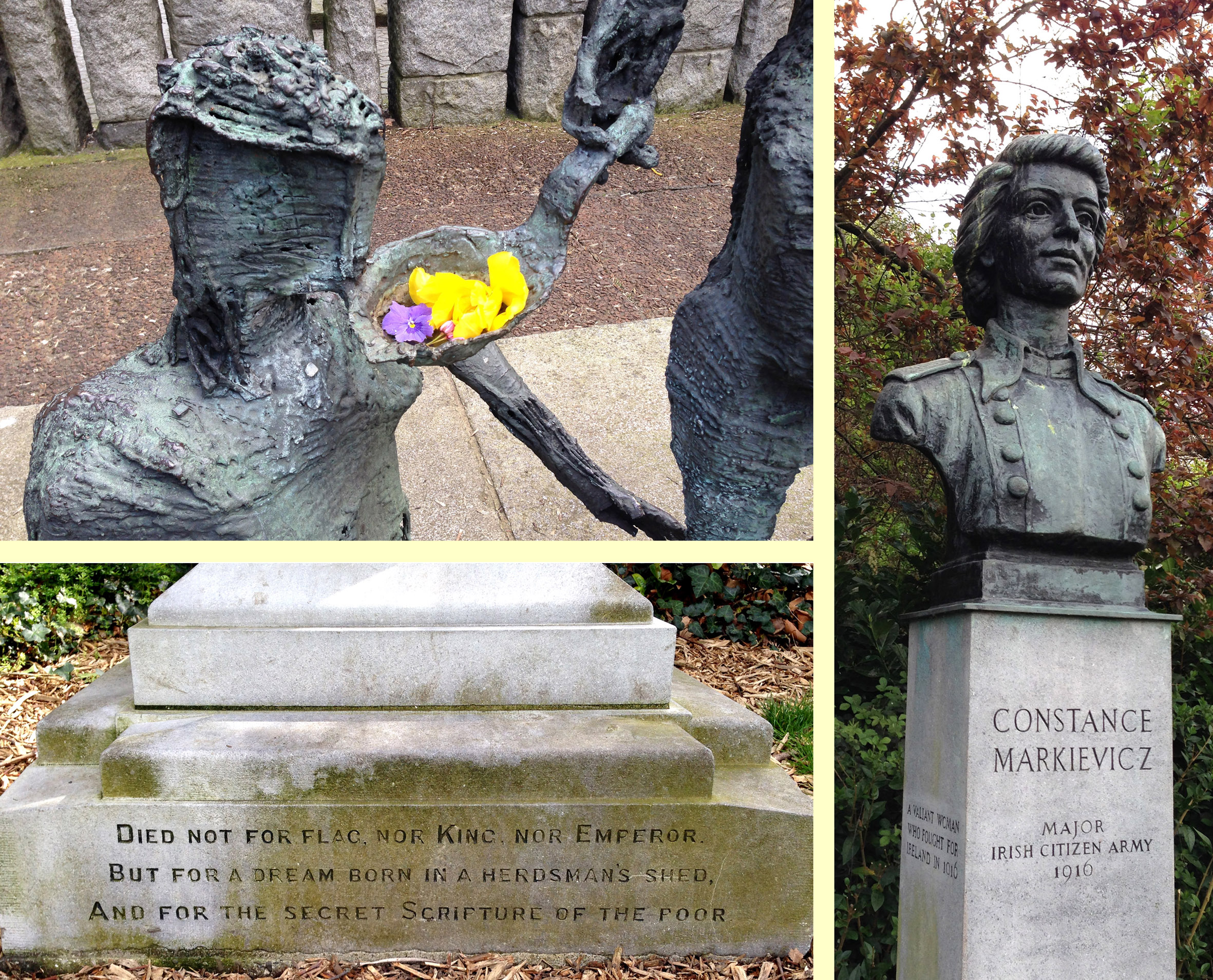
In the heart of Dublin City is St Stephen’s Green – which presents a collection  of statues of various Irish figures who are known to the world through the arts: Oscar Wilde, W B Yeats, James Joyce et al, but also nationalists who fought for the cause of Irish independence.

Remembering Irish History in St Stepen's Green

Remembering Irish History in St Stephen’s Green

At present the media is full of the state visit of the President of Ireland to Britain: it can only be a good thing that the two nations should become closer, and it’s great to hear the pretty universal enthusiasm for it from this side of the Irish Sea. So while this new era of better relations is taking off, I am dismayed to read of the rise of nationalistic right wing politics in Britain itself: could these lunatic press-inspired extremists really derail Britain’s place in the European Union? Will common sense ultimately prevail? I can only look on from the shores of a very firmly European country and hope.

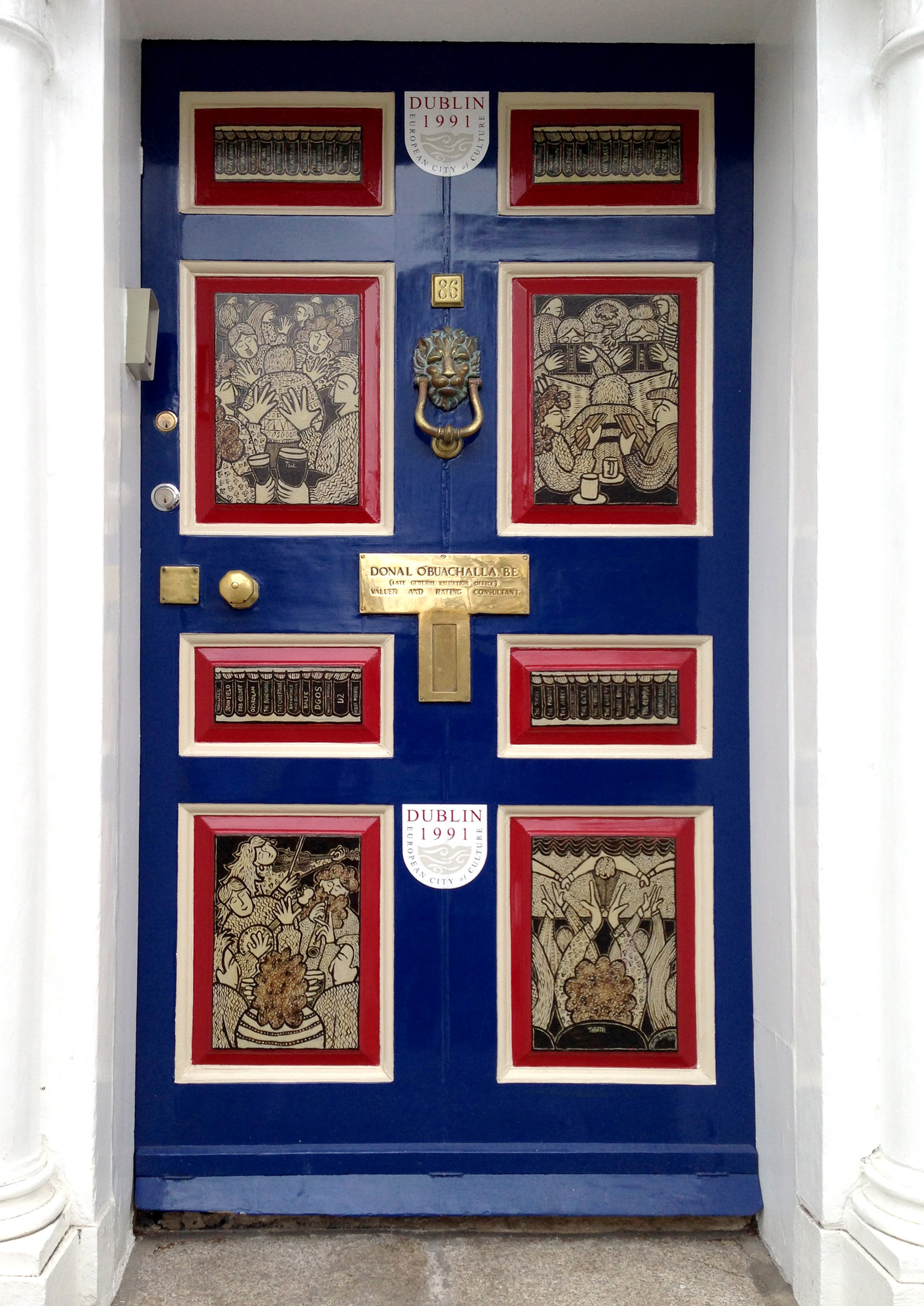
Dublin Doorway

Dublin Doorway


Ballydehob Trad Fest

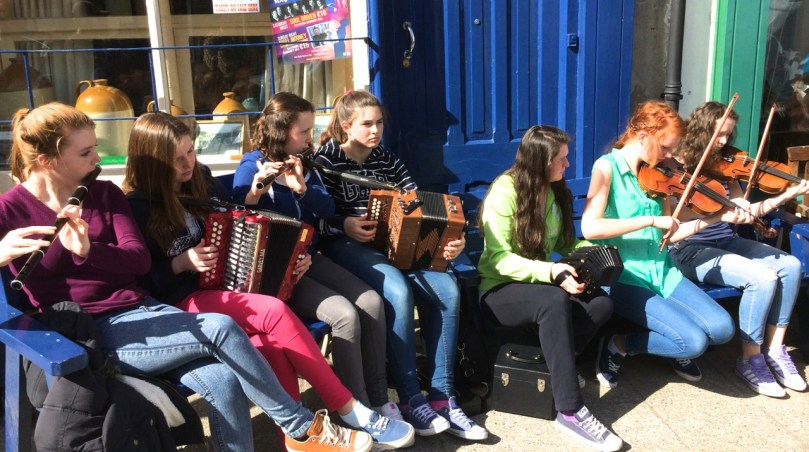
Young Traditional Musicians at the Ballydehob Trad Fest

Young Traditional Musicians at the Ballydehob Trad Fest

If you like traditional music, then Ballydehob was the place to be this weekend. Féile Átha Dá Chab, the Ballydehob Traditional Music Festival, had us bouncing on our bar stools, hooting and cheering in our concert seats, and applauding the talent of hoards of youngsters.

Finale of the Four Men and a Dog Concert

Finale of the Four Men and a Dog Concert

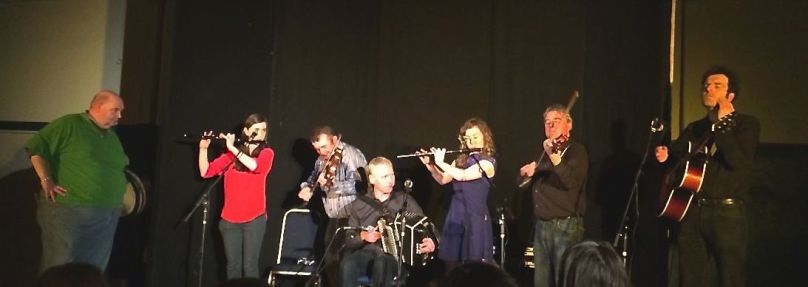
The Festival kicked off with an outstanding concert by Four Men and a Dog. Playing, singing, telling stories, and with the unique wit of Gino Lupari (an Italian bodhran player with an Irish accent) they entertained us for over three hours in the village hall. They invited two talented local girls to play with them, and with Mairead and Maria Carey on their flutes, we were on our feet for an intense finale that left us exhilarated.

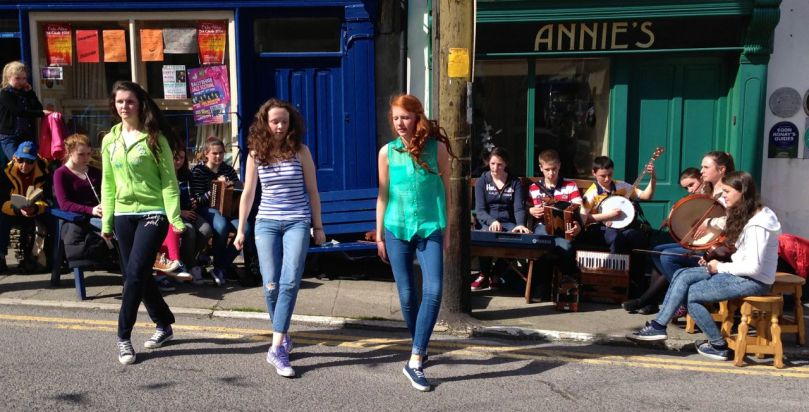
Sunday afternoon session at Levis's

Sunday afternoon session at Levis’s

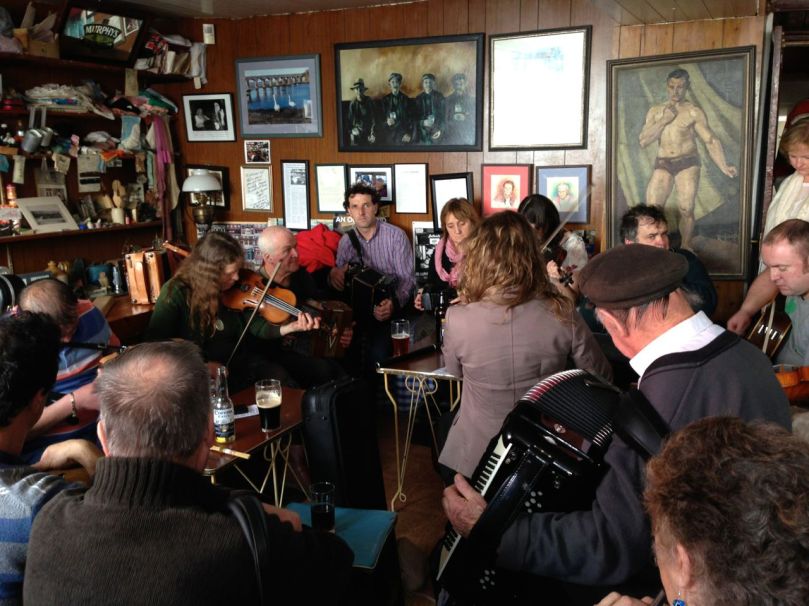
Once the concert is over, where do you go? To the pubs, of course, where there were sessions going on till all hours. We were in Levis’s, but we could have been in any one of half a dozen pubs, all with great music.


Maureen Culleton/Learning how to twirl

Maureen Culleton/Learning the steps

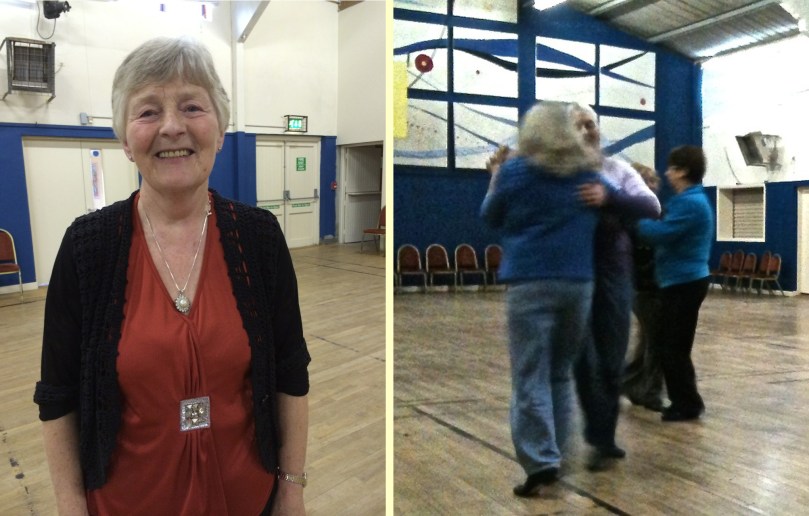
Our friends from Devon, Chris and Gill, who are staying with us, bravely signed up for the set dancing workshop next day, along with sixteen others. They are tango dancers and in great shape, but by noon they were exhausted and had a whole new respect for this form of dancing. Maureen Culleton, highly experienced and very encouraging, introduced some new dances to the locals and put everyone through their paces. The day culminated in a Céilí (pronounced kaylee) where the set dancers danced into the wee hours to the music of the Striolán Ceilí Band from Kerry. People around here love set dancing and are very good at it. It’s an activity that brings together all ages in country villages. Here’s a good example of set dancing, with the Striolán Ceilí Band playing in the background.

In Rosie's

In Rosie’s

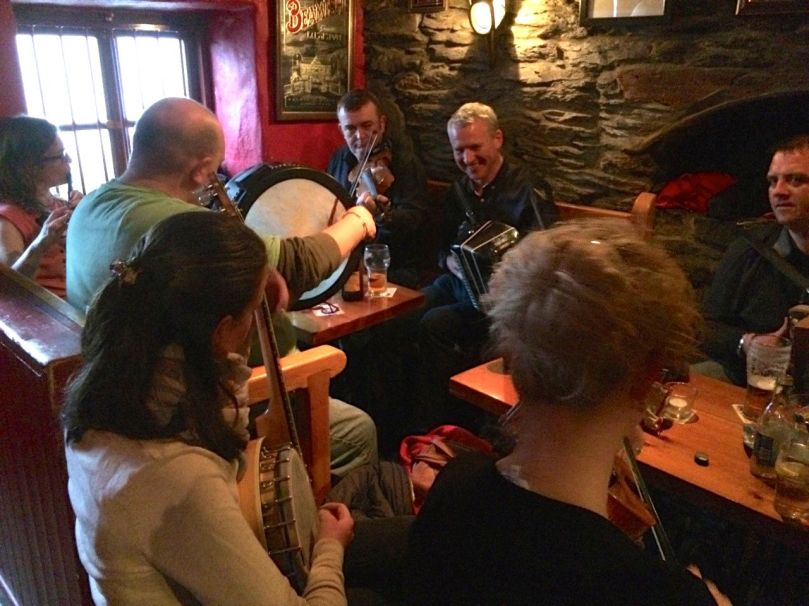
Robert and I aren’t set dancers so we took to the pubs (amazing how much time a couple of non-drinkers can spend in pubs!) for the sessions that were going on in most of them. Members of Four Men and a Dog were in Rosie’s, playing with local musicians. Getting to see them in such an intimate setting was great.

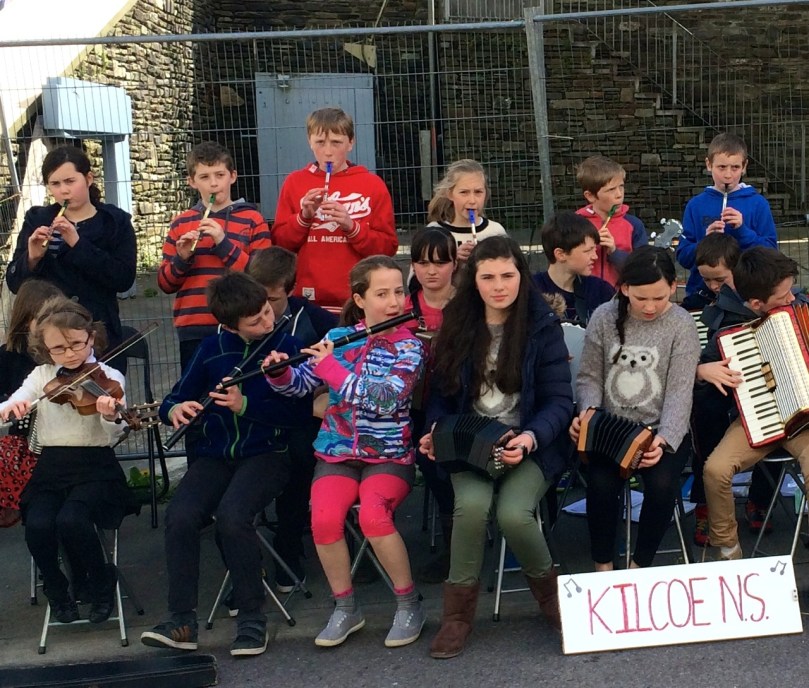
The Kilcoen Kids

The Kilcoe Kids

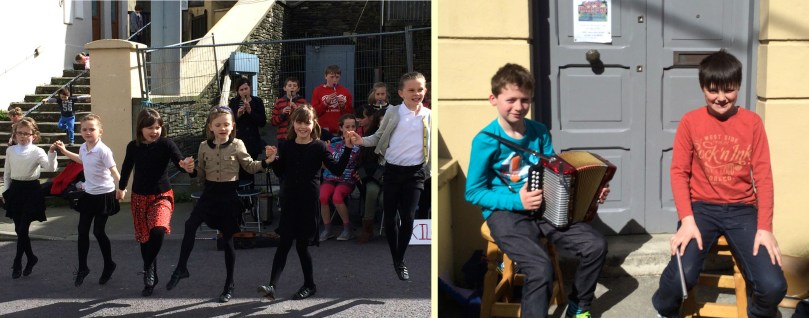
Today, Sunday, the sun came out and the streets of Ballydehob filled up with young musicians competing in the Street Seisiún Competition. Seisiún, pronounced seshoon is the Irish word for session. And a session, in case I haven’t explained this before for our non-Irish readers, is the word used for a bunch of traditional musicians getting together to make music. The younger children, of course, stole our hearts, singing, dancing and playing music on the streets. The teens were remarkably accomplished: many of them have been studying in the Comhaltas system for years.

Dancing in the streets

Dancing in the streets

As I type, people are wandering from pub to pub on the session trail in Ballydehob. When you love something, you just don’t want it to stop! Fortunately, in this part of Ireland, the music is alive and well – and in good hands for the future.


The future is assured!

The future is assured!

Well done, Ballydehob, on another fantastic traditional music festival!

Danno enjoying a private concert

Danno enjoying a private concert


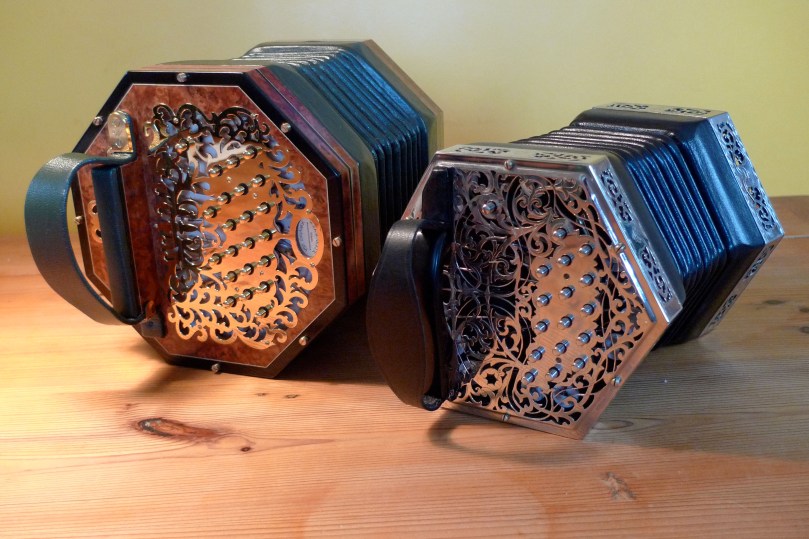
The Clare Trumpet

The Clareman's Trumpet - two fine modern concertinas, by Wim Wakker (left) and Colin Dipper (right)

Two fine modern concertinas, by Wim Wakker (left) and Colin Dipper (right)

We went to Ballyvaghan, County Clare so that I could take part in the Concertina School run by Maestro of that instrument – and Clare man – Noel Hill. I have played concertinas for over 40 years but never in the ‘Irish’ style: here I am in Ireland so – in my seventh decade – it’s back to school for me! The concertina – a small squeezebox – has a long history in Clare, and in Ireland. It was pioneered by an Englishman, Charles Wheatstone, in the 1800s. Wheatstone’s real fame came as co-inventor – with William Cooke – of the electric telegraph which was arguably the forerunner of all our present day telecommunication systems (so thank you, Wheatstone, for my iPhone) but he was also prolific in his invention and improvement of many other devices, including musical ones. He took the Mundharmoniker – a German metal-reeded mouth blown instrument and turned it into the mouth-organ we know today; he then used the metal reeds and leather bellows to develop the concertina itself, a very portable instrument which has a tone and range similar to the violin. High quality concertinas bearing the Wheatstone name are still being made, as are many others, but it was the ability to mass produce these instruments at a low cost (far lower than the fiddle) which ensured their popularity in Victorian drawing rooms and in ale houses, dance halls and kitchens.
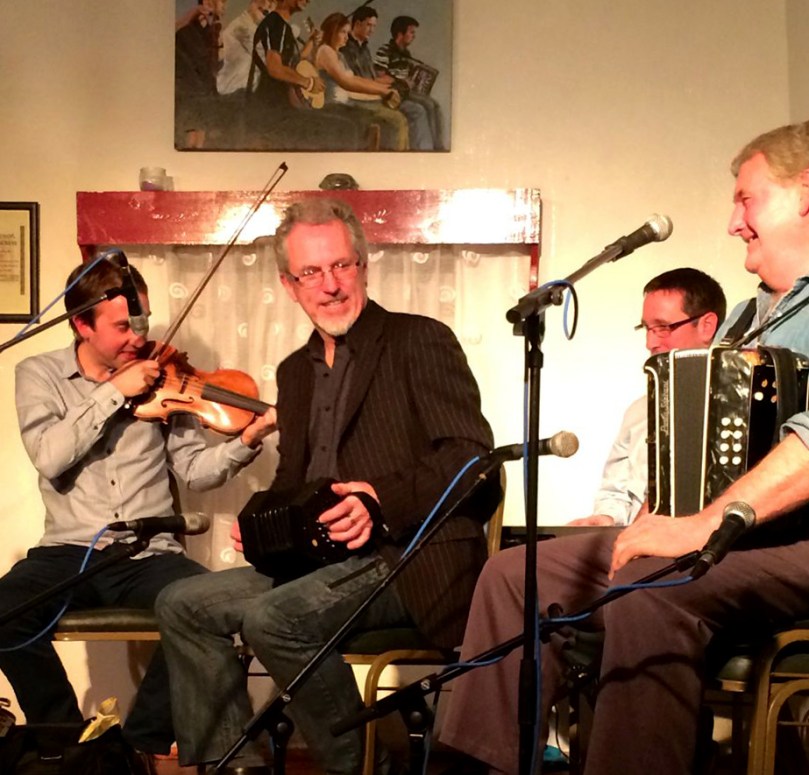
Noel Hill and Seamus Begley give a rousing finale to the Corofin Festival in Clare 2014

Noel Hill and Seamus Begley give a rousing finale to the Corofin Festival in Clare 2014

The concertina can be loud: the smaller the area of the bellows on a squeezebox, the more powerful the pressure that can be exerted on the steel reeds. Consequently the instrument has a very bright tone which carries above most others and is therefore ideal for accompanying dances in noisy rooms – or certainly was, before the days of amplification. Imagine a flag-stoned floor in a parlour or outhouse with a lively Irish set in full swing: the sound must have been fairly overwhelming, and it needed a loud instrument to be heard above the melee. Clare was and is a musical county, and gatherings for dancing (and socialising and matchmaking) were a major past-time in rural districts. The concertina was a boon on these occasions and is now an instrument forever associated with the area and its musicians. Because of its volume and its strident possibilities, the concertina has become known as ‘the Clareman’s Trumpet’.
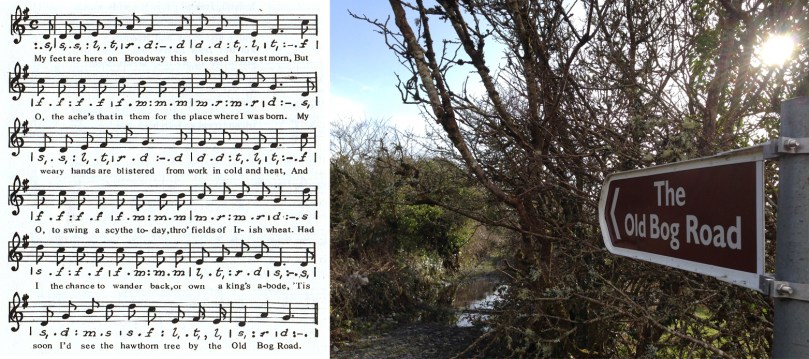
old bog road music

I could write a whole post on the many varieties of concertina which have been developed since Charles Wheatstone took out his patent in 1829. Suffice it to say that you are likely to encounter only two types in your normal travels: the English Concertina – where each button plays the same note regardless of which direction you are moving the bellows – and the Anglo Concertina – where each button gives you two different notes: one on the push and another on the pull – similar in principle to the modern mouth organ. My instrument is the Anglo, and this is also the one most commonly (but not exclusively) found today in Irish Traditional Music.
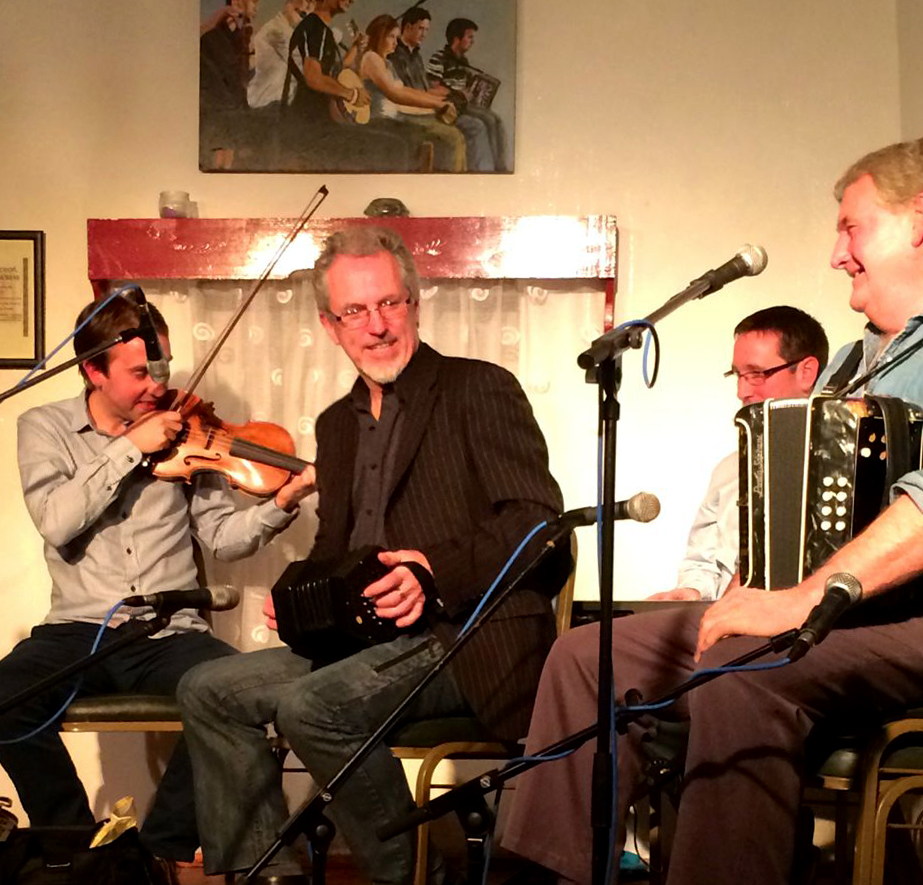
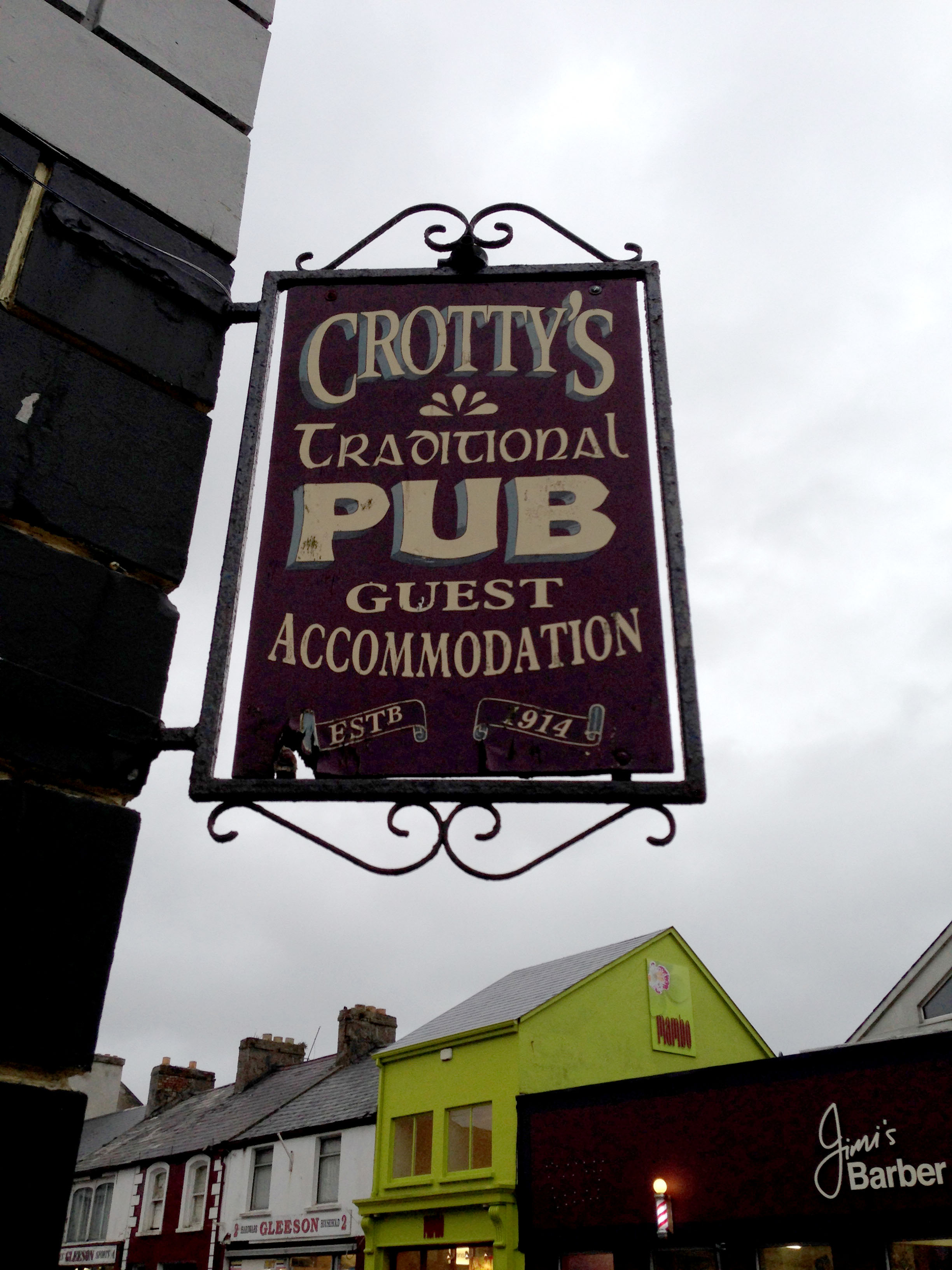
pub signNo mention of the concertina in Clare would be complete without a note on Mrs Elizabeth Crotty of Kilrush. She lived between 1885 and 1960 and was famous in her day as an Anglo player. Crotty’s pub is still there in Kilrush, and still in the family. I went there on my first visit to Ireland almost exactly 40 years ago. Mrs Crotty’s memory had not faded then. I played in the pub on that visit and was told (by her daughter) that this was the first music that had been heard in the pub since the First Lady of the Concertina had died. It’s a different matter today: there is live traditional music most nights in Crotty’s, and in so many other establishments all over the county. More Clare concertina names include Paddy Murphy (who I was fortunate enough to meet and hear at a wild and remote session on that first visit), Chris Droney of Bell Harbour, still playing in his eighties, and many another.
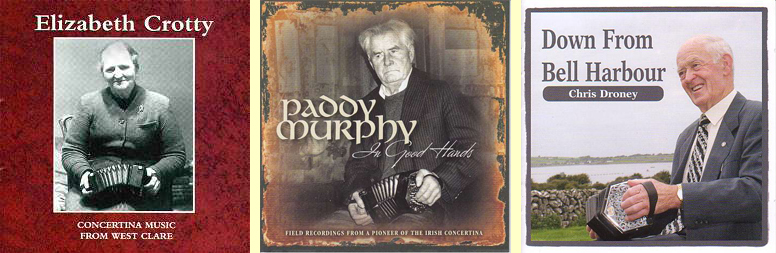
cds

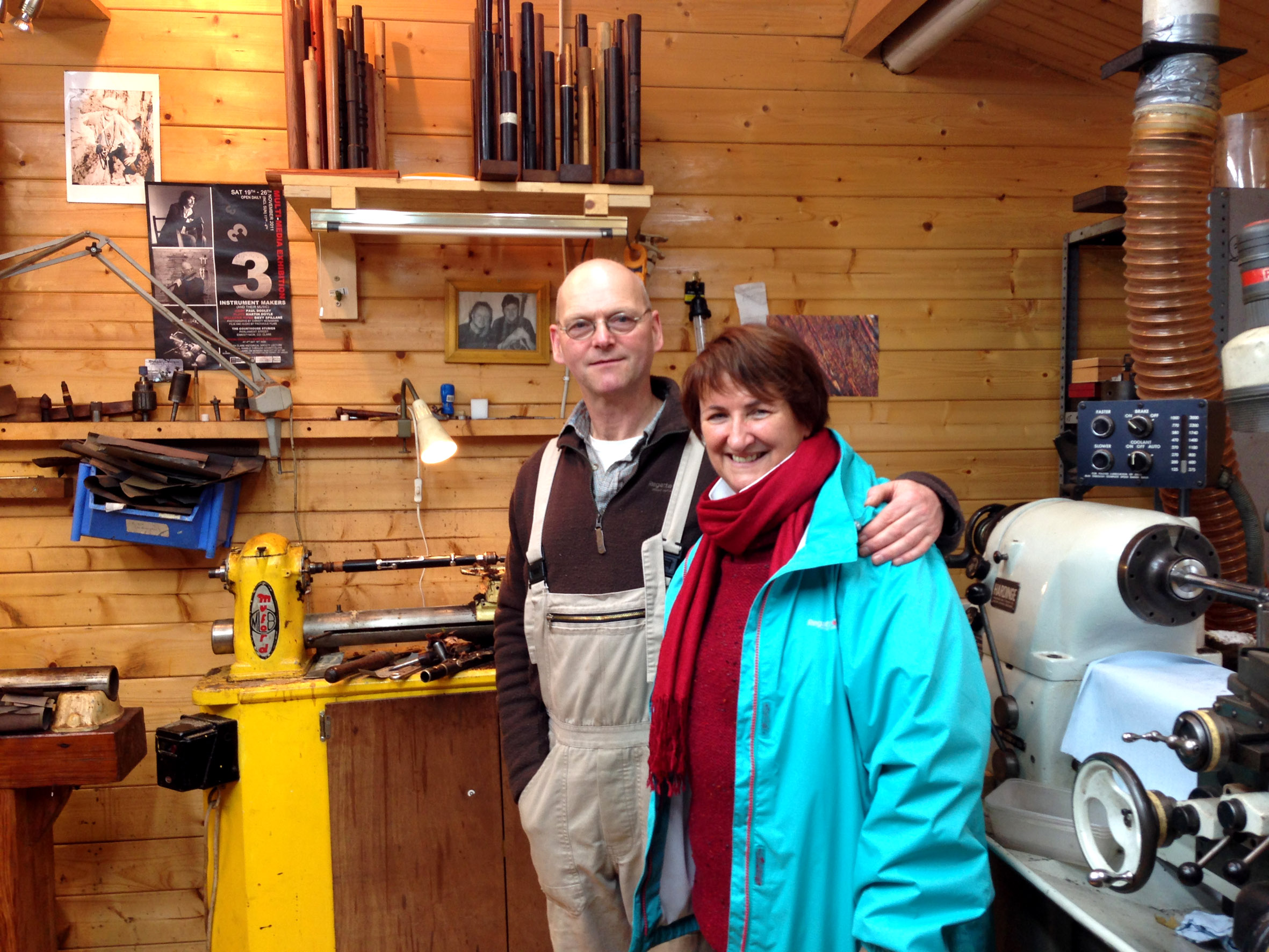
But Clare’s musical connections are not limited to the concertina: as we travelled around we became very aware of how important is music in all its varieties in this windswept, largely treeless but peculiarly beautiful part of the island. There are instrument makers: Finola grew up with Martin Doyle in Bray: he’s now one of the top producers of hand-made wooden flutes in the world! We visited his workshop – a well-equipped timber shed on the edge of the Burren. It was a great reunion: while the stories were in full flow in walked Christy Barry, renowned traditional flute player – also a Clare native, to join the chat.
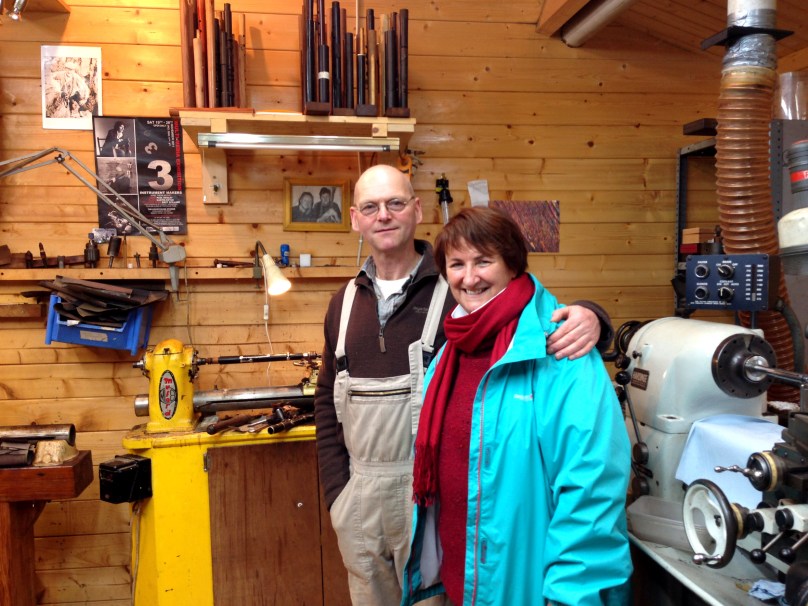
Friends from school: Clare flutemaker Martin Doyle with Finola
Friends from childhood: Clare flutemaker Martin Doyle with Finola

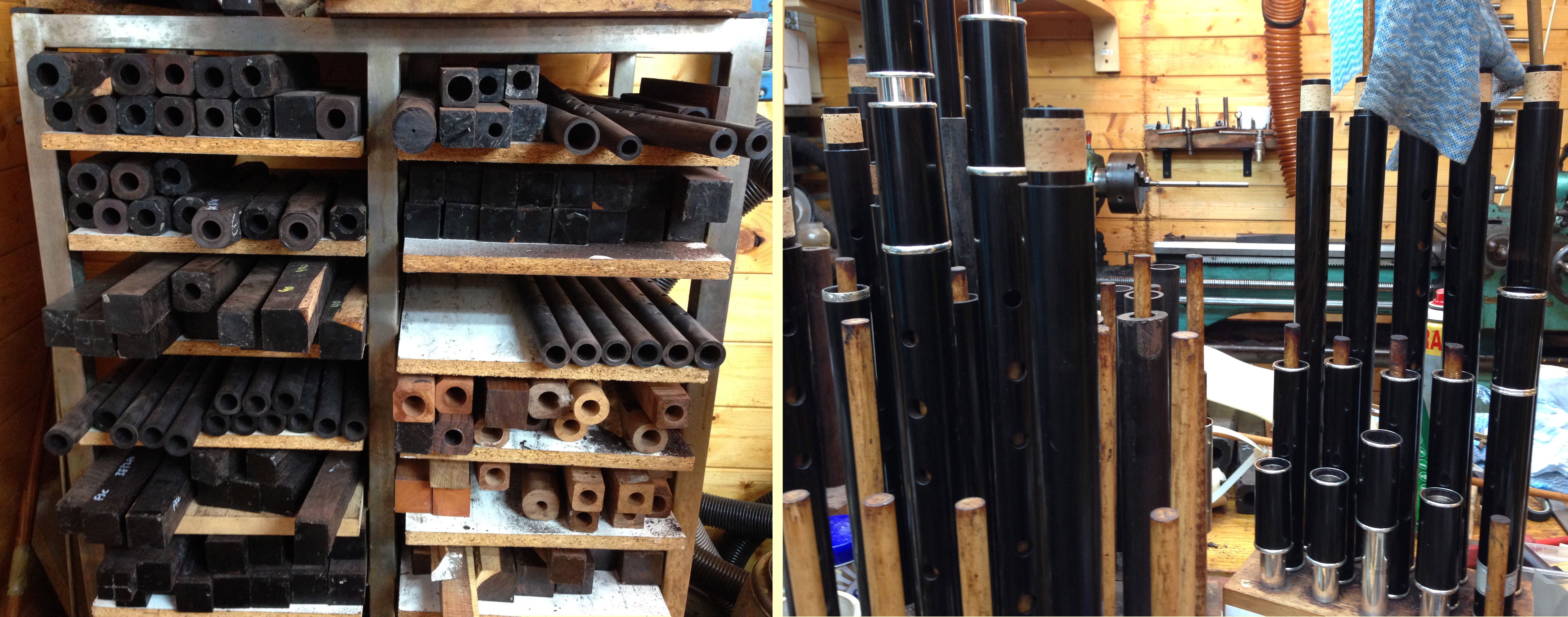
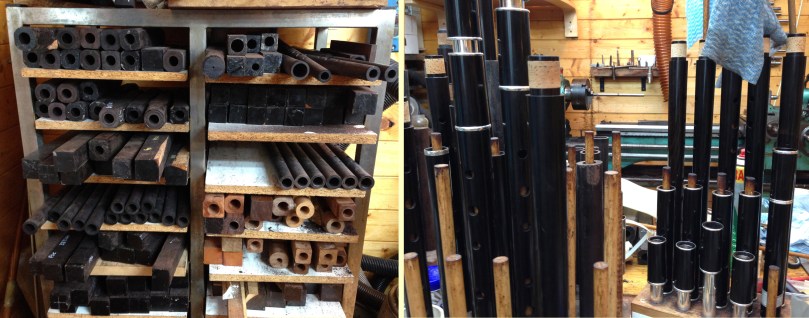
Raw material - and traditional Irish flutes in the making

Raw material – and traditional Irish flutes in the making

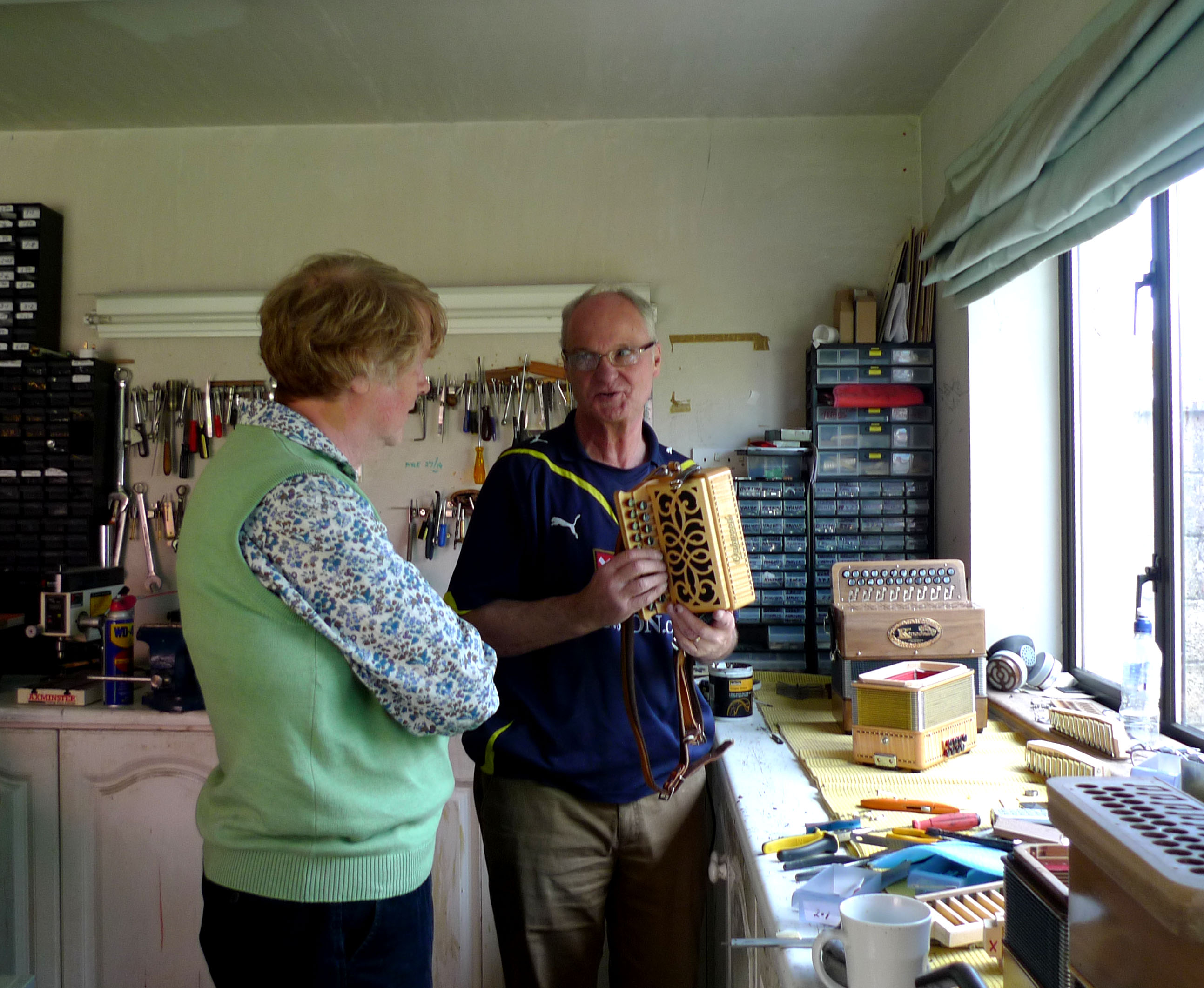
I mustn’t forget Martin Connolly, first class button accordion maker from Ennis, nor my all-time Irish music hero Martin Hayes (perhaps there’s something about the name Martin?) renowned fiddler and Director of the Masters of Tradition Festival every year down here in West Cork: he hales from East Clare.
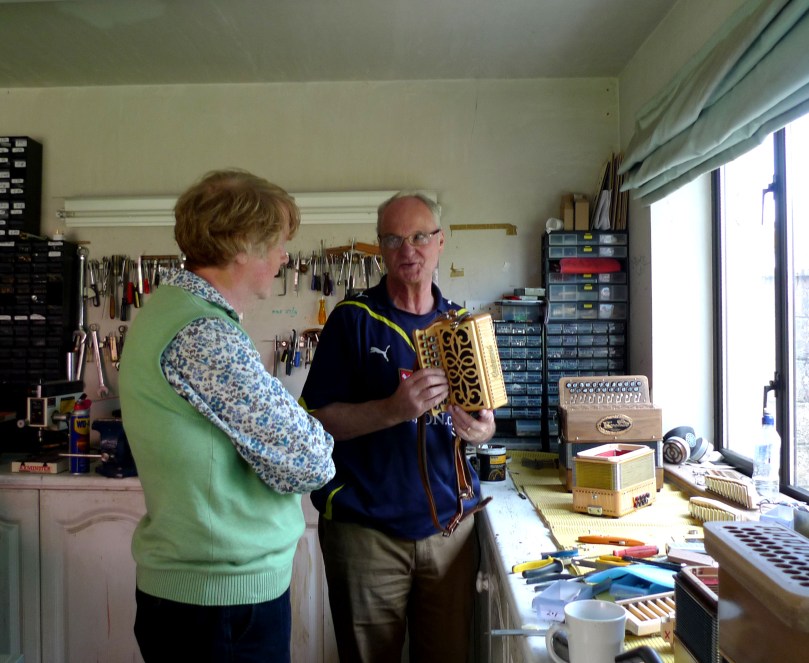
Martin Connolloy - Clare accordion maker

Martin Connolloy – Clare accordion maker

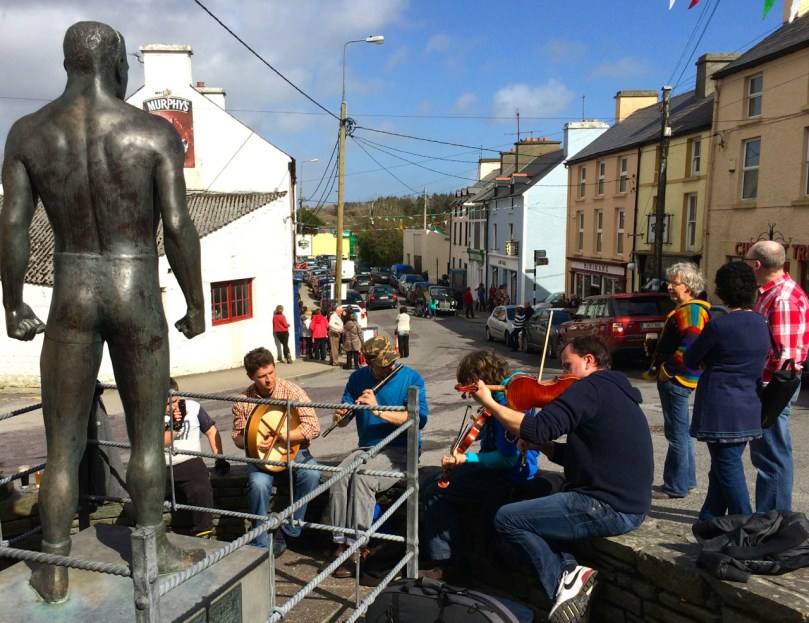
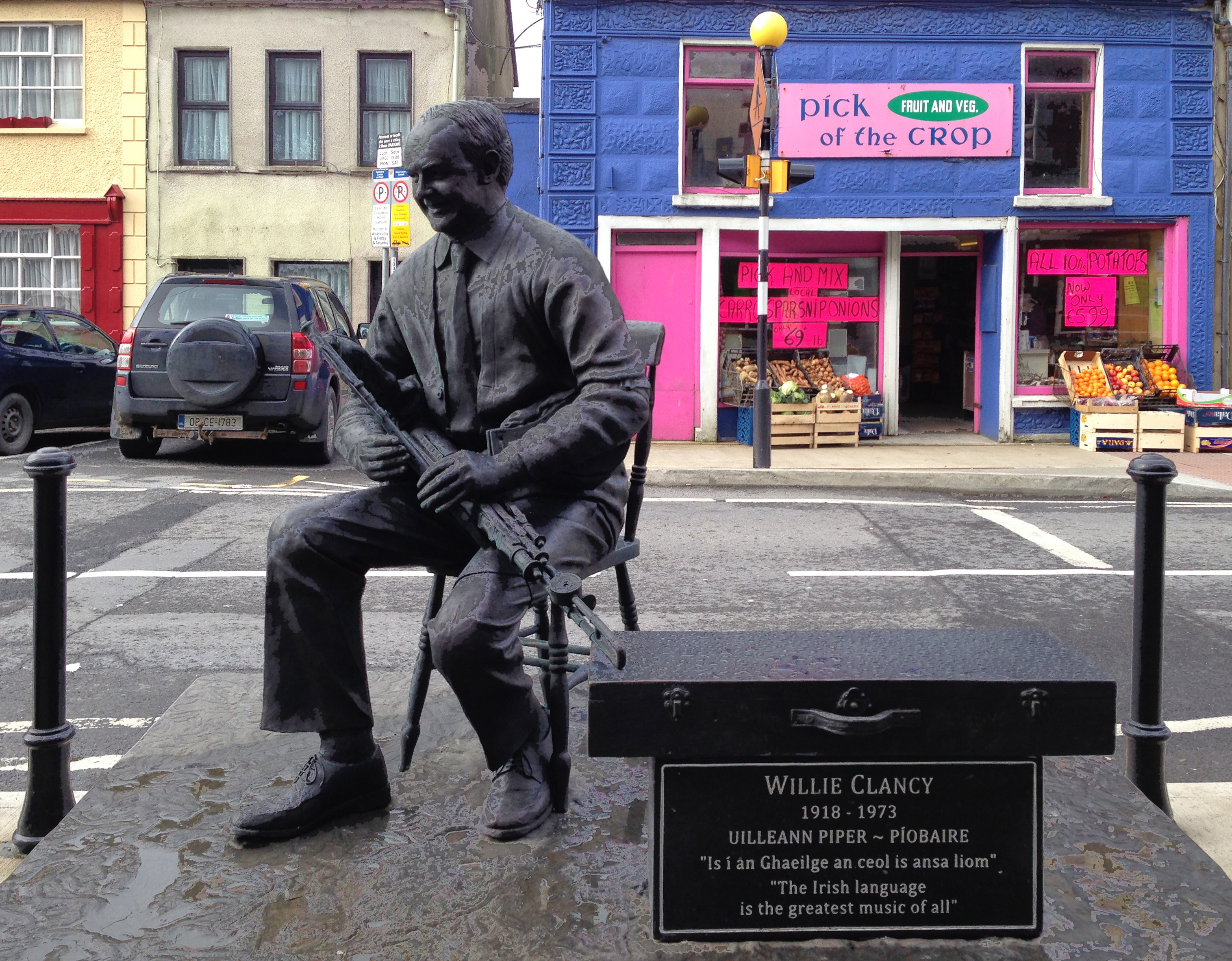
The roll call is endless, but perhaps pride of place (for now) should go to Willie Clancy, not a concertina player but a master of the Uillean Pipes. He has made famous the name of his home town, Milltown Malbay, where they have honoured him with a fine bronze statue. Every year in July around 10,000 people descend on the small West Clare town and swell its normal population tenfold. There are workshops, classes and concerts but, most of all, there is just constant music – in pubs and cafes, and on every street corner: the craic is mighty!
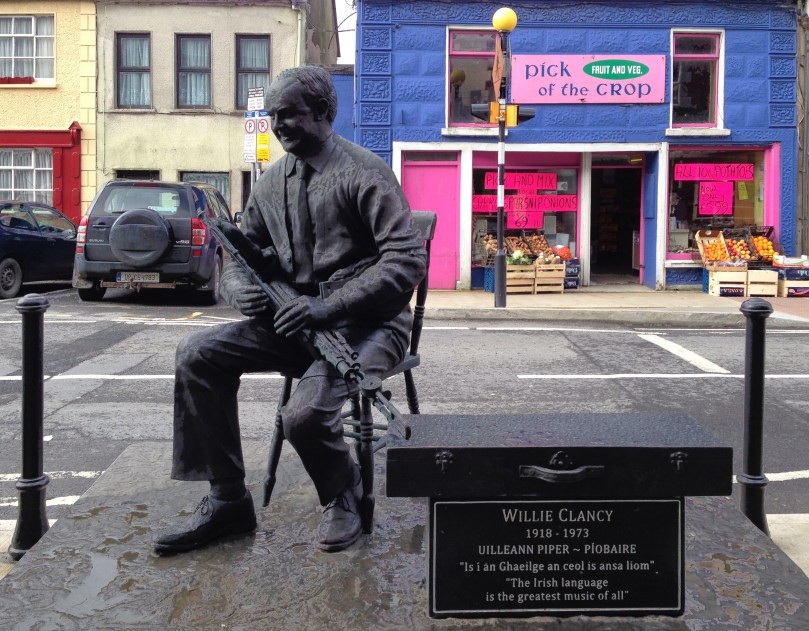
willie

Stormy Weather

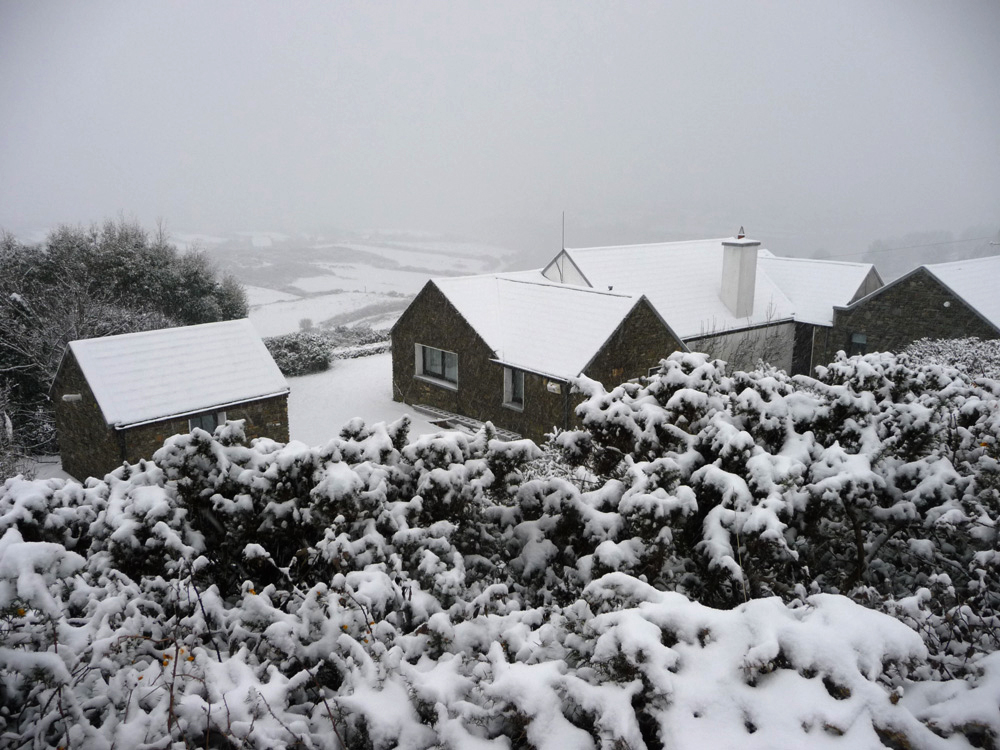
neadwinter

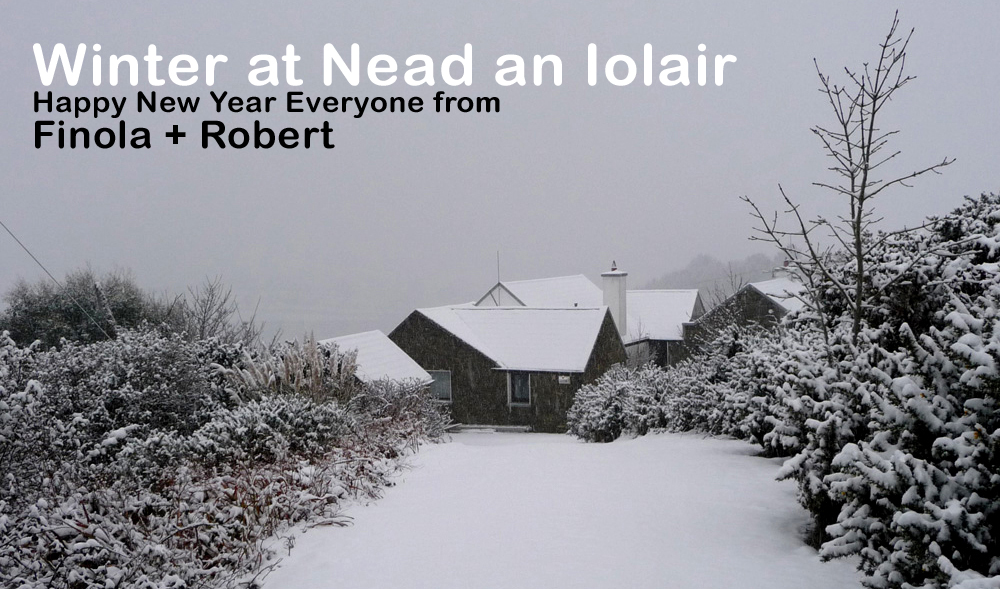
This picture of Nead an Iolair is here to create a seasonal feel: it was taken by our neighbour Dietrich in the Great Winter of 2010 – 2011 when the extremes were all about deep snow, frozen roads and frozen pipes, unusual for this little corner of the island normally kept mild by the Gulf Stream. This winter we have a different extreme – hurricane force winds!

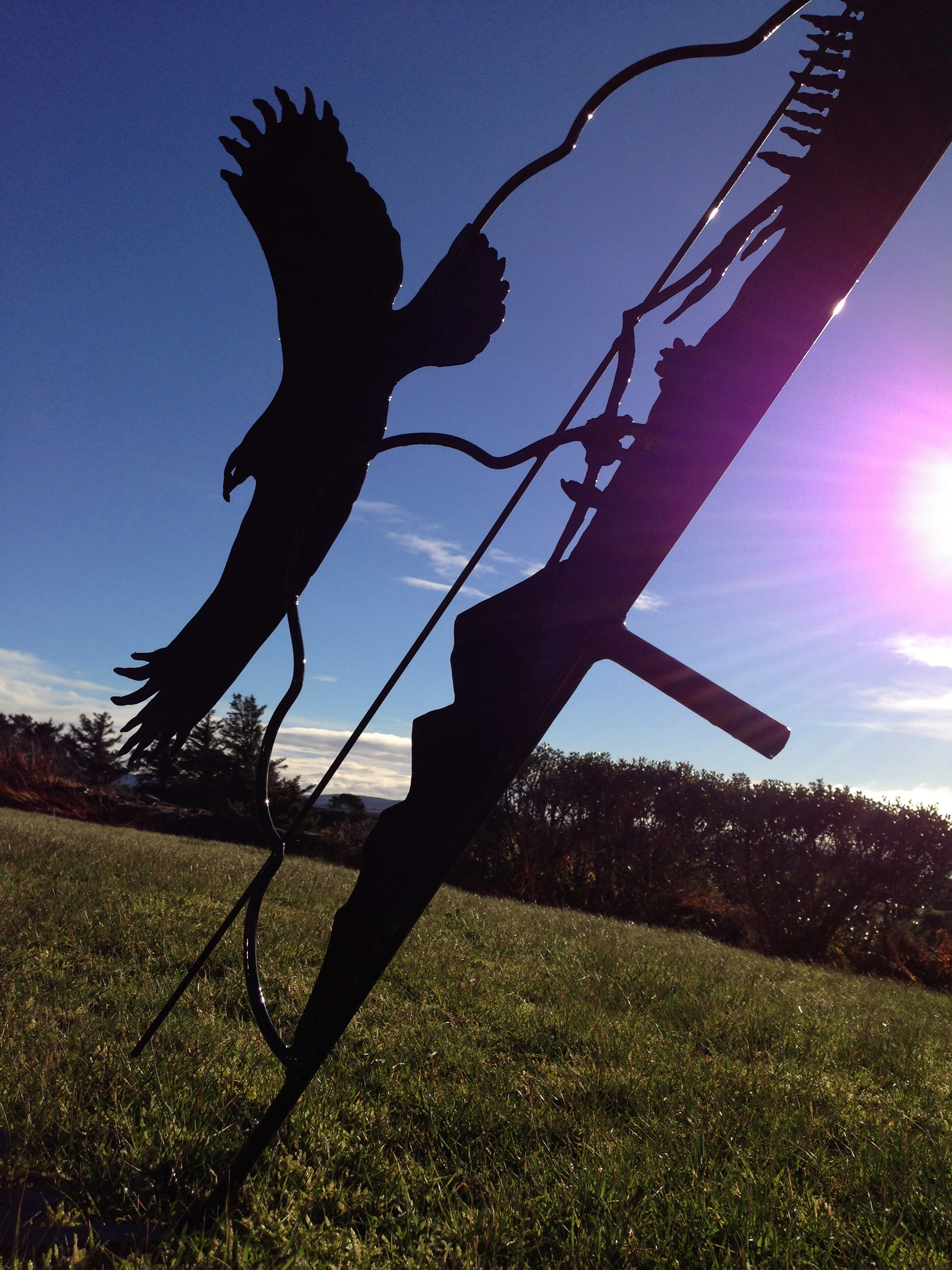
spiked

‘Hurricane’ on the Beaufort scale means wind speeds of 118 km/hour or more. We went to bed on St Stephen’s Day evening, having measured the wind speed outside as 87 km/h. That seemed wild to us: the trees were bent over and the salt laden rain and sleet were coming in horizontally and lashing our south west facing windows. It was hard to sleep: the slates were rattling loudly above us and the aerials and lightning conductors on our roof were shrieking and bending. The noises got louder and more terrifying as the night went on. I wanted to venture outside with my little hand-held anemometer but I couldn’t face it. The violent storm began to abate only in the early hours of the morning and, when we did creep out, it was to find some damage: two trees down in the haggart, sadly, and our beautiful weather vane collapsed. It was as well that we weren’t underneath when the flying Eagle and its sharply pointed arrow came crashing on to the lawn, just missing our door.
levissession

St Stephen’s Day Session, Ballydehob


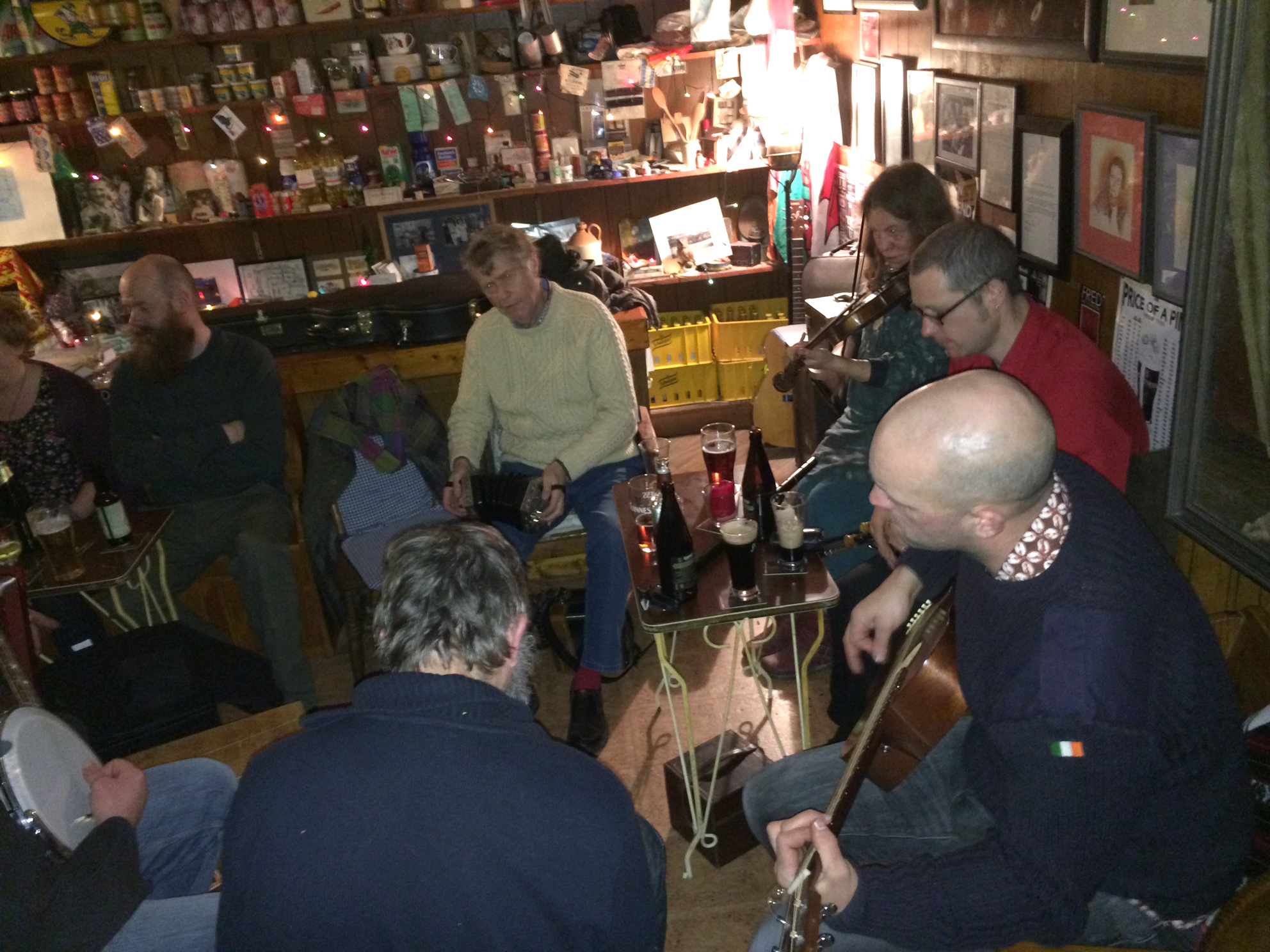
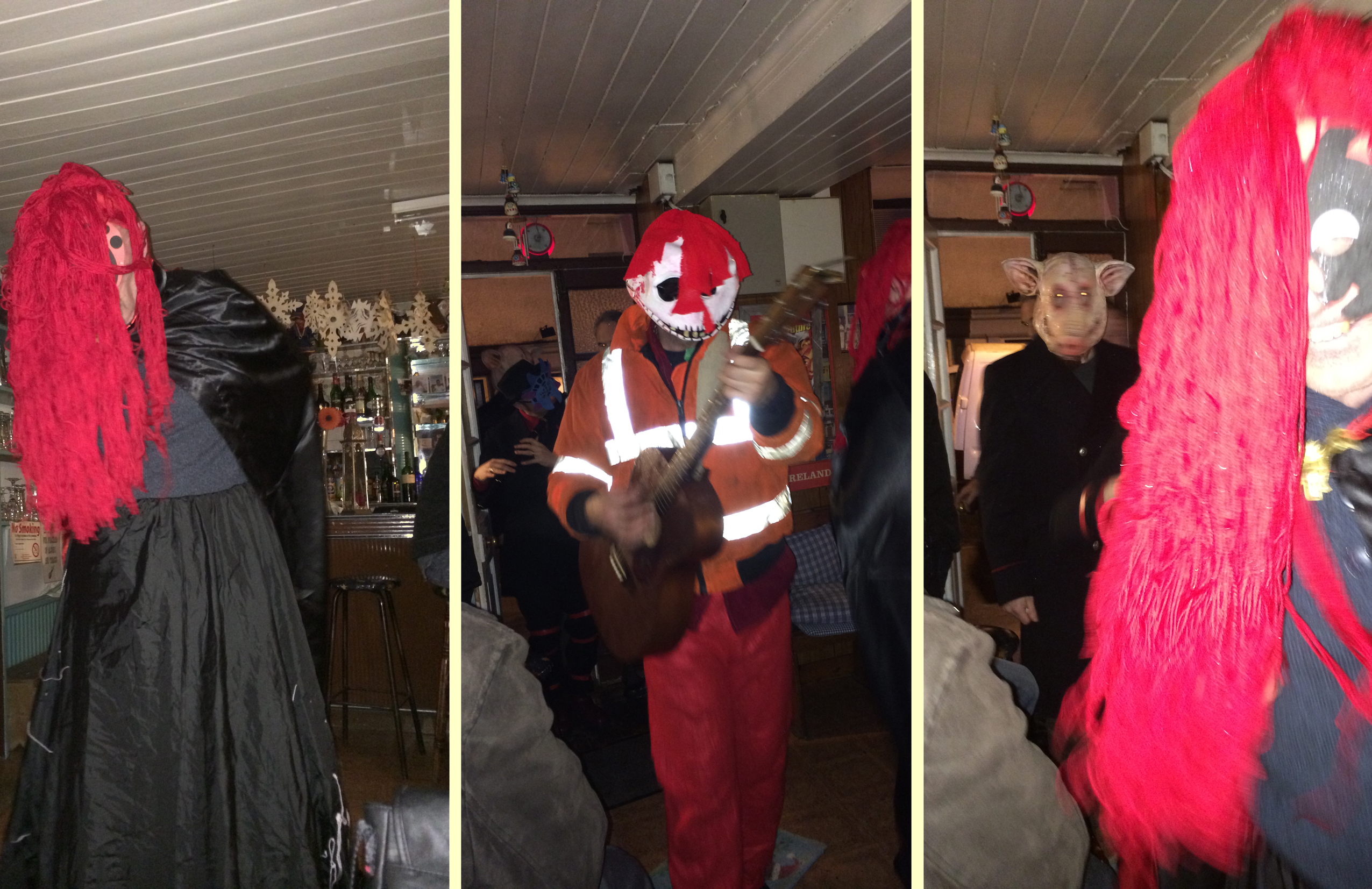
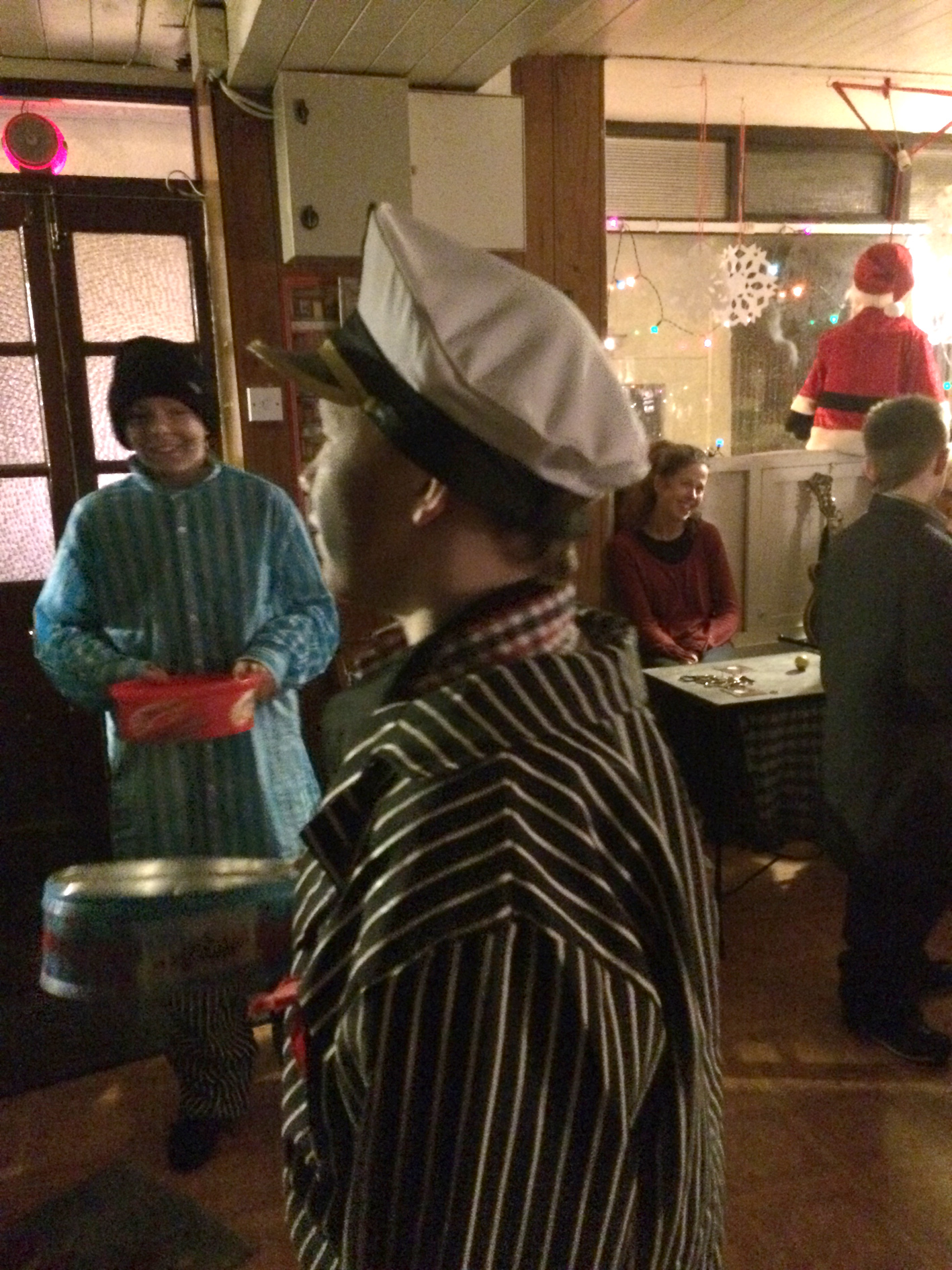
Earlier in the day we had enjoyed an unexpected visit by the Wren Boys to Levis’s pub, where we were involved in an improvised session. Two groups of Wren Boys in fact: the first an adult company with musicians, colourful costumes and bizarre masks, and the second a group of boys dressed in old coats turned inside out, pyjamas and sailor caps, carrying large collecting tins. All were welcomed and the festivities grew merrier as the wind strengthened.
wrenners

wrenboys

Keeping traditions going: outlandish Wrenners visiting Ballydehob – top – and local lads collecting in Levis’s Bar – below

As I lay in bed at the height of the storm I found myself worrying about our birds: how on earth could the Goldfinches, Chaffinches, Robins and Wrens (any Wrens who had escaped the St Stephen’s Day hunt that is) have survived that terrible gale – which stripped the bird feeders of everything moveable and the bushes and shrubs of their sheltering leaves? In the morning, there they were back again, and noisily demanding a refill which, naturally, I was delighted to provide.

message

Comhaltas

comhaltas2

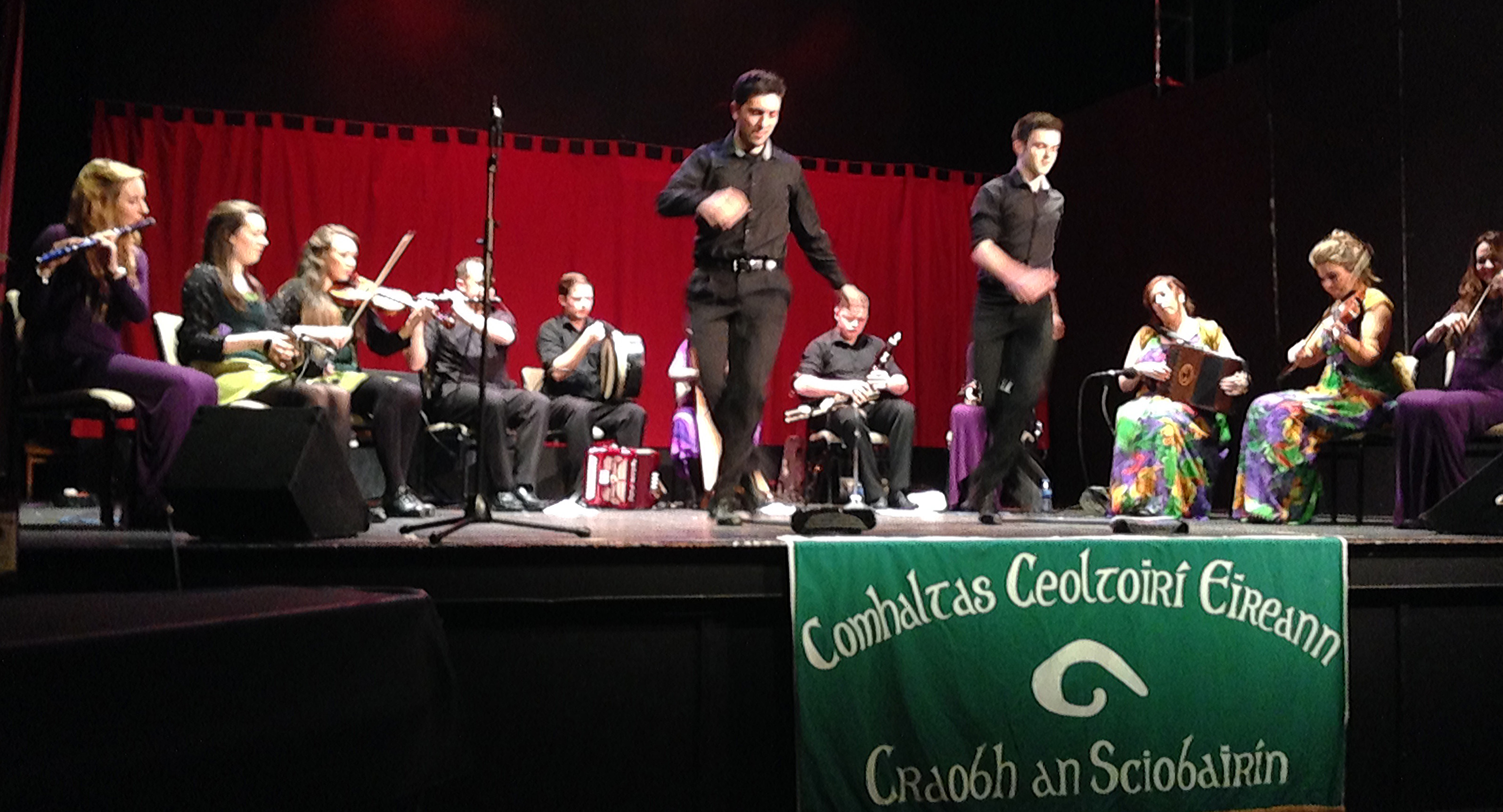
Comhaltas Ceoltóirí Éireann [Finola tells me that this is how you say it: kole tuss kyole tory air run – the literal translation is the Society of Musicians of Ireland] is an organisation founded in 1951 to ‘preserve and promote Irish traditional music and culture’. Its activities are very much in evidence – not just in Ireland, but anywhere in the world where Irish people have settled. They were evident in Skibbereen last week, when CCE featured some of its top class performers in music, dance, song and storytelling on a whistle-stop tour around the whole island of Ireland. We were fortunate that their venue in the south west was on the doorstep here.

tour poster

It was a most inhospitable October night: gales and floods were rife across Ireland and Britain. Yet the Skibb Town Hall was full to capacity, and the concert was well worth braving the elements for. The whole programme was polished and professionally produced: not a wrong note was played, nor a dance step placed out of kilter. It was a most memorable, satisfying and entertaining treat for the senses.

This was a showcase for the principal work that CCE has been carrying out for over sixty years: training people young and older in the crafts of playing and dancing in the traditional style. Once this would have happened naturally – through families and generations handing on the skills and the tunes. The fact that a CCE was needed and is now so established suggests that there was a danger of The Tradition dying out, or at least becoming diluted or rarified. This may or may not have been the case – for decades and all over the world collectors of folk culture have been convinced that they are recording the dying remnants of customs and lore, but perhaps there are always undercurrents of renewal which happen naturally: many of the most skilled exponents of The Music today learn their craft in the ‘old’ way – at the hearthside from parents, uncles, aunts and cousins. In our electronic age, however, lifestyles are radically changing and the formalised classes and competitions which CCE runs, and which are within easy reach of every community, can only be for the good. The latent talents shine through in performances such as those at Skibbereen. I taught myself to play the melodeon and concertina at the age of fifteen (and I’m still learning): now I’m watching far younger people perform with skills which outshine any I might have at this stage of my life, and who are storing up great potential for their own futures.

The showcase of Comhaltas talent at Skibbereen: the dancer on the left is Fernando Marcos from the Buenos Aries Branch of CCE!

The showcase of Comhaltas talent at Skibbereen: the dancer on the left is Fernando Marcos from the Buenos Aries Branch of CCE!

As I drove back to Nead an Iolair through the lashing rain squalls I pondered our own weekly music sessions in the pubs of Ballydehob. They are rough affairs: plenty of wrong notes, certainly, and arguments on tuning, timing, song names and ornamentation; very little polish… And, while we play mainly Irish traditional music, very few of us are Irish. Nonetheless we do (mostly) enjoy the experiences, and the sessions maintain a life of their own. However you do it, it’s great to keep The Music going…

Friday night session at Levis's, Ballydehob

friday night

Keeping The Music going – session style

Tuning In

sharonshannon

Sharon Shannon in concert, Dalkey

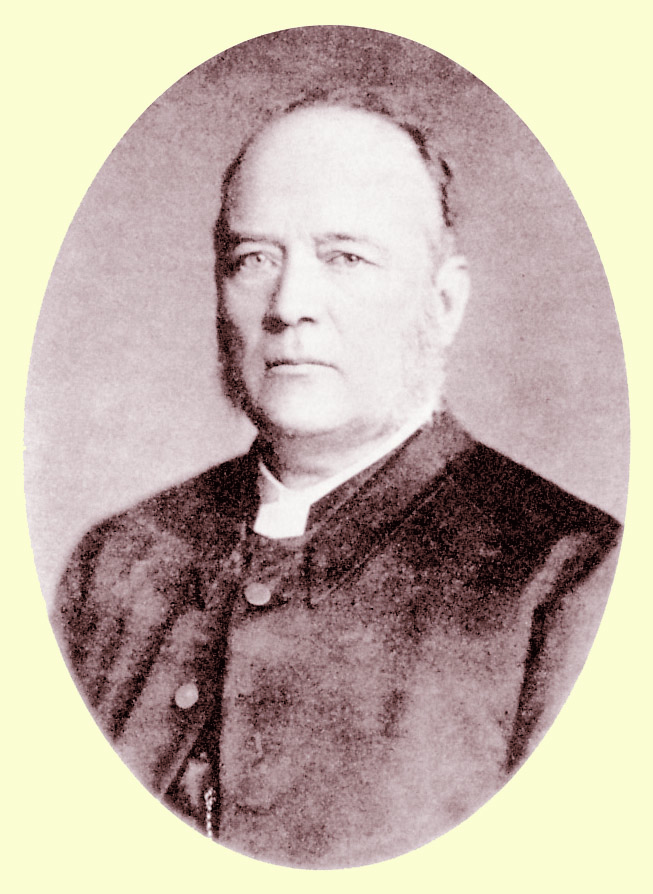
We are safely home in Nead an Iolair – and have immediately become immersed in music. We are making our own – with guests on the doorstep and at the local Friday sessions in Ballydehob – but also attending the many events which take place in West Cork in the summer. On our second night here we couldn’t miss a Skibbereen Festival event in the Abbeytsrewery Church: a concert in memory of Canon James Goodman, a cleric of the Church of Ireland who served the Skibbereen Parish for 30 years until his death in 1896.

james-goodman

There is a statue of the Canon by the gates of the church, where he can be seen with his Uillean pipes: he was a proficient player of this most complicated of all instruments. He is best known, though, for having produced one of the earliest collections of Irish traditional music – transcribing over 2000 tunes which he gathered from local players. All his known manuscripts are now in the library of Trinity College Dublin, where Goodman was also appointed Professor of Irish in 1879, but have only recently been brought to light and performed. Our Skibbereen concert celebrated the Canon and was devoted to his collected music. As Goodman was born in 1828 and starting collecting in his youth, we were listening to music as it would have been played in Ireland before the famine! But this is what The Music is all about – continuity of a timeless cultural tradition passed down through the generations and still very much alive.

The Canon Goodman concert

The Canon Goodman concert

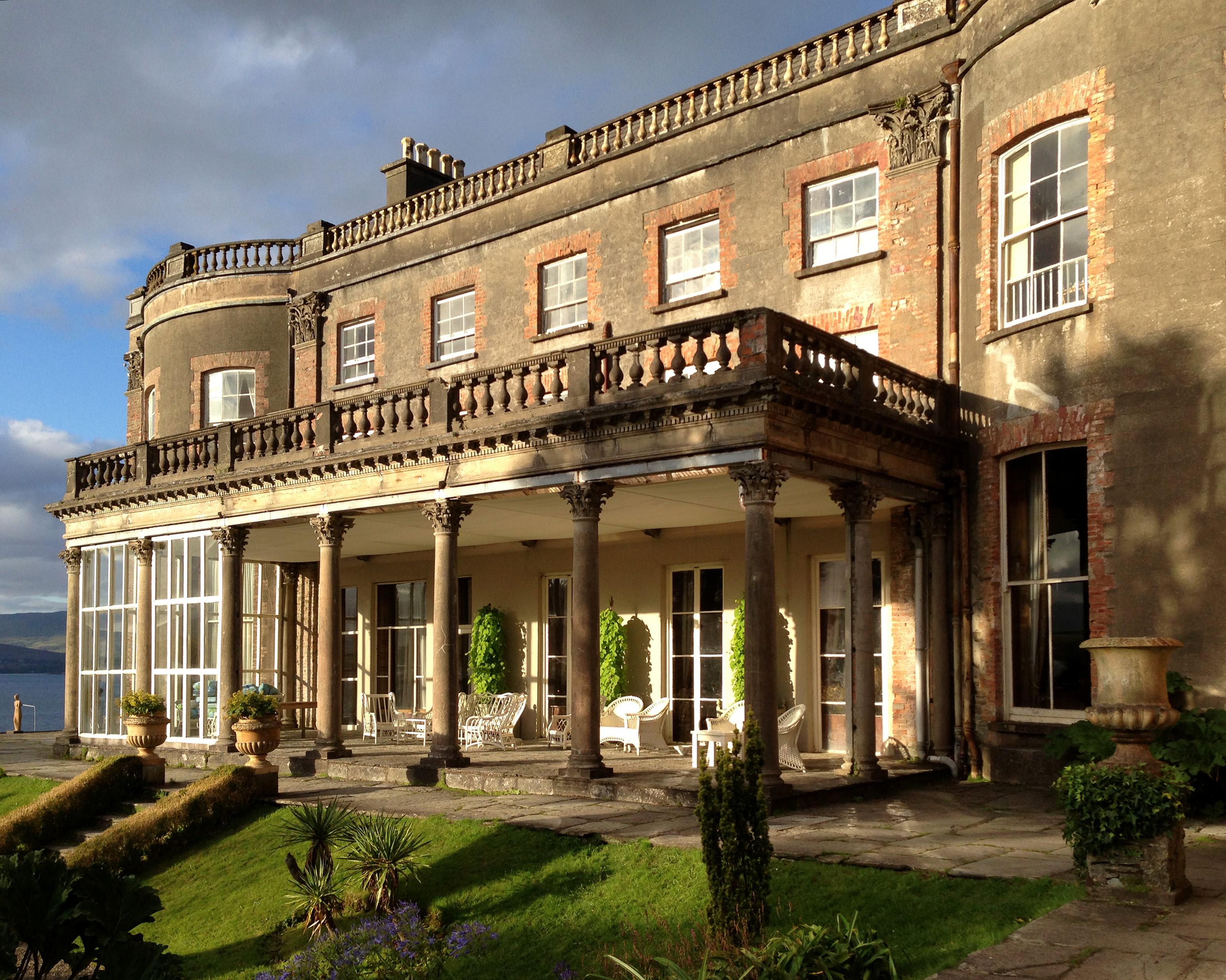
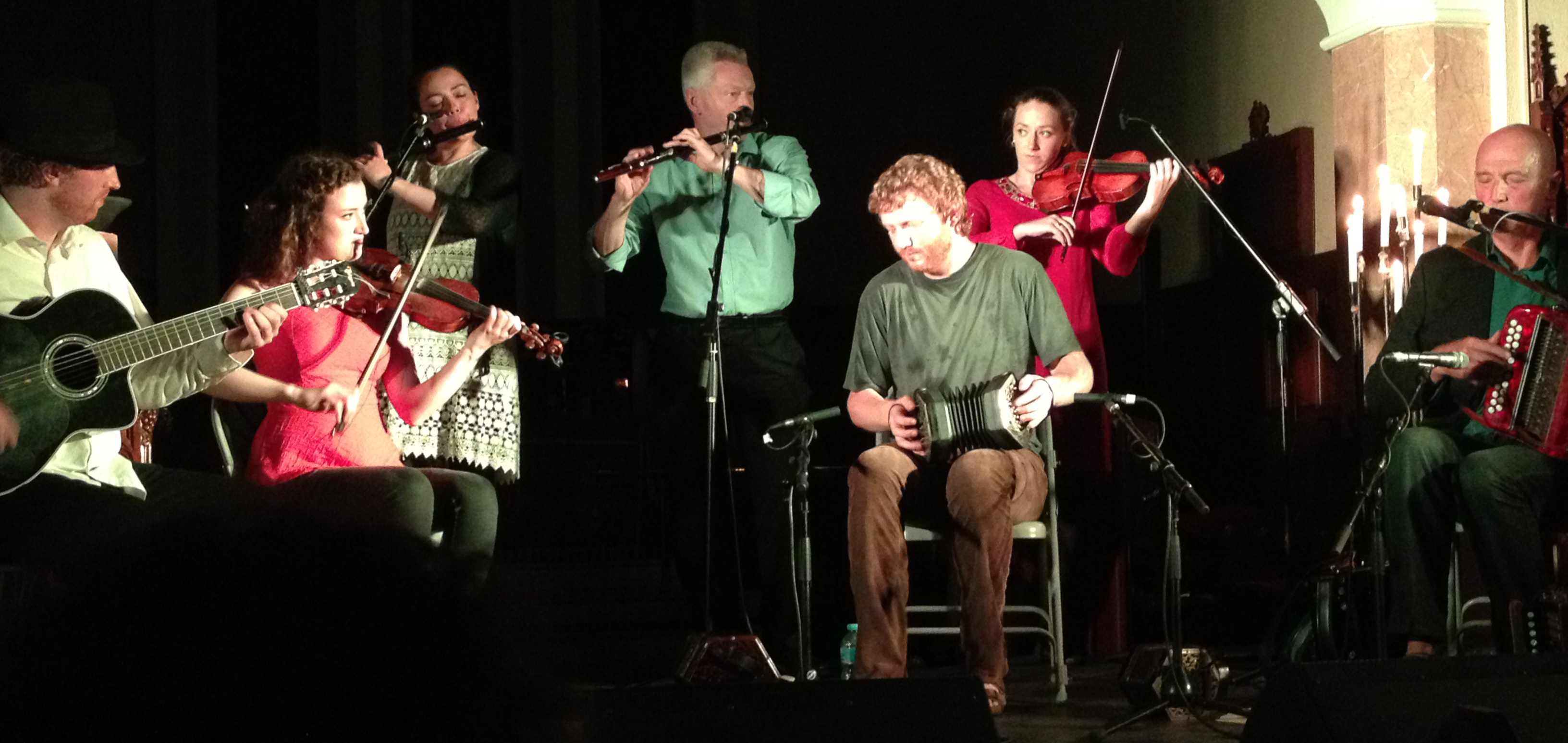
August was the month for the Masters of Tradition Festival, organised and run by Martin Hayes who hales from East Clare. For me, he is one of the world’s greatest musicians of the Irish tradition: his playing is captivatingly lyrical and seems to carry with it the soul of this ancient land. We attended all the concerts, many of which took place in Bantry House, a gently fading edifice which was once the home of the Earls of Bantry and is still occupied by their descendants. This stately home hosts many artistically based events through the year and provides an impressive – if incongruous – background to the activities. Some of the traditional musicians seemed slightly uncomfortable in the polite ambience of the candlelit Library, being more used to the ‘dancing in the aisles’ atmosphere of pubs and village halls: nevertheless, all the performances were memorable.

bantryhouse

Bantry House, built in 1690 with a spectacular setting overlooking Bantry Bay

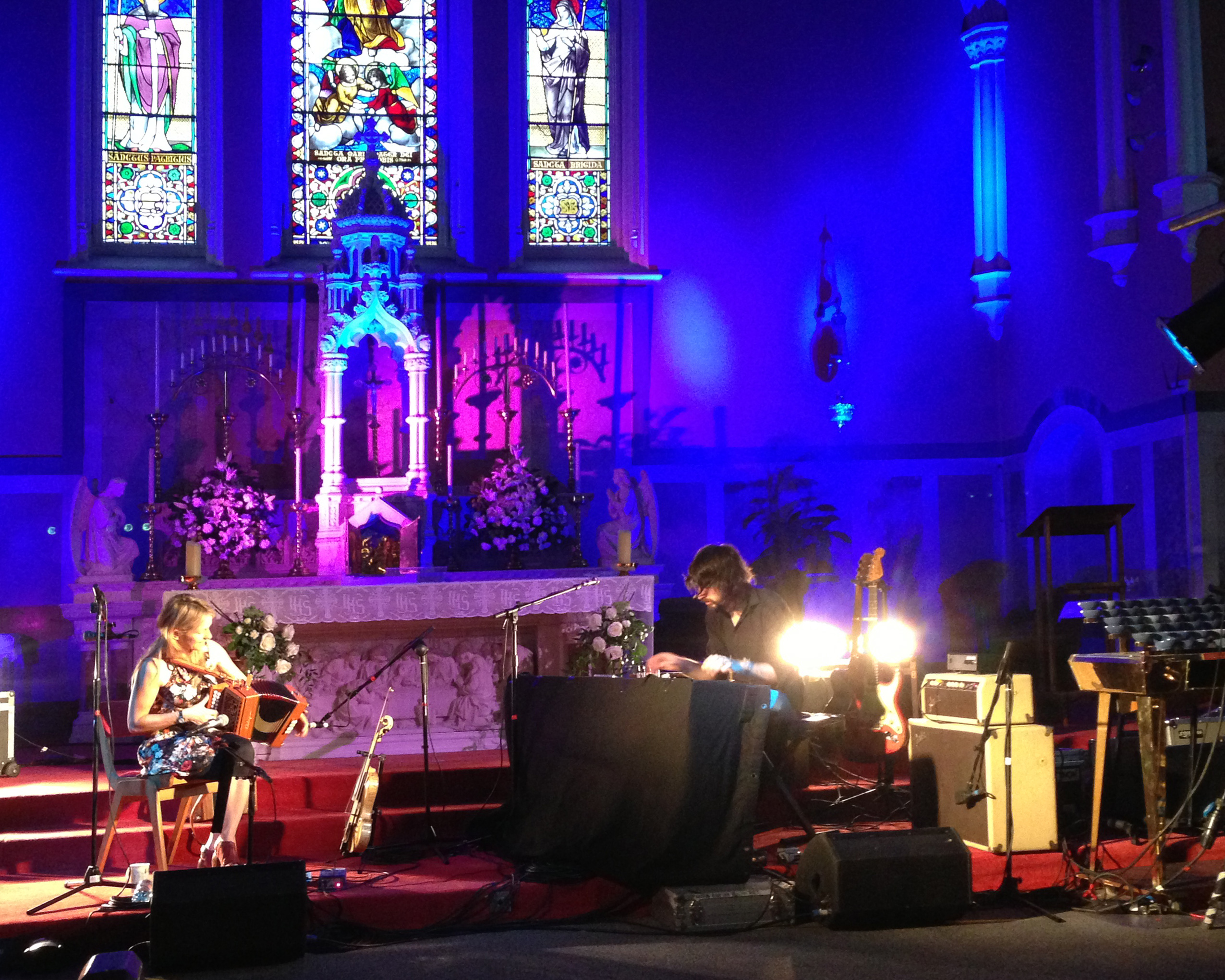
There have been so many events within easy reach of our home here in Cappaghglass through the summer: we have had to miss a few because they overlap. We are keeping those for next year – or the years after that! We visited Finola’s family in Dublin and arrived to find a Sharon Shannon concert happening just down the road. This was wonderfully located in the Catholic Church of the Assumption. Sharon is an outstanding accordion player who has been performing professionally for very many years. In this incarnation of her music we were treated to heavy amplification, a brilliant pianist and singer – Alan Connor (who almost stole the show!) – and a disco light display which was enhanced by the ornate Victorian richness of the altar and reredos. There was very nearly ‘dancing in the aisles’ on this night!

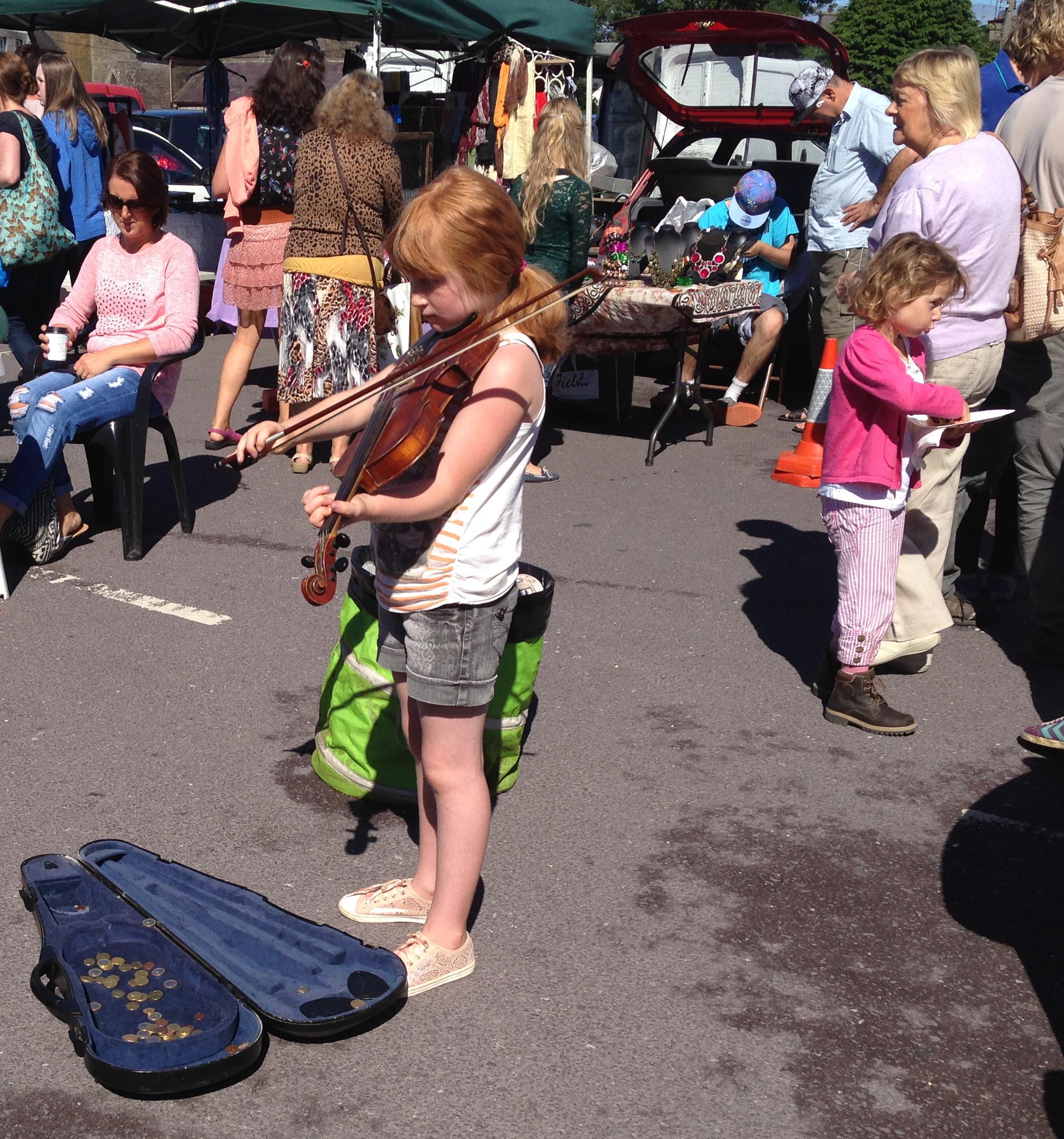
Keeping alive The Music - in the market at Skibbereen

Keeping alive The Music – in the market at Skibbereen

In what seems like just a few whirlwind days we have progressed from music on the doorstep to world calibre concerts in beautiful settings: this is only the beginning of our new life here…

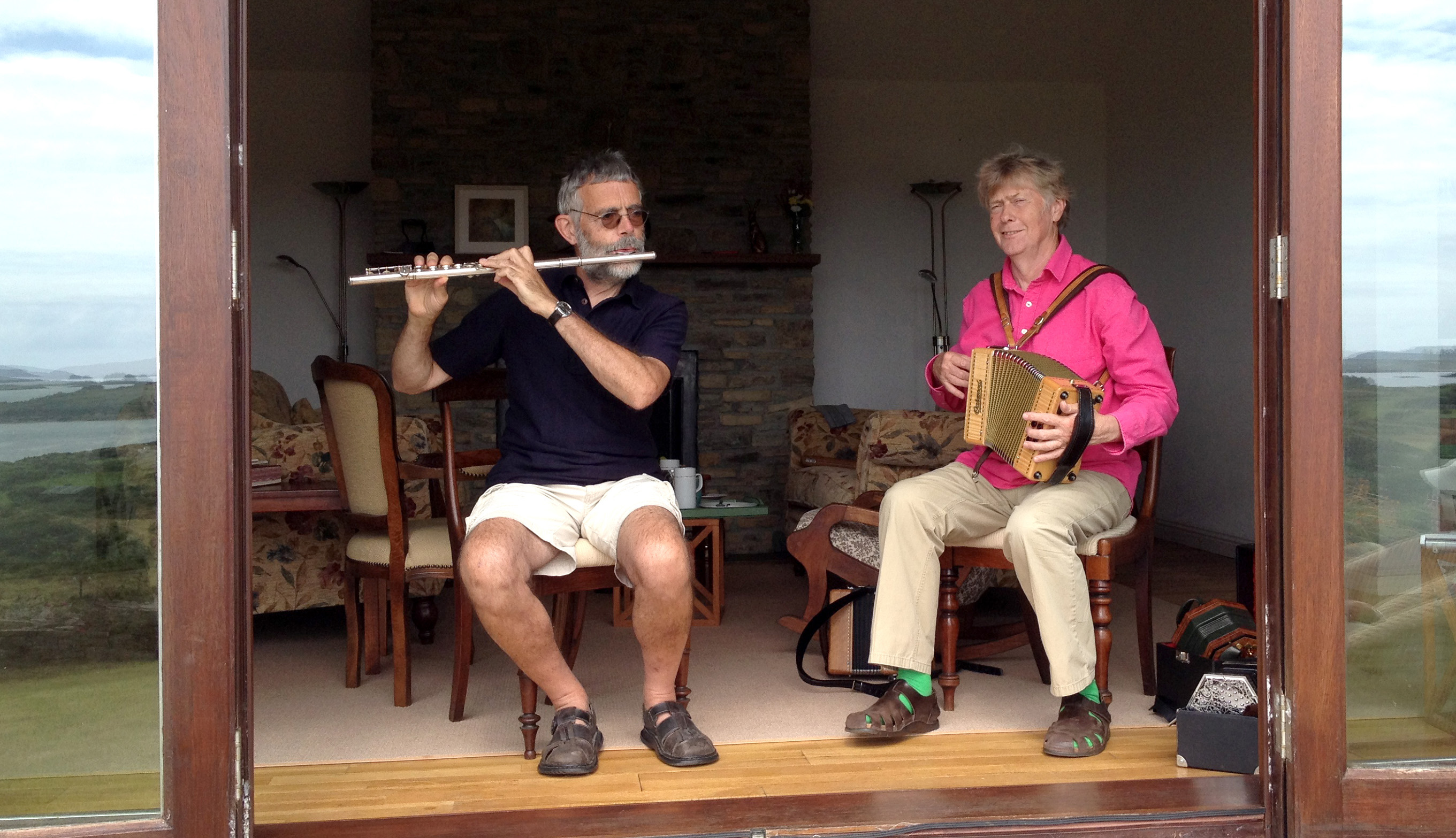
On the doorstep: Nead an Iolair

On the doorstep: Nead an Iolair