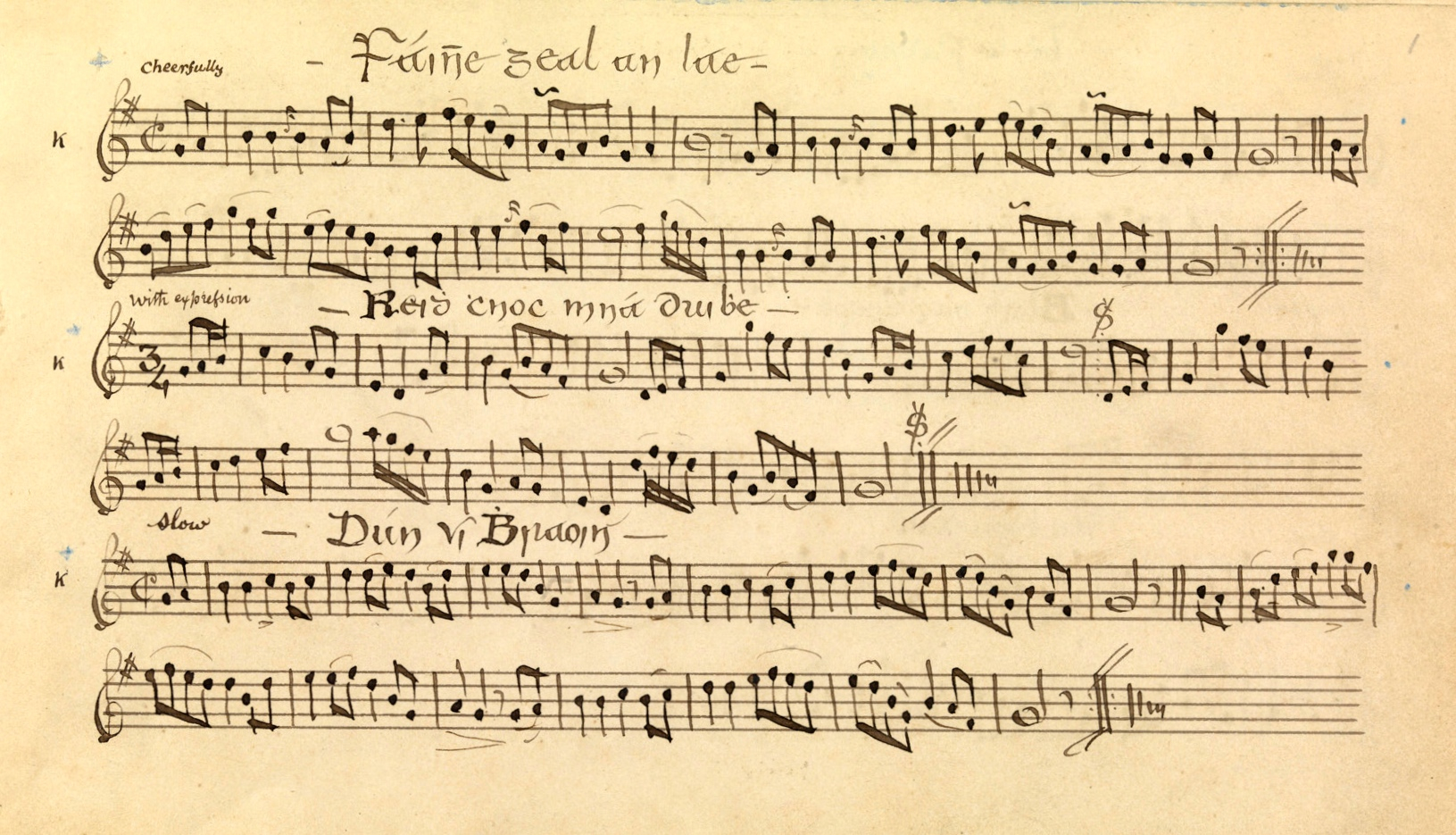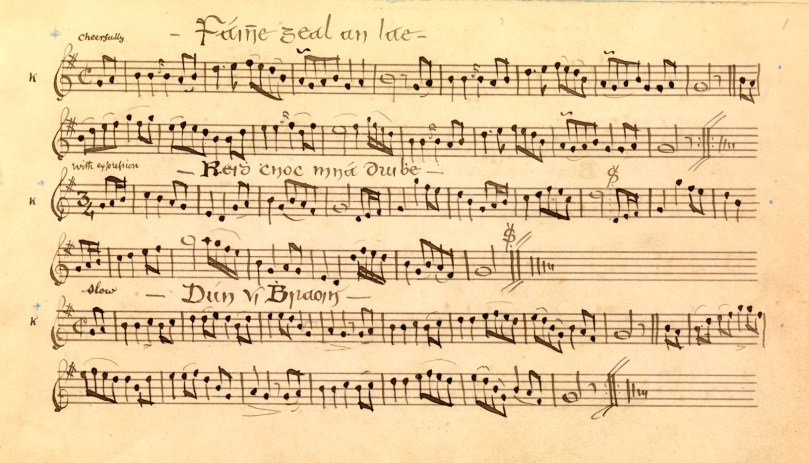
A page from the manuscript of Canon Goodman – Trinity College Library
Long-term readers of our posts will have encountered Canon James Goodman already – in our first post after we moved in to Nead an Iolair we covered the 2013 Canon Goodman Concert, an annual affair which takes place in Abbeystrewry Church, Skibbereen. This means we have lived here for exactly one year now, as the 2014 Concert took place last Sunday. In the intervening 12 months I have researched this Skibbereen hero in greater detail, and he deserves a whole post to himself!
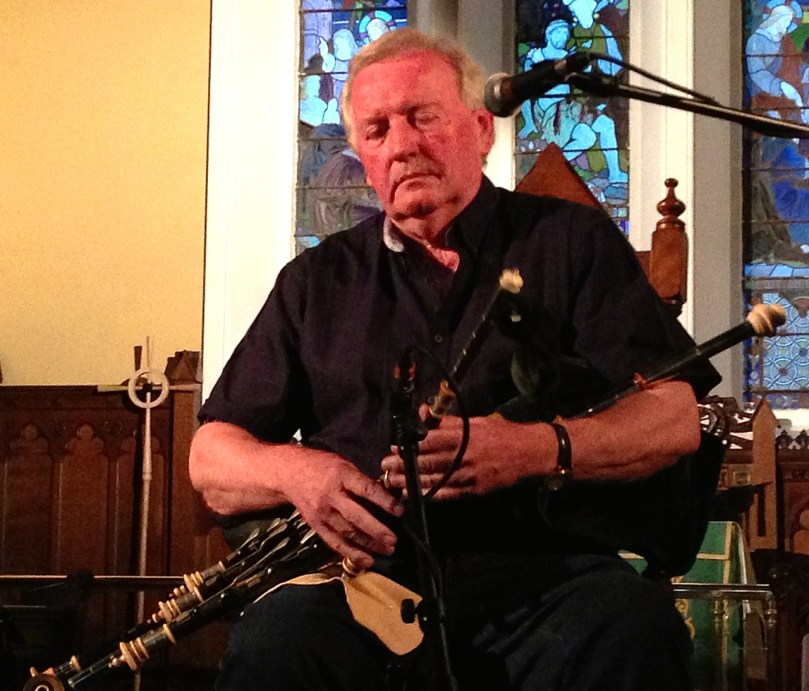
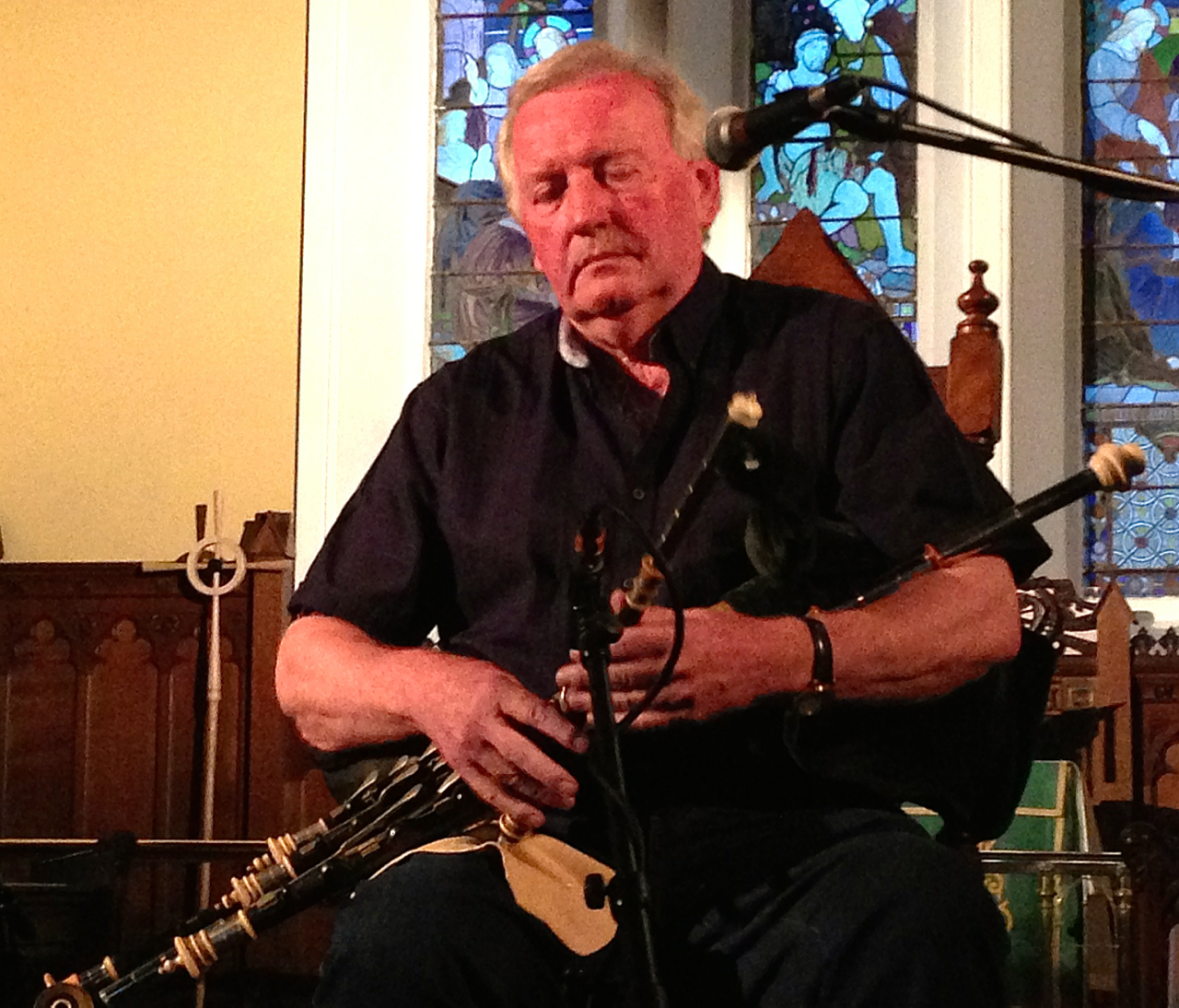
Uilleann Pipes Maestro Liam O’Flynn plays Skibbereen
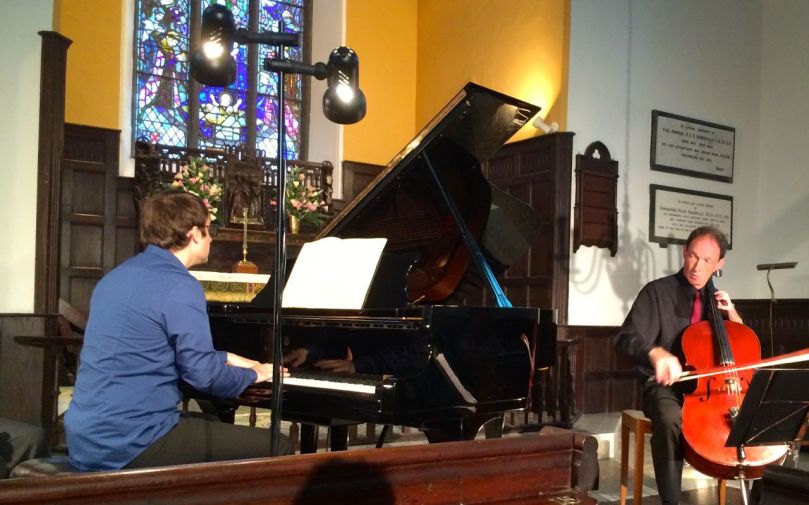
The Annual Canon Goodman Concert is part of the Arts Festival which Skibbereen hosts every year: Finola has reported fully on this event, which has kept us on our toes for the whole week. Stars of the concert were Liam O’Flynn and Paddy Glackin. I first saw Liam in Exeter back in the 1970s – we’ve both aged a bit since then…

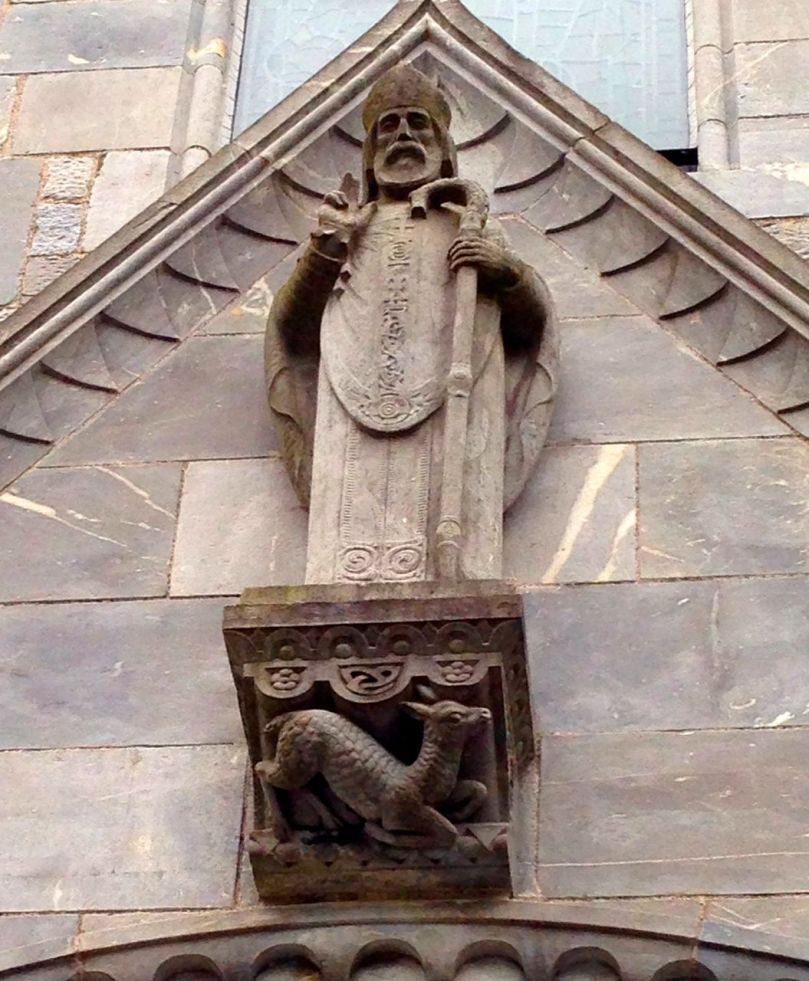
The Canon in Bronze

Canon Goodman’s memorial at Abbeystrewry Church
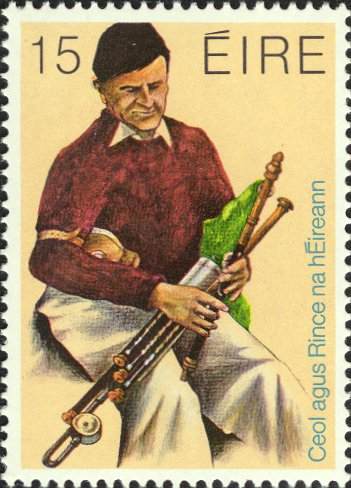
The Canon is remembered particularly for his expertise in playing the Uilleann Pipes – Ireland’s national instrument. If you’ve never seen this played, have a look and a listen to the extract from the Skibbereen concert below: it is a complex instrument, whose component parts include windbag, bellows, a chanter, drones and regulators – also the piper’s apron (sometimes known as a popping strap), which is a cloth placed on the knee of the player to form a seal with the open end of the chanter – as the lifting of the chanter from the knee is one action which can alter the sounding of the pipe between legato and staccato. It’s hard to simply explain the methodology of the pipes – just consider that the player has to keep the bellows moving with one elbow, maintain correct inflation of the bellows with the other (the Irish píobaí uilleann literally means ‘pipes of the elbows’), use the fingers of both hands to form the melody on the chanter, and to lift it from the knee, and use the wrist or fingers (or, as I have seen on occasion, the end of the chanter) to ‘play’ the regulators, forming chords and adding rhythm – not forgetting to make sure the drones are in tune.
James Goodman was born in 1828 in Ventry, County Kerry – then a Gaeltacht area: he was raised as a native Irish speaker, and this stood him in good stead as, in later life, he became Professor of Irish at Trinity. In his youth he was described as ‘…having an attractive personality and was well-liked and popular…’ He took a great interest in traditional life and, particularly, The Music. He learned to play the flute and the pipes while growing up. His father was Rector of Dingle and, after studying at Trinity, James was himself ordained into the Church of Ireland in 1853, moving with his wife Charlotte to the living of Creagh Parish, between Baltimore and Skibbereen.
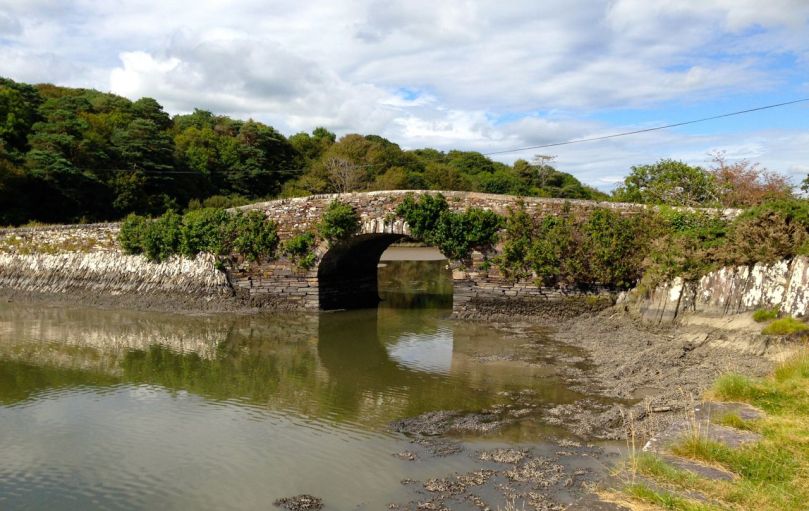
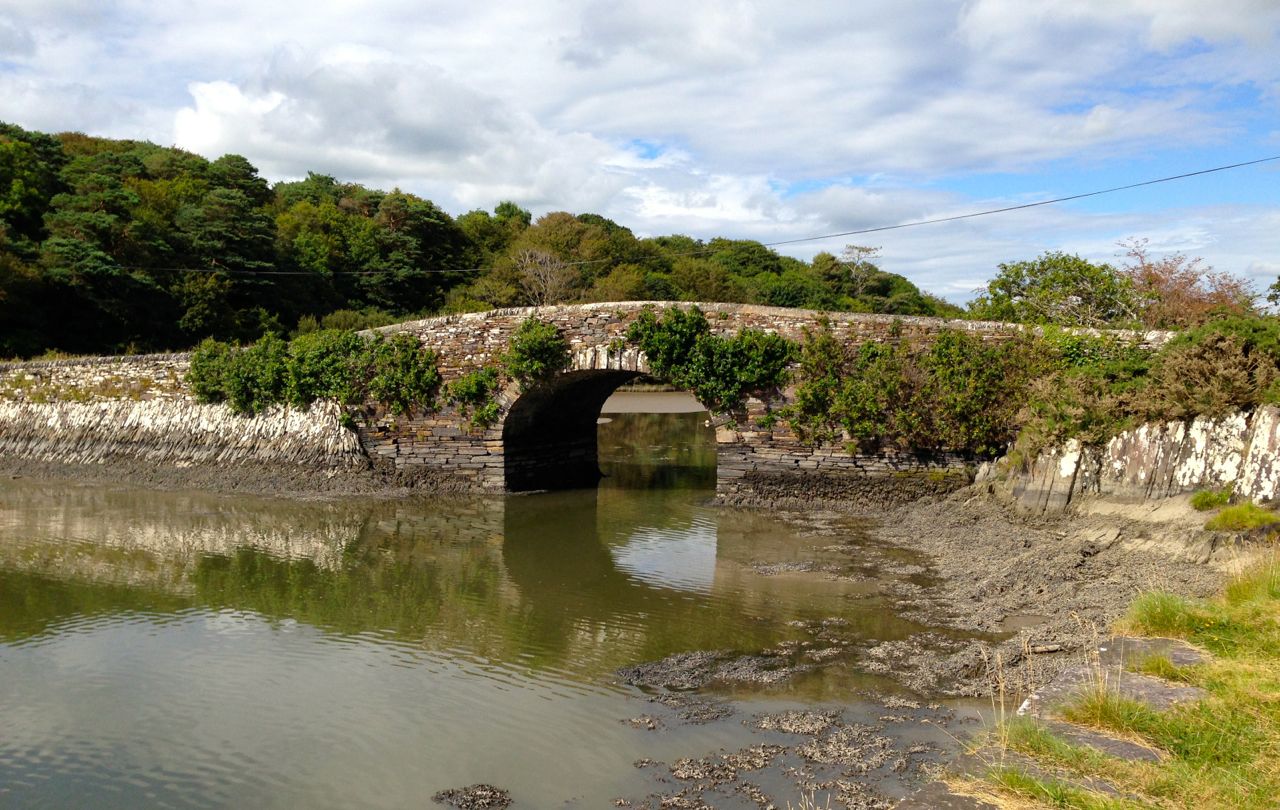
The bridge at Creagh
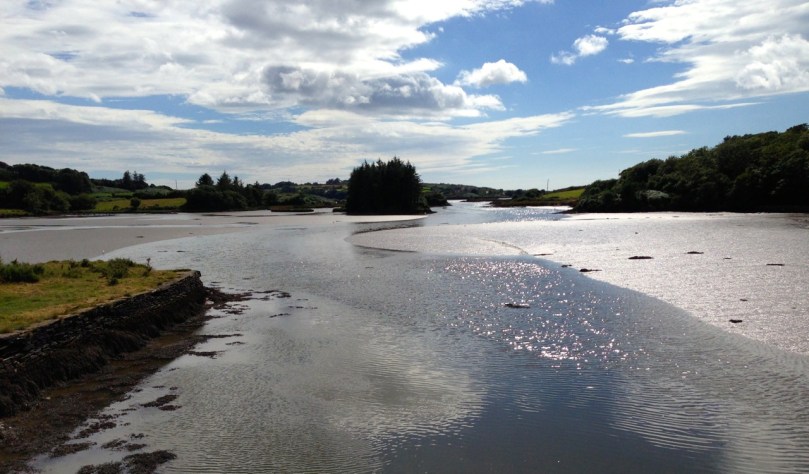
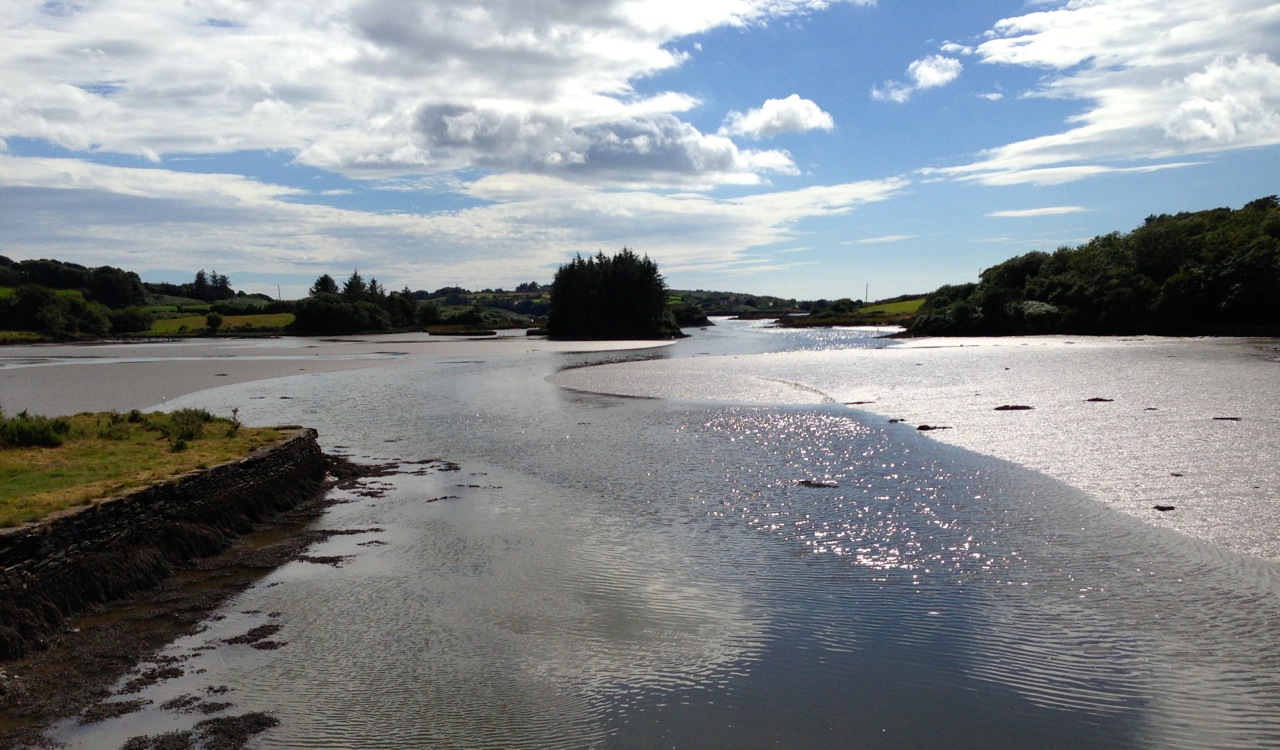
Creagh: River Ilen
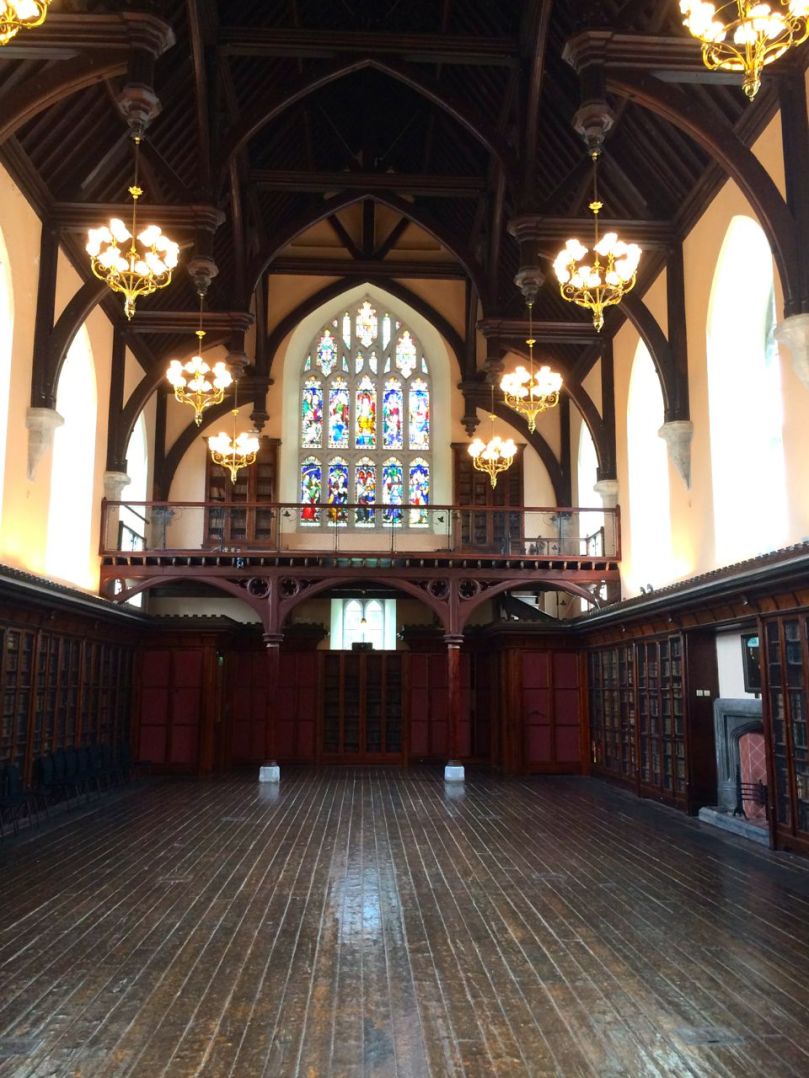
In 1860 the Goodman family (by now they had three sons) moved to Ardgroom, also in the Gaeltacht, where he took the post of Curate of Kilaconenagh. While there, he began his collection of Irish traditional melodies, learning hundreds from Tom Kennedy, a blind piper whom he had known back in Ventry. The Goodman Collection is the first great body of Irish traditional music ever to have been gathered: it numbers over 2,300 tunes and songs. For many years these lay dormant in the archives of Trinity College Library and they have only recently been studied and published. Every year at the Skibbereen concert some of the tunes are included in the programme, allowing us to hear the music of Ireland being played just as it was in town and townlands many generations ago.
A story is told of his time in Ardgroom: one weekend an impressive steam yacht anchored in Castletownbere Harbour; on the Sunday, James Goodman was aghast to be told that a distinguished company, including a well-known historian, was coming ashore to attend morning prayer in his church. He felt very nervous at the thought of having to preach to such important people so he delivered his sermon in Irish, knowing that they would not understand it. Shortly afterwards an article appeared in an English periodical stating that Irish was still so much in use in outlying districts in Ireland that it was Customary for clergymen in some Church of Ireland churches to conduct the service in English and to preach in Irish!
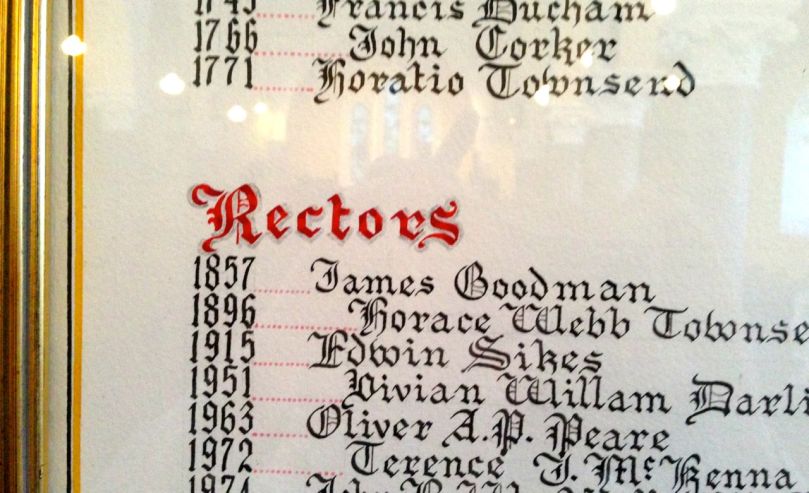
Enigma: the register in Abbestrewry Church, showing Canon Goodman as Rector in 1857; his inauguration there wasn’t until 1867
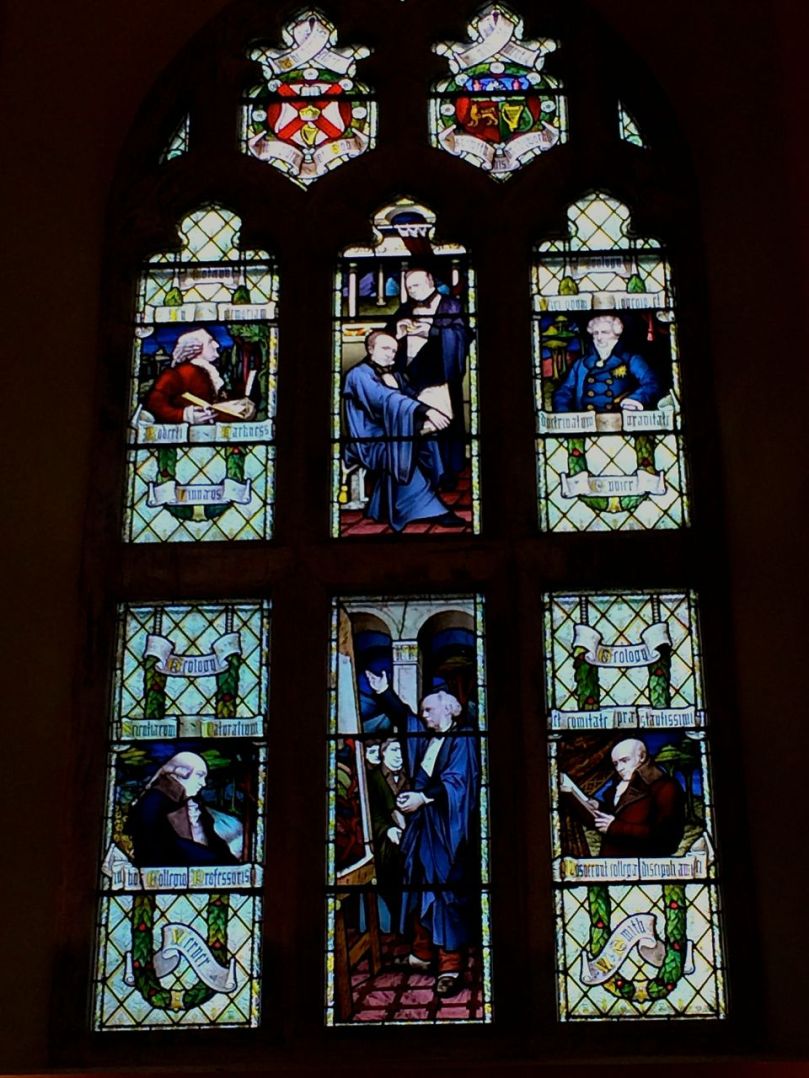
James Goodman returned to the environs of Roaringwater Bay when he was made Rector of Skibbereen and Canon of Ross. His church was Abbeystrewry, which now hosts his memorial concerts. He was responsible for the building we have today: he initiated a project to demolish all but the tower of the old building and provide a modern worship area, and he paid for much of it himself. It was in 1879 that Goodman was appointed Professor of Irish in Trinity College Dublin and combined this position with his clerical duties in Skibbereen, spending half of every year in each location.

Canon Goodman’s Church in Skibbereen

Abbeystrewry Church
The Canon died in 1896 and was buried, at his own request in Creagh – his first living. Finola and I searched out the burial ground and his grave. We had previously glimpsed the four pinnacles of the Church of Ireland tower rising mysteriously among the trees on the banks of the Ilen river: when we walked down the long green trackway that is the only access we were struck by how beautiful and yet how poignant the place is.
Side by side are Catholic and Protestant churches – both in ruins. The gravestones give away which is which: old Irish names define the former, and the church there has returned almost completely back to nature. The Protestant church still stands, but its windows are uselessly boarded up: there are holes in the roof and the crumbling building is prey to the weather. There is an inescapable air of desolation at the site, yet the nearby newer burial ground beside the water is idyllically located and wonderfully peaceful.

Creagh Church rises mysteriously above the trees
Canon Goodman wrote of his life: …ionnus nach raibh aon nidh dob annsa liomsa óm óige, ná bheith ag éisteacht le seaneachtraighthe agus sgéalta fiannuigheachta; ná ceól ba bhinne am chluais ná ceol sármhilis na hÉirionn. (…so that there was nothing dearer to me from my youth than to be listening to the old tales of adventure and the stories of Fionn, nor any music sweeter in my ears than the surpassingly sweet music of Ireland). The story goes that James Goodman was buried at Creagh along with his own Uilleann pipes: in the silence of the place we had a good listen…
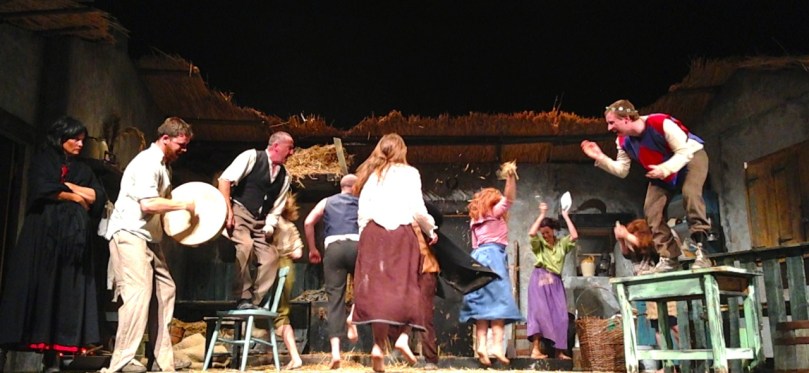
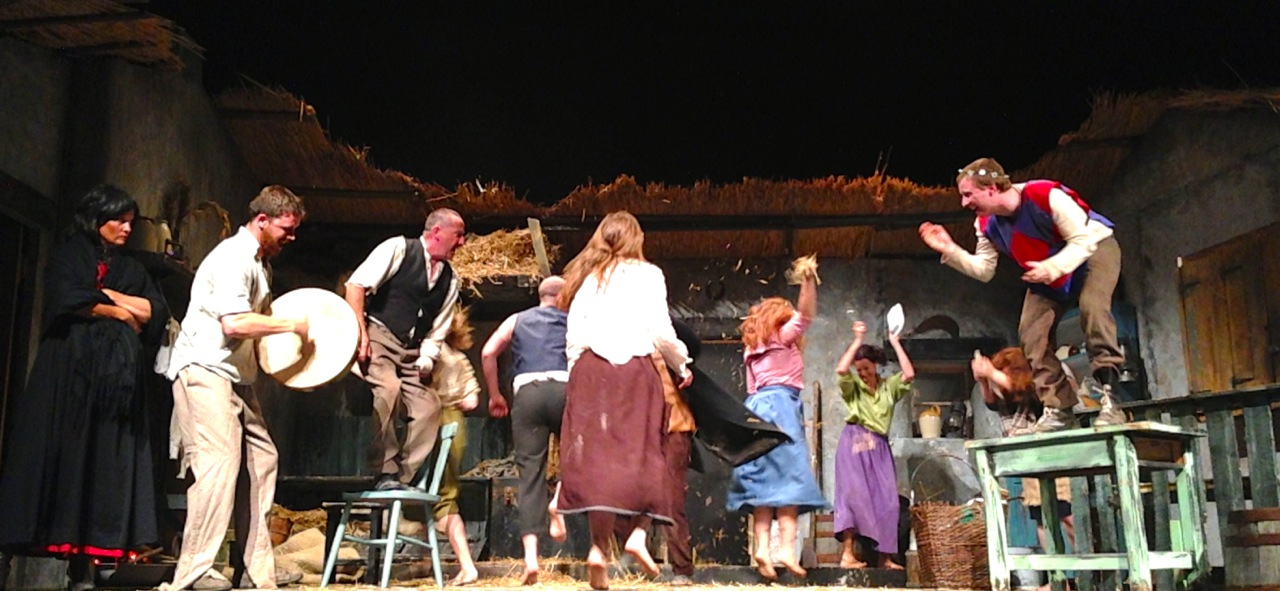
Playboy…
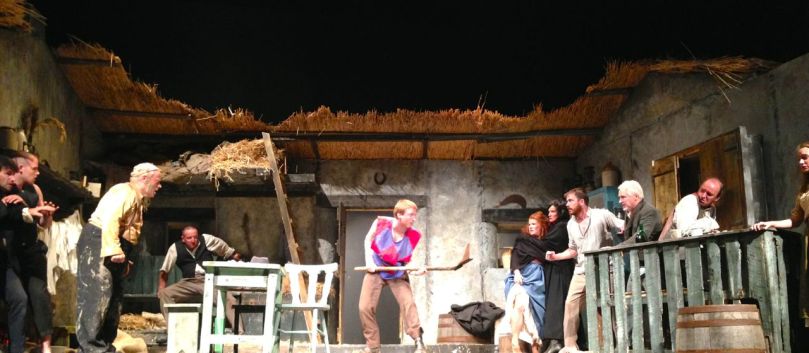
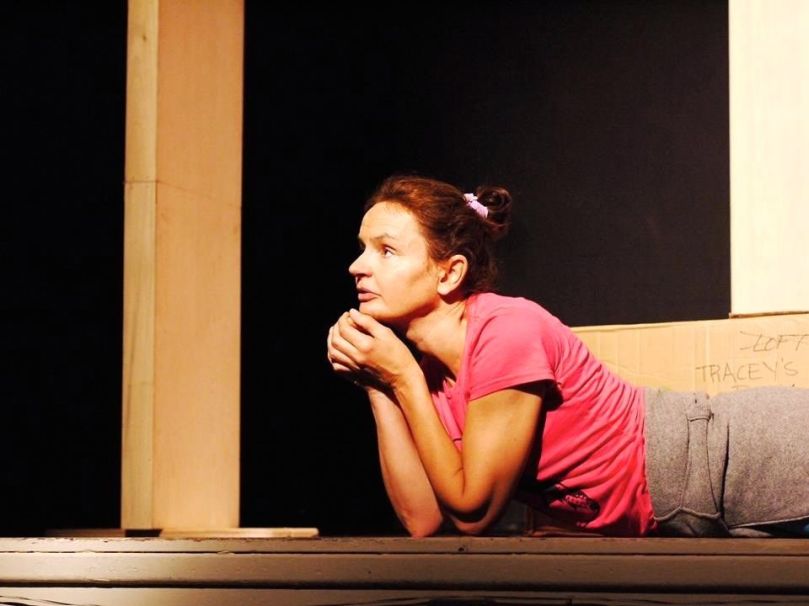
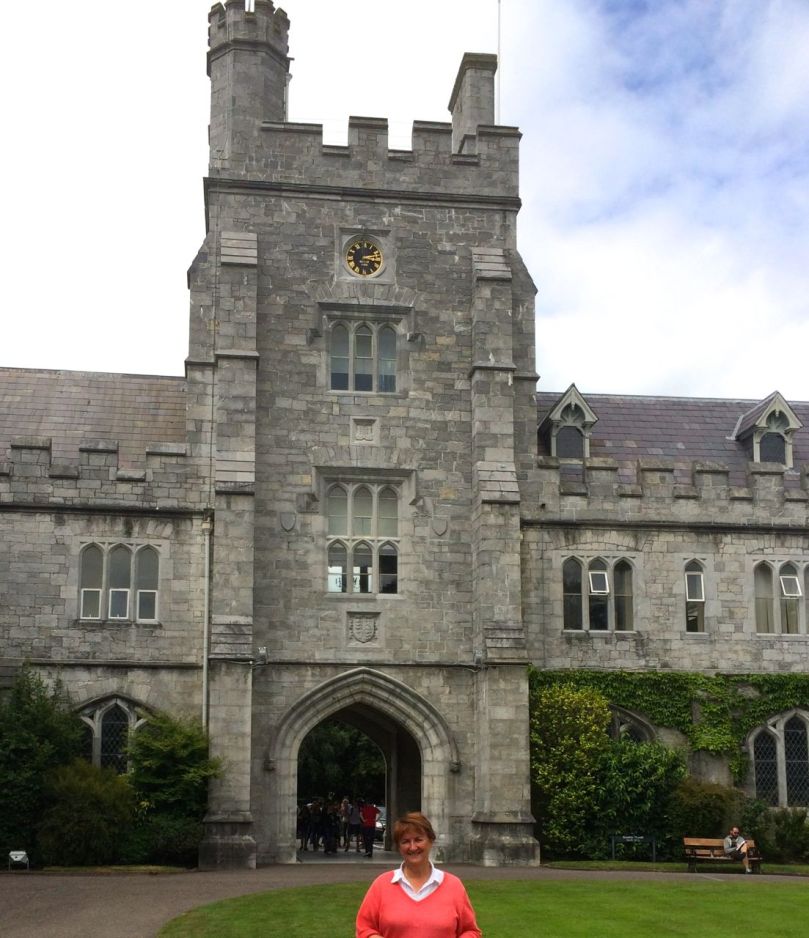
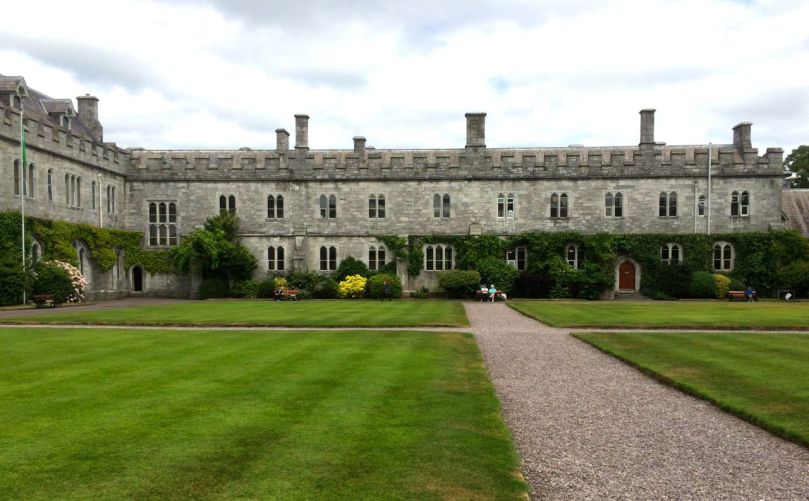
While Goodman was Professor at Trinity he had a student who became renowned: John Millington Synge. Synge was also an Irish scholar and spent much time in the Gaeltacht – particularly in the Aran Islands. It was there he wrote his most famous work, The Playboy of the Western World. Finola has already mentioned that this was also performed – superbly – during the Skibbereen Arts Festival this year: a treat for us – and for the Canon, perhaps.
Email link is under 'more' button.