Uisce Beatha

fishy

Ireland is an island – a fairly small one. There’s a lot of water surrounding it (3,500 miles of coastline) and coming out of the sky. This abundance of water has shaped the natural landscape and coloured it emerald green. Not surprisingly, traditional life, history, culture and folklore in this country are imbued with watery references.
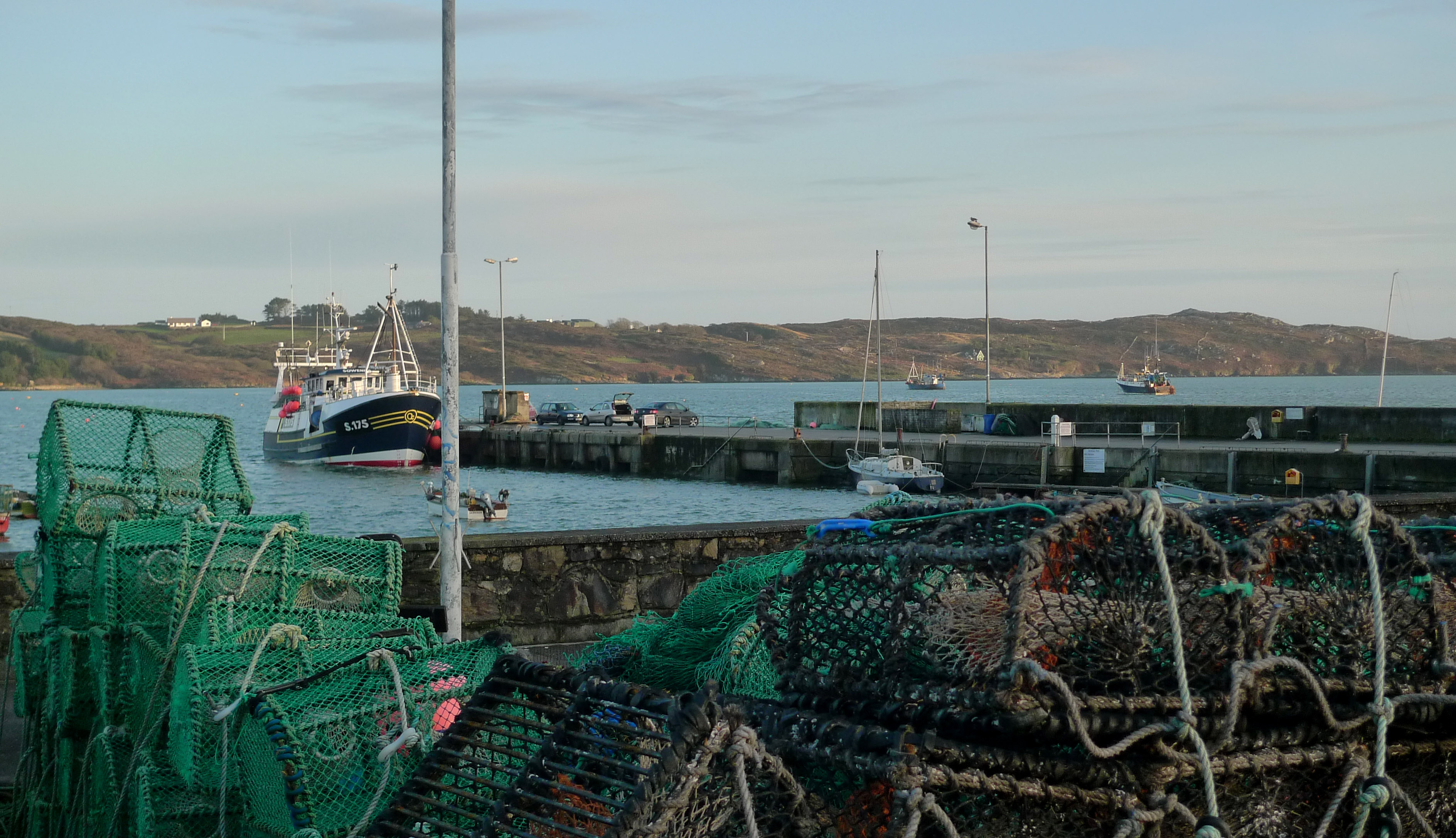
Schull Pier

Schull Pier

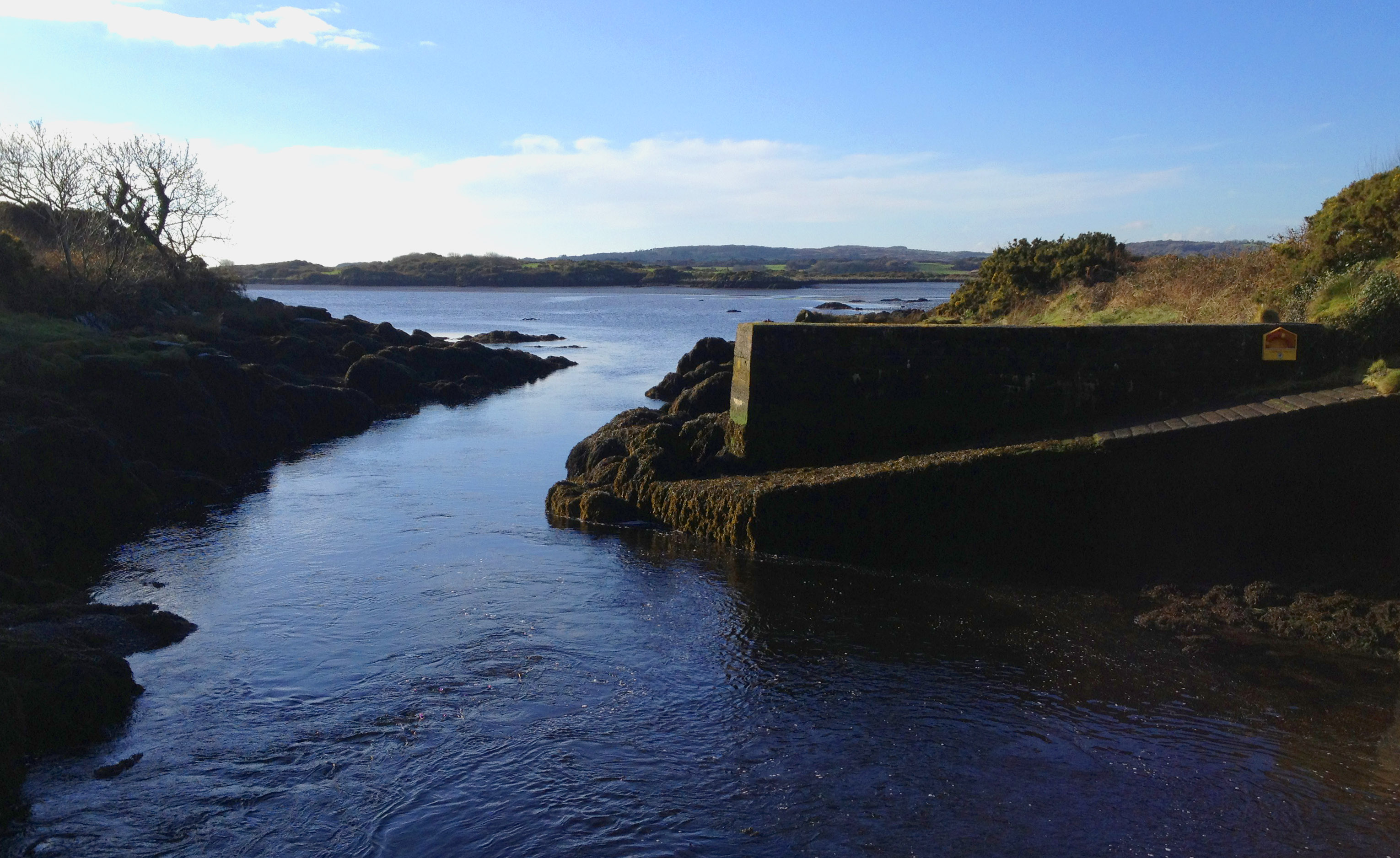
Down here in West Cork you are never more than a mile or two from the sea: it has historically provided defence, sustenance, isolation and wealth. When the O’Mahony and O’Driscoll clans ruled here in the fifteenth and sixteenth centuries it was recorded that more than 500 large fishing boats from France, Spain, and Portugal were constantly harvesting the fish shoals off the Mizen. Each chieftain’s income from the foreign ships surpassed £1,000 annually by way of fishing rights, harbour dues and protection money (that’s about 3,000 cows in trading terms in those days). Today you can still see evidence that the bays, inlets and islands have long provided income and a means of transport to the local communities: there are small piers everywhere. There’s an ancient one – ruined but still visible – just below us at Ard Glas, and an hour’s walk along the water would take in half a dozen others mostly still maintained in good order and regularly used.
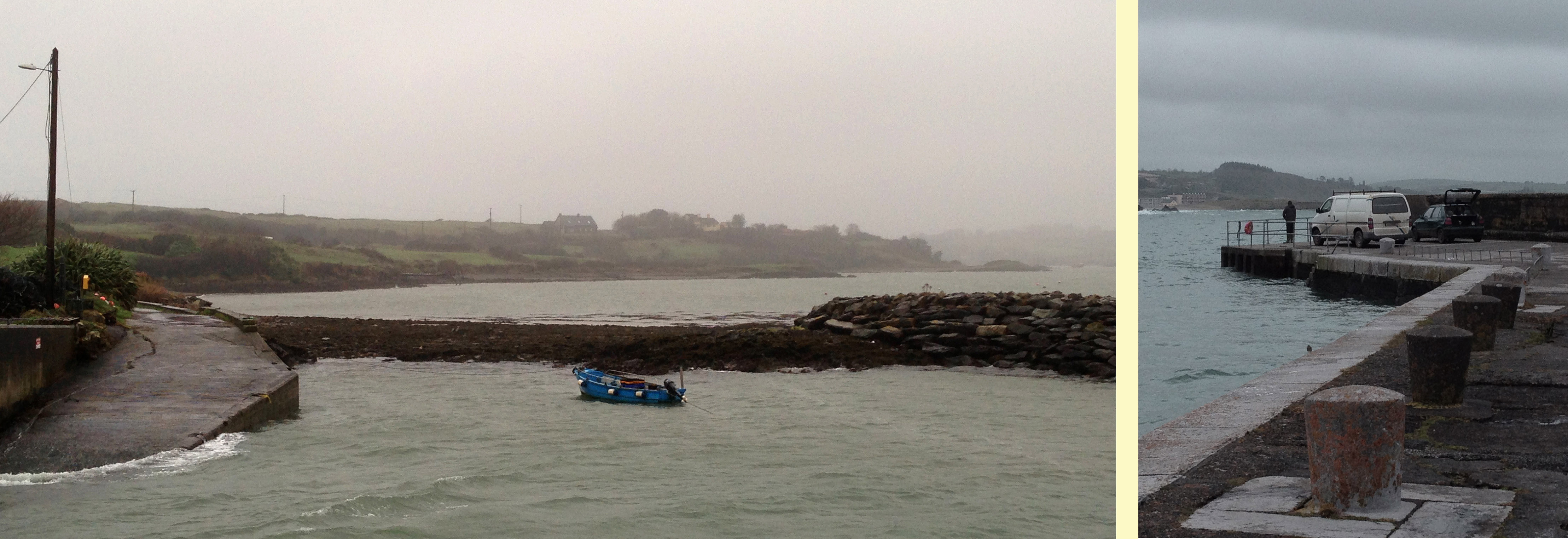
cunnamore-roscarberry

Piers at Cunnamore and Roscarberry

When we go up to the market in Bantry on a Friday morning to get our own fish fresh from the local quays we pass by the statue of St Brendan the Navigator. In the sixth century Brendan set out with forty other monks in a little boat to find the Island of Paradise; instead, they discovered America, returning after seven years to tell of their many adventures with sea monsters, miraculous islands and sirens. In the 1970s Tim Severin recreated Brendan’s twin masted boat using Irish ash and oak lashed together with two miles of leather thong and wrapped with 49 traditionally tanned ox hides sealed with wool grease. In this he sailed for a year via the Hebrides and Iceland to reach Newfoundland, thus proving that the legend could have been based on fact.
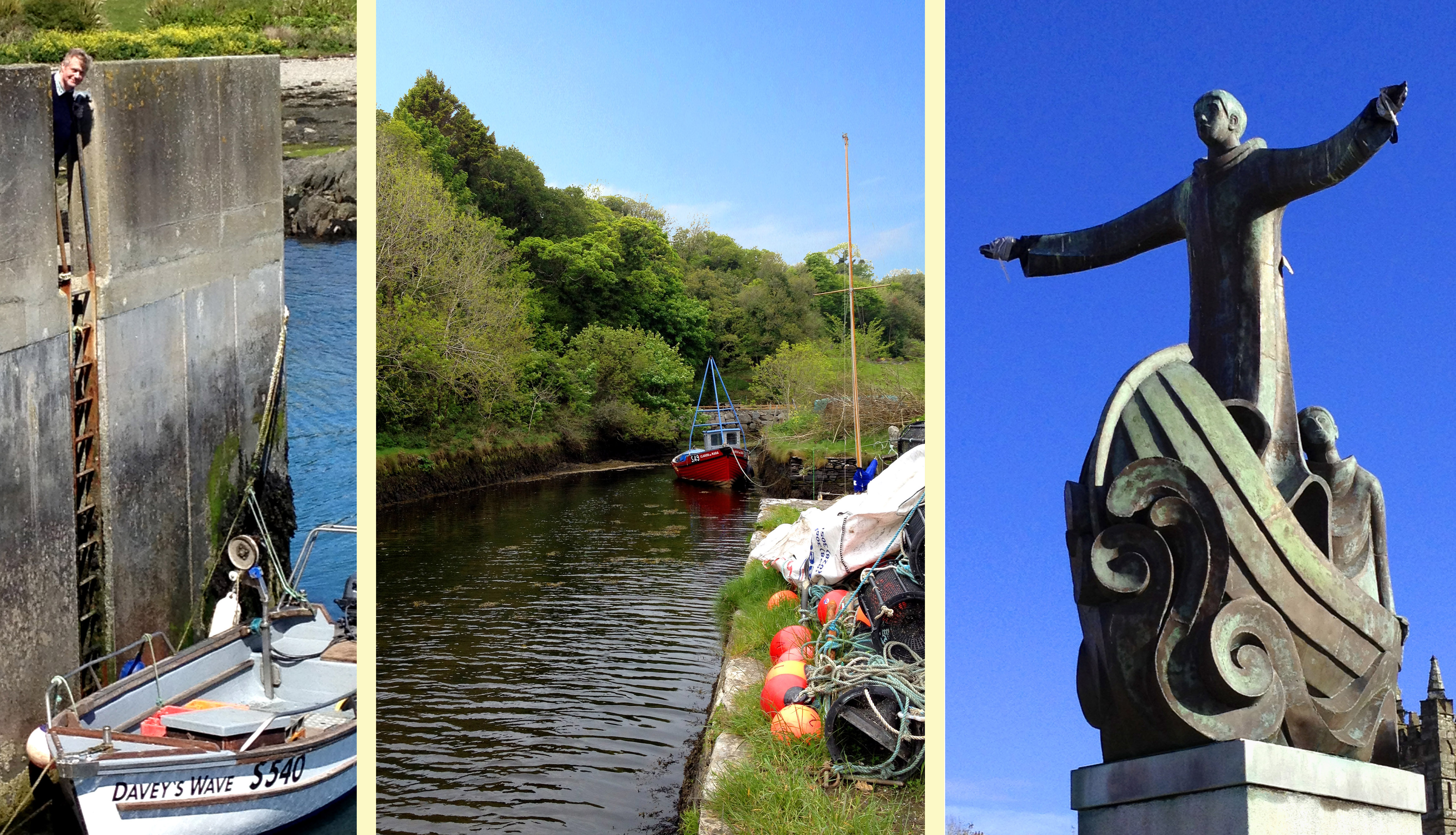
Colla Pier, Roaringwater Pier and St Brendan
Colla Pier, Roaringwater Pier and St Brendan

The 'lost' pier at Bealaclare

The ‘lost’ pier at Bealaclare

In 2010 two fishermen found a small canoe in the Boyne River. It’s reckoned to be 5,000 years old and may have carried stone for the building of the great passage tomb at Newgrange (that predates the Pyramids). That boat is only 3 metres long, but another canoe discovered in 1901 in Co Galway is even older and much bigger: 15 metres long, hollowed out from the trunk of a single oak tree that was over 2 metres in diameter: something that couldn’t be found in Ireland today. It probably had outriggers and could have been used to bring tin from Cornwall to mix with the locally mined copper, enabling the Bronze Age to take off. Fascinating.
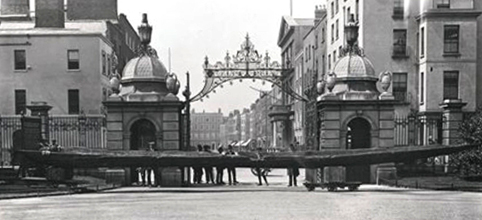
Bronze Age Canoe

Bronze Age Canoe

Every day we look out over the water, and on all our walks we have glorious views over the bays, the Celtic Sea and the Atlantic. That’s a constant in our lives that I don’t think we could ever do without.

Oh – by the way: Uisce Beatha (pronounced Ish-kah Baahaa) – that translates literally as Water of Life – and, in Ireland, also as ‘Whisky’.
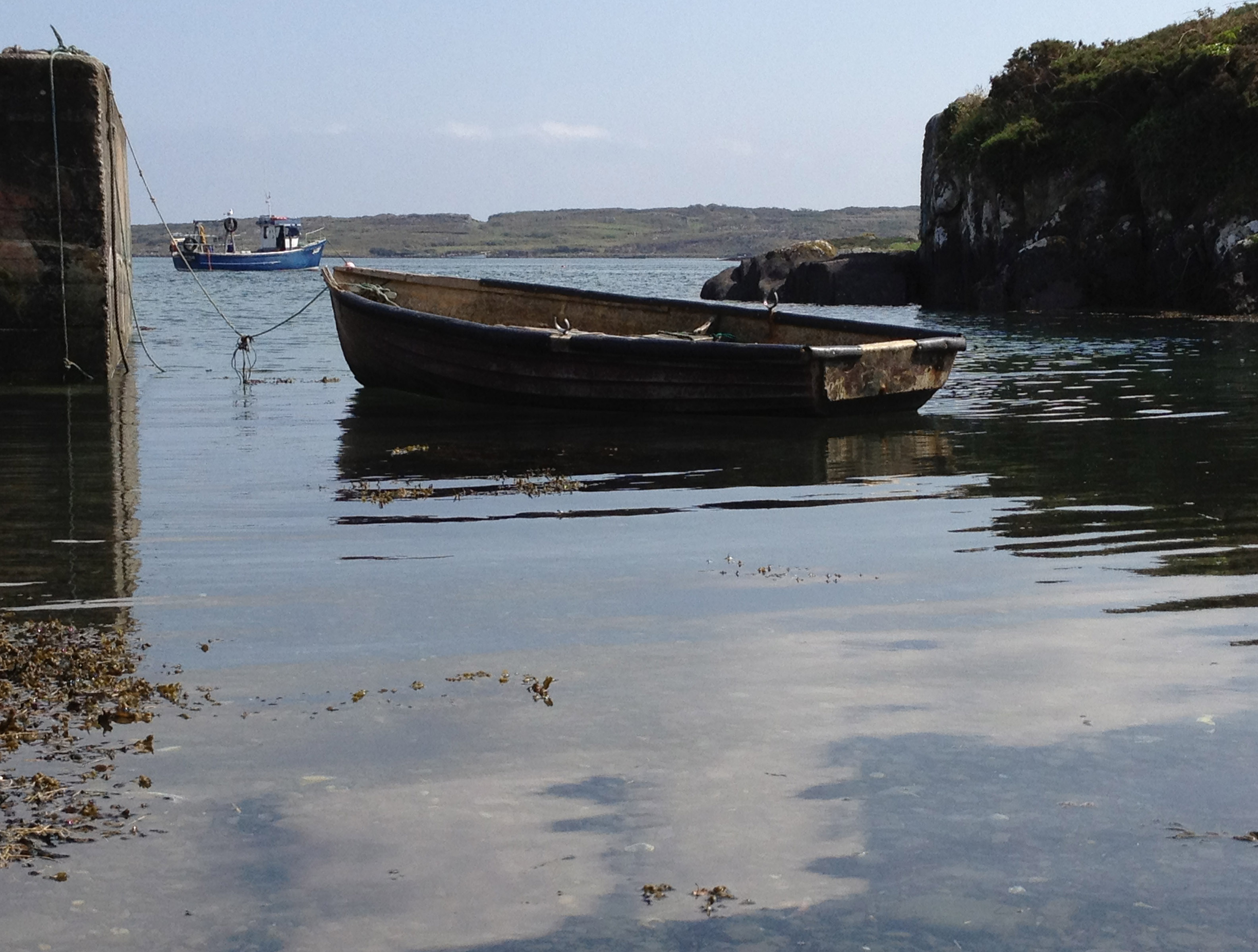
Turk Head Pier
Turk Head Pier
Buckets of Culture

Željko Lučić as Rigoletto. Photo by Metropolitan Opera

Željko Lučić as Rigoletto. Photo by Metropolitan Opera

-What we love about being here – the scenery, the history, the people, the hiking, the markets, the food, the opera…

-What? The opera?

-Yes, and the theatre. And very good cinema too.

-Wait – seriously? I thought you were there to get back to nature?

-Well, er, yes, but…

-But?

-West Cork is also a Mecca for artists of all kinds – musicians, actors, painters, poets, photographers – and part of being here is taking advantage of cultural events. As one local told me last year, “if it’s culture you’re after, we have buckets of it.”

-Oh, OK…tell us all about it, then.

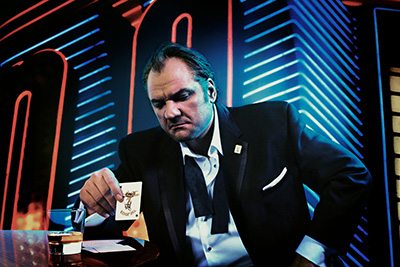
The weekend started with a trip to Cork to stay overnight with my cousin and to go to the Metropolitan Opera Live Broadcast of Rigoletto. This was a stylish production with the action moved to 1960’s Las Vegas and the singers modelling themselves on Rat Pack characters. The Duke of Mantua made a wonderful fist of Old Blue Eyes, and Marilyn Munro made an appearance as Ceprano’s wife. The singing was glorious, with the German soprano Diana Damrau as a transcendent Gilda and Željko Lučić suitably tortured and barrel-voiced as Rigoletto.

The following day we visited a friend in his beautiful and very modern house in Kinsale, ate a huge Sunday lunch and then got into The Music, with Alastair on the fiddle and Robert on his melodeon.

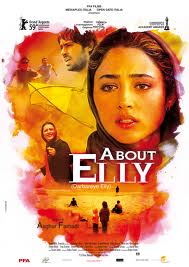
about EllyThe Cinemax in Bantry has all the latest releases and comfortable seating. They run an Arthouse Tuesday and this week we saw ‘About Elly’ by the Iranian Director, Asghar Farhadi. I had seen his movie ‘A Separation’ and was struck then, as I was now, by how much these films challenge our stereotypes of Iran. This one featured an ensemble cast of outstanding actors as young professionals from Tehran. The plot revolves around the disappearance of one of the group during an outing to the Caspian Sea, and the disintegration of cohesion as white lies and deceptions are compounded and revealed. The exploration of the dynamics of man-woman relationships was particularly riveting in what is apparently a time of transition between traditional and modern notions of gender roles.

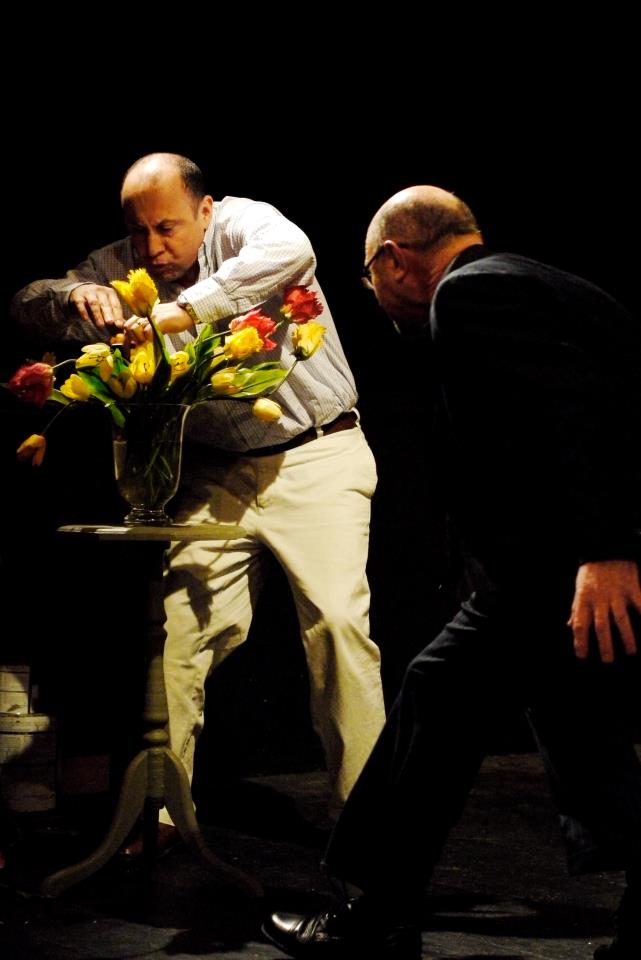
Photo from Schull Drama Group Facebook Page

Photo from Schull Drama Group Facebook Page

On Friday night we attended the Schull Drama Group’s production of The God of Carnage, a play by French actor and playwright, Yazmina Reza. This is the same company of players that was responsible for the broad comedy and slapstick of the traditional pantomime we had seen in January and this comedy/drama was a testament to the depth of their talent. Two couples, Veronique and Michel and Annette and Alain, meet to discuss a contretemps between their sons. Their plan to do this in a civilized manner, over coffee and clafoutis, quickly descends into chaos, as accusation and counter-accusation reveal the fault lines of each marriage and the assumptions and veneers of middle-class privilege.

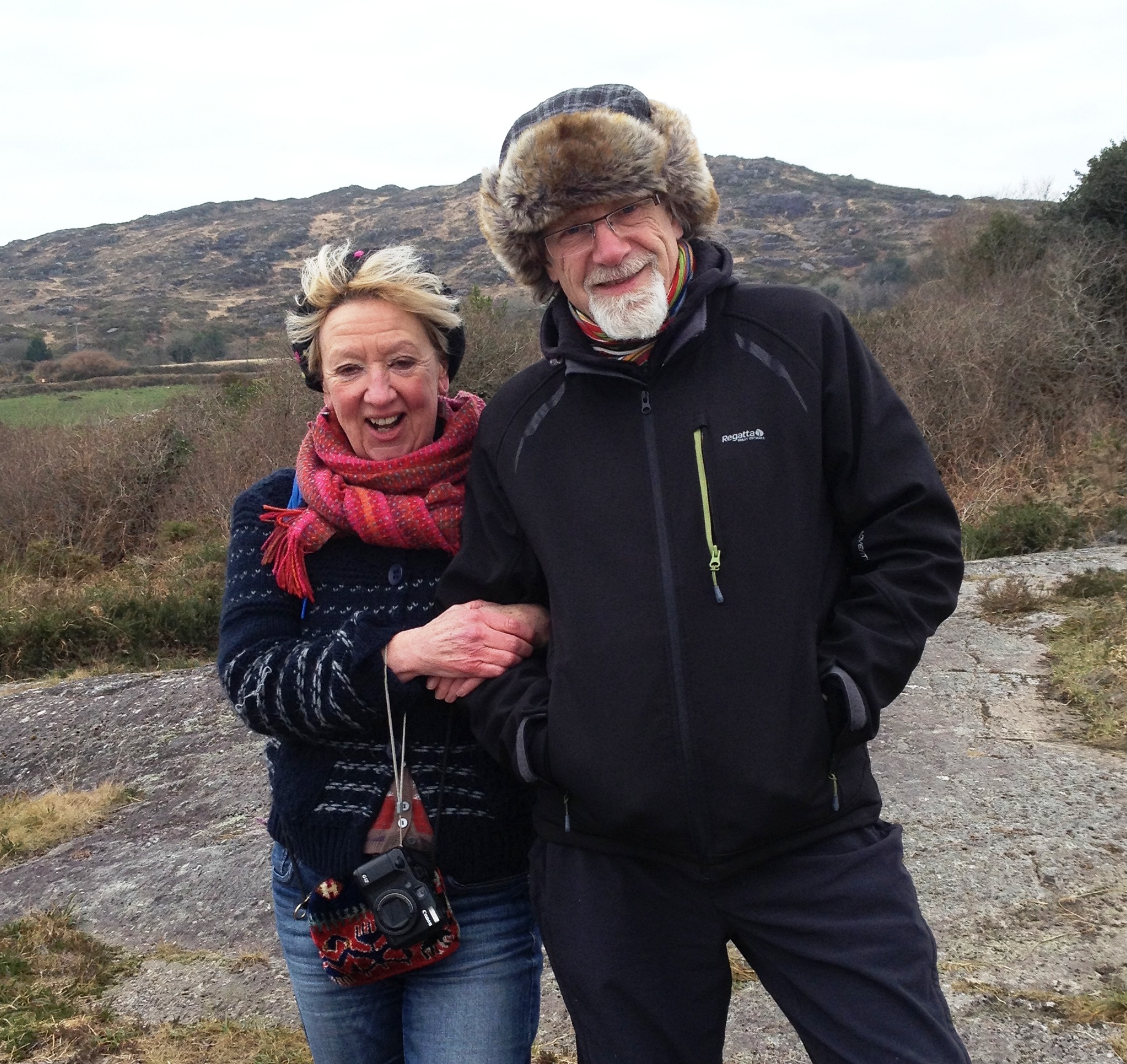
Amanda and Peter on our Rock Art Day

Amanda and Peter on our Rock Art Day

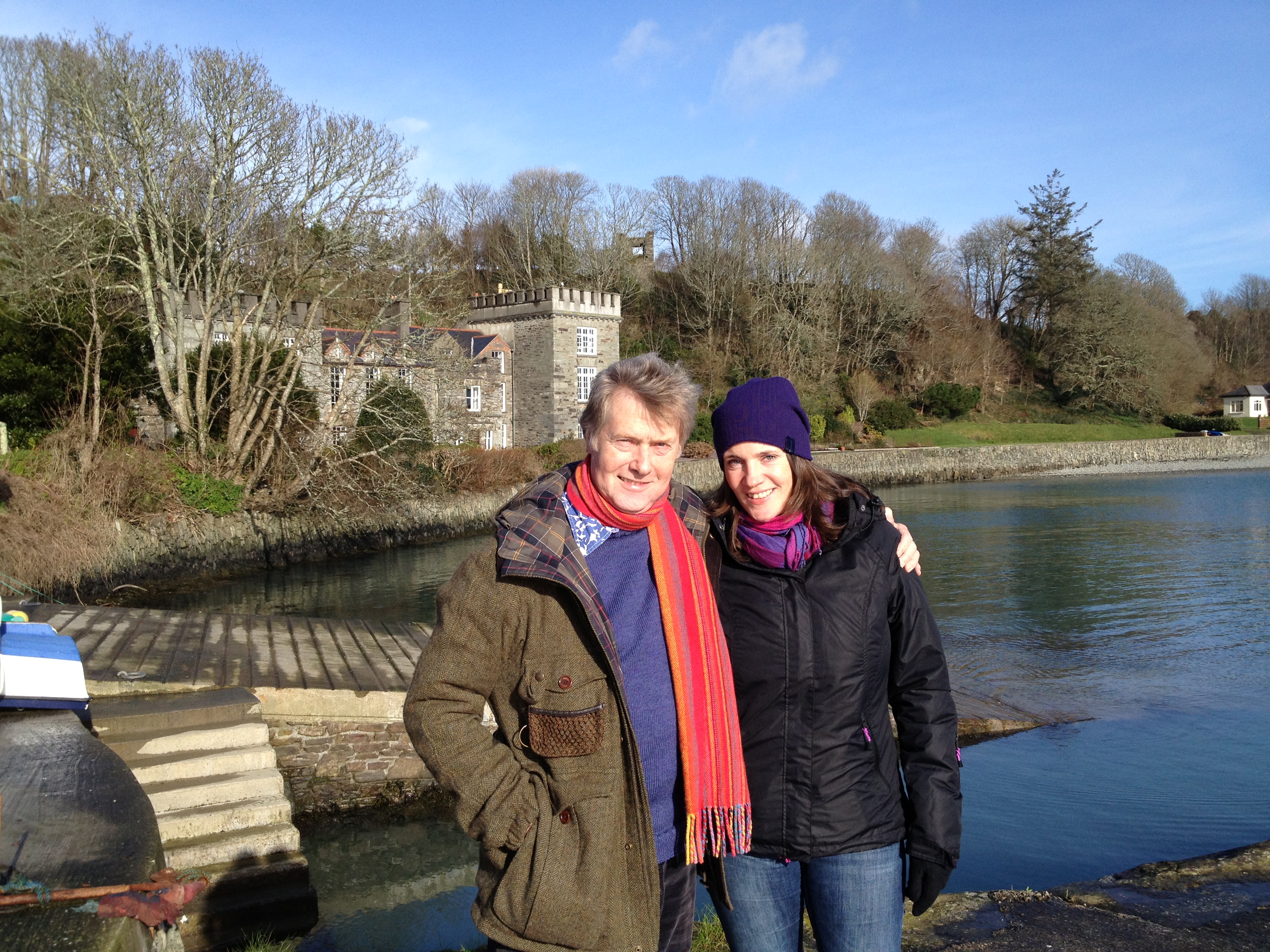
Finally, Saturday saw us in the company of two new friends, Amanda and Peter Clarke on a Rock Art Day of tramping through the countryside. Peter and Amanda are the talented couple behind two websites: Sheep’s Head Routes and Sheep’s Head Places, both invaluable resources for exploring this part of West Cork. Amanda is also a keen photographer with a wonderful eye. You can read her description of our day, and view more of her beautiful photography at her Blipfoto site.

Half-Term Break

2013-02-14 14.11.07

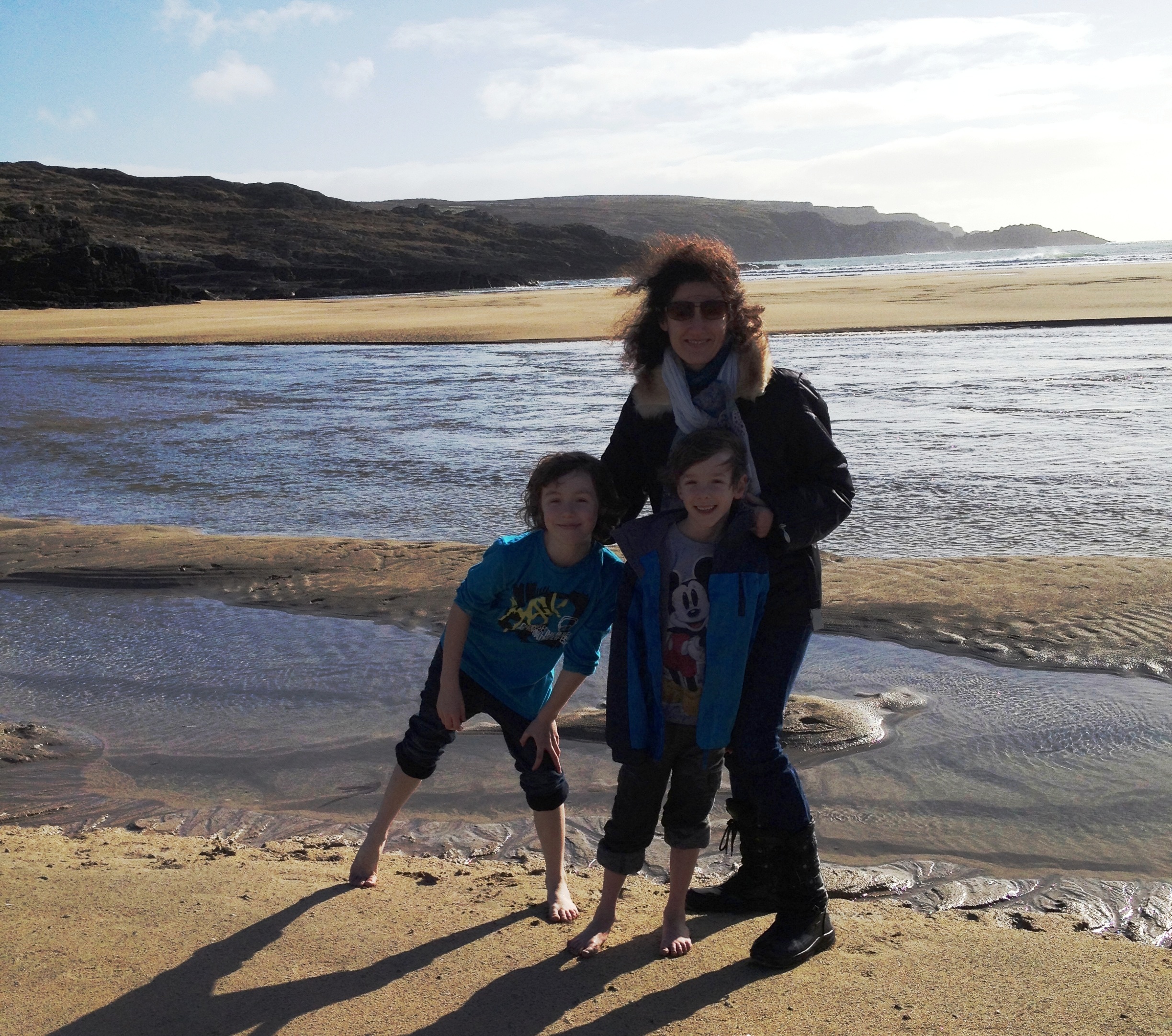
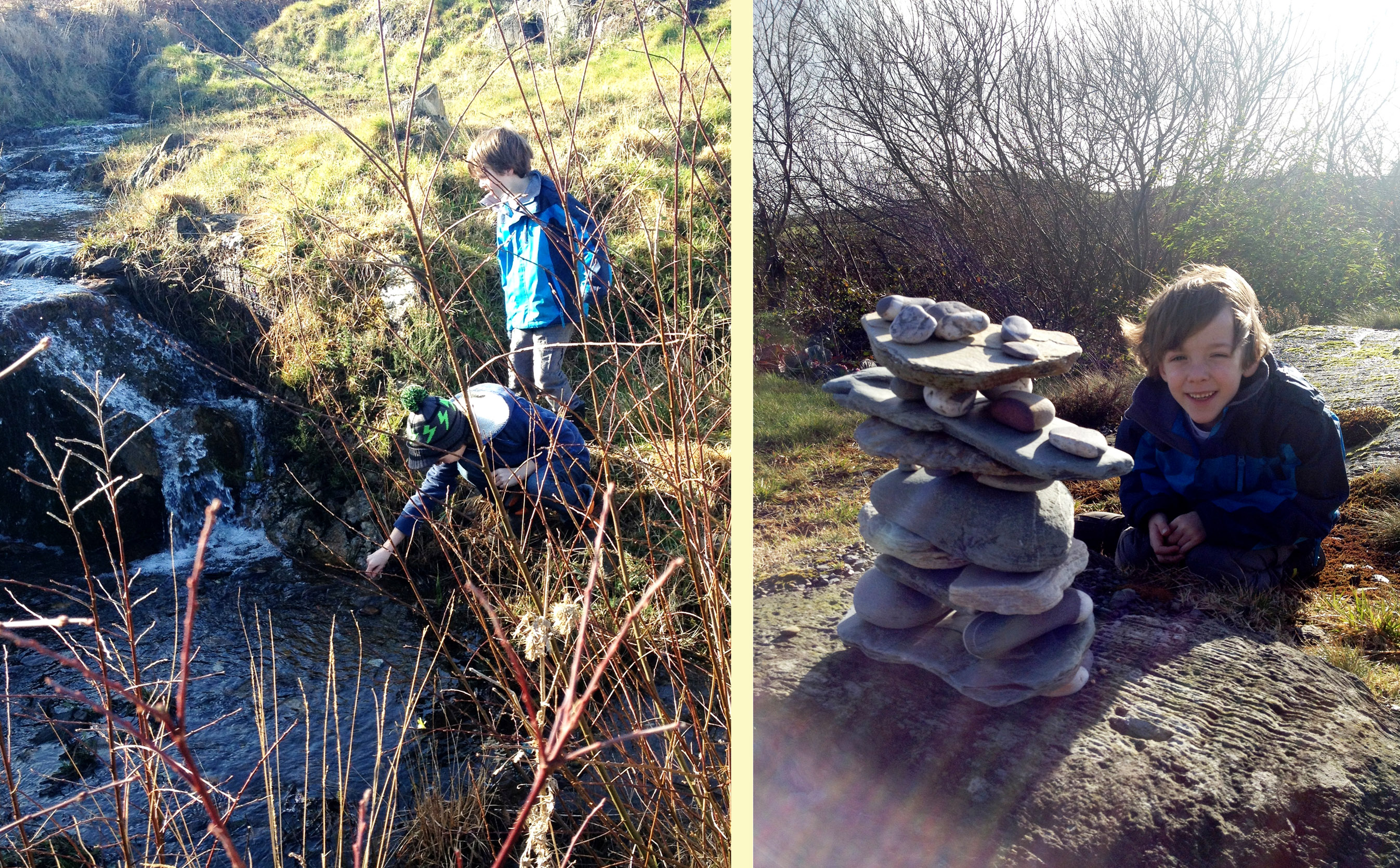
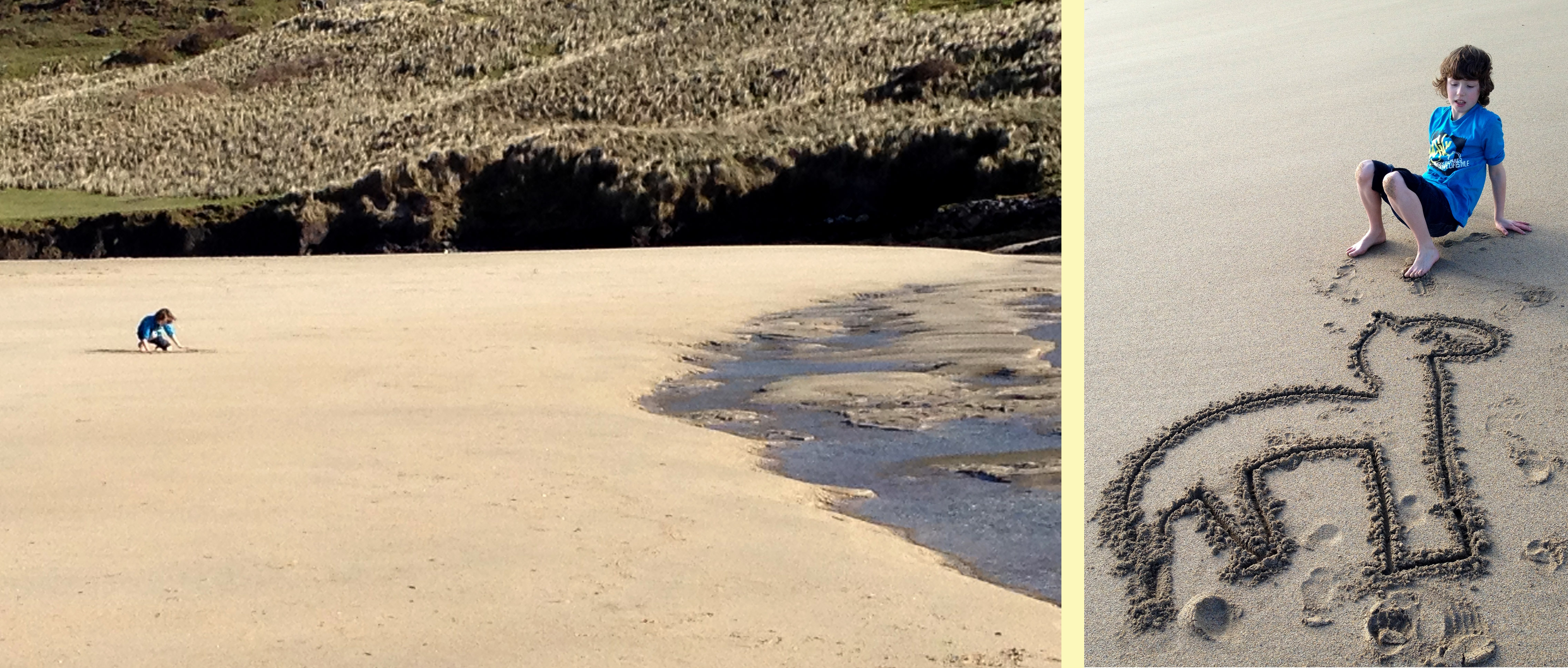
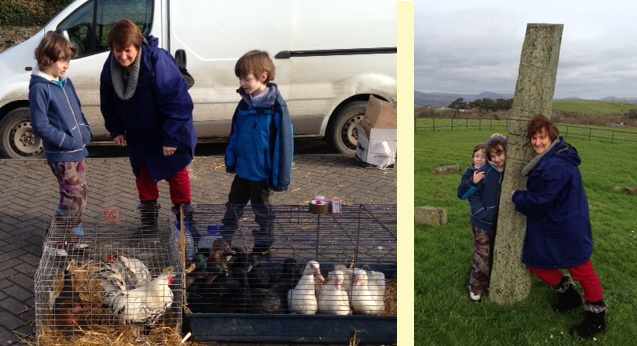
This being their half-term, my sister arrived for a few days’ visit with her two children – Ava, 8, and Hugo, 6.  But half-term is not scheduled this week in all parts of the country – and particularly, it is not scheduled for here. This means that organised activities for children are not up and running, and local amenities suitable for children are all shut for the winter. But no problem! All you need is a dram of sunshine, a beach, a market, a stream, and a couple of imaginative youngsters.

In the garden at Ard Glas.

In the garden at Ard Glas

Barleycove Beach, mid-February.

Barleycove Beach, mid-February

Bantry Market and Never Too Early to introduce them to archaeology.

Bantry Market and Never Too Early to introduce them to archaeology

They went back to Dublin yesterday and we miss them already!

Juxtapositions

holywater

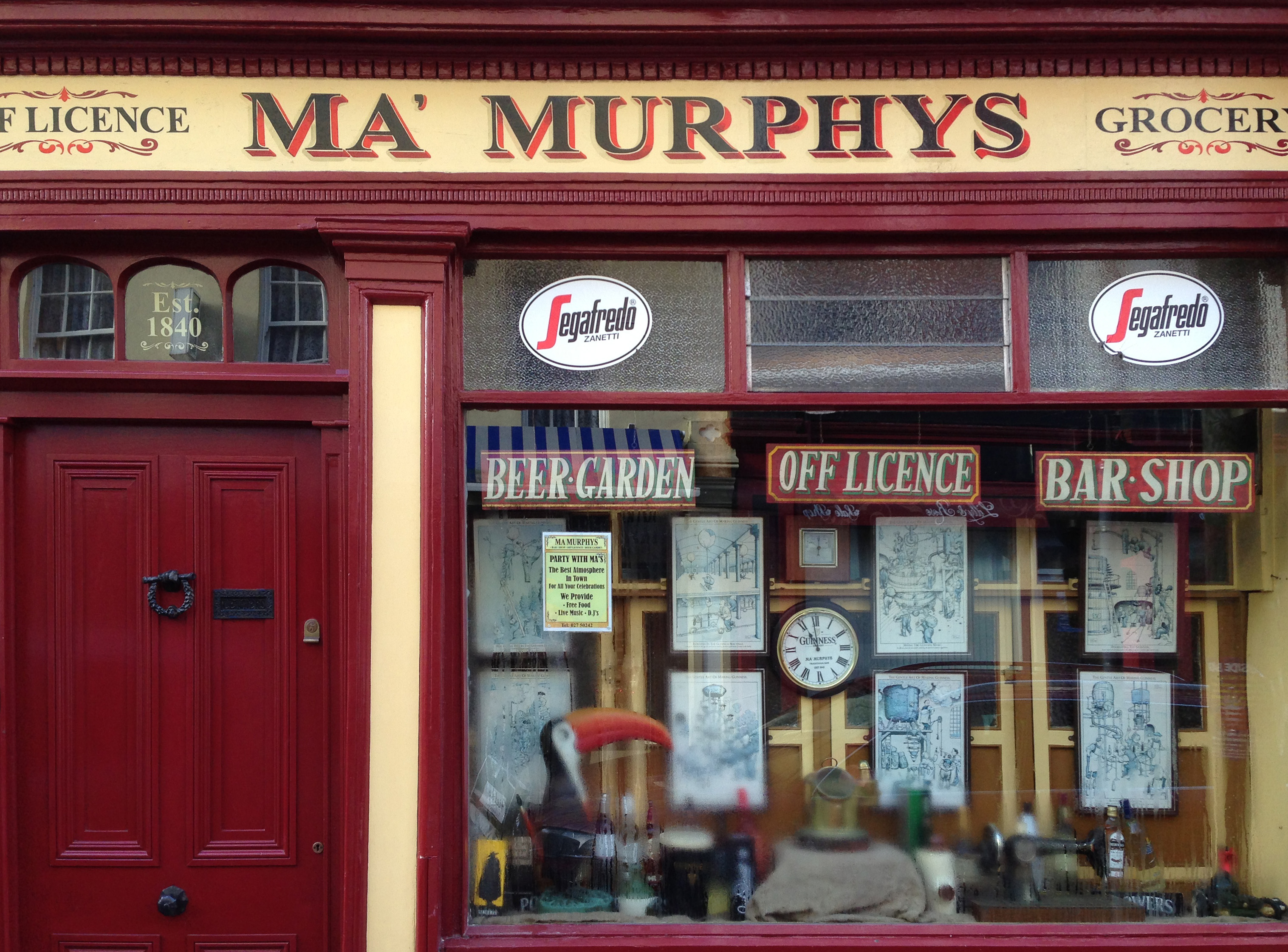
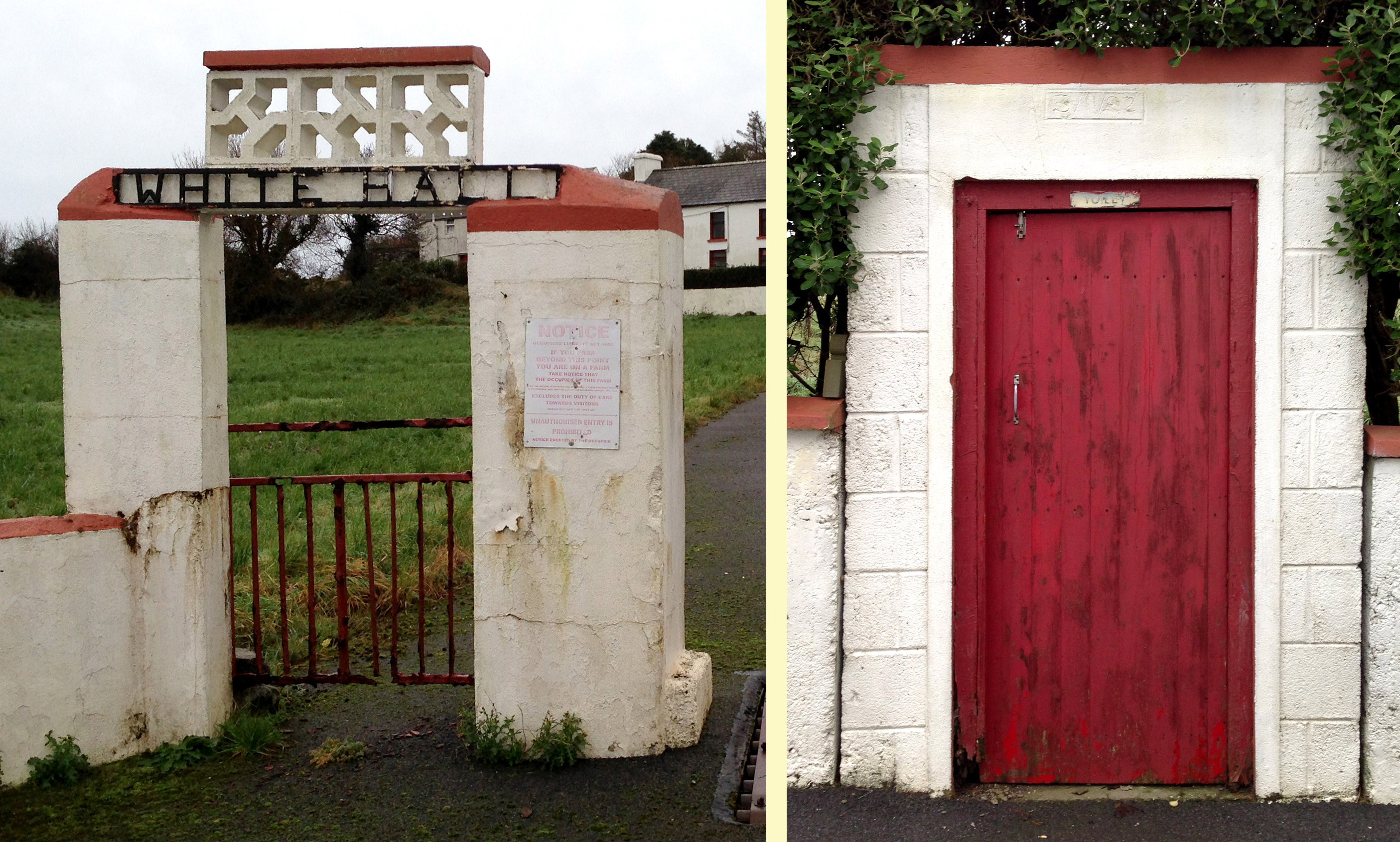
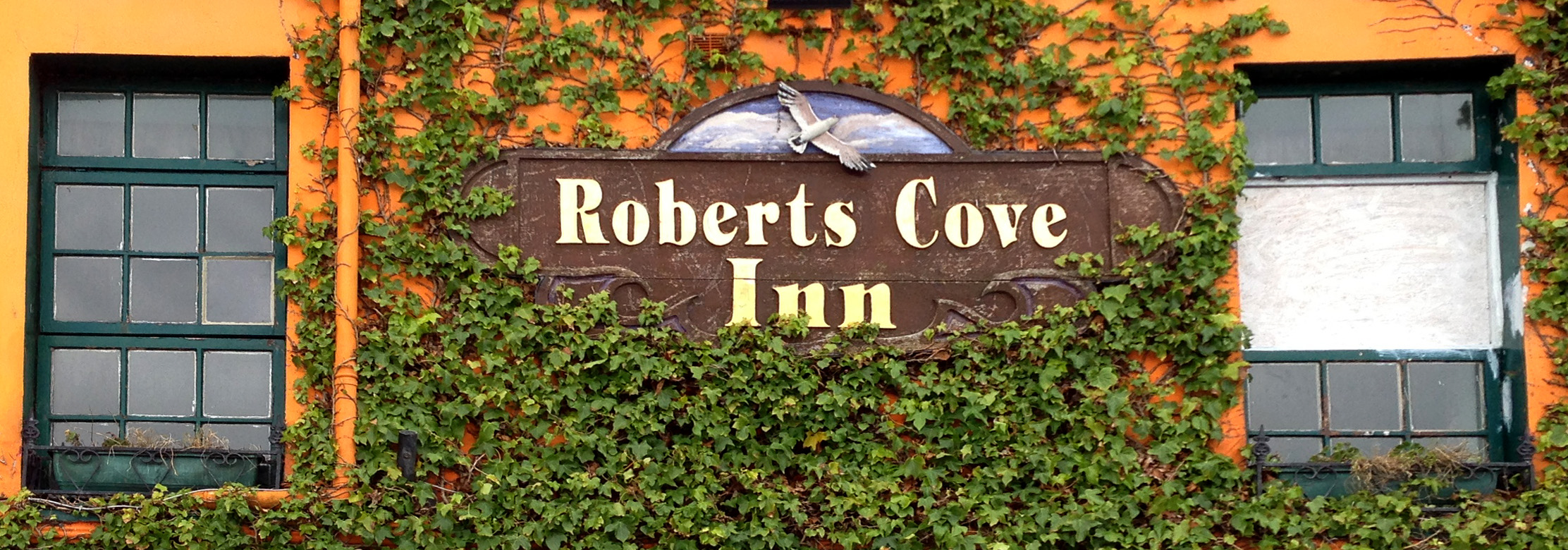
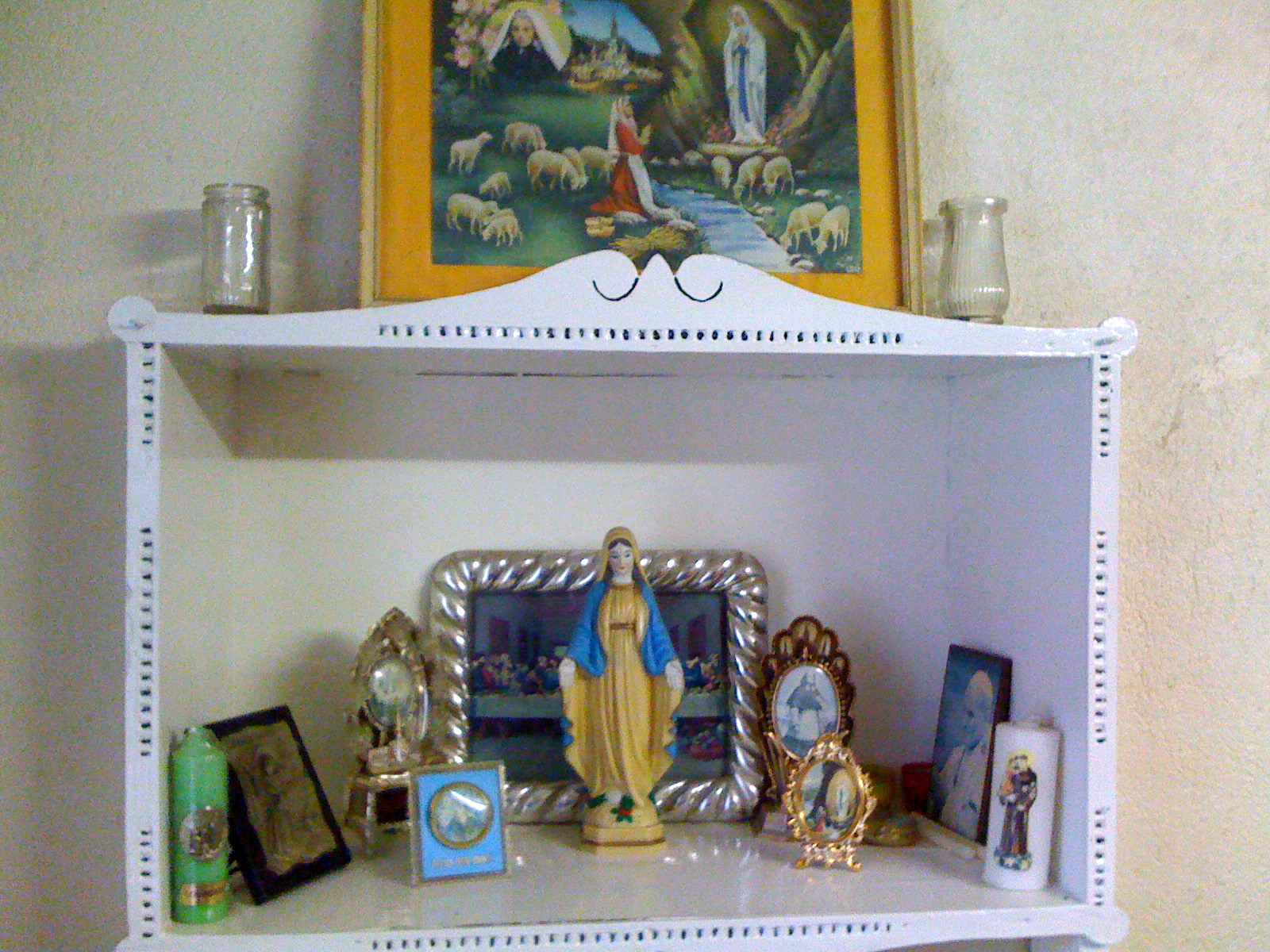
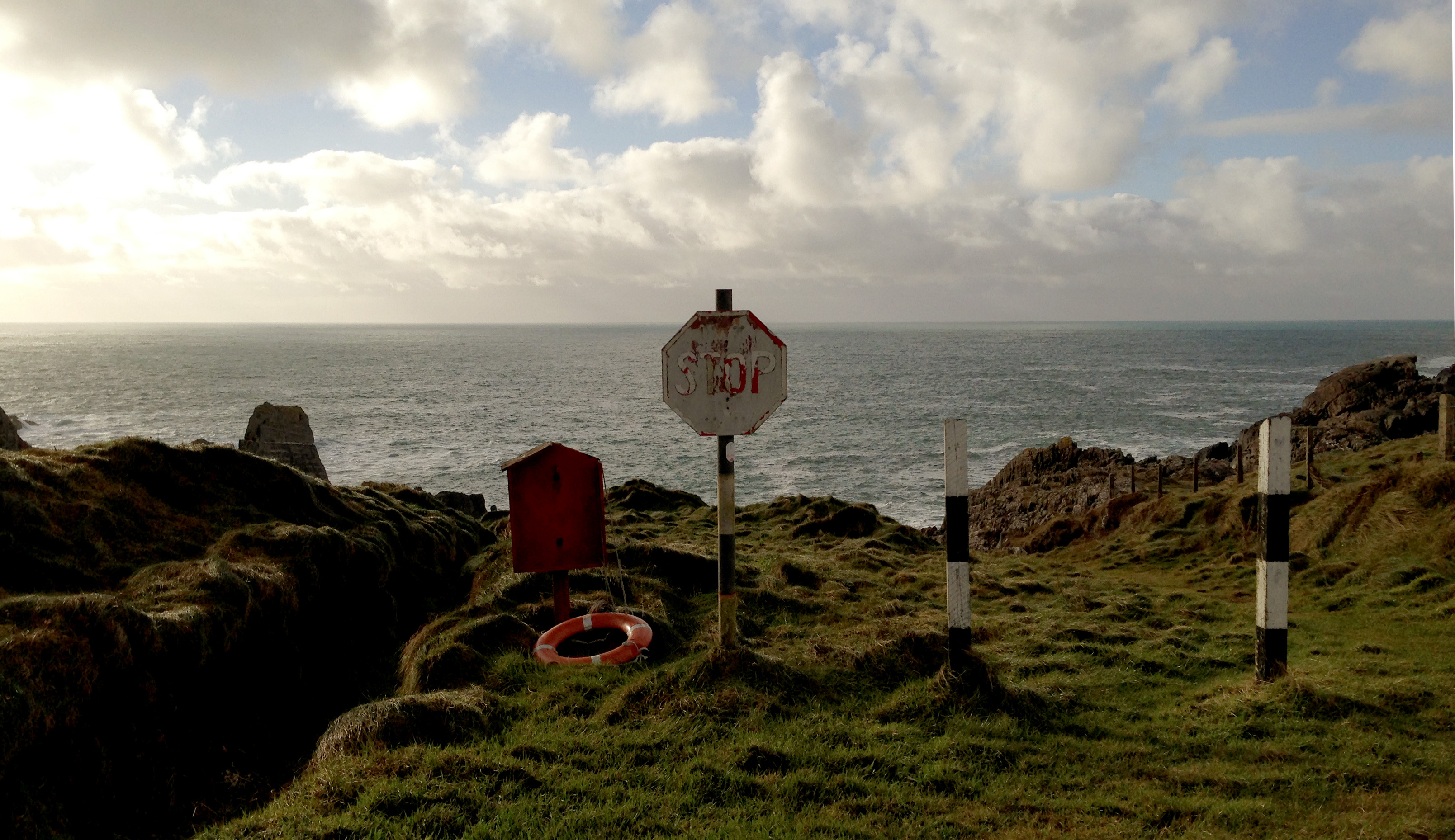
I can’t help it – I’m addicted to the oddities of everyday life in Ireland. They are only odd to me, of course: a temporary blow-in from England. To someone local they are normal and expected. This is a visual post: perhaps that’s because it’s late on Sunday night and we have only just arrived back from a weekend away in Cork. We went to the opera, but that’s another story. Meanwhile, have a look at some of the things that have caught my eye, fascinated or amused me over the past few weeks…

graves

welcomeinn

for sale

mamurphys

signs

robertscove

parlour

sullivans

endofroad

Hare Heaven

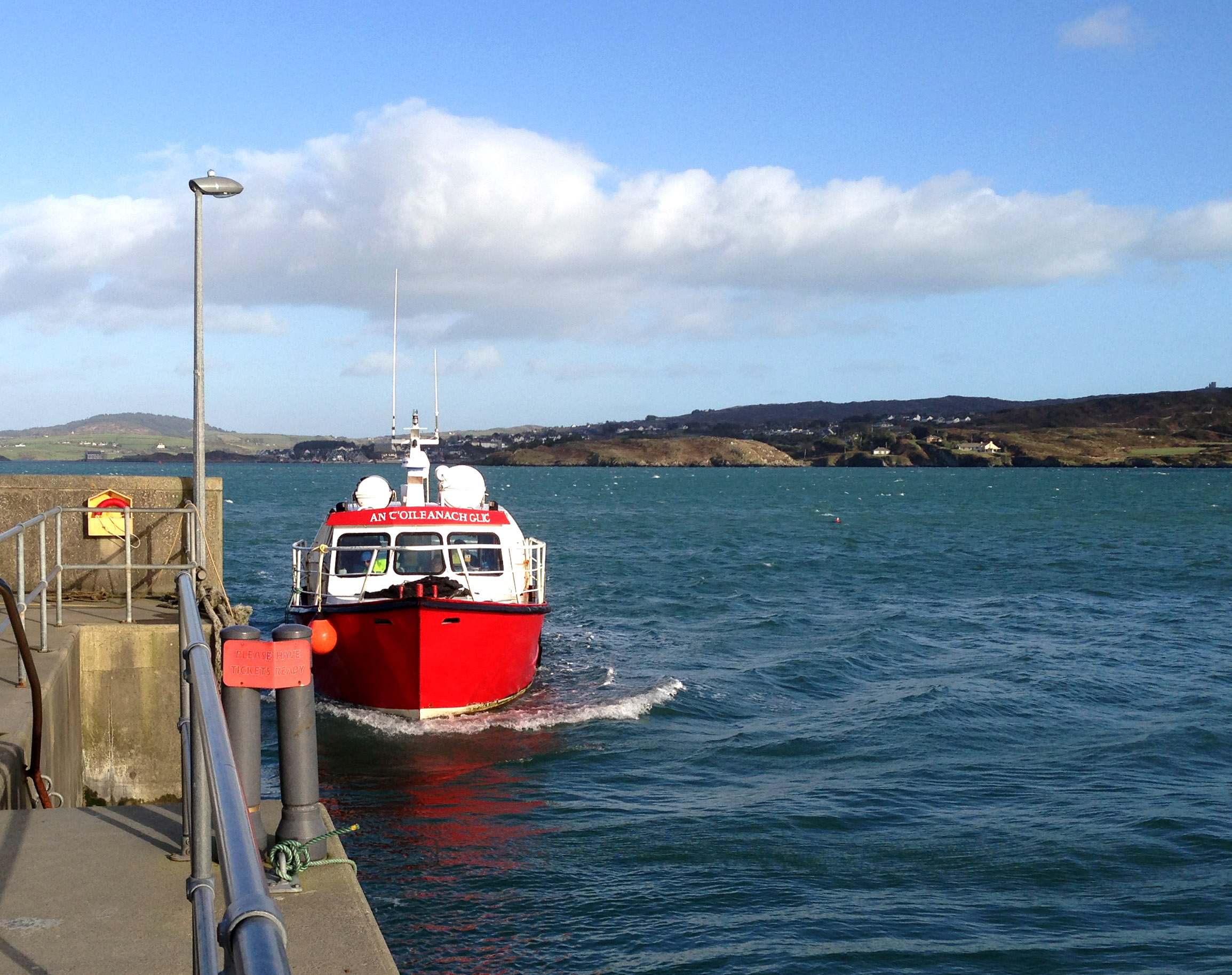
10 o'clock ferry from Baltimore to Sherkin

10 o’clock ferry from Baltimore to Sherkin

Imagine a place where Hares can live without any fear of human interference and hardly any natural predators – that’s the Calf Islands in Roaringwater Bay: Middle Calf, East Calf and West Calf. I gleaned that exciting and wonderful piece of information on a visit this week to the Sherkin Island Marine Station exhibition, in the Islander’s Rest Hotel on Sherkin. A friend of Finola had given us an introduction to the founder and manager of the Marine Station – Matt Murphy – and the very first conversation I had with him on that day was about Hares and Rabbits! Great quantities of the latter thrive on Cape Clear – the largest and most distant of these West Cork islands – but not on the others, while Hares have the privilege of the Calves all to themselves: no-one has lived there since the 1940s.

Dawn over Sherkin, seen from Ard Glas: Cape Clear is in the far distance

Dawn over Sherkin, seen from Ard Glas: Cape Clear is in the far distance

Their are 14 islands (or island groups) in the Bay [here is a good summary], and all have been inhabited at some time in history, but now only the larger ones – Clear, Sherkin, Castle, Horse, Hare and Long Island are occupied. The most populous is Cape Clear, around 120 people at the moment: it is part of the Gaeltacht – the areas in the Republic where spoken Irish predominates. We haven’t yet visited Clear but we intend to as it is a centre for the study of the Irish language and traditional culture. There is an internationally renowned storytelling festival on the island in September of every year.

Roaringwater Bay

Roaringwater Bay

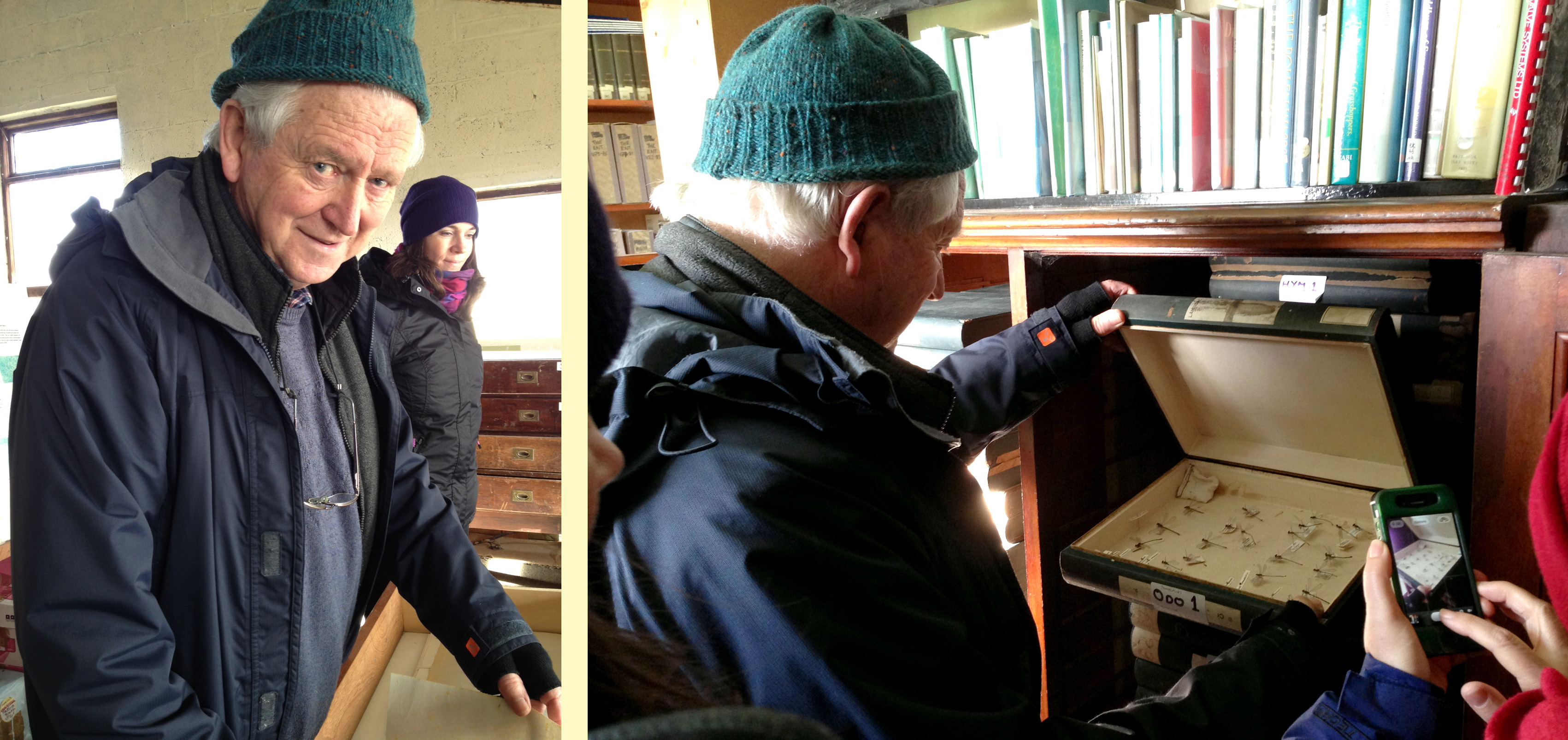
Our trip to Sherkin started on the ten o’clock ferry from Baltimore, a short drive from Ard Glas. My daughter Phoebe has been visiting from Norway this week and we took her along for the ride. Matt brought us to his home for a wonderful lunch prepared with his daughter Susan (five of his seven children still live and work on the island), and he told us about the Marine Station, which is an internationally renowned centre for the study of the marine environment. Matt and his wife Eileen (who, sadly, passed away in 1979 at the age of 37) started the project in 1975 and it is now a unique education and research facility. Every year volunteer students come to the station from all over the world to take part in the continuous monitoring of marine life, weather, biology and environment in the Bay and to carry out specific surveys (examples: Rocky Shore Survey, Phytoplankton Survey, Zooplankton, Otters, Birds, Insects, Butterflies and Moths, Terrestial Flora and Seaweed). The Station houses a huge library of documents and samples – probably the largest such collection outside of any university in Europe. It publishes an environmental newspaper – the Sherkin Comment – and books, while also organising exhibitions, conferences and workshops.

Matt, Phoebe and some of the archives

Matt, Phoebe and some of the archives

At the age of 77 Matt remains fully active in running the Station, which has never received any state funding. We were impressed with his total commitment – and with his faith. In September 2000, on the occasion of the Station’s Silver Jubilee, a bronze plaque was unveiled:

God, the Creator of all life, has given us those most precious gifts – the sea and the land. Ponder a moment on those wonders, remembering you are their caretaker. Now ask yourself what you are doing to ensure their beauty remains for future generations to enjoy…

In return for our fascinating day spent in Matt’s company, we have agreed to contribute an article to his newspaper on Rock Art – there is none that we know of on the islands, but there is prehistory, history, nature and culture a-plenty!

Signs of the past on Sherkin

Signs of the past on Sherkin

Stories and Stained Glass

Robert and Phoebe in front of Castle Townshend, now a hotel.

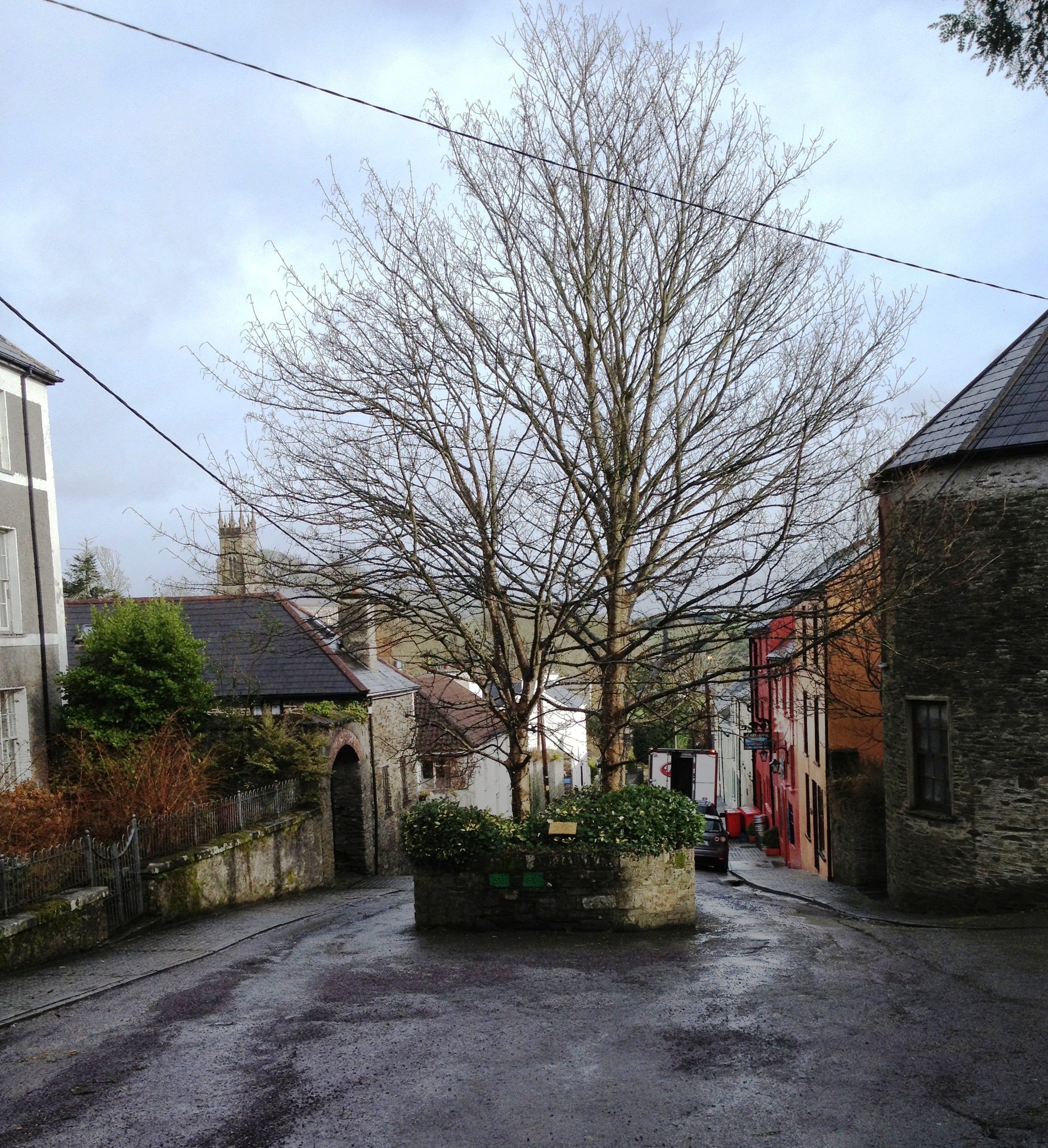
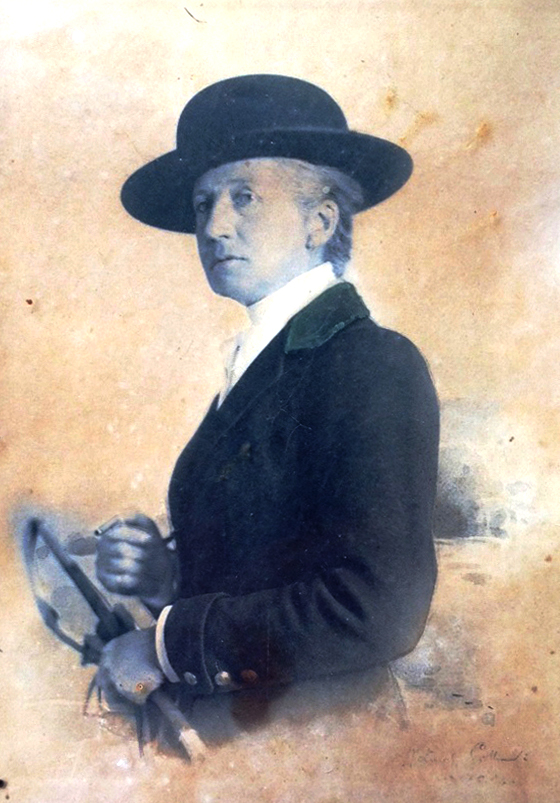
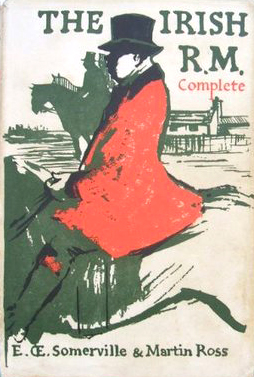
Nestled in Castlehaven Inlet lies a long narrow street running steeply down to the water, broken half way down by a curious jampot containing two huge sycamore trees, to be negotiated carefully by drivers. This is the charming West Cork village of Castletownshend.2013-02-05 12.34.00Castletownshend will be forever associated with Edith Somerville, whose family built, and still occupy, Drishane House at the top of the village. She and her cousin, Violet Martin, wrote a series of enormously popular stories and novels under the pen names Somerville and Ross.

Edith as Master of the Foxhounds

The best known stories centre on the character of the hapless Englishman, Major Sinclair Yates, who fetches up in West Cork as a Resident Magistrate. His adventures, courtship, neighbours, and local fox hunts are recounted in a series of wonderfully funny stories that, despite what some see as jarring Big House condescension, have stood the test of time to become classics of Anglo-Irish literature – and an entertaining TV series.

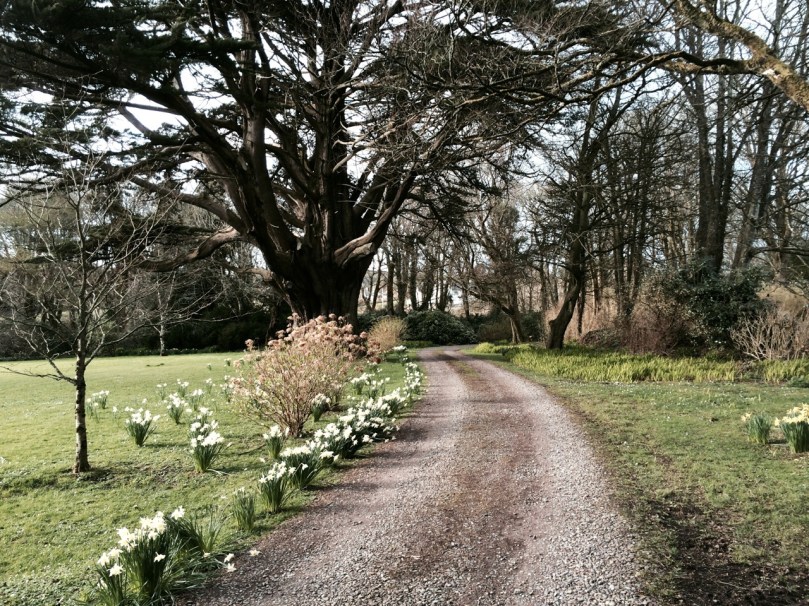
Drishane House is open to the public. The gardens are enchanting and the house and outbuildings are much as they were in Edith Somerville’s time.

Drishane House

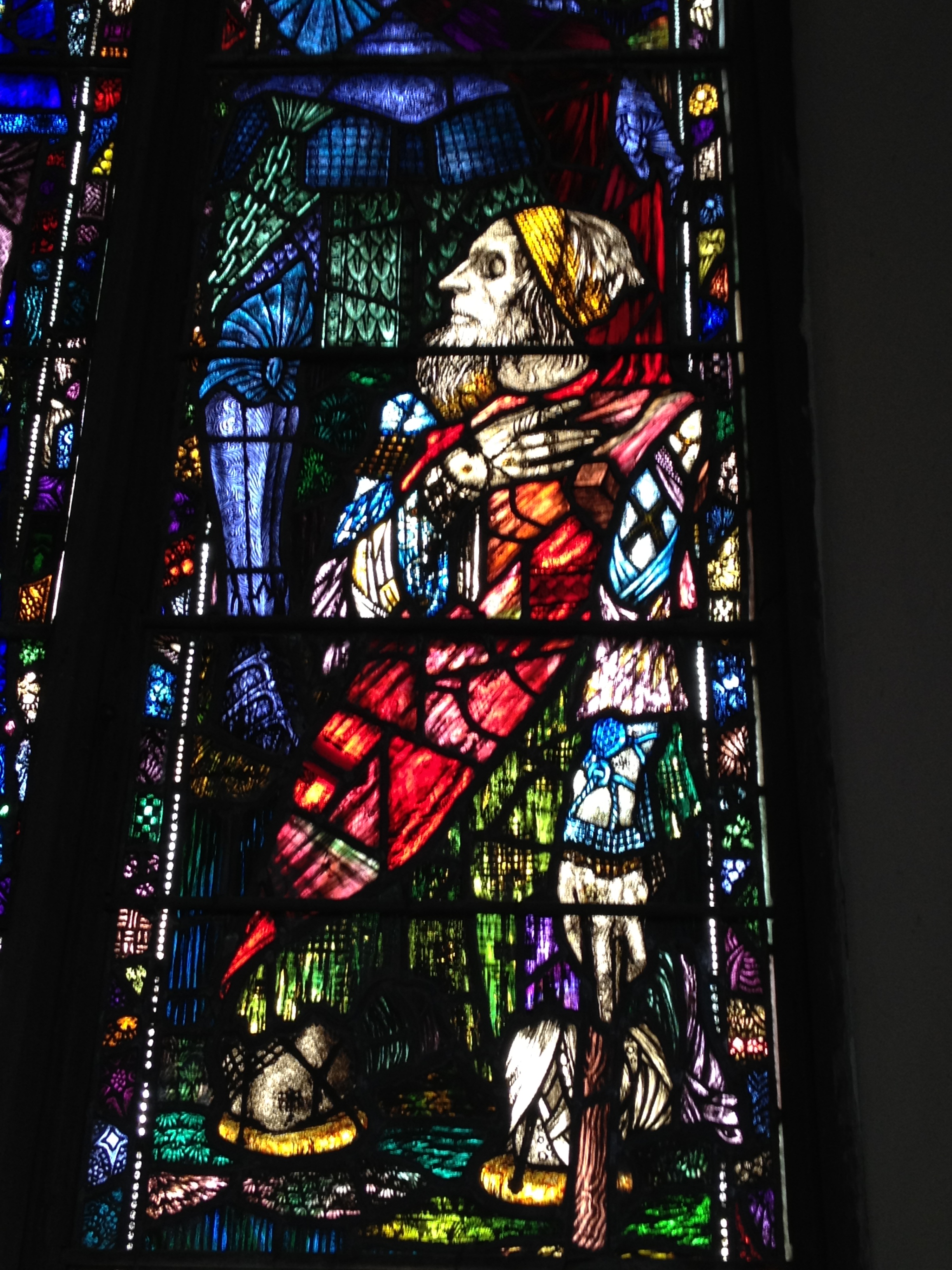
A bastion of well-to-do protestant families, Castletownshend boasts several fine houses, including the Castle itself, right on the water, and continuously occupied by the Townshends since the 17th Century. Behind the Castle, on a commanding knoll, stands the Church of St. Barrahane. Founded originally in the 12th century, the current building is almost 200 years old. A visit, up the 56 stone steps, is a must, to view the extraordinary Harry Clarke stained glass windows and to pay homage at the graves of Somerville and Ross.

Detail from St. Martin window by Harry Clarke

Detail from the St Martin Window by Harry Clarke

2013-02-05 12.32.43

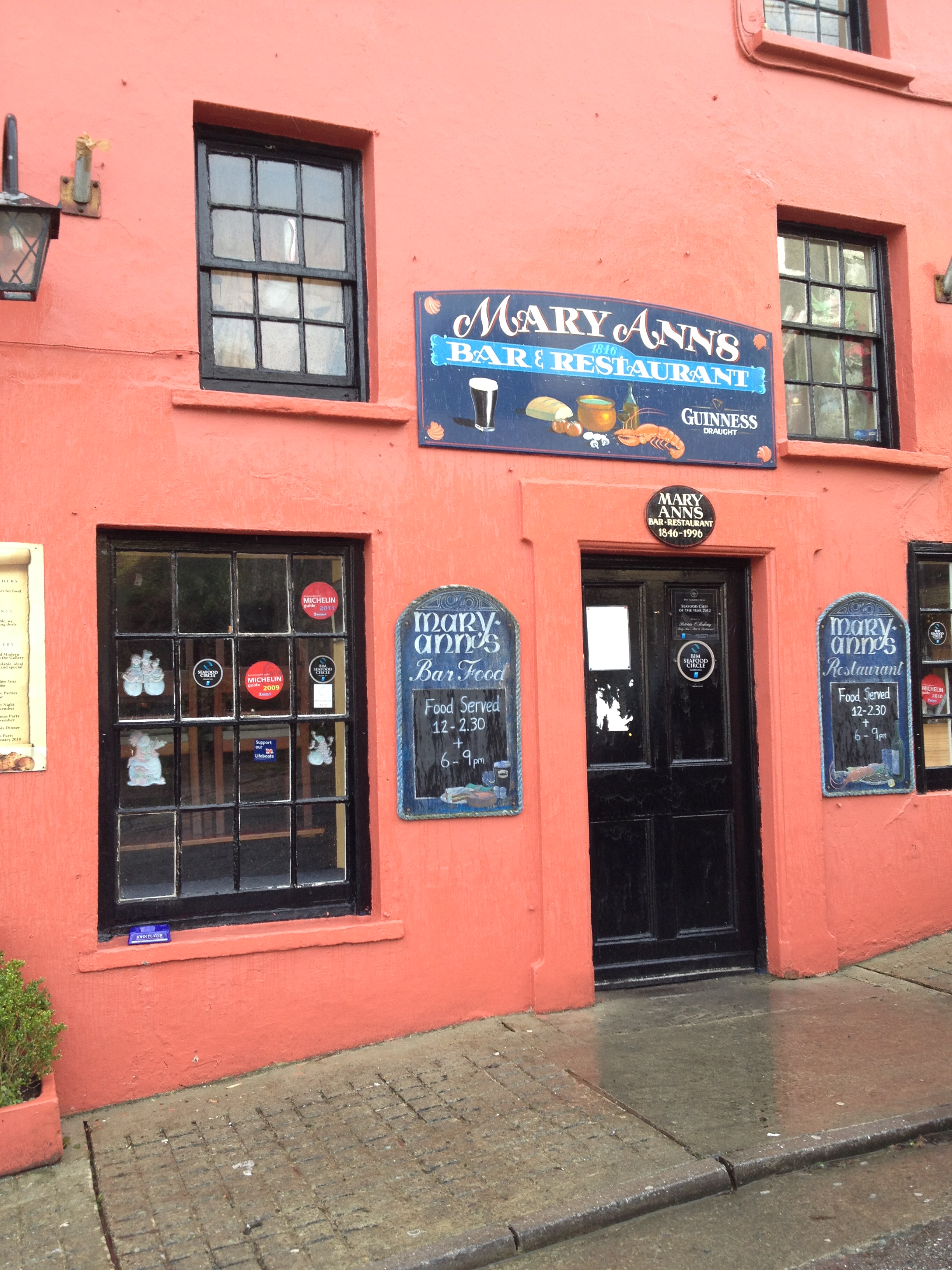
You must not leave Castletownshend without stopping at one of the most famous of all West Cork hostelries – Mary Ann’s pub. Winner of multiple awards, it is equally renowned for its excellent menu emphasising locally sourced seafood and its traditional character.

Knockdrum Stone Fort

Finally, after staggering from Mary Ann’s in the late afternoon after a huge lunch and a glass or two, you can undo all the damage to your arteries by climbing up to the Iron Age stone fort at Knockdrum, above the village, where you can drink in the spectacular coastal views.

Tell us, Dear Readers – have you read The Irish RM or other Somerville and Ross stories? Do you chuckle with remembered nostalgia, or shudder at turn-of-the-century Anglo attitudes? Did you see the TV series and what were your favourite moments?