Old Nog

The Heron Family - a 19th century print

The Heron Family – a 19th century print

Here at Nead an Iolair we are on a flight-path. Not for Eagles – which you might expect (Nead an Iolair means Nest of the Eagle) – but for Herons. I have often watched one of these most prehistoric seeming of birds lazily flapping its way across our view, apparently from the hills behind us, towards the islands in front – no doubt heading for its shallow water fishing grounds. Yesterday I saw the Heron being mobbed persistently by Crows – presumably worried about their eggs and young – but our Old Nog ignored the harrying and continued stolidly on his way. Herons roost in trees – and do so communally: I would like to search out the Heronry, which would be a rich experience in both sound and smell.
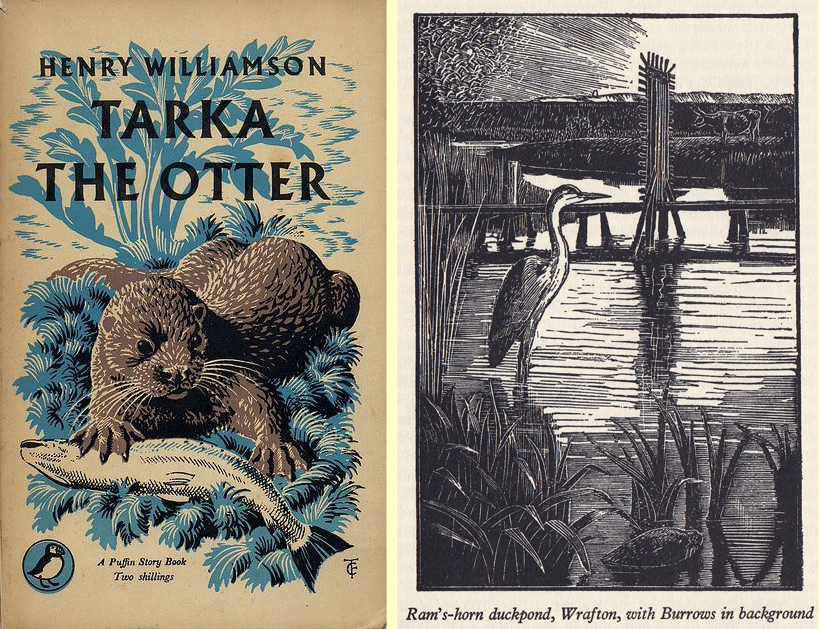
A 'Tarka' edition illustrated by Tunnicliffe

A ‘Tarka’ edition illustrated by Tunnicliffe

Old Nog – there’s a good name for this character. It comes from Tarka the Otter, probably the most famous book by Henry Williamson – a master nature writer and novelist who lived from 1895 to 1977, spending many of those years in Devon. The book – winner of the Hawthornden Prize for Literature in 1928, and never out of print since it was published – opens with these lines:

…Twilight upon meadow and water, the eve-star shining above the hill, and Old Nog the heron crying kra-a-ark! as his slow dark wings carried him down the estuary. A whiteness drifting above the sere reeds of the riverside, for the owl had flown from under the middle arch of the stone bridge that once carried the canal across the river…
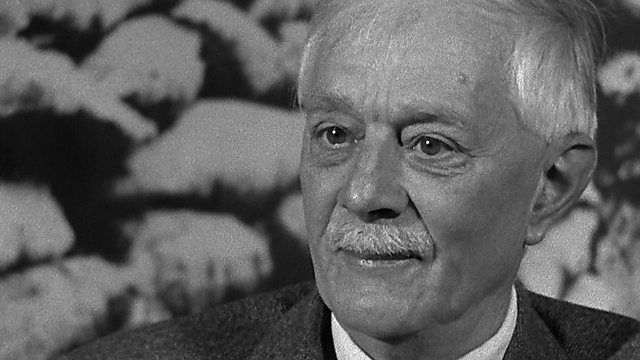
Henry Williamson

Henry Williamson

The story of Tarka unfolds in places I know well: I was in Devon for nearly four decades before I came here to Ireland. The stone bridge that once carried the canal across the river is still there, not far from where I once lived: the old aqueduct on the Rolle Canal over the Torridge now carries the driveway to a private house. Tarka’s travels took him right up to the heart of Dartmoor: to Cranmere Pool, close by which stand, today, the ruins of an old farm. This was once described (by William Crossing the Dartnoor writer) as ‘the remotest house in England’. My mother’s grandmother was born and raised there in the nineteenth century, one of fourteen children from a single generation. The name Cranmere comes from ‘mere of the Crane’, and the Crane was and still is a name often given, in England and Ireland, to the Heron.
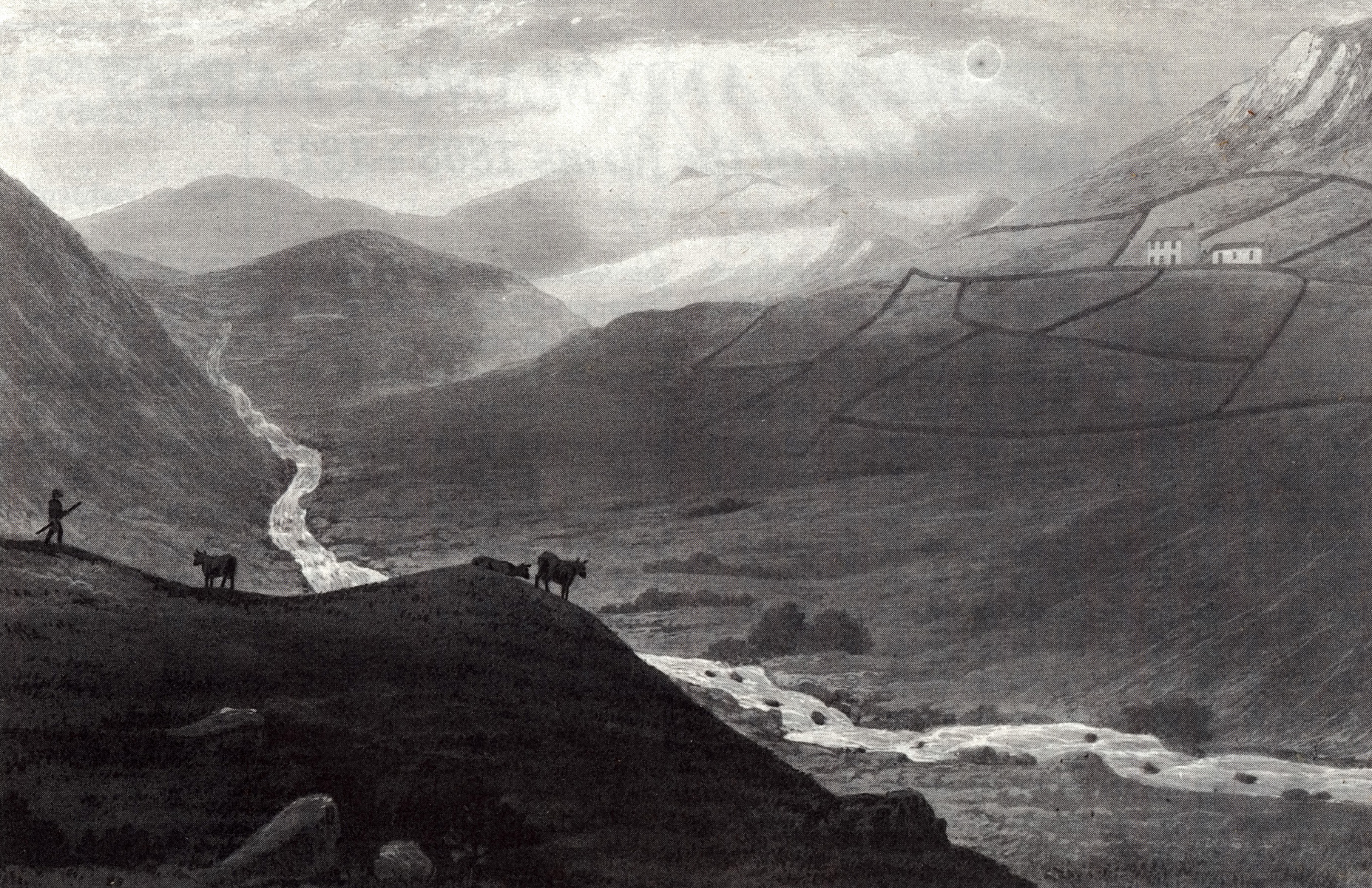
Home of my forebears: Teignhead, Dartmoor (Strutt 1828)

Home of my forebears: Teignhead, Dartmoor (Strutt 1828)

Having established, perhaps somewhat tenuously, my own relationship to the Heron, I will enlarge upon the bird’s place in folklore and tradition. The Heron was once a regular dish on the English medieval banqueting table: as the property of the crown, heavy fines were levied on anyone caught poaching the bird, while in Scotland the penalty was amputation of the right hand. From observations of the bird standing still for hours in shallow water waiting patiently for its lunch to pass within range of its sharp bill, anglers assumed that the Heron’s feet had some means of attracting the fish towards it, and it was once a custom for the fisherman to carry a Heron’s foot for luck, but also to coat the fishing line with Heron’s fat and a noxious mixture made from boiled Heron’s claws.

Aesop penned a fable about the Heron and the Fox: Fox invites the Heron to dinner but only provides a shallow plate of soup which the bird is unable to partake of because of its long beak. In retaliation, Heron invites Fox, and provides the food in a bottle with a long narrow neck: Fox is unable to share in this food. The moral? ‘One bad turn deserves another’.
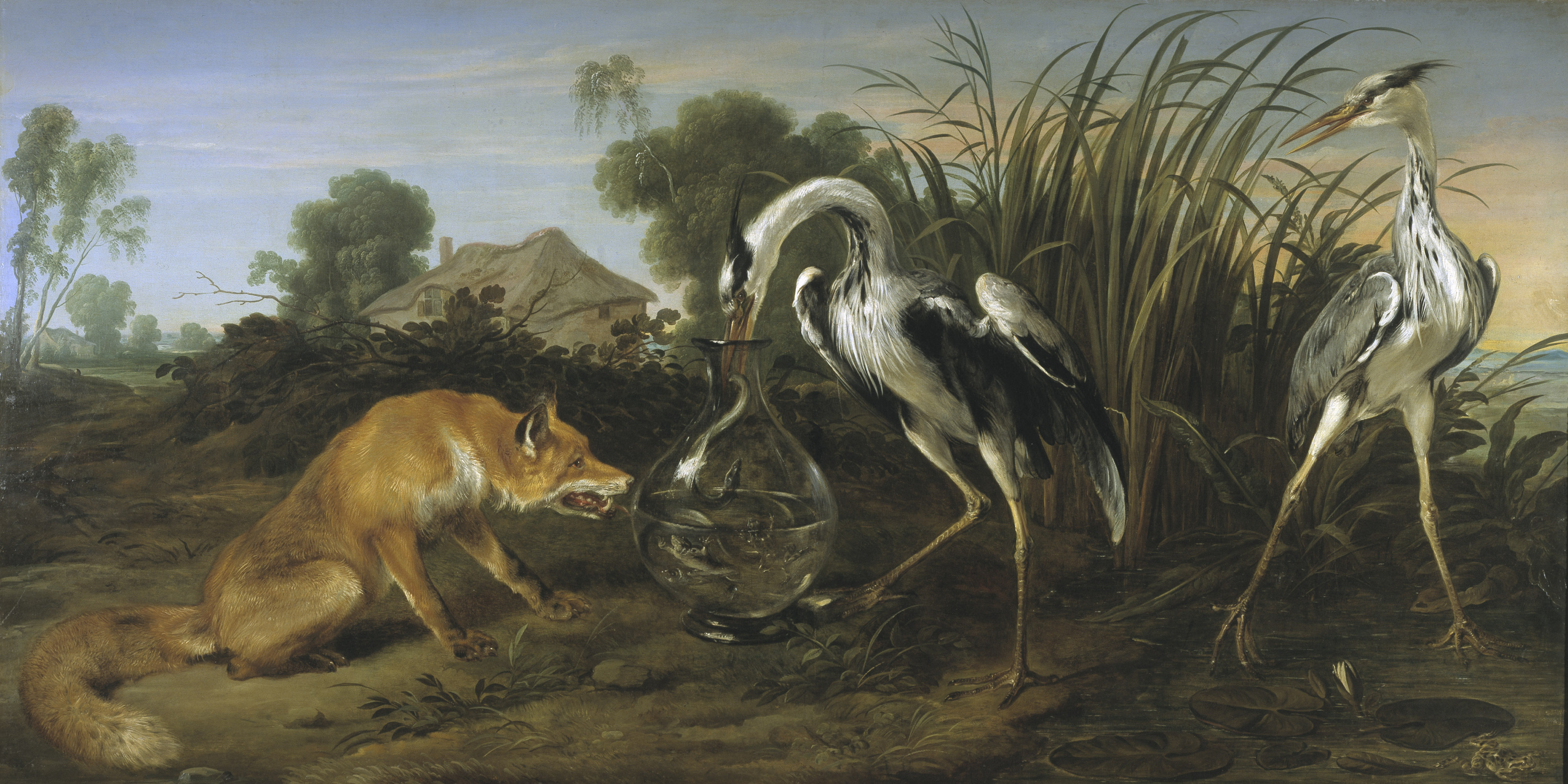
Fox and Heron - Frans Snyder 1657

Fox and Heron – Frans Snyder 1657

I have never successfully photographed a Heron, but you can see some excellent pictures in the portfolio of Sheena Jolley – a professional wildlife photographer who lives not far away from here, in Schull. And here’s another – by our friend Lisa who lives out on the Sheeps Head.

In Ireland the Heron is known as Corr reisc or Corr-ghrian (crying Crane). Although a common bird, I have found no specifically Irish folktale which includes Herons: if you know of one I would be delighted to hear it. There are some superstitions: if a Heron lands on your house you will have good luck, and if some of its plumage floats down to you – then you will have amazing luck! So, come on Old Nog – how about an occasional perch on the roof of Nead an Iolair? And, while you’re at it, throw out a few feathers as well… Of course, if there are more than one of you we will be able to say …there goes a siege of Herons…! 
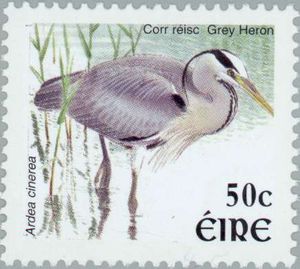
heron stamp

The Barnacle Goose – and Other Wonders

Barnacle Geese portrayed on canvas by Charles Tunnicliffe

Barnacle Geese portrayed on canvas by Charles Tunnicliffe

Here we are in Lent and the butchers are feeling the pinch.

Excuse me?

Well, strictly speaking we shouldn’t eat any meat or animal products during the 40 days of Lent. So that’s a lean time for the milk sellers, the cheese makers and the egg producers as well as the butchers. 

Surely that’s not still the case?

Depends on how strictly you observe the ‘abstinences’. But – I have to be honest – these rules were officially relaxed by the Catholic Church in Ireland in 1917. Still within living memory, however – just. And old habits die hard… 

So, tell me a bit more about Lenten traditions.

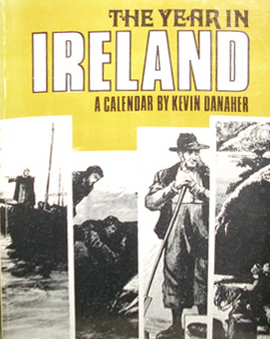
Published by Mercier Press, 1972

Published by Mercier Press, 1972

I will: I’m relying for much of this on The Year in Ireland, an excellent book published in 1972 and written by Kevin Danaher, who at that time was Lecturer in Irish Folklore at University College, Dublin. While he derived some of his material from printed sources he cites ‘…memories of a childhood spent in a district where old beliefs and customs still survived vigorously…’ and ‘…more than thirty years of research into Irish folk tradition…’ so it’s reasonable to say that much of the popular culture he describes was alive and well in the middle of the twentieth century – at least around his native part of the West of Ireland, County Limerick.

Now, the butchers….?

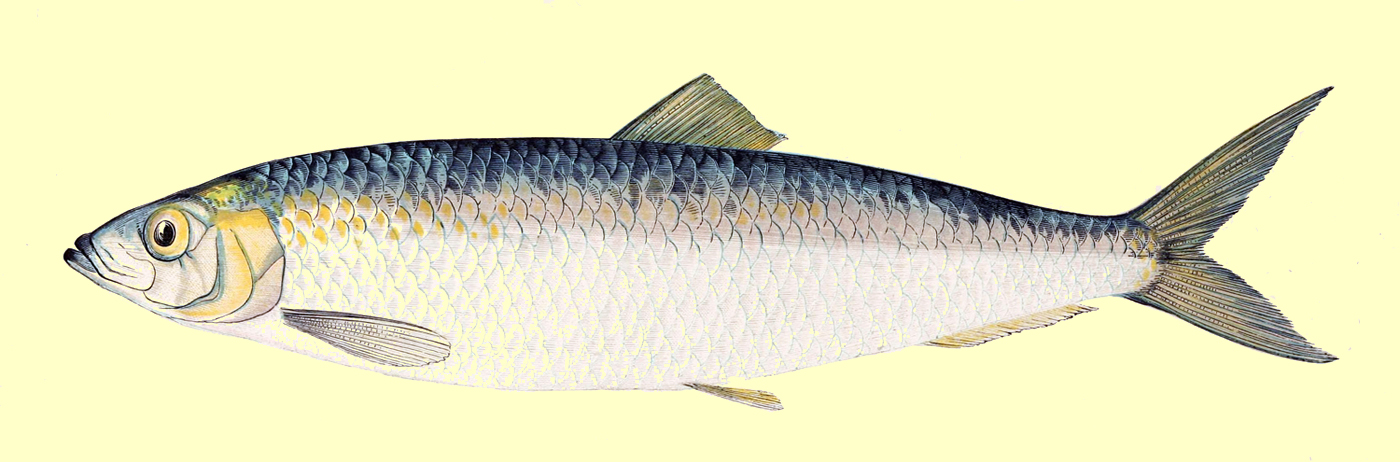
Yes – so pleased were they that Lent was over that on Easter Saturday in Cork, Drogheda and a few other towns they held a mock funeral for the Herring (for salted Herrings became a staple diet during the ‘abstinence’). The butchers put a Herring on the end of a nine foot long lath and carried it through the streets, insulting the poor fish as they went. When they got to the bridge the Herring was hurled into the water and they hung up a quartered Lamb decorated with ribbons and flowers instead.

herring

Another commentator in 1916 describes a remembered ceremony in County Monaghan:

whippingtheherring‘…On Easter Sunday morning, immediately after last Mass, all the young men and maidens, dressed in their best, flocked into the town of Carrickmacross, where they formed into a procession, headed by one of their number carrying a long pole, from the top of which dangled a Herring, and marched to the tune of whatever musical instruments they could muster (fiddles were the most common in those days) till they came down to the lake just outside the town, when the Herring was taken down from the pole and thrown into the water amidst the cheers and laughter of the spectators… The Herring, being the cheapest and most plentiful fish, was the principal dish of the poorer classes, and of some of the better-off people, too; consequently the people grew so tired of seeing him day after day on their tables that they conceived the idea of getting rid of him by drowning, after which they would indulge in all kinds of games and pastimes, amply making up for the quiet time they spent during Lent, as no one would think of enjoying themselves during the Holy Season…’

Enjoyment being another ‘abstinence’ then?

Certainly. Danaher again: ‘…there was no merrymaking during Lent, no music, dancing, card playing or visiting friends. No mother would visit her daughter newly married at Shrove until Lent was over. Musical instruments were stored away. In many houses the pack of playing cards was burned and a new pack was bought at Easter. Many people, women (who were equally addicted) as well as men, gave up smoking and some in excess of zeal broke or burned their tobacco pipes. And although some topers found solace in the old couplet:

 – Good luck and long life to the Council of TrentIt took away meat but it left us the drink –

large numbers took a pledge against alcoholic drinks ‘for the duration’…’

The Council of Trent

The Council of Trent

I’m getting dizzy – just tell me about the Barnacle Goose.

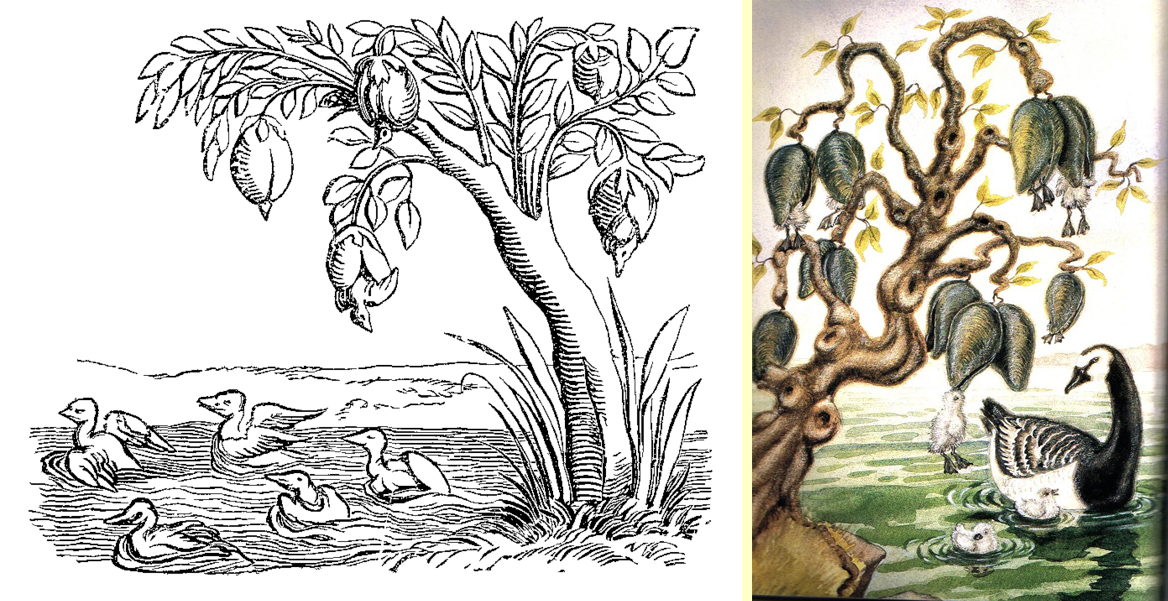
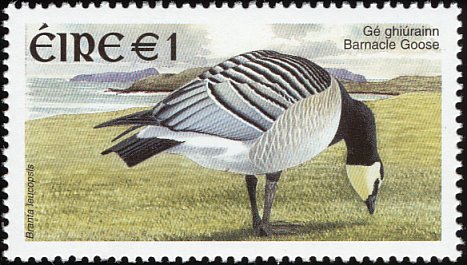
Human ingenuity has a way of overcoming all difficulties and we find that the clergy were eating Geese throughout Lent! This was because it was once thought that the Barnacle Goose (and the Brent Goose) – both of which winter on our west coast but don’t breed here – should be classified as fish. This is first mentioned by Geraldus Cambrensis who visited Ireland in the twelfth century and described the wonderful way in which these Geese came not from eggs but from Shellfish – or grew on trees!.

img4465-1

He goes on to say ‘…Accordingly in some parts of Ireland bishops and religious men eat them without sin during a fasting time, regarding them as not being flesh, since they were not born of flesh..’ More recently – shortly before the 1914-18 Great War – Martin Duncan, librarian of the Zoological Society, was lecturing in the North of Ireland on marine mammals when he was asked by a local Parish Priest ‘…whether he had told the whole story of the Barnacle “because his people were in the habit of eating the Barnacle Goose during Lent under the impression that it was more fish than fowl”, and stating that a comparatively recent pope had granted a dispensation to the people of Derry to continue to eat the Barnacle Goose during Lent as an ancient and established custom…’ The same licence obtained all along the Kerry coast ‘…not because they had any belief in the mythical story of its origin, but because they knew that it lived more on the sea than on the land, and so acquired fishy character…’

In fact it is true that a pope commented on the topic, but that was Innocent III in 1215 – and he condemned it. As Danaher relates, ‘…news of this does not seem to have yet reached the people of the west of Ireland…’

Good for them! Oh – and what is the collective noun for Barnacle Geese?

A Crustacean of Barnacle Geese…

BarnacleGooseIE

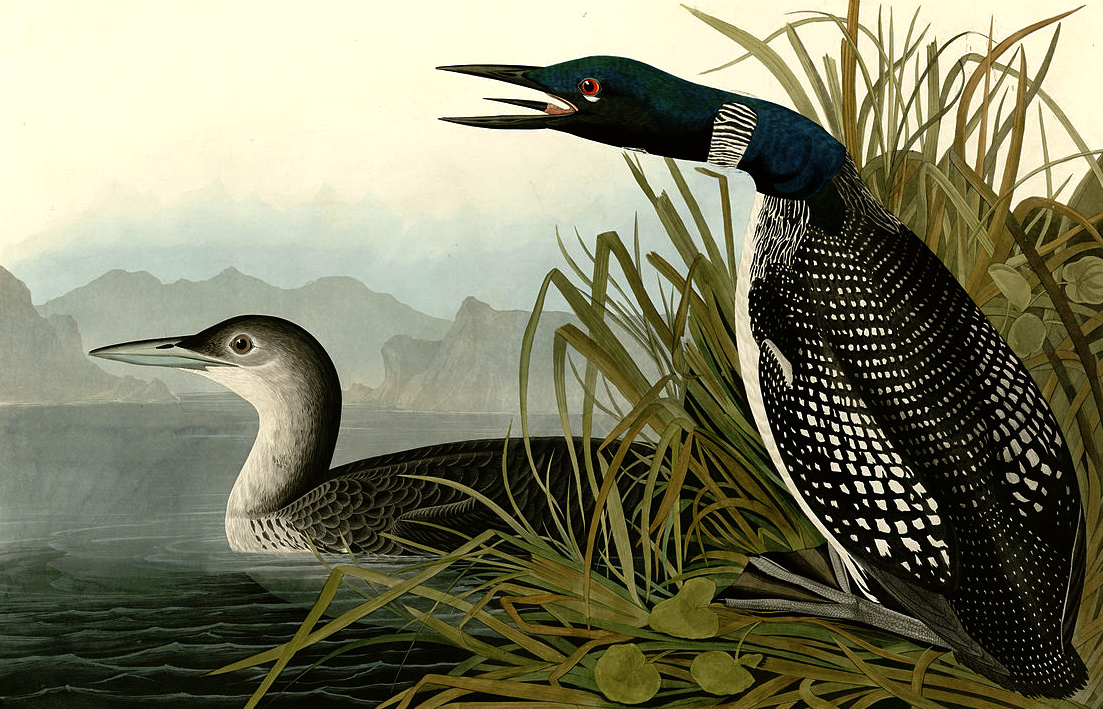
Loon the Sentinel

loon print

Our friend Julian lives beside the water in the Cove, and we were excited when he told us there were Great Northern Divers in the bay. During the recent storms he saw a large number of them – fourteen or fifteen – huddled together for shelter close by the shore. He called this gathering a ‘Raft’: In fact the collective noun is usually said to be Asylum, Cry or (more attractive) Water-dance. We saw them too, but distantly through our spotting scope up in Nead an Iolair, although we came across them close to when we were walking by the shore in Ahakista on the Sheep’s Head. Here they were mixed up with Cormorants (collective noun Flight of…) and Shags (Hangout of…) – but their markings were distinctive enough for us to be sure.

loonie

In Canada the same birds are known as Loons. Believe it or not, the International Ornithological Committee met especially to consider the problem of the differing names in America and Europe and proposed a compromise: the Great Northern Loon. I like the term Loon: supposedly this name comes about because the bird has large webbed feet set well to the back to assist diving but is clumsy on land. In Icelandic the word for ‘lame’ is lúinn, and in Swedish it is lam – this could well have been an influence. The Canadian Loon is featured on the one dollar coin – which is therefore know as a ‘loonie’ – the two dollar coin is a ‘toonie’.

When Finola and I were on a road trip up to the north of British Columbia (through spectacular scenery) we stopped by a lake and we could see diving birds a considerable distance away. Finola told me they were Loons and I said I really wanted to have a good look at them. She immediately put her hands up to her mouth and produced the distinctive wavering call:

I couldn’t believe it when a few seconds later a Loon surfaced right beside us! I was full of admiration (as always) for Finola’s many talents…

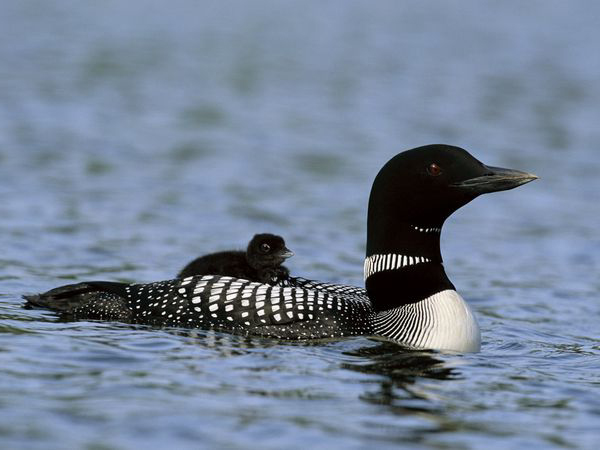
An endearing habit of the adult bird is that it carries its chick on its back until it can swim on its own.

Hitching a ride...

Hitching a ride…

I can’t find any Irish legends mentioning Loons, Great Northern Divers or any other variants, but there are plenty of Canadian ones among the First Nation cultures. There the Loon is invariably a ‘good guy’, and even helps Raven the Creator to make the world, and to bring Sun, Moon and Water to it. It has various names in these tales, including Big Loon, Black-billed Loon, Call-up-a-storm, Ember-goose, Greenhead, Guinea Duck, Imber Diver, Ring-necked Loon, and Walloon. We also have a very fine carved Loon on our living room wall, from Finola’s First Nation art collection.

loononwall

I call Loon the Sentinel because he seems to stay just outside our Cove, swimming and diving across the entrance – keeping it safe for us. When our spring comes (and we can begin to feel the sun getting stronger already) he will be off to colder climes to breed.

Stormy Weather

neadwinter

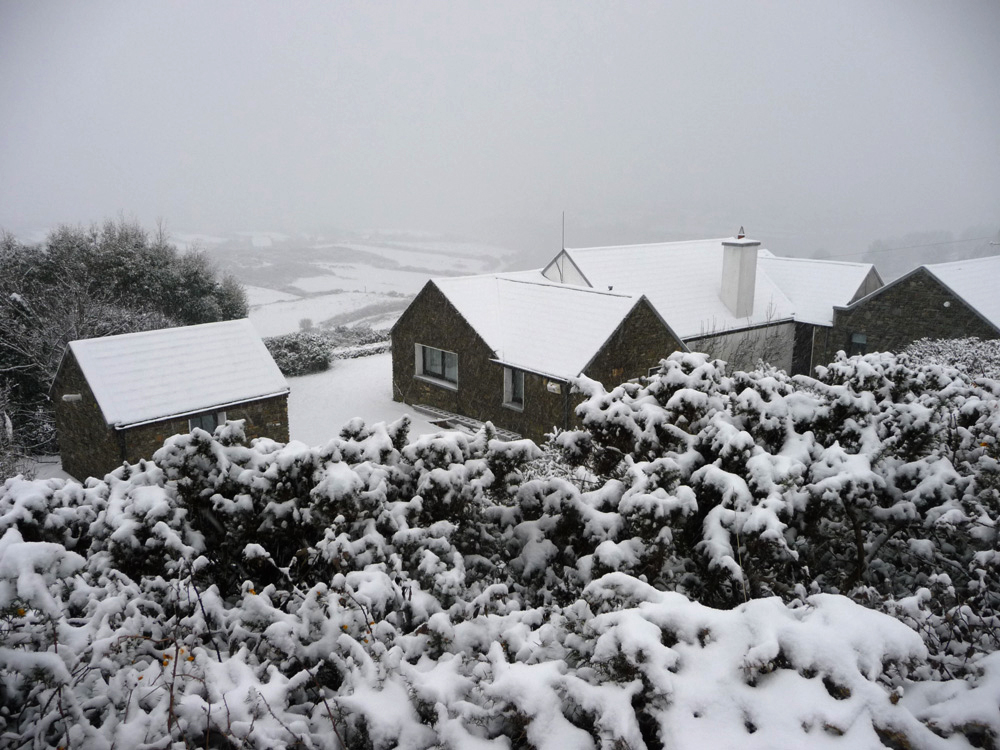
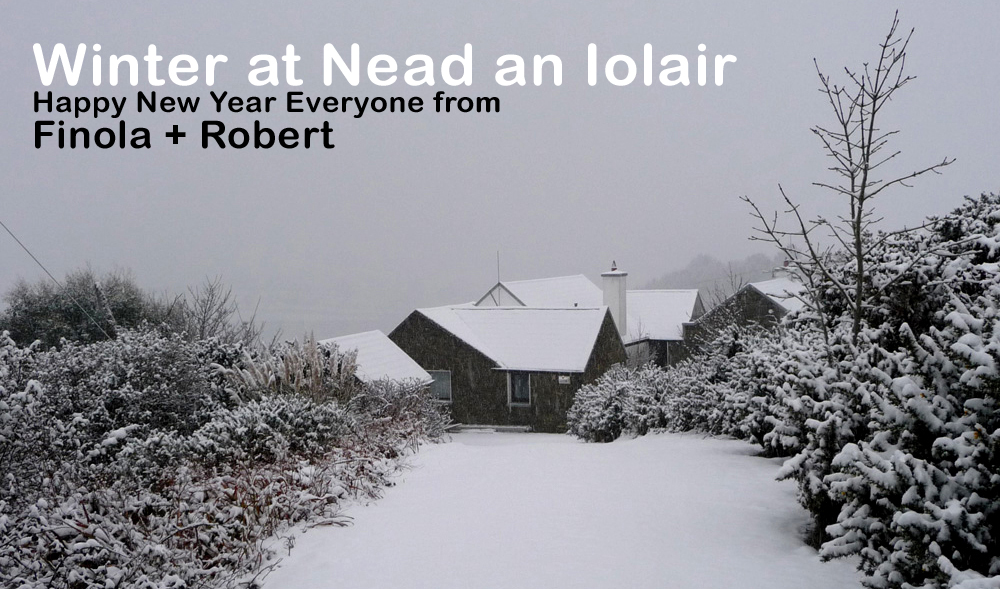
This picture of Nead an Iolair is here to create a seasonal feel: it was taken by our neighbour Dietrich in the Great Winter of 2010 – 2011 when the extremes were all about deep snow, frozen roads and frozen pipes, unusual for this little corner of the island normally kept mild by the Gulf Stream. This winter we have a different extreme – hurricane force winds!

spiked

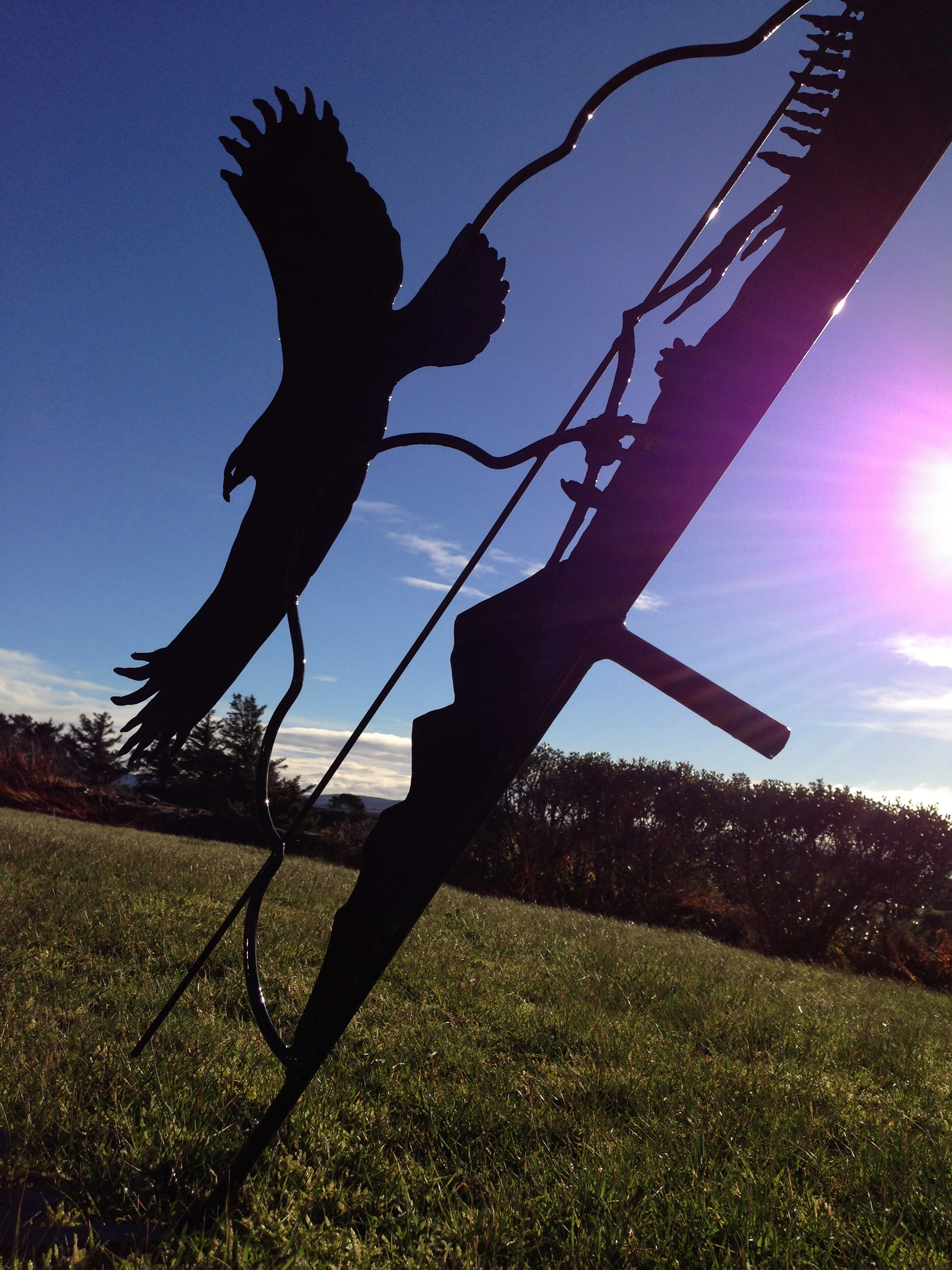
‘Hurricane’ on the Beaufort scale means wind speeds of 118 km/hour or more. We went to bed on St Stephen’s Day evening, having measured the wind speed outside as 87 km/h. That seemed wild to us: the trees were bent over and the salt laden rain and sleet were coming in horizontally and lashing our south west facing windows. It was hard to sleep: the slates were rattling loudly above us and the aerials and lightning conductors on our roof were shrieking and bending. The noises got louder and more terrifying as the night went on. I wanted to venture outside with my little hand-held anemometer but I couldn’t face it. The violent storm began to abate only in the early hours of the morning and, when we did creep out, it was to find some damage: two trees down in the haggart, sadly, and our beautiful weather vane collapsed. It was as well that we weren’t underneath when the flying Eagle and its sharply pointed arrow came crashing on to the lawn, just missing our door.

levissession

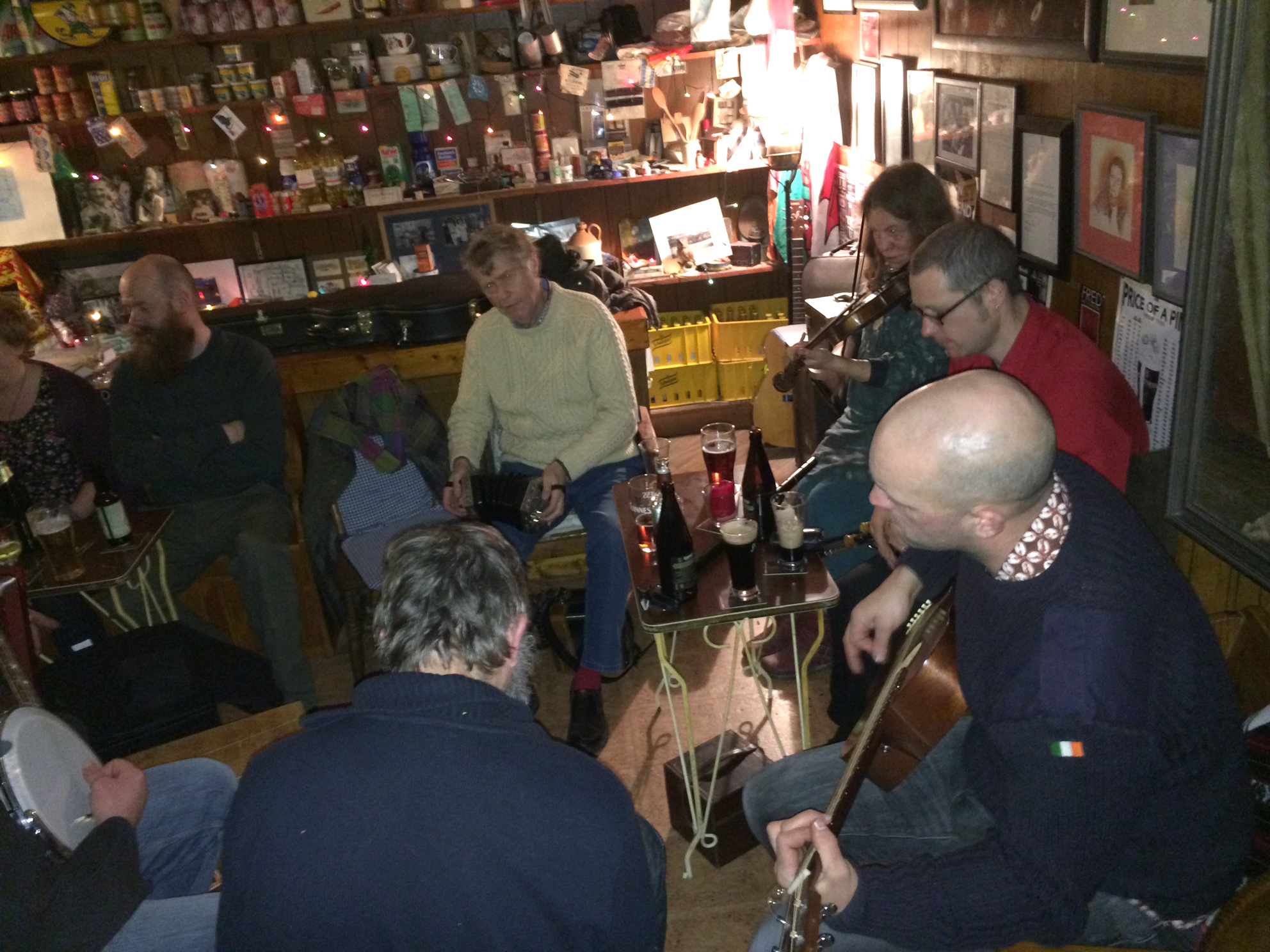
St Stephen’s Day Session, Ballydehob


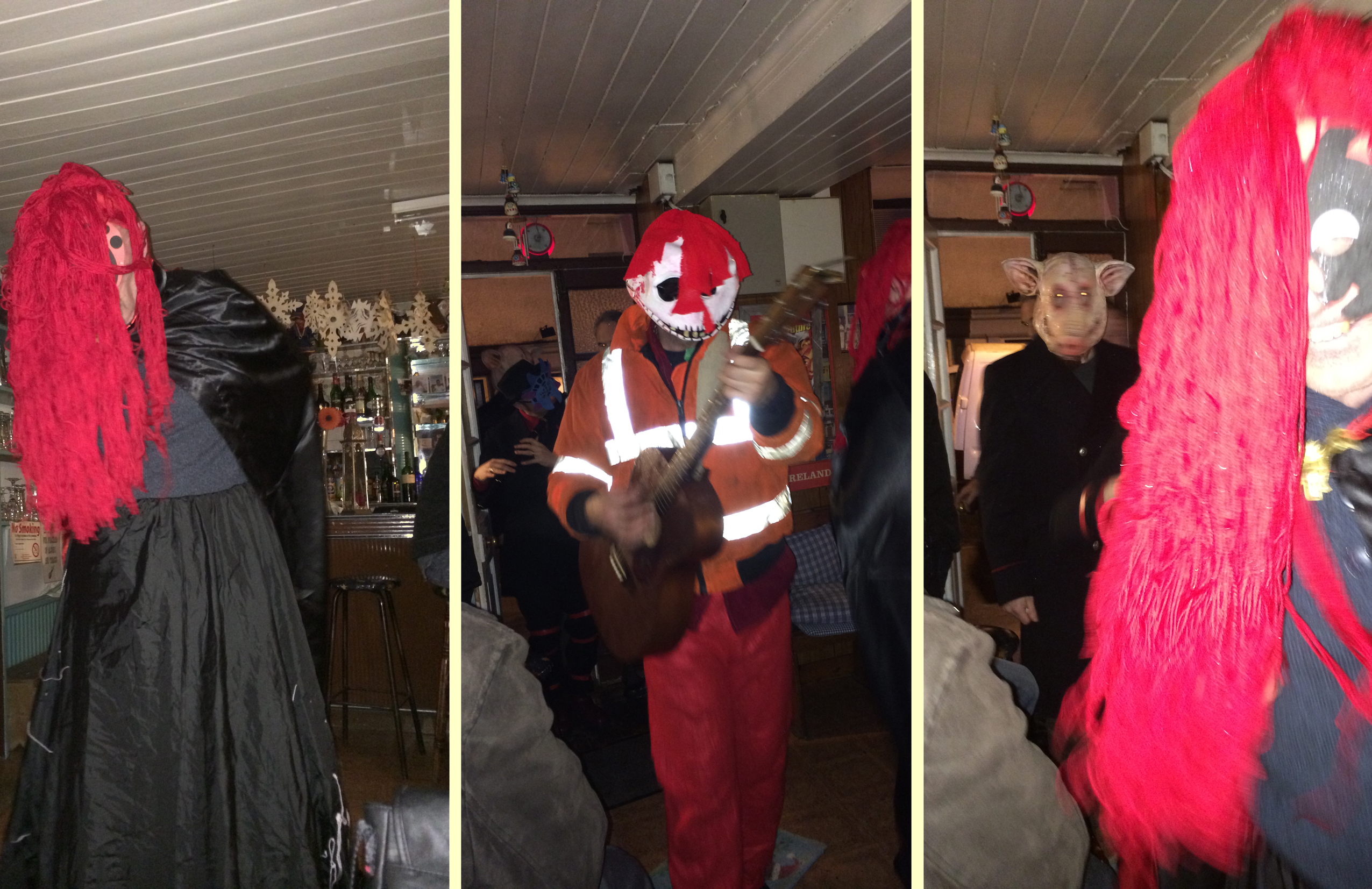
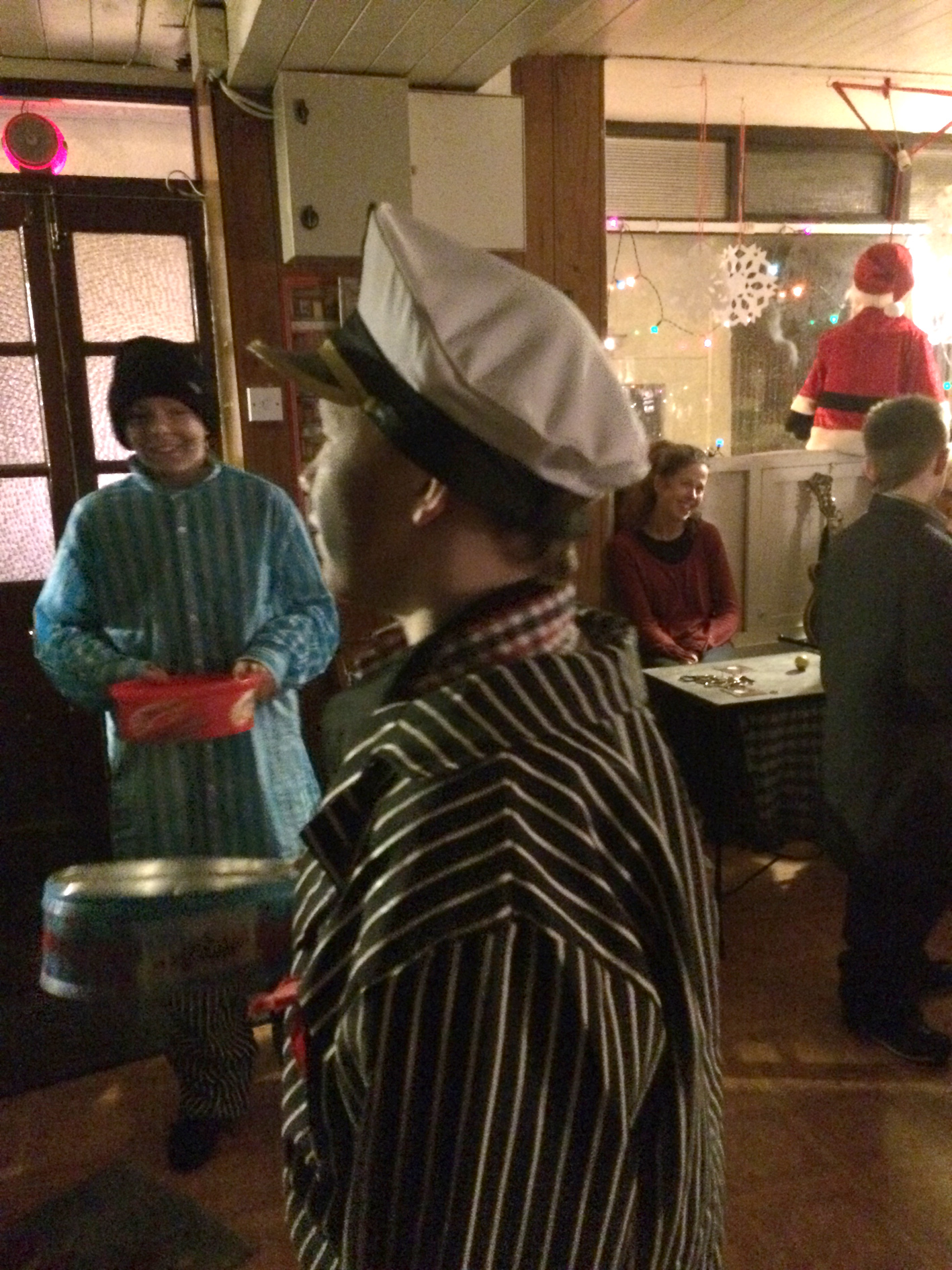
Earlier in the day we had enjoyed an unexpected visit by the Wren Boys to Levis’s pub, where we were involved in an improvised session. Two groups of Wren Boys in fact: the first an adult company with musicians, colourful costumes and bizarre masks, and the second a group of boys dressed in old coats turned inside out, pyjamas and sailor caps, carrying large collecting tins. All were welcomed and the festivities grew merrier as the wind strengthened.

wrenners

wrenboys

Keeping traditions going: outlandish Wrenners visiting Ballydehob – top – and local lads collecting in Levis’s Bar – below

As I lay in bed at the height of the storm I found myself worrying about our birds: how on earth could the Goldfinches, Chaffinches, Robins and Wrens (any Wrens who had escaped the St Stephen’s Day hunt that is) have survived that terrible gale – which stripped the bird feeders of everything moveable and the bushes and shrubs of their sheltering leaves? In the morning, there they were back again, and noisily demanding a refill which, naturally, I was delighted to provide.

message

Wrens and Rhymers

troglodytes

…..…In comes I the Wran,

The Wran, the Wran, the king of all birds.

On St Stephen’s Day I was caught in the furze.

Although I am little my family is great,

Rise up landlady and give us a trate.

Up with the kettle and down with the pan,

Give a few pence to bury the Wran.

Then I’ll dip my wings in a barrel of beer,

And I’ll wish you all a happy New Year.

St Stephen - the stoning
Stoning of St Stephen by Uccello

– St Stephen was the very first Christian martyr: in the same year that Christ was crucified he claimed to have a vision of Jesus in heaven standing at the right hand of God. To Stephen’s enemies this was a blasphemy, and he was forced into hiding. But his hiding place was given away by the song of a little Wren, and St Stephen was publicly stoned to death. In retribution for this the Wren is traditionally hunted in Ireland  (and some other Celtic countries) on St Stephen’s Day – December 26th, and groups of Wrenboys carry the bird from door to door – slung from a pole or interred in a small wooden coffin: there was a time when the poor Wren himself would have been stoned to death. An old story also blames the Wren for alerting a band of Vikings to the approach of the Irish army by pecking on a drum; yet another claims that when Cromwell’s soldiers were asleep and the Irish were about to attack, a flock of Wrens rose into the air and wakened the enemy with the sounds of their wingbeats. So there has always been a strong connection with betrayal.

Wrenboys in Cork - 19thC and Wren Boys by Jack Yeats
Wrenboys in Cork – C19th and The Wren Boys by Jack Yeats

Troglodytidae (cave dweller) is such a small bird: here at Nead an Iolair we occasionally catch sight of him darting out from thick, seemingly impenetrable bushes close to the bird feeder – his movements seem more like a mouse. Small, yet in mythology he’s a giant – King of the Birds in several traditions: Koning Vogel in German, Konije in Dutch, Reytelet in French, Bren in Welsh – all mean King or Little King. When the birds were electing their king they decided that whoever could fly the highest would win the contest; the Eagle easily outflew everyone else but the Wren was hiding in his wings until the Eagle had exhausted himself and then flew on up to claim the title. But there’s more: the Wren is forever associated with that turning point of the year when everything goes topsy turvy: the Twelve Days of Christmas. At this time the Lord of Misrule presides and traditional roles are reversed; it’s not surprising, then, that the tiniest of the birds should become the most important. But, like all kings, his reign is finite – and he is sacrificed at the dark year’s end to ensure that the sun will rise again.

wren song

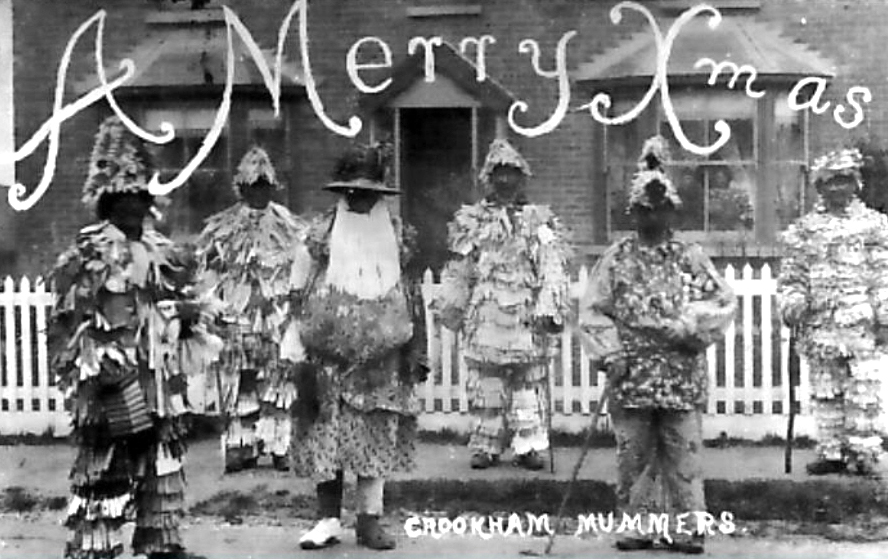
Which brings us to Rhymers… and Wrenboys, Strawboys, Guisers and Mummers… The Feast of Stephen is their day too. When I was a boy we went out every Boxing Day morning to Crookham in Hampshire to watch King George slaying Bold Slasher, who was miraculously brought back to life by the quack Doctor, after which the young fertility figure Trim Tram Jolly Jack ‘…wife and family on my back…’ killed Old Father Christmas – something which must have seemed odd to a child, who might not have understood the symbolism of the  old, dark winter giving way to the new life of spring. Danny tells me that when he was growing up in Limerick he saw the Strawboys or Rhymers performing the same play on the streets – and he remembers the Wren being paraded in procession, too.

crookham mummers
Mummers in Hampshire, England, above – and Wrenning in Kerry, Carrigaline and Dingle below
wren day

The folk play is alive in Ireland: there are Mummers in Wexford, Cork and Dingle, and the Armagh Rhymers travel across the world to perform their rituals. Here at Nead an Iolair I shall be reciting ‘…In comes I…’ around Christmas time: the words of all the characters are locked firmly in my brain – I have never seen them written down. It’s a true oral tradition – and a surviving one. Who knows – if I don’t repeat those words, the sun might just stop shining… It’s not worth the risk.

The Armagh Rhymers
The Armagh Rhymers

And – on St Stephen’s day – I shall be on the lookout for a Chime of Wrens, but I love all our birds, so it will only be a token ‘hunt’.

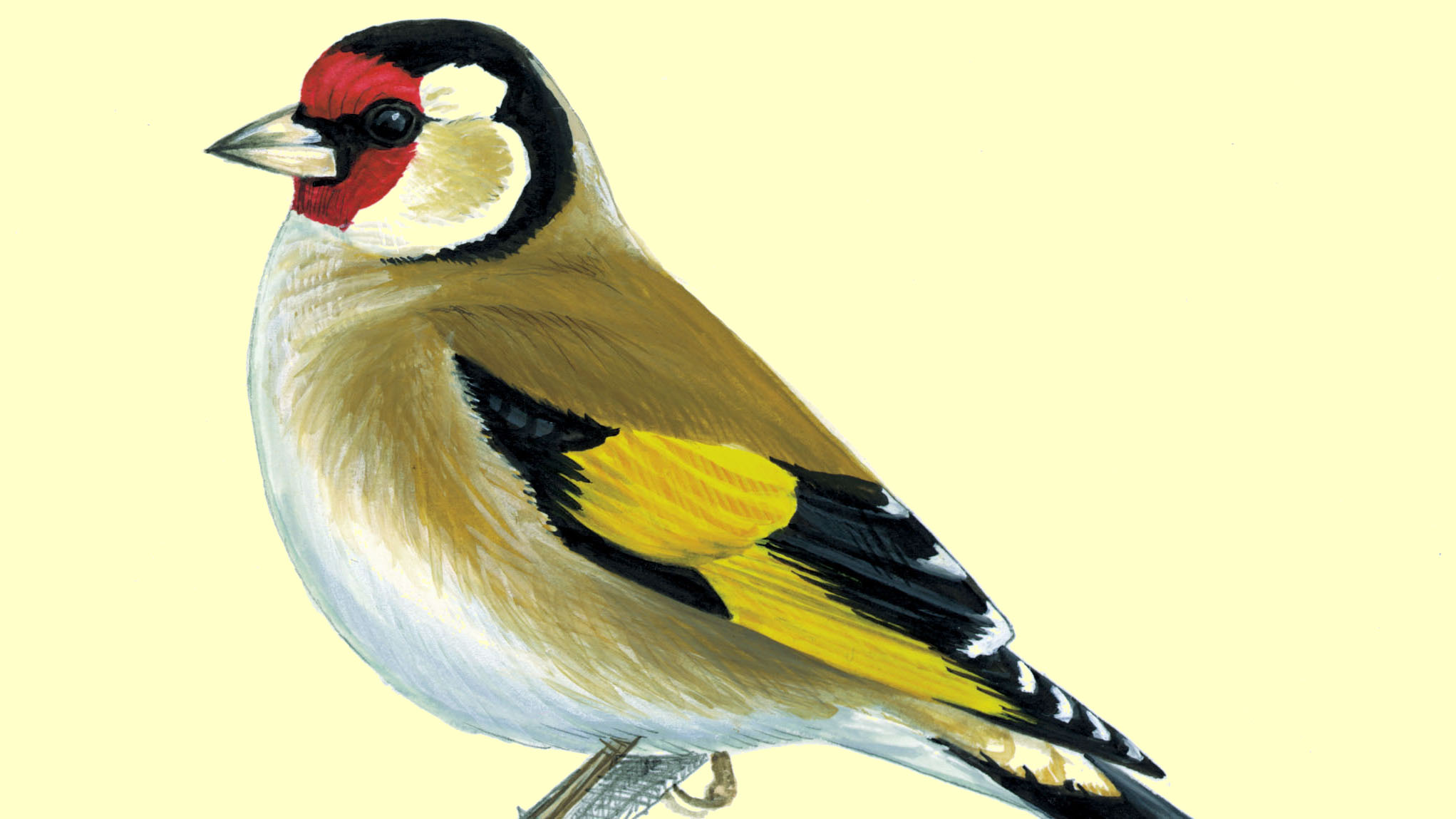
A Charm of Goldfinches

Carduelis Carduelis

Carduelis Carduelis

Ferdia demolished our beautiful bird-table – made for us by Danny – by jumping up and hanging on to the peanut feeder, swinging there until the whole thing came down: and he showed not one ounce of contrition! After his peanut feast he licked his lips, stared at us brazenly and seemed to say “Now, so – that was a grand game”…. The outcome is an architect-designed, post-modern, deconstructivist bird feeding station made from two broom handles (total cost 3 euros) that is painted green (of course) and is Fox proof!

redhanded

Caught redhanded!

Ferdia may feel thwarted, but our resident Goldfinches are delighted. I was delighted, also, when I found out the collective noun for Goldfinches: a Charm. How apt – the birds are vivacious, colourful and noisy. The word might come from the latin Camina – song.

It’s hard to keep up with them as they fall out of the sky (literally – they just appear suddenly, flap around the feeders, hang on – often upside down, constantly squabble with each other, and then vanish just as quickly) but I have counted up to 20 in one ‘sitting’. The Chaffinches, Robin and Tits edge in occasionally, but when the Charm is around then it’s all-pervasive. Only the Greenfinches seem oblivious to the crowd and staunchly carry on with their meal through all the mad tumblings and twitterings.

gfinch2

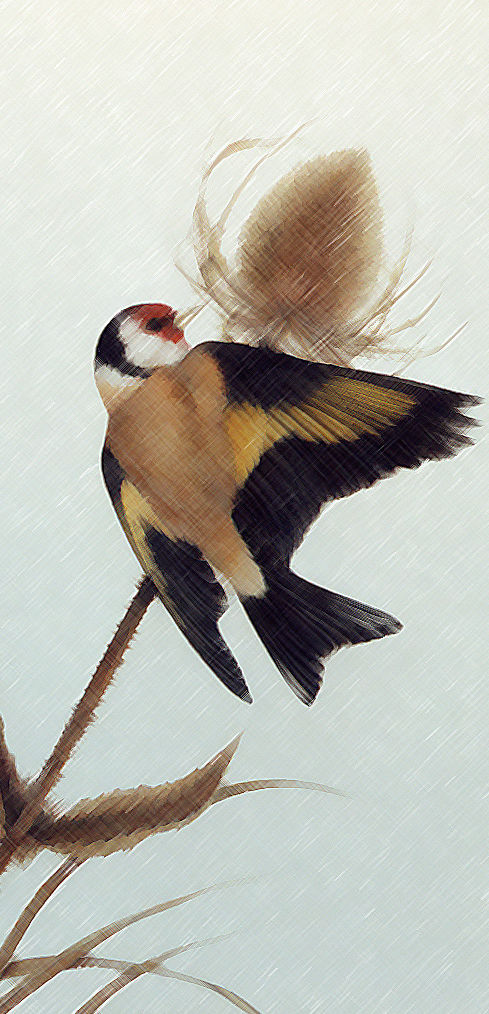
‘Teasel-tweaker’

Goldfinches have a folk name: Thistle-tweaker. Evidently their preference is for the thin seeds of thistles and teasels which they prise out with their beaks. We provide exactly the right seeds (purchased at the bird shop at great expense) but will they have them? Not a bit of it! Only one thing interests them and that’s the peanuts  – just like Ferdia. But their supposed liking for sharp seeds, and thorns for their nests, has given them a place in Christian iconography – and folklore.

A medieval legend tells that when Christ was carrying the cross to Calvary a Goldfinch came down and plucked a thorn from the crown around his head. Some of Christ’s blood splashed onto the bird as it drew the thorn out, and to this day Goldfinches have spots of red on their plumage (a similar story is told about the Robin). Certainly, Renaissance artists frequently depicted the Christ child with a Goldfinch, and it is suggested that the bird is linked to a foretelling by Christ of the manner of his death – something often attributed to the great Folk Heroes.

Chaucer’s Cook is thus described: “…gaillard he was as a goldfynch in the shawe…” – as merry as a goldfinch in the woods. In some parts of England the popular name for the bird was Proud Tailor – which picturesquely sums up the patchwork appearance of this busy and brightly colourful little character.

There is a Valentine’s Day tradition based around birds. If the first bird a girl sees on that day is a Bluetit, she will live in poverty; a Blackbird foretells marrying a clergyman; a Robin tells of a sailor; and if she sees a Woodpecker she will be left an old maid. If the first bird she sees is a Goldfinch, however, she is promised a wealthy marriage…

Goldfinches in Rennaissance art

Goldfinches in Renaissance art

John Keats wrote this verse in ‘I stood tip-toe upon a Little Hill’

…Sometimes goldfinches one by one will drop

From low hung branches; little space they stop;

But sip, and twitter, and their feathers sleek;

Then off at once, as in a wanton freak:

Or perhaps, to show their black, and golden wings,

Pausing upon their yellow flutterings…

Here in Ireland there is a tradition that Goldfinches – under their other folk name: Redcaps – haunt the realms of The Other Crowd, and they will always be seen around the raths (Fairy Forts), ancient mounds and in thorn trees. I will have to research that one.